*Over a 12-month period compared to other formulas indicated for CMA. Study was conducted in 2014 prior to the launch of Aptamil Pepti Syneo® or Neocate Syneo® 1
IMPORTANT NOTICE:
Breastfeeding is best for babies and the nutritional benefits of breastfeeding should be carefully considered before bottle-feeding is initiated. The decision to discontinue breastfeeding may be difficult to reverse and the introduction of partial bottle-feeding may reduce breast milk supply. However, we recognise that breastfeeding may not be an option for every mother. Where a formula for special medical purposes is required, parents should only use this after consulting a healthcare professional. Preparation should follow label instructions; failure to do so may be harmful to the health of the child.
REFERENCE:
1. Nocerino R et al. J Pediatr. 2021;232:183–191.
RKT-M-77976 July 2025
LGG
Increasing longevity through nutrition: what’s the secret?
Everlasting youth and life have been a source of fascination and exploration for centuries. Using magic elixirs, drinking holy water, casting spells, or simply becoming a vampire, eternal youth and immortality remain evergreen tropes within the realms of science fiction and fantasy.
Whilst I enjoy a good yarn about such things, we need to get real here and look at the facts. If we consider ourselves on a cellular level, research suggests that whilst advanced medical care and interventions mean that we have the ability to extend our lifespan, there may be a biological limit to how long we can live.
In addition to the physical limitations, whilst we deliberate immortality, there are some philosophical perspectives that are debated here too. Philosophers have reflected on a wide range of ideas relating to living forever: immortality through technology and the belief in an immortal soul, for example. The psychological toll of everlasting life has also been considered and discussed. However, the current reality we face focuses more on longevity rather than immortality, which is more aligned with what our genetics have in store for us and how we manage our health and well-being, rather than any magic fixes.
Our Cover Story this issue focuses on longevity and the ‘blue zone’ concept. Farihah Choudhury joins us to discuss what it means to age healthily, what a ‘blue zone’ is and what the current research is telling us.
Aside from the ‘blue zone’ there are more articles this month featuring innovations that may play a role in longevity via effective management of clinical conditions such as obesity and diabetes. Mike Sweeney and Karen VoasWootton share different perspectives on type 2 diabetes management. In her News column, Karen reports on the recent NHS changes in type 2 diabetes management, whilst Mike questions whether current treatment approaches are the best way forward and presents the evidence. Adding to the mix, Kate Hadley pulls the attention-grabbing headlines about injectable weight loss medications into touch and debunks some of the common myths we’re hearing.
They’re not mythological or fantastical potions, but seed oils have come under great scrutiny over recent years and have been given a somewhat villainous reputation. In Myth Busting this month, Madi Myers takes a deep dive into the science behind seed oils and explores the controversy surrounding them.
Thanks for joining us again and enjoy the read. Emma
Emma Coates RD Editor
Emma has been a Registered Dietitian for 18 years, with experience of adult and paediatric dietetics. coatesyRD
Nutrition in the news
Karen Voas-Wootton RD
Karen is a Community Prescribing Support Dietitian and Team Lead at Betsi Cadwaladr. She has a keen interest in appropriate prescribing and nutritional support and actively tries to perform quality improvement strategies within her role.
TYPE 2 DIABETES CARE: THE BIGGEST SHAKE-UP IN A DECADE
Millions of people living with type 2 diabetes are set to benefit from earlier access to innovative treatments in what has been described as the biggest shake up in diabetes care for a decade. This landmark update reflects NICE’s commitment to reviewing and improving priority clinical pathways, as outlined in the NHS 10-Year Health Plan.
The new draft guideline signals a decisive shift in diabetes management, moving from a reactive model of treating complications to a proactive approach focused on prevention and long-term health.
In its recent announcement, NICE has confirmed that access to newer diabetes medicines, specifically SGLT-2 inhibitors, will be expanded. For the first time, these medicines are recommended as a first-line treatment option. This means that patients who are unable to tolerate metformin can now begin treatment with an SGLT-2 inhibitor alone. These medicines represent a step forward in care: not only do they significantly improve blood glucose control, but they
also protect against kidney disease and cardiovascular complications – two of the most serious risks for people with type 2 diabetes. Importantly, patients are already beginning to benefit from these changes.
This updated guidance highlights how clinical practice is evolving to meet the needs of patients earlier and more effectively, ensuring that care is not only about managing diabetes, but about preventing its complications and protecting overall health.
Read the announcement on NICE’s website here: https://www.nice.org.uk/news/articles/women-older-people-and-black-people-less-likely-toreceive-an-sglt-2-inhibitor-prescription-for-type-2-diabetes
NICE FINALISES ANNUAL WEIGH-IN GUIDELINES
In August, NICE released its final guidance on annual BMI and waist-to-height ratio checks for adults with long-term conditions such as diabetes, heart failure, arthritis and severe mental health disorders: Quality standard 212. https://www.nice.org.uk/ guidance/qs212.
The guidelines recommend annual BMI measurements for all, with waist-to-height ratio checks for those with a BMI under 35kg/m². The aim is to identify individuals at risk of obesity-related complications early and guide them to NHS weight management services. The final guidance also addresses practical considerations for implementation, including staff training and integration into routine care.
Feedback from the consultation highlighted broad support from healthcare professionals, who stressed the importance of sensitive, non-judgemental discussions around weight and health. The guidelines are expected to help standardise care across the NHS and improve long-term outcomes for patients.
New research & reviews
PRIMARY SCHOOL MENUS UNDERGO HEALTHY TRANSFORMATION
Primary school meals on the Isle of Man are set for a significant overhaul, with ultra-processed foods reduced from 50% to just over 5% on the new 2025–26 menu. The revamped offerings will feature more locally sourced produce, including sweet potato and coconut curry, roast pork and pasta bakes. Processed desserts will be replaced with healthier alternatives such as fruit and whole milk. This change follows a government survey revealing that over half of parents desired a reduction in processed foods on the menu. Education Minister Daphne Caine emphasised that the initiative supports children’s long-term health and promotes healthy eating habits from an early age.
Developed in consultation with parents, carers, students and dietitians, the new menu aims to encourage healthier choices that extend beyond the school environment. The majority of families have expressed strong support, with only 4% opposing the changes. School meal prices remain at £2.55, with meals available free to some households.
NEWS IN BRIEF
• COST OF WEIGHT-LOSS DRUG MOUNJARO TO BE DISCOUNTED
Pharmacies will soon offer the weight-loss drug Mounjaro (tirzepatide) at a lower cost than expected. Manufacturer Eli Lilly has confirmed a maximum price reduction of up to £83, easing concerns over recent reports of rising costs. Mounjaro has gained rapid popularity for its effectiveness in weight management, with wider patient access now set to continue at a more affordable price point.
• NEW DIETARY RESOURCES FOR OBESITY MEDICATION USERS
The BDA Obesity Specialist Group has secured funding to develop much-needed dietary resources for people taking obesity management medications such as Mounjaro. With demand for credible guidance growing, the resources will provide general dietary advice, condition-specific guidance and support for personalised care. They will be freely available to healthcare professionals, patients and carers via the BDA website.
• 24,000 NEW CANCER CASES FORECAST IN WALES
Cancer rates in Wales are expected to rise by 11% over the next decade, with around 24,000 new cases projected by 2035. Despite improvements in treatment, rates remain 10% higher than in 2002. Public Health Wales says the increase is mainly due to an ageing population, with cancer more common in older age groups.
• £600 MILLION INVESTMENT TO TRANSFORM UK CLINICAL RESEARCH
The UK Government, in partnership with the Wellcome Trust, has announced a £600 million investment to establish a new Health Data Research Service scheduled to launch by the end of 2026. This initiative aims to centralise access to NHS data, providing researchers with a secure, single access point to national-scale datasets. The goal is to streamline the research process, reduce bureaucratic barriers and accelerate the development of treatments for diseases such as cancer, dementia and arthritis.
Madi Myers ANutr
Madi is a freelance nutritionist working with individuals, hosting workshops for groups and writing. She works across the food industry and the private sector, promoting the non-diet approach to nutrition.
Madi Myers explores some of the claims, myths and current evidence around fads and fashionable crazes.
SEED OILS – UNPICKING THE DEBATE
Seed oils have become one of the most divisive topics in nutrition circles. Popularised by proponents of the carnivore and paleo diets, they are often labelled as ‘toxic’ or ‘poisonous’, with detractors branding the main types as the ‘hateful eight’. In early 2024, RFK Jr, now head of the US Health and Human Services Department, wrote on X that Americans were being ‘unknowingly poisoned’ by seed oils – a statement that has fuelled the fire.
Podcasts, books and social media platforms are now awash with anti-seed oil rhetoric. Critics argue that these oils drive obesity, fuel inflammation and introduce harmful pollutants into the food system. But how well do these claims hold up to scrutiny? This article will examine the science behind seed oils and explore whether the antagonism directed towards them is truly justified.
WHAT ARE SEED OILS?
Although ‘seed oils’ is not a term commonly used in scientific literature, it has become the shorthand descriptor for a group of oils high in polyunsaturated fatty acids (PUFAs). The ‘big eight’ usually include:
• Rapeseed
• Soybean
• Sunflower
• Cottonseed
• Corn
• Grapeseed
• Rice bran
• Safflower
In practice, most supermarket vegetable oils fall into this group. Consumption of seed oils has increased sharply over the last century, partly as a consequence of public health guidance recommending a reduction in saturated fat intake. Seed oils became the default replacement for butter, lard and tropical oils in both the food industry and home cooking.
THE CONTROVERSY
Claims are made that seed oils are responsible for everything from headaches and increased stress to increased risk of cardiovascular disease and cancer, largely due to these factors:
1 Driver of obesity
Critics highlight animal studies, mostly in mice, showing that high intakes of linoleic acid (the predominant omega-6 PUFA in seed oils) can promote adipocyte hypertrophy (enlargement of fat cells) and impair their ability to divide.1 These studies are used to argue that seed oils directly drive fat accumulation and, by extension, an increase in rates of obesity.
2 Driver of inflammation
Another common claim is that high consumption of omega-6 fatty acids promotes chronic inflammation. The theory runs as follows: linoleic acid is converted into arachidonic acid, which in turn gives rise to pro-inflammatory eicosanoids.
Proponents of ‘ancestral diets’ argue that humans evolved to eat a diet with a roughly 1:1 ratio of omega-6 to omega-3 fatty acids, while today’s Western diet is closer to 16:1.2 This imbalance, they argue, drives inflammatory diseases.
3 Contributor to pollutants
Seed oils are also criticised for containing harmful pollutants introduced during processing, such as hexane residues, lipid
peroxides and other chemical by-products. Anti–seed oil advocates argue that these residues accumulate in the food supply and pose long-term health risks.
THE FACTS: EVALUATING THE EVIDENCE
Claim 1: Seed oils cause obesity
While obesity rates and seed oil consumption have risen in parallel, correlation does not equal causation. By the same logic, one could argue that mobile phone ownership or internet use causes obesity, since these also track alongside the rising prevalence.
Most of the evidence linking seed oils to adiposity comes from rodent studies. While useful for generating hypotheses, these cannot be directly extrapolated to humans. Human trials have not demonstrated a causal link between seed oil consumption and weight gain when total energy intake is controlled. In fact, observational evidence suggests that replacing saturated fat with PUFA-rich oils may support healthier body composition over time.3
Claim 2: Seed oils drive inflammation
This argument rests on several assumptions, each of which is overly simplistic:
• Seed oils are always high in omega-6 – Although seed oils do often contain high quantities of omega-6 PUFA, these are also found in other foods, including nuts, poultry and eggs. In addition, rapeseed oil also provides meaningful amounts of omega-3 (roughly a 1:2 ratio).
• High intake of linoleic acid substantially raises arachidonic acid levels – Evidence does not support this. A systematic review of randomised controlled trials (RCT) concluded that increasing dietary linoleic acid does not significantly increase arachidonic acid in adults consuming Western diets.4
• Arachidonic acid drives chronic inflammation – The reality is more complex. While arachidonic acid is a precursor to pro-inflammatory eicosanoids, it also gives rise to anti-inflammatory compounds such as lipoxins. Moreover, observational studies have found that higher circulating arachidonic acid is sometimes associated with better cardiovascular outcomes.5 Linoleic acid has also not been found to be linked with inflammation, with one systematic review of RCTs concluding that there is ‘virtually no evidence available from randomised, controlled intervention studies… to show that addition of linoleic acid to the diet increases… inflammatory markers’.6 Although the evidence is somewhat mixed, associations have been made with high intake of linoleic acid and reduced risk of type 2 diabetes and lower risk of major cardiovascular events.7,8 The oft-cited omega-6:omega-3 ratio theory is also misleading. Current evidence suggests that as long as sufficient omega-3 intake is achieved, a high omega-6 intake is not inherently problematic.
Claim 3: Seed oils contain harmful pollutants
Processing of seed oils involves steps such as degumming, neutralising, bleaching and deodorising. Critics point to the use of hexane as a solvent during extraction and to potential oxidation products that form during refining. However:
• Hexane is almost entirely removed during processing. The main route of exposure in the general population is inhalation of car exhaust fumes, not food.9
• Refining processes are designed to remove harmful residues (eg, heavy metals, pesticides) and improve shelf stability.
• Trace levels of lipid peroxides may occur, but these are well below established safety thresholds and are found in many foods, not just oils.
• Therefore, there is no evidence that trace pollutants in seed oils pose a meaningful health risk at typical dietary intakes.
CONCLUSION
The debate around seed oils reflects a broader problem in nutrition discourse: the tendency to label foods as inherently good or bad. This black and white framing is not only unhelpful but also inconsistent with the evidence. Yes, if someone consumed only seed oils as their primary fat source, a nutritional imbalance would likely result. However, within the context of a varied, balanced diet, decades of evidence suggest that seed oils are safe and may even provide protective health benefits. Substituting saturated fat with PUFA-rich oils has been consistently linked to improved cardiovascular outcomes and, in some studies, reduced overall mortality.
The controversy surrounding seed oils is less about the oils themselves and more about how nutrition is discussed publicly. By zooming out and focusing on overall dietary patterns rather than fixating on individual foods, we can give patients and clients more helpful, sustainable guidance.
Tell us Jonny,* what does Fortisip Compact Protein taste like?
*Not an actual patient, but the words reflect real feedback we’ve received from healthy older adults1
Turns out, 99% of people surveyed agree the taste delivers, liking at least one flavour from the Fortisip Compact Protein range 1
Finding a flavour people can enjoy,1 a volume they can manage,2 and a brand you can trust3 - it’s our recipe for being the most recommended ONS range3
Bangin
Local word in London meaning good
Accurate at time of publication: October 2025
†IQVIA market data on file on Fortisip range (Accurate as of October 2025)
The Fortisip range are Foods for Special Medical Purposes for the dietary management of disease related malnutrition and must be used under medical supervision. Please refer to labels for details.
References: 1. Data on File - independent sensory research on Fortisip Compact Protein (9 flavours), n = 115 healthy older adults aged 50-85 years old. 99% of healthy people surveyed agreed that at least 1 flavour out of 9 flavours, of Fortisip Compact Protein, tasted great. 2. Hubbard et al. Clin Nutr. 2012 ;31(3) :293-312. 3. 2025 Data on File – Adult ONS Brand Health Tracking. Prepared by Sermo, using an HCP panel of 200 HCPs. ONS = Oral Nutritional Supplements
range of adult oral nutritional supplements†
LONGEVITY AND THE ‘BLUE ZONE’ CONCEPT
In this feature, we explore what it means to age healthily and outline the fascinating (and somewhat dramatic) case studies of ‘blue zones’ around the world, and their contributing lifestyle and environment, with a focus on the dietary patterns of these communities.
The secret to a long life must be one of the most coveted things by humans on Earth. The catch to the trick to ageing gracefully and independently in good health and largely unassisted is that there is no one ‘secret’ or indeed any tricks. However, many will stop at nothing to drink from the elusive fountain of youth… So what has actually been proven to support populations to live long lives?
Ageing is a privilege not afforded to everyone. It is largely dependent on getting lucky with genetics, the wider determinants of health, the built and natural environment and the resulting architecture of choice available to us from birth to death. However, in some pockets of the world, communities have been found to live well beyond average life expectancy, with a high concentration of centenarians. This has led to these geographic areas being called ‘blue zones’. Some researchers theorise that the localised diets of these communities (amongst other factors) are responsible for this extreme healthy ageing.
On the flipside of these thriving communities, there are cases where communities are in the news for a less favourable observation, with nutrition transition creating untenable conditions for communities, leading to changing diets and a subsequent increase in poor health.
WHAT IS HEALTHY AGEING?
The World Health Organisation (WHO) defines healthy ageing as ‘the process of developing and maintaining
the functional ability that enables wellbeing in older age.’1 WHO notes that ‘functional ability’ includes actions such as:1
• Meeting basic needs
• Learning, growing and making decisions
• Being mobile
• Building and maintaining relationships
• Contributing to society
Interestingly, WHO also states that being free of disease or infirmity is not a prerequisite to healthy ageing, as older individuals can and often do have one or more health conditions that have little influence on well-being when well controlled.1 In contrast to some of the relentless lengths we see from celebrities and other public figures to beat what is the inevitable to most onset of disease, this seems to be a much gentler and realistic approach to ageing.
THE HISTORY OF THE BLUE ZONE CONCEPT
Michel Poulain, a demographer specialising in studies of longevity, originally developed the concept of the blue zone. The phrase ‘blue zone’ was simply derived from the original research survey methodology used by scientists, who marked the long-lived population regions with a blue pen.2 Poulain proposed the initial four blue zones as Nuoro Province in Sardinia (the island being the subject of the initial research
Farihah Choudhury ANutr
Farihah is a Public Health Nutritionist within local government. She is particularly interested in food policy, noncommunicable diseases as a result of changing food environments, sustainable diets and food culture and anthropology.
paper), Ikaria, an island in Greece, Okinawa Prefecture, an island in southern Japan, and the Nicoya Peninsula in northwestern Costa Rica.
In 1999, a group of researchers from the University of Sassari in Italy carried out an epidemiological study, which found that the prevalence of centenarians was 13.56 per 100,000, showing unusual longevity.3 In 2003, Poulain, armed with a research team, carried out a follow-up study in Sardinia and found that the mountainous Nuoro Province was where the population longevity was most concentrated, with men in this region living significantly longer than the men in the rest of Sardinia.2 The researchers also developed the Extreme Longevity Index (the number of centenarians born each year in the region divided by the total number of births recorded during that same period) in response to these findings, to be able to quantify the work on a replicable scale.
Subsequently, from 2005, Poulain collaborated with author and explorer Dan Buettner, who worked with National Geographic, and found three further blue zone regions: Okinawa, Nicoya and Ikaria. Independently, in 2019, Poulain also inscribed the French Caribbean island of Martinique as a new zone.
In total, seven blue zones have been proposed, but for reasons explained towards the end of this feature, this piece only explores the five zones identified by Michel Poulain.
CHARACTERISTICS OF BLUE ZONE COMMUNITIES AROUND THE WORLD
Nuoro Province/Ogliastra (Sardinia, Italy)
Sardinia is the second-largest island in Italy. The area identified as a blue zone is the mountainous region of Nuoro Province. Although the 2004 paper states that ‘The specific mechanism by which persons living in this territory were more likely to reach extreme longevity remains unknown’,2 there are some factors which perhaps have contributed. The paper also notes that the high longevity is potentially a result of inbreeding and low immigration, due in part to the remoteness of the mountainous region, which would decrease the variability of the gene pool.2 The paper does note, however, that at the time of publishing, the inhabitants of the area largely maintained traditional lifestyles and nutrition and ‘other lifestyle habits’ were balanced.
A scoping review of existing evidence relating to blue zones was published in June 2025, stating that another factor relating to longevity includes a traditional diet consisting of grains, legumes and sheep/goat dairy. There is also physical activity associated with longevity in the region, as well as cultural traditions and good mental health.4
Ikaria (Greece)
Ikaria is a Greek island in the Northeast Aegean Sea. Poulain deemed Ikaria a blue zone in 2009 in an unpublished internal report.5 However, several studies have been carried out on this population to characterise its inclusion as a blue zone. A 2019 cross-sectional observational study found that this population has a low socioeconomic status overall, suggesting that their longevity is independent of socioeconomic conditions. The study found a low prevalence of depression in this community,6 and a separate study shows an association between fish consumption and the moderation of symptoms of depression.7 Self-reported health (SRH) was high, alongside sleep quality, particularly in men, and there may be a protective effect of wine drinking, observed in Ikaria, which is also a region of high red wine production.6 A 2021 study found that the population had high family solidarity, social interaction and physical activity,8 whilst an observational study found that coffee and tea drinking, fruit intake and exclusive olive oil use were inversely associated with CVD in Ikaria.9 However, there was a high prevalence of hypertension observed, but this was found to be well-managed, indicating adequate access to health systems.6
Okinawa (Japan)
Echoing findings in Sardinia, a 2014 paper suggested that Okinawans are generally distinct and share characteristics of a population isolate, who are more likely to develop extreme phenotypes such as longevity,10 and there appears to be a strong familial component to this. The Okinawan diet has been found to positively impact the longevity of its populace, with a diet consisting of root vegetables (principally sweet potatoes), green and yellow vegetables, soybeanbased foods and plants. Marine foods, lean meats such as pork, fruit, tea and alcohol are also featured in the diet.11 Researchers have also noted
the role of physical activity as a key component of daily life, particularly with farming and social and cultural factors, along with the contribution of a warm climate.4
Unfortunately, despite a high prevalence of centenarians remaining in the region, postWorld War II Westernisation in Japan has resulted in increased mortality rates in Okinawa and resultant declining life expectancy (with it ranking only 42nd amongst Japan’s 47 prefectures in 2023).12 This is an example of the global nutrition phenomenon known as ‘nutrition transition’, which describes the shift in dietary consumption and energy expenditure coinciding with economic, demographic and epidemiological changes. This theory, put forward by the academic Barry Popkin in 1993,13 explains the population dietary shifts that occur when countries move from traditional diets to more Western-pattern diets high in sugars, fats and animal-source foods.
Nicoya (Costa Rica)
The Nicoya Peninsula sits on the Costa Rican coast and was identified as a blue zone by Poulain in 2007. Nicoya has a high proportion of centenarians, but also a markedly lower male mortality rate than the national average for those over 60.4 High longevity was observed in cohorts born before 1930. However, there has been a decline in more recent cohorts.4 The Nicoya diet is rich in plant-based foods, such as black beans, fruits and vegetables, corn tortillas, white rice, ‘gallo pinto’ (beans and rice), dairy products and ‘fresco’ (fresh dining experiences in nature). Very few or no participants in studies have self-reported an intake of sweets or red meat.14,15 Study participants have also reported recognising the importance of and participation
in physical activity,4,16 the value of engagement with nature and strong social connections.16
Martinique/Guadeloupe (French overseas regions in the Caribbean)
Most recently, in 2019, Poulain added the Caribbean island of Martinique to the roster of blue zones, citing the prevalence of supercentenarians. Further research into this blue zone has yet to be published, but early indications suggest contributing factors to their longevity include genetic selection from extreme conditions during slavery, high maternal fertility and longer-lived siblings, which again suggests a hereditary component.4
ARE BLUE ZONES THE AUTHORITY ON AGEING?
Whilst the concept of blue zones was developed academically, the commercial interests of health and the packaging of it into an easy-to-follow longevity formula have led to a spot of drama within the world of demography and public health. Some may argue that author Dan Buettner soon saw the profit to be had in marketing a blue zone way of life. By 2003, he had formed a marketing company and trademarked the name Blue Zones®. In 2020, Blue Zones® LLC was acquired by Adventist Health, a Seventhday Adventist nonprofit organisation based in California. Buettner declared further blue zones, which were not endorsed by Poulain. These included Loma Linda in California (which was only added due to a National Geographic editor wanting a US-based location on the list) and more recently, Singapore. The commercialisation of the concept led to tensions between Poulain and Buettner, which resulted in the end of their 10-year collaboration.
END NOTE
The concept has also been criticised as too simple, inaccurate or not sufficiently scientifically rigorous by several scientists, including leading demographers. Nevertheless, the sentiment everyone appears to agree on is that the blue zone concept has globalised and zoomed in on standard public health messaging that stands the test of time and scrutiny, i.e. that an active, social life with low stress and a mainly plant-based diet is the key to a healthy life.
More recent studies of these cohorts analysed in the late 90s and early 2000s note an encroachment of lives non-conducive to the positive factors said to contribute to healthy ageing, such as exchange of traditional diets for processed foods, city life in exchange for rural living and walking swapped for driving.
Priya Tew RD
Priya is a specialist eating disorders and IBS dietitian. She runs Dietitian UK, working one-to-one and in group support. Priya also works with the media and is the author of The DASH Diet and The Complete Low FODMAP Diet Plan
In the last few months, we have seen the UK’s Advertising Standards Authority (ASA) banning multiple high street fashion ads from big brands including Next and Zara.1 It has been ruled that they featured models who ‘appeared unhealthily thin’ through styling, angles and lighting. In these cases, the ASA emphasised that even if models were healthy in real life, the presentation could still convey unrealistic and harmful body ideals to the public.
In my mind, these rulings signal more than just a misstep in marketing; they highlight a potential cultural slide back towards the ultra-thin ‘size 0’ aesthetic that dominated the early 2000s. We are seeing this on social media through the weight loss injection chatter, and it’s making its way into mainstream media. This is highly concerning and could lead to another generation growing up with this unrealistic view of how their bodies should look.
FROM DIVERSITY TO A NARROWER IDEAL
The late 2010s saw small but meaningful progress in body diversity across mainstream fashion campaigns. Plussize and mid-size models appeared in more editorial shoots, and some brands publicly committed to weight-inclusive representation. However, data from Vogue Business in 2024 showed that brands were moving backwards.2 Over 95% of runway looks were found to be modelled by straight-size bodies, with only 0.8% plus-size and 4.3% mid-size representations.
Recent runway seasons and marketing imagery suggest an even sharper pivot back towards thinness. This coincides with the glamourisation of weight-loss drugs such as Ozempic and Monjaro, and a rise in TikTok trends like #SkinnyTok that echo the ‘heroin chic’ aesthetic.
WHY IT MATTERS FOR CLINICAL PRACTICE
Exposure to ultra-thin ideals is a well-documented risk factor for body dissatisfaction, dietary restraint and disordered eating behaviours, particularly in young women and girls. Meta-analyses have shown that media exposure to thin ideals is associated with increased body image concerns and eating pathology in both experimental and longitudinal studies.3,4
Even when the body depicted belongs to a healthy individual, camera angles, lighting and styling choices can exaggerate thinness. This subtle visual manipulation can lead patients to internalise unrealistic standards without recognising the image as altered or staged.
THE ASA’S POSITION
In both the Next and Zara rulings, the ASA stated that advertisers have a responsibility to ensure images do not irresponsibly portray body types as unhealthily thin. These decisions follow earlier bans of campaigns from M&S, Warehouse and other brands for similar issues.
While this regulatory intervention is indeed welcome, it functions as a reactive measure. The images must already have been published and reported before they are reviewed. This means potentially harmful content can still
Table 1 outlines the findings of two meta-analyses: Grabe et al (2008) and Ferguson (2013).3,4 Grabe’s meta-analysis found that thin-ideal media contributes to body dissatisfaction, internalisation of unrealistic standards and disordered eating, with small to moderate effects across studies. In contrast, Ferguson’s 2013 review reported minimal overall effects, arguing that only those with pre-existing body dissatisfaction are strongly influenced, while most viewers are unaffected. Ferguson also highlighted publication bias and found no solid link to clinical eating disorders. Together, these studies suggest that while thin-ideal media can play a role in shaping body image, its negative effects are concentrated among vulnerable groups rather than universal across all women.
Table 1: Grabe vs Ferguson
Aspect
Overall effect
Internalisation
Disordered eating
Effect size
Other findings
Grabe et al (2008): The role of the media in body image concerns among women
Thin-ideal media linked to increased body dissatisfaction
Media exposure contributes to the adoption of thin-ideal standards
Exposure linked to disordered eating behaviours and attitudes
Small to moderate across studies
Media seen as an important sociocultural risk factor
circulate widely before action is taken. I’d like to see a proactive approach, where brands have to agree to diversity of bodies in their adverts, so this happens from the very start.
IMPLICATIONS FOR HEALTHCARE PROFESSIONALS
For clinicians working with eating disorders or body image issues (let’s face it, with one in four people potentially having an eating disorder, that’s all of us), the resurgence of size 0 type imagery poses several challenges, including:
Ferguson (2013): In the Eye of the Beholder
Minimal overall effects; little impact on men and small effects for most women
Vulnerable groups (those with pre-existing body dissatisfaction) are most affected
No strong evidence linking exposure to eating disorder symptoms
Generally small, with some effects inflated by publication bias
No significant differences across media types or ethnic groups; children showed smaller effects than adults
• increased triggers for relapse amongst individuals in recovery who are vulnerable to thin-ideal internalisation;
• normalisation of unhealthy weight control behaviours, especially in adolescent and young adult populations;
• the use of diets and diet medication to strive to achieve an unrealistic standard;
• media literacy gaps: patients may not recognise that a ‘look’ is the result of specific styling, editing and posing and not necessarily the model’s day-to-day appearance.
CONCLUSION
While the ASA bans on Next and Zara campaigns are positive steps, they also serve as a warning. Without sustained industry pressure and cultural change, we risk returning to a narrow, harmful beauty ideal and one that healthcare professionals have been working for decades to dismantle. Recognising and addressing the resurgence of size 0 imagery is not just a matter of advertising ethics; in my opinion, it’s a public health priority.
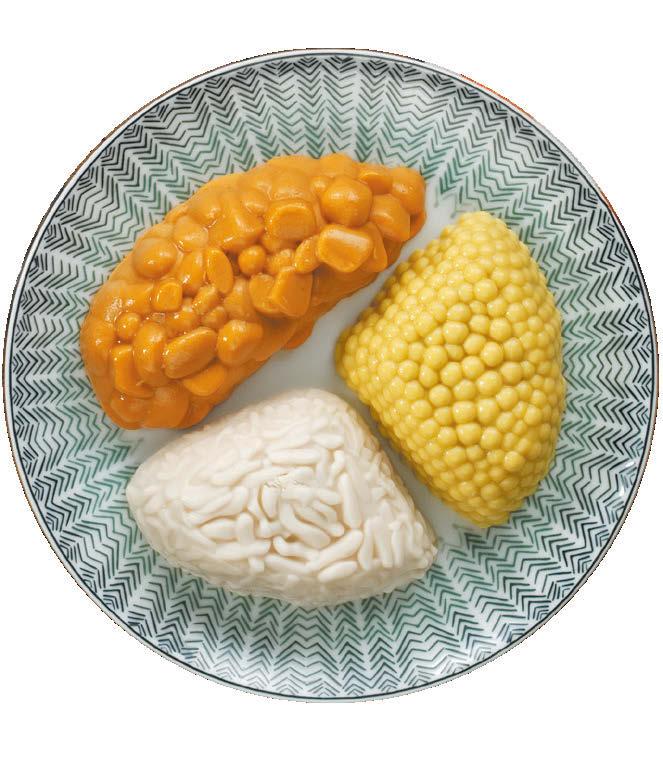
• 6.9% rehydrated chicken meat
• 5.95% rehydrated vegetables (peas 5.2%, green beans 0.75%)
• 1.8% orange juice from concentrate
• 1.5% peach puree
BLENDED DIET: THE CURRENT DISCUSSION
The use of blended diet (BD) in enteral feeding is generating increasing clinical interest, yet remains underreported and variably practised across patient groups. In this article, we consider its potential benefits and drawbacks.
BD refers to any food or drink, other than water, expressed breast milk (EBM), infant formula, or commercial enteral formula, delivered through an enteral feeding tube.1 This can range from small amounts of fruit juice or purée given alongside enteral feeds to a fully blended whole-food diet meeting all nutritional requirements.
The concept of BD is a fairly new one, introduced due to marked popularity amongst families and carers to provide something ‘normal’ for their patients. Whilst accurate data on prevalence remains limited, partly due to underreporting by patients and carers, there are clear reasons why some choose this approach. These include enhancing comfort, introducing a wider variety of flavours, incorporating homecooked meals and supporting a more inclusive mealtime experience for those who don’t have a conventional eating pattern. For children, BD can offer more variety, from everyday meals like roast dinners to celebratory foods, such as birthday cake, helping them feel part of special occasions.
A recent scoping review aimed to summarise the published evidence on BD in gastrostomy-fed children.2 Although the literature on this topic has expanded in recent years, much of it remains anecdotal, with few original research studies and no randomised controlled trials. The review identified
eight key themes, highlighting both the limited high-quality evidence and the lack of validated data to address all aspects of BD practice. Despite this, increasing interest appears to be driven largely by family choice, motivated by the desire to normalise feeding and promote social inclusion. Families reported perceived benefits, such as improvements in self-esteem, relationships, sleep, cognition and overall well-being, alongside a preference for greater control over the types of food their child receives and the opportunity to involve them more fully in mealtimes (see Table 1 overleaf).
Several papers in the scoping review also noted symptom improvements, including in gastrointestinal disorders, with BD sometimes supporting nutritional status and growth more effectively than formula alone. However, risks were also identified, including inadequate or unbalanced nutritional intake, microbial contamination and tube occlusion, particularly in the absence of professional guidance. The review emphasised that these risks, coupled with barriers such as a lack of formal training for families and healthcare professionals, underline the need for clear clinical protocols and further research in this growing area of practice. See Table 2 for guidance on three key risks.
Karen Voas-Wootton RD
Karen is a Community Prescribing Support Dietitian and Team Lead at Betsi Cadwaladr. She has a keen interest in appropriate prescribing and nutritional support and actively tries to perform quality improvement strategies within her role.
12. Knol J et al. J Pediatr Gastroenterol Nutr 2003. 36;566 13. Bruzzese E et al. J Pediatr Gastroentero Nutr 2006. 42;E1-E11 14. lu S et al. J Nutr 2008. 138:1091-1095 15. Ruiz-Palacios GM et al. J Biol Chem. 2003;278(16):14112-20. 16. Yu ZT et al. J Nutr. 2016;146(10):1980-1990. 17. Weichert S et al. Nutr Res. 2013;33(10):831-8. 18. Newbur y. 2004 Mar;14(3):253-63. 19. Morrow A et al. J Nutr. 2005 May;135(5):13047. 20. Overbeek S et al. J Pediatr Gastroentero Nutr. 2019;68(S1):N-O-008 21. Vos AP et al. Int Immunopharmacol. 2006;6(8):1277-86. 22. ulation in Mice. J Nutr. 2019b;149(5):856-69. 23. van den Elsen LWJ et al. Benef Microbes. 2019;10(3):279-291. 24. KC et al. J Nutr. 2016;146(12):2559–2566. 25. Marria oenterol Nutr. 2015;61(6):649-58. 26. Reverri EJ et al. Nutrients. 2018;10(10):1346.
Potential benefits
Reported reduction in gastro-oesophageal reflux, retching and vomiting
Improved bowel habits (both diarrhoea and constipation)
Sense of normality and social inclusion at mealtimes and special occasions
Potential risks/challenges
Possible increased risk of infection
Tube blockages
Aspiration risk
Potential for nutritionally unbalanced meals without guidance
Time-consuming preparation
Food hygiene requirements
Risk Key considerations
Tube blockage
Nutritional adequacy
Food hygiene
Certain foods/fluids may cause occlusion; blend viscosity and particle size are critical. Preparation is time-consuming and blends are often syringe-delivered.
Home-prepared blends vary in macro-/ micronutrient content; harder to track than commercial formulas.
Blends are non-sterile and carry contamination risk if not handled correctly.
ADVICE AND GUIDANCE ON STARTING BD
There are significant debates as to its use, as many healthcare professionals are not necessarily in favour. However, it has been established that patients/carers would provide BD to their infants whether there were professionals involved to monitor and offer support and guidance or not and have been doing so.1 As a result of this, in 2019, the BDA published a new position statement on the use of BD with enteral feeding.5 The position statement aimed to guide on how BD could be offered to these often vulnerable patients as part of the patientcentred and personalised care relevant to their nutritional requirements. Clinical practice needs
Professional guidance
Provide carers with clear instructions on suitable foods, blending methods and administration techniques.
Ensure regular review by a paediatric dietitian to verify that nutritional needs are fully met; adjust support based on family knowledge and skills.
Educate carers on safe cooking, handling, storage and feeding practices before starting BD.
to draw on advice, expertise and experience from dietitians in this field to ensure safety.6
The use of BD via enteral feeding tubes is challenging to study and standardise due to wide variations in how it is implemented. Patients and carers often adapt the approach to suit individual preferences and circumstances, deciding for themselves what foods to provide. As already mentioned, limited published evidence exists regarding its benefits or risks. Recognising the challenges, the BDA developed its Practice Toolkit to support healthcare professionals in delivering safe, evidence-informed guidance, to promote consistency and safeguard patient wellbeing.7 Further research is needed to inform best practice in this growing area.
Table 1: Potential benefits and risks of BD in enteral feeding3,4
Table 2: Clinical risks of BD3,4
CASE STUDY
Patient A: a five-year-old boy with complex neurodisability
Patient A has been placed NBM by doctors and has been tube-fed since infancy due to his unsafe swallow. He is well established on his feeding plan and has regular dietetic and nurse input.
He does periodically get issues with his reflux and vomiting and will often vomit throughout the morning after his overnight feeds. He can be a bit uncomfortable throughout the day. He has tried many different feeds in the past to manage his symptoms, but none have been successful.
His weight has been a problem for a few years, and now the parents are asking for a trial of BD. The surgeons are happy with this.
Considerations on introducing BD
Before Patient A was started on BD, the family, the paediatrician and a dietitian (with experience of BD) met to discuss the family’s expectations and a risk assessment was carried out. The benefits and potential risks of BD were highlighted and a joint decision was made as to what was best for the patient. A multidisciplinary approach was taken to ensure that safety was maintained when commencing BD.
NOTE: Each NHS trust should have their own protocol on following BD and all parties need to sign this to say that they understand fully the implications and risks involved.
Potential risks discussed
The three main areas of potential risk are tube blockage, nutritional adequacy of blends and food hygiene risk. These were discussed with the family. The BDA Practice Toolkit provides detailed information regarding commencing BD, along with an example competency tool. This is useful to use at this point.
Outcome
Overall, the parents were happy with how things were going on the BD, and they reported that Patient A had significant improvement in skin, eyes and better hair growth. The parents were very happy to be able to feed their son themselves, particularly including him in the weekly roast dinner and also giving him blended fruit smoothies. They enjoyed the fact that he could be included in family meals and felt they were giving him comfort in providing this. Additionally, his painful gastrointestinal symptoms have reduced significantly. The outcomes were generally very positive for Patient A, particularly due to the support given to the parents by all the healthcare professionals involved.
CONCLUSION
BD is an increasingly popular approach that enables parents and carers of both children and adults to involve tube-fed individuals more fully in shared food experiences. This can enhance family life, promote social inclusion and provide a sense of normality. However, it requires careful planning, meticulous preparation and ongoing professional support to ensure safety and nutritional adequacy. Healthcare organisations should develop clear protocols and policies for the initiation and management of BD, providing consistent, evidence-informed guidance for all professionals involved in patient care.
IT’S TIME TO RETHINK HOW WE APPROACH DIABETES
The uncomfortable truth: Our current approach isn’t working very well. The opportunity: Emerging research points to a more effective path forwards – one that challenges conventional dietary wisdom, but delivers remarkable clinical outcomes.
As dietitians, we’re trained to help patients manage their condition through evidence-based nutritional interventions. Yet despite our best efforts, diabetic complications continue to rise, medication dependence is increasing and patients struggle to achieve meaningful improvements in their HbA1c levels. The traditional ‘eat less, move more’ message, combined with increasing medication, isn’t delivering results. As of March 2025, 7% of the adult population are now living with diabetes,1 and this shows no signs of slowing down.
The cost of treatment is rising
Glucose-lowering drug prescriptions have reached an all-time high, with 71 million items prescribed in 2023/24. That’s an increase of 21 million since 2015/16. This costs the NHS a staggering £1.67 billion per year.2
Complications continue to rise
Despite increased treatment, complications remain at alarming levels. Each week in the UK, diabetes causes:3
• 2990 cases of heart failure
• 930 strokes
• 660 heart attacks
• 184 amputations
Treatment targets are failing patients
Current statistics appear encouraging: approximately one-third of those with type 1 diabetes achieve treatment targets, while about 65% of those with type 2 diabetes achieve HbA1c targets of 58mmol/mol (7.5%) or less.4 However, these targets themselves are problematic – they don’t aim for remission. Current
NICE guidelines and QOF targets set an HbA1c goal of 58mmol/mol (7.5%) or less.
THE UNCOMFORTABLE TRUTH ABOUT ‘ACCEPTABLE’ LEVELS
While maintaining HbA1c below 7% reduces the odds of complications, it doesn’t prevent them.5 How many patients are informed that following current guidance may still result in complications?
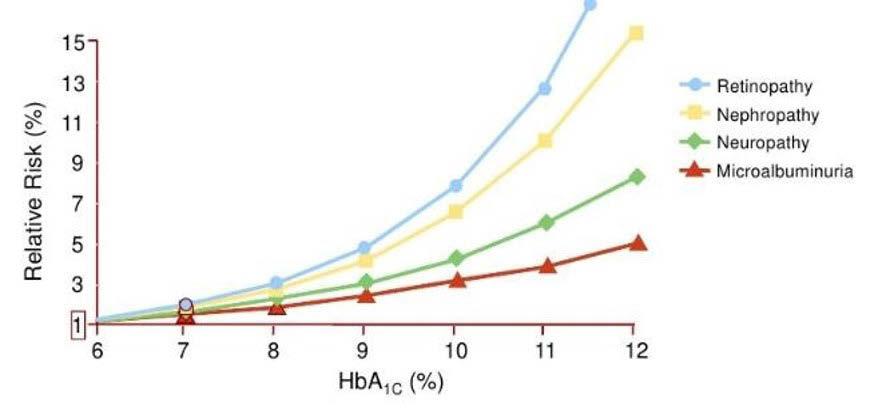
The reality is stark: relative risk of developing neuropathy, retinopathy and nephropathy increases exponentially starting from an HbA1c of just 6% (see Figure 1).6
The evidence is clear:
• Stroke risk: an HbA1c of 7% or above is the strongest predictor of stroke.5
• Cardiovascular mortality: an HbA1c above 5.7% increases the relative risk of cardiovascular mortality.7
• Hospital admission and death: an HbA1c equal to or above 6% significantly increases CVD hospitalisation and death in both men and women.8
Current treatment targets fail to adequately protect patients from diabetic complications and premature death. Even more concerning is the lack of patient awareness about these risks. Patients frequently report being told by healthcare providers that an HbA1c of 7.5% is fine. While this may be technically within current guidelines, it fails to communicate the reality: accepting such levels means accepting increased risk of developing complications.
Mike Sweeney RD Mike is employed by MPFT as a PCN Dietitian in North Staffordshire.
mpftnhs
Figure 1: The relative risk of diabetes complications
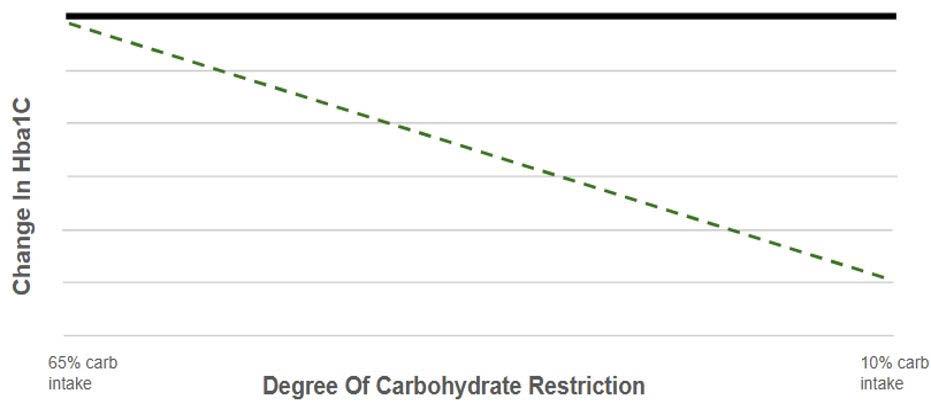
2: The linear effect of carbohydrate restriction
Figure
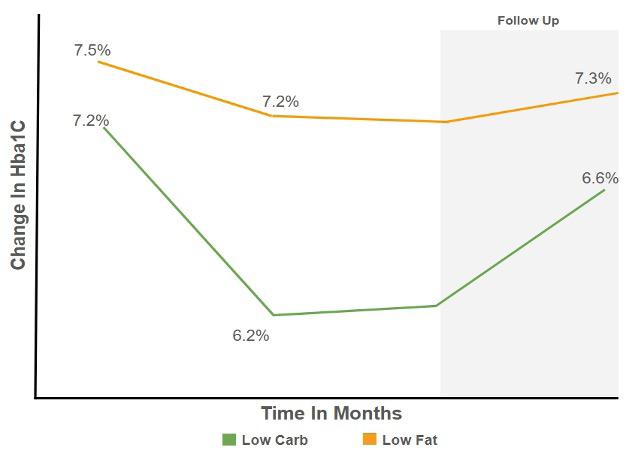
Figure 3: Results of the Novo Nordisk carbohydrate restriction trial
For decades, healthcare providers have told diabetic patients to “just lose weight”. While weight loss can help, the reality is sobering: HbA1c only reduces by 0.1% for every kilogram lost.9 So, consider the mathematics: a patient with an HbA1c of 10% would need to lose 30kg just to reach 7% – which, as we’ve established, still isn’t low enough to prevent complications. The actual weight loss required would be even greater. And what about patients who don’t have 30kg to lose?
THE VISCERAL FAT DISCOVERY
Dr Roy Taylor’s award-winning diabetes research10 revealed a crucial distinction: BMI reduction isn’t the most important factor –reducing visceral adipose tissue is. When the focus shifts to reducing visceral fat specifically, remission rates can reach 70%.10
Some have interpreted Dr Taylor’s research as validation that it’s all about calories, which is only partially true. This interpretation led to the NHS Path to Remission Programme, which requires patients to stop eating solid food for three months, replacing meals with ultra-lowfat shakes. While this approach can work and may be the best option for certain patients, it’s arguably quite extreme. This raises an important question: why doesn’t the Path to Remission Programme offer a solid food alternative?
THE CARBOHYDRATE CONNECTION
Multiple studies consistently demonstrate that reducing dietary carbohydrates leads to rapid visceral fat loss.11 The relationship is remarkably straightforward: the lower the carbohydrate content, the faster visceral fat disappears – even in people who remain sedentary.12 The effect is so powerful that it can produce significant health improvements without dramatic weight loss. In one striking example, patients with nonalcoholic fatty liver disease (NAFLD) reduced liver fat by 31% while losing only 3% of their total body weight.13
This research challenges the conventional focus on overall weight loss, suggesting that targeting specific fat deposits through carbohydrate reduction may be more effective than traditional approaches. At the very least,
offering patients a way to achieve remission whilst still eating food should be an option. Beyond visceral fat loss, reducing total carbohydrate intake offers the fastest route to normalising blood sugars and reducing dependence on diabetic medications. As clinicians, we understand that the type of carbohydrate matters; however, it’s easy to overlook that the total quantity is equally important. The relationship is straightforward:
• Higher total carbohydrate intake (grams per day) = higher patient HbA1c.
This direct correlation has been consistently demonstrated in research.14
THE LINEAR BENEFIT EFFECT
Complete carbohydrate elimination isn’t necessary to see significant improvements. A comprehensive 2022 systematic review analysing 50 trials with 4291 patients revealed that the benefits of carbohydrate restriction follow a linear pattern (see Figure 2).15 These benefits aren’t limited to controlled laboratory settings – they occur in real-world conditions where patients eat normally without strict calorie restrictions.
A large randomised controlled trial funded by Novo Nordisk in 2023 provides compelling evidence. Diabetic patients who received advice on total carbohydrate restriction achieved:
• Greater decreases in HbA1c compared with the low-fat group.
• Greater reduction in medication usage compared to the low-fat group.
This occurred even though participants weren’t required to count calories or restrict their total food intake.16 The improvements shown in Figure 3 could be even more dramatic if patients were also advised to reduce their total food intake alongside carbohydrate restriction. The implications are significant: carbohydrate reduction alone, without the complexity of calorie counting, produces superior results to traditional low-fat approaches in real-world settings.
FROM EVIDENCE TO PRACTICE
Complete carbohydrate avoidance isn’t necessary. In my clinical experience, success comes from helping patients eat more appropriate amounts rather than eliminating carbohydrates entirely.
The average patient consumes approximately 300g of carbohydrates daily – a mix of refined and unrefined sources. Here’s the striking comparison: this matches the carbohydrate intake of elite athletes, except our patients aren’t training like elite athletes. The mismatch is clear.
The solution lies in guided reduction rather than complete restriction. By helping patients make better food choices and gradually reducing their total daily carbohydrate intake, meaningful improvements become achievable. This approach has enabled me to achieve numerous diabetes remission cases in clinical practice. The results speak for themselves – here’s a text message from one of my patients: “Thank you Michael. I have now lost 60lb with what you showed me and my doctor tells me I no longer have diabetes. This is now my way of life. Thank you again, you saved my life.” It’s important to note that this patient works as a nurse, one of the most demanding and stressful professions. Despite the challenges of shift work, long hours and high-stress situations, she still achieved remarkable results.
Another patient with type 1 diabetes reduced his HbA1c and medication usage simply by reducing his total carbohydrate intake per day (but still kept some in). This is what he said: “I was on nearly 100 units per day. Now it’s under 30 total. The numbness in my fingers has stopped. My eye isn’t cloudy anymore. Thanks to you, I feel much more in control of my future.” For the first time in his life, his HbA1c is approaching normal.
These examples represent just a fraction of similar cases across my patient caseload. The consistent results are professionally rewarding and demonstrate the reproducibility of this approach. Patients consistently report three key responses to carbohydrate reduction:
1 Simplicity: They find the approach straightforward and manageable to implement.
2 Early encouragement: The rapid weight loss they experience provides powerful motivation to continue.
3 Revelation: Many express frustration, asking, “Why hasn’t anyone told me this before?”.
This combination of ease, early wins and genuine surprise creates a positive cycle that supports long-term adherence and continued success. These results can be your standard practice, as this approach isn’t limited to individual case studies. Dr. David Unwin has demonstrated its effectiveness at scale, publishing his results in peer-reviewed journals not once, but twice:
1 The initial study 2016 17 – 69 patients were advised to reduce their total daily carbohydrate intake in grams. Patients achieved weight loss. HbA1c was reduced by 19%. Medication costs dropped by £45,000.
2 Expanded evidence in the BMJ 202218 –This second study scaled up significantly with 186 patients following the same carbohydrate reduction approach. HbA1c fell by 26%. Medication costs dropped by £68,000.
Patients experienced better clinical outcomes, required fewer medications, and achieved these results while eating real food – not meal replacement shakes.
Given this overwhelming evidence, the absence of a carbohydrate reduction option in the NHS Path to Remission Programme is puzzling. This isn’t about prescribing one approach for everyone. It’s about ensuring patients have access to evidence-based choices and the opportunity to select the approach that best suits their preferences and circumstances. Our patients deserve these options.
READY-TO-USE RESOURCES AT NO COST
If you’re wondering how to implement this approach with your patients, the infrastructure already exists. Nearly everything you need is freely accessible including the following resources:
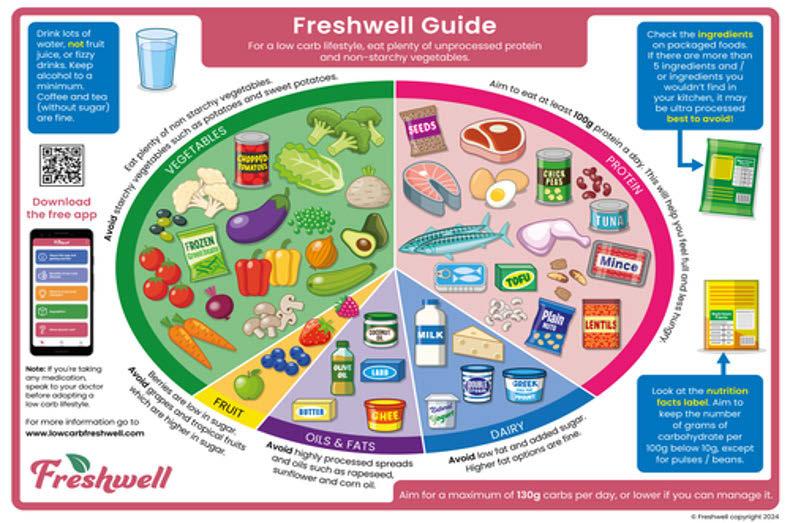
The Freshwell mobile app - https://lowcarbfreshwell.com/
This app has demonstrated remarkable success rates and removes the burden of creating educational materials from scratch. The app offers:
• a six-week structured education programme developed by two UK GPs;
• comprehensive guidance through carbohydrate restriction for diabetes improvement;
• no referral criteria – patients can access immediately;
• a built-in support community for peer encouragement;
• a free diabetes plate resource that patients find particularly helpful.
The Public Health Collaboration (PHC) - https://phcuk.org/
The PHC is a registered charity which aims to improve public health and save the NHS money through various projects. The PHC provides free access to the same patient resources that Dr David Unwin uses in his practice – the same tools that generated the published results we’ve discussed.
While we might expect such compelling evidence to drive policy change from the top down, that process remains frustratingly slow. Meanwhile, patients continue to:
• experience shortened lifespans;
• develop preventable complications;
• require increasing medication regimens.
So, why not expand your options? This approach doesn’t replace existing treatments, it enhances them. Not every patient will want to
reduce their bread intake, and that’s perfectly acceptable, but for patients who are motivated to prevent diabetic complications at all costs, carbohydrate reduction offers the fastest path to better outcomes by using completely normal, whole foods rather than meal replacements or extreme restrictions.
Your patients are ready. The tools are available. The evidence is clear. The question isn’t whether this works; it’s whether your patients will have access to it.
Figure 4: The Freshwell Guide diabetes plate
Nutritional Profile
A unique paediatric formula containing 12 g/L of PHGG fibre formulated for children with compromised/impaired GI function**
*PHGG : Partially hydrolysed Guar Gum
54% of the fat as MCTs
3.6g protein (12%kcal) per 100mL
Osmolality: 473 mOsm/Kg
**Information is correct at the time of publication. MIMS Feb 2024
5.6g PUFA (DHA and EPA) per 500mL
Osmolarity: 383 mOsm/l
A 1.2 kcal/ml nutritionally complete paediatric enteral feed with 12g/L of PHGG* fibre and 100% whey peptide.
Scan to read study:
Tolerability and Safety of a Semi-elemental Enteral Formula with Partially Hydrolysed Guar Gum (PHGG) in Tube-fed Children
Aged 1-4 Years
Gerard Minor, Timothy Sentongo, Ralf G. Heine, Boutaina Zemrani
THE LOW-FODMAP DIET FOR FUNCTIONAL GUT SYMPTOMS
• FODMAPs are fermentable oligosaccharides, disaccharides, monosaccharides and polyols.
• They are short-chain carbohydrates, which are poorly absorbed by the small intestine.
• When FODMAPs pass undigested into the large intestine, they are fermented by bacteria.
• They then produce gas and draw fluid into the gut, causing symptoms of bloating, abdominal discomfort, pain and loose stools or diarrhoea in susceptible people.
• See Table 1 for more on the FODMAP groups.
A low-FODMAP diet has been proven to help in the management of digestive disorders such as irritable bowel syndrome (IBS). Evidence was originally presented in research in 2010 by gastroenterologist Peter Gibson and dietitian Susan Shepherd from Monash University in Melbourne, Australia.1 The low-FODMAP diet is recommended in the BDA’s practice guidelines on IBS2 (due to be reviewed following the NICE guidance on IBS CG61 update3), and is as effective in treating IBS as ‘gutdirected hypnotherapy’, even using IBS apps.4,5 See the Useful Resources section at the end of the article.
HOW THE LOW-FODMAP DIET WORKS: THE THREE PHASES
1 Restriction: Eliminate all highFODMAP foods (this should be for only two to six weeks).
2 Reintroduction: Introduce one FODMAP group at a time to identify triggers (eight to 12 weeks).
3 Personalisation : Avoid or limit the trigger foods and reintroduce those that did not give any symptoms – this involves some trial and error.
WHO IS IT FOR?
The low-FODMAP diet is for individuals with functional gut symptoms where the first-line treatment has not helped enough. It can reduce abdominal discomfort such as bloating, gas/wind and loose stools. The diet tends to be more effective in those experiencing loose stools. Red flag conditions, such as coeliac disease, cancer and inflammatory bowel disease, should have been ruled out before treating the
Table 1: Examples of FODMAP groups (Facebook: Taste4Life - Diet and Nutrition)
FODMAP group Main examples
Clara Carr RD, PGDip, MPhil, BSc
Clara is a Specialist Community Dietitian specialising in IBS, diabetes and weight management. She currently works with NHS Grampian and has varied experience in acute adults and paediatrics.
Maltitol, sorbitol and xylitol – in sugar-free gum, stoned fruits and cauliflower
patient for IBS too. Of course, people can have coexisting IBS as well as one of these conditions. However, the other conditions need to be treated first.
With the low-FODMAP diet, 50-70% of patients with IBS see an improvement in their symptoms. The stacking/cumulative effect of FODMAPs can influence symptoms (as well as other factors like stress). However, it is not recommended for those with a low BMI, unintentional weight loss, already on a restrictive diet, or for those with disordered eating behaviours. It should also be noted that the restriction phase reduces beneficial bacteria like Bifidobacterium in the gut, so it should be time-limited.
HOW TO APPROACH THE DIET
There is no single way to implement the lowFODMAP diet, and the choice of approach should be guided by the dietitian according to the individual’s needs, motivation and clinical context. The two most widely used strategies are the ‘top-down’ strict method and the ‘bottom-up’ gentle method, each offering distinct advantages depending on patient suitability and goals.
1 ‘Top-down’ Strict FODMAP
All the FODMAP groups are restricted at the same time for two to six weeks. This is followed by a systematic reintroduction. Often, after only two to three weeks, people notice an improvement in their symptoms.
This approach is best suited to motivated individuals with no contraindications. It is not suitable for those with eating disorders, malnutrition or cognitive impairments without support.
2 ‘Bottom-up’ Gentle FODMAP
This approach targets suspected trigger foods to confirm amounts that can be tolerated. It is ideal for those with lifestyle constraints or those who do not want to totally restrict their diet. The reduction in a few high-FODMAP foods for a limited period of time can bring sufficient improvement in symptoms. Further restriction is only necessary if symptoms persist.
DELIVERY METHODS
Effective delivery of the low-FODMAP diet relies not only on evidence-based dietary guidance but also on the format in which support is provided. Both one-to-one consultations and structured group sessions offer distinct benefits, allowing dietitians to tailor education and resources to a patient’s needs while fostering confidence and adherence.
One-to-one dietetic consultations
• Online or face-to-face
• Suitable for patients with complex needs, anxiety or hearing impairments
• Online sessions allow screen sharing and resource access
CASE STUDY
A 23-year-old woman was referred in February 2024 by a surgeon for management of irritable bowel syndrome (IBS) and obesity. At referral, her weight was 83kg, corresponding to a BMI of 30kg/m²
Clinical presentation
• Urgency with bowel movements
• Alternating loose stools, diarrhoea and constipation
• Lower abdominal pain
Her past medical history included:
• IBS symptoms
• Polycystic ovary syndrome (PCOS)
• Non-alcoholic fatty liver disease
• Hypercholesterolemia
Baseline biochemistry showed a normal HbA1c of 32mmol/mol (February 2025) and elevated total cholesterol. Current medications were loperamide, hyoscine butylbromide and metformin 1g twice daily.
Dietary intervention
In May 2024, she attended a group-based low-FODMAP workshop but found the strict elimination challenging.
In July 2024, she had a one-to-one consultation with the following aims:
• Achieve sustainable weight loss to fit comfortably into her jeans
• Reduce IBS symptom severity
The plan focused on reviewing portion sizes and meal frequency and systematically eliminating and reintroducing individual FODMAP groups.
• learned that she tolerated pasta well but experienced bloating from bread;
• committed to weekly sessions with a physical trainer and achieved an average of 7000 steps per day.
Clinical improvements included:
• Weight reduction from 83kg to 76kg, lowering her BMI to 27.6kg/m²
• A total cholesterol decrease from 5.6mmol/L to 3.9mmol/L
• Substantial reduction in abdominal pain, urgency and bowel irregularity
Group sessions (structured education)
• Efficient and cost-effective
• Typically includes eight participants
• Two two-hour sessions: restriction phase and reintroduction phase, spaced six weeks apart
• Delivered via video call with interactive slides and activities (eg, label and menu reading and meal planning)
• Peer support and shared experiences enhance learning
Patient feedback
“(The dietitian) went through every step of the FODMAP diet, explaining it in understandable terms and answering all the questions I had. She provided excellent support from the start of the process right until the end. She went above and beyond answering questions over email and provided extra resources that were really helpful. I also found the group session to be really useful and informative, not just to learn more about the diet but to listen to how others were getting on, as it can be a lonely process at times. I would just like to say thank you again for all the support and help you have provided. I wasn’t sure about the diet at the start, but you explained it well and gave me the confidence in how to tackle the FODMAP diet. I can now try and have a somewhat normal life without having the symptoms I was getting from IBS before.”
LEARNING POINTS
Over the past decade of advising patients with IBS, I’ve seen firsthand how the low-FODMAP diet has transformed dietary care. Since its introduction, it has delivered relief for countless individuals – but only when implemented by experienced professionals, typically specialist dietitians. It is important that referrers – doctors, nurses or other healthcare professionals – do not advise patients to take on the diet on their own, as it is complex to implement and it can do more harm than good (eg, nutritional imbalances or constipation). As a dietitian, having tried various diets, including gluten-free and meal replacements, I found the low-FODMAP diet one of the hardest to stick to for more than a few days, as FODMAPs are in so many foods that are considered healthy. Eating out can be near impossible or, at the very least, unexciting! I had to stick to potatoes and rice with meat or fish and carrots or salad.
It is important to note that those who request the coeliac screen check should be eating gluten in at least two meals in the six weeks prior to the blood test so that the result is accurate. If gluten is cut out altogether or too low, the result could be a false negative.
It’s crucial to stress to patients that the low-FODMAP elimination phase is designed to last only a few weeks. Prolonged restriction not only risks nutrient deficiencies but also reduces the diversity and quality of the gut
microbiome by cutting out natural prebiotics. I’ve treated patients who believed they were following the protocol correctly yet weren’t, and one who remained on strict elimination for an entire year, who ultimately became malnourished due to well-intentioned but misguided advice.
USEFUL RESOURCES
In my previous role as a primary care dietitian, direct referrals for IBS allowed me to triage and screen patients efficiently. This approach saved GP time, ensured accurate diagnosis, and provided each individual with the right diet from the outset. It also guaranteed that patients received official low-FODMAP resources.
Comprehensive diet sheets are available only to trained healthcare professionals, so the general public must rely on apps that are not necessarily up to date, or piecemeal guides that often miss critical portion-size details and cumulative-load effects. However, there are some valuable resources that anyone can get access to.
• The patient webinars produced by Somerset NHS FT dietitians are really useful. I often share these with patients as the videos and handouts are simple and clear. Take a look here: https://patientwebinars. co.uk/condition/ibs/webinars/
• For a full list of foods and information on portions refer to the Monash University low-FODMAP diet app, which can be downloaded from https://www.monashfodmap.com/ibs-central/i-have-ibs/get-the-app/ The app is regularly updated from the university’s ongoing research and is the most complete list available, with specified portions.
• There is a growing selection of recipe books too, which can inspire patients during the elimination and reintroduction phase, and a number of useful websites share low-FODMAP recipe ideas, such as:
- A Little Bit of Yummy: https://alittlebityummy.com/
- BBC Good Food low-FODMAP recipes: https://www.bbcgoodfood.com/recipes/collection/lowfodmap-recipes
CONCLUSION
The practical, ongoing support from start to finish of the reintroduction/personalisation phase is important for successful long-term management of patients; otherwise, they could end up getting rereferred in future or be at risk of poor nutrition and also have their symptoms recur.
NHD PAEDIATRIC HUB
Our Paediatric Hub has been upgraded to make your experience smoother, with essential resources to support you in your work!
• IMPROVED LAYOUT AND NAVIGATION
We’ve revamped the Hub structure to help you find what you need faster, with a fresh user-friendly layout designed to make browsing easy and intuitive.
• NHD EXCLUSIVE DATA SPREADSHEETS
Our new nutrition data spreadsheets give you access to accurate nutritional information, designed to be a quick and easy-to-use point of reference to aid in your professional work or studies.
• WEEKLY NEWS UPDATES
Stay up to date with the latest industry news, trends and insights. Whether you’re here for up-to-date information, professional insights or reliable data, the Hub has it all in one place.
Kate Hadley RD
Kate has been a specialist NHS Weight Management and Bariatric Dietitian for nine years. She enjoys working in Tier 3 and Tier 4 services as part of the multidisciplinary team at Bedfordshire Hospitals NHS Foundation Trust.
Weight loss injections, such as Wegovy and Mounjaro, have gained huge media interest globally. With this comes many attention-grabbing headlines that are not always grounded in truth. Here we share an evidence-based perspective on common myths.
Research demonstrates impressive weight loss with GLP-1 agonists in obese patients when used alongside diet and lifestyle changes: up to 15% with GLP-1 agonist semaglutide (brand name Ozempic/ Wegovy), and 20% with GLP-1 and GIP dual agonist tirzepatide (brand name Mounjaro).1,2 With new and improved versions currently under development, it is certainly a very exciting era for weight loss.
minutes.3,4 In contrast, the version found in weight loss medications lasts in the body for approximately seven days.5 This sustained duration is why GLP-1 medications are so effective. Therefore, while certain foods are able to increase GLP-1 levels naturally, they are not able to mimic the synthetic version.
OZEMPIC FACE
As with all nutrition information, there are many mixed messages that are confusing for patients, from unqualified online influencers presented as experts to the latest viral trends. Now more than ever, dietitians are needed to share evidence-based advice, so please read on to debunk some of the myths.
‘OATZEMPIC’
There is much interest in claims that certain foods increase GLP-1 naturally, resulting in no need for weight loss medication. Oatzempic is one such social media trend which includes a concoction of blended oats, water and lime being touted as a substitute for Ozempic. While foods do stimulate the production of GLP-1 naturally, unfortunately, it is not to the levels found in its medicinal form.
GLP-1 is an incretin hormone that is produced primarily from endocrine L cells in the distal jejunum and ileum when food is eaten. While it would be exciting to think that particular foods could be eaten instead of having a jab every week, the natural version of GLP1 has a very short half-life of up to two
Ozempic face is the term used for obvious facial changes due to rapid weight loss when using weight loss medications. It describes a gaunt appearance, loose skin, increased wrinkles, sunken eyes and hollow cheeks.
During any weight loss, it is possible to see these facial changes due to a reduction in facial fat, so this appearance is not isolated to only those using weight loss medications. While some people are more prone to this appearance, it is often the result of overly restrictive dietary changes that are not sustainable in the long term, which can also result in malnutrition, nutritional deficiencies and excess muscle loss.1,6 Rapid weight loss may make these changes more obvious, so losing weight too quickly is not recommended. A moderate weight loss of 1-2lbs per week is advised.7,8 Paired with a well-balanced, nutritious high-protein diet that includes adequate hydration, it will help to reduce these facial appearance changes.
EAT ANYTHING AND LOSE WEIGHT
We know that calories come in many forms and a reduced calorie diet does not equate to nutritional adequacy.
I have seen new patients coming into our service who are already taking weight loss medications and continue to eat a poor-quality diet high in processed foods, fat and sugar, albeit in smaller amounts. While in the short term, the patient may lose weight, they typically feel low in energy and, in some cases, have not lost any weight at all. Positive diet and lifestyle changes are the cornerstone to success, especially in maintaining weight loss in the long term.
In my experience, some patients believe skipping meals supports weight loss, as they associate eating without hunger with slowing their progress, but this is not the case. It can be falsely believed that going against this will sabotage weight loss goals, but this is not the case. When taking GLP-1 medications, the reduction in calories can lead to insufficient intakes of essential nutrients and minerals; therefore, eating nutritious meals little and often is required to achieve sufficient nutritional intake.
ALL YOU NEED IS PROTEIN
Protein is certainly a hot topic, and high-protein products are everywhere, backed by massive marketing campaigns. Often, meeting protein targets in any form is viewed as the priority, resulting in a high intake of ultra-processed foods, including bars, shakes and processed meats. Adequate protein intake is very important, but it is preferable for health that it is primarily eaten as close to its natural form as possible, such as lean meat, fish, eggs, nuts and beans.
Protein products certainly have their place to supplement the diet, especially when appetite is low or nausea is a problem, but they should not be relied on too heavily in the long term.
A recent paper released in May 2025 highlights the importance of the dietetic role alongside GLP1 therapy and offers guidance on the nutritional priorities.9 The paper highlights nutrients of concern due to a combination of reduced calorie intake and gastrointestinal side effects, possibly affecting nutrient absorption. It recommends that nutrients be monitored, including calcium, magnesium, iron, zinc and vitamins A, D, E, K, B1, B12 and C. It recommends eating lean protein first, including poultry, fish, eggs, dairy, beans, lentils, nuts and seeds. Also to be encouraged are fruit, vegetables and wholegrains. Keep refined carbohydrates, sugar and ultra-processed foods to a minimum.9
Maintaining a healthy, balanced diet of mainly whole foods contributes to successful outcomes.8-10
USING GLP-1 IS ‘LAZY’
Negative and unhelpful commentary surrounding the use of GLP-1 agonists for weight loss is widespread, with some suggesting that willpower or similar should suffice. This overlooks the complex multifactorial nature of obesity, including genetics, biological and environmental factors, which make it so challenging to lose weight.11
Weight stigma is a common issue, even in some cases amongst healthcare professionals, which leads to poorer patient outcomes. At a societal level, more education is required to overcome this.12,13
The obesity epidemic is contributing to a whole host of health issues, including increased risk of cardiovascular diseases, diabetes, cancers, neurological disorders, chronic respiratory diseases and digestive disorders.14 What makes these medications so exciting is their health benefits, which include a reduced risk of cardiovascular events, improvement in obstructive sleep apnoea, and reduction in symptoms of moderate knee osteoarthritis.15-17
GLP-1 agonists are not the ‘lazy’ option for weight loss. They are a way to help mitigate the widespread factors that contribute to obesity, which is far more complex than a result of individual choices.
WHEN YOU STOP THE JABS, THE WEIGHT IS REGAINED
Unfortunately, not a myth, current research indicates that once GLP-1 medication is discontinued, up to two-thirds of individuals regain the lost weight within one year.18 Like any chronic disease, if the treatment for obesity stops, then the original factors, such as increased appetite or cravings, that initially contributed to the obesity, will return.
However, it is equally important to add that not everyone regains the weight; around one-third of individuals are able to maintain their weight loss after stopping GLP-1 medications, which is very promising. As dietitians, we are well-placed to educate and better prepare patients by supporting the establishment of good habits to help maintain weight loss,9 firstly, by ensuring a comprehensive initial assessment to further understand the
individual barriers that have contributed to weight difficulties. These factors may include hunger, emotional eating, meal planning or limited time to prepare meals. Secondly, we should be working alongside the patient to come up with strategies to overcome these barriers to support positive change. A multidisciplinary approach is often beneficial, such as working with a psychologist if available. Dietetic support to implement good diet and lifestyle habits before a patient stops the medication is most helpful.
YOU DON’T HAVE TO EXERCISE
While calorie intake alone can lead to weight loss without the need for exercise, it does not mean that regular physical activity should be overlooked. It has numerous positive health benefits, including a reduction in mortality risk, certain cancers, diabetes, cardiovascular disease and depressive symptoms.19
During weight loss, fat, muscle and (during substantial rapid weight loss) bone density are lost.9 In addition to the benefits mentioned above, regular exercise, including both aerobic and strength activity, helps to increase muscle and bone density.20 This is so important during weight loss and to support weight-loss maintenance.21
Alongside discussing the positive benefits of regular exercise to overall health with patients, it is important to work together to find activities they enjoy that can be incorporated as part of their routine to be maintained in the long term.
EVERYONE GETS NEGATIVE SIDE EFFECTS
While talk of horrid sulphur burps is sadly not a myth, it is positive to note that not everyone gets negative side effects. In a small number of cases, the symptoms are so severe that they result in the discontinuation of use; however, this is less
commonly observed. In most cases, symptoms are more apparent as the medication starts or as the dose is increased, and they tend to settle in time.
The most common side effects are nausea, diarrhoea, vomiting and constipation, and dietary changes can help to mitigate these.1,2,23,24 General tips to help reduce these side effects include the regular intake of small protein-rich meals that include fibre, adequate fluid intake and to minimise high-fat, fried and processed foods, salt, fizzy drinks and alcohol. If symptoms persist, patients are advised to seek medical attention.25
There has been evidence to suggest a low risk of severe side effects, such as acute pancreatitis and gallbladder disease, so patients should be monitored for symptoms of these.22,23,26-28
FOOD NOISE
Food noise is the relatively new term given to persistent and disruptive thoughts around food, which are not related to hunger. There are anecdotal reports of a reduction in this while using GLP-1 receptor agonists, thought to be due to the modulation of appetite and reward centres within the brain.29-31
Within clinic, my patients have frequently discussed a reduction of food noise, which is described as a welcome relief after many years of struggle. I am told that a reduction in constant thoughts around what to eat and when offers some peace of mind around food. While further research is needed in this area, the concept of food noise aids further understanding of the various factors that make weight loss so challenging. The reduction in food noise appears to be a helpful component in supporting weight reduction and further demonstrates why this group of medications are so promising in the treatment of obesity.
CONCLUSION
Despite massive media attention with scroll-worthy myths circulating about weight loss medications such as Wegovy and Mounjaro, there is much research to support their benefits. They aid weight loss by helping to overcome some of the factors that make it challenging to achieve significant weight loss. While these medications are sometimes incorrectly referred to as another fad diet, they are certainly here to stay. On the horizon are triple agonists currently under development, with reports of increased weight loss and reduced side effects.
This class of medications can’t be a standalone treatment, however. Research demonstrates that they work most effectively when used alongside diet and lifestyle changes; therefore, the dietitian plays a fundamental role in optimising outcomes.
ENTERAL NUTRITION AND FEEDING INTOLERANCE IN CRITICAL CARE
This article aims to examine the challenges of enteral feeding and raise awareness of the need to review local protocols, encourage standardised practice and ultimately improve patient care and dietetic practice.
Enteral nutrition (EN) is a common method of nutritional support in critically ill patients. This is due to factors primarily related to the need for mechanical ventilation and increased nutritional requirements, even when patients can eat orally.1 In such cases, EN is often used as a supplementary source or as part of a transition period to full oral nutrition, with or without oral nutritional supplements (ONS).
The term ‘feeding intolerance’ is often used when assessing and reviewing patients in critical care. However, recent research highlights the need to critically evaluate this term to develop consistent guidelines across units and to clearly establish its definition and appropriate monitoring.2
Gastrointestinal dysfunction can occur independently of enteral feeding.3 It is, therefore, crucial to recognise when other strategies should be considered, and to minimise risk factors to avoid unnecessary interruptions and inadequate nutritional provision.
CURRENT GUIDELINES
Guidelines from the European Society for Clinical Nutrition and Metabolism (ESPEN) recommend that, in adults who are unable to take oral nutrition and where EN is not contraindicated, feeding should be initiated within 48 hours and that calorie and protein intake should be increased gradually over three to seven days to avoid overfeeding.4 Guidelines also advise
the use of gastric access as the standard approach and suggest considering postpyloric feeding when gastric intolerance persists despite the use of a prokinetic agent. The term ‘feeding intolerance’, however, is not clearly defined, despite being used throughout the guidelines.5
The ongoing debate around this term is important, as different clinicians may have varying opinions on when enteral feeding and gastric access become unfeasible. This leads to interruptions in feeding, inconsistent use of prokinetics (which can have side effects and may interact with other medications), and the use of alternative formulas that may not be entirely appropriate.5
Furthermore, the implementation of enteral feeding requires monitoring. This step in the nutritional review ensures the continued adequacy of the dietetic intervention and helps to identify the need for adjustments. Current clinical practice tends to focus on two main aspects: gastric residual volumes and bowel movements,2 both of which will be discussed later in this article and merit thorough review. This is essential for developing effective strategies to minimise gastrointestinal dysfunction and to determine its cause, which is not always related to the nutritional support in place, nor necessarily resolved by changing the feeding plan – although in some cases it may be.4
Maria is an Advanced Clinical Dietitian with experience in critical care, currently working in gastroenterology and eating disorders. She also works freelance, supporting individuals with a range of conditions.
Sign up for our monthly flagship magazine online and in print
Essential resources for all dietitians, nutritionists and healthcare professionals
ALSO online resources:
Paediatric Hub
Quick and easy-to-use point of reference aid
Student Hub
Latest information, student articles, blog and research area
News Hub
Latest news and industry watch Resources
CPD eArticles, events and courses, campaigns, useful apps and websites
Gastrointestinal function is commonly impaired in patients in intensive care, and this is associated with increased morbidity and mortality.
IS THERE A DEFINITION FOR ‘FEEDING INTOLERANCE’?
Gastrointestinal function is commonly impaired in patients in intensive care, and this is associated with increased morbidity and mortality.4 However, the definition of gastrointestinal dysfunction is broad and varied across the literature, making standardised monitoring extremely challenging.6
The term ‘feeding intolerance’ is frequently used and generally refers to gastrointestinal symptoms associated with enteral feeding, which may prevent its successful continuation.5 There is no universally accepted definition of this term, and when combined with the range of existing definitions for gastrointestinal dysfunction, it creates significant difficulties not only in clinical practice but also in research.2,5
In the available literature, the symptoms associated with feeding intolerance can include high gastric residual volumes (GRVs), abdominal distension, vomiting or regurgitation, absent bowel sounds, or changes in bowel habits such as diarrhoea and gastrointestinal bleeding.2 The most commonly referenced symptom, and the one highlighted in the ESPEN guidelines,3 is GRVs. This is often interpreted as a clear sign of delayed gastric emptying, although, once
again, a precise definition is lacking.7 Despite this, the majority of intensive care units still use GRVs as a primary measure for identifying and categorising feeding intolerance, which subsequently leads to the implementation of various strategies aimed at reducing them.8
More recently, the Core outcome set of daily monitoring of gastrointestinal function (COSMOGI)9 project in a bid to define and monitor gastrointestinal dysfunction in ICU settings, has described feeding intolerance as the occurrence of gastrointestinal symptoms (such as abdominal distension, vomiting or regurgitation, abdominal pain, diarrhoea, elevated GRVs or intra-abdominal pressure), which result in the reduction or discontinuation of enteral feeding to the extent that nutritional targets cannot be met via the enteral route.
Addressing impaired gut motility is essential in an ICU patient, as there are multiple factors affecting it, such as:3
• Hormonal disturbances
• Glucose impairment
• Stress and inflammation
• Lack of mobility
• Use of paralysing agents
• Sedation protocol and opioid therapy
• Impaired perfusion
• Fluid shifts
This recently published consensus,9 developed by healthcare professionals, clinical researchers and patient representatives, also proposes other key definitions intended to provide a foundation for much-needed further research in this area.
MONITORING ENTERAL FEEDING AND GASTROINTESTINAL FUNCTION
As shown, monitoring tolerance can mean different things, and in the majority of UK ICUs, this is typically done by measuring GRVs.8 As dietitians, nutrition provision is central to our role, and ensuring adequate feed delivery, along with assessing nutritional status and requirements, forms an essential part of monitoring the dietetic intervention.
Regarding GRVs, the literature presents a wide range of values, from 200mL to 1000mL, and there is also variability in the timing of these checks.2 The ESPEN guidelines4 suggest that enteral feeding should be delayed when GRVs exceed 500mL over a six-hour period.
When linking feed provision and bowel movement, monitoring is often carried out using the Bristol Stool Chart.10 However, lower gastrointestinal function can be impaired for reasons unrelated to enteral feeding, and this should be acknowledged and discussed within the multidisciplinary team (MDT).4 The COSMOGI project has identified 13 essential variables to consider for daily monitoring of gastrointestinal function:9
1 Abdominal distension
2 Bowel dilatation
3 Intra-abdominal pressure
4 Abdominal pain
5 Stool passage
6 Vomiting
7 Gastrointestinal bleeding (upper and lower)
8 Use of parenteral nutrition due to inability to tolerate EN
9 Use of prokinetics
10 Postpyloric feeding owing to gastroparesis
11 Lower gastrointestinal paralysis
12 Gastroparesis
13 Intolerance to enteral nutrition
The researchers acknowledged and emphasised that these variables are practicedependent, and it is the responsibility of the MDT to assess the feasibility of addressing them based on available resources and the clinical context, which may not always justify monitoring certain parameters. Although some biomarkers have been proposed for monitoring and categorising gastrointestinal function, there is currently no consensus or sufficient evidence to establish definitive markers or guidelines for their use.7,11
Finally, in the absence of clear guidelines, it is essential to highlight the importance of clinical judgement when reviewing the dietetic plan. This includes considering overall patient progression, medication use (particularly drugs for managing gastrointestinal symptoms), sedation protocols, weight, nutritional requirements and total nutritional intake and whether this meets the patient’s needs.
ENSURING NUTRITIONAL ADEQUACY
It is well known that nutritional intake in critically ill patients is often lower than requirements. Although patients are frequently reviewed, feed interruptions and gastrointestinal (GI) dysfunction can result in feeds being withheld, contributing to poor nutritional adequacy.12 Fasting periods are also required for certain interventions, including imaging procedures and intubation or extubation, which further complicates the provision of adequate nutrition.13
Identifying GI dysfunction is essential in order to review the plan and, if necessary, implement an alternative formula or, in some cases, consider parenteral nutrition (PN). This should be undertaken only after optimising enteral feeding and employing strategies such as adjusting the patient’s position, using prokinetics or, when clinically appropriate, changing pharmacological therapy to options with less impact on gut function.
Current guidelines recommend the use of a polymeric feed;4 however, some empirical evidence suggests that peptide-based formulas may improve GI tolerance. Regarding fibre, the evidence is inconclusive, but fibre itself is
not a contraindication in most cases and can be included when appropriate.14 Volume-based feeding is another potential strategy, and it has been shown to improve nutritional delivery by compensating for deficits caused by feed interruptions.12,15,16
A practical approach involves regular dietetic reviews that consider not only gastrointestinal function but also the patient’s overall clinical journey and treatment plan. This may lead to timely adjustments to feeding rates or formulas, and the addition of nutritional modular products to ensure that requirements are met. Nutritional support should continue after step-down from intensive care to support recovery, given the high prevalence of underfeeding in critically ill patients.17
ESCALATION – WHEN ENTERAL NUTRITION IS NO LONGER FEASIBLE
As previously mentioned, there is currently a lack of a standardised approach to what is often considered feeding intolerance. Therefore, it is
important that local protocols are developed by the MDT. The ESPEN guidelines suggest a cut-off of 500mL of GRVs to prompt the use of prokinetic agents.4 There are, however, other symptoms that can lead to the cessation of enteral feeding or a change in the clinical picture, for example, bowel ischaemia or gastrointestinal bleeding.
It is important to assess the reasons why enteral feeding is no longer considered appropriate and whether all possible measures have been taken to avoid further escalation. Before considering PN, it is worth reviewing whether postpyloric feeding is appropriate and feasible or if changes to the formula or rate have been considered and proven successful. This decision is subject to individual assessment.4 If none of these measures are effective, or if there are patientspecific factors that make enteral feeding inappropriate, PN should be considered and implemented in line with current guidelines. 18
TAKE-HOME MESSAGES
• Early initiation of EN is recommended in critically ill patients unable to eat orally, starting within 48 hours and increasing calorie and protein intake gradually to avoid overfeeding.
• Feeding intolerance lacks a universal definition, complicating clinical decisions; therefore, consistent multidisciplinary local protocols should be developed to guide practice.
• GRVs remain a primary monitoring tool in most UK ICUs, with more than 500mL in six hours commonly used as a threshold to delay feeding or consider prokinetics, although this should be interpreted with clinical judgement.
• Gastrointestinal dysfunction in ICU patients can arise independently of enteral feeding, so regular monitoring of gastrointestinal function, including bowel movements and abdominal signs, is essential to optimise nutritional support.
• Several factors influence impaired gut motility in critically ill patients, including hormonal disturbances, sedation, opioids, tissue hypoxia and immobility, requiring tailored management strategies.
• Nutritional adequacy is often compromised by feed interruptions and gastrointestinal dysfunction; volume-based feeding and regular dietetic reviews can help ensure nutritional targets are met during critical illness and recovery.
• PN should be considered only after assessing all enteral feeding options, such as postpyloric feeding and formula adjustments, and must be implemented based on individual patient assessment and current guidelines.
• Multidisciplinary collaboration is essential for the assessment and management of feeding intolerance, ensuring that nutritional strategies are adapted according to the patient’s clinical status and local resource availability.
• Clinical judgement remains crucial in monitoring and managing EN, balancing objective measures with patient progression, medication effects and overall treatment goals to optimise outcomes.
sphere
PKU sphere - Backed by Science
Vitaflo are pioneering longitudinal research to enhance the lives of individuals with PKU.1-4
PKU sphere delivers clinically proven long-term benefits from 5-16 years of age1,2:
Look out for a new flavour of PKU sphere20 liquid with new look packaging, coming soon!
Improved taste Metabolic control Protein nourishment‡ Adherence
‡ PKU sphere meets or exceeds the WHO minimum requirements for essential amino acids5
References:
1. Daly A, Evans S, Chahal S, et al. Glycomacropeptide: long-term use and impact on blood phenylalanine, growth and nutritional status in children with PKU. Orphanet J of Rare Dis 2019;14(1):44. 2. Daly A, Hogler W, Crabtree N, et al. Growth and body composition in PKU children – A three-year A, et al. The impact of the use of glycomacropeptide on satiety and dietary intake in phenylketonuria. Nutrients 2020;12(9):2704. 4. Daly A, Hogler W, Crabtree N, et al. A three-year longitudinal study comparing bone mass, density, and geometry measured by DXA, pQCT, and bone turnover markers in children with PKU taking L-amino acid or glyomacropeptide protein substitutes. Nutrients 2021;13(6):2075. 5. Protein and amino acid requirements in human nutrition: report of a joint FAO/WHO/UNU expert consultation. World Health Organization. Available at https://iris.who.int/ handle/10665/43411. [Accessed September 2025].
PKU sphere is a Food for Special Medical Purposes to be used under medical supervision. For healthcare professional use only. Date of preparation: September 2025
Vitaflo sphere. PKU without compromise Taste | Nutrition | Convenience
INNOVATION OVER THE YEARS: THE CHANGING DEVELOPMENT OF PROTEIN
SUBSTITUTES FOR PKU
Phenylketonuria (PKU) is a rare genetic disorder which, if left untreated, leads to an accumulation of phenylalanine (Phe) and other neurotoxic metabolites. PKU is a rare inherited metabolic disorder detected via
It is characterised by a deficiency of the liver enzyme phenylalanine hydroxylase (PAH), necessary for the conversion of the essential amino acid Phe to tyrosine (Tyr). Deficiency of the enzyme PAH leads to an accumulation of Phe and other neurotoxic metabolites in the blood. Tyr deficiency also occurs due to the limited hydroxylation of Phe to Tyr, resulting in Tyr becoming a conditionally essential amino acid. If untreated, high Phe levels accumulate in the blood and brain, resulting in irreversible intellectual disability, microcephaly, motor deficits, autism, seizures, developmental problems, aberrant behaviour and psychiatric symptoms.1
MANAGEMENT OF PKU
The management of PKU is via a complex, lifelong combination of dietary Phe restriction and protein substitutes. A low-protein diet in combination with a low- or Phe-free protein substitute maintains metabolic control. Protein substitutes are classified as Foods for Special Medical Purposes (FSMPs), also known as medical foods, and are essential in the dietary management of this inherited metabolic disorder (IMD), providing individuals with up to 80% of their protein requirements.1,2 See Figure 1 for the PKU Food Pyramid, which provides a guide to dietary intake. The main features of dietary management for PKU include a lifelong:3
• exclusion of high biological value protein foods to reduce overall protein and Phe intake;
• daily allocation of low biological value protein foods, to provide essential Phe requirements in measured quantities as 50mg Phe exchanges or 1 gram of protein;
• use of protein substitutes containing essential and nonessential amino acids (excluding Phe) and sufficient levels of vitamins and minerals to meet age-specific requirements;1 many protein substitutes also contain the long-chain polyunsaturated fatty acid, docosahexaenoic acid (DHA);1
• liberal use of very-low-protein foods3 (naturally occurring and manufactured) to meet energy requirements.
CHALLENGES WITH DIETARY ADHERENCE
Adherence to dietary management is a commonly reported challenge in PKU and is known to deteriorate with age.4 Poor adherence to the diet affects metabolic control and, in turn, impacts mood, attention and cognition.5 Global factors perceived to positively impact adherence in PKU include the product being palatable and its availability in an attractive, convenient presentation, allowing acceptance amongst peer groups.4
There have been many improvements to the range and type of products available for the management of
REFERENCES
Please visit:
www.NHDmag. co.uk/articlereferences.html
Lyndsey Koowaroo, Senior Regulatory Affairs Officer and Nicola Smith, Clinical Science Dietitian, both from Vitaflo International (a Nestlé Health Science Company).
Written on behalf of BSNA
PKU since the early diets of the 1950s and the introduction of national newborn screening in the UK in 1969. Continued innovation within the medical foods industry, focused on the holistic needs of individuals with PKU, is key in giving choice to individuals with PKU, thereby supporting dietary compliance and improving metabolic control.
Since the 1970s, the dietary management of PKU has relied on the use of synthetic Phe-free amino acid mixtures as the major component of protein substitutes.6 The taste and smell of these amino acid protein substitutes have been reported as being offensive to individuals with PKU,7 with commonly reported issues relating to their taste, smell, aftertaste, texture and overall palatability.8-10
Given the challenges associated with adherence to protein substitutes, the medical foods industry, along with dietitians working in the field, has searched for innovations that could benefit individuals with PKU in terms of acceptability, tolerance and supporting improvements in dietary adherence. This has been facilitated by advances in technology and manufacturing capabilities, alongside the availability of a wider range of suitable ingredients.2
CASEIN GLYCOMACROPEPTIDE (GMP):
AN ALTERNATIVE IN THE MANAGEMENT OF PKU
GMP is a whey protein derived from a natural protein source, which, when isolated, naturally contains low levels of Phe, making it suitable for use in the dietary management of PKU.11 The natural amino acid profile of GMP is not suitable as a sole protein source and supplementation with the limiting amino acids (other than Phe) is therefore required.1,12
The first mention of GMP in the dietary management of PKU was published in 2008,13 with the findings of the first small-scale clinical trial published in 2009.14 Since then, an everincreasing interest in the use of GMP in PKU has been documented with both clinical research and an increase in the availability and popularity of GMP-based protein substitutes.
The main differentiating feature and advantage of GMP over amino acids is its superior sensory properties. GMP-based protein substitutes have been widely reported as more palatable in terms of taste and acceptability compared with amino acids15,16 and generally preferred over amino acid protein substitutes by individuals with PKU.16,17 Furthermore, it
Figure 1:
has been reported that the acceptability of GMPbased protein substitutes supports adherence to dietary management.18 Fundamentally, the introduction of GMP into the dietary management of PKU has expanded the choice of protein substitutes available to individuals, and dietitians have another offering for individuals struggling with adherence to their dietary regime.
BORIS’S STORY
As development continues to progress within the area of GMP-based protein substitutes in line with the latest clinical guidelines and regulatory considerations, patient-centred research is ongoing, with improvements to taste, convenience, choice and volume remaining the key considerations for product innovation.2 Continued research is also being conducted on the potential additional health benefits of GMP.19
Boris has successfully transitioned to a GMP-based protein substitute; his mother provided insight into the benefits this has provided for both her young child and herself and we provide her feedback here:
“The GMP product has been life-changing. Boris is four years old and has classical PKU. It was really challenging for me and Boris because he didn’t like the taste of the previous protein supplement, and I was pregnant and couldn’t tolerate the smell. We tried many different substitutes and have continued with the GMP product because my son really likes the taste and I like the smell. He is taking his GMP product three times a day by himself and he is really enjoying it. Boris has been a lot happier than before because it is just so easy to take. His levels are very stable. I have been a lot happier as I don’t need to make him take it and I know he is taking the right amount of protein and enjoying it. We have been doing a lot of travelling in the past year and a half. We can just pack his protein substitute and take it with us. It has been so easy for us since we have been on the GMP supplement.”
About the British Specialist Nutrition Association (BSNA) BSNA is the trade association representing manufacturers of products designed to meet the particular nutritional needs of individuals, including specialist products for infants and young children (including infant formula, follow-on formula, young child formula and complementary foods), medical nutrition products for diseases, disorders and medical conditions, including oral nutritional supplements, enteral tube feeding and parenteral nutrition, as well as companies who aseptically compound chemotherapy, parenteral nutrition and CIVAS.
and resource,Figure2:Thefemalegutmicrobiotathroughoutthelifecourse(adaptedfromYakultScienceforHealth ‘TheFemaleGutHealthGuide’).
Nikki Brierley RD
Nikki has been an HCPC Registered Dietitian for over 15 years and a BABCP accredited CBT Therapist for almost 10 years. She works part time within an NHS Adult Community Eating Disorder Service and also has a private practice.
COGNITIVE BEHAVIOURAL THERAPY AND BEHAVIOUR CHANGE
Changing behaviours, especially ingrained unhelpful ones, can be difficult. An awareness alone of the need to change often does not result in the desired change taking place. This can compound or lead to the development of negative thoughts, emotional distress and avoidance, making achieving the change seem even more difficult.
Cognitive behavioural therapy (CBT) recognises that our thoughts, emotions, body sensations and behaviours are all interconnected. As such, it is understood that a change in one of these areas will have an impact on the others. This can be observed when the thoughts/ feelings that are underlying or driving unhelpful behaviours are identified, challenged and/or modified. The result of this can be a direct change in the behaviour itself and the development of more adaptive behavioural patterns. There is a variety of specific CBT skills and techniques that can support the process of behaviour change. Furthermore, there is the potential that these can be integrated into wider clinical practices to enhance health outcomes. A great deal of nutritional interventions require the ability to change behaviours, and this highlights the possible benefit of nutritional professionals being aware of and utilising CBT skills and techniques.
WHAT IS CBT?
CBT is a type of psychotherapy that encompasses a range of talking therapies. It is recognised by various national treatment guidelines, including the National Institute of Clinical Excellence (NICE), as an effective treatment for a variety of conditions (including anxiety, depression, OCD, PTSD and eating disorders). CBT is a collaborative, structured and goal-oriented approach, with a focus on changing current
thoughts and behaviours (although previous experiences may be addressed if they are contributing to current challenges).
CBT is time-limited, with the number of sessions usually ranging from five to 20, depending on severity/complexity. Therapy can be provided individually or in a group environment, with the average length of a session being approximately one hour. Sessions can be facilitated in person, online or by telephone, depending on the preferences of the individual. A course of CBT generally follows the structure of:
• Assessment and engagement
• Formulation
• Intervention
• Maintenance
• Relapse prevention and ending therapy
Therapy takes place with the recognition that our thoughts, emotions, body sensations and behaviours interact, and that our thoughts and feelings can directly impact our behaviours (see Figure 1). CBT encourages the identification and increased awareness of thinking patterns that may be creating difficulties/preventing change. Once these thoughts and beliefs are viewed more clearly, it is possible to explore how to respond differently and/or modify any negative thought patterns (i.e. identify, question and change), thus helping to promote more adaptive and
healthier behaviours, whilst identifying practical strategies to achieve this.
The British Association for Behavioural and Cognitive Psychotherapies (BABCP) provides an overview of CBT, including an accessible short video (one minute)2 and also provides an online register of suitably qualified and accredited CBT therapists.3
In addition to CBT being delivered within traditional therapy/mental health settings by qualified psychotherapists, there is growing evidence for CBT techniques being effectively used by non-mental health professionals in a variety of situations. This demonstrates the flexibility and versatility of the approach and the potential for techniques and strategies to benefit wider populations,4 including those implementing nutritional/dietary change.
BASIC CBT BEHAVIOUR CHANGE TECHNIQUES
1 Self-monitoring
This is a core CBT technique to observe, record and gain an understanding of thoughts, emotions and behaviours. Self-monitoring facilitates increased self-awareness, identifying patterns and triggers, along with an understanding of how thoughts, feelings and behaviours interact. It can be focused on a specific area or used to track certain
behaviours/thoughts (i.e. nutritional intake and the thoughts/feelings associated with this). Selfmonitoring can be reviewed jointly, which can foster a collaborative approach, and can provide insights and understanding while aiding in the setting of realistic goals (i.e. tailored to the individual’s current circumstances and limitations). It can also be a useful tool to track progress, allowing comparisons to be made from week to week (i.e. to reflect on the nutritional improvements achieved over time, along with the impact this has had on thoughts, feelings and body sensations).
2 Identifying and challenging thoughts/ feelings
Sometimes referred to as cognitive restructuring, this technique involves identifying, evaluating and modifying inaccurate/unhelpful thinking. This is facilitated by examining the available evidence for and against the thoughts, considering alternatives and developing more balanced/realistic options. This, in turn, can reduce the impact of the thoughts on emotions and behaviours. For example, a change in portion sizes may aid in overall health and well-being, but implementing this, despite rationally/logically understanding the benefits, may prove difficult. Exploring the thoughts and feelings that arise when trying to make the
Figure 1: Cross-sectional formulation – a structured approach to the interaction of thoughts, emotions, sensations and behaviours1
Sometimes referred to as cognitive restructuring, this technique involves identifying, evaluating and modifying inaccurate/ unhelpful thinking.
Exploring the thoughts and feelings that arise when trying to make the change may help to acknowledge why difficulties are arising in the first place . . .
change may help to acknowledge why difficulties are arising in the first place, i.e. feeling too full/ overwhelmed by a larger portion, possibly the body sensation of nausea or feeling too hungry to reduce the portion size and that without eating a large portion, there won’t be enough energy to get through the rest of the day. Evaluating and modifying these thoughts/feelings could then take place, and evidence could be collected to support and challenge these thoughts. Questions might include “Is the feeling of being full accurate or linked to feeling overwhelmed?” “Are you feeling overwhelmed due to previously increasing portion sizes too quickly?” “If so, would it be beneficial to increase portion sizes in stages?”
3 Stimulus control
This is a method that supports behavioural change by modifying the environment to create a more supportive setting and reducing the exposure to potential/identified triggers. Examples could include not cooking too little/ too much, eating with others who are supportive, suitable lighting and noise levels, protected mealtimes and planned suitable snacks, etc. This can sound simplistic and obvious. However, taking the time to explore and plan this can make achieving a behaviour change significantly more achievable.
RELAPSE PREVENTION
To enable progress to be maintained, it can be beneficial to review and record what has helped. This can be split into the following questions:
• What has been learnt?
• What was most useful?
• What are the high-risk situations?
• What are the warning signs (thoughts, feelings and behaviours)?
• What can be done to avoid a lapse/ relapse?
From the previous example of changing portion sizes, this might include some of the following:
• What has been learnt? I can actually eat smaller/larger portion sizes, but I need to plan and prepare for this.
• What was most useful? Knowing that I didn’t need to make changes too quickly and that if I returned to previous portion sizes, I could easily get back on track.
• What are the high-risk situations? When I’m with others who eat smaller/larger portions, when I’m feeling stressed/ overwhelmed, or when I’m not focused on my health and well-being.
• What are the warning signs? Feeling tired, thoughts of not being able to stick with it, feeling like this is too difficult, and slipping back into previous eating behaviours.
ADDITIONAL SKILLS AND TECHNIQUES
There are additional CBT skills and techniques that support behavioural change, and these include the following:
• Guided discovery – The therapist encourages the exploration of thoughts and beliefs in a manner that encourages understanding and new perspectives.
• Exposure – The therapist creates a safe and controlled environment where feared thoughts, situations or objects can gradually and systematically be introduced.
• Activity – Scheduling and behavioural activation, including planning and engaging in activities that can improve mood and encourage a sense of achievement.
• Relaxation/stress management – This is used to encourage the development of skills that can calm the mind and body, such as breathing exercises, progressive muscle relaxation and guided imagery.
• Role playing – This entails acting out scenarios to try out new behaviours and also to challenge thoughts/feelings, whilst being in a safe and controlled environment.
These activities generally form part of an agreed course of therapy and are used in line with a collaboratively agreed and individualised formulation.
THIRD WAVE CBT
Whilst CBT traditionally focuses on challenging thoughts to bring about behavioural change, third wave CBT takes a different approach. The
goal is instead to accept thoughts as they are and to observe them without judgement, allowing the relationship with thoughts and emotions to be explored. These approaches include:
• Acceptance and commitment therapy (ACT)
• Compassion-focused therapy (CFT)
• Dialectical behavioural therapy (DBT)
• Functional analytical psychotherapy (FAP)
• Metacognitive therapy (MCT)
• Mindfulness-based approaches (MBA)
The techniques and skills used to promote behaviour change vary across these different therapeutic approaches. The focus, however, remains broadly the same, i.e. psychological flexibility, acceptance, mindfulness and valuesbased living to encourage lasting behaviour change.
Continuing with the theme of changing portion sizes, the following is an example of applying this approach to a nutritional change:
1 Initially encouraging the acknowledgement and acceptance that making changes to portion sizes is a difficult process and is associated with distressing thoughts, emotions and body sensations.
2 Mindfully noticing these thoughts/ sensations as they arise, without responding, challenging and/or rationalising.
3 Identifying and connecting with personal core values and aligning individual behaviours accordingly, i.e. recognising the role/impact of appropriate portion sizes on each personal core value. Examples could include courage, patience, honesty and family.
4 Taking time to reflect on these and to explore whether current behaviours are supporting connection to what is meaningful and important to the individual.
CONCLUSION
Changing behaviours can be difficult, and improved knowledge alone often doesn’t result in the desired change happening. CBT can support the process of behavioural change by identifying, challenging and/or modifying the underlying thoughts and feelings. CBT is a thoroughly researched psychotherapy recognised by NICE as an effective treatment for various conditions. There is also growing evidence that CBT techniques and skills can be successfully utilised outside the traditional therapy environment, to support behavioural change. This suggests that the integration of CBT techniques and skills by nutrition professionals may enhance clinical effectiveness. However, additional robust research is needed to further explore this area and establish efficacy.
Lucy Simmen ANutr
Lucy is a nutritionist with Doncaster and Bassetlaw Teaching Hospitals NHS Trust. She currently works across multiple teams within the outpatient service, supporting gastro, diabetes and weight management patients.
This article details how a peer support group at Doncaster and Bassetlaw Teaching Hospitals NHS Trust (DBTH) has helped patients living with coeliac disease (CD).
CD is a lifelong autoimmune condition whereby the body attacks itself following the ingestion of gluten. It is a common condition affecting 1 in 100 people and can develop at any age. Despite its prevalence, only 36% are clinically diagnosed, leaving nearly half a million people undiagnosed and living with ongoing symptoms.1
Symptoms of CD can differ from person to person and can vary in severity. They can be gut-related, but also affect other parts of the body too. Additionally, a proportion of people with CD experience no symptoms at all. However, the damage caused by gluten is still evident within their gut.
Gastrointestinal symptoms can include bloating, abdominal cramps, diarrhoea/constipation, vomiting, weight
loss, anaemia and nutritional deficiencies in vitamin B12 and folate. Further symptoms include skin rashes, brain fog, headaches, fatigue and mouth ulcers, amongst numerous others.
If left untreated, CD can lead to a higher risk of developing additional health complications, such as osteoporosis and certain types of cancer. CD can also contribute to reduced fertility and repeated miscarriage.2
Following a strict gluten-free diet is the only treatment for coeliac disease. Gluten is a protein found in wheat, barley, rye and foods made from these grains. Within just a few weeks of eliminating gluten from the diet, patients typically start to feel better. However, it can take between six months and five years for the gut to fully heal.1
Figure 1: The socio-ecological model of coeliac disease
CHALLENGES
The socio-ecological model in Figure 1 highlights some of the challenges an individual can face following diagnosis, which then impacts their ability to adhere to the gluten-free diet.3 It is clear from this model that positive changes need to be made across multiple levels to break down barriers and ensure more ease for those adapting to living with CD.
Within dietetic reviews, patients are guided through appropriate dietary changes, advised on minimising the risk of cross-contamination, taught how to read food labels and signposted to Coeliac UK for further support and helpful resources. In accordance with NICE guidance,4 individuals with CD should be monitored annually and offered a review to assess symptoms and adherence to the gluten-free diet. The feedback we received from patients during our own annual reviews at DBTH led us to explore ways to provide more ongoing support and address some of the barriers stated in Figure 1. Whilst patients appreciated the annual one-to-one appointments and clinical contact, they expressed a need for more practical advice, such as tips on places to eat locally, recommendations on different gluten-free foods to try and more recipe ideas. Many did not know other people with the disease.
SO WHAT DID WE DO?
In 2023, we piloted a peer support group within the local community in Doncaster. We approached this holistically, taking into account the biological, social and psychological factors that can affect a person’s health and well-being with CD. Peer support has been shown to help in the long-term management of medical conditions, whilst also helping to address individuals’ wider needs.5
Our groups run every other month for one hour within a central community venue and are facilitated by a nutritionist. On average, we have 12-15 attendees, with 83% of first-time users of the group returning for more than two sessions as regular participants. The sessions provide the opportunity for people to meet up in a friendly, informal setting and share their experiences and knowledge. Friends and family are also welcome.
The group has gone from strength to strength and is now a permanent part of the support available for those with CD in Doncaster:
• 100% of patients said they were extremely likely to recommend the group.
• 100% of patients said it is extremely important to them to mix with others with CD.
• 83% of patients attend 2+ sessions.
• 100% of patients said they have gained new friends.
• 100% of patients said they have gained recipe ideas, advice on where to shop, what to avoid and where to find local eateries.
As the group has evolved, strong connections have formed with peer support extending beyond the group setting. A WhatsApp group known as ‘Wheatless Warriors’ has been created, while some members also meet up socially outside of the group.
Free gluten-free samples of foods such as flour, bread and biscuits are provided, as well as discount vouchers, recipes and diet-related literature. Feedback from the group has shown that having the opportunity to share and discuss has been invaluable, so allowing plenty of time for open conversation is the priority of each session. We occasionally invite guest speakers to attend, offering more knowledge and support around other topics relating to CD. For example, bone health was identified as an area of interest for the group, so we invited a DEXA (dual energy X-ray absorptiometry) radiographer to attend and discuss the purpose of bone density scans and provide advice on maintaining healthy bones. We have also had a local gluten-free baker attend, who offered top tips, advice and provided us with freshly baked free samples. On another occasion, a health and well-being coach came along to highlight what support and guidance is locally available.
EXPERIENCES SHARED
A recent review of evidence summarised some of the difficulties associated with following a gluten-free diet (see Figure 2).6 The core themes identified correlate with the experiences shared by patients in our peer support group.
A report conducted by Coeliac UK found that a typical gluten-free weekly food shop is 35% more expensive than an equivalent one that contains gluten.7 It is no surprise that the cost burden of following a gluten-free diet is shown to have an impact on quality of life.
The common misconception that glutenfree is a fad, or a lifestyle choice comparable with veganism, is one of the many frustrations individuals with CD face, when in fact it is their only treatment to manage symptoms and is vital in avoiding further damage to the gut. The lack of knowledge and understanding amongst the general public, some healthcare professionals and food establishments can add to the anxiety faced by many when newly diagnosed.
The feeling of being a burden to family/ friends when eating out or at an event is another experience often expressed by our patients, with some choosing to take their own food rather than risking an awkward social situation and an accidental gluten exposure if they are not catered for properly.
“The opportunity for sharing, discussion and networking has been invaluable, really important and fundamental to the support group.”
Within the coeliac peer support group, the majority of people agree that the loss of normal life and spontaneity when it comes to eating is one of the most difficult aspects to deal with after diagnosis. However, reassuringly, our group members have said that with time, careful planning and a supportive environment, following the gluten-free diet can be done with ease. The positive, welcoming and supportive nature of the group has ensured a high retention rate, and we are gaining new members from the recommendations of others.
“From a personal mental well-being viewpoint, I now better appreciate that other people have the same concerns and issues I have.”
CONCLUSION
Being diagnosed with CD presents a wide range of challenges affecting all aspects of life, and without enough support, it can be made even more difficult to manage. Left to their own devices, patients can often be overwhelmed with information post-diagnosis, some of which can be conflicting and confusing at times. By mixing with others who fully understand what living with CD is like, they can gain clarity, more ideas and greater confidence in their ability to self-manage this condition long term, as well as other issues that might be impacting on their health.
At DBTH, we have found that the quality of care for our coeliac patients has improved since introducing a peer support group. We have created a positive, inclusive environment with the aim of ensuring patients feel less isolated and more supported. However, it has highlighted the need for more awareness in society generally to understand the complexity of CD and ensure the gluten-free community gets the support it deserves.
EATOPEDIA
An encyclopaedia of how animals eat, digest and poo
Author: Aina Bestard
Publisher: Thames & Hudson Ltd, 2024
Paperback: 180 pages
ISBN-10: 0500653860
ISBN-13: 978-0500653869
Price: £19.99
Family have decided that I am not allowed into bookshops because of the high risk of buying another book. I have enough on my shelves. But I thought that if I only looked in the children’s section, I would be safe. No. Eatopedia is a solid hardback, and a few minutes of flicking through the 180 pages launched my must-buy reflex!
There could not be a more perfect book for dietitians (and perhaps gastroenterologists). The pitch may have been to children, but the level of detail is fully immersive and astonishing, even for healthcare professionals.
There is a general introductory description of digestive formats, such as incomplete or complete invertebrate systems, ruminants or pseudoruminants. The types of diets described are the familiar categories of carnivore/ herbivore/omnivore, but there are also descriptions of nine other diet groups, some seeming to be from the terrains of science fiction. However, most of the book is a detailed description of 70 animals presented as large colourful sections with annotated texts. The best way to share surprising insights is through some ‘for-examples’:
Planarians are tiny flatworms living underwater. They have a sticky mucus skin which captures small creatures, which they move to the orifice. The digestive system is three arms with lots of tiny branches, but without any venous distribution systems. After food has been digested, the procedure
is reversed, and waste is excreted back through the single orifice.
African dung beetles live on a diet of pure poo, with a preference for herbivore over carnivore (given the choice). They extract any moist components and once dry, roll it into a tennis-sized ball, which they bury and use to feed their lava. They are the ultimate recyclers, and I confess that my coffee mug declares my fascination with these animals.
Barn owls are hunters that swallow their prey whole. They have a fore stomach (proventriculus) and a back stomach (gizzard). The indigestible parts of their food (bones, fur, teeth, feathers) are formed into pellets. These are stored in the proventriculus, which blocks the digestive track until regurgitated after about 10 hours, and the next snack can be ingested. The soft components are digested and eliminated in the usual way.
Hoatzins are birds from South America, whose unique trait is being the only avian ruminant. About 80% of their diet is leaves. Bacteria break down and ferment plant cellulose in their huge crop, which is between the upper and lower oesophagus, before moving along to the small stomach and gizzard and then intestines. The food fermentation results in faecal odour breath, which is why in Colombia they are named ‘stinky turkey.’
Review by Ursula Arens
Ursula has a degree in dietetics and currently works as a freelance writer in Nutrition and Dietetics.
Ostriches are called ‘camelus’, and they do have a lot in common with camels. They are very large, weighing about 200kg and eat 2-4kg of plants a day. Unlike most birds, they have no crop (a food storage pouch ahead of the stomach) but they do have extremely long intestines: 16 metres. They also constantly consume sand and small stones, which are stored in the gizzard to help crush and break the plants they eat. Most birds excrete all waste through one exit, the cloaca. The ostrich does this too, but in a more orderly manner: first pee and then poo.
Giant pandas may be very cute, but digestively dysfunctional. They have the gut system of a carnivore, but a diet that is 99% supplied by the low-nutrient plant, bamboo. In fact, the intestines are coated with thick mucus as protection from bamboo splinters. They need to constantly eat for 10-14 hours a day to consume the many kilos needed to supply sufficient energy. How did the battlefield of evolution allow this inefficiency?
Rabbits are known for, ahem, ‘coprophagy’. Unlike ruminants that can process foods twice in several stomach compartments, rabbits process foods twice by consuming their excretions. There are two types of poo: the first-time coecotrophs are soft and full of proteins; the second-time
Hippos are untypical ruminants in that they do not ‘chew the cud’, so are less efficient in their food utilisation. Pooing in male hippos is unique, as their spinning tails spray their droppings around.
pellets are dark and dry. Like other non-ruminant herbivores, rabbits have a large caecum to allow plant fermentation.
Hippopotami have enormous jaws that can open to 150 degrees and rip and swallow food without mastication. They have a threechambered stomach. The parietal caecum sac and the forestomach are the sites of bacterial fermentation. The final third stomach is the storage pouch containing gastric acid, before food slides into small and large intestines. Hippos are untypical ruminants in that they do not ‘chew the cud’, so are less efficient in their food utilisation. Pooing in male hippos is unique, as their spinning tails spray their droppings around.
END NOTE
The physiological systems of all animals must obtain nutrients and energy via ingestion, digestion, absorption and excretion. But who knew of the many possible formats that allow this? This is the ultimate insight for dietitians from the daily consideration of human systems, into the myriad other formats that evolution has contrived to optimise survival in diverse environments. This book is wonderful: highly recommended.
WE HAVE FOUR COPIES OF EATOPEDIA TO GIVE AWAY!
How to enter: email us at editor@networkhealthgroup.co.uk for your chance to win. Open to UK residents only. Winners will be chosen at random. Don’t wait! Entries close on 31st October 2025. Winners will be notified by email.
THE RICE DEBATE: EAST ASIANS THRIVE ON RICE WHILE
SOUTH ASIANS FACE HEALTH RISKS
In this article, we’ll explore why, despite similar rice consumption, people from these two cultures experience such different health outcomes. What are the key factors that explain this contrast?
Rice is central to East Asian cuisine and culture. In many East Asian languages, common greetings translate to “Have you eaten yet?”, and the verb ‘to eat’ is often synonymous with ‘to eat rice’.
Beyond being a staple food, rice is used in the production of cooking oil, rice paper, alcoholic beverages, tea and a variety of foods.1 Similarly, rice holds a significant place in the traditions and everyday diets of South Asians. It is commonly consumed multiple times a day, often serving as the main component of meals rather than just a side dish.
Both South Asians and East Asians consume large amounts of rice. However, their health outcomes differ significantly. East Asians generally enjoy better health and lower rates of chronic disease compared with South Asians.
A systematic review of 130 studies involving over 900,000 participants found that the traditional East Asian (particularly Chinese) diet was linked to a lower risk of diabetes and hypertension.² In contrast, data from the UK Biobank, which included more than 450,000 participants, revealed that South Asians had significantly higher rates of cardiovascular disease, elevated waist-to-hip ratios and higher HbA1c levels compared with other ethnic groups.³ Rice was a core element of the traditional Chinese diet, featured in 75% of the 99 studies reviewed. This dietary pattern was generally linked to a lower risk of obesity and weight gain.⁴
Fareeha Jay RD
On the other hand, studies on South Asian dietary habits have found strong associations with negative metabolic outcomes, including higher insulin resistance, elevated triglyceride levels and greater waist circumference.
IT’S NOT JUST THE RICE
Both South Asian and East Asian cultures commonly consume white rice rather than brown rice. However, the difference in health outcomes is not just about the rice itself, it’s more about how rice is eaten and what it’s eaten with.
In South Asian diets, rice is often consumed in larger portions, frequently accompanied by another carbohydrate source and often cooked with added oil or ghee. These meals tend to be lower in vegetables and lean proteins and are commonly served with multiple calorie-dense accompaniments. For example, in South India, rice is typically eaten with sambar and curd; in Bengali cuisine, it’s paired with fish curry and fried vegetables; and in Sri Lanka, rice is often served with coconut-based curries. Other items such as dal, chutney, pickles, papad (poppadum) and bhaji are also frequently included, adding to the overall calorie and fat content of the meal.
In contrast, East Asian diets tend to include smaller portions of rice and place more emphasis on balance and variety. A typical Japanese meal, for instance, might consist of a small bowl of rice alongside grilled fish, pickled vegetables, miso soup and green tea.
Fareeha is a freelance dietitian with a specialist interest in South Asian diets and provides specialist advice to South Asians across the globe. She is extremely passionate about providing the best available nutrition advice to people with South Asian backgrounds, which is what led her to develop the South Asian Eatwell Guide. www.fareehajay. com
Similarly, a Korean meal often features rice with kimchi, several vegetable side dishes, and a protein source, such as tofu, eggs or meat.
While rice is a daily staple in both cultures, East Asian meals are generally more balanced and nutrient-dense, whereas South Asian meals may be heavier in starches and fats, with fewer vegetables and lean proteins.
LIFESTYLE DIFFERENCES
In addition to dietary habits, it is important to highlight the significant lifestyle differences between East Asians and South Asians. In many East Asian cultures, physical activity is seamlessly integrated into daily life and is considered a vital part of holistic well-being. Exercise is not merely pursued for fitness; it is valued for its role in supporting mental, emotional and social health. Activities like walking, cycling, stretching and group exercises are part of everyday routines and are culturally reinforced.5
In contrast, a systematic review of 12 studies found that South Asians in the UK consistently
report lower levels of physical activity than the general population, with particularly low engagement among women and older adults.6 Supporting this, data from the Health Survey for England revealed that Indian, Pakistani and Bangladeshi men were 14%, 30% and 45% less likely, respectively, to meet the recommended physical activity guidelines compared with their White British counterparts.7
Another very interesting factor is that both East Asians and South Asians have a genetic predisposition and distinct patterns of fat distribution, which make them more susceptible to metabolic disorders such as type 2 diabetes, hypertension and cardiovascular disease.8 Both groups tend to accumulate higher amounts of visceral fat even at lower BMIs, a factor strongly linked to increased health risks.9
Despite this shared genetic vulnerability, the health outcomes between South Asians and East Asians differ significantly, highlighting the crucial role that diet and lifestyle play in shaping these outcomes.
NATIONAL SOCIETY FOR PHENYLKETONURIA
Phenylketonuria is a rare inborn error of metabolism. Most people with PKU in the UK are treated with a low-phenylalanine (Phe) diet, with Phe prescribed in measured exchanges per day and this means a very low-protein diet and taking protein substitutes for life.
The UK charity, NSPKU, was set up in 1973 to support everyone living with PKU in the UK. The charity will be celebrating its 50th birthday next year.
The NSPKU provides the following and a whole lot more:
• A helpline for advice, support, guidance and information
• A website with downloadable guides and more
• Tools for PKU: Ready Reckoner and Eating out card
• Face-to-face events
• Activity weekends for children and young people
• International PKU Day activities
• Magazines and newsletters
• Campaigns for modern and fair treatment
• Medical Advisory Panel
• Society Dietitian Find us at www.nspku.org or contact dietitian@nspku.org.
EVENTS & COURSES & AWARENES EVENTS
GO SOBER FOR OCTOBER
Macmillan Cancer Support October www.gosober.org.uk
Whataresomeoftheconcernswithusingsipfeedstotreatthosewitheatingdisorders? A Q.8 Howwouldyoumitigateagainstsomeoftheseconcerns? A Pleasetypeadditionalnoteshere.
Venue: Olympia, London www.diabetesprofessionalcare.com
EFAD CONGRESS 2025 24th-25th October
Malmö, Sweden www.congress.efad.org
NUTRITION AND LIFESTYLE MEDICINE CONFERENCE; NLMC LIVE 6th-7th November www.nlmc.org.uk