Network Health Dietitians
Nutrition labels

Research matters
Cystic fibrosis
In the community
Dietetic home visits
Endometriosis
Ethnicity & the role of dietitians

Supported by over 5 years of clinical data.2-5


Compleat® paediatric has over 5 years of positive results in supporting improved GI tolerance2, weight gain2 and positive quality of life.2-4
An ESPGHAN position statement supports the use of commercial formula with food-derived ingredients such as Compleat® paediatric as a suitable first choice feed when a child is moving onto a blended diet.1
GOSH support the use of an enteral feed containing foodderived ingredients such as Compleat® paediatric as one of the first-choice whole protein formulas for children.5
retrospective chart review (RICIMIX study). Nutr Clin Pract. 2021;1-6. https://doi.org/10.1002/ncp.10812 3. Thornton-Wood C and Saduera S. 2020. Tolerance and Acceptability of a New Paediatric Enteral Tube Feeding Formula Containing Ingredients Derived From Food: A Multicentre Trial In The United Kingdom. J Neonatol Clin Pediatr, 7: 050 DOI: 10.24966/NCP-878X/100050 4. Siddiqui A et al. (2021) Benefit of Including Food-Derived Ingredients in Enteral Nutrition Formulas: Practical Experience from Clinical Cases. J Neonatol Clin Pediatr 8: 066. GI- Gastrointestinal; GOSH - Great Ormond Street Hospital. 5. O’Connor G, Velandia AC and Capriles ZH. The impact of an enteral formula with food-derived ingredients on dietetic practice at a specialist children’s hospital in the UK: Retrospective study. J Hum Nutr Diet. 2025;38:e13374.
CONTENTS MAY 2026


STUDENT HUB

5 Looking beyond the label
6 Latest industry and product updates
&
9 Nutrition labels: what they don’t tell us
Breastfeeding and HMOs
Prebiotics in IBS
FOR THOUGHT
The fibre boom
Dietetic home visits
24 Have you heard about food noise?
25 Top tips to gain the most from practice-based learning
CONDITIONS & DISORDERS
27 Research Matters: cystic fibrosis
BOOK REVIEW
29 Tell Me How You Eat
MYTH BUSTING
30 Is breakfast the most important meal of the day?
CLINICAL
33 PEG feeding in the community
SKILLS & DEVELOPMENT
36 AI and emerging technologies in dietetics
THE LAST WORD
38 Endometriosis awareness
REFERENCES All references can be accessed here: www.NHDmag.co.uk/article-references.html
Copyright 2026. All rights reserved. NH Publishing Ltd. Errors and omissions are not the responsibility of the publishers or the editorial staff. Opinions expressed are not necessarily those of the publisher or the editorial staff. Unless specifically stated, goods and/or services are not formally endorsed by NH Publishing Ltd which does not guarantee or endorse or accept any liability for any goods, services and/or job roles featured in this publication. Contributions and letters are welcome. Please email only to publisher@networkhealthgroup.co.uk and include daytime contact phone number for verification purposes. Unless previously agreed all unsolicited contributions will not receive payment if published. All paid and unpaid submissions may be edited for space, taste and style reasons.
Editor Emma Coates RD
Publishing Director Julieanne Murray
Publishing Editor Iona Tulloch
Subeditor Lisa Pritchard
Copy Assistant Sue Vane
Website Content Coordinator Erin Dearlove
Marketing Coordinator Ava Blackwood
Design Douglas
Advertising Manager Richard Mair
Tel 01342 824073
richard@networkhealthgroup.co.uk
Phone 01342 824073
Email publisher@networkhealthgroup.co.uk www.NHDmag.co.uk
Address
Suite 1, Forest Row Village Hall, The Square, Lewes Road, Forest Row, East Sussex RH18 5ES
@networkhealthdietitians
@nhd _health_dietitians
@NHDmagazine
linkedin.com/company/nh-publishing
ISSN 2398-8754

Emma Coates RD & NHD Editor 5 Up Front
Emma has been a Registered Dietitian for 18 years, with experience in adult and paediatric dietetics.

Karen Voas-Wootton RD 6 News 21 Community
Karen is a Community Prescribing Support Dietitian and Team Lead at Betsi Cadwaladr. She has a keen interest in appropriate prescribing and nutritional support.

Haley Bell RNutr 9 Food & Drink
Haley is a Food and Nutrition Consultant with experience across research, policy, communications and industry. She supports organisations with evidence-based nutrition strategy, communication, labelling, product development and content creation.
haleybellnutrition haleybell haleybell.co.uk

Hannah Pritchard RD 12 Paediatric 27 Research Matters
Hannah is a Senior Gut Health Dietitian with extensive NHS experience. She currently works in the research team at the University of Chester and delivers freelance dietetic projects.

Shazia Faisal RNutr 16 Gut Health
Shazia is the founder of Samz Nutrition Services, specialising in personalised and group consultations. She integrates clinical knowledge and nutrition expertise to provide clear, evidence-based guidance that supports health and well-being.
hannah-pritchard73a01abb

Priya Tew RD 18 Food for Thought
Priya is a Specialist Eating Disorders and IBS Dietitian. She runs Dietitian UK, works with the media and is the author of The DASH Diet and The Complete Low FODMAP Diet Plan.
coatesyRD

Zuzanna Gradek 24 Student Hub
Zuzanna studies Nutrition and Dietetics at the University of Nottingham and is in her fourth year.

Lynsey Richards RD 25 Student Hub
Lynsey is a Senior Lecturer and Course Leader for a postgraduate dietetics course at Birmingham City University. She has over a decade of experience in the NHS in a range of clinical areas.

Ursula Arens 29 Book Review
Ursula has a degree in dietetics and works as a Freelance Writer in nutrition and dietetics.

Madi Myers ANutr 30 Myth Busting
Madi is a Freelance Nutritionist working with individuals, hosting workshops and writing. She works across the food industry and the private sector, promoting the non-diet approach to nutrition.

lynsdw
Fareeha Jay RD 38 The Last Word
ursula-arens843107a
non_diet_nutrition nondietnutrition nondietnutrition.co.uk
drshaziafaisal samznutrition samznutrition.co.uk

Leonie Polson RD
33 Clinical
Leonie is currently an Advanced Dietetic Practitioner (Home Enteral Feeding) at NHS Highland, working with complex home enteral feeders and people with motor neurone disease.
priya_tew priyatew priyatew dietitianuk.co.uk

Salma Khattak ANutr
36 Skills & Development
Salma is a Clinical Nutritionist and a Freelance Writer for nutrition and dietetics. Her main area of interest is the management of emotional eating and weight for women.
salma.the.nutritionist
Fareeha is a Freelance Dietitian providing specialist advice to South Asians across the globe and has developed the South Asian Eatwell Guide.
dietitian_fareehajay fareehaJay fareehajay.com
Up front
Looking beyond the label
Understanding the information behind product labels, from regulatory requirements to voluntary nutrition and health claims

Hello and welcome to the May issue of NHD Magazine. Supporting new talent entering the dietetics arena is vital for the future of the profession. With this in mind, we are delighted to introduce our new Student Hub within NHD Magazine. This section will showcase a range of excellent content written by students, alongside practical advice and tips to support those currently studying. We hope it will provide a valuable platform for emerging voices in dietetics. The Student Hub is set to become a regular feature throughout the year.
Moving on, we’re all in the business of nutrition and food products in some way, whether in a professional capacity or as consumers ourselves. Supermarket shelves, online shops, cafés and vending machines are all jampacked with food and drink products. The choice is overwhelming, yet we manage to navigate this, often relying on product labels to inform us.
FROM EYE-CATCHING TO INFORMATIVE
Product labels are an effective way of catching consumers’ attention and enticing them to choose one product over another. However, labels provide
much more than visual appeal. They are a vital part of the regulatory compliance for food and drinks, providing clear, accurate and standardised information about products to consumers.
Mandatory particulars must be included on a product label, including a declaration of nutritional content, allergen information and an ingredients list. This information allows consumers to make choices that meet their needs and expectations based on nutritional content or profile, ingredients and product safety. It also allows for comparison with similar products.
Voluntary information can also be added to labels. This can include health and/or nutrition claims. Both types of claims are regulated and differ in their definition. Health claims are statements that inform the consumer about a relationship between health and consuming the food, a food category or one of its components. Nutrition claims relate to the nutritional content of the food, for example, high protein or low fat.
ALLERGEN LABELLING
Precautionary allergen labelling (PAL), comprising statements like ‘May contain’ or ‘Not suitable for consumers with a particular allergy’, is also voluntary

information intended to inform consumers of the possible unintentional presence of allergens in a product.
Effective control measures throughout the manufacturing process and supply chain are vital to mitigating the risk of allergen cross-contamination. As such, manufacturers are required to assess the potential risk to determine the need for PAL on their products. The UK Food Standards Agency supports current Codex proposals to globally standardise ‘May contain’ allergen labelling. These updates, which introduce new safety thresholds, are expected to progress further later this year.
TRAFFIC LIGHT SYSTEM
Front-of-pack (FOP) labelling, such as the traffic light system, is another form of voluntary information commonly featured on food and drink products. This provides a snapshot of the nutritional profile, focusing on the energy, fat, sugar and salt content of a serving or portion. Variations of FOP labelling schemes have been used around the world over the years, aiming for better consumer understanding and supporting healthier food purchases. However, data suggest that in reality, factors beyond FOP labelling influence food purchases, such as price, food category, politics and cultural diversity.
Ultimately, product labelling is a key place for consumers to access information about the nutritional content of a food and/or its health benefits and may play a role in helping consumers make healthier dietary choices.
Interested in taking a deeper dive into product labelling? Check out Haley Bell’s article on nutrition labels and what they don’t tell us. You may be surprised by what’s missing!
Thanks as always for joining us and enjoy the read.
Emma Coates RD & NHD Editor
Nutrition in the news
Karen Voas-Wootton’s digest of nutrition news with clinical relevance

A new era in food advertising as updated rules go live
Earlier this year, the UK rolled out sweeping new advertising rules targeting foods high in fat, sugar and salt (HFSS). Under the Advertising (Less Healthy Food Definitions and Exemptions) Regulations 2024, HFSS food adverts are now prohibited on television before the 9pm watershed and are banned entirely from paid-for online advertising – a first for UK food policy. These changes stem from a revised nutrient profiling model used to classify products as HFSS and reflect growing evidence that marketing influences children’s food preferences, eating behaviours and weight outcomes. While enforcement and practical implementation will evolve with guidance from regulators and stakeholders, the policy marks a significant shift in how unhealthy food promotion is regulated.
For dietitians and public health practitioners, this represents an important population-level intervention aimed at reshaping the food environment and reducing children’s exposure to unhealthy food marketing – a factor linked to poorer diet quality and health inequalities.

Hidden ingredient in oral GLP‑1 therapy prompts gut health questions
A recent in vivo study by researchers at the University of Adelaide has put the spotlight on a lesser-known compound – salcaprozate sodium (SNAC) – found in the tablet forms of popular GLP-1 medications such as Wegovy and Ozempic.1 SNAC is included in these pills to help the active peptide semaglutide survive the acidic environment of the stomach and enter the bloodstream.
In a 21-day preclinical investigation, repeated exposure to SNAC was associated with shifts in gut bacterial communities, decreased levels of short-chain fatty acids and elevated inflammatory markers in blood samples. Researchers also noted changes in liver weight and gut structure.
Although the results do not demonstrate harm in humans, they highlight that ingredients typically classified as inactive in drug formulations may have biological activity worth investigating, especially as oral GLP-1 therapies become more widely used. For dietitians and nutritionists, this research underscores an emerging area of interest: how drug delivery mechanisms interact with the gut microbiome and systemic physiology and what that might mean for long-term metabolic health.

Karen Voas-Wootton RD
Award Winning Purée Range
Our award winning chefs and dietitians have developed 32 best-ever purée meals designed for your patients with dysphagia.


Wiltshire Farm Foods is part of the apetito family, providers of award winning meals to hospitals. apetito.co.uk Discover our ranges, including Specialist Nutrition by requesting a



Flexible working options expanded across NHS Wales
NHS Wales and Health Education and Improvement Wales (HEIW) are strengthening support for flexible working as part of national efforts to improve staff well-being and retention. Its newly launched Improving Retention Together Action Kit is a digital resource designed to help NHS Wales teams build compassionate work environments where colleagues can belong, thrive and stay.
Flexible working is highlighted as one of eight evidence-based themes within the toolkit, with guidance and tools for teams and leaders to adopt arrangements such as adaptable rosters, compressed hours, staggered shifts and other flexible patterns that better support work-life balance.
This initiative reflects the wider commitment of NHS Wales to making flexible working a key part of workforce culture in an increasingly pressured health service. Zoe Gibson, Lead for the NHS Wales National Retention Programme at HEIW, comments: “Improving retention is challenging and to be successful, we all need to play our part. When colleagues feel they belong, are supported to thrive and are valued for the amazing contribution they make, they are far more likely to choose to stay. It is the little things that make a difference. That’s why we developed the Improving Retention Together Action Toolkit… to provide practical, evidence-based support across eight key areas proven to make a real difference to retention."

Government implements NHS pay award without union consultation
The government has accepted the NHS Pay Review Body’s recommendation of a 3.3% pay award for Agenda for Change staff for 2026/27. Unlike previous years, health unions were not formally consulted during the process.
The BDA notes that the government prioritised implementing the award in time for the new financial year rather than entering negotiations with unions. According to the BDA, ministers have indicated that discussions with health unions will continue as part of a wider review of the Agenda for Change pay structure. The BDA has encouraged members to share their views on the pay award as part of its ongoing engagement with members on NHS workforce issues, which it said was “not a formal ballot but an important first step for us to gauge your opinions”.
Red flags raised around bubble tea
Bubble tea, with its sweet flavours and chewy tapioca pearls, has become a global trend, but new research highlights potential health concerns. Tapioca pearls, made from cassava, can absorb heavy metals like lead and are very dense. In large amounts, they may slow digestion or, in rare cases, cause blockages.2
Often high in sugar, bubble tea increases risks for dental cavities, obesity, T2D and fatty liver disease.3 Observational studies also suggest possible links to kidney stones and higher rates of anxiety or depression in frequent consumers, though causation hasn’t been established.3 While bubble tea doesn’t need to be off the menu, these findings suggest it is best enjoyed as an occasional treat rather than a daily habit.


Nutrition labels: what they don’t tell us
Nutrition labelling is a cornerstone of modern food policy, designed to support informed consumer choice and enable comparison between products. Understanding the strengths and the limitations of nutrition labelling is essential when interpreting labels in clinical practice, public health messaging and the food industry.
In the UK, most prepacked foods must display a standardised nutrition declaration that includes energy, fat, saturates, carbohydrate, sugars, protein and salt per 100g or 100mL.1 This framework aims to provide a consistent basis for evaluating the nutritional composition of foods and drinks and allows consumers to compare products to find the best option for them.
Alongside back-of-pack nutrition declarations, voluntary front-of-pack labelling (FOPL), most commonly the UK traffic light system, has become widespread across the retail sector. These colour-coded indicators summarise levels of fat, saturated fat, sugars and salt and have been widely adopted by manufacturers and retailers.2
There is evidence that nutrition labels can influence purchasing decisions and support product reformulation.3 However, dietitians and nutrition professionals appreciate that in practice, nutrition labels represent a simplified snapshot of food composition. They provide important quantitative information about selected nutrients but inevitably omit other aspects of food and dietary context that influence health outcomes.
WHAT NUTRITION LABELS COMMUNICATE
Current nutrition labelling requirements in the UK are set out in legislation governing the provision of food information to consumers.1 These rules require most prepacked foods to display a standardised nutrition declaration.
The use of per 100g or 100mL values is intended to allow direct comparison between similar products regardless of portion size.1 Many manufacturers also provide voluntary per-portion values and percentage reference intakes to contextualise intake relative to daily recommendations.
Front-of-pack traffic light labelling further simplifies information by categorising nutrient levels as low (green), medium (amber) or high (red) based on defined thresholds.2 Evidence suggests that such interpretive labels can improve consumer understanding and support healthier choices compared with numerical information alone.3 A systematic review of front-of-pack nutrition labelling found that interpretive formats are generally more effective at guiding purchasing decisions than purely numerical labels.4
In addition to influencing consumer choice, labelling policies



Haley Bell
Component Status Notes
Energy (kJ/kcal) Mandatory Per 100g or 100mL
Fat (g) Mandatory Total fat
Saturated fat (g) Mandatory Reported separately
Carbohydrate (g) Mandatory Includes total carbohydrate
Sugars (g) Mandatory Includes naturally occurring and added sugars
Protein (g) Mandatory –
Salt (g) Mandatory Calculated from sodium content
Fibre (g) Voluntary May be declared voluntarily
Vitamins and minerals (g) Conditional Required if a nutrition claim is made
have also contributed to product reformulation. Studies examining the UK food supply have shown reductions in salt and sugar levels in some product categories following the implementation of labelling and reformulation initiatives.5 Together, these findings highlight the important role nutrition labels play in shaping both consumer behaviour and the composition of the food supply.
THE LIMITS OF NUTRIENT-BASED INFORMATION
Despite their value, nutrition labels are inherently reductionist. By focusing on a limited number of nutrients, they present food primarily through a nutrient composition lens, rather than reflecting the broader complexity of dietary patterns and food structure. Several important dimensions of nutrition are not captured within the label.
Dietary context
Nutrition labels describe the nutrient content of an individual food but cannot reflect how that food fits within the overall dietary pattern. Dietary patterns, rather than individual foods or nutrients alone, are strongly associated with health outcomes.6 For example, dietary patterns such as the Mediterranean diet are characterised by combinations of foods that interact within the overall diet.6 The health effects of a food may therefore depend on how frequently it is consumed and what other foods it displaces. A food with relatively high fat or sugar content may still play a reasonable role within a balanced dietary pattern if consumed occasionally or in small portions. Conversely, foods perceived as healthy may contribute
to excessive energy intake when consumed frequently. Nutrition labels cannot communicate this broader dietary context.
Food matrix effect
One increasingly recognised limitation of nutrient-focused labelling is that it does not capture the food matrix. The food matrix refers to the physical and structural relationships between nutrients and other components within a food.7 This structure can influence digestion, nutrient release and metabolic responses. Foods with similar nutrient compositions may therefore produce different physiological effects depending on how nutrients are embedded within the food structure.8 For example, nutrients contained within intact plant cell structures or fibre networks may be digested and absorbed differently from those in more refined or liquid forms of the same food. Similarly, interactions between nutrients within whole foods can influence satiety, glycaemic responses and nutrient utilisation.8
Research on dairy foods provides another example. Although some dairy products contain saturated fat, observational studies have found neutral or beneficial associations between fermented dairy intake and cardiometabolic health, suggesting that matrix effects may influence health outcomes.8 These nuances are not captured by standard nutrient declarations, which report the quantity of individual nutrients but not the structural characteristics of foods.
Degree of processing
Nutrition labels describe the nutrient
composition of foods, but they do not provide information about how foods are produced, formulated or processed. While ingredient lists can give some indication of the components used in a product, the nutrition declaration itself focuses solely on the quantity of specific nutrients, such as fat, sugars, protein and salt. In recent years, there has been growing research interest in the role of food processing in dietary patterns and health. Some classification systems group foods according to the extent and purpose of processing, rather than their nutrient composition. However, these approaches are not reflected in current nutrition labelling frameworks, which remain nutrientbased.
The Scientific Advisory Committee on Nutrition (SACN) has reviewed the evidence on processed foods and health, noting that a higher consumption of UPFs is associated with a range of adverse health outcomes. However, much of the research is observational and it remains unclear whether these associations are driven by the degree of processing itself or that many of these foods are typically higher in energy, saturated fat, salt and/or free sugars.9
From a labelling perspective, this distinction is important. Two products may display similar values for energy, fat, sugars and salt on the nutrition declaration, while differing substantially in terms of ingredients, formulation or manufacturing processes. Nutrition labels allow comparison of nutrient composition, but they do not communicate the wider characteristics of how a food has been produced. For dietetic and nutrition professionals, this reinforces the importance of interpreting nutrition labels within a broader understanding of foods and dietary patterns, rather than relying on nutrient values alone.
Portion size and per 100g standardisation
Nutrition information is typically presented per 100g (or 100mL), allowing consumers to compare products using a consistent reference point. However, foods are rarely consumed in the same quantities. Portion sizes vary widely between food categories, meaning that per 100g values may not always reflect the
Table 1: Mandatory and voluntary elements of UK nutrition labelling
amount typically eaten in one serving. Illustrative examples (hypothetical values):
• A product containing 20g sugar per 100g but typically eaten in a 30g portion would provide around 6g sugar per serving.
• A product containing 10g sugar per 100g but eaten in a 200g portion would provide 20g sugar per serving. These examples demonstrate how per 100g comparisons can sometimes differ from the nutrients consumed in a typical portion. Nutrition labels therefore support product comparison, but interpretation should consider likely portion sizes.
Bioavailability and nutrient form
Nutrition labels quantify nutrient amounts but do not indicate bioavailability or how efficiently nutrients are absorbed and utilised by the body. For example, iron from plant foods (non-haem iron) is generally less bioavailable than haem iron from animal sources.10 Similarly, fat-soluble vitamin absorption can be influenced by the presence of dietary fat. These factors are not reflected in standard nutrient declarations.
The form in which nutrients are present can also influence their physiological impact. Nutrients occurring naturally within whole foods may behave differently from those added during fortification or formulation. While nutrition labels list the total quantity of a nutrient present in a food, they do not distinguish between these different forms or provide information about how interactions between nutrients within a meal may influence absorption.11 From a practical perspective, this means that two foods displaying similar nutrient values on the nutrition declaration may not contribute equally to nutrient status. Nutrition labels therefore provide an estimate of nutrient content, but they cannot fully reflect how nutrients are absorbed and utilised within the body.
MARKETING LANGUAGE AND HEALTH HALO EFFECTS
Nutrition labels provide objective information about the nutrient composition of foods. However, other elements of packaging and marketing can also influence how consumers interpret this information. Terms such as

‘superfood,’ ‘natural’ or ‘wholesome’ are commonly used in food marketing but are not defined within nutrition labelling regulations. Research suggests that such descriptors can contribute to a health halo effect, where consumers perceive a product as healthier overall because of a single positive attribute or message.12 For example, studies have shown that foods presented with healthorientated descriptors may be perceived as lower in calories or more nutritious, even when the underlying nutrition information is unchanged.
Importantly, this effect relates to consumer perception rather than the nutrition label itself. The nutrition declaration provides factual nutrient data, but it does not account for the broader marketing context in which foods are presented. As a result, consumers may interpret products differently depending on the messaging or imagery accompanying the label. For dietetic and nutrition professionals, this highlights the importance of encouraging consumers to look beyond marketing language and consider the full nutrition declaration when comparing products.
IMPLICATIONS FOR PRACTICE
Nutrition labels remain a valuable tool for:
• comparing similar products;
• identifying high levels of specific nutrients;
• supporting dietary management of conditions such as hypertension or hyperlipidaemia. However, they should be considered alongside:
• overall dietary patterns;
• portion size and frequency of intake;
• individual nutritional needs. Supporting nutrition literacy also remains critical. Consumers may benefit from guidance on how to use nutrition labels appropriately without over-interpreting single nutrients in isolation.
For professionals working with the food industry, nutrition labelling plays a role in product development and reformulation, encouraging reductions in nutrients, such as salt and sugar, while maintaining product acceptability.
CONCLUSION
Nutrition labels provide a standardised summary of the nutrient composition of foods. They support product comparison and can help consumers identify differences in energy and nutrient content between products. However, by necessity, they present a simplified view of food. Nutrition labels cannot capture dietary patterns, food matrix effects, processing levels, bioavailability or the behavioural context in which foods are consumed. Recognising these limitations allows dietetic and nutrition professionals to use labels more effectively.
Rather than viewing labels as a complete representation of a food’s healthfulness, they should be interpreted as one piece of information within a broader framework that considers the complexity of food, diet and human health.
Breastfeeding and human milk oligosaccharides
Biology, benefits and clinical practice
Human milk oligosaccharides (HMOs) are a significant feature of breast milk. After lactose and fats, they make up the third largest group of solids, giving human breast milk its distinctive composition.1 In early life, HMOs help protect against infection, support the developing immune system and shape how infants grow and thrive. Research is beginning to show that their influence may reach beyond the newborn stage, sparking interest in how these complex sugars could affect health throughout life. An expanding evidence base is helping to clarify the roles of HMOs and their potential implications for healthcare practice.
Breastfeeding is one of the most effective ways to ensure a child’s health and survival.1 While it may not be suited to every child for clinical or logistical reasons, or indeed every mother, breastfeeding is the gold standard of nutrition for babies and infants. Any amount of breast milk is beneficial; the longer and more exclusively a baby is breastfed in the early months, the greater the protective effects tend to be. Here are the main benefits:1
Nutritional – Breast milk provides the complete balance of proteins, fats, carbohydrates, vitamins and minerals that infants need for optimal growth and development in the first months of life. It also delivers antibodies and bioactive factors that protect against common infections and support the developing immune system.
Developmental – Breast milk supplies bioactive factors (such as growth factors, hormones and HMOs) that support brain development, synapse formation and neurocognitive maturation in early life.

Hannah Pritchard RD


Emotional – Breastfeeding encourages close physical contact, skin-to-skin time and responsive feeding, which strengthen bonding and help infants feel soothed and secure.
Environmental sustainability – Breast milk produces zero packaging or manufacturing waste, compared with manufactured milks.
Economics – Breastfeeding is free and is produced naturally by the body.
Maternal benefits – Breastfeeding reduces a mother’s risk of breast and ovarian cancer and is associated with lower long-term cardiometabolic risk, including a reduced incidence of T2D and cardiovascular disease.
Further evidence suggests that breastfeeding can provide enhanced microbiome support and shape the gut health of an infant. Recent research shows that early gut microbial assembly (which is influenced by many factors, including breastfeeding), contributes to
the development of immune, metabolic and neurodevelopmental pathways and some effects may persist into adulthood.2 For example, reduced Bifidobacteria within an infant's gut microbiome is associated with a higher risk of developing numerous communicable and non-communicable diseases in later life.
Breast milk contains a complex mix of components that support nutrition, gut colonisation, immune maturation and development:3,4
• Macronutrients, eg lactose, proteins and lipids
• Micronutrients (vitamins and minerals)
• HMOs
• Live microbes
• Immune factors, eg immunoglobulins, lactoferrin and lysozyme
• Hormones and growth factors
• Extracellular vesicles and microRNAs
• Enzymes and bioactive peptides
Breast milk composition continuously changes to meet an infant’s physical and developmental needs.1,3,4 It varies across stages of lactation (from colostrum to
Influencing factor
Maternal genetics
Stage of lactation
Gestational age at birth
Maternal metabolic status and BMI
Maternal infection or inflammation
Diet and nutrient status
Maternal age
Ethnicity, geographic region and seasonality
How it alters the HMO profile
Mothers who carry certain genes typically produce higher concentrations of fucosylated HMOs, whereas those who do not carry these genes have markedly lower levels.
Total HMO concentration is highest in colostrum and declines over time. The relative proportions of individual HMOs shift between early and mature milk.
Preterm milk often shows a different HMO abundance compared with term milk. Research reports altered concentrations and distribution (variable direction depending on HMO).
Obesity and metabolic dysregulation are associated with negative changes in specific HMOs, rather than a specific increase or decrease in concentration.
Acute or chronic maternal immune activation can change synthesis patterns, modifying proportions of immunologically active HMOs.
Maternal diet and nutrient availability provide modest, HMO-specific effects. Overall influence is small but detectable for certain structures.
Older maternal age correlates with subtle shifts, particularly HMOs, but changes are generally small and inconsistent between cohorts.
Population and environmental factors, such as polluted air breathed during pregnancy and lactation, are linked to differing HMO distributions. The direction of effect is contextdependent and varies by cohort and individual HMO.
mature milk) and even within a single feed, shifting from foremilk to hindmilk in response to the baby’s needs. These benefits persist throughout the postnatal period, regardless of whether the infant is exclusively breastfed, receiving complementary foods alongside breast milk or combination fed.
HMOS: A VITAL COMPONENT OF BREAST MILK
Although there are large scientific gaps in the knowledge around how breast milk has evolved to meet the needs of the developing infant, specific components can give us a clue.5 HMOs are the third most abundant solid component of human breast milk. They can act as bioactive prebiotics that selectively feed beneficial gut microbes (notably Bifidobacteria), block pathogen adhesion, modulate mucosal barrier function and influence immune signalling pathways.6 Interactions between HMOs and an infant's developing immune system can influence gut maturation from these bioactive compounds.7
While an infant and mother progress through the postnatal period, modifiable and non-modifiable factors naturally change the composition of breast milk, including HMO variety (see Table 1).8
THE IMPACT OF MATERNAL DIET
The food and fluids that a lactating mother consumes influence the breast milk
produced. Maternal diet can nudge HMO levels, but is not the main driver, as genetics and stage of lactation matter more. Shifts in macronutrients (eg high intakes of carbohydrates or fats) have been linked to small changes in the mix of specific HMOs. Fibre-rich prebiotic foods might have indirect effects through maternal metabolism and the milk microbiome, but evidence is still emerging. Micronutrients seem to play a minor role in shaping HMO structures. Hydration or nutritional status tends to affect milk volume rather than HMO synthesis itself. The relationship between maternal diet and bioactive compounds, including HMOs, needs further research due to its potential impact on infant development and health outcomes.9,10
The diversity of an infant’s gut microbiome can be increased, for example, by avoiding unnecessary antibiotics and offering a variety of plant-based foods beyond weaning, in addition to breastfeeding.11 Studies show that breastfed infants typically have a wider and more diverse range of species within their gut microbiome, and HMOs significantly contribute to this community.12,13 An infant who consumes breast milk is likely to have a lower risk of early life dysbiosis and reduced risk of pathogen overgrowth, providing immediate and long-term health benefits.
Later in life, limited but emerging evidence suggests that HMO ingredients
may act as targeted prebiotics, supporting microbial balance and mucosal health. Further research may determine optimal HMO types and dosing.14 Although long-term studies spanning infancy to adulthood are still required, it is well established that gut health – shaped by cumulative daily and lifelong exposures –can influence disease development and prevention.15
CONCLUSION
HMOs play a central role in establishing a resilient early-life gut environment and supporting immune development, with potential health benefits that may extend into later life. Questions remain about long-term outcomes and clinical applications, but current evidence highlights the value of proactive, coordinated support for breastfeeding families. By providing clear information, practical guidance and timely referrals to specialist services, healthcare professionals can help parents overcome barriers and feel confident in their feeding decisions. Support promotes sustained breastfeeding when chosen, contributes to improved population health and reduces future healthcare burden.
Human Milk Oligosaccharides
Breast milk is the best nutrition for infants, not only providing nutrients for growth, but also bioactive components, like human milk oligosaccharides (HMO), that support the development of the microbiota and immune system. The supplementation of infant and hypoallergenic specialty formulas with novel structurally identical HMOs* (2’FL and LNnT) has been shown to nurture the immune system of healthy infants and infants with cow’s milk protein allergy (CMPA).
The
maturation of infant’s immune system
The first year of life is a critical phase during which the foundations of a child’s development are laid.1 This is a period of heightened vulnerability for infants, but also an important window of opportunity, to help shape their immune system as it matures.1-3 The intestinal tract, the gut microbiota and the immune system are closely interlinked.3 The gut microbiota promotes the development and education of the naïve immune system, and the immune system and microbiota promote the development of the intestinal tract.3,4
Breast milk supports the developing immune system
Breast milk is the gold standard in infant nutrition and it confers protection in early life.5-7 Infants exclusively breastfed for at least 4-6 months have a lower incidence of gastrointestinal, upper and lower respiratory tract infections compared to exclusively formulafed infants.8 Breastfeeding may also be associated with a reduced risk of allergic disease, like asthma.9,10
The reduced rate of infections and allergies in breastfed infants is thought to be related to the immune-modulating and microbiomemodifying effects of components such as lactose and human milk oligosaccharides.9,11
Human milk oligosaccharides
Breast milk has been shaped over the course of human evolution in order to provide tailor-made nutrition and protection to infants.12
Human milk is uniquely rich in complex predominantly nondigestible carbohydrates called HMO. The concentration of HMO in human milk is 100–1000 times higher compared to the milk of any domesticated farm animal.12
After lactose and lipids, HMO are the 3rd most abundant solid component of breast milk with over 200 unique HMO structures having been identified.12 Two of these HMO, 2’FL (2’-Fucosyllactose) and LNnT (Lacto-N-(neo)tetraose), typically account for more than 30% of HMO.13
While HMO typically have no nutritive value, they have an important immune-nurturing role:11,12
1 • SUPPORT OF GUT MICROBIOTA
HMO promote the growth of beneficial bacteria that colonise the infant’s gut where about 70% of all immune cells reside.11 2’FL and LNnT have been shown to increase the abundance of bifidobacteria, which produce short chain fatty acids, that are critical for gut health.14
2 • PATHOGEN ELIMINATION
HMO serve as soluble decoy receptors to prevent pathogen attachment to infant mucosal surfaces, lowering the risk for viral and bacterial infections.12 In vivo models show that 2’FL protects against infections with Campylobacter jejuni, 15,16 while LNnT reduces the number of Streptococcus pneumonia cells in the lungs.17
Solid components in breast milk
Beneficial bacteria Pathogens
-HMO Lactose ( 70g/L)
40g/L)
(Adapted from Bode L, et al.*)
(Adapted from Bode L, et al.*)
HMO
3
• SUPPORT OF GUT BARRIER FUNCTION
HMO, including 2’FL and LNnT, strengthen the gut barrier by promoting intestinal cell proliferation and maturation.11 HMO modulate their gene expression, notably tight junction protein and glycocalyx component expression, enhancing the gut barrier function.12
Bringing the befenits of
HMO to nonbreastfed infants with CMPA
Breastmilk is the gold standard source of nutrition for all infants.5 When an infant with CMPA cannot be breastfed for any reason, specialty hypoallergenic formulas are required.28
For decades, Nestlé has studied HMO. This has led to 5 clinical trials in both healthy infants and infants with CMPA, investigating the benefits of supplementing standard and specialty hypoallergenic formula with 2’FL and LNnT, not sourced from, but structurally identical to these two HMO found in breast milk.29-34
HMO production has recently become technically feasible, and our range of specialty formulas, Althéra® Advance and Alfamino® Advance, are the first to be suppplemented with 2’FL and LNnT. They are proven hypoallergenic and effectively manage the symptoms of CMPA, whilst the addition of 2’FL and LNnT has been shown to reduce the risk of infections, reduce associated medication use and promote a microbiota closer to healthy breastfed infants.29,32,34
4 • IMMUNE SYSTEM MATURATION
HMO act at the systemic level to modulate interactions between immune cells and help maintain a balanced inflammatory response.12,18 HMO, like 2’FL, have anti-inflammatory effects (linked to Th2 activity).12
Structure specific benefits
Until recently, HMO structurally identical to those found in breast milk, but not sourced from breast milk, were not commercially available. The search for alternatives has led to supplementing formula with simple oligosaccharides that could be more easily synthesised but were not found in breast milk, like GOS (galactooligosaccharides) and FOS (fructo-oligosaccharides).19 However, the unique and complex structures of HMO are integral to their role.19 They share structural similarities with mucosal glycans at the host-microbe interface, which supports their roles in orchestrating the host-microbial interactions via different mechanisms.19 Subsequently, simple oligosaccharides, like GOS and FOS, may not replicate the benefits of HMO.19
Food allergies and the immune system
CMPA is an immune-mediated disease.20 Infants with CMPA have been shown to have an increased gut permeability and an imbalanced microbiota (dysbiosis)20-23 which may affect the maturation of their immune system.3,4,24 Studies have shown:
• A four-fold increase in the risk of respiratory infections in children aged 1-2 years old with food allergies,25 whilst the risk of recurrent otitis media is doubled during childhood.26,27
• The risk of developing atopic manifestations, such as asthma, atopic eczema, and respiratory allergies is 3 or 4 times higher, at 10 years of age in children who had CMPA in infancy.27
*HMO: structurally identical Human Milk Oligosaccharides, not sourced from breast milk.
IMPORTANT NOTICE: We believe that breastfeeding is the ideal nutritional start for babies and we fully support the World Health Organisation’s recommendation of exclusive breastfeeding for the first six months of life followed by the introduction of adequate nutritious complementary foods along with continued breastfeeding up to two years of age.
We also recognise that breastfeeding may not be an option due to certain medical conditions. Parents should only feed infant formula for special medical purposes under supervision of a healthcare professional after full consideration of all feeding options, including breastfeeding. Continued use has to be assessed by the healthcare professional in relation to the baby’s progress bearing in mind any social and financial implications for the family. Infant formula should always be prepared, used and stored as instructed on the label in order to avoid risks to a baby’s health.
References 1. Robertson RC, et al. Trends Microbiol. 2019;27(2):131-47 2. Agosti M, et al. Pediatr Med Chir. 2017;39(2):157 3. Dzidic M, et al. Med Sci (Basel). 2018;6(3):56 4. Chin AM, et al. Semin Cell Dev Biol. 2017;66:81-93 5. Newton ER. Clin Obstet Gynecol. 2004;47(3):632-42 6. Ayechu-Muruzabal V, et al. Front Pediatr. 2018;6:239 7. Arrieta MC, et al. Front Immunol. 2014;5:427 8. Duijts E, et al. Pediatrics. 2010;126(1):e18-25 9. Oddy WH. Ann Nutr Metab. 2017;70(Suppl 2):26-36 10. Scholtens S, et al. Thorax. 2009;64(7):604-9 11. Donovan SM and Comstock SS. Ann Nutr Metab 2016;69(Suppl 2):42-51 12. Walsh C, et al. J Funct Foods. 2020;72:104074 13. Azad MB, et al. J Nutr. 2018;148(11):1733-42 14. van den Abbeele, et al. J Funct Foods. 2019;61:103484 15. Ruiz-Palacios GM, et al. J Biol Chem. 2003;278(16):14112-20. 16. Morrow AL, et al. J Pediatr. 2004;145(3):297-303 17. Idänpään-Heikkilä I, et al. J Infect Dis. 1997;176(3):704-12 18. He Y, et al. Mucosal Immunol. 2014;7(6):1326-39 19. Bode L and Jantscher-Krenn E. Adv Nutr. 2012;3(3):383S–391S 20. Crittenden RG and Bennett LE. J Am Coll Nutr. 2005;24(6):582S–591S 21. Thompson-Chagoyan OC, et al. Allergy Int Arch Allergy Immunol. 2011;156(3):325–32 22. Azad MB, et al. Clin Exp Allergy. 2015;45(3):632-43 23. Jalonen T. J allergy Clin Immunol. 1991;88(5):737-42 24. Tanaka M and Nakayama J. Allergol Int. 2017;66(4):515-22 25. Woicka-Kolejwa K, et al. Postepy Dermatol Alergol. 2016;33(2):109-13 26. Juntti H, et al. Acta Otolaryngol. 1999;119(8):867-73 27. Tikkanen S, et al. Acta Paediatr. 2000;89(10):1174-80 28. Koletzko S, et al. J Pediatr Gastroenterol Nutr. 2012;55(2):221-29 29. Puccio G, et al. J. Pediatr Gastroenterol Nutr. 2017;64(4):624-31 30. Nowak-Wegrzyn A, et al. Nutrients. 2019;11(7):1447 31. Román E, et al. Nutr Hosp. 2020;10.20960/nh.03084 32. Boulangé CL, et al. nt J Mol Sci. 2023;24(14):11422. 33. Gold MS, et al. Nutrients. 2022;14(11):2297. 34. Vandenplas Y, et al. Nutrients. 2022;14(3):530. *Bode L. Glycobiology 2012;22(9):1147–62
Dif fe r ential gene
ter ed gl ycan
(Adapted from Bode L, et al.*)
Glycan on cell surface
Potential pathogens
HMO

The emerging role of prebiotics in irritable bowel syndrome Nourishing the gut
Prebiotics are non-digestible fibres that act as ‘fuel’ for a thriving microbiome. While integrating prebiotics into IBS management is a delicate balance, it can foster a resilient, well-nourished digestive system.
IBS affects 8–15% of the global adult population, with prevalence varying according to region and diagnostic criteria.1 In the UK, estimates range between 10–18%, depending on whether broader symptom-based definitions or the stricter Rome IV criteria are applied.2 Women are consistently more affected than men.1,3
Today IBS is defined as a condition of gut-brain interaction, driven by a complex interplay between the enteric, immune, microbial and central nervous systems.4,5 While the underlying mechanisms are multifactorial and partially understood,4–6 development is influenced by genetics, diet, stress and microbiota alterations. These factors converge to disrupt the bidirectional gut-brain axis.6
Evidence suggests many individuals with IBS have alterations in gut microbial composition and function.6,7 The functional consequences of dysbiosis may be more clinically relevant than taxonomy alone, as microbial metabolites –including short-chain fatty acids (SCFAs), bile acids, gases and tryptophan-derived compounds –interact with epithelial, immune and neural pathways. They may contribute to pain, inflammation and altered motility.4,7
Visceral hypersensitivity, a hallmark of IBS, arises from peripheral sensitisation in the gut and altered central pain processing, with neuroimmune signalling and microbial metabolites increasingly
recognised as contributors.7–9 Some patients demonstrate increased intestinal permeability and low-grade mucosal inflammation; impaired tight junctions allow luminal antigens to interact with immune cells, potentially sensitising enteric nerves.10 Together, these mechanisms provide a rationale for microbiome-targeted interventions, including prebiotics.
CURRENT DIETARY APPROACHES
IBS management centres on symptom relief and improving quality of life through a personalised, multifaceted approach. Dietary modification, pharmacological therapies and psychological interventions remain the mainstays of treatment, yet many patients continue to experience incomplete symptom control.11,12
The low-FODMAP diet is one of the most widely used approaches for symptom relief.12,13 Poorly absorbed short-chain carbohydrates can increase gas production and osmotic activity in the gut, contributing to bloating, pain and altered bowel habits.13 However, growing recognition of the microbiome’s role in gastrointestinal health has prompted interest in nutritional approaches that support beneficial microbial activity rather than simply reducing fermentation.13
WHAT ARE PREBIOTICS?
Prebiotics provide health benefits by modulating the host microbiota, as defined by the International Scientific Association for Probiotics and Prebiotics.14
Unlike probiotics (live microorganisms that provide health benefits when consumed in adequate amounts) prebiotics promote growth and activity of beneficial bacteria present in the gut, thereby influencing the composition and function of the gut microbiota.14,15 Common prebiotic compounds include:

Shazia Faisal RNutr
• Fructooligosaccharides (FOS)
• Galactooligosaccharides (GOS)
• Inulin
• Resistant starch
• Partially hydrolysed guar gum (PHGG)
Physiological effects depend on chemical structure, fermentation rate, dose and the individual’s baseline microbiota composition.14,15 Prebiotics selectively enhance beneficial taxa, particularly Bifidobacterium species. By promoting microbial balance, they may help improve intestinal homeostasis.14,15 Table 1 shows dietary sources of prebiotics.
THE FUNCTIONAL ROLE OF PREBIOTICS IN IBS
Most prebiotics are nondigestible dietary fibres – typically oligosaccharides or resistant carbohydrates – that escape digestion in the upper gastrointestinal tract and reach the colon intact.16,17 Once in the colon, they are fermented by specific gut microbes, particularly species of Bifidobacterium and Lactobacillus, producing biologically active metabolites, including SCFAs such as acetate, propionate and butyrate. SCFAs:
• serve as fuel for colonocytes;
• strengthen epithelial barrier integrity;
• regulate immune responses;
• influence gut motility.
Butyrate supports tight junction expression and may reduce visceral hypersensitivity.
Enhancement of intestinal barrier function
SCFAs strengthen tight junction proteins and promote mucin production, improving epithelial barrier resilience.17 As some IBS patients
Prebiotic type
Common food sources
Inulin and FOS Garlic, onions, leeks, asparagus, chicory root, Jerusalem artichokes, wheat
Clinical considerations for IBS
Highly fermentable; introduce gradually, especially in bloating-prone individuals
GOS Lentils, chickpeas, beans, some dairy May promote Bifidobacterium growth; tolerance varies by dose
Resistant starch
Partially fermentable fibres
Cooked and cooled potatoes, rice, green bananas, oats, barley
Psyllium, oats (ß-glucans), flaxseeds

have increased intestinal permeability and low-grade inflammation, prebiotics may help by boosting SCFA production, potentially improving symptoms through restoring gut barrier function.18
Gut-brain axis modulation
Emerging evidence suggests that prebiotic supplementation can influence central stress responses and emotional processing. Microbial fermentation products may affect neurotransmitter synthesis, vagal signalling and hypothalamic-pituitary-adrenal axis activity.19 By shaping microbial composition and metabolic activity, prebiotics may reduce visceral pain perception, modulate stress responses and improve gut motility, highlighting their potential role in alleviating IBS symptoms.20
Immunomodulatory effects
Prebiotic fermentation influences regulatory T-cell differentiation and antiinflammatory cytokine production.19,20 By attenuating mucosal immune activation, prebiotics may reduce peripheral nociceptive sensitisation contributing to abdominal pain.
CLINICAL EVIDENCE:
PROMISE AND LIMITATIONS
Fermented more slowly; often better tolerated
Useful for stool regulation; lower gas production
Studies support the potential of prebiotics to improve certain IBS symptoms, but findings are mixed. Low to moderate doses of GOS or PHGG have been associated with reductions in bloating and improvements in global symptom scores.20,21 In contrast, higher doses of rapidly fermentable fibres, such as inulin or FOS, may increase luminal gas and worsen abdominal distension, particularly in individuals with visceral hypersensitivity. Response depends on dose, fermentation rate and patient phenotype.21
The low-FODMAP diet remains effective for symptom relief, especially during the initial restriction phase. However, prolonged elimination can reduce microbial diversity, including Bifidobacterium species.13,21 Evidence indicates that systematically reintroducing tolerated fermentable carbohydrates, including prebiotic-containing foods, allows for gradual restoration of microbial diversity while supporting symptom control. This approach balances the short-term benefits of symptom relief with the long-term benefits for the gut microbiome.21
Probiotics have been investigated as microbiome-targeted therapies, with certain strains showing modest improvements in global IBS symptoms.20,22 Combining prebiotics and probiotics (synbiotics) offers a complementary approach: probiotics introduce beneficial microbes, while prebiotics support their growth.22 Small trials suggest synbiotics can reduce bloating and abdominal discomfort and improve microbial composition, often with better tolerance than high-dose prebiotics alone.23 Responses vary depending on strain, prebiotic type, dose and IBS subtype, highlighting the need for personalised and gradual introduction.
Overall, these findings highlight the biological promise of prebiotics. Their
use must be personalised, taking into account individual tolerance, dose and the structured reintroduction of prebiotic fibres within the lowFODMAP framework.
WHAT DO THE GUIDELINES SAY?
Guidelines from NICE, the BDA and the British Society of Gastroenterology recommend first-line measures, such as lifestyle modification, regular eating patterns and adjustments to fibre intake. Where symptoms persist, a lowFODMAP diet under the guidance of a dietitian may be considered.2,24 Because many prebiotic fibres are high in FODMAPs, they are not generally recommended during the symptomatic phase of IBS.24,25 Guidance supports a time-limited trial of probiotics, typically lasting 4–12 weeks, to assess individual response.25
CONCLUSION
Prebiotics offer a microbiometargeted approach in IBS, supporting beneficial bacteria, SCFA production, gut barrier integrity and immune modulation. While clinical evidence shows biological promise, high fermentability means prebiotics may exacerbate symptoms in sensitive individuals. Healthcare professionals should consider a gradual, personalised introduction, integration with a low-FODMAP reintroduction and the complementary use of probiotics or synbiotics when appropriate. This strategy balances symptom relief with long-term microbial support, representing a practical, evidence-informed approach to IBS management.
Table 1: Prebiotic dietary sources14,21
The fibre boom: public health opportunity or marketing moment?
While most UK adults fall chronically short of fibre recommendations, the food industry has found a lucrative way to monetise the problem rather than solve it. I think it is time nutrition professionals called it out. In last month’s issue, Madi Myers examined the science and practical realities behind the fibremaxxing trend. This month, the focus moves from individual intake to the broader food environment and the ways in which the commercial food system has been quick to turn fibre into a marketing opportunity.
Let us begin with the numbers on fibre, because they are alarming. Despite fibre being one of the most wellevidenced, consistently recommended dietary components, the average adult in the UK consumes 18g per day, versus the recommended 30g per day. Only 9% of adults currently meet that 30g target.1
Inadequate fibre intake is a

contributing factor to an elevated risk of cardiovascular disease, stroke, T2D and colorectal cancer. We have known low fibre to be a problem for decades. Many of us have said for years that fibre is the least sexy of all the nutrients and have wondered how to bring it to the public's attention. Now, quite suddenly, fibre is taking over from protein and enjoying its moment. But I worry that it is not having quite the impact we would like.
THE RISE OF FIBREMAXXING
On social media platforms, a trend has emerged under the label ‘fibremaxxing’. This is the practice of maximising fibre intake, typically through whole foods, such as legumes, fruits, vegetables, wholegrains, nuts and seeds. In isolation, this makes good sense. The evidence base for dietary fibre, and particularly for diverse plant intake supporting gut microbiota, is robust and growing.
The trend has generated thousands

Priya Tew RD
of social media posts, with dietitians, nutritionists, wellness influencers and food bloggers all contributing to the debate. For a nutrient long overshadowed by protein, omega-3s and vitamin D in the public consciousness, this visibility is, on the surface, welcome.
But here is the problem as I see it: visibility and behaviour change are not the same thing. The wellness industry might be driving the conversation around fibre, but it wrongly assumes everyone has the same health needs and financial means. Fibre is being marketed to the worried well in a way that’s not just about simple food swaps. This is about supplements, massive fibre doses in one meal and tracking foods.
We have a wellness culture driven by aspiration, aesthetics and selling. What we need instead is structural change to food environments, affordability and access. Those who would benefit most from increasing their fibre intake are often

the least able to afford higher fibre foods, and they are certainly not buying eyewateringly priced supplements.
THE FOOD INDUSTRY SPOTS AN OPPORTUNITY
It didn’t take long for the food industry to identify fibre as an opportunity. Food manufacturers have altered product lines, repositioned products and launched new products under the banner of gut health and fibre content. The drinks sector has been particularly clever. Functional fizzy drinks with prebiotic fibre have been created and gut health drinks are now a big trend. Biscuits, cereals, cakes and confectionery have been reformulated with added chicory root, inulin or other fibres.
The health halo effect is welldocumented in nutrition and consumer psychology literature. When a product carries one or more positive-sounding nutritional claims, such as 'source of fibre', 'high in protein' and 'contains prebiotics', consumers overestimate its overall nutritional value.
We should ask ourselves a simple question: is this reformulation genuinely in the public interest or is it exploiting a gap in consumer understanding? Adding 3g of inulin to a biscuit that remains high in saturated fat, refined sugar and ultraprocessed additives does not make it a health food. It makes it a more marketable product in the current climate. The
regulatory framework in the UK permits claims such as 'high fibre' when a product contains 6g or more of fibre per 100g, regardless of what else that product contains. A product can carry a high fibre claim and simultaneously be high in saturated fat, free sugars and salt. This is surely taking advantage of consumers, making them spend more on these ‘health foods’ when cheaper and more nutritious options are available.
WHERE NUTRITION
PROFESSIONALS
COME IN Nutrition professionals are uniquely positioned to call out this dynamic clearly and publicly. We understand the regulatory mechanics. We understand the psychology. We understand the evidence. The question is whether we are prepared to use that knowledge.
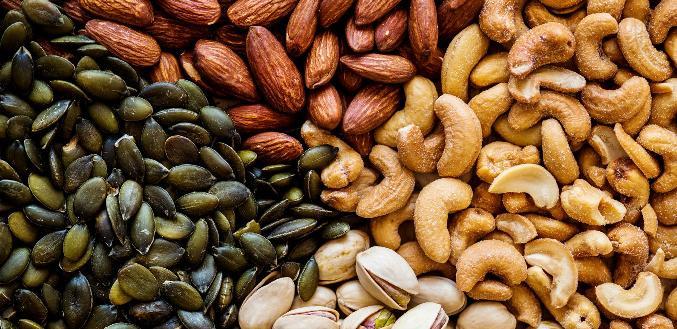
Any serious professional discussion of fibre intake must confront the socioeconomic reality that shapes it. Fresh vegetables, legumes, wholegrains, nuts and seeds are the foods that would most meaningfully close the fibre gap. These often cost more per serving, require more preparation time and are less available in many food environments than their ultra-processed alternatives. Chia seeds are not cheap, for example, and snacking on almonds costs more than biscuits.
UPFs cost significantly less per calorie than unprocessed alternatives. For households managing on constrained budgets (and those households are disproportionately represented among the lowest fibre consumers), reducing reliance on UPFs is not simply a matter of motivation or knowledge; it is a matter of access and affordability.
The wellness framing of fibremaxxing is oriented towards people with the time,
disposable income and infrastructure to act on it. It assumes a level of income and choice. We cannot ignore the fact that for many others, high-fibre foods are a form of health privilege. As nutrition professionals, we should remember this in our own communication.
Dietitians and nutritionists hold the expertise to cut through the noise. We understand what the data says. We understand what the regulations permit. We understand the gap between a genuine public health benefit and a frontof-pack claim. The question is, are we prepared to deploy that understanding loudly enough to make a difference? Making a difference means speaking up in the media when 'gut health' products are uncritically celebrated. It means engaging in policy conversations around front-of-pack labelling reform. It means being willing to name the health halo effect publicly in plain language to non-specialist audiences, rather than reserving our precision for academic contexts. It means supporting clients from all socioeconomic backgrounds to navigate a commercial food environment that is not designed in their best interests.
CONCLUSION
The fibre gap has persisted for decades despite public health messaging. It will not close through wellness trends alone, and it will not close through industry reformulation that prioritises marketing over nutrition. However, it will close through structural change: food policy, food environments, labelling regulation and the social and economic conditions that shape what people can actually eat.
Tell
us Joan,* what does Fortisip taste like?

*Not an actual patient, but the words reflect real feedback we’ve received from healthy older adults1
Turns out, 96% of people surveyed agree the taste delivers, finding at least one flavour they like amongst the Fortisip range 1
Finding a flavour people can enjoy, 1 a volume they can manage, 2 and a brand you can trust 3 - it’s our recipe for being the most recommended ONS range 3





†IQVIA market data on file on Fortisip range (Accurate as of June 2025)


Lush
Local word in Wales meaning good
range of adult oral nutritional supplements†
References: 1. 2025 Data on File - independent sensory research on Fortisip Compact Protein (9 flavours), Fortijuce (4 flavours), Fortisip Compact (6 flavours) and Fortisip PlantBased 1.5kcal (2 flavours), n=115 healthy older adults aged 50-85 years old. 96% of healthy people surveyed agreed that at least 1 flavour out of 21 flavours, across Fortisip Compact, Fortisip Compact Protein, Fortijuce and Fortisip PlantBased 1.5kcal, tasted nice. 2. Hubbard et al. Clin Nutr. 2012 ;31(3) :293-312. 3. 2025 Data on File – Adult ONS Brand Health Tracking. Prepared by Sermo, using an HCP panel of 200 HCPs.
The Fortisip range are Foods for Special Medical Purposes for the dietary management of disease related malnutrition and must be used under medical supervision. Please refer to labels for details.
ONS = Oral Nutritional Supplements
Accurate at time of publication: March 2026
Stepping into the community: a practical introduction Dietetic home visits
Whether you’ve never worked in community dietetics or are preparing for home visits, dietitians, dietetic assistants and student dietitians need to be aware of key considerations to ensure safe and effective practice in community settings.
WHEN ARE HOME VISITS NEEDED?
Patients are usually encouraged to attend a clinic appointment or, where appropriate, have a telephone or virtual consultation. These options allow services to be delivered efficiently while maintaining accessibility for most individuals. However, home visits become essential when patients are unable to leave their home due to physical, medical or cognitive limitations. This may
include individuals who are frail, elderly, housebound, recently discharged from hospital or those with complex conditions that make travel impractical – even with hospital transport.
Home visits are also indicated where an in-person assessment of the home environment is clinically necessary. This may include the following:
• Assessing food access, storage and preparation facilities
• Reviewing adherence to prescribed nutritional support, eg ONS or enteral feeding
• Evaluating risks related to malnutrition, safeguarding or selfneglect
• Supporting carers and family members with practical dietary advice
In addition, patients living in care homes or supported living settings often require dietetic input on-site to ensure care plans are implemented effectively and to facilitate MDT working with care staff.
Community dietetic services cover a wide range of specialties, including nutritional support, diabetes management, wound care and enteral feeding.1 In some areas, depending on local commissioning and funding, services may also include weight management and obesity care.
LONE WORKING AND KEEPING SAFE
The safety of healthcare professionals working alone in community

Karen Voas-Wootton RD

settings is paramount. The BDA provides guidance on lone working to support dietitians in maintaining personal safety and recommends that appropriate risk assessments are undertaken in advance to ensure staff are adequately protected. Where potential risks are identified, implementing a buddy system – where visits are conducted alongside another member of staff – may be appropriate.
In addition, local NHS trust policies offer up-to-date, site-specific guidance on lone working. These policies outline the relevant protocols and procedures designed to support staff safety when delivering care in community environments.
Initial home visits are typically scheduled for approximately 30 minutes; however, clinicians should anticipate that appointments may overrun. This is often due to necessary interactions with carers or family members, as well as travel considerations between visits. As a result, the number of patient assessments that can be completed within a working day may be lower than in clinic-based settings.
During the visit, baseline anthropometric measurements should be obtained as part of the initial nutritional assessment.
While many aspects of lone working may seem intuitive, consistently applying basic safety principles is essential to minimise risk in community settings. Top safety tips to consider include the following:
• Ensure your vehicle is wellmaintained and has sufficient fuel before visits.
• Park strategically outside the property so you can leave quickly if necessary.
• Use the buddy system – stay in regular contact with colleagues or someone who can check in on your safety while working alone.
• A physical map or a backup power bank is a lifesaver if you lose signal or your mobile phone battery dies in a rural area.
• If you feel unsafe or threatened, exit the property immediately – never put yourself at risk.
• Be aware of pets in the home and ask the patient to secure them if needed.
• Schedule visits during daylight hours whenever possible, particularly in winter, to ensure safe visibility when entering and leaving the property.
WHAT EQUIPMENT IS REQUIRED?
Dietitians should ensure they are familiar with local service guidance and protocols regarding equipment for community visits. Requirements are typically outlined in local NHS trust policies, community team procedures or through departmental induction and lone working training.
In preparation for a home visit, clinicians should bring all necessary equipment to carry out a safe and effective assessment (see Table 1). This may include weighing scales, a handgrip dynamometer and appropriate infection prevention and control (IPC) supplies. In line with Standard Infection
Control Precautions (SICPs), this typically involves items such as disinfectant wipes, hand sanitiser and a plastic waste bag for disposal of any clinical waste generated during the visit.
Clinical judgement should be applied when deciding whether certain measurements are appropriate. For example, weighing may not be suitable without a prior risk assessment, particularly in patients who are frail or have limited mobility. For individuals who are unable to stand safely, alternative measures, such as mid-upper arm circumference (MUAC), can provide a practical and validated proxy for nutritional assessment.
SEEING THE BIGGER PICTURE AT HOME
Domiciliary visits to patients’ homes or care homes offer the unique opportunity to see patients in their own environment, which can be highly insightful. Many clinicians feel some anxiety about community work, whether it’s navigating to new addresses, lone working or simply being in someone else’s space. However, dietetics remains the same, whether you are in an outpatient clinic, visiting a home or working in a care facility.
Working in a patient’s own home allows you to build rapport and gain practical insights. You can observe their kitchen and fridge, see the types of foods they have, assess their cooking facilities and whether carers assist with meal preparation. It is a little like detective work and, importantly, provides valuable
context that enables you to tailor realistic, personalised nutrition advice, which in turn can significantly improve patient care and well-being.
Being in a patient’s own environment can, however, make sensitive conversations about tube feeding, stopping nutritional supplements, mental health or finances, for example, more challenging. These important conversations can be handled positively through techniques such as motivational interviewing, paraphrasing and effective non-verbal communication, including eye contact and body language.
MDT APPROACH
Community working inevitably involves liaising with a wide range of professionals as part of an MDT. This may include GPs, practice, district and specialist nurses, pharmacists and other allied healthcare professionals, such as speech and language therapists, occupational therapists, physiotherapists and care home staff.
While coordinating communication across the MDT can sometimes be challenging, effective collaboration is essential for care planning, often requiring information sharing and joint decision-making to ensure a patientcentred approach to care.
Dietitians play an important clinical role within community MDTs. Research has highlighted the significant contribution dietitians make to patient care in community settings, particularly through nutritional assessment, clinical
- Weighing scales (portable and regularly calibrated) - Patient documentation or access to electronic records - Hand sanitiser - Mobile phone (fully charged)
- Height measure or alternative (eg ulna length guide) - Nutritional screening tools (eg ‘MUST’) - Disinfectant wipes - Identification badge
- Mid-upper arm circumference (MUAC) tape
- Dietary assessment resources (food record charts, portion guides)
- Gloves and/or apron (as per local policy) - Lone working device or app (if used locally)
- Handgrip dynamometer (where appropriate) - Written patient information (eg dietary advice leaflets, ONS guidance) - Disposable barrier/mat - Diary or schedule of visits
- Plastic waste bag for disposal of clinical waste - Pen and clipboard
Table 1: Home visit equipment checklist

decision-making and collaborative care planning.2 In addition, dietitians working in extended or advanced practice roles can further support complex patient management and service development within community healthcare teams.
Within my own role, for example, I regularly communicate with GPs, pharmacists and specialist nurses around prescribing appropriate nutritional supplements in community settings, including care homes. This involves education, discussions around food first and ways to meet nutritional requirements without the use of nutritional supplements.
PERSONAL REFLECTION
Working in the community can bring a strong sense of satisfaction and achievement. Visiting patients in their homes often allows you to build meaningful relationships and rapport, as
you are entering their personal spaces and daily environments.
There can be a perception that community work is quieter or less demanding than acute dietetics; however, this is rarely the case.
Community roles can be very busy and often involve a significant amount of administrative work. Strong organisational skills, good navigation and planning abilities and sound professional judgement are essential, particularly as much of the work involves lone working. It is important to stay on top of administrative tasks and respond promptly to requests, such as prescription queries.
In my NHS trust, we manage our own diaries, scheduling home visits, care home reviews, meetings and other clinical commitments. This approach can work well and allows flexibility to accommodate urgent cases
when needed. In other departments, administrative staff may coordinate visits and appointments instead.
CONCLUSION
Dietetic home visits play an important role in supporting patients who are unable to access clinic-based care. While community working requires careful planning, strong organisational skills and effective communication, it offers valuable opportunities to gain insight into patients’ daily lives and provide personalised nutrition support. By working collaboratively within MDTs and adapting practice to the home environment, dietitians are well placed to make a meaningful contribution to improving patient care and outcomes in the community.

The future of dietetics:

Have you heard about food noise?
You might have heard of the term ‘food noise’ being increasingly mentioned, or perhaps you’ve been experiencing it yourself. But what exactly defines this phenomenon, what are the facts and why has it become such a hot topic?
WHAT
IS FOOD NOISE?
Food noise refers to persistent and intrusive thoughts about food. This term emerged recently from anecdotal reports that GLP-1 receptor agonists (GLP-1 RAs) can ‘silence’ food-related thoughts in many people.1 As research is emerging, several different definitions of food noise have been proposed, with the overarching theme being the presence of persistent intrusive food-related thoughts, often described as ‘mental chatter’.2,3
Food noise is not the same as cravings or appetite, nor is it just a desire to eat. It often manifests as preoccupation with food planning, preparation and making the ‘right’ decisions, even in the absence of hunger.
For example, this could be thinking about your next meal whilst having breakfast, or worrying about whether you’re eating too much or not enough.1-3 These thoughts can become disruptive to everyday life and create an emotional and cognitive load for the individual.1,2
Food noise does not currently stand as a clinical diagnosis, but it is apparent that this trait surpasses a normal level of everyday thoughts about food.2
WHAT CAUSES FOOD NOISE?
The causes of food noise are not well understood. One theory links it to heightened responsiveness to food cues, influenced by internal and external factors such as genetics, emotional state, appetite-regulating hormones and exposure to food cues in the environment.1 Others suggest food noise may share neuronal overlap with patterns of rumination or heightened reward responses to food.2,4,5
Individual appetite traits, such as responsiveness to food cues, satiety signals and reward responses to food,
Hey students!
Looking for tools and advice for your studies and future career?
Visit the Student Hub:www.nhdmag.co.uk/ student-hub
show a strong genetic component, suggesting that genetics could be a predisposing factor to food noise.1,5 In the context of external factors, the environment and constant exposure to food cues through media and advertising could be triggering food noise in predisposed individuals.2
We do not know how prevalent food noise is, but anecdotal reports from people living with obesity have been common, suggesting a potential link between body weight and food noise. Functional magnetic resonance studies show that people living with obesity may experience heightened psychological reward and cue reactivity to food, creating a stronger psychological desire to eat and potentially contributing to food noise.6,7
A high BMI is not a prerequisite for food noise. Mental preoccupation with food was reported in the Minnesota Starvation Experiment, as well as in individuals with anorexia nervosa.1
One contributing factor could be an attempt to control body weight through dietary restrictions.2 Additionally, a recent study found that body-related shame and self-esteem could modulate the relationship between high BMI and higher food preoccupation.8 Physiological factors, such as reduced levels of satiety hormones after weight loss or due to genetic factors, could also be modulating differences in food noise.2
HOW DO GLP-1S RELATE TO FOOD NOISE?
Relief from food-related thoughts due to GLP-1 RA s is the main reason why the term ‘food noise’ has recently entered public discourse.2 Empirical evidence is limited, although a recent study found
Zuzanna Gradek Student
a decrease in the prevalence of people reporting food noise from 62% to 16% during treatment with semaglutide.9
GLP-1 receptors in brain areas involved in appetite regulation, reward and default-mode thinking may be modulating these effects.1,4 However, GLP-1 treatment is not appropriate for everyone and not enough is known for it to be promoted as a management strategy for food noise. The differences in response and the long-term benefits are also uncertain. Caution must be taken in this discussion to avoid fuelling inappropriate use of these medications.
HOW CAN WE MANAGE FOOD NOISE?
Although direct research on management strategies of food noise is very limited, some plausible behavioural and psychological management strategies are proposed in the scientific literature.
Mindfulness practice (such as meditation) could be a potential
strategy for managing intrusive and repetitive thought patterns such as food noise.4,10 Notably, attempts at thought suppression appear to be ineffective coping strategies that can amplify the intrusive thoughts further and lead to overeating behaviours.5,11,12 Thought patterns and therapies centred around thought recognition, observation and acceptance may hold more potential.5,11
Based on the current available theories of aetiology, addressing issues of chronic dieting, energy restriction and body-related shame could indirectly help to reduce food noise. Also, identifying personal triggers of food noise, such as emotions or exposure to food-related content on social media, is an important step in managing individual experiences.1
IMPLICATIONS FOR DIETETIC PRACTICE
In the past year, tailored assessment questionnaires of food noise have begun to be developed, allowing for further research.3,13 As public recognition of
Top tips
food noise increases, some patients might want to discuss this with dietitians, while others might be reluctant to do so due to stigma and shame.2 It is important for dietitians to familiarise themselves with the topic, recognise the emotional toll that patients with food noise are experiencing and address the conversation with compassion.
CONCLUSION
The term ‘food noise’ has emerged to describe persistent, intrusive and disruptive thoughts related to food that many people experience in their everyday lives. The causes of food noise are likely multifactorial and influenced by an array of physiological and psychological factors. However, direct research on food noise is still in its early days and future advancements will strengthen our understanding and hopefully help uncover more management strategies.
to gain the most from a practice ‑ based learning placement
A practice-based learning placement is a key part of dietetic education, where you begin applying university theory in real-world settings. It’s exciting and challenging – so how can you make the most of it? Here are seven tips to guide you:
1. Get organised – Before placement starts, review key dietetic topics, diet therapies and medications. Explore relevant policies if hospital-based and (if possible) visit beforehand to familiarise yourself and ease first-day nerves.
2. Communication is key –Communicate regularly with supervisors and share your learning needs. Use weekly reviews to reflect, celebrate progress and set goals. Seek support early… there’s a wide network available to help you succeed.
3. Don’t be afraid to get things wrong –Give yourself permission to be a learner, not an expert. Ask questions, read around topics and take advantage of the opportunity to observe RDs in practice.
4. Be proactive – Look for opportunities to get involved, from supporting patients to shadowing other professionals. Show initiative and seek experiences beyond your timetable to maximise learning.
5. Remember that your practice educator was once a student too –You’ve earned your place, so don’t let imposter syndrome hold you back. Embrace feedback as a tool to build skills and confidence.
6. Ride the rollercoaster – Practicebased learning comes with highs and lows, and that’s normal. Emotions will fluctuate, but they’re temporary. Take

a breath, trust yourself and seek support if you need it.
7. Prioritise self-care – This can be a demanding time, so follow HCPC guidance to maintain your well-being.1 Take breaks, plan meals, stay hydrated, exercise, practice mindfulness and maintain good sleep habits.2-4
You are a future RD, but the journey to the HCPC register is just as important as the destination. Embrace the learning journey and enjoy the ride. You will miss your placement days when they are behind you (honestly!).
A longer version of Lynsey’s advice is available on our Student Hub: www.nhdmag.co.uk/student-hub
Lynsey Richards RD



Paravit® provides vitamins A, D3, E and K1 in a once daily dose
Paravit®-Mod offers a reduced dose of vitamins A and E compared to Paravit®-CF*
Patient friendly: neutral taste and odour free


With retinol, as recommended by CF guidelines 2
Utilises MCTs** as a carrier for optimal absorption.1
Based on healthcare professional feedback on the


Research matters: Cystic fibrosis
GUIDANCE ON NUTRITION FOR CHILDREN WITH CF ON ETI
The introduction of CFTR modulators (ETI) has transformed the nutritional needs of children with CF, but guidance has lagged behind rollout. A new study has combined a literature review with expert consensus to develop nutritional recommendations for children with CF receiving ETI (Journal of Cystic Fibrosis 2026).1 An international panel of 22 professionals and a parent representative generated 67 consensus-based statements using a Delphi process, identifying research gaps and priorities. The guidance highlights the need to re-evaluate traditional BMI targets and provides interim, expert-informed recommendations to support optimal nutrition in children on ETI therapy.
Hannah comments:
Although largely based on expert consensus, the structured development process and international MDT input strengthen the credibility of these interim recommendations. The study highlights that nutritional guidance for children with CF has not yet kept pace with the widespread introduction of CFTR modulators. Improvements in health and weight gain mean traditional nutritional targets, including BMI goals, may need to be reconsidered. For dietitians, this supports adapting dietary advice and monitoring strategies, with greater emphasis on balanced dietary patterns, appropriate weight trajectories and overall metabolic health as nutritional management in CF continues to evolve.
Our round-up of need-toknow cystic fibrosis research – with expert comment from Hannah Pritchard RD



SUPPORTING NUTRITION IN ADULTS WITH CF
Maintaining optimal nutrition remains a key aspect of care for people living with CF, particularly as the introduction of highly effective modulators has shifted focus from preventing malnutrition to managing weight stability. The Exploring Attitudes Toward Nutrition study (Journal of Cystic Fibrosis 2025) looked at barriers and facilitators influencing nutrition in 44 adults with CF.2 Participants described nutrition in varied ways, often linking it to maintaining health and weight stability. Key facilitators to maintaining good nutrition included support from dietitians, convenience, physical activity, social support and weight stabilisation after ETI. Barriers included time constraints, GI symptoms, hospitalisations, the impact of medication and negative dietitian/care team member experiences, highlighting the need for personalised, practical dietetic support.
Hannah comments:
Nutrition care in CF is evolving, particularly with the impact of CFTR modulators. While maintaining adequate nutritional status remains important, dietitians increasingly need to support weight stability and balanced dietary patterns, rather than focusing solely on weight gain. The findings of this study emphasise the importance of individualised nutrition advice that considers GI symptoms, enzyme therapy and lifestyle factors. Recognising practical barriers, such as time constraints, financial pressures and illness, can help dietitians provide realistic, patient-centred strategies that support long-term nutritional management in CF.

NUTRITION CHANGES WITH CFTR MODULATORS
CFTR modulators are reshaping the nutritional and clinical profile of people living with CF. A review examined studies published between 2012 and 2025 exploring the effects of modulator therapy on nutritional status, body composition and respiratory function (Biology 2026).3 Across 17 studies involving paediatric and adult populations, treatment with ETI was associated with significant increases in BMI and improvements in lung function. Weight gain was largely driven by increases in fat mass, alongside improvements in markers of nutritional status and reduced inflammation. However, rates of overweight and obesity have also risen, highlighting the need for dietetic strategies that focus on long-term metabolic health rather than weight gain alone.
Hannah comments:
It is encouraging to see emerging evidence on the effects of CFTR modulators on nutritional status, body composition and lung function in CF. Although this study used a systematic review design, its conclusions are limited by the relatively small number and heterogeneity of the included studies. Overall, the findings suggest that CFTR modulators improve nutritional and respiratory outcomes but are also associated with an increase in fat mass and rising rates of overweight and obesity cases. This highlights the need for dietitians to move beyond BMI alone when assessing nutritional status, placing greater emphasis on body composition, metabolic health and balanced dietary patterns in clinical practice.
UNDERNUTRITION LINKED TO EARLIER CF SYMPTOMS
Undernutrition remains a key concern in the clinical management of children with CF. A recent prospective cohort study from Brazil (2026) evaluated the relationship between nutritional status and disease characteristics in paediatric CF patients.4 A team analysed clinical, anthropometric and dietary data from 102 children at baseline and 88 at follow-up. Children below the 50th growth percentile experienced CF symptoms significantly earlier than those with better nutritional status. They were also more likely to have gastroesophageal reflux disease and muscle tissue depletion, alongside lower body weight.
Hannah comments:
The close relationship between nutritional status and clinical outcomes in children with CF is reinforced in this study. Poorer nutritional status was associated with earlier symptom onset and a higher prevalence of gastroesophageal reflux disease and muscle tissue depletion. These findings highlight the importance of early and ongoing nutritional assessment in paediatric CF care. For dietitians, this supports comprehensive dietetic assessment, including proactive monitoring of growth and nutritional status alongside consideration of GI symptoms and body composition, to enable timely, individualised interventions that promote optimal growth and overall clinical outcomes.
DEVELOPMENT OF A CF-SPECIFIC WEIGHT MANAGEMENT PROGRAMME
Researchers are developing a CF-specific weight management programme to address the changing nutritional needs of adults with CF. Since the introduction of highly effective modulator therapies, many people with CF have experienced improved health. However, increased rates of overweight and obesity now affect over 30% of adults with CF. A new study (NIHR Open Research 2026)5 outlines a co-design process to develop a programme that complements the NHS Digital Weight Management Programme. Researchers will work with people with CF and healthcare professionals to identify barriers to healthy eating and physical activity, co-design programme features and refine the intervention to ensure it is acceptable, engaging and tailored to CF-specific needs.
Hannah comments:
This research highlights the changing nutritional profile of people with CF, with increasing rates of overweight and obesity reported following the introduction of highly effective modulator therapies. The authors outline the development of a CF-specific weight management programme to be delivered alongside existing services. The intervention will be co-designed with people with CF and healthcare professionals, focusing on healthy eating and physical activity. Although the paper describes a study protocol rather than reporting outcomes, it reflects the evolving role of dietitians in supporting balanced dietary patterns and weight management, using collaborative, patient-centred approaches that consider individual clinical needs, lifestyle factors and treatment regimens.
Tell Me How You Eat Food, power and the will to live
Ursula Arens highlights why dietitians will find this book both challenging and rewarding
Another random encounter of a book I have enjoyed reading. The best kind. Not a planned selection with keywords ‘dietetics’ or ‘nutrition’ – serendipity often provides unexpected treasures. This book is challenging. A text that is bright and sparkling, so that sections need to be read very slowly and repeatedly to fully digest their meanings. It is a kaleidoscopic swirl through culture and literature, history and politics, considering food choices. Of course, starter conversations during many dietetic meetings involve the title of this book. And there is the hint of the much-cited quotation from 19th-century French politician/lawyer/author, Jean Anthelme Brillat-Savarin: “Tell me what you eat, and I will tell you what you are.”
Amber Husain considers many astonishing channels that influence food choices, mostly outside the terrain of normal dietetic considerations. The book opens up other languages into the discussions of diet. But the spine of the book is the very open share of her own dieting history.
At age 30, Amber lost a lot of weight, leading to the diagnosis of anorexia and treatment at a specialist eating disorders clinic. Her presentation was not typical and she was put on the Maudsley Model of Anorexia Nervosa Treatment for Adults (MANTRA) pathway. Amber was later offered alternative psychedelic treatments and underwent constant group therapy meetings. I could not untangle any reveal of cure, but her intense food focus is what inspires and drives this book.
JOURNEY THROUGH THE PAGES
The five chapters consider the eating issues Don’t (starvation), Restrict, Gorge, Feed (others) and Ask (about societal food justice). The first chapter considers historical observations of the choice
of hunger. Centuries ago, nuns faced the option of starvation to demonstrate virtue and purity, and escape from the constancy of pains and degradations of being of mortal flesh. The chapter also considers some political motivations to starve. For example, the medical notes of French campaigner, Simone Weil, declare she had ‘killed and slain herself by refusing to eat’. Mahatma Gandhi fasted to forcefully demand Indian State freedom from British rule and, of course, the suffragettes hungered to support female participation in political elections and were often force-fed in prisons.
In 1944, Dr Ancel Keys set up the Minnesota Starvation Experiment. Thirty-six male volunteers (refusing military conscription in the war) endured many months of semi-starvation, eating only cabbage, potatoes and bean-pea soup. Daily physiological assessments were made during weight loss and then controlled regain, all described in the nearly 1400 pages of The Biology of Human Starvation. Amber considers the descriptions of physical and mental decline and the many edits made by Keys to the hunger protocols. Rations were posted weekly and individual allowances were adjusted by additions or subtractions of bread slices to the baseline diet. “Like schoolkids divided in dignity with grades and gold stars, the men were classed by the calories they had earned with their weight loss progress.”
The opposite chapter on gorging describes the literature of decadent excess. In ancient Rome, displays of wealth were by food theatre: platters of exotica such as flamingo brains, parrot heads and nightingale tongues. Banquets could be more than 20 courses balanced by trips to the vomitorium. The consumption of large amounts of exotic foods has always


Tell Me How You Eat: Food, Power and the Will to Live by Amber Husain was published by Hutchinson Heinemann in 2026. It is available from bookshops for around £18.99.
We have three copies to give away in a lucky draw. Winners chosen at random. Email publisher@ networkhealthgroup.co.uk to enter.
been a moralistic description of wealthy decadence, but in the last decades, the overfed are no longer the wealthiest; the obesity epidemic in many countries shows an inverse income gradient.
THE BOTTOM LINE
Dietitians are experts in the many physiological cranks and levers that guide food choice. But this great book presents engaging descriptions of some of the deeper cultural channels driving societal food habits and preferences. A book for dietitians to read and reread.
Ursula Arens
Freelance Writer

Myth busting with Madi
Madi Myers explores some of the claims, myths and current evidence around fads and fashionable crazes
Is breakfast the most important meal of the day?
For many of us, breakfast is a meal we eat on autopilot, yet it generates an extraordinary amount of debate. In the late 2010s, interest in breakfast surged alongside research into chrononutrition, with several highprofile studies examining whether eating earlier – and eating more –conferred metabolic advantages. The familiar advice to ‘breakfast like a king’ was revived, challenged and rebranded in equal measure. Today, breakfast remains a deeply ingrained habit in the UK. More than 90% of adults report eating breakfast regularly, although how and what we eat has changed considerably.1
Recent trends – including intermittent fasting, the push for high-protein and a growing fixation on blood glucose responses – have reshaped how breakfast is discussed, with it often confusingly framed as either metabolically essential or entirely optional.
SHOULD BREAKFAST BE THE BIGGEST MEAL OF THE DAY?
The statement ‘breakfast is the most important meal of the day’ is often attributed to cereal marketing, but observational research has repeatedly explored whether meal timing and size influence weight and metabolic outcomes. One frequently cited study of over 50,000 participants in the Adventist Health Study 2 found that individuals who consumed their largest meal at breakfast had lower BMIs than those who ate their largest meal at dinner.2 However, as with all observational research, causality cannot be inferred. Breakfast eaters may differ systematically from
breakfast skippers in ways that are difficult to fully adjust for, including physical activity, sleep patterns and health-conscious behaviours.
More recently, a small randomised controlled trial in 19 adults found that consuming a large breakfast (45% of daily energy) during weight loss led to improved appetite control, with greater satiety reported following a high-protein breakfast compared with a high-fibre one.3 While intriguing, the sample size was small and findings should be interpreted cautiously. Overall, the evidence does not support a universal recommendation that breakfast must be the largest meal of the day. However, it does suggest that breakfast composition may influence appetite regulation for some individuals.
SHOULD BREAKFAST BE SKIPPED TO
EXTEND THE OVERNIGHT FAST?
With the rise of intermittent fasting, breakfast has increasingly become the meal people are most willing to skip. A recent YouGov poll found that 55% of adults would prefer to skip breakfast regularly, compared with just 5% who would skip dinner.4 Among 16- to 34-year-olds, breakfast skipping is particularly common and overlaps with higher reported use of intermittent fasting strategies. However, observational studies consistently associate breakfast skipping with poorer cardiometabolic markers, including adverse lipid profiles, impaired glucose regulation, metabolic syndrome, reduced bone health and lower athletic performance.5,6
It is important to interpret these findings carefully. Breakfast

skipping is also more prevalent among individuals experiencing food insecurity, suggesting that socioeconomic factors may partly explain observed associations.7
Some evidence suggests that the first meal of the day may interact uniquely with appetite regulation and cognitive function. One review reported small but significant benefits of breakfast consumption on memory and attention.8 Breakfast eaters also tend to have higher micronutrient intakes, partly due to food fortification practices in the UK. While fasting protocols may suit some individuals, such as those who naturally aren’t hungry in the morning, it seems skipping breakfast is not a metabolically neutral choice for everyone.
ARE SAVOURY BREAKFASTS BETTER THAN SWEET ONES?
Breakfast traditions vary widely across cultures. In the UK, cerealbased breakfasts still dominate weekdays, while savoury options –particularly eggs – are increasing in popularity. In Mintel's UK Breakfast Eating Habits Consumer Report 2025, nearly half of adults agreed that savoury breakfasts help avoid blood glucose spikes.9 The rationale is straightforward: savoury breakfasts are often higher in protein, which may enhance satiety and provide more sustained energy. Evidence suggests that distributing protein intake more evenly across meals may benefit muscle protein synthesis, which is especially important in the context of ageing and muscle loss.10
There is a lack of research
Madi Myers ANutr

demonstrating that savoury breakfasts are inherently superior. One small RCT in healthy adults found no significant differences in appetite or biomarkers of health when a sweet versus an unsweetened breakfast was consumed for three weeks.11 Sweet breakfasts can still be high in protein, fibre and micronutrients, eg Greek yoghurt with nuts and fruit, or wholegrain toast with peanut butter and a drizzle of honey. Importantly, no evidence suggests that sweetness alone negates the nutritional quality of a meal.
Current evidence supports flexibility rather than prescriptive rules. Breakfast composition should be judged on overall nutrient balance, not whether it falls into a sweet or savoury category.
IS COFFEE A BREAKFAST HEALTH DRINK OR HORMONAL DISRUPTOR?
Coffee consumption in the UK continues to rise, with an estimated 98 million cups consumed daily.12
Large umbrella reviews consistently show that moderate coffee intake (around three to four cups per day) is safe and associated with a reduced
risk of several chronic diseases, likely due to its high polyphenol content.13 Timing has recently entered the conversation, however.
A large observational US study found that individuals who primarily consumed coffee in the morning had a lower all-cause and cardiovascular mortality compared with non-coffee drinkers, regardless of total intake.14 While causality cannot be inferred, earlier consumption may reduce sleep disruption and align better with circadian rhythms. Ultimately, the evidence suggests coffee can be part of a healthy breakfast routine without needing precise timing rules or extreme practices.
ARE MORNING SMOOTHIES JUST A HIT OF FREE SUGARS?
Concerns around smoothies often centre on blood glucose and free sugars. In the UK, sugars released from fruit and vegetables during blending are classified as free sugars, which should be consumed at a maximum of 30g per day. In addition, smoothies are recommended to be capped at 150mL and can count as only one of the recommended five a day. Despite the concerns, the glycaemic index of fruit smoothies remains relatively low
(around 33) and smoothies retain fibre and micronutrients.
Smoothies can be a practical, cost-effective way to increase fruit and vegetable intake, particularly when using frozen produce. For individuals with limited time, appetite or specific food preferences, smoothies may improve dietary adequacy rather than detract from it.
CONCLUSION
Whether to eat breakfast – and what that breakfast looks like – is ultimately an individual decision shaped by lifestyle, physiology, preferences and access to food. While some aspects of breakfast science remain unsettled, the evidence does not support rigid rules around timing, sweetness or skipping. What we can say with confidence is that breakfast does not need to be optimised to the point of absurdity… and no, you don’t need to blend butter into your morning coffee to be healthy. A balanced, flexible approach grounded in overall dietary quality remains more evidence-based than any single breakfast trend.


PEG feeding in the community
Supporting newly qualified dietitians in Scotland
The number of adults receiving home percutaneous endoscopic gastrostomy (PEG) tube feeding is rising, yet newly qualified dietitians (NQDs) often find managing enteral feeding in the community challenging. Policy guidance, local frameworks and national collaboration help build their confidence and competence in providing safe, effective care.
A PEG is a surgical procedure that places a feeding tube directly into the stomach for individuals who are unable to meet their nutritional requirements orally. Earlier hospital discharge and improved survival among patients with complex conditions are changing care needs. Along with care being delivered closer to home, this has driven greater demand for safe, effective community enteral feeding services.1
RDs play a central role in the care pathway for patients with PEG tubes.
Student dietitians on placements can sometimes gain practical experience caring for these patients. However, this is often limited to acute settings. The knowledge and skills NQDs need for managing enteral tube feeding (HETF) in the community may therefore be limited. It can be a daunting experience.2
Scottish health boards recognise that enteral feeding is a high-risk intervention requiring robust governance, structured competency development and strong professional support. Enteral feeding in the community setting in Scotland is delivered across diverse settings, including patients’ own homes, care homes, community hospitals and supported living environments.
Community dietitians work across organisations, coordinating with district nursing, GPs, acute services, home care companies and social

Polson RD
care staff.1 Dietitians require a clear understanding of the roles each service provides and how to communicate effectively with each.
National and local policies emphasise that enteral feeding must be delivered safely and consistently across all care settings.3 Scottish enteral feeding guidance makes clear that responsibility for care does not end at discharge. Instead, there is an expectation of continuity, clear communication and defined professional accountability as patients transition into the community. For NQDs, understanding and navigating these interfaces is critical.
CLINICAL RISK AND ACCOUNTABILITY
Enteral feeding is associated with significant clinical risk, including tube dislodgement, infection, aspiration,

Leonie
electrolyte imbalance, GI symptoms, dehydration and tube blockages. In the community, these risks are heightened by reduced access to immediate medical support and diagnostics. In rural settings, access and support may be many hours’ drive away.
Across Scotland, health boards have developed (or are developing) standard operating procedures for enteral feeding, highlighting the importance of appropriate assessment, monitoring and escalation to minimise harm and risk. BAPEN provides guidance on the frequency of review for enterally fed patients along with biochemistry monitoring; however, local policies may vary.4
NQDs often report anxiety around decision-making in this context, particularly when working autonomously. Without structured support, there is a risk that early career practitioners either over-escalate, placing pressure on specialist services, or under-escalate,
potentially compromising patient safety. NQDs (along with qualified dietitians) working in rural and remote areas may not have sufficient caseloads to maintain clinical skills within enteral feeding and the intricacies involved in their care management.
WORKING IN PROFESSIONAL ISOLATION
Community dietetic roles in Scotland frequently involve lone working across large geographical areas, including remote and rural settings. Unlike acute services, informal access to senior colleagues can be limited, which can delay the opportunity to discuss specific cases. This isolation can be particularly challenging for NQDs who are still developing clinical confidence and professional identity. Dietetic support workers are often employed within community dietetic teams. However, there remain many community dietetic teams that don’t have access
to dietetic support workers. This may result in dietitians, including NQDs, needing to complete tasks that in acute settings may have traditionally been completed by support workers, such as updating enteral feed regimens with home care providers.
Scottish health boards have increasingly acknowledged that early career dietitians require explicit supervision structures to mitigate this risk, particularly when managing complex interventions such as enteral feeding.2
COMPETENCY-BASED INDUCTION
Structured competency development tools are central to supporting NQDs, including during their induction. Several Scottish health boards have developed HETF-specific competency frameworks that outline the knowledge, skills and behaviours required before independent caseload management. These frameworks typically include:

Mentorship and peer support are increasingly recognised as critical to workforce sustainability
• Knowledge of Scottish enteral feeding policies and procedures
• Understanding of governance, consent and capacity
• Practical competence in feed prescription and monitoring
• Recognition of scope of practice and limits of competence
These frameworks recognise that competence develops over time. NQDs are supported to build experience, often over several months, rather than being expected to manage HETF caseloads immediately when starting a post.
TRANSLATING POLICY INTO PRACTICE
Clinical supervision
Scottish policy places strong emphasis on clinical supervision as a patient safety mechanism. For NQDs managing enterally-fed patients, regular supervision provides a protected space to discuss risk, uncertainty and complex decision-making. Supervision supports reflective practice, aligning with professional standards set by the HCPC. Effective supervision models used across Scottish community services include case-based discussion, joint visits and structured review of high-risk patients. These approaches ensure that national policies and local procedures are applied consistently in real-world settings.
Mentorship and peer networks
Beyond formal supervision, mentorship and peer support are increasingly recognised as critical to workforce sustainability. Local support groups or national groups, such as the Scottish Home Enteral Tube Feeding Network,
provide opportunities for shared learning, service development and dissemination of good practice across health boards. For NQDs, exposure to mentorship programmes and peer support helps normalise challenges and reinforces that uncertainty is an expected part of professional development and not a personal failing.
Education and training
Scottish community dietetic services have invested in targeted enteral feeding education, often delivered locally but aligned to national standards. Training programmes focus on the realities of community practice, such as managing feed intolerance, hydration and supply issues (adjusted for local policies and guidelines) and have been demonstrated as a requirement for NQDs.1 Interdisciplinary training is particularly valuable. Joint education sessions with nursing colleagues and home care providers help NQDs understand shared responsibilities and reduce duplication or gaps in care. This collaborative approach reflects Scottish policy priorities around integrated care and MDT working.
Scope of practice and escalation
Clear articulation of scope of practice is essential for NQDs. Scottish competency documents and local guidance often specify which enteral feeding scenarios are appropriate for early career practitioners and which require specialist input. Clarity protects patients and practitioners by supporting timely escalation and reducing potential stressors and distress. Escalation pathways are most effective when they are simple, well communicated and supported by senior staff. In wellfunctioning services, asking for advice is framed as good professional practice rather than a lack of competence.
DOCUMENTATION AND COMMUNICATION AS GOVERNANCE TOOLS
NQDs require explicit guidance and feedback to develop strong documentation habits early in their careers. Scottish enteral feeding policies place strong emphasis on documentation as a key safety mechanism. Guidance and enteral
feeding checklists help NQDs and experienced dietitians maintain consistent and clear documentation. Up-to-date feeding plans support continuity of care across services and mitigate risks during periods of staff absence or service pressures. Equally important is communication with patients and carers. Enteral feeding can be burdensome and dietitians are often required to support shared decision-making, particularly in frailty or palliative contexts. Supervised practice allows newly qualified staff to develop confidence in these sensitive conversations while remaining aligned with ethical and governance frameworks.
BUILDING A SUSTAINABLE WORKFORCE
Supporting NQDs to manage enterally-fed patients is not solely an educational issue – it is a workforce sustainability issue. Enteral feeding is a demanding area of practice, and inadequate support risks burnout, loss of confidence and staff attrition. By embedding policy into everyday practice through competency frameworks, supervision, education and national collaboration, services can create environments where newly qualified dietitians feel supported rather than overwhelmed when working with enterally-fed patients in the community.
CONCLUSION
Community enteral feeding is a core component of modern dietetic practice in Scotland. As demand continues to grow, ensuring that NQDs are supported to develop safe, confident and sustainable practice is essential. Scottish policy, local governance frameworks and national networks provide a strong foundation for this support. The challenge now is to ensure these structures are consistently implemented and adequately resourced across all health boards. Investing in newly qualified dietitians is ultimately an investment in patient safety, service quality and the future of community nutrition services in Scotland.
AI and emerging technologies in dietetics
A new era of practice and precision
Dietetics has evolved rapidly over the past decade. Once focused on food pyramids, portion guidance and clinical counselling, the profession now sits at the intersection of data science, clinical insight and behaviour change. AI and related technologies are not replacing human expertise but expanding it. Delivering high-quality, evidencebased care with these tools requires nutrition professionals to understand their benefits and limitations.
Over the past five years, we have seen the rapid expansion of AI from research labs into practical applications in nutrition and dietetics. Notable is the use of AI to automate tasks that are timeconsuming and error-prone, such as self-reported dietary records, 24-hour recalls and clinician-led assessments. These methods suffer from recall bias, reporting inaccuracy and time burdens for practitioners and patients. Emerging technologies aim to enhance these traditional approaches with automated, data-driven solutions that are more precise and interactive.
Contemporary research reveals that the most mature applications of AI in dietetics currently include image-based dietary assessment tools, personalised coaching systems and conversational AI for education and support.1
REVOLUTIONISING
DIETARY ASSESSMENT
AI-driven food recognition and tracking Computer vision algorithms trained on vast image datasets can identify foods and estimate portion sizes from photos uploaded by users. Tools such as goFOOD™ 2.0 exemplify this approach by automatically recognising food items and approximating energy intake without any need for manual logging. Early validation
studies suggest that these tools can align with expert dietitian estimates, although challenges remain, particularly with complex mixed meals or diverse culinary contexts.2
Emerging research demonstrates that advanced models, such as multimodal foundation AI (eg ChatGPTtype models with image inputs) can achieve high accuracy in detecting foods across a variety of cultural contexts. This is even without domain-specific training datasets, indicating the potential for more universally applicable dietary assessment solutions.
Wearables and sensor integration
Wearable sensors are being integrated with AI to automatically detect eating episodes and estimate nutrient exposures. MealMeter, for example, is an AI-driven system that integrates physiological signals, such as continuous glucose and heart rate variability, with motion data. It has shown promise in estimating macronutrient intake with notable accuracy, potentially transforming how dietary intake is monitored in metabolic research and clinical practice.3
PERSONALISED NUTRITION
Precision nutrition and metabolic phenotyping
AI is enabling a shift from generic dietary guidelines to precision nutrition,

which involves interventions tailored to an individual’s genetics, metabolism, microbiome and lifestyle. Reviews highlight how machine learning models can analyse complex data, such as genomics and metabolomics, to reveal patterns in diet-health relationships that traditional methods often miss.4
Continuous glucose monitoring (CGM) combined with machine learning is an example. It can classify individuals into metabolic sub-phenotypes, enabling targeted dietary strategies that reflect an individual’s unique glucose responses and metabolic traits. This approach can help dietitians fine-tune nutritional interventions, particularly for people with metabolic disorders.5
Tailored diet plans and predictive models
AI models can provide predictive analytics that anticipate clinical outcomes, such as weight change or cardiometabolic risk, based on dietary patterns and phenotypic data. Reviews show that AI techniques, such as random forests (a machine-learning algorithm used for prediction and classification) and gradient boosting, have been used to refine personalised recommendations effectively. Ongoing research is needed to standardise these approaches and demonstrate clinical utility.6

Salma Khattak ANutr

CHATBOTS, BEHAVIOUR CHANGE SUPPORT AND EDUCATION
Beyond data analysis, AI has emerged as a tool for patient engagement. Chatbots and conversational agents built on advanced large language models (LLMs) are increasingly used to support nutrition education, prompt behaviour change and provide tailored feedback. These systems can deliver consistent messaging at scale and offer support outside traditional clinic hours. However, research highlights limitations. For example, a recent comparative analysis found that ChatGPT-generated diet plans, while informative, lacked precise tailoring to individual clinical needs and occasionally included contraindicated foods, highlighting the continued need for professional oversight.7
In dietetics education, the use of generative AI as a teaching tool is being explored. It shows the potential to enhance student learning and prepare future practitioners for digital practice environments, for example, by improving communication skills or simulating client interactions.8
CHRONIC
DISEASE MANAGEMENT AND CLINICAL INTEGRATION
AI applications are increasingly focused on supporting dietetic practice in chronic disease contexts. Reviews indicate that systems incorporating image or audio recognition, chatbots and recommendation engines can be integrated into primary care and nutrition care processes to improve efficiency and support personalised interventions.9 Such tools can help monitor patient adherence, predict malnutrition risk and support dietitians in developing individualised care plans. However, varying degrees of accuracy and ethical concerns, such as patient safety and transparency, underscore the necessity of robust validation and training.9
ETHICAL CHALLENGES AND PROFESSIONAL IMPERATIVES
Bias, privacy and equity considerations
The integration of AI in dietetics brings significant ethical challenges. AI models may perpetuate biases if trained on unrepresentative datasets, leading to inequitable recommendations across diverse populations. Data privacy and security are paramount
CASE STUDY: AI-ENABLED MALNUTRITION RISK SCREENING IN A CARE HOME
A residential care home implemented an AI screening tool, which analysed weight trends, medication use and recorded meal intake to identify residents at risk of malnutrition. The system flagged high-risk individuals earlier than routine screening alone. Dietitians used these alerts to prioritise assessments and implement timely interventions, including fortified diets and texture modification. Over six months, the care home reported fewer nutrition-related hospital admissions and improved documentation efficiency.
Practice insight – The AI tool supported early identification and prioritisation, but dietitian insight remained essential to interpret risk scores and guide appropriate interventions.
when handling sensitive personal health information, particularly genomics and metabolic profiles. Additionally, experts emphasise the need for governance frameworks that ensure transparency, accountability and data protection throughout the development and deployment of AI tools.3
AUGMENTING, NOT REPLACING, CLINICAL EXPERTISE
While AI and emerging technologies enhance many aspects of dietetic practice, they cannot act as a replacement for the human elements of clinical judgement, empathy and motivational support. Studies consistently demonstrate that AI tools are most effective when functioning as decision support systems that supplement professional expertise rather than substitute it.2 This perspective aligns with the broader consensus in healthcare that technology should be used for support to enhance clinician capacity, improve workflow and enable deeper engagement with patients, rather than diminish the core relational aspects of care.
PRACTICAL IMPLICATIONS FOR DIETETIC PRACTICE
To fully harness the potential of AI and emerging technologies, dietitians need to develop competencies in data interpretation, AI literacy and digital health tools. This includes understanding, at an appropriate clinical level, how machinelearning models are trained, how to interpret predictive outputs and how to critically appraise AI-driven recommendations. AI should function as a decision-support tool rather than a replacement for professional judgement, with dietitians retaining responsibility for clinical decisions and patient outcomes.
Clinicians should not be expected to develop specialist technical expertise independently; responsibility for the safe design, validation and governance of these technologies rests primarily with organisations, regulators and developers. Dietitians require sufficient knowledge to use AI safely and effectively, supported by training, guidance and protected time. Tools developed in partnership with practitioners and patients are more likely to be useful, ethical and implementable. Dietitians should therefore be involved where possible in design processes to ensure alignment with real-world needs, workflows and cultural contexts.
CONCLUSION
AI and emerging technologies are transforming dietetics, from how dietary intake is assessed to the delivery of personalised nutrition and behaviour change support. These tools are expanding our professional practice, broadening access and offering unprecedented data-driven insight into dietary behaviour and health. For healthcare professionals in dietetics, the imperative is clear: embrace these technologies with a critical, evidence-based lens, advocate for ethical, inclusive development and integrate AI tools in ways that enhance, not replace, the human expertise at the core of nutrition care.
The last word
Endometriosis awareness, ethnicity and the role of dietitians
Endometriosis is a complex condition that affects physical, emotional and reproductive health, yet awareness remains low across many communities. Dietitians play a key role in supporting women with endometriosis, offering evidence-based nutrition guidance, managing symptoms and promoting overall well-being.
Endometriosis is a condition in which tissue like the endometrium (the lining of the uterus) grows outside the uterine cavity or within the muscle layer of the uterus (forming endometriotic implants). These growths are mostly found within the peritoneal cavity. How this tissue ends up in these abnormal locations remains a subject of debate. The most widely accepted explanation is retrograde menstruation, where menstrual blood flows backwards through the fallopian tubes into the pelvic cavity. Other contributing factors thought to play a role in its development include immune system abnormalities, dysfunction of the endometrium itself and changes within the peritoneal environment.1
SYMPTOMS
Endometriosis is a systemic condition that extends far beyond the presence of pelvic lesions or pain. While pelvic pain and heightened pain sensitivity due to central sensitisation are key features, many individuals also experience profound fatigue. The condition significantly affects emotional
and psychological health, leading to feelings of powerlessness, diminished self-image, depression and anxiety, along with challenges in social support. It can involve multiple organ systems, commonly disrupting bowel and bladder function. Women with endometriosis often have a lower average body weight, and recent epidemiologic studies suggest possible impacts on the cardiovascular system.2
BARRIERS TO DIAGNOSIS
Variations in the underlying prevalence of endometriosis across different sociodemographic groups, as well as differences in access to diagnostic services within NHS hospitals, have been explored.3 The likelihood of receiving a diagnosis of endometriosis was highest among women from the White British, Black Caribbean and Mixed White and Black Caribbean ethnic groups, and lowest among women from the Chinese, Arab and Black African ethnic groups. The findings also showed that women living in both the most deprived and least deprived areas were less likely to receive an endometriosis diagnosis.
In 2011, researchers explored the knowledge and experiences of women from diverse ethnic backgrounds regarding menstruation, fertility and endometriosis. Using focus groups with Indian, Pakistani, African-Caribbean, Chinese and Greek/Greek Cypriot women, the researchers found that awareness of endometriosis was


Fareeha Jay RD
generally very low across all groups. Many participants had never heard of the condition, and most struggled to distinguish between what might be considered normal menstrual pain and symptoms that could indicate a more serious disorder. This lack of knowledge suggested that delayed help-seeking may have partly stemmed from limited community awareness rather than solely from healthcare system barriers.4
The study also highlighted how cultural beliefs shaped women’s perceptions of reproductive health. Menstruation was often framed as something private, embarrassing or even shameful, particularly among some South Asian participants, which reduced open discussion and discouraged women from seeking medical advice.
Motherhood was widely viewed as central to womanhood, though the degree of social pressure varied between groups. Importantly, pain was frequently normalised as an expected part of being female, meaning symptoms of endometriosis were often tolerated for long periods before medical help was sought. Overall, the research underscored how cultural norms, stigma and low health literacy intersect to influence women’s reproductive health experiences and potentially delay diagnosis.
ETHNIC DISPARITIES
The 2024 UK Parliament report5 acknowledged that reproductive health experiences are not uniform across populations and highlighted that ethnic background can influence women’s access to and experiences of healthcare. The report noted that some women from minority ethnic groups may face additional barriers, including lower awareness of reproductive health conditions, cultural stigma around discussing menstrual or gynaecological symptoms and challenges in accessing
timely diagnosis and treatment. The report emphasised that these inequalities are often linked to wider social and healthcare disparities rather than ethnicity alone. Overall, it called for culturally sensitive healthcare services and improved awareness initiatives to ensure that all women, regardless of ethnic background, can access appropriate reproductive health support.
THE ROLE OF DIETITIANS
Dietitians can play an important role in supporting women with endometriosis and broader reproductive health, as endometriosis is closely linked to nutrition, inflammation, metabolic health and overall well-being. For example, dietitians can:
• provide evidence-based nutrition guidance to help reduce inflammation and pain;
• support healthy weight and metabolic function where appropriate;
• help manage fatigue;
• help manage nutrient deficiencies that may occur due to heavy
menstrual bleeding or chronic illness associated with endometriosis;
• contribute to public health campaigns on nutrition and hormonal health;
• work with schools and community groups to improve health literacy;
• provide culturally appropriate nutrition advice that respects dietary practices while supporting positive health outcomes;
• reduce stigma by delivering safe and accessible nutrition education within communities;
• support research and contribute to women’s health awareness initiatives;
• advocate for improved access to nutritional care for women living with endometriosis.
The Women’s Health Collective is a prime example of this work.6 It’s a network of organisations and healthcare professionals (within which I represent dietitians) that strives to improve health outcomes for women and people assigned female at birth. By reducing health inequalities, promoting inclusive
care and supporting community engagement, the Collective works to ensure better access to healthcare and improved well-being.
CONCLUSION
Endometriosis is a multifaceted condition that affects many aspects of health and quality of life. Cultural beliefs, stigma and differences in health literacy may influence how symptoms are understood and when support is sought, contributing to delays in diagnosis for some women.
Dietitians have an important role to play in addressing these challenges. Through evidencebased nutritional care, culturally appropriate education and involvement in community and public health initiatives, dietitians can support women living with endometriosis while helping to raise awareness and reduce inequalities in reproductive healthcare. Recent topics include maternal obesity and infant gut bacteria, tackling anorexia, blended diets in enteral nutrition and ultra-processed foods in childhood nutrition. The NHD Paediatric Hub delivers the latest in paediatric news and research, alongside expertwritten exclusive articles and fact files on clinical and community topics. On the Hub, you’ll also find essential links, guidelines and trusted resource recommendations.

PAEDIATRIC HUB
An option for paediatric patients with compromised or impaired GI function.
The Peptamen formula with 1.5kcal/ml and 100% whey peptides