ACUTE WEIGHT MANAGEMENT PLUS: ALL OUR REGULAR FEATURES
20 Years of NHD! We’re celebrating two decades of dietitianssupporting and nutritionists. Thank You for Being Part of the NHD Journey.
WELCOME TO THE MAY ISSUE OF NHD
Featuring the impact of protein in the diet
Thanks for joining us again for the May issue of NHD in our 20th anniversary year!
Protein is one of those things we talk about a lot. As diet and nutritionfocused healthcare professionals, we know how much people need each day, how this varies across the lifespan and the specific clinical and activity factors that can impact on this. It’s a significant nutrient in the diet and essential for health.
Back in 1939, ‘protein turnover’ was initially demonstrated and defined by Schoenheimer et al, who studied protein synthesis and the breakdown of body protein.1 Protein is composed of organic compounds – amino acids containing nitrogen, oxygen, hydrogen and sulphur. Protein turnover is a complex process involving the recycling of a large proportion of amino acids, which are reutilised for protein synthesis.2 The body is able to modify and adapt the process but losses in the form of nitrogen do occur via skin, hair, sweat, urine and faeces.
Whilst we do a reasonably good job at recycling protein, in order to maintain body protein mass, we need to consume protein in the diet, which is the basis for the recommended dietary protein requirements we use to calculate daily intake needs. The amount of protein we need to consume depends on our age, sex, how much activity we do and
whether we have an acute or chronic illness. However, there is debate about whether current protein requirement recommendations are accurate and meet the wide range of needs across different population groups.
Mike Sweeney, RD, takes a look at the current recommendations and the evidence that challenges the status quo of protein needs, with several studies pointing us in the direction of higher protein requirements. He also sheds light on a couple of proteinrelated myths and what the data really tells us about them.
For some time, protein has been a hot topic in the worlds of healthcare professionals, athletes and the wellness industry, but there’s increased general public awareness of protein and its health benefits. In recent years, the food industry has responded to consumer demand for high-protein products, which include meals, cereal and dairy products, snacks/confectionary and drinks. The high-protein food trend is definitely here but Joanna Injore, RD, wants to know whether it’s really needed or is it just another marketing strategy. Joanna reviews the rise of this trend, the nutritional implications and possible risks of high-protein consumerism.
Thanks again for joining us this month. Enjoy the read. Emma
Emma has been a Registered Dietitian for 18 years, with experience of adult and paediatric dietetics.
coatesyRD
Latest research
Priya Tew RD
Priya is a freelance dietitian and author. She runs Dietitian UK offering private clinics and consultancy, specialising in a variety of disciplines. Priya also works with the media and in TV. DietitianUK
SEED OILS ARE PROVEN NOT TO BE TOXIC!
A new study has come out that may put to rest the chat about how seed oils are toxic and should be avoided.
A cohort study of over 200,000 adults (Nurses’ Health Study, Nurses’ Health Study II and Health Professionals Follow-up Study) looked into this, using food frequency questionnaires every four years over a 33-year time period. The highest butter intake was associated with a 15% higher risk of total mortality. The highest intake of seed oils was associated with a 16% lower total mortality. Every 10g increase in seed oils was associated with an 11% lower risk of cancer mortality.
Whilst this data is observational, it is also large in terms of numbers and I think it’s something that can be used to back up the claim that seed oils are perfectly safe to use.
View the full study here: www.jamanetwork. com/journals/jamainternalmedicine/articleabstract/2831265.
NEW RESEARCH ON LOW-EMULSIFIER DIET FOR CROHN’S
New research from Kings College London shows that reducing emulsifiers may help in Crohn’s disease. The ADDapt trial is one of the largest ever dietary trials for Crohn’s disease. The study on 154 people from 19 UK hospitals found that cutting out emulsifiers led to three times the improvement in symptoms and patients were twice as likely to go into remission when their symptoms disappeared. The Crohn’s and control groups were given dietitian support and all food was provided for the eightweek duration of the trial.
This is highly promising and I can’t wait to read the full paper.
More news on this here: www.kcl.ac.uk/news/new-researchpresented-at-ecco-congress-on-low-emulsifier-diet-and-crohnsdisease.
SHOULD UPFs BE RECLASSIFIED?
An open letter has been written by German nutritionist, Hannelore Daniel and Thomas Henle, professor of food chemistry in Dresden, stating that the term ‘ultra-processed foods’ should be avoided and the NOVA classification be rethought, as it is generalised and inconsistent. The use of UPF as a term has become part of our everyday language and is currently being bandied about in a very sensationalist way. Most of the evidence regarding UPFs is from observational studies and is very much being simplified by the media. This open letter mentions how the term UPF is being used in scientific studies without critical thinking being applied.
The authors state that the NOVA classification is simplistic and flawed, driven by a political agenda promoted by anti-food corporations whose profits are driven by UPFs. Daniel and Henle have concerns that the term could be used as a political narrative for dietary recommendations, leading to many useful foods being dismissed as unhealthy – which seems like a very valid thought. We know that some foods classed as UPFs can be helpful for the public to eat, such as shop-bought bread, plant milks and baby food. Even experts are finding it tricky to know when a food should be classified as a UPF or not. So, should the term UPF be re-evaluated?
For the full letter, see here: https://datashare.tu-dresden.de/s/ SiA9LSsi2ExM9cN.
SHOULD ‘JUNK FOOD’ BE REMOVED FROM SCHOOL MENUS?
UNESCO has released a new Learn to Eat Well report urging governments to improve the quality of school meals and highlighting the powerful link between nutrition, learning and long-term health.
With almost half of primary school pupils now receiving school meals, experts say it’s time to focus not just on access, but on what’s actually on the plate. Part of the report calls for ‘junk food’ or UPFs to be removed from school menus. Other countries, such as Mexico and France, have already made the move to ban what they term junk food. Now the UK, New Zealand and South Africa are thinking about it too.
UNESCO wants schools to serve fresh local food, limit ultra-processed options and teach children how to eat well as part of their education. Whilst I agree with this sentiment in part, it is something that needs to be considered with care. Nutrition professionals need to play a role in helping shape this. Bearing in mind news of the open letter above, in my opinion, we do not want to demonise these foods or remove them completely. Instead, offering nutritious foods and teaching children more about nutrition and how to choose balanced options is surely going to set them up better for life.
Key findings from the report:
• In 2022, 27% of school meals were created without input from nutritionists.
• Only 93 out of 187 countries had clear nutrition guidelines for school food.
• Obesity among school-aged children has more than doubled since 1990, while food insecurity is still rising.
The nutrition messages I hear coming home from my school-aged children are worrying ones. So, as nutritional professionals, how do we shape change?
More on the UNESCO report here: www.unesco.org/gem-report/en/nutrition.
MYTH BUSTING WITH MADI
Madi Myers explores some of the claims, myths and current evidence around fads and fashionable crazes.
RAW MILK: FUNCTIONAL FOOD OR A HEALTH HAZARD?
A resurgence of interest in raw milk has been gaining force since around 2022, and this niche market has really taken off in countries like America and New Zealand. While a growing number of consumers seek out unpasteurised dairy products for their perceived health benefits, public health authorities and food safety experts have intensified their scrutiny due to associated health risks. Notably, in December 2023, an outbreak of Shiga toxin-producing Escherichia coli (STEC) O145:H28 was linked to the consumption of unpasteurised cheese, resulting in multiple hospitalisations and fatalities. As the UK grapples with balancing consumer choice and public health, it’s crucial for nutrition professionals to stay informed about the latest developments and evidence in this contentious area.
WHAT IS IT?
In the first few decades of the 1900s, links were made between milk (at this time, there was no distinction between raw and heat-treated milk) and infectious disease, with growing calls for reform to the supply of milk. This was particularly important for non-rural areas, like cities, as milk had to travel further and be stored for longer, increasing the risk of contamination. Over the following years, changes were made, culminating in the UK government announcing compulsory heat treatment of almost all milk sold in the UK by 1956.
Raw milk is milk that has not undergone pasteurisation – a heat treatment process designed to kill harmful bacteria and extend shelf life. Unlike conventional milk, which is typically heated to at least 72°C for 15 seconds (high-temperature, short-time pasteurisation), raw milk is consumed
in its natural state straight from the animal with minimal processing.
In England, Wales and Northern Ireland, it is legal to sell raw cow’s milk from registered raw drinking milk production farms (at the farmgate or in farm shops), at registered farmers’ markets or via milk rounds. However, this milk must be labelled with a health warning (see below), and sales of raw milk are completely banned in Scotland.
‘THIS MILK HAS NOT BEEN HEAT-TREATED AND MAY THEREFORE CONTAIN ORGANISMS HARMFUL TO HEALTH.’
Madi Myers ANutr
Madi is a freelance nutritionist working with individuals, hosting workshops for groups and writing. She works across the food industry and the private sector, promoting the nondiet approach to nutrition.
Raw milk is better tolerated by those with lactose intolerance
There is anecdotal evidence that certain individuals with lactose intolerance can consume raw milk without symptoms. However, this certainly doesn’t mean it’s suitable for all individuals with lactose intolerance, and there is little evidence of a mechanism for why this would be. Raw milk contains lactose, just as pasteurised milk does, and there is a distinct lack of lactase-producing bacteria in raw milk as is found in yoghurt, which means it’s better tolerated by those with lactose intolerance.1
Pasteurisation destroys helpful enzymes in milk
Raw milk does contain low levels of some proteases and lipases. However, there are a few reasons why consuming these would not be beneficial when compared with consuming pasteurised milk:2
• These enzymes have been shown to be relatively heat stable, so are unlikely to lose much activity through pasteurisation.
• They would likely be degraded through human digestion anyway.
• There is no physiological role in human digestion for these enzymes; we have our own endogenous enzymes for the purposes of digestion.
Raw milk is more nutritious than pasteurised milk
The macronutrient content of raw and pasteurised milk is not significantly different; pasteurisation may cause some denaturation of proteins, but this has no effect on their nutritional quality. Additionally, slight changes to the composition of short-chain fatty acids and a slightly lower fat content have been found in pasteurised milk.3 Pasteurisation may also cause some minor losses of folate and vitamins C, B12, B6 and B1, but even raw milk is not a significant source of any of these vitamins except B12, making any differences overall insignificant.4
Raw milk helps prevent allergies and intolerances
Several meta-analyses of epidemiological studies have found protective effects of raw milk on the development of asthma, hay fever and atopic sensitisation in children. One such meta-analysis from 2020 found consistent protective outcomes of early and current raw milk consumption on asthma in children who lived on farms and those who didn’t.5 Additionally, a small pre-clinical study in children allergic to cow’s milk protein found they were able to tolerate raw milk better than pasteurised milk.6 Taken together, there is an indication that benefits might be independent of the farming environment, which is often cited as exposing children to allergens and microbes that can ‘prime’ their immune system. However, there is a distinct lack of clinical studies testing raw milk in children due to the risks associated with its consumption. Since the mild pasteurisation that milk goes through does not severely affect the milk, it is currently unclear why there may be a protective effect.
Raw milk is a living food, while pasteurised milk is not There are also many claims made that raw milk is a ‘living food’ and contains probiotics or probiotic-like bacteria. However, probiotics are commonly of human origin, not from animals and so, although there are some microbes present in raw milk, these would not be considered probiotics. We don’t have a clear idea of what benefits, if any, they might bring us.
The major downside to consuming raw milk is the risk it poses of food poisoning. The pathogens mainly present in raw milk today are thought to be Campylobacter jejuni, Salmonella spp., Staphylococcus aureus, Listeria monocytogenes, pathogenic E. coli and Yersinia enterocolitica, for example.7
Contamination of raw milk with harmful bacteria can easily occur from one of four reservoirs: human skin, mastitis, faeces during milking or after, or directly from the blood of a cow.2 Raw milk is an excellent medium in which to grow bacteria, given its non-acidic pH, nutrient density and high water activity. Common symptoms of food poisoning from raw milk can include diarrhoea, stomach cramping and vomiting. In some cases, more severe outcomes,
IS IT WORTH IT?
like Guillain-Barré syndrome or hemolytic uremic syndrome, can occur, potentially leading to paralysis, kidney failure, stroke or even death. Although the number of cases of food poisoning caused by raw milk is only a tiny fraction of the estimated 2.4 million cases in the UK per year, this is largely because it is not a widely available or consumed food.8 Despite advice to not let children consume raw milk, almost a third of outbreak cases in one study were in children, who also tend to become sicker than adults.9 The benefits of pasteurising milk are profound. The US Food and Drug Administration estimated that before 1938, 25% of all food poisonings were associated with milk, whereas by 2011 this was down to <1%.10
Proponents of raw milk often credit it with having much more flavour than pasteurised shop-bought milk. The taste is generally thought to be richer, creamier and more full-bodied and can vary depending on what the cows have been fed on. Although epidemiological data suggests some correlations with health outcomes like certain infections, asthma, allergies and eczema, there is currently minimal evidence from clinical trials to support this. Raw milk is also usually much more expensive than pasteurised milk. While it may encourage a focus on supporting local farms and producers, there are ways to do this without putting yourself at risk of food poisoning. The Food Standards Agency advises that certain vulnerable groups definitely should not drink raw milk due to the increased risk that it may contain harmful bacteria:
• People aged 65 or over
• Pregnant women
• Infants and small children
• People with a compromised immune system, eg, cancer patients
CONCLUSION
There is often a sense of nostalgia in the narrative that “the old ways were best”, especially when it comes to food. The idea that eating like our ancestors (minimally processed, natural foods) is inherently healthier can be appealing, but it doesn’t always hold up to scrutiny. While raw milk is sometimes championed as a natural product, it’s important to recognise that safety advancements like pasteurisation emerged for good reason. For those seeking the microbial benefits of raw milk, fermented options (like kefir or cultured butter) or the advancement of gentler heat treatments may offer a balanced compromise.
The recent focus on ultra-processed foods has sparked discussion around how processing affects nutrition, but not all processing is detrimental. The risk of food poisoning from raw milk is real and avoidable, and when it comes to nutrition, safety should never be sidelined in the pursuit of ‘natural’.
High protein ONS* improve patients’ outcomesand quality of life1
protein
Significant improvement in hand grip strength1
and quality
Significant reduction in complications1 £1.65 PER BOTTLE
Significant improvement in body composition including weight1
HIGH-PROTEIN FOODS: BENEFICIAL OR JUST A
MARKETING HYPE?
This article critically examines the rise of high-protein products, evaluating their necessity, nutritional implications and potential risks.
The growing consumer interest in protein has led to an influx of supermarket products marketed with added protein. From protein-enriched yoghurts and drinks to high-protein bread and snack bars, manufacturers seem to be capitalising on the perception that a higher protein intake is beneficial. But is this trend backed by evidence, or is it simply a marketing strategy?
WHY THE INTEREST IN PROTEIN?
Food and supplements have grown in popularity, and the fast pace of life has possibly fuelled the demand for quick, easy-to-consume ‘healthy products’. Research by an online supermarket reports that nearly half of the consumers surveyed used to believe high-protein diets were ‘only for weightlifters and athletes’, but 43% have increased their protein intake over the past year due to perceived health benefits. 1
This trend is also fuelled by social media and the overwhelming saturation of nutrition messages about wellness and exercise, with influencers promoting high-protein snacks and meals. This also reflects the growing global and wellness food market, which is valued at US $23.5 billion and projected to increase to $38.5 billion by 2033;2 hence there may be a strong interest for manufacturers to capitalise on this trend.
HOW MUCH PROTEIN DO WE NEED?
Dietary proteins are macronutrients that provide nitrogen, amino acids (AA) and energy. For groups of healthy adults in the UK, the UK Dietary Reference Values (DRVs) reference nutrient intake (RNI) is set at 0.75g of protein per kilogram body weight. RNI is provided for protein, which is described as ‘the best estimate of the amount of a nutrient that is enough, or more than enough, for about 97% of people in a group’.3 For women 19-64 years it equates to 45g of protein per day and the RNI for men is 55.5g of protein per day.3 However, this is not the recommendation for individuals and does not include people who are exercising regularly or have an acute or chronic illness. These groups may have higher protein needs, which will be discussed later.
Another aspect of interest is protein quality. Protein quality is defined by the capacity of the protein to provide an adequate amount of nitrogen and each of the nine essential or indispensable amino acids (EAA or IAA) to meet human needs.4 The protein quality of individual foods can be assessed by the protein digestibility-corrected amino acid score (PD-CAAS), or the digestible indispensable amino acid score (DIAAS), which assesses the protein digestibility and amount of EAA against a reference protein.4 A high-quality protein is readily digested and provides an adequate amount of nitrogen and each of the nine EAAs.4
Joanna is a Registered Dietitian with over 20 years’ experience in the NHS, charity and private sectors. She currently works at Macmillan Cancer Support and is the owner of JI Nutrition providing private one-toone nutritional consultations and bespoke services for brands.
Table 1: Common food products compared with their high-protein versions
Food
Yoghurt
Whole milk
Bagels
Tortilla wraps
Porridge (chocolate flavour)
Cereal bar
4.0g/100g (8g per 200g pot eg, Greek yoghurt)
3.5g/100mls (8.7g per 250mls)
9.2g/100g (7.8g per 85g bagel)
7.7g/100g (4.7g per 61g wrap)
14g/100g (8g per 58g serving)
8.7g/100g (3.6g per 42g serving)
WHICH GROUPS MAY NEED A HIGHER PROTEIN INTAKE?
While the general population typically meets their protein requirements, certain groups may benefit from increased intake. These include:
• Older adults – for muscle maintenance and sarcopenia prevention
• Athletes and highly active individuals – for muscle repair and recovery
• Individuals with increased protein turnover – such as those recovering from illness, surgery or injury
• During acute or chronic disease – for example, people with cancer, chronic kidney disease (CKD), malabsorption syndromes, recovery from surgery and wounds or burns
Protein requirements for these groups can vary from 1.2 to 2.0g per kg body weight per day depending on the clinical condition.
HOW MUCH PROTEIN IS PROVIDED IN THE STANDARD UK DIET?
So, how much protein is the British public already consuming? The average daily intake of protein is 76g per day for adults 19-64 years and 67g per day for adults over 65 years, 5 which exceeds the RNI for protein. The National Diet and Nutrition Survey (NDNS) reports that in the UK the following food groups are the biggest contributors to protein intake:
10g/100g (20g per 200g per pot eg, Arla)
7g/100mls (17.5g per 250ml eg, SuperNutrio)
17.6g/100g (15g/85g bagel)
16.4g/100g (10g per 61g wrap)
19g/100g (13.3g per 70g serving)
26g/100g (10.4g per 40g serving)
• Meat and meat products – 34%
• Cereals and cereal products – 24%
• Milk and milk products – 13%
THE RISE OF HIGH-PROTEIN FOOD PRODUCTS
A quick browse in the supermarket will reveal a range of products being promoted for their protein content and even if you shop online, foods are often grouped into ‘high-protein’ choices. Then there are the new products that have been enhanced or marketed as providing extra protein. Before discussing these products, it is important to understand the types of health claims that are used for protein products. There are two health claims about protein that manufacturers can use on food products:6
1 ‘Source of protein’ – This can only be made where at least 12% of the energy value of food is provided by protein.
2 ‘High protein’ – This claim can only be made where at least 20% of the energy value of the food is provided by protein.
Some food manufacturers have produced their own ‘high-protein’ products from these main categories:
1 Dairy products (eg, yoghurts, milk, cheese)
2 Cereal products (eg, bread, cereals, pasta)
3 Snacks and beverages (eg, protein bars, milkshakes, pancakes, snack balls, crisps)
4 Ready meals including plant-based options
Table 1 shows a few common high-protein products available compared with their usual equivalents. Most of the food options are almost over double the protein content of the standard versions. These may be useful for those requiring nutrition support for malnutrition and following a ‘food-first’ approach, but less so for the average healthy person.
ARE THERE ANY RISKS TO HAVING A HIGHPROTEIN DIET?
Swapping to a few high-protein products may cause you to exceed your protein requirements quite easily, for example, if one high-protein yoghurt,
250ml milk, one bagel and one high-protein cereal bar were consumed, this would provide 63g protein already, without including any meat or plant-based sources that might be consumed alongside these. Thus, it is important to consider whether there are any risks to exceeding protein requirements.
A long-term high-protein diet may be linked to several issues, as the extra protein is not efficiently used by the body, causing a metabolic burden on the bones, kidneys and liver.7 In addition, if the protein source is mainly from a high-meat consumption, this may be associated with an increased risk of coronary heart disease due to high saturated fat intake or even possibly some cancers.7
CONCLUSION
The health and wellness industry is a growing multi-billion dollar industry and highprotein diets seem to be the latest trend. While protein is an essential macronutrient, the widespread promotion of high-protein products raises questions about its necessity. For most individuals, the UK diet already provides sufficient protein, and for those who need more, whole food sources may be preferable as it is questionable whether the ‘new products’ provide quality protein sources, as the majority are designed to be quick easy options. In addition, with the focus solely on one macronutrient like protein, there is a risk that the diet could become unbalanced and lacking in other vital nutrients like carbohydrates or fibre.
It may be best to guide consumers towards evidence-based dietary choices, ensuring that protein intake aligns with actual needs rather than marketing-driven trends.
Compliance
Support services
Patient outcomes
Delivering
Ease-of-use
Sustainability
THE PROTEIN RDA:
TIME FOR AN UPDATE?
The recommended dietary allowance (RDA) for protein may be too low and causing harm to certain patients. This article considers the case for increasing the protein RDA by looking at the evidence base.
Margaret is standing in her kitchen and wants to make her grandkids’ favourite sandwiches for lunch. She’s got everything ready: the bread, the cheese, even some ham. And she knows they love a few pickled onions with their sandwiches. But when she tries to open the jar of pickled onions, her hands just won’t do it. She twists and twists, but the lid stays stuck. She feels a little flutter of frustration, and a little bit sad too.
Margaret wonders what else she might not be able to do soon. It’s not just about the pickled onions. It’s about being able to do things for herself and her family. It’s about feeling strong and independent and not having to ask for help all the time. She wants to be able to play with her grandkids in the garden, not just watch from the window.
Unfortunately, nobody told Margaret that her sarcopenia could have been avoided with a simple change in diet and lifestyle.
This, of course, is a fictional story about someone beginning to struggle with the onset of age-related muscle loss. However, it’s likely to be a story you hear in your clinical practice often, because approximately 7% to 37% of people struggle with sarcopenia in the UK depending on age.1 Sarcopenia is one of the leading causes of falls,2 with a cost to the NHS of £2.5 billion each year.1 This is a rising problem too. By 2045, it’s estimated that at least 13% of all elderly people across European countries will
struggle with sarcopenia.3 This could all be mitigated by increasing protein intake.
Sarcopenia isn’t the only condition affected either. Plenty of evidence exists to demonstrate that eating more than the current RDA for protein leads to better outcomes across a range of conditions.
WHY THE RDA IS TOO LOW AND OUT OF DATE
The UK RDA for protein is currently 0.8g per kg body weight and has been in place since the 1990s and in the US since 1941.4 Originally, the RDA was set based on nitrogen studies. Nitrogen makes up approximately 16% of the weight of proteins. So, it was always assumed the balance between the nitrogen consumed (via dietary protein) and the nitrogen excreted in faeces, urine and sweat indicated what the body’s protein requirements might be.5
Logically, this makes sense and you can see why nitrogen balance was originally the gold standard for determining protein requirements in humans. Since then, however, technology has improved and better studies have been done. It’s now well known that the nitrogen balance technique overestimates nitrogen intake and underestimates nitrogen losses. As a result, it has been established that nitrogen balance measurements do not accurately reflect amino acid balance. Using newer technology, and,
Mike is employed by MPFT as a PCN Dietitian in North Staffordshire.
mpftnhs
Population
instead, focusing on amino acid balance in the body, studies have since established that the actual daily protein requirement is 0.93-1.2g per kg body weight in non-exercising individuals. In fact, these researchers concluded their 2007 study by stating, ‘Our data and re-analysis of the pre-existing nitrogen balance data suggest that the current recommended protein requirements are too low and require reassessment’.6
Even the World Health Organisation (WHO) states the current gold standard for determining protein intake is the 24-hour indicator amino acid oxidation method (IAAO). Using this technique, it has been established that the population’s safe intake for protein is 0.93-1.24g per kg body weight for non-exercising individuals. For those who exercise, minimum protein requirements go up (see Table 1).7
WHY THE ELDERLY SHOULD EAT MORE PROTEIN
This article started with a story of someone struggling with sarcopenia. The name sounds like a medical disease but it’s not a disease. It’s simply the progressive loss of muscle mass, strength and eventually function from a lifetime of low-protein intake and no weight-bearing movement. Partly why this happens is something called ‘anabolic resistance’. This is a process where the body
becomes resistant to the effects of amino acids as we age, which reduces protein synthesis by 40%. Thankfully, this anabolic resistance can be reduced by increasing protein intake.
A 2019 meta-analysis and systematic review of almost all the studies on this topic showed significant benefits of consuming more protein than the current RDA for maintaining lean body mass, less body fat and better maintenance of function (i.e. gait, strength and steps, etc). The authors of this meta-analysis concluded that ‘Protein intakes greater than the RDA are shown to augment beneficial changes in lean mass over time when adults purposefully experience catabolic stressors, specifically weight loss’.8
WHY MORE PROTEIN BENEFITS THOSE WITH OBESITY
During weight loss, increased dietary protein helps with the preservation of muscle and reduced appetite leading to better outcomes. A 2024 metaanalysis looking at protein intake in obesity specifically found consuming less than 1g per kg body weight of protein was associated with muscle mass decline. This effect was found in young, middle-aged and elderly populations. The researchers went on to state that an intake exceeding 1.3g per kg body weight is associated with better muscle mass retention during weight loss.9
Table 1: Protein requirements (adapted from Weiler M, Hertzler SR and Dvoretskiy S)7
A 2019 meta-analysis and systematic review of almost all the studies on this topic showed significant benefits of consuming more protein than the current RDA for maintaining lean body mass, less body fat and better maintenance of function . . .
Dietary protein also suppresses appetite. This effect is so significant that one study found women who ate at least 30% of their calories as protein (more than the RDA) lost 5kg of weight and 3.7kg of fat in 12 weeks without even trying.10 A separate study also found that across six weeks, those who ate more protein lost more fat mass and reported greater dietary satisfaction and less hunger.11
WHY MORE PROTEIN BENEFITS THOSE WITH DIABETES
Eating more protein than the current RDA also improves diabetes outcomes. This is partly due to the aforementioned benefits related to weight management but also because higher protein offsets the consumption of carbohydrates, which raise blood glucose more than any other macronutrient regardless of source.12 This effect is so significant that in 2020 a randomised trial compared high protein with low protein in those with prediabetes. The results were significant: 100% of the people in the high-protein group achieved remission, whereas only 33% in the low-protein group achieved remission.13
It’s worth knowing that some studies show little to no difference between high vs low protein and diabetes outcomes. Typically, these
studies do not restrict carbohydrates and they also usually don’t achieve weight loss.14 This adds weight to the argument that eating more protein offsets carbohydrates, lowering blood sugars and so inducing weight loss.
THE
CARDIOVASCULAR BENEFITS OF EATING MORE PROTEIN
A 2024 study that lasted 16 weeks compared a lower carbohydrate higher protein diet with the Mediterranean diet. The researchers tracked changes in HbA1c, BMI, blood pressure, waist circumference and lipid profiles. The higher protein group had a greater reduction in total cholesterol, triglycerides, LDL and blood pressure. Both groups lost similar amounts of weight but the higher protein group lost more body fat.15
A separate study in 2005, called the OmniHeart randomised trial, found that a higher protein diet reduced blood pressure, LDL and triglycerides more than a lower protein diet despite no weight loss.16
Finally, in 2023, a systematic review was done of prospective cohort studies looking at the effect of higher protein intakes on cardiovascular disease outcomes across 221,583 individuals. The authors concluded that higher protein diets did not affect CVD outcomes negatively.17
ISN’T PROTEIN BAD FOR THE KIDNEYS?
Eating more protein increases renal glomerular filtration rate (GFR) a little, so some used to think that over time this may ‘stress’ the kidneys. This idea is akin to saying that if you consume caffeine daily, then, over time, you can develop ‘adrenal fatigue’ because your adrenal glands become tired and stop producing hormones. This is a medical myth and doesn’t exist even though it may sound logical.18
Multiple studies have looked at this issue and found zero evidence that higher than RDA protein intakes damage renal health in healthy individuals. In fact, one study author stated that ‘there is not sufficient proof to warrant public health directives aimed at restricting dietary protein intake in healthy adults for the purpose of preserving renal function’.19
ISN’T PROTEIN EXPENSIVE?
Poverty is increasing in the UK and as of 2023, approximately 11% of the population (7.2 million) are dealing with food insecurity.20 Cost is, however, all relative. The cheapest foods per 100kcal are, of course, bread, pasta, rice and potatoes, with meats next, dairy following on from meats and the most expensive per 100kcal are fruit and vegetables.21
Practically, protein-dense foods don’t cost a lot more than the foods people already buy. For example, Weetabix, the most popular breakfast cereal in the UK, costs 35p for just 5g of protein. In
comparison, two eggs cost 40p for 12g of protein. This is 140% more protein per serving for just 14% more money. Many other foods also provide significantly more protein and are relatively cheap, like Greek yoghurt, bacon, sausages, baked beans, etc. So, are protein foods more expensive? Only marginally. If someone values their health, it’s easy for the majority to include higher protein foods in their diet without a debilitating cost.
IS PLANT-BASED PROTEIN BEST?
Compared with not eating protein at all, consuming plant-based protein can increase muscle protein synthesis.22 That said, animalbased protein sources do stimulate muscle protein synthesis more23 and lead to a better gain of muscle mass over time.24 Part of the reason for this is that plant-based proteins are generally less bioavailable (75-80% vs 95% of animal proteins), harder to digest and provide fewer essential amino acids, which are required to stimulate muscle protein synthesis.25 This can be overcome with meticulous planning of food combinations to ensure adequate essential amino acids and/or by using plant-based protein powders. Whether this is practical or feasible will depend on the individual and how much effort they are willing to expend to meet their protein requirements. For most patients who struggle to eat enough protein, it may be prudent to focus on the highest quality protein sources, especially at lower intakes.
CONCLUSION
The current protein RDA is outdated and detrimental. From sarcopenia to improved management of obesity, diabetes and cardiovascular health, evidence demonstrates the need for higher protein intake. It’s time to update the RDA, translate this evidence into actionable dietary recommendations and improve public health.
• Continuing professional development
• Answer questions
• Download & keep for your files
WEANING: NUTRITIONAL CONSIDERATIONS
Weaning marks a significant milestone in an infant’s development, transitioning them from milk (whether breast milk or formula) to solid foods.
As healthcare professionals, we play a key role in guiding parents through this process, ensuring it meets both nutritional and developmental needs while prioritising safety. This article will explore best practices for weaning, with a focus on ensuring optimal nutrition during this vital stage.
Nutrition, as defined by the World Health Organisation (WHO), refers to the intake of food in relation to the body’s dietary needs. From a young age, we develop many habits and behaviours that shape our health and identity as adults, making early developmental stages, such as weaning, crucial for a baby’s growth. As dietitians, we recognise the profound benefits of consuming a diverse range of foods, providing the essential nutrients needed for optimal health. We can guide parents and carers through the weaning journey to provide optimal nutrition for their infants.
Weaning is the process that begins when breast milk or infant formula alone is no longer sufficient to meet the nutritional needs of an infant, necessitating the introduction of other foods and liquids. This transition from exclusive breastfeeding to family foods, referred to as complementary feeding, typically spans the period from six to 24 months of age.
WHEN TO START WEANING
Weaning, the introduction of complementary foods, is crucial for infant growth and development. WHO and the NHS recommend starting at around six months, as exclusive breastfeeding
until then provides optimal nutrition and immunity. Introducing solids at this stage ensures adequate energy and nutrients for growth.
Evidence supporting weaning at six months includes the following:
• Nutritional adequacy – By six months, breast milk or infant formula alone is insufficient to meet the energy, protein, iron and other micronutrient requirements of infants. Complementary foods help fill this gap, ensuring continued growth and development.1
• Developmental readiness – At six months, most infants have developed the physical and neurological ability to accept and process solid foods. They can sit upright with minimal support, exhibit interest in food and lose the tongue-thrust reflex that pushes solids out of the mouth.2
• Health benefits – Early introduction of solid foods (before four months) has been linked to an increased risk of allergies, obesity and gastrointestinal infections. Conversely, delaying weaning beyond six months may lead to iron deficiency, poor growth and feeding difficulties.3
Vanessa is a freelance Registered Dietitian with 11 years’ experience, specialising in weight management and diabetes. She runs Hola Nutri Clinic and is the author of The Success of Not Dieting: Say Yes to Carbohydrates!
www.holanutriclinic.com
Holanutriclinic
holanutriclinic
REFERENCES
Please visit:
www.NHDmag. co.uk/articlereferences.html
Vanessa Rojas El Yammouni RD
Table 1: How to start with the traditional method of weaning
Age Foods
6-7 months Purees and smooth mashed foods
7-8 months Purees, finely chopped foods and mashed foods
8-12 months Finely chopped foods and small pieces
12 months Incorporate the child into the family diet with appropriately sized pieces of food
NUTRITIONAL CONSIDERATIONS IN EARLY WEANING
At six months, infants’ nutritional needs expand beyond what breast milk or formula can provide, particularly for iron and zinc. Key weaning foods should focus on:
• Iron-rich foods – Found in meat, poultry, fish, lentils, tofu and fortified cereals. Iron is essential for brain development and growth.
• Zinc – Found in meat, beans and fortified cereals, which support immune function.
• Vitamin D – Supplementation should continue, particularly for breastfed infants, as it’s essential for bone health.
• Allergens – Early introduction of allergenic foods, such as peanuts, eggs and fish, is now encouraged, as delaying may increase the risk of food allergies. Introduce allergens one at a time, monitoring for reactions.
RISKS OF INTRODUCING WEANING TOO EARLY
Introducing complementary foods before the recommended age of six months can pose several risks to an infant’s health and development. WHO and many national health agencies, including the NHS, emphasise waiting until around six months to begin complementary feeding due to the following concerns:
1 Increased risk of infections – Early introduction of solid foods has been associated with a higher risk of gastrointestinal infections. Breast milk provides protective antibodies that shield infants from infections, and introducing complementary foods too early can compromise this immunity.4
2 Choking hazards – Before six months, most infants lack the oral motor skills necessary to handle solid foods safely. Their ability to coordinate chewing and
swallowing is underdeveloped, increasing the risk of choking.5
3 Allergy risks – Introducing complementary foods before the infant’s gut barrier matures may heighten the risk of developing food allergies. Studies suggest that early exposure to certain allergens may sensitise the immune system rather than protect against allergies.6
4 Nutritional imbalance – Solid foods introduced too early may displace breast milk or formula, which provide essential nutrients in the proper balance for the first six months. Early complementary feeding may result in inadequate intake of key nutrients, such as iron, protein and fats.7
5 Obesity risk – Early weaning has been linked to an increased risk of childhood obesity. Research suggests that infants introduced to complementary foods before six months may develop less effective appetite regulation, contributing to excessive weight gain.8
6 Delayed development – Infants introduced to solids too early may miss out on critical developmental milestones, such as learning to self-feed and adapt to new textures, which typically occur when weaning begins at the appropriate time.
WEANING METHODS
There are two main approaches to weaning: traditional spoon-feeding and baby-led weaning (BLW). Both methods can be effective, and healthcare professionals should support parents in choosing what best suits their family dynamic. Traditional weaning involves pureeing foods and gradually increasing the texture of mashed and finger foods (see Table 1), whilst
Traditional weaning involves pureeing foods and gradually increasing the texture of mashed and finger foods . . .
BLW allows babies to self-feed. This approach provides infants with appropriately textured finger foods from the start, skipping purees. It encourages exploration, self-regulation and autonomy, whilst ensuring foods are safe and manageable. Caregivers provide nutritious options and supervision, creating a supportive feeding environment.
The benefits of BLW include:
• Encourages independence and motor skills – Infants learn to self-feed, improving handeye coordination and fine motor skills.
• Promotes healthy eating habits – Exposure to whole foods early on may reduce picky eating.
• Supports appetite regulation – Babies eat based on hunger cues, potentially lowering obesity risk.
• Enhances family mealtimes – Encourages social interaction and models healthy eating.
• Aids oral motor development – Chewing different textures strengthens oral muscles.
• Reduces parental stress – No need for separate purees; babies take the lead.
Common weaning challenges include:
• Food refusal – Infants may reject new foods; persistence (offering a food 8-10 times) can improve acceptance.
CONSIDERATIONS AROUND CHOKING AND GAGGING IN BLW
Parents often worry about choking, which is different from gagging. Gagging is a natural reflex that helps prevent choking; it’s noisy and involves coughing. Choking, however, is silent and life-threatening, with signs like distress and turning blue.
To reduce choking risks:
• Learn infant first aid and the Heimlich manoeuvre.
• Avoid high-risk foods (eg, whole grapes, nuts and raw carrots).
• Serve soft/squishable foods cut into fingersize pieces.
• Choking risk – Foods need to be prepared safely, especially in BLW. For example, grapes, cherry tomatoes and sausages need to be cut into small pieces.
A modified version of BLW is ‘Baby-Led Introduction to Solids - Safe and Supported’ or BLISS. The BLISS approach places additional emphasis on reducing choking risks by offering foods in safe shapes and textures, encouraging responsive feeding and providing appropriate supervision. It also promotes offering iron-rich foods and a balanced variety of nutrients to ensure babies meet their developmental needs. BLISS can be a practical option for parents who want to combine the independence of BLW with additional safety measures.
Honey
Whole nuts
Unpasteurised milk and dairy products
Salt
Honey should not be given to babies under one year due to the risk of botulism, a rare but serious illness caused by bacteria that can be present in honey.
Whole nuts can pose a choking hazard for babies. Nut butters, however, are safe when spread thinly on food.
These can contain harmful bacteria, such as listeria, which can cause food poisoning.
Babies’ kidneys are not mature enough to handle excessive salt, so foods high in salt (such as processed foods and ready meals) should be avoided.
Sugar Added sugars should be limited, as they can contribute to tooth decay and poor nutritional habits.
Raw or undercooked eggs, meat or fish
These can carry a risk of foodborne illnesses such as salmonella or listeria.
Caffeinated drinks Drinks such as tea, coffee and cola contain caffeine, which is not suitable for babies.
RECOMMENDED FOODS FOR STARTING WEANING
The recommended foods for starting complementary feeding are those rich in iron. WHO and UNICEF recommend iron-rich foods starting at six months due to the depletion of iron stores in infants by this age. Iron deficiency can lead to developmental delays, so introducing complementary foods rich in iron, such as pureed meats and fortified cereals, is essential.9
For breastfeeding mothers, it’s important to note that while breast milk is highly nutritious and contains iron, it does not provide enough iron at this stage. In addition to iron-rich foods, it’s essential to include foods high in vitamin C, as it plays a key role in enhancing iron absorption. Vitamin C greatly improves the absorption of
non-heme iron (found in plant-based foods), so it’s beneficial to pair iron-rich foods with vitamin C-rich options such as fruits and vegetables.
Hydration
and weaning
Breast milk or formula should be the main source of hydration until 12 months. Small sips of water during meals help infants adjust to drinking from a cup and support oral motor development.
Cultural considerations
Weaning varies by culture, food availability and socio-economic status. Some cultures prefer staples like rice porridge or millet. Healthcare professionals should respect these traditions while ensuring a balanced, evidence-based diet. See Table 2 for foods to avoid before a child reaches 12 months.
CONCLUSION
Weaning is a crucial stage in an infant’s development, supporting growth, neurodevelopment and long-term health. Introducing solid foods at around six months while continuing breast or formula feeding, ensures essential nutrients like iron and zinc.
Healthcare professionals play a key role in guiding parents through this transition. Both traditional spoon-feeding and BLW have benefits, and a flexible, responsive approach prioritising nutrient-rich foods, developmental readiness and safe feeding, is ideal. Addressing concerns like choking, food refusal and cultural influences with clear advice helps establish positive eating habits.
A balanced, supportive approach to weaning can prevent nutritional deficiencies, feeding difficulties and long-term issues like obesity and food aversions.
Table 2: Foods to avoid before 12 months
NASOGASTRIC FEEDING IN PATIENTS WITH ANOREXIA NERVOSA
Enteral feeding is often necessary in the management of anorexia nervosa (AN) to facilitate recovery and prevent complications. This article focuses on the adult population, specifically in scenarios where acute admission is required to either a general hospital or an inpatient eating disorder (ED) unit.
AN is an eating disorder that can affect all age groups and is associated with an increased mortality risk.1 The management of this mental illness is complex and requires a multidisciplinary (MDT) and specialised approach. Enteral nutrition (EN) as an intervention can be challenging to implement due to the nature of this disorder, as resistance to treatment is common. While it is ideally avoidable (reasons for which will be discussed later), it is frequently a life-saving measure.
The prevalence of AN has recently seen a significant increase.1 Some clinicians have noted a rise in cases presenting in their clinics since the COVID-19 pandemic.2
The fifth edition of the Diagnostic and Statistical Manual of Mental Disorders (DSM-5),3 issued by the American Psychiatric Association, identifies the following criteria for diagnosis:
• Low body weight
• Intense fear of weight gain
• Persistent concerns about body shape and weight
Currently, there is no clear body mass index (BMI) cut-off for the overall diagnosis. However, the Medical
Emergencies in Eating Disorders (MEED) guidelines from the Royal College of Psychiatrists4 provide important recommendations for categorising risk and optimising patient treatment based on these factors.
The DSM-53 also outlines the concept of atypical anorexia nervosa (AAN), where patients meet all the diagnostic criteria but their weight falls within what is considered normal or above the normal range.5
THE COMPLEXITY OF ITS TREATMENT
As a condition characterised by extreme malnutrition, the treatment of AN requires nutritional support and adequate feeding. However, the complex psychological nature of the illness presents a significant challenge in itself, and the support of a specialised mental health team is crucial to the success of the nutritional intervention. Dietitians with the appropriate level of training and expertise should be responsible for assessing nutritional status and suggesting a plan in collaboration with the MDT.
Nutritional intervention ranges from adjustments to the oral diet, reintroducing food groups and
Maria is an Advanced Clinical Dietitian with experience in critical care, currently working in gastroenterology and eating disorders. She also works as a freelancer, supporting individuals with eating disorders and other mental health conditions, gastrointestinal disorders and conditions related to women’s health.
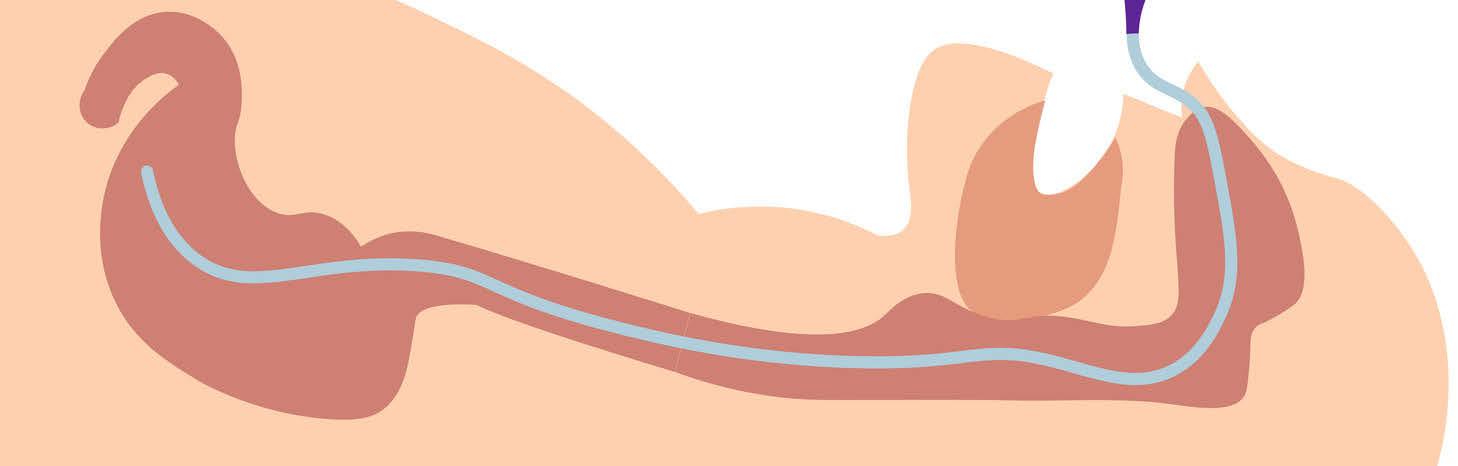
increasing portion sizes to the use of oral nutritional supplements (ONS) and, less frequently, enteral feeding.3 When required, nasogastric (NG) feeding is typically the first enteral route chosen. The decision to insert an NG tube and initiate feeding is complex and not without controversy, hence the relevance of this article in exploring such scenarios.
ACUTE HOSPITAL ADMISSION
Whenever feasible, the majority of individuals with AN should be managed on an outpatient basis by an MDT competent in providing such treatment.6 However, in certain cases, this may not be realistic and some patients may require admission. The National Institute for Health and Care Excellence (NICE)7 recommends admission for patients whose physical health is severely compromised, or when medical stabilisation cannot be achieved within an outpatient setting. The decision to admit should not be based solely on absolute weight or BMI but rather on a comprehensive clinical assessment, which includes biochemistry, a thorough physical examination and consideration of further risks to the individual’s well-being.7
Most eating disorder treatment centres have specific criteria in place and provide access to an MDT capable of supporting patients in distress while formulating a treatment plan designed to facilitate their recovery. Regrettably, some cases are so severe that acute hospital admission is necessary. While this is the appropriate setting for managing complex medical situations, it is important to note the inconsistent availability of specialised teams or mental health wards across the country. There is a lack of comprehensive evidence
For some patients, NG feeding appears to be more acceptable, as it alleviates the pressure of individual choice. Some report that it provides a sense of relief in terms of guilt and the mental load associated with eating, which is common in AN.
regarding these numbers, highlighting an urgent need to establish clear pathways for medical admissions and to facilitate timely discharges to specialist services to continue treatment following medical stabilisation.
In hospitalised patients, faster and more effective weight restoration is associated with improved long-term health outcomes.8 However, this approach presents various challenges, and the debate surrounding the implementation of NG feeding introduces multiple considerations, requiring an objective and tailored care plan. There is limited evidence regarding the optimal length of hospital stay and the impact of admission on different clinical outcomes, primarily due to the variability in study populations. These populations often require distinct approaches, such as those for paediatric and adult patients. Additionally, AN is a mental health condition that entails considerable variability and subjectivity in patient presentations.
WHEN TO CONSIDER NG FEEDING AND WHY
NG feeding is not the first-line approach; oral intake or the use of ONS should be prioritised. However, when complications arise, or patients are too unwell to engage in treatment, the decision to proceed with NG feeding may be made. NG feeding is typically considered in AN under the following circumstances:9
• Severe malnutrition and significant acute weight loss
• Failure of oral refeeding
• Critical clinical condition with electrolyte imbalances, cardiovascular complications or severe organ dysfunction
The decision to insert an NG tube is made on a case-by-case basis and is carried out under the MDT. The primary aim is to stabilise the patient medically, ensure adequate nutrition and transition to an oral diet once the patient is clinically able to do so. Although weight restoration is a key objective in the treatment of AN, admission to an acute hospital often lacks the resources and appropriate environment to facilitate significant weight gain. Therefore, the priority, alongside providing medical stabilisation, should be to facilitate discharge to a specialist service or to the team managing the patient before the acute admission.6
Patients often find NG feeding incredibly distressing and may be highly resistant, with an intense fear of weight gain. When their overall condition requires feeding and patients do not consent even when considered essential to ensure safety, or if their capacity to make decisions is compromised, the application of the Mental Health Act and an appropriate assessment should be in place.3 Any intervention against a patient’s will must always consider the mental health law and a careful approach is essential.
The BDA has produced a document outlining best practice guidelines for dietitians,10 which emphasises the importance of clear documentation and advises seeking legal clarification when necessary.
Feeding under restraint is understandably distressing, but often a necessary approach. It is also important to acknowledge the impact on the staff caring for patients, who frequently face ethical dilemmas and emotional challenges in their roles.11
NG feeding is generally considered safe.8 However, there is limited evidence regarding
its long-term effects, effective methods of transition and the psychological impact of this intervention.12 For some patients, NG feeding appears to be more acceptable, as it alleviates the pressure of individual choice.9 Some report that it provides a sense of relief in terms of guilt and the mental load associated with eating, which is common in AN. On the other hand, NG tubes have objective disadvantages, such as the risk of tube displacement, attempts at tube removal or feed manipulation by the patient, and the overall perception of AN severity. These factors can potentially impact the patient’s engagement with treatment.9 Some patients may also feel disempowered, leading to increased dependence on NG feeding. This method can also encourage unhelpful coping strategies and may prevent the opportunity to normalise eating behaviours.13
HOW TO IMPLEMENT NG FEEDING
As AN is a condition characterised by malnutrition, it is crucial to monitor for refeeding syndrome and to follow the MEED guidelines,4 adjusting the treatment plan based on the risk and their recommendations for management. These guidelines also highlight that NG feeding may reduce the opportunities to eat meals and that the tube can occasionally be used for self-harm. Continuous feeding seems to be the safest way to minimise refeeding risks. However, intermittent or bolus feeding might be helpful in patients who are very distressed and find relief in having reduced feeding times, or even as a strategy to promote more regular and physiological eating patterns.4
TOLERANCE
NG feeding is a short-term measure and should be held when oral intake is established with appropriate support. Dietitians are responsible for prescribing the dietetic plan, which may not only include enteral feeding but also a meal plan or supplementary ONS when possible and when exclusive NG feeding is avoidable. This is particularly important and should be encouraged when patients can engage more and transition to an oral diet.
AN has multiple impacts on the gastrointestinal tract14 and some individuals report experiencing a range of adverse symptoms both before and during treatment. These symptoms include postprandial fullness, bloating, nausea, abdominal pain, dyspepsia and changes in bowel movements. Such symptoms can be attributed to malnutrition and may improve with adequate nutrition and weight restoration.15 While some individuals may lack insight and struggle to understand these explanations, it is crucial that these symptoms are carefully discussed. Any resistance to feeding based on reported symptoms should be addressed with empathy while ensuring that feeding interruptions are avoided. Alternative symptom management strategies should be considered when appropriate.
As previously mentioned, NG feeding is administered under restraint in certain cases.
According to the MEED guidelines,4 the dietetic plan in these situations should consider:
• the delivery of feed via push syringe bolus rather than gravity bolus or enteral pump;
• reducing the number of feeding episodes to twice a day;
• increasing the volume of feed delivered, as tolerated, up to 1000ml per bolus. Nasal bridles should not be used.
The British Dietetic Association (BDA)10 offers further recommendations to manage these challenging scenarios:
• Food and/or oral supplement drinks should be offered in a supportive manner before considering NG feeding. At the point of passing the nasogastric tube, the patient should be given another opportunity to take supplements and water orally.
• Every patient should have a detailed and individualised dietetic plan, ensuring clear expectations are set and the patient is fully aware of how much to eat in order to avoid the need for the next bolus feed.
• Feed boluses should only commence when refeeding has been properly assessed and managed.
• Patients do not need to be NG fed in a supine position unless there is a specific medical reason.
Lastly, and although this ties back to the rationale for inserting the NG tube in the first place, a clear outcome and pathway should be established to facilitate the transition to oral intake and/or transfer to an appropriate unit where patients can continue their treatment. A straightforward approach is that the decision to insert an NG tube should be considered alongside the conditions that will determine when it is appropriate to stop it.
TAKE-HOME MESSAGES
1 The treatment of AN is complex and although guidelines are used to ensure safe practice, each patient’s needs are unique. A case-by-case approach is required within the context of an MDT.
2 While oral nutrition is advisable, NG feeding can be life-saving and is an essential method for ensuring medical stabilisation.
3 MEED guidelines4 provide clear and objective guidance on the management of eating disorders, particularly AN, in the acute setting. However, there is still a significant gap in research regarding the best approach to ensure sustainable recovery and effective transition strategies to oral intake.
4 Close monitoring is essential to the success of treatment and should be carried out by qualified staff experienced in managing these types of disorders.
THE MODERN CHALLENGES OF CYSTIC FIBROSIS: BEYOND SURVIVAL
With increasing life expectancy for cystic fibrosis (CF), new health concerns are emerging. This article will explore the changing dynamics of CF care, and the innovative strategies needed to address these challenges.
CF is one of the most common lifelimiting genetic disorders in the UK, affecting approximately 11,000 people.1 Each week, five babies are born with CF and two lives are lost to the disease. Advances in treatment, including gene-targeted therapies and improved nutritional management, have significantly increased life expectancy, with many patients now living into their 40s and beyond.1,2
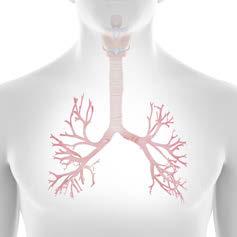
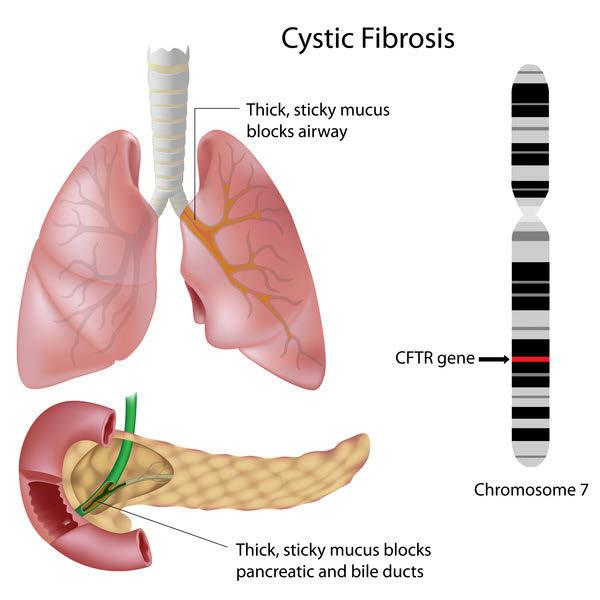
CF is caused by mutations in the cystic fibrosis transmembrane conductance regulator (CFTR) gene, located on chromosome 7. This gene encodes the CFTR protein, a chloride ion channel that helps regulate salt and water balance on epithelial surfaces in the lungs, pancreas and other organs.2 When mutations occur in the CFTR gene, the protein becomes defective or absent, leading to thick, sticky mucus accumulation in various organs. CF follows an autosomal recessive inheritance pattern, meaning an individual must inherit two mutated copies of the CFTR gene (one from each parent) to develop the disease. The most common mutation, ΔF508 (Phe508del), results in a misfolded CFTR protein that is degraded before it can reach the cell surface. Depending on the type of mutation, CFTR dysfunction can range from mild to severe, leading to complications such as chronic lung infections, pancreatic insufficiency and malabsorption of nutrients.2,3
Managing CF involves a multifaceted approach, including medications to thin
mucus and treat infections, pancreatic enzyme supplements to aid digestion, airway clearance techniques, regular physical activity, a high-calorie diet, monitoring lung function and addressing complications like lung infections and malnutrition.2,8 The primary goal is to control symptoms and prevent complications, as there is currently no cure.
CFTR MODULATOR THERAPY
CFTR modulators are small molecules that help improve the function of faulty CFTR proteins using different mechanisms.4-6 Potentiators, such as ivacaftor, enhance channel gating by keeping the CFTR channel open longer, allowing better chloride transport. Correctors, including lumacaftor, tezacaftor and elexacaftor, assist in the proper folding and trafficking of CFTR proteins, ensuring they reach the cell surface.
Kaftrio (elexacaftor/tezacaftor/ivacaftor) is a highly effective combination therapy available in the UK. It is licensed for people with at least one F508del mutation, covering around 90% of the CF population. Kaftrio significantly improves lung function, reduces hospitalisations and enhances quality of life.
AIRWAY CLEARANCE TECHNIQUES
Effective airway clearance is essential in CF management to reduce mucus buildup and prevent infections.7 Techniques such as chest physiotherapy, positive expiratory pressure (PEP) therapy
Shazia is founder of Samz Nutrition Services, specialising in personalised and group consultations. She is passionate about awareness and education and uses her writing to simplify complex health concepts, making wellness accessible and actionable for all.
We’re excited to introduce our upgraded NHD Paediatric Hub – redesigned to make your experience smoother, with new resources to support you better!
• IMPROVED LAYOUT AND NAVIGATION
We’ve revamped the Hub structure to help you find what you need faster, with a fresh user-friendly layout designed to make browsing easy and intuitive.
• NHD EXCLUSIVE DATA SPREADSHEETS
Our new nutrition data spreadsheets give you access to accurate nutritional information, designed to be a quick and easy-to-use point of reference to aid in your professional work or studies.
• WEEKLY NEWS UPDATES
Stay up to date with the latest industry news, trends and insights. Whether you’re here for up-to-date information, professional insights or reliable data, the Hub has it all in one place.
and high-frequency chest wall oscillation are commonly used. Additionally, mucolytics, like dornase alfa (Pulmozyme) and hypertonic saline, help to thin the mucus, making it easier to clear from the lungs.
ANTIBIOTIC THERAPY
People with CF are highly susceptible to chronic lung infections. Current UK and European guidelines recommend early prophylactic antibiotic therapy, particularly anti-staphylococcal antibiotics like flucloxacillin, from diagnosis until around three years of age.7,8 This regimen has been shown to reduce the incidence of methicillinsusceptible Staphylococcus aureus (MSSA), although improvements in long-term clinical outcomes remain uncertain. Additionally, inhaled or intravenous antibiotics, such as tobramycin and aztreonam, treat chronic Pseudomonas aeruginosa infections.
For advanced CF cases, oxygen therapy and lung transplants may be necessary when lung function declines significantly.2,7
NUTRITIONAL SUPPORT AND PANCREATIC ENZYME REPLACEMENT
Malabsorption remains a major challenge in CF due to pancreatic insufficiency. Pancreatic enzyme replacement therapy (PERT) is essential to aid digestion and absorption of nutrients.7,9
A high-calorie, high-fat diet and fat-soluble vitamin supplementation (A, D, E and K), helps maintain optimal nutritional status and lung function.
Adherence to pancreatic enzyme replacement therapy (PERT) remains challenging and requires an individualised approach. Emerging evidence suggests that CFTR modulators may improve pancreatic function in some individuals, potentially altering enzyme requirements.10 However, further studies are needed to establish clear guidelines for PERT adjustments in this context.
THE CHANGING LANDSCAPE OF CF
In the past, CF was considered a childhood disease, with most individuals not surviving beyond adolescence. However, improved treatments, early diagnosis through newborn screening, aggressive infection control and advances in genetic therapies, have dramatically extended life expectancy. Today, the median predicted survival age for individuals with CF is over 50 years in some countries, leading to a shift in disease management from paediatric to adult care.1,9,11
While this progress represents a major medical achievement, it also introduces new challenges. As individuals with CF live longer, they face emerging health concerns, such as
Figure
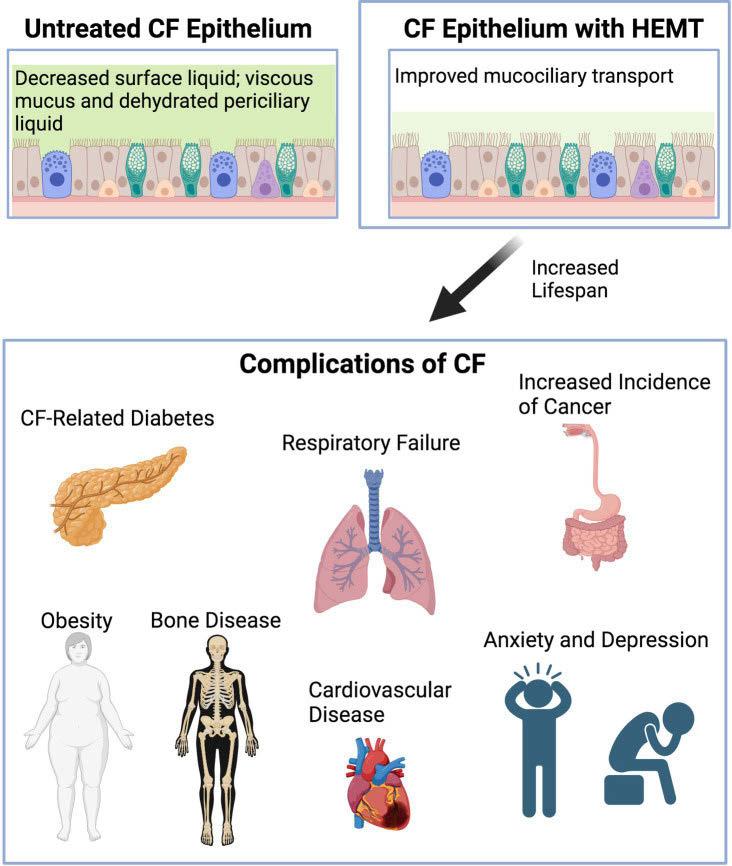
CF-related diabetes (CFRD), obesity, cardiovascular disease, mental health disorders and ageing-related complications.6,11 These challenges require adapted treatment strategies, multidisciplinary care and ongoing research to ensure that patients live longer and enjoy a high quality of life.11,12
CF-RELATED DIABETES
In the UK, CF-related diabetes (CFRD) is a common complication among individuals. According to the UK Cystic Fibrosis Registry’s 2023 data summary, 8.1% of individuals aged 10 to 15 years and 33.8% of those aged 16 and over are on treatment for CFRD.13,14
The combination of pancreatic dysfunction, insulin insufficiency and insulin resistance causes CFRD.7 The primary cause is damage to the pancreas, which occurs due to thick mucus build-up that leads to inflammation and scarring (fibrosis). This damage reduces the ability of the pancreas to produce insulin, a hormone essential for regulating blood sugar levels.13
Additionally, chronic infections, inflammation and corticosteroid treatments can contribute to insulin resistance, making it harder for the body to use insulin effectively. Malnutrition and fluctuations in energy demands also affect glucose metabolism in CF patients. Together, these factors create a unique form of diabetes that shares characteristics with both type 1 and type 2 diabetes, requiring specialised management and treatment approaches.
OBESITY IN CF PATIENTS
Historically, malnutrition and low body mass index (BMI) were primary concerns in CF care. However, recent trends indicate increased BMI among CF patients, attributed to improved nutritional interventions and the advent of CFTR modulator therapies. Clinical trials indicate that CFTR modulators, such as Kaftrio, significantly improve nutrient absorption and increase appetite in individuals with CF.5,6 As a result, many patients experience noticeable weight gain after starting treatment. Research findings suggest
Figure 2: The complications relating to cystic fibrosis
Beyond physical health, extended survival brings increased mental health concerns, as patients navigate the lifelong burden of managing a complex condition.
that, on average, individuals on these therapies gain between 2kg and 5kg within the first year of treatment, highlighting the impact of CFTR modulators on metabolism and nutritional status.15
A study examining BMI trends in adults with CF between 2018 and 2023 observed a significant rise in BMI, aligning with UK CF Registry data.2,15,16 This shift presents new challenges, as obesity in CF patients can lead to insulin resistance and cardiovascular complications and may adversely affect pulmonary health. Therefore, it is crucial to balance nutritional support to prevent undernutrition whilst avoiding excessive weight gain.7
CF AND REPRODUCTIVE HEALTH
Advances in CF treatment have led to improved life expectancy and health, allowing more women with CF to consider pregnancy. However, pregnancy in CF presents unique challenges that require careful medical management to ensure the health of both the mother and baby.
In 2023, the UK Cystic Fibrosis Registry reported that 116 women with CF gave birth and 31 men with CF became fathers.17 This reflects a continued upward trend in parenthood amongst individuals with CF, likely due to advancements
in CF care and therapies that have improved health outcomes and fertility. The introduction of CFTR modulators, such as ivacaftor, has positively impacted fertility. Following the approval of ivacaftor in 2013, there was a notable increase in pregnancies amongst eligible women with CF. Data indicates that over 50% more women with CF became pregnant after starting ivacaftor therapy.18
A UK population-based study reported that pregnancy outcomes are generally favourable in women with CF. However, those with poorer lung function at the beginning of pregnancy have a higher risk of preterm delivery and giving birth to smaller babies.16.17
MENTAL HEALTH CONCERNS
Beyond physical health, extended survival brings increased mental health concerns, as patients navigate the lifelong burden of managing a complex condition.19 Anxiety, depression and emotional stress have become more prevalent, emphasising the need for psychological support. Additionally, prolonged use of treatments, such as antibiotics, steroids and CFTR modulators, raises concerns about potential long-term side effects on organs like the liver and kidneys. 11,20
CONCLUSION
In conclusion, while the increase in life expectancy for individuals with CF reflects significant advancements in care, it also introduces new challenges such as CFRD, obesity and mental health concerns. Pregnancy in women with CF requires specialised care to address lung function, nutritional support and risks like preterm birth. Ongoing research into gene therapy and novel treatments offer hope for potential cures. Moving forward, the focus should be on improving both survival and quality of life, ensuring individuals with CF can lead healthy, independent and fulfilling lives.
Mei Wan RD MBDA
Mei has over 10 years’ experience in sustainable weight loss, type 2 diabetes and heart health. Since 2021, she has run a private practice consulting for various health companies.
TYPE 2 DIABETES REMISSION: A REVIEW OF THE LATEST SCIENTIFIC EVIDENCE
Type 2 diabetes (T2DM) is characterised by either insufficient insulin secretion by the pancreas or impaired insulin utilisation by the body, a condition also known as insulin resistance. According to Diabetes UK, 4.4 million people in the UK are living with T2DM. However, 1.2 million may have undiagnosed T2DM.1 This article looks into the latest evidence.
A report in 2024 revealed a 40% increase in T2DM diagnosed among people under the age of 40 between 2016-17 and 2022-23.1 Several different factors have been identified that increase an individual’s susceptibility to the development of T2DM:
• Age – The risk increases with age, particularly over the age of 40 if from a white background or if an individual is from an AfricanCaribbean, Black African, Chinese, or South Asian heritage and is over 25.
• Family history – The risk increases by two to six times if your parent(s) and/or sibling(s) are living with T2DM.
• Ethnicity – If a person is from a South Asian, African-Caribbean or Black African heritage, there is a two to four times higher likelihood of developing T2DM.
• Blood pressure – A history of increased blood pressure or currently living with high blood pressure.
• Weight – If an increased waist circumference is outside of the healthy range.
• A history of gestational diabetes – This may affect pregnant women from about weeks 14-27 (second trimester) to weeks 28-40 (third trimester).
• Gender – T2DM demonstrates a modestly higher prevalence in males.
• Smoking – T2DM increases by 3040% in people who smoke.2
• Heart attack or stroke – The risk factors associated with T2DM and cardiovascular disease are similar so cardiac dysfunction and systemic inflammation may contribute to the development or exacerbation of T2DM.
• Alcohol – While alcohol consumption itself does not cause T2DM, excessive alcohol intake can increase the risk of T2DM due to its high-calorie content contributing to weight gain.
• Active use of antipsychotic medications – The risk is low; however, some medications carry the side effect of weight gain.
• Polycystic ovary syndrome (PCOS) – This is associated with higher levels of circulating insulin; therefore, there is an increased risk of insulin resistance.
• Sleep – Although the precise mechanisms are unclear, poor sleep quality, including insomnia, is linked to elevated blood sugar levels and an increased risk of developing T2DM, highlighting the need for further research on sleep interventions.
• Sedentary lifestyle – Prolonged sedentary behaviour, such as extended periods of sitting (without standing up) or lying down watching TV (excluding sleep), is associated with a higher risk of T2DM, independent of meeting recommended physical activity levels.
Remission term
Unspecified remission
Partial remission (a)
Complete remission (b)
Prolonged remission (c)
Glucose-lowering therapy (GLT)
Glycaemic threshold Time (years)
Broadly defined in main text as ‘achieving glycaemia below the diabetic range in the absence of active pharmacologic (antihyperglycaemic medications, immunosuppressive medications) or surgical (ongoing procedures such as repeated replacements of endoluminal devices) therapy. A remission can be characterised as partial or complete.’
No active pharmacologic therapy (or ongoing procedures)
No active pharmacologic therapy (or ongoing procedures)
No active pharmacologic therapy (or ongoing procedures)
Hyperglycaemia below diagnostic thresholds for diabetes (d)
Normal glycaemic measures (d)
Normal glycaemic measures (d)
At least 1-year duration
At least 1-year duration
At least 5-year duration
(a) Partial remission is specifically defined as ‘Sub-diabetic hyperglycaemia (HbA1c not diagnostic of diabetes <48mmol/mol <6.5%, fasting glucose 5.6-6.9 mmol/l 100-125mg/dL) of at least 1 year’s duration in the absence of active pharmacologic therapy or ongoing procedures.’
(b) Complete remission is specifically defined as ‘A return to ‘normal’ measures of glucose metabolism (A1C in the normal range, fasting glucose <5.6mmol/l <100mg/dl) of at least 1 year’s duration in the absence of active pharmacologic therapy or ongoing procedures.’
(c) Prolonged remission is specifically defined as ‘Complete remission that lasts for more than 5 years and might operationally be considered a cure.’
(d) There is ambiguity in terms of whether remission requires HbA1c<threshold AND fasting plasma glucose (FPG)<threshold or whether the logic is HbA1c<threshold OR FPG<threshold.
WHAT ARE THE SYMPTOMS?
Common symptoms of T2DM include:
• Frequent urination, particularly during the night
• Increased feelings of thirst
• Feeling more tired than usual
• Unintended weight loss
• Itchy genitalia
• Delayed wound healing
• Blurry vision
• Increased hunger
WHAT IS THE DEFINITION OF T2DM REMISSION?
Recent advancements in T2DM research have fundamentally changed our understanding of the condition, shifting from viewing it as a chronic progressive disease to framing it as one that can achieve remission through targeted interventions. The normalisation of glycaemic indices characterises T2DM remission and can occur spontaneously or following therapeutic interventions, with some individuals maintaining
normoglycaemia even after stopping glucoselowering agents. However, the terminology and diagnostic criteria for diabetes remission remain inconsistent both nationally and internationally, and the long-term clinical implications have not been fully clarified.
To address these gaps, an international expert panel convened by the American Diabetes Association (ADA) recommended ‘remission’ as the preferred term, with an HbA1c level of less than 48mmol/mol measured at least three months after discontinuation of glucose-lowering pharmacotherapy as the standard diagnostic criterion.3 Diabetes UK and the European Association for the Study of Diabetes (EASD) also support this definition.4 At the same time, the Association of British Clinical Diabetologists (ABCD) and the Primary Care Diabetes Society (PCDS) position statement proposes that six months is a reasonable duration and emphasises sustained weight loss to achieve remission over a longer period.5 Furthermore, a 2009 report
Table 1: 2009 report recommendations for defining diabetes remission and possible interpretations6
exploring other possible interpretations of the recommendations6 (see Table 1).
WHAT ARE THE STRATEGIES FOR T2DM REMISSION?
Key studies, including the landmark Diabetes Remission Clinical Trial (DiRECT), demonstrate that T2DM remission is achievable through weight loss, dietary modifications and lifestyle changes.7,8
Weight loss as the foundation of T2DM remission:
• The timing and amount of weight loss following a T2DM diagnosis are vital predictors of remission. A populationbased study involving 867 individuals with screen-detected T2DM found that losing 10% or more of body weight within the first year doubled the chances of remission after five years (risk ratio 1.77).7 This effect also remained for those who achieved a 10% or greater weight loss later in the disease progression, with a risk ratio of 2.43.7 These results challenge the belief that only intensive lifestyle interventions can lead to remission, demonstrating that modest, sustained weight loss in routine clinical settings can effectively reverse hyperglycaemia.9
• Mechanistically, early weight loss reduces ectopic fat deposition in the liver and pancreas, restoring insulin sensitivity and β-cell function.9 Magnetic resonance imaging (MRI) studies reveal that a 15%
80% and pancreatic fat by 50%, normalising fasting plasma glucose levels.9
• While initial weight loss drives remission, long-term success depends on maintenance. The DiRECT extension demonstrated that 13% of participants receiving ongoing low-intensity dietary support remained in remission at five years, with an average weight loss of 6.1kg.8 Those maintaining ≥10% weight loss spent 61% of the study period in remission, compared with 4% in the control group.8 However, weight regain remains a challenge: 26% of participants in remission at two years maintained it at five years, highlighting the need for continuous support.8
Dietary interventions:
• DiRECT popularised total diet replacement (TDR) protocols, where participants consumed 825-853 kcal/day via liquid formulas or bars for 12-20 weeks, followed by gradual food reintroduction.8 At one year, 46% achieved remission, falling to 36% at two years and 13% at five years with maintenance support.8 Similar outcomes were observed in the Doctor Referral of Overweight People to a LowEnergy Treatment (DROPLET) trial, where participants lost 10.7kg versus 3.1kg in controls, with significant improvements in glycaemic control.10
• Notably, remission rates correlate strongly with weight loss magnitude:
– ≥15kg loss: 86% remission11
– 10-15kg loss: 57% remission8
– 5-10kg loss: 34% remission7
• Low-carbohydrate diets reduce hepatic glucose production and improve insulin sensitivity, achieving remission in 20-30% of participants without significant weight loss.9,10
• Mediterranean diets are high in monounsaturated fats and fibre which is associated with 15% remission rates and reduced cardiovascular risk.9
Lifestyle changes:
• Although weight loss is the primary driver of T2DM remission, physical activity enhances insulin sensitivity and preserves lean mass during caloric restriction.12 The CounterBalance study found that combining a 600kcal/day diet with 15,000 daily steps increased remission rates to 70%, compared with 50% with diet alone.13 Exercise mobilises visceral and hepatic fat independently of weight loss, as shown by MRI studies where 12 weeks of aerobic training reduced liver fat by 18% in people with obesity.12
WHAT ARE IMPORTANT CULTURAL CONSIDERATIONS WITH REMISSION?
Ethnic-specific adaptations are crucial. South Asian and Middle Eastern populations achieve comparable remission rates (61-82%) with lower absolute weight loss due to higher visceral adiposity at lower body mass indexes.9 The NHS Type 2 Diabetes Path to Remission Programme adjusts body mass index thresholds to 25kg/m²
for Black, Asian and ethnic minority groups, reflecting these differences.14
WHAT SUPPORT IS AVAILABLE TO STAY IN REMISSION?
• Structured follow-up appointments: Regular GP visits for weight monitoring and behavioural counselling15
• Meal replacement interventions: Short-term use of low-calorie formulas (825-853kcal/ day) during weight regain phases8,14
• Psychological support: Addressing emotional eating and reinforcing self-efficacy9
WHAT ARE THE LATEST RESEARCH UPDATES ON TYPE 2 DIABETES REMISSION?
In 2025, the Dapagliflozin Plus Calorie Restriction (DAPA-CR) trial combined SGLT-2 inhibition with moderate caloric reduction (500-750 kcal/ day). At 12 months, 58% of participants achieved remission versus 22% with calorie restriction alone.16 Dapagliflozin’s dual action – promoting glucosuria (70-100g/day glucose excretion) and suppressing hepatic gluconeogenesis – amplified weight loss (mean 12.4kg versus 8.7kg control).16 This approach improved acceptability, with 89% adherence versus 64% in very low-calorie (VLC) diet protocols.17 However, the findings cannot be generalised to patients with a duration of T2DM of more than six years or populations of other races or ethnic groups. In addition, T2DM remission was defined as maintaining normoglycaemia for two months after discontinuation of antidiabetic drugs, consistent with the DiRECT study, rather than the ADA’s or the ABCD’s position statement on remission.
CONCLUSION
Recent research has reshaped our understanding of T2DM, demonstrating that remission is achievable through targeted lifestyle and dietary interventions. Weight loss plays a central role, with evidence showing that losing ≥10% of body weight, particularly within the first year of diagnosis, significantly increases remission likelihood. Long-term remission maintenance remains a challenge, with weight regain contributing to relapse. Cultural and ethnic considerations are vital in designing remission strategies, as visceral adiposity varies across populations. Emerging pharmacological strategies, such as SGLT-2 inhibitors combined with calorie restriction, show a potential to enhance adherence and outcomes. However, standardising remission definitions and long-term follow-up strategies remain essential to translating these findings into clinical practice.
ELDERLY CARE HOME NUTRITION
This article considers the indications, dietary recommendations and strategies to improve the overall health and wellness of residents in care homes.
As ageing begins, the body’s functions gradually decline, with changes in metabolism, reduction in appetite and a higher susceptibility to chronic diseases. Nutrition is crucial in the elderly population to prevent malnutrition and promote quality of life. It plays a vital role in supporting the following physiological characteristics in ageing:
• Physical health: Good nutrition enhances muscular capacity and decreases the probability of infections and fractures.
• Mental health: A diet rich in healthy fats is essential in maintaining cognitive function and delaying the likelihood of Alzheimer’s disease.
• Chronic diseases: Proper nutrition maintains the well-being of older people and prevents complications of chronic ailments such as hypertension, cardiovascular disease, osteoporosis, arthritis and diabetes.1
THE PREVALENCE OF MALNUTRITION
Malnutrition is a significant concern in UK care homes, affecting up to three million individuals and leading to adverse health outcomes and increased healthcare costs. The proportion of people aged 65 and over in the UK had increased from 15.9% in 2001 to 18.6% in 2021, and reached approximately 18.6% to 19% in 2022.2 According to a recent BAPEN survey, malnutrition affects up to three million people, and approximately one in four individuals in care homes are at risk of malnourishment.3
For those aged 65 or above living in care homes, a gap between nutrient consumption and body requirements can result in malnutrition. A reduction in muscle mass and fat mass, body functions
and lower strength all indicate a risk of poor nutritional status. There is some misunderstanding that unintentional weight loss and nutrient deficiencies are inevitable outcomes of ageing or illness, but it’s crucial to identify the root causes to prevent or gradually reverse the symptoms of malnutrition.4
INDICATIONS OF MALNUTRITION
Signs of malnutrition include the following:5
• Unintentional weight loss: Losing 5 to 10% or more of weight over three to six months is a major indicator.
• Low body weight: A BMI under 18.5 can indicate malnutrition.
• Reduced appetite: A lack of interest in food and drink can be a sign.
• Fatigue and weakness: Feeling tired and weak all the time is a common symptom.
• Increased risk of illness and infection: Getting sick often and taking a long time to recover are concerning signs.
• Slowed wound healing: Wounds taking longer than usual to heal can be a sign.
• Poor concentration: Difficulty focusing or concentrating can be a symptom.
• Feeling cold: Always feeling cold or having difficulty keeping warm.
• Changes in mood: Low mood, sadness or depression can occur.
• Muscle wasting: Loss of muscle mass and strength.
Nutritional screening helps to identify malnourished individuals. The screening of malnutrition can be performed by a healthcare professional using a valid device such as the Malnutrition Universal Screening Tool, ‘MUST’.6 It is important to perform proper screening
Maria Arshad
Maria has a Master’s degree in Human Nutrition and Dietetics. She is a Dietitian, nutrition writer and a lecturer at GIFT University, Gujranwala, Pakistan, contributing to students’ academic and professional development.
and assessment, followed by nutrition therapy to improve the health outcomes of the elderly.
THE HEALTH AND SOCIAL CARE ACT
(2008)7
The Health and Social Care Act 2008 provides a legal framework to ensure care homes are held accountable for meeting the nutritional and hydration needs of their residents.
Under Regulation 14 of the Act, care homes must ensure residents have adequate nutrition and hydration to sustain life and good health, providing the necessary support to achieve this. This includes a responsibility to ensure residents have enough to eat and drink to meet their needs and residents must be assessed and reviewed regularly.
Care homes must provide whatever support is needed to help residents eat and drink, including assistance with feeding, managing swallowing difficulties and ensuring a safe and enjoyable dining environment. Care homes must also adhere to food safety and hygiene standards to ensure the food and drinks provided are safe for consumption.
MANAGING MALNUTRITION
To effectively manage malnutrition among residents, care homes should implement structured approaches, taking on board guidance recommended by BAPEN and NICE.8,9
Screening and assessment: Regular nutritional screening using validated tools like ‘MUST’, is essential to identify residents at risk of malnutrition. Based on the screening results, residents can be categorised into low, medium, or high risk, guiding subsequent interventions.10
Individualised care plans: Personalised care plans should be developed and tailored to each resident’s nutritional needs and risk level. The Malnutrition Pathway provides specific care plans for different risk categories, offering guidance on dietary interventions and monitoring strategies.11
Dietary interventions: Nutritional intake can be enhanced by encouraging small frequent meals and snacks rich in nutrients. Techniques such as fortifying foods (eg, adding milk powder to milk) can increase energy and protein content without increasing volume. In cases where dietary adjustments are insufficient, the appropriate use of oral nutritional
supplements (ONS) should be considered, following established pathways for their use.11,12
Staff training and awareness: All care home staff must be trained to recognise the signs of malnutrition and understand the importance of nutritional care. Training should cover the implementation of screening tools, development of care plans and dietary intervention techniques.13
Monitoring and review: Care homes must regularly monitor residents’ nutritional status and review care plans to assess the effectiveness of interventions. Strategies will need to be adjusted as necessary to meet evolving nutritional needs. Utilising decision trees and guidelines can assist in making informed decisions regarding nutritional care.13
By integrating these practices, care homes can significantly improve the nutritional health and overall well-being of their residents.
ADDRESSING DEHYDRATION IN OLDER ADULTS
Dehydration is a significant yet often overlooked concern among older adults. Physiological changes associated with ageing, combined with various environmental and behavioural factors, contribute to inadequate fluid intake and increased health risks.
Ageing naturally reduces the sensation of thirst. Research shows that older adults exhibit diminished thirst response and consume less water compared with younger individuals, even in response to dehydration.14 Additionally, kidney function typically declines with age, reducing the body’s ability to conserve water, and further increasing the risk of dehydration.15
Many care home residents do not consume sufficient fluids to meet their daily needs. Studies estimate that a significant proportion of longterm care residents experience dehydration, often due to reduced mobility, cognitive decline and reliance on caregivers for hydration support.16 Furthermore, concerns about incontinence and difficulties swallowing (dysphagia) may lead residents to intentionally limit fluid intake.17
PRACTICAL APPROACHES TO PREVENTION
Healthcare professionals play a critical role in mitigating the risk of dehydration among care home residents. Strategies include:
• Routine monitoring: Implement regular
hydration assessments using validated tools.
• Accessible hydration: Ensure fluids are readily available and encourage residents to drink through visual and verbal prompts.
• Individualised care plans: Tailor hydration plans to address personal preferences and medical conditions.
• Staff training: Educate care staff on recognising the signs of dehydration and providing adequate hydration support.
DIETARY RECOMMENDATIONS SUPPORTING HEALTHY AGEING
Providing optimal nutrition for older adults in care homes is essential to support overall health, prevent chronic diseases and maintain quality of life.28 Here are some key recommendations:
Fruit and vegetables
Fruit and vegetables are part of a balanced diet and contain essential micronutrients, fibre and vitamins for maintaining health and preventing the risk of chronic diseases. The UK government’s ‘5 A Day’ initiative encourages people to eat at least five portions of fruit and vegetables daily, aligning with the World Health Organisation’s (WHO) recommendation of consuming a minimum of 400g of fruit and vegetables per day.19,20
Protein
Protein is required by individuals living in care homes as part of a healthy diet and to meet their body’s needs. The daily intake of protein for those aged 65 and over is 1.0 to 1.2g per kg of body weight.21 Individual needs may vary depending on factors like activity level, medical conditions and nutritional status. The most common sources of protein are eggs, poultry, meat, fish, legumes, beans and peas. See page 15 for more on protein intake.
Healthy fats
Choosing healthy fats is crucial for cardiovascular health. Monounsaturated fats, found in olive oil, cashew nuts and almonds, can help lower cholesterol levels. Additionally, polyunsaturated fats, including omega-3 fatty acids from fish, flaxseed oil, sunflower oil and walnuts, provide cardiovascular benefits and may alleviate symptoms of inflammatory conditions such as rheumatoid arthritis.22
Complex carbohydrates
Wholegrain carbohydrates, including wholemeal bread, brown rice, oats, and wholewheat pasta, are excellent sources of energy and provide essential nutrients like B vitamins, fibre and minerals. Dietary fibre supports digestive health and helps regulate cholesterol levels, contributing to cardiovascular protection.23
Dairy and calcium
Older adults are at increased risk of bone loss and fractures. Dairy products such as low-fat milk, yoghurt and cheese provide calcium and protein, essential for maintaining bone health. For those with lactose intolerance, fortified plantbased alternatives are a good option. Adequate calcium intake reduces the risk of osteoporosis, particularly in postmenopausal women.24
B vitamins
B vitamins play a critical role in energy production, red blood cell formation and nerve function. Older adults should consume fortified cereals, green leafy vegetables, poultry, fish and eggs to meet their vitamin B requirements. Vitamin B12 is particularly important for nerve health and may require supplementation in cases of deficiency.25
Vitamin D
Vitamin D is essential for bone health, aiding in calcium absorption. Insufficient levels are linked to increased risks of fractures and frailty. The UK government recommends a daily supplement of 10 micrograms (400 IU) of vitamin D, especially for those with limited sun exposure.26
CONCLUSION
Optimal nutrition is the foundation of maintaining the health and well-being of residents in care homes. Healthy well-balanced meals promote muscular mass, enhance immunity and reduce the burden of chronic diseases. Tailored individualised plans are essential to maintain nutrition requirements and to lessen the risk of diseases, taking into consideration cultural and religious preferences. Care homes must offer training to staff, collaborate with dietitians and follow national recommendations to help reduce the burden of healthcare costs. Investment in nutrition care must be prioritised to decrease malnutrition and increase the quality of life of elderly residents.
FACE TO FACE
Ursula Arens
Ursula has a degree in dietetics and currently works as a freelance writer in Nutrition and Dietetics.
Our F2F interviews feature people who influence nutrition policies and practices in the UK.
Ursula meets EMMA CRAIG
Dietitian for neurodisability
Nutrition support specialist
Sustainable diets advocate
We meet at Emma’s workplace, the Royal Hospital for Neuro-disability in Putney, South-West London. I sense the friendly and welcoming atmosphere. “The hospital is an independent medical charity, although nearly all the patients are referred from the NHS,” Emma explains. We get a coffee in the café, ablaze with red decorations to recognise Chinese New Year.
Emma grew up in South Africa, and obtained her BSc Dietetics qualification in 2000, at the University of Stellenbosch. Her food enthusiasm took her from Home Economics at school, to thinking about studying Food Science, to knowing that Dietetics would be her career. The four-year course was enjoyable, but the daily challenge was that it was taught in Afrikaans. “I had some basic knowledge from school, but English was my home language,” says Emma. The course was challenging but enjoyable.
Her first dietetic jobs were locum posts in the UK. It took a while for Emma to attune to UK food culture and terminologies, but over three years, she enjoyed the variety of interesting posts in Lincoln and in Margate.
Romantic liaison and sunshineseeking then pulled her back to South Africa. She worked with a consultant supporting diabetes guidance in a private medical practice. Simultaneously, she was the dietitian for the Heart Foundation, writing features, supporting the phone lines and providing community activities
advising on healthier diets. She discussed typical health queries and confusions, such as guidance on dietary sources of cholesterol (eggs/ shrimps), trans fats and ‘hidden’ salt. “It’s important to start with typical diets and nudge towards healthier choices. Advising people to eat foods that no one else in their communities eat, can never be realistic or helpful,” Emma says.
In 2005, Emma returned to the UK and became a dietitian at the large Hillingdon Hospital in Uxbridge, North-West London. By this time, she knew that she most enjoyed the clinical aspects of dietetics, and the post allowed her rotations into a variety of specialist wards and clinics. Over seven years, she became the manager of the department, and of course, increasing parts of her job included administrative and managerial responsibilities, of which she enjoyed ‘certain aspects’ –who loves admin?
Emma is now the Clinical Lead Dietitian at the Royal Hospital for Neuro-disability. The 13 years have included several staffing reorganisations, from mainly clinical, to entirely administrative as a business manager, and now back to her current post. She describes her role as very busy but so worthwhile and rewarding. Neurodisability in adults is usually due to a single catastrophic event resulting in brain hypoxia: an accident, a fall or a stroke, and nearly all patients need feeding support. I am
Lots of the discussions were around trying to reduce the amount of food and plastic waste in the hospital. “It is important to discuss modifications and suggestions for improvement as actions that are achievable,” says Emma.
surprised that Emma describes that the span of energy requirements ranges greatly between approximately 800 and 3000kcals daily in patients. Some can gain weight on the former or lose weight on the latter. Long-term support always calculates the avoidance of under- or overweight. Of course, hydration must be ensured, and protein adequacy is essential to support skin and muscular maintenance. The friendly and competent colleagues at the hospital ensure that the dietetic team are always sharing best practice.
The department takes dietetic student placements, and Emma describes the supportive network of the London Dietetic Managers group. “It is a speedy and useful way to request opinion and information on practice issues.”
She has a particular interest in environmentally sustainable diets and is on the committee at work supporting greener practices in clinics and catering services. In November 2024, Emma hosted the annual study day of the BDA Sustainable Diets Specialist Group at her hospital, attended by about 50 dietitians. It was an excellent event with lots of interesting presentations. Attendees were impressed with the provision of the healthy plant-based lunch that Emma had arranged with the catering manager. Lots of the discussions were around trying to reduce the amount of food and plastic waste in the hospital. “It is important to discuss modifications and suggestions for improvement as actions that are achievable,” says Emma. Language should be positive and supportive: ‘we can do’ rather than ‘you should do’. She suggests that her observations of extreme
poverty on her travels in South Africa have made her particularly sensitive to the ethics of food waste.
We discuss one of the topics presented at the study day: Greener by Default. This American non-profit consultancy supports institutions to promote plant-based menu choices, while ensuring variety and traditional options. The guidance on ‘choice architecture’ supports healthier and more sustainable food provision and introduces consumers to meals they enjoy but may not have been familiar with. “Many New York hospitals have now chosen plant-based meals as the default menu option, and most patients report satisfaction,” says Emma. She observes that more could be done to consider typical servings, as large portions can lead to food waste. Finding the balance between providing nourishing food, that doesn’t lead to excessive weight gain for patients with lower energy requirements while ensuring sufficient nutrition to prevent malnutrition, is an ongoing challenge in a healthcare setting. She feels that there should also be limits to the frequency of sweet puddings for most patients (those not requiring nutrition support) as occasional rather than daily items on hospital menus.
Emma seems very kind and very calm. Just what is needed to support patients who are in a daily battle with neurodisability. She gets constant pleasure in being able to observe the improvements in health and quality of life from nutrition support. “I am proud to be a dietitian,” she states. I view her with admiration. She is a shiny beacon of professional dedication.
KEEP YOURSELF UP TO DATE, whether you’re at home, work or on the move. Our regular bloggers cover a range of nutrition-related topics, providing insight, tips and advice and thoughtful debate. You can share your comments on the blog post and if you would like to submit a blog, do get in touch: info@networkhealthgroup.co.uk
THE LANDSCAPE OF ACUTE WEIGHT MANAGEMENT
This article explores the different approaches to weight management, their effectiveness and their role in the era of medical weight loss treatments.
Obesity is a growing global health concern, with significant implications for physical and mental health. In recent years, pharmaceutical interventions (GLP-1/GIP injections) and/or bariatric surgery have gained prominence in obesity management due to their effectiveness. However, before resorting to these specialised treatments, individuals often explore more cost-effective and accessible resources such as dietary changes, prescribed physical activity, mental health support, community-based programmes and commercial weight management services.
DIETARY ADVICE AND NUTRITION THERAPY
Dietary intervention is still a cornerstone of weight management and one of the key strategies. The current clinical evidence mostly focuses on the following factors:
• Caloric restriction: A systematic review1 compared four types of calorie restriction: alternate-day fasting (ADF), short-term fasting (STF), time-restricted eating (TRE) and continuous energy restriction (CER). The most effective was ADF on a short-term basis, while
TRE performance was better after four to six months and seven to 12 months. However, there is no consensus on the most effective regimen for weight loss and not enough research available to understand the long-term implications of calorie restriction.
• Macronutrient composition: The most effective nutrition diets in clinical research are low-carbohydrate, low-fat,2 the Mediterranean and plant-based options, which show varying success.
• Behavioural modification: Structured programmes such as meal planning, mindful eating and reducing ultra-processed foods improve adherence.3
• Intermittent fasting: Growing evidence supports time-restricted eating as a practical approach for weight loss and metabolic health,4 but more research is needed with longer duration and controlled confounders.
Overall, the NHS and various public health organisations give tailored dietary advice following clinical guidance via registered dietitians, general practitioners and online resources.
Ines is a Specialist Dietitian with an interest in public health. She works at My Nutrition Balance, a nutrition service supporting health and lifestyle changes free from diet culture.
Physical activity is fundamental in weight management. Healthcare systems now integrate Exercise on Prescription (EoP) programmes, where physicians or social prescribers prescribe structured activity routines.5 Programmes include:
• NHS health trainers offering guided exercise sessions;
• community-based initiatives promoting free or low-cost physical activity, such as Parkrun, leisure centre memberships and the Leicester Diabetes Centre;
• home-based exercise programmes catering to individuals with mobility restrictions, including chair exercises and tools to facilitate activity, which can be found online for free or paid with a subscription;
• strength training and HIIT (high-intensity interval training) – emerging research suggests resistance training and HIIT are particularly effective for fat loss and metabolic health.6
The effectiveness of exercise alone in weight loss is debated; however, there is research showing that exercise does not only support weight loss but also heart and lung health, stronger bones and muscles and reduces the risk of disease.7 When combined with dietary changes, it enhances long-term success.
MENTAL HEALTH SUPPORT AND BEHAVIOURAL THERAPY
Psychological support is crucial in addressing emotional and behavioural factors related to weight gain. Common interventions include:
• cognitive behavioural therapy (CBT) for emotional eating and binge-eating disorder – however, this is not strong enough to use as the sole method of weight management;8
• mindfulness-based stress reduction (MBSR) to manage stress-related overeating9 or any stress that can influence nutritional intake;
• digital behavioural interventions such as mobile apps and virtual coaching, which have gained traction as accessible tools for weight management, especially among the younger generation.
Studies suggest that integrating mental health support improves adherence to dietary and exercise programmes, enhancing weight loss outcomes.10
COMMUNITY-BASED APPROACHES AND GROUP SESSIONS
Group-based interventions use peer support to enhance motivation and accountability. Examples include:
• weight management groups like the NHS Digital Weight Management Programme, which provides remote coaching and support;11
• community-based health programmes integrating exercise, nutrition and behavioural counselling in worship places, local leisure centres and initiatives sponsored by Sports England;
• workplace weight management initiatives encouraging structured lifestyle changes –the BDA equips dietitians to deliver Work Ready programmes to increase healthy eating awareness in various companies.
These programmes are effective in sustaining weight loss and fostering long-term behavioural changes, particularly for the older generation who prefer to stay within their own communities.
COMMERCIAL WEIGHT MANAGEMENT PROGRAMMES
Commercial programmes offer structured dietary and behavioural support, and their prices differ on the weeks under the programmes. Their effectiveness is not well-understood, but it seems to be a common option among the public. These include:
• Weight Watchers (WW): A point-based system promoting balanced eating with peer support.12
• Slimming World: Focuses on ‘free foods’ to encourage satiety without calorie counting.13
• Lighter Life: Incorporates meal replacements with psychological support.14
• Online weight management services: Digital programmes such as Noom or Oviva use behavioural science and AI-driven coaching to guide users.
THE IMPACT OF WEIGHT LOSS MEDICATIONS AND INJECTIONS
With the introduction of GLP-1 receptor agonists (eg, semaglutide and liraglutide), the weight management landscape is shifting. These medications lead to substantial weight loss but are not a standalone solution, particularly because their use is not normally encouraged for over two years. Questions arise about their impact on traditional weight management approaches.
Do medications reduce the demand for lifestyle interventions?
While pharmacotherapy is effective, combining it with dietary and behavioural strategies enhances long-term success. Nutrition is even more crucial considering that individuals eat less and therefore need to make sure they are nourished with foods higher in protein, fibre and essential micronutrients.
How do medical professionals integrate treatments?
Multiple healthcare providers now adopt a tiered approach, reserving medications for individuals who fail conventional interventions. However, more general practitioners are initiating GLP-1/ GIP – particularly the newly approved Mounjaro – to ensure wider access.
Diet, exercise, behavioural therapy and community support provide sustainable and accessible options for individuals seeking weight loss before considering medical interventions . . .
Is there a role for traditional weight loss methods post-medication?
Lifestyle changes can start during medications. With greater support from this medication to manage appetite, lifestyle and dietary changes can begin by incorporating slight changes (such as higher vegetable consumption, fibre-rich foods and 20 minutes of daily activity).
CURRENT RECOMMENDATIONS AND EVIDENCE-BASED PRACTICE
Professional bodies, such as NICE, the American Diabetes Association and the European Association for the Study of Obesity, advocate a multidisciplinary approach to weight management. Key guidelines include:
• First-line intervention: Lifestyle modifications through diet, physical activity and behavioural support.
• Second-line intervention: Pharmacotherapy for those with a BMI ≥30 kg/m² (or ≥27 kg/ m² with comorbidities) who do not respond to lifestyle changes alone.
• Third-line intervention: Bariatric surgery for severe obesity (BMI ≥40 kg/m² or ≥35 kg/m² with comorbidities).
CONCLUSION
Conventional weight management strategies remain a fundamental aspect of obesity treatment despite the rise of weight loss medications and surgical interventions. Diet, exercise, behavioural therapy and community support provide sustainable and accessible options for individuals seeking weight loss before considering medical interventions, which have a significant cost. Healthcare providers must adopt a holistic, tiered multidisciplinary approach that integrates these strategies, with adequate consideration of pharmacotherapy.
Review by Ursula
Arens
Ursula has a degree in dietetics and currently works as a freelance writer in Nutrition and Dietetics.
I discovered this book in a most random way: in a bookshop I had never been to before, hidden in an assorted mix pile. I have read the #1 bestseller Ultra-Processed People by Dr Chris van Tulleken. Did I really need another book on food processing? YES!
The author is a public health consultant living in Boston, USA. She has already written two foodthemed books. Combat-Ready Kitchen: How the US Military Shapes the Way You Eat describes the elevation in food technology and packaging and distribution efficiencies driven by the need to feed military populations and displaced civilians during the World Wars. Eat Like a Pig – Run Like a Horse describes the comparisons of human food selection with other animal species, and then the relative imbalance in current public health messages between food selection versus the much underplayed importance of vigorous exercise. In Defense of Processed Food retains some of the themes of both Anastacia’s previous books but then brings in fresh dagger-sharp observations about our confusion and hypocrisies about processed foods.
Anastacia considers the scientific, feminist, economic and public-health aspects of our easy-prep food choices. Of course, humans have been drying, heating and mashing foods for thousands of years, but the distinct binary grouping of agricultural or manufactured foods was given legal definition in the US
in 1929 with the Smoot-Hawley tariff. Reminder to President Trump: it was blamed for the subsequent collapse of international trade leading to the US Great Depression.
The conversation about processed foods in the 1930s would have needed precise descriptions. But Anastacia observes that ‘The term was ridiculously inclusive by design. Like most polemic phrases, it wasn’t coined for accuracy, but for breadth – to maximise impact when weaponised.’ Ah, politics.
She describes the attempts by nutritional epidemiologist Jennifer Poti to develop classification systems of processed foods by ingredient contents, processing systems or user convenience. Classification of 1.2 million items purchased by 157,142 US families allows the analysis of comparative data, but Anastacia questions often meaningless distinctions, such as frozen vegetables with or without tiny trace amounts of salt. Rather than blanket commands to reduce processed foods, which currently provide about 60% of the energy of typical UK and US diets, guidance should be provided on items that can be consumed in moderation, providing adequate nutrients and items ‘which should be saved for occasional treats’. The latter include instant sweet and savoury snacks, desserts and sugary drinks or juices.
Anastacia observes the slithering weaves of our attitudes to processed foods. Women’s magazines in the 50s
promoted ‘instant foods’ with the promise that their use allowed ‘more time for fun.’ The US Food and Drug Administration (FDA) predicted in 1956 that, ‘The housewife of the future will practice the art of cooking only occasionally, as a hobby.’ Which brings the spotlight onto the feminist aspects of processed foods. Time-use studies linked to household food preparation show, of course, that this is still women’s work. Current US data shows that the average 52 food minutes are more than 70% female and in homes with a child, the 63 minutes are 80%. In less affluent countries, food prep time and female involvement are both greater. For example, in India, daily domestic food prep time is 156 minutes in women and less than five minutes in men.
This leads to the next awkward observation about our current discussions of processed foods. Anastacia shares very personal anecdotes about her previous engagements with better and healthier food selections and appreciations of local small-farm produce and ‘slow’ eatingtogether meal enjoyments. Various occasions during travel abroad and at home in Boston gave her shocking insights into her Global North and educated professional privilege, as well as how oblivious she had been to the reality of the food choice decisions of many other people.
She becomes cringed about guidance, perhaps well-meaning, on better food choices. Posting pictures of organic kale salad is social signalling and an identifier of education, affluence and moral virtue. It’s also guilty of the charges of being show-offy, insensitive and communicating disdain for the more typical food choices of others.
But Anastacia is a problem-solving terrier. What to do? She notes the concerns about the over-uses of food additives and pesticides and describes the many recent developments there have been to improve food safety and quality.
Descriptions of cold processing, industrial enzymes and plant-based additives were a revelation to me. There can be critiques of largescale food production, but campaigner calls for rejection are unhelpful and delusional. Anastacia supports legally tight information transparency, better-quality foods purchased by government funds and tax support for quality food production. ‘Evil junk food companies could continue to push their addictive products, but at least they’d be defanged – clearly classified as unhealthy, limited in the places they could be sold, and paying more for their business model.’
The final section of the book specifically considers obesity. Anastacia shares her own unhappy-as-a-teenager weight issues. No longer – as she now loves jogging and moderates treat foods. She observes friends’ and family diet practices and beliefs and drily notes the confusions, which she then punches out with laser-sharp data supporting her conclusion that population sedentariness better correlates to chronic disease. Explosive screen time is shocking, and slight upticks in leisure exercise are minimal to balance massive reductions in labouring work and routine brisk walking. Few single ingredients or nutrients specifically correlate to disease other than micronutrient deficiencies or trans fatty acids, and she reminds the reader that when it comes to body weight, a calorie is a calorie.
She concludes that industrial food systems, while imperfect are ‘a miracle of interconnected functionality, supplying billions of consumers with constant, affordable, safe and tasty nourishment’. Eating is an agricultural act. But also a technical and scientific one. And a social and political and economic one. And even an artistic one.
This book is astonishing; full of anecdote; full of fact. Crystal clear and explosively colourful. My score for dietitian readers: the perfect 10.
FIVE COPIES TO GIVEAWAY!
Enter our draw for your chance to win a copy of In Defense of Processed Food. Your name will go in our draw and five winners will be chosen at random. To enter email us at info@networkhealthgroup.co.uk. Closing date for entries: 2nd June 2025.
NHD readers receive 20% off the price of the book when purchasing through www.reaktionbooks.co.uk. Simply use the code PROCESSEDFOOD25 when checking out. This code can be used up until midnight on 31 December 2025.
Fareeha Jay RD
Fareeha is a freelance dietitian with a specialist interest in South Asian diets and provides specialist advice to South Asians across the globe. She is extremely passionate about providing the best available nutrition advice to people with South Asian backgrounds, which is what led her to develop the South Asian Eatwell Guide.
CONSUMPTION OF CRUCIFEROUS VEGETABLES LINKED TO LOWER
BREAST CANCER RISK
In 2021, the most recent year with available data, the UK recorded 395,181 cancer cases, including 59,575 cases of breast cancer. Approximately 40% of cancer cases – around 158,000 annually – are believed to be preventable.1 Several lifestyle factors can help lower the risk of developing breast cancer, such as reducing or avoiding alcohol consumption, increasing physical activity and breastfeeding (for women).2 Maintaining a healthy diet, including cruciferous vegetables, may also contribute to a reduced risk of breast cancer.
Cruciferous vegetables, or brassicas, are unique vegetables named for their crossshaped flower petals. This category includes broccoli, Brussels sprouts, cabbage, cauliflower, collard greens, kale and turnips.3 The cancer-preventive properties of these vegetables were first identified in the early 1990s, leading to a surge in research supporting their potential role in reducing the risk of various cancers, including breast cancer.4
They contain glucosinolates as their primary phytochemicals, which may influence breast cancer risk at various stages of carcinogenesis through multiple biological mechanisms. The enzyme myrosinase converts glucosinolates into sulforaphane, a compound that may help lower the risk of breast cancer by stimulating phase II detoxifying enzymes, such as glutathione S-transferases, promoting apoptosis and reducing cell proliferation.5 However, no studies have investigated the relationship between cruciferous vegetable consumption and breast tissue biomarkers in vivo.
Micronutrients also contribute to cancer risk reduction. Carotenoids, for instance, are believed to help lower
cancer risk through their antioxidant and antiproliferative properties. Circulating carotenoid levels have been inversely linked to breast cancer. Similarly, vitamin C may be protective by acting as an antioxidant that reduces breast cancer risk.6
A significant analysis of two extensive prospective cohorts found that higher total fruit and vegetable consumption in adulthood was modestly but significantly associated with a lower incidence of invasive breast cancer. The strongest inverse associations were observed for consumption occurring eight or more years before diagnosis. Higher intakes of yellow or orange vegetables, cruciferous vegetables, green leafy vegetables and fruits and vegetables rich in vitamin C, α-carotene and β-carotene were linked to a reduced risk of breast cancer. Notably, the associations varied among individual vegetables, with higher consumption of winter squash, broccoli, cabbage and cauliflower showing a significant correlation with lower breast cancer incidence.7 It is important to note that while these findings are based on two large prospective studies, most participants were white, educated
females, limiting the data available for other ethnic groups. However, it can be argued that the underlying biological mechanisms are unlikely to differ significantly by race.
Using data from the After Breast Cancer Pooling Project, which includes prospective data from US and Chinese breast cancer survivors, the association of cruciferous vegetables with breast cancer outcomes was evaluated. The analysis included 11,390 women diagnosed with stage I-III invasive breast cancer (1990-2006) from four cohorts. The results do not support an association between postdiagnosis cruciferous vegetable intake and breast cancer outcomes.8
A meta-analysis of 13 epidemiologic studies found that a high intake of cruciferous vegetables was significantly linked to a reduced risk of breast cancer.9 However, genetic factors should also be considered when examining the relationship between cruciferous vegetable
consumption and breast cancer risk. Few studies have explored the role of genetics in this association. Data from the Long Island Breast Cancer Study, a population-based case-control study, found no interaction between genetic polymorphisms of glutathione S-transferases – phase II enzymes involved in metabolising bioactive compounds – and cruciferous vegetable intake about cancer risk.10
Human gut microbiota should also be considered when assessing the impact of cruciferous vegetable consumption on breast cancer and its biomarkers. Research suggests that glucosinolates in cruciferous vegetables are metabolised differently among individuals, leading to variations in their effects. In one study, participants consumed the same amount of cooked broccoli from a standardised meal, yet significant differences were observed in glucosinolate degradation by faecal bacteria.11