








































































































































































































Two decades of dietetic reflection, connection and inspiration


























Two decades of dietetic reflection, connection and inspiration

Welcome to the June issue of NHD –an extra special issue!
We are officially 20 years old this year, and what a great couple of decades it has been. Over that time, nutrition and dietetics have moved forward significantly, seeing lots of innovation and new approaches.
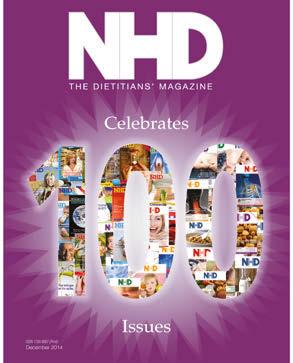
This is the 200th issue of NHD, which is a huge milestone for us. We’re super excited to celebrate this achievement with you all and share some of the key highlights from our back catalogue.
As a newly qualified dietitian in 2006, I remember seeing copies of NHD on the desks of colleagues and reading the odd article when I had time. But over the years, it became my go-to read for nutrition and dietetics information. Little did I know back then that I’d eventually write for the magazine too and become the editor! I’ve been part of the editorial team here since 2016, which is only a short stint in the lifespan of this great publication. However, as a reader beforehand, I have seen the magazine develop and progress within the nutrition and dietetic professions.
Whilst there are many topics covered year on year, such as cow’s milk protein allergy, weight management and malnutrition, NHD has always collaborated with its writers to bring you the most recent and up-to-date information. Whether that’s the latest clinical guidelines and approaches, service developments or product

information, we endeavour to keep the content about these topics evergreen and relevant.
In amongst these core features, NHD is always on the hunt for innovative areas to showcase in our features schedule. There have been great developments during the magazine’s lifetime, in areas such as ketogenic diets, diabetes management and remission and insights into the gut microbiome. Over the past 20 years, nutrition professionals have certainly extended their knowledge and expertise beyond food and basic nutritional principles to incorporate or even lead on non-food-based or related skills. Examples include the inclusion of pharmaceutical developments in the management of metabolic disorders, such as PKU, the use of medications and injectables in weight management and the use of psychological therapies such as CBT and mindfulness within dietetic treatment plans for a range of conditions.
The diversification of patient or client dietary needs, preferences and some specific approaches, have also expanded since NHD began. Back when it was a newly flourishing publication, the low-FODMAP concept was starting to emerge. The low-FODMAP diet is now a recognised and well-established approach within our profession, the development of which we have featured over the years. Likewise, trends in plantbased diets have also featured for some time in our schedule. As this dietary ethos has developed over the past decade or so, NHD articles on a range of plantbased topics have emerged, including


general plant-based dietary advice, milk and dairy alternatives and, more recently, plant-based hospital food.
Malnutrition and its management are core aspects for many nutrition professionals in their day-to-day work, and how to tackle them is an ongoing battle. Since NHD began, we’ve published many articles on this topic and the various approaches being used. It’s clear that a ‘one-size-fits-all’ approach isn’t the answer to manage this condition and, therefore, the range of articles, product information and innovations shared by NHD remains vital in keeping readers up to date in this key area.
Here, we’re in the business of supporting nutritional professionals to share their insights and research, encourage best practice and inspire one another. We support those who want to write and develop their communication skills via article and blog creation. We’re proud to have developed into an accessible resource for the nutrition professional community, both as readers and writers. Since the very first issue back in 2005, NHD has grown from a straight-up print magazine to the additional digital versions becoming available in 2019 – and now we have a range of digital resources including blogs and hubs.
As digital media has developed, NHD has aimed to grow with it, recently updating and relaunching our Student Zone (now the Student Hub), a great online space for nutrition and dietetic students to share articles and blogs about student life, hot topics and outcomes of student research projects. Last year, we also launched a new digital platform for our paediatric articles and information – the NHD Paediatric Hub. We’ve worked closely
with a key group of expert paediatric dietitians who’ve produced superb content and resources and we’re excited to see this flourish further with even more great content to come!
Looking back at the editions I’ve been involved with as editor, it’s phenomenal to see the range and diversity of the content we’ve produced over the years, much of which remains relevant and some of which has been superseded. But that’s the beauty of the nutrition and dietetic profession: there’s always something to learn, something to develop, something to write about. And we’ll keep doing it! In this special 200th issue, we welcome back one of our very first writers, Dr Kate Grimshaw, RD, who shares her insights into how dietetics has changed over the years and her experiences over the past 20 years.


On the cover of our very first issue in July 2005, Jamie Oliver was featured, and we asked if he’d made dietetics sexy. This harks back to a time when Jamie was flying the flag for better nutrition in schools and for kids in general. Since then, his activity in this area has died down, but the matter of healthy eating and public health remains as large for many of us. Jamie may have used his voice back then to raise awareness of this important subject, but many nutrition professionals since have worked hard to keep the subject alive, chipping away at it. In my opinion, Jamie may have added to the sexiness of dietetics, but dietetics has always been sexy, and it always will be!
Thank you all for joining us in our celebrations and for continuing to support NHD, whether as a reader or a contributor. We wouldn’t be here without you. Enjoy the read. Emma

Karen Voas-Wootton RD
Karen is a Community Prescribing Support Dietitian and Team Lead at Betsi Cadwaladr. She has a keen interest in appropriate prescribing and nutritional support and actively tries to perform quality improvement strategies within her role.
This month, Karen steps in as the new voice behind the NHD News column, taking over from Priya, who is moving into a regular column focused on her specialist areas: diet culture trends, eating disorders and the non-diet approach. We’re hugely grateful to Priya for her dedication in compiling the News over recent years and, as we continue our dietetic journey through these pages, we’re delighted to welcome Karen to this key section of NHD.
Obesity trends are on the rise, with one in three children and adolescents worldwide forecast to be overweight and/or obese by 2050, according to a new study.1 A significant increase in trends has been predicted over the next five years, due to various factors.
The study, led by Murdoch Children’s Research Institute and published by The Lancet, indicates that this global crisis will continue to worsen if a strict five-year plan by the government is not in place soon. The study found that a third of children and adolescents will be overweight or obese within the next 25 years. This cohort is a vulnerable group facing a devastating future. Jessica Kerr, PHD, who led the study, says, “We cannot keep blaming people for their dietary choices. Government needs to step up and introduce regulatory interventions, including taxing sugar-sweetened beverages, banning junk food and funding healthy school meals in primary and secondary schools.”
1 Kerr, Jessica A et al. Global, regional, and national prevalence of child and adolescent overweight and obesity, 1990-2021, with forecasts to 2050: a forecasting study for the Global Burden of Disease Study


A new AI tool that can help interpret and assess how well treatments are working for patients with multiple sclerosis (MS) has been developed by UCL Queen Square Institute of Neurology researchers.1 Traditionally, interpreting MRI scans for MS was time-consuming, taking weeks. The new tool, called MindGlide, significantly accelerates this process, extracting vital information from MRI and and analysing each image of the brain in just 5-10 seconds. part of a trial, over 1000 patients with MS were tested and than 14,000 MRI scans were taken at various times to measure damaged areas of their brains, with particular focus on brain shrinkage and plaques. This new tool has been a breakthrough in understanding possible treatments and how these treatments have affected disease progression. The researchers hope this technique can evaluate new MS treatments, which could be available in future clinical settings.
University College London. AI tool can track the effectiveness of multiple sclerosis treatments. https:// www.ucl.ac.uk/ion/news/2025/apr/ai-tool-can-track-effectiveness-multiple-sclerosis-treatments

New research undertaken in the Max Planck Institute of Biological Intelligence, alongside Stanford University, has discovered how the brain processes and interprets thirst and hunger and then turns them into actions by the body, such as when to eat, drink or stop.1
This study (predominantly in mice) found that the amygdala, the part of the brain linked to decision making and emotions, can influence our thirst and hunger desires. Specialised ‘thirst’ and ‘hunger’ neurons within this area of the brain operate through the cells to influence eating and drinking. This can help to connect food to feelings and shape our desires to eat and drink, including creating associations with certain foods and emotions, eg, ‘bad’ food with aversion or ‘tasty’ food with positive feelings. It can also offer insights and pathways into eating disorders and addiction.
This study has new questions that need to be answered, including how the brain balances appetite, thirst and emotions involved in this process. Satiety levels can be managed independently, and these neurons can be especially important when managed alongside a condition such as alcoholism, drug addiction, obesity or anorexia, for example, to regulate the needs of the body. Further research is required in this field.
1 Fermani F et al. Food and water intake are regulated by distinct central amygdala circuits revealed using intersectional genetics. Nat Commun, 16, 3072 (2025). https://doi.org/10.1038/s41467-025-58144-3
Baby pouches have been hot in the press recently, as BBC Panorama research into products from numerous leading brands has found they are failing to meet key nutritional standards for babies and toddlers. Not only that, but parents are being ‘misled’ by the marketing, which promotes these pouches as a good source of nutrition for the weaning diet.
Ongoing testing of the regular branded pouches, including Heinz and Ella’s Kitchen, has shown that vital key nutrients, including vitamin C and iron, are missing. Sugar was found to be as high as levels that a one-year-old should have in a day. Savoury options contained less than 5% of the key nutrients, including iron, and fruit pouches had lost their vitamin C content in the manufacturing process.

Experts say the products should only be used sparingly, are not replacements for homemade meals, and can cause children health problems if used as their main source of nutrition.
New NICE guidance NG247 (www.nice.org.uk/guidance/ng247) was published in January this year on the nutritional impacts of maternal and child nutrition up to the age of five years. This replaces the previous guidance and has been updated to include antenatal and postnatal care, including feeding post-birth.
This guideline covers nutrition and weight management in pregnancy for anyone who may become pregnant, is planning to become pregnant or is already pregnant, and nutrition in children up to five years. Care of babies and children born preterm or with low birth weight is not covered. The guideline does not give detailed advice on what constitutes a healthy diet.

Priya Tew RD
Priya is a specialist eating disorders and IBS dietitian. She runs Dietitian UK, working 1-1 and in group support. Priya also works with the media and is the author of The DASH Diet and The Complete Low FODMAP Diet Plan
www.dietitianuk.co.uk

Priya_Tew
Priya_Tew
DietitianUK
REFERENCES
Please visit: www.NHDmag. co.uk/articlereferences.html
Welcome to this new column where I will focus on diet culture, the non-diet approach, intuitive eating and disordered eating. Why? Well, this area is expanding constantly and needs to be talked about loudly. Whatever area you work in, you are going to come across it. So let’s start by thinking about what diet culture is and where it originates from.
As nutritional professionals, we’ve seen it all: the detox teas, the 1200 calorie plans (for adult humans?!), the ‘just eat clean’ brigade, juice cleanses and magical weight-loss drinks. But diet culture is more than just daft fads, it’s a systemic force that’s harming our clients, warping their relationships with food and, frankly, making our jobs harder than they need to be. Let’s break it down…
At its core, diet culture is a belief system that:
• glorifies thinness and equates it with health and moral value;
• promotes weight loss as a marker of success, regardless of method or outcome;
• stigmatises certain bodies, especially larger ones;
• demonises foods and food groups, while elevating others to nearreligious status.
It’s the whisper that tells our clients they’re “being good” for skipping lunch and “being bad” for having pudding. It’s deeply woven into healthcare, education, fitness and, yes, even some corners of nutrition.
WHERE DOES DIET CULTURE COME FROM?
Diet culture didn’t just pop up with social media – it’s got roots. Deep ones. It dates back to 19th-century Western ideals, where body size began to be linked with morality, discipline and class. Thinness was seen as ‘controlled’ and
‘virtuous’, while fatness was labelled as lazy or indulgent, words often used to reinforce racist, classist and sexist systems.
As Sabrina Strings outlines in her book, Fearing the Black Body: The Racial Origins of Fat Phobia, these harmful ideals were weaponised to uphold white supremacy and anti-blackness, long before BMI charts came on the scene.
In the 20th century, the rise of the weight-loss industry added fuel to the fire. The first commercial diet was the idea of American physician Lulu Hunt Peters, who told people to think of food in terms of ‘sins’ and ‘virtues’. Peters promoted the idea that maintaining a healthy weight was not just about physical well-being but was also a moral responsibility. Her concept significantly influenced early diet culture and the association of food choices with ethical conduct. And this is where calorie counting started. Slimming clubs, weigh-ins and ‘thinspiration’ followed, and suddenly, the war on weight had a price tag – and a booming profit margin. Modern diet culture is simply this system repackaged, now with filters, tracking apps and a wellness gloss. Same shame, new branding.
THE HARM IS REAL
Research shows diet culture contributes to:
• disordered eating and full-blown eating disorders;
• weight stigma, which independently correlates with poor health outcomes;
• increased body dissatisfaction, particularly in women and young people;
• yo-yo dieting and weight cycling, which wreak havoc on metabolism, mental health and long-term well-being.
In society and social media, we’ve normalised behaviours that are anything but. Skipping
meals, obsessively tracking food, compensatory exercise and food guilt aren’t ‘discipline’, they’re red flags. This messaging is everywhere in society, but social media supercharges it. It’s like diet culture on steroids.
Now, let’s talk about how social media plays into this. Here are some ways social platforms fuel diet culture:
1 Incessant ‘before and after’ pictures – These transformation posts often suggest that the ‘after’ body (usually smaller) is always better. This reinforces the idea that we should constantly be striving to change how we look, even if it’s harmful to our mental and physical health.
2 Fitspiration and ‘What I eat in a day’ posts – While these posts may seem harmless, they can lead to comparison. Seeing influencers with flat stomachs posting their meticulously portioned meals can make people feel like they are not doing enough, or worse, that their body is wrong for craving different foods or needing more. We now also have the rise of people commentating on others’ ‘What I eat in a day’ videos, adding a whole new layer of food judgement.
3 The rise of influencers and ‘wellness’ gurus – There are so many influencers giving unqualified advice on nutrition, weight loss and exercise. These messages can often be unrealistic or even unsafe, but are presented as if they’re the ultimate truth.
4 Filters and Photoshop – We live in an era where the lines between reality and fantasy are so blurred that it’s hard to tell what’s real. Filters can make bodies look impossibly perfect, and it’s easy to forget that most of what we see online isn’t real.
5 Endless ads for diets and ‘quick fixes’ – Social media is filled with advertisements for detox teas, diet pills and weight loss programmes. These reinforce the idea that being smaller is always better, and there’s a shortcut to getting there without any regard for your well-being.
6 SkinnyTok – One of the latest trends on TikTok, this is like a trip back to the 1990s when pro-ana (anorexia) communities were common. Watching this content for me as an eating disorder dietitian is horrifying. People are sharing hacks to stop hunger, encouraging one another to be skinny, as that will make you happier and your life better. Phrases like ‘what you eat in private you wear in public’ and ‘hunger is your stomach applauding you’ are earning thousands of likes and follows.
7 Hashtag communities and diet extremes – There’s now a whole community-based element to diet culture online. Whether it’s hardcore fitness regimes, restrictive eating plans or ‘challenge’ diets, people are finding community and praise through hashtags. While feeling supported can be powerful, these groups often reinforce toxic messages and discourage balance. It becomes more than just one person dieting, it’s a culture of competition, obsession and perfectionism masquerading as motivation.
The constant bombardment of these messages can make us and our clients question self-worth. This can lead to the following:
• Disordered eating habits: restriction, binge eating or obsessive exercise
• Body dissatisfaction: feeling like no matter what you do, your body will never be ‘good enough’
• Mental health struggles: anxiety, depression and low self-esteem
As professionals, we need to opt out and be seen to be doing so. Here’s what that looks like in practice:
• Language audits: being really careful of what words we use. No more ‘clean eating’, ‘treats’ or ‘guilt-free’. Food is not good or bad!
• Weight-neutral care: focus on behaviours, lifestyle, not BMI.
• Encouraging food flexibility: it’s okay to eat for joy, convenience or comfort.
• Challenging body hierarchies: every body is worthy, full stop.
SO WHAT DO WE DO ABOUT DIET
It needs to, quite frankly, get in the bin! it’s a harmful culture that we need to call out and instigate change. Let’s champion evidencebased, compassionate care that helps people actually feel better, not just smaller. Recoveryfocused. Client-centred. Culturally sensitive. Messy, real and kind. Because, in actual fact, food isn’t the enemy. Bodies aren’t the problem. Diet culture is. Let’s stop giving it a platform. And by the way, pass me the carbs!

Kate Grimshaw PhD, RD
Kate currently works as a clinical academic with Manchester Metropolitan University and the Northern Care Alliance NHS Foundation Trust. Her clinical and research interests are in Adverse reactions to foods (including allergy) in adults.
REFERENCES
Please visit: www.NHDmag. co.uk/articlereferences.html
When NHD launched in July 2005, Kate Grimshaw, RD, was one of our original contributors, writing a regular column that featured in the early editions. Now, 20 years and 200 issues later, we’re delighted to welcome Kate back to share her reflections on how the dietetic profession has evolved over the past two decades.
Well, doesn’t time fly? Network Health Digest (previously Network Health Dietitians) is 20 years old, and this is the 200th issue! Can you remember the first issue, or was that before your time?
I can remember, as I wrote a column for it. In fact, my column was a regular feature for 18 months (18 issues). It was called A little bit at the end… My brief was quite loose, to write my thoughts related vaguely to the Cover Story topic. So, when Lisa, the Publishing Editor, emailed me asking if I would be willing to write for this issue, as I was their first contributor all those years ago, I accepted. I love a bit of symmetry.
I don’t know how I got the job in the first place, but I remember loving every minute of it! Having an excuse to let your mind wander around a topic and then having the opportunity to get your thoughts put in print is a great privilege. I, of course, don’t know how many people ever read the column, but I did get a lot of positive comments about it from dietitians I met around and about.
Lisa’s invitation has given me a reason to revisit my early NHD columns. (Yes, I have them all saved!)
For my first column, my ramblings covered the topic of childhood feeding. Subsequent columns covered topics as diverse as the dietetic profession and the image of dietitians, school dinners, food seasonality, work-life balance, the importance of nutrition in hospital care, food labelling, and various aspects of our attitude to food and its preparation, how it is changing and the effect of that
on our overall diet and health. (Turn to page 15 for Kate’s very first NHD column.)
A lot has changed in the 20 years between Issue 1 and Issue 200. As for me, I still work in dietetics and I am still passionate about the profession. I truly believe dietetics is the best job anyone could wish for, partly because there are so many different roles under the banner of being a dietitian and, of course, the options keep growing. Twenty years ago, my specialism was paediatrics, particularly food allergy. I worked predominantly in clinical research while still working clinically for the NHS, and I still do the same, but now in adult food allergy. In the interim, I have performed different roles to keep things “fresh”. I’ve worked as a university lecturer for nutrition and dietetics; I’ve worked with industry; and I even had a stint as a dietetic manager!
SO, WHAT HAS CHANGED IN 20 YEARS?
In 2005, Prince Charles married Camilla Parker-Bowles and Dr Who was revived. Specifically, in July, the month of the first issue of NHD, James Blunt was number 1 with You’re Beautiful, followed by McFly later in the month with I’ll Be OK. (Those young ones amongst you, have a listen on your preferred music streaming platform!) Turning our thoughts towards food, Jamie’s School Dinners aired, and we all became appalled about what he was telling us, that schools were feeding our children Turkey Twizzlers and giving them Sunny D to drink, although what we were offering at home at the time wasn’t perfect either, as the number of
ready meals bought and consumed had been on an exponential rise.
At the other end of the culinary quality scale, Heston Blumenthal’s restaurant, The Fat Duck, was voted No. 1 in the annual World’s Best Restaurant poll, and organic food sales rose by 33%.
Turning our thoughts towards dietetics, many of the topics which were relevant in 2005/06 are still significant. Work-life balance was an issue back then and has, of course, come to the forefront now, particularly after the pandemic. There is a national concern about well-being, and dietetics is not immune to this. While I am the last person to diminish the concern around workload, I do not think a heavy work schedule is the only causative factor for poor well-being. I feel the ‘hamster wheel’ of output is as much a factor as the workload itself. A busy work schedule accompanied by a feeling of effectiveness, value and ambition is a lot less fatiguing than carrying out work we are not proud of. This is why advances in the roles and responsibilities now available to dietitians in 2025 (which weren’t around in 2005) are so encouraging. Roles such as Dietetic Advanced Clinical Practitioners, Primary Care Network Dietitians, consultant dietitians, and dietitians with advanced skills, such as NG and PEG tube placement professionals, to reduce delays in establishing a feeding route.
As a passionate advocate of research in dietetics, I couldn’t not mention the advances in this area, which, of course, relates to the previous point. The advances and increased opportunities around research, in both its narrow and broadest sense, not only lead to new knowledge and improved patient care but also improved job satisfaction and feelings of value. Research alongside clinical roles is now actively encouraged, and while, unfortunately, there are pockets of dietetic services that have not embraced this in dayto-day practice, it is one of our dietetic pillars (another innovation since 2005!).
Professionally, we must be given the opportunity to undertake research in whatever format suits us, and one thing is for sure, if appropriately supported, it is a positive activity in so many different ways.








• Electronic patient records. A massively positive change, as it facilitates the medical team reading our entries, even if it has meant we can’t write reams and reams about what food ‘Mrs. Jones’ prefers and how she cooks her cabbage!
• Students, students, students! They seem to be an unending conveyor belt of training, but let’s remember the positives. More students mean more graduates to help with our workload, more enthusiasm and ambition to improve and progress dietetics and, most importantly, more youth. Personally, I believe that training students to be the dietitians of the future is a privilege, and if increased numbers create pressure, then we must design a new way of supporting them on placement so their presence never becomes a hindrance.
• Staff uniforms. When I qualified, dietitians generally did not wear a uniform but wore a white coat over their professional clothes. The thinking behind this could be encapsulated in the ‘people in white coats give orders; people in uniforms receive them’ mentality. This argument seems to have moved on, as now it has been deemed that all AHPs will wear a uniform, and this will be standardised across the NHS, much like physios and OTs have a standardised uniform. Whatever our views on uniforms for dietitians, the decision seems to have been made. I am a little disappointed that the colour selected for AHPs (not physios and OTs) is a ruby tunic, as personally, I will look very ill when I wear it, like I haven’t slept for a week! I would have preferred a more corporate grey, which suits most people. However, a good life lesson to learn is to pick our battles, and I learned early on that this was not one I was likely to win!
As I said at the top of this piece, dietetics is surely the best profession going, particularly for anyone with an interest in food and nutrition and/ or health. Everyone eats, and there is so much evidence supporting the positive effect nutrition plays in health achievement and maintenance in both healthy people and those with existing conditions. We should all be in a job for life! All dietitians can have a positive influence on a) the care of individuals and b) our profession. However, what that looks like differs for each of us according to our skills and passions. While dietetics needs dietitians to be recognised as international experts promoting the knowledge and expertise around dietetics in clinical and day-to-day settings, dietetics also needs dietitians based within patient/consumer-facing services, using their day-to-day experiences and knowledge to design care plans and pathways and to offer practical advice to help everyone navigate their nutritional journeys.
I am conscious that I have leaned towards the clinical setting in my musings so far and while that is appropriate as most dietitians do sit within the NHS/health setting, I feel I need to highlight another change in the past 20 years: the diversification of dietetics as a profession. We are now found in a wide variety of work settings, such as the food industry, food policy, health advocacy charities and the sport and health sector. This means that our remit as nutritional professionals continues to grow – something which the 2005 me would have found very encouraging!
So, with my word count nearly used up, I need to draw things to a close. I sincerely thank NHD for giving me a reason to look back. What I have found can be summed up in just a few words: positive nutrition, progress and passion. Here’s to the next 20 years!
Kate Grimshaw qualified as a dietitian in the UK in 1989 after completing a Postgraduate Diploma in Human Nutrition and Dietetics. (Her first degree was in Human Biology.) She has since worked in a number of dietetic posts, including clinical, management, research and higher education. She currently works as a clinical academic with Manchester Metropolitan University and the Northern Care Alliance NHS Foundation Trust. Her clinical and research interests are in adverse reactions to foods (including allergy) in adults.


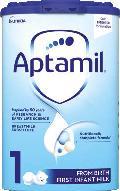
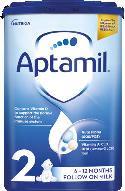
At Aptamil we are committed to supporting parents on their baby’s feeding journey. We are changing the design of the Aptamil First Infant Milk and Follow On Milk pack, to make it easier for parents to identify the right product.
Parents can be assured that the Aptamil First Infant Milk and Follow On Milk formulations are the same recipes as before.







This article appeared in the very first issue of NHD. Kate is keen to highlight that whilst some of the language may feel outdated and the approach simplistic, especially given our growing understanding of ARFID, the column offers a reflection on how ideas in paediatric nutrition have evolved. However, the core message still resonates nearly two decades on.


With Kate Grimshaw
Increased childhood obesity, poor feeding practices, increased infantile anaemia…. are these isolated problems of childhood nutrition or are they related in some way?
I personally think there is an association between them and I feel it’s due to too much choice.
Let me explain… I am writing this whilst on holiday. Before I go anywhere, whether for a short three-day visit for work or a two-week holiday, I buy a guidebook. I bought a book about my current location and was amazed to read the apologetic note in the food section stating that Canarians do not tend to offer children’s menus… they expect children to eat what adults do.
That started me thinking about choice. If we gave children the food of a healthy balanced diet from an early age would it help children eat better in the long-term?
My daughter is 12 and the eating habits of her friends are amazingly varied. This difference reflects the different feeding approaches of their parents. One mother has always taught her child to eat whatever she is give, and she does. Another child only eats one or two foods, as when she was growing up her parents were happiest giving her foods they knew she would eat.
In this case the approach of the first mother seems to have been the most effective in establishing a varied intake but unfortunately this approach is seen as ‘cruel’, particularly when used on toddlers and very young children. To me this thinking is bizarre.
We see educating our children on safety issues (such as how to cross the road and not touching electrical sockets) as essential and as such we are prepared to say ‘no’ and put up with the resultant tantrums. However, educating our children about long-term health issues and helping them do the best they can to have a healthy future seems far from most parents’ minds.
In clinic, when parents ask how to widen their children’s diet, I encourage them to offer new foods time and time again. They look at me like I am from another planet, but on follow-up those that have tried the technique always come back reporting some degree of success.
I recognise blaming all the childhood nutrition issues on too much choice is simplifying a very complex issue, but I do feel we need to encourage parents to offer new foods to their children from a very early age, even if this appears the harder feeding option.
Kate Grimshaw works at Southampton General Hospital. She is a paediatric dietitian specialising in food allergy and infant and childhood feeding. She spends 85% of her time on research, with the remaining time consisting of clinical work.
1. Should we be eating this?
2. Is it okay to drink alcohol and eat carbs?
3. I thought dietitians would only eat healthy food.
4. Are you going to eat your fat?
5. Dietitian? Fascinating. I better watch what I eat… ha ha…
6. Who wants the last piece? Anyone but the dietitian… ha ha…
7. I thought it was spelt with a ‘c’.
8. I’m on a seafood diet. I see food, I eat it… ha ha…
9. It must be hard to have people talking about food when you’re just trying to relax. Do you like to cook?
10. Don’t eat anything the dietitian doesn’t touch… ha ha…
Next Month’s Top Ten – Reasons why most dietitians are female. Send your list to forum@networkhealthgroup.co.uk and the one/s we judge to be the best will be published!

Dear Reader,
RE: Your Magazine
Network Health Dietitians will run a letters/forum page from Issue 2. We’d like to hear your thoughts on our first issue or any topic you feel you’d like to write about.
The forum is yours. Please send by email only to forum@networkhealthgroup.co.uk and include reference to Issue and page number if referring to a previous entry in Network Health Dietitians.
Please include full name and daytime contact telephone number for verification purposes only. Names can be withheld on request. Letters may be edited for size reasons.
We look forward to hearing from you!
Yours Sincerely,
Network Health Dietitians

Madi Myers explores some of the claims, myths and current evidence around fads and fashionable crazes.
Madi is a freelance nutritionist working with individuals, hosting workshops for groups and writing. She works across the food industry and the private sector, promoting the nondiet approach to nutrition.
www.nondietnutrition. co.uk
non_diet_nutrition
nondietnutrition
REFERENCES
Please visit: www.NHDmag. co.uk/articlereferences.html

As NHD publishes its 200th issue, marking its 20th year in supporting dietitians and nutrition professionals, this month’s Myth busting looks at a trend that has gained hugely in popularity over this time: intermittent fasting (IF). IF, in its many forms, has grown a massive following, largely helped by influencers and social media, and is often promoted as superior to other dietary approaches for weight loss and health.
There are different types of IF, the most common of which include:
• alternate day fasting (ADF) – alternating a ‘fasting day’ where calories are severely restricted with normal eating, every other day;
• modified versions, eg, the popular 5:2 diet, where on two days per week individuals eat only 500-600kcal per day but eat normally on the other days;
• time-restricted eating (TRE) – eating is only allowed during certain hours of the day, eg, 18/6, where the eating window is for six hours per day.
Certain claims are generally being promoted on social media in IF diet plans by coaches and so-called experts in the field. Here are some of them…
A common claim made by advocates of IF is that it can enhance fat loss more than traditional methods of calorie restriction. However, based on the current evidence, this does not seem to be true. Many randomised controlled trials (RCTs) show no significant difference in fat loss between IF and continuous energy restriction (CER).1 Meta-analyses confirm that IF is not significantly superior for fat loss when calories are controlled and may even be inferior to CER for some other markers of health.2 More long-term research is necessary before we can draw any firm conclusions about the potential weight loss benefits of IF compared with CER.

Another common myth about IF is that it increases metabolic rate and helps burn more calories, making it a ‘healthier’ way to lose weight than CER. IF has been shown in some trials to effectively improve some hormones involved in fat metabolism, eg, insulin and human growth hormone.3,4 However, often these changes are not significantly different to the effects of CER. Additionally, current research provides no certainty that fasting for short periods increases metabolism, although small older studies have suggested this previously.5 Fasting for long periods has been shown to reduce metabolism, which is the body’s efforts to preserve fat and muscle stores during times of famine.
TRE is a very popular version of IF, both for its accessibility and for the supposed additional benefits it provides. Some advocates claim that TRE provides metabolic benefits beyond calorie restriction, with cellular benefits supposedly gained during at least 12 hours of fasting, when the body is said to switch from glucose to fat metabolism, regulating protein synthesis and cell recycling. TRE has been shown in some studies to lower body mass index, fat mass, blood pressure, fasting glucose, insulin levels and HbA1c.6 However, current thinking is that these
benefits are linked to energy deficit, rather than any metabolic changes that might come from longer fasts. Some studies do suggest that eating earlier in the day, termed an ‘early eating window’, can improve blood glucose control, but longterm evidence is lacking.7 The metabolic benefits of TRE may largely stem from weight loss and improved meal timing, rather than fasting itself. Although there is some evidence to indicate that eating earlier in the day may have some metabolic benefits, this is by no means certain and might not be the case for all individuals.
A similar common myth is that extended fasting triggers autophagy, leading to anti-ageing benefits and a lower risk of disease. Autophagy is the process whereby a cell breaks down and recycles its own components to remove damaged or unnecessary parts. Some animal studies have found that intermittent (24-hour fast, one to a few days apart) or periodic fasting (two plus days of fasting at least a week apart) can protect against various diseases, including heart disease and cancer.8 While autophagy is a real process and animal studies show longer fasts can activate it, evidence of direct effects in humans is limited.9 The effects that longer fasts can have on cellular ageing and the molecular mechanisms that might be involved are only just beginning to be unravelled. In the meantime, claims made about the benefits it might have to major diseases, such as cancer, could be dangerous for sufferers and expose them to extreme diets for no benefit.
IF is widely claimed to be safe and effective for all individuals, meaning it is something we should all do regularly to get back to ‘how our ancestors ate’, i.e. alternating periods of fasting and feasting. Even though IF is suggested to be easier to follow, as ‘usual’ eating can be followed on some days, RCTs suggest otherwise. One recent meta-analysis found similar attrition rates between IF and CER groups, both of around 25%, showing similar levels of adherence between the two diets.10 In addition, there are some adverse effects reported by those undertaking IF, for example, increased hunger, dizziness, weakness and difficulty with social eating.11
There are also concerns related to hypoglycaemia, especially in patients on insulin
therapies. There is only a limited number of RCTs on the use of IF for conditions such as type 2 diabetes. Authors affirm that medications must be adjusted when partaking in IF, meaning it should not be undertaken without some form of supervision.12 Those who have a history of disordered eating or an eating disorder are unlikely to find IF suitable. A recent cross-sectional study identified fasting as a risk factor for orthorexia and other eating disorders, suggesting it as an easy way to slip back into disordered practices around food.13 Elderly individuals are also not advised to fast, especially if there is no overt focus on regular evenly distributed protein intake, as this could lead to muscle wastage.
IF can be beneficial for weight management and metabolic health, but does not appear to be inherently superior to other approaches. TRE might be the easiest approach to adhere to, but even this comes with significant social and behavioural drawbacks, which makes it difficult for some to partake in. Many health claims about IF remain unproven or based on preliminary evidence. There is no strong evidence that IF leads to better health outcomes than following a healthy lifestyle and a balanced varied diet. Many claims are based on animal studies, mechanistic theories or small human trials, but RCT evidence is still limited and mixed. Nutrition professionals should focus on personalised dietary approaches rather than one-size-fits-all fasting protocols.


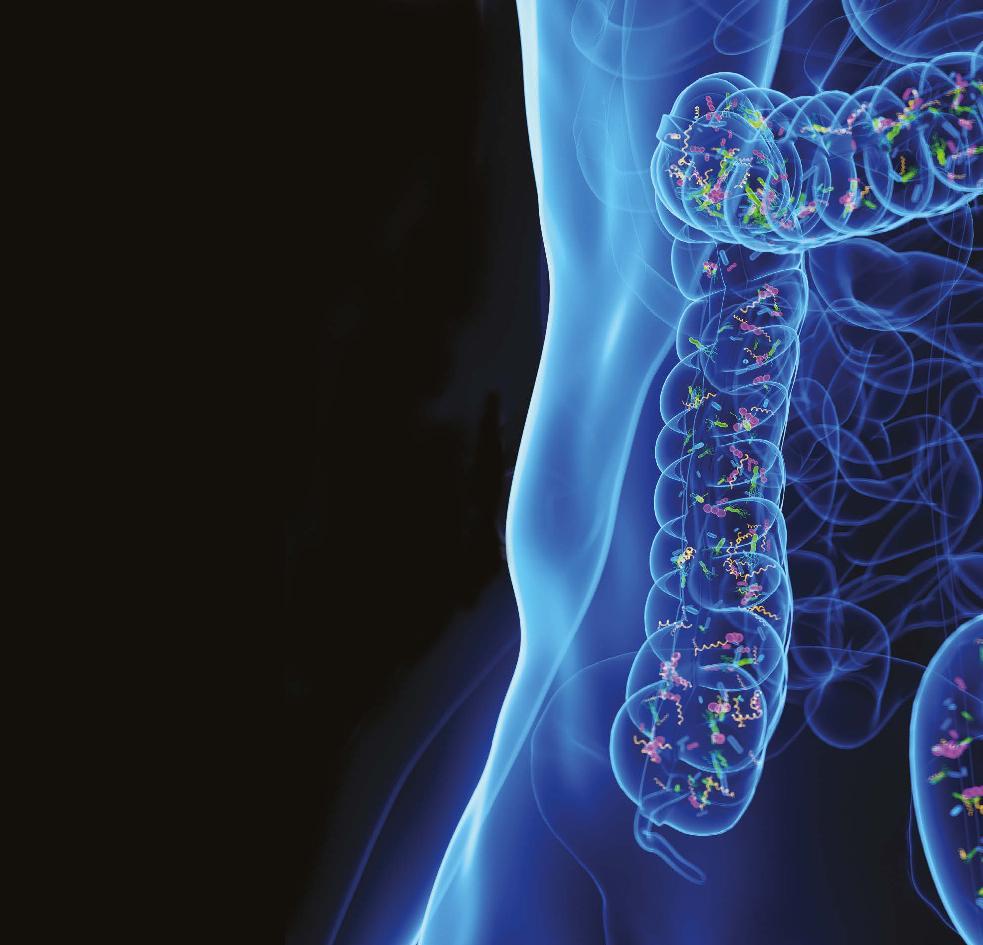
The gut microbiome is a complex ecosystem containing trillions of bacteria, fungi, viruses and other microorganisms. It is essential for digestion, immune function and overall health. Even with its surge in research in the last 10 years, the gut microbiome remains relatively new and still much of it is unknown.1,2 Here, we explore how diet and sex hormones shape the gut microbiome.
What is becoming increasingly clear is that our diet and lifestyle highly influence the composition of our gut microbes. A diverse and well-balanced microbiome is now recognised as a key component of overall health and disease prevention, with plant-based diets shown to foster a more diverse and beneficial microbiome.1,2
Another relatively new area that influences the gut microbiome is sex hormones. Literature shows that sex hormones directly connect to our gut lining, therefore influencing the diversity of the gut microbiome composition.3
Recent evidence highlights that gender, especially following puberty and menopause, can influence the different compositions.
Other things influencing our gut microbiome include probiotics, prebiotics, gastrointestinal disease, stress and likely much more.4,5
DIET AND THE MICROBIOME
Hippocrates once was cited as saying, “All disease begins in the gut”. Although this isn’t true for every disease, the


Hazel is a Consultant
Gastroenterology
Dietitian at HC
evidence is increasingly showing the extent to which the gut microbiome does influence our overall health.1,2
Functions of the gut microbiome include the following:
• Enhances digestion and bowel movements
• Produces several vitamins
• Protects against harmful bacteria
• Optimises our immune system
• Creates short-chain fatty acids (SCFAs)
• Influences our sex hormones5
• Impacts our mental health and brain health6,7
The gut microbiome is thought to first start to colonise from birth, with the first contribution of microbes usually coming from the maternal relationship. Mode of delivery (vaginal vs caesarean) and early feeding choices (breast milk vs formula) are the first factors which influence the gut microbiome composition, as well as environment and any antibiotic use.7,8
Evidence continues to show that dietary patterns are one of the strongest and most immediate factors on the gut
1: Short-chain fatty acids (SCFAs) and their role1
SCFA Role in gut health
Dietetics and also with Royal Liverpool University Hospital.
REFERENCES
Please visit: www.NHDmag. co.uk/articlereferences.html
Butyrate Supports gut barrier function, reduces inflammation and protects against colon disorders.
Acetate Provides energy for the brain and body.
Propionate Lowers cholesterol and helps to regulate blood sugar levels.1
Capture gut microbiota imbalance with the GA-map® Dysbiosis Test. A new standard in microbiota profiling from human faecal samples. This cutting-edge diagnostic tool detects and characterises dysbiosis, by comparing bacterial levels to a healthy reference population. Now you can provide a personalised approach to evaluating your patient’s gut health.
Increase fibre intake
Incorporate polyphenols
Choose plant-based proteins
Limit UPFs
Include fermented foods
Supports gut bacteria and SCFA production
Encourages beneficial bacteria and reduces inflammation
Minimises harmful fermentation from excess animal protein
Reduces harmful bacteria, inflammation and risk of dysbiosis
Provides beneficial bacteria and prebiotics that support microbiome balance
microbiome, with diets rich in fibre being the best way to promote a healthy microbiome. In comparison, low-fibre diets negatively affect the gut microbiome, leading to a less diverse bacterial population, which seems to have more ‘bad’ bacteria than good.1,2,7,8 This is likely due to fibre being a key component for the development of short-chain fatty acids (SCFAs) such as butyrate, acetate and propionate. SCFAs are crucial for maintaining our gut health, such as having an anti-inflammatory effect, maintaining the integrity of the gut lining, modulating immune responses and supporting metabolic health. Table 1 highlights specific functions of SCFAs.
When exploring different dietary patterns, Ross et al (2024)2 found that plant-based diets in particular promoted short-chain fatty acid (SCFA) production and exhibited antimicrobial properties. In contrast, the standard Western diet, which is typically low in fibre and high in ultra-processed foods (UPFs), was linked to increased oxidative stress, chronic inflammation, impaired immune function and a higher risk of metabolic disorders.
These findings are echoed by Fackelmann et al (2025),1 who observed that vegan and vegetarian dietary patterns were associated with greater microbial diversity, increased production of SCFAs and the presence of cardioprotective bacteria. Similarly to Ross et al,2 the study also noted that omnivorous diets, particularly those high in red meat, were linked to increased inflammation, reduced SCFA production and a
Wholegrains, fruits, vegetables, nuts, seeds
Berries, dark chocolate, green tea
Lentils, chickpeas, tofu
Refined snacks, sugary drinks, processed meats
Sauerkraut, kimchi, tempeh
greater risk of cardiometabolic disease. This was attributed to microbial changes associated with protein fermentation.
Together, these studies suggest that fibre-rich, plant-based diets create a more favourable gut environment by encouraging beneficial bacteria. This, in turn, supports digestion, immune regulation and metabolic health. In contrast, diets high in animal proteins and processed foods may contribute to gut dysbiosis and systemic inflammation. Key dietary considerations for a healthy gut microbiome are included in Table 2.
AND THE MICROBIOME: A LIFESPAN PERSPECTIVE
One of the most underexplored areas of the gut microbiome is how it differs between genders, due to the influence of sex hormones. The microbiota composition has now been shown to be directly influenced by sex hormones and this, therefore, means it adapts and changes throughout a woman’s life.5,9
Why is this evidence only just emerging?
Well, historically, health and nutrition research has focused on male participants, with female participants often excluded from clinical trials or underrepresented in results. This underrepresentation of women has left significant health inequalities and blind spots in our understanding of female physiology, including the gut microbiome.10,11
In the UK, there is currently no legal requirement to include women in clinical trials. From the 1990s, UK regulators began actively

We’re thrilled to announce the launch of the Activia Gut Science Hub – your go-to platform for the latest in gut health science in ‘easy-to-digest’ formats. Designed by gut health experts for busy health professionals, the hub is powered by over 40 years of scientific research across the fields of the microbiome, nutrition, biotics, and gut health.
The Activia Gut Science Hub offers key insights and knowledge on gut health. For those interested in the evidence supporting Activia, the hub also summarises our 19 key scientific studies, which makes Activia one of the few yogurts in the UK backed by product-specific science. This free-to-use resource is a must-visit for healthcare practitioners eager to stay informed and up-to-date gut health related topics.
Healthcare practitioners who can effectively support people with their gut health are in growing demand. Our recent survey of 100 dietitians and nutritionists in the UK (91 of whom provide patients or clients with dietary advice) found that 79% have experienced an increase in people coming to them with questions about gut health1 . Yet nearly half of the UK population still feel uncomfortable talking about gut symptoms, and two out of three would welcome more advice from a credible expert 2 .
We have created the Activia Gut Science Hub to support health and science professionals. From GPs to nutritionists, researchers to dietitians, the hub is aimed at any professional interested in expanding their understanding of gut health or to help them feel equipped to answer queries on gut health from their patients. Scan here to explore expert resources on Gut Health

The Activia Gut Science Hub, created in collaboration with leading gut health experts, is a place to find education, tools and resources on gut health in engaging and easy to understand formats. Find ready-to-use summaries (including a summary of the science on Activia), infographics, visual timelines, an in-depth guide to important gut health topics, and a collection of expert blogs from leading gut health dietitians and nutritionists
The ‘Our Science’ section of the hub explores the 40+ year story of the science behind Activia’s unique blend of strains and the body of evidence demonstrating Activia’s ability to help improve digestive discomfort and improve gastrointestinal wellbeing3
Stay up to date with the latest news and blogs from leading dietitians and nutrition experts in the gut health field. Contributors include leading gut health dietitian Kaitlin Colucci on the Gut-Brain Axis, gastrointestinal dietitian Lucy Kerrison on Lifestyle Factors That Could Impact Gut Health, and content from our in-house experts, such as Sophie Bell RD, who writes about the wider Health Benefits of Fermented Dairy Products.

Find a refresher guide to the gut microbiome, its characteristics and functions. Resources shed light on the roles of fibre, fermented foods, yogurt, kefir, and probiotics on gut health and overall wellbeing.
Written by: SARAH BARNES Nutrition and Science Communication Manager Danone UK and Ireland
1. Activia Healthcare Professional Survey 2025 (100 UK HCPs). Data on file.
2. Activia Gut Health Survey 2024 (1000 UK adults). Data on file.
3. Eales J et al. Systematic review and meta-analysis: the effects of fermented milk with Bifidobacterium lactis CNCM I-2494 and lactic acid bacteria on gastrointestinal discomfort in the general adult population. Therap Adv Gastroenterol 2016;10(1):74-88.





• 6.9% rehydrated chicken meat
• 2% rehydrated vegetables (peas 5.2%, green beans 0.75%)
• 1.8% orange juice from concentrate
• 1.5% peach puree *Food-derived ingredients 16%
Life stage
Before puberty
After puberty
Hormonal context
Low and stable sex hormone levels
Gut microbiome insights
– Gut microbiota composition is largely similar between sexes; minimal sex-related microbial differences observed.
Menstrual cycle
Surge in oestrogen and progesterone production
– Sex-specific microbiome differences; gut microbial composition begins to differ between genders due to hormonal influences.
– Specific bacterial families, such as Lactobacillaceae, become more prevalent in females, potentially influencing the gut immune system.
Cyclic rise and fall in oestrogen and progesterone, slight rise in testosterone during ovulation
Pregnancy
Perimenopause
High, sustained hormonal shifts (especially progesterone)
– Hormonal fluctuations lead to temporary shifts in microbiota composition and immune activity.
– Oestrogen may promote microbial diversity.
– The gut microbiome may play a role in regulating and recycling hormones (such as oestrogen) via specific bacteria.
– Gut microbiome shifts to support fetal development; increased microbial diversity and metabolic activity.
– Microbial changes may support the immune system and adapt the body’s metabolism to meet the demands of pregnancy.
– Evidence is limited, but hormonal instability likely affects gut composition.
Gradual and fluctuating decline in oestrogen levels
Menopause
Marked drop and stabilisation of oestrogen and progesterone
– Immune changes and increased gut permeability may occur during this transition due to oestrogen’s antiinflammatory effect, immune system support and role in maintaining the gut barrier.
– Microbiome becomes less diverse; associated with increased inflammation and altered metabolism.
– Changes in the estrobolome (oestrogen-metabolising microbes) may influence systemic oestrogen availability.
encouraging the inclusion of women in trials. Today, there are government ‘Women’s Health Strategies for England’,12 along with UK research and regulatory bodies like the Medicines and Healthcare Products Regulatory Agency (MHRA) and the Health Research Authority (HRA), strongly encouraging sex-inclusive research. Ethical approval for clinical studies is increasingly dependent on the inclusion of women or a clear justification for their exclusion.10 This means that physiology data on females is still catching up.
In comparison, the United States introduced the NIH Revitalization Act of 1993, which made the inclusion of women in federally funded research a legal requirement.11 Although this
ensures women are being included, there is no stipulation on what percentage of females should be included in any clinical trials.
. .
A lot of the research that explores sex differences and hormone influence is in animal models; however, human models are emerging.5,11 Mice models have indicated that before puberty, both male and female microbiota are similar.11 In contrast, following puberty, the microbiota is different between the sexes. Interestingly, the castrated males in the mice study had a similar microbiome composition to females. This implies that testosterone is a key player.
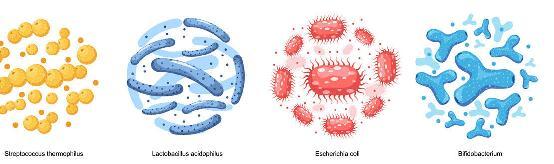
Evidence highlights that sex hormones connect to the gastrointestinal tract, therefore directly influencing the microbiota composition and the immune system. This is a two-way relationship, showing that the gut microbiome also influences sex hormones, often termed ‘microgenderome’.9,11 Table 3 summarises the current understanding of how female hormones affect the gut microbiome during a woman’s lifetime.
These studies underscore the two-way relationship between female sex hormones and the gut microbiome throughout various life stages. Understanding these interactions is crucial, as they have significant implications for women’s health, immunity and disease susceptibility. Irritable bowel syndrome (IBS), a condition which is influenced by the gut microbiome and affects women 2:1, may be influenced by these interactions, although this remains under-researched.13
Dysbiosis describes an imbalance in the gut microbiome.14,15 The term is often associated with gut conditions such as IBS and inflammatory bowel disease (IBD). However, as discussed, the exploration of the gut microbiome is ongoing and, therefore, there is no clear definition of what a healthy gut microbiome should be, making it difficult to define dysbiosis.
Studies have found that those with IBS or IBD appear to have alterations in their gut
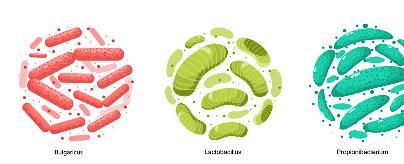
microbiome when compared with healthy controls. However, it is unclear if this is causative of the condition (eg, influences the condition to develop) or a consequence of altered eating habits due to their relevant conditions.14,15
Probiotics are live ‘good’ microorganisms (eg, bacteria) that are consumed, which can be beneficial to our health when taken in adequate amounts. These are usually taken either as part of a food (eg, yoghurt) or in supplement form (eg, capsule or sachet).16
Current evidence for probiotics tends to lie with those who have a gastrointestinal condition such as specific IBS symptoms or following antibiotics. Currently, evidence does not support the routine use of probiotics in healthy individuals. This is thought to be related to gut conditions or symptoms being improved by specific strains of bacteria. Evidence surrounding probiotic use is still growing. Due to the availability of numerous strains and strain combinations on the market, it is often challenging to have homogeneity between studies to conclude clear efficacy.4,16
Prebiotics, on the other hand, are known as foods we eat that influence the ‘good’ gut bacteria to thrive. They are found naturally in dairy and fibre-rich foods like onions, kimchi and tempeh.4 For most people, a fibre-rich, plant-diverse diet remains the most effective and evidenced way to support a healthy microbiome.1,2,4
Growing evidence highlights that the gut microbiome is integral to our health and can be influenced by a wide range of factors. While our understanding is expanding rapidly, it’s important to recognise where research gaps still exist.
We know that the gut microbiome plays a key role in digestion, metabolism and even hormone regulation. Microbial shifts may contribute to the development of gut-related conditions, such as IBS, which disproportionately affects women. This is a pattern that may, in part, be driven by hormonal fluctuations that also influence the gut microbiome.
As research becomes more inclusive and diversity gaps in research reduce (including biological sex, age and lifestyle factors) our understanding of the gut microbiome and its role in health will only grow. This will pave the way to a more personalised and effective approach to conditions.
This article explains the changes in prevalence and incidence of paediatric food allergy and looks at the complex heterogeneous presentations. It also outlines some considerations in the dietary management of paediatric allergy.
Paediatric food allergy has a high impact on primary care workload,1 with substantial direct and indirect costs,2 in addition to potential adverse healthrelated quality of life impacts for both food allergic children and their parents.3
The incidence rate of probable food allergy in the UK doubled between 2008 and 2018, with the greatest increase coming from children aged 0 to 4 years.2 The impact on the incidence rate could be an unintended effect of weaning policy. Before 2015, delayed introduction of food allergens was advised, but it was later established that the introduction of food allergens (peanut and egg) before 12 months of age substantially reduced food allergy. Studies have been unable to isolate the impact of changes in public policy on food allergy incidence and prevalence. Other explanations also include increased awareness of food allergy leading to increased helpseeking and investigation over time.2
It is interesting to note that epidemiologists have observed a plateauing of the incidence of paediatric food allergy since 2014,2 which could coincide with revised guidance that there should be no delay to the introduction of food allergens in the weaning diet. Other higher-income countries have also seen increases in the incidence of food allergy, indicating that multiple factors may be at play, including a potential role of early microbial exposure in breastfeeding or environmental triggers.
Early introduction of allergenic foods (particularly peanut and egg) appears to be an important factor for the prevention
of food allergy.5 The most recent weaning guidance can be found here: www. bda.uk.com/specialist-groups-andbranches/food-allergy-specialist-group/ food-allergy-prevention-guidance.html
Leading on from incidence, the prevalence of food allergy shows an increasing burden upon the health of the UK population.2 Most food allergies present following the introduction of solid foods from around six months, and the natural resolution of food allergy is possible in children aged two to five years. This explains the peak of prevalence for preschool children and the decreasing prevalence in later childhood and adulthood.
At a basic level, food allergy can be divided into ‘quick onset’ IgEmediated allergy and ‘slow onset’ non-

Joanne is currently delivering freelance projects and as a Senior Fellow of the Higher Education Academy, she supports nursing, public health, public health nutrition and dietetics programmes.
REFERENCES
Please visit: www.NHDmag. co.uk/articlereferences.html
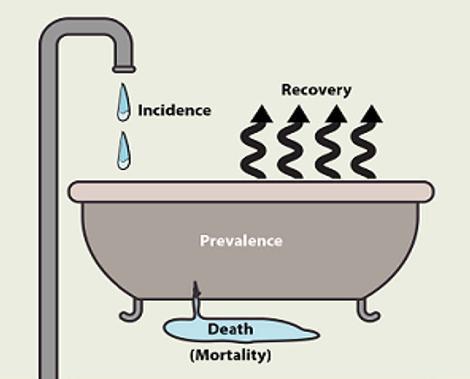
Incidence refers to the number of new cases diagnosed over a period of time, while prevalence refers to the number of cases currently in the population. The epidemiologist’s bathtub shows that prevalence can be impacted by rates of identification, diagnosis, recovery and mortality.
IgE-mediated allergy. The terms quick and slow onset refer to the presentation of symptoms.
IgE-mediated allergy symptoms start shortly after contact with the allergen and may include urticaria anywhere on the body, a tingly or itchy feeling in the mouth, swelling of lips, face or eyes and stomach pain or vomiting. IgE antibodies activated in this type of reaction can cause anaphylaxis, which is a serious, life-threatening reaction where there is a dramatic drop in blood pressure requiring immediate treatment with an adrenaline auto injector (EpiPen® or Anapen®).
The most common foods that cause anaphylaxis are peanuts, tree nuts, milk, eggs, shellfish, fish and sesame seeds.6 Tiny amounts of a trigger allergen, aero dispersal and inhalation or contact (touch/kissing) can also cause a reaction and, therefore, robust food labelling, prevention of cross-contamination and attention to the food environment are key.
Non-IgE-mediated allergy is a group of disorders characterised by a subacute or chronic inflammatory process.7 Symptoms of nonIgE allergy are primarily localised to the gut but may also affect the skin and lungs.7 Gutrelated symptoms range from discomfort, pain, dysmotility, vomiting, reflux and diarrhoea or constipation, to food protein induced enterocolitis (FPIES) and growth faltering.7 Clinical features present within one to four hours following food exposure and laboratory findings could (but not always) show neutrophilia and leucocytosis.
Clinical diagnosis is often made via food elimination and symptom resolution, with symptoms resolving between 24 hours and up to 10 days.7 Ideally, the suspected trigger food may be reintroduced in a planned challenge to confirm the diagnosis by showing a reproducible reaction.8 The single most common non-IgEmediated food allergen is cow’s milk, followed by soy and cereals.9
The natural history of non-IgE-mediated allergy varies by population and initial presentation, but resolution appears in the majority of cases before school age.9 Reintroduction of the original
allergen in order to liberalise the diet should be an aim of management, particularly for cow’s milk and egg allergy.2 Evidence-based protocols are available for initiating and progressing with cow’s milk reintroduction, known as the Milk Ladder,10 and the Food Allergy Specialist Group (FASG) of the British Dietetic Association provides helpful advice on eggs.11
It should be noted that, at times, there is no clear distinction between the presentation of IgE- and non-IgE-mediated allergy, and some individuals may experience mixed symptoms.
The mainstay of allergy management is the elimination of the offending food. To achieve this in younger children, the environment must be considered due to possible exposure to allergens through food play/messy play or the use of playdough. Accidental food sharing can also be hard to manage in younger age groups; therefore, working with nursery and childcare settings to implement a robust allergen management plan for the setting and an individualised care/action plan for the child with the allergy is vital.
Minimising the risk of exposure to an allergen through prohibition (eg, banning foods) may help, but should not be relied upon and may not be feasible for some allergies (eg, milk). Human error or oversight in the morning rush can easily mean the supposedly banned food is found in a lunchbox or through treats given to the class.
Examples of strategies to help keep children with IgE-mediated allergy safe from accidental allergen exposure and dangers of anaphylaxis are provided below:12
1 Always provide food that mum or dad, or a trusted adult, has packed from home. Children with a food allergy should never accept food from their friends/classmates.
2 Plan activities and excursions that involve food at least a week ahead, so that a safety plan for children with allergies can be considered.
3 Children with a food allergy should always wash their hands before eating.
4 Parents and teachers must always have children in the care of people who know they have an allergy, can recognise signs of an allergic reaction and who know how to use the adrenaline (epinephrine) injector (EpiPen® or Anapen®) in an emergency.
5 Provide an individualised action plan for the allergic child detailing how to manage (accidental) allergen exposure.
6 Separate children with food that contains allergens in younger age groups. Try to move the children without food allergies so that it is not always the child with the food allergy who sits at a separate table.
7 Make sure children eat in a supervised eating area before they go out to play.
8 Ensure staff have anaphylaxis training (including recognition and emergency treatment of anaphylaxis) and always have the adrenaline injector easily accessible. Check expiry dates termly.
There is considerable heterogeneity in presentation and chronicity of food allergy in children. The ‘allergic march’ refers to how allergic diseases progress in a person over time. In a susceptible infant, dry skin begins at birth, followed by atopic dermatitis, food allergy, nasal allergies and asthma. This atopic triad (eczema, allergy and asthma) may present with more severe allergy at risk of worsening over time.13 Conversely, natural immune tolerance may develop over time, meaning infants ‘outgrow’ their allergy and therefore can liberalise the diet.2 The mechanism of how to outgrow allergy remains largely unknown and may be influenced by genetic and environmental factors.14
The type of food protein may also play a role, with some being more resistant to ‘being
denatured’, possibly making them more allergic. In an American study, Gupta and colleagues demonstrated that children with milk, egg or soy allergy had higher frequencies of tolerance compared with children who had shellfish, tree nut and peanut allergies.15
Older children and teenagers should be provided with increased responsibility in managing their food allergies. This should include being responsible for their medications, for example, carrying their adrenaline device, always wearing a medic-alert bracelet and teaching them to read food labels and talk with service staff about their allergies. In analysis between 1998 and 2018, higher levels of deprivation were shown to have a weak association towards higher rates of emergency attendance due to food allergy.2 Therefore, ensuring accessibility and clarity of dietetic advice to all levels of health literacy is vital.
Natasha’s Law, introduced in 2021, extends a legal requirement for foods made on premises to label food allergens, enforcing the labelling of 14 allergens to prepackaged direct sale food and drink items.16
Natasha died aged 15 from an anaphylactic reaction to sesame seeds. Her legacy is driving innovations in research and development, oral immunotherapy being amongst these.16 Oral immunotherapy aims to raise the threshold amount of food protein that results in an allergic reaction.17 Successful immunotherapy can result in desensitisation, whereby a defined amount of food protein can be eaten without a reaction.17 This could be instrumental when considering accidental exposure to allergens. Oral immunotherapy must only be supervised by specialist allergy teams under strict protocols and remains a controversial therapy.18
Allergy represents a significant burden on the health and well-being of infants, children and young people. An increased understanding of allergy is driving innovations in care, but the majority of healthcare encounters for food allergy occur in primary care.2 Dietitians can facilitate the diagnosis and management of paediatric allergy and, by so doing, contribute to a safe and effective dietary plan.

Up to 70% of patients have muscle loss following a cancer diagnosis. Ensure Plus Advance had a positive effect on muscle mass preservation, cancerrelated toxicity, and hospitalisation.
ORDER YOUR SAMPLES TODAY
For Healthcare Professionals only.
* A systematic review of 15 studies (n=943) published up to December 2021 including adult patients with various cancer types and treatments consumingHMB-ONS (Ensure Plus Advance or Juven/Abound) for 10 days–6 months. † 1/2 higher quality studies showed benefit on cancer therapy-related toxicity.

References: 1. Ryan AM et al. Proc Nutr Soc 2016;75(2):199-211. 2. Prado CM et al. J Cachexia Sarcopenia Muscle 2022;13:1623–1641. UK-ENSPA-2500012 April 2025.

The relationship between malnutrition and chronic diseases is a complex one. This article examines the connection and how it impacts health and provides strategies for managing malnutrition, particularly undernutrition, in patients with chronic diseases.
Malnutrition refers to ‘deficiencies, excesses or imbalances in a person’s intake of energy and/or of nutrients’.1
Malnutrition is a broad term that encompasses both undernutrition and overnutrition. Undernutrition occurs when the body doesn’t receive enough calories, proteins or micronutrients like vitamins and minerals. This can lead to stunted growth (low height for age), wasting (low weight for height), underweight (low weight for age), weakened immunity, fatigue and, in extreme cases, death. Overnutrition, on the other hand, occurs when individuals consume more food than the body requires, leading to obesity and related conditions, such as cardiovascular diseases, type 2 diabetes and certain cancers. Malnutrition often exacerbates disease progression and chronic diseases worsen the state of nutrition in individuals.
Malnutrition can affect anyone, but it is most common in vulnerable groups such as the elderly, children, pregnant women and people with chronic diseases. Chronic diseases themselves can lead to malnutrition, either by impairing nutrient absorption or increasing the body’s nutritional needs, making it harder to maintain proper nutrition.
Chronic diseases, such as cardiovascular disease, diabetes, cancer, chronic kidney disease and chronic respiratory disease, can have a direct
impact on a person’s nutritional status, with different macronutrient needs. In these circumstances, malnutrition can complicate the management of these diseases, leading to poorer outcomes, which we will explore below.
Cardiovascular disease (CVD), including heart disease, hypertension and stroke, is a leading cause of death worldwide.2 This group of diseases often comes with high nutritional demands due to the body’s increased stress response. People with cardiovascular disease often experience unintentional weight loss and muscle wasting, a condition known as cardiac cachexia. This occurs when the body burns more calories than it consumes due to inflammation, resulting in severe muscle, bone and fat mass loss. Some people suggest that cardiac cachexia may happen following an imbalance in the way the nervous system of the body tells the digestive tract to digest food. Inadequate nutrition in individuals with CVD can worsen symptoms such as fatigue and weakness, shortness of breath, impaired wound healing and compromised immune function. A diet rich in healthy fats (oily fish, seeds and nuts), lean proteins, wholegrains and fruits and vegetables can support heart health, improve blood pressure control

Ines is a Specialist Dietitian with an interest in public health. She works at My Nutrition Balance, a nutrition service supporting health and lifestyle changes free from diet culture.
www.mynutritionbalance. com mynutritionbalance

REFERENCES
Please visit: www.NHDmag. co.uk/articlereferences.html
and minimise complications such as stroke or heart failure. Physical activity to strengthen muscle mass is essential to further minimise complications.
Diabetes mellitus, particularly type 2 diabetes, is a metabolic condition that results from insulin resistance or insufficient insulin production. Malnutrition can contribute to poor blood glucose control and the complications associated with it. For instance, inadequate intake of essential nutrients like magnesium, zinc and chromium can impair insulin sensitivity, exacerbating the condition.
Malnutrition in diabetic patients often leads to unintended weight loss, muscle wasting and dehydration, especially in poorly controlled diabetes or elderly patients.3 Nutritional deficiencies can also increase the risk of developing diabetic complications such as retinopathy, neuropathy and nephropathy. On the other hand, overnutrition (excessive intake of sugar and unhealthy fats) can contribute to weight gain, insulin resistance and an increased risk of developing cardiovascular disease. Malnutrition can also precede the diagnosis of type 1 diabetes as glucose is not absorbed by the muscles due to a lack of insulin.
A balanced, nutrient-dense diet rich in fibre (vegetables, nuts and seeds), healthy fats and complex carbohydrates (wholegrain bread, brown rice, wholewheat pasta and pulses) can overall support better diabetes management and nutritional intake balance.
Cancer is a group of diseases that involve abnormal cell growth, leading to the formation of tumours. Malnutrition is a common issue in cancer patients, with approximately half of cancer patients experiencing malnutrition, particularly in the advanced stages of the disease.4 This can be due to a variety of factors, including the cancer itself (which increases metabolic rate), chemotherapy or radiotherapy treatments and the side effects of cancer such as nausea, vomiting, loss of appetite and difficulty swallowing, which all have an impact on nutritional intake.
Malnutrition in cancer patients can lead to severe muscle wasting (cachexia), weakened immunity and increased susceptibility to infections, increasing the stress hormones in the body. It also makes it harder for individuals to tolerate cancer treatments, prolonging recovery time.
Ensuring that cancer patients consume sufficient calories, proteins and essential vitamins and minerals is crucial for improving their quality of life, maintaining muscle mass and enhancing treatment effectiveness. Macmillan dietitians are specialised in providing long-term support to individuals who have challenges in meeting their nutritional requirements. Treatment of malnutrition includes food fortification first (fortifying small and frequent meals with more protein and calories), high-energy and highprotein supplements, or enteral feeding with key hydration targets.
Chronic kidney disease (CKD) is a condition in which the kidneys progressively lose their function over time, measured in eGFR (estimated glomerular filtration rate). Malnutrition is a significant concern for patients with CKD, particularly those undergoing dialysis. CKD can affect the body’s ability to absorb nutrients and maintain a healthy fluid and electrolyte balance. As kidney function declines, patients may experience protein-energy malnutrition, which results from the loss of protein in the urine, decreased appetite and an inability to process nutrients properly.
Proper nutrition is vital for individuals with CKD to prevent further deterioration of kidney function and to reduce the risk of complications such as cardiovascular disease and infection. Nutritional management in CKD often includes protein restriction, controlling sodium, phosphate and potassium intake and ensuring adequate calorie consumption to prevent malnutrition and muscle wasting.
Chronic respiratory disease, namely chronic obstructive pulmonary disease (COPD), can cause malnutrition in individuals due to the increased energy expenditure
Malnutrition in older adults is associated with worse health outcomes, including longer hospital stays, higher infection risks and increased mortality, making this the largest cohort in hospitals.

required to breathe, difficulty eating due to breathlessness and the body’s inflammatory response to lung disease. People with COPD often experience muscle wasting and weight loss, which can significantly impair their ability to perform daily activities and worsen overall health outcomes. Remember, lungs are muscles too!
Maintaining an adequate intake of calories, protein and essential vitamins and minerals is crucial for managing COPD. A high-protein, calorie-dense diet may help maintain muscle mass, while adequate hydration and omega-3 fatty acids may help reduce inflammation in the lungs.
MALNUTRITION AND THE ELDERLY: A SPECIAL FOCUS
The elderly are particularly vulnerable to malnutrition due to reduced appetite, chronic
literacy and social isolation. Malnutrition in older adults is associated with worse health outcomes, including longer hospital stays, higher infection risks and increased mortality, making this the largest cohort in hospitals. For those with chronic diseases, it can hinder recovery and worsen illness. Nutritional support is crucial for improving outcomes, focusing on adequate protein, healthy fats and essential vitamins, such as vitamin D, and calcium to maintain bone health, prevent muscle loss and support immunity. A tailored, comprehensive approach, with a multidisciplinary healthcare team, is vital in managing malnutrition in this group. Education on nutrition and meal planning also plays a key role in improving health outcomes, involving family, carers and anyone who can have an impact on their nutritional intake.
Malnutrition is a serious concern for individuals with chronic diseases. It can worsen disease progression, impair treatment outcomes and reduce quality of life. By understanding the complex relationship between malnutrition and chronic diseases, healthcare professionals can implement effective strategies to manage nutritional needs and improve health outcomes.
As we continue to address the growing global burden of chronic diseases, it is crucial to prioritise nutrition in chronic disease management. Ensuring that individuals have access to appropriate nutritional support can help prevent and manage malnutrition, ultimately improving the overall health and well-being of those affected.

Ursula Arens
Ursula has a degree in dietetics and currently works as a freelance writer in Nutrition and Dietetics.
To mark our 200th issue, long-standing NHD contributor, Ursula Arens, reflects on two decades of writing for the magazine. In this special piece, she revisits the topics she has explored over the years, offering a unique commentary on the evolving landscape of dietetics.
Time flies when you’re having fun.
Psychologists have confirmed that the subjective perception of time speeds up with age. Both apply to me. When NHD Publishing Editor, Lisa, suggested reviewing my 20 years as a monthly
contributor, I was delighted to be offered the opportunity to reminisce. Here are a few plucked items to illustrate the span of nutrition topics I’ve covered that show the constancy of debate and discussion within dietetics.
*2005
What are aviation policies on obese passengers? A US court had rejected the claims of an obese passenger, who had refused to pay for an additional seat and had then been denied boarding. Was the aviation legal contract for the transport of a person, or the hire of a seat?
*2006
Vitamin fortified peanut butter in sachets was the latest product used as a ready-to-use therapeutic food in famine relief. The previous complete dominance of milk powders, including adult refeeding, resulted in the costly and inefficient centralisation of distribution systems in populations that were lactose intolerant.
*2007 A critique of the front-of-pack traffic lights system for food labelling. Although most dietitians were supportive of the bright displays to guide healthier food choices, I felt that the system resulted in a massive skew of information, which was misleading. No information is better than confusing or incorrect information.
*2008
The government policy group, the Scientific Advisory Committee on Nutrition (SACN), advise on all matters of nutrition. Topics the expert group had discussed included whether women with twin pregnancies should be advised to eat more; debates on whether the fermentation activity of food components should be included in the legal definition of fibre; and the reduction of the guidance for UK energy requirements.
*2009
Energy drinks had become very popular, especially amongst young men. Claims about vigour rested on the content of sugars, caffeine and some taurine. The EU EFSA had delivered a complete rejection of submitted health claims. Current claims from a certain brand giving you ‘wings’ shows today’s dominance of marketing over science. Dietitians must challenge this.
*2010 There were many confusions about my favourite nutrient, omega-3 fatty acids. There were debates over ALA to EPA and DHA conversions, but there was no challenge that the latter have greater physiological potency. Should this be reflected in food labelling? What about the future possibilities of algal production of this nutrient?
*2011 A new report funded by the panda logo charity, WWF, proposed a low greenhouse gas diet. The research used the UK Eatwell plate proportionality of food groups, while reducing foodassociated environmental heating. A topic that must continue to involve the dietetic profession.
*2012
The most inspiring nutrition lecture I have ever attended was delivered at a Nutrition Society conference in 1993 by Professor Rose Frisch. Her quiet and modest delivery belied the amazing data she had collected linking body fat as the synchroniser of menarche and fertility. Anorexics and athletes allowed her to assess physiological limits, and her conclusions supported the absolute metabolic miracles of conception and gestation.
*2013 It was the 100th anniversary of the book, Round About a Pound a Week by Maud Pember Reeves. An astonishing description of the lives of the poor gathered by the kindly Fabian Women’s Group. The book has great details about the how-and-why of food choice. Ms Reeves captured exactly the logic of their food decisions and mocked the moralising guidance from her well-meaning genteel friends and neighbours.
*2014
The classic dietetic texts predict that a 3500-calorie deficit is required for the loss of one pound of body weight. A review of the maths of weight loss described newer studies looking at weight loss kinetics and the development of more dynamic predictive models. The various models in place considering the daily replacement of a can of sugar-sweetened drink with water, resulted in a splay of 10lb weight loss annually.
*2015
Data on the use of nutrient supplements by medical health professionals. More than 80% reported the practice of supplement top-ups vs about 50% of the US general adult population. The trends were towards vitamin D, fish oil and multivitamins, and declining use of antioxidants, vitamin A and iron.
*2016 The various diet pronouncements from beautiful celebrities were in constant critique by the science brigade, but I pleaded defence. Such pronouncements were confused and often served the sale of products, but there was a discount on these opinions. In contrast, there was little critique of some of the bizarre statements issued by the flurry of microbiome pronouncements. Being more expert meant being more responsible.
*2017 Nobody more articulate on the experience of obesity than Roxanne Gay. I reviewed her book, Hunger, which offers depth of insights into the development and experience of being very fat (her description).
*2018
A conference report, ‘meating’ the low carbers. This event allowed an insight into alternative dietary treatments for diabetes and obesity. The event featured Professor Tim Noakes, and those attending were enthusiastic advocates. But coffee-and-steak diets should not be a longer-term option.
*2019
The manifesto You Have the Right to Remain Fat by Virgie Tovar presented the personal and social aspects of body weight, beyond just the medicalised aspects discussed by health professionals.
*2020 My time travel interview with Florence Nightingale (arguably the first dietitian). She had forceful views of feeding patients, and many of her commands translate directly to thoughtful practice of hospital food provision today.
*2021 Another time travel interview with the exceptional dietitian, Elsie Widdowson. Her astonishing contributions included planning the UK wartime diet, and the development of UK nutrient analysis tables.
*2022 My book review on Plant-based Nutrition in Clinical Practice. The book describes guidance on vegan/vegetarian diets, by and for dietary experts. Full of comprehensive A to Z detail.
*2023 A whole book about a single vitamin? I reviewed The Folate Story by Professor Victor Hoffbrand, which describes the history and the people and the politics. The UK government has finally approved the fortification of flour with folic acid, and dietitians will be asked to support the science communication.
*2024 The British Veterinary Association issued a report on the diets of cats and dogs. There are some strangely parallel themes to discussions of human diets, but with the refreshing frank tone of functionally efficient vets.
*2025 More F2F interviews, book reviews and. . . to be continued . . .


Injectable medications used for weight loss, ‘skinny jabs’, are everywhere. In an incredibly short period of time, they have gone from a futuristic idea to a reality. This article considers the pros and cons.
Skinny jabs are delivering weight loss results that previously would have only been possible for many with bariatric surgery or those on very low-calorie diets.1 At present, it’s estimated that up to 3.4 million people in the UK are eligible for certain weight loss drugs.2 We’ve all heard of Ozempic and Wegovy, but they aren’t the only ones knocking about. And in the near future, they are likely to have uses beyond weight management and blood sugar management. But let’s not get ahead of ourselves. In this article, we are going to get an overview of who the main players currently are and how they work, their benefits and potential side effects. We will also touch on what is currently available on the NHS under the NICE guidelines and provide an overview of some dietary considerations for those taking them.
Let’s start with Ozempic because that’s probably the most well known. Ozempic, developed by Novo Nordisk, is designed for use in managing type 2 diabetes (T2DM). See Table 1 for a breakdown of brand names and uses. Ozempic is the brand name of a drug called semaglutide, which works as a glucagon-like peptide 1 (GLP-1) receptor agonist. More on this soon. Wegovy is the same drug but with different dosing, as it is designed for obesity.
Semaglutide was approved for use in 2021 and has rapidly become a household name. In September 2023, it became available on the NHS for weight management to be used alongside diet and exercise.3
So, how does semaglutide work?
GLP-1 is a hormone found naturally in the gut and plays key roles in our metabolism. It triggers insulin release from the pancreas after we eat and signals to our brain that we are full. Semaglutide is a GLP-1 receptor agonist, meaning it activates GLP-1 receptors.4
GLP-1 naturally spikes rapidly when we eat, then levels drop back down again afterwards. Semaglutide has been modified to stay in the bloodstream for much longer than GLP-1. This means it can have a prolonged effect even when only taken weekly. The satiety boosting action, by increasing the feeling of fullness and slowing gut transit, helps people feel fuller for longer and, so, they eat less. The triggering of insulin by semaglutide is a key mechanism in managing T2DM as it helps lower blood sugar levels.
Monjero is the brand name of tirzepatide, which is another GLP-1 receptor agonist and also a glucosedependent insulinotropic polypeptide (GIP) receptor.5 Using this double action, Monjero acts similarly to semaglutide to slow gastric emptying and trigger insulin release. It was licensed for use in the UK for weight loss and T2DM in September 2024.
A third GLP-1 receptor agonist is liraglutide. Saxenda is the brand name, and it is aimed at weight loss, while Victoza is the version used for managing T2DM. Liraglutide is approved for use in the UK; however, NICE recommended semaglutide over liraglutide as clinical trials showed better results.6
Looking to the future, retatrutide is a next generation weight loss drug that is currently in the late stages of testing

Laura Kaar-Todd RD
Laura is an NHS Paediatric Dietitian at Lewisham and Greenwich NHS Trust. With her freelance hat on, she is founder of ‘The Full Life Dietitian’. Laura is also a personal trainer. She has worked for the NHS since 2019 and enjoys working on the wards, the variety of the role and the MDT working.
www.thefulllifedietitian.com
thefulllifedietitian
REFERENCES
Please visit: www.NHDmag. co.uk/articlereferences.html
Table 1: A breakdown of brand names and uses of the most well-known weight loss injectables
Name Brand name Condition
Semaglutide
Tirzepatide
Liraglutide
Ozempic
Wegovy
Monjero
Victoza
Saxenda
and is expected to be on the UK market in 2026.7 Manufactured by Eli Lilly, retatrutide has triple action by mimicking three gut hormones: GLP-1, GIP and glucagon. It is aimed at weight management, T2DM and fatty liver.7
Across the board, semaglutide has been shown to be very beneficial for weight loss, resulting in approximately 15% weight loss in one year for those taking Wegovy and prolonged weight loss for up to four years.3,8 Aside from the established benefits in managing obesity and T2DM, there is also a lot of evidence showing that GLP-1 receptor agonists reduce the risk of cardiovascular events.9 For example, the NICE guidelines state that semaglutide may reduce cardiovascular risk.6 There is also mounting evidence that semaglutide can reduce chronic inflammation and research is ongoing into the potential kidney-protective effects these drugs can have in those with chronic kidney disease and T2DM.10,11 In addition, these medications can also improve a host of other obesity-related conditions, including GORD, female infertility, PCOS, obstructive sleep apnoea and osteoarthritis.1 It will be very interesting to see where these drugs go next in the coming years.
When we look at the side effects, these tend to be split into common/very common and not common in the BNF. For the three GLP-1 receptor agonists listed in Table 1, the common and very common side effects include a decrease in appetite, burping, constipation, diarrhoea, fatigue/lethargy, gastrointestinal discomfort/ disorders, nausea and vomiting.12-14 Uncommon side effects for these drugs include pancreatitis, taste changes and malaise.
Another side effect we hear about in the media is what is being termed as ‘Ozempic face’. This describes the changes in an individual’s
T2DM
Overweight and obesity
T2DM and obesity
T2DM
Obesity
face following significant weight loss while using these drugs.15 This often describes a much gaunter face, wrinkles and hollow cheeks. In a similar vein, ‘Ozempic baby’ refers to children who were conceived when their mothers were taking Ozempic and the contraceptive pill. Monjero, Wegovy and Ozempic do carry warnings about using oral medications, including the oral contraceptive pill, due to the risk of reduced absorption.16 The other possible mechanism is improved fertility related to weight loss. The BMJ recently published a Fact Check piece on this and concluded that while there are potential mechanisms, there is limited evidence in the literature to date of the link between using these drugs and getting pregnant.16
Equally concerning is the emerging link between GLP-1 receptor agonists and mental health concerns. One recent large-scale cohort study with over 160,000 participants found a significant association between using GLP-1 receptor agonists and mental health concerns. Specifically, they found those using these medications were at a higher risk of major depression, anxiety and suicidal behaviour. 17 They hypothesise that this could be due to the effect they have on the dopaminergic system.
All these potential side effects highlight how important it is that these medications be used in a controlled and safe manner with appropriate MDT medical support. So, how do individuals go about getting these drugs in the UK?
If you Google ‘skinny jab UK’, you will see just how easy it is to buy these medications without the medical support mentioned above, and often without the ‘reduced-calorie diet
and increased physical activity’ that the NICE guidelines for semaglutide recommend to be used alongside these drugs. While there are, of course, well-run private clinics that will give full support, more and more of these drugs are available to buy privately online without ever actually seeing a doctor.
While the injections are the most well-known versions, both injectable and tablet forms are available on the NHS. However, neither can be prescribed by GPs, as currently they require referral to weight management clinics.3 NICE recommends that for managing overweight and obesity, semaglutide should be prescribed alongside a reduced calorie diet and increased physical exercise for those who have the following conditions:18
• at least one weight-related comorbidity plus BMI of at least 35.0kg/m2, or
• a BMI of 30.0kg/m2 to 34.9kg/m2 and meet the criteria for referral to specialist weight management services.
However, NICE recommends using a BMI cutoff of 2.5kg/m2 below these for certain ethnic groups. It currently specifies that these drugs should be used for two years as part of a specialist weight management clinic. Interestingly, it recommends stopping the drugs if less than 5% weight loss has been achieved after six months.6 The NICE guidelines for Monjero for weight management and TD2M are similar to the Wegovy recommendations.18
As with any patient cohort, we need to make sure our patients who are taking these medications are meeting their macro- and micronutrient requirements. We need to stress the importance of a healthy balanced diet and that these drugs are not just magic pills that let you eat whatever you want. As intake reduces on these drugs, we don’t just reduce overall energy, we reduce intake of macro- and micronutrients too.
High-quality diets rich in essential nutrients are key. However, due to the side effects, this can be easier said than done for some, despite their best efforts. It is thought that 10% of users will experience the side effects mentioned above, such as nausea, constipation, heartburn, headaches, vomiting and diarrhoea,19 all of which are likely to reduce intake and absorption even further, making it more difficult to hit daily requirements. It is still early days and there is limited evidence on exact recommendations for patients on these drugs.1 We know protein and regular physical activity are key for maintaining muscle mass as we age and during periods of weight loss. Ensuring adequate protein while on these drugs will help protect muscle mass while losing significant amounts of body mass. Given that obesity is related to an increased risk of micronutrient deficiencies, including vitamins D and B12, folate, iron and zinc, as well as low intakes of calcium and vitamins C, E and A, it would be sensible to assess micronutrient status before starting treatment and addressing any deficiencies.1
It’s impossible to deny the life-changing and life-saving effects these medications can have for people who have spent their whole lives trying to manage their weight and improve their health through diet and exercise. On the other hand, they won’t suit everyone and, for some, they simply won’t be effective, or the side effects will be too severe. Of course, in the aesthetic focused world we live in, there is a huge risk that these drugs are being taken by people who can afford to take them but are doing so for appearance rather than health. Personally, I truly do believe that when used in the right way, with the right support for the right patients, these drugs have the potential to save lives, improve quality of life and reduce chronic disease.





Protein is a popular topic in many nutrition fields, including sports and exercise. We know protein has many roles within the body and, in the context of sports and exercise, its role becomes even more nuanced.
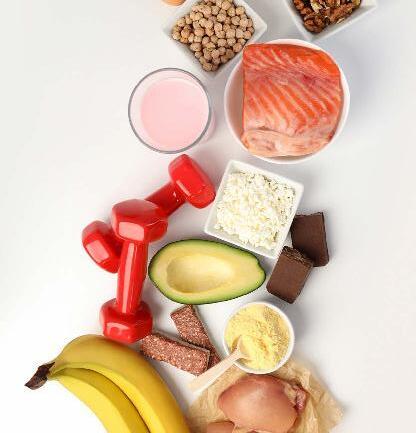
Protein is made up of 20 amino acids, of which nine are essential, i.e. necessary to be consumed in the diet. Seven are conditionally essential, meaning the body may not be able to make sufficient quantities during stress, illness or intense exercise. The rest are non-essential, meaning that they can be made by the body. In the UK, the average protein requirement for is 0.75 grams per kilogram of body weight. Dietary surveys such as the UK’s National Diet and Nutrition Survey (NDNS)1 indicate that the majority of adults within the UK exceed the recommended Reference Nutrient Intake (RNI) for protein. This is also the case in America and Australia.
People at a higher risk of not consuming enough protein include those with a particular illness or disease, or those following certain diets, including vegan and perhaps some vegetarian diets. This is not to say that requirements can’t be met on a vegan or vegetarian diet, but more consideration is needed to ensure adequate consumption and variety.
DEFINITION OF THE NUTRITIONAL VALUE OF A PROTEIN SOURCE
High biological value (HBV, animal sources) provides all of the essential amino acids in sufficient quantities, and the amino acids are readily digested and available.
• Low biological value (LBV, plant sources) contains suboptimal quantities of some of the essential amino acids.
• Limiting amino acids – those amino acids that are in insufficient amounts, including lysine in grains and methionine and cysteine in legumes. This is only a problem if a person eats the same foods daily.
Whilst the bioavailability of plant proteins may be slightly reduced, the difference does not appear to result in those on plant-based diets lacking amino acids.2
PROTEIN AND EXERCISE
Research has shown that each time protein is consumed in combination with resistance training, there is a small spike in muscle synthesis, with 2025g HBV protein believed to produce a maximal response.3 Some research shows a benefit to consuming up to a 40g portion of protein, but this heavily depends on multiple factors, including the individual’s training regime, their age, desired outcomes, total protein throughout the day, amino acid profile of these proteins and other foods consumed. Alternatively, athletes can aim for 0.25-0.30g per kilogram of body weight per serving.

Ruth is a Freelance Dietitian and personal trainer. She is currently based in Australia, where she runs Pancha Fit, providing exercise and nutrition services for women.
REFERENCES
Please visit: www.NHDmag. co.uk/articlereferences.html

There is some controversy surrounding these numbers. A study in 2023 by Trommelen et al found that consuming 100g of protein after resistance training provided ongoing muscle synthesis responses over a 12-hour period, which was greater than that seen by consuming 25g.4 However, with current advice to consume protein regularly throughout the day, studies have not compared this one-off 100g dose with one spreading it across the day (4 x 25g) so that the response could be comparable. What this study does show, however, is that the response to higher intakes of protein may not be limited as previous studies suggest. It is also worth noting that the effects of exercise on the stimulation of muscle protein synthesis are ongoing over 24 hours. Therefore, protein remains an important consideration beyond the typical two-hour window often given consideration after completing exercise.
In comparison with the general guidelines, a total protein intake of 1.4-2.0g per kilogram of body weight per day is thought to be adequate for most active individuals.5 Eating protein in approximately three-hour intervals within the 24 hours following exercise can help prolong the protein synthesis response to exercise and minimise muscle breakdown.5 In practice, this means consuming 20-40g of protein at every meal and snack across the day.
The highest recommendations for protein (1.6-2.4g per kilogram of body weight daily) are
Whether supplements are needed depends on many factors, including a person’s training load, goals, daily energy requirements, typical diet, appetite pre- and post-exercise and financial considerations.
targeted at athletes who are undertaking weight loss programmes. Such athletes usually desire to achieve a reduction in fat mass whilst retaining muscle mass.6 It is now widely understood that higher protein intakes do not pose a risk to kidney or bone health.
To date there is no clear evidence showing a benefit to consuming protein pre-exercise. Limited research has shown that ingestion before short-duration exercise (<60 mins) may provide a source of amino acids for protein remodelling immediately following exercise.7 However, for many athletes, gastrointestinal comfort is a consideration. Interestingly, some studies have identified that consuming protein before sleep (in conjunction with exercise) can also benefit muscle protein synthesis, muscle recovery and overall metabolism.8,9
For endurance athletes, the consumption of 0.25g of protein per kilogram of body weight per hour of endurance exercise in addition to their usual carbohydrate consumption, has been shown to suppress markers of muscle damage and improve subjective feelings of muscle soreness.10-12
To date, there has been more research done using male participants and our knowledge of women’s sports nutrition is lacking but growing. Some studies indicate that women may require adjusted protein doses to fully support recovery and performance gains.13 However, it is beyond the scope of this article to explore this in detail.
Table 1: Sources of supplemental protein
Whey protein isolate (WPI)
Whey protein concentrate (WPC)
Whey protein hydrolysate (WPH)
Casein
Egg albumin
Soy, pea, hemp and rice protein
This is 90% protein with negligible amounts of carbohydrates and fat. It is likely to be tolerated by those who are lactose-free as <1% lactose.
This is 70-80% protein with small amounts of lactose and fat. It’s cheaper than WPI and may be suitable if the person would benefit from additional carbohydrates and calories.
WPH is derived from WPC or WPI and consists of shorter amino acid chains, possibly resulting in more rapid digestion; however, evidence is conflicting.
Research has shown that the faster digestion of whey better supports skeletal muscle synthesis and results in greater muscle gains than casein.17
This is an HBV protein but is more expensive than whey and casein.
There is a lack of research on the effects of these on muscle protein synthesis.
Evidence from the Baltimore Longitudinal Study of Aging14 shows that muscle mass peaks at around 30 to 35 years of age, after which time, muscle power and performance decline. This decline can be slowed by regular exercise; however, the Health Survey for England15 found that only 17% of men and 14% of women aged 65 and over met both the muscle-strengthening and balance exercise guidelines.
It is widely hypothesised that older adults should consume more protein and ESPEN9 recommends 1-1.2g per kilogram of body weight, or up to 1.5g/kg, should they have an acute or chronic illness. However, a study of older adults in South Yorkshire16 showed that more than half didn’t meet the current recommendations. Therefore, it would seem prudent to ensure older adults are meeting current recommendations for their activity levels. In the context of sport, this means that older adults also need to ensure that they distribute their intake across the day, consume enough total protein, but also that protein doesn’t displace other nutrients in their diet and that they are consuming enough total energy for their activity.
Branch-chain amino acids are those of the essential amino acids (EAAs) leucine, isoleucine and valine. These amino acids are unique in that they can be metabolised in skeletal muscle as
opposed to the liver. There are several proposed benefits to taking BCAAs. These include acting as a stimulant for protein synthesis; preventing the breakdown of muscle; providing a fuel source during exercise; and interfering with the transport of tryptophan into the brain, thereby reducing the synthesis of serotonin, which reduces feelings of fatigue.
If taken, the recommended dose is one that provides 2-3g leucine per day However, research indicates that it is not leucine alone that elucidates these benefits, but the total dose of all essential amino acids.17 If an athlete is on a strict energy intake, then branch-chain amino acids alone may help promote muscle synthesis and minimise breakdown without adding many calories.
Whether supplements are needed depends on many factors, including a person’s training load, goals, daily energy requirements, typical diet, appetite pre- and post-exercise and financial considerations.
Maximal stimulation of muscle protein synthesis is dependent on the total amount of EAAs in circulation. Milk, whey protein and red meat are naturally high in EAAs, including the BCAAs. Whey protein has been widely studied and is believed to offer benefits over other protein supplements such as soy, pea and rice-based supplements. This is possibly due to the solubility and digestion of whey protein, which allows a higher concentration
of EAAs in the blood and activation of muscle protein synthesis within muscles. That being said, all the plant-based sources offer a good amino acid profile and are therefore useful additions if needed for those on a vegan diet.
Creatine is a compound endogenously formed in the kidneys and liver through a reaction that requires the amino acids arginine, glycine and methionine. It is present in meat and fish and, therefore, vegetarians have been reported to have muscle creatine stores about 20-30% lower than non-vegetarians. Females have 70-80% lower creatine stores than men, partially explained by lower muscle mass.18
Creatine plays a critical role in providing energy through the ATP-PCr (adenosine triphosphate-phosphocreatine) system, an anaerobic energy system, thereby improving the body’s ability to replenish depleted ATP levels during intense exercise. This allows for delayed neuromuscular fatigue and improved recovery, thereby helping individuals tolerate increases in training volume and assisting with muscle gains.19
There are two strategies for creatine supplementation:
1 A loading phase of 5g creatine monohydrate four times per day for five to seven days, followed by a maintenance dose of 3-5g per day 2 Taking 3-5g per day over a minimum period of four weeks
Each approach has been shown to build muscle stores to the same effect. Therefore, the protocol chosen depends on the individual’s goals, tolerance and time constraints. For endurance athletes, coingesting creatine and carbohydrate has been found to increase glycogen stores and enhance recovery, as well as reduce muscle damage.20
A new study published this year showed that creatine has little to no effect on lean muscle gains when taken at the current recommended level and suggested a daily dose of 10g per day.21 However, further research is needed to explore an effective dose and its impact over a longer period. This study only looked at a 12-week resistance training programme. Creatine has been found to benefit bone health and brain function and, therefore, it may still be beneficial to take a daily dose at the recommended level of 3-5g per day. There are no known risks to taking creatine in recommended amounts and the International Society of Sports Nutrition (ISSN) position paper (2017) concluded that longer-term use across all age groups provided benefits.22
The majority of the Western population consumes enough protein, but the quality of the diet is often lacking and the focus should be on the whole diet and not just protein intake. The exception is for older adults who may not be meeting the RNI for protein.
For those taking part in regular strength training or endurance sports, a higher protein intake consisting of 20-40g HBV protein (or a wide variety of plant sources) every three to four hours is recommended, but careful consideration needs to be given to individual training regimens and their metabolic response.
Creatine is a safe and beneficial supplement that can be recommended daily for the general population at a dose of 3-5g per day. However, its benefits are only found when paired with resistance training, and an effective dose may differ from these recommendations.


As we mark the 20th anniversary of NHD, it’s an ideal opportunity to reflect on the significant progress made in the care and support of people living with dysphagia. Over the past two decades, advancements have transformed practice, with a shared goal of improving safety, dignity and quality of life.
One of the most impactful developments in this period was the introduction of the International Dysphagia Diet Standardisation Initiative (IDDSI). First published in 2015, with the addition of the ‘Easy to Chew’ category in 2019, the IDDSI framework was designed to standardise terminology and definitions for texture-modified foods and thickened liquids across all age groups, care settings and cultures. Through clearly defined descriptors and practical testing methods, IDDSI has enabled healthcare professionals, carers and catering teams to deliver more consistent, person-centred care.
More recently, the Royal College of Speech and Language Therapists (RCSLT) released updated guidance on eating, drinking and swallowing (EDS), replacing their previous dysphagia recommendations. This comprehensive document provides clinical-level information for practising SLTs, alongside a competency framework to support professional development throughout their careers.
The guidance places a strong emphasis on person-centred care and multidisciplinary collaboration, promoting consistent, evidencebased assessment and management of EDS across diverse populations. Additionally, the RCSLT offers valuable resources for carers and other professionals supporting individuals with EDS difficulties.
Significant strides have also been made in the quality and presentation of food served to people living with dysphagia. It is well established that food presentation plays a crucial

role in how meals are perceived, with attractive, recognisable dishes more likely to encourage social engagement and adequate intake.
In recent years, advances such as moulding and shaping have enabled texture-modified meals to better resemble familiar dishes, for example, dual-layered pies or white fish encapsulated in batter, allowing people to enjoy traditional favourites like Friday fish and chips. Alongside these improvements, technology now enables previously high-risk ingredients, such as peas and sweetcorn, to be safely incorporated into meals, expanding variety and reducing the risk of mealtime fatigue.
Clinical nutrition has advanced significantly over the past two decades, with a deeper understanding of nutrient requirements shifting the focus from energy-dense to nutrient-dense foods, particularly those rich in protein, vitamins and minerals to support overall health.
Resources, such as the BDA’s Nutrition and Hydration Digest, have played a pivotal role in challenging established practice and providing evidence-based guidelines to optimise nutritional care. Research has also highlighted the increased risk of malnutrition in people with dysphagia, driving the development of targeted nutritional strategies designed to meet their unique needs.
As we reflect on the progress of the past 20 years, it is clear that continued collaboration between clinicians, dietitians, care providers and industry partners will be essential in advancing dysphagia care. By keeping safety, dignity and quality of life at the heart of practice, we can ensure that people living with dysphagia receive the highest standard of care, both now and in the years to come.

Danielle Jackson RD
Danielle is a Specialist
Dietitian currently working within a community specialist diabetes team at Oxleas NHS Foundation Trust in London. She has previously worked in a variety of areas including cystic fibrosis, renal and home enteral feeding.
REFERENCES
Please visit: www.NHDmag. co.uk/articlereferences.html
Danielle Jackson, RD, takes a look at what’s driving the increasing popularity of plant-based milks and reports on the nutritional considerations.
In recent years, plant-based milk (PBM) has transitioned from a niche alternative to a mainstream staple in many households around the world. Whether driven by dietary preferences, health concerns, environmental awareness or ethical considerations, more and more people are opting for these drinks over traditional dairy. Nearly one in three adults now choose PBMs,1 highlighting their widespread popularity and growing appeal well beyond vegan and vegetarian communities.
There are several factors driving the shift from dairy to PBM. A 2022 survey found that over 25% of people reported taste preference as their reason for choosing a dairy alternative. PBMs have become more diverse and palatable in recent years, with options like oat milk gaining popularity for its versatility. Sustainability and animal welfare are also big drivers, with the poor treatment of cows in dairy production being another commonly reported reason for the switch to PBM.2
Many dietary patterns emphasise a more plant-based approach, not only for our health, but also for the environment.3 A recent study found that PBMs have a significantly lower carbon footprint than dairy milk, of 59%, 62% and 71% for rice, soya and oat drinks, respectively.4
Walk into most supermarkets today and you’ll be spoilt for choice when it comes to PBM alternatives. There are now so many brands and varieties on offer that it’s easy to feel overwhelmed when trying to make a decision.
Broadly speaking, there are three main plant types that can be used to make non-dairy milk:
1 Nuts and seeds (including almonds, cashews, hazelnuts, coconut, flax and hemp)
2 Cereals (including oats and rice)
3 Legumes (including soy and peas)
Ultimately, it’s down to personal choice, taste preference and dietary needs when deciding which PBM to go for. Some people may use a variety of milks for different reasons due to their differing taste and texture profiles. For example, soy or oat milk may be the preferred options in coffee due to their creamy texture and better foaming ability compared with other PBMs. Almond milk may be preferable for those who are trying to reduce their calorie intake, as this tends to be one of the lowest in terms of calorie content.
Whilst it’s well known that switching to PBMs can have significant benefits for the environment, some concerns remain about their nutritional value. Fortification of foods and drinks can play an important role in ensuring a healthy, balanced diet, particularly for certain population groups who may struggle to meet their micronutrient requirements. EU regulation prohibits the fortification of organic foods and drinks, which means that organic PBMs may be lacking in certain micronutrients. Luckily, the majority of non-organic PBMs are fortified. However, significant variations have been found among different brands and products when it comes to the type and level of fortification.5 It is, therefore,
recommended to check product labelling to help identify and select fortified varieties to obtain the benefits of important micronutrients.
In 2023, a study delving deeper into the nutritional content of PBMs was published. This analysed the nutritional profiles of 249 leading PBMs across Europe and compared them with their dairy counterparts. Micronutrients most commonly added to PBMs appeared to be calcium and vitamins D, B12 and B2. Some were also fortified with iodine; however, this seemed to be less common.5
Calcium and vitamin D
Dairy products are a primary source of calcium in UK diets. Calcium is the micronutrient that is most commonly added to PBMs. The majority of calcium-fortified PBMs were found to provide a median of 300mg of calcium per 250ml, which is comparable to dairy. Generally, in the UK, cow’s milk is not fortified with vitamin D. It is difficult to obtain enough vitamin D from food alone, as very few foods naturally contain it and we get most of our vitamin D from sunlight. As vitamin D aids the absorption of calcium, fortification in PBMs is a helpful addition. Children over the age of one and adults require 10μg of vitamin D per day.6 In this study, 71% of PBMs were found to be fortified with vitamin D. They provided a median of 1.88μg per serving, which was greater than dairy milk at 0.03μg per serving.5
Dairy products are a good source of iodine, which is important for the production of thyroid hormones. Those following a vegan diet might struggle to meet their requirements, so fortified products and supplements can be useful for these populations.7 Iodine fortification in PBMs does not appear to be routine, with only 12% of PBMs found to have added iodine. Interestingly, oat-based drinks appear to be more frequently fortified with iodine compared with other PBMs, accounting for 61% of those that were fortified.5
Vitamin B12 is not naturally found in plant foods; therefore, a vegan diet will rely entirely on fortified products or supplementation to meet
requirements.8 Of the PBMs compared, 64% were found to be fortified with vitamin B12 and compared with dairy milk, PBMs were found to be lower in vitamin B12, even after fortification.5 For the majority of people who consume dairy, meat and other animal products, meeting B12 requirements should not be difficult. However, for those who do not, the addition of vitamin B12 to PBMs is beneficial.
Milk and eggs are rich sources of vitamin B2, as are some plant-based options such as mushrooms, almonds and nutritional yeast.8 PBMs are often fortified with vitamin B2 and have been found to be comparable to dairy when fortified.5
Protein content can vary significantly among PBMs. Legume-based milks (eg, soy and pea) have the highest protein content, nearing that of dairy milk. PBMs made from grains or nuts have considerably lower levels of protein.4,5 PBMs with a higher protein content may be an important consideration for certain populations who have higher protein requirements (eg, older adults or athletes) and who may not be able to achieve their needs from other dietary sources. However, for the majority of people, the replacement of dairy milk with PBMs is unlikely to compromise protein status, given that protein requirements are typically well exceeded in more developed countries such as the UK. Protein can be obtained from a variety of sources (both animal and plantbased), so it appears that dairy milk is not essential to achieve adequate protein intakes.
Except for coconut varieties, most PBMs are lower in saturated fat than dairy milk.4,5 Current dietary guidelines recommend reducing intake of saturated fats to help maintain healthy cholesterol levels. Therefore, switching to a PBM may be something to consider for those who are trying to reduce their cholesterol levels or want to improve their cardiovascular health. Some PBMs contain other beneficial nutrients that have been associated with improved health outcomes. Soy is a rich source of flavonoids, phenols and phytosterols,
Pea: Mighty Pea, Sproud Oat: Tesco, Oatly Whole Oat, Califia, ASDA, Morrisons
Almond: Tesco, ASDA, Morrisons, Almond Breeze, Rude Health Coconut: M&S, ASDA, Morrisons, Alpro, Koko
and some seed-based drinks (such as hemp and flax) are a good source of omega-3 fatty acids, all of which have links to cardiac health.3,5
The carbohydrate content of PBMs varies depending on the source, with cereal-based drinks generally providing a higher carb content in comparison to other PBMs. Most PBMs in the UK come in both sweetened and unsweetened varieties. However, overall sugar content is typically low with many PBMs found to have similar, or even lower levels of sugar than those found in dairy milks.5 Many brands are also now developing zero sugar varieties.
Substituting dairy with a fortified PBM is unlikely to compromise the overall nutritional quality of the diet. Recent research has found that when one serving of dairy milk is replaced with a serving of a fortified PBM, the overall nutrient content of the diet experiences minimal changes. Calcium levels remain unchanged, while vitamin A and D levels may increase.4 Table 1 shows the varying nutritional values (per 100ml) of a selection of non-organic unsweetened PBMs currently available in the UK. Nutritional values from cow’s milk were taken from McCance and Widdowson’s 2021 dataset.9
*Some drinks also listed oats or rice in the ingredients which increases the carbohydrate content; Drinks that are sweetened or flavoured may have a higher sugar content than those listed.
A common concern surrounding PBMs is the inclusion of additives such as emulsifiers, preservatives or thickeners. Using the NOVA categorisation, PBMs would be classed as ‘ultra-processed foods’ due to the processing methods used and the addition of nutrients to fortify products. 10 However, the limitation of this class system is that it overlooks the nutrient value of the final product. PBMs, as discussed above, can provide essential nutrients and may not be associated with adverse health outcomes, unlike other foods in the same category, such as processed meats and sugar-sweetened drinks.
PBMs offer a promising alternative to traditional dairy, benefiting both the planet and human health. Their lower environmental footprint, including reduced greenhouse gas emissions, water usage and land consumption, makes them a more sustainable choice. Additionally, many plant-based options provide essential nutrients while catering to dietary needs such as lactose intolerance and cholesterol management. As demand for sustainable food choices grows, embracing plant-based milks can be a meaningful step towards a healthier future for both people and the planet.


It’s a time for celebration as we mark the 200th issue of NHD. Women from diverse ethnic backgrounds, including South Asians, have been especially underrepresented in research. Here’s hoping we see 200 more studies dedicated to South Asian women, just as we celebrate 20 remarkable NHD years. With that in mind, my column this month focuses specifically on menopause in South Asian women.
Research shows that women from different ethnic groups experience perimenopause and menopause differently, with varying nutritional needs. The large SWAN study explores women’s health during their middle years but does not include South Asian women. More research is needed to understand their specific needs and barriers to menopause care, shaped by cultural perceptions and health factors. While there’s no UK data on the average age of menopause in South Asian women, studies in India1 and Pakistan2 report a lower mean age (46.7 and 47.16 years) compared with 51 years in Western countries. Early menopause is linked to several health risks,2 highlighting the need for tailored support for South Asian women during this stage.
Guidance on diet and nutrition may vary for South Asian women. However, it is something that needs to be further researched. The following points on diet could be kept in mind for South Asian women to support them in perimenopause and beyond for their long-term health:
Advice on reducing hot flushes
• Studies suggest that two to three portions of soya foods a day can
reduce the severity and frequency of hot flushes.3 Soya foods include edamame beans/soya beans, silken tofu, firm tofu, soya milk/yoghurt alternatives and tempeh.
• Most South Asians do not eat soya except for some of Indian and Nepalese origin. Moreover, mostly only edamame beans are consumed. Through personal experience, it is noted that most of the South Asian population are pretty resistant to trying foods such as tofu and tempeh, whilst many do not even know what they are.
• Advice to increase phytoestrogen for South Asian women should be along the lines of increased intake of lentils, pulses, chickpeas, fruit and vegetables; however, it is vital to encourage them to learn about soya and how South Asian recipes can be modified to use soya products in them. There is a need to develop South Asian recipes for specific soya foods.
Advice on heart health
• In a systematic review, three studies showed that protein and monounsaturated fat intakes were significantly lower in South Asian immigrants than in Westerners.4 Perimenopausal and menopausal women should eat adequate

Fareeha Jay RD
Fareeha is a freelance dietitian with a specialist interest in South Asian diets and provides specialist advice to South Asians across the globe. She is extremely passionate about providing the best available nutrition advice to people with South Asian backgrounds, which is what led her to develop the South Asian Eatwell Guide.
www.fareehajay. com

Dietitian_
FareehaJay
FareehaJay
REFERENCES
Please visit: www.NHDmag. co.uk/articlereferences.html

South Asian women are nervous about participating in exercise as certain types of activity do not correspond with social rules of modesty, grace and cultural representations of femininity. These women should be supported and provided with awareness about exercise, advice on specific exercises and signposted to exercise services around the area.
protein and swap saturated fats with monounsaturated fats for their heart health.
• In South Asian cooking, ghee (clarified butter) is the preferred cooking oil. Ghee has been implicated in the increased prevalence of coronary artery disease amongst South Asians due to its high content of saturated fats.5 Advice should be given on increasing the intake of lentils, beans, nuts, seeds and fish within their traditional recipes, such as haleem, masoor dalal, tenga and panjiri. In some religions of South Asian cultures, ghee carries a lot of importance; therefore, advice should be based more on eating in moderation rather than altogether avoiding it.
• According to a study, premenopausal South Asian women may be more prone to osteoporosis and fractures in later life, as they might be breaking down bones at a quicker rate than they are being reformed.6 The advice is to include dairy and non-dairy sources of calcium, and to remind South Asian women that lassi and paneer are also sources of calcium. Okra is a popular vegetable in South Asian communities and an excellent source of calcium.
• Vitamin D is vital for maintaining bone health by aiding calcium absorption. Most
South Asians in the UK are deficient, with estimates reaching 94% in winter and 82% in summer. This is due to factors such as low dietary intake, especially among those following vegetarian diets, and limited sun exposure from cultural clothing.7 However, Bangladeshi groups who eat oily fish may have lower deficiency rates. The NHS recommends that South Asians take a daily supplement of 10 micrograms of vitamin D all year round.8
• Weight-bearing activities need to be included to maintain bone density. Some South Asian women are nervous about participating in exercise as certain types of activity do not correspond with social rules of modesty, grace and cultural representations of femininity. Many also believe that housework, care for their families and daily activities are exercise. These women should be supported and provided with awareness about exercise, advice on specific exercises and signposted to exercise services around the area.
Menopause care for South Asian women is different, which may also impact service provision. More research is needed to give insight and information on managing menopause symptoms in this cohort.



Compleat® paediatric has 5 years of results supporting improved GI tolerance2, weight gain2 and positive quality of life.2-4
An ESPGHAN position statement supports the use of commercial feeds with food-derived ingredients such as Compleat® paediatric as a suitable first choice feed when a child is moving onto a blended diet.1
GOSH support the use of an enteral feed containing foodderived ingredients such as Compleat® paediatric as one of the first-choice whole protein formulas for children.5
S. 2020. Tolerance and Acceptability of a New Paediatric Enteral Tube Feeding Formula Containing Ingredients Derived From Food: A Multicentre Trial In The United Kingdom. J Neonatol Clin Pediatr, 7: 050 DOI: 10.24966/NCP-878X/100050 4. Siddiqui A et al. (2021) Benefit of Including Food-Derived Ingredients in Enteral Nutrition Formulas: Practical Experience from Clinical Cases. J Neonatol Clin Pediatr 8: 066. 5. O’Connor G, Velandia AC and Capriles ZH. The impact of an enteral formula with food‐derived ingredients on dietetic practice at a specialist children’s hospital in the UK: Retrospective study. J Hum Nutr Diet. 2025;38:e13374. https://doi.org/10.1111/jhn.13374. GI- Gastrointestinal; GOSH - Great Ormond Street Hospital.
This bottle did contain Fortini Compact Multi Fibre

With its low volume, energy density and great taste, Fortini Compact Multi Fibre significantly improves growth compared to standard ONS, within just 4 weeks.1 *
with Fortini Compact Multi Fibre1*†

Order a free sample direct to your patient’s home compliance
with Fortini Compact Multi Fibre1 *
**
patients achieved their primary dietetic goal with Fortini Compact Multi Fibre1 †



ONS: oral nutritional supplement
This information is intended for Healthcare Professionals only.
IMPORTANT NOTICE: Fortini Compact Multi Fibre is a Food for Special Medical Purposes for the dietary management of disease related malnutrition and growth failure in children from one year onwards, and must be used under medical supervision.
*Standard Paediatric ONS is 1.5kcal/ml, 200ml. Standard ONS group received Fortini Multi Fibre®/Nutricia, Fortini®/Nutricia or Paediasure Plus®/Abbott.
†Compliant patients consumed >75% of their prescribed ONS.
**Order can be provided to patients upon the request of a Healthcare Professional. They are intended for the purpose of professional evaluation only.
1. Hubbard, et al. Eur J Pediatr. 2020;179(9):1421-30. 23-079 Date of publication: June 2024 © Nutricia 2024