

A practical guide practice

Adult eating disorders
Must recovery always be the aim?
Gut health
Low-FODMAP education in IBS
PKU treatments
The lived experience

Raising the standards of care for infants1































The only † High Energ y
Infant Formula with 2’-FL + scGOS







5 Expanding practice beyond traditional roles
6 Latest industry and product updates
9 Starting out in freelance practice CONDITIONS & DISORDERS
Adult eating disorders
Nutrition in athletic retirement FOOD FOR THOUGHT 16 The longevity lie
19 Preterm formula: an overview

GUT HEALTH
22 Low-FODMAP education in IBS
STUDENT HUB
24 The future of dietetics
25 Reading research with confidence
IMD WATCH
29 PKU: reaching for new treatments
MYTH BUSTING
33 The sizzling truth behind plant-based meals
CLINICAL
35 Renal disease stage 5
THE LAST WORD
39 Rethinking activity guidelines for South Asian populations
Copyright 2026. All rights reserved. NH Publishing Ltd. Errors and omissions are not the responsibility of the publishers or the editorial staff. Opinions expressed are not necessarily those of the publisher or the editorial staff. Unless specifically stated, goods and/or services are not formally endorsed by NH Publishing Ltd which does not guarantee or endorse or accept any liability for any goods, services and/or job roles featured in this publication. Contributions and letters are welcome. Please email only to publisher@networkhealthgroup.co.uk and include daytime contact phone number for verification purposes. Unless previously agreed all unsolicited contributions will not receive payment if published. All paid and unpaid submissions may be edited for space, taste and style reasons.
Editor Emma Coates RD
Publishing Director Julieanne Murray
Publishing Editor Iona Tulloch
Subeditor Lisa Pritchard
Copy Assistant Sue Vane
Website Content Coordinator Erin Dearlove
Marketing Coordinator Ava Blackwood
Design Douglas
Advertising Manager Richard Mair
Tel 01342 824073
richard@networkhealthgroup.co.uk
REFERENCES All references can be accessed here: www.NHDmag.co.uk/article-references.html ISSN 2398-8754
Phone 01342 824073
Email publisher@networkhealthgroup.co.uk www.NHDmag.co.uk
Address
Suite 1, Forest Row Village Hall, The Square, Lewes Road, Forest Row, East Sussex RH18 5ES
@networkhealthdietitians
@nhd _health_dietitians
@NHDmagazine
linkedin.com/company/nh-publishing

Emma Coates RD & NHD Editor 5 Up Front
Emma has been a Registered Dietitian for 18 years, with experience in adult and paediatric dietetics.

Karen Voas-Wootton RD 6 Nutrition in the News
Karen is a Community Prescribing Support Dietitian and Team Lead at Betsi Cadwaladr. She has a keen interest in appropriate prescribing and nutritional support.

Maria Margarida Beja RD 9 Skills & Development
Maria is an Advanced Dietitian who works within gastroenterology and eating disorders. The founder of FlowIn Clinic, Maria provides support for GI conditions, eating disorders, women's health and fertility.

RD 11 Conditions & Disorders
Oana is Lead Clinical with CAMHS and for NHS Greater Glasgow and Clyde and a Guest Lecturer at Glasgow Caledonian University. Her interests include attachment, education, compassionate care and recovery-focused practice.

RD 14 Sports Nutrition
Joanne is a Freelance Dietitian passionate about sports dietetics and public health. A senior fellow of the Higher Education Academy, she supports nursing, public health nutrition and dietetics programmes.

Priya Tew RD 16 Food for Thought
Priya is a Specialist Eating Disorders and IBS Dietitian. She runs Dietitian UK, works with the media and is the author of The DASH Diet and The Complete Low FODMAP Diet Plan.
coatesyRD

Hazel Duncan RD 19 Paediatric
Hazel is a Paediatric Dietitian and has her own private practice, Kids Nutrition, which provides evidencebased nutrition advice for infants and children.

Sandeepa Soni RD 22 Gut Health
Sandeepa is an NHS and Freelance Dietitian helping patients with gastrointestinal conditions, nutrition in cancer and the lowFODMAP diet. She works at University Hospitals Sussex NHS Foundation Trust and Spire Hospitals.
kidsnutritionrd kids-nutrition.com
flowinclinic margaridabeja flowinclinic.co.uk

Charlotte Golshetti 24 Student Hub
Charlotte is in her final year of the MSc in Dietetics and Leadership at Coventry University and has a particular interest in oncology, haematology and nutrition support.
nutrition_with_sandy Nutrition with Sandy Sandeepa Soni nutritionwithsandy.co.uk

charlotte-golshetti-6129b1126
Katy Stuart RD 35 Clinical
Katy has 20 years of dietetic experience within the NHS and is currently Lead Kidney Dietitian and Supplementary Prescriber at Lincolnshire Community and Hospitals NHS Group.

Richards RD 25 Student Hub
Lynsey is a Senior Lecturer and Course Leader for a postgraduate dietetics course at Birmingham City University. She has over a decade of experience in the NHS in a range of clinical areas.
joanne-mainwaring075a2aa2/

Ford RD 29 IMD Watch
Suzanne is a Metabolic Dietitian at Bristol NHS Group and a Society Dietitian for the National Society for Phenylketonuria.
suzanne-ford lynsdw

Fareeha Jay RD 38 The Last Word
Fareeha is a Freelance Dietitian providing specialist advice to South Asians across the globe and has developed the South Asian Eatwell Guide.
priya_tew priyatew priyatew dietitianuk.co.uk

Madi Myers ANutr 33 Myth Busting
Madi is a Freelance Nutritionist working with individuals, hosting workshops and writing. She works across the food industry and the private sector, promoting the non-diet approach to nutrition.
non_diet_nutrition nondietnutrition nondietnutrition.co.uk
dietitian_fareehajay fareehaJay fareehajay.com
Lynsey
Suzanne
Oana Oancea
Joanne Mainwaring
Freelance dietetics and nutrition
Up front Expanding practice beyond traditional roles
Hello and welcome to the July issue of NHD Magazine. Have you ever thought about working as a freelance dietitian or nutritionist?
Maybe you already do! Working freelance has been around for quite some time.
Self-Employed Nutritionists’ Support and Enlightenment (SENSE) was established in 1996 to provide a network for those working in this field. Later, the BDA Freelance Dietitians Specialist Group was formed to provide a similar platform for RDs – both offer resources, CPD opportunities and listings in searchable directories.
Whilst clinical roles within the NHS remain at the core of the nutrition and dietetics profession, there is great scope for working beyond this arena. The increased demand for nutrition advice, information and services over the past decade means that freelance working has boomed and is now well and truly woven into the fabric of our profession.
So, what exactly are freelance dietitians and nutritionists doing? The answer is… all sorts of work!
Freelance roles can offer flexibility and opportunities to explore projects that you are passionate about.
Positions can be in private practice, sports nutrition, media and communications and industry, working with organisations or brands. A typical day can therefore look very different for each freelancer depending on their skill set and focus. Despite differences in dayto-day activities, wherever freelancers work, patients, clients, projects and initiatives benefit from their expertise.
To find out more about the different opportunities out there, consider following freelance dietitians and nutritionists on social media, reading blogs or listening to podcasts. Many NHD Magazine contributors are freelance in some capacity, and we welcome their valuable insights and the wealth of


information they have gleaned across the nutrition and dietetics community and beyond.
WHAT’S INSIDE THIS MONTH?
Building a successful and sustainable freelance business takes time and effort, often whilst working alongside an existing NHS or other employed role. In this issue, Maria Margarida Beja RD offers practical insights into setting up in freelance practice and the considerations that come with becoming a self-employed dietitian.
Elsewhere in the magazine, we draw on the expertise of freelance dietitian Joanne Mainwaring RD, for her perspective on the role of the sports dietitian, with a particular focus on
nutrition in athletic retirement. She explores the shift from high-level sports performance to retirement – a period often marked by significant physical and psychological challenges for athletes.
Articles with a clinical focus include a discussion from Katy Stuart RD on dialysis management and nutritional support in renal disease stage 5. The importance of lived experiences of people with PKU when looking towards new treatments is highlighted by Suzanne Ford RD. And for those of you with a paediatric interest, turn to an overview of preterm formula from Hazel Duncan RD.
Thanks as always for joining us and enjoy the read.
Emma Coates RD & NHD Editor
Nutrition in the news
Karen Voas-Wootton’s digest of nutrition news with clinical relevance
Virgin olive oil may boost brain power
Higher consumption of virgin olive oil may help preserve cognitive function in older adults by positively influencing the gut microbiota, according to new research from Universitat Rovira i Virgili in Spain.1
The two-year study, published in Microbiome, analysed data from 656 adults aged 55–75 with overweight or obesity and metabolic syndrome. Researchers found that participants who consumed virgin olive oil, rather than refined olive oil, demonstrated better cognitive performance and greater gut microbiota diversity over time.
The findings suggest that olive oil’s polyphenol-rich profile may support the gut-brain axis, with the bacterial genus Adlercreutzia identified as a possible mediator. The authors conclude that olive oil quality, not simply quantity, may be an important consideration when supporting healthy cognitive ageing through dietary advice.
“This research reinforces the idea that the quality of the fat we consume is as important as the quantity,” comments Prof Jordi Salas-Salvadó, principal investigator. “Extra virgin olive oil not only protects the heart but can also help preserve the brain during ageing.”



Obese men and women face different health risks
Men and women with obesity seem to experience markedly different metabolic and inflammatory risk profiles.
A research team at Dokuz Eylül University in Turkey, analysed data from 886 women and 248 men attending an obesity clinic between 2024 and 2025.2 Men showed greater visceral adiposity, higher waist circumference and elevated liver enzymes, suggesting increased risk of cardiometabolic and hepatic complications. In contrast, women demonstrated higher total and LDL cholesterol, alongside elevated inflammatory markers, including C-reactive protein.
The research, presented at ECO 2026 in Istanbul, suggests that sex hormones, immune function and fat distribution patterns may underpin these differences. They suggest that obesity management may benefit from more sex-specific risk assessment and personalised treatment approaches.
Karen Voas-Wootton RD
Why bread causes weight gain without the calories
A new study suggests wheat flour could play a role in weight gain, even when overall calorie intake remains the same. Researchers found that mice given access to wheat-based foods such as bread and baked flour products strongly preferred them and gained significantly more weight than those eating standard food alone. The mice also showed higher body fat levels and changes linked to how their bodies used and stored energy. Notably, when wheat flour was removed from their diet, these effects were quickly reversed.
Reported in Molecular Nutrition & Food Research,3 the findings suggest wheat flour may influence how the body regulates weight in ways that go beyond simply counting calories.
"These findings suggest that weight gain may not be due to wheat-specific effects, but rather to a strong preference for carbohydrates and the associated metabolic changes," says Professor Shigenobu Matsumura, who led the work.
The next step is human research to explore whether similar mechanisms occur in dietary patterns and weight regulation.

Guidance for dietitians managing nutrition in Parkinson’s
A comprehensive framework for dietitians supporting people living with Parkinson’s disease is available in new best-practice guidelines from parkinsons.org.uk.
This helpful resource outlines the complex nutritional challenges associated with the condition, including malnutrition risk, weight management and symptomrelated eating difficulties.
Produced in collaboration with dietitians and endorsed by the BDA, the guidance highlights key considerations, including drug-nutrient interactions involving levodopa, as well as management of constipation, dysphagia and dyskinesia. It also covers the use of supplements, alternative diets and end-of-life nutritional care.
Intended for dietitians across all stages of care, the document aims to support consistent, person-centred practice and improve outcomes for people living with Parkinson’s disease.

ESPEN updates guidance on medical nutrition therapy
Updated guidelines from ESPEN outline a structured ethical framework for medical nutrition therapy (MNT), emphasising informed consent, patient autonomy and best-interest decisionmaking in clinical practice.4
Published in Clinical Nutrition, the consensus-based guideline – developed by an international multidisciplinary working group – updates ESPEN’s 2016 recommendations on artificial nutrition and hydration. It incorporates Delphi consensus rounds, flowcharts and new statements addressing palliative care and human rights in clinical nutrition.
The guidance reinforces that MNT is a medical intervention requiring indication, therapeutic goals and patient consent, and should avoid disproportionate risk while aligning with current evidence. Particular emphasis is placed on complex care contexts, including end-of-life care, dementia and intensive care. ESPEN highlights the importance of transparent, ethically grounded decision-making in increasingly diverse clinical settings.

The COMPLEAT® Choice for Enteral Nutrition




Starting out in freelance practice
A practical guide for dietitians and nutritionists
Despite growing interest in private and freelance work, hesitation is common, with many professionals unsure where to begin when moving away from the structure and security of employed roles. Concerns around finances, professional development, legal responsibilities and taxation are significant barriers. Understanding the core principles of freelance practice can help make the transition more manageable. Key considerations include professional regulation, insurance, taxation, data protection and the foundations required to practise safely, professionally and sustainably in the UK. Freelance practice may not be the first career pathway considered by dietitians and nutritionists, but it is increasingly becoming part of professional development and portfolio careers. For some, the move is driven by flexibility and independence; for others, it reflects a desire to develop specialist interests, work more autonomously or respond to gaps in healthcare provision.1
WHY IS FREELANCE PRACTICE GROWING?
The growth of freelance practice reflects broader changes across healthcare and nutrition services. Increasing demand for nutrition support, pressure on public healthcare systems and the expansion of digital healthcare have all contributed to its rise.2 Common freelance pathways include:
• Working as a sole trader
• Locum work

• Hybrid roles, combining NHS or employed work alongside private or online practice
• Consultancy, education, corporate well-being or media work
NON-NEGOTIABLE FOUNDATIONS
While the structure and direction of freelance practice may evolve, several essential legal and professional requirements should be in place from the outset:
• Register with the HCPC (for dietitians) or the AfN (for nutritionists).
• Work within your scope of practice and clearly communicate your professional title and registration status.
• Maintain CPD.
• Become a BDA member. This is not mandatory but provides access to professional support, networking opportunities, guidance and insurance options.
• Take out professional indemnity insurance. This protects practitioners if a client alleges that professional advice, assessment or treatment caused harm, financial loss or injury. Insurance is accessed through professional membership organisations or independent providers.
• Public liability insurance is important if you work face-to-face with clients, rent clinic rooms or run group sessions.
• Register with the Information

Maria Margarida Beja RD
Commissioner's Office (ICO).3 Most freelance practitioners process identifiable client information and have responsibilities under UK GDPR legislation.
TAX RESPONSIBILITIES
In employed NHS roles, tax is generally managed automatically through PAYE. In freelance practice, practitioners are responsible for tracking income, reporting earnings and paying tax directly to HMRC.4 For many new practitioners, operating as a sole trader is a simple and cost-effective start point. Some may later choose to establish a limited company as income, workload or business complexity increases. Freelancers should also:
• keep clear financial records;
• separate business and personal finances;
• set aside money regularly for tax payments;
• understand allowable business expenses;
• seek advice from an accountant familiar with healthcare businesses;
• register with HMRC before starting freelance work (strongly recommended).
WHERE DO CLIENTS AND OPPORTUNITIES COME
FROM?
Once the legal and professional foundations are in place, the next challenge is developing sustainable sources of work and referrals.
Professional networking remains
one of the most valuable ways to build opportunities. Conferences, study days, professional events and peer connections support long-term practice development.
Building professional visibility online is vital today. Platforms such as LinkedIn support networking and professional credibility, while a website helps communicate services and provide systems for enquiries, bookings and payments.
Social media platforms are commonly used and can help practitioners share educational content, communicate areas of expertise and increase visibility. However, it is essential to follow professional body guidance to maintain a professional and ethical tone, as misuse may have significant consequences.5
For practitioners interested in locum work, recruitment agencies specialising in healthcare placements may provide access to short- and longterm opportunities. Those interested in consultancy, teaching, corporate wellbeing or media work may benefit from developing a clear niche and building networks aligned with those areas.
DATA PROTECTION AND RECORD KEEPING
Registering with the ICO demonstrates that you are acting as a data controller and understand your responsibilities regarding personal information.
Freelance practitioners should ensure they have:
• a privacy notice for their website and services;
• policies covering data retention and deletion;
• GDPR-compliant systems for managing personal data;
• secure methods for storing client records. Digital platforms are available. Selecting the right system will depend on workload, budget and the nature of the services provided.
PRICING AND SUSTAINABILITY
Deciding how to price your services is challenging. Setting realistic and fair fees is important for financial sustainability, maintaining professional boundaries and avoiding burnout. There is no single approach to pricing, but factors to consider include the following:
• Clinical expertise and experience
• Time spent outside consultations
• Administrative and software costs
• Insurance, registration and CPD expenses
• Market rates within your area of practice
• The complexity of the services provided
You may choose to charge per hour, per consultation or through packages and programmes. If you are exploring additional areas such as teaching, writing, consultancy or media work, consider the time involved, the level of expertise required and the unique value you bring.
Expanding your portfolio may enable you to develop a broader range of professional skills, increase job satisfaction and diversify your income streams. Certain projects or areas of work may become more profitable over time, while others may align more closely with your professional interests and strengths.
Examples of portfolio career opportunities include:
• Corporate well-being
• Consultancy
• Education and training
• Supervision and mentoring
• Media work
• Writing and content creation
• Public speaking
• Digital products and online programmes
CHALLENGES AND SOLUTIONS
Starting a freelance practice can be challenging, particularly in the early stages when growth may be slower than expected. Building a sustainable client base, developing confidence in business decisions and refining your professional identity all take time. There is often a significant learning curve as practitioners discover what works best for them and how they want to position their services professionally.
Although freelance work may become financially rewarding, income is often less predictable than in employed roles. Some months may be quieter than others, particularly at the beginning. Planning and building sustainable working practices is essential.6
Freelance practice can feel isolating, so maintaining professional connections is key. Joining specialist interest groups, arranging regular
supervision, networking with colleagues in similar fields or collaborating within a multidisciplinary team are all ways to gain professional support and offer opportunities for development.
CPD and reflective practice may also require a different approach.7
Unlike employed roles, where study budgets and funded training may be available, freelance practitioners often need to organise and fund their own development opportunities. Including CPD costs within financial planning is therefore important. Free webinars, discounted study days, peer learning groups and professional networking events can provide learning opportunities while helping to manage costs.
Competition within some sectors of nutrition and dietetics is significant. Developing a strong professional reputation and becoming recognised within a specialist area takes time. Building professional visibility through networking, digital presence and consistent messaging supports this process. While focusing on a niche may help practitioners establish themselves more effectively, allowing space to explore different areas of practice is equally valid, particularly in the early stages of freelance work.
CONCLUSION
Freelance practice offers flexibility, autonomy and opportunities for professional growth, but requires practitioners to balance clinical responsibilities with the realities of running a business. Understanding professional regulation, insurance, taxation, data protection and business systems is essential to building a safe and sustainable practice. While the process may initially feel overwhelming, taking a structured and informed approach can make the transition into freelance work significantly more manageable.
Developing a clear professional identity, understanding your value and remaining consistent in your messaging helps create longterm growth while maintaining professional credibility.
Adult eating disorders
Must recovery always be the aim?
Recovery is often presented as the unquestioned destination of eating disorder treatment. It is a word that carries hope, urgency and moral weight. Clinicians want it for patients. Families long for it. Patients may fear it, crave it, reject it and grieve the distance from it – sometimes all in the same week. In early intervention work, this emphasis can be helpful.
Many people do recover from an eating disorder, particularly when treatment is timely, sustained and well matched to need.1 However, adult eating disorder services also work with other cohorts: people whose illness has lasted years or decades; people who have cycled through admissions, outpatient programmes and relapses; people living in the community with significant physical and psychological risk, yet not neatly fitting the usual categories of ‘acute crisis’ or ‘well enough for discharge’.2–5
These people may be attending appointments, managing some work, caring for children or maintaining a fragile independence. They may also be severely restricted, socially isolated, osteoporotic, exhausted, trapped in rituals or living one viral illness away from medical collapse.2–4 They are not absent from services because they do not exist. They are absent because our language often struggles to describe them.
For this group, the clinical question becomes more complex. Must recovery always be the immediate aim or can meaningful care begin elsewhere? This is not an argument against recovery. It is an argument against narrowness. In adult practice, particularly with long-standing illness, recovery may remain important but not necessarily the only clinically useful frame.2–5
THE LIMITS OF A SINGLE RECOVERY NARRATIVE
Mainstream discourse around eating disorders often assumes a recognisable trajectory: engagement, nutritional
rehabilitation, psychological treatment, restoration and discharge. For some people, this is achievable. For others, it is not linear. For some, it remains painfully out of reach for long periods.1–3
A recent meta-analysis found that recovery rates improve over time, but chronicity remains substantial, with around a quarter of eating disorder cases following a more prolonged course.1 In anorexia nervosa specifically, recent reviews suggest that approximately one in five cases may become long-lasting or severe in nature.2 These figures challenge two unhelpful extremes:
1. Everyone recovers quickly if they simply ‘want it enough’.
2. Longstanding illness means change is impossible. Neither position reflects clinical


Oana Oancea RD

reality. Some adults recover after many years. Some achieve partial recovery and sustain a more stable life. Some remain severely unwell despite repeated treatment. Many move between these states over time.1–3
When services hold only one acceptable story – full recovery on service timelines – patients who do not fit that story can come to experience themselves as failures rather than people with a complex illness.5
WHY RECOVERY CAN BECOME HARDER IN ADULT LIFE
Longstanding eating disorders are rarely sustained by food and weight concerns alone. By adulthood, the illness may have become woven into identity, coping, relationships, routine and neurobiology.2–4 Years of starvation or binge-purge cycling can affect cognition, emotional regulation, reward pathways and physical resilience.2–4 Repeated treatment attempts may leave behind disappointment, shame or mistrust. Some patients describe becoming ‘professional patients’, knowing the language of treatment while feeling no closer to freedom.4–6
Adult life rarely waits politely while someone is ill. It adds further burdens:2–4
• Loss of relationships
• Disrupted careers or finances
• Infertility or reproductive grief
• Trauma histories
• Chronic pain or gastrointestinal problems
• Social isolation
• Caring responsibilities
• Ageing bodies carrying cumulative medical damage
In this context, asking someone simply to ‘choose recovery’ may sound motivational in theory but absurd in practice.
What clinicians sometimes interpret as resistance may instead be fear: fear of identity collapse, emotional flooding, weight gain, visibility, dependence, failure or discovering that life outside the illness feels emptier than expected.2–4 Insight alone does not dissolve these fears.
THE HIDDEN POPULATION: SURVIVING IN THE COMMUNITY
Not all severe eating disorders are visible through inpatient admission rates. Many adults survive for years in the community while being significantly unwell.2–5 They may eat just enough to avoid hospital admission. They may maintain a body weight that masks severe nutritional compromise. They may function outwardly while living inwardly around rules, calculations, purging, compulsive movement, laxative misuse or relentless preoccupation.2–4 Some become experts in appearing ‘stable’ while deteriorating slowly.
Community survival can involve the folllowing:2–4
• Chronic under-fuelling
• Recurrent dehydration or electrolyte disturbance
• Bone loss
• Endocrine disruption
• Low mood and anxiety
• Impaired concentration
• Poor immunity
• Social withdrawal
• Reduced spontaneity and joy
• Narrowing of life around symptom management
These patients are often too medically risky to ignore, yet too chronic for services built around short episodes of care.2–5 They can evoke helplessness in teams and hopelessness in themselves.4–5 If we recognise only crisis or cure, we miss the long middle ground where many adults actually live.
WHEN RECOVERY IS NOT CURRENTLY ACHIEVABLE
There are times when full recovery may be uncertain, delayed or not currently acceptable to the patient.2–5 This can be difficult for clinicians, especially those trained within acute models where goals are clear and time-limited. Acknowledging this uncertainty is part of good clinical care. A patient who has lived with anorexia nervosa for 20 years has disengaged from multiple programmes and states
clearly that they cannot currently tolerate aggressive weight restoration is not best served by pretending that a standard pathway will work if repeated loudly enough. This does not mean lowering expectations to neglect. It means adjusting goals intelligently.
In other areas of healthcare, clinicians routinely work with conditions that may not be fully curable while still offering skilled, purposeful treatment. Eating disorders should not be the exception.4–5
RETHINKING CLINICAL GOALS
Where full recovery is distant, care may need to focus first on stabilisation, function and then the possibility of future change.2–5 Meaningful goals might include:2–5
• Preventing further nutritional decline
• Establishing more regular intake
• Reducing purging, laxatives or extreme exercise
• Correcting vitamin or mineral deficiencies
• Preserving bone, cardiovascular or endocrine health where possible
• Reducing hospital admissions
• Improving sleep and cognition
• Maintaining engagement with services
• Reducing shame and secrecy These are not trivial goals. They are clinically significant outcomes in a serious illness.
Quality of life is sometimes spoken about as a soft outcome. Anyone who has worked with people with severe anorexia knows it is not. Earlier treatment studies in severe and enduring anorexia nervosa prioritised quality of life as a primary outcome, acknowledging that meaningful progress cannot be measured by weight alone.3 Sometimes people change only after life becomes marginally more liveable.3–5
A PRACTICAL LENS FOR CLINICIANS
When recovery language appears to increase hopelessness or disengagement, it can be useful to ask:4–5
1. What immediate harm can be reduced?
2. What function matters most right now?
3. What nutritional step is realistic this month?
4. What keeps the person engaged with care?
5. How do we preserve hope without making promises we cannot guarantee?
Rethinking goals is not abandoning ambition; it is choosing goals that keep treatment alive.
Dietitians often work at the meeting point between physical risk and psychological ambivalence. We translate broad treatment hopes into concrete, survivable steps. We see the difference between someone ‘not ready for full recovery’ and someone ‘not worth treating’.2–5
In a longstanding adult illness, dietetic work may involve:2–5
• creating nutrition plans that are realistic enough to be attempted;
• using supplements pragmatically and without moral judgement;
• supporting incremental meal structure rather than perfection;
• reducing ritualised food rules;
• addressing GI distress honestly rather than dismissively;
• monitoring markers of medical compromise;
• negotiating harm reduction without colluding with illness;
• helping teams recognise progress beyond the scale alone.
There are two ethical tensions that clinicians rarely discuss:4–5
1. Therapeutic nihilism: This assumes that longstanding illness means nothing meaningful can be done, which can lead to passive monitoring, low-contact care and patients experiencing themselves as abandoned.
2. Rigid insistence: Demanding recovery in forms and timeframes that ignore history, fear, trauma and capacity can turn treatment into repeated failure and drive disengagement.
Neither extreme works, and patients often know it before services do. The real task is to hold hope without fantasy, realism without surrender, boundaries without punishment and compassion without collusion. This all requires emotionally mature teams, reflective supervision and tolerance of slow progress and uncertainty.4–5
THE ROLE OF LANGUAGE
Terms such as ‘chronic’, ‘severe enduring’ or ‘treatment resistant’ may
sometimes be clinically descriptive, but they can also become identity statements. Patients often hear these labels not as formulations, but as verdicts. Recent lived-experience work suggests such labels can feel both validating and limiting, particularly when they imply a fixed prognosis.6 We should be cautious with any language that closes doors prematurely.
RECOVERY CAN REMAIN POSSIBLE
Rethinking clinical goals does not mean abandoning recovery. In fact, for some adults, recovery becomes imaginable only after a period of lowerpressure, trust-building and functionfocused care.3–5
Someone who cannot currently contemplate weight restoration may later do so once physical stability, therapeutic alliance, housing security or emotional safety improves. A person who once refused all change may accept modest nutritional steps after years of being treated as a project rather than a person. It may begin not with declarations of recovery, but with a sandwich eaten with less panic, a supplement tolerated without shame, a blood test attended, a weekend not lost to rituals or the first genuine sentence: ‘I don’t want to live like this forever’.
CONCLUSION
Recovery remains a vital aspiration in eating disorder care. But in adult services, particularly with longstanding illness, it cannot always be the only lens through which we judge value, progress or purpose. For some adults living with longstanding eating disorders in the community, the first clinical task is not to cure. It is survival with dignity. That includes reduced harm, preserved function, honest relationships, credible hope and enough nutritional and psychological steadiness for the belief that change is possible.2–5 If recovery eventually comes, it may come through these quieter goals rather than despite them, and if it does not come fully, that does not erase the need for skilled, compassionate, ambitious care.

The final whistle: nutrition in athletic retirement
Sporting performance at the highest level demands rigorous attention to fuelling, recovery and hydration as a minimum. Attention to nutritional strategies that facilitate adaptations to physiology, body composition and metabolism that can drive performance gains may also be implemented. Training and competition schedules are meticulously planned to optimise performance at the right times. Athletes in this sphere talk of their bodies being ‘routinely and ceaselessly monitored’ along with ‘surrendering their time, space and activity to the rigours of the discipline’.1
Stepping away and retiring from this way of life marks a huge transition. For the lucky few, retirement may come after achieving career goals, allowing a celebration of achievements. Unfortunately, more often, retirement comes as a traumatic event: a career cut short by injury, finances, skill or personal issues.1 The evidence suggests that retiring athletes need to be better supported. Nutrition and dietetic professionals can play a key role.1
RETIREMENT: CHALLENGES AND IMPLICATIONS
Headlines that describe the retirement of high-profile athletes tend to fall into two categories. One group of athletes ‘crash out’ and are ‘forced to exit the playing field’ while others ‘exit at the top of their game’ and ‘rewrite history books’ upon departure. The nature of retirement is closely linked to its psychological impact, which in turn influences postretirement feelings and behaviours.
Mental health disorders and fatigue have a higher prevalence in retired athletes compared with current players or non-athletes.2 Quality of life
in retirement is also impacted by financial worries, pain, sleep disturbances and musculoskeletal complaints.2-4 A survey of male and female exOlympians reported that 40% had a functional limitation as a consequence of sporting injury.3 In addition, traumatic injury, especially head injury and repeated concussion, can have long-lasting impacts, including depressive episodes, neurodegenerative disease and neurocognitive disorders.5
The challenges in retirement are diverse and unique to the physical and psychological imprint that a career in sport may have left.
THE ROLE OF A SPORTS DIETITIAN
Dietitians contribute to the multidisciplinary team within the sports setting by integrating nutrition practices to help enhance the performance management of the athlete(s).6 The duty of the dietitian to ready the athlete for retirement has seldom been written about. Instead, prominence has been given to the promotion of career longevity for active individuals, collegiate and professional athletes.6 Some research describes an ‘uncoupling’ in retirement, a gradual separation from the discipline and routines that underpinned efforts to perform at the highest levels.1 It follows that ‘uncoupling’ from eating behaviours and practices that sustained performance is also necessary.
The dietitian may be the trusted individual to pave the way for this gradual uncoupling, presenting an opportunity for targeted health counselling.

Joanne Mainwaring RD

Examples of areas for consideration could include:
• stepping away from carbohydrate and protein counting by coaching on meal balance using visual guides (such as The Eatwell Guide plate);
• drawing attention to appetite and satiety with intuitive eating approaches to govern eating and drinking occasions – use food and mood activities or diaries to spot opportunities to better understand ‘normal’ rhythms of appetite;
• counselling on body mass and/ or body composition in relation to individual, population and healthy norms;
• counselling to debrief from pressure (internal or external) or harassment related to an athlete’s body or appearance;
• counselling to help re-establish a relationship to physical activity based on personal health and wellbeing rather than approval through metrics;
• challenging rigid food rules;
• nutritional approaches to musculoskeletal issues, eg osteoarthritis and/or low bone mineral density;
• food and drink frequency and tapering snacking and/or hydration behaviours with new ‘normal’ activity;
• nutritional supplement/ergogenic aid audit and reevaluating needs in retirement (eg caffeine reduction);
• wellness strategies, including sleep hygiene and stress reduction;
• discussion about pre-pregnancy and fertility when relevant;
• female health considerations –menstrual health (see below).
NUTRITION AND MENSTRUAL RECOVERY
High-performance athletes learn to push through discomfort and override signals given by their bodies. The capability of the body is measured and inputs and outputs are calibrated. These disciplinary practices are noted to ‘remain… like an undetected toxin’ into retirement, ‘infiltrating numerous aspects of my [sic] existence’.1
Relative energy deficiency in sport
(REDS), disordered eating and eating disorders are more common in sports where there is an emphasis on body weight, shape or form.7 Problems may be hidden during an athlete's career, as restrictiveness and rigidity can be explained by the sporting endeavour. Without intervention, these issues can persist.7 In a Canadian study of 74 female retired athletes matched to the general population, the retired athletes had significantly higher age-adjusted odds of ever having amenorrhea, although no differences in eating disorders were found.4
Female health considerations, including menstrual health and pregnancy, should be included at every stage of an athlete's career.4 Prevention and early identification are key, but if missed, post-retirement dietary intervention is essential.7 Dietary intervention aimed at resolving amenorrhea needs to provide additional calories (30kcal per kg of fat-free mass) as regular meals throughout the day. In addition, body composition should be monitored to reach at least 22% body fat. Together these interventions can increase the likelihood of menstrual recovery.
8
Levels of vitamin D3 and calcium are crucial for bone metabolism.8 All adults should take a vitamin D3 supplement of 10mcg/400IU daily during autumn and winter. Calcium intake of 700mg (up to 1000mg for those with low bone mineral density) is recommended.9
Magnesium, which can be depleted by stress conditions and poor nutrition8 may benefit from an increased intake, although there is a lack of strong evidence to underpin this. Adequate zinc may support fertility by helping prevent zinc deficiency, which has been linked to premature oocyte (egg) maturation and impaired ovulation.8
INTUITIVE EATING
Any dietary change should be handled with empathy and recognition that change can be non-linear and setbacks can occur.10 Intuitive eating encourages listening to internal signals from the body on what, when and how much to eat so that a person
feels satisfied but not overly full.11 This approach could help train healthy eating behaviours. In a study of college athletes, practising intuitive eating was found to be protective in preventing disordered eating.11 Other studies suggest that intuitive eating may help reduce restrictive eating patterns, psychological distress and mental health issues, although the generalisation of these outcomes for athletes has not been studied.12-14
Principles of intuitive eating include:15,16
• Unconditional permission to eat
• Eating for physical rather than emotional reasons
• Reliance on hunger and satiety cues
• Honouring one’s health through body-food choice congruence
Intuitive eating also incorporates mindfulness, particularly through the principle of eating for physical rather than emotional needs. It encourages a full awareness of one’s eating, including food taste and texture. The strongest evidence for the benefits of intuitive eating is related to psychological health, with inconclusive benefits (but no adverse effects) regarding other health indicators.14
Given that retirement from a career in athletic excellence marks a life transition with significant implications for mental health, when providing nutritional support to this group, intuitive eating is recommended as an option to explore.17
CONCLUSION
The nutrition and dietetic support provided to sportsmen and women has traditionally focused on extending their careers and performance goals. But retirement can bring challenges. Support from a dietitian can help the transition out of competitive sports and any linked eating behaviours. Care should be taken to address female menstrual and reproductive health. Intuitive eating may serve as a valuable tool in both areas, helping individuals regain awareness of hunger cues and autonomy over their nutritional needs.
The longevity lie: are we sacrificing living now to live longer?

Worth an estimated $610 billion globally, the longevity industry is booming.1 As healthcare professionals, we should be celebrating that people are investing in their longterm health. However, when I look more closely at what the longevity movement has become, I find myself asking an uncomfortable question: are we helping people live longer or are we just giving diet culture a more expensive makeover?
DIET CULTURE
UNDER A NEW NAME
If you have spent any time on social media lately or in conversation with your patients, you will know that longevity is a hot topic. It is no longer reserved for the rich and famous. Biological age testing, continuous glucose monitors, fasting protocols and supplement stacks have become as commonplace as a gym membership. Skincare, nutrition and movement – it is everywhere.
I am certainly not anti-longevity science; the genuine research emerging from this area is exciting. But the wellness industry has a habit of taking sound science and extrapolating it into something it was never meant to be. Something that quickly starts to look a
lot like obsession. What I am seeing in clinical practice, and hearing from others, is that the longevity trend is beginning to carry that all too familiar and troubling feel – diet culture.
RESTRICTION TO SLOW DOWN AGEING
Here’s an example: a patient arrives, they are tracking their sleep score, heart rate variability and blood glucose in real time. They follow a time-restricted eating window, avoid anything that spikes their glucose monitor and have cut several food groups because a longevity influencer told them those foods accelerate ageing. They are exhausted, anxious and quietly miserable, but absolutely convinced they are doing the right thing for their future self. They want to look after their health and be around for the long term. Yet, is this constant tracking, analysing and anxiety really helping them long-term? Probably not. What strikes me is how seamlessly the longevity culture seems to absorb and repackage the core components of diet culture. Restriction becomes optimisation, food fear becomes avoidance due to health and obsessive tracking becomes data-driven

Priya Tew RD
personalisation. The language has shifted, but the underlying patterns appear familiar.
We know from research on orthorexia that the pursuit of eating correctly can become deeply pathological. The longevity chatter creates perfect conditions for orthorexic thinking to flourish, because it wraps food restriction in scientific credibility and moral purpose. Who could argue with wanting to live a healthier life for longer?
THE PROBLEM WITH OPTIMISING FOR THE FUTURE
Here is what I find myself relaying to patients: what is the point of optimising to live to be 100 years old if you spend those years afraid of birthday cake or unable to enjoy family occasions?
Quality of life is not captured by a biological age test or a glucose curve. It lives in the meal shared with friends that you didn’t stress about in advance, the holiday dessert enjoyed without calculating its inflammatory index or the spontaneous takeaway with your teenagers that didn’t come with a side of guilt. These moments are, in a very real sense, the point.
There is also an equity and equality issue we cannot ignore. The longevity market is largely built for affluent, healthconscious individuals. Personalised nutrition programmes, longevity clinics, advanced biomarker panels and wearables are not cheap. I think we risk reinforcing a two-tier model of health.
WHAT WE SEE IN CLINICAL PRACTICE
In eating disorder work, we are already seeing the longevity trend show up in ways that complicate recovery. Patients with a history of restriction are finding new, socially acceptable frameworks to justify old behaviours. Time-
restricted eating fits neatly into anorexic patterns. Glucose monitoring provides a new number to fixate on. The antiinflammatory diet removes food groups with the full endorsement of wellness culture.
We also need to be alert to patients who do not have a formal eating disorder history, but who are developing one under the guise of optimising their health. These are midlife patients who present with anxiety, rigid food rules and social withdrawal, but who resist the framing of disordered eating because everything they are doing is, technically, evidence based. Screening in this context requires us to ask different questions: not just “What are you eating?” but “How does eating make you feel?” “What happens when you cannot follow your plan?” “How do you eat out, go on holidays, socialise with friends and celebrate moments in life?” “What happens when the tracking devices go offline?”
WHAT GOOD LONGEVITY ACTUALLY LOOKS LIKE
There is a version of longevity thinking that I genuinely believe in and it looks quite different from the supplement stacks and biohacking clinics. The evidence base for a long and healthy life is, at its core, remarkably plain. The problem has always been that it just isn’t sexy enough. It is regular, nourishing meals, movement you enjoy and can sustain. It is sleep, connection, a sense of purpose and manageable stress. It is a relationship with food that is flexible, pleasurable and free from fear. These are the fundamentals and we know they have the strongest evidence behind them.
When patients come to us excited about longevity, we should not dismiss them or call them out. The underlying motivation, to feel well and live fully, is something we can work with. But we need to redirect the conversation away from restriction and obsession and towards the basics that actually work. We also need to be honest about what longevity science cannot yet tell us. Biological age tests are interesting, but they are not diagnostic. Data without context can cause anxiety rather than insight.
A CALL TO OUR PROFESSION
Diet culture has always been good at reinvention. It moved from calorie
counting to clean eating, from clean eating to wellness, and now it has put on a lab coat and called itself longevity. Each iteration feels more credible and more justified, and each one requires us to update our clinical radar.
As nutrition professionals, we need to hold the nuance. Be enthusiastic about genuine preventive health and the real science of ageing well. Be sceptical, loudly and professionally, when that science is co-opted to sell restriction and anxiety dressed up as optimisation. Our patients deserve to live long lives. They also deserve to enjoy them. Those two goals should not conflict. When longevity is framed in a way that pits these aims against each other, the narrative needs to change.

Expert-led nutritional care for Lionel, when it mattered most
The UK’s No.1 preterm formula with the widest, most nutritionally tailored range1,2
Promotes feeding tolerance and helps reduce infection risk3-5*
Aligned with ESPGHAN principles on neonatal nutrition6
Nutriprem HMF supports breastfeeding during early infancy7†

Halal & Kosher






Scan the QR code to learn more about the Nutriprem range


60 years of partnership in preterm care
*Nutriprem 1 & 2 are the only preterm formulas in the UK to contain prebiotic oligosaccharides2 which have been shown to reduce the risk of infection4,5
†Nutriprem Human Milk Fortifier supports preterm infant growth and preserves breastfeeding during early infancy7
IMPORTANT NOTICE: Breastfeeding is best. Nutriprem Human Milk Fortifier, Nutriprem Protein Supplement, Hydrolysed Nutriprem, Nutriprem 1 and 2 are Foods for Special Medical Purposes for the dietary management of preterm and low birthweight infants. They should only be used under medical supervision, after full consideration of the feeding options available, including breastfeeding. Hydrolysed Nutriprem, Nutriprem 1 and 2 are suitable for use as the sole source of nutrition for preterm and low birthweight infants. Nutriprem Human Milk Fortifier and Protein Supplement are not suitable for use as the sole source of nutrition. Refer to label for details.
1. IQVIA data, December 2025, Moving Annual Total (MAT), volume preterm market share (UK). 2. MIMS online. Available at www.mims.co.uk (accessed February 2026). 3. Modi, et al. Pediatr Res. 2010;68(5):440-5. 4. Arslanoglu, et al. J Nutr. 2007;137(11):2420-4. 5. Bruzzese, et al. Clin Nutr. 2009;28(2):156-61. 6. Embleton, et al. J Pediatr Gastroenterol Nutr. 2023;76(2):248-68. 7. Delsoglio, et al. J Neonatol Clin Pediatr. 2024;11(3):128.
HMF: Human Milk Fortifier; ESPGHAN: European Society for Paediatric, Gastroenterology, Hepatology and Nutrition.
Accurate at time of publication: February 2026 ©Nutricia 2026
Patient images shown are of real patients, using photographs of themselves as preterm infants

Hazel Duncan RD

Preterm formula
An overview
Human breast milk is widely recognised as the optimal source of nutrition. However, it may not independently meet the elevated nutritional demands of preterm infants, particularly in the early postnatal period.1–3 Preterm formula has been developed to address this gap. These specialised formulas are designed with higher energy density, increased protein content and enhanced levels of calcium, phosphorus, iron and other micronutrients to support accelerated growth and organ development.
Preterm infants – defined as those born before 37 completed weeks of gestation – represent a nutritionally vulnerable population with requirements that differ substantially from term infants. The degree of prematurity is clinically significant, with those born very preterm (<32 weeks) or with very low birth weight (<1.5kg) at greatest risk of postnatal growth restriction, micronutrient deficiencies and adverse neurodevelopmental outcomes.1 A key challenge in neonatal nutrition is therefore replicating, as far as possible,
the nutrient accretion that would have occurred in utero during the third trimester – a period characterised by rapid protein deposition, fat accumulation and mineral uptake.
NUTRITIONAL RATIONALE
FOR PRETERM FORMULA
The rationale for preterm formula use is grounded in the need to promote lean mass, optimise bone mineralisation and support neurocognitive development, while minimising complications associated with undernutrition. In UK practice, preterm formula is typically used when breast milk is unavailable, insufficient or contraindicated or as a supplement alongside breast milk when fortification alone is inadequate.1,4
For dietitians, understanding the composition and clinical application of preterm formulas is essential to delivering individualised nutritional care. As neonatal practice evolves, the role of preterm formula continues to be refined within a broader strategy that prioritises human milk but recognises the importance of targeted nutritional
support in this high-risk group. Preterm formulas are designed to address nutritional deficits by providing:
• higher energy density to support catch up growth;
• increased protein to promote growth;
• enhanced mineral content, especially calcium and phosphate, to support bone mineralisation;
• elevated micronutrient levels, including iron and vitamins A, D, E and K. These formulations aim to mimic in utero accretion rates as closely as possible, particularly for very low birth weight infants.
BREAST MILK FIRST AND THE USE OF FORTIFIERS
Breast milk remains the preferred firstline feed due to its protective effects against necrotising enterocolitis (NEC), inflammation and neurodevelopmental delay. However, breast milk alone does not meet the nutritional requirements of very preterm infants. Evidence from ESPGHAN (2022) emphasises the need for breast milk fortification to achieve adequate growth and nutrient intake.1
In UK neonatal nutrition, the choice between breast milk fortifiers (BMFs) and preterm formula reflects a balance between preserving the biological advantages of human milk and meeting the elevated nutritional demands of preterm infants. Both strategies are widely used, but they serve distinct –sometimes complementary – roles in clinical practice.
BMFs are specialised nutritional supplements used in neonatal care to support premature and low birth weight infants. BMFs are a powder added to expressed breast milk to improve its nutritional content. BMFs increase the calories, protein, vitamins and minerals of breast milk and help ensure the needs of the preterm infant are met. Most BMFs are derived from cow’s milk, but the proteins are usually hydrolysed to improve absorption.1,3
Preterm formula, by contrast, is a nutritionally complete alternative specifically designed to meet the higher energy and protein requirements of preterm infants. It may be used
when maternal milk is unavailable, contraindicated or insufficient in volume despite lactation support. Preterm formulas offer consistency in nutrient delivery and are logistically simpler, but they lack the immunological and developmental benefits associated with human milk.
Emerging evidence suggests that fortified human milk is associated with lower rates of NEC and sepsis compared with exclusive formula feeding, although growth outcomes may be comparable when nutrient targets are achieved. Consequently, many neonatal units adopt a combined strategy: prioritising maternal milk, supplementing with donor milk where available and using BMFs to optimise nutrient intake. Preterm formula is typically reserved for situations where breast milk cannot meet clinical needs.
For dietitians, the decision-making process requires careful assessment of growth, tolerance and clinical condition, alongside consideration of parental preferences. The goal is to optimise the growth and development of these
infants while minimising gut-related complications.
COMPOSITION OF PRETERM FORMULAS
Commercially available UK preterm formulas (such as SMA Gold Prem® and Nutriprem®) are formulated to meet the elevated needs of infants <1800–2000g. While specific compositions vary, they generally provide:
• Energy: ~80 kcal/100mL
• Protein: 2.6–3g/100kcal
• Calcium and phosphate: significantly higher than term formulas
• Iron: added to support rapid growth and compensate for low stores
These formulations are aligned with international recommendations for nutrient intakes in preterm infants and ensure growth is optimised.1,5
MICRONUTRIENT SUPPLEMENTATION
Micronutrient supplementation is a cornerstone of nutritional management in preterm infants, reflecting the gap

between their high physiological needs and the limited stores accumulated before birth. Infants born prematurely (particularly those <34 weeks’ gestation or <1.5kg) are at an increased risk of deficiencies in key vitamins and minerals essential for growth, bone mineralisation and neurodevelopment.1
• Iron is one of the most critical supplements. Preterm infants have reduced iron stores and rapid postnatal growth, increasing the risk of iron deficiency anaemia. UK practice typically introduces enteral iron supplementation from around 2–4 weeks of age once full feeds have been established, continuing through infancy depending on dietary intake and haematological status.
• Vitamin D supplementation is routinely recommended to support bone health and prevent rickets. Given the low vitamin D content of breast milk and limited sunlight exposure in early life, daily supplementation is standard for both breastfed and formulafed preterm infants, although requirements may differ depending on total intake.
• Calcium and phosphorus are vital for skeletal development. Preterm infants miss the significant placental transfer of these minerals in the third trimester, placing them at risk of metabolic bone disease. While BMFs or preterm formulas provide enhanced levels, additional supplementation may be required in some cases, particularly in extremely low birth weight infants or those with poor growth.
• Multivitamin preparations are commonly used to provide a range of water- and fat-soluble vitamins, including vitamins A, C and some B vitamins. Vitamin A, in particular, has been studied for its part in lung development, although routine high-dose supplementation is not universally practised in the UK. Dietitians play a key role in tailoring supplementation based on gestational age, growth trajectory, biochemical indices and type of feeding. Close monitoring is essential to avoid both deficiency and excess. As evidence evolves, there is increasing emphasis on individualised micronutrient
strategies to optimise outcomes in this vulnerable population.
TRANSITION TO POST-DISCHARGE FORMULA
The transition to post-discharge formula (PDF) is an important stage in the nutritional management of preterm infants, particularly as they move from the neonatal unit to home. The aim is to support ongoing catch-up growth and bone mineralisation, while adapting feeding to a more practical, family-led routine.
PDF is specifically designed for infants born preterm who are otherwise clinically stable and approaching term-corrected age. Compared with standard term formula, it typically provides higher levels of protein, energy and key micronutrients, such as calcium, phosphorus and iron –although at lower concentrations than preterm formulas used in hospital. This makes it suitable for continued nutritional support without the intensity required during acute neonatal care.1,2,5 Transition to PDF typically occurs when an infant is preparing for home, when growth has become optimised or when combination feeding is planned alongside breast milk. Infants are typically transitioned a few days before discharge to ensure there are no tolerance issues and any problems can be resolved before the infant goes home. PDF is continued until around 3–6 months corrected age (adjusted for prematurity) or until adequate catch-up growth is demonstrated. If the decision is made to stop PDF prior to the infant's first birthday, they should transition to stage 1 term infant formula.
In preparation for discharge from neonatal units, parents require clear communication around feeding plans, with recipes provided to make feeds up if needed (detailing the number of scoops to fluid). Advice should be given on recognising hunger and satiety cues. Dietitians are central to ensuring continuity of care between hospital and community settings, helping to optimise nutritional outcomes during this critical post-discharge period.
GROWTH MONITORING
POST-DISCHARGE
Growth monitoring of these infants post-discharge is key to ensuring
Dietitians are central to ensuring continuity of care between hospital and community settings
that the expected trajectory is being achieved. Care should be taken on discharge to ensure the infant is being weighed correctly (naked) and the measurements are plotted accurately on charts adjusted for prematurity. If paper charts are used, there is a high risk of error; dietitians are key to ensuring the plotting is accurate, with the correct interpretation of growth. Weight, length and head circumference should all be measured regularly.1
Catch-up growth is expected, especially in the first few months postdischarge. Rapid increases in weight without a proportional increase in length may indicate excess adiposity, which we are keen to minimise. When an infant falls downwards through the centiles with suboptimal gains, it suggests inadequate intake or underlying clinical issues causing an increase in calorie requirements. This would then require further investigation from all members of the multidisciplinary team.
CONCLUSION
Preterm formula remains a vital component of neonatal nutrition in the UK, complementing human milk and supporting the complex needs of preterm infants. Current UK guidelines emphasise a balanced approach, including aggressive early nutrition, careful micronutrient supplementation and measured catch-up growth to optimise long-term outcomes. As evidence evolves and practice variation narrows, dietitians will continue to be instrumental in shaping high quality, consistent care for this vulnerable population.

From clinic to click
Evolving methods of low-FODMAP education in IBS care
IBS is a common condition in dietetic practice, with diet playing a central role in symptom management. While first-line dietary strategies are often effective, the low-FODMAP diet is an important evidence-based second-line approach for persistent symptoms. Dietetic support is essential for safe and effective implementation.
NICE defines irritable bowel syndrome (IBS) as abdominal pain or discomfort associated with altered bowel habits for at least six months, without alarm symptoms (red flags).1 The prevalence of IBS is high globally: 11% of the Western population is thought to be affected.2 Common symptoms include abdominal pain, bloating, constipation and diarrhoea, while anxiety and depression often co-occur and can significantly impact quality of life. Food is reported as a symptom trigger by 70–80% of people with IBS.3
NICE recommends dietary intervention as a first-line approach, including fibre modification alongside a healthy diet and lifestyle changes.2
THE LOW-FODMAP DIET
If first-line dietary approaches do not improve IBS symptoms, NICE recommends the low-FODMAP diet as an effective second-line option.3 Due to its complexity, a low-FODMAP diet should only be delivered with dietetic support.4 Screening for disordered eating, excessive restriction, nutritional risks and psychosocial factors is essential before starting, particularly given the overlap between IBS, anxiety and food-related fear.
The low-FODMAP diet involves three phases:
1. FODMAP restriction
2. Reintroduction
3. Personalisation
Restriction is recommended for 4–8 weeks and involves excluding wheat, lactose (in those affected), pulses, legumes and a variety of fruits and vegetables. Approximately 70% of patients with IBS experience symptom improvement with a low-FODMAP diet.2 The reintroduction phase involves dose-dependent FODMAP challenges

to assess individual tolerance, to improve dietary variety and nutritional adequacy. The long-term goal is not continued restriction, but identification of individual tolerance thresholds so that dietary variety, fibre intake, nutritional adequacy and quality of life can be restored.
EDUCATION AND ADVICE
RDs have extensive knowledge of food and nutrition in health and disease and are the leading experts in educating patients on IBS.5 However, with an increasing awareness of the low-FODMAP diet, data show that healthcare professionals with no formal training in clinical nutrition are increasingly advising on this diet. One survey reports that 79% of doctors provide lifestyle or dietary advice to IBS patients, with little evidence of dietetic involvement.5 This is concerning as the low-FODMAP diet can be restrictive and unguided implementation has the potential to develop restrictive eating behaviours and nutrient deficiencies. It can also cause problems in specific populations such as vegetarians and pregnant women.3
The low-FODMAP diet is effective
Sandeepa Soni RD
when delivered with dietitian-led education, traditionally through oneto-one consultations. Best practice recommends 45–60 minutes for initial education,6 but many NHS trusts struggle to provide this level of outpatient support.5,6 With IBS referrals accounting for around 50% of gastroenterology diagnoses and prevalence continuing to rise, demand for FODMAP advice is placing increasing pressure on dietetic services.5 Although resource-intensive, one-to-one support remains highly effective, enabling personalised care and improving symptoms, quality of life and dietary adherence.
Group education
Alternative models have been introduced to reduce pressure on dietetic services.2 In the UK, 34% of IBS dietetic services use group education,6 although this may create inequalities in access to personalised FODMAP support. Studies comparing group and one-to-one delivery show that group education can be clinically effective and cost-efficient. For example, 12 patients can be seen in a 1.5–2-hour group session, compared with three patients individually over the same time frame.6 A dietitian-led programme at King's College London found group education to be clinically effective and more cost-effective than traditional one-to-one care, although quality of life and psychometric outcomes were not assessed.2 Group delivery may improve waiting times, reduce non-attendance and increase service capacity, while also offering peer support and shared learning. However, challenges include limited personalisation, reduced privacy, potential misinformation and difficulty monitoring dietary intake, symptoms and adherence. Cultural needs or individual concerns may be missed, and some patients may feel anxious comparing progress with others. The optimal group size remains unclear. Furthermore, research is needed to determine whether virtual delivery is as effective as face-to-face sessions.6
Digital delivery
Technology has the potential to improve dietetic efficiency and patient
experience, with the NHS Long Term Plan highlighting digital resources to reduce waiting times. With up to 75% of the UK population already seeking health information online,2 eHealth tools that support patient involvement and self-management may improve adherence.7 However, digital approaches may be most effective as an adjunct to dietetic care rather than a replacement, particularly for patients with complex medical, nutritional or psychosocial needs.
Webinars
A pre-recorded low-FODMAP webinar developed by dietitians in line with BDA and NICE guidance offers free, flexible access for unlimited users.2 One study found that 36% of patients who watched the webinar achieved satisfactory IBS symptom relief.2 However, limitations remain. Patients with coexisting conditions may require tailored advice and blood test results cannot be reviewed to identify nutritional deficiencies. Without dietitian support, adherence is difficult to monitor, increasing the risk of over-restriction, inadequate fibre intake and incorrect food reintroduction.
Mobile applications
Many low-FODMAP apps lack symptom-tracking features, missing opportunities to help patients monitor progress and stay engaged.7 Few include reintroduction and personalisation modules, despite these being essential to safely reintroducing higher FODMAP foods after restriction.7 As this stage is complex, dietitian support remains important for long-term success.7
The Monash University FODMAP Diet app helps users identify lowFODMAP foods through a traffic-light system and provides recipes, IBS information and product guidance. While studies suggest apps like this can reduce symptoms and help identify trigger foods, they rely on smartphone access and purchase and cannot replace dietitian guidance. Its food database is focused largely on Australian products, which may limit relevance for UK users.
AI-powered nutrition apps are emerging as tools to support chronic
disease self-management (including IBS) and early pilot data suggest they may help users identify foods aligned with low-FODMAP requirements. But larger studies are needed before they can be recommended as standalone interventions.8
CHALLENGES IN DELIVERING LOW-FODMAP EDUCATION
With guidelines recommending the low-FODMAP diet, strong patient demand for dietary intervention and limited dietetic capacity, there can be pressure for primary care clinicians or gastroenterologists to offer limited advice.6 However, onepage leaflets or self-directed online research without referral to dietitianled education are not necessarily evidence based or supported by national guidance.5
Non-dietitian-led implementation risks patients selectively following aspects of the diet, increasing the likelihood of over-restriction and nutritional inadequacy.5 The low-FODMAP diet is particularly complex during reintroduction, where dietitians play a key role in providing tailored support. They are also essential in adapting advice to individual needs, including vegetarian, vegan and culturally specific dietary patterns.
CONCLUSION
Low-FODMAP education is a complex, evidence-based intervention that requires careful assessment, structured education and personalised reintroduction. While one-to-one dietetic consultations remain the gold standard for individualised care, increasing demand and limited workforce capacity mean alternative delivery models are needed. Group education, webinars and app-based support may improve access and efficiency when designed or overseen by dietitians. However, digital and written resources should complement, not replace, specialist dietetic input, particularly for patients with complex needs.
The future of dietetics
My placement with the Myelodysplastic Syndrome UK Patient Support Group
As a dietetics student, I was required to arrange a twoweek placement in a setting of my choice, enabling me to apply and expand my dietetic knowledge. I had the opportunity to spend the placement with the Myelodysplastic Syndrome UK Patient Support Group, a UK charity supporting patients with myelodysplastic syndromes (MDS).
Also known as myelodysplasia, MDS are a cluster of blood cancers in which bone marrow functions abnormally, resulting in a lack of mature and fully functioning blood cells.1 MDS affects the myeloid lineage of stem cells and the blood cells that develop from them. All three types of blood cell (red cells, white cells and platelets) may be affected. Signs and symptoms include increased bruising or bleeding and fatigue.1
I supported the charity with an evaluation of its public-facing information on the neutropenic diet, often prescribed for MDS patients. My work involved identifying website content that referred to the diet, followed by a review of the current medical guidelines and literature to determine evidence-based recommendations for patients with neutropenia.
WHAT IS THE NEUTROPENIC DIET?
The concept of the neutropenic diet originated in the 1960s. Low-bacterial diets and protective environments were used in hospitals to prevent or minimise the risk of potentially life-threatening infections in patients who developed neutropenia following cancer treatment.2 Patients with MDS may develop neutropenia either due to the disease itself or as a side effect of high-dose cytotoxic chemotherapy.
Neutropenia occurs when there is a reduction in neutrophil count or neutrophil dysfunction.3 Neutrophils

Charlotte Golshetti Student
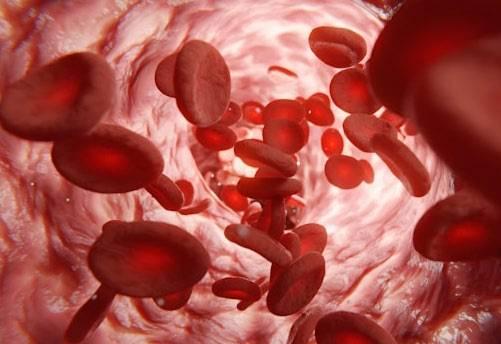
are the most abundant type of circulating white blood cell, essential for maintaining a functioning immune system; a depleted count increases susceptibility to infection. Possible consequences of this increased susceptibility include a higher risk of bacterial and fungal infections, opportunistic infections, rapid progression of infection, sepsis risk, mucosal barrier injury and fatigue and malaise.4
Since its inception, the neutropenic diet has evolved into restriction of foods deemed to be high risk, such as raw or undercooked meat, unpasteurised dairy and raw vegetables and fruit.3 Adherence to a neutropenic diet was believed to reduce the risk of exposure to foodborne pathogens and, therefore, reduce the infection risk.
IS THE NEUTROPENIC DIET EFFECTIVE?
There has been a lack of consensus about the exact composition of the
neutropenic diet, resulting in poor standardisation and huge variation. Dietary guidance ranges from strict protocols that allow only cooked vegetables, fish, meat, pasteurised milk and cheese and freeze-dried eggs, to more liberal protocols that exclude only raw fruit and vegetables.3
While recent studies have explored outcomes in broader blood cancer populations rather than MDS alone, the results remain relevant and transferable to MDS. Several systematic reviews have investigated the impact of the neutropenic diet on patients receiving treatment.4,5 Review findings do not indicate a significant reduction in the incidence of systemic or gastrointestinal infections in the neutropenic diet cohorts. On the contrary, data indicate that adherence to the neutropenic diet is associated with an elevated risk of nutrient deficiencies due to a reduced intake of fibre, vitamins A, D and C, magnesium and calcium.6
Coupled with reduced energy
intake, this may contribute to the development of malnutrition. The risk of malnutrition is already elevated due to complications, such as mucositis (sore mouth), poor appetite, weight loss, nausea and changes in taste, which occur as a result of treatment and disease progression.6 Furthermore, increased dietary restrictions may impose a psychological burden on the patient, potentially diminishing pleasure and enjoyment derived from food.
LATEST RECOMMENDATIONS
While it is recommended that MDS patients with neutropenia take precautionary measures to minimise the risk of infection, a balance must be struck. The Haematology Sub-Group of the BDA reiterates the importance of minimising the risk of foodborne infections and worsening malnutrition
when nutritional intake is severely compromised.7 The focus is now on safer eating with neutropenia rather than a restrictive diet. The BDA offers a detailed list of ‘foods you can eat’ and ‘foods to avoid’, while emphasising that decisions on dietary restrictions during neutropenia should be made at the discretion of the patient’s clinical team.
Some of the recommendations include ensuring all fruit, vegetables and salads are washed (including prepacked ready-washed salad) and avoiding damaged or bruised fruit and vegetables. However, there is no requirement to cook vegetables before eating. Partially or fully cooked eggs can be consumed; however, eggs that do not have the British Lion stamp should be avoided unless hard-boiled.7
On reading nutrition research with confidence Top tips
As a dietetic learner, it can feel confusing when appraising journal articles or research findings. Here are a few pointers to help you see the wood from the trees when it comes to nutrition and dietetic research – and to help you reach those higher grade boundaries in your assignments.
1. What is the study design? Understanding the differences between types of study can help you identify the strengths and limitations of research.1 Having a grasp on the terminology used can help you assess whether the right study design has been chosen to answer a particular research question and to identify the predictable vulnerabilities that exist in research. Study designs can be appraised using the Hierarchy of Evidence Pyramid Model.2
2. Look closely at the participants Who took part in the study? Consider sample size, location, participant
characteristics and attrition rate. Ask yourself whether the findings are relevant to the population or setting you’re interested in.
3. Check what was measured Consider what is being measured and whether the appropriate tools or adequately trained people were employed to collect the data. Every assessment tool has limitations, so it’s important to consider how data collection might affect the findings.
4. Explore the results with curiosity Are the results clearly presented, transparent, relevant in clinical practice and do they answer the research question? Investigate confidence intervals, if they are reported. Is any data missing and if so, was this acknowledged and appropriately handled by the authors?
5. Look for confounders
Factors such as age, socioeconomic status, health conditions or lifestyle behaviours can influence results.
CONCLUSION
The evidence does not indicate a clear benefit from following restrictive neutropenic diets; in reality, restrictions may do more harm than good. As such, the focus should shift towards patientcentred care, balanced nutrition and food safety. Optimising quality of life is a central component of patient-centred care. Cancer treatment often leads to changes in smell and taste and reduced appetite, which diminishes overall quality of life. Therefore, preserving a sense of pleasure and enjoyment is critical.
On a personal note, this was a rewarding project to be involved in. I was inspired by the charity’s commitment to improving patients’ quality of life and delivering an invaluable service that helps bridge the gap between the NHS and those it supports.

Ask yourself whether the researchers identified and accounted for these variables.
6. Compare the findings
Do the authors discuss their findings in relation to the broader evidence base? Is there a fair balance in the discussion around contradictory findings from the literature and consideration of the quality or limitations of the evidence base? Do the authors consolidate this information and make appropriate conclusions or recommendations for future investigations?
7. Check funding and affiliations
Funding and affiliations don’t automatically invalidate results, but it is important to check for and acknowledge any conflicts of interest as a potential source of bias.
A longer version of Lynsey’s advice is available on our Student Hub: www.nhdmag.co.uk/student-hub
Lynsey Richards RD
Live life with control




Scan to request samples


Improving metabolic stability in phenylketonuria
The potential of prolonged-release protein substitutes
Authored by Anne Daly, Fatma Ilgaz and Anita MacDonald from Birmingham Children’s Hospital
Phenylketonuria (PKU) is a rare inherited metabolic disorder caused by deficiency of the enzyme phenylalanine hydroxylase (PAH), resulting in elevated blood and brain phenylalanine (Phe) concentrations and reduced tyrosine (Tyr) levels.1,2 If untreated or poorly controlled, high Phe levels exert neurotoxic effects, leading to intellectual disability, impaired executive function and a range of neuropsychological disturbances.3-6
Early diagnosis through newborn screening and prompt dietary management have significantly improved clinical outcomes; however, maintaining optimal metabolic control across the lifespan remains a major challenge.7-11
CURRENT TREATMENT CHALLENGES
Dietary management based on strict Phe restriction combined with low-Phe protein substitutes remains the cornerstone
of treatment for most individuals with PKU.12 Conventional protein substitutes are typically composed of free amino acids, which are rapidly absorbed in the gastrointestinal tract.
While effective in preventing protein deficiency, their non-physiological absorption kinetics lead to rapid increases and subsequent declines in plasma amino acid concentrations. This may contribute to metabolic instability, including diurnal variation in blood Phe
The PR-AA reduced early morning blood Phe levels by approximately 18%
levels, with higher concentrations often observed in the early morning following overnight fasting.12-15
Maintaining long-term metabolic control is particularly difficult during adolescence and adulthood, when adherence to dietary treatment often declines. Large multicentre studies indicate that while most children achieve target Phe levels, metabolic control deteriorates significantly with age, with only around 40% of measurements remaining within target ranges in adulthood. Classical PKU face the greatest challenges in maintaining stable metabolic control.11
IMPORTANCE OF PHE STABILITY
Traditionally, PKU management has focused on maintaining mean blood Phe levels within recommended therapeutic ranges. However, growing evidence suggests that variability in Phe levels may independently influence neurocognitive and psychological outcomes.16,17
Increased Phe fluctuations have been associated with reduced IQ, poorer executive functioning and increased symptoms of anxiety and depression, particularly in children and adolescents.16,19-25 Studies suggest that Phe variability may be a stronger predictor of neurocognitive outcomes than mean Phe levels alone, particularly during critical developmental periods.17,26,27
The mechanisms underlying these effects are multifactorial. Fluctuations in blood Phe can lead to sustained elevations in brain Phe levels, as
cerebral Phe peaks are delayed and prolonged relative to blood concentrations.13 Additionally, elevated Phe competitively inhibits the transport of other large neutral amino acids (LNAAs), such as Tyr and tryptophan, across the blood-brain barrier. This may impair the synthesis of key neurotransmitters, including dopamine and serotonin, thereby contributing to cognitive and mood disturbances.28-33
LIMITATIONS OF CONVENTIONAL
PROTEIN SUBSTITUTES
A major contributor to Phe variability is the pharmacokinetic profile of conventional amino acid-based protein substitutes. Their rapid absorption leads to transient peaks in plasma amino acids, followed by rapid declines, which may exceed the body’s capacity for protein synthesis and increase nitrogen losses.34-36 In addition, prolonged fasting periods, particularly overnight, promote endogenous protein catabolism, further increasing circulating Phe levels. These effects are particularly pronounced in individuals with classical PKU.14,37,38 Uneven intake or poor adherence to protein substitutes can further exacerbate metabolic instability. Dietary strategies that provide more stable amino acid delivery are needed.
PROLONGED-RELEASE
PROTEIN SUBSTITUTES:
A NOVEL APPROACH
Prolonged-release protein substitutes have been developed to address these limitations. These formulations incorporate Phe-free amino acids into a fibre-based matrix, enabling gradual release and absorption in the gastrointestinal tract. This more closely mimics the physiological digestion of natural protein and provides a sustained supply of amino acids over time.
Compared with conventional free amino acid mixtures, prolongedrelease formulations may improve nitrogen retention, enhance Tyr availability and reduce fluctuations in amino acid concentrations. They also
For references visit www.nutrinovo.com/references-metabolic-stability-in-pku
have the potential to reduce early morning Phe elevations by mitigating the effects of overnight fasting, a period associated with increased catabolism and Phe accumulation.39-41
CLINICAL EVIDENCE
A randomised, controlled crossover study conducted in children and adolescents with classical PKU evaluated the effects of a prolongedrelease amino acid formulation (PRAA) administered as a single evening dose. Participants alternated between the PR-AA and a conventional free amino acid-based protein substitute (AA), with metabolic outcomes assessed during early morning fasting periods.42
The study demonstrated that the PR-AA reduced early morning blood Phe levels by approximately 18%, achieving mean concentrations within recommended target ranges. In contrast, conventional protein substitutes were associated with higher morning Phe levels, often exceeding therapeutic thresholds. Additionally, the PR- AA consistently increased blood Tyr levels and improved the Phe/Tyr ratio, a key marker of metabolic control.
The intervention was well tolerated, with high adherence rates reported. Subgroup analyses suggested that the benefits were particularly pronounced in younger children and in those with higher baseline Phe levels. These findings highlight the potential of prolongedrelease protein substitutes to improve metabolic stability during overnight fasting.
CLINICAL IMPLICATIONS AND FUTURE DIRECTIONS
Prolonged-release protein substitutes represent a promising adjunct to conventional dietary therapy. By providing a more physiological pattern of amino acid delivery, they may help reduce metabolic fluctuations without increasing dosing frequency. Their sensory properties may also improve patient adherence, particularly in adolescents and adults.

PKU – reaching for new treatments by understanding the lived experience
Phenylketonuria (PKU) is a rare inherited metabolic condition requiring lifelong dietary management to prevent neurotoxicity. However, despite advances in diagnosis and care, outcomes and lived experiences remain highly variable across the UK. Understanding these lived experiences is essential to contextualising current treatment limitations and to inform the development and equitable implementation of new therapies in PKU care.
Characterised by the inability to metabolise phenylalanine (Phe), PKU is a genetic condition with an autosomal recessive inheritance pattern that causes a deficiency of the enzyme phenylalanine hydroxylase (PAH).1
Accumulated Phe is neurotoxic, so diagnosis generally means lifelong dietary management to prevent severe, irreversible, neurological damage and profound intellectual disability.2 Diagnosis of PKU via newborn screening has been in place in the UK since 1969.3 UK incidence is one in 10,000; the National Society for Phenylketonuria (NSPKU) estimates around 6000 people in the UK live with PKU.
SUCCESS OR HEALTH INEQUALITY?
Early diagnosis through newborn screening and access to dietary treatment have transformed PKU into a clinically manageable condition. However, this medical success story hides considerable variation in the lived experience of PKU and outcomes. Management of PKU relies on sustained (lifelong) dietary practices in everyday life, including restricting and monitoring Phe intake and monitoring blood Phe levels.4
Patients usually access prescriptiononly specialised foods through primary care, even though their condition is
managed by specialist services. This means patients and families often need to navigate several parts of the healthcare system, including specialist teams, GPs, dispensing pharmacists and other healthcare professionals.5
PKU treatment creates practical, emotional, financial and time demands on individuals and families. Health literacy is important in shaping outcomes.6
A recently introduced pharmacological treatment, the PAH enzyme chaperone sapropterin dihydrochloride, may help reduce this burden for some patients. However, only around one-third of UK patients with PKU respond to sapropterin, and for most, it remains an adjunct to dietary treatment, with very few able to completely relax Phe restriction.7
PKU treatment is characterised by a disproportionate long-term burden of disease management placed on affected individuals and their families, despite the existence of potentially simpler and effective treatment options.
When a new treatment is under consideration for commissioning by the NHS, sharing a comprehensive understanding of the lived patient experience is vital.

Suzanne Ford RD

WHY DO PEOPLE WITH PKU WANT CHANGE?
A key source of frustration within the PKU community is the failure to recognise dietary treatment as a serious therapy that requires sufficient resourcing to succeed. The time resources currently needed are 19 hours a week for parents, carers and affected individuals.8 This time is spent reading food labels, cooking low-protein foods from scratch, weighing and counting foods, organising prescriptions and administering protein substitutes or other prescription items throughout the day. In the case of parental caregivers, this is usually maternal time.9 The strain of this complex dietary management throughout childhood jeopardises parental mental well-being; around 59% of carers experience clinical levels of depression.10
An example of a treatment challenge is the understanding of PKU prescriptions in primary care. Understanding PKU prescriptions is essential when patients try to access their treatment in the community, but is sadly lacking, causing unacceptable disruptions to treatment for patients of all ages and in all parts of the UK.5,11 Patients become hungry, unwell and anxious because community healthcare
personnel may not understand their prescription needs.
The success of dietary treatment is variable as it is so onerous to successfully implement.12-14 The range of experiences and outcomes shows us there are inequalities in the way health-related or treatment burden is distributed. Blood Phe and cognitive outcomes in the UK PKU community have been recently described in the press, and poor cognitive outcomes undermine the abilities of treatment administrators (the patients themselves).14
PATIENT VOICES ON TREATMENT ACCESS
Patient A: “(The dispensing delays we experience) are hugely frustrating, particularly as we are told so often that this is 'just a diet' and any qualityof-life issues are dismissed, and any treatments would have to really 'earn their keep' to be passed by NICE, etc. But we know prescription issues are endemic, we know quality of life varies so much for us, and still we are told to be grateful for what we have. That's all very well, but what we have is not reliable, and arguably is not effective at fully treating the condition.”
Patient B: “Making us beg a doctor to allow our children to be able to eat some bread, pasta, or drink some milk and then having to obtain that through a chain of people all of whom have no interest, nor any reason to have an interest, whatsoever in getting us that item, is perverse. I cannot think of another time or situation where one group of people is subject to this routine humiliation.”
PROMISING FUTURE TREATMENTS
Sepiapterin (also known as Sephience) acts as an enzyme chaperone molecule like sapropterin. It is more powerful than sapropterin as it has dual pharmacological activity. It improves the enzyme’s conformational stability and increases intracellular concentrations of sapropterin,15 the original enzyme potentiating chaperone (used by some PKU patients who are classed as sapropterin responders). It received a European licence in 2025, with availability and clinical update still evolving.

SLC6A19 inhibitors. SLC6A19 is a transporter molecule in the kidneys and intestines, which plays a key role in Phe absorption and reabsorption. Investigational therapies targeting this transporter are currently in development, including JNT-517 (repinatrabit) from Otsuka Pharmaceutical and MZE782 from Maze Therapeutics. These agents inhibit SLC6A19-mediated Phe transport, increasing urinary excretion of Phe and thereby reducing blood Phe concentrations. This mechanism offers a potentially genotype-independent treatment approach for people with PKU.17,18 What we know so far:
• SLC6A19 inhibitors work across all types of PKU, independent of genotype.
• Phase 3 trials for JNT-517 are underway globally, with the UK expected to take part.
• UK clinics and researchers are in discussions with Maze Therapeutics about Phase 2 trials. Home blood monitoring is in the pipeline. This would mean reliable home testing, with the potential to transform daily management of PKU by providing immediate feedback and reassurance.19 It has the potential to enhance understanding of the link between dietary Phe ingestion and blood Phe levels.
LIVING WITH PKU
Aspects of the lived experience of PKU in the UK (including dietary PKU treatment) are outlined in peer-reviewed research and include the following examples:
• Around 15% of adults with PKU are unable to independently administer the dietary treatment effectively, as it is so complex, difficult and restrictive.20
• Reproductive experiences outlined by women with PKU showed that 40% of respondents believed they permanently damage their offspring (due to an inability to follow the intensified maternal PKU treatment regimen).21
• Studies about the difficulties with treatment and healthcare include issues with primary care (eg dispensing pharmacists) repeatedly obstructing access to dietary treatment.5,11
• Patients inadvertently ingest dangerous levels of Phe due to inadequate labelling of supermarket food for protein as well as poor labelling of medicines containing aspartame.22-23
• Pursuing ‘normal’ family life is difficult. Support after diagnosis, inadequate support for children in school and the reduced ability to eat food outside the home are documented as times when adverse experiences can arise, undermining treatment efficacy.24–26
• Weekly or monthly PKU monitoring is an unwieldy process, requiring high-cost postage to send dried blood spot samples to a specialist laboratory, with results typically taking days to come back.27
CONCLUSION
There is still work to be done to better characterise inequities in lived experience within the UK PKU community. The wideranging outcomes observed among people living with PKU reflect the complexity of its management. Key considerations when evaluating new treatments in the UK include the burden on patients and families, as well as the efficacy and practicality of treatment delivery.
sphere




PKU sphere - Backed by Science
Vitaflo are pioneering longitudinal research to enhance the lives of individuals with PKU.1-4
PKU sphere delivers clinically proven long-term benefits from 5-16 years of age1,2:

Improved taste Metabolic control Protein nourishment‡ Adherence
‡ PKU sphere meets or exceeds the WHO minimum requirements for essential amino acids5
References:
PKU sphere powder available in Vanilla, Chocolate, Red Berry, Banana and Lemon.
PKU sphere liquid available in Vanilla, Chocolate and Banana.
1. Daly A, Evans S, Chahal S, et al. Glycomacropeptide: long-term use and impact on blood phenylalanine, growth and nutritional status in children with PKU. Orphanet J of Rare Dis 2019;14(1):44. 2. Daly A, Hogler W, Crabtree N, et al. Growth and body composition in PKU children – A three-year prospective study comparing the effects of L-amino acid to glycomacropeptide protein substitutes. Nutrients 2021;13:1323. 3. Daly A, Evans S, Pinto A, et al. The impact of the use of glycomacropeptide on satiety and dietary intake in phenylketonuria. Nutrients 2020;12(9):2704. 4. Daly A, Hogler W, Crabtree N, et al. A three-year longitudinal study comparing bone mass, density, and geometry measured by DXA, pQCT, and bone turnover markers in children with PKU taking L-amino acid or glyomacropeptide protein substitutes. Nutrients 2021;13(6):2075. 5. Protein and amino acid requirements in human nutrition: report of a joint FAO/WHO/UNU expert consultation. World Health Organization. Available at https://iris.who.int/ handle/10665/43411. [Accessed June 2026].
PKU sphere is a Food for Special Medical Purposes to be used under medical supervision. For healthcare professional use only. Date of preparation: June 2026
Vitaflo sphere. PKU without compromise Taste | Nutrition | Convenience

Nutritional Profile

A unique paediatric formula containing 12 g/L of PHGG fibre formulated for children with compromised/impaired GI function**

*PHGG : Partially hydrolysed Guar Gum
54% of the fat as MCTs
3.6g protein (12%kcal) per 100mL
Osmolality: 473 mOsm/Kg
**Information is correct at the time of publication. MIMS June 2026 ®Reg. Trademark of
5.6g PUFA (DHA and EPA) per 500mL
Osmolarity: 383 mOsm/l
A 1.2 kcal/ml nutritionally complete paediatric enteral feed with 12g/L of PHGG* fibre and 100% whey peptide.
Scan to read study:
Tolerability and Safety of a Semi-elemental Enteral Formula with Partially Hydrolysed Guar Gum (PHGG) in Tube-fed Children
Aged 1-4 Years
Gerard Minor, Timothy Sentongo, Ralf G. Heine, Boutaina Zemrani


Myth busting with Madi
Madi Myers explores some of the claims, myths and current evidence around fads and fashionable crazes
The sizzling truth behind plant-based meals
Earlier this year, the EU voted to restrict the use of certain ‘meaty’ names for plant-based foods, with notable exceptions for some products like burgers and sausages. While not all the regulations will be adopted in the UK, the move reflects a broader cultural and scientific debate about plant-based meat alternatives (PBMAs): what they are, how they should be positioned and whether they meaningfully support health and sustainability goals.
At the same time, we are navigating a climate emergency in which a dietary shift from high-impact animal products is widely recognised as part of the solution. Against this backdrop, PBMAs are often framed either as essential transition foods or as ultra-processed impostors best avoided. As usual, the truth is more nuanced.
WHAT ARE PBMAs?
This is a broad category encompassing all typically higher-protein foods that could be used as substitutes for meat in meals. These include traditional ingredients like tempeh and tofu. Processed versions – sometimes dismissively labelled ‘fake meats’ – are products made entirely from plant-derived ingredients, which are designed to mimic the taste, texture or culinary usage of meat. They are typically used as substitutes in familiar meal components such as burgers, sausages, mince and nuggets. A wide range of base ingredients are used, most commonly higher-protein plant sources such as soya, peas, wheat (gluten), mycoprotein and, increasingly, mushrooms and legumes. These ingredients may be combined with oils, fibres, flavourings and binders to achieve meat-like sensory properties. Importantly, this category encompasses a very broad spectrum of products with markedly different nutritional profiles and levels of processing.
ARE PBMAs MORE SUSTAINABLE?
From an environmental perspective, PBMAs generally perform better than the most resource-intensive animal products, particularly beef and lamb, which are associated with high greenhouse gas emissions and land use. However, not all PBMAs are environmentally equivalent. The more processed side of PBMAs often requires greater energy and resource inputs, due to protein isolation, extrusion and transport, than minimally processed PBMAs such as beans and lentils.1
As such, processed PBMAs may sit somewhere between whole plant foods and animal products in sustainability terms. This reinforces the importance of context: PBMAs may represent a meaningful reduction in environmental impact when replacing red or processed meat, but some are a more resource-efficient way to consume plant protein than others.
ARE PBMAs HEALTHY?
The answer depends on which ones are considered, what they are compared with and what outcomes are prioritised. One recent analysis grouped PBMAs into three categories: traditional alternatives (eg tofu, tempeh), new generation products (eg Quorn) and minimally processed plant foods (eg beans and lentils). Across 104 products, plant-based options were, on average, lower in energy and saturated fat and higher in fibre than their meat equivalents.1
Madi Myers ANutr
Table 1 compares a widely available meat sausage product and three plantbased versions. All three plant-based sausages provide meaningful fibre –meeting criteria to be labelled a source of fibre – while the pork sausage contains only trace amounts. Given that UK fibre intakes are below recommendations, PBMAs may offer a practical way to improve fibre consumption, particularly for individuals who are new to transitioning away from meat.
Salt content remains a legitimate concern. While the examples in Table 1 have similar salt levels to pork sausages, other processed PBMAs can contain substantially more salt. In addition, not all products are fortified with nutrients commonly supplied by meat, such as iron and vitamin B12, particularly in lowercost ranges.
Protein content is often slightly lower than in meat equivalents but given that average protein intakes in the UK are generally adequate, a direct swap is unlikely to compromise intake for most adults. For specific groups with higher protein requirements, product choice and overall dietary patterns remain important.
ARE PBMAs ULTRA PROCESSED?
PBMAs are frequently criticised as being ultra-processed foods (UPFs), but this framing can obscure important distinctions. Processing exists on a spectrum and PBMAs vary widely in formulation. Some products rely heavily on isolates, flavourings and additives, while others use relatively simple ingredients lists. Notably,
many conventional meat products –particularly processed meats – would also fall under UPF classifications due to their content of preservatives and emulsifiers. Even foods often perceived as whole or minimally processed, such as tinned beans, can be classified as UPFs under systems like NOVA due to added stabilisers. While there is growing debate about the health implications of UPFs, nutritional composition still matters. A blanket dismissal of PBMAs based on processing alone risks overlooking products that are lower in saturated fat, higher in fibre and aligned with dietary guidelines.
ARE PBMAs CHEAPER?
At present, most processed PBMAs are not cheaper than their meat equivalents when compared gram for gram. In fact, some new generation products are significantly more expensive. As Table 1 demonstrates, even more budget ranges of plant-based sausages can cost nearly double their pork counterparts per 100g. That said, price comparisons rarely account for other costs related to environmental damage or animal welfare. In contrast, less meat-like alternatives, such as tofu, tempeh, seitan and pulses, remain substantially cheaper than meat and may offer better value nutritionally and economically.
WHAT ARE THE NEW TRENDS IN PBMAs?
Following rapid growth in the early 2020s, the PBMA market in the UK appears to be stabilising rather than
collapsing. However, interest in highprotein foods and increased scrutiny of UPFs has led to a reduction in plant-based options in some eating-out contexts. At the same time, initiatives such as Veganuary 2026 – which saw a record 30 million participants worldwide – suggest continued consumer interest. According to The Vegan Society, demand is shifting toward minimally processed, whole food-based options such as tofu, tempeh, mushrooms and legumes.2
CONCLUSION
Grouping all PBMAs into a single category is both scientifically inaccurate and nutritionally unhelpful. These products vary widely in composition, processing and health potential. While they are unlikely to outperform wholeplant foods nutritionally, they can serve as a useful transitional tool for individuals reducing meat intake – particularly red and processed meat. With careful product selection, PBMAs can contribute protein and fibre and can lower saturated fat intakes without compromising adequacy. Rather than framing them as either heroes or villains, a more balanced approach recognises their role as one option within a diverse, sustainable dietary pattern. As with meat products themselves, there is clear scope for continued reformulation and improvement on both sides.
Table 1: Comparison of meat and plant-based meat alternatives. Prices correct at time of writing.
pork sausages
McCartney vegetarian sausages
Renal disease stage 5
Dialysis management and nutritional support
Chronic kidney disease (CKD) is a progressive condition that can significantly affect quality of life and, in its most advanced stage, become life-threatening. For patients reaching stage 5 CKD, also known as end-stage kidney disease, treatment decisions become critical and often involve complex considerations around dialysis, transplantation or conservative management.
An estimated 3.2 million people in the UK are living with stage 3–5 CKD.1 Stage 5 CKD is defined as kidney function declining to 15% or less, at which point renal replacement therapy (RRT) is usually required to sustain life.1 Treatment options include haemodialysis, peritoneal dialysis or kidney transplantation.1–3
CKD can arise from a range of causes including diabetes, hypertension, obesity, glomerulonephritis, adult polycystic kidney disease, reflux uropathy, congenital kidney disease, certain cancers and drug-induced kidney damage.4–6 As kidney function deteriorates, patients may progress to requiring long-term renal support. While transplantation offers the best long-term survival rates and quality of life outcomes, access remains limited. Around 6900 people in the UK are currently waiting for a kidney transplant, with an average wait time of approximately 2.5 years.1 Despite this demand, only a small proportion of patients with CKD ultimately receive a transplant.3,7,8
Survival outcomes vary depending on the chosen treatment pathway. Dialysis can prolong life, but outcomes are influenced by age, comorbidities and treatment adherence. Older patients and those with multiple health conditions
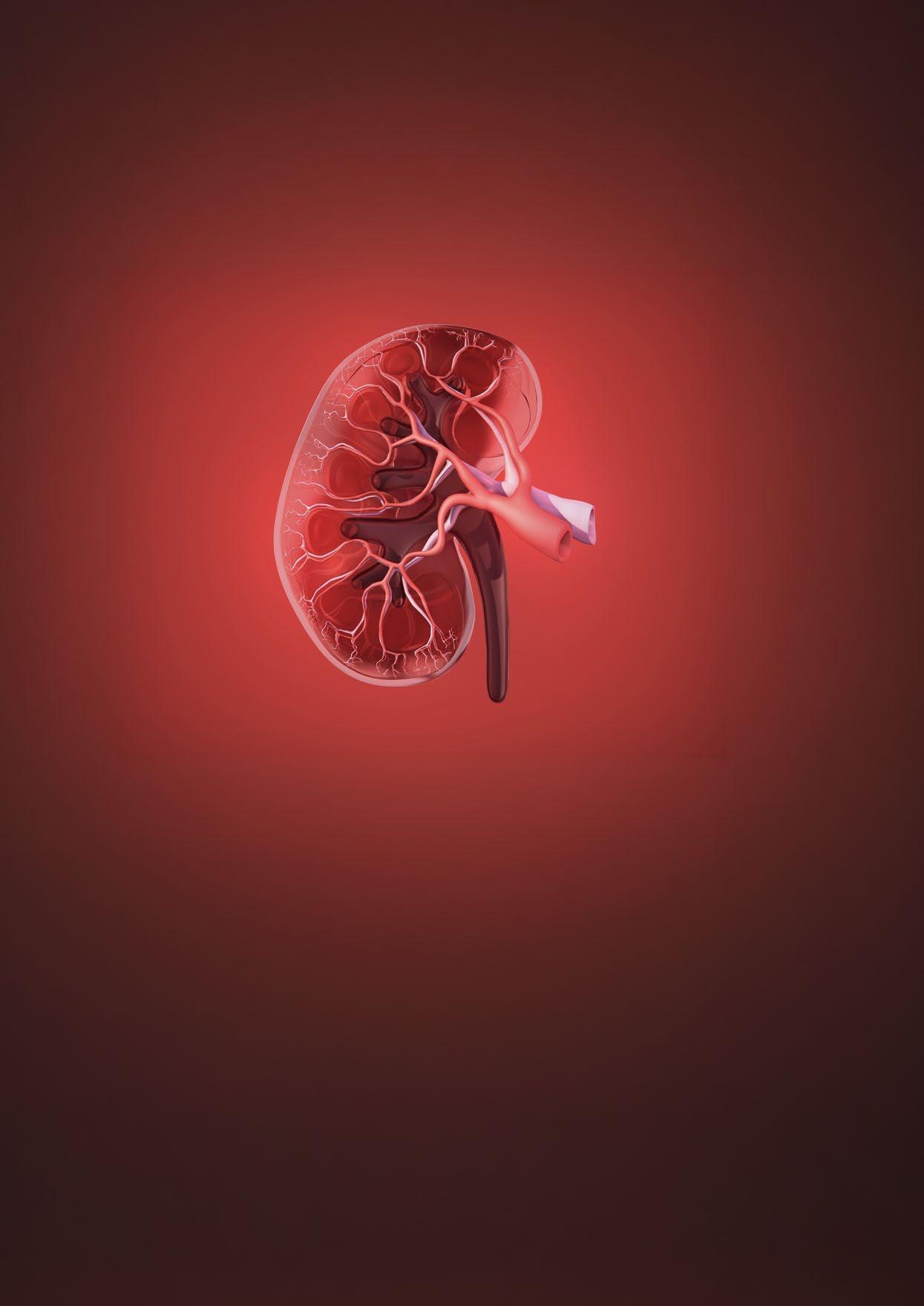
generally have lower long-term survival rates.5,7 For some, the physical and emotional burden of dialysis leads to a decision to pursue conservative management, focusing on symptom control, lifestyle measures, medication optimisation and end-of-life care at home.8
Cardiovascular complications remain the leading cause of death among patients with end-stage kidney disease receiving RRT.9 However, evidence suggests that good dialysis adequacy, adherence to dietary and fluid restrictions, medication compliance and regular physical activity can significantly improve both longevity and quality of life.4,9-12
WHAT IS CKD 5?
CKD is usually diagnosed via routine blood tests that pick up a drop in estimated glomerular filtration rate (eGFR) and raised urea and creatinine

Katy Stuart RD
levels.2,10 People with CKD are often completely unaware they have the condition, as the early stages can be symptomless.10 In the later stages (CKD 4–5) common symptoms include:9
• Reduction in urine output and oedema
• Weight loss (or gains due to oedema)
• Anaemia
• Nausea and vomiting
• Poor nutritional intake
• Fatigue
• Itching
• Confusion
• Joint pain CKD is managed initially with good blood pressure control, cholesterol and lipid management, diuretics and medications such as sodium bicarbonate to treat acidosis, alfacalcidol to replace active vitamin D and erythropoietin to treat anaemia.2,13
WHAT IS DIALYSIS?
Dialysis involves artificially cleaning the blood to remove toxic metabolites and excess fluid, thereby maintaining homeostasis and reducing CKD symptoms.9 There are two main types of dialysis treatment: haemodialysis (HD) and peritoneal dialysis (PD).
Haemodialysis (HD)
HD is carried out via an arteriovenous fistula (AVF) which is surgically formed, usually in the arm, or a permanent vascular catheter (perm-cath) placed in the subclavian vein.9 The patient is then attached to the dialysis machine and their blood is filtered over four hours, three days a week. This can be for a shorter or longer period, depending on dialysis adequacy.2 All HD patients will have a dialysis prescription that quantifies how much dialysis time is needed, the type of dialysate used, the dialyser size, blood thinning medication and access descriptions, ie needle size required for

















Peach Apple Cola
Wild Berry
Pineapple & Coconut
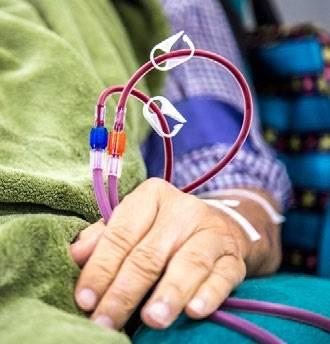
the AVF. Around 75% of the population with CKD 5 have in-centre HD.3
Along with the dialysis treatment, kidney patients usually follow dietary restrictions to control serum potassium and phosphate levels and oral fluid restriction to avoid fluid overload.13 Protein energy wasting (PEW) disease can occur in RRT patients, as poor appetite and low intake are common. Combined with chronic inflammation, which occurs with dialysis, this leads to PEW, weight loss, muscle mass loss, fragility and higher risk of early death.13,14
The efficiency of dialysis is important for RRT patients for better health and quality of life.15,16 Hemodiafiltration mode is commonly used, which improves the efficiency of dialysis by combining diffusion and convection allowing greater clearance of urea and larger molecules.11,15–18 To achieve well-balanced dialysis, the blood flow rate and dialysis fluid flow rate should be a ratio of 1:2.15 Underdialysis can lead to increased symptoms of nausea, vomiting, poor oral intake and fluid overload.15
Other risks of HD include:9
• Bleeding
• Infection
• Sepsis
• Venous air embolism
• Hypotension
• Cramps
• Headaches
However, many of these risks are rare as modern dialysis machines have safety features and use purified water. Adherence to treatment protocols and extensive training of dialysis unit staff to handle emergencies also help reduce the risks.9
Peritoneal dialysis (PD)
Fewer CKD 5 patients are supported
by PD than HD, with around 17% of patients on this therapy.3 PD involves having a catheter inserted into the peritoneal cavity to allow dialysate fluid to be placed inside; the peritoneum acts as the dialyser.19 The patient either performs several manual fluid exchanges a day or they can be attached to an automated peritoneal dialysis machine that undergoes the fluid exchanges overnight.20
PD allows patients more freedom and sometimes the diet and fluid restrictions can be relaxed due to the regularity of PD compared with HD. It is also a good treatment for those who want to be more independent and lead busy lives with work and travel, for example. The downside of PD, however, is the increased risk of infection of the peritoneum (peritonitis), which can be very serious, requiring a hospital stay for IV antibiotics. Repeated infections lead to damage of the peritoneum and, in the worst cases, can cause encapsulating peritonitis, which is characterised by a thickened and scarred peritoneum encasing the small intestine, leading to gut failure.21 This is also associated with malnutrition and has a high mortality rate.21 The infection risk is reduced when patients adhere to a strict hygiene regimen when carrying out their PD.
PD fluids contain differing amounts of glucose, which helps pull the fluid and electrolytes through the peritoneum. The higher the glucose content, the more fluid and electrolytes can be dialysed.22 However, the side effects are damage to the peritoneum and, over time, PD becoming less effective and patients needing to switch to HD or home HD (HHD).21 Glucose has a protein-sparing effect, but the high glucose fluids needed for better ultrafiltration can lead to appetite suppression, metabolic abnormalities, hyperglycaemia and weight gain.
There are a few different concentrations of PD fluids and PD patients have their own unique dialysis prescription, specifying which concentrations of fluid they use to achieve dialysis efficiency.22 Some studies have shown that dialysate fluids with amino acids can provide a benefit to PD patients who are malnourished.22
Home
haemodialysis
(HHD)
A very small percentage (0.6%) of
people with CKD 5 are on HHD. This involves dialysing at home via an AVF (occasionally via a perm-cath line), using a smaller portable version of a unit dialysis machine, such as an NxStage device.23,24 HHD patients are taught to insert the needles into their AVF, how to set up the machine and connect to it and perform the dialysis. Again, strict hygiene is required to prevent infections and it is also advised that patients have a ‘carer’, such as a partner or family member, nearby in case of an emergency.
There are several advantages of HHD, including greater independence, having treatment in a comfortable, familiar environment, no travel time to NHS HD units and being able to have holidays due to the machine’s portability. Regular, short HHD sessions can help manage potassium, phosphate and fluid control, which means restrictions can be relaxed and patients can achieve a better quality of life.22,23
NUTRITIONAL REQUIREMENTS IN
DIALYSIS
Energy and protein requirements for dialysis patients are 30–35 calories per kg ideal body weight and 1.1–1.4g protein per kg ideal body weight.25,26,28 Minerals (sodium, calcium, potassium and phosphate) are monitored monthly, with dietetic advice given based on levels. Sodium restriction is usually 1.8–2.3g per day, potassium 2–3g per day and phosphate 0.8–1g per day.26,27 Fluid allowances are set by the amount of residual urine output in 24 hours plus 500mL.26,27
All dialysis patients on all the different modalities should have access to a specialist kidney dietitian with appropriate experience and training to provide kidney diet advice.26,29 Working as part of a multidisciplinary team along with nephrologists, renal nurses and renal pharmacists, the kidney dietitian can provide holistic and high-quality nutritional care.29 The regularity of nutrition reviews depends on the stability of the dialysis patient in terms of biochemistry and anthropometry; usually monthly reviews for new starters, then every three months to six months for very stable patients.26,29 A renal multivitamin preparation is also recommended due to loss of water-soluble vitamins on dialysis, the restricted diet, altered metabolism and poor absorption of micronutrients
such as folate and riboflavin.29–31
If undernutrition, flesh weight and muscle mass loss are present, patients should be offered nutritional supplements to increase their intake and reduce the risk of PEW.29 Several parameters are used to identify undernutrition in dialysis:29,32,33
• Low serum pre-urea
• Low potassium and phosphate
• Low serum albumin (which is also a mortality indicator)
• Reduced lean body mass (mid-arm circumference and tricep skin fold thickness)
• Reduced BMI
• Reduced hand grip
• The sit-to-stand (STS) test identifying lower body strength, endurance and balance
EXERCISE
There is evidence that regular exercise in the dialysis population, such as progressive resistance training and aerobic exercise, improves physical functioning, reduces cardiovascular disease risk, prevents falls by improving balance and coordination and improves quality of life.29,34–37 However, access to appropriately trained professionals to

provide structured advice for patients on dialysis is lacking and renal clinicians who recommend regular exercise are restricted by the variations and limited guidance on type, timing and duration of exercise in CKD 5.34,38–40
The Renal Association Clinical Practice Guidelines recommend 150 minutes of moderate-intensity activity a week (or 75 minutes of vigorous activity or a mixture of the two) as per the UK Chief Medical Officer's advice.38,41 However, it is not clear if these recommendations are practical for some dialysis patients who struggle with chronic anaemia, fatigue, headaches and aching joints after and in between dialysis sessions.
In-centre intradialytic exercise programmes have been researched, such as the PrEscription of intraDialytic exercise to improve quAlity of Life (PEDAL) study, which involved cycling on dialysis.42 Unfortunately, the study found that the programme was not clinically beneficial and did not improve quality of life for the patients, who were mostly deconditioned, and some had comorbidities that reduced their ability to exercise.42
CONCLUSION
CKD 5 often progresses to endstage kidney failure, requiring dialysis or transplant. Modern dialysis is safer than in the past but regular biochemical, physiological and clinical monitoring remains essential to ensure safety, reduce complications and improve patient experience.9 While PD can offer greater freedom and fewer dietary restrictions, patients remain vulnerable to infection and protein losses, requiring close nutritional monitoring.20 Kidney dietitians are integral to the renal multidisciplinary team, providing nutrition assessment and dietary counselling to improve health outcomes, support transplant readiness and enhance quality of life.30
The last word
Rethinking activity guidelines for South Asian populations
Standard measures used to assess obesity and guide physical activity may not accurately reflect health risks in South Asian populations. Differences in body composition, fat distribution and metabolic responses mean that conventional BMI thresholds and general activity guidelines may underestimate cardiometabolic risk, highlighting the need for more tailored prevention strategies.
Obesity in South Asians cannot be assessed using BMI alone, as this population tends to store more abdominal fat even at lower body weights. Individuals may face a higher risk of conditions such as T2D despite having a BMI within the normal range. Other contributing factors include genetics, earlylife nutrition, socioeconomic conditions and cultural dietary patterns.1
Several organisations, including the American Diabetes Association (ADA) and NICE, have adopted lower BMI cut-offs to define unhealthy weight in South Asian populations.2
THE PHYSICAL ACTIVITY GAP

In addition to BMI, physical activity is a key factor in reducing health risks. In the UK, South Asians are less likely to meet physical activity guidelines, particularly for moderate-tovigorous exercise. Occupational, cultural and socioeconomic factors may contribute to this pattern, which is thought to play a role in the higher prevalence of cardiometabolic diseases in this population.3
Physical inactivity further elevates cardiovascular risk by reducing cardiorespiratory fitness and impairing metabolic health. In individuals with T2D, engaging in physical activity has been shown to improve key cardiovascular risk markers,4 including lowering HbA1c, systolic blood pressure, triglyceride levels and waist circumference.
Current global physical activity guidelines typically advise at least 150 minutes per week of moderate-intensity activity or 75 minutes per week of vigorous-intensity activity. However, the evidence supporting these recommendations is largely based on populations of White European descent – a key limitation.
DO SOUTH ASIANS NEED DIFFERENT ACTIVITY TARGETS?
The risk of conditions such as T2D and cardiovascular disease differs between ethnic groups, with populations such as South Asians developing metabolic disease at lower levels of adiposity and potentially showing different responses to physical activity.5

Evidence suggests that the dose-response relationship between physical activity and health outcomes may differ across ethnic groups; current recommended activity levels may not be equally appropriate for all populations. Research indicates that South Asians may exhibit a ‘low fitness’ phenotype, which contributes to an increased cardiometabolic risk. As a result, they may derive particular benefit from engaging in higher levels of physical activity.6
WHAT THE RESEARCH SHOWS
A cross-sectional study examined whether current physical activity guidelines are appropriate for South Asian adults or if ethnicity-specific recommendations are needed.7 Researchers compared South Asian and White European adults in the UK, using accelerometers to measure physical activity and determine how much was needed to achieve comparable cardiometabolic health.
South Asian adults needed significantly more physical activity than White Europeans to reach equivalent cardiometabolic risk levels. While the standard recommendation of around 150 minutes per week of moderate activity was sufficient for White Europeans, South Asians required approximately 230 minutes per week. This equates to roughly an additional 10–15 minutes of moderate activity per day.
Importantly, these findings were consistent for men and women, suggesting that the increased activity requirement applies broadly within South Asian populations. The study also showed that total accumulated physical activity, regardless of whether it was performed in continuous bouts of at least 10 minutes, was associated with health benefits. This challenges older guideline structures that emphasised sustained exercise sessions.
MOVING TOWARDS MORE PERSONALISED RECOMMENDATIONS
Overall, the evidence suggests that relying on conventional metrics may underestimate health risks and reduce the effectiveness of public health strategies. Incorporating measures such as body fat distribution, lower BMI thresholds and more personalised or, in some cases, higher physical activity targets, could provide a more accurate and meaningful approach. Greater representation of ethnically diverse populations in research will help develop more effective strategies to improve health outcomes.
Fareeha Jay RD


PIP Code: 4386454

PIP Code: 4386462
Designed for the dietary management of Cow’s Milk Protein Allergy (CMPA), with a clinically proven blend of two Human Milk Oligosaccharides (2’FL and LNnT)*1-5
Proven to support:

Fast and effective symptom management1-3,6,7
Healthy growth and development1-3,6,7

Reductions in infection rates and medication use2,4 as well as promoting a positive gut microbiota3
Scan here to
Listed on dm+d from 1st May 2026
Electronic prescribing systems (EMIS Web, SystmOne and Vision) are expected to update from June 2026 onwards.
Berger B, et al. mBio. 2020;11(2):e0319619. 6. Nowak-Węgrzyn A, et al. Clin Pediatr (Phila). 2015;54(3):264–272. 7. Niggemann B, et al. Pediatr Allergy Immunol. 2008;19(4):348–354. IMPORTANT NOTICE: We believe that breastfeeding is the ideal nutritional start for babies as breast milk provides a balanced diet and protection against illness for a baby. We fully support the World Health Organisation’s recommendation of exclusive breastfeeding for the first six months of life followed by the introduction of adequate nutritious complementary foods along with sustained breastfeeding up to two years of age. We also recognise that breastfeeding may not be an option due to certain medical conditions. Parents should only feed Infant formula for special medical purposes under supervision of