Network Health Dietitians
The magazine for dietitians, nutritionists and healthcare professionals

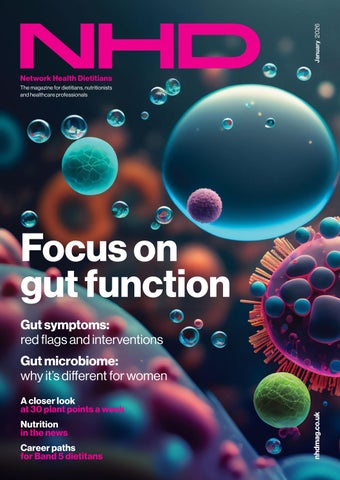
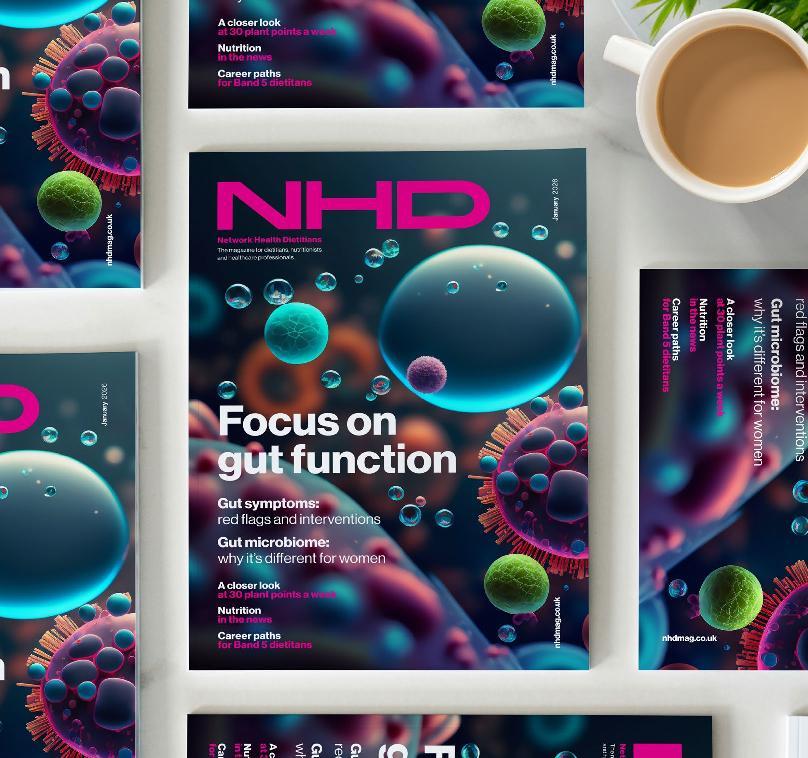
Network Health Dietitians
The magazine for dietitians, nutritionists and healthcare professionals
Gut symptoms: red flags and interventions
Gut microbiome: why it’s different for women
A closer look at 30 plant points a week
Nutrition in the news
Career paths for Band 5 dietitans




This information is intended for Healthcare Professionals only. Fortisip PlantBased 2kcal is a Food for Special Medical Purposes for the dietary management of disease related malnutrition and must be used under medical supervision. Compliance data: Delsoglio, et al. Clin Nutr ESPEN Abstract 2024;63:1313. 1. MIMS Data 2025. Accurate at time of publication: August 2025.


CONTENTS JANUARY 2026


8 Latest industry & product updates
10 A closer look at 30 plant points a week
12 Cover story: gut function
15 The gut microbiome FOOD FOR THOUGHT
17 The price of perfect may be a public health crisis

PAEDIATRICS
24 Oral nutritional supplements
27 Blended diet enteral feeding
IMD WATCH
31 PKU: teaching children about their health journey
SKILLS & DEVELOPMENT
34 The role of AI and VR
36 Career paths for Band 5 dietitians
THE LAST WORD
38 Gestational diabetes in South Asian women
19 Favism and G6PD deficiency
REFERENCES
All references can be accessed here: www.NHDmag.co.uk/article-references.html
Copyright 2026. All rights reserved. NH Pubishing Ltd. Errors and omissions are not the responsibilty of the pubishers or the editorial staff. Opinions expressed are not necessarly those of the publisher or the editorial staff. Unless specifically stated, goods and/or services are not formally endorsed by NH Publishing Ltd which does not guarantee or endorse or accept any liabilty for any goods, services and/or job roles featured in this publication. Contributions and letters are welcome. Please email only to info@networkhealthgroup.co.uk and include daytime contact phone number for verification purposes. Unless previously agreed all unsolicited contributions will not receive payment if published. All paid and unpaid submissions may be edited for space, taste and style reasons.
Editor Emma Coates RD
Publishing Director Julieanne Murray
Publishing Editor Iona Tulloch
Subeditor Lisa Pritchard
Copy Assistant Sue Vane
Website Content Coordinator Erin Dearlove
Marketing Assistant Ava Blackwood
Design Douglas
Advertising Manager Richard Mair
Tel 01342 824073
richard@networkhealthgroup.co.uk
Phone 01342 824073
Email info@networkhealthgroup.co.uk www.NHDmag.co.uk
Address
Suite 1, Freshfield Hall, The Square, Lewes Road, Forest Row, East Sussex RH18 5ES
@networkhealthdietitians
@nhd _dietetics
@NHDmagazine
ISSN 2398-8754
Welcome to the first NHD Magazine issue of 2026 – and the relaunch of our magazine
We’re thrilled to present a fresh look, now in A4 format, with vibrant new colours, modern layout and easierto-read design – all crafted to make your reading experience even more enjoyable. While the look has evolved, the heart of the magazine remains consistent: high-quality, evidencebased content from expert contributors across the profession. You’ll find trusted insights, practical advice and thoughtprovoking features, now presented in a bold, contemporary format. We hope you enjoy exploring the new design as much as we’ve enjoyed creating it for you.
The start of a new year often brings the promise of new goals and trends, or the opportunity to develop and evolve existing issues and priorities. The world of nutrition and dietetics is no exception.
Last year saw a huge rise in the use of injectable weight loss medications, leading to changes in the eating and food shopping habits of those who are using them. This is expected to continue, which brings its own considerations regarding dietary advice and recommendations for the year ahead and beyond. We should also anticipate potential innovations and options from the food and drink industry that align with the expectations of this emerging group.

Functional foods have gathered momentum over recent years and have gradually taken up further space in the food and drink sector. This has led to increased innovations that incorporate nutrients or ingredients into products with a specific purpose. Gamma-aminobutyric acid (GABA) is an amino acid and neurotransmitter that has a calming effect on the body. Many consumers today rate sleep as a key health goal and GABA is of particular interest for producing sleep-inducing
food phenomenon tipped to be the next big thing in gut health. These substances are the waste products following the digestion of prebiotics and probiotics, which can have a beneficial effect on gut health and could be useful in the treatment of various health conditions. Seen as the ‘next wave’ after probiotics, they could become a common feature in shelf-stable products, such as bars, baked snacks and drinks.
Gut health has been a hot topic for some time, with growing numbers
flags regarding gut symptoms, considers factors that could play a critical role and discusses practical strategies for management. Hazel’s second article looks at the gut microbiome and why it may be a different landscape for women compared with men. She also considers how life stages, such as puberty and menopause, can affect the microbiome. We would love to hear what you think about our articles in this issue – and what you feel about our new-look magazine. Thank you for joining us and wishing you all the best for the year ahead.

Emma Coates RD & NHD Editor 5 Up Front
Emma has been a Registered Dietitian for 18 years, with experience in adult and paediatric dietetics.



Karen Voas-Wootton RD 8 Nutrition in the News
Karen is a Community Prescribing Support Dietitian and Team Lead at Betsi Cadwaladr. She has a keen interest in appropriate prescribing and nutritional support.
coatesyRD

Priya Tew RD 17 Food for Thought
Priya is a Specialist Eating Disorders and IBS Dietitian. She runs Dietitian UK, works with the media and is the author The DASH Diet and The Complete Low FODMAP Diet Plan.
priya_tew priyatew priyatew dietitianuk.co.uk

Suzanne Ford RD 31 IMD Watch
Suzanne is a Metabolic Dietitian at Bristol NHS Group and a Society Dietitian for the National Society for Phenylketonuria.
suzanne-ford

Natalie Collings ANutr 19 Clinical
Natalie is a freelance nutritionist specialising in public health. Her work focuses on the connection between food, mental well-being and sustainable daily productivity.

Salma Khattak ANutr 34 Skills and Development
Salma is a Clinical Nutritionist and a freelance writer for nutrition and dietetics. Her main area of interest is the management of emotional eating and weight for women.
salma.the.nutritionist
Myers ANutr 10 Myth Busting
Madi is a freelance nutritionist working with individuals, hosting workshops and writing. She works across the food industry and the private sector, promoting the nondiet approach to nutrition.
non_diet_nutrition nondietnutrition nondietnutrition.co.uk

24 Paediatric
Hazel is a Paediatric Dietitian and has her own private practice, Kids Nutrition, which provides evidencebased nutrition advice for infants and children.
Hazel Clarke RD 12 & 15 Gut Health
Hazel is a Consultant Gastroenterology Dietitian at HC Dietetics and Senior Gastroenterology Dietitian at Royal Liverpool University Hospital.
hcdietetics hcdietetics.com

Gareth Birkett 27 Paediatric
Gareth is Founder and CEO of Wilbo’s Blends, which provides real food meals for enteral feeding to support patients and healthcare professionals using blended diet.
kidsnutritionrd kids-nutrition.com wilbosblends wilbosblends.com

Simon Tapley RD 36 Skills and Development
Simon is a Specialist Registered Dietitian working in inherited metabolic disorders at the Bristol Royal Infirmary.

Fareeha Jay RD 38 The Last Word
Fareeha is a freelance dietitian providing specialist advice to South Asians across the globe and has developed the South Asian Eatwell Guide.
dietitian_fareehajay fareehaJay fareehajay.com

Our award winning chefs and dietitians have developed 32 best-ever purée meals designed for your patients with dysphagia.





New findings published in The Lancet highlight the accelerating global shift towards ultra-processed foods (UPFs) and the significant public health risks that accompany them. A three-paper series authored by international experts shows that UPFs are displacing fresh and minimally processed foods across many regions, contributing to rising rates of chronic disease.1-3 Evidence now consistently links higher UPF intake with poorer diet quality, overconsumption and increased risks of obesity, T2D, cardiovascular disease and other conditions.
The authors stress that while further research will deepen understanding, existing data are already robust enough to warrant urgent action. They challenge governments to adopt stronger, coordinated policies that limit UPF marketing and availability, incorporate UPF indicators into frontof-pack labelling and improve access to affordable, nutritious foods. Crucially, the series argues that individual behaviour change is insufficient without broader structural reform, particularly given the political and marketing power of UPFfocused corporations.



A new report highlights the strong commitment amongst healthcare professionals to embedding sustainability into nutrition care, while calling for national guidance and innovation to help scale sustainable practice across the home enteral tube feeding (HETF) pathway.
BAPEN’s report, Environmental Sustainability in the UK Home Enterally Tube Fed Population, 1 brings together findings from a 2025 survey conducted by their Malnutrition Action Group, the Sustainability Specialist Interest Group and the BDA’s Parenteral and Enteral Nutrition Group (PENG). Responses from 142 HETF clinicians reveal both enthusiasm for change and significant barriers.
With more than 40,000 people now dependent on HETF, the environmental impact of current practices – particularly plastic waste, feed disposal and inefficiencies
in supply chains – requires urgent attention as the NHS works towards its 2045 net zero goal. Key findings include the following:
• Training gaps: 70% had not received training on environmental sustainability or carbon footprint awareness.
• Waste and inefficiencies: 46% regularly advised patients to dispose of feed; 73% frequently amended prescriptions due to stock issues; and 58% reported incorrect deliveries.
• Recycling challenges: 61% felt unconfident about advising patients on recycling HETF items.
The report recommends improved education, clearer national guidance and practical actions to reduce waste and emissions.

A study has found that dining alone can be linked to worse nutritional status for older people.1 A systematic review of 24 studies across multiple countries examined the association between eating alone versus with others in community-dwelling adults aged 65 years and over. Most studies reported that those who ate alone had poorer diet quality, lower fruit, vegetable and meat intake, and higher risks of weight loss and frailty. Shared mealtimes were associated with better appetite, dietary variety and overall well-being. For dietitians, screening mealtime habits and promoting communal eating could help mitigate nutritional risks and support healthier ageing outcomes.
Food for the brain study advances nutrition-focused dementia prevention
A new trial led by Oxford University is placing nutrition firmly at the centre of dementia prevention research.1 The Food for the Brain Foundation’s Cognitive Function Test will be used in the UK READ OUT study, part of the Blood Biomarker Challenge, aiming to introduce bloodbased dementia risk assessment into NHS pathways.
The Foundation is also launching the DRIfT study, which will analyse nutrition-related biomarkers – including omega-3 status, vitamin D, homocysteine, HbA1c and glutathione – to better predict cognitive risk and monitor change over time.
With drug treatments continuing to show limited clinical benefit, researchers emphasise the need for prevention-focused approaches. More than 4000 people have already enrolled, completing online cognitive tests, lifestyle questionnaires and home blood sampling, with personalised guidance offered in return.


The fifth edition of the PENG Pocket Guide to Clinical Nutrition is now available as a convenient e-version, designed to support dietitians and students in practice. Key features include:
• Accessible – search, enlarge and bookmark for quick reference.
• Portable – use on phone, tablet or PC; offline access via app.
• Personalised – highlight and save key sections.
• Sustainable – easily updated and eco-friendly.
• Updated content – includes a new liver chapter and linked references for further reading.
Stay up to date and streamline your nutritional care practice with this essential resource.
Over the past few years, the ‘30 plant points a week’ message has exploded across social media, wellness platforms and mainstream nutrition content. It’s marketed as an accessible, evidence-based target for improving gut health and supporting microbial diversity – an appealing idea at a time when consumers are looking for simple, quantifiable goals. The target is enthusiastically promoted by the team at ZOE, the company that aims to redefine personalised nutrition by combining scientific research and machine learning. It’s widely shared by influencers like Dr Megan Rossi (The Gut Health Doctor) and even championed by chef Hugh Fearnley-Whittingstall in his recent publication, How to Eat 30 Plants a Week.
As the message has become more entrenched and increasingly treated as indisputable, its evidence base deserves scrutiny. For a claim that has become a
quasi-guideline amongst the public, we must ask what this recommendation is based on. Is it an appropriate message for the diverse populations we work with? Does it meaningfully improve health or simply add a numerical target to an already crowded landscape of nutrition rules?
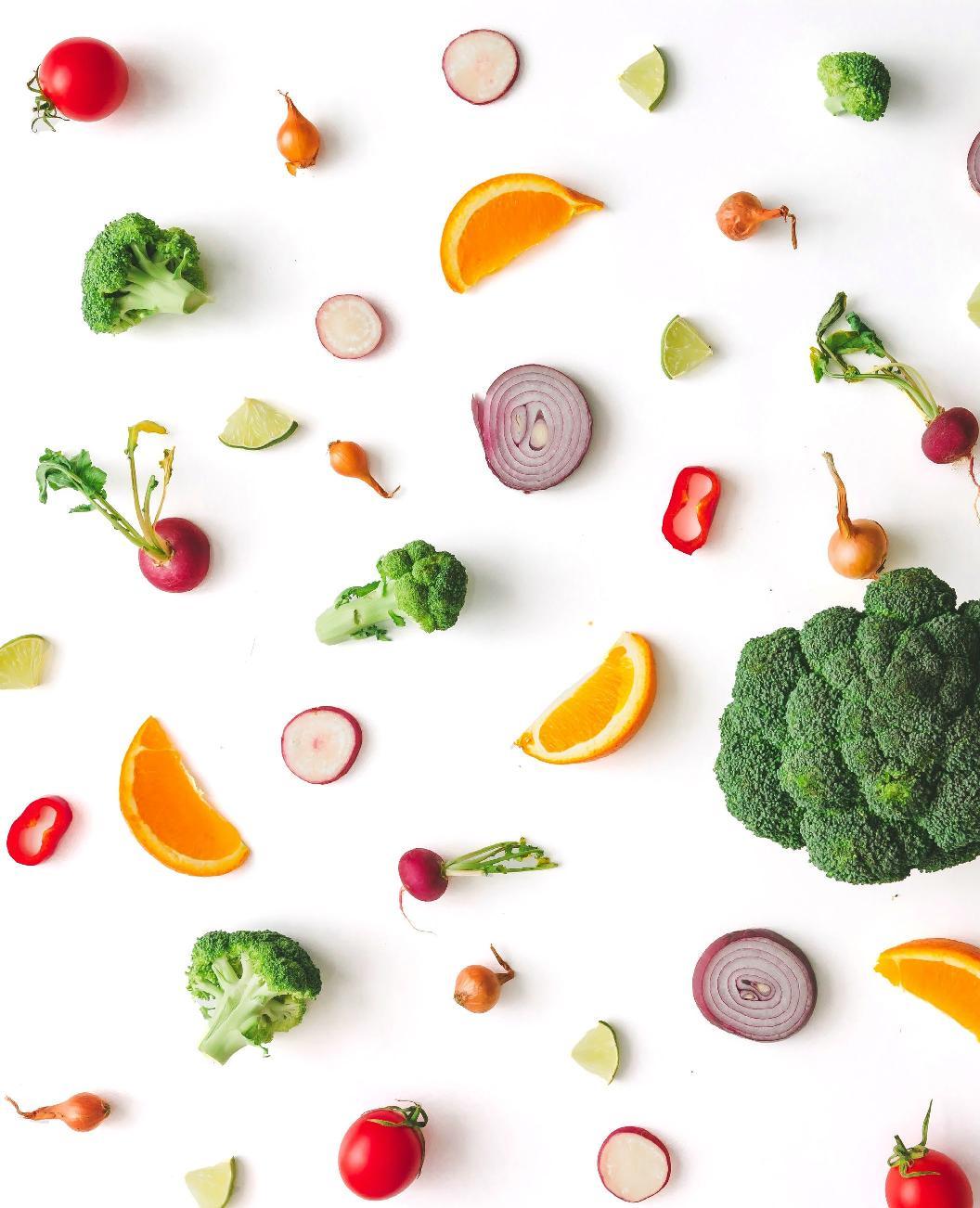
The 30 plant points a week recommendation encourages individuals to consume at least 30 different plant foods every seven days. Fruits, vegetables, wholegrains, legumes, nuts and seeds each count as one ‘plant point’. Fermented plant foods can be scored separately, and herbs and spices sometimes count as a quarter point. The concept is promoted as a tool to improve gut microbial diversity and support a more resilient gut microbiota.


The widely cited recommendation stems from a single cross-sectional observational analysis published by the Microsetta Initiative, one of the largest crowd-sourced microbiome research projects in the world.1 Alongside lifestyle questionnaires, the project collects stool, skin or oral samples from tens of thousands of participants to help map global microbiome variability.
The researchers found that the variety of plant foods consumed per week was more strongly associated with microbial diversity than dietary labels such as vegan. As total microbiome diversity is complex to measure, they used the diversity of butyrate-producing bacteria as a surrogate marker. Butyrate is an important short-chain fatty acid that supports colonic epithelial cell energy needs and has anti-inflammatory and protective roles. This single association – higher plant variety correlating with greater diversity of butyrate producers –has since been widely translated into the simplified public message: ‘eat 30 plants per week for better gut health’.
While the Microsetta study was innovative and large-scale, several methodological considerations limit its usefulness as a foundation for population-level recommendations:
1. Dietary intake was measured via subjective self-report – Participants were asked to recall how many plant foods they typically consumed in a week. This introduces ‘recall bias’ – most people cannot accurately recall intake beyond 24–48 hours. It also introduces ‘social desirability bias’ – individuals tend
to over-report ‘healthy’ behaviours. As a consequence, the exposure variable (plant diversity) may be inaccurate.
2. Butyrate producers as a ‘proxy’ for gut health is problematic – The study did not measure clinical gut health outcomes, symptoms or biomarkers. Butyrate-producing bacteria represent about 20% of gut bacterial species, meaning 80% of microbial diversity was not captured. Other microbes – fungi, viruses, archaea and parasites – were not assessed. We, therefore, cannot assume that more butyrate producers globally equals ‘better’ gut health.
3. ‘30 plants’ may be an arbitrary number – The study compared extremes of intake of plants, comparing people who ate <10 plants/week with those eating ≥30 plants/week. We have no data on whether 15, 20 or 25 plants confer similar microbial outcomes, meaning we just don’t know whether 30 represents a threshold, optimal level or clinically meaningful target.
4. No intervention trials exist – To date, no randomised controlled trials have tested whether increasing plant diversity to 30 plants per week actually:
a. changes the microbiome in a predictable direction; b. improves gut symptoms;
c. improves inflammatory markers; d. affects long-term health outcomes.
Without intervention data, the 30 plants a week rule remains hypothesisgenerating and not evidence-based guidance.
For many, increasing plant variety is harmless or likely to be beneficial. But as professionals, we must consider the populations for whom this advice may be inappropriate or detrimental. For individuals with irritable bowel syndrome, inflammatory bowel disease
(IBD) or functional gut symptoms, trying to universally increase plant intake may exacerbate bloating, abdominal pain, diarrhoea, constipation or flare-ups. For symptomatic individuals, the advice to diversify plant intake without guidance may cause significant discomfort and reduce dietary quality.
Assigning numbers to food behaviours – in the context of plant points, macros or calories – can increase rigidity, fuel obsessive tracking, normalise orthorexic patterns and escalate anxiety around eating ‘correctly’. Considering rising rates of eating disorders, numerical food rules (no matter how well-intentioned) can be harmful. Public discourse increasingly frames health as achievable through perfecting diet, ignoring broader determinants of health. The 30 plants a week message risks reinforcing a narrow, reductionist approach.
In public-health nutrition, one study is never enough to form guidance. The 5 A Day campaign, by comparison, is supported by decades of research and evidence. For many, eating fewer than 30 different plants per week in the context of a well-balanced diet is likely entirely compatible with good gut and overall health. Encouraging variety is valuable. But attaching a fixed number risks oversimplifying complex science and undermining intuitive, sustainable eating patterns. A balanced, evidence-aligned approach would be to encourage a generally diverse, flexible dietary pattern and dietary personalisation based on symptoms, cultural context and accessibility.
In our two-part focus on gut health in this issue, Hazel Clarke RD explores the gut’s function and diverse microbiome. Here, she discusses red flags to look out for when a patient is experiencing gut symptoms, such as constipation and diarrhoea, and considers factors that could be playing a critical role, with practical strategies for management.
Bowel habits vary greatly between individuals, including the frequency of movements, stool consistency and colour. A wide range of physiological and psychological factors influence gut function. While constipation and diarrhoea are among the most common gastrointestinal complaints, their underlying causes and management approaches differ significantly.1
The most common diagnosis for altered bowel habits is irritable bowel syndrome (IBS), which describes a collection of gastrointestinal symptoms.2 Historically, this was believed to have a prevalence of 10–20%;1,2 however, since the Rome IV criteria for IBS were developed, this has reduced to a worldwide prevalence of 4.1%.1
IBS is diagnosed as recurrent abdominal pain on average at least one day a week in the last three months, associated with two or more of the following criteria fulfilled for the last three months, with symptom onset at least six months prior to diagnosis:1,3
1. Related to defecation
2. Associated with a change in frequency of stools
3. Associated with a change in the form (appearance) of stools
However, not all diarrhoea or constipation is IBS, and it is important to know when further investigation is needed.1-4
GUT SYMPTOM RED FLAGS
As per NICE guidelines, all those

Hazel Clarke RD

suspected to have IBS or altered bowel habits should first have other similar presenting conditions ruled out, such as bowel cancer, ovarian cancer, inflammatory bowel disease (IBD) and coeliac disease.1,4
As well as the Rome IV criteria to aid diagnosis, IBS is still a condition of exclusion, which means that other conditions with clear causation need to be ruled out. The British Society of Gastroenterology guidelines and NICE guidelines state that baseline investigations should include these standard tests:
• Full blood count, checking for any possible anaemia
• C-reactive protein (CRP) or erythrocyte sedimentation rate (ESR), checking inflammation markers
• Coeliac serology, checking for the presence of coeliac antibodies
• Faecal calprotectin, checking for inflammatory markers in stools1,4
Alarming symptoms (with possible concerns) include:4
• Unexplained weight loss (IBD, cancer, malabsorption)
• Rectal bleeding (colorectal cancer, haemorrhoids)
• Positive faecal immunochemical test (FIT)
• Change in bowel habit over the age of 60 years
• Raised faecal calprotectin
• Nocturnal symptoms (IBD, infection, bile acid malabsorption)
• Iron deficiency anaemia (gastrointestinal bleeding, coeliac, IBD)
• Persistent or frequent bloating in females (especially if aged over 50 years)
• Abdominal or rectal mass, or family history of bowel cancer, ovarian cancer, coeliac disease or IBD (genetic risk factors)
• Persistent change for more than six weeks in people aged over 50 years old (colorectal cancer screening threshold)
Persistent diarrhoea requires additional consideration, as bile acid malabsorption (BAM) and microscopic colitis can present similarly but are harder to diagnose. BAM has no clear predictors other than a higher BMI and previous cholecystectomy, although BAM can present in the absence of these predictors. Microscopic colitis (MC) can only be seen via colonic
biopsies during a colonoscopy. However, MC rarely presents with a raised faecal calprotectin or inflammatory markers, which are the criteria for referral for a colonoscopy. This means that diarrhoeapredominant IBS can be a common misdiagnosis for both these conditions.1,3
Persistent constipation also requires consideration of the anorectal physiology, such as motility issues like slow transit or pelvic floor issues.1
In the absence of other conditions and meeting the Rome IV criteria, there are three main types of IBS: diarrhoea-predominant (IBS-D), constipation-predominant (IBS-C) and mixed IBS (where both diarrhoea and constipation are present). There is also IBS-unclassified (IBS-U), when a person meets the criteria, but does not fall into any of the first three subtypes.1-4 NICE and the BDA have developed a first-line treatment for diet and lifestyle to aid in the management of all IBS subtypes.2,4
DIARRHOEA-PREDOMINANT IBS (IBS-D)
When considering whether a food or drink is a dietary trigger, it is important to measure whether something is excessive or within normal limits. Every individual has their own tolerance levels. The aim is not to cut out all triggers and diminish quality of life. For example, the BDA recommends limiting caffeine to two to three cups per day to aid IBS symptoms.2 Therefore, for patients having six to eight cups of caffeinated tea throughout the day, for example, reducing the amount is likely to help. However, if a patient has just one cup of caffeine a day, this likely isn’t a driving trigger. Listening to the patient is key, as everyone is different, as are their IBS triggers. Table 1 highlights some key dietary triggers specific to IBS-D. The low-FODMAP diet is recommended to be undertaken with the guidance of a FODMAP-trained gastroenterology dietitian. The aim is not just to cut out all FODMAPcontaining foods but instead to establish specific tolerance levels and establish a personalised diet.6
Hormonal triggers for diarrhoea
It is important to acknowledge the role of hormones, especially as IBS is a
Table 1: IBS-D specific possible dietary triggers
Caffeine
Encourages motility of the digestive system.2
Alcohol Stops digestive enzymes from mixing in the gut sufficiently and speeds up the motility of the larger intestines.2
Sweeteners
High intakes of fatty foods or ultra-processed foods
Low-fibre diets
High-FODMAP foods
Pull water into the large intestine and increase motility.
Reduces ‘good’ gut bacteria, and fattier foods increase motility in the large intestines. Higher energy (kcal) encourages the gastrocolic reflex (or bowel stimulation).2,5
Linked to low levels of ‘good’ gut bacteria, which keep the gut functioning well. Fibre is also a bulking ingredient in the bowel, so without fibre, the stool can lack the bulk needed to make it more formed.2,5
High fermentable carbohydrates produce gas and pull water into the large intestine. This pressure can trigger pain, leading to diarrhoea. The osmotic effect can worsen diarrhoea.6
predominantly female condition, with the current ratio estimated at 2–2.5 women compared with 1.0 men. This means women are twice as likely to develop IBS as men.7 Evidence is beginning to highlight the role that hormonal shifts play in gut health. For diarrhoea, two hormones may play a key role, especially around the menstrual cycle:
1. Oestrogen may increase gut sensitivity, which can lead to more urgency.
2. Perimenstrual hormone drop of progesterone and oestrogen can lead to urgency or looser stools, as these hormones usually slow gut motility.8
The gut-brain axis and diarrhoea
IBS is defined as a disorder of the gutbrain interaction.4 Our gut and our brain are connected by numerous pathways in the body. The main system connecting the two parts is the vagus nerve, which is integral to communicating signals between the gut and the brain. Studies have shown that chronic stress and anxiety have a significant impact on intestinal sensitivity and motility within the gut, leading to urgency and diarrhoea.9-11 Motility studies to date are on rat models, which show chronic and acute stress increase colic motility and sensitivity to pain.9 In a study of 23,698 human participants, stress
and depression were key risk factors for the development of IBS.11 It is well established that early adverse life events (such as domestic or sexual abuse) are associated with IBS.10,11 This highlights that both trauma and ongoing stress (acute or chronic) impact motility and pain sensitivity, which can lead to urgency and diarrhoea.
CONSTIPATION-PREDOMINANT IBS (IBS-C)
Dietary causes of constipation can be due to an absence of routine and fibre, rather than specific triggers. This may be tricky if the lack of routine is longstanding and if there are aversions to increasing fibre due to fear of symptoms. A meta-analysis looking into different fibres and diets in chronic constipation noted a lack of evidence in this area.12 Most evidence focuses on fibre supplementation rather than whole foods. One meta-analysis found only one uncontrolled trial on oats and constipation, one randomised controlled trial on high-fibre diets and no studies exploring chia seeds or linseeds.12 However, the interventions included (oats, linseeds, chia seeds and high-fibre diets) are regularly recommended for improving bowel movement frequency. The meta-analysis also highlighted that a lack of evidence of effectiveness is due to the lack of research, not because the
recommendations themselves are not effective.12 Table 2 highlights dietary or lifestyle habits that may influence constipation.
As with diarrhoea, hormonal triggers can explain why women experience more constipation-predominant symptoms, especially at certain times within their menstrual cycle:8,16
• Progesterone slows gut transit (eg premenstrual constipation).
• High levels of oestrogen and progesterone in pregnancy can prolong gut transit time on top of reduced space for the gut to function due to a growing foetus.
• A drop in ovarian hormones during perimenopause and menopause can increase the prevalence of constipation, as it prolongs gastrointestinal transit time.
• Both high oestrogen (eg during pregnancy) or low oestrogen levels (eg postmenopause) can cause constipation or slow gut transit.
• Endometriosis patients are more prone to IBS-C, likely due to abnormally high oestrogen and progesterone levels.
IBS and gut conditions are associated with depression, and constipation is a commonly known physical symptom of depression, for which the mechanism isn’t fully understood.11 Recent research suggests that the relationship between depression and constipation may be bidirectional. In a study of 449,459 participants, those with constipation had a 48% higher risk of developing depression compared with those who didn’t suffer from constipation. These findings indicate that constipation may be an independent risk factor or early sign of depression.17
TO MANAGE CONSTIPATION AND DIARRHOEA
Simple dietary and lifestyle changes can help manage bowel issues. Gradual adjustments to fibre, hydration and meal patterns are recommended.2,4,6,12
Table 2: Dietary or lifestyle patterns and constipation
Skipping meals
Over-restriction of diet:
- Dieting to lose weight
- Disordered eating
- Cutting out food groups (eg carbohydrates)
Over-restriction with the low-FODMAP diet
Eating stimulates the gut to move, utilising the gastrocolic reflex. Skipping meals can slow down these signals to the body, making the gut stimulate less. This can mean food stays within the digestive system for longer, causing constipation.13
Restrictive eating patterns can reduce the impact of the gastrocolic reflex. The higher the energy coming in, the more stimulation the gut receives. Restricting diets can reduce this reflex’s effectiveness to keep the gut moving.13
Evidence shows that malnutrition delays gastric emptying, bowel transit time and whole gut and colonic transit.14
The low-FODMAP diet cuts out numerous foods that pull water into the gut or have an osmotic effect. Due to the restriction of fibre, this has been shown to worsen constipation in some patients, so it is essential to have dietetic support.15
Low-fibre diet
High intake of UPFs, high intake of fatty foods or a high animal protein diet
Lack of non-caffeinated fluid
Fibre aids in bulking stools and allows them to move easily through the gut. A low-fibre diet can slow the digestive system. Low-fibre diets are linked to reduced ‘good’ gut bacteria essential for good gut function.2
If the diet focuses heavily on these foods, it often coincides with a low-fibre diet, as the focus is elsewhere. Additionally, these diets have been shown to encourage ‘bad bacteria’ to thrive, which is linked to a worsening gut function.2,6
Fluid is essential for the digestive system to function correctly, as it requires fluid to aid in breaking down food. Lack of fluid, or focusing on caffeinated fluid, which has a diuretic effect, can slow the digestive system.2
• Limit common triggers (alcohol, caffeine, sweeteners, high-fat foods, UPFs) if consumed in excess.
• Eat smaller, more frequent meals.
• Gradually increase gentle fibre (oats, psyllium or low-FODMAP fibre foods).
• Consider a dietitian-guided lowFODMAP approach. Constipation
• Reduce animal proteins, high-fat foods and UPFs; replace with leaner, nutrient-rich options.
• Maintain regular meals.
• Gradually increase fibre that aids bowel frequency (kiwi, oats, psyllium).
• Ensure adequate non-caffeinated fluid intake.
Constipation and diarrhoea are common gastrointestinal complaints that require a full assessment to understand the causes, whether functional or more serious. Understanding alarming signs or red flags can ensure the appropriate diagnosis and management plan. Appreciating the impact of diet, lifestyle, hormonal changes and the gut-brain axis helps guide effective symptom control for those with more functional conditions. Being able to recognise and explain underlying triggers (whether nutritional, hormonal or psychological) can significantly help the patient understand their condition and symptoms. Effective tailored dietetic and lifestyle interventions can improve quality of life.
The gut microbiome is composed of trillions of microorganisms in a complex ecosystem that is essential for digestion, immune function and overall health. This article (the second in our two-part focus on gut health in this issue) discusses why the gut microbiome may be a different landscape for women compared with men and how the life stages can affect its complexity.
Research shows that the gut ecosystem is influenced by various factors, including diet, lifestyle, clinical conditions, stress and hormones. For example, we know that diets rich in plants foster a more diverse and beneficial microbiome, which in turn is associated with better health outcomes.1,2
Emerging research shows that sex hormones can influence the gut microbiome, resulting in differences between male and female microbial profiles. In women, these microbial patterns can shift across the menstrual cycle as hormone levels change. Studies suggest that sex hormones interact directly with the gut lining, affecting the diversity and composition of the microbiome.3 This concept is often referred to as the ‘microgenderome’, or ‘gender-specific microbiome’.3
WHY IS THE GUT MICROBIOME SO IMPORTANT?
Evidence highlights that the gut microbiome influences numerous aspects of our health.1,2 Functions of the gut microbiome include:
• Enhances digestion and bowel movements
• Produces several vitamins
• Protects against harmful bacteria
• Optimises the immune system
• Creates short-chain fatty acids (SCFAs)
Butyrate Supports gut barrier function, reduces inflammation and protects against colon disorders
Acetate Provides energy for the brain and body
Propionate Lowers cholesterol and helps to regulate blood sugar levels1
• Influences sex hormones5
• Impacts mental health and brain health6
We know that colonisation of the gut microbiome begins at birth, with mode of delivery being the first contributor, followed by early feeding choices (formula vs breastmilk).7,8 ESPEN (2023) highlights that breastfeeding has a direct relationship with reducing the risk of developing inflammatory bowel disease. The longer the duration of breastfeeding, the more protective it is.9 This highlights how early colonisation of the gut microbiome can develop our immune system and gut health long term.
Another determinant of a healthy and diverse microbiota is a high-fibre intake. A low-fibre intake (commonly seen in diets typical of Western countries) is associated with a less diverse bacterial population, which seems to have more ‘bad’ bacteria than ‘good’.1,2,7,8 Fibre is essential for SCFA development, which in turn is crucial for maintaining our gut health. SCFAs have an anti-inflammatory effect, maintain the integrity of the gut lining, modulate immune responses and support metabolic health.1,2 Table 1 highlights specific functions of SCFAs.
Diet can play a big part in influencing our gut microbiome, with emerging research looking at the dietary patterns that can help or hinder its diversity. See Table 2 for key dietary considerations for encouraging a healthy microbiome.
As mentioned previously, diets rich in fibre encourage a healthy microbiome, as emphasised by two recent studies. Fackelmann et al (2025)1 observed that vegan and vegetarian dietary patterns (rich in fibre sources) had greater microbial diversity, increased production of SCFAs and increased the presence of cardioprotective bacteria. Ross et al (2024)2 noted that omnivorous diets, especially those rich in red meat, were linked to increased inflammation, reduced SCFA production and a greater risk of cardiometabolic disease due to animal protein fermentation. This study also found that those who followed a plantbased diet promoted SCFA production and exhibited antimicrobial properties. By comparison, the standard Western diet, which is typically low in fibre and high in ultra-processed foods (UPFs), was linked to increased oxidative stress, chronic inflammation, impaired immune function and a higher risk of metabolic disorders. Together, these studies suggest that fibre-rich, plant-based diets create a more favourable gut environment by encouraging beneficial bacteria and supporting digestion, immune regulation and metabolic health. In contrast, diets high in animal proteins and processed foods may contribute to gut dysbiosis and systemic inflammation.
One of the more recent areas of research is how the gut microbiome differs between genders due to the influence of sex hormones. The microbiota
Increase fibre intake Supports gut bacteria and SCFA production
Incorporate polyphenols Encourages beneficial bacteria and reduces inflammation
Choose plant-based proteins Minimises harmful fermentation from excess animal protein
Limit ultra-processed foods Reduces harmful bacteria, inflammation and risk of dysbiosis
Include fermented foods Provides beneficial bacteria and prebiotics that support microbiome balance4
composition has now been shown to be directly influenced by sex hormones, adapting and changing throughout a woman’s life.5,10
Research shows that women have a higher gut bacteria-to-human cell ratio than men (2.2 in women vs 1.3 in men), which may help explain some of the observed differences in gut microbiota.13 Because the inclusion of female participants in research has only become a requirement in recent years, this evidence base is still developing and important gaps remain. However, these historical blind spots and the underrepresentation of women in research are now widely recognised, with efforts underway to address them.11,12
Many studies exploring sex differences and hormone influence are in animal models, but human models are emerging.5,10,13 Mice models indicated that before puberty, both male and female microbiota were similar, while after puberty, the microbiota differed between the sexes. Interestingly, castrated males in the study had a microbiome composition similar to that of females. This implies that testosterone is a key player.
Evidence highlights that sex hormones connect to the gastrointestinal tract, directly influencing the microbiota composition and the immune system. Microgenderome is a two-way relationship, showing that the gut microbiome also influences sex hormones.
Wholegrains, fruits, vegetables, nuts, seeds
Berries, dark chocolate, green tea
Lentils, chickpeas, tofu
Refined snacks, sugary drinks, processed meats
Sauerkraut, kimchi, tempeh
Human studies show similar patterns in the gut microbiome after puberty. In one twin study involving adolescents aged 13 to 17, opposite-sex twins showed greater differences in their faecal microbiota, whereas same-sex twins displayed no significant sex-related differences.10
It has been shown that women have lower Bacteroidetes phylum than men, but higher Bacteroides genus.10 In addition, women have lower levels of SCFAs compared with men, which may account for lower systemic inflammation in men than in women. However, stool sample bias (differences in consistency) makes it difficult to interpret this.10,13
After puberty, there is an increase in oestrogen and progesterone production, which is believed to be the main catalyst impacting the microbial composition and activity of the gut. Oestrogen is metabolised by gut microbes and the resulting metabolites influence our health and hormone signalling. Sex hormones act directly on the gut bacteria through receptors, which influence bacterial metabolism. Some gut microbes produce ß-glucuronidase, which aids in the reabsorption of oestrogen into circulation, therefore influencing hormone levels. During the menstrual cycle, fluctuations of these hormones may lead to temporary shifts in microbiota composition and immune activity.10,13
Diversity decreases throughout pregnancy,
while other bacteria (Proteobacteria and Actinobacteria) increase.13 Proteobacteria are often associated with inflammationrelated dysbiosis.10,13 In this situation, they are thought to support the immune adaptations needed for pregnancy.
Although the literature states that hormonal instability likely influences the gut and its function, there is limited research in this area. Some suggests diversity plateaus at age 40; however, as we age, our gut microbiome becomes increasingly unique from person to person. A review of the gut microbiome in menopause highlighted that sex differences in ageing remain underexplored, especially during perimenopause and menopause.14
Postmenopause, oestrogen levels become stable at a lower baseline. Lower levels of oestrogen are linked to lower microbial diversity, potentially becoming more pro-inflammatory. By comparison, higher oestrogen levels (for those on hormone replacement therapy or with increased oestrogen reabsorption rates) are related to a greater gut microbiome diversity and richness, which is also seen in men. No relationship has been seen in premenopausal women, probably due to oestrogen fluctuations throughout the cycle.10-14
The gut microbiome plays a vital role in digestion, metabolism and hormone regulation, yet significant research gaps remain, particularly for women across reproductive and menopausal stages. Evidence highlights a twoway relationship between female sex hormones and the gut microbiome, with important implications for immunity, disease risk and conditions such as IBS.15-18 A better understanding of these interactions enables more tailored dietary support for women, from managing cyclical hormone-related gut symptoms to promoting fibre intake during perimenopause and postmenopause to support oestrogen recycling and microbial health.
As a Specialist Dietitian working in eating disorders, I spend my days helping people find balance with food. However, right now culture is making that job incredibly hard. We’re currently witnessing a powerful and harmful demand for aspirational thinness, the idea that being very slim is proof of success, moral goodness and control. Two trends have stood out to me recently, echoed by what many clients are now raising in sessions. Firstly, the meticulously managed world of the ‘trad wife’ movement and then the quick, dramatic body changes seen among Hollywood celebrities. When these trends combine with a frantic obsession over ‘clean’ eating and the tracking of nutrients, sleep and glucose levels, they create a perfect storm that risks triggering disordered eating, eating disorders and severely damaging our public health.
The trad wife trend on social media sells an image of escape from the chaos of modern life. Originating in the US, it aligns with far-right politics and (for some) puritan religious views. The concept is a beautiful, stress-free life built on traditional roles. The general look is similar to the 1950s housewife with her curled hair, dinner in the oven and pinny on. The trad wife always wears dresses and looks feminine. She takes care of the home perfectly and has her husband’s slippers and dinner ready when he comes back from work.
This aspiration may not seem that harmful, and in a lot of cases it isn’t. However, the accompanying aesthetic and the advice on self-care within this context often carry problematic undertones. Roll on 75 years and this ‘perfect life’ where the home is clean and
tidy, children are well-behaved and all meals are made from scratch (including sourdough bread and even making your own butter) is a far cry from reality for many working parents.
And the demand for perfection doesn’t stop at the home… it extends to the woman’s body and looks. The most visible trad wives are overwhelmingly very slim, even though they are often pregnant or have recently had a baby. It sends a clear message, that being thin is a requirement for being the ‘ideal’ wife, mother or woman. You should look a certain way and dress a certain way to be feminine.
Thinness as goodness – In the trad wife world, being thin isn’t just about looks; it’s proof of extreme self-control and good character. If you can control your body and your appetite, you are seen as capable of controlling your home and your life. It’s a throwback to the diet culture idea that thinness equals moral superiority. A sentiment that has no place being pushed out to millions on TikTok.
The impossible standard – You must manage a perfect home, be a great parent, make everything from scratch and maintain a very small size. This pressure to conform to an impossible standard is huge and leads people towards unnecessary restriction and guilt, moving them away from simple, balanced eating.
The recent wave of celebrity body changes, often linked to the use of weight loss medications, has completely warped what we think a normal body change looks like. We are seeing women’s bodies being commented on



more than ever, with social media being infiltrated by pro-ana content. Pro-ana is online content or communities that frame anorexia as a lifestyle rather than a serious health condition.
The intense public discussion about singer Ariana Grande’s weight is a perfect example. While she’s addressed the issue with honesty, the constant focus sends a painful message: your body is always public property and its size is the most interesting thing about you. When a successful star is celebrated for being small, it reinforces the damaging idea that you must physically minimise yourself to be successful.
The focus on dramatic, rapid weight loss creates an illusion: that achieving a drastically different body is easy and instant. Of course, as nutrition professionals, we know that this is not the case; however, that is not what the public is hearing. It is here that our voices need to be louder. Celebrity transformations make the public feel like they should be able to achieve the same results quickly. It completely ignores the hard work involved in making sustainable, long-term healthy habits, like eating nutritious food most of the time, managing stress and moving your body joyfully.
The pursuit of the perfect body runs straight into the quest for the perfect diet, and this is where I see (daily) that problems occur. People are getting caught up in two major stressful trends: firstly, trying to eliminate all UPFs and secondly, obsessively tracking every single nutrient, every step and everything in their bodies.
‘ALL OR NOTHING’
There’s a lot of noise in the media about UPFs, often appearing to demand that we must stop eating them completely. This is a stressful and unhelpful example of ‘all or nothing’ thinking. It misses the nuance that is in the research papers. As nutrition professionals, we know the real world is not black and white. While we need to eat less of the UPFs that are high in fat, sugar and salt, these foods also offer convenience and are often affordable. Telling people they must eliminate every single packaged item is unrealistic, especially for busy families or those on a budget.

The goal should not be zero UPFs; it should be about making sure the majority of our diet is built around nutritious, whole foods (like vegetables, fruit, pulses and wholegrains). We need to focus on eating fewer of the less healthy UPFs and having a good overall eating pattern, rather than feeling guilty about every single packaged item.
The other damaging trend is the obsession with hitting perfect metrics for nutrients, exercise, sleep and everything else. People are using apps to track every microgram of vitamins and gram of protein or carbohydrate, trying rigidly to meet every single guideline every day. This takes time and a whole lot of mental headspace. Extreme tracking takes the focus away from enjoying food, listening to your body’s hunger and eating intuitively. It forces you to live by external rules and numbers. This hyper-focus is stressful and can easily lead to orthorexia, an unhealthy obsession with only eating ‘pure’ or ‘correct’ foods.
One message I love to highlight in clinic is that our bodies need change every day. A truly healthy diet is one that is flexible, varied and enjoyable. It allows for imperfections, social events and convenience without causing
panic or guilt. The relentless pursuit of perfect nutrient scores is often the opposite of real health.
The combined pressure from aspirational thinness and the perfect diet trap is pushing people towards extremes that harm their mental and physical health. As a healthcare professional, my plea to you is to step away from this cultural demand for perfection for yourself first. Choose balance, kindness and flexibility instead, and then role model this.
MESSAGES YOU COULD SHARE:
1. Focus on consistency, not perfection – Stop trying to be completely perfect with your diet or your body size. It’s okay if your nutrients aren’t perfect every single day, and it’s okay if your body changes. Focus on consistent, healthy behaviours that make you feel good.
2. Challenge the narrative – Stop treating celebrity bodies as projects to be judged. Challenge the idea that being thin or completely anti-UPF makes you a morally better person.
3. Trust your body – Listen to your internal hunger and fullness cues instead of external rules, apps or celebrity trends. Your body needs nourishment, kindness and respect, not exhausting constant monitoring.
Favism, also known as glucose-6phosphate dehydrogenase (G6PD) deficiency, is a common enzymatic disorder that increases susceptibility to oxidative stress and haemolytic anaemia. This article outlines key dietary considerations for nutritionists and dietitians supporting individuals with G6PD-related haemolysis.
Favism is one of the most common enzyme deficiencies worldwide, affecting an estimated 400–450 million people.1 G6PD is crucial for producing nicotinamide adenine dinucleotide phosphate (NADPH) and a deficiency impairs red blood cells’ ability to effectively manage oxidative stress. This makes red blood cells susceptible to premature destruction (haemolysis) and subsequent haemolytic anaemia.2,3
While most individuals are largely asymptomatic, the clinical triggers of G6PD-related haemolysis (oxidative drugs, infections and fava beans) are well established and recognised.4,5 However, there are particular considerations for nutritionists and dietitians providing dietary support in the management of G6PD-related haemolysis and haemolytic anaemia.
A BRIEF HISTORY
Favism is an X-linked hereditary condition. This means heterozygous females typically experience milder symptoms than males, due to partial enzyme deficiency, whereas males experience symptoms associated with full deficiency if they carry the faulty gene. Full deficiency in females is very rare.
The enzyme G6PD was identified in the 1930s during studies of red cell metabolism.6 The clinical syndrome of G6PD deficiency emerged in the 1950s, when soldiers treated with the antimalarial primaquine developed acute haemolytic anaemia.4 This
discovery linked drug-induced haemolysis with low G6PD activity. The phenomenon of favism – haemolysis following consumption of fava beans – had been described long before this, particularly in Mediterranean populations.7 The 1950s discovery effectively united these observations under a single enzymatic mechanism. Since then, research has expanded considerably.8-10 More than 200 molecular variants of G6PD have been identified, each with differing residual enzyme activity.5
PATHOPHYSIOLOGY AND THE LINK
WITH ANAEMIA G6PD catalyses the first step in the pentose phosphate pathway, generating

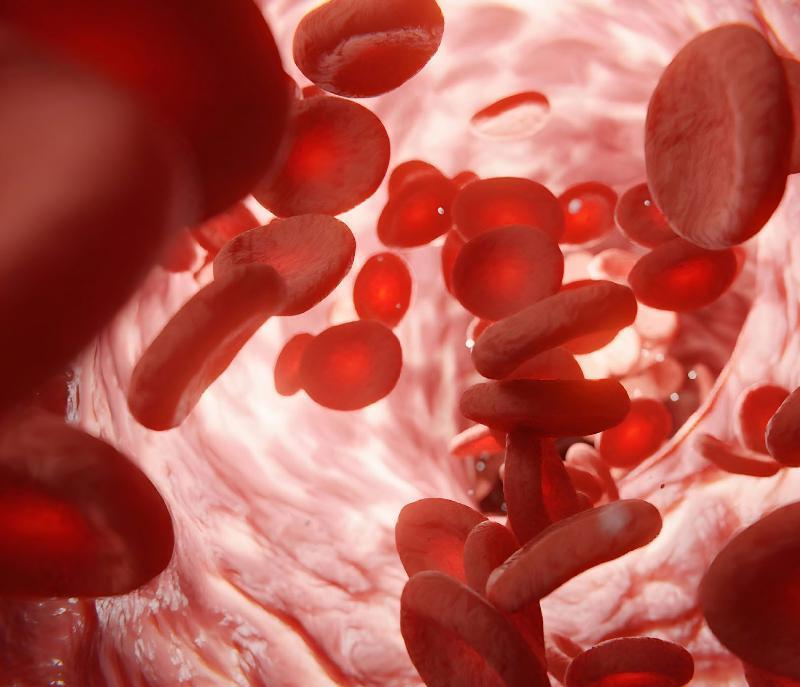
nicotinamide adenine dinucleotide phosphate (NADPH), an essential reducing agent that protects red cells against oxidative damage.2 In G6PD deficiency, NADPH production is inadequate, rendering red blood cells vulnerable to oxidative stress.11
Exposure to oxidant compounds –whether from drugs, infections or food – leads to haemoglobin denaturation and red cell destruction, resulting in acute haemolytic anaemia.3,4
Clinical manifestations
Symptoms often manifest as signs of anaemia and jaundice. Affected individuals may experience significant fatigue, a rapid heart rate (tachycardia) and difficulty catching their breath
“All gone”
This pot did contain Fortini Creamy Fruit

With the widest range† of ONS formats, flavours and textures, Fortini helps children facing nutritional setbacks get back on track within 28 days.1,2
improved weight
improved height
improved micronutrient intake

reported by 100% of surveyed paediatric dietitians3

Order samples*
reported by 96% of surveyed paediatric dietitians3
reported by 96% of surveyed paediatric dietitians3






This information is intended for Healthcare Professionals only.
IMPORTANT NOTICE: The Fortini Range are Foods for Special Medical Purposes for the dietary management of disease related malnutrition and growth failure in children from one year onwards, and must be used under medical supervision. Refer to label for details.
ONS: oral nutritional supplement
*Product can be provided to patients upon the request of a Healthcare Professional. They are intended for the purpose of professional evaluation only.
† Market comparison of formats, flavours and textures of UK paediatric ONS. Fortini range data card available at www.nutricia.co.uk/hcp/products/fortini-range (accessed November 2025); Paediasure range datacards available at www.nutrition.abbott/uk/pediatric (accessed November 2025); FrebiniEnergy datacard available at www.fresenius-kabi.com/ie/products/frebini-energy-drink (accessed November 2025); Resource Junior datacard available at www.nestlehealthscience.co.uk/brands/ resource/resource-junior (accessed November 2025).
References
1. Devaera, et al. Pediatr Gasteroentrol Hepatol Nutr. 2018;21(4):315-20. 2. Hubbard, et al. Eur J Pediatr. 2020;179(9):1421-30. 3. Paediatric Dietitian Experience of Fortini UK Survey (n=50), 2021, data on file.
Accurate at time of publication: November 2025 © Nutricia 2025



Introducing the Fortini All Stars Club – an engaging club to support children in taking their Fortini oral nutritional supplements, with fun rewards to collect along the way






Table 1: Foods and ingredients containing fava derivatives18,19
Food type
Vegan yoghurts Fava bean protein isolate Avoid
Plant-based burgers Broad bean flour Avoid
Ice creams Fava bean emulsifier/protein Avoid
Table 2: Herbal and other agents affecting haemolysis risk4,21-23
Henna Lawsone oxidative dye Case reports Avoid
Naphthalene (mothballs) Oxidative stress Strong Avoid
processes, fava bean isolates are used in the following: 18,19
• Vegan cheeses and yoghurts (stabilisers)
• Plant-based meat and protein powders
• Ice creams and desserts (emulsifiers)
Until studies quantify safe levels of residual vicine/convicine levels, avoidance is advised.
Vitamin C (ascorbic acid)
Aloe latex Anthraquinones Theoretical Use purified only Chinese herbal mixtures Oxidative alkaloids Limited Check formulations
Table 3: Evidence grading: dietary and environmental triggers4,5,14,15,17-23
Snack bars/protein shakes Vicia faba concentrate Avoid Trigger Evidence Recommendation
Fava beans and derivatives Strong Avoid
Oxidative drugs Strong Avoid
Henna, naphthalene Strong Avoid
High-dose vitamins (C>4g, K₃) Strong Avoid
Other legumes None Safe
Blueberries and dark fruits None Safe
Additives (azo dyes, nitrites) None Safe
Fava-based vegan foods Emerging Check ingredients18
(dyspnoea). The skin, lips, tongue and the whites of the eyes might appear pale or yellowish, indicative of jaundice. Urine may become dark yellow-orange. In some cases, a clinician might detect an enlarged spleen during an examination.
VITAMIN K AND THE NEONATAL CONTEXT
Injectable vitamin K1 (phytomenadione) is standard practice for newborns to prevent haemorrhagic disease.12,13 While vitamin K3 (menadione) previously caused concerns in G6PD-deficient infants,14 current vitamin K1 preparations are considered safe for all babies, including those with G6PD deficiency.12,13
Clinical caution: methylene blue
Methylene blue is sometimes used in surgical diagnostics or for methemoglobinemia treatment. In G6PD
deficiency, it is contraindicated due to oxidative stress.16 However, it is not used in CT scans, which rely on iodinated contrast agents.16
DIETARY TRIGGERS: FROM THE CLASSIC TO EMERGING
Fava beans (Vicia faba)
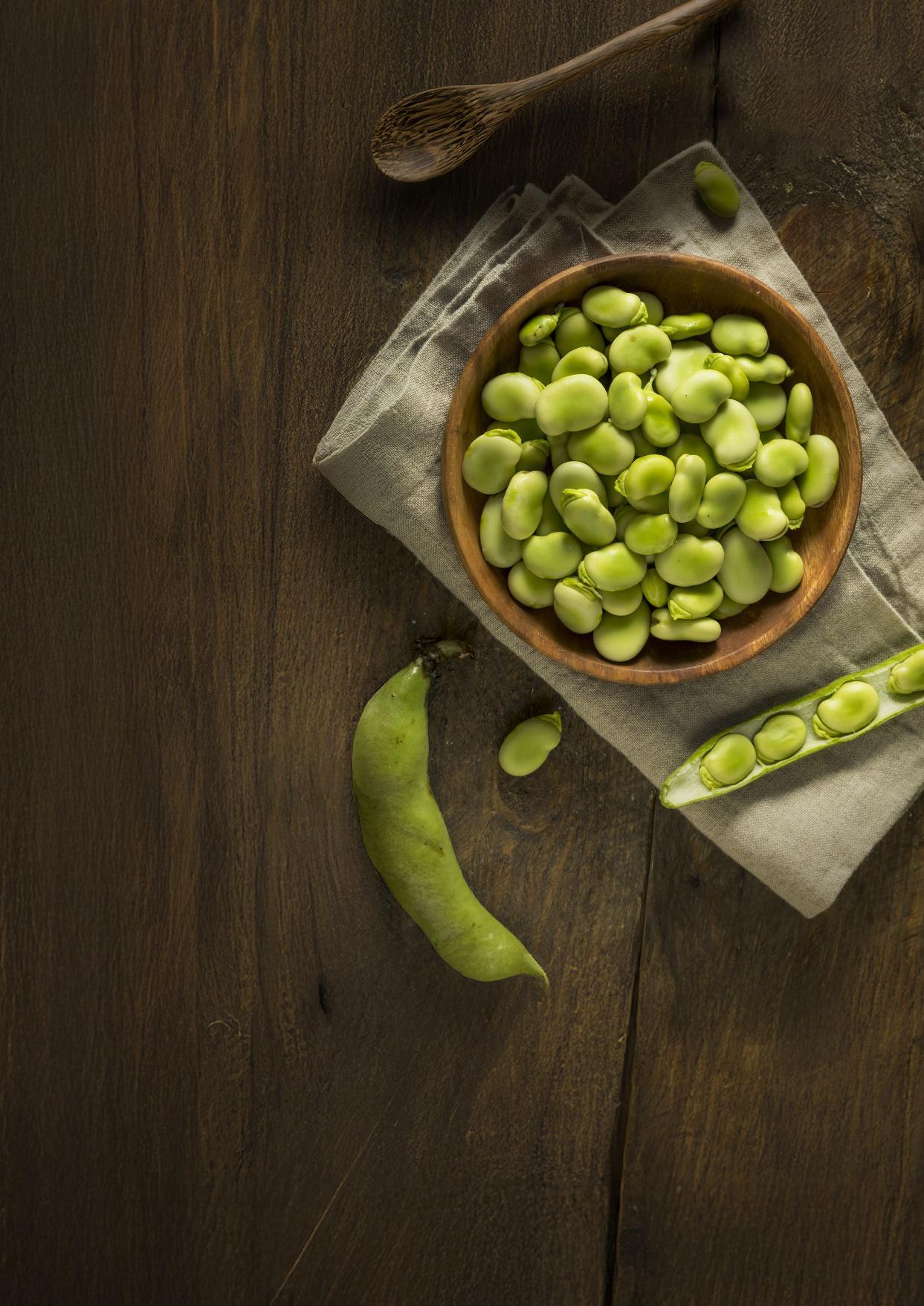
Fava beans (also known as broad or faba beans) remain the only food proven to induce haemolysis in G6PDdeficient individuals. The glycosides vicine and convicine generate oxidative compounds that overwhelm red cell defences.5,17 The rise in plant-based eating and new food-processing techniques means that traditional guidance requires re-examination and additional research to provide up-todate evidence-based guidelines. Table 1 shows foods and ingredients containing fava derivatives. In food manufacturing
Vitamin C is usually a potent and beneficial antioxidant in dietary doses. However, at high intravenous doses (>4g), it can generate hydrogen peroxide, a reactive oxygen species, and trigger haemolysis.15 Dietary intake from fruits and vegetables is safe and beneficial.15
Tonic water
Tonic water contains quinine, an oxidant that can trigger haemolysis in people with G6PD deficiency. Even small amounts may pose a risk, so it is advised to avoid tonic water and other quinine-containing products.
Other legumes
Chickpeas, lentils, soybeans and other pulses do not contain significant levels of vicine or convicine and are considered safe.20,21 Despite health bloggers including these in ‘foods to avoid’ lists online, the over-restriction of legumes is unnecessary and can compromise overall nutrient intake.
Blueberries and other fruits
Anthocyanin-rich fruits, such as blueberries, blackberries and raspberries, are antioxidants and have no reported risk of haemolysis.21
Herbal and other products
Table 2 summarises key information on herbal and other relevant products.
Supplements and additives
• Vitamin K3: linked to haemolysis; obsolete14
• High-dose vitamin C: safe orally; avoid IV mega-dose15
• Food colourants (tartrazine, sunset yellow): safe at dietary levels21
• Nitrites, benzoates: minimal risk21
Dietitians and nutritionists should emphasise a balanced, minimally processed diet. An overview of the evidence base for common dietary and environmental triggers is provided in Table 3.
RESEARCH LANDSCAPE
G6PD deficiency is well-studied, with over 10,000 publications indexed in PubMed.1,5,6 The core enzymology, inheritance and classic triggers are well established. Research gaps include:
• Dietary exposures beyond fava beans
• Residual vicine/convicine in processed foods
• Nutritional recovery post-haemolysis
Dietitians and nutritionists have an opportunity to lead applied research and translate molecular science into practical guidance.
MEDICATIONS WITH DIETARY RELEVANCE
Although drug management usually lies outside dietetic prescribing, it is vital that healthcare professionals recognise common medications that may interact with nutritional advice. Key examples include:
• Sulfonamide antibiotics, nitrofurantoin and antimalarials (eg primaquine)
• Aspirin and certain non-steroidal anti-inflammatory drugs in high doses
Clients may self-medicate with over-the-counter preparations. Collaboration with pharmacists and medical teams is therefore essential to ensure consistent advice.
NUTRITIONAL MANAGEMENT OF HAEMOLYSIS
Haemolysis leads to the destruction of red blood cells, causing a transient loss of iron, folate and other micronutrients necessary for red blood cell regeneration. For nutrition professionals, the key relevance lies in preventing oxidant exposure via diet or supplementation and supporting recovery through nutritionally adequate, iron- and folate-replete eating patterns.
Iron – While iron deficiency is not the cause of anaemia in G6PD deficiency, repeated haemolysis and urinary iron loss can deplete iron stores. Assessment of serum ferritin and transferrin saturation should inform
supplementation decisions, as oversupplementation may exacerbate oxidative stress.
Folate and vitamin B12 – Folate requirements increase following haemolytic events due to accelerated red cell production. Folate-rich foods should be encouraged, with supplementation under medical guidance where indicated. B12 status should be reviewed, especially in vegan or vegetarian diets.
Antioxidant nutrients – Adequate intake of vitamin E, selenium and zinc supports endogenous antioxidant capacity. Whole foods remain preferable to supplements; a varied diet rich in nuts, seeds, wholegrains and colourful produce supports reduction-oxidation balance without pharmacological dosing.
1. Anaemia support: Iron, folate and B12-rich foods support red blood cell manufacturing and replenish iron stores.
2. Prevent over-restriction: Only fava beans and known oxidative exposures are recommended for strict avoidance.
3. Education: Clients should read labels for fava derivatives.
4. Interprofessional communication: Ensure G6PD status is documented in clinical records.
• Fava beans remain the only proven food trigger.5,17
• Herbal and supplement triggers (henna, menadione) are clinically important.
• Avoid unnecessary restriction; most fruits, pulses and plant foods are safe.
• Support anaemia recovery with nutrient-rich foods.
• Monitor food science innovations, particularly in dairy-free or vegan products, for hidden fava ingredients.
Many children supported by paediatric dietitians have increased nutritional requirements to help them grow and maintain good health. Whilst a foodfirst approach is best practice, oral nutritional supplements (ONS) can play a key role. This article looks at the ONS available and when they should be used.
Children often need more calories when suffering from a chronic disease or dysphagia, or if they have a limited oral intake, excessive feeding times or increased losses, which can result in weight loss or poor weight gain. ESPGHAN guidelines suggest that dietitians should adopt a food-first approach. However, supplements still play a key role for certain patients who are unable to get the calories required from food alone.1
Food fortification can improve calorie intake, but if children are unable to gain weight despite this, ONS are considered a next step. There is now a wide variety of ONS in different flavours and styles available for the paediatric population.2
Children may require ONS when diet alone cannot meet energy, protein or micronutrient needs and when growth, development or clinical outcomes are at risk. Reasons include:
• Faltering growth (weight or height gain below expected trajectory)
• Increased nutrient requirements (chronic lung disease, cardiac disease, cystic fibrosis, neuromuscular disorders, increased work of breathing, malabsorption)
• Restricted oral intake (poor appetite, early satiety, vomiting/reflux, dysphagia, feeding fatigue)
• Fluid restriction or volume intolerance (situations where standard nutritional intake is difficult)
• As a transitional strategy (eg tube weaning) or supplement to oral intake rather than a sole nutrition source
The evidence shows that ONS can lead to improved growth, improved nutrient intake and better outcomes when used appropriately. A recent review of children at risk of faltering growth found that ONS use was associated with greater gains in weight (mean difference ~0.4kg) and height (~0.3cm) compared with controls.3 In one randomised controlled trial (n=51 children aged ~5.8 years) comparing a high energy-density/low-volume ONS (2.4kcal/mL) vs a standard 1.5kcal/mL ONS, the high-density product achieved higher total energy and protein intake and increases in weight and height z-score.4 The evidence, therefore, supports ONS as a valid option in the dietitian’s toolbox.
Within particular settings, dietitians may be limited in ONS choice by local guidelines; however, the variety of supplements available is expanding. The supplement you choose for a particular patient will depend on their age and how it is to be used. Some products may be mixed with food, whilst others can be taken as a drink, yoghurt, jelly or milkshake. It is important to consider taste fatigue, as a high number find the ongoing reliance on supplements difficult so changing flavours can improve compliance. Some children struggle with certain textures too, but due to the increasing number of ONS on the market, you can nearly always find a suitable type for each patient.2
When discussing the introduction of ONS to a child’s or young person’s diet, you should explore their preferred tastes before making your recommendation;


for example, a child who dislikes milk is unlikely to accept a milk-based supplement, and some children can tolerate juice-based supplements diluted with water. While yoghurt supplements are useful, on average they contain 150kcal per pot. Some shop-bought products have similar calories but without the micronutrient supplementation.
The child’s preferred flavours should be discussed along with reward schemes or charts that parents can use to encourage compliance. Considerations include the following:
• Some children may accept the drinks more readily at school than at home.
• Timing of supplements should be advised, eg supplements can cause satiety, so avoid mealtimes if possible.
• If a child is to take one supplement daily, the best time for avoiding any impact on appetite may be after an evening meal as a bedtime snack.
Table 1: Paediatric ONS with Advisory Committee on Borderline Substances (ACBS) approval
Fortini
Fortini Multi Fibre
Fortini 1.0 Multi Fibre
Milkshake-style drink 1.5kcal/mL
Milkshake-style drink 1.5kcal/mL
Milkshake-style drink 1kcal/mL
Fortini Compact Multi Fibre Low-volume (125mL) milkshake-style drink 2.4kcal/mL
Fortini Creamy Fruit Yoghurt-style pot (100g) ~1.5kcal/mL
Fortini Smoothie Smoothie-style drink 1.5kcal/mL
PaediaSure Milkshake-style drink 1.0kcal/mL
PaediaSure Peptide Peptide-based sip feed 1.0kcal/mL
PaediaSure Plus Milkshake-style drink 1.5kcal/mL
PaediaSure Plus Fibre
PaediaSure Compact
Milkshake-style drink 1.5kcal/mL
Milkshake-style drink 2.4kcal/mL
PaediaSure Plus Juce Juice-style drink 1.5kcal/mL
Frebini Energy Milkshake-style drink 1.5kcal/mL
Frebini Energy Fibre Milkshake-style drink 1.5kcal/mL
Table 1 shows that supplements vary in concentration from 1kcal/mL to 2.4kcal/mL. Some children struggle with supplementation in terms of tolerance and adverse gastrointestinal side effects such as vomiting or loose stools. If this happens, the supplement prescribed should be reviewed to determine if an alternative is suitable.
Once a child is established on supplements, their growth should be reviewed regularly to ensure the supplements are increasing calorie intake and improving growth. Regular reviews should focus on compliance, problems with taste fatigue and praise for the young person and their parent/carer.
Supplements are usually better tolerated cold from the fridge, although

some children like to warm the chocolate flavour for a ‘hot chocolate’ style drink. Many young people prefer to take the drinks through a straw, as they feel this improves palatability. Some respond to stickers to mark off their supplements, which can be useful in the early days to help establish a routine. Compliance is likely to improve if the paediatric dietitian works with the child and family to establish a bespoke plan.
The ESPGHAN guidelines state that we should recommend food first for fortification of the diet and promote weight gain in children who are unable to gain weight adequately without support.1 If food fortification is trialled and the young person is unable to gain adequate weight, we progress to ONS. It is important that dietitians do not promote ONS as meal replacements. The timing of the supplement intake is key to ensuring the young person doesn’t decrease the intake of solid food.
Paediatric dietitians want to ensure that the expectations of parents are managed. Some parents are accepting of supplements and happy to use them, whilst others are anxious about supplements replacing food and require more support and discussion to accept ONS as part of their child’s meal plan.
ONS should not be a permanent solution for the majority of children and young people. It is important when commencing ONS that we have an exit strategy for discontinuing supplements and returning to oral food. Some patients will discontinue supplements once they have recovered from an illness or after an operation. Other people may need them for longer and will have no fixed endpoint.
Paediatric patients taking ONS should remain under dietetic followup to review progress, tolerance, weight and growth to ensure that the supplements are being prescribed correctly.2 How often patients are reviewed depends on clinical needs and the family’s requirements. Sometimes, patients can be weighed at school and telephone reviews carried out to decrease the need for families to travel to appointments.
Paediatric dietitians should update GPs and other MDT members with each patient’s prescribing needs. This ensures that all parties know what should be prescribed and which flavours are preferred.
Exit goals can vary. They may be as simple as timing nutrition support around an operation date or as complex as achieving weight gain. When stopping supplements, some weight loss may occur, so it is important to inform and support families during this transition.
A wide variety of ONS are available and there is a strong evidence base behind their use.
Feeding plans should be bespoke to meet patients’ individual needs, taste preferences and the timing of supplements considered. It is important that the limitations of supplements are considered such as vomiting, loose stools and taste fatigue. Paediatric patients on ONS need ongoing regular paediatric reviews to ensure tolerance and review growth. Finally, clear exit strategies must be established.

Supported by over 5 years of clinical data.2-5


Compleat® paediatric has over 5 years of positive results in supporting improved GI tolerance2, weight gain2 and positive quality of life.2-4
An ESPGHAN position statement supports the use of commercial formula with food-derived ingredients such as Compleat® paediatric as a suitable first choice feed when a child is moving onto a blended diet.1
GOSH support the use of an enteral feed containing foodderived ingredients such as Compleat® paediatric as one of the first-choice whole protein formulas for children.5 REFERENCES: 1. Köglmeier J et al. The Use of
and
Nutr. 2023 Jan 1;76(1):109-117. 2. O’Connor G et al. Monitor gastrointestinal tolerance in children who have switched to an “enteral formula with food-derived ingredients”: A national, multicenter retrospective chart review (RICIMIX study). Nutr Clin Pract. 2021;1-6. https://doi.org/10.1002/ncp.10812 3. Thornton-Wood C and Saduera S. 2020. Tolerance and Acceptability of a New Paediatric Enteral Tube Feeding Formula Containing Ingredients Derived From Food: A Multicentre Trial In The United Kingdom. J Neonatol Clin Pediatr, 7: 050 DOI: 10.24966/NCP-878X/100050 4. Siddiqui A et al. (2021) Benefit of Including Food-Derived Ingredients in Enteral Nutrition Formulas: Practical Experience from Clinical Cases. J Neonatol Clin Pediatr 8: 066. GI- Gastrointestinal; GOSH - Great Ormond Street Hospital. 5. O’Connor G, Velandia AC and Capriles ZH. The impact of an enteral formula with food-derived ingredients on dietetic practice at a specialist children’s hospital in the UK: Retrospective study. J Hum Nutr Diet. 2025;38:e13374. https://doi.org/10.1111/jhn.13374 6. MIMS, accessed


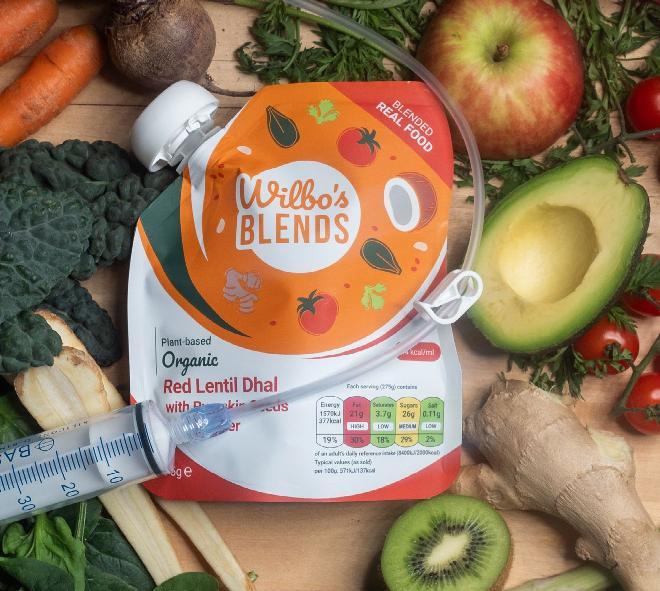
Blended diets (BD) are increasingly common, especially in paediatrics, driven by parent advocacy and growing clinical evidence. After decades dominated by commercial formula, BD has re-emerged, showing benefits for tolerance, gut health and patient satisfaction. This article explores the challenges in dietetic management of this cohort and the role of BD in evidence-based practice.
BD use is increasingly common in paediatric groups, largely driven by strong parent advocacy. The current evidence base is now broad, creating growth in the use of BD in enteral device placements for adult patients and those transitioning into adult services.
In the 1970s, blended food was replaced by commercial enteral formula, which soon became an established practice for all enterally-fed patients. This has remained largely unchanged since then. Advances in healthcare have increased both the number of people
requiring enteral nutrition (EN) and the length of time they remain on EN support. Since the 2000s, the use of BD has re-emerged in this group and has continued to grow in popularity.
In 2019, the BDA published a position statement1 on BD advising that dietitians should use a shared decision-making model with patients who want to use it. The BDA then published the Blended Diet Toolkit in 20212 to give greater clinical guidance to dietitians. Over 100 peer-reviewed papers have now been published on the topic, and an updated toolkit is planned for publication in 2026 in association with BAPEN to further support clinicians.
In dietetics, evidence-based practice (EBP) requires the asking of questions, systematically finding research evidence and assessing the validity, applicability and importance

Gareth Birkett





of that evidence. This information is combined with the dietitian’s expertise and judgment and the patient’s unique values and circumstances to guide decision-making to improve health outcomes. All this is brought together to provide a clear framework of EBP that can be applied to BD and EN.
BEST RESEARCH AND SCIENTIFIC EVIDENCE
A large body of research suggests that, compared with standard formulas, BD can improve gastrointestinal tolerance and reduce symptoms such as gagging, retching, reflux and constipation.3,4 Studies report enhanced caregiver satisfaction and perceived ‘normality’ of feeding, which may positively impact psychosocial well-being.5 Emerging data also indicate that, compared with commercial formulas, BD may promote a more diverse gut microbiome and reduce markers of gastrointestinal inflammation, such as faecal calprotectin.6
Whilst there are few reports of adverse events, careful consideration needs to be taken to ensure nutritional adequacy, as BD often shows variability in macronutrient and micronutrient content, requiring dietetic expertise.7 Good food hygiene is of critical importance to mitigate the potential for foodborne infection.8
DIETITIANS’ EXPERTISE AND JUDGEMENT
When using BD, the dietitian’s role is fundamental in supporting enterally fed patients and those involved in their care. For most patients who are being fed via a gastrostomy tube, the same dietetic expertise as for patients who are orally fed can be applied to improve health and treat medical conditions. Having a feeding tube does not prevent the inclusion of real food in a patient’s diet.
PATIENT VALUES AND PREFERENCES
The Care Quality Commission (CQC) is the independent regulator for health and social care in England. The CQC stipulates that patients should be provided with choice, with reasonable requirements for a patient’s preferences being met for food and hydration, a principle found across most health
regulators. Patients increasingly want to exercise this choice concerning real-food BD. The reasons for this are individual to the patient, but greater awareness of the research, anecdotal accounts from other patients and carers and a mainstream scepticism of ultra-processed foods all contribute. More patients are being proactively introduced to BD by dietitians and healthcare professionals, too.
Dietitians using evidence-based practice should make all enteral patients aware of BD, signpost to resources and engage in an informed discussion to make a shared decision on its use. In my view, BD should be the first line for all enteral patients unless there is a known contraindication. But before that ambition can become a practical reality, a number of barriers need to be addressed.
Commonly cited objections to BD often have little objective evidence to support them. Nutritional adequacy and the risk of foodborne illnesses are frequently raised as concerns. Both deserve consideration, just as they should for those eating orally. Good food hygiene is important irrespective of the route into the stomach. It is unlikely any dietitian concerned with nutritional adequacy would recommend the same processed feed for every meal to an orally fed patient. It is more likely they would suggest more unprocessed foods and increase dietary variety.
The risk of tube blockages is often raised in theory but is not strongly backed by data. Consideration should be given to the type of tube used and the likelihood of occlusion mitigated, not used as a justification for preventing the use of BD.
Less widely discussed (but impactful to patients) are systemic barriers. The nutrition options available for enteral feeding should not be mutually exclusive. Formula, home blending and prepared meals designed for enteral feeding can all be used together, with the balance between these options changing depending on preference and circumstance. For example, somebody primarily homeblending may choose a convenient BD
pre-made meal when on holiday or visiting hospital, whilst another may elect for formula overnight to increase energy intake.
The way that EN is provided in the UK has not changed for decades. It is inflexible, does not allow for changes in practice, restricts the options available to clinicians and patients and requires reform. Introducing new innovative BD products that can be prescribed to patients would make a big difference but is only part of what is needed.
Supporting patients with home blending is required too and the role of the dietitian is central to this. Specialist training and resources need to be in place, but the time necessary would put pressure on already stretched dietetic caseloads. These changes would only be effective if implemented with much-needed policy changes. Local policy variation can lead to confusion and inconsistency, creating inertia in dietetic practice when relating to BD. A centralised national policy based on the latest evidence should become the foundation, and any local guideline should be a concise annex to the framework policy when needed. This would allow the latest evidence to be incorporated easily and prevent the time currently wasted developing or sharing local policies.
Greater access to BD would improve patient outcomes, reduce hospital admissions and length of stay and even provide an opportunity for deprescribing medication used in symptom management. This shift would provide cost savings reflected in the vision of more preventative care set out in the new NHS 10 Year Health Plan. It’s time for national policy reform, better dietetic training and greater access to new and emerging BD products. In my view, BD should be the default, not the exception.



Vitaflo are pioneering longitudinal research to enhance the lives of individuals with PKU.1-4
PKU sphere delivers clinically proven long-term benefits from 5-16 years of age1,2:

New Banana flavour PKU sphere20 liquid now available. Also new look packaging coming soon on Chocolate & Vanilla PKU sphere20 liquid
Improved taste Metabolic control Protein nourishment‡ Adherence
‡ PKU sphere meets or exceeds the WHO minimum requirements for essential amino acids5
References:
1. Daly A, Evans S, Chahal S, et al. Glycomacropeptide: long-term use and impact on blood phenylalanine, growth and nutritional status in children with PKU. Orphanet J of Rare Dis 2019;14(1):44. 2. Daly A, Hogler W, Crabtree N, et al. Growth and body composition in PKU children – A three-year prospective study comparing the effects of L-amino acid to glycomacropeptide protein substitutes. Nutrients 2021;13:1323. 3. Daly A, Evans S, Pinto A, et al. The impact of the use of glycomacropeptide on satiety and dietary intake in phenylketonuria. Nutrients 2020;12(9):2704. 4. Daly A, Hogler W, Crabtree N, et al. A three-year longitudinal study comparing bone mass, density, and geometry measured by DXA, pQCT, and bone turnover markers in children with PKU taking L-amino acid or glyomacropeptide protein substitutes. Nutrients 2021;13(6):2075. 5. Protein and amino acid requirements in human nutrition: report of a joint FAO/WHO/UNU expert consultation. World Health Organization. Available at https://iris.who.int/ handle/10665/43411. [Accessed September 2025].
PKU sphere is a Food for Special Medical Purposes to be used under medical supervision. For healthcare professional use only. Date of preparation: December 2025
Vitaflo sphere. PKU without compromise Taste | Nutrition | Convenience


Young visitors to a metabolic biochemistry laboratory (lab) put on mini lab coats and simulated blood spot analyses to learn more about how their phenylketonuria (PKU) is managed. As a rare genetic metabolic disorder, treatment for PKU is lifelong and educating children about blood monitoring helps build confidence and familiarity with the routines that will support their long-term health.
PKU is an autosomal recessive disorder affecting around one in 10,000 people in the UK.1 People with PKU are deficient in phenylalanine hydroxylase (PAH), which metabolises the essential amino acid phenylalanine (Phe).
Phe monitoring is essential for managing PKU, a genetic disorder that prevents the body from properly processing this amino acid. Without treatment, high levels of Phe can accumulate in the body and brain, leading to severe and irreversible neurological damage and intellectual disability.1 Regular monitoring through patients sending their own dried blood spot to a metabolic lab (as well as controlling dietary Phe intake) is a key part of treatment.
The first revision of the European Guidelines for PKU, published this year, emphasises the necessity for close blood Phe monitoring and immediate clinical care.2 In this IMD Watch article, I’ll explain how a lab tour can help educate and empower children early in their lifelong treatment journey, to selfmanage their own PKU and dried blood spot monitoring.
OF BLOOD MONITORING IN PKU?
Phe monitoring is crucial for several aspects of PKU management:
• Dietary adjustment: Test results guide dietitians in adjusting the precise amount of Phe that can be safely consumed from natural proteins.
• Preventing complications: Testing prevents excessive Phe from building up and causing seizures, eczema, intellectual disability and behavioural and mental health problems. In modern practice for newborn screened or early treated patients, the goal of treatment may also prevent the more subtle mental health or neurocognitive complications, which are still documented in patients with early treated PKU.3,4
• Nutrient intake assessment: Monitoring ensures that nutrient intake is adequate and balanced, especially for those on highly restricted diets; for instance, if blood Phe is too low during periods of intense growth, it may indicate that an increase in Phe or dietary protein (intact protein) is needed.
• Therapy evaluation: Monitoring helps assess the effectiveness of other treatments, such as medications like sapropterin.
• Lifelong management: Continuous monitoring supports individuals in managing their condition effectively throughout their lives, even after initial dietary adjustments have been made.
In a study on Phe monitoring across Europe (Pinto et al),5 a higher frequency of blood sampling was associated with better blood Phe control and with less variability. Understandably, children can be resistant to lancing their own fingertips (or having a caregiver lance) once a fortnight or once a month. It is also seen that older children and adults decrease the frequency of blood spot monitoring with age, so any measures that support childhood monitoring could, in theory, support whole-life monitoring by creating and establishing good practice.
Recommendation 21 of the European Guidelines on PKU outlines the suggested minimum frequency of blood Phe measurements as follows:2
• Weekly for ages 0–1 year
• Fortnightly for 1–12-year-olds
• Monthly for >12-year-olds
• Weekly during preconception
• Twice weekly during pregnancy
Increased frequency of blood Phe measurements may be required following treatment changes and clinical or adherence concerns.
Recommendation 182 of the European Guidelines on PKU mentions that adequate blood spot sample quality should be assured by regular training of patients and caregivers.2 This training is usually done by a clinical nurse specialist who shows caregivers and children or young people how to take the blood from their fingertips, using a lancet device. However, training also means how to create an analysable blood spot on the card.
A tour of the metabolic biochemistry lab is a good way to show children what happens to the dried blood spot cards they provide, how their blood is processed and analysed and what
equipment is used. The tour also helps children understand how their own blood Phe result is arrived at and who shares the result, which can dictate treatment changes (such as an increase or decrease in daily protein allowance).
A visit to the lab is a form of experiential or ‘kinaesthetic’ learning where individuals learn best through physical activity and hands-on experiences.6 This approach involves ‘doing’ rather than passively listening or watching and often uses activities like role-playing, experiments and moving whilst learning. Kinaesthetic learners benefit from actively engaging their bodies and senses to process and retain information.
Metabolic scientists and dietitians who specialise in inherited metabolic diseases (IMD) welcomed six visitors –patients from the Southwest Regional Paediatric Metabolic Service at Bristol Royal Hospital for Children – for their lab tour at Southmead Hospital. The children wore mini lab coats and became junior trainee biomedical scientists for the day.
Visiting the lab helps younger patients (who are regular lab service users) to:
• understand the importance of their blood tests and the quality of their blood spots;
• meet healthcare scientists who work behind the scenes;
• feel confident and in control of their healthcare journey.
For families, it’s a chance to ask questions and learn more about treatment processes, making the hospital experience a little less daunting. For lab staff, it is an opportunity to meet the families and gain a greater understanding of what it is like to live with a condition like PKU.


Firstly, the new scientists played ‘I spy’ to help orientate themselves by looking for items they could ‘spy’ in the lab. They prepared blood spots (using food dye), punching out the spots and transferring them into glass tubes ready for analysis. The children particularly enjoyed watching a demonstration of the machine used to prepare the real blood spots they post to us. Finally, they all met the analyser who generates their Phe results: a tandem mass spectrometer named Buzz (other tandem mass spectrometers in the same lab include Woody and Slinky).
Throughout the day, the children and their families kept the scientists on their toes with insightful questions and aced their ‘What makes a good bloodspot’ quiz to end the session. The children received certificates and souvenirs of their day, funded by Harvey’s Lab Tours.7
The team opted for a nearly 2:1 ratio of healthcare professionals to children to provide the highest level of safety throughout the event. A clinical scientist coordinated the day and collated feedback from families and staff, which showed an overwhelming success and support for future events from the lab and clinical staff.
HOW DID THE TOURS BEGIN?
In 2013, Malcolm Robinson (an NHS scientist) and seven-yearold Harvey Baldwin (who had leukaemia) instigated the first lab tour. The visit to the lab was enjoyable for Harvey and rewarding for staff, who all reported that it was lovely to put a face to a name they had seen so often.
Malcom repeated the tour many times over and shared the work across the UK, founding a charity in the process to support the work. Since 2013, over 140 different hospital laboratories have hosted hundreds of children for tours. So, thank you Malcolm and Harvey!
Malcolm retired in 2019 and the charity work has been taken on by his national professional body. Harvey’s Lab Tours is now an initiative continued by the Institute of Biomedical Science,7 and NHS scientists throughout the UK are keeping children informed and empowered about their care.
WHAT DID THE CHILDREN THINK OF THEIR LAB TOUR?
“I enjoyed learning the names of the analysers.”
“I liked looking around the lab.”
“I loved it when I punched the blood.”
“I would like to know how it is different in other parts of the world.”
WHAT DID THE PARENTS THINK?
“Very well organised and very informative. We really enjoyed the tour.”
WHAT DID THE STAFF THINK?
”Really informative and lovely to meet more of the team who I don’t usually see. Thank you for having me. I shall recommend it to all my metabolic colleagues.”
WHO ELSE MIGHT BENEFIT FROM A HARVEY’S LAB TOUR?
Children with other metabolic conditions who may need to send in regular dried blood spots to the metabolic lab (eg maple syrup urine
disease or tyrosinaemia) would enjoy a lab tour.
Outside the IMD services, other children who regularly give blood for analysis would find a lab tour helpful. The Institute of Biomedical Science website illustrates this well with blogs on different tours around the UK.7 You can sign up to host a tour by completing the online form. Harvey’s Lab Tours provides a freeof-charge goody bag for each child, lab coats for them to wear, special ‘Trainee Scientist’ lanyards, a Harvey’s Lab Tours teddy, activity sheets and a certificate. All of this is funded charitably (at no cost) by the Institute of Biomedical Science.
Lab staff immediately started planning to repeat the lab tour in 2026, this time considering making it more accessible for children who may be neurodivergent. Clinical staff have always considered the needs of the metabolic paediatric caseload, including children who may have additional needs. Adapting the lab tours for neurodivergent children
could include giving a bit more information in advance about the tours, managing sensory stimuli during the event such as lighting, sounds and smells, allowing more flexibility in the tour by providing a quiet breakout space for keeping calm and by having fidget tools to hand.
Hosting a Harvey’s Lab Tour has been a great way for clinical and lab staff to add value to the services we provide, and to empower our patients in the self-management of their long-term condition. The tours provide an enjoyable way for staff and families to interact and add meaning to the exchange of dried blood spot cards and Phe values.
Harvey’s Lab Tours is made possible by the hard work and dedication of biomedical scientists, lab teams and healthcare professionals across the UK. These volunteers give their time to help children understand what happens to their samples and feel more comfortable during their care. Their efforts make a lasting difference.
Technology has rapidly become an integral component of modern healthcare and the discipline of dietetics is evolving alongside it. This article explores the emerging roles of artificial intelligence (AI) and virtual reality (VR) in dietetics, their clinical applications and the implications for the profession’s future.
AI and VR are reshaping the field of dietetics by enhancing clinical decisionmaking, improving patient engagement and transforming professional education. These innovations are not designed to replace dietitians but to extend their capabilities, improve accuracy and enhance the quality of patient-centred nutrition care.
PERSONALISED NUTRITION AND DATA-DRIVEN PLANNING
AI can synthesise complex datasets, ranging from genetic profiles and microbiome analyses to electronic health records, and generate highly individualised meal plans. Similarly, AI-driven nutrition platforms have demonstrated measurable changes in microbiome diversity and metabolic biomarkers in healthy individuals. These findings illustrate AI’s potential in precision nutrition, where interventions are tailored to biological individuality rather than population averages.
Example: A pilot clinical study in patients with irritable bowel syndrome (IBS-mixed type) compared an AIbased personalised nutrition diet with a standard IBS diet. The AI diet used an algorithm that optimised dietary strategy based on each patient’s gut microbiome features (via 16S rRNA sequencing). After six weeks, those on the AI-personalised diet had significantly greater improvement in symptom severity (IBS-SSS) than the standard diet.1
AI-driven tools are improving the accuracy and feasibility of dietary monitoring by integrating wearable sensors, environmental and image-based data to estimate energy and nutrient intake with minimal user input. This reduces reliance on self-reported dietary records, which are prone to bias and underreporting.
Example: Several mobile apps have been developed for dietary tracking, including goFOOD Lite, which is a new version of goFoodTM, which are intended for logging the food and drinks consumed by the user. The information gathered through this approach is suitable for looking back at past dietary habits. Consequently, this tool is beneficial for those who require a straightforward way to monitor their eating patterns, as well as for their dietitians or healthcare providers.2
Machine learning algorithms are being applied to identify patterns linking diet and disease risk. In digital twin models for T2D management, AI systems simulate individualised metabolic responses to various dietary and lifestyle modifications. These models have demonstrated potential in improving glycaemic control and weight outcomes, supporting proactive rather than reactive nutrition interventions.
Example: In the Nurse-in-the-Loop AI for Type 2 Diabetes study, a predictive digital twin model was built from input data (food logs, weight, physical activity and glucose) for patients with T2D. It provided individualised feedback, identifying which behavioural changes could optimise glucose/weight outcomes. Results showed improved metrics in the intervention group.

AI is enhancing the clinical workflow by providing evidence-based decision support. These systems use large language models (LLM) to combine personal health data with population-level nutrition evidence, offering explainable and adaptive recommendations. By handling repetitive analytical tasks, AI allows dietitians to dedicate more time to patient interaction, complex case management and interprofessional collaboration.
Example: The ChatDiet framework (LLM-augmented) is an example of a tool that helps provide tailored food recommendations with explainability, combining personal model with population model. It helps dietitians or users to understand why certain recommendations are made.
Virtual assistants and AI chatbots are increasingly used for dietary education and follow-up support. For instance, these tools extend access to care beyond clinical settings, fostering continuous engagement and self-efficacy among patients.
Example: ‘Purrfessor’ is a diet-health chatbot that integrates image recognition (vision plus food) and nutrition advice. Fine-tuned with food/nutrition data, it uses human-in-the-loop to improve recommendations, perceptions of care and user interest.
AI’s ability to analyse vast datasets is accelerating nutrition research. From exploring the gut microbiome to studying dietary patterns across populations, AI facilitates faster hypothesis generation and evidence synthesis. This capability
supports the development of more precise and personalised dietary guidelines.
Examples:
A. The systematic review mentioned above (AI in dietary recommendations) synthesises many trials, showing that AI-generated interventions can outperform standard methods.3
B. AI is also used in data-heavy studies of the microbiome and diet-disease links, using models to find associations or causality, such as in the IBS study where an AI model used Monte Carlo simulations and gradient boosting to suggest micronutrient perturbations.4
INTEGRATING VR INTO DIETETIC PRACTICE
VR provides an immersive and interactive learning environment for dietetics students and professionals. Controlled studies have shown that VR-based nutrition education enhances knowledge retention, self-efficacy and applied decision-making. Another pilot RCT developed a VR experience for children (aged 6-12) with overweight/at risk, integrating an interactive go-kart game and voiceover psychoeducation (‘food as fuel’), etc. It improved attitudes, selfefficacy for healthy eating and activity, whilst increasing vegetable intake and active days.5
Behaviour modification is central to dietetic practice and VR can replicate real-life scenarios, such as dining environments or grocery stores, allowing clients to practice healthier decisionmaking. A VR exergaming (exercise within a virtual environment) was studied by Bristol Biomedical Research Centre. Participants enjoyed VR exergaming more than standard exercise sessions, and after VR exergaming, they consumed on average ~12% less food. This suggests that if exercise is more engaging (via VR), people may feel less need to ‘reward’ themselves with large portions.6 Also, VR inhibitory control training (ICT) was used in people with loss of control (LOC) when eating. Delivering such training via VR showed reductions in LOC eating both immediately post-intervention and at twoweek follow-up.7
Emerging VR applications allow clients to engage in virtual grocery shopping or cooking demonstrations. These immersive experiences enhance
learning by providing realistic practice in portion estimation, label reading and meal preparation. Early research indicates that VR-based educational interventions improve nutrition literacy and promote sustained behaviour change.
While full-scale cooking sim environments are still emerging, one study explored the gamification of food selection via VR. Young adults in a VR food environment with game elements showed increases in nutritional awareness and better attitudes towards food selection.
Another innovation is VR therapy, which is showing promise in treating disordered eating and body image disturbances. The ViTraS pilot programme, for example, demonstrated improvements in body perception and eating behaviours among adults with obesity. Similarly, VR-assisted exposure and skill-training programmes are being explored for use in eating disorder rehabilitation. The study on VR ICT for binge eating/LOC eating (above) is therapeutic. It is training inhibitory control with immersive 3D movements, aiming to reduce pathological eating behaviours.8 Also, the ViTraS pilot study used VR-based body image exercises in people with obesity. Outcomes included effects on eating behaviour and body perception, though weight loss was not significant in the short term. This shows a potential for treating psychological/behavioural components.8
As telehealth becomes a standard mode of practice, VR offers an opportunity to enhance engagement through immersive counselling sessions. Virtual consultations in simulated environments can replicate face-toface interactions, enabling dietitians to deliver more interactive and personalised remote care. While specific large trials of full VR telehealth diet counselling are less common, qualitative work in eating disorder treatment suggests that VR could help simulate challenging situations (eg social eating, body image, food exposure) in remote settings, allowing patients to rehearse and therapists to guide.9
Despite their sophistication, AI and VR cannot replicate the uniquely human aspects of dietetic practice. Several key
factors ensure that dietitians remain indispensable:
• Contextual understanding: Nutrition care involves more than interpreting data; it requires understanding a patient’s lived experience, cultural context and emotional relationship with food – dimensions that AI cannot authentically interpret.
• Empathy and therapeutic alliance: Sustained dietary change depends on trust, empathy and rapport. A machine may deliver information, but it cannot sense hesitation, provide reassurance or motivate a patient during emotional setbacks.
• Ethical and clinical judgement: Dietitians apply professional ethics and critical thinking to ensure recommendations are safe, evidence-based and equitable. AI systems may reproduce biases present in data or lack accountability for patient outcomes, necessitating human oversight.
• Complex decision-making: In multi-morbid conditions such as diabetes with renal complications or oncology nutrition, individualised planning requires balancing physiological, psychological and logistical factors. Such complexity demands professional discernment beyond algorithmic capacity.
• The human connection: Dietetics is inherently relational. The compassion, cultural sensitivity and motivational interviewing skills of a dietitian cannot be replicated by AI or simulated through VR. Human engagement remains central to patient adherence and long-term success.
AI and VR are not replacements; they are reinforcements. The most effective dietetic practice of the future will harness the analytical power of AI, the immersive learning potential of VR and the irreplaceable empathy and judgement of the human clinician. Together, these forces will create a more informed, connected and compassionate framework for advancing global nutrition and health outcomes.
This article explores different NHS pathways, including hospital and community roles, describing what to expect in each. It provides insights into typical responsibilities, learning opportunities and reflections to help graduates select the right environment for their first post.
Beginning your career as a newly qualified Band 5 dietitian is a milestone filled with excitement and uncertainty. After years of study, placements and dissertations, you are finally ready to practise – but where should you begin?
At the time of writing, around 15 Band 5 posts are advertised on the NHS Jobs website, spanning district general hospitals (DGHs), large teaching trusts and community services. For many graduates, the choice of setting is just as important as securing a role. Each environment offers very different experiences, shaping your early career and influencing the direction you may take later.
BAND 5 IN A DGH
DGHs serve smaller populations, usually with 200 to 500 beds. Dietetic departments are often compact, with fewer than 15 staff covering the entire hospital. A prime example is WestonSuper-Mare General Hospital, a 200-bed site where a handful of dietitians deliver care to people with a broad range of health conditions.
In a DGH, Band 5s are typically exposed to a wide range of wards: medical, surgical, care of the elderly, stroke and nutrition support. You’ll become a generalist quickly, often moving between very different patient groups in the same week. The caseload variety is immense, and you never quite know what the day will bring.
Because the teams are smaller, you may be trusted with more responsibility early on. While this can be daunting, the rapid development of independence
builds strong skills in clinical judgement. The working culture is also distinctive. You’ll get to know colleagues on the wards well, which fosters close collaboration and makes you a visible and valued member of the team.
If your colleague is on leave, you will likely have to cover (and, therefore, gain exposure to) more clinical areas rapidly. In a larger teaching hospital, there will usually be other staff who have more experience and are better suited to cover, allowing you to stay within your caseload.
Pros:
• Variety
• Autonomy
• Broad experience
• Close multidisciplinary team (MDT)
Exposure to multiple areas accelerates confidence, decision-making and problemsolving skills. As a result, your learning curve is steep and exposure is broad. You will become pragmatic and develop a resilience that can allow you to more easily transfer between roles.
Within two years in a DGH at Band 5, you will have dabbled in the common specialities and wards, seen patients on all kinds of nutrition support and dealt with many diseases. In comparison, after two years of Band 5 rotations in a larger teaching hospital, you may have only been exposed to two specialities but will have gained a great deal more depth within those.
Cons:
• Limited exposure to niche specialities
• Fewer structured rotations
• A smaller MDT with fewer specialities.
For example, there will not necessarily be a nutrition nurse or a pharmacist with an interest in nutrition to support a nutrition team. This can increase pressure on dietetic teams. It is important to remember the limitations that come with smaller hospitals. You may not be able to provide the nutritional care a patient requires, and

Simon Tapley RD
complex patients may be transferred to larger centres.
A Band 5 dietitian might start the day on a care of the elderly ward, reviewing a patient with dysphagia and liaising with speech therapy. By mid-morning they could be called to a surgical ward for a new enteral feeding referral, before heading to outpatients to run a general dietetic clinic.
Teaching hospitals are much larger. With 800 to 1500+ beds and a workforce numbering in the thousands, these trusts are regional centres for specialist care. The Queen Elizabeth Hospital Birmingham, for example, has over 1200 beds and one of the largest dietetic teams in the country, with 40 to 60 dietitians across specialities. Band 5 posts in teaching trusts are often rotational. You might spend 12 months in renal, oncology, respiratory or gastroenterology, gaining exposure to complex cases rarely seen in smaller hospitals. There is often a robust new graduate training scheme with specific competencies to be met in each rotation. These settings are fast-paced and academically rich. You’ll join large MDTs, working closely with consultants, registrars and specialist nurses. Colleagues will likely be involved in research, which may bring opportunities.
Pros:
• Early access to niche specialities and treatments
• Strong training infrastructure
• Academic links
• High patient volumes
Cons:
• Less autonomy early on
• Can feel like a small cog in a large wheel
• Rotations may not align with your interests
A Band 5 working in a cardiology rotation may spend the morning in a MDT dyslipidaemia clinic. The afternoon could consist of ward microteaching sessions on nutritional screening before reviewing a patient who requires ongoing nutrition support prior to discharge.
Community roles are a third pathway and increasingly common entry points for new graduates. Posts are usually within integrated community teams, sometimes linked to acute trusts, and cover patients across nursing homes, home visits, GP practices and community clinics. Caseloads often include malnutrition, enteral feeding, diabetes, weight management and long-term conditions. Unlike the ward-based hospital model, you’ll often see patients for months or years, tracking progress over time. The autonomy is substantial. Travel is a reality; you may spend significant time driving between visits or carrying kit into patients’ homes.
Pros:
• Long-term patient relationships
• Strong communication and education focus
• High autonomy
District general hospital (eg Weston General) ~200–500
Teaching hospital (eg Queen Elizabeth Hospital Birmingham)
800–1500+
Cons:
• Isolation from peers
• Logistical challenges
• Less exposure to acute or emergency care
A Band 5 in the community might start the day by visiting a nursing home to review oral nutritional supplements, before providing a cardiac rehabilitation talk at a GP practice. The afternoon could involve a weight management clinic at a community health centre. Unlike hospital practice, the emphasis is on continuity, seeing the same patients month after month and adjusting interventions as their needs evolve.
Most dietitians progress to Band 6 after around two years. Routes differ depending on the setting:
• DGHs may offer progression into Band 6 generalist posts or encourage movement into local specialities.
• Teaching trusts often have structured Band 6 rotations that can feed directly from Band 5 pools.
• Community services may support development into advanced roles in home enteral feeding or diabetes education.
(<15)
Broad
Generalist
Medical
Surgical
Elderly care
Enteral feeding
Large (40–60+)
Community dietetics N/A (patients across local area)
Small to medium integrated teams
Specialist rotations:
- Renal
- ICU
- Oncology
- Gasroenterology
- Paediatrics
Long-term care:
- Malnutrition
- Enteral feeding
- Diabetes - Weight management
• Training opportunities vary. Larger trusts often run in-house teaching programmes and support postgraduate modules. Smaller hospitals may offer less formal CPD but compensate with hands-on experience and closer supervision.
• Larger teams mean more movement of staff. In the current economic climate, departments may only recruit internally at first, avoiding having to go external if at all possible. This means larger departments can allow more opportunities for progression. When vacancies arise in smaller teams and advertisements are internal, there is less competition.
Your first Band 5 post is about building confidence, consolidating clinical skills and learning how to work independently. Whether you start in a DGH, teaching hospital or in the community, you will be challenged and supported in different ways. Each setting offers valuable experience. What matters most is ensuring you are able to transfer the skills you develop to any and every environment throughout your career.
High – responsibility early on
Moderate – strong supervision initially
Less structured CPD, but rapid hands-on experience
Very high – lone working is common
Structured rotations, in-house teaching and links with academia
Training may focus on longterm conditions and advanced skills (eg group education)
Gestational diabetes in South Asian women: The need for culturally-tailored support
Gestational diabetes mellitus is a pregnancy complication that can have lasting effects on mother and child. Standard clinical advice can be hard to follow when it conflicts with cultural practices, traditional diets or family expectations. Providing personalised, culturally-sensitive guidance that incorporates familiar foods and realistic lifestyle changes may help women manage gestational diabetes and improve immediate and long-term health outcomes.
Hyperglycaemia that appears during pregnancy and resolves after birth is known as gestational diabetes. It is the most common medical complication of pregnancy, with many cases undiagnosed. Risk factors include maternal overweight or obesity, older maternal age, previous history of gestational diabetes, family history of T2D and certain ethnic backgrounds. Initial treatment focuses on dietary changes and increasing physical activity, with the introduction of insulin or other medications if normal blood glucose levels cannot be achieved. Effective management improves immediate pregnancy outcomes by lowering the risk of excessive foetal growth, increased adiposity and pregnancyrelated hypertensive disorders.1
South Asian women have roughly twice the odds of developing gestational diabetes compared with White European women. While the reasons are not fully understood, studies show a strong association with genetic factors, independent of parental diabetes history and other established risk factors. 2
A Melbourne study explored the experiences of South Asian immigrant women with gestational diabetes and


healthcare management. 3 Many women made small dietary changes, such as reducing rice, roti and sweets, but rarely stopped eating traditional staples. Changes were mainly motivated by concern for the baby, and altering familiar diets often left women feeling constantly hungry.
Cultural beliefs about nourishment and rest frequently conflicted with clinical advice, and many women felt confused by recommendations
that lacked cultural relevance. They wanted practical, tailored guidance that incorporated traditional foods and familiar cooking methods. Healthcare providers found this challenging due to diversity within the community, time limitations and a lack of culturally specific resources. Supporting vegetarian women in reducing carbohydrate intake and promoting physical activity were particular difficulties when advice conflicted with cultural norms.
Building on this, the DESI-GDM study 4 evaluated a culturally tailored nutrition and lifestyle intervention for pregnant South Asian women at risk of gestational diabetes. Delivered by dietitians and health coaches with cultural understanding, the intervention incorporated familiar foods, traditional cooking practices and realistic behavioural goals. By aligning advice with participants’ cultural context, the study aimed to improve glucose metabolism and reduce long-term risks of T2D and cardiovascular disease.
Various trusts are developing resources to support South Asian women with gestational diabetes. Many helpful materials can be found online. One great example is the booklet Healthier Eating: African, Caribbean and South Asian Cuisines , created for the Healthier You NHS Diabetes Prevention Programme coaches.
PAEDIATRIC HUB
As a South Asian myself, my website offers downloadable resources on diet and lifestyle. However, the key challenge is ensuring these materials reach the women who need them. Many may feel overwhelmed by the sheer volume of information available, and it can be difficult to know whether the guidance they are receiving is accurate. A study of Diabetes Canada’s culturally-tailored gestational diabetes resources found that many South Asian immigrant women were not aware that these materials exist. 5 Even when women did receive guidance, they often faced an overload of information from family, the internet and healthcare providers, leading to confusion and variable trust. The study concluded that culturally tailored resources are helpful but insufficiently accessible or family-inclusive, and that better dissemination, clearer messaging and involvement of family members are essential.
South Asian women face a disproportionately high risk of gestational diabetes, yet current support often fails to meet their cultural, dietary and informational needs. Evidence shows women are motivated to make changes for their baby’s health, but generic or culturally mismatched guidance leaves many feeling confused, hungry or unable to follow recommendations.
Culturally tailored resources that incorporate familiar foods, traditional cooking practices and realistic goals show promise, but only if accessible, clearly communicated and inclusive of family influences. Improving awareness, enhancing culturally sensitive dietetic support and ensuring practical, easy-tonavigate resources are essential to improving outcomes for South Asian women and their families.
The NHD Paediatric Hub delivers the latest in paediatric news and research, alongside expertwritten exclusive articles and fact files on clinical and community topics. On the Hub, you’ll also find essential links, guidelines and trusted resource recommendations.
topics include maternal obesity and infant gut bacteria, tackling anorexia, blended diets in enteral nutrition and ultra-processed foods in childhood nutrition.