The Magazine for Dietitians, Nutritionists and Healthcare Professionals
THE RISK OF CARDIOVASCULAR DISEASE POSTMENOPAUSE
NUTRITIONAL RISKS IN PAEDIATRICS
PAEDIATRIC LIVER DISEASE
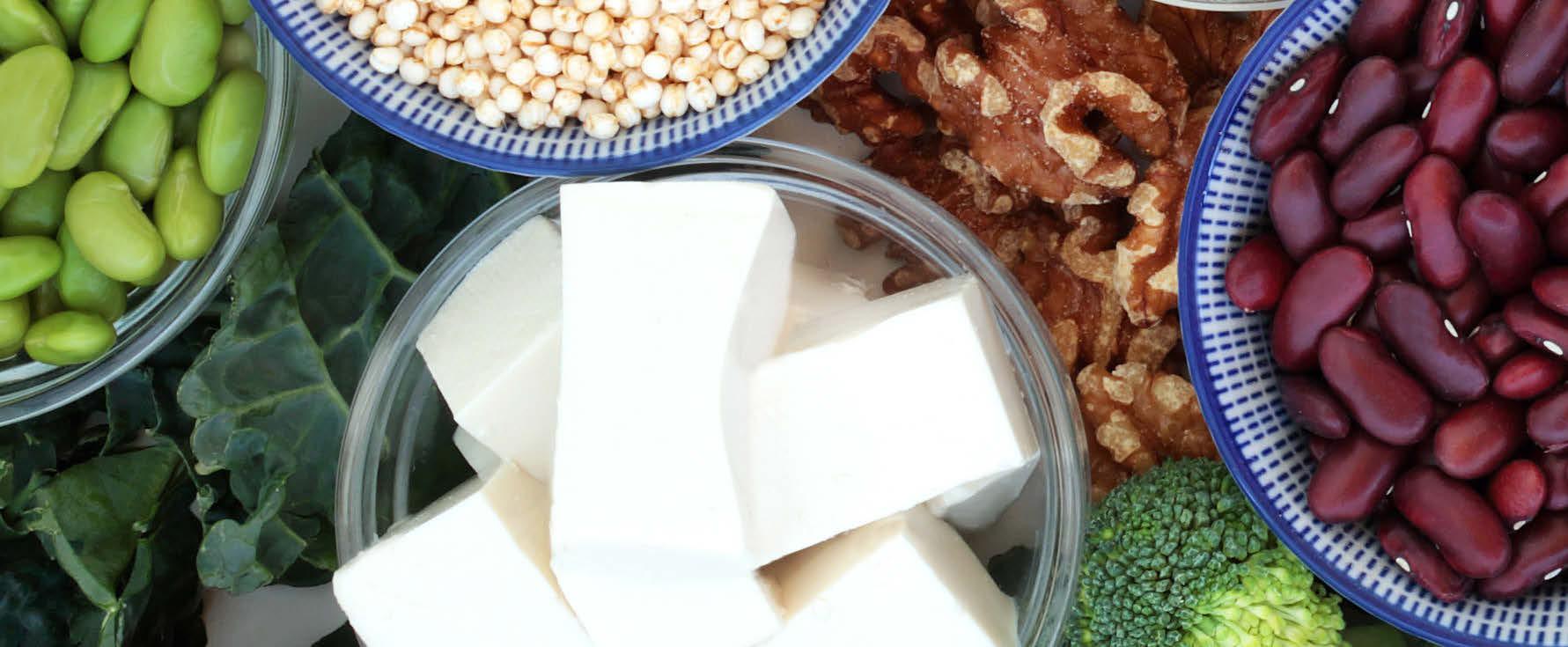
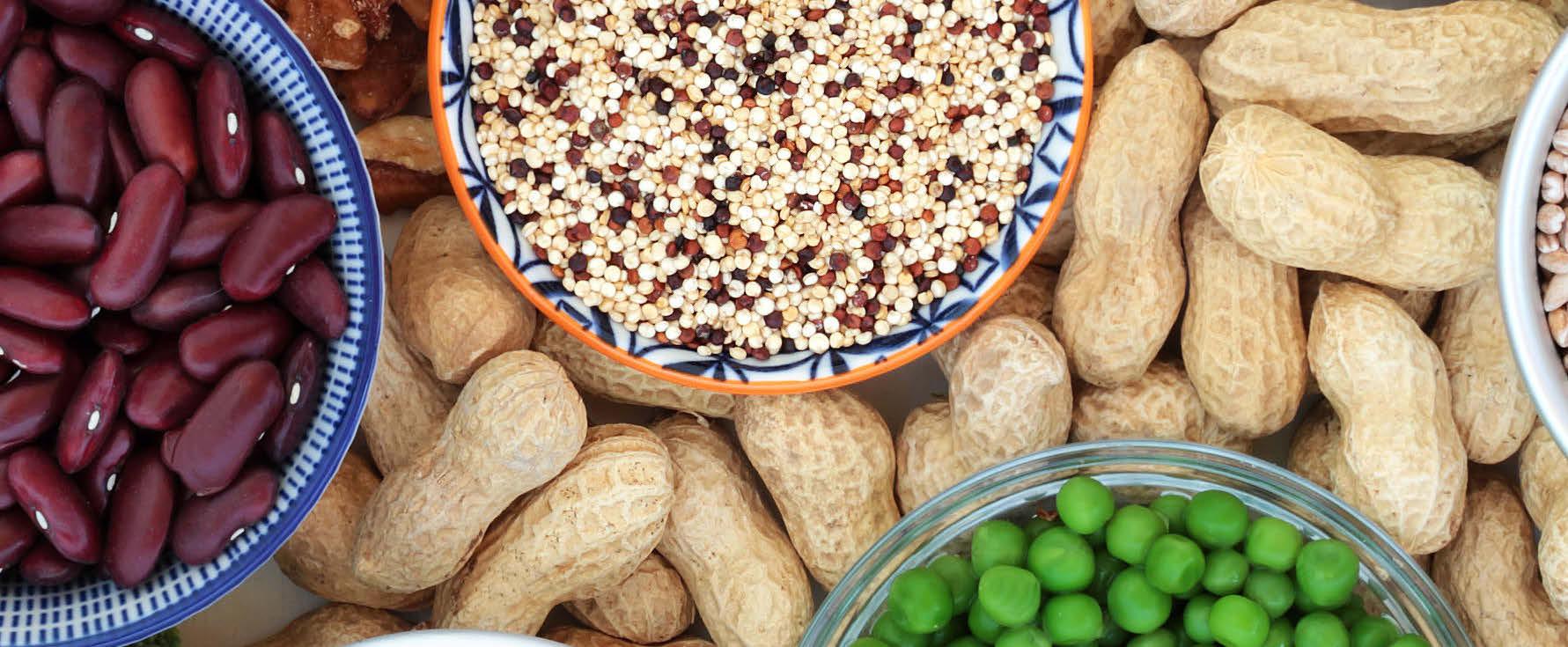
PLANT-BASED HOSPITAL MEALS
MALNUTRITION IN THE COMMUNITY
WEIGHT MANAGEMENT SERVICES
DIET AND THE RISK OF BREAST CANCER
Celebrating half a decade of Compleat® paediatric
Compleat® paediatric has 5 years of results supporting improved GI tolerance2, weight gain2 and positive quality of life.2-4
An ESPGHAN position statement supports the use of commercial feeds with food-derived ingredients such as Compleat® paediatric as a suitable first choice feed when a child is moving onto a blended diet.1
GOSH support the use of an enteral feed containing foodderived ingredients such as Compleat® paediatric as one of the first-choice whole protein formulas for children.5
REFERENCES: 1. Köglmeier J et al. The Use of Blended Diets in Children With Enteral Feeding Tubes: A Joint Position Paper of the ESPGHAN Committees of Allied Health Professionals and Nutrition. J Pediatr Gastroenterol Nutr. 2023 Jan 1;76(1):109-117. 2. O’Connor G et al. Monitor gastrointestinal tolerance in children who have switched to an “enteral formula with food-derived ingredients”: A national, multicenter retrospective chart review (RICIMIX study). Nutr Clin Pract. 2021;1-6. https://doi.org/10.1002/ncp.10812 3. Thornton-Wood C and Saduera S. 2020. Tolerance and Acceptability of a New Paediatric Enteral Tube Feeding Formula Containing Ingredients Derived From Food: A Multicentre Trial In The United Kingdom. J Neonatol Clin Pediatr, 7: 050 DOI: 10.24966/NCP-878X/100050 4. Siddiqui A et al. (2021) Benefit of Including Food-Derived Ingredients in Enteral Nutrition Formulas: Practical Experience from Clinical Cases. J Neonatol Clin Pediatr 8: 066. GI- Gastrointestinal; GOSH - Great Ormond Street Hospital. 5. O’Connor G, Velandia AC and Capriles ZH. The impact of an enteral formula with food‐derived ingredients on dietetic practice at a specialist children’s hospital in the UK: Retrospective study. J Hum Nutr Diet. 2025;38:e13374. https://doi.org/10.1111/jhn.13374 IMPORTANT NOTICE: Compleat® paediatric is a Food for Special Medical Purposes for the dietary management of patients with or at risk of malnutrition. Must be used under medical supervision. Compleat® paediatric contains 13.8% food-derived ingredients consisting of 6.9% rehydrated chicken meat, 4.3% rehydrated vegetables (3.8% peas, 0.54% green beans), 1.4% peach puree and 1.2% orange juice from concentrate.
Hello and welcome to the February issue of NHD. This month I want to take the opportunity to talk about science and being female. This isn’t intended to exclude other genders, but this month sees International Day of Women and Girls in Science on 11th February.1
This is an annual event to celebrate the contributions and achievements of women and girls within STEM: science, technology, engineering and mathematics. The day supports the empowerment of females in the scientific community and recognises the importance of gender equality. A global event, established by the United Nations, it aims to promote equality, highlight achievements, inspire future generations and advocate for inclusion. Statistics suggest that women account for only around 25% of the UK STEM workforce.2 However, the UK nutrition and dietetic workforce includes a significant percentage of females despite being a science-based discipline. Health and Care Professions Council (HCPC) diversity data collated in 2023, highlighted that women make up 91% of registered dietitians in the UK.3 Of that 91%, up to 30% fall under the perimenopause or menopause age brackets.3 That’s a significant chunk of our workforce!
No two menopause experiences are the same, but it’s a significant phase in most women’s lives and can have an impact on health, whether that’s physical and/or mental. The average age of menopause in the UK is 51,
with perimenopause emerging around the age of 45.4 Postmenopause begins where there has been no menstruation for 12 consecutive months after the final menstrual period.4
Hot flushes, mood swings, brain fog and fatigue are all commonly reported symptoms. However, there are other health considerations, which include cardiovascular disease (CVD) and osteoporosis. CVD accounts for over 24% of all menopause-related deaths in the UK. In this issue, we’re joined by Antoinette Burroughs, RD, as she shares her research on women’s awareness and knowledge of associated dietary factors in relation to cardiovascular disease (CVD) risk postmenopause. Antoinette presents and discusses the results of her online survey, and the conclusions she’s drawn from them.
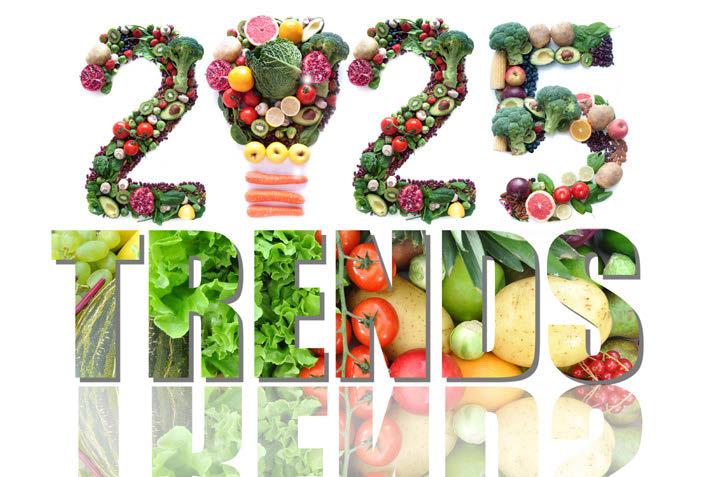
Eating well never goes out of fashion for dietitians and nutritionists, but we often see diet and food trends come and go. Laura Karr-Todd, RD, takes a look at the food trends for 2025, having a good rummage in the UK food and drink industry basket to see what we can expect to be hitting the market this year.
Thanks for joining us again and enjoy the read! Emma
REFERENCES
Please visit:
www.NHDmag. co.uk/articlereferences.html
Emma Coates RD Editor
Emma has been a Registered Dietitian for 18 years, with experience of adult and paediatric dietetics.
coatesyRD
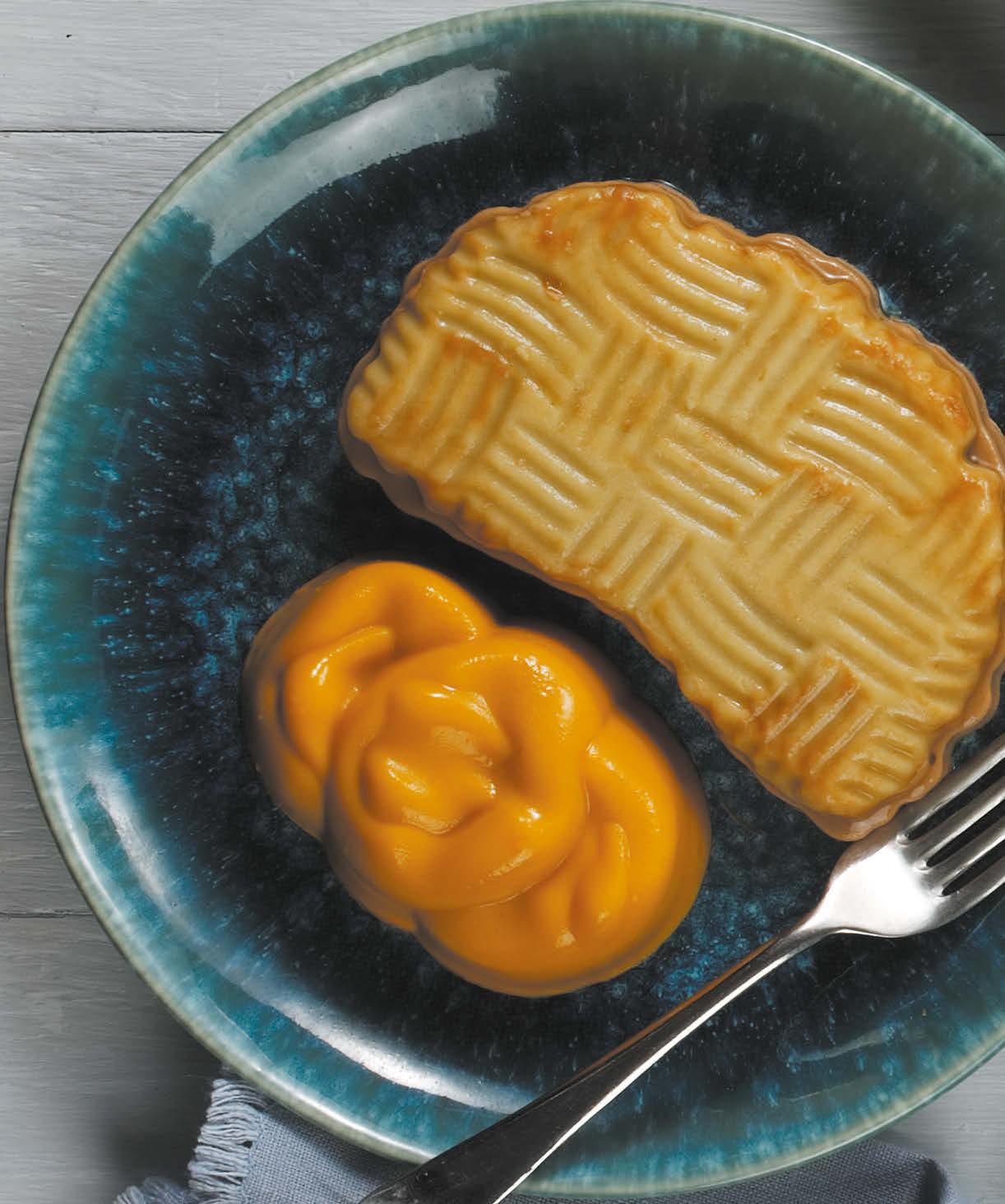
3 Here at It’s Made For You Softer Foods, we believe that everyone should look forward to tasty, safe, and nutritious texture modified meals.
3 A range of over 50 dishes in IDDSI Level 4, 5 and 6 designed for the IDDSI required texture.
3 Choose from mains, minis and desserts.
3 Helping you to support and keep your patients safe at mealtimes.
3 No contracts, order as much or as little as you like.
Latest research
Priya Tew RD
Priya is a freelance dietitian and author. She runs Dietitian UK offering private clinics and consultancy, specialising in a variety of disciplines. Priya also works with the media and in TV.
IMPRECISION NUTRITION?
With all the interest in continuous glucose monitors (CGMs), it is good to see some new research looking at whether this is of value. In a randomorder crossover study on 30 inpatients without diabetes, people were given two diets for 14 days each.1 They ate the same meals each week for the 14 days, so were exposed to the same meals in week 1 and week 2. Using a CGM, blood glucose response was monitored.
Now, the science, as explained in programmes sold to the public, suggests that our bodies have the same response to meals each time. Or ‘an individual’s responses to repeated meals are less variable than their responses to different meals’.1 However, the results of the study did not back this up; they showed a variable response when the same meal was eaten by the same person. Relying on similar CGM results to individual foods does not, therefore, seem to translate into meals of multicomponent foods.
The research showed that you would need to eat a food 67 times to get an accurate result from a CGM and these devices over-report blood glucose peaks by up to three times compared with finger prick tests.
There are many factors that could be at play here including exercise, baseline carbohydrates consumed, the location of the CGM and its accuracy, sleep quality and stress. Whilst this was a small-scale study, it does highlight the notion that relying on CGMs to determine what you should eat is flawed.
1 Aaron Hengist, Jude Anthony Ong, Katherine McNeel, Juen Guo, Kevin D Hall (2025). Imprecision nutrition? Intraindividual variability of glucose responses to duplicate presented meals in adults without diabetes. The American Journal of Clinical Nutrition; Volume 121, Issue 1, 2025, pp74-82. ISSN 0002-9165. https://doi.org/10.1016/j.ajcnut.2024.10.007
CAN OZEMPIC BOOST HEALTH: THE PLEIOTROPIC EFFECTS
A study of two million people over 3.5 years delved into the impact of weight loss injections, looking at how they impact the whole of health.1 This study looked at male US veterans with type 2 diabetes who were given semaglutide jabs and compared them with those who were given sulphonylureas. A correlation between weight loss jabs and a lowered risk of cardiovascular disease was found, plus, a 12% reduction in Alzheimer’s disease was seen. Less liver cancer, muscle pain, bacterial infections and fever were also seen and fewer urges to seek out rewards, such as alcohol, cigarettes and gambling, were also noted. However, other problems increased in risk such as low blood pressure and headaches. Disturbed sleep, kidney stones, tendonitis, synovitis, arthritis, nausea and vomiting, abdominal pain, gastritis, gastroparesis, diverticulitis and haemorrhoids were more common, symptoms that are not often reported by the media headlines.
Let’s remember, there are limitations to any study and this one was on white men with type 2 diabetes. Nevertheless, it does show interesting results.
1 Xie Y, Choi T and Al-Aly Z. Mapping the effectiveness and risks of GLP-1 receptor agonists. Nat Med (2025). https://doi.org/10.1038/ s41591-024-03412-w
Hitting the headlines
EAT SMART OR UNSMART?
What was Channel 4 thinking?
I just can’t let this column go without passing comment on the Channel 4 show Eat Smart, which in my opinion was not a smart commissioning move. It felt like an early April Fools’ joke. I feel there is a lot we can learn from this as a profession. If you haven’t come across it, then this show has Jessie Inchauspé at its helm, who gives out her trademark advice on how to prevent glucose spikes. Now, you may assume Jessie to be a nutritionist or dietitian, but no, she is a biochemist. The other big figure on the show is Dr Rupy, a medic who specialises in lifestyle medicine. Both have huge followings on social media and have learnt how to leverage that platform to their advantage – well done to them. I know I could likely learn from their social media techniques. However, what this also shows us is the power of social media to skyrocket those without the right training into the limelight. Sadly, there is a link between having a big social media following and having the loudest voice.
As nutrition professionals, it is important to shout about these things. Whilst we may not all have large followings, we all have our own sphere of influence and people who want to hear what we have to say. My own post on social media about this has been very popular. I’ve had GPs commenting that they thought there was something wrong but they were just not sure and others coming out in thanks that this is being called out. So, as we go into 2025, how about not just working on sharing the evidence-based advice, but also on calling out what is not legit too?
REDEFINING OBESITY: NEW RECOMMENDATIONS
A global expert report published in The Lancet Diabetes & Endocrinology suggests redefining obesity to improve care and accuracy in diagnosis.1 It recommends distinguishing between clinical obesity and pre-clinical obesity in a bid to move beyond reliance on body mass index (BMI) as the sole measure of obesity.
Currently, over a billion people worldwide live with obesity, driving high demand for weight-loss medi-cations. The report highlights that BMI-based diagnoses often fail to capture the complexity of obesity, which exists on a spectrum. The report, backed by over 50 global medical experts, advocates for a more personalised understanding of obesity. By distinguishing between clinical and pre-clinical obesity, healthcare providers can better tailor treatments and address individual needs, ensuring more effective interventions and improved health outcomes.
1 Definition and diagnostic criteria of clinical obesity (2025). https://www.thelancet.com/commissions/clinical-obesity
MYTH BUSTING WITH MADI
Madi is a freelance nutritionist working with individuals, hosting workshops for groups and writing. She works across the food industry and the private sector, promoting the non-diet approach to nutrition.
Madi Myers explores some of the claims, myths and current evidence around fads and fashionable crazes.
MISCONCEPTIONS ABOUT VITAMIN D
At this time of year, vitamin D is the only supplement recommended by both the UK and Irish Governments for all individuals in the population, regardless of age or other factors. Deficiency of vitamin D can lead to rickets in children and osteomalacia in adults, a painful bone condition. However, there has been new scientific research about vitamin D in recent years alongside scepticism of this essential nutrient, which has led to confusion about recommendations. This article will take a close look at common misconceptions about vitamin D, including individual supplementation recommendations and dietary sources.
EVERYONE GETS ENOUGH VITAMIN D FROM THE SUN IN SUMMER
In a country based at our latitude, we can only make vitamin D through our skin during the approximate hours of 11am to 3pm between April and September. This is why vitamin D supplementation isn’t necessarily recommended during the spring and summer months. However, certain populations might not be able to make enough vitamin D through their skin in the summer and so, would need to supplement throughout the year.
One large observational study in Europe found that dark-skinned ethnic groups had a 3-to-71-fold higher prevalence of having a low vitamin D status than white populations.1 This also includes those with a condition that might prevent them from absorbing vitamin D from the gut (short bowel syndrome, Crohn’s disease, etc) or who have little exposure to sunlight. This requirement to supplement isn’t widely known about; one recent study found that half of respondents to a survey of British adults were not supplementing with vitamin D.2
TANNING BEDS ARE A SAFE WAY TO GET VITAMIN D
Some tanning bed companies use vitamin D in their marketing. As someone who has previously lived in Northern Scotland, I can attest to seeing this regularly in messaging. While studies have shown that tanning beds can transiently increase serum vitamin D levels, UVB rays from tanning beds (and from the sun) cause skin cancer and so, tanning is not a recommended way to get sufficient vitamin D.3 The World Health Organisation has classified all tanning devices as class 1 carcinogens. Research from 2024 shows that 28% of the British public use sunbeds.4 Many of these individuals don’t realise that sunbeds can cause skin cancer and rates of skin cancer are rising.
Madi Myers ANutr
THE MORE VITAMIN D THE BETTER
Vitamin D is a fat-soluble vitamin, meaning that it can be stored in the body. Recommendations to supplement during autumn and winter months are an effort to maintain stores and plasma levels. It’s not possible to make ‘too much’ vitamin D from sun exposure, but it is possible from supplement use. When vitamin D stores become saturated, the vitamin remains in the bloodstream where it continues to help absorb calcium from the gut. In extreme cases, this can lead to hypercalcaemia, which can damage the kidneys and heart. The NHS recommends taking no more than 100mcg (4000IU) per day, as more than this can be harmful.5 There are vitamin D supplements currently available to buy in the UK which contain much more than this though, with some containing as much as 50,000 IU.
IT’S POSSIBLE TO GET ENOUGH VITAMIN D FROM DIET ALONE
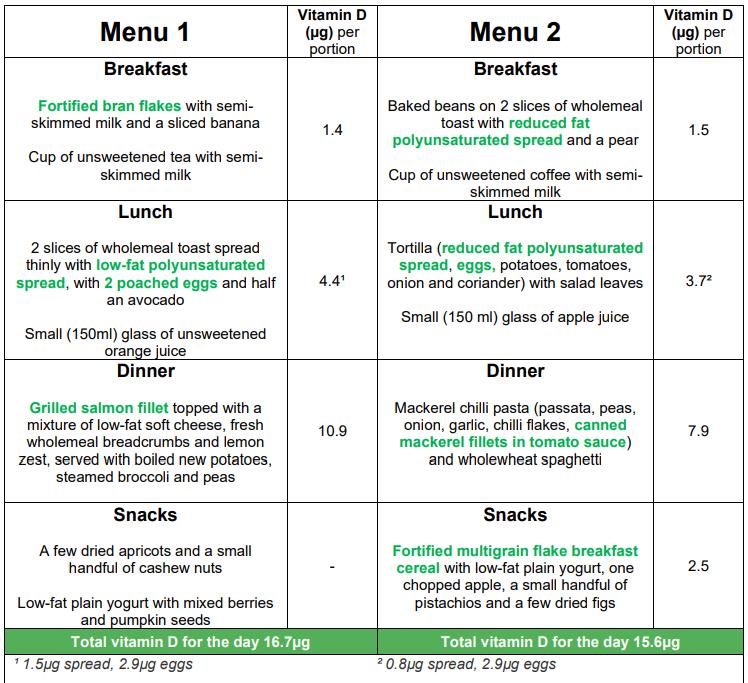
Vitamin D is only found in a restricted number of foods and often in quite low levels. Reasonable dietary sources of vitamin D include oily fish, small fish (where bones are consumed), some meat (pork, lamb, beef), liver, eggs, fortified foods (commonly breakfast cereals) and sun-exposed mushrooms. The British Nutrition Foundation has created a meal plan to demonstrate what foods to eat to get a daily intake of more than 10µg per day (see Table 1).6
Although it is technically possible to get enough vitamin D at certain times of the year from diet (when sun exposure also contributes), it can be difficult and it is not recommended to rely on diet alone, particularly in population groups who might not make enough through their skin.
LOW VITAMIN D STATUS IS NOT A PROBLEM FOR HEALTH
Estimates vary, but nearly one in five British adults have low blood 25-hydroxyvitamin D (less than 25nmol/L) and in children, rates are even higher, at around a quarter of 11- to 18-year-olds. This is the threshold necessary to protect musculoskeletal health and, for this reason alone, low vitamin D status is clearly an issue for certain population groups.
Lower vitamin D status is also associated with a greater prevalence of certain illnesses, including acute respiratory tract infections (ARTI).7 Indeed, associations have been made between low plasma vitamin D and cardiovascular disease, certain cancers and autoimmune and inflammatory diseases. Claims have also been made that vitamin D supplementation can help prevent other infections, such as COVID-19. However, SACN and NICE rapid reviews on vitamin D state that the evidence does not support recommending vitamin D to prevent ARTI or COVID-19.8,9
Randomised controlled trials for other chronic illnesses are also in short supply, providing limited supporting evidence for the use of vitamin D.10 Although a link cannot be ruled out, more evidence is required before firm conclusions can be drawn for other chronic diseases.
CONCLUSION
Currently, the entire British population is advised to consider a vitamin D supplement at least in the autumn and winter to help prevent problems with musculoskeletal health. This is because of the limited amounts of foods containing vitamin D and the latitude at which the UK sits, meaning sunlight is insufficient to produce it through the skin during much of the year. Although there are associations with vitamin D and other areas of health, evidence from randomised controlled trials is currently not convincing for the use of supplementation to prevent or treat other conditions.
Table 1: Example meals for vitamin D intake6
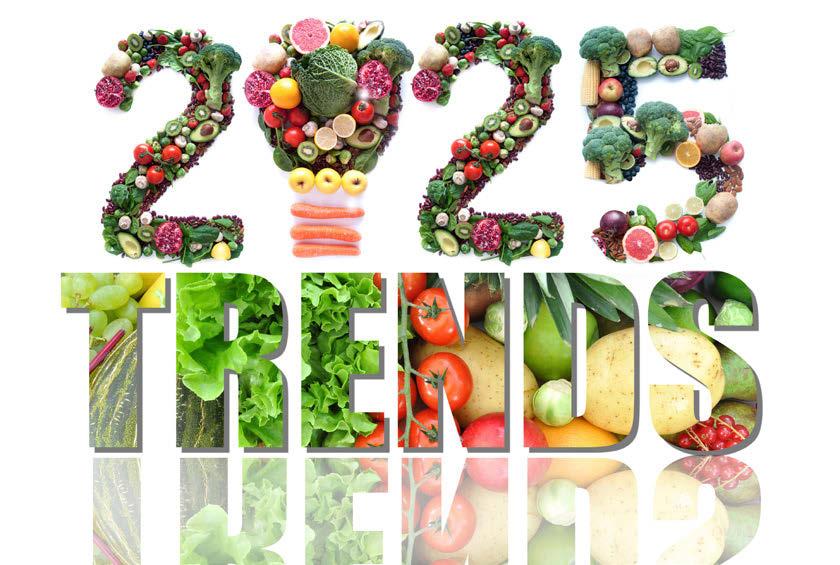
WHAT WILL WE BE EATING IN 2025?
TRENDS AND PREDICTIONS
Last year saw a host of viral fads and trends regarding nutrition, diets and ‘healthy’ eating. NHD kept us in the know throughout 2024. This article takes a look at what the food and drink industry is predicting for 2025 and what it may mean for dietitians.
When people start talking about food trends for the coming year, one part of me gets very excited, but I can’t help but feel my hackles rise a little too. Whilst I love anything that gets people excited to cook, the dietitian in me fears the inevitable wild and wacky diets that will take over the internet. I think we have all had just about enough of the carnivore diet – let’s agree to leave that firmly in 2024!
Often the notion of food trends goes against eating seasonally and locally (see the avocado obsession that kicked off in the early 2010s.) But spoiler alert, thankfully the tides are starting to turn and sustainability itself is set to be a big trend for 2025.
Food trends are big business; it’s not just about what fun mash-up will be gracing our local bakeries and Instagram feeds. Thinking of croissants alone, in the past few years, we have seen the cronut, crookie and dossant all selling like hot cakes! There are companies whose main function is to predict trends in every aspect of what we eat and drink. They predict everything from flavour profiles for non-alcoholic drinks (non-alcoholic fizz is old news; now it’s all about 0.0% aperitifs), trends in how we eat (snacking is back) and packaged foods (what is the future of ultra-processed foods [UPFs]?). I know a bit about this industry because my
husband works in this area of market research. We talk about food and drink trends a lot and, like most people, are constantly sending each other Instagram posts with the latest viral trends. We are currently obsessed with the big sandwich movement.
REVAMPED READY MEALS
Many of us will remember the horse meat scandal of 2013 and may still associate ready meals with horse meat over 10 years on. Nevertheless, there is a growing trend in premium ready meals today. Whether this is driven by concerns around UPFs turning people off traditional convenience foods, or people just being too busy to cook, is something of debate. With the rising cost of eating out, people may be opting to eat in more but don’t want the effort of cooking. Combined, these factors are driving a resurgence in the popularity of ready meals.
These are not ready meals as we know them, but ready meals that have got a serious ‘glow-up’.1 There are now premium small-batch and ‘home-cooked’ versions targeted at the health-conscious rather than just the time-conscious. Vital Pursuit, a line of foods high in protein and fibre from Nestlé , is specifically targeted at Ozempic users, whilst Blue Zones Kitchen makes ready meals inspired
Laura is an NHS Paediatric Dietitian at Lewisham and Greenwich NHS Trust. With her freelance hat on, she is founder of ‘The Full Life Dietitian’. Laura is also a personal trainer. She has worked for the NHS since 2019 and enjoys working on the wards, the variety of the role and the MDT working.
by the ‘blue zone’ areas of the world where people tend to live longer and healthier lives.1
In the UK, Go Pig in Belfast says it provides ‘affordable products whilst only using the best quality of ingredients’ so that consumers can ‘pig out guilt-free’ on their calorie-controlled ready meals.2
This is a very interesting topic for dietitians. We all know that, traditionally, whilst we wouldn’t be encouraging regular consumption of ready meals, they can be very helpful for some patients: those going through cancer treatment or a bereavement, for example, or those managing chronic fatigue or long COVID. Certain ready meals can be a great way of getting a nourishing hot meal when the other option is just another bowl of cereal or, more often, nothing.
Dietitians need to be aware that more people are likely to be using these services, and we must support our patients and clients in making the best choice by understanding how to read the labels, in particular for salt, calories, protein and fat. Having an understanding of why someone is using these ‘new generation’ ready meals will also be important, and it raises many questions. Do they not know how to cook? Do they have too little time? Are they juggling work with family or with caring for an elderly parent? Does using ready-made meals mean they can have time to exercise? If we can understand why someone is relying on ready-made meals, we can support them in making the best choices for their health and lifestyle.
NON-ALCOHOLIC DRINKS
Over the past few years, non-alcoholic drinks have grown in popularity. First it was the 0.0% beers, then gins and even Nosecco jumped on the bandwagon. Now you can get everything from aperitifs to Guinness with all the flavour but none of the alcohol. In 2025, this trend is set to continue to grow. An increase in the compound annual growth rate of 19% has been predicted for the no/low-alcohol market in the UK between 2023 and 2028, and we have seen the alcoholic segment drop with a 1% compound annual growth rate between 2018 and 2023.3
Alongside new non-alcoholic options, comes a new language to describe the shift that we dietitians need to understand: ‘sober curious’, ‘Cinderella nights’, ‘mindful drinking’ and ‘damp January’ are a few of my favourites. ‘Sober curious’ can be defined as ‘an interest in what reducing alcohol consumption would or could be like’.4 The term was first coined in 2018 by Ruby Warrington in her book of the same name. She points out that blissful sleep, greater focus, limitless presence and a deep connection awaits us all on the other side of alcohol. It is all about being curious about how it feels to be sober and reflecting on our drinking habits, including drinking out of habit or due to social pressure. It’s on my list to read!
Similarly, ‘mindful drinking’ is actively asking yourself without judgement questions about why you drink. Before drinking at an event, you can pause and ask yourself, “Do I
As people are beginning to turn away from fake meats, natural plant proteins are coming into the spotlight, in particular, premium beans and pulses.
actually want this drink?” or “Will drinking this lead to negative outcomes?’’.5 ‘Cinderella nights’ are ones where you stop drinking at midnight, while ‘damp January’ is where you reduce alcohol intake in January but not completely cut it out as you would for the popular dry January.
As a dietitian who has worked in gastro and oncology, seeing firsthand the damage excess alcohol can do, this is a trend I can fully get behind. I love that it is getting easier and easier to talk about non-alcoholic options, that there is something for everyone and this language exists to help us support patients in reducing their intake. It’s worth having a look at the growing non-alcoholic shelves next time you go shopping so you can be ready to discuss options with patients and clients.
SUSTAINABLE DIET CHOICES
With more and more focus on the environmental impact of how we live, lots of us are looking for sustainable choices when it comes to our diets. This is set to continue in 2025. One consumer study looked at 1000 Americans’ health goals for 2025: 47% aim to eat more plant-based foods, 45% will be cutting down on dairy and 34% aim to reduce meat consumption.6 Interestingly, there has been a slowing down and even a decline in the fake meat trends over the past year, which is predicted to continue into 2025.7
As people are beginning to turn away from fake meats, natural plant proteins are coming into the spotlight, in particular, premium beans and
pulses.8 Bold Bean Co is leading the way with its jarred butter beans and chickpeas and Merchant Gourmet has recently launched ready-to-eat bean pouches and jumbo chickpeas. Other brands producing premium jarred pulses available in the UK include Perello, Belazu and Brindisa’s Navarrico range, which online shop, Sous Chef, predicts will be a big seller for them this year.9
Sustainability credentials are becoming selling points for products. UK wholesaler, Bidfood, predicts a strong trend for brands showing that they are ‘taking positive action and doing something practical for the environment’.10 This includes clever use of would-be waste foods, plant-based dishes, regenerative agricultural practices and more sustainable fish and seafood options. Sous Chef has two sustainable products on its list of top trending foods for 2025:9 vanilla essence produced using biodiverse farming practices to ensure a sustainable method and Cavi-art, a vegan sustainably produced kelpbased caviar. This was used by chef, Kirk Haworth, in his winning dish on the 2024 Great British Menu and is expected to be big this year. What will this mean for dietitians? I think we can all agree that more people eating more plants is a great thing. However, my only niggle with the jarred bean trend, is the cost. At about £4 to £7 per jar of beans, these aren’t affordable for all. I worry that this puts up another barrier for those who can’t afford that. We need to be
clear that whilst these premium brands may have more flavour and better textures, the tinned versions that cost £0.50 to £1.20 are just as nutritious.
SNACKING
The US Whole Foods Market reports that its snacking aisle is growing and predicts this to be another big trend for 2025.11 Snacking is a very broad category, so what specific snacks are going to be big in the coming months? ‘International snacking’ looks like a big hitter, where global flavours are added to everyday snacks and fusion flavours are being backed by many.12,13 Examples include Asda’s Caprese salad and Habanero Hot Honey flavoured crisps, both of which were launched just a few months ago. Southeast Asian and Mediterranean-flavoured snacks have had a 46% and 43% increase in global snack product launches.13 These have the novelty factor that draw people in, but from a nutrition point of view may not be the best choices due to salt, fat and calorie content.
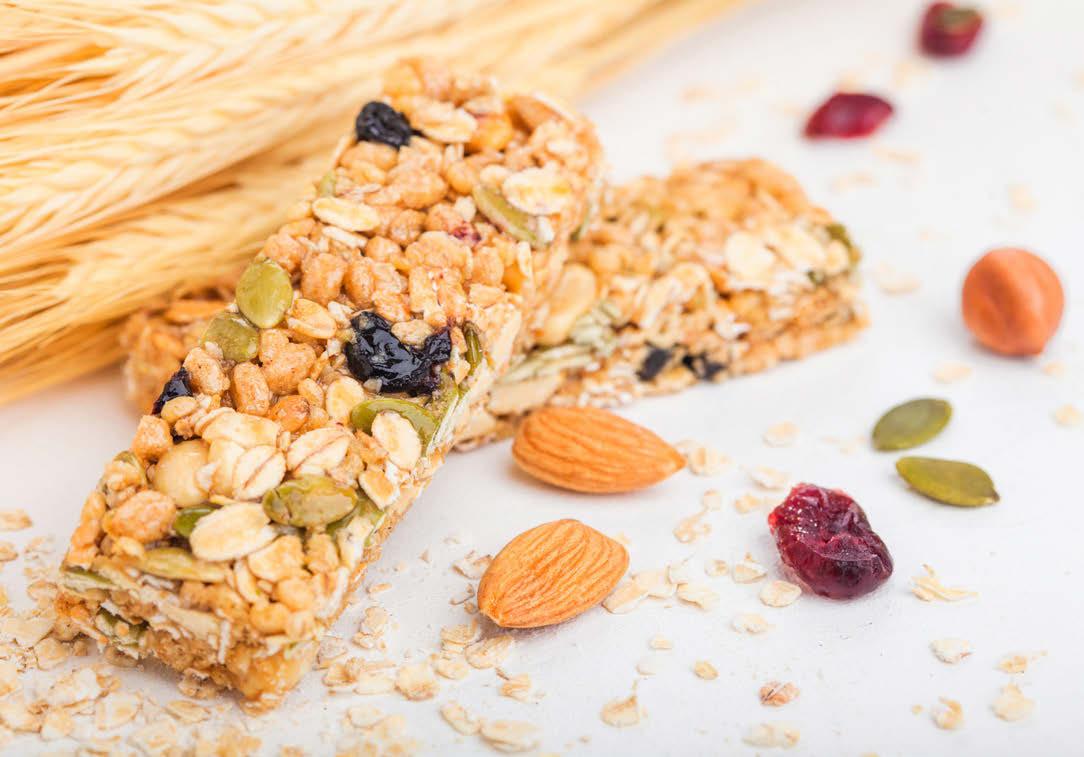
Snacks with health claims are on the rise too.14 Data analytics company, Euro Monitor, reports a growth in snacks that have health claims or whole food ingredients such as whole fruits, seeds and wholegrains.15 But we don’t just want healthy snacks, we want healthy snacks that taste indulgent.14 For example, earlier this year the Bio&Me breakfast brand expanded its offerings beyond granolas and launched ‘gutfriendly’ flapjack-style snack bars made largely from oats, nuts and seeds.
As dietitians, healthy snacks are something we talk about a lot, so having a greater range
Snacks with health claims are on the rise too.14 Data analytics company, Euro Monitor, reports a growth in snacks that have health claims or whole food ingredients such as whole fruits, seeds and wholegrains
of accessible on-the-go healthy options is music to our ears. But, as always, nuance and context are important. Snacks can contribute significantly to daily caloric intake, which may or may not be a good thing. Even with healthy snacks, it’s easy to graze on them mindlessly when you are constantly busy and skipping actual meals – not ideal for developing and maintaining healthy diet habits. Overall, having more healthy options is a good thing. Having a good knowledge of what options are available locally will help us support patients and clients in making healthy snacking choices. We can also take this opportunity to educate on how to make healthy, and cheap, snacks at home using whole food ingredients like nuts, seeds, oats and fruit.
CONCLUSION
These predictions give me a lot of hope for 2025! More focus on sustainable choices, mindful alcohol intake and healthy snacks? Yes please! Realistically, I know we won’t be so lucky to dodge fad diets completely in 2025. While I would like to end on that high, I couldn’t write this without having a look at what might be in store for us in the coming months. Interestingly, one article predicts twists on current trending diets, such as ‘sustainable keto’, which is a less intense version that may be easier to maintain long term, intermittent fasting combined with mindfulness and the low GI diet evolving to include personalised nutrition.16 Maybe this means the diet world has finally run out of new restrictive diets and 2025 will be the year that healthy balanced diets take centre stage? I won’t hold my breath, but I certainly hope so!
We know that menopause can affect women’s health. Changes include increased risks to cardiovascular and bone health and an increase in abdominal body fat. Dietary changes may reduce the risk of mortality from chronic disease and awareness of the risks and how to mitigate them is the first step in helping women understand symptoms and warnings postmenopause.
I conducted research into women’s awareness of postmenopausal health and diet as part of a master’s degree in Dietetics at Leeds Beckett University (2021-23). I carried out an anonymous survey online for women of all ages in the UK. The aim was to assess if there is a need for health and dietary advice for women linked to postmenopause. In NHD October, Issue 193, I reported on my findings about women’s awareness of bone and muscle health in postmenopause and the related dietary aspects of this, as well as of menopause itself. That report focused specifically on calcium and protein.1 Here, I present research findings on women’s awareness of cardiovascular disease (CVD), specifically of raised blood cholesterol, stroke and heart attack risks, that occur postmenopause, and of the associated dietary sources of saturated fat and fibre.
LACK OF AWARENESS
Menopause is defined as 12 months without menstruation and results from the loss of the hormones oestrogen and
CARDIOVASCULAR DISEASE RISK
AND DIET
POSTMENOPAUSE
This article assesses women’s awareness and knowledge of associated dietary factors in relation to cardiovascular disease (CVD) risk postmenopause.
progesterone.2 In the UK, the average age of women reaching menopause is 51, and the preceding time with symptoms being experienced is perimenopause.3,4 There has been a much-warranted increase in discussion of menopause in recent years; nevertheless, there is limited coverage educating women about increased health risks postmenopause and potential dietary interventions.
Deterioration of health after menopause is long recognised, but a particular lack of awareness of CVD risk amongst UK women has been found, even after women have sought out information.5,6 Poor awareness has also been noted in Australia and India.7,8
BLOOD CHOLESTEROL AND CVD
Research has shown that a high level of oestrogen lowers LDL-cholesterol levels and enhances high-density lipoprotein (HDL) cholesterol levels. Reductions in oestrogen at menopause have the opposite influence and increase the risk of CVD, such as coronary heart disease (CHD) and stroke.9 These conditions can lead to poor quality of life, and death. Women are nine times more likely to die of CVD than breast cancer, for example.10 In the UK, heart disease and stroke were named as topics of interest for women aged 70 and over, suggesting a feeling of insufficient knowledge and a historical lack of guidance.11
Antoinette Burroughs RD, MSc
Antoinette is a Registered Dietitian at Leeds Teaching Hospitals Trust (LTHT). She has worked in older adults and respiratory medicine for LTHT. She is interested in women’s health, particularly postmenopause, and nutrition in school education.
Age at menopause is a factor in the level of stroke risk, although studies produce conflicting outcomes.12 Past research suggests an increased risk of CVD for any women who reach menopause before the age of 50 to 51 and argues that age at menopause should be incorporated into calculations for cardiac risk.13 It is accepted that menopause about a decade earlier than average is associated with a higher risk of ischaemic stroke.14
Overall, the risks of heart attack and stroke significantly increase at menopause and dietary changes are a recommended intervention to reduce these.15,16 NHS advice to lower CVD risk is a diet low in saturated fat and high in fibre.17 Debate exists around the link between saturated fat and CVD, although there is an association between saturated fat and high LDL cholesterol, the latter being known to increase after menopause.18 Dietary fibre has many potential benefits, including lowering blood cholesterol.19 A lower risk of mortality from CVD has been linked with a high-quality postmenopausal diet, although this only applies to women with a BMI below 30kg/m2.20
ONLINE SURVEY RESULTS
The sample of 363 women aged 19-78 years, was considered relatively health-conscious owing to 71% consuming four to six fruit or vegetable portions daily, 91% exercising often or occasionally and 96% being non-smokers.
Respondents chose whether hormonal changes at menopause made blood cholesterol, heart attack risk and stroke risk higher, lower or had no effect; there was also ‘Don’t know’ as an option (see Table 1). Combining the results, 26% chose ‘Don’t know’ three times and 36% didn’t know or were incorrect (choosing ‘lower’ or ‘no effect’) for all three. For comparison, knowledge of how bone and muscle
strength are affected was greater, with 83% and 66% respectively answering correctly.1
Age group was not associated with a particular response for blood cholesterol, heart attack or stroke risk changes. Having a university education was not a factor in knowing blood cholesterol rises, although it had a significant impact on answering correctly for the effect on heart attack and stroke risks. 56% and 54% of those with a university education selected that heart attack risk and stroke risk respectively are higher. For those educated up to A level, the percentages were only 37% and 34% respectively.
Unsurprisingly, browsing health websites, reading health magazines or books and following women’s health on social media were all found to have a significant positive impact on health knowledge, including blood cholesterol and the CVD risk discussed here.
When asked to select from a list which health conditions they associate with postmenopausal women, only 29% chose heart disease and just 18% selected stroke. Looking at education level, those who were university educated were significantly more likely to associate heart disease and stroke than those educated up to A level (35% and 11% respectively for heart disease and 21% and 7% respectively for stroke). Again, being within a particular age group had no significant effect on the responses. Women do not appear to gain knowledge on CVD-related health risks as they age.
Approximately half of the women did not know or were incorrect about the effect of menopause on blood cholesterol (54%), heart attack risk (49%) and stroke risk (51%). There was no association between age or education level with selecting ‘Don’t know’, suggesting general poor awareness even amongst healthconscious women.
Overall, the risks of heart attack and stroke significantly increase at menopause and dietary changes are a recommended intervention to reduce these.
Education level influencing awareness of CVD risk but not of blood cholesterol gives a mixed picture, which is likely multifactorial. Previous research has reported a lack of naming cardiometabolic health as a postmenopausal issue.7 It is a reminder for HCPs in clinical practice to check patients’ knowledge and inform them when necessary.
Within the study sample, those who sought health information online or from printed literature were significantly more aware, suggesting women have reliable sources for health guidance. These were the only significant associations with blood cholesterol knowledge in the study.
The five-yearly voluntary NHS health check for ages 40-74, which commenced in 2011, includes a blood cholesterol test to monitor cardiac health risks and data from those checks on women show how levels increase with age.21,22 It may be expected that health-conscious women over 40 would be more aware of raised blood cholesterol due to the regular health monitoring. Unfortunately, data suggest that fewer than 50% take up the invitation to attend.23 On top of that, the COVID-19 pandemic interrupted the already inconsistently delivered programme, so it is possible women have not been invited and hence not been alerted to the issue of blood cholesterol.24
This study’s findings that a higher education level significantly increased awareness of stroke and heart attack risk agrees with past research showing education as a prominent factor in knowledge of heart disease.25 It was also found
that women were less able to identify risk factors (including low-quality diet and smoking) for these conditions, compared with men. The Stroke Association website dedicates a section to menopause with dietary advice, highlighting the increased risk to women in later life.26 However, it is doubtful many women will read this preemptively before they reach menopause, or before having a stroke.
AWARENESS OF DIET
Saturated fat
To address knowledge of diet, the survey also asked respondents to identify dietary sources of fibre and saturated fat from a list. Respondents performed well with saturated fat, with 62% making no mistakes. The majority also correctly selected cheese (80%) and processed meat (79%). Red meat was only chosen by 50%, which was unexpectedly low, as limiting red meat consumption has been public health advice for some time.27 Those who read nutritional information or health magazines and books, were aged 55 years or over, or had a university education, were all significantly more likely to identify red meat as a source of saturated fat.
Fibre
In identifying fibre sources, the majority accurately selected beans/pulses (89%), fruits (75%), green leafy vegetables (90%) and root vegetables (81%), with 44% selecting them all. Peeled potatoes were chosen by 24% as a good
source of fibre, which was not considered true in this study. The fibre content of potatoes is dependent on whether the skin is eaten and the cooking method.28 However, it is positive that women recognise potatoes as a source of fibre. The UK typical fibre intake is insufficient compared with the most recent recommendations and potatoes can help us reach the daily recommended intake.29-31
Overall, awareness of foods with higher levels of fibre was good. There is a potential
need for advice on saturated fat, which, with its association with higher levels of LDL cholesterol, makes this a crucial health message.18 Lower intake of fibre and higher intake of saturated fat by postmenopausal women have been reported which would be detrimental for CVD risk.19,32 Therefore, even for women with a good awareness of health and diet, reiteration of advice before menopause may still be beneficial to long-term health and quality of life.
CONCLUSION
A fundamental conclusion drawn from my research was that findings were based on a health-aware sample, which is unlikely to be typical of the UK population. This makes the results on women’s awareness of changes to blood cholesterol and heart attack and stroke risks more concerning. About half were not informed about the risks of CVD and related blood cholesterol increases postmenopause. How low might the proportions be if the study was repeated using a sample of women not enticed by a survey about health and diet? Would that cohort recognise sources of fibre and saturated fat?
With women spending a third or more of their lives in the postmenopause phase, there is a strong argument for improving women’s health education. Menopause-related visceral fat is laid down before menstrual cycles cease, potentially before women consider their postmenopausal health, if at all.32 Women should, therefore, be advised around the age of 40, before perimenopause begins, to allow them to consider dietary changes to help combat these increased health risks. The Women’s Health Strategy England33 provides an excellent opportunity to embed this, potentially improving the quality of life for women from menopause and into older age.
Joanne Scott RD
Joanne is a Specialist
Paediatric Dietitian at Birmingham Women’s and Children’s NHS Foundation Trust and has over 10 years of paediatric experience. She works within the NHS as a Specialist Paediatric Dietitian for hepatology and intestinal transplantation and also provides private paediatric dietetic support.
THE ROLE OF THE DIETITIAN IN PAEDIATRIC LIVER DISEASE
Nutrition support in paediatric liver disease is vital as malnutrition is negatively associated with both morbidity and mortality.1 This article examines how dietitians can best support these patients and manage the challenges that come as liver disease progresses.
There are over 100 different liver diseases that can affect babies, children and young people.2 Liver diseases in infants and the young can progress due to maldigestion, malabsorption, reduced appetite, increased energy requirements and poor feed tolerance.3 Therefore, the role of the dietitian is vital in working with families and the wider MDT to support and improve nutritional intake.
Within the UK, there are three paediatric liver centres (King’s College Hospital in London, Birmingham Women’s and Children’s NHS Foundation Trust and Leeds General Infirmary), with approximately 7.2 WTE dietitians working across the sites. While specialist medical and dietetic care is provided at these centres, many of the patients will also attend their local hospital and require dietetic input. So, what is the dietetic support needed for this cohort?
DIETETIC ASSESSMENT
Nearly all children under investigation for liver disease will require a dietetic assessment. Whilst weight and height/ length are standard growth parameters,
in this group it is also vital to look at girth and mid-upper arm circumference (MUAC) measurements. This is because many children have organomegaly (of the liver and/or spleen) and may also have ascites. In practice, many of these children will plot well on their growth charts, but on visual assessment will have enlarged abdomens with muscle and fat wastage to the arms and legs. Assessment of dietary intake is important but can reveal a variety of different results. For example, in young babies, if bile flow to the intestine is interrupted (eg, in biliary atresia), infants will struggle to digest and absorb their milk. This can result in an exceptionally hungry baby who feeds frequently. Diet histories often highlight parents reporting relentless breastfeeds that occur every one to two hours, and formula volumes are often >250ml/kg/ day (with a usual range of ~120-180ml/ kg/day). However, in older children, appetite tends to diminish and children appear to become fussier, leading to a calorie deficit in a child who may already have requirements upwards of 120% above estimated average requirements (EAR).
Infants
Table 2: Examples of MCT-containing formulas/ONS
Infants
Pepti-Junior - 0.66kcal/ml* - 50% MCT
Heparon Junior - 0.85kcal/ml* - 50% MCT
Infatrini Peptisorb - 1kcal/ml - 50% MCT
Nutramigen Puramino - 0.68kcal/ml* - 33% MCT
- Indicated if amino acid formula also required
*When made at standard concentration
The frequency of dietetic input in this group is high (often fortnightly to monthly for outpatients) due to the need for intensive nutrition support and to enable growth or diet-related problems to be dealt with promptly. This is where good working relationships between the family, the local team and the specialist liver centre are paramount. The increasing reliance on telephone support can be problematic in identifying growth issues; therefore, clear questioning regarding abdominal circumference and physical appearance is needed, not just relying on weight measurements. In practice, supporting parents to measure girth and MUAC at home can be a helpful subjective indicator between face-to-face reviews or asking for photos to be sent to aid a visual assessment.
NUTRITION SUPPORT
Nutritional requirements in infants and children with liver disease are noticeably higher than in the general population (see Table 1). The reason
Children
PaediaSure Peptide - 1kcal/ml - 50% MCT
Peptamen Junior 1.5 - 1.5kcal/ml - 60% MCT
Peptamen Junior Liquid - 1kcal/ml - 60% MCT
Peptamen Junior Advance - 1.5kcal/ml - 60% MCT
Peptamen Junior Powder - 1-1.5kcal/ml - 53% MCT
Nutrini Peptisorb - 1kcal/ml - 46% MCT
Nutrini Peptisorb Energy - 1.5kcal/ml - 50% MCT
for this is likely multifactorial, with abnormal nutrient metabolism and increased energy expenditure most commonly cited.3
Dietetic intervention, therefore, typically focuses on increasing calories above requirements to ensure appropriate growth. This is usually done via food fortification and standard oral nutritional supplements (ONS), or high-calorie infant formula milks. For infants and children with cholestatic liver disease (where there is a reduction or interruption in bile secretion and flow such as biliary atresia or PFIC),4 mediumchain triglycerides (MCT) become an important part of dietetic intervention.
Many parents will have questions about weaning and oral diet, particularly if they have been using an MCT-containing formula. Infants can be weaned as per standard guidelines from the NHS and World Health Organisation and typically are not required to follow a modified fat diet. There are no foods that families are told
Table 1: The estimated nutritional requirements in liver disease
to avoid (other than what is standard weaning advice). Standard food fortification and highcalorie advice can be given to infants and children with faltering growth.
All children with liver disease are routinely started on fat-soluble vitamins due to the likelihood of fat malabsorption, prescribed and monitored by the medical team.
Enteral tube feeding is used when requirements are unable to be met orally and growth has begun to falter.3 The decision to use enteral tube feeds is often made quickly, particularly for those with end-stage liver disease and heading towards a liver transplant. Most children will have a nasogastric tube passed, likely for the long term, as gastrostomy tube placement is often complicated by organomegaly and ascites or contraindicated due to portal hypertension and the risk of bleeding.2
THE ROLE OF MCT
Breast milk, standard infant formula and most foods we eat contain fat in the form of long-chain triglycerides (LCT). This type of fat requires a good bile flow from the liver to the intestine to enable digestion and absorption. MCT do not require bile to be emulsified and are transported directly to the liver via the portal venous circulation, rather than being packaged into chylomicrons and transported via the lymphatic system like LCT.5
The dietary management of infants and children with cholestatic liver disease, therefore, often involves supplementation with MCT (see Table 2), aiming to replace energy lost due to LCT malabsorption.6 Cholestasis is clinically defined as a direct (conjugated) bilirubin of >17µmol/L but with a total bilirubin of <85µmol/L, or, if the total bilirubin is >85µmol/L, the direct bilirubin
is >20% of this value.7 The amount of MCT recommended is variable around the world, and more research is required, with values between 30 and 70% of total fat intake being stated. Higher values (>80%) are not recommended due to the lack of essential fatty acids then being consumed.
In practice, for infants, standard infant formula is usually swapped for an MCTcontaining formula, with the calorie density decided dependent on the growth of the infant (see Table 2). Breastfeeding is encouraged to be continued; however, if growth is faltering, the addition of an MCT formula given at approximately 50% of energy requirements is beneficial. The introduction of an MCT formula often coincides with a reduction in volume taken; therefore, parental counselling is important to highlight expected formula volumes based on the age/weight of the infant, as parental expectations are often skewed by their very hungry baby who may be taking double the norm. Parents can be alarmed when their baby begins to take less or stretches longer between feeds.
For older children, the palatability of MCT formulas plays a huge role in compliance. For those otherwise eating and drinking, it may not be pragmatic to introduce MCT-containing ONS orally and, therefore, standard ONS are often used to provide the additional calories, understanding that malabsorption will likely occur.
PARENTAL NUTRITION (PN)
If enteral feeding cannot meet a child’s nutritional needs, PN will be considered. It comes with known risks, such as line infections and PN-associated liver disease. However, the need to optimise nutritional status in end-stage liver disease often outweighs these risks.
TAKE-HOME POINTS
The role of the dietitian is crucial in infants and children with liver disease to ensure adequate nutritional intake and growth. This is due to the increase in morbidity and mortality associated with malnutrition. Dietetic intervention is often challenging and time-consuming due to the need for frequent review and changes to be made to act promptly on any deterioration. If a child arrives in your hospital and needs a review, the take-home points to remember include the following:
1 Consider the accuracy of the weight (accounting for organomegaly/ascites), request an MUAC and girth.
2 Consider the role of MCT-containing feeds.
3 Review frequently, as aggressive nutrition support is required. Watching and waiting doesn’t work well in this cohort.
4 Liaise with your local paediatric liver centre.
NUTRITIONAL RISKS IN PAEDIATRICS
Case studies
This article highlights three common paediatric case studies and discusses the evidence base and rationale behind the decisions made.
CASE STUDY 1: PATIENT L – AGE: 8 MONTHS
Reason for referral: L has been referred to a paediatric dietitian during a recent inpatient admission for support with feeding following NGT insertion.
BACKGROUND
L has a presumed metabolic disorder, which has not as yet been diagnosed. L has developmental delay and is unable to sit unaided. L is breastfed but has been admitted with increased sleepiness and, following recent speech and language assessment, has been put nil by mouth due to concerns around swallow and aspiration risk. A nasogastric tube has been inserted. Mum has been expressing breast milk, with a supply of this to use, and is keen to continue using breast milk.
Growth: L was born on the 25th centile and has struggled with weight gain over the last three to four months. L’s weight is currently on the 2nd centile and has been steadily falling through the centiles. Length remains on the 25th centile and head circumference is on the 32nd centile.
DIETETIC PLAN
Following the speech and language review and concerns around swallow, L has been placed nil by mouth. This has been a difficult situation for the parents to come to terms with and a degree of counselling/support has been required around this. Mum is keen to continue using breast milk. As L has been breastfed, it has been difficult to estimate L’s volume and calorie intake to determine why weight gain has been suboptimal. Following discussion with the parents, it has been agreed that L will have a mix of breast milk and high-calorie formula. The decision has been made to feed to full requirements for L’s age and actual weight. The initial plan is to give six feeds per day every four hours, via gravity bolus. NG training competencies have been commenced to ensure the parents can administer feeds safely at home in preparation for discharge.
DIETETIC REASONING AND RATIONALE
NG feeding is an essential strategy for those unable to feed orally. L had been struggling to maintain weight for a period of time and, therefore, the decision has been made to commence a combination of high-calorie formula and breast milk, meaning L is still able to benefit from Mum’s breast milk while getting adequate calories to promote growth and catch-up growth. Paediatric dietitians should, in this situation, work closely with speech and language colleagues to ensure oral feeding can recommence whenever safe, either as tasters or in the form of messy play if not safe for oral feeding. It is important to maintain a positive relationship around feeding to prevent any further oral aversion.1
Hazel Duncan RD
Hazel is a Paediatric Dietitian with 19 years’ experience. She runs her own private practice, Kids Nutrition, providing evidence-based nutrition advice for infants and children, covering a wide range of specialities. Her previous research has been around inflammatory bowel disease. www.kids-nutrition.com kidsnutritionrd
*ONS: Oral Nutritional Supplements with ≥ 20% energy from protein.
References:
1. Deutz, et al. Clin Nutr. 2014;33(6):929-36. 2. Morris, et al. Geriatrics (Basel). 2020;5(1):6.
3. For illustrative purposes only. Estimated protein requirements based on a 60kg adult, (approx. 72g/day). McCance Widdowsons, Composition of Foods Integrated Data set (2021). Available at: Composition of Foods Integrated Dataset (CoFID) - GOV.UK. Accessed January 2025. Protein intake estimated on medium sized eggs and 100g chicken breast, and whole milk. 4. Cawood, et al. Ageing Res. Rev. 2012;11(2):278-96.
CASE STUDY 2: PATIENT Z – AGE: 20 MONTHS
Reason for referral: Already known to the dietetic department, Z has been on a partially real food blend feed but has been vomiting several times a day and has loose stools.
BACKGROUND
Z is a known patient in the dietetic department. He has been NG-fed since four months of age due to oral aversion following multiple ITU admissions and has been unable to meet nutritional requirements orally resulting in poor weight gain. Z has been troubled with poor feed tolerance whilst being NG-fed. Using a feeding pump seemed to reduce vomiting but due to activity levels and behaviour, being attached to a pump has been challenging for Z and Mum. Z has been tried on various feeds and has settled on a partially real food blend feed. With this feed, he has still been vomiting on average four to five times daily and has loose stools causing issues with skin breakdown. His gastrostomy has been cited and the surgeon is happy for blends to proceed, so Z has been started on blended diet.
DIETETIC PLAN
Z’s mum has limited cooking skills and prior to blends being commenced, support was put in place from a health visitor support worker. The BDA toolkit and trust risk assessment have been completed with Mum and grandparents, and education provided around the administration of blends, along with troubleshooting.2 Information has also been provided around the balance of good health and the importance of balanced meals to minimise any risk of deficiencies.
Due to parental anxiety, blends were started during an inpatient stay. This has given Mum the support she needs through the transition phase. As Z has never had any significant solid food, the decision was made to start with a small amount of fruit/vegetable puree via gastrostomy once daily. We then increased this amount over four to five days until a full syringe was being given. At this point, we switched to administering a blended breakfast meal (high-fibre cereal, full-fat cow’s milk and peanut butter) and one syringe was given daily. This was well tolerated and we were able to increase the number of meals over the next few days. By the middle of the second week, Mum was feeling confident in the delivery of blends. Recipes have been provided and other meal ideas discussed. The volume of commercial formula has now been decreased and, as this has occurred, vomiting has reduced and the stooling has improved.
Z was reviewed regularly in the early days and a formal review took place at three months. At this time, he was on 250ml of commercial formula (partial blend) at nursery whilst awaiting training for staff. He now has three meals and two snacks daily. Vomiting has fully resolved and stooling is daily and described as normal without any laxatives. Weight gain has improved and he is now back on the centile he followed in infancy. Z looks well and Mum feels that their quality of life has been significantly improved on blends.
DIETETIC REASONING AND RATIONALE
There is now a growing body of evidence supporting blended diets for children and young people fed via gastrostomy. The reports in the literature highlight a reduction in vomiting and an improvement in stooling, which are demonstrated in the case of Z. The literature also discusses quality of life and the improvement blends can have both for the patient and the caregiver.
Whilst blended diet is a useful strategy, this case highlights the importance of adequate support for families during the transition period to ensure they are confident in safe meal preparation and delivery.3,4
CASE STUDY 3: PATIENT D – REFERRED AGE: 4 MONTHS
Reason for referral: Cow’s milk protein allergy (CMPA).
BACKGROUND
D is over a year old but was referred at four months for support following diagnosis of CMPA. At six weeks of age, D was noted to have issues with reflux. He was effortlessly vomiting two to three times daily and was happiest upright, so his parents were keeping him upright for around one hour post feeds to reduce vomiting risk.
CMPA is one of the most common presentations of food allergy in the UK, with the most common presentation being mild-tomoderate non-IgE-mediated allergy.
When reviewed by the GP for his six-week check, D was noted to have eczema at folds of elbows and knees and had a rash on his cheeks; his stools were described as large, explosive and loose and were often not contained in the nappy. There was no family history of allergies. D was being bottle-fed and was taking good volumes of standard infant formula. At this point, there were no concerns regarding growth. The GP decided to switch to a hydrolysed formula for two to four weeks as per the iMAP guidelines. The process to confirm diagnosis was explained to Mum and she was advised that the health visitor would support her with this.
After four weeks D was a happier baby. He was no longer vomiting and his skin and stooling had improved. D was challenged as per the guidelines: 1oz standard formula in the first bottle of the day, which was increased by an ounce daily. By day two, D had increased symptoms, which resolved when changed back to a hydrolysed feed.
The challenge confirmed the diagnosis of CMPA and, at this point, D was referred to paediatric dietetics to discuss milk-free weaning advice and milk reintroduction. A telephone clinic was organised and milk-free weaning was discussed along with label reading, alternative foods and strategies to ensure adequate calcium intake as D got older. D continued dairy-free until one year of age when he had a further appointment to discuss the milk ladder. Milk was reintroduced using the iMAP six-step milk ladder. Initially, D failed after step two and the introduction process was paused for a further four months. However, on the second attempt, he was able to complete the ladder and reintroduce dairy into his diet.
DIETETIC REASONING AND RATIONALE
CMPA is one of the most common presentations of food allergy in the UK, with the most common presentation being mild-to-moderate non-IgE-mediated allergy. Non-IgE-mediated allergy requires a process of elimination and reintroduction to confirm the diagnosis and the iMAP guidelines provide support for this to be carried out in the primary care setting. Once confirmed, the paediatric dietitian is expert in ensuring the infant is at no nutritional risk due to the elimination of dairy from the diet. The dietitian can advise regarding alternatives and reintroduction and ensure adequate calcium intake. Dietitians are also trained to ensure the safe reintroduction when the time is appropriate.
Dietitians are key to managing children with CMPA and the guidelines discussed above provide the evidence base around the decisions made.5,6
NHD PAEDIATRIC HUB
We’re excited to introduce our upgraded NHD Paediatric Hub – redesigned to make your experience smoother, with new resources to support you better!
• IMPROVED LAYOUT AND NAVIGATION
We’ve revamped the Hub structure to help you find what you need faster, with a fresh user-friendly layout designed to make browsing easy and intuitive.
•
NHD EXCLUSIVE DATA SPREADSHEETS
Our new nutrition data spreadsheets give you access to accurate nutritional information, designed to be a quick and easy-to-use point of reference to aid in your professional work or studies.
• WEEKLY NEWS UPDATES
Stay up to date with the latest industry news, trends and insights. Whether you’re here for up-to-date information, professional insights or reliable data, the Hub has it all in one place.
PLANT-BASED MEALS: ADVANCING HEALTHCARE WITH
SUSTAINABLE NUTRITION
This article considers the case for normalising plant-based meals within healthcare settings.
There are not many interventions that can improve both health outcomes and environmental sustainability, whilst saving money and promoting principles of inclusion and diversity. These are the bold claims being made by a new campaign called ‘Plants First Healthcare’,1 which calls for the NHS to embrace plant-based meals as the default choice across its healthcare facilities.
This initiative is supported by over 20 healthcare organisations and more than 1200 healthcare professionals have signed an open letter to NHS leaders urging a shift towards a plant-predominant diet. The reasons for this include improving national health outcomes, addressing health inequalities and meeting climate and nature targets.
The campaign launched World Food Day on 16th October 2024, alongside a new policy report from the UK Health Alliance on Climate Change, called Plantpowered Planet.2 The report also calls for normalising plant-based diets within healthcare settings. The approach being championed is the adoption of established evidence-based behavioural strategies to support patients, staff and visitors in making healthier and more sustainable food choices without restricting choice.3
THE HEALTH ARGUMENT
Unhealthy diets are a key driver of the epidemic of chronic ill health, with
dietary risk factors now being the leading cause of chronic conditions and premature death.4 Our diets are too high in meat and ultra-processed foods and are insufficient in the healthy plant foods that promote health. This is leading to more than 11 million premature deaths globally every year from conditions such as cardiovascular disease, type 2 diabetes and cancer.5,6
The sheer scale of the problem in the UK is outlined by a new report from the Food, Farming and Countryside Commission, which finds that unhealthy diets are resulting in a cost of £268 billion annually from healthcare costs, social and welfare care costs and productivity losses.7 This cost is more than the annual budget of the NHS.
The Commission’s report highlights that diets are fibre-deficient due to insufficient intakes of fruit, vegetables and wholegrains. This supports a wealth of established evidence that shifting to a predominantly plantbased diet has the potential to significantly reduce the prevalence of common chronic conditions such as cardiovascular diseases, obesity, kidney failure, type 2 diabetes and certain cancers.8
THE ENVIRONMENTAL ARGUMENT
The best available evidence informs us that without a food system transition
Dr Shireen Kassam is a Consultant Haematologist, Certified Lifestyle Medicine
Physician and a Visiting Professor of Plant-Based Nutrition. She is the founder of PlantBased Health Professionals UK, a community interest company that provides education on healthy plantbased diets and lifestyle medicine.
away from animal agriculture, we cannot meet our climate and nature commitments and will not be able to limit global warming to below 1.5°C or even 2°C.9
Agriculture contributes at least a third of all greenhouse gas emissions and is the primary driver of biodiversity loss, threatening up to 90% of species with extinction. The largest contribution comes from farming animals. Yet, we could still feed a projected global population of 10 billion whilst keeping the food system within planetary boundaries if we all shifted to a healthy plant-based diet.
The EAT-Lancet Planetary Health Diet, published in 2019, derives more than 85% of energy from fruit, vegetables, wholegrains, beans, nuts and seeds.10 The diet does not have to be 100% plant-based but it absolutely can be used to gain the maximum benefit for the planet.11 If we consume animal-sourced foods, these should be limited to one portion of red meat, two portions of poultry and three eggs per week. Dairy consumption is not considered essential.
High-income countries like the UK need to make the greatest change, with an 80% reduction in animal foods, whilst increasing the consumption of whole plant foods. The greatest impact comes from removing red meat and dairy from the diet, the production of which contributes to 57% of agricultural emissions globally whilst being responsible for 16% of all diet-related deaths (1.9 million). 12 In the UK, the agriculture sector contributes almost 45% of the UK’s greenhouse gas emissions, with red meat and dairy accounting for 74% of all emissions. In addition, around 42,000 deaths annually are associated with excessive consumption of dairy, red meat and processed meat and 70,000 deaths are associated with insufficient intake of nutritious plant-based foods such as fruit, vegetables, legumes, wholegrains, nuts and seeds.
Diet change is one of the single most impactful actions we can take to improve our health and that of the planet.13 If we all ate a diet typical of the UK, we would require the resources of seven planets to feed the world!14
WHY SUSTAINABLE DIETS MATTER IN HEALTHCARE
Climate change is impacting healthcare and healthcare systems are contributing to climate change. There are no healthy people on an unhealthy planet and climate change is cited by the World Health Organisation as being the greatest threat to humanity. Globally, healthcare is responsible for around 4-5% of greenhouse gas emissions.15 In the NHS, food and catering generate 6% of these emissions.16 The NHS has committed to reaching a net zero healthcare service by 2045 and replacing meat-centric menus with plant-based options could go a long way to achieving these targets, whilst still meeting nutrition standards.17 A modelling study found that implementing a ‘Plant-Based by Default’ menu could save the NHS £74 million annually due to improvements in health and sustainability outcomes.18 If patients adopt these dietary changes at home, significant household cost savings are also anticipated.
GLOBAL EXAMPLES OF SUCCESS
New York City Health + Hospitals
In New York City, the Mayor’s Office of Food Policy, NYC Health + Hospitals and Sodexo successfully implemented plant-based menus as the default option in all 11 public hospitals, with support from the organisation, Greener by Default. Culturally diverse plant-based meals are served as the primary option for inpatients across all hospital meals. This has led to more than 50% of patients selecting the plant-based meal with excellent patient satisfaction. There has also been a 36% reduction in food-related carbon emissions and significant cost savings, as each plant-based meal is on average 59 cents cheaper than the animalbased equivalents.19 This is all whilst preserving choice, as the approach utilises evidence-based behavioural strategies to support patients to make healthier more sustainable choices.
Germany’s Planetary Health Diet
In Germany, 12 hospitals adopted the Planetary Health Diet, offering diverse plant-rich meals that align with sustainable principles. Despite initial concerns about protein intake and meal familiarity, the initiative succeeded due to highquality meat alternatives and culturally tailored dishes.20
Canadian innovation
Vancouver General Hospital, in collaboration with US healthcare counselling and tech company Nourish, and Greener by Default, introduced a Planetary Health Menu Pilot project, combining patient feedback with sustainable culinary practices. The programme’s success highlights the importance of interdisciplinary collaboration in achieving dietary shifts.20
These case studies emphasise that transitioning to plant-based menus can be cost-effective, wellreceived and impactful, whilst ensuring that meals are culturally appropriate.
IS THE UK PUBLIC READY FOR CHANGE?
Public support
An independent survey of 2000 UK adults commissioned by Plant-Based Health Professionals UK revealed that the public would be supportive of more plant-based meals in the hospital setting.20 Key findings from the survey include the following:
• 74% believe dietary changes could reduce chronic disease risks.
• 35% support entirely plant-based hospital menus.
• 69% favour plant-based dairy substitutes over traditional options.
Patient feedback
A survey of patients at King’s College Hospital showed that participants would not mind if red and processed meat, some of the most damaging foods to health and the environment, were removed.21 Although it was based on a small sample size, the study suggests that concerns around restricting choice are ill-founded. Disappointingly, most
participants said that they would choose chicken or fish if red and processed meats were not available on the menu, demonstrating the need for education about the benefits of consuming plant sources of protein. These data are supported by a similar study from the United States.22
And the dietetic professional?
Plant-Based Health Professionals UK conducted a cross-sectional survey exploring knowledge, beliefs and barriers to whole food plant-based diets (WFPB) amongst 335 registered dietitians in the UK and Ireland.23 The results showed that whilst a majority of dietitians recognised the health benefits of WFPB diets, there was variability in their understanding of specific nutritional aspects, such as protein sources and micronutrient adequacy. Many dietitians expressed a belief that WFPB diets could play a significant role in preventing and managing chronic diseases. However, some expressed concerns about the practicality of implementing such diets in diverse populations. Commonly identified obstacles included cultural preferences, potential nutrient deficiencies and a lack of patient interest or compliance. Additionally, some dietitians felt they lacked sufficient training to effectively counsel patients on WFPB diets.
These findings highlight the need for enhanced education and resources for dietitians to confidently promote plant-based nutrition. Addressing these barriers is crucial for the successful integration of plant-based diets within healthcare settings, aligning with the broader goals of sustainability and improved patient outcomes.
THE PATH FORWARD
The NHS prioritises values such as patient empowerment, inclusion, value-based healthcare and a commitment to sustainability. By embracing plant-based menus, the NHS can set an example for other institutions globally The benefits are multifaceted: healthier populations, reduced environmental impact and cost savings, whilst also addressing issues relating to inclusion and disparities in health outcomes.
With public support, evidence-backed strategies and global precedents, the transition to plant-based defaults offers a realistic and impactful solution. The NHS, renowned for its innovation and patient care, has the opportunity to lead a revolution in sustainable healthcare. By putting plants first, it can pave the way for a healthier future for both people and the planet.
Jill MacRae RD, MA, BSc, Dip ADP
Jill is an Advanced Practice Community Dietitian for Care Homes and Care at Home NHS Highland. She has written a care guide, From Frail to Hale and Hearty, for NHS Highland and has published a book called The Fruit and Vegetable Alphabet.
MALNUTRITION IN THE COMMUNITY: A PRACTICAL INTERVENTION TOOL
How to convey dietary information in the community is crucial in preventing and managing malnutrition. Here, we highlight an intervention tool that can be used by anyone working in the community. From Frail to Hale and Hearty aims to help catch it early.
Malnutrition remains a significant yet often overlooked risk within our communities, affecting individuals of all ages and socioeconomic groups. It can arise from various factors, including poor dietary intake, chronic illness, or social isolation, leading to serious health consequences, such as weakened immunity, reduced muscle function and delayed recovery from illness. Early identification and intervention are essential to addressing this hidden epidemic, ensuring that individuals receive the support and resources needed to achieve optimal nutritional health.
The King’s Fund describes malnutrition as the ‘Pandora’s Box’ of healthcare that we try not to open,1 while the BMJ refers to it as ‘the silent pandemic’.2 The BAPEN malnutrition survey in 2023 revealed that 48% of all adults screened across health and care settings in the UK were found to be at risk of disease-related malnutrition3 and the Scottish national ‘LifeCurve’ survey 2020 showed that AHPs are intervening late in a person’s functional decline.4
For many years I had wondered how I might go about creating a ‘Brief Intervention Tool for Malnutrition.’ I
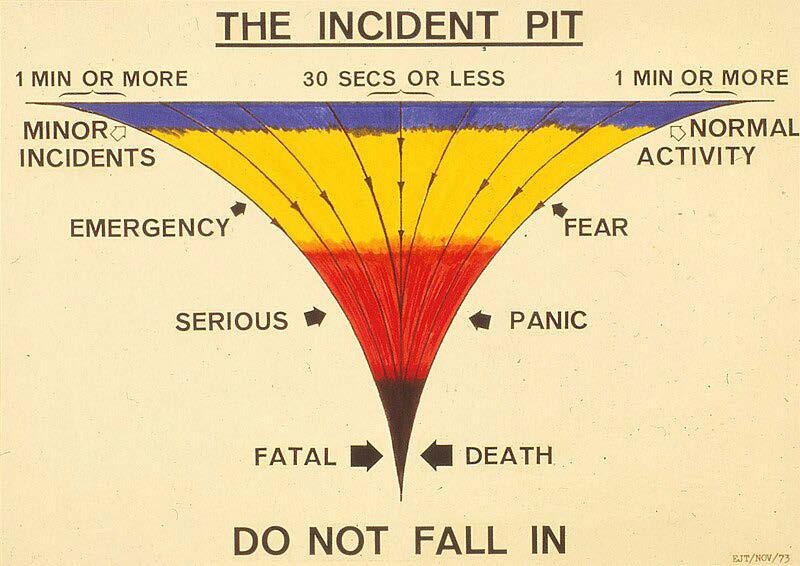
envisioned a simple, straightforward infographic that could be used by anyone working in the community to launch a dietary intervention as soon as possible. But I couldn’t quite picture how it might look – until 2018, that is, when I was researching cold water swimming of all things and discovered the ‘incident pit’.
The incident pit concept was introduced by the British Sub Aqua Club back in December 1973 and is used in both diving and outdoor swimming to describe how a situation can become more difficult to manage if problems are not addressed as they arise. The sides of the incident pit become steeper over time, and it can become increasingly difficult to escape. The first rule of the incident pit is not to end up in the water in the first place, but if you do, get to the shore as soon as possible. If you can’t get to the shore yourself, you then need a ‘water rescue.’
I took on board this concept as I found it to be similar to the development and progression of malnutrition, which often begins with a medical or social trigger, such as nausea, pain, grief, or social isolation, and then can escalate if not tackled
early on. I drew my own version of the incident pit, initially naming it ‘The Malnutrition Pit.’ This title was changed to From Frail to Hale and Hearty after funding was provided in 2019 by Scottish charity, The Food Train, through its ‘Eat Well Age Well’ project.5 NHS Highland and Alzheimer Scotland both supported the development of an infographic for From Frail to Hale and Hearty, which promotes discussion around eating and drinking and supports broader engagement with at-risk individuals. Predominantly, the infographic is directed at all people working in the community; dietitians may not be involved with patients until much further down the sides of the pit.
The infographic has undergone three PDSA (Plan-Do-Study-Act) cycles, incorporating feedback from consultants in elderly care, dementia specialist nurses, GPs, practice and community nurses, primary care pharmacists, diabetes nurse specialists and health and social care support workers. It can be used to signpost
onto other services and provides simple steps that may benefit those we care for when they face the prospect of nutritional losses or malnutrition. My favourite way to use the infographic is as a ‘train the trainers’ format, where a very short 30-minute training session ensures a team understands when to provide advice, signpost to another service, refer to a GP or the local Dietetic department.
FRAILTY PITFALLS
Frailty includes loss of muscle mass and body weight, decreased mobility and stamina, a lower immune system and poor balance. As the sides of the pit get steeper the signs of frailty increase and include:
• Missing meals
• Feeling full quickly
• Loss of appetite
• Digestion problems
• Chewing and swallowing difficulties
• Nausea and vomiting
Figure 1: The incident pit (reproduced with
Frailty Pit Falls
From Frail to Hale & Hearty
Nutritional Care
Flourishing with Food
In order to flourish, certain steps can be implemented, such as:
• Eating finger foods if hands are shaky
• Keeping snacks out as reminders to eat
• Using frozen meals, as they are a great standby
• Taking light exercise and fresh air to stimulate an appetite
• Beginning with small meals and snacks every two to three hours
From Frail to Hale and Hearty gives ideas for small but mighty meals, dishes and drinks to keep individuals nourished and hydrated. Useful links are provided within the infographic adapted for oncology and Macmillan services.
END NOTE
It makes sense that everyone in health or social care should feel empowered to raise a conversation about diet in a gentle way to avoid frailty becoming a severe challenge. From Frail to Hale and Hearty is, therefore, aimed at encouraging supportive conversations around food at the earliest stage possible. It is a ‘food rescue’ tool that NHS Highland dietitians are happy to share freely with anyone fighting frailty.
Contact jill.macrae@nhs.scot for further information or download the full infographic from here: www.nhshighland.scot.nhs.uk/ media/3nllhvqs/from-frail-to-hale-and-hearty.pdf.
NUTRITION FOR ADHD AND DYSLEXIA: Unlocking the Potential for Learning and Wellbeing
By Dr Emma Derbyshire
Publisher: Jessica Kingsley Publishers
Paperback: 256 pages
ISBN-10: 1805010654
ISBN-978-1805010654
Price: £16.99
There has been a surge in the observations of ADHD and dyslexia in children. But there has also been debate about whether this is due to a greater incidence, an increase in diagnosis due to financial interests in treatments, or generally more open reveals of this state. Now we have names for what in former times may have been described in children as being naughty and annoying.
And does diet cause or modify these states? Nutritionist, Dr Emma Derbyshire, is a consultant to the ADHD Foundation and advises many anxious parents on the validity of the confetti of dietary claims on the subject. Her firm initial statement is that some cognitive patterns may be inherited/genetic; diet modifications cannot be cures or substitutes for supportive behavioural and educational constancy.
Emma shares her two years of writing this book as the assessment of 350 peer-reviewed scientific publications, and many days in discussion with experts and affected parents. The introduction provides clear definitions and diagnoses; these conditions can occur separately or together. Of course, starting guidance supports sufficient hydration and a variety of healthy food provided regularly. Dietitians need no further description.
In 2019, the UK Food Standards Agency named six food colours possibly linked to hyperactivity in children. In practice, few foods sold now contain the six, as mandatory label statements such as ‘May have an adverse effect on activity and attention in children’ are not conducive to product sales. Other ‘avoid’ guidance is the general recommendation not to allow long periods without food and drinks, and to avoid caffeinated drinks, especially energy drinks, and alcohol(!). While general guidance cautions against excess sugars for children, the specific data linking intakes with ADHD are modest; some suggestions are that higher intakes observed may be associated rather than determinants of the condition.
Some general nutrient associations linked to cognitive and brain health are discussed in the book. The amino acid tryptophan is a building block for the neurotransmitter serotonin, which affects mood, but is there any data on dietary intakes of tryptophan and serotonin levels in the brain? Deficiency in certain micronutrients affects cognition, so, adequate intakes of iron, iodine and zinc are needed.
This then leaves the most important dietary factor, with the best and strongest evidence linked to ADHD
Ursula has a degree in dietetics and currently works as a freelance writer in Nutrition and Dietetics.
In 2019, the UK Food Standards Agency named six food colours possibly linked to hyperactivity in children.
and dyslexia. Many studies support greater intakes of long-chain omega-3 (EPA and DHA). This means oily fish or fish/algal oil supplements. Only 7% of children and 13% of teenagers manage the government target of one serving per week. Emma strongly supports the fishy message and provides some pragmatic crafty suggestions for how to promote this challenging food to children.
The concluding sections of the book provide scientific references, the best food sources of nutrients and suggested recipes. Perhaps some tighter editing reducing the no-evidence associations would have allowed clearer conclusions for anxious parents. However, Emma has done thorough work to support those with questions about the dietary links to ADHD and dyslexia.
People with a learning disability are more likely to be obese than the general population1 and experience obesity at a younger age.2 We know that this is a cause of early mortality, with diseases of the circulatory system (of which obesity is a modifiable risk factor) being the leading cause of death and the top cause of avoidable death in our learning disabilities community.3
One of the reasons for this health inequality is thought to be a lack of access to healthcare services.3 Have you ever considered whether the services you provide are able to meet the needs of a person with a learning disability? Recognising the importance of coproduction (see below) to fully understand the problem, the NHS in Gloucestershire commissioned an organisation called Inclusion Gloucestershire to undertake some research looking at the experience of people with a learning disability and autistic people with weight management services in the county. Inclusion Gloucestershire is a user-led organisation that exists to facilitate inclusion for people who face barriers because of a disability. The research needed to be co-produced and based on people’s experiences. The research aimed to develop a set of recommendations to improve weight management services in
WHAT IS CO-PRODUCTION?
Gloucestershire, and ultimately improve health outcomes.
The project team (which included people with lived experience of a learning disability and autism) adapted their marketing strategy, questionnaires and interview techniques to best suit the population they were seeking to work with. They collected experiences from 23 individuals over three months, some of whom were family or paid carers (n=8) and some of whom were people with lived experience of a learning disability, autism or both.
The report findings were published in April 2024, in both plain English and easy-read format, with some interesting recommendations, some of which will apply to services being provided far wider than our county. These are summarised in Tables 1 and 2 overleaf.
The report highlights the potential for digital exclusion from healthcare services,
NHS England defines co-production as a way of working that involves people who use health and care services, carers and communities in equal partnership, and which engages groups of people at the earliest stages of service design, development and evaluation. Co-production acknowledges that people with ‘lived experience’ of a particular condition are often best placed to advise on what support and services will make a positive difference to their lives.
Carly Atkinson RD
Carly is a Specialist Learning Disabilities
Dietitian working for Gloucestershire Health and Care NHS Foundation Trust. She was the first regional AHP Clinical Fellow for Mental Health, Learning Disabilities and Autism at NHSE and is a Trustee with the Caroline Walker Trust.
Table 1: Recommendations: how could things be better?
Recommendation
1
2
Support for family members and carers who are helping the people they care for to lose weight.
Weight management professionals should do the Oliver McGowan Mandatory Training in Learning Disabilities and Autism.
Weight management groups need to have quiet sessions that only use easy words.
3
4
Weight management services need to use more accessible easy read and plain English information.
Reasoning for this
Our research found that the people who had the best time losing weight had help from a family member or carer.
The Oliver McGowan Mandatory Training helps professionals learn about reasonable adjustments and how to give the best help to people with a learning disability or an autistic person.
Some weight management services talk about things using complex words. Noise and different people talking at the same time was also raised as an issue when talking about weight management groups.
One commissioned weight management service has easy-read information. This is a good thing. Our research found not many staff knew about the information and not many people were given it to help them.
Table 2: Recommendations: websites and apps – how could things be better?
Recommendation
It is important that a webpage does not have too much information on it.
2 It is important that weight loss websites and apps use simple words.
3 Websites that tell people about how to lose weight should have screen readers and the option to make the text bigger.
The background colour on a website or app should contrast with the text colour.
4
5 Weight management websites should include some easy-read webpages, or links to easy-read information about keeping fit and healthy.
6
Where a website or app talks about how personal information is used, this needs to be easy to read.
7 It might be better not to use a ‘tick box’ list when asking about health conditions or disabilities.
8 It would be good to include some success stories on weight management websites, of people with a learning disability or autistic people.
Reasoning for this
Some pages on the weight management websites we looked at had too much information on them. Our Experts by Experience found this overwhelming.
Our Experts by Experience found lots of tricky words and words they did not understand on the websites and apps they looked at.
The weight management websites we looked at did not have screen readers. One website did have the option to make the text bigger, but the biggest text size was still not big enough.
Grey text on a white background, for example, may be difficult for someone with sight loss to read. A darker text colour on a white background may be easier.
Having this accessible information may help more people with a learning disability or an autistic person to use weight management services.
This is important information that people need to understand.
It is difficult to make a list that includes everything.
These may help motivate others.
particularly when considering the need for people to access online forms or when apps are routinely used as part of an intervention. Group settings can be helpful to some and less so for others. Language is important, as is the appropriateness of any resources provided for the individual receiving them. Flexibility and creativity in how we design and deliver our services are key. Below are two case studies that the report highlights as examples of good practice:
EXAMPLE 1
Mike told us the person running his weight management group knew he was autistic. He said they let him weigh himself for the first time. The person running the group then told him how everything worked. He was also told he could leave a meeting at any time if he wanted to. The person running the group said he did not have to do anything he didn’t want to do. These small reasonable adjustments made Mike feel more comfortable.
EXAMPLE 2
Janet needed a carer to take her to group meetings. Her carer was not able to take her to a meeting at the same time and place every week. So, to make things easier for Janet, she was able to go to different groups at different times and places. This worked well for Janet.
WHAT ARE WE DOING WITH THE INFORMATION?
Since the publication of the original report, we have met with both Tier 2 and Tier 3 weight
management services in Gloucestershire. Both services have reviewed their website content and have sought support to make their sites more accessible. Consideration has been given to screening protocols to enable people with a learning disability or autistic people to be recognised and offered support earlier in the referral process. The addition of a question about ‘small changes’ (reasonable adjustments) during onboarding allows for communication and interventions to be adjusted to meet people’s needs. Further consideration is being given to adapted groups and one-to-one provision.
CONCLUSION
Co-production will be essential if we wish to make real progress in addressing the health inequalities that exist within our society. Collaborative working with organisations such as Inclusion Gloucestershire will enable us to better understand the barriers that specific populations face in accessing mainstream health services. Training programmes, such as the Oliver McGowan Mandatory Training, are available to enable dietitians to provide tailored support and should be an essential for everyone involved in the design or delivery of healthcare provision as part of their role. More information on the Oliver McGowan Mandatory Training on Learning Disability and Autism is available at: www.e-lfh.org.uk/programmes/the-olivermcgowan-mandatory-training-on-learningdisability-and-autism.
FACE TO FACE
Ursula Arens
Ursula has a degree in dietetics and currently works as a freelance writer in Nutrition and Dietetics.
Our F2F interviews feature people who influence nutrition policies and practices in the UK.
Ursula meets LISA GATENBY
Serious injury rehabilitation nutritionist
Higher Education Academy lecturer
Fellow of the Association for Nutrition (AfN)
Little Lisa, aged five, decided that she was going to become a chef. After childhood years of practice in a play kitchen, she did become a chef. She completed the basic NVQ and then the higher HND qualifications in hotel and catering management, all side streamed with an evening cheffing job in a hotel restaurant.
Lisa decided she wanted some further qualifications. She completed a top-up degree in Food Systems at Leeds Beckett University and then worked in the product development department for the large food producer, Greencore. Her projects were all ‘sweet’, developing new cake and dessert recipes and flavours. Her next job moved into savoury food production, working in the development kitchens of Geest, which supplied retailer ready meals, soups and sauces. She was responsible for recipe development and product modifications, nutritionally analysing recipes and tweaking these to support nutrient claims on labelling. The discussions of healthier formulations and labelling claims awakened Lisa’s interest in nutrition.
In 2004, she went back to university and completed enough science modules at the University of Hull to allow her the next step up: a place at Sheffield University to do a Master’s in Medical Science (MMedSci) in Human Nutrition. Whilst studying for her Master’s, Lisa worked for Hull Council on projects supporting better diet choices in the population. The uplift given by the chef-
campaigner, Jamie Oliver, led to the pioneering agreement by Hull Council to fully fund school meals for all 20,000 primary school pupils. The meals aimed to meet the nutritional guidelines set out by the Caroline Walker Trust, and Lisa assisted the Council in their monitoring and data collection.
This role evolved into a PhD project when Lisa moved to work at her university as part of the team independently supporting the school meal project. Lisa assessed the food consumed by children having school meals and those having packed lunches. Meals chosen by 160 children were weighed and photographed before and after consumption. The results? Those children from a more affluent school had better micronutrient intakes, such as iron and zinc. Those with packed lunches consumed more fat and sugar. “One surprising observation was that despite the meals being completely free, around 40% of children chose to bring a packed lunch from home over the hot school meals provided,” Lisa notes. Challenges included unfamiliar foods and limited knife and fork skills, leading to waste and mess. Another surprising finding was ‘compensation’: children with healthier lunches at school might eat more high-fat, high-sugar foods at home.
Travelling to observe school meals in other countries was an eyeopener. “In Sweden, children enjoyed a single, no-choice main item. Extra salads were treat items. No iceberg
Lisa assists individuals in understanding their dietary requirements following their injuries, giving guidance on improved food and nutrient intakes, supporting weight management for both underweight and overweight, and generally supporting rehabilitation.
lettuce or tomato shavings, but rather colourful varieties of flavourful vegetables with lovely dressings.” Over three years, Lisa observed improved selections of healthier items in Hull primary schools, showing that exposure and the observation of peer choices lead to better diets.
Lisa led a project called Cooking Communities. This was part of a government initiative supporting schools across Leeds to set up afterschool cooking clubs and to train teachers to be food specialists. This was then extended to schools across Yorkshire and Humberside. “It was a coincidence when an attendee at one of the big events recognised me,” says Lisa. “She had been one of the trainers on my NVQ course many years ago.” The project expanded and Lisa developed schemes to train higher level teaching assistants to specialise in food teaching.
In 2010, Lisa completed a postgraduate teaching award and became a lecturer. For a year she taught at both Leeds Trinity University, supporting undergraduate modules on Nutrition and Food, and at Leeds Beckett University, teaching Nutrition and Dietetics. “I really enjoyed the enthusiasm for food and nutrition that I observed with new learners,” she comments. Lisa continued her research, supporting projects like the ‘Born in Bradford’ study, tracking the health and development of 40,000 Bradfordians. The study showed that Pakistani infants consumed more commercial sweet meals and sugar-sweetened drinks compared with White British infants, highlighting the need for targeted food choice education.
Since 2015, Lisa’s nutrition and food consultancy, www.healthwisenutrition.co.uk, has become her full-time job. She provides guidance to individuals and to food providers,
with a particular focus on the complex nutritional needs linked to serious injury. Lisa assists individuals in understanding their dietary requirements following their injuries, giving guidance on improved food and nutrient intakes, supporting weight management for both underweight and overweight, and generally supporting rehabilitation. Lisa also formulates medico-legal expert reports for serious injury/ brain injury cases.
Lisa describes how parents of a braininjured child may have trouble with feeding at home. Refusing foods and insistence of cake for breakfast are examples that lead to constant meal conflicts. “I really enjoy seeing how the many small steps of food guidance result in better health,” says Lisa. Most of her consultancy work is now supporting people with complex nutritional needs linked to serious injury. Perhaps her pragmatic chef skills support the better choices needed to inspire those not enjoying their meals.
She is a fellow of the Association for Nutrition. She is the regional lead for Yorkshire and Humberside and helps assess new registrants and sets up events for members. The most recent event, attended by more than 60 nutritionists, was a discussion on the issue, ‘I eat really healthily but I’m not losing weight –please help!’. She also teaches the Royal Society of Public Health (RSPH) nutrition qualifications at levels 2, 3 and 4, supporting a variety of food enthusiasts wanting to learn more about nutrition science.
“What aspects of your nutrition career did you like best?” I ask. “All of it,” Lisa replies –which reminds me of Mark Twain’s quote: “If you love your job, you will never work a day in your life.”
Fareeha Jay RD
Fareeha is a freelance dietitian with a specialist interest in South Asian diets and provides specialist advice to South Asians across the globe. She is extremely passionate about providing the best available nutrition advice to people with South Asian backgrounds, which is what led her to develop the South Asian Eatwell Guide.
In the UK, approximately one in eight women will develop breast cancer. However, more than a quarter of cases could potentially be prevented through reduced exposure to exogenous oestrogens, by maintaining a healthy weight, increasing physical activity and promoting breastfeeding.1
Diet may influence the development of breast cancer, either by promoting or inhibiting its progression. Epidemiologic studies to date indicate that dietary patterns may be linked to both increased and decreased risks of breast cancer, potentially depending on the quantity and type of foods consumed.2
FATS AND BREAST CANCER
Several hypothesised pathways link fat consumption to cancer risk, including its association with obesity. Individuals with a high amount of adipose tissue, often linked to a high-fat diet, may face an increased risk of developing breast cancer.3 The effects of dietary fat on health are influenced by more than just its presence in the diet. Factors such as the quality, specific subtype and overall quantity of fat consumed play critical roles in determining its impact.4
Observational and animal studies indicate that a high intake of omega-6 polyunsaturated fatty acids (PUFAs) can stimulate various stages of breast cancer development, including increased oxidative DNA damage, effects on cell proliferation, elevated free oestrogen levels and altered hormonal catabolism. In contrast, omega-3 fatty acids appear to have protective effects by modulating the activity of enzymes and proteins involved in intracellular signalling and, ultimately, cell proliferation. However, further research is needed, emphasising the importance of maintaining a balanced dietary ratio of omega-3 to omega-6 fatty acids.5
Both saturated fats and trans fats have been identified as high-risk fats for breast cancer, with their impact being particularly significant in individuals who consume them in large quantities.6
MEAT CONSUMPTION AND BREAST CANCER
Data on meat consumption and cooking practices was collected from 42,012 participants in the Sister Study.7 The results revealed that higher red meat consumption was linked to an increased risk of invasive breast cancer, whereas greater poultry consumption was associated with a decreased risk.
In contrast, findings from the UK Biobank cohort study, which followed 262,195 women over a median of seven years, reported that 4819 women developed breast cancer. The study found an increased risk among those in the highest tertile of processed meat consumption, but no significant association between red meat consumption and breast cancer risk.1
FIBRE AND BREAST CANCER
A systematic review and meta-analysis of prospective studies indicated that a high total fibre intake was significantly associated with a reduced overall incidence of breast cancer. The risk reduction appeared consistent across various sources of fibre, including cereal, fruit, vegetable and legume fibre. However, statistical significance was achieved only for fruit fibre.8
A systematic review and meta-analysis of prospective studies indicated that a high total fibre intake was significantly associated with a reduced overall incidence of breast cancer.
lower breast cancer incidence by regulating blood glucose levels and enhancing insulin sensitivity. Additionally, fibre can increase serum concentrations of sex hormone-binding globulin, influence gut microbiota composition and inhibit colonic β-D-glucuronidase activity. These effects may reduce the deconjugation and reabsorption of oestrogen, leading to lower circulating oestrogen levels.9
ALCOHOL AND BREAST CANCER
Alcohol consumption is linked to an increased risk of breast cancer, a relationship consistently observed in both case-control and cohort studies, minimising the likelihood of it being attributed to selection or information biases.10
According to the World Health Organisation (WHO), breast cancer is the most commonly diagnosed cancer in the WHO European Region. Alcohol consumption is a significant modifiable risk factor for the disease, accounting for seven out of every 100 new breast cancer cases in the region.11
VITAMIN D AND BREAST CANCER
A review found that most studies on vitamin D support an inverse relationship between vitamin
D deficiency is linked to an increased risk of breast cancer.12 However, inconsistencies remain, as many studies have failed to establish a clear association, showing no significant differences in vitamin D levels between cases.13 There is an urgent need for well-designed, randomised clinical trials to investigate the relationship between vitamin D levels and breast cancer risk, development, recurrence and survival across different stages of the disease.12
CONCLUSION
The role of dietary factors in breast cancer causation remains inconclusive. Current evidence from epidemiologic studies suggests that diet may be linked to both an increased and decreased risk of breast cancer. However, further research, including well-designed epidemiological and laboratory studies, is needed. It will help to better understand the relationship between diet and breast cancer risk. Ongoing follow-up of breast cancer patients to gather information on dietary intake and relevant biomarkers will help explore the potential benefits and risks of diet, as well as the mechanisms through which diet may influence breast cancer development.