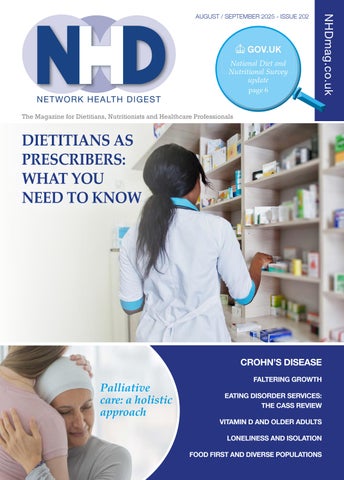
National Diet and Nutritional Survey update page 6
The Magazine for Dietitians, Nutritionists and Healthcare Professionals
DIETITIANS AS PRESCRIBERS: WHAT YOU NEED TO KNOW
Palliative care: a holistic approach
CROHN’S
DISEASE
FALTERING GROWTH
EATING DISORDER SERVICES: THE CASS REVIEW
VITAMIN D AND OLDER ADULTS
LONELINESS AND ISOLATION
FOOD FIRST AND DIVERSE POPULATIONS
Addressing your patients nutrition support needs using the Pro-CalTM range
Add extra energy and protein to everyday food items
15g sachet = 100kcal, 2g protein
An energy and protein boost 30ml shot = 100kcal, 2g protein
Add MCT using a neutral tasting powder 16g sachet = 10g MCT, 112kcal, 2g protein
To request starter packs for Pro-Cal shot, Pro-Cal powder or MCTprocal, please scan the QR code and complete the sample request form
This information is intended for healthcare professionals only. Pro-Cal shot, Pro-Cal powder and MCTprocal are all foods for special medical purposes. Pro-Cal shot and Pro-Cal powder are for the dietary management of disease related malnutrition. MCTprocal is for the dietary management of long-chain fatty acid oxidation and other disorders requiring a high MCT, low long-chain triglyceride (LCT) diet. These products are suitable from 3 years of age onwards. For enteral use. Not suitable as a sole source of nutrition.
√ BANANA √ NEUTRAL √ STRAWBERRY
Over recent weeks, we’ve heard a lot about the NHS 10 Year Health Plan and its ambitions to focus on communitybased care, tackling inequalities and prevention integration. The latest approach to hit these ambitions is Neighbourhood Health Services. New guidance laid out by NHS England earlier this year outlines ‘a new way of working for the NHS, local government, social care and their partners’, with a new approach where ‘integrated working is the norm and not the exception’.1 The shift towards this model of care delivery means more services at home or closer to home, which intends to improve access, experience and outcomes for service users.
Other aspects of care delivery are also targeted in the plan. A major expansion of the NHS app and greater use of new technologies, such as AI, signals a shift from analogue to more digital working, and the move from treatment to prevention highlights a greater emphasis on health promotion and literacy, early intervention and reducing the factors that exacerbate or worsen ill health.
The focus on community-based care, integration and prevention when stacked together and adequately funded has the potential to create healthier communities that support people to live well and independently across the lifespan. The impact and success of the plan remains to be seen, and there are challenges to address during this journey, when funding, recruitment issues and capacity in primary care already exist.
NEIGHBOURHOOD HEALTH SERVICES AND COMMUNITY-BASED CARE
Dietitians and nutritionists will already be familiar with the preventative approach to health, with many of us providing advice on eating well and healthy lifestyle choices at some point in our careers. In The Last Word this issue, Fareeha Jay talks about coronary heart disease (CHD) in South Asians, following a recent study that has found this population group is twice as likely to develop CHD. With lifestyle factors playing a key role here, preventative approaches have the potential to make a positive impact.
Palliative care can be complex, difficult and emotional for those involved. However, access to services at home or closer to home can be a comfort to patients and their families, yet this can prove challenging at present; something that has the potential to be improved by the new plan. Salma Khattak, RD, tells us more about this important aspect of modern healthcare and current practice.
Having a trained workforce equipped to deliver healthcare effectively and efficiently is vital. Katy Stuart, RD, discusses all things ‘dietitian prescribers’ and what it takes to be one. As there are more opportunities for dietitians and other allied healthcare professionals to become prescribers, this has the potential to support the transition towards more neighbourhood care, but only if there are enough prescribers out there and the system supports effective use of this valuable resource.
*Over a 12-month period compared to other formulas indicated for CMA. Study was conducted in 2014 prior to the launch of Aptamil Pepti Syneo® or Neocate Syneo® 1
IMPORTANT NOTICE:
Breastfeeding is best for babies and the nutritional benefits of breastfeeding should be carefully considered before bottle-feeding is initiated. The decision to discontinue breastfeeding may be difficult to reverse and the introduction of partial bottle-feeding may reduce breast milk supply. However, we recognise that breastfeeding may not be an option for every mother. Where a formula for special medical purposes is required, parents should only use this after consulting a healthcare professional. Preparation should follow label instructions; failure to do so may be harmful to the health of the child.
REFERENCE: 1. Nocerino R et al. J Pediatr. 2021;232:183–191.
Nutrition in the news
Karen Voas-Wootton RD
Karen is a Community Prescribing Support Dietitian and Team Lead at Betsi Cadwaladr. She has a keen interest in appropriate prescribing and nutritional support and actively tries to perform quality improvement strategies within her role.
NATIONAL DIET AND NUTRITIONAL SURVEY –UPDATED JUNE 2025
The National Diet and Nutritional Survey has been reanalysed and updated, and was published in June this year. Conducted annually, this survey assesses a cross-section of dietary habits and nutrient intakes against socioeconomic factors and income throughout the UK.
The results are surprising due to various pressures seen over the last four years, including the COVID pandemic and the cost of living crisis.
Fruit and vegetables
The survey update shows that most participants are still not meeting the five portions of fruit and vegetables per day. The overall consumption of these foods has reduced, as a result of lack of availability throughout the COVID period and with the cost of living issues.
Fibre
There has been a poor adherence overall to fibre recommendations, with about 96% of adults not meeting general targets. There is a socioeconomic link, with those on higher incomes consuming more fibre.
Red and processed meat
The average intake is now within recommended limits; however, 27% of adults are still exceeding the recommended levels.
Saturated fat and free sugars
Scarily, this has increased massively by 10% in energy in both adults and children.
The good news is, we are seeing global nutritional trends change and a shift overall to more health-focused, sustainable food choices.
See here for the full report: https://www.gov.uk/government/ statistics/national-diet-and-nutrition-survey-2019-to-2023/ national-diet-and-nutrition-survey-2019-to-2023-report
New research & reviews
A SUGAR SWITCH THAT PROTECTS YOUR BRAIN FROM ALZHEIMER’S
Scientists have found a new approach in battling Alzheimer’s disease, surprisingly related to brain sugar metabolism. Researchers at the Buck Institute for Research on Ageing have discovered that neurons can reroute stored sugar – glycogen – to fuel their antioxidant defences, but only if an enzyme called glycogen phosphorylase (GlyP) is active. When this system fails, toxic tau proteins build up, accelerating brain degeneration.1
Traditionally, glycogen has been seen as an energy reserve stored in the liver and muscles, with only a minor presence in brain cells. However, this new research challenges that view, revealing an active role for glycogen in neurons. In both fruit fly and human cell models of tauopathy (a group of neurodegenerative diseases, including Alzheimer’s) scientists found that tau proteins bind to glycogen, preventing its breakdown.
This blockage impairs a crucial stress defence system. Normally, broken-down sugar is diverted into the pentose phosphate pathway (PPP), generating NADPH and glutathione – two molecules that protect cells from oxidative damage. Restoring GlyP activity enables neurons to detoxify harmful oxidants more effectively and reduce tau-related damage.
Even more promising, the study showed that dietary restriction, known to extend lifespan, naturally boosts GlyP activity. The effects could also be replicated with a drug called 8-Br-cAMP. These findings may explain why GLP-1 drugs, currently used for weight loss, are showing potential against dementia, possibly by mimicking dietary restriction’s benefits.
This is an interesting study which is helpful to those in elderly clinical practice.
1 Bar S, Wilson KA, Hilsabeck TAU et al. Neuronal glycogen breakdown mitigates tauopathy via pentose-phosphate-pathway-mediated oxidative stress reduction. Nat Metab (2025). https://doi.org/10.1038/s42255-025-01314-w
THE REASON YOUR MORNING COFFEE IS GIVING YOU LONGER LIFE
An observational study by one of the US universities shows that coffee consumption in general lowers the risk of mortality across all health categories. However, the risk of mortality changes with the amount of sweeteners and saturated fat added to the beverage.
This large-scale study by Tufts University in Massachusetts shows that drinking one to three caffeinated coffees daily is associated with lower overall mortality for all causes, including cardiovascular issues.1 Interestingly, the researchers found that this benefit drops when specific things are added to coffee, such as sugar or saturated fats like cream and chocolate. Morning coffee with a cream cake, whilst nice, won’t lower our risk of all-cause diseases.
Data was analysed from various surveys across a range of years and then compared with the index mortality data. A national sample of adults completed a 24-hour diet recall. The consumption of coffee was categorised by type (decaf or caffeinated). The mortality outcomes were included and then analysed. Consumption of at least one cup per day was associated with a 16% lower risk of all-cause mortality. At two to three cups per day, the link rose to 17%. Consumption beyond three cups per day was not associated with additional reductions, and the link between coffee and a lower risk of death by cardiovascular disease weakened when coffee consumption was more than three cups per day. No significant associations were seen between coffee consumption and cancer mortality. 1 Zhou B, Ruan M, Pan Y, Wang L, Zhang FF. Coffee Consumption and Mortality among United States Adults: A Prospective Cohort Study. J Nutr. 2025 Jul;155(7):2312-2321. doi: 10.1016/j.tjnut.2025.05.004. Epub 2025 May 12. PMID: 40368300.
MYTH BUSTING WITH MADI
Madi Myers explores some of the claims, myths and current evidence around fads and fashionable crazes.
THE MISINFORMATION AROUND GUT HEALTH
Madi is a freelance nutritionist working with individuals, hosting workshops for groups and writing. She works across the food industry and the private sector, promoting the non-diet approach to nutrition.
Problems with the gut and symptoms related to digestion are hugely common. Estimates are that in the UK, more than 20% of people suffer from irritable bowel syndrome (IBS) and many more experience some level of issues with their gut throughout life.1 This can cause significant distress and morbidity; one charity estimates that more than 10% of a GP’s time is spent discussing gut problems with patients.2 There is increasing recognition of the importance of gut health, and healthcare professionals are doing a good job fighting misinformation around issues such as stool frequency and the importance of fibre. However, getting to the root of gut problems can be difficult and with that, individuals often turn to the internet for solutions. Therefore, this article will look at some of the more niche but still widespread myths about gut health, particularly with those looking for support with gut symptoms.
MYTH: LECTINS IN FOOD CAUSE GUT SYMPTOMS AND INFLAMMATION
Lectins are naturally occurring proteins, which are ubiquitous in nature, found in nearly all organisms. Certain foods are particularly rich in lectins, such as grains, pulses and some vegetables. There is a lot of fear around lectins and suggestions that they cause everything from inflammation and increased gut permeability to autoimmune disease, weight gain and metabolic syndrome. Many wellness influencers advocate for lectin-free diets, which often require the elimination of many nutritious plant foods. However, while some lectins are toxic when consumed in large doses, the quantities consumed in a balanced diet are not high enough to cause negative health effects. Studies that show harmful effects are commonly performed on animals using isolated lectins or raw foods and don’t reflect normal human consumption of lectin-containing foods.3 Additionally, most lectins are virtually eliminated by cooking (particularly by soaking and boiling), and the foods that contain the highest concentration of lectins (pulses and grains) are not commonly consumed raw.
MYTH: DIGESTIVE ENZYMES ARE NECESSARY TO TREAT GUT SYMPTOMS
A common go-to for those suffering from gut symptoms is to turn to digestive enzyme supplements to cure (often self-diagnosed) ‘digestive enzyme deficiency’. Readily available supplements that contain plant-derived versions of amylase, proteases and lipases are increasingly popular, as individuals search for relief from bloating, heartburn or IBS. This belief that extra digestive enzymes are necessary as the body cannot produce enough naturally is related to popular online myths, such as ‘we produce fewer digestive enzymes as we age’, or ‘drinking water with a meal dilutes digestive enzymes’. These statements aren’t true, yet they’re believed by many True digestive enzyme deficiency, such as pancreatic insufficiency, is rare and can cause severe symptoms in sufferers. A common case where supplemental enzymes might be useful is lactase for those with lactose intolerance; however, broad-spectrum enzymes are not necessary or useful in this case, or for general gut symptoms.
There is increasing talk around leaky gut syndrome and subsequent leaky gut diets online. The theory behind ‘leaky gut syndrome’ is that increased intestinal permeability is not only a symptom of health problems, but it’s a condition in and of itself, or is the root cause of such conditions. Increased intestinal permeability means that the lining of the gut, which is normally a semi-permeable barrier, becomes more ‘holey’, allowing larger molecules to pass through, which can lead to increased inflammation. This does happen naturally due to a range of factors like alcohol consumption, exercise and illness. Supporters of the
Madi Myers ANutr
MYTH: LEAKY GUT SYNDROME IS REAL
concept claim that leaky gut syndrome causes everything from depression to autism and inflammatory diseases. However, it is neither currently accepted as a formal medical diagnosis, nor is there a validated test to make a diagnosis, despite at-home tests being marketed for this purpose.
Right now, teasing apart what’s a symptom and what’s a cause of gut disorders is very difficult. An individual with gut symptoms may very well have increased intestinal permeability, but treatment will target the cause of this and not the leaky gut. There is no one diet or food elimination protocol that can fix this, despite what many claim, and treatments that aim to target the intestinal lining are not effective. For more on the leaky gut, see the article by Lacy et al on myths and management here: https://pmc.ncbi. nlm.nih.gov/articles/PMC11345991 – it’s a great read.4
MYTH: FERMENTED FOODS CONTAIN PROBIOTICS
The widespread belief that fermented foods are synonymous with probiotics isn’t backed by solid science. While fermented foods often contain a range of fermentation-associated microbes, like lactic acid bacteria and certain yeasts similar to known probiotics, this alone doesn’t qualify them as probiotics. According to the scientific definition, probiotics must be live microorganisms that, when consumed in adequate amounts, provide proven health benefits.5 Most fermented foods haven’t undergone rigorous clinical testing to demonstrate these benefits, so they can’t legally be marketed as probiotics. That said, fermented foods aren’t without merit – they are often very nutritious foods, fermentation enhances flavour and they promote dietary variety. Ultimately, some fermented foods might contain probiotic-like microbes, but there’s so much variation even within categories of fermented foods that we cannot put a blanket claim on them.
Gut microbiota testing is often marketed as a gateway to better health, but the science isn’t quite there yet. Our gut microbiota is made up of trillions of different microbes, but current commercial tests only assess a tiny portion of this complex ecosystem. These tests are also not diagnostic tools – they can’t identify disease or specific health conditions – and the links between microbiome composition and health outcomes are often unclear. While some companies claim that tailoring your diet or lifestyle based on test results can improve health, these claims are largely based on studies showing correlation, not causation. Worse still, there’s no universally agreed definition of what a ‘healthy’ microbiome looks like – it likely varies significantly from person to person. While diversity is generally considered a sign of resilience, most tests fail to capture this accurately due to their limited scope. Adding to the uncertainty, results can differ significantly between companies, even from the same sample, highlighting the lack of standardisation and scientific validation in this space. The NHS currently does not offer microbiota testing as part of routine care, as it’s considered a new and emerging field requiring far more research and clinical validation.
The popular advice to eat 30+ different plant foods a week for gut health stems from a single observational study by the American Gut Project, which found that those who consumed more plant variety had greater microbial diversity, measured specifically by butyrate-producing bacteria.6 However, this study had significant limitations: it relied on selfreported dietary data, used a narrow surrogate marker (butyrate producers) and only compared extremes of diet intake (<10 vs 30+ plants), leaving it unknown whether moderate intake might offer similar benefits. No clinical trials have confirmed that hitting 30+ plants improves gut health, and pushing such a rigid goal may even harm people with conditions like IBS or those vulnerable to disordered eating. The fixation on food numbers can promote anxiety rather than health. Public health guidance should be based on robust, consistent evidence, like the long-established ‘5 A Day’ campaign, not on just one study Ultimately, good health goes beyond diet to include sleep, stress, relationships and more – so obsessing over food counts may do more harm than good.
CONCLUSION
In the age of social media and wellness marketing, myths around gut health are spreading faster than ever, often offering simple solutions to complex problems. While it’s encouraging to see growing interest in digestive health, many widely shared beliefs lack solid scientific backing. Much of the narrative in the above myths oversimplifies a highly individual and still-emerging area of science. Balanced, evidencebased approaches remain the most effective tools we have. As the science continues to evolve, so too should our expectations and our ability to help individuals spot the difference between credible information and clever marketing.
MYTH: GUT MICROBIOTA TESTING
MYTH:
DIETITIANS AS PRESCRIBERS: WHAT YOU NEED TO KNOW
Nine years ago, legislation came into force allowing dietitians and other allied health professional groups (AHPs) to become supplementary prescribers.1 Here we discuss what it is, how it works and how to become a dietitian medicines prescriber.
The legislation was a breakthrough for dietitians, as it allowed us to use our broad clinical experience and skills to manage medications for specific patient groups, thus improving patient care and service provision. The BDA was instrumental in achieving this important change to legislation and it helped design the curriculum framework for the training involved in becoming a supplementary prescriber.2-5
However, supplementary prescribing (SP) has remained restrictive due to the burden of needing to prescribe under a clinical management plan (CMP) for each patient, overseen by the designated medical prescriber (DMP). There is still a way to go for us to achieve eligibility to become independent prescribers like nurses and pharmacists, which would make the medicine management process much easier and straightforward for prescribing dietitians.2,5
WHAT IS INDEPENDENT PRESCRIBING?
The Medicines Act (1968) is the legislation that underpins marketing, supply, sales, authorisation and usage of medications in the UK.6 After a medication has been granted marketing authorisation, it is placed into one of three categories:6
1 Prescription-only medication (POM). This can only be obtained with a prescription from a suitably qualified medical professional.
2 Pharmacy medication (P). This can only be obtained from a licensed pharmacy and sold under the supervision of a pharmacist.
3 General sales list. Products can be sold in shops as well as pharmacies.
The Advisory Committee on Borderline Substances (ACBS) includes nutritional supplements and enteral feeds. However, these do not come under medicines management and dietitians manage these without requiring prescribing rights.
Nurses were allowed the right to become prescribers in 1998, although initially could only prescribe from the Nurse Prescribers’ Formulary for Community Practitioners.7 In 2002, the Health and Social Care Act allowed nurses and pharmacists to become supplementary prescribers and finally, in 2006, allowed independent prescribing of any medications by a suitably qualified nurse and pharmacist.7,8
Independent prescribing practitioners are responsible and accountable for clinically assessing patients with medical conditions and providing the clinical management plan and prescription medication where appropriate.3 Independent prescribers are advised to prescribe medications generically unless it is clinically appropriate to provide a non-proprietary named medication.3 Independent
Katy Stuart RD, MSC, SP
Katy has 20 years of dietetic experience in the NHS, working mainly in critical care, renal and complex nutrition support. She currently works as a Kidney Dietitian. Katy is also a supplementary prescriber.
Due to administration and logistical problems, patients often experience delays in receiving their prescriptions from their consultant, which can have an impact on health and nutritional status.
prescribing has been shown to improve patient care and be cost-effective. Prescribing nurses and pharmacists in the NHS can free up doctors’ time so they can focus on seeing more patients, and non-medical prescribing helps reduce waiting times for appointments and medication errors.7,8
PATIENT GROUP DIRECTIONS (PGD) AND PATIENT-SPECIFIC DIRECTIONS (PSD)
The Human Medicines Regulations were amended in 2012 to allow healthcare professionals to supply or administer medicines without a prescription.9,10 A PSD or PGD is a written instruction for the supply and/or administration of a licensed medicine(s) in an identified clinical situation (usually with very specific criteria); for example, giving routine vaccinations or pain relief such as paracetamol.10 Each PGD must be signed by both a doctor and a pharmacist.9 Since 2003, this change in medicines regulation has allowed dietitians working in specialist areas, such as diabetes, renal and pancreatic disease, to be able to supply and administer prescriptiononly medicines (eg, insulin, phosphate binders and pancreatic enzymes) under a PGD or PSD, greatly enhancing their clinical practice.9 However, the downside to PGDs and PSDs is that they are of limited benefit due to their restrictions and narrow remit.9,11
WHAT IS SUPPLEMENTARY PRESCRIBING?
Supplementary prescribing (SP) involves a suitably qualified healthcare professional prescribing a medicine under the direction of an independent prescriber (IP), such as a doctor, via a clinical management plan (CMP).1 The CMP must be agreed and signed by the IP before issuing, and must be agreed to by the patient.1,12 The CMP is patient-specific, so evidence of the CMP must be logged for each patient before the SP issues a prescription.1 Any medication can be prescribed by the SP as long as it is detailed in the CMP and signed off by the IP.1,12
To qualify as an SP, it is necessary to undertake an appropriate university master’s level course and to be registered as an SP by the Health and Care Professions Council (HCPC) and by the AHP’s own NHS trust under their non-medical prescribing policy.1 In 2016, Dr Alison Culkin was the first dietitian to qualify as an SP in the UK and has done a lot of work in this area, advocating for dietitians to gain the right to become IPs.13-16
Reported experiences of the impact of SP in clinical areas, such as diabetes, renal and nutrition support, have so far been positive and, anecdotally, SP has made a huge impact in terms of time saving, cost effectiveness and positive patient experiences.15-17,22
TRAINING FOR SUPPLEMENTARY PRESCRIBING
There are currently 73 higher education providers offering non-medical prescribing (NMP) courses approved by the HCPC.18 The NMP courses are based around the prescribing framework from the Royal Pharmaceutical Society.18 This details a set of competencies required for prescribing, regardless of professional background and helps to equip prescribers with the best knowledge, skills, qualities and behaviours needed for the job.2,3,5,18
The NMP courses follow a similar format involving undertaking modules on medicines legislation/framework, pharmacology, history taking, clinical assessment, writing prescriptions, concordance, controlled drugs, clinical management plans and managing risk.15 The course is normally completed in six months with guided personal study and taught modules,15 and assessment is a mixture of coursework, 90 hours of logged clinical practice, history taking and prescription writing, an OSCE and numeracy and pharmacology exams.15,19 Once qualified, the NMP must then be registered with the HCPC as an IP or SP, provide confirmation to their employers, be added to their NMP register, have professional indemnity insurance in place, do regular CPD and maintain their competence to practise.5,19,20
As someone who has undertaken an NMP course, I can say it requires a lot of commitment and personal time to complete, but it is extremely worth it for the valuable knowledge, skills and experience gained.
BENEFITS AND CHALLENGES
There are many examples in dietetic practice where dietitians are uniquely placed to advise on medication management. For example:
• People with diabetes require support and education in self-managing their condition with diet, lifestyle and medication such as oral hypoglycaemics, insulin injections or insulin pump therapy.
• People with kidney disease often need oral medications to help manage phosphate and potassium levels and support bone health, eg, phosphate and potassium binders and vitamin D.
• Those with pancreatic disease may require oral pancreatic enzyme replacement (PERT), and dietitians advise on dosage and how to take them.
• People with intestinal failure will need intravenous nutrition to prevent malnutrition and dehydration.1
Due to administration and logistical problems, patients often experience delays in receiving their prescriptions from their consultant, which can have an impact on health and nutritional status.19 Renal dietitians, Liz Price and Sally Pugh, looked at what impact the introduction of a dietitian SP made in their dialysis population and found that the median time for prescriptions was reduced by 92% from 13 days to one day and their patients’ biochemistry showed significant improvement compared with pre-intervention.21
Oncology dietitian, Andrea Davis, examined the impact of becoming an SP in her oncology setting and positive results were also seen. She reported that the median time spent in issuing a prescription in clinic was reduced from 15 minutes to five minutes, and 88% of patients said they were able to start their new medication sooner, whilst 100% reported they had a better clinical experience because of the SP.19 There was also a saving of over £1000 per year with this SP service.19 Dr Alison Culkin and Dr Nicky Wyer reported improvements with dietitian SPs used in the intestinal failure (IF) patient population, for prescribing TPN and other medicines for IF management.17,21
One of the challenges with SP, however, is the time-consuming administrative burden it creates for both the dietitian and the DMP.6,13,17 The SP model is vastly inferior to the IP model, where issuing prescriptions is a straightforward, faster process.13
BARRIERS TO BECOMING A SUPPLEMENTARY PRESCRIBER
As discussed above, until dietitians are granted the right to become IPs (bearing in mind the education and training is the same for both), the usefulness of embarking on SP training now is questionable.21 Other factors that need to be considered include:
• Cost. Will there be money available in your training budget?
• Time. Do you have the clinical time and personal time to complete the work?
• Support. Do you have a DMP who is willing to support this SP service, take clinical responsibility for your prescribing and sign off the CMPs?
• Use of SP. Is there a sufficient clinical need for working as an SP in your area, eg, nutrition support, renal or diabetes?11
CONCLUSION
Both the SP and IP roles have many benefits and obviously improve patient care and clinical services. It is very rewarding to undertake NMP training, expanding our scope of practice and helping our patients get the medications they need sooner and more effectively. There still needs to be more recognition of the skills of dietitians as prescribers and we need to be given the right to prescribe independently, which will remove the need for the restrictive CMPs.13,14 The BDA is continuing to promote dietitians as prescribers with the ‘Prescribing Now’ campaign and, hopefully, one day this will come to fruition, so that dietitian prescribers can implement their expanded role much more efficiently.6,13
Priya Tew RD
Priya is a specialist eating disorders and IBS dietitian. She runs Dietitian UK, working one-to-one and in group support. Priya also works with the media and is the author of The DASH Diet and The Complete Low FODMAP Diet Plan
SPEAKING UP FOR CHANGE: NUTRITION PROFESSIONALS AND THE ONLINE SAFETY ACT
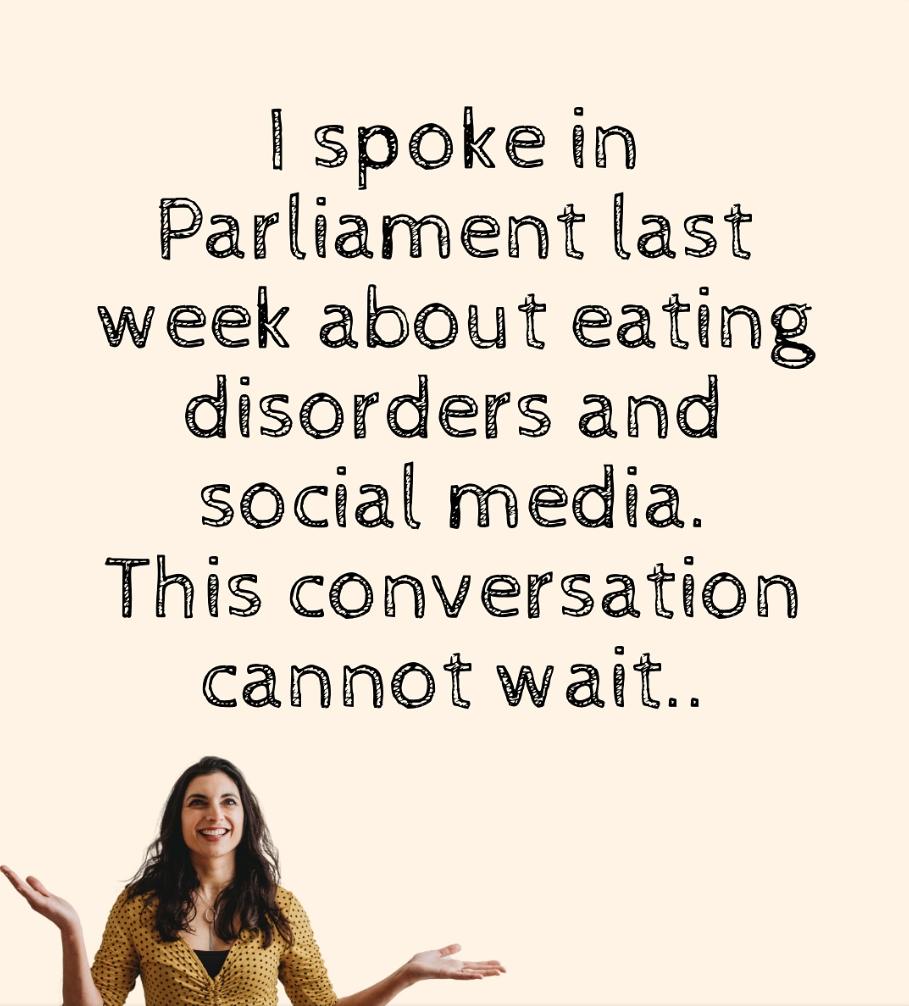
This past month, I had the unique opportunity to speak in Parliament, an experience that underscored the vital role nutrition professionals play in advocating for change. My address was part of an All-Party Parliamentary Group (APPG) focused on eating disorders and social media. While a single speaking engagement may not instantly transform policy, it illuminated the profound challenges we face and the urgent need for action.
A particularly disturbing finding from the Centre for Countering Digital Hate (CCDH) was presented. This revealed that a phantom YouTube account, which had been created to simulate a 13-year-old, was exposed to the platform’s algorithm. The expectation was that dangerous, eating-disordercentric content would be filtered out. Shockingly, of 100 recommendations provided to this simulated account, 58% consisted of eating disorder content. This highlights a critical vulnerability in online safety for young users.
Further research by the CCDH revealed that 25% of children are not adequately protected online, and a significant 22% of reported dangerous content is not addressed by platforms. This leads to a concerning number of 13-year-olds being exposed to inappropriate content.
THE DUAL NATURE OF SOCIAL MEDIA
Rachel, who shared her powerful lived experience at the APPG, emphasised that only 23% of individuals with an eating disorder have access to treatment. While social media can unfortunately foster pro-anorexia communities, many individuals paradoxically find a lifeline online by following therapists and eating disorder professionals, highlighting the dual nature of these platforms.
At the meeting, Dr Hannah Lewis’s research further reinforced the importance of empowering young people with critical thinking skills. Her work focuses on equipping them to deconstruct beauty ideals and critically evaluate potentially harmful social media content.
Ofcom, the UK’s communications regulator, provided us all with valuable insights into the new Online Safety Act, which came into effect at the end of July this year. This landmark legislation aims to implement stringent safety measures for children online. Under this act, online services will be mandated to assess risks and prevent the dissemination of dangerous content to minors. Ofcom recommends that major companies establish robust internal systems for the proactive removal of content harmful to children. The ultimate goal is to ensure that such content is neither presented in a child’s feed nor accessible through searches.
CHILDREN ARE BECOMING ‘ALGORITHM LITERATE’
It’s important to acknowledge that a third of children are already active on some form of social media. Even more are growing up ‘algorithm literate’, a proficiency that often begins with streaming services and tablets long before formal social media engagement.
This means these kids possess a nuanced understanding of how to navigate algorithms to discover desired content and receive personalised recommendations. This inherent understanding underscores the urgency for robust online safety measures that keep pace with children’s evolving digital literacy.
WHAT ARE THE IMPORTANT NEXT STEPS?
So, we know the problem, but what is the solution? Following the online harms roundtable, the APPG for eating disorders is continuing to push for change and ensure that people are protected in this space. As part of this, it is launching an Early Day Motion about online harms and eating disorders and the work that the APPG is doing. As well as this, the Group
It’s important to acknowledge that a third of children are already active on some form of social media.
Even more are growing up ‘algorithm literate’ . . .
will write a joint letter to relevant ministers and social media companies about the roundtable and ask for a meeting.
In my eyes, the process seems slow, but as one MP told me, “Every time we raise awareness to more MPs, it leads to more supporters for the cause and more traction. Every white paper written is another small step forward.” It certainly isn’t the speed at which I would like to see things happen, but legislation change takes time and will be worthwhile.
Until this change happens, it seems that telling people about the problem is key. We must make sure we don’t turn a blind eye to what’s happening on a daily basis on the phones that seem to be always in people’s hands.
Supporting children’s gut health and microbiome with a unique multi fibre blend1
All children, including those who receive nutritional support, are encouraged to receive an age-appropriate amount of fibre from a variety of sources. 2
Due to its role in children’s gut health, microbiome and bowel habits, experts recommend fibre-containing enteral formula as a first line nutrition therapy.3
Quantity is important, but so is quality2 Both fermentable and bulking fibres have health benefits which extend beyond the gut:2
Stool bulking
Gut microbiome support
Lowered cholesterol
Weight control Glycaemic control Immune system support
The Fortini range contains Nutricia’s unique multi fibre blend (MF6™) The blend is a mixture of 6 different soluble and insoluble fibres including inulin and oligofructose/fructo oligosaccharides which help maintain gut health.1
MF6TM ferments into short-chain fatty acids along the large intestine4 This fuels colonocytes, causes a trophic effect, and reduces gut pH4
This information is intended for healthcare professionals only.
MF6TM selectively promotes the growth of beneficial bacteria4
IMPORTANT NOTICE: The Fortini Range are Foods for Special Medical Purposes for the dietary management of disease related malnutrition and growth failure in children from one year onwards, and must be used under medical supervision. Refer to label for details. ONS: oral nutritional supplement.
~17% increase in beneficial bacteria (bifidobacteria) among children consuming the MF6™ blend vs a fibre-free diet4 n=272
Other beneficial effects of MF6TM in clinical studies in malnourished patients:
Improved stool consistency5
Improved tolerance1,5
Reduced constipation6
Reduced diarrhoea5,6
Reduced laxative use7,8
The gut microbiota exerts considerable effects on a child’s physical and mental development, and fibre is its energy source. 9,10
Hazel Duncan RD
Hazel is a Paediatric Dietitian with 19 years’ experience. She runs her own private practice, Kids Nutrition, providing evidence-based nutrition advice for infants and children, covering a wide range of specialities. Her previous research has been around inflammatory bowel disease.
FALTERING GROWTH: REAL LIFE CASES AND PRACTICAL ADVICE
This article highlights the complexity of faltering growth through real-life case studies, each illustrating distinct aetiologies, from gastrointestinal disorders and food aversions to psychosocial neglect and feeding intolerance.
Faltering growth, also known as ‘failure to thrive’, remains a significant concern in paediatric healthcare. Faltering growth is a term used in paediatrics to describe a slower rate of weight gain in childhood than expected for age and sex.1 It reflects an underlying disruption in a child’s nutritional status and overall wellbeing and is characterised by a child’s weight or height falling below expected growth trajectories, often indicating inadequate nutrient intake, absorption issues, or chronic medical conditions. Early recognition and intervention are critical, as persistent growth faltering can lead to lasting consequences, including developmental delays, weakened immunity and impaired cognitive function.1,2
MEASURING GROWTH
In the UK, paediatric growth is monitored on growth charts that combine the World Health Organisation’s growth standards along with the UK birth and preterm growth data.
To ensure accurate interpretation of growth, it is essential that measurements are taken accurately by someone who has been trained in undertaking infant and child growth measurements. Infants under two years of age should have their weight taken while naked on infant scales measuring to two decimal places. Length should be measured on a length board or mat with the infant naked. Pressure is then applied to the knees to ensure leg positioning is accurate and the foot should be in a flexed position. Children over two years old should be weighed in light clothing and their height measured using a stadiometer. Measurements should be plotted on the appropriate growth chart to ensure data can be interpreted.3
The management of faltering growth can be complex, with paediatric dietitians taking on an important role within the multidisciplinary team. The management plan should be adapted depending on the presentation and reasons for growth faltering. A patientcentred approach is required to ensure the child’s needs are met.
CASE STUDY 1 – INFANT WITH FEEDING INTOLERANCE AND REFLUX
Patient: Male infant aged four months
Presentation: Referred via rapid access clinic due to minimal weight gain since two months old; unsettled infant who vomited post-feeds.
Assessment:
• Weight at six weeks of age had been tracking the 50th centile and then fell to the 2nd centile.
• Feeding history: The infant was breastfed until about eight weeks old and then transitioned to standard infant formula. His parents reported that he was not keen to feed, taking 1-2oz every couple of hours and often closing his mouth and turning his head away from the bottle. He vomited post-feed regardless of position. Total intake: 148ml/kg.
• No developmental concerns.
Diagnosis: Reflux due to vomiting post-feed, feed aversion developing and unsettled.
Management:4
• A feed thickener added to his infant formula was trialled.
• Parental reassurance and positioning advice were given.
• A high-calorie formula was considered to meet requirements for lower volume. This reduces total volume needed to meet requirements and, therefore, decreases reflux.
• A proton pump inhibitor (PPI) was trialled.
Outcome:
• Weight gain improved within four weeks.
• He commenced weaning at six months old and enjoyed this more than bottle feeding.
• Vomiting stopped once solids were started.
• PPI stopped.
• Catch-up growth was achieved by one year of age, and he transitioned from high-calorie formula to cow’s milk.
• He was discharged from service.
CASE STUDY 2 – TODDLER WITH COELIAC DISEASE
Patient: Female toddler aged two years and four months
Presentation: Referred via her GP to the paediatric clinic for weight loss, abdominal pain, loose stools, abdominal distention, unsettled behaviour and other behavioural issues.
Assessment:
• Weight had dropped from the 25th centile to the 0.4th centile over the previous 8-10 weeks. Before then, it tracked to the 25th centile. Height appeared to continue to track.
• The infant appeared pale, thin and with a significant protruding abdomen.
• Bloods: Low haemoglobin and ferritin were suggestive of iron deficiency anaemia.
• Diet history: The parents trialled dairy-free to see if it helped her symptoms, but there was no improvement. She went onto a normal unrestricted diet, with small portions, eating little and often. She refused meals three to four times weekly.
• Activity levels: She seemed not to be napping and was no longer keen to attend toddler classes, no longer wanting to play. The parents felt that her behaviour had become more challenging.
Investigations:
• Positive anti-tTG IgA and EMA positive. Anti-tTG was greater than 10 times the lab upper limit of normal. Therefore, bloods were repeated.
• The second sample was also greater than 10 times the lab upper limit of normal, therefore confirming the diagnosis.
Diagnosis: Faltering growth due to untreated coeliac disease.
Management:
• Coeliac disease means a lifelong strict gluten-free diet.
• Education was provided to the parents and caregivers around alternatives and suitable food.
• Iron supplementation was provided for three months.
Outcome:
• After six months on a gluten-free diet, the infant’s weight returned to the 25th centile.
• Resolution of symptoms was reported within the first month of starting the diet.
• Iron levels normalised.
• Behaviour and energy levels improved.
• She attends a dietetic-led coeliac clinic for ongoing follow-up and monitoring.5
CASE STUDY 3 – CHILD WITH NEGLECT
Patient: Aged four years and six months
Presentation: Referred by the health visitor to the dietetic clinic due to persistent poor growth below the 0.4th centile. Concerns were highlighted in the referral around poor home conditions and access to food.
Assessment:
• Weight was consistently below the 0.4th centile and height was tracking on the 4th centile.
• There was poor interaction with the patient during the appointment and no stranger danger awareness.
• Poor hygiene and poor eye contact were reported.
• Feeding history: Mum struggled to advise the dietitian around food eaten, quantities and preferred meals. Nursery reported that the child was hoarding food at times and stealing from other children’s plates.
• The medical team identified no organic cause.
• 6.9% rehydrated chicken meat
• 5.95% rehydrated vegetables (peas 5.2%, green beans 0.75%)
• 1.8% orange juice from concentrate
• 1.5% peach puree
Diagnosis: Non-organic faltering growth due to neglect.
Management:
• A safeguarding referral was made for multidisciplinary assessment.
• The child was admitted for nutritional rehabilitation and close monitoring.
• The community paediatrician, social worker, dietitian and psychologist were all involved.
• A structured feeding routine was established with caregiver support.
Outcome:
• The child gained 750g over two weeks whilst in hospital.
• The child was placed under a child protection plan, with ongoing family support.
• Over six months, continued catch-up growth was reported, with improved home environment.
CASE STUDY 4 – PRESCHOOLER WITH SENSORY-BASED FEEDING DISORDER
Patient: Male aged three and a half
Presentation: The parents reported very restricted eating habits, with diet limited to dry, crunchy foods (eg, crackers and toast). The child refused fruit, vegetables and most proteins. His weight gain plateaued over the previous year.
Assessment:
• Weight was at the 2nd centile, previously having tracked along the 25th centile at age two.
• Height was at the 10th centile.
• The child had a normal birth history and early development.
• His diet history revealed extreme food selectivity and mealtime battles.
• There were no signs of systemic illness and he was active and playful during the visit.
• The physical exam showed mild muscle wasting, with no dysmorphic features.
• The developmental history revealed signs of sensory sensitivity (avoiding messy textures and disliking loud sounds).
Diagnosis: Faltering growth due to avoidant/restrictive food intake disorder (ARFID), with sensory-based feeding aversion.
Management:6
• He was referred to the multidisciplinary feeding team, which included a dietitian, paediatrician, occupational therapist and psychologist.
• Nutritional support was given to ensure adequate caloric intake using high-energy oral supplements.
• Sensory integration therapy was introduced to gradually expand texture and food variety tolerance.
• The parents were coached on a structured mealtime routine using positive reinforcement.
• Micronutrient status (vitamin D, iron, zinc) was monitored.
Outcome:
• The gradual introduction of soft and wet textures was tolerated over three months.
• The child’s weight increased by 1.2kg over four months, climbing to the 9th centile.
• His diet was broadened to include at least one item from each food group.
• Follow-ups with the feeding therapist and dietitian were continued to prevent any relapse.
CONCLUSION
Faltering growth in children is a multifaceted clinical concern that serves as a visible marker of underlying nutritional, medical, developmental or psychosocial issues. Timely identification and intervention are essential to prevent longterm consequences, such as impaired cognitive development, weakened immunity and poor academic and social outcomes.
These cases highlight the need for a structured yet flexible approach to assessment, involving careful history taking, growth monitoring, dietary analysis and targeted investigations. Importantly, many children with faltering growth do not have an organic disease, but instead present with feeding difficulties, behavioural patterns or environmental challenges that require a patient- and family-centred approach. Effective management relies heavily on a multidisciplinary team, depending on the child’s needs. Early engagement with families, clear communication and culturally sensitive nutritional planning are key components of successful interventions.
ON SUPPORTING THEIR EVOLVING NEEDS
UP TO 70% OF PATIENTS EXPERIENCE A CHANGE IN TASTE AND SMELL 1
Sensory alterations can lead to a reduction in food intake and result in increased weightloss1,2
Sensory alterations may develop throughout the course of the disease, before, during and up to 1 year after treatment1
Fortisip Compact Protein Sensory Adapted Flavours tailored to meet the needs of your patients
PALLIATIVE CARE: A VITAL COMPONENT OF MODERN HEALTHCARE
As the global burden of chronic and terminal illnesses rises, palliative care is becoming increasingly recognised as an essential part of comprehensive healthcare. This article considers how, as a holistic approach, palliative care can be provided alongside curative treatments or as the main focus of care.
Palliative care is a specialised form of medical care and, according to the World Health Organisation, it is an approach ‘that improves the quality of life of patients and their families facing the problem associated with life-threatening illness, through the prevention and relief of suffering by means of early identification and impeccable assessment and treatment of pain and other problems physical, psychosocial, and spiritual.’1
Palliative care is appropriate for patients of any age and at any stage of a serious illness, such as cancer, heart failure, chronic obstructive pulmonary disease (COPD), kidney failure, Alzheimer’s disease and more, alongside treatments aimed at prolonging life. The primary goals are to:
• Alleviate pain and other distressing symptoms
• Support emotional and psychological well-being
• Assist with decision-making and care planning
• Offer support to caregivers and family members
Palliative care has been associated with reduced hospital admissions, shorter hospital stays and fewer intensive care unit (ICU) interventions. This not only improves patient experiences but also helps lower healthcare costs.2
WHEN IS PALLIATIVE CARE APPROPRIATE?
Unlike hospice care, which is typically reserved for patients in the final months of life, palliative care is appropriate from the time of diagnosis (see Table 1). It is delivered by a team of professionals, including doctors, nurses, social workers, chaplains and other specialists, working together to provide an extra layer of support.
Research shows that integrating palliative care early can lead to better outcomes. For example, in patients with advanced cancer, early palliative care has been associated with improved mood, reduced use of aggressive treatments and even longer survival rates. Patients with chronic illnesses, such as heart disease or diabetes, may benefit from palliative care to manage symptoms and reduce hospitalisations.3
Salma is a Clinical Nutritionist and a freelance writer for nutrition and dietetics. Her special areas of interest are the management of emotional eating and weight management for women.
Table 1: Differences between palliative care and hospice care
salma.the.nutritionist
Salma Khattak ANutr
WHY IS TEAMWORK ESSENTIAL IN PALLIATIVE CARE?
Effective palliative care is inherently interdisciplinary. In fact, it thrives on teamwork. When healthcare professionals, spiritual leaders, social workers, legal advisors and families come together, they provide not just medical treatment, but holistic support that honours the dignity and preferences of the patient. This compassionate, multi-layered care structure ensures that no one faces a serious illness alone.5
Communication is a core skill across all disciplines. Palliative care teams facilitate difficult conversations about prognosis, treatment preferences and goals of care. These discussions help align medical interventions with the values and wishes of the patient and family.
Palliative care mainly comprises of the following care teams:
1 Medical and healthcare team
Key members include doctors (palliative care specialists, oncologists, primary care physicians), nurses, pharmacists, physiotherapists and dietitians. Roles and responsibilities include:
• Symptom management: Managing pain, nausea, fatigue and other symptoms.
• Treatment planning: Aligning medical treatments with the patient’s goals.
• Medication management: Ensuring safe and effective use of drugs, especially painkillers and sedatives.
• Nutrition and mobility: Supporting physical strength through diet and exercise.
• Monitoring and adjustments: Continuously assessing patient needs and adjusting care.6
2 Spiritual care team
Key members include chaplains, religious leaders and spiritual counsellors. Roles and responsibilities include:
• Addressing existential concerns: Helping patients explore questions about meaning, faith and purpose.
• Religious support: Providing prayer, sacraments or rituals based on the patient’s beliefs.
• Crisis intervention: Supporting patients and families during periods of fear, grief or loss.
• Facilitating peace: Helping patients find spiritual peace or reconciliation before death.7
3 Psychosocial and emotional support team
Key members include social workers, psychologists, counsellors and mental health nurses. Roles and responsibilities include:
• Emotional support: Offering grief counselling and mental health support for patients and families.
• Family mediation: Resolving conflicts and facilitating communication among family members.
• Care coordination: Linking patients with services such as home care, rehabilitation and hospice facilities.
• Resource navigation: Assisting with housing, transportation and insurance issues.8
4 Legal and ethical support team
Key members include legal advisors, ethics consultants and patient advocates. Roles and responsibilities include:
• Advance directives: Helping patients prepare living wills and appoint healthcare proxies.
• Legal rights: Advising on patient rights, medical consent and care refusal.
• Estate planning: Assisting with wills, power of attorney and inheritance planning.
• Ethical dilemmas: Providing support in complex decisions like withdrawal of treatment or do not resuscitate (DNR) orders.9
5 Family and informal caregivers
Key members include spouses, children, friends and neighbours. Roles and responsibilities include:
• Primary day-to-day care: Assisting with hygiene, feeding, medication and mobility at home.
• Emotional companionship: Offering love, empathy and presence.
• Advocacy: Ensuring that the patient’s wishes are communicated and respected.
• Bereavement support: Continuing care after the patient’s death, including funeral arrangements and grieving.
• Respite care and emotional support: Helping the families themselves.10
6 Volunteers and community support
Key members include trained hospice and palliative care volunteers, community organisations and peer support groups. Roles and responsibilities include:
• Non-medical support: Helping with errands, companionship and light household duties.
• Social connection: Reducing loneliness through regular visits and interactions.
• Cultural bridging: Connecting patients with culturally appropriate services or faith groups.
PALLIATIVE CARE FOR CANCER PATIENTS IN UK
Palliative care has become a cornerstone of comprehensive cancer treatment in the UK, offering patients not just medical relief, but also emotional, psychological and practical support. It is designed to improve the quality of life for people living with cancer by managing symptoms including pain, fatigue, nausea and breathlessness, whilst also providing support for mental well-being and end-of-life planning. Crucially, palliative care is not limited to patients who are terminally ill – it can be introduced at any stage of cancer and provided alongside treatments like chemotherapy or radiotherapy.11
The delivery of palliative care in the UK is a collaborative effort involving the NHS, GPs, hospital-based palliative care teams, community nurses and charitable organisations such as Macmillan Cancer Support, Marie Curie and Hospice UK. These organisations offer a range of services, including home visits by specialist nurses, financial advice, counselling and hospice care. Marie Curie, for example, provides free nursing care to terminally ill people at home, while Macmillan helps patients and families navigate the practical and emotional challenges of living with cancer.12,13
Access to palliative care services in the UK is free under the NHS and can be arranged through healthcare professionals or, in many cases, by selfreferral. This means patients and their families can receive timely support tailored to their specific needs, whether they are managing symptoms, preparing for end-of-life care, or simply seeking comfort and reassurance. With its holistic and compassionate approach, palliative care ensures that cancer patients live as well and as fully as possible – for however long that may be.14
WHAT CHALLENGES/BARRIERS LIMIT ACCESS TO PALLIATIVE CARE?
Access to palliative care in the UK is limited by several challenges. Geographic disparities mean rural and underfunded areas have fewer services.
Many providers rely on charitable funding, which can lead to financial instability. There is a shortage of trained staff and inconsistent integration between health and social care. Misconceptions, delayed referrals and certain groups, such as ethnic minorities and patients with non-cancer conditions, face inequitable access.15 Poor coordination and lack of policy implementation further hinder service delivery. These issues result in fragmented care and prevent timely, appropriate support for those with life-limiting illnesses across the country.
WHAT IS THE FUTURE OF PALLIATIVE CARE IN THE CONTEXT OF GLOBAL HEALTH CHALLENGES?
As populations age and the prevalence of chronic diseases increases, the need for palliative services will only grow. The United Nations (2023) estimates that by 2050, one in six people in the world will be over the age of 65. This demographic shift makes the integration of palliative care into mainstream healthcare systems at all levels a priority, from primary care to specialised hospital units. Telehealth technologies are playing a growing role, especially in rural and underserved communities, where access to in-person care is limited. During the COVID-19 pandemic, virtual palliative care consultations became a lifeline for many families, and this model continues to evolve.16
Community-based care models, including the use of trained volunteers and community health workers, are also gaining traction, particularly in resource-limited settings. These approaches not only expand access but also align care with cultural values and social structures.
CONCLUSION
Palliative care is not about giving up; it’s about prioritising what matters most to the patient. By focusing on quality of life, managing symptoms, supporting families and honouring individual preferences, palliative care provides compassionate and comprehensive support for those facing serious illness. Whether introduced early or during the final stages of life, it is a vital part of modern healthcare that promotes dignity, comfort and peace. As the need for such care grows, healthcare systems must prioritise education, policy development and service delivery to ensure that all patients can live (and die) with the support they need.
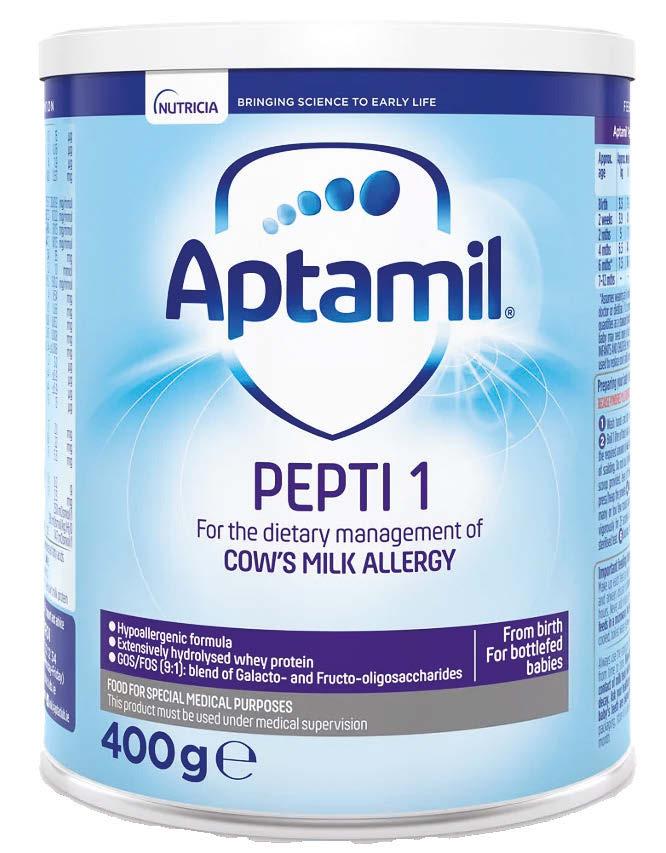
For the dietary management of formula-fed infants with Cow’s Milk Allergy (CMA)
No.1 for Good reasons...
CMA symptom resolution in 97% of infants1 Lowest price5 Best tasting2-4
Prescribe Aptamil Pepti, the UK’s No. 1 EHF6
IMPORTANT NOTICE: Breastfeeding is best. Aptamil Pepti 1 is a Food for Special Medical Purposes for the dietary management of Cow’s Milk Allergy. It should only be used under medical supervision, after full consideration of the feeding options available including breastfeeding. Suitable for use as the sole source of nutrition for infants from birth, and/or as part of a balanced diet from 6-12 months. For enteral use only. Refer to label for details.
1. Giampietro, et al. Pediatr Allergy Immunol. 2001;12:83-6. 2. Sorensen, et al. Allergy. 2021;76:333(674). 3. Data on file: Updated independent taste panel report, Campden BRI, October 2020. n=102 HCPs (dietitians and GPs). Campden BRI home usage taste test. Aptamil Pepti 1 and Aptamil Pepti Syneo vs all other UK EHFs suitable from birth. 4. Maslin, et al. Pediatr Allergy Immunol. 2018; 29(8):857-62. 5. Data on file: Market comparison of UK EHF prices per 400g tin, MIMS, May 2025. www.mims.co.uk. 6. IQVIA Data, April 2025, Moving Annual Total (MAT), volume EHF market share (UK). CMA: Cow’s Milk Allergy; EHF: Extensively Hydrolysed Formula. Accurate at time of publication: July 2025
For the dietary management of formula-fed infants with Cow’s Milk Allergy (CMA) and Multiple Food Protein Allergies
No.1 for Good reasons...
Fast symptom relief in as little as 3 days1 Leading AAF on prescribing guidelines2 40+ years of CMA expertise3
Prescribe Neocate LCP, the UK’s No. 1 AAF4
IMPORTANT NOTICE: Breastfeeding is best. Neocate LCP is a Food for Special Medical Purposes for the dietary management of Cow’s Milk Allergy, Multiple Food Protein Allergies and other conditions where an amino acid-based formula is recommended. It should only be used under medical supervision, after full consideration of the feeding options available including breastfeeding. Suitable for use as the sole source of nutrition for infants under one year of age. Refer to label for details.
1. De Boissieu, et al. J Pediatr. 1997;131(5):744-7. [Infants with CMA. Non-cutaneous symptoms (e.g. vomiting, diarrhoea) and improved eczema]. 2. Data on file: Discovery, Reporting Dashboard, National Overview; medicines management analysis. Accessed June 2025. 3. Neocate LCP was launched in 1983. 4. IQVIA data, April 2025, Moving Annual Total (MAT), volume AAF market share (UK). AAF: Amino Acid-based Formula; CMA: Cow’s Milk Allergy. Accurate at time of publication: July 2025
Oana Oancea
Oana is Lead Clinical Dietitian for CAMHS NHS Greater Glasgow and Clyde. She delivers trustwide teaching sessions and in her spare time, writes children’s books that support emotional resilience through storytelling.
NAVIGATING THE CASS REVIEW IN EATING DISORDER SERVICES: SEX, GENDER AND CLINICAL CARE
In recent years, there has been a noticeable rise in the number of young people presenting to NHS eating disorder services who also identify as transgender or are questioning their gender. As clinicians, we find ourselves in new territory, trying to understand how sex, gender and identity intersect with nutritional and psychological health.
For those of us whose cultural upbringing leans towards traditional understandings of sex and gender, this shift can be emotionally and ethically challenging. Yet, as healthcare professionals, we are responsible for providing compassionate, evidence-based care to every child and family we meet.
This article is not an argument, nor is it a policy brief. It’s a reflection from the frontlines of practice, written by a dietitian who is trying to make sense of a complex clinical reality while remaining grounded in curiosity, respect and professional integrity.
A GROWING COMPLEXITY IN EATING DISORDER SERVICES
Across the UK, there has been a marked increase in referrals to gender identity services, particularly among young people assigned female at birth (AFAB).1 Many of these young people present with co-occurring mental health challenges, including anxiety, depression, trauma histories, neurodivergence and eating disorders.2 In clinical settings, we’re seeing more young people for whom distress around food and body image is entangled with gender identity questions. For some, the wish to lose weight or suppress menstruation appears linked to gender discomfort. For others, identity exploration may emerge alongside longstanding struggles with self-concept or belonging.
As practitioners, we are increasingly asked to support children and adolescents who do not fit neatly into
either clinical or societal categories. This requires not only flexibility and thoughtfulness, but also an honest look at what the current evidence tells us.
THE CASS REVIEW: WHY IT MATTERS
In April 2024, the final report of the Cass Review was published. This is a comprehensive, independent evaluation of NHS England’s gender identity services for children and young people,3 and is, without doubt, the most significant document currently shaping policy and practice in this area.
Dr Hilary Cass and her team concluded that the evidence base for medical interventions, such as puberty blockers and cross-sex hormones, is weak and uncertain. They found that many young people referred to gender clinics have complex psychosocial needs, including trauma, mental illness and neurodivergence. The review emphasised the importance of holistic, multidisciplinary assessment before any medical pathway is considered.4
One of the most impactful outcomes of the Cass Review is the recommendation to pause the routine prescription of puberty blockers for minors outside of clinical trials. NHS England has responded by closing the Tavistock GIDS clinic and establishing new regional hubs designed to deliver comprehensive, research-informed care.3,5
For dietitians and other clinicians working outside of gender services, the implications are significant. The review calls for cautious, thoughtful
engagement, which may come as a relief to those who have felt pressure to affirm identity claims without space for exploration or critical thinking.
EATING DISORDERS AND GENDER: WHAT WE’RE SEEING
In my own practice, I have supported several young people whose gender-related distress is closely bound up with their disordered eating. Some describe themselves as non-binary or transmasculine. Some have socially transitioned. Many report feeling alienated from their bodies, wanting to disappear, or desperately trying to control something in a world that feels overwhelming. These are not new themes in eating disorder care. But the context of gender identity adds a new layer.
It’s important to say clearly that being transgender does not cause eating disorders and eating disorders do not cause gender dysphoria. But there is often an overlap in the experience of body discomfort, identity confusion and emotional dysregulation. As dietitians, our job is not to diagnose or dispute gender identity, but to support safe, effective nutritional rehabilitation, reduce physical risk and help young people rebuild a more secure relationship with food and body. In some cases, that will mean working with the individual’s expressed identity. In other cases, it will mean exploring what lies underneath that identity and how it relates to self-image, trauma or mental health.
THE DIETITIAN’S ROLE: PRACTICAL, ETHICAL AND EMOTIONALLY COMPLEX
Dietitians often find themselves navigating delicate clinical territory. One challenge is deciding whether to use gendered growth
charts. For example, a transmasculine young person may request a male growth chart, yet this may underestimate their nutritional needs if they were assigned female at birth. Using the biologically aligned chart can feel invalidating to the young person, but using a gender-affirmed chart may compromise clinical accuracy. In practice, we sometimes use both charts side by side to inform decisions while involving the young person in the rationale, reinforcing transparency and safety.
We also see young people who reject traditional nutritional recovery frameworks. The language of ‘target weight’ or ‘body restoration’ may be experienced as oppressive or ‘gendered’. Some may express the desire to maintain a suppressed weight to avoid menstruation or breast development. This introduces an ethical conflict: how do we affirm identity without enabling a physiology that remains compromised?
In these cases, we return to our fundamental responsibilities: to prevent harm and support long-term recovery. It is never our role to deny identity, nor should we collude with restriction, even when it’s framed as identity-affirming. These moments require honest dialogue, not ideological certainty. It’s okay to say: “Let’s talk about what this means for your health, and how we can work together on a plan that keeps you safe.”
COLLABORATIVE CARE: THE STRENGTH OF THE MDT
Fortunately, these conversations rarely happen in isolation. One of the greatest strengths of NHS eating disorder services is the multidisciplinary team (MDT) approach. Psychotherapists provide depth in exploring identity development,
family dynamics, trauma and the meaning behind gender distress. Occupational therapists contribute expertise in sensory processing, body awareness and practical supports for young people who may struggle with clothing, eating environments or physical embodiment.
Psychiatrists play a critical role in risk management and diagnostic clarity, particularly in differentiating between gender dysphoria, eating disorder-related body image distress and broader mental health issues. Family therapists hold the space for repair and communication when identity becomes a source of rupture within the home.
The Cass Review reinforces this approach, recommending that assessments for genderquestioning young people include not only medical and psychological input, but also a wide range of developmental, social and neurodiversity-informed perspectives.3
Within MDTs, we won’t always agree. There may be tensions between caution and affirmation, between clinical concerns and identity validation. But those tensions are not a sign of dysfunction. They’re a sign that the team is thinking. That we’re taking the time to get it right, rather than rushing to conclusions.
PERSONAL BELIEFS AND PROFESSIONAL BOUNDARIES
I’ll be honest: there have been moments when I’ve felt uncomfortable. When a 13-year-old tells me they are “not a girl” and asks to be called by a different name, my instinct is to pause. I wonder where this is coming from, what it means and whether we’re doing the
right thing by simply going along with it. And yet, I also know that shame is deadly. I’ve seen what happens when young people feel unseen, judged or misunderstood. So, I try to hold my questions quietly, while staying present, respectful and curious. I remind myself that my job is not to affirm or deny, but to support health, safety and dignity. My cultural beliefs may inform how I see the world, but they do not give me the right to impose that view on a vulnerable child.
Professional integrity means creating space for complexity. It means being willing to hold discomfort, to tolerate uncertainty and to avoid premature closure, whether that means rushing to affirm or to reject.6
FAMILIES IN THE MIDDLE
We must also acknowledge the experience of families. Parents of gender-questioning children often feel confused, frightened or even silenced. Some are supportive of transition; others are deeply resistant. Many worry about irreversible treatments or about social pressure.7 These fears are not irrational and we must not dismiss them. Instead, we can support families to stay connected to their children, to hold onto relationships in the face of change and to coregulate during times of distress.
In eating disorder services, we often talk about the importance of “getting the family on board”. When it comes to gender, that phrase becomes even more nuanced. We are not asking families to agree with everything their child says or feels; we are asking them to stay open, kind and involved in the process of healing.
CONCLUSION
Gender, identity and body image are deeply personal. They are also shaped by culture, media, trauma and developmental experience. As clinicians, our responsibility is not to affirm every narrative or to impose our own but to understand the story behind the symptoms and to respond with humility, evidence and care.
The Cass Review gives us a foundation to do this. It challenges us to ask better questions, to resist premature certainty and to prioritise the long-term well-being of the young people we serve. For me, that has been a relief. It has allowed me to integrate my personal discomfort with professional responsibility in a way that feels honest and ethical. We are still learning. The evidence base is growing. The language is evolving and the children in our care are still suffering. If we can meet them without fear, without defensiveness, without ideological rigidity, then maybe we can begin to help them find a way back to themselves, whatever that self may be.
SHEDDING LIGHT ON VITAMIN D: WHY IT MATTERS MORE THAN EVER FOR OLDER ADULTS
In a country where the sun often hides behind clouds, vitamin D deficiency remains a quiet but significant public health concern, particularly for older adults. As a nation, we’re living longer, but with longevity comes the responsibility to safeguard bone health, muscle function and immunity. Vitamin D, often called the ‘sunshine vitamin’, plays a pivotal role in this equation.
THE ROLE OF VITAMIN D IN HEALTHY AGEING
Vitamin D is essential for calcium absorption and bone mineralisation, critical for maintaining skeletal strength. Inadequate vitamin D levels can contribute to decreased bone density, increasing the risk of fractures and conditions such as osteomalacia and osteoporosis. Beyond skeletal health, growing evidence suggests that vitamin D may help support muscle strength, immune function and mood regulation, factors integral to preserving independence and quality of life in later years.
Ageing skin becomes less efficient at synthesising vitamin D from sunlight, and many older adults spend less time outdoors or wear sun-protective clothing. According to the 2019 National Diet and Nutrition Survey, around one in six older adults in the UK had low vitamin D status during the winter months.1
WHY THE UK CLIMATE POSES A CHALLENGE
Between October and early March, UVB rays in the UK are too weak to enable skin synthesis of vitamin D.2 For much of the year, particularly in northern areas or urban environments, sun exposure is insufficient. Older adults, especially those with limited mobility, chronic illness, or living in care settings, are particularly vulnerable to deficiency.
DIETARY SOURCES AND SUPPLEMENTATION
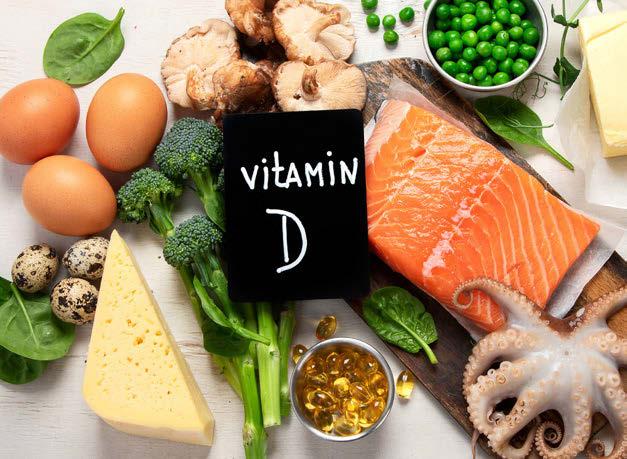
Because diet alone is unlikely to meet vitamin D needs, promoting dietary sources remains important. These include oily fish (salmon, mackerel and sardines), egg yolks, fortified products (such as certain cereals, plant-based
drinks and spreads) and liver. Public Health England recommends that all adults over the age of 65 take a daily 10 microgram (400 IU) vitamin D supplement, particularly from October to March.3 Some may require yearround supplementation, including those who are frail, housebound or from ethnic minority backgrounds with darker skin, which synthesises vitamin D less efficiently.4
When recommending supplements, vitamin D3 (colecalciferol) is generally preferred for its superior bioavailability, although D2 remains suitable for those following vegan diets.5 Available as tablets, capsules or liquid drops, supplementation is a safe, cost-effective and simple intervention to support healthier ageing.
THE TAKE-HOME MESSAGE
Vitamin D may be invisible, but its impact on older adults’ health is tangible. All healthcare professionals and those involved in the care of older adults, whether in clinical practice, community services or social care, play an important role in recognising the risks of vitamin D deficiency and promoting safe, effective strategies to address it. From identifying those at higher risk to recommending appropriate supplementation and encouraging dietary sources, small, consistent actions can help support healthier, more independent ageing. Working together, we can help ensure that vitamin D deficiency becomes a preventable issue rather than an inevitable one in later life.
Yakult Science Study Day
Priya Tew RD
CROHN’S DISEASE: THE VALUE OF PREAND POST-SURGERY DIETETIC INPUT
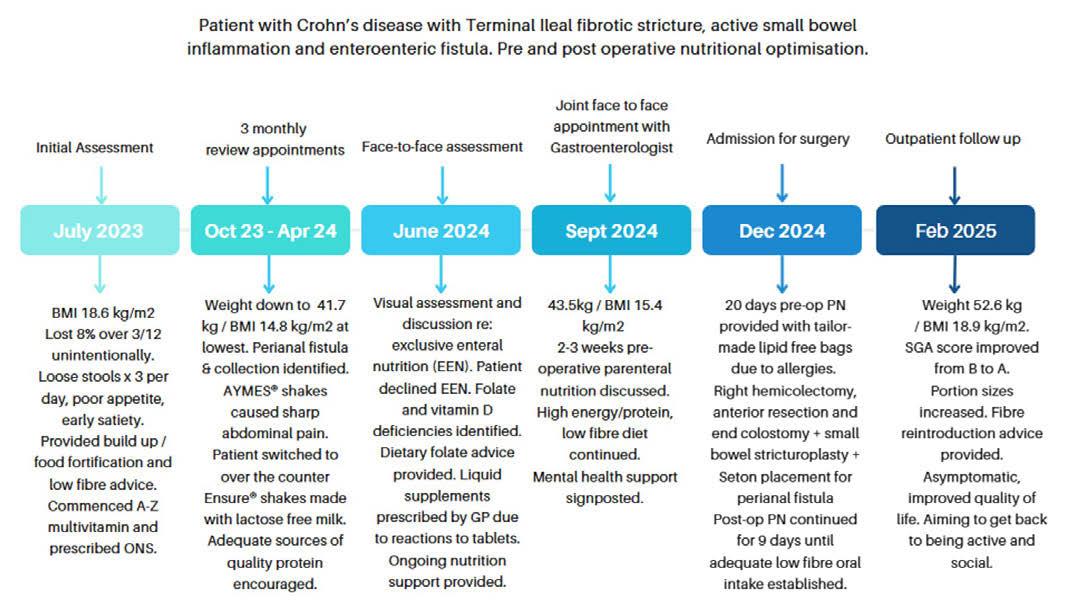
This article provides a case study outlining the value of dietetic intervention in the care of a 44-year-old female patient with fistulating and fibrotic Crohn’s disease, who was admitted for preoperative parenteral nutrition (PN).
CASE STUDY
Melanie* was originally referred to the dietitians via the IBD MDT. Preoperative nutritional optimisation was requested due to a fibrotic terminal ileum (TI), and the patient was likely to need a significant resection due to an enteroenteric fistula. She had unintentional weight loss; however, she had declined input from a dietitian. One of the gastroenterologists called the patient following the MDT to explain the importance of dietetic input, and Melanie subsequently agreed to the referral and was offered a video appointment in line with the outpatient criteria at that time.
Melanie had been diagnosed with Crohn’s colitis in 2013, and she had undergone a hysterectomy in May 2022 due to endometriosis. She was 52.6kg and 1.68m, with a BMI of 18.6kg/m2. She had lost approximately 4.6kg (8%) in three months. Melanie was prescribed a biologic medication; however, due to ongoing evidence of disease activity, the MDT plan was to switch this to an alternative biologic. Blood tests revealed she was iron deficient. Melanie was unable to tolerate oral iron supplementation, and a Monofer® infusion was subsequently arranged. However, this resulted in an allergic reaction. Ferrinject® was then prescribed as an alternative, which was well tolerated without adverse effects. In the longer term, a liquid iron supplement was also found to be suitable. Initial blood tests showed that vitamin B12, folate and vitamin D levels were within normal ranges. However, repeat testing nine months later revealed suboptimal folate and vitamin D levels necessitating supplementation.
Melanie initially reported opening her bowels three times daily with loose stools. She described a reduced appetite and experienced early satiety. Despite these symptoms, she was managing regular high-energy meals and snacks, though limited to small portions, and a low-fibre diet (see dietary history in Table 1). Through a process of trial and error, a commercial protein shake was identified, which was well tolerated and provided 500kcal and 30g of protein daily.
Table 1: Melanie’s dietary history
Breakfast Crackers and jam or cheese, then later cereal and lactose-free milk, or croissant, or egg
Mid-morning Cheese and crackers
Lunch Fish and veg with bread, or chicken and salad with croutons, or macaroni cheese
Midafternoon Snack or Complan® (with lactose-free milk)
Evening meal Cooked meal, eg, chicken tacos or egg salad
Fluids Water – aiming to drink 2L/day – nil tea/coffee; occasional beer
Figure 1 overleaf shows a timeline of support provided at dietetic assessments and Table 2 overleaf details the BDA IBD consensus guidelines1 practice statements relevant to this case study.
Nicola King
This article has been written by Nicola King, Lead Gastroenterology
Dietitian, with support from the Gastro/NST Dietetic Teams at Ashford and St Peter’s Hospitals NHS Foundation Trust.
Conflict of Interest:
The author declares no conflicts of interest relevant to this work.
*Consent to write this case study was obtained from the patient. Her name has been changed for confidentiality.
Table 2: The BDA IBD consensus guidelines1 practice statements relevant to this case study
Fibre intake is likely to be low in inflammatory bowel disease and should be included as part of a nutritional assessment. (GRADE very low quality.)
Calcium intake should be assessed in Crohn’s disease and ulcerative colitis patients because patients may not meet their recommended intake. (GRADE very low quality.)
Iron intake should be assessed in Crohn’s disease and ulcerative colitis patients, as patients may not meet their recommended intake. (GRADE very low quality.)
Nutritional screening ‘MUST’ may be used to screen patients with inflammatory bowel disease for risk of malnutrition. (GRADE very low quality.)
Induction of remission
Surgery
Stricturing disease
Fistulating disease
To induce remission in active Crohn’s disease, exclusive enteral nutrition (EEN) is less effective than corticosteroids. EEN may be used in mild to moderate disease where avoidance of corticosteroids is intended, and dietetic expertise is available. (GRADE very low quality.)
There is limited evidence that pre-surgical exclusive enteral nutrition may reduce the length of post-surgical hospitalisation in patients with Crohn’s disease. (GRADE very low quality.) 84.3
Pre-surgical exclusive enteral nutrition may lower the risk of postsurgical infectious complications in patients with Crohn’s disease. (GRADE very low quality.)
Exclusive enteral nutrition for 4-12 weeks may induce remission in Crohn’s disease patients with inflammatory strictures. (GRADE very low quality.) 84.3
There is very limited evidence that fistulating Crohn’s disease may respond to exclusive enteral nutrition. (GRADE very low quality.) 82.0
DISORDERED EATING CONCERNS
Melanie expressed anxiety around knowing her weight when it was at its lowest. Her mother would write her weight down and hold it up to the camera on the video calls. She struggled with concern over foods potentially worsening her symptoms and feeling overwhelmed when she was presented with food. Prior to being unwell, Melanie loved baking and cooking, so this change in relationship with food provided additional distress.
One of the gastroenterologists expressed concerns about a possible underlying eating disorder. The dietitian’s impression was that they felt Melanie presented as having disordered eating related to years of food causing symptoms. Melanie demonstrated awareness of her weight being unhealthy and was very motivated to increase this. There was no evidence of body dysmorphia. Dietary recall indicated consistently that her diet was high in calories. The patient was subsequently discussed at the IBD MDT, and the gastroenterology team and dietetics team agreed that poor nutritional status was likely multifactorial concerning disease status and a disordered relationship with food.
SURGICAL INTERVENTION
A joint gastroenterologist and dietitian face-to-face appointment was arranged to discuss the upcoming surgery. Although anxious about this, Melanie understood the requirement and noted she would be happy to have a stoma if it aided improvements in quality of life. She was a keen cyclist and wanted to prevent reoccurrence of fistula. The gastroenterologist explained that with her fistula and active disease, nutritional losses were greater than intake, and Melanie had limited healthy bowel available to aid with the digestion of food.
It had been agreed that Melanie try to maintain nutrition with oral intake, managing more than 2000 calories per day. Unfortunately, this had not been adequate. A two-to-three-week period of preoperative PN was then agreed.
The topic of mental health was approached, as Melanie reported significant anxieties after a long period of being unwell. She explained her family did not agree with mental health support, as it was perceived as a sign of weakness. However, she understood that she needed some help. Preoperative mental health support was encouraged and apps were signposted. Melanie provided consent for referral to the inpatient Psychology service for her upcoming admission, given her anxieties around the surgery. Melanie had arranged a holiday and ensured the hotel would be able to provide specific foods for her; however, she was unable to go away due to being so unwell.
Prior to admission, it was noted that the patient reported experiencing reactions to several foods, including peanuts, tree nuts, stone fruits, avocados and mangos. She reported an itchy, tingling sensation in the throat suggestive of impending airway compromise, along with the development of hives. The immunologist had suggested oral allergy syndrome; however, Melanie had declined formal allergy testing due to anxiety. She had also previously had reactions to several drugs. As a precautionary measure, the nutrition support team (NST) dietitian liaised with pharmacy to ensure appropriate bespoke PN was sourced in advance. Melanie was advised she could continue to eat alongside the PN.
SUBJECTIVE GLOBAL ASSESSMENT
Ashford and St Peter’s Hospitals NHS Foundation Trust (ASPH) dietetic department has recently started carrying out subjective global assessments (SGA)2 on all new PN, surgical and gastro inpatients on their caseload. Integrating SGA within dietetic assessment enables diagnosis and identification of the severity of malnutrition in line with the Global Leadership Initiative on Malnutrition (GLIM) criteria.3 This will help with measuring dietetic outcomes and target patient care. Further integration of the SGA within the wider dietetic team is ongoing.
Melanie’s SGA was initially conducted at the time of her admission for pre-op PN. The score was rated as B: mild/moderately malnourished (some progressive nutritional loss). A contributing factor of cachexia (fat and muscle wasting due to disease and inflammation) was identified. Melanie expressed some significant anxieties around the hospital stay and PICC line placement that required intensive support from the dietitians during the admission. She went on to receive 20 days of PN before her surgery, and a 3.6kg weight gain was noted with no evidence of oedema. She underwent a laparoscopic to open the right hemicolectomy, an anterior resection, end colostomy, small bowel strictureplasty and seton placement for perianal fistula. PN continued postoperatively for a further nine days until oral intake was sufficiently established, and she was then discharged home.
FOLLOW-UP
Melanie was followed up in an outpatient face-to-face appointment one month later. Her SGA improved to A: well nourished (normal). She lost 2.9kg following surgery but had regained a total of 6kg since discharge, achieving a BMI of 18.9kg/m2. She reported feeling amazing, sleeping well, walking and aiming to get back to the gym and social activities. She denied gastrointestinal symptoms and was managing her stoma well. Gradual fibre reintroduction advice was given. The patient agreed to being added to a patient-initiated follow-up pathway, where she could contact the department and request another appointment within the following six months. Since then, we have liaised with her over email and Melanie is now weight stable at 57kg and enjoying getting her life back on track after such a sustained period of being unwell.
CONSIDERATIONS FOR THE FUTURE
The ASPH Dietetic Department acknowledges the advantages of virtual appointments, including the reduction of patient travel to the hospital, alleviation of parking challenges, and the ability to remain at home despite often debilitating gastrointestinal symptoms. However, this mode of consultation precludes the opportunity for visual assessment, which is particularly valuable for patients with IBD, as the ‘MUST’ scores may not accurately reflect their nutritional risk.4 In response, our outpatient criteria have been revised to offer face-to-face appointments for patients being considered for preoperative EEN. SGA and handgrip strength could serve as additional useful outcome measures if collected.
For those unable to attend a face-toface consultation, consideration of the use of patient completed screening tools to predict risk of malnutrition may be useful in the future. 1 We also acknowledge that the inclusion of a dedicated IBD psychologist within the MDT would provide significant benefit to the patient. The IBD standards 5 highlight the importance of psychological support for individuals with IBD and recommend that access to psychologists or counsellors be integrated within the IBD care team. Notably, these standards emphasise that individuals with IBD are at a higher risk of experiencing depression and anxiety disorders.
LONELINESS AND ISOLATION: INITIATIVES FOR BETTER NUTRITION OUTCOMES
This article highlights a recent flurry of initiatives between different generations and how the positive impacts can promote a healthier generation of older people, including better nutrition outcomes.
In an ageing population, looking after our physical and mental health has never been so important. Many factors can influence our health and wellbeing, including feelings of loneliness and isolation. Applying this principle to the elderly generation, it can be seen to contribute to an individual’s oral intake, food choices, eating behaviours and nutritional profile.
It is estimated that nearly one million older people in the UK are often lonely.1 Loneliness is a feeling related to whether the social contact we have is meaningful to us and meets our emotional needs. Isolation is different, and can be defined by being alone, whether that’s what we want or not.1 Both of these feelings can often be overlooked within the field of dietetics.
THE IMPACT OF LONELINESS AND ISOLATION ON FOOD AND NUTRITION IN THE ELDERLY
As healthcare professionals, we know the consequences that loneliness and isolation can have on food intake and eating behaviours. Within the elderly generation, some factors and consequences are listed below:2
• Reduced appetite: Loneliness can lead to a decreased desire to eat, resulting in less food intake over days, weeks and months.
The individual may, therefore, not always meet their nutritional requirements, increasing the risk of weight loss and muscle wastage.
• Lower nutrient intake: Socially isolated elderly individuals often consume fewer varieties of foods,
which can reduce the number of fruits, vegetables, beans, pulses, nuts, seeds, fortified products and nutrient-dense foods consumed. This may lead to deficiencies in essential vitamins and minerals.
• Skipping meals: Older adults who feel lonely may skip meals more frequently, which may develop into poor eating habits and eating patterns over time.
• Eating alone: This can reduce the motivation to prepare and consume balanced meals, leading to a reliance on quick, less nutritious options.
• Emotional eating: Some elderly individuals may turn to food for comfort, leading to overeating and poor dietary choices. This could be food and beverages higher in salt, fat, sugar or energy and could spiral into the development of weight gain and obesity, and potentially the consequence of obesity-related illness in the long term.
• Reduced social cues: In care homes, for example, communal dining is often reduced, which can decrease the social aspect of eating and negatively impact food intake. Individuals who are bed-bound or not in a position to be socially present for meals, snacks and drink rounds, may lose their desire to eat and drink too.
• Impact on mental health: Loneliness is associated with increased risks of depression and anxiety, which can further affect appetite and eating habits.
Hannah spent eight years building a clinical foundation as an NHS dietitian specialising in gastroenterology. She now works as a Senior Dietitian and Medical Nutrition Liaison for AYMES within industry dietetics, supporting other dietitians in their roles and providing portfolio awareness.
• Physical health decline: Poor nutrition can lead to a decline in physical health, increasing the risk of chronic illnesses and weakened immune systems.
• Increased risk of malnutrition: Socially isolated elderly individuals are at a higher risk of malnutrition, which can lead to consequences such as falls and impaired wound healing, for instance. Despite various malnutrition screening tools, sometimes the desire to eat (or not eat) outweighs the fortified foods and high-energy drinks offered. The association between loneliness and malnutrition3 can be due to many contributing factors over time, including a reduction in oral intake, leading to weight loss and sarcopenia.
The list, of course, can be extended beyond these points, which demonstrates the importance of recognising and tackling ways to reduce loneliness and isolation, to help prevent longterm health consequences. For example, about 14% of adults aged 60 and over live with a mental disorder,4 and poor mental health, isolation and loneliness can have significant health consequences for the elderly. These conditions are linked to increased risks of depression, lower selfefficacy and lower attitudes towards maintaining optimal health.5 Social isolation and loneliness can also result in decreased mobility and physical activity, exacerbating conditions like arthritis and leading to a decline in overall physical health, all of which require additional medical support and are contributing to rising healthcare costs.6
BACKGROUND OF CURRENT STUDIES AND EVIDENCE
There has been emerging evidence to suggest that mixing different generations can provide a positive impact on the health and well-being of the elderly generation. Intergenerational programmes bring together different age groups, particularly the elderly and younger generations, to participate in shared activities that promote mutual learning and understanding, plus a wider social interaction. This could include music and singing sessions, or arts and crafts challenges. All the children and older adults are fully supervised and have been selected appropriately to ensure the safety of both
generations. The social interaction usually takes place within a care home, so staff are on hand to assist and support the events or tasks set up.
A recent review evaluated 10 studies of this nature, supporting positive findings. There were many benefits outlined for young children, but for the purposes of this article, there were varied benefits found within the elderly generation. These included positive impacts on well-being, depression, self-reported health and self-esteem.7
Another recent systematic review indicated that intergenerational engagement could reduce depression and loneliness, improve quality of life and strengthen social bonds for older individuals in long-term care facilities.8 Additionally, further evidence found a similar initiative to show improvement of the physical and psychological functioning of older adults and can be a sustainable programme for health promotion among older adults.9 These factors can contribute to the health and well-being of many individuals. In turn, this can impact on their appetite, food choices and, therefore, nutritional well-being.
Research suggests that nutrition and mental health are multidimensional entities and associations are likely to be bidirectional.10 Individuals who feel more positive and report a better mental health profile may be more likely to have a better diet and nutritional intake.11 This may be extended to older people and those who feel less lonely or isolated.
APPLICATION TO THE FIELD OF DIETETICS
As with all initiatives, there are obvious challenges ahead, such as needing fully trained staff to facilitate the events and the need for the appropriate selection of individuals within both generations for safety reasons. There are many variables within the programmes, which are likely to contribute to outcomes too, including the physical environment chosen, the diverse types of intergenerational interactions and location-driven activities.12 As time goes on, this may be refined and develop into further opportunities.
Intergenerational programmes may have the potential to drive public health change. A 2024 systematic review reported that these initiatives can guide project developers, policymakers and practitioners in developing and implementing
intergenerational programmes.13 They may even help to address global ageing issues and promote intergenerational connections as time goes on. Barriers to facilitating these community projects would have to be addressed and overcome, including facilities and funding. In addition, having intergenerational initiatives could reduce the time dietitians would have with each patient within both acute and community settings. However, if the elderly take part in these programmes, their mental and physical well-being may be enhanced, reducing the rates of weight loss and diseaserelated malnutrition. Thus, the number of dietetic referrals may decrease and free up some capacity for dietitians over time.
Although the subject of food and nutrition may not be touched on in the initiatives yet, such programmes can significantly improve nutritional status by fostering the exchange of knowledge and skills related to healthy eating. For instance, older adults can share traditional cooking techniques and recipes with younger
Socially isolated elderly individuals are at a higher risk of malnutrition, which can lead to consequences such as falls and impaired wound healing . . .
participants, while younger individuals might introduce the elderly to new food trends and technologies, such as healthy meal prepping or using smart kitchen gadgets. This could be an evolving project.
As healthcare professionals, there are numerous ways to support intergenerational initiatives. In time, and in the likely event that further promising research is published on the benefits of intergenerational programmes, we may see more information and support for these community projects across the country. Social prescribing can help to signpost appropriate patients to these programmes if they are rolled out locally to help tackle loneliness, isolation and support their overall well-being. There may also be more information and support for care homes too. A holistic approach to preventing and treating conditions, such as disease-related malnutrition, may be key.
If you have an interest in this area, you can join the BDA Older People Specialist Group.14
CONCLUSION
So, can intergenerational initiatives promote better nutrition in the elderly? The short answer is most likely yes. The long answer is yet to be seen!
Loneliness and isolation can not only affect the mental health of an elderly person, but also their physical health. Their nutritional intake and food choices can be affected by this. Supporting and rolling out intergenerational initiatives can help promote several benefits that can enhance the mental well-being of this older generation. As a follow-on, better mental health can improve the nutritional status of these people. It has the potential to reduce weight loss, muscle loss and associated malnutrition and thus, fewer high-risk referrals to dietitians.
Sign up for our monthly flagship magazine online and in print
Essential resources for all dietitians, nutritionists and healthcare professionals
ALSO online resources:
Paediatric Hub
Quick and easy-to-use point of reference aid
Student Hub
Latest information, student articles, blog and research area
News Hub
Latest news and industry watch Resources
CPD eArticles, events and courses, campaigns, useful apps and websites
THE FOOD-FIRST APPROACH: HOW WE CAN CUSTOMISE IT FOR DIVERSE POPULATIONS
The food-first approach is usually the first-line recommendation for people with a poor appetite, those who have high nutritional requirements or have experienced recent weight loss1 and for those with a Malnutrition Universal Screening Tool (‘MUST’) score of less than 2.2 This article explores what you need to consider in adapting the food-first strategy when working with diverse populations.
The food-first approach allows patients to continue with their usual diet but make a few changes to increase the energy and protein content. This is done by encouraging frequent small meals or snacks and fortifying meals with nutrient-dense foods. While this strategy is widely endorsed, its application must be adapted to the diverse cultural context that exists in the UK. Nutritional interventions that ignore cultural food preferences, traditions and constraints run the risk of reduced adherence and poor outcomes.
RETHINKING FOOD FIRST IN A MULTICULTURAL CONTEXT
Culture plays a significant role in shaping a person’s diet, influencing their food choices, eating patterns and overall relationship with food. Religious beliefs can also influence food choices. For example, people following Islam may only eat halal meat and exclude pork, whereas Hindus may be lacto-vegetarian.3 It is also important to be aware of religious practices like fasting, which can occur in different communities (eg, Islam and Hinduism). Without an understanding of these practices, dietitians risk offering advice that is inappropriate or poorly timed, leading to reduced adherence and outcomes. Adapting nutrition plans to align with cultural norms, not only in food selection but also in meal timing and social eating habits, is essential to building trust and delivering effective person-centred care.
UNDERSTANDING THE
VARIETY WITHIN DIVERSE DIETS
It is important to avoid over-generalising when working with culturally diverse groups. Within any broad cultural category, such as South Asian or Caribbean communities, dietary habits can vary widely depending on factors like religion, region, socioeconomic status, generation and acculturation. For example, a vegetarian Gujarati family may eat very differently from a Bangladeshi Muslim household, despite both being South Asian. Similarly, a Jamaican diet may differ from a Trinidadian one in the Caribbean context. Moreover, individuals from diverse backgrounds may also incorporate elements of a typical UK diet into their daily meals. Acknowledging this variation within diversity helps dietitians provide more personalised and relevant nutrition support.4
DO CULTURAL FOOD PRACTICES ALIGN WITH FOOD-FIRST PRINCIPLES?
Traditional Western applications of food first often default to foods like dairy, cheese, milk, eggs and cream. These choices may be unfamiliar, inaccessible or culturally inappropriate for some patients from diverse communities unless explained within their own cultural context. It is also worth bearing in mind that cultural diets often feature nutrient-dense, whole food-based meals that align naturally with foodfirst principles. Some traditional
Joanna Injore RD
Joanna is a Registered Dietitian with over 20 years’ experience in the NHS, charity and private sectors. She currently works at Macmillan Cancer Support and is the owner of JI Nutrition, providing private one-toone nutritional consultations and bespoke services for brands.
South Asian diets, for example, can feature lentils and spices rich in plant-based protein and micronutrients. Caribbean dishes, such as rice and peas with callaloo (a green leafy vegetable) or ackee (a yellow fruit/vegetable) and saltfish, combine protein, healthy fats and energy-dense ingredients. And in many Chinese households, congee (a savoury rice porridge) is commonly enriched with tofu, egg or sesame paste, which can add additional nutrition.5
BARRIERS TO A FOOD-FIRST APPROACH IN DIVERSE POPULATIONS
Several barriers can hinder the successful implementation of a food-first approach among culturally diverse populations. Barriers include the following:
• Food insecurity. In particular, migrant and refugee communities may have limited access to traditional or nutrient-dense foods due to limited budgets.
• Language and literacy. Communication difficulties can lead to misunderstanding or misapplication of nutrition advice. It can be very difficult to get translated resources for patients; there may be a need to rely on interpreters or family for support.
• Hospital or institutional food services. These may lack culturally appropriate menu options, reducing intake among inpatients.
Some populations may be unable to adhere to some aspects of the food-first approach. For example, lactose intolerance is more common in people of Asian or African and Caribbean descent, so individuals may need alternatives to the usual dairy-based interventions.
DEVELOPING CULTURAL COMPETENCE
Cultural competence is the capacity to provide effective healthcare taking into consideration people’s cultural beliefs, behaviours and needs.6 This is vital for all people working in healthcare at all levels, and particularly important for dietitians when working with diverse groups. It is important to note that cultural competence is both ‘a process and an output, and results from
the synthesis of knowledge and skills which we acquire during our personal and professional lives and to which we are constantly adding’.7
Research undertaken by Macmillan recently explored nutritional information for diverse groups with cancer.8 Nutrition support, including the food-first approach, is often used for people affected by weight loss or malnutrition as a result of cancer and its treatment. One of the recommendations for healthcare professionals was the need for cultural competence.7
RESOURCES TO SUPPORT YOUR PRACTICE
Unfortunately, resources for the food-first approach for diverse ethnic diets are lacking. Where there are resources available, they have been produced by individual hospital trusts, community groups and individual nutritionists and dietitians. The NHS Eatwell Guide, whilst useful in supporting populations with following a healthy diet, especially during patient consultations, 8 does not feature cultural foods. Alternative versions for diverse populations exist, which could be used during consultations to support patients with food fortification and small, frequent, regular meal ideas, which are the basis of the food-first approach:
• African and Caribbean Eatwell Guide9
• South Asian Eatwell Guide10
• Vegetarian Eatwell Guide11
• Vegan Eatwell Guide12
Information on the nutritional composition of diverse diets may be lacking in the usual sources (such as online nutrition analysis programmes or McCance and Widdowson’s The Composition of Foods). This may make it challenging for dietitians who need to estimate a patient’s nutritional intake, and was raised as a challenge by healthcare professionals in a survey by Macmillan.7
Apekey et al’s study of the nutrient composition of African and Caribbean foods in the UK provides a useful description and nutritional composition of common foods.13 There may be other similar studies for other diverse groups.
The Multicultural Handbook of Food, Nutrition and Dietetics by Aruna Thaker and
Table 1: Culturally tailored food fortification suggestions for diverse populations16-18
Diet Traditional foods
Lassi (a yoghurt-based drink)
Chai
Yoghurt dip accompaniments
South Asian/ Indian diets
Parathas/roti/chapati
Curries/dhal
Sweet desserts, eg, rice pudding dishes, kheer
Stews
Afro-Caribbean diets
Chinese diets
Plantain, rice and peas, pudding, soups
Cereal/porridge
Vegetables, eg, spinach/callaloo
Congee (savoury rice pudding)
Soups/vegetables/steamed fish
Arlene Barton14 provides a comprehensive overview of traditional diets from the South Asian subcontinent, West Indies, East Asia, Israel, Eastern Mediterranean region, West Africa and East and Southeast Europe.
The Carbs & Cals series of books has a World Food edition providing a visual guide of meals from African, Arabic, Caribbean and South Asian diets, including the energy, fat and carbohydrate content.15 This has been designed to be used for patients with diabetes, so it may not provide all the information required for those requiring nutrition support.
Fortification suggestions
Fortified lassi made with added fortified milk, cream or full-fat milk
Use fortified milk or condensed milk
Switch to full-fat yoghurt
Milk powder added to dough/stuffed parathas with potato
Add ghee or oil
Add coconut milk or yoghurt to curries
Add cream/condensed milk, sugar, ground nuts
Peanut paste to stews
Coconut cream
Use coconut/vegetable oil in cooking
Coconut cream in rice, puddings and porridge
Add sugar/honey/jam
Add butter/cream
Add egg, tofu or sesame seeds
Add sesame seed oil
Add peanuts/beans
There are also various blogs available online, which have been written by dietitians sharing their experiences of nutrition support in diverse communities.16-18
Table 1 summarises a few suggestions for food fortification in South Asian, Afro-Caribbean and Chinese populations. It is by no means a comprehensive list and it is suggested that your own research in diverse diets is carried out, as well as asking empathic questions about a patient’s diet and lifestyle during nutritional assessment. This will help to individualise the nutrition support advice provided.
CONCLUSION
The food-first approach remains a gold standard in nutrition support; however, it must be applied with cultural sensitivity and flexibility. Food is more than a vehicle for nutrients; it carries meaning, identity and connection. By embracing cultural diversity in food-first strategies, dietitians can develop trust, improve outcomes and support nutrition equity across all populations.
NHD PAEDIATRIC HUB
Our Paediatric Hub has been upgraded to make your experience smoother, with essential resources to support you in your work!
• IMPROVED LAYOUT AND NAVIGATION
We’ve revamped the Hub structure to help you find what you need faster, with a fresh user-friendly layout designed to make browsing easy and intuitive.
• NHD EXCLUSIVE DATA SPREADSHEETS
Our new nutrition data spreadsheets give you access to accurate nutritional information, designed to be a quick and easy-to-use point of reference to aid in your professional work or studies.
• WEEKLY NEWS UPDATES
Stay up to date with the latest industry news, trends and insights. Whether you’re here for up-to-date information, professional insights or reliable data, the Hub has it all in one place.
EGGS: A CHANGING LANDSCAPE OF COST, CONSUMPTION AND COMPOSITION
With egg prices on the rise and the cost of living crisis still with us, this article explores whether eggs are still a big part of the UK diet.
Egg prices increased by 3.5% to 148 pence per dozen in the first quarter (Q1) of 2025. In just six years (2019 data), eggs have doubled in price from 72.2 pence per dozen to 148 pence per dozen.1 Despite this increase, UK per capita consumption rose from 169 to 175 eggs per person per year from 2004 to 2023. Most of this increase was retail consumption, and the strongest growth was seen in consumers aged 18-44 years.2 UK production continues to grow with the number of eggs produced in the UK for human consumption in Q1 of 2025, increasing by 2.7% compared with Q1 in 2024.1
There also seems to be a change in the dietary patterns of those eating eggs. In 2010, Ruxton et al reported, based on 2000/2001 NDNS data, that egg consumption in the UK was associated with a more traditional eating pattern, which was also high in meat and saturated fat.3 However, more recent (2017) data revealed that egg consumption in the UK appears to be associated with signs of higher dietary quality, better nutritional status and slightly lower BMI among the women analysed.4
So, what are consumers getting when they eat eggs, and has there been any change in the nutritional value over time?
NUTRITIONAL VALUE
As well as the change in price and demand, eggs themselves have changed. As feeds change, the composition of eggs changes. Table 1 shows the data
from McCance and Widdowson (MW) Datasets 4 (published 1978), 6 (2002) and 7 (2015, the current data), with the most current first. The change in data is noted in the fifth column and the RNI is included for reference in column six.
Whilst there has been minimal change in most macronutrients, the downward change in saturated fat and cholesterol is welcome from a cardiovascular health perspective. On a micronutrient level, the compositional change is possibly more concerning given the reduction in many micronutrients, including iron, zinc, iodine, pantothenate and biotin. These are areas to watch in future datasets. There are, however, many nutrients that have fluctuated over this time. Perhaps there is room to work with farmers on feed quality in these areas.
Despite changes in micronutrient quality, consuming 100g of egg a day contributes significantly to the daily RNI for phosphorus, zinc, selenium, iodine, retinol, vitamin D, riboflavin, vitamin B12 and folate. Eggs also provide a good source of protein. It should also be noted that eggs are a good source of choline. Choline is not recorded in the data overleaf, but there is increased research and awareness of its nutrient benefits, particularly in pregnancy and early life. One large egg contains 335mg of choline,9 with the US Food and Drug Administration (FDA) adequate intake being 550mg for men and 425mg for women per day.10
Aliya Porter RNutr Aliya provides one-to-ones, workshops, courses and consultancy through Porter Nutrition and Weaning Centre. She has a special interest in health inequalities and family nutrition. She was awarded Community Nutritionist of the Year 2025 – North West England –SME Business Awards.
porternutrition.co.uk and weaningcentre.co.uk
porternutrition
aliyaporter porter_nutrition weaning_centre
REFERENCES
Please visit:
www.NHDmag. co.uk/articlereferences.html
Table 1: Changes in the nutritional value of eggs (taken from MW Datasets 4, 6 and 7) Whole chicken egg rawper 100g
Table 2: Options for including eggs in the diet
On their own
Poached
Boiled
Scrambled
Fried
Pickled
Baked
Included in savoury dishes Included in sweet dishes
Quiche Cakes
Kedgeree
Shakshuka
Soufflé
Egg fried rice
Omelette or tortilla
Niçoise salad
French toast
Frittatas
Scotch eggs
Huevos rancheros
VERSATILITY
As well as being nutrient-rich, another appeal of eggs is their versatility. Table 2 shows several options for including eggs in the diet. It’s by no means an exhaustive list, although some cultural variety is included. This list can be helpful when encouraging patients who might benefit from eating eggs but dislike them on their own. Such patients include, but are not limited to, young children who are trying to have one egg per week in their diet, recommended by BSACI in an effort to reduce the risk of allergies.11
EXCLUSIONS
It should be noted that not everyone can eat eggs, due to medical conditions, including food allergies. Egg allergy prevalence in the UK is approximately 2% in children and 0.1% in adults.12 Whilst good allergy management is possible to avoid cross-contamination, anecdotally, some early years settings are removing eggs from across their menus to protect those with allergies. This presents a challenge nutritionally, as well as for those who need to include eggs to reduce their risk of developing an allergy. Intervention may be needed by medical
Soufflé
Custard
Cookies
Pancakes
Crème brûlée
and nutrition professionals in these instances to support all those concerned.
Whilst the focus of this article has been on the nutritional benefits of eggs, eggs are also used for their binding properties in products such as most gluten-free breads, so this needs to be considered when managing allergies.
It is not just allergy which excludes consumption, as some patients are advised to avoid or limit eggs due to cholesterol levels. That said, there is growing evidence that eggs in moderation (up to one a day) do not increase cardiovascular risk, and may have a protective effect in some populations, as shown by a large systematic review and meta-analysis that included 83,349 women13 and a large Australian study of 8756 adults aged 70 plus.14 Patients should discuss this risk with their medical team before making changes to their diet.
VEGANS
There is also a growing number of vegans in the UK, equating to approximately 2% of the population.15 Whilst it is possible to get all the nutrients from other sources, a carefully planned diet is needed.
CONCLUSION
Eggs make up a valuable part of the UK diet and their popularity is increasing, despite the increase in cost. Eggs provide a valuable contribution to micronutrient intake, but are not suitable for everyone. Care should also be taken not to consume too many eggs a day, with the research suggesting one a day is beneficial.
Acknowledgement: Thanks to Susan Church, RNutr, for support in accessing previous MW data.
FACE TO FACE
Ursula Arens
Ursula has a degree in dietetics and currently works as a freelance writer in Nutrition and Dietetics.
Our F2F interviews feature people who influence nutrition policies and practices in the UK.
Ursula meets TANYA HAFFNER
Public Health Dietitian
CEO Nutrilicious and MyNutriWeb
Sustainable diets campaigner
Our paths have crossed many times over the last 20 years. But it was lovely to be able to enjoy lunch with Tanya and track the many steps of her highly original dietetic career.
As a child, Tanya enjoyed the enthusiasm of her parents: a mother who loved food and cookery and a father who was a keen gardener and observer of nature. She feels that the combination of food and nature fully reflects her current passion for environmentally sustainable diets.
A lot happened to the 15-yearold Tanya, leading to the decision to become a dietitian. She discovered Diet for a Small Planet by Frances Moore Lappé. The book, first published in 1971, has sold over three million print copies and was revolutionary in proclaiming the relative inefficiencies of animal versus plant proteins in feeding growing human populations from finite environmental resources. “I loved this book; it was full of my underlinings,” says Tanya. And I share that 15-year-old Ursula had also devoured this book. It was also the year that Tanya entered the All-Ireland Cookery Competition and was delighted to win the final event in Dublin. She chose to bring health and environmental themes into her recipes, and met one of the judges, who was a dietitian. “That’s what I want to do,” thought the young Tanya.
Her dietitian decision caused some crisis at school, requiring strong persuasion of staff to allow the emergency flip of A level subject from
geography to chemistry. Tanya worked very hard and passed the exams, but was one point short for the Dietetics course at Trinity College in Dublin. With ever-supportive parents, Tanya enrolled on the course at the Cardiff Institute of Higher Education in 1990.
Her first job was at the Central Middlesex Hospital in London. She particularly enjoyed working with HIV+ patients: prior to the establishment of antiretrovirals, nutrition support was the focus of treatments to reduce the loss of muscle mass. A few years later, she became the senior HIV dietitian at the Chelsea and Westminster Hospital. She was very interested in the micronutrient status of her patients and later accepted a job supporting staff training and science-based promotion of prescription vitamin supplements, including a stint in Beijing.
In 1998, Tanya was asked to establish the UK nutrition science communications programme supporting the pioneering Belgian soya milk, Alpro. “It was not a product that dietitians were aware of beyond as a possible dairy replacement for those with allergies. I was inspired by the environmental aspects of plant-based dairy alternatives,” explains Tanya. She enjoyed coordinating scientific reviews, organising educational events, creating partnerships and projects, and advising on supporting plant-based communications. She is particularly proud of co-authoring a systematic review on soya and cholesterol, which resulted in an official UK health claim
for soya protein, alongside meetings with the Food Standards Agency to list soya milks as plant-based milk alternatives on the Eatwell Plate model.
Tanya was developing skills as an educator and events planner. When a friend suggested she partner in a new business venture in conference planning, she gladly agreed. Alpro was less delighted but retained her as a communications consultant. For more than 10 years, Tanya established Nutrimpact as an events and training service supporting the nutrition education of healthcare and food professionals. This included conferences, expos and awards held annually at Olympia and Excel London. “Healthcare, food professionals and policymakers were working in silos on nutrition, with little opportunity to exchange and collaborate. The aim was to bring people together to advance learning, practice and policy discussions. Because of more nutrition misinformation, we also ran national expos for the public, providing opportunities to connect with credible health and nutrition professionals,” says Tanya.
During this time, she also co-edited the Nutrition & Health textbook series with Blackwell Science and co-authored two popular consumer books on dairy-free diets, with Kyle Cathie and Hamlyn.
There was a crash-and-crisis situation in 2014, when a new rival conference company, Food Matters Live, organised a clashing event. Exhibitors and attendees had to choose one or the other, and FML was larger and richer. So, it was time to leave the major conference league.
Over the years, Tanya has developed several nutrition communication sites, including MyNutriWeb, which offers online CPD events and talks by nutrition experts for healthcare professionals, and Nutrilicious, a full-service dietitian-led agency supporting nutrition science communications. Tanya first observed webinars for healthcare professionals in the US
and thought it was such a great way to support nutrition learning at scale and in easily accessible ways. This was pre-COVID, before Zoom became familiar. But there is a fresh trend away from screens, and Tanya now plans to organise regular in-person meetings. In March, the topic of ‘Continuous Glucose Monitoring – Help or Hype?’ was debated by star speakers, and postevent wine and snacks allow robust discussions that are not possible with remote attendance.
Tanya campaigns for dietitians and other healthcare professionals to support plant-rich, environmentally sustainable diets. The BDA has two position statements approved by its Council and in 2018, the report One Blue Dot was issued. Tanya initiated and managed the project, communicating the leadership of the dietetic profession in supporting the translation of national and international guidance into pragmatic food decisions. When the BDA Sustainable Diets Specialist Group needed a fresh steer, Tanya agreed to chair, and over three years, many well-attended meetings and webinars have been organised.
“The dietetic profession must do more. Lead public health improvements through better and earlier lifestyle interventions and by supporting plant-rich diets,” says Tanya. She recently filmed for a new Netflix documentary out later this year. Her latest project, tagged as ‘Meal Shift’, is a collaborative venture with the London School of Hygiene and Tropical Medicine, UCL, Real Zero and Nutritics, and is an assessment of ways to increase plant-first food provisions in UK hospitals.
Tanya is positive and optimistic and bats away my more sceptical stance of wider and faster changes to typical diets. We share the intense interest in environmentally sustainable diets, and I hope Tanya’s determined energy proves me wrong. Our planet is small, and better diets are a significant step needed to improve human and environmental health.
Fareeha Jay RD
Fareeha is a freelance dietitian with a specialist interest in South Asian diets and provides specialist advice to South Asians across the globe. She is extremely passionate about providing the best available nutrition advice to people with South Asian backgrounds, which is what led her to develop the South Asian Eatwell Guide.
A large study has found that South Asians are nearly twice as likely to develop coronary heart disease (CHD) compared with White Europeans. Several factors contribute to the increased risk of CHD among this population group, with lifestyle factors being key.
South Asians originate from countries such as Afghanistan, Bangladesh, Bhutan, India, the Maldives, Nepal, Pakistan and Sri Lanka. However, in the UK, the term ‘South Asian’ typically refers to individuals from the Indian subcontinent, primarily India, Pakistan and Bangladesh. CHD is a common issue and the largest and longest prospective study on coronary heart disease (CHD), following over 17,600 individuals aged 35 to 75, found that South Asians were nearly twice as likely to develop CHD compared with White Europeans. Even after accounting for factors such as diabetes, cholesterol levels and physical activity, South Asians still had a 1.7fold higher risk. South Asian men were found to be at the highest risk, while South Asian women had CHD rates comparable to those of White European men.1
MIGRATION
South Asians have a heightened susceptibility to coronary heart disease (CHD), driven by a combination of genetic predisposition and environmental influences. This vulnerability is often linked to the earlier onset of key cardiovascular risk factors, such as insulin resistance, dyslipidaemia and central obesity.
Growing evidence suggests that second- and third-generation South Asians in the UK are exhibiting many of the same risk traits as their parents
and grandparents, indicating that the elevated CHD risk persists across generations. Despite this, the reasons behind the excess CHD mortality in South Asians remain unclear.2 One study has highlighted significant limitations in conventional cardiovascular risk prediction models when applied to migrant populations. These models frequently underestimate CHD risk in UK-based South Asians, failing to account for the unique interplay between migration-related lifestyle changes and underlying genetic risk.3
Given the rising burden of cardiovascular disease in South Asians and the distinct characteristics of migrant populations, there is a pressing need for culturally and populationspecific CHD risk assessment tools. This also underscores the importance of conducting large-scale prospective studies tailored to these groups.
DISADVANTAGED SOCIOECONOMIC STATUS
CHD prognosis is influenced not only by biological factors but also by social determinants. Research has consistently shown a clear social gradient in CHD outcomes, with higher socioeconomic status linked to lower rates of coronary mortality.4 However, other studies suggest that the characteristics of the neighbourhoods in which people live can also affect health outcomes, independent of individual
socioeconomic status. This suggests that the broader environment, including neighbourhoodlevel factors, may play a significant role in shaping cardiovascular health.5
South Asian populations are more likely to reside in areas of relative social and economic deprivation, which can affect access to healthpromoting resources and services. These environmental and social conditions may, in turn, contribute to increased cardiovascular risk.6 However, it can be argued that inequitable access to services is not solely a matter of unequal provision but rather the result of a complex interplay between awareness, physical accessibility, the cultural acceptability of services and, ultimately, the ability to utilise them.7
DIET
While South Asian dietary patterns are diverse, they often share certain common characteristics. These include a high intake of saturated fats and refined carbohydrates, such as ghee, fried foods, potatoes, white rice, pizza, sweets and sugarsweetened beverages.8
Although many South Asians follow vegetarian diets, typically lacto-vegetarian or ovo-lacto vegetarian, their eating patterns can still be atherogenic. These diets are often high in calories and saturated fats from sources like ghee, butter, whole milk, cream, ice cream, traditional desserts, palm oil and coconut oil, all of which are linked to dyslipidaemia.9 In addition, South Asian vegetarian diets tend to include large amounts of refined carbohydrates, including white rice, white flour, white bread, fried savoury snacks, sweets and ultra-processed foods. Among non-vegetarians, a high intake of animal-based foods has also been associated with an increased risk of obesity and dyslipidaemia.10
South Asian dietary patterns have also evolved, with many traditional foods being replaced by less healthy alternatives. This shift includes increased consumption of refined carbohydrates, greater use of saturated fats (such as ghee, coconut oil, palm oil and heavy cream) and added sugars in food preparation. Additionally, many commonly consumed foods are high in trans fats, largely due to the repeated use of oil for deep-frying and the use of partially hydrogenated vegetable oils, like palm oil.11
Westernisation has further influenced cooking methods, leading to the use of excessive oil, refined flour, and heavy seasoning with salt to enhance flavour quickly. Another notable trend is the increased intake of red meat, which is high in saturated fat and contributes to a more atherogenic dietary pattern.12
LACK OF EXERCISE
Maintaining a physically active lifestyle and reducing sedentary behaviours are modifiable risk factors that can significantly reduce the burden of chronic diseases. However, selfreported data from population-level surveys indicate that South Asians generally engage in low levels of physical activity. 13 Several perceived barriers contribute to this trend, including limited awareness of the health risks linked to sedentary behaviour, cultural and religious beliefs and varying perceptions of physical activity. 14
The persistently high rates of premature CHD among South Asians highlight the need for continued efforts. Nonetheless, initiatives are underway to address this health disparity. Examples include the release of the National Service Framework for Coronary Heart Disease, school-based fruit and physical activity programmes, development of written and visual educational materials in South Asian languages, 15 and funding for community and research initiatives, such as Project Dil in Leicester, the CADISAP study in East London and the BRUM study in Birmingham.
THIS INFORMATION IS INTENDED FOR HEALTHCARE PROFESSIONALS ONLY.
Fortisip Extra is a Food for Special Medical Purposes for the dietary management of disease related malnutrition and must be used under medical supervision.
High protein ONS: Oral Nutritional Supplements with ≥20% energy from protein. *Product can be provided to patients upon the request of a Healthcare Professional. They are intended for the purpose of professional evaluation only.
References: 1. Based on NHS dm+d April 2025 comparing Fortisip