A one-stop resource for the busy paediatric dietitian
The NHD Paediatric Hub delivers the latest in paediatric news and research, alongside expertwritten exclusive articles on clinical and community topics.
You’ll also find fact files on a wide range of paediatric topics, plus essential links, guidelines and trusted resource recommendations.
Recent topics covered include maternal and infant obesity, tackling anorexia in children and adolescents, blended diets in enteral nutrition and ultra-processed foods in the school setting.
Stay informed:
https://www.nhdmag.co.uk/student-hub
Student Hub
Guiding students from first year through to graduation and beyond
The Student Hub combines knowledge-based articles and resources with practical, career-focused content. Plus, students can pitch articles and research for the chance to be showcased. Expect:
• Complemenary digital or print NHD Magazines
• A student blog series written by a dietitian
• Monthly student-written articles and study eArticles
• Student news updates and email alerts
• Paid student writing opportunities
• The chance to get published in print
Stay informed:
https://www.nhdmag.co.uk/paediatric-hub
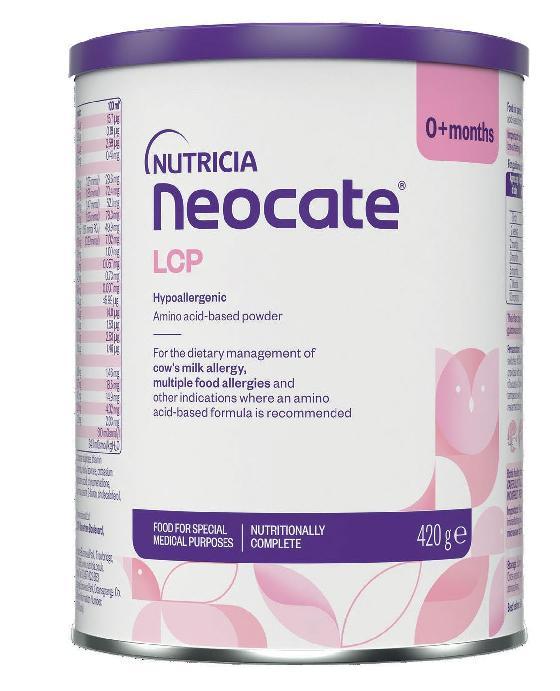
KEEP CHOOSING... THE UK’S NO.1 AAF1
For the dietary management of formulafed infants with Cow’s Milk Allergy (CMA) and Multiple Food Protein Allergies
Fast symptom relief in as little as 3 days2
Leading AAF on prescribing guidelines3
New better value 420g tin4*
TRUSTED BY HCPS FOR OVER 40 YEARS5
IMPORTANT NOTICE: Breastfeeding is best. Neocate LCP is a Food for Special Medical Purposes for the dietary management of Cow’s Milk Allergy, Multiple Food Protein Allergies and other conditions where an amino acid-based formula is recommended. It should only be used under medical supervision, after full consideration of the feeding options available including breastfeeding. Suitable for use as the sole source of nutrition for infants under one year of age. Refer to label for details.
*Increase in powder volume from 400g to 420g, providing 5% more product for the same price.
1. IQVIA data, January 2026, Moving Annual Total (MAT), volume AAF market share (UK). 2. De Boissieu, et al. J Pediatr. 1997;131(5):744-7. [Infants with CMA. Non-cutaneous symptoms (e.g. vomiting, diarrhoea) and improved eczema]. 3. Data on file: Discovery, Reporting Dashboard, National Overview; medicines management analysis. [Accessed March 2026]. 4. Data on file: Comparison of UK Neocate LCP 400g tin vs UK Neocate LCP 420g tin, MIMS, March 2026. 5. Data on file. Neocate LCP was launched in 1983.
CMA: Cow’s Milk Allergy; AAF: Amino Acid-based Formula. Accurate at time of publication: March 2026
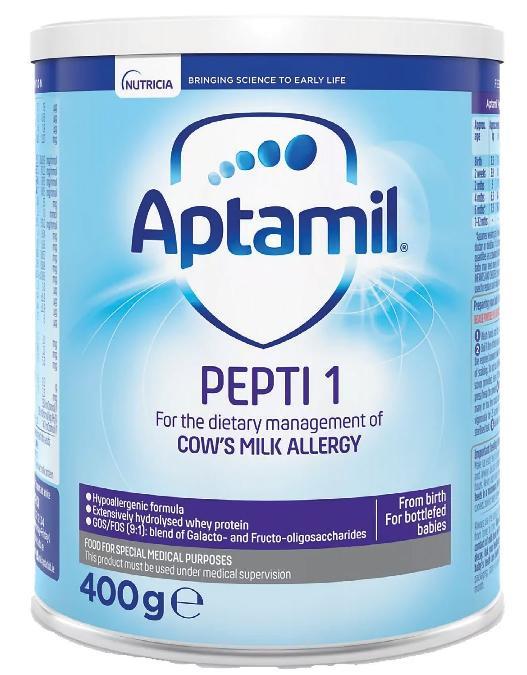
For the dietary management of formula-fed infants with Cow’s Milk Allergy (CMA)
THE UK’S NO.1 EHF1
CMA symptom resolution in 97% of infants2 Lowest price6
IMPORTANT NOTICE: Breastfeeding is best. Aptamil Pepti 1 is a Food for Special Medical Purposes for the dietary management of Cow’s Milk Allergy It should only be used under medical supervision, after full consideration of the feeding options available including breastfeeding. Suitable for use as the sole source of nutrition for infants from birth, and/or as part of a balanced diet from 6-12 months. Refer to label for details. 1. IQVIA Data, January 2026, Moving Annual Total (MA T), volume EHF market share (UK). 2. Giampietro, et al. Pediatr Allergy Immunol. 2001;12:83-6. 3. Sorensen, et al. Allergy. 2021;76:333(674). 4. Data on file: Updated independent taste panel report, Campden BRI, October 2020. n=102 HCPs (dietitians and GPs). Campden BRI home usage taste test. Aptamil Pepti 1 and Aptamil Pepti Syneo vs all other UK EHFs suitable from birth. 5. Maslin, et al. Pediatr Allergy Immunol. 2018;29(8):857-62. 6. Data on file: Market comparison of UK EHF prices per 400g tin, MIMS, March 2026. www.mims.co.uk.
CMA: Cow’s Milk Allergy; EHF: Extensively Hydrolysed Formula. Accurate at time of publication: March 2026
Book a meeting with your local Nutricia representative
The ethical challenges of parenteral nutrition Guidelines in dietetic practice
Parenteral nutrition (PN) is considered by law a medical treatment and should only be provided in the patient’s best interests.1 PN is a life-sustaining therapy for patients unable to meet their nutritional needs via oral or enteral routes, but its use can present with significant ethical complexity.2 Addressing the ethical challenges of starting, withholding or withdrawing PN in palliative and end-of-life care is essential, alongside applying bestpractice approaches.
PN provides essential nutrients directly into the bloodstream, bypassing the gastrointestinal tract. The main indications for PN in adults are intestinal failure due to disease or treatment (eg short bowel syndrome, IBD, intestinal pseudo-obstruction and radiation enteritis), high-output fistulas, severe intestinal obstruction or an inaccessible gastrointestinal tract.3
The essential components of PN are carbohydrates, lipids, amino acids, vitamins, trace elements, electrolytes and water.1
ASPEN
2017
Clinical guidelines recommend initiating PN after seven days for well-nourished, stable adult patients who have been unable to receive 50% or more of their nutritional needs or within three to five days in patients who are at risk of malnutrition and unlikely to achieve oral or enteral nutrition.3,4
PN is considered a form of clinically assisted nutrition and hydration (CANH). Decisions regarding CANH involve balancing the benefits and burdens of treatment, respecting patients’ autonomy and preferences and considering overall quality
Sandeepa Soni RD
of life for patients and their families.5 Dietitians have a pivotal role in deciding whether patients initiate PN, particularly in advanced disease and/or at the end of life. This is usually decided with the patient, a nutrition support team, palliative care and carers/family.
ETHICAL FRAMEWORKS
Ethics is knowing the difference between what you have a right to do and what is right to do.6 Knowing the clinical risks and benefits of a specific treatment may not be sufficient, as ethical, emotional and cultural aspects heavily influence the decision-making process. The process begins with recognising clinical indications for PN and where PN has no benefit. Although PN may improve nutrition status in selected palliative care patients, such as those with advanced cancer, its utility must be weighed carefully against the potential burden of treatment. Dietitians should carry out
appropriate nutritional screening and assessment, determining risk versus benefit when using PN. As part of this decision-making process, four ethical principles (proposed by Beauchamp and Childress) are internationally recognised:7,8
1. Autonomy – respect the patient’s healthcare preferences
2. Beneficence – provide healthcare for the best interest of the patient
3. Nonmaleficence – do not harm
4. Justice – provide all individuals with a fair and appropriate distribution of health resources
ASPEN 2021
Clinicians should not be ethically obligated to offer artificial nutrition and hydration (ANH) if, in their clinical judgement, there is not adequate evidence for the therapy or if the burden/risk of the intervention far outweighs the benefit.7
WHEN IS PN ETHICALLY APPROPRIATE?
The indications and aims of PN should be identified clearly at the beginning and revised frequently to verify if an enteral route may be available and to ensure adequate nutrition provision whilst minimising any risk of complications.3 Quality of life must always be considered in any type of medical treatment, including artificial nutrition.9
ASPEN 2021
The use of interdisciplinary committees and teams and meetings with patient and family is recommended for all ANH discussions.7
Patients have the right to refuse medical treatments and interventions, including ANH, either through demonstrated capacity to make informed medical decisions or as expressed in advance directives or living wills.10
ESPEN 2021
Patients are encouraged to establish an advanced directive (a legal document that allows a person to write down their wishes should they become incapable of taking part in a
decision-making process) or a living will according to specific laws in their countries.8
Multiple viewpoints on using PN may be impacted by the diversity of cultural values and religious beliefs.
ASPEN 2021
In instances when medical decisions conflict with an individual's preferences, the clinician has a duty to follow ethical guidelines with consultation for cultural values and religious belief support; an interpreter, visual information or a bioethics committee may be necessary.7
TOTAL PARENTERAL NUTRITION (TPN) IN PALLIATIVE CARE
End of life has been defined as ‘the state of unresponsiveness and the inability to eat and drink’, but can also refer to ‘terminal illness in which no treatment options are left’.11 Palliative care is a lifeaffirming approach that views dying as a normal process, which should not be accelerated and ought not to be impeded or prolonged.9
Early involvement of the palliative care team in multidisciplinary discussions before starting TPN in patients with palliative needs is recommended.1 The decision to withhold or withdraw nutritional support at the end of life is complex and demands an empathic and holistic approach.10
Dietitians often consult with patients who may not be at the end of life when initially referred, but whose condition may deteriorate, leading to a poor prognosis. As patients decline, care teams must continuously reassess the benefit versus the harm of sustaining artificial nutrition.10 When death is certain in the short
term and cannot be avoided, the role of feeding and nutrition becomes questionable, especially in cancer patients, where TPN causes more burden than benefit.12 Furthermore, TPN may contribute to complications such as central line infections, hepatic dysfunction4 or metabolic complications, as well as the psychological burden of dependence on intravenous nutrition.2
ASPEN 2017
PN administered in patients with advanced cancer does not improve nutrition status, reverse cachexia or improve survival.4
ESPEN 2021
If nutrition therapy is futile and only prolongs suffering or the dying phase, it should be stopped.8
Clinicians should educate patients and families about the benefits versus burden/risks of using ANH so that patients and/or families can make an informed decision about whether and under what circumstances ANH is necessary.
ESPEN 2021
If the patient is at the end of their life and has expressed a wish to stop nutrition and hydration, then ANH should be withdrawn.8
When discussing the decision to deliver, withhold or withdraw ANH, clinicians must be able to argue whether it will do good (beneficence) or whether there is a high likelihood of it doing harm (nonmaleficence).
PN may be appropriate for people with poor gastrointestinal function and
an estimated survival time of at least one month, with the understanding that there will come a time when PN should be discontinued.13
ASPEN 2017
PN should be limited in its use to certain individuals who have an expected survival of two to three months, when oral intake or enteral nutrition is not possible.4
For patients who lose the capacity to speak for themselves and do not have an advance directive addressing ANH, legal disputes may arise, potentially leading to conflict among family members or caregivers.4 In the UK, the Mental Capacity Act 2005 provides the legal framework for assessing and making decisions on behalf of individuals who lack the capacity to make decisions for themselves.5 This act emphasises the importance of dietitians acting in the best interest of the patients, respecting their autonomy and preferences. This encompasses the use of inappropriate or unwarranted provision of ANH, such as initiating, withholding or withdrawing PN in those who lack capacity.
RISKS, BURDENS AND NONMALEFICENCE USING TPN
If there is no treatment goal for nutritional therapy, it should be discontinued, which may lead to emotional and/or ethical conflicts among family members or team members.9
ASPEN 2021
Time-limited trials may be an acceptable alternative when the benefits versus risks of artificial nutrition are uncertain or when there is a lack of consensus among clinicians.7
At the end of life, open empathetic communication with patients and caregivers is paramount. Measures, such as optimising symptom management and removing dietary restrictions, can play a role in alleviating emotional stress.
RESOURCE ALLOCATION
Inappropriately initiated PN is associated with unnecessary risk to patients and increased costs.3 Resource constraints
can further complicate the ethical landscape of PN. In many healthcare systems, particularly in low- and middleincome countries, access to PN can be limited because of the financial and logistical challenges.2 PN formulations and delivery systems necessitate careful consideration of resource allocation and cost effectiveness.2 When prescribing PN for terminally unwell patients, resources and cost should be considered, especially in institutions with limited budgets, staffing and access.
INTERDISCIPLINARY CONFLICT AND MORAL DISTRESS
Patients and family/caregivers may attribute ANH as a source of comfort, offering love and nurturing at the end of life rather than as a form of medical treatment,10 with some patients and carers reporting that the PN bag is symbolic of food.1 However, PN is considered a medical treatment and is not a moral obligation. It should be evaluated like any other intervention based on benefit, burden and patient preference. When PN no longer contributes to comfort, function or a meaningful recovery, such as in progressive malignancy or multiorgan failure, continuing PN may cause more harm than good.2 Withholding PN in these situations is ethically justifiable. Nevertheless, families may advocate for the continuation of PN, believing that it provides hope or sustains life even if the medical evidence suggests that further treatment may be futile.2
The decision to initiate or withdraw PN can evoke moral distress among healthcare providers who may feel torn between what they believe is the right course of action and the external constraints they face, such as institutional policies, patient or family wishes, or unclear treatment goals. Moral distress is heightened, particularly when the patient’s prognosis is poor and the potential benefit of PN is uncertain, leading to emotional and ethical dilemmas, as healthcare professionals struggle to balance their professional duty with what they believe is in the patient’s best interest.2
Honest discussions between patients, families and healthcare professionals are required, providing clear explanations of the medical
rationale to withdraw PN.2 Involving palliative care specialists or ethics committees can facilitate these discussions, providing additional support and guidance to patients, families and healthcare teams.2
Withholding and withdrawing ANH must be evaluated in specific situations (eg terminally ill, palliative care and endstage cancer) and on a case-by-case basis, according to the patient’s cultural and spiritual needs.
ESPEN 2021
In the last few weeks of life, artificial nutrition has little or no benefit since it will not result in any functional or comfort benefits for the patient. Patients are in hypometabolism, so normal amounts of energy may be excessive and induce metabolic stress.8
Different cultures have varying beliefs about the sanctity of life, the appropriateness of withdrawing life-sustaining treatments and the implications of starvation or dehydration. Clinicians should honour diversity in beliefs while maintaining clinical and ethical integrity. In addition, clinicians must adhere to legal and ethical guidelines when considering withholding or withdrawing ANH, ensuring decisions are made in the patient’s best interests, the principles of beneficence, nonmaleficence and relevant legal frameworks, such as the Mental Capacity Act 2005 in the UK.5
CONCLUSION
Decision-making around PN in advanced diseases is complex and multifaceted. The ability to provide nutrition to a patient is the core of a dietitian’s role and can be a psychological need as much as a physical need. Yet nutrition at the end of life may not be beneficial. It is the role of the dietitian and nutrition support team to evaluate whether ANH should be continued, withheld or withdrawn, using an unbiased patient- and family-centred approach (on a case-by-case basis), along with education of all those involved in providing end-of-life care.
Plant-based diets and sustainability Challenges, policy and the role of dietitians
Adopting a more plant-based (PB) diet supports environmental sustainability and more efficient food production, helping maximise food availability.1,2 However, global policy action is needed to protect natural resources, limit climate change and secure adequate food and water.1,2 Current consumption trends threaten environmental health and food security. Food production in the UK contributes 15–30% of greenhouse gas emissions,3,4 while 75% of global agricultural land is used for animal farming.2,5 Dietitians are well placed to promote dietary changes that enhance sustainability, reduce waste and improve health.2,5,6
Sustainability refers to food production, manufacturing and distribution processes that aim to protect the environment, reduce greenhouse gas emissions and provide good animal welfare practices.7 Sustainable agroecological food production systems should support farmers, manufacturers and consumers in being able to choose a healthy variety of foods at a reasonable cost to maintain good health.7-9 Worrying statistics include the following:
• Diets high in meat and dairy products are driving food production practices
that lead to deforestation, biodiversity loss, soil and water pollution and account for 70% of all human water usage.1-3
• Beef has the largest carbon footprint of all meat/animal products (eggs have the lowest impact).5
• Reducing meat and dairy consumption would reduce an individual’s carbon footprint by two-thirds.5
• Overfishing has led to 90% of the world’s fish stocks being exploited; many species are threatened.10
• The UN reports that one million animal and plant species are at risk due to their natural ecosystems being compromised by unsustainable food production.2
• Food waste has a huge impact.1 A third of the food produced in the world is thrown away, with the UK binning 9.6 million tonnes a year.3 This amount of food could feed upwards of 30 million people a year, but 8.4 million people in the UK live in food poverty.11 Food waste also generates millions of tonnes of greenhouse gas emissions annually, which contributes to climate change.3 The evidence is therefore mounting that a more PB diet is beneficial, not just
Katy Stuart RD
for the individual consumer’s health, but for food sustainability and environmental protection.1 PB eating uses fewer natural resources and has a reduced environmental impact compared with livestock production. By converting to ecologically friendly farming, greenhouse gas emissions could be reduced by 40%.7,12
ACTION ON NUTRITION
In 2016, the UN General Assembly declared 2016 to 2025 as the Decade of Action on Nutrition. Their recommendations included the following:
• The government should implement robust policies to improve sustainable food production and dietary health.
• Awareness should be increased among healthcare professionals, consumer organisations, the food sector and the public regarding food sustainability and healthy eating.
• A diverse range of academic expertise should be used to inform food and health policy.
• Global policy and stakeholder engagement should be encouraged to support food sustainability. There have been positive changes since 2016, with many countries pledging
to improve their food sustainability practices and committing to reducing food poverty and malnutrition. Yet progress on implementation is slow.13
This year, the UN has extended the Decade of Action on Nutrition to 2030.13 In the UK, the government has committed by law to achieving net zero carbon emissions by 2050.14 But so far, emissions from food production have only fallen at half the rate of other emission sources. This means that at the current rate, food production emissions will be four times higher by 2050.15
BARRIERS TO FOOD SUSTAINABILITY AND PB EATING Farming
Sustain (an alliance for better food and farming) reports that UK farmers make 1p or less profit from the food they produce and 61% of farmers report they will have to abandon their farms in 18 months.7 We need policies in place that allow fairer supply chains and pricing so farmers can make a decent livelihood.7,16
The Agricultural Bill (published in 2018) introduced financial rewards to farmers and land managers who demonstrate environmental protection measures.
However, the bill did not make a clear connection between agriculture, food and public health and made no mention of support for organic farming or agroforestry.17
Government policy
The Sustainable Development Goals (SDGs) are tasks developed by the UN in 2015 for all existing member countries. Six of the goals relate to food and sustainability. However, there has not been adequate action by the UK Government to support the delivery of these SDGs in practice.8,17,18 The Food Sustainability Index (FSI) indicates how countries are performing in relation to food waste, sustainable agriculture and nutritional adequacy.12 The UK is currently ranked 24th out of 67 countries. Our performance is mixed, with progress in some areas, such as food waste and policy quality, but it’s lacking in others, such as agricultural environmental impact.12,19
Commercial sustainability
The food industry must balance profitability with the cost of adopting more environmentally friendly practices,
and some businesses may choose not to change their processes if doing so is not financially viable. Higher compliance costs could also force smaller manufacturers and food producers out of the market, as they may struggle to compete with larger companies and supermarkets with greater resources.20
Cost
PB meat and dairy alternatives can be more expensive than animal products for consumers; PB meat alternatives have been reported to be 27% more expensive than chicken.15 Fresh vegetables can also be pricey, at around £11 per 1000 calories compared with £8 for animalbased foods, although frozen and tinned varieties are often cheaper and nutritious.15 Those on a lower income may struggle to choose more PB foods. However, pulses and legumes, such as chickpeas and beans, are cheaper than animal-alternative sources of protein.15
Consumer barriers
Factors that deter people from PB eating include lack of knowledge and cooking skills, limited time, low motivation and energy to try new foods and make
dietary changes.4 Some believe that a ‘traditional’ meat diet is better for you than PB proteins.1,4
There may be accessibility issues, too. PB alternatives are not as widely available as meat and dairy products, especially in smaller shops, and some people do not have easy access to supermarkets.1,4,15
A Which? survey in 2023 reported that 47% of consumers rarely (20%) or never (27%) tried to reduce their meat and dairy intake. The main reason was preferring the taste of meat and dairy compared with PB alternatives, and a perception that PB alternatives are expensive.21
Nutritional barriers
Vegetarian diets are typically lower in calories than those of meat eaters, with differences reported to be as high as 424 calories per day, probably due to a higher fibre intake.²² This can be advantageous for maintaining a healthy weight. However, there are several nutritional considerations for people following mainly PB, vegetarian or vegan diets, including:
• Protein intake – This is often slightly lower, though usually still within recommended levels.
• Micronutrients – Some nutrients are more abundant in animal products, such as vitamin B12, iron, iodine, calcium and zinc.
• Absorption issues – Some plant proteins are less digestible than animal proteins because of antinutrients, such as phytates and lectins, which can reduce nutrient absorption.
• Higher protein requirements –Individuals with increased needs may find it difficult to meet them on an entirely PB diet without using products such as PB protein powders.
• Potential allergies – Soy products, nuts and seeds are common protein sources in PB diets but can trigger allergic reactions in some people.
• Fibre intake – While high-fibre consumption is generally beneficial, very high intakes can lead to early satiety in some individuals, potentially reducing overall energy and nutrient intake.
• Vulnerable groups – People with chronic illness, pregnant women,
older adults and children may require tailored dietary guidance to ensure nutritional adequacy when following PB diets.6,22-25
ACHIEVING FOOD SUSTAINABILITY
In 2017, the BDA published a policy statement alongside the One Blue Dot: Eating Patterns for Health and Environmental Sustainability toolkit.⁶ This resource provides dietitians with clear guidance on incorporating sustainability into healthy eating messages, enabling them to play a key role in public education and to make a meaningful impact.1,6,10,25 Examples of guidance in the toolkit:1,3,6
• Limit red meat to no more than 70g per day or 350–500g cooked weight per week; avoid processed meat (without compromising intake or key nutrient intake).
• Reduce intake of dairy foods, so it makes up around a third of the recommended dietary intake as per the updated Eatwell Guide.
• Choose fish from sustainable sources and from a variety of species.
• Choose locally sourced in-season fruit and vegetables.
• Avoid air-freight products and prepacked fruit and vegetables.
• Drink more tap water for healthy hydration.
• Reduce food waste by choosing more tinned/frozen fruit and vegetables and fewer perishables.
CHANGES TO POLICY
Non-governmental organisations such as the Soil Association, The Food Foundation, Food Ethics Council and the Eating Better alliance are calling for a 50% reduction in meat and dairy consumption in the UK. Their recommendations for government and business include:3,12,15,19,26,27
• Make low-emission foods such as vegetables and pulses more affordable and widely available.
• Embed messages about reducing meat and dairy consumption within the government’s Net Zero Strategy.
• Update public-sector procurement standards for schools, hospitals, prisons and other settings, to increase PB options.
• Expand UK fruit, vegetable and legume production by supporting the horticulture sector.
• Introduce mandatory food-waste
reporting for all institutions and businesses.
• Improve the appeal, availability and affordability of PB meat alternatives.
• Encourage food manufacturers to invest in enhancing the taste and nutritional quality of PB products.
• Use fiscal measures to improve affordability, such as removing VAT from PB milk alternatives (as meat and dairy are currently VAT exempt).
EMPOWERING FOOD SERVICE PROVIDERS AND CONSUMER CHOICE
It’s possible for a product labelled as vegan or PB to contain some animal-derived products.28 So, adequate, clear and consistent labelling is needed for PB food products, as the law is still vague. Consumers should look for labels such as the Vegan Society or Vegetarian Society PB trademarks.28 Schemes like sustainable catering certifications and the Food Made Good Standard support businesses to achieve environmentally friendly practices and allow consumers to make informed choices.29 Many apps are available for PB and vegan food products, meal planners and recipes, such as Vegan Friendly, Forks Over Knives and Happy Cow.30 Other apps help reduce food waste (Too Good To Go and NoWaste).31 Ultimately, the more consumers choose sustainable foods, the more supermarkets and restaurants will demand them from suppliers, leading to a positive impact on our environment and our health.10
CONCLUSION
Food security and food sustainability are important global issues. Changes need to be made at both national and international levels to achieve the goals of net zero by 2050. We live in a fragile world, and we all have a role in preserving it for the next generation. Dietitians are ideally placed to advise on food sustainability and PB diets, where appropriate, which will improve health and contribute to environmental protection and future food security.
The midlife bone crisis that begins in adolescence
Irecently scrolled past a headline on social media that stopped me in my tracks: ‘Midlife bone problems start in teenage years.’ As an eating disorder specialist dietitian with nearly two decades of clinical experience, that sentence set my brain in motion; it perfectly encapsulates a growing problem that I see in my clinic every day: young people heading down an algorithm that starts with following ‘wellness’ trends.
It may begin with a seemingly harmless video on eating healthily… but then spirals into a restrictive diet that effectively withdraws from a person’s ‘skeletal bank account’ at a time when they should be depositing into it and building bone.
The urgency of this message was driven home to me just recently in my own clinic. Over a period of just a few days, I spoke with several young females in their early 20s who have already been diagnosed with stress fractures and low bone mineral density. This is causing them pain and is changing what they can do in life. Yet, despite the clinical diagnosis and the physical pain, they are struggling to increase their intake because the digital voices they follow on
social media are louder than the medical reality. These young women are trapped in a cycle where the fear of ‘unclean’ eating outweighs the fear of permanent skeletal damage.
We are navigating a digital wild west, where a shift towards ‘parasocial authority’ means that 87% of Gen Z and Millennials now rely on social media for nutrition and health advice. Yet, a staggering analysis of over one million videos found that only 2.1% of nutrition content is actually evidence-based.1 We aren’t just fighting fad diets anymore; we are fighting an algorithm that rewards restriction and treats ‘clean’ eating as a socially acceptable cover for eating disorder pathology.
Priya Tew RD
1. The orthorexic mask – Obsessions with tracking UPFs, blood sugar spikes and food additives take over from basic nourishment.
2. Low energy availability – The body lacks sufficient energy, leading to ‘famine signalling’ and metabolic adaptation.
3. Hormonal shutdown – Chronic restriction leads to hypothalamic amenorrhea, where the loss of a menstrual cycle is dangerously normalised as a sign of fitness success.
BONE LOSS
THE RABBIT HOLE: FROM BLOATING TO
The journey often begins innocently with a search for something like ‘How to stop bloating’. In the world of TikTok and Instagram, this rarely leads to sensible fibre advice. Instead, it triggers a spiral of detox diets, parasite cleanses and aggressive elimination protocols. As these restrictive patterns develop, the physiological fallout is swift. Here is an example of how the rabbit hole develops:
4. The bone crisis – Without oestrogen, which is essential for bone health, we are seeing damage and osteopenia in patients as young as their early twenties.
DEBUNKING THE HIGHENGAGEMENT MYTHS
To help our patients navigate this digital wild west, we have to be ready to dismantle the specific scientific-adjacent claims that dominate their social media feeds. Here are some examples:
The
anti-dairy
trend versus bioavailability
The trend claiming that dairy is toxic or acidifying has driven many people towards high-oxalate ‘superfood’ alternatives. While spinach contains calcium, its high oxalate content limits absorption to about 5%. The absorption rate from milk is 30%. To match the calcium found in a 130g pot of yoghurt, a patient would need to consume roughly 600g of broccoli. Relying solely on these greens, believing they are superior, often leads to hidden deficiencies.
The protein acid myth
There is a persistent myth that high-
We aren’t just fighting fad diets anymore; we are fighting an algorithm that rewards restriction...
protein diets pull calcium from bones to neutralise protein-induced acid. In reality, bone is roughly 50% protein by volume. Adequate protein intake is actually protective and associated with increased bone mineral density, especially when paired with sufficient calcium.
The gut healing irony
Many gut healing protocols achieve the exact opposite of their intended goal. By cutting out grains, legumes and fermented foods based on unvalidated IgG sensitivity tests, patients reduce their microbial diversity, which is the actual marker of gut health.
The raw milk trend
The raw milk trend often promotes the idea that unpasteurised milk is a 'living food' with enhanced nutritional value because of enzymes and beneficial bacteria not being destroyed by pasteurisation. While it is true that pasteurisation slightly reduces some water-soluble vitamins, these reductions are minimal and are not nutritionally significant in a balanced diet. The critical issue is the risk of contamination. Pasteurisation is a crucial food safety step designed to kill harmful pathogens like E. coli, Salmonella and Listeria. Raw milk can easily become contaminated from the cow's udders, equipment or faeces. We must remember that 90% of peak bone mass is achieved by the age of 20, with the final 10% cemented by 30. There are no second chances to rebuild this foundation. When a teenager or young adult restricts their intake, they aren't just losing weight; they can be affecting their bone health for later life. This can be hard to think through as a teenager or student, so how we get this message across is vitally important.
CONCLUSION
Many of us are treating the patient of today for the health of the adult they will become 30 years from now. We cannot leave the digital landscape to unqualified voices. We must occupy the space and remind our patients that health isn't found in viral social media content. Health is built in the real world. Showing real diets, talking about common sense nutrition and highlighting the dangers can start to make a difference – even if your followers are few and your voice seems quiet.
Microscopic colitis: a misunderstood inflammatory bowel disease
Microscopic Colitis Awareness Week (13–19 April), organised by Guts UK, aims to raise awareness of this oftenoverlooked inflammatory bowel disease (IBD). Microscopic colitis (MC) affects the colon and rectum and can cause a range of distressing symptoms. Understanding common triggers, approaches to diagnosis and evidencebased dietary interventions can help patients manage their condition more effectively.
MC is a condition that causes nonbloody, watery diarrhoea. It is frequently under-recognised and under-diagnosed, even among primary care physicians, and remains unfamiliar to many patients and healthcare professionals alike.1 Although clinically described as ‘microscopic’, living with MC feels anything but minuscule. Typical symptoms include:2,3
• Chronic watery, non-bloody diarrhoea
• Nocturnal diarrhoea
• Incontinence
• Frequent and urgent need to empty the bowels
• Abdominal pain
• Weight loss
• Bloating
• Fatigue
• Anxiety
• Depression Recent population studies estimate that there are 18 cases of MC per 100,000 of the UK population/per year, a rate similar to other IBDs.1 People of all ages can develop MC; however, it is more common during middle age and primarily affects older women, with most diagnosed between the ages of 50 and 70.2,3 Guts UK puts the figure higher, at one in 2000 people, asserting that one in five people with diarrhoea aged over 65 years old might be affected. The charity says that reported rates vary widely and figures are likely to be misleading because MC is often misdiagnosed or missed, as current stool and blood tests for other IBDs do not pick it up.3
Unlike the better-known IBDs, MC is considered a benign condition not linked to bleeding or increased risk of bowel cancer.3 However, the unrelenting diarrhoea and bloating can have a huge impact on daily life and leave people affected feeling exhausted and anxious. Symptoms can appear out of the blue, be present for years and worsen over time. The severity of the diarrhoea also varies.3 Many people with MC have four to nine bowel movements a day, or as many as 10.4
CAUSES AND TRIGGERS
The exact cause of MC isn’t known, but it may be due to a chronic immunemediated process.10 See Table 1 for risk factors and triggers.1,2,4-10 Interestingly, one study found that, compared with patients with other forms of diarrhoea, individuals with MC consumed less dietary calcium. This was associated with reduced abundance of Actinobacteria and Coriobacteriales, suggesting a potential link between gut microbial alterations and luminal nutrient content, which may influence the risk of developing MC.6
THE CHALLENGES OF DIAGNOSIS
MC is often misdiagnosed as diarrhoeapredominant IBS because of symptom overlap and unfamiliarity with MC.1,3
‘Microscopic’ refers to invisible inflammation that sets MC apart from other IBDs. This is because the swelling and irritation in the colon and rectum are not visible to the naked eye;1 a camera view alone during a colonoscopy cannot detect MC. Standard bowel screening tests, such as faecal calprotectin or inflammatory markers like C-reactive protein and erythrocyte sedimentation rate, may also be normal.3
Diagnosis relies on tissue examination under a microscope taken from a biopsy during a colonoscopy.1 Other tests can help signpost the root cause and dietary approach to treatment. As MC is associated with autoimmune conditions, GPs may request an IgA tissue transglutaminase test to screen for coexisting conditions such as coeliac disease.3
Faecal studies have pinpointed lower microbial diversity and higher microbial dysbiosis in people with active colitis and those in remission, compared with healthy
Sara Canner CNHC
controls.10 A comprehensive stool test could be a sensible therapeutic approach to addressing dysbiosis. Studies have shown the development of MC after infections with Clostridium Difficile and Yersinia.10 Overgrowth of Klebsiella pneumoniae in the gut may be a triggering factor in the development of colitis. Eradication can improve intestinal inflammation in IBD patients.11
Identification of MC is split into two sub-groups:
1. Collagenous colitis – An abnormally thick band of collagen builds up behind the intestinal wall.
2. Lymphocytic colitis – There is a build-up of lymphocytes behind the intestinal wall cells without the collagen thickening.3 Both show inflammation of the lamina propria in the gut wall1 and can cause the colon to absorb less liquid from the waste in the large bowel, leading to the build-up of fluid and resulting in diarrhoea. Although they look different under the microscope, symptoms and treatment are the same.3
TREATMENT AND MEDICATION
MC has no definite cure, but it is highly treatable.1 In some cases, people get better if they stop taking medicines linked with causing tissue inflammation and diarrhoea.5 However, this should only be considered with GP advice. Smoking cessation when relevant is a must.1 When symptoms don’t improve, several drug treatments may be offered:
• Steroids – Budesonide, a gutspecific steroid, is usually the first choice of treatment.3 After the initial dose, a lower maintenance dose might be prescribed to keep people
Profile
Being a woman over 50 years old
Genetic predisposition
Female hormones
Smoking
in remission.8 The high level of relapse following budesonide treatment is thought to be due to impaired intestinal barrier function, which is not restored by the drug’s use.9
• Bile acid binders – Cholestyramine might be prescribed if bile acid malabsorption is suspected. Unabsorbed bile salts in the faecal stream in the colon irritate the lining and trigger diarrhoea. The link between bile acid malabsorption and MC is poorly understood. In some patients, bile acids could have a primary effect, but they may have a secondary effect in people who already have MC.10
• Biologic medicines – Anti-tumour necrosis factor drugs, adalimumab or infliximab, target the specific pathway in the immune system that leads to inflammation.3 They are used in refractory MC if budesonide and bile acid binders have not been effective.
• Anti-diarrhoeal medication –Loperamide in Imodium can be useful for stopping moderate diarrhoea.12
DIETARY INTERVENTIONS
Whilst medications can dampen the immune response and reduce inflammation, much can be done to control MC and improve quality of life through dietary changes. The usual rules apply of focusing on soft, easy-to-digest foods during a flare-up, avoiding common trigger foods and identifying personal food culprits and sensitivities.
What to avoid:
• During a flare-up, stick to a low-fibre diet.11
• Reduce caffeine, alcohol, spicy food and sugar intake to reduce
Conditions
Immune dysfunction or having an existing autoimmune condition
Gut infections
Bile acid malabsorption
Food intolerance reaction
Abnormal fluid and electrolyte absorption and secretion
inflammation and rapid transit.
• Reduce dairy to minimise reactions from problematic dairy fats and lactose.
• Restrict gluten as it may cause increased intestinal permeability.13 Gut hyperpermeability increases the risk of lymphocytes infiltrating the mucosal lining, which adds to inflammation.
• Avoid sweeteners such as sugar alcohols (polyols such as xylitol, erythritol, maltitol, sorbitol and mannitol), as these pull extra water into the bowel. Other artificial sweeteners can negatively affect gut microbiota.
• Restrict fried foods, red meats and processed meats. Aside from being fatty and hard to digest, these sulphur-rich meats produce hydrogen sulphide in the gut, which is linked with extra gas and the development of IBD.14 Increased hydrogen sulphide lowers butyrate production, the short-chain fatty acid that feeds the gut wall.14
• Avoid carrageenan, an emulsifier known to disturb the gut wall and increase inflammation.15
• Hydration is key. Replace lost fluids and electrolytes with foods rich in mineral salts like melon, peeled cucumber, banana and clear broths. Avoid sugary and fizzy drinks.
What to eat:
• During a flare-up, eat small but regular meals that include protein, easy-to-digest soups and casseroles, well-cooked root and low-FODMAP vegetables.
• Make gluten-free swaps using quinoa, millet and buckwheat.
Some histamine-2 receptor blockers, such as famotidine
Statins
Table 1: Microscopic colitis risk factors and triggers3,7
• A daily dose of psyllium husk may help to form more solid stools.
• Fermentation of prebiotic plant fibres produces the short-chain fatty acid butyrate, which is the primary energy source for colonocytes, supporting gut barrier function and reducing inflammation in the lamina propria.16
• Include seeds, vegetables and nuts (opt for easier-to-digest nut butters), green bananas, cooked and cooled potatoes, oats and milled flaxseed.
• Plant phytonutrients, including flavonoids found in green tea, berries and apples, protect epithelial cell barrier function, regulate ‘good’ and ‘bad’ bacteria and have prebiotic effects.17
• A guided low-FODMAP approach testing hard-to-digest sugars responsible for creating extra gas and water in the bowel can identify which foods to eliminate or reduce.
Supplements to consider:
• A small study suggested that boswellic acid, an active
compound found in a herbal extract from the Boswellia serrata tree, had an anti-inflammatory effect on the bowel and increased clinical remission rate in patients with collagenous colitis.18 Be aware that Boswellia is contraindicated with biologic drugs.19
• A good quality multivitamin and mineral may ensure optimum levels of key nutrients to counter losses from chronic diarrhoea.
• Vitamin D may help restore gut barrier function and protect bone density.
• Other therapeutic supplement options may be appropriate under the guidance of a qualified nutrition professional.
LIFESTYLE SUPPORT
Patients should aim to keep stress under control, as long-term high cortisol damages the gut lining, increasing inflammation and reactivity to foods.7 Daily vagal tone exercises, like alternate nostril breathing, mindfulness, yoga, cold water exposure, fresh air and singing, may help coax the body into the
parasympathetic ‘rest and digest’ side of the nervous system.
Protecting sleep is important, as many experts advocate that 10pm to 6am is an optimal eight-hour window for energy and recovery. Moderate, regular exercise is key too, as it has a protective effect on IBD by improving immunity, bone density, muscle strength, nutritional status and mood.19
CONCLUSION
Microscopic colitis is an underrecognised inflammatory bowel condition that can significantly impact quality of life. Early recognition, accurate diagnosis and tailored management, including dietary strategies, can help control symptoms and improve daily functioning. Awareness among healthcare professionals and patients is key, as understanding triggers, dietary considerations and supportive interventions enables patients to manage their condition effectively and maintain gut health.
Cow’s milk protein allergy
Distinguishing diagnosis and optimising nutritional management
Cow’s milk is one of the earliest and most common dietary proteins introduced during infancy, through transition from breast milk, infant formula or complementary feeding. Adverse reactions to cow’s milk affect an estimated 2–3% of infants, with cow’s milk protein allergy (CMPA), also known as cow’s milk allergy, being the most common food allergy in early life.1 Effective care for infants with suspected CMPA involves securing an accurate diagnosis and implementing tailored management strategies to support the infant’s nutrition and growth.
True lactose intolerance in infancy is rare, yet the term ‘milk intolerance’ is frequently used by caregivers and sometimes healthcare professionals (HCPs) to describe a broad range of gastrointestinal and behavioural symptoms. The term is often used inconsistently, leading to diagnostic confusion, inappropriate dietary restriction and delayed treatment. Misdiagnosis of CMPA may result in unnecessary exclusion diets, compromised growth, micronutrient deficiencies or ongoing symptoms due to delayed recognition of allergy.1,2
Adverse reactions to cow’s milk in infancy are a frequent cause of parental concern and result in referral to dietetic and paediatric services. Dietitians play a key role in the management of infants with CMPA, supporting them and the parent/carer in navigating their journey and securing an accurate diagnosis.
DEFINITIONS AND MECHANISMS
CMPA
CMPA is an immune-mediated adverse response to one or more proteins in cow’s milk, most commonly casein and whey proteins (ß-lactoglobulin and α-lactalbumin).3 CMPA may be either IgEmediated (immediate reaction) or non-IgEmediated (delayed reaction). Symptoms of both reactions are outlined in Table 1.2,4,5
Lactose intolerance
CMPA and lactose intolerance often get confused by parents and HCPs. Primary lactose intolerance is extremely rare in infancy, as lactase activity is physiologically high at birth. Secondary lactose intolerance may occur transiently following gastrointestinal infection, enteropathy or inflammation, including that caused by non-IgE-mediated CMPA. Other conditions sometimes mislabelled as milk intolerance include functional gastrointestinal disorders, such as infant colic, reflux, constipation and feeding difficulties/ aversion.2
DIAGNOSTIC CHALLENGES AND APPROACH
Diagnosing CMPA in infants, especially babies, relies on a careful clinical approach, as there isn’t a single perfect test that confirms it on its own (particularly for the common non-IgE-mediated type). Instead, clinicians use a combination of history, elimination diets and food challenges to make the diagnosis.1-4
Clinical history and symptom assessment
A detailed history of symptoms and when they occur is recorded by a trained HCP, who will question regarding exposures, timing of exposure, length of time to reaction and type of reaction. This allows them to determine the type of reaction, leading to a safe management plan being developed. The management of IgE-mediated reactions is different from the management of non-IgE-mediated reactions. If a non-IgEmediated reaction is suspected, then more information will be sought around feeding issues, reflux, eczema or dry skin and other parental concerns.
Diagnosis tests
These include skin prick testing and radioallergosorbent testing (RAST), which help determine treatment strategies and a timeline for reintroduction.
Elimination diet
• If an infant has presumed IgEmediated CMPA, immediate elimination of the cow’s milk protein from the infant's diet is required, with no reintroduction until review by an allergy doctor.
• If an infant has presumed non-IgEmediated CMPA, a challenge to milk protein must occur to confirm the diagnosis. Cow’s milk protein should be removed from the diet for four weeks and then standard milk protein should be reintroduced (either in mum’s diet via breastfeeding or by use of standard formula) to confirm the diagnosis. If standard formula is used, it should be increased cautiously and over several days while the infant is monitored for tolerance. If symptoms reoccur, the diagnosis is confirmed.
• In symptomatic breastfed infants, the mother should be supported to remove cow’s milk protein from her diet.
• If the infant is formula-fed and has a suspected CMPA, standard formula should be switched to an extensively hydrolysed formula (EHF) or an amino acid formula (AAF). EHF is first line for most infants and results in symptom resolution in the majority.
• Infants who are breastfed and have been well until the introduction of complementary feeding should have cow's milk protein eliminated from their diet. If they were asymptomatic prior to the introduction of solids, the infant’s mum does not need to change her diet.2,4,5
MANAGEMENT OF CMPA
Dietitians should monitor growth, intake and tolerance, and provide education on label reading and avoidance of hidden milk proteins. It is important to ensure the infant’s diet is balanced and all macroand micronutrient requirements are met.
Hazel Duncan RD
Calling all paediatric dietitians
Share
to
your
success story for a chance
win up to £1,000 and present your work at a leading conference!*
Want to enter? Here’s how:
Prepare a patient case study or service improvement initiative detailing your use of a lactose-free eHF + probiotic, or an amino acid formula with 33% MCT content (without any pre or probiotics)
Highlight the outcomes and benefits observed in your patients/service
Your submission should be 1,000 words +/- 10% (excluding references); including supporting images to visualise data is encouraged
*Terms and Conditions.
1. Eligibility: Open to all paediatric dietitians in the UK and Ireland. Participants must submit an original case study or service improvement detailing their use of a lactose-free eHF + probiotic or an amino acid formula with 33% MCT content (without any pre or probiotics). 2. Judging criteria: Comprehension and clarity; analysis and application; creativity and innovation; organisation and structure; persuasiveness and rationale; impact and outcomes. 3. Judging panel: EU Medical Affairs Director, UK Head of Nutrition, UK Senior Medical Associate and three external independent Allergy Experts (UK). 4. Prizes: Three cash prizes will be awarded to the top submissions (1st prize £1,000, 2nd prize £750, 3rd prize £500). The two best submissions will have the opportunity to present their work at a leading nutrition conference (if the poster is accepted by the conference body). Poster submissions will be organised and paid for by MJN and include travel to the conference. This will be arranged with winners individually. 5. Intellectual property: By submitting an entry, participants grant permission for their case study or article to be published and used in promotional materials for healthcare professionals. 6. Confidentiality: Participants must ensure that patient confidentiality is maintained in their submissions. Any identifying information should be anonymised. 7. Compliance: Submissions must comply with relevant ethical guidelines and standards. Participants are responsible for ensuring their submissions adhere to these guidelines. 8. Notification: Winners will be notified by 1 June 2026. The decision of the judging panel is final and cannot be contested. 9. General conditions: The competition organisers reserve the right to modify or cancel the showcase at any time. Participation in the showcase implies acceptance of these terms and conditions.
eHF, extensively hydrolysed formula; MCT, medium chain triglyceride; MJN, Mead Johnson Nutrition.
IMPORTANT NOTICE: Breastfeeding is best for babies and the nutritional benefits of breastfeeding should be carefully considered before bottle-feeding is initiated. The decision to discontinue breastfeeding may be difficult to reverse and the introduction of partial bottle-feeding may reduce breast milk supply. However, we recognise that breastfeeding may not be an option for every mother. Where a formula for special medical purposes is required, parents should only use this after consulting a healthcare professional. Preparation should follow label instructions; failure to do so may be harmful to the health of the baby.
RKT-M-78843 January 2026
For healthcare professionals only – not for distribution to the general public
Submit your entry by scanning the QR code and following the instructions.
Submission deadline: 10 May 2026
Table 1: Comparison of symptoms for IgE-mediated and non-IgE-mediated CMPA
Immune
Onset of symptoms
Immediate: Minutes to up to two hours after ingestion
Skin symptoms - Urticaria (hives)
- Angioedema (lips, face, eyelids)
- Flushing
Gastrointestinal symptoms - Immediate vomiting
- Abdominal pain
- Diarrhoea (acute)
Respiratory symptoms - Wheeze - Stridor
- Cough - Nasal congestion
Growth impact Usually normal growth unless reactions are frequent or severe
Systemic reactions Anaphylaxis may occur
Breastfed infants
For exclusively breastfed infants with suspected non-IgE-mediated CMPA, maternal exclusion of cow’s milk protein may be required. Dietetic support is essential to:
• support continued breastfeeding. Symptom improvement is typically observed within two to four weeks.
Formula-fed infants
First-line management typically involves prescribing a hypoallergenic formula, selected for symptom severity. EHF is suitable for most infants with mild-tomoderate CMPA. AAF is required for a small number of infants whose symptoms don’t settle on EHF, or if they have more severe symptoms such as anaphylaxis, bloody stools or faltering growth.2 Partially hydrolysed formulas are not suitable for the treatment of CMPA.
INTRODUCING SOLID FOODS
The introduction of solid foods should not be delayed in infants with CMPA.3,4 Current guidance supports the introduction of allergenic foods (excluding cow’s milk
Cell-mediated immune response (no IgE antibodies)
Delayed: Hours to days after ingestion
- Eczema (often chronic or worsening)
- Perianal excoriation
- Vomiting (delayed)
- Diarrhoea
- Blood and/or mucus in stools
- Constipation
- Abdominal pain
- Gastroesophageal reflux-like symptoms
- Food refusal
Rare
Faltering growth is possible if untreated
No anaphylaxis
protein where indicated) at around six months of age, but not before four months, to support tolerance development. Infants with CMPA should be supported to ensure their diet is wide-ranging and varied, with adequate micronutrients. Alternative sources of calcium should be discussed and advice provided regarding alternative products such as soya or oat growing-up milk, which can be used in cooking or with cereal from six months of age, but not as a main drink until over one year. Current recommendations are that the infant should remain milk protein-free until six to nine months post last exposure. At this point, support should be provided to discuss milk reintroduction using the Milk Ladder approach. Many parents are anxious about the reintroduction of milk protein and require support to build confidence. Tailor ladder advice to the individual’s needs.
REINTRODUCTION
The prognosis for CMPA in infancy is generally favourable. Approximately 60–75% of children outgrow CMPA by two to three years of age, with the higher rates of resolution in those with non-IgE-mediated CMPA.2,4 Reintroduction in infants with non-IgE-mediated CMPA can typically be considered six to nine months post last exposure. The Milk Ladder approach
is commonly used, progressing from baked milk to less processed forms. Reintroduction should be individualised and guided by clinical history and severity of previous reactions.
Reintroduction in infants with confirmed IgE-mediated reactions should be done with more caution and alongside recommendations from paediatricians.
THE ROLE OF THE DIETITIAN
Dietitians are central to the management of infants with CMPA, as we can:
• ensure correct diagnosis is achieved for the infant, eliminating unnecessary dietary restriction;
• ensure nutritional adequacy during elimination diets;
• educate families and reduce anxiety;
• support safe reintroduction and tolerance development.
CONCLUSION
CMPA is common in infants and can cause distressing symptoms that are difficult for parents/carers to manage. Infants require support from paediatric dietitians to help with diagnosis and ensure nutritional adequacy with appropriate alternatives.
Research matters: Dysphagia
THICKENED LIQUIDS WITH BUBBLES MAY IMPROVE SWALLOW FUNCTION
Our round-up of need-toknow dysphagia research – with expert comment from Hannah Pritchard RD
SWALLOWING FATIGUE: HOW AGE AFFECTS EATING AND SAFETY
Swallowing fatigue – the decline in efficiency and safety from sustained effort – can lead to aspiration, malnutrition and reduced quality of life. A study of 400 healthy adults examined its effects, excluding those with speech, swallowing, neurological or cognitive impairments (PeerJ 2026).1 Higher fatigue levels were linked to reduced mealtime efficiency and safety across all ages. Older adults experienced greater fatigue, with longer swallowing durations, smaller bolus sizes, slower mastication, more bites and more swallows per bolus, highlighting age-related declines in swallowing function and the need for interventions to support safe and efficient eating in later life.
Hannah comments:
Although conducted with healthy volunteers, this study’s use of diagnostic tools demonstrates that it is not just the mechanics of a single swallow that matter, but whether someone can sustain eating over the course of a whole meal. The strong link between fatigue and mealtime behaviours is especially relevant from a dietetic viewpoint, as it reflects what many of us see daily: patients may be able to technically swallow safely, but they do not have the endurance to finish a meal. The key takeaway is the importance of assessing and supporting swallowing stamina, noting mealtime behaviour and implementing practical strategies, such as offering smaller, more frequent meals, using energy-dense options, planning ONS around fatigue patterns and adjusting textures to reduce effort.
Thickened liquids help manage dysphagia by reducing aspiration risk. Researchers tested whether adding air bubbles could make thickened liquids less sticky and easier to swallow in 24 adults (average age 75) with moderate dysphagia (Dysphagia 2026).2 Participants received 4mL of thickened liquid and thickened liquid with bubbles, three times each, in random order, while swallowing dynamics were measured. Bubbled liquids were slightly thinner and lighter, though stickiness was similar. They improved swallowing efficiency: hyoid bone movement was faster and further forward, upper oesophagus opening was wider and less residue remained in the throat. While the small sample size limits conclusions, results are encouraging.
Hannah comments:
This interesting research reinforces that not all thickened fluids behave in the same way and that patient comfort, effort and tolerance are shaped by factors beyond viscosity alone. This, in turn, may be one of the many factors that impact a patient's hydration status or nutritional intake. While swallow safety and texture levels are determined by SLTs, dietitians play an important role in identifying when standard preparations are proving challenging and prompting MDT discussion. This study highlights the potential for alternative formulations to support more comfortable swallowing and underscores that individualised hydration strategies and close collaboration with SLTs are essential to making thickened fluids safe and practical for patients.
TRANSITIONAL FOODS IN DYSPHAGIA CARE: WHAT DO CLINICIANS REALLY LOOK FOR?
Transitional foods change texture with moisture or temperature and may aid dysphagia management, though practical guidance is limited. A study with 15 Singaporean SLTs explored key characteristics using sensory assessments and IDDSI tests (Journal of Texture Studies 2026).3 Therapists identified essential features: rapid (5–10 seconds) even texture change; minimal chewing; cohesive bolus formation; and no stickiness. Foods like baby puff, milk biscuit balls and baked meringue were suitable, while cheese puffs and chiffon cake were less so. Sensory judgements sometimes conflicted with IDDSI tests. Authors call for clearer definitions, refined testing and attention to appearance, cultural relevance and clinical practicality.
Hannah comments:
This qualitative study offers useful insights into how SLTs assess transitional foods. Although the sample was small, the combination of focus groups and hands-on sensory testing provides valuable perspectives from professionals who work with dysphagia every day. For dietitians, the key message is to understand how these foods behave in practice and support nutritional intake. Transitional foods can offer variety and reduced oral effort, but suitability depends on nutritional density, cultural relevance and age-appropriate presentation. Dietitians play an important role in identifying when transitional options may improve patient acceptance, reduce fatigue or support hydration and nutritional intake.
DIET TEXTURE IN LONG-TERM CARE LINKED TO DENTURE QUALITY
Maintaining safe, enjoyable eating in older adults depends on effective chewing and swallowing. In 197 newly admitted care home residents requiring nursing care, researchers assessed diet texture, swallowing, oral health, teeth and denture quality (Cureus 2025).4 Softer diets were linked to older age and higher care needs, while better swallowing, more teeth and denture use were associated with more normal-texture diets. Among denture wearers, higher-quality, well-fitting dentures were linked to eating foods requiring greater chewing. The authors conclude that improving denture fit through dental care may enhance chewing and swallowing, support more varied, nutritionally adequate diets and improve mealtime enjoyment in long-term care.
Hannah comments:
This study provides valuable insights into how oral function, remaining teeth and wellfitted dentures affect chewing efficiency and swallowing comfort. For dietitians, it reinforces that transitions to softer textures are not always driven solely by swallowing impairment, and that mastication difficulties or poor denture fit can limit dietary variety and intake too. It also reminds us to think outside the box and consider factors such as oral health and denture quality, as these can be among the many contributors to reduced nutritional intake and poor hydration status. Incorporating basic oral assessments into dietetic assessments and reviews, and flagging concerns for dental or SLT input, can help optimise diet texture, improve mealtime enjoyment and support better nutritional status.
LION’S MANE MUSHROOMS MAY BOOST NUTRITION
Hericium erinaceus to have neuroprotective and antioxidant benefits. A team from Australia recently explored its use as a functional ingredient in oat milk-based desserts designed for people with dysphagia (Foods 2025).5 Freeze-dried lion’s mane powder (LMP) is rich in protein, fibre and phenolics. When added (up to 5%) to desserts with gelatine or iota-carrageenan, it improved nutrition while maintaining texture and sensory properties suitable for safe swallowing (IDDSI Level 6). Fork pressure tests confirmed all samples were soft, compressible and non-sticky – key for safe dysphagia diets. Higher levels of LMP or hydrocolloids increased firmness and hardness, potentially affecting colour and mouthfeel. Carrageenan-based recipes also enabled vegan-friendly options with desirable texture. Overall, lion’s mane-enriched soft desserts may improve nutritional intake and swallowing safety, offering a novel plant-fungus approach to support healthy ageing and potential neuroprotection.
Hannah comments:
Although lion’s mane mushrooms are not a commonly used or widely studied ingredient, it is encouraging to see research looking beyond traditional products. For patients who rely on soft and bite-sized diets, incorporating more nutrient-dense, functional ingredients is appealing, especially when standard options can be repetitive, low in protein and poorly tolerated. This study highlights the value of fortifying texture-modified diets, which are often limited in variety and nutritional density. Exploring functional ingredients may help increase nutritional intake without increasing meal volume, appealing for people with low appetite or swallowing fatigue. While texture levels remain guided by SLTs, dietitians play a key role in ensuring the foods offered within recommendations are nourishing, acceptable and enjoyable, better supporting individuals with dysphagia.
Myth busting with Madi
Madi Myers explores some of the claims, myths and current evidence around fads and fashionable crazes
Fibremaxxing: helpful nudge or health trend taken too far?
Humans have a habit of taking wellintentioned ideas to extremes. From ‘sleepmaxxing’ to ‘looksmaxxing’, social media trends increasingly frame health behaviours as optimisation challenges rather than habits to be integrated sustainably. In this context, fibremaxxing – the practice of deliberately increasing fibre intake, often as much as possible – has emerged as one of the more, dare I say, nutritionally respectable trends.
At its best, fibremaxxing simply reframes a long-standing public health message: eat more plant foods. At its most extreme, however, it becomes a numbers-driven pursuit of maximum fibre intake, often relying on supplements and fibre-enriched products rather than whole foods. As with many nutrition trends, the underlying science is sound – but the application is where nuance is required.
Higher dietary fibre intake has been consistently associated with improved health outcomes, including reduced risk of cardiovascular disease, T2D and certain cancers. But does more always mean better? And are there circumstances in which fibremaxxing may be unhelpful, or even harmful?
WHY
FIBRE HAS EARNED ITS REPUTATION
Dietary fibre encompasses a diverse group of non-digestible carbohydrates found primarily in plant foods. These include soluble and insoluble fibres that can be metabolised by the gut microbiota to produce short-chain fatty acids with local and systemic health effects. Observational studies
consistently demonstrate associations between higher fibre intake and reduced all-cause mortality, improved cardiometabolic health and a lower risk of colorectal cancer.1 Despite this, average fibre intake in the UK remains low, well below the recommended 30g/ day for adults. Against this backdrop, it is perhaps unsurprising that fibremaxxing has been broadly welcomed by nutrition professionals, at least initially.
MYTH 1: THE MORE FIBRE THE BETTER
One of the most common claims within fibremaxxing spaces is that more fibre is always beneficial – whether this is overt or merely implied. Some influencers recommend intakes of 50–100g/ day; double to triple the current UK recommendations and far above typical consumption levels. Some viral fibremaxxed meals contain more than a full day’s recommended intake in a single sitting.
For individuals habitually consuming low-fibre diets, such a dramatic increase can lead to significant gastrointestinal distress, including bloating, constipation, abdominal pain and altered bowel habits. Fibre increases stool bulk and fermentation by the gut microbiota. Without adequate fluid intake and gradual adaptation, this can overwhelm the gut. Beyond tolerance, excessive fibre intake may interfere with the absorption of certain minerals, including iron, calcium and zinc, particularly when intake is consistently high and dietary variety is limited.
The health benefits associated with fibre appear to plateau rather than
increase indefinitely. More is not always better, especially when increases are abrupt, extreme or pursued without regard to overall dietary context.
MYTH 2: FIBREMAXXING PROMOTES DRASTIC WEIGHT LOSS
Fibre’s effects on satiety, gastric emptying and glycaemic response have led to claims that fibremaxxing can replicate the appetite-suppressing effects of GLP-1 receptor agonists. Psyllium husk, for example, has even been dubbed the ‘poor man’s Ozempic’ in some online spaces. However, the evidence does not support such comparisons.
Randomised controlled trials investigating fibre supplementation for weight loss – typically using isolated fibres – show mixed and generally modest effects. Some studies report small reductions in body weight or energy intake, while others find no significant benefit. In contrast, observational studies consistently associate higher fibre intake with lower body weight and reduced risk of weight gain over time.2 However, these findings likely reflect broader dietary patterns: diets high in fibre tend to be richer in fruits, vegetables, wholegrains and pulses, and may not fully account for important influencing factors such as socioeconomic status. This distinction is important to recognise.
Fibre alone is not a weight-loss intervention and framing it as such risks replicating the same reductive thinking seen with other diet trends – where a single nutrient is positioned as a solution to a complex physiological and behavioural outcome.
Madi Myers ANutr
MYTH 3: IT DOESN’T MATTER WHERE FIBRE COMES FROM
One of the defining features of fibremaxxing is the increasing reliance on fibre-supplemented foods and standalone supplements. High-fibre snack bars, powders added to coffee and psyllium husk capsules are frequently promoted as convenient ways to ‘hit fibre goals’. While these products can be useful in specific clinical contexts, their widespread use raises several concerns. Firstly, there is a risk of cumulative excess: individuals already consuming fibrerich diets may unknowingly push intake well beyond tolerable levels by layering supplements on top. Secondly, fibre supplements cannot replicate the nutritional complexity of whole plant foods. Naturally fibre-rich foods also provide vitamins, minerals, phytochemicals and diverse substrates for the gut microbiota. Relying on supplements to ‘get enough fibre’ may displace, rather than complement, dietary variety, negating many of the associated health benefits.
MYTH 4: FIBREMAXXING IS SUITABLE FOR EVERYONE
Although increasing fibre intake is appropriate for many adults, fibremaxxing is not universally suitable. Children have substantially lower fibre requirements. Toddlers and young children (aged 2–5 years) require approximately 15g/day, and excessive fibre intake in this age group may displace energy-dense foods needed for growth. Certain clinical populations may also experience harm. Individuals with IBD during active flares, IBS, strictures or gastroparesis may find high-fibre diets exacerbate symptoms. For these groups, fibre type, amount and timing require individualised management. Even among healthy adults, rapid or excessive increases in fibre without adequate hydration can worsen symptoms, such as constipation, rather than alleviate them… a paradox often overlooked in social media advice.
CONCLUSION
Encouraging higher fibre intake remains one of the most robust and evidence-based dietary messages we have. In practice, this usually means eating more plant foods, particularly pulses, wholegrains, vegetables, fruits, nuts and seeds, which aligns with broader recommendations for health and sustainability. However, fibremaxxing illustrates how even well-supported nutrition advice can become distorted when framed as an extreme or a metric to be maximised.
Supplements and fibre-enriched products are increasingly marketed as shortcuts, shifting the focus away from food and towards commercial routes of ‘achieving’ health.
For most people, the goal should not be to maximise fibre intake, but to normalise it – increasing intake gradually, consistently and alongside adequate hydration, while prioritising dietary variety and individual tolerance. As ever, the healthiest approach lies not in extremes, but in balance.
Do probiotics help IBS?
The evidence behind nutrition, risk and prevention strategies
Irritable bowel syndrome (IBS) is a common chronic gastrointestinal condition that may be linked to alterations in the gut microbiota, prompting interest in probiotics as a potential dietary strategy for symptom management. While some strains have shown promise in improving specific IBS symptoms, the evidence remains mixed. Understanding the mechanisms involved and identifying which probiotic strains currently have the strongest research support can help guide dietary interventions and optimise symptom management in individuals with IBS.
IBS affects up to 5% of the population and is described as a collection of gastrointestinal symptoms, which can include pain, diarrhoea, constipation and bloating. IBS symptoms have been attributed to an altered gut microbiota compared with that of the healthy population.
Dietary pattern
Plant-based (vegan/ vegetarian) or high-fibre diet
High in fibre, including fruits, vegetables, legumes, wholegrains, nuts and seeds
Western diet Low in fibre with high intake of UPFs, refined carbohydrates and saturated fats
High animal meat intake
Moderate to low fibre with higher intake of animal protein, particularly red meat
Probiotics are live ‘good’ microorganisms (eg bacteria) that are thought to be beneficial to our health when taken in adequate amounts. These are usually ingested in diet (eg yoghurt) or taken in a supplement form (eg in a capsule or sachet).1
It has been suggested that optimising the gut microbiome by consuming ‘good’ gut bacteria via probiotics can help improve IBS symptoms. In some studies, certain strains have been shown to improve specific IBS symptoms. However, many of these studies have small sample sizes, are inconclusive or are funded by the probiotic companies themselves, so one could question bias or endpoints.1,2
THE IMPACT OF DIETARY FIBRE
Dietary fibre is often omitted from the diets of individuals with IBS due to concerns that fibre will aggravate their gastrointestinal symptoms. Recent studies highlight that people with IBS
Increased beneficial bacteria
Lactobacillus
Bifidobacterium
Prevotella
Faecalibacterium
Bacteroides
Akkermansia
Bacteroides
Bilophila
Alistipes
Blautia
Ruminococcus
Bacillus
Clostridium
Propionibacterium
Fusobacterium
Bifidobacterium
Bacteroides
Hazel Clarke RD
tend to consume diets lower in fibre and higher in UPFs than healthy individuals.3,4 It is worth considering whether the presence of IBS itself drives dietary choices towards lower fibre and higher UPF consumption, or if these dietary patterns increase the risk of developing IBS symptoms.
Dietary fibre is often the first component to be omitted from diets for IBS patient groups, as fibre is often perceived to worsen symptoms. However, the evidence is not clear-cut. One group of experts recently found a correlation between UPF intake and the development of IBS.3 This study followed participants for an average of 11.3 years, with a mean 21% dietary intake of UPFs and found that if UPF intake increased by 10%, the risk of IBS increased by 8%.
Earlier findings showed that higher total dietary fibre intake was significantly associated with a lower risk of IBS development.4 Furthermore, it improved
- Increased production of SCFAs
- Greater microbial diversity
- Increased abundance of cardioprotective bacteria
- Increased polyphenols
- Enhanced antimicrobial activity
- Reduced SCFA production
- Increased abundance of pro-inflammatory bacteria
- Impaired microbial balance
- Increased proteinfermenting bacteria
- Reduced SCFAs
- Lower microbial diversity
- Improved gut health
- Improved colon transit time
- Reduced inflammation
- Improved lipid profile
- Lower risk of metabolic and cardiometabolic diseases
- Increased chronic inflammation
- Increased oxidative stress
- Immune dysfunction
- Higher risk of metabolic disorders
- Increased inflammation
- Higher cardiometabolic disease risk Table 1: How dietary patterns influence our gut microbiome 6,7
IBS symptoms, including abdominal pain, bloating and altered bowel habits. This aligns with previous evidence that found that lacto-vegetarian dietary patterns, characterised by high intakes of fruits and vegetables, were associated with reduced IBS symptom severity.5
DIETARY PATTERNS AND THE EFFECT ON THE GUT MICROBIOME
If the diets of people with IBS include lower fibre and higher UPFs, what impact may this have on the gut? Two recent reviews explored the effects of different dietary patterns on the gut and highlighted the impacts and wider implications.6,7 Table 1 summarises the findings. Although not directly evaluating IBS populations, the impacts of these dietary patterns can help explain why people with IBS who follow similar dietary patterns may have lower bacterial diversity in their gut and why probiotic use could be beneficial.
WHICH PROBIOTICS HAVE EVIDENCE FOR IBS?
The BDA undertook a meta-analysis
to explore the use of probiotics in IBS and found that probiotics can help this population group, especially with symptoms such as bloating and pain.8 Importantly, however, the analysis found that only certain strains of probiotics help with specific IBS symptoms. Therefore, the probiotic recommendation has to be individualised.
Another challenge is that the meta-analysis included probiotics that are available worldwide and not necessarily found in the UK. Whilst it is important from a research standpoint to encompass all available products, for UKbased dietitians, it can be challenging to quickly identify which are available here and where to find them. Table 2 highlights specific probiotics from the metaanalysis that are available in the UK.8
As probiotics do not appear to be a one-size-fits-all solution, general guidance advised by the BDA is to trial the probiotic for four weeks. If symptoms improve, consider continuing to use the probiotic. If there is no change in symptoms, stop taking them and consider another brand.8,9
CONCLUSION
The evidence for probiotics in IBS remains mixed and highly strainand symptom-specific. While some individuals may experience modest improvements in symptoms, such as bloating or pain, probiotics do not address all IBS symptoms. Additionally, probiotics cannot replace the need to tackle any underlying dietary patterns commonly seen in IBS, including lowfibre intake, reduced plant diversity and higher consumption of UPFs.
Probiotics are not an essential tool for all IBS patients. However, for some IBS individuals, symptom relief from a particular probiotic may create the capacity to engage more confidently with dietary change, acting as a temporary support whilst working towards improved diet quality. When advising on probiotic use, clinicians should consider which symptom needs addressing and pick the appropriate strain. It is also important to consider the ongoing cost of the probiotic and the patient's readiness to modify their diet. Symptom
- Global IBS symptoms
- Bloating
- Pain
- Flatulence
- Global IBS symptoms
- Pain
- Global IBS symptoms
- Quality of life
- Global IBS symptoms
- Pain
Bifidobacterium longum subsp infantis 35624
Alflorex from PrecisionBiotics UK
- Available online and from Amazon UK
3-strain:
1. Bacterium lactis CNCM I-2494
2. Lactobacillus delbrueckii subsp bulgaricus
3. Streptococcus thermophilus
4-strain:
1. L acidophilus CUL60 (NCIMB 30157)
2. L acidophilus CUL21 (NCIMB 30156)
3. B animalis subsp lactis CUL34 (NCIMB 30172)
4. B bifium
4-strain:
1. L rhamnosus (NCIMB 30174)
2. L plantarum (NCIMB 30173)
3. L acidophilus (NCIMB 30175)
4. Enterococcus faecium (NCIMB 30176)
Activia natural yoghurt
- Widely available
- Marginal benefit
- Studied in all forms of IBS
- Global improvement only seen in IBS-D
- Pain improvement only seen in IBS-C
- Marginal benefit
- Studied in IBS-C and IBS-M
LAB4 Probiotics from Igennus Healthcare Nutrition
- Amazon UK
- Boots
- Not specified which type of IBS
- Benefit for global symptoms and quality of life
Symprove - Boots UK
- Amazon UK
- Not specified which type of IBS
- Benefit for global symptoms
- Marginal benefit for pain
Table 2: Probiotics available in the UK that have been shown to aid IBS
Aneta Ivanova Meet...
We all want children to be seen by the best specialist, so why limit dietitians’ education opportunities?
Between the constant stream of appointments in her busy NHS allergy clinic, Paediatric Allergy Nurse
Consultant Aneta Ivanova sits down with us to discuss the future of care. From the vital need for dietetic collaboration to the stark realities of professional development, Aneta breaks down how clinicians navigate limited funding and heavy clinical duties to improve outcomes for families.
“Collaboration within the MDT is vital in allergy clinics,” Aneta begins. “Each healthcare professional brings unique expertise, enabling a patient-centred approach that aims to prevent, manage and resolve allergic disease.
“In our NHS service, dietitians run community clinics that bring care closer to patients, including those who struggle to access allergy services. I frequently receive queries from dietitian colleagues who have seen patients in the community and require further allergy assessment and support.”
Better uptake of the BSACI and BDA’s FASG guidelines is essential, particularly in primary care:
“The information we provide as an MDT is more effective when everyone
follows the same protocols and guidelines,” says Aneta. “It strengthens our advice, improves clinical outcomes and enhances confidence in our care.”
EDUCATION AND MANAGEMENT
“Supporting patients to self-manage their allergies and improve quality of life is a shared responsibility, with dietitians playing a key role,” Aneta states.
One common problem area is parents looking at food allergies as a trigger of their child’s eczema:
“The consequence can be parents starting food elimination diets that lead to vitamin and mineral deficiencies,” Aneta explains. “There is a misunderstanding of formulas. One example is infants with CMPA being given lactose-free milk. Another is giving goat milk formula to a child with CMPA; its proteins are similar to those found in cow’s milk.
“Dietitians play a vital role in explaining that allergy and eczema are separate problems and ensuring children receive a nutritionally adequate diet to support growth and immune function. Dietitians provide essential guidance on what an allergy is, what an intolerance is and ensure the child avoids the specific allergen.”
Having support groups among parents is often helpful, and as a parent herself, Aneta can relate to how important it is to share your experiences:
“In my practice, I often see patients who received incorrect advice, and as a consequence have purchased extensively hydrolysed formula (EHF) or amino acid formula (AAF) without specialist input,” she warns. “Dietitians, especially those in the community, are in the perfect position to advise on
Aneta Ivanova is a Paediatric Allergy Nurse Consultant. She works closely with dietitians within busy MDTs and played a foundational role in establishing the Allergy Service at Birmingham Women’s and Children’s NHS Foundation Trust.
the correct management of CMPA. Plant-based hydrolysed rice formula, EHF and AAF are all now available on prescription.”
CHANGING GUIDELINES
Parents are understandably anxious about introducing allergenic foods to infants:
“Barriers include a lack of awareness, cultural practices, conflicting guidance and social media influences,” says Aneta. “Dietitians provide nutritional interventions and strategies for the safe introduction of allergenic and complementary foods and suggest nutritious alternatives when food elimination is necessary.
“By providing culturally appropriate substitutions and education, we can address gaps in exposure to allergenic foods while respecting cultural norms. In the context of CMPA, pure plant-based options are available that meet the requirements of vegetarian, halal and kosher diets.”
TRAINING GAPS
Training and study opportunities can be limited for dietitians in the NHS. Securing funding for courses and conferences is challenging, and release from clinical duties is often difficult. Aneta advocates advanced clinical practice education and allergy specialism for dietetic colleagues:
“Opportunities like completing a diploma or master's degree in allergy, advanced clinical practice or non-medical prescribing should be open to dietitians,” she suggests. “In my experience, gaps in training opportunities stem from differences in opinion among local decision-makers.
“Limiting educational opportunities for dietitians is short-sighted. Education empowers professionals, improves clinical outcomes and builds public confidence. We all want our children to be seen by the best specialist, so why limit dietitians’ education opportunities?”
The last word
Polycystic ovary syndrome in South Asian women
Polycystic ovary syndrome (PCOS) affects millions of women in the UK, but its impact isn’t the same for everyone. South Asian women face higher rates of this endocrine disorder, often with more severe metabolic and reproductive symptoms, and may experience cultural and psychosocial challenges that affect their quality of life. The Last Word this month explores these differences, highlighting the need for culturally tailored care and looking at strategies to support all women living with PCOS.
PCOS is a common endocrine disorder diagnosed after other endocrinological and gynaecological conditions have been excluded, when at least two of the following features are present:
• Oligo-ovulation or anovulation
• Clinical and/or biochemical evidence of hyperandrogenism
• Polycystic ovarian morphology PCOS is not limited to the reproductive system; rather, it is a complex condition with wide-ranging systemic manifestations.1
In the UK, PCOS is estimated to affect between one in eight and one in 10 women of reproductive age, equating to approximately three to four million individuals, although a substantial proportion remain undiagnosed.2 The
condition is particularly prevalent among South Asian women in the UK, with research suggesting that up to 52% may have polycystic ovaries, compared with 20–25% of White women. Furthermore, South Asian women are reported to be approximately 2.5 times more likely to receive a diagnosis of PCOS.3
South Asian women with PCOS tend to have a high prevalence of both reproductive and metabolic symptoms, including irregular ovulation, hirsutism, insulin resistance and metabolic syndrome, often at lower body mass indexes compared with Western populations. It may be influenced by genetics, lifestyle and environmental factors, and diagnostic criteria inconsistencies contribute to wide variability in reported prevalence. Overall, PCOS in South Asians is characterised by a strong link between metabolic dysfunction and reproductive symptoms, underlining the need for context-specific diagnostic approaches and integrated care that addresses metabolic, reproductive and psychosocial aspects.4
The NICE Equality and Health Inequalities Assessment (EHIA) for the management of PCOS highlights how the prevalence, diagnosis and management of the condition can
Fareeha Jay RD
vary across different population groups, potentially contributing to health inequalities.5 It identifies disparities related to ethnicity, socioeconomic status, age, geography and gender identity, noting that people from minority ethnic backgrounds, those living in deprived areas and transgender or non-binary individuals may face greater barriers to diagnosis, treatment access and ongoing support. The EHIA emphasises the importance of inclusive guideline development and culturally sensitive, equitable care to reduce disparities and improve outcomes for all individuals affected by PCOS.5
A cross-sectional study examined whether health-related quality of life differs between South Asian and Caucasian women diagnosed with PCOS. Using validated PCOS-specific QoL questionnaires, the study found that South Asian women with PCOS reported significantly poorer health-related quality of life overall compared with their Caucasian counterparts. The greatest points of concern were observed in areas related to weight issues, emotional wellbeing and menstrual problems. Cultural, metabolic and psychosocial factors, alongside a higher prevalence of insulin resistance and obesity, were suggested as potential contributors to these disparities. The findings highlight the need for culturally tailored PCOS management and support strategies to address ethnic differences in disease burden.6
While specialised, culturally tailored programmes for PCOS are relatively few and often privately run, the NHS primarily manages PCOS through GP referrals to endocrinology or gynaecology. Here are some examples:
• No Thanks, Aunty! is a project and event series highlighting the experiences of British South Asian women with PCOS that addresses cultural stigmas and symptom
management. It is part of DAISy-PCOS, a UK research and engagement programme.
• Cysters is a Birmingham-based charity that provides support for reproductive health issues, including PCOS, with a focus on minority communities.
• Verity is a UK PCOS charity that offers support and resources for all women with PCOS.
• Among private options, I run the South Asian PCOS Program (SAPP), which is an eight-week course designed for South Asian women, featuring culturally tailored meal plans, lifestyle guidance and ongoing support. Additionally, I have created a booklet on diet and lifestyle for South Asian women with PCOS, which is available to download from my website.
CALL TO ACTION
Making hunger history
The
UK’s push for a legal right to food
Right to Food London has aligned with the Right To Food UK Commission to compile an evidence report, advocating for the recognition of the human right to food in legislation, to end hunger by 2035.1 This report will be presented to the government later in the year and in light of that, the Commission is currently holding assemblies around the UK to gather evidence from communities and healthcare professionals on the scale and scope of food insecurity throughout the UK – and we would love to hear from NHD readers.
HUNGER IS A POLITICAL CHOICE
Food insecurity can result from insufficient finances, limited access to food or an inability to prepare healthy meals, which may be caused by a financial or personal crisis.2 Recognition of the right to food in the UK would guarantee dignified access to adequate, healthy and affordable food for all. The launch of the Right To Food UK Commission in November 2025 represented a significant step towards a roadmap to implement the right to food law in the UK.
THE FIVE DEMANDS OF THE RIGHT TO FOOD CAMPAIGN
1. Universal free school meals for all children
CONCLUSION
Effective management of PCOS requires an integrated approach that addresses reproductive and metabolic aspects of the condition, as well as psychosocial well-being. For South Asian women, culturally tailored programmes and targeted resources are essential to improve symptom management, quality of life and access to care. Expanding the availability of such interventions, alongside continued efforts to raise awareness and reduce stigma, is critical to ensuring equitable, evidencebased support for all individuals affected by PCOS.
2. Transparency on food costs in wages and benefits
3. Independent enforcement –create a regulatory body to ensure government accountability
4. Community kitchens – fund community dining and meal programmes
5. Ensure food security – integrate food security into all policy areas
WE NEED YOUR EVIDENCE
The Right To Food UK Commission’s work intersects with BDA campaigns, such as ‘Extend free school meal provision to all primary school children’ and ‘Develop a comprehensive UK Food Strategy’. A statutory right to food could therefore strengthen mechanisms within other BDA specialist group projects, promoting opportunities for the future of nutritional professions, including those in clinical-facing roles. This would align with government strategies such as the creation of a Neighbourhood Health Service.1,3 The Commission held its first evidence session in Liverpool in January 2026, and this will be followed by sessions in Belfast, Newcastle, Glasgow, Cardiff and London. Each session will be preceded by a community meeting to
hear voices of lived experiences, which the commission will contextualise:
• The extent and nature of food insecurity
• The effects of malnutrition and food insecurity on public health outcomes
• The impact of current labour market conditions, welfare provision and asylum/immigration policy as drivers of food insecurity
• The role of public policy frameworks in tackling food insecurity
• How to ensure support and investment for collective communitybased food initiatives
• How to legislate for an effective and enforceable statutory Right to Food The Right To Food UK Commission represents a key moment for embedding human rights principles into UK food and nutrition policy – and it's one that we should all be part of. To submit evidence that the commission may find useful and to raise this issue to local councillors and MPs, visit: ianbyrne.org/rtfcommissioncall-for-evidence
Abigail Pearson RD
Award Winning Purée Range
Our award winning chefs and dietitians have developed 32 best-ever purée meals designed for your patients with dysphagia.
Wiltshire Farm Foods is part of the apetito family, providers of award winning meals to hospitals. apetito.co.uk
Discover our ranges, including Specialist Nutrition by requesting a free workplace tasting. Book now by emailing: tastings@wiltshirefarmfoods.co.uk