

International IBS Awareness Month
1st-30th April 2025

SUSTAINABLE DIETS
International IBS Awareness Month
1st-30th April 2025
SUSTAINABLE DIETS





Hello and welcome to the April issue of NHD. This month, we’re talking about being taboo! Or rather, avoiding being taboo about health and making it known that it’s OK to ask for help. We live in a time where there are many options available to us to improve our health. However, there are often barriers or limitations for many to access these options. This may be due to limited access to or knowledge of services available to them, or some topics feel too taboo to approach a healthcare professional about.
Men’s health has seen much focus on this over recent years, with charitable campaigns such as Movember, which raises awareness of male cancers, mental health and suicide prevention. This year, the Men’s Health Forum (MHF) is also coordinating a campaign to seek a Men’s Health Strategy for the NHS from the government. Previous MHF campaigns have also focused on male mental health, diabetes and beating stress.
Why focus specifically on men’s health? On average, men live four years less than women, but this is preventable. Men are less likely to talk about their physical and mental health than women, which can mean treatable conditions become fatal. This is a particular focus of many men’s health campaigns, aiming to break the societal
norms and stigma around talking about health and well-being.
Key aspects of men’s health promotion include encouraging men to talk more about their health and wellbeing, whether this is with family and friends or via other support options. Raising awareness of prostate issues and the age to address this with their doctor is also important. At the age of 45-50, a conversation with a doctor regarding prostate cancer and potential screening is advised. In addition to prostate health, men are also advised to ‘check their nuts’ regularly for lumps, bumps or pain from a young age. Testicular cancer is the most common cancer in young men, but it is treatable if identified early.
Whilst these are major aspects of men’s health, which are key to keeping well as a man, diet and exercise are also encouraged to prevent chronic conditions such as cardiovascular disease, diabetes and musculoskeletal problems. They also play a role in ageing well as a man. Harriet Lucking, RD, joins us this month to talk about just that: healthy ageing for men. Harriet takes a look at the key aspects of ageing and how the Mediterranean diet can support ageing well.
Don’t forget to check out our regular columns – Myth Busting with Madi is always a good read!
Thanks for joining us again. Emma














Priya Tew RD
Priya is a freelance dietitian and author. She runs Dietitian UK offering private clinics and consultancy, specialising in a variety of disciplines. Priya also works with the media and in TV.

www.dietitianuk.co.uk
New research from Bath University has shown how unhelpful it can be to use continuous glucose monitors in non-diabetic adults.1 The participants were given either 50g glucose as a control or 50g glucose as whole fruit, blended fruit, as a commercial smoothie drunk slowly, a smoothie drunk faster, a smoothie with 5g inulin added as fibre or a smoothie with 30g carbohydrate. Blood sugars were measured by CGM and finger prick test every 15 minutes for two hours. Compared to a finger prick, the CGMs gave a higher result for every type of whole fruit and smoothie. The GI of the smoothies ended up being 30% more than they should have been via CGM. The CGMs also overestimated the times the participants’ blood sugars were higher than 7.8mmol/l by almost four times, seen as a ‘spike’.
CGMs measure glucose concentration in the interstitial fluid rather than in the circulation. They then estimate the blood glucose concentration from this. Finger-tip capillary testing is the gold standard method and provides a representation of the arterial blood glucose concentration. This study shows that CGMs can lead to an overestimation of reactive hyperglycaemia by more than threefold. In the study, the smoothie ended up being overestimated as a high GI food rather than medium GI, which may explain some of the confusion seen in some of the results.
With so many people using CGMs and brands and celebrities recommending them, this research highlights the over-reporting that can occur. This trend can lead to concerns about ‘blood glucose spikes’ when in actual fact they are over estimating the response. This is likely to result in the non-diabetic public restricting foods from their diets unnecessarily.
1 Hutchins KM, Betts JA, Thompson D, Hengist A, Javier T. Gonzalez JT (2025). Continuous glucose monitor overestimates glycemia, with the magnitude of bias varying by postprandial test and individual – a randomised crossover trial. The American Journal of Clinical Nutrition. ISSN 0002-9165. https://doi.org/10.1016/j.ajcnut.2025.02.024

A cross-sectional observational study was carried out looking at the prevalence of avoidant restrictive food intake disorder (ARFID) in adolescents with disorders of gut-brain interaction.1 A meaningful association was found with 42% of 38 teenagers who reported ARFID symptoms. Those with clinically significant ARFID symptoms were found to have more severe gastrointestinal and psychiatric symptoms, a lower quality of life and weight loss.
ARFID is a fairly new diagnosis; the prevalence is said to be anywhere from 5 to 22% of those with eating disorders.2 Research is limited, and this is an area we really need more studies in to help us better understand this condition. This study shows us how conditions can overlap, and it is key for all nutrition professionals to understand ARFID so it can be diagnosed and treated.
1 Camden E. Matherne et al (2025) Avoidant/Restrictive Food Intake Disorder (ARFID) Symptoms in Adolescent Patients With Disorders of Gut–Brain Interaction. https://doi.org/10.1002/eat.24386
2 Javier Sanchez-Cerezo et al (2022). What do we know about the epidemiology of avoidant/restrictive food intake disorder in children and adolescents? A systematic review of the literature. European Eating Disorders Review. https://doi.org/10.1002/erv.2964

The conversation on UPFs continues to be a hot topic and one we need to keep reading the research on. An RCT crossover trial was carried out on young men.1 When they were given a diet of 99.1% UPF vs a control diet, it was found they consumed 814kcals more per day, they chewed less and they gained 1.1kg more. Now, this was only a small-scale study, which is part of the problem. A lot of the current research we have in this area is small-scale or observational. But it does show that a diet consisting mainly of ultra-processed foods is not beneficial to health.
A lot of UPFs are typically softer, easier to chew, can be eaten faster and are higher in fat, salt and sugar – making them very enjoyable! However, it is important to highlight that this is not all UPFs. Artificially sweetened drinks, wholegrain bread, breakfast cereals and plant-based milk, along with some plant-based meats, have not been shown to have the same effect. This shows we do not need to tell people to stop eating all UPFs. This is a conversation about balance, making lasting changes and thinking about overall nutrition.
1 Shoko Hamano MD et al (2024). Ultra-processed foods cause weight gain and increased energy intake associated with reduced chewing frequency: A randomized, open-label, crossover study. https://doi.org/10.1111/dom.15922

I’m sure many of you have seen or heard about the trending show Apple Cider Vinegar on Netflix. It is a harrowing watch but one that brings up just how misinformation can spread and the impact of social media influencers. If you have not seen the show, then it tells the real-life story of Belle Gibson, an Australian wellness influencer who falsely claimed to heal her brain cancer through nutrition and alternative medicine. She then built a huge wellness following and business based on this. The show really highlights the need for scrutiny and responsibility in the health and wellness industry. Whilst it is hard to watch, it is good to see this type of drama encouraging the public to be more cautious about what they see, hear and read and, crucially, where they get their information from.

Madi Myers explores some of the claims, myths and current evidence around fads and fashionable crazes.
Madi is a freelance nutritionist working with individuals, hosting workshops for groups and writing. She works across the food industry and the private sector, promoting the nondiet approach to nutrition.
www.nondietnutrition. co.uk
non_diet_nutrition
nondietnutrition
REFERENCES
Please visit: www.NHDmag. co.uk/articlereferences.html

The UK is currently in a cost of living crisis, with no clear sign that prices, which have risen in line with inflation, will be coming down anytime soon. A recent report from the Food Foundation (the Broken Plate Report) highlights the real struggle that many individuals and families face when trying to feed themselves in the current economic climate.1 It found that the fifth most deprived portion of the UK population would need to spend 42-70% of their disposable income to afford the type of diet recommended by the government, compared with just 10-12% for the least deprived. However, while some foods (eg, organic produce, speciality health products) can be very costly, a nutritious diet might not necessarily have to be. This article will explore how we can help support individuals to eat well on a budget.
This is a very common belief, and indeed, there is supporting evidence to show that, on the whole, more nutritious foods are more expensive than lownutrient alternatives. A 2013 metaanalysis pooling 27 studies from 10 countries found that when the healthiest versions of different foods were compared with the least expensive versions, the average price difference was $1.48/day.2 A recent analysis of price increases over the past decade found that dairy has seen the greatest increase in prices (31%), with the less healthy food category next with a 26% increase, while fruit and vegetables have increased in price the least.3 Even so, the authors acknowledge that healthier foods are still, in absolute terms, more expensive.
However, there are ways to decrease the cost of a healthier diet. One secondary analysis into vegetarian versus omnivore diets found that reducing spending on meat and dairy would save more money than the concurrent increase in spending on fruit, vegetables, wholegrains, pulses and meat/dairy alternatives, finding an overall 16% reduction in spending when removing meat and dairy from the diet.4 Another modelling analysis from 2021 found that adopting a flexitarian diet with reduced meat and dairy cut costs by 14%.5 This can also help to improve the sustainability of diets.
A more nutritious diet isn’t just about price. Food choices, accessibility of a wide range of produce, cooking skills, equipment and the energy required to cook all affect the ability to make healthier meals.
It is often true that energy-dense processed foods provide more calories per pound. One study that compared the average price of thousands of foods in Belgium found that the average price per 100kcal for ultra-processed food was significantly lower than for unprocessed or minimally processed foods.6 The previously mentioned 2013 meta-analysis also found that the price difference of a healthier diet per 2000kcal was $1.56 more than the same number of calories for unhealthier options.2 In addition, the Broken Plate Report found that, on average, healthier foods are more than twice as expensive per calorie as less healthy foods, as defined by the Nutrient Profile Model.1 However, while less healthy,
highly processed food tends to be cheaper per calorie, nutritious foods often provide equal or better value per nutrient, plus additional nutrients too. The breakdown below gives an example of the cost of different foods per gram of fibre and protein, both of which have positive effects on satiety:
Fibre
Porridge oats = £0.01 per gram of fibre vs rice snap cereal = £0.13 per gram of fibre
Whole wheat pasta = £0.04 per gram fibre vs instant pasta sachet = £0.39 per gram fibre
Protein
Eggs = £0.04 per gram of protein vs blueberry muffin = £0.17 per gram protein
Lentils = £0.03 per gram protein vs Bolognese ready meal = £0.12 per gram protein
Therefore, looking only at price per calorie might be misleading. Nutrient density and satiety should also be considered to provide sufficient levels of nutrients without increasing hunger.
Fresh fruit and vegetables are often unaffordable for low-income households. The Broken Plate Report found that 1000kcal from fruit and vegetables cost £8.80, whereas the same calories from ready meals and processed meats cost £4.30.1 When families are trying to fill hungry bellies, it can often be a difficult choice to make between satiety and nutrient intake. However, while some fresh produce can be costly, there are budget-friendly alternatives available which make nutritious fruit and vegetables more
accessible. For example, frozen or tinned alternatives in the supermarket vs fresh fruit and veg can provide cost savings. Whilst frozen options won’t be available to all, canned foods are great alternatives as they have long shelflives, are easily prepared and are relatively inexpensive. In addition, savings can be made by buying local (i.e. British) produce when it’s in season. It’s cheaper because it doesn’t have to travel as far from other countries and is easier to grow within natural growing seasons.
In 1980, two-thirds of a household’s food budget was spent on ingredients for home cooking. However, this is currently thought to have dropped to less than a third, as individuals spend more on eating out and ready-prepared foods.7 The cost of eating out has also risen in recent years, though, and one recent survey found that 49% of British adults have eaten out less over the last year due to price increases.8 However, there is still a misconception that eating fast food is cheaper than cooking an alternative meal at home, although this might not always be the case. A 2017 study comparing healthier versions of takeaway meals found that for five out of six popular options, home-assembled or homemade meals were cheaper than the takeaway version.9 Factoring in the cost of time, all homeassembled options were cheaper, with more mixed findings for homemade versions.
There are also ways to minimise the cost of cooking at home when possible. Buying ingredients in bulk and batch cooking (eg, making soup, chilli, or stir-fry) saves even more money, when it is possible to do so. However, this obviously requires storage space and the ability to pay for the energy to cook food in bulk. Although cooking at home requires planning and effort, it tends to be more costeffective and is likely to be more nutritious.
While some healthier foods are expensive, overall, nutritious eating does not have to be costly. Research shows the price difference between healthy and less healthy versions is often small, and smart shopping habits can help cut costs. However, getting the right balance of nutrients, especially when feeding a family, can be very challenging when on a budget. More should be done by the government and the food industry to make nutritious staples that can be easily cooked cheaper, so they become the obvious choice. We should also empower people with strategies to eat well within their budget and avoid overreliance on often nutrient-poor fast food and ready meals, which might not actually save much money in the long run.

supports gut health breastfeeding support
nutriprem 1 and nutriprem 2 are the ONLY preterm formulas in the UK with prebiotic oligosaccharides*, proven to support gut health1–3
nutriprem 1, nutriprem human milk fortifier, hydrolysed nutriprem and nutriprem 2 are the ONLY preterm formulas in the UK enriched with milk fat* to aid calcium and fat absorption, ease digestion and soften stools4–9
most extensive range10
nutriprem has the most tailored range to support premature babies10
nutriprem human milk fortifier is available for both hospital and community use to support breastfeeding mothers
halal & kosher
The nutriprem range are Halal certified and Kosher approved
Important notice: Breastfeeding is best. nutriprem human milk fortifier, nutriprem protein supplement, hydrolysed nutriprem, nutriprem 1 and 2 are foods for special medical purposes for the dietary management of preterm and low birthweight infants. They should only be used under medical supervision, after full consideration of the feeding options available, including breastfeeding. Hydrolysed nutriprem, nutriprem 1 and 2 are suitable for use as the sole source of nutrition for preterm and low birthweight infants. Refer to labels for details. *MIMS online. Available at www.mims.co.uk [accessed August 2024]. 24-011 Date at time of publication: September 2024







References:
1. Boehm G et al. Arch Dis Child Fetal Neonatal Ed. 2002;86:F178–81. 2. Knol J et al. Acta Paediatr 2005;94(449):31–3. 3. Mihatsch W etal.ActaPaediatr 2006;95(7):843–8. 4. Bar-Yoseph F et al. Prostaglandins Leukot Essent Fatty Acids 2013;89(4):139–43. 5. Carnielli et al. Am J Clin Nutr. 1995;61(5):1037–42. 6. Carnielli et al. J Pediatr Gastroenterol Nutr. 1996;23(5):553–60. 7. Kennedy et al. Am J Clin Nutr. 1999;70(5):920–7. 8. Quinlan et al. Pediatr Gastroenterol Nutr. 1995;20(1):81–90. 9. Picaud J-C et al. J. Pediatr Gastroenterol Nutr. 2022; 74 (S2):930-31. 10. Mims.co.uk [Accessed August 2024]



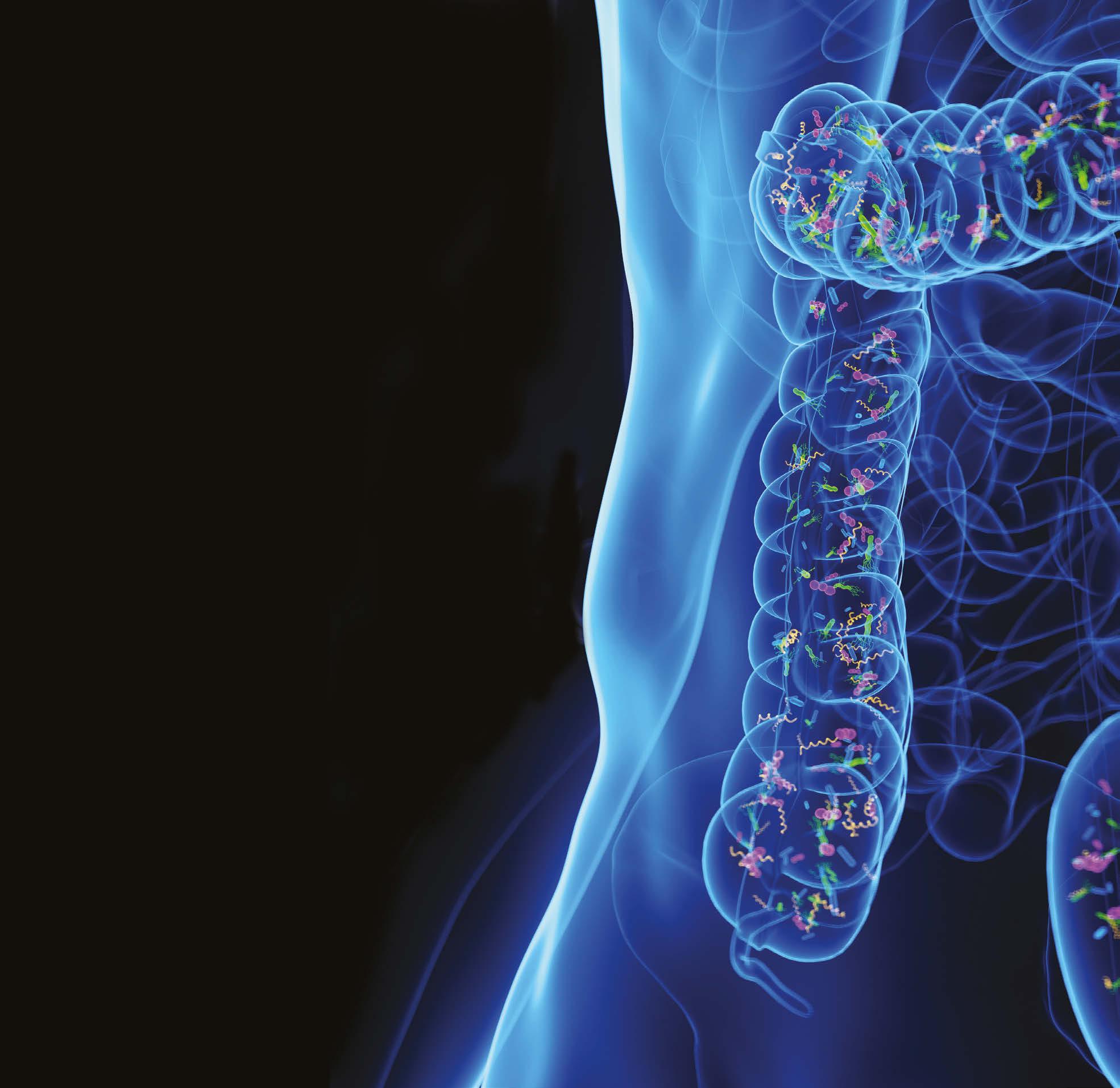
Capture gut microbiota imbalance with the GA-map® Dysbiosis Test. A new standard in microbiota profiling from human faecal samples. This cutting-edge diagnostic tool detects and characterises dysbiosis, by comparing bacterial levels to a healthy reference population.
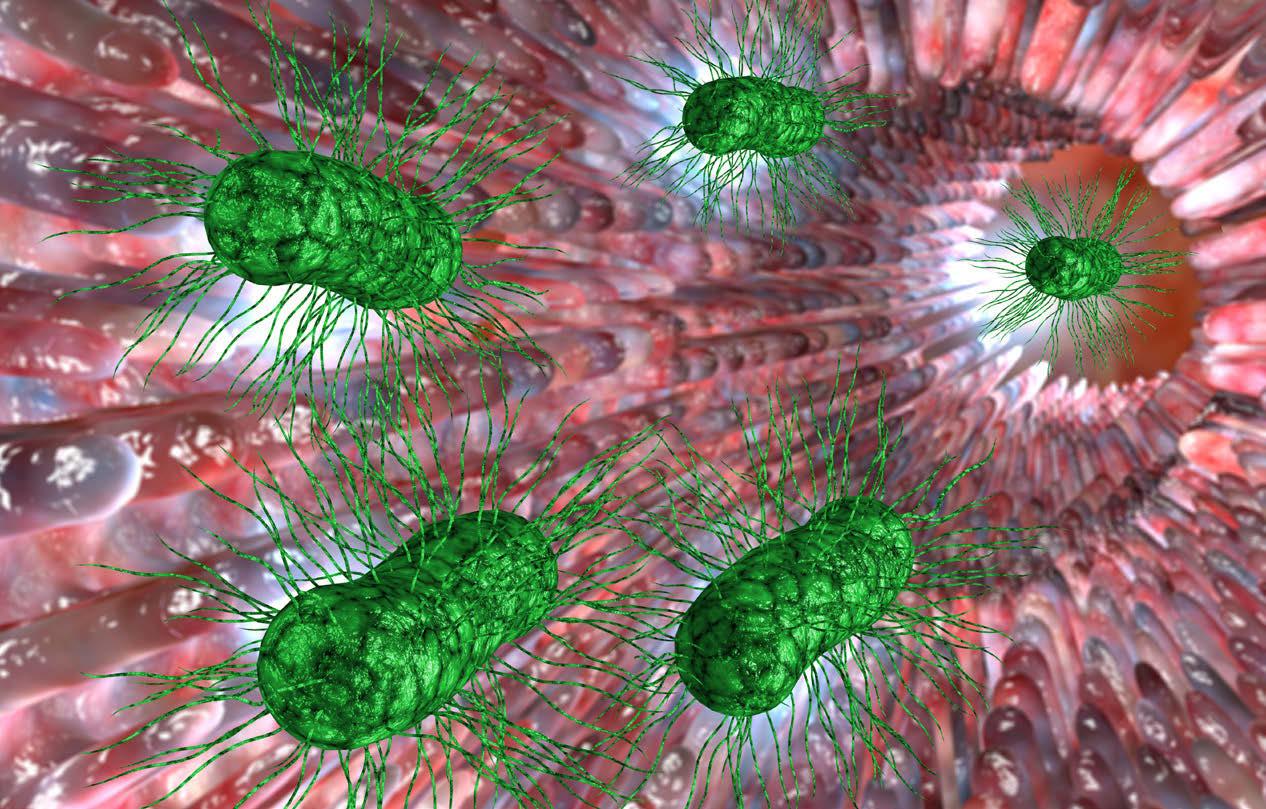
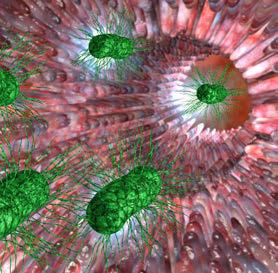
This article looks at the symptoms, causes and the diagnosis pathway of small intestinal bacterial overgrowth (SIBO).
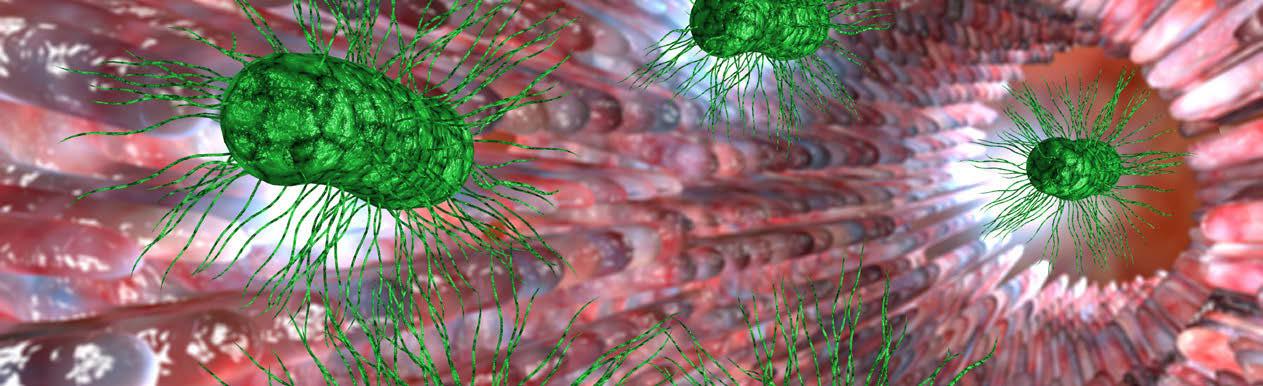
SIBO is a clinical disorder resulting from excessive colonisation of the small intestine by microorganisms. There is an increased abundance of anaerobic bacteria in the jejunum and ileum, naturally found in the large intestine, causing dysbiosis.1 Most often, patients present with non-specific symptoms, including bloating, flatulence, abdominal pain, diarrhoea and constipation. However, people affected can range from being asymptomatic to suffering from malabsorption, steatorrhea and weight loss in severe cases.2
Such symptoms may be due to poor absorption of nutrients or changes in intestinal permeability, as well as inflammation and/or immune activation that results from bacterial fermentation in the small intestine.3 Blunting of the villi in the small intestine and damage to the brush border can occur, decreasing the nutritional status in SIBO patients. Specifically, fat maldigestion and malabsorption can lead to deficiencies in fat-soluble vitamins A, D and E. Other vitamin and mineral deficiencies that can result from SIBO include vitamin B12, thiamine, nicotinamide and iron deficiency.
When there is a disruption to the mechanisms that keep the small intestine a healthy environment, SIBO can develop. Possible causes include irritable bowel syndrome (IBS), longterm proton pump inhibitor (PPI) use, gut dysmotility, disruption of the migrating motor complex (MMC),
chronic pancreatitis and inflammatory bowel disease (IBD). These are discussed below.
A systematic review and metaanalysis concluded that the prevalence of SIBO is increased in irritable bowel syndrome (IBS). There is a definite overlap between the symptoms that define IBS and those which are typical of SIBO, eg, abdominal pain, bloating, flatulence, diarrhoea and/ or constipation.4 Patients with IBS are frequently treated with PPIs, and PPI therapy is considered a risk factor for the development of SIBO.5
The migrating motor complex (MMC) acts as a ‘gastrointestinal keeper’ and is responsible for cleansing the GI tract from food debris and sweeping excess bacteria into the colon.6 MMCs are divided into four phases:
1 Phase I is a resting period with no contraction.
2 Phase II is characterised by random contractions.
3 Phase III has the greatest amplitude and duration of contractions.
4 Phase IV has a rapid decrease in the number of contractions.
Gastrointestinal rumbling noticed during fasting is associated with the MMC. The duration of all four phases is approximately 130 minutes, and feeding interrupts the MMC, reducing its function.1 Hence, food residue and excess fermentation can occur with frequent meals and cause dysbiosis, thus developing into SIBO.1
The human pancreas performs a variety of exocrine functions, including

Sandeepa Soni RD, BSc, PGDip
Sandeepa is a Registered Dietitian at the NHS Digestive Diseases Unit, NHS University Hospitals Sussex NHS Foundation Trust and Spire hospitals. She is also freelance, helping patients with gut problems, nutrition in cancer and the lowFODMAP diet.
nutritionwithsandy.co.uk nutrition_with_sandy nutrition_sandy REFERENCES
Please visit: www.NHDmag. co.uk/articlereferences.html

the secretion of proteases and lipase into the duodenum to aid digestion. These enzymes have antimicrobial properties that prevent the development of SIBO. Studies have shown that patients with chronic pancreatitis or pancreatic enzyme insufficiency without previous surgery are 15-42% more likely to have SIBO.2 Patients with chronic pancreatitis have multiple aetiologies of SIBO, such as prior surgery, dysmotility, PPI use, diabetes and opioid use.2
Patients with IBD are predisposed to the development of SIBO by underlying gut dysbiosis as well as structural abnormalities from strictures, fistulising disease or previous surgery. Treatment with immunosuppressive medications may also contribute to the development of SIBO.2
Bacteria abundance over 105 CFU/mL in the jejunum is the cut-off value for the diagnosis of SIBO.1 The current dogma suggests small bowel aspiration and quantitative culture is the diagnostic gold standard for SIBO; however, this method is expensive, invasive and timeconsuming.2
Diagnosis by breath testing, which is noninvasive, simple, more widely available and less expensive, is preferred, although it lacks
sensitivity and the specificity of aspiration and culture.2 Breath testing relies on the principle that orally ingested sugar or other substrates will be fermented by bacteria located in the small intestine. The most used substrates are glucose and lactulose. Fermentation of these substrates leads to the production of various gases. These gases once produced can be expelled via the mouth or anus or are absorbed into the systemic circulation and then expired from the lungs in breath. Gases that reflect bacterial fermentation of commonly used sugar substrates include hydrogen, methane and hydrogen sulphide. The World Health Organisation (WHO) recommends a 75g dose for glucose tolerance testing.2
For the hydrogen breath test, a rise of 20 parts per million (ppm) or greater is required for a diagnosis of SIBO. The North American consensus statement on hydrogen and methane breath testing defines a rise over baseline of 20ppm for hydrogen by 90 minutes or a level of >10ppm in methane as a positive result, which is consistent with SIBO. In the UK, a rise over 10ppm for hydrogen by 60 minutes indicates a positive diagnosis of SIBO. More than one-third of healthy adults are predominately methane producers, so it is important to measure both hydrogen and methane during these breath tests. The presence of methane has been reclassified
as intestinal methanogen overgrowth (IMO) and tends to be associated with constipationpredominant IBS. SIBO and IMO very frequently occur simultaneously.
There are, however, considerable limitations for the use of these breath tests. For example, the lactulose breath test is limited by its potential false positive in those who have rapid gut motility, and the glucose breath test may not detect SIBO adequately in the last part of the small intestine (because the glucose gets mostly absorbed in the first part of the small intestine). The glucose breath test has a sensitivity of 62.5% and a specificity of 81.7%, whereas the lactulose breath test has a sensitivity of 52.4% - 57.1% and a specificity of 84.6% - 85.7%.7 Furthermore, there is a lack of consensus regarding the optimal substrate, doses of substrates, duration of the test, sampling intervals and diagnostic thresholds.7 This makes diagnosing SIBO unclear and confusing for clinicians. See Figure 1 for diagnosis tests.
The gold standard treatment for SIBO is based on the use of antibiotics to help eradicate bacterial overgrowth.3 Of the available antibiotics, rifaximin has been the most robustly evaluated treatment for SIBO.2 Rifaximin is a broad range non-systematic antibiotic called an eubiotic, which modulates the composition of the microbiota to help improve symptoms of SIBO. A meta-analysis reported an overall 70% eradication rate for rifaximin in SIBO, with dosing ranging from 800mg/day for four weeks to 1200mg/day for seven days.9
Reoccurrence after one course of antibiotic therapy remains an issue (up to 44% at nine months).9 Due to recurrent symptoms, some patients will need repeated courses of antibiotic therapy. However, the frequency of retreatment
should be based on timing and characteristics of symptom reoccurrence to minimise the repeated use of antibiotics to help avoid antibiotic resistance.
Gut dysmotility is a characteristic feature of SIBO. To improve the peristaltic movements, patients often use prokinetics, which can alleviate many complaints.1 However, this is not first-line advice in current clinical practice.
Management of SIBO should focus on identification and correction (where possible) of underlying causes and correction of nutritional deficiencies, especially in patients with significant maldigestion and malabsorption.9 Changes of diet to help modify the small intestinal microbiome should be made to help reduce symptoms and eradicate SIBO. Focusing on the antimicrobial effects without taking care to improve lifestyle factors, especially dietary patterns, may not yield satisfactory results and may cause further GI dysfunction.6 Dietary approaches should help replace deficiencies in vitamins and minerals.8 This indicates that dietitians should focus on advising patients with SIBO to have a variety of foods rich in nutrients or potentially consider a multivitamin if the patient is unable to consume a varied, nutrient-rich diet.
Dietary strategies for the treatment of SIBO include a reduction in the consumption of fermentable products, particularly short-chain carbohydrates known as fermentable oligosaccharides, disaccharides, monosaccharides and polyols (FODMAPs).2 A low-FODMAP diet alleviates most of the gastrointestinal symptoms associated with SIBO, like diarrhoea, bloating and flatulence. However, a low-FODMAP diet may have an

Modulen® IBD tin size is changing on the GP prescribing systems from February 2025. The 400g tin will be discontinued and replaced with a 350g tin, which will have a new PIP code.
www.nhscsampleservice.co.uk To
adverse effect on the gut microbiome.1 A prolonged low-FODMAP diet may disturb and shift microbiota composition and worsen the existing state of dysbiosis in SIBO patients.6 Hence, a lowFODMAP diet, although it may result in symptom relief in some patients, may create further dysbiosis of the gut due to the dietary restrictions and may cause more harm than good.
Dietary fibre should be considered an essential nutrient for the growth of beneficial microorganisms with prebiotic potential. Soluble fibre may yield positive results in patients with GI symptoms and modulate gut microbiota.6 This implies that dietitians could advise on increasing soluble fibre for patients with SIBO to encourage gut diversity.
Eating habits could be a reason for SIBO development and relapses.1 In one study, patients with SIBO were reported to have a lower frequency of phase III MMCs, thus acknowledging it as a risk factor for SIBO. Hence, mindful eating, defined as appropriate breaks between meals, including the omission of snacking, might be a key element in the prevention and treatment of SIBO.6 Many studies support this, and dietitians should be identifying whether patients are spacing out meals and should be encouraging this.
There is accumulating evidence demonstrating the antimicrobial properties of a growing number of herbs, including garlic, black cumin, cloves, cinnamon, thyme, allspice, bay leaves, mustard and rosemary, promoting herbal therapy for SIBO. A prospective trial performed on 104 adults with SIBO based on a lactulose breath test comparing the
efficacy of rifaximin with one or two commercially herbal products found a 46% response with herbal therapy compared with a 36% response with rifaximin.2 This suggests that herbal products have a greater effect than rifaximin on improving symptom relief in patients with SIBO.
It has been suggested that probiotics can help eliminate SIBO. One paper concluded that supplementation with the probiotic saccharomyces boulardii in SIBO patients with systemic sclerosis was associated with significantly higher eradication rates.6 However, there is currently inconclusive data to support a role for probiotics in the treatment of SIBO.2
Characterisation of the microbial content of the intestine is a concept that may prove useful in identifying and diagnosing SIBO by using proton nuclear magnetic resonance (1H-NMR) spectroscopy.4 This has the potential to identify biomarkers and prognostic factors, which can help clinically diagnose SIBO. Everyone has their own ‘metabolic fingerprint’ that can change in response to disease, environment or genetic factors. Comparisons can be made with the metabolic fingerprints of healthy individuals and individuals with SIBO.
A new method for SIBO treatment is faecal microbiota transplantation (FMT), which is a process where faecal bacteria and other microbes are transferred from a healthy individual to the individual who has SIBO. Gastrointestinal symptoms were significantly improved in SIBO patients after treatment with FMT and, moreover, did not negatively impact healthy microbiota.1 However, there is no data on how FMT affects long-term SIBO treatment.
Although diet may play a role in modifying the small intestinal microbiome in SIBO, it is worth noting that the evidence for pharmacological treatments is currently greater.7 The dietary management of SIBO is an evolving area; however, research is ongoing and there are no evidence-based guidelines. Dietitians must take an individualised approach considering patient symptoms, tolerance and nutrition needs. Until robust research emerges and clinical recommendations, a patient-centred approach based on current research remains the best dietary management.
Enter
a new era in the
management of
cow’s milk protein allergy
(CMPA)

DID YOU KNOW 10-30% OF INFANTS MAY STILL HAVE AN ALLERGIC REACTION TO RESIDUAL COW’S MILK PROTEINS IN EXTENSIVELY HYDROLYSED FORMULAS (EHFs)?*†1-5
Hydrolysed rice formulas (HRFs) are a well-tolerated, plant-based alternative6-8 and are recommended by DRACMA and ESPGHAN guidelines as the first-line option for CMPA dietary management.9-11
Proven hypoallergenicity and efficacy12-14 Shown to support growth12-14

Designed to work first line, 100% of the time^16-18
• Free from cow’s milk protein
• Suitable for plant-based diets; halal & kosher certified
• With 2’-FL‡ and nucleotides for immune support19-22
Palatable and cost-effective13,15
Scan the QR code to visit the website
IMPORTANT NOTICE: Breastfeeding is best for infants and is recommended for as long as possible during infancy. Arize is an infant formula for special medical purposes and should be used under medical supervision.
Footnotes: CMPA - cow’s milk protein allergy. DRACMA - Diagnosis and Rationale for Action against Cow’s Milk Allergy. ESPGHAN - European Society for Paediatric. Gastroenterology, Hepatology and Nutrition. IgE - immunoglobulin E. *In children with multiple food allergies. †On average, 10% of children with IgE-mediated CMPA react to eHFs1-3 and up to 30% of children with non-IgE-mediated CMPA react to eHFs3-5 ^Resulted in zero reactions in two hypoallergenicity studies conducted in Risolac® now called Arize. Rice hydrolysate identical in both formulations. ‡2ʹ-FL - 2ʹ-fucosyllactose. Structurally identical to that found in breast milk (not sourced from human milk).
References: 1. De Boissieu D, et al. J Pediatr. 1997;131(5):744–747. 2. Caffarelli C, et al. Clin Exp Allergy. 2002;32(1):74–79. 3. Meyer R. J Allergy Clin Immunol Pract 2018;6(2):383–399. 4. McLeish CM, et al. Arch Dis Child. 1995;73(3):211– 215. 5. Latcham F, et al. J Pediatr. 2003;143(1):39–47. 6. Vandenplas Y, et al. Eur J Pediatr 2014;173(9):1209-1216. 7. Reche M, et al. Pediatr Allergy Immunol. 2010;21(4 Pt 1):577-585. 8. Bocquet A, et al. Arch Pediatr. 2019;26(4):238-246. 9. Koletzko S, et al. J Pediatr Gastroenterol Nutr. 2012;55(2):221-229 10. Dupont C, et al. Nutrients. 2020;12(9):E2654. 11. Fiocchi A, et al. World Allergy Organ J. 2010;3(4):57-161. 12. Fiocchi A, et al. World Allergy Organ J. 2022;15(12):100717. 13. Vandenplas Y, et al. Nutrients. 2021;13(10):3429. 14. Bejarano R, et al. JSM Nutr Disord. 2022;4(1):1011. 15. Anania C, et al. J Clin Med. 2022;11(16):4823. 16. Fiocchi A, et al. Clin Exp Allergy. 2003;33(11):1576–1580. 17. Fiocchi, A et al. Clin Exp Allergy. 2006;36(3):311–316. 18. Similac® Arize™ datasheet. May 2024. 19. Reverri EJ, et al. Nutrients. 2018;10(10):1346. 20. Marriage BJ, et al. J Pediatr Gastroenterol Nutr. 2015;61(6):649–658. 21. Buck R, et al. Pediatr Res 2004;56(6):891–900. 22. Goehring KC, et al. J Nutr. 2016;146(12):2559–2566. For healthcare professionals only. UK-SMCA-2500065 | February 2025
Cow’s milk protein allergy (CMPA) is reported as the most common food allergy in infancy,1 usually presenting before six months of age or on introduction of cow’s milk or formula in an exclusively breastfed infant.2 Securing a diagnosis of CMPA is essential to ensure the infant thrives and is at no risk of nutritional deficiencies. This article takes a look at the journey an infant goes through when presenting with a non-IgE-mediated allergy.
CMPA is more common in families where there is a history of allergy, asthma or eczema.3 Alternative formulas can be used as needed; however, challenges can occur when infants reach weaning age, and parents/carers will often need support in navigating the weaning journey while avoiding cow’s milk and ensuring the infant has a nutritionally balanced diet.
DIAGNOSIS OF CMPA
Two types of allergies can be associated with CMPA: IgE-mediated reaction, which is an immediate reaction, and non-IgE-mediated reaction, which is a more delayed presentation. CMPA is an adverse reaction to milk protein either found in infant formula or passed over in breast milk or through exposure to first food containing dairy. An allergyfocused history is essential to determine whether an infant has an IgE-mediated or non-IgE-mediated reaction, as symptoms are similar for both, and the main factor in determining the type of reaction is the length of time from exposure to food to reaction.2 Table 1 outlines the differences between IgEand non-IgE-mediated CMPA.
DIAGNOSIS OF NON-IGE-MEDIATED CMPA
MAP guidelines (2019) provide recommendations and a pathway for staff in primary care to confidently manage non-IgE-mediated CMPA.
However, GP knowledge can still be variable, and support will vary across primary care trusts depending on experience and locally available guidelines.4
The basis of diagnosis for nonIgE-mediated CMPA is around the exclusion of milk protein for a period of four to six weeks, then a staged reintroduction while assessing for symptoms. If the baby is symptomatic while breastfeeding, then mum should exclude milk proteins from her diet. If formula-fed, then an extensively hydrolysed formula should be used as first-line treatment with amino acid formula for more challenging cases.3 For infants who are breastfed, it is important that parental wishes are followed. Mum should be made aware that in the majority of cases, CMPA can be well-managed in breastfed babies, and the MAP guidelines have resources around managing suspected CMPA in a breastfed infant.
Depending on the age of the infant and the type of diagnosis, acceptance of extensively hydrolysed formula or amino acid formula may be difficult. Older anecdotal practice included adding vanilla extract or flavoured syrups to try and improve palatability, but this is no longer suggested. Choosing an extensively hydrolysed formula that

Hazel is a Paediatric Dietitian with 19 years’ experience. She runs her own private practice, Kids Nutrition, providing evidence-based nutrition advice for infants and children, covering a wide range of specialities. Her previous research has been around inflammatory bowel disease. www.kids-nutrition.com kidsnutritionrd
Please visit: www.NHDmag. co.uk/articlereferences.html Hazel Duncan RD
REFERENCES
Table 1: The differences between IgE-mediated and non-IgE-mediated CMPA (NICE) IgE-mediated Non-IgE-mediated
An immediate reaction that occurs within minutes and up to two hours post exposure
Swelling to lips, face, eyes
Skin reaction: hives, urticaria, itchy, reddening
Gastrointestinal upset: nausea, vomiting, diarrhoea, abdominal pain or discomfort
Lower respiratory: cough, chest tightness, wheezing and shortness of breath
Upper respiratory: nasal itching, sneezing, congestion, conjunctivitis
contains lactose (such as Aptamil Pepti or SMA Althéra) may improve palatability. However, this may not settle symptoms for all infants. The new formula can be mixed with the previous formula, and the amount of new formula is increased over time as the infant accepts the taste better.
Many infants and parents/carers have multiple visits to the GP or health visitor before having the diagnosis of CMPA considered. In some cases, there have reportedly been as many as 13-19 visits to the GP over 12 months.2 Many parents are anxious around the reintroduction of standard formula to secure the diagnosis, worried they will make their infant unwell again and that symptoms will return – a well-informed healthcare professional is essential in reassuring parents that this process is required to not only secure the diagnosis but ensure the infant’s diet is not restricted unnecessarily. Reassurance can also be provided that reintroduction will involve an exposure to a small amount of milk protein, and this will only increase if it appears to be tolerated.3
Weaning can be difficult for families, as it is a time of change, and many parents will be unsure of how to assess when their infant is ready and what first foods an infant should have; add in an allergy, and this complicates the weaning process further. For infants with
A delayed reaction that occurs between two and 72 hours post exposure
Skin reaction: itchy skin, reddening erythema, atopic eczema
Gastrointestinal upset: reflux, vomiting, loose stools, blood and/or mucus in stools, constipation, abdominal pain, discomfort, irritability
Lower respiratory: cough, chest tightness, wheezing and shortness of breath
CMPA, parents should have a consultation with a paediatric dietitian to receive advice around following a milk-free weaning diet. Parents/ carers will require support around identifying the foods that an infant can have as part of their weaning journey. Alternative foods should be recommended such as alternative yoghurts, milk, butter and cheese. Information should be provided around label reading to ensure parents/carers can identify foods that contain cow’s milk as an ingredient, to ensure they can avoid these, and a discussion should take place around what to do when foods are labelled as ‘may contain’ or they have been made in a factory where milk is handled.
Parents are often anxious around the introduction of other allergens and will require advice and guidance from a healthcare professional to encourage them to introduce other allergens such as egg, fish and nuts. Based on current advice, it is safe to introduce other allergens to the infant’s diet without any restrictions, and these can be introduced as part of the weaning process.2
Recommendations should be made at this point about any additional vitamins or micronutrient supplements needed. It can be helpful to advise parents/carers about the calcium content of alternative foods and provide a calcium points list to ensure that intake is adequate, as intake of formula or breast milk reduces towards the end of the first year.
. . . anxiety can be high around challenging the infant back on milk protein to secure the diagnosis and a well-informed paediatric dietitian is key in supporting families through this process and through the infant’s journey with CMPA.

There is now an improved choice of milk alternatives, including oat, soya, coconut, almond, pea and hemp milk, to name a few. Whilst the variety helps widen the foods, parents/carers will require guidance on the best alternatives to use to meet the infant’s nutritional requirements. Soya protein is estimated to cause an allergic reaction in up to 60% of infants with non-IgE-mediated CMPA, as the protein is of a similar structure.2 This may mean that soyacontaining products may not be tolerated by all infants, and parents may need advice on avoiding both soya and milk-containing products.
In the case of non-IgE-mediated CMPA, an infant should be re-exposed to dairy following a period of being dairy-free for six to nine
months. At this time, milk should be introduced to an infant’s diet using the iMAP milk ladder.3 Again, at this period, parental anxiety may be high and reassurance and guidance will be required from a trained healthcare professional to guide and support parents with the ladder process. The ladder starts with introducing a small of amount of well baked milk protein mixed with flour, such as a biscuit, and increases the quantity of milk protein over a number of stages to cow’s milk. If an infant is unable to tolerate cow’s milk at this stage and is going to remain on a dairy-free alternative drink, then an assessment of dietary intake is recommended to determine if prescribed formula is still needed or if the infant can transition to an alternative shop-bought milk alternative, such as oat or soya milk.
The 2019 MAP and iMAP guidelines have improved the management of infants with suspected CMPA in primary care. The process of diagnosis can be challenging, as most of the symptoms are present in well babies and should be managed as standalone symptoms. However, in infants who present with multiple or persistent symptoms, the diagnosis should be considered and the process followed to determine if it is correct for the infant. Parental anxiety can be high around challenging the infant back on milk protein to secure the diagnosis and a well-informed paediatric dietitian is key in supporting families through this process and through the infant’s journey with CMPA.

Dr Megan Rossi PhD, RD
Megan is founder of The Gut Health Doctor®. She is a gut health specialist and a leading Research Fellow at King’s College London. Megan has an award-winning PhD in Probiotics, recognised for its contribution to science, receiving the Dean’s Award for outstanding research.
theguthealthdoctor.com
theguthealthdoctor
REFERENCES
Please visit: www.NHDmag. co.uk/articlereferences.html
This article considers the need for targeted live bacteria supplements as an evolution in gut health science, addressing the common issue of ineffective generic supplements.
Live bacterial supplements have surged in popularity, yet confusion around their benefits remains widespread. In my clinical practice, one of the most common questions I hear is whether they’re worth taking. Despite growing interest, many health-conscious patients still don’t fully understand their role. New market research highlights this gap: 65% of UK adults know these supplements contain live organisms, but fewer than half realise that specific strains are needed for specific conditions.1
This lack of clarity isn’t surprising. Oversimplified marketing often promotes generic supplements without solid clinical backing, leading to misplaced expectations. Many products promise the world without adequate clinical evidence, all while patients spend an average of £130 annually on these supplements, with 77% reporting no significant improvements to their health while taking them.1 As healthcare professionals, we’ve all seen the disappointment when patients invest in products without the desired health outcomes. However, the tide may be turning, with over threequarters of the UK population expressing interest in taking clinically proven live bacteria supplements tailored to their needs and backed by official health bodies.1 Despite what’s being sold, live bacteria supplements aren’t a one-sizefits-all solution; that concept is based on outdated science.
THE RIGHT STRAIN, AT THE RIGHT TIME, IN THE RIGHT WAY
Specificity is key when recommending any nutritional intervention and live
bacterial supplements are no different. World-leading health authorities, including the World Gastroenterology Organisation and the European Society for Paediatric Gastroenterology, Hepatology and Nutrition (ESPGHAN), also advocate specific strains and doses of live bacteria for specific conditions.
The four key areas where scientific research supports live bacterial supplements include:
• Antibiotic-associated diarrhoea (AAD): Affecting up to one in three antibiotic users, AAD disrupts gut microbiota. Clinical trials show that Lactobacillus rhamnosus LGG® significantly reduces the incidence and duration of AAD, leading to recommendations from global health organisations.2-4
• Immune support: With 70% of the immune system residing in the gut, research shows that co-administration of LGG® and Bifidobacterium lactis BB-12® can reduce the risk of recurrent upper respiratory tract infections (URTI), decrease antibiotic prescriptions, and lessen the severity and duration of infections.5-8
• Infant colic: Colic affects 25% of babies worldwide and significantly impacts family well-being. Studies indicate that Bifidobacterium lactis BB-12® supplementation reduces the duration and frequency of crying episodes, improves sleep duration and positively affects stool consistency.9-11
• Vaginal health: Bacterial vaginosis (BV) and thrush are common
65% of UK adults know these supplements contain live organisms, but fewer than half realise that specific strains are needed for specific conditions.
conditions, with global prevalence rates as high as 29% for BV. Clinical trials show that certain Lactobacillus strains, in combination with lactoferrin, can help restore vaginal microbiome balance and reduce recurrence rates significantly.12-14
We need to get specific when recommending live bacteria for various needs. Just like you wouldn’t recommend a vitamin D supplement for an iron deficiency, you wouldn’t recommend a generic probiotic supplement to support general ‘gut health’ – it’s ineffective and can damage patient trust.
A key challenge to overcome is patients’ understanding. New market research has shown that 51% of people were unaware that there are different probiotic strains for different conditions.1 For example, only 33% knew that live bacteria supplements are recommended alongside antibiotics to prevent stomach upset.1 Disappointingly, there are some live bacteria supplements available today claiming to be ‘condition-specific’. Yet they either throw too many strains in the mix (which then compete against each other and often prove ineffective) or don’t use the right strain for the condition. Unsurprisingly, without the necessary patient education, navigating live bacteria supplements
is a minefield for those looking to invest in their health. The truth is that most people are not experiencing the benefits that live bacteria can offer when used correctly. Surprisingly, many leading brands also include additives like emulsifiers and added sugars – even those targeted at babies and infants – which go against fundamental gut health principles.
Patients also often ask whether to take these products long-term, which isn’t surprising given the oversimplified messages spread online about making it part of their daily routine. My advice is that it depends on the symptoms or the required outcomes. For example, a short, targeted course may suffice for acute situations like antibiotic use or infant colic. However, continued use can be beneficial when supported by clinical trials for ongoing issues, such as immune support through the height of the cold and flu season.
Recognising the disconnect, I developed SMART STRAINS® to bridge the divide between the science and the market. My goal was to offer a simple, reliable and effective way to incorporate live bacteria into healthcare with products that meet the highest clinical standards and provide targeted support. SMART STRAINS® features a family of products containing carefully selected, clinically proven live bacterial strains supported by international health organisations and formulated with clean labels. For more information and resources, visit smartstrains.com.
Live bacterial supplements present both challenges and opportunities in clinical practice. By prioritising strain-specific, evidence-based solutions, healthcare professionals can better navigate this evolving space and support improved patient outcomes. Trust in healthcare professionals remains high, so, it’s our responsibility to guide patients towards evidencebased decisions that not only support their health but significantly save them time and money on ineffective products. Providing educational resources and even simple one-to-one conversations can go a long way in dispelling myths and building patient confidence.
C:87 M:100 J:0 N:0

C:75 M:90 J:0 N:0
C:60 M:75 J:0 N:0
C:40 M:60 J:0 N:0
C:35 M:55 J:0 N:0 C:10 M:25 J:0 N:0 C:2 M:4 J:0 N:0
Protein requirements CAN DOUBLE IN CANCER PATIENTS1,2
Up to 66% of patients do not meet minimum ESPEN protein requirements3-5
Twice daily Fortisip Compact Protein enables up to 88% of patients to meet their ESPEN protein requirements6

1. Arends et al. Clin Nutr. 2017;36(1):11-48.
2. Muscaritoli et al. Clin Nutr. 2021;40:2898-2913.
To learn more about the benefits of Fortisip Compact Protein for your patients, scan here
3. Prado et al. Can J Diet Pract Res. 2012;73(4):e298-303.
4. McCurdy et al. Nutrients. 2019;11(11):2743.
5. Stobaus et al. Nutr Cancer. 2015;67(5):818.
6. Dingemans et al. Clin Nutr ESPEN. 2023;54:493.
at time of publication: March 2025




Dysphagia is the medical term used to describe swallowing difficulties and eating and drinking disorders, which may occur in the oral, pharyngeal or oesophageal stages of swallowing.
There are two main types of dysphagia:
1 Oropharyngeal dysphagia. This relates to issues initiating the swallow, occurring when there is difficulty moving the food bolus from the oral cavity to the oesophagus. Various neuromuscular disorders, such as Parkinson’s disease, multiple sclerosis and stroke, are associated with this type of dysphagia.1 Anatomical anomalies of the oropharynx can also cause problems with this phase of the swallowing process. Individuals with this type of dysphagia may present with symptoms such as food getting stuck in the oral cavity and pulmonary aspiration.2 Head and neck cancers are the most common malignancies to cause oropharyngeal dysphagia.3
2 Oesophageal dysphagia. This applies to problems moving the bolus safely from the mouth to the stomach, resulting from either abnormal motility of the oesophagus or physical impairment to passage, such as obstruction.4 Common symptoms include food sticking in the throat after swallowing, painful swallowing and chest pain.5 Oesophageal dysphagia can be caused by primary or secondary motility disorders and intrinsic or extrinsic structural lesions.
For most of us, swallowing is a reflexive subconscious process occurring around 600 times each day.2 However, swallowing

mechanisms are complex and can be broken down into four stages:
1 Pre-oral. Sensory processing – for example, the smell and sight of food can trigger saliva production in preparation for food entering the mouth.
2 Oral (voluntary). When food enters the mouth, the lips close to form a seal, whilst the tongue moves food onto the teeth for processing. Food particles reduce in size as mastication begins, and a bolus (rounded mass of chewed food) is formed and softened as saliva is incorporated. The tongue provides sensory feedback to assess whether further processing is needed. When chewing has finished, the bolus is moved to the back of the throat in preparation for swallowing.
3 Pharyngeal (reflexive). The voice box is raised and the vocal folds close as the epiglottis and soft palate seal off the trachea and nasal cavity respectively, suspending breathing momentarily. The pharynx contracts and the upper oesophageal sphincter opens, allowing the bolus to be passed through into the oesophagus.
4 Oesophageal. Peristalsis (wave-like muscular contractions) moves the bolus down the oesophagus and the lower oesophageal sphincter opens to allow the bolus to pass into the stomach. The sphincter then closes, preventing the stomach contents from re-entering the oesophagus.
REFERENCES
Please visit: www.NHDmag. co.uk/articlereferences.html







At Fresenius Kabi, we know that navigating effective nutritional management for dysphagia patients can be challenging; there’s no one-size-fits-all solution.
So, we’ve developed a versatile range of products that can be used to offer choices tailored to each patient’s clinical, personal and lifestyle needs – from powdered food and drink thickeners to ready-to-drink oral nutritional supplements (ONS) and spoonable dessert-style ONS.
With a range of volumes, flavours, textures and nutritional profiles, designed to match Levels 1-4 of the IDDSI* framework, it gives you the confidence and flexibility to deliver for your patients.
Find out more about our dedicated dysphagia range at www.fresenius-kabi.com/ gb/products/dysphagia

Dysphagia can result from a wide variety of functional or structural deficits of the oral cavity, pharynx or oesophagus. Whilst a swallow can deteriorate with age, dysphagia is more often a secondary condition that occurs as a result of a primary health concern. The inability to swallow normally can be influenced by a number of factors, including coordination and strength of the musculature, posture, bolus size and texture, as well as disuse atrophy of a swallow due to pain, illness, change in taste, nausea, ageing, cognition, respiratory and cardiac problems.6
Dysphagia prevalence is increased in those with cancer and congenital or developmental conditions.7,8 Physical damage, such as burns and head injuries, can also impact the quality and safety of a swallow. However, the main cluster of conditions that can impact a swallow are those that cause nerve damage either acutely (eg, stroke), or chronically over time (eg, neurodegenerative diseases, including dementia, motor neurone disease and Parkinson’s). Dysphagia can also result from poor posture, ill-fitting dentures and medical or surgical complications.
Common signs of dysphagia include:
• Coughing or choking when eating or drinking
• A ‘gurgly’ wet sounding voice
• A sensation that food is stuck in the throat
• Reduced ability to chew
• Taking a long time to finish a meal
Dysphagia affects four million people in the UK and can occur at any age but is more common with ageing.
• Persistent drooling of saliva
• Frequent chest infections
The nutritional consequences include:
• Weight loss
• Malnutrition
• Dehydration
• Altered food intake
• Reduced appetite
Dysphagia affects four million people in the UK and can occur at any age but is more common with ageing.9 Alarmingly, 51% of people living with dysphagia are at risk of malnutrition.10
Research also suggests that approximately 35% of hospital admissions for dysphagia are for individuals aged 75 or over.11 Despite its prevalence, dysphagia is a widely underdiagnosed condition for various reasons, including the assumption that dysphagia is a natural part of ageing, or fear of reaching out for support. Even when dysphagia is correctly managed, many will struggle to meet their nutrition and fluid requirements.
Malnutrition is commonly due to fears of choking, loss of dignity or embarrassment, as well as fatigue or discomfort when eating. The clinical significance of malnutrition is well-documented: these individuals have an increased mortality risk, longer and more frequent hospital stays, poorer wound healing and immune function.12
Around 75% of people with dysphagia suffer from dehydration.13 Fluid may need to be thickened for some dysphagic individuals, posing a further challenge. Studies suggest commercial thickeners are not well tolerated, the viscosity of fluid being inversely correlated to the quantity of fluid consumed.14 Alternative solutions include pre-thickened oral nutritional supplements and adherence to the ‘free water protocol’ (FWP), which enables eligible patients with dysphagia to drink regular water between meals. If water entering the lungs does not contain any food particles from the mouth, it is often resolved without complication, as it is not recognised as a foreign substance. If the correct mouth care is administered, the risk of aspiration pneumonia remains similar to those on thickened fluid, with those following the FWP exhibiting improved hydration status and increased quality of life.15,16
The treatment and management of dysphagia require a comprehensive, individualised approach tailored to the specific type and cause of the swallowing difficulty. A multidisciplinary team – including speech and language therapists, dietitians, occupational therapists and medical professionals – plays a crucial role in assessing and formulating personalised strategies to optimise nutritional intake while ensuring safety.
Dietary modifications
Modifying food texture and fluid consistency is a fundamental aspect of dysphagia management.17,18
The International Dysphagia Diet Standardisation Initiative (IDDSI) provides a framework to ensure appropriate consistency levels, ranging from slightly thick to extremely thick liquids
and soft to pureed foods.19 These adaptations help reduce aspiration risk while maintaining adequate nutritional intake. However, individual preferences, cultural considerations and food palatability must also be taken into account to improve adherence and quality of life.
Nutritional support and supplementation
Many individuals with dysphagia struggle to meet their nutritional needs through diet alone, increasing their risk of malnutrition and dehydration. Fortified foods, high-calorie and high-protein oral nutritional supplements and prethickened fluids can help bridge the gap. Enteral nutrition via feeding tubes may be required for those with severe dysphagia, particularly if oral intake is insufficient or unsafe.
Swallowing rehabilitation techniques, such as exercises to strengthen the oropharyngeal muscles, postural adjustments and swallowing manoeuvres, are crucial for improving function and safety.20,21 Techniques like the Mendelsohn manoeuvre, effortful swallow and supraglottic swallow can help enhance airway protection and bolus transit. Electrical stimulation therapy is an emerging approach showing promise in improving swallowing function.
Ongoing monitoring and adaptation
Given the progressive nature of some conditions causing dysphagia, regular reassessment is essential to adjust dietary and therapeutic strategies as needed.22 A holistic approach considers not only the physical aspects of swallowing but also psychological and social factors, addressing mealtime anxiety, social isolation and emotional well-being.
Dysphagia is a complex and multifaceted condition requiring an individualised and multidisciplinary approach for effective management. Left unaddressed, dysphagia can have severe nutritional and health consequences, including malnutrition, dehydration and an increased risk of aspiration pneumonia. Through personalised dietary modifications, therapeutic interventions and ongoing monitoring, individuals with dysphagia can improve their swallowing function, maintain adequate nutritional intake and enhance their overall quality of life. As research continues to advance, new innovations in dysphagia management hold promise for even more effective treatments and improved outcomes for those affected by this challenging condition.
For more on dysphagia, download the NHD Fact File here: www.nhdmag.co.uk/nhdfactfiles.
Sarcopenia is the progressive loss of muscle mass and function associated with ageing. After the age of 40, muscle mass declines at an estimated rate of up to 1% per year.¹ While skeletal muscle is primarily associated with strength and mobility, it also plays a vital role in essential functions such as cardiac activity, respiration and digestion. Sarcopenia predominantly affects skeletal muscle, leading to impaired balance and gait, which can reduce the ability to perform daily activities and negatively impact quality of life.
SARCOPENIA AND COGNITIVE IMPAIRMENT
Emerging research suggests that sarcopenia may not only compromise physical function but could also be linked to cognitive decline. One study found that in adults over the age of 75, sarcopenia was associated with poorer verbal memory, processing speed and verbal fluency.² Another study identified that sarcopenia increases the risk of cognitive impairment, with the combined presence of sarcopenia and cognitive decline resulting in an elevated risk of secondary outcomes, including Alzheimer’s disease, cardiovascular disease and cerebrovascular disease.³
NUTRITIONAL CONSIDERATIONS IN SARCOPENIA
Lifestyle factors, particularly nutrition, play a key role in the progression of sarcopenia. Low overall food intake has been linked to an increased risk of muscle loss, as have inadequate intakes of specific nutrients, particularly protein.3,4
Recent evidence suggests that older adults may require higher protein intakes than currently recommended. A protein intake of 1.2g/kg body weight may help counteract the age-related decline in protein synthesis, thereby reducing or even preventing sarcopenia, especially when combined with resistance exercise.⁴ This recommendation exceeds the current guideline of 0.8g/kg body weight by more than 60%. Additionally, other nutrients, such as vitamin C, due to its antioxidant properties, and vitamin D, which plays a role in muscle function and is often deficient in older adults, may be important in mitigating muscle loss.⁵


SARCOPENIA IN CLINICAL SETTINGS: HOSPITALISATION AND DISCHARGE PLANNING
Periods of hospitalisation can accelerate sarcopenia due to factors such as reduced food intake, limited mobility and acute illness. Poor nutritional intake during hospital stays, whether due to appetite loss, dietary restrictions, or a dislike of hospital food, combined with prolonged immobility, can accelerate muscle atrophy. The impact of sarcopenia may persist post-discharge, potentially worsening recovery and increasing the risk of readmission or institutionalisation.
Older adults at risk of malnutrition and exacerbated sarcopenia should be assessed for nutritional support and food access upon discharge. Ensuring sufficient protein and energy intake post-hospitalisation is essential to facilitate recovery and maintain functional independence.
Identifying and addressing factors that contribute to sarcopenia is critical for supporting older adults in maintaining mobility, cognitive function and overall quality of life. Nutrition, physical activity and appropriate clinical interventions should be prioritised in both community and hospital settings to mitigate the impact of sarcopenia on ageing populations.
REFERENCES
Please visit: www.NHDmag.co.uk/article-references.html

We’re excited to introduce our upgraded NHD Paediatric Hub – redesigned to make your experience smoother, with new resources to support you better!
We’ve revamped the Hub structure to help you find what you need faster, with a fresh user-friendly layout designed to make browsing easy and intuitive.
Our new nutrition data spreadsheets give you access to accurate nutritional information, designed to be a quick and easy-to-use point of reference to aid in your professional work or studies.
Stay up to date with the latest industry news, trends and insights. Whether you’re here for up-to-date information, professional insights or reliable data, the Hub has it all in one place.

It is essential for nutrition professionals to educate patients and healthcare providers on the appropriate use of oral nutritional supplements (ONS). This article highlights the need for evidence-based practice to overcome misconceptions surrounding ONS.

Research is vital to ensure health and care can constantly improve and evolve. Without the latest research and innovation, there would be no developments in science. This means that, as well as clinical work, anything, such as audit, quality improvement and research projects, can be useful to progress the evidence base in that field. Health and care research aims to identify answers and find out what the best options are for our health and treatment plans. This helps those within healthcare to make informed decisions about improvements or changes.1
The use of information from differing sources can have both positive and negative implications on people’s viewpoints. There is a wealth of information on all online platforms and we rely on them for guidance or suggestions, to answer questions or queries, or even to improve our knowledge. However, often, people’s opinions and personal thoughts are published online rather than verified facts from reputable sources or the evidence base. This can be very
misleading as the public can take these opinions as gospel. Some patients may use the internet to search for symptoms (preventing a hospital/GP appointment), to selfdiagnose and buy nutrition supplements. Patients can locate support groups and access a range of health and well-being services online. Social media can provide comfort and reassurance to them or their families if they can find people who are going through similar issues as themselves. However, online and social media platforms may not always be the best sources of knowledge for up-to-date clinical information. Often, the evidence base is missing. ‘Evidence-based means that extensive research has been done to ensure that it is the most appropriate treatment for that condition or illness’.2 This is done using a significant number of research papers, guidelines and other sources of evidence used to determine this.3 Currently, we use a wide range of evidence, research papers, relevant guidelines and guidance to inform our practice. Such guidance includes BAPEN and NICE.3

Karen Voas-Wootton
Karen is a Community Prescribing Support Dietitian and Team Lead at Betsi Cadwaladr. She has a keen interest in appropriate prescribing and nutritional support and actively tries to perform quality improvement strategies within her role.
REFERENCES
Please visit: www.NHDmag. co.uk/articlereferences.html
Figure 1: Common myths/misinformation in dietetic practice
Myth: Supplements, both oral nutritional supplements and additional vitamins, can cure diseases. They can have a positive impact on nutritional status but this is a myth as they do not cure disease.
Myth: Vitamin D prevents cancer. High doses of vitamin D can cause toxic levels of calcium in the blood, which can be dangerous.
Myth: More expensive supplements are better quality. Supplements with more ingredients are better. They are not beneficial for everyone. Supplements may not be necessary unless a doctor /dietitian recommends them.
Myth: Supplement drinks are always beneficial. Sometimes supplement drinks are not indicated and can contribute to poorer health.
WHEN TO CONSIDER ONS ONS have their place and can be helpful when trying to improve nutritional status and prevent weight loss.4 There is a wealth of evidence to suggest the importance of ONS in helping to improve nutritional status for the sick, nutritionally impaired or people who may struggle with eating and drinking. Appropriate supplement usage is needed when assessing all patient cases. This could form part of the education provided to patients and their families and carers.5
In practice, patients often think that nutritional supplements are a necessity for health and well-being and that they can prevent certain vitamin and mineral deficiencies and provide nourishment. On occasion, they can have a negative effect on health and well-being by providing an excess of calories and ultimately giving a poorer outcome if used inappropriately in clinical practice. Referrals to dietetic departments should be optimum practice so that a thorough assessment of a patient can be achieved.
Myth: Vitamin C prevents a cold. While there is some evidence that vitamin C may help, the evidence is weak.
Myth: ONS have vitamins and minerals in and are keeping me alive. You can purchase a multivitamin over the counter, but ONS do not contain adequate amounts of the vitamins.
Evidence-based practice is the key to prudent and effective healthcare. This ensures that the correct treatment is being used and that there is a fair line of treatment for all. This phrase is used in practice and is defined as: ‘Using the most recent evidence and science to inform the decisions of practice.’5 This has been shown to be important and does inform the change in practice with guidance and formal guidelines when updated.
Because nutrition is a continually and continuously evolving field, new research can overturn previous understandings, leading to changes in dietary recommendations. This can create confusion as people try to keep up with the latest media updates and messages. However, remember to check the sources of information and ensure that they are reputable.
No nutritional supplement contains a magic potion, and patients need to know that supplement drinks don’t change the diagnosis or the treatment plan. Having this discussion early on can be invaluable. However, there may be

Education is vital for both healthcare professionals and patient cases. Using any form of education can prove useful, both formal and informal training and education.
times when the use of supplement drinks can be useful. With the diagnosis of cancer, for example, there can be a variety of reasons why people choose to adopt alternative diets or nutritional supplements, such as for religious and cultural reasons or to reduce side effects such as gastroenterology problems. On the other hand, cancer patients may tend to follow alternative meals/diets with the misconception that they will prevent the cancer from progressing further.6
Education is vital for both healthcare professionals and patient cases. Using any form of education can prove useful, both formal and informal training and education. This can include informal discussions, training seminars and formal presentations, whichever suits the audience best. This can be important to eliminate misconceptions found among the public and healthcare providers.
The first step in helping patients and clients navigate ONS myths and misconceptions can be supporting them to seek a professional opinion and advice from a GP, for example, to help with symptoms and condition management.7 When faced with something that might not be accurate, check the source of information and use reputable sources wherever possible. Reputable sources are journal articles or medical journals. It could be worth contacting any of the supplement companies if you feel they could provide the answers needed. Look at the evidence and check whether it is based on specific population groups, etc. Is the diet balanced and all food groups involved? If the answer is no, then this could be a myth.
Understanding the evidence base is important in realising the reliability of any article or piece of research. For example, in clinical research, we know that a strong evidence base includes Cochrane reviews or meta-analyses. These can be trustworthy.
As previously mentioned, education is key in whatever form is needed to ensure that the public understands the myths and misconceptions out there. By keeping patients informed, they will be able to fully understand their condition.

The NHD Blog – comment and opinion from our authors.


Laura Kaar-Todd RD
Laura is an NHS Paediatric Dietitian at Lewisham and Greenwich NHS Trust. With her freelance hat on, she is founder of ‘The Full Life Dietitian’. Laura is also a personal trainer. She has worked for the NHS since 2019 and enjoys working on the wards, the variety of the role and the MDT working.
www.thefulllife dietitian.com
thefulllifedietitian
REFERENCES
Please visit: www.NHDmag. co.uk/articlereferences.html
This article discusses what dietitians can do to have a positive impact and join the sustainable conversation, looking at how to upskill and get confident about having these conversations. It will also look at practical ways to embed sustainable advice into daily practice and what resources can support nutrition professionals.
It’s easy to get overwhelmed when we look at the impact diet has on climate change and think about everything that needs to be done to move us to a more sustainable food system. Excessive freshwater use, habitat destruction, loss of biodiversity, greenhouse gas emissions (GHGe), the effects of fertilisers, food waste – there is a lot to tackle! (And if you want a deeper dive into these issues, my article from the November 2024 NHD issue titled The What, Why and How of Sustainable Diets, is available on the NHD website.)
How we eat now has a significant effect on the environment. Globally, food production contributes to 26-34% of total GHGe.1,2 The WWF estimates that currently in the UK, the carbon footprint of our diet is 4.84kg of carbon dioxide equivalent (CO2e) per person per day.3 This significantly exceeds the 3kg of CO2e per person per day required to reach net zero by 2050.
We dietitians have a deep insight and understanding of how and why people eat the way they do, and we are experienced in supporting people in making dietary changes for their health. However, when it comes to supporting changes to benefit the environment, we often feel helpless and are not sure what we can actually do or where to start. As dietitians, we are uniquely placed to educate on the impact that diet has on both health and the environment, and it’s becoming increasingly clear that what is good for our health is good for the planet. Equally, what’s harmful
for our health is harmful to the planet. With rates of lifestyle-related diseases rising every year, alongside rising global temperatures and more severe weather events, this isn’t a conversation we can afford to put off any longer.
The first step is to have a good understanding of the issues at play, to understand what a sustainable diet is and why our current diet is so harmful to the environment and our health. The BDA has a lot of great resources on its website that are free to view. The BDA One Blue Dot Environmentally Sustainable Diet Project is a fantastic place to start, with easy-to-understand information and downloadable resources. The BDA Sustainable Diets Specialist Group has a page of useful links, including YouTube videos and links to the International Confederation of Dietetic Association Sustainable Food Systems (SFS) Toolkit. In the ‘Past Events’ tab, the group has links to full recordings of Embedding Sustainability into Nutrition and Dietetics from September 2023. If you want a deeper dive, MyNutriWeb has a very comprehensive course titled ‘Sustainable Diets and Nutrition: Fundamentals for Human and Planetary Health’. I have done this course and really enjoyed it. I would definitely recommend it to anyone who wants to get a deep understanding of the impacts the food system has on the environment and what needs to be done to get us to a more sustainable future.
There are lots of brilliant books and podcasts that will support your learning too. Ravenous by Henry Dimbleby and Jemima Lewis and Not the End of the World by Hannah Ritchie are two I found fascinating.
In my opinion, this is the hardest step: how do we actually start this conversation in practice? Interestingly, some research has recently shown that people are more motivated by health than sustainability. One study of over 8000 participants across the UK, France, Germany and the USA found that while sustainability is important, especially in younger consumers, overall health is a bigger motivator than an individual’s impact on the environment.4
This links nicely with research showing that following the UK’s Eatwell Guide would benefit both human and planetary health. While we all know the health benefits of following Eatwell’s healthy balanced diet, what we might not realise is that this is also a very sustainable choice. The Carbon Trust found that we could reduce our environmental footprint by up to 32% by swapping from the current UK diet to the Eatwell diet.5 This would come from a reduction in carbon emissions, land use and water use. In practice, this means reducing (but not eliminating) consumption of dairy, meat, rice, pasta, pizza and sweet foods while increasing intakes of potatoes, fish, wholemeal and white bread, vegetables and fruit. So, if talking about sustainable diets with clients or patients feels daunting, go back to basics and take confidence in knowing that by promoting a healthy balanced diet, you are also championing sustainable choices.
One change I have made personally is asking about beans, pulses, tofu and plant-based meats first when I ask about protein intake. It’s a small change, but I have found it to be so powerful. It often opens up a discussion around plant-based proteins and gives me the opportunity to mythbust. I had one mum who was avoiding tinned lentils as she thought they were unhealthy due to the canning process. She was delighted when I encouraged her to include them in her weekly shopping. It also solidifies in our patients’ minds that plant-based proteins are on a par with animal proteins. As nutrition experts, we need to
remember that how we say things will influence people. If plant-based proteins are mentioned as an afterthought, after animal proteins, or worse, not mentioned at all, people will continue to see them as inferior. We need to normalise asking about beans and tofu in the same way we do red meat or eggs. Finally, this tweak helps me keep plant-based proteins at the front of my mind when giving advice and coming up with a plan later in the discussion.
For a lot of people, following a healthy balanced diet will be appropriate, but what about in a clinical setting where we are supporting patients with specific conditions? Can we still think about bringing in a sustainable angle when our advice goes beyond healthy eating? Yes! We can work to embed sustainability into dietetic advice in a way that is still personalised and evidence-based to deliver the best results for our patients and clients. There is a lot of research to support unintentionally sustainable diets that are rich in plants and low in red meat, for general health but also for the management of specific conditions. Let’s look at two examples in more detail: high cholesterol and chronic kidney disease (CKD).
When we look at the advice for those with high cholesterol, we see that a lot of the principles would support a more sustainable diet.6 We advise reducing saturated fats from fatty and processed meats, high-fat dairy, cakes, pastries and biscuits. We suggest replacing these with unsaturated fats from plants such as olive oil, rapeseed oil, avocados, nuts and seeds. We suggest increasing fibre by eating more plants including fruits, vegetables, wholegrain and pulses, beans and legumes. One 2018 study looked at which food groups contributed most to total dietary GHG emissions based on UK consumption.7 The results reflected how following advice for high cholesterol is also a sustainable choice. They showed that red meat and dairy contributed the most to total dietary GHG emissions, at 24% and 14%, respectively. Confectionary and sugar came in at 6% and soft drinks accounted for 7%. In contrast, beans and pulses contributed 1%, fruit 3% and vegetables 5%.

Historically, advice for managing CKD has flown in the face of sustainable eating, with many people being advised to avoid many different fruits, vegetables and plant foods. However, research has shown that such restrictions are not necessary and may actually be making things worse. During the Embedding Sustainability into Nutrition and Dietetics event in 2023, Angeline Taylor, Chair of the BDA Renal Specialist Group, gave a brilliant presentation on this topic.8 The full recording is available at www.bda.uk.com/specialist-groupsand-branches/sustainable-diets-specialist-group/ events/past-events.html. Angeline explains that the fibre content of plant-based foods means potassium and phosphate have lower bioavailability, and so less is absorbed. In comparison, animal foods have high bioavailability, and in processed foods, these have been added in high amounts. This means, in actual fact, we are likely to absorb much less of these nutrients from plant-based foods than from animal and processed foods.
In those with CKD, prevention of other causes of hyperkalaemia, such as type 2 diabetes and constipation, is essential. Diets rich in plant-based foods are key for this. This is all reflected in the 2024 KDIGO Guideline for the Evaluation and Management of Chronic Kidney Disease.9 It recommends ‘adopting a healthy and diverse diet with a higher consumption of plant-based foods compared to animal-based foods and a lower consumption of ultra-processed foods’.
These are just two examples, but when we sit and think about it, for many conditions and in many scenarios, the sustainable choice will be the healthy and appropriate choice. For more on this, a new chapter on sustainable diets is being added to the 7th edition of the Manual of Dietetic Practice, which will give us more guidance. We don’t yet have a release date but hopefully, it will be this year. In the meantime, Plant-Based Health Professionals UK has a huge array of free downloadable diet sheets.10 This includes resources for paediatrics, weight management and specific medical conditions.
If you are updating or creating resources, it’s worth considering how you can embed sustainable advice into them. For example:
• a calcium diet sheet could include dairy, dairy-free alternatives and non-dairy sources;
• an iron diet sheet could include information on plant sources of iron and reassure patients that red meat is not the only reliable source of iron in the diet;
• weaning resources could include plant sources when advising on specific nutrients and textures;
• with coeliac disease, we can highlight naturally gluten-free plant-based foods;
• for advice on healthy eating on a budget, educating on cheaper plant-based proteins is a perfect way to encourage sustainable choices while also supporting your client to stay within their food budget.
In short, there is a lot we can do to support a shift to more sustainable dietary patterns. Yes, we also need policy and governmental support to change our food system, and we need topdown changes that support farmers and food producers alongside stronger guidelines for marketing and advertising. But we can still have a significant positive impact in our everyday work. Embedding sustainable dietetic advice doesn’t mean changing how we practice or suddenly telling everyone to go vegan overnight. Our advice is always going to be evidencebased and personalised, but what is clear is that often the advice we give does encourage more sustainable choices. By taking some time to upskill, increase our understanding in this area and stay informed as new research is carried out, we can be confident in our ability to embed sustainable advice in our practice, no matter what setting we work in.
As the UK life expectancy is increasing and physical activity levels are falling, an increasing number of men will be at risk of various health issues over the next decade.1,2 This article considers how lifestyle interventions can improve strength, quality of life and well-being for men as they age.
Ageing is multifactorial, and people age at varying rates: an 80-year-old may remain robust and healthy, while a 60-year-old may need substantial care and support.3 Dietitians have a duty of care to identify men at risk of age-related diseases, such as sarcopenia, dementia and heart disease, and provide appropriate advice to enhance their quality of life.
Men generally have more muscle mass than women, but both experience a decline with age. Sarcopenia, the loss of muscle mass and strength, is generally associated with old age, but it’s important to remember that it is rooted in adverse muscle changes that accrue across a lifetime.4 From age 30, adults lose 3-8% of their muscle mass per decade5 (see Figure 1), and aerobic capacity decreases by a huge 40% between ages 25 and 80 years.6 Although these findings are not exclusively associated with men, the loss of muscle mass in men is perhaps more profound than in women due to testosterone levels beginning to decrease at age 30.5
It has consistently been demonstrated that moderate activity reduces the likelihood of physical and mental ill health in people aged >65 years7,8 (see Figure 2). Despite this, the amount of individuals participating in physical activity shows a decreasing trend from age 35 years7, 8 (see Figure 3). Functional limitations occur in adjunct to mobility and strength falling below a certain level, impacting activities of daily living such as shopping and cooking. This, in turn, has a detrimental impact on nutritional intake as it may cause individuals to opt for high-fat, highsalt convenience foods as opposed to
cooking nutritious meals. Age-associated decline in function may put older adults at increased risk of hospitalisation and mortality.9 Reserve capacity declines as people age,10 so early detection of sarcopenia, along with appropriate advice regarding activity and diet, can improve a patient’s quality of life.4
Adults are at lower risk of developing frailty when they consume ≥1.2g protein/ kg body weight/day.11 Those who are acutely or chronically unwell or very active, eg, resistant exercise or intense exercise three to five times a week, may need 1.2-1.5g protein/kg body weight/ day.11 People aged >65 years have a daily requirement of at least 1.0-1.2g protein/kg body weight. These requirements should be calculated on an individual basis and should take into consideration adjustments for body mass index >30kg/m2 12
NHS physical activity guidelines for adults aged 19 to 64 recommend that men of this age group should be aiming for at least 150 minutes of moderate intensity activity a week or 75 minutes of vigorous intensity activity a week.13 In addition, the Department of Health and Social Care emphasises that ‘any activity is better than none’ and stresses the importance of not being sedentary for too long, especially as people tend to be less active as they age.14
For adults >65 years old, it’s suggested that they participate in activities that improve balance and reduce the chance of frailty and falls, eg, bowls, pilates, tai chi and dancing.14 Referring men to local community groups, such as local football, may also be beneficial, as it will

freelance services via her Instagram page and for Speech Tools Therapy.
notjustamama. nutrition
REFERENCES
Please visit: www.NHDmag. co.uk/articlereferences.html
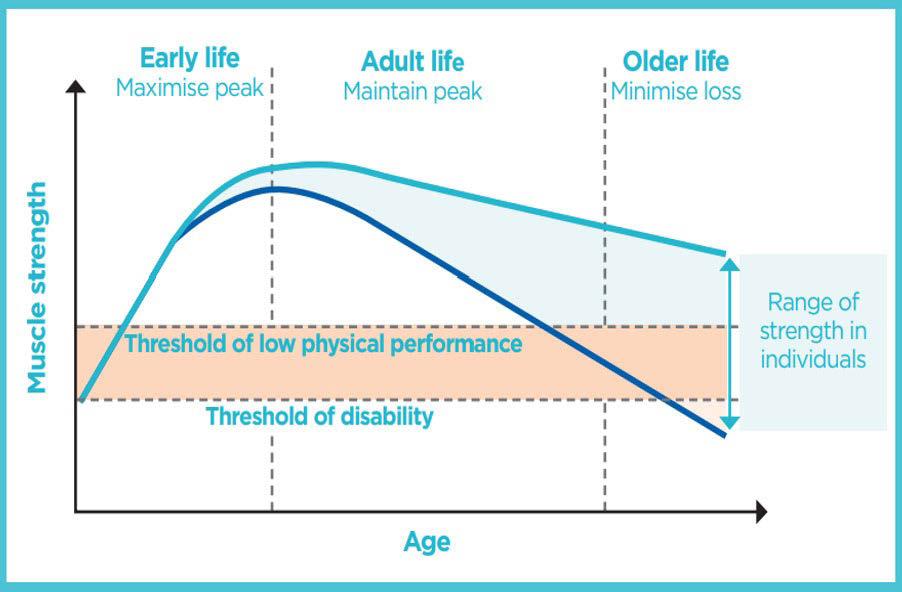
Figure 2: Physical activity and associated percentage risk reduction in disease8
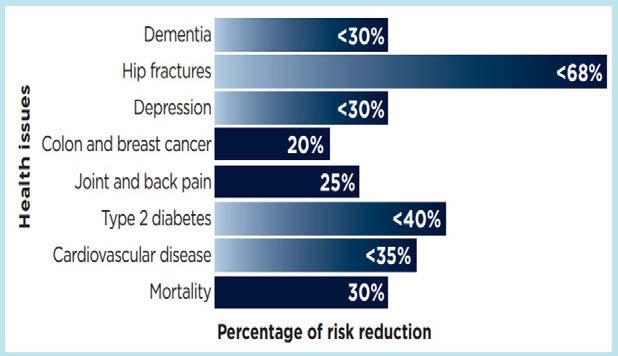
3: Adults in England meeting both the aerobic and muscle-strengthening exercise guidelines in 20218
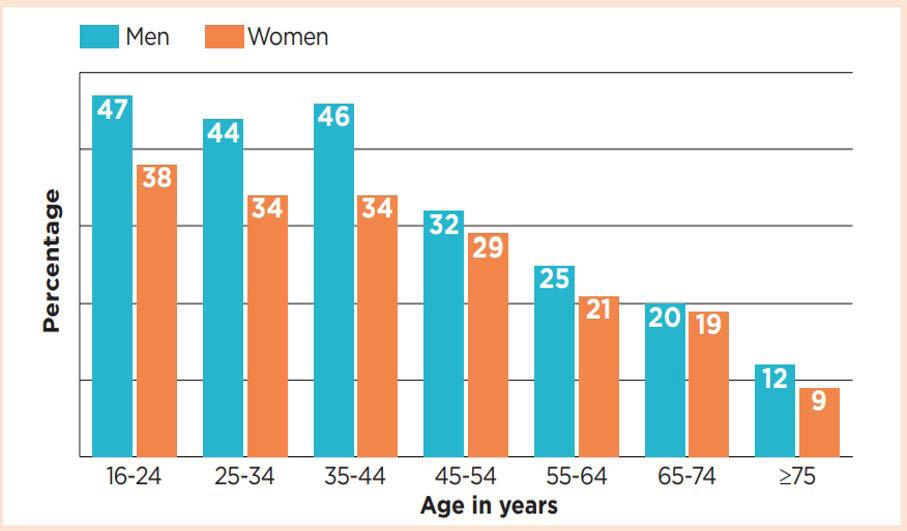
provide them with social interaction. They may also be more likely to engage in group activities if other men are present. Encouraging them to participate in an activity combined with adequate protein intake will help to prevent sarcopenia.
Physical frailty often coexists with mild cognitive impairment that is not necessarily severe enough to fulfil the criteria of a dementia diagnosis.15 This is termed ‘cognitive frailty’, a syndrome seen in older people in community settings with a prevalence ranging from 10.3 to 42.8%.16-
18 There is a significantly higher risk of developing cognitive frailty when physical frailty already exists,17 and it is associated with increased risk of adverse health outcomes such as functional disability, incidence of dementia, hospitalisation, decreased quality of life and mortality.19
Cognitive frailty is a multifactorial entity.18 The best preventive and therapeutic measures for its prevention include:18
• Active social participation
• Polypharmacy management
• Smoking cessation or avoidance
• Promotion of physical activity
• Optimal oral care
These strategies offer an improvement in quality of life and potentially an extended lifespan.18
Dietitians should note that if patients or their relatives report poor memory, difficulty concentrating or mild confusion, there is an increased chance of cognitive frailty being reversible if it is identified sooner.15 The service user’s mental health should be considered, and appropriate referrals to any talking therapies or liaising with the GP around commencing or adjusting any antidepressants may be appropriate. If seen in a primary care setting, early intervention in the form of referrals to social prescribers or Age UK could help to prevent elderly dependency and dementia.
Interventions that address psychosocial features are also beneficial as older frail individuals are at a four-times greater risk of experiencing minimal social interaction, isolation and loneliness.20 Men may be less likely to speak up about feeling socially isolated compared with women,20 so, as healthcare professionals, we should keep this topic in mind and be aware that
Antioxidant/compound Source Function
Chlorogenic acid
Resveratrol
Coffee and apples
Red grapes and berries
Lycopene Tomatoes
Polyunsaturated fatty acids
Polyphenols
Fish
Olive oil, olives
Maintains mitochondrial biogenesis
Improves mitochondrial biogenesis
Improves mitochondrial dysfunction
Upregulation of the mitochondrial transport chain
Reduction of cardiometabolic risk
we may have to initiate conversations around it. Local lunch clubs, art, or even chess clubs may be appropriate to signpost them to, in order to improve their mental health, quality of life and depressive symptoms.
Metabolic control also has a huge part to play in healthy ageing. The antioxidant-rich Mediterranean diet has consistently been shown to reduce the risk of frailty and cognitive decline by preserving the function of mitochondria, an organelle found in body cells responsible for metabolism and tissue homeostasis.21 The protective effects of the Mediterranean diet are the result of the diet as a whole, rather than individual components, as the interaction of antioxidants, polyphenols and unsaturated fatty acids can have a beneficial synergistic effect.18 The beneficial effects of the antioxidants are due to their ability to neutralise free radicals, which are unstable molecules that damage cells and contribute to age-related diseases.21
Bioactive compounds, such as phytosterols, terpenes and polyphenols, reduce the activation
Anti-ageing benefits
Reduced endothelial cell dysfunction
Reduced neurodegeneration, glycation and oxidative stress
Antioxidation
Anti-inflammation
Reduction of cardiometabolic risk
Improved mitochondrial energetic metabolism
Reduction in inflammation
of signalling pathways and the expression of proinflammatory cytokines (proteins that act as a chemical messenger in the immune system).22 These factors are associated with preventing mitochondrial dysfunction and lessening the risk of non-communicable diseases, hence influencing morbidity and mortality throughout the ageing process.22 Table 1 shows the antioxidants present in various foods that make up the Mediterranean diet, and the function and benefits they offer regarding mitochondrial health.
Whilst encouraging men to eat a Mediterranean diet, the advice should be adapted in accordance with their socioeconomic circumstances and ability to cook. Men who live alone may not be motivated to cook for themselves, so supporting them to find ready meals or meal delivery services in line with the Mediterranean diet (eg, meals containing oily fish/lean meats and vegetables) may be a more appropriate intervention from healthcare professionals. This should be advised alongside keeping alcohol to the recommended weekly intake of 14 units to prevent diseases associated with alcohol excess, such as cardiovascular disease.23
Promoting healthy ageing in men requires a multifaceted approach that addresses the interconnected factors of muscle health, cognitive function and overall well-being. By emphasising the importance of adequate protein intake, regular exercise (including balance-focused activities for older adults), and a Mediterraneanstyle diet, dietitians can empower men to maintain muscle mass, optimise brain health and reduce the risk of age-related diseases. Tailoring dietary advice to individual circumstances, including socioeconomic factors and cooking abilities, is essential for maximising adherence and achieving positive outcomes. By working collaboratively with other healthcare professionals and community resources, dietitians can make a significant contribution to helping men age healthily and maintain their independence and quality of life.

This case review discusses Patient K, who presented with multiple allergies and was undertaking a classical ketogenic diet (KD). It considers the nutritional analysis of Patient K’s diet and explores the impact of their dietary zinc intake within the context of their overall life circumstances.
The ketogenic diet (KD) is used to treat drug-resistant epilepsy by inducing ketosis through a high-fat, very low-carbohydrate, adequate protein diet. The vitamin and mineral deficiencies of the KD are well documented.1 Patient K’s severe form of epilepsy combined with multiple allergies made the nutritional approach through a KD challenging.
Clinical diagnosis: Infancy onset developmental and epileptic encephalopathy in relation to a genetic disorder, faltering growth, severe central sleep disordered breathing and global developmental delay.
Weight: 13.6kg (2nd centile); height: 102cm (9th to 25th centile). Weight centile prior to KD initiation was 9th to 25th centile, which gradually declined to 0.4th to 2nd centile following reduced oral intake and vomiting.
IgE-mediated allergies: Peanuts and peanut oil, cow’s milk protein and eggs. Other dietary concerns: IDDSI four foods only orally; nasogastric tube in situ for medications; water flushes and ketogenic feeds when oral intake was poor.
Time on KD: 19 months total; three years old at initiation; temporarily off diet for two months at month five due to worsened seizures.
Ketogenic ratio: 1.5:1 (initiated on 3:1 and became hypoglycaemic within a few weeks; highest ratio tolerated was a 1.75:1).
Ketogenic diet prescriptions (per day): Meals 0.9:1 ratio; 175ml Calogen (fat emulsion); half sachet of FruitiVits.
Abnormal serum plasma zinc levels (8.3µmol/L) were observed at 11 months after initiation of the KD, below the target range lower limit of 11µmol/L. Patient K had a serum zinc level of 11.7µmol/L at four months on diet. Dietary deficiency was suggested as the possible reason. It is documented that the KD may be deficient in some vitamins and minerals (i.e. vitamin C, selenium, zinc and magnesium), hence, a multivitamin supplement is prescribed as usual practice.1 Compliance with the supplement prescription was confirmed by the dietitian.
A study that monitored children undergoing KD and receiving additional supplementation to meet dietary requirements over a 12-month period saw that plasma zinc levels were more likely to be low but did not appear to be directly caused by KD, as they were also low at baseline despite adequate intake.1 Although the pre-KD intake levels were unknown for Patient K, pre-KD plasma zinc levels were just in range (11.7µmol/L) for this patient.
NUTRITIONAL ANALYSIS
A three-day food and drink diary was composed retrospectively based on the meals reported to be used at the time the blood tests were carried out. All meals were designed by the dietetic team, which limits the impact of recall bias but does assume there were no leftovers, although issues with appetite were reported. A report of the macro- and micronutrient intake was then produced using Nutritics software (see Table 1). This patient was prescribed a multivitamin supplement, but, as we know, this alone will meet vitamin and mineral requirements, so it was decided to exclude this from the analysis.

Ranmal Rodrigo
Ranmal is a Dietetic Assistant at Great Ormond Street Hospital. He has been working in this role for the last two years and is eager to continue progressing, having recently started an apprenticeship to become a Registered Dietitian.
This article has been reviewed by: Agnieszka Szmurlo RD, Ketogenic dietitian; Dr Natasha Schoeler RD, Ketogenic dietitian; Zoe Simpson, Advanced Clinical Practitioner (RD) and Natalie Yerlett RD.
REFERENCES
Please visit: www.NHDmag. co.uk/articlereferences.html
Table 1: Analysis with Nutritics software showing insufficient intake of vitamins and minerals
Nutrient
Calcium 219mg 450mg >275mg
Zinc 2.5mg 6.5mg >4mg
Vitamin A (ret eq) 46µg 400µg >200µg
Riboflavin 0.1471µg 0.8µg >0.4µg
Folates 45µg 100µg >50µg
Biotin 5.1µg 105µg
Intakes in UK diets come from milk (62%), fortified flour/cereals (22%) and vegetables (5%).2
Richest sources include meat, fish and seafood. Other types of food have much less in comparison, and bioavailability is lower in plant sources.3
Richest sources include liver, fish, eggs and dairy products. It can also be sourced as beta-carotene in plants (leafy greens, orange/yellow veg, tomato, fruits).4
Richest sources include eggs, organ meats, lean meats and milk. Small amounts are contained in vegetables and grains, and cereals are also fortified.5
Rich food sources include liver, yeast extract and green leafy vegetables. Diets rich in B vitamins and vitamin C are usually rich in folate.2
Richest sources include organ meats and eggs, but it is also widely distributed across many foods.2,6
Zinc is an essential micronutrient on which many enzymes and transcription factors within the body are dependent. It is required in many cellular processes, such as wound healing and protein and DNA synthesis.7 Zinc also plays an essential role in immune function, whereby deficiency directly leads to impaired immune cell development and increased risk of inflammation.8 As zinc cannot be stored in significant quantities, regular dietary intake is essential.7
A food diary prior to ketogenic diet was not obtained. Pre-KD bloods did not indicate any abnormalities, except for alkaline phosphatase (ALP) deficiency, which was presumed by the medical team to likely be due to Patient K being on multiple anti-seizure medicines.
The richest sources of nutrients permissible on a KD and suitable for Patient K’s allergies are meat, fish, and vegetables. However, the classical KD limits protein intake to prevent gluconeogenesis production of glucose.9 While unprocessed meat and fish are allowed in specific portions, Patient K had only one recipe with red meat and a bread-coated fish product, further limiting portion size due to carbohydrate content. Protein is a major source of dietary zinc and positively correlates to zinc absorption.10
Patient K’s diet also lacked vegetables, particularly dark leafy greens such as broccoli, kale, lettuce, spinach, and watercress, all suitable for the KD and which provide folates and vitamin A.2,4 Animal studies suggest vitamin A may influence zinc status, though human evidence is unclear 11
Phytic acid, an inhibitor of zinc,12 was present in Patient K’s diet through potatoes and soya yoghurts, though processing reduces phytate content.13
The main limitation was a lack of variety, which is key for meeting nutrient needs.14 Patient K’s parents chose from a set of recipes each week. While their milk and egg allergies had little impact on zinc intake, they significantly affected other vitamins and minerals in Table 1 (except folate). A combination of the KD and allergen restrictions adds difficulty to ensuring meals are palatable, likely contributing to limited meal selection.
Patient K’s diet relied heavily on processed foods, limiting parental control over ingredients. The family used coconut-based non-dairy cheese alternatives, which lack protein and calcium and contain carbohydrates that reduce the allowance for more nutrient-dense foods like vegetables. However, for balance of health and enjoyment, these foods were not excluded.
Medications can impact nutrition through drug-nutrient interactions and reduced oral intake, potentially leading to deficiencies.15 Patient K was prescribed multiple medications, including lansoprazole, a proton pump inhibitor (PPI) used prior to KD initiation. Though research is limited, small studies suggest PPIs significantly affect zinc absorption and storage.16
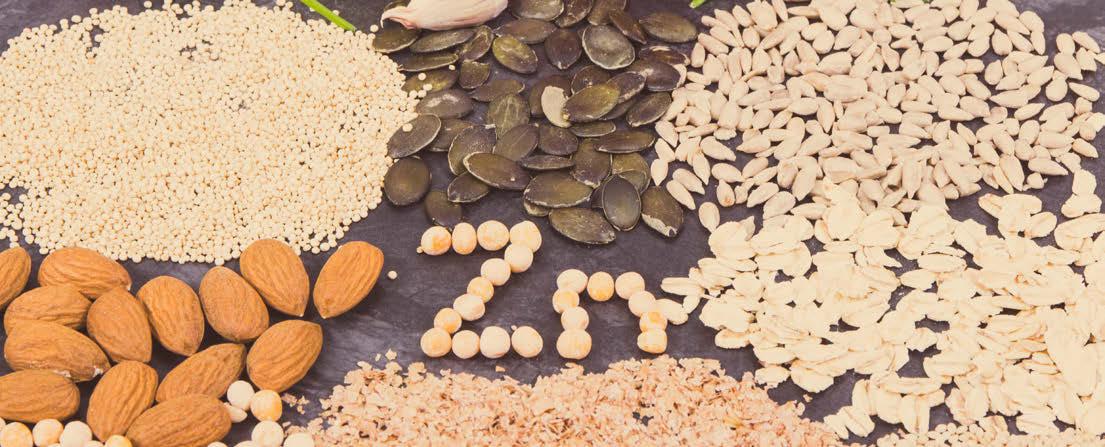
At the time of Patient K’s blood readings, they were dealing with frequent seizures and infections triggering repeat admissions to hospital, significant sleep difficulties,constipation and symptoms of gastro-oesophageal reflux causing vomiting following milk feeds via the nasogastric tube. Oral intake was negatively affected, and so the parents were unable to expand the diet beyond their favourite meals. During Patient K’s first trial of KD, their weight maintained between the 9th and 25th centile in proportion with their height (9th to 25th centile).
Following weaning off KD, seizures significantly worsened and their weight fell to the 0.4th centile.
Clinical status could have also directly influenced the abnormal zinc reading. During infection in the acute phase response, the body must compete with pathogens for zinc and activates mechanisms to limit the zinc available to the pathogens, markedly reducing plasma zinc levels.8 However, C-reactive protein levels were normal, which is a marker of inflammation and indicative of infection.17 Albumin levels can also lower during infection but were normal.18
Table 2: Actions taken post blood tests
Month 11
Month 12
Month 13
Month 14
Month 15
Dietitian replanned diet to increase energy provision.
Patient K had a long-awaited PEG insertion.
Dietitian replanned diet to further increase energy provision via PEG
Clinic review noted significantly reduced seizure burden, improved sleep through medication, and weight returned to the 9th centile.
Following improved clinical status, the dietitian had a discussion with Mum about increasing variety in Patient K’s diet due to the low serum zinc.
Mum was provided with adjusted recipes, which included nutritional yeast for additional micronutrient supplementation (provides 6.2mg zinc per 2.5g serving).
Approved to start progressing through the milk ladder and including butter and baked cheese in meals.
Biochemical studies show that micronutrient levels often decline on KD, even with supplementation, but typically remain within recommended ranges.1 Patient K’s poor clinical status (infections, lack of sleep, reduced intake) likely influenced their abnormal serum zinc level more than dietary inadequacy. Given that their nutritional struggles persisted off KD – evidenced by weight dropping to the 0.4th centile – returning to a high-carbohydrate diet was unlikely to have improved their status.
Long-term medication use may have also played a role, as Patient K’s pre-KD plasma zinc level was already near the lower limit. Many epilepsy patients referred for KD have pre-existing nutritional challenges.1 Now that Patient K’s condition has improved, a repeat blood test will help determine whether the cause was clinical or dietary. This case highlights the need for a holistic approach when assessing complex patients to guide dietetic treatment effectively.

Fareeha Jay RD
Fareeha is a freelance dietitian with a specialist interest in South Asian diets and provides specialist advice to South Asians across the globe. She is extremely passionate about providing the best available nutrition advice to people with South Asian backgrounds, which is what led her to develop the South Asian Eatwell Guide.
www.fareehajay. com
Dietitian_ FareehaJay
FareehaJay
REFERENCES
Please visit: www.NHDmag. co.uk/articlereferences.html

A national study found that the incidence of breast cancer was significantly lower among South Asian women compared with other women in England and Wales.1 However, South Asian patients were notably younger at diagnosis and presented with larger primary tumours. While their treatment was comparable to that of non-Asian patients, a higher rate of mastectomy was observed.
Additionally, South Asian patients experienced a significantly longer delay between noticing initial symptoms and consulting a GP, as well as a slightly longer delay in diagnosis and treatment.2 Another study highlighted poorer overall survival rates among South Asian women, emphasising the need for strategies focused on earlier detection.3 This suggests that the breast cancer experience of South Asian women may differ from that of White women.
Gaining a deeper understanding of these differences can enable healthcare professionals to provide more culturally competent care and support.
A focus group with Canadian Punjabi South Asian women revealed their willingness to openly discuss their experiences with breast cancer, which contrasts with findings from similar studies. This suggests that patients should be assessed individually, avoiding broad assumptions. However, it may also indicate that this openness is specific to Punjabi women and may not extend to other diverse South Asian groups.4
A study revealed that within South Asian cultural contexts, breast cancer survivors often face social isolation and emotional distress.5 Similarly, another study found that many South Asian women encountered a lack of support from their
community, with inappropriate remarks prompting them to keep their cancer private and avoid negativity. However, some participants emphasised the vital role of family and partner support, with relatives, such as sisters, mothers or inlaws, stepping in to provide care.6 A qualitative study also identified recurring themes of cancer being a taboo topic and a source of stigma. This stigma extended to broader societal consequences, such as impacting children’s marriage prospects and contributing to marital breakdowns.7 The stigma surrounding cancer often leads South Asian women to keep their diagnosis private. This lack of openness can contribute to heightened levels of anxiety and depression and a reduced quality of life. It may also explain why South Asian women are among the least likely to seek or receive support from community groups.8
Like women from other backgrounds, South Asian women report experiencing depression, distress, shame, embarrassment and a loss of self-esteem and positive body image following breast cancer. To cope, many use products like wigs, scarves, prostheses and makeup to boost their confidence. However, a significant challenge lies in the limited availability of culturally appropriate items. Wigs specifically

designed for South Asian women are not readily available through the NHS, forcing them to seek alternatives elsewhere. Finding breast prostheses and lymphoedema sleeves that match their skin tone remains a persistent issue.9
In a quantitative cross-sectional survey, out of 173 breast cancer survivors, there were 53 South Asian participants. There was a significant difference in body image scores reported by the groups, with South Asian women reporting greater levels of body image concerns than white women.10
A qualitative study with Punjabi breast cancer patients highlighted a prominent theme: the women viewed cancer as a form of suffering accompanied by a persistent, never-ending fear. Many also interpreted their experience as a “lesson from God”, reflecting deeply held spiritual or religious beliefs about the purpose and meaning of their illness.11 Another study found that South Asian women were more likely to hold strong beliefs that God was in control of their cancer. They were also more inclined to attribute their cancer to chance. The common belief that cancer is viewed as a form of punishment from God results in women often facing negative comments from community members, suggesting that they must have done something wrong to deserve the illness.12
After analysing the experiences of Punjabi women who discovered symptoms on their own, it was found that breast symptoms were
often dismissed as “not serious”. Many women shared that they never considered the possibility of breast cancer and were frequently encouraged to ignore their health concerns.13
Twenty-four South Asian breast cancer patients were interviewed, and the majority were unfamiliar with cancer as a disease, as well as its symptoms. While they recognised a painless lump in the breast as an abnormality, they did not associate it with cancer. They were also unaware of other non-lump breast symptoms. More than half participated in breast screening following encouragement from daughters or relatives. Most, however, did not practice breast self-examination.14 Although limited studies have been conducted, existing research highlights that psychological, social and cultural factors significantly shape women’s experiences with breast cancer and healthcare professionals should be mindful of these variations. While the Department of Health15 emphasises the importance of reducing inequalities, and services have improved in recent years, there remains a need to enhance care and support for South Asian communities further. However, it is essential to understand that it is not only the services but also the cultural attitudes within these communities that significantly shape women’s experiences with cancer and may contribute to delays in diagnosis.
Additional research is needed, along with implementing behavioural programmes to reduce fear and social isolation, as well as awareness initiatives and skills-training programmes to better equip healthcare teams in supporting patients.


BY 11.4%*

































AAF, Amino acid formula. *Based on AAF costs per tin provided by manufacturers nationally in the UK from 2022-2024. †Assuming Puramino® is selected as the primary choice nationally over other brands (including Neocate Junior) this cost reflects the savings made per year. IMPORTANT NOTICE: Breastfeeding is best for babies. The decision to discontinue breastfeeding may be difficult to reverse and the introduction of partial bottle-feeding may reduce breast milk supply. The financial benefits of breastfeeding should be considered before bottle-feeding is initiated. Failure to follow preparation instructions carefully may be harmful to the health of the baby. Parents should always be advised by an