










PaediaSure was already the most popular ONS brand for children in the UK,1 but now it’s even better. Not only are we welcoming new PaediaSure Compact to the family, we’ve made our labels extra child-friendly while keeping the same nutritional content and great taste that kids love. 2-4 And of course we wouldn’t dream of replacing our little mascots.
THE PAEDIASURE RANGE. HELPING KIDS BE KIDS AGAIN.
ONS, oral nutritional supplement
REFERENCES:
1. Data on file. Abbott Laboratories Ltd., 2018 (IMS data, Mar 2017 – Feb 2018).
2. Data on file. Abbott Laboratories Ltd., 2007 (PaediaSure Plus & PaediaSure Plus Fibre taste testing).
3. Data on file. Abbott Laboratories Ltd., 2013 (PaediaSure Fibre taste testing).
4. Data on file. Abbott Laboratories Ltd., 2013 (PaediaSure & PaediaSure Peptide vs. Peptamen Junior Powder).
Date of preparation: April 2018 ANUKANI180096

Emma Coates Editor
Emma has been a registered dietitian for 12 years, with experience of adult and paediatric dietetics.
July, the seventh month of the year, sees us moving into the 70th year of the NHS. Happy birthday old girl! For seven decades, this bastion of care, support and innovation has been a part of everyday life for the UK population and this year we celebrate the achievements of the NHS, whilst recognising the outstanding contributions and work its staff perform 24 hours a day, seven days a week, all year around.
The NHS has pioneered new treatments, it has seen the eradication of some diseases and we now have vastly improved survival rates for many people affected by various conditions. Perhaps the NHS should be given the honour of replacing one of the Seven Wonders of the World!

If you have important news or research updates to share with NHD, or would like to send a letter to the Editor, please email us at info@network healthgroup.co.uk We would love to hear from you.
This month we bring you a collection of articles which not only showcases some of the excellent work dietitians and nutritionists provide for the NHS and its patients, but also puts the spotlight on the huge range of areas we work in.
Our Cover Story from Leona Courtney focuses on bone health and the importance of certain vitamins and minerals to ensure optimum strength as we get older. Leona looks at the latest evidence and recommendations for bone health. UK public health messages for essential vitamins and minerals feature throughout this issue: Emma Berry returns with an overview of the benefits of vitamin D and Charlie Cooke takes a look at iodine and the risks of deficiency disorders.
Moving into more clinical areas of dietetics, Sandra Tyrrell, a specialist renal dietitian, discusses the challenges chronic renal disease poses for dietitians and patients during their treatment journey. Kaylee Allan shares her experiences of extended roles in the NHS, exploring two case studies where extended roles for hospital dietitians have greatly benefited their patients. Then we look at disease from a patient’s perspective, as Marketing Executive, Kim Lam takes us through her COPD journey from diagnosis to living her life with this condition.

We’re delighted to welcome Dr Gill Harris, Child and Clinical psychologist, who shares her insights and key advice on how to manage fussy eating in toddlers. It may prove difficult to find food that keeps little ones happy, however, for those on a gluten-free diet, our supermarket shelves are dedicating whole areas to gluten-free products. Rebecca Gasche takes things back to basics as she looks at the content of the diet and its applications.
Back in the community, Maria Cazzulani discusses ONS in care homes and summarises a successful pilot project recently completed within Derbyshire nursing and care homes, which reviewed the education of care home staff. Personcentred care is key to Gill Hooper’s article on food-based activity for people living with dementia. Following-up from her previous article in March, Gill shares some practical examples for dietitians working in this field of care.
We’re pleased to publish the the first of our winning articles from our British Lion eggs competition. Congratulations to winner, Amy Smith, Undergraduate Student, Nutrition & Food Science BSc. Her article, The role of eggs on the nutritional status of children in developing countries is an excellent review of the macro and micro nutritional benefits of eggs within the diet.
Can you hear that? It’s a round of applause for the diverse, innovative and outstanding contribution dietitians and nutritionists have made and will continue to make to the NHS and beyond. Here’s to the next 70 years! Emma








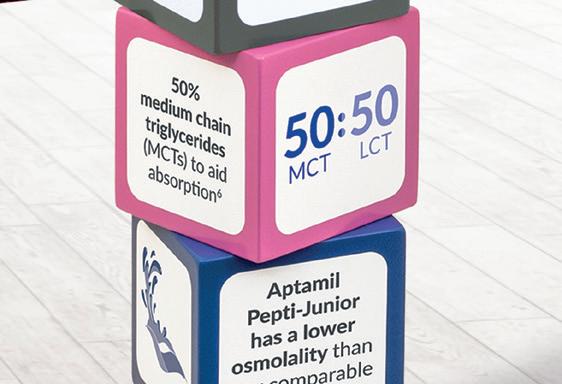










REFERENCES: 1. Mabin DC, Sykes AE, David TJ. Arch Dis Child, 1995;73(3):208-10. 2. Pedrosa M, Pascual CY, Larco JI, et al. J Investig Allergol Clin Immunol, 2006;16(6):351-6. 3. Miraglia Del Guidice M, D’Auria E, Peroni D, et al. Ital J Pediatr, 2015;41(1):42 4. Keohane PP, Grimble GK, Brown B, et al. Gut, 1985;26(9):907-13. 5. Ammoury RF, Croffie JM. Pediatr Rev 2010;31(10):407-16. 6. Bach AC, Babayan VK. Am J Clin Nut, 1982;36(5):950-62. 7. Shaw V (ed). Clinical Paediatric Dietetics. 4th ed. Oxford: Wiley Blackwell, 2015.

Emma Coates Editor
Emma has been a registered dietitian for 12 years, with experience of adult and paediatric dietetics.
In 2015, the Scientific Advisory Committee on Nutrition (SACN) published its report on Carbohydrates and Health, recommending that no more than 5% of our daily calories should come from sugar. In August 2016, the Government published Childhood obesity: A plan for action which included a commitment for Public Health England (PHE) to oversee a sugar reduction programme, which has challenged the food industry to reduce 20% of sugar from the food categories contributing the most sugar to diets of children up to 18 years, by 2020, with a 5% reduction in the first year. From 2017, the programme was extended to include setting targets to reduce total calories in a range of products and across all sectors.
In May 2018, PHE published a report assessing the industry’s progress towards achieving the first-year target of 5% sugar reduction. Key points from the report include:
• There have been reductions in sugar levels in five out of the eight food categories where progress has been measured.
To book your company's product news for the next issue of NHD call 01342 824073
• For retailers own brand and manufacturer branded products, there has been a 2% reduction in total sugar per 100g.
• There have been reductions in the calorie content of products likely to be consumed in a single occasion in four out of the six categories where calorie reduction guidelines were set and where progress has been measured.
• For retailers own brand and manufacturer branded products, there has been a 2% reduction in calories in products likely to be consumed in a single occasion.
• For retailers own brand and manufacturer branded products for the drinks included in the Soft Drinks Industry Levy (SDIL), there has been an 11% reduction in sugar levels per 100ml. The calorie content of SDIL drinks likely to be consumed on a single occasion also fell by 6%. There was, in addition, a shift in volume sales towards products with levels of sugar below 5g per 100g (these are not subject to the levy).
More information here . . . (https://assets.publishing.service.gov.uk/government/uploads/system/uploads/ attachment_data/file/709008/Sugar_reduction_progress_report.pdf)

TO BREASTFEED OR NOT - A WOMAN’S CHOICE
The Royal College of Midwives (RCM) has recently published a new position statement on infant feeding recommending that parents choosing to formula feed their babies, whether exclusively or partially, are given ‘balanced and relevant information’, to support them to do so safely and to encourage good bonding. The RCM also recommends that mothers who choose to breastfeed should have access to information and support in order to manage the various challenges of breastfeeding.
The statement highlights the need for appropriate staffing within maternity
units, with ‘sufficient investment’ in postnatal care. This enables women to receive the support they need.
In line with the World Health Organisation (WHO) and UK departments of health recommendations to promote and support breastfeeding, the RCM confirms that exclusive breastfeeding for the first six months of a baby’s life is the most appropriate method of infant feeding and that breastfeeding should continue alongside complementary foods for up to two years.
The full position statement can be found here . . . (www.rcm.org.uk/sites/default/files/Infant%20 Feeding.pdf)
GI disorders are very common in babies. Around 50% will suffer with at least one episode before six months of age. Such disorders can often lead to a vicious cascade of distressed infants, concerned parents, increased medical consultations, over-prescribing and use of overthe-counter medication, resulting in escalating healthcare costs.
New research finds that GPs could save the NHS millions of pounds by medicating less and reassuring parents more when it comes to infant reflux, colic and constipation. Research published in BMJ Open shows a minimum of £72.3 million per year (£49.1 million by the NHS) is spent managing these conditions in England alone (actual figures are significantly higher).1 Also, a new review of international guidelines in Acta Paediatrica confirms that management should focus on parental reassurance and nutritional advice and that medication is rarely required.2
A recent survey found that 90% of GPs are influenced by parental anxiety when making their treatment decision, more than by treatment guidelines. 83% of GPs said that providing
References

reassurance to parents is a priority, however, only 53% of parents reported being reassured by their GP, meaning there is a 30% mismatch between GP intentions and parent reports on provision of reassurance.3
To help support GPs in the management of functional GI disorders, a new educational resource, developed by healthcare professionals, has been launched on MIMS Learning, which summarises the guidelines for reflux, colic and constipation and includes a psychology-based motivational interviewing section on how to give effective parental reassurance: www. mimslearning.co.uk/infantGIhealth.
1 Mahon J, Lifschitz C, Ludwig T et al. The costs of functional gastrointestinal disorders and related signs and symptoms in infants: a systematic literature review and cost calculation for England. BMJ Open 2017; 7:e015594. Doi:10.1136/bmjopen-2016-015594
2 Salvatore S, Abkari A, Wei Cai et al. Review shows that parental reassurance and nutritional advice help to optimise the management of functional gastrointestinal disorders in infants. Acta Paediatrica 2018; doi: 10.1111/apa.14378
3 www.mimslearning.co.uk/managing-functional-gastrointestinal-disorders-in-infancy-integrating-clinical-recommendations-with-effectivecommunication-skills/activity/5426/
According to new research in The Journal of Physiology, exercise can reduce inflammation in obese people by changing the characteristics of their blood. The blood cells responsible for causing inflammation are formed from stem cells within the body. Exercise alters the characteristics of these blood forming stem cells and so reduces the number of blood cells likely to cause inflammation. These findings provide a new explanation of how exercise may improve health in adults with obesity.
Young, lean adults and young, obese adults (who were otherwise healthy) were recruited for this study. Comprehensive physiological characterisation of all participants occurred before and after completion of a six-week exercise program. Blood was collected before and after the exercise training intervention to quantify blood-forming stem cells. The results of the study demonstrated that exercise reduced the number of blood-forming stem cells associated with the production of the type of blood cells responsible for inflammation.
The research group is now interested in determining whether these changes in blood cell populations improve the function of muscle and fat involved in energy consumption and storage among people with obesity. They are also looking to investigate whether these effects of exercise on blood cells are also seen in other chronic conditions associated with increased inflammation. Find the full paper here . . . https://physoc.onlinelibrary.wiley.com/doi/10.1113/JP276023

Ursula Arens Writer; Nutrition & Dietetics
Ursula has a degree in dietetics, and currently works as a freelance nutrition writer. She has been a columnist on nutrition for more than 30 years.
Ursula meets:

There are not many dietitians working for health charities and this made Martin a natural choice for my curiosity. He is the first dietitian employed at the charity Arthritis Action, and seven years on, he is very much the national expert on this subject.
Ursula meets amazing people who influence nutrition policies and practices in the UK.
MARTIN LAU
Dietitian at charity: Arthritis Action
Rugby enthusiast
his further education, relieved that the rugby career was being side-lined.
If you would like to suggest a F2F date (someone who is a ‘mover and shaker’ in UK nutrition) for Ursula, please contact: info@ network healthgroup. co.uk
What Martin enjoyed most at school was rugby. Trailing far behind this was biology: he loved the physiology parts, with a view on how to improve his sports performance. He passed his A levels in biology and chemistry and went to the University of East London (UEL). He obtained his degree in microbiology and environmental sciences on the side of his rugby activities. On graduation, he was not able to find a job and was on the cusp of finding a way to play rugby full time. “My father was not at all happy with this career suggestion, especially as midlife progression was bleak, other than coaching,” said Martin.
A job posted by a sports supplement company for a technical manager seemed perfect. The job was local, involved sports, and included aspects of health and nutrition - everything was right for a young, sports-mad science graduate. Martin admits a slight ‘cringe factor’ to his years discussing the use of fat-burners, but he was popular with UK and US senior staff and was made technical director of the company. A talk by a sports dietitian made a big impression on him, and he realised that his interest in nutrition was much deeper than his employer could accommodate. His ever-patient father agreed to fund
“I already had a science degree, so could have done the shorter postgraduate course in Dietetics. But, as there was a four-year wait for this, the tutor at London Metropolitan University suggested I might as well do the degree course from scratch,” said Martin. He really enjoyed all his student clinical placements and realised that despite the universal predictions that his nutrition career would be in sports and performance, the medical aspects of clinical practice gave him more satisfaction.
In 2007, Martin got his first Band 5 job as a dietitian in Hastings. “I was always particularly interested in the care of stroke patients and I learnt so much from colleagues.” His next job was at Maidstone Hospital. The much longer commute was balanced with greater professional opportunities. Martin particularly valued the friendly and supportive relationships within the specialist medical teams and, at the suggestion of a gastroenterologist, Martin learnt how to place nasogastric tubes and nasal bridles (although he rarely practiced these skills).
A chance remark by a rheumatologist sparked Martin’s professional interest in arthritis. He had wanted to support a patient with arthritis, but the consultant looked at him with blank surprise and said, “Don’t feed her - then she’ll feel better.” In later conversation, the consultant referred to studies that claimed short-term fasts followed by
vegan diets resulted in short-term improvements of symptoms. The quandary was that at some stage when food intakes were increased again, symptoms of pain reappeared, so food reduction could only offer temporary alleviation.
It was while Martin was considering diets for arthritis patients that a job appeared for a full-time post with The Arthritic Association, a charity later renamed, Arthritis Action. Discussion around foods and diets formed a large part of support for members and the then CEO had decided it was time to provide in-house gold-standard advice on the matter by employing a dietitian. There were many myths and very strongly held views on the subject and Martin had to immerge himself into the science and debates: “I was often cornered by angry members or irate trustees,” Martin explained. Fortunately, he always had the rock-steady support of the then Therapies Manager and the previous CEO, and in the seven years of employment, he has gained considerable expertise on diet and arthritis.
In 2015, Arthritis Action moved its head office to Westminster in Central London. “I attend member meetings in both London and Eastbourne and also have lots of contact with rheumatologists and dietitians,” said Martin. He also has other responsibilities within Arthritis Action as service development manager, responsible for the online self-management programme and support for both members and potential members.
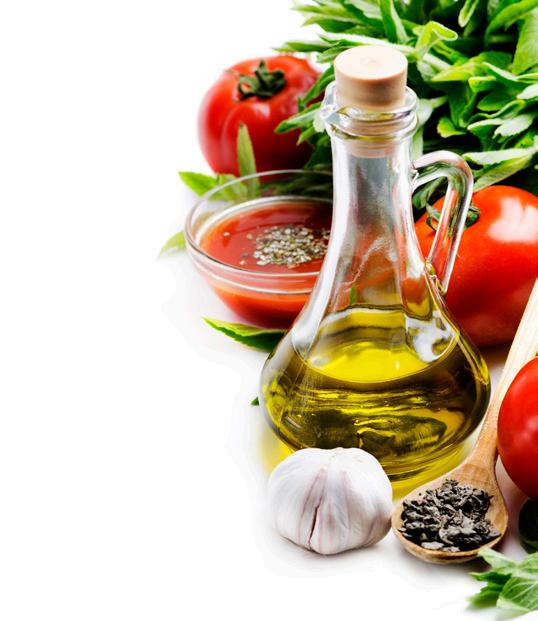
In recent years, there has been interest in many dietary products and diets for the treatment of arthritis, so I asked Martin to comment on a bottle of glucosamine tablets I pulled out my rucksack. “Their use was mentioned in 2008 medical guidelines for osteoarthritis, but later 2014 guidelines revoked any support for these products.” Martin explained. “There are various forms and some more expensive and more soluble products may help, but overall data does not support their use.” Long chain omega-3 fatty acids (fish oils) have been shown to help people with rheumatoid arthritis, but trials claiming benefits usually used very high dosages (around 3g). Arthritis Action funded a small trial showing benefits of a Mediterranean diet on some markers of osteoarthritis, and general weight loss advice was usually beneficial in those who were overweight.
Arthritis Action funded a small trial showing benefits of a Mediterranean diet on some markers of osteoarthritis
Martin has been exposed to very frequent comment from nutrition therapists and alternative health practitioners on diet and food choices given to people with arthritis. He has had to balance some benign and perhaps helpful effects from placebo outcomes, versus calling out dangerous and misleading therapies. He has always been keen to extend and open out decisions on food choice in arthritis management to other healthcare professionals, whilst being alert to the abuse of vulnerable patients. He seems a great diplomat, but not afraid to confront those he thinks are muddled, or who are promoting untested therapies too aggressively.
How did Martin feel about being the solo expert as opposed to being part of a dietetic team in a hospital? “I miss that,” said Martin, thinking of himself now as more of a ‘Jack of all trades’, but he has developed many new skills and deep expertise in his current role. He was really keen to communicate to me that he is always happy to be contacted by dietitians who want guidance on dietary aspects of arthritis.
I was moved by Martin’s description of the career-debate tussle between himself (the warrior) and his father (the worrier). Is Martin the dietitian, rugby’s loss, or is Martin the rugby player, dietetics’ gain? I think the latter. In any case, he loves being a dietitian and even more so, his father loves the anything-but-rugby career his son has chosen. Martin is still passionate about sports too: he regularly plays American football and is completing his accreditation as a strength and conditioning coach.


Leona Courtney Diabetes Specialist Dietitian, NHSGreater Glasgow and Clyde
Leona has been working for the NHS for two and half years. She is currently working as a diabetes specialist dietitian for Greater Glasgow and Clyde which she thoroughly enjoys. She has a keen interest in running and enjoys cooking.
Nutrition plays a major part in ensuring strong bone formation. Adequate intakes of calcium and vitamin D are essential, while physical activity helps to lower the risk of osteoporosis. Strategies to assist with bone formation should be implemented as early as possible.
Bone is made up of living tissue and consists of a protein matrix which contains deposits of calcium, magnesium, zinc and fluoride - with calcium being the most abundant. Bone has many functions, including the providence of a protective framework, which allows the attachment of muscle and tissues, storage of nutrients and energy and the production of blood cells that help fight infection.

REFERENCES
For full article references please CLICK HERE . . .
Bone is constantly broken down and renewed throughout life. The process of renewal occurs at different rates, for example, throughout childhood and adolescence, bone formation is greater than bone resorption. In contrast, in adulthood, bone resorption occurs at a quicker rate than bone formation, resulting in decreased bone mineral density (BMD), by approximately 0.5% each year.1
In women, bone loss is accelerated after menopause.2 This is because the production of the hormone oestrogen, which has a protective effect on bone formation, ceases. Chronic bone loss leads to low BMD and the deterioration of bone tissue, resulting in osteoporosis.2 Osteoporosis is a disease which affects millions of people worldwide. It is characterised by low bone mass and micro-architectural deterioration of bone tissue. In Europe, it is suggested that as many as 30 million people will be affected by osteoporosis by the year 2050.3 This number will continue to rise due to increased numbers in the ageing population, with huge cost implications
for the NHS. Treatment for osteoporosis includes medication and lifestyle interventions. It cannot be denied that nutrition plays a huge role, with adequate intakes of calcium and vitamin D essential for strong bone formation, but additionally physical inactivity and smoking also increases osteoporosis risk.4 Therefore, it is essential to implement strategies as early as possible which can assist with bone formation to reduce osteoporosis risk in later life.
Calcium is an essential mineral and one of the main bone-forming minerals in the body. Calcium has many functions within the body, most notably for the role it plays in ensuring bone health. An adequate supply at all stages of life is, therefore, necessary. Each day, we lose calcium through our skin, nails, hair, sweat, urine and faeces. Our bodies are unable to produce its own calcium, therefore we must source calcium from our diet. If we lack calcium in our diet, our body extracts calcium from our bones to meet demands, which, over a long period of time, can reduce BMD and increase osteoporosis risk.3 Many high quality studies and meta-analyses have concluded that calcium intake is a strong predictor of BMD.4,5
Table 1: Recommended daily allowances: calcium Group
Infants
Adolescents: 11-18yrs
Post-menopausal
Osteoporosis
Coeliac disease
Inflammatory bowel disease: Those <55yrs
Post-menopausal women and men >55yrs
Source: COMA, 1991
In the UK, recommended daily allowances (RDAs) have been set to ensure we get adequate amounts of calcium to certify optimal bone health (see Table 1).6 Those at increased risk of calcium deficiency include; vegans, anyone following a lactose/milk protein-free diet, those who have already developed osteoporosis, or who present with coeliac disease, or malabsorptive conditions such as irritable bowel disease, those currently breastfeeding, or post-menopausal women. It is well documented that dairy products, such as milk, yoghurt and cheese, are good sources of calcium. However, it should be acknowledged that there is a wide range of nondairy and fortified foods on the market which contain high amounts of calcium and should, therefore, be included in the diet to meet calcium demands (see Table 2). However, remember that oxalates (found in spinach, rhubarb, sweet potatoes and walnuts) and phytates (found in wholegrains, seeds, nuts), hinder calcium absorption. Nevertheless, research has shown that soaking these foods or consuming with vitamin C-rich foods can reduce their antinutrient effect.7 For those unable to meet their RDA via diet, a daily calcium supplement can be beneficial and should be discussed with a GP.
It is well recognised that vitamin D also plays a huge role in bone protection - mainly due to increased calcium absorption and muscle support, which, in turn, reduces our risk of rickets, osteomalacia and falls. It should be highlighted that, even if you have a calcium-rich diet but inadequate vitamin D, calcium cannot be sufficiently absorbed, which may result in deficiency and subsequent bone loss.8 Vitamin D can be obtained from diet or sunlight. Around 90% of our requirement is synthesised in the skin - this is known as vitamin D3 (cholecalciferol) - with the remaining 10% coming from ingestion of foods - vitamin D2 (ergocalciferol).9 As the UK is placed quite far North of the equator, ultraviolet (UV) light is only strong enough to make vitamin D on exposed skin during the months of April to September. Furthermore, SPF 15+ blocks 99% of vitamin D synthesis. This means that for the other six months of the year, it was assumed that we got adequate vitamin D from our body’s stores and from dietary sources, therefore, a recommended nutrient intake (RNI) was only established for those solely at risk of vitamin D deficiency, with no RNI been set for those aged 4-65 years ‘living a normal life’.
To find out more about the calcium content of foods and drinks visit the osteoporosis society website at www.nos.org.uk
FOOD
DAIRY ALTERNATIVES
Soya milk- enriched
Soya milk- not ‘’ ‘’
Soya yoghurt- enriched
Soya yoghurt- not ‘’ ‘’
Oat milk- enriched
Rice milk- enriched
Soya Cheese*
First Quality Swedish Glace ice-cream
Tofu*
CEREALS
Cereals ‘enriched’
White bread
Wholemeal bread
Chapatti
FISH
Whitebait
Tinned pilchards
Tinned sardines
Breaded scampi
Anchovies
Tinned salmon
1/3 pint (200ml)
1/3 pint (200ml)
Small pot (125g)
Small pot (125g)
1/3 pint (200ml)
1/3 pint (200ml)
Matchbox size (30g)
(100g)
Medium portion (30g)
1 slice (28g)
1 slice (28g)
1 small (30g)
Medium portion (80g)
2 fish (110g)
½ can (60g) 10 pieces (150g) Small tin (50g) Medium portion (100g)
Source: Food Standards Agency, 2002
People at risk of vitamin D deficiency include those with little exposure to sunlight, for example, babies, elderly people, those living in residential care, those who habitually cover their skin for religious beliefs, those with darker pigment skin and pregnant, or breastfeeding ladies due to increased calcium demands. Furthermore, certain types of liver and kidney disease can hinder production of vitamin D, as it needs to be activated by hydroxylation steps which occur in the liver and kidneys.
Tahini
Sesame seeds
Chick peas
Baked beans
Almonds
Brazil nuts
VEGETABLES
Okra- stir fried
Curly Kale
Spinach-boiled
Broccoli
Cabbage
Watercress
FRUIT
Orange juice- enriched
Orange juice- not ‘’ ‘’
Orange
Dried figs
Dried apricots
Currents
Dried mixed fruit
Calcium
(19g)
(12g)
(35g)
(80g)
portion (60g)
portion (60g) 1 tablespoon (40g)
portion (85g)
(95g)
glass (160ml)
(160ml)
(120g)
SOURCE: Food Standards Agency (2002), McCance and Widdowson’s The Composition of Foods.*Levels vary according to processing method, therefore please check the label of the brand you use. **Thames water, level quoted for Oxford 2002.
KEEP TO A HEALTHY WEIGHT Know your Body Mass Index (BMI) which is a measure of how healthy your weight is. A BMI between 20kgm² to 25kgm² is good for bones.
If you are underweight, you may be advised by your doctor that you need to gain weight for your bone health.
Alternatively, if you have been advised to lose weight, remember that a high calcium diet does not have to be high in fat or energy. Dairy alternatives advertised as ’light’ or ‘unsweetened’ have just as much calcium in them.
VITAMIN D helps your body absorb calcium and use it properly. The main source is from sunlight on our skin. There is a small amount in oily fish, margarine, eggs and fortified breakfast cereal.
Scientific Advisory Committee on Nutrition (SACN), Vitamin D and Health, which concluded that vitamin D stores in the UK are insufficient to maintain adequate vitamin D status.11 This resulted in SACN proposing a new RNI of 10ug for all individuals aged four years+. The Department of Health now advise all UK individuls to take a 10ug vitamin D supplement during the winter months.
For those at risk of vitamin D deficiency, consideration should be made regarding supplementation all-year round. See pages 19-22 of this issue for more on vitamin D.
REGULAR EXERCISE such as walking, dancing, aerobics and football helps keep muscles strong. Muscle protects our bones and helps reduce the risk of falling.
ALCOHOL in excess causes the body to lose calcium. Recommended limits are no more than 3 units a day for men and 2 units a day for women.
CAFFEINE - high intakes (more than 4 cups of strong coffee per day) may reduce bone mineral density. Caffeine is in coffee, tea & cola drinks. Be careful and moderate.
Dietary sources of vitamin D are mainly of animal origin, but there are few food sources which are naturally high in vitamin D. Given our geographical location and the lack of vitamin D-rich foods, it is, therefore, not surprising that evidence has emerged showing that many of the UK population have inadequate vitamin D status in the winter months. The National Diet and Nutrition Survey (NDNS) indicated that only 8% of adults aged 19-64 years had low vitamin D levels in July to September, compared with 39% in January to March. Likewise, 2% of children aged 4-10 years had low vitamin D levels in July to September, compared to 32% in January to March.10
SALT - high intakes can increase calcium loss from your body. Try to avoid eating too many processed foods and limit the amount of salt added to food.
While calcium and vitamin D have been the main focus of nutrition in bone health, much research has been undertaken to establish if other nutrients could play a beneficial impact and interesting results have been found.
SMOKING causes bones to lose calcium. It’s another reason to stop!
Page 2 of 2
These findings are further supported by a recent high quality report produced by the
An essential bone forming element along with calcium, an adequate supply of phosphorus is required throughout life. Concerns have risen about the high content of phosphorus in Western diets, mainly due to
the large consumption of carbonated drinks.12 Observational studies suggest that consuming high levels of phosphate is associated with lower BMD and increased fracture risk.13 However, this effect was also observed in those with low calcium diets, therefore, the issue may be due to the fact that these individuals are replacing milk with carbonated drinks rather than the phosphorus itself.12
This is involved in bone and mineral homeostasis. A small number of studies have shown that magnesium positively correlates with BMD, with low levels contributing towards osteopenia and osteoporosis.14,15 Other research has shown that increased intake of magnesium was associated with increased BMD at the hip and radius.15 However, in many of the studies undertaken, magnesium intake was not examined alone, but rather given in foods such as fruit and vegetables, which produce an alkaline environment resulting in a reduction of calcium excretion.15,24 Therefore, additional research should be undertaken to examine magnesium alone on bone health.
As we know, protein intake increases renal calcium excretion; therefore, high protein diets, which are common in the Western world, may have a detrimental impact on bone health. However, research has been conflicting, with some studies suggesting that protein intake is in fact beneficial for bone health.16 The Framingham Original cohort has demonstrated a link between low protein intake and increased bone loss and hip fractures in older adults.17 Another large research study has shown that total protein intake was not associated with hip fracture risk.18 Therefore, there is no firm evidence suggesting that high protein diets can negatively impact on bone.
Extensive research has been carried out on this group of vitamins due to their possible impact on bone health. It is well established that B vitamins reduce homocysteine levels and research has shown that elevated homocysteine is a strong risk factor for hip fracture.19 Observational
studies have produced inconsistent results, with some research suggesting that a low level of B12 correlates with reduced BMD and that B12 preserves BMD and reduces fracture risk.25 Many other studies, however, have found non-significant results, including trials which provided B12 supplementation.26,27
Much evidence, including a high-quality systematic review, has suggested that moderate alcohol intake (<2 drinks per day) can offer protection from poor bone health due to its estrogenic effect, while intakes above this can have a negative impact and should, therefore, be avoided.20,21
These are classified as non-digestible food ingredients that, when consumed, bring about health benefits via the activity of beneficial micro-organisms. It is well known that prebiotics play an important role in inflammatory conditions. However, a recent high quality review has shown that the use of prebiotics increases calcium absorption in the lower intestines in both animal and human subjects.22 Similarly, a study in post-menopausal women showed that bone resorption was reduced with the ingestion of galacto-oligosaccharides.23 The beneficial effect is thought to be due to alterations in gut microbiota composition in addition to altered intestinal pH.
To conclude, it is well known that diet plays a major role in bone health and in reducing diseases such as rickets and osteoporosis. There is no doubt that adequate amounts of calcium and vitamin D are required to ensure optimal bone health, with recent evidence suggesting that the full UK population should consider a 10µg vitamin D supplement during the winter months and those at high risk perhaps supplementing all-year round. Furthermore, there is interesting evidence around other nutrients such as magnesium and vitamin B12, although more robust research is required before recommendations can be made.

Sandra Tyrrell Specialist Dietitian, NHS and Freelance
Sandra has worked with the NHS for over 10 years. She has worked as a Specialist
Renal Dietitian for the majority of this time, in particular with haemodialysis patients.
The nutrition journey for renal patients can be extremely challenging and confusing and optimum nutrition is essential for the positive outcomes for the patient. This article will focus on the difficulties that renal patients try to overcome with regards to renal diet throughout their chronic illness.
Patients with chronic kidney disease (CKD) who attend haemodialysis are facing daily challenges, which are life changing and restrictive. These patients on average will have three haemodialysis treatments per week, which can take between three to four hours to complete. Haemodialysis units are specialist centres which are placed around the UK; patients will travel from home to their closest centre, some requiring ambulance travel. These journeys can add significant time to their day and, therefore, a large part of a patient’s time is dedicated to this treatment, which is essential for their survival.
Nutrition is a very important part of the treatment for these patients. However, these patients may face nutritional challenges even before starting haemodialysis.
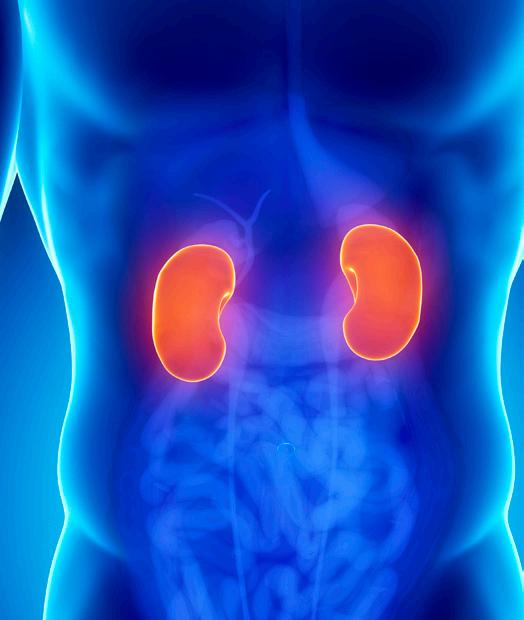
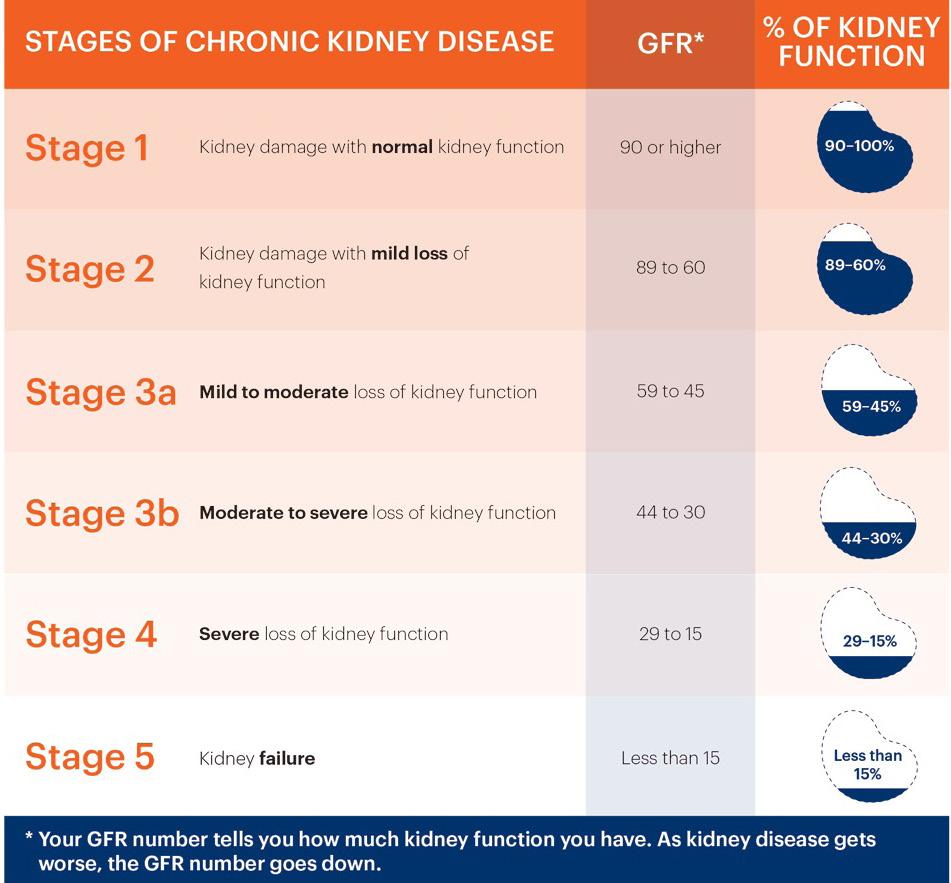
CKD is a long-term condition which can ultimately mean that the kidneys can fail over a number of years or months. The patient`s kidney damage can be measured using markers such as a glomerular filtration rate (GFR) which is then used to categorise the stages of kidney failure (see Figure 1 overleaf). In the early stages, the patient may not feel any symptoms; however, as they progress to end stage renal failure, the symptoms may include oedema (ankle, feet and hands), weight loss, nausea,
tiredness, blood in the urine and loss of appetite. Patients will be monitored initially by their GP in the early stages of their disease and when they reach stage 4, they will then be referred to the specialist renal team in a CKD clinic. The renal team will monitor and manage the patient and symptoms, liaising with the patient to consider treatments at end stage of their renal failure. Treatment options may include dialysis, transplant, or conservative management.
As their kidneys start to fail, patients may be referred to the dietitian following assessment at their specialist CKD clinic. A referral will be triggered by deteriorating blood test result, for example, raised potassium and/or phosphate levels, therefore, they may be advised to restrict certain foods.
One of the functions of the kidneys is to eliminate waste products from the body, if the kidneys aren’t functioning as well as they should, waste products such as creatinine and urea can build up in the blood, these are another marker which the medical team will monitor. As the toxins accumulate, the patient may feel nauseous and have a poor appetite. Patients may also experience anaemia, therefore feeling exhausted and generally losing their appetite. During their assessment, the patient will be weighed regularly each time they attend clinic. However, oedema may mask weight loss.
With modern technology at our fingertips 24/7, it’s common to find that patients may decide that self-help is useful by researching via the internet, or by talking to friends and family. The advice they receive may not be accurate, for example, advising patients to stop eating certain foods, which may not be necessary for the individual. It can become a difficult time for patients not knowing what to eat and experiencing anxiety about eating foods that they used to enjoy. Also, family members and carers can become confused about how to support the patient’s dietary needs. Often, patients will fear eating certain foods, reducing their confidence and enjoyment of eating. There are many patients who may have lived a life without dietary restrictions or concern about what they eat. Having CKD and being told that certain foods should be restricted, and/or
some foods could even be life-threatening, can be a surprise or even a major shock for some patients.
Ideally, these patients should have access to the dietitian within a specialist CKD clinic as part of the multidisciplinary team approachbut this is not always the case. Within my renal dietetic job role, I try to ensure that I am available to see patients on the days they are in the clinic. It may mean negotiating a clinic room, or staying late, but I believe that it is a better service for the patient. However, if I am not available for these clinics, a phone call may be arranged, or another dietetic clinic appointment fixed for the patient. Both options aren’t as ideal as seeing the patient face to face on the day of their renal review, but they at least provide alternative forms of communication.
As patients progress to stage 5 of their illness, the renal team will monitor the patients closely
- Confusing messages from fellow patients who share the waiting room or the taxi journey.
- Long journey rides to the hospital, missing breakfast and sometimes other meals.
- Generally feeling too unwell or tired during treatment to eat.
- Unable to eat due to other activities happening on the unit (i.e. other patients unwell).
- Worries or stress about home life, anxiety or depression.
- Financial worries.
- Dislikes of food offered or food choices.
- Advice by well-meaning care staff about restrictions, but without the knowledge of a patient’s specific requirements.
- Changes to dialysis slots due to patient treatments or procedures.
- Boredom during dialysis, therefore choosing to sleep through this period and missing meals.
- Limitations using cutlery due to fistula or dialysis machine alarming.
- Catering and staff cut backs, therefore restricting hot meals or sandwiches, or restrictions on staff serving the food or snacks.
- Confusion about how much protein to eat, for example, from transitioning from chronic renal failure to dialysis where there is an increased requirement for protein.
- Confusion about target weights; the patients often misunderstand the target weight from a body weight point of view rather than a fluid gain. Often it’s difficult for staff to explain this to the patients.
for symptoms and blood results. Decisions will be made with the patient about treatment options and preparations will be made to accommodate treatments, for example, forming a fistula in anticipation of dialysis. If patients make a decision to undergo haemodialysis, initially they should be referred to a dietitian for an introduction to discuss how their diet may differ whilst undergoing dialysis treatment. If they are not seen by a dietitian, the patient can receive incomplete or limited advice and can become confused.
This is a challenging time for patients from a physical and mental health point of view. They may be very poorly at this stage and will be receiving a lot of information from various healthcare professionals about their care and treatment. In addition to this, they may have been through various invasive procedures, which can be traumatic, such as the fitting of a fistula or a temporary neck line. They may also be coming to terms with the new change of attending the haemodialysis unit for what could be the rest of their lives.
THE DIETITIAN’S ROLE
To be introduced to the dietitian at this stage can feel like an overwhelming experience for
the patient, however, we can offer a wealth of support and reassurance. I prefer to offer a gentle introduction to the patient and let them know that as dietitians, we are able to offer regular advice to support their nutritional needs and queries throughout their journey. I prefer not to discuss restrictions at this point unless it’s essential and based on the individual's blood results.
I reassure the patient that dietitians can offer solutions, advice and ideas as opposed to restrictions. I aim to build a positive relationship that allows the patient to look forward to seeing me and to allow them to problem solve with my guidance and input. This empowers the patient and allows them to be motivated in their choices.
Over the years of working at the haemodialysis unit, I have discussed with the patient, the challenges that they may experience, some of these challenges are listed in Table 1.
As dietitians, we have the expertise to guide patients through these difficult and confusing times with regards to their dietary management. Often, we may find that we are correcting advice that has been given by well-meaning individuals, or from self-research. It is important that at each stage of their journey they have access to a dietitian
Table 2: Optimising nutrition in the treatment plan of a CKD patient
• Snack packs to take home - we know that patients often don’t feel like eating whilst undergoing their treatment, examples of foods to go in the snack pack would include sandwiches, rice/custard pots and cakes.
• Patients could be offered assistance when eating during the treatment; often the dialysis machine will alarm when they move their arms, or they may have sore or swollen arms if there are fistula problems.
• Appetising hot cooked meals and renal friendly food choices. However, the current financial climate within the NHS has led to cut backs and we are ever more frequently seeing that food is being restricted to these patients. This can be the food itself, or the reduction of staff who prepare and serve the food.
for tailored individual advice. This is not always possible due to staff shortages and clinic room space. However, it is important that the dietitian's time is valued as equally important as other specialist treatment such as anaemia management.
The risk of malnutrition is well recognised within the hospital that I work. We have put strategies in place to include a snack menu, protected mealtimes and various protocols to ensure that this is addressed. I recognise that haemodialysis patients who spend a large portion of three days of their week in a specialist unit having dialysis treatment should also have this time maximised for optimal nutrition as part of their treatment plan (see Table 2).
In
• More training for nurses and healthcare assistants.
• Offering snacks/meals/take-home bags for patients at risk.
• Help when eating if required.
• Renal specific cookery courses for patients and carers.
2010, the National Kidney Federation calculated that the approximate cost for a patient to have hospital dialysis in the UK is £35,000 per year.
In 2010, the National Kidney Federation calculated that the approximate cost for a patient to have hospital dialysis in the UK is £35,000 per year. It is certainly worth investing more money to ensure that their nutritional intake and status is optimised. This can promote the best outcomes and quality of life and can ensure that the patient is nutritionally stable if the option of a transplant becomes available.
To maximise best outcomes for the haemodialysis patients, I would make the following recommendations and encourage nutrition to be highlighted as a focus for the patient as well as a treatment for their ongoing health:
• More dietetic time.
• Empowering patients for food choices and education.
It would be a positive change if food provision was one of the main focuses during the dialysis treatment. This would strengthen the message of how important nutrition is for the patient, whilst taking some of the pressure off the patients of having to go home, source the food and then cook it.
Often if a dialysis patient is admitted into hospital, depending on their reason for admission, I regularly observe that they flourish and are less stressed, partly because they are provided with meals during their day which are balanced, prepared and cooked for them.
I have focused this article mainly on patients who are at risk of suffering from malnutrition, however, there are patients throughout the UK who are able to adapt easily to a renal diet and live a healthy lifestyle. These patients may also benefit from advice with adaptions to diet to ensure that they also have optimal nutrition. These patients may benefit from renal cookery courses and exercise whilst undergoing dialysis. Some dialysis units do have exercise bikes fitted to the patient’s beds so that they can cycle during their treatment. More dietetic time for all patients would be welcomed.

Emma Berry Associate Nutritionist (Registered)
Emma is working in Research and
Development
and
is a freelance writer of nutrition articles.
Vitamin D is an important vitamin which is unique due to its production from sunlight exposure.1 It plays an important role in maintaining calcium and phosphorus levels within the body.1
Although vitamin D is produced in the skin after being exposed to UVB rays, there are also ways for this vitamin to be extracted from dietary sources. Vitamin D is then converted into 25-hydroxyvitamin D (25(OH) D) by hydroxylation 25(OH)D, before undergoing a further hydroxylation reaction into 1,25 dihydroxyvitamin D (1,25(OH)2D).1

latitude also influences vitamin D, so an individual in Scotland will have a different exposure than an individual in Southern England.2 So, the vitamin D produced from sunlight could vary substantially between individuals.
REFERENCES
For full article references please CLICK HERE . . .
D3 and D2 are the main forms of vitamin D. They are structurally very similar, but D2 has an additional side chain1 which remains during metabolism. Vitamin D3 is produced from skin exposure to UVB rays and some dietary sources, whereas vitamin D2 is provided from dietary sources. 25(OH)D3 can also be found from some dietary sources.1 The richest sources include egg yolk and oily fish, but it can also be found in wild mushrooms, animal meat, animal fat, animal liver and animal kidney.1 In the UK, many foods can also be found fortified with vitamin D, such as some margarines, breakfast cereals and evaporated milks.1
Dietary sources are highly important when sun exposure isn’t possible, for example, due to long office working hours, or if the UVB rays are not able to reach the skin during the winter months.1 The UVB rays can also be influenced by many factors, such as sunscreen use, time of day and season. In the UK, vitamin D can only be produced by sunlight available between late March until September.1 The geographical
The way that vitamin D is measured may also not be wholly accurate. Serum 25(OH)D is the main measure of vitamin D, as it is believed to reflect the vitamin and is widely used as a biomarker due to its long half-life of approximately two to three weeks.1 However, 25(OH) D concentration may be picked up differently by different assays.1 The measure of serum 25(OH)D concentration would represent a total of 25(OH)D3 and 25(OH)D2, and assumes a linear relationship between vitamin D and serum 25(OH)D.1 This relationship is not always so simple and a curvilinear relationship has been suggested instead.1
In 2016, the Scientific Advisory Committee for Nutrition (SACN) released a review of the vitamin D report originally published in 1991 by the Committee on Medical Aspects of Food and Nutrition Policy (COMA).1 This detailed the importance of vitamin D for health and the new recommended nutrient intake of 10 micrograms per day for all individuals aged over four years.1 This was developed to ensure the majority of the UK population could have an intake which would ensure musculoskeletal health all-year round regardless of location.1 This did not take into consideration the vitamin D produced from sunlight exposure, only intake from dietary sources or supplementation.1

FruitiVits ® is a vitamin, mineral and trace element supplement specifically designed for children aged 3-10 years on restrictive therapeutic diets.



A great tasting orange flavour
Soluble - dissolves easily
Low volume - 1 sachet made up in a minimum of 60ml water
All in one - A single 6g sachet meets micronutrient* Reference Nutrient Intakes (RNIs)1

Contains 15µg of Vitamin D and 804mg of Calcium per sachet Only 0.5g of carbohydrate per sachet (suitable for the Ketogenic diet)
For further product information or samples, please contact either your local Vitaflo® representative, or call Nutrition Support on: +44 (0)151 702 4937 or email vitaflo@vitaflo.co.uk

Vitamin D is important for calcium and phosphorous regulation within the body. This means that it plays an important role for musculoskeletal health.
Vitamin D is important for calcium and phosphorous regulation within the body. This means that it plays an important role for musculoskeletal health. Deficiency in vitamin D has been linked to numerous musculoskeletal health conditions, such as rickets, as well as other health risks including in pregnancy and cancer.1
Recently, there have been many news articles discussing vitamin D deficiency ranging from an increase in vitamin D deficiency cases in Kent,3 to deficiency awareness and foods to boost intake.4 There have also been articles focusing on a recent study which has linked vitamin D deficiency to an increasing level of abdominal fat.5 The study by Rafiq et al (2018),6 was presented at the 20th European Congress of Endocrinology in May 2018 and carried out a cross-sectional analysis from data collected in the Netherlands Epidemiology of Obesity study. This data contained information from both male and female participants who were aged between 45 to 65 years, with the data adjusted for any perceived biases. They found that there were differences in body fat and vitamin D concentrations with gender. Women were found to have total body fat and fat surrounding internal organs inversely related to vitamin D concentration, whilst, in men, the fat surrounding internal organs and liver fat were related to vitamin D. For both genders, the fat which surrounded internal organs had the strongest association to vitamin D.6
This abstract by Rafiq et al was not the only study to discuss the relationship between obesity and vitamin D levels. A study by Athanassiou et al (2018)7 also explored the relationship between vitamin D and obesity, but established that morbidly obese patients were shown to have lower levels of vitamin D. They found that as BMI rose, the vitamin D levels decreased. The relationship between obesity and vitamin D deficiency is well documented, with a recent
systematic review and meta-analysis having a similar finding.8
With reports of an increasing level of obesity since the 90s,9 is this something that needs to be investigated as a growing public health concern?
Although the relationship between obesity and low vitamin D levels hasn’t been fully researched, there are many groups which could benefit from increasing levels of vitamin D. From the SACN report,1 it is believed that the majority of adults will reach sufficient vitamin D levels. However, during the winter, all adults should consider taking a 10 microgram supplement of vitamin D.1 The report has also outlined that there are some special considerations: individuals who remain mostly indoors, or covered in clothes, should consider taking a supplement all-year round.1 Individuals from minority ethnic backgrounds with darker skin are also advised to take a supplement of vitamin D all-year round.1
Although supplementation is suggested for most people at some point during the year, these supplements can be costly. One high-street provider offers these supplements at a charge of over £8 for 250 x 10mg tablets (price correct as of 11th June 2018).10 Although there are some groups which could access the supplements for free, the majority of the public would have to pay. This creates an unbalanced health equality, as many might not be able to afford such supplements. Therefore, it would be beneficial to find a way to increase vitamin D levels without adding additional costs to the public.
One suggestion of a way to increase vitamin D concentrations would be the fortification of foods. Although there are dietary sources of vitamin D, it would be very difficult to achieve the RNI through diet alone. However, there
have been numerous studies discussing the fortification of food to increase vitamin D intake within the population. Margarines were at one point required to be fortified with vitamin D, but this is now no longer mandatory.11 Yet, fortification of margarine has the potential to be one of the major dietary contributors of vitamin D intake. A simulation study of the Netherlands, UK and Sweden found that fortified margarine could contribute up to 35% of daily vitamin D intake.12
In the UK, milk and milk products have been suggested as a food group which could be fortified with vitamin D, as it is in other countries. This may have a greater impact on vitamin D levels, as a large percentage of the UK population consume milk. However, this alone would not be enough to meet the recommended RNI.12
Although it is important to ensure that individuals are reaching the right levels of vitamin D, to reduce the risk of deficiency and associated diseases, it should be noted that there are risks to having too much vitamin D. It would be hard to overdose through diet or sunlight, but, nevertheless, taking too many vitamin D supplements for a long time could result in
• Continuing professional development
• Answer questions
hypercalcaemia.1 We need to ensure that any fortification of foods and supplementation recommendations still keep the general population within a safe range of vitamin D.
Vitamin D is an important micronutrient which has an impact on human health. Both excessive vitamin D and a lack of it can result in serious problems. However, individuals who are classified as obese are found to have a lower level of vitamin D. This requires further investigation to determine if this is a result of being obese, or if there are other factors involved.
There are various groups within the population at a higher risk of deficiency. The recent SACN guidance encourages supplementation for all adults over the winter, but certain ‘at risk’ groups are advised to supplement all-year round. This guidance doesn’t take sunlight derived vitamin D into consideration, which seems appropriate given the variation that is likely between individuals. However, supplementation may not allow all individuals an equal opportunity for health. Food fortification may provide a better way to reach a larger range of the population, but this would need to be investigated further.

documentedAlthoughtheobesityepidemichasbeen formanyyears,thelevelofadult andobesityisstillgrowingwithinbothScotland England. However, improvement isobesity.startingtobeseeninthelevelofchildhood Futurepolicieslooksettoattemptto further reduce the obesity levels, targeting mainlychildrenandfamilies,whilstfurther encouraging a healthy environment forofeveryone.However,whilsttheencouragement levelhealthierlifestylesmayhelptoreducethe ofobesityseenwithinthepopulation, the use of bariatric surgery may becomemorepopularasatreatmentforindividuals. theAlthoughthiscouldhelpmanyindividuals, furtherlong-termeffectsandbariatricdietrequires research to ensure these individuals remainhealthyaftersurgery.

• Download & keep for your files
Pleasetypeadditionalnoteshere.
AdultBariatricSurgeryPatients:ClinicalPractice.AdvancesinNutrition.2017,
Obesityupdate:wherearewenow? Typeyouranswersbelow,downloadandsaveorprintforyourrecords,orprintandcompletebyhand.
Whatarethemostcommonwaystodetermineobesityinanindividualorpopulation?
OutlinetheUKgovernment’s2016actionplanonreducingchildhoodobesity.
HaveobesitylevelsrisensincetheWHOreportin2000?Usestatisticsinthearticletoevidenceyouranswer.
Describethefourtiersofclinicalweightmanagement.
WhatactionsdidtheScottishgovernmentproposein2017?
Whatnewpublichealthtechnologycouldhelptoencouragehealthierdecisionsinindividuals?
ExplaintheUKgovernment’saimsforprimaryschoolsinthefightagainstchildhoodobesity.
TheNationalBariatricSurgeryRegistryof BritishObesityandMetabolicSurgerySociety.TheUnitedKingdomNationalBariatricSurgeryRegistry.SecondRegistryReport.2014.Available http://nbsr.co.uk/2014-report/(accessed10thDecember2017) DaganSS,GoldenshlugerA,GlobusI,Schweiger
SummarisetheTier4managementofobesity,givingthelong-termsideeffects.
ReferencesWorldHealthOrganisation.Obesity:PreventingandManaging GlobalEpidemic.Tech Ser894.WorldHealthOrganisation:Geneva,Marks2000.Availableat:www.who.int/nutrition/publications/obesity/WHO_TRS_894/en/(accessed:13thDecember2017) P, MeelM,Robinson andRobinson Bodycompositiondifferences assessmentmethodssuchasDEXA,hydrostatic, bio-impedance, Skinfold.InternationalJournal ExerciseScience.2015.8(3).Available https://digitalcommons.wku.edu/ijesab/vol8/ Gibbyiss3/39(accessed:13thDecember2017)JT,NjeruDK,CvetkoST,HeinyEL,Creer andGibbyWA.Whole-BodyComputedTomography-BasedBodyMassandBodyFat Quantification: ComparisontoHydrostaticWeightingand DisplacementPlethysmography.JournalofComputerAssistedTomography. Baker2017,41(2):302-308C.ObesityStatistics.BriefingPaper.Number3336,2017.UKParliament.House CommonsLibrary.Available researchbriefings. files.parliament.uk/documents/SN03336/SN03336.pdf(accessed December2017) ZaninottoP,Head Stamatakis WardleHandMindell Trends obesityamongadultsinEnglandfrom1993to2004 ageandsocial classprojections prevalence 2012.Journal EpidemiologyandCommunityHealth.2009,63(2):140-146 ScottishExecutive. ScottishHealthSurvey(2003).Summary keyFindings.2005.Edinburgh.Availableonline:www.gov.scot/Resource/ ScottishDoc/924/0021055.pdf(accessed2ndDecember2017) Government.ScottishHealthSurvey(2016).Volume MainReport.2017.Availableat:www.gov.scot/Publications/2017/10/2970 NHS(accessed4thDecember2017)Digital.StatisticsonObesity,PhysicalActivityandDiet.England:2017.Available www.gov.uk/government/uploads/system/uploads/NHSattachment_data/file/613532/obes-phys-acti-diet-eng-2017-rep.pdf(accessed4thDecember2017) NationalServicesScotland.BodyMassIndex Primary Children Scotland.SchoolYear2015/16.2016.Available www. isdscotland.org/Health-Topics/Child-Health/Publications/2016-12-13/2016-12-13-P1-BMI-Report.pdf(accessed December2017) HMGovernment.ChildhoodObesity: Plan Action(2016).Available www.gov.uk/government/publications/childhood-obesity-a-planfor-action#history(accessed December2017) TheScottishGovernment. HealthierFuture ActionandAmbitions Diet,Activity HealthyWeight.ConsultationDocument.2017. Available https://consult.gov.scot/health-and-social-care/a-healthier-future/user_uploads/00526543.pdf(accessed6thDecember2017) NHSCommissioningBoard.ClinicalCommissioningPolicy:ComplexandSpecialisedObesitySurgery.2013.Availableat:www.england.nhs. uk/wp-content/uploads/2016/05/appndx-6-policy-sev-comp-obesity-pdf.pdf(accessedonthe December2017)
Allrightsreserved.AvailableforprintingandsharingfortheuseofCPDactivitiesforpersonaluse.NotforreproductionforpublishingpurposeswithoutwrittenpermissionfromNHPublishingLtd.

Amy
Undergraduate Student
Amy

cooking and walking her three dogs.
Eggs are one of the most common singular foods consumed around the world.1 Their popularity comes as no surprise due to their low cost, rich nutrient profile (especially protein) and accessibility. However, over 30% of children younger than five in developing countries are deficient in protein. The use of eggs could go some way to alleviate the risk of protein malnutrition.
Judges: Carrie Ruxton & Emma Coates

“There was plenty of evidence and demonstration of the author’s knowledge and passion for the subject.” Carrie

“I have not thought about this area of egg nutrition before so was informed and entertained by the topic.” Emma
Both judges felt the article was “well researched with a good flow.
We have known for many decades that eggs are rich in nutrients, sometimes considered a ‘powerhouse of nutrition’.1 They are a source of high-quality protein, including a balance of essential amino acids, fatty acids and a variety of vitamins and minerals, including B vitamins and choline2 (see Table 1 for the full nutrient profile of a hen’s egg). In the developed world, eggs and other animal sources of protein are consumed in abundance, with the average UK male consuming 88g per day, 30-40g higher than the RNI (0.75g/ kg body mass),3 yet, the prevalence of protein malnutrition in the developing world is extensive and widespread.4
Protein deficiency in children can lead to many complications, not just in childhood but in later life too, yet it has been estimated that over 30% of children younger than five in developing countries are deficient in protein.4 During childhood, protein deficiency can result in stunted growth and low weight, whilst extreme deficiency can lead to cases of kwashiorkor, a severe form of malnutrition, which can be characterised by a swollen abdomen due to low serum albumin concentrations.5
As a low socio-economic status (SES) is associated with protein malnutrition,4 there is a need for strategies to prevent malnutrition and improve nutritional status in the developing world, particularly in children. The use of hens’
eggs in improving the nutritional status of children of low SES has been studied across the globe, ranging from effects on protein status to neurotransmitters. The most studied areas in children appear to be in stunted growth2,6-9 and specific egg constituents that may influence cognitive development.10,11
The popularity of eggs as one of the most common singular foods1 comes as no surprise due to their low cost, rich nutrient profile, accessibility, sustainability and range of cooking methods. Therefore, the use of eggs in nutrient, protein and micronutrient intervention trials is a common and suitable choice over other animal food sources.
Table 1: Nutrient content of a medium-sized (58g) hen’s egg31
Stunting, as defined by the World Health Organisation (WHO), is ‘the impaired growth and development that children experience from poor nutrition, repeated infection and inadequate psychosocial stimulation.’ In 2016, it was reported by WHO that 154.8 million children around the globe suffer from stunted growth,12 resulting in a plan to reduce stunting in children under the age of five by 40%.
Both early life nutrition and the nutritional status of a mother during pregnancy can impact on stunted growth and consequences include reduced cognitive function and a lower educational performance, as well as increased risk of metabolic disease alongside excessive weight gain.13
Randomised controlled trials, cohort studies and pilot studies involving dietary egg interventions and children, have taken place globally, including in Asia,6,8 South America9 and Africa.2,7 Although the studies differed in their secondary outcomes, the primary outcomes were all focused on height gain. Collectively, they conclude that the addition of eggs into the diet of children of a low SES, aged six months to 13 years, is associated with increased height gain, or a reduction in stunted growth compared to controls. A trial in Ecuador found that after six months of consuming an additional one egg per day, infants were 47% less likely to be stunted compared to control and 74% less likely to be underweight.9 Many of these studies also measured protein status of the participants, all of which increased during the interventions.
Despite being low in energy, at around 66kcal per medium egg, 31 the high content of bioavailable protein is likely to be the key explanation for the additional height gain in children.
A final key aspect of the effect of eggs on growth is their vitamin D content, with a medium-sized egg providing 16% of the UK reference nutrient intake (RNI) of 10µg/day.15 Despite vitamin D intake predominantly being a concern in the developed world, there is also data showing low vitamin D and calcium status in populations of developing countries.16
It is known that vitamin D is found somewhat sparsely in the diet and, therefore, any contributor
to boost vitamin D status is beneficial. This micronutrient plays a role in calcium absorption and status for bone synthesis and skeletal development;17 studies have shown an association between vitamin D intake and growth in infants.18 As another contributing factor in children’s growth, this provides further motive for the use of egg interventions in malnourished children. Furthermore, adequate vitamin D levels in young children have shown to be associated with reduced risk of developing osteoporosis in later life.19
As eggs are also a rich source of some essential nutrients, such as fatty acids, iodine and choline, the role of such nutrients can also be explored and discussed when considering the impact of egg consumption on health. Here, I provide a short summary of the research that has been conducted, exploring the role of these nutrients and the essential fatty acids on cognitive function and brain development in both children and foetal development.
Eggs are one of our main sources of choline. A medium egg contains around 144mg choline, 36% of the adequate intake (AI) for adults set by the European Food Safety Authority and over 100% of the AI for children aged one to three 20 and, therefore, is likely to make a significant contribution to an individual’s choline intake and status. It is essential for pathways and activities in the body including the formation of phospholipids in cell membranes and the production of neurotransmitters including acetylcholine.21
Due to its involvement with neurotransmitters and cell formation, there is evidence to show that choline is important in foetal brain development.22 This highlights a population group - pregnant women - where there may be a benefit in incorporating eggs into their diets to optimise the health of their infants. A study showed that women with the lowest dietary intake of choline had four times the risk of having a child with a neural tube defect, compared with women with the highest choline intake.23
Choline deficiency has not only been associated with issues in cognitive function,11 but also with stunted growth. A randomised controlled dietary intervention with eggs has
demonstrated an association between increasing choline intake and improving linear growth in children of low SES.9
Iodine is essential for the production of thyroid hormones, which play a role in brain development and function, yet iodine deficiency is prevalent in many in developing countries.24 This micronutrient is important in the diet of pregnant women, for the healthy development of the foetus and for children’s growth.
The WHO recommends a daily intake of 90120µg of iodine for children and as the average egg (50g) contains about 25µg iodine, eggs can play a key role in meeting these requirements.25 In Albania, a study found that repletion of iodine into the diet of deficient schoolchildren, improved vision and information processing.26 This highlights that foods containing iodine, such as eggs, could be helpful in maintaining, or improving, iodine status and cognitive function of children in developing countries too.
It is widely known that essential fatty acids are required in our diet and that they play a role in brain health and function. Examples of essential fatty acids are eicosapentaenoic acid (EPA) and docosahexaenoic acid (DHA). Eggs are a source of DHA, which is known to play a key role in retina and brain development.27
Dietary interventions have recorded a positive correlation between egg intake and DHA status in children.9 Additional studies have used eggs and DHA-enriched eggs to observe the relationship between the addition of egg yolk in the diet of infants and their DHA status28 and vision development.29
These investigations have begun to depict the beneficial effects of incorporating eggs into the diets of malnourished children on nutritional status, which may subsequently support their mental and cognitive development.
Storage and preparation of foods can be problematic in terms of nutrient loss and shelf life. Eggs, however, have demonstrated both versatility and stability during processing and
storage. It has been shown that various heating methods, including frying and spray drying, minimally effects the nutritional profile of an egg.30 The benefit of this finding is that in rural areas where eggs may be less available, a freezedried product with a longer shelf life than fresh eggs, may be of equal nutritional value.
In addition to the health benefits discussed in this article, another key point to raise is one of utmost relevance in the developing world: the impact of maternal health and nutritional status of breast milk. Breast milk quality can vary due to the nutritional status of the mother.28 In many developing countries, malnutrition of a breastfeeding mother is common. Therefore, the addition of highly nutritious, but relatively cheap foods such as eggs, into the diet of not only a weaning infant, but also the mother, may support and contribute to both maternal and infant nutritional status and health.
Eggs are readily available globally whether they are bought at a relatively cheap cost, or collected fresh in households that raise hens. The nutritional content of eggs is undoubtedly rich and their numerous uses in cooking allow flexibility in presentation too. With all these characteristics appreciated, eggs are now being used in rural and developing countries to boost the nutritional status of children from multiple angles.
As a result of studies that have been conducted, egg interventions are now in place in different settings within the developing world to improve nutritional status and health. For example, in a school in Uganda,2 eggs are given to students regularly as a low cost and simple nutritional strategy to nourish pupils.
Although protein and micronutrient malnutrition is still a worldwide health issue, particularly in developing countries, there are some clear strategies in place to help reduce the magnitude of the matter, in which eggs are playing a key role.
For full article references please CLICK HERE . . .

Kim Lam Marketing Executive, Aberdeen
Kim writes an interesting blog about living with lung disease to promote awareness of COPD and to help and support other sufferers. www.lungevity. blog
At the young age of 28, Kim was diagnosed with emphysema, a lung condition which can be categorised under Chronic Obstructive Pulmonary Disease (COPD). Here she explains how the condition has affected her life and what diet and lifestyle changes she has had to make.
At the time I was diagnosed, I had just been getting into the groove of living and working in London for The Financial Times as a Marketing Executive. Unbeknown to me, COPD and the London air pollution had silently crept up on me, causing irreversible damage to my lungs. Prior to my move from Scotland, my birthplace, to London, I was only ever aware of having ‘normal’ asthma throughout my child and adulthood, experiencing few problems and the occasional chest infection.
It was three months after my move that I started to experience heavy symptoms, such as struggling to breath and severe asthma attacks. Each time I was admitted to hospital due to low oxygen levels and illness. As a result, I was referred to a respiratory specialist. Over two years living in London, I was admitted to hospital about 11 times, either as an emergency admission, or with a severe chest infection.
It was always a very scary, frustrating and confusing experience for me, as I had no idea what was happening to my body or immune system. I was put under a series of tests and scans and investigations, but there were few answers because my lifestyle didn’t match up to why I had the symptoms. As an active young individual, I never smoked, I didn’t drink heavily and led a very healthy lifestyle. Even the doctors and professionals were scratching their heads.
Eventually, on my last hospitalisation, I made the decision with the support of my specialist and employer,
to move back home to Scotland and to see if living in a less polluted environment would help any. I was also referred to another respiratory specialist team based in Scotland, which was the first time I had heard about COPD. It was explained that even though COPD is associated with either old age or heavy smoking, my lungs were damaged like a COPD sufferer, for whatever reason. All the genetic tests for it such as Alpha-1 antitrypsin and cystic fibrosis etc, were carried out, but all came back negative. And to this day, it still remains a mystery, however, to some extent, specialists have concluded that I was born with weak/ underdeveloped lungs. Potentially, exposure to secondhand smoke and, no doubt, the air pollution in London, were the icing on top.
Over time, and from many meetings with other specialists across the country, it was also revealed that I potentially have bronchiectasis as well as emphysema. It is indeed a very complex pathology, which leaves me susceptible to infections, a weaker immune system, as well as a greater need to take more care and be cautious.
Whilst in the beginning, acceptance of having the condition was probably one of life’s toughest challenges, especially at such a young age, once I started learning more about the condition and learning how to manage it, things eventually got easier. At the start, it was debilitating, frustrating, tiresome and made me feel either angry or sad and for some time, I remained in
Without
a doubt, I use my COPD specific inhalers every morning . . .
. . . I also nebulise most mornings ahead of my day and at night if I’m wheezy. Without this, I find my symptoms are more erratic and play up.
a ‘why me’ victim mentality. It was like almost having to grieve my former healthy self, have a funeral for it and adapt to this new body with a chronic condition. That said, I didn’t want to let the condition control me and preferred to alter my perception so that I could control it with balance and peace instead. It took a lot of reading, researching, meditating, talking and therapy (either self-help or where I had to open up and reach out to professionals).
In pursuit of educating myself and learning more, I asked endless questions to my doctor, picked up all the official NHS leaflets, did my own desktop research and signed up to work with the British Lung Foundation. I also started my own blog https://lungevity.blog/ as a means of therapeutic release, but also as a way of structuring my thoughts and to communicate what I learned as a way of helping others who were going through a similar experience, or suffering from a chronic lung condition.
There are lots of measures a COPD sufferer can take, but generally, there are some dependable things I incorporate into my lifestyle to either prevent heavy symptoms, improve or alleviate them.
Taking medications daily
Without a doubt, I use my COPD specific inhalers every morning, take a preventative antibiotic (azithromycin), carbocisteine (disperses mucus build up) and vitamin supplements such as cod liver oil, vitamin C, Turmeric and ginger root. I also nebulise most mornings ahead of my day and at night if I’m wheezy. Without this, I find my symptoms are more erratic and play up.

This is very subjective, as it’s usually different for each body type. However, in my case I’d be considered underweight and even a 2kg increase can provide functional improvements to my respiratory health. For some, it may be that they are overweight and putting pressure on the organs. So I focus on a balanced diet with carbs, protein and lots of fruit and veg. In particular, I eat much of the healthy fats including avocados, nuts and raw cacao. Each of them help to maintain mental health as much as physical health and I also like to pursue an ‘anti-inflammatory’ diet, e.g. eating foods that prevent inflammation in the body and to support a stronger immune system, such as pineapples, salmon, broccoli, nuts etc. This cuts out any processed foods such as cakes, biscuits and meats. Of course, the occasional treat is fine (you need to enjoy life), but limiting intake daily helps me lead a healthy lifestyle regardless.
and pulmonary rehab
If you have skeletal muscle weakness (which you likely will have from COPD and lack of exercise), it has an associated impact on exercise tolerance and provides a strong rationale for people with COPD to exercise. If you haven’t exercised then breathing may also be uncontrolled, so I try my hardest to incorporate strength training, cardio and yoga on a regular basis. As much as a COPD sufferer may not want to exercise in the beginning due to breathlessness, exercise can actually help improve capacity, strength and lung function overtime. Yoga is probably my favourite because it provides stress-reduction, less anxiety, inner peace and mental stability as well as physical benefits.
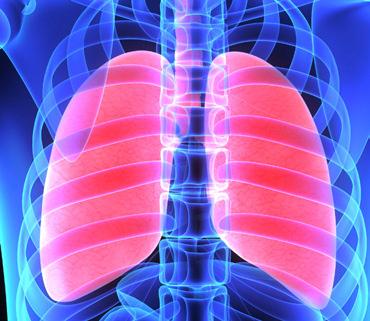
Alternative therapies
Being able to speak with a qualified counsellor helped get a great deal off my chest (pun intended) and can help you work through emotional issues. With emotional healing, often comes physical healing.
Although some of the suggestions are experimental for me, I do believe in alternative healing methods that promotes overall, holistic healing and well-being. Some of these include regular attendance to salt caves, acupressure massage, meditation, facilitating a supportive, healthy, clean and non-polluted environment with Himalayan salt lamps, cold air diffusers and aromatherapy (such as tea tree oil and lavender) etc.
Clothing
It’s important for me to wear a protective mask, such as the Vogmask, which helps filter out the pollution if I do happen to travel back to London or anywhere polluted for that matter. It also helps if it’s a windy day, as the mask enables me to cope better if I’m out for a walk.
Counselling/Therapy
At the NHS, I was luckily assigned to speak with a qualified counsellor who deals specifically with lung disease sufferers. Understandably, people with a chronic condition can suffer high levels of anxiety and depression, which in itself can cause illness and a suppressed immune system. Being able to speak with a qualified counsellor helped
FOR FURTHER INFORMATION/RESOURCES
get a great deal off my chest (pun intended) and can help you work through emotional issues.
With emotional healing, often comes physical healing. I also do my best to minimise stress levels and undue pressure, whether that’s from work or social engagements. COPD sufferers use a lot more energy than an average person, so it needs to be preserved and used wisely.
As demonstrated above, its takes a small army of different approaches and support network to tackle COPD. I don’t think there is a silver bullet or one single answer for individuals with the condition. I take the view that none of us can be passive bystanders with any health condition.
A proactive approach must be taken for a healthier mind and body and whilst in the beginning I didn’t lead an unhealthy lifestyle which would have contributed to COPD, if I didn’t take these further measures on an ongoing basis, I’d potentially be much worse off.
Since learning and educating myself more about COPD, with less exposure to pollution, I have had significantly less hospitalisations and less frequently affected by any severe symptoms.
• British Lung foundation at www.blf.org.uk. The BLF Helpline on 03000 030 555 has a friendly team who can offer advice on healthy eating and answer questions on any aspect of living with a lung condition.
• For more information on healthy eating and COPD, go to www.nhs.uk or the British Dietetic Association food facts website www.bda.uk.com/foodfacts/ home
• For details of local food delivery services go to www.gov.uk


Dr Gill Harris Child and Clinical psychologist and member of the ITF
Gill is Honorary Senior Lecturer in Applied Developmental Psychology at the School of Psychology, University of Birmingham. She is also Consultant Paediatric Clinical Psychologist at Birmingham Food Refusal Service.
Coping with a fussy eater is something most parents find really difficult. The parents themselves have different histories and experiences with food and will also have taken advice from many different sourcesall conflicting and most not evidence based. Added to this, one family’s experience with their child will not be the same as the next family.

For every parent who has succeeded with ‘sitting their child in front of the food until it is eaten’, there will be another parent whose child is hiding the food behind the radiators or feeding it to the dog.
REFERENCES
For full article references please
CLICK HERE . . .
Food fussiness is on a continuum; we are all different. Some children will only eat an extremely restricted range of foods, whereas other children will be described as fussy because they are not too keen on green vegetables, but will eat most other things.
Most of the really food fussy behaviour that is seen in children is genetically determined.1 It doesn’t matter much what the parents did in the early stages of introducing complementary foods,2 these children will always be fussy. Indeed, some parents will have three children who eat well and one who picks their way through every meal.
There are also innate differences in taste responsiveness.3 An example of this is bitter taste sensitivity. Some children (and adults) will always find bitter foods rather disgusting and are never going to like them however hard their parents try with those bitter tasting foods, such as green leafy vegetables.
However, having said this, most toddlers do go through a stage when they are fussier than they were in early infancy: the neophobic stage.4 This starts at around the age of two years
and gradually improves by the age of five years or so. This is the stage at which toddlers will refuse new foods just because of the way they look. They will also refuse foods that they have eaten before, especially if these are foods that are ‘mixed’5 and so can change the way they look from serving to serving. But there are differences here too, some toddlers are much more neophobic and reluctant to try new foods than others. This difference is linked to sensory hypersensitivity, a reaction to the taste, smell and, most importantly, the texture of foods.6,7
So, some fussiness is due to the taste of the food, but most fussiness is due to the texture of the food, i.e. the feel of the food in the mouth. 8,9 And toddlers can tell whether or not they are going to like a food by the way the food looks,10 so rejection is on sight. The thinking is that, “If it isn’t a safe food - a food that I know that I like - then I’m not going to put it into my mouth.” And the more worried the toddler gets about whether or not they are being given a ‘safe’ food, then the more anxious they get. The more anxious they get, then the more hypervigilant they get; they focus on small differences between new foods and foods they know to be ‘safe’. They will refuse a biscuit that is broken, toast that is the wrong colour, yoghurt that is the wrong flavour, etc. 11
Toddlers have to become familiar with a food before they might be willing to try it, so they need to:
• See the food around the house and see other people eating it at shared mealtimes.16-18
• Smell: be around the kitchen when food is being prepared.19
• Touch: just handle food away from mealtimes; grow it in the garden; pick it up in the shops; help to prepare food without pressure to eat; messy play and some food play; make pictures from food pieces.20,21
• Talk about the food that they are looking at; know the name; look for it in the supermarket.22
• And then perhaps Taste small pieces of food, away from mealtimes, as part of a game, with small rewards for trying,23,24,25 but remembering that it takes more than one taste to get to like a new food.26,27
These strategies work best of course when they are combined.
All of this might have had an evolutionary benefit: a newly mobile toddler is not going to pick up and eat a food that is not an exact match to the food they know to be ‘safe’. Unfortunately, added to this normal response comes a further problem. Any food that is not a ‘safe’ food can evoke a disgust reaction: “It is so horrible I can’t have it on my plate.” This response can be seen in toddlers as young as 20 months.12 Of course, this means that any food which is disgusting will act as a contaminant.13 If you put it next to a ‘safe’ food; if you hide it in a sandwich; if you chop it up small and try to hide it; then - disaster!
Don’t do anything which increases the child’s anxiety and contamination fears around food. Don’t:
• Prompt aggressively - this will make the child anxious and less likely to taste the food.29,30
• Coax and force - again, this will make the child worried about the food they are being made to eat.31
• Bribe - reward only works with fussy children when it is given for tasting small pieces of food away from mealtimes; never reward eating one food by giving another.32
• Hide and disguise foods - you run the risk with a fussy child of triggering the disgust and contamination response; you might lose the safe foods.12
• Put disliked foods in the plate next to liked foodsagain this might trigger the contamination response and nothing will be eaten at all13
• Withhold liked foods for long periods - this will not make the fussy child eat a new food, it might make them lose weight though!
Both the new, disgusting food and the liked food might well all be rejected.
Much of this resolves with time, but when coping with this behaviour, parents need to know which strategies are helpful and which are not.
For all fussy children at all stages, the advice is the same, but the first piece of advice is always: “Relax and stay calm.” An anxious child is less likely to try anything new, or to feel any hunger.14,15
To find out more about supporting families with practical advice, visit and the range of ITF Fact sheets at www.infantandtoddlerforum.org/health-childcare-professionals/factsheets
More information on the ITF
For further details on fussy eating: www.infantandtoddlerforum.org/toddlers-to-preschool/fussy-eating/ how-to-manage-fussy-toddlers
For information on face-to-face training, email: info@infantandtoddlerforum.org Follow the ITF at @InfTodForum or www.facebook.com/InfantandToddlerForum
The Infant & Toddler Forum (ITF) promotes best practice in healthy habits from pregnancy to preschool through reliable, clear, evidence-based advice and simple, practical resources aimed at practitioners, healthcare professionals,


Rebecca Gasche Registered Dietitian, Countess of Chester Hospital NHS Trust
Rebecca has a keen interest and specialises in gastroenterology dietetics. She currently works in the community setting in the Chester area, running clinics and group sessions to manage a wide range of gastroenterology conditions.
This article will take it back to basics and discuss what a gluten-free diet is and when it may be used.
Gluten is the name for the proteins which are found in wheat, barley and rye. Gluten itself can be broken down into two main protein groups: glutenin and gliadin. Its purpose is to help food to maintain its shape, add stretchiness and texture to bakes such as bread and pizza dough, and can be used to thicken sauces and soups.1

For people with coeliac disease, there are a number of foods that they need to check to ensure they are gluten free, such as sauces, gravy, ready meals and other items that are not obviously gluten free.
REFERENCES
REFERENCES
For full article references please CLICK HERE . . .
For article references please CLICK HERE . .
It is only in the past 10,000 years that humankind has begun consuming gluten and, as a result, it remains a relatively new introduction to the human diet (considering the estimation that we have been here for 2.5 million years!).2 Gluten-free diets have risen in popularity over the years, partly due to better diagnosis of diseases such as coeliac disease and recognition of conditions such as non-coeliac gluten sensitivity. However, with glutenfree diets becoming better known and products more easily available, a ‘trend’ in restricting gluten in the modern day diet seems to have taken off.
FOODS THAT ARE GLUTEN FREE AND NOT GLUTEN FREE
Naturally gluten-free foods are those which are not derivatives from, or contain, wheat, barley or rye. Some foods such a breads, pastas, cakes and biscuits can be specially manufactured and have gluten removed from them, making them gluten free (see Table 1).
The most common foods that are not gluten free include bread, pasta and some cereals. Other foods/drinks that are not so obvious sources of gluten are some alcoholic drinks such as beer/ale, and sauces such a soy sauce. (See Table 2).
Confusingly, some gluten-free products contain an ingredient called gluten-free (Codex) wheat starch, a specially manufactured wheat starch where the gluten has been reduced to a trace level so that it is suitable for people with coeliac disease.13 Gluten-free (Codex) wheat starch is often found in products such as gluten-free flour and bread to improve texture. There may be a small number of people with coeliac disease who also have a wheat intolerance, who cannot tolerate wheat starch. These patients will need to follow a gluten-free and wheat-free diet - this can be trialled if a patient has ongoing symptoms despite following a gluten-free diet.3
Oats are naturally gluten free, but, nevertheless, are available to buy specifically termed ‘gluten free’ to show that they have not been contaminated with other gluten-containing products during production. This is more important for those with coeliac disease who need to avoid cross-contamination. However, oats do contain a similar protein to gluten - avenin - which a small number of people with coeliac disease can’t tolerate. This is due to the body reacting to avenin in the same way it does to gluten. This group of patients may choose to follow a glutenand oat-free diet.3
All foods labelled as gluten free must meet the Codex standard which is to contain less than 20ppm (parts per million) of gluten.3





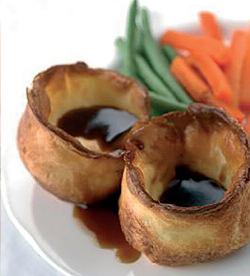
w w w.juvela.co.uk/downloads
Table 1: Main gluten-free foods
Rice Millet
Potatoes Polenta
Quinoa Flaxseeds
Buckwheat
Maize
Meat (not in breadcrumbs)
Fish (not in breadcrumbs)
Corn Eggs
Oats Dairy
Fruit Vegetables
Gluten-free products
(bread/pasta/cereal/flour)
Rice/oat/corn-based cereals, e.g. Rice Krispies
All packaged foods in the UK are covered by a law on allergen labelling, which means that you can identify from an ingredients list if a product contains gluten. If a cereal containing gluten is used as an ingredient, it must be listed on the ingredients list, no matter how little is used. It will also be emphasised in bold, italic, underlined or highlighted and the specific grain will be named (e.g. wheat, rye, barley, spelt, kamut) so that the consumer can clearly see what is included in a product.
Manufacturers may (legally) use labelling such as:
• ‘may contain traces of gluten’
• ‘made on a line handling wheat’
• ‘made in factory also handling wheat’ These terms mean that there is a risk the product could be contaminated with gluten (even if the risk is very small).
Coeliac UK, the registered charity for coeliac disease, provides a comprehensive list in their Foods and Drink directory, available to those diagnosed with coeliac disease: www.coeliac. org.uk/gluten-free-diet-and-lifestyle/foodshopping/food-and-drink-directory/
Coeliac disease
Coeliac disease is a lifelong autoimmune disease which affects one in 100 people in the UK.2 It is caused when the body has an abnormal response to gluten, a protein found in wheat, barley and rye. This response causes damage to the microvilli found within the small intestine, which can lead to gastrointestinal symptoms and the
Table 2: Main gluten-containing foods
Bread Pasta
Wheat-based cereals, e.g. Weetabix
Cakes
Biscuits Pastries
Noodles Bulgur wheat
Couscous
Beer/Ale
Flour
Pearl barley
Some sauces, e.g. soy sauce, gravy
Rye based products
malabsorption of nutrients. The only treatmentwhich reverses the damage done to the microvilli - is to follow a strict gluten-free diet.
Dermatitis herpetiformis (DH)
DH is a skin condition linked to coeliac disease. DH affects fewer people than typical coeliac disease, at around one in 3300 people. DH can appear at any age, but is most commonly diagnosed in those aged between 50 and 69 years. The treatment for this is to follow a glutenfree diet, sometimes in addition to medication such as Dapsone.3
Irritable bowel syndrome (IBS)
IBS is long-term condition affecting the digestive tract, thought to affect one in five people in the UK.4 It can most commonly cause symptoms such as abdominal discomfort, an altered bowel habit and bloating, and can have a huge impact on a patient’s quality of life. Part of the difficulty in managing IBS is the wide variety and severity of symptoms that patients may have and how these symptoms are often triggered by different things. However, it is known that diet and lifestyle factors play a huge role in managing symptoms.2 The low FODMAP (fermentable oligo-saccharides disaccharides monosaccharides and polyols) diet may be used as second-line treatment for people with IBS. This involves an elimination phase of high FODMAP foods, which includes restricting wheat, barley and rye products as they contain high levels of the FODMAP fructans. Patients following a low FODMAP diet therefore choose gluten-free products to avoid wheat in their diet.
Non-coeliac gluten sensitivity (NCGS)
This can be described as when symptoms similar to coeliac disease are experienced, but there are no associated antibodies and no damage to the lining of the gut that you would find in coeliac disease.5 These symptoms may occur several hours or days following gluten ingestion.
This is potentially a serious condition, but estimated to be rare, and is caused by a reaction to the proteins found in wheat, which is triggered by the immune system.5 It differs from coeliac disease as it is an immunoglobulin E (IgE) mediated response.6 A reaction to wheat in someone with a wheat allergy usually occurs within seconds or minutes of consuming wheat, and can range from a rash or an itchy sensation in the mouth, to throat swelling, difficulty breathing and, in rare cases, anaphylactic shock.7 Patients with a wheat allergy will, of course, avoid foods containing wheat and will, therefore, follow a mostly gluten-free diet. However, they can include gluten-containing foods from barley and rye products.
In recent years, there has been a trend for people to follow a gluten-free diet when it isn’t necessarily needed. Gluten has had a bit of a bad press, with people being misinformed that it is bad for you. The assumption is that gluten is poorly digested and linked to weight gain. Don’t get me wrong, following a gluten-free diet is not detrimental if it is clinically indicated, however, restricting any foods unnecessarily is not recommended, as you could miss out on vital fibre, vitamins and minerals.
I often see influencers on social media platforms promoting health products, recipes and snacks as gluten free and I am dubious about whether there is any medical reason for this. David Sanders, a Professor of Gastroenterology at Sheffield University, was quoted speaking to The Guardian about the growing numbers of people who are cutting gluten out simply because they believe it is unhealthy: “What you might call the ‘lifestylers’,” he says. “The truth is, there really isn’t any clear evidence base… Even if people believe they have symptoms related to gluten, do not put yourself on a gluten-free diet.”
Rather, he advises people to go to their GP and have coeliac disease ruled out.8
Another misconception around gluten is that following a gluten-free diet will help you lose weight. A recent study proves this theory wrong and actually demonstrated that glutenfree products can be higher in sugar, fat and salt.9
A 2007 study10 also demonstrated that gluten-free foods have poor availability and are more expensive than their gluten-containing counterparts. It also commented on how, as the rate of diagnosis of coeliac disease is increasing, there are growing demands for gluten-free products. This study indicates that gluten-free products are difficult to obtain and are more expensive, placing great burden on the patients who are trying to address the therapy of their disease.10
Walking down the aisle at your local supermarket, you will see a growing number of gluten-free products appearing in the ‘free from’ sections. Look a little closer and you’ll notice some products being advocated as gluten free when they traditionally contain zero gluten in the first place! For me, this is a clear example of manufacturers taking advantage of the glutenfree trend and high price tags on these products.
Further studies have identified other difficulties in the gluten-free diet, such as a lack of vitamins and fibre, resulting in the need for supplementation.11,12 In saying this, the more people aware of and following a glutenfree diet does come with its benefits. More people following a gluten-free diet means more knowledge in restaurants and more gluten-free food being available, which particularly helps in the localities that have stopped gluten-free food on prescription. There are also hopes that it will eventually bring the price of gluten-free alternatives down. One study has also commented that a gluten-free diet tends to include more fruits, vegetables and meats, as these products are naturally gluten free and more readily available than some gluten-free products.10
Overall, I think the evidence is clear: unless a diagnosis of a recognised condition has been made, suggesting that a gluten-free diet should be followed, then gluten is a friend! Those who are unsure should be advised to discuss this with their GP in order to be referred onto the appropriate healthcare professional.

Maria Cazzulani RD Community Dietitian, Derby Teaching Hospitals
Maria has training in the specialist areas of body composition, assessment of nutritional status and in using ‘MUST’. She has clinical experience in older people’s nutrition, undernutrition and COPD.
REFERENCES
For full article references please CLICK HERE . . .
Care homes play an important role in the cycle of malnutrition and patient admission to hospital. They are well placed to detect risk and prevent undernutrition in the elderly. Derby Hospitals Community Dietetic Team completed a pilot project within five Derbyshire nursing and care homes around the education of care home staff. This article provides an overview of the work done by the hospital dietetic team to date.
There is no universally accepted definition of malnutrition, but one of the most commonly used is, ‘a state of nutrition in which a deficiency, excess, or imbalance of energy, protein and other nutrients, causes measurable adverse effects on tissue/body form, function and clinical outcomes’.1
The outcomes of the pilot were: improved nutritional state of patients measured by an improved Body Mass Index (BMI) and Malnutrition Universal Screening Tool (‘MUST’) score; increased percentage weight gain; reduced length of stay in hospital if admitted; and reduced spend on ONS prescribing.
In Association with the BDA's Older People Specialist Group
For many older people, malnutrition is characterised by low body weight or weight loss, meaning simply that some older people are not eating well enough to maintain their health and wellbeing.2 Of the 11.6 million older people in the UK, over a million are estimated to be malnourished or at risk of malnutrition.3 Older adult care home residents are especially vulnerable to the effects of disease-related undernutrition and malnutrition, with 30 to 40% of UK adults at medium to high risk within six months of admission.4
Critically, once a malnourished patient has been identified, then malnutrition can be managed by dietary advice to optimise oral intake as well as with the use of oral nutritional supplements (ONS).5 The efficacy of the use of ONS in malnourished patients is well understood; however, their use may not always be appropriate or acceptable and other methods, such as food fortification, may result in either equal or better outcomes for considerably lower costs.6 Based on this premise, in 2016, Derby Hospitals Community Dietetic Team ran a pilot project within five Derbyshire nursing and care homes based on the education of care home staff.
Following the success of the initial pilot project, one dietitian and three dietetic assistants, part of the Derby Hospitals Community Dietetic Team, were funded by South Derbyshire Clinical Commissioners Groups (CCG).
Care home residents within the 38 care homes included in the project, were initially screened for nutritional status using the ‘MUST’ tool and current prescription of ONS. Data collected during the initial screening was repeated three and six months after commencement of the intervention. Clusters of residents at care homes were randomly assigned to either ‘intervention’ or ‘wait’ group. Such a design is often acceptable to communities which would not be comfortable with a ‘no-treatment’ group.
The intervention consisted of two phases:
• Training of care home staff in Food First approach including ‘MUST’ training.
• Assessment of nutrition action plans and appropriateness of current ONS prescriptions.

Date of preparation: May 2018
Like all juice-style ONS, Ensure Plus juce contains milk protein, and is not suitable for patients on a milk protein restricted diet.


Oral nutritional supplements (ONS) might contain milk protein, but that doesn’t mean they all have to taste like milk. If your patients are getting bored with their milkshake-style ONS, why not try them on Ensure Plus juce? It packs balanced nutrition into a refreshingly different juice-style supplement, and comes in a wide range of flavours, so there’s always a taste to match theirs.
ENSURE PLUS JUCE. FOR MORE INFORMATION, VISIT OUR WEBSITE NUTRITION.ABBOTT/UK
The wait group received the intervention after completion of the three-month review. The two phases consisted of the following:
Phase 1: Following the baseline assessment, the dietitian and dietetic assistant completed a two-hour training programme on the identification, prevention and treatment of malnutrition, through a Food First approach, discussing the meaning of ‘food fortification’ which implies that everyday foods are added to the diet to increase energy and protein content without increasing volume of food consumed.7 ‘MUST’ training was included in the two-hour session. The training was a whole team approach, including a manager, trained staff, catering staff and healthcare assistance, and required a minimum of 10 staff to attend for each care home. To complete the training, the staff worked through case studies to allow the opportunity to practice completing the ‘MUST’ and were also asked to put together a nutritional action plan, which consisted of an individualised strategy, making the learning relevant to their workplace and allowing the carers to take ownership of changes that needed to take place.
Phase 2: At the point of review, the dietitian also assessed the appropriateness of current ONS prescriptions and amended the prescription where required.
Feedback from training of staff was extremely positive (see Table 1). Only two members of staff were not confident in using the ‘MUST’ tool, no comments were provided and it is not clear why 38 members of staff stated that they would not change practice; it may be that this was based on existing knowledge, or a reluctance to change.
No differences were recorded between the train and wait groups and there were no notable differences or changes over time in the ability
of the care home staff to accurately determine ‘MUST’ score. The accuracy of ‘MUST’ score was still low at three and six months’ review (29%).
Analysis of the interventions made by the dietitians highlighted issues with the implementation of the ONS stops and switches. For the train group, the data suggests that after baseline, 32 interventions were not implemented correctly (47 correct), similarly, for the wait control group after baseline, 23 interventions were not implemented correctly (29 correct). The same was true following the three-month review for the train group, with 40 interventions incorrectly implemented (39 correct) and the wait group 19 incorrectly implemented (38 correct).
The work of the Derby Hospitals Community Dietetic Team has been substantive, reviewing residents across 38 care homes. This has realised significant cost savings, without any notable changes in resident outcomes (positive or negative). However, the analysis of the dataset has identified a number of issues with the implementation of the dietitians’ recommendations. Principally, while recommendations were made to stop or switch residents’ prescribed ONS supplements following dietetic plans and advice, between 49% to 67% of the time, these recommendations were not acted upon.
I think that the ‘MUST’ and Food First approach training should be delivered with a well-defined diary in conjunction with both community dietetic teams and care home staff. Repeating the training with a regular timescale will allow the staff of each care home to develop their confidence in using the ‘MUST’ tool, as well as putting in place a dietetic plan if ‘MUST’ score is 0 or 1. Furthermore, I think that the implementation of food fortification with everyday food, could be beneficial for residents in terms of palatability, acceptance and, consequently, improvement in malnutrition.

Gill Hooper RNutr
Freelance Registered Nutritionist, GH Nutrition
Gill runs an independent food and nutrition consultancy and her main area of interest is nutrition and dementia. She is currently working on a research project with Bournemouth University looking at the impact of improving the delivery of nutritional care for people with dementia living in care homes.
For full article references please CLICK HERE . . .
Choosing and preparing food, eating and drinking are activities we can all enjoy. They form part of our everyday lives and are important for everyone, not least for people living with dementia. Food-based activity can play a huge part in person-centred care for older people in care homes.
In a previous NHD article on foodbased activity and person-centred care for older people in care homes, I explored how ‘food-based activity can help stimulate an interest in food, enhance health and wellbeing and help prevent malnutrition’.1 In this article, I hope to demonstrate with real examples the importance of food-based activity for people living with dementia.
It is important to remember that every person with dementia is unique and not everyone will experience the same changes and challenges. However, as dementia progresses, eating and drinking can become more difficult for a number of reasons. Confusion, or a lack of recognition or judgment, means someone may not recognise hunger or thirst and they may not recognise foods, or recognise when food is unsafe to eat. Poor communication skills can make it more difficult to make choices or communicate hunger and thirst, or a change in food preference, which is common with dementia. A lack of coordination can lead to a loss of independence as someone may no longer be able to feed themselves. Other difficulties include loss of appetite, changes in sense of taste or smell, depression, mouth discomfort and difficulty chewing and swallowing.
The consequence of these challenges is poor nutrition or undernutrition, resulting in weight loss, tiredness, lack of energy and
muscle weakness. This in turn can cause a more rapid progression of dementia, as well as increasing the risk of other complications such as reduced physical performance, pressure sores, infections, falls and fractures. Interventions which can help create an interest in food and drink, are essential and activity around food can help meet a physical need at the same time as providing social interaction and mental stimulation.
A dementia café is a fantastic place for carers and people living with dementia to meet with others, socialise, share experiences and take part in different activities (www.altzheimercafe.co.uk). As a volunteer at a local dementia café, I’ve been able to offer practical cooking as an activity. Recently, with three willing cooks, we made a smoked mackerel paté. The recipe required only a few ingredients (mackerel fillets, cream cheese, horseradish sauce, lemon and dill) which were easy to mix, so no difficult recipe to follow and no need for accurate weighing, yet it was incredible the difference such a simple activity made.
First was the opportunity to talk about the health benefits of oily fish while everyone had a go at mixing the ingredients together. The ingredients themselves provided a sensory experience and a topic of conversation. Our senses deteriorate as we age and this can be intensified as dementia progresses. Food is perfect to evoke the senses through smell, taste and sight. Mackerel, lemon, dill and horseradish
Mealtimes can give structure to the day . . . . . . activity and activities around food can help maintain independence and aid reminiscence.

all have distinctive aromas and the smell of fish led to many reminiscences. One gentleman recalled stories of fishing trips when his children were younger, he described catching mackerel then scaling and gutting them on the beach before going back to the campsite to cook them over a fire. Wonderful memories! This led to further stories of fishing trips and favourite fish dishes, including of course, fish and chips.
The finished paté was spread onto slices of bread and served with great pride to other members of the group, but not before it had been tasted and enjoyed by those who had made it. It was clear to see their satisfaction and sense of achievement in helping to make their own food. The granddaughter of one lady said it was something she would do again with her Gran.
Mealtimes can give structure to the day. Tasks such as laying the table or clearing dishes provide the opportunity for meaningful activity and activities around food can help maintain independence and aid reminiscence. One lady described how her family always gathered for Sunday lunch and her mother-in-law would cook the roast each week. However, as her dementia
progressed she was no longer able to do this, but could be involved with meal preparation by laying the table. This became her ‘job’ until she was no longer able to live alone and moved into a residential care home; it gave her a feeling of purpose and value within her family.
For this lady and many others, preparing food, cooking and caring for other people, is part of their life story. An important part of their daily activities would have been to provide meals and care for their partner, children and grandchildren. Drawing on someone’s past experience can help care providers to promote activities that have meaning for them. I recently visited a care home which provides opportunities for residents to be involved with their new care community and to feel at home. For health and safety reasons, they’re unable to use the main kitchen, but a small kitchen area off the dining room allows residents to wash the dishes after meals if they wish and help bake cakes and biscuits. It’s a homely, familiar looking kitchen and they can also make their own drinks and snacks whenever they want. These are great examples of meaningful activity and ‘can promote a sense of independence and wellbeing which can consequently positively impact on appetite’.2
It’s important to remember that whilst activity should be meaningful, it can also be great fun. During Nutrition and Hydration Week earlier this year, I had the pleasure of working with a group of people living with dementia and we decided to make fruit kebabs. Who would have thought that making a healthy snack option could provide so much fun! It didn’t matter that most of the fruit never actually made it on to the skewers! We had the opportunity to talk about the different fruits (and eat them), their health benefits and most of all laugh. One lady commented on how much fun she’d had and this reminded me that whilst some of them might not be able to remember the actual activity or the importance of fruit in the diet, they will remember their emotions and the feeling of fun and enjoyment they had. This makes it all worthwhile.
Making chocolate and Rice Krispie Easter nest cakes with a group of residents in a care home provided equal pleasure. The cakes were made to be served with afternoon tea in the care home (meaningful activity), but also highlighted the significance of how food-based activity can help stimulate an interest in food. One lady with a very low BMI and a generally very poor appetite managed to eat three cakes during the course of the afternoon - a great way to consume high calorie food without thinking!
When people are engaged in activity around food, conversations naturally take place about food which in turn may help develop an interest in mealtimes. We had memories of baking gingerbread, cooking for a large family and making sure the freezer was always full for when friends dropped in, as well as childhood reminiscences of Easter.
Socially Yours3 is a friendship group based in the North West of England. It was set up by a family run care company, Quality Care of Cheadle, to provide service users (mainly older people and people living with dementia) with a place to meet and take part in activities around food, exercise and craft to promote healthier living. But
not everyone is comfortable with this kind of set up. As Natalie Peters, Community Development Manager, explains: “We wanted to continue the good health and wellbeing theme but reach more people that were less keen on the indoors…so the idea for a community allotment was born. We could promote exercise purely by getting involved in gardening activities and at the same time encourage healthy eating by growing our own produce.” Exercise and physical activity may bring many benefits for people with dementia,4 including improving heart health and physical fitness which can help people maintain independence for longer.
The allotment is a community initiative and has been made accessible with some paved areas for wheelchairs and raised beds. There is a seating area for rest breaks and socialising and a polytunnel to grow crops (and shelter from inclement weather!). All produce is available for people to take home and there are plans to provide recipe sheets with different cooking ideas. Any surplus is taken to a local food bank and it is hoped this year to sell some produce at a makers’ market and bring some funds back into the project.
Natalie says, “In the winter we often make a nice hot soup to warm us up. We put the veg in the middle of the table and everyone gets involved peeling and chopping ready to drop in the pan. It’s a fabulous, cheap and easy activity that everyone gets involved with and it brings with it great conversation.” The friendship group has also hosted afternoon tea at the allotment for local schoolchildren and in Natalie’s words: “It’s fantastic to see the different generations coming together and sharing the food - smiles are huge!”
The allotment and other food-based activities I have described here are fantastic opportunities to create an interest in food and drink, at the same time as providing social interaction and mental stimulation. They provide meaningful activity and can improve confidence, self-esteem and help maintain independence for people living with dementia. As eating and drinking can become more difficult as dementia progresses, food-based activities can have a very positive impact on appetite.
Kaylee Allan RD
ICU Dietitian, Southmead Hospital Bristol
Kaylee works as a Critical Care Dietitian in Bristol and is undertaking a MClinRes part time with Plymouth University. Her interests are ICU, research and sports nutrition.
Extended roles in the NHS have shown to boost job satisfaction, improve the dietetic profile, enhance multidisciplinary team learning and most importantly, provide better patient care.1,1a This article takes a look at a recent case study that highlights the positive outcomes of extended roles in dietetics.
Within dietetics, there are many clinical specialists with extended roles as part of their day-to-day responsibilities. Roles which were traditionally held by nursing or medical professionals are now held by dietitians working beyond their recognised scope of practice. In an effort to modernise the NHS, extended roles were introduced amongst Allied Health Professionals (AHPs), which have been shown to boost job satisfaction, improve the dietetic profile, enhance multidisciplinary team learning and most importantly, provide better patient care.1 There is a gap within the available literature which firmly concludes that extended roles enhance patient care. However, it is well reported that patient outcomes are likely to be
improved due to earlier interventions, where traditionally procedures were performed by medical staff.2 There is little known about the effectiveness of AHP training programmes and competency frameworks which underpin extended scope of practice. Nevertheless, there are many examples within dietetics of highly skilled extended roles, like feeding tube insertion and requesting condition specific blood tests and scans, all of which require training and an awareness of the liability associated with the job.3
This article explores a recent case study and the impact of two dietitians with different extended roles, and the benefit to the patient care. To protect patient confidentiality, details have been adjusted.
A 50-year-old gentleman admitted to the intensive care unit (ICU) following a road traffic collision. Injuries included multiple broken ribs, fractured sternum and pneumothorax. Due to chest injuries and the difficulties maintaining his oxygen requirements, the patient was ventilated and sedated on day one. The patients’ ability to ventilate worsened due to respiratory failure, and the decision was made to prone (ventilate the patient, face down instead of supine). At this stage, the ICU dietitian was asked to review the patient and make a decision about the feeding options.
Assessment
Table 1: Initial assessment made by ICU dietitian
Assessment
Findings
Baseline (weight, height, BMI*) BMI >30kg/m2
Admission details
PMH+
*BMI (body mass index) +PMH (Past Medical History) **NG (nasogastric) ++ NJ (nasojejunal)
Respiratory failure, prone position, vomiting, no NG** feeding tube in situ.
Gastric band placed eight years ago to aid weight loss.
Discussions with medical team Failing to ventilate, oesophageal dilation on CT, gastric band in situ, vomiting, unable to pass an NG tube. Team would like an NJ tube placed at bedside to prevent vomiting whilst patient is in a prone position. Patient desaturates quickly when returned to supine position, making NJ++ insertion difficult.
Placing patients who are obese into a face down (prone) position can have a lung protective effect by improving the functional residual capacity and prevent atelectasis.4 Locally, nearly one quarter of ICU patients admitted are obese (BMI >30kg/m2) and 4% of those patients are morbidly obese (BMI >40kg/m2). Table 2 looks at the challenges faced by the dietetic team in this case.
Feeding issues
Table 2: Issues with feeding this patient and questions asked by the ICU dietitian
Issues
Questions
Vomiting (risk of aspiration and inability to feed) Was the gastric band too tight causing the patient to vomit?
Patient desaturates quickly when in the supine position, making an NJ placement difficult Was the gastric band the cause of oesophageal dilation and poor ventilation?
Inability to pass an NG
Is the gastric band too tight, making it difficult to place a feeding tube? Would inserting an NJ tube be challenging?
The patient’s inability to ventilate well in supine could be caused by the gastric band being overfilled (too tight). This causes pouch enlargement proximal to the band which can cause oesophageal dilation due to a build-up in pressure.5
To help answer the initial questions, help was sought from the dietitian working within the bariatric team as an advanced practitioner and expert in filling and adjusting gastric bands.
On arrival to the ICU, the bariatric dietitian requested to see the CT scan to establish where the gastric band port was situated in the patient. The patient was turned supine to allow the bariatric dietitian to access the port which was situated within the fractured sternum. With support from consultant colleagues, the port was found and 5mls aspirated from the band.
The ICU dietitian was able to successfully place a 10FG NJ feeding tube at bedside, using an electromagnetic tracing technique. An NG was also successfully placed and the patient could be repositioned into the prone position. Both tubes were bridled by the ICU dietitian to prevent tube dislodgement during turns.
The next day, the patient was in supine and nursing staff reported that his ventilation had significantly improved. He no longer had any episodes of vomiting and he was successfully feeding via the NJ tube at the target rate. In the following few days, the patient was successfully extubated and repatriated to a hospital nearer to home.
Learning points
Advanced practice goes beyond being a good practitioner with extensive experience. The British Dietetic Association (BDA) career framework is based on the four pillars of practice.6 The four pillars are defined by the National Leadership and Innovation Agency for Healthcare (NLIAH)7 and are based on four key areas which advanced practitioners must encompass during their development. Contributions from each pillar of practice will vary depending on the type of job held (clinical, research, private sector).
Table 3: Four pillars (as outlined specifically for dietitians by the BDA) adapted from the BDA advanced practice document, 20126
Advanced dietetic practice
Research and evidenced-based practice
Leadership and management
Education and facilitating learning
Demonstrates expert knowledge and skill, manages a complex caseload and can influence practice (locally and nationally) to benefit the service users.
Leads the development of research, audit and service evaluation within their remit, identifies gaps in knowledge, is up to date with current research within area of expertise and has a sound understanding of research methodologies.
Demonstrates the capacity for shared leadership. Can negotiate and influence key stakeholders and provide information to recognise working is efficient and optimal.
Facilitates learning of others, is recognised as an expert within the field, actively contributes to specialist groups and undertakes CPD in the form of reflection, feedback and supervision.
Healthcare is by no means a static entity and is being forced to adapt to the current financial climate. Dietitians hoping to develop their service provision, will need to encompass the four pillars of practice (see Table 3) in order to become established advanced clinical practitioners. The AHPs into action drive, focuses on the breadth of skills and expertise AHPs have, making us ideally placed to lead and transform healthcare services. AHPs are the third biggest workforce within the NHS. The Five Year Forward View movement by NHS England is hoping to develop more advanced clinical practice posts suitable for AHPs.8
References
The case study reported on in this article demonstrates how two experienced dietitians, active within research and teaching, were able to successfully treat the patient, without much assistance from nursing or medical staff. They had the desirable expertise and knowledge to manage the situation, which resulted in a positive patient outcome.
This is not an isolated case, many dietitians across the UK work in roles which are complex and innovative. It is important as a small profession to share these roles, the journeys people have taken to adopt those positions and inspire the next generation of dietitians to do the same.
1 Ryan D, Pelly F, Purcell E. Exploring extended scope of practice in dietetics: a systems approach. Nutrition & dietetics: the journal of the Dietitians Association of Australia. 2017; 74: 334
1a. The British Dietetic Association (BDA) Professional Development Guidance Document for Extended Scope Practice, available from: www.bda.uk.com/publications/ professional/extendedscope2015 [accessed 09/04/2018
2 Saxon RL, Gray MA, Oprescu FI. Extended roles for allied health professionals: an updated systematic review of the evidence. Journal of Multidisciplinary Healthcare. 2014; 7: 479
3 Marsland C. Dietitians and small bowel feeding tube placement. Nutrition in Clinical Practice. 2010; 25: 270-276
4 De Jong A, Molinari N, Sebbane M et al. Feasibility and effectiveness of prone position in morbidly obese patients with ARDS: A Case-Control Clinical Study. Chest. 2013; 143: 1554-1561
5 Eid I, Birch DW, Sharma AM, Sherman V, Karmali S. Complications associated with adjustable gastric banding for morbid obesity: a surgeon's guide.(Clinical report). Canadian Journal of Surgery. 2011; 54: 61
6 The British Dietetic Association (BDA) Advanced Practice: Capabilities for Advanced Practice in Dietetics, 2012. Birmingham. Available from: https://www.bda. uk.com/professional/practice/advanced [Accessed 25/04/2018]
7 National Leadership and Innovation Agency for Healthcare (2011). Framework for Advanced Nursing, Midwifery and Allied Health Professional Practice in Wales. www.wales.nhs.uk/sitesplus/documents/829/NLIAH%20Advanced%20Practice%20Framework.pdf [Accessed 25/4/18]
8 NHS England (2017). Next steps on the NHS five year forward view. London. www.england.nhs.uk/ahp/ahps-into-action/ [Accessed 16/05/2018]
dieteticJOBS.co.uk
• Quarter page to full page
• Premier & Universal placement listings
• NHD website, NH-eNews and Network Health Digest placements

To place an ad or discuss your requirements please call (local

Charlie
Cooke
Nutritionist and Personal Trainer
Nutritionist Charlie Cooke focuses on teaching simple nutrition science, boxing fitness and nutritious home-cooking knowledge to the general/ low-income public. He is now pursuing a writing, reviewing and media career. Charlie runs the website www. knowhownutrition. co.uk/
Iodine is most probably something that you’re not losing regular sleep over. But, as iodine deficiency is one of the top three public health problems worldwide, affecting two billion people and 245 million school-age children, and being the leading preventable cause of brain damage and mental development issues worldwide (WHO, 2007),1 it perhaps should surely have been eradicated by now.
REFERENCES
For full article references please CLICK HERE . . .
Since 1990, the International Council for Control of Iodine Deficiency Disorder’s (ICCIDD - try saying it 10 times really fast) proposal on Iodine Deficiency Disorders (IDD), as imposed by the United Nations summit in 1992, has been working to make global IDD a distant memory. Yet, the only distant memory is the date which the UN had planned to achieve its target. We are almost two decades away from the year 2000 and, despite 12 countries moving their iodine status to optimal and an overall reduction in iodine deficiency in school-aged children by 5% (among other advances), the UK hasn’t quite seen such gleaming developments, as outlined by Vanderpump and colleagues in 2011, who found 51% of school-age girls to be mildly deficient and 16% to be moderately so.2
The typical method of assessing iodine status is by median urinary iodine (UI) levels in school-age children. This is a very easy method, with Vanderpump et al2 being able to assess over 700 samples, though the median must be used in lieu of the mean, due to the large amounts of individual variability. Not only that, but UI levels represent the 90% of iodine consumed because, you guessed it, 90% is excreted. This does mean, however, that we are only measuring the most recent levels of iodine consumption and most especially not measuring levels of thyroid function. Nevertheless, this method followed a similar structure to that used by the WHO in their global assessments and correlates with the guideline methods established by Dr Michael Zimmerman of
the ICCIDD,3 though preferably bloodspot thyroglobulin would be used.
The very same Dr Zimmerman (2009)4 found that those iodine deficient children suffered an IQ score of 10-15 points lower than their optimally iodised counterparts. This trend has been concordantly correlated in 37 different studies in China, finding an average deficiency of 10 IQ points and thus further correlated by a meta-analysis of another 18 studies demonstrating an average difference of 13.5 IQ points. Reading and writing is hard enough, we need all the help we can get.
In the more severe cases of deficiency, more prices are to be paid. Goitre is an excessive enlargement of the thyroid gland which is essentially the processing centre for about 70-80% of our iodine to form the crucially important T3 and T4 hormones. When our iodine levels are at the point of deficiency, the thyroid is no longer able to function properly and is, therefore, underactive (hypothyroidism). If untreated, this condition may progress to a large growth.
A foetus is at risk of cretinism when a mother is unable to meet her minimum requirement of iodine during pregnancy. Cretinism is a state of severe mental and developmental retardation due to iodine’s dramatically large role in tissue synthesis (modulation of gene transcription by heterodimerisation with RXR 9-cis-retinoic acid), especially in the brain, spinal cord, liver, kidneys and alike. There are two forms of cretinism:
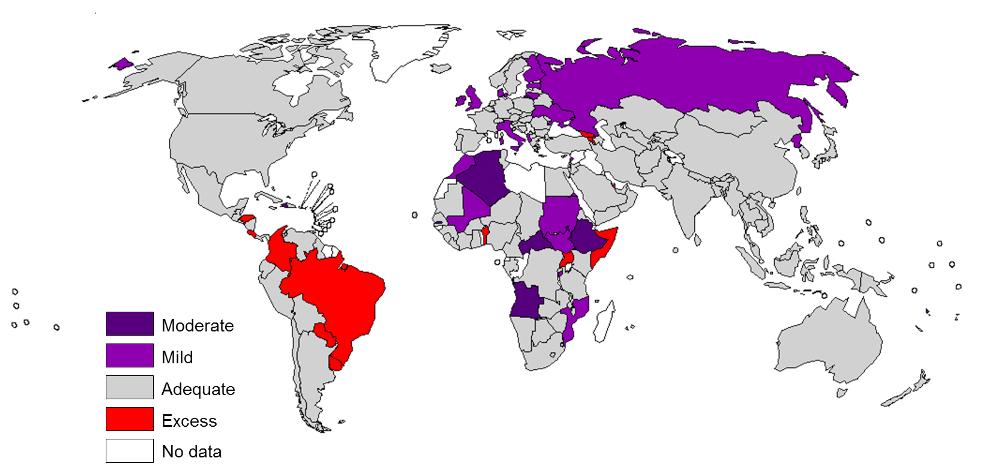
Source: www.ign.org/p142000429.html
• Myxodematous cretinism - In this form hypothyroidism, stunted growth and mental deficiency are all present. However, as the thyroid is atrophic, this condition cannot be treated with iodine but can observe mild benefit with thyroid hormone treatment.
• Neurological/nervous cretinism - This condition brings a more severe condition of mental retardation, stunted growth, stance and gait disorders and hearing and speech disorders, despite hypothyroidism not being present.
Now, I am not suggesting that the UK is headed toward widespread cretinism, especially as the current RNI is set at 140ug with small additions if pregnant (slightly more if lactating), which is plenty enough to balance the LRNI of 70ug, but with 40% of pregnant woman in a region of Scotland having insufficient intake,5 a total of 68% of schoolchildren being deficient and our nationwide levels depleting, for the sake of IQ and childhood mental development, there is room for improvement..
Dietary iodine is mostly defined by the content in the soil, though as a large amount of the serum iodide not uptaken by the thyroid is sent to the mammary glands in humans and animals alike, dairy is one of our greatest allies. This is especially true in the case of the use of compounds called iodophores which are used for sanitation in the dairy industry, yet slightly too true in cases where contamination with
iodophores leads to toxicity (despite that this contamination accidently resolved widespread goitre from the 1960s onward6). Less haphazard methods include the use of iodine salts (iodates) which are used inbread manufacture, or the WHO recommended Universal
Salt Iodisation (USI) method, which means the addition of potassium iodate to all salts used.
This is an area of recent debate. With the UK showing mild levels of deficiency, there comes the stoic debate of free will and autonomy in our dietary practices. Salt iodisation has been found successful not only in New Zealand7 and Australia8 (both countries with poor soil iodide levels), but, it was so successful in China9 that they had to remove it, as levels were going beyond optimum!
There is some risk associated with this excess, however, with toxicity not typically occurring beyond 2000ug (2mg) per day and the UK upper limit set at 1mg (below the safe limit of 1100ug/1.1mg per day), it is not very likely that many of us will contract Jod-Basedow syndrome (or iodine-induce thyrotoxicosis, if you prefer) and the associated tremors, high pulse rate, perspiration and weight loss due to a malfunctioning thyroid (which in itself may become underactive from excess rather than deficiency), unless we start consuming our boot-full of seaweed and kelp supplements.
With UK consumption of iodised salt being less than 5% (compared with the 70% of developing countries with intervention),10 perhaps our free will isn’t doing us that many favours.
Luckily, since the reintroduction of free school milk in the mid-2000s for under 5s, levels have started to rise. But is it enough? I’m not one to dictate anything, but I surely am one to listen.

Matt Lawson
Registered Dietitian and Sports Coach
Matt initially worked within the NHS and has since spent many years specialising in sport. He became a UEFA Licence holder working with a number of professional clubs as well as Team GB. He has also worked internationally with England Ladies football players. Matt works with weight management programmes in Nottinghamshire, maintaining a caseload of Tier 3 patients.

A decade ago, I was invited up to lunch with the players of a League One Club the day before a game by former pro, Michael Johnson. These young players, the future of the club, were sat eating burger and chips. I will never forget that moment, as the point Michael was trying to make was instantly obvious - he knew this was not right and had asked me to try and address it.
Things have moved on in football. The game has become quicker, sharper and more highly intense. Supporters often demand high action, quick passing football, exhilarating and free-flowing set pieces for their entertainment. We now ‘expect’ to see very fit and very strong footballers who need to be fuelled with the correct dietary practices.
There is increasing examination of practices on the ground throughout the leagues and no longer just for the player who has reached the promised land of the first team squad. This is translating into the academy pathways and in the growing female game with the FA Women’s Super League.
I was fortunate to work with the players in the 2015 FA women’s Cup Final at Wembley, the first time women’s
Table 1: Key periods for player performance
Macrocycle Season-long plan, work done in pre-season
football held such a platform. When looking at the performance of the team, we must focus on key periods during the season (see Table 1).
The drive for success is massive. Along with that comes the temptation to go beyond training and try out a supplement to gain some advantagemy daily bugbear. Supplement use in the UK is on the increase, but when does this become a performance enhancer and are they really any use?
We know that ‘supplements’ describe a broad and diverse category of products that you eat or drink to support good health and supplement the diet. We rightly remind people that dietary supplements are not medicines
The long approach requires a simple message, eat well to support your performance. Good cultures in teams are established during preseason fitness programmes. Some players play more than 50 games a season.
Mesocycle Mid campaignNovember to February
Microcycle Seven-day week, focus for the last 10 games
On a monthly basis, we offer one-to-one consultation with players about their dietetic needs. This can be extended to the parents of young players who may request cooking, shopping, and menu planning advice.
The game is a high octane sport, with elite players performing intense movements for more than 70% of the match. The overall energy cost of a match can be over 2000 calories (Kcals). Things are won and lost in the end of season run in.
Table 2: Sports supplements and their classification
Classification
Use supported
Deserve further research. Are considered for provision to athletes under a research protocol
Examples include
Caffeine, Sports drinks, Whey protein, B-alanine, Beetroot juice, Multivitamin
Carnitine, Glucosamine, HMB, Curcumin (turmeric), Tart Cherry Juice, Anti-oxidants
Thought to have no benefit. Not provided to athletes Fat burners, Ribose, Ginseng, Inosine, Colostrum, Banned or at high risk of contamination Maca root powders, Ephedrine, DHEA
and for athletes, or any active individual, these should not be considered a substitute for food. Sports supplements are a form of ergogenic aid taken because they are believed to improve or increase performance.
We know that most supplements will not work for most sportspeople and many have a harmful effect on performance. This is why we take a food-first approach, dissecting the diet, the time of eating and how we eat to achieve results.
Many fad diets peddled by so-called celebrities tend to focus on manipulation of carbohydrate or protein in one guise or another. As dietitians, we know that no one way is correct and every athlete is different. Many will not benefit from ‘cutting’ practices (for example, removal of carbohydrate from the diet is linked to injury). Fat is probably the most ‘bashed’ nutrient of them all.
Fat has been given a ‘bad’ name among athletes without dietetic support, but when we talk about fat as a fuel it takes on a different connotation. Free fatty acids (FFA) increase in the body towards the end of a football match at the most important time. Fats are an important part of cell membranes and are vital to absorb fat soluble vitamins A, D, E and K. The focus needs to be on the right types of fat, more specifically monosaturated and polyunsaturated (omega n-3). Micronutrients can play a huge role in the performance of athletes.
Iron deficiency is common in athletes; we need them to understand the role of iron in transporting oxygen in the blood as haemoglobin and in the muscles as myoglobin. For younger
players, simple messages are key. For example, calcium is important for bone development, so we recommend three portions of dairy foods per day and promote that to parents in our structured education sessions. Players from different nationalities have their own cultural beliefs which we enjoy working with. For example, we have more players who are vegetarian in the modern game and they require intervention to source their nutrition in a different way.
Ultimately, the winning formula for any athlete involves establishing nutritional goals and then translating these goals into dietary strategies which are tried and tested during day-to-day training.
I am a big believer in culinary nutrition. Cooking from scratch is the first-line most influential change an athlete can make to improve health, long-term risk of disease and, in the short term, performance. My advice to players and coaches alike, is to develop their own routine in relation to well-planned food intake.
In football today, a dietitian leads the way on hydration testing, looking at micronutrient levels in blood results with the Club Doctor and MDT work, arranging hotel menus for away trips and dealing with players who have diabetes, asthma, or food intolerances. There is a big focus on energy usage information from the second 45 minutes of games, even more so for the end of the fixture. Most goals in football are scored in the last 10 minutes, when games are won and lost. For this reason we show players, using video examples, that nutrition can be the difference between winning and losing. That is as good a reason as any, to make sure everyone in the sporting family enjoys the benefits that food can give us.

Rachel Margetts
RD
Self-employed
Freelance
Dietitian
Rachel Margetts is the creator of the Cook Healthy brand. She designs and delivers cookery sessions and nutrition education programmes that show families how to make simple, healthy meals from scratch. She also runs the online blog (www. cookhealthy. co.uk) and is a BDA Media Spokesperson.
My dietetic role involves teaching healthy cookery sessions, where I combine hands-on practical cookery sessions shared with the evidence base in which to justify the need for healthy eating.
I deliver sessions in schools, workplaces and communities. I love projecting my enthusiasm and helping people gain confidence in the kitchen, providing them with a way to learn the nutritional benefits behind the food.
Through both my own experience and teaching family cookery sessions, I have found that many families really struggle to put together new, creative,

healthy meal ideas each night without opening packets and jars of processed foods.
Therefore, combining my dietetic knowledge, my passion as a foodie and my own dinnertime experience as a mum, I created my business to help people get back to basics and create quick, healthy, no-nonsense family meals.
9:30am - 11am
6am - 9am
Every day is different, but I do begin each day with a big cup of tea or coffee! I’m often woken up each morning between 5am and 6am (the joys of having a two toddlers!). It’s morning madness as I get the kids dressed, fed and packed for nursery school.
I am unable to get settled at my desk until about 9:30am, which is when I start by replying to emails, blog and social media comments. I may have time to like or share content from fellow bloggers and post some content myself. I then work on my next post for my blog, writing it up, uploading and editing photos.
11am - 12pm


I now prepare for the week of cookery sessions that I have booked in, by planning out what recipes will be suitable for the groups. I print out recipes and order the online grocery shop for all session ingredients. If I am teaching a cookery session in the afternoon, I also need to pack up all ingredients and equipment and get it all loaded into the car. If I am delivering a bespoke type of session, this may involve putting together a lesson plan or designing a PowerPoint presentation.

12pm - 2pm
I pick up my daughter from preschool, take her home, give the girls their lunch and spend some time with them.
2pm - 5pm
I am grateful for my fantastic husband who gets home and takes over with the kids so that I am able to work. If I am running an afternoon’s practical cookery session or event, I will be based in a variety of locations in the community. Classes include afterschool cookery sessions, family sessions, mother and toddler groups, weaning groups and mental health cookery groups.
If I am not booked in to deliver a cookery session, then it’s my ‘kitchen time’ when I make and test out recipes for the blog and take stepby-step photos. If any food prep is needed for a cookery session the following day, I will also make this. So, for example, if I have a mother and toddler group the next day and I want them to try some new homemade healthier dips for their children to eat, I will prepare taste testers of the dip for them to try, e.g. homemade hummus. In addition to this, I will also do some meal prep and cook dinner, so I often have four pans of something cooking on the hob. It’s full on, but I love it!
5pm - 7.30pm

This is when our own nutrition counts as I feed the family and eat dinner. I then tidy up and the bath and bedtime routine is carried out.
7.30pm
By this time, I’m exhausted, but working freelance and having two small children, I will often have to make up for lost time in the evenings to catch up on work when it’s quiet, so I muster the strength to carry on!
If I have carried out a cookery session for that day, I start by unpacking, cleaning all equipment and my least favourite job, doing all the dishes from my session. A lot of settings I visit, such as a classroom or a rented room, do not have washing-up facilities which means I bring my dirty dishes home with me. Once all cleaned, I repack all equipment and ingredients for the next day’s cookery session.

Next on my list of ‘to dos’ is checking and replying to emails and trying to catch up on anything media/PR related, examples of which include contributing to magazines such as Women’s Health Magazine and PR shoots for local newspapers. I also recently appeared on the BBC Good Food Show providing a healthy cookery demonstration on stage with Chris Bavin on behalf of the BDA.
If I have any time left at all, I finish off my latest blog post and work on developing my brand with elements such as web design and advertising.
It’s a busy Day in the Life – but I love it!


Ursula Arens Writer; Nutrition & Dietetics
Ursula has a degree in dietetics, and currently works as a freelance nutrition writer. She has been a columnist on nutrition for more than 30 years.

The Public Health Collaboration (PHC) is a small charity dedicated to improved health in the UK population; they specifically want to address the issues of overweight and Type 2 diabetes (T2D). But PHC are critical of current government dietary guidelines and professional practice.
I was invited to attend their conference in May, to learn about their dietary principles and concerns over official UK dietary guidelines. Firstly, they disagree with advice to reduce and avoid foods high in saturated fats. Secondly, they disagree that diets should contain less than 35% of energy from total fats. Lastly, they advocate lower carbohydrate intakes and so oppose current advice on both the quantity and quality of carbohydrates. Diets should be composed of ‘real foods eaten to satisfaction.’ Fake foods - those containing free sugars or any kind of processed oils - should be avoided. They advise to consume freely any unprocessed foods high in protein and/or fat, and small amounts of unprocessed carbohydrates containing less that 25g per 100g.
The scientific programme was packed. Dr Aseem Malhotra, describing his career from cardiac surgeon to health campaigner, introduced the day. He had received many professional reprimands, but claimed that these had only helped him to ‘grow a rhinoceros hide’.
Highlights for me included South African campaigner Professor Tim Noakes, the celebrity in the room, who spoke about his academic journey from exercise physiologist to dietary guru and his conversion to low carb diets. Peripheral arterial disease and arterial plaque instability were the biggest threats to those with insulin
resistance, and low carb diets were the only effective treatment. There were interesting discussions on the difficulties of obtaining direct measurements of insulin, rather than indirect measurements via blood glucose. Tim described the court case against him in relation to a tweet he sent supporting low carb intakes in weaning; he won the case, but cautioned against law courts to debate science. (See my book review on Tim Noakes’ Lore of Nutrition on p52.)
Dr Trudi Deakin described the new nutrition guidelines issued by Diabetes UK in March. The report recognised low carb diets as an option for some diabetics wishing to try different ways to control blood glucose. Trudi felt the guidelines were an opening up to the use of low carb diets and were better than previous guidelines.
Dr David Cavan, author of the book Reverse your Diabetes spoke about his support for low carb diets for T2D. He was able to add particular depth to the subject by describing his career in Bermuda, with the extreme challenges of most diabetes and most carbohydraterich diets.
The PHC conference was an exciting and inspiring event, but my lunchtime encounters were bizarre. One meal partner was consuming a heap of meatonly stew, despite lots of lovely green vegetables available. Another young man was telling me that his parents were not open to his great diet. “Which was,” I asked? “Bullet-proof coffee and steak…and I feel great,” he said.
Review by Ursula Arens Writer; Nutrition & Dietetics
Ursula has a degree in dietetics, and currently works as a freelance nutrition writer. She has been a columnist on nutrition for more than 30 years.
TIM NOAKES AND MARIKA SBOROS
PUBLISHER: PENGUIN BOOKS 2017
ISBN: 978-1776092611
AMAZON: KINDLE £9.99, PAPERBACK £14.99
I love the science of nutrition and I love reading books. What could be more enjoyable than reviewing nutrition books; something I have been privileged and delighted to do for many years
But this book has been a grinding hard uphill task and a slap-in-theface challenge. Never has reviewing a book left me so sad and confused. It is a very difficult book for dietitians, (although difficult is never a reason not to do something, of course.) The Lore of Nutrition is a pivotal text for any within our profession who want to delve deeper into many of the debates on diet currently splashed across old media and new media. Whatever opinions you have before reading this book, you will be changed and you will be better able to address and understand some of the critiques of dietetics.
The book is a blend of science writing, autobiography, dramatic court proceedings, all woven around fierce debates about diet. Professor Tim Noakes is now a nutrition celebrity. He is a man of intelligence and integrity and together with journalist Marika Sboros, he presents his case for the populationwide adoption of the Low Carbohydrate High Fat (LCHF) diet. Be warned: there is some danger of conversion.
The in-a-nutshell summary is that Tim Noakes, Professor of Exercise and Sports Science at the University of Cape Town in South Africa and prolific producer of top-rated scientific data, had a ‘damascene moment’. He decided that his many previous books and research
papers supporting carbohydrate fuelling of sports were completely wrong. His scientific U-turn was confusing and alarming for professional colleagues and huge respect for him turned to public denunciation and aggressive hounding. A tweet he sent supporting LCHF as a weaning diet was the hair-trigger that led the Association for Dietetics in South Africa (ADSA) to formally make a complaint to the Health Professions Council of South Africa (HPCSA). The court case was a three-year battle (through expensive lawyers) between Tim Noakes and the South African dietetic profession. In April 2017 the verdict, ‘Not Guilty’, was announced and South African dietitians were left financially drained and publicly humiliated. This book is the winner’s account.
About half of the book, pages 5-200, is about the Low Carb revolution. This section describes the early career of Tim Noakes, his sudden and dramatic professional U-turn on carbohydrates and the increasing antagonism from his colleagues. Academics at the University of Cape Town strongly opposed the views he expressed in professional arenas, but were even more condemnatory when he wrote a chapter in a bestselling cookery book: The Real Meal Revolution. When Tim Noakes
was invited to address a health committee at the South African Parliament, colleagues were furious. A public debate was held at the University, where he pitched against Professor Rossouw, who led the most expensive-ever trial examining low fat diets; the US Women’s Health Initiative (WHI) study. Clearly the debate did not settle disagreements, so a flurry of letters were sent from the University to national South African media, warning about the errant Noakes. An increasing band of Tim-supporters organised and funded a Low Carb conference in February 2015 and suddenly nutrition professionals in South Africa had to address issues raised about low carbohydrate diets on a daily basis in every clinic.
The next section of the book, pages 201-304, is entitled, ‘Nutrition on Trial’. There are many descriptions about the court hearings from June 2015 to closing arguments in April 2017. Dietitian readers may consider skip-reading these sections, although actually legal aspects of debate provide the most vital descriptions of the-how and the-why decisions are made when medical professionals are in dispute. Was the Tim Noakes tweet unprofessional? Judgments were ‘No’, because health professional communication via twitter was not defined in HPCSA articles. Another reason for the verdict was because his response was to a ‘we’ not ‘I’ question (the category of breastfeeding mothers and to-beweaned babies rather than the individual case), so a doctor-patient relationship was not proven. The 99% of scientific information about LCHF diets presented at the trial describing populationwide benefits or risks in adults relating to weight or diabetes control, was ruled not relevant to the charge (inappropriate advice for weaning).
Tragically, there is now legal record against the profession of dietitians, although many important issues of professional practice could not be considered in this case.
The final section, pages 305-379, is a review of the science on LCHF diets, and Tim Noakes’ concluding thoughts after the trial. There are many long and detailed descriptions of benefits of LCHF diets and sharp critique of conventional advice supporting low fat diets. Of course Tim Noakes cherry-picks (he cannot be accused of high-carb cherry-eating, of course). I was
alarmed about his observation within the WHI study of significant increased (relative) risk of further heart attack in women consuming low fat diets who had previously suffered a heart attack, compared to women on placebo/normal diets. Most shocking was the defending statement by Professor Rossouw that this was a printing error, so not mentioned in the abstract.
Tim Noakes challenges current practice on many things: benefit of low fat diets, links between dyslipidaemias and heart disease risk, advice to athletes on hydration, advice on population-wide salt reduction, benefits of statins in primary prevention of heart disease, the validity of the concept of Calories In Calories Out (CICO), benefits of ‘wholegrain’, and many other consensus themes within healthcare. He claims that 60% of the (South African) population is insulin resistant and that significant carbohydrate reduction is the only way to prevent this and treat this.
Dietitians are not bad, says Tim Noakes. But they are over-influenced by the intricate web of industry-led ties that blind and bind their professional practice. Their responses to professional challenges are, ‘kneejerk.’ Many dietitians are decent enough although, ‘… ignorant, fearful and suffer from prolonged bouts of cognitive dissonance.’ And dietitians are incestuous: ‘a coterie of mostly privileged white females from similar middle-class cultural and conservative backgrounds; a closed shop of mostly friends, or friends of friends.’ A final barb is that many appear to be, ‘undeclared vegetarians or vegans pushing planet-based agendas: without evidence and with significant industry ties.’
This book is about the before and the after and the ‘meat’ of the biggest trial brought by the profession of dietitians. The trial was triggered by questions of the-who and the-how of nutrition advice, driven strongly by legally defining of doctor/dietitian-patient relationships, and whether previous practice rules apply in social media messaging.
The scientific debates on low fat or high fat diets are still wide open, but an obvious conclusion is that these should be battled in every venue, bar law courts (even bars near law courts are OK).

events and courses
You can find more at NHD.mag.com by clicking HERE . . .
GI Study Day for Nurses
12th July
The Royal Marsden Education and Conference Centre, London SW3 6JJ www.royalmarsden.nhs.uk/studydays
dieteticJOBS.co.uk
BARIATRIC DIETITIAN - THE HOSPITAL GROUP£22-28K
Suitable for experienced or newly qualified dietitians. Full time (37.5hrs/week), permanent at Dolan Park Hospital, Bromsgrove.
The Hospital Group is the UK’s leading private provider of bariatric (obesity) surgery, providing gastric balloon, gastric band, sleeve gastrectomy and gastric bypass surgery. This is a fantastic opportunity for a Registered Dietitian to join our professional and enthusiastic team of clinical and nonclinical staff at our flagship hospital and outpatient clinic (with possible travel to other clinics nationwide), adding to our nationwide team of 10 permanent (6.2 WTE) and six bank dietitians. The role will mainly involve conducting telephone and face to face consultations with pre- and post-op bariatric patients. Please note: Strong IT skills are required as all patient notes are computerised. Touchtyping particularly desirable. Experience in bariatrics is desirable but not essential as full training will be provided. Your salary will reflect your level of experience in bariatrics. Please call the HR Department on 0121 445 0241, or email: HRdepartment@thehospitalgroup.org for an application form; alternatively submit your CV via email.
BARIATRIC DIETITIAN - THE HOSPITAL GROUP -
£22-28K DEPENDENT ON EXPERIENCE
Part time (7.5hrs/week), permanent at Kings Park Clinic, Southampton
The Hospital Group has a fantastic opportunity for a Registered Dietitian to join their professional and
Probiotics in Practice: Workshops for Dietitians and Nutritionists
13th July - Leeds, Crowne Plaza (LS1 4AP) 9am-2:30pm. 18th July - Cambridge, Gonville Hotel (CB1 1LY) 10:30am-4pm. www.hcp.yakult.co.uk/symposia/ie-events-testpage/#
World Breastfeeding Week - World Alliance for Breastfeeding Action (WABA) event
1st -7th August www.worldbreastfeedingweek.org
To place
enthusiastic team of clinical and non-clinical staff at their Southampton outpatient clinic (with possible travel to other clinics nationwide), adding to their nationwide team of 10 permanent (6.2 WTE) and six bank dietitians. The role will mainly involve conducting telephone and face-to-face consultations with pre- and post-op bariatric patients. Please call the HR Department on 0121 445 0241 or email HRdepartment@thehospitalgroup.org for an application form and to send your CV.
Dietitian (maternity cover) - 2/3 days per week, contract to run until 31st January 2019, £27,000 pro rata
The Food Chain is looking for a part-time dietitian to join their small, friendly team for a period of maternity cover. The Dietitian is a vital link in The Food Chain; you will be one of the inhouse experts, ensuring that each and every one of the people supported every year gets the correct nutritional support to help them get well, stay well and live independently. As the first and regular point of contact for referrers as well as service users, you will have a good knowledge of nutrition for people living with HIV. You will be based at the Islington office in London and will also spend some time in the purpose built kitchen near King's Cross station. Email recruitment@foodchain.org.uk to request a recruitment pack. Or visit www.foodchain. org.uk to download one. Deadline for applications:12 noon on Friday 20th July 2018

Sarah Howe Specialist Dietitian
Sarah is an experienced NHS Dietitian specialising in the fascinating area of Inherited Metabolic Disorders in adults. In her spare time she enjoys helping her work colleague and good friend, Louise Robertson run her blog 'Dietitian's Life'. She also loves fitness and spending time with her two girls.
www.
dietitianslife.com
Sugar has been a hot topic in the news for a while now. Public Health England (PHE) set out sugar intake targets in 2015 . . .
People over 11 years of age should now be having no more than 30g a day of added sugars. This is less for children ages seven to 10 years at 24g and even less for those ages four to six years, at 19g; 5% of our energy should come from added sugars.
It is not just for the consumers, as PHE have also set targets for the food industry. By 2020, every sector of the food industry contributing to the top foods that provide children with the most sugar, need to reduce the sugar content by 20%. This may be via reformulation, reducing portion sizes, or shifting consumer purchase to low or no sugar options. These in theory are terrific and already, in my general practice, I am advising my patients to reduce their sugar intake. I’m full of ideas: switch to diet drinks, cook from scratch, less biscuits, cakes and sweets and Greek yoghurt instead of fruit yoghurt. Always easier said than done, but am I really practicing what I preach with my own children? Are these guidelines easy to advise on as dietitians, but harder to follow for parents?
My eldest daughter is four and is, therefore, recommended to have 19g of sugar a day. She loves the cereal Raisin Wheats and a 45g portion of these is 8.1g straight away. I’m lucky she doesn’t have fizzy drinks or squashes and we don’t tend to use jars or ready meals, so this cuts it down a little. Unfortunately, she isn’t really a fruit lover and snack time becomes hard. She will eat bread sticks, yoghurt, cheese and nuts, but she also quite likes malt loaf. One-fifth of a loaf is 10g of sugar and she is almost at her limit before we add in the added sugar in fromage frais, or the chocolate she begs me for after her tea on some days.
I’m not going to lie; keeping recommended sugar levels is hard for me to always achieve with my daughter. We only have to attend a birthday party, with sweets as prizes, ice cream for pudding and a slice of cake in her party bag for her to have gone well over. One can argue this is only a one off, but they do add up and who wants to be that mean dietitian mum, sweating in the corner about the 19g-a-day sugar limit for their four-year-old?
I’m educated and qualified. I read labels. I scrutinise my child’s food choices and I still struggle. What does it mean for someone who doesn’t understand nutrition? Someone who can’t afford to be picky, or hasn’t got time to sit and read the labels 30 times over on a food shop?
The food industry has a massive role to play in this and recently, unfortunately, we have seen that they have failed to meet their 5% reduction target for the first year. This puts even more pressure on the consumer and for us as healthcare professionals. I am always conflicted when feeding my children, but I do feel this has helped me to tailor my advice more to my patients. I know I need to be more practical when it comes to helping others reduce their sugar intake. I need to be prescriptive when it comes to what foods to avoid and reduce.
We all need to reduce our sugar consumption, but the food industry needs to play their part and, as healthcare professionals, we need to channel our own experiences into tailored, practical advice that can be followed. Guidelines are just that - until we bring real life and real families into our advice.
I’ll just have to keep the chocolate hidden from my daughter in our house!