Serving the Profession and the Community since 1885
2026 OFFICERS
Colin J. O’Boyle, Esq. – President
Hon. Joseph P. Walsh – President-elect
Mary Kay Kelm, Esq. – Vice President
Hon. Lauren A. Hughes – Treasurer
Anita Seth, Esq. – Secretary
Seth D. Wilson, Esq. – Immediate Past President
SIDEBAR COMMITTEE
Chairs
Gregory Gilston, Esq.
Franqui-Ann J. Raffaele, Esq.
MBA STAFF
Denise S. Vicario, Esq., Executive Director
Hazel Bergquist, Accounting Manager
Jessica Deazle, Lawyer Referral Service and Front Office Coordinator
Jessica Gambone, Montgomery County Law Reporter Desktop Publisher
Jim Mathias, Director of Marketing, Development, and Public Affairs
Sherry Mathias, CLE Coordinator
Joe Schiele, Facilities
Sherry Sutton, Membership Coordinator
Megan Ware, Communications and Event Coordinator
Sandy Whittington, Accounting
The SIDEBAR Committee invites articles and news information of interest. Please send content to: MBA, c/o SIDEBAR Committee, P.O. Box 268, Norristown, PA 19404-0268 or email: sidebar@montgomerybar.org.
The SIDEBAR Committee reserves the right to edit any material submitted and/or to omit the same from publication. Most articles are written by members for members.
“I think there are few things more patriotic than taking the time to make your country a better place.” ~ Michael Moore
It is regrettably cliché, but time really does fly when you are having fun. It is hard to believe it is already the start of June, and I am almost halfway through my term as president. It has been both fun and rewarding working alongside so many of you in the day-to-day affairs of the MBA, as well as the bigger projects we have taken on to celebrate our Nation’s 250th Birthday.
BUSINESS HOURS: Monday thru Friday 8:30 AM - 4:30 PM
ADDRESS:
100 West Airy Street
P.O. Box 268
Norristown, PA 19401
PHONE AND FAX:
Phone: 610-279-9660
Fax: 610-279-4321 & 610-279-4846
It is our established mission “to promote professional excellence, facilitate access to justice, and protect the integrity of the legal system through service to our members and community.” We are so proud of this mission; it adorns an entire wall at the MBA, and we recently started reaffirming it at the beginning of each new year. In striving to achieve this mission each year, we have necessarily been striving to make our part of this great country a better place. So, good news, in the critical eye of Michael Moore, our association has been focused on this type of patriotism long before we saw and then learned how to mispronounce “semiquincentennial.”
Still, I knew coming into this year we had a special responsibility as an association—especially an association of lawyers so close to our nation’s birthplace—to not only continue to advance our noble and patriotic mission, but to do so in ways that honor our history, celebrate how far we have come, and help lay the foundation for the next 250 years. Five months in, we are off to a great start with the successful events we have already held and those that are already planned in the near future. If you have missed out so far, there is still time! Check the calendar, call a friend, and join us.
In a prelude to this historically significant year, on my motion last year, the Board of Directors voted unanimously to create the MBA’s “50 Year Members Committee.” This committee was formed to provide a continuing community and work group for those attorneys who reached the impressive 50-year milestone. Inaugural co-chairs Marc Jonas and Mark Turetsky have taken this nascent committee from an idea to an operational committee in virtually no
MONTGOMERY BAR ASSOCIATION
CHOOSE BUSINESS
accelerated
time. I have no doubt their debut event with the Young Lawyers Section—a CLE at PJ Whelihan’s in Blue Bell entitled “Paths to Success” featuring superstar lawyers Bruce Castor, Marc Steinberg, and Cheryl Young—will be a huge success, and the start of many more successful events. My thanks to you both.
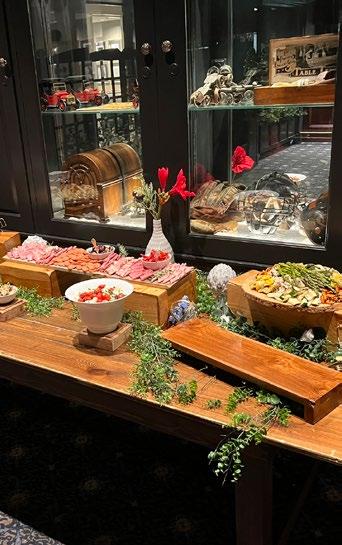
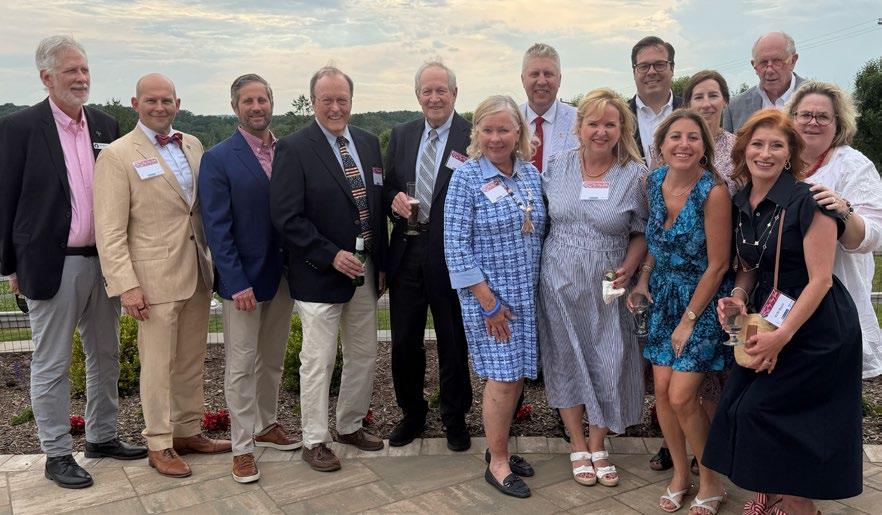
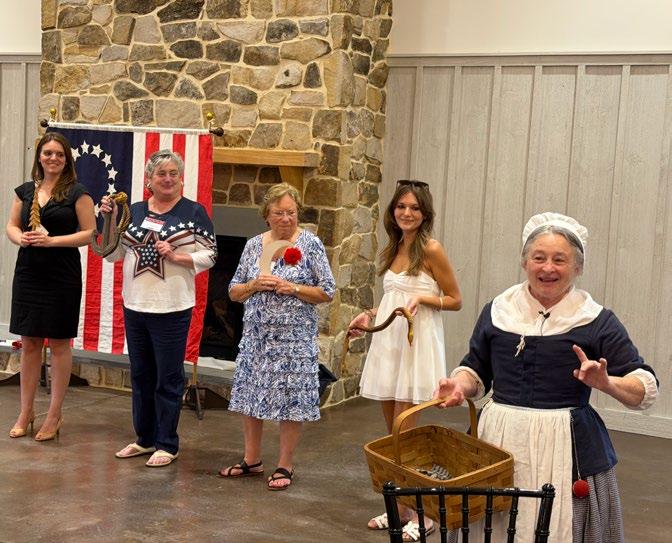
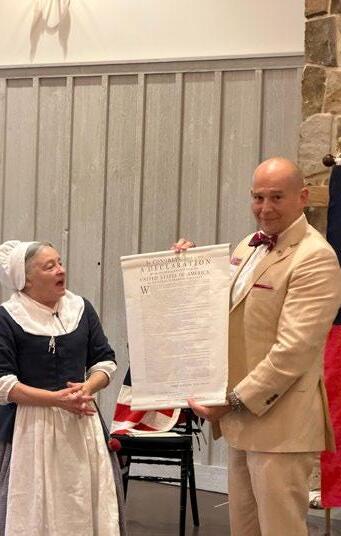
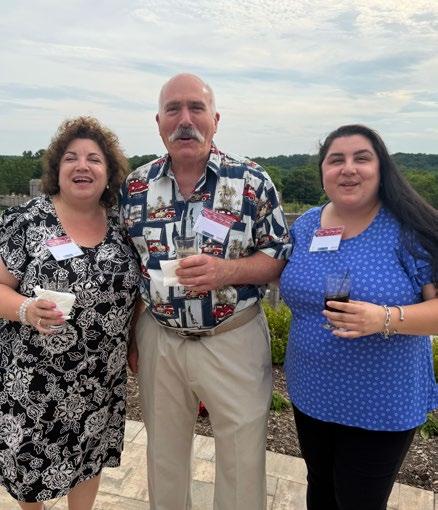
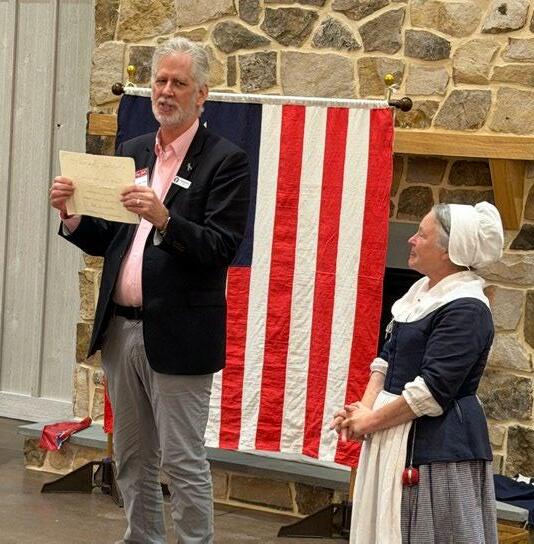
With “Happy Birthday, America” playing on a loop in my mind, we reimagined the annual June meeting of the Bar Leaders and Bench Dinner in two principal ways.
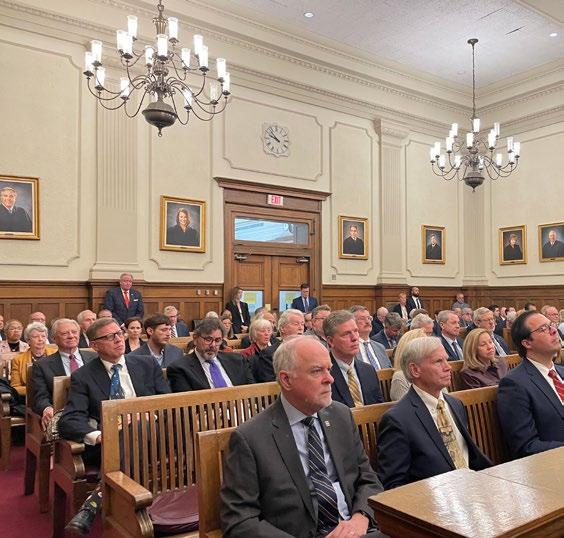
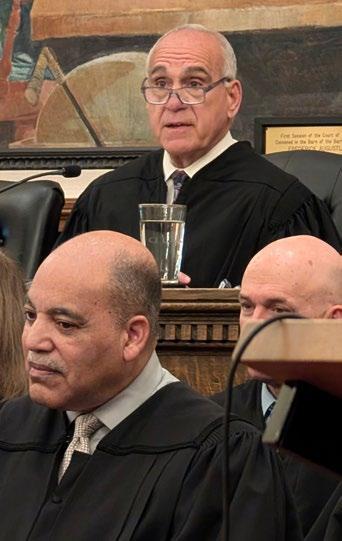
First, we took the opportunity of this gathering to honor all the retired and senior judges who served citizens of Montgomery County on the Court of Common Pleas. As members of this crucial third branch of government, each of these jurists took an oath to “support, obey, and defend” both the federal and state constitutions, and they discharged those duties with the utmost fidelity.
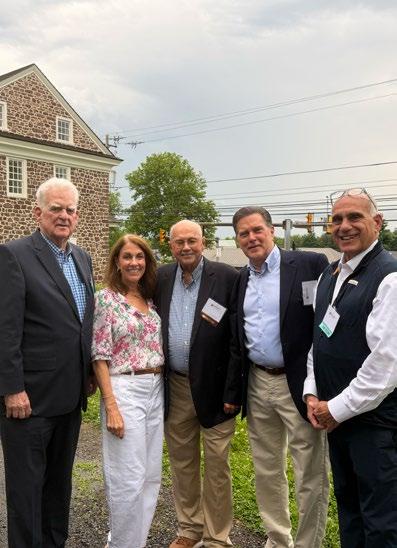
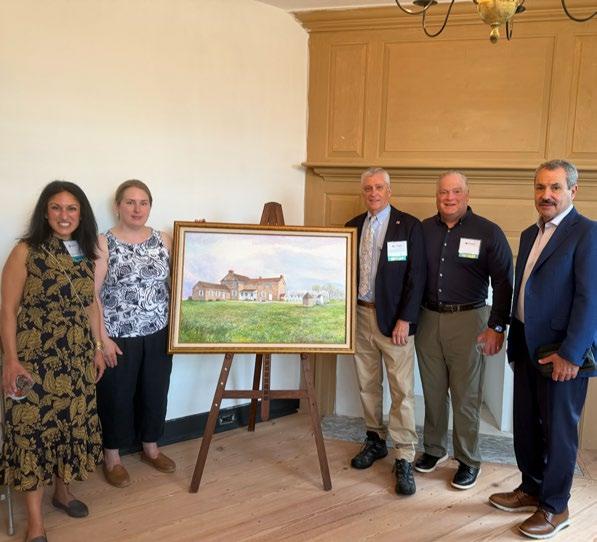
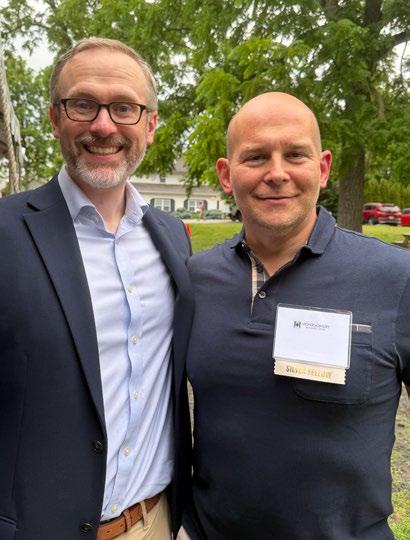
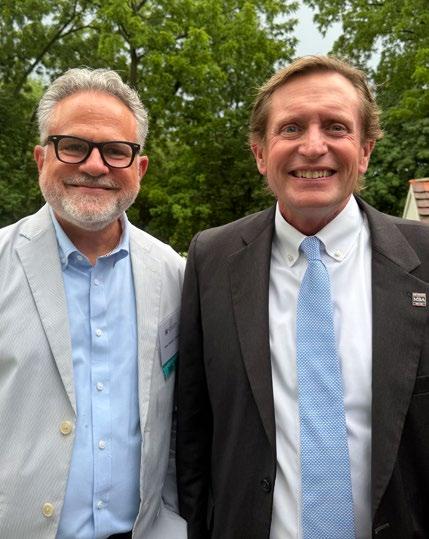
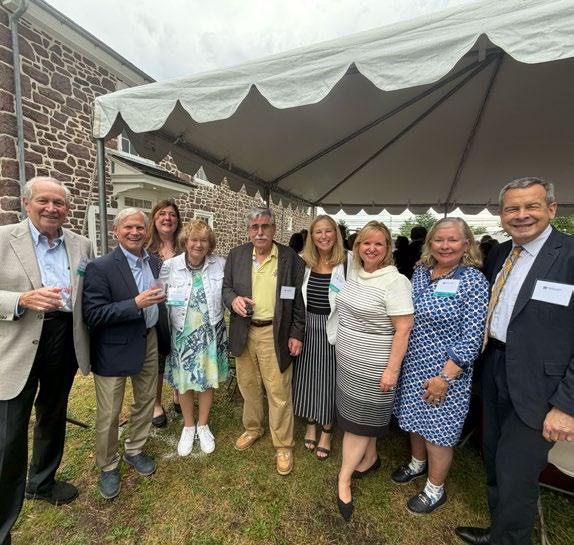
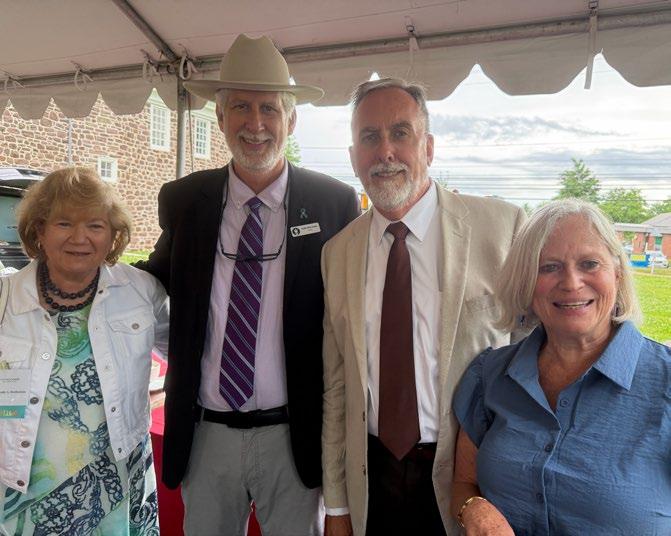
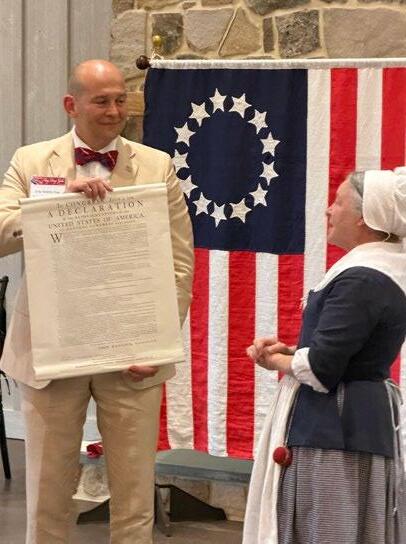
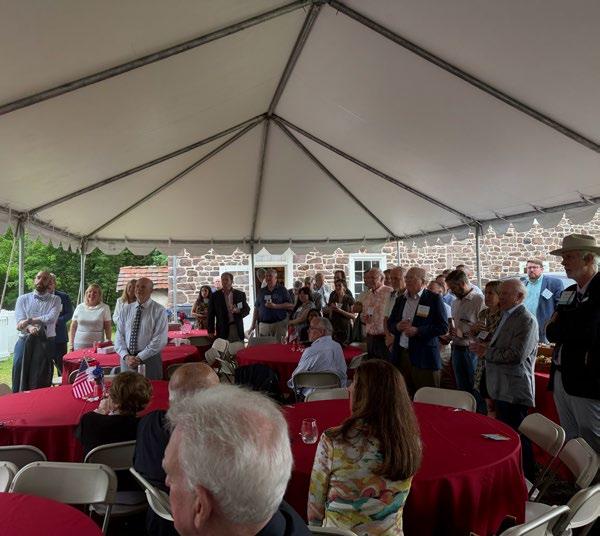
Second, we hosted the dinner in historic Trappe at the recently restored “Speaker’s House,” which was the home of Frederick Muhlenberg, the first Speaker of the United
At Tompkins, business as usual becomes business accomplished with cash management solutions that help you manage your time and money—and your rapidly growing success.
tompkinsbank.com
Scan the code for more information
States House of Representatives. Of more significance for the gathering, Mr. Muhlenberg also served as the first president judge, recorder of deeds, and register of wills of Montgomery County, and so his “house” served as the de facto center of Montgomery County government until Norristown became the official county seat. As the Court readies to move into its newest “house”—the $415 million Montgomery County Justice Center—meeting at this house provided a meaningful perspective of the role of the court for the community.
For as much attention as we have placed on honoring our past and those who helped keep this republic to celebrate its 250th Birthday, we have dedicated just as much, if not more, attention to celebrating the present and helping to secure the future. I highlight just a few, and I encourage you to keep the MBA calendar as a “favorite.”
First, the 250 Acts Challenge issued by President Judge Carluccio continues with gusto. Indeed, this challenge to our Board, committees, sections, and membership at large to perform acts of community outreach or service
continued on next page >
continued from page 5
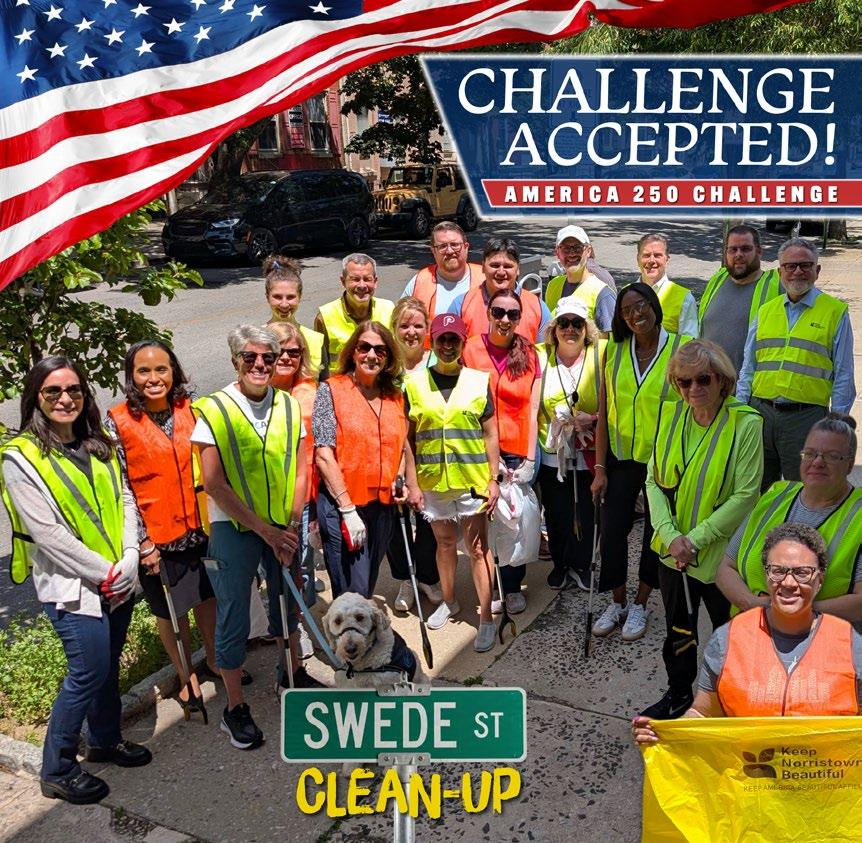
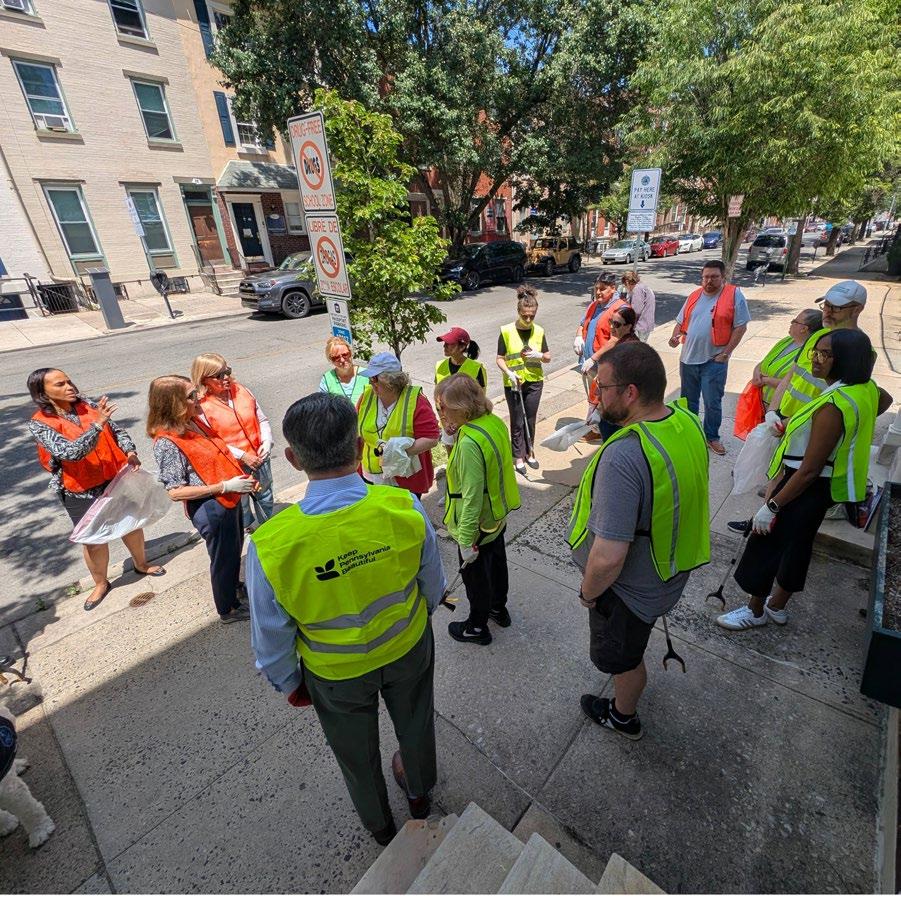
is perhaps the most direct and immediate way for us to show our patriotism by “taking the time to make our country a better place.” In a wonderful example of our joint commitment to these Acts, leaders in the Association joined numerous members of the Court—including President Judge Carluccio, Judge Rothstein, Judge Ronca, Judge TateWilborn, Judge Hughes, and Court Administrator Kehs— for the first clean-up of the two blocks of Swede Street we just recently adopted.
Second, the leaders of this Association and the Court remain committed to the initiative started last year during the term of Immediate Past President Wilson to bring civics education and discussion into the community. This spring, members of the Bench and Bar provided a three-part presentation on the Constitution and related case law to students and members of the community at
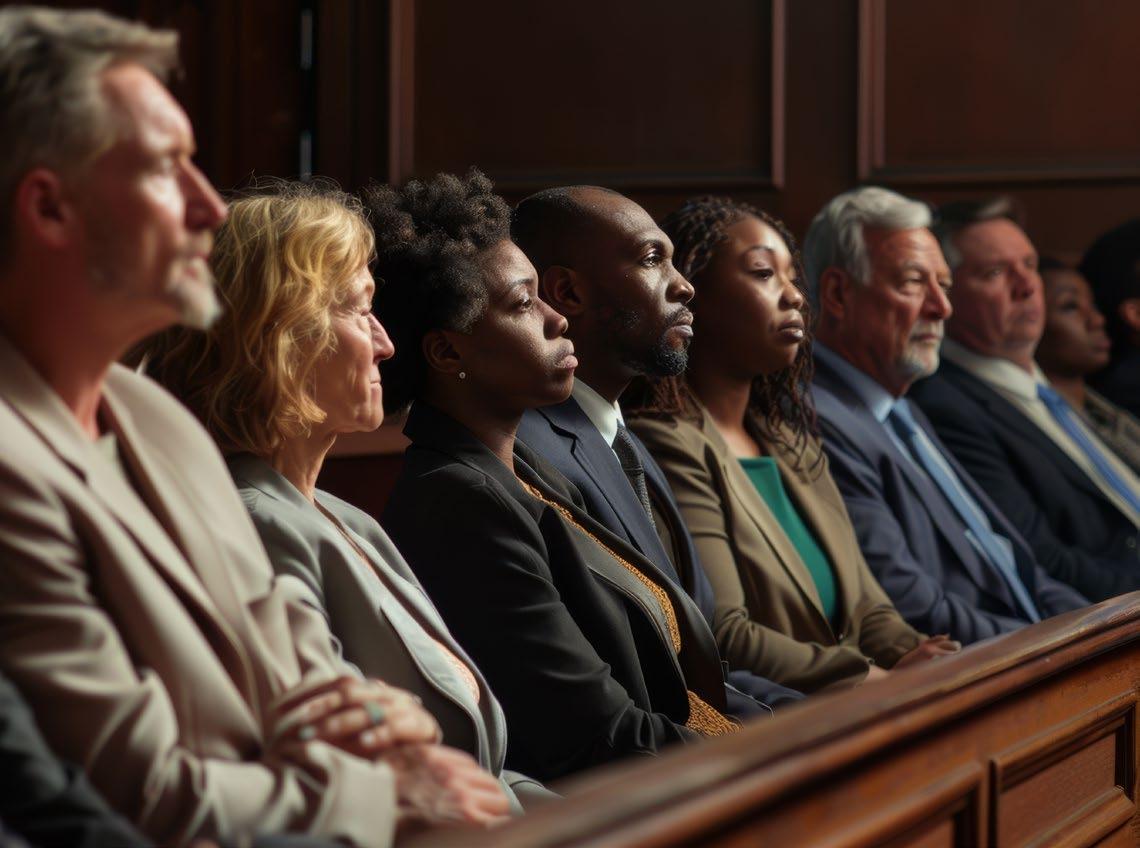
Manor College. The first week of June, we partnered with Pennsylvanians for Modern Courts for a panel of state and federal judges, along with our District Attorney and Chief Public Defender, to address the state of juries and potential areas for improvement on participation and diversity.
Third, and this is a call to action! We are actively working with our schools on two initiatives. We are working to restart the Liberty and Law program to have teams of lawyers and judges teach one civics class per month starting in Fall 2026 to a grade school class, and we are working to arrange for 250 classrooms to host our members in September 2026 in partnership with the Rendell Center for a virtual “read aloud” to celebrate Constitution Day. I sincerely hope you will join us for these community outreach efforts. If you are interested, please contact Executive Director Denise Vicario or me.
Lawyers are uniquely positioned to help people navigate some of life’s most difficult challenges. Yet for many members of our community, meaningful access to legal assistance remains beyond reach.
Every day, individuals face issues involving housing, family stability, elder care, consumer protection, and public benefits. The consequences can be significant, affecting not only legal rights but also a person’s security, health, and future.
WHY THE MONTGOMERY BAR FOUNDATION MATTERS
By Patrick J. Kurtas, Esq., President, Montgomery Bar Foundation
That reality underscores the importance of the Montgomery Bar Foundation.
As the charitable arm of the Montgomery Bar Association, the Foundation helps connect the legal community with organizations and programs that expand access to justice and strengthen our community. Through grants, partnerships, fundraising efforts, and volunteer engagement, the Foundation supports initiatives that provide assistance to those who need it most.
One of the things I have come to appreciate most during my time with the Foundation is the extraordinary willingness of Montgomery County’s legal community to support meaningful causes larger than ourselves.
Attorneys, judges, law firms, businesses, and community partners throughout Montgomery County continue to demonstrate that service remains one of the defining values of our profession. Through donations, sponsorships, volunteer efforts, and participation in Foundation programs, they help create opportunities that might not otherwise exist.
The Foundation’s impact is not measured solely by the events we hold or the funds we raise. It is reflected in the lives improved through the work of the organizations we support and the people they serve.
The legal profession has long recognized a responsibility to serve the broader community. The Montgomery Bar Foundation provides a way for us to fulfill that responsibility together.
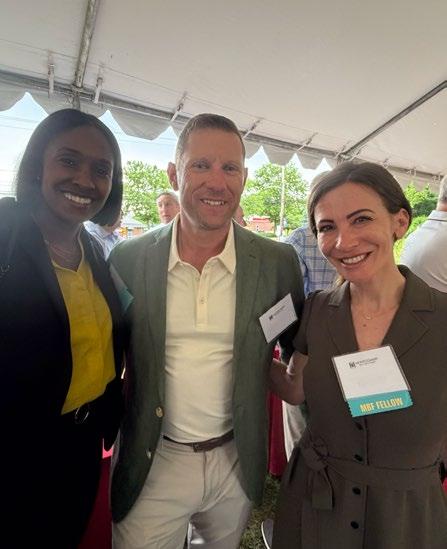
On behalf of the Foundation’s Board of Directors, thank you to our Fellows, donors, volunteers, sponsors, and community partners for your continued support. Your generosity helps ensure that the Foundation can continue investing in programs that make a meaningful difference throughout Montgomery County.
Artificial intelligence (AI) has rapidly evolved from a novelty into a daily tool for many attorneys. Whether drafting correspondence, reviewing discovery, brainstorming legal arguments, or summarizing voluminous records, AI can significantly improve efficiency. However, as lawyers increasingly incorporate generative AI into their practices, an important distinction has emerged: not all AI platforms are created equal.
TECHNOLOGY, ESQ.
AI IN THE PRACTICE OF LAW: WHY PAID PLATFORMS AND CLOSED-LOOP SYSTEMS MATTER
By Gregory Gilston, Esq., Co-chair, Sidebar Committee
The difference between a free public AI tool and a paid professional platform is not merely a matter of convenience; it is a matter of competence, confidentiality, and risk management.
Free AI Comes With Hidden Costs
Many attorneys first encounter AI through free versions of popular platforms. These tools are excellent demonstrations of what generative AI can do, but they often create ethical concerns when used in legal practice.
The primary concern is confidentiality, outlined in Rule 1.6 of the Pennsylvania Rules of Professional Conduct, which requires attorneys to take reasonable precautions to protect client information. While most major AI providers have improved their privacy policies, free consumerfacing platforms may utilize user inputs to improve future models, retain data for longer periods, or provide fewer administrative controls regarding information governance.
When attorneys upload pleadings, medical records, financial documents, or privileged communications into a public-facing AI system, they may unknowingly expose sensitive information to risks that would never be tolerated in any other technology environment.
Put simply: if you would not upload a client’s entire case file to a public website, you should think carefully before uploading it to a free AI platform.
Why Paid AI Platforms Are Worth the Investment
Paid AI subscriptions typically provide substantial advantages over their free counterparts. Among the most important benefits are:
• Enhanced privacy protections
• Administrative controls
• Increased context windows
• Better document handling
• Faster processing
• Access to premium models
• Enterprise security options
• Reduced likelihood of training future models on user data
For law firms, these features are not luxuries—they are safeguards.
The relatively modest monthly cost of a professional AI subscription can be insignificant when compared to the potential costs associated with a confidentiality breach, malpractice claim, or disciplinary complaint.
Understanding Closed-Loop Legal AI
Perhaps even more important than using a paid platform is understanding the concept of a closed-loop system.
Traditional generative AI tools operate by predicting language based on vast amounts of publicly available information. While they can produce remarkably
• MLM has returned a dividend to policyholders annually since 1988, over $88 million total
• First dollar defense- a loss only deductible can produce a substantial savings for firms facing nuisance type claims
• Full prior acts coverage
• Offers an array of services to mitigate risks including three free CLEs for policyholders each policy year, $165 value
Protecting Your Practice is Our Policy.®
persuasive writing, they are not inherently legal research tools.
A closed-loop legal AI platform functions differently.
Instead of relying solely upon generalized internetscale information, closed-loop systems limit their outputs to verified legal authorities, curated databases, or specifically identified source materials. The AI is effectively constrained to a trusted body of information.
This dramatically reduces the risk of hallucinations— the phenomenon where AI confidently generates legal authority, quotations, or citations that do not actually exist. For attorneys, that distinction is critical.
The Hallucination Problem Is Not Going Away
By now, most lawyers have heard the cautionary stories involving attorneys who submitted briefs containing entirely fabricated cases generated by AI. While these incidents make headlines, they represent a broader issue.
Generative AI is designed to produce language that sounds correct. It is not inherently designed to determine whether a statement is legally accurate. The better the writing becomes, the more dangerous the hallucinations become.
Get a fast quote today! Jason Joyce 215-668-0806 jjoyce@mlmins.com www.mlmins.com
As a result, lawyers should never rely upon any AI platform, regardless of sophistication, to independently establish legal authority. AI should assist legal analysis, not replace legal verification.
The Future Belongs to the Lawyers Who Learn AI Responsibly
Artificial intelligence is not replacing lawyers. However, lawyers who understand AI will increasingly outperform those who ignore it.
The most successful practitioners will not be those who blindly trust AI outputs. They will be those who understand where AI excels, where it fails, and how to integrate it responsibly into existing legal workflows.
The goal is not to delegate legal judgment to a machine.
The goal is to eliminate repetitive administrative work so attorneys can devote more time to what clients actually need: strategic thinking, advocacy, counseling, negotiation, and human judgment. In other words, the future of legal technology is not about replacing lawyers. It is about allowing lawyers to spend more time being lawyers.
Insuring Pennsylvania Law Firms since 1997
UPDATES & INSIGHTS
ON THE HORIZON: ELECTRONIC WILLS IN PENNSYLVANIA
By Mary Kay Kelm, Esq., Vice Chair, Probate & Tax Section
Executing legal documents by electronic means is efficient and convenient. For example, signing a contract for the sale or purchase of real estate via DocuSign is widely utilized in Pennsylvania. Currently, this practice does not extend to signing wills in Pennsylvania. Section 2502 of the Probate, Estates & Fiduciary Code requires every will to be in writing and signed by the testator at the end thereof. Pennsylvania has not yet passed legislation authorizing electronic wills, but may do so in the near future.
Current Pennsylvania Law
At present, Pennsylvania law does permit electronic notarization and remote online notarization for many documents, but those rules alone do not make an electronically signed will valid. The Pennsylvania Electronic Transactions Act, 73 P.S. 2260.101 et seq (“PETA”) expressly states that it does not apply to the creation of wills, codicils, and testamentary trusts. The Pennsylvania Uniform Law on Revised Notarial Acts, passed in October 2020 during the pandemic, permitted remote notarization but did not amend PETA’s prohibition. This generated confusion during a time of societal uncertainty, and many decedents chose to sign wills via remote notarization. However, as the Commonwealth’s acceptance of remote notarization did not expressly authorize electronic wills, Pennsylvania courts faced enforcement issues beginning in 2021.
Case Law and Practical Uncertainty
The Orphans Court Divisions of the Common Pleas courts were not uniform in their treatment of electronically signed wills. In Re: Estate of Joyce Waltham, Deceased was decided May 17, 2021, in Cumberland County, and upheld the validity of a will testator signed by remote notarization while she was in lockdown in her retirement community during the pandemic. By contrast, In Re: Estate of Baker, decided just six weeks later by the Lancaster County Orphans Court, affirmed the Register of Wills’ denial of probate of an electronically signed will. The Superior Court
subsequently decided In Re: Estate of Kittler, 303 A.3d 465 (2023), affirming the refusal to probate a will bearing an electronic signature image rather than a traditional manual signature. Following this case, practitioners continued to treat paper execution of wills with wet signatures as the most reliable course of action.
Pending Legislation
Following the Waltman decision, the Pennsylvania Bar Association created a joint E-Wills task force with the guiding principle of using technology to facilitate the execution of wills and estate planning documents in Pennsylvania. Very recently, on January 9, 2026, Pennsylvania Senate Bill 1138 was introduced to adopt a version of the Uniform Electronic Wills Act and related uniform legislation for electronic estate planning documents. As introduced, the bill would amend Title 20 to add Chapter 26 (the Uniform Electronic Wills Act) and Chapter 40 (the Uniform Electronic Estate Planning Documents Act). Together, these chapters would expressly authorize electronic wills, establish execution requirements for them, and recognize concepts such as electronic presence, electronic signatures, self-proving electronic wills, and certified paper copies. The bill was referred to the Senate Judiciary Committee, and as of June 2026, has not been enacted. The proposed legislation requires an electronic will to be: 1. A record that is readable at the time of signing; 2. Signed by the testator; and 3. Signed by two individuals in the presence of the testator, both of whom are residents of the state where the record is being signed. The proposed legislation also provides that an electronic will may be simultaneously executed, attested, and made self-proving if the acknowledgment and affidavits are made before an officer authorized to administer oaths, or before a Pennsylvania licensed attorney.
Senate Bill 1138 also extends to Non-Testamentary Estate Planning Documents, such as a trust instrument or power
of attorney. If signed electronically, those documents are defined as legally valid under the pending legislation.
Critics of the bill contend that electronic wills are prone to fraud and undue influence. In addition, storage of electronic wills can be problematic given technology failures or hacking.
Interestingly, 15 U.S. states have passed legislation authorizing electronic wills that can be created, signed, and stored digitally without needing to be printed. Maryland passed such legislation in 2022, and New York recently passed e-will legislation, which takes effect in June of 2027.
Conclusion
For now, electronic wills in Pennsylvania are not acceptable. Unless Senate Bill 1138 or similar legislation is enacted, the prudent approach for the practitioner is to execute wills in traditional paper form signed in compliance with Title 20 of the PEF Code. With the consistent growth and integration of technology in all practice areas of Montgomery County attorneys, it appears likely that the pending electronic wills legislation, or some version thereof, is coming to
planning and administration in the not-too-distant future.
UPDATES & INSIGHTS
THE ESTATE PLAN IS SIGNED—BUT IS IT IMPLEMENTED?
By Mark Gernerd, M.B.A., J.D., LL.M., CFP®
For many clients, signing estate planning documents can create a sense of relief. Wills are executed, trusts are drafted, powers of attorney are finalized, and binders are stored safely away. From the client’s perspective, the work is done.
In practice, however, some of the most important issues can arise after the documents are signed.
As fee-only fiduciary advisors, we often find that the long-term success of an estate plan depends not only on the legal documents themselves, but also on whether the surrounding financial decisions remain coordinated over time. While we do not practice law, we regularly work alongside attorneys to help clients carry out and maintain the practical side of their planning.
One pattern we’re seeing more often is that older estate planning documents were drafted under very different estate tax rules. Some plans created years ago may have been designed around substantially lower lifetime exclusion amounts and may not operate the way the client expects today. In some cases, formula clauses or trust structures that once made sense can potentially create complexity, administrative burdens, or unintended outcomes if they are not revisited with counsel.
These situations are rarely the result of poor planning. More often, tax laws, family circumstances, and balance sheets evolve over time.
Children become adults. Marriages, divorces, deaths, inheritances, business sales, relocations, and retirements all create ripple effects that can unintentionally undermine older planning strategies. We often meet clients whose documents were exactly right 10 or 15 years ago but no longer reflect their current family dynamics, tax picture, or asset structure.
Even well-designed plans can become disconnected from reality if they are not reviewed periodically.
This is where ongoing coordination can become especially helpful. A fiduciary advisor is often in a position to notice changes in cash flow, investment structure, retirement distributions, account titling, or family circumstances that may signal the need for a legal review. While legal advice must always come from counsel, financial advisors can help identify situations where a review or conversation may be appropriate.
For example, a client may:
• Open new accounts that are never titled in a way that supports the plan
• Build concentrated stock positions that create liquidity concerns
• Change residency to another state with different estate or income tax rules
• Add significant real estate holdings
• Maintain outdated beneficiaries on retirement plans
• Serve as a trustee for aging parents without fully understanding the administrative responsibilities involved
These are not purely investment issues, nor are they purely legal issues. They sit at the intersection of both disciplines.
We also see challenges arise after the death of a spouse or parent. Executors and surviving family members are often overwhelmed by operational tasks: locating accounts, organizing statements, handling inherited IRAs, understanding trust provisions, coordinating appraisals, and managing tax obligations. In those moments, a coordinated relationship between attorney, accountant, and advisor can help materially reduce confusion and administrative stress for the family.
When it’s treated as an ongoing process rather than a one-time event, estate planning tends to work best. We generally encourage clients to revisit their documents with their attorneys every five years or after any major life or financial change. The goal is not necessarily to rewrite documents each time, but rather to confirm that the existing plan still aligns with current circumstances and that implementation remains intact.
From our perspective, some of the best client outcomes can occur when attorneys, accountants, and fiduciary advisors operate collaboratively rather than independently. Each professional sees different aspects of the client’s financial life, and coordination across those perspectives can help prevent avoidable oversights.
The documents may form the foundation of the estate plan, but long-term success is supported by consistent follow-through, communication, and periodic review. If you’d like to talk more about how we support clients through the practical side of implementing their plans, we’d welcome the conversation. Feel free to reach out anytime.
Mark Gernerd, M.B.A., J.D., LL.M., CFP®, is a Wealth Manager and Principal in Modera Wealth Management’s Philadelphia area office. Contact him at markg@moderawealth.com.
ATTORNEY DISCIPLINARY AND ETHICS MATTERS
consultation and expert testimony in disciplinary matters and matters involving ethical issues, bar admissions and the Rules of Professional Conduct
James C. Schwartzman, Esq.
• Judge, Court of Judicial Discipline
• Former Chairman, Judicial Conduct Board of Pennsylvania
• Former Chairman, Disciplinary Board of the Supreme Court of Pennsylvania
• Former Chairman, Continuing Legal Education Board of the Supreme Court of Pennsylvania
• Former Chairman, Supreme Court of Pennsylvania Interest on Lawyers Trust Account Board
• Former Federal Prosecutor
• Selected by his peers as one of the top 100 Super Lawyers in PA and the top 100 Super Lawyers in Philadelphia
• Named by his peers as Best Lawyers in America 2022 and 2015 Philadelphia “Lawyer of the Year” Ethics and Professional Responsibility Law and Legal Malpractice Law
1500 Market Street, East Tower, Suite 1800 • Philadelphia, PA 19102 (215) 751-2863
UPDATES & INSIGHTS
JUDGING JURIES
By Joan Orsini Ford, Esq., Chair, Trial Lawyers Section
This week, I attended an eye-opening presentation by the Montgomery Bar Association and Pennsylvania for Modern Courts, “Judging Juries.” Frankly, I had never given much thought to the complex processes the courts and counties use to meet our expectations, or that the processes can quietly disenfranchise large segments of society.
As a trial lawyer, when I walk into the courthouse on the first day of a jury trial, the last thing on my mind is the availability of jurors. Let’s face it—at that point, every trial lawyer is laser-focused on his or her case, arguing motions in limine, refining opening statements, the order and examination of witnesses, and organizing and managing exhibits. We know that the Seventh Amendment of the U.S. Constitution and the Pennsylvania Constitution guarantee the right to a jury trial in civil cases. When a jury of 12 has been requested, we simply expect there to be jurors waiting patiently in the jury marshalling room. Once we are settled at the counsel table, the judge makes the call, and a panel appears so we can begin voir dire. The panel arrives, we mull over the individual jurors, feverishly review the jury questionnaires, scribble notes, and start to weed out who we think would or would not make a good juror for our case.
random from a representative cross section of the eligible population of the county,” 42 Pa.C.S. 4501. The law explicitly dictates that no citizen shall be excluded from serving on a jury on the basis of race, color, religion, sex, national origin, or economic status. Consider how this plays out locally in Montgomery County. The jury pool is randomly selected from the voter registration list and Pennsylvania Licensed Driver records. While this appears completely neutral, it can fail to produce a representative crosssection of the community. This continues in the courtroom, where economic hardships often result in excusals from jury service, leaving juries less diverse.
In Pennsylvania, the statutory general rule is that “all persons entitled to a jury trial in a civil action or criminal proceeding shall have the right to jurors selected at
Serving on a jury is a fundamental civic duty. To encourage more diverse participation, we must actively engage in educating our communities and promoting civic responsibility at every opportunity. When you hear friends or family members complain about receiving a jury summons, or they ask how to get out of jury service, persuade them to show up and embrace the experience. Chances are, if selected for a jury, it will be a rewarding experience. Consider actively encouraging local business owners to provide paid jury leave. We cannot afford to remain passive observers. Achieving truly representative, diverse juries requires participation and advocacy. As trial lawyers, we are uniquely positioned to protect the integrity of the system and make a difference.
Friend of Court (FOC) Program
The Friend of Court (FOC) program has officially been reset into motion in the PFA Courtroom. The FOC is a unique program that enlists volunteer attorneys to assist in the resolution of cases in the PFA Courtroom. In reinstating the FOC program, Judge Dan Clifford, Administrative Judge of Family Division, stated: “The PFA Courtroom is an extremely busy and intense setting, addressing approximately 35 new filings every week, with a large volume of self-represented litigants. The FOC is an ‘extra set of hands,’ working collaboratively with our court advocates, to reach resolutions of custody and divorce issues that are often raised within the PFA filings.”
The FOC attorney volunteers do not represent either of the litigants. Instead, they work in tandem with advocates from the Legal Advocacy Center to assist with reaching agreements on any non-abuse issues that typically are an offshoot of the underlying PFA Petition. With many oftentimes contentious and emotionally driven cases, the FOC can be a neutral resource in assisting with the divorce and/or custody elements.
The MBA Family Law Section is seeking attorney volunteers, willing to dedicate just a few hours on Wednesday mornings, to assist the Family Court in resolving these matters in lieu of further litigation. Due to their neutrality, the FOC
UPDATES FROM FAMILY COURT
By Gabriella Lacitignola, Esq., and Lydia Terrill, Esq.
neither provides legal representation during hearings nor offers legal advice to parties.
Judge Wendy Demchick-Alloy, who currently presides over PFA Court every week, noted that: “The FOC program benefits the Court handling PFA matters in providing critical assistance to litigants who are often unaware and/or unmindful of the legal issues involved. By assisting in resolving these cases, the FOC attorneys bring their knowledge, skill, and experience to situations that are often fraught with challenge, bringing increased clarity, understanding, and direction.”
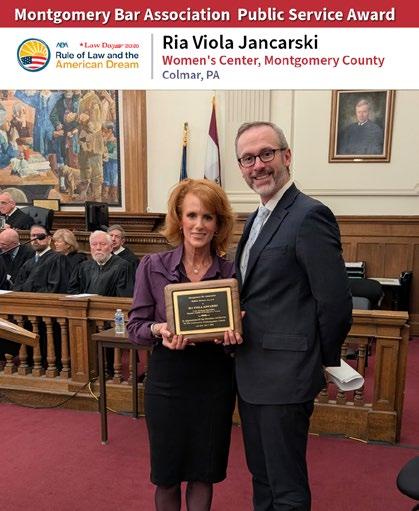
Ria Jancarski, Legal Advocate with the Women’s Center of Montgomery County, also recognizes the importance of advocating for those who have truly been victimized, whether they are the petitioner or the defendant of a PFA Order. “What sets us apart as advocates is that we understand the statute that is required to obtain a Final Order. Many petitioners can find ways to manipulate the PFA forum. Just because a Petition for protection was filed, many layers still need to be pulled back and looked at on both sides. Our primary goal and focus as advocates is to ensure that the real victim is advocated for and given options on how they wish to move forward. While we are not attorneys, we are also there to help manage people’s expectations and offer invaluable resources through our non-profit organization, The
Women’s Center, also known in the courtroom as The Legal Advocacy Center. Our advocacy allows people the opportunity to feel heard and seen, while also trying to be a sound and fair voice of reason.”
To be a volunteer as an FOC is relatively simple: Each volunteer must review a 20-minute FOC training video as well as written materials. Volunteers must confirm that they have completed these training steps before appearing on their designated PFA day. Notably, Judge Clifford announced that a new element of the FOC program provides that volunteers will be able to submit their FOC time for CLE credit (every five hours of volunteer time is eligible for one substantive CLE credit).
Interested volunteers for the FOC program should contact Gabriella Lacitignola at gabi@mflpa.com and/ or Inna Materese at inna@mflpa. com. The Family Court and the MBA Family Law Section are appreciative of all volunteers’ dedication, time, and efforts, as all involved have worked to get the program off the ground over the last couple of months.
Pro Bono Family Law Arbitration Program
The Montgomery Bar Association Family Law Section is excited to announce the launch of its Pro Bono Family Law Arbitration Program, a pilot program that began in June 2026 aimed at helping low-income Montgomery County residents avoid continued on next page >
UDATES FROM FAMILY COURT
continued from page 15
costly divorce proceedings by offering a free and efficient way to resolve their economic claims related to their divorce. This voluntary program offers qualifying individuals the option to submit their economic claims to binding arbitration with a trained, neutral arbitrator, free of charge.
To qualify, both parties must reside in Montgomery County and must have an annual income at or below 200% of the Federal Poverty Guidelines. They must be involved in a divorce in which economic claims have been raised (including division of property and debt, and/or alimony), and they must agree to submit these claims to binding arbitration. The types of cases that are appropriate for this program include divorce cases with minimal, if any, assets, like cars and personal property, and cases involving debt only. These cases will be referred to the program through various channels, including by the Family Court Judges during the Case Management Conference proceedings.
Once eligibility is confirmed, the parties will be assigned an Arbitrator within approximately 30 days. The Arbitrator is responsible for performing a conflict search, domestic violence screening, and confirming that both parties consent to proceed with binding arbitration. Thereafter, a virtual or in-person session will be scheduled, after which the arbitrator will issue a written Arbitration Award. From there, the parties are responsible for confirming the award and requesting the entry of a Divorce Decree, including payment of filing fees.
The Attorney Arbitrators must meet certain qualifications, including completing arbitration skills training. The MBA Pro Bono Family Law Arbitration Committee will manage the list of approved Arbitrators. At present, the co-chairs of this Committee are the program founders,
Rochelle (“Shelly”) B. Grossman, Esquire, and Carolyn Moran Zack, Esquire. Shelly said, “The benefits of arbitration should not be limited to only those wealthy enough to afford it. This program offers an efficient and free alternative to bring closure and finality to divorcing parties who qualify in Montgomery County.” Carolyn added, “Our goal is simple: to give low-income families a fair, efficient way to resolve their financial issues without the cost and delay of traditional litigation. This program removes barriers to allow people to rebuild their lives with dignity.” Shelly and Carolyn thanked Montgomery County Family Court for supporting this program, and their Montgomery Bar Association Family Law Section colleagues, who will act as arbitrators for stepping up to meet a need.
This is a pilot program that will hopefully inspire other counties to create similar programs. According to Judge Daniel Clifford, “This program provides a service for low-income litigants to address their property disputes, without the cost of going through the court system.” This program provides a benefit to the court, as it will remove cases from the Court’s inventory. It will also allow the Hearing Officers to dedicate their time and attention to more complicated cases. Most importantly, it will provide a needed service to low-income residents of Montgomery County, to have their economic claims heard and decided quickly, fairly, and efficiently, allowing families to move forward with their lives after divorce.
Child Support Enforcement
Judge Clifford recently announced that steps are being taken to implement new procedures for child support enforcement matters. Currently, Judge Clifford and Judge Kelly Wall hear approximately 60 of these matters each month. In most cases, neither party is represented by counsel, and plaintiffs rarely appear.
Clifford stated: “As a result of a recent Supreme Court of Pennsylvania decision, it is now incumbent upon DRO, more than ever before, to fully develop the record in child support enforcement proceedings prior to the imposition of incarceration. In addition, the Opinion provides that the presiding Judge is responsible to ensuring that the record is fully developed.”
Going forward, there will be an attorney representing DRO in each of these matters who will prosecute the case and cross-examine the Defendants on the ability to pay. Lisa Kane Brown, Esquire, has been appointed to serve in this capacity. The DRO Hearing Officers will serve as a witness and, consistent with current practice, will provide a comprehensive written Report to place in the record.
“We appreciated obtaining funding approval from the County, expeditiously providing us with the ability to transition to the new procedure in the Courtrooms in the coming weeks,” Clifford added.
One of the central missions of the Young Lawyers Section (YLS) is to support attorneys in the earliest and often most demanding stages of their legal careers. Whether navigating unfamiliar practice areas, preparing for first courtroom experiences, or building confidence in client representation, new lawyers benefit most from practical, accessible, and high-quality continuing legal education. With that goal in mind, the YLS launched its new “101 Series” CLE initiative—an effort designed to provide foundational instruction across core practice areas while fostering meaningful connections between emerging and experienced practitioners.
The “101 Series” reflects a deliberate focus on the fundamentals. Rather than assuming prior experience, these programs are structured to meet young lawyers where they are—offering clear overviews, practical guidance, and real-world insights that participants can immediately apply. Each session brings together a distinguished panel consisting of a sitting judge and seasoned attorneys who actively practice in the featured area of law. This format ensures not only doctrinal clarity but also invaluable perspective from both the bench and the bar.
We were proud to launch the series in April with Civil Law 101, which provided attendees with a
BUILDING FOUNDATIONS: THE YLS “101 SERIES” CLE INITIATIVE
By Ashley Garland, Esq., Chair, Young Lawyers Section
comprehensive introduction to the lifecycle of a civil case. The program covered key topics such as pleadings, motion practice, discovery, and trial preparation. Our panelists offered practical tips on drafting effective motions, managing deadlines, and maintaining professionalism in contentious matters. The participation of a sitting judge added an especially valuable dimension, giving attendees insight into courtroom expectations, common pitfalls, and strategies that resonate from the bench.
Building on that momentum, the YLS is pleased to continue the series this fall with two additional programs. Family Law 101, scheduled for September, will provide an overview of key issues in domestic relations practice. As with all programs in the series, attendees can expect a balanced perspective from a family court judge and experienced practitioners who will share both substantive knowledge and practical guidance for navigating this deeply personal area of law.
In October, we will present Criminal Law 101, offering a foundational look at criminal procedure and practice. With insight from a sitting criminal court judge and seasoned attorneys, participants will gain a clearer understanding of courtroom dynamics and the ethical and strategic considerations unique to criminal practice.
A defining feature of the “101 Series” is its emphasis on interaction. Each session is structured to allow ample time for questions, encouraging attendees to engage directly with panelists. This open dialogue not only clarifies complex issues but also helps demystify the practice of law for newer attorneys. By creating space for honest discussion, the YLS aims to foster both competence and confidence among its members.
Equally important, these programs serve as a bridge between generations of lawyers. By bringing together judges, experienced practitioners, and newer members of the bar, the series promotes mentorship, collegiality, and the sharing of institutional knowledge that strengthens our profession as a whole.
The YLS is committed to continuing to expand programming that is responsive to the needs of young lawyers. The “101 Series” represents an important step toward ensuring that all attorneys— regardless of their starting point— have access to the tools, insights, and support necessary to succeed.
We encourage all members, whether new to practice or simply new to a particular area of law, to attend these upcoming sessions. Together, we can continue building a stronger, more prepared, and more connected bar.
TODAY’S STUDENTS, TOMORROW’S COLLEAGUES: THE ROBERT E. SLOTA, JR., DIVERSITY INTERNSHIP AND DEVELOPMENT PROGRAM
By Elizabeth Rafter, Esq., Co-chair, Diversity, Equity, & Inclusion Committee
As the weather heats up and students begin a welldeserved summer break, there is a select group who are starting a truly life-altering summer experience. Returning for its 18th year, the Montgomery Bar Association’s annual Robert E. Slota, Jr., Diversity Internship & Development Program (the Slota program) welcomes a new group of 12 students who will experience the law in new ways through internships, professional development workshops, and networking events. The students chosen for the Slota program are part of an underrepresented group in the Greater Philadelphia area; have overcome obstacles; and/ or come from a disadvantaged background. This year’s group consists of 11 rising 2Ls and 3Ls from local law schools and one rising senior.
The students who are participating in internships with local law firms and the Montgomery County District Attorney’s Office have the opportunity to put the reasoning and analytical skills honed through their classes to the test while working with lawyers and clients to achieve outcomes they previously only imagined. They will also learn things that cannot be taught in the classroom, like how to manage client expectations, how their research skills can make or break a case, and how to adapt to working with lawyers who have different methods and styles.
Through the weekly development sessions, all of the participants will experience what are essentially miniCLEs and networking events with various members of the Montgomery Bar Association (MBA) and many of the Honorable Judges of Montgomery County. They will focus on the development of both their practical and interpersonal skills for their roles as attorneys.
As a two-time participant of the Slota program, I can attest that this program is the foundation of my interest in my area of law and the reason I stayed in Montgomery County after graduation. During my first summer in the Slota program, my internship was split between two local firms, where my passion for fiduciary litigation was ignited, and I learned the true value of one’s reputation—in the Bar Association, with the Bench, and with opposing counsel. My second summer, I was lucky enough to do an internship rotation with six judges in every section of the Court of Common Pleas. As an aspiring litigator, this rotation gave me the opportunity to see how the advocacy skills I learned in the classroom and my previous internships could affect a case from the judicial perspective. The MBA gave me the tools and opportunities to forge my path forward, and for that I am forever grateful.
The Slota program administrator, Nancy Walsh, has been instrumental in her efforts to maintain and help grow the program. Over the past several years, the Slota program has expanded to include undergraduate/pre-law students in order to bolster the pipeline of underrepresented future lawyers. Nancy has watched undergraduate students come back as law students, and law students come back as MBA members, committee chairs, and Leadership Academy participants. Being a part of the Slota program has been one of the highlights of her career, and she is proud of both the students in the program and the MBA for its dedication to promoting diversity, equity, and inclusion in the legal profession. The Slota program participants are invested in their futures, and the MBA is equally invested in them.
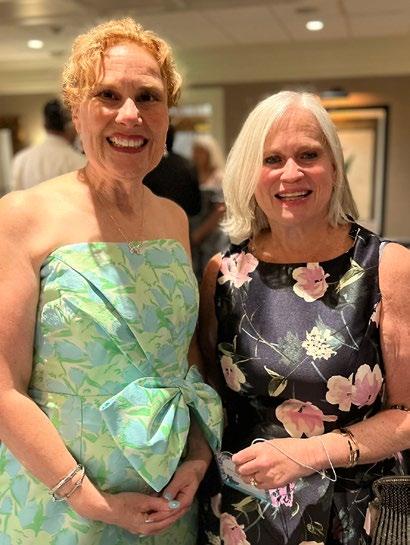
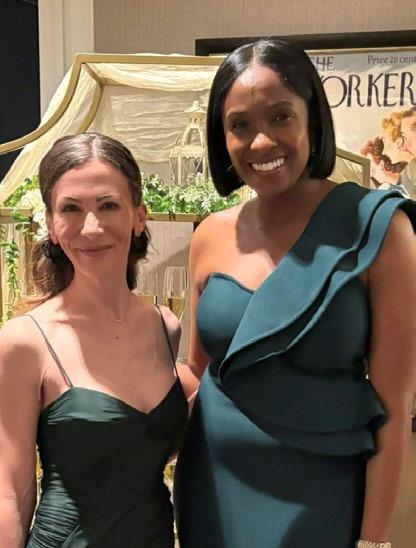
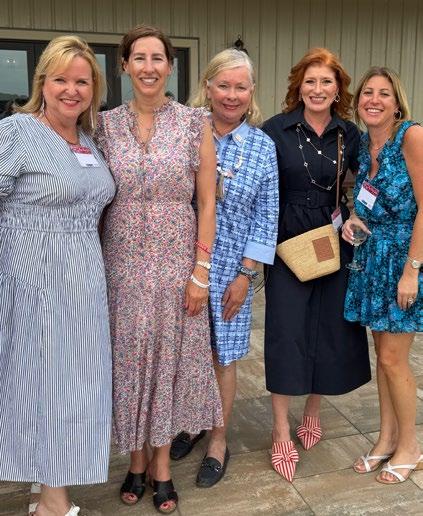
2025 Women in the Law Networking Event
If you are interested in hosting, sponsoring, or mentoring for next summer’s Slota program, please contact Nancy Walsh at nancy@tbdnowllc.com.
UPDATES & INSIGHTS
RISE TO THE CHALLENGE WITH THE PRO BONO, ACCESS TO JUSTICE, AND COMMUNITY SERVICE COMMITTEE
By Timothy M. Knowles, Esq., and Kathryn M. Palladino, Esq, Co-chairs, Pro Bono Access to Justice, and Community Service Committee
In celebration of America’s 250th birthday, President Judge Carluccio and MBA President Colin O’Boyle challenged MBA membership to complete 250 individual acts of community service and outreach in 2026. If you’re looking for ways to meet that goal, get involved and have fun with the Pro Bono Committee.
The Pro Bono Committee had a busy start to the year. On March 3, 2026, we worked with Prothonotary Noah Marlier’s office and Legal Aid of Southeast Pennsylvania (LASP) to draft name change petitions for Montgomery County residents. The Prothonotary waived filing fees for the petitions, and the MBA provided free advertising in the Law Reporter.
On March 23, 2026, we volunteered at the Wills for Seniors event at the TriCounty Active Adult Center in Pottstown. Committee members worked with the SeniorLAW Center to draft wills and powers of attorney for seniors aged 60 and older.
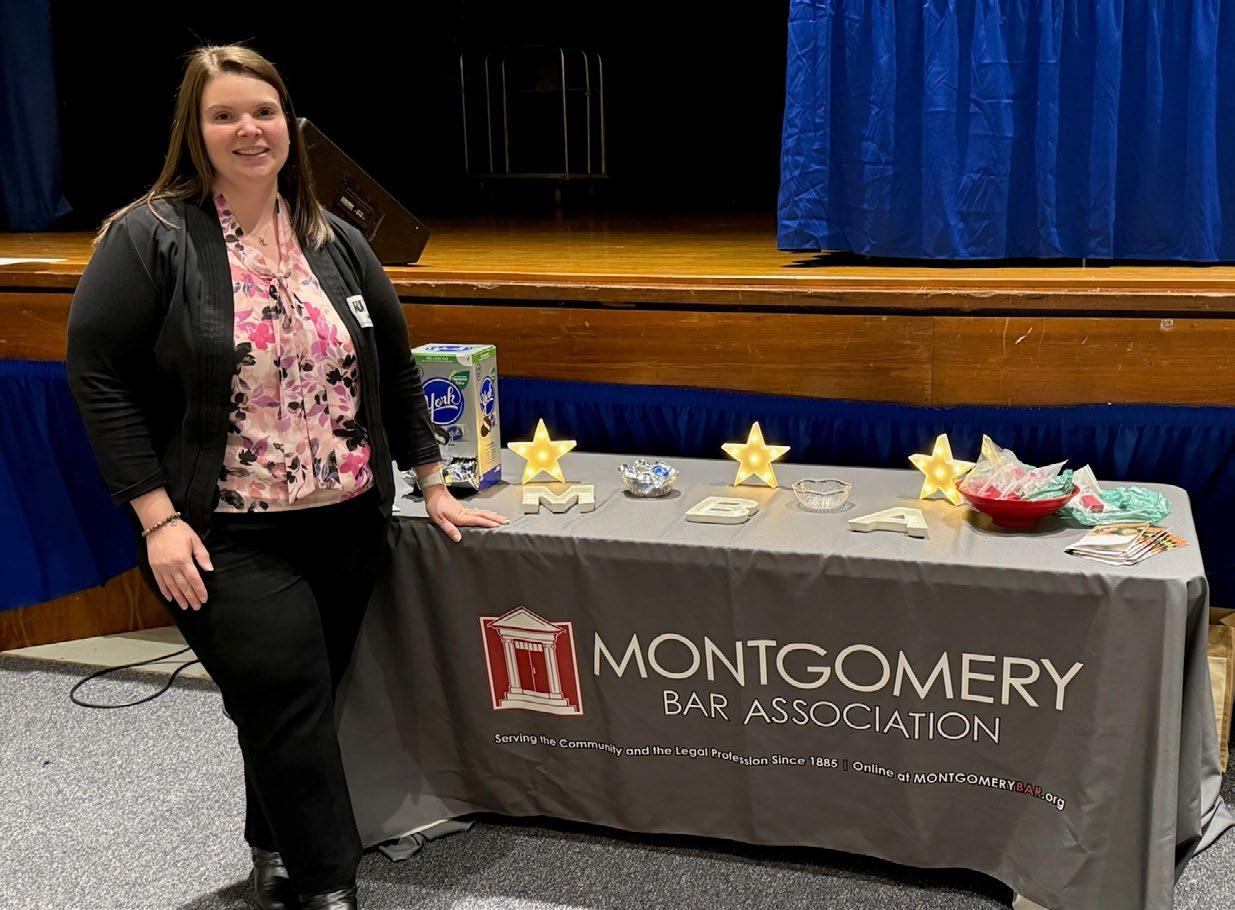
Further, on April 18, 2026, we helped staff the MBA table at the International Spring Festival at North Penn High School. When we weren’t eating delicious food and listening to music, we spoke to attendees about the programs offered by the MBA and LASP. Most importantly, we gave away a lot of candy.
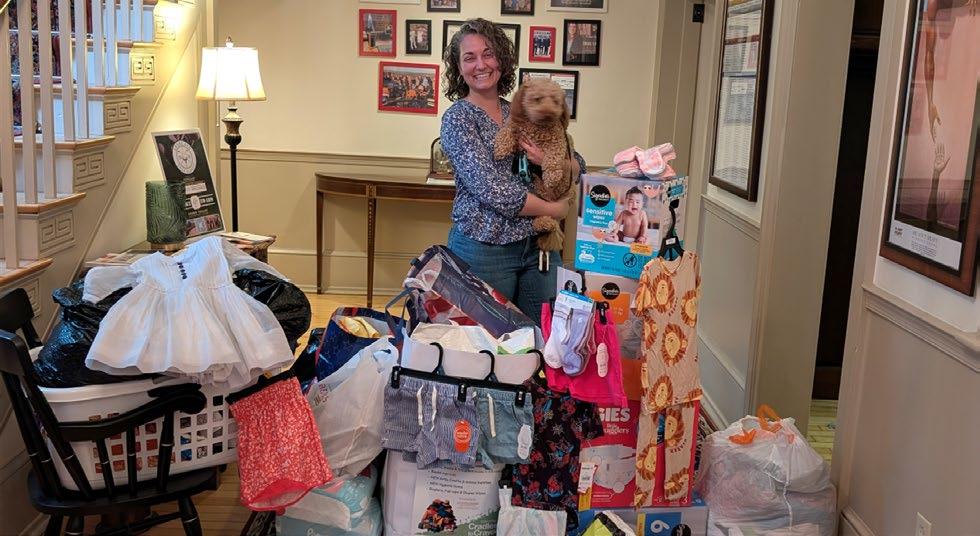
We have some exciting projects for the end of the year. Following up on our conversation with Judge Walker about his volunteer activities, we are collecting toiletries and clothing for the Roosevelt Campus of the Norristown Area School District. Students at the Roosevelt Campus are high school students focused on credit recovery, which allows them to get back on track and graduate on time with their class at Norristown High School. A collection box is located in the lobby of the bar building. The collection will run until August 7, 2026.
In addition, on the morning of October 7, 2026, we will be preparing lunch at Cecil and Grace Bean’s Soup Kitchen. The soup kitchen serves over 500 meals per week to individuals in the Norristown community. We will cook, clean, and serve meals to over 100 people experiencing food insecurity.
If you’d like to get involved, contact committee co-chairs Kate Palladino (kpalladino@lasp.org) or Tim Knowles (tknowles@wmpalaw.com). We’re happy to hear ideas for future activities.
There are numerous ways to learn about the American Revolution— books, documentaries, movies, lectures, artifacts, and paintings, among others. One of the best ways, however, is to pay a visit to the Museum of the American Revolution. This museum, located at 101 S. Third Street in the heart of Old City Philadelphia, is a unique, one-of-akind institution dedicated solely to the American Revolution.
A VISIT TO THE MUSEUM OF THE AMERICAN REVOLUTION
By Peter E. Moore, Esq., Co-chair, Historical Committee
The museum opened on April 19, 2017, and offers an unmatched collection of artifacts, immersive galleries, interpretive programs, theater experiences, exhibits, tableaus, and interactive experiences, all of which help explain and explore the American Revolution, its causes, and effects. Informed museum staff are available to answer questions and facilitate your visit.
Lexington and Concord may have been where the shooting started, but the first major Revolutionary event took place in Philadelphia when the first Continental Congress convened on September 5, 1774, a full seven months prior to that battle. 12 of the 13 colonies (Georgia did not attend) met to discuss a common colonial response to what the colonists referred to as “The Intolerable Acts”—laws passed by Great Britain which were intended to reassert the authority of the crown over its recalcitrant North American possessions. While this congress was not focused on the Revolution, it laid the groundwork for subsequent gatherings, which resulted in open rebellion against the mother country. The Museum of the American Revolution tells the story of that rebellion.
The building is an impressive three-story red brick structure housing thousands of artifacts, documents,
works of art, flags, banners, weapons, equipment, correspondence, and other objects. Most of those are in the “core exhibits,” the museum’s fixed or permanent exhibits. However, the museum also sponsors “special exhibits,” which are temporary and revolve around a particular theme.
The current special exhibit, “The Declaration’s Journey,” presents an understanding of the historical and ongoing relevance of the Declaration of Independence and its impact both on this country and the world. The artifacts within this special exhibit are not strictly limited to the American Revolutionary period. Rather, the purpose of this exhibit is to highlight the ongoing effect the Declaration has had over the past 250 years. Thomas Jefferson’s Windsor chair, believed to have been used by Jefferson while working on the Declaration of Independence, is there; as is the desk presumably used by Elizabeth Cady Stanton while writing her history of women’s suffrage; as well as a stone from the wall of the Bastille from the French Revolution; a draft of the Preamble of the Universal Declaration of Human Rights containing Eleanor Roosevelt’s handwritten notes; and South Carolina’s 1860 Declaration of Secession from the Union. This special
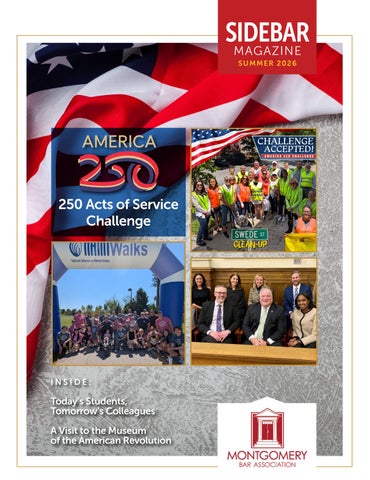
AMERICA 250: 250 ACTS OF SERVICE CHALLENGE
Written by the Marvelous Members of the
There is something fitting about lawyers leading the charge.
250 years ago, when the Declaration of Independence was signed in Philadelphia, its signers came from many backgrounds—farmers, merchants, printers, clergy, physicians, and yes, lawyers.
As America celebrates its 250th birthday, members of the Montgomery Bar Association (MBA) are honoring the milestone not only with celebration, but with service— mentoring students, supporting neighbors, educating communities, and providing pro bono legal assistance through the America 250 Acts of Service Challenge.
And the impact is already clear:
50+ service entries logged
300+ volunteer and pro bono hours
50+ organizations and causes supported
From Norristown to Ambler to Pottstown to Jenkintown, MBA members are demonstrating that service remains central to the legal profession—one act, one cause, one community at a time.
How It Began
The challenge began with a call from President Judge Carolyn T. Carluccio, who first invited Montgomery County Court and County staff to commemorate America’s semiquincentennial through meaningful service. She later extended the invitation to the MBA, asking the organization to join the effort. MBA President Colin O’Boyle enthusiastically accepted, with the support of the MBA Board of Directors.
The premise is simple but powerful: commit to acts of service throughout America’s 250th year. Whether through pro bono legal work, mentoring, civic education, blood drives, cleanups, or volunteerism, participants are helping demonstrate that service is inseparable from justice.
A Day of Service to Start
If one day captured the spirit of the America 250 Challenge, it was January 19, 2026.
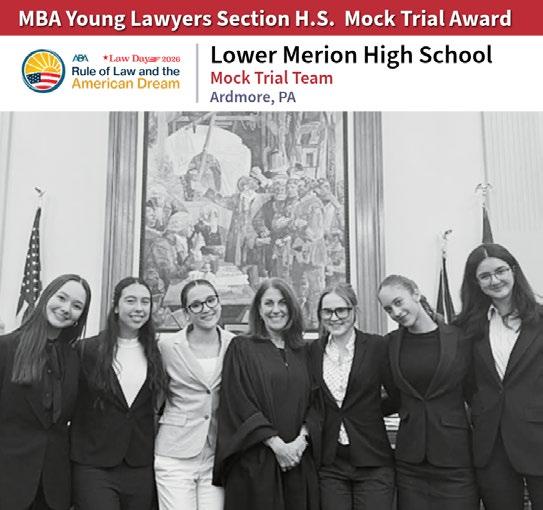
On Martin Luther King Jr. Day—a holiday dedicated to service—the MBA Young Lawyers Section and Montgomery County Court transformed courthouses into classrooms by hosting the first round of Mock Trial competition in a single extraordinary day.
Montgomery Bar Association
The numbers tell the story: 22 judges volunteered, 100+ legal professionals participated, and 22 high schools—representing hundreds of students— competed.
In courtrooms that otherwise would have stood dark, opening statements echoed, witnesses were crossexamined, and students experienced the justice system firsthand.
Dr. King urged Americans not merely to observe his holiday, but to serve on it. Montgomery County’s legal community answered that call—showing students that the law is not abstract, but living, demanding, and deeply human.
Special thanks to firm sponsors—Rubin, Glickman, Steinberg & Gifford, P.C.; Kilcoyne & Kelm; Sherr Law Group; and Murphy & Dengler—for providing lunch for participants.
And the momentum did not stop there.
Service in the Courtroom and Beyond
Pro bono service anchors much of the challenge.
Robert Nemeroff logged nearly 20 hours advising a homeowners’ association. Gail Roth, alongside many others, volunteered through the Montgomery County Prothonotary’s Office and the MBA’s Annual Name Change Clinic. Katie Daly dedicated time to Legal Aid of Southeastern Pennsylvania, while Renaud Vann participated in the Pennsylvania Bar Association’s
Wills for Heroes program, providing free estate-planning services for first responders and military personnel.
Other members demonstrated just how broad service can be.
Jacqueline Reynolds emerged as one of the challenge’s most active participants, contributing through the MBA Wills Clinic, civics outreach at the North Penn International Spring Festival, and the MBA Name Change Clinic.
Jane Fisher’s service spanned months, causes, and even state lines—from volunteering at homeless shelters and staffing race finish lines to organizing outreach efforts, planting flowers, supporting fundraisers, and donating blood.
Anita Seth contributed across multiple fronts, including Mock Trial coaching, mentoring firstyear law students at Widener Delaware Law School, the Rendell Center Read-Aloud Program, and the National Institute for Trial Advocacy’s Building Trial Skills Program.
Mary Kay Kelm supported the Mock Trials, Manor College civics programming, and Norristown cleanup efforts, while Laurie Jubelirer contributed through Mock Trials and literacy initiatives.
Community efforts also gained momentum. Team MCAP, led by Bill Baldwin and Sharon Jones Hofer, rallied support for Wear Blue on the Courthouse Steps Day to raise awareness for child
AMERICA 250: 250 ACTS OF SERVICE CHALLENGE
continued from page 23
abuse prevention. Franqui-Ann Raffaele and the MBA Young Lawyers Section organized a collection for Cradles to Crayons, while the MBA Pro Bono, Access to Justice, and Community Service Committee—led by Timothy Knowles and Kathryn Normil—coordinated toiletries and clothing drives for students at the Roosevelt Campus of the Norristown Area School District.
In April, MBA members once again participated in the North Penn International Spring Festival, helping to celebrate the community’s cultural diversity.
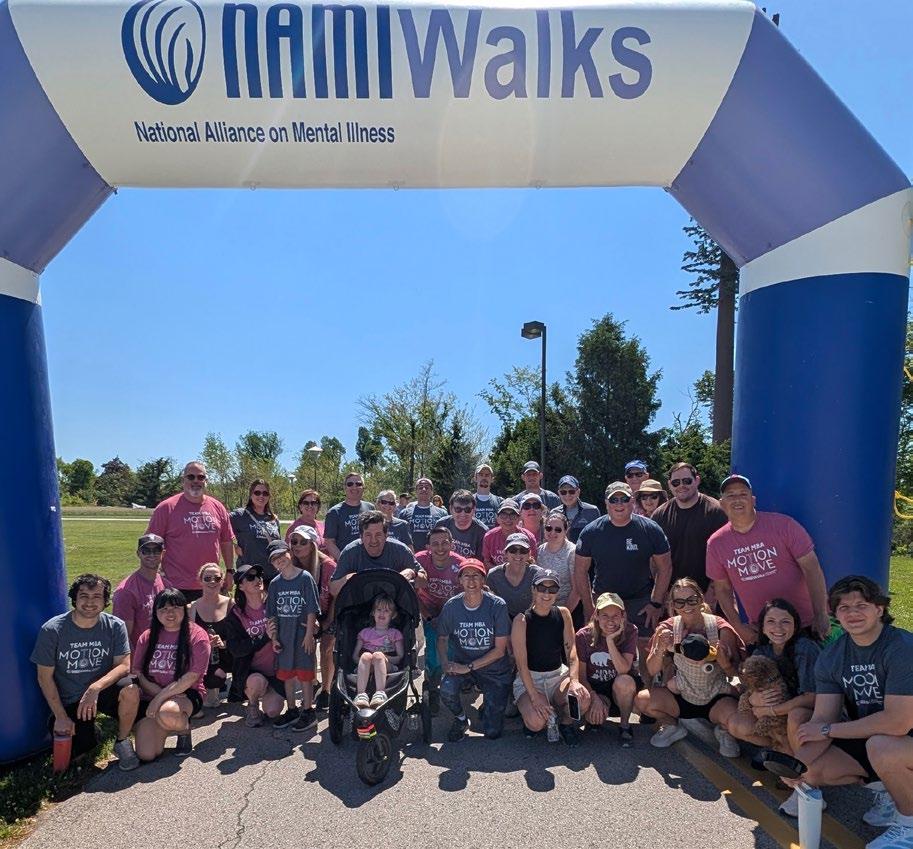
Then in May, more than 40 MBA members, family members, and even a few four-legged companions gathered in Ambler for NAMI Walks, raising awareness and support for mental health. The strong turnout reflected an important truth: service also means showing up for wellness, compassion, and community.
Civics Outreach in Action
Civics education has been one of the efforts strongest challenges.
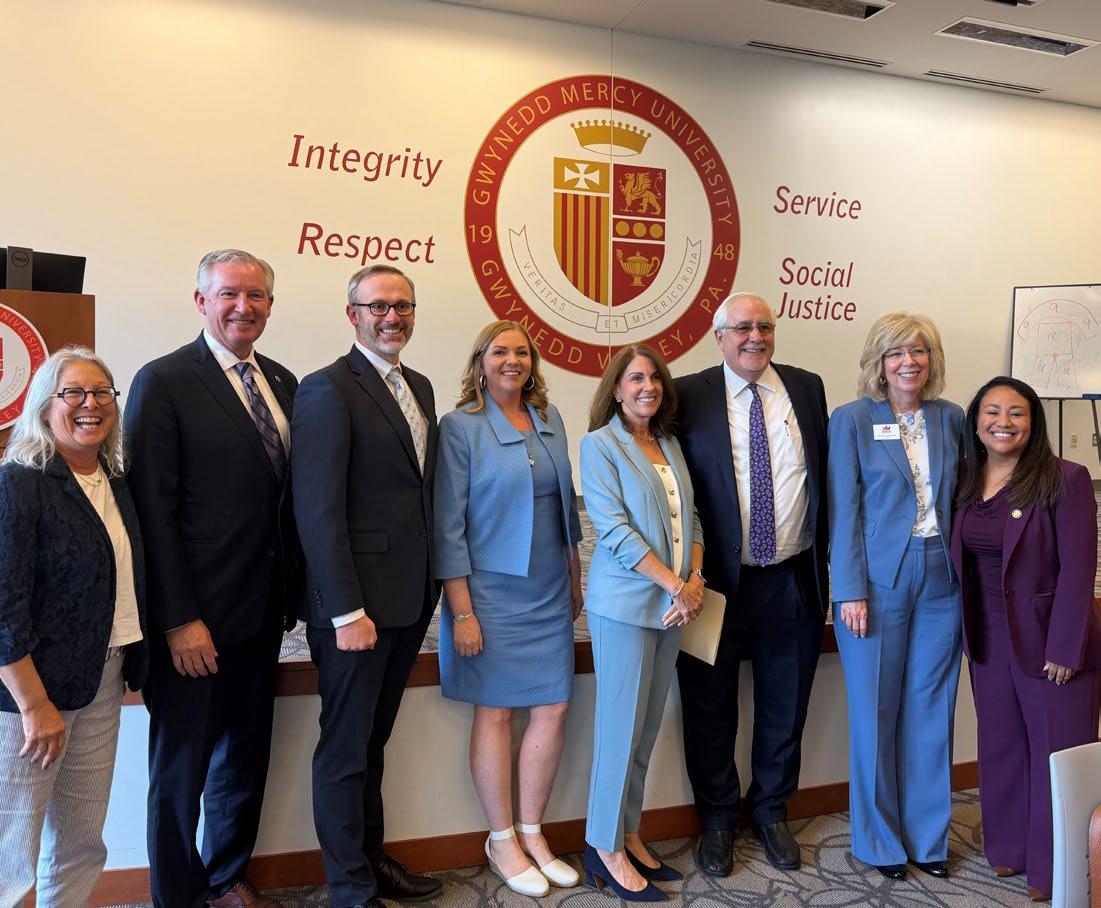
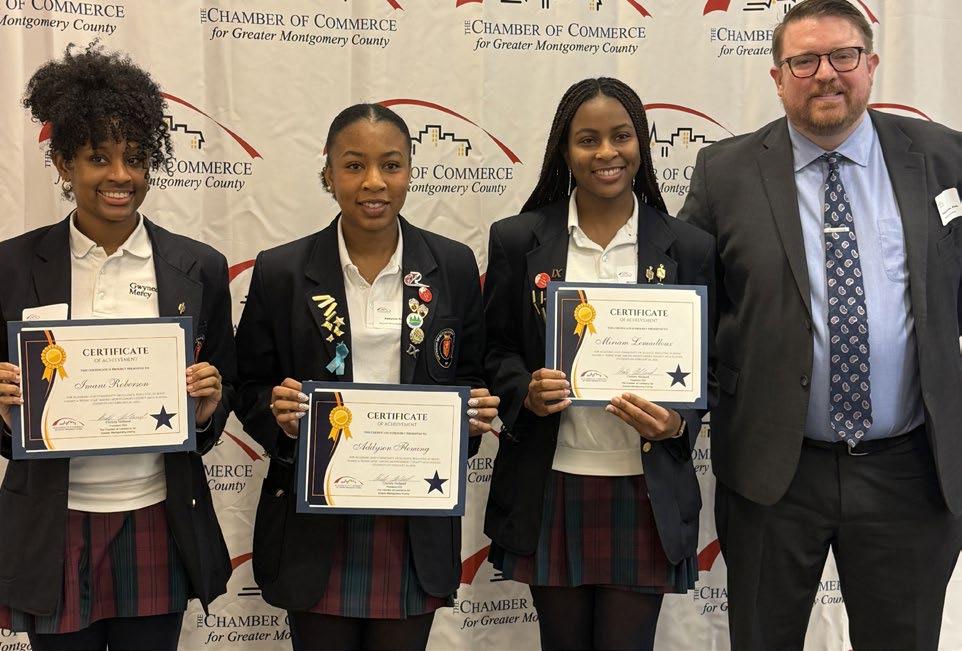
Judges and MBA members engaged students in conversations about the Constitution, the courts, and civic responsibility through presentations at institutions including Manor College and Gwynedd Mercy University.
Special thanks go to President Judge Carolyn Carluccio, Judge Risa Vetri Ferman, Judge Lauren Hughes, Judge Lois Murphy, Judge Stephen Tolliver, District Attorney Kevin Steele, Chief Public Defender Lora, MBA President Colin O’Boyle, MBA Past President Seth Wilson, MBA Vice President Mary Kay Kelm, Mike Lyon, and members of the
federal bench for supporting civics initiatives throughout the county.
One effort connected especially powerfully to America’s founding story. Mark Turetsky of Miller Turetsky Rule & McLennan delivered a lecture at the Artman Retirement Community in Ambler on the Muhlenberg family of Trappe and the difficult questions of faith, loyalty, and patriotism faced during the Revolutionary era.
Across every entry, one theme emerges clearly: service matters.
Putting Down Roots in Norristown
Perhaps no effort better symbolizes the spirit of the America 250 Challenge than one literally rooted in the ground.
The Montgomery County Court and the MBA jointly adopted an area along Swede Street in Norristown through the Keep Pennsylvania Beautiful/Keep Norristown Beautiful initiative. Together, court staff and MBA members regularly pick up litter, clear debris, and care for one of the main corridors leading to county government and the courthouse.
It is intentionally unglamorous work. No motions to argue. No verdicts to win. Just colleagues, neighbors, and civic partners showing up with gloves and trash bags to care for the community they serve.
The message is simple but powerful: being part of a community means investing in it.
The Next Challenge: 250 Read Alouds
One of the challenge’s most ambitious initiatives focuses not on courtrooms, but classrooms.
In partnership with the Rendell Center for Civics and Civic Engagement, the Read Aloud Program invites lawyers to read children’s books that explore law, justice, and civic responsibility with elementary school students.
The format is intentionally accessible: sessions are virtual, require only 30 minutes, and allow volunteers to participate without leaving the office.
Now the effort turns toward an ambitious Constitution Week goal: 250 Read Aloud Sessions for 250 Years of America.
Timed to coincide with Constitution Day on September 17, the initiative seeks to place volunteer lawyers into classrooms throughout Constitution Week—one session for every year of the nation’s history.
It is civics education at its best: lawyers helping the next generation understand justice, citizenship, and the Constitution.
A Founding Promise, Renewed
250 ago, a small group of colonists made an audacious wager on self-governance.
President Judge Carluccio’s challenge—embraced wholeheartedly by President O’Boyle, the MBA, and its members—reminds us that institutions rooted in democratic ideals still have the power to inspire.
Whether drafting wills for first responders, mentoring students, teaching civics, coaching Mock Trial teams, reading to children, donating blood, or simply picking up litter on Swede Street, Montgomery County’s legal community is making its own enduring promise:
Service is not a sidebar to justice—it is one of its foundations.
The challenge continues throughout 2026, and every act counts. MBA members are encouraged to log their volunteer efforts and help demonstrate the lasting impact of service in our legal community.
WORDS FROM OUR PARTNERS
MCAP HAPPENINGS
By William L. Baldwin, Esq., MCAP CEO
On Wednesday, June 3, 2026, the Montgomery Child Advocacy Project (MCAP) hosted an event entitled “Wild About MCAP” at the Elmwood Park Zoo in Norristown, exclusively for MCAP guests. The event featured animal encounters, giraffe feeding, carousel rides, face painting, playground access, a picnic dinner, and ice cream, creating a fun and engaging experience for attendees while supporting a meaningful cause and raising awareness of child abuse issues. Nearly 150 supporters were in attendance and had an extremely enjoyable evening. All proceeds from the event directly support MCAP’s mission to end and prevent child abuse and neglect in Montgomery County through legal services, advocacy, and education.
MCAP is also excited to announce its 2026 gala, “An Evening of Impact,” on Friday, September 8, 2026, from 7:00-10:00 p.m. at the John James Audubon Center at Mill Grove. Join us for an unforgettable evening supporting our mission to protect and advocate for abused and neglected children. The evening will include a cocktail hour followed by a buffet dinner, along with a DJ, photo booth, photographer, live auction, and silent auction. As a highlight of this evening, MCAP is especially proud to honor the Montgomery Bar Association (MBA) and the Montgomery Bar Foundation for their longstanding and meaningful support of MCAP and the children whom we serve. For more information about tickets and sponsorships, please visit our website at www. mcapkids.org.
MCAP is also always in need of volunteer attorneys to assist us with our important work representing children. Although we have a small internal legal team, we rely on the support and generosity of local attorneys who are willing to volunteer their time to serve the most vulnerable children in Montgomery County. If you are interested in becoming an MCAP or learning more, please contact William Baldwin at williambaldwin@mcapkids.org. MCAPs can choose to take as many or as few cases as they like, and there are opportunities to earn CLE credits through pro bono hours. We can also connect you with current MCAPs to hear about their experiences.
Thank you for your ongoing support.
An Evening of Impact
friday, september 18, 2026
John James Audubon Center at Mill Grove
the montgomery child advocacy project kindly asks you save the date for honoring The Montgomery Bar Association and The Montgomery Bar Foundation
Formal invitation to follow
FROM OUR PARTNERS
BUILDING A ONE-PAGE BENEFIT PIECE EMPLOYEES WILL ACTUALLY READ
Employee benefits are only valuable if employees understand them. Yet many organizations rely on long, tedious guides or dense PDFs, or put the information on portals that employees rarely open. A well-designed benefits one-pager solves this problem by reducing what matters most into a clear, visual, and actionable summary.
The goal of a one-pager is not to explain everything— it’s to spark understanding and engagement. Business leaders can start by answering three questions employees care about most: What do I get? Why does it matter to me? How do I use it? If the one-pager doesn’t clearly answer those questions, it’s not doing the job.
Effective one-pagers focus on prioritization, not completeness. Highlight five to seven core benefits that drive the most value, such as health insurance, retirement plans, paid time off, and key voluntary benefits. Use plain language, not insurance jargon. For example, “help paying medical bills” is more effective than “high-deductible health plan.”
Design matters just as much as content. Using icons, short headings, and white space helps to guide the eye. Break information into sections like Health, Well-Being, Financial, and Extras. Keep sentences short and scannable. If it takes more than 60 seconds to read, it’s too long.
Finally, include a clear call to action. Tell employees exactly where to go next: a benefits portal, HR contact, or enrollment deadline. A QR code or short link works well.
A strong benefits one-pager becomes a versatile tool: it can support onboarding, open enrollment, recruiting, and leadership communication. Most importantly, it respects employees’ time, and that alone increases the likelihood they’ll actually use the benefits being offered.
The Montgomery Bar Association offers its members access to My Benefit Advisor as a solution for employee benefits, including voluntary offerings. For more information about My Benefit Advisor, visit our website at montba.mybenefitadvisor.com or contact Ray Keough at (610) 684-6932.
RESTAURANT REVIEW SALT & STONE
By Matthew P. Lynn, Esq.
As a new addition to the Conshohocken dining scene, Salt & Stone has managed to stay grounded among its competition by providing great food and exceptional service. Located on Fayette Street (across from The Great American Pub), Salt & Stone features outdoor seating and an interior decorated in a simple, refined manner. Whether day or night, the restaurant is a great first stop on what is sure to be an excellent time in Conshohocken.
Salt & Stone describes its menu as consisting of American fare with a global twist. Steak, lamb, chicken pot pie, pasta, and even teriyaki can be found among the many options for entrees, while appetizers include fried calamari, shrimp tempura, steamed mussels, and the signature goat cheese lollipops. The bar features an extensive menu of unique craft cocktails, including the Fayette Sour (Johnnie Walker Black, vanilla bean maple syrup, lemon, Bordeaux float) or the smoked Conshy’s Ember (Woodford Reserve, cocchi, walnut liqueur, walnut bitters). Sweet cocktails, drafts, and a large wine menu are also available.
During our visit, we opted to start with the goat cheese lollipops and the calamari. The lollipops (dusted with almonds and coated with a honey drizzle) were sweet and savory; the perfect choice to whet your appetite. The calamari was deliciously crispy and paired perfectly with the spicy mayo aioli. For our entrees, we chose the braised lamb shank and the truffle royale burger. The lamb shank, served with orzo and a port wine au jus, was tender, flavorful, and filling. The burger was juicy, and the black truffle aioli coating lent it a distinctive flavor profile without overpowering the notes of caramelized onion and Gruyère cheese.
Although we were too stuffed for dessert, Salt & Stone was offering cheesecake as an after-dinner treat. It appears that their dessert offerings rotate from time to time, offering another reason to visit again and sample the rest of the extensive dinner and drink menu.
Our server was excellent and took his time explaining the menu and offering helpful recommendations for dinner and drink pairings. Our food came out quickly, and the time between appetizers and entrees was perfectly spaced. Overall, Salt & Stone was an excellent experience, and we look forward to sampling the wider menu. If you are looking for a new restaurant to try in Conshohocken, I highly recommend a visit to Salt & Stone.
We live in the era of “influencers” and “content creators.” A surprising number of people make a living from content creation, which makes me wonder why I spent all this money on law school. But as we all know, all that glitters is not gold. The 2026 Netflix documentary—The Crash—is an excellent example of when living one’s life in front of a screen can turn a person into their worst witness.
The question The Crash sought to answer—was this an accident or was it murder—was that question answered? It’s up to you to decide.
The Crash, as documentaries often do, relies on interviews of friends and families to paint the picture of who Makenzie Shirilla (then 17), Dominic “Dom” Russo (then 20), and Davion Markel Flanagan (then 19) were. While nobody could ever learn who somebody is in 92 minutes (the duration of the documentary), we do get some insight into that person. Something I really liked about The Crash was the police body cam footage. It gave us real-time glimpses of the scene, the officers’ reactions, and the arrest.
July 31, 2022
On a regular night in Strongsville, Ohio, Makenzie, Dom, and Davion decided to hang out. Whether it was a party or a sleepover between friends is up for debate and, ultimately, irrelevant to the tragedy that occurred less than 24 hours later. What is
MOVIE REVIEW THE CRASH
By Jessica Chapman, Esq.
not up for debate is that there were marijuana and Psilocybin mushrooms at this gathering. At around 5:00 a.m. on July 31, 2022, Makenzie, Dom, and Davion left; Makenzie was driving. Cameras in the area picked up some of the vehicle’s movement. The first camera showed Makenzie taking a careful right turn at approximately 5:34 a.m. through an uncommon route. The second camera, just a short time after, picks her up driving at 97.8 mph. That camera also picked up the horrific sound of the car crashing into a commercial building straight ahead at 100 mph.
A forensic auto investigator was brought in to examine the vehicle and determine if the car malfunctioned. The expert concluded that the brakes, steering, tires, and acceleration were in working order. In short, the car did not malfunction. This, however, did not foreclose the possibility of some type of accident. Enter: The “black box.”
“Black Box”
The famous “black box” is actually an event data recording system (EDR), which is analogous to the black box in an airplane. The EDR in Makenzie’s 2018 Toyota Camry recorded five seconds of pre-crash data. Chillingly, it revealed that there was no slowing down. Makenzie had her right foot pressed entirely down on the gas pedal at the time of the crash, the brake pedal completely untouched. For many, the EDR data answered the initial question—accident or murder? For Dom’s family, it was one of the major reasons they stopped believing Makenzie’s self-professed innocence.
The EDR also showed that during those final seconds, there was movement on the steering wheel, and the shifting gear went from drive to neutral back to drive. The prosecutor explained this as a struggle in which Dom and Davion were fighting for their life. What exactly happened inside that car, only Makenzie knows.
Why?
The question we all want answered, especially Dom and Davion’s family, an answer we will likely never hear. During the documentary, the prosecutor commented on Makenzie and Dom’s relationship as the motive. Social media painted a picture of a perfect couple, doing everything together and quickly falling in love. But as we know, social media only shows what we want it to. A closer look revealed a toxic relationship, sprinkled with arguments and threats throughout. The prosecutor stated that Dom planned to leave Makenzie, but Makenzie refused to let go. The prosecutor presented evidence that, two weeks prior to the crash, Makenzie was driving erratically with Dom in the car and threatened to “crash this car.” On the other hand, Makenzie’s mother showed text messages where it was Dom who threatened Makenzie. One thing is clear, their relationship wasn’t as perfect as Instagram made their followers believe. Whether an impending breakup was actually the motive is another question that will remain unanswered.
Trial and sentencing
Makenzie was arrested on November 4, 2022, and the trial was set for August 2023. Similar to Pennsylvania, in Ohio, a defendant can forego a jury trial. Makenzie chose a bench trial. Unfortunately, the documentary doesn’t include much discussion of the trial, something that deducted some points for me. Some clips, including the full sentencing, are available on YouTube.
In the end, the trial court found Makenzie guilty of 12 charges, including murder, aggravated vehicular homicide, and drug possession. During sentencing, the judge had some harsh words for Makenzie:
All three of these families and the friends of these families are suffering, and all of their lives have been irrevocably changed
because of the actions of the defendant. The unintended and collateral consequences of a selfish, intentional, cruel decision by Makenzie will ripple forever in time. . . . If any reasonable person reviews Exhibit 802, there can be no doubt in your mind what happens; there can be no doubt of the absolute terror of the two people in that car. The defendant controlled all the events; she chose the day, specifically she chose the day just before her 18th birthday; she chose to drive the car; the time to drive the car; she chose an obscure, previously scouted route through an industrial parkway; she chose the target to hit . . . There is only one person responsible for the pain of everyone in this room, and that person is you, Makenzie.
Ultimately, the judge sentenced Makenzie to 15 years to life to run concurrently, stating that she truly did not believe Makenzie would be out in 15 years.
Makenzie’s appeal was denied. Her first parole hearing would take place in 2037.
Last words
When the interviewer asked Makenzie if she had any last words, Makenzie took a visible break from her on-screen sadness to ask her lawyer (who was just outside of the camera’s frame) to ask, “Did I touch on that … the right … I don’t want to force anything and just say too much or sound crazy.” Makenzie then used her last words to say, “I’m big on the no intent.” She added, “I have excessive amounts of remorse for Dom, Davion, both of their families. This was not intentional ….”
Extra details
• Drug use. Makenzie’s phone was replete with photos and videos of her smoking marijuana and ingesting mushrooms. DNA testing revealed that Makenzie had THC (the active ingredient in marijuana) in her system at the time of the crash. Tellingly, Makenzie Shirilla’s
father, Steve Shirilla, acknowledged knowing his daughter smoked but stated he had no problem with it. This comment appears to have been the cause (or one of them) for his sudden administrative leave after The Crash aired.
• BOOM. Another detail from the documentary that viewers jumped on was Mr. Shirilla’s choice of shirt. The t-shirt Mr. Shirilla wore under an open button-down had a large “BOOM” on the front. Distasteful is the most subdued adjective I could come up with.
• “Carny.” Makenzie and her mother used a unique language; some believe it was “Carny,” which apparently is similar to Pig Latin (no, I don’t speak either, I have plenty to remember already!). Allegedly, they used this language to communicate, perhaps in an attempt to avoid investigators understanding them. An audio recording from a hospital interview reveals Makenzie asking her mother something in “Carny.” There is an online debate as to what was said. Feel free to dive in deeper or, if you speak “Carny,” give me a call right now.
• Misconduct in jail. Since her incarceration, it seems Makenzie can’t stay out of trouble. Prison records show that since May 2024, Makenzie has received dozens of disciplinary violations.
Overall, it was a good documentary. The Crash gives a perspective from both sides and allows you to hear directly from all families. The interviews of Makenzie’s friends and family tried to humanize her, while the interviews of Dom and Davion’s family showed the raw pain of losing a loved one far too soon. Whether you believe this was an accident or intentional, one thing is indisputable: Makenzie’s reckless driving caused the deaths of two young men. As a mother, there is no recovering from every mother’s worst fear.
April 2026
May 2026
WELCOME NEW MEMBERS
Renee J. Hykel Cuddy, Esq.
Christa Schott Dunleavy, Esq.
Andrew Joseph Haber, Esq.
Robert E. Haimes, Esq.
Thomas T. Heffernan, Esq.
Brenna Mary Jeffries, Esq.
Ashly R. McGarity, Esq.
Ryan Nawrocki, Esq.
Samantha Porter, Esq.
John C. Ungar, Esq.
Daniel Zachariah, Esq.
WIRETAPS
Member News
Royer Cooper Cohen Braunfeld LLC (RCCB) is pleased to announce that Kimberly A. Dudick has been named a partner. Dudick represents clients in complex family law matters, including divorce, custody, and high-net-worth marital property disputes.
Ned Hark, Esquire, a partner of the Law Firm of Goldsmith, Hark & Hornak, P.C. in Philadelphia, has been inducted into the Northeast High School Hall of Fame.
As of June 1, 2026, Vetrano | Vetrano & Feinman, LLC announced that the firm will now be known publicly as Feinman & Childs Family Law, reflecting the continued leadership and vision of partners Sarinia M. Feinman and Lindsay H. Childs.
Wolf, Baldwin & Associates, P.C. announces the retirement of Attorney Charles D. Garner, Jr. as of July 1, 2026.
AMS LAW, P.C., is excited to announce that attorney Kimberly J. Krzyzaniak, Esq., has joined the firm as Senior Counsel. Ms. Krzyzaniak brings over 25 years of dedicated, zealous advocacy in family law and reinforces the firm’s commitment to providing deeply personal, high-caliber, legal counsel to clients navigating complex family transitions. Please join us in welcoming Kim as part of the team!
Montgomery Bar Association
2026 AT A GLANCE
Mark your calendar for these key Montgomery Bar Association events!
Wednesday, August 12, 2026 5:00 PM Get in the Loop Happy Hour
Pottstown
Tuesday, August 18, 2026, 2:00 PM
Naturalization Ceremony
Peter Wentz Farmstead
Wednesday, August 19, 2026 at 5:00 PM
MBA Fantasy Football - Live Draft Party & Happy Hour
MBA
Friday-Sunday, September 25-27, 2026
Bench Bar Conference Skytop Lodge
Thursday, October 1, 2026, 11:00 AM
Ecumenical Service – Blessing of the Court George Washington Chapel, Valley Forge
Wednesday, October 14, 2026, 5:00 PM
Women in the Law Networking Night Flourtown Country Club
Thursday, December 3, 2026
Jingle Mingle – MBA Holiday Party
Bridget’s Steakhouse in Ambler
To register for any upcoming events or CLEs, visit us at www.montgomerybar.org!