Official Publication of
NAVIGATING VACCINE SCHEDULES AND HESITANCY
in a Changing Policy Environment

PLUS RUNNING AND OPTIMIZING SKIN HEALTH BEYOND THE IMPACT: WORLD BRAIN DAY AND THE MANAGEMENT OF CONCUSSIONS
LCMS NEW & REINSTATED MEMBERS
The Lehigh County Medical Society



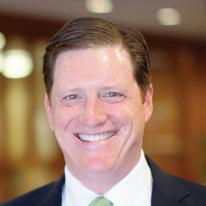
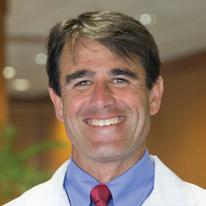
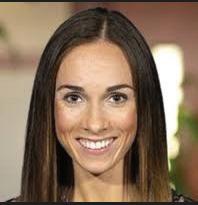





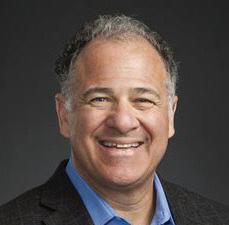
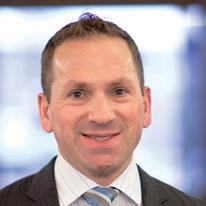



Welcome to the summer edition of Lehigh County Health & Medicine . Once again, we are offering information on a range of health issues, from vaccines to concussions, summer skin care, and more.
Staying active this summer? Do not miss “Running and Optimizing Skin Health,” an informative look at the skin conditions that commonly affect runners and anyone who exercises outdoors. From how the skin works to friction-related concerns and more, this article offers practical insights to help you stay healthy while on the move.
We are also featuring an article, “Navigating Vaccine Schedules and Hesitancy in an Era of Government Change and Public Skepticism,” which offers valuable vaccine information and resources.
We look at “Beyond the Impact: World Brain Day and the Management of Concussions.” Did you know that concussions affect tens of millions of people each year? Concussions are often misunderstood because they are “invisible” injuries. Please read on for more valuable information.
We hope you enjoy the magazine and find it informative and relevant. Past issues are available at lcmedsoc.org/our-publication.
Thank you for reading, and we look forward to seeing you again this fall.



Carol C. Dorey Real Estate, Inc. Specialists in High-Value Property Bucks County / Lehigh Valley, PA www.doreyrealestate.com / (610) 346-8800


Legacy Equestrian Estate ~ 56 acres of rolling terrain surround a luxe stone home, 2 stables, multiple barns, fenced pastures, & more. Ideal for the equine enthusiast, or as an investment property or a country retreat. Offered for $6,995,000

Custom Luxury Manor ~ A modern estate with old-world charm, in a distinguished Saucon Valley neighborhood. Updated amenities include a finished lower level and heated inground pool. Offered for $4,390,000

Expansive Acreage ~ This stunning Bucks County gentleman’s farm includes an updated stone home, bank barn, and more. Perfect for a family compound or weekend getaway. Additional acreage available. Offered for $3,995,000

58 Acres in Bucks Co ~ Exceptional Bucks County property with amenities including a fully renovated stone farmhouse, with pool & outdoor kitchen, 5-stall bank barn and 80’x220’ indoor arena. Offered for $4,000,000





Saucon Valley Luxury ~ Located within the single square mile of the most noteworthy Saucon Valley legacy properties, and beautifully transformed by its new owner. With a pool and bluestone patio, on 4.6 acres. Offered for $3,500,000
New Hope elegance ~ Privacy meets prestige in New Hope’s Solebury Township. Set on over 6 acres, this custom home is ideal for multi-generational living with two primary suites and elevator access to all levels. Offered for $3,250,000


Restored Barn ~ This extraordinary Saucon Valley home has evolved into a unique residence that boasts the best of old & new, combining space, light & imagination with fabulous outdoor spaces. Offered for $1,175,000

Historic Stone Colonial ~ Built circa 1812 with additions and renovations in later years, Hearthstone is an ideal mix of classic details and modern amenities. Set on just over an acre and protected by tall trees. Offered for $699,000

LEHIGH COUNTY MEDICAL SOCIETY
P.O. Box 8, East Texas, PA 18046 610-437-2288 | lcmedsoc.org
2026 LCMS BOARD OF DIRECTORS*
Kimberly Fugok, DO President
Alissa Romano, DO President-Elect
Gregory Wheeler, DO Vice President
Oscar A. Morffi, MD Treasurer
Charles J. Scagliotti, MD, FACS Secretary
Chaminie Wheeler, DO Immediate Past President
*effective February 1, 2026 - for two-year terms
CENSORS
Laura Nicole Oswald, MD Mia Mattioli, MD
TRUSTEES
Wayne E. Dubov, MD
Kenneth J. Toff, DO Mary Stock, MD, MSCP
EDITOR
David Griffiths Executive Officer

Autonomy to Employment: Exploring the Operational Frameworks Shaping Professional Clinical Careers
Ummul Zakia Honored with LCMS Humaneness in Medicine Award
without the
Madalyn Schaefgen, MD, FAAFP
Beyond the White Coat: WHY THE LEHIGH COUNTY MEDICAL SOCIETY MATTERS MORE THAN EVER
In an era defined by administrative burnout, shifting healthcare landscapes, and the increasing isolation of clinical practice, the decision to join a professional organization is often met with a skeptical: “What am I actually going to get out of this?”
It is a fair question. Today, physicians are pressed for time and inundated with requests for dues from national boards, specialty colleges, and alumni associations. Amidst this noise, the Lehigh County Medical Society (LCMS) stands apart as a vital, local lifeline.
We asked LCMS Immediate Past President Chaminie Wheeler, DO, questions about why she values LCMS membership. Here is what she shared with us.
If a colleague is deciding between joining our society and two other competing professional organizations, what is the “tipping point” factor— the one thing that is definitively better or different about our society’s community or resources?
The tipping point is an authentic physician community with real influence. Many organizations provide resources, but LCMS gives physicians something increasingly rare: meaningful connection with colleagues across specialties who share common challenges and can work
together to solve them. It is not just networking—it is physicians standing together to improve medicine locally and beyond. LCMS combines fellowship, leadership development, and advocacy in a way that directly impacts practice and patient care.
How does the society successfully foster a culture of genuine connection and collaboration among its diverse membership?
LCMS fosters connection by bringing physicians together in person around issues that matter deeply to them. Through CME programs, wellness events, legislative discussions, and board meetings, physicians from many specialties and practice settings build relationships grounded in shared purpose. That spirit of collaboration also extends to advocacy. LCMS supported the ACGMEfocused resolution promoting greater resident and fellow exposure to diverse healthcare practice models, including independent practice pathways. This helps future physicians better understand the full range of career options available to them, strengthens systems-based training, and ensures the next generation of doctors is prepared to lead in a rapidly changing healthcare environment. The result is renewed collegiality and a stronger sense that physicians are not isolated—they are part of a professional community working together for patients and the profession.
Imagine you are speaking to a student or resident who believes they are too early in their career or too busy to join. What is one compelling reason you can give them to join the society today?
Join now because medicine is being shaped right now, and your future practice depends on having a voice in it. If you wait until later, many decisions about autonomy, training, reimbursement, and patient care will already have been made. LCMS gives students, residents, and fellows the opportunity to learn leadership, build mentorship relationships, and help shape the profession early in their careers. That is exactly why our younger physician membership has grown so strongly.
Chaminie Wheeler, DO, has been an LCMS member for six years and is the current immediate past president. Dr. Wheeler is a board-certified pediatrician and co-founder of CCC Health, a direct primary care practice.












At MADJ, we specialize in helping medical practices and health systems of all sizes thrive in competitive landscapes. From small beginnings to significant success, our tailored strategies have transformed healthcare providers into community cornerstones.
RUNNING AND OPTIMIZING SKIN HEALTH
KATHLEEN WARD, BS, LAUREN JONES, DO, AND CYNTHIA BARTUS, MD
Running is an increasingly popular sport and an easy, cost-effective mode of exercise. However, long-distance running and repeated impact can challenge the skin’s integrity and can lead to various dermatological issues. Notably, dermatological conditions account for 20% of medical injuries in marathon runners.1 Common variables include increased friction, moisture, and environmental considerations such as ultraviolet (UV) radiation. In this article, we will discuss some of the most common skin conditions seen in runners and how to optimize skin health while running.
SKIN STRUCTURE AND FUNCTION
The skin is a complex organ that serves as the first line of defense for the body from the environment. During sports like running, the skin plays a particularly important role in barrier protection, temperature regulation, sensory feedback, and immune defense. Its function is a direct result of the skin’s complex and adaptive architecture. There are three main layers of the skin: the epidermis, the dermis, and the hypodermis. Each layer has important architectural features that protect from stressors associated with running.
FRICTIONAL-RELATED SKIN CONDITIONS
Blisters
Repetitive friction, sweating, and mechanical stress during running can challenge the skin’s integrity and lead to blisters. Frictional blisters are most common on the feet and occur due to tearing within the skin. Recommendations to prevent blister formation depend on the driving force. Properly fitted footwear can reduce slippage, and cushioned insoles can reduce shearing forces.1,2 Moisture reduction measures will decrease surface friction. One of the best options is moisture-wicking fabrics (acrylic, polypropylene, and polyester), which draw moisture along the fiber surfaces away from the skin and have been shown to decrease blister formation. In


contrast, cotton socks inhibit moisture-wicking abilities and may contribute to blister formation.3 Padded polyester socks and wearing two pairs of socks have demonstrated inconsistent outcomes.2,3 When blisters do form, it is important to leave them intact to promote healing and prevent infection. If necessary, the blister can be collapsed by making a small incision using a sterile needle. Applying a thin coating of white petrolatum (Vaseline or Aquaphor) to the surface or a hydrocolloid dressing can be helpful for comfort and wound healing.1 Seek medical care if a blister is showing signs of infection (increased or purulent drainage, warmth, redness, fever) or if underlying conditions exist, such as diabetes or peripheral artery disease, that can delay healing.
Chafing
Chafing is a common condition in runners. Chafing occurs in intertriginous areas like the groin and axilla with increased moisture and friction, skin-to-skin contact, and prolonged exposure to fabrics. To reduce moisture, runners may benefit from moisture-wicking or lightweight running clothing.1 Petroleumbased emollients can be applied to intertriginous areas to reduce friction.4 Additionally, anti-chafe balms that come in stick-form are helpful due to ease of application; they often contain plant-based emollients and waxes that prevent friction and provide a moisture barrier.5 Nipple irritation can also be minimized by applying a barrier such as a fabric bandage, hydrocolloid dressing, white petrolatum, or a low-potency corticosteroid if acutely inflamed.1
Runner’s Toe

INFLAMMATORY SKIN CONDITIONS
Miliaria
Runners are frequently exposed to prolonged heat and sweat, which can predispose them to a heat rash known as miliaria. When sweat production is excessive, sweat glands can become obstructed with cutaneous debris or bacteria, leading to miliaria.9 Younger individuals are at a higher risk due to their immature sweat glands. Management includes reducing sweating by wearing breathable clothing, running in cooler environments, or removing skin-occluding items such as tight clothing.9 In most cases, miliaria typically resolves relatively easily with these interventions.
CUTANEOUS INFECTIONS
Dermatophyte Infection
Ultimately, skin protection is an important part of keeping runners doing what they love—running.
Subungual hematomas, better known as “runner’s toe,” are a common injury in running. It involves repeated forceful contact of the athlete’s toe within footwear, leading to an accumulation of blood under the nail.6 Risk factors include poor shoe fit, steep terrain, and increased anterior friction.6 Treatment depends on severity. It is recommended that, with greater than 50% of the nail involved, decompression of the hematoma should be performed by creating a hole in the nail to relieve pressure or, less commonly, by complete removal of the nail.7 Less severe subungual hematomas (<25% of nail) typically do not require intervention, and the hematoma is expected to migrate distally with nail growth over 12-18 months.7 To prevent runner’s toe, it is recommended to have a shoe with a wide, deep toe box and a heel height <30-35 mm to minimize trauma, plus higher, moderately tight lacing.8
Dermatophyte (fungal) infections are a common concern among all athletes. This is a fungal infection of the hair, skin, or nails that can be transmitted through skin-to-skin contact or fomites.10 They are predominantly transferred through walking barefoot in showers, locker rooms, and other communal areas.10 Infections are driven by prolonged activity in warm, moist conditions. Among these, tinea pedis (athlete’s foot) is the most prevalent, with a study demonstrating detection in approximately 22% of marathon runners.11 It typically presents as erythematous, scaly, pruritic rash along the sole of the foot and/or between the digits, especially the webspace between the 4th and 5th toes.10 The most effective treatment for tinea pedis is with topical terbinafine. Onychomycosis or fungal infection of the toenails is also common among athletes, with a 2.5-fold increase in risk.12 Similar environmental factors contribute to its development as compared to tinea pedis. Treatment is complicated due to poor penetration of the nail and often requires months of treatment. The most effective treatment is oral terbinafine.12 Over-thecounter Vicks VapoRub has also shown significant efficacy in treating onchomyolysis.13 Recommended prevention is to keep nails short, replace shoes after 500 miles of usage, use moisturewicking socks to keep feet dry, antifungal powders for shoes, and wear sandals in communal areas instead of walking barefoot.12
UV RADIATION DERMATOSES
Sunburn
Runners face significant UV radiation exposure, which increases their risk for sunburn, solar damage, and skin cancer. Fair-skinned individuals, prolonged sun exposure, reflective
surfaces such as water, and sweating increase photosensitivity and risk of UV-induced DNA damage.14 Sunburn can range from mild redness to severe blisters associated with systemic symptoms. It is recommended to apply SPF 30 or higher with UVA and UVB protection 15 minutes before exposure and reapply every two hours when outdoors or sweating.15 Other modes of sun protection include covering up exposed areas with UV protective clothing, hats, and sunglasses, and avoiding exercise at peak UV radiation hours (10 a.m. to 4 p.m.). Sun protective clothing is a practical, cost-effective modality for runners who prefer not to wear sunscreen. Hats with a wide brim are also important to protect the face, neck, scalp, and ears from the sun.
Skin Cancer
The cumulative effects of repeated UV exposure in runners increases their risk of developing melanoma and non-melanoma skin cancer. It is estimated that two-thirds of skin cancers and 90% of melanomas are attributed to UV radiation.16 Marathon runners show an increased risk of melanoma and non-melanoma skin cancer.17 Overall, sun protection measures are important for all outdoor sports. Skin cancer prevention includes measures to prevent sunburn, performing monthly self-skin checks, and seeing a dermatologist for an annual skin check, which includes a total body skin exam.
CONCLUSION
Overall, maintaining skin health is an essential part of running. Using these preventative techniques and management options, along with seeking dermatological care when needed, will optimize skin health and prevent common conditions. Ultimately, skin protection is an important part of keeping runners doing what they love—running.
References
1. Helm MF, N Helm T, F Bergfeld W. Skin problems in the longdistance runner 2500 years after the Battle of Marathon. Int J Dermatol. 2012;51(3):263-270.
2. Rushton R, Richie D. Friction blisters on the feet: A critical assessment of current prevention strategies. Journal of Athletic Training. Published online January 27, 2023. doi:10.4085/1062-6050-0341.22
3. Van Tiggelen D, Wickes S, Coorevits P, Dumalin M, Witvrouw E. Sock systems to prevent foot blisters and the impact on overuse injuries of the knee joint. Mil Med. 2009;174(2):183189. doi:10.7205/milmed-d-01-8508
4. Mailler-Savage EA, Adams BB. Skin manifestations of running. J Am Acad Dermatol. 2006;55(2):290-301. doi:10.1016/j. jaad.2006.02.011
5. Ingredients in body glide’s® line of anti-chafing balmsbody glide®. Body Glide. September 22, 2022. Accessed April 17, 2026. https://bodyglide.com/why-body-glide/
ingredients/#:~:text=Tocopherol%20(Vitamin%20E)-, Caprylic/Capric%20Triglyceride%2C%20Cetearyl%20 Alcohol%2C%20Ozokerite%20Wax%2C%20 Glyceryl,B)%2C%20Parfum%20(fragrance.
6. Akella A, Daniel AR, Gould MB, Mangal R, Ganti L. Subungual Hematoma. Cureus. 2023;15(11):e48952. Published 2023 Nov 17. doi:10.7759/cureus.48952
7. Hawken JB, Giladi AM. Primary Management of Nail Bed and Fingertip Injuries in the Emergency Department. Hand Clin. 2021;37(1):1-10. doi:10.1016/j.hcl.2020.09.001
8. Ricardo JW, Dominguez-Cherit J, Haneke E, et al. Evaluation and management of mechanical and structural nail disorders: A clinical review. J Am Acad Dermatol. 2026;94(5):14931503. doi:10.1016/j.jaad.2025.11.025
9. Guerra KC. Miliaria. StatPearls [Internet]. September 1, 2024. Accessed April 22, 2026. https://www.ncbi.nlm.nih. gov/books/NBK537176/.
10. Nigam PK. Tinea Pedis. StatPearls [Internet]. October 29, 2023. Accessed April 22, 2026. https://www.ncbi.nlm.nih. gov/books/NBK470421/.
11. Auger P, Marquis G, Joly J, Attye A. Epidemiology of tinea pedis in marathon runners: prevalence of occult athlete’s foot. Mycoses. 1993;36(1-2):35-41.doi:10.1111/j.1439-0507.1993. tb00685.x
12. Daggett C, Brodell RT, Daniel CR, Jackson J. Onychomycosis in Athletes. Am J Clin Dermatol. 2019;20(5):691-698. doi:10.1007/s40257-019-00448-4
13. Derby R, Rohal P, Jackson C, Beutler A, Olsen C. Novel treatment of onychomycosis using over-the-counter mentholated ointment: a clinical case series. J Am Board Fam Med. 2011;24(1):69-74. doi:10.3122/jabfm.2011.01.100124
14. Kliniec K, Tota M, Zalesińska A, Łyko M, JankowskaKonsur A. Skin Cancer Risk, Sun-Protection Knowledge and Behavior in Athletes-A Narrative Review. Cancers (Basel). 2023;15(13):3281. Published 2023 Jun 22. doi:10.3390/ cancers15133281
15. Ugoh GA, Lim HW. Sun Protection 101—your guide to sunscreen. JAMA Dermatology. Published online April 8, 2026. doi:10.1001/jamadermatol.2025.5136
16. Tenforde AS, Fredericson M, Toth KE, Sainani KL. Sun Protective Behaviors and attitudes of runners. Sports. 2021;10(1):1. doi:10.3390/sports10010001
17. Ambros-Rudolph CM, Hofmann-Wellenhof R, Richtig E, Müller-Fürstner M, Soyer HP, Kerl H. Malignant melanoma in marathon runners. Arch Dermatol. 2006;142(11):14711474. doi:10.1001/archderm.142.11.1471

NAVIGATING VACCINE SCHEDULES AND HESITANCY
in a Changing Policy Environment
MADALYN SCHAEFGEN, MD, FAAFP
Clinicians need both reliable sources of current vaccine guidance and effective ways to address hesitancy in a fast-changing environment.
WHY VACCINE GUIDANCE FEELS HARDER TO NAVIGATE NOW
Health and Human Services (HHS) influences vaccines at every level, including research, approvals, post-market monitoring, national schedules, insurance coverage, and school requirements. In the past year, rapid changes within HHS have made this landscape difficult to follow. These changes have included leadership gaps, staff losses, changes to the Advisory Committee on Immunization Practices (ACIP), withholding of studies on the continued effectiveness and safety of COVID-19 and shingles vaccines, and shifts in research methodology and priorities. At the same time, misinformation has become widespread, including from senior public figures.
One way to monitor rapid developments in public health is through trusted sources such as the Center for Infectious Disease Research and Policy (CIDRAP) (https://www.cidrap.umn.edu/); the Children’s Hospital of Philadelphia (CHOP) Vaccine Education Center (https://www.chop.edu/vaccine-education-center); Your Local Epidemiologist (https://www.yourlocalepidemiologist.co/); and the Center for Unbiased Science and Health (https://www. unbiasedscience.org/).

Two major lawsuits have challenged HHS and HHS Secretary Robert F. Kennedy Jr. over changes made to ACIP and the immunization schedule since May 2025. In Academy of Pediatrics [AAP] et al. v. Kennedy et al., the plaintiffs argued that downgrading certain vaccines on the official childhood schedule and abruptly replacing members of the ACIP was done without proper scientific justification. They specifically highlight unilateral changes made to COVID-19 vaccine recommendations.1 In State of Arizona, Josh Shapiro et al. v. Kennedy et al., the states are suing because federal immunization schedules directly dictate state-level school entry requirements, Medicaid funding, and insurance mandates under the Affordable Care Act (ACA). This lawsuit mirrors the AAP case regarding the ACIP restructuring but focuses heavily on recent administration rollbacks regarding the hepatitis B vaccine.2
Under the ACA, private insurance companies are legally required to cover any vaccine recommended by the ACIP with zero out-ofpocket costs for patients. By altering the ACIP membership and downgrading vaccines on the formal schedule, the administration effectively removes that mandatory insurance coverage. Both cases argue that doing this without a transparent, peer-reviewed scientific record will trigger severe real-world consequences: spiking out-ofpocket costs for parents, driving down national vaccination rates, and increasing the spread of preventable childhood diseases.
WHERE CAN CLINICIANS FIND THE CURRENT VACCINE SCHEDULE?
In this environment, it is essential to distinguish scientific consensus from policy change. The CDC schedule changes made since May 2025 were policy decisions rather than evidence-based updates, while the scientific support for universal hepatitis B vaccination within 24 hours of birth, COVID-19 vaccination for young children, and Tdap during every pregnancy remains in place. The current recommendation is to use medical society immunization schedules, which are aligned. Pennsylvania Governor’s Executive Order 2025-023 ensures that pharmacists and insurers cover immunizations as recommended by the AAP, the American Academy of Family Physicians (AAFP), and the American College of Obstetricians and Gynecologists (ACOG):
• AAP Recommended Child and Adolescent Immunization Schedule: United States, 2026. https://www.aap.org/
• AAFP immunization Schedules: https://www.aafp.org/ family-physician/patient-care/prevention-wellness/ immunizations-vaccines/immunization-schedules.html
• ACOG: https://www.acog.org/news/news-releases/2026/02/ acog-releases-updated-guidance-maternal-immunizations
HOW CAN CLINICIANS AND PATIENTS MAKE INFORMED DECISIONS USING THE BEST AVAILABLE EVIDENCE?
Misinformation and disinformation are now widespread globally. According to a recent trust and health survey, many respondents reported declining trust in both the healthcare system and the media as sources of accurate health information.4 Physicians now
compete with AI tools, peer networks, and other information sources that shape personal health decisions. The encouraging news is that physicians remain the most trusted messengers on health issues and protection of public health (80%). They are seen as both local and expert voices.
Vaccines remain one of the greatest achievements in biomedical science and public health and one of the most cost-effective public health tools available. According to the World Health Organization (WHO), vaccination prevents 2-3 million deaths each year. At the same time, the success of vaccines has reduced public familiarity with many vaccine-preventable diseases, lowering perceived disease risk while increasing attention to perceived vaccine risk. WHO has identified vaccine hesitancy as one of the top global health threats.
WHAT IS VACCINE HESITANCY?
Vaccine hesitancy is defined by the WHO as a motivational state of being conflicted about, or opposed to, getting vaccinated. It includes intention and willingness. It is complex and contextspecific, varying across time, place, and vaccine. It encompasses a spectrum of feelings from refusal of all vaccinations to receipt of all recommended vaccinations while still having concerns about vaccinations.
Vaccine hesitancy and vaccine mandates are not new. Vaccine hesitancy started with the smallpox vaccine in 1796, with the first vaccine mandates issued in 1809. In 1905, the Supreme Court upheld a state’s right to mandate vaccines. Rapid change in government, communication, technology, science, and the quest for self-autonomy have increased vaccine hesitancy, although most people still feel that vaccines are safe and important.
WHAT DRIVES VACCINE UPTAKE?
A strong clinician recommendation remains the single most important driver of vaccine uptake. Perceived disease risk, confidence in vaccine safety and effectiveness, and social norms also influence whether patients accept recommended vaccines. Practical factors matter as well, including access, availability, affordability, service quality, and whether patients feel respected by healthcare workers. Decisions about vaccination are shaped by context, including trust in messengers, media, politics, religion, culture, and accessibility; by individual and group influences such as beliefs, attitudes, and knowledge; and by vaccine-specific issues such as schedule, cost, risk, benefit, and the strength and clarity of the clinician’s recommendation.
HOW CAN CLINICIANS RESPOND TO VACCINE HESITANCY?
No single strategy works for every patient. The most effective approach combines a strong recommendation, respectful communication, and tailored follow-up based on the patient’s concerns, values, and readiness to vaccinate.
• Start with a strong, consistent recommendation. Use a presumptive format such as, “You are due for…” and a clear recommendation such as, “I highly recommend….” Make sure everyone on the care team communicates the same message.
• Tailor your approach for hesitant patients. What you say, how you say it, and how you interact with the patient or caregiver can strongly influence vaccine acceptance. Avoid arguing, repeating myths, providing unrequested facts, emphasizing danger in a way that feels coercive, or using dismissive language.
• Use motivational interviewing techniques. Start from shared values, ask open-ended questions, listen carefully, reflect on what you hear, affirm strengths, and validate concerns. Ask permission before offering information, then provide clear facts and check understanding.
• Use positive social norms and reframing. Patients are often influenced by intuitive risk perceptions, emotions, and the beliefs of people around them. It can help to emphasize that vaccination remains common and to frame the conversation in ways that align with the patient’s values.
• Maintain honesty, patience, and trust. Tell the truth, preserve the relationship, and recognize that behavior change often takes more than one conversation. Repeated, tailored communication is often necessary.
HOW CAN PRACTICES AND COMMUNITIES INCREASE VACCINATION?
• Be a knowledgeable vaccine advocate and ensure your team is well-informed.
• Make vaccines available in your clinic, office, or through nearby referral options.
• Prioritize immunization review at every visit.
• Use standing orders when appropriate.
• Contact patients who are due or overdue for vaccines.
• Identify a vaccine champion in each office.
• Reduce practical barriers to vaccination.
• Promote vaccines as safe, effective, and essential.
• Participate in community outreach when possible.
Clinicians play a critical role in helping patients navigate a complex and rapidly changing environment.
Their influence on health outcomes depends on knowing their audience, building trust, and using tailored, easy-to-understand communication. Effective vaccine conversations require humility, respect, and avoidance of argument. They also often require patience, repeated communication, and sensitivity to a patient’s concerns, beliefs, and practical constraints.
Vaccinations save lives, and clear, trusted clinician communication remains essential.
Additional training and communication tools can strengthen these conversations. Consider the free course on Infodemiology (https://www. infodemiology.com/training-resources/#trainings). Resources on addressing rumors and misinformation include The Debunking Handbook 2020 (https://climatecommunication.gmu.edu/wp-content/uploads/2023/09/ DebunkingHandbook2020.pdf) and the Practical Playbook for Addressing Health Rumors (https://centerforhealthsecurity.org/sites/default/files/202407/24-07-cdc-misinfo-playbook-v2.pdf).
References
1. https://litigationtracker.law.georgetown.edu/litigation/ american-academy-of-pediatrics-et-al-v-robert-f-kennedy-jret-al/
2. https://litigationtracker.law.georgetown.edu/litigation/stateof-arizona-et-al-v-kennedy-et-al/.
3. https://www.pa.gov/content/dam/copapwp-pagov/en/governor/ documents/Executive%20Order%202025%2002%20 Governor%20Shapiro%20Vaccines%20Access.pdf
4. https://www.edelman.com/sites/g/files/aatuss191/ files/2026-04/2026 Edelman Trust Barometer Special Report Trust and Health_Final.pdf

HYPNOSIS
CAN HELP YOU AND YOUR PATIENTS WITH ...
• Smoking cessation
• Weight management
• Stress management
• Pain management
• Control habits Call 570-617-5323 or visit Streamhypnosis.com for more information.
Vanessa Perez Weiss Certified Consulting Hypnotist Streamhypnosis.com | 570-617-5323 vperezweiss@streamhypnosis.com

THE ANTIDOTE TO THE CORPORATIZATION OF MEDICINE
American medicine is undergoing a quiet but profound transformation. Over the past two decades, hospitals, insurance companies, and private equity firms have steadily consolidated control over healthcare. Today, the majority of physicians are no longer practice owners but employees of large health systems.
This shift has brought efficiencies and scale, but it has also raised an important question: what happens to the physician-patient relationship when medicine becomes corporate?
The Medscape Self-Employed Physicians Report 2025 offers an illuminating perspective. While corporate employment now dominates the healthcare landscape, the report shows that many physicians still see independent practice as the antidote to the growing corporatization of medicine.
At the center of this preference is a simple but powerful principle: autonomy.
According to the Medscape report, 68% of self-employed physicians say autonomy is the greatest advantage of independent practice. For physicians, autonomy means the ability to practice medicine according to clinical judgment rather than corporate policy. It means deciding how much time a patient truly needs during a visit. It means determining whether a test is medically

necessary rather than financially incentivized. In short, it means placing the patient—not the system—at the center of care.
This autonomy has become increasingly valuable as physicians face rising administrative burdens, productivity quotas, and electronic documentation requirements. Many doctors working within large systems report feeling that their professional judgment is often constrained by policies designed primarily around revenue cycles, insurance billing, or regulatory compliance.
Independent physicians, by contrast, maintain greater control over how care is delivered.
That independence, however, does not come without challenges. The Medscape report found that income uncertainty and the responsibilities of running a business are the two greatest difficulties for self-employed physicians. Managing staff, overseeing finances, and navigating regulatory requirements can be demanding responsibilities on top of patient care.
Yet despite these obstacles, many physicians remain committed to independence.
In fact, the report reveals something surprising: a majority of self-employed
CHAMINIE WHEELER, DO

physicians report a better work-life balance than their employed peers. While owning a practice requires effort, it also provides something many physicians value deeply— control over their schedule and professional environment.
Financially, independent practices also appear more resilient than commonly believed. Roughly eight in ten self-employed physicians report their practices are financially stable, challenging the narrative that private practice is no longer viable in modern healthcare.
Part of this resilience comes from innovation. Many physicians are experimenting with new practice models that reduce administrative overhead and strengthen relationships with patients. Concierge medicine, direct primary care, and small micro-practices are growing alternatives that allow physicians to focus on care rather than billing complexity.
These models often emphasize transparent pricing, fewer layers of bureaucracy, and more time with patients—features that many patients increasingly value in an era of confusing healthcare costs and fragmented care.
Perhaps most telling, the report indicates that 41% of self-employed physicians expect to remain independent for the next decade (10% increase from 2022), suggesting that independent medicine is NOT disappearing as quickly as some analysts predicted.
This persistence reflects something deeper than economics. For many physicians, independence represents a commitment to the professional ideals that drew them to medicine in the first place.
Medicine has historically been a profession grounded in trust. The physician-patient relationship is built on the understanding that clinical decisions are made solely in the best interest of the patient. When large corporate structures dominate healthcare delivery, maintaining that trust becomes more complicated.
Independent physicians serve as an important counterbalance within the healthcare system. Their practices remind us that medicine is not merely an industry—it is a profession rooted in personal responsibility, ethical judgment, and human relationships.
The growing corporatization of healthcare may be inevitable in some sectors. Large
systems will continue to play an important role in delivering complex and specialized care.
But the Medscape report highlights an equally important truth: independent physicians remain a vital part of the healthcare ecosystem.
They represent a model of medicine where clinical autonomy, transparency, and patient relationships remain at the forefront.
In a healthcare system increasingly defined by scale and consolidation, independent physicians may provide something medicine desperately needs—a reminder that healthcare works best when the patient and physician remain at the center of the decision-making process.
Originally published by CCC Health, March 30, 2026. www.ccchealth.info/post/ the-antidote-to-the-corporatization-of-medicine
Sources
1. Medscape Self-Employed Physicians Report 2025. Medscape. Self-Employed Physicians Report 2025. Available at:https://www.medscape.com/ slideshow/Self-Employed-PhysiciansReport-2025-6018776
2. Medscape. “Not for Sale: How Physicians Are Keeping Private Practice Alive.” Medscape Medical News, 2025.
3. American Medical Association. Physician Practice Benchmark Survey. Available at: https://www. ama-assn.org/about/ama-research/ physician-practice-benchmark-survey. (Documenting the shift toward employed physicians in the United States.)
4. SimpliMD. “The Antidote to Corporatization of Medicine: Reflections on Medscape’s 2025 SelfEmployed Physicians Report.” https:// www.simplimd.com/blog/the-antidoteto-corporatization-of-medicinereBlections-on-medscape-s-2025-selfemployed-physicians-report
5. Physicians Advocacy Institute. Physician Employment Trends and Practice Acquisition Reports. Available at: https://www. physiciansadvocacyinstitute.org

NAVIGATING THE MODERN MEDICAL PRACTICE LANDSCAPE
From Autonomy to Employment:
Exploring the Operational Frameworks
Shaping Professional Clinical Careers
The delivery of healthcare in the United States is undergoing a profound structural evolution. As regulatory environments and patient care needs shift, physicians face increasingly complex choices about the professional frameworks in which they practice. Choosing a practice setting is no longer merely an aesthetic choice or a geographical preference; it is a critical career decision shaped by personal financial goals, lifestyle preferences, and professional clinical philosophies. Data from the American College of Physicians indicate that today’s clinicians can choose from a broad matrix of practice settings, each offering a distinct balance of clinical autonomy, financial risk, and administrative responsibility.
THE SOVEREIGN APPROACH: SOLO PRACTICE
True to its descriptive title, a solo practice operates completely independent of clinical partners or employment affiliations with larger healthcare organizations. In this classical framework, the physician operates as a singular provider, characteristically supported by a small, tightknit staff and managing an intentionally smaller patient base. The fundamental advantage of this model lies in its clinical and operational autonomy. As the sole executive, a physician can uniquely design, scale, and develop the practice according to their personal clinical philosophy—building deeply personal, enduring relationships with both staff and patients.
establish agreements with insurance carriers and navigate the intensive documentation required for regulatory compliance is substantial. Furthermore, solo practices face acute financial risks due to high baseline overhead costs—such as staff payroll and malpractice premiums—paired with a vulnerability to shifting insurance allegiances, limited referral networks, and immediate income loss during personal illness or vacation. The presence of significant educational debt can further compound this baseline financial risk.
a single type of focused care, such as primary care or a dedicated medical subspecialty. In contrast, multispecialty group practices integrate various distinct medical specialties within a unified corporate entity.
By leveraging a larger pool of clinicians and a broader collective patient base, group practices are better structured to accept, manage, and absorb financial risks than solo entities. This scale allows them to offer more robust employee benefit packages than a solo setting can sustain. Group practices possess the collective resources to employ dedicated administrative personnel, effectively insulating individual physicians from day-today bureaucratic tasks. Clinical scheduling also gains significant flexibility, as the demands of night, weekend, and inpatient hospital coverage are spread equitably across a larger rotation of peers.
Choosing a practice setting is no longer merely an aesthetic choice or a geographical preference; it is a critical career decision shaped by personal financial goals, lifestyle preferences, and professional clinical philosophies.

Geographic setting can play a role in a solo practice’s viability. Suburban and rural regions are often better suited for solo practitioners due to high clinical demand and less competition from other medical resources. Many solo physicians seek affiliations with local community hospitals, which may offer structural supports, financial subsidies, or integrated access to shared Electronic Medical Record (EMR) systems to retain their local patient networks.
However, this level of independence commands a steep premium: the entire burden of operational execution rests squarely on the shoulders of the singular physician. Clinically, this requires managing or arranging comprehensive hospital care and weekend clinical coverage for patients. Administratively, the work required to
STRENGTH IN NUMBERS: GROUP PRACTICES
To mitigate the operational vulnerabilities of practicing alone, many physicians opt for group practices, which are generally divided into single-specialty and multispecialty organizations. A single-specialty practice is defined by two or more clinicians delivering
THE CORPORATE SHIFT: EMPLOYED PHYSICIAN PRACTICES
In recent years, the medical community has witnessed an accelerated migration toward employed physician models. This structural framework manifests in several ways: health systems purchasing and integrating established independent practices, hospitals directly recruiting clinicians for inpatient or ambulatory clinic roles, or healthcare corporations managing dedicated outpatient facilities. Additionally, some progressive physician-led groups have discarded traditional partnership structures to operate on a corporate employment model, hiring clinicians as salaried employees.
The primary draw of an employed position is the sweeping reduction of administrative burdens. By shifting billing, human resources, and compliance to the employing corporate
continued on next page >
entity, physicians can focus entirely on the practice of clinical medicine. Employment also delivers a predictable baseline level of financial compensation, though it is frequently tied to substantial productivity demands and performance incentives. Backed by corporate capital, these large organizations provide robust support services, superior control of lifestyle via structured coverage, and expanded avenues for ongoing professional education.
The tradeoff of the employed model is a contraction of physician autonomy. Clinicians routinely find that scheduling, operational protocols, and productivity metrics are defined by corporate executives without direct clinical input. Furthermore, clinical flexibility can be constrained by institutional facilities and internal referral networks, while contract obligations may mandate non-clinical duties, such as mandatory committee service.
ALTERNATIVE AND CONTRACTUAL FRAMEWORKS
For physicians seeking paths outside traditional fee-for-service or corporate models, several innovative paradigms have emerged to offer unique avenues of practice.
Direct Primary Care & Concierge Medicine
Direct Primary Care (DPC) represents a fundamental departure from traditional insurance-reliant medicine. Operating on a non-traditional payment system, DPC eliminates third-party billing and insurance co-pays. Instead, patients are charged a predictable, flat membership fee on a monthly, quarterly, or annual basis to cover a defined suite of primary care services. This structural change significantly simplifies administrative overhead for both physician and patient, creating cost transparency. Because patient panels are tightly controlled and smaller, DPC models foster superior patient access. Access to primary care within this model is entirely decoupled from a patient’s insurance status, though hybrid versions often utilize high-deductible insurance plans to cover external catastrophic events. The disadvantage for patients is the
continuous membership fee regardless of utilization, alongside a lack of coverage for specialty care, complex procedures, and hospitalizations.
Concierge medicine, or retainer medicine, functions as a premium variant of DPC. While sharing the foundational membership fee structure, concierge practices often maintain even smaller patient panels and offer highly enhanced, concierge-level access. Crucially, certain concierge models diverge from pure DPC by continuing to bill a patient’s insurance carrier for standard covered clinical services alongside the retainer fee.
Independent Contractors & Locum Tenens
Physicians seeking clinical flexibility without corporate integration often enter independent contractor relationships. In this operational setup, a solo or small group practice maintains its strict legal independence but shares a physical facility and clinical coverage rosters with separate physicians. This effectively spreads fixed operational overhead while retaining a high degree of scheduling flexibility, though it requires compromises on a degree of centralized decision-making.
Finally, locum tenens (meaning “one who holds the place”) represents a specialized contract-based framework. Traditionally used to temporarily substitute for an absent colleague, locum tenens positions are now widely deployed by healthcare facilities for rapid clinical expansion or to fill immediate staffing vacancies. Hired as independent contractors, often through specialized medical recruiting firms, locum tenens physicians work across all clinical contexts— including hospital medicine, urgent care, and ambulatory primary care.
These positions routinely command higher financial compensation than equivalent salaried roles and provide an invaluable opportunity to sample various practice models and geographic regions without long-term commitments. This makes them ideal for early-career physicians or those
transitioning between roles. However, these positions typically lack institutional benefits, and malpractice coverage requires meticulous review; many locum contracts provide only basic claims-made insurance without tail coverage, necessitating independent policy purchases.
CONCLUSION: STRUCTURING YOUR CAREER PATH
Ultimately, no single medical practice model offers a universal solution. The choice demands a candid self-assessment of one’s tolerance for financial risk, desire for leadership and autonomy, and professional lifestyle expectations. Whether anchoring in the collaborative environment of a group practice, enjoying the administrative insulation of an employed health system role, or pioneering an independent direct care model, understanding these structural archetypes enables physicians to make deliberate choices that foster long-term professional fulfillment and high-quality patient care.
Reference https://www.acponline.org/aboutacp/about-internal-medicine/ career-paths/residency-career-counseling/ resident-career-counseling-guidance-and-tips/ medical-practice-types
COMPASSION IN ACTION
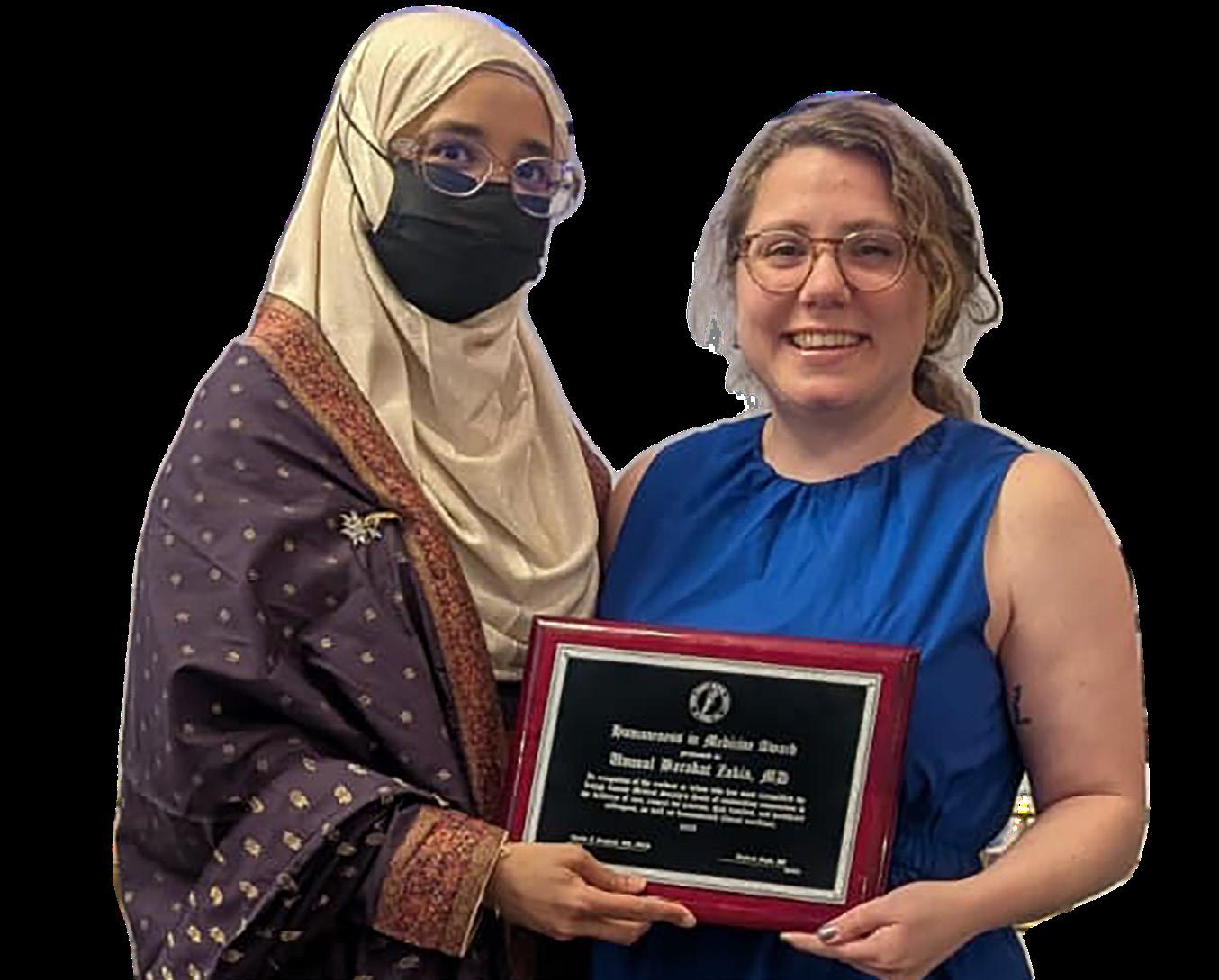
Dr. Ummul Zakia Honored with LCMS Humaneness in Medicine Award
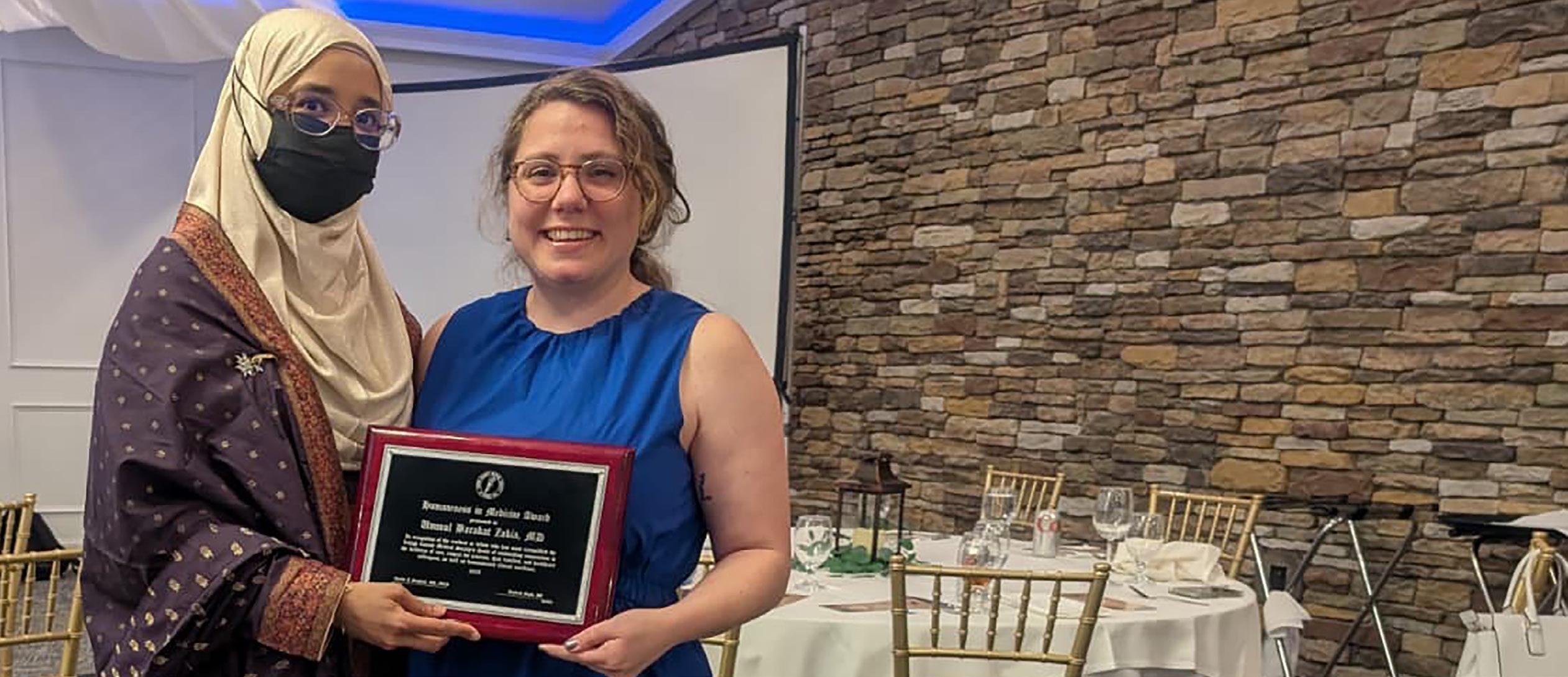
In the fast-paced environment of modern healthcare, technical expertise is a given, but true humaneness is a gift. The Lehigh County Medical Society (LCMS) recently honored Dr. Ummul Zakia as the recipient of the Humaneness in Medicine Award. Nominated by Dr. Mia Mattioli, an academic hospitalist at St. Luke’s University Health Network (SLUHN), Dr. Zakia exemplifies a blend of clinical intelligence, humility, and patience that defines the very best of the medical profession.
Dr. Mattioli, who has supervised Dr. Zakia since September 2024 at St. Luke’s Anderson Campus in Easton, describes her as a leader who consistently goes above and beyond for her patients, their families, and her medical peers.
BUILDING TRUST AT THE BEDSIDE
Dr. Zakia’s approach to patient care is rooted in patience and deep listening, traits that prove invaluable when delivering life-altering diagnoses. Dr. Mattioli recalled a challenging case involving a patient admitted with pneumonia who was subsequently found to have Elizabethkingia bacteremia—a rare infection that Dr. Zakia recognized as a harbinger for malignancy.
Dr. Zakia sat at the patient’s bedside, and she gently prepared him for the likelihood that his cancer had returned, creating a safe space for him to process the news. Dr. Zakia simply listened as the
patient shared stories about fishing and joked about him and his friends watching eagles steal his catch at a secret lake.
The rapport she built with the patient allowed her to encourage further action, and the team moved forward with a crucial workup, ultimately confirming recurrent lung adenocarcinoma. Because of the trust she established, a comprehensive treatment plan for both the infection and the cancer was seamlessly put into motion.
LEADERSHIP THROUGH HUMILITY AND GRACE
Beyond her quiet bedside manner, Dr. Zakia stands out for her emotional intelligence and leadership under pressure. Following a root-cause event wherein an overnight clinical team failed to timely diagnose a recurrent small bowel obstruction (SBO) in an acutely deteriorating patient, Dr. Zakia prioritized quality improvement and clinical education over punitive measures.
Rather than issuing a formal reprimand to the interns, she immediately initiated a targeted educational intervention to mitigate the risk of future diagnostic delays and ensure patient safety across the service. Furthermore, when managing high-risk disclosure dynamics with the patient’s distressed family, Dr. Zakia avoided taking a defensive posture. Instead, she successfully navigated the conflict by utilizing objective, empathetic communication, delivering a formal disclosure and apology, and
outlining a clear, structured plan for subsequent clinical interventions.
A CELEBRATED TEACHER AND CHIEF RESIDENT
While Dr. Zakia is known by her colleagues to be quiet and unassuming, her talents and impact on those she serves are evident. When interns present strong care plans, they are quick to credit Dr. Zakia’s guidance. Medical students routinely give her rave reviews, noting that she makes them feel uplifted, encouraged, and valued. When patients are asked if they understand their treatment, they consistently point to Dr. Zakia and confirm, “Yes, she explained it all to me.”
Her clinical acumen and natural leadership have not gone unnoticed by leadership; Dr. Zakia was recently selected as Chief Resident from a highly competitive cohort.
Ultimately, the true measure of a physician is whether you would trust them with your own loved ones. As Dr. Mattioli beautifully summarized in her nomination, Dr. Zakia is “intelligent as well as humble, kind, and patient—she is the kind of doctor I would want for my family.”
The Lehigh County Medical Society congratulates Dr. Ummul Zakia on this well-deserved honor and thanks her for her unwavering dedication to humanizing medicine!
(L to R): Dr. Ummul Zakia and Dr. Mia Mattoli


BEYOND
THE IMPACT BEYOND THE IMPACT
WORLD BRAIN DAY AND THE MANAGEMENT OF CONCUSSIONS
PAVAN PATEL, DO
Every year, World Brain Day serves as a global reminder of the vital importance of neurological health. While we often focus on chronic conditions like dementia or stroke, one of the most common yet misunderstood injuries to our most complex organ is concussion. Statistically, concussions represent a significant global health burden, accounting for the vast majority—approximately 70% to 90%—of all traumatic brain injuries. In the United States alone, millions of concussions occur annually, stemming from sports injuries, motor vehicle accidents, and occupational hazards. Often dismissed as “just a bump on the head,” a concussion is a mild traumatic brain injury (mTBI) that often requires sophisticated, proactive management to ensure a full recovery.
Understanding the mechanics of a concussion, recognizing its diverse symptoms, and seeking the right kind of specialized care are essential for protecting the long-term health of our brains.
WHAT IS A CONCUSSION?
A concussion occurs when a force— either a direct blow to the head, neck, or face, or an indirect force elsewhere on the body—causes the brain to move rapidly back and forth inside the skull. This sudden acceleration or deceleration creates “shear” forces that stretch and damage brain cells (neurons) and create a temporary “energy crisis” in the brain. Basically, the brain goes into a state of hyperexcitability where it is in overdrive. There is an influx of sodium and calcium into cells, which drives this state and produces an “energy mismatch.” The brain is demanding an excessive amount of energy, but the body can’t keep up with the demand, which we think results in the numerous symptoms that come with these injuries.
Unlike more severe brain injuries, a concussion is a functional injury rather than a structural one. This means that traditional imaging, such as a standard CT scan or MRI, often appears normal because the damage is occurring at a microscopic, metabolic level. Because
Statistically, concussions represent a significant global health burden, accounting for the vast majority— approximately 70% to 90%—of all traumatic brain injuries.
it cannot always be “seen” on a scan, the diagnosis relies heavily on clinical evaluation and the reporting of symptoms.
COMMON MISCONCEPTIONS
Because concussions are “invisible” injuries, several myths persist that can delay proper care:
• The “Loss of Consciousness” Myth: Many believe you must be “knocked out” to have a concussion. In reality, fewer than 10% of concussions involve a loss of consciousness. You can be fully awake and still have suffered a significant injury.
• The “Wake Them Every Hour” Myth: While it was once common to wake a concussed person throughout the night, current medical consensus suggests that once a serious injury (like a brain bleed) has been ruled out, restorative sleep is actually one of the best things for the brain.
• The “Dark Room” Myth: For years, the standard was “cocooning”—staying in a dark, silent room. We now know that total sensory deprivation can lead to anxiety and prolonged symptoms. Controlled, sub-symptom activity is now preferred.
RECOGNIZING THE SYMPTOMS
The symptoms of a concussion can be broad and may not appear immediately; some manifest hours or even days after the initial impact. They generally fall into four categories:
1. Physical: Headaches (the most common symptom), nausea,
dizziness, light and noise sensitivity, and blurred vision.
2. Cognitive: Feeling “in a fog,” slowed processing speed, difficulty concentrating, and memory problems.
3. Emotional: Increased irritability, sadness, nervousness, or feeling more emotional than usual.
4. Sleep/Fatigue: Sleeping more than usual, sleeping less than usual, or difficulty falling asleep.
THE MULTIDISCIPLINARY APPROACH TO TREATMENT
The “gold standard” for concussion recovery has shifted dramatically in recent years. The old advice to “sit in a dark room until symptoms disappear” is now considered outdated and potentially harmful. Modern management emphasizes a multidisciplinary approach.
A concussion can affect the vestibular system (balance), the ocular system (vision), and the cervical spine (neck), which often necessitates a team approach. This may include neurologists, physical therapists specializing in vestibular rehab, and even occupational therapists.
Evidence now shows that after a brief period of rest (24–48 hours), a gradual return to light activity, both physical and cognitive, actually speeds up recovery. This “active recovery” model ensures the brain is appropriately challenged without being overwhelmed.
continued on next page >
THE ROLE OF SPECIALIZED NEUROLOGICAL ACCESS
When managing a mild traumatic brain injury, the timing of the initial evaluation is often a primary factor in the speed of recovery. Because the brain undergoes a metabolic “energy crisis” in the days immediately following a concussion, early clinical guidance is vital to prevent secondary complications or prolonged symptoms, often referred to as Post-Concussion Syndrome or Persistent Symptoms After Concussion.
While the traditional healthcare landscape can sometimes present hurdles such as long wait times for specialist referrals, the emerging Direct Specialty Care (DSC) Neurology model offers an alternative pathway for timely intervention. By focusing on a direct patient-physician relationship, this model addresses several critical needs in concussion recovery:
• Prompt Evaluation: Since concussions are acute injuries, the ability to bypass lengthy administrative queues allows patients to be seen during the most critical early window of recovery.
• Comprehensive Assessment: Neurological recovery is highly individualized. Direct care models often allow for extended appointment times, enabling the specialist to perform the nuanced vestibular, ocular, and cognitive screenings necessary to map out a patient’s specific recovery needs.
• Continuous Care Coordination: As symptoms evolve, a direct line of communication with a neurologist ensures that treatment plans—including returnto-work or return-to-play protocols—can be adjusted in real-time based on the patient’s progress.
CONCUSSIONS BEYOND THE PLAYING FIELD: FALL AWARENESS
While we often associate concussions with high-contact sports or motor vehicle accidents, a significant portion of brain injuries occur through everyday accidents—most notably, falls. This is
particularly true for the aging population. As we age, changes in gait, vision, and medication side effects can increase the risk of a fall.
A fall from a standing height is more than enough force to cause a concussion. In older adults, these injuries are often overlooked or attributed to “just getting older,” yet they can have a profound impact on independence and cognitive health.
Education is the first step in prevention. To reduce the risk of fall-related concussions, consider the following:
• Home Safety: Remove “trip hazards” like throw rugs and ensure adequate lighting in hallways and bathrooms.
• Physical Activity: Engaging in balance and strength-building exercises (such as Tai Chi or specific physical therapy) can significantly improve stability.
• Medication Reviews: Regularly review medications with a primary care provider or specialist to ensure that dizziness or drowsiness is not an unnecessary side effect.
CONCLUSION
This World Brain Day, let us commit to taking head injuries seriously. A concussion is a significant event for the brain, but with a multidisciplinary approach and the personalized, timely intervention provided by specialty care, the vast majority of patients can make a full recovery. By staying aware of the risks—whether on the field or in the home—we can go “beyond the impact” and ensure long-term neurological wellness.
References
1. Manuel Montero-Odasso, Nathalie van der Velde, Finbarr C Martin, Mirko Petrovic, Maw Pin Tan, Jesper Ryg, Sara Aguilar-Navarro, Neil B Alexander, Clemens Becker, Hubert Blain, Robbie Bourke, Ian D Cameron, Richard Camicioli, Lindy Clemson, Jacqueline Close, Kim Delbaere, Leilei
Duan, Gustavo Duque, Suzanne M Dyer, Ellen Freiberger, David A Ganz, Fernando Gómez, Jeffrey M Hausdorff, David B Hogan, Susan M W Hunter, Jose R Jauregui, Nellie Kamkar, RoseAnne Kenny, Sarah E Lamb, Nancy K Latham, Lewis A Lipsitz, Teresa LiuAmbrose, Pip Logan, Stephen R Lord, Louise Mallet, David Marsh, Koen Milisen, Rogelio Moctezuma-Gallegos, Meg E Morris, Alice Nieuwboer, Monica R Perracini, Frederico PierucciniFaria, Alison Pighills, Catherine Said, Ervin Sejdic, Catherine Sherrington, Dawn A Skelton, Sabestina Dsouza, Mark Speechley, Susan Stark, Chris Todd, Bruce R Troen, Tischa van der Cammen, Joe Verghese, Ellen Vlaeyen, Jennifer A Watt, Tahir Masud, the Task Force on Global Guidelines for Falls in Older Adults , World guidelines for falls prevention and management for older adults: a global initiative, Age and Ageing, Volume 51, Issue 9, September 2022, afac205, https://doi. org/10.1093/ageing/afac205
2. hmed Z, Chaudhary F, Fraix MP, Agrawal DK. Epidemiology, Pathophysiology, and Treatment Strategies of Concussions: A Comprehensive Review. Fortune J Health Sci. 2024;7(2):197-215. doi:10.26502/fjhs.178
LCMS NEW & REINSTATED MEMBERS
Sohaib Mueen Alkowni, MD
Resident - Internal Medicine, LVHN
Thomas J. Amrick, MD
Gastroenterology, 512 E Broad St., Westfield, NJ
Emmanuel Annor, MD
Resident - Child & Adolescent Psychiatry, LVHN
Stefan J. Antosiewicz, MD
Resident - Diagnostic Radiology, LVHN
Anthony G. Auteri, MD Gastroenterology, 1501 N. Cedar Crest Blvd., Allentown
Zahara Batool Baig, MD
Resident - Family Medicine, LVHN
Oumou Bah, MD
Resident - Obstetrics/ Gynecology, St Luke’s Health Network
Sidratul Muntaha Baizeed, DO
Resident - Internal Medicine, LVHN
Gurpreet Kaur Bharaj, MD
Resident - Family Medicine, LVHN
Niyati Paritosh Bhatt, MD
Resident - Vascular SurgeryIntegrated, LVHN
Ashley Ahema Bonney, MD
Resident - Obstetrics & Gynecology, LVHN
Mark Fisher Broadwin, MD
Resident - General Surgery, LVHN
Herren Miro Burgess, DO
Resident - Internal Medicine, LVHN
Sheetal Gopichand Bulchandani, MD
Endocrinology, Diabetes & Metabolism
Aakash Chudal, MD
Resident - Emergency Medicine, LVHN
Allison Cosme, DO
Student - Emergency Medicine, LVHN
Sulav Deo, MD
Resident - Emergency Medicine, LVHN
Sandra Eisen, DO
Resident - Psychiatry, LVHN
Mboutidem Etokakpan, MD
General Surgery, 50 Moisey Dr., Ste 214, Hazle Township
Atif Farid, DO
Resident - Internal Medicine, LVHN
Nicholas Christian Ghasab, DO
Resident - Psychiatry, LVHN
William Ghaul, DO
Resident - Gastroenterology (Internal Medicine), LVHN
Michael Gibbons, MD
Resident - Emergency Medicine, LVHN
Jasmeet Gill, MD
Resident - Emergency Medicine, LVHN
Lucas Gitzel, DO
Resident - Cardiovascular Disease, LVHN
Gregory Walter Sady Golembeski, MD
Resident - Psychiatry, SLUHN
Caitlyn Noelle Hatcher, MD
Resident - Internal Medicine, LVHN
Courtney Rebecca Hill, DO
Resident - Internal Medicine, LVHN
Vincent Hong, MD
Resident - Emergency Medicine, LVHN
Olivia Hoy, MD
Resident - General Surgery, Thomas Jefferson University Hospital
Chi-Ching Huang, MD
Resident - Emergency Medicine, LVHN
Elizabeth Joy Hughes, MD
Resident - General Surgery, LVHN
Margaret Claire Hurley, DO
Resident - Dermatology, LVHN
Stefan Charles Hutson, MD
Resident - Nephrology, LVHN
James Arthur James, DO Psychiatry, 451 Chew St., Ste 306, Allentown
Parnika Kapur, DO
Resident - Internal Medicine, LVHN
Lukas Adrian Kaugars, DO
Resident - Internal Medicine, LVHN
Chad Alexander Keller, MD
Resident - Emergency Medicine, LVHN
Anna Michelle Klele, DO
Resident - Pulmonary & Critical Care Medicine, LVHN
Mark C. Knouse, MD
Internal Medicine, 1255 S Cedar Crest Blvd, Ste 2100, Allentown
Morena Paula Koorie, MD
Resident - Anesthesiology, Hospital of the University of Pennsylvania
Allan Lin, MD
Resident - Cardiovascular Disease, LVHN
Llambro Llaguri, Jr.
Medical Student - Philadelphia College of Osteopathic Medicine
Kara Celeste Madey, MD Resident - Obstetrics & Gynecology, LVHN
Sarat Chandra Majety, MD
Resident - Emergency Medicine, LVHN
Mahrukh Shahab Malik, MD Resident - Emergency Medicine, LVHN
Nicole Marie Masian, MD Forensic Pathology
Nathan Mege, DO
Resident - Emergency Medicine, SLUHN
Jayson Scott Messieh, MD
Resident - Emergency Medicine, LVHN
Sidney Clai Messier, MD
Student - General Surgery, LVHN
Steven Michael Muscio, DO
Resident - Internal Medicine, LVHN
Rakin Muhtadi, MD
Resident - Emergency Medicine, LVHN
James Albert Munda, MD
Resident - Family Medicine, LVHN
Jonathan Tae Ohm, MD
Gastroenterology, 501 Cetronia Rd., Ste 140, Allentown
Colin Kenney O’Hara, DO
Resident - Emergency Medicine, LVHN
Dennis Olugbenga Ologunro, MD
Resident - Psychiatry, LVHN
Robyn Alexis Panchaud, MD
Resident - Child & Adolescent Psychiatry, LVHN
Niketu M. Patel, MD, FACS
Otolaryngology, 1575 Pond Rd., Ste 203, Allentown
Sarah Abigail Persad, MD
Resident - Neurology, LVHN
Christian George Philip, DO
Resident - Internal Medicine, LVHN
Pouria Pourzand, MD
Resident - Emergency Medicine, LVHN
Read Matthew Quarles, MD
Resident - Diagnostic Radiology, Lehigh Valley Hospital
Ana Rahman, MD
Resident - Psychiatry, LVHN
Pratik Bharat Rajpopat, MD
Resident - Emergency Medicine, LVHN
Neisan Sabet, DO
Resident - Psychiatry, LVHN
Raman Shrestha, DO
Resident - Neurology, LVHN
Christopher Bryan Sielski, DO
Resident - Psychiatry, LVHN
McCall Perrin Simon, DO
Resident - Hematology & Medical Oncology, LVHN
Emily Steinhilber, MD
Resident - Emergency Medicine, LVHN
Samuel Steinman, MD
Resident - Emergency Medicine, LVHN
Steven Sun, MD
Resident - Emergency Medicine, LVHN
Nicolas Andrew Terreri, DO
Resident - Emergency Medicine, LVHN
Gloria Sheila Tokpa, MD
Resident - Pediatrics, LVHN
Hina Kashyap Trivedi, DO
Nephrology, 834 Eaton Ave., Ste 301, Bethlehem
Emily Kathleen Keyes Udelhoven, DO
Resident - Obstetrics & Gynecology, LVHN
Jeser Pablo Villanueva, DO
Resident - Family Medicine, LVHN
Nicole Elise Voice, DO
Resident - Obstetrics & Gynecology, LVHN
Catherine Wang, MD
Resident - Family Medicine, SLUHN
Carly Marie Weber, DO
Resident - Internal Medicine, LVHN
Emmaline Wittwer, MD
Student - Transitional Year, LVHN
Erika M. Yencha, MD
Neonatal-Perinatal Medicine, 1200 S Cedar Crest Blvd., Allentown
Eddy Yu, MD
Resident - Hematology & Medical Oncology, LVHN
Yue Zhang, DO
Student - Family Medicine, SLUHN

MEDICAL PROFESSIONALS PROGRAM
Fulton Mortgage Company has designed a mortgage program dedicated to making homeownership easy and affordable for medical professionals1 including Physicians, Pharmacists, Dentists, Veterinarians, and Podiatrists. If you have a medical doctorate degree, this program may work for you.
• 100% financing 2 available for loan amounts up to $1.5 Million
• 95% financing 2 available for loan amounts up to $2 Million
• 90% financing 2 available for loan amounts up to $3 Million
• Mortgage Insurance not required
• Up to 6% seller paid closing cost 3 and prepaids allowed
• Gift funds are allowed from immediate family members
• Student loan payments that are deferred for 12 months or longer are not included in the credit approval process
• Find and close on new home up to 90 days prior to start of new employment
• 30 & 15 Year Fixed Rate 4 as well as Adjustable Rate5 Options (5/6, 7/6, 10/6, & 15/6)
Contact me today!
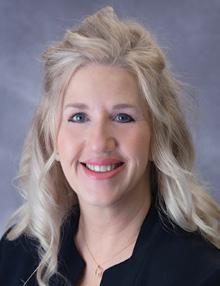
SHERRI ROHL
Senior Mortgage Loan Officer
NMLS# 1000854
484.330.9547
srohl@fultonmortgagecompany.com