
C. Curtis Norcini, President
Robert A. Burke, Vice President
Maria Janoski, Treasurer
Jennifer Fink, Secretary
Charles T. DeTulleo, Editor Emeritus
Shannon McDonald, Editor
Rami Bishay
Mark Blank, Jr.
Jonathan R. Long
John McKenna
Mary Wade Myers
Sara Planthaber
Karyn L. Seace
Scott Slomowitz
Bill Wilson
Christine Zaccarelli
CCBA Staff
Greg Nardi
Executive Director
Melissa Willson Communications, Events, and Marketing Manager
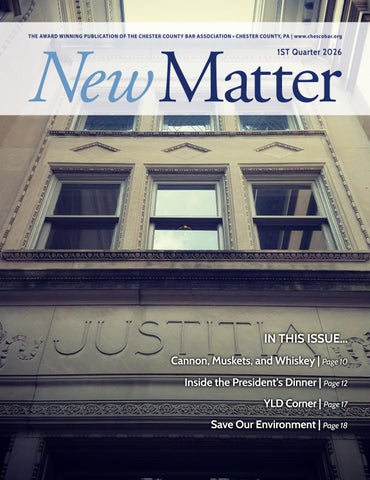
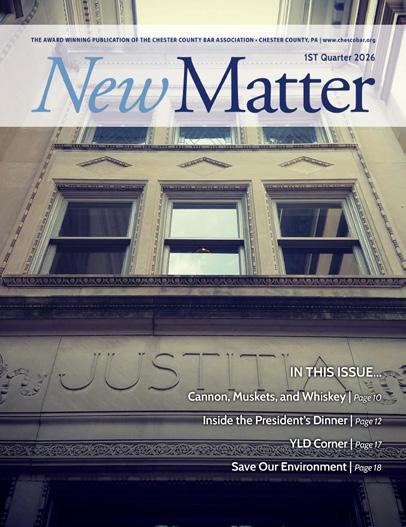
The Chester County Bar Association’s quarterly publication, New Matter, has been provided to Bar Association members for four decades.
A valuable aspect of CCBA’s membership, New Matter aims to provide our members with information pertaining to current issues facing the practice of law, historic legal issues, continuing legal education opportunities, Chester County Bar Association activities, programs, meetings, functions, practice tips, procedures for attorneys, and items of personal interest to our membership.
The opinions expressed in this material are for general information only and are not intended to provide specific legal or other advice or recommendations for any individuals. The placement of paid advertisements does not imply endorsement by the Chester County Bar Association.

If you have an idea for an article, or would like to submit content, please contact Greg Nardi at gnardi@chescobar.org or (610) 692-1889.

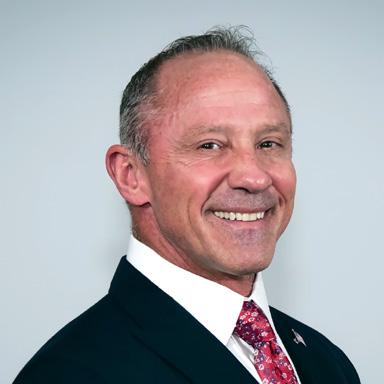
IC. Curtis Norcini, Esquire President Chester County Bar Association
am honored to serve as the 2026 President of the Chester County Bar Association. I believe that this role is less about charting a new direction and more about caring for a tradition—one that has long been defined by professionalism, collegiality, and mutual respect.
Recently, while having dinner with a few longtime friends from high school, I spoke with one who had just retired from the practice of law. He spent his career as a litigator at a large Center City firm with a global presence. When I asked him about retirement, he remarked—only half in jest—that he was relieved to be removed from the degree of gamesmanship and overly adversarial posturing that he felt had become commonplace.
His comment stayed with me. Over my own 31 years of practice, 25 of which have been in Chester County, I have fortunately encountered far fewer such experiences. Still, it prompted reflection on how our profession has evolved since I first began practicing in the early 1990s. I recall a time when lawyers on both sides understood that advocacy could be firm and effective without becoming personal. The adversarial process ended at the courtroom door, and mutual respect remained intact. And many legal friendships were forged after work at local watering holes. Those norms were not accidental; they were learned, experienced, and passed down, often informally, by watching how more experienced lawyers conducted themselves—both in and out of the courtroom.
I believe that the practice of law is not something that can be fully learned from books alone. While our education provides a foundation, it is through shared personal experiences—working alongside colleagues, appearing before the bench, learning from our mentors, and engaging with one another—that we truly grow into the lawyers we ultimately become.
One recent experience comes to mind. Soon after the courts reopened following the pandemic, my partner and I conducted the first jury trial in a local county. It was a serious and hardfought case. After a very long week, the jury returned not guilty verdicts on all but one count, which resulted in a hung jury. From our standpoint, and that of the client, it was a great result. After trial, the Deputy District Attorney assigned to the case stopped by our office. We shared a drink, exchanged compliments, and acknowledged the effort each side had put forward. What occurred in the courtroom stayed there—nothing was ever taken personally.
That moment captured what I believe is best about our local profession: zealous advocacy grounded in professionalism, perspective, and mutual respect. It is a culture well worth preserving, teaching, and modeling for those who will follow us. Throughout my career, I have been very privileged to learn from lawyers and judges who emphasized that the strength of our profession lies not only in effective advocacy, but also in how we treat one another, both inside and outside of the courtroom.

The Chester County Bar Association has long embodied that balance. It is a community where lawyers are encouraged to represent their clients vigorously while also treating one another with dignity and respect. I believe that this commitment matters—not only to the fair and efficient administration of justice, but because younger attorneys look to these interactions as models for their own practice. This culture did not happen by chance. It exists because generations of lawyers before us chose to foster it. They mentored, volunteered, shared their time and experience, and believed that the practice of law is better when it is practiced together. That same spirit continues today through the dedication of our judges, our exceptional staff, and the many members who generously and often quietly support this Association.
As President, my goal is to build on these strengths. I will continue to foster the strong relationship we, as an Association, enjoy with the Bench and the Courthouse, recognizing that mutual trust and professionalism are fundamental to the fair administration of justice. I am also committed to ensuring that the Bar Association remains a welcoming and inclusive organization for attorneys at every stage of their careers.
One of my central goals is to inspire greater engagement among our younger attorneys. They are not simply the newest members of the Bar—they represent its future. The long-term vitality of this
Association depends on their participation, their perspectives, and their willingness, over time, to assume leadership roles. The Bar Association should be the place where lawyers first discover the practical realities of the profession, build meaningful and enduring professional relationships, and come to see themselves as part of a shared community dedicated to something greater than any individual practice. To that end, I intend to invest heavily in the Young Lawyers Section, to help grow its membership and increase engagement.
I strongly encourage our newer member attorneys to become involved in the Association early in their careers. Attend events, join committees, participate in section activities, and take advantage of opportunities to work alongside more experienced colleagues. In doing so, you will not only strengthen your own professional development but also help to ensure the vitality and continuity of this Association for years to come.
Beyond serving our members, the Chester County Bar Association also plays an important role in serving the broader community. Through education, outreach, and public service, we help strengthen confidence in the legal system and reaffirm our commitment to fairness and access to justice. I am committed to expanding those efforts and ensuring that our Association remains a trusted partner within the community we serve. And I will be writing about these exciting efforts in the coming months.
I am sincerely thankful for the confidence placed in me and for the support of those who have served before and alongside me. I approach this role with humility, respect for our traditions, and optimism for what lies ahead.
The practice of law is demanding, but it is also deeply meaningful— especially when practiced within a community like ours that values professionalism, collegiality, and service. I look forward to working with all of you in the coming year as we continue to learn from one another and strengthen the profession we share.
Very respectfully,
C. Curtis Norcini, Esquire President, Chester County Bar Association


By Christine Zaccarelli, Esquire , CEO
The Crime Victims’ Center of Chester County, Inc. (CVC) is pleased to announce their 2025 Victim Advocacy Award winners who were honored at their Third Annual Show the Love Celebration at the Chester County History Center on February 5. The event served as a heartfelt celebration of the entire CVC team, including counselors, educators, and advocates, whose unwavering compassion and dedication make a profound impact on the lives of survivors and the well-being of our community. It also offered CVC a chance to express their sincere gratitude to donors and other essential partners for their support as well as to present the 2025 CVC Victim Advocacy Awards.
The John J. Crane Child Advocacy Award winner was Detective Sergeant Joe Walton of the Chester County Detectives in the District Attorney’s Office. This award was created by CVC’s Board of Directors in 1998 as a tribute to the late Chester County prosecutor, a nationally recognized advocate for crime victims— especially children.
Joe has been a law enforcement officer since the 1990s and joined the County Detectives in the early 2000s from the Phoenixville Police Department. He is currently in charge of the Chester County Children’s Advocacy Center located in the District Attorney’s Office. Joe was chosen by CVC’s Board of Directors for all of his work that goes to ensuring victims and their families have the Chester County CAC to support them through some of their most difficult times.
On receiving the award, Joe shared, “I am proud to work with the professionals at the CVC. These advocates are a true resource for victims, and an asset to the Chester County Children’s Advocacy Center. It is an honor to be the recipient of the John J. Crane Award.”
The Peggy Gusz Award winner was Chelsea Kunkel, Chester County ACES Coalition Coordinator. This award was created in 2018 by CVC’s Board to recognize Margaret “Peggy” Gusz’s
longtime victim advocacy efforts since CVC was formed in 1973. Through her efforts, she helped give victims a voice when their needs went unmet and helped change the attitudes of law enforcement professionals, medical professionals, and the legal system toward victims.
Chelsea was chosen by the Board for her passion and dedication to bringing trauma-informed care to the criminal justice system and the entire community here in Chester County. She works closely with CVC staff to educate those in the criminal justice system as well as the broader legal community on the impacts of trauma and steps we can take to ensure the system is trauma informed.
“I’m truly honored to receive the Peggy Gusz Award and deeply grateful to be connected to a legacy rooted in compassion and care,” Chelsea shared on being honored with the award. “Through my work, I’m continually reminded how important it is that we keep showing up together to ensure that everyone navigating the justice system is met with understanding, dignity, and opportunities for healing. I am especially thankful to CVC for recognizing this work and for their ongoing partnership with the Coalition.”
The Brooke Hedderick CARES Award winner was Mandy Watson, CVC’s CAC Coordinator. The award was created in 2023 in loving memory of CVC’s longtime VP of Operations Brooke Hedderick. It is awarded annually to a CVC staff member for extraordinary dedication to CVC and the community, exemplifying everything that Brooke meant to CVC and her clients.
Mandy was chosen by CVC’s Board of Directors for her amazing work in the Children’s Advocacy Center and as a victim advocate. She truly embodies everything Brooke did, from making sure coworkers felt heard and supported to always making sure that after a rough case, CVC’s advocates are doing okay mentally. Mandy honors Brooke’s legacy everyday by doing all of that, just as Brooke would.
Mandy shared, “It is an honor to be selected for this award. I worked with Brooke for many years and learned so much from her. I still miss her wisdom, especially on the more challenging cases.”
CVC’s Board of Directors also added a new advocacy award this year, the LEO Voice for Victims Award. This award was created to recognize law enforcement professionals who demonstrate extraordinary compassion, respect, and dedication in supporting victims of crime. This award honors an individual officer or department who goes above and beyond the call of duty to ensure victims are heard, believed, and treated with dignity throughout the justice process.
The inaugural LEO Voice for Victims Award winner was Officer Nicole Navarra of the Uwchlan Township Police Department. Nicole was chosen by CVC’s Board of Directors for her dedication and compassion in going above and beyond to ensure victims receive the services and follow-up needed to allow them to heal, both mentally and physically. She has been with the Department since May of 2016 and throughout her career has always kept victims and their needs at the top of her priority list.
On being named the inaugural winner of the LEO Voice for Victims Award, Nicole stated, “It’s a true honor to receive this award and that my victim advocacy has not gone unnoticed. I truly appreciate Lieutenant Maureen Evans for nominating me— it means so much. I find it of the utmost importance to sit and listen to the victim’s story and give them the space to feel safe to do so. Victims deserve to be treated with respect, dignity, and compassion from the moment they make their report through the entire process. This award affirms the importance of leading with humanity and compassion.”
Be on the lookout for the Save the Date for the invite-only Fourth Annual Show the Love that will take place in February 2027. Invitations are extended to everyone who donated during our past fiscal year, so visit our website and donate today!
CVC fosters healing, hope, and empowerment through free, confidential, and compassionate support for victims of sexual violence and other crimes. We guide individuals through trauma, recovery, and legal processes. We work to prevent violence by promoting community inclusivity, raising awareness, and imparting essential skills through outreach and education throughout Chester County.
To learn more, visit www.cvcofcc.org.
STATEWIDE PENNSYLVANIA MATTERS NO CHARGE FOR INITIAL CONSULTATION
Representation, consultation and expert testimony in disciplinary matters and matters involving ethical issues, bar admissions and the Rules of Professional Conduct
• Judge, Court of Judicial Discipline
• Former Chairman, Judicial Conduct Board of Pennsylvania
• Former Chairman, Disciplinary Board of the Supreme Court of Pennsylvania
• Former Chairman, Continuing Legal Education Board of the Supreme Court of Pennsylvania
• Former Chairman, Supreme Court of Pennsylvania Interest on Lawyers Trust Account Board
• Former Federal Prosecutor
• Selected by his peers as one of the top 100 Super Lawyers in PA and the top 100 Super Lawyers in Philadelphia
• Named by his peers as Best Lawyers in America 2022 and 2015 Philadelphia “Lawyer of the Year” Ethics and Professional Responsibility Law and Legal Malpractice Law
1500 Market Street, East Tower, Suite 1800 • Philadelphia, PA 19102 (215) 751-2863

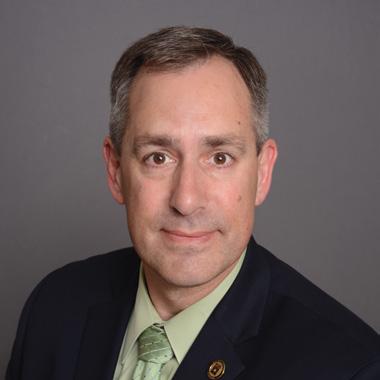
TBy Greg Nardi CCBA Executive Director
his time of year always carries a familiar mix of emotions. With the new year comes transition and at the Chester County Bar Association (CCBA), transition most visibly means leadership change—new section and committee chairs, new Young Lawyer Division leaders, and new board members. One of the most notable changes we make is in welcoming a new President and saying goodbye to another. In doing so, we gain new energy, new ideas, and new opportunities—while also feeling the quiet loss that comes from ending a chapter with someone who has led with care and purpose.
It has been a privilege to work alongside our 2025 CCBA President, James Doyle, this past year. His leadership and optimism helped guide us through both planned initiatives and unexpected challenges. As we begin a new year, I am equally grateful for the opportunity to work with Curt Norcini, whose leadership and perspective promise fresh momentum and thoughtful direction.
This theme of transition extends beyond the presidency. After many years of dedication, Maria Janoski is stepping down as editor of New Matter. Her commitment and voice shaped this publication in lasting ways—especially in her leadership in honoring Chuck DeTulleo as New Matter’s Editor Emeritus. I am thankful for her leadership and excited to begin working with Shannon McDonald as she takes on this role.
Transitions bring both opportunity and loss—and I am grateful for both, because they mean we, at CCBA and in this community, are surrounded by remarkable people, past, present, and future.


By James S. Tupitza
BATTLE
In the spring of 1785, the quiet crossroads of Turk’s Head— now known as West Chester—was anything but peaceful. The streets echoed with the rumble of horses dragging a cannon, the clatter of muskets, a small army of dissidents, and the unmistakable aroma of whiskey. But this was to be no ordinary skirmish. The combatants? Lawyers, tavernkeepers, and a few spirited townsfolk, all embroiled in a battle for the future of Chester County’s courthouse.
The roots of this peculiar conflict stretch back to the Revolutionary War. General Howe had stopped in Kennett Square with his army, on the way from Elk Neck to Philadelphia. All assumed he would cross the Brandywine at the location of John Chadd’s ferry, where Washington awaited. Local hero Colonial John Hannum III was sleeping off a night of strong spirits with his brother-in-law, Squire Thomas Cheyney, at the Center House/ Martin’s Tavern in Marshallton.
In the morning, they rose and began to ride down what is now Northbrook Road toward Trimble’s Ford. As they approached the Brandywine, they noticed General Howe’s army as it began crossing the
creek to begin its flanking action against the troops of General Washington at Chadds Ford. The two men rushed to warn Washington of the British troop movements.
After the Battle of Brandywine, Hannum used the political clout earned by warning Washington to influence the Pennsylvania legislature—that influence would soon shape the destiny of Turk’s Head.
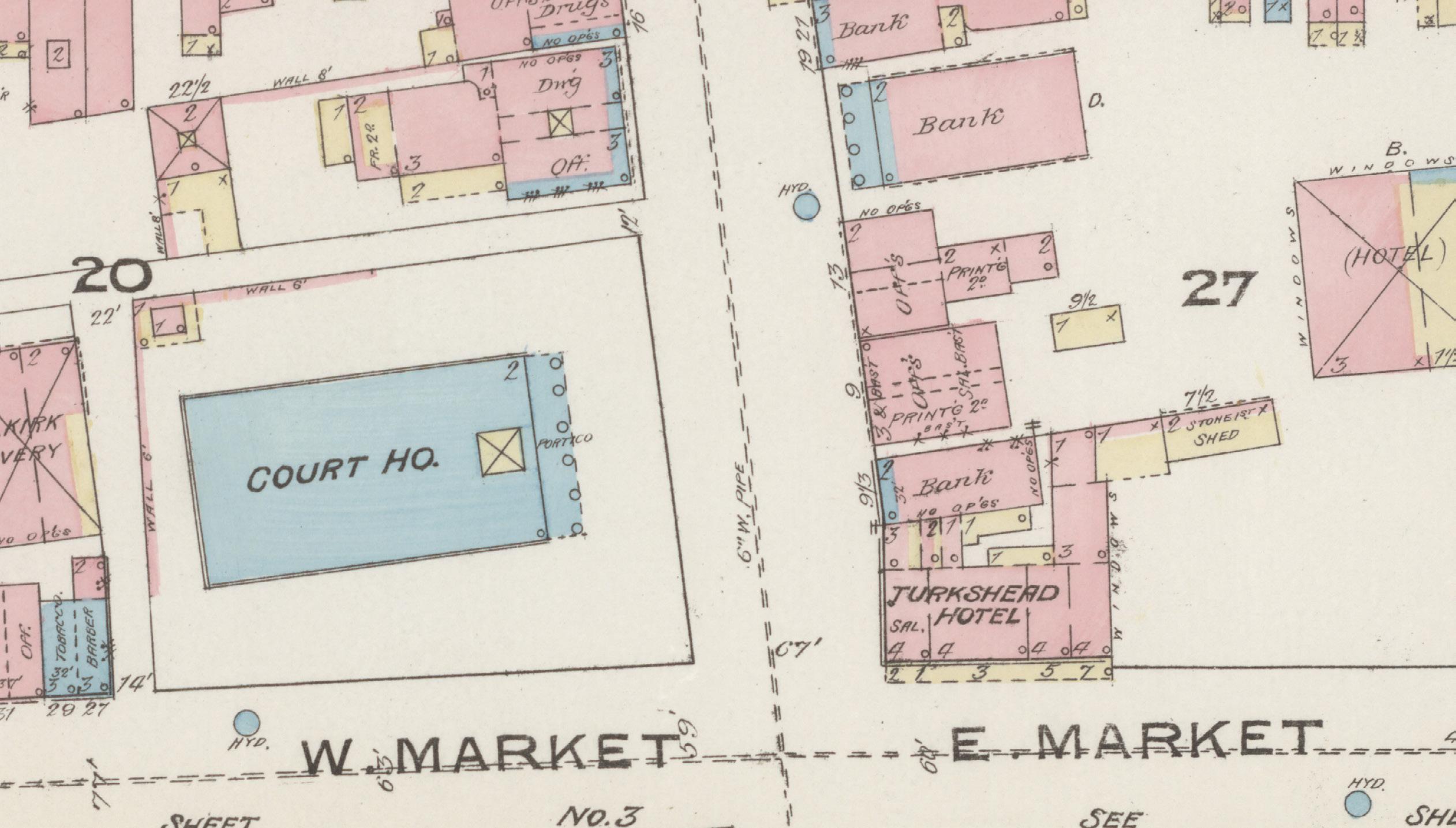
When the Pennsylvania legislature, lobbied by Hannum, created a commission to relocate the county courthouse and a prison from the City of Chester to a more central spot, Hannum seized the opportunity. The area was barren but for the tavern of Phinehas Eachus at the intersection of the Wilmington and Philadelphia Roads (High and Market Street). Hannum secured land for the new courthouse—and, shrewdly, for an inn and tavern next door, across a narrow alley. Construction began, but not everyone was pleased. Lawyers and tavernkeepers in Chester, the old county seat, saw their investments threatened and sought to halt the project. They lobbied for, and got, a suspension of the construction at Turk’s Head in March of 1785. Believing the Turk’s Head tavern keepers and lawyers would continue to build and present a fait acompli, the Chester lawyers joined together in the taverns of Chester and plotted a spring armed action.
As winter thawed, tensions boiled over. John Harper, a Chester tavern owner, rallied a band of indignant lawyers and townsfolk. Armed with a cannon, muskets, and enough whiskey to float a small boat, they marched on Turk’s Head, determined to stop the courthouse’s construction. After spending the night at the General Greene Inn, and consuming ample quantities of liquid courage, they set off for the partially built courthouse.
Colonel Hannum was ready.
He gathered his militia, fortified the unfinished courthouse by stoning in the empty windows, and prepared for a showdown— armed and supplied with grog and rations. Harper’s crew planted their cannon to the northeast and assembled the troops. For hours, the streets were filled with less than lawyerly shouts, threats, and posturing. Yet, as the day wore on, it became clear that both sides were more interested in inspecting each other’s defenses—and sampling each other’s spirits—than actual fighting.
Just as hostilities threatened to erupt, a group of local Quakers intervened. West Chester’s pacifist tradition prevailed: Harper’s men were allowed to inspect the courthouse, provided they would cause no damage. The cannon, once aimed menacingly at the courthouse walls, was turned away and fired in celebration of peace. A moment of chaos followed when a tipsy member of Harper’s band knocked down Hannum’s flag, but cooler heads prevailed. The parties parted “amicably without loss of life or limb.”
In the aftermath, Hannum built a gallery from his tavern to the courthouse, to ensure a steady stream of thirsty judges, lawyers, and clients. As he was breaking through the courthouse wall, the county blocked the passage, but not the flow of lawyerly traffic from the new courthouse to Hannum’s tavern.
The “Battle of West Chester” is a testament to the spirited, sometimes rowdy, but ultimately peaceful nature of early American civic life. It’s a story of ambition, rivalry, and the enduring power of negotiation— fueled, of course, by a little whiskey.
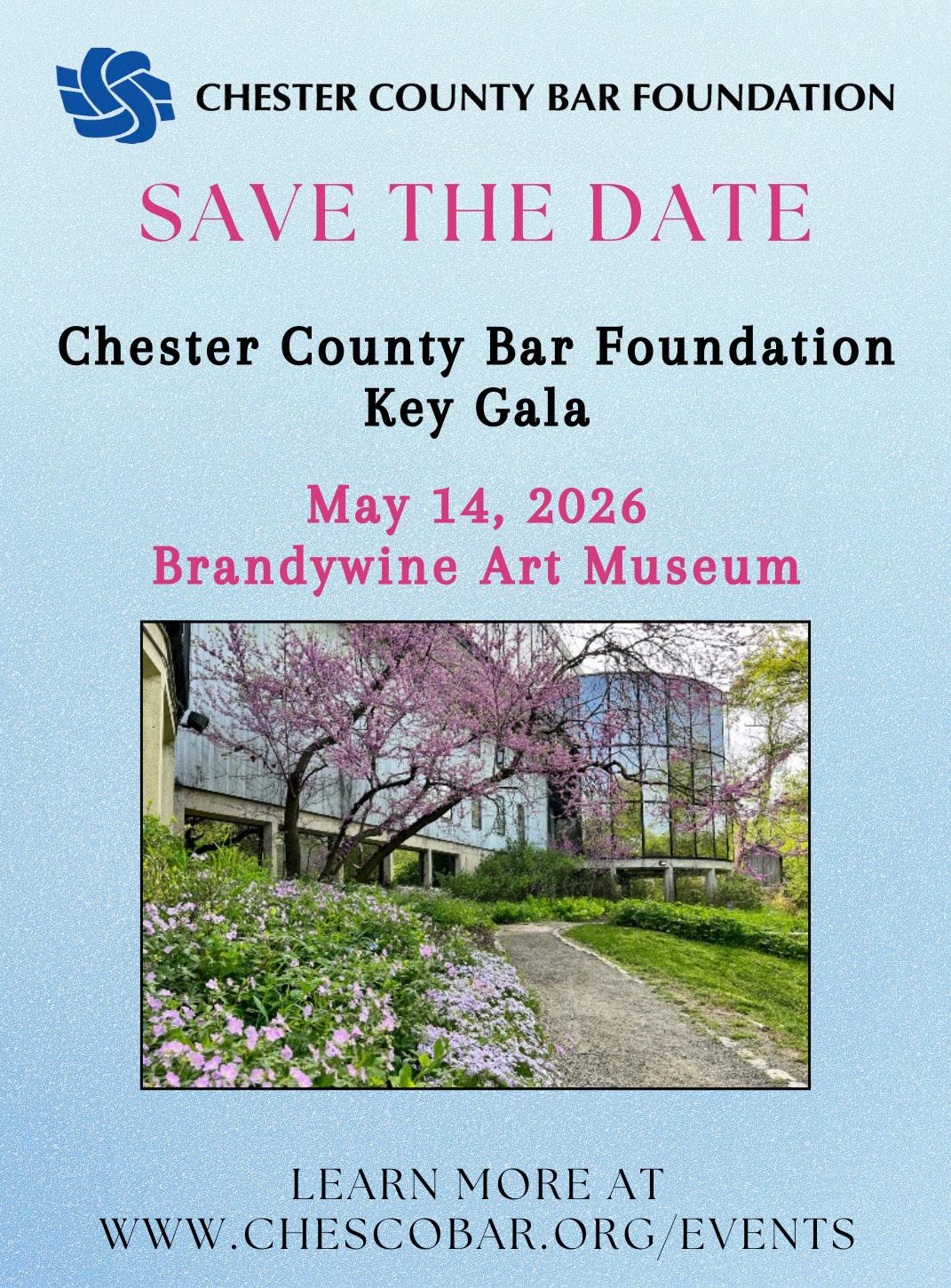
By Shannon McDonald, Esquire
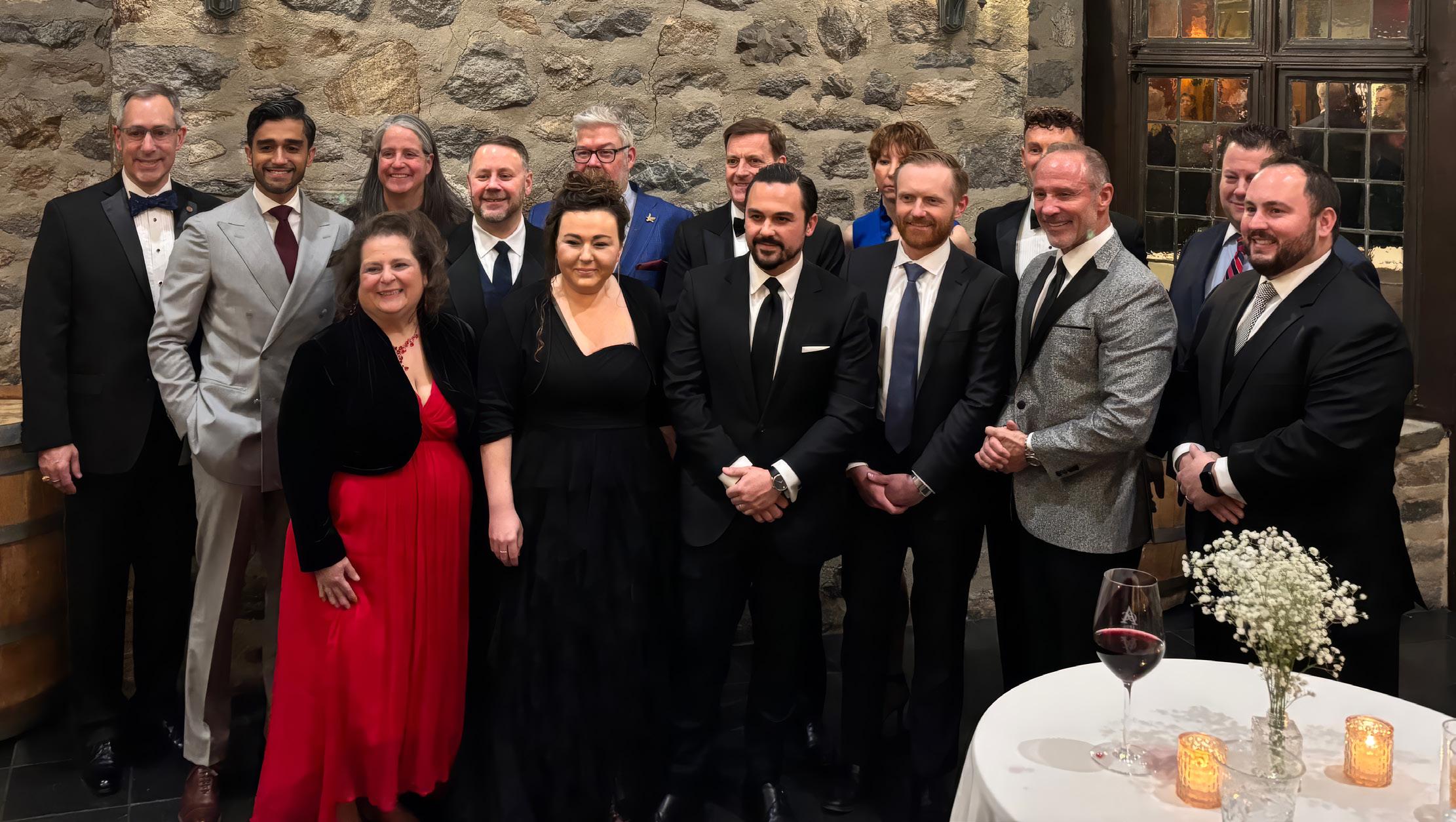
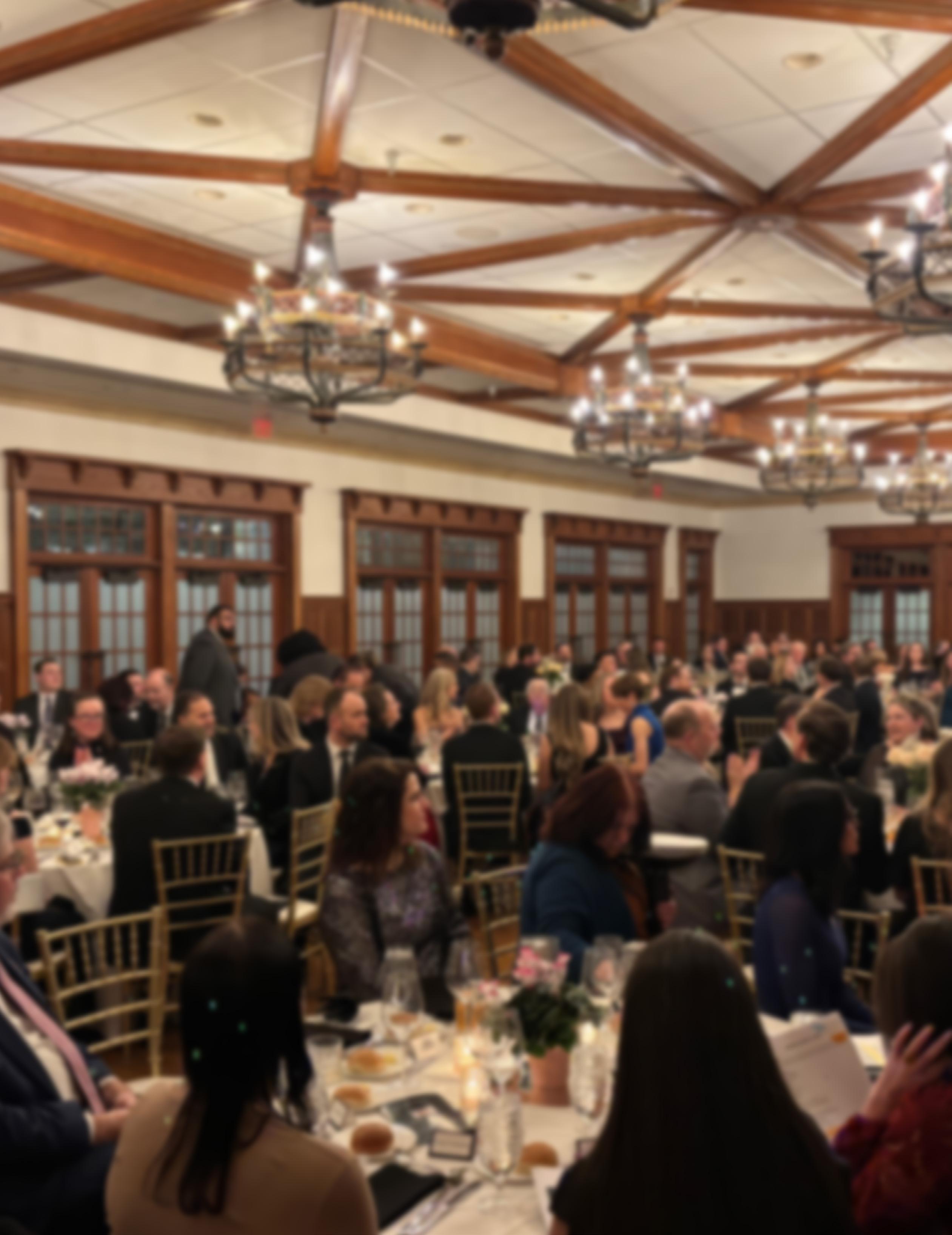
The annual President’s Dinner once again proved why it remains a cornerstone of the social and professional calendar, bringing together an impressive cross-section of the Bench and County Bar, with a smattering of the Pennsylvania Bar Association (PBA) tastemakers. Hosted in the elegant Aronimink Golf Club in Newtown Square, the location was awash with warm lighting and understated luxury. Carefully planned by the Chester County Bar Association (CCBA) staff, the evening struck a careful balance between celebration and meaningful connection.
Reviewing the guest list ahead of time, everyone knew that this event was not to be missed—and they may have gotten a reminder email from the Bar Association if they thought they could miss it! Arriving fashionably late, I could tell that this was, as every year, the place to be. Representatives from all the firms, plus members of the bench, and the most gregarious of the solos and small firms, greeted each other like they hadn’t been oppositional in court just that morning (or was that just me?). The atmosphere was refined but congenial, with guests arriving steadily and greeting one another with the familiarity of peers who understand the value of both visibility and connection.
The cocktail reception gave way to a seated dinner. Celebrating our 2025 President, James Doyle, was easy and fun, with jokes made by him and by his close friends from the Bar. The tone of the speakers of the night emphasized the youth and energy experienced during his tenure as President, and brought new awards and new faces to the podium. You had to be present to see the video and in-person toasting of James Doyle, but you can imagine the proud moments his wife and two children saw that evening.
Continued on page 14
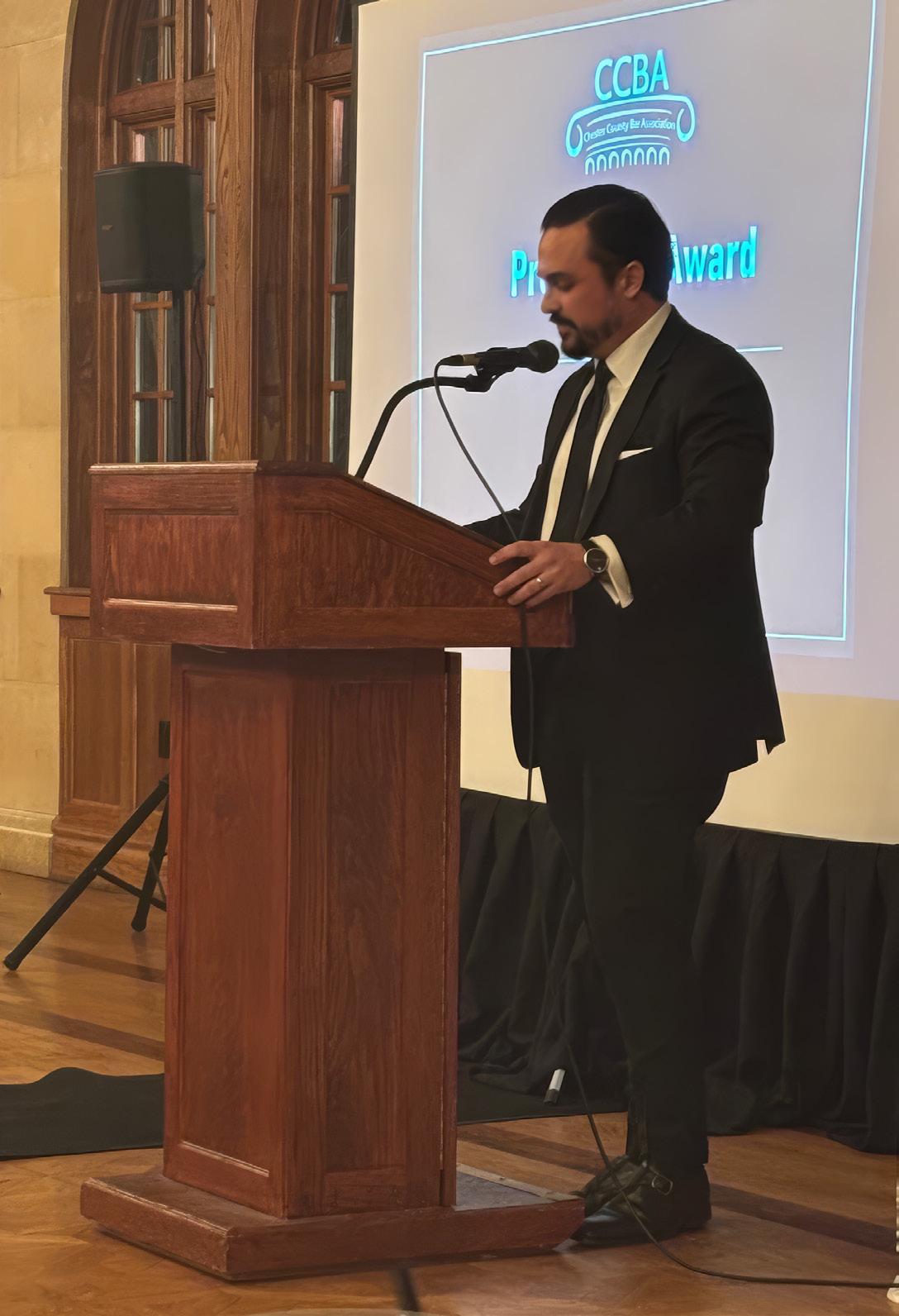
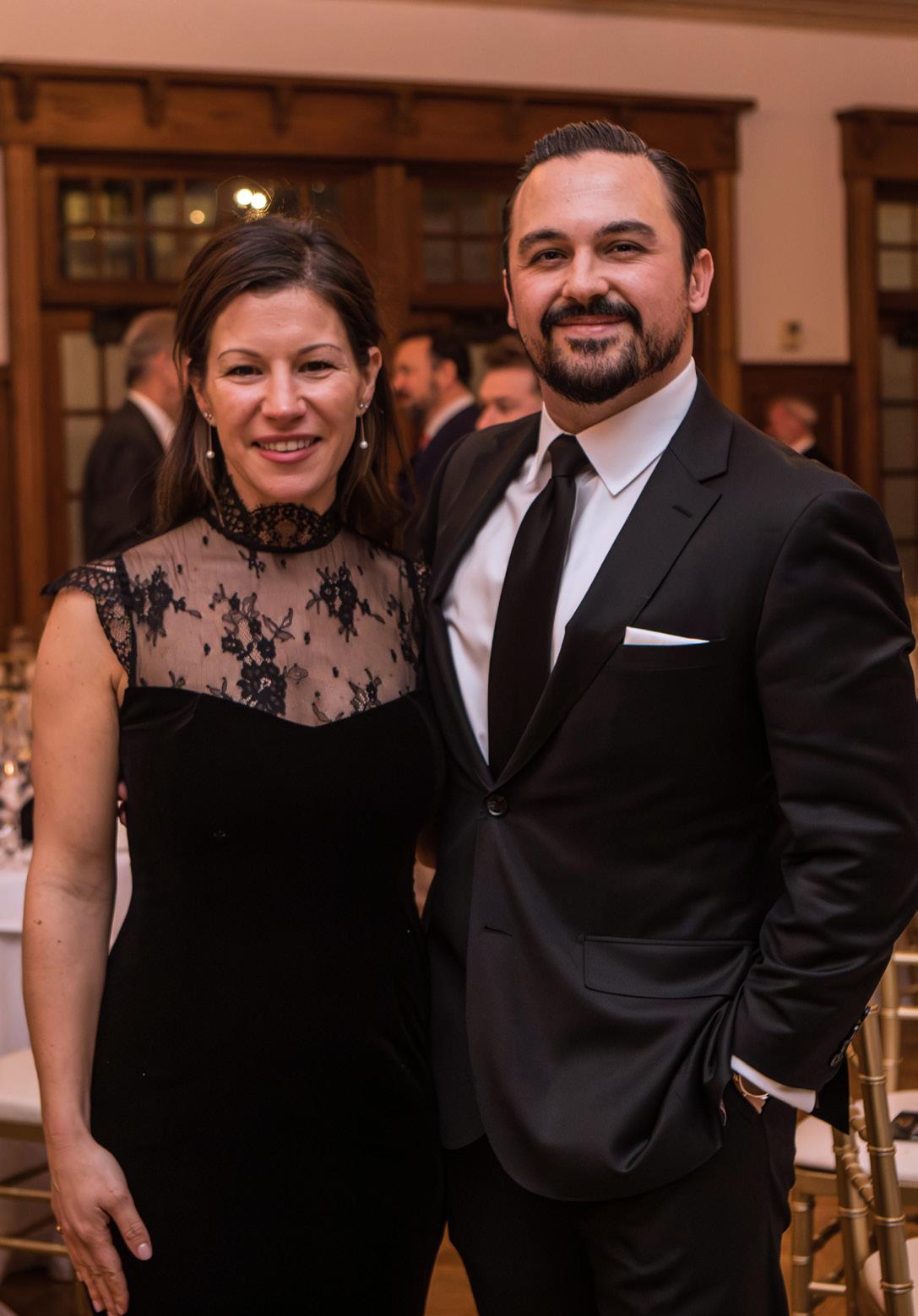
The evening’s program encouraged conversation alongside the awards that the Bar distributes to well-deserving individuals annually. Between courses, remarks acknowledged the achievements of those recognized in this year’s event. The tone was celebratory without excess, and the remarks highlighted the value that all members bring to our Bar. Many congratulations were made to all sorts of well-deserving members of the Bar: Andrea Pettine (Board of Director’s Award), Lauren Nehra (YLD Award), Lance Nelson—represented by stand-in Brian Nagle— (John R. McKenna Access to Justice Award), Jim Ruggerio (LASP Hon. Sánchez Pro Bono Award), Shannon McDonald (Hon. Katherine B. L. Platt Award), and Patrick McKenna (President’s Award).
When you’re not a member of the VIP table or from a firm big enough to buy a table, you have the opportunity to choose your seat based on other criteria. Strategic seating arrangements ensured that established figures and newer entrants had ample opportunity to exchange ideas, and although maybe not partake in curated networking moments (we reserve those for golf outings and the bar sail), but certainly a few beverages helped the conversations. In fact, between awards, conversations flowed easily—from discussions about business shifts and creative collaboration to the amiable conversation about what’s happening in members’ private lives—especially if a spouse or partner was present and trying to enjoy the evening!
Notable attendees (you know who you are!) moved through the room with confidence and ease, engaging thoughtfully with small clusters or individuals, rather than commanding attention, and greeting their friends and colleagues at each turn. Several law partners were seen offering quiet mentorship to rising professionals, introducing them to groups, and moderating the
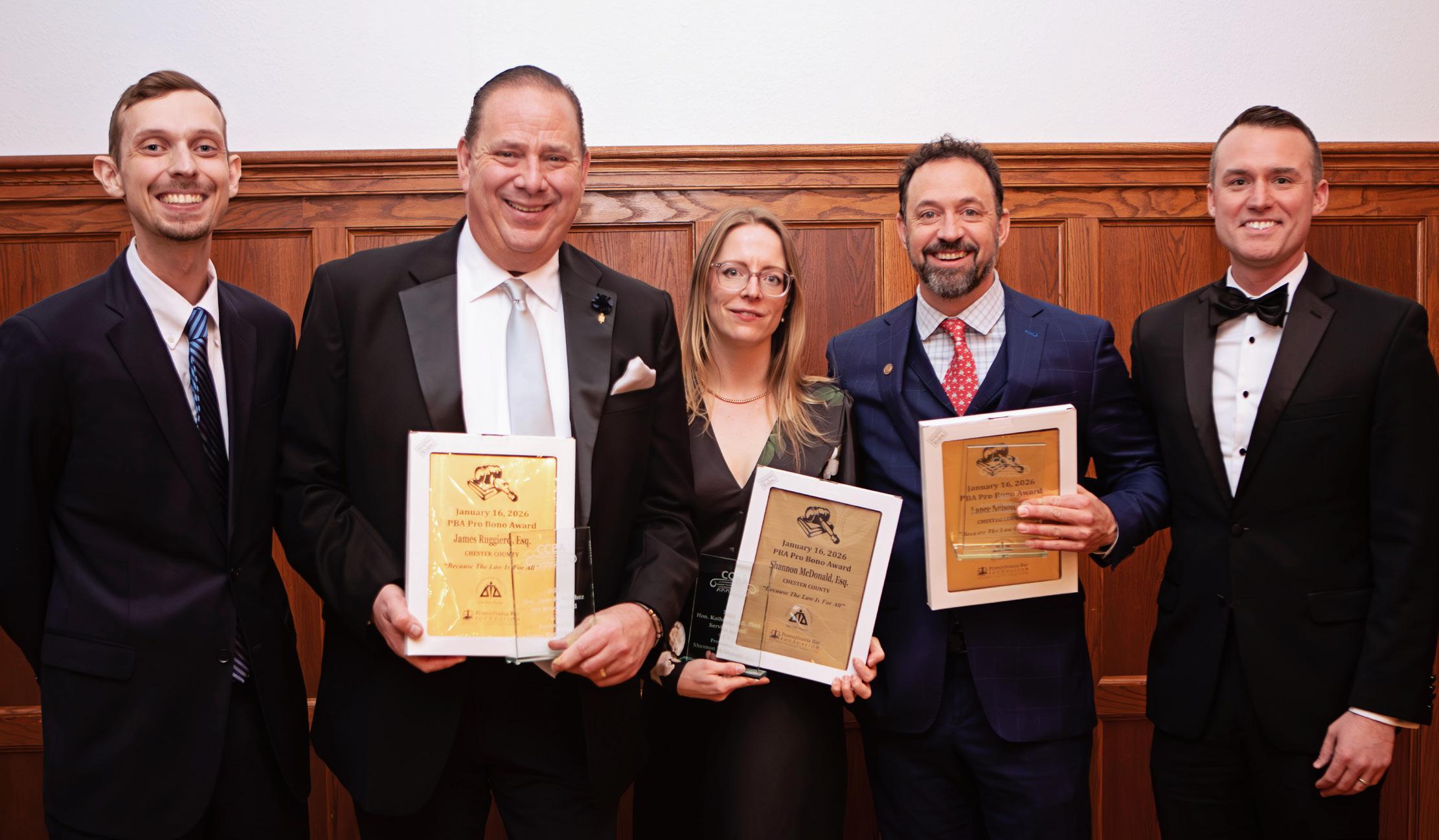
conversation away from the obvious shop talk—reinforcing the event’s reputation as a place where connections are built on substance. And you know you missed out on the dresses and tuxedos—and the beautifully cut suits. Fashion was elegant but restrained, favoring timeless silhouettes over statements, underscoring the President’s Dinner’s emphasis on credibility and professionalism. That’s not to say there wasn’t an excellent choice of color and fabric to make dresses stand out, making dressing for the event next year a challenge for us all as we evaluate our closets!
By the time the event concluded, guests departed with more than just-exchanged business cards. Many left with new perspectives, potential collaborations, and a renewed sense of purpose within the legal field. The President’s Dinner once again succeeded in creating an environment where meaningful professional relationships could thrive, as emphasized by the President himself, James Doyle—whose own remarks were a reflection on the growth and happiness that can accompany not only the business connections but the friendships that mark our work in the Chester County Bar.
In an era where influence is often measured by visibility alone, this gathering stood out for its emphasis on substance, credibility, and connection—qualities that continue to define who truly belongs on the year’s most watched list. Looking forward to another great year belonging to this organization—is it too early to look forward to celebrating our incoming President Curt Norcini in January 2027? We’ll see you there!


• MLM has returned a dividend to policyholders annually since 1988, over $88 million total
• First dollar defense- a loss only deductible can produce a substantial savings for firms facing nuisance type claims
• Full prior acts coverage
• Offers an array of services to mitigate risks including three free CLEs for policyholders each policy year, $165 value




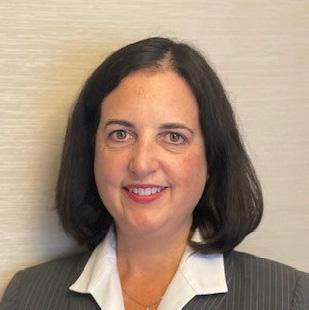
BARLEY SNYDER is proud to announce that the firm’s partnership has reelected JENNIFER CRAIGHEAD CAREY as its Managing Partner and Chief Executive Officer for a new two-year term beginning in 2026.
BARLEY SNYDER is proud to announce that Partner and Intellectual Property Practice Group Chair SALVATORE ANASTASI has been elected President of the American Intellectual Property Law Association (AIPLA).
BARLEY SNYDER is pleased to announce that Partner KEVIN C. MYHRE was elected Chair of the Patent Law Committee for the American Intellectual Property Law Association (AIPLA) during AIPLA’s Annual Meeting in Washington, D.C. on October 31.
BUCKLEY, BRION, MCGUIRE & MORRIS is pleased to announce that ARISTIDIS W. CHRISTAKIS has been elected to the Partnership of the firm. Ari will continue to bring his broad expertise in development and construction to the firm’s land use and governmental practice group.
BUCKLEY, BRION, MCGUIRE & MORRIS is pleased to announce that KATE MORRIS has joined the firm as an associate in its Litigation Department. Kate has a background in litigation and public interest work. Her practice focuses on dependency matters and child welfare. She became a lawyer to help families and individuals solve problems and to advocate for them.
BUCKLEY, BRION, MCGUIRE & MORRIS is pleased to announce that JENNIFER ERMILIO MEADE has been named Partner. Jennifer’s practice focuses on comprehensive estate planning and administration.
LAMB MCERLANE PC Chairman and Managing Partner JOEL L. FRANK has been appointed to serve on the Chamber of Commerce for Greater Philadelphia’s Executive Committee and Board of Directors.
LAMB MCERLANE PC has welcomed LAUREN M. LAW, ESQUIRE, and LI SHAO, ESQUIRE, to its litigation practice. Both attorneys will be based out of their West Chester office.
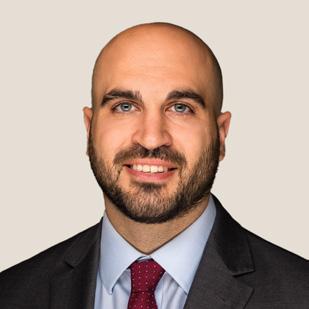
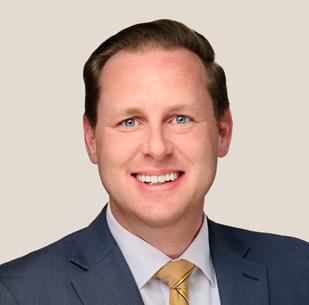


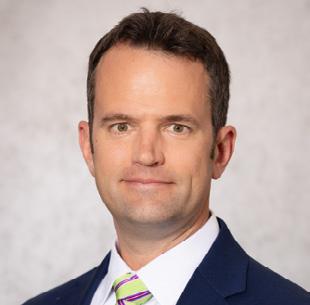
GAWTHROP GREENWOOD PC has promoted commercial real estate and business attorney GORDON W. PRINCE to Partner.
GAWTHROP GREENWOOD PC attorney THEODORE T. SPEEDY, JR. has been appointed solicitor of the West Marlborough Township Zoning Hearing Board.
GAWTHROP GREENWOOD PC is pleased to announce that litigator and real estate law attorney LAUREN E. WENGER has joined the firm as an associate.
PILAR DIAZ joins MACELREE HARVEY’s family law practice focusing on divorce, custody, support, and related agreements.
MACMAIN LEINHAUSER PC has welcomed attorney MATTHEW S. POLAHA as the law firm’s newest Partner.

Members of FOX ROTHSCHILD’s Exton office helped the Reading School District fill the Knights Closet, which provides essential supplies to students in need. This act reflects their Generation Fox initiative, which shapes brighter futures for local youth.
Grant P Bloomdahl, Esq - Chair
Maeve Bain, Esq - Chair Elect
Jeremy Grivensky, Esq - Secretary/Treasurer
Lauren Nehra, Esq - Immediate Past Chair
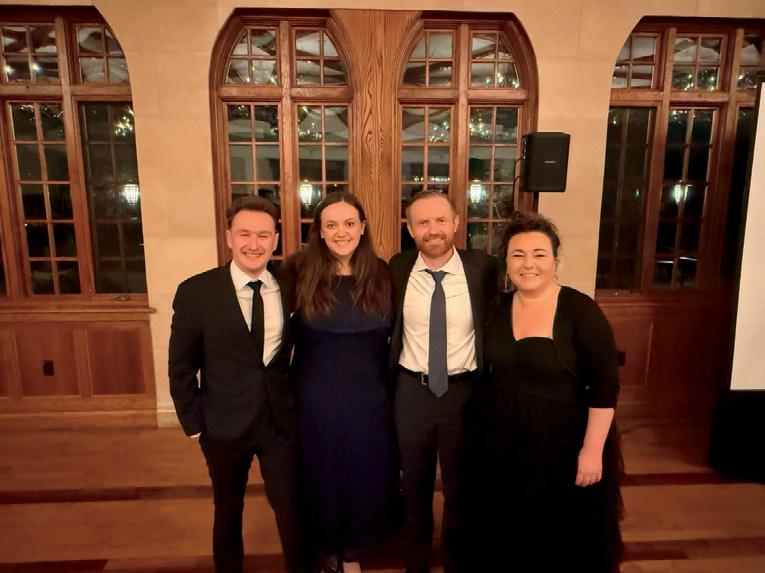


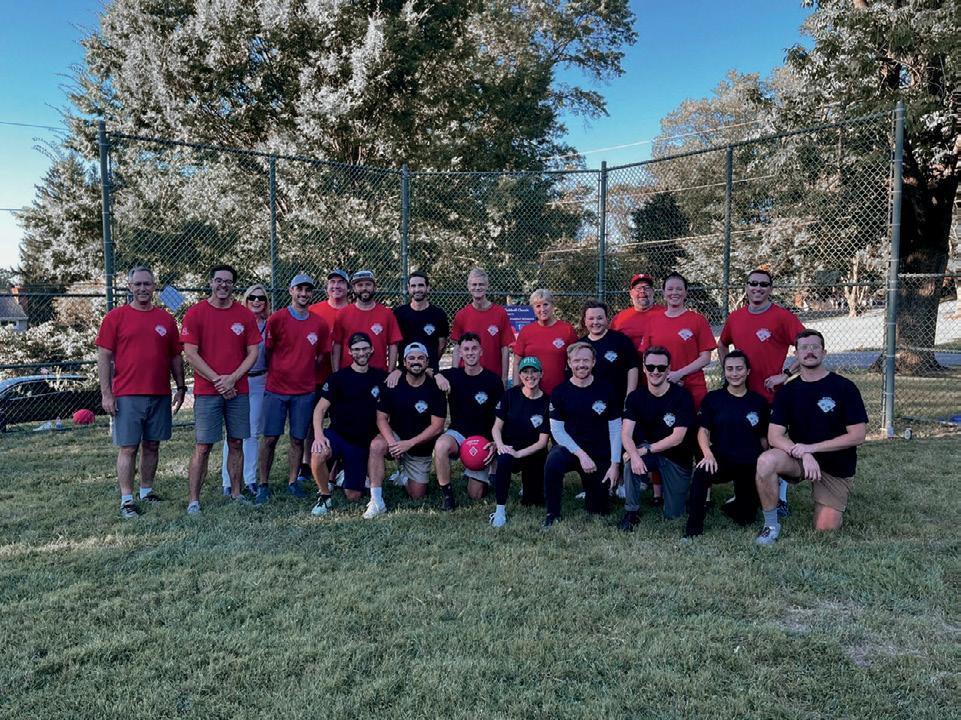


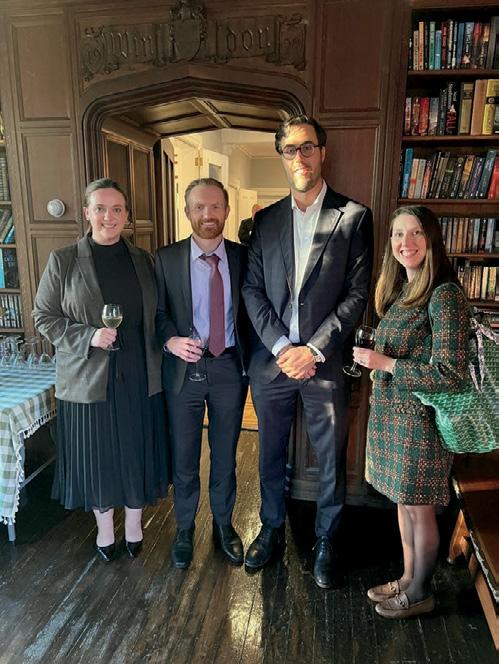




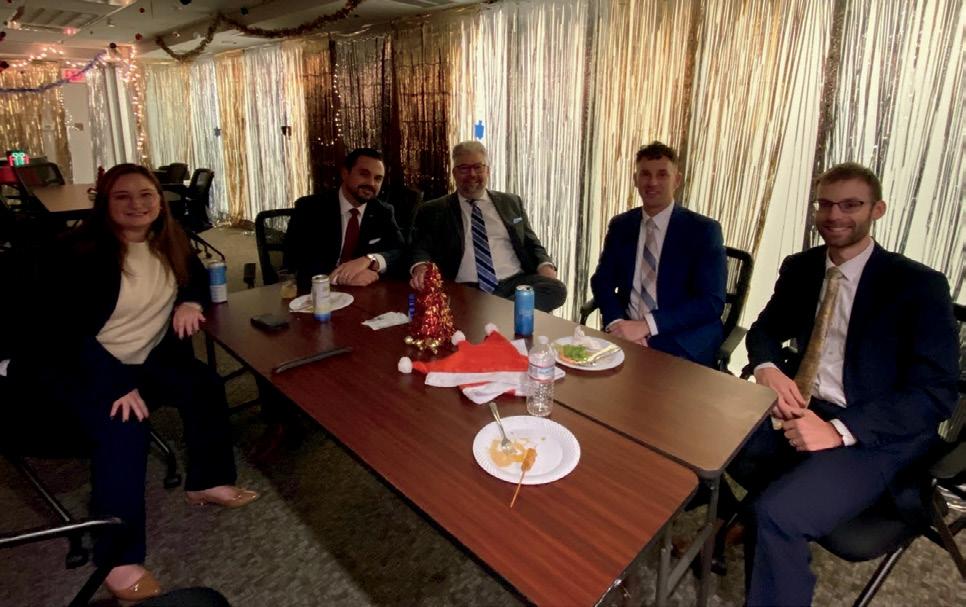
Note from the 2026 YLD Chair:
I’m proud to bea member ofthe YLD and I amequally proud to serve as Chair for 2026 This year we’re building on all of the excellent work of Lauren Nehra, Esq (Immediate Past Chair) We encourage all eligible Chester County lawyers to join the YLD It allows us to connect, learn, and grow with the best Bar Association in Pennsylvania It’s also fun! Stay tuned for this years’ events and updates GPB

The Young Lawyers’ Division is open to those members of the CCBA aged 40 or younger For information on joining or to get involved, email
Lauren Shea at LShea@ChescoBar org



Mock Trial - February 2026
YLD March Meeting - 3/12
YLD Happy Hour - 4/2
US EPA Proposes to Revise the Waters of the United States (“WOTUS”) Rule … Again!

By John R. Embick, Esquire
John R. Embick, PLLC Chair of the CCBA Environmental Law Section
Déjà vu is a French phrase; it translates into English as “already seen.” It is used to describe the illusory and sometimes eerie phenomenon of feeling like one has lived through the present situation in the past. The phrase “It’s déjà vu all over again” is known as a “Yogiism,” as the phrase has been attributed by some to Baseball Hall of Fame catcher Yogi Berra.
On November 17, 2025, the United States Environmental Protection Agency (“USEPA”) announced that it would propose yet another new rule that would clarify how the agency will

identify and regulate Waters of The United States (“WOTUS”) (see 90 Fed. Reg. 52498 (11/20/2025)). I’ve written about the vicissitudes of the WOTUS rule several times in New Matter (the last article was in New Matter, 3rd Quarter, 2023). So, the feeling of déjà vu is not illusory.
This rule change has its origins in the May 25, 2023, decision of the United State Supreme Court (“SCOTUS”) in Sackett et ux v. U.S.EPA, et al., 598 U.S. 651 (“Sackett II”). As indicated, I’ve written several times in the past about this issue, which involves the scope of federal jurisdiction over wetlands, as set forth in the
Clean Water Act, 33 U.S.C. §§1251 et seq. (“CWA”). In Sackett II, the justices split five (Roberts, Thomas, Gorsuch, Alito (who authored the decision of the majority) and Barrett) to four (Kagan, Sotomayor, Jackson and Kavanaugh(!)) on the test to be used to determine if a wetland (in this case on a building lot) is subject to federal control under the CWA. However, even more curious, all nine of the justices agreed with the court’s determination that the wetland in question was not subject to the jurisdiction of the U.S. pursuant to the CWA (presumably no matter what test was used).
The Sackett II case involves the misfortunate Sacketts, who purchased a building lot “adjacent” to Priest Lake in northern Idaho. Priest Lake receives flow from the Selkirk Range and is known for its exceptional water quality. Priest Lake is an intrastate lake, and is part of the Priest River system, and in turn is part of the Columbia River Basin (and so presumably Priest Lake is part of traditional WOTUS (although Justice Thomas and Justice Gorsuch are not so sure). The Sackett lot was not a waterfront lot and was located several hundred feet inland from the lake shoreline and was also situated near a road which separated the lot from a large wetland area known as the Kalispell Bay Fen. There appear to be no surface water connections between the Sackett lot and Priest Lake, the Kalispell Bay Fen, or any tributaries.
From a scientific standpoint, however, you don’t need to be a wetlands delineation expert to conclude that the Kalispel Bay Fen, the Sackett’s lot, and Priest Lake are probably hydrologically and ecologically associated with one another (but that is not the issue here—the question is whether the Sackett’s lot is subject to federal control or jurisdiction). The lot apparently was wet, and the Sacketts placed fill on the lot in anticipation of building a home. The U.S. Environmental Protection Agency (EPA) learned of the activity and ordered the Sacketts to cease the deposition of fill and remediate the site, claiming that the lot was a jurisdictional wetland adjacent to WOTUS, and that the deposition of fill (the CWA regulates the deposition of fill into WOTUS) into the wetland without a permit was illegal. The Sacketts sued, claiming their lot was not a wetland subject to the authority of the CWA. The District Court below found that the lot was subject to the CWA, and the Ninth Circuit agreed. SCOTUS granted certiorari to decide the proper test for determining whether wetlands are “waters of the United States.” 595 U. S. ___ (2022).
The core problem in this dispute relates to the meaning of “navigable waters” and WOTUS, as set forth in the CWA. This issue (as it relates to wetlands and other waters) has been contested for years and has been the subject of waxing and waning rulemaking which spans eight presidential administrations.
The relevant statutory language can be summarized as follows. The CWA prohibits the discharge of pollutants (including fill materials) into only “navigable waters,” which it in turn defines as “the waters of the United States, including the territorial seas,” 33 U. S. C. §§1311(a), 1344(a), 1362(7), (12)(A) (2018 ed.). The “waters of the United States” also includes wetlands that are “adjacent” to waters covered by the Act—for example, wetlands that are adjacent to covered rivers or lakes. §§1344(g), 1362(7). The individual states, of course, are free to regulate the discharge of pollutants into waters which are not WOTUS.
Continued on page 20
SCOTUS had occasion to address this issue earlier but failed definitively to resolve the question in Rapanos v. United States, 547 U.S. 715 (2006). In Rapanos, the matter involved the filling of wetlands that were located miles from traditional WOTUS (and with no surface connection to WOTUS). A plurality opinion by Justice Scalia decried the United States Army Corps of Engineer’s (“USACE”) excessive and over-broad interpretation of jurisdictional wetlands. To be a proper subject for regulation, Scalia opined, a wetland had to be permanently and directly attached to traditional navigable waters. This became known as the “continuous surface connection” test.
In an opinion concurring only in the Rapanos judgment, Justice Kennedy outlined a “significant nexus” standard, which he opined must be used on an ad hoc basis. So, the dispute in Rapanos was resolved, but a single test to determine if a water body is WOTUS failed to attract a majority of votes in Rapanos EPA and ACE ended up trying to utilize elements of both tests on a waterbody-by-waterbody basis but certainly depended heavily on the significant nexus standard.
This is likely, in my view, because the science underpinning water quality improvement and wetlands protection techniques recognizes multiple and essential interconnections between groundwater, wetlands, and surface waters. EPA and USACE likely have concluded (at least in the Biden and Obama Administrations) that the goals set forth in the CWA (fishable, swimmable, drinkable waters) can’t be achieved without rigorous and extensive control over the broadest range of WOTUS, including wetlands with significant nexus to traditional WOTUS. Whether Congress actually intended this result was one of the issues addressed by the SCOTUS majority in Sackett II.
The new test adopted in Sackett II was presented as follows:
In sum, we hold that the CWA extends to only those “wetlands with a continuous surface connection to bodies that are ‘waters of the United States’ in their own right,” so that they are “indistinguishable” from those waters. Rapanos, 547 U. S., at 742, 755 (plurality opinion) (emphasis deleted); see supra at 22. This holding compels reversal here. The wetlands on the Sacketts’ property are distinguishable from any possibly covered waters.
Majority slip op., at 27.
Against this backdrop, Justice Kavanaugh wrote an opinion concurring in the judgment (i.e., the Sackett’s lot is not subject to federal jurisdiction) but dissenting from the majority’s narrowing of the definition of WOTUS. Justices Kagan, Sotomayor, and Jackson joined in this opinion.
In his opinion, Justice Kavanaugh advances a largely textualist argument, and notes that:
In my view, the Court’s “continuous surface connection” test departs from the statutory text, from 45 years of consistent agency practice, and from this Court’s precedents. The Court’s test narrows the Clean Water Act’s coverage of “adjacent” wetlands to mean only “adjoining” wetlands. But “adjacent” and “adjoining” have distinct meanings: Adjoining wetlands are contiguous to or bordering a covered water, whereas

adjacent wetlands include both (i) those wetlands contiguous to or bordering a covered water, and (ii) wetlands separated from a covered water only by a man-made dike or barrier, natural river berm, beach dune, or the like. By narrowing the Act’s coverage of wetlands to only adjoining wetlands, the Court’s new test will leave some long-regulated adjacent wetlands no longer covered by the Clean Water Act, with significant repercussions for water quality and flood control throughout the United States.
Kavanaugh slip op., at 2 (note that Justice Kavanaugh also specifically rejects the significant nexus test).
Justice Alito dismisses this textualist argument summarily: “Textualist arguments that ignore the operative text cannot be taken seriously.” Majority slip op., at 27.
Justice Kagan wrote a separate opinion concurring in the judgment but also disagreeing with the new WOTUS test and joining the Kavanaugh opinion. She concludes with the following:
So, I’ll conclude, sadly, by repeating what I wrote last year, with the replacement of only a single word. “[T]he Court substitutes its own ideas about policymaking for Congress’s. The Court will not allow the Clean [Water] Act to work as Congress instructed. The Court, rather than Congress, will decide how much regulation is too much.” Id., at ___ (slip op., at 32). Because that is not how I think our Government should work—more, because it is not how the Constitution thinks our Government should work—I respectfully concur in the judgment only.
Kagan slip op., at 6 (referring to Justice Kagan’s dissent in West Virginia v. EPA, 597 U. S. ___, ___, (2022) (in which SCOTUS struck down an EPA-mandated air pollution control measure using the then-new Major Decisions Doctrine)).
It is my view that the new test, while certainly reducing the scope of federal jurisdiction over wetlands (as predicted by Justice Kavanaugh), will continue to produce uncertainty (e.g., what does “indistinguishable” really mean (wetlands usually have a different appearance than open water)?; what is the consequence of temporary interruptions in continuous connections?; and what about storms or floods which sever continuous connections or create new ones?). So, despite a lot of statutory, historical,

etymological, and policy analysis, the new test is not (in my view) sufficiently clear.
In the aftermath of Sackett II, EPA (during the Biden Administration) on August 31, 2023, amended the WOTUS rule to comply with the Sackett II decision. EPA removed the “significant nexus” test, limited federal jurisdiction to wetlands with a continuous surface connection to navigable waters, and excluded many isolated or intermittent wetlands that had previously been regulated as WOTUS. EPA also signaled that additional rulemaking and guidance would be undertaken and that day has come.
The November 20, 2025, rulemaking proposal by the Trump Administration makes some additional changes to the WOTUS rule. Regarding the central holding of Sackett II, and the mandate that only wetlands with a “continuous surface connection” are WOTUS, EPA has decided that only wetlands with standing or flowing water year around, or at least during the “wet season,” and that abut a jurisdictional (or WOTUS) water, are a part of WOTUS. Unfortunately, the term “wet season” is not defined.
The definition of “tributary” has been modified to cover “a body of water with relatively permanent flow, and a bed and banks, that connects to a downstream traditional navigable water or the territorial seas, either directly or through one or more waters or features that convey relatively permanent flow.” The agencies further propose that tributary segments or reaches that have “non-relatively permanent flow” will preclude federal jurisdiction of upstream segments or reaches that feature relatively permanent flow.
The term “relatively permanent” now is defined as “standing or continuously flowing bodies of surface water that are standing or continuously flowing year-round or at least during the wet season.”
Accordingly, ephemeral waters (e.g., waterbodies with surface water flowing or standing only in direct response to precipitation) would not be jurisdictional waters. The rulemaking preamble addresses the term “wet season” as a period “to include extended periods of predictable, continuous surface hydrology occurring in the same geographic feature year after year in response to the wet season . . ..”
So, I will again paraphrase the polymath Benjamin Franklin: When the wetlands are dry, we will know the worth of wetlands.
The new rulemaking package also excludes groundwater from the definition of WOTUS. This tracks the conventional wisdom that the CWA principally regulates discharges of pollution into surface waters. However, anyone who has studied the hydrologic cycle understands that ground water and surface water are indisputably connected (remember the five elements of the hydrologic cycle: evaporation, transpiration, condensation, precipitation, and runoff-infiltration-collection?).
With these changes, the agencies estimate that only about 19% of the national wetland inventory would be subject to federal regulation jurisdiction. This also means that the regulatory burden on applicants will be reduced for many projects.
This is the bottom-line takeaway from this tortuous story of WOTUS. The new rule reduces federal protection of wetlands and likely threatens the public’s health, safety, and welfare. America’s wetlands unquestionably serve many critical and important and necessary functions, including water filtration, flood control, groundwater recharge, and ecosystem protection. Wetlands are needed to maintain water quality, moderate the effects of climate change and extreme weather, and conservation of biodiversity. The nation’s wetlands are part of a system that includes navigable waterways and the built environment, but are under increasing stress from development and urbanization, agricultural activity, and inadequate regulation.
However, the issue in Sackett II was not whether wetlands should be regulated; rather, the question is what wetlands are subject to federal regulation. It is likely that the Sackett II SCOTUS majority would say that the CWA and the Constitution leave this responsibility largely to the states, and that if Congress wants to more strictly regulate the nation’s wetlands, then Congress has the authority to do so.
This federal court decision and companion WOTUS rulemaking may not mean a sea change in Pennsylvania, since groundwater, surface water and wetlands are included in “Waters of the Commonwealth,” and Pennsylvania maintains a robust wetlands regulation program. However, this is not the case in all the states.
So, I will again paraphrase the polymath Benjamin Franklin: When the wetlands are dry, we will know the worth of wetlands.

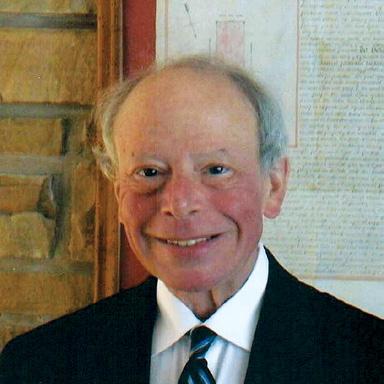
By Mark Blank, Jr., Esquire
Lulu Merle Johnson was born in 1907. She was raised on a farm outside of Gravity, a small town in Iowa.1 She was the fifth of six children.
Lulu earned her Bachelor of Arts and Master of Arts at the University of Iowa in 1930. Her master’s thesis was entitled, “The Negro in Canada, Slave and Free.” She received a General Education Fellowship from the Rockefeller Foundation, which helped her while working towards her PhD.
In 1941, Dr. Johnson completed her PhD in history at the University of Iowa. Her doctoral dissertation was “The Problem of Slavery in the Old Northwest.” In addition to attending the University of Iowa, Lulu undertook some graduate courses at the University of Chicago. She was the first African American woman to be awarded a PhD from the University of Iowa (as well as in Iowa altogether) and the second Black woman in the United States to earn a doctoral degree in history, the first being Marian Thompson Wright.
Throughout the period between her master’s and doctoral degrees, Lulu taught history and political sciences at Talladega College (Talladega, Alabama) and Tougaloo College (Jackson, Mississippi). Both of those colleges are HBCUs.2
1 The population of Gravity today is 154.
2 HBCU is an abbreviation for Historically Black Colleges and Universities.
Following the completion of her PhD, Lulu was on the faculty and taught classes at various HBCUs. She was a professor at Florida A&M University and West Virginia State College (now West Virginia State University). From 1954 to 1971, Dr. Johnson taught history, was the Dean of Women Students, and chairperson of the Social and Behavioral Science Department at Cheyney State College.3
Lulu retired from it all in August 1971. She did not go out with a bang; rather, she retired quietly.4 However, there was, in fact, a retirement party in her honor held at the Townhouse Restaurant in Media.
Johnson County, Iowa, was originally named after Richard Mentor Johnson, Vice President of the United States under Martin Van Buren. In 2020, the Johnson County Board of Supervisors voted (albeit unanimously) to change the county’s namesake to Lulu Merle Johnson.
Now, where did I acquire this knowledge? Some of it, of course, I derived from public records. A healthy portion of what I have presented here, however, I learned from the source; that is, Lulu herself. You see, Lulu was my first employer.5
I remember, clearly, the interview. It was in Dr. Johnson’s Cheyney office. Lulu sat at her desk. In the room were C. Jackson McLanahan (sociology, and a graduate of Andover and Yale);
3 In 1983, Cheyney was awarded university status, after which the college was renamed Cheyney University of Pennsylvania. Cheyney is the oldest HCBU in the United States. It was founded in 1837.
4 Although I was informed that, on Lulu’s last day on campus, there was some noise, banging around, and commotion in her office as she was winding up business.
5 Oh, yes, I was a camp counselor, a flag man, a factory worker, a substitute teacher. But Cheyney was my first real job.
Estella Scott Johnson (anthropology and Director of the Cheyney State College World Cultures Center); and little young me.6
Lulu was a no-nonsense person. After she introduced herself, she got right to the point. In a stern voice, she told me what I was to do, how to do it, what to expect, and what I would be up against. It was right then and there that I knew that I would get the job. I was told, in so many words, that there would be no need for a follow-up meeting. The only subsequent meeting was my orientation. Mr. McLanahan gave me a tour of the campus and walked with me to the payroll office and to the bookstore. I was also introduced to a number of faculty.
Throughout the semester, while teaching at Cheyney, I had many conversations with the physically and mentally strong, domineering woman. I remember on Friday of my first week, Dr. Johnson paced into my office (which I shared with another anthropology professor). Lulu: “I’m playing Santa Claus today,” as she handed me an envelope which contained my first paycheck. (She made the thrill even more thrilling.)
I remember vividly a dinner party in early March of that year, held at the home of Jack McLanahan. Most of the faculty in the Social and Behavioral Sciences Department were present. At the behest of Jack, each of us told our life stories.7 When Lulu spoke, I was amazed. Until then, I did not know a whole lot about Dr. Johnson’s past. What I learned that evening, however, I never forgot and will never forget.
Late that spring, while Dr. Johnson was still in charge of the Social and Behavioral Sciences Department, she summoned me to her office where she advised me that there was a faculty opening for Cheyney’s summer school post-session.8 She offered it to me, and I seized on it.
Early in the summer, I advised Lulu that I had been given a teaching position for two summer courses at Burlington County College (Pemberton, New Jersey) and that the session at that college ended before the start of the Cheyney post-session. “Is this all right? May I keep the post-session?” I anxiously inquired. I did not have to wait for an answer. Lulu immediately replied, as a mentor would: “Of course. You need all of the experience that you can get.”
At the initial interview, Dr. Johnson advised me that the position that I would be filling was for one semester only. But she added that my continuation on the faculty will depend on “how indispensable you [referring to me] make yourself.” This was Lulu’s way of letting me know that, although not in the picture at the time, obtaining a permanent position would not be impossible.
6 Estella’s last-minute decision to go on sabbatical leave the following semester is what created the vacancy (for the spring semester only), which I filled.
7 Jack had prepared a written program of the evening party’s events. This part of the program he named “Where have you been all of my life?”
8 The post-session was a three-week cram course, the equivalent of a semester in total hours, held during the first three weeks of August.
Well, in late August, when I had completed the post-session course, one of the anthropology professors abruptly resigned. So, in early September, almost immediately before classes for the fall semester were to begin, I had a teaching position for the school year. (The classes were already full of registered students.) I was back, baby!
After that, I was subsequently rehired for the following academic year and, in due course, as it turned out, I was eventually awarded tenure. Over the years, following the grant of tenure, I gradually climbed the ranks from instructor to assistant professor, associate professor, and, at last, full professor.9
I remained on the faculty until I, myself, retired (that is, from the academics). Now, maybe it was “destiny” or, perhaps, I was floating around in the breeze. After all, “life is like a box of chocolates; you never know what you’re going to get.”10
When I finally retired, as Lulu, I did so quietly.11 My fellow faculty insisted on giving me a retirement party. It was a great one, and at my favorite restaurant, the General Warren Inn. The party was orchestrated by the GIS professor to whom I gave my sincere thanks.
The amazing Lulu Merle Johnson, who was my first employer and my mentor, is a life that unquestionably mattered to me, the residents of Johnson County, Iowa,12 Lulu’s many students, the academic world13, the African American community, as well as others.
Many years ago, I crossed paths with Lulu at a Cheyney University graduation ceremony. She was 87 years young. She recognized me immediately. (I was flattered.) The first thing that Lulu said to me was: “Have you been playing your guitar and banjo?” (What a memory!) When I told her that I am a lawyer and still on the faculty, she replied, “Keep up the good work.” To this I replied, “You, too.”
Lulu gave me an open invitation to visit her at her home in Milford, Delaware. “Thank you.” Unfortunately, she passed away before I had the opportunity to take her up on her offer. Lulu died in 1995.
Yes, Lulu Merle Johnson was not only an historian; she was history. And that matters.
9 My bachelor’s and master’s degrees are in anthropology. Unlike Dr. Johnson, however, I decided not to go for a PhD. Instead, I went to law school (JD, LL.M) and developed a Chester County law practice. While at Cheyney, I designed a curriculum in criminal justice. Although my love for anthropology had never ceased, the remainder of my . . . years at Cheyney were devoted to instructing law-related courses in criminal justice and political science.
10 Tom Hanks in Forrest Gump (1994).
11 Perhaps this was the last bit of her preceptorship.
12 A statue of Dr. Johnson was erected, as well as the creation of a permanent exhibit.
13 In Dr. Johnson’s day, academe was dominated by White males.

Food is essential—no matter your background, beliefs, or political affiliation. Food nourishes us from the inside out. Food connects us to history, culture, community, values, and memories.
In Chester County, we’ve all seen the way food mobilizes communities.
A few months ago, with SNAP food benefits cut off under the government shut down, neighbors from a wide range of backgrounds and experiences came together to help fill the gap, at least temporarily. The Help Feed ChesCo campaign was led by the Chester County United Way, Chester County Community Foundation, Alliance for Health Equity, and United Way of Southern Chester County.
Due to the urgency, neighbors donated. In just a few weeks, Help Feed ChesCo raised $219,238 to bolster the reach of the Chester County Food Bank to neighbors facing food insecurity. The Food Bank works with 100 community partner food cupboards, strategically procuring food to enhance overall purchasing power.
While SNAP benefits resume for now, hunger remains pervasive to many vulnerable residents in Chester County. More than one in 10 Chester County neighbors are food insecure. Too many families experience hunger.
Philanthropy is critical to highlighting the issue and solutions.
The Chester County Community Foundation is honored to recognize Emily Temple Abels, Esq., of Kennett Square and Elizabeth Zwaan Milne, Esq., of Berwyn for their shared commitment to legacy philanthropy. Their dedication reflects the true spirit of giving, investing in lasting impact and helping to build a brighter future for the community.
Emily Temple Abels, Esq., became an attorney to help families and individuals solve problems and advocate on their behalf. While estate planning is a significant focus of her practice, she also works in business formation and commercial law, business contracts, real estate, and Orphans’ Court and probate litigation involving estate and guardianship matters.

Her approach centers on people as much as plans. “It’s not just about documents— it’s about family dynamics, communication, and long-term goals. When conversations feel natural and relationships are strong, solutions truly reflect a family’s values.”
Board Vice Chair


Emily has a strong passion for philanthropy and serves as Vice Chair of the Chester County Community Foundation’s Board of Directors.
When discussing food as a community issue, she notes, “Chester County is known for our affluence. But the stark reality is that nearly 50,000 of our neighbors, co-workers, and friends living in all towns across Chester County struggle to consistently put food on the table. It breaks my heart…too many families unable to provide healthy, delicious nourishment so children can play, learn, and grow.”
Emily enjoys attending Sweet Charity each year for both the desserts and the way the Community Foundation brings people together to address issues such as food insecurity, community impact, and philanthropy.
She encourages families to extend their values through legacy philanthropy, saying, “You start with shared values, and then decide ways to put your money where your mouth is.”
Elizabeth Zwaan Milne, Esq., helps individuals and families create tailored estate plans that protect assets and ensure their legacy passes to the right beneficiaries. She also prepares financial and medical powers of attorney, offering clients peace of mind during life’s most challenging moments.

“Every family’s situation is different, and their estate plan should reflect that,” Elizabeth says. “My goal is to create solutions that work for the people behind the paperwork.”
ELIZABETH ZWAAN MILNE, ESQ. Community Foundation Board Member & Fund Advisor
Chester County Community Foundation and is a fund advisor of the Brian C. Zwaan Legacy Fund, which supports Philadelphiaarea organizations focused on propelling young minds forward.
“Food security is foundational to opportunity,” she notes. “You cannot have good outcomes without basic essentials including food, clothing, and shelter. Too often, too many of our neighbors are forced to make difficult choices, including paying for housing and medical care instead of buying food. We can do better than this in our community.”
Through both her legal practice and philanthropy, Elizabeth is committed to helping families build security today and opportunity for all.
Sweet Charity at Downingtown Country Club
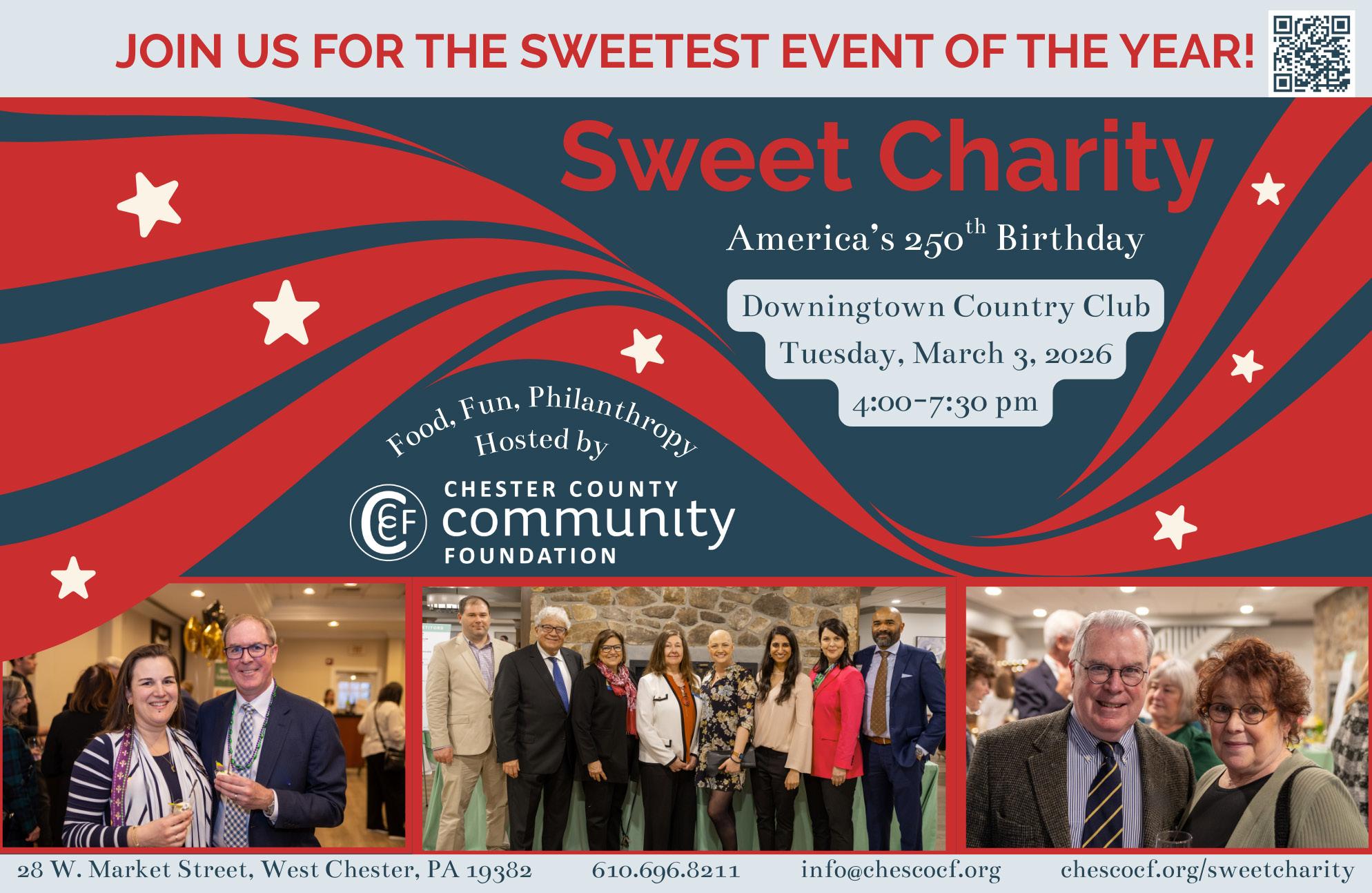
Tues. 03.3.26 from 4:00-7:30
The Community Foundation’s ever-popular Sweet Charity will be held at the Downingtown Country Club. To celebrate America’s 250th birthday, patriotic red, white, and blue desserts will be showcased. Join us for this delicious networking event to sample Chester County’s finest desserts, support the Foundation today, and make a difference forever

CHESTER COUNTY COMMUNITY FOUNDATION
28 W. Market St., The Lincoln Building West Chester, PA 19382 www.chescocf.org 610.696.8211
Zeb Davenport, Ed.D., Chair of the Board
Elizabeth is passionate about giving back through philanthropy and volunteerism. She serves on the Board of Directors of the
Karen Simmons, President/CEO
Jason Arbacheski CAP®, Gift Planning & Stewardship Director



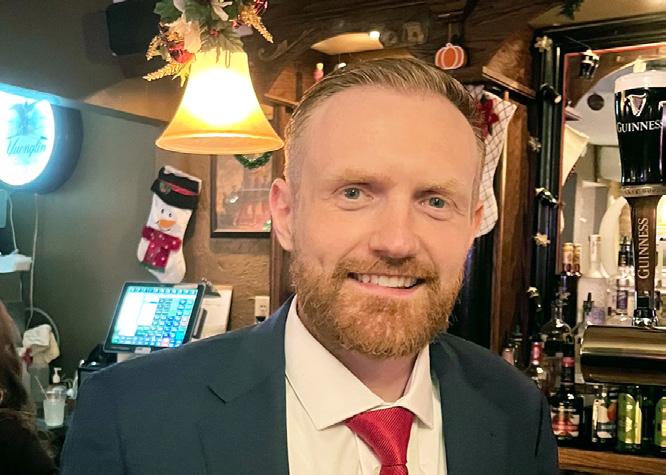

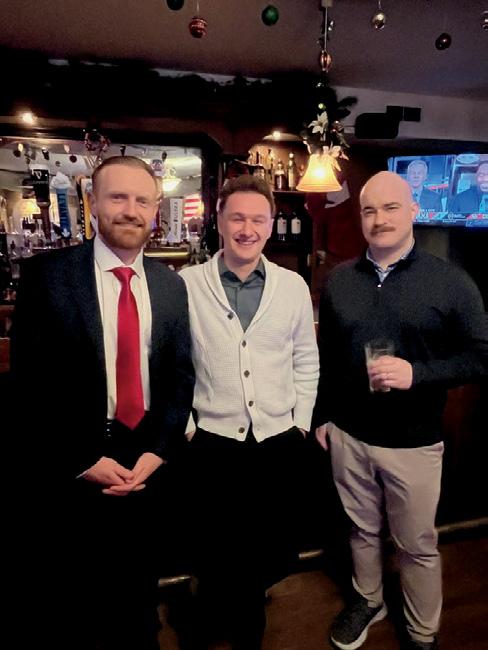
WHERE DO YOU LIVE?
Chester Springs
WHAT WAS YOUR FIRST JOB?
Pool Boy/Landscaper
WHAT WORD BEST DESCRIBES YOU?
Elusive? No, everyone seems to find me just fine. Adventurous?... but I don’t like the idea of jumping out of a plane. Content? Nope!
Curious... there we go!
WHERE WOULD WE FIND YOU ON A SATURDAY AFTERNOON?
Good luck! (the bar or the gym)
WHAT IS YOUR FAVORITE WAY TO SPEND YOUR FREE TIME?
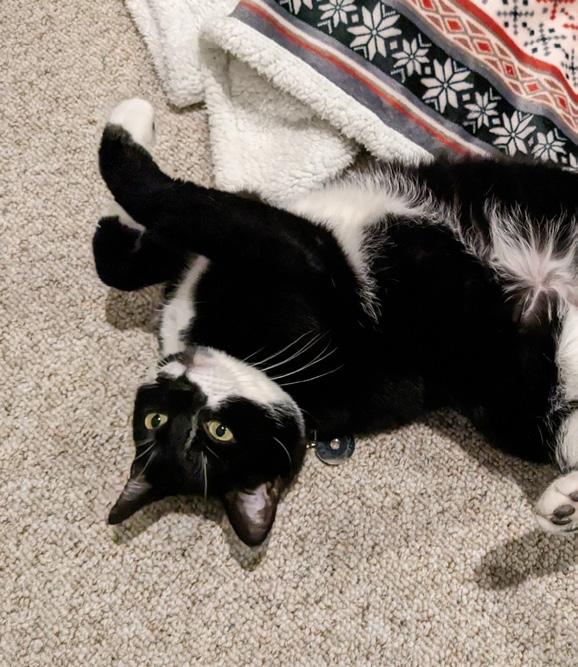
Hanging out with my cat, Martha. Video games, movies. Walking and hiking.
WHAT IS YOUR GREATEST EXTRAVAGANCE?
Watches and cars
WHAT IS YOUR FAVORITE VACATION DESTINATION? Hawaii
WHAT IS YOUR FAVORITE FOOD?
Cereal. Yep. A weakness of mine. The more sugar in there the better.
WHO IS THE PERSON YOU ARE MOST INTERESTED IN MEETING?
Dead—Ben Franklin. Fictional—Zapp Branigan. Alive—I don’t want to let anyone down, so I’ll decline this response.
WHAT WAS THE LAST BOOK YOU READ? Hail Mary
WHAT IS YOUR FAVORITE TV SHOW? Futurama. Runner up is The Office
WHAT GOALS DO YOU STILL HAVE THAT YOU HAVE NOT ACHIEVED YET?
Professionally—I would like to keep developing my personal injury practice. I have a good handful of cases, but mastery takes time and effort!
Personally—Own a little coffee shop/bar in the mountains. Go on vacations once (or more) a year. Chester County will always be my home, though.
WHAT IS A LITTLE-KNOWN FACT ABOUT YOU?
I’m a diehard Kansas City Chiefs fan (not because of Taylor Swift, I was actually born in Kansas—I have a good excuse). The Phillies are still my favorite baseball team. Maybe I just like the color red?
WHAT IS YOUR FAVORITE WEBSITE? YouTube? Does that count?
WHAT WOULD YOU BE IF YOU WERE NOT A LAWYER? History teacher or architect.
WHAT IS SOMETHING PEOPLE WOULD BE SURPRISED TO HEAR ABOUT YOU?
I have over a dozen tattoos. I am obsessed with tornados and storms. I love disaster movies/shows, even the really cheesy ones.
WHAT IS YOUR FAVORITE THING ABOUT THE BAR ASSOCIATION?
It’s better than the others!




Strategic tax counsel for businesses and individuals with complex needs.
MacElree Harvey’s Tax attorneys guide clients through planning, compliance, and controversy with precision and foresight. Whether navigating multi-state obligations, business transitions, or high-net-worth estate planning, our team provides steady, informed advocacy.
From business formation to succession planning, mergers and acquisitions, real estate transactions, and IRS controversies, our Tax team works alongside our Business and Estate Planning attorneys to ensure every decision is structured with long-term efficiency in mind.
Because effective tax planning isn’t reactive. It’s integrated.