
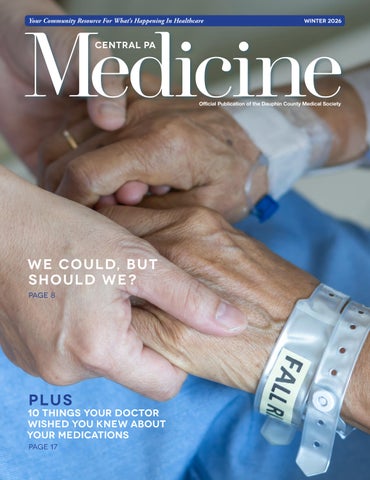
PLUS 10 Things Your Doctor Wished You Knew about your medications PAGE 17 we could, but should we? PAGE 8
Official Publication of the Dauphin County Medical Society
PLUS 10 Things Your Doctor Wished You Knew about your medications PAGE 17 we could, but should we? PAGE 8
Welcome to the Winter 2026 Issue of Central PA Medicine!
The new year is underway and the landscape of healthcare in Pennsylvania continues to shift, presenting both familiar hurdles and fresh opportunities for leadership. In this issue, we dive deep into the clinical and professional themes that define our practice today: the delicate care of our most vulnerable populations, the vital necessity of medication literacy, and the vision of our new statewide leadership.
The clinical centerpiece of this edition focuses on the frail patient . In Central Pennsylvania, our aging demographic requires a nuanced approach that transcends traditional diagnosis. Frailty is not just a symptom of age—it is a complex syndrome involving decreased physiological reserve, begging the question: we could, but should we?
Directly linked to the care of frail patients is the critical importance of medication literacy and management. We look at the distinction between

brand names versus generics; how the same medication may have different names; and the necessity of having frank, open drug discussions with your physicians.
A New Chapter for PAMED: Introducing Dr. Arvind Cavale
We are proud to introduce Arvind Cavale, MD, FACE, FCPP, PCEO, who has officially begun his tenure as the 176th President of the Pennsylvania Medical Society (PAMED). Taking the helm in late 2025, Dr. Cavale brings a mission focused on “Physician Autonomy” and a “Physicians First” philosophy. With nearly 30 years of clinical experience, he is a tireless advocate for restoring the physician’s role as the primary healer, pushing back against the “commoditization” of medicine by third parties. In this issue, we explore his roadmap for the coming year and how he plans to unite the Commonwealth’s doctors with a singular, powerful voice.
Whether you are a veteran practitioner or a medical student, this issue of Central PA Medicine serves as a reminder that while the “business” of medicine evolves, our core duty remains the same: the compassionate, informed care of the person sitting across from us in the exam room.

Fulton Mortgage Company has designed a mortgage program dedicated to making homeownership easy and affordable for medical professionals1 including Physicians, Pharmacists, Dentists, Veterinarians, and Podiatrists. If you have a medical doctorate degree, this program may work for you.
• 100% financing 2 available for loan amounts up to $1.5 Million
• 95% financing 2 available for loan amounts up to $2 Million
• 90% financing 2 available for loan amounts up to $3 Million
• Mortgage Insurance not required
• Up to 6% seller paid closing cost 3 and prepaids allowed
• Gift funds are allowed from immediate family members
• Student loan payments that are deferred for 12 months or longer are not included in the credit approval process
• Find and close on new home up to 90 days prior to start of new employment
• 30 & 15 Year Fixed Rate 4 as well as Adjustable Rate5 Options (5/6, 7/6, 10/6, & 15/6)
NMLS# 615627
717.418.0982
rhilgers@fultonmortgagecompany.com
NMLS# 1026538
717.658.7103
ecoldsmith@fultonmortgagecompany.com
1617043
dauphincms.org
2025-2026 DCMS BOARD OF DIRECTORS
Andrew Lutzkanin III, MD President
Everett C. Hills, MD Secretary/Treasurer
Joseph F. Answine, MD Past President
MEMBERS-AT-LARGE
Michael D. Bosak, MD
Robert A. Ettlinger, MD
John Forney, MD
John D. Goldman, MD
Virginia E. Hall, MD, FACOG, FACP
Saketram Komanduri, MD
John C. Mantione, MD
Mukul Parikh, MD
Gwendolyn Poles, DO
Andrew J. Richards, MD, FACS, FASCRS
Jaan Sidorov, MD
Andrew R. Walker, MD
William Wenner, Jr., MD
EDITORIAL BOARD
Gerard Egan, DCMS Executive Director
Joseph F. Answine, MD, Editor in Chief
Robert A. Ettlinger, MD
Gloria Hwang, MD
Puneet Jairath, MD
Mukul L. Parikh, MD
Meghan Robbins
MEDICAL STUDENTS/ RESIDENTS/PENN
Denise Ocampo, President
Mariya Starostina


Greetings and Happy New Year! I hope your 2025 ended well—you all were able to enjoy whatever holiday you celebrate and find yourselves refreshed for the year to come!
The healthcare landscape has changed dramatically over the past year. Major shakeups at the federal level have resulted in what feel like never-ending attacks on healthcare in our country. Zooming in on our neck of the woods here in Dauphin County, my day-to-day at the start of 2026 is hopeful. Hopeful that we can come together as a physician community to keep doing the good work to advance our profession and the care of the patients we all serve.
As I was preparing the message for this edition, I was remembering the goals I had set out a year ago. They were:
1. What events/activities can DCMS do to support its members?
2. What does the leadership of our society look like in the future?
3. How can we best partner with other organizations?
I’ve had the good fortune over the last year to talk to leaders from other counties from around the state, attend a meeting of the Lancaster County Medical Society, and continue to work with the Pennsylvania Medical Society (PAMED). I’m inspired this year to re-vitalize our board meetings on a more regular schedule. As a reminder: all members are welcome to attend board meetings.
I also have been thinking about what we could do socially. Longtime readers of this magazine know that Dauphin County has some fabulous restaurants, thanks to the regular reviews by Dr. Ettlinger! I’d love to see if we can organize a dinner sometime this year purely to network and have fun!
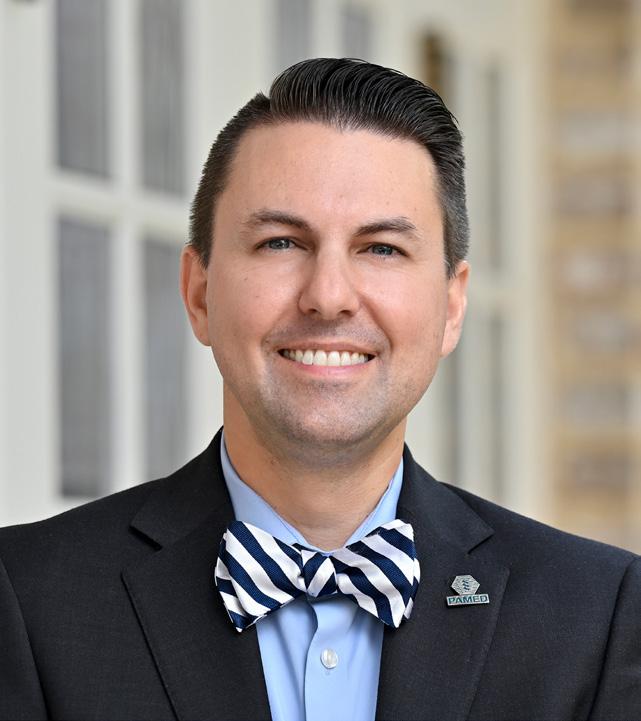
Last, big thanks to those physicians that represented Dauphin County at the Annual PAMED meeting back in October. It was great seeing you all there, listening to the debate, and working to advance policy at the state level. The planning is well underway for Annual 2026, so look for more updates to come!
As always, I am happy to hear from any of you at any time. Andrew Lutzkanin, MD, FAAFP President, Dauphin County Medical Society


This magazine, Central PA Medicine , is published to benefit the physicians and patients of Dauphin County as well as the surrounding counties.
We need content from our practicing
physicians, residents, fellows, and students to keep this publication alive and healthy.
Articles can be about your practice, your research, or your life outside of medicine. They can be serious, funny, or anything in between.
Submit your articles below and let us know your ideas, your likes, and even your dislikes about central Pennsylvania medicine.
Have fun writing so we can have fun reading!
Joseph F. Answine, MD, FASA
Submit articles or ideas to GerardEgan@dauphincms.org.



A WRITTEN REPORT OF PENN STATE DEPARTMENT OF ANESTHESIOLOGY AND PERIOPERATIVE MEDICINE GRAND ROUNDS, DECEMBER 11, 2025
By JOSEPH F. ANSWINE, MD, FASA
From an article from The Lancet (2011) titled,“The intensity and variation of surgical care at the end of life: a retrospective cohort study,” the study looked at 1,802,029 elderly beneficiaries of fee-for-service Medicare who died in 2008. 31.9% underwent an inpatient surgical procedure during the year before their death. 18.3% underwent a procedure in their last month of life. 8.0% underwent a procedure during their last week of life. Regions with a high number of hospital beds per patient had higher end-of-life surgical intensity. Those regions had higher total Medicare spending.
From an article in JAMA Surgery (2020) titled, “Association of Preoperative Patient Frailty and Operative Stress With Postoperative Mortality,” a procedure with a >1% mortality is considered high-risk. The 30-day mortality rate among patients who were frail and underwent the lowest-stress surgical procedures (example: cystoscopy) was 1.55%. Among patients with frailty who underwent the moderate-stress surgical procedures (e.g. laparoscopic cholecystectomy), 30-day mortality was 5.13%. Among patients who were very frail, 30-day mortality rates were higher after the lowest-stress surgical procedures (10.34%). Also, after the moderate-stress surgical procedures, it was 18.74%. For patients who were frail and very frail, mortality continued to increase at 90 and 180 days, reaching 43.00% for very frail patients at 180 days after moderate-stress surgical procedures. Therefore, there are no low-risk procedures performed on the frail.
Hip fracture is a common and well-studied diagnosis leading to surgery in the frail patient. It has been a well-touted argument that surgery must be performed within 24 hours regardless of frailty to improve outcomes.
From a study from Osteoporosis International (2024) titled, “Systematic review and meta-analysis of preoperative predictors for early mortality following hip fracture surgery,” high-quality evidence demonstrates that an age per year, ASA (American Society of Anesthesiologists physical status) score greater than or equal to three, male gender, institutional residence, and metastatic cancer, increases risk of mortality. Moderatequality evidence demonstrates mortality is increased with chronic renal failure, dementia, diabetes, anemia, heart failure, and history of any cancer. These are frequent diagnoses in this patient population.
Many studies state that surgery in the first 24 hours reduces mortality, therefore, orthopedists feel that the timing is crucial. The problem is that the above studies are observational with many confounding factors involved. A prospective study would be needed for accurate data. In a study from 1984 in Clinical Orthopedics, their data showed that there was a higher mortality when patients were operated on within the first hospital day. However, all patients were operated on regardless of fitness.
An example of the problem with observational studies can be seen with one looking at the Spanish National Hip Fracture Registry from 2024, “Time to surgery and 30-day mortality after hip fracture: An observational study of 29,695 patients reported to the Spanish National Hip Fracture Registry (SNHFR).” The 30-day mortality was 5.2% in patients operated on within 24 hours, and 9.2% in patients operated on after more than 120 hrs. However, the statistical analysis of this data did determine that it was a weak association. Furthermore, patients with delay of surgery more than two days rather than within two days
were more likely to have an ASA score above two. And mortality overall was still quite high at 30 days with an overall 30-day mortality rate of 7.8%. Another large meta-analysis of post-surgical mortality at one month demonstrated a statistically significant difference between surgery within 24 hours and after 24 hours. However, the difference was about 10% versus 12%.
Hip fractures come with a heavy burden on the frail patient population after surgical repair, as noted in this study from 2004 titled, “Functional outcome and survival after hip fracture in elderly: a prospective study of 106 consecutive patients.” Ambulation, functional capacity, and survival of 106 consecutive hip fracture patients were studied over one year. 105 were treated surgically. 71% were operated on within 48 hours. Time to surgery was based on fitness. 67% were given ASA PS three or four. ASA classification significantly determined survival. There was a 5% acute care mortality, and 32% one-year mortality (35% of those in the first month). Mortality was unchanged regardless of time to operation. 13% of those home dwelling prior to surgery went into permanent institutional care after surgery. Of those that survived the year, all had lower functional capacity than prior to surgery. 11% of this group were bedridden.
When looking at hip fracture patients with dementia (“Assessment of Surgical and Non-surgical Outcomes in Patients with Dementia and Hip Fractures” (Curr Health Sci J. 2024)), of the group of 65 patients with dementia and hip fracture, 41 patients were operated on, and 24 patients were functionally treated. The functionally treated patients, in general, were sicker. The overall mortality was 23.07% during hospitalization, which increased to 48.22% at six months, 61.53% at one year, 69.23% at two years, and reached 78.46% at three years. The surgically treated patients showed a lower mortality rate of 65.84% at three years, while the functionally treated patients had no survivals at the end of the follow-up. But remember, the nonsurgical patients were sicker in general. The average survival rate of surgically treated patients was about one-and-a-half years, while for the non-surgically treated patients was about seven months. At the first follow-up, conservative-treated patients complained of extremely severe mobility problems, and severe to extremely severe problems in self-care and daily activities. But the surgical patients also complained of severe mobility and self-care problems.
A good synopsis of the available data comes from the article “Surgery for hip fractures: Does surgical delay affect outcomes?” (Indian J Orthop. 2011): “The current evidence suggests that while surgical delay of more than 24 hours may not unequivocally impact mortality, there is no theoretical benefit for healthier patients to wait for surgery.”
So, the question arises as to what makes a hip fracture any different than acute cholecystitis or unstable angina awaiting urgent CABG? Better public relations, in my opinion.
First, we must remember that hip fractures usually are a symptom of significant disease (e.g. morbidity). This is a common statement from a dear friend and excellent orthopedic surgeon, William (Bill) W. Demuth, MD. Many would not be elective surgical candidates. There should be a goals of care discussion prior to surgery, as well as a
Continued on next page
discussion of risk stratification. Most common fractures (around 90%) are femoral neck or intertrochanteric. Non-surgical options for these fractures are bed rest and pain management. So, in many patients, surgery is preferred as a palliative procedure, therefore, now we are talking about optimization. Healthy, do not delay. Based on the data, if there is a possibility of inpatient optimization, do it and take the time needed to achieve it even if greater than the current 24–48-hour window. If a patient is bedridden and/or with end-stage dementia prior to fracture, non-operative care is preferred.
We must accept that frailty is a strong determinant of morbidity and mortality after surgical intervention. From a study titled, “Impact of frailty on outcomes in surgical patients: A systematic review and meta-analysis,” ( Am J Surg. 2019) the metaanalysis randomizes 683,487 patients—444,885 frail—having

gastrointestinal, vascular, orthopedic, urogenital, head and neck, emergency, neurological, oncological, or cardiothoracic, as well as general surgery procedures. Frail patients were more likely to experience complications, including major morbidity and wound complications. Frail patients had a higher risk of readmission and reoperation and were more likely to be discharged to a skilled care facility. Most notably, the risk of mortality was 4.19 times more likely in frail patients.
From “Should We Fear the Frail? A Review on the Impact of Frailty on Liver Surgery,” (Med Sci. 2025) frail individuals exhibited a markedly elevated risk of early post-operative mortality, with 30-day mortality 4.6 times higher than in non-frail counterparts.
These next studies discussed, helped me discuss risk with one of my own patients seen in our anesthesia pre-operative evaluation clinic. The first study was titled, “Refining the definition of perioperative mortality following hepatectomy using death within 90 days as the standard criterion,” (HPB (Oxford). 2011) which demonstrated that 5.7% of patients died within the first 30 days following hepatectomy. Post-operative mortality at 60 and 90 days were 8.3% and 10.1%. Another study titled, “Major complications and mortality after resection of intrahepatic cholangiocarcinoma: A systematic review and meta-analysis,” (Surgery, Volume 173, Issue 4, 2023) showed that major complications—life threatening or requiring re-operation, endoscopy, or radiologic intervention—were 38.8% after a major hepatectomy.
My patient was a 75-year-old man with a history of Parkinson’s and deep brain stimulator placement (DBS). After DBS, he had about three weeks of severe post-operative cognitive changes. He was reasonably active

Surgery has risks, but who should discuss with them that they have a 65% chance of having post-operative delirium? That they have a 43% chance of dying by six months after moderate risk surgery? That they have a 32% chance of dying and 11% chance of being bedridden by one year after emergent hip surgery?
prior to the diagnosis of cholangiocarcinoma. He is now status post chemotherapy and is currently quite fragile. The surgery planned was a 10+ hour open partial hepatectomy and cholecystectomy. His life expectancy is at most one-and-a-half years without surgery and 50/50 chance of three years with surgery. The surgery scheduled was nonemergent. He was on an 800-calorie/day diet to reduce liver size with secondary 10-pound weight loss. The patient and his wife called clinic to ask if surgery should be performed based on anesthesia risk. The dying process would be similar with surgery or not. I discussed it with the surgeon. His thoughts were that “patients do well with this surgery,” and it is his “only available option.” I strongly respect the surgeon’s intelligence and care, but neither statement was true. A palliative care consult was agreed upon to discuss goals prior to any intervention.
Surgery has risks, but who should discuss with them that they have a 65% chance of having post-operative delirium? That they have a 43% chance of dying by six months after moderate risk surgery? That they have a 32% chance of dying and 11% chance of being bedridden by one year after emergent hip surgery? That they have an 11.9% chance of having an undiagnosed stroke within seven days and an 18.8% chance of having permanent cognitive decline at one year after non-cardiac surgery? That if they require CPR and can be resuscitated, they have a 19.9% chance of leaving the hospital (probably not neurologically intact), and if this was not an emergent surgery, they would not likely be considered a surgical candidate? All these statements are supported by data in elderly and/or frail populations. Anesthesia? Surgeons? Geriatrics or Palliative Care?
Where do we begin? The “Surgical Pause” was developed by surgeons within the Veterans Administration hospitals. It was developed because of the observed high mortality of frail veterans having surgery. Statement from the VA: “Data demonstrate there is no such thing as low-risk surgery in high risk, frail patients; in fact, one in three frail veterans will die within six months of even small surgery.” Interdisciplinary review of the care plan at the Omaha VAMC cut mortality among the frail from 25% to 8%.
The “Surgical Pause” utilizes the Risk Analysis Index (RAI) to screen for frailty. The RAI takes 30-60 seconds to fill out prior to meeting the surgeon. Score poorly on the RAI, and an interdisciplinary approach including geriatrics/palliative care is initiated. During the implementation, one in five patients declined surgery in favor of non-operative management strategies. Frail patients that do proceed to surgery are optimized. Exercise training for as little as three weeks before surgery achieved clinically significant improvements in endurance, gait speed, and respiratory physiology. These are changes that likely will speed recovery and improve outcomes.
So where can the surgeons send the frail? If the patient is hospitalized, we can do an assessment of frailty via an easy-to-use tool such as the RAI/Clinical Frailty Scale. This can be performed by surgery, hospitalists
if already consulted, or anesthesiology during the preoperative visit. There would be a frailty-based trigger for geriatric or palliative care consult. Goals and best/worst case scenarios would be discussed. (We must stress that urgent cases such as “hip fracture” can wait for this needed evaluation.) The decision to move forward or not, then shortterm optimization, if possible, occurs such as cardiac assessment, rate control, glucose control, fluid or diuretic therapy, electrolyte imbalances correction, treatment of blood/platelet/factor deficiency, and pulmonary evaluation and treatment.
If the patient is scheduled for non-emergent surgery, he/she can be seen in a Perioperative Optimization of Senior Health (POSH) clinic. What is a POSH program? From an article titled, “Perioperative Optimization of Senior Health (POSH): A Descriptive Analysis of Cancelled Surgery,” (World J Surg. 2021) the Perioperative Optimization of Senior Health (POSH) program is a collaborative model between geriatrics, surgery, and anesthesiology, initially developed as a quality improvement initiative started at Duke University Hospital. Pre-operatively, identified high risk patients undergo a multidisciplinary assessment for traditional perioperative risk factors, as well as a comprehensive geriatric assessment to address and optimize geriatric-specific risk factors. Patients’ goals for surgery and expectations of recovery are explored. These goals and expectations are discussed in detail and reconciled with realistic estimates of risks and benefits of the upcoming procedure. These are shared with patients and families during this visit. During the study, 7.3% did not proceed to surgery, but cancellation rates among the POSH patients were significantly lower than similar non-POSH patients at the institution.
So, to develop a POSH program within your institution, you need a multidisciplinary approach including surgical specialties, geriatrics, and anesthesiology. There would be automatic triggers such as age over 85 and age over 65 deemed frail. Prior to surgery scheduling, the frail patient undergoes a comprehensive geriatric evaluation including goals of care and risk stratification. A decision is made by the patient, family, and physicians to proceed with surgery or not. If the plan is to proceed, a surgery date is scheduled, and optimization is started including testing and prehabilitation with exercise, lifestyle modification, and nutrition supplementation if needed. Anesthetic plan and post-operative care/ pain management are discussed as well.
In closing, the frail patient requires special consideration including whether surgical intervention is appropriate based on what patients want for their future. To handle this patient population appropriately, many specialties must be involved in providing care that is best for the patient—not us or what we think is best for the patient due to specialty biases. We all mean well, but we can be caught up in our thoughts based on our individual skills.
Let us not let a government agency make the decisions for us due to our own inaction.
Iam grateful and humbled to serve as the 176th President of PAMED. First, I would like to thank my predecessors for laying a great foundation over the past several years. I approach my role with a sense of humility, gratitude and optimism, knowing that our profession would not exist without “the patient.”

So, my focus will be on patient beneficence, and my slogan will be physician autonomy to deliver great patient outcomes and professional healing. My goal will be to work diligently and innovatively to position PAMED as the premier state society that proudly promotes us as “Physicians First.” For too long, third parties have forced us to become providers, data-entry clerks, prescribers, and risk managers.
They have divided us based on specialty, geography, gender, type of practice, etc. Others have arbitrarily decided on the value of our services. Our noble service has been commoditized. This has successfully kept us from uniting with one voice, to the detriment of our profession and our patients.
So, my focus will be on patient beneficence, and my slogan will be physician autonomy to deliver great patient outcomes and professional healing.
Our shared mission is to restore physician autonomy in the pursuit of patient beneficence and superior outcomes. We will reconfigure business models that prioritize patient outcomes and elevate professional dignity, while advancing collective bargaining and advocacy to ensure that our voice shapes the future of care. Together, we will not only navigate change—we will lead it. I look forward to partnering with each of you in this vital work.
Excerpts from The Dose, January 1, 2026
By JOSEPH F. ANSWINE, MD, FASA
During a visit to a museum, I walked into a dimly lit room filled with a few ancient artifacts including a tapestry hanging on the wall and a vase adorned with handprinted flowers. These works of art were protected by barriers keeping visitors at a distance, and dim lighting ensured their preservation from the effects of UV light. A security guard was also present to maintain that distance between the visitors and the artifacts because they were old and fragile. The least amount of handling the better.
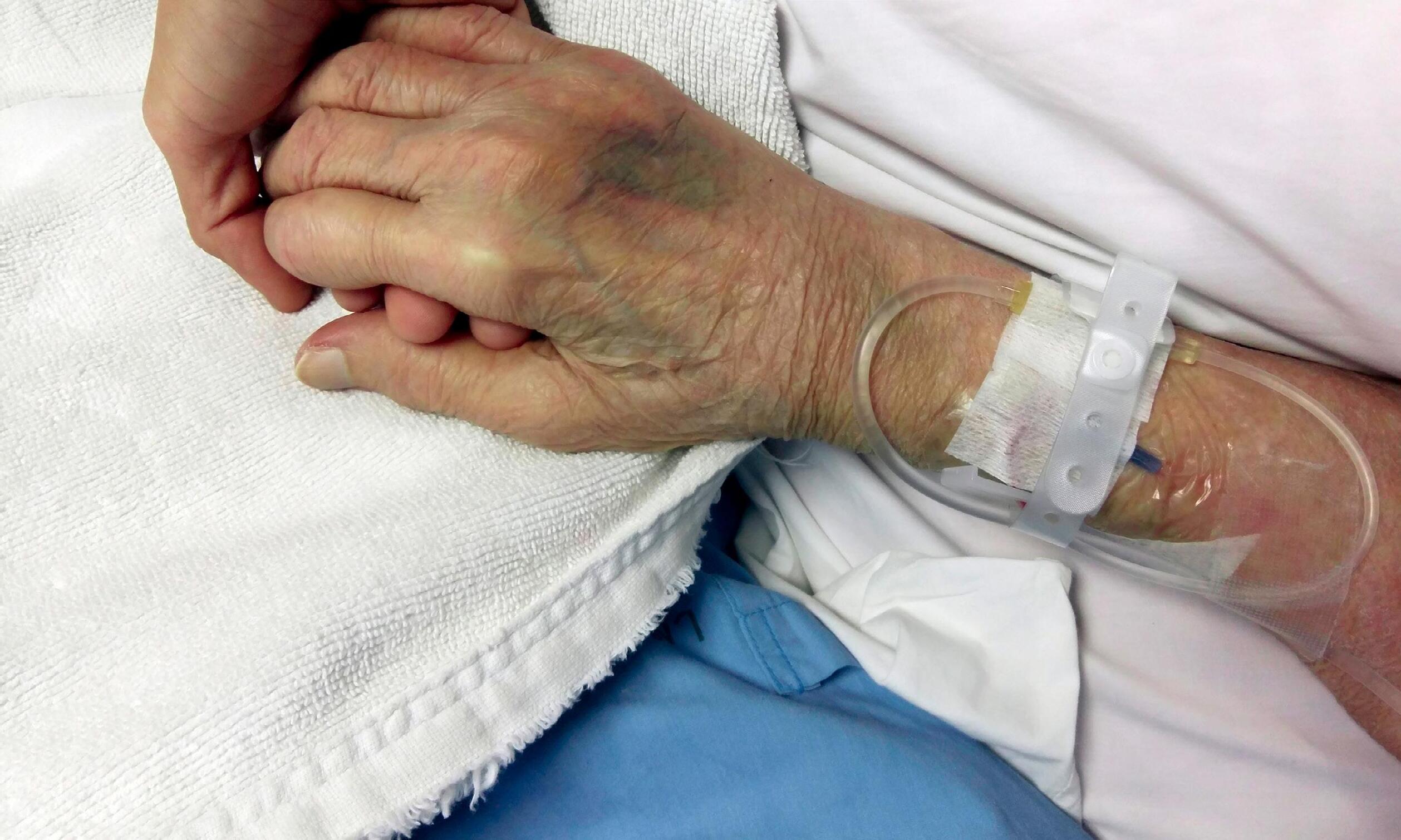
I am an anesthesiologist in a large university hospital. Many of my patients are elderly and frail. However, as opposed to the museum pieces, age and frailty in people seem to lead us to cut, probe, and fill their bodies with chemicals, creating a fine line between healing and harm.
Why are some elderly patients so frail?
Frailty is rarely the result of a single illness. Instead, it commonly is an accumulation of deficits or diseases. It’s like “death by a thousand cuts.” Frailty can be measured by the number and severity of these deficits, or by assessing functional abilities such as can the patient walk to the mailbox or dress him or herself? Frailty can be mental, physical, or more likely both.
Why do we feel compelled to “handle” our most frail patients rather than keep away so as not to do harm? It is not because we as physicians hold humans any less reverent than precious works
of art, but rather we carry a belief that intervention leads to cure. But it commonly does not. It frequently leads to complications, setbacks, and increasing frailty. Frailty that takes away any chance for community living or enjoying the things that each of us associate with a good life.
Many times, I walk into a room in the intensive care unit and look at pictures and mementos on the windowsill. And then I look upon a person attached to breathing tubes, ventilators, intravenous lines, and dialysis machines. Everything that made them a person, a father, a mother, a grandparent, a friend seems gone with a few failing organs left.
The reason I’m writing this is to bring to light that if you or a loved one is frail, coming to the hospital or undertaking a procedure, even if on the surface it seems of very little risk, statistics show that no intervention is low risk on a fragile human being.
It’s difficult for us as physicians to even understand this concept, so it’s up to you to ask the questions—those tough questions, such as: if I do this, whatever the intervention may be, what is the chance I’ll never go home or enjoy the things I currently enjoy? It’s OK to ask for input from a palliative care or geriatric physician at any time when undergoing treatment. It’s their job, it’s what they enjoy—to talk to patients about what’s important and what gives the individual the best chance of living their best life until it’s time to move on.

By J. ERIC GEENSMITH, MD, PHD
No time in a physician’s career is more difficult, more intense, more exciting, more exhilarating, and more terrifying than the intern year. In the days after graduating from medical school, the new physician carries the letters MD or DO behind his or her name and answers to “Doctor” but has little or no practical medical knowledge. This dilemma has been exacerbated in recent years as ever more risk-adverse hospitals have relegated medical students to pure observer status—often not even permitted to write a note in the patient’s chart, let alone render some simple levels of patient care. It is ironic that a 20-year-old paramedic may be intubating patients in the street and pushing potent medications in the back of an ambulance but the 30-year-old senior medical student with a few academic degrees is not permitted to scribe a note in the patient’s chart.
This delay in clinical responsibilities puts a real premium on the internship year when the new doctor must not only learn to write medical notes but also admission orders, prescriptions, death certificates, birth certificates, and hospital discharges, all while learning to interview patients, make diagnoses, and perform invasive procedures.
One of my first months as an intern at a city hospital was in the cardiac intensive care unit. While I had a senior resident and staff physician to “cover” me and advise me as to diagnosis and treatment, the former covered the rest of the hospital as well and the latter was not even in the building. I felt alone. I was scared and with good reason. There are a limited number of ways to do good medically and a nearly unlimited number of ways to do harm. I believe my grip on this humbling truth was my chief virtue as a new physician.
A few months prior to my cardiac ICU time, an exciting new idea had burst onto the clinical scene. In the past, myocardial infarctions (MI or “heart attack”) were either lethal or not. There was little in the way of intervention possible. We rested the patient, gave them nitroglycerin to open the myocardial blood vessels as much as possible. We gave oxygen and often treated the chest pain with morphine—just like physicians had done for the prior 50 years. Sometimes we gave lidocaine for erratic heart rhythms. Recent research had shown that clot formation in the arteries of the heart might be the genesis of the acute MI. Even more exciting was the discovery of enzymes—often produced by bacteria—that had the capacity to dissolve the clot and thus, hopefully, open the clogged blood vessel and restore blood flow to the struggling heart muscle. The first of these enzymatic “clot buster” drugs was Streptokinase.
The basic idea was to get a patient to the hospital as soon as symptoms started, check an EKG to verify that the patient was indeed having a heart attack, and then give the streptokinase without delay—the sooner a clot is attacked, the softer it is and the more vulnerable to dissolution. The University of North Carolina had released a protocol for use of streptokinase, and I had that protocol printed up and folded lengthwise, stuffed in the pocket of my new white intern coat. It is not coincidental that I had the folded protocol in the right hip pocket of that new white coat where it hung just about hip height—about where Gary Cooper would have his revolver handle in High Noon. I had a potent new weapon against MI, and I was prepared to “draw” if the enemy showed his face.
Sure enough, a man in his fifties presented with a heart attack in progress and he was quickly shipped up from the ER to room seven of the Cardiac Care Unit or CCU where I was working. He was quickly attached to the various monitors and given oxygen, morphine for the pain, and lidocaine to prevent a fatal heart rhythm.
As soon as he was “plugged in” to the system, in I walked with my UNC streptokinase protocol. Since the drug was new—almost experimental at the time—there was a lengthy form to fill out for “Informed Consent.” The patient and I had worked our way through the questions, risks, and exclusion criteria and he was on the verge of signing the document when the monitor watcher out at the central bank of heart monitors in the nurse’s station yelled, “V-tach in room seven!”
“V-tach” or ventricular tachycardia is a rapid and dangerous heart rhythm that by itself can be lethal or may be a precursor to “V-fib” or ventricular fibrillation which is almost always lethal. At any event, it was clear I would have to interrupt our little informed consent session while I assisted the nurses with the patient who was faring so poorly in room seven. I turned to the patient, “I’m sorry, but I am needed out in the unit.” The patient seemed to nod in response. As I crossed
out the threshold of my patient’s room en route to room seven, I stopped short. I was in room seven. I spun on my heel and asked my patient, “Are you okay?” He said “Uh, uh” and slumped back against his pillow, eyes closed.
The next few moments are still a blur to me. I’d like to tell you how I leapt into action and saved my patient, but, in fact, I was little more than a bystander at a very exciting sports event. A huge CCU nurse with forearms like a stevedore brushed past me, flattened the head of the bed, and administered a precordial thump. The patient’s V-tach became a regular, but fast, rhythm and the patient resumed breathing on his own.
I allowed as how the patient had nodded in the affirmative quite a bit as we discussed the streptokinase use so we went ahead and administered the medication—how much worse could he get—I had just seen him “die” right in front of me as we were talking We went ahead and administered the streptokinase based on his implied informed consent. And that, I believe, was the first use of “clot-buster” drugs in our little city hospital.


By JOSEPH F. ANSWINE, MD, FASA
As an older physician, it is my opinion that a recent medical school graduate in 2025 doesn’t know what I knew as a recent medical school graduate in 1989.
It is also my opinion that it has nothing to do with the intelligence of students. It has to do with the goals of the education process then and now.
In the late ’80s, the goal was to learn as much medicine as possible to have the foundation to become a well-rounded physician specialist. A specialist that knows basic medicine.
Currently, medical school is a long and expensive board prep and specialty “audition” process.
When you have a sick patient in front of you, how to treat them will not appear as one of four possible choices. How does a fourth year filled with one surgical subspecialty teach you how to read an ECG or provide you with the knowledge to produce a broad differential diagnosis for an elevated INR? How does it teach a future internist never doing a surgical specialty rotation how to understand what’s needed to prepare

a patient medically for a bowel resection or thoracotomy? And how does it prepare a future surgeon or internist without an advanced obstetric rotation to treat a sick patient with a passenger in her belly?
Fourth year used to be the time to solidify your medical knowledge. To advance further past the basic third year education. Now, it’s to read a script during an audition in front of physicians within a single specialty.
I commonly ask interns of many specialties how a local anesthetic works. Most frequent answer: it numbs nerves.
You are breaking my academic heart.
Another favorite question is to interpret the findings in an echocardiogram. Most frequent answer: the left ventricular ejection fraction is good. Of course, totally forgetting that there are three other chambers and four valves that I know of.
Heck, many programs allow select students to skip fourth year all together.
Doctors have argued for years that our education is better and broader than that of mid-levels.
Ok, prove to me that today’s physician education is better. Good luck.
By THOMAS A. YOUNG, MD, FACP
The information provided is based on medical guidance for 2026; the opinions expressed herein are my own. All comments made are for informational purposes only and are not meant to be medical advice or construed as medical advice.
Iam semi-retired after having practiced General Internal Medicine in Camp Hill, PA for 30 years but I remain engaged in educating the public in how managing one’s medications safely is critical to one’s long-term health.
My first exposure to the healthcare industry dates to childhood when my pharmacist father purchased Ruhl’s Drug Store in Manheim, PA in 1968. I was only four years old, but I still have memories of the grand re-opening ceremony sponsored by the Chamber of Commerce. A few years later, I was put to work in the drugstore. My dad paid me 40 cents per hour for sweeping the sidewalk and dusting row upon row of shelves stocked with all manner of pill bottles and brightly colored potions. I’m sure the seed of my lifelong fascination with medicine was planted there. I remember wondering how one person could possibly know what all these medications were used for! In high school I eventually moved up the ladder to become what is now known as a pharmacy technician. I attended Franklin & Marshall College, majoring in chemistry, and then went to Hahnemann University School of Medicine in Philadelphia.
Throughout my medical career, educating patients about common heath topics has been important to me. I find that knowledge of one’s own medications is critically important yet marginally understood by the public. When I ask a new patient, “What meds are you taking?” the answer is often, “a little white pill, a blue pill, something for my kidneys, and some kind of inhaler.” I usually ask patients who carry a medication list in their wallets to show me their list. Out comes a frayed, faded slip of paper that clearly hasn’t been updated in years. I almost always find at least one mistake. Either the list contains meds that were stopped, or the dosage was changed, or the directions are unclear.
Patients need to be instructed that some background information about pharmaceuticals is fundamental to their safety. So, I started a campaign to help educate the public about the importance of knowing one’s medication and that carrying an accurate medication list is crucial for good health.
WHAT’S IN A NAME?
Continued on next page
Every medication has three names: BRAND name, GENERIC name, and CHEMICAL name. You should try to know the BRAND name and the GENERIC name of every medication you are taking. For example, the commonly used antihypertensive medication NORVASC® is the BRAND name for amlodipine besylate (the GENERIC name). The CHEMICAL name is not important to know as it is an extremely long hodgepodge of names and numbers. The CHEMICAL name of amlodipine is 3-Ethyl-5-methyl (±)-2- [(2-aminoethoxy)methyl]4(2-chlorophenyl)-1,4-dihydro-6-methyl-3,5- pyridinedicarboxylate, monobenzenesulphonate. Your doctor or nurse might refer to your medication by its BRAND name, even if you are getting the generic substitution, simply because the BRAND name is easier to spell and remember..
Medications that are in the same family will often have the same ending to their GENERIC name. For instance, the “statin” class of medications is commonly used to lower cholesterol. These medications include pravastatin (PRAVACHOL®), simvastatin (ZOCOR®), atorva statin (LIPITOR®), and rosuva statin (CRESTOR®). I recently discovered a patient who was inadvertently taking two statin medications at the same time. His family doctor was prescribing rosuvastatin and his VA doctor was prescribing atorvastatin. Neither physician knew exactly what the other was doing and the patient did not realize that they were in the same class of medications. Another example of similar drug name endings is seen in the “triptan” class. The medications sumatriptan (IMITREX®), zolmitriptan (ZOMIG®), rizatriptan (MAXALT®), and eletriptan (RELPAX®) can all be prescribed for the treatment of migraine headaches.
SIMILAR DRUGS MAY HAVE SIMILAR NAME BEGINNINGS
Drug companies will often take an existing medication and modify the molecular structure to improve its performance or lessen side effects. Depending on how this is accomplished, the new medication will be given a prefix added to the prior medication name. For example, esomeprazole (NEXIUM®) was derived from its predecessor omeprazole (PRILOSEC®). Both medications are proton pump inhibitors (PPIs) used to treat excess gastric acid production. I have run across patients who were taking both, not realizing that they were essentially the same medication. Another example is seen in venlafaxine (EFFEXOR®) and desvenlafaxine (PRISTIQ®). These are antidepressants; the latter drug was developed by the pharmaceutical company in hopes of eliminating the side effects of the former drug.
Short-acting medications (sometimes designated IR for Immediate Release) are taken several times a day (e.g. every four to eight hours) and wear off in several hours. Long-acting medications (typically designated ER/XR/SR for Extended/Sustained Release) are meant to be taken once or twice per day when a condition requiring prolonged blood levels is present (e.g., high blood pressure, chronic pain). Metformin (GLUCOPHAGE®) for the treatment of diabetes mellitus was discovered many years ago. It is relatively short-acting and is taken twice a day with meals to control blood sugar. Patients
often forgot to take the evening dose. As a result, the drug company created Metformin XR (GLUCOPHAGE XR®), which only needs to be taken once a day. This has made it easier for patients to control their blood sugar.
Another common example of short-acting versus long-acting medication is metoprolol tartrate (LOPRESSOR®) and metoprolol succinate (TOPROL XL®). These medications are used to treat high blood pressure and various heart ailments. Metoprolol tartrate is shorter acting than metoprolol succinate and is usually taken twice a day. Many of my patients who take metoprolol don’t remember which formulation they are taking, and their unawareness could become a detriment to their health.
This leads us to our next point.
GENERIC MEDICATIONS HAVE A “FIRST NAME” AND A “LAST NAME”
The generic name of LOPRESSOR® is metoprolol tartrate. Every generic medication name consists of two words because nearly every medication consists of two molecules that are joined together as one substance. For example, the scientific name for ordinary table salt is “sodium chloride.” The generic name of LIPITOR® is atorvastatin calcium. Patients will sometimes ask if they should take atorvastatin calcium because they have kidney stones and are supposed to follow a low calcium diet. The amount of calcium in LIPITOR® is miniscule; therefore, it is safe for patients with kidney stones. Patients also ask if they need to remember both the “first name” and “last name” of their generic medications. As a rule, it is unnecessary to remember the “last name” with some important exceptions; metoprolol tartrate and metoprolol succinate are the prime example.
DOES IT MATTER WHEN I TAKE MY MEDICATION?
Many medications can be taken any time during the day or night, either with or without food; however, there are notable exceptions to this statement. For example, a medication called alendronate (FOSAMAX®), used to treat osteoporosis, needs to be taken on an empty stomach to allow full absorption.
In contrast, the anti-inflammatory drug naproxen (NAPROSYN®) should be taken on a full stomach to avoid gastrointestinal side effects. Some meds are taken at night because they tend to make you sleepy, such as the anti-depressant trazodone (DESYREL®). Only your doctor or pharmacist can advise you on the proper time to take each of your medications. When you are given these explicit instructions, write them down on your medication list, so everyone that sees your list will know precisely how you are taking your meds.
The product insert (also known as “prescribing information” or PI) is a highly detailed, technical, and legal document that the drug manufacturer creates, subject to United States Food and Drug Administration (FDA) approval, to provide information to your doctor and pharmacist regarding the use of the medication being prescribed to you. This folded-up wad of paper is literally glued to every pill bottle before leaving the factory. A subsection of

the product insert is called the Patient Package Insert. It is usually written in simpler language that a lay person can understand. Take a moment to read it whenever you are prescribed a new medication. Dosage instructions are not mere suggestions. Taking more than prescribed won’t make you heal faster; it will only increase your risk of toxicity or side effects.
Some medications have very serious side effects that deserve special consideration by the prescribing physician. These warnings receive special prominence at the beginning of the product insert; they are called “black box warnings” because they are literally set off from the rest of the text by a prominent black box. The FDA requires a black box warning be added to a drug’s product insert when “there is an adverse reaction so serious in proportion to the potential benefit from the drug (e.g., a fatal, life-threatening or permanently disabling adverse reaction) that it is essential that it be considered in assessing the risks and benefits of using the drug.”2 Your doctor or pharmacist can help explain anything in the product insert that concerns you.
Prescribing a medication outside of its FDA-approved indication is considered “off label” use. It is legal for your doctor to prescribe a medication any way he or she feels it will best help you. For example, a pill called minoxidil (LONITEN®) was developed in the 1970s and was approved by the FDA as a potent medication to treat high blood pressure. One of the common side effects turned out to be hair growth. Many dermatologists will now prescribe oral minoxidil tablets for patients with hair loss. That prescription usage is considered “off label” since the oral formulation has never been approved by the FDA (even though it works in some patients). Up to 20% of prescriptions in the U.S. are written for “off label” use.
WHY ARE MEDICATIONS (DRUGS) SO EXPENSIVE?
New medications are expensive because the process of bringing a drug to the market as a safe and effective medication can take over 10 years at a cost of $1.4 to $2.6 billion.1 The process involves obtaining regulatory approval from the FDA. To obtain this approval, the pharmaceutical companies must conduct complex and time-consuming studies called randomized double-blind, placebocontrolled trials (RCTs) for each new drug brought to marketplace. These studies are the “gold standard” of medical research whereby one group of participants is given the medication while another group is given fake treatment (placebo). Neither the researchers nor the participants know which patients are in each group until the study concludes (they are thus both “blind”). The time, effort, and cost of performing these studies account for the long period for drug development.
HOW DO DOCTORS DECIDE WHICH MEDICATIONS TO PRESCRIBE?
There are many factors influencing doctor’s prescribing habits: guidelines published by medical societies, personal experience, memories from medical school, discussions with colleagues, medical journals and continuing education courses, and experience with prior patients, just to name the most common influences. Most
physicians also consider patient preference, cost, potential side effects, and ease of administration, among other aspects.
Doctors are generally glad to listen to your thoughts and concerns when discussing medications. It is important for you to be totally honest about why you aren’t taking medications after they’ve been prescribed. If you stopped a medication because of cost or a side effect, tell your doctor. They can often find an alternative medication or adjust the dose rather than leaving your condition untreated.
Hopefully this list can be the starting point for deeper discussions with your doctor regarding medications. It can take a lot of time to go over all the specifics regarding your medication regimen and maintain an accurate medication list, but it is time well-spent. It has been my experience that educated patients make better decisions with medications, and as a result, have better health outcomes.
If my list of “10 Things Your Doctor Wished You Knew About Your Medications” has been helpful or prompted more questions, please feel free to contact me at the website below.
Thomas A. Young, MD, FACP, is a board-certified specialist in Internal Medicine and member of the Dauphin County Medical Society, Pennsylvania Medical Society, American Medical Association, and American College of Physicians. Dr. Young maintains a website for educating patients and their families about medications (https:// medicationknowledgeforsafety.com). He can be reached at info@ medicationknowledgeforsafety.com.
NOTES:
1 DiMasi JA, Grabowski HG, Hansen RW. Innovation in the pharmaceutical industry: New estimates of R&D costs. J Health Econ. 2016 May; 47:20-33.
2 Guidance for Industry. Warnings and Precautions, Contraindications, and Boxed Warning Sections of Labeling for Human Prescription Drug and Biological Products — Content and Format. US Dept of Health and Human Services, FDA, Center for Drug Evaluation and Research, October 2011. Accessed 1/1/2026 via https://www. fda.gov/regulatory-information/search-fda-guidance-documents/ warnings-and-precautions-contraindications-and-boxed-warningsections-labeling-human-prescription


By J. ERIC GEENSMITH, MD, PHD

Most of my career has been spent teaching medicine. Anesthesia, intensive care, hyperbaric medicine, wound care, regional anesthesia, chronic pain, Gross anatomy, and cardiovascular physiology are the various fields in which I have labored over the decades. You prepare your lessons, you lecture a group, or you coach one-on-one, but like a farmer, you plant an empty furrow and hope, by some miracle, that a great crop will emerge.
Occasionally, one of your students writes a notable paper, invents a technique, or joins a prestigious university as a faculty member. These are all mild affirmations of your life’s work. Yes, the bulk of the credit rightfully goes to the student, resident, or fellow who succeeds, but there is a little feeling of pride that, in some small way, you contributed to that success.
At the end of a career, I suppose that it is natural to look back and muse on what kind of effect you might have had. It’s a variant of, “Did I matter?” I suspect many men my age share this musing.
I had all doubts erased one afternoon in the ICU of a major midwestern medical center.
Medicine is complex. Still very much a hybrid of art and science, it carries all the technical complexities of basic science and melds them with the myriad conditions of humanity. The permutations of these combinations are nearly infinite. For this reason, I often use brief dogmatic “rules” that are tangible and immediately useful for the residents. Later, as they progress in sophistication, they can elaborate, modify, or drop these rules altogether, but at the outset I give them simple, dogmatic sentences to keep them focused and patients safe.
I say the same sentences frequently—to the point that one enterprising resident typed them on a card and handed it out in laminated form to the incoming resident class.
One of these dogmas is the following sentence: “There is nothing worth giving in an unlabeled syringe!”
As a practicing anesthesiologist, one could draw up over a half million syringes of clear medications in a career. An error rate of 0.01% could mean several dozen medication errors with consequences that range from trivial to lethal. Careful labeling of every syringe as it is drawn up is a vital safeguard to the safety process. Exceptions are invidious. People note, “I don’t need to label this syringe because I am going to give this medication right away.” This is a slippery slope with possibly disastrous consequences.
One day, in the ICU of my academic medical center in the Midwest, I heard one medical student admonish another, “Put a label on that syringe right away—‘There’s nothing worth giving in an unlabeled syringe!’”
My ears pricked up at my own sentence, delivered by another’s lips. I walked over to the two medical students and introduced myself. I asked the speaker where he learned that safety point about labelling a syringe with its contents.
He stood up a little taller, maybe even at attention. “I’m a Navy scholarship student, sir. I learned that rule from Commander Mazelli at Balboa Naval Medical Center in San Diego, sir.”
Seven years prior, I taught that same sentence to Lieutenant Mazelli at Portsmouth Naval Medical Center in Virginia.
I taught a fellow in Virginia, who taught a fellow in California, who taught a fellow in Iowa. Like a pebble thrown into a pond, a retiring teacher might wonder how far any ripples have spread from the splash he created as his life’s work.
That was a special day for me as I received an answer.

By JOSEPH
Why is my patient’s blood pressure so low?
You can’t fix it correctly unless you know why.
I frequently will ask a resident or student why their patient’s blood pressure is low. They commonly will say that they have given a vasopressor or fluids to correct it. Then I say, “That wasn’t the question. The question was ‘why?’”
It is from blood loss. And?
Could be the anesthetics (I am an anesthesiologist.). And? What else?
Many physiological abnormalities can cause acute hypotension. Some are obvious as above, but many are not. Let’s go over a few.
Hypoxemia leading to tissue hypoxia, acidosis whether due to respiratory or metabolic etiologies, and electrolyte abnormalities such as hypokalemia can cause
a drop in the blood pressure by disrupting cellular function including those in cells such as vascular smooth muscle cells and cardiac myocytes.
Hypothermia will lead to an early rise in the blood pressure from peripheral vasoconstriction, but as cellular function slows and fails, vasodilation and myocardial dysfunction occur.
Sepsis causes a massive release of inflammatory mediators leading to vasodilation and capillary leakage followed by a loss of fluid into the tissues. A healthy heart will initially compensate until failure then hypotension ensues.
Anaphylaxis due to very similar processes as with sepsis will cause acute fulminant hypotension.
Anything that interferes with the pump, which is the heart, can cause hypotension such as myocardial ischemia or infarction.
But we cannot forget blockages of forward flow such as pulmonary emboli, whether from clot, air, fat, or tissue fragments such as from tumors or fetal cells seen with an amniotic fluid embolism.
We then must think about external forces such as abdominal compartment syndrome, tension pneumothorax, or cardiac tamponade.
Now, the trainee is correct when considering toxins including anesthetics or other potential vasoactive medications. And obviously blood loss from trauma, such as would occur with external injury, surgical intervention, or during the delivery of a baby leading to uterine atony, uterine rupture, or retained placental parts.
All of these could be worsened by a coagulation abnormality.
That is why residents and students hate to see me coming.
By ROBERT ETTLINGER, MD
Shinjuku Station, the first conveyor-belt Japanese restaurant in Central PA, opened to steady, eager crowds in early December. Named after the busiest rail station in Tokyo, it offers quite a unique experience.
The origins of sushi date back to the 10th century BC in Southeast Asia, where wet-field rice cultivation is believed to have begun. During the rainy seasons, flooding from lakes and rivers would trap fish in the rice paddies. To preserve this food, people learned to pickle the fish using salt and fermented rice. Similar food preservation methods emerged in China and Japan, where dietary staples evolved into bowls of mixed rice and pickled fish. The first modern form of sushi—where the fish sits atop a bed of seasoned rice—was first described in Japan in 1824. Originally a fast food for the chonin class (comparable to the Western bourgeoisie), sushi and sashimi eventually grew in popularity among the general population.
The first conveyor-belt sushi restaurant opened in 1958. 12 years later, the concept gained global attention at the Osaka World’s Fair, leading to an explosion of eateries across Japan. In most formats, patrons pay based on the number and color of plates selected from the belt—a system similar to the dim sum eateries of China.
Diners at Shinjuku Station sit in booths alongside a long conveyor belt carrying an all-you-can-eat array of sushi, appetizers, salads, and desserts. Using a tableside handheld device, you can also order dozens of other items: nigiri (the original style of sushi with the fish atop the sticky rice), classic and specialty rolls, California-style rolls, tempura, hibachi, teriyaki, and ramen. Orders arrive incredibly quickly, delivered by little carts rolling along the top level of the conveyor belt or by robots navigating their way down the aisles. Attentive servers bring

drinks—including a nice selection of sakes and unique cocktails—deliver food if the robots are busy, and clear your table of the dozens of plates you’re sure to accumulate. There are no complaints at all about the quality of the food or the variety of the selection. Overall, it is a very fun and filling occasion. You’ll be speaking sincerely when you tell the staff, “Domo arigato.”
SHINJUKU STATION
4263 Union Deposit Road, Harrisburg, PA 17111
717-969-3122

Your new digital gateway to the latest WellSpan advances.
With articles, research updates and exclusive insights tailored for physicians, MacroScope is our new content platform to inform and inspire. We look forward to sharing medical innovations, clinical research and new technologies that will empower and inform your professional journey.
• Stay up to date: Keep abreast of the latest developments across various specialties.
• Gain insights: Benefit from expert analyses and studies that can directly impact your practice.
• Expand your network: Connect with other experts shaping the future of healthcare.
For another healthy dose of valuable medical content, subscribe to our companion publication. Complete the subscription form on MacroScope online for delivery to your home or office three times a year.