Your new digital gateway to the latest WellSpan advances.
With articles, research updates and exclusive insights tailored for physicians, MacroScope is our new content platform to inform and inspire. We look forward to sharing medical innovations, clinical research and new technologies that will empower and inform your professional journey.
• Stay up to date: Keep abreast of the latest developments across various specialties.
• Gain insights: Benefit from expert analyses and studies that can directly impact your practice.
• Expand your network: Connect with other experts shaping the future of healthcare.
For another healthy dose of valuable medical content, subscribe to our companion publication. Complete the subscription form on MacroScope online for delivery to your home or office three times a year.
specialize in helping medical practices and health systems of all sizes thrive in competitive landscapes. From small beginnings to significant success, our tailored strategies have transformed healthcare providers into community
Medical record
A Quarterly Publication
To provide news and opinion to support professional growth and personal connections within the Berks County Medical Society community.
Berks County Medical Society MEDICAL RECORD
D. Michael Baxter, MD, Editor
Editorial Board
D. Michael Baxter, MD
Lucy J. Cairns, MD
Shannon Foster, MD
William Santoro, MD
Raymond Truex, MD
Beth E. Gerber, IOM
Berks County Medical Society Officers
Ankit Shah, MD President
Olapeju Simoyan, MD President Elect
Daniel Edwards, DO Treasurer
William Santoro, MD
Immediate Past President Secretary & Delegation Chair
Mansi S. Vasconcellos, MD*, BCMS Alliance President Staff
Beth E. Gerber, IOM Executive Director
* designates non-voting member
Berks County Medical Society
2669 Shillington Rd., Suite 501, Sinking Spring, PA 19608 (610) 375-6555 • (610) 375-6535 (FAX) info@berkscms.org • www.berkscms.org
The opinions expressed in these pages are those of the individual authors and not necessarily those of the Berks County Medical Society. The ad material is for the information and consideration of the reader. It does not necessarily represent an endorsement or recommendation by the Berks County Medical Society.
Manuscripts offered for publication and other correspondence should be sent to 2669 Shillington Rd, Sinking Spring, PA 19608, Ste 501. The editorial board reserves the right to reject and/or alter submitted material before publication. The Berks County Medical Record (ISSN #0736-7333) is published four times a year by the Berks County Medical Society, 2669 Shillington Rd, Sinking Spring, PA 19608, Ste 501. Subscription $50.00 per year. Periodicals postage paid at Reading, PA, and at additional mailing offices.
POSTMASTER: Please send address changes to the Berks County Medical Record, 2669 Shillington Rd, Sinking Spring, PA 19608,
County Medical Society –BECOME
MEMBER TODAY! Go to our website at www.berkscms.org and click on “Join BCMS/PAMED.”
Content Submission: Medical Record magazine welcomes recommendations for editorial content focusing on medical practice and management issues, and health and wellness topics that impact our community. However, we only accept articles from members of the Berks County Medical Society. Submissions can be photo(s), opinion piece or article. Typed manuscripts should be submitted as Word documents (8.5 x 11) and photos should be high resolution (300dpi at 100% size used in publication). Email your submission to info@berkscms.org for review by the Editorial Board. Thank YOU!
Ankit Shah, MD, FACEP, FAAEM, FAMIA President
Behind the Curtain: Why The Strains of the ER Matter to All of Us
This issue of Medical Record captures my attention more than most quarterly editions, largely because of the feature article and the opportunity it provides for reflection on my original specialty: emergency medicine.
The feature resonates well beyond the walls of our emergency departments—what many of us still nostalgically refer to as “the ER.” Although emergency medicine is a relatively young specialty, it often serves as a barometer for the broader healthcare system. Pressures felt acutely in the emergency department frequently foreshadow challenges that will ultimately affect all areas of care.
Some of you have worked in the emergency department, and hopefully, only a few have experienced it from the perspective of a patient. Regardless of vantage point, the emergency department functions as a constant—an ever-present beacon for those seeking care, at any hour and for any need. It is where the healthcare system is most visible, most accessible, and often most strained.
What the show The Pitt captures so effectively—something many of us struggle to communicate to our families and friends—is the sheer volume of competing demands that fragment our attention and challenge our ability to focus fully on patient care and self-care. While the series is set in the emergency department, the reality it depicts extends across all specialties. Physicians everywhere contend with an expanding array of interruptions: prior authorizations, electronic messages, administrative requirements, and system inefficiencies. For those outside the profession, it can be difficult to appreciate just how significant these cumulative burdens have become.
I hope that regardless of practice setting—whether in an outpatient office or an inpatient environment—this perspective fosters greater empathy among those around us. Perhaps it offers some explanation for why we arrive late, why a message goes unanswered, or why we sometimes lack the energy to fully engage after a long day or long night. These are not signs of disengagement, but reflections of the demands we carry.
Equally important is a broader understanding that healthcare extends far beyond treating physical illness. Physicians bear witness to profound emotional and psychological suffering every day, and that weight is not easily set aside. We also support one another—colleagues helping colleagues—sharing in both the challenges and the responsibility of care. The Pitt offers a glimpse into this human side of medicine, reminding viewers that physicians, nurses, and staff are not simply providers of care, but individuals navigating complex emotional landscapes.
At a time when skepticism toward expertise appears to be growing, I remain hopeful that increased visibility into the realities of medical practice can foster renewed trust and appreciation. If we can offer even a partial view “behind the curtain,” perhaps we can help others better understand not only what we do, but what our profession asks of us.
FINDING PURPOSE
by D. Michael Baxter, MD, FAAFP, Editor, Medical Record
As editor of Medical Record, I am frequently struck by the thought: What is the purpose of this publication? Is it entertainment, education, advocacy journalism, or the promotion of our profession and the 200-plus-year legacy of the Berks County Medical Society? While accomplishing all these tasks is a big order, in this Spring edition of Medical Record, I hope that our readers find some of “all of the above.”
With the cover article on emergency medicine (EM)and in particular, how local EM physicians view the HBO show The Pitt, based on their very real personal experiences, we have tried to share some of this entertaining program while also addressing the crucial U.S. health care subject matter that is addressed not only in The Pitt, but confronted daily by our local EM Physicians. Uninsured patients, overcrowded emergency departments (ED), death and dying issues, and a host of psychological/social issues—e.g., gun violence, domestic and childhood abuse, etc.—the ED staff constantly find themselves on the front lines of our health care challenges. The thoughts of our own local experts are particularly enlightening.
Another enlightening topic is addressing health care among the “Plain People” who are among our neighbors in this region of Pennsylvania. As the article emphasizes, in Berks County, we treat these patients, and a knowledge of their cultural and health concerns can make us all more sensitive and successful providers of care to these patients.
Focusing on a medical research interest, the article on the potential role of lithium supplementation in the treatment of Alzheimer’s Disease (AD), describes an entirely new approach to one of the most vexing medical diagnoses facing our world. As the prevalence of AD increases, we are faced with its distressing impact on morbidity and mortality as well as a corresponding demand for ever more resources to diagnose and treat. New options for care, even at a very preliminary stage, can offer hope for exciting new developments.
As in each edition, we also attempt to emphasize the latest legislative updates facing our government leaders regarding health care and the work being done by our PA Medical Society representatives to address these issues in the interests of patients and physicians.
And last but certainly not least, again we conclude with our “In Memoriam” focus on the lives of three physicians who represented the very best of our profession and improved the lives of so many in our community: Joseph Albert, DO; David Texter, MD; and Gianfranco Toso, MD. It is certain that their stories not only remind us of the skilled care they provided but also bring a smile to our faces as we remember the outstanding individuals they were.
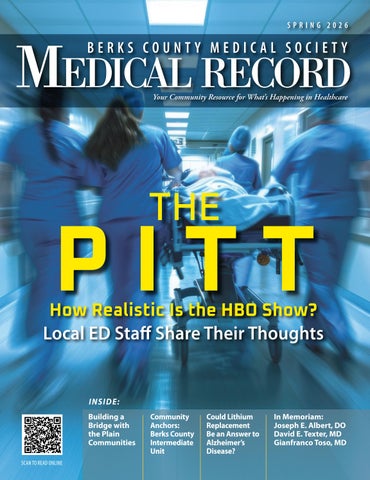
TTHE P I T T
How Realistic is the HBO Show? Local ED Staff Share Their Thoughts
by Susan Shelly
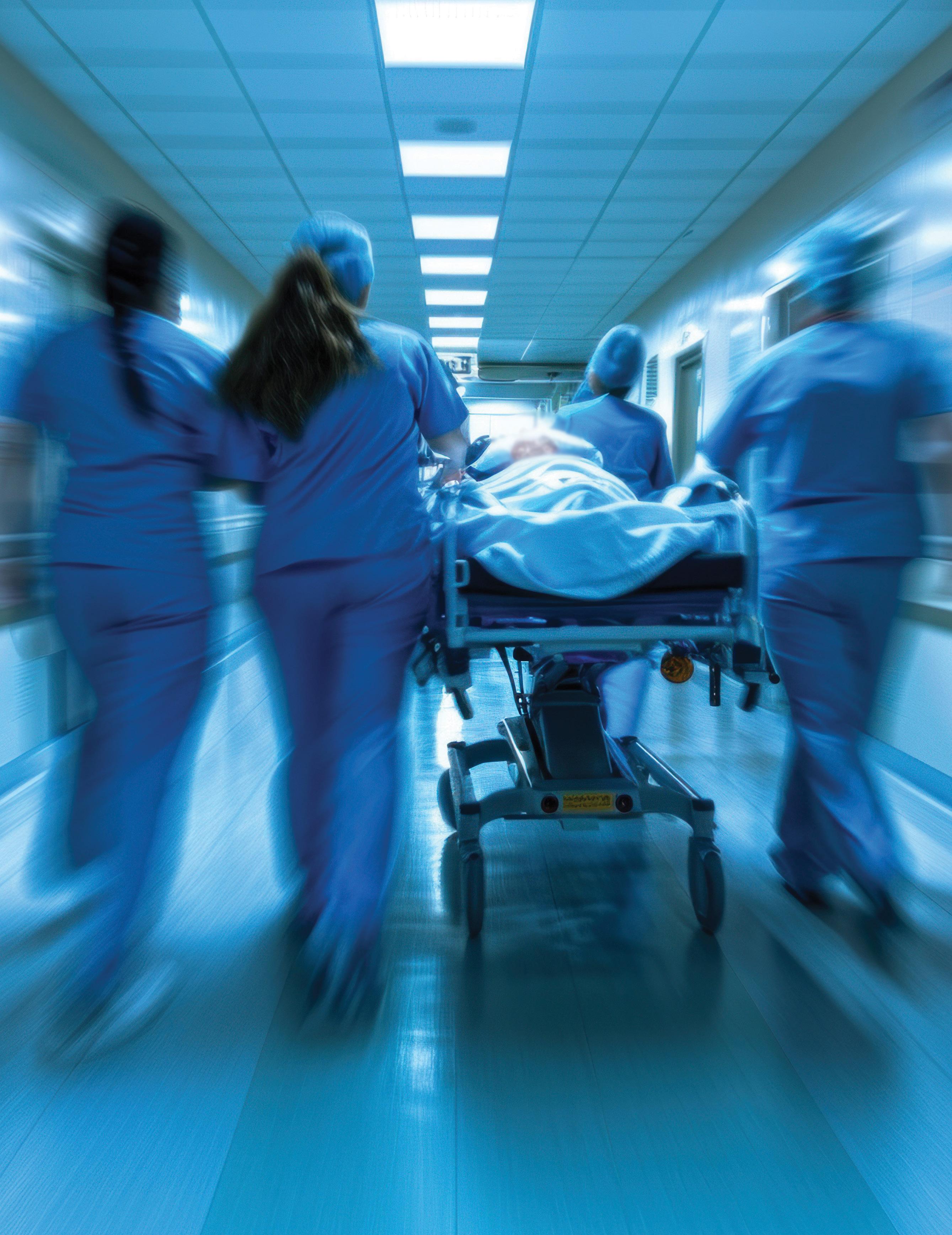
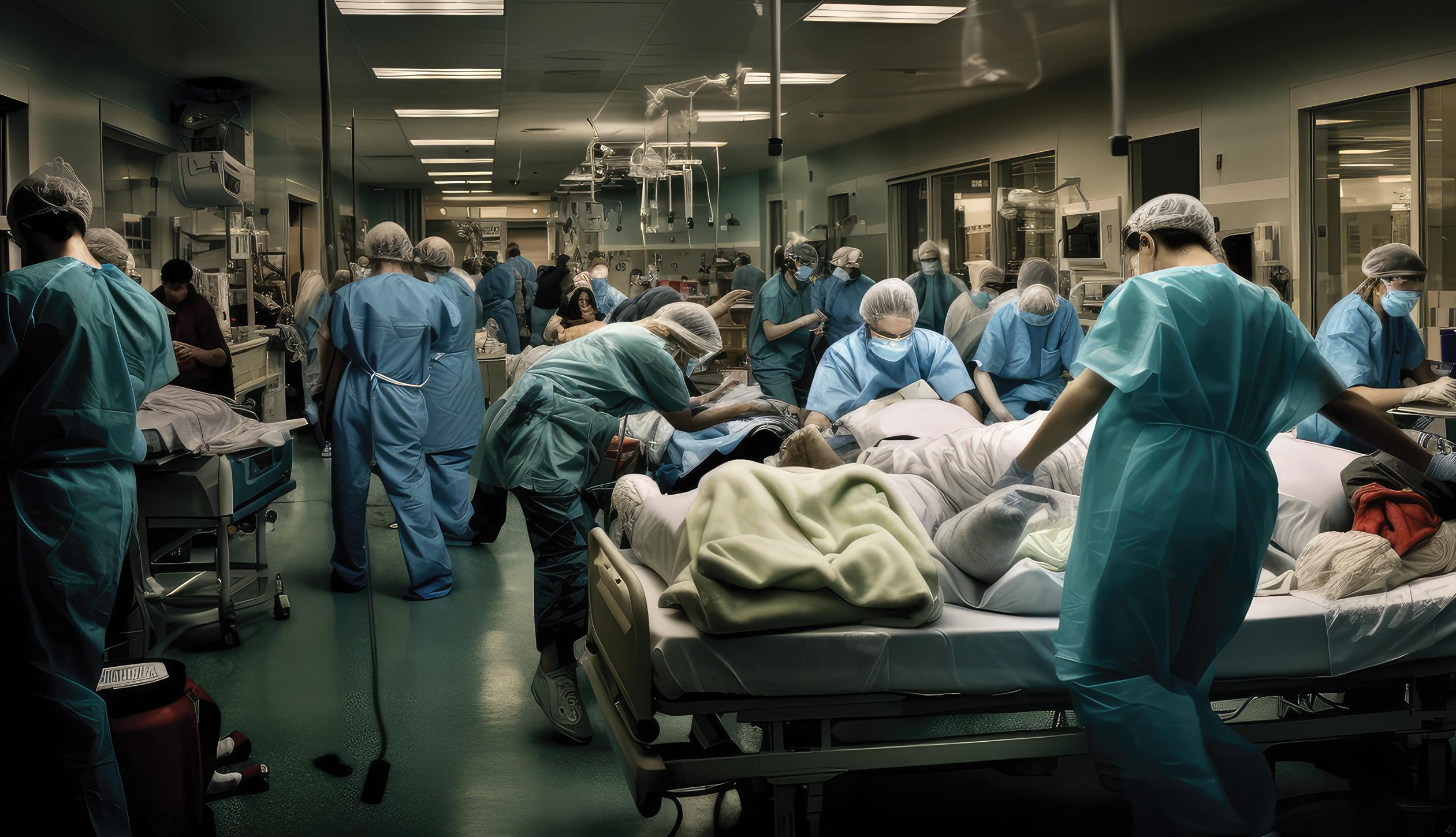
he Pitt, a hugely popular HBO Max drama currently in its second season, portrays life in the always busy, overcrowded emergency department (ED) of the fictional Pittsburgh Trauma Medical Center. Each episode of the show represents one hour of a tough, 15-hour shift. Featuring actor Noah Wyle as Dr. Robby Robinavitch—a senior physician who works feverishly to hold the department together while battling his own trauma—the show lets viewers watch medical workers do what they do best—care for the patients who need their help the most. It also calls attention to the shortcomings of the American medical system and highlights a range of social ills.
The television series has been widely praised for its accurate interpretations of life—and death—in the emergency room (ER), as well as its portrayal of hardships and realities faced by health care workers in a post-COVID environment. Wyle, who also starred in the NBC medical drama ER, has become a favorite among members of the medical community, even participating in a panel discussion at the 2025 national conference of the American College of Emergency Physicians in September.
Curious to hear the thoughts of Berks County ED personnel concerning the television series, Medical Record reached out to see what some of the people who have walked the walk had to say. We talked with:
• Dr. Brian Lahmann, an emergency medicine physician who serves as Chair of Emergency Medicine at Reading Hospital/ Tower Health
• Dr. Ankit Shah, an emergency physician at Reading Hospital/Tower Health, president of the Berks County Medical Society, and medical informatics director for Tempus AI
• Dr. Amit Sareen, Chair of Emergency Medicine at Penn State Health St. Joseph Medical Center
• Jenna Mastromarino Riley, Nurse Manager of the Emergency Department at Penn State Health St. Joseph Medical Center
We also heard from Dr. Charles Barbera, who, before being appointed as President and CEO of Reading Hospital in 2022, served as Chair of Emergency Medicine there for more than 20 years.
These healthcare professionals weighed in on the show’s characters, the work they do, the problems they face, and how they handle them, and other aspects of The Pitt.
Here’s what they had to say.
Medical Record (MR): Do you think the show is realistic and accurately portrays what happens in a hospital ED?
“Definitely,” was the word most often used in response to that question. Those interviewed agreed that the show gives an accurate look at what life is like in the ED. “Oh my gosh, it’s very realistic,” said Lahmann. “It so describes and presents real life and what happens in an ER.” Respondents praised The Pitt’s realistic portrayal of medical procedures, the depiction of raw emotion often on display, the uncertainties that ED staff members face, and the scope of problems and issues facing patients. “Whoever they hired as consultants on that show is providing very accurate guidance,” Sareen commented.
continued on next page >
The Pitt How Realistic is the HBO Show? Local ED Staff Share Their Thoughts
continued from page 7
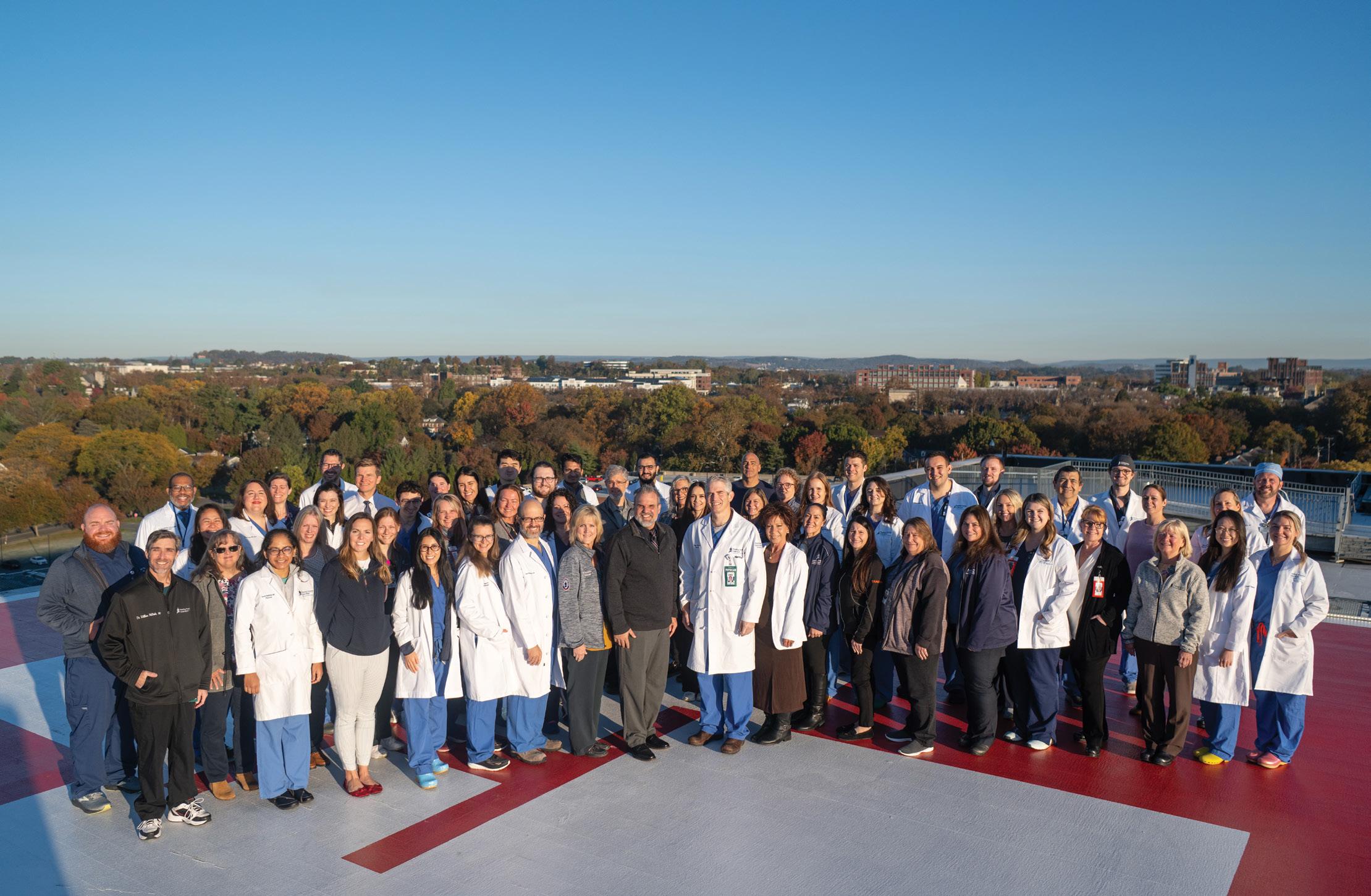
This year marks the 20th Anniversary of the opening of the Level 1 Trauma Center at Reading Hospital, a major step for health care in Berks County. We congratulate past and present staff who have made a life-saving difference for so many.
Respondents noted that while The Pitt is very realistic, viewers shouldn’t assume that every ED experiences a constant and unrelenting barrage of patients and problems. “Everything that happens on The Pitt happens in real emergency rooms, for certain,” Lahmann said. “But it doesn’t all happen in one day.” Sareen put it another way, “Not every day is a giant mess like it is on the show,” he said. “We have some pretty mundane moments in the emergency room at St. Joe’s.”
MR: The show addresses a variety of social problems seen in the United States. Do you think that’s helpful?
The Pitt has addressed a host of social issues, including workplace violence, drug and alcohol addiction, gun violence, child abuse, a mental health crisis, homelessness, health inequities, reproductive rights, and challenges encountered by neurodivergent individuals.
Mastromarino Riley took on the issue of workplace violence in medical settings, saying it’s become increasingly common in recent years and is a problem that isn’t widely acknowledged. Violence that occurs is both verbal and physical, she said, and while staff at St. Joseph Medical Center is working hard to address the threat of
workplace violence, employees are aware that it could occur. “The organization is doing a lot, but workplace violence is still an issue,” Mastromarino Riley said.
Lahmann agreed, noting that staff members are trained in how to de-escalate volatile situations, and Reading Hospital’s ED has posted signs warning that aggressive behavior and abusive language will not be tolerated. “We didn’t have those signs five years ago,” he said.
Shah said that ED staff must constantly be prepared to deal with the consequences of social ills—whether it be shootings, mental health crises, encounters with unhoused people, or drug overdoses. “We don’t have any control over how many people are going to show up or what they’re going to need,” he said.
MR: What problems associated with health care in the United States does the show point out?
It’s no secret that there are problems with the American health care system, and The Pitt doesn’t shy away from pointing them out. Overcrowding and long ED wait times, lack of insurance and inability to pay for medical care, workforce shortages and staff burnout, systemic bias, an overload of administrative work, and
Board-certified ophthalmologists specializing in cataracts, cornea, retina, glaucoma, oculoplastics, pediatric ophthalmology, and more. Experienced optometrists and optical shops at every location. Refer your patients today! (800) 762-7132 • eyeconsultantsofpa.com
limited coverage for some insured patients are just some of the problems associated with the U.S. healthcare system that the show highlights.
Sareen was critical of uneven pricing from insurance companies that makes it impossible to predict the cost of medical care before it is administered. “It’s like flying from New York City to Los Angeles and being told what you have to pay for the flight when you land,” he said. He also noted that high costs for health care can result in patients facing overwhelming debt, citing an episode in Season Two where a patient’s daughter creates a crowdfunding page to raise money for her father’s care. “That GoFundMe episode was very realistic,” Sareen said. “That happens more often than you’ve seen on the show.”
Mastromarino Riley acknowledged there can be long wait times for patients but noted that many patients don’t understand the triage system that occurs in the ED. “Wait times are an inherent part of the emergency department, as a thorough evaluation is often necessary to ensure an accurate diagnosis,” she said. “Patients may not always realize that care is prioritized based on acuity—those with life-threatening conditions are treated immediately, while patients with less urgent concerns may need to wait until a bed becomes available.”
Barbera responded that most hospitals don’t intentionally understaff their EDs but always need to be looking for ways to operate more efficiently. “That involves looking for opportunities in staffing, equipment, and length of stay,” he wrote. “We also are focused on ensuring that we have optimal resource utilization.”
Shah addressed the lack of access to primary care for many, which forces them to seek help from the ED. “We, unfortunately, have become the default care provider for a lot of people,” he said. “And sadly, it’s only getting worse, as there’s very little drive or impetus nationally to make the system work better for the patient.”
MR: What is the value of a show like The Pitt to viewers who otherwise wouldn’t be exposed to the workings of an ED?
Shah said he appreciates that the show enables family members and friends of ED workers to achieve a better understanding of what their loved ones encounter at work. “It’s hard to explain to someone what it’s like to work in an emergency room,” Shah said. “But watching the show lets them see up close what happens.”
Lahmann hopes the show might increase viewers’ understanding of the complexities of an ED and remind them that staff members continued on next page >
The Pitt How Realistic is the HBO Show? Local ED Staff Share Their Thoughts
continued from page 9
do their best to help every patient. Attitudes have changed since the COVID pandemic, Lahmann said, with many people now distrustful of medical professionals. “We were trusted experts, but now we are being challenged on our knowledge of science,” he said. “It’s exhausting to have to justify ourselves and the science we base our decisions on.”
Sareen appreciates that characters in The Pitt are portrayed as flawed human beings. Other medical shows, he said, depict medical workers as superheroes, which sets unrealistic expectations for audiences. “We’re human, and just like any human, we make mistakes,” Sareen said. “I think it’s good for people to see that our jobs are difficult and we often just have to try to put the pieces together. It’s a realistic view of what happens in the emergency room.”
MR: What do you think The Pitt has to say about ED staff camaraderie, and what type of staff relationships do you observe in your workplace?
The Pitt contains some memorable scenes of staff members caring for each other in important ways. A doctor miscarries on the job and is cared for by a colleague. A young doctor is discovered to be living in the hospital, and a co-worker offers him a place to stay. Barbera noted that emergency medicine can be difficult, and it’s important for ED staff to work in an environment in which they feel supported and comfortable, and to enjoy good relationships with their peers. “I believe that is done very well at Reading Hospital,” he said.
Mastromarino Riley said the uncertainty of working in an ED makes it especially important for staff members to support one another and be willing to help as needed. “We can’t predict what’s going to happen from day to day, and we’re doing the best we can with the tools we have,” she said. “We’re lucky to have a very cohesive staff at St. Joe’s, where everyone works together.”
Shah spoke about the mass casualty shooting event depicted in The Pitt and the importance of all hospital staff working together
to treat every patient in such an event. He recalled a 40-car pile-up on Route 422 during a snowstorm, remembering the teamwork exemplified by every staff member as patients flooded in. “Everyone jumped in,” Shah said. “Every surgeon came and waited by the trauma bay. Hospitalists were moving people around to make room for more beds. Every one of us was dependent on each other to make sure every patient got the help they needed.”
MR: Reading Hospital Trauma Center is celebrating its 20th anniversary this year. What is the value of having an accredited Level 1 Trauma Center available to a community?
Barbera, who is credited with being key in the creation and accreditation of the trauma center, shared his thoughts:
“The addition of the trauma center has been very valuable to our community. In the past 20 years, we have seen over 50,000 trauma patients. Of those patients, 40,000 were admitted to the hospital. Before we became a trauma center, many of those patients would have gone to hospitals outside of Berks County. The trauma center has been a catalyst for the development of other programs at Reading Hospital, such as our residency programs, our comprehensive stroke center, and the education of pre-hospital providers. Our trauma surgeons work with all members of the medical staff and community from injury prevention through rehabilitation.”
A Note from Medical Record’s Editor, D. Michael Baxter, MD
It is readily apparent that Emergency Departments, staffed 24/7, 365 days per year, are essential to the health care of our communities. Whether a life-threatening, even mass casualty event, or a relatively minor injury when other options are unavailable, our professional Emergency Medicine staff at both Reading Hospital and Penn State St. Joseph Medical Center are doing their very best in a most challenging environment. The Pitt may be fiction, but it is representative of a very real world in the life of our own local EM providers.
Advocacy Pennsylvania General Assembly: 2026 Pennsylvania Legislative Outlook
The Pennsylvania General Assembly returned to session at the end of January, where both the House and Senate met the week of January 26th. As PAMED looks ahead to the 2026 Pennsylvania legislative landscape, it is clear it will be dominated by elections. The gubernatorial election will take place this November—sitting Governor Shapiro and State Treasurer Stacy Garrity have already announced their candidacies. This is also year two of the 2025-2026 legislative session—all 203 PA House seats and 25 of the 50 PA Senate seats will be contested.
Given this environment, the Republican controlled Senate and the Democratic controlled House can be expected to move a relatively large number of bills in 2026 that have no chance of passing the other chamber but are intended to send political messages to the electorate. With that backdrop, PAMED is continuing to monitor and advocate on key issues, including:
• Midwives: Senate Bill 507 (Brown), a bill that would update provisions in the Medical Practice Act of 1985 regarding the practice of midwifery to include licensing certified midwives. The bill passed the Senate in October, moved quickly in the House, and is expected to receive final approval in the first quarter of 2026.
• Maternal Health: House Bill 1088 (Steele) and House Bill 1234 (Mayes), legislation requiring both private and government-provided health insurance to cover blood pressure monitors for pregnant or postpartum patients, passed the House and are awaiting consideration in the Senate.
• Private Equity: There has been significant legislative interest in getting something done on regulating the involvement of private equity in healthcare. Numerous bills have been introduced, and public hearings have been held on this issue in both the House and Senate. To date, only House Bill 1460 (Borowski) has moved, passing the House last summer. That bill was referred to the Senate Institutional Sustainability and Innovation Committee; the committee continues to work on the issue but does not appear ready to move legislation at this time.
continued on next page >
Pennsylvania
continued from page 11
• Scope of Practice: PAMED remains vigilant on all “scope of practice” legislation and continues to advocate for physician-led team-based care. Senate Bill 25 (Bartolotta) and House Bill (Guenst) on independent practice for nurse practitioners; House Bill 1000 (Frankel) on prescriptive authority for psychologists; and Senate Bill 197 (Brown) on physical therapist direct access are just some of the “scope of practice” bills on which PAMED is actively engaged.
• Artificial Intelligence (AI) Use in Healthcare: Various committees in both the House and Senate have already held or will be holding hearings on various aspects of the use of AI in healthcare. To date, no bills have been moved, but PAMED continues to monitor all developments on this issue.
Governor 2026-27 Budget Address:
On February 3, 2026, Governor Josh Shapiro delivered his annual budget address to the General Assembly, outlining his proposed Fiscal Year 2026–27. The proposal, totaling approximately $53 billion, will now be reviewed and negotiated by the General Assembly in the months ahead.
The budget proposes $260.3 million for health programs, reflecting a 0.3% increase over the prior fiscal year. Within this total, the proposal includes $2.019 million to maintain the Pennsylvania Immunization Electronic Registry System (PIERS), which supports statewide immunization reporting and public health surveillance.
The budget also proposes a $2.5 million increase for health promotion and disease prevention efforts, including expanded support for maternal health programs. Mental health remains a priority, with a 6.9% increase in funding for mental health services through the Department of Human Services, alongside a call to streamline credentialing for behavioral health providers.
Several public health programs would see modest increases, including funding for state health care centers, the state laboratory, sexually transmitted disease screening and treatment, local health departments, and tuberculosis screening and treatment. At the same time, many programs are proposed to remain levelfunded, including newborn screening, cancer screening services, AIDS programs and special pharmaceutical services, school district health services, maternal and child health services, regional poison control centers, and programs addressing sickle cell disease and Lyme disease.
In addition to funding proposals, the Governor reiterated support for several policy initiatives, including efforts to lower prescription drug costs by prohibiting copay accumulator programs, as well as proposals to increase the minimum wage and legalize adult-use marijuana.
PAMED will continue to monitor and relay legislative events as they unfold.
BUILDING A BRIDGE WITH THE PLAIN COMMUNITIES
by Stephen Chien, MS IV, Drexel University College of Medicine at Tower Health
The Amish and Mennonite communities, often referred to collectively as the “Plain community,” are a local example of how culture and health care intersect. Grounded in faith, family, and community, these groups trace their origins to the Anabaptist movement in Europe, where they faced persecution for their religious beliefs. In the 18th century, Anabaptists migrated to Pennsylvania in search of religious freedom. Today, Pennsylvania remains home to the largest Amish population in the world, with over 95,000 members in counties like Lancaster, Berks, and Lebanon, as well as fast-growing communities in York, Mifflin, Indiana, Lawrence, Crawford, and Somerset counties.
Although Lancaster County is viewed as the center of Plain community life in Pennsylvania, Berks County also has a sizable population. Notably, Berks County is home to the first Amish settlement—established in the early 1700s—in North America. Additionally, Berks is the home of an Old Order Mennonite community of about 160 families near the Kutztown area, with the main Mennonite community located in the East Penn Valley, expanding into the Oley Valley. Local hospitals regularly serve Amish and Mennonite patients, highlighting the need to appropriately care for them in our county.
To better understand how the Plain community approaches medicine, I spoke with three members of the White Horse Fire Company in Lancaster County: Joanna, a Mennonite EMT; Alvin, an Amish EMT Training Officer and Vice President of the Fire Company; and Andrew, a Mennonite EMT.
Health Plans
For many Amish and Mennonite families, health insurance does not come from employers or government programs. Instead, they rely on health-sharing plans. “Everybody that’s a member pays a monthly contribution, and then it goes into an escrow account,” Alvin states. When medical bills arise, funds are drawn from that shared pool. “You can go with something as low as $500 for your personal responsibility, but you end up paying more monthly for that plan than you do for a personal responsibility of $2000 or $3000. There are many different sharing plans, but they all work in a similar fashion—we’re sharing the costs of medical bills.”
Joanna described what happens when costs exceed what a family can manage. “If there is a need beyond that, people would hold something like a benefit auction,” she said. In some cases, Alvin states, “The local church may just pitch in and pay for it too.”
Medical Care
Healthcare in the Plain community often begins at home. “If we’re dying, we will go [to the hospital],” Joanna said. “We like to take care of ourselves at home and try our home remedies.”
Approaches vary widely among families. “Someone will be very quick to pop Tylenol for a fever, and someone else will use more home remedies,” she explained. “There is quite a large difference within the community.” Alongside home remedies, there are trusted people within the community. Joanna described one such individual—an Amish man who treats burns and other conditions using natural methods but remains closely connected to regional
continued on next page >
Building a Bridge with the Plain Communities
hospitals. Joanna and Alvin also discussed that there is a nurse practitioner in their area who is well known and trusted within the community and sometimes assists with medical care.
Preventive Care
Routine medical visits and preventive screenings are not common in the Plain community. “I would say as a general rule, it’s not like we have yearly follow-ups with doctors,” Joanna said. “If you recommend that, we’ll probably be like, ‘we’ll show up when we need it’.” Screenings, such as colonoscopies, mammograms, and pap smears, are often uncommon.
Women’s Health and Prenatal Care
Women’s health issues, including menstrual health and menopause, are often managed privately at home, with Joanna describing a tendency to normalize the symptoms that occur. Contraception is used in some cases, but is something usually discussed with a provider with varying degrees of training.
Regarding prenatal care, Joanna comments that most women begin in the second trimester, with frequency varying by family and provider, such as a midwife. When it’s time to give birth, “There are some in the community who just go to the hospital. That’s just what they want to do, and others will just stay at home and have the provider come out.” Prior studies agree with the notion that Amish women prefer home births with midwives, but births in the hospital are still common.1
Disability, Aging, and Family Responsibility
In Amish and Mennonite communities, disability and aging are primarily managed within the family. Nursing homes are rarely considered unless medical needs exceed what can be managed at home. Children often assume responsibility for their parents and often live in close proximity to them.
In a similar regard, the family usually takes care of children with
disabilities. Organizations such as the Clinic for Special Children in Gordonville, PA, specialize in providing personalized care for children with rare genetic disorders and support for their families. Alvin remarked that there are programs where children with medical conditions can learn a tailored school curriculum in the presence of volunteer caregivers and interact with others who may have a condition similar to theirs.
Mental Health
Mental health is another medical topic with varied approaches in the Plain community. Joanna remarks that many people would say, “You should just man up and be okay, trust God, and not necessarily always view it as a medical condition.” On the other hand, Alvin states, “If a person needs medications to keep things in balance so he’s not constantly depressed, that’s perfectly acceptable.” Some do acknowledge that there can be a chemical imbalance when it comes to mental illness, while also pointing out the spiritual component of having a relationship with God, which can decrease one’s anxiety, for example.
Lifestyle, Diet, and Health Behaviors
Lifestyle factors significantly shape health in these communities. Some families maintain gardens, raise their own livestock, and preserve food through canning and freezing. Regarding alcohol use, drinking is not acceptable among the Amish, while smoking is allowed, largely because of the farming of tobacco as a cash crop. Several studies have noted that Amish lifestyle patterns and high levels of physical activity contribute to a lower BMI.2
End-of-Life Care
End-of-life decisions in the Plain community emphasize strong family involvement. “Do Not Resuscitate” (DNR) orders are uncommon, with decisions often made collectively and communicated verbally. Alvin states that a similar approach is applied regarding hospice. “It’s not like we’re necessarily against
SOLUTIONS MANAGEMENT CASH TOMPKINS
hospice care, it’s more that we’re just not going to bother with it as long as we can still care for the family member without hospice, we’re just not even going to get [it]. In general, we’re okay caring for them ourselves.” However, he also noted examples of people in the community who have utilized hospice in the past, for aspects like pain management and streamlining end-of-life decisions.
Skepticism and Modern Medicine
Within the Plain community, trust in modern medicine is complex and variable. Alvin described significant differences in attitudes toward hospitals and physicians, particularly following the COVID-19 pandemic, which exposed tensions between hospital policies and community values.
“There were patients who were begging to be released from the hospital because they just couldn’t take being alone,” Alvin recalled. “We need each other. We’re not created to be alone.”
At the same time, there were moments of compassion that left a positive impression. Alvin recounted the valuable role of a Plain community liaison at a hospital during his grandma’s final hours. “She was definitely instrumental in changing the doctors’ and nurses’ approach in how they treated us,” he said. “She was the one who bridged that gap in helping them understand that this is not us being ridiculous. It’s just this is what you can expect.” Small gestures, like bringing extra chairs for the large family, exceptions to visitation rules, and empathetic communication, significantly influenced how his family perceived their experience.
continued on next page >
At Tompkins, our business banking team helps you put together just the right suite of cash management solutions to turn “business as usual” into “business amazing”—and to help your business thrive. Scan the code for more information
M E dical r E cord F E atur E
Building a Bridge with the Plain Communities
continued from page 15
Joanna confirmed that communication is key for practitioners who deal with the Amish and Mennonite communities and relayed her grandfather’s experience in an area hospital. Although her family wanted to have her grandfather discharged, the rapport his doctors built with him created an atmosphere of trust and love for the hospital. “It may be only because the doctors spend a little bit extra time talking to the patient,” she said. “In general, we’re probably a little bit skeptical of hospitals and doctors, but if you’re willing to explain the things that are going on in language that we can understand, that will definitely go a long way.”
Noting that while routine testing is uncommon for women, Joanna explained that at a local midwife’s office, the service was offered to patients along with the rationale for its importance. “If we can explain to the client why we think it’s necessary and the benefits involved, they may opt to do one, but I would say as a general rule, those are typically not done.”
Despite only remaining in school until eighth grade, Alvin described how he always loved to learn vocabulary words, a passion that continued into his adult life. He echoed Joanna’s belief that medical practitioners need to be vigilant with explanations of treatment for Plain patients. On an ambulance run, Alvin experienced arriving at the site of a patient who fell eight feet onto concrete. The paramedic on the call offered fentanyl for the victim’s extreme pain. Alvin noted, “The patient freaks out a little bit, looks at me, and is like, is that okay? Like, it’s fentanyl.” Alvin added, “He knows fentanyl is a street drug, so he was certainly not completely trusting the paramedic and all of his treatments.” Only after Alvin took the time to explain that the fentanyl was not the same drug sold on the streets, and that it would help relieve pain, did the patient accept the medication.
Vaccines
Skepticism is common, particularly around vaccination. “Very few people will get a flu shot,” Alvin said. “We don’t feel like we need it. We would rather take the approach of building a strong immune system.”
He further explained that there are those in the Plain community who do accept vaccines and their role in modern medicine. “There are occasionally some of our people who do get flu shots, so I can’t say that nobody does, but that would be one example of what I would refer to as modern medicine.” He said, “We don’t think we have a need for the flu shot, and so we’re going to choose not to get it.”
When it comes to childhood vaccinations, families are neither fully accepting nor fully rejecting, with attitudes differing by settlements and affiliation. According to one study, important factors for refusing child vaccines were safety concerns and knowing somebody who suffered side effects.3
The Provider-Patient Relationship
Joanna further emphasized that communication often determines whether a medical encounter is perceived positively or negatively. “If you give the whole response in medical terminology, I would be lost,” she explained. “If you’re able to spend a little bit more time and explain why we think this is what we should do, it’s going to go a long way.”
Understanding some of the foundations of the Plain communities’ beliefs can also build stronger relationships among Amish and Mennonite patients and their practitioners. Alvin tells
the story of a friend with a Mennonite background who had a baby in a local hospital. Describing the family’s positive experience, Alvin said the nurse in charge understood nutrition, a commonality with the family, which created a strong connection. “This family is big on nutrition and will eliminate medical treatments as much as they can and go with the more natural way. She understood why they didn’t want every medical treatment that’s available, and they could connect.”
In a tight-knit community like the Amish and Mennonites, reputations can spread quickly. “If I had a good experience there, then my brother wants to go there,” Joanna explained. “And his inlaws, and everyone else is going to end up going there.”
“The relationship is huge,” Andrew states. “They don’t want to just know you as a doctor, as a nurse. The Amish don’t necessarily have Facebook, but the Amish have their own ‘Facebook’, and the Mennonites have their own network. So, if you make a good impression, everyone will hear about it. You make a bad impression, and everyone will hear about it. The experience that people have will be talked about.”
Thank you to Joanna, Alvin, Andrew, and the Lancaster County White Horse Fire Department for your contributions to this article. Thank you to Dr. Moss and Dr. Baxter for your help with bringing this article to fruition. We hope this can serve as an educational bridge for medical providers who hope to understand your communities better.
Stephen Chien chose this topic because, coming from an immigrant household, he’s always been fascinated by how different cultures and groups approach healthcare. Reading Hospital recently hosted a talk featuring the same panelists who addressed similar topics, and he believed that more healthcare providers could benefit from hearing their perspectives. Dr. Caitlyn Moss graciously facilitated a connection to meet with them.
Stephen plans to “match” into a Physical Medicine & Rehabilitation residency program. He has clinical interests in brain injury, inpatient general rehabilitation, and international rehabilitation. Stephen is also a student member of the Berks County Medical Society.
References
1 Anderson, C., & Potts, L. (2020). The Amish Health Culture and Culturally Sensitive Health Services: An Exhaustive Narrative Review. Social Science & Medicine (1982), 265, 113466. https://doi.org/10.1016/j. socscimed.2020.113466
2 Anderson, C., & Potts, L. (2021). Physical Health Conditions of the Amish and Intervening Social Mechanisms: An Exhaustive Narrative Review. Ethnicity & Health, 27(8), 1952. https://doi.org/10.1080/13557858.2021.1968351
3 Anderson, C., & Potts, L. (2021). Physical Health Conditions of the Amish and Intervening Social Mechanisms: An Exhaustive Narrative Review. Ethnicity & Health, 27(8), 1952. https://doi.org/10.1080/13557858.2021.1968351
COMMUNITY ANCHORS: BERKS COUNTY INTERMEDIATE UNIT:
Strengthening Education, Families, and Community —Together
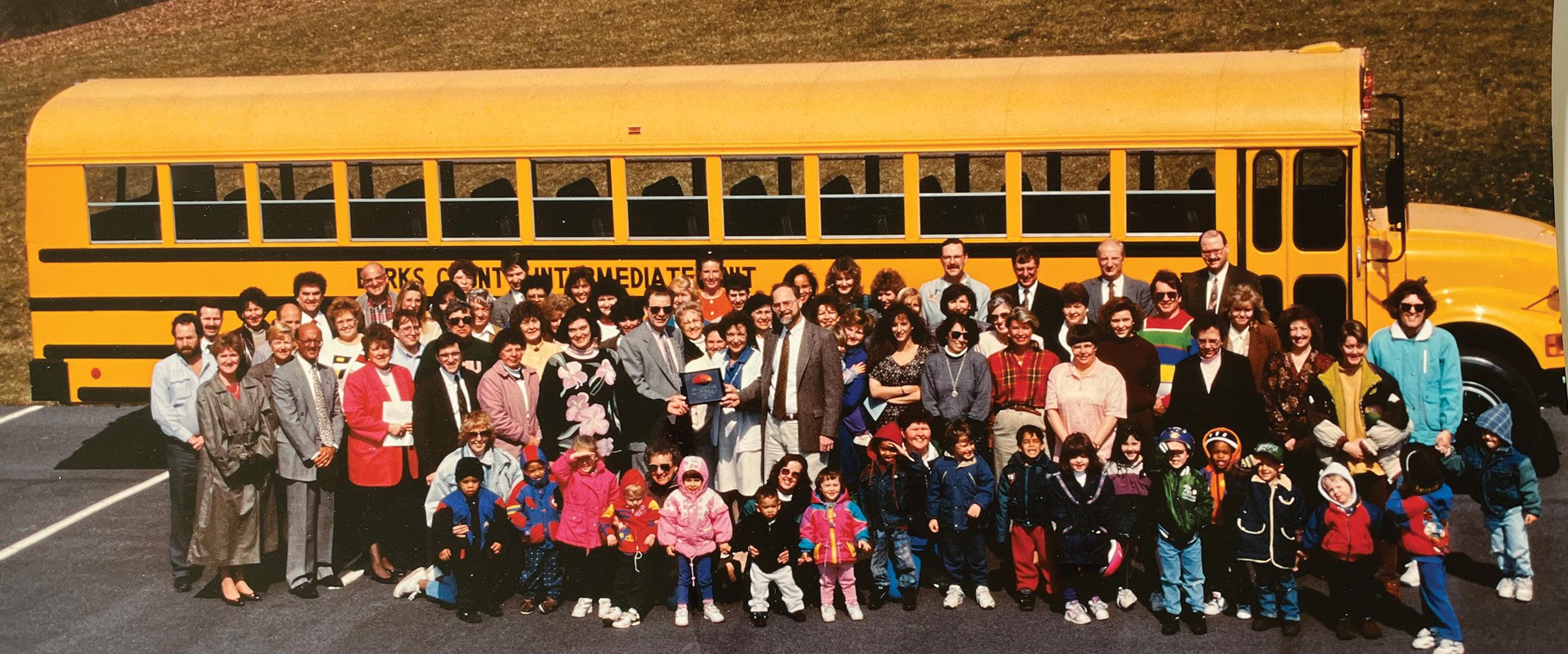
Collaboration, shared responsibility, and a shared commitment to service are all hallmarks of strong communities. For over 55 years, the Berks County Intermediate Unit (BCIU) has played a steady and meaningful role in supporting education and opportunity across Berks County, partnering with schools, families, and community organizations to respond to evolving needs and strengthen learning systems.
As one of Pennsylvania’s 29 intermediate units, the BCIU serves as a regional partner to Berks County school districts and career and technology centers (CTCs), providing essential educational services most effectively delivered through shared expertise and resources. Its work spans early childhood education, student support services, professional learning, technology, transportation, and advocacy— helping schools operate efficiently while remaining focused on students and families.
A Regional Commitment Rooted in Service
The BCIU was established following a 1965 mandate by the Pennsylvania General Assembly to replace county superintendent
offices with intermediate units designed to serve regions rather than individual districts. The Berks County Intermediate Unit #14 officially launched in 1970 with a clear purpose: to strengthen education through cooperation and shared services.
From its earliest days, the BCIU recognized that education extends beyond the classroom. Supporting student success requires attention to families, systems, and the broader community. That understanding has guided its work for more than five decades, allowing the organization to adapt to changing needs while remaining grounded in service.
Advocacy for Schools and the Community
In partnership with Berks County school districts and CTCs, the BCIU plays a key role in facilitating advocacy through the Berks County Committee on Legislative Action (COLA). Together, districts, CTCs, and the BCIU work to advance strong educational programs, inform policy, and support sustainable funding at the state and federal levels—efforts that help schools address emerging student needs and support families across the County.
“The Berks County Intermediate Unit’s work is shaped by strong board governance, talented staff members, trusted relationships with schools, and the support of community partners. We are grateful for the partnership, dedication, and unified purpose that translate collaboration into meaningful outcomes for students and schools throughout Berks County,” says Dr. Jill Hackman, BCIU Executive Director.
Supporting Students Early
Early childhood education remains a cornerstone of the BCIU’s work. Head Start, introduced in Berks County in 1965, has grown from a small summer program into a comprehensive early learning initiative serving over 500 children annually. The program focuses on school readiness, health, social-emotional development, and family engagement.
The BCIU also administers Pre-K Counts, expanding access to high-quality preschool opportunities for children ages three through five, and operates an Early Intervention Program that serves more than 2,800 preschool-age children each year. These services are delivered in homes, childcare centers, community locations, and specialized classrooms—meeting children and families where they are during critical developmental years.
Supporting Students and Families Across the K–12 Continuum
As student needs evolve, so do the BCIU’s services. In close partnership with local school districts, the BCIU provides classroom-based and itinerant support to more than 1,800 school-age students annually, including speech and language, vision and hearing, behavioral services, and transition programs that prepare students for life beyond school.
Supporting Educators and Strengthening Schools
The Office of Professional Learning strengthens classrooms by equipping educators with practical strategies and shared learning opportunities. Through workshops, leadership events, microcredentials, and collaborative networks, educators across Berks County build skills, share expertise, and support continuous improvement—ensuring high-quality instruction reaches every student.
Beyond Berks County: Statewide and Systemwide Impact
Through its administration of The Pennsylvania Key, the BCIU supports the early childhood education workforce across the Commonwealth, providing leadership in professional development, workforce data, and quality improvement initiatives. Behind the scenes, the BCIU also operates essential systems that support daily learning—from transporting more than 6,000 students annually to providing technology and data services that help schools and municipalities operate efficiently, securely, and responsibly.
Learn More
Looking Ahead
In summer 2026, the BCIU will launch the BCIU Education Foundation, focused on strengthening BCIU’s early childhood education and learning environments for its youngest learners. The Foundation will create new opportunities for community investment in programs that support students, families, and long-term educational success.
The BCIU also supports students and families as they navigate unique challenges. Programs such as Project ELECT help pregnant and parenting teens remain engaged in school, while the Education for Children and Youth Experiencing Homelessness (ECYEH) program ensures students experiencing housing instability can enroll, attend, and succeed in school. Flexible learning options, such as Berks Online Learning, and career-focused initiatives, such as Career Ready Berks, expand pathways to graduation and meaningful employment.
Student enrichment remains a priority, reaching nearly 12,000 students each year through academic competitions, STEM events, and Camp Connect, a summer program that supports students experiencing grief and loss.
For more than five decades, the Berks County Intermediate Unit has remained a steady presence—connecting schools, families, and community partners to support student success across Berks County. Families seeking information about BCIU programs and services are encouraged to learn more about available resources and supports. Those interested in the BCIU’s broader work in education and public service may also learn more about opportunities to engage. For more information, contact the BCIU at 1111 Commons Boulevard, Reading, PA 19605, by phone at 610-987-8500, or online at www.berksiu.org.
Could Lithium Replacement Be an Answer to Alzheimer’s Disease?
by Michael Baxter, MD, Editor, Medical Record and Richard Lukose, DO, Chair, Department of Neurology, Reading Hospital/Tower Health
In 1901, a young German physician/neuropathologist, Alois Alzheimer, was introduced to a 51-year-old female patient, Auguste Deter, at the Frankfurt mental hospital. 1 The patient had lived a normal life as a wife and mother until she had rather rapidly developed memory decline with episodes of delusions. The patient found it impossible to cook and do normal household chores; lost her ability to write and engage in usual conversation; wandered incessantly; and eventually became restless and boisterous, threatening neighbors and family. Dr. Alzheimer oversaw her care, including a detailed case history, and diagnosed her with “presenile dementia,” one of the major classifications of dementia, including senile forms and neurosyphilis.
continued on next page >
Could Lithium Replacement Be an Answer to Alzheimer’s Disease?
continued from page 21
In 1905, after further deterioration, Auguste died from septicemia and pneumonia at the age of 55. Dr. Alzheimer, who by that time had accepted a position at the Munich Medical School, arranged to acquire Auguste’s brain and conduct an autopsy with the assistance of his close colleague and neuropathologist, Franz Nissl, who had developed a special talent for staining neurons. Alzheimer’s autopsy found that there was thinning of the cerebral cortex, especially in regions that controlled memory, judgement, and language. Senile plaques were located in neurons, and tangles were found in nerve fibers. While senile plaques had been previously noted in older patients, both key findings in Auguste’s brain were highly unusual at her relatively young age. Alzheimer reported his findings at the 37th Psychiatry Conference in Tubingen, Germany, on April 11, 1906. Although they were received with little fanfare by attendees, because of further work by his close colleague, Dr. Emil Kraepelin, recognized as the “father of scientific psychiatry”, this syndrome of clinical symptoms and pathological findings later became known as Alzheimer’s Disease (AD) and recognized as a distinct cause of dementia.
In the 120 years since Dr. Alzheimer reported his findings that described this “new” form of dementia, physicians have developed improved diagnostic tools and options to treat symptoms of the disease; however, the etiology remains unknown, and definitive treatment, including a “cure,” remains elusive. The Alzheimer’s Association estimates that over seven million Americans, approximately one in nine over the age of 65, are living with AD, our most common form of dementia, and by the year 2050, that number is expected to rise to 13 million.2 As our population ages, according to Alzheimer’s Disease Research, “Alzheimer’s is a growing epidemic” as “the number of people living with AD doubles every five years beyond age 65.”3
While some progress has been made, particularly in the areas of earlier diagnosis and prevention through lifestyle changes—for example, following healthy diets, engaging in regular physical and intellectual activity, and maintaining strong social connections— few good options exist to treat and none to “cure” this disease. The newer options include medications such as lecanemab and donanemab—disease-modifying agents that are designed to clear amyloid plaques from the brain. However, these drugs are both very expensive and can have serious side effects, including brain swelling and bleeding. Other attempts at treatment include early studies of gene therapy.4
With this background of rising numbers of cases with their associated morbidity and mortality for millions and a dearth of safe and effective treatments, physicians have had limited options
to offer their patients and their families. However, a recent article in the prestigious journal Nature by a group of Harvard University researchers may offer hope for at least some AD patients. In the September 18, 2025, edition, these researchers report that “although the earliest molecular changes in AD are poorly understood, we show that endogenous lithium (Li) is dynamically regulated in the brain and contributes to cognitive preservation during aging.”5
Working with wild-type and AD mouse models, these researchers demonstrated that among various metals tested, “Li was the only one that was reduced in those experimental subjects which showed mild cognitive impairment as seen in early AD and that the Li present was further reduced in its bioavailability by amyloid sequestration.” Furthermore, “reducing endogenous cortical Li by approximately 50% markedly increased the deposition of amyloid-B and the accumulation of phosphor-tau and led to pro-inflammatory microglial activation, the loss of synapse, axons, and myelin and accelerated cognitive decline.” They further describe transcriptase changes in single-nucleus RNA in multiple brain cell types as a result of this Li deficiency. Perhaps most impressive was their finding that “replacement therapy with Lithium orotate, a specific Li salt with reduced amyloid binding” (compared to other lithium salts e.g., the more common form of lithium carbonate, a primary treatment for bipolar disorder) prevents pathologic changes and memory loss in AD mouse models and ageing wild-type mice.”
While these are preliminary studies conducted in mouse models and certainly need careful confirmation studies in humans, their summation statement raises some much-needed hope for those of us who treat or are at risk of AD, “These findings reveal physiologic effects of endogenous Li in the brain and indicate that disruption of Li homeostasis may be an early event in the pathogenesis of AD. Li replacement with amyloid-evading salts is a potential approach to the prevention and treatment of AD.”
References:
1 “History of Alzheimer’s Disease, H Yang, et. al., Dementia and Neurocognitive Disorders. 2016 Dec 31; 15(4): 115-121.
2 “Alzheimer’s Disease Facts and Figures/Quick Facts”; Alzheimer’s Association, www.alz.org.
3 “Alzheimer’s in the United States”; Fisher Center for Alzheimer’s Research Foundation. www.alzinfo.org .
4 “Alzheimer’s Disease”, Mayo Clinic. www.mayoclinic.org.
5 “Lithium deficiency and the onset of Alzheimer’s disease”; L. Aron, et. al., Nature 645, 712-721 (2025).
LResident Rounds: Art Between the Walls
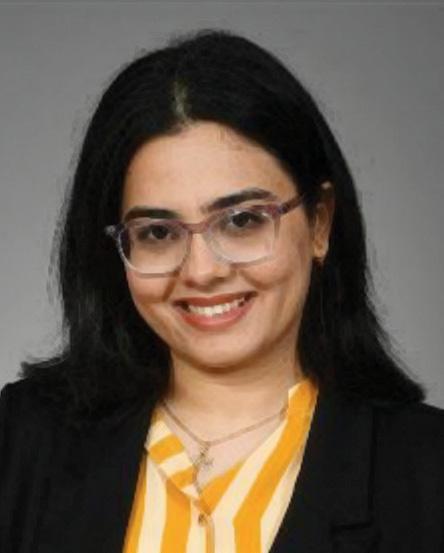
by Fatima Khalid, MD, PGY-2 Internal Medicine Residency, Reading Hospital/Tower Health
ast week, I began my second-year rotation in addiction medicine and psychiatry, one of our core rotations designed to help us understand the nuances of these subspecialties. My schedule was busy, alternating between outpatient clinics, inpatient services, and Tower Behavioral Health, our inpatient psychiatric facility.
During medical school, I had only spent one week on a psychiatry floor, and I did not have another opportunity to work closely with patients in this department during my remaining years of training back home. So, this experience felt both new and grounding.
On day one, I accompanied my attending during morning patient discussions before we moved to see each patient individually. As we walked through the hallways, I noticed rooms with doors both open and closed, patients either sleeping or slowly roaming the corridors. Some wore vacant expressions, their eyes distant; in others, you could almost see the weight of a tortured inner world.
As we spoke with patient after patient—some improving, others still struggling, some simply needing enough support to make it through the day—I noticed something.
Many of these patients, whether they had been there for a few days or a few weeks, shared small but striking parts of their daily lives when asked how they were doing. While some still felt the pull to escape into sleep, others spoke of different outlets: writing poems, composing rap songs, and making paintings.
Within these empty walls and locked doors, people were finding solace— escape even—in art.
“You are out of this world.”
It was quietly beautiful to witness how, in what may be the most difficult moments of their lives, people still reach for something creative, something expressive to hold onto themselves.
Substantial research supports what I was beginning to observe firsthand. Studies of psychiatric inpatients consistently show that participation in art-based activities, whether poetry, drawing, or craft, can reduce boredom and feelings of powerlessness. It also seems to enhance social interaction and to provide meaningful opportunities for self-expression.
We met patients one by one, taking them into a separate room to talk and assess them for the day. It was different from the bedside rounds I am used to in internal medicine—more contained, more intimate in a quiet way.
I saw rooms adorned with drawings and carefully colored pages. One patient read aloud a poem he had written and said softly, “I never knew I had the talent for poetry.” Another proudly showed us a drawing he had made for the attending: a galaxy scene with the words,
Longer-term data demonstrates moderate to strong improvements in psychometric outcomes among inpatients engaged in creative therapies. Poetry-based interventions have been associated with significant reductions in PTSD symptoms and meaningful improvements in depression, anxiety, and stress. Visual art therapy appears to facilitate emotional processing beyond what verbal communication alone can achieve.
Observing my patients through this lens made it clear that these artistic moments were not merely ways to pass time—they were, in many cases, quiet but meaningful steps toward healing and recovery.
Student Vital Signs
ANew Beginnings: The Newborn Nursery
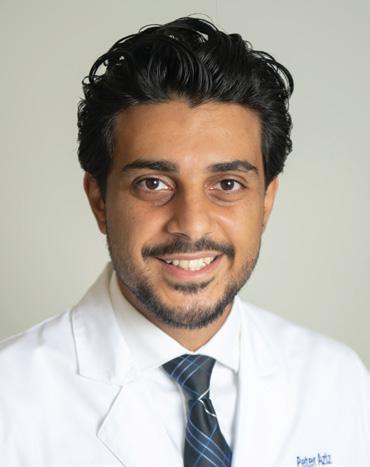
by Peter Aziz, MS III, Drexel University College of Medicine, Tower Health Campus
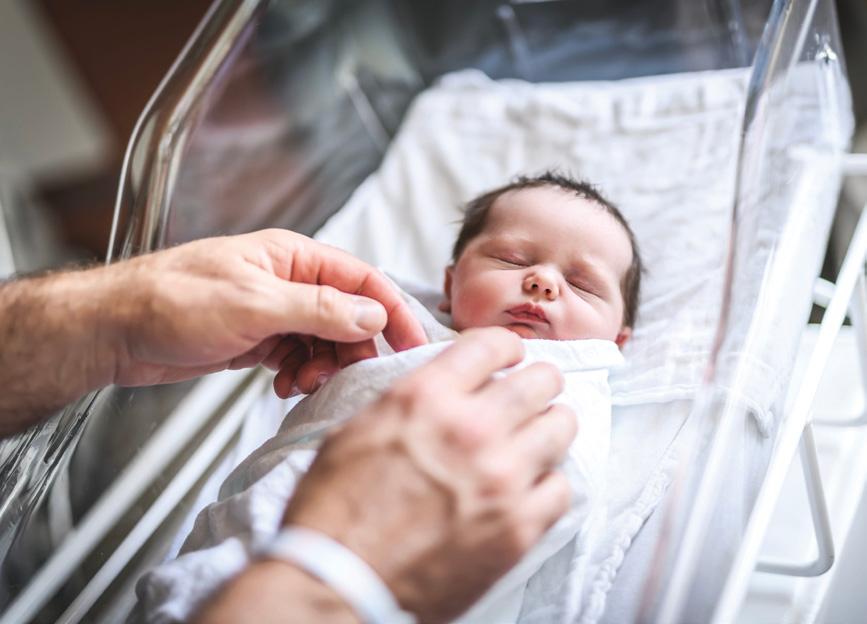
hospital is one of the unique places where both death and birth can happen simultaneously, separated only by department walls. As one life begins, another ends. My recent experiences in the newborn unit during my pediatrics rotation opened my eyes to the beauty of birth. With so many things that can go wrong, a pediatrician’s task is not only to look for abnormalities but, more importantly, to ensure that the neonate is physiologically capable of navigating the first few days of life. As the medical student on the unit, I had the opportunity to observe and help carry out these responsibilities.
Unswaddling a baby for my very first newborn exam was a challenging experience—both for me, as a student with limited experience, and for the baby, who was not a fan of being exposed to the cold.
“First, you look at the baby’s general appearance. Then we start at the head, checking the fontanelles, ears, nares, eyes, and mouth,” my attending said as she demonstrated. “Got it,” I replied.
“Then we go head to toe, assessing for abnormalities such as neck masses, abnormal skin findings, abdominal masses, joint clicks or clunks, strength, and tone. After that, we check reflexes, femoral pulses, and genitalia,” she continued. “I understand,” I said.
As I held my newborn patient and tried to follow what had just been demonstrated, all I could think about was how fragile the baby looked—the small fingers, little toes, and tiny mouth. It was moving to consider how such a delicate body is meant to grow and adapt to everything ahead.
The following day, I rotated through the neonatal intensive care unit (NICU), where I saw firsthand what happens when things go wrong. The NICU is where sick or premature newborns remain after birth to receive supportive care for growth and development. Some required constant, around-the-clock monitoring.
I am grateful for the opportunity to witness the first few days of someone’s life and to contribute, even in a small way, to their health and well-being. Medical students gain a unique perspective as they rotate through different specialties, where they are exposed to diverse skill sets used to treat disease. My time in pediatrics deepened my appreciation for the delicate balance between vulnerability and resilience at the very start of life—and for how best to support that resilience as a future physician.
In Memoriam Joseph E. Albert, DO
September 1, 1963 – December 25, 2025
by D. Michael Baxter, MD, Editor, Medical Record
Joseph E. Albert, DO, a beloved family physician in the Berks County area, died on Christmas Day, 2025. While a tragic loss, much too young, it was a day of much significance for one who cherished nothing more than the love of his family and a deep devotion to his Catholic faith.
Joe grew up in the Mt. Penn area of Reading among a very close family, including his parents, Salvatore and Margaret, and five younger siblings, as well as an “extended family” in the surrounding neighborhood. He was a proud graduate of Central Catholic High School and Villanova University. He subsequently fulfilled his dream of a calling to medicine, as he graduated from the Philadelphia College of Osteopathic Medicine.
and occupational medicine physician in Pottsville and then finally as a Tower Health primary care physician in Pottstown. Wherever he served, he did so with great skill, dedication, and kindness. He was deeply respected and appreciated by his patients and his colleagues.
Joe was in the first class of residents that I recruited on my arrival at Reading Hospital. As a very new and inexperienced residency program director, my first goal was to find a group of young residents who were intelligent, compassionate, and willing to commit themselves to the hard work of becoming skilled, successful physicians. In Joe, I certainly succeeded. He consistently applied all his abilities to develop into a mature and extremely competent physician, first as one of my early chief residents and then over the next many years as an exceptional physician in the care of patients throughout our area. Joe practiced family medicine in Wyomissing and Morgantown before later serving as an emergency medicine
Joe served as an ideal role model to all who knew him and certainly none more than his family, his loving wife Ann, and his four children: Karen Albert, Victoria and son-in-law Benjamin Wawrzonek, Christa Albert, and Joseph Albert—all of whom he thoroughly supported through school, sports, and all the many joys and challenges of busy family life. Joe is also survived by his father, Salvatore Albert, as well as his five siblings: Regina (Thomas) Battinieri, James (Gail) Albert, Margaret (Bernard) Brautigan, Christopher (Kristen) Albert, and Jonathan (Melissa) Albert.
Throughout his life and work, Joe contributed to the well-being of so many—his patients, his family, his friends. However, he would also certainly acknowledge the love and support that he received, especially through the months of his own health challenges. Through his example, Joe Albert was truly a reminder that each of us is a giver and a receiver. Joe will best be remembered as the former by those he loved and the many for whom he cared. Memorial gifts may be made on Joe’s behalf to St. Catherine of Sienna Roman Catholic Church, 4975 Boyertown Pike, Reading, 19605.
David E. Texter, MD
April 7, 1948 – December 30, 2025
by Charles Barbera, MD, CEO and President Reading Hospital/Tower Health
David E. Texter, MD, was a lifelong resident of Berks County, and you might say he spent his entire life at Reading Hospital. Dave was born at Reading Hospital, graduated from Reading High School and Albright College, and then, after graduating from medical school (Temple University in 1974), returned to complete his training at Reading Hospital. He devoted his entire professional career to the patients in our community as an admired and caring physician in the Reading Hospital Emergency Department.
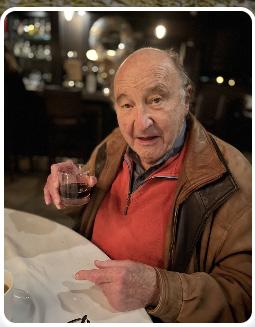
I remember the first time I met Dave. I was interviewing for a position in the emergency care unit at Reading Hospital. Dr. Texter took me to dinner at the famous Joe’s Restaurant. It was his kind-hearted demeanor, sometimes boyish sense of humor, and unwavering dedication to Reading Hospital that convinced me that Reading Hospital was the place for me to begin my career. Having a partner and mentor like Dave was a great way to begin working in emergency medicine.
never-ending knowledge of medicine, and even more importantly, they learned how to treat people with respect and dignity.
Dave was blessed with a wonderful family who survives him: his loving wife Cindy, and their children, Mike Texter and Kristen Brudereck, who also dedicate themselves to serving patients in Berks County. Mike is an outstanding prehospital provider, and Kristen leads nutrition services at Reading Hospital. They are a testament to the solid values Dave instilled in them. He is also survived by his grandchildren and many nieces and nephews.
In addition to his dedication to his work, Dave enjoyed special family events, including traveling and time with his friends. He was also an active member of West Lawn United Methodist Church.
Congratulations, Dave, you did a great job. We will miss you, but we are thankful for all you have given us. Memorial gifts may be made on Dave’s behalf to St. Jude’s Children’s Hospital or to the Reading Hospital Foundation.
Dave had a tremendous effect on everyone who met him. Regardless of your role in the care team or as a patient, Dave treated everyone as if they were his family member. He was always pleasant and always willing and able to put a smile on your face. For nearly 40 years, Dave showed up to care for those who had no place else to go, and did it with energy, humor, and compassion. Literally thousands of residents and students learned from Dave’s
Gianfranco Toso, MD
August 9, 1932—January 31, 2026
by Larry Rotenberg, MD, Retired Chair, Department of Psychiatry, Reading Hospital/Tower Health
In one of his sonnets, I believe, William Shakespeare wrote, “We are such stuff as dreams are made of, and our little life is rounded with a sleep.” But there was nothing little about Franco’s life, nor about his dreams. He was larger than life in so many ways. (And I don’t just mean in height).
Franco was born in Pordenone, Italy, and came of age during World War II. He once said that one of the happiest days of his young life was when American GIs marched into his town in 1945, liberating the townspeople from years of fear and subjugation at the hands of the Italian fascists. He graduated from the University of Bologna, one of the world’s premier medical schools, in 1956 and then pursued his Doctor of Dentistry Degree in honor of his father’s profession. In medical school, he had an American roommate (Vito) who returned to the United States. A few years later, Franco received a letter from St. Francis Hospital in New Jersey inviting him to apply for an internship. His old friend, Vito, who was now in service there, had recommended him. Speaking little English, he took their offer and completed his surgical training there, followed by an Otolaryngology residency at Newark Eye and Ear Hospital.
Franco served as the Chair of Otolaryngology at Reading Hospital from 1973-1996. Under his leadership, in 1986, Reading Hospital was the first site in Pennsylvania to successfully complete a cochlear implant. Observers from the Hospital of the University of Pennsylvania came to watch the procedure. He was also a longstanding member—over 50 years—of the Berks County Medical Society.
During his early years in Reading, Franco met a special nurse, Kathleen Fosnocht. They married in 1970 and spent the next 55 years together. Franco had five children: Cathy Toso, John Toso (Cindy), Susan Lipson (Jeff), Jennifer Focht (Brian), Marc Toso (Katey Blumenthal), and six grandchildren, all of whom he loved deeply and who survive him.
Upon completion of his training, at the advice of nuns from St. Francis, he drove to Reading, PA, and—as legend has it—walked into Reading Hospital with his newly minted training certificate and inquired whether they needed an Otolaryngologist. He was hired on the spot and would spend the next 60 years caring for the patients of Berks County. He began his solo practice in 1964 in downtown Reading and then joined Dr. David Cope to form the Toso-Cope ENT clinic in 1969. The practice subsequently became the Berks Ears, Nose & Throat Surgical Associates in 1972, and then Berks ENT Surgical Associates, Inc.
In addition to his medical skills and great compassion for his patients and the people of Berks County, who he served so well, Franco was a true “Man of the Renaissance,” studying history, art, and would quote the poetry of the Medicis. He spoke four languages and would often recite how Roman emperors, when they returned in triumph from a great battle, would be reminded to avoid great hubris, saying, “Remember, lord, from dust you came and to dust you shall return.” In addition, anyone who has visited Franco’s and Kathy’s home has marveled at their amazing collection of art—a veritable museum of their own creation.
Franco was simply fun company. He was a warm and engaging person who made everyone around him feel good. This quality— combined with his continental charm—made him irresistible. Even in his final days, as he suffered from a lengthy illness, his eyes would brighten when asked to give his medical opinion, always clear, accurate, and pragmatic to the end.
FRONTLINE GROUPS » SPRING 2026
Frontline Practice Groups have made a 100% membership commitment to BCMS and PAMED. We thank them for their unified support of our efforts in advocating on your behalf and facilitating an environment for physicians to work collaboratively for the benefit of the profession and patients.
n Arthritis & Joint Replacement Center of Reading
n Arthritis & Osteoporosis Center Inc
n Berks Eye Physicians & Surgeons Ltd
n Berks Genesis Family Medicine PC
n Berks Ortho
n Berks Plastic Surgery
n Berks Radiation Oncology Associates
n Center For Pain Control
n Center for Urologic Care of Berks County
n Childrens Clinic of Wyomissing Inc
n Emkey Arthritis & Osteoporosis Clinic
n ENT Head & Neck Specialists
n Eye Consultants of PA
n Family Allergy & Asthma-Wyomissing
n Family Medicine Associates of Wyomissing
n FocusedHealth PC
n Integrated Medical Group PC-Oley Medical Associates
n Integrated Medical Group-Green Hills
n LA Rotenberg, MD
n Laboratory Medicine Association
n Nader Rahmanian, MD, LLC
n Patient First-Wyomissing
n Reading Dermatology Associates PC
n Reading Nephrology Ltd
n Reading Pediatrics Inc
n SJMG-Wound Care Center
n Spring Ridge Plastic Surgery
n Tower Health Medical Group GynecologyExeter DeMoss Rd
n Tower Health Medical Group Internal Medicine-Exeter
n Tower Health Medical Group Maternal Fetal Medicine
n Tower Health Medical Group Wound Healing & Hyperbaric Medicine-Wyomissing
n West Reading Radiology Associates
NEW AND REINSTATED MEMBERS
NEW MEMBERS
Chinyere B. Ebo, DO - Reading Hospital
Miracle Eke, MD, resident - Tower Health Reading Hospital
Ibrahim H. Inanc, MD, resident - Tower Health Reading Hospital
Priya Jha, MD - Reading Hospital
Tianyu Liu, MD - Eye Consultants of PA
Samer N. Muallem, MD - Penn State Health Medical GroupBerks Cardiology
Russell D. Pluhm, DO - West Reading Radiology Associates
Vidur Tangri, MD, resident - Tower Health Reading Hospital
Pratap R. Tetali, MD, resident - Tower Health Reading Hospital
Rachna J. Vashi, MD - Tower Health Reading Hospital
Erik J. Wolters, DO, resident - Tower Health Reading Hospital
REINSTATED MEMBERS
Edward M. Delsole, MD - Keystone Spine & Pain Management Center
Jeffrey A. Gold, DO - Integrated Medical Group PC-Oley Medical Associates
Jared T. Green, DO - Reading Hospital Cardiology-West Reading
John V. Lamanna, MD, FACS - Reading Dermatology Associates PC
Keith A. Minnich, MD - Reading Hospital-Anesthesiology
Eric Newman, DO
Tuyen N. Nguyen, DO, resident - Tower Health Reading Hospital
Benjamin Ravichander, MD, resident - Tower Health Reading Hospital
Sara A. Reibschied, MD, resident - Tower Health Reading Hospital
Christopher W. V. Schumacher, MD - Berks Ortho
Joseph W. Sonner, DO - SJMG-Hospitalists
Berks County Medical Society:
Annual Drug Take Back Event
Saturday, April 25, 8 - 11 a.m.
FirstEnergy Stadium parking lot, 1950 Centre Avenue, Reading
BCMS Journal Club
Thursday, May 7, 6 - 8 p.m.
B2 Bistro + Bar, 701 Reading Avenue, West Reading
BCMS Night at the Reading Fightin’ Phils
Thursday, August 13
FirstEnergy Stadium, 1950 Centre Avenue, Reading
LEARN MORE AT BERKSCMS.ORG To register contact: bgerber@berkscms.org
SATURDAY, APRIL 25 8 a.m. - 11 a.m.
FirstEnergy Stadium
This drive-up event provides residents with a convenient opportunity to safely dispose of unused or expired prescription medications, helping to prevent misuse in our community. Protect your family and neighbors while keeping the environment safe. The event is free and anonymous.
The first 5,000 participants will receive tickets to a future Fightin Phils Home Game, thanks to the Berks County
Eye Emergencies
Cataracts
Glaucoma
Diabetic Eye Exams
Macular Degeneration
Macular Degeneration
Yes, we can see your patients same day for emergencies and often same week for consults.
Yes, we can see your patients same day for emergencies and often same week for consults.
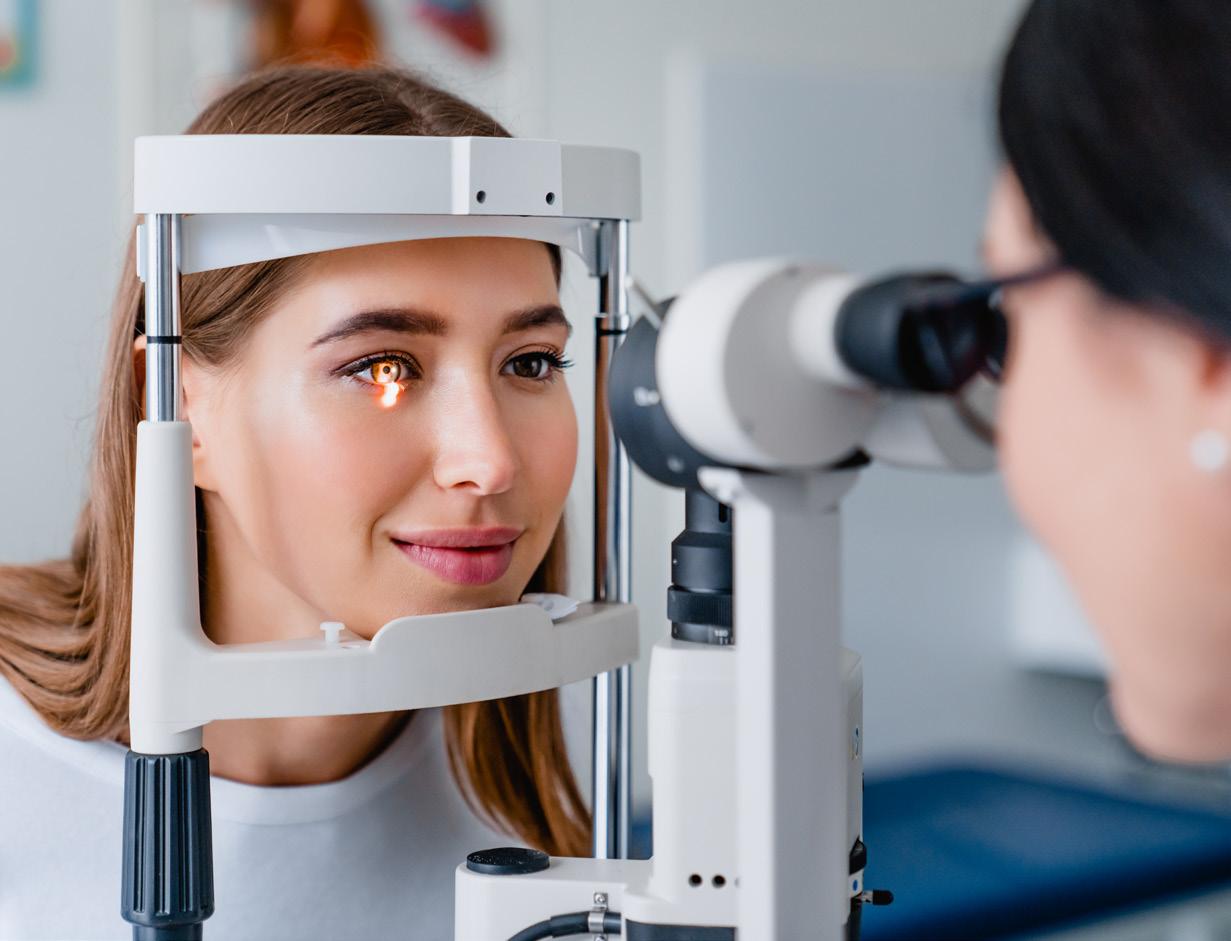
At BERKS EYE PHYSICIANS AND SURGEONS, we are happy to offer state-of-the-art and efficient care. Our doctors provide appropriate diagnosis and treatment, and fast feedback to you. Whether
At BERKS EYE PHYSICIANS AND SURGEONS, we are happy to offer state-of-the-art and efficient care. Our doctors provide appropriate diagnosis and treatment, and fast feedback to you. Whether your patient has a sudden change in vision, cataracts, diabetes impacting vision, or even has a family history of glaucoma or macular degeneration, we would be honored to monitor and react to issues related to your patient’s eye health.
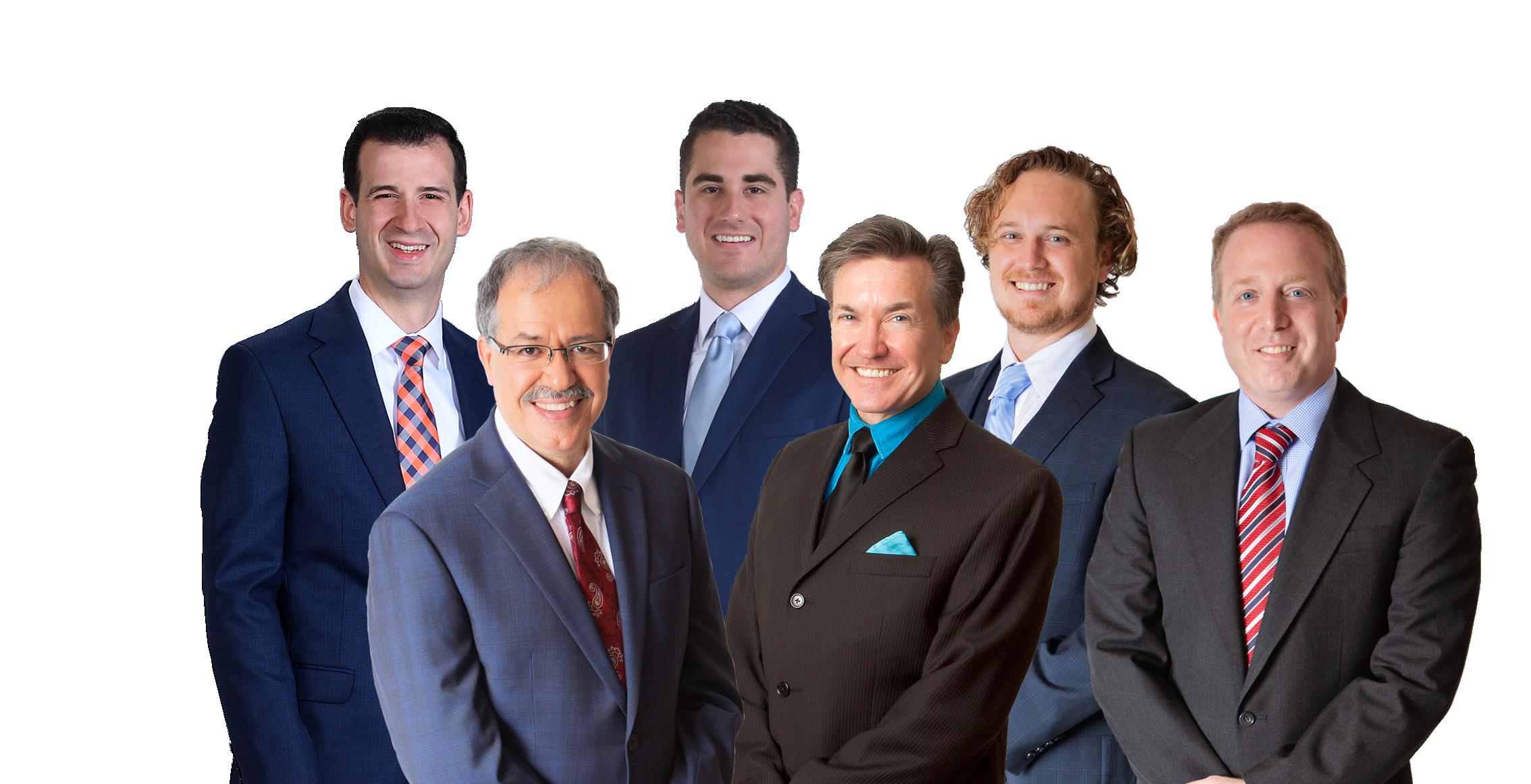
Left to Right: Benjamin Nicholas, MD, Francisco L. Tellez, MD, FACS, Michael C. Izzo, MD, Peter D. Calder, MD, Kasey L. Pierson, MD, Guri Bronner, MD