The HBA typically refers to organizations such as the National Association of Home Builders (NAHB), which represents the interests of home builders, remodelers, developers, contractors and any other business associated with the home building industry.
• NAHB is one of the largest trade associations, which represents over 700 state and local associations with a total membership of approximately 140,000 members throughout the United States.
• NAHB focuses on advocating for affordable housing, building codes and economic trends within the housing industry.
The Pennsylvania Builders Association (PBA), which is one of the many state associations, serves a similar purpose, providing resources and advocacy to their members.
• There are approximately 30 local HBAs throughout the state of Pennsylvania.
What is the Home Builders Association (HBA)? Message from the President
Peter J. Bonargo IV, President
Then there is the local Home Builders Association of Berks County (HBA), which is one of approximately 30 local organizations under the PBA organization that serves the home building and remodeling industry. It is a resource for members—providing them opportunities to connect with other local professionals, access industry information and comply with operational regulations and best practices.
• Once a member of the local organization, they then have access to the information from PBA and NAHB regarding advocacy on affordable housing, building codes and economic trends.
• Local members receive support from the state and national organizations about resources and guidance for builders, which includes education on business management and housing economics.
Why choose a member of the HBA to do your project?
When using a member of the HBA for your project it can offer several advantages:
• Cost of Project: Members can often access better deals on materials through their membership, which could help to keep the project within budget.
• Expertise and Knowledge: Members are well-versed in the home building industry, which can provide valuable insights and guidance.
• Networking: Membership provides networking opportunities with other professionals within the industry, which can lead to valuable connections and referrals.
• Advocacy: Many members are actively involved in advocating for the industry, which ensures your interests are represented in policy discussions.
By choosing an HBA member, you can ensure that your project is handled by professionals that are well-versed in in the latest trends, regulations and best practices in the industry.
gallons of water yearly, and a leaky toilet can waste even more. You can check for leaks by inspecting your faucets, pipes, and toilets regularly. If you see any drips or signs of a leak, call a plumber as soon as possible.
Take shorter showers.
Showers account for a significant portion of indoor water use. If you shorten your showers by just a few minutes a day, it will compound over time and you can save a lot of water and money.
There are also smart leak detectors, which alert you if there are leaks early on before they cause damage. And lastly, atmospheric water generators are useful because they can produce water from the surrounding air, however, they can be quite costly.
By following these tips, you can make a big difference in your water consumption and help to conserve this precious resource. To learn more about the home building process in your area, contact your local home builders association.
Water your lawn and garden less
Construction Trade Students are Our Future
often. Most lawns and gardens only need to be watered once or twice a week. Watering more often can be a waste of water and lead to runoff.
Collect rainwater. Rainwater can be used to water your lawn and garden, wash your car, or even flush your toilet. There are a number of rainwater collection systems available, from simple barrels to more complex systems that can be integrated into your home’s plumbing.
HBA of Berks County is committed to work with two trade schools: Berks Career & Technology Center and Reading Muhlenberg Career & Technology. HBA works closely with the Pennsylvania Builders Association (PBA) Endorsed Trade Program. The program is designed to work with the schools and provide students with industry-recognized certification to help strengthen their skills and qualifications. It is important that we all work together to support workforce development as some have a misconception of these schools. However, these students who are dedicated to the trades and want to continue with their education and follow a career path in the trades, are just as important to our workforce as a student who chooses to be educated in another industry.
In addition to these tips, there are a number of new water technologies that can help you save water. For example, smart irrigation systems can adjust your watering schedule based on weather conditions and soil moisture levels.
We award two students per year who wish to continue their education at a two-year accredited college or university. This will continue until we no longer have funds to support the program and we are getting close to that point. Applications are taken and due in by March of each year and then reviewed by our Education Committee. Students who are awarded the scholarship receive $1,000 for the two-year term which is spread over the two years in the amount of $250 per semester as long as they send proof of enrollment and grades.
It is important to keep this program going and support our trade students and our industry. We can always use your support in funding the program so we can continue to help further educate the students in the trades and help to minimize the building industry’s workforce shortage. If you would like to help out by giving a donation, please contact the HBA of Berks County at
Know DIY-self
When to Grab a Wrench & When to Grab Your Phone
We’ve all been there—staring at a leaky faucet or a patchy drywall hole or perhaps at the living room wall, realizing “New England Gale Grey” isn’t doing it for us anymore. Whether inspired by the constant rotation of home shows (YES! You too can re-tile your kitchen floor in a weekend!) or fueled by a Saturday morning burst of “I can do that” energy, thanks to an endless library of internet tutorials, the line between homeowner and handyman has never been blurrier.
However, there is a fine line between a satisfying do-ityourself (DIY) weekend project and an expensive, codeviolating disaster. Knowing when to tackle a task yourself and when to call in the pros is the most important skill any homeowner can develop.
The DIY Green Light: Low Risk, High Reward
If the stakes of failure are “I have to buy more paint” rather than “my house is on fire,” you’re likely in the DIY zone. These projects are excellent for refreshing your home with easyaccess internet tutorials or neighbor knowledge and minimal expense.
• Cosmetic Upgrades: Painting walls, swapping out cabinet hardware or installing a backsplash are classic DIY wins. If you mess up a paint job, the solution is usually another coat of paint.
• Simple Fixtures: Replacing a showerhead or a basic light cover is usually straightforward. If you aren’t touching the “guts” of the home’s systems, you’re safe.
• Minor Landscaping: Planting a garden or laying mulch is physically demanding but technically simple. CAUTION! Remember to call your local utility line (811 in the U.S.) before digging.
The “Proceed with Caution” Zone
These are tasks that require specialized tools or a bit more finesse. If you’re handy and have the patience to watch a tutorial three times, go for it. If not, consider calling a professional.
• Minor Plumbing: Fixing a running toilet or clearing a sink trap is doable. However, if the leak is behind the wall, step away.
• Flooring: Snap-together flooring is designed for DIYers, but the prep work (removing existing flooring, leveling the subfloor) can be labor-intensive and more than some DIY-ers bargain for.
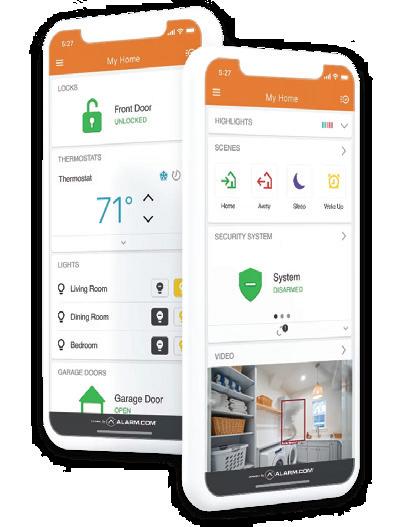
• Smart Home Tech: Installing a video doorbell or a smart thermostat is usually a breeze but make you’re comfortable identifying a C-wire and toggling a circuit breaker.
When to Call the Experts (No Exceptions)
In some scenarios, DIY can lead to injury, property damage or even issues when you try to sell your home later. If a project falls into these categories, pick up the phone.
• Major Electrical Work: If you are doing anything more complex than swapping a light switch, call an electrician.
Not only can electricity harm in the moment—faulty wiring is a leading cause of house fires, and many insurance companies will deny claims if the work wasn’t performed by a licensed professional.
• Gas Lines and HVAC: Gas leaks are lethal. Full stop. Whether you’re installing a new range or moving a water heater, anything involving gas lines requires a certified technician. Similarly, HVAC systems are delicate ecosystems of pressurized refrigerant; a DIY “fix” often results in a $10,000 replacement bill.
• Structural Changes: “I don’t think this is a load-bearing wall” are famous last words. Removing walls, cutting new window openings or messing with the foundation affects the integrity of your entire home. A structural engineer or a licensed contractor is non-negotiable here.
• Roof Repair: This isn’t just about the quality of the work; it’s about gravity. Falling off a ladder is one of the most common ways homeowners end up in the ER. A poorly patched roof can lead to leaks which can lead to longterm water damage to your home including mold growth that can cost tens of thousands to remediate.
The True Cost Calculation: Does DIY Actually Save Money?
Aside from the obvious situations in which an expert should be called, consulted and ultimately hired, ask yourself a few questions before embarking on even the seemingly simplest home projects:
• How much time will the project take?
Be sure to consider the total scope for a project from prep work through completion and ask if you can devote that time (including any delays or mess) to the project— especially if the project goes longer than planned (it almost always does!). A professional will have a defined project deadline and likely a crew for the project. Your time and stress level have value too and it may be less expensive to pay a professional to preserve them.
• What supplies and tools are required for the project? Before starting a project, make a list of all the supplies and tools you will need to complete it and then take an inventory of what you have on hand, what you can borrow or what you will have to purchase. Many big-box home store offer tools and equipment for rent, but it may be more cost-effective to pay a professional who will have all the right tools for the project—as well as the know-how to use them.
• What are the consequences of DIY-ing the project? Consequences? Yes, consequences. It’s one thing to substitute the wrong size screw on a piece of cabinet hardware (as long as the handle doesn’t fall off, right?)
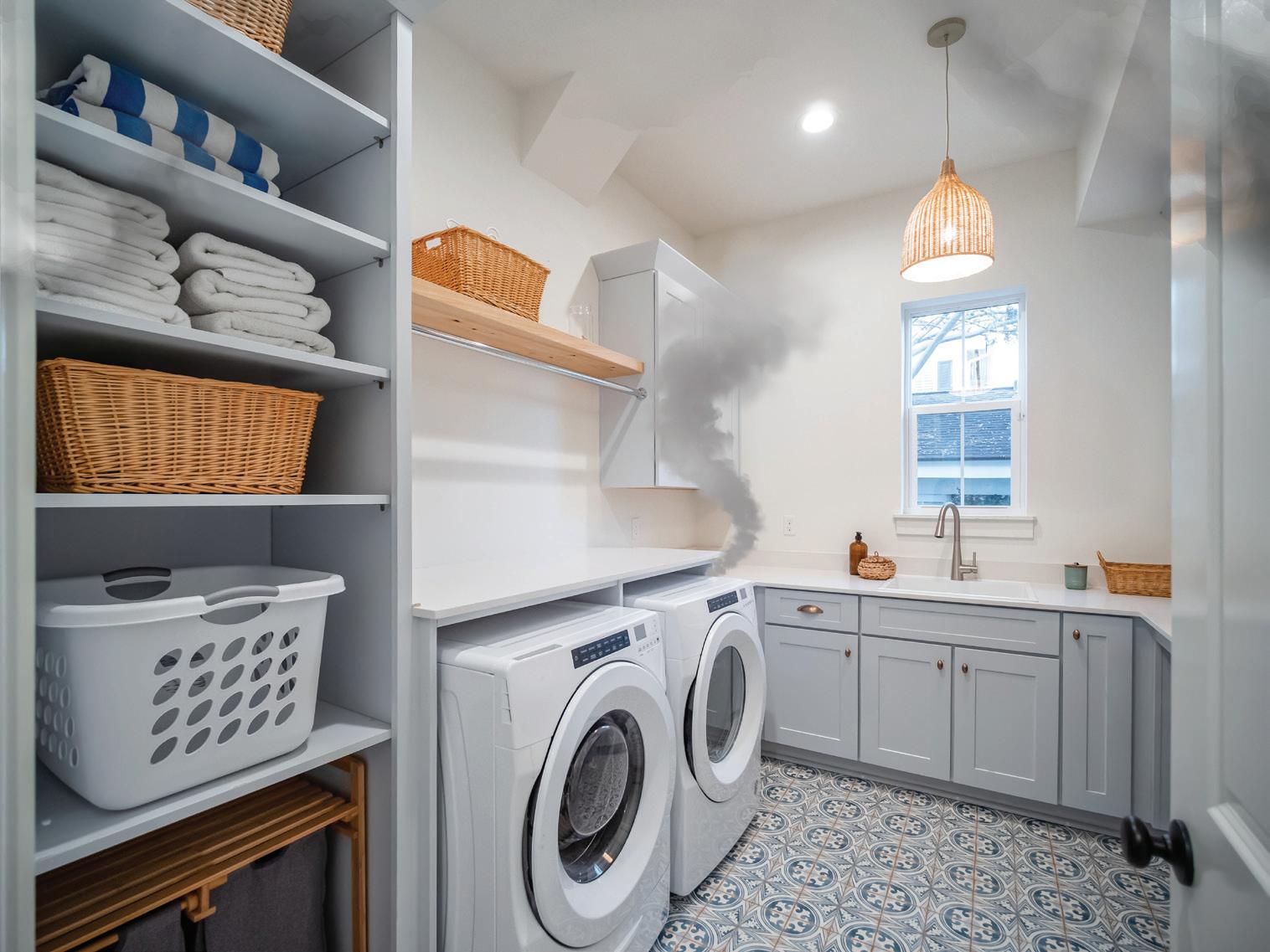
but quite another to leave a live wire in the laundry room wall. Failure to follow local building codes, obtain necessary permits or follow safety guidelines can have serious consequences including denied insurance claims or having to tear out the work to sell the house. Professionals often must be licensed in their specialty as well as insured—plus they may warranty their work.
Homeownership is a joy, but it comes with responsibility— it’s important to know your limits. If a project involves high voltage, high pressure or heights, let the experts take the lead. You’ll sleep better knowing the job was done right—and that your house will still be standing in the morning.
CUTTING EDGE STONE FABRICATION
Contact us today for a free quote
1176 A Park Rd, Reading, Pa 19605
Office@cestonefab.com
610-916-1450
www cestonefab com
The in BerksBuzz
The Mason Bee (Osmia spp.): These early spring specialists are the unsung heroes of Berks County’s fruit industry. Emerging just as the weather breaks, they are 100 times more effective at pollinating
A Guide to Local Pollinators and Native Gardening
From the slopes of Neversink Mountain to the fertile orchards of Oley, Berks County is a vital habitat for a diverse array of pollinators, and residents from Reading to Hamburg are rediscovering that a beautiful backyard is also a functional one. Understanding Berks County’s specific pollinators—and the native plants on which they rely—is the first step toward building a local ecosystem that thrives.
Meet the Locals
While honeybees are often the face of pollination, Berks County is home to hundreds of native bee species, many of which are more efficient pollinators for our local crops like apples and pumpkins.
The Eastern Common Bumble Bee (Bombus impatiens): The “heavy lifters” of the county, these fuzzy giants are active from spring through the first frost and are essential for “buzz pollination” in local vegetable gardens.
The Baltimore Checkerspot: Although it is Maryland’s state butterfly, it finds a critical northern home in the wet meadows of Berks County. Its caterpillars are “specialists,” feeding almost exclusively on the White Turtlehead plant found in our local wetlands.
The Hummingbird Clearwing Moth
Often mistaken for a baby hummingbird, this day-flying moth is a frequent visitor to Berks County gardens, hovering over flowers with high-speed precision.
Design Your Berks-Specific Buffet
To attract these native species, you must offer a “Berks-native” menu. The Berks County Conservation District and Penn State Extension recommend a selection of plants that are uniquely adapted to our local shale and limestone-based soils.
Spring: Breaking the Fast
Early season energy is critical for queen bumblebees and mason bees:
Eastern Redbud (Cercis canadensis): This tree’s pink blossoms are one of the first reliable nectar sources in the county.
and-yellow spurred flowers, it is a favorite for hummingbirds arriving in the spring.
Summer: The High-Season Feast
Berks County summers can be humid and hot, so look for hardy plants that can take the heat:
(Asclepias tuberosa):
Essential for the Monarch butterflies migrating through the Schuylkill River corridor. Its bright orange clusters thrive in the sun-drenched fields of the Fleetwood area.
Fall: The Final Migration Fuel
As the foliage turns on the Blue Mountain ridge, late-season nectar is a lifeline:
New England Aster (Symphyotrichum novaeangliae): Its vibrant purple flowers provide a landing pad for butterflies and energy for bees prepping for winter.
Stiff Goldenrod (Oligoneuron rigidum):
One of the most important late-season sources in PA, goldenrod is vital for honeybees and native bees alike.
Habitat Management: The “Three Bs”
To truly support Berks pollinators, focus on “blooms, beds and bassinets.”
• Blooms: Ensure you have at least three different species blooming in each season.
• Beds: Provide “Beds” for resting. Leave patches of bare, sandy soil for ground-nesting bees (which make up 70% of our native species) and leave standing dead wood or “bee hotels” for cavity nesters.
• Bassinets: Include “host plants” where butterflies can lay eggs. No milkweed means no Monarch caterpillars.
The Local Impact
By choosing native plants, you’re not just gardening; you’re participating in a collective mission to protect our local watersheds and biodiversity. From Wyomissing to Boyertown, pollinator-friendly gardens create vital links along a green corridor that stretches across the county, ensuring that our local agriculture and natural beauty remain vibrant for generations to come.
The Residential Crisis Building for the Future
Pennsylvania’s housing market is under immense pressure; the Commonwealth currently ranks 44th in the nation for new housing production. Research from the Federal Reserve Bank of Philadelphia and the Pew Charitable Trusts shows that between 2017 and 2023, new permits for housing were at only 3.4%, while the number of households increased by over 5.1%.
According to the PA Department of Community and Economic Development, Pennsylvania currently faces a shortfall of at least 100,000 housing units. However, this shortage isn’t merely a matter of land availability or permits—it’s a matter of personnel. Without more framers, plumbers and electricians, “affordable housing” remains a theoretical concept rather than a reality. This labor shortage is estimated to cost the homebuilding sector roughly $10.8 billion annually due to longer construction timelines and lost production.1
The “Great Retirement” of the Baby Boomer generation is one factor behind this reality. With the median age of Pennsylvania’s construction workforce hovering around 42 years of age, the
industry is bracing for a massive exit of expertise over the next few years. For every five tradespeople retiring, only one is currently entering the field.
For the next generation, this represents a massive opportunity in:
• Residential Electricians: Needed for the surging demand in home automation and EV charging installations.
• HVAC Specialists: With the 2026 focus on energy efficiency, technicians who can install and maintain high-efficiency heat pumps are in high demand, with median salaries in PA reaching approximately $61,120.
• Carpenters and Framers: Critical for “starter home” developments and multi-family units that are essential to solving the affordability crisis.
Perhaps the most compelling argument for the next generation is the financial trajectory. In a 2026 economy where traditional four-year degrees often come with mounting debt, Pennsylvania’s building trades offer a debt-free path to a secure, prosperous future.2
HVAC/R Technician
Plumber/ Pipefitter
Construction Manager
$61,120 2 Year Degree or Apprenticeship
$62,970 4-5 Year Apprenticeship
$95,000+ Degree or Experience-based
The Shapiro administration and local organizations alike are aggressively tackling this shortage. In early 2026, the state announced over $15 million in grants specifically for “Manufacturing PA Training-to-Career” programs.
Additionally, the industries are actively working to diversify the workforce, focusing on bringing more women and minority workers into the trades. Currently, women make up about 11.2% of the construction workforce (approximately 4% of whom are in frontline “tools-in-hand” roles)—a 20-year high, but a number that industry leaders are eager to double.
At its core, the building trades are about legacy. A software update might be obsolete in six months, but a home built by a Pennsylvania mason or carpenter will stand for a century. The next generation of workers isn’t just filling a labor gap; they are the architects of the state’s physical future, building the very foundation of the Commonwealth.
Resources:
1 Home Builders Institute (HBI) Fall 2025 Construction Labor Market Report
2 Bureau of Labor Statistics, 2024-2026
The Curated Home:
The Modern Art of Thrifting
In 2026, the definition of “luxury home” is shifting. It is no longer about having the newest catalog-ordered sofa or a matching set of mass-produced side tables. Instead, high-end design is increasingly defined by authenticity, sustainability and character. At the heart of this movement is thrifting—the practice of sourcing high-quality, pre-loved items to create a space that feels “curated” rather than simply “decorated.” After all, a home isn’t meant to be a furniture showroom but rather a collection of “treasures” that reflects a life well-lived as well as an eye for quality.
Thrifting for the home is more than a budget strategy; it is a creative pursuit that allows one to bypass the supply chain and invest in craftsmanship that is often missing from modern “fast furniture.” While antiques and vintage items are often viewed as stuffy or intimidating, you can create an inclusive aesthetic where an antique trunk can sit comfortably next to an IKEA bench. Thrifting isn’t simply about saving money— it’s about making your space the “main character.”
The 2026 Strategy: Material over Label
The secret to successful thrifting in today’s market is looking past the dust and focusing on item construction and quality. When you shop secondhand, you are bypassing the supply chain and acquiring materials—marble, solid wood, brass and leather—that would be prohibitively expensive if purchased new today. The thrift store is a great place to find materials that will last a lifetime.
• The Magnet Test: Carry a small magnet to distinguish between solid brass and brass-plated steel. If it doesn’t stick, you’ve likely found solid brass—a material that can be polished back to a mirror finish or left “as-is” with a patina.
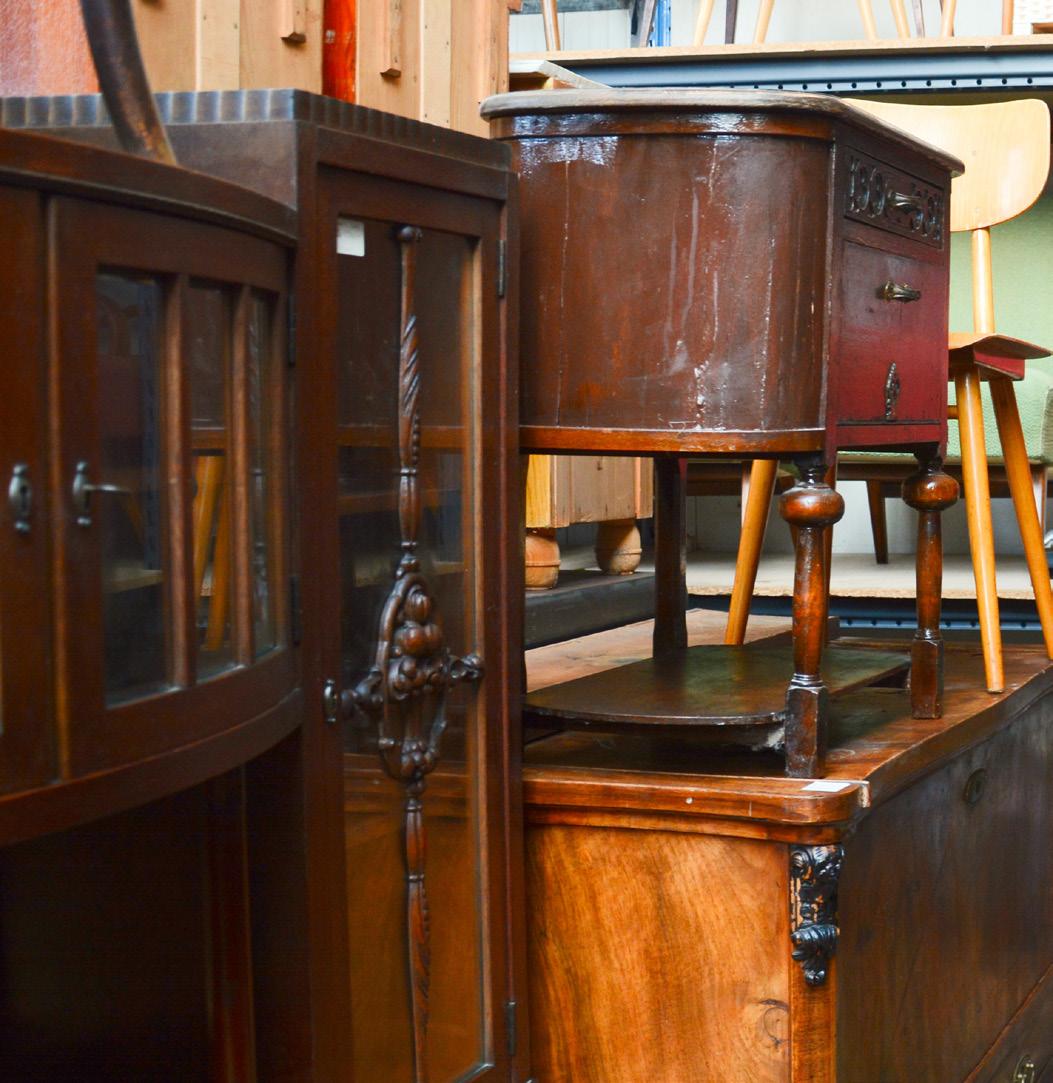
• Identify “Good Bones”: When scouting furniture, prioritize solid wood with dovetail joints and heavy-grain patterns like burl wood or walnut. Even if the finish is scratched, these “heritage” pieces can be sanded and re-stained.
• The “Textile First” Approach: Designers are increasingly using vintage textiles—quilts, handwoven rugs and embroidered linens—as wall art or for reupholstery. These items add a homey warmth that balances out modern, sleek surfaces.
• Know Your Regional History: Thrifting is cultural. Understanding what was manufactured or popular in a specific region decades ago gives you a roadmap for what to look for.
Curate “The Mix”
“The Mix” involves the intentional blending of eras and styles. A room that is 100% vintage can feel like a movie set; a room that is 100% new can feel like a hotel lobby. The magic happens in the middle, in homes that don’t follow trends but strive to tell the story of the people who live there. Try pairing a chunky, mid-century modern credenza with a contemporary lamp, or placing an ornate, gilt-framed oil painting above a minimalist bed frame. This juxtaposition creates “visual gravity,” making both the old and new pieces feel more intentional.
Thrifting Trends to Watch in 2026
While thrifting is inherently timeless, certain categories are seeing a major resurgence this year:
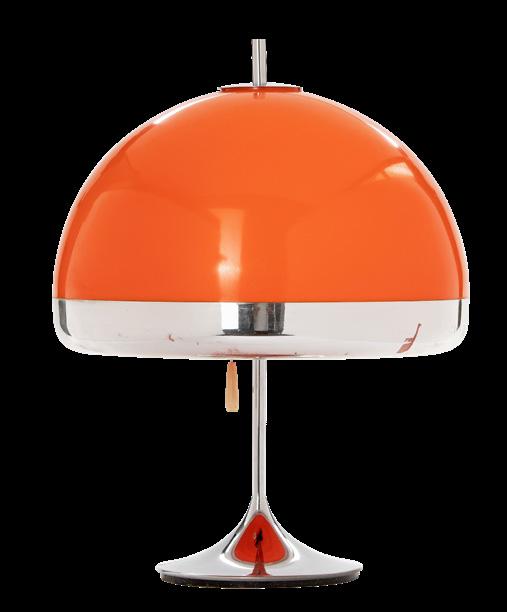
• Chrome and Silver: As brass begins to take a backseat, chrome accents—from barware to chair frames—are flying off the shelves for their ability to add a cool, modern edge to warm interiors.
• Curvy Silhouettes: Keep an eye out for 1970’s and ’80’s sculptural furniture. Rounded edges and biomorphic shapes are highly sought after to soften the boxy lines of modern architecture.
• Still Life and Original Art: In a world saturated by AI-generated imagery, there is a renewed hunger for handpainted art. Look for oil paintings with visible brushstrokes and “makers marks” on the back.
Pro Tips for the Hunt
• Shop the Restock: Ask your local thrift store manager which days they put out the most furniture. Usually, Monday and Tuesday mornings are prime time after weekend donations are processed.
• Look for the “Fifth Wall”: Don’t forget the ceiling and walls. Vintage lighting fixtures (think Murano glass or industrial pendants) and oversized mirrors can transform the scale of a room for a fraction of the cost of new installations.
• Check Every Section: High-quality marble bookends are often hidden in the “Office” section, and solid silver platters can sometimes be found buried in the “Kitchenware” bins.
Dining Tables
Why Thrift It?
Exceptional durability
What to Look For:
Solid wood, pedestal bases, extension leaves.
The Sustainable Legacy
Vintage furniture is, by definition, sustainable. In a world where “disposable” furniture ends up in landfills within years, a 1970’s marble coffee table is a lifelong investment.
Ultimately, every item you thrift is an item kept out of a landfill. With a bit of cleaning, new upholstery or simply a change of hardware, a secondhand find can outshine and outlast anything found in a big-box store.
By choosing to thrift for your home, you are participating in a circular economy that values history over novelty. A home filled with thrifted finds isn’t just beautiful—it’s a conversation starter, a gallery of your personal travels and a testament to your eye for quality.
Lamps
Why Thrift It?
Instant personality
What to Look For:
Heavy bases, unique shapes, easily re-wired.
Picture Frames
Why Thrift It?
High retail markup
What to Look For:
Solid wood, ornate plaster, non-glare glass.
Glassware
Why Thrift It?
Unique colors/textures
What to Look For:
Murano glass, etched crystal, heavy bottom weights.
THE PRICE OF HISTORY
We’ve all seen the stories. You know, the one about the person who showed up at an antiques event with a storied family heirloom ring, taken from the finger of Marie Antoinette just before the blade fell, only to find out it is a mass-produced Cracker Jack prize. Or, at the same event, the person who dismissively throws a pair of dirty glass spectacles on the table and then passes out when told they are one of three pairs crafted for Teddy Roosevelt and worth a gazillion dollars.
We all harbor those Antique Roadshow fantasies where we imagine the dramatic reveal where a modest family relic is a lost masterpiece worth a fortune. However, the reality of the antiques market is less of a stage and more of a complex—sometimes predatory—landscape. Whether you are settling an estate or satisfying curiosity, it’s important to understand how to navigate an appraisal to avoid being taken advantage of.
The “Two Hats” Rule
The most common way individuals lose money on an appraised item is through a conflict of interest. In the industry, this is often called “wearing two hats.” Never hire an appraiser who offers to buy the item they are valuing. If an appraiser tells you a vase is worth $500 and then immediately offers to “take it off your hands” for $400 cash, they have a massive incentive to lowball you. Ethically, a professional appraiser should provide a valuation for a flat fee or hourly rate. If they want to be a buyer, they are a dealer, not an appraiser. A true professional will keep those roles strictly separate.
Understanding the Three Types of “Value”
One of the easiest ways to feel “scammed” is to misunderstand the meaning of the numbers on the paper. A professional report will specify the type of value being calculated:
• Replacement Value: This is the highest number. It represents what it would cost to buy the item at a retail gallery or high-end shop today. This is primarily for insurance purposes.
• Fair Market Value (FMV): This is what a willing buyer would pay a willing seller in an open market (like an auction). This is usually the number used for estate taxes or divorce settlements.
• Liquidation/Wholesale Value:
This is the “fast cash” price. It is significantly lower because it accounts for the dealer’s need to make a profit when they eventually resell the item.
How to Spot a Professional
The title “Appraiser” isn’t necessarily legally regulated like “Doctor” or “Lawyer.” Practically anyone can print a business card and claim expertise. To protect yourself, look for these credentials:
• Accreditation: Look for members of the ISA (International Society of Appraisers), ASA (American Society of Appraisers) or AAA (Appraisers Association of America). These organizations require rigorous testing and adherence to a strict code of ethics.
• USPAP Compliance: Ask if their reports are USPAP (Uniform Standards of Professional Appraisal Practice) compliant. This is the “gold standard” recognized by the IRS and insurance companies.
• Fee Structure: A legitimate appraiser never charges a percentage of the item’s value. This is a major conflict of interest. They should charge by the hour or a flat per-item fee.
Avoiding “The Squeeze”
Disreputable individuals will often use
Bottom line: if you feel pressured, walk away. A genuine antique has survived 100 years; it can survive until you get a second opinion.
urgency and jargon to disorient you. They might point to a restoration flaw that isn’t there or claim the market for your specific item is crashing to pressure you into a quick sale.
Consider doing your own sanity check before the appraiser arrives. Check websites like eBay, Live Auctioneers or local auction houses to see what kind of prices similar items have fetched recently. While not a formal appraisal, it prevents you from being completely blindsided by a lowball offer.
Bottom line: if you feel pressured, walk away. A genuine antique has survived 100 years; it can survive until you get a second opinion.
The Next Step
When you hire an appraiser, you are essentially hiring a detective and a judge in one. It is important to be your own advocate during the vetting process. Here are some other questions to ask an appraiser before you engage them to do an appraisal:
• “What is your specific area of expertise?”
No one is an expert in everything. An appraiser who claims they can value 18th-century French furniture, 1950s comic books and ancient Roman coins with equal precision is a generalist at best. You want a specialist for high-value items. If they are a generalist, ask
how they handle items outside their specialty—a good appraiser should have a network of specialists they consult for a peer review.
• “How do you structure your fees?”
This is the single most important “litmus test” for honesty. Charging a percentage gives the appraiser a financial incentive to inflate the value. It is considered a major ethical violation in the professional appraisal world. The answer you want to hear is, “I charge a flat fee per item” or “I charge an hourly rate of $X.”
• “Do you also buy antiques or run an estate sale company?”
This goes back to the “Two Hats” rule. If they are also a dealer, they may lowball the appraisal in hopes of buying the item from you cheaply to flip it. While some estate sale companies are honest, the best practice for a high-value item is to get a valuation from someone who has zero interest in owning the piece themselves.
Also, it doesn’t hurt to see if the appraiser is rated with the Better Business Bureau or to check with other clients about their experience.
Hiring a reputable antiques appraiser won’t guarantee you get a dreamy million-dollar valuation, but it will ensure you are treated fairly and get your true value’s worth.
Spring Maintenance Checklist
Now is the perfect time to get ahead of the “Spring Rush” before contractors’ schedules fill up and the home stores get crowded.
Here is a seasonal maintenance checklist designed to help you spot small issues and take care of them before they become expensive nightmares.
The Weekend Warrior List
These are low-risk items that usually only require a ladder, some basic cleaners and a few hours of your time.
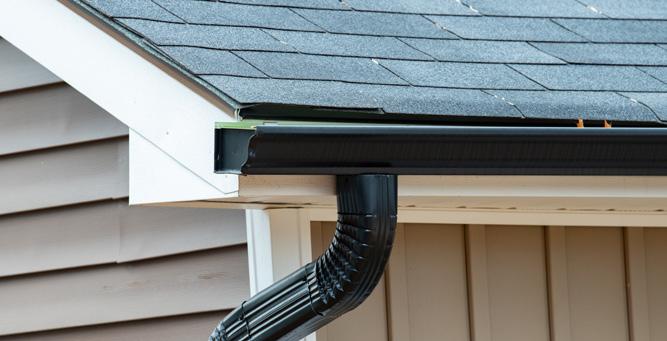
Inspect Gutters & Downspouts
Clear out any winter debris. Make sure water is being diverted at three to five feet away from your foundation to prevent basement flooding or foundation damage.
Needs Focus
These tasks require a bit of technical attention. If you’re comfortable with basic tools, give them a go.
Change the batteries and check the expiration dates on the back of the units—they have a lifespan of about 10 years.
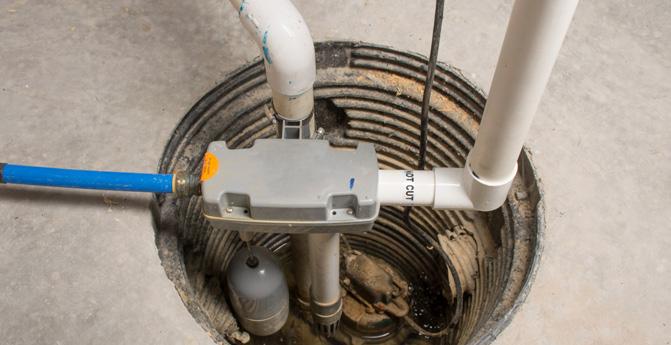
Pour a bucket of water into the pit to ensure the float rises and the pump kicks on. Better to find out now than during a thunderstorm.
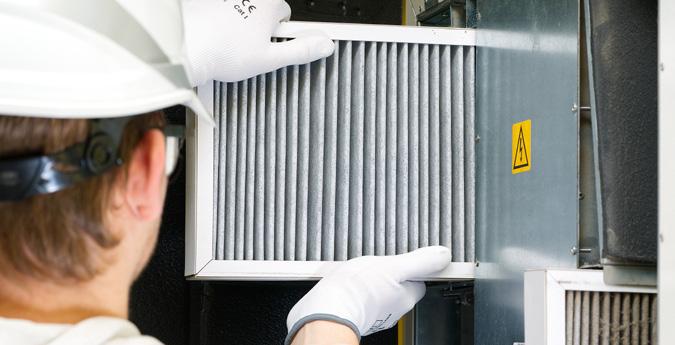
Replace HVAC Filters
A dirty filter makes your system work harder, shortening its lifespan and hiking up your energy bill.
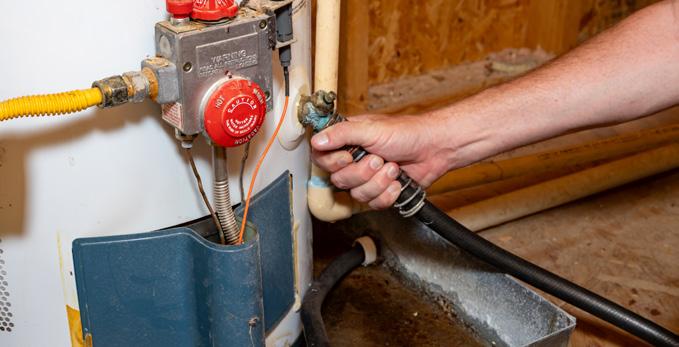
Sediment builds up at the bottom, so draining a few gallons can help clear it out. If you have a tankless water heater, clean the filter. This simple maintenance helps to maintain consistent water pressure and maximize system efficiency.
Flush the Water Heater
Test Smoke & Carbon Monoxide (CO) Detectors
Check Sump Pump
Inspect Window/Door Seals
Feel for drafts. Applying new caulk or weatherstripping is an easy skill to learn and saves significant money on cooling costs.
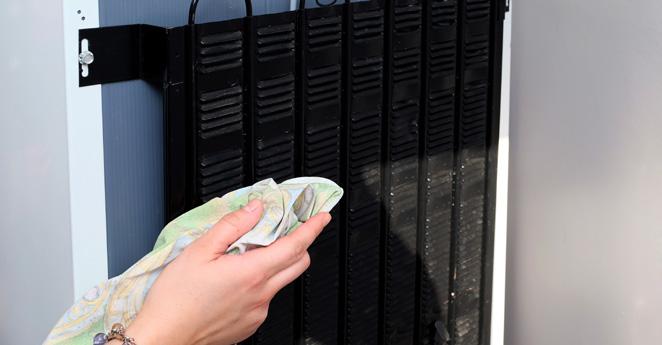
Clean Refrigerator Coils
Dust buildup makes the compressor run hot. Vacuum the coils (usually behind or under the unit) to extend the fridge’s life.
Annual Safety Checks
These are the items where a professional eye sees what we miss.
Have a technician check refrigerant levels and electrical connections before the first 90-degree day hits.
Roof Inspection
After winter storms, have a pro look for cracked shingles or damaged flashing. They can spot a leak months before a water spot appears on your ceiling.
Chimney/Vent Sweep
If you used a fireplace all winter, get the soot cleared out now to avoid fire hazards next year. Be sure to have the chimney cap (if you don’t have one, ask about getting one put on) and overall chimney structure inspected for any cracks; have these repaired immediately.
Taking the time every three to six months to check out what makes your house tick will help you take care of problems before they cause damage—to your home and to your wallet!
Limited vendor spaces still available!
BUILD, REMODEL & INNOVATE AT THE BUILDING & TRADE EXPO!
Homeowners, industry professionals, and DIY enthusiasts — step up to the plate! The Home Builders Association of Berks County presents the Home Run Builder and Trade Expo, swinging into Redner’s Event Center at FirstEnergy Stadium in Reading, March 13–15
This exciting three-day event brings together trusted local builders, remodelers, and industry experts, along with the latest home and garden trends, products, and ideas to help you knock your next project out of the park.
Whether you’re planning a major renovation, tackling a DIY upgrade, connecting with industry professionals, or looking for a fun, familyfriendly outing, this is your chance to score big on inspiration and expert advice. For details and tickets, visit hbaberks.org.
Guest Speaker Dr. Lori from the History Channel’s The Curse of Oak Island, available for free appraisals!
March 14, 11 a.m. & 2 p.m. March 15, 11 a.m. & 2 p.m.
• Award-winning, director of the art, antiques and thrift shopping resource, www.DrLoriV.com
• Over 50 million YouTube views!
SCAN HERE!
This year’s show offers:
Access to industry professionals for expert advice
Insights into everything from energy-efficient upgrades to smart home technology
Slapshot appearance March 13 at 4 p.m.
Screwball Appearance March 14 at 11 a.m.
Food & beverages and FREE parking!
For Tickets & Info bit.ly/HBA2026
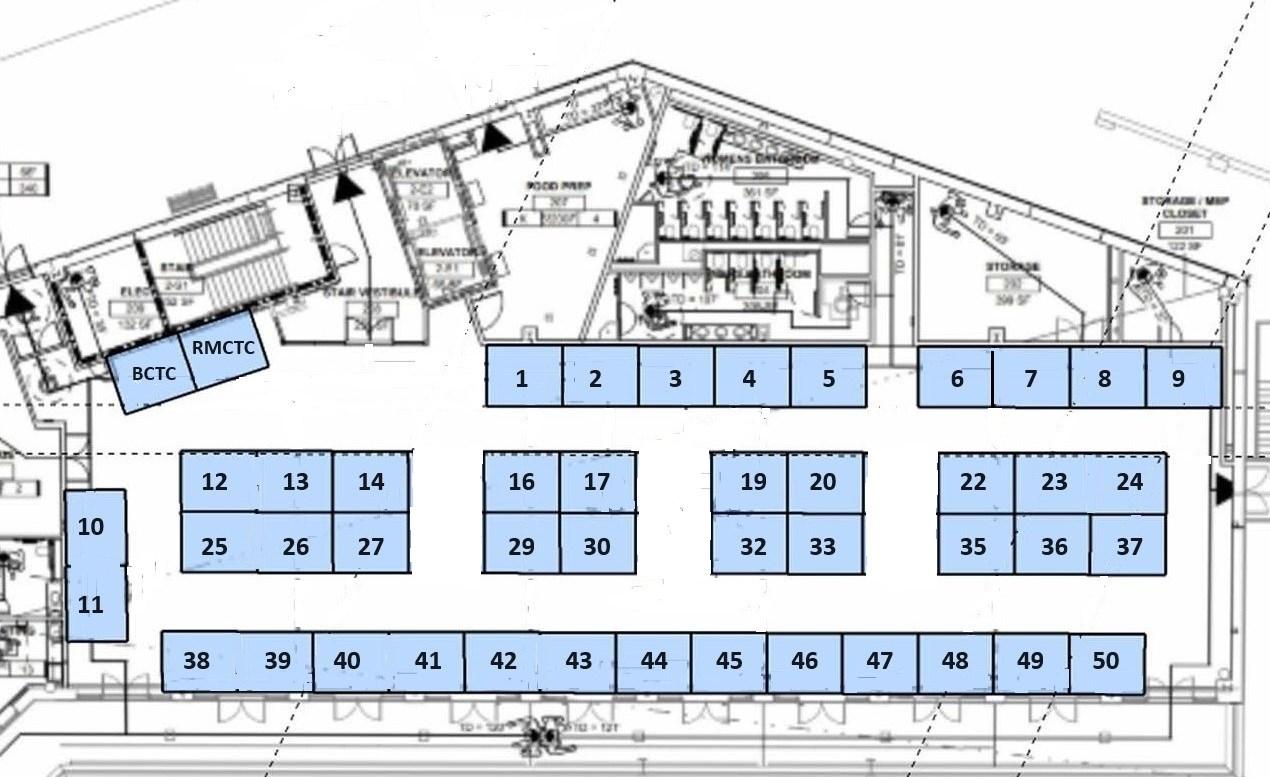
Vendor Listings as of 01/15/2026
1. Berks Homes*
2. Davies Hardscape*
3. Eagle Construction & Remodeling*
4. Long Home
5. Heck Construction*
6. Fox Pool & Spa Services*
10. AA Remodeling/Aluminum Associates*
11. AA Remodeling/Aluminum Associates*
12. Renewal by Anderson*
13. Renewal by Anderson*
14. D&S Portable Toilets*
16. Cutco*
17. M&M Mechanical*
23. American Remodeling*
24. American Remodeling*
25. Jack Steiner Plumbing*
26. Jack Steiner Plumbing*
27. North American Forensic & Accounting*
30. Liberty Basement Systems
38. SAH, Inc*
39. SAH, Inc*
40. ABBI Electric Co*
41. ABBI Electric Co.*
42. Lezzer Lumber*
43. Lezzer Lumber*
44. A Stone’s Throw*
45. Martins Flooring*
49. Leaf Filter Gutter Protection
50. DePalma Roofing
Berks Career & Technology Center (BCTC) & Reading Muhlenberg Career & Technology Center (RMCTC)
*HBA Members
Dr. Lori is the star antiques appraiser on the History channel’s The Curse of Oak Island and the new series Pawn Stars Do America. Plus, she appears on Netflix’s new show The King of Collectibles
Dr. Lori has shared her expertise in articles with Newsweek and People and in the home design publications Redfin, House Digest, and Good Housekeeping. Dr. Lori has also made appearances on the Bobby Bones Show and Inside Edition
Dr. Lori is an award-winning media personality and TV talk show host with the Ph.D. in art history. She is the director of the art, antiques and thrift shopping resource, www.DrLoriV.com. Dr. Lori’s YouTube channel @DrLoriV has over 40 million views and counting.
Free appraisals at Dr. Lori’s shows are first come, first served (limited). There is no standing in line at Dr. Lori’s shows. Dr. Lori can appraise from photographs for oversized items. Additional items can be appraised at $25 per item.
Saturday, March 14 & Sunday, March 15 11 a.m. & 2 p.m.
Your Berks County Home, Protected. Trusted local title and settlement services for the place you call home, since 1988.
Insuring your investment , securing your dream Buyer ’s choose where to settle. Choose Stewart Abstract!
1100 Berkshire Blvd., Suite 100 • Wyomissing, PA 19610 610-372-8201 | www stewartabstract com
2026 SPONSORS
SILVER TIER
BRONZE TIER
-Epoxy/Resin Tables
-Specialty Woodwork
-Custom Trim/ Cabinetry
-Residential/ Commercial
WELCOME NEW MEMBERS
KEYSTONE CUSTOM HOMES
227 Granite Run Drive, Suite 100
Lancaster, PA 17601
Phone: 717-999-2729
Email: bbarber@keystonecustomhome.com
Website: www.keystonecustomhome.com
RENEWING MEMBERS
1-10 YEARS
ABBI Co, Inc
American Remodeling Enterprises Inc
Davies Hardscaping, LLC
Fisher’s Rental Center, Inc
Fox Pool & Spa Services LLC
Jack Steiner Plumbing
Service 360 Group
11-20 YEARS
Bechtel Kitchens LLC
Berks Career & Technology Center
Berkshire Building Services Inc
Berkshire Systems Group, Inc
Brookside Builders
Diebolt Landscape Co, Inc
Dust B Gone LLC
Esterly Concrete Co, Inc
Hartman’s Home Improvements
Hoffmann Publishing Group
M&M Mechanical LLC
Masano Bradley LLP
Power Kunkle Group, Inc
21-30 YEARS
Bodden Construction Group Inc
Elite Vinyl Railings, LLC
Fulton Mortgage Company
Martins Flooring
Our City – Reading, Inc
Reading Muhlenberg Career & Technology Center
31-40 YEARS
Gallen Insurance, A McConkey Company
Gentile Homes Inc
Welbilt Homes Inc
41-50 YEARS
AA Remodeling / Aluminum Associates
B&G Glass
Berkshire Greens, Inc
Dolan Construction Inc
Jeffrey Zimmerman & Son Masonry LLC
North Temple Builders Inc
RE/MAX of Reading
AFFILIATES
Renee Reeser - Lezzer
Kelli Shaner - Fisher’s Rental Center, Inc
Join Today!
If your business is within the Berks County area, please consider joining the Home Builders Association of Berks County. Your membership dollars will help fight issues on all three levels: Local, State and Federal. Our members vary from Engineers to Lawyers, Accountants, Builders, Remodelers, Insurance Agencies, Bankers and more.
Reach out to the HBA of Berks County at 610-777-8889 or email cathy@hbaberk.org. portal.nahb.org/Join?ID=3948
HBA PERKS
Join the 2026 Foundation Club for $300 and be a supporter of our Berks County Committee for Affordable Housing. All Club Members get a free ticket to Lobsterfest and any other legislative event held throughout the year. Personal checks made payable to BCCAH and mailed to 2907 Mannerchor Rd, Temple, PA 19560.
AFFORDABLE GROUP BUYING POWER
Don’t waste time and money shopping for Workers’ Compensation coverage each year. The PBA Workers’ Compensation Program offers competitive rates year in and year out for long term savings. For more than two decades, PBA has partnered with Eastern Alliance Insurance Group, PA’s leading monoline Workers’ Compensation carrier, to provide members with:
Better ways to pay premiums:
Eastern Alliance’s parallel pay® pay as you go program! Optimal cash flow: Why pay the same when business is slow? No large audit fluctuations, installment fees or down payments.
For More Information or to get a quote go to pbaworkercomp.com
AFFORDABLE EMPLOYEE BENEFITS
My Benefit Advisor is designed to guide members of the Pennsylvania Builders Association & the Home Builders Association of Berks County through the complexity of planning, managing, and communicating a successful employee benefits program. Our local experts can help you understand the insurance market and make the best decision for your business.
For More Information Contact: Rob Higginbotham at (888) 333 7526 or visit the website at pbib.mybenefitadvisor.com