CHIRONIAN
Vice President of Communications and Strategic Initiatives
Jennifer Riekert, M.B.A.
Editor Assistant Editor
Lori Perrault Kiara Thomas, M.A.
Writers
Lenore Carpinelli
Karen Fischer
Cara Gileau
Contributor
Rhea Hirshman
Andrea Kott, M.P.H.
Lori Perrault
Melissa F. Pheterson
Kristin Baird Rattini
Kiara Thomas, M.A.
Edward C. Halperin, M.D., M.A., Chancellor and Chief Executive Officer
Editorial Board
Salomon Amar, D.D.S., Ph.D.
Amy Ansehl, R.N., D.N.P., FNP-BC
Bernadette Bauer
Lenore Carpinelli
Tetyana Cheairs, M.D., M.S.P.H.
Mill Etienne, M.D. ’02, M.P.H.
Vikas Grover, Ph.D., CCC-SLP
Design
Wayne Printing, Inc.
Photography
John Abbott
Dmitry Kalinin, DIA International Group, Inc.
Christopher Pope
ADMINISTRATION
Alan Kadish, M.D., President
Edmund F. LaGamma, M.D. ’76
Christopher S. Leonard, Ph.D.
Dana Mordue, Ph.D.
Michelle Novotny, M.A.
Michal L. Schwartzman, Ph.D.
Anitha Srinivasan, M.D., M.P.H.
Stacy Velarde
William Taufic Photography
John Vecchiolla Photography
Joe Vericker, Photo Bureau
Edward C. Halperin, M.D., M.A., Chancellor and Chief Executive Officer
Robert W. Amler, M.D., M.B.A., Dean, School of Health Sciences and Practice, Vice President for Government Affairs
Marina K. Holz, Ph.D., M.P.H. ’23, Dr.P.H. ’24, Dean, Graduate School of Biomedical Sciences
Neil W. Schluger, M.D., Dean, School of Medicine
Office of Public Relations
Jennifer Riekert, M.B.A., Vice President of Communications and Strategic Initiatives
Lenore Carpinelli, Director of Strategic Communications, School of Medicine
Katie Coates, Director of Creative Communications and Production
Carrie Cody, Director of Digital Communications
Cara Gileau, Communications Specialist
Lori Perrault, Director of Print and Digital Publications
Faye Seltzer, Administrator
Kiara Thomas, M.A., Assistant Director of Communications
Alina Zhurbenko, M.A., Communications Coordinator
Please direct all inquiries to:
New York Medical College/Chironian, 40 Sunshine Cottage Road, Valhalla, NY 10595. We authorize the use of any material with attribution to New York Medical College. Chironian is published annually by the Office of Public Relations. We welcome reader feedback.
Contact us at (914) 594-4536 or at chironian@nymc.edu.
NEW YORK MEDICAL COLLEGE AFFILIATIONS
Major Clinical Affiliated Sites
Westchester Medical Center Health Network (WMCHealth)
Westchester Medical Center
Maria Fareri Children’s Hospital
Good Samaritan Hospital
NYC Health + Hospitals/Metropolitan
Clinical Affiliated Sites
Calvary Hospital
Greenwich Hospital
Hoboken University Medical Center
Hudson Regional Health
James J. Peters VA Medical Center
Keller Army Community Hospital
Landmark Medical Center
Lenox Hill Hospital
Lower Bucks Hospital
Mount Sinai Medical Center, Miami Beach
Northern Westchester Hospital
Nuvance Heath
Ambulatory Care Programs
Care for the Homeless
ODA Primary Health Care Network
Open Door Care Network
Optum Refuah Health Center
Health Alliance Hospital MidHudson Regional Hospital
NYC Health + Hospitals/Lincoln
Phelps Hospital Northwell Health
Richmond University Medical Center
Rome Memorial Hospital
Roxborough Memorial Hospital
Saint Clare’s Hospital
Saint Joseph’s Medical Center
Saint Michael’s Medical Center
St. Mary’s General Hospital
Terence Cardinal Cooke Health Care Center
VA Hudson Valley Health Care System
Yuma Regional Medical Center
Summit Health
Union Community Health Westchester Institute for Human Development

CONNECT WITH US: www.nymc.edu facebook.com/nymedcollege and facebook.com/nymcalumni


Twitter @nymedcollege
LinkedIn @new-york-medical-college
Instagram @nymedcollege
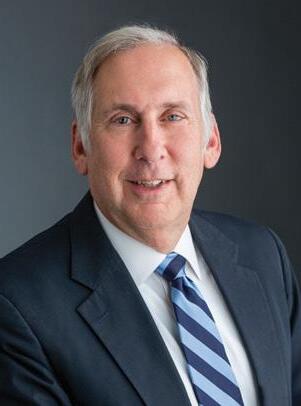
AtNew York Medical College (NYMC) and our partners, the majority of our students are engaged in the clinical disciplines of medicine, dentistry, podiatry, physical therapy, speechlanguage pathology, clinical laboratory medicine, and public health. The remainder are in the related disciplines of biomedical science, epidemiology, biostatistics, and bioethics. An issue that clinicians in their formative years grapple with is the philosophical/theological problem of evil.
Many diseases and injuries are the result of human choices regarding whether to use tobacco, alcohol, or drugs; dietary choices; choices regarding high-risk behaviors such as driving an automobile in a dangerous manner, unsafe sexual practices, or risky sports activities. Some are harmed by the behaviors of others such as violent crimes or being in a war zone. There are also injuries that are the result of geological or meteorological actions such as lightning strikes, floods, or earthquakes. Clinicians “explain” some diseases by “medicalizing” them. “Yes,” the clinician says, “the patient in Room 201 has stage 4 lung cancer. But they have smoked two packs of cigarettes per day for the last 50 years.” Having “explained” disease causation and inferring that the patient brought the illness upon themselves, the care team continues rounds.
Some diseases cannot be “explained away.” I was recently consulted in the case of a 21-year-old with metastatic sarcoma impinging upon pelvic nerves causing pain. No one can “explain” this disease by lifestyle choices. A four-year-old referred for physical therapy because of a severe beating meted out by an adult is not in the health care system because of their lifestyle choices. These cases make the clinician wonder, “Why do bad things befall the innocent?”
This concept is called “The Epicurean Paradox” after the Greek philosopher Epicurus (340-271 BCE). In simple terms, the paradox is: If there is an all-powerful, all-knowing, all-merciful God, then why does evil befall the innocent? Is it because God is not all-knowing, not all-powerful, or not all-merciful? And if that is true, then isn’t that inconsistent with the concept of God? In Nobel laureate Albert Camus’ (1913-1960) novel, The Plague, one of the novel’s character, Dr. Rieux, says that he refuses to believe in a God who allows the suffering and death of children.
It is neither the place of a health science university to act as if it has departments of philosophy or theology, nor to sermonize. We defer to the vast literature on the paradox, philosophers and theologians, clergy, and deeply personal choices about faith. It is, however, the place of clinicianeducators to guide and motivate students.
I tell my students that while I cannot presume to solve the problem of evil in pediatric oncology, the thinking person’s response is action—a view espoused by, among many other thinkers, Joseph Soloveitchik (1903-1993). “Let’s do something about it.” Let’s figure out how to alleviate the pain of the 21-year-old and to physically and psychologically mend the injuries of the four-year-old.
Tucked into the story of the parting of the Red Sea as the Israelites flee Egypt, one finds a directive to “do something about it.” Rather than “be still” whilst Pharoh’s charioteers rush towards them, “the Lord said to Moses, “Why are you crying out to me? Tell the Israelites to move on.” (Exodus 15:15) Get moving! Take action to respond!
In teaching our students how to take effective, evidence-based, and emphatic action to combat the evil of disease, and to offer that action to all who need our help irrespective of their circumstances, NYMC remains true to its lodestar: Knowledge resides at the confluence of wisdom and values. We remain as true to that lodestar today as we have for the 166 years since our founding.

Edward C. Halperin, m.d., m.a. chancellor and chief executive officer
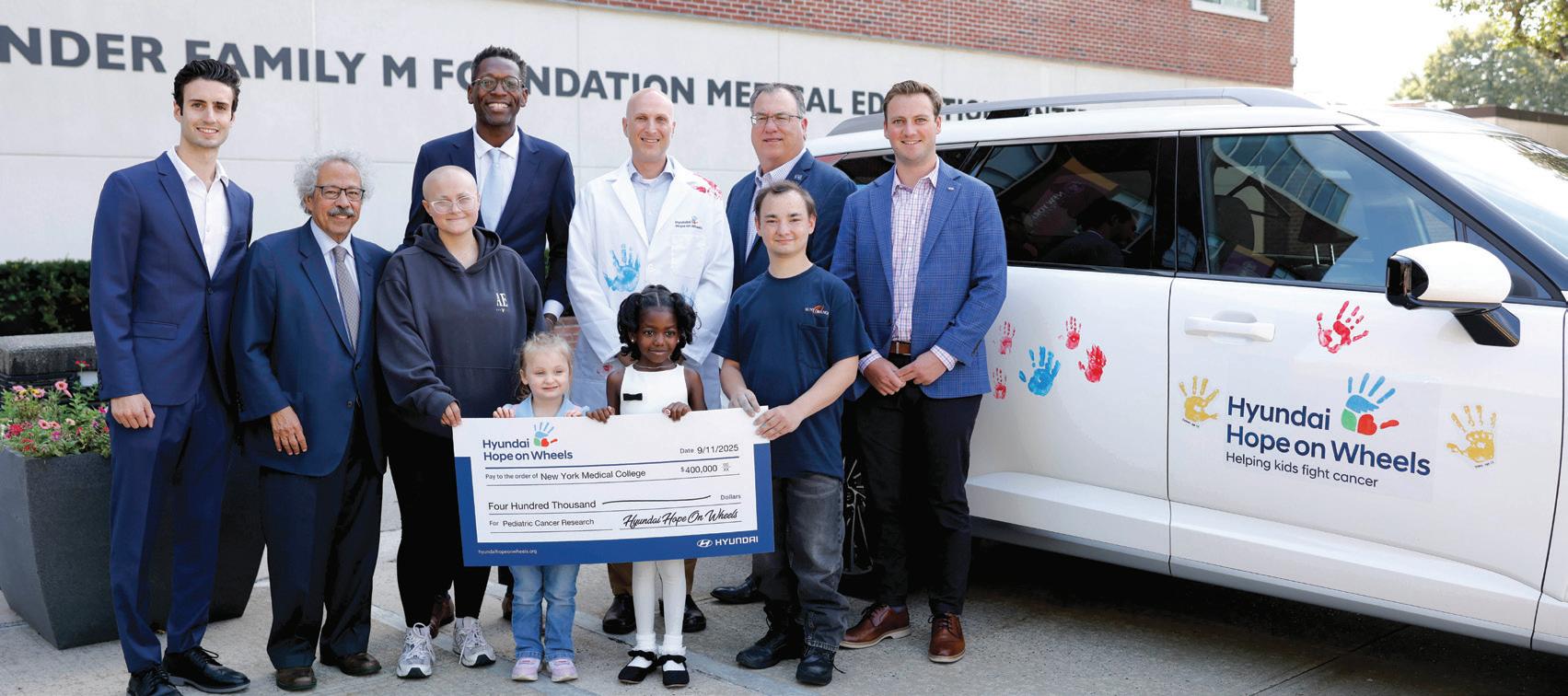
New York Medical College was awarded a $400,000 Hyundai Hope Scholar Grant from Hyundai Hope on Wheels to advance pediatric cancer research during National Childhood Cancer Awareness Month in September 2025. The recipient Jeremy Rosenblum, M.D., associate professor of pediatrics, will use the grant for his project, “Combinational Next Generation CAR NK Immunotherapy in Osteosarcoma,” which will investigate treatment for osteosarcoma, a rare bone cancer that most often affects children, teens, and young adults.
Dr. Rosenblum was presented with a lab coat during the handprint ceremony, where children impacted by cancer placed their brightly painted handprints on a Hyundai vehicle, symbolizing their fight against the disease and hope for a cure. The signature event is one of the largest nonprofit funders of pediatric cancer research in the country supported by Hyundai Motor America.
“I am honored to receive this award, which will allow us to advance our
research and explore new ways to treat osteosarcoma, and bring us closer to a cure for patients for whom current treatments do not work,” said Dr. Rosenblum. “I’m grateful to my patients and families, some of whom are here with me today, for being a part of their cancer journeys. The way that you carry yourselves, with hope and strength, while enduring the unimaginable, inspires me to do the work that I do, and only makes me wish I can do more for my patients.”
Andrew Stephens, now aged 21, a patient of Dr. Rosenblum who was diagnosed in 2015 at Maria Fareri Children’s Hospital with stage 4 alveolar rhabdomyosarcoma and given two to three months to live, shared his journey of treatment, remission, and relapse. “This is the most incredible miracle I’ve witnessed in my life,” he said. “When I returned to the hospital [after relapsing], Dr. Rosenblum was ready with a trial treatment that I was the first person to try. It’s the reason why I’m still here, five years later.” He went on to thank Dr. Rosenblum, “I can’t thank
you enough for everything you’ve done for me, my family, and this hospital.”
“The work that Dr. Rosenblum is going to undertake is a critical translational project,” said Mitchell S. Cairo, M.D., professor of pediatrics, cell biology and anatomy, medicine, and of pathology, microbiology, and immunology, and vice chair of pediatrics, who served as master of ceremony. “We are honored that Hyundai sees Dr. Rosenblum’s project as a scholarly approach and we’re grateful for all of the support we’ve had over the years from Hyundai.”
“Hyundai Hope on Wheels is honored to support esteemed hospitals and institutions such as New York Medical College to fund research that fosters innovation and medical advancements for pediatric cancer patients,” stated John Guastaferro, executive director, Hyundai Hope on Wheels. “We are grateful for the unwavering dedication and lifesaving efforts that will bring us closer to a world without childhood cancer.” ■
While the weather was blustery on March 21, 2025, the atmosphere in The Norman E. Alexander Family M Foundation Medical Eduaction Center Plaza, at noon on Match Day was joyous as the School of Medicine (SOM) Class of 2025 celebrated where they would continue their medical training as family and friends looked on proudly. Each year, the results of the National Resident Matching Program (NRMP) are disclosed simultaneously at medical schools around the country. The 2025 match had 52,498 applicants, competing for 45,237 positions.
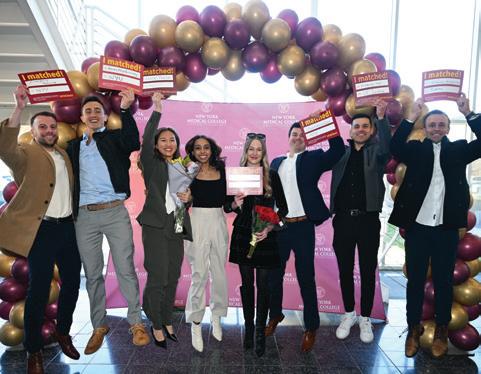
The Class of 2025 is training in 24 states and the District of Columbia at 103 different institutions, including at NYMC’s major clinical affiliates Westchester Medical Center and NYC Health + Hospitals/ Metropolitan, as well as local clinical affiliates NYC Health + Hospitals/Lincoln, Phelps Hospital, Lenox Hill Hospital, St. Mary’s and Saint Clare’s Hospital, Northern Westchester Hospital, and Greenwich Hospital. They will also train at other major top tier, research-intensive, academic medical centers across the country, including Beth Israel-Deaconess and Massachusetts General of the Harvard Medical School, Brown, Mount Sinai, Johns Hopkins, Boston University, Cleveland Clinic, Mayo Clinic, Duke, Columbia, Georgetown, Weill Cornell, New York University, Cedars Sinai, UCLA, Tufts, and Yale.
The top career choices for the Class of 2025 were internal medicine, anesthesiology, pediatrics, emergency medicine, psychiatry, and surgery.
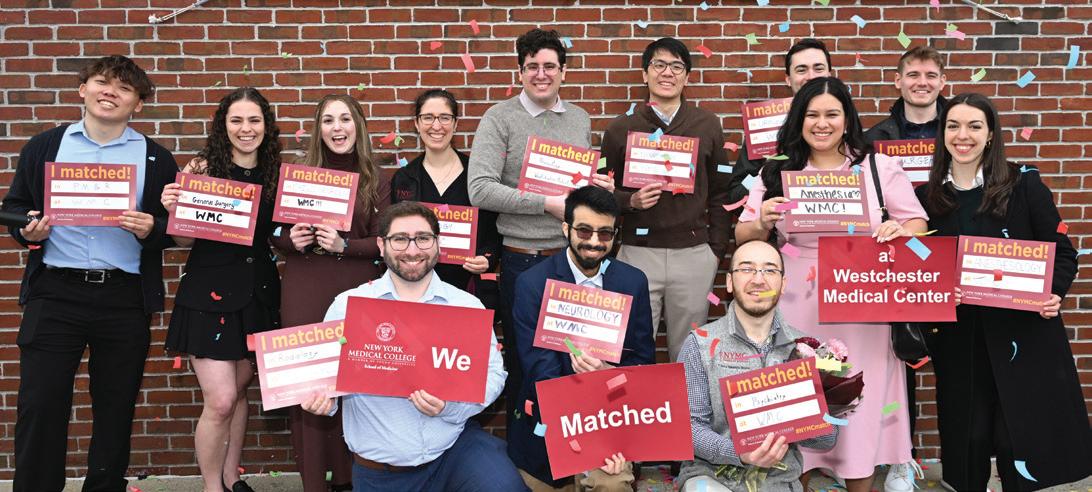
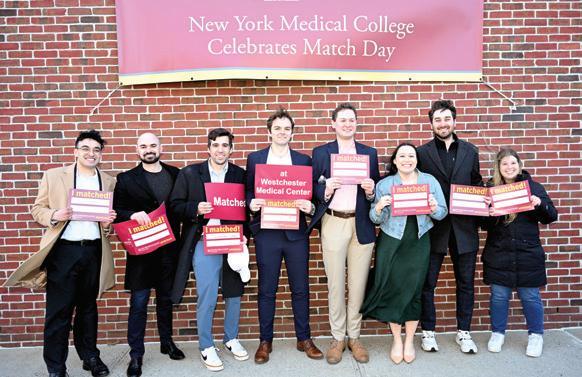
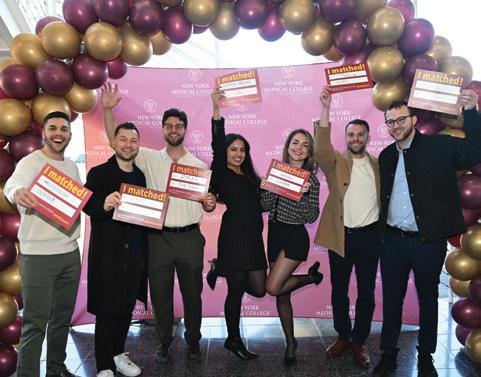
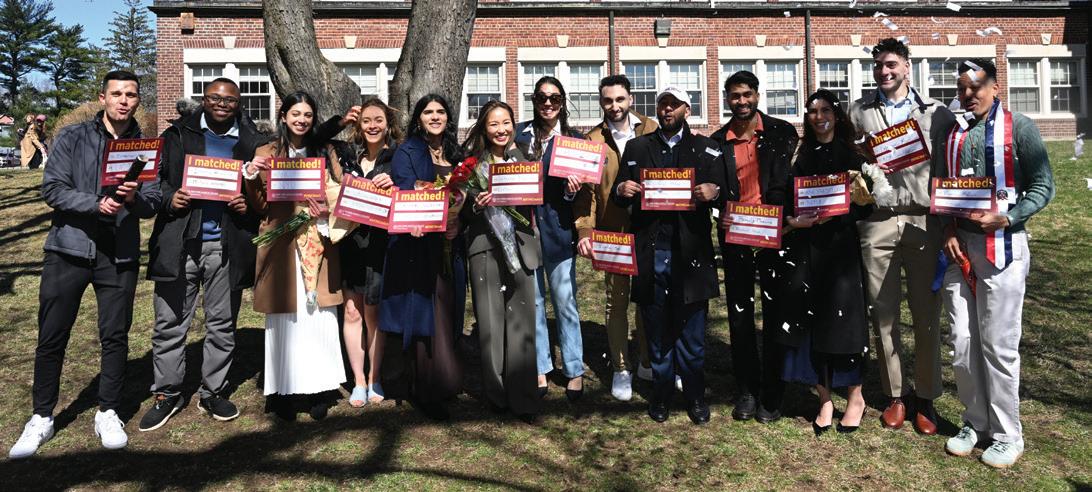
“You are matching into fantastic training programs. We could not be prouder of you. Every one of you will have the opportunity to have a spectacular career in medicine,” said Neil W. Schluger, M.D., SOM dean, with pride.
“Although graduation marks the culmination of your medical school time, many of you will look to this moment as
the time you transitioned from being a medical student to a resident physician,” said Susan Rachlin, M.D., senior associate dean for student affairs. “You have all worked very hard to get here and should be very proud of yourselves. Even though in a few short months you will be off to soon to be known places, you will always have a home here at NYMC.” ■
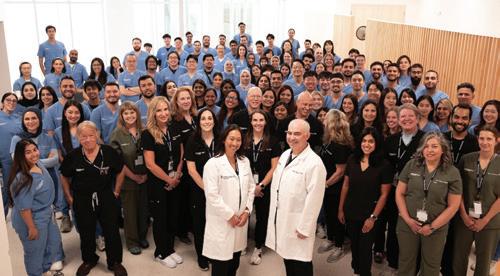
Touro College of Dental Medicine (TCDM) officially opened its dental clinical training facility on the Lovelace Biomedical Research Institute (LBRI) campus in Albuquerque, New Mexico, in June 2025. The new 70,000-square-foot facility houses more than 100 dental units accommodating students who will be completing their education and clinical training.
The clinic provides high-quality, stateof-the-art, affordable dental care in an area where oral health care sources are lacking. New Mexico faces a profound shortage of oral health care professionals and even fewer who accept Medicaid—a primary insurer for nearly 40 percent of the population. TCDM is combatting the shortage by educating new dentists in the state—some of whom are likely to plant permanent roots there.
Under the supervision of dental professionals and instructors, students are performing dental examinations and procedures for those in need of treatment. They’re seeing patients who may not be able to afford dental work or have the flexibility to wait months for an appointment. “TCDM opened in New Mexico to make a positive difference in the health of New Mexicans of all ages and income levels,” said TCDM Dean Ronnie Myers, D.D.S. “It is our mission to provide excellent, affordable dental care services while training outstanding dental professionals who deliver exceptional health care services to diverse communities throughout the state.”
“This facility represents more than new walls and technology,” said David Katz, D.D.S., vice dean of TCDM. “It is an investment in our students, providing
them with the resources and environment they need to excel as future leaders in dentistry. It is a commitment to the patients and communities we serve, ensuring the highest quality of care.”
The new dental clinic is staffed by experienced dentists and 100 third-year TCDM students.
“These energetic third-year students have formed a powerful bond as we’ve entered this new community,” said Joseph Parkinson, D.D.S., executive assistant dean of TCDM New Mexico. “They have embraced this new community and are excited to give back by providing dental care to their new neighbors.” ■
Press, in collaboration with Touro University (TU) and New York Medical College (NYMC), has released the third volume of “Medical Halachah Annual.” This edition delves into the intricate interplay between traditional Jewish law and contemporary medical issues and focuses on questions of Jewish law for physicians, patients, and students.
Edited by Edward Lebovics, M.D., the Sarah C. Upham Professor of Gastroenterology in the Department of Medicine, the journal provides an enlightening exploration into the realms of halachah, medical ethics, and modern medical challenges. This new volume highlights a range of perspectives on
critical topics, including reproduction and short-term survival, coping with cognitive and physical challenges, and general health concerns in the Jewish community. Hot-button issues addressed include the impact of Ozempic and other GLP-1 drugs on brachos (blessings) and bircas hamazon (grace after meals), posthumous sperm retrieval, hashgachah (halachic supervision) for IVF, and halachic approaches to code status and DNR orders.
“This volume, featuring papers from leading rabbonim [rabbis] and physicians, seeks to tackle issues that challenge the foremost authorities in medical halachah. I am especially indebted to our contributing authors, who invested great effort to present analyses of complex issues in a methodical, precise, and sensitive manner,” said Dr. Lebovics.
“We are confident that Jewish health care providers, patients, medical students, as well as the broad Torah readership will find this volume enlightening,” he said, emphasizing the journal’s role in linking classic principles with modern medical and social concerns.
“As the nation’s largest Jewish-sponsored institution of higher learning that is a leader in health care education, we are proud to share such an important work with the Torah community and its medical professionals,” said Alan Kadish, M.D., president of TU and NYMC.
“Each generation must engage in conversations to grapple with its current ethical challenges, posed by new biomedical discoveries, in light of the timeless values and precepts of Jewish law,” said Edward C. Halperin, M.D., M.A., chancellor and chief executive officer. ■
For more than a decade, BioInc@NYMC, the only fully equipped biotechnology incubator on a health sciences college campus, has provided collaborative space, shared resources, turnkey wet lab space, and other professional services to support biotech/medtech startups. In October 2019, five years after its opening, BioInc@ NYMC celebrated an expansion, doubling the incubator’s space to 19,000 square feet. Today, BioInc@NYMC is proud of its three clients, Sapience Therapeutics, MKM Venters, and Nutrition 21, who have graduated from the incubator and welcomes its latest clients Applied Biological Laboratories (Applied Bio) and Dair Capture.
Applied Bio is committed to researching, developing, manufacturing, and distributing scientifically validated natural products that strengthen the body’s defenses. They aim to treat respiratory disease by bolstering the innate immune system to prevent and treat early respiratory infection.
At BioInc@NYMC, Applied Bio is working on the root cause of respiratory symptoms by addressing the underlying inflammation. Their technology is focused on strengthening the respiratory barrier and preventing viruses from targeting receptors and causing infection. As part of their ongoing research, they are conducting antiviral studies using human respiratory organoids and performing detailed biochemical analysis to better understand inflammatory pathways that contribute to respiratory disease.
“Our goals for advancing respiratory treatments are to better understand
inflammatory mechanisms and targets for natural anti-viral defenses, and to design treatments for multiple respiratory diseases,” said Nazlie Latefi, Ph.D., chief scientific officer and co-founder of Applied Bio.
Applied Bio has already successfully marketed Biovanta, a 100 percent natural bioactive ingredient over-the-counter cold and flu remedy currently available at 28,000 pharmacies nationwide.
“The incubator has a strong academic community that has been very supportive. Also, as we design more clinical trials, having support from clinicians who are committed to research is very beneficial. We wanted to be in New York because we have been given a lot of support by the New York community and we also have long-standing academic collaborations in New York,” said Dr. Latefi.
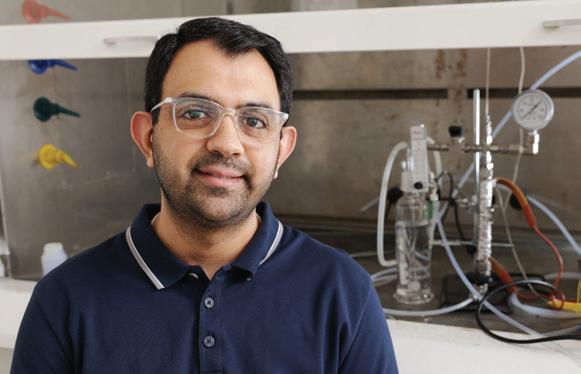
Dair Capture focuses on on-site CO 2 and water generation for applications ranging from CO 2 incubators and lasers to broader climate tech. Founded by Harshul Thakkar, Ph.D., the company’s roots trace back to 2016 during Dr. Thakkar’s studies at the Missouri University of Science and Technology, where he focused on capturing CO 2 aboard the International Space Station and was funded by NASA. “That experience opened my eyes to the critical role greenhouse gases play in our environment. I went on to work at Los Alamos National Laboratory for nearly four years in climate and clean tech. I’ve since transitioned to entrepreneurship, driven by the belief that science must lead to real-world impact,” he said.
Dr. Thakkar learned about BioInc when he was researching the area after his wife was matched for her residency at Westchester Medical Center. “I was immediately impressed by the level of innovation happening there. I believe Dair Capture can add significant value by helping reduce the carbon footprint of medical facilities and addressing CO2 and water supply vulnerabilities in hospitals and research labs,” said Dr. Thakkar. “The health care sector currently accounts for 4.5 percent
of global emissions—around 2 billion tons of CO2e [carbon dioxide equivalent]— so there’s a real opportunity to make a measurable impact.”
Dair Capture is focused on research and development of a small-scale prototype system capable of generating 1–10 kg of CO 2 per year. The initial phase will involve lab-scale experiments and validation, followed by prototyping. “Our goal is to demonstrate the feasibility and reliability of on-site CO 2 generation systems for sustainable medical and industrial applications,” said Dr. Thakkar.
“BioInc offers advanced resources— including CO 2 incubators, fume hoods, autoclaves, and specialized instrumentation—that are essential for conducting high-quality R&D. Access to these tools will significantly accelerate our testing and development timeline, allowing us to iterate quickly and generate validated data in a supportive, innovationfocused environment,” said Dr. Thakkar. “It’s a great opportunity to collaborate, innovate, and contribute to both health care innovation and climate impact from within such a dynamic and forwardthinking community.”
“We are delighted to have these new clients as part of our vibrant community and are committed to helping them advance their important work in the field of respiratory health and reducing carbon emissions,” said Salomon Amar, D.D.S., Ph.D., vice president for research and professor of pharmacology and of pathology, microbiology, and immunology at New York Medical College, and senior vice president for research affairs at Touro University. “Their innovative approaches bring an exciting new dimension to our community of entrepreneurs and researchers. Having clients from new areas of technology broadens the scope of BioInc’s impact, and we look forward to learning from their creative work and supporting their journey. It’s always satisfying and exciting to welcome new clients and learn about their innovative research and how we can help them continue to break new ground.” ■
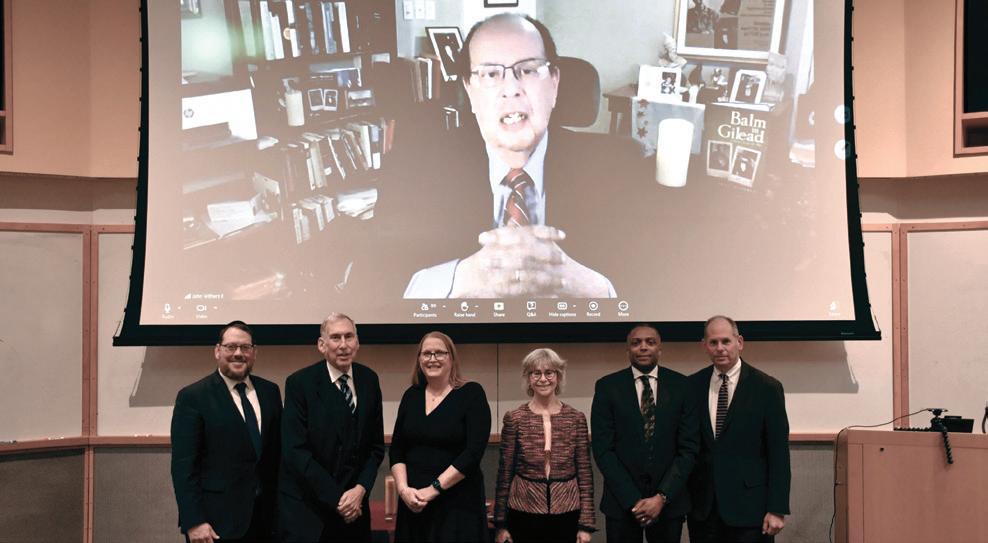
New York Medical College (NYMC) commemorated International Holocaust Remembrance Day and Black History Month with a presentation, “The Segregated U.S. Military and Liberation of a Concentration Camp,” on January 28, 2025. John L. Withers II, retired U.S. Department of State ambassador for Albania, shared his father’s powerful story of confronting racial segregation in the military while participating in the liberation of a concentration camp.
Marie T. Ascher, M.S., M.P.H., the Lillian Hetrick Huber Endowed Director of the Phillip Capozzi, M.D., Library, led the opening remarks with the lighting candle ceremony in memory of the victims of the Holocaust and to honor those who perished. Setting the stage, Edward C. Halperin, M.D., M.A., chancellor and chief executive officer, provided an overview of racial segregation and desegregation in the U.S. military and abroad. He highlighted NYMC alumni who broke barriers, including Susan Smith McKinney Steward, M.D., Class of 1870—the first Black woman to earn a medical degree in New York and the third in the nation— who married Theophilus Gould Steward, chaplain of the all-Black U.S. cavalry and a Buffalo soldier. He also highlighted Clarence Sumner Janifer Sr., M.D., Class of 1915, who volunteered for service in the U.S. Army Medical Corps in 1917, and was awarded the Croix de Guerre by the French government for his service, and became the first Black member of the Medical Society of New Jersey.
To bring history to life, Withers told the story passed down by his father, Lieutenant John L. Withers, Ph.D., who led an all-Black truck company during World War II. In the spring of 1945, his unit received orders to deliver supplies to Dachau after its liberation. Amid
devastation, two teenage survivors, Shlomo Joskowicz and Mieczysław Wajgenszperg, pleaded for help. Though military rules forbade contact with displaced persons, Dr. Lt. Withers and his unit defied orders, secretly sheltering the boys for more than a year.
The all-Black army unit clothed, fed, and nursed the young men back to health, incorporating them into the unit in the kitchen and trained them in vehicle maintenance, all while developing a brotherhood. The soldiers, who struggled with pronouncing the boys’ Polish names with their Southern accents, affectionately called them Salomon and Pee Wee.
In 2000, when Dr. Lt. Withers was diagnosed with cancer and suffered from depression, his son began searching for Solomon and Pee Wee to show his father how much he had impacted other people’s lives. He connected his father with Pee Wee, now known as Martin Weigen, who shared that Salomon moved to Israel and had a fruit and vegetable business before passing away in 1993. Withers connected with Salomon’s widow, who told him of the great influence Dr. Lt. Withers had on his life.
“Pee Wee, Salomon, and Lt. John were about as different from each other as it was possible to be in race, in creed, in cultural experience, and yet they shared one remarkable trait in common. [They could look into another’s eyes, see their humanity, and respond with compassion and understanding],” said Withers who documented his father’s story in the book Balm in Gilead: A Story from the War.
The program also featured Anne Bayefsky, M.A., LLB, director of Touro Institute on Human Rights and the Holocaust, who went on to tell the story of her father Flight-Lieutenant Aba Bayefsky, a Canadian war artist whose work is displayed in the Canadian War Museum. On duty, he toured the Bergen-Belsen concentration camp alone for weeks after their liberation and captured photos of the atrocities that took place.
Rabbi Baruch Fogel, M.A., Touro University’s campus rabbi, concluded the event with a reflection about his maternal grandmother who was transferred to the Dachau concentration camp, and the Prayer for the Dead. ■
Founded by the Arnold P. Gold Foundation more than three decades ago, the first White Coat Ceremony took place at the Columbia University Vagelos College of Physicians and Surgeons to mark a student’s formal entry into medicine. It quickly became a tradition at medical schools throughout the United States to promote humanism in health care. Today, ceremonies have expanded to other health disciplines and represent scientific excellence, clinical proficiency, and compassionate care.
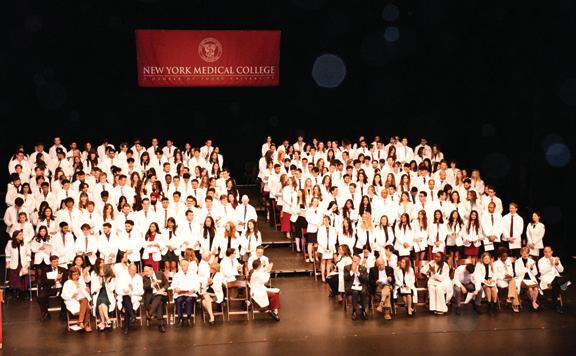
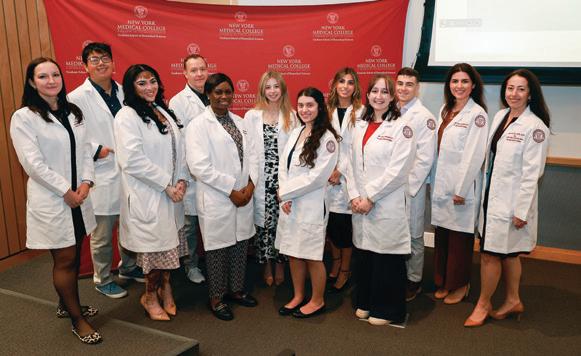
At New York Medical College (NYMC), white coat ceremonies in speechlanguage pathology (SLP) and physical therapy in the School of Health Sciences and Practice, medicine in the School of Medicine (SOM), and a lab coat ceremony in the Graduate School of Biomedical Sciences (GSBMS), mark a rite of passage for the students with inspirational speakers and a pledge to professionalism in the their respective fields.
Marking a pivotal moment in their educational journey, SLP students from the Class of 2026 proudly donned their white coats for the first time on April 7, 2025. The ceremony marked their transition to the clinical phase of their curriculum and the beginning of their professional careers.
Words of inspiration came from invited speaker Sankaran Krishnan, M.D., M.P.H., FAAP, chief of the Division of Pediatric Pulmonology, Allergy, Immunology, and Sleep Medicine at Maria Fareri Children’s Hospital, and associate professor of pediatrics and public health at NYMC. “You are just at
the beginning of your journey, but this is going to take you places that you would not have even imagined.”
Surrounded by proud families, friends, and faculty, the Doctor of Physical Therapy (D.P.T.) Class of 2027 commemorated the transition to their clinical journey during the D.P.T. White Coat Ceremony on April 10, 2025. As the students donned their white coats, they marked their transition from classroom to clinic and their dedication to the field of physical therapy.
Alumna Emma Schunk, D.P.T. ’19, returned to campus as a guest speaker, and offered an inspiring perspective on what truly defines a health care professional. “The white coat may be a symbol of becoming a doctor, however, the actions you take and the way you carry yourself are what’s shaping you into a professional,” she remarked.
A sense of pride and anticipation was in the air as students from the GSBMS stepped into a defining moment of their academic journey on September 5, 2025. In front of families, faculty, and friends, Ph.D. candidates and new M.D.-Ph.D. students were presented with their white lab coats, each one symbolizing dedication to the field of biomedical sciences and the discoveries yet to come. Smiles and applause filled the room, marking the biennial ceremony as both a milestone and a celebration of the community that supports these future scientists.
After the students donned their lab coats, Morgan Anderson-Crannage, a Ph.D. candidate in cell biology, stepped up to deliver the student address. “Curiosity isn’t a luxury; it’s a driving force. Too often, curiosity gets diminished, dismissed as childish or frivolous, but it’s anything but,” he said, explaining how curiosity leads to discovery but can get lost in adulthood when there is an increase in responsibility. “But here’s the beauty of science. Curiosity isn’t a side hobby… You hold onto that childlike curiosity; you’ll never lose enjoyment of your work.”
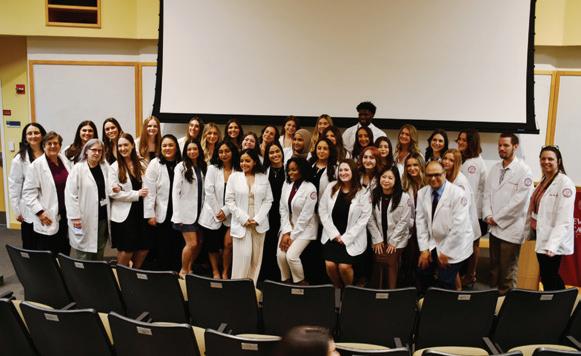
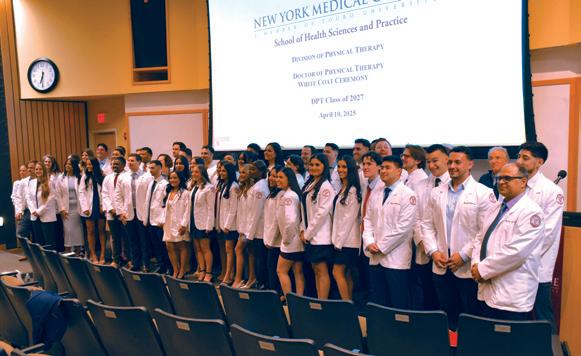
The SOM Class of 2029 marked a major milestone in their medical school journey as they officially donned their white coats for the first time during the White Coat Ceremony on October 17, 2025.
Keynote speaker Renee Garrick, M.D., professor of medicine, shared her pearls of wisdom with the SOM Class of 2029. “It’s a remarkable privilege to be a doctor. In some ways, there’s something almost sacred about it,” said Dr. Garrick. “Today, you’re about to don your white coat—the white coat of a physician—for the very first time in your lives. It’s a serious accomplishment. You should be very proud and don it with pride and purpose.”
The event concluded with the recitation of an oath that the Class had developed to guide them during their time in medical school until they take the Hippocratic Oath at graduation and realize their dreams of becoming physicians themselves. ■
The New York Medical College (NYMC) community and local officials celebrated the opening of the newly renovated, converted instrument shop classroom with a ribbon-cutting ceremony on September 3, 2025. The multifunctional space is designed to function as both a classroom and laboratory for physical therapy and biomedical science students.
“This teaching space, marvelously designed and appointed, will train our students in real hands-on assessments from microscopic dimensions to the macro-physical. The renovation embodies a gradual transition in supportive learning aids from hand-crafted gadgets to digitally mastered systems,” said Robert W. Amler, M.D., M.B.A., dean of the School of Health
Sciences and Practice and vice president for government affairs, who served as the master of ceremony.
“It was an incredible privilege to design and help oversee the transformation of the Instrument Shop,” said Michelle Novotny, M.A., Ed.D., senior associate dean for admissions and administration, who spearheaded this project. “For decades, the shop symbolized innovation and problem-solving on our campus. Our goal was to honor that legacy while reimagining the space for the next generation of learners. With its flexible design and modern features, the new instrument shop will once again be a place where ideas come to life—this time as a hub for hands-on education in physical therapy and microbiology.”
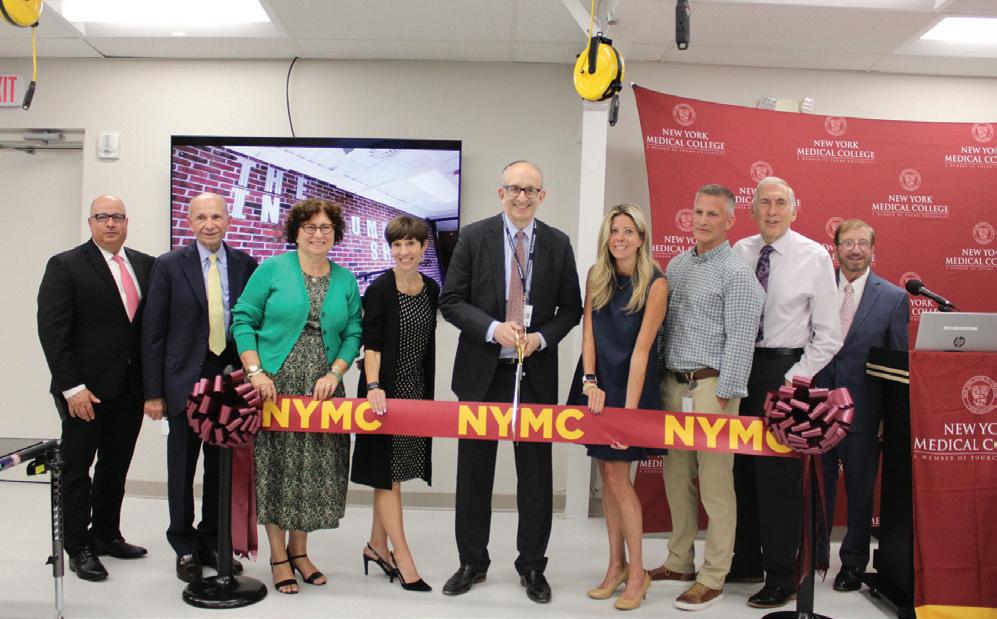
Designed to accommodate up to 60 students, the renovation features convertible plinths to allow for smooth transitions between labs, lectures, and hands-on demonstrations. Additional features include an outdoor courtyard and bocce court next to the classroom to provide students with a space for relaxation. The new facility continues the tradition of innovation, learning, and exploration at NYMC.
The original instrument shop, which served as NYMC’s machine shop for more than 50 years, was a place where creativity met craftsmanship. Researchers from across campus brought their concepts, including a rough sketch, and left with custom-built tools and devices, handcrafted to support their research projects. As time passed and technology evolved, the need for a traditional machine shop gradually declined. After standing vacant for nearly a decade, the former machine shop was cleared, its equipment auctioned, and the space transformed into a dynamic, state-of-theart learning environment. ■
New York Medical College (NYMC) and NYC Health + Hospitals/ Metropolitan marked their historical 150-year academic affiliation with a Celebration Symposium at Metropolitan on November 19, 2025. NYMC and Metropolitan have been affiliated since the hospital’s founding in 1875, making this the longest affiliation between a private medical school and a municipal public hospital in American medicine.
“This long-standing academic affiliation is a win for everyone involved, including the students, residents, fellows, faculty, hospital staff, and, most importantly, our patients,” said Gregory Almond, M.D., M.P.H. ’00, M.S. ’00, vice chancellor for external academic relations at NYMC, who organized the symposium. “This anniversary is a truly remarkable achievement, which has benefited numerous students who become residents, residents who become providers, providers who become academic physicians and
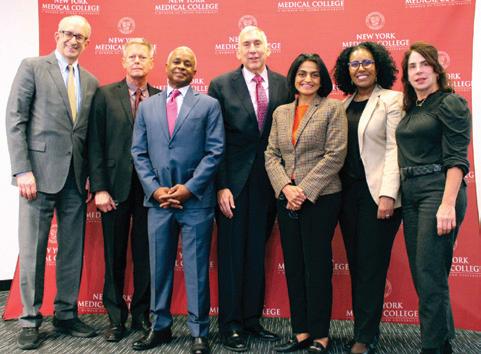
leaders and researchers, which allows a facility like Metropolitan to provide the best quality of care to patients.”
“Our 150-year symposium highlights the strength and stability of the partnership between New York Medical College and Metropolitan Hospital—an alliance sustained across generations of leaders who were agents of change in public health,” said Anitha Srinivasan, M.D., M.P.H., FACS, chief medical officer at Metropolitan, vice dean for NYMC at Metropolitan and associate professor of surgery.
To celebrate the important milestone, the symposium’s featured speakers highlighted the rich history of academic work and scientific and medical advances over the course of the past 150 years.
Edward C. Halperin, M.D., M.A., chancellor and chief executive officer, opened the symposium with a talk on the battle against tuberculosis at Metropolitan, which for many years had the largest tuberculosis ward in the U.S., as well as other New York public hospitals, through the late 19th century and early 20th century. Through historical photos, illustrations, and video, he also traced the origins of Metropolitan and its relationship with NYMC.
The symposium also covered topics including the progress in breast cancer treatment, evolution in hysterectomy technique, the history of perinatal HIV infection, and the use of artificial intelligence in medicine. ■
New York Medical College (NYMC) and Hudson Regional Health (HRH) in Hudson County, New Jersey, formed a new academic affiliation, designating HRH as a teaching site for the training and education of NYMC’s medical students. NYMC also assumed sponsorship of HRH’s current residency and fellowship programs.
“Exposing our students to a wide range of clinical environments is essential to their development as compassionate, capable physicians,” said Neil W. Schluger, M.D., dean of the NYMC School of Medicine. “Equally important is ensuring that our residents and fellows train in settings that challenge and inspire them as they advance in their specialties. The addition of HRH to our network further broadens these opportunities, offering rich and varied experiences across multiple communities in New Jersey. We are pleased to welcome HRH as a partner and look forward to the meaningful impact this collaboration will have on our
learners’ education and training and on the patients they will ultimately serve.”
This partnership with NYMC supports HRH’s goal to become one of the largest sponsors of graduate medical education, not just in Hudson County but throughout the State of New Jersey. It also enhances NYMC’s extensive network of affiliated hospitals and clinical sites that encompasses more than 30 affiliates, now across seven states—New York, New Jersey, Connecticut, Rhode Island, Pennsylvania, Arizona, and Florida.
Formed in 2025, HRH is a network of four New Jersey hospitals: Bayonne University Hospital, Hoboken University Hospital, Heights University Hospital in Jersey City, and Secaucus University Hospital. Bayonne University Hospital and Secaucus University Hospital recently received designations as university-affiliated teaching hospitals, joining the Hoboken and Jersey City facilities. HRH has actively grown and expanded its graduate medical education offerings, preparing medical
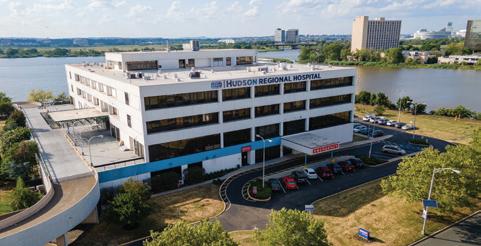
students, residents, and fellows with the latest teaching modalities and technology, continuing its long-standing commitment to medical education.
The agreement establishes various clerkships, sub-internships, and electives at the four hospitals for NYMC medical students. In addition, NYMC assumed sponsorship of HRH’s residency programs in family medicine, internal medicine, and surgery, a transitional year residency program, and a fellowship program in gastroenterology. HRH and NYMC will also explore and partner in developing multiple residency programs in a variety of needed specialties throughout Hudson County and the State of New Jersey.
The publication of the eighth edition of Principles and Practice of Radiation Oncology, under the editorial leadership of Edward C. Halperin, M.D., M.A., chancellor and chief executive officer and professor of radiation medicine and of pediatrics at New York Medical College (NYMC), was also an occasion to spotlight the latest treatments and technologies being used in oncology at NYMC’s major clinical affiliate Westchester Medical Center (WMC). During a reception on January 14, 2026, several key speakers discussed the significance of the book and the medical center’s cancer care programs.
For nearly 40 years, Principles and Practice of Radiation Oncology has been the authoritative “book-of-record” for the field of radiation oncology. Covering both the biological and physical science aspects of this complex field as well as sitespecific information on the integrated, multidisciplinary management of patients with cancer, the fully-revised eighth edition, now known as Perez, Brady, Halperin, and Wazer’s Principles and Practice of Radiation Oncology, is under the editorial leadership of Dr. Halperin and co-senior editor David E. Wazer, M.D., of Brown University.
Marjorie Zauderer, M.D., professor of medicine at NYMC and chief of hematology and medical oncology at WMC, highlighted the comprehensive multidisciplinary care provided and the importance of the new book. “Since joining NYMC and WMC in 2024, I’ve been overwhelmed by the collaborative nature that everyone has, from cancer prevention to the most cutting-edge cell therapy and clinical trials underway,”
that than to make them see that they can really contribute something novel, something that’s never been done before, through involvement in clinical trials and in translational research,” said Dr. Phillips. “That’s the kind of inspiration that leads to joy, which is what gets us through the hard days, and I see that as the fabric of this medical college community and this medical center.”
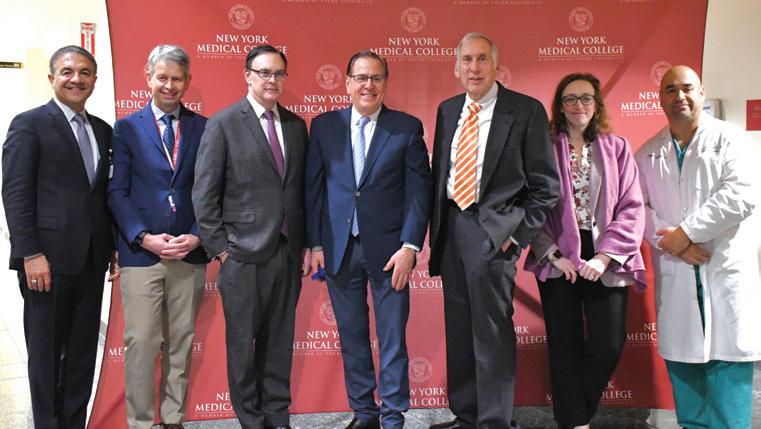
said Dr. Zauderer. “That really aligns quite well with this book that we’re here to celebrate. Under Dr. Halperin’s editorial stewardship, this landmark text continues the 40-year tradition of defining the field of radiation oncology and preparing the next generation of providers and leaders and reflects the kind of care we are delivering and that we aspire to expand throughout the Hudson Valley.”
David Lubarsky, M.D., M.B.A., chief executive officer of WMC Health Network and professor of anesthesiology and distinguished visiting professor of public health at NYMC, emphasized their vision at WMC to establish a comprehensive cancer center with state-of-the-art equipment and clinical research trials in conjunction with NYMC, with the goal of obtaining National Cancer Institute designation.
John Phillips, M.D., chair and professor of urology at NYMC and director of urology at WMC, discussed the importance of inspiring residents and students to contribute to groundbreaking research.
“When I became chair and director, I realized that it was up to us, the faculty, to inspire the residents and the medical students, and what better way to do
The formal program for the event concluded with a video message from Joe Cho of Wolters Kluwer, the book’s publisher, and remarks from Dr. Halperin, who reflected on the history of cancer research and treatment.
“I spent several months of my fourth year of medical school at the National Institutes of Health in Bethesda, Maryland,” Dr. Halperin recalled. “On the white coats of those who worked there was the image of a gladiator battling a giant crab, the symbol of cancer, who in size dwarfed the gladiator. That is what, in my youthful fantasy, I was going to spend my life doing: hunting the crab. I hope that the new edition of my book helps the hunters prepare for the hunt. It helps young people decide if this is the task they wish to dedicate their lives to. I am happy to be joined by my colleagues at WMC Health this afternoon and calling attention to our collective role in this war against cancer.” ■
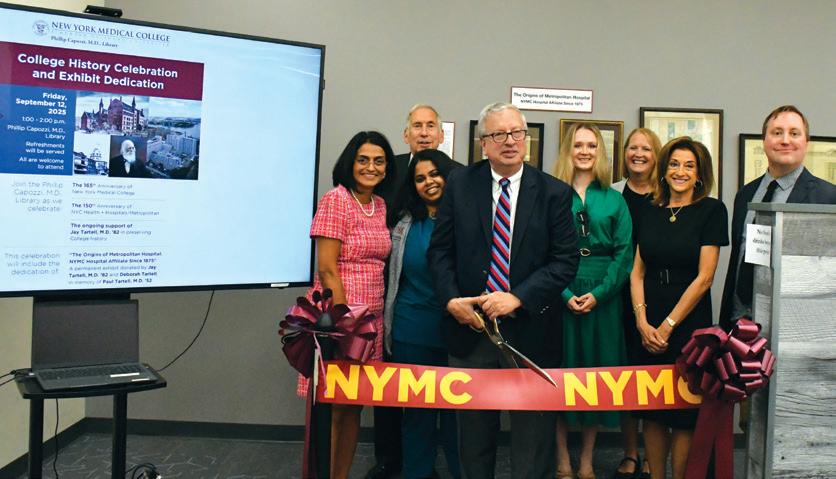
In the normally hushed Phillip Capozzi, M.D., Library, there was a sense of excitement and pride in the rear reading room on September 12, 2025, as the ribbon was cut to officially dedicate “The Origins of Metropolitan Hospital: NYMC Hospital Affiliate Since 1875.” The permanent exhibit donated by Jay Tartell, M.D. ’82, and Deborah Tartell, in memory of Paul Tartell, M.D. ’52, Dr. Jay Tartell’s father who completed his clinical rotations at Metropolitan when it was located on Roosevelt Island, celebrates the close relationship between New York Medical College (NYMC) and NYC Health + Hospitals/Metropolitan. The dedication was especially meaningful as it coincided with NYMC’s 165th anniversary and Metropolitan’s sesquicentennial celebration, underscoring the deep and intertwined histories of the two institutions.
Alongside the illustrious written history of NYMC and Met, are items collected by Dr. Jay Tartell throughout the years as a labor of love. The treasures include: an 1828 check from the City of New York for the purchase of Blackwell’s Island (now Roosevelt Island); a ca. 1872–1875 map of Greater New York City featuring Blackwell’s and Ward’s Islands’ blueprints of the New York City Lunatic Asylum on Blackwell’s Island, ca. 1839; an 1862 Currier & Ives color lithograph, “Blackwell’s Island, East River;” ephemera related to investigative journalist Nellie Bly’s groundbreaking exposé on asylum conditions; photographs of Metropolitan
Hospital and its medical staff from the late 19th and early 20th centuries; and a plethora of other historical mementos.
“I thank Dr. Tartell and his family for believing in truthful history. I thank you for curating this collection and bringing it home to
NYMC,” said Edward C. Halperin, M.D., M.A., chancellor and chief executive officer as well as an ardent historian, in his opening remarks. He outlined the many pioneering firsts of the institutions and their enduring dedication to caring for all patients in need.
“To date, we see the commitment of NYMC and Metropolitan Hospital represented by the service to the indigent and the underrepresented,” Anitha Srinivasan, M.D., M.P.H., chief medical officer of NYC Health + Hospitals/Metropolitan, and vice dean and associate professor of surgery, NYMC. “One of my favorite stories is that Dr. Paul Tartell was in the last class to take the ferry across the East River to reach our Metropolitan Hospital campus, which at that time was on Roosevelt Island. Such desire to learn and serve is still seen among your students. I thank NYMC and all the faculty for keeping this relationship alive.”
On behalf of the student Medistorian Society, club president Sumaita Mahmood, SOM Class of 2026, spoke on the importance of continuing the relevance of history to M.D. students today. “Through our archivist sessions with Nicholas Webb, student-run journal clubs, and historical discussions, we seek to remind ourselves that medicine is not only science but story. It is not only innovation but inheritance,” she said. “By grounding ourselves in history, we hope to cultivate the kind of physician who is not just competent in knowledge but wise in judgement.”
Nicholas Webb, MSIS, archivist and digital preservation librarian who curated the display with Dr. Tartell, said, “In my professional opinion as an archivist and historian, the history of NYC Health + Hospitals and its predecessor the New York City Department of Hospitals is one of the most important parts of New York City’s health care history, and yet it’s one of the most under-studied and under-documented. The chance to be responsible for the history of one of the most significant of the NYC Health + Hospitals was an exciting prospect.”
Dr. Tartell shared his interest in history and dedicated the Metropolitan exhibit in memory of his father. “Having experienced the benefits of history in my own life, I wanted to bring the value of this material into the lives of students at this institution. Our students are among the brightest and best, and they will benefit greatly from this access. Most importantly, they will be able to pass those benefits on to their patients.”
The event closed with a reading by Patricia Curtin, SOM Class of 2028 and member of the NYMC Poetry Club, of the first three stanzas of William Cullen Bryant’s “The Ages” which was published in the 1821 first edition of Bryant’s poems that Dr. Tartell donated to the Library rare book room.
Dr. Tartell has been a generous and loyal supporter of NYMC history. His donations can be seen throughout campus in the College archives, the Capozzi Library historical collections and permanent exhibits, and include a painting of William Cullen Bryant by Ferinand Danton; 19th century microscopes that were awarded to NYMC students as academic prizes; and a collection of original books by William Cullen Bryant among many other significant historical items. ■
New York Medical College (NYMC) officially named three of its laboratories The Children’s Cancer Fund Research Laboratory during a special ceremony on March 5, 2026. The College received more than $360,000 from the Children’s Cancer Fund in support of the laboratories in the Basic Sciences Building and Vosburgh Pavilion and was the recipient of their 2026 Research Grant.
The ceremony united institutional leaders, researchers, and supporters to honor a collaboration that has transformed pediatric oncology research since 1993— marking more than three decades of partnership and progress in the fight against childhood cancer and blood diseases. The Fund has raised more than $10 million in support of pediatric cancer research since its inception.
“Whatever causes cancer, we’re committed to doing something about it—that’s why the Children’s Cancer Fund is here,” said Edward C. Halperin, M.D., M.A., chancellor and chief executive officer. “I’m grateful to the Foundation and to everyone whose support makes this work possible.”
“Our work is no longer about just curing cancer, it’s about curing it better and preventing long-term problems,” said Karen Wolownik, MSN, RN, CPNP, CPHON, president of the Children’s Cancer Fund. “It’s about ensuring that when a child survives cancer that they really are able to truly live the rest of their lives. That is the responsibility that we carry forward as clinicians, as scientists, as donors, and as partners.”
Mitchell S. Cairo, M.D., professor of pediatrics, cell and molecular physiology, medicine, and of pathology, microbiology, and immunology, vice chair of pediatrics, chief of the Division of Pediatric Hematology, Oncology, and Stem Cell Transplant at NYMC, and principal investigator of the Children’s Cancer Fund Research Laboratory, expressed gratitude to the Children’s Cancer Fund for their support across several of his research areas, including cytomegalovirus and adenovirus treatment, pediatric immunotherapy for solid tumors, new treatment strategies for osteosarcoma, and targeted therapy for children, adolescents, and young adults with lymphomas and acute myeloid leukemia.
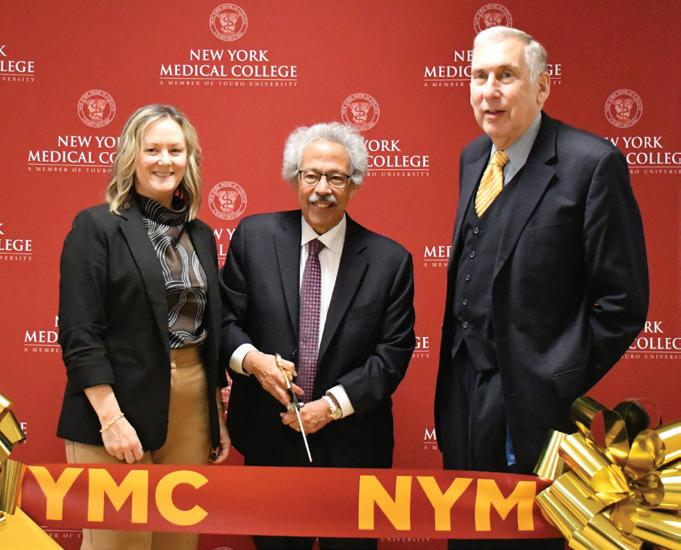
He also reflected on where children’s cancer research survival rates were when he started his career—at just 20 to 30 percent, a figure now rapidly approaching 85 percent. “This was devastating,” he said. “A lot of them we were just providing palliative care to, but we each independently had a vision that is not only increasing the cure rate but finding ways of curing patients and helping their families in a gentle and more humanitarian way so that they can live their 90-year span—hopefully longer in time—without late effects and being in the hospital all the time.”
Dr. Cairo shared key research updates in immunotherapy, stem cell transplantation, and cellular regeneration research and the laboratory’s long-term vision. His lab will be one of six centers nationwide to administer universal donor-derived allogenic CD33 CAR NK cells, which will be a first in children, adolescent, and adult patients with relapsed/refractory acute myeloid leukemia. His lab identified novel targets in acute myeloid leukemia and is developing CAR and NK cell therapies directed against those targets, with ongoing work to optimize NK cell function and efficacy.
Together, NYMC and the Children’s Cancer Fund continue to shape a future where every child with cancer has the chance to thrive—advancing research, improving treatments, and offering hope to families who need it most. ■
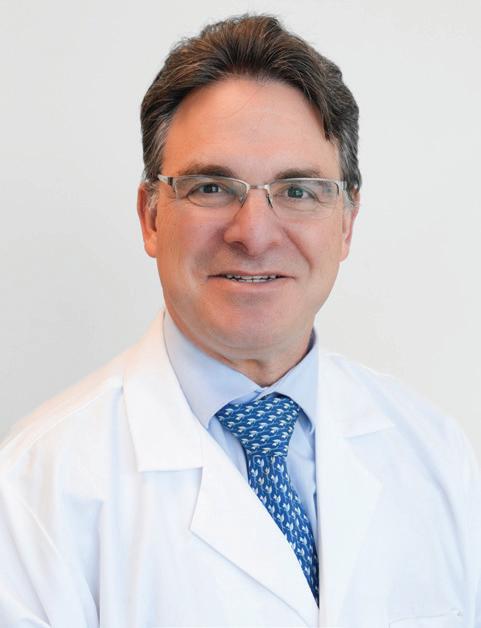
Ivor S. Douglas, M.D., was appointed as the Barbara and William Rosenthal Chair of the Department of Medicine at New York Medical College (NYMC) and chair of the Department of Medicine at Westchester Medical Center (WMC). An internationally renowned critical care specialist, Dr. Douglas previously served as professor of medicine at the University of Colorado, and chief of pulmonary and critical medicine at Denver Health Medical Center, where he has also directed the Medical Intensive Care Unit.
“Dr. Douglas is an exceptional physicianleader whose profound clinical expertise and commitment to advancing medical care through research and education make him an outstanding choice for this role,” said Neil W. Schluger, M.D., dean of the School of Medicine. “His extensive experience in pulmonary and critical care medicine, combined with his passion for mentoring the next generation of physicians, will undoubtedly elevate the Department of Medicine at NYMC and enhance the care provided at WMC.”
Dr. Douglas is a National Institutes of Health, U.S. Department of Defense, and
Ivor S. Douglas, M.D. Chair of the Department of Medicine
“Dr. Douglas is an exceptional physician-leader whose profound clinical expertise and commitment to advancing medical care through research and education make him an outstanding choice for this role.
”Dr. Schluger
industry-funded principal investigator for ongoing research in several aspects of clinical critical care, including basic mechanistic studies in acute respiratory distress syndrome, sepsis and septic shock, and therapeutic strategies for shock resuscitation and long-term outcomes in the critically ill. He serves on the steering committees and safety monitoring boards for multicenter international studies in critical illness. His work in critical care leadership and health services includes sepsis resuscitation programs using Lean systems engineering techniques.
He has authored more than 190 articles and chapters, and his research has been published in The New England Journal of Medicine, The Journal of the American Medical Association, and The Lancet Respiratory Medicine, among other leading journals. He is the co-editor of Principles of Critical Care, currently in its fifth edition, the preeminent textbook in the field.
Dr. Douglas has served as chair of the American Thoracic Society’s (ATS) Critical Care Assembly Program Committee, chair of the ATS Healthcare
Policy Committee, and on the board of the Colorado Foundation for Medical Care.
He has received teaching awards at the University of Chicago, Columbia University, and University of Colorado and has been recognized annually since 2008 in Denver 5280’s “Top Doc” and “Best Doctors in America” lists. Dr. Douglas is a fellow of the Royal College of Physicians and the American College of Chest Physicians.
Board-certified in pulmonary medicine and critical care medicine, Dr. Douglas earned his medical degree from the University of Witwatersrand in South Africa and completed a residency in internal medicine at the King’s College Hospital and St. Thomas Hospital in London, before immigrating to the U.S. He subsequently completed a pulmonary and critical care fellowship training at the University of Chicago and served on the faculty at Columbia University/New York Presbyterian Hospital. ■
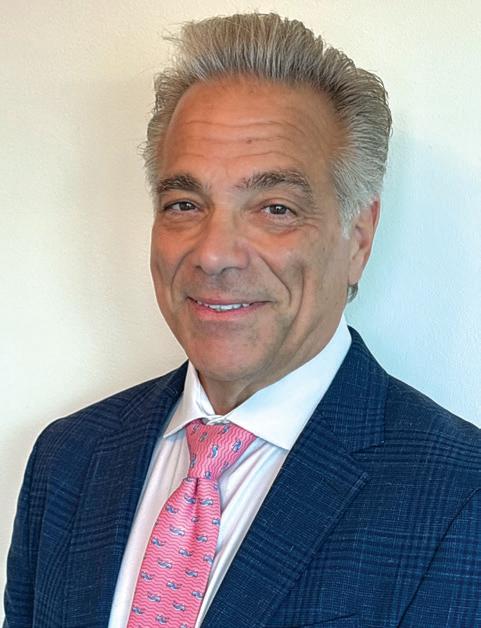
Roger Chirurgi, M.D., FACEP, was named chair of the Department of Emergency Medicine at New York Medical College (NYMC). In 2007, Dr. Chirurgi joined the faculty of NYMC and the clinical staff at NYC Health + Hospitals/ Metropolitan, a major clinical affiliate of NYMC. He is currently vice chair of emergency medicine and associate professor of emergency medicine at NYMC. He has led the NYMC-sponsored Emergency Medicine Residency Program at Metropolitan for the past 15 years. He is also the medical director of simulation at Metropolitan Hospital.
“During his long tenure at NYMC, Dr. Chirurgi has distinguished himself through his exceptional commitment to teaching and mentoring, his dedication to clinical excellence, and his unwavering support of the College community. His leadership will further enhance our
“ ”During his long tenure at NYMC, Dr. Chirurgi has distinguished himself through his exceptional commitment to teaching and mentoring, his dedication to clinical excellence, and his unwavering support of the College community.
Dr. Schluger
ability to educate medical students and train residents to become skilled and compassionate physicians,” said Neil W. Schluger, M.D., dean of the School of Medicine.
Heavily invested in the NYMC community, Dr. Chirurgi serves as house advisory dean for Steward House, emergency medicine specialty advisor, and faculty advisor to the student-led Emergency Medicine Interest Group.
Dr. Chirurgi is a fellow of the American College of Emergency Physicians and a member of the Alpha Omega Alpha Medical Honor Society. He is a past national recipient of the Conference of Residency Directors in Emergency Medicine Teacher of the Year Award. He has also been recognized with numerous awards for excellence in teaching and mentoring at NYMC.
Dr. Chirurgi has contributed to the field of emergency medicine with publications in peer-reviewed academic journals. He has served in numerous national committee roles for the Council of Residency Directors in Emergency Medicine over the past 10 years, currently as a member of the Wellness and Resilience Committee. He was a board member of the Physician Affiliate Group of New York, the physician staffing company for Metropolitan, for 12 years, and has served on local committees and task forces for ALL NYC EM, NYC Health + Hospitals Corporation, and the Institute for Medical Simulation and Advanced Learning.
Board-certified in emergency medicine, Dr. Chirurgi earned his medical degree from Mount Sinai School of Medicine in New York City and completed a residency in emergency medicine at St. Luke’s/ Roosevelt Hospital in New York City. ■
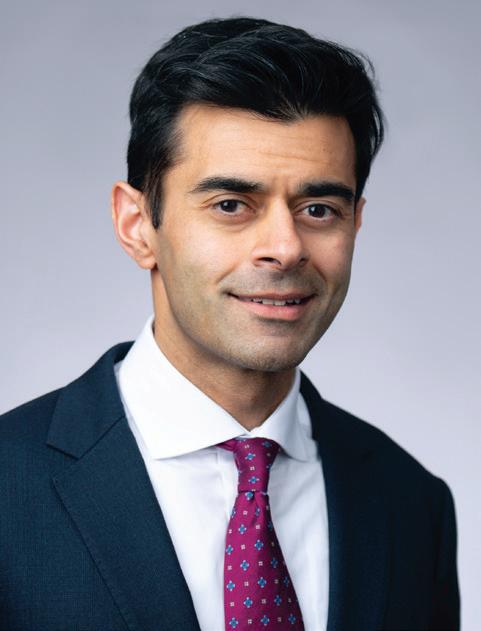
Shaun Desai, M.D., a national leader in facial plastic and microvascular reconstructive surgery, was appointed chair of the Department of OtolaryngologyHead and Neck Surgery at New York Medical College (NYMC) and Westchester Medical Center (WMC).
“Dr. Desai brings exceptional expertise in facial plastic and microvascular reconstructive surgery, along with a distinguished record of leadership in medical education. A committed advocate for medical students, residents, and fellows, he is deeply invested in mentorship and training the next generation of physicians. His combination of clinical excellence and educational leadership will advance our mission and enrich our academic community,” said Neil W. Schluger, M.D., dean of the School of Medicine.
Previously, Dr. Desai served as associate professor of Otolaryngology-Head and Neck Surgery at Johns Hopkins School of Medicine. He is an expert in complex head and neck microvascular reconstruction and facial aesthetic plastic surgery and has performed thousands of complex
Desai, M.D. Chair of the Department of Otolaryngology
“ ”Dr. Desai brings exceptional expertise in facial plastic and microvascular reconstructive surgery, along with a distinguished record of leadership in medical education.
Dr. Schluger
face, head, and neck surgeries at Johns Hopkins. He was named by Newsweek magazine as one of the “Top 100 Plastic Surgeons” in the U.S. In addition, Dr. Desai’s passion for complex surgeries has benefited patients globally. He has traveled to Ukraine, India, Tanzania, and Peru for various grant-supported surgical and teaching mission trips.
In honor of his teaching, the residents at Johns Hopkins awarded him the George T. Nager Faculty Teaching Award. He served as associate residency program director for the otolaryngology residency and co-director of the Facial Plastic and Reconstructive Surgery Fellowship. He also edited his own textbook for trainees titled Facial Plastic and Reconstructive Surgery: Clinical Reference Guide.
Dr. Desai has published extensively on novel and advanced methods of microvascular reconstruction of the head and neck using innovative technology and has lectured nationally and internationally. At Johns Hopkins, he also led quality improvement efforts, including an enhanced recovery after surgery
protocol to reduce overall complication rates in head and neck cancer and trauma patients, and brought success rates for microvascular reconstruction to more than 97 percent. His commitment to highquality care extends beyond his practice; he also served as the physician advisor for Patient Safety and Quality in the Department of Otolaryngology-Head and Neck Surgery at Johns Hopkins. He received his undergraduate and medical degrees with distinction at The George Washington University School of Medicine through a combined seven-year B.A./M.D. program. Dr. Desai completed a five-year surgical residency training program in otolaryngology-head and neck surgery at Barnes-Jewish Hospital of Washington University in St. Louis, as well as an American Academy of Facial Plastic and Reconstructive Surgery fellowship with specialty training in facial plastic and microvascular reconstruction of the head and neck. He is dual board certified in both Otolaryngology-Head and Neck Surgery and Facial Plastic and Reconstructive Surgery. ■
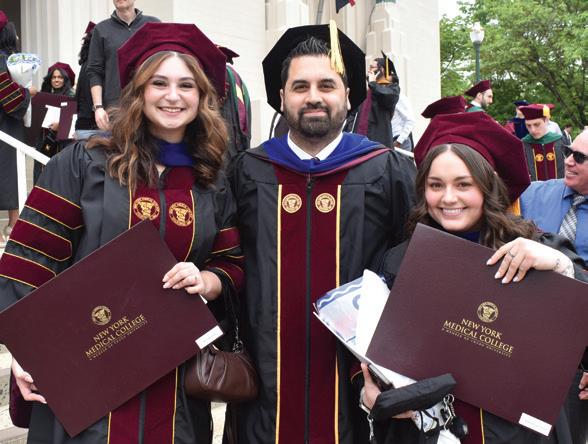
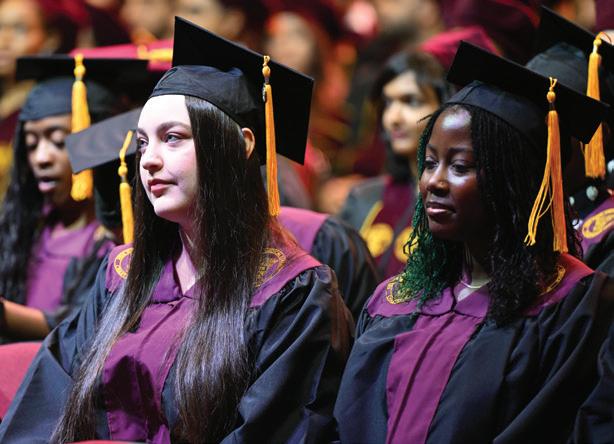
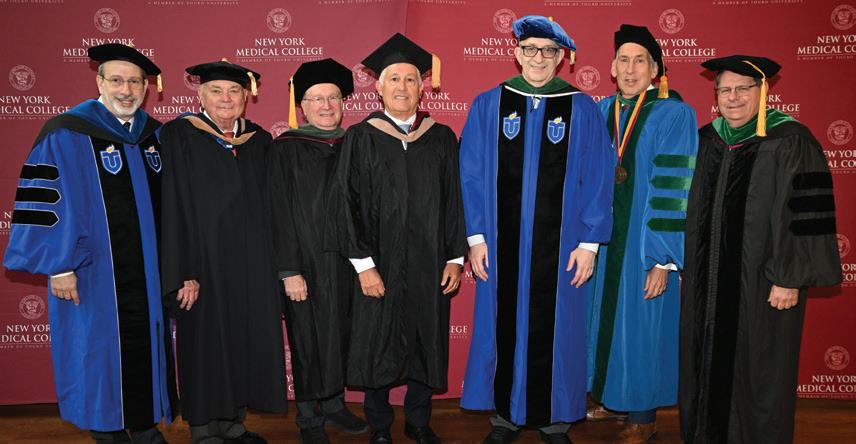
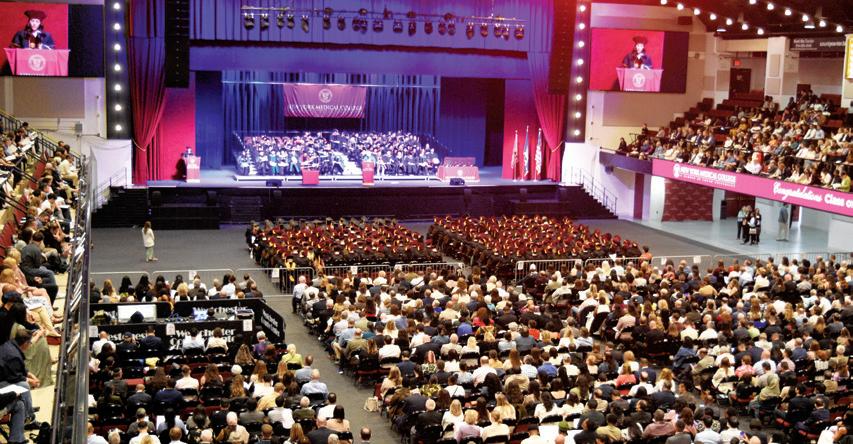
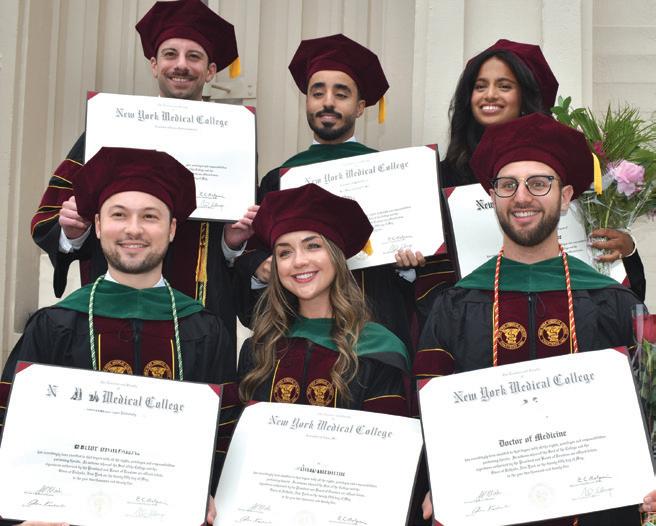
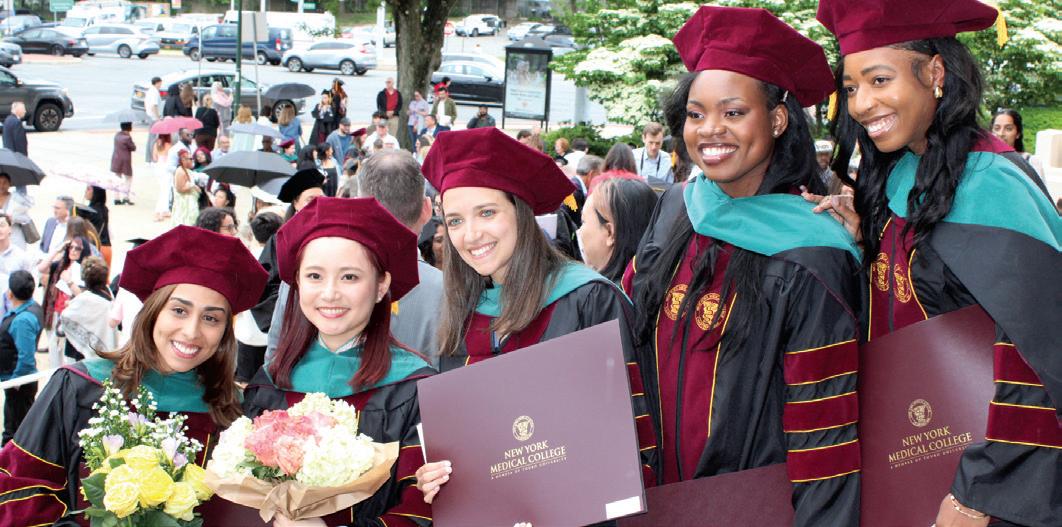
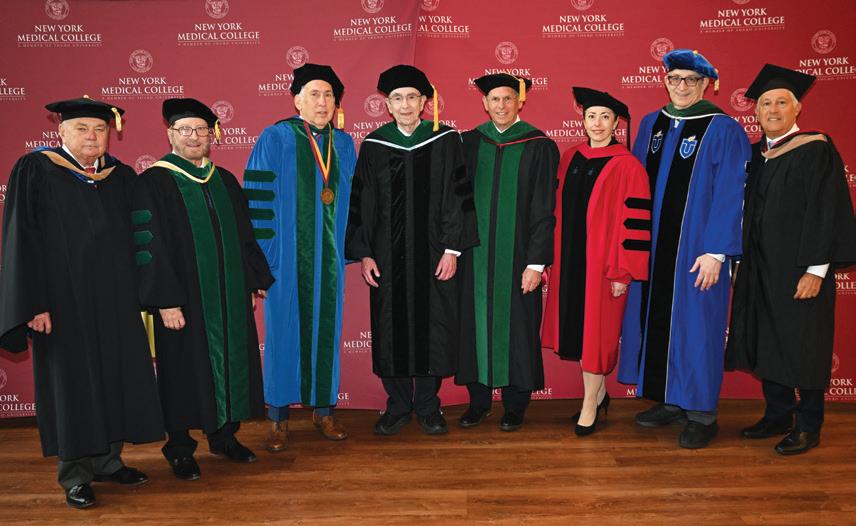
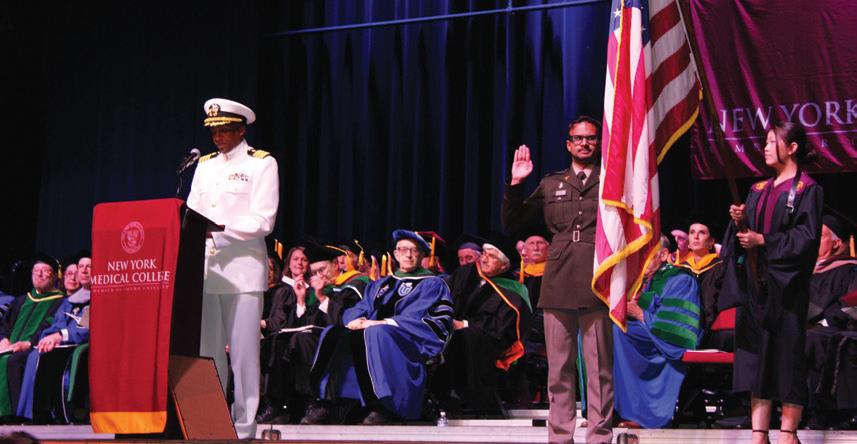
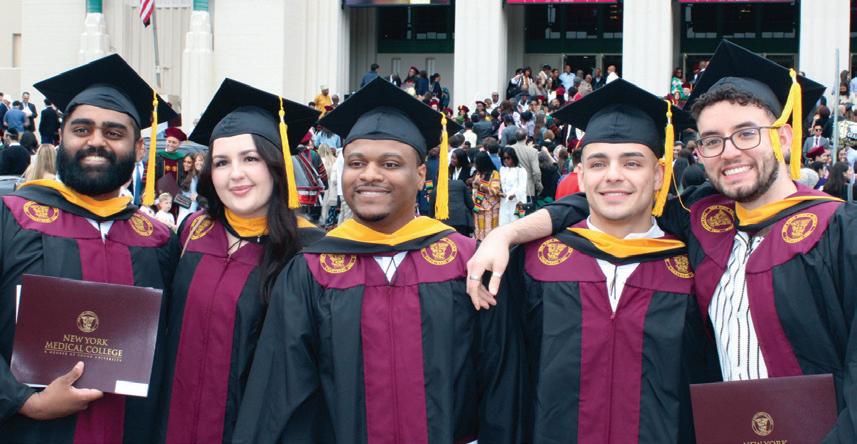
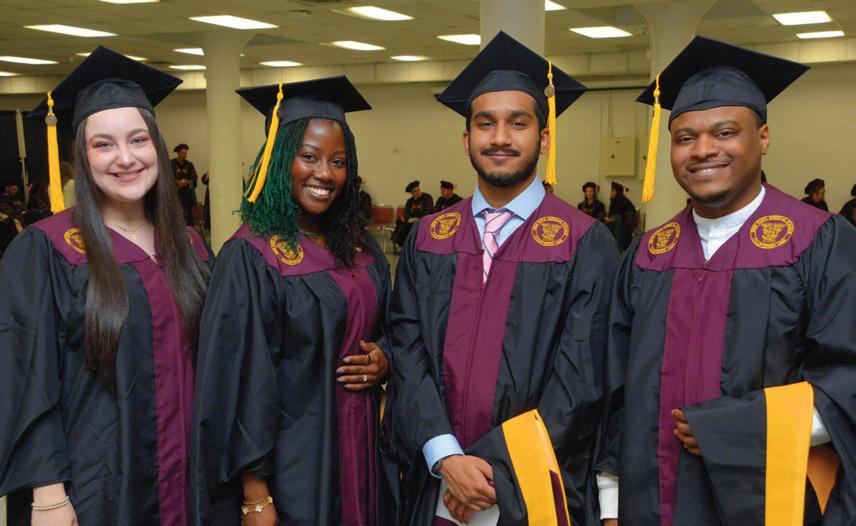
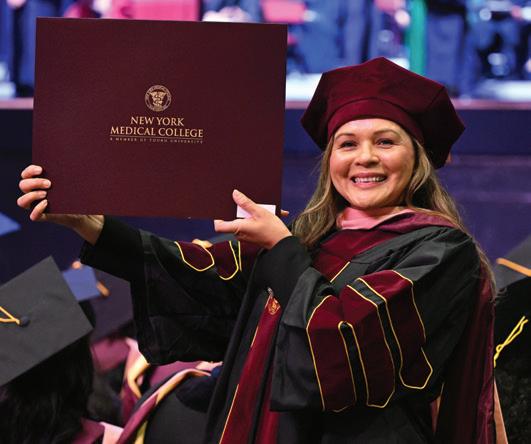
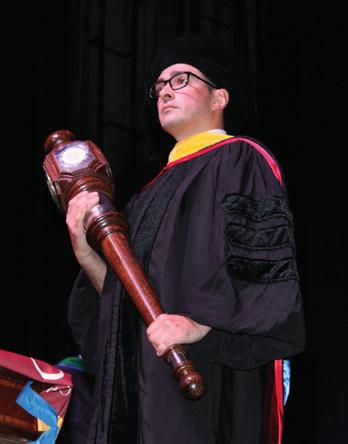
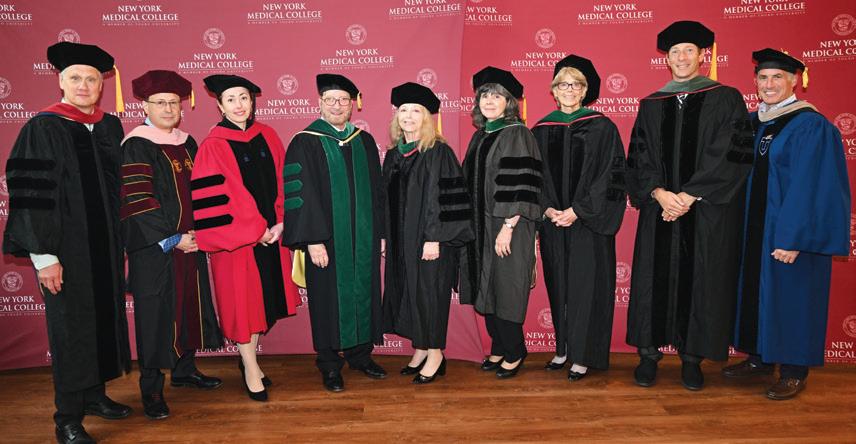
New York Medical College (NYMC) celebrated the Class of 2025 at the 166th Commencement Ceremony for the Graduate School of Biomedical Sciences (GSBMS), School of Medicine (SOM), and School of Health Sciences Practice (SHSP) at the Westchester County Center in White Plains, New York, on May 28, 2025.
Audiences comprised of friends, family, colleagues, and peers joined together to celebrate the conferral of more than 400 degrees to the Class of 2025, including 200 doctor of medicine (M.D.) degrees; 43 doctor of physical therapy (D.P.T.) degrees; seven doctor of philosophy (Ph.D.) degrees; 87 master of science (M.S.) degrees; 59 master of public health (M.P.H.) degrees; and 13 doctor of public health (Dr.P.H.) degrees.
GSBMS and SOM commencement speaker and honorary degree recipient of the degree Doctor of Science, Robert J. Lefkowitz, M.D., recipient of the Nobel Prize in Chemistry in 2012, Chancellor’s Distinguished Professor of Medicine and professor of biochemistry and chemistry at Duke University Medical Center, and investigator at Howard Hughes Medical Institute, left graduates with heartfelt advice, urging them to listen to the strings of their own hearts and to pursue their careers with passion, purpose, and optimism.
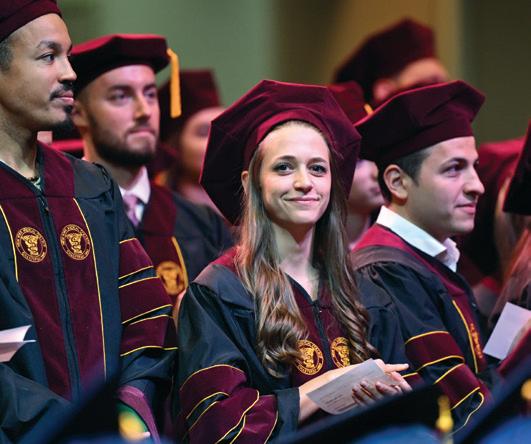
SHSP commencement speaker, Mary Leahy, M.D., M.H.A., commissioner of the Rockland County Department of Health and distinguished visiting professor of public health, reminded the graduates that their journey doesn’t have to be linear. “Stay connected to what brought you here today,” she said. “Your passion, your empathy, and your desire to help. Let that guide your choices. Don’t be afraid to change the course when needed, but never compromise your values.”
Alan Kadish, M.D., president of NYMC and Touro University (TU), expressed his pride in the achievements of the graduates. “I’m extraordinarily proud of what you’ve accomplished so far, and I’m absolutely convinced that, given the quality of your work and the skills you’ve demonstrated to get here, you will be ready for whatever the future holds,” he said. “I’m also deeply optimistic about what you, as a class, will contribute to society— especially at a time when we need it most.”
Edward C. Halperin, M.D., M.A., chancellor, and chief executive officer, gave his charge to the new health professionals. “NYMC and TU sends you forth confident that you possess the tools necessary to explore. We, as an institution, and I, as chancellor of this institution, wish all of you God’s speed on this life journey of exploration.” ■
BY MELISSA PHETERSON
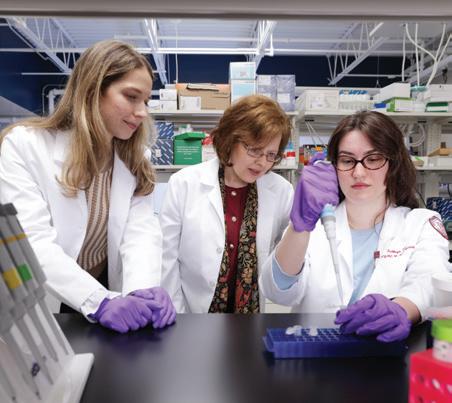
As an undergraduate logging time in the lab, Jason Jin’s first taste of research was “rote and scripted, just going through the motions for each particular experiment,” he recalls. But later in his research career, including at New York Medical College (NYMC), Jin found the process more stimulating, even exhilarating. “In this academic research environment, the questions we pursue and the paths we take are self-driven,” says Jin, School of Medicine (SOM) Class of 2028. “By definition, we are always working to discover something unique.”
As a first-year, Jin joined the Medical Student Research Forum (MSRF) committee to plug into resources, work with a mentor, and help organize the annual event. Now in its 30 th year, the forum drew a record-breaking 200 participants in December 2025. Planned entirely by SOM students, the MSRF features oral
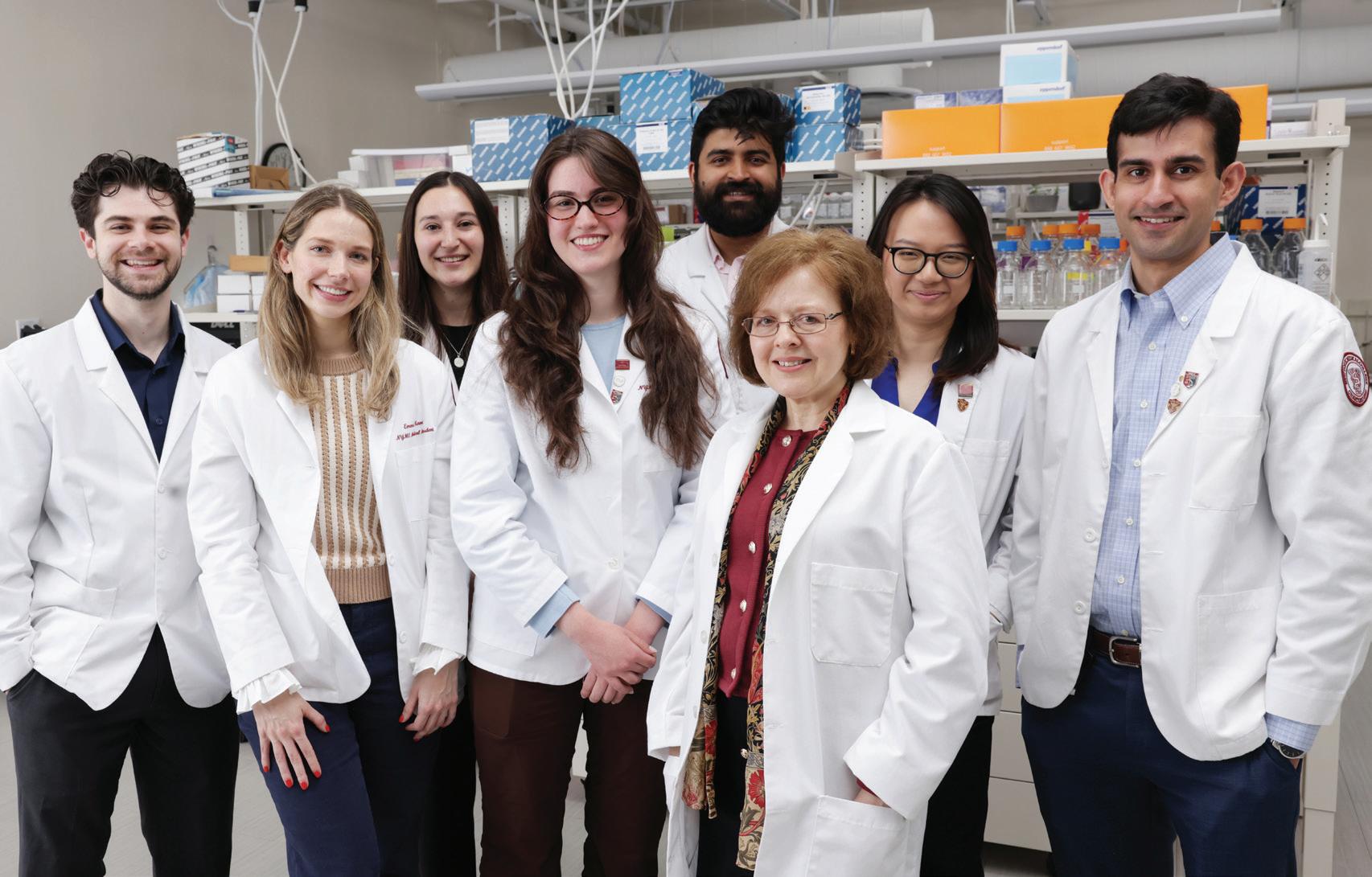
At New York Medical College, a thriving culture of student-driven science builds skills from coding to communication, analyzing the tiniest cellular changes and broadest swaths of data to improve health outcomes.
presentations and poster sessions in two categories: basic science and clinical science.
This student scholarship extends across NYMC’s schools. Graduate students in the biomedical sciences present their work annually at the Graduate Student Research Forum, now in its 37th year, which highlights doctoral and master’s research through flash talks, posters, oral presentations, and a keynote. This forum, also organized by students, provides a platform for emerging scientists to share findings, receive feedback, and prepare for careers in academia, industry, or clinical research. Leading scientists, including Nobel laureates, deliver the keynote address.
In the School of Health Sciences and Practice (SHSP), the annual Research and Scholarship Day is an opportunity for students
It is no longer merely a niche or a resume line that’s ‘nice to have.’ Instead, research calls upon skills such as critical thinking, analysis and observation that students will use every day as future physicians.
Dr. Petzke
and recent graduates to present their research findings, concepts and proposals, scholarship results, case presentations and series, dissertations and theses. From Medicaid cost trends to interventions on postural control for children with cerebral palsy, the students showcase a wide range of projects and highlight innovative approaches to complex health challenges.
“The goal is for students to present their research to a general audience; explain difficult concepts in a more digestible way; and meet faculty who are able to provide encouraging feedback and suggestions for development,” Jin says. “Getting involved is a way to share my experience in research and encourage others to take part.” The day itself serves as a reward for months of planning. “My friends’ presentations gave me a glimpse into their research approach, the range of interests they have, and how much the College supports those opportunities.”
“I see research as a foundational pillar of medical education,” says Mary M. Petzke, Ph.D., associate dean for medical student research, associate professor in the Department of Pathology, Microbiology, and Immunology, and director of the Biomedical Research Area of Concentration. “It is no longer merely a niche or a resume line that’s ‘nice to have.’ Instead, research calls upon skills such as critical thinking, analysis, and observation that students will use every day as future physicians.” As they will with patients, she explains, “our research students shift into detective mode: deriving meaning from data, context, and observations to work toward a conclusion.”
Furthermore, as data science and informatics loom larger in medicine, research experience and opportunities become critical for students. “To even qualify for certain specialties— dermatology, ophthalmology, surgery—candidates need to produce substantial scholarly output,” says Dr. Petzke.
Over the last decade, under Dr. Petzke’s leadership, student engagement in research has exploded at NYMC. By 2023, 80 percent of medical students participated in research: engaging in fellowships, publishing in prestigious journals, presenting at conferences, and driving collaborative projects that address everything from rare gene mutations to global health issues, and from cellular mechanisms to social media comments from patients. In addition, the number of students who published peer-reviewed manuscripts has more than doubled.
The College’s Summer Research Fellowship funds approximately 100 students to pursue investigations between their first and second years of medical school, with clinicians and scientists serving as mentors. In addition, says Dr. Petzke, students increasingly opt to take a research gap year before their final year of medical school.
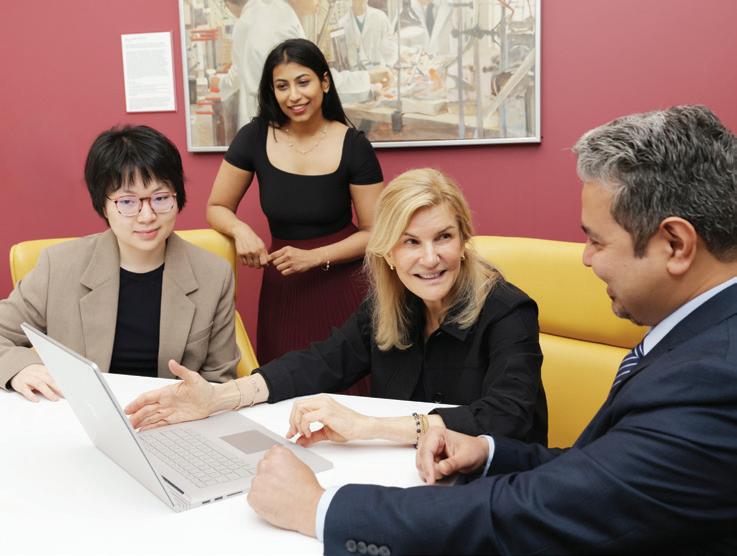
Dr. Petzke directs the SOM’s Biomedical Research Area of Concentration, with approximately 15 percent of each graduating class earning their medical degree “with distinction in research.”
“This concentration is designed to give students a way to dive into an area of their personal interest, beyond the medical school curriculum,” says Dr. Petzke. Components include a foundational course taught by physician-scientists from the National Institutes of Health; a third- or fourth-year research elective; a required presentation at the Medical Student Research Forum; and a two-year student research seminar series of presentations themed around investigative specialties, co-run by the Student Research Subcommittee. In these peer-to-peer sessions, two students present their research on Zoom and then discuss how they discovered the opportunity, their experience working with that mentor and lab, and other insights. The most substantial component of the concentration is a mentored research project, which leads to a capstone project involving a published research article in a peer-reviewed scholarly journal.
For students, the concentration provides both structure and flexibility. Participants can pursue research longitudinally, often returning to the same lab or driving question over multiple years to promote deeper inquiry and more meaningful contributions. Faculty mentors guide students not only in experimental design or data interpretation, but also in navigating authorship, abstracts, and manuscript preparation. Students studying molecular biology may find themselves learning alongside classmates focused on health policy or population health, reinforcing the idea that discovery in medicine cuts across specialties. That cross-disciplinary nature mirrors the landscape of modern medicine: collaborative, open-ended, and informed by multiple sources of evidence.
Dr. Petzke cites several factors fueling the growth of medical student research in the past decade. “First, we had to develop a system for tracking student research involvement and assessing the impact of our interventions,” she says. “We then initiated schoolwide platforms to enhance communication and resourcesharing among students, mentors, faculty, and administrators. We also needed to recognize the time and resource commitments of our faculty mentors in a tangible way, by providing financial support for publications and summer research programs.” She helped establish a dedicated research subcommittee of the Student Senate. “Working with students is the most rewarding aspect of my job.”
Another challenge that Dr. Petzke faced is that “most students do not enter medical school with backgrounds in biostatistics, which is absolutely key when working with large data sets.”
In 2019, Dr. Petzke began to brainstorm with the dean of SOM at the time, Jerry L. Nadler, M.D., who had already identified this gap. Dr. Nadler leveraged resources at the SHSP to launch a program for research support. This evolved into the Center for Collaborative Research (CCR), a team of statisticians and epidemiologists who provide resources and services across NYMC to support successful research projects. “The CCR has been a gamechanger for our research culture,” says Dr. Petzke.
The CCR, under the purview of the Office of the Vice President for Research, is a place for those seeking a methodology for their curiosity. A student might arrive with a clinical observation, like a surprising pattern in patient outcomes, and leave with a refined research question, a feasible study design, and a game plan for statistical analysis. Others seek help in the thick of a project, when early results raise new questions or data sets become complex.
“The CCR exists to turn curiosity into capability. It’s where ideas are challenged, strengthened, and given a clear path forward so that anyone, at any stage, can move from asking questions to advancing knowledge with confidence,” says Salomon Amar, D.D.S., Ph.D., vice president for research and professor of pharmacology and of pathology, microbiology, and immunology at NYMC, and senior vice president for research affairs at Touro University.
“We use evidence-based medicine to teach medical students the fundamentals of study design and the research process,” says Elizabeth Drugge, Ph.D., M.P.H. ’12, associate professor of public health, director of Evidence-Based Medicine (EBM) Curricular Theme, and director of CCR. “They go hand in hand. Once they have foundational competencies under their belt, they can begin research from a more sophisticated vantage, with more confidence.” CCR remains engaged with students throughout their investigations, from study design through publication.
Recently, Dr. Petzke acquired a set of real-world hospital data from millions of patient encounters across the country through the Healthcare Cost and Utilization Project (HCUP), a federally sponsored aggregate of databases. Gathered from de-identified billing and discharge records, this information broadens the aperture for researchers.
“As clinicians, we treat individuals; but the evidence guiding solid research is drawn from wider patient populations,” says Dr. Drugge. “Specialties like epidemiology, biostatistics, and population health emphasize that macro-level aspect of inquiry, teaching students to become more sophisticated researchers.”
Working with swaths of data primes students to think about broader patterns that shape clinical practice and health policy. Students learn to reflect on both results and limitations: who is (or is not) represented in the data, and how both clinical and non-clinical factors may shape outcomes. Many students decide to leverage research to address the social determinants of health: factors such as housing, income, access to food, or social isolation that often dramatically impact clinical outcomes.
“Clinicians today need to be well-versed in the biopsychosocial model of health,” says Dr. Drugge. “The more they understand and factor this holistic lens into research, the more sensitive they become to populations that may be under-represented in medicine.” In fact, she says, students have conducted systematic reviews of under-representation in clinical trials among minorities who carry a greater burden of disease.
That mindset animates the annual SHSP Research and Scholarship Day, highlighting work in public health, physical therapy, speech-language pathology, and health policy. Because evidence-based inquiry shapes policy decisions, clinical protocols, and interventions, this research into epidemiology, community-based research, health equity, and implementation science accrues powerful real-world impact.
For example, Donald MacElroy, SOM Class of 2026, and Jay B. Ayar, Dr.P.H. ’25, of the SHSP, published a study in the Journal of Orthopaedics with faculty at Westchester Medical Center, a major clinical affiliated site. This student-led team asked whether patients who are legally blind have a riskier hospital experience when they receive cervical or lumbar spinal fusion surgery, compared with patients who are not legally blind. With data from the National Inpatient Sample Dataset, they found that blind patients had a 58 percent higher risk of major post-surgery complications; higher likelihood of non-home discharge; and an increased chance of longer hospital stays. These findings build evidence for strategies serving legally blind patients, such as vision-aware rehab protocols and crossdisciplinary care teams. Last year, Dr. Drugge joined Dr. Ayar and Rebecca Strafella, SOM Class of 2026, to examine whether race is associated with maternal morbidity among pregnant patients with polycystic ovary syndrome, again using national inpatient data to identify nearly 20,000 patients. The published study highlighted persistent racial disparities to support clinical and public health interventions.
In addition to supporting students in research methods through individual meetings and courses, CCR works to connect students with ongoing projects, encouraging collaboration with other researchers and mentors. CCR also introduces faculty and residents to students who can help advance their initiatives.
“Most importantly,” says Dr. Drugge, “we want students to be knowledgeable when interpreting literature, and confident when presenting research, so they can continue to become evidencebased practitioners and/or clinical researchers.”
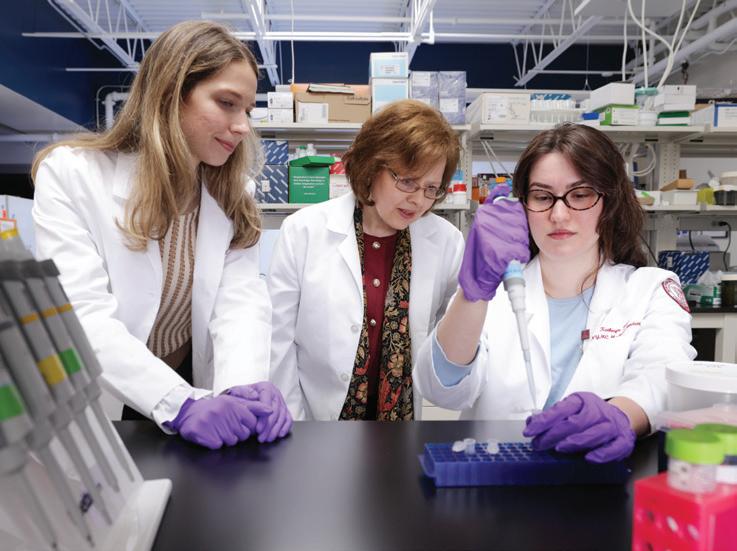
Most importantly, we want students to be knowledgeable when interpreting literature, and confident when presenting research, so they can continue to become evidence-based practitioners and/or clinical researchers.
Dr. Drugge
“Research benefits everyone: students, faculty, mentors, patients, and NYMC as an institution,” says Dr. Petzke. “Many students tell me their research background helped them stand out in residency interviews or evaluations, or that they networked at a conference to gain connections.”
“For our faculty,” she adds, “medical students are more than extra pairs of hands. They’re extra brains with fresh perspectives and newer skills, such as coding in the programming language of Python.” The next step is ensuring students have computing power, data analysis software, and tools for the emerging research field of precision medicine, such as gene-editing technologies like CRISPR.
At grand rounds at NYMC affiliates, says Dr. Drugge, “we try to impress upon residents and attending physicians that medical students are already coming in at a sophisticated level, and can be contributors to any research project.”
Ultimately, investing in student research strengthens NYMC’s academic mission. Student projects often seed larger faculty investigations, contribute to multi-center collaborations, and generate insights that inform clinical practice across affiliated hospitals. As students move into residencies and fellowships nationwide, they carry with them not only technical skills, but a commitment to lifelong learning.
Jin took advantage of NYMC’s class in the open-source programming language R. Provided by CCR, this course is designed for statistical computing and data visualization.
“Learning R helped me understand how to interpret and present data in an aesthetically pleasing, clear-cut way,” he says. Beyond coding, he says, this requires “thinking through how to condense huge blocks of text or spreadsheet columns into tables and graphs.”
“The great thing about presenting data,” he adds, “is that you begin to speak the universal language of science.”
Jin has since pivoted to translational and clinical science, with a summer internship at Joslin Diabetes Center in Boston to investigate auto-immunity in Type 1 Diabetes. He has also examined the growth of cystic fibrosis in the small intestines of patients. “My foundation of basic science, observing small intestines in mice, helped me better understand and explain to patients the granular aspects of cystic fibrosis, how small and subtle changes can affect their bodies on a large scale,” he says. “The skills of research translate to virtually every field.” That includes softer skills, too: “Working with people and their data requires a certain level of care and sensitivity.”
Indeed, beyond the prestige of publication or even the Eureka! moment, leaders at the College understand that students tend to carry a research mindset into clinical settings, where careful listening and thoughtful inquiry can elevate routine care into truly personalized medicine.
Speaking at the 2025 MSRF, Mill Etienne, M.D. ’02, M.P.H., vice chancellor, associate dean for student affairs, and professor of neurology and of medicine, affirmed this sentiment. “One of the most important traits for a student to have, aside from humanism and bedside manner, is curiosity,” Dr. Etienne said. Indeed, intellectual curiosity is among the guiding values of NYMC: the impulse to seek answers that change lives. ■
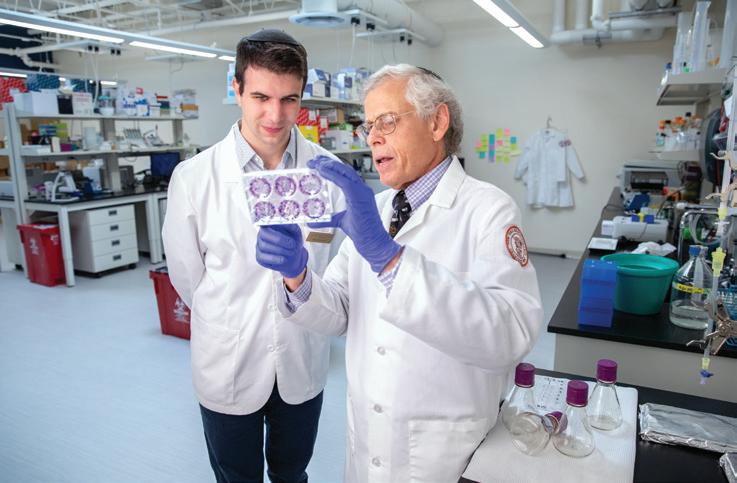
Arax Tanelian, Ph.D. ’24, received the Best Ph.D. Thesis of the Year Award by Brain Sciences, an international, peer-reviewed, open access journal on neuroscience published monthly online by MDPI. Her thesis was entitled, “The Interplay of Gut Microbiota and Their Metabolites as Potential Regulators of Resilience or Susceptibility to Traumatic Stress in Male and Female Rats.”
Dr.P.H. candidates in the School of Health Sciences and Practice, Kola Adegoke, M.S., Temitope Kayode, M.D., M.P.H., M.B.B.S., D.R.H., D.H.A., and Mallika Singh, M.S., were first authors on the study, “Remote Work, Well-Being, and Healthy Labor Force Participation Among Older Adults: A Scoping Review,” published in the International Journal of Environmental Research and Public Health. The trio also published, “Systemic Racism in Canadian Healthcare: A Policy and Equity Analysis,” in the Journal of Primary Care and Community Health
Aryan Malhotra, SOM Class of 2027, may have set a research presentation record with his participation at the Congress of Neurological Surgeons Conference in October 2025, where he was a part of a staggering 24 research projects, including 18 as first author.
Patricia Curtin, SOM Class of 2028, was one of just 15 medical students nationwide chosen as a recipient of the 2025 American Academy of Neurology Medical Student Research Scholarship. She received a stipend to conduct neurosciencebased research at Weill Cornell Medicine, exploring objective markers for cognitive function after a pediatric brain injury.
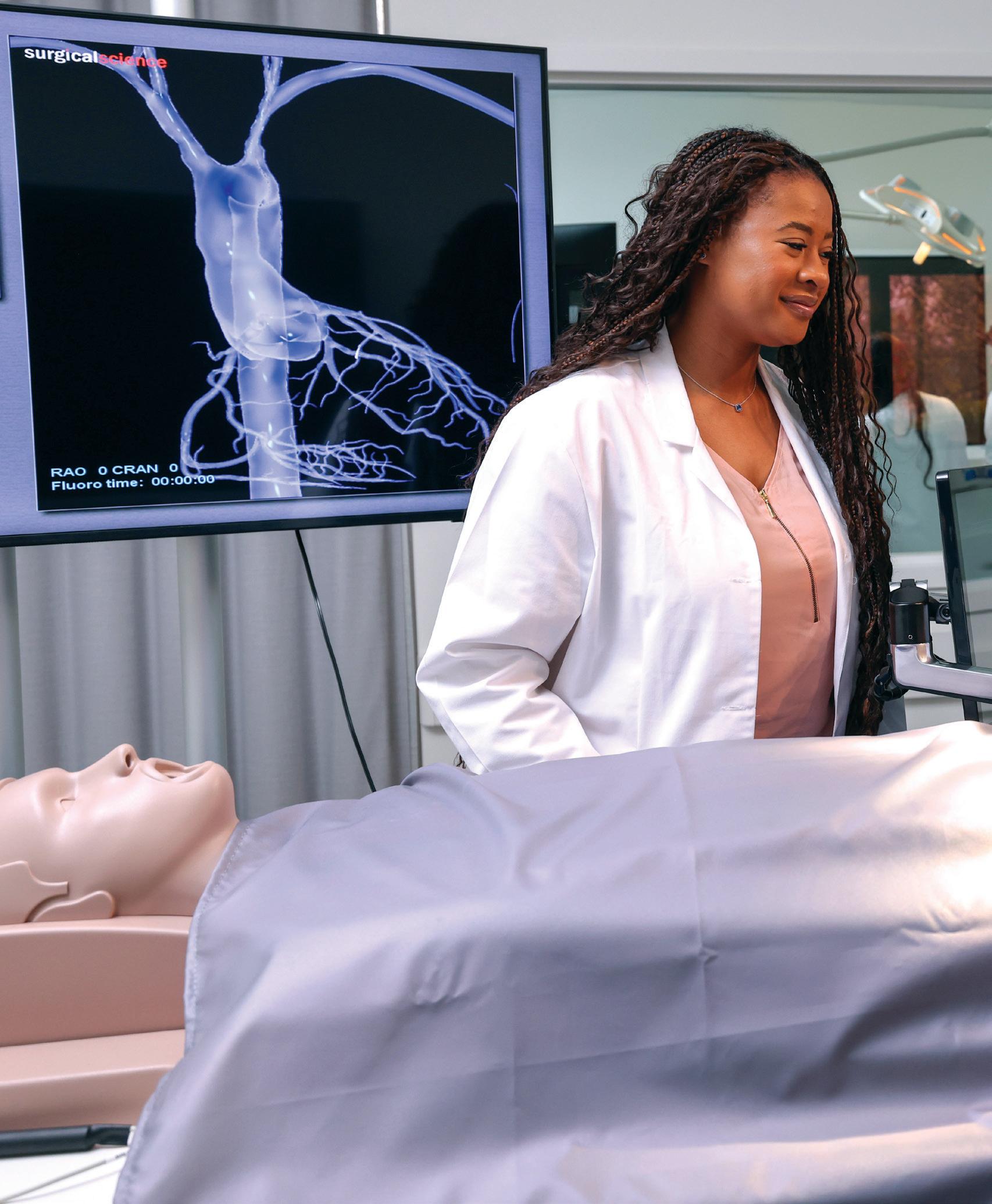
The state-of-the -art renovations of the Clinical Skills and Simulation Center expand the bridge from the classroom to the clinic with advanced technology, labs, and medical suites.
BY KIARA THOMAS, M.A.
With the warm glow of the pediatric suite’s light shining above, a desperate, teary-eyed mother cradles her limp infant with a striking blue tinge coloring his tongue. She looks up to a wide-eyed medical trainee, who is navigating such symptoms for the first time. Just a few weeks ago, the trainee guided the delivery of the baby in the birthing suite next door. Now, he’s taking the vitals of the baby who is no more than nine months old. While infants don’t grow this fast in real life,
these rapid scenarios are possible in the everyday realities of New York Medical College’s (NYMC) Clinical Skills and Simulation Center (CSSC).
For more than a decade, life’s critical moments have unfolded in the controlled environment of the CSSC, where medical, physical therapy, and dental students, along with residents and physicians as well as other community health care providers, are taught and assessed on their clinical and procedural skills
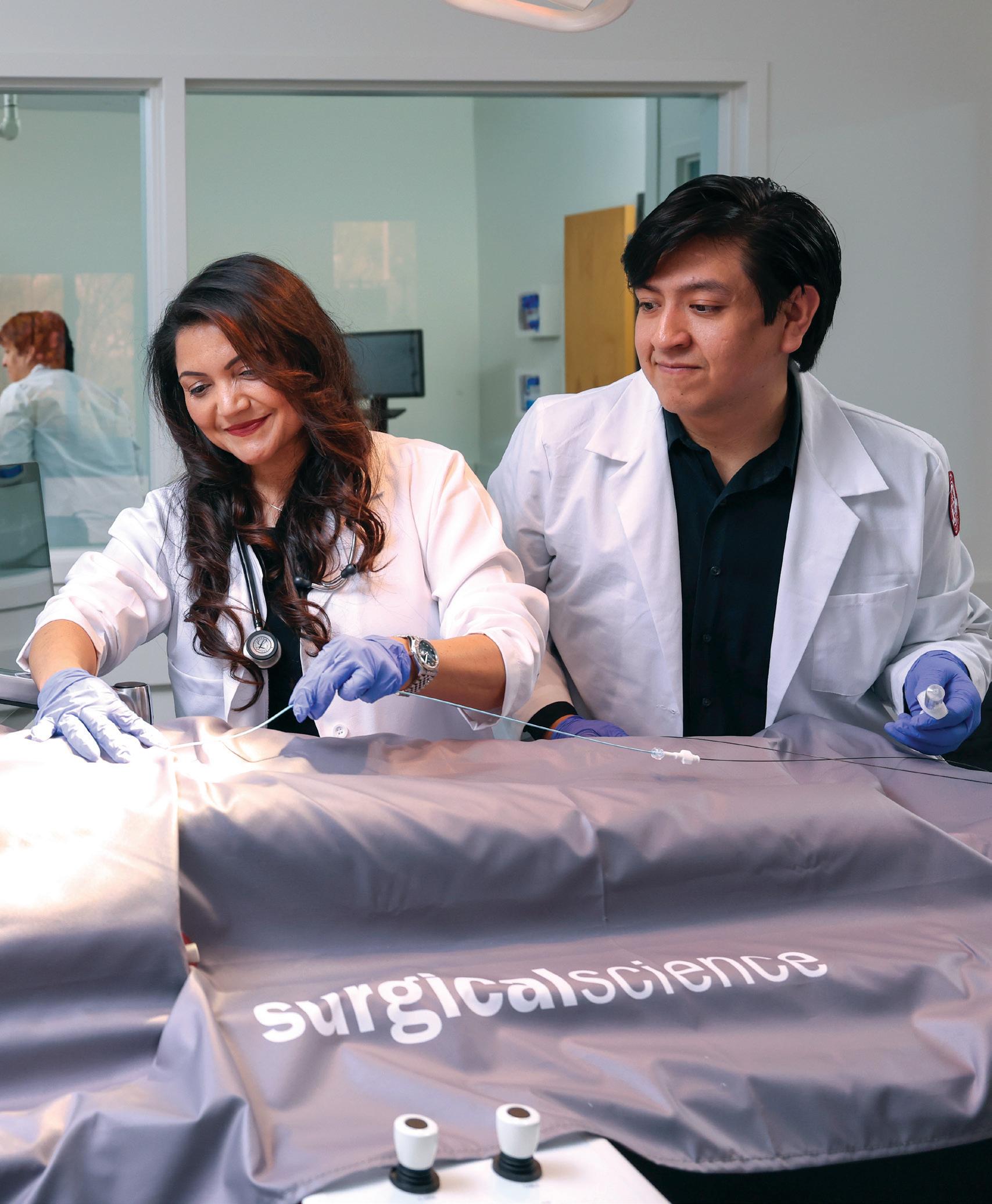
by faculty and simulated patients. A cornerstone of modern medical education, the CSSC has undergone a significant renovation in both its physical structure and its role within the College’s curriculums. Reimagined to resemble a hospital setting, the facility has expanded by approximately 5,000 square feet, becoming 27,000 square feet of cutting-edge, high-tech learning space. The upgrades consist of seven medical suites, classrooms, and labs; the addition of two standardized patient New York Medical College 23
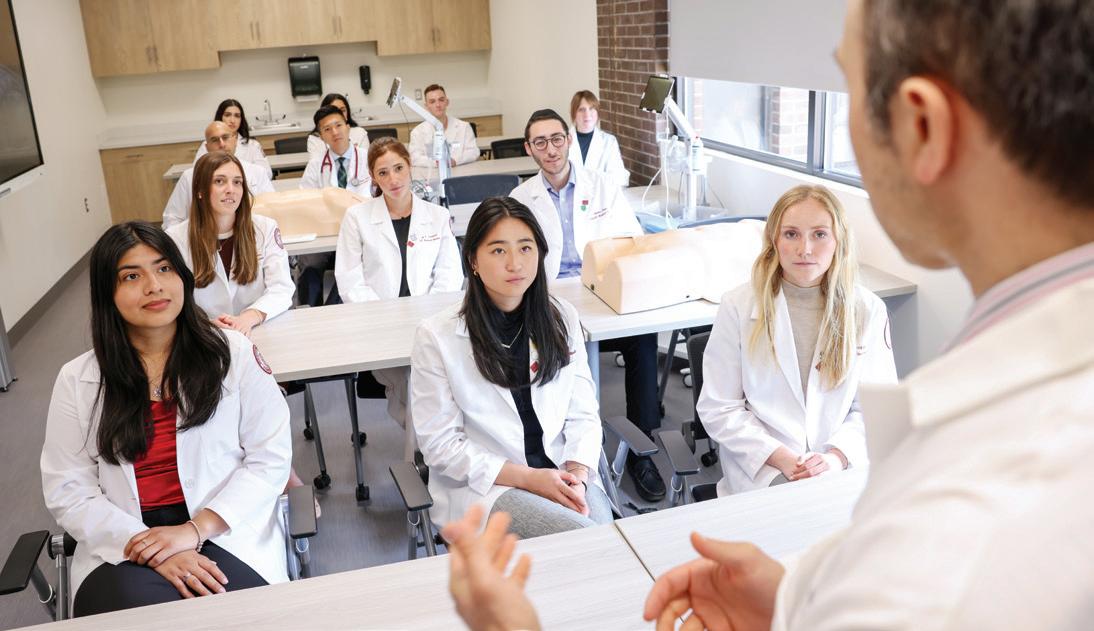
exam rooms, bringing the total to 22 rooms; and inclusive technology reflecting marginalized communities, including patients with disabilities; and an additional dedicated CSSC entrance.
“Students want and need hands-on experiential learning,” says Katharine Yamulla, M.H.E.A., CHSE, director of the CSSC and assistant dean for clinical skills education and assessment, who oversaw the facility expansion since it started in November 2024. “As one of the founding directors that came here when the CSSC opened its doors in 2014, I am so proud that this came to fruition. Here, students are not just sitting in lectures. From day one, whether it’s the School of Medicine (SOM), School of Health Sciences and Practice (SHSP) Doctor of Physical Therapy (D.P.T.) program, or the dental students at Touro College of Dental Medicine (TCDM), we’ve been integrating the CSSC into every aspect of all the curriculums we serve on campus. That’s been the biggest evolution. It’s not just that they come here for a test and leave. They come here for practice.”
The innovative facility allows students and physicians to learn in clinical training environments that accommodate advanced simulation equipment, allowing for expanded access for clinical skills practice, and increases the scope and scale of the College’s programs. Increasing more opportunities for instructional integration between the basic and clinical sciences, the addition of the suites,
classrooms, and labs create a realistic hospital simulation, mirroring the environments where many of its learners will one day work. “We wanted to make sure that we had suites that are dedicated to the specialties that our students and residents either rotate through or match into and expose them to different types of simulated medicine,” explains Yamulla.
The newly designed CSSC, which serves more than 5,000 learners annually, features an ultrasound education and procedural skills classroom, a three-bed ward replicating a hospital inpatient care unit for interprofessional simulations, including trauma and triage care, emergency training, post-operative/ recovery care, and advanced life support; a labor and delivery suite with the pediatric suite adjacent to the room to facilitate hand-off care; an orthopedic suite that offers advanced simulation for surgical techniques using robotics; interconnected critical care and operative simulation suites that simulate operating rooms, ICUs, and catheterization labs for critical care and procedural practice with advanced simulators; and a surgical and procedural skills lab that features hightech stations and interactive monitors for hands-on learning and tutorials. The Leadership in Energy and Environmental Design (LEED) gold-certified Center features sustainable materials throughout and incorporates advanced technological upgrades to enhance learning capabilities.
“It’s very important to me that we are staying in line or ahead of national trends in patient care and clinical skills training, and that is directly what influenced what
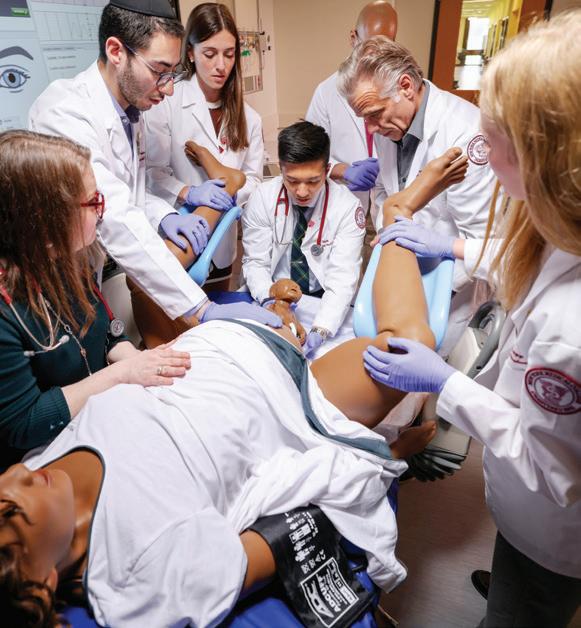
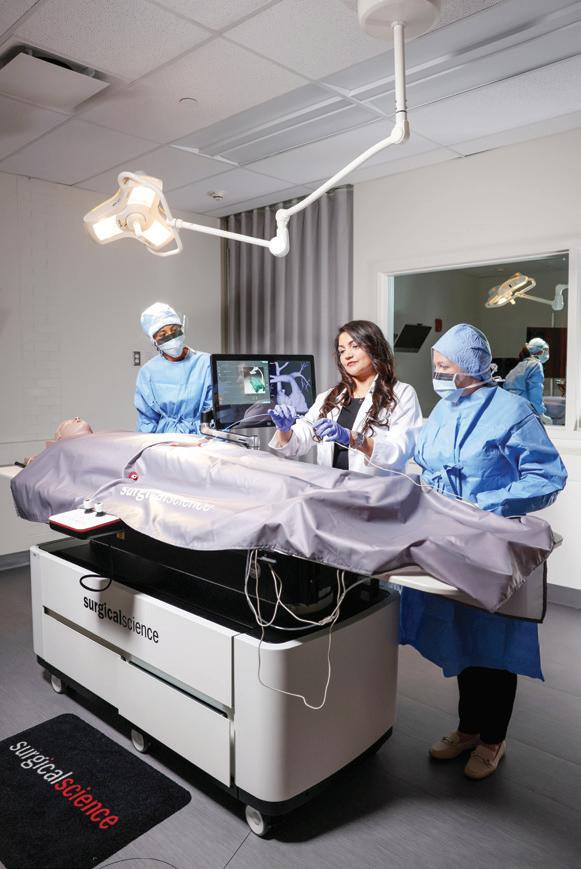
“ ” It's very important to me that
we are staying in line or ahead of national trends in patient care and clinical skills training, and that is directly what influenced what we wanted the expansion to ultimately look like.
Ms. Yamulla
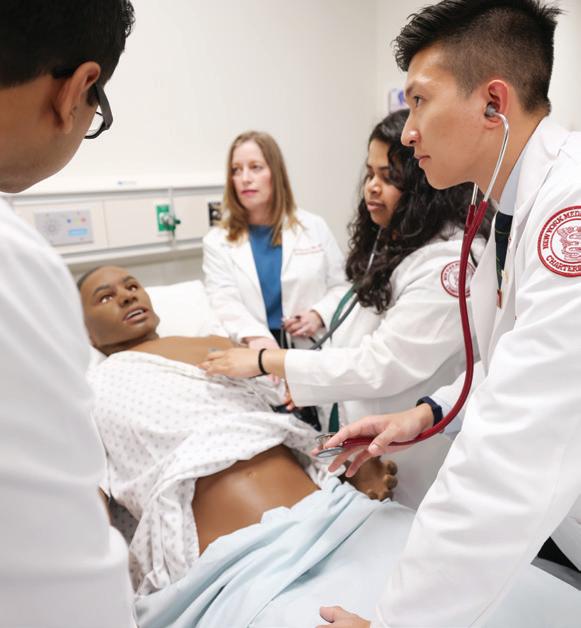
we wanted the expansion to ultimately look like,” says Yamulla, the first nonM.D. to serve as president of the Directors of Clinical Skills Education (DOCS), an affiliate organization of the American Association of Medical Colleges. DOCS shapes clinical skills training at a national level by promoting scholarship, establishing best practices, and encouraging the exchange of ideas across the continuum of clinical skills education.
The Center also includes stations equipped with world-class, high-fidelity manikins that simulate a wide range of medical scenarios and procedures to represent patients from premature infants to adults, along with a newborn incubator, scrub sink stations, medical-grade gases for procedures, and advanced task trainers. These enhancements transform the Center into a state-of-the-art training hub, preparing learners for realistic and complex health scenarios in a low-stakes environment. Yamulla is also working with the Society for Simulation in Healthcare to acquire accreditation status. The expansion plays a pivotal role in this mission, which will help the CSSC become a regional leader in first-class training.
“The renovation allows for more reallife scenarios,” says Joshua Lee, M.D. ’25, and a former member of the SOM Education and Curriculum Committee.
“The expansion has the spaces that exist in a hospital and allows for students to get acclimated to the hospital setting, gaining experience beforehand. The CSSC will help develop skills needed to navigate various medical situations to better prepare students and residents to
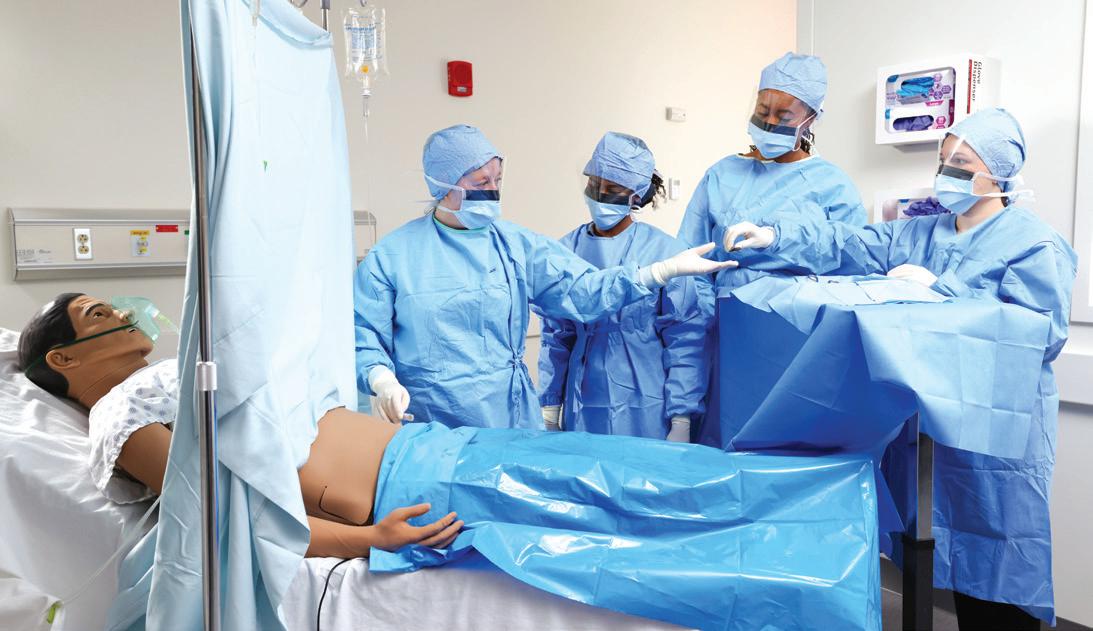
understand potential outcomes, express empathy, and collaborate with the members of a medical team before we step foot in a hospital.”
The facility is also designed to incorporate patient populations of various backgrounds into the simulated training, including people with mental and physical disabilities. Of the facility’s 22 spacious standardized patient exam rooms, six are accessible for people with disabilities, consisting of electronic beds, Hoyer lifts, and large doors to accommodate wheelchairs to ensure learners deliver culturally competent health care. The Center also includes manikins in light, medium, and dark skin tones to encourage social awareness and provide a more representative learning environment that reflects the patient populations health care professionals will encounter throughout their careers.
“There’s a great deal that students need to learn today, more than ever before,” explains David E. Asprinio, M.D., chair and professor of the Department of Orthopedic Surgery and professor of pharmacology, who sponsored the orthopedic suite. “They need to develop a strong knowledge base, technical skills, and behavioral attributes, as well as learn how to interact effectively with patients. Our clinical skills facility has been invaluable in developing all these skills, and the new upgrades will only enhance its effectiveness. Take orthopedic surgery, for instance—it’s technically very
demanding, and with current work hour restrictions, it’s crucial that students’ time is utilized effectively.”
The facility has more than 15 integrated smart boards that link directly to student devices for in-session activities and to continue projects once they leave the CSSC, as well as new audio-visual equipment for the classrooms and technology to communicate between rooms.
Students can train on advanced manikins and task trainers, including SimMom, which accurately simulates various birthing scenarios and provides realtime feedback on student performance via a software platform; SimNewB for advanced pediatric training, and ultrasound-guided task trainers. The Center also houses the next-generation maternal and birthing simulator, MamaAnne, designed for high-fidelity training in critical obstetric emergencies. NYMC is the first institution in the Northeast to introduce MamaAnne. The facility will also implement advanced surgical skills trainers that can augment laparoscopic and robotic surgeries in the orthopedic suite in the future.
“Students will start to fade off if you teach in a traditional lecture-style way,” says Chrisia Noulas, M.D. ’92, assistant professor of pediatrics and pediatrics clerkship director for the SOM. “Getting students involved and having them be hands-on is the best way to teach. Students are less likely to make mistakes with real patients if they have practiced and received feedback on clinical skills in a simulated environment.”
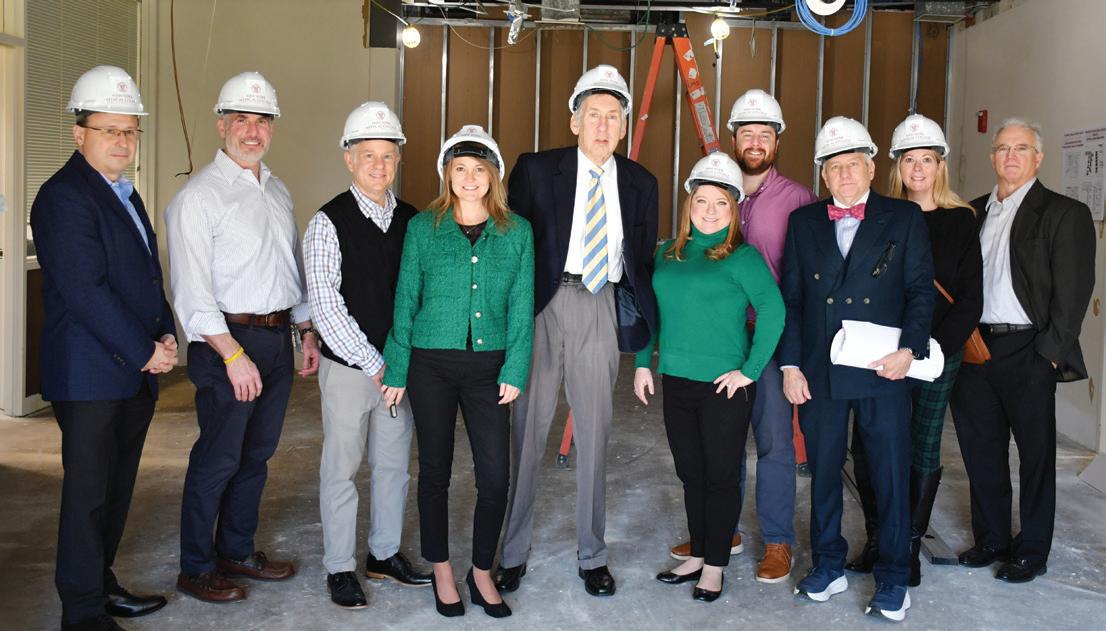
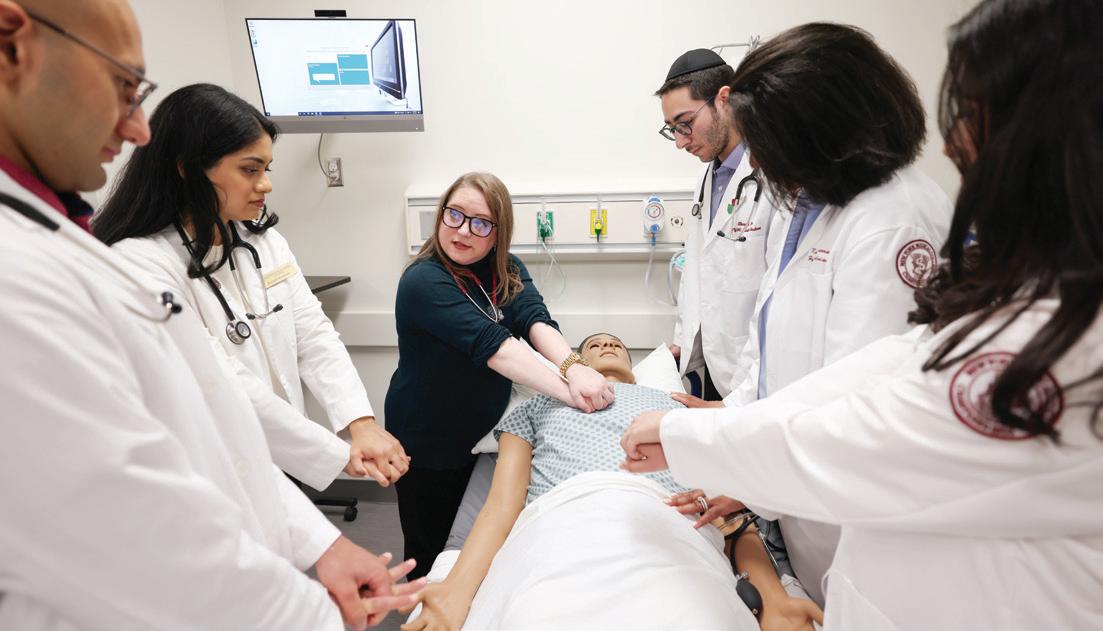
The physical environment has evolved but so has the clinical skills education. Yamulla has had a hand in the SOM curriculum redesign and partnered with TCDM and the SHSP’s D.P.T. Program to help create educational opportunities that also use the resources provided by the CSSC. “The Center is never sitting empty because there’s always a need for experiential learning,” she says.
In 2021, the Step 2 Clinical Skills (Step 2 CS) of the United States Medical Licensing Examination, an exam for medical students to become licensed physicians, was officially discontinued during the COVID-19 pandemic, opening the doors for medical schools, like NYMC, to create innovative opportunities instead of teaching to a test.
“Not having to teach to a test such as Step 2 CS has provided us with the freedom to reimagine simulation using standardized patients and manikins by more accurately simulating the continuity of patient care they will experience in real medical settings,” explains Yamulla. “For example, in our pediatric clerkship, students can experience treating a young teen throughout the course of their formative years and then have to oversee the care of the same patient, now in manikin form, who came into the ER due to an opioid overdose.”
Erica Ball Winn, a professional actor and standardized patient educator, has been an integral part of the CSSC since its inception, portraying various ailments to help students refine their physical exams, history taking, and communication and empathy skills. She says the renovations
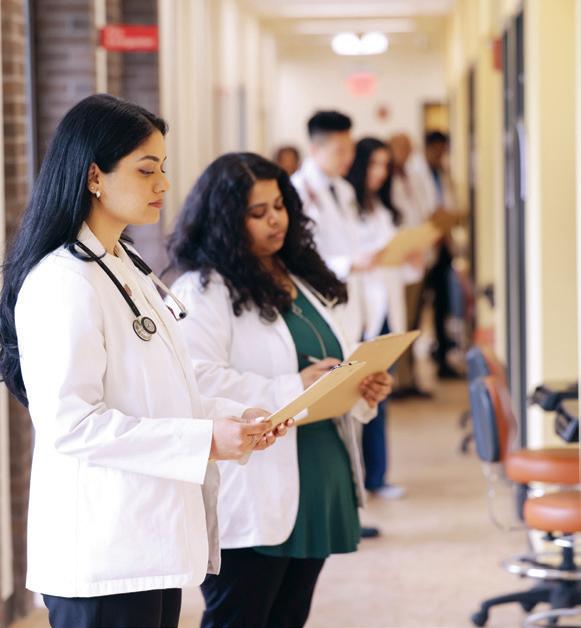
are not just exciting for the students, but also for the standardized patients.
“I am blown away,” says Winn. “The facility is state-of-the-art. The renovations are enhancing what the CSSC has already been doing, while also taking the facility to the next level of training. Now, we can replicate and write scripts for more complex real-life scenarios to help NYMC students become well-equipped professionals.”
The new space creates an additional opportunity for expanded interprofessional education (IPE) training. Students in different disciplines learn the same skills in the Center, with physical therapy students utilizing the facility to learn cardiology skills including auscultation, like their medical student counterparts. Students also participate in collaborative classes, such as dental students partnering with medical students and working alongside speech-language pathology (SLP) students. The newly designed Center allows for tailoring more classes to incorporate cohesive lessons to enhance skill sets for a deeper understanding of the collaboration students will encounter in their fields.
“I’m excited about the endless possibilities of IPE,” exclaims Vikas Grover, Ph.D., CCC-SLP, chair of the Department of Rehabilitation Sciences and chief and professor in the Division of SpeechLanguage Pathology in the SHSP. “We are conducting more IPE activities, which allow students from different disciplines
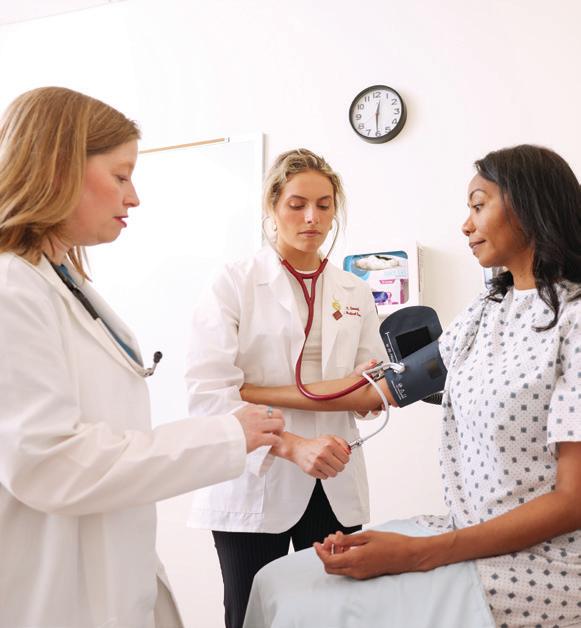
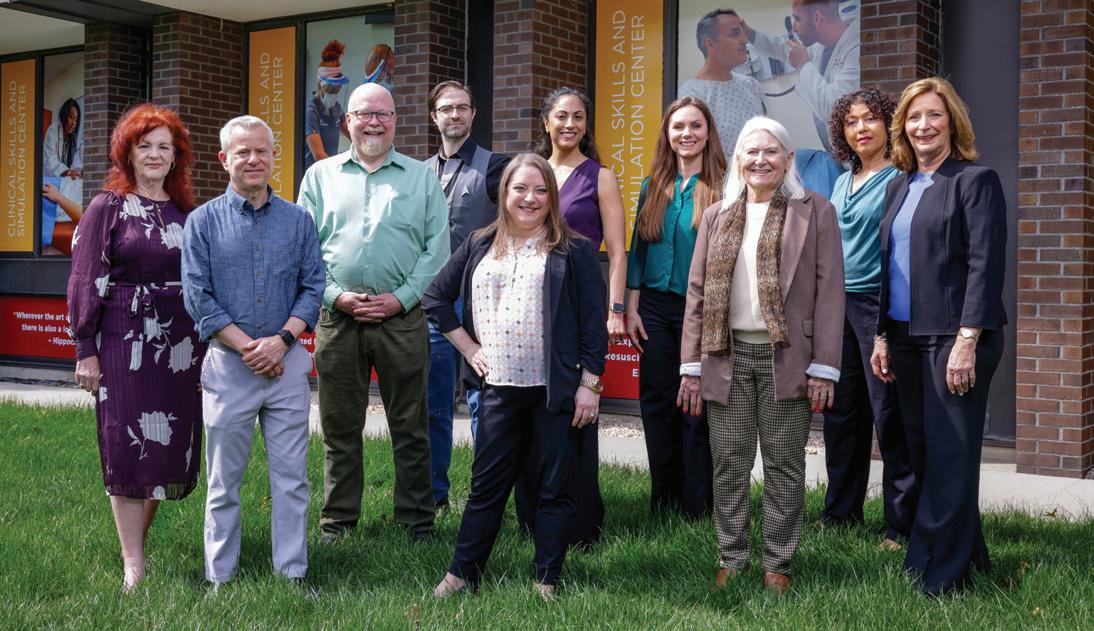
“
Getting students involved and having them be hands-on is the best way to teach. Students are less likely to make mistakes with real patients if they have practiced and received feedback on clinical skills in a simulated environment.
”
Dr. Noulas
to come together and learn from each other’s discipline so that when they go out in the field, they are aware of each other’s role, as well as the different ways that the other health care professional thinks in the same situation.”
The Division of Speech-Language Pathology is also looking to integrate the CSSC into its curriculum to better prepare students for the medical aspects of the profession. In the medical management courses, SLP students already learn about tracheostomy and ventilator dependence, acute care, bedside evaluations for swallowing disorders, and flexible endoscopy. “With the Center, students would be able to use the skills they learned in the classroom and apply them in a realistic, simulated environment to build their confidence,” says Dr. Grover.
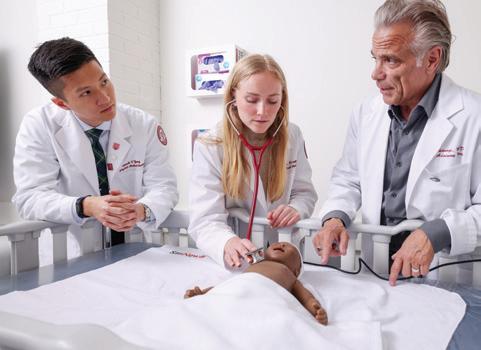
The Center offers additional programming and certifications that strengthen ties between academia and clinical practice to enhance patient safety and health care outcomes. Approved by the American Heart Association (AHA) as a certification site, the CSSC has provided Basic Life Support training, and now will be able to include Advanced Cardiovascular Life Support and Pediatric Advanced Life Support courses for students, faculty, and community health care providers with the addition of space. The new trainings were offered to the SOM Class of 2026, certifying the students before they get into residency. “A lot of residency programs aren’t necessarily providing those certifications anymore,” says Yamulla. “We realize that it is a financial ask for these students who are just starting out in the profession.”
Looking ahead, the CSSC hopes to expand the volume of training programs it offers and emerge as a regional training site extending its reach beyond the students, residents, physicians, and high school programs the facility currently serves one simulated heartbeat at a time. ■
NYMC and the CSSC are grateful to its donors and grantors
David E. Asprinio, M.D., and Kimberly L. Flood, M.D.
The Christopher and Dana Reeve Foundation
The Children’s Dream Foundation
Drs. Esther and Ben Chouake
Alan Dauer, M.D. ’62
Noreen F. Bedini Ferrante, M.D. ’84
Michael Grasso III, M.D., and Kathy Grasso
Richard Giovannelli, M.D. ’81
Ronald P. Gregoire, M.D. ’74
Edward C. Halperin, M.D., M.A. Health Resources and Services Administration
Jane Hew, M.D. ’93
Dr. and Mrs. Alan Kadish
Jinhee Kwak, M.D. ’99
Frederick MacDowell, Jr., M.D. ’53
NYMC Board of Advisors
Paul D. Ostrovsky, M.D. ’78 and Rebecca Ostrovsky
Lee B. Pressler, M.D. ’90
Richard E. Rohr, M.D. ’80
Lois G. Schiappa
Gigi Thomas, M.D.
Susan N. Tierman, M.D. ’79
Elias A. Zias, M.D. ’89
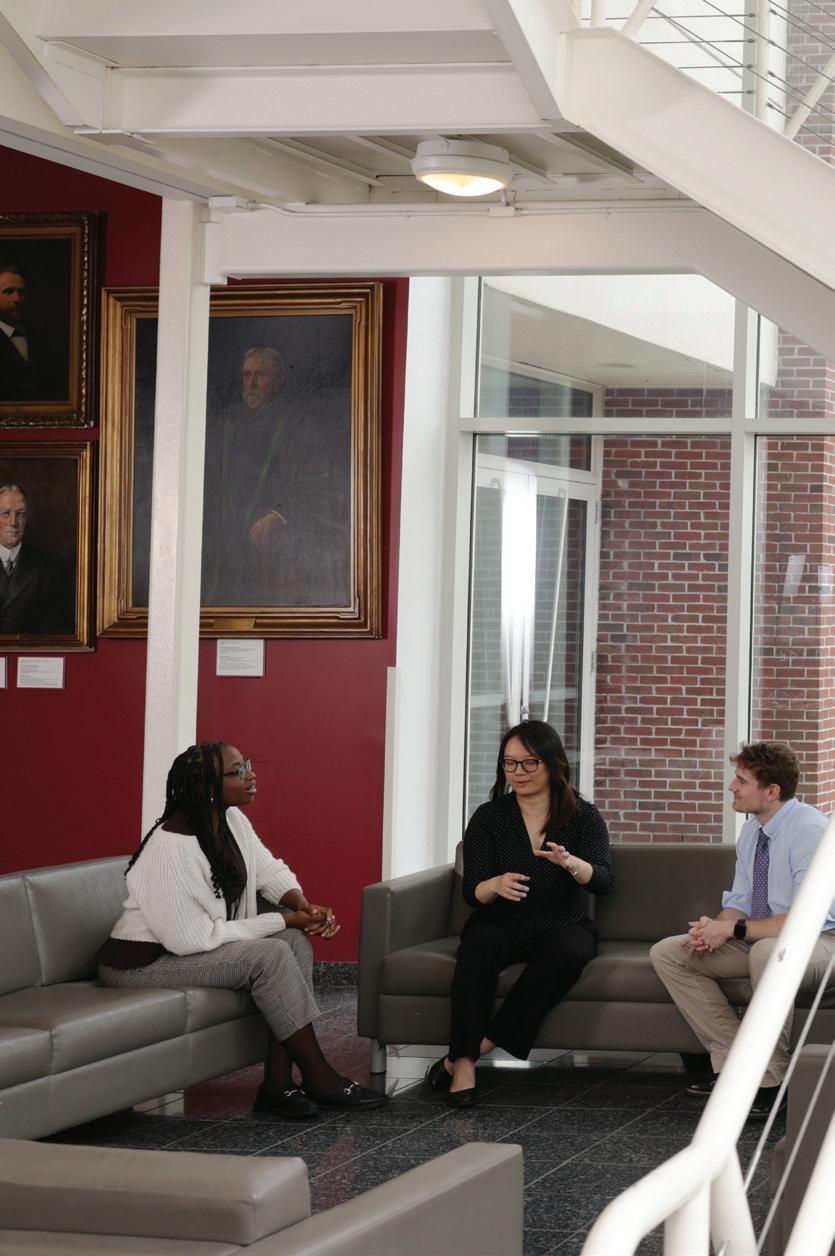
BY ANDREA KOTT, M.P.H.
Kelsey Murray, School of Medicine (SOM) Class of 2027, always knew that she wanted to go to medical school. But rather than jump straight into the application process after graduating from Stony Brook University, she wanted to take some time off, while remaining engaged in scientific learning.
“My advisor told me about a two-year masters’ program at New York Medical College’s (NYMC) Graduate School of Biomedical Sciences (GSBMS),” said Murray. “At the time, I had no idea there was a linkage program for underrepresented students in medicine. I initially applied as a launch point to end up in medical school.”
The program in which Murray enrolled—the Associated Medical Schools of New York (AMSNY)-NYMC SOM Linkage Program— would do more than launch her into medical school. It would provide her with critical educational support, mentoring, and a stipend, providing she met and maintained specific academic benchmarks, starting in her first year. “Being both Black and female, I [will] represent only about 2.8 percent of physicians in the U.S. due to many systemic and economic barriers,” said Murray. “This program really propels students to make up a more diverse workforce that better reflects our population.”
Promoting a heterogeneous student body by increasing the number of medical students who are underrepresented in medicine, setting them up for success in medical school, improving the learning environment, and enhancing the culture of medical education, are among the goals behind not only the AMSNY-NYMC SOM Linkage Program but also the many “pipeline” programs that NYMC has launched and expanded to facilitate entry in the SOM and dental school under the leadership of Mill Etienne, M.D. ‘02, M.P.H., FAAN, FANA, FAES, vice chancellor, SOM associate dean for student affairs and professor of neurology and medicine. Pointing to research that correlates improved health outcomes with a mixed physician workforce, Dr. Etienne said that NYMC’s campus-wide commitment to heterogeneity, belonging, and engagement is designed to capture students’ interest long before they even imagine attending medical school. “We view the pipeline as a comprehensive pathway beginning in elementary school and continuing through medical school and beyond,” he said. “Planting the seed at an early age— introducing the idea that they can become physicians in their communities—is essential. I am proud that NYMC supports this mission through a variety of programs.”
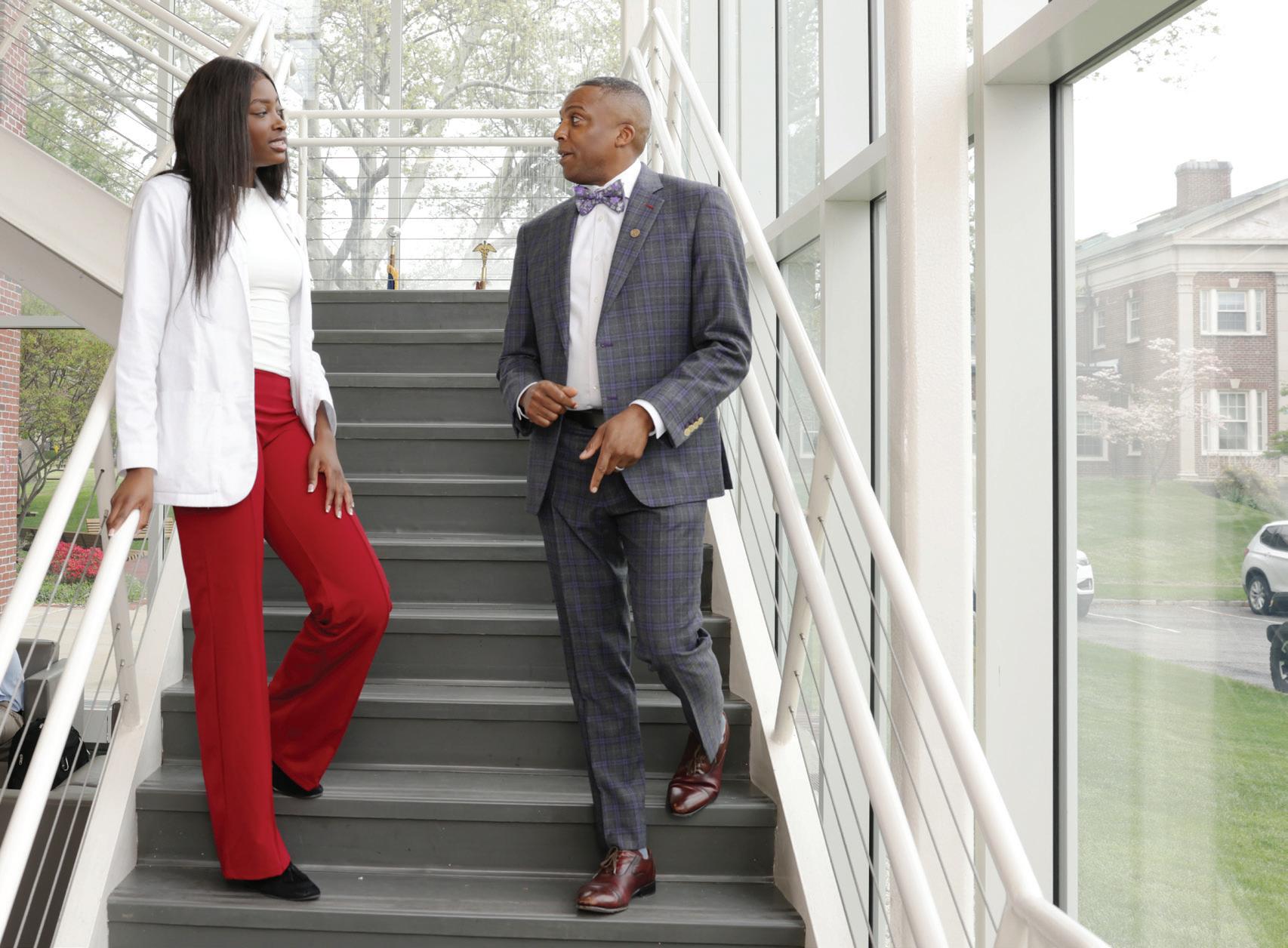
The College’s pipeline programs aim to tap young people who are talented, highly capable, and eager for a medical career but don’t have the social capital or financial resources to compete on an equal playing field. Here’s a look at some of them.
One of the SOM’s pipeline programs for supporting underresourced college graduates entails a collaboration with AMSNY, a consortium representing 17 medical and health professions schools in New York State. The AMSNY-NYMC SOM Linkage Program looks for potential students who are New York State residents with a strong academic performance history who come from various backgrounds, including those of socioeconomic or educational disadvantage; reside in medically underserved areas; or are the first in their families to graduate from college. The program aims to reduce healthcare disparities and improve outcomes by cultivating a physician workforce with a wide array of experiences and from many different backgrounds.
The graduate program has one- and two-year tracks. The oneyear track is an advanced master’s program in the GSBMS.
If students meet certain academic metrics and successfully undergo a SOM interview, they may then qualify for conditional acceptance into the medical school. The two-year track, which is more popular, requires the same metrics and a successful SOM interview after completion of the first semester, which then qualify students for financial and educational support, as well as mentoring, according to Victor Garcia, Ph.D. ’15, director of the AMSNY-NYMC Linkage Program and associate professor of pharmacology. Since 2009, 83 percent of program participants have matriculated to the SOM, while 100 percent of students who enter the SOM graduate and match with top-tier residency programs, including those at Yale University, University of Pennsylvania, New York University, Harvard University, and the Icahn School of Medicine at Mount Sinai. Many have also matched at NYMC affiliated programs.
Dr. Garcia calls the AMSNY-NYMC SOM Linkage Program “a life-changing opportunity” for students. “When we give them the opportunity to take part in something like this, they are so excited because they get a once-in-a-lifetime chance to meet the requirements of the program and fulfill their dream to go to medical school. For them, it feels too good to be true at first. We
provide an immense amount of support and are so proud of the students when they go off to medical school.”
Students who complete the AMSNY-NYMC SOM Linkage Program requirements and matriculate to medical school are eligible to apply to the AMSNY Scholarship in Medicine. This $45,000 scholarship helps students cover tuition, fees and cost of attendance associated with medical school. After their training is complete, awardees must work in an underserved area of New York State for a certain number of years, based on the number of years they received the scholarship. “This brings the program full circle to help ensure that these historically disadvantaged students return to those same disadvantaged communities to both provide care and serve as role models for the next generation of physicians,” said Dr. Etienne.
Murray, who followed the two-year track, chose to attend NYMC. “It felt like a good transition to go to the SOM after spending the previous two years at the GSBMS,” she said, noting her good fortune at having received the AMSNY Scholarship in Medicine two years in a row. “The financial burden of medical school can be daunting for so many people,” she said.
Murray has traveled to Albany, New York, with a large group of fellow students from NYMC and other AMSNY affiliated medical schools, to advocate for continued funding for the program. “It was nice to be able to show policymakers how many students they are helping, where the state’s money is going and the impact they are making,” she said. “I am so lucky to have this scholarship thanks to them and to be able to show them how much it is helping me personally.”
Murray and her peers want New York State lawmakers to know how important it is to continue funding the Linkage Program, which she credits for preparing her to apply to and succeed in medical school. “The program kept me engaged and focused on learning while I continued my path in higher education,” she
“ That’s why
the pipeline matters so much —it provides structured support and reinforcement at every stage, reminding students that they have what it takes and that they’re not alone in the process.
”
Dr. Etienne
said. “It is very inspiring to know that people who do not know me, see potential in me and my community of people who are historically underrepresented in the medical workforce. That, in and of itself, is motivation enough to make me feel empowered to succeed in medical school.”
The White Plains Youth Bureau Medical Leadership Program introduces historically disadvantaged high school students to different health care related careers and gives them an opportunity to collaborate on developing an initiative that benefits their community’s wellness. The program includes site visits to hospitals, medical schools, and other institutions, as well as delivering a final presentation to the Office of the Mayor of White Plains. “Each year, we select a medical student leader who oversees and guides the other medical students supporting the program throughout the summer,” said Dr. Etienne. “This student is tasked with creating the project to introduce to the community, like the nutritious lunch program that was implemented in the White Plains school system,” he said. The program also introduces students to the Touro College of Dental Medicine (TCDM) at NYMC and the field of dentistry, the College’s Division of Physical Therapy, as well as its Clinical Skills and Simulation Center, where they can learn about medicine by working with manikins.
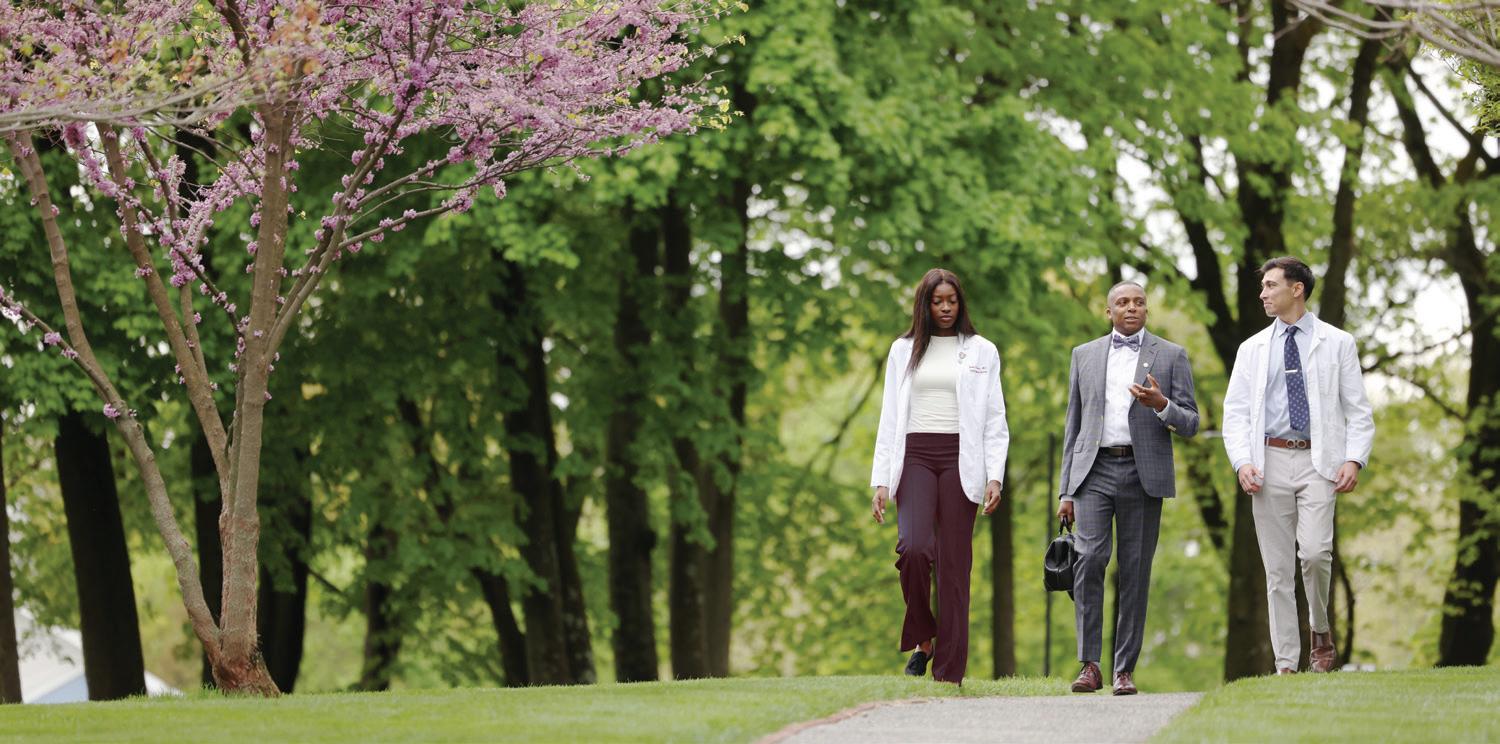
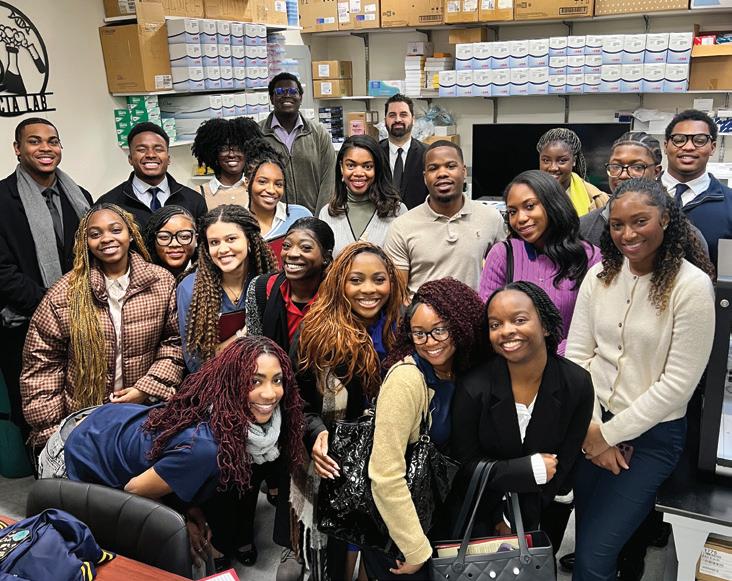
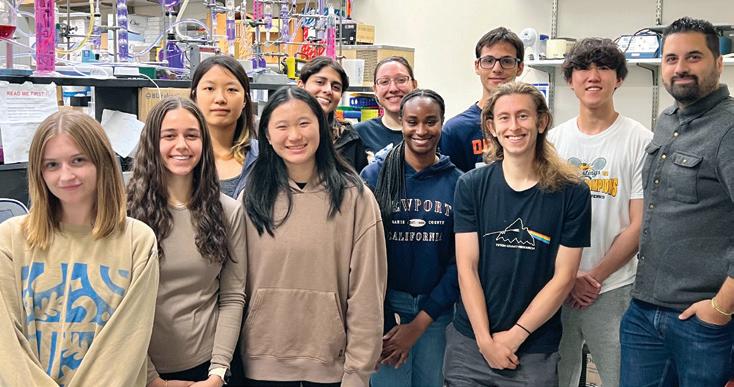
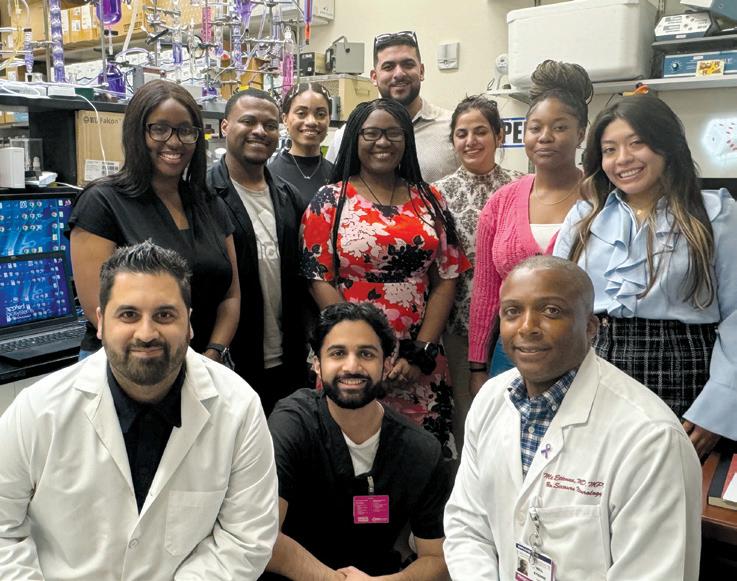
Student surveys give the program high marks. Of those who participated from 2021 to 2023, 100 percent reported that they felt motivated to work harder in school, earn higher grades, and learn a new career path. These students also said that the program improved their confidence in life, school and the community, while 85 percent of participants said they planned to pursue a career in health and medicine. “Surveys show that students are interested in medical careers,” said Dr. Etienne. By the end of the program, “most students say they understand what it takes to get into medical school and feel confident in their ability to get there,” he said. “It’s important for them to feel that way early on, because
as they progress through school, they may start to doubt themselves and develop impostor syndrome. That’s why the pipeline matters so much—it provides structured support and reinforcement at every stage, reminding students that they have what it takes and that they’re not alone in the process.”
The Medical Student for a Day program is primarily for college students and college graduates interested in medical school. “We bring aspiring medical students to campus for a day, and they go to classes with medical students and attend workshops on the medical school application process,” said Dr. Etienne. Participants meet with medical students to learn more about attending medical school. They also have the opportunity to experience mock interviews, including the multiple miniinterviews (MMI) that the SOM Office of Admissions uses.
During the pandemic, the SOM conducted Medical Student for a Day virtually, which expanded the reach of the program to students nationwide. “Exit surveys indicate that participants have enjoyed meeting NYMC students and faculty,” said Dr. Etienne. “They provided high marks for the ‘day in the life’ session, mock MMI interviews, admissions talk, and birth simulation activity,” he said.
Every summer, the Office of Campus Engagement (OCE) hosts an intensive two-week, face-to-face Pre-Matriculation Program (PMP) for incoming first-year medical students. Offered in collaboration with the Offices of Academic Excellence, Student Affairs, and Undergraduate Medical Education, the PMP is designed to ease students’ transition to undergraduate medical education by strengthening their academic, professional, and social skills. The PMP does this by nurturing relationships between incoming students and faculty, as well as academic support and student affairs resources. It aims to enhance incoming students’ study skills by incorporating study skill workshops into first-year course material. Curricula and competencies are delivered in modules, which focus on gross anatomy, cell biology/histology, biochemistry, physiology, and clinical medicine. The two-week program also covers learning styles, test taking skills, mental health and wellness, financial management, time management, accommodations, and a rich array of career advising, and other campus resources.
After graduating from college with a dual major in global public health and chemistry and one minor in genetics, Sumaita Mahmood, SOM Class of 2026, still did not feel ready to apply to medical school. She worked for a year at the Albert Einstein College of Medicine’s tropical medicine hygiene clinic and then applied to NYMC’s PMP. “Participating in the PMP helped me to acclimate between working and feeling physically and emotionally what it’s like to be at medical school,” Mahmood said. “It helped me make friends so that at orientation I didn’t feel as overwhelmed. Plus, it exposed me to most of my professors for the first two years of medical school early on and helped me figure out my learning style.”
The PMP works to enhance camaraderie among incoming students, build community between first-year students and upper classmen, and help first-generation and nontraditional students find their comfort zone on campus. Audrey Huang, SOM Class of 2026, said that the PMP helped to familiarize her with the school’s resources and academic support systems. “Having that foundation early on made me feel more confident about my study approach and created a lot of opportunities for me to connect with classmates and faculty,” Huang said. “Because I felt connected early, I became more involved in the student community,” she said, referring to joining the Student Senate as well as the Student Interest Group in Neurology. Huang and Mahmood agreed that PMP participation nurtures leadership. “You will often find PMP students in leadership positions,” said Mahmood, who has been a student senator since her second year and also served as student leader for the PMP at the beginning of her fourth year of medical school.
The program is free of charge and includes housing support, classroom space, faculty lectures, workshops, outings, and lunches. All accepted and committed SOM students may apply.
The Pre-Health Enrichment Program (PHEP) gives prospective medical school applicants the opportunity to learn what it’s like to go to medical school and how to apply. It teaches them how to conduct research and includes workshops that are designed to teach mastery of every type of medical school interview, including MMIs. Medical student mentors teach applicants how to excel in the MMI by breaking down case scenarios in full detail, and teaching them strategies for grappling with pressing ethical issues. Then, the PHEP gives applicants the opportunity to undergo a realistic mockMMI, to give them a feel for the interview process and allow them to receive feedback on their performance.
According to Rahim Hirani, M.S., an M.D.-Ph.D. candidate and project coordinator in the OCE, the PHEP is geared toward aspiring students from underserviced backgrounds, whose lack of resources like research experience and expensive MCAT preparation, leaves them ill equipped to apply to medical school. “We are trying to target and prepare students who are having a hard time navigating their own potential,” Hirani said. The PHEP includes lectures, application workshops, direct mentorship from physicians, as well as personalized tutoring based on strengths and weaknesses. Finally, it features a twoweek “boot camp” where students are integrated into NYMC’s PMP and attend lectures with first-year medical students. It also includes an essay and secondary writing workshop led by a writing specialist at NYMC, who teaches every aspect of writing necessary to convey competency as a potential medical school student.
Rafay Khan, SOM Class of 2027, was a participant in the pilot PHEP. “Coming from a non-STEM background, the medical school application process initially felt unfamiliar,” says Khan. He applied to the PMP out of curiosity and Dr. Etienne offered him the opportunity to become the first PHEP student. “Through the PHEP, I gained mentorship and practical guidance that helped me approach the process with clarity and ultimately gain acceptance the following cycle,” he says.
After matriculating at NYMC, he worked to expand the program by building longitudinal MCAT support, developing essay workshops, and advocating for stipends for students balancing work and family responsibilities. He also helped create opportunities for students to present at the HELA conference and contributed to efforts to secure AMSNY funding to further develop the program. “It has been incredibly meaningful to be part of a program that continues to open doors for others,” says Khan.
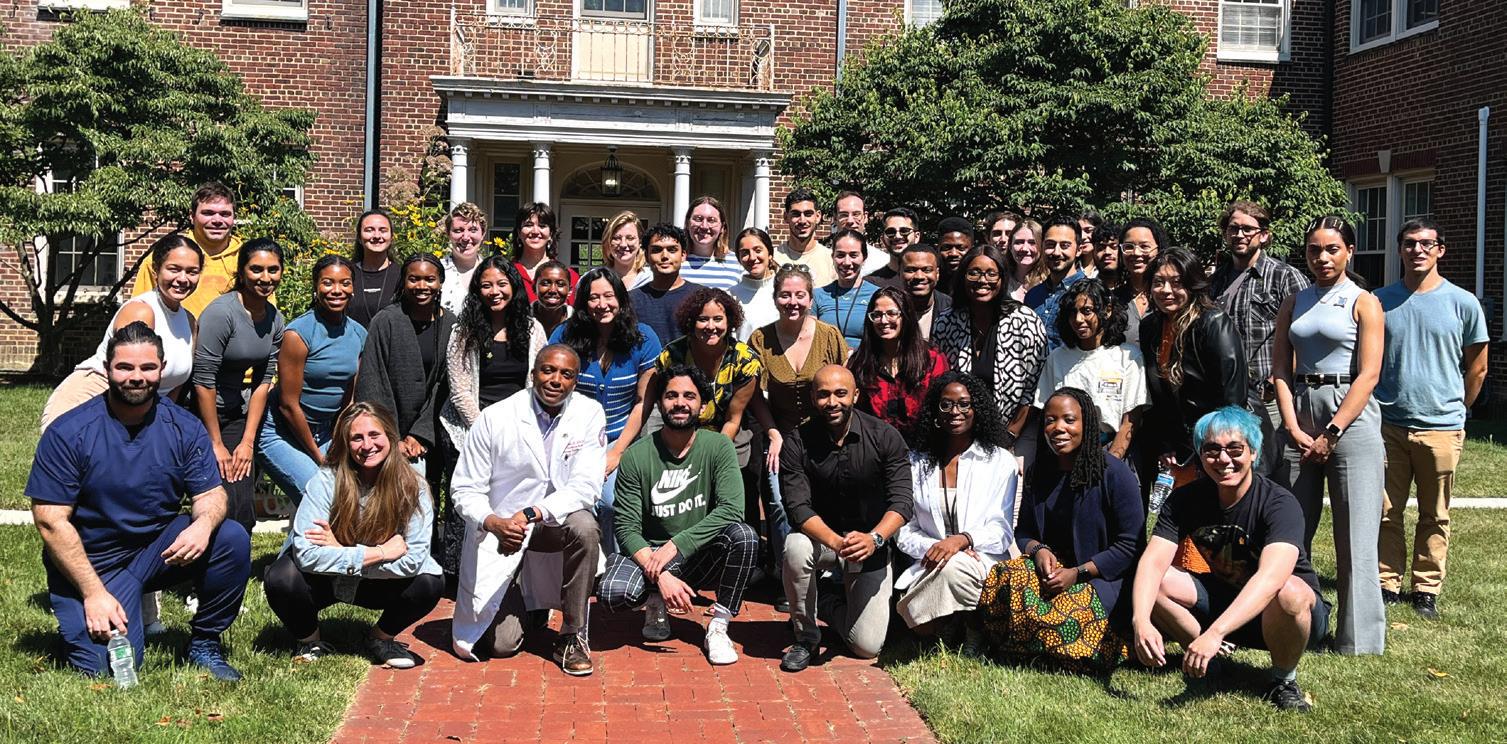
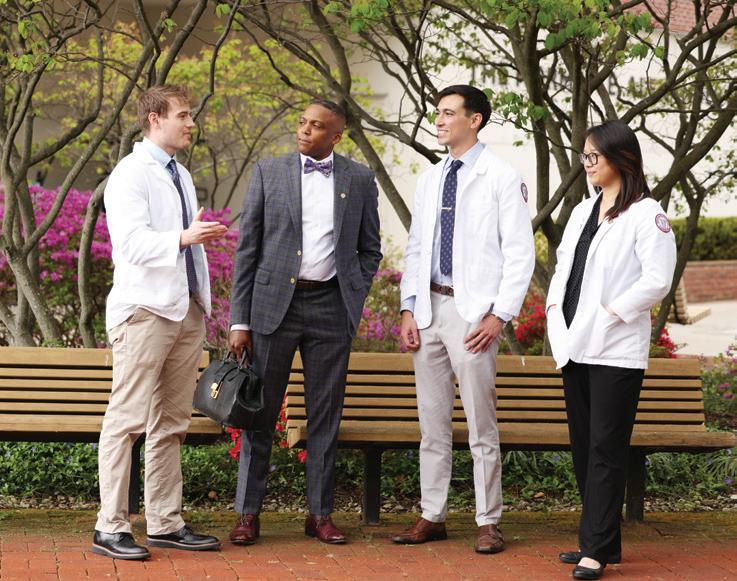
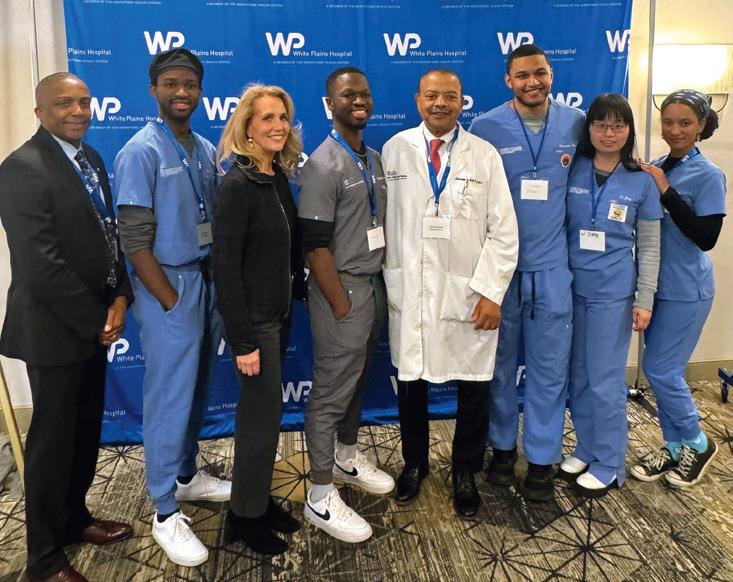
The PHEP and PMP are initiatives that have also recently received support from the AMSNY, as NYMC was awarded a second $100,000 Scholars in Medicine and Science grant to further support and strengthen this series of programs. This award will continue to fortify the pipeline of historically disadvantaged students and looks to enhance medical school recruitment and retention. “Dr. Etienne and I are deeply passionate about supporting the expansion of these programs,” Dr. Garcia said. “This AMSNY grant will allow us to provide even more comprehensive support to students who face immense adversity, ensuring that they have the tools and mentorship needed to thrive in their medical education and beyond,” he said.
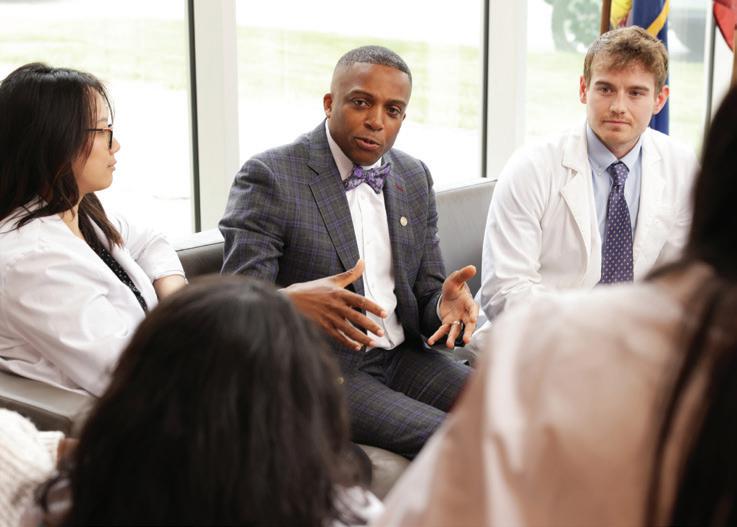
“ It has been incredibly meaningful to be part of a program that continues to open doors for others.
”
Mr. Khan
Since 2022, NYMC has participated in Black Men in White Coats (BMWC), a national program that partners with various medical schools and hospitals across the country to expose historically disadvantaged elementary, high, and middle school students to various fields in health care. Established in 2013, BMWC was founded in response to an Association of American Medical Colleges report highlighting the decreasing number of Black male applicants to medical school.
At the annual BMWC Youth Summit hosted by White Plains Hospital, NYMC SOM students and faculty came together to encourage and equip boys and girls from different backgrounds to pursue medical careers through mentorship, networking, and interactive hands-on activities.
Open to all students, races and genders, the day-long summit drew more than 500 elementary, middle school, and high school students, as well as parents, teachers, mentors, and community leaders, according to Dr. Etienne. “We’re there every year with a cadre of medical students who mentor these students,” he said. “The program starts with a keynote speaker, then we break into small groups so students can learn about different aspects of health care.” Students meet physicians, dentists, nurse practitioners, and physician assistants, who explain their reasons for going into health care and what they do. “Last year we introduced practical stations where students learned about different fields of medicine, including a neurology station, where SOM students from the Student Interest Group in Neurology and the Student National Medical Association demonstrated how to check reflexes using reflex hammers and conduct a sensory exam,” Dr. Etienne said.
TCDM also participated in the program to teach students about the importance of oral health. “It is especially important for underserved kids who may not know much about dentistry as a career option because many may not have access to the dentist,” he said. Finally, and maybe most importantly, Dr. Etienne said, “We let all the students try on white coats so they can experience what it feels like. It helps demystify the role of the physician, empowers them to see themselves in that position, and makes the possibility of a medical career feel real.” ■
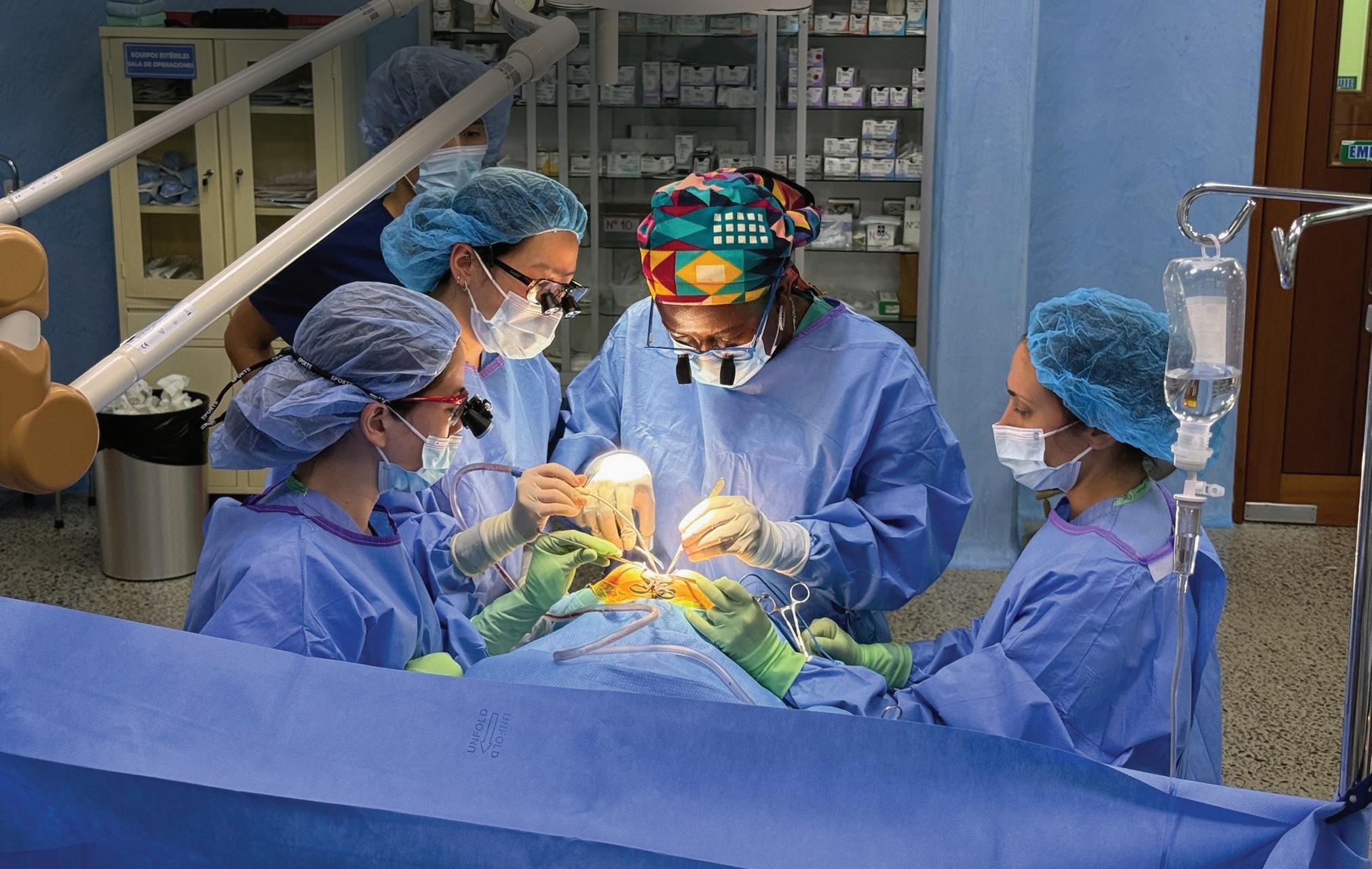
BY ANDREA KOTT, M.P.H., WITH KIARA THOMAS, M.A.
Overmud-packed roads in Yantalo, Peru, on motor taxis and bicycles, parents ferry their children to and from pediatric surgical care. In Lusaka, Zambia, patients line the halls of the country’s largest hospital for stroke evaluation or treatment. In Puerto Plata, Dominican Republic, people flock to the Hospital Ricardo Limardo for medical or surgical ophthalmological treatment and care. In Mwanza, Tanzania, families bring their children to medical teams who perform complex facial reconstructions, restoring function and confidence. In Lviv, Ukraine, civilians and soldiers wounded in war arrive daily for specialized care, seeking relief from injuries that have reshaped their lives. And in Kisumu, Kenya, families walk miles to reach teaching hospitals, clutching CDs of scans and images, waiting for the chance to be selected for surgery. In each case, New York Medical College (NYMC) faculty provide care, free of charge, for the professional and personal satisfaction of giving back.
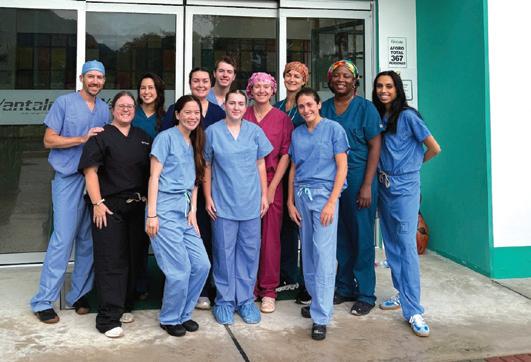
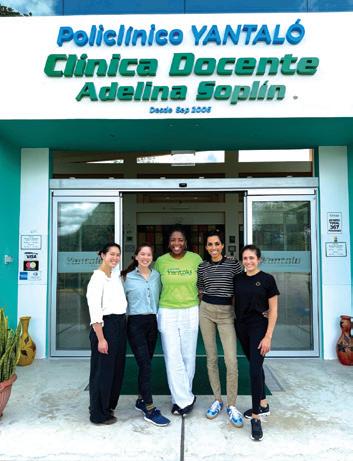
Every year, Christa N. Grant, M.D., associate professor of surgery and pediatrics, travels with a small group of pediatric surgeons, anesthesiologists, surgical residents, and nurses, to Yantalo, a rural Peruvian town in the upper Amazon jungle. There, they spend a week surgically correcting pediatric hernias and other types of non-urgent anomalies of the soft tissues, abdomen, or genitourinary system. “Ingual hernias are common in children, and repair is mandatory because the intestines can get trapped in the hernia, leading to severe complications, such as intestine blockage or perforation,” Dr. Grant explains.
The clinic where Dr. Grant and her colleagues work is not part of a fulltime functional hospital but rather like a surgi-center that opens for specific medical mission teams, she says. “Yantalo is extremely rural, about 600 miles from Lima,” she says, describing the trek there, which entails flying into the capital, taking a second flight to the city of Tarapoto, and then a two-and-a-halfhour bus ride. “We arrive at the clinic on a Sunday afternoon, where patients have been waiting all day for us,” she says.
To inform the local population of their arrival, the Yantalo team distributes flyers in advance, featuring pictures and descriptions of commonly treated conditions, such as hernias, to encourage parents and caregivers to bring their children to the clinic if they have such a condition. “Families come by moto-taxi (a small, covered two-wheeled carriage attached to a motorcycle) or motorcycle with a child riding between two adults,” she says. “After a same-day operation,
I will see them bumping home along mud roads on these motorcycles on their parent’s lap,” says Dr. Grant, noting some children require overnight or multiday monitoring after more complex operations, such as anoplasty or intestinal procedures.
Dr. Grant’s passion for medical mission work took root in her childhood home of Saint Ann Parish, Jamaica, where she lacked access to regular care for a chronic ear problem. “There was one specialist who I got to see only intermittently because she came to our town just once a month,” she says. This experience inspired her interest in the divide between patients who do and don’t have ready access to health care.
Her interest grew during her medical studies at the State University of New York Downstate College of Medicine, which offered a six-week elective in global surgery at a Christian mission hospital in Kikuyu, Kenya. “I was striving to see if, in my own way, I could help to balance the scales a little bit,” she says.
“
We do elective surgeries only and can’t do anything too major or acute because there is no blood bank, and the lab may not be open to check hemoglobin.
”
Dr. Grant
She and a core group of surgeons and anesthesiologists from her pediatric surgery fellowship days at the University of Michigan, volunteer in Yantalo, where they evaluate 20 to 70 patients in one afternoon, triaging and deciding which patients require surgery. “We operate Monday through Wednesday and stay in town on Thursday to assess any remaining overnight patients and to answer questions—typically via WhatsApp—from those who have been discharged,” she says.
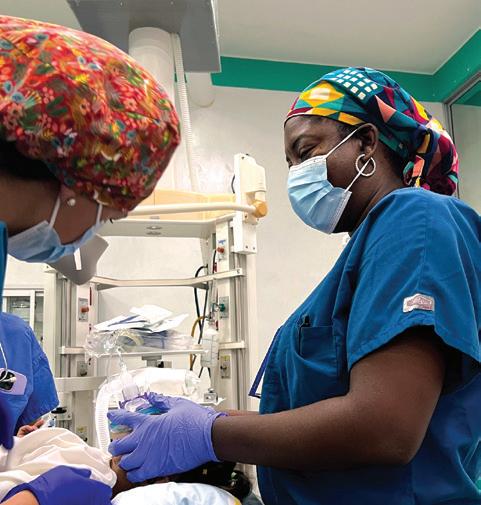
The clinic’s small capacity—an operating room with two tables, two functional anesthesia machines, and a recovery area—limits the surgical procedures that Dr. Grant and her colleagues can do. “We do elective surgeries only and can’t do anything too major or acute because there is no blood bank, and the lab may not be open to check hemoglobin,” she says.
She and her team perform orchiopexies (the surgical repair of undescended testicles), circumcisions, as well as inguinal and umbilical hernia repairs. Occasionally, they perform complicated intestinal surgeries on infants who are born with no anus, a condition that she says is prevalent in Yantalo. Correcting it requires performing a colostomy within the first few days of life, which local adult general surgeons typically do, and then months later, creating an anus (anorectoplasty), performed by specialist visiting surgeons, including Dr. Grant and her team. The clinic has a regular rotation of three to four pediatric surgery teams from the U.S. every three to four months. “We all work together. One team does the anorectoplasty and another team closes the colostomy,” she says. “The role of the local adult surgeons who intervene when needed cannot be understated. Without prompt colostomy after birth, a child would die.”
Dr. Grant also volunteers locally through the Global and Local Surgeons of New York, the organization she and her colleagues co-founded to deliver surgical care to underserved populations in New York State and beyond. “Besides going abroad once or twice a year, we want to make an impact locally, to educate people and let them know we’re here to provide care locally, regardless of legal or financial status.”
One day in May 2025, endovascular and cerebrovascular neurosurgeon Justin Santarelli, M.D., walked into the largest hospital in Zambia, the University Teaching Hospital in Lusaka. Dr. Santarelli’s visit was random, the kind he typically makes when traveling abroad, to learn how neurosurgeons outside the United States deliver care. “I wanted to find a hospital in Africa that provides some amount of stroke coverage where I could observe or teach,” says Dr. Santarelli, assistant professor of neurosurgery.
Over three days, Dr. Santarelli participated in the neurosurgery department’s grand rounds and gave lectures on cerebrovascular pathology and the management of acute stroke and aneurysms. He evaluated 20 to 30 patients a day, who lined the hospital halls holding CT scans and MRIs, seeking his assessment of their untreated pathologies. He also performed the first acute stroke endovascular intervention in Zambia’s history. “There’s tremendous satisfaction in providing complex medical and surgical care that literally changes people’s lives in front of your eyes,” he says.
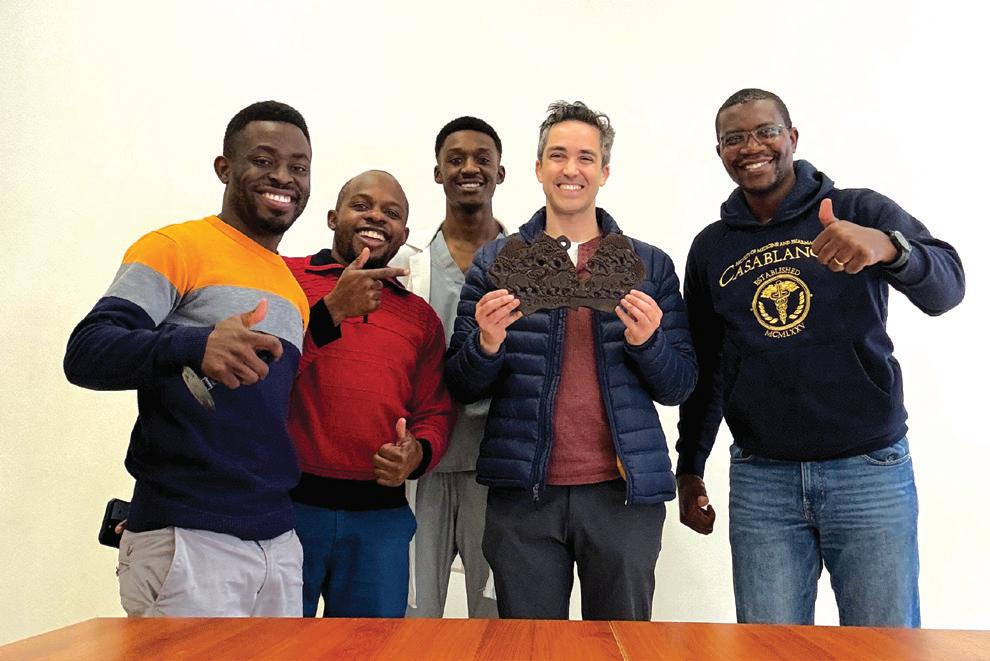
entirely unserved by new technology partly because of the massive expense involved for minimal treatment of these conditions,” Dr. Santarelli says.
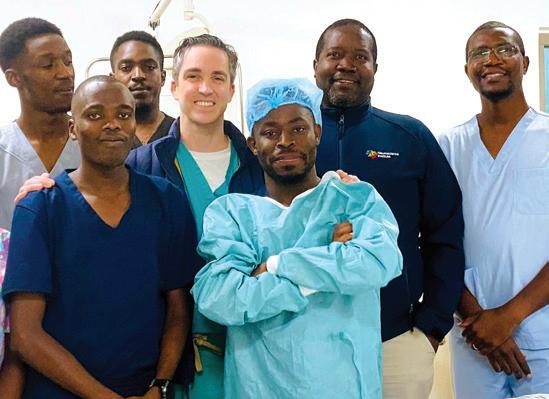
In the United States, endovascular surgery has been part of the neurosurgery toolkit since the early 1990s. This minimally invasive technique employs the thinnest catheters, wires, stents, and coils to withdraw blood clots from arteries to reduce the risk of stroke and improve chances of viability for stroke patients. Meanwhile, large swaths of Africa lack access to this type of surgery because of its costly technology and lack of training. “There are areas that are
Lusaka’s teaching hospital has a neurosurgical training program and treats conditions such as acute head trauma and pediatric hydrocephalus. Yet, it lacks the infrastructure and experience to treat cerebrovascular disease with endovascular surgery. “There is a tremendous need in sub-Saharan Africa for stroke treatment and an incredible appetite among young neurosurgery trainees to be able to offer this state-ofthe-art technology to the patient population, but because of the outlay of funds required, there are significant limitations,” Dr. Santarelli says. For instance, just replacing the hospital’s 25-to-30year-old angiogram machine, even with a used one, would cost seven figures, he says. The hospital also needs catheters and stents that endovascular stroke treatment requires, ranging from $5,000 to $10,000 per patient. “We’re talking astronomical numbers,” he says.
Using the hospital’s aged angiogram machine, Dr. Santarelli taught neurosurgeons how to do cerebral catheterization procedures. He also emphasized the importance of creating a special ward in the hospital for managing stroke and donated three suitcases worth of catheterization equipment. “A successful outcome of my voyage was teaching the local population about the management
of cerebrovascular disease and inspiring interest in bringing this technology to the patient population,” he says.
Most importantly, he instructed hospital staff about the importance of recognizing stroke as a major disease, noting that Africa’s 54 countries have dramatically higher incidences than the developed world. “Patients in Africa tend to have stroke at younger ages than patients elsewhere in the world because they develop risk factors, like diabetes, hypertension, or hyperlipidemia, at younger ages,” he says. The third or fourth leading cause of morbidity and mortality in the United States and Africa, stroke affects Africans during their fifth or sixth decade of life compared to Americans’ seventh or eighth decade, he says.
“There’s tremendous satisfaction in providing complex medical and surgical care that literally changes people’s lives in front of your eyes.
”Dr. Santarelli
Ultimately, teaching hospital staff and patients how to detect the earliest signs and symptoms of stroke and administer timely treatment, such as aspirin or a thrombolytic, may have been Dr. Santarelli’s most critical contribution. “A lot of measures that must be taken to advance stroke care don’t have to involve a multimillion-dollar investment in stroke technology,” he says.
By treating economically and medically underserved patients in the Dominican Republic, Kelly Hutcheson, M.D., M.B.A., helps them live better lives. “We have the gift of sight, and we share it with people who have very little,” says the professor and chair of the Department of Ophthalmology about performing sight-saving surgeries on patients with cataracts or other ophthalmological anomalies.
Every year, she and cataract surgeon Sankara Mahesh, M.D., assistant professor of ophthalmology, travel with a team of 20 clinicians—ophthalmological surgeons and surgical residents—to the Hospital Ricardo Limardo in Puerto Plata, where they spend a week treating as many as 150 patients of all ages. They work on behalf of Casa de Luz (“Lighthouse”) Medical and Eye Surgery Mission, the nonprofit that Dr. Hutcheson founded in 2006, to support her ophthalmological missions. “Because we’re a nonprofit, we can take donations and partner with other NGOs, who provide us with supplies and equipment,” she says. One such NGO, and Casa de Luz’s partner on the ground, is Surgical Eye Expeditions International, which provides instrumentation and supplies, like the lens implants needed for cataract surgery.
Dr. Hutcheson and her team work at the same hospital each time they go. “They let us take over some of their space and lend us staff to help with pre-screenings and post-operative care,” she says. “For the time we’re there, we have our own eye clinic and we bring mostly everything else we need, including an operating microscope, all ophthalmological equipment and surgical supplies,” she says.
Most of Dr. Hutcheson’s cases include eye muscle surgery on patients with strabismus, a common childhood condition involving misalignment of the eyes. Dr. Mahesh, associate director of Casa de Luz, performs all the cataract surgeries. Cataracts typically
develop in older age, when proteins and fibers in the lens begin to break down, turning vision hazy or cloudy. “Cataracts are very treatable except for patients who don’t have access to care. Even with insurance, there’s a significant out of pocket fee,” Dr. Hutcheson says. Left untreated, cataracts can cause blindness, leaving patients unable to work and care for themselves and their families.
“
” One reason we bring residents and students on these mission trips is so they can perpetuate what we do, which is part of NYMC’s legacy.
Dr. Hutcheson
For those with means, however, treatment is simple. Dr. Mahesh makes a microsurgical incision to remove the damaged lens in one piece and then replaces it with an intraocular lens implant. “He does a lot of these surgeries, while also teaching the residents. It’s a great training opportunity for them,” Dr. Hutcheson says. “One reason we bring residents and
students on these mission trips is so they can perpetuate what we do, which is part of NYMC’s legacy,” she says.
In addition to cataracts, Dr. Hutcheson and her colleagues treat strabismus or “crossed eyes” in children as well as adults. “Some adults in Puerto Plata have had crossed eyes for their entire life and didn’t know they can be corrected,” she says.
They also treat pterygium, a growth that occurs over the front part of the eye, frequently resulting from heavy exposure to dust and wind. “A lot of people in the Dominican Republic get around on motorbikes or mopeds and don’t wear goggles, which puts them at high risk for pterygium, which can cause discomfort, tearing, or irritation,” she says. Treatment entails removing the growth and inserting a skin graft to cover any remaining defect, she says. “Usually after we do surgery, patients will come back the next day. They can see and we can see the improvement,” she says.
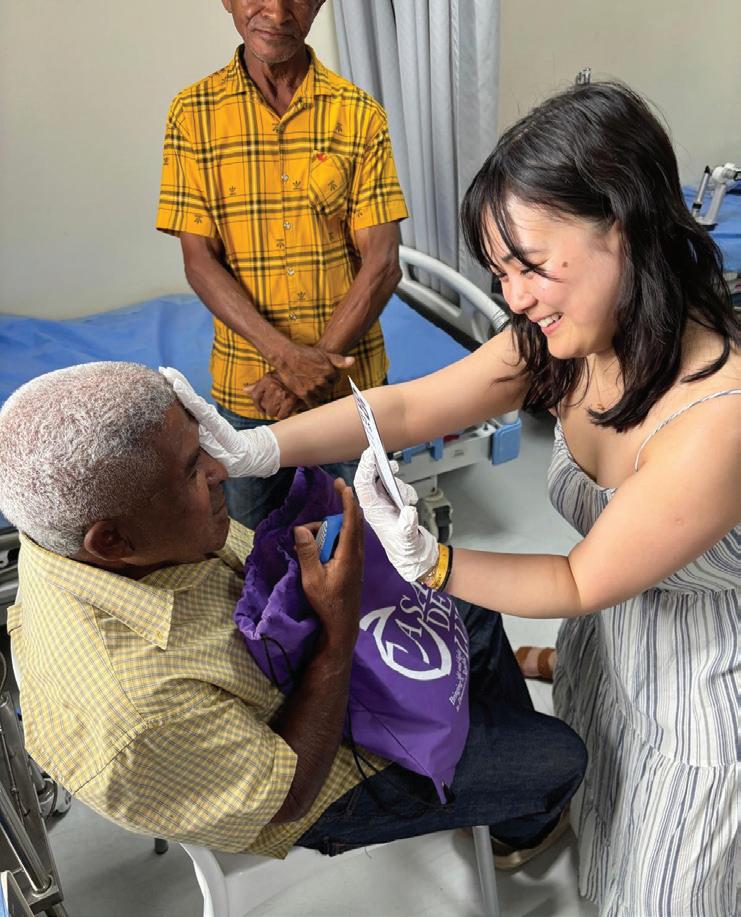
What is clearest at the end of every mission is that giving goes two ways. “We’re all doing this because we want to give back,” Dr. Hutcheson says. “It is so rewarding to do something that helps other people.”
Manoj T. Abraham, M.D., FACS, a facial plastic surgeon and clinical professor of otolaryngology, has spent more than two decades leading medical mission trips with Healing the Children Northeast, Inc., across the globe. He also serves as a senior advisor and former chair of the American Academy of Facial Plastic and Reconstructive Surgery’s (AAFPRS) FACE TO FACE humanitarian program and is the organization’s eastern regional director.
“I’m very fortunate to have survived the ethnic conflict in my home country of Sri Lanka and come to the United States as a child,” explains Dr. Abraham. “I consider myself incredibly lucky to be where I am and that’s my motivation to give back— especially by using my skills to help people around the world who lack access to medical care.”
“I consider myself incredibly lucky to be where I am and that’s my motivation to give back—especially by using my skills to help people around the world who lack access to medical care.
”
Dr. Abraham
Dr. Abraham leads two to three medical mission teams each year, where he works closely with local medical staff and brings a team of 20 to 25 medical professionals. These teams typically include surgeons, pediatricians, nurses, anesthesiologists, and speech-language pathologists, as well as NYMC residents and his facial plastic surgery fellows from Mount Sinai Hospital, where he serves as co-director of the facial plastic surgery fellowship.
Through his global work, Dr. Abraham and his team have developed long-lasting relationships with the hospitals they serve, returning regularly to treat patients and train local surgeons. In July 2025, he returned to Bugando Medical Centre in Mwanza, Tanzania, where they have been developing their own plastic surgery residency program, with guidance and support from Dr. Abraham, to increase
the number of patients they can treat locally. During his stay, he works with Francis Tegete, M.D., the hospital’s senior plastic and reconstructive surgeon and one of the only plastic surgeons serving the entire eastern region of Tanzania and neighboring countries.
During the trip, the physicians performed 30 to 35 reconstructive surgeries on infants and children with congenital facial deformities, as well as head, neck, and facial plastic surgeries. They also treated cancer-related conditions, traumatic injuries, and hyena bites.
“It’s tremendously gratifying to help children in this way,” he says. “I’m always moved, especially when I do rounds the next day and I get a chance to talk to the parents, and everybody is in tears. We take photographs and they come back the following year for us to do the second stage of the procedures if needed. It’s always great to see how well they’re doing and going back to having normal lives.”
Two months prior, Dr. Abraham was joined by Augustine Moscatello, M.D., M.S., professor emeritus and former chair of the Department of Otolaryngology, for their fourth mission trip to a regional hospital in Lviv, Ukraine. Organized by AAFPRS in collaboration with Healing the Children Northeast, Inc., Razom for Ukraine, and Ingenious, the team treated dozens of Ukrainian soldiers and civilians—some as young as five years old—with severe facial injuries. They also trained local surgeons in advanced reconstructive techniques, including microvascular reconstruction and 3-D patient-specific implants. Despite air raid sirens sounding at times during surgery, the team was not affected by active attacks during their stay. Over four years, they have addressed complex eye, nasal, jaw, and facial injuries, with some reconstruction surgeries lasting 14 hours.
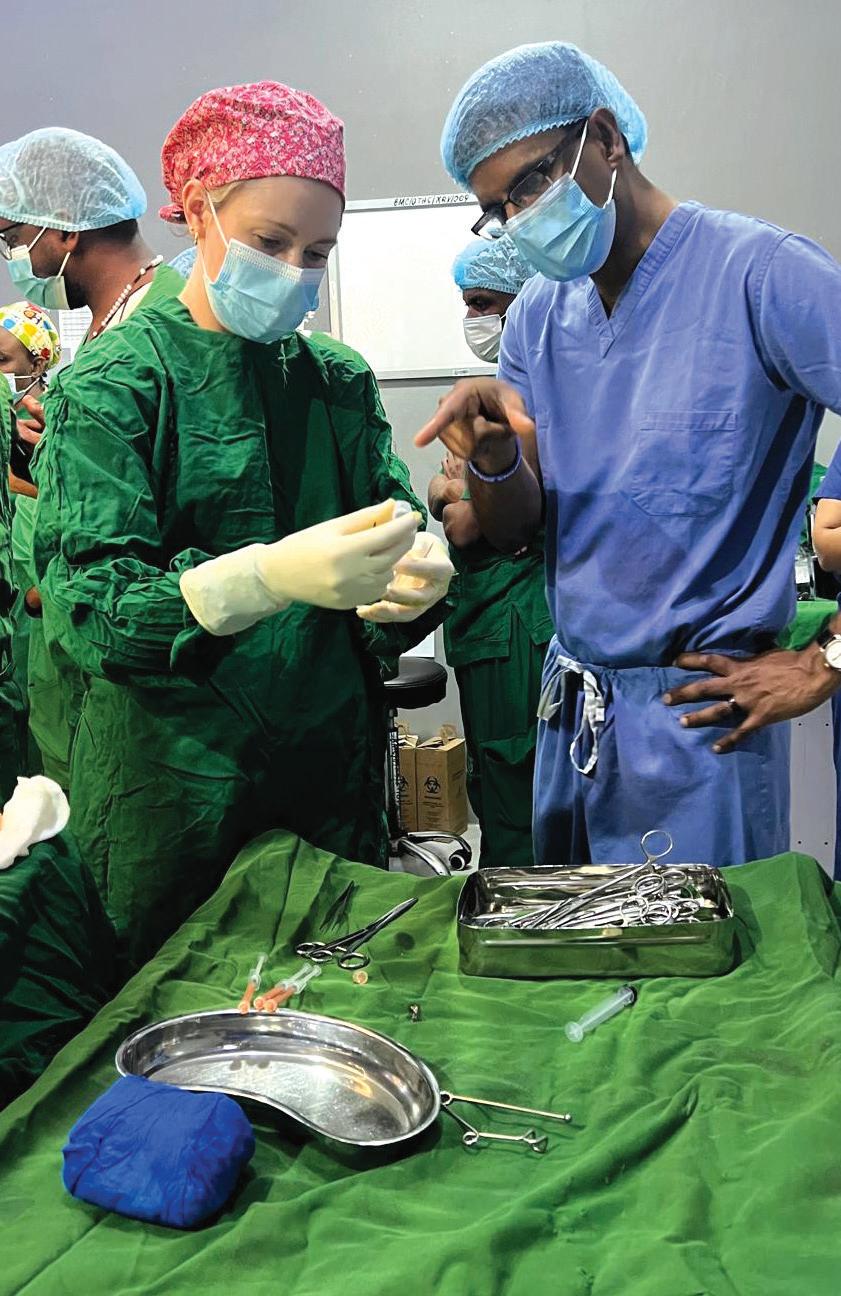
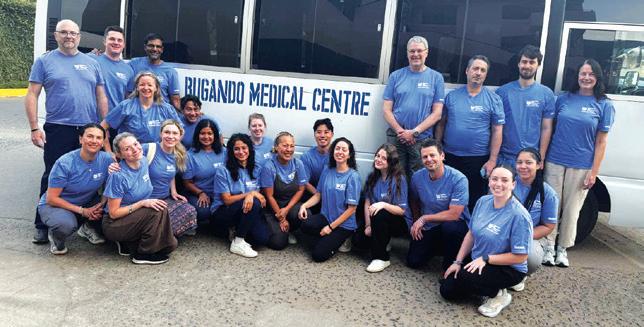
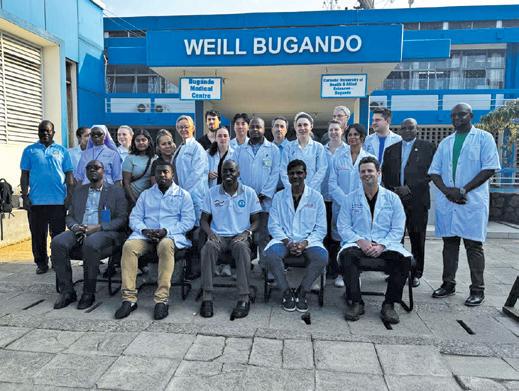
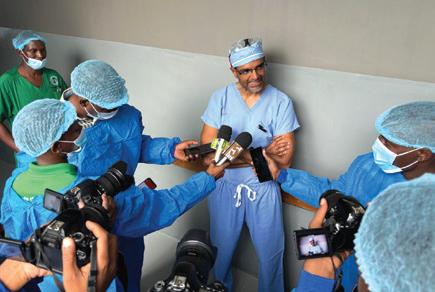
Sinai Hospital and have set up educational webinars to provide them much needed education on surgical techniques,” says Dr. Abraham.
Dr. Abraham and his team are creating new opportunities to expand their reach and multiply their impact. “We are continuing our work in Ukraine by bringing Ukrainian surgeons to train with us here in the United States, in Oklahoma and in New York at NYMC and Mount
Looking ahead to future missions in Tanzania and Ukraine, Dr. Abraham remains committed to expanding global surgical care and seeks participants eager to contribute to upcoming medical mission trips.
For 14 days, Carrie Muh, M.D., professor of neurosurgery, traded the halls of NYMC and operating rooms of Westchester Medical Center for Jaramogi Oginga Odinga Teaching and Referral Hospital in Kisumu, Kenya, treating patients who shared stories she will never forget. In September 2025, Dr. Muh joined Giving Back to Kenya and Kisumu Neuroscience Initiative on a mission trip serving dozens of people of all ages with neurological conditions—from spinal disorders to brain injuries.
“The hospital was very crowded,” recalls Dr. Muh. Kisumu is the third largest city in Kenya, with one neurosurgeon for a catchment area of more than one million people. Many people arrived at the hospital to be treated by Dr. Muh and other physicians on the mission trip after weeks of seeing advertisements of the “neurosurgery camp” visitation. Weeks before the trip, hospital physicians triaged and admitted the patients who would undergo surgery by Dr. Muh and her colleagues.
Dr. Muh’s former co-resident, Bethwel Raore, M.D., a Kenyan American, travels to Kenya annually with other physicians to train residents and assist the local neurosurgeon to improve long term care of the region. When Dr. Muh heard that he was planning to go back, she asked if she could go along and brought one of her chief residents, Nitesh Damodara, M.D., instructor of neurosurgery.
“When we arrived, there were dozens of patients in one huge ward — just bed after bed after bed after bed, and three big rows of people just waiting for us,” she recalls, noting dozens of patients walking miles to be seen. “We would go down the rows and look at the CD that each patient brought with them of their imaging to see if we could offer them surgery.”
Serving on a mission trip in 2024 to Ukraine and having spent time in hospitals and research labs in Shanghai, China, and rotations in Taichung, Taiwan, Dr. Muh was eager to provide an additional helping hand to the under-resourced area.
In Kisumu, she and her team treated 54 cases that ranged from pediatric and adult brain tumors to abscesses in the brain to babies born with myelomeningoceles, a birth defect where the spine and spinal canal remain open after birth, in addition to tending to patients who visited the clinic. Surgeries spanned two hours to as long as seven hours, with some workdays reaching 15 hours.
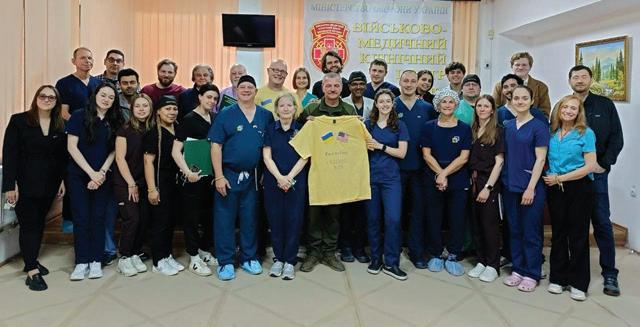
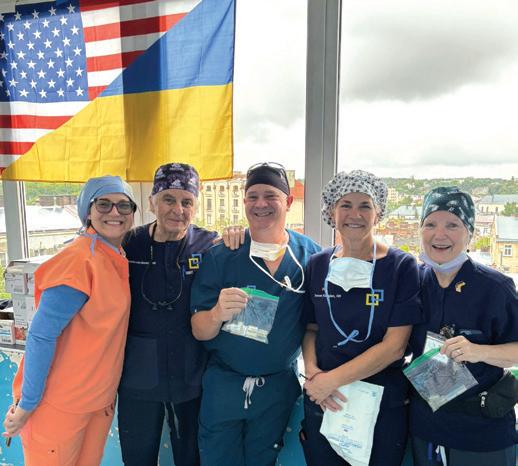
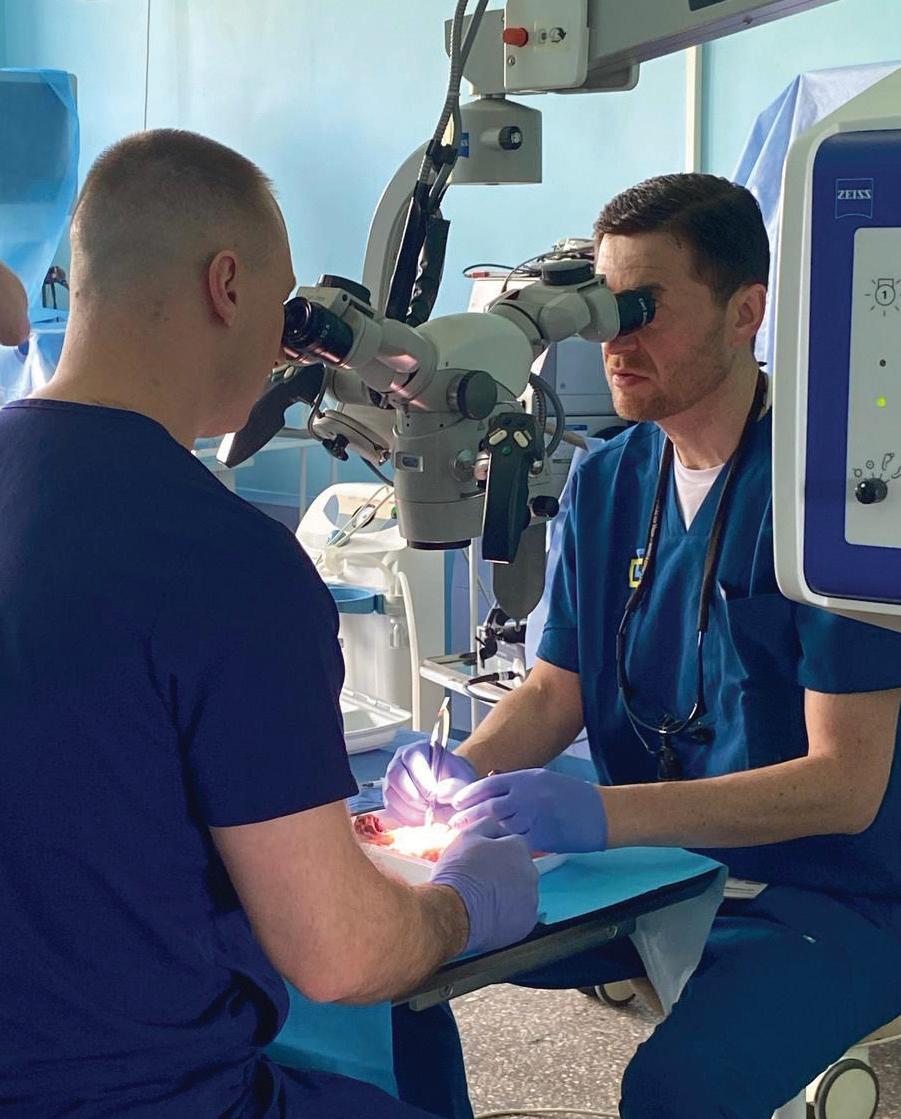
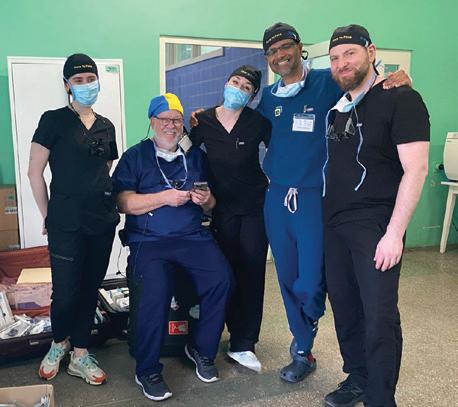
In Kenya, Dr. Muh operated on a teenage boy with cerebellar abscesses who was in the hospital for months on antibiotics to stop the infection from getting worse. The placement of the abscesses on his brain caused him to be unable to bring a cup to his mouth without shaking and walk without someone holding him upright. After
draining the three abscesses, he was walking and drinking water without any problem.
“My experiences abroad have made me see things differently,” says Dr. Muh. “In the U.S. we use disposable tools and wait to take on a case until we have all the high-tech equipment. In Kenya and Ukraine, there are times you have to improvise —using sterilized, reusable tools or older techniques like handheld drills and Gigli saws. It’s beneficial because it makes you think of creative ways to treat patients besides the slightly more spoiled way that we are used to in the States.”
“experiences abroad have made me see things differently.
” My
Dr. Muh
Before leaving, the mission team also taught general surgery residents a variety of neurosurgical techniques, helping ensure that more procedures could continue even after the trip ended. Months after the trip, Dr. Muh remains in touch with the general surgeons and residents, checking on the progress of their patients and providing guidance for future cases until she returns again. ■
BY KIARA THOMAS, M.A.
The goal was always to become a physician for Natoushka Trenard, M.D., M.P.H., assistant professor of medicine. As a pre-med student, she saw her journey linearly: choose a science major, go to medical school, and earn an M.D. She quickly learned that there was more to becoming a physician, specifically the physician she wanted to be.
“My perspective changed after I started clinical practice,” says Dr. Trenard, the division chief of Pulmonary Critical Care Medicine at NYC Health + Hospitals/ Metropolitan. “I understood that medicine is multi-dimensional. It’s biomedical science. It’s health equity. It’s public health. It’s so many other things.”
This realization led Dr. Trenard to take a holistic approach to medicine and build a career at the intersection of clinical practice, public health, and service.
Her motivation to pursue medicine came from seeing the limitations of the health care systems of her parents’ home countries of Colombia and Haiti. “It left an impression on me,” she says. “I wanted to put myself in a situation where I didn’t feel helpless and where I could make an impact.”
Dr. Trenard gravitated towards internal medicine for its scope and diagnostic rigor. The specialty offered flexibility and demanded a deep understanding of the whole patient—qualities that resonated with her. Dr. Trenard became board certified in internal medicine, pulmonary medicine, critical care medicine, and neurocritical care medicine. “I am always looking for ways to get better,” she says. “Working in the ICU can be daunting at times because anything can come up.”
That preparation was put to the test during the COVID-19 pandemic. Dr. Trenard still remembers her patients vividly—their faces, their families, their outcomes. On the surface was the medical attention her patients needed, but beneath it lay the inequities—systemic barriers, social circumstances, and gaps in access—that ultimately shaped their outcomes.
“I realized the severity of what I was seeing had very little to do with biology alone,” she says. “It had everything to
do with social circumstances. There was a big health equity component that re-educated and reminded me of why I decided to study medicine.”
Dr. Trenard found herself using her phone to FaceTime patients’ families to communicate their condition and care plans, and felt privileged to care for them, whether through medical intervention or simply by offering support. “The COVID-19 pandemic was really a turning point for me, a point of re-evaluation,” recalls Dr. Trenard. “It drew me closer to medicine, but I felt compelled to do things a little differently.”
As chair of the Health Equity Committee at Metropolitan, she began addressing disparities in lung cancer screening. She found that screenings were significantly underutilized among Black, Hispanic, and low-income patients. When Metropolitan launched its Endobronchial Ultrasound Program, an invasive procedure that uses a bronchoscope equipped with an ultrasound tip to image and biopsy lymph nodes and lung tissue, those inequities became impossible to ignore. Many of the patients she diagnosed for advanced lung cancer had met screening criteria years earlier but were never screened, resulting in laterstage diagnoses and poorer outcomes. Her mission became to improve lung cancer screening for high-risk and vulnerable populations using new strategies and improving awareness through community engagement with different local community-based organizations like Harlem Health Advocacy Partners and East Ward Baptist Church with Metropolitan Hospital’s lung cancer screening navigator, Hyewon Shin, B.S.N., RN.
Dr. Trenard, who was recognized with an award for Outstanding Dedication to Improving the Health of the Community of Metropolitan Hospital in 2025, continues to extend her care beyond the walls of the hospital. After learning of racial disparities in bystander CPR rates, she launched Every BODY deserves CPR, bringing residents from the hospital into East Harlem high schools to teach CPR—exposing high school students to life-saving skills sooner rather than later
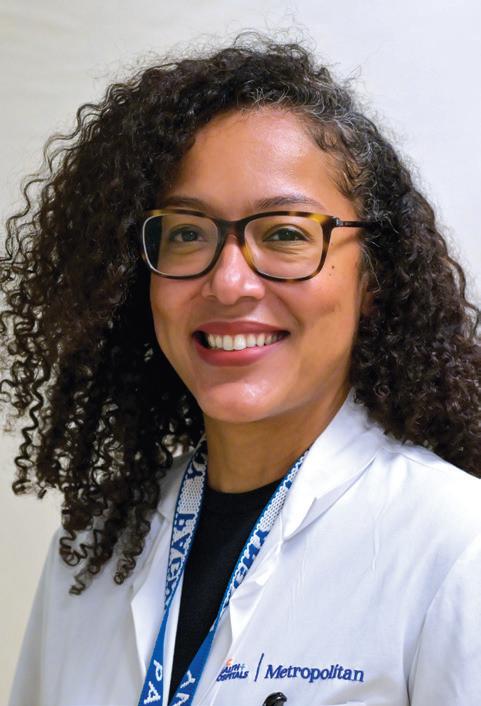
and reducing the paralysis that often accompanies medical emergencies.
“You don’t need a certification card to save a life,” she says. “You just need the confidence to act.”
Her commitment to service predates her medical career. As an AmeriCorps diabetes educator and doula, and later through medical mission trips to Haiti, service became a throughline in her professional life. Those experiences also reshaped her understanding of impact and meeting her patients where they are.
That same lens now informs her work at the systems level. Serving as co-chair of the Pulmonary Function Testing Committee for the New York City Department of Health’s Coalition to End Racism in Clinical Algorithms, she works to de-implement race-based clinical algorithms and push medicine toward greater equity.
For Dr. Trenard, being a physician means more than diagnosing and treating disease. It means questioning systems, addressing root causes, and ensuring that everyone has access to quality care.
“There are small things we can do that make a big difference,” she says. “You don’t always need massive funding or large trials. You just need to be intentional.” ■
HOJOONG KWAK, M.D., PH.D., M.S.,
BY RHEA HIRSHMAN
As a boy growing up in the megacity of Seoul, South Korea, Hojoong Kwak, M.D., Ph.D., M.S., was “an absolute science geek.” Always fascinated by how and why things work, he especially loved playing with Legos, creating gadgets without using instructions, including a walking robot. “I couldn’t quite get it to stand by itself,” he says, “so I pretended it was a dad and gave it a stroller to push and hang on to.”
After spending his pre-teen years with his family in the Boston area while his father attended Harvard Business School, Dr. Kwak went on to study at Seoul Science High School, where he became the first South Korean to win a gold medal in the International Physics Olympiad—the most prestigious international physics competition for secondary school students.
After high school, Dr. Kwak enrolled in Seoul National University’s pre-med program, with plans to become a surgeon. With a strong orientation towards data, he realized that his career path lay in research and academia rather than clinical medicine. He complemented his M.D. degree with an M.S. in biochemistry, with a focus on RNA binding proteins in neuronal cells, from the same university.
After graduating, Dr. Kwak fulfilled his mandatory military service by spending three years with the Ministry of Food and Drug Safety. There, he used his scientific expertise to perform medication quality checks and monitor clinical trials.
“When I was done in the army,” he says, “I wanted to do cutting-edge research.” He returned to the U.S. to obtain his Ph.D. at Cornell University, focusing on the mechanisms of transcription regulation— the biological control system that finetunes gene expression. “Gene expression,” he explains, “is the process in which a cell reads DNA information to create a functional product, like a protein or RNA molecule, that does the work of that cell.”
From early in his science career, Dr. Kwak was captivated by RNA. “RNA molecules themselves can carry genetic information,” he says, “and the earliest life forms could function without protein, just on RNA alone.” In the lab of his Cornell thesis advisor, John Lis, Ph.D.,
his research focused on how the molecule RNA polymerase translates the DNA’s genetic information to working body parts. “When I first met with John Lis, he showed me exciting new data describing the quantification and location of RNA molecules across the whole genome. I knew that his lab was where I wanted to be.”
After obtaining his doctorate and spending two years as a research associate and a postdoctoral fellow at the University of Michigan, Dr. Kwak returned to Cornell as an assistant professor in the Department of Molecular Biology and Genetics. In his own lab, he built a research program dedicated to RNA regulation and its implications in gene expression and cellular function.
In July of 2024, he relocated his lab to New York Medical College (NYMC), where he is assistant professor of cell and molecular physiology. He has been expanding his research into the role of RNA regulation in disease mechanisms, specifically working to understand the mRNA (messenger RNA) codes that control the molecules’ lifespan right before they degrade. His work has implications for clinical interventions based on mRNA—the platform that allowed for rapid development of the COVID-19 vaccine. He explains that while mRNA molecules stay in immune cells long enough to “teach” those cells to produce an immune response, hence their usefulness for vaccines, they do not stay functional long enough to serve other purposes, for instance, fighting cancer. “If we can understand that degradation process,” he says, “we can trick the cells to recycle the mRNA therapeutics back into the cell and develop new therapeutics.”
Currently, Dr. Kwak is the principal investigator of a more than $2 million Maximizing Investigators Research Award from the National Institute of General Medical Sciences for his work, "High Resolution Functional Maps of Enhancer RNA and Subcellular RNA Granules in Human Immune Cells.”
Dr. Kwak also loves teaching and has stayed in touch with many of his Cornell undergraduate students, some of whom
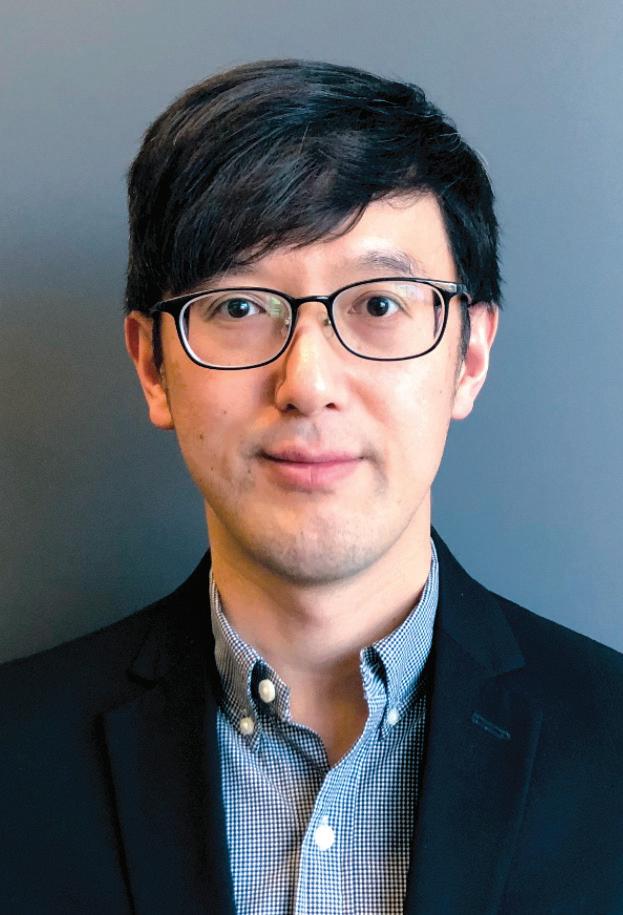
have become colleagues. At NYMC, he teaches primarily biomedical graduate students. When not at work, he spends time with his family and enjoys playing sports, especially tennis, and working out.
And, although Dr. Kwak’s work is driven by data, it is also strongly influenced by his spiritual values. “I think a lot about integrity, humility, and responsibility to others,” he says. “The COVID-19 pandemic was a particularly hard time for my lab that taught me patience and resilience, and made me deeply appreciate the people who stayed, helped rebuild, and are still working together today.” At his last department seminar before coming to NYMC, he showed a photo of his lab members and quoted from the Book of Psalms: “my cup overflows.” He says, “Doing that was a way for me to express gratitude and respect for the sense of purpose and community that make the work meaningful.”
What drew Dr. Kwak to NYMC after many years at a research-intensive institution was the opportunity to work in an environment with closer ties to the clinic and a stronger emphasis on practical and translational applications of basic research. He adds, “My NYMC colleagues engage in both gene expression and disease-focused research; the collaborative culture creates an intellectually stimulating and genuinely enjoyable place to work.” ■
WENDY GEORGAN, PH.D., CCC-SLP,
BY CARA GILEAU
“From an early age, I always knew that I wanted to conduct research, and I loved working with children,” says Wendy Georgan, Ph.D., CCC-SLP, assistant professor of speech-language pathology (SLP) in the Department of Rehabilitation Sciences, Division of SLP, in the School of Health Sciences and Practice.
Starting as a cognitive science and neuroscience undergraduate student at Massachusetts Institute of Technology (MIT), Dr. Georgan became involved in research projects immediately. They contributed to laboratory studies examining how brain-based predictors of dyslexia varied across age groups, assessing reading performance and analyzing potential connections.
Although Dr. Georgan was fascinated by this process, they recognized a gap. While the research was valuable, participants simply left once the session concluded, and the lack of connection stood out. Dr. Georgan longed for a more direct and meaningful impact on the individuals behind the date.
That realization motivated them to bridge that gap. They found the Speech and Hearing Bioscience and Technology Ph.D. program at Harvard University, which offered a dual track that allowed them to simultaneously earn a Master of Science degree in speech-language pathology while enhancing that clinical experience. This combined training allowed Dr. Georgan to be in a classroom setting and
engage in doctoral research concurrently, focusing on how particular educational labels are used within schools and how terminology shifts as students age. This work was later published in the Journal of Speech, Language and Hearing Research.
After completing their doctorate degree, Dr. Georgan joined the faculty at Northeastern University, where they taught in the graduate speech-language pathology program and developed a growing interest for interprofessional education (IPE). Recognizing the collaborative nature of clinical and educational settings, they strived to develop opportunities for students across programs to train together, a strength that Dr. Georgan brought to New York Medical College (NYMC) when they joined the faculty in July 2025, and are eager to share.
That collaborative spirit is now a hallmark of Dr. Georgan’s work at NYMC and they are committed to fostering that connection with students in the classroom. They enjoy seeing that “light bulb” moment for students, and value having the opportunity to guide them through the learning process.
“It feels like I’m making a larger impact. As an SLP, I worked with a caseload of children, but now, as a graduate instructor, I’m helping train future SLPs who will go on to make a difference in their own caseloads. The ripple effect is deeply fulfilling,” says Dr. Georgan. At their first commencement at NYMC,
It feels like I’m making a larger impact. As an SLP, I worked with a caseload of children, but now, as a graduate instructor, I’m helping train future SLPs who will go on to make a difference in their own caseloads. The ripple effect is deeply fulfilling.
Dr. Georgan
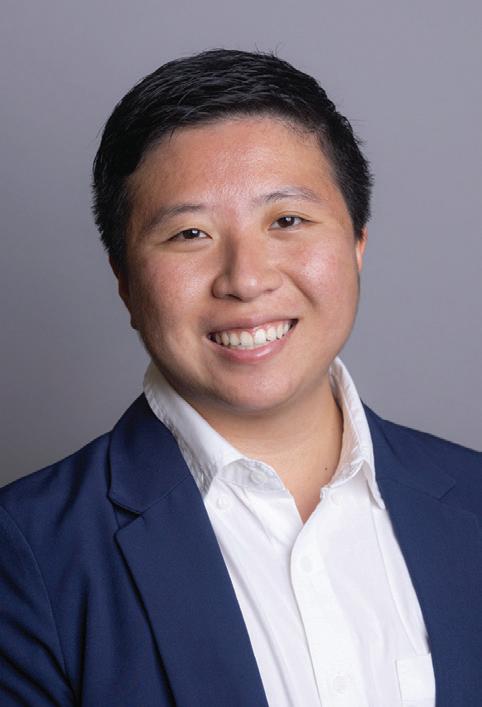
Dr. Georgan proudly called the SLP graduates’ names as they crossed the stage, diplomas in hand. “It was an honor to announce the next generation of SLP professionals and I’m excited to see what their futures hold and their impact as clinicians,” said Dr. Georgan.
In addition to teaching, Dr. Georgan continues to pursue research focused on IPE, exploring how different disciplines can work together and how collaborative learning experiences influence student outcomes, communication skills and professional development. They also strive to create an inclusive classroom environment, applying principles of Universal Design for Learning and ensuring students have options in their learning experience.
Dr. Georgan looks forward to continuing to expand IPE programming at NYMC, including developing a simulation in which SLP and Doctor of Physical Therapy students engage in a co -treatment session, with the broader goal of fostering interdisciplinary connections across all NYMC programs. ■
BY KIARA THOMAS, M.A.
United by blood and a shared alma mater, Harvey E. Cooper, M.D. ’60, and Jonathan Cooper, M.D. ’87, and Jaimee Cooper, M.D. ’25, have each been shaped by their own era of medical education at New York Medical College (NYMC), leaving a legacy of compassion, resilience, and service. Their journeys reflect the evolution of medicine, the spirit of NYMC, and the enduring power of education.
Dr. Jaimee Cooper, always knew she wanted to become a physician, specifically becoming a surgeon. She yearned for making a tangible impact on people’s lives. When a patient walks into her exam room, she knows they’re likely facing one of the hardest moments of their life—and she’s prepared to do everything she can to help them through it.
Specializing in otolaryngology, Dr. Jaimee Cooper continued the legacy of her father, something she never foresaw happening. “I used to say I would never be an ENT. I told everyone, I’ll do anything but that—I want to be a surgeon, just not that kind, I’d say,” she recalls. “I think it started with Take Your Child to Work Day, watching my dad pull mucus out of people’s noses. I was seven years old, and it just seemed gross. I couldn’t imagine ever wanting to do that—until I started my rotations and really enjoyed the specialty.”
Otolaryngology offered everything she looked for in a specialty: medicine, surgery, community, and a diverse set of patients. Dr. Jaimee Cooper who committed to becoming an ENT, attends her residency at University of Miami. “Growing up, I often heard from people in the community about how much they appreciated my dad—how he helped them through the ailments they faced and the impact he had on their lives,” she says. “That really stuck with me. It made me want to be the kind of physician who’s truly there for my patients—someone who sees them as whole people, not just a diagnosis or a quick visit. I want to be part of the community I serve, just like my father was, and have that same kind of meaningful role.”
During her first year at NYMC, Dr. Jaimee Cooper attended the College’s Alumni Reunion in November 2022. Surrounded by generations of fellow graduates—including her own family—she felt deeply connected to NYMC’s legacy and the traditions that bind past, present, and future students. The experience helped reinforce her commitment to the path she was just beginning.
Dr. Jonathan Cooper is proud of his daughter and says he would have been proud no matter which medical school she attended
or which career path she chose. But seeing her specialize in ENT—and do so at his alma mater—made commencement especially meaningful. “NYMC has always done a great job of preparing people to be physicians— not just academics with their heads in the clouds, but real, handson doctors. It’s about being in the hospitals, in the clinics, on the ground, taking care of your community. To me, that’s what medicine is all about, and NYMC prepared me for that incredibly well. I especially saw the difference during residency, when I worked alongside other medical students who weren’t as well prepared,” he says.
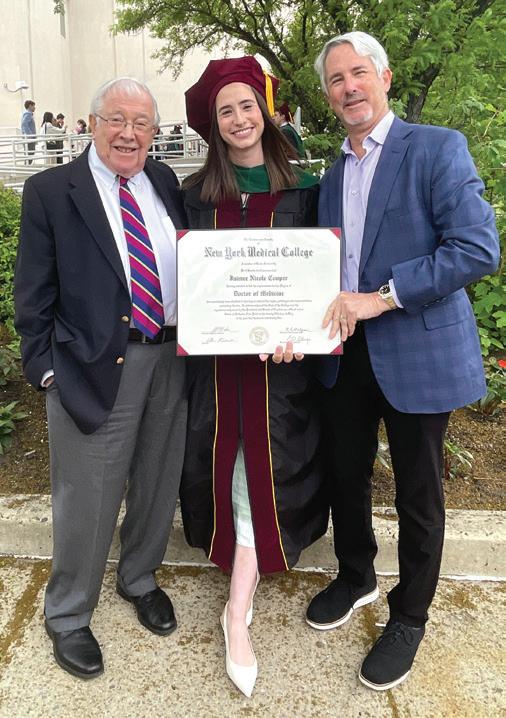
Through his childhood and adulthood, Dr. Jonathan Cooper also witnessed the impact of his father’s career in internal medicine, however, he had other plans in college. “I was a computer science major in undergrad—and the truth is that I was having so much fun in college, I wanted to keep going to school.” He applied to medical school and was accepted. “I realized on the very first day of medical school—during my first lecture—what I had got myself into. From that moment on, I committed to giving it my absolute best and excelling in everything I did because I knew it wasn’t going to be as fun as college had been, but I had made the choice, and I was determined to rise to the challenge.”
Initially planning on following his father’s footsteps and specializing in internal medicine, two weeks into medical school, Dr. Jonathan Cooper had the opportunity to see open heart surgery performed and was amazed at the results. “I thought it was the most amazing thing I had ever seen—a doctor could take a walking, talking, breathing human being, make them unconscious, stop their heart, open their chest, fix
what was wrong, sew everything back together, start the heart again, and when they woke up, they were better,” he says. “That moment made me realize I wanted to be a surgeon. I wanted to treat men, women, and children, perform micro and major surgeries, and otolaryngology gives you a lot of options to do just that.”
After completing his residency, Dr. Jonathan Cooper opened his own practice. In response to the evolving landscape of medicine, he and a partner in South Miami joined forces with 13 other practices in 2000 to form the larger group South Florida ENT Associates, where he is the chief medical officer.
Dr. Jonathan Cooper and Dr. Jaimee Cooper said that their familiar connections to NYMC didn’t influence their attendance at the College, but that it was how the stars aligned. The diversity of experiences and patient populations were the forces that drew them to the Valhalla, New York, campus.
“The diversity of experiences we get is one of the most valuable parts of our training,” says Dr. Jaimee Cooper. “We have access to very urban hospitals and patient populations, but we also gain exposure to more suburban—and even somewhat rural— settings. That breadth of medicine is really unique. I rotated through busy city hospitals but also spent time at a family practice outside of Westchester. Seeing that full spectrum helped me understand which aspects I enjoy most and which I don’t, and it gave me a clearer vision of how I want to shape my future practice. I really appreciated that.”
While Dr. Harvey E. Cooper also experienced the vast opportunities NYMC offered, the backdrop to his medical school experience was in Manhattan, when NYMC was known as New York Medical College, Flower and Fifth Avenue Hospitals. Miles and decades apart, all three Coopers found themselves drawn to a school that values clinical rigor, compassion, and adaptability.
For Dr. Harvey E. Cooper, medicine was an early calling. Between a natural aptitude for science and the deep admiration he held for his childhood physician, the decision felt almost inevitable. “He was an amazing person,” he recalls. “I had quite a bit of illness in my childhood, and he spent many a night in my home, and I got to know him well.” Dr. Harvey E. Cooper decided to pursue internal medicine during his fourth year at NYMC, inspired by a chief of medicine who made the challenge of studying symptoms, developing diagnoses, and creating
treatment plans both engaging and enjoyable.
Before starting residency, he enlisted in the United States Public Health Service Commission Corps and served for two years as a blood bank physician at the clinical center of the National Institutes of Health in Bethesda, Maryland. Through that role, he had frequent contact with the National Cancer Institute, particularly the leukemia service, which sparked his interest in malignant hematology.
As he was discharged from the Public Health Service, he decided to return to NYMC to a revamped residency program headed by Samuel H. Rubin, M.D., M.S., and chaired by Rachmiel Levine, M.D. Dr. Rubin went on to become his mentor for many years afterwards. “I was the chief resident in medicine at Flower Fifth Avenue Hospital in my second year,” recalls Dr. Harvey E. Cooper. “I was responsible for supervising the treatment of patients under the care of the full-time faculty, which gave me daily contact with exceptionally skilled physicians who practiced outstanding medicine. That experience shaped the kind of physician I became.” After completing that year, he entered a hematology fellowship at NYMC, directed by Sheldon Rothenberg, M.D., and chaired by Robert Goldstein, M.D.
Now retired after 54 years of practice, Dr. Harvey E. Cooper has come across patients and physicians from many walks of life, including physicians who came to the College from Vienna, Austria, to escape Adolf Hitler. He said that the professors at the College brought medicine to life, making the career meaningful and fun, helping him develop a true calling for internal medicine. “That passion ran so deep that I can honestly say I never felt like I went to work a single day in the 50 years I practiced,” he says. “It was always more than just a job.”
When reflecting on how his one choice to attend NYMC during his senior year of college avalanched into his son and granddaughter following in his footsteps, Dr. Harvey E. Cooper says, “It’s truly wonderful—beyond words. Jonathan chose medicine on his own, and I was thrilled when he did—and even more so when he chose NYMC. He’s become a fine physician. As for Jamiee, I’m beyond happy. I had no direct influence, but perhaps she was inspired by her father. While I’m not sure if having three generations attend NYMC is entirely unique, it’s definitely rare—and I’m deeply proud of that. Proud in a kind and humble way, not out of boastfulness. It brings me immense joy.”
Agenerous gift by Kathy and Michael Grasso III, M.D., is helping to transform medical education at New York Medical College (NYMC) in a range of capacities. Dr. Grasso is a clinical professor of urology who has served on the NYMC faculty for 25 years.
The funds support the “Michael and Kathy Grasso Annual Lectureship Series in the Principles of Oncology,” for the annual introduction to the principles of oncology course taught to all secondyear medical students, dental, and podiatry students, which covers and the fundamental principles of surgical oncology, chemotherapy and immunotherapy, and radiation oncology.
The gift also funds academic and research endeavors in the Department of Surgery, under the direction of Gregory R. Veillette, M.D., associate professor of surgery, who is also the section chief of surgical oncology and hepatopancreatobiliary surgery at Westchester Medical Center and a multi-organ transplant surgeon.
A robotic surgical unit simulator was purchased for the Clinical Skills and Simulation Center (CSSC), allowing a whole new realm of training for students. The Robotic Mentor in the Surgical Suite enables the practice of skills of a variety of urology diagnostic and therapeutic procedures, including cystoscopy, ureteroscopy, stone manipulation, stricture treatment and benign prostatic hyperplasia treatment such as transurethral resection of the prostate. “Thanks to the Grasso gift, students have the
unique opportunity to work with a variety of scopes and tools while visualizing a trueto-life endoscopic and fluoroscopic display,” said Katharine Yamulla, M.H.E.A., CHSE, assistant dean of clinical skills education and assessment and director of the CSSC.
Part of the gift was also designated for a scholarship for a fourth-year medical student who matched in urology. Francesco Ciuffo, M.D. ’25, who is completing his residency in urology at the Icahn School of Medicine at Mount Sinai, was the inaugural recipient of that scholarship.
“I have been incredibly fortunate throughout my career to learn from mentors who not only shaped me as a physician, but also taught me the importance of compassion, curiosity, and giving back,” said Dr. Grasso. “Supporting the next generation of physicians is one of the most meaningful ways I can honor those experiences. It is deeply rewarding to help create opportunities for young physicians to learn, grow, and push medicine forward so they can continue improving the lives of patients and communities for years to come.”
“This generous gift is an investment in both an exceptional medical student and the future of patient care. By supporting a student entering a urology residency, our donor is helping ensure that talent, compassion, and excellence continue to shape this vital field of medicine,” said Stacy Velarde, chief development officer. “We are deeply grateful for their commitment to our students and to the impact they will have on countless lives.” ■
With a proud history of humanism and respect, NYMC has been educating exceptional health care leaders for more than 165 years. Your contributions allow us to provide scholarships for our extraordinary students, recruit and retain the best faculty, conduct cutting-edge research, invest in technology and maintain state-of-the-art instructional and learning facilities.
Areas where you can make a difference:
• Annual Fund
• Contribute to an existing student scholarship, research, or academic fund
• Establish an endowment fund
• Make a planned gift
• Medical Kit Initiative
• Reunion Weekend
• Participate in the annual Founder’s Dinner
• Host a fundraising/ cultivation event in your area
• Days of Giving
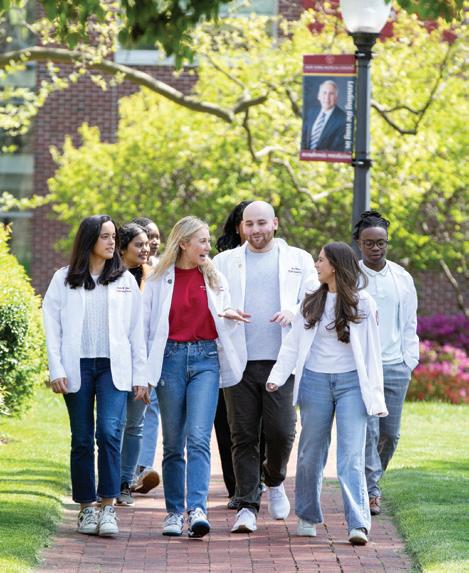
We encourage you to explore nymc.edu/give for more information.
Support an area that inspires you. Contact the Office of Development and Alumni Relations at development@nymc.edu or call (914) 594-2720.
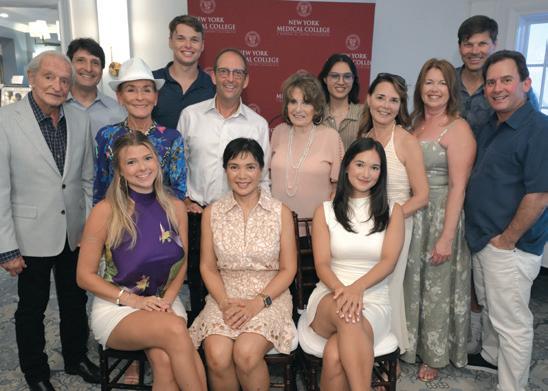
With
golf clubs in hand and camaraderie in the air, members of the New York Medical College (NYMC) community gathered at the picturesque Saint Andrew’s Golf Club in Hastings-onHudson, New York, for the fifth annual Golf Tournament and Reception on June 23, 2025. Sponsored by the NYMC Board of Advisors, the event drew 140 attendees, including 90 golfers, as well as College leadership, friends, supporters, and Westchester community leaders for a day of sport and celebration. The event garnered more than $200,000 to benefit student scholarships and other initiatives across NYMC’s programs, research, and community involvement.
“Our annual golf tournament turned out to be a beautiful day of competition, celebration, and community-building, and for that we are grateful,” said Edward
C. Halperin, M.D., M.A., chancellor and chief executive officer. “The funds raised will go a long way toward shaping the next generation of skilled, empathetic and dynamic health care professionals who will serve this community and others like it.”
Jonathan A. Sheindlin, M.D. ’93, the managing partner of The Bronx Eye Center, assistant professor of ophthalmology in the Department of Ophthalmology and Visual Sciences, Montefiore Hospital Center, Albert Einstein College of Medicine, and a member of NYMC’s Board of Advisors, was honored with the Distinguished Alumni Award. He was recognized for his professional accomplishments in the field of medicine and his service to the local community. The Corporate Partnership Award was presented to John Morningstar, senior vice president of investments at Stifel, for his support of the College and its mission. ■
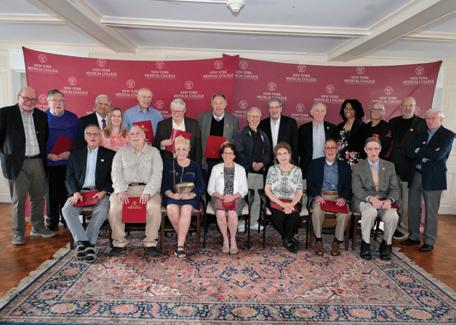
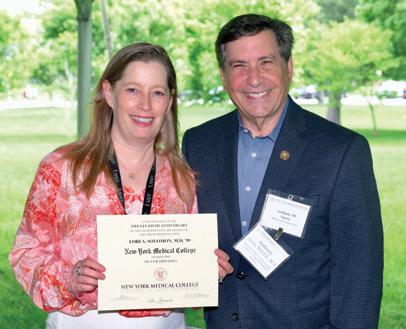
Alumni, students, and leadership gathered on New York Medical College’s (NYMC) Valhalla, New York, campus for Homecoming 2025, to celebrate the College’s enduring legacy. Reunion classes ending in zero, four, five, and nine were recognized on May 18, 2025, with special tributes to the 50th and 25th anniversaries for the classes of 1974,
1975, 1999, and 2000. Anthony M. Sozzo, M.S.Ed., M.A., associate dean for student affairs and director of student financial planning and student activities, served as master of ceremonies, guiding the celebrations with warmth and humor. Guests enjoyed tours of campus highlights, including the Medical Education Center, the Clinical Skills and Simulation Center,
and the Center for Disaster Medicine at 7 Dana Road—spaces that reflect NYMC’s continued commitment to innovation in health science education and training. The program also featured remarks from Alan Kadish, M.D., president of NYMC and Touro University, who reflected on the College’s history and its bright future ■
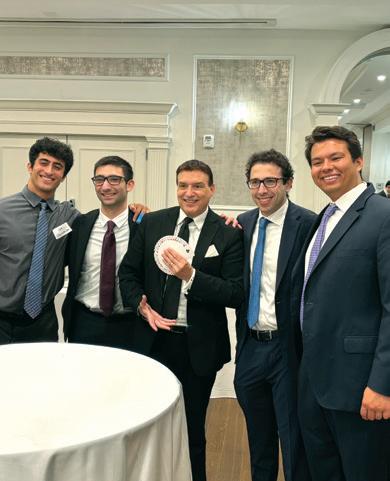
of the School of Medicine Class of 2029 mixed, mingled, and made connections at the Alumni Networking Soiree on September 8, 2025, at the Sleepy Hollow Hotel in Tarrytown, New York. Hosted by the NYMC Board of Advisors, Alumni Council, and the Office of Development and Alumni Relations, the evening brought together students and alumni to share stories, explore careers and specialties, and spark mentorship opportunities that will last well beyond the night ■
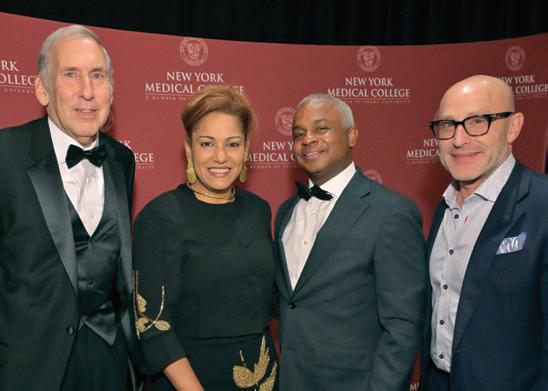
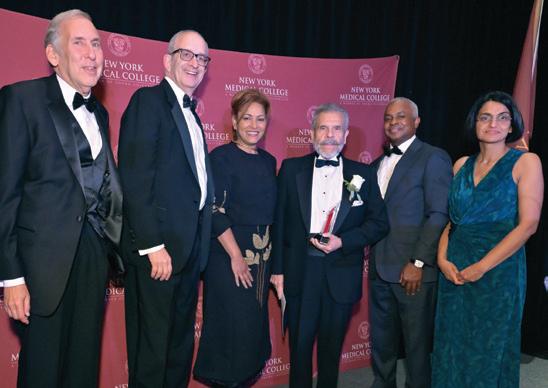
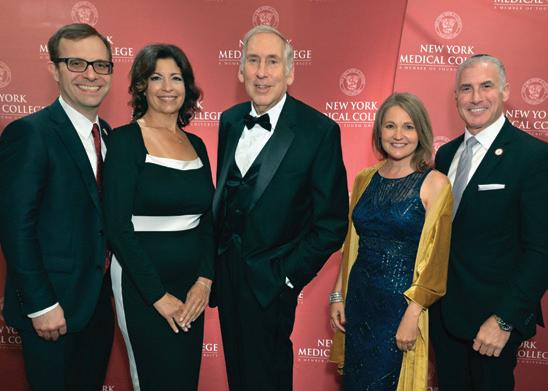
The
Founder’s Dinner celebration at the VIP Country Club in New Rochelle, New York, on October 22, 2025, was among the College’s most successful, raising approximately $620,000 in support of student initiatives. The College’s signature fundraising event drew more than 400 guests from the academic, health care, business, and civic sectors to honor New York Medical College’s (NYMC) visionary leaders and their far-reaching impact. Funds raised during the gala will enhance scholarships, bolster innovative student programs, and advance NYMC’s ongoing commitment to training compassionate health professionals and driving pioneering biomedical discoveries.
The College proudly honored three distinguished members of the NYMC community.
Renee Garrick, M.D., FACP, FASN, professor of medicine, was presented the Jackson E. Spears Community Service Award, named for long-time board member Jackson E. Spears (1906-2003) and honors individuals or organizations who have demonstrated exceptional service and commitment to their communities.
Dr. Garrick has been a member of the staffs of Westchester Medical Center (WMC) and NYMC since 1985. She served as vice dean of NYMC and chief medical executive of WMC beginning in 2005, and as chief medical officer of the Westchester Health Network from 2015 until her retirement in 2025. In these roles, she oversaw graduate medical education, clinical care, academic affairs, quality and safety, and regulatory initiatives for WMCHealth, a 1,700-bed, 10-hospital health system and the only academic medical center in the Hudson Valley.
A practicing nephrologist with more than 40 years of clinical experience, Dr. Garrick, has served on the Quality Committee of the Healthcare Association of New York State, including as chair since 2021, and is a member of the New York State OfficeBased Surgery Safety Committee. Nationally,
she co-chaired the National Quality Forum Renal Standing Committee, advised the National Institutes of Health on Data Safety Monitoring Boards, and serves on the American Society of Nephrology/Centers for Disease Control collaborative on dialysis safety, where she chairs the Human Factors Committee. She also sits on the American Society of Nephrology Advisory Panel on Excellence in Patient Care. In 2024, she received the Renal Physicians Association Distinguished Service Award.
Dr. Garrick has served on the Westchester Healthcare Corporation Board for more than 20 years, is a fellow of both the American Society of Nephrology and the American College of Physicians, and has been named a Castle Connolly Top Doctor annually for 24 years.
Martin S. Katzenstein, M.D. ‘78, associate professor of pediatrics and assistant dean for clinical affiliations, and chair of NYMC Board of Advisors, was presented the Distinguished Service and Leadership Award for his contributions to health care, science, and the community, which have elevated the practice of medicine and brought great distinction to the College.
An alumnus of NYMC, Dr. Katzenstein has served on the faculty since 1984. Dr. Katzenstein has chaired the College’s Board of Advisors since 2014, after years of serving as a member of the Board, which is comprised of leading professional, communal, philanthropic, and business leaders, tasked with providing ongoing guidance, support and resources, for the growth and development of NYMC. Dr. Katzenstein also serves as assistant dean for clinical affiliations at NYMC, vice president for community affairs for Touro University, and a member of Touro’s Board of Governors.
Dr. Katzenstein currently is chief of service and director of neonatology at Good Samaritan Hospital in Suffern, New York, and as director of community alliances for Boston Children’s Health Physicians as well as an attending neonatologist at
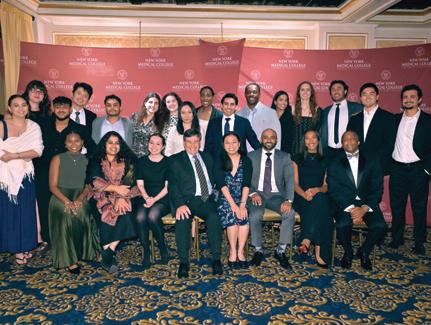
Westchester Medical Center. He previously served as chief of neonatology at Montefiore North, Our Lady of Mercy Medical Center, and St. Agnes Medical Center.
John T. Pellicone, M.D., FACP, FCCP, FAACVPR, Phase 1 co-director for the M.D. degree program in the School of Medicine and assistant professor of medicine, was presented the Alfred B. DelBello Distinguished Service Award for advancing NYMC’s mission of education and research through service, commitment and expert ability.
Dr. Pellicone earned an honors degree with distinction in chemistry from Dartmouth College. He received his medical degree from Columbia University College of Physicians and Surgeons followed by an internal medicine residency at Montefiore Medical Center. He completed a pulmonary fellowship at the NYU-Bellevue Medical Center.
Dr. Pellicone opened his private practice in pulmonary medicine in 1986 and then joined the staff of Helen Hayes Hospital as director of the Special Care Unit. He was named chief medical officer of Nyack Hospital in 2001. The following year he was named the chief medical officer at Helen Hayes Hospital, making him the only chief medical officer overseeing two institutions within the New York Presbyterian Healthcare System. In 2015, he was named chief medical officer at NYC Health + Hospitals/ Metropolitan. Following his retirement from Metropolitan in May of 2025, he joined the NYMC School of Medicine as the Phase 1 Curriculum Committee co - director. ■
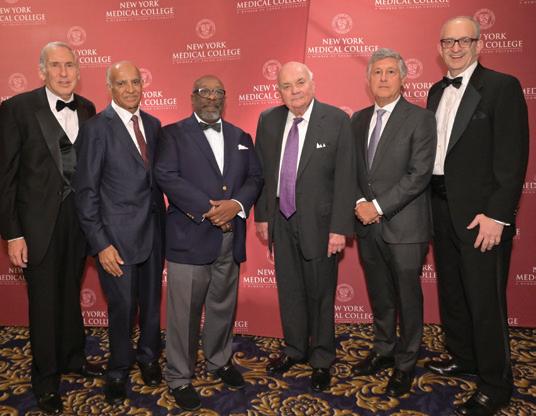
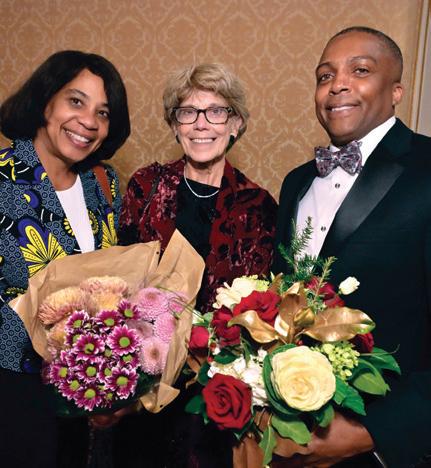
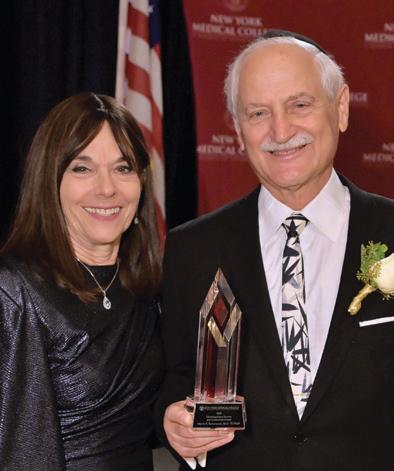
PRESENTING SPONSORS
Regeneron Pharmaceuticals
Mr. Stephen Rosenberg
Terumah Foundation
GOLD SPONSORS
Mr. David Lichtenstein
Ayala & Gary Barnett
NYMC Board of Advisors
Martin Oliner, Esq.
Westchester Medical Center
SILVER SPONSORS
Boston Children’s Health Physicians
Physician Affiliate Group of New York
BRONZE SPONSORS
California Bank and Trust
Munr Kazmir, M.D.
Sarah & Andrew Levy
NYC Health + Hospitals/ Metropolitan
Ronald & Peggy Poe
Saint Joseph’s Medical Center, Yonkers Webster Bank
DESSERT SPONSORS
Ellen & Mitchell Cairo, M.D.
Randi & Leonard J. Newman, M.D. ’70
Tamar & Avi Retter, M.D.
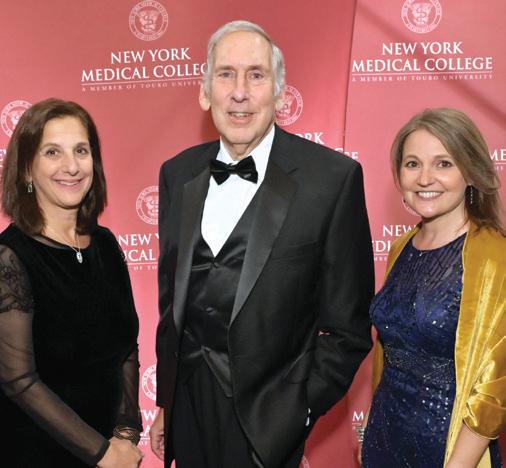
Joseph D. Mark, Chair
Joseph Schwartz, M.D. , Vice Chair
Alan Kadish, M.D.
Robert Alter, M.D.
Grigoriy Arutyunyan, M.D.
Gary Barnett
Howard Baruch, M.D.
Benjamin Chouake, M.D.
Rabbi Menachem Genack
Gary Gettenberg, M.D. ’83
Anita Gupta, M.D.
Sunil Gupta, M.D., MRCP
Munr Kazmir, M.D.
Moshe Lichtenstein
Rubén A. Medina, M.B.A., M.P.H.
Lawrence F. Neshiwat, M.D.
Stephen Nicholas, M.D. ’86
Martin Oliner, Esq.
Eliot Peyser
Ronald F. Poe
Joseph Popack
Ammir Rabadi, M.D.
Avi Retter, M.D.
Stephen Rosenberg
Alan B. Rosenthal, D.M.D.
Henry Saphier, M.D. ’61
Kenneth R. Theobalds
Martin S. Katzenstein, M.D. ’78, Chair
Mykola Alyskewycz, M.D. ’92
Christel Bauer, M.D.
Sabra Brock, Ph.D.
Diana Bryk, M.D.
William J. Camera, C.P.A.
Edward Chew, M.D. ’03
Steven H. Cho, D.D.S.
Eric I. Choe, M.D. ’88
Raymond A. Conta, J.D.
Noreen Ferrante, M.D. ’84
Isaac Galandauer, M.D. ’02
Moshe E. Hirth, M.D. ’88
Moira T. Imperial
Howard Jonas
Russell Kamer, M.D.
Martin D. Keltz, M.D.
Baoqing Li, M.D. ’05
Norman L. Maron, M.D. ’70
Leonard J. Newman, M.D. ’70
Rebecca B. Newman, M.D. ’05
Paul Ostrovsky, M.D. ’78
Michael Paris
Chong H. Park, M.D. ’96
Lawrence Rein
Anne Negrin Reis, M.D. ’02
Richard Rohr, M.D. ’80
Bruce Schanzer
Jonathan Sheindlin, M.D. ’93
Tamy Skaist
William Smith
Susan N. Tierman, M.D. ’79
Steven Topfer, D.O.
Rajesh Verma, M.D. ’93
Anthony Viceroy, M.B.A., CPA
Vincent J. Vigorita, M.D. ’76
Patricia White, M.D.
John M. Zimmerman, M.D. ’78
BY KIARA THOMAS, M.A.
Donald Doyle, M.D. ’67, has turned chance encounters into extraordinary adventures, crafting a life that’s anything but ordinary. The otolaryngologist, with more than 50 years of practice, is not only an inventor holding 30 patents and author of multiple articles in medical magazines but also spent eight years as a model and commercial actor before serving as a captain and flight surgeon in Vietnam and later becoming a television host, befriending A-list celebrities.
For more than 70 years, Dr. Doyle has been determined to live life to the fullest and to accomplish as much as he could in his lifetime and he has done nothing short of that.
Before medicine, Dr. Doyle worked as a model after connecting with a former classmate, who provided him with the modeling agency she worked with in New York in 1960. He impressed the agency’s owner, which launched his modeling career. A year later, he starred in his first commercial for the grooming brand Norelco, now known as Phillips Norelco. In his career, he acted in 30 commercials, including Vitalis hair tonic, Buick, 7UP, and Avon.
Dr. Doyle continued his modeling career all through his studies at Columbia Graduate School of Business, Creighton University School of Medicine, and New York Medical College (NYMC). Practicing medicine hadn’t crossed his mind until after he started business school, but he says the career choice was inevitable. Encouraged by his World War II–era general practitioner stepfather, Dr. Doyle sought a greater intellectual challenge, ultimately choosing medicine and otolaryngology after first considering plastic surgery.
During his senior year at NYMC, a top casting director from Paramount Pictures invited Dr. Doyle for a screen test. He agreed—but only on one condition: they wait a year until he completed his clerkship at Metropolitan Hospital, ensuring he had a backup career in medicine. “I spent the whole clerkship thinking, ‘Well, this is okay, but I’m going to be a star.’ Then I got drafted, and that was it,” Dr. Doyle recalls.
Dr. Doyle was drafted into the U.S. Army in September 1968, and served as a commander of aviation medicine detachment before ending his career as a captain and flight surgeon. He was awarded five medals for his service, including the Air Medal and Meritorious Service Medal.
Dr. Doyle resumed his medical training in otolaryngology and began his career as an inventor after completing his military service. His first invention was the Doyle Intranasal Airway Splint, which came as a first-year otolaryngology resident while scrubbing in with the chief of the department. Since then, Dr. Doyle has been awarded 30 patents, 28 of which are medical, including additional patents in the U.K., Japan, and Germany. His innovations extend beyond otolaryngology,
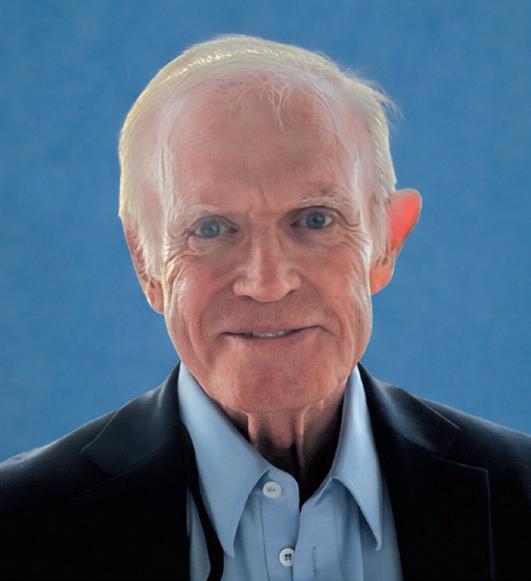
covering general medical devices, as well as baseball-related and grooming inventions.
In 1979, Dr. Doyle returned to television when he started a public access cable television program called Mostly Medicine to gain exposure for his practice. For four years, he interviewed physicians, surgeons, celebrities and presented on surgery and anatomy. His most memorable show was with psychologist Timothy Leary, Ph.D., M.S. The program was broadcasted in major cities in the U.S., with a satellite version was broadcast to the 48 contiguous states for 18 weeks in 1980.
During its run, Dr. Doyle interviewed incoming presidents of the Los Angeles County Medical Association and earned the American Cancer Society TV Media Award for a breast cancer program he both produced and hosted. He created more than 200 programs, one of which—a discussion with the editor of The Animal Tribune —sparked his passion for animal rights. This led him to serve as a medical advisor and spokesperson for organizations, including The Fund for Animals, PETA, The Animal Protection Institute, and The Cat Protection Society. His advocacy work brought him into the media spotlight, with appearances on 60 Minutes , CNN, NBC’s Headlines on Trial, and various local television and radio shows, including guest segments with the late Price is Right host Bob Barker. He also met former girlfriend, the late actress, Loretta Swit of M*A*S*H, during a trip to lobby the California Assembly against “pound seizure.”
Dr. Doyle’s journey has been anything but ordinary and fueled by curiosity, determination, and a willingness to embrace the unexpected. Whether on television screens, in the operating room, or behind the scenes of groundbreaking medical innovations, Dr. Doyle has left an indelible mark on every path he has taken. ■
We would love to share your most recent news and accomplishments in the next issue of the Chironian. If you have any recent professional accomplishments or developments, published a book, or have any family news to share, please let us know.
Submit your updates online: www.nymc.edu/alumni
D.P.T. ’21, and Frank J. D’Arrigo, D.P.T. ’20, were married on October 17, 2025. They met while pursuing their Doctor of Physical Therapy degrees at NYMC. Dr. Belfert is a boardcertified clinical specialist in oncologic physical therapy and is a manager of an outpatient orthopedic clinic. Dr. D’Arrigo has had a rewarding career, first as an outpatient orthopedic physical therapist and now a home care physical therapist.
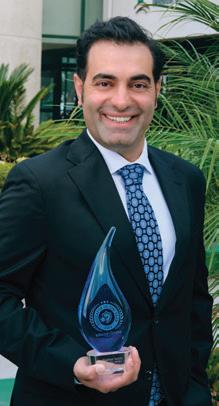
Shahbaz Salehi, M.D., Pre-Internship Program ’13, was named the 2024 Educator of the Year by Infection Control Today. “This recognition means a great deal to me, as it reflects the passion I’ve poured into mentoring future infection preventionists, developing impactful educational programs, and advancing the field of infection control. From launching the Infection Control Certificate Program at UCLA Extension to helping students find meaningful careers in health care, this journey has been deeply rewarding. I am grateful to Infection Control Today for this acknowledgment, and to the colleagues, students, and mentors who continue to inspire me every day,” he writes.
Mail them to:
Office of Development and Alumni Relations
New York Medical College 40 Sunshine Cottage Road Valhalla, NY 10595
Elana Neches Clar, M.D. ’12, is a movement disorders
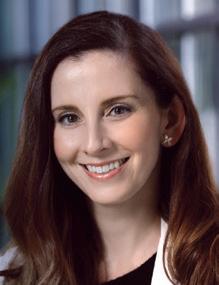
neurologist at New Jersey Brain and Spine who treats patients with Parkinson’s disease, tremor, and other complex movement disorders. She works as part of a multidisciplinary team caring for patients with movement disorders and assistant professor of neurology at Hackensack Meridian School of Medicine. She works closely with fellow alumnus, Hooman Azmi, M.D. ’99.
Rollin G. Medcalf, M.D. Pre-Internship Program ’10, is an assistant teaching professor at Arizona State University College of Health Solutions. He received the 2024-25 Undergraduate Teaching Award and has guest lectured for the Universidad Andrés Bello School of Medicine (Chile), Universidad Norbert Wiener (Peru), and the Universidad Internacional del Ecuador.
Timothy M. McClung, M.S., M.P.H. ’01, served as a subject matter expert and content contributor for the National Association for Healthcare Quality’s new micro-credential program in health data analytics and performance and process improvement designed by and for health care quality professionals. Future courses will cover topics of regulatory and accreditation, patient safety and population health among others.
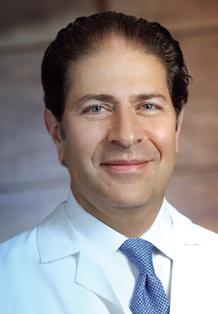
Hooman Azmi, M.D. ’99, is a functional neurosurgeon at New Jersey Brain and Spine specializing in the surgical treatment of movement disorders, including deep brain stimulation and focused ultrasound for tremor and Parkinson’s disease. He is the director of the Division of Functional and Restorative Neurosurgery and vice chair of quality and safety in the Department of Neurosurgery at Hackensack University Medical Center and associate professor of neurosurgery at Hackensack Meridian School of Medicine. He works closely with fellow alumna, Elana Neches Clar, M.D. ’12.
Zoann M. Murphy, M.P.H. ’99, Ph.D., earned her Ph.D. in psychology from National University on July 1, 2025. Her dissertation was “How Do Faculty Members Feel About Working with Online Graduate Students with Disabilities.” The study results were published in August: https://openpraxis.org/articles/10.55982/ openpraxis.17.3.859
BY KAREN FISCHER
Allison Zeitounian, M.S. ’18, was living and working in Cusco, Peru in 2009, as an English teacher when she noticed something peculiar about a few of her students. She couldn’t understand them. Their speech was garbled. After school, she began digging into the cause and stumbled upon the field of speech-language pathology (SLP). The idea of coaching children to rectify their speech and prevent carrying such patterns into adulthood struck a chord with her and drove her to study speech-language pathology at New York Medical College (NYMC).
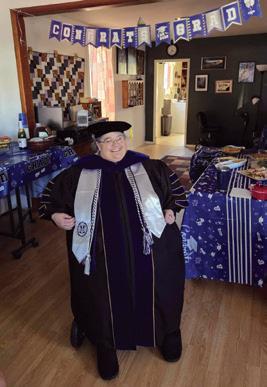
Scott T. LeRoy, M.P.H., M.S. ’97, shares, “My 15-year-old daughter, Payton, was nominated for the second year in a row to the Congress of Future Medical Leaders in June 2026, at the University of Massachusetts Lowell. This nomination follows also being selected as a sophomore to the Perry Initiative in October 2025, at St. Lukes Hospital in Bethlehem, Pennsylvania. The Perry Outreach Program (POP) is a free, one-day event for high school students to explore hands-on surgery modules and receive mentorship from engineers and surgeons. Biomedical advancements and engineering, including art, dance, and tennis, appear to be her majors at this time.”
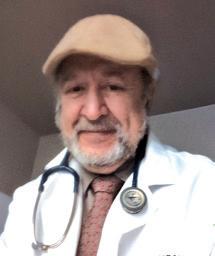
Thomas A. Sharon, R.N., D.P.N., M.P.H. ’88, developed a practice reversing peripheral neuropathy with pulsed electromagnetic field (PEMF) therapy.
Mitchell S. Kramer, M.D. ’85, writes, “After nine years as chair of the Department of Obstetrics and Gynecology at Huntington Hospital Northwell Health, I have transitioned into the position of director of ob/gyn strategy and clinical integration at Huntington Hospital. I continue on the faculty at the Donald and Barbara Zucker School of Medicine at Hofstra/Northwell as associate professor of ob/gyn, as well as assistant professor in the Hofstra School of Graduate Nursing and Physician Assistant Studies. I now have two beautiful granddaughters.”
The first feature one notices about Zeitounian is her smile. It’s infectious, and whenever she speaks with anyone, her eyes zero in on them, giving them her full attention. This laser-focus is helpful in her line of work as a speech-language pathologist today, including when she volunteers with Operation Smile, a global health nonprofit that provides free cleft reconstruction surgeries to children in need. In the fall of 2025, Zeitounian joined a mission with the team to a private hospital in Puebla, Mexico, where she spent her days with children waiting for reconstructive cleft surgeries, preparing them for what to expect after their procedures.
“My heart goes out to some of these children because they literally have not been understood for so long,” she says.
Zeitounian first became interested in Operation Smile because she primarily works with children in San Diego, a population she is passionate about serving. Volunteering became a supplemental way to continue working with children in need, many of which lack the resources of SLP services.
In Puebla, Zeitounian worked with children with repaired cleft lips and palates, sitting with them and closely listening to the phonetic sounds they were omitting, and helping them produce those sounds for the first time. Although the children were able to make a full range of sounds post-surgery, if they continued to speak as they had before, they would continue to have speech impediments.
“If their palate is open, they have now habitualized a lot of sounds, or maybe they delete sounds if they’re not producing [them],” she says. “Instead of saying pa-pa, they say ah-ah.”
Zeitounian carries a suite of tools with her at all times—a mirror, a tongue depressor, and a replica of the mouth to help indicate where the patients need to place their tongue to produce a new sound. Part of this training also involves getting parents engaged to ensure that they can support their children as they continue practicing new sounds at home.
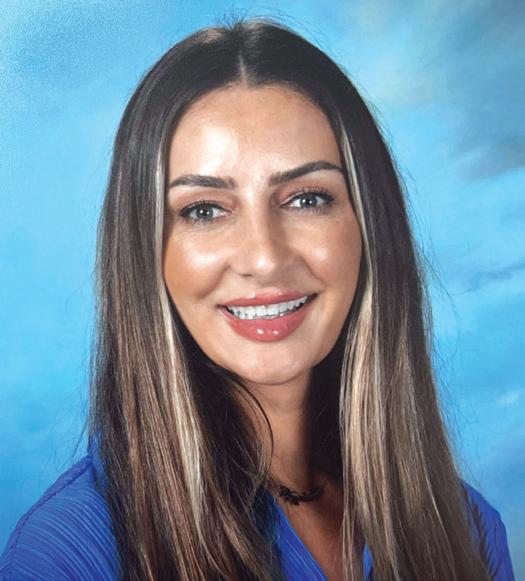
For four years, Zeitounian has been volunteering for week-long missions with Operation Smile two to three times a year. She focuses on Spanishspeaking countries because she is bilingual, though not of Hispanic descent. Her father, an Armenian who grew up in Lebanon, spoke three to four languages himself and instilled the value of multilingualism into his children, leading to Zeitounian to attend a bilingual school.
Volunteering with Operation Smile is especially rewarding, she says. While Zeitounian works with children from different economic backgrounds in the United States, they tend to have access to various medical professionals. Many parts of the world lack such medical infrastructure. This makes the task of talent development on the ground during mission trips paramount beyond just working with kids. Zeitounian also trains workers who have a background in communicative science and disorders with Operation Smile. The newly trained workers use the knowledge they gained in their communities and begin to work more intensively with children thanks to that international skill building.
When she is back in San Diego, Zeitounian contracts with a school district to provide speech assessments to children with phonetic challenges. She also owns a private practice, Z Speech Therapy, which offers early-intervention speech therapy to children under age three in their homes.
All of her work, she says, is possible thanks to the backbone of the medical knowledge that NYMC provided. Its rigorousness, quality, and heart have had ramifications across the country, and around the world. “The education I received at NYMC has profoundly shaped me into the clinician I am today,” she says. ■
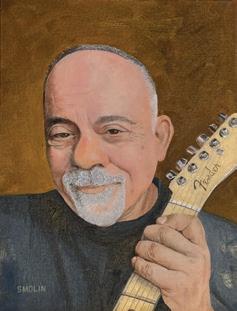
Matthew R. Smolin, M.D. ’84, retired from the practice of medicine on December 1, 2024. “I have remained very busy pursuing a painting certificate at Rhode Island School of Design, playing jazz guitar, dancing West Coast Swing competitively, skiing, flying my airplane, and spending time with my three adult children, and my granddaughter. I also retired from the U.S. Army in 2019 as a Colonel and Iraq War veteran,” he writes.
Philip R. Cohen, M.D. ’83, continues to focus his efforts on forensic dermatology, an essential and growing component of global forensic practice. In his editorial, Worldwide Forensic Dermatology, which was published in May 2025 in Cureus , he shared that the pillars of this subspecialty are collaboration, documentation, and education. “I continue to walk, usually three times each week, around the 5-mile circumference around Lake Miramar in San Diego with three friendly and loving, enthusiastic and energetic, and willfully disobedient basenjis. However, they always listen when I tell them not to bark at other dogs,” he writes. He completed a virtual half marathon in 3 hours and 54 minutes on February 6, 2026, at Lake Miramar. The actual race was scheduled to be in Sugar Land, Texas, on January 25, 2026, but had to be canceled for temperatures below freezing. “During the race, I developed an acquired athletic dermatologic condition which I previously introduced into the medical literature: SCRATCH (Sports-associated Clothing Related Axillary Tangled Clumped Hairs).
William P. Teubl, M.D. ’82, and his wife, Claudia, were married in 1978, and have eight children and 22 grandchildren. He is semi-retired and has practiced out of his home in Clermont, New York, for the past 10 years as a solo primary care physician.
Alice A. Jones, M.D. ’78, shares that her psychoanalytic memoir, Cadence of Vanishing, was published.
Steven M. Fruchtman, M.D. ’77, writes, “My son Harry is a medical intern at Stony Brook. And the weirdest thing, he intensely loves it!
Never saw an intern so happy. His older sister who works in the ER at MGH just got engaged to be married.”
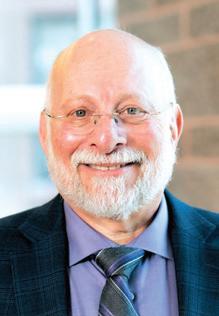
Jeffrey A. Singer, M.D. ’76, remains in part-time, private practice as a general surgeon, mostly consulting. Since 2017, he has been a senior fellow at the Cato Institute in Washington, D.C., in the Department of Health Policy Studies, where he conducts health policy research. He has written several policy analyses, briefing papers, and white papers, and has testified before Congress. In 2025, the Cato Institute published his book, Your Body, Your Health Care. His wife, Meg, who was a librarian at NYMC, is actively involved in animal welfare activities.
Martin A. Schwartz, M.D. ’75, writes, “I am happy to have attended and been a part of the 50th reunion of the Class of 1975. It was great fun to be back on campus after 50 years, and to see some of my fellow classmates.”
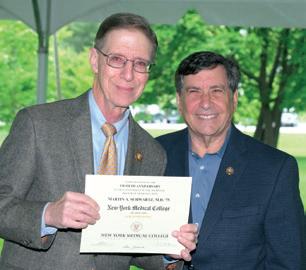
John P. Sheehy M.D. ’75, retired from clinical practice after 47 years, but continues to precept residents in family medicine. “I continue to facilitate case discussions at Zucker School of Medicine three half-days per week. It keeps me busy and out of trouble,” he writes.

Steven L. Palmer, M.D. ’74, retired from medical practice after 47 years. “I spent 16 years in private practice in Orlando, Florida, and then took on various longterm contract positions in both the eastern and western U.S.A., including 10 years as the CMO for a Federally Qualified Health Center in California. Returning to Florida and settling in Fort Lauderdale, I’m finding delight in retirement and having time to spend with my wife of 54 years,” he writes.
Rosario (Rudy) J. Romano, M.D. ’73, is happily residing in Fort Myers, Florida, after retiring from his internal medicine practice of 40 years in Port Jefferson, New York, the last 20 at Island Doctors. He still reads EKGs and continues his malpractice consulting.
Kathleen G. Nelson, M.D. ’71, retired from her 45-year career in academic medicine in 2021, and now works as an executive/leadership coach especially for those who are transitioning in their careers. “Whether you are looking to advance, or heading towards retirement, I help health care professionals be most effective in these transitions. My website is www. AHCcoaching.com,” she writes.
Michael E. Platt, M.D. ’69, is the author of three books: Adrenaline Dominance, The Miracle of Bio-identical Hormones, and Platt Protocol for Hormone Balancing. Adrenaline Dominance discusses multiple conditions caused by excess adrenaline, such as: ADHD, anxiety, insomnia, interstitial cystitis, fibromyalgia, road rage, colic in babies, bedwetting, occipital neuritis, hyperemesis gravidarum, cyclical vomiting syndrome, and more, why some people produce excess adrenaline, and how to lower it.
Stephen A. Berger, M.D. ’67, reports, “I just published the latest edition in a series of 427 e-books that follow the entire field of infectious diseases: www.gideononline.com/ebooks .”
Robert A. Harwood, M.D. ’62, writes, “Parkinson’s has slowed me down somewhat, but I still try to stay active. We’ve lived in Scottsdale for 11 years. I would love to hear from some classmates.”
Elizabeth M. Craven, M.D. ’61, and Wales Craven, M.D. ’63, have been married for 60 years.
Ira D. Glick, M.D. ’61, received the 2025 Educator of the Year Award from the Society of Biological Psychiatry and the sixth edition of his textbook, Couples and Family Therapy in Clinical Practice, was published.
Edward L. Gordon, M.D. ’60, writes, “My classmate, Allan Rothenberg, M.D. ’60, and I, accompanied by our wives, attended the homecoming on the Valhalla campus on May 18, 2025. Both of us studied at the New York City site, Flower and Fifth Avenue Hospitals, before moving to Westchester. We graduated at the New York Academy of Medicine, a short walk away. Neither of us had ever visited the current campus in Valhalla, and we were properly impressed. Both of us, nonagenarians, are relatively recently retired, he as a pediatrician, and me, a psychiatrist.” Dr. Gordon recently donated a papercut of the Maimonides Oath in traditional Hebrew script to NYMC, which proudly hangs in 19 Skyline Drive.
BY KRISTIN BAIRD RATTINI
For Jessica Black Puzzuoli, Ph.D. ’18, Memorial Sloan Kettering (MSK) Cancer Center in New York City is far more than just a workplace. It is home, where the memory of her four-year-old sister, Sarah, drives the senior research scientist’s passionate dedication to developing cutting-edge treatments to save children with neuroendocrine tumors.
Dr. Puzzuoli was only nine when Sarah died of stage four neuroblastoma after nearly a year of treatment at MSK, during which her family basically lived at the center. “It was then that I knew not only that I wanted to go into oncology but that I wanted to work at Memorial Sloan Kettering,” Dr. Puzzuoli says.
It was an arduous journey to reach her goal. Since the age of 16, she was on her own and had to support herself and her younger brother. Because she had to alternate college classes with working to pay the bills, it took her a decade to complete her undergraduate degree in biochemistry at Lehman College, during which she conducted research in nuclear medicine at MSK. She went on to earn a certificate in cytotechnology at MSK in 2013. “MSK is in my blood,” she says.
When Dr. Puzzuoli enrolled that same year at New York Medical College to study experimental pathology, she was the only student in that specialty. “I quickly learned how to run a lab on my own, which has been very beneficial to me,” she says. She credits Tetyana Cheairs, M.D., M.S.P.H., now associate dean for Ph.D. programs and assistant professor of pathology, microbiology, and immunology, for helping her hone her data-analysis skills. Paul Lucas, Ph.D., former associate professor of orthopaedic surgery and director of orthopaedic research, was both her mentor and the principal investigator on her work isolating and characterizing a unique population of multipotent adult stem cells. “We have five pending papers as well as a patent,” she says.
She graduated in 2018 and worked for two years as a postdoctoral fellow at Weill Cornell Medical Center before her dream position opened up at MSK in February 2021. “I still get emotional every day, because it’s so great to be here,” she says.
A neuroendocrine tumor specialist in the clinical translational research group, Dr. Puzzuoli has been developing patient-derived organoids, which are miniature 3D tissue models grown from a patient’s own cells, to optimize patient protocols and therapeutics for pancreatic neuroendocrine tumors. “We can use organoids to test which medications might work,” she explains.
She’s also working with the chief of pediatric oncology on a groundbreaking project involving the use of CAR-T cells, which are genetically engineered immune cells, in both solid tumors, such as neuroblastomas, and soft tissue tumors such as sarcomas. “The goal is to create targeted therapies that will be less toxic to children,” she says.
Cancer remains the leading cause of disease-related death in children, yet pediatric cancer research receives less than four percent of federal cancer research funding. Dr. Puzzuoli does her part to help
close that funding gap: She has run the New York City Marathon 11 times as a member of MSK’s Fred’s Team and raised more than $250,000 for neuroblastoma research at MSK. “The marathon is the most magical day of the year for me,” she says.
Over the past 15 years, she also has organized two annual Sarah Elizabeth Black Memorial Fundraisers, which each raised approximately $15,000. During Childhood Cancer Awareness Month in September, the benefit raises money for costumes and candy for the pediatric patients’ Halloween parade and trick-or-treating inside the hospital. “Our kiddos are all severely immune compromised, so they can’t go outside,” she says, “We provide everything for them, their siblings, and their family to have fun inside.”
The second fundraiser provides holiday gift bags filled with items off the patients’ wish lists. She also has established the Sarah Elizabeth Black Memorial Scholarship for Compassionate Medicine, awarded to students at her high school who plan to pursue a career in science, medicine, or related research.
Dr. Puzzuoli also recently joined the board of Whip Pediatric Cancer, a nonprofit with a mission to raise awareness, fund research, and bring hope to children battling cancer. “It’s through research where we are going to make a difference,” she says.
The Whip website describes Dr. Puzzuoli as a “sister of an MSK angel.” A photo of her angel, Sarah, anchors her workspace. “When my sister was sick, everyone in her cohort, all those kids in treatment, became our family,” Dr. Puzzuoli says. “Everyone from that cohort has passed away. Sarah and all of those kids have been a driving force for me over the years to get me to where I am today.” ■
Margaret W. Midgley, M.S. ’99, died on December 19, 2025.
Natalie R. Valdez, M.D. ’93, died on January 16, 2025. She was 58.
Theresa M. Burke-Wolin, Ph.D. ’87, died on January 10, 2026. She was 65.
Jeffrey R. Medoff, M.D. ’77, died on October 18, 2025.
Nayel J. Sayegh, M.D. Fifth Pathway ’77, died on January 24, 2025. He was 74.
Jack Needleman, M.D. ’74, died on August 15, 2025. He was 82.
James R. Varga, M.D. ’73, died on June 5, 2025.
Robert A. Scalice, M.D. ’67, died on September 30, 2025. He was 90.
Michael R. Tesoro, M.D. ’67, died on December 25, 2024.
Victor S. Ostrower, M.D. ’65, died on March 30, 2025. He was 85.
Edward J. McCartin, M.D. ’63, died on November 17, 2025. He was 89.
Richard S. Abrams, M.D. ’62, died on August 27, 2025.
Robert J. Furey, M.D. ’62, died on December 27, 2025. He was 89.
John C. Munna, M.D. ’62, died on September 27, 2025. He was 91.
John E. Hoye, M.D. ’61, died on July 21, 2024.
Frederick W. Hays, M.D. ’60, died on November 7, 2025.
Andrew J. Dadagian, M.D. ’59, died on November 30, 2025. He was 94.
Ralph N. Bloch, M.D. ’58, died on August 24, 2025.
Arnold J. Hodas, M.D. ’58, died on March 25, 2025. He was 91.
James J. Doyle, M.D. ’55, died on April 1, 2025.
Mitchell Pincus, M.D. ’53, died on December 19, 2025. He was 98.
Walter J. Henry, M.D. ’52, died on March 23, 2025. He was 97.
Joseph J. Amato, M.D., assistant professor of psychiatry and behavioral sciences, died on October 20, 2025. He was 73.
Theresa M. Burke-Wolin, Ph.D. ’87, associate professor of pharmacology, died on January 10, 2026. She was 65. Maximilian Fink, M.D., adjunct professor of psychiatry and behavioral sciences, died on June 15, 2025. He was 102.
Ralph J. Lucariello, M.D., clinical assistant professor of medicine, died on December 15, 2025. He was 99.
Leverage
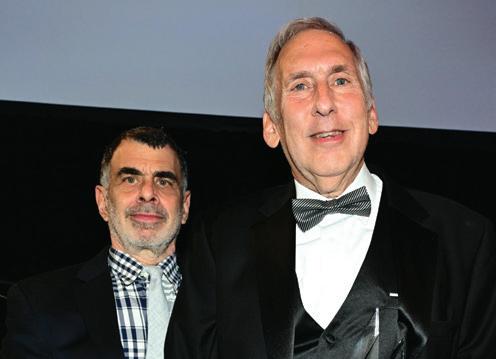
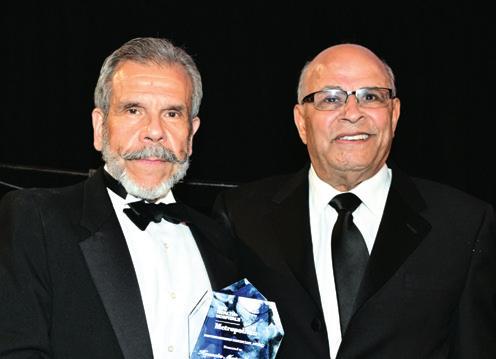
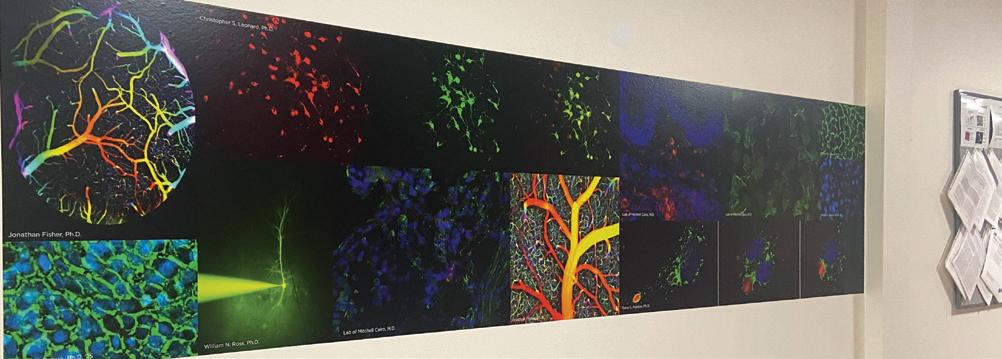
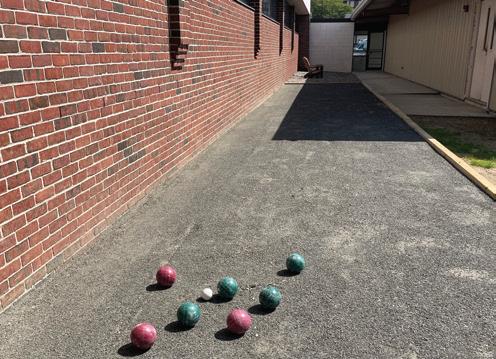
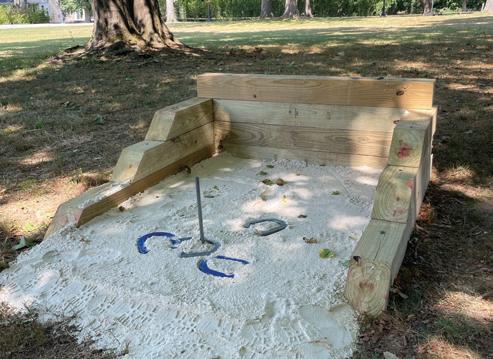
1 Edward C. Halperin, M.D., M.A., chancellor and chief executive officer; Hussein Matari, M.D., professor of radiology, and Marc K. Wallack, M.D., professor of surgery, were among the honorees at the black-tie gala to celebrate the 150th anniversary of NYC Health + Hospitals/Metropolitan. The celebration honored Metropolitan’s legacy as one of the city’s most vital safety-net hospitals and highlighted its deep historic partnership with NYMC, the longest-running uninterrupted affiliation between a private medical school and a municipal hospital in the United States.
2 Research at NYMC came alive in the form of artwork adorning the hallways of the Basic Sciences Building.
3 Westchester Magazine’s 12th annual Healthcare Heroes Awards recognized Vikas Grover, Ph.D., CCC-SLP, chair of the Department of Rehabilitation Sciences, and chief and professor in the Division of Speech-Language Pathology, and Ronnie Myers, D.D.S., dean of TCDM, for their leadership, innovation, and dedication to advancing health care in the county and beyond.
4 Campus recreation got energized with the addition of new pickleball, basketball, tennis, bocce, and horseshoe courts.
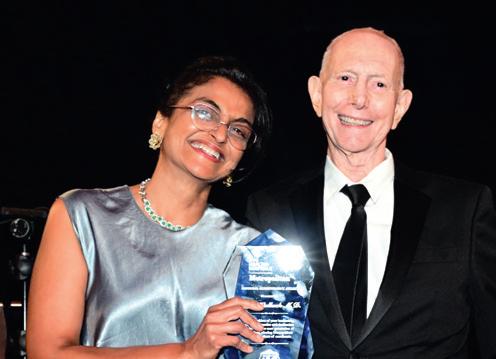
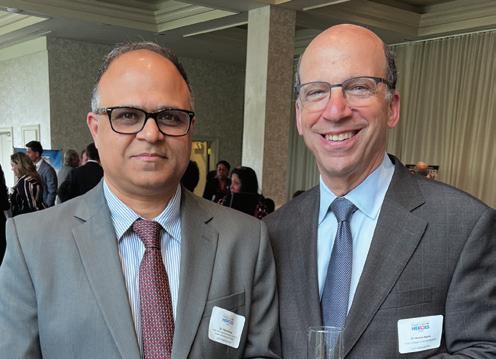
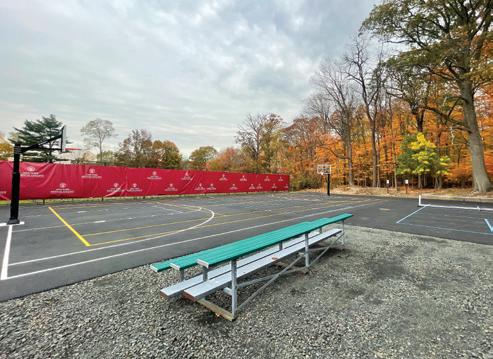
5 Throughout the year, the NYMC community shows its true colors and turns out to show support for health awareness observances: red for heart health, gold for pediatric cancer, orange for physical therapy, pink for breast cancer, purple for epilepsy, and blue for autism.
6 NYMC and Westchester Medical Center joined the Yellow Lights program started in New York State in 2022, to bring greater awareness to International Holocaust Remembrance Day. Yellow lights on buildings on campus honored the victims of the Holocaust and shined a spotlight on the lessons of this atrocity.
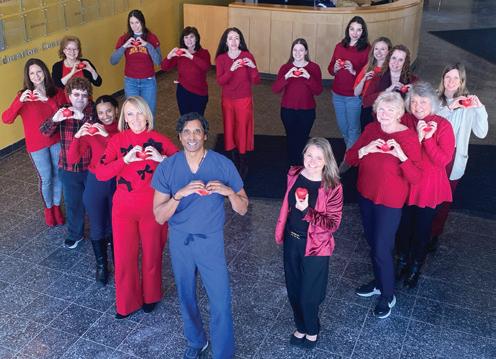
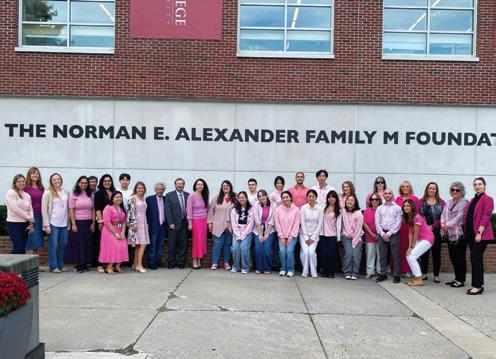
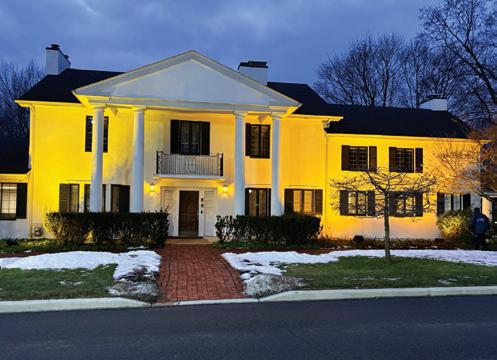
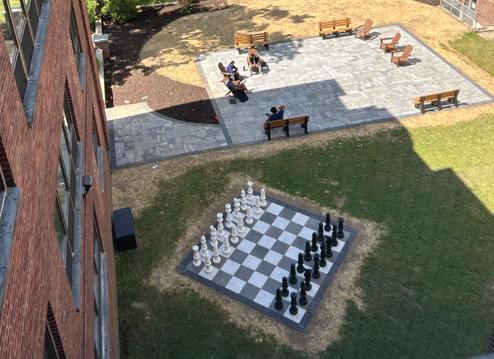
7 The Breast Health Center at NYMC’s major clinical affiliated site NYC Health + Hospitals/ Metropolitan was accredited by the National Accreditation Program for Breast Centers, reflecting its commitment to excellence in breast cancer screening, diagnosis, treatment, survivorship support, and the highest standard of care.
8 NYMC and WMC Health, Brain and Spine Institute, Center for Research and Innovation, presented the 4th Annual Meeting of the Minds Symposium "From Insight to Innovation—AI in Medicine," with sessions on innovation in medicine, translational science initiatives, and AI.
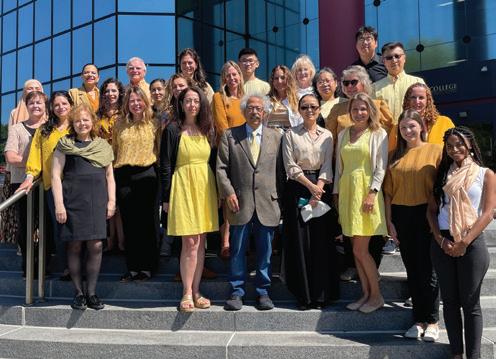
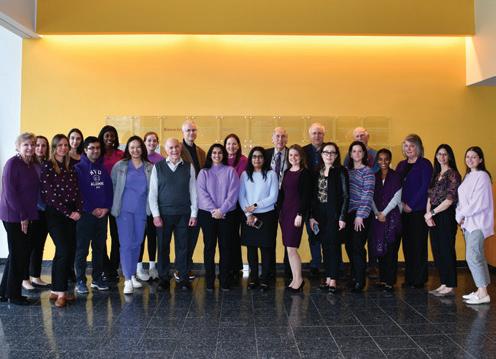
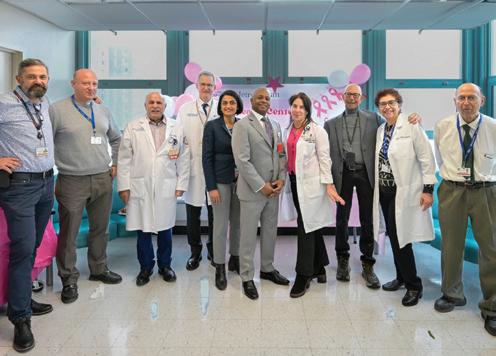
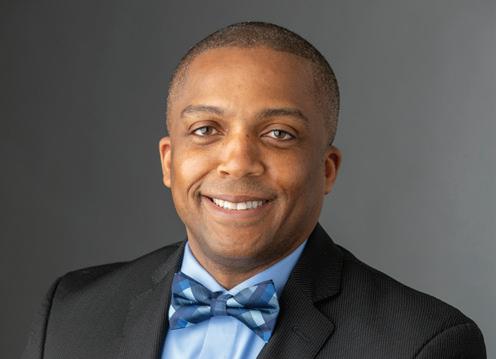
9 Campus beautification efforts included a refresh of the façade of the SHSP and a path leading to a new courtyard patio with seating and a mega chess board measuring 16 feet by 16 feet and pieces standing three feet tall.
10 Mill Etienne, M.D. ’02, M.P.H., vice chancellor, associate dean for student affairs, and professor of neurology and of medicine, was the 2025 recipient of the prestigious Arnold P. Gold Foundation Humanism in Medicine Award from the American Association of Medical Colleges.
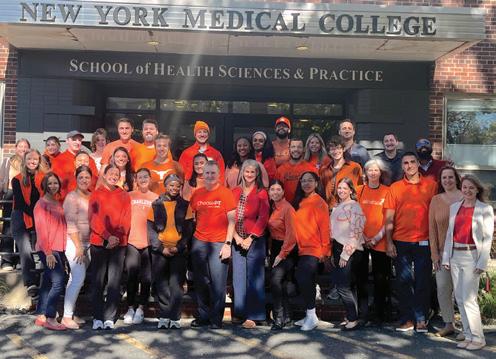
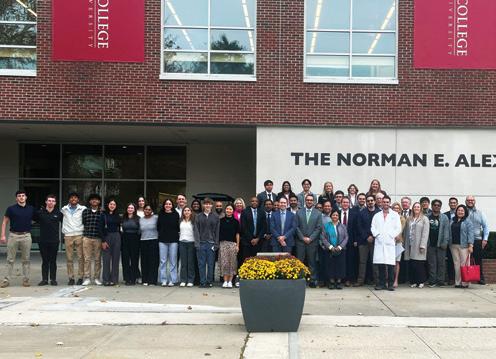
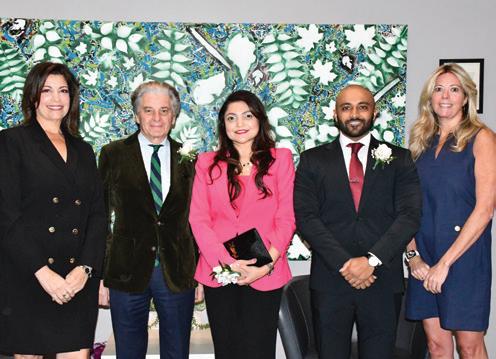
11 Augustine Moscatello, M.D., M.S., professor emeritus of otolaryngology, received the Doctor without Boundaries Award; Supriya S. Jain, M.D., FSCMR, FACC, FAAP, professor of pediatrics and radiology, and her husband received the Power Couple Award; and Rahim Hirani, M.S., M.D.-Ph.D. candidate, received the Promise for the Future Award at the Westfair Communications Inc.’s, annual Doctors of Distinction award ceremony. Michelle Novotny, Ed.D., senior associate dean for admissions and administration, served as the emcee and Vilma E. Bordonaro, M.B.A., chief of staff, gave the keynote address.
For the Period from July 1, 2024 through June 30, 2025
Thank you to all of our generous donors whose support is critical to the success of our students, faculty, researchers, and the entire NYMC community.
The Chancellor’s Circle honors those who make a significant gift or commitment within a single year. In this Circle, there are four Societies distinguished by the nature and size of contributions to the College.
This society is comprised of donors whose gifts and commitments are $50,000 or more.
The Norman E. Alexander Family M Foundation, Inc.
Estate of Karlene Marie Chin, M.D. ’81
Drs. Ben and Esther Chouake
Gary S. Gettenberg, M.D. ’83
Kathy and Michael Grasso III, M.D.
Sunil Gupta, M.D. and Anita Gupta, M.D.
Estate of Joanne C. Hennessey
Hirth Charitable Foundation
Benjamin H. Homan Jr. Charitable Trust
Mario A. Inchiosa Jr., Ph.D.
Mr. Howard and Mrs. Debbie Jonas
Judith F. Kupersmith, M.D. ’69 and Joel Kupersmith, M.D. ’64
Estate of Joel P. Margolis
Meryl and Joseph Mark Family Fund
Dr. Meryl Mark and Mr. Joseph Mark
Estate of Edward Pincover
Lavie and Shterna Popack Family Foundation
Mr. Joseph and Mrs. Penina Popack
Pediatric Cancer Research Foundation
Regeneron Pharmaceuticals, Inc.
Sarah Upham Trust
This society is comprised of donors whose gifts and commitments are $25,000 to $49,999.
Anonymous – 2
Mykola R. Alyskewycz, M.D. ’92
David E. Asprinio, M.D. and Kimberly Flood, M.D.
Atlantic Charitable Foundation
Mr. Gary Barnett
Edward Chew, M.D. ’03
Dr. Dalia El-Sherif
Estate of Robert Fabricant
Isaac T. Galandauer, M.D. ’02
Jonathan B. Gavras, M.D. ’86
The Ernest and Marilyn Kussmaul Charitable Foundation, Inc.
Mr. and Mrs. Andrew Levy
Mr. Ruben Medina, M.B.A., M.P.H.
Paul D. Ostrovsky, M.D. ’78
Lois G. Schiappa Trust
Westchester Medical Center
This society is comprised of donors whose gifts and commitments are $10,000 to $24,999.
Anonymous – 1
Robert W. Amler, M.D., M.B.A. and Sherlita Amler, M.D.
Ardea Cares Charitable
Howard M. Baruch, M.D.
Frank Berkowitz, M.D. ’83
Boston Children’s Health Physicians
Ellen and Mitchell Cairo, M.D.
California Bank and Trust
Mr. Thomas A. DeRosa
Mr. Tim Gergen
Munr Kazmir, M.D.
Edward J. Messina, Ph.D. ’73
Morgan Stanley
New York City Health and Hospitals
Mary A. O’Dowd, M.D. ’76
Pavarini Construction Company, Inc.
Mr. and Mrs. Eliot Peyser
Phelps Memorial Hospital Center
Mr. and Mrs. Ronald F. Poe
John T. Repke, M.D. ’78
Tamar and Avi Retter, M.D.
Barry S. Robbins, M.D. ’73
Saint Joseph’s Medical Center, Yonkers
Pravinkumar B. Sehgal, M.D., Ph.D.
Seize the Ribbon
Jonathan A. Sheindlin, M.D. ’93
Mr. William Z. Skolnik
Spence Family Fund
Stifel Nicolaus & Company, Inc.
Gigi Thomas, M.D.
Mark T. Thompson, M.D. ’71
Mr. Tom and Mrs. Taeson Vellios
US Times Technology, Inc.
Webster Bank
Mr. Gerard Whitworth
This society is comprised of donors whose gifts and commitments are $2,500 to $9,999.
Anonymous – 3
ABM Janitorial Service
Peter J. Acker, M.D.
Albina A. Clapps-Paglia Family Trust
Alliant Insurance Services, Inc.
Alter Family Charitable Trust
Robert Alter, M.D.
Robert A. Barish, M.D. ’79
Augusta H. Belmonte, M.D.
Berkshire Food Distributors Vending Services
Nicola Bitetto, M.D. ’64
Taryn Fishman, M.D. ’84 and Mr. David R. Bolnick
Bolnick-Fishman Charitable Fund
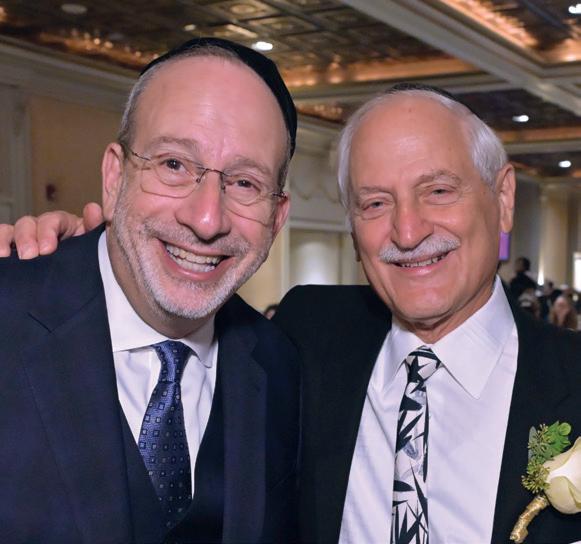
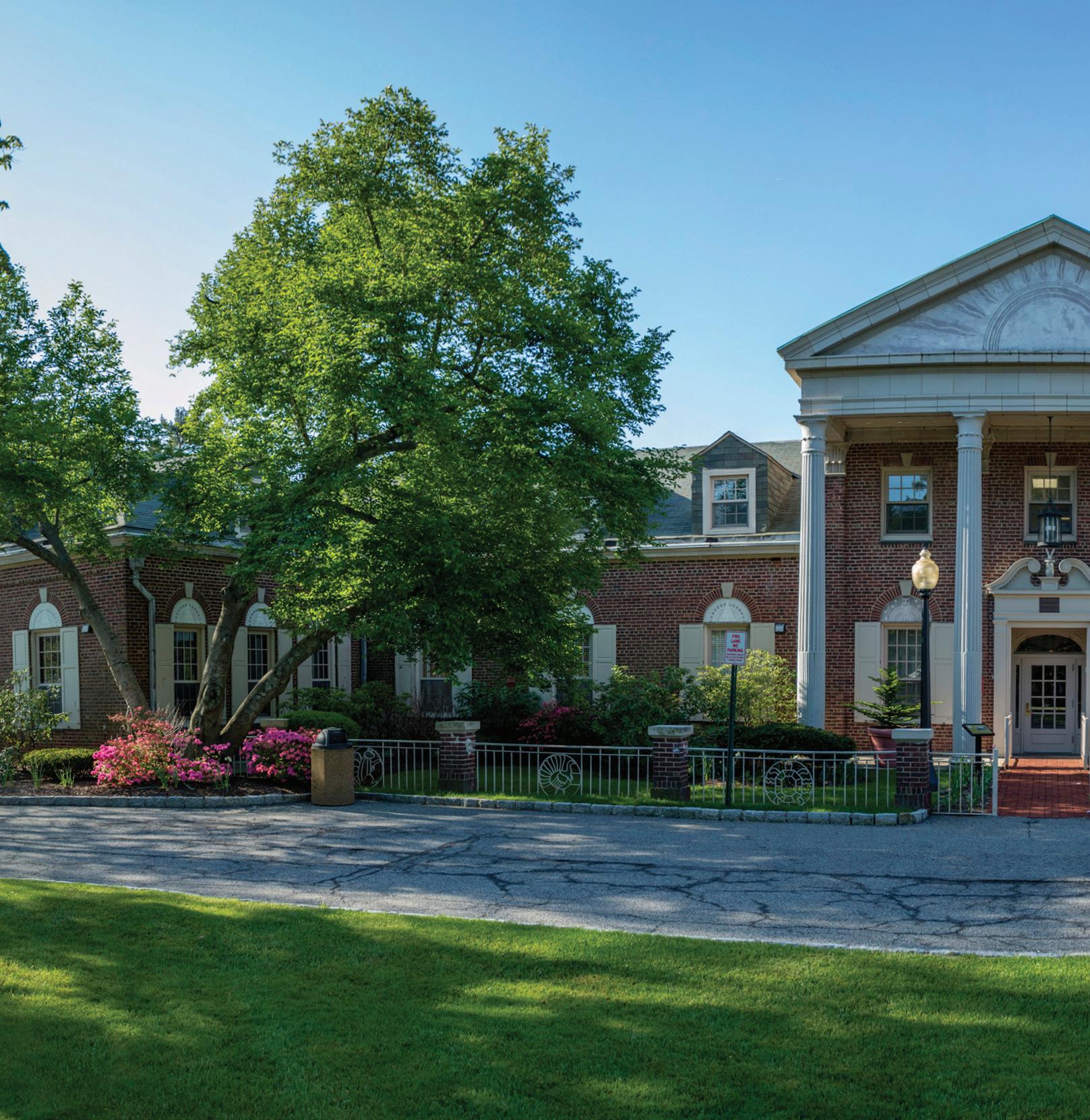
Denis A. Bouboulis, M.D.
Robert D. Broderick, M.D. ’77
Mrs. Joi Butler
Philip C. Caron, M.D. ’86
The Caron Family Fund
CFI Office Furniture
Mr. Joseph Chu
Costanza Cocilovo, M.D. ’96
Victor E. Cohen, M.D. ’76
Cozen O’Connor Foundation, Inc.
Creative Planning
Alan D. Dauer, M.D. ’62
Ms. Virginia Davenport
Elliot Davidoff, M.D. ’71
DIGroup Architecture
Mr. and Mrs. Franklin L. Earle
Feder Cohen Donor Fund
John M. Feder, M.D. ’87
Richard E. Feinbloom, M.D., FAAO
Noreen F. B. Ferrante, M.D. ’84
John P. Fezza, M.D. ’92
Nancy J. Freeman, M.D. ’81
Mark J. Friedman, M.D. ’71
Garfunkel Wild, P.C.
Michael H. Gewitz, M.D.
Richard Giovannelli, M.D. ’81
Arun Goyal, M.D. ’90
Irwin Gribetz, M.D. ’54
Karen E. Grimmell, M.D. ’61
Jane J. Hew, M.D. ’93
Richard N. Hirsh, M.D. ’69
Steven H. Horowitz, M.D. ’66
Jewish Federation of Broward County
Sumeet A. Kadakia, M.D. ’07
Mr. Jacob Katz and Mrs. Ilana Katz
Martin S. Katzenstein, M.D. ’78
Estate of Janice Kiss
Jeffrey Kluger, M.D. ’71 KPMG LLP
Rebecca Lambert
Armand F. Leone Jr., M.D. ’82
Mr. Daniel Lerner
Walter M. Lewis, M.D. ’91 and Christel Bauer, M.D.
Baoqing Li, M.D. ’05
Jian A. Lu, M.D.
Jocelyn A. Luongo, M.D. ’06
Peter Ly, M.D., Family Foundation
Mr. Kenneth Maier
James F. McGroarty, M.D. ’68
Robert J. McNamee, M.D. ’75
Ms. Catharine Smith Mehl
Mr. Daniel Mentzer
James L. Mills, M.D. ’73
Mushroom Wisdom, Inc.
Eric Mustonen, M.D. ’75
Leonard J. Newman, M.D. ’70
Nextgen
NYC Health + Hospitals/Harlem
NYC Health + Hospitals/Metropolitan
O’Connell Family Fund
Mrs. Jane B. O’Connell
Owen J. O’Neill, M.D., FAPWCA
Robert D. Pane, M.D. ’74
Mr. Michael Paris
Chong H. Park, M.D. ’96
Peapack Private Bank
Alan E. Peters, M.D. ’79
Physician Affiliate Group of New York
Mitchell Pincus, M.D. ’53+
Barbara Pineda, M.D.
Plescia Construction & Development
Ammir S. Rabadi, M.D.
Raymond James
Scot C. Remick, M.D. ’82, F.A.C.P.
Beverly L. Richman, M.D. ’64
Richard E. Rohr, M.D. ’80
Michael H. Rosenberg, M.D.
Adam D. Rubin, M.D. ’00
Ryco Fundraising LLC
Saraya International Inc.
Mr. Bruce J. Schanzer
Neil Schluger, M.D.
Sanford Sherman, M.D. ’56
The Sigmund Foundation
Society of Family Planning Research Fund
Barbara R. Sommer, M.D. ’79 and Dr. Alan Fisher
John R. Stabile, M.D. ’76
Janice Sufrin, Ph.D.
Union Community Health Center
Vincent J. Vigorita, M.D. ’76
David Werdegar, M.D. ’56
White Plains Hospital
Robert M. Yacynych, M.D. ’88
Vincent J. Yakavonis, M.D. ’77
$1,000 to $2,499
Anonymous – 4
Ahrens Family Fund
Robert M. Ahrens Jr., M.D. ’78
Ann Alexander, M.D. ’78
Alpha Omega Alpha
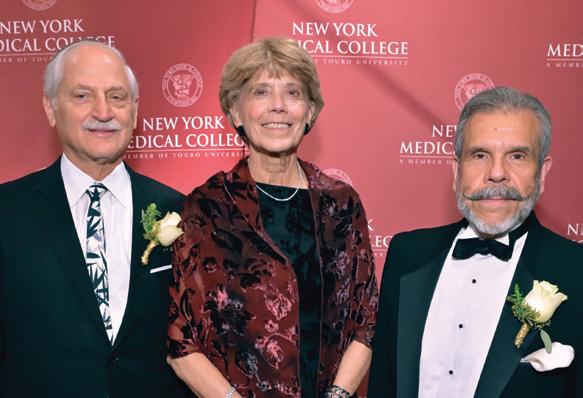
Joseph J. Angella, M.D. ’64
Firdose S. Ansari, M.D. ’05
The Antoszyk Family Fund
Andrew N. Antoszyk, M.D. ’83
The Awards Center, LLC
Mark R. Axelrod, M.D. ’79
Sudhamani R. Rao, M.D. and Sateesh C. Babu, M.D.
Nancy D. Baker Fund
Nancy D. Baker, M.D. ’67
Nicholas G. Baranetsky, M.D. ’74
Thomas J. Beggins, M.D. ’84
Mrs. Linda Bianco
Ms. Cathleen Bligh
Peter E. Bloom Jr., M.D. ’04, M.S. ’00
Mr. Louis Borrelli
Brain & Spine Surgeons of New York
Samuel J. Braitman, M.D. ’72
Mr. Robert J. Brede
Arnold J. Brender, M.D. ’81
Mr. Andrew Burke
The Caronia Family Charitable Family
Catherine G. Caronia, M.D. ’88 and Ronald M. Caronia, M.D. ’88
Joanne M. Ceimo, M.D. ’75
Christopher T. Channon, M.D. ’76, FACS
Michael T. Charney, M.D. ’66
Mr. Bin Chen
Hee-Joo Cheon-Schingo, M.D. ’92 and Victor A. Schingo, M.D. ’92
Penelope and Scarlett Chew
Qwie T. Chew, M.D. ’65
Curi Insurance
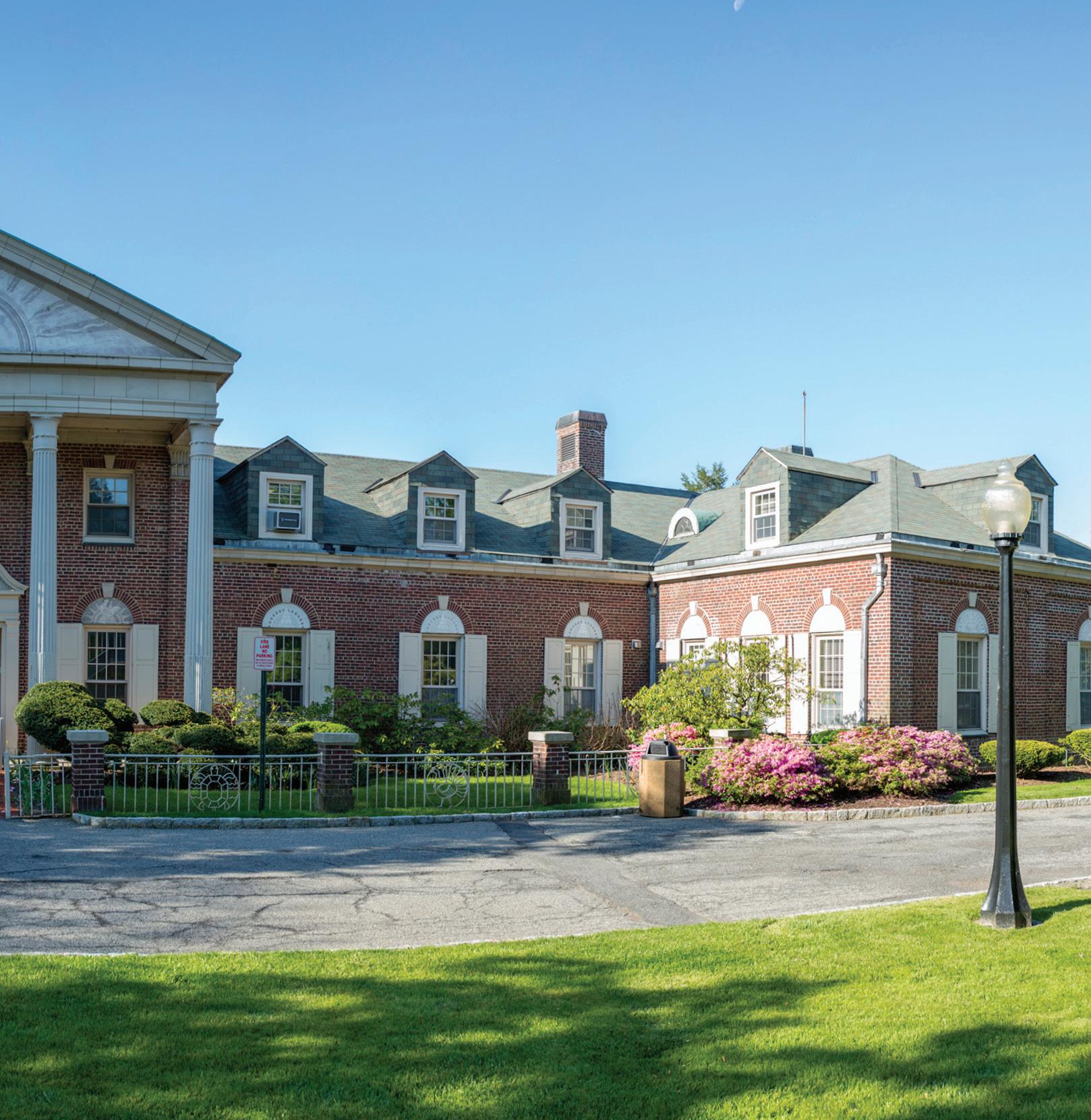
Mr. Shane Dawe
The Dayton Foundation
Thomas J. Early, M.D. ’73
Lauren N. Elliston, M.D. ’08
Christopher E. Emond, M.D. ’03
Jaleh Z. Eslami-Borsody, M.D. ’94
Mill Etienne M.D. ’02, M.P.H. and Aynalem Zemedeberhan, M.PH. ’01
Emalie and John Feerick
Burton M. Fink, M.D. ’71
Kathleen C. Finzel, M.D. ’87
Robert M. Fischbein, M.D.
Eric C. Fok, M.D. ’93
Arlene A. Forastiere, M.D. ’75
Fox Rothschild
Susan Fox, Ph.D., M.Ed., M.A.
William H. Frishman, M.D.
Arthur J. Gallagher Risk Management Services, Inc.
Leonard I. Goldstein, M.D. ’67
Goldstein-Forastiere Family Fund
Dr. Stuart and Adrienne Green Family Foundation
Stuart A. Green, M.D. ’67
Greenberg Traurig, LLP
Gabriel P. Gregoratos, M.D. ’54
David J. Gross, M.D. ’84 and Maria Gross
Anita Grover, M.D. ’78
Mrs. Lianne Hales Dugan
Edward C. Halperin, M.D., M.A.
Mrs. Nadira Hamid
Col. Paul B. Heller, M.D. ’68
Lee S. Herman, M.D. ’74
Stephen L. Hermele, M.D. ’68
Robert A. Herzlinger, M.D. ’69
Hi-Link Technology Group
Stephen K. Hoverman, M.D. ’78
Ms. Anjali Hulbanni
Mark Hurwitz, M.D.
Jackson Lewis Foundation
Mokarram H. Jafri, M.D. ’94
Curtis T. Jones, M.D. ’75
James W. Justice, M.D. ’58
Kadish Giving Fund
Dr. and Mrs. Alan Kadish
Mr. and Mrs. Sung-Ja Kim
Kino Construction
Mr. Lewis Kohl
David F. Kosnick, M.D. ’73
Krackeler Scientific, Inc.
Leonard B. Krich, M.D. ’65
Mark A. Krich, M.D. ’97
LaRusso Family Charitable Fund
Nicholas F. LaRusso, M.D. ’69
Zvi Lefkovitz, M.D.
Mr. Stephen Lennox
Christopher S. Leonard, Ph.D.
Jane Lewis, M.D. and Lawrence Lewis, M.D.
Kevin V. Loughlin, M.D. ’68
Peter J. Lucas, M.D. ’72
The Marcia and Vincent Lynch Charities Fund
Vincent A. Lynch, M.D. ’67 and Mrs. Marcia Lynch
Richard J. Macchia, M.D. ’69
William W. MacLaughlin, M.D. ’81
Madlon-Kay Charitable Gift Fund
Diane J. Madlon-Kay, M.D. ’79 and Richard C. Madlon-Kay, M.D. ’79
Heather D. Magnan, M.D. ’02 and John P. Magnan, M.D. ’02
Drs. Mahboobur and Gopa Mahman
Ada M. Marin, M.D. ’83, M.P.H.
Norman L. Maron, M.D. ’70
Hussein M. Matari, M.D.
Mrs. Judith McGreevy
Peter P. McKellar, M.D. ’70
Tracey A. Milligan, M.D.
Karen M. Murray, M.D. ’99
Dr. and Mrs. Ronnie Myers
The Sara and Aron Neuhaus Fund
Aron Neuhaus, M.D. ’71 and Mrs. Sara Neuhaus
Douglas E. Padgett, M.D. ’82
James F. Passarelli, M.D. ’89
Kunjal Patel, M.D.
Pennoni Family Foundation
Myles L. Pensak, M.D. ’78
Joseph W. Placer, M.D. ’64
John M. Powers, M.D. ’77
Mr. David Rampulla
Audrey L. Randolph, M.D.
Charles R. Rich, M.D. ’74
Seth J. Richter, M.D. ’94
Mr. Michael Romita
Nancy C. Rose, M.D. ’84
Nancy C. Rose, M.D. ’84 and G. Marc Jackson, M.D.
Stephen L. Rubin, M.D. ’70
Rachel Rubinstein Schipper, M.D. ’83
The Salon Family Foundation, Inc.
Ms. Carolyn Salon
Mr. James P. Santoro
John P. Sheehy, M.D. ’75
The Single Step Foundation, Inc.
Lori A. Solomon, M.D. ’99, M.P.H. ’09
Kathryn Spanknebel, M.D.
David J. States Family Charitable Fund
David J. States, M.D. ’53
Ms. Francine S. Stein
Judith Steinberg Charitable Fund
Frederick Steinberg, M.D. ’58 and Judy Steinberg
Mr. Jeffrey Stern
Mr. Simon Stern
John T. Stinson, M.D. ’75
Kenneth B. Strumpf, M.D. ’82
Ross H. Taff, M.D. ’74
Taylor Lobl Family Fund
Joseph K. Lobl, M.D. ’82 and Mrs. Robin Taylor
Dawn M. Terashita Gastelum, M.D. ’99
Susan N. Tierman, M.D. ’79
Tran Medical, Inc.
Nhat H. Tran, M.D. ’03
Ms. Rachana Tyagi
Mr. Colin Vallance
Valley National Bank
Scott K. Varland, D.D.S.
Susan L. Vogel, M.D. ’76
Mr. Joseph Volpe
Steven Weinstock, M.D. ’74
Douglas N. Whatmore, M.D. ’77
Mr. Norman Young
Daniel Zelazny, M.D.
Mr. Jeffrey A. Zmayefski
+ Deceased
The Legacy Society of New York Medical College recognizes donors who have made provisions for the College in their wills or through other planned gifts, as well as those donors whose estate has made a gift to the College.
These members have named New York Medical College as a beneficiary in their estate plans/wills as of January 15, 2026:
Anonymous – 5
Michael S. Alexander, M.D. ’78
Ralph Almeleh, M.D. ’76
Doris Bate, M.D. ’50
Augusta H. Belmonte, M.D.
Paul H. Brenner, M.D. ’61
Phillip Capozzi Jr., M.D. ’96
James E. Carter, M.D. ’55
Neil T. Choplin, M.D. ’76
Mrs. Delores DelBello
Emalie and John D. Feerick
Dr. and Mrs. Denis J. Frank ’61
Mark J. Friedman, M.D. ’71
Howard D. Harrison, M.D. ’61
Col. Paul Heller, M.D. ’68
Bradley S. and Ruth Friedman Kuhn
Annette E. Kussmaul, M.D. ’93
Carl M. Marchetti, M.D. ’60
Joseph P. Merlino, M.D. ’78, M.P.A.
Mark S. Noveck, M.D. ’80
Harvey A. Reback, M.D. ’61
Kenneth M. Rose, M.D. ’88
Neil R. Scheier, M.D. ’85
John H. Seward, M.D. ’61
Neil S. Silber, M.D. ’75
Victor S. Sloan, M.D. ’89
Theresa A. Smith, M.D. ’56
John T. Stinson, M.D. ’75
Patricia C. Villamena, M.D. ’77
Anna M. Ward, M.D. ’85
Eric Weston, M.D. ’71 and Barbara Baccari, Esq.
William J. Walsh Jr., M.D. ’64
Since 1987, the College has received more than $26.5 million in contributions from the estates of these individuals:
Alma Allen
Anne T. Barbieri
Herbert and Sylvia Berger
Marcelle B. Bernard, M.D. ’44 and Edmund D. Marinucci, M.D. ’44
Barbara Bess
Charles E. Birch, M.D. 1891
Alice H. Burgoyne
Michael Caruso
Nathan W. Chaikin, M.D. and Mrs. Frances Chaikin
Karlene Marie Chin, M.D. ’80
Herrlich Ciatto
Mary E. Clarke
William P. Coats, M.D. ’53
Wendy E. Cohen, M.D. ’70
Brian J Collins, M.D. ’61
Sidney L. Cramer, M.D. ’41
Mabelle A. Cremer, M.D. ’53 and Martin E. Silverstein, M.D. ’48
Lewis A. Dalburg Jr., M.D. ’58
John H. Derry, M.D. '60 and Lois G. Schiappa
R. Margarita De Santis, M.D. ’59
Margot Ammann Durrer, M.D. ’49
Earl H. Eaton Jr., M.D. ’44
Walter G. Elliott, M.D. ’51 and Mrs. Shirley Elliott
Robert Fabricant, M.D. ’60
Eva Feld
Miguel Figueroa, M.D. ’48 and Mrs. Lillian Figueroa
Walter E. Fleischmann
Robert W. Fredrickson, M.D. ’51
Col. Saul Fromkes
Francis J. Geary, M.D. ’64
Arthur Ginsburg, M.D. ’58
Gerhard J. Haas, Ph.D.
Seymour Halpern, M.D.
Edith Har-Esh, M.D.
Adriel and Evelyn H. Harris
Joanne C. Hennessey
Catherine N. Hinterbuchner, M.D.
Arno R. Hohn, M.D. ’56
Dora May Holmes
Constance Ives Foster
Gerald H. Kass, M.D. ’51
Paul Kay, M.D. ’44
William J. Kelley, M.D.
Joseph B. Kiel, M.D. ’31
Janice Kiss
Solomon D. Klotz, M.D. ’37 and Mrs. Harriett Klotz
Henry V. Kogut, M.D. ’43
Salvatore LaCorte, M.D. ’30
Guy Lepore
Anna Lowin
Maurice L. Malins
Camille Mallouh, M.D.
David K. Marcus, M.D. ’32
Mr. Joel Margolis
Charles D. McCullough, M.D. ’58
Helen McKay
Frederick R. Meeks, M.D. 1907
Matthew S. Mickiewicz, M.D. ’41 and Mrs. Helen Mickiewicz
Laura G. Morgan, M.D. ’49
George R. Nagamatsu, M.D. ’34 and Kazuko Nagamatsu
Ellen J. Nolde
James F. X. O'Rourke, M.D.
Richard A. Perry, M.D. ’60
Eileen H. Pike, Ph.D.
Edward Pincover
Andrew S. Ranier, M.D. ’46
John Louis Rie Jr.
Mrs. Elaine Rosenberg
William S. Rosenthal, M.D. and Mrs. Barbara Rosenthal
Harvey Rosner, M.D. ’63
Mark S. Rothenberg, M.D. ’30
William D. Ryan, M.D. ’53 and Mrs. Kathryn X. Ryan
Ethel Esther Sandler
Tamiko Sato, M.D.
Ruth Saunders
Elaine L. Schulman, M.D. ’65
Louis N. Scotti, M.D. ’58
Louise O. Smith
Roy Gene Smith, M.D. ’61
Sander V. Smith, M.D. ’35 and Mrs. Helen W. Smith
Vincent E. Smith, M.D. ’61
Sidney Stahler, M.D.
Samuel Steinholtz, M.D. ’28
Dorothy S. Stengel
Theodore R. Struhl, M.D. ’42 and Mrs. Ruth Struhl
Jay H. Stubenhaus, M.D.
Hiroshi J. Tazaki, M.D., Ph.D.
Ciro S. Tarta, M.D. ’43
Roscoe W. Teahan, M.D. 1917
Joseph F. Tedesco, M.D. ’37 and Mrs. Vera L. Tedesco
Solomon Till, M.D. ’25 and Mrs. Elizabeth Till
Ruth E. Trager
Gertrude Tromp
Roy C. Upham, M.D. 1901 and Sarah Upham
Carol P. Weiss
William F. Westlin III, Ph.D. ’89, M.S. ’87
S. R. Wiener
Robert M. Wittenberg, M.D. 1919
Percy C. Zanger, M.D. ’49
Morris Zeichner, M.D. ’33
In memory of Sumita Adhya
Victoria L. Mango, M.D. ’06
In memory of Harvey Aiges
Eric H. Schultheis, M.D. ’88
In honor of Drs. Robert and Sherlita Amler
Mr. John T. Avellino
Heather L. Brumberg, M.D., M.P.H.
Neville Bamji, M.D.
Mrs. Lianne Hales Dugan
Mr. Kevin J. Plunkett, Esq.
Mr. and Mrs. Claude A. Rollin
Westchester County Medical Society
In honor of David Asprinio, M.D.
Neil Schluger, M.D.
In memory of Min and Bernie Barish
Robert A. Barish, M.D. ’79
In memory of Dr. and Mrs. Asterio A. Belmonte
Augusta H. Belmonte, M.D.
In memory of Sal Bentivegna, M.D. ’50
Ms. Regina Damon
In memory of Charles C. Bianco, M.D. ’64
Mrs. Linda Bianco
In memory of Fredrick Z. Bierman, M.D.
Daniel Z. Aronzon, M.D. ’73
In memory of Ralph N. Bloch, M.D. ’58
Frederick Steinberg, M.D. ’58
In memory of Libby Bogel, M.D. ’78
Andrew M. Murphy, M.D. ’78
In honor of Derek Borsody, M.D.
Karl J. Borsody, M.D. and Jaleh Eslami-Borsody, M.D. ’94
In memory of Edward Butler, M.D. ’67
Mrs. Joi Butler
In honor of Mitchell Cairo, M.D. Llana and Jacob Katz
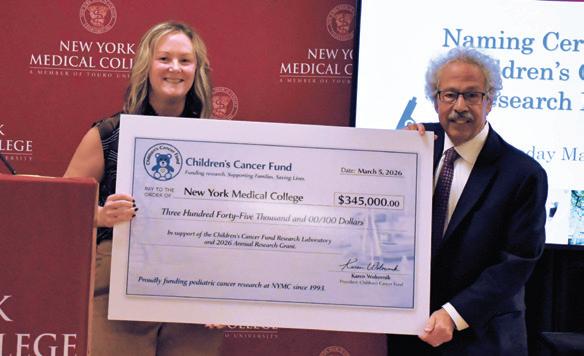
In memory of Francis E.Cangemi, M.D. ’69
Richard M. Koenig, M.D. ’70
In memory of Margaret Cervia
Joseph S. Cervia ’84 and Denise L. Blumberg
In honor of Thumnoon Charuworn
Burawit B. Charuworn, M.D. ’99
In memory of Archie Cohn, M.D. ’27
Kenneth Cohn, M.D. ’68
In memory of Joseph Corey
Stephen L. Rubin, M.D. ’70
In memory of Israel and Libby Crylak
Rachel Cyrlak, M.D. ’81
In memory of Richard J. Davis
Robert A. Davis, M.D. ’74
In memory of Donald W. Delahanty, M.D. ’51
Kevin C. Delahanty, M.D. ’84
In memory of Lawrence S. Deutsch, M.D. ’71, M.S. ’66
James A. Slater, M.D. ’71
In honor of Mill Etienne, M.D. ’02, M.P.H.
Mr. Gerard Whitworth
In honor of John D. Feerick Jr., M.D. ’02 and Christopher P. LeBlanc, M.D. ’21
Emalie and John Feerick
In memory of Aaron and Frances Frishman
William H. Frishman, M.D.
For NYC Health + Hospitals/ Metropolitan Emergency Department - In Honor of Ann Furtado, M.D.
James M. Sudimack, M.D.
In memory of Donald Gemson, M.D. ’78
Anita Grover, M.D. ’78 and Mr. Tom Hargrove
In memory of Robert Goldstein, M.D.
Edward L. Snyder, M.D. ’73
In memory of Robert Gonshorek, M.D. ’61
Mrs. Rita Gonshorek
In memory of Eugene M. Grossman, M.D. V. R. Phillips, M.D. ’79
In honor of Edward C. Halperin, M.D., M.A.
Kathy Reilly Fallon, M.D.
In memory of Camille J. Harriott Sr. Ms. Camille Harriott
In memory of Bruce Heckman, M.D. ’67, M.P.H.
Judith Fiedler Topilow, M.D. ’67 and Arthur A. Topilow, M.D. ’67
In honor of Lynn G. Heckman, M.D. ’68
Judith Fiedler Topilow ’67 and Arthur A. Topilow ’67
Ellen P. Donshik ’68 and Peter C. Donshik ’68
In memory of Dr. and Mrs. Abraham Heller
Col. Paul B. Heller, M.D. ’68
In memory of Shao I and Grace Lee Ho
Paul K. Ho, M.D. ’77
In honor of Susan Hochman
Sharon M. Wollaston ’96 and Sean J. Wollaston ’96
In memory of Albert Hong, M.D.
Debjeet Sarkar, M.D. ’05
In honor of Faxing Hou
Mr. Tim Gergen
In memory of Kenneth Juechter M.D. ’68
Stephanie Beling, M.D. ’68
Kenneth L. Brooks, M.D. ’68
Kenneth Cohn, M.D. ’68
Craig Allen Fenton, M.D. ’68
Stephen L. Hermele, M.D. ’68
Robert John Siragusa Trust
In honor of Alan Kadish, M.D.
Mr. Seymour Kaplan
In memory of Mayer S. Kaplan, M.D. ’33
Jeffrey M. Kaplan, M.D. ’70
In memory of Samuel S. Kasoff, M.D.
Ms. Francine S. Stein
In honor of Jerald Katz, M.D. ’84
Mrs. Doris Katz
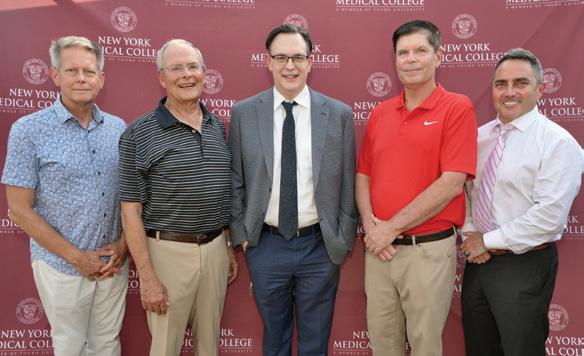
In memory of Ira Kaufman
Dave Kaufman, M.D. ’86
In memory of Howard Jay Kline, M.D. ’58
Ellen Sawamura, Ph.D.
James W. Justice, M.D. ’58
In memory of Martin L. Lapkin, M.D. ’71
Alan R. Altman, M.D. ’71
In memory of Louis H. Lefkowitz, M.D. ’64
Mr. Andrew Lefkowitz
In memory of Dean Alfonso Lombardi
William S. Maistrellis, M.D. ’63
In memory of Ada W. Ardelio and Alec Marin
Ada M. Marin, M.D. ’83, M.P.H.
In memory of William M. McCall, M.D. ’62
Ms. Elizabeth A. McCall
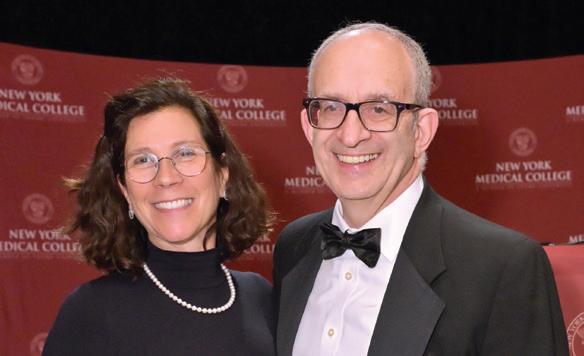
In honor Brenda Merritt, M.D ’65
Robert M. Fischbein, M.D.
In celebration of Daniel Mirzai, School of Medicine Class of 2027
Jane J. Hew, M.D. ’93
In honor of Augustine L. Moscatello, M.D.
Alan S. Berkower, M.D., Ph.D.
In celebration of Lila E. Nachtigall, M.D. ’60
Richard H. Nachtigall, M.D. ’60
In memory of Mary Ann Latona Nadler
Jerry L. Nadler, M.D., MACP, FAHA, FACE
In memory of Gladys and Murray Newirth
Mitchell S. Kramer, M.D. ’85
In memory of Lawrence A. Norton, M.D. ’56
Mrs. Mary Norton
In celebration of all NYMC Medical Graduate Students
Peter E. Bloom, Jr., M.D. ’04, M.S. ’00

In memory of Albert A. Pineda, M.D. ’63
Barbara Pineda, M.D.
In memory of Frank J. Piper, M.D. ’58
Mrs. Teletta A. Piper
In honor of Andres Ramirez, M.D.
Ms. Jenny Ramirez
In honor of Margaret Rice
Michael D. Holden, M.D.
In memory of Arthur Rifkin, M.D.
Mr. William Rifkin
In honor of David Robins, M.D. ’78
Richard A. Stram, M.D. ’78
In memory Yosef ben Avraham Rosenberg
Michael H. Rosen, M.D.
In honor of Neil Schluger, M.D.
Taryn Fishman, M.D. ’84 and Mr. David Bolnick
In memory of Seymour Schlussel, M.D. ’51
Jack D. Norman, M.D. ’63
In celebration of Alexandra M.J. Schutz, M.D. ’23
Mr. Adolph D. Schulz
In honor of Jonathan A. Sheindlin, M.D. ’93
Mr. Derek Deutsch
In memory of Robert A. Solow, M.D. ’48
Brian K. Solow, M.D. ’82
In honor of Jonathan Sonne, M.D. ’98
Rebecca Lambert, M.D.
In memory of William F. Spence, M.D. ’53
Roseanne Spence, Spence Family Fund
In memory of Joseph J. Stavola, M.D. ’87
Shirley U. Salvatore ’87 and James A. Salvatore ’87
In celebration of Christianne E. Strickland, M.D. ’06
Mr. and Mrs. Robert R. Strickland
In honor of Ronnie Swift, M.D.
Punyabrata Roy, M.D.
In memory of Morgan Yale Swirsky M.D. ’39
Michael H. Swirsky, M.D.
In honor of Adam Tanzer, M.D. ’96
Dr. Jason and the Honorable Lois Tanzer
In celebration of David Tashjian, M.D. ’96
James Tashjian, M.D.
In memory of Seymour Tobin, M.D. ’52
Keith S. Tobin, M.D. ’85
In honor of Michelle P. Tomassi, M.D. ’03 and Marco Tomassi, M.D. ’05
Mrs. Patricia M. Tomassi
In honor of Mrs. Patricia M. Tomassi
Mrs. Roberta Lowell
In memory of Osman Tugal
Oya Tugal, M.D. ’86
In honor of John L. Vigorita, M.D. ’44
Vincent J. Vigorita, M.D. ’76
In memory of Tommy Vigorita
Vincent J. Vigorita, M.D. ’76
In memory of Charlie Wilder
Elisabeth J. Wilder Richards, M.D. ’91
In memory of Mr. Albert and Mrs. Helen Winters
Preston L. Winters, M.D. ’74
In memory of Ivy Feder-Wohl
John M. Feder, M.D. ’87 and Annette Cohen, M.D.
In memory of James D. Woodburn, III, M.D. ’82
Douglas Woodburn, M.D. ’83
In memory of Wilson Young, M.D. ’07, Ph.D. ’07, M.S. ’99
Mr. Norman Young
In memory of Robert E. Zickel, M.D.
Edwin L. Jones III, M.D.
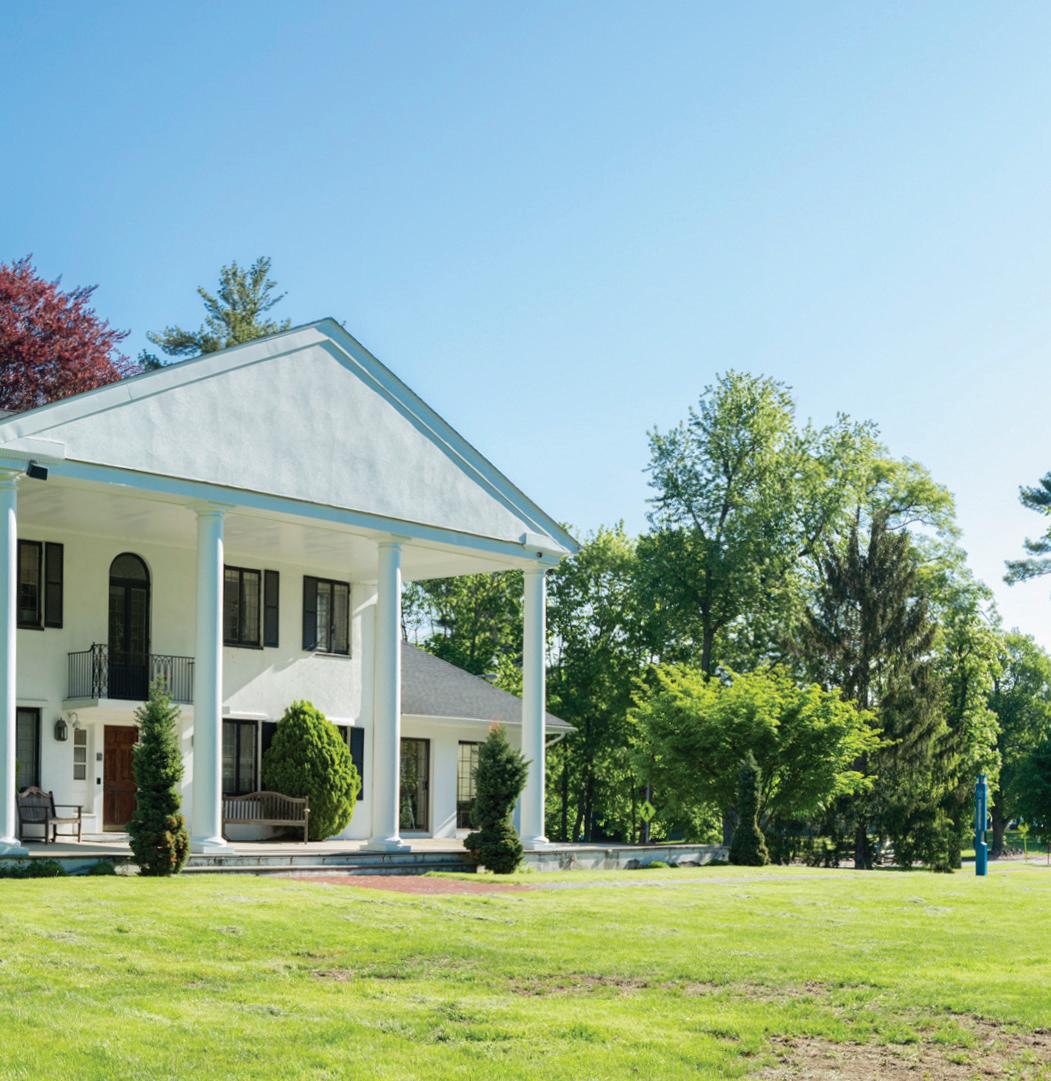
We have made every effort possible to provide a full and accurate list of donors to NYMC from July 1, 2024 through June 30, 2025. If we have omitted or improperly listed your name, please accept our apologies. If you detect an error, please contact our Office of Development and Alumni Relations at (914) 594-2720 or email us at development@nymc.edu, so we may correct our records. For the complete list of donors, please visit www.NYMCConect.org.

Chironian met up with Stacy Velarde, the new chief development officer in the Office of Development and Alumni Relations. A seasoned advancement leader, Velarde brings extensive experience across higher education, nonprofit organizations, and industry. She guides the strategic direction of development and alumni initiatives, strengthen philanthropic engagement in the medical and health care sectors, and expand New York Medical College’s (NYMC) donor network.
CAN YOU SHARE AN OVERVIEW OF THE OFFICE OF DEVELOPMENT AND ALUMNI RELATIONS?
The Office of Development and Alumni Relations bridges NYMC and its community of supporters—alumni, donors, grateful patients, foundations, corporations, and friends. The Office is responsible for cultivating philanthropic support, stewarding donor relationships, and engaging alumni through meaningful programs and communications. Its mission is to advance the College’s strategic priorities by connecting people who care with opportunities to make an impact. Ultimately, the Office helps ensure that the institution has the resources to educate future health care professionals and push the boundaries of biomedical science.
AS THE NEW CHIEF DEVELOPMENT OFFICER, WHAT ARE YOU MOST EXCITED TO ACCOMPLISH?
I am most excited to deepen the culture of philanthropy at the College and to strengthen the connections between the institution and its alumni community. My goal is to create pathways that make giving and engagement more accessible and meaningful. I look forward to building
partnerships that fuel student scholarships, innovative research, and transformational clinical programs. Above all, I’m excited to help bring the College’s long-term vision to life—ensuring we continue to improve health outcomes and train compassionate, skilled physicians, researchers, and public health leaders for generations to come.
Our office provides a wide range of resources, including career support, networking events, in-person and virtual mentorship opportunities, and access to our exclusive online community, NYMCConnect.org, the official platform for alumni, students, faculty, and staff to interact digitally. We also provide continuing medical education programs and professional development opportunities, alumni communications, and updates on campus developments. We organize reunion programs, and regional gatherings to foster alumni engagement among fellow classmates, students, residents, and institutional leadership, faculty, and staff. We provide support for philanthropic giving, ensuring alumni can make donations that align with their personal passions and values. We also offer volunteer and leadership opportunities, including the NYMC Alumni Council Executive Leadership Committee, and the NYMC Board of Advisors, including the golf outing committee, reunion class chair/committee, and alumni/student mentorship roles. Our goal is to serve as a lifelong resource for graduates, supporting them both personally and professionally.
IN WHAT WAYS CAN ALUMNI GET INVOLVED TO HELP THE NEXT GENERATION OF NYMC STUDENTS?
Alumni play an integral role in shaping the future of our students. Some of the most impactful opportunities include mentoring students and residents, participating in career panels or specialty interest sessions, offering shadowing or clinical exposure opportunities, serving on advisory or alumni boards, and supporting scholarship funds to reduce student debt. Alumni involvement not only strengthens the College but also inspires students who look to those who have walked the path before them.
HOW ARE ALUMNI GIFTS AND DONATIONS PUT TO WORK AT THE COLLEGE?
Alumni gifts directly support the mission of NYMC in several ways, including student scholarships; funding that
drives research, scientific discovery, and innovation; faculty and program support, ensuring the College attracts and retains top educators and clinicians; state-of-theart facilities and technology that enhance learning and patient care, community health initiatives that broaden the College’s impact beyond campus.
WHAT WOULD YOU SAY TO AN ALUM WHO FEELS THEIR GIFT MIGHT BE “TOO SMALL” TO MAKE A DIFFERENCE?
No gift is too small. Every contribution moves the College forward. Small gifts collectively create powerful change and demonstrate a broad base of support that inspires larger grants and institutional investments. Many of the most impactful programs at the College exist today because thousands of alumni consistently contributed what they could. What matters most is participation fueled by the belief in the mission. When alumni give, they signal to students and colleagues that they believe in the institution’s future.
WHAT ARE THE BEST WAYS FOR ALUMNI TO STAY CONNECTED WITH NYMC AND WITH EACH OTHER?
Alumni can stay connected by attending reunions, regional events, and virtual programs and joining alumni groups, specialty networks, or class committees. We invite you to follow the College on social media. Participating in mentorship or volunteer opportunities are great ways to connect with generations of the NYMC community. Updating personal and professional contact information is important to receive College mailings, event invitations, e-blasts, and e-newsletters. Please be sure to review and update your alumni record at https://nymc.blackbaudportal.com. Additionally, by joining NYMCConnect, the exclusive NYMC online community, you can interact with fellow alumni and provide advice and mentorship to current students. Lastly, we would love to share your most recent news and accolades in our next issue of Chironian. If you have any accomplishments or developments, published a book or article, or have family updates to share, we would love to hear from you. Please submit your class notes at nymc.edu/alumni. We encourage alumni to reach out whenever they want to reconnect, support a program, or share accomplishments. Alumni are always welcome to contact us at (914) 594-2720 or development@nymc.edu. ■
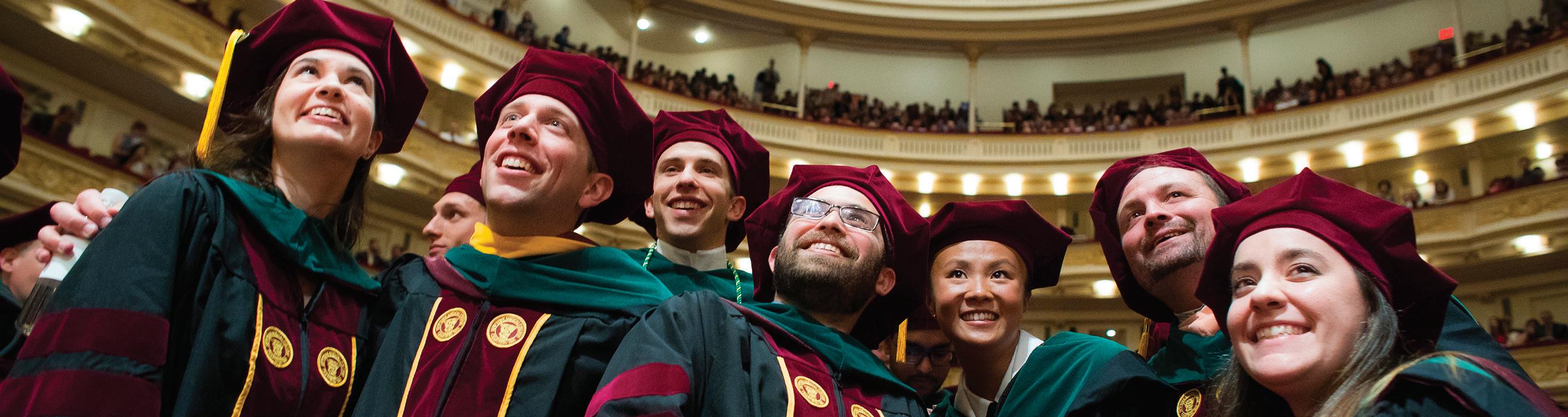
A Lifelong Community
Under the direction and leadership of the Office of Development and Alumni Relations, the New York Medical College (NYMC) Alumni Council is the official alumni organization that connects you to a lifelong network, career advancement resources, and exclusive opportunities. As a graduate of the School of Medicine, Graduate School of Biomedical Sciences, or School of Health Sciences and Practice, you’re automatically part of this vibrant alumni network.
Your Exclusive Online Hub
Stay connected, get inspired, and expand your professional circle with NYMC Connect, our online community.
NETWORK with fellow alumni, faculty, residents, and students.
SHARE personal and professional updates.
ENGAGE in virtual discussions and mentorship opportunities.
ACCESS exclusive job postings and event listings.
Ready to Connect? Get involved now nymcconnect.org
Bringing NYMC to You
The NYMC Alumni Council hosts on-campus gatherings and nationwide meetups. We bring alumni together in key regions. Don’t miss these chances to reconnect, reminisce, and create new memories.
Your Voice Matters
Want to get involved? Attend virtual or inperson Alumni Council meetings. Email us at alumrelations@nymc.edu or call (914) 594-2720 to be added to the invitation list.
Your support and participation help us mentor the next generation of health care professionals and keep the NYMC spirit alive. Let’s make a difference—together.

The Wise Healer, an acrylic painting by Jenna Farris, School of Medicine Class of 2029
“I was inspired by a photograph I took of a hawk calmly sitting on a sign overlooking the campus. I felt the hawk, often associated with strength, wisdom, and focus, was a powerful symbol for the dedication and grit of New York Medical College’s student body. As we pursue careers in healing and helping others, we should always keep these ideals in mind.”