“It’s just a phenomenal practice. They’re compassionate. They’re thoughtful. They take medicine to a level that you could only wish for.”
David Mosher, AFib Program patient
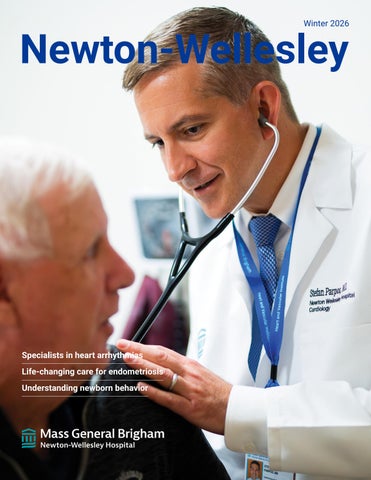
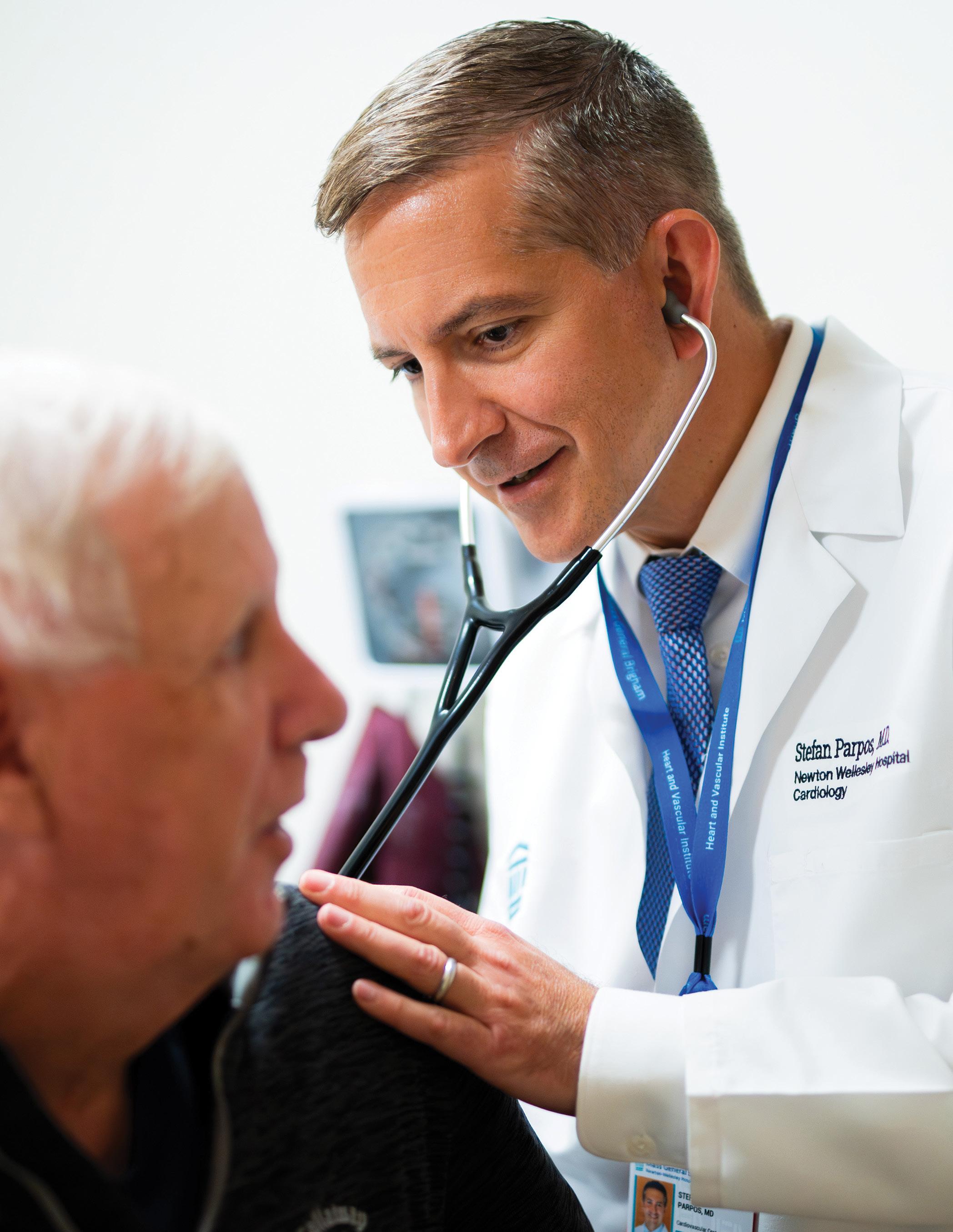
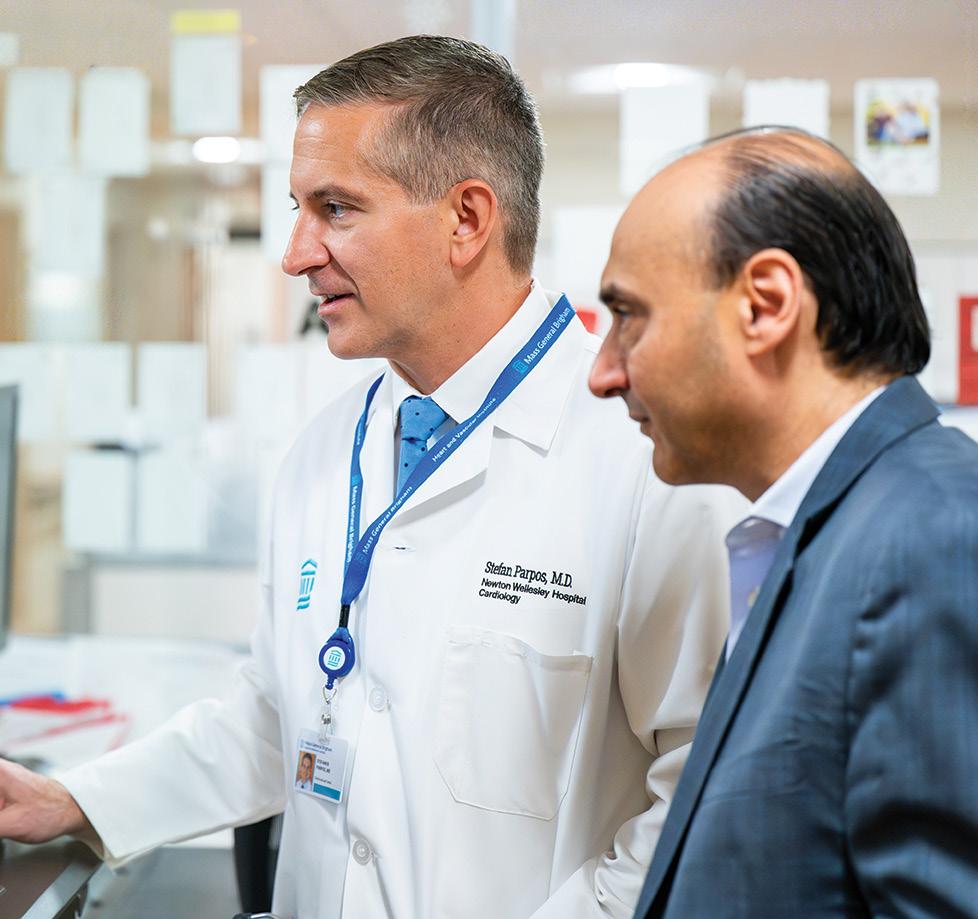
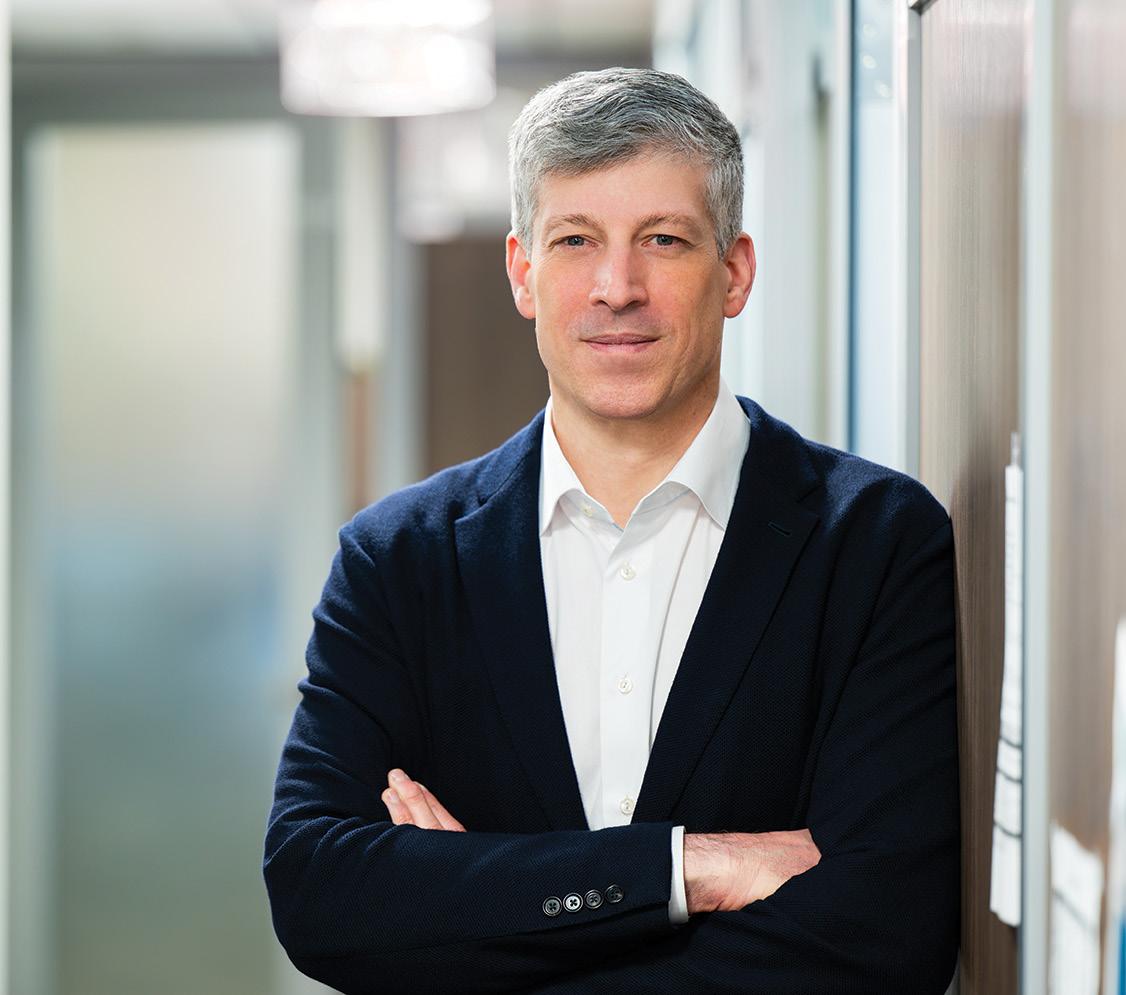
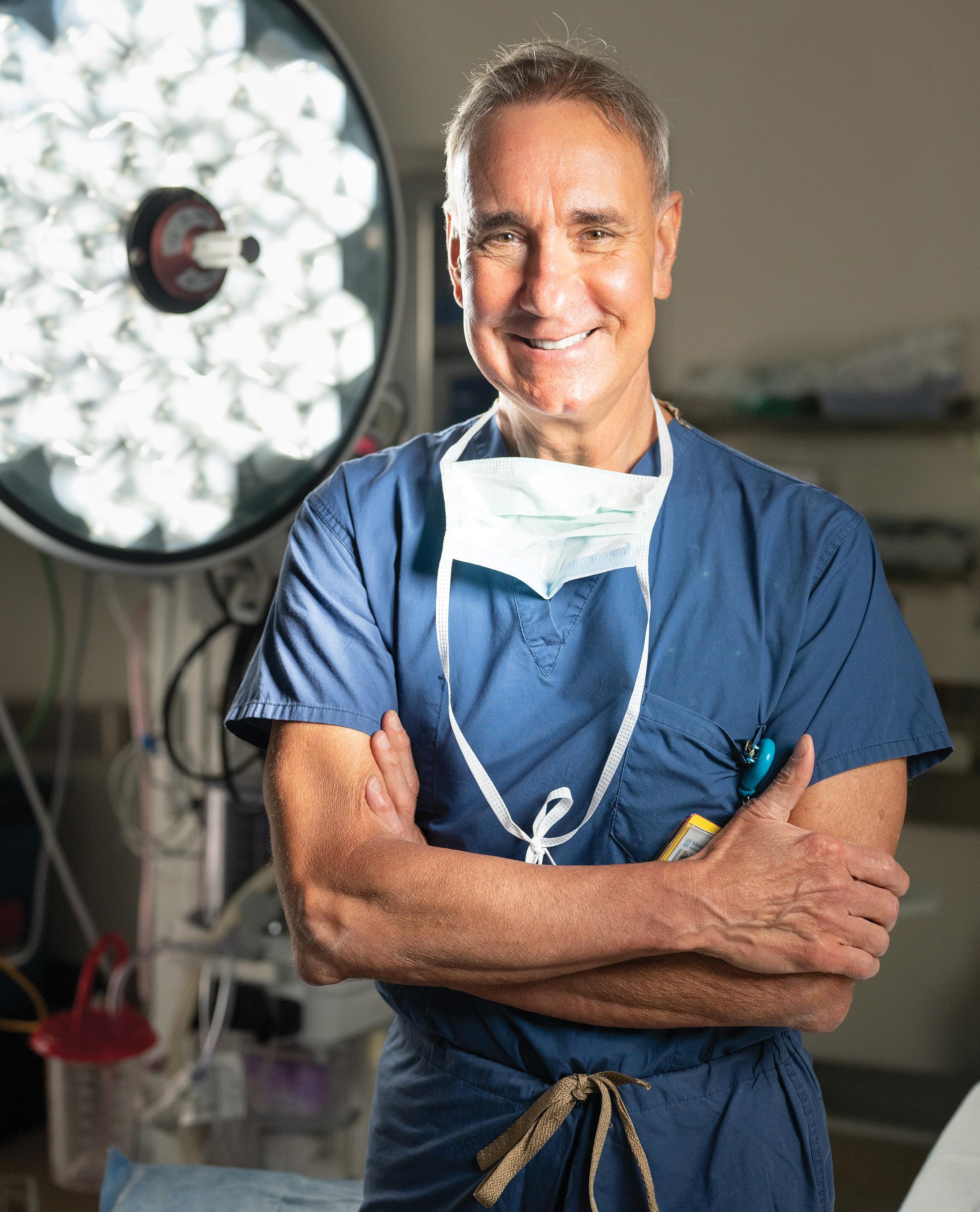
On the cover: Stefanos Parpos, MD, assistant chief of Cardiology, examines a patient in the NWH Arrhythmia Clinic. He’s part of the core team of the clinic’s AFib Program.
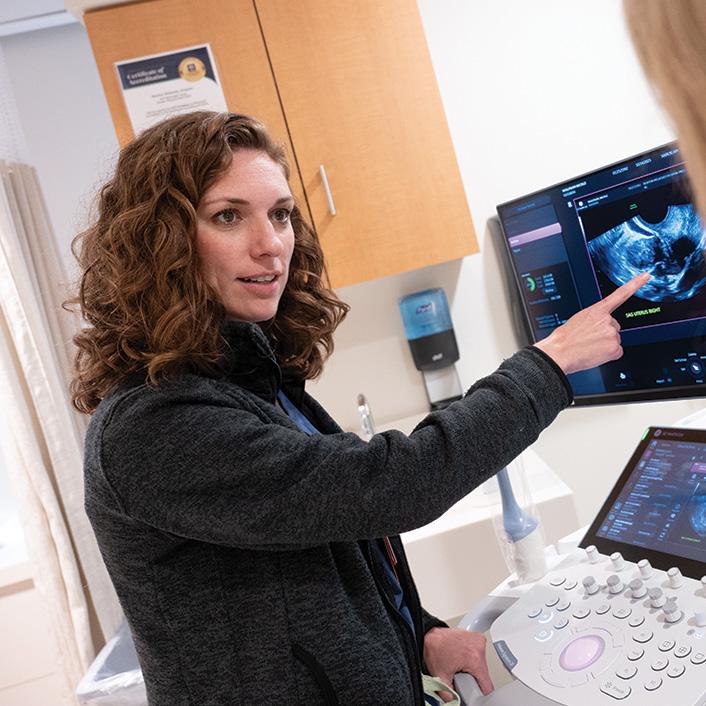
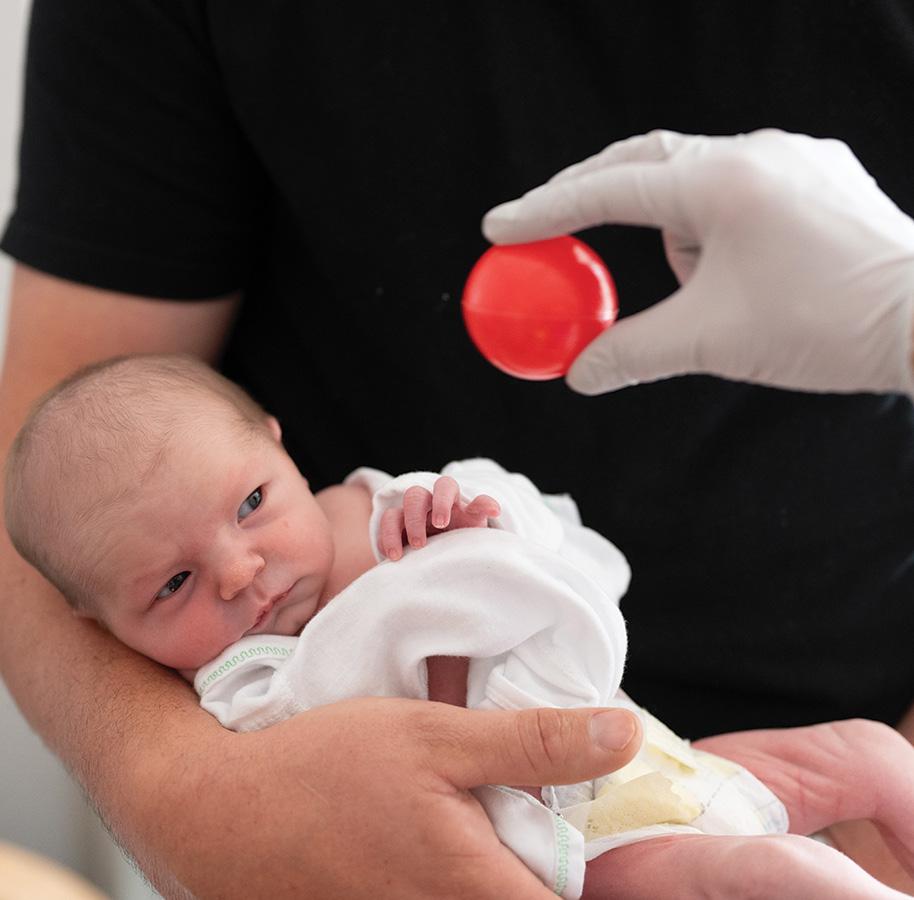
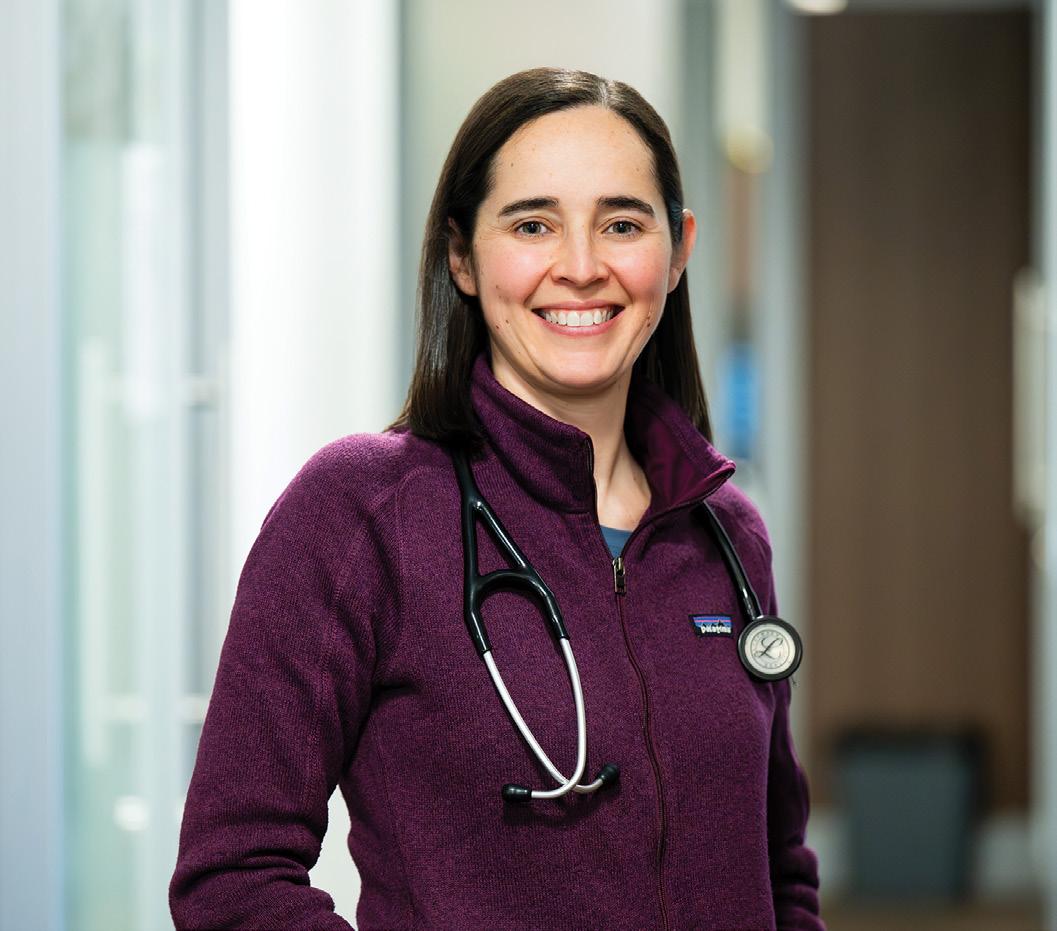
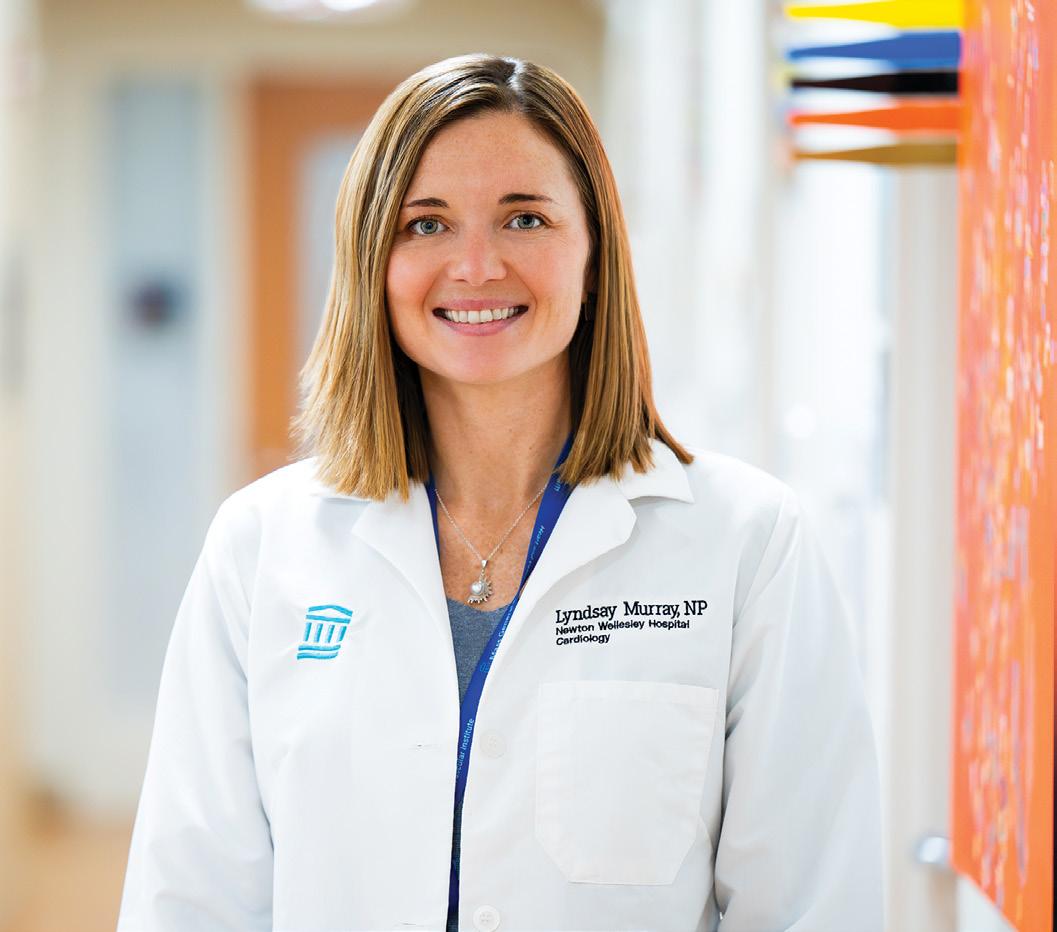
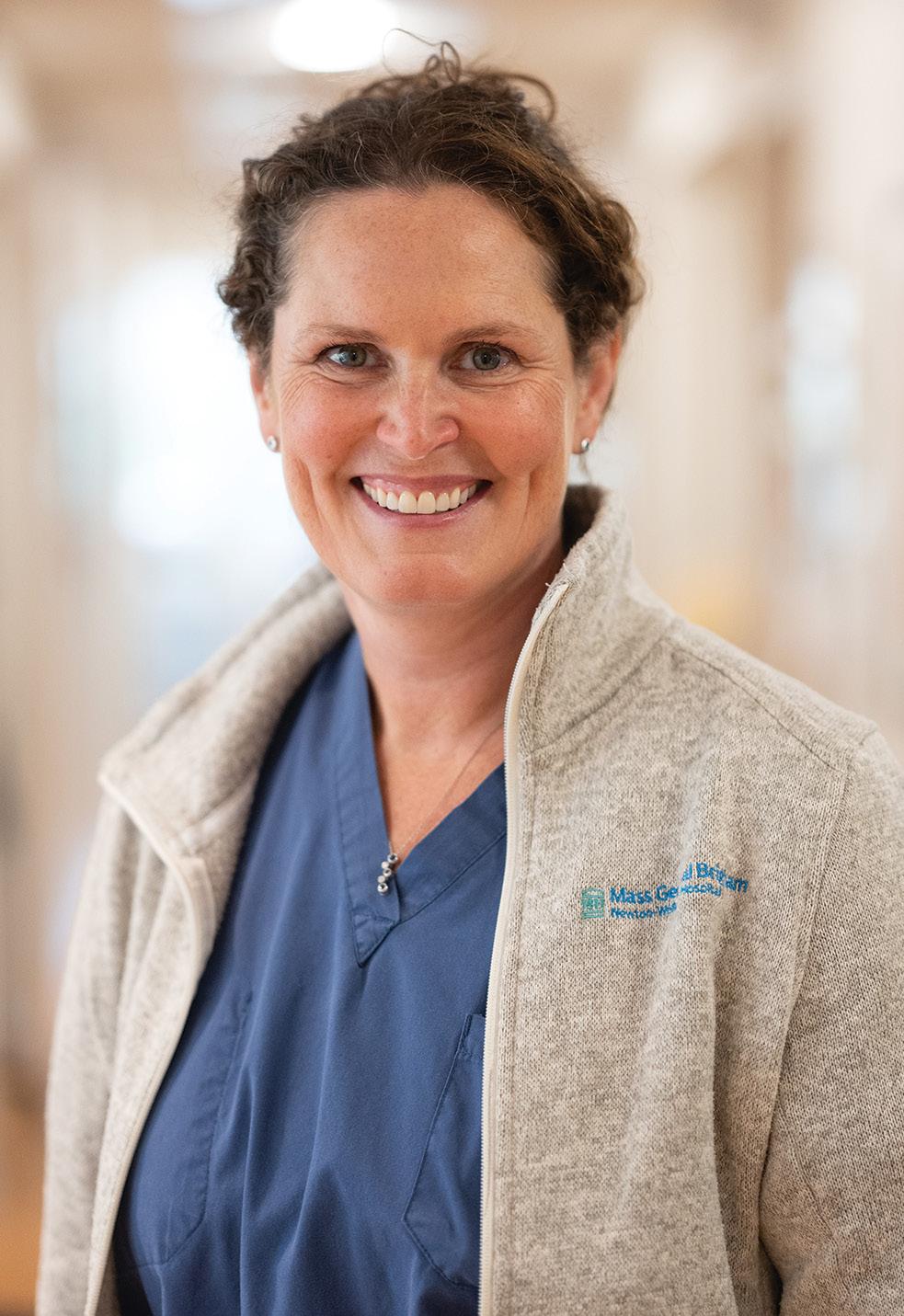
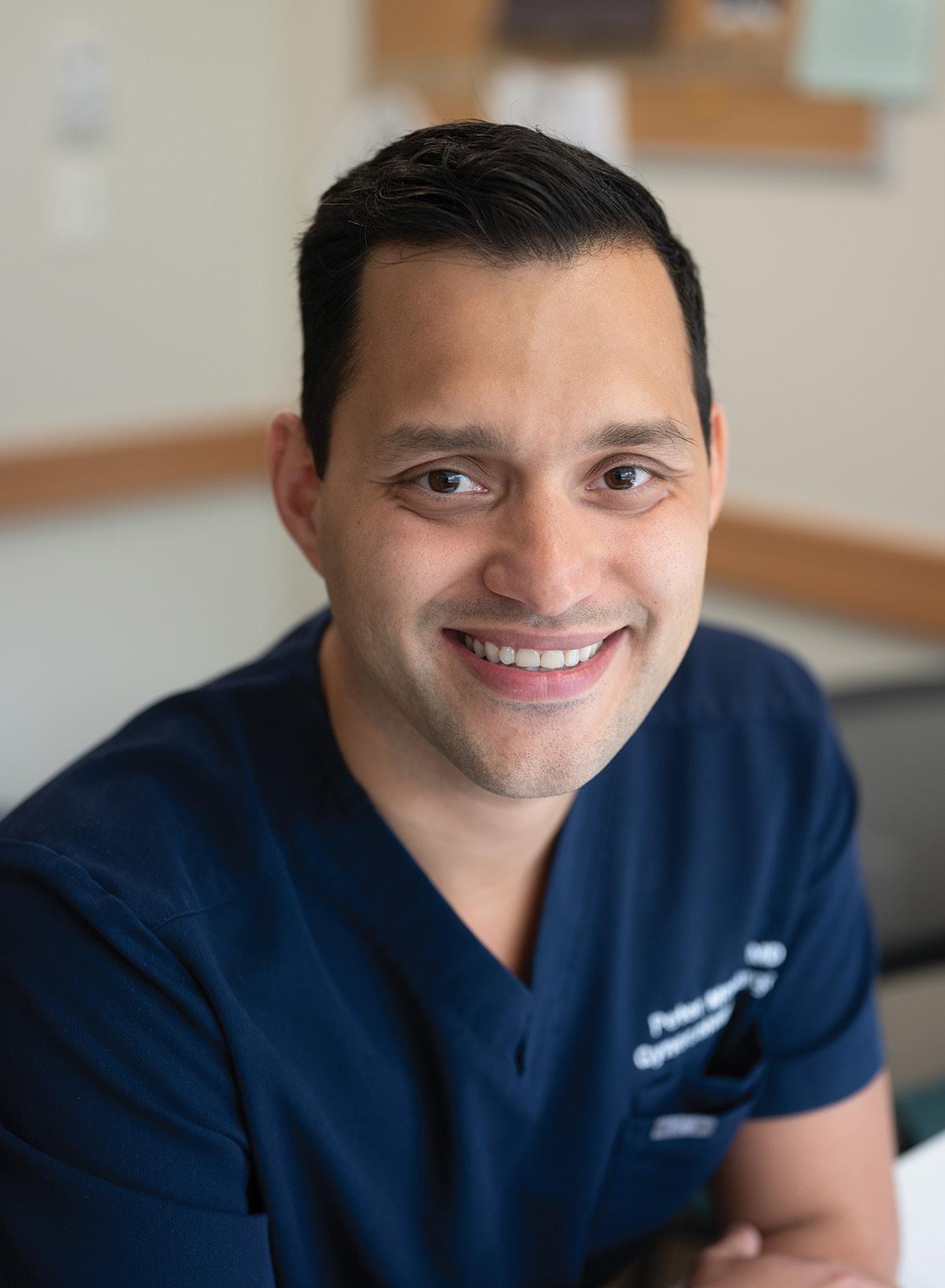
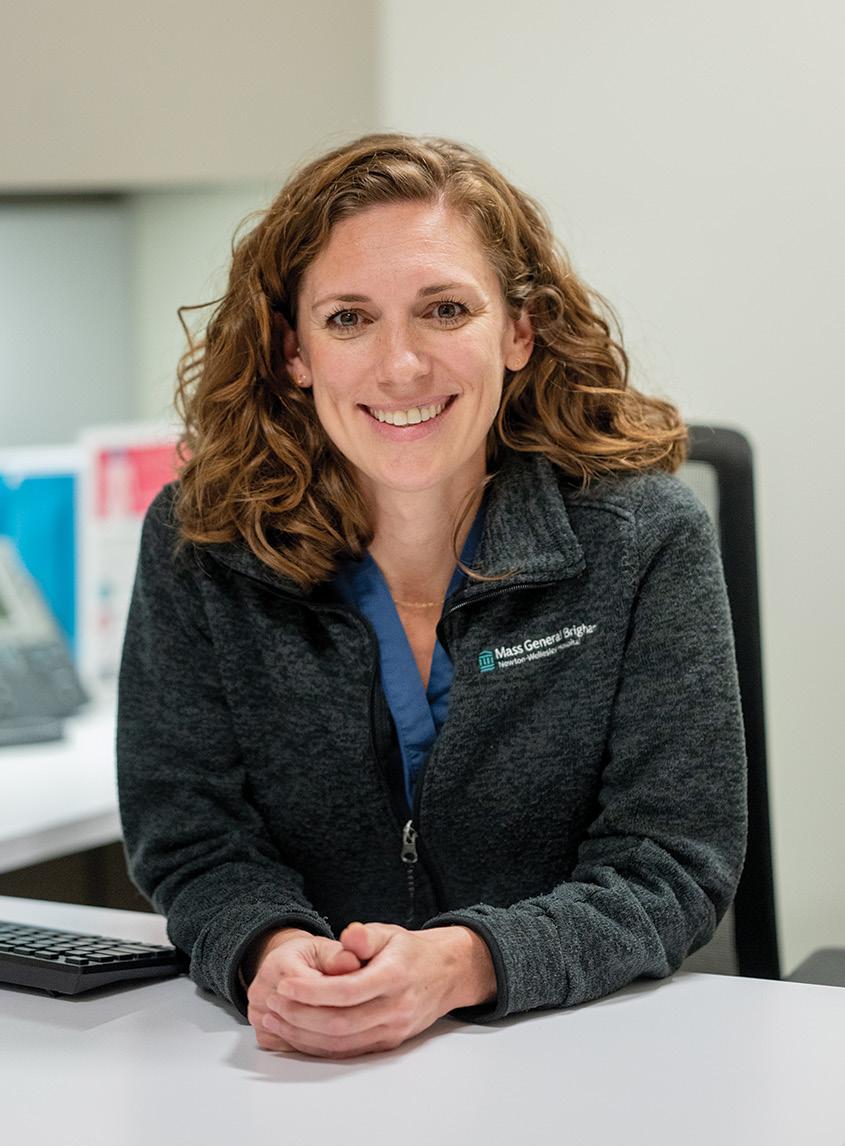
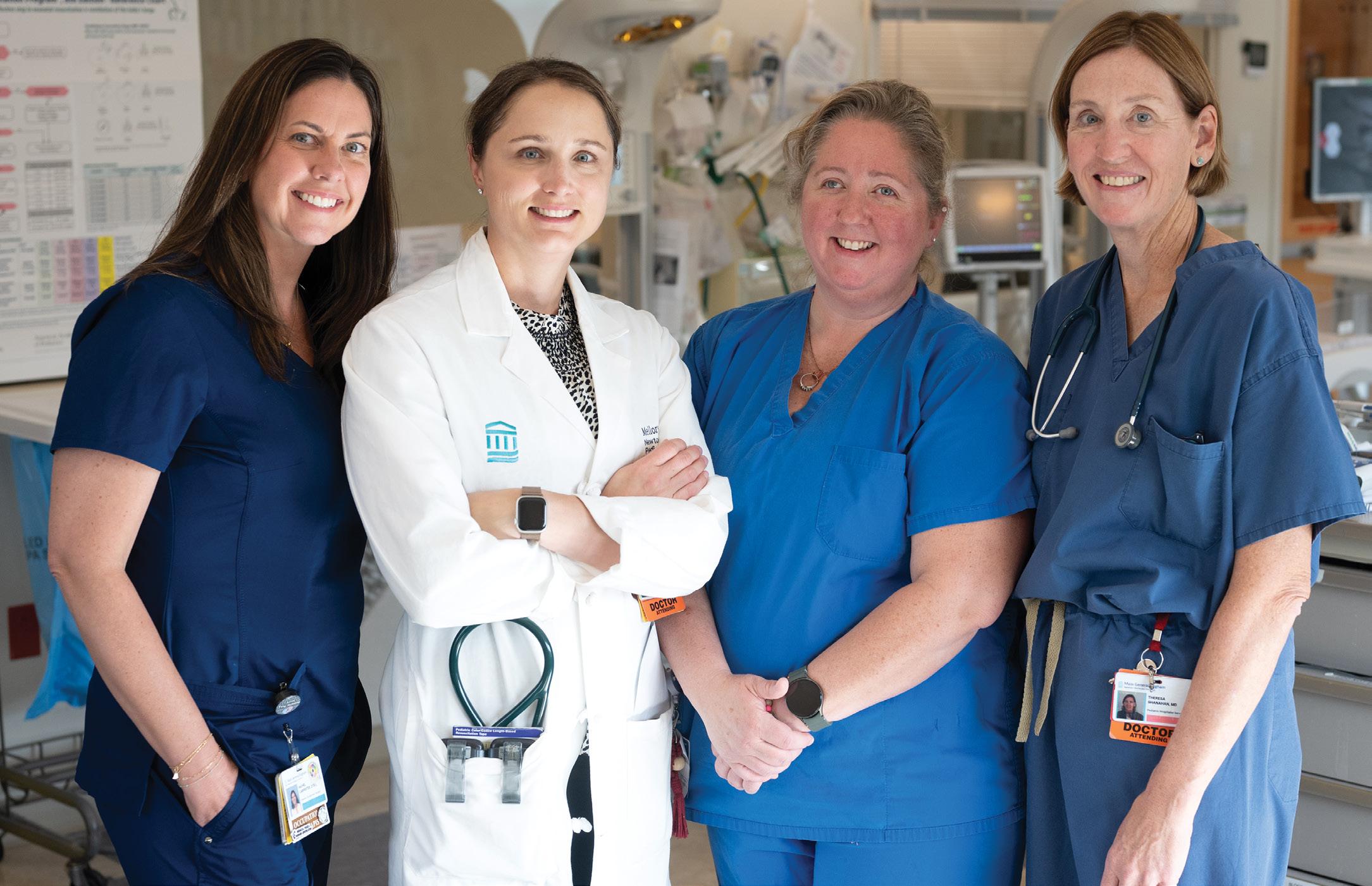
Photos opposite page from top: Stefanos Parpos, MD, and Moussa Mansour, MD; Hilary Haber, MD; Newborn Behavior Observation system in action.
Specialists in heart arrhythmias
The integrated Atrial Fibrillation Program at NWH brings world-class heart and vascular care to patients right in their own community.
Moussa Mansour, MD
“For this team to do what they do day in and day out and treat you like you’re the only person that’s here that day, I think is just remarkable.”
David Mosher
For David Mosher, “life is good.” And he counts his cardiology team at Newton-Wellesley among the chief reasons why.
Now in his mid-80s, the Natick retiree has endured many twists and turns in his health journey in the last two decades. He suffered a stroke in 2005, and soon after, began to experience impacts of an abnormal heart rhythm. In the years since, he’s survived cancer twice. Through it all, he’s kept his positive outlook and devotion to fitness.
Presciently, well before his arrhythmia surfaced, David began seeing Stefanos Parpos, MD, assistant chief of the NWH Division of Cardiology, on a preventive basis. He knew and respected him as his mother-in-law’s cardiologist. Their early visits felt very routine. Yet when David’s health began to unravel, he leaned on Dr. Parpos and the NWH team for their expertise.
As he learned more about his condition—atrial fibrillation, commonly known as AFib—David trusted that he was in the best of hands. While different treatment options managed his symptoms for a time, nothing gave David the more lasting relief that he and his team sought—until now.
What cutting-edge care means
Today, he’s grateful for the success of the procedure that he received at Massachusetts General Hospital in 2023 by Moussa Mansour, MD, director of cardiac electrophysiology within Mass General Brigham’s Heart and Vascular Institute. While David continues with follow-up at NWH, “it’s been two years since I had my procedure, and I feel great,” he smiles to report.
A longtime collaborator of Dr. Parpos and the team at NWH, Dr. Mansour has been a pioneer in the field of AFib. He has contributed significantly to finding safer, more effective ways to treat the condition, including catheter ablation, which aims to treat fast, irregular heartbeats by inactivating erratic electrical signals from the heart’s left atrium. “Mass General Brigham
continues to be a leader in developing novel techniques for ablation,” he notes. Pulsed field ablation, for one, was available early to patients at NWH in the setting of groundbreaking clinical trials.
While based at MGH, Dr. Mansour has seen patients at Newton-Wellesley for the past 20 years, advancing care at the community level.
For patients like David, such access can be life-changing. After years of too-frequent hospital stays, he’s avoided any need for inpatient care. He works out four to five times a week. He cooks for himself and his wife with an eye to a heart-healthy diet. He keeps active in their community. As he says, “What more do you need?”
Personalized care for AFib
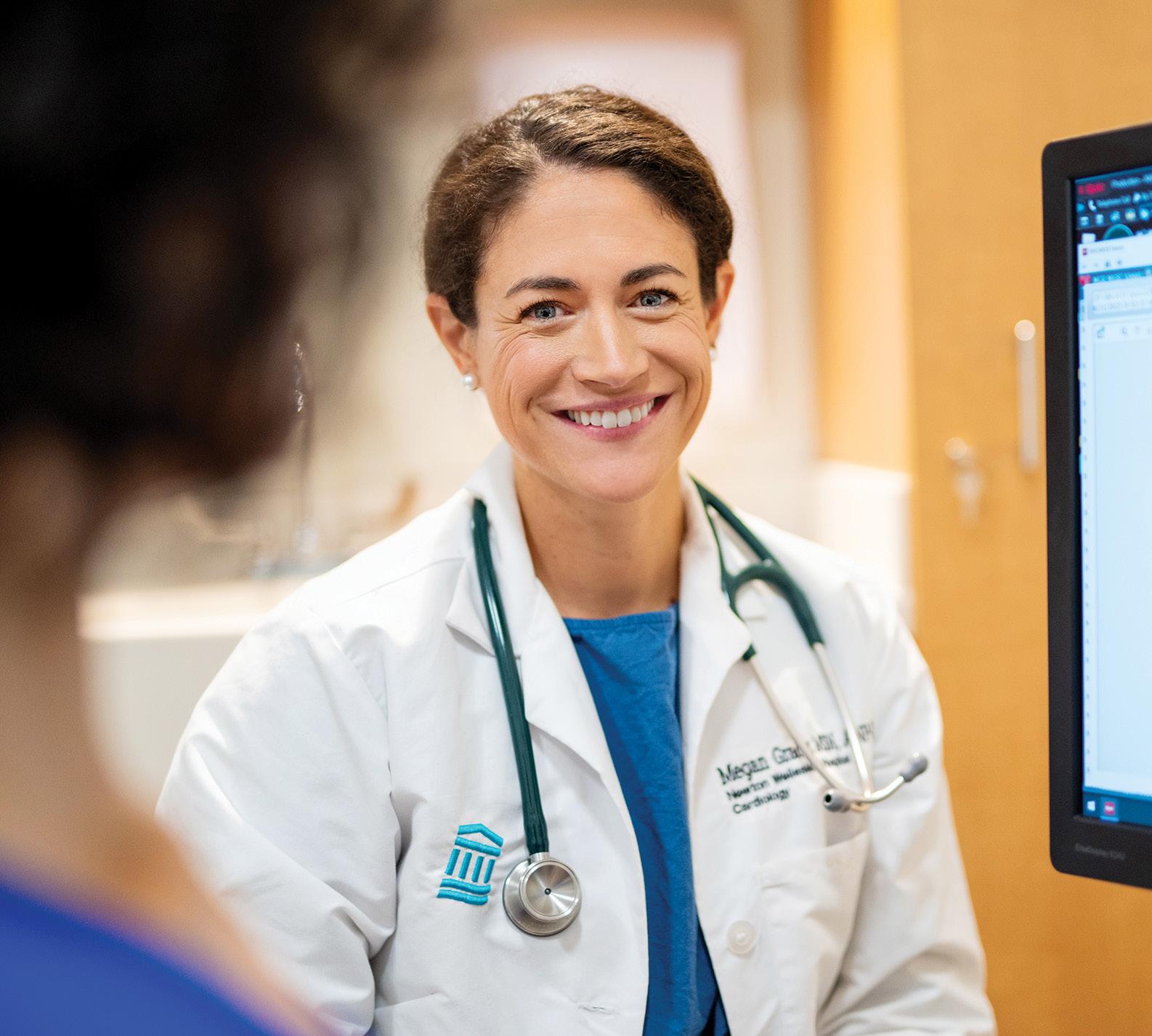
On Wednesdays twice a month, the integrated Arrhythmia Clinic at Newton-Wellesley brings together a leading team of providers to help patients like David. The Elfers Cardiovascular Center bustles with collaborative activity. With a focus on personalized care, “we all review cases and share ideas,” notes Dr. Parpos. As Megan Grady, CNP, a core member of the arrhythmia team, explains, “I can pop out of an exam room and have an expert in AFib right there.”
Patients benefit from a multidisciplinary team that also includes pharmacist Erika Felix-Getzik, PharmD, a specialist in the essential role of medications in treatment, Leon Ptaszek, MD, PhD, a leading cardiac electrophysiologist, and many of NWH’s wider team of experienced cardiologists.
The regular presence of Dr. Mansour exemplifies how collaboration across the system strengthens so many clinical specialties at NWH. He serves in a leading role within the recently launched Mass General Brigham Heart and Vascular Institute, which integrates cardiovascular care across Mass General Brigham. As Dr. Parpos puts it, “he’s the innovator behind a lot of the latest and greatest in arrhythmia care.”
Cardiac arrhythmias are abnormal heart rhythms, where the heart beats too fast or too slow. AFib is the most common type, affecting an estimated 10.5 million U.S. adults, according to the National Institutes of Health. Prevalence rises sharply with age. If left untreated, AFib significantly increases the risk of stroke and heart failure.
24,571
Outpatient visits to cardiology clinics*
1,383
Heart and vascular procedures*
200%
Increase in Arrhythmia
Clinic visits 2017–24
*2024 figures
When it comes to care for AFib and arrhythmias, “I think we’re second to none out of any community hospital anywhere,” Dr. Parpos notes.
A story of integration and growth
Dr. Parpos has called Newton-Wellesley home for more than 17 years, “and it’s been an ongoing story of integration and growth.” He traces his own journey as a cardiologist to winning a science prize as a high school junior in nearby Framingham. It led to a summer job with the prize’s sponsor, the seminal Framingham Heart Study, and set him on a path to make caring for
his life’s work.
After joining the NWH community, he appreciated being part of the shift to a more unified model of care with the founding of the Elfers Cardiovascular Center a decade ago. Looking back at those transformative years and the new leadership of division chief George Philippides, MD, “I was excited by the promise of the center to harness the resources and alliances with our academic medical centers,” he says.
patients
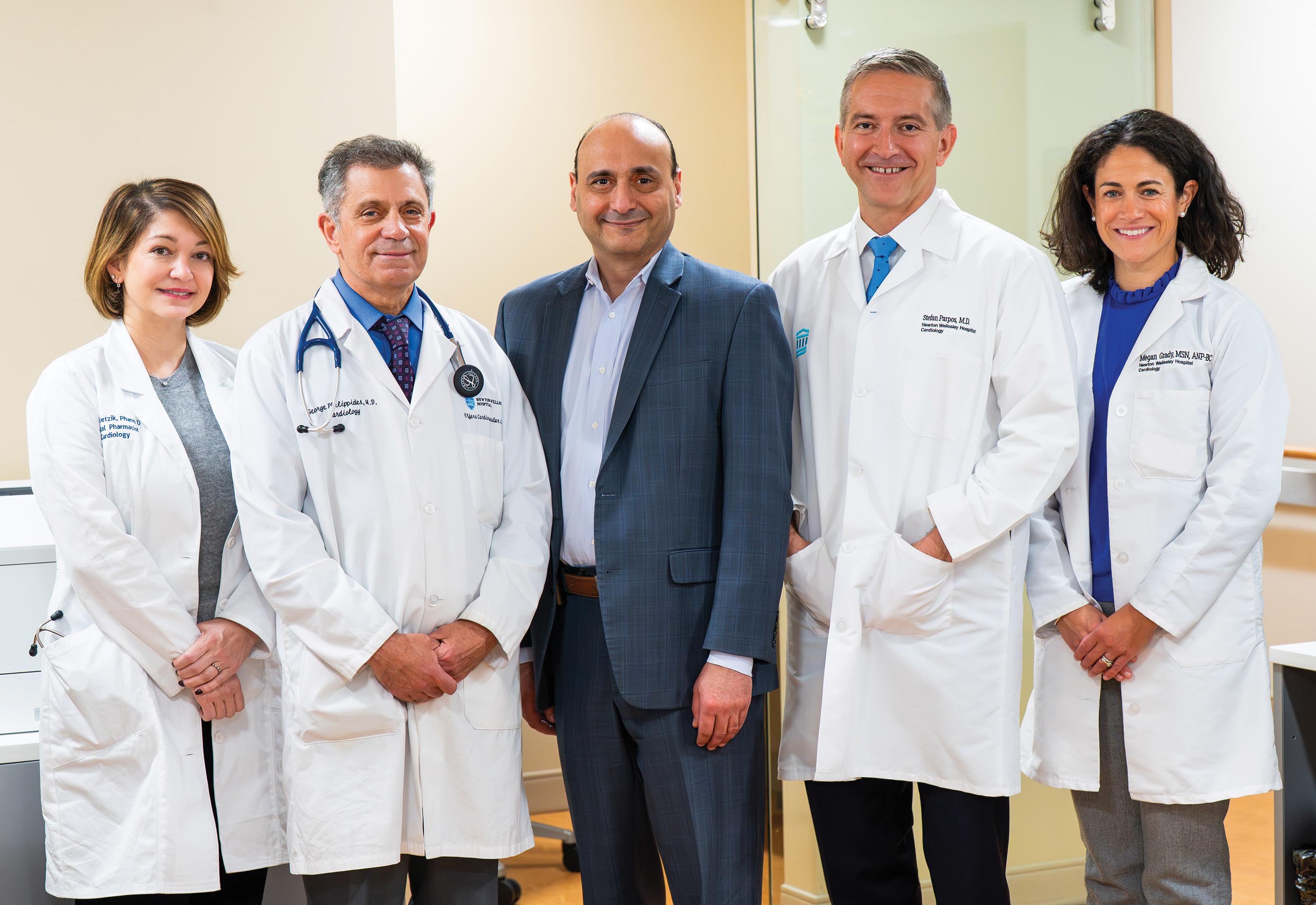
The AFib Clinic’s Erika Felix-Getzik, PharmD, George Philippides, MD, Moussa Mansour, MD, Stefanos Parpos, MD, and Megan Grady, CNP
“I was excited by the promise of the center to really harness the resources and alliances with our academic medical centers.”
Stefanos Parpos, MD
Ever since, patient-centered collaboration within the NWH team and across Mass General Brigham has fueled innovation. “It’s really upped our game, and it’s only going to get better for our patients,” Dr. Philippides reflects.
From David Mosher’s perspective as a patient, “It’s just a phenomenal practice. They’re compassionate. They’re thoughtful. And in my opinion, they take medicine to a level that you could only wish for.”
Setting a standard of excellence
As the Heart and Vascular Institute takes shape at Newton-Wellesley and across Mass General Brigham, Dr. Parpos sees a parallel to the early days of bringing the Elfers Center from dream to reality. In the end, “it’s really about bringing the highest level of academic medical center care into our community,” he says.
Reflecting on two decades of working with patients at NWH, Dr. Mansour values seeing how the progress here has mirrored that of the systems’ AMCs, offering access to breakthroughs in AFib treatment.
The vision for the Heart and Vascular Institute sets a new standard of excellence. The institute model brings together specialized care, research, education, and community engagement into a unified, patient-centered framework.
Here at NWH, our cardiovascular specialists already aim to deliver the most advanced, compassionate treatment available. Going forward, an even more integrated, collaborative team is redefining what’s possible in cardiovascular care, driven by a shared commitment to innovation, equity, and better outcomes for all patients.
“For all of us at Newton-Wellesley, it’s just going to be great,” Dr. Parpos believes.
Photos from top: Jill Carter, PA-C, Leon Ptaszek, MD, PhD, Lyndsay Murray, NP
What the future holds
In the last 10 years, often through the generosity of the community, “we’ve been in a perpetual growth mode,”
Dr. Parpos says. “It’s a great place to work and get care and it’s just getting better.”
Looking ahead, he sees an ongoing paradigm shift in medicine. “Much of the care used to be considered so complex that you really needed to be downtown,” he reflects. “Now it can be delivered here in the community.” In many ways, technology has made diagnosis and treatment more accessible. Procedures are quicker and less invasive. Afterward, patients typically go home instead of staying overnight. And importantly, providing the right care in the right place at the right time leads to better outcomes.
With the resources of the system and philanthropy, he’s excited by the possibilities ahead for even greater investment in heart and vascular care at NewtonWellesley and what it could mean for our community of patients. For him, it’s personal. After all, it’s his community, too.
Dr. Philippides echoes the point: “The community is made up of our neighbors, our families, our friends. We care deeply about having a local impact.”
“Blessed and privileged”
Knowing the pressures on healthcare institutions across this country, David Mosher realizes how stressful the day-to-day work of providers can be. “So for this team to do what they do day in and day out and treat you like you’re the only person that’s here that day, I think is just remarkable,” he says.
When he comes in to see his Newton-Wellesley team for a check-up, it’s a pleasure. “The last time I was there a few weeks ago it was like a social club,” he recounts with a laugh. At his appointment with Megan, she told him that Dr. Parpos wanted to come by and say hello. So did Jill Carter, PA-C, the team’s lead physician assistant, who heard he was in.
“And so there we are, my wife and myself, Stefan, Megan, Jill,” he recounts. “It just went beyond medicine. And I feel blessed and privileged to be able to have that type of care. I know they care and I care for them.”
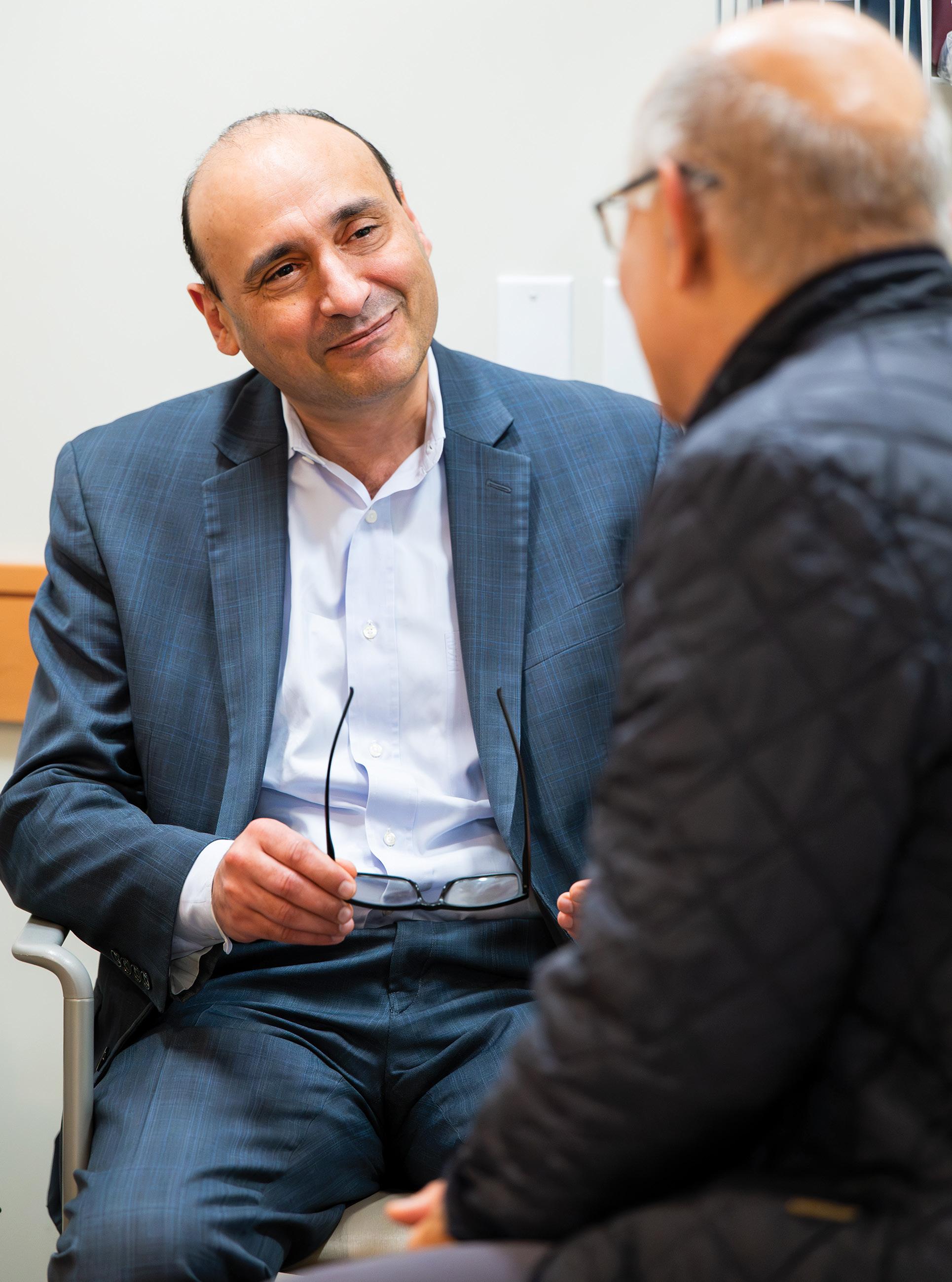
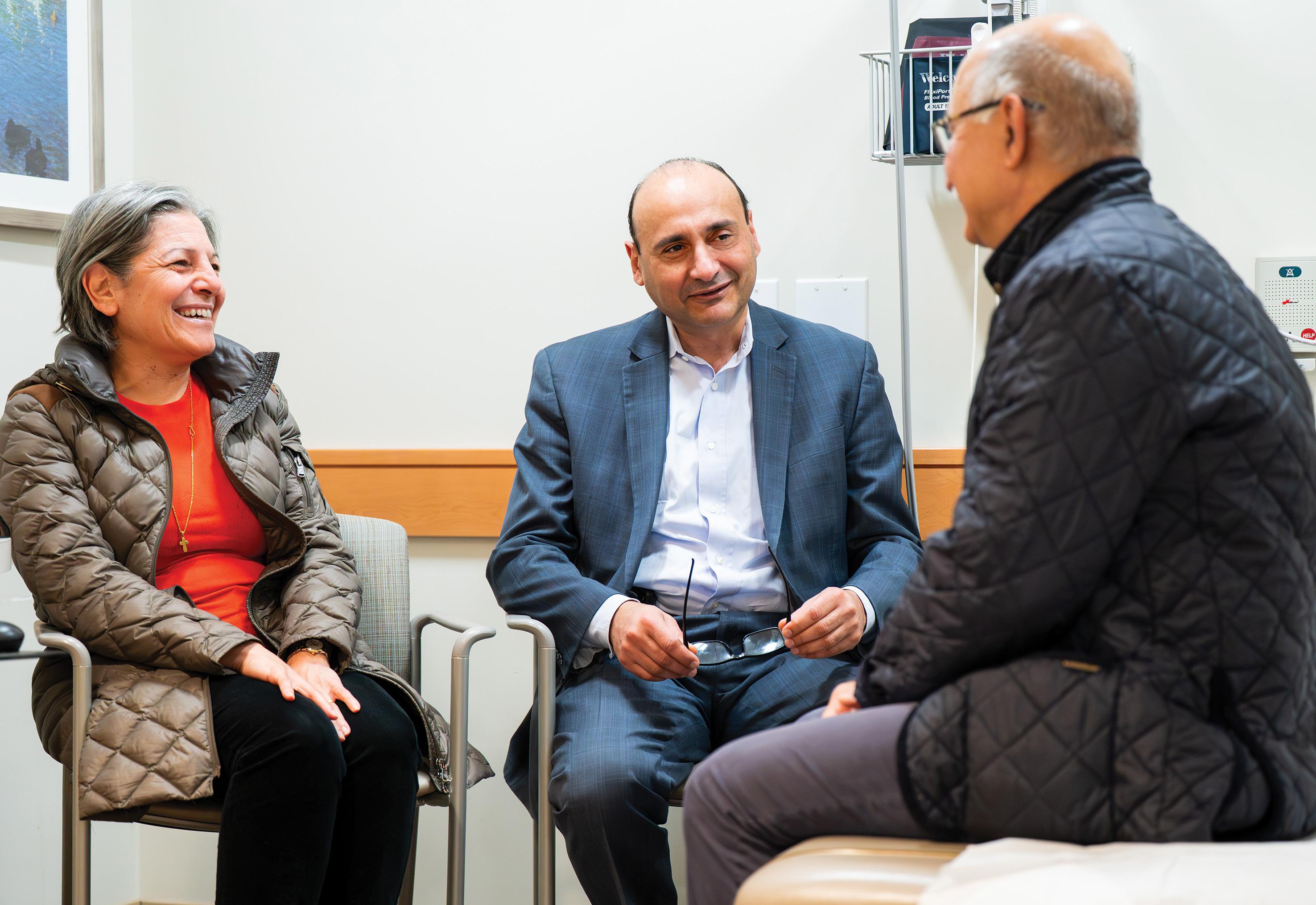
Moussa Mansour, MD, meets with a patient and his wife at NWH’s Elfers Cardiovascular Center.
AFib course shows power of community
“I hope people realize that they aren’t alone in their journey with AFib.”
Megan Grady, CNP
Now in its seventh year, the AFib course at Newton-Wellesley has helped to address a knowledge gap as well as nurture peer support among dozens of patients.
For Megan Grady, CNP, “it’s one of the favorite parts of my job.”
She developed the course along with the Atrial Fibrillation Clinic team after recognizing the need for a cohesive way to educate patients. The in-person course now runs for five weeks, twice a year.
Participants gain a general understanding of the heart and cardiovascular system. In subsequent sessions, they explore select topics in more depth with experts in the field.
As a case in point, a recent session focused on medications, featuring a presentation by graduate students from Massachusetts College of Pharmacy and Health Sciences. The clinic’s Erika Felix-Getzik, PharmD, joined them.
Since AFib increases the risk of stroke, they focused in part on anticoagulants such as Eliquis and Xarelto taken by many patients. Almost everyone around the table chimed in on the subject.
Among the benefits of the course are spontaneous discussions that emerge as people share their own experiences. “I watch as our patients ask questions and gain a new understanding from one another,” notes Megan.
Beyond the rich information, “people get to know each other’s stories,” she says. “The power of community is huge. I hope people realize that they aren’t alone in their journey with AFib.”
Everyone’s personal journey fascinates her. “At times it can be scary,” she adds, “and I want to help them through.”
In the end, “I love helping people,” she reflects. She smiles to think about David Mosher’s success story. For her and everyone on the team, “it’s been rewarding to see him living his best life.”
Megan Grady, CNP, leads the AFib course, providing patients with education and support.
Life-changing care for endometriosis
The Center for Minimally Invasive Gynecologic Surgery at NWH offers women who have suffered from endometriosis and other gynecologic conditions a new lease on life.
Lauren had to plan life around her pain. At the age of 20, she was diagnosed with polycystic ovary syndrome (PCOS), a hormonal disorder that affects women of reproductive age. Because it causes an imbalance in hormones, her periods were irregular and unpredictable, and when she did have one, she would have intense bleeding and pain. In seeking relief through the years, she often felt dismissed by doctors.
After more than two decades of having to organize her life around these capricious and excruciating periods, her symptoms worsened—and spread to her gastrointestinal tract. By late 2024, her pain became unbearable. When she sought help, “it was just another appointment with another doctor who didn’t listen, who basically sent me on my way—with no answers, no road map, no empathy whatsoever,” she says, shaking her head.
With her hope fraying, an ultrasound finally revealed that she had Stage IV endometriosis. The thick, glue-like endometrial lining was growing outside her uterus onto her right ovary and bowel.
The findings led to a referral to Peter Movilla, MD, one of a trio of expert surgeons at the Center for Minimally Invasive Gynecologic Surgery (MIGS) at Newton-Wellesley.
“Finally, someone listened, validated my symptoms, and helped me make the treatment choices that would be best for my body, for my life,” she recounts.
Listening to their patients
While one in 10 reproductive age women has endometriosis, they are often not diagnosed for as many as seven to 10 years. The MIGS team treats hundreds of women with endometriosis and other common, non-cancerous gynecologic conditions, such as fibroids, pelvic pain,
“We really want patients to feel like they’re making informed decisions.”
Stephanie Morris, MD
Stephanie Morris, MD
ovarian cysts, and infertility concerns. Like Lauren, many of their patients finally feel heard.
“We have the expertise, but we haven’t walked in our patients’ shoes so, most importantly, we need to listen and meet them where they are,” says Hilary Haber, MD, of the MIGS team. “Once you listen and build a trusting relationship, you can help patients make choices for treatment based on their individual goals.”
“We’ll ask them: What are your values? What is important to you? How can we help you achieve your best life? And then we go from there.”
Powerful diagnostic capabilities
An initial appointment at the center often runs for more than an hour, enabling patients to leave with answers, choices, and next steps.
“One of the things that makes our practice unique is that we can do so much during that first visit,” says Stephanie Morris, MD, the center’s director and NWH Vice Chair of Gynecology. “We conduct a full consultation and in some cases diagnose and even treat some conditions right there in the office.”
The center’s extensive resources enable the team to employ techniques ranging from ultrasound imaging
“The fact that we are able to work in such multidisciplinary ways on a regular basis makes all the difference for our patients—and for us in our own work.”
Peter Movilla, MD
to hysteroscopy, a minimally invasive procedure that allows them to examine the inside of the uterus.
Importantly, “we can interpret the images in real time,” explains Dr. Morris. They can see if a patient has endometriosis, fibroids, cysts, or other gynecological abnormalities. In some cases, additional tests may need to be ordered. The team can also detect Asherman Syndrome, a rare condition in which scar tissue develops inside the uterine cavity, most commonly after a pregnancy loss or delivery. The center’s unique capabilities in screening for and effectively treating this syndrome have drawn patients from across the country.
For patients and clinicians alike, knowledge is power. From diagnoses come choices.
Building genuine relationships
Whatever issues have led a patient to the center, “we offer cutting-edge, personalized care in a setting that is close to home and feels more personal and more comfortable for patients,” Dr. Morris explains. In patient feedback, “we hear really consistently that people feel that we listen well and that they are getting very individualized care.”
“From the scheduling staff, nurses, and nutritionists to the PTs, radiologists, urologists, and surgeons—you
1 in 10 reproductive age women worldwide have endometriosis
Peter Movilla, MD
“We have the expertise, but we haven’t walked in our patients’ shoes so, most importantly, we need to listen and meet them where they are.”
Hilary Haber, MD
name it!—we are a team of people who are working at our highest capacity,” says Dr. Haber.
“And why shouldn’t we?” she asks aloud. “If women are going to entrust their bodies to us, it behooves us to develop genuine relationships with them…and it takes a team to do that.”
“These issues are personal, and they’re not easy to talk about,” she adds. “The least we can do is listen and care.”
Focused on patients’ goals
An engineer turned surgeon, Dr. Movilla says he entered the field of gynecological surgery because of its inherent opportunity for patient connection. “It is such an honor to help patients with these very personal issues, for which the right treatment can be a game-changer,” he says.
Dr. Movilla starts building this connection with his patients at their first appointments. He talks them through diagrams of gynecologic conditions, goes through treatments, and then discusses the patient’s goals.
Every patient is unique. Maybe one woman has yet to exhaust the options of hormonal or birth control medications and wants to hold off on surgery. Another’s goal may be focused solely on getting pregnant. A younger patient on low-dose estrogen medication may be worried about bone health or early-onset menopause so may opt for surgery to help with her pain, bleeding, nausea, and headaches.
Choices often have impacts not only physically but also emotionally. “We really want patients to feel like they’re making informed decisions,” Dr. Morris reflects. The team takes time to go over options so people can weigh them and thoughtfully consider what’s right for them.
“On the leading edge”
If a patient is considering surgery, her surgeon will discuss choices based on her symptoms and goals. Does she want to keep her uterus and opt for fertilityenhancing surgery with the hope of having children?
If a patient’s endometriosis has spread to her bowel, bladder, or ovaries, as it had in Lauren’s case, what tissue can be excised successfully bearing in mind the patient’s short-and long-term goals?
“I talk a lot with my patients about the balance between the aggressiveness of surgery and their fertility and hormonal goals,” says Dr. Movilla. “Our focus for them is always on quality of life.”
When patients do need surgery, they’ll find a team at Newton-Wellesley that’s “on the leading edge of what’s possible within the field,” Dr. Haber says gratefully. Its unparalleled reputation drew her to pursue her own fellowship training at NWH—and the exemplary quality of care and patient-centered culture kept her here.
The center’s board-certified surgeons are trained in the latest minimally invasive surgical techniques, including laparoscopic, robotic, and hysteroscopic surgery, giving the team the flexibility to provide the right surgery for the specific needs of their patients.
Stephanie Morris,, MD
Hilary Haber, MD
“Finally, someone listened, validated my symptoms, and helped me make the treatment choices that would be best for my body, for my life”
Lauren, patient of Peter Movilla, MD
Ongoing multidisciplinary collaboration
In order to successfully treat patients like Lauren, the MIGS team holds a monthly conference to collaborate with a diverse spectrum of subspecialists in Colorectal Surgery, Urology, Radiology, Urogynecology, Pain Medicine, and Reproductive Endocrinology and Infertility.
Their collaboration ensures that patients receive the comprehensive and customized care they need and deserve. “We are incredibly privileged at NWH,” says Dr. Movilla. “The fact that we are able to work in such multidisciplinary ways on a regular basis makes all the difference for our patients—and for us in our own work.”
In Lauren’s case, because of the severity of her endometriosis, she underwent complex surgery performed jointly by Dr. Movilla and colorectal surgeon Robert Goldstone, MD. As extensive as her surgery was, she went home after one night in the hospital and back to work within a few weeks. Suddenly, as if released from a box after 20 years, her appetite and
energy returned. She felt like a new woman.
Commemorating a healthy new day While resting and recovering, she worked on a complex crochet project, which she finished just in time for her post-op appointment with Dr. Movilla and his team.
“This shawl will always serve both as a commemoration of this healthy new day and as a reminder for me to prioritize my health and listen to and appreciate this body,” she says. “It also reminds me of the excellent— life-changing!—experience I had with Newton-Wellesley at all stages. Truly, I had the patient experience that we all need, want, and deserve. When people love their jobs, it shows in panoramic colors.”
In fall 2025, Lauren and her husband headed off on a trip abroad. For once, she didn’t have to think about her health, worrying what symptoms and suffering might get in the way on any given day. Finally, after more than 20 years, she could exhale.
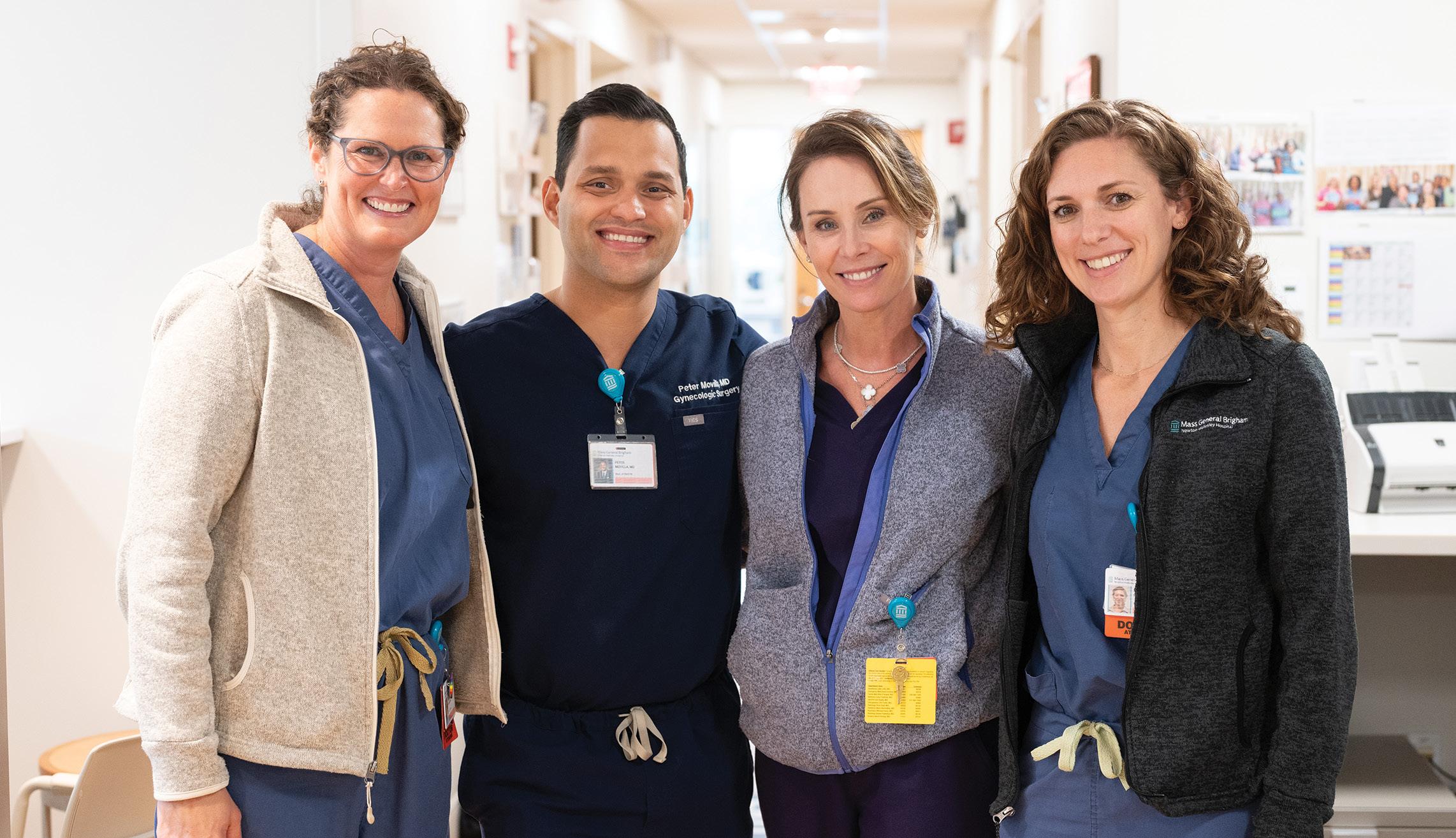
Stephanie Morris, MD, the center’s director, with Peter Movilla, MD, Bronwyn Melonas, CNP, and Hilary Haber, MD
Understanding newborn behavior
Explore how Newborn Behavior Observation nurtures early relationships by helping parents learn to appreciate what babies have to tell them.
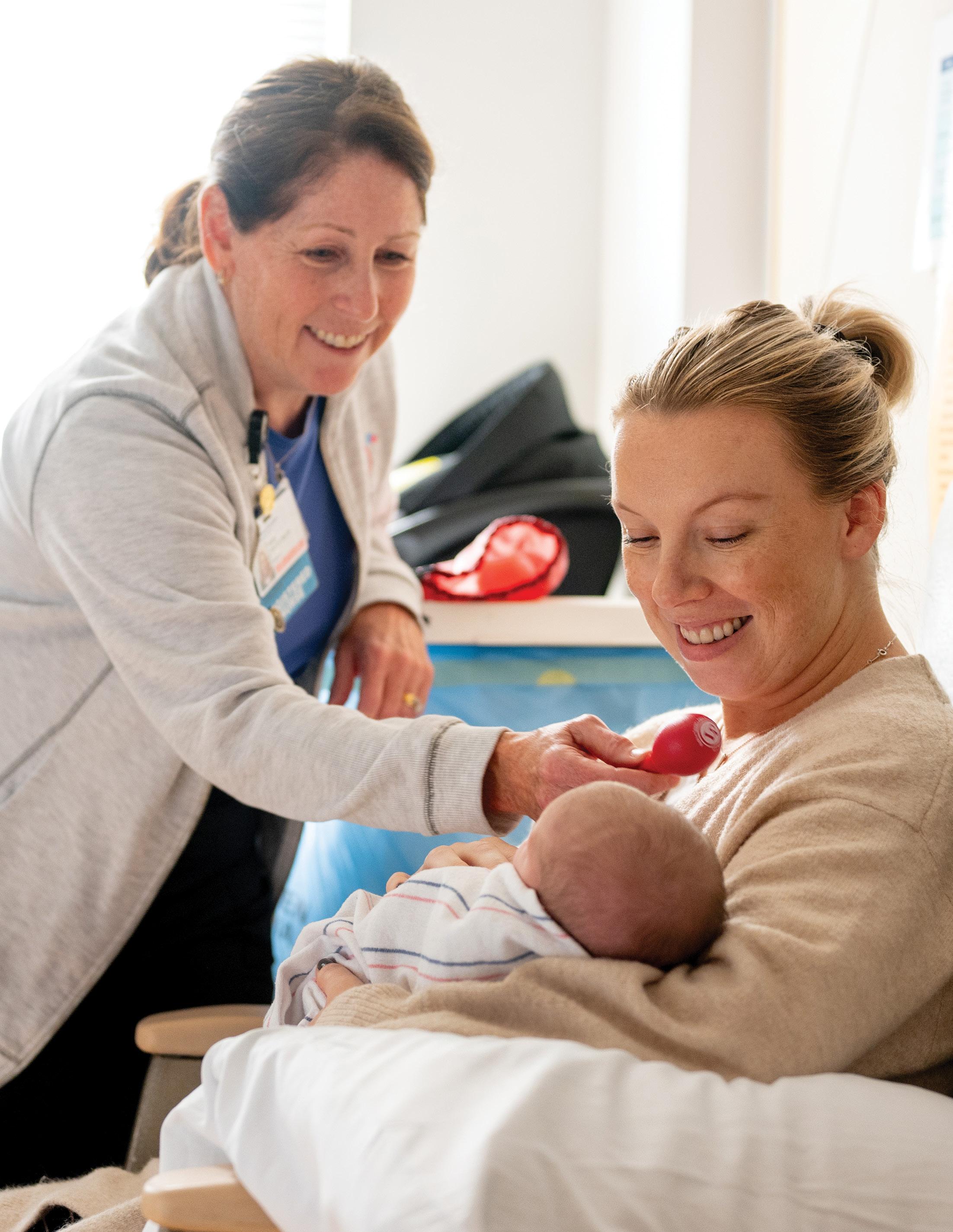
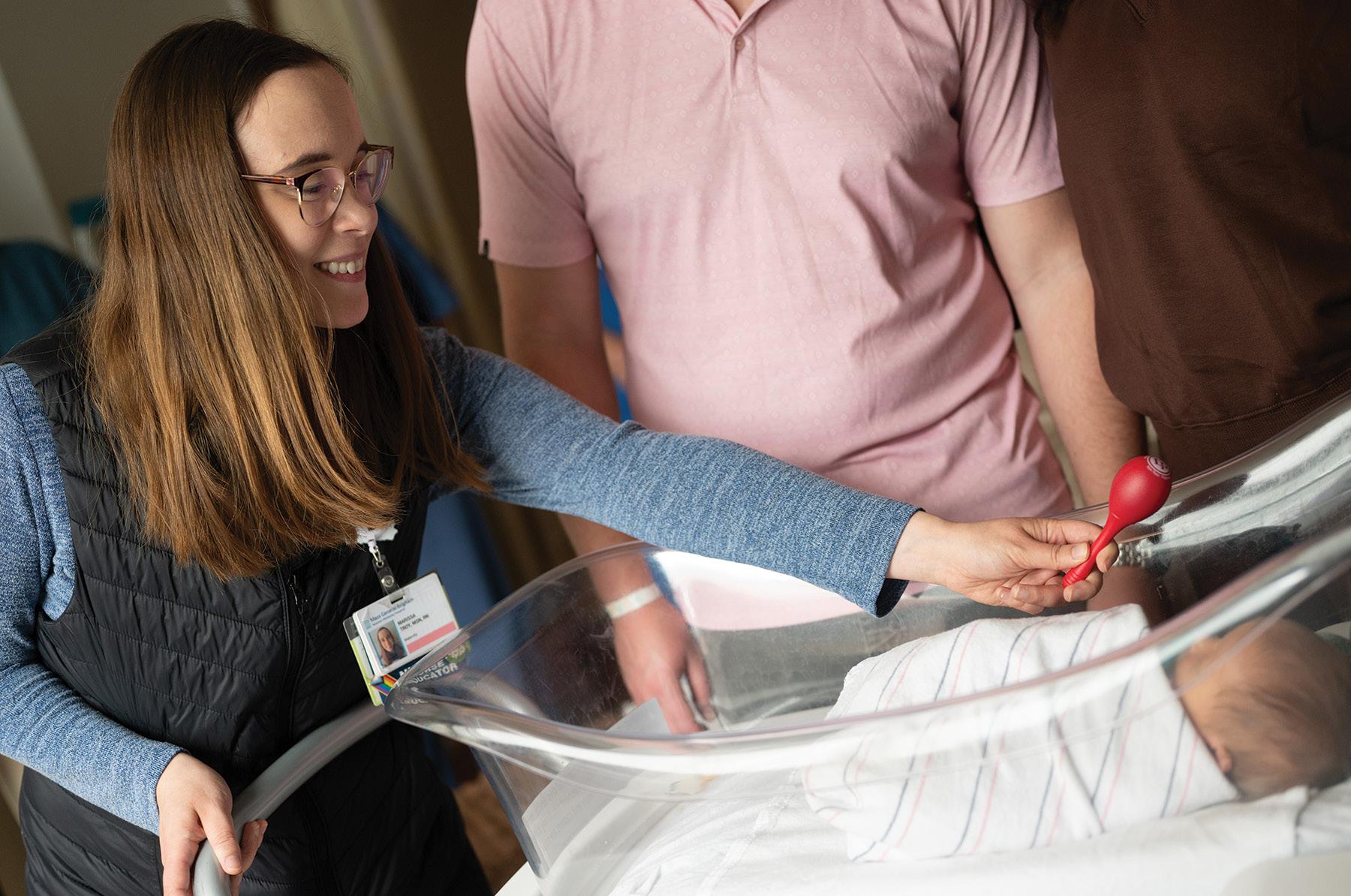
Marie Malloy, BSN, RN, uses the NBO system to nurture the connection between mom and newborn.
“Every single time I do this with a family, you see the connection they’re making with their baby.”
Theresa Shanahan, MD
When Theresa Shanahan, MD, tries to explain the Newborn Behavior Observation system, or NBO for short, she likes to give an example of doing a routine exam on the Mother-Baby Unit.
As a pediatric hospitalist at Newton-Wellesley, she’s done it thousands of times over.
For newborns, it’s a brand-new thing. They’re on high alert. As she talks through the exam with the parents, saying what she’s checking and why, babies likely are crying. “But if dad or mom says something, baby stops and turns to find their voice,” she says.
“They’re reassured that even in this whole new situation that familiar voice is with them and has them safe,” she explains. “If I simply point that out to parents while it’s happening, boy, do they feel empowered.”
Often the dad comes over and puts his hand on the baby and speaks a few comforting words. “You can feel the baby’s heart rate calming down and the baby’s muscles relax,” she notes. “So there’s real power there.”
“The birth of the relationship”
Growing evidence shows the first 100 to 1,000 days of life have a profound impact on how a child goes on to develop emotionally, socially, and cognitively. In 2021 the American Academy of Pediatrics issued a new policy emphasizing the need to focus on safe, nurturing early relationships.
Some people call the first 100 days of a baby’s life the “fourth trimester,” Dr. Shanahan notes. To her, “it’s the birth of the relationship.”
“The NBO is a tool to help us support early relational health,” she explains. “It’s not just a theoretical idea. It’s concrete. And it’s super easy to teach to the parents,” she adds. “It’s also very individualized and applies across cultures, and it empowers both the staff and the parents.”
In simple terms, she describes it as a series of shared observations helping parents understand how the baby uses their behavior to communicate their individual preferences, strengths, and vulnerability—how they protect sleep or respond when awake, what settles them when they cry, and so much more.
The NBO encourages parents to be curious about the baby’s signals and learn what their baby may be feeling and need. The parents’ touch and attention provide great comfort in a newborn’s world. These interactive responses give both the parents and the newborn security now and in the future.
Bringing the NBO to Newton-Wellesley
Dr. Shanahan first trained in the NBO system in a special workshop on neurobehavioral observations designed for use from birth to three months at the Brazelton Institute. Based at Boston Children’s Hospital, the Institute builds on the legacy of T. Berry Brazelton, MD, whose insights on parenting and child development revolutionized infant care. The NBO was first developed at the Institute in 2001. Since then, both interest in the approach and the evidence of its effectiveness have continued to grow with now a dozen affiliated training sites worldwide.
“I came back completely transformed,” she says, “and I integrated the skills and tools I learned going forward in every interaction I have with a family.”
Two years ago, she approached hospital leaders about bringing NBO to a wider team at Newton-Wellesley. “I thought we could do a better job caring for our families and supporting them if more people had this training,” she says. With their support, she reached out to Lise Johnson, MD, director of the Brazelton Institute and newborn hospitalist at Brigham and Women’s Hospital. “They train people around the world, and I invited them come across the city and do a multidisciplinary training here,” she says.
Success of initial training
To introduce the idea, Dr. Johnson spoke to hospital providers about early relational health and the role of the NBO. “To this day it’s the highest attended grand rounds ever in pediatrics,” Dr. Shanahan notes.
Two workshops followed in 2024, drawing 62 staff and community members from multiple disciplines. While together the participants had 2,000 years of combined experience in working with infants and families, surveys before and after captured how new the framework was.
The NBO’s multidisciplinary nature is part of its power. From the start, everyone from OBGYNs to child
“The more we’re all using the same language, it brings the significance of the bonding relationship into focus.”
Rachel Carpenter, OT
psychologists, nurses to social workers took part in training. Bringing staff together nurtured collaborative bonding and expanded their shared sense of team.
Philanthropy played a key role making it happen. Inspired by the potential impact on both providers and families, the Maternity Services Council and The Resilience Project of NWH’s Community Collaborative helped to fund the training.
“I can’t think of another program where it can work so well across settings,” Dr. Shanahan adds. “Once you have the basic tools and language, you just apply it to what you’re already doing, and that’s the beauty of it.”
A shared language
Rachel Carpenter, OT, sees the Special Care Nursery as where she’s meant to be. “I’m one of those people whose dream in life was to become a mom,” she says. While her own kids are now in college and beyond, “I have such a fulfilling job in that I still get to be with babies every day while supporting their families.”
Since being trained in the NBO, the certified neonatal therapist has become one of its champions. Together with neonatologist Francheyska Silfa Mazara, MD, she’s working to train all staff on their unit so they share a basic understanding of its tools.
To Rachel, “when I’m working with families, they’re just as much of my patient as the baby is.” Being in the SCN can be stressful time, and she knows how critical it is to support them emotionally and facilitate bonding.
While babies’ medical needs may be front of mind for parents, she finds the NBO helps them see their infants’ strengths. “They’re more able to appreciate their baby as a whole little person and enjoy these early precious moments,” she senses.
She shares an example from the day before, working with a nurse who’s passionate about her own growing NBO skills. As a mom was holding her baby on her chest, the nurse pointed out how strong he was and how intently he was looking at her.
When it comes to early relational health, “the more we’re all talking about it, using the same language, it brings the significance of the bonding relationship into focus,” Rachel adds. “It’s important to take every moment we can to support that bond,” she adds. “So I love it when I see us all using that lens.”
“Your baby’s talking to you” When Dr. Mazara uses the NBO with parents, she’ll focus on what they’ve come to know about their baby. “I’ll ask them to tell me, when do you think that your baby is
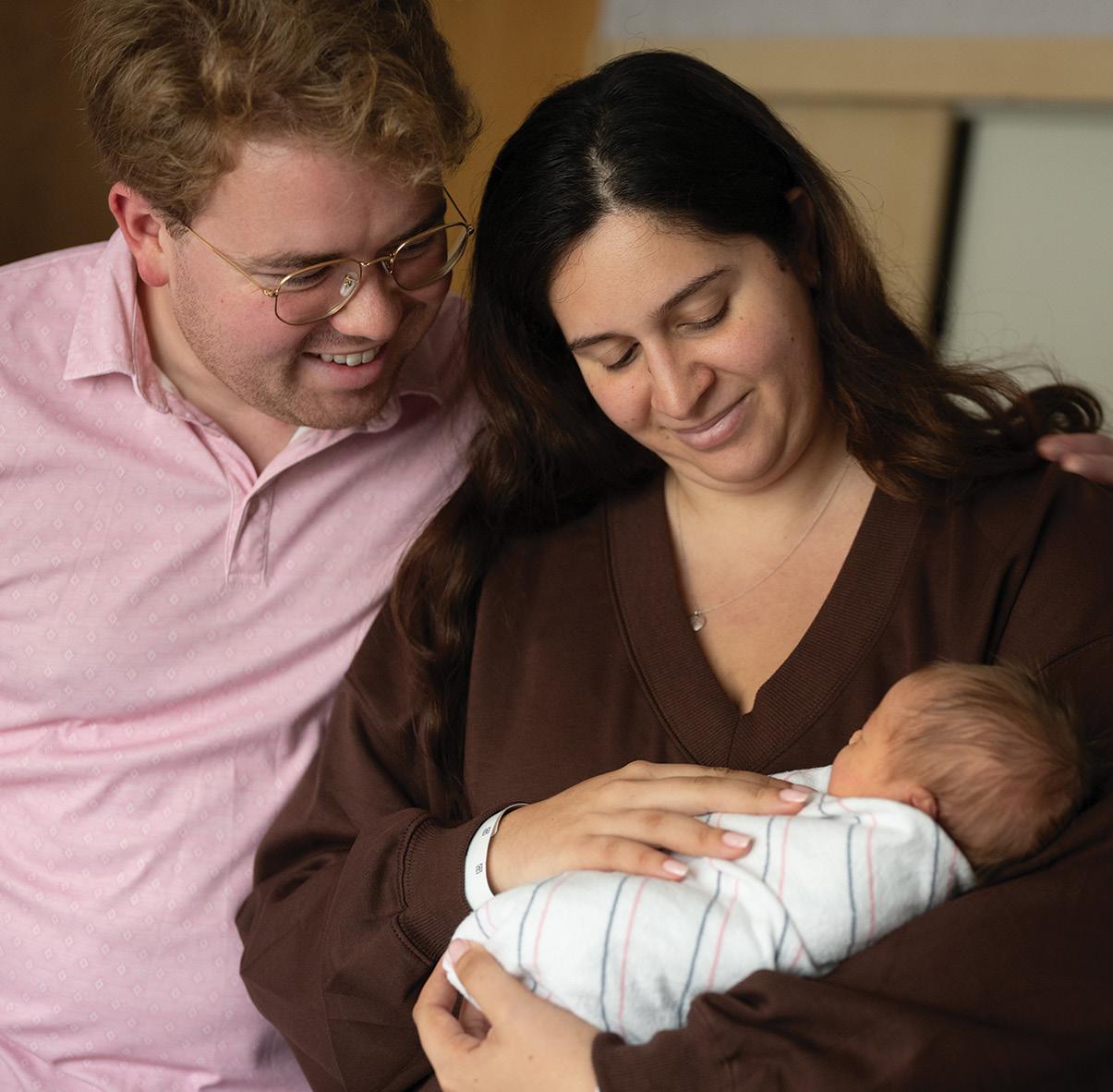
During an NBO session, first-time parents bond with their one-day-old baby boy on the Mother-Baby Unit.
“I have such a fulfilling job in that I still get to be with babies every day while supporting their families.”
Rachel Carpenter, OT
happiest? Or what are things that make your baby comfortable?” As they talk together, the baby becomes their focus.
At end of the NBO, “parents know that they’re their baby’s experts, and they know what to do,” she says. “And they know that they have the biggest tool, which is the love that they have for their baby.”
She wants parents to see this as a natural process: your baby is talking to you and you’re listening, and you’re talking to your baby and your baby is listening.
Reflecting on the team’s aim for cultural sensitivity, Dr. Mazara recounts having the privilege to administer the NBO with a family in Spanish. “The power of providing this therapy in the family’s first language was incredible,” she says.
The NBO doesn’t apply only to parents, she adds. She’s seen how it opens the eyes of grandparents and others in the parents’ support system.
“We have all of these intrinsic abilities and the NBO allows you to recognize them,” Dr. Mazara explains. “It’s just observing your baby and picking up on the baby’s and your own cues of how you’re doing to relate with each other. And that’s the beautiful part.”
Scaling opportunities for training
When Marissa Troy, RN, took part in the initial NBO training at NWH, “I immediately saw the value of bringing the principles to our unit,” says the postpartum nurse educator.
Now, as part of a collaborative team of educators, she leads NBO skill stations for nurses across Maternity
“Newborns have all of these intrinsic abilities and the NBO allows you to recognize them.”
Francheyska Silfa Mazara, MD
Services. “Even those who haven’t done a full systematic training are learning to apply it,” she notes.
“I think anyone that has experienced it on any level sees how amazing a tool it can be,” she adds. “My goal is to get it to more of our staff.”
Dr. Shanahan echoes her point. She sees so many possibilities for expanding training opportunities in a way that’s streamlined and scalable. “We’d like
any family, wherever they’re encountered in the system to have this type of informed care— from prenatal visits through their pediatricians’ offices.”
The Brazelton Institute sees in NWH’s success a potential model, she notes, and they continue to partner with the hospital team in exploring ways to widen the reach of NBO.
Knowing your newborn
Dr. Shanahan spends much of her day in the newborn nursery, taking care of families before they head home. For 25 years, she’s has been there for babies and parents. The hospital has also been there for her, not only as her professional home but also as the place where she gave birth to her own children.
When she reflects on the future of Newborn Behavior Observation, she imagines its profound impact on the triad of baby, parents, and provider.
For parents and providers alike, the more they experience it, the more it simply makes sense. Across the community, “we have such a huge educational opportunity,” she believes. “People just need to know about it.”
“Every single time I do this with a family, you actually see a connection they’re making with their baby,” she reflects. “The light bulb goes on and they wonder, how come we didn’t know about this?”
As a case in point, she recounts its impact on a family who just had their fifth baby. She integrated the principles of NBO into their admission and care, as she now does with every family. “And at the end the mom said, ‘You know, this is our fifth baby, and I don’t think I knew who a newborn was until today.’”
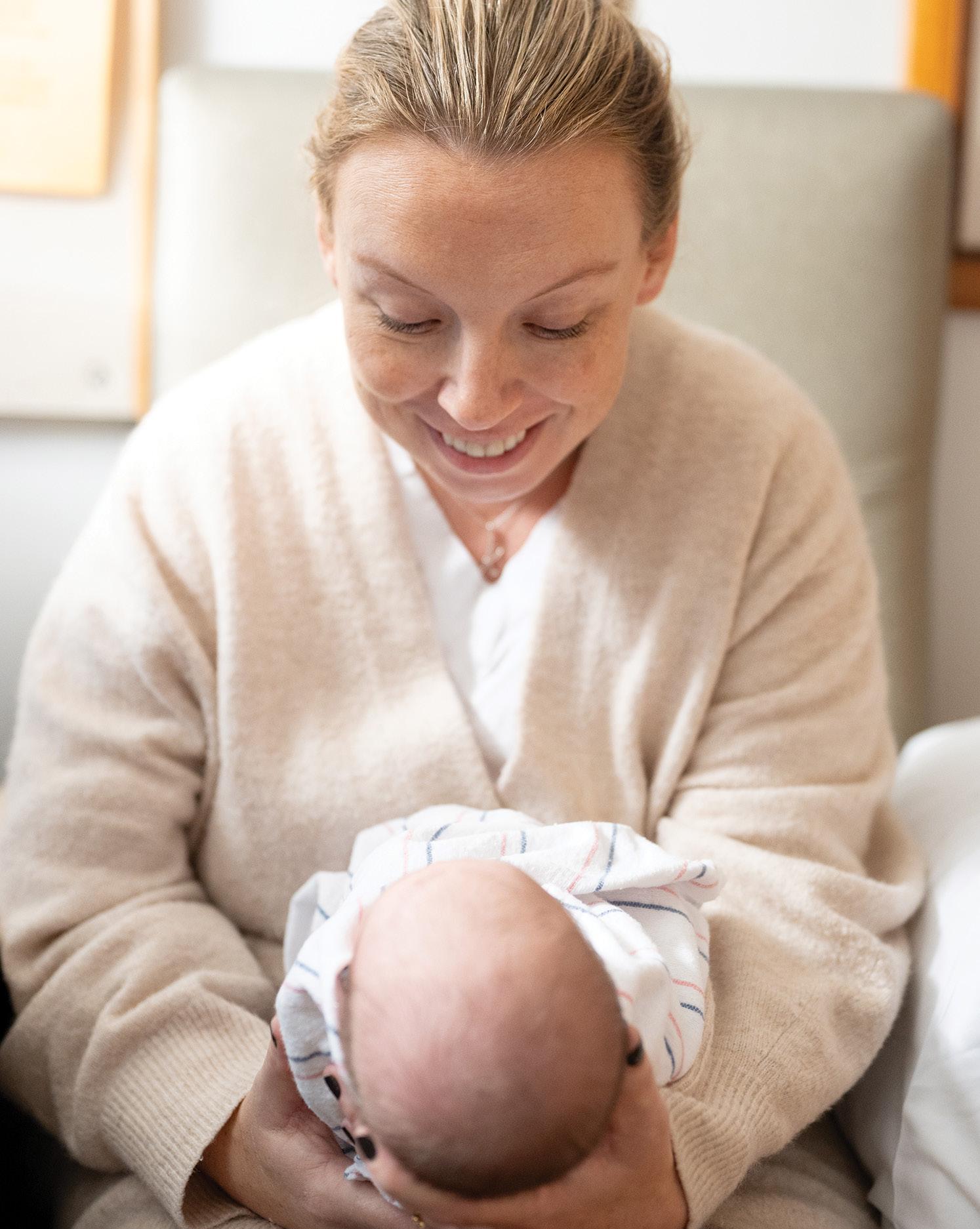
Mom and daughter enjoy a precious moment together.
“Exactly what our little family needed”
Everyone struggles at times with the initial adjustment to parenthood. “This little amazing creature in front of you dictates your life and it’s beautiful in a lot of ways,” reflects Marissa Troy, RN, “but it’s also a huge adjustment.”
While working with colleagues on bringing NBO principles to NWH, she was expecting her own first baby. She gladly took Lise Johnson, MD, up on her offer to do an NBO with the family.
When the director of the Brazelton Institute visited her, her husband, and baby Oliver, Marissa vividly remembers how observant and thoughtful Dr. Johnson was. “She kept commenting on all these things about Oliver, like, ‘oh, he’s remarkably calm and look how alert he is and how curious he is about the world. Look at how he looks at you.’”
She showed them how well he responded to faces, voices, and toys. “And Oliver, he’s a very physical kid. He still is. And she’d say, look at that head control, look how strong he is.”
“You’re their safe place. And how amazing is it that babies already know that?”
Marissa Troy, RN
“She would find that any baby will have amazing attributes,” Marissa explains. “The whole point is finding those and highlighting them.”
From Marissa’s perspective, she did a great job validating and reassuring her husband. Understanding his tentativeness, she noted how everyone becomes a parent in their own way. She observed how he held Oliver gently, how he looked into his eyes, how he smiled when looking at him.
In her own practice, Marissa always loves pointing out the impact of even a parent’s smallest actions. “It’s amazing how just from holding your baby, they relax. And they feel so much safer. You’re their safe place. And how amazing is it that babies already know that? And they’re only 24 hours old.”
families.
“That’s part of the power of the NBO,” says Marissa. “It helps the family come together and helps the parents see the amazing qualities in their baby. It was exactly what our little family needed.”
Marissa Troy, RN, knows firsthand what NBO can mean to
A child’s gift of gratitude
A young girl and her family give back to our Child Life specialists for their support.
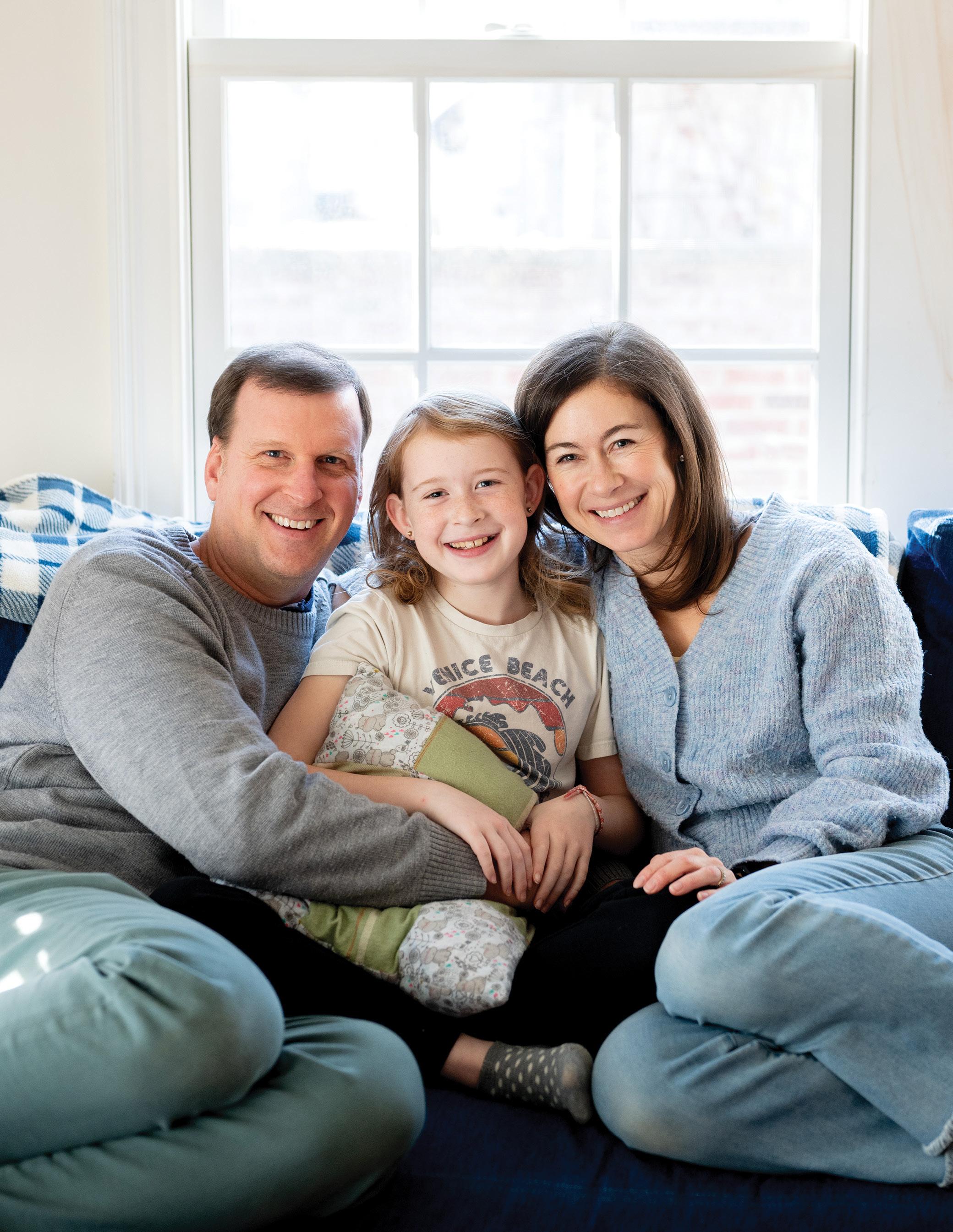
Will, Lucy, and Hannah Peters
“It’s incredible that the first thought in this little girl’s mind after having this traumatic experience is how do I pay it forward.”
Hannah and Will Peters
Nine-year-old Lucy still remembers how scary it was to be rushed to Newton-Wellesley late one night in 2023. A ruptured appendix and subsequent surgery led to two pediatric inpatient stays.
In reflecting on what’s she most thankful for, the hospital’s Child Life specialists top her list. Inspired to help them help other kids like her, Lucy looked for a way to give back.
With a hand from her parents, Hannah and Will Peters, she put her gratitude into action, making the case to a family charitable trust to award a grant to the Child Life program.
The impact of Child Life
While she was recovering at NWH, “it was OK because Child Life made it feel better,” Lucy recounts. “They were so nice and really helpful to me.”
Her parents felt supported just as much as she did. “It’s so impossibly hard to have a child hospitalized,” they explain. “You don’t really know until you’re in that position. It’s traumatic as a parent to watch your child be in pain or to suffer in any way.”
“And the Child Life team came in and made her feel comfortable. They made her feel happy. They made her laugh in this horribly difficult situation. And they made her time there far better.”
Lucy remembers how the specialists took her mind off things with fun distractions like making slime, playing cool games, and more. She thought if they can do that for her, maybe donations would provide money for “getting more awesome stuff for other kids, too.”
Always thinking about others
“Lucy is such a generous child,” her mom says. “She’s always thinking about other people.”
“She told us, ‘I want to do something to thank Child Life, and I want to do it in this really special way that I know that they’ll appreciate.’”
Driven by that impulse, Lucy encouraged her parents to let her present a grant proposal to the Arcadia Charitable Trust, a Boston-based private foundation established years ago by her mom’s grandfather.
After Hannah reached out to the NWH Development Office, they consulted with the Child Life team about funding needs and priorities. They helped the Peters family in crafting a proposal for funding materials and professional development.
Lucy took the lead in presenting to the trustees.
Paying it forward
“Before it I was a little bit nervous, but it was good that I did it,” Lucy says. “It was also kind of cool because I think I was the youngest person who’s done this.”
After getting word of the grant’s approval, “I felt really good to know that people will get to enjoy it,” she says.
“It’s incredible that the first thought in this little girl’s mind after having this traumatic experience is how do I pay it forward,” her parents reflect. “And she’s an incredible source of pride for us.”
The spirit of giving
In the end, Lucy’s thrilled by the gift’s impact. Thanks to this added funding for Child Life, “I hope that kids have a better experience and feel safer and more comfortable.”
As Hannah and Will reflect on the experience, they share with Lucy how “we always want you to learn how to think about other people besides yourself.”
No matter how young you are, they add, “know you have power to do things that will impact people and make the world a better place.”
A gala celebration 25 years in the making
$900,000 raised for Community Collaborative
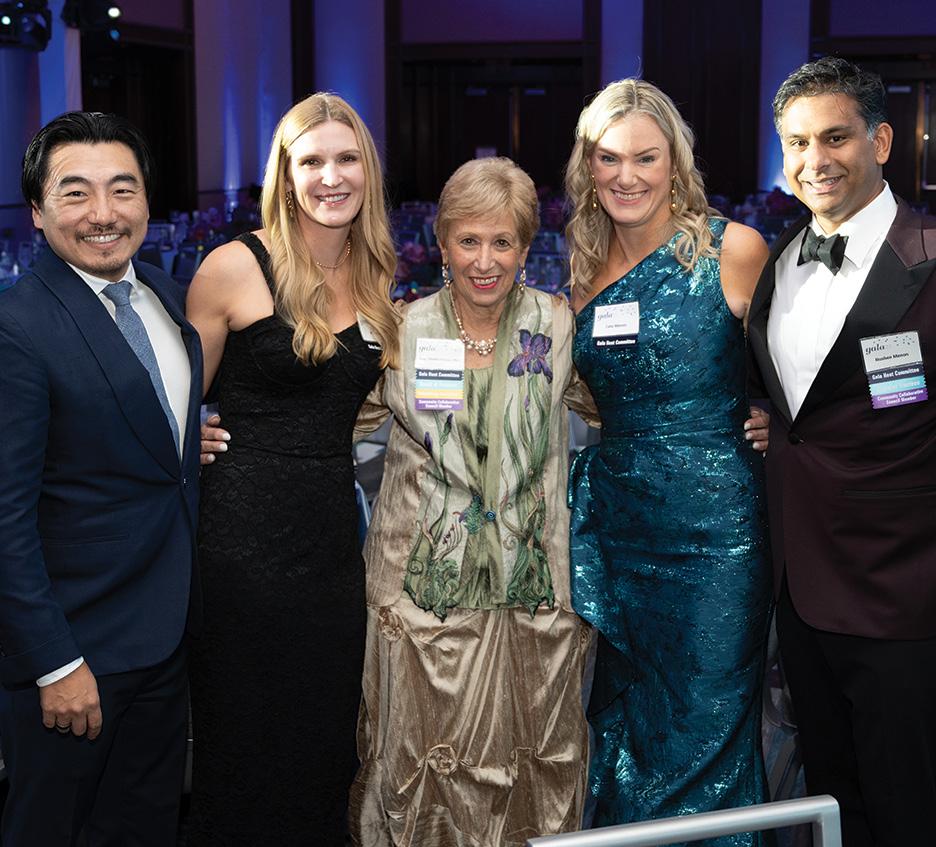
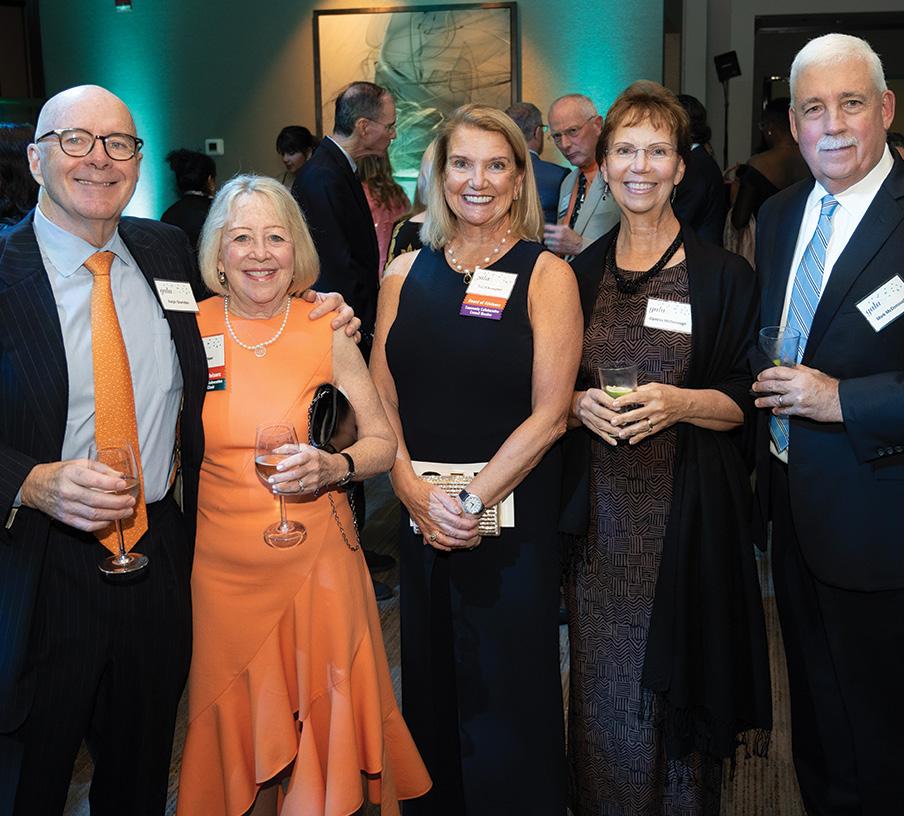
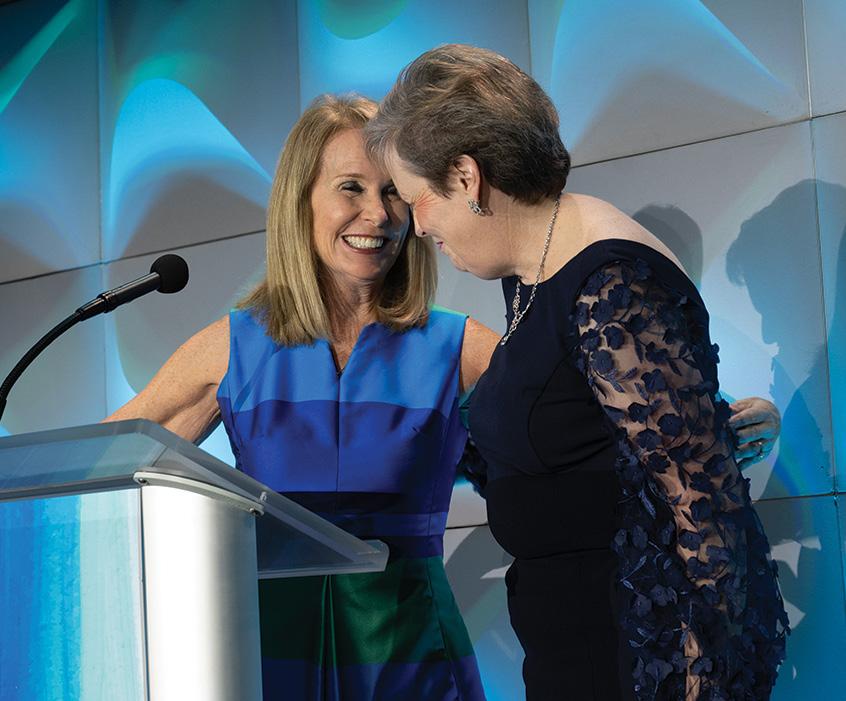
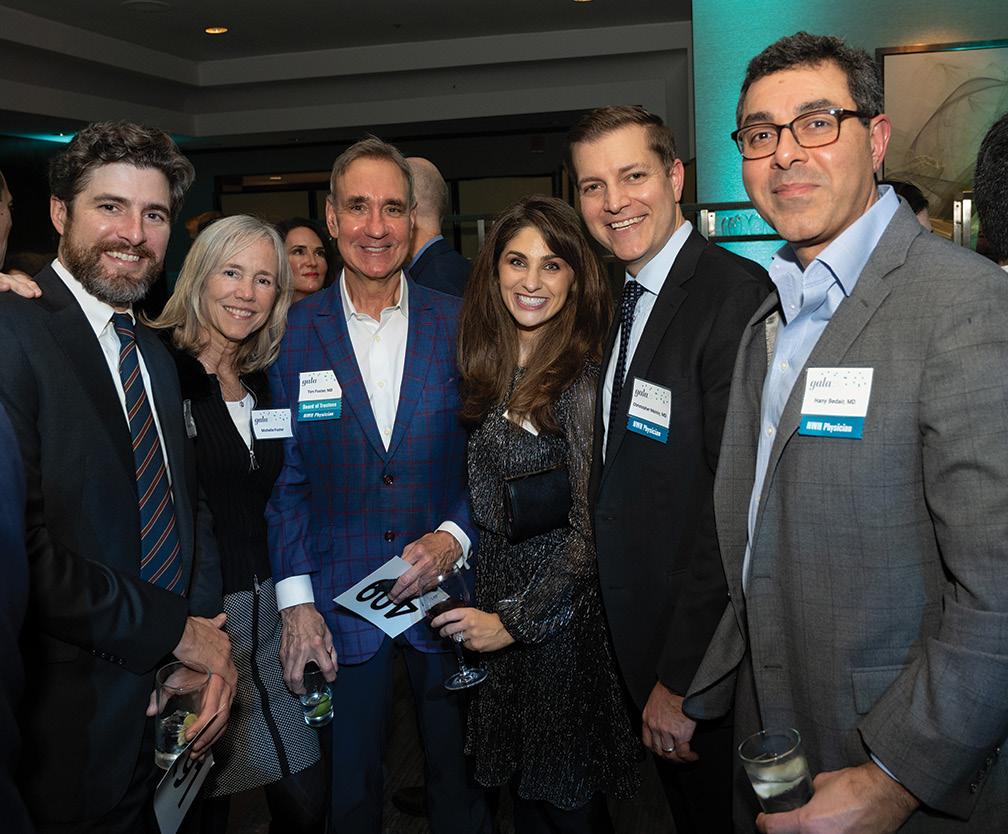
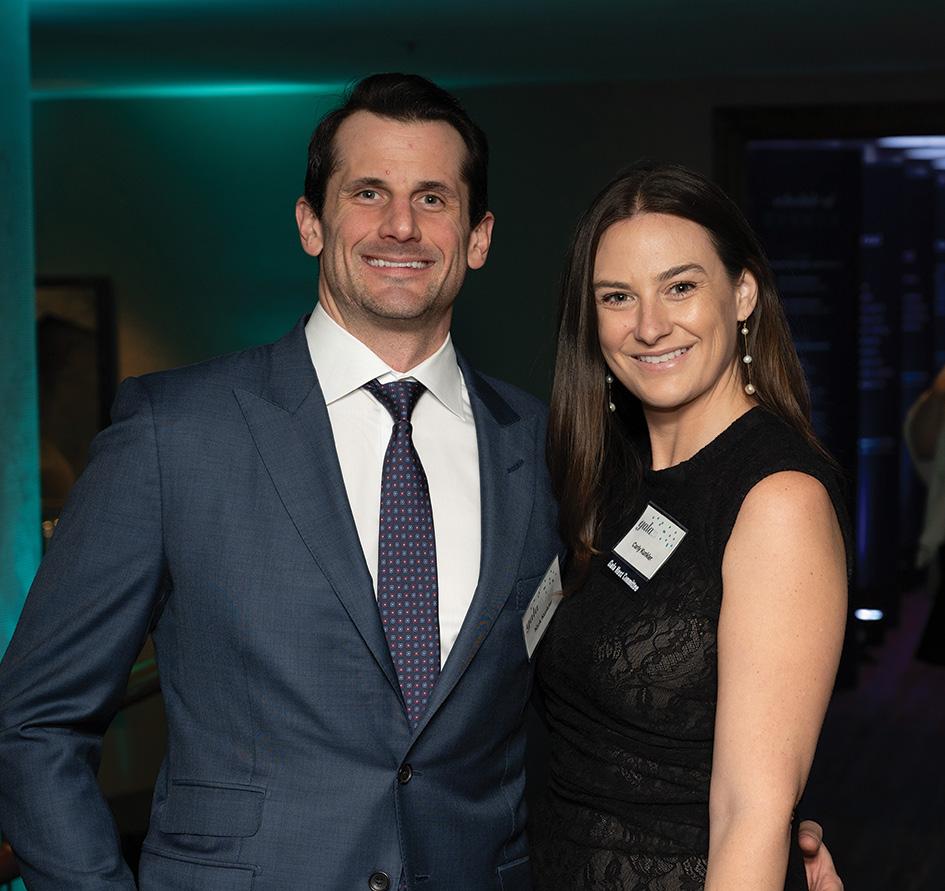
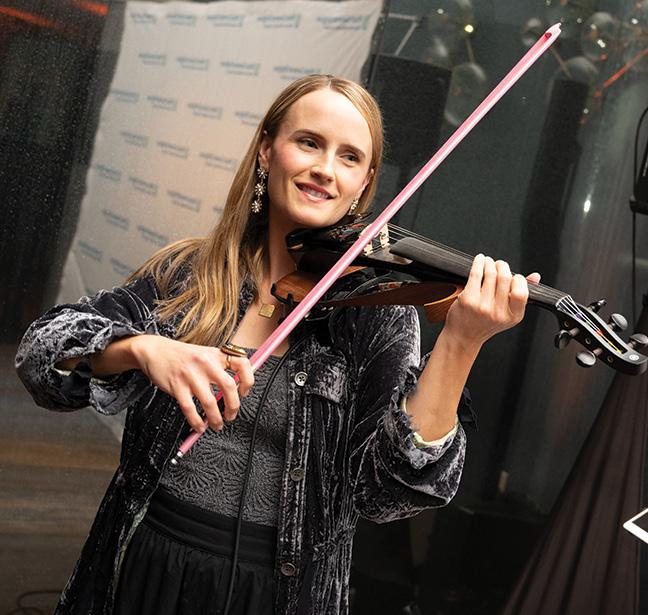
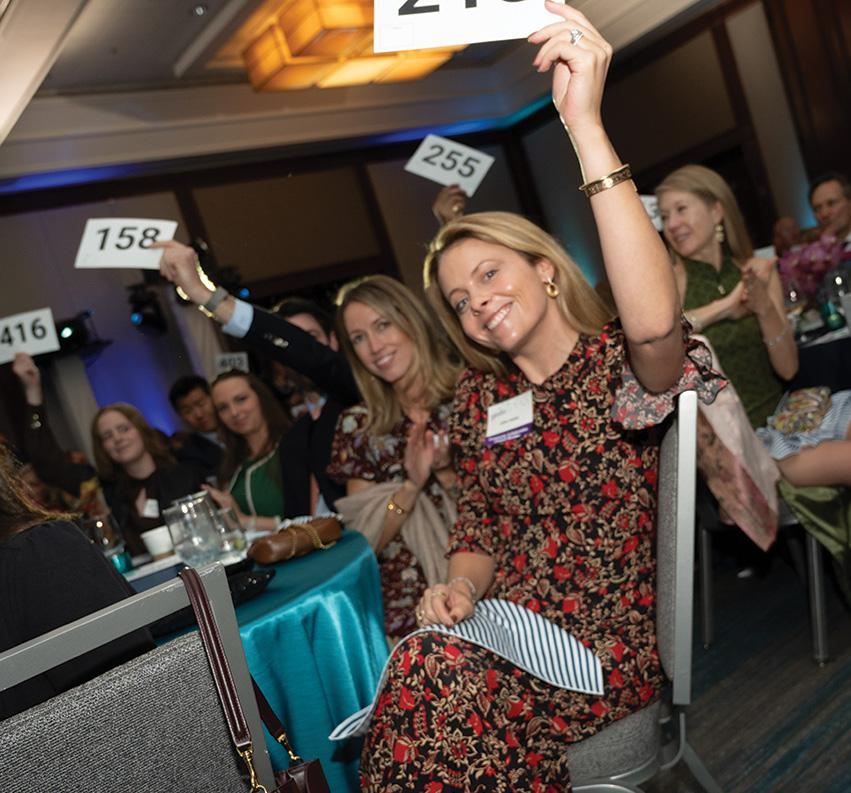
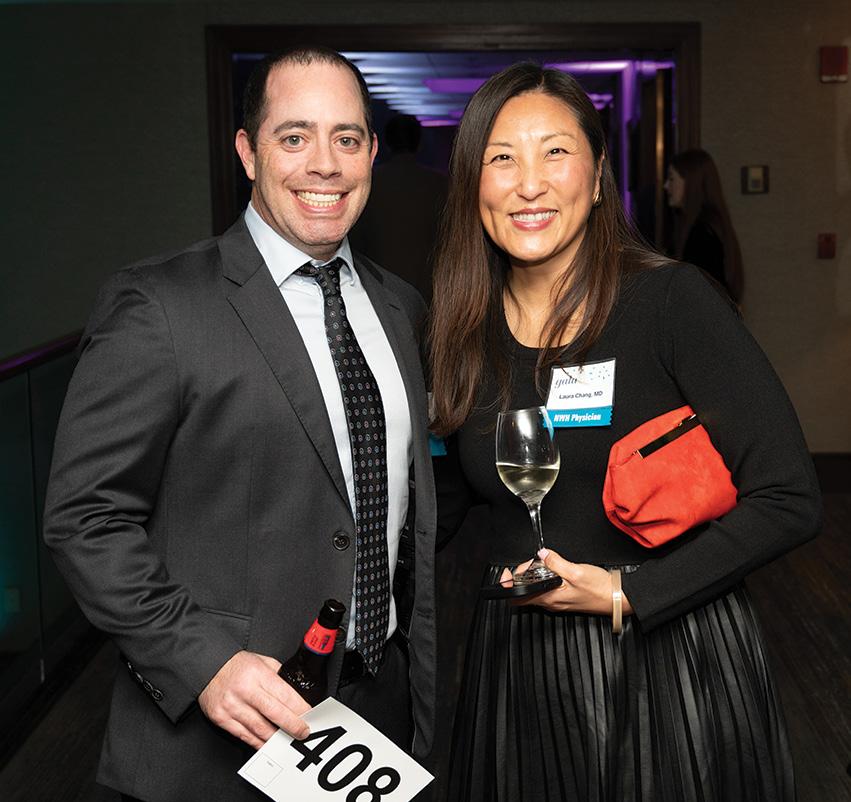
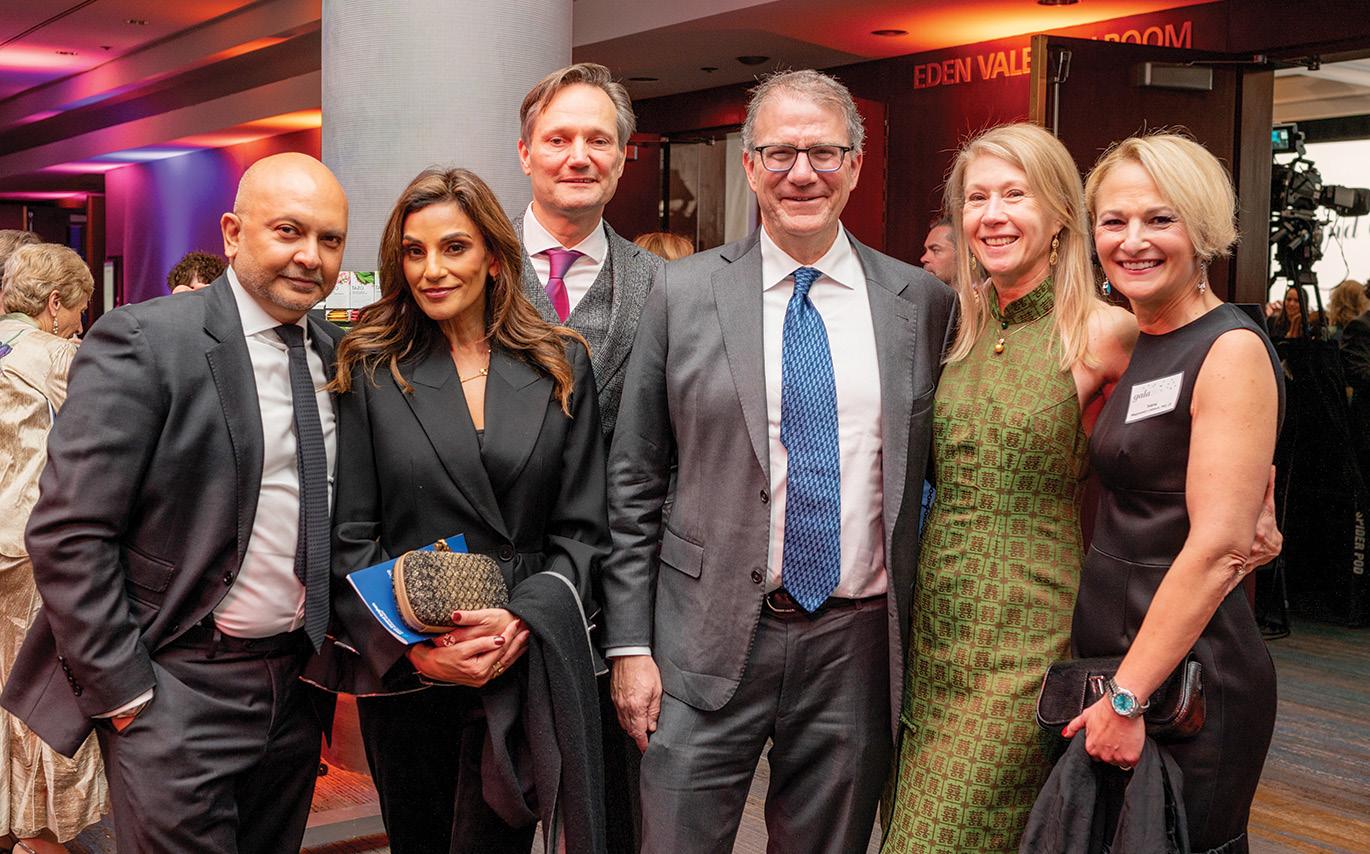
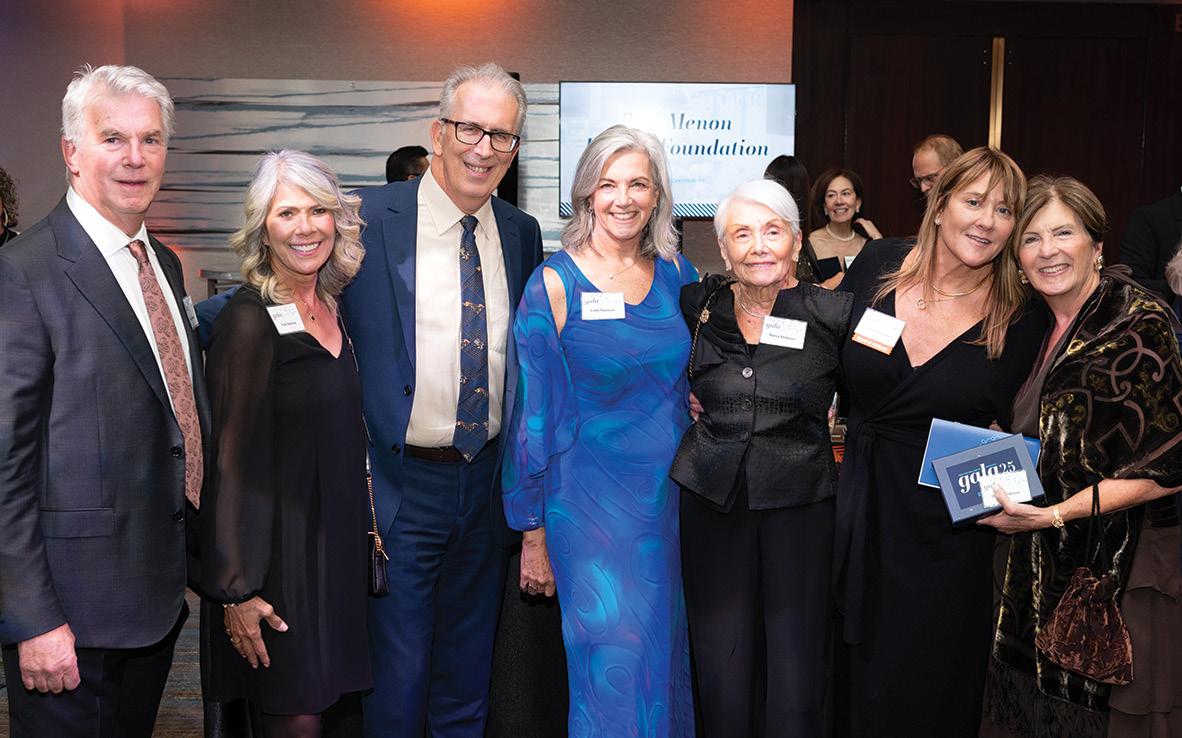
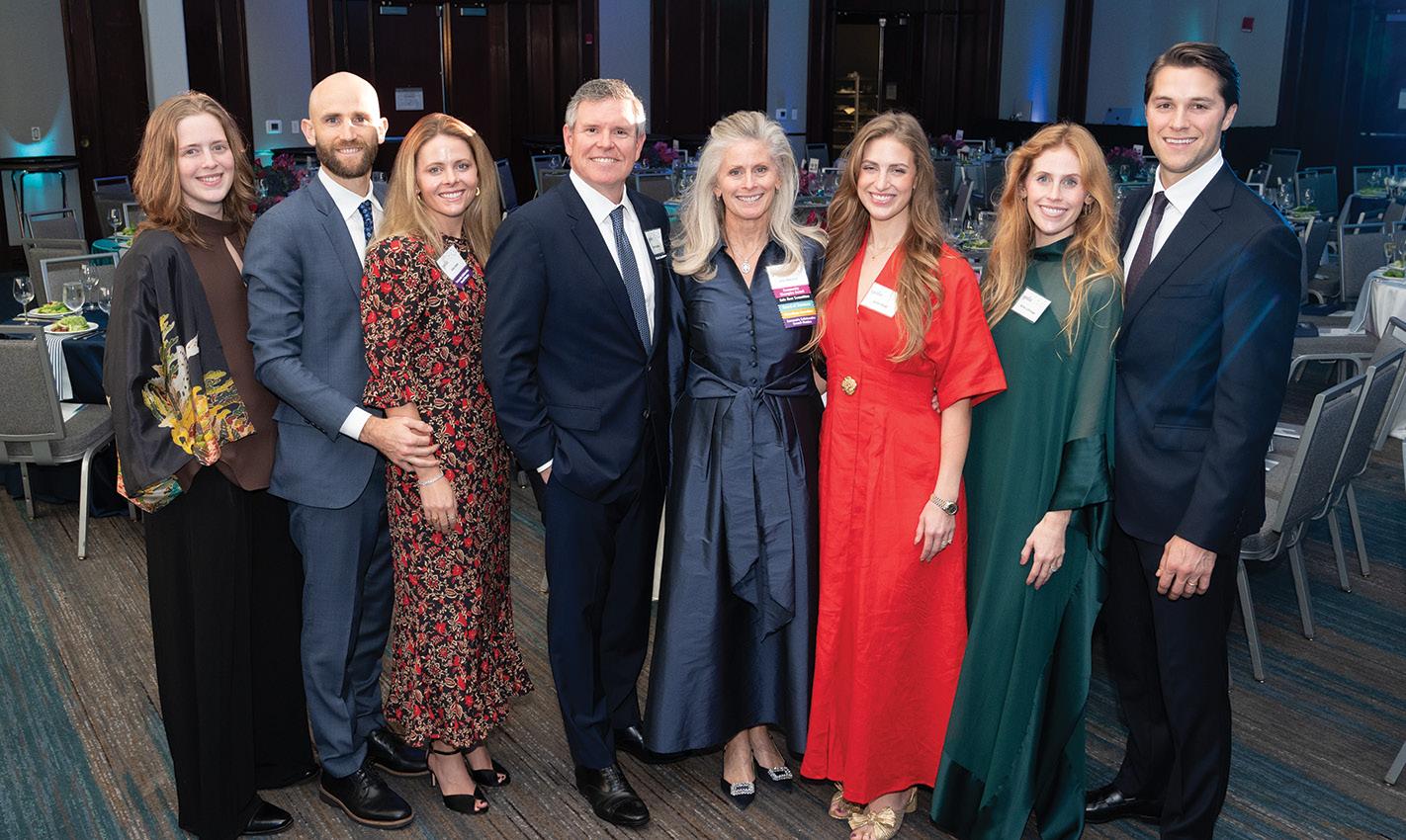
At the 25th annual Gala, 400 guests celebrated all that Newton-Wellesley means to them and to the communities they call home. Building on a quarter century of philanthropic impact, devoted supporters raised $900,000 for the NWH Community Collaborative. Held October 30, the signature event returned to the Westin Waltham, the site of the very first Gala. Highlights included the presentation of the Community Champion Award to the Marriott Daughters Foundation.
Save the date for this year’s Newton-Wellesley Gala, Saturday, October 17, 2026 at the The Westin Boston Seaport District—a new venue!
Investing in the future of orthopedics
As philanthropic momentum grows, lead donors are bringing the dream of the new Center for Bone and Joint Preservation closer to reality. The highly visible project will enhance patient experience, fuel medical innovation, and strengthen NWH’s roles as a leader in orthopedic treatment across Mass General Brigham. In building the center, “We aim to restore mobility, strength, and hope to every patient who comes through our doors,” says Timothy Foster, MD, MBA, MS, chair of orthopedic surgery.
NWH ranked among the “Best Hospitals”
Newton-Wellesley consistently stands out for our safe, high quality, and compassionate care.
Recent accolades include being ranked #5 in the Boston Metro Area and #7 in Massachusetts by U.S. News & World Report in its 2025–26 “Best Hospitals” issue and being named among the 2026 “Best Hospitals for Maternity Care.”
The magazine also recognized NWH as high performing for gastroenterology & GI surgery as well as treatment in 13 procedures/ conditions: COPD, colon cancer surgery, diabetes, heart arrhythmia, congestive heart failure, hip fracture, hip replacement, kidney failure, knee replacement, lung cancer surgery, spinal fusion, pneumonia, and prostate cancer surgery.
In addition, NWH is one of only seven Massachusetts hospitals to earn a five-star quality rating from the Centers for Medicare & Medicaid Services in 2025 and again earned an “A” grade for safety from the Leapfrog Group.
Your gift changes lives
When you give to the NWH Fund, you make a difference every day for our patients, their families, and your community.
By contributing, you’ll make an immediate and lasting impact. You’ll help us not only to change lives but also to transform the future of community-based healthcare.
With a gift of $1,881 or more, you’ll be welcomed into the 1881 Pillar Society, honoring the true “pillars” of our community and the year of NWH’s founding.
To give now, visit giving.nwh.org/
By the numbers 34,710 students served through The Resilience Project
Now celebrating its 10th anniversary, it has expanded its school-based support to 64 schools across six districts: Natick, Needham, Newton, Waltham, Wellesley, and Weston. With support of the NWH Youth Mental Health Council, it promotes the emotional health and well-being of children, teens and those who support them.
In thanks for life-changing care
Terri and Jeff Rosica count their “NewtonWellesley family” among their greatest blessings. After a frightening breast cancer diagnosis, our world-class team of caregivers guided Terri back to health. “Everybody has you in their arms,” she shares. Because of them, she knew in her heart she’d get through this. After such a life-changing experience, “the opportunity to give back meant a lot to us,” Jeff notes. In thanks, they generously chose to fund professional development for the Advanced Practice Providers—from nurse practitioners to physician assistants—who care for hundreds of patients like Terri every day at NWH. To the Rosicas, the way everyone cared so deeply made all the difference. To hear them share their story, visit the NWH YouTube channel.
A Family’s Thank-You Gift to Their Newton-Wellesley Hospital Family
How AI elevates patient experience
A virtual Fall Conversation drew a wide audience to a discussion of “AI in Action: Advancing Care Delivery at our Community Hospitals.” The insightful event showcased innovations in artificial intelligence at both Newton-Wellesley and Salem Hospital. Experts from the Mass General Brigham Digital team highlighted emerging efforts focused on reducing physician burden and enhancing patient access to care, particularly through improved connections with primary care physicians. In case you missed it, a recording is available on the NWH YouTube channel.
2025 Fall Conversation: AI in Action: Advancing Care Delivery at our Community Hospitals
Golfers contribute to a better future
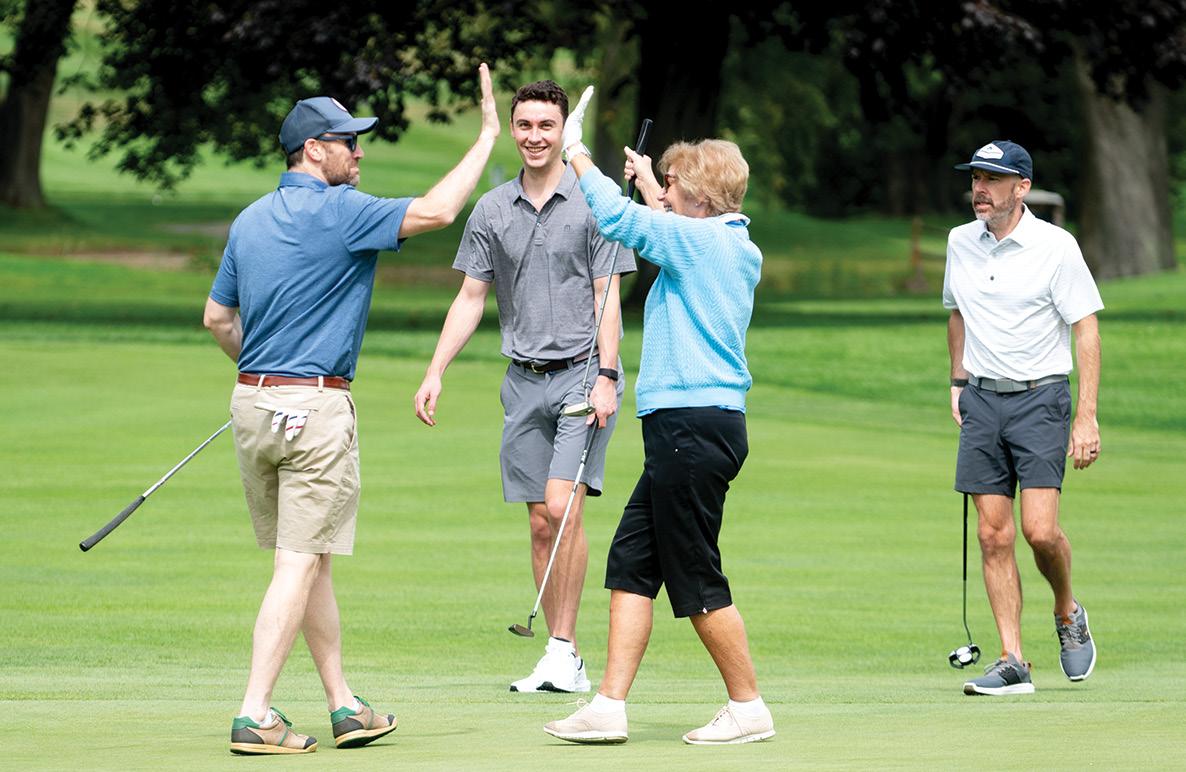
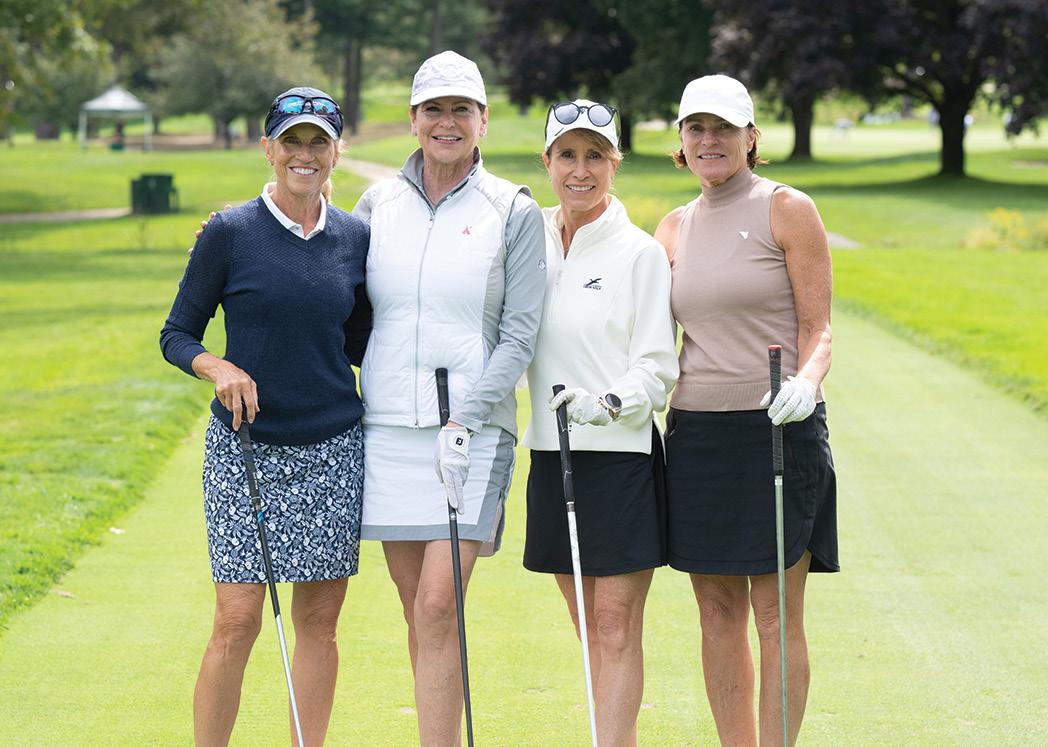
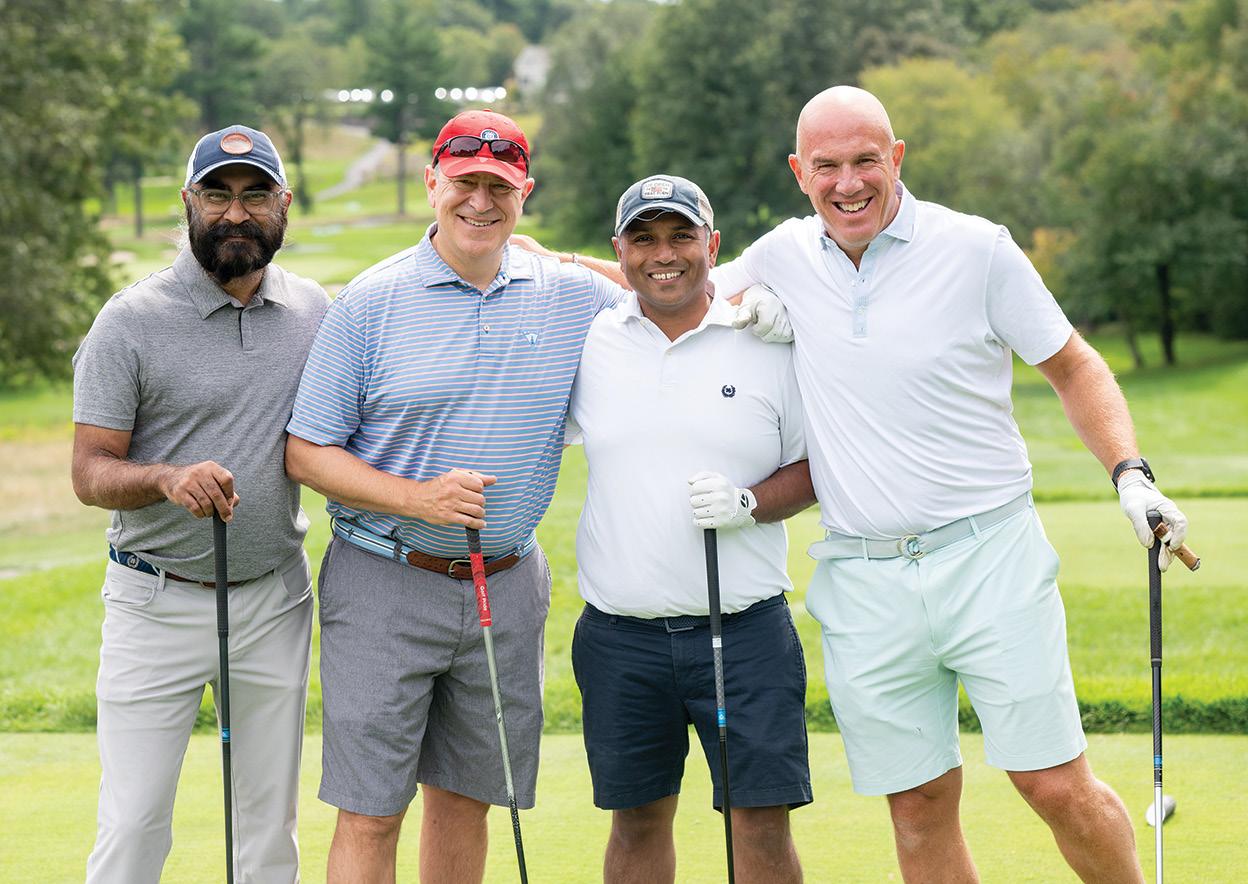
More than 100 golfers joined us on the links this fall in support of a better future for our community’s youth. Held September 8, 2025, at Wellesley Country Club, the annual NWH Golf Tournament raised over $190,000 for the Workforce Development Council’s summer student internship program. Moving remarks by intern Danielle Kayondo drove home the impact. She spoke of how the mentorship of radiologist Janeiro Achibiri, MD, confirmed her dreams of becoming a physician. “As a young Black woman, it made me feel seen, capable, and even more determined,” she reflected.
Mark your calendars: 2026 NWH Golf Tournament, Monday, September 14, Wellesley Country Club
A lasting commitment
As Chip and Jen Douglas reflect, “we’ve always loved that we have a world-class hospital in our community.” By including Newton-Wellesley in their estate plans, they’re dedicated to our future. It’s a simple but powerful idea: your legacy can help sustain something truly meaningful—right here, close to home.
It’s never too early to plan for the future. The new year is a wonderful time to think about what truly matters to you. In providing for NWH’s future, you’ll preserve one of the institutions that you care about most. In doing so, you’ll be welcomed into our Eliza P. Kendall Society, celebrating your generosity.
To explore your options, visit giftplanning.nwh.org or contact Susan Salcetti, Director, Gift Planning, at nwhdev@partners.org.
A community-first mentality
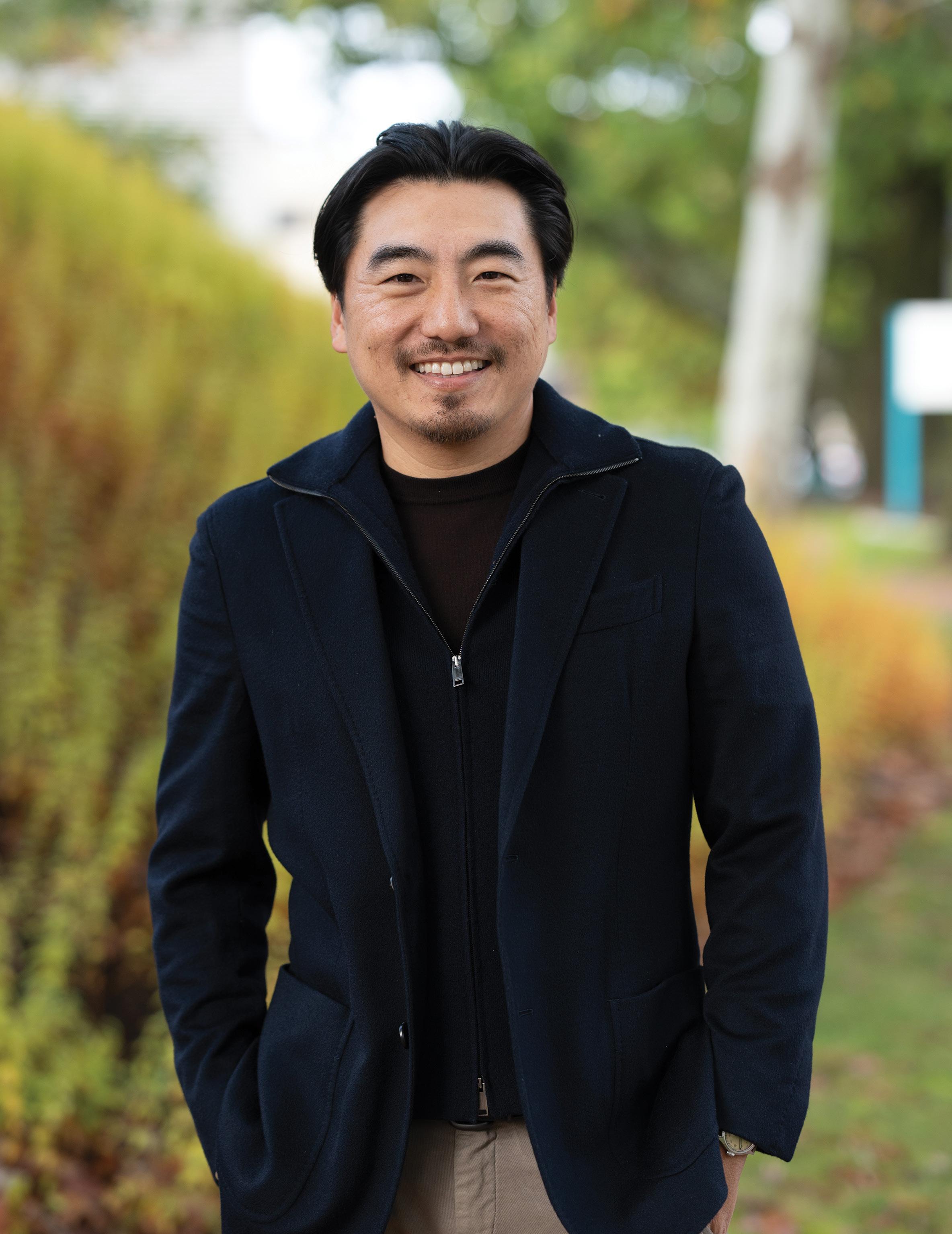
A conversation with Trustee Yumin Choi
Yumin Choi, member, NWH Board of Trustees
“What differentiates us is the way we treat everyone as they walk through that front door.”
Yumin Choi, member, NWH Board of Trustees
“Healthcare connects us all,” Yumin Choi knows well. “It touches everyone on a deeply personal level.”
Now in his eighth year on the Board of Trustees of Newton-Wellesley, he contributes insights from both his own family experience as well as years of guiding investments in healthcare ventures.
When it comes to supporting the health and well-being of his young family, “Newton-Wellesley is front and center.”
“Our family hospital”
While born in South Korea and having grown up in Hawaii, Yumin came to Babson for college. The journey took him 5,000 miles away—and right down the street from Newton-Wellesley.
A year after he started at Babson, his high school classmate—and future wife—Amy joined him there. Since college, the couple have called the western suburbs home, first in Natick and now Dover.
From the start, they’ve counted on Newton-Wellesley as “our family hospital,” he says. It’s where they delivered both of their kids, now ages 1 and 4.
“It’s great to be able to go to our local hospital where we know the doctors and the nurses and the care is bar none,” Yumin reflects.
Voice of the community
Serving as a trustee has shown Yumin how well NWH serves not only his family but also their community.
“At every board meeting the voice of the community, the voice of the patient, are enduring threads,” he notes.
“Because we have this community-first mentality, it feels like the people here genuinely care for you and look out for you,” he adds.
In stepping up as co-chairs of the 25th anniversary NWH Gala Committee, Yumin and Amy showed their shared dedication to both the hospital and its community mission.
Invested in healthcare’s future
Throughout Yumin’s career, “I’ve been fortunate to have interactions with many different hospitals within the broader Boston ecosystem,” he adds. He’s always had a high opinion of NWH as well as profound respect for trustees and former trustees whom he’s come to know.
As co-founder and managing partner of Valspring Capital, a Boston-based growth equity firm, he focuses on accelerating the future of healthcare. His passion for investing in innovation was forged through his 15-plus years as a partner at Bain Capital Ventures and HLM Venture Partners.
In choosing where to invest his time, “serving as a trustee of the local community hospital that my family, our friends, and neighbors rely on was incredibly important to me,” he reflects.
One Mass General Brigham
As a trustee, “I’ve had a unique opportunity to learn what makes both Newton-Wellesley and Mass General Brigham special,” he adds.
With a more purposeful approach to integration and shared resources, “we’re seeing what we can accomplish when the system comes together as one,” he notes. “Now we’re years into the journey, and I think that Newton-Wellesley benefits massively.”
Especially giving how under-resourced local hospitals are nationwide, “I think the approach of having an integrated system is the future,” he believes.
What differentiates us
In every interaction at NWH, he senses “the heart and soul” of its caregivers.
Ultimately, it comes down to the people. “What differentiates us is the way we treat everyone as they walk through that front door,” he reflects. “That sense of community and of service to each other is palpable.”
“After a heart event, food really can help you nourish, fuel, recover, and heal.”
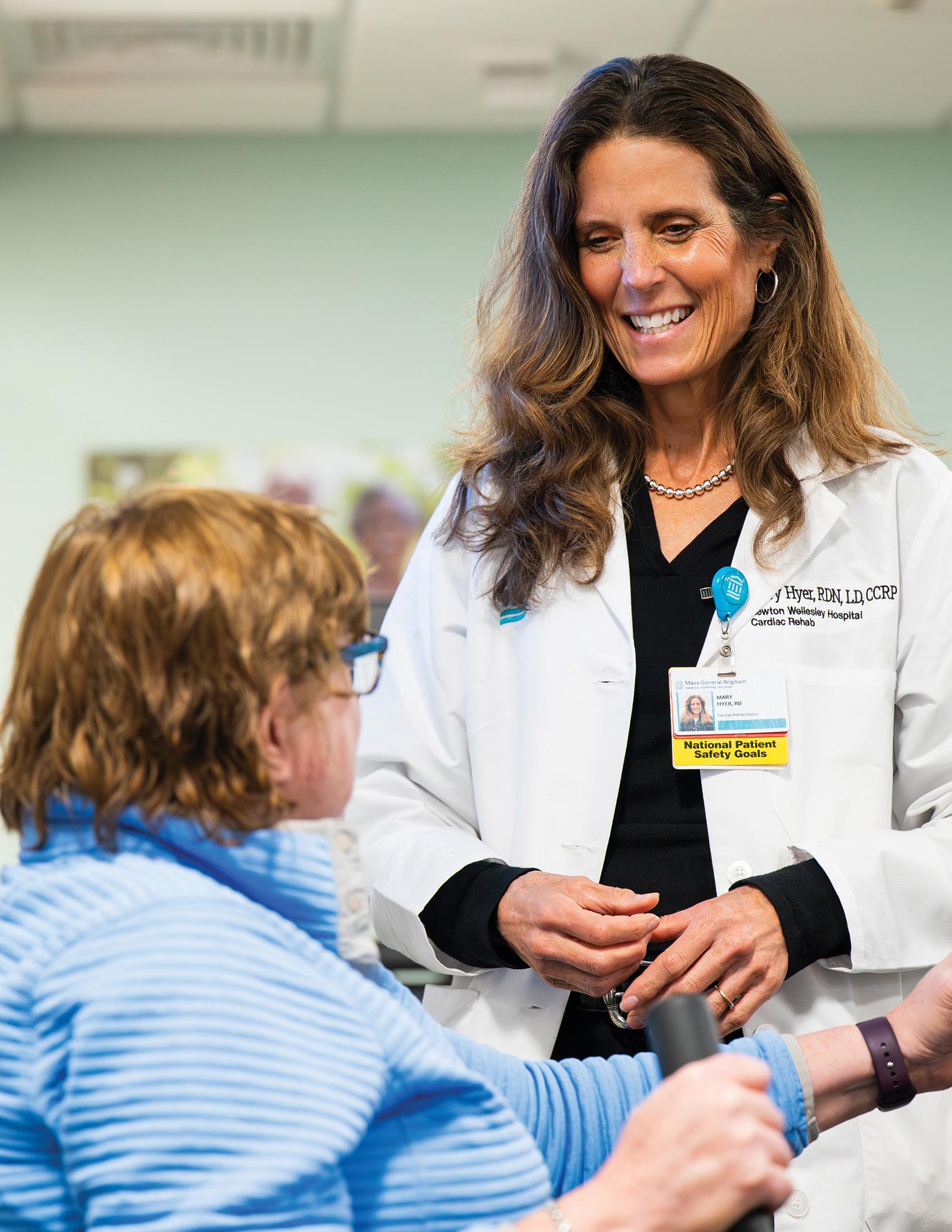
Mary Hyer, RD, LDN, CCRP, Cardiac Rehabilitation Program, Elfers Cardiovascular Center
“Heart events are a watershed moment,” dietitian Mary Hyer reflects. As part of our Cardiac Rehabilitation Program team, she strives to help patients return to doing what they love to do. Over the course of eight to 12 weeks, they regain strength, endurance, and confidence through exercise and education on heart-healthy living. Mary brings three decades of experience to her role in assessing and teaching nutrition. Together, “these lifestyle changes put our patients on a path of recovery and hope for the future,” she explains. “They’re learning from our team and from each other, and they’re leaving confident in how they can make a difference in their health,” she notes. “It’s empowering to watch.”
Learn more at https://www.nwh.org/elfers-cardiovascular-center/cardiacrehabilitation-program/
Newton-Wellesley Hospital Development Office
2014 Washington Street
Newton, MA 02462
giving.nwh.org
From our grateful patients
“The kindness and care provided by countless NWH physicians, nurses, and technicians was in a word: Outstanding! From the bottom of my heart, I thank you for your warmth and compassion. You made sure I got better and am able to relish my life.”