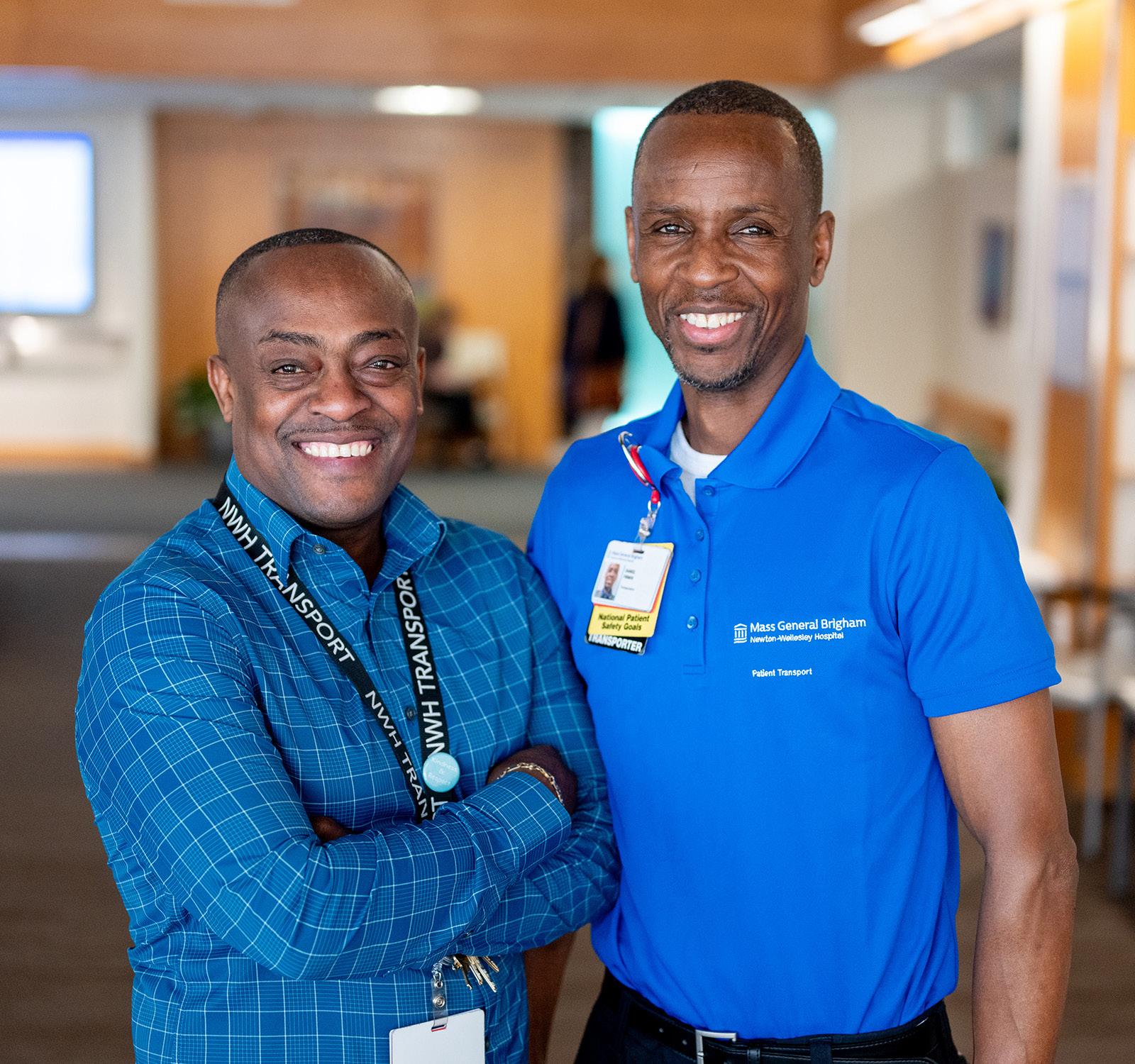
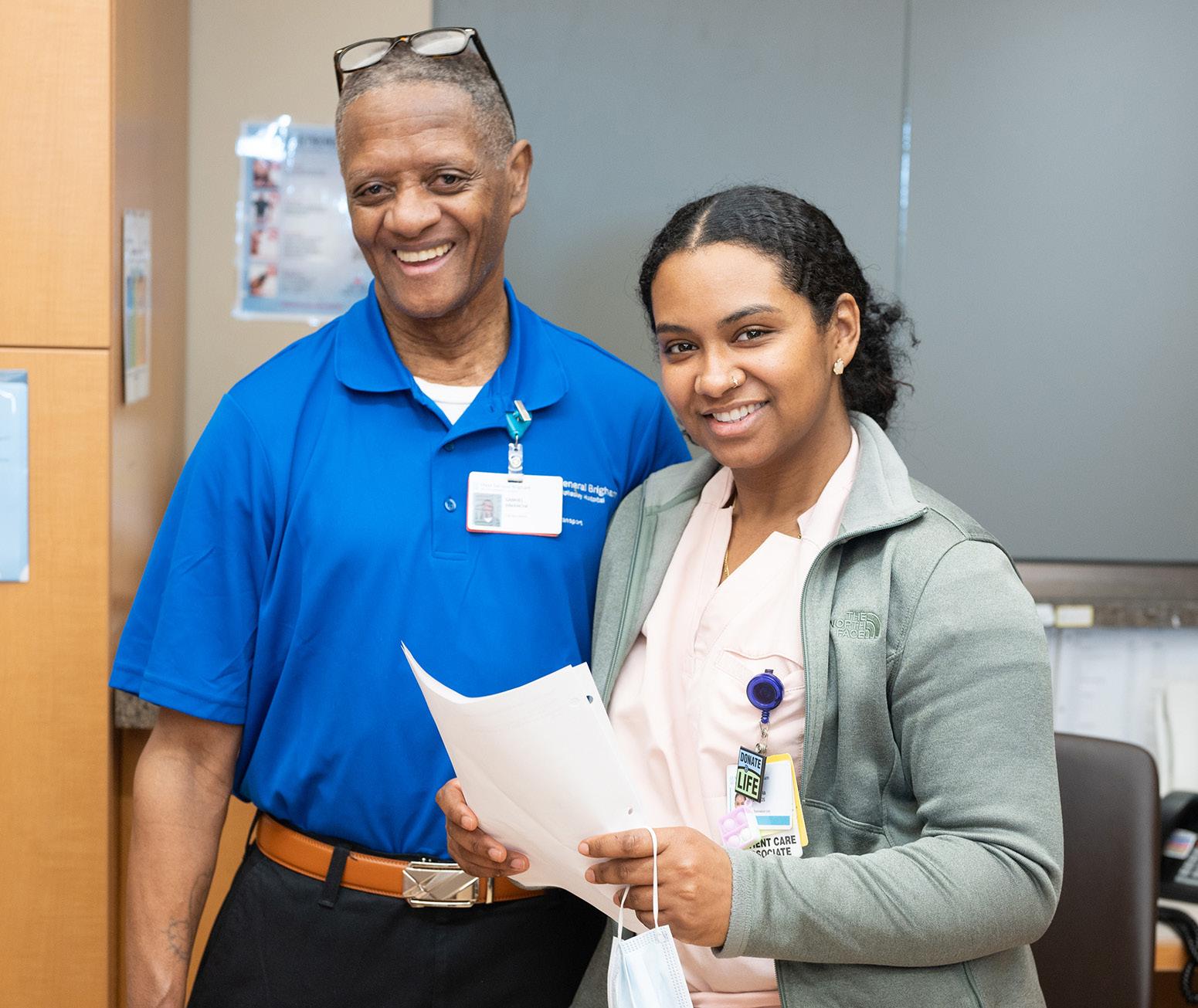
“We’re all aiming for the same thing: taking care of the patients. So let’s do it with all our soul, with all our heart.”
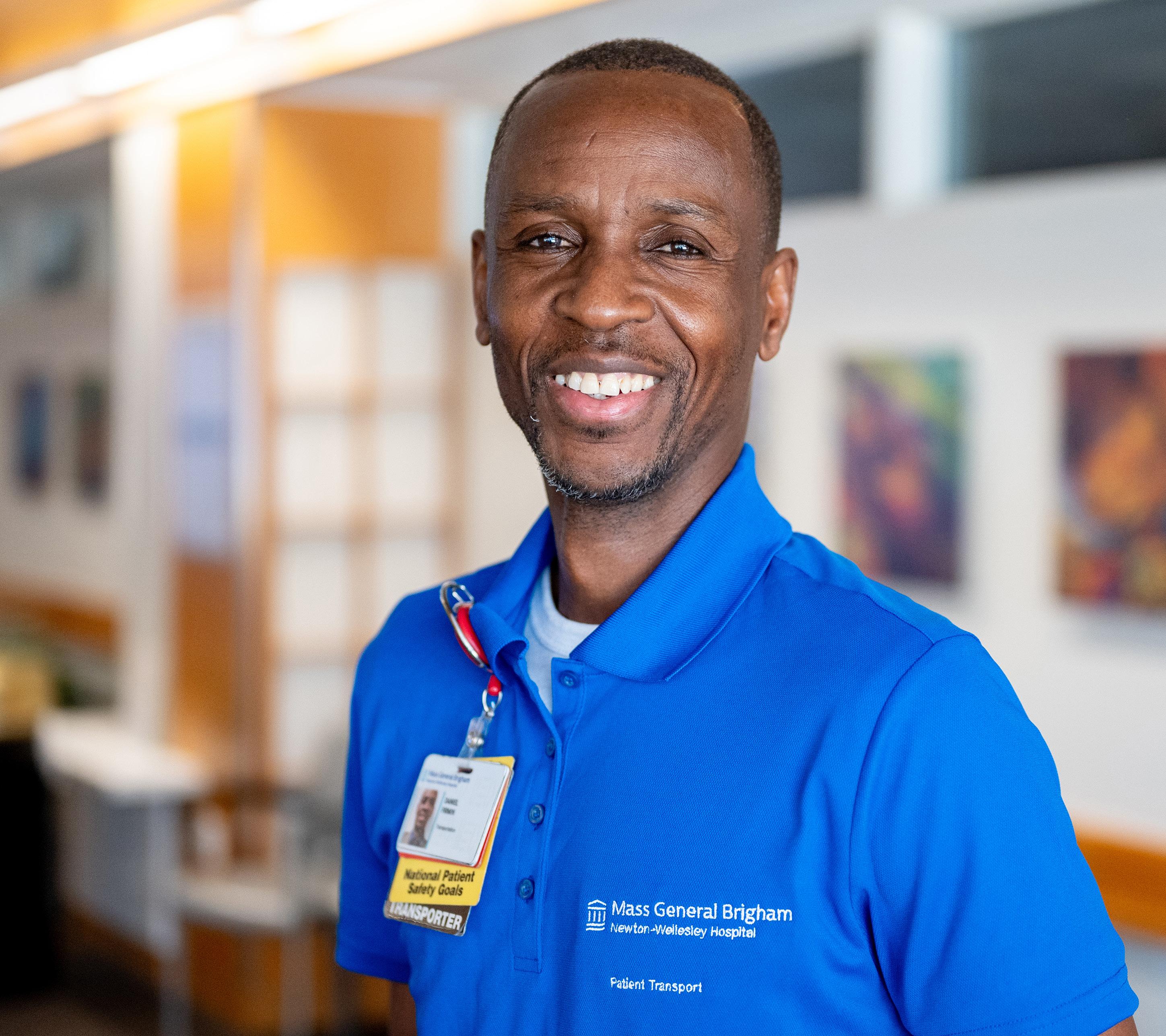
Yonel Meca, Manager, Patient Transport
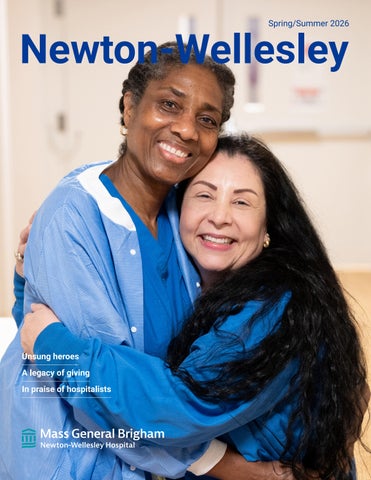
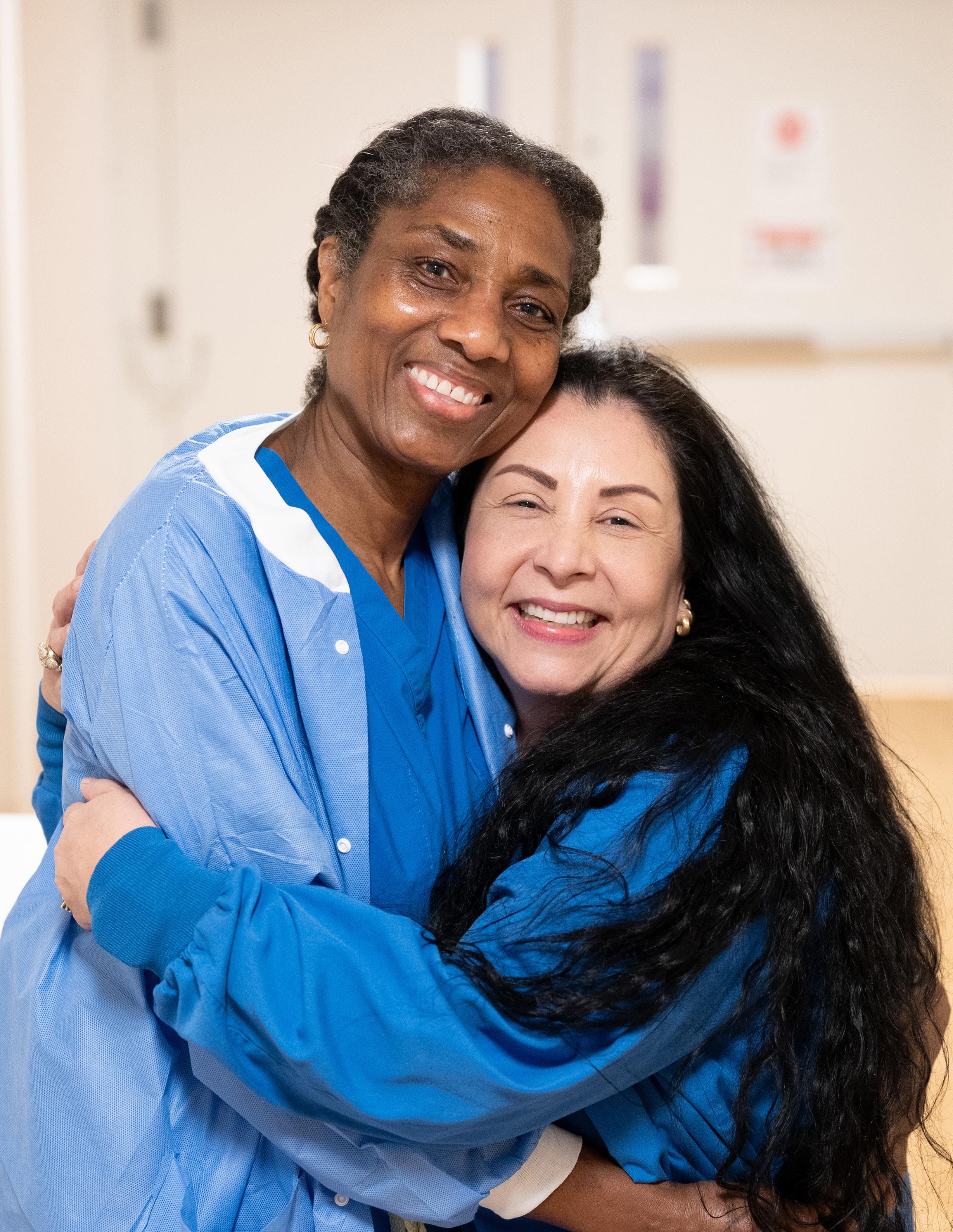
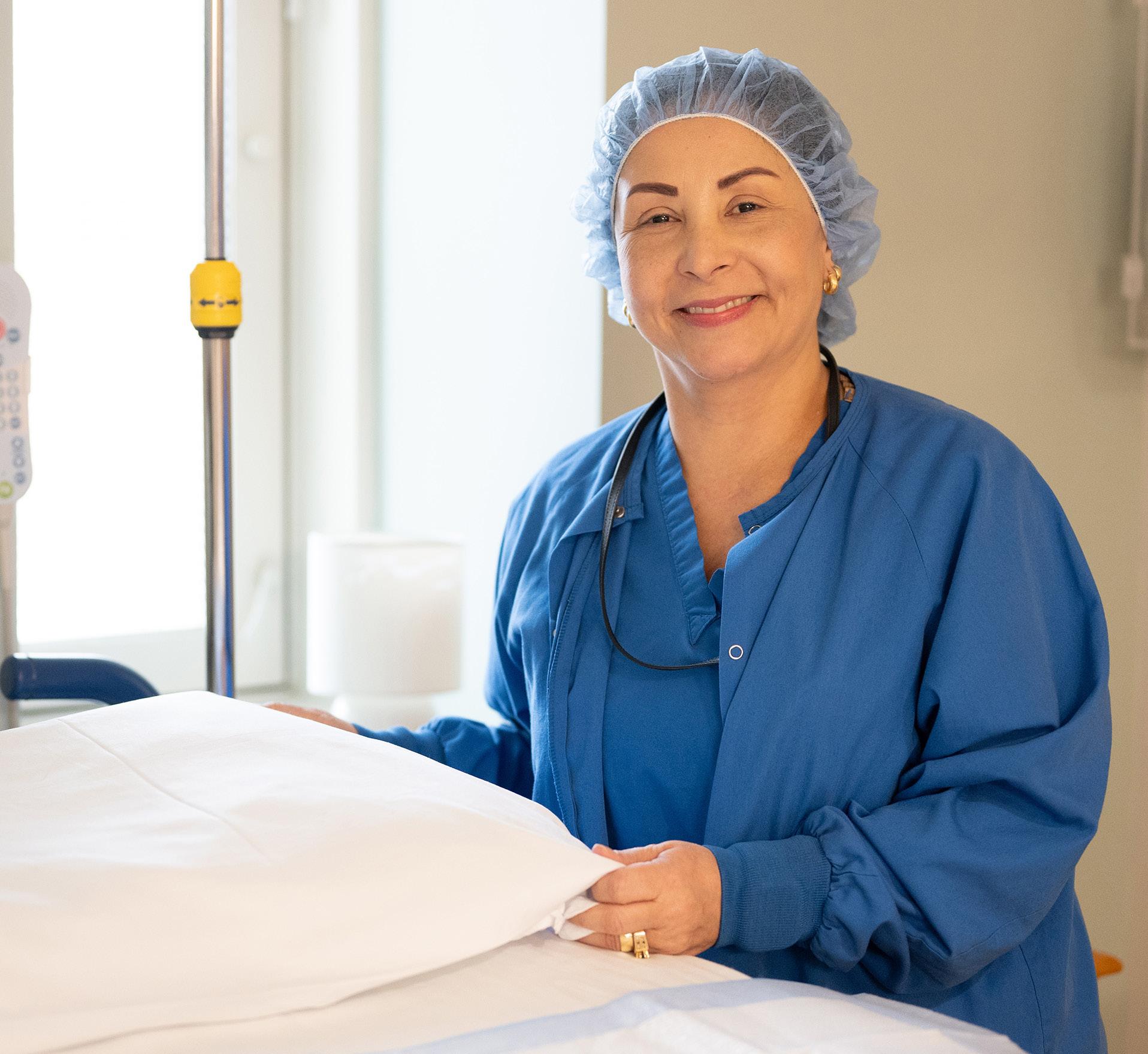
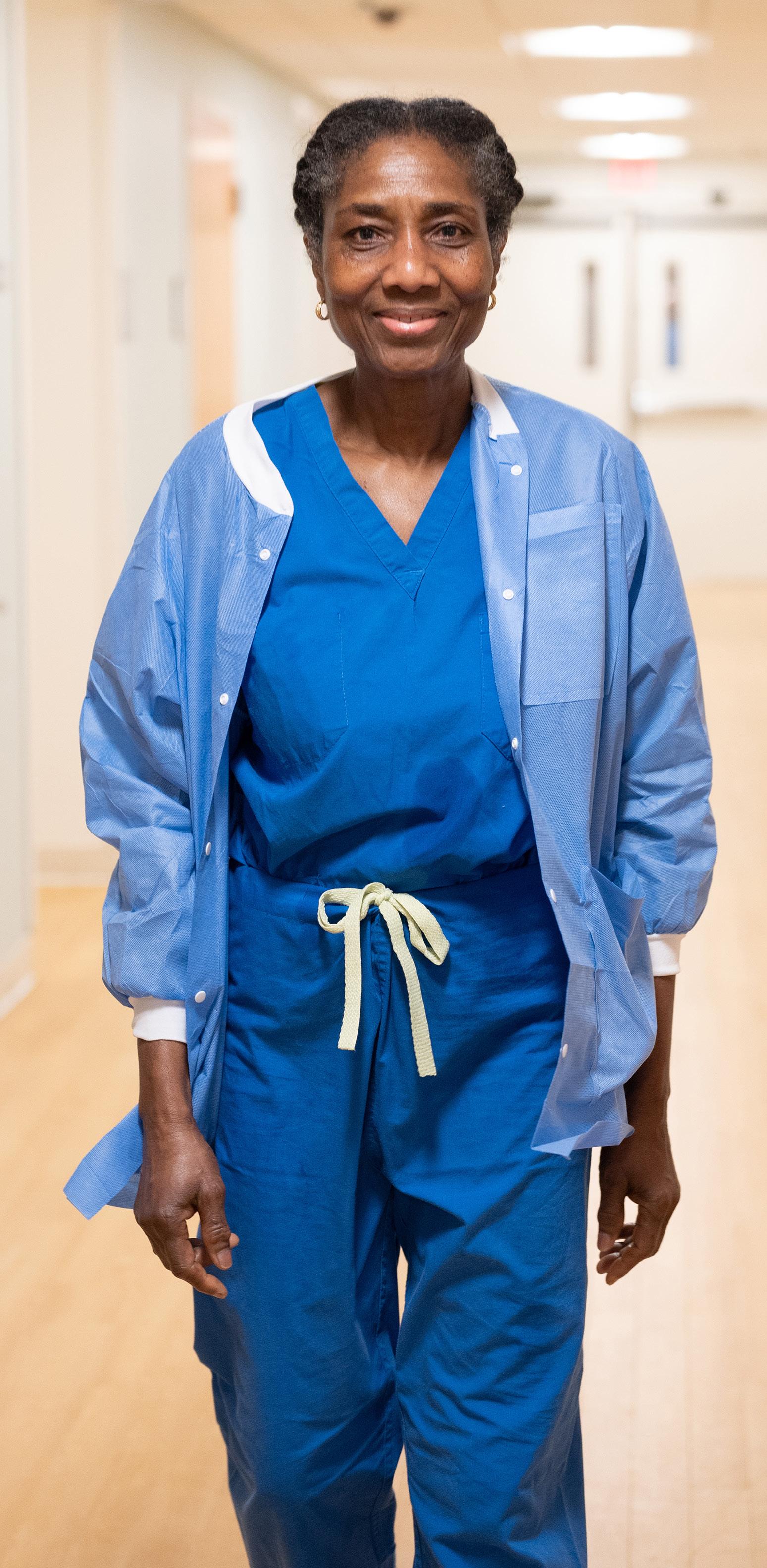
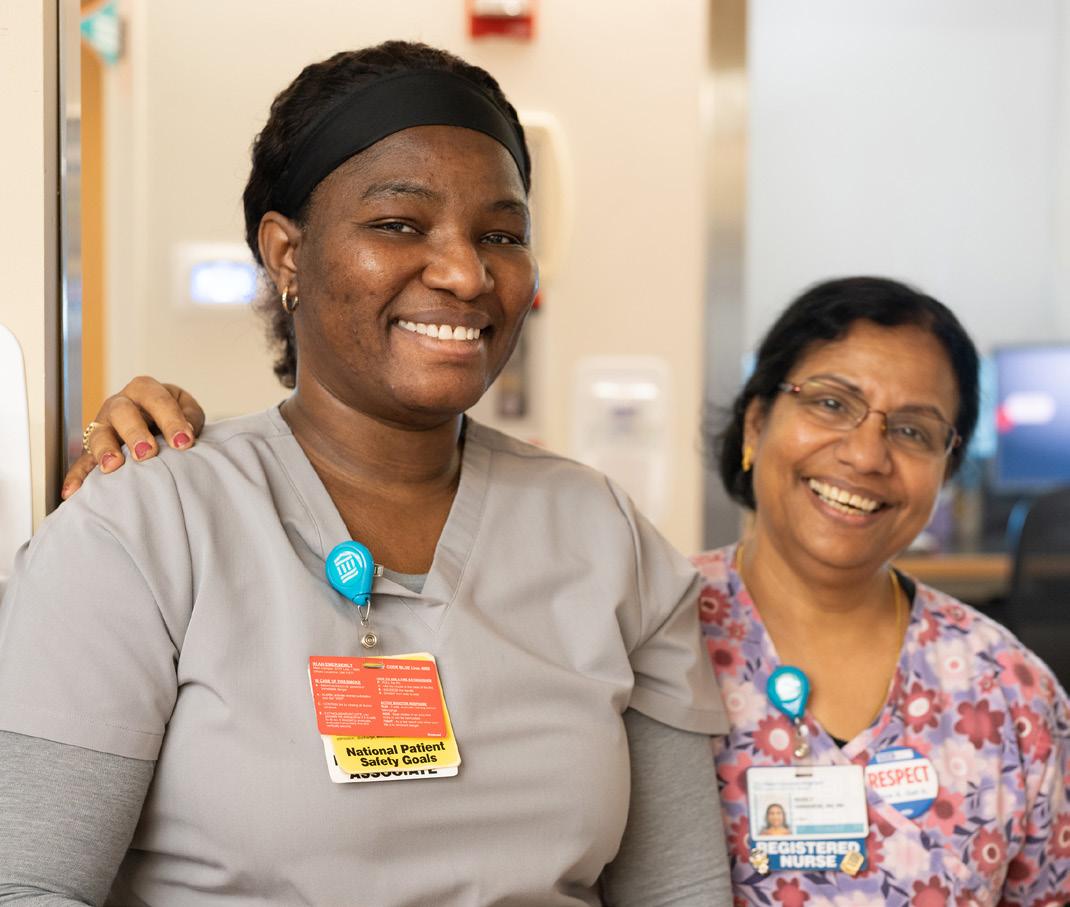
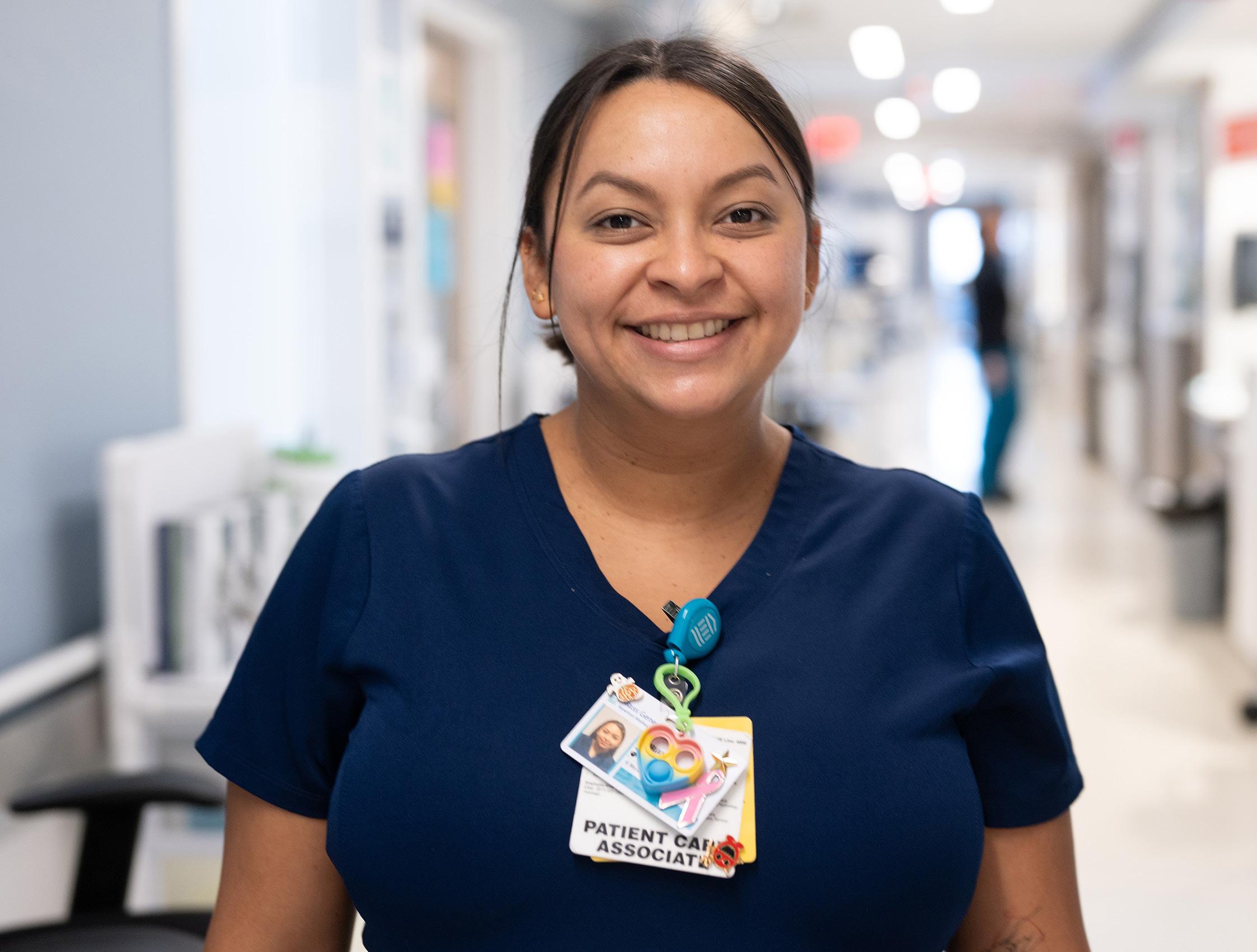
On the cover: Marie Jean-Francois and Paola Salinas cover the day and evening shifts as the Housekeeping staff on the Labor and Delivery unit. In the opening feature, they join other “unsung heroes” in sharing what their work means to them.
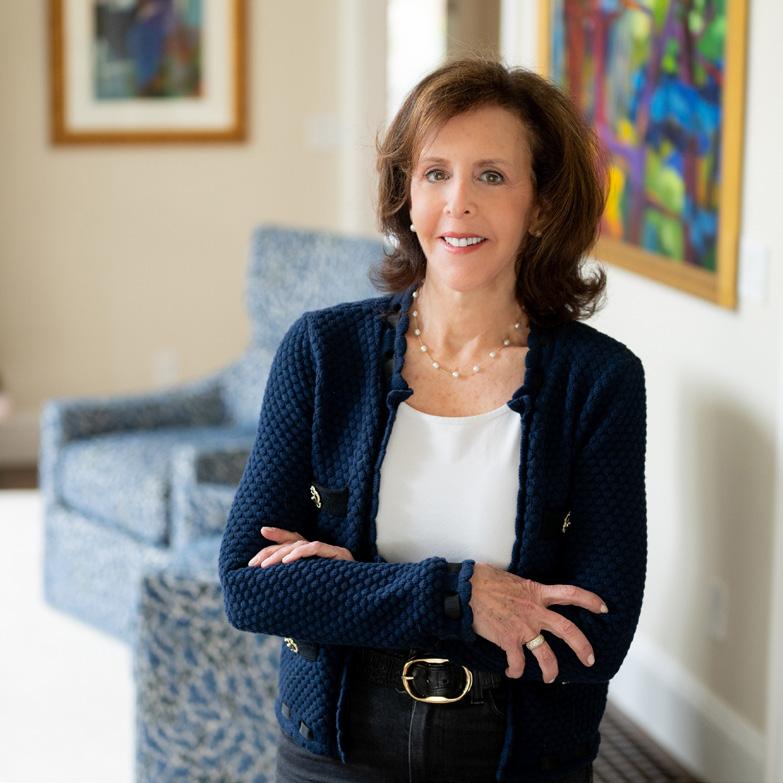
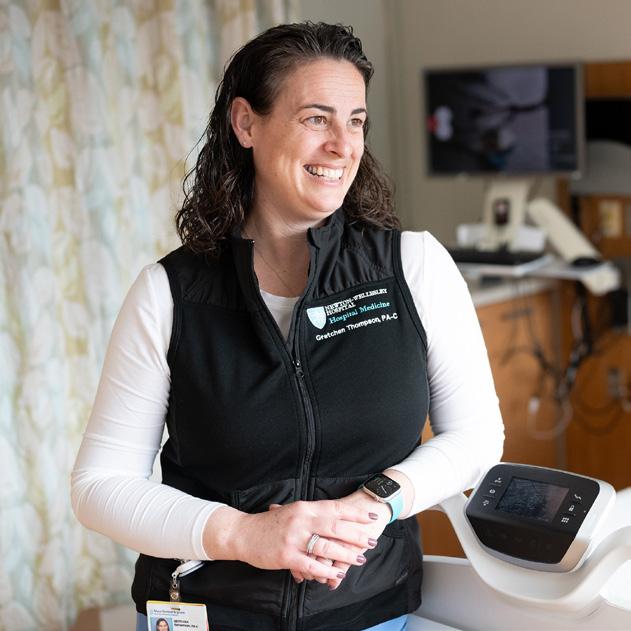
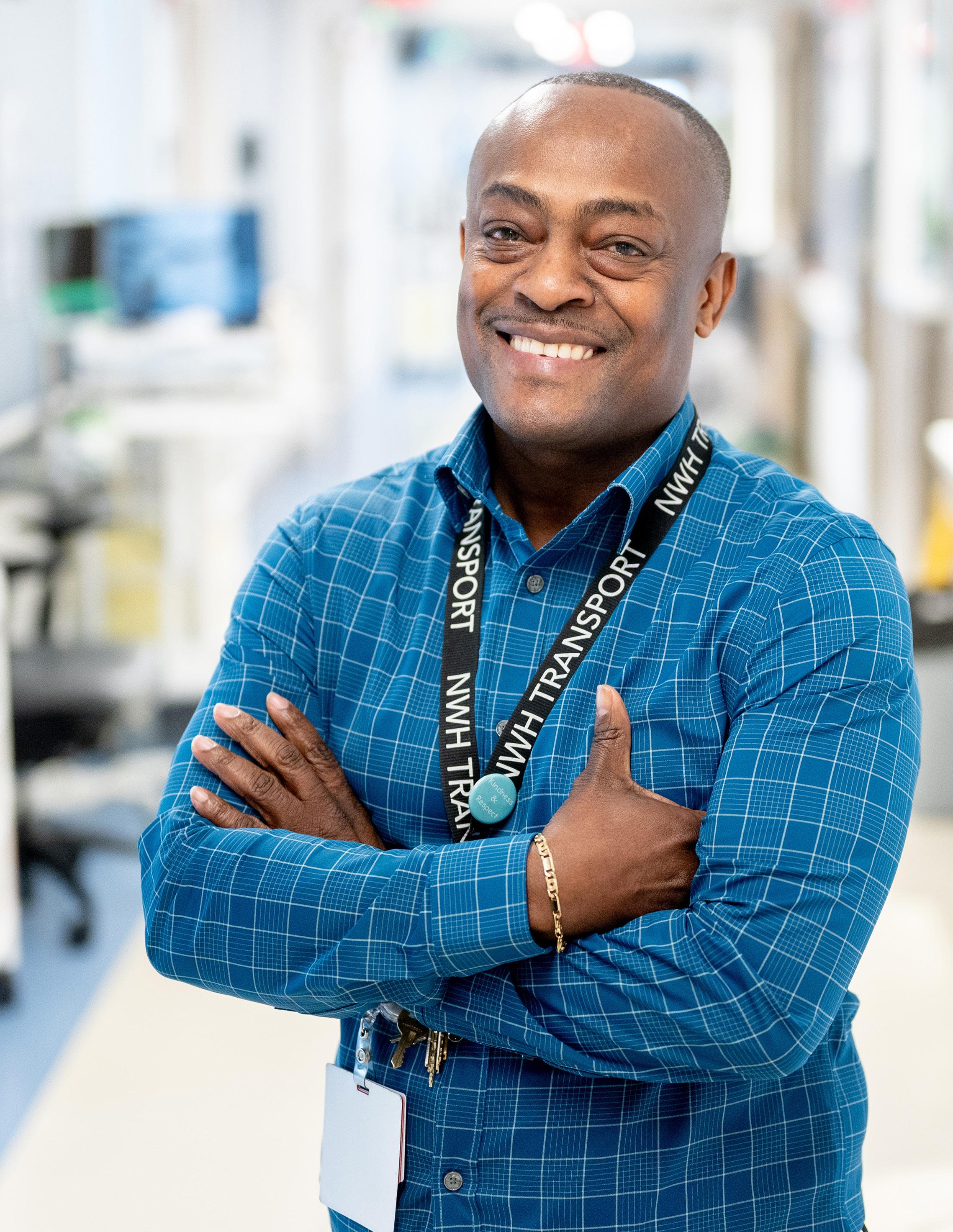
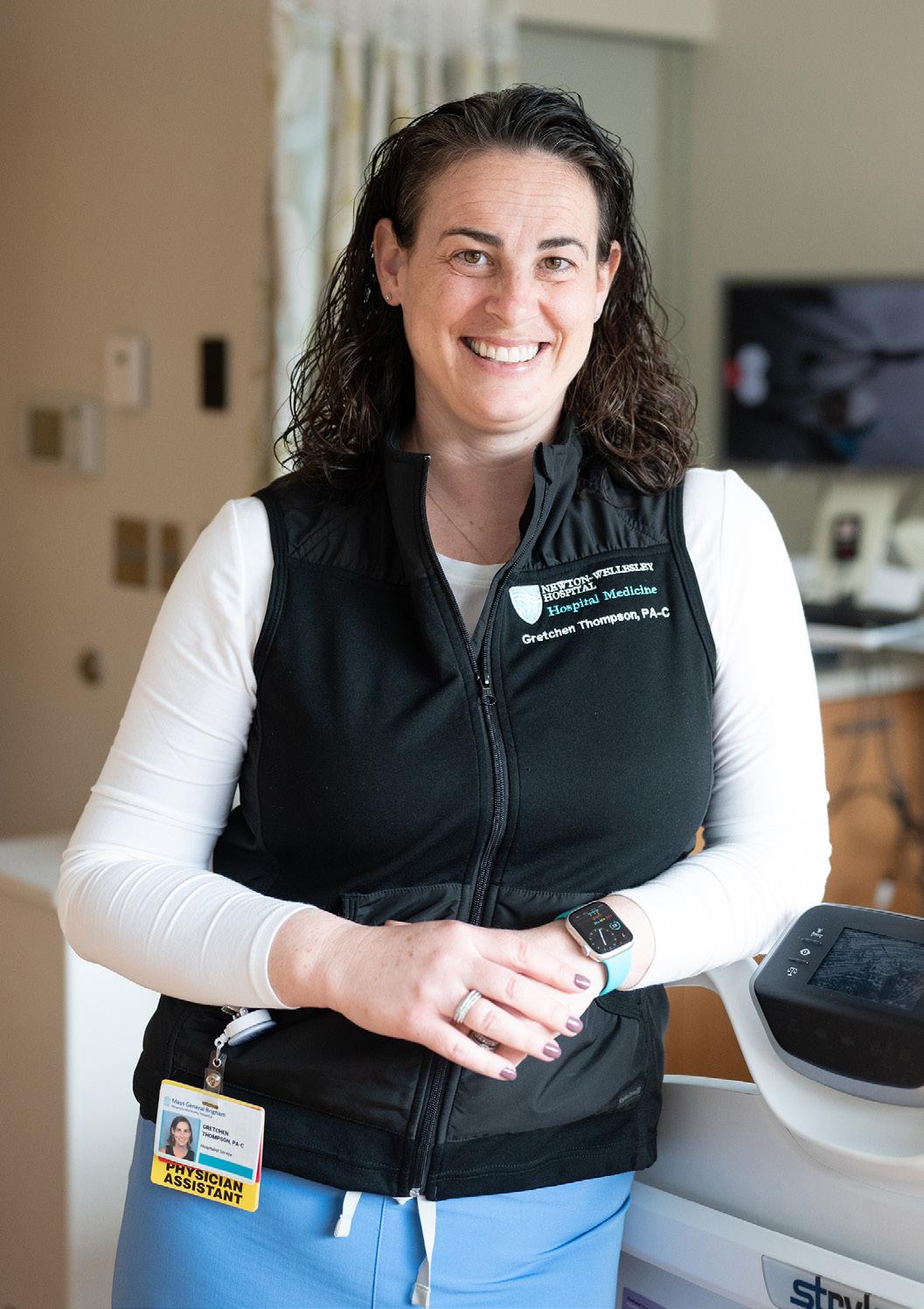
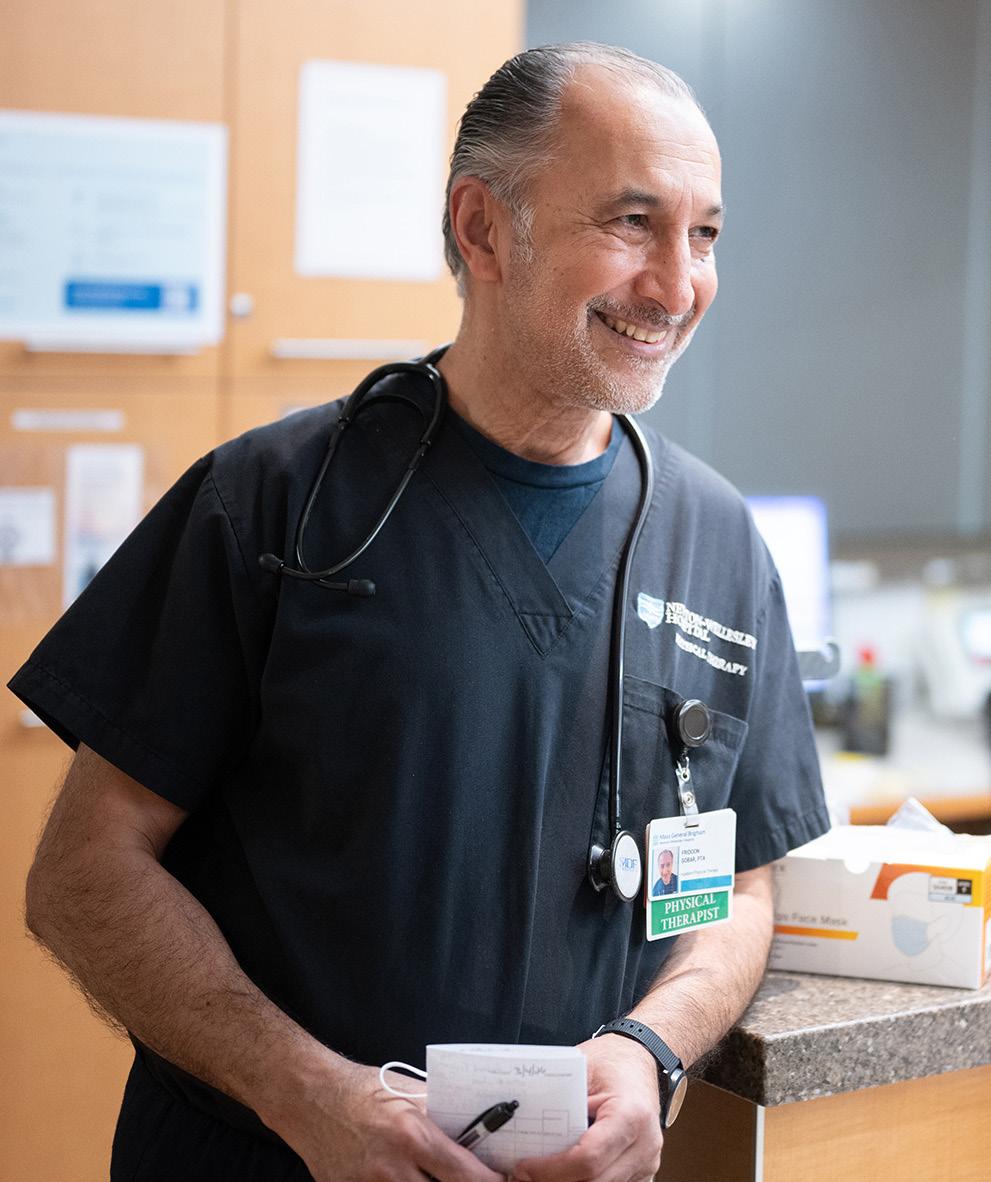
Photos opposite page from top: Patient Transport’s Yonel Meca and Daniel Firmin; Karen Novakoff; Hospitalist Gretchen Thompson, PA-C
Yonel Meca, Patient Transport Manager
Unsung heroes
From happily transporting patients to providing healthy meals to keeping the hospital clean, the Support Services teams go above and beyond to make NWH feel like home.
Ask Yonel Meca, Emi Rizik, and John McAllister about their teams, and they each sing their praises. As managers for the three essential areas of Support Services, they oversee Patient Transport, Nutrition and Food Services, and Environmental Services, respectively.
Nearly 250 strong, the Support Services staff at Newton-Wellesley contribute tirelessly to positive patient experience and hospital culture. With neighbors turning to NWH for care in growing numbers, they’re rising to the challenge.
Always ready to help
Every morning the Patient Transport team huddles together. “We’re all aiming for the same thing: taking care of the patients,” reflects manager Yonel Meca. “So let’s do it with all our soul, with all our heart.”
Meca, as everyone knows him, sees consistency as key. From the start, “we’re all thinking in the same positive way,” he adds. “They’re each doing their part to help patients heal and return home.”
Now in his 21st year at NWH, “I’m always trying to be proactive,” says Meca. He started in their shoes as a transporter before moving up from group leader to shift supervisor and now to department manager.
“One thing that I admire about my team is they all keep one another accountable,” he says. “We’re all in it together. They’re always ready to help whenever needed.”
“…we’re all thinking in the same positive way. They’re each doing their part to help patients heal and return home.”
Yonel Meca, Patient Transport Manager
Kindness and respect
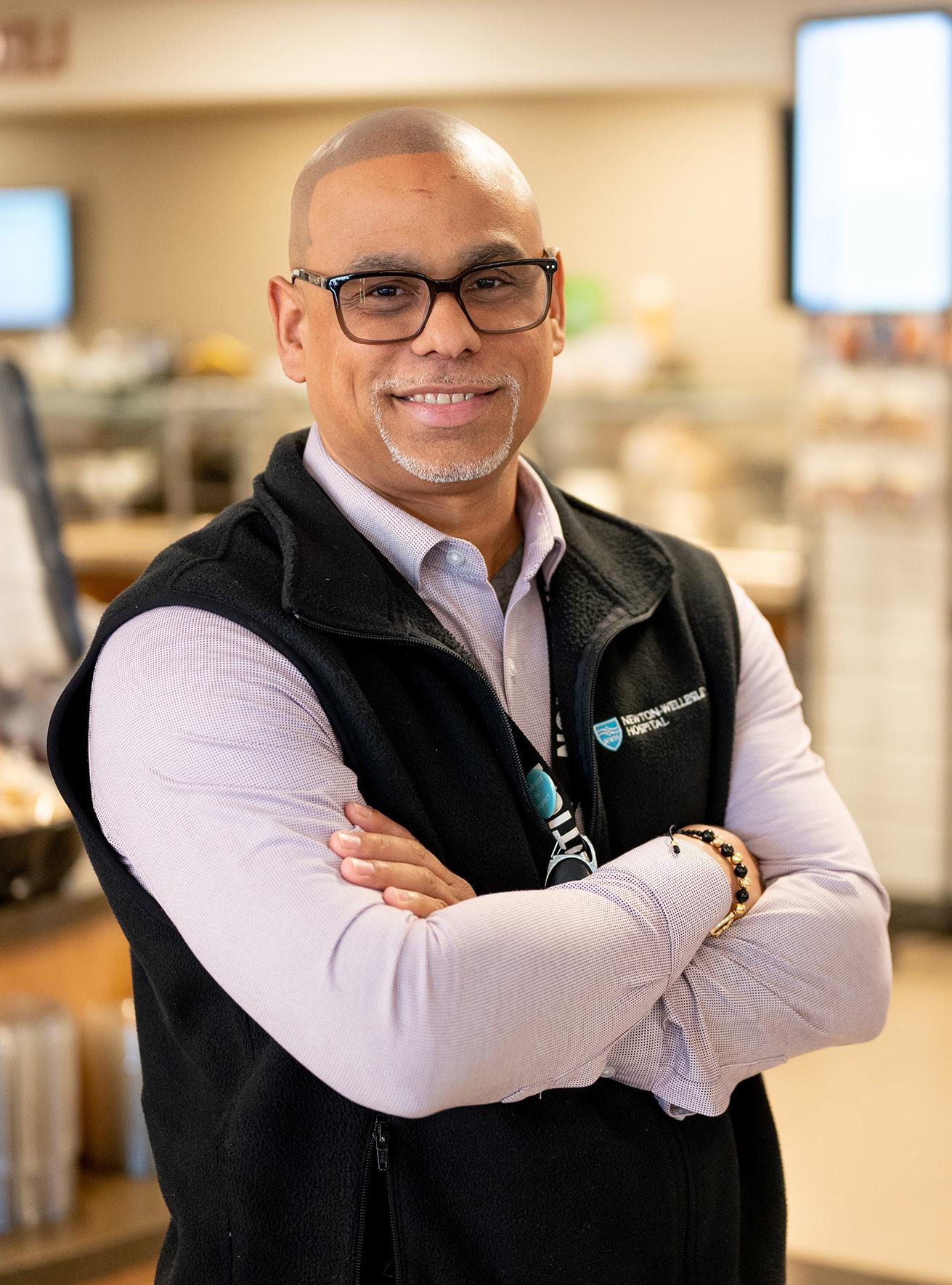
“This is a great place to work,” says Emi Rizik, manager of Nutrition and Food Services. “Everyone wants to help and is very respectful. And it’s just so friendly. When you walk through the hallways, everybody says hello with a smile.”
Emi has spent two decades working in healthcare. From past experiences, he realizes how staff in supporting roles are often underappreciated. In his six years here, he feels everyone at every level treats others equally.
“I have never ever seen anything like it,” he notes.
“I love my team,” he says. “It’s a very diverse group, and they all come together when it comes to our mission.”
Keeping patients at the center, they strive to ensure everyone enjoys the same great service.
By the numbers: Food Services, Patient Transport, and Environmental Services
240 Support Services staff
255,300 patient meals served annually
91,200 patients transported annually
700,000 square feet of space cleaned daily
Emi Rizik, Nutrition and Food Services Manager
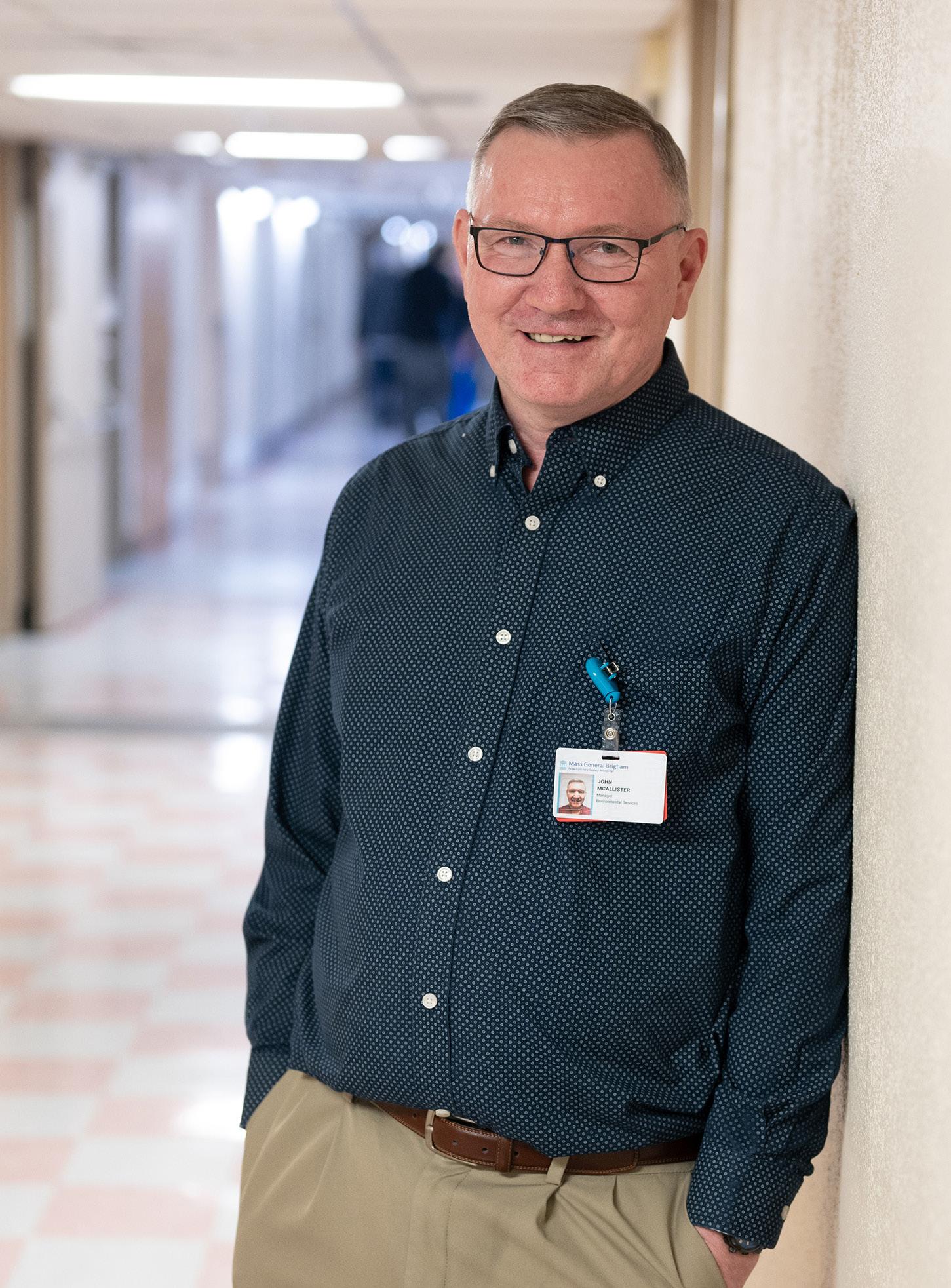
John
McAllister, Environmental Services Manager
“When you walk through the hallways, everybody says hello with a smile. That doesn’t happen in many places.”
Emi Rizik, Manager, Nutrition and Food Services
Food can be a source of comfort. As a team, “we can give patients something that will put a smile on their face,” he reflects. “They feel that they’re being taken care of.”
Saving lives
Before joining NWH, John McAllister spent 25 years at hospitals around New England as a contract manager in environmental services.
His favorite part of the job? “It’s always going to be the staff.” Their work can be very physical and demanding. “Frankly, they can be thankless jobs,” he realizes. “My staff takes a lot of pride in their work. We want it to look shiny and beautiful all the time. It’s easier said than done.”
“I have an expression that Environmental Services saves lives,” he reflects. “You don’t always think about the
person that’s cleaning as saving lives. But by disinfecting properly in keeping the patient areas clean, they’re preventing infections. And so the most important thing we do is save lives. It’s the truth.”
Heroes work here
John came to Newton-Wellesley in the midst of the COVID pandemic. He still remembers how the community rallied around healthcare workers, with yard signs calling them heroes.
Looking back, “our staff was coming in here every single day, putting their lives at risk.”
To him, the hospital’s support staff are still heroes. “I really appreciate them for everything that they do,” he says. “We’re all in healthcare for a reason. We want to make people’s lives better.”
Daniel Firmin
“Everyone
cares.”
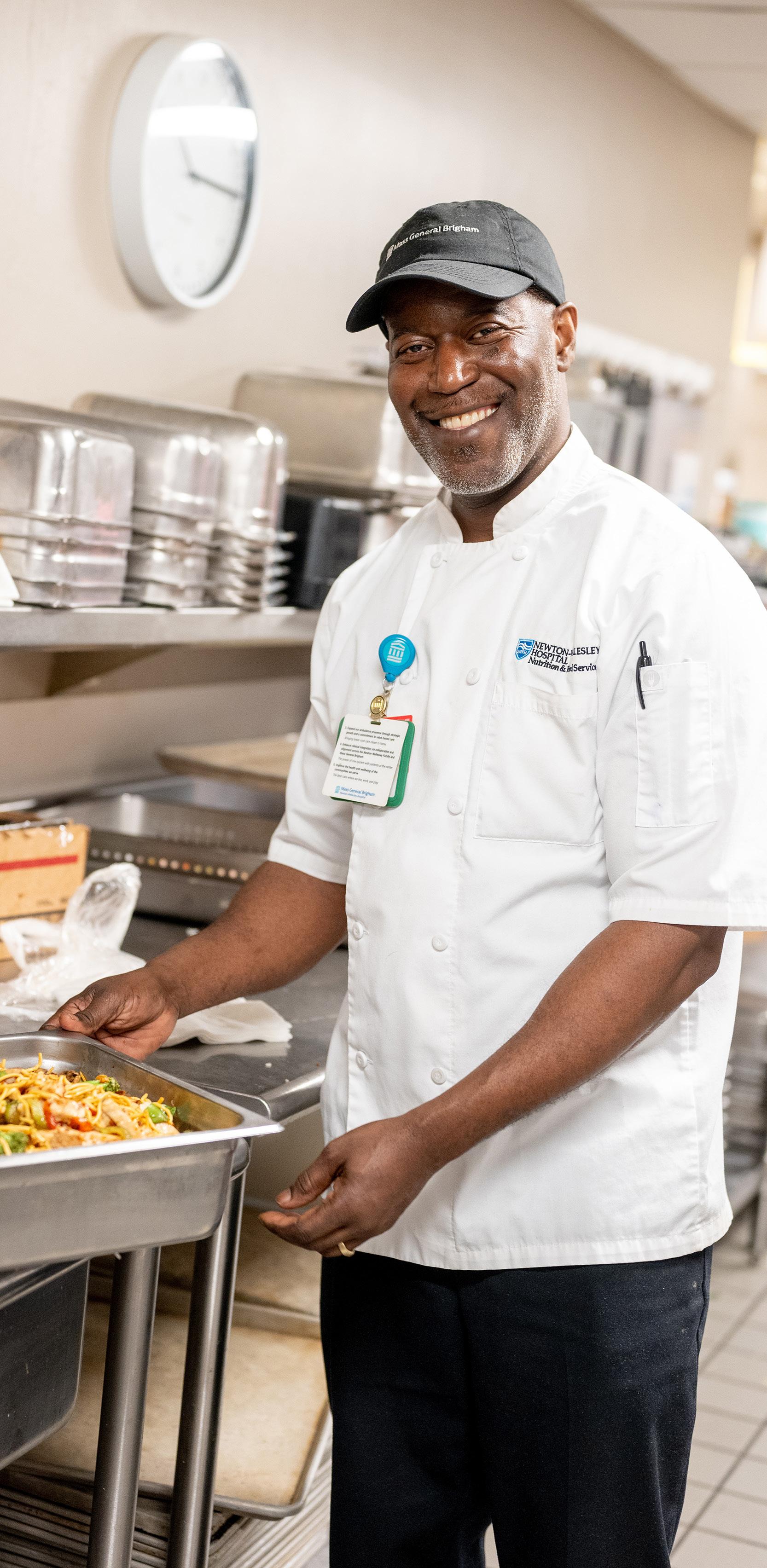
“Whatever I’m doing, I give it all my heart,” says Patient Transport’s Daniel Firmin.
In 2018, he applied for an opening on the department’s night shift at Newton-Wellesley. “From there, it’s history,” he smiles to say. Two years ago, he stepped up to supervise the afternoon shift.
He wasn’t sure what to expect at first. He’d spent two decades with an international company, working his way up before being caught in layoffs.
Healthcare was new to him. “When you see the effect
you have, you end up loving what you do,” he reflects. “You’re helping others.”
Patients are the why. When a unit reaches out for help, it reminds him how needed his team is. He knows and values how hard they work.
To Daniel, all staff are part of a whole. “The people who work here, they have a heart of a lion. Everyone cares.”
On every floor, “the kindness they show people is awesome to see. That’s what makes you wake up and want to go to work every day,” he says.
“This is my second home.”
“Labor and Delivery is my team,” says Paola Salinas. “Oh my god, they are amazing. Believe me, every patient is in very good hands.”
Now in year 17, she works evenings from 3 to 11:30 in Housekeeping. The most important things about her job are “the love and responsibility,” she says. “If I have love for my job, I can do anything much better.”
Her many responsibilities include cleaning and disinfecting the operating room where mothers give birth by
Caesarian. “I try to see every detail in the room, to have eyes everywhere,” she explains. “When I’m finished and I know it’s perfect, that’s the best part.”
“I’m not a nurse or a doctor, but my job is very important because it is a way of caring for the patient,” she reflects.
The mom of twins, she’s had the pleasure of seeing her grandson born here. “This is my second home,” she adds. “I love this place and my job and that’s all I need.”
Paola Salinas
Marie Jean-Francois
“The patient is job one.”
Thirteen years ago this spring, Marie Jean-Francois started her role in housekeeping on the Labor and Delivery floor.
She takes care of cleaning patient and surgical areas as well as the spaces for the doctors, midwives, and nurses. “That’s my family,” she says. “I love my people.” She recounts how the nurses, knowing she’s a single mom, reassured her that they’d be there for her and her daughter.
“It’s my favorite job,” she reflects, and she strives to do everything to the best of her ability. “I take care of my house the same way, my friend,” she adds with a smile.
Before joining NWH, she worked at one of the area’s prestigious hotels, taking pride in preparing rooms to exacting standards.
Here, “the patient is job one.” She sees herself in them—and sees her job as doing her part in their care.
She loves the hospital’s culture of kindness and respect. Everyone at every level treats others well.
To her, “Newton-Wellesley is the best hospital in America.”
Janet Caruso
“We’re like a family.”
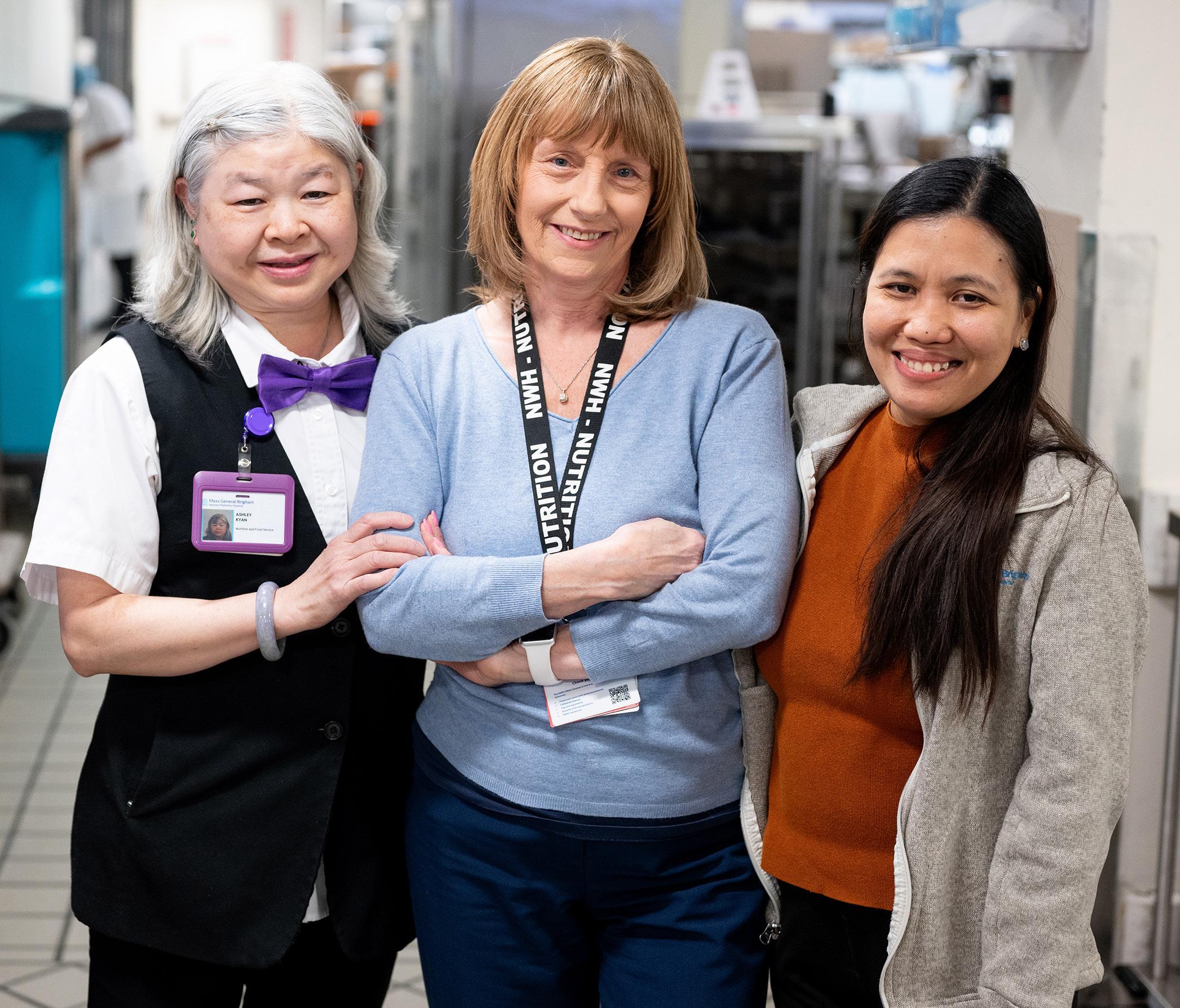
When it comes to meals, “everything has to be perfect for our patients,” says Janet Caruso.
As the lead in the Food Services call center, she’s first in every morning, reviewing dietary needs and restrictions.
By 6:30 a.m., she’s on the phone with patients. While they may not always grasp why they can’t order something, she kindly helps them understand “we’re here to make you better.”
With each call, “I try to make them smile,” she says. If they have a lengthier stay, they get to know her voice. For some, “it’s like getting breakfast in bed,” she laughs. “They order a lot of food.”
Between breakfast, lunch, and dinner, the department serves 15,000 meals a month.
“It’s very fast-paced,” Janet says. “I love busy.”
“I love my co-workers,” she adds. “We have people from all over the world, and we learn from each other. We’re like a family.”
Now in her 10th year, “every day you learn something.” NWH has given her both an opportunity to grow and a sense of purpose.
Hearing the thanks and praise from patients “makes it very worthwhile.”
Reggie Paul
“The best part of the job is the people.”
Reggie Paul started in Food Services 33 years ago, right out of high school. He’d learned about the opening through a friend’s dad. “And I never left.”
As a grill cook in the cafeteria, he starts his day at 5:30 a.m. He prides himself on being a team leader.
“Every day there’s a different item on the menu,” he notes, “and I’m responsible for 90 percent of the food.” Today, he’s already made chicken and shrimp dishes plus steak quesadillas.
“The best part of the job is the people I work with,” he says emphatically. They look out for one another.
It’s a diverse team. Many are relatively new to the country. He does his best to help and guide them.
“I’m thankful for so much in life,” he adds—his job, his family, his faith. He strives to pay it forward.
Beyond NWH, he’s in charge of his church’s kitchen, too. Food is his passion. As humble as he is, “I love hearing people tell me how great the food is,” he admits.
A legacy of giving
A forward-thinking supporter builds on her family’s legacy of giving back to Newton-Wellesley. She imagines her parents would be thrilled.
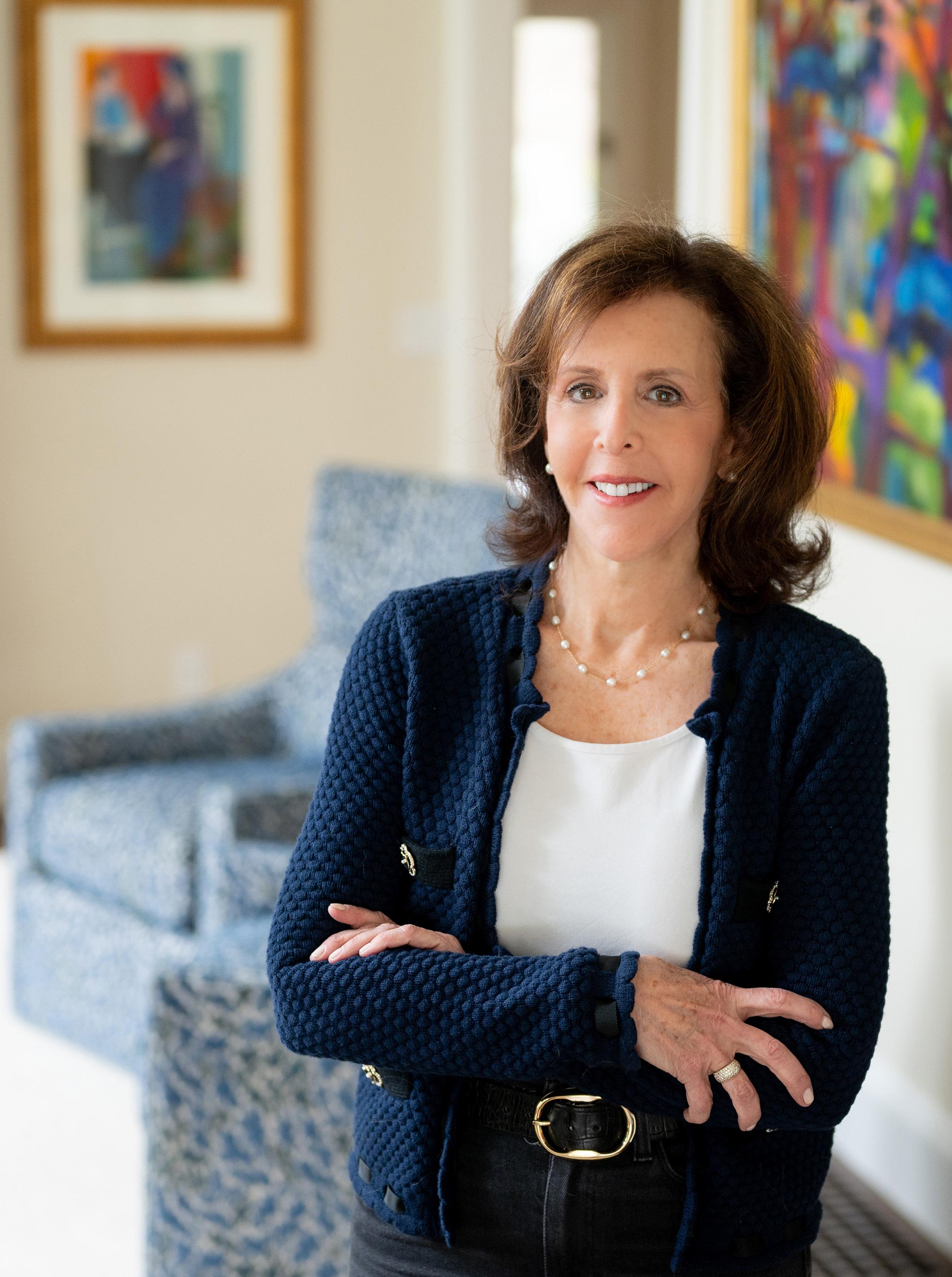
For more than 60 years, Newton-Wellesley has been part of Karen Novakoff’s family story.
Over generations, her family has turned to the hospital for care, building a relationship rooted in trust, gratitude, and community. Along the way, Karen internalized an equally important lesson from her parents: when something strengthens your community, you help sustain it.
“My parents believed in giving back,” Karen reflects. She still remembers how when her father passed away, her family chose to make a gift in his memory to the Newton-Wellesley Emergency Room project. “It’s what he would have wanted,” she says. “I’m sure they would be thrilled to know I am supporting the hospital, giving back and building on what they instilled in me.”
Seeing the value of Newton-Wellesley
Karen knows intimately the hospital’s impact on the community. After navigating multiple cancer treatments, surgeries, and routine visits herself, she was inspired to volunteer as a patient representative and later join the Board of Advisors (BOA).
Reflecting on her role as a patient representative, “I saw firsthand that patients were treated as a beloved family member,” Karen shares. “You try to add to that experience and connect in ways that make them feel as comfortable as possible. You end up getting more out of it than you could imagine.”
Her BOA service enhanced her perspective. It also led her to join one of the councils of the hospital’s Community Collaborative, dedicated to tackling the most pressing health issues in our neighbors’ lives. “It’s helped me see the all-encompassing efforts to meet those challenges.”
For the next generation
When asked about her decision to include NewtonWellesley in her estate plans, Karen is clear: it’s about ensuring care for future generations.
“Newton-Wellesley is an anchor—for me personally and for this community.”
Karen Novakoff
For her, “It all crystallized into a story: we as a family have always relied on the hospital. I’ve volunteered here, I’ve been a patient, and I’ve seen firsthand how patients are treated.”
“It’s more than just a visit to the hospital,” she explains. “There are so many levels to it. It’s a wonderful, compassionate place that encompasses many decades of care, and I’m thankful for all that the hospital has done.”
Building on a family legacy
For Karen as for so many others, the hospital has been a trusted place of care—and ensuring that level of expertise remains available locally has always felt deeply important to her.
Continuing NWH’s essential work and building on the legacy her parents felt like a natural step. “As I was rewriting my documents, the idea came up and I said of course. I didn’t think twice.”
Her reason to give back is simple: “Newton-Wellesley is an anchor—for me personally and for this community.”
If you’d like more information on how to include NewtonWellesley Hospital in your estate plans or other ways to make a planned gift, please contact Susan Salcetti at ssalcetti@mgb.org.
In praise of hospitalists
Explore the essential role of hospitalists in the round-the-clock care of adult inpatients at Newton-Wellesley.
“Once upon a time, maybe 25 years ago or more, most places did not have hospitalists.”
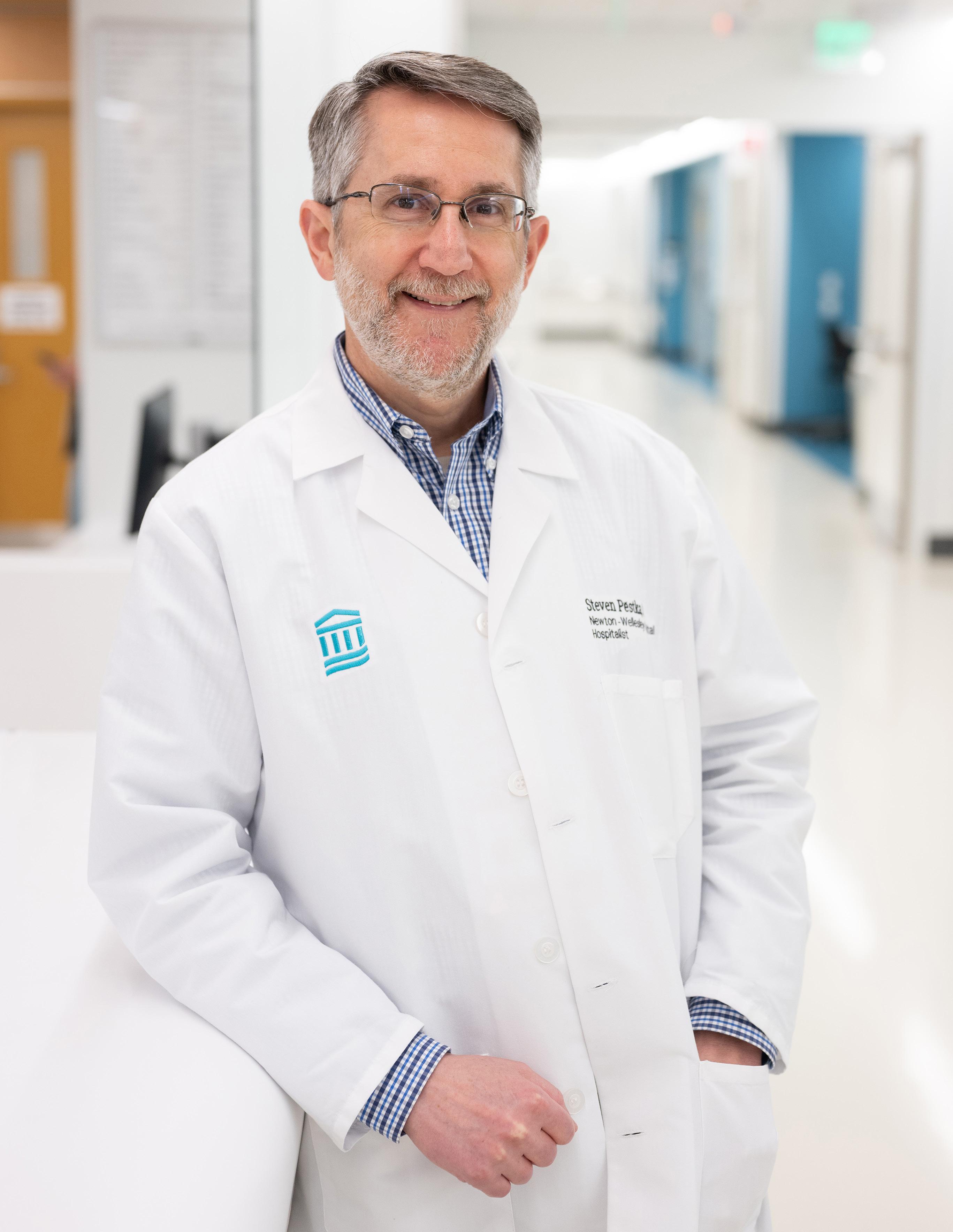
Steven Pestka, MD
When Steven Pestka, MD, reflects on what’s special about Newton-Wellesley’s team of 110 hospitalists, he points to an endless stream of small daily actions.
Maybe it’s going back to see a patient again after rounding earlier. Maybe it’s giving a call to a family member to make sure they feel engaged and updated. Maybe it’s reviewing a person’s chart for a complex condition where there is diagnostic uncertainty—or simply giving thought to the factors that led to a patient’s admission.
To Dr. Pestka, chief of the Hospitalist Service, it comes down to their shared values and commitment to clinical excellence. “Everyone has a high degree of professionalism,” he notes. “We see eye to eye on wanting to deliver the best care to our patients and going that extra mile.” As the team’s leader, he wants to deliver for them.
Care never stops
Since Dr. Pestka came to NWH in 2005 as a full-time hospitalist, he’s seen both enormous change and incredible growth. In particular, “hospital medicine has just gotten busier.” Hospitalizations have risen locally and regionally, and facility closures have put added pressure on remaining hospitals. Admitted patients are often older and sicker.
From his perspective, what has stayed constant is the commitment to appropriately staffing the inpatient service and the focus on clinical excellence. The team that he has helped build and lead has risen to the challenge.
On a typical day, more than a dozen hospitalist teams visit up to 200 patients on their rounds across NWH. The hospitalists examine and evaluate each of their patients and assess readiness for discharge. The service might get 50 or more admissions in any 24-hour period. Several physicians and physician assistants work into the evening, since most admissions from the Emergency Department arrive in the afternoon or later. A core team works overnight to be here for newly admitted patients and to respond to any acute issues that arise.
No group works in isolation. “Nothing that we do with respect to clinical excellence could be done for a second
without so many other people,” Dr. Pestka stresses. Along with giving a shout out to “our incredible nursing colleagues,” he gratefully cites a “mountain of people” who collaborate with them, from specialists and subspecialty consultants to occupational and physical therapists to pathologists and pharmacists to case managers and social workers.
The emergence of hospitalists
Dr. Pestka’s own career at Newton-Wellesley has paralleled the evolution of hospital medicine.
“Once upon a time, maybe 25 years ago or more, most places did not have hospitalists,” he explains. At community hospitals like NWH, it would be expected that the primary care practices would have someone from their staff devoted to inpatients every week. One of their doctors would admit patients and ultimately follow them to the time they were discharged.
For physicians in primary care and family medicine, “they can only be in so many places at once, and over the years it became challenging as expectations for inpatient care and patient acuity evolved,” Dr. Pestka notes. “And so that’s where hospitalists emerged.”
In the late 1990s, the role became more common. “The term itself was coined by a famous hospitalist in San Francisco and thereafter increasingly became recognized as a model by and large.” Newton-Wellesley began to gravitate toward this model of staffing when it formed its hospitalist program in 1997. Early on, two part-time hospitalists came on board to take care of patients unaffiliated with private practices. The robust service has only continued to grow.
Becoming front and center
Since about 15 years ago, the hospitalist service has taken care of 100 percent of adults who are admitted as medical patients to NWH. With that shift, “hospitalists are now front and center in patient care in the hospital,” he reflects. “We’ve become the system experts of inpatient care.”
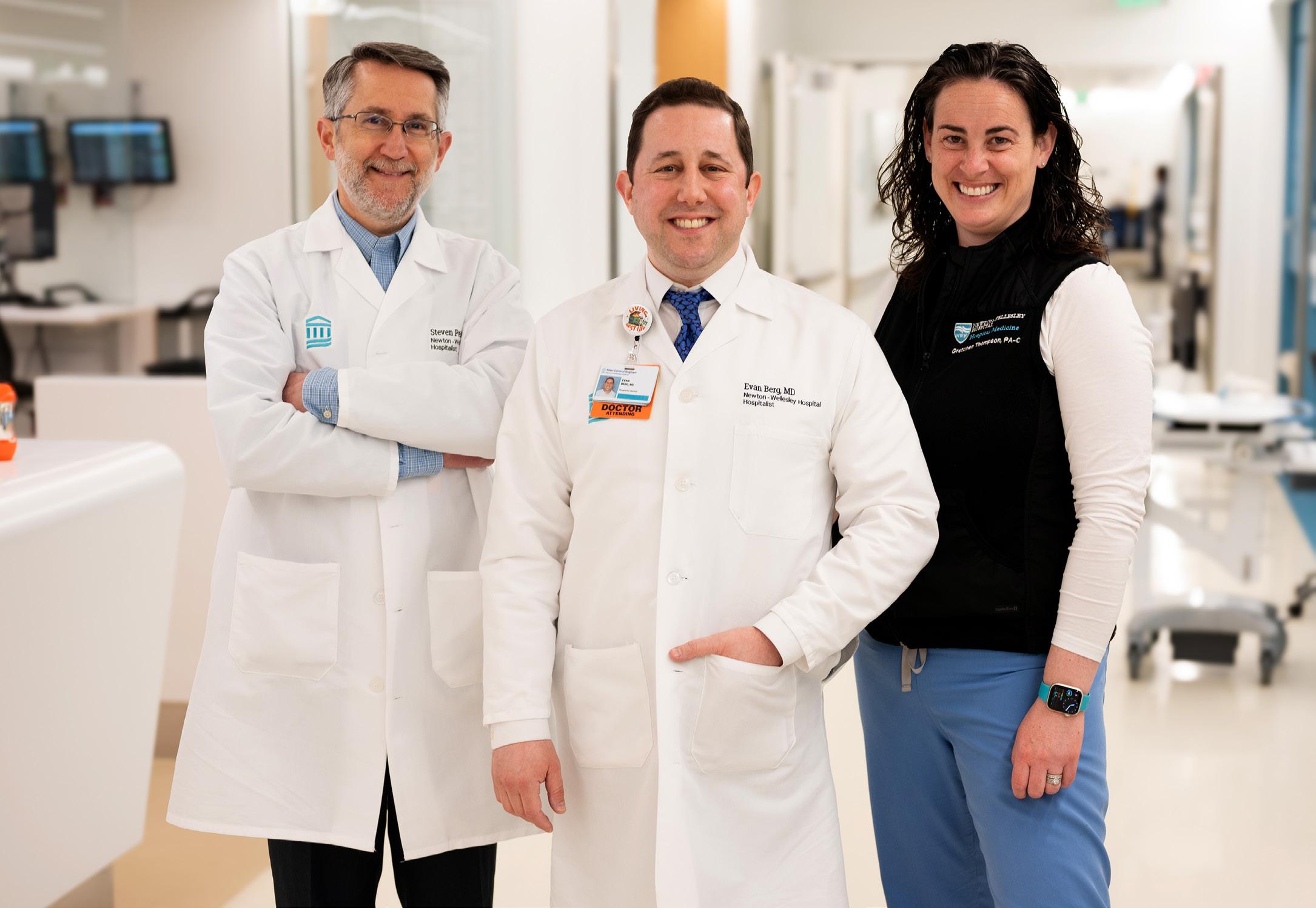
Evan Berg, MD, joined the group ago during that formative time, and he’s seen it nearly triple in size since then. In doing his internal medicine residency
“Hospital medicine has really evolved to become a subspecialty of its own.”
Evan Berg, MD
in a program with a strong hospitalist presence, “that’s where I learned what the term means and what the job is,” he says. “And as I went through my residency training, I fell in love with the breadth of internal medicine.”
From his perspective, “hospital medicine has really evolved to become a subspecialty of its own,” he feels. “We are de facto experts at taking care of hospitalized people,” he adds, echoing Dr. Pestka.
Team members have an intimate knowledge of processes in the hospital, how things work, and how to get things done in an efficient manner. They have found their way to hospital medicine through different routes. To Dr. Pestka, “by bringing them all together, the collective wisdom of the group is always so incredibly powerful and interesting.”
The critical role of physician assistants
“Our PAs are absolutely core to our success and fulfill critical roles,” Dr. Pestka emphasizes. “Part of what makes our program special is how our physicians and PAs work together in such incredibly high-performing teams.”
Gretchen Thompson, PA-C, is the longest-serving physician assistant on the team. From her college days, she always knew that she wanted to do something in the fields of health or science. She landed her first job at Newton-Wellesley as a unit coordinator on Usen 4. “It let me watch all the different kind of healthcare providers do their jobs and figure out the right fit for me,” she says.
Drawn to the growing field of physician assistants, she chose to pursue a PA program at MCPHS. Being local allowed her to do a few of her clinical rotations at NWH—and continue to work on a per-diem basis on her
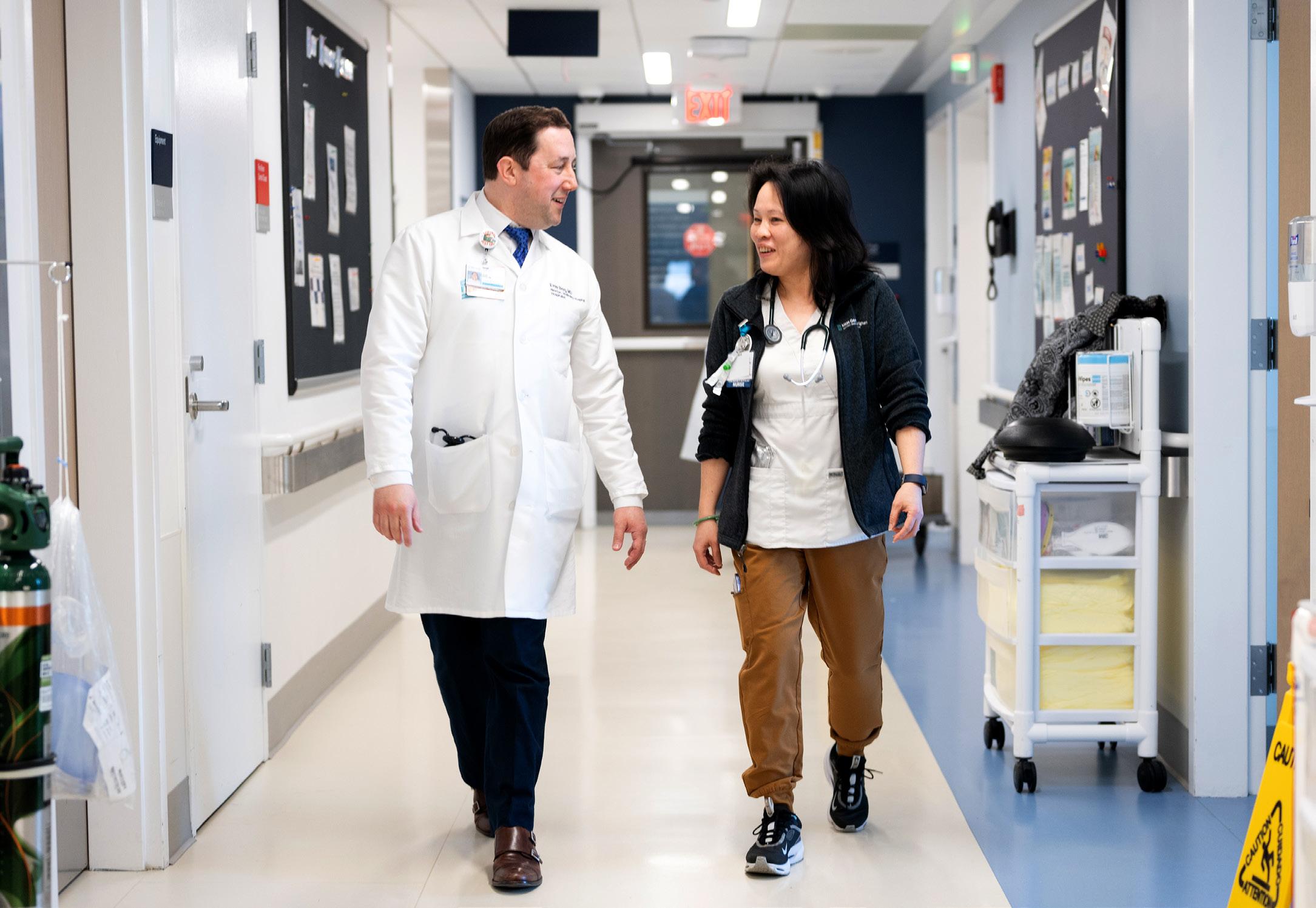
Evan Berg, MD and Jennifer Truong, RN
old unit. “When I graduated, it just so happened that the Hospitalist department was looking to hire a physician assistant,” she recounts. She interviewed for the opening with Dr. Pestka, who already had seen her in action.
In joining the team, she became only their second PA. “That was in 2010, and I have been here as a hospitalist ever since,” she notes. “I do truly love my job.”
Personal connection with patients
What keeps her energized? “I’m not a sit-at-a-desk person,” Gretchen says. “I thrive on human interaction and meeting and working with different people.”
“Every day is different. Every patient is different. Every experience is different,” she says. When it comes to patients, “everyone has a story,” says Gretchen. She loves listening to them.
“I grew up here, so I typically tend to have something in common with a fair amount of the patients,” she explains. “We may have gone to the same high school, or grown up the in same area, or like the same restaurant, or whatever it may be. I always try to find some sort of personal connection to the patient.”
“Every day is different. Every patient is different. Everyone has a story.”
Gretchen Thompson, PA-C
While their care experience is her first priority, “I like making that connection and making them feel like they’re not just a number, or just another patient.”
“A benefit of being a PA is that we get to spend a little bit more time with the patients, coordinating their care, making sure things happen smoothly and efficiently, and then getting people home,” she explains. “We want to get them back to their regular life as quickly as we can.”
“A great core of people”
After years on the job, like Gretchen, Dr. Berg still finds his role to be intellectually stimulating and challenging. “No two days are the same. No two weeks are the same. And while the diagnosis may be common, no two patients are the same. That keeps you on your toes.”
Working in inpatient medicine, he also enjoys the immediate gratification of seeing people getting better in real time. “The most important thing is that the patient improves and they or their families see that, but that also is enormously gratifying for me.”
At Newton-Wellesley, he also senses that people like coming to work. When he first arrives at the team’s office, “there’s always a hum of activity,” he says. “It’s a fairly small, intimate space, but the hive is always buzzing.” It’s a magnetic environment. Their camaraderie feels natural, not forced.
As Gretchen chimes in, “we have such a great core of people and we really truly all get along and enjoy working with each other.” Being together for so long, they know each other’s families. They’ve seen each other’s kids grow up over the years.
They’ve also gone through challenges together, from working around the clock during COVID to facing the pressures of heightened patient volume. At times, this work can be emotionally draining and exhausting, they both admit. “But in hard times, we lift each other up.”
Gretchen Thompson, PA-C
24/7 coverage by hospitalist service staff
110 hospitalist staff, including 85 MDs and 25 PAs
Making patients’ lives better
“I really do love Newton-Wellesley,” Dr. Berg adds. “This is a special place.” Beyond his deep ties through work, it’s the place where his kids were born and where his family turns for healthcare.
When it comes to his team, “I think that to a person, we really are willing to make sacrifices for patients,” he adds. “I know that sounds cliche, like saying ‘we’ll do whatever it takes for the patient.’ But I really feel and believe that.”
To him, it’s a testament to the group’s leadership in terms of finding and retaining the right people.
From his perspective, there’s a deep culture of and commitment to quality and patient experience. “That’s at the center of what we’re all doing. And that kind of unified goal makes it an easy place to want to come to work.”
Within the service, “the core of our group are Newton-Wellesley lifers, so to speak,” he says. “I know virtually everyone at the hospital, and everyone knows me, and I think that familiarity engenders and builds trust in one another.”
“When we work in one place, we are more invested in making it better,” he concludes. “As hospitalists, we are uniquely positioned to see how processes work and how to improve them in real time to make our patients’ lives better.”
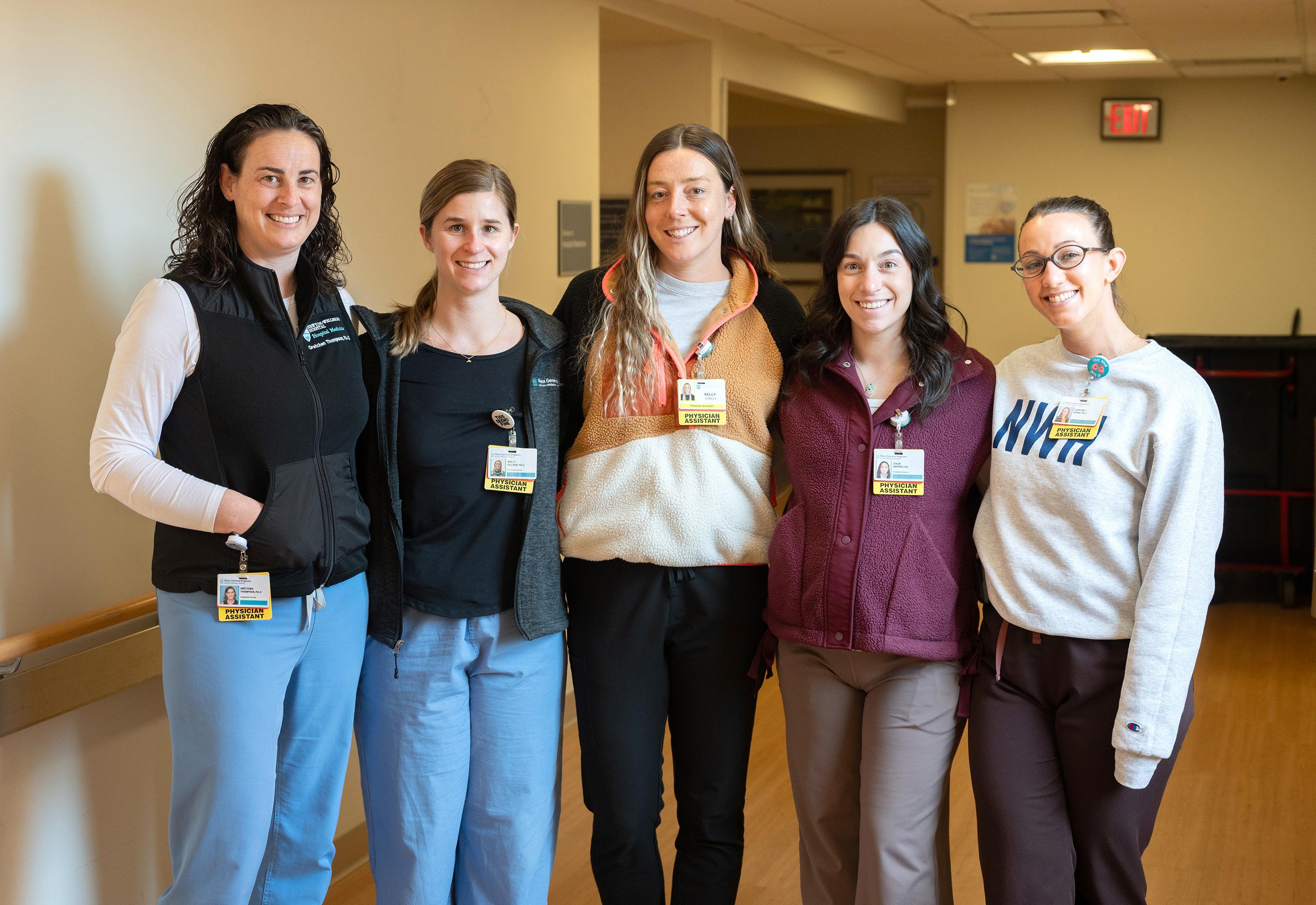
Gretchen Thompson, PA-C, with teammates Molly Sellner, PA-C, Kelly Conley, PA-C, Chloe Hippert, PA-C, and Courtney Burke, PA-C.
A unique community teaching hospital
When it comes to hospital medicine, “we are a unique community teaching hospital,” notes Steven Pestka, MD, chief of the Hospitalist Service. NWH not only prioritizes excellence in patient care but also values medical education. “That’s a very important ingredient,” he believes.
Hospitalist Evan Berg, MD, exemplifies what it means both to students and staff. He first experienced NewtonWellesley as a Tufts medical school student. “I fell in love with the place and the culture and so when it was time to find an attending hospitalist job, it was a natural sort of homecoming for me.”
As he discovered throughout his training, “hospital medicine is a natural fit for me because I love the pace and acuity of the hospital.”
Within the Hospitalist Service, “our ongoing commitment to teaching helps us recruit the best and the brightest,” Dr. Pestka says. “Our program attracts staff who are
really interested in supporting that next generation of learners. It brings together all those things that make us who we are: the values, the camaraderie, the nurturing culture, and the patient care that we all pride ourselves in. We deliver on that day after day.”
Medical education and the presence of so many extraordinary students and residents motivate him and the wider team, driving them to want to perform at a high level. “These are people who ask a lot of good questions. They keep us on our toes.”
As a team, “we’re always needing to keep up with things, and that excites me. I enjoy wrapping my head around a topic that’s changed over time. Clinical excellence is not static, it’s a dynamic.”
“Having a responsibility to train medical students, interns, and residents leads to high standards,” he reflects. “It’s a very powerful way to advance our practice and knowledge.”
The entire NWH team shares a passion for supporting the next generation of hospitalists.
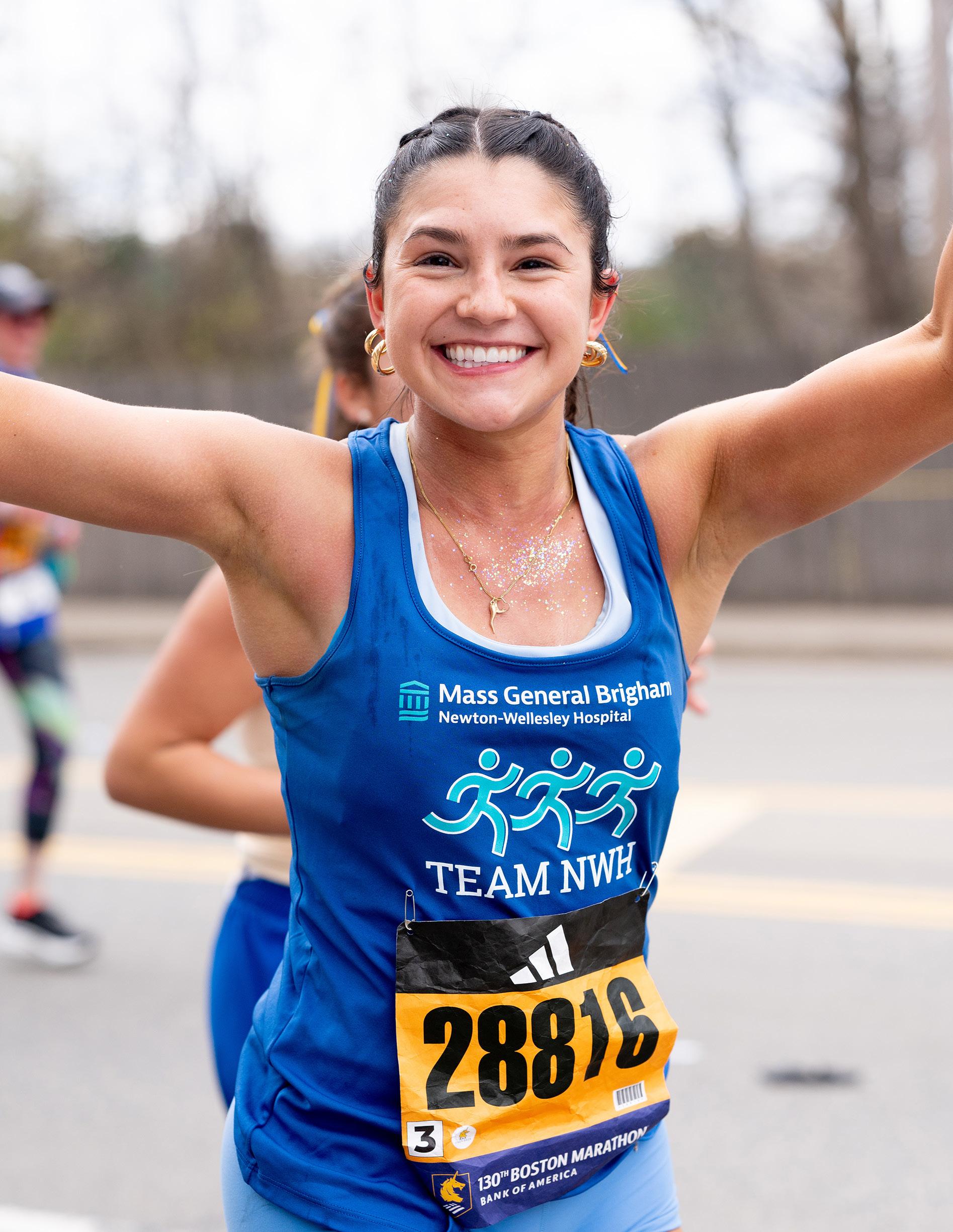
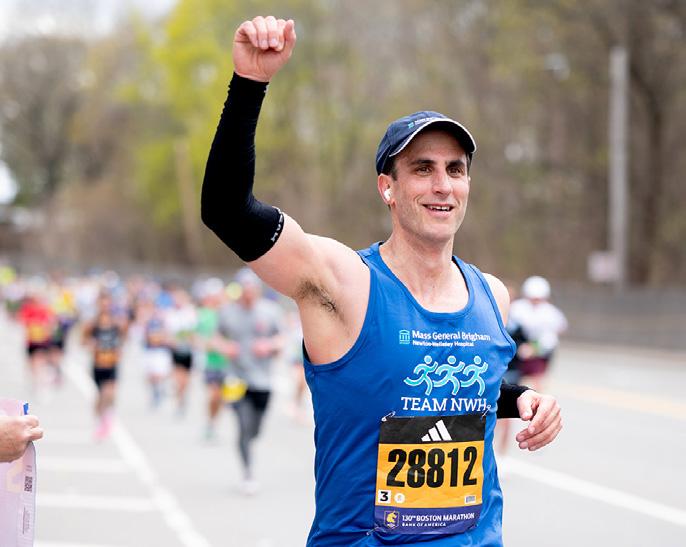
Grace Sciacca is all smiles at Mile 17, energized by family and friends cheering her on at NWH.
On the road to health
In running the Boston Marathon, Team NWH’s Grace Sciacca gives back to her amazing caregivers.
When Grace Sciacca first learned about Team NWH last fall, “the stars aligned,” says the recent Boston University graduate and avid athlete.
While she grew up dreaming of running the Boston Marathon, a health scare last summer left her unsure what her future would hold. Thankfully, she found hope and healing in the hands of Newton-Wellesley’s experts.
Being awarded a spot on the hospital’s marathon team, Grace dove into fundraising on behalf of her caregivers in Rheumatology and Pulmonary & Critical Care Medicine. “They’re so amazing, and I want to give back for all they’ve done for me and for so many others,” she says.
Unlike any other hospital
After a year of confusing symptoms, Grace’s health became progressively worse last summer. In effect, “my immune system began attacking me,” she says. Led by Robert Friday, MD, PhD, and Aran Kadar, MD, her NWH team discovered that she had Eosinophilic Granulomatosis with Polyangiitis (EGPA), a rare autoimmune condition. “For them to push for all the tests and figure out the root problem was amazing.”
She also shouts out the team at the Tanger Infusion Center. “They’re the best,” she says. Going in monthly for injections, “everyone treats me so kindly and with so much care and respect.”
“I don’t know if any other hospital would have been able do for me what Newton-Wellesley has done for me,” she believes.
Surrounded by positive energy
Grace credits her care team with getting her back to what she loves.
“Running has always been a part of me,” she says. Throughout her marathon training, she felt healthy again. She enthusiastically juggled running with a busy class schedule plus extracurriculars and club hockey. “Having BU friends to train with made it extra fun and special.”
On Marathon Monday, “knowing that all the people I love were there to support me was so emotional,” she says. Surrounded by so much positive energy, she couldn’t stop smiling.
Part of the NWH family
Looking back, “I don’t know where I would be right now without all that Newton-Wellesley has given me,” Grace reflects.
“They’ve contributed so much to my life,” she adds. “I’m so glad to be part of the Newton-Wellesley family and to be able to give back.”
“I don’t know where I would be right now without NewtonWellesley.”
Grace Sciacca, Team NWH 2026
Our champions
Congratulations to the 10 dedicated members of Team NWH who ran the 2026 Boston Marathon on behalf of the hospital. Together, they raised more than $138,900 to support expert, compassionate care.
Reece Clark
Victoria Clark
Susie Eklund
Brendan Finnerty
Jeff Isenberg
Erin McGovern
Abby Niles
Grace Sciacca
Jonathan Sussman (pictured)
Adina Taylor
Salute to caregivers
More than 3,800 caring, dedicated staff bring NewtonWellesley’s mission to life every day. After hospital stays, many patients powerfully express just how much our family of caregivers means to them. “I’m extremely grateful for the excellent care during this visit,” writes one patient. “So many things went right. It was clear
the staff were working as a team. They were proactive, personable and kind.” She sensed how everyone does their jobs well—and enjoys doing their work. The devotion to quality, safety, and comfort shows up in so many ways. As she notes, “All these things come together and add up.“
Celebrating 10 years of The Resilience Project
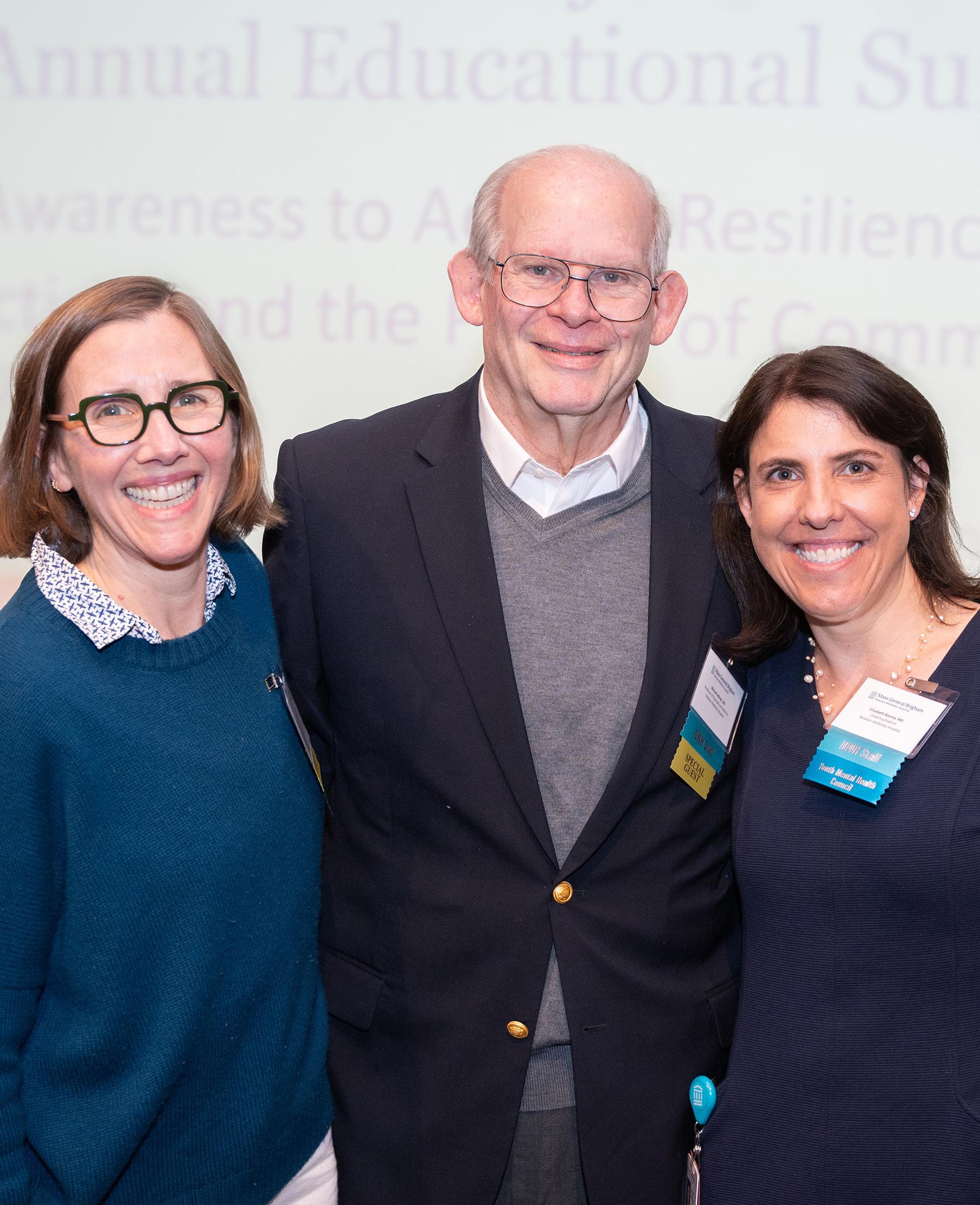
This spring marked a decade of community impact for The Resilience Project and its annual Education Summit. The March summit again brought together school personnel and community partners to collaborate and learn from leading experts, including Susan Swick, MD, the project’s co-founder and now executive director of Ohana at the Community Hospital of the Monterey Peninsula, and Stuart Ablon, PhD, founding director of Think:Kids. On the eve of the event, a special gathering celebrated the visionary supporters and champions who have helped build and advance youth mental health services at NWH. Special guests included Dr. Swick, Michael Jellinek, MD, former hospital president, and Elizabeth Booma, MD, The Michael S. Jellinek, MD Chief of Child and Adolescent Psychiatry.
The
gift
of unforgettable care
Some experiences are so moving that they stay with you forever. Like thousands of NWH patients, Hillary wants her orthopedics team to know she’ll always remember their extraordinary care. After three successful joint replacements, “I feel so grateful,” she says.
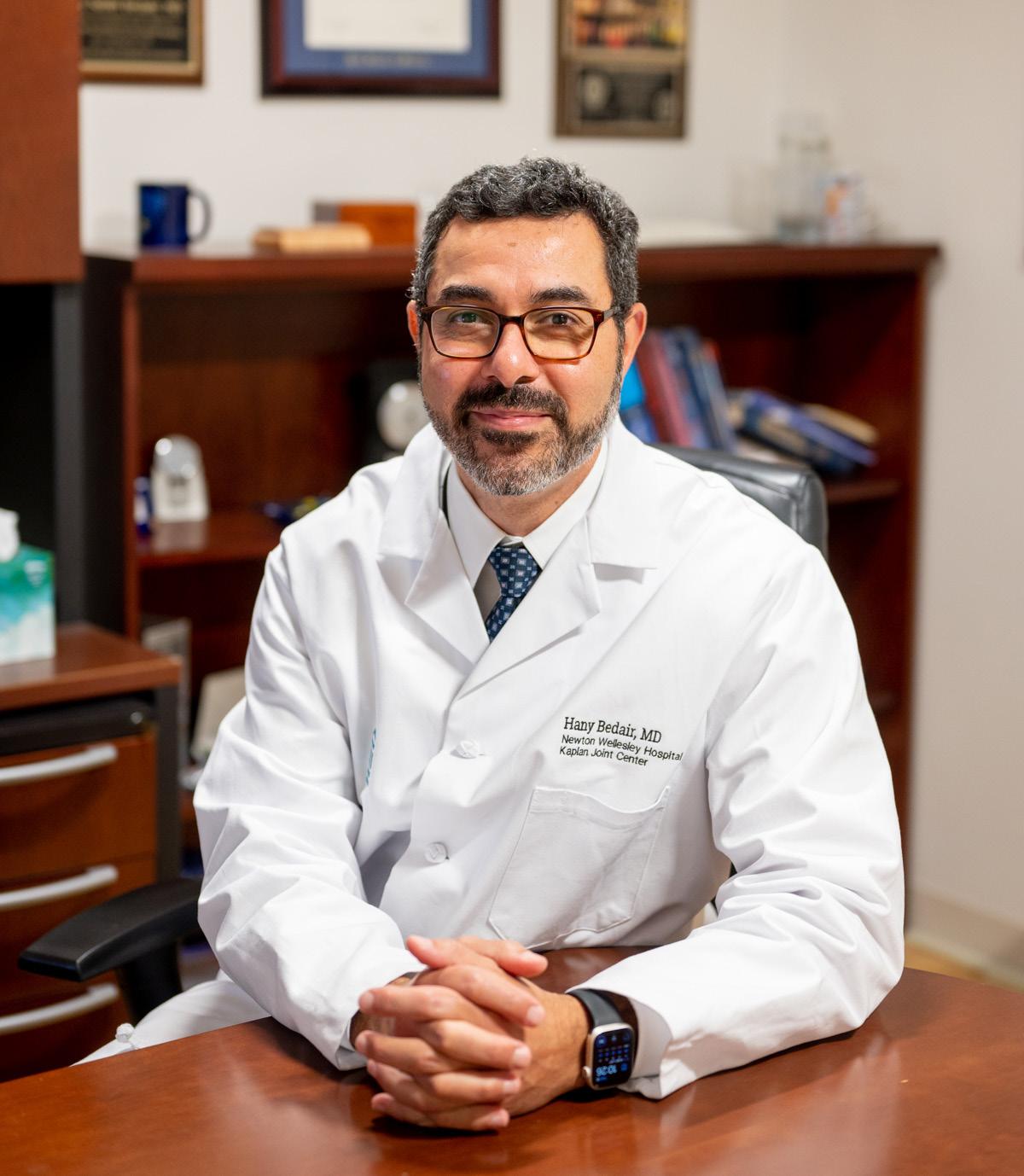
A decade ago, when a nagging pain in her hip wouldn’t go away, an X-ray revealed she’d likely need a hip replacement. Researching her options led her to Hany Bedair, MD, director of NWH’s Joint Center. When they met, “he was indescribably patient, warm, and focused on what was best for me.”
With the Center’s excellent team there for her at every turn, she healed quickly. When she twice needed care again, she couldn’t imagine going to anyone else.
Each year, Hillary gives in honor of Dr. Bedair and the team, “I just want the practice to know that I still remember and I’m still grateful—now and always.”
To make a gift, visit giving.nwh.org/
By the numbers
29,500
How heart disease affects women
In an empowering April webinar, experts explored the unique ways that heart disease affects women— from pregnancy through menopause. Participants gained practical knowledge of how to recognize early symptoms and be aware of key risk factors at every stage of life.
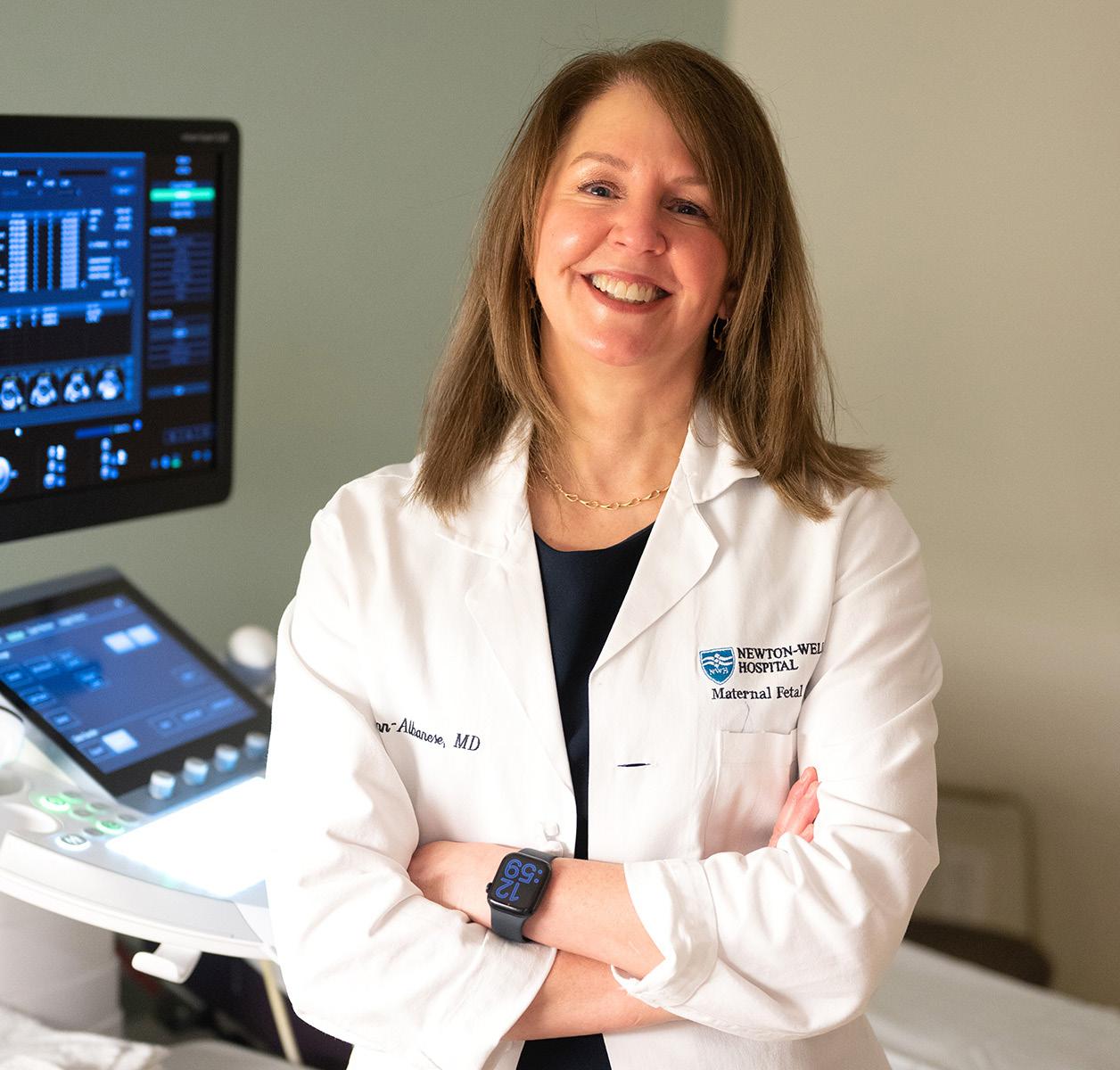
The session featured Lisa Dunn-Albanese, MD, senior medical director of NWH Maternal Fetal Medicine, and Amy Sarma, MD, co-director, MGB Women’s Heart Health Program.
Sponsored by the Community Collaborative’s Heart Health and Wellness Council, it exemplified the impact of philanthropy in promoting a heart-healthy community.
In 2025, Newton-Wellesley’s 581 volunteers dedicated nearly 29,500 hours of service in 55 departments across our hospital. They represent people from all stages of life, from teenagers to seniors. Thanks to all our volunteers for generously giving their time and presence to our community!
Going the distance for NWH
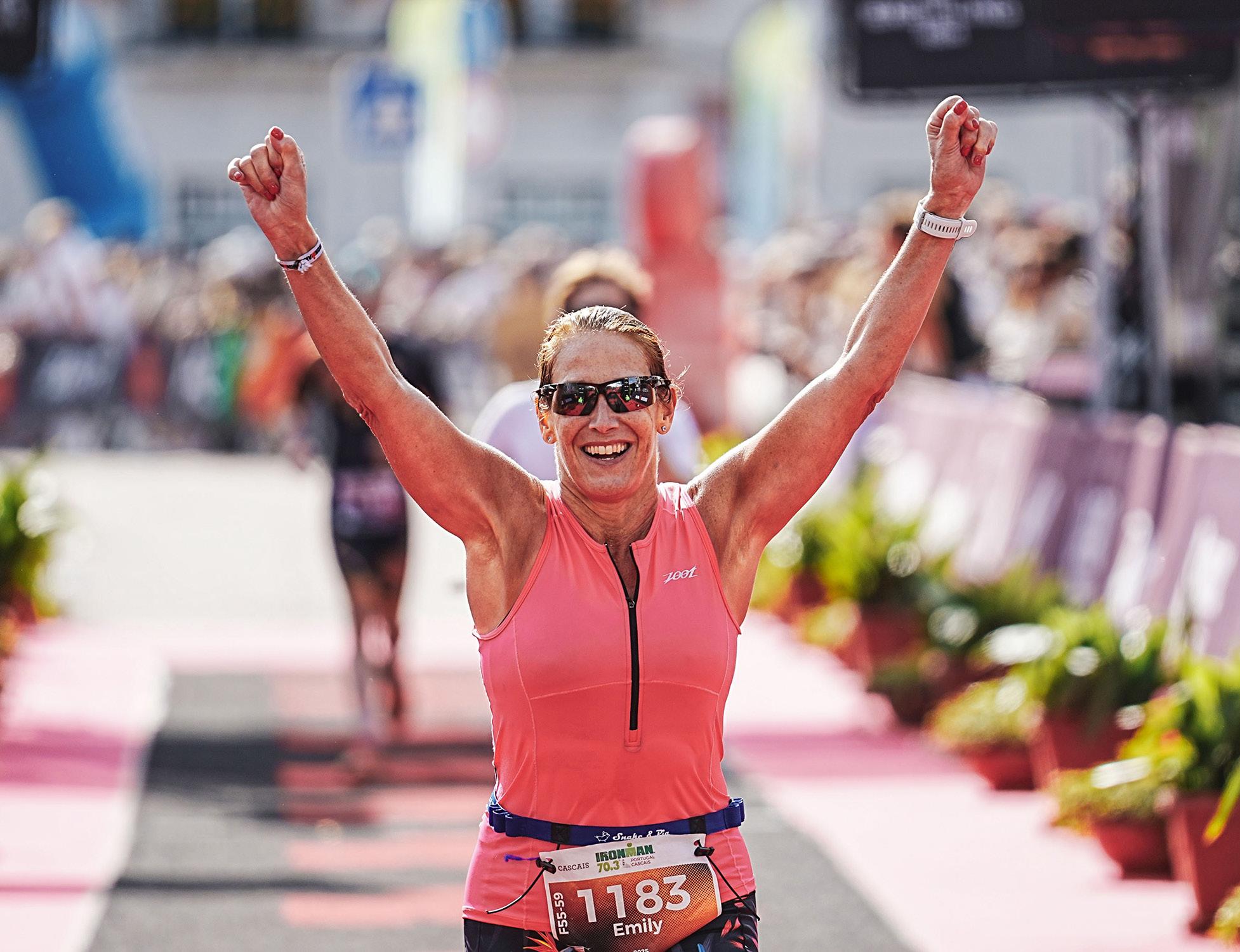
When Emily Neill sets her sights on a goal, she never wavers. After committing to do a 2025 half Ironman triathlon in Portugal as an NWH fundraiser, she suffered a head injury that changed the trajectory of her year.
While she faced months of physical, cognitive, vision, and speech therapy, she never canceled her plans. With grit and the guidance of her rehabilitation team, she created a safe and gradual training program.
Last October, she joyfully crossed the finish line—knowing “every dollar raised for Newton-Wellesley was going to change and save lives.”
NWH has long been close to her heart. Today, as chair of its Board of Advisors, she brings people together with infectious energy and purpose. Grateful for all she has been given in life, she always seeks ways to give back. For her, it’s about showing up, rallying others, and making a difference in the lives of her neighbors.
Through its peer-to-peer Community Fundraising platform, “NewtonWellesley makes it super easy for anyone to do this,” she notes. As her efforts have taught her, “people love supporting others who are doing something bigger than themselves.”
The fundraising tool works for any kind of event. “Make it your own,” she encourages. “If you’re passionate about something, just do it.”
To learn more, visit https://www.nwh.org/development-office/communityfundraising
Insights on Healthcare at Home
At NWH and across Mass General Brigham, Healthcare at Home is redefining care delivery by bringing high-quality, hospital-level services directly into patients’ homes— improving outcomes, enhancing patient experience, and reducing avoidable hospitalization. A virtual Winter Conversation showcased how home-based care works, who it’s for, and how the program can support you or your loved ones. The expert panel also shared how it strengthens and supports community hospitals across the system.
Enjoy the conversation on the NWHYouTube channel: https://www. youtube.com/watch?v=vuzEIhyjQWA
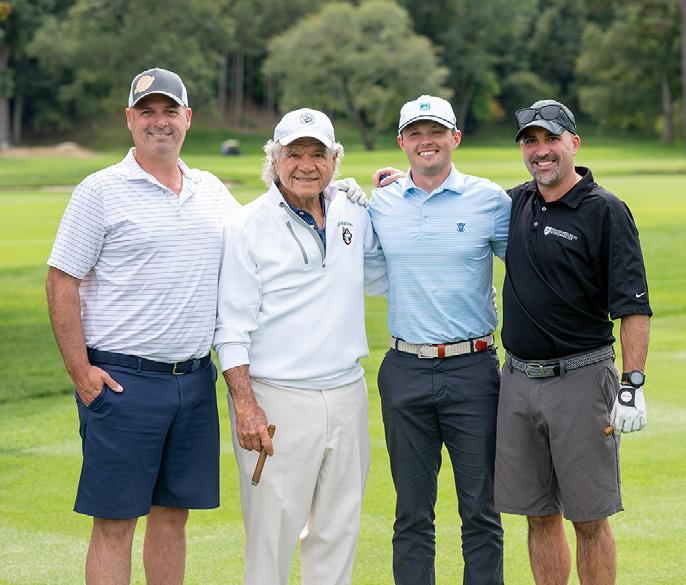
Become a sponsor of the NWH Golf Tournament
Sponsorships are now available for the 2026 NWH Golf Tournament, to be held Sept. 14, 2026, at Wellesley Country Club. Join us on the links this fall in support of the Workforce Development Council’s summer internship program.
To register, visit: https://giving. nwh.org/golf-sponsor/
An evening of joy and gratitude
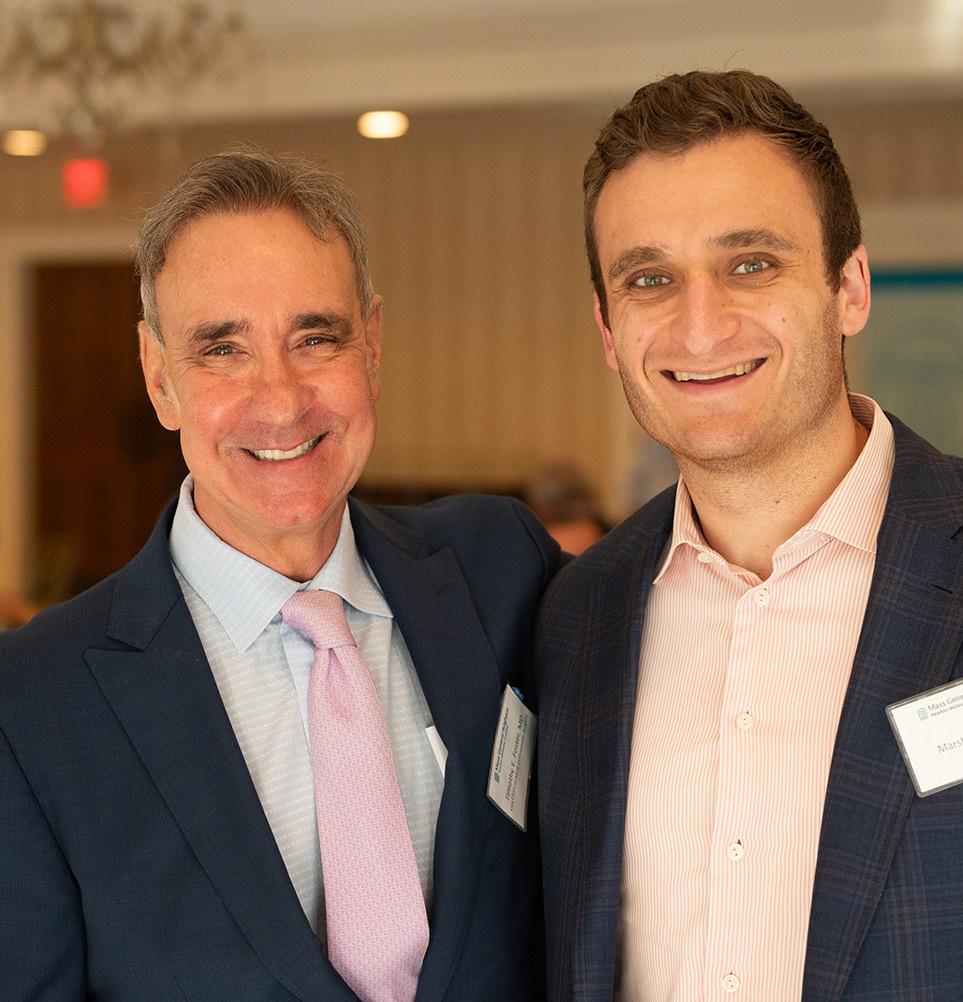
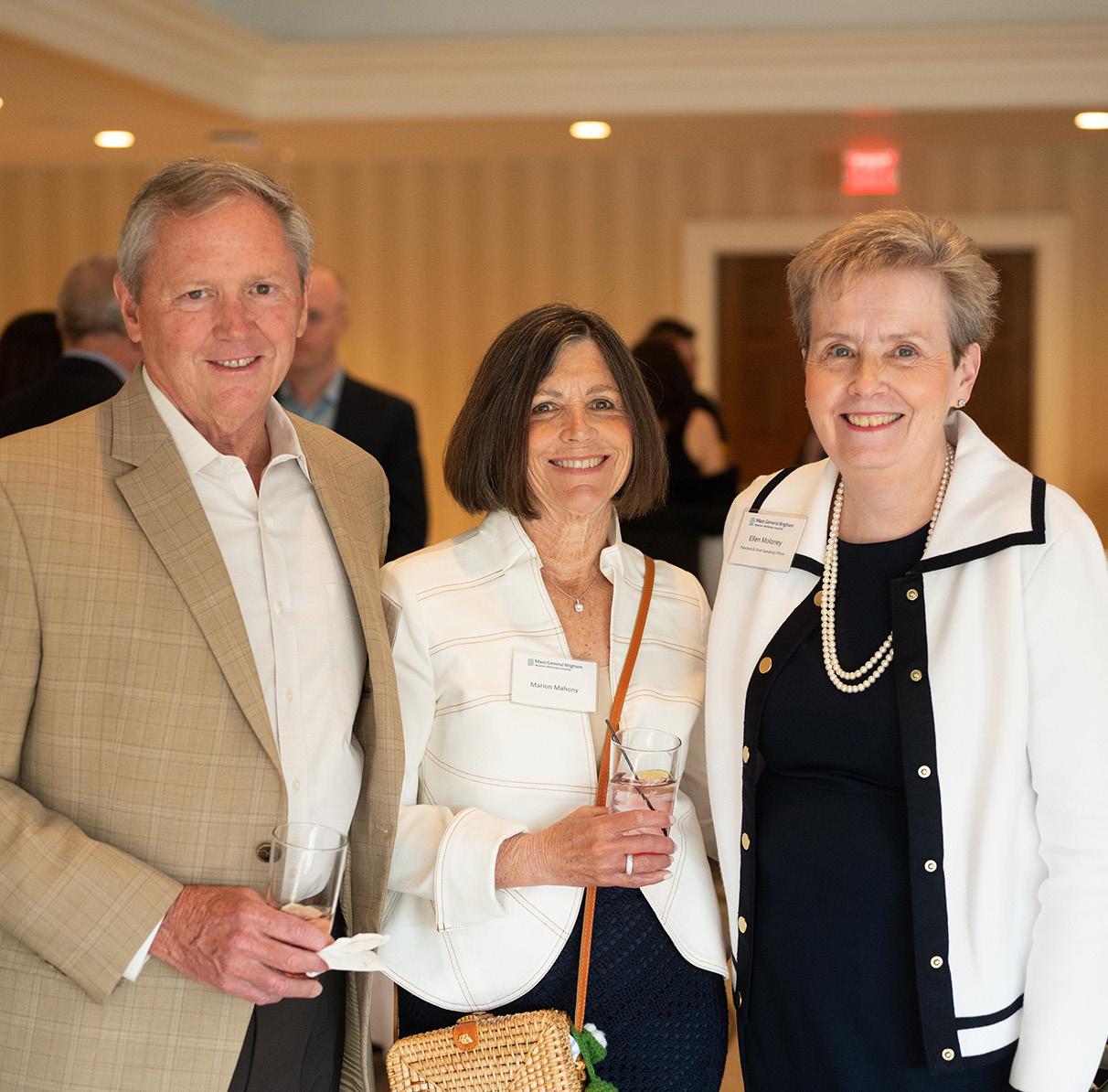
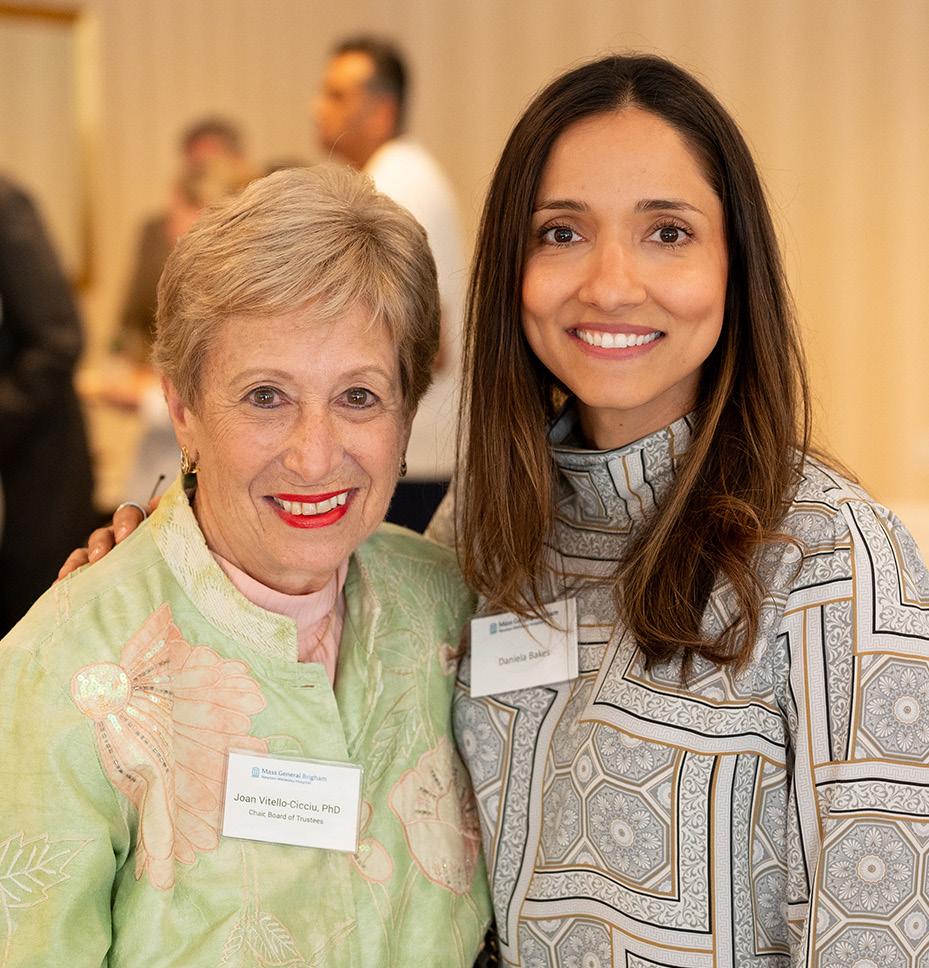
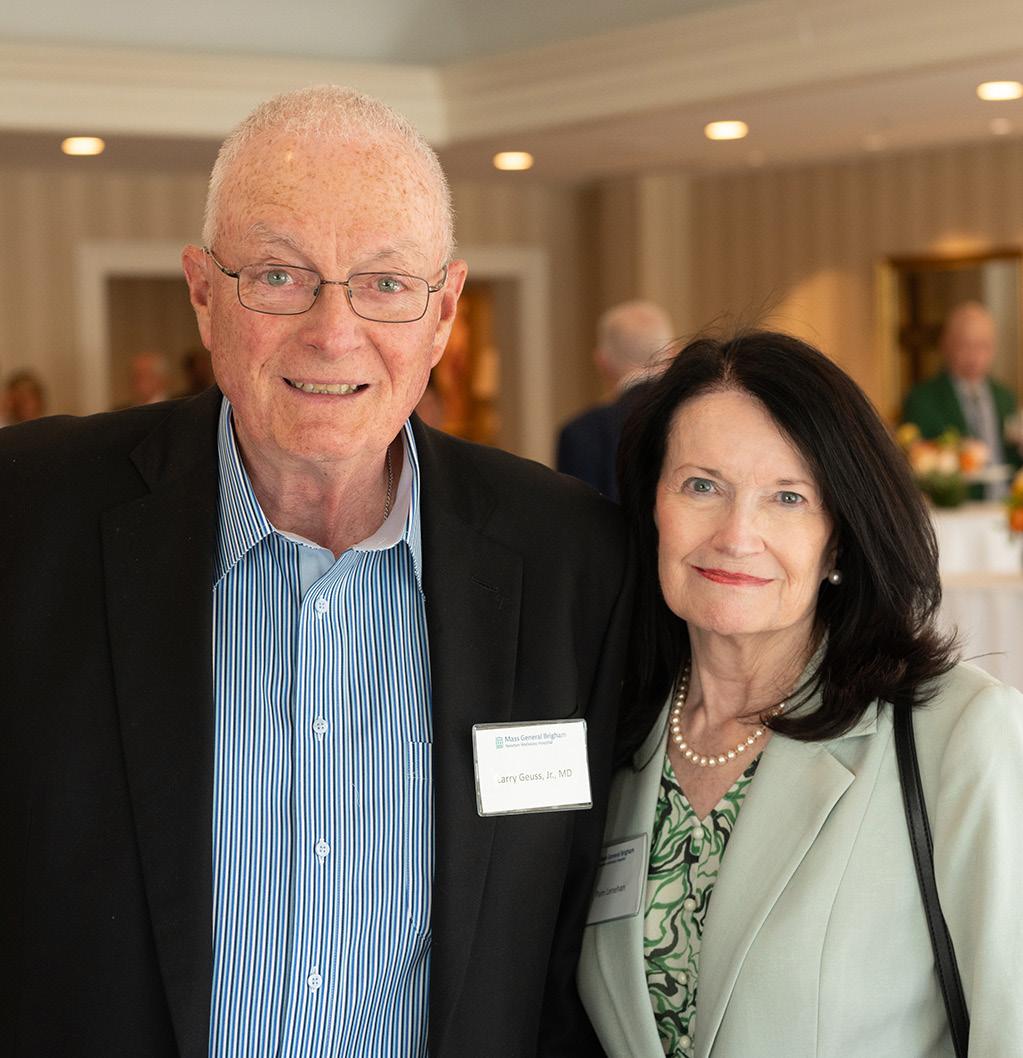
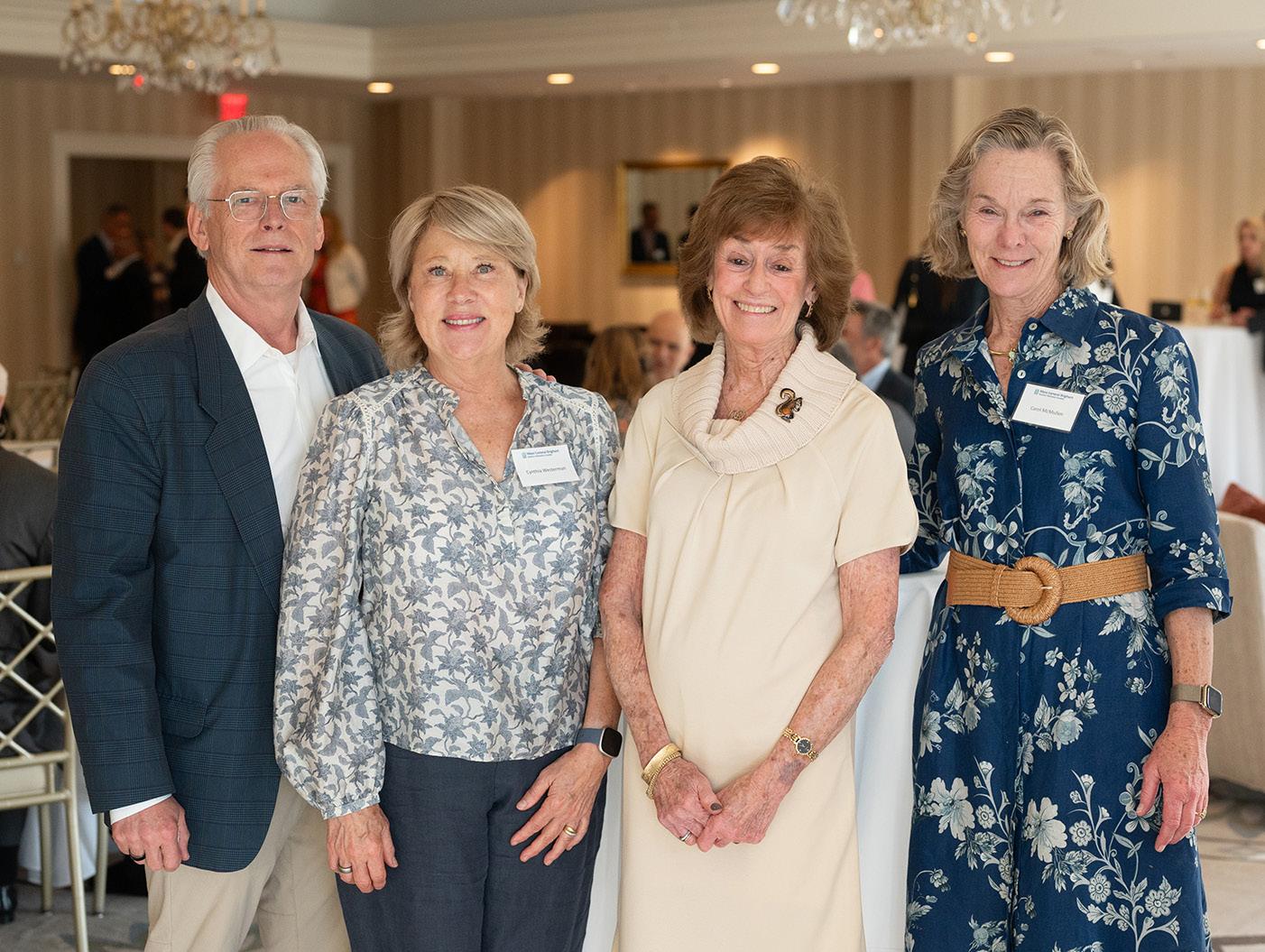
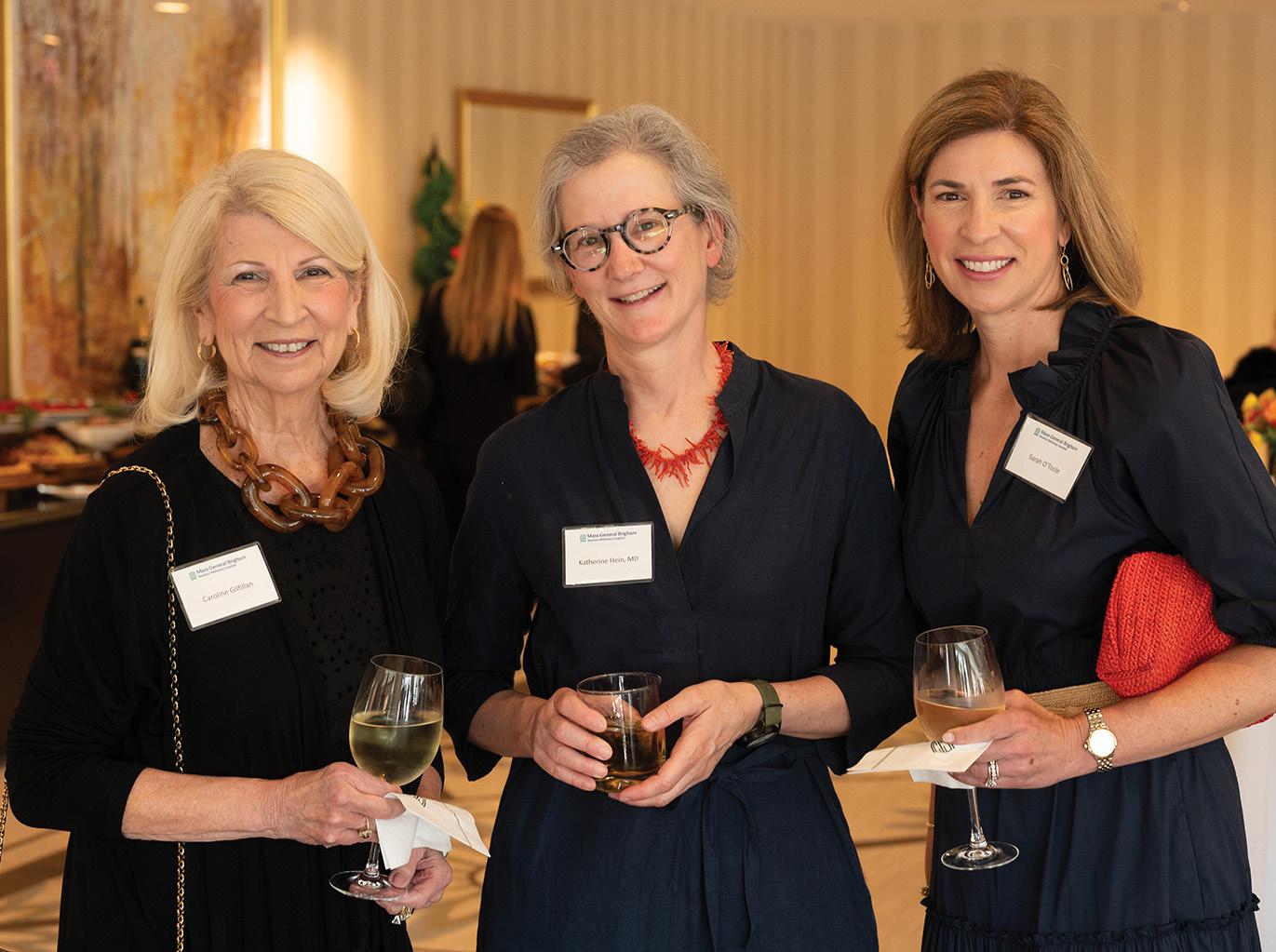
Photos from the 2026 Leadership Donor Celebration reflect the wonderful spirit of joy and gratitude. Held May 27 at Wellesley Country Club, the evening provided a perfect opportunity to give thanks to our most generous supporters for all the ways they contribute to Newton-Wellesley’s mission. Timothy Foster, MD, MBA, MS, chair of Orthopedic Surgery, shared a special update on the new Center for Bone and Joint Preservation, being made possible by philanthropy.
Sharing a vision
A conversation with Trustees Brenda Haynes and Adam Koppel
Profiles in leadership
“We want to help support and maintain this jewel that is Newton-Wellesley.”
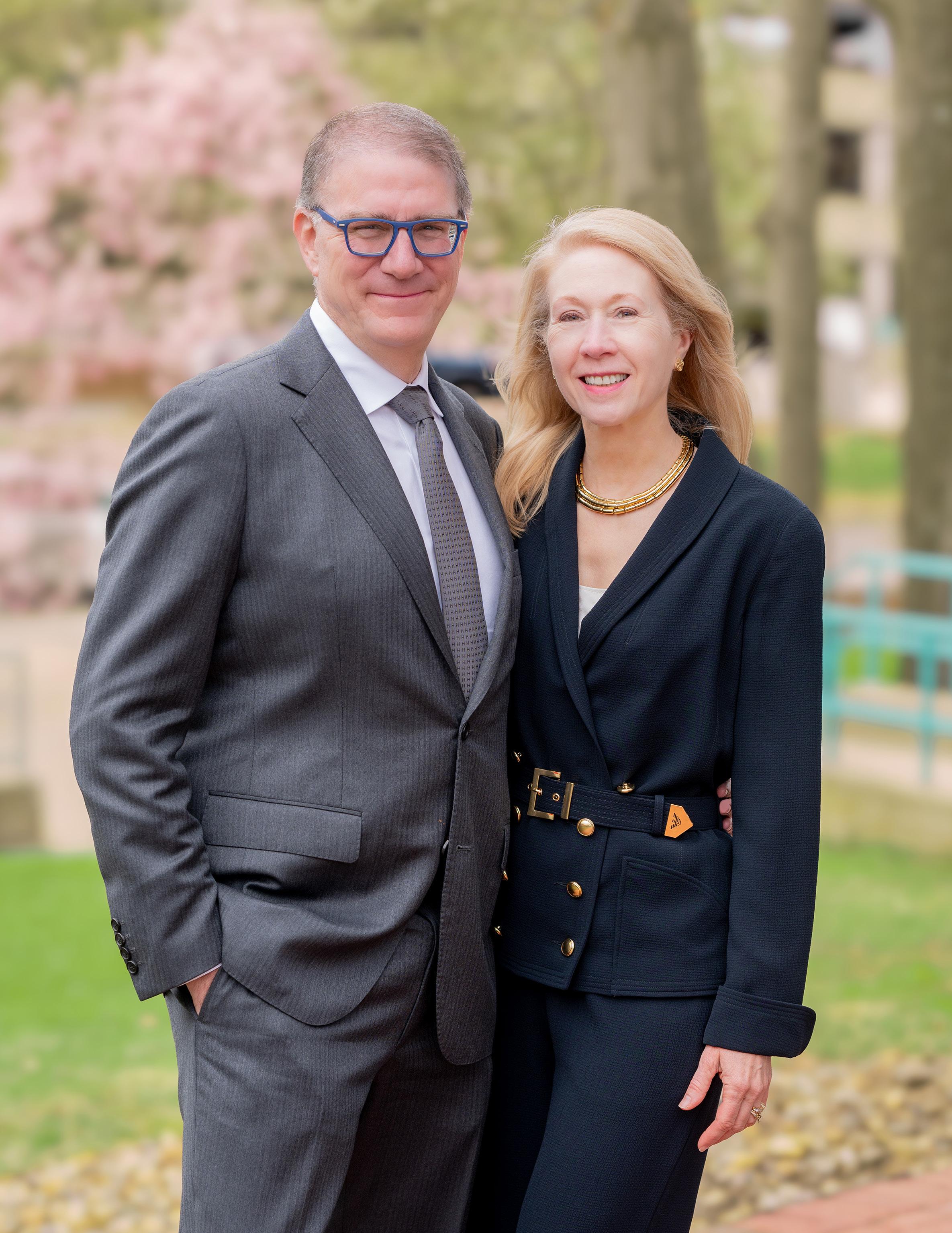
Brenda Haynes and Adam Koppel
For Brenda Haynes, MD, and Adam Koppel, MD, PhD, engagement and service go hand in hand. As NWH Trustees, both bring deep expertise and a shared belief in community healthcare—united by a simple mission: to champion and preserve an institution they love.
Our family hospital
The couple have called Wellesley home for more than two decades. Their roots at Newton-Wellesley run deep. Their youngest child was born there, and the hospital has been a trusted presence through every stage of family life.
“It has always been our family hospital,” says Brenda. “Whenever our kids needed care, we never had to wonder. We knew they would be in excellent hands.”
Newton-Wellesley remains their first call. “Having an outstanding hospital right here gives us genuine peace of mind.”
Purpose and pride
Brenda has seen NWH from the inside, having spent six years on staff in hematology and oncology. “What truly sets Newton-Wellesley apart is the culture,” she reflects. “From the most senior physician to every support team member, everyone shares the same sense of purpose and pride.”
Adam, a partner at Bain Capital Life Sciences Fund, sees the same quality from a broader vantage point. “NWH strikes a rare balance—the warmth of a community hospital with the resources of a worldleading academic health system,” he says. As part of Mass General Brigham, the hospital offers patients state-of-the-art care, close to home.
For our neighbors
After Adam joined the board, Brenda became a trustee two years later. From the start, both have been driven by the hospital’s community mission.
“Number one is what Newton-Wellesley does for the people who live here,” Adam emphasizes. “And I deeply respect each trustee individually—they are thoughtful, dedicated, and inspiring.”
“They’re a fantastic group—smart, dedicated, caring,” Brenda agrees. “The heart of it is really providing the best care for our neighbors.”
Giving back
“We always believe in giving back,” they reflect. For Brenda, that impulse is rooted in her years as a physician. “You become acutely aware of how vulnerable patients and families are when illness strikes. What Newton-Wellesley does best is care for people through those difficult moments—we give our support so that vital work can continue.”
Supporting youth mental health
Youth mental health has been a particular passion. For eight years, Brenda chaired the Resilience Council of NWH’s Community Collaborative, advocating for better services for children and teens. She and Adam were thrilled to see The Resilience Project celebrate its tenth anniversary.
Their philanthropic commitment extends to Child and Adolescent Psychiatry at NWH, where they have contributed generously to expand access to mental health care for the next generation.
World-class healthcare, close to home
Access to outstanding local care tops their list for NWH’s future. “A friend recently told me about bringing their mother for radiation treatment at Newton-Wellesley,” Brenda shares. “They had feared a daily drive into the city. When they learned NWH offers the very same standard of care right here, they were so relieved and grateful.”
“It’s better for the patients, for their families, and for our community”—and for Brenda and Adam, that says it all.
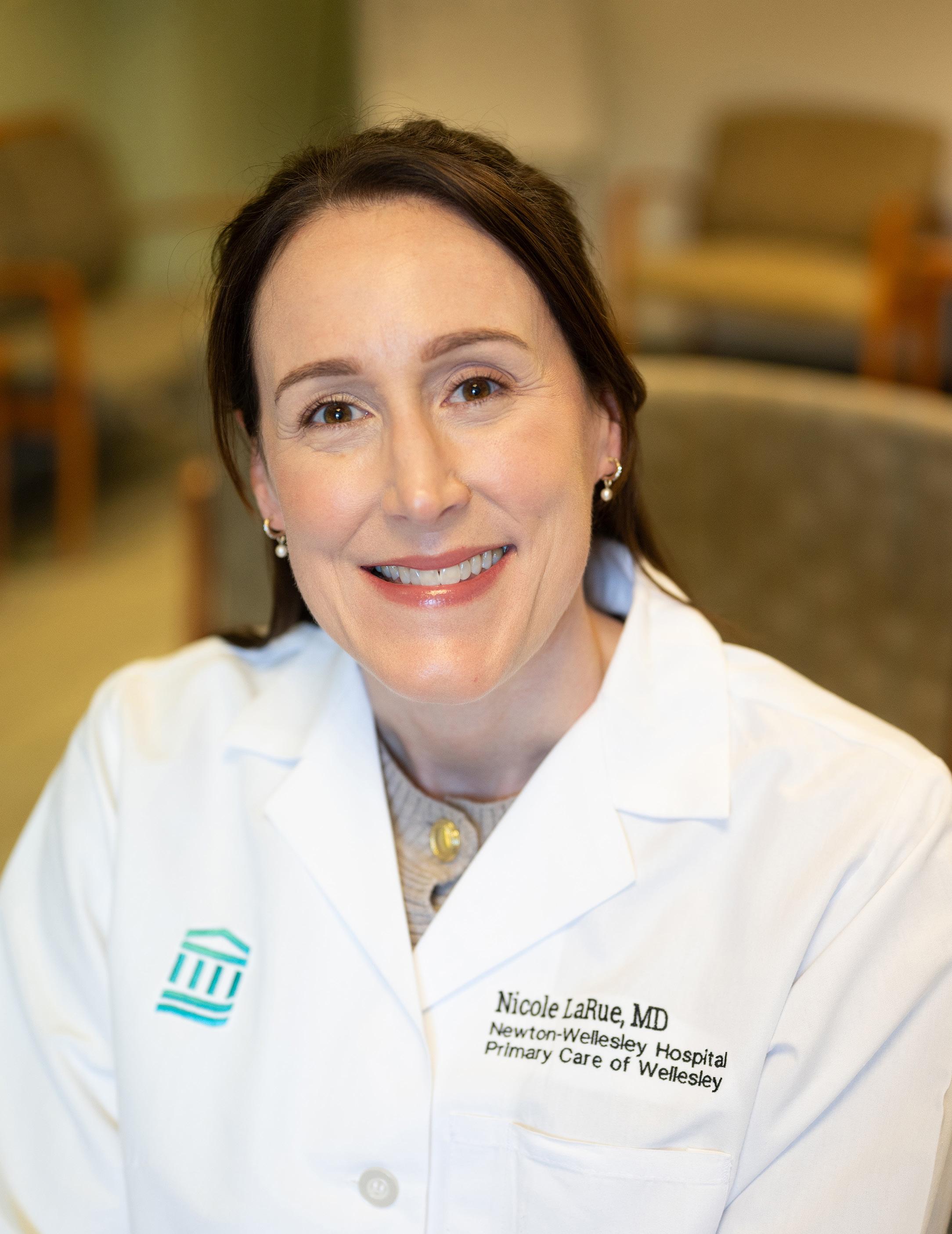
“Aging is unique. Everybody’s different. But what I always tell my patients is just keep moving.”
Nicole LaRue, MD, Medical Director, Mass General Brigham Primary Care Clinic at Wellesley; Chief, General Internal Medicine, and President, Newton-Wellesley Hospital Medical Group
For primary care providers, “questions about aging are a huge part of our everyday,” says Nicole LaRue, NWH’s chief of General Internal Medicine. One in five adults are age 65 or older today. Everyone’s unique, and aging doesn’t happen in a set way. For her older patients, she emphasizes two keys: keep moving and stay connected. As studies show, “movement affects everything: your mental health, physical health, and overall well-being,” she notes. It doesn’t have to mean going to the gym. “Sometimes I just tell people to step outside and go for a walk,” she adds. Local senior centers have great resources, too, from walking groups to exercise classes. Whatever you choose, “just keep moving.”
Learn more about primary care for patients of all ages at http://www. massgeneralbrigham.org/en/patient-care/services-and-specialties/primary-care
Newton-Wellesley Hospital Development Office
2014 Washington Street Newton, MA 02462
giving.nwh.org/
From our grateful patients
“From my arrival in the Emergency Department through my admission and discharge, I received phenomenal care. Every single staff member was overwhelmingly helpful and professional. I am deeply grateful to have such a worldclass facility just minutes from home.”