Bespoke Lighting
Zach

Zach
Course
IARD 4650V Special Topic | Premiumization, Sustainability, and Bespoke Design in Fall 2024
Students
Zach Badger
Sydney Bommarito
Isai De Loera
Adam Engelke
Gabriel Halderman
Micah Hook
Seth Johnson
Skyler Perryman
Ruth Prenzler
Finn Riley
Claire Sanders
Austin Seay
Camila Salgueiro
Jeffrey Simmons
Javier Vidales
Lorelei Walker
Instructor
Jinoh Park
Jake Tucci
Acknowledgment
This project was made possible through funding from the Nuckolls Fund for Lighting Education, with additional support from the Fay Jones School of Architecture and Design and the Department of Interior Architecture and Design. The authors are grateful for the resources and opportunities provided by these organizations to advance lighting design education.
*. There is no restriction on academic use of the contents of this book.
*. The copyright of all design results contained in this book belongs to each (student) designer.
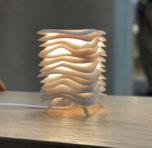
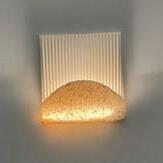
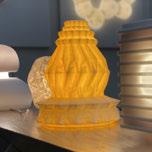
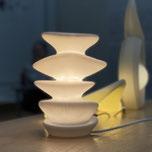
IARD 4650V / ARCH 402H / ARDS 60203
PREMIUMIZATION, SUSTAINABILITY, AND MAKING OF BESPOKE LIGHTING – PROFESSIONAL ELECTIVE FALL 2024
Fay Jones School of Architecture and Design University of Arkansas
Project 1 – Table Luminaire
Individual Project
Objective: to develop a small table luminaire by engaging in 3D design and 3D printing and exploring branding, various materials, and lighting concepts.
Description:
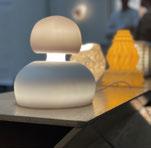
For the first project, students will each develop a sculptural table luminaire. The first project will be of small size, intended to help students learn new digital modeling techniques, test materials, and experiment with light sources. The first project will take about six weeks.
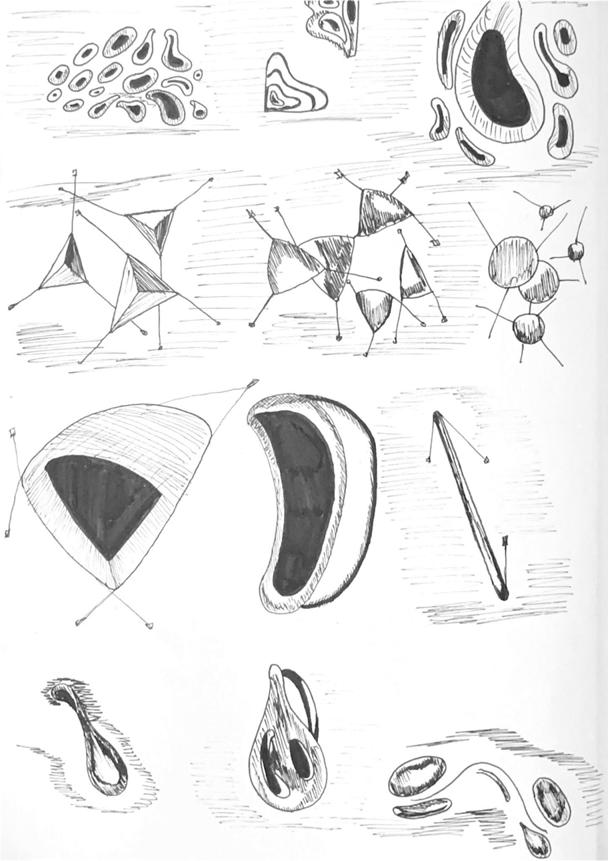
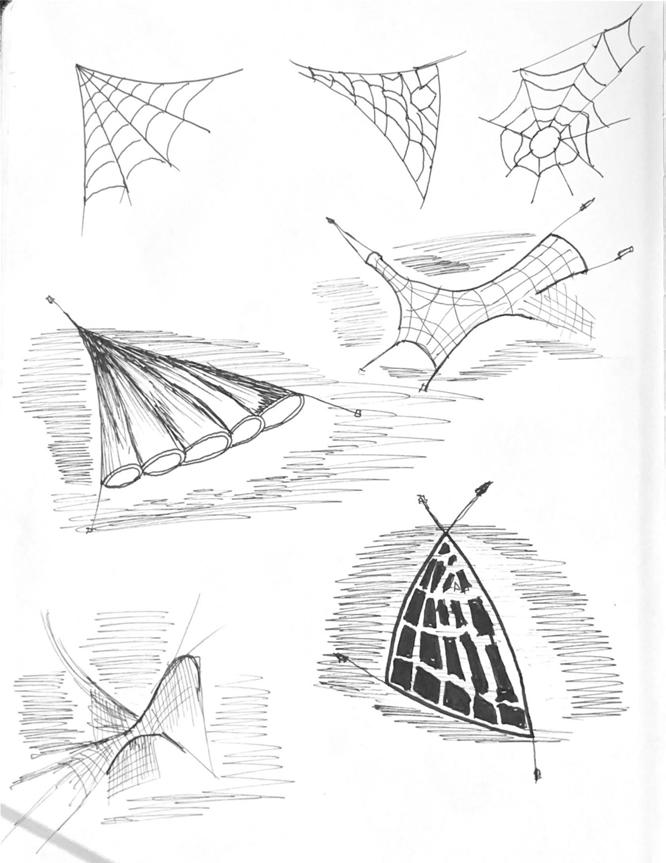
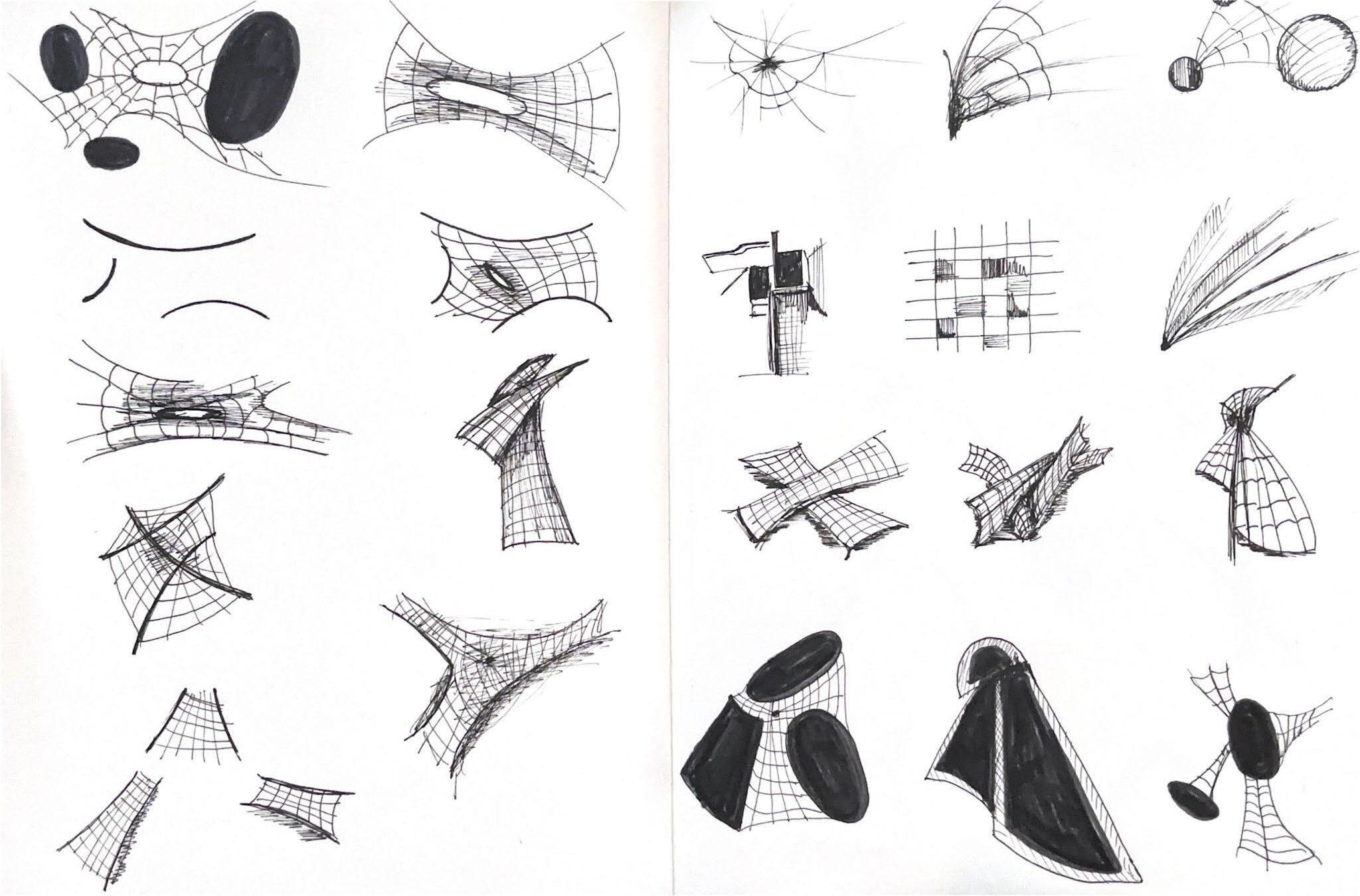
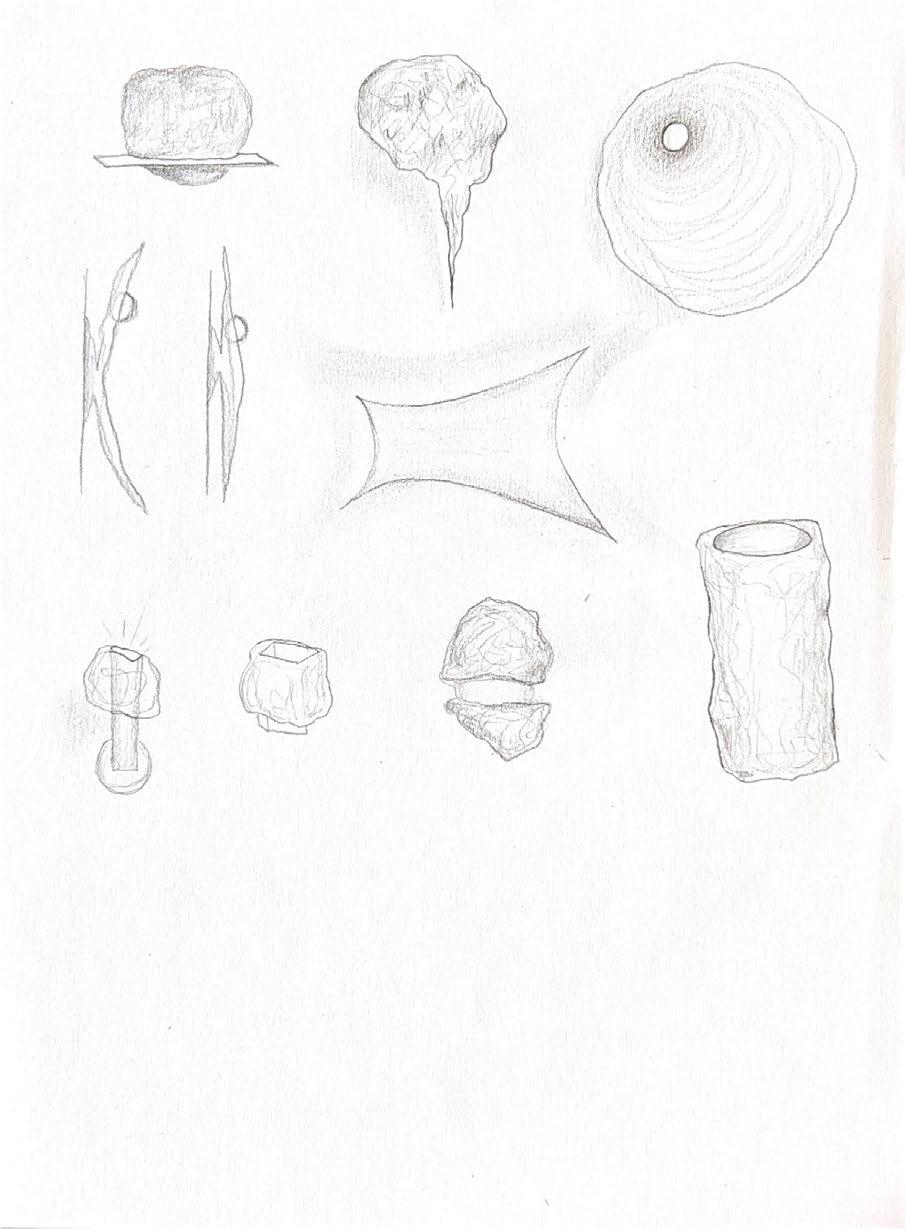
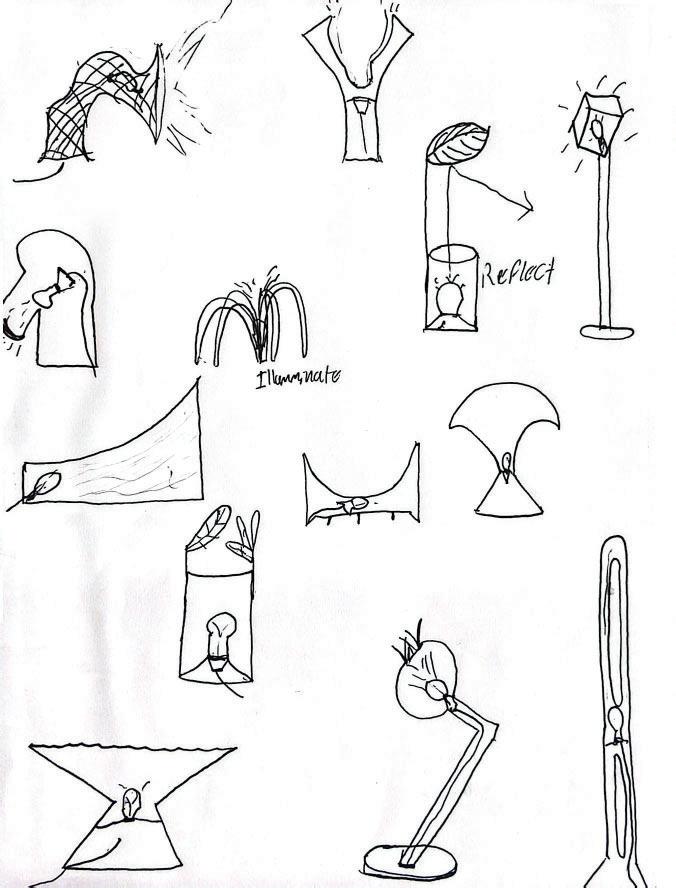
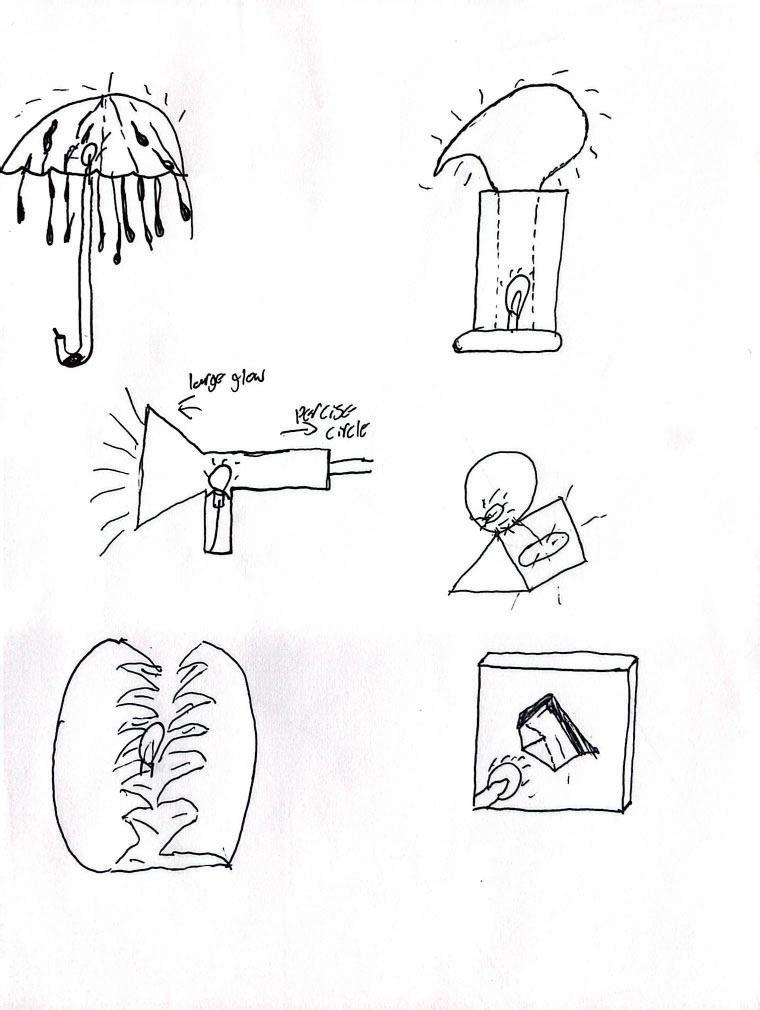
The project will begin with developing a conceptual narrative and hand sketching. While you could randomly assemble shapes and forms until you achieve an interesting form, successful products tell stories, and sometimes the simplest ones are the best. With your luminaire, you MUST seek inspiration from patterns and structures in math, geometry, biology, or physics. You will manually create your form in Rhino through an iterative design process.
Why would a consumer buy your luminaire design? When they display their lamp in their space, what does it say about that person and how they want to portray themselves? In the eighties, “geeks” and “nerds” were often ridiculed, now they have developed many of the things around us that have changed the way we live and work. The love of math, geometry, and science drives that passion to innovate. How can your luminaire abstractly showcase and celebrate the beauty found in those disciplines?
Materials:
• Laptop with Rhino 3D and Adobe software loaded.
• A variety of 3D printing resins and filaments. (Provided by instructor funded by Nuckolls Fund)
• Light sources with appropriate hardware. (Provided by instructor funded by Nuckolls Fund)
Parameters:
• Must:
o Maximum volume: 10” wide x 10” deep x 15 high.
o Use an E26 Base (provided by the instructors)
o Be able to access the lamp for changing out for new lamps.
o Integrate the hardware to fit/mount within the design.
o Avoid the light source directly touching the plastic diffuser.
o Be stable and not tip over easily.
IARD 465V/FJAD 6023 – P PREMIUMIZATION, SUSTAINABILITY, AND MAKING OF BESPOKE LIGHTING –
PROFESSIONAL ELECTIVE – FALL 2024
Fay Jones School of Architecture and Design
University of Arkansas
Individual Project
Objective: To create a large-scale wall-mounted luminaire through 3D design, 3D printing, material exploration, and lighting concepts, while also developing a comprehensive branding package.
Description:
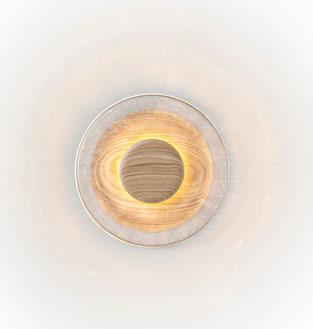
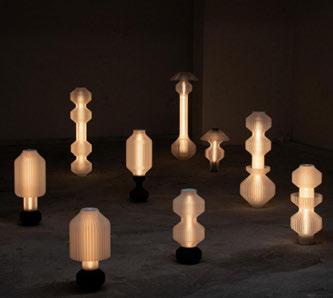
In the second project of the semester, students will apply what they learned from the first project. They will create a larger-scale bespoke luminaire using 3D printed materials, aiming to capture the essence of a glass fixture. Additionally, students will develop a branding identity for the wall-mounted luminaire and one for the new lighting product business. The project will span nine weeks, during which students will continue to explore different materials and 3D printing techniques. Lectures and demonstrations will be provided throughout the semester to support the project.
All lighting fixtures provide light to a space, but they serve different design objectives. This could include illuminating a worksurface, emphasizing the texture of materials, or drawing attention to specific areas as desired by the designer. Some fixtures are meant to be hidden, with only the light visible on the desired surface, while others are meant to be seen and showcased as art, creating a visual spectacle. Your task is to design a luminaire that is as much a piece of art as it is a light source – something that draws the attention of the viewer, similar to an elaborately designed French glass chandelier or a modern Nelson pendant. Your design can be a single fixture or an installation within the 4’ x 4’ wall area limitation.
You will need to create a conceptual narrative and an expressive form that supports that concept. The fixture you design will be one product among a line of products for a small bespoke business that you will simultaneously develop alongside your luminaire.
Materials:
• Laptop with Rhino 3D and Adobe software loaded.
• A variety of 3D printing resins and filaments. (Provided by instructor funded by Nuckolls Fund)
• Light sources with appropriate hardware. (Provided by instructor funded by Nuckolls Fund)
• 4’ x 4’ Flat wall panel. (Provided by instructor funded by Nuckolls Fund)
o MDF or plywood as the mounting surface for your 4' x 4' lamp.
o 1 by lumber to frame the panel.
o White paint.
o Glue and fasteners.
IARD 4650V / ARCH 402H / ARDS 60203 – PREMIUMIZATION, SUSTAINABILITY, AND MAKING OF BESPOKE LIGHTING – Fall 2024
Interior Architecture and Design
Fay Jones School of Architecture and Design
University of Arkansas
Schedule is subject to change.
All Class Sessions Will Be Delivered on Campus, in person.
T & Th 12:30 PM - 1:45 PM – Vol Walker 205
Week 1
Aug 20 (Tues)
• Review Syllabus
• Introduce Project 1
• Hand out light sources and hardware.
• Review narrative and sketches.
Aug 22 (Thurs)
Week 2
August 27 (Tues)
August 29 (Thurs)
• Review updated work.
• Option: Using Grasshopper for patterns and surface textures, not for form and entire shape
• Reading: Untangling Grasshopper
• Review pattern experimentations.
• Develop a conceptual narrative (Word) and produce sketches or conceptual images (Scanned or Captured Images; PDF).
• 3D model of the light source and hardware in Rhino.
• Refine narrative (Word) and produce more 2D sketches (Scanned or Captured Images; PDF) and produce quick 3D Rhino sketches.
• LinkedIn Certificate: Rhino: From Curves to Surfaces
• Final draft narrative (Word) and additional 2D sketches (Scanned or Captured Images; PDF)
• If you use Grasshopper: Submit a) Flow chart of the Grasshopper code (Captured images; PDF) and b) Output in Model view (Captured images; PDF).
Week 3
Sept 3 (Tues)
Sept 5 (Thurs)
• Review progress.
• Lesson: Preparing SLA 3D Printing
• Begin modeling the “final” iteration of the Luminaire.
• Final narrative (Word) and additional 2D sketches (Scanned or Captured Images; PDF).
• Make progress on Project 1.
• Records of 3D Printing Progress (picture, captured image, anything but meaningful; PDF)
Week 4
Sept 10 (Tues)
• Review progress.
• Review progress.
Sept 12 (Thurs)
Week 5
Sept 17 (Tues)
Sept 19 (Thurs)
• Lesson: Branding the first product (1/2).
• Make progress on Project 1.
• 3D Print 1/3 scale piece.
• Records of 3D Printing Progress (picture, captured image, anything but meaningful; PDF)
• Make progress on Project 1.
• Records of 3D Printing Progress (picture, captured image, anything but meaningful; PDF)
• Develop branding for your Project 1 (Template; PDF)
• Records of 3D Printing Progress (picture, captured image, anything but meaningful; PDF)
Week 6
Sept 24 (Tues)
• Lesson: Branding the first product (2/2).
• Review first drafts of branding.
• Review Final Project 1 Prototype and Branding Identity.
• Begin 3D printing final work.
• Introduce Project 2
Sept 26 (Thurs)
• Review narrative, sketches, and precedent.
• Refine branding for Project 1
• Complete 3D model of Luminaire.
• Complete Product Branding package (Reference 1, 2, 3, 4; PDF).
• Develop a conceptual narrative (Word) and produce sketches or conceptual images (Scanned or Captured Images; PDF)
• Find Precedent (picture, captured image, anything but meaningful; PDF)
• Refine narrative (Word) and produce more 2D sketches (Scanned or Captured Images; PDF) and produce quick 3D Rhino sketches.
Week 7
Oct 1 (Tues)
• Lesson: TBD
• Experiment with creating patterns and surface textures using Grasshopper.
• If you use Grasshopper: Submit a) Flow chart of the Grasshopper code (Captured images; PDF) and b) Output in Model view (Captured images; PDF).
• Review updated work.
Oct 3 (Thurs)
• Develop Project 2 design.
• Final draft narrative (Word) and produce more 2D sketches (Scanned or Captured Images; PDF) and produce quick 3D Rhino sketches.
Week Date Due Lesson
• Review updated work.
Week 8 Oct 8 (Tues)
Oct 10 (Thurs)
Week 9 Oct 15 (Tues)
Oct 17 (Thurs)
Week 10 Oct 22 (Tues)
• Review the latest iteration.
• FALL BREAK – No Class
• Review updated work.
• Review updated work.
• Review updated work.
Oct 24 (Thurs)
Week 11 Oct 29 (Tues)
• Review updated work.
• Review updated work.
Nov 31 (Thurs)
Week 12 Nov 5 (Tues)
• Review updated work.
Assignment Given (Due Next Class Period)
• Develop Project 2 design.
• Refine Project 2 design.
• Final narrative (Word) and produce more 2D sketches (Scanned or Captured Images; PDF) and produce quick 3D Rhino sketches.
•
• Begin test prints, 1/3 scale.
• Records of 3D Printing Progress (picture, captured image, anything but meaningful; PDF)
• Records of 3D Printing Progress (picture, captured image, anything but meaningful; PDF)
• Records of 3D Printing Progress (picture, captured image, anything but meaningful; PDF)
• Records of 3D Printing Progress (picture, captured image, anything but meaningful; PDF).
• Records of 3D Printing Progress (picture, captured image, anything but meaningful; PDF).
• Complete Luminaire Design (in Rhino)
• Records of 3D Printing Progress (picture, captured image, anything but meaningful; PDF)
• Review updated work.
Nov 7 (Thurs)
Week 13 Nov 12 (Tues)
• Lesson: Branding the second product (1/2)
• Lesson: Branding and Identity.
• Begin 3D printing the final Luminaire.
• Records of 3D Printing Progress (picture, captured image, anything but meaningful; PDF)
• Develop branding for your Project 2 (Template; PDF)
• Records of Branding Progress (picture, captured image, anything but meaningful; PDF)
Nov 14 (Thurs)
• Lesson: Develop Business Branding.
• Complete Business Branding package (Reference 1, 2, 3, 4; PDF).
Week Date Due Lesson
Week 14
Nov 19 (Tues)
Nov 21 (Thurs)
• Review Branding and Identity work.
• Lesson: Package, Delivery, and UX
Assignment Given (Due Next Class Period)
• Refine Branding Package.
• Continue to refine work.
• Find Precedent (picture, collage, inspiration, captured image, anything but meaningful; PDF).
• Develop a conceptual narrative (Word) and produce sketches or conceptual images (Scanned or Captured Images; PDF)
• Workday.
Week 15
Nov 26 (Tues)
Nov 28 (Thurs)
Week 16
Dec 3 (Tues)
• Thanksgiving Break – No Class
• Continue to refine work.
Dec 5 (Thurs)
• Last Day of Classes
• Review Project 2 Deliverables
• Continue to refine work.
• Records of 3D printing and Branding Progress (picture, captured image, anything but meaningful; PDF)
• Build your product packages for your products
Dec TBA
• Exhibition Day in Vol Walker
• Continue to refine work.
• Records of 3D printing and Branding Progress (picture, captured image, anything but meaningful; PDF)
• Build your product packages for your products
• Complete presentation work and 3D printed Luminaire.
Jake Tucci, Assistant Professor in Interior Architecture and Design, Fay Jones School of Architecture, University of Arkansas, Fayetteville
Jinoh Park, Assistant Professor in Interior Architecture and Design, Fay Jones School of Architecture, University of Arkansas, Fayetteville
This paper discusses the potential for 3D printing in decorative lighting, emphasizing sustainability, bespoke aesthetics, and customization efficiency. Furthermore, it describes an innovative educational initiative funded by the 2024 Nuckolls Fund for Lighting Education, which enables students to design and manufacture market-ready 3D-printed luminaires. This initiative emphasizes the reciprocal relationship between tools and their human users, enabling students to explore how tools influence design thinking and outcomes. 3D printing is both a tool and a process under this initiative. This paper examines the evolving role of tools in equipping the next generation of designers for the challenges of the future through this lens.
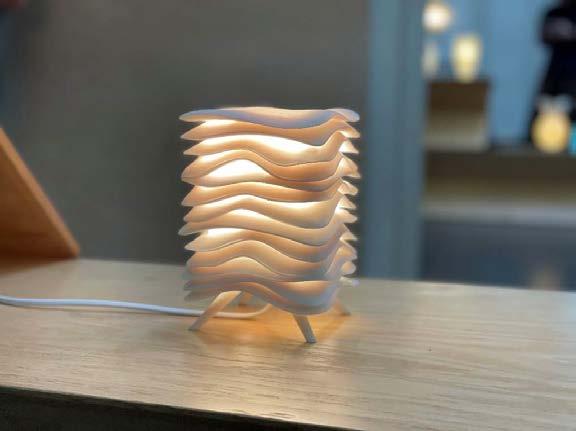
The lighting industry is experiencing a transformation driven by advances in 3D printing technology. Between 2024 and 2028, the decorative lighting market is expected to grow by USD 8.65 billion. The growth can be attributed to new lighting product designs catering to the premium market, as well as increasing global awareness of sustainability1 As an alternative to traditional manufacturing methods, 3D printing offers unparalleled opportunities for creating bespoke designs while addressing environmental concerns. We examine how 3D printing disrupts the decorative lighting market and its application within a design education context, enabling students to develop innovative, market-ready lighting solutions. Embracing 3D printing as both a tool and a methodology aligns this initiative with the broader theme of exploring the reciprocal relationship between tools and their human users.
By reducing material waste and energy consumption, 3D printing minimizes the environmental impact of lighting production. As an alternative to energy-intensive bespoke glasswork, it contributes to global sustainability initiatives. If traditional production methods were used instead of 3D printing technology, a glass-blowing facility would require the use of a glass melting furnace that pumps out 84 cubic feet of CO2 gas per hour for 24 hours and a reheat oven that pumps out 100 cubic feet of CO2 gas per hour. Compared to this, 3D printers are estimated to generate 0.11-0.65 cubic feet of CO2 gas per hour when the power is supplied and in the standby state, and 0.21-10.96 cubic feet per hour when printing2 .
In a realm where art meets innovation, designers can create unique, intricate forms that were previously unattainable using conventional methods. With ceramic-like finishes and digitally crafted aesthetics, decorative lighting design is being pushed to new boundaries. The additive nature of the 3D printing process enables designers to utilize visual layering, variations in material thickness, and the creation of internal voids features that are not typically achievable with traditional glass and plastic manufacturing methods. This expands creative opportunities for manipulating lighting through the use of different materials and forms. The strategic application of these 3D printable variables influences the sharpness of internal shadow play, the intensity of light transmitted through the material, and the lighting caustics cast on the interior surfaces.
Rapid prototyping and rapid manufacturing are made possible by 3D printing, allowing designers to iterate and tailor solutions to specific requirements quickly 3D printing allows for exploring innovative solutions to design challenges that traditional manufacturing methods cannot address in a costeffective or timely manner. For bespoke designers, the digital nature of the generative design process using 3D modeling software allows them to select a specific luminaire design and digitally create various sizes and proportional adjustments. This enables the development of a collection of pieces with a quick turnaround. Furthermore, the technology offers benefits such as weight savings and enhanced durability, making it an efficient and versatile tool for decorative lighting design.
Jinoh Park and Jake Tucci collaborated on this project to leverage their expertise in design, lighting education, and 3D printing. They both share a passion for lighting and 3D printing. With
funding from the 2024 Nuckolls Fund for Lighting Education, this project aims to integrate technical, aesthetic, and business elements into lighting design education by developing a new elective course. The course focuses on premiumization and sustainability in branding and decorative luminaire design using 3D-printed components. This course expanded on two existing lighting courses offered by the Fay Jones School of Architecture and Design. While the current courses primarily address architectural lighting systems, this new course specifically targets the decorative lighting market and offers a comprehensive understanding of designing 3D-printed luminaires for consumers. By the end of the semester, students were guided to create functional, market-ready luminaires.
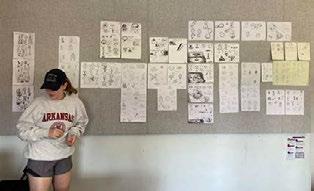
This course used a multidisciplinary approach aligned with the theme of tool-mediated design thinking: 1) the design process involves students in a comprehensive design journey that explores the interplay between tools and creativity from ideation to final product; 2) the curriculum emphasizes the role of tools in market-driven innovation by integrating entrepreneurial aspects, such as branding and market strategies; 3) an emphasis is placed on acquiring technical proficiency in 3D printing so that complex designs can be realized, as well as reflection on how the tool shapes design possibilities.
In the Fall of 2024, there were 16 students, including Interior Architecture and architecture students, and one graduate student. This
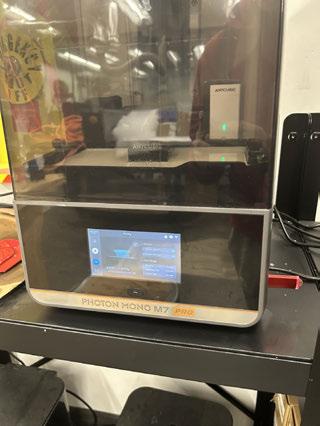
experience allowed students to master emerging 3D printing technology in luminaire design while advocating eco-friendly manufacturing methods that lower carbon emissions. Students in this course learned the technical aspects of creating custom 3D-printed lighting and how to overcome challenges that come with the rapid prototyping process, where failure is common. Local lighting representatives from Sesco Lighting gave a lecture on the role of 3D printing in the lighting industry and provided light samples. With support from the Nuckolls Fund, students had dedicated access to six new rapid machines (three DLP resin printers and three high-speed filament-based printers) and a range of bio-based resins and filaments. Students were trained in 3D modeling techniques, designing luminaire components, considering tool limitations, managing slicing applications, and operating machines, and testing the resiliency of both the tools and the students. The low ratio of 2.6 students per printer allowed students to design and prototype at a rapid pace, less hindered by waiting for printer availability. This was a huge advantage to the students as they had increased freedom to change the design, modify light source attachment points, test the light quality, and much more.
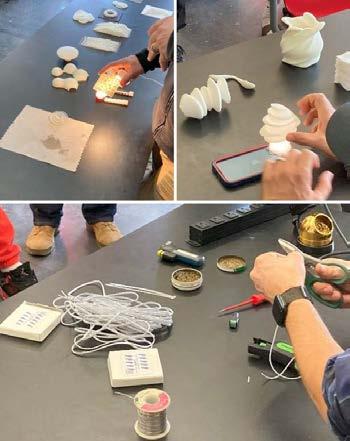
The curriculum included two main projects. The first project accounted for one-third of the semester, while the second project covered twothirds of the semester. The first project involved creating a small sculptural table luminaire. Each student received the necessary lighting hardware, which was compatible with an E26-style lamp base, to support their designs. The second project was a wall-mounted luminaire of greater size and complexity where the students would choose their light source and make their own electrical connections. The lower complexity of the first project acted as an introductory project whereas the second increased in complexity providing a greater technical challenge for the students. Each project consisted of an initial ideation phase of sketching and modeling in Rhino3D, small-scale prototyping, full-scale prototyping, and branding development.
Sculptural Table Luminaire
Students drew inspiration from patterns and structures found in mathematics, geometry, biology, and physics. They were tasked with designing table luminaires that balanced form and function. An E26 base, provided by the instructors, had to be incorporated into the design. The design specifications required the luminaires to be no wider than 10 inches, no deeper than 10 inches, and no taller than 15 inches. They needed to consider the machine's build volumes against options to create smaller objects, strategically hide seams, or celebrate them. For many students, limitations of the tool affected the physical forms they designed, leading them to incorporate
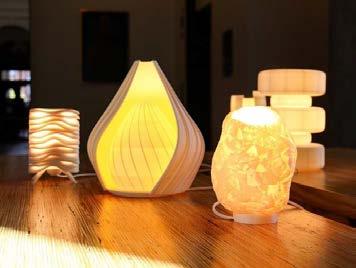
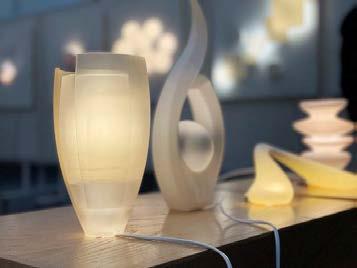
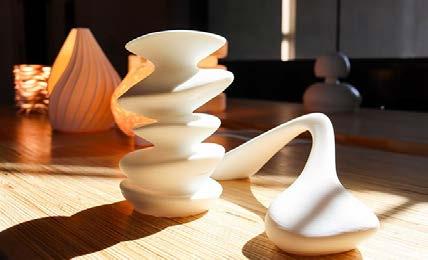
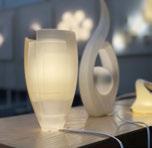
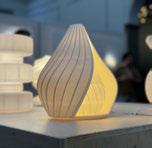
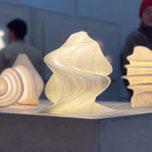
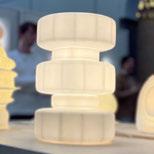
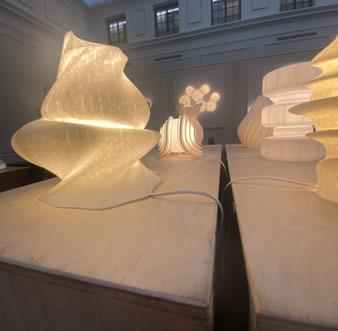
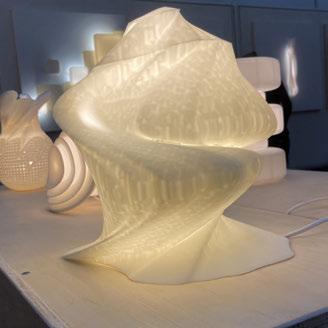
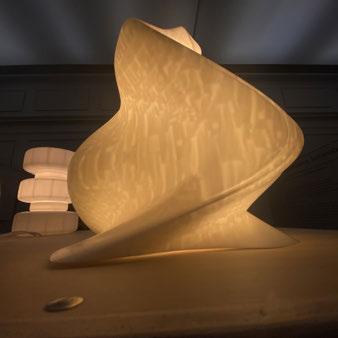
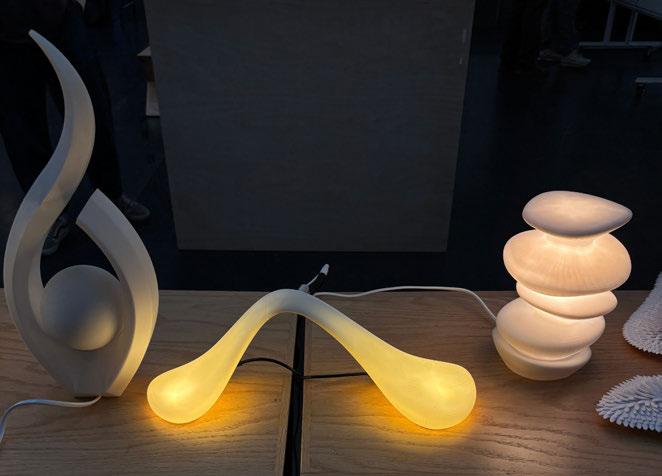
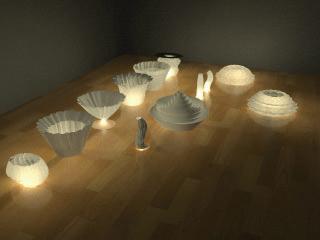
Students who used the DLP resin machines utilized the same resin as an adhesive, applying it with a UV flashlight to bond parts together and sand the resin to achieve a matte glass finish. The luminaires should allow for easy lamp replacement, securely integrate the necessary hardware, and maintain stability to prevent tipping over. Students achieved ceramic-like finish and unique geometry demonstrating the capabilities of 3D printing for bespoke lighting. Iterative exploration of design possibilities is demonstrated in these projects.
Sculptural Wall Luminaire
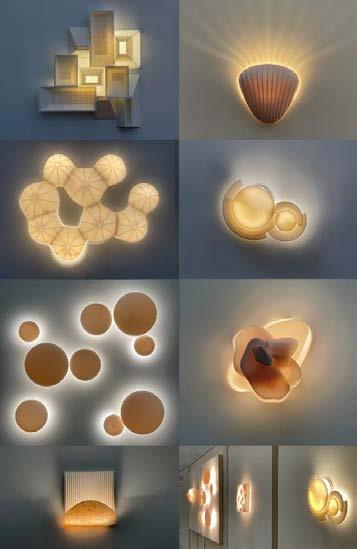
Students applied what they learned from the first project to blend aesthetics and practicality with wall-mounted luminaires to create bespoke lighting solutions tailored to specific interior environments, lightweight, durable materials were used, demonstrating how tools facilitate the design process. Their task was to design a luminaire that is as much a piece of art as it is a light source –something that draws the attention of the viewer, like an elaborately crafted French glass chandelier
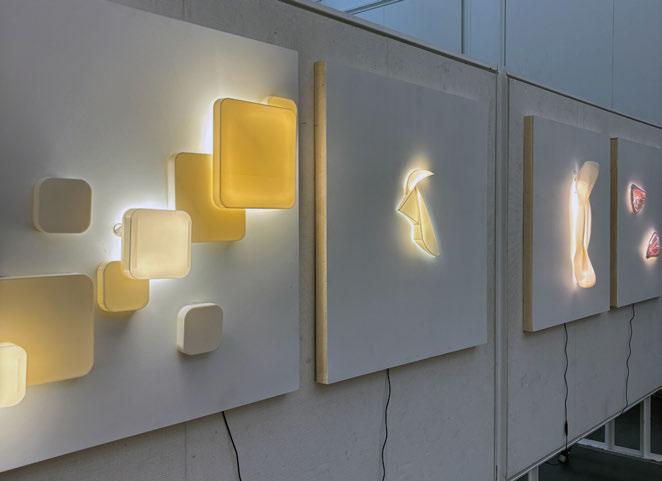
or a modern George Nelson pendant. The design could consist of a single fixture or an installation within the 34” x 34” wall area limit, protruding a maximum of 4” from the wall. With guidance from the instructors, students selected the type of LED light source and power supply and then performed the correct wiring for the luminaire.
Exhibitions
Jones School of Architecture and Design
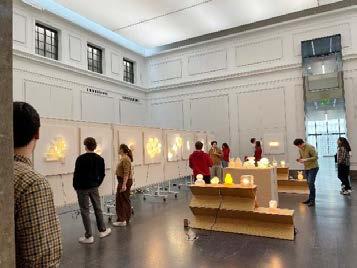
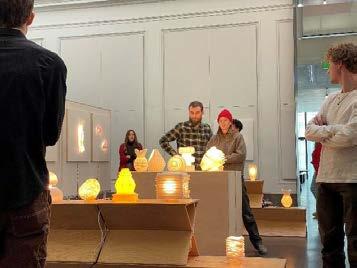
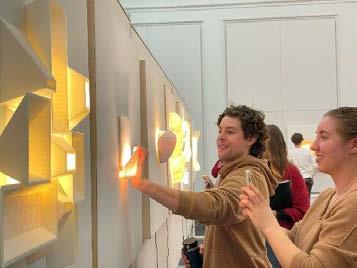
A school-wide exhibition highlighting student achievements and the role of tools in the creative process took place at the end of the Fall 2024 semester.
Stockholm Furniture Fair 2025 (Feb. 4-8, 2025)
Participating in an international design forum during Stockholm Design Week underscored the global importance of tool-mediated design, particularly in showcasing student-made table luminaires.

International Contemporary Furniture Fair (ICFF) 2025 (May 18-20, 2025)
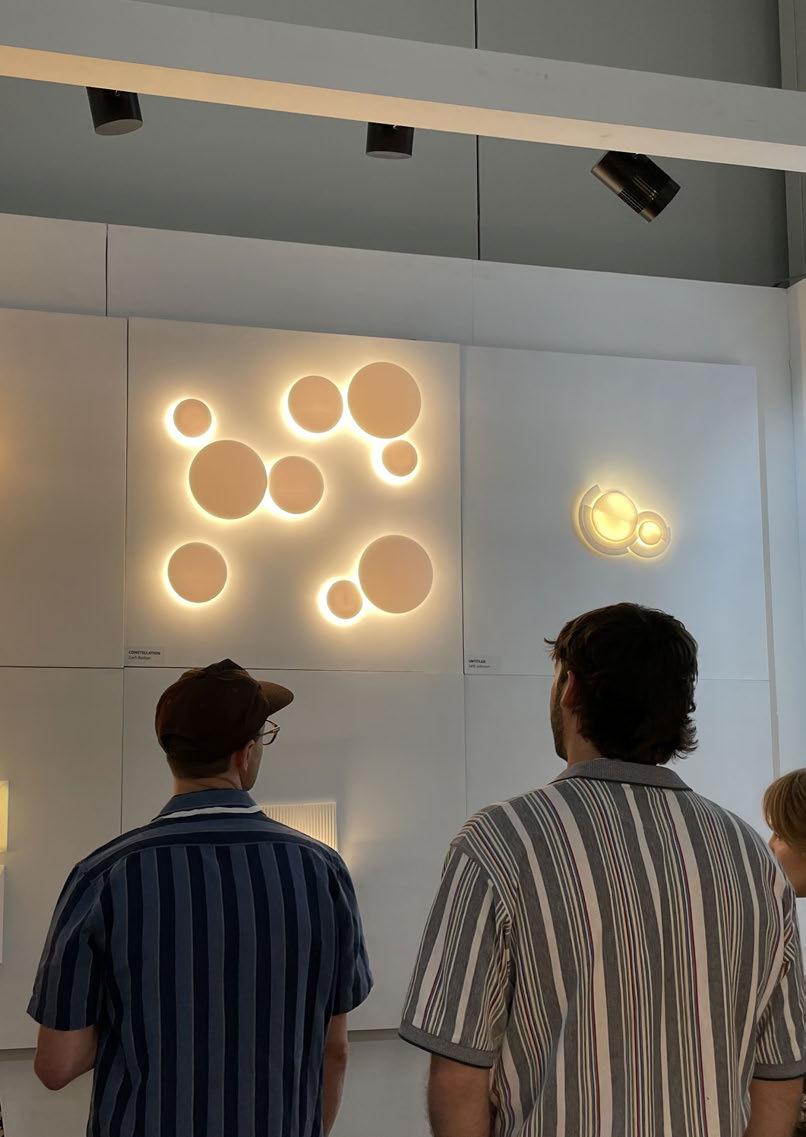
Displaying sculptural wall luminaries at the International Contemporary Furniture Fair in New York City, emphasizing the interplay between tools, creativity, and professional impact.
Conclusions
It is anticipated that 3D printing will revolutionize the decorative lighting industry by addressing sustainability issues, enabling bespoke designs,
and streamlining production processes. By demonstrating the synergy between design education and industry advancements, the project demonstrates how tools affect not only outcomes but also design thinking and problem-solving techniques. Designed to foster technical and entrepreneurial skills, this initiative is in line with the conference theme, preparing future designers to navigate and innovate in an increasingly complex design environment.
Throughout this design journey, students were enthusiastic, highly motivated, and productive. The instructors credit this to the tangibleness of the real-world project, the high-level accessibility of the tools given to the students, and the joy of light. Lessons learned included: students need significant instruction to a digital model for 3D printing; detailed procedures are needed to clean and maintain the tools; and efficient workflow pacing is required to guarantee student success.
Jinoh and Jake plan to run the course for the second time in Fall 2025, implementing lessons learned. Once the grant funding phase is over, the six 3D printers will be made available for other development opportunities in elective and studiobased courses continuing the mission of integrating 3D printing into tool-mediated design thinking.
Acknowledgment
This project was made possible through funding from the Nuckolls Fund for Lighting Education, with additional support from the Fay Jones School of Architecture and Design and the Department of Interior Architecture and Design. The authors are grateful for the resources and opportunities provided by these organizations to advance lighting design education.
1. “Decorative Lighting Market Analysis APAC, Europe, North America, South America, Middle East and AfricaChina, US, Germany, Japan, UK - Size and Forecast 2024-2028,” Technavio, May 2024, https://www.technavio.com/report/decorativelighting-market-size-industry-analysis
2. Elbadawi, M., Basit, A., & Gaisford, S., “Energy consumption and carbon footprint of 3D printing in pharmaceutical manufacture”, International Journal of Pharmaceutics, 639, May 25, 2023, https://doi.org/10.1016/j.ijpharm.2023.122926.
3. Ferkel, Tara. 2024. “Interior Architecture Faculty Develop Advanced Lighting Course With $30,000 Nuckolls Grant | University of Arkansas.” University of Arkansas. November 5, 2024. https://news.uark.edu/articles/72762/interiorarchitecture-faculty-develop-advanced-lighting-coursewith-30-000-nuckolls-grant
Bibliography
“Decorative Lighting Market Analysis APAC, Europe, North America, South America, Middle East and Africa - China, US, Germany, Japan, UK - Size and Forecast 2024-2028,” Technavio, May 2024, https://www.technavio.com/report/decorativelighting-market-size-industry-analysis.
Elbadawi, M., Basit, A., & Gaisford, S., “Energy consumption and carbon footprint of 3D printing in pharmaceutical manufacture”, International Journal of Pharmaceutics, 639, May 25, 2023, https://doi.org/10.1016/j.ijpharm.2023.122926.
Weitekamp, Raymond, “Why 3D Printing Is a Critical Part of the Battle Against Climate Change,” PolySpectra, Jan 9, 2019, https://polyspectra.com/blog/why-3d-printing-isa-critical.
over page
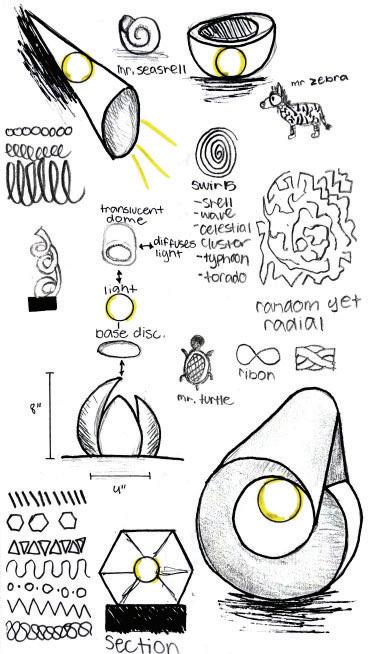
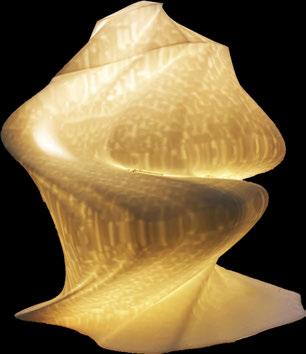
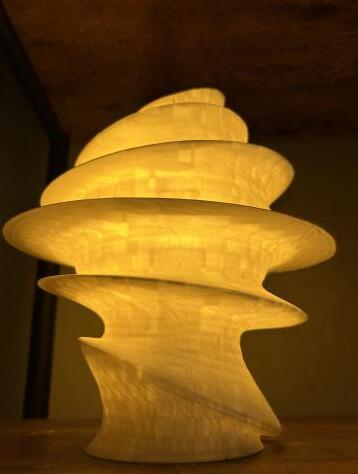
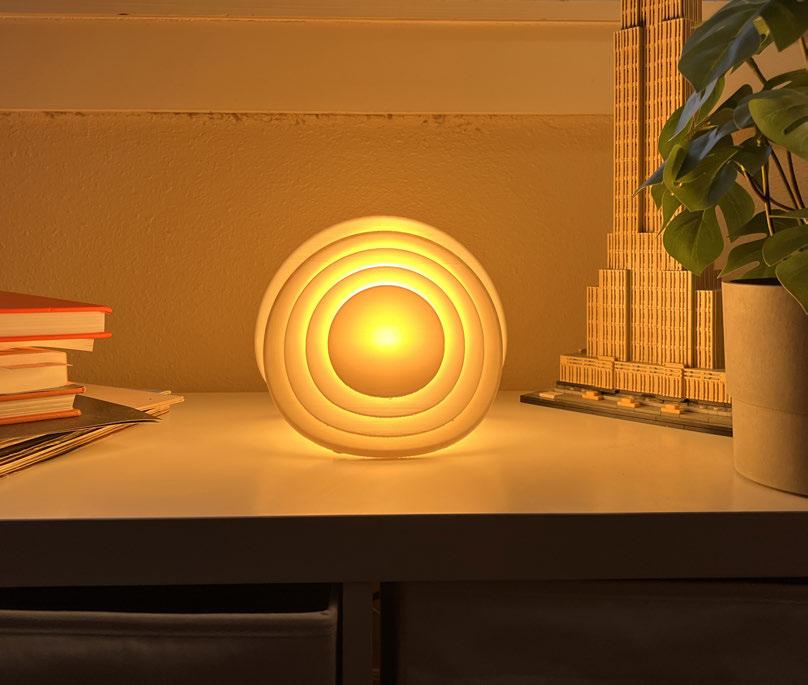
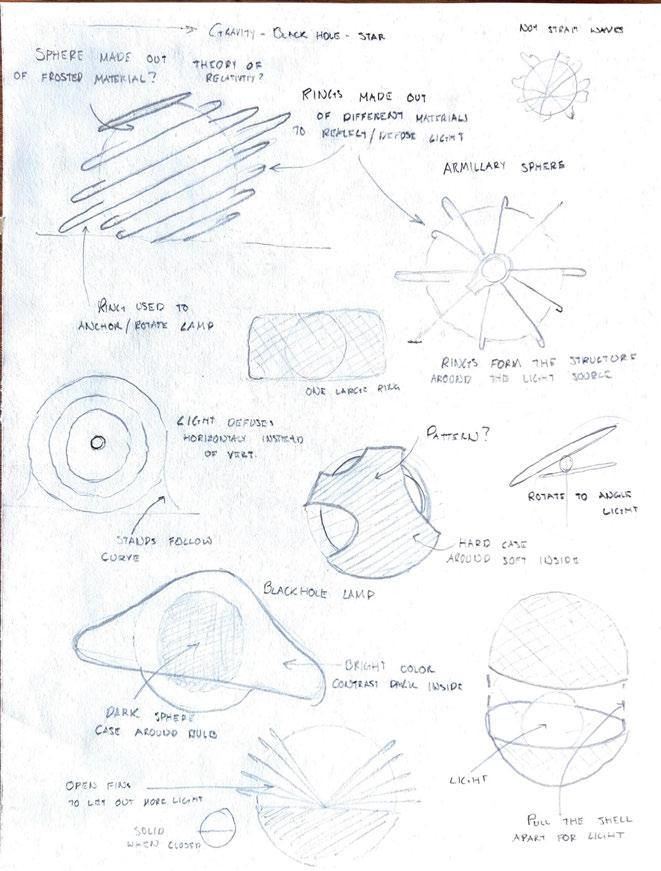
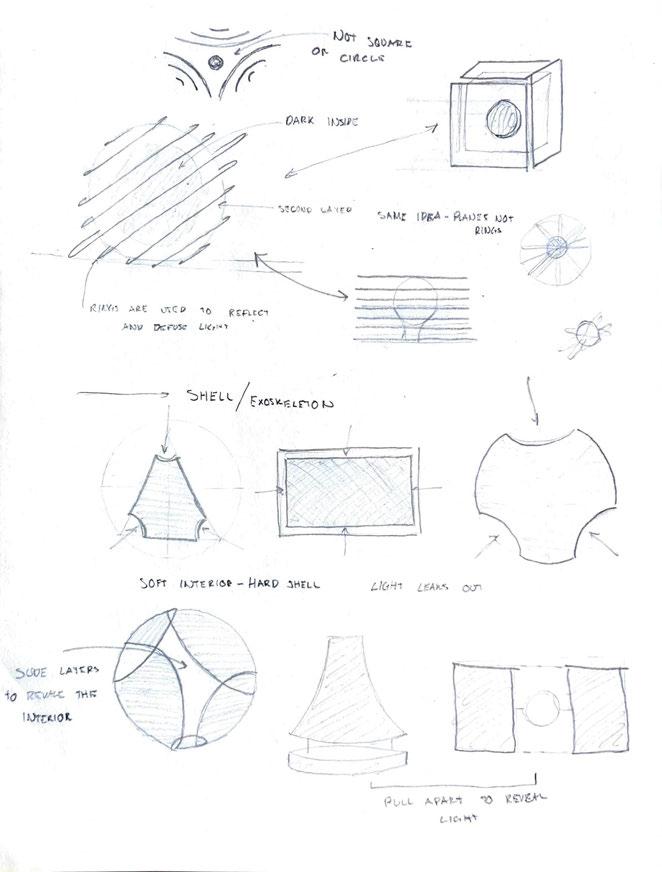
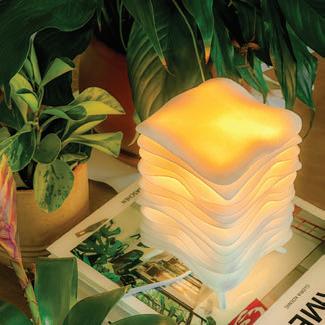
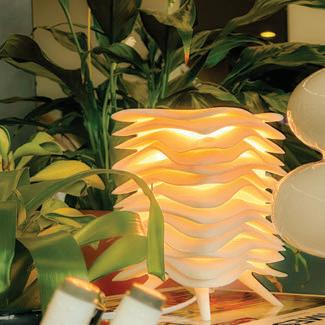
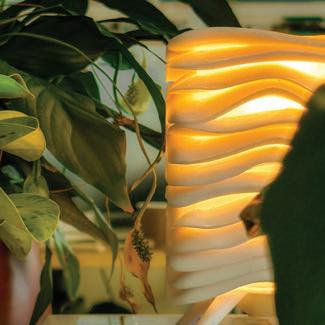
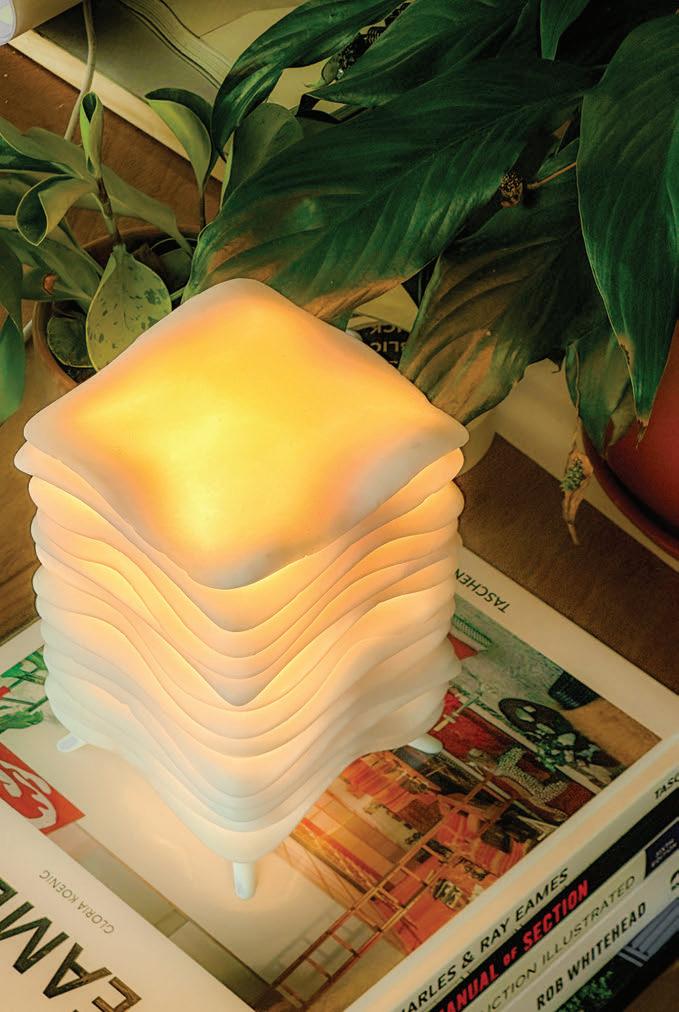
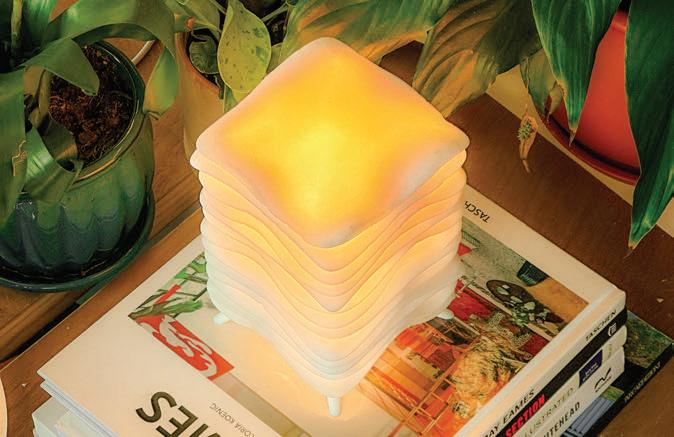
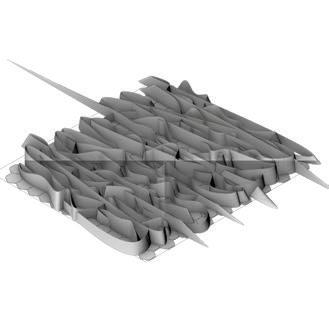
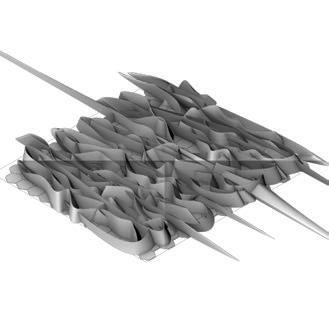
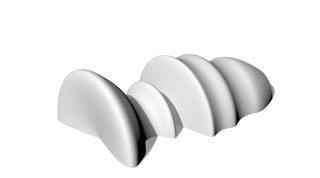
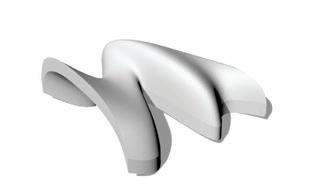
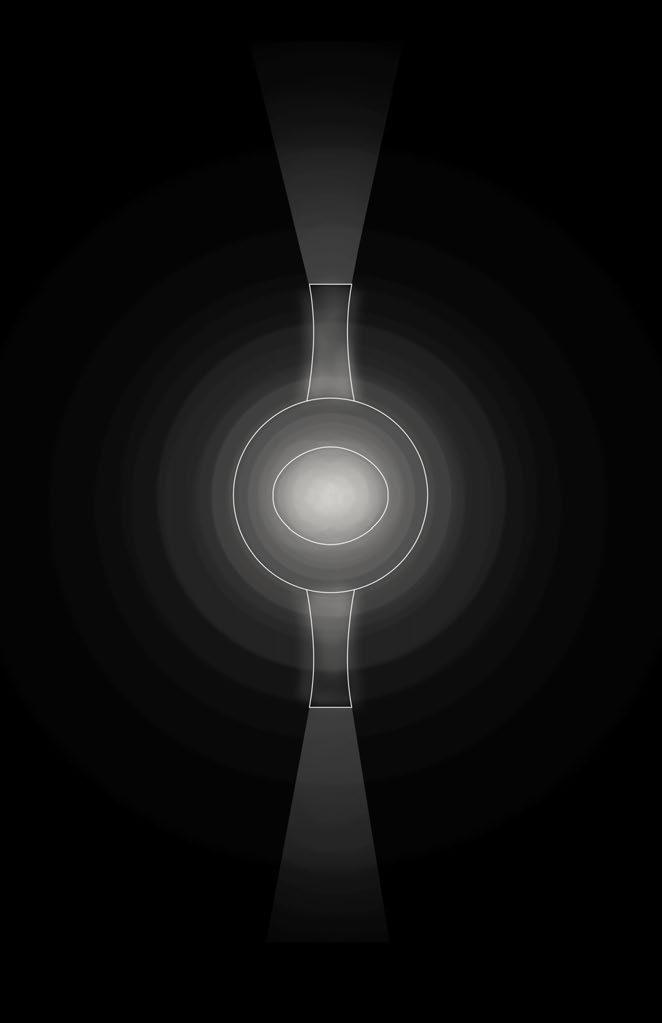
Peter Zumthor’s Field Chapel and Richard Serra’s sculptures in steel rely on the collection of light just as much as they rely on their form itself. Gentle curves that create occupiable voids interact with light to create space that transcends the everyday and inspires contemplative exploration. At a much smaller scale, a table luminaire can inspire the same existential contemplation imbued by these seminal works. Instead of creating voids that the human body can occupy, this luminaire will create space which will be inhabited only by light and shadow. In execution, this will take the form of curvilinear geometries bathed in light emanating from a source beyond your field of vision. In the same way that a shell wraps around itself, this light starts in the innermost depths of a void and must find its way out along a circuitous path. The resulting l ight is soft and mysterious, beckoning the observer to question its origin and place in a contemporary context. Few other fabrication technologies are as contemporary as 3D printing. This requires a formal narrative that subverts typical subtractive fabrication processes. In pursuit of this subversion, gently curving, abstract planes that wrap around themselves in a structurally supportive form caters well to the nature of 3D printing. This luminaire will provide not just light to a space, but also a sense of something philosophically larger than its constituent parts. Just as our s olar system spirals outward from a central source of light, this luminaire will do the same while acting as a metaphor for the unattainable questions of human existence.
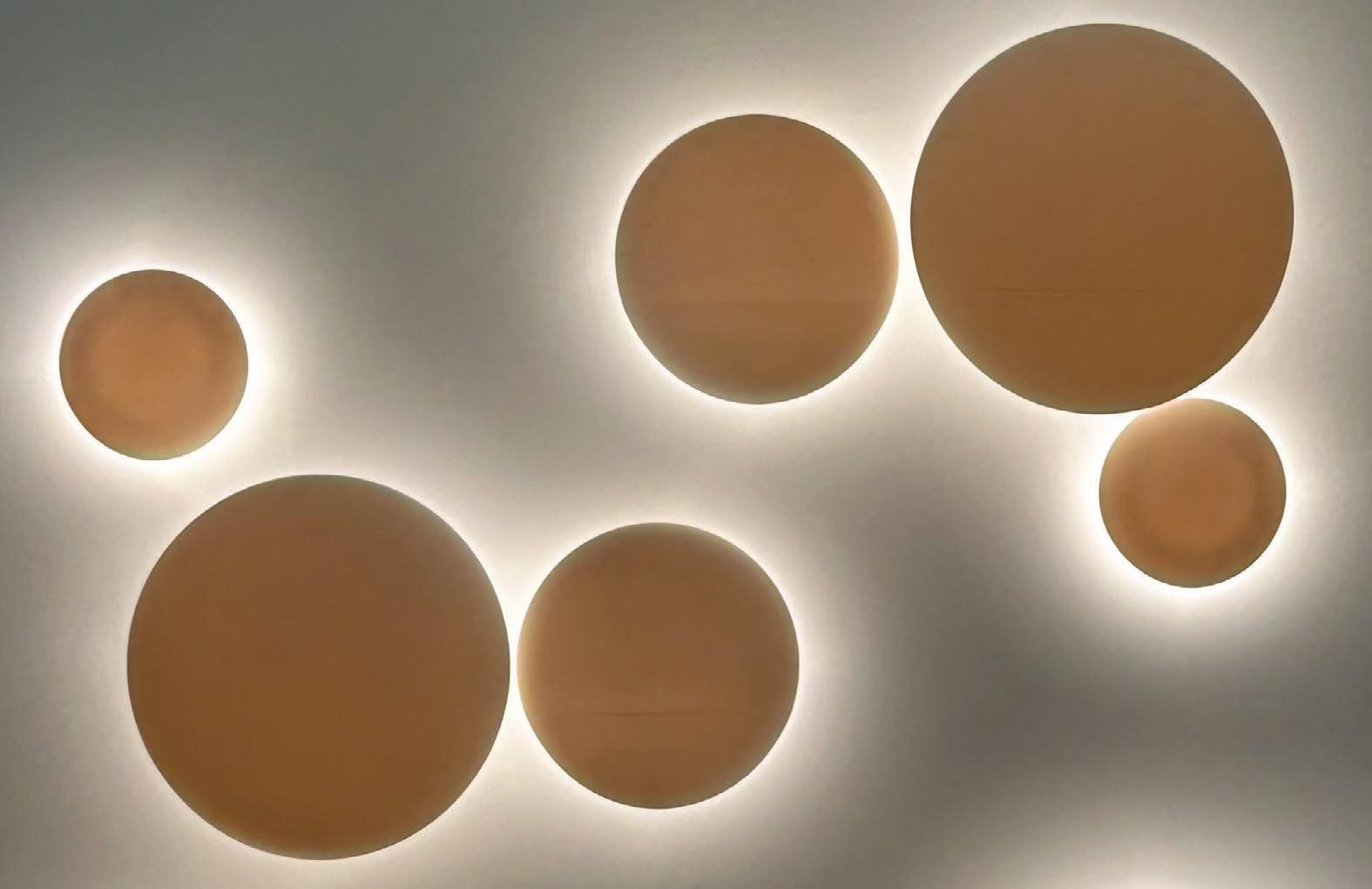
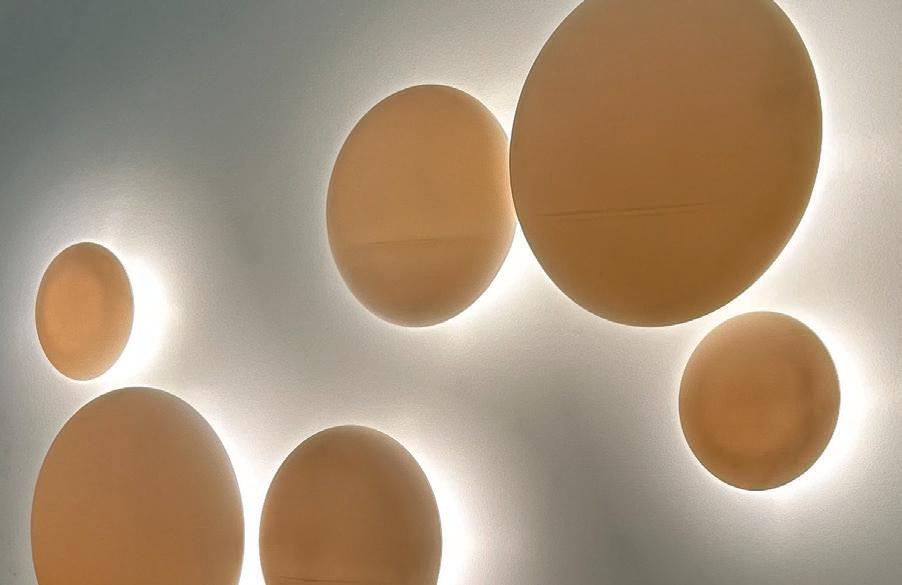
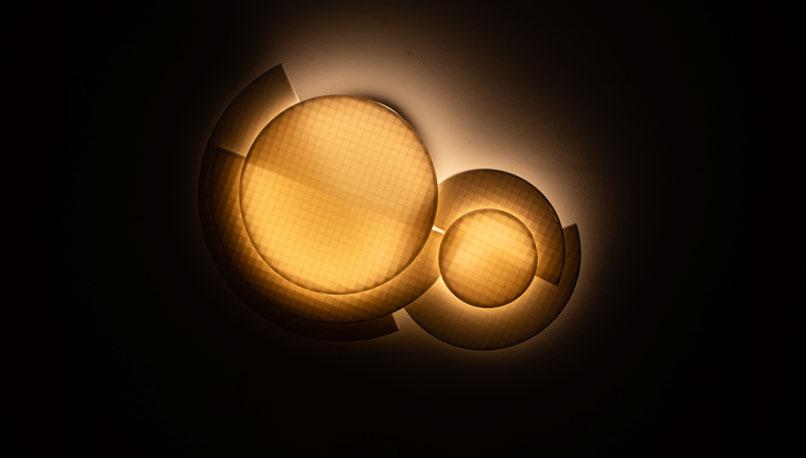
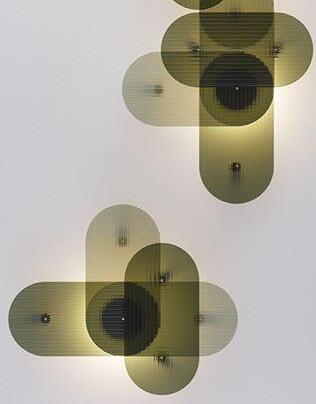
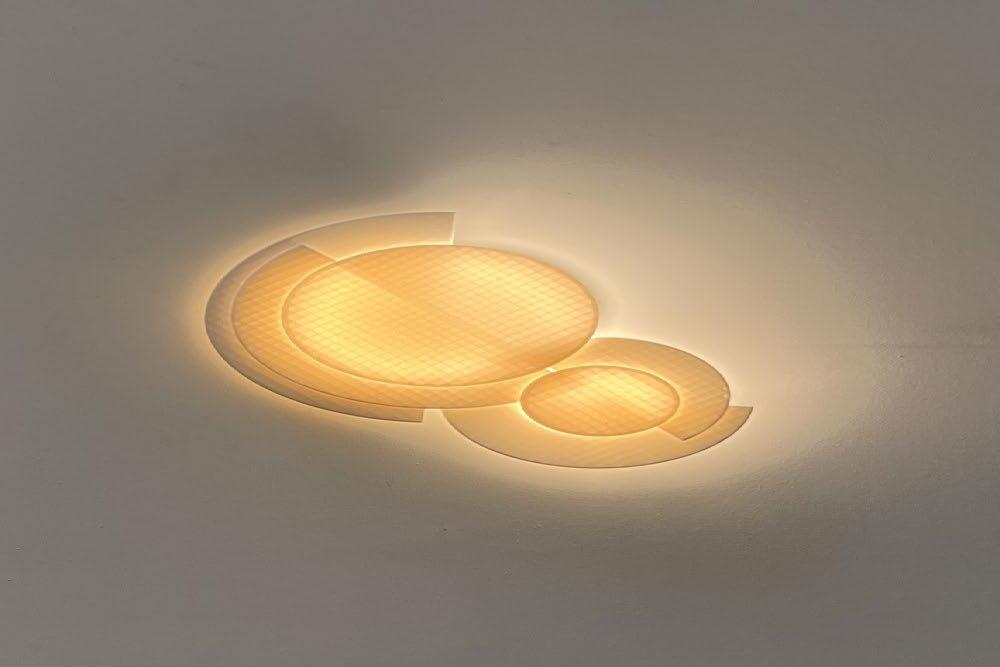
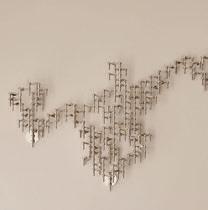
One, Two, or 12. However many you choose. Create your own constellation with Badger Product Workshop’s Constellation wall luminaire system. Designed with modularity in mind, Constellation empowers you to illuminate your space however you see t. Place as few or as many modules in any compostion that will bring light to your universe.
1-18
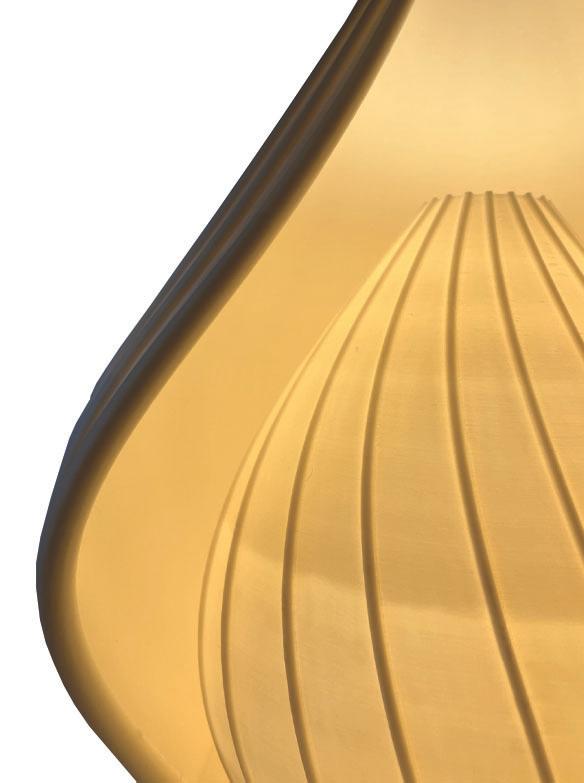
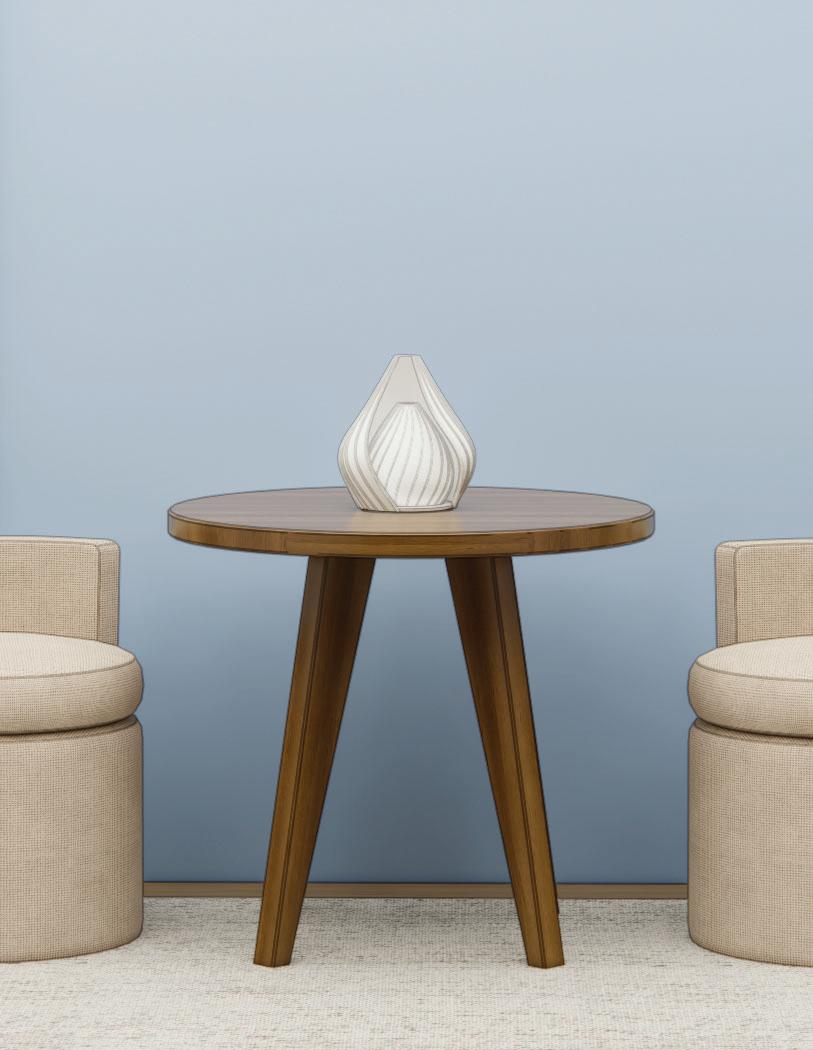
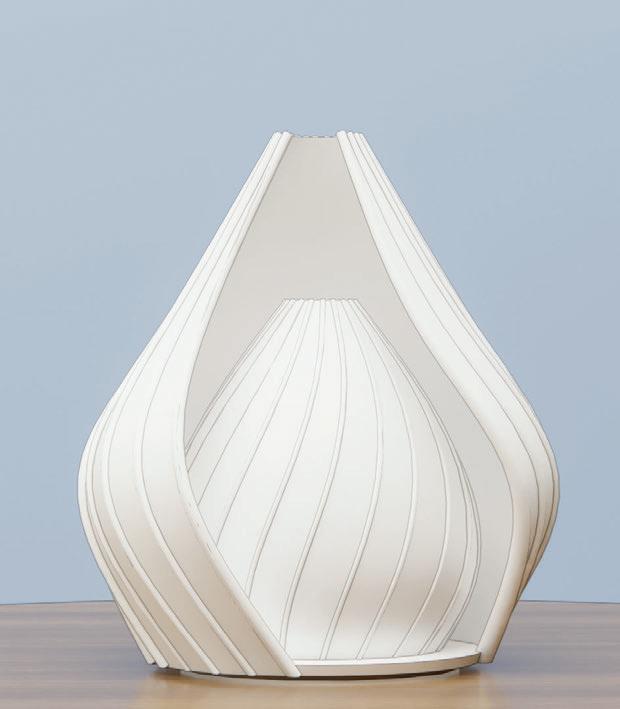
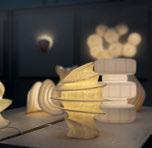
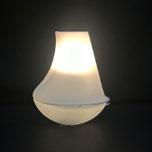
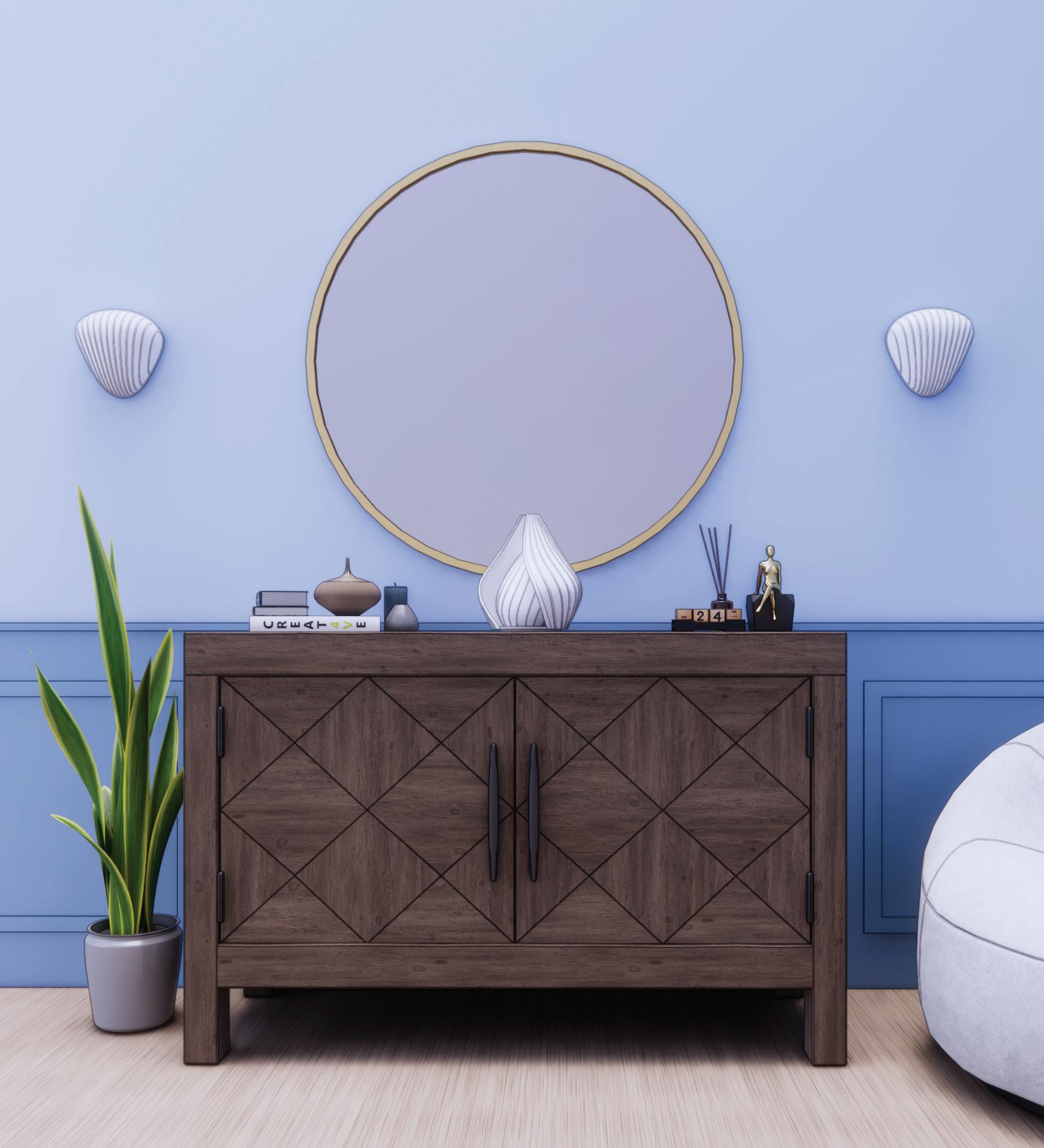
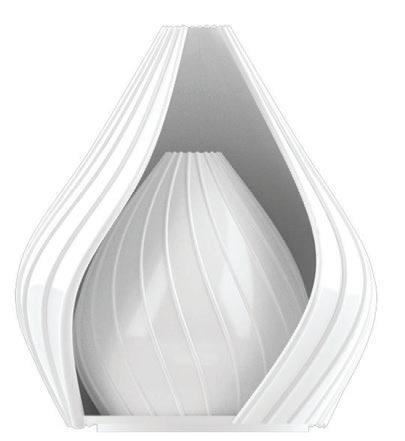
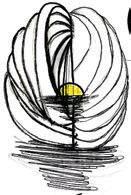
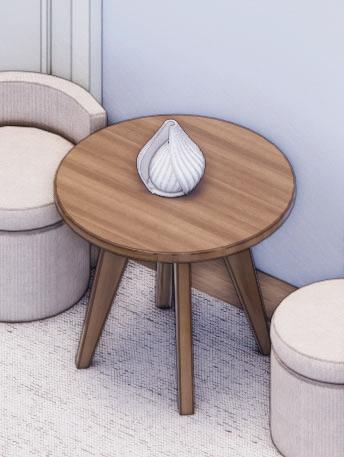
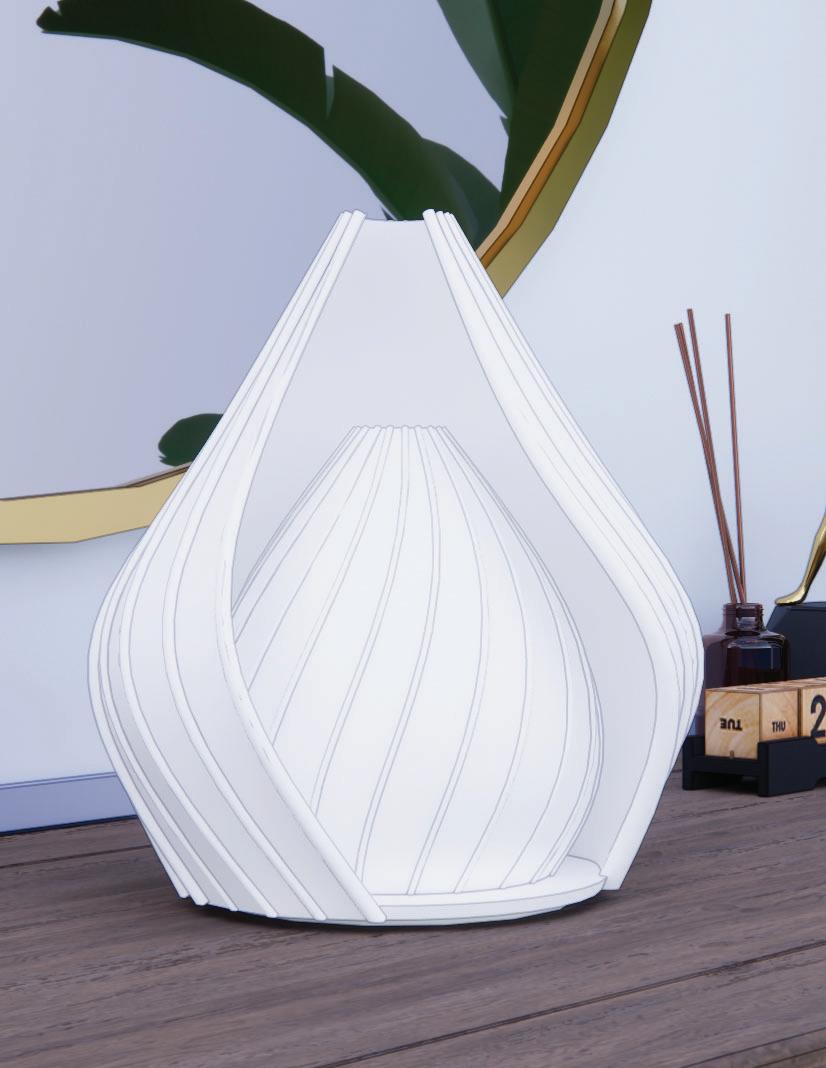
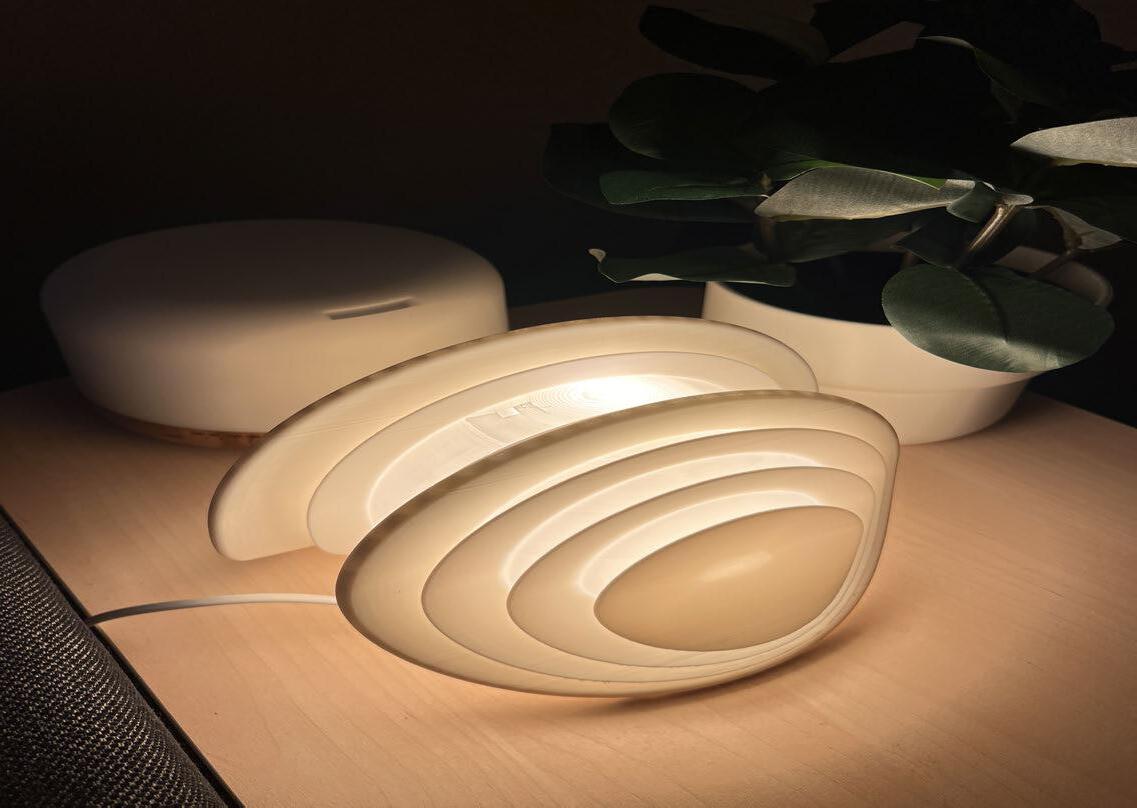
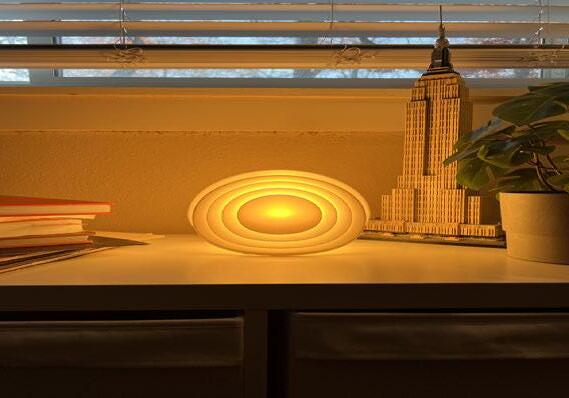
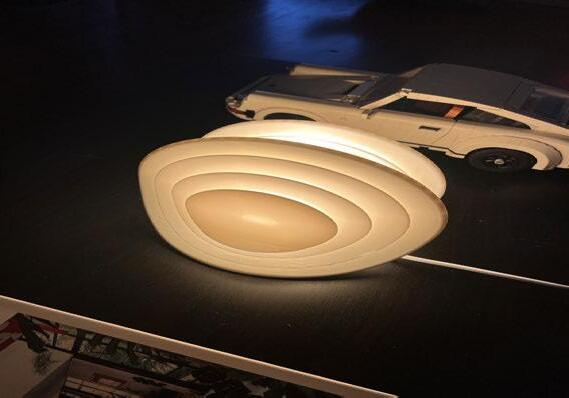
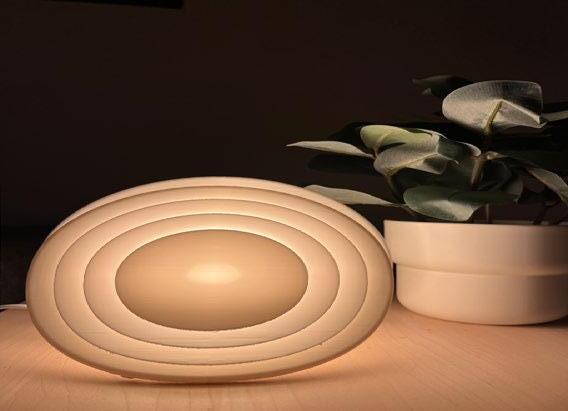
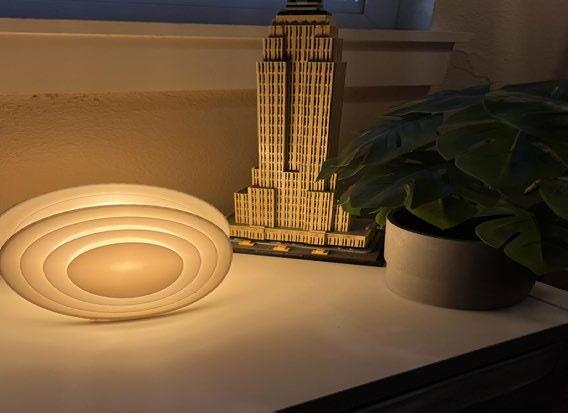
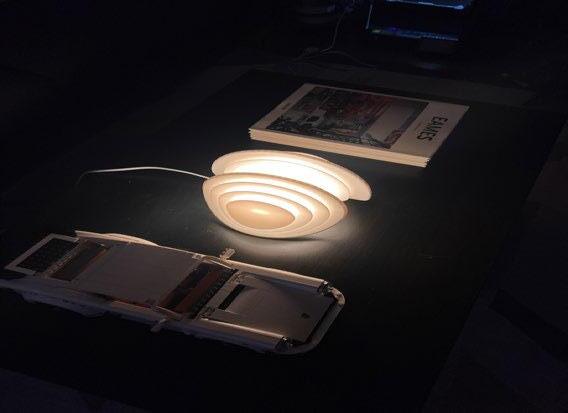
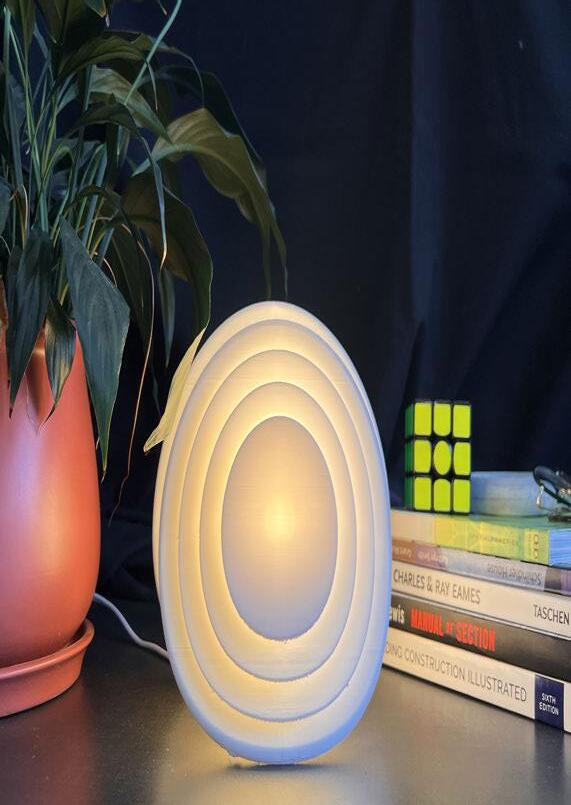
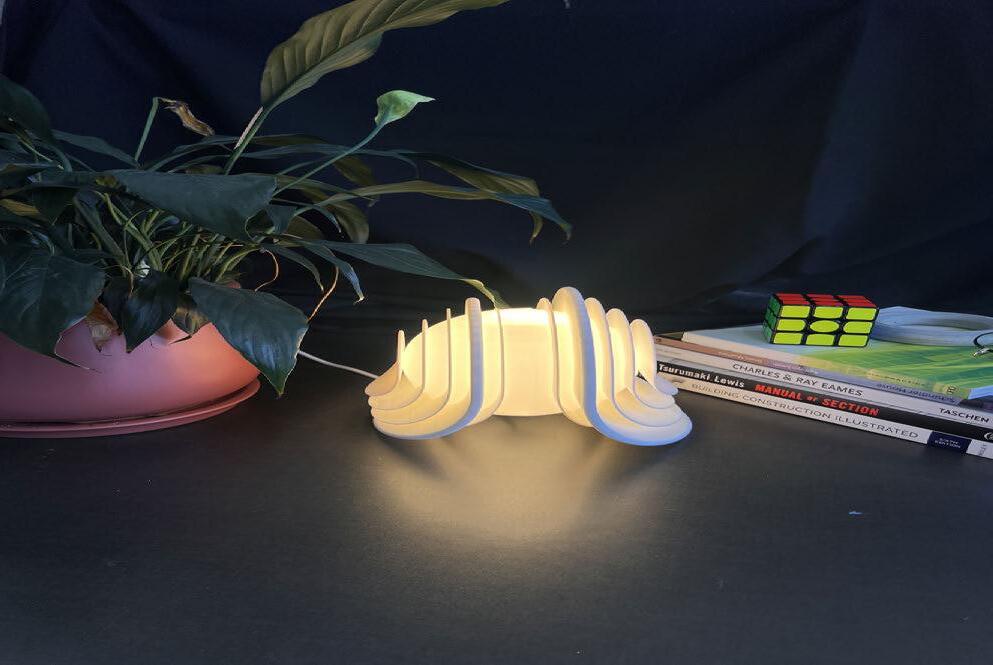
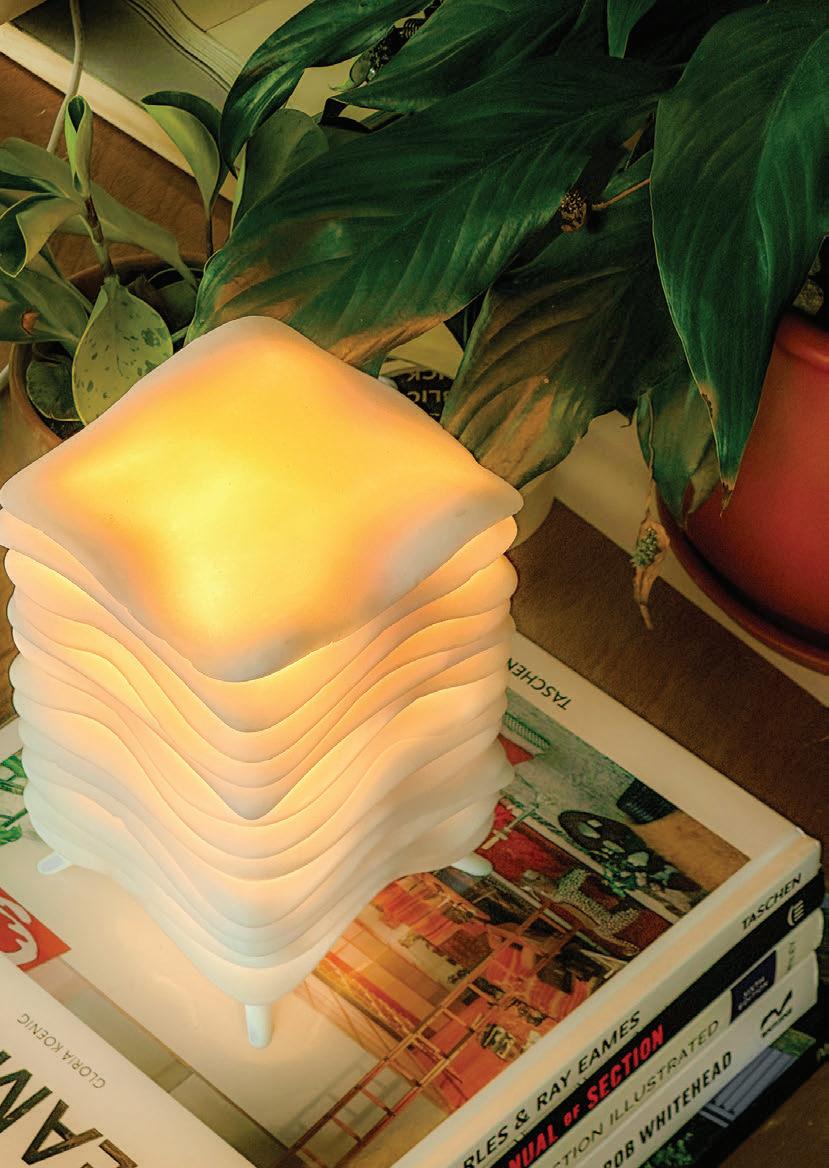
Haven is a 3D-printed table luminaire inspired by the natural elegance of seashells. Designed with two protective shells, its curving lines evoke the serenity of nature. Rooted in the concept of “sanctuary,” Haven offers a calming presence and a sense of safety, transforming any space into a tranquil retreat.
Prioritizing harmony, uidity, and a connection to the environment.
Drawing inspiration from the evolutionary strategies of natural forms, mimicking the way shells adapt and create efficient structures to protect the life form within.
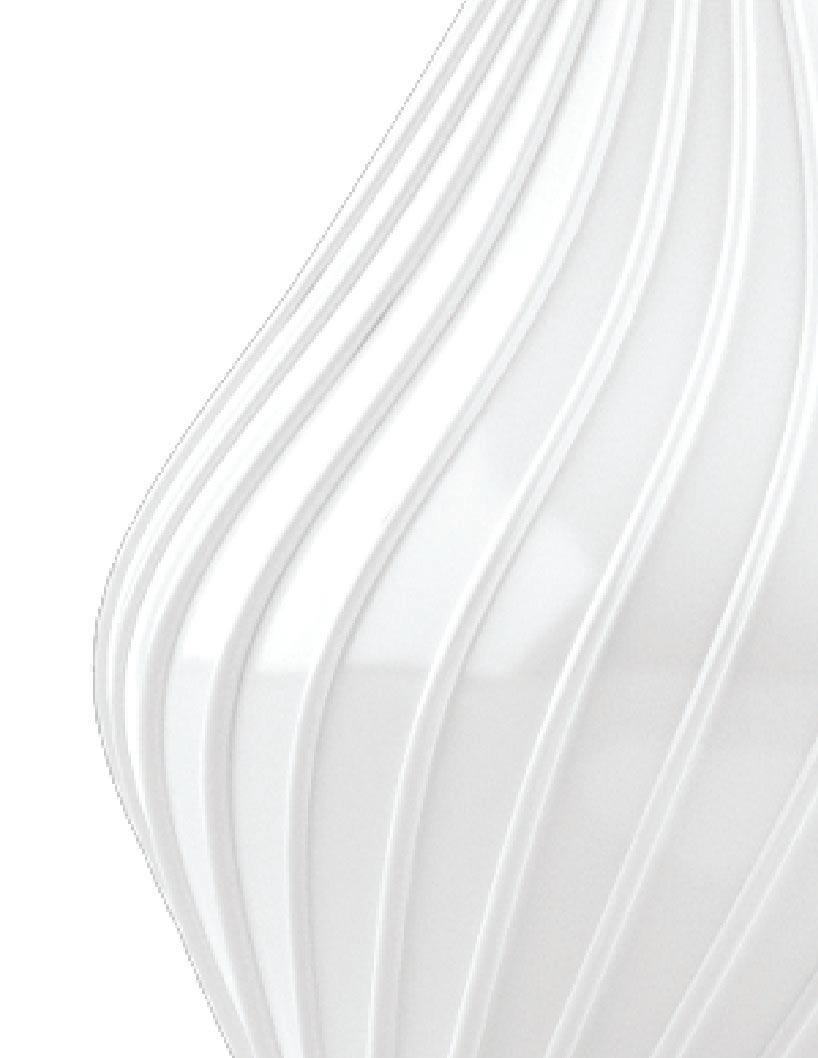
Balance and symmetry are used to create a visually appealing form.The repetitive curves add texture and depth.

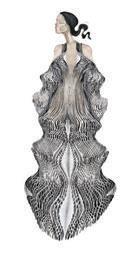
Hypnosis: Look 4
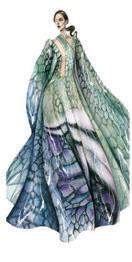
Sensory Seas: Looks 6
Van Herpen’s deep fascination with the natural world, particularly the complex structures and patterns found in nature, inspired the luminaire. “Haven” is centered around studying organic forms and naturally occurring architecture. The product elegantly combines nature and technology to create an innovative design.
Iris Van Herpen is a visionary Dutch fashion designer, renowned for her intricate, sculptural garments. Van Herpen’s work consistently pushes the boundaries of fashion design by incorporating cutting-edge technologies such as 3D printing, laser cutting, and innovative materials. Her designs are wearable works of art, often described as futuristic, conceptual, and ethereal.
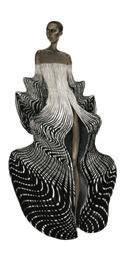
Hypnosis: Look 10
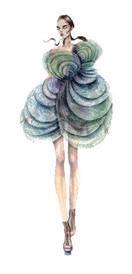
Sensory Seas: Looks 7
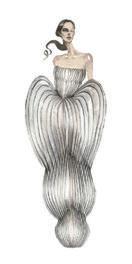
Hypnosis: Look 2
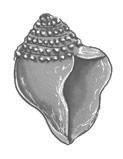
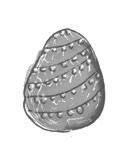
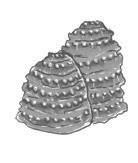
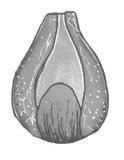
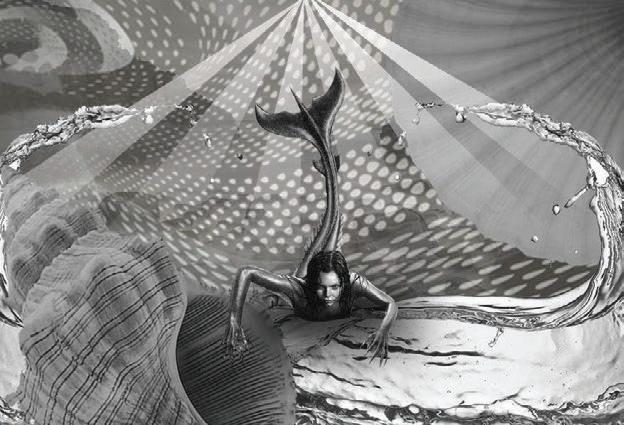
Haven is a seamless blend of nature’s organic beauty and cutting-edge design, inspired the visionary work of Iris Van Herpen. Embracing the concept of Sanctuary, this 3D-printed table luminaire draws inspiration from the intricate and protective architecture within seashells. Seashells provide shelter and tranquility in nature. Haven creates a serene, intimate ambiance for any space, offering aesthetic elegance and a calming refuge through its sculptural form. The design reects a harmonious balance between natural forms modern innovation.
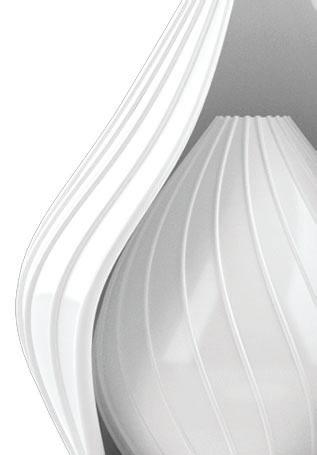
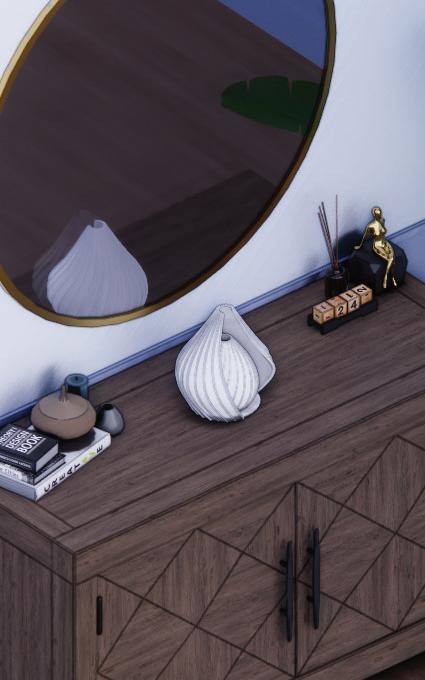
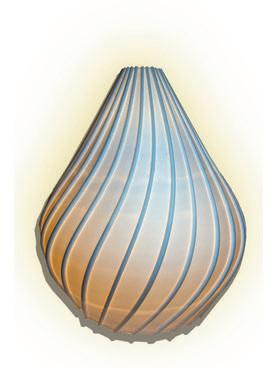
This table luminaire features focused illumination through an open design that enhances task-oriented activities. The design allows light to spill selectively, drawing attention to the work surface or focal point. The openness adds a sense of lightness and creates a dynamic play of shadows, adding depth and interest to the surrounding space.
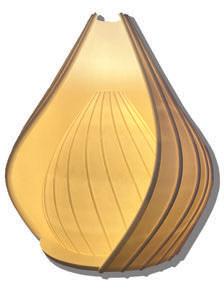
The carefully calibrated light distribution ensures that one side casts direct light for focused tasks. The opposite side of this table luminaire gently diffuses light creating a soft, ambient glow that lls the room with warmth and comfort. This dual lighting effect makes Haven adaptable for various lighting needs.
MATERIALS : BAMBU PLA BASIC FILAMENT
COLOR: JADE WHITE
FINISH: MATTE
SIZE: 8.5” X 8.5” X 9.9”
BASE DIMENSIONS: 5.2” X 5.2” X 9.8”
SHADE DIMENSIONS: 8.5” X 8.5” 9.8”



LIGHT SOURCE: SOFT WHITE LED BULB
LUMENS: 760
BULB SIZE: 2” X2”
CORD: 6 FT WOVEN CORD WITH POWER SWITCH
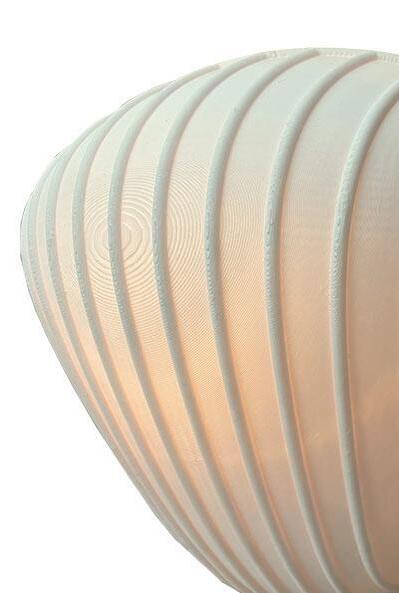
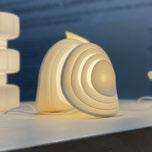
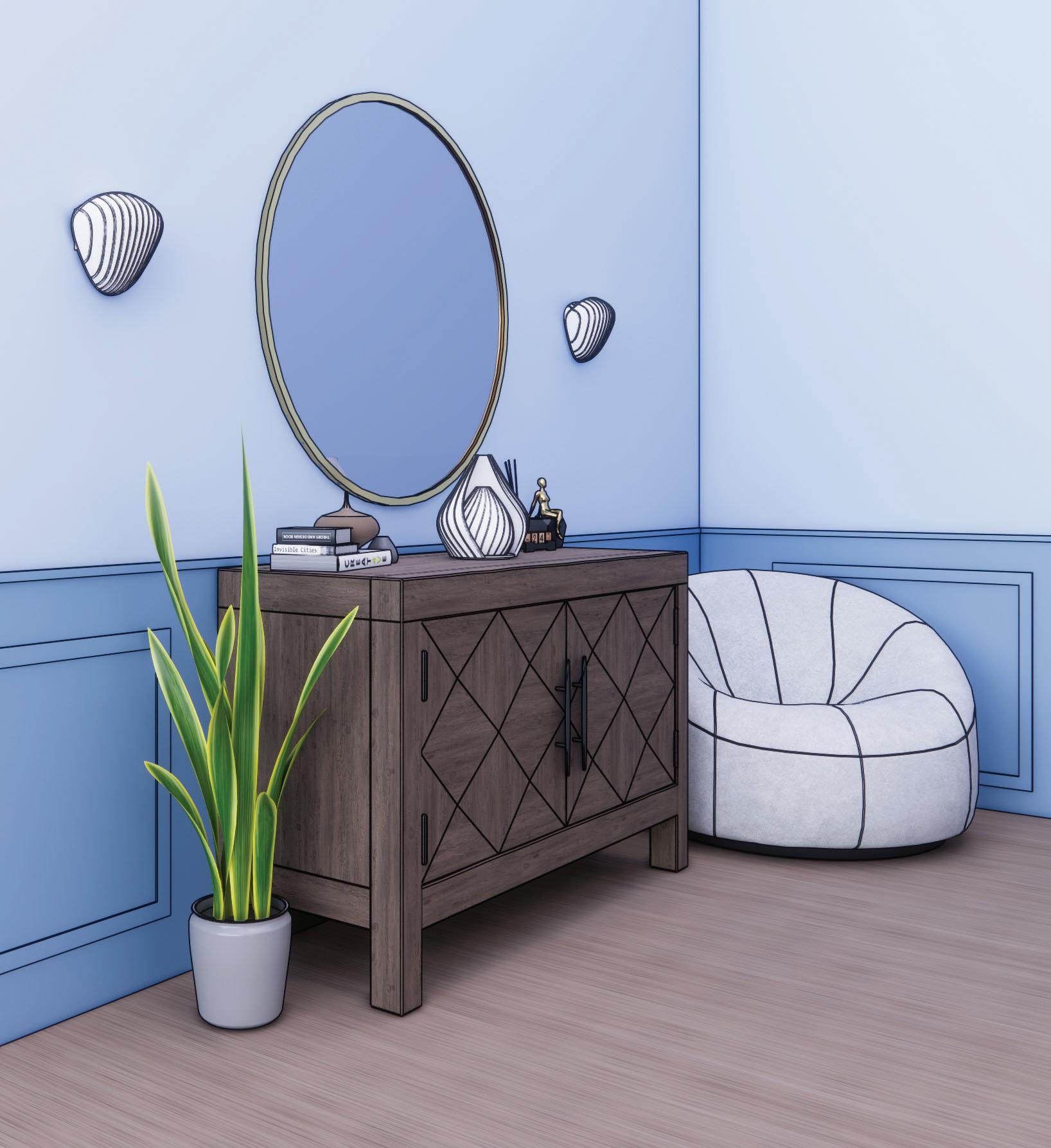
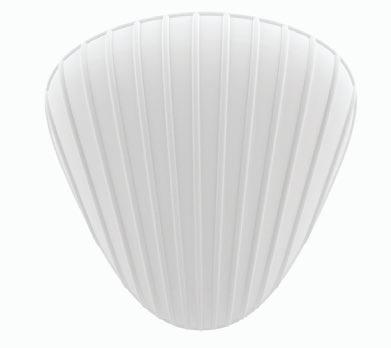
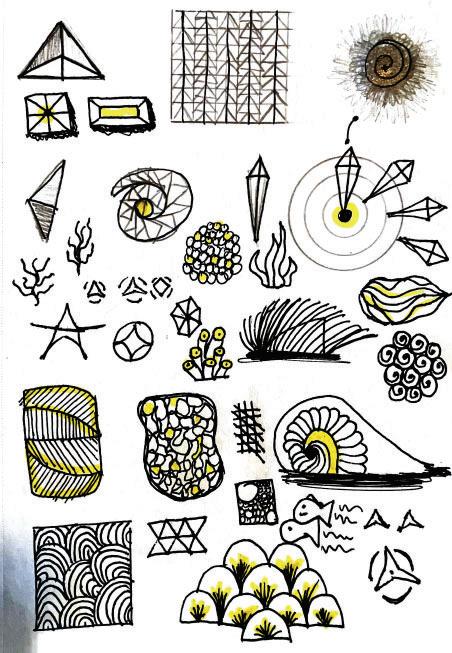
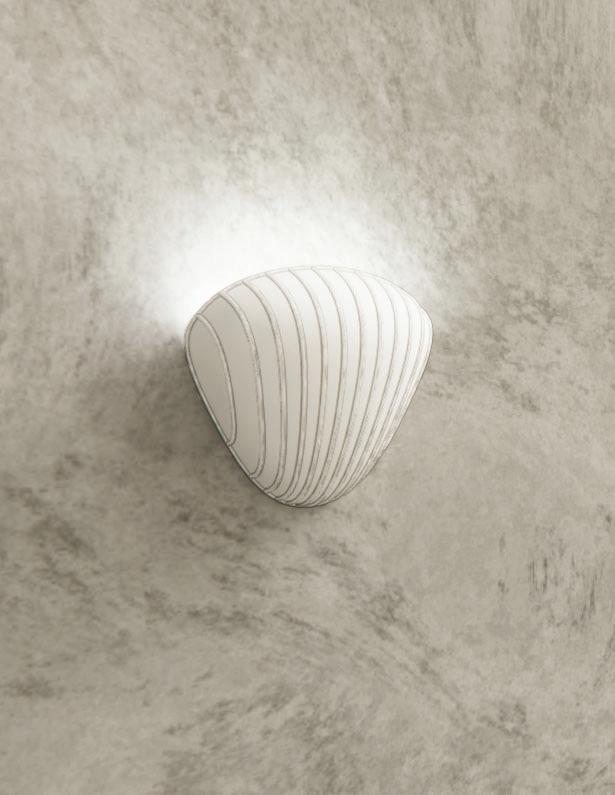
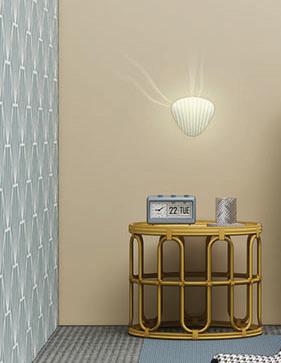
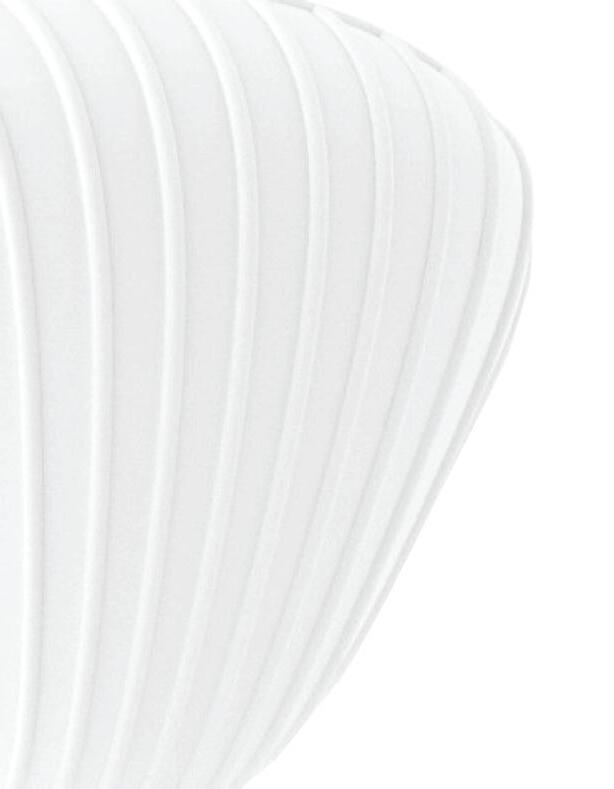
Nautilus is a 3D-printed wall sconce inspired by seashells. It is designed with two protective shells, its curving lines, and playful shadows. In the concept of “Serenity,” Nautilus offers a calming presence and creates an artistic display.
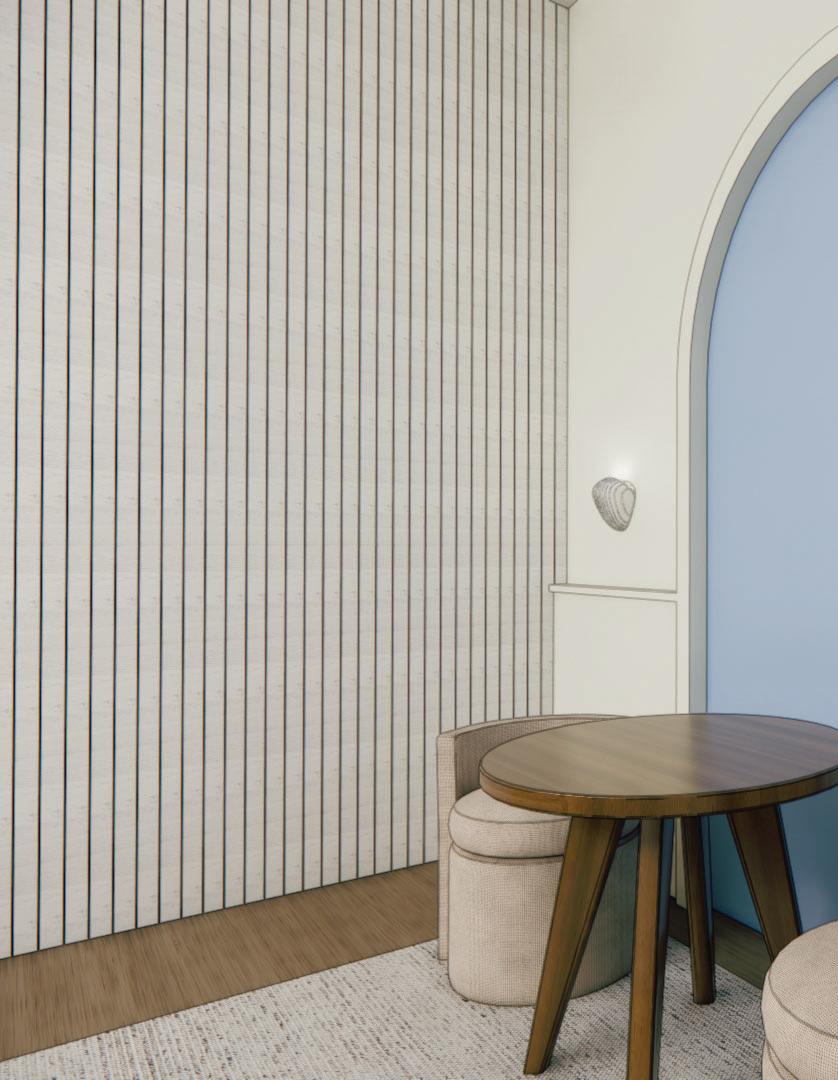
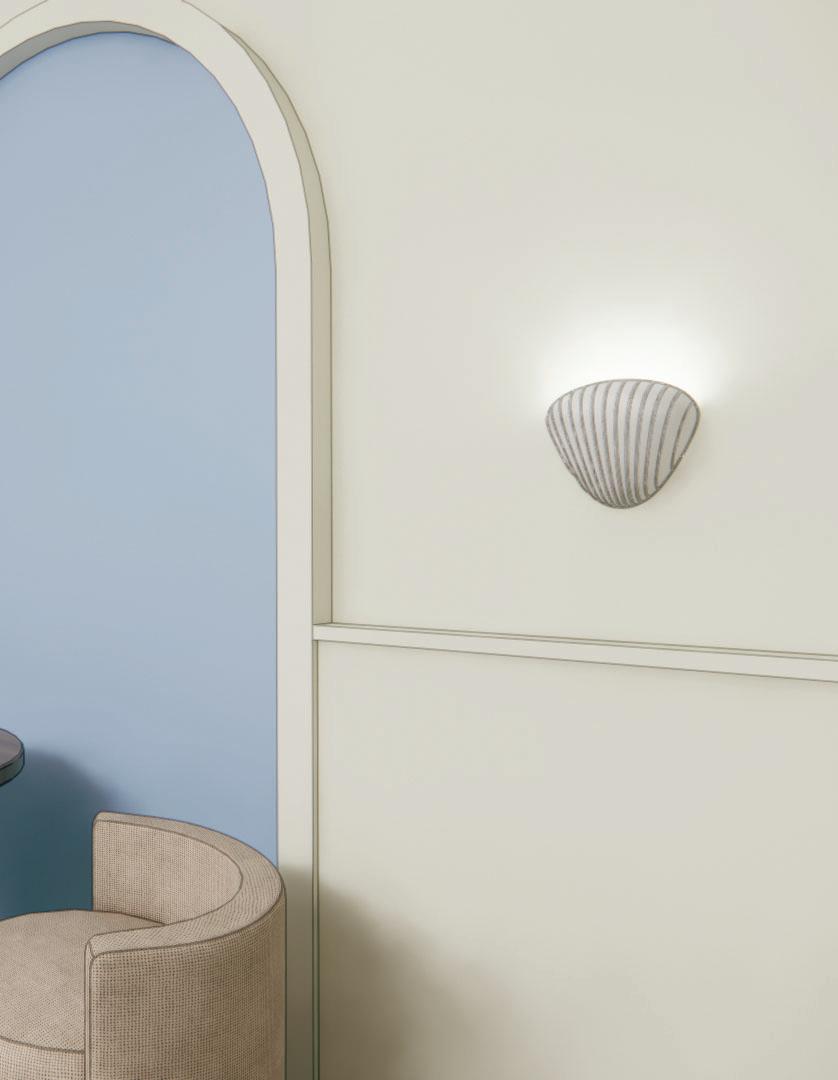
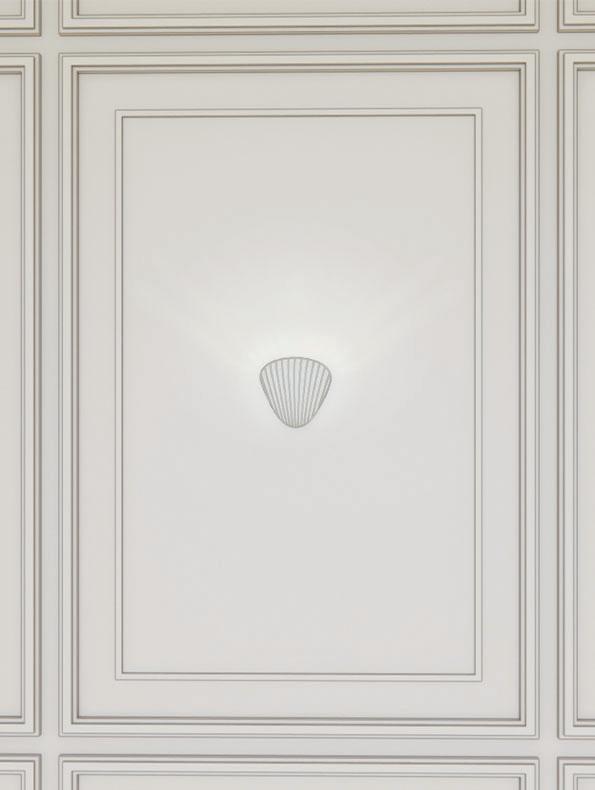
Prioritizing harmony, uidity, and a connection to the environment.
Drawing inspiration from the evolutionary strategies of natural forms, mimicking the way shells adapt and create efficient structures to protect the life form within.
Balance and symmetry are used to create a visually appealing form.The repetitive curves add texture and depth.
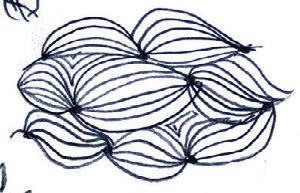

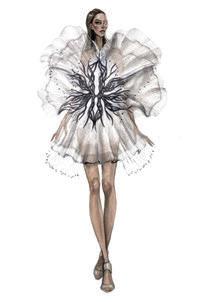
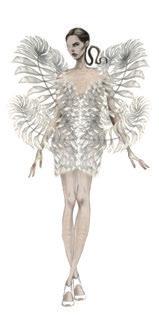
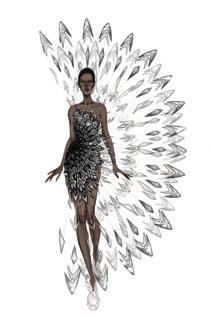
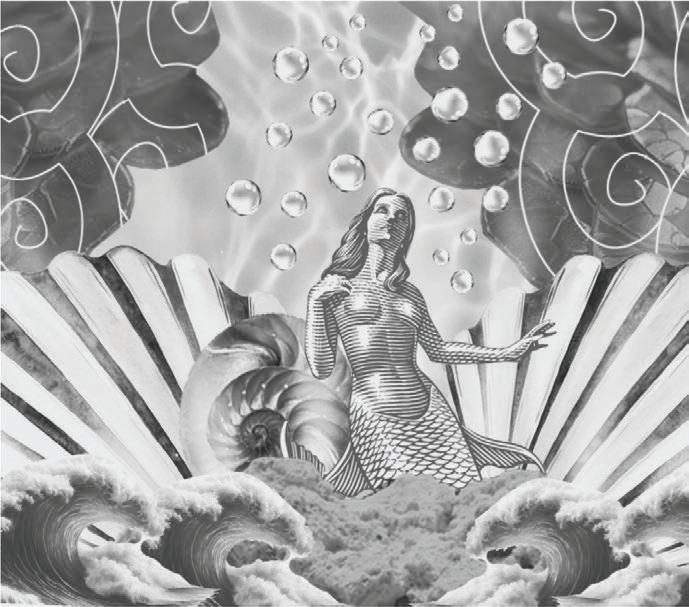
Echoing the avant-grade elegance of Iris Van Herpen’s headpieces, this wall sconce draws inspiration from their organic, owing forms. Like Van Herpen’s wearable sculptures, the sconce blends nature and futurism, transforming intricate, biomimetic designs into a luminous centerpiece for any space. Both serve as striking testaments to the harmony of artistry and innovation.
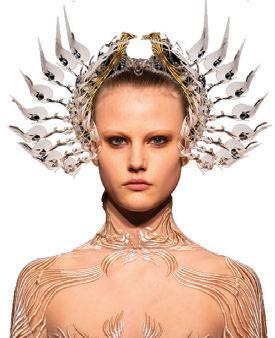
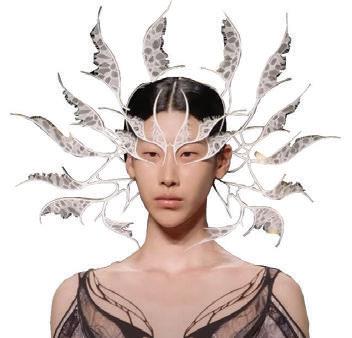
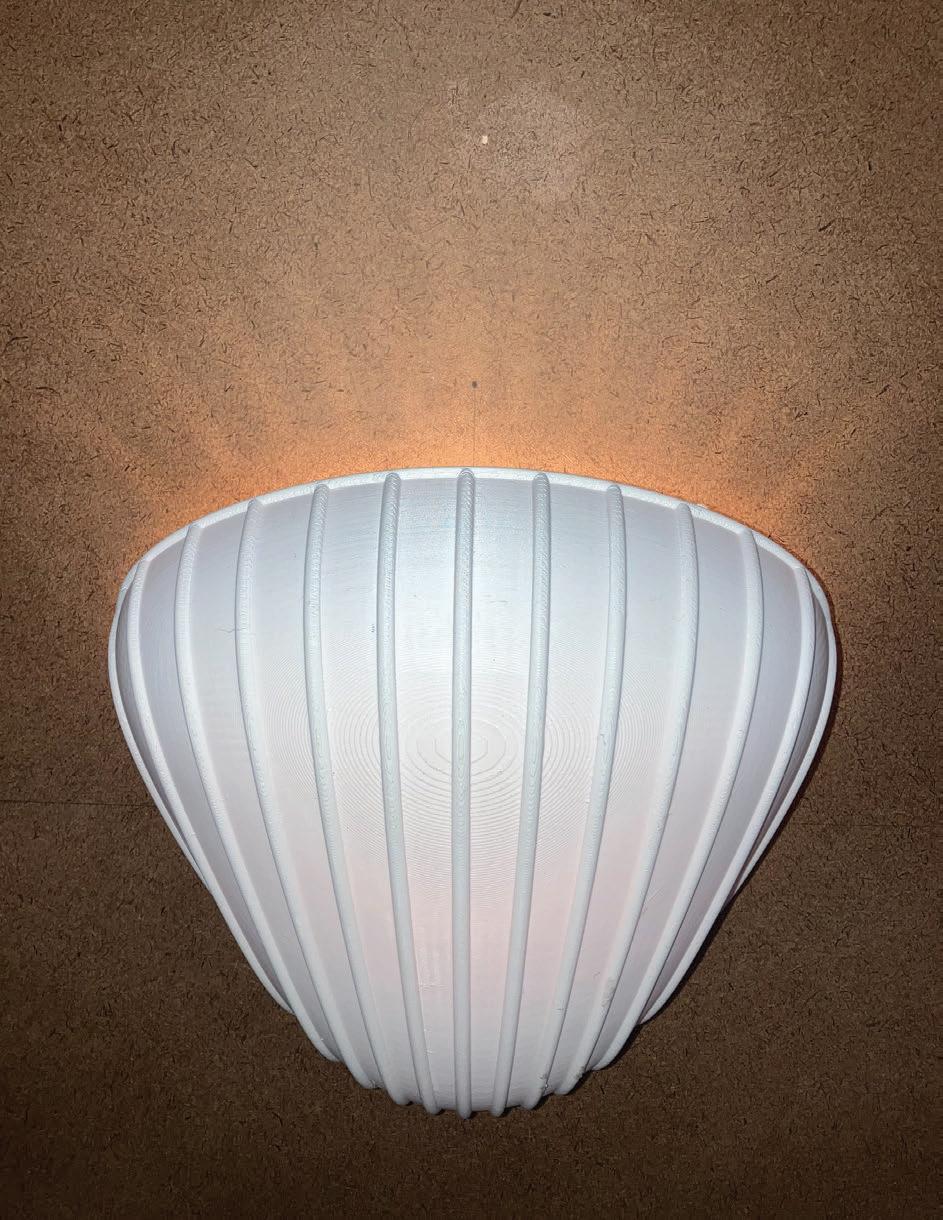
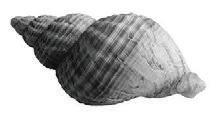
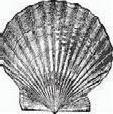
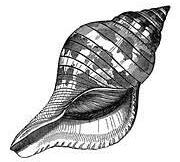
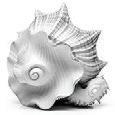
Nautilus is a 3D-printed wall sconce inspired by the intricate architecture of seashells and the tranquil essence of the ocean. The products unique design casts soft, owing shadows onto the walls, creating a serene ambiance while adding depth and dimension to your space. Blending artistry and sustainability, Nautilus brings the beauty of nature indoors.

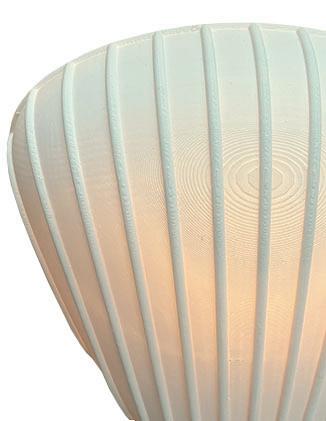


MATERIALS : BAMBU PLA BASIC FILAMENT
COLOR: JADE WHITE
FINISH: MATTE
SIZE: 8” X 4.25” X 7.75”
MOUNT DIMENSIONS: 6” X 0.4” X 6.75”
SHADE DIMENSIONS: 8” X 4” X 7.75”
LIGHT SOURCE: G4 LED BULB
LUMENS: 330
BULB SIZE: 0.5”x1.5”




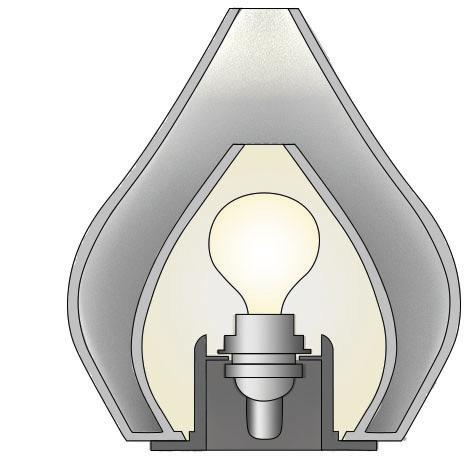
3D PRINTED AESTHETIC SHELL



3D PRINTED DIFFUSER SHELL
G4 LED BULB 330 LUMENS
MOUNTING PIECE WIRE ACCESS
Process of Table Lighting Design
-Overall process was long; main thing to look out for was how a bulb can fit inside and work within the system
Process of Wall Scone Lighting
- Tedious process due to multiple pieces coming together, this in turn proved to increase time spent wiring and assembling
Series of Product and Business Branding Packages
- They were a different approach to design work, learned more of the purpose of marketing and how to properly brand a product
Process of Package and Exhibition preparation
- The package and exhibition was extremely fun. Seeing other peoples designs finished was exciting.
Series of Process Book Making
- The book was a good glimpse of what is expected, but seemed like I was veering away from my principle degree, which is okay.
Overall
- I am mostly proud of the products I produced, I wish I gave myself more time to develop my ideas more efficiently and all of the post production. Studio and other classes were mostly my main priority, which minimized the time spent on my designs.
If you could talk to you before the beginning of the semester, what would you like to share with you?
- I would tell myself to better manage my time, even if there are minimal gaps. Design is never perfect, but the more time you spend on them, the better developed and better prepared you are for any circumstance.
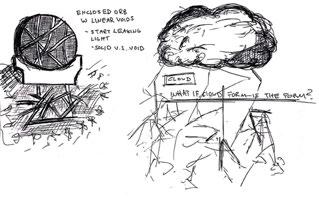
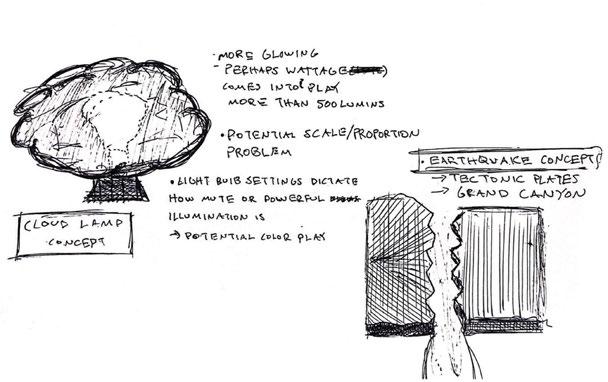
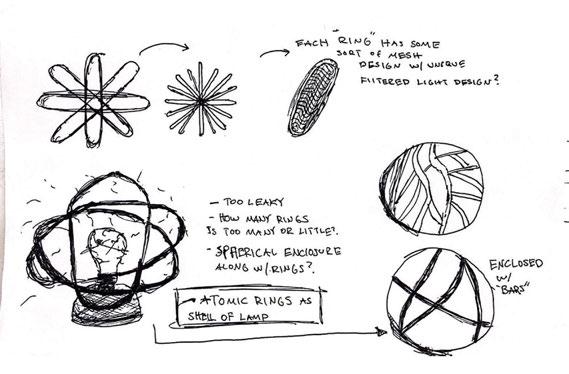
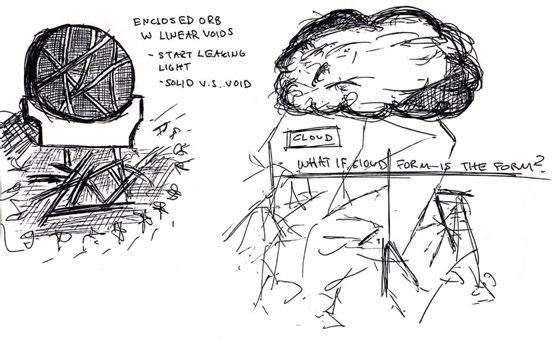
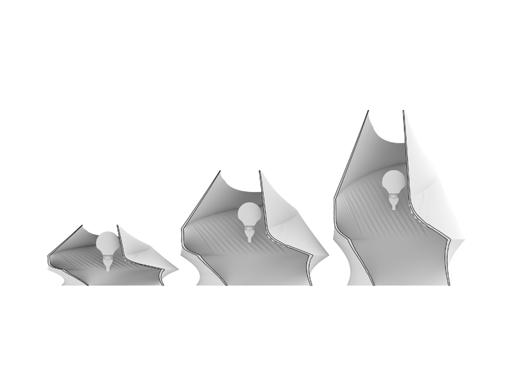
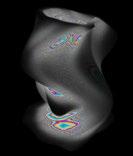
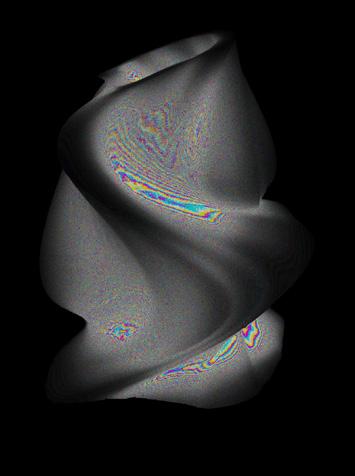
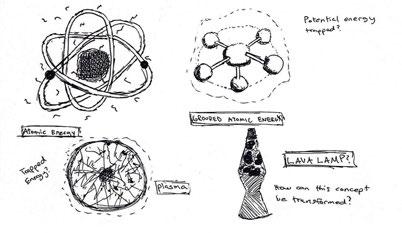
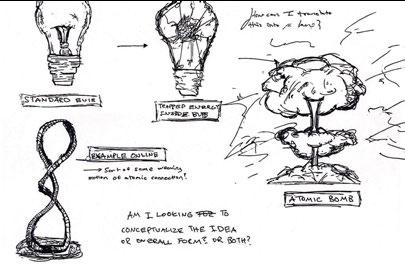
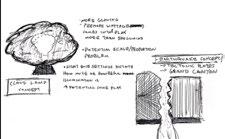
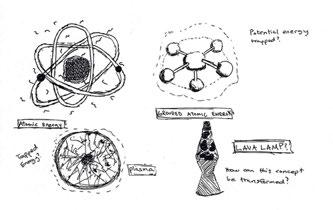
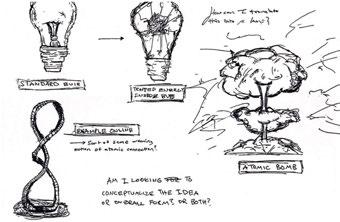
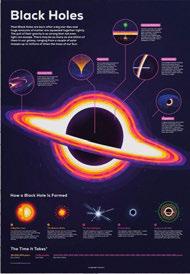
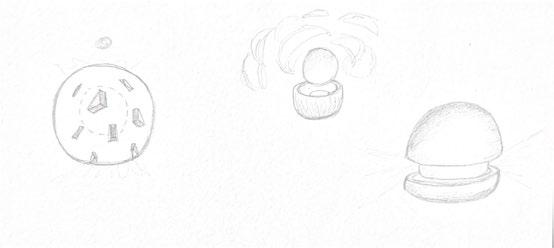
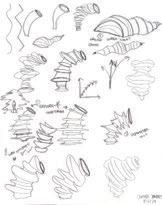
Imagine capturing the essence of atomic energy and the idea of grand tension. The luminaire possesses high tension waiting to be released. The central part of the luminaire acts as a nucleus that radiates energy outwards. Think of the filament and structure of the luminaire as the shell of a plasma ball, containing the energy within. The interplay of light and shadow in such a design could mimic the powerful energy found at the atomic level.
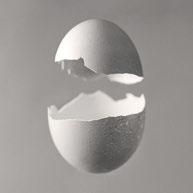
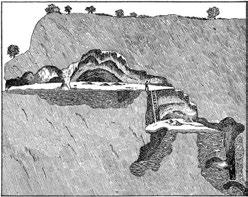
Another concept includes the ripping apart of tectonic plates, resembling high tension and energy being thrusted outwards. These cracks in the plates allow for slivers of light to be cast illuminating a surface. Strategic plays of light and shadow can start to resemble the high energy being captured.
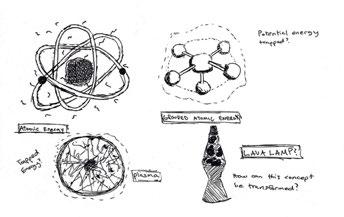
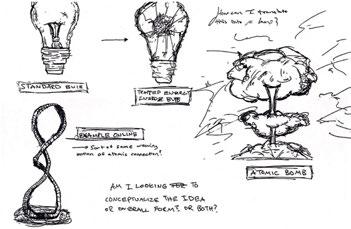
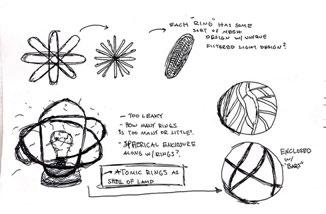
Refined Concept and
8/27/24


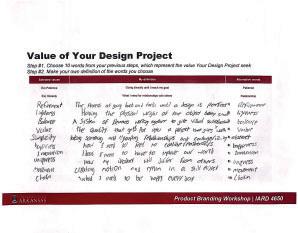
Step#1.Choose10wordsfromyourprevioussteps,whichrepresentthevalueYourDesignProjectseek
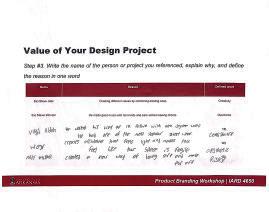
Step#3.Writethenameofthepersonorprojectyoureferenced,explainwhy,anddefine
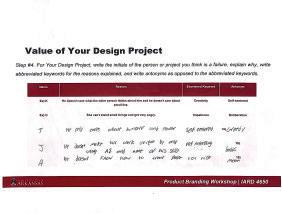
Step#4.ForYourDesignProject,writetheinitialsofthepersonorprojectyouthinkisafailure,explainwhy,write abbreviatedkeywordsforthereasonsexplained,andwriteantonymsasopposedtotheabbreviatedkeywords.
ValueofYourDesignProject
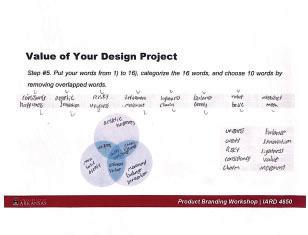
Step#5.Putyourwordsfrom1)to16),categorizethe16words,andchoose10wordsby removingoverlappedwords.
Contents
Design Features
Intention
Specification
Concept
Process
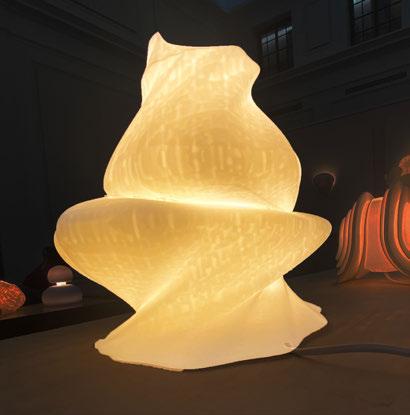
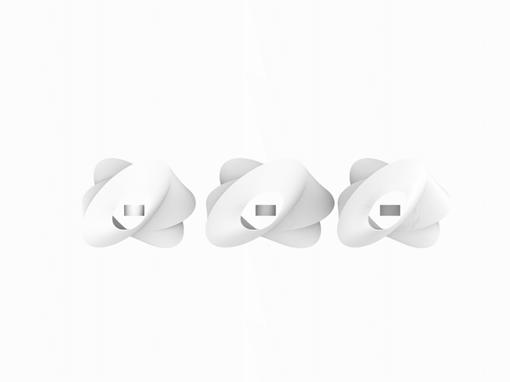
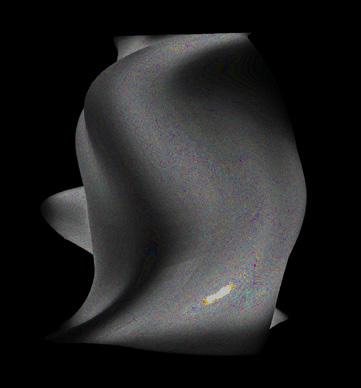
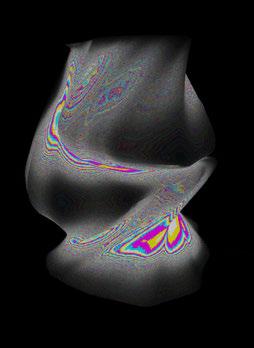
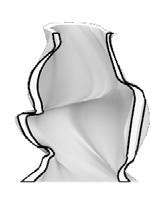
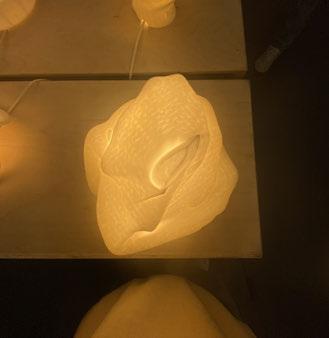
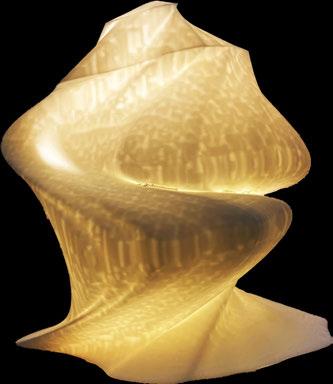
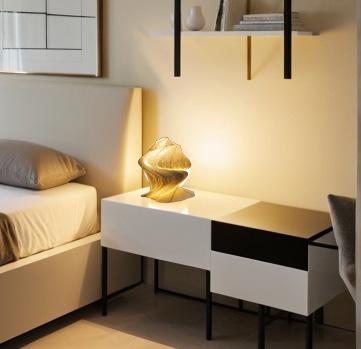
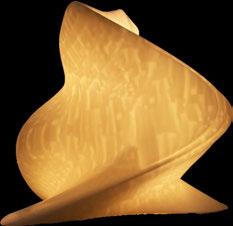
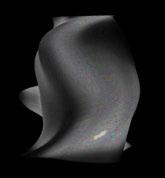
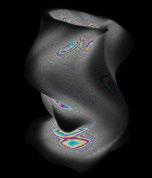
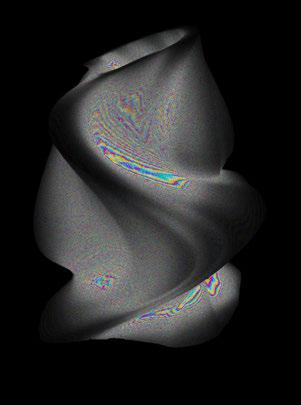
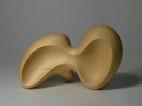
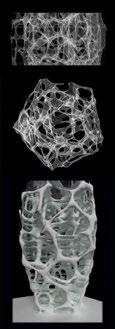
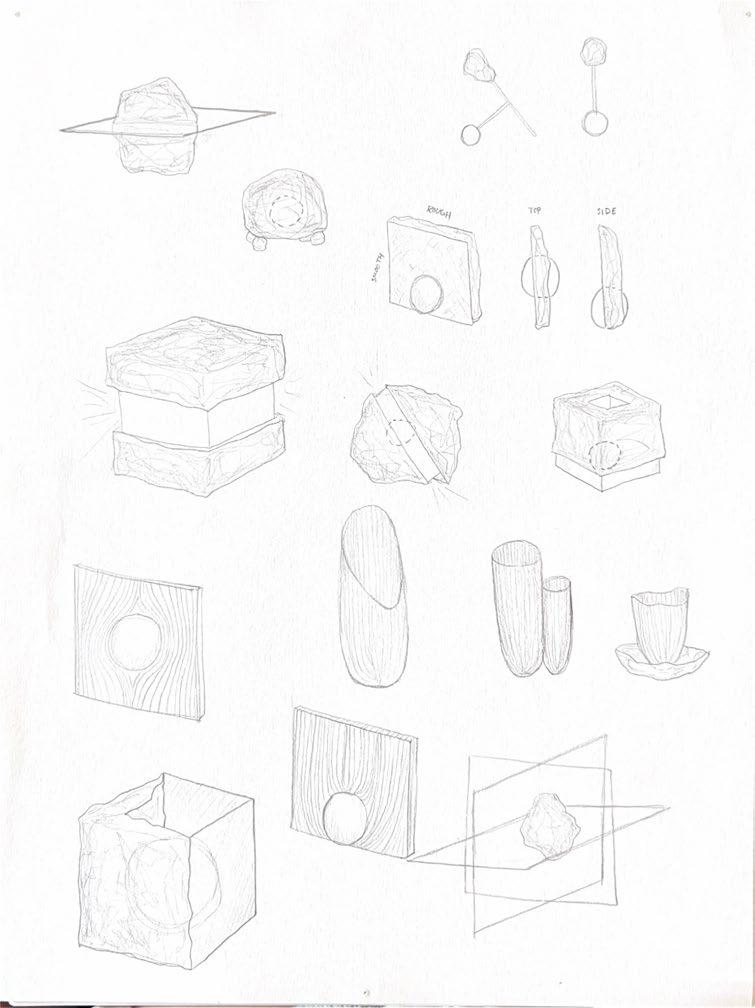
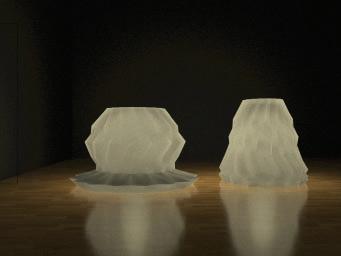
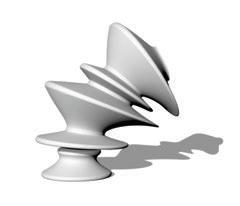
Crevoscura is a table luminaire proposal that is organic and has a different identity on each face. Inspired by natures unpredictability, and by atomic forms and several natural occurences, this luminaire brings warmth and elegance to any room. Carefully curated in an FDM 3-D printer, it showcases quality and longevity. A combination of artistic freedom and technology brings this design to life as its contours create a dynamic play of light and shadow. Illuminate your space with this lively centerpiece.
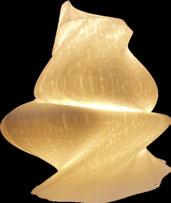
Size 6.5IN x 6IN x 9IN
FDM BASIC WHITE PLA (MATTE WHITE)
E26 BASE (ANY BULB THAT FITS BASE)
6FT POWER CORD
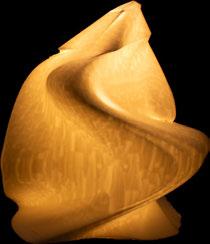
-Initiated by sketching natural occurences and studying organic form in nature and massing
-Established a desire of energy and forces such as atomic energy and earthquake occurences
-Crevices formed in nature developed the design features of heavy contrast in light and shadow


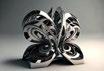
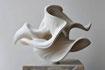
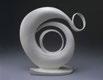
Initial Concept Narrative and Sketches Wall Sconce

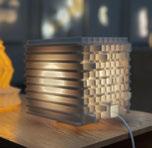
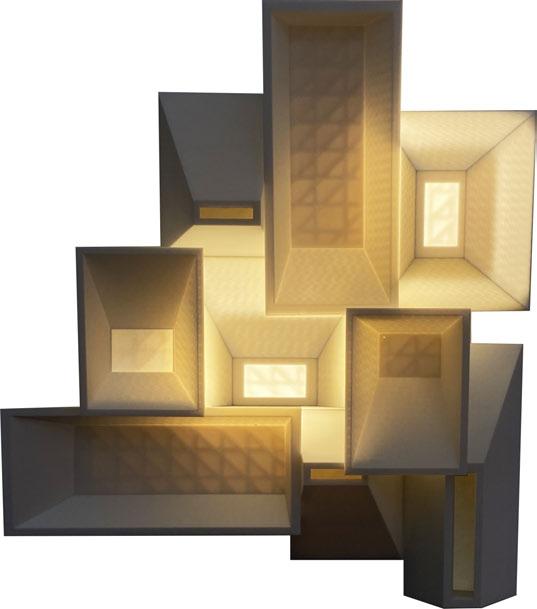
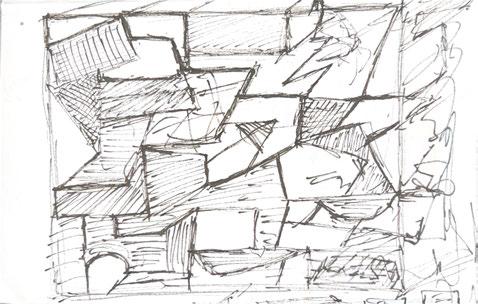
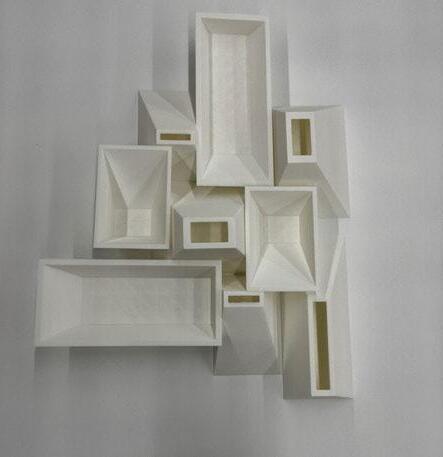
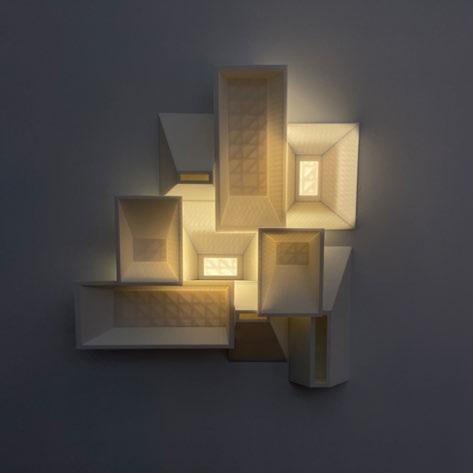
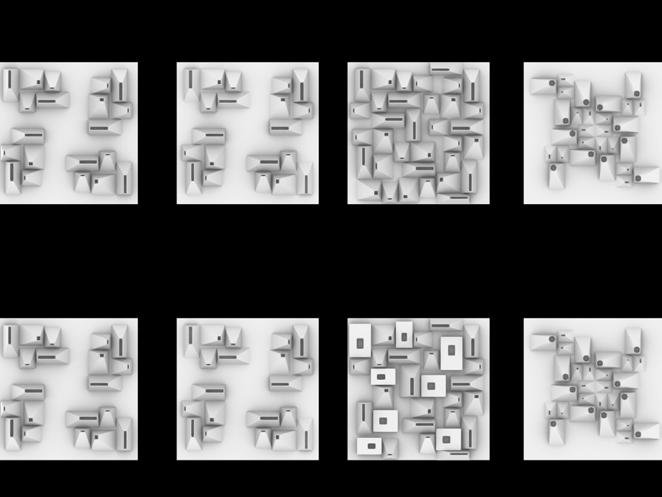
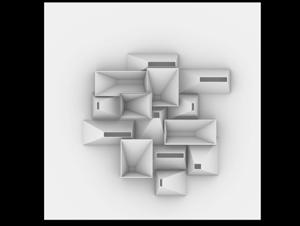
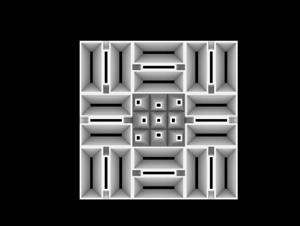
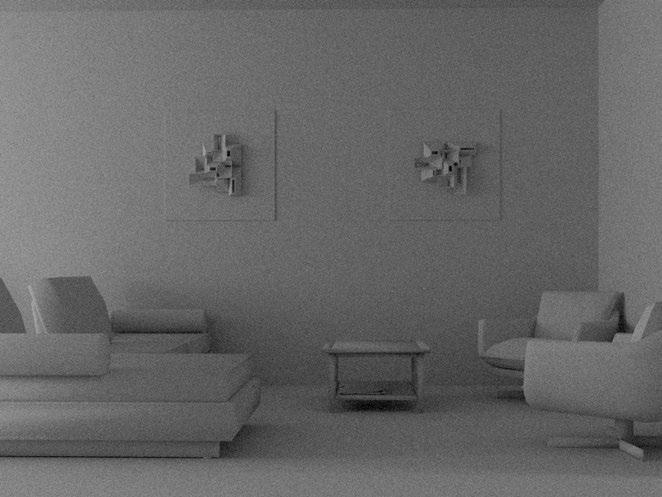
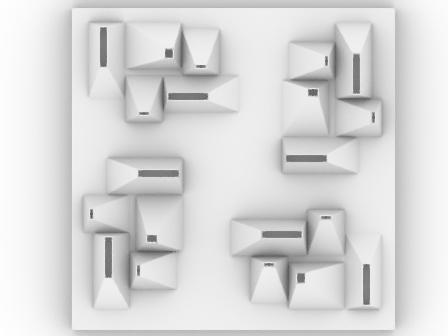
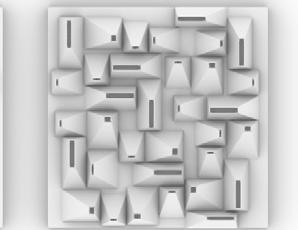
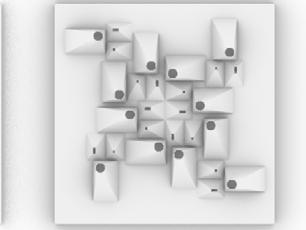
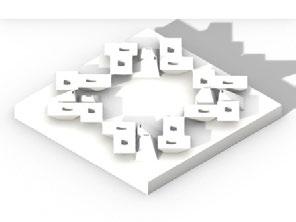
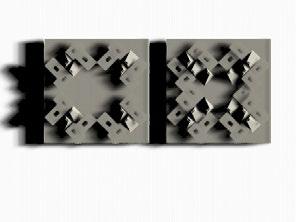
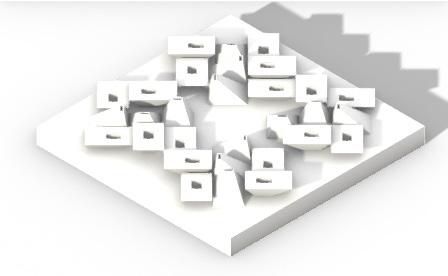
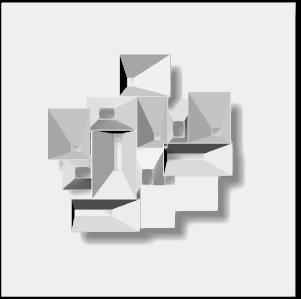
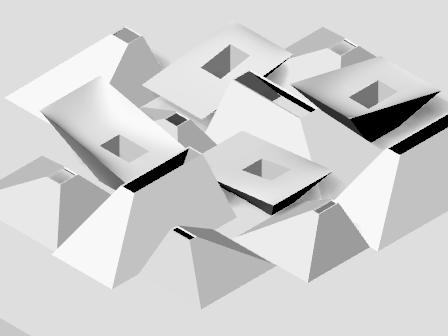
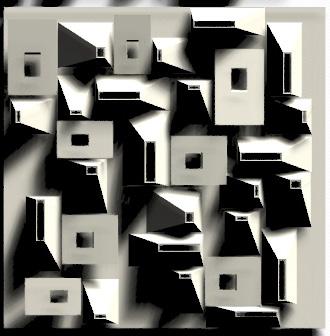
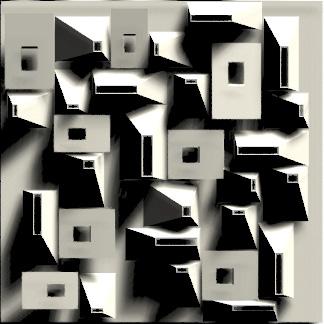
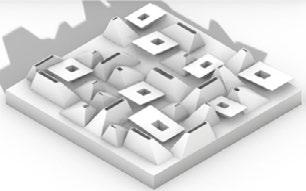
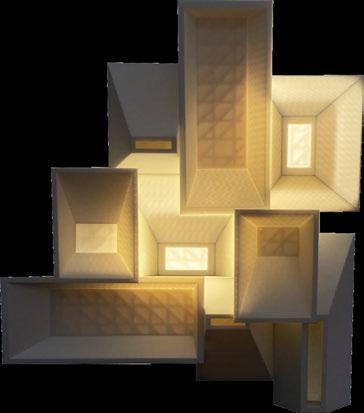
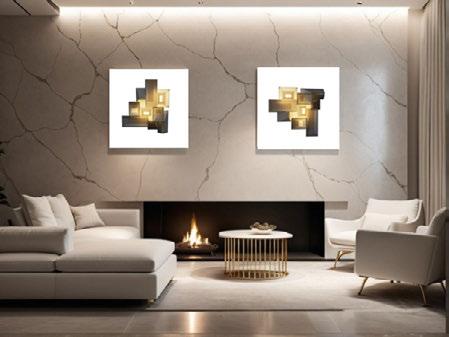
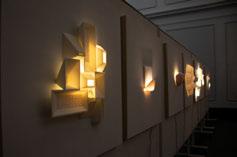
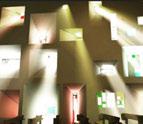
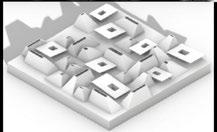
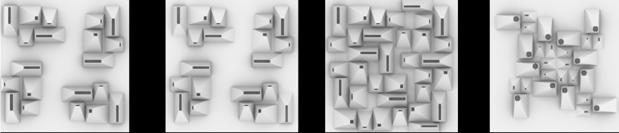
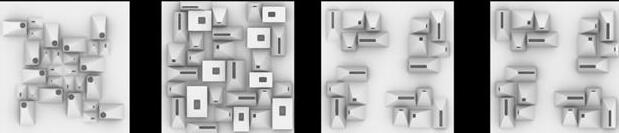
Highrise Glow is an abstract wall sconce that resembles a large city at night. The diffusers act as the “skeletal frame” in a building. The illumination of light is diffused in various areas of the composition. There are 9 different LED wirings that can be turned on and off given the aesthetic you desire. The mainconcept behind this design is the adaptability, transformation, and puzzle-like attributes. There are 5 different sized rectangular cones that are in different orientations. The wall sconse can be extremely bright or dull. Target audience is anyone who enjoys assembly and different sculptural compositions. You can use 2 pieces or up to 9 pieces in your composition.


























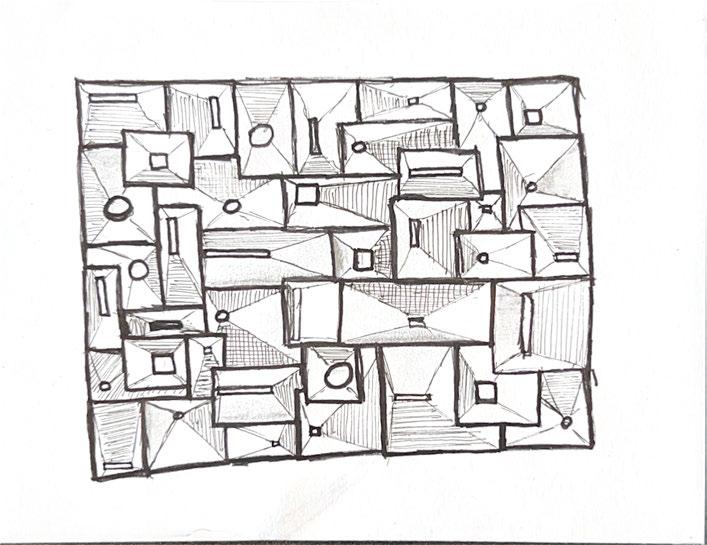
Highrise Glow is an abstract wall sconce that resembles a large city at night. The diffusers act as the “skeletal frame” in a building. The illumination of light is diffused in various areas of the composition. There are 9 different LED wirings that can be turned on and off given the aesthetic you desire. The mainconcept behind this design is the adaptability, transformation, and puzzle-like attributes. There are 5 different sized rectangular cones that are in different orientations. The wall sconse can be extremely bright or dull. Target audience is anyone who enjoys assembly and different sculptural compositions. You can use 2 pieces or up to 9 pieces in your composition.
Design Features
Intention
Concept Specification
Process
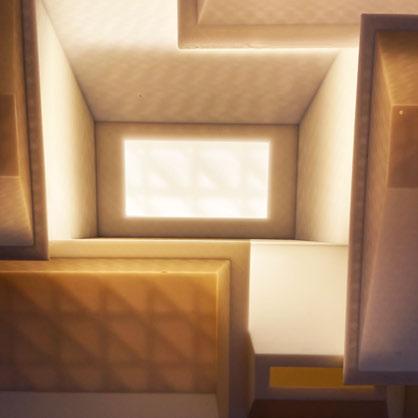
Highrise Glow is an abstract wall sconce that resembles a large city at night. The diffusers act as the “skeletal frame” in a building. The illumination of light is diffused in various areas of the composition. There are 9 different LED wirings that can be turned on and off given the aesthetic you desire. The main concept behind this design is the adaptability, transformation, and puzzle-like attributes. There are 5 different sized rectangular cones that are in different orientations. The wall sconse can be extremely bright or dull. Target audience is anyone who enjoys assembly and different sculptural compositions. You can use 2 pieces or up to 9 pieces in your composition.


-Pieces are adaptable and interchangeable, meaning you have the freedom to choose your composition
-Diffusers are glued onto the rectangular cone
-LED wiring is placed behind the diffuser and through the back of a 35”x35” canvas
-All pieces are secured by a dowell or a small screw onto the canvas
The principle of this form is that there are an infinite number of iterations that can come together for your desired composition. Think of legos, but as a sculptural light source. A masterpiece
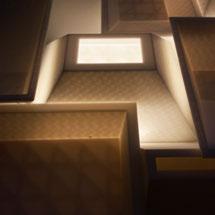
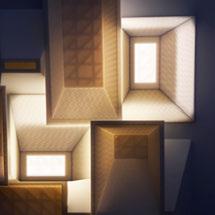
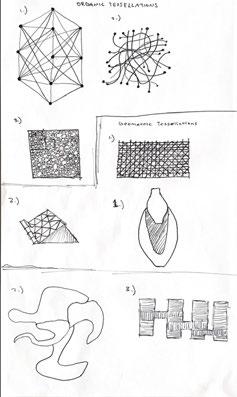
-Initiated design process through vigorous iterations of tessalations
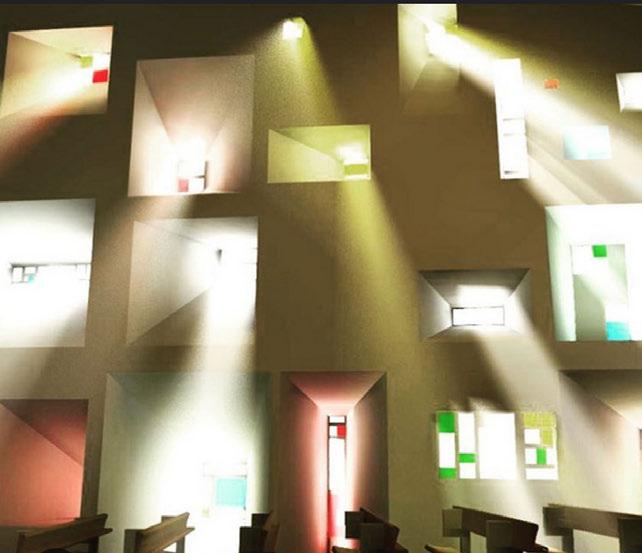
-Established a desire for puzzle-like compositions that were either ordered or abstract. Researched Le Corbusier’s Ronchamp for diffused lighting ideas
-Iterated among different shapes that nestled into each other to create a composition. Found direction from opportunities of abstraction
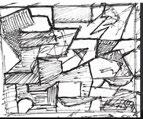
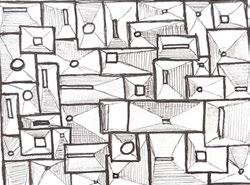
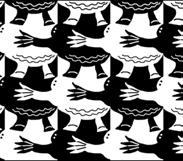


Much of the process was finding how the pieces could fit together and how I could start manipulating the sizes to best fit the composition
Product Developmen
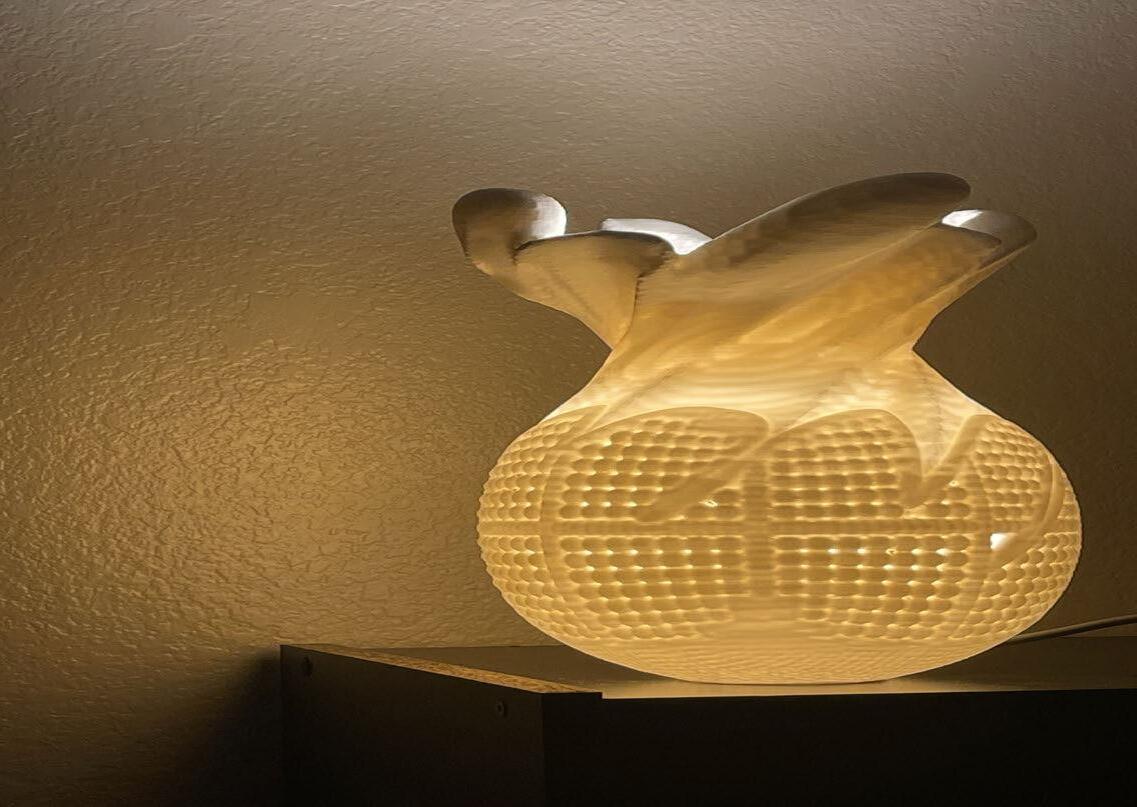
- It takes way more trime and energy to produce a working lamp than I thought, let alone an elegant one. The amount of time I put into the lamp is around double what I assumed it to be.
- I enjoyed both projects but I especially enjoyed designing the wall scone because of the way you can use the plane of the wall the scone is attatched to to your advantage. You can project light onto the surface in an infinite amount of ways, and it can really enhance the success of the piece.
- These packages really showed me the reality of the designer luminaire industry. IT IS HARD TO SURVIVE! There are so many additional costs when producing and selling your oown product, its almost impoossible to be successful when you have to charge so much money to cover the R&D phase of your product development.
Process of Package and Exhibition preparation
- When thinking about packaging, transporting, and displaying the pieces in exhibition settings its very beneficial to adjust the design to be less fragile, or complex to assemble. Simplifying the amount of parts greatly improves the durability of the piece as well as giving it a strong structural skeleton to hold its own weight when hung on a wall from a few mounting points.
Series of Process Book Making
- I wish we were given more time on this portion of the assignments as I would’ve loved a workshop on taking and processing product photos. These books have really shown me that designing and producing the product is only half of the work. Branding and marketing are just as important if you ever want your product to sell.
Overall
- Overall I really enjoyed this course as it allowed me to step away from the large scale design that buildings are, and instead explore creative processes in producing small scale objects. The requirements, end goals, and process itself are all quiet different. This class taught me a new thinking style as a designer; when product designing the thoughts and feelings of the target audience are paramount to the creation of a successful, beautiful product.
If you could talk to you before the beginning of the semester, what would you like to share with you?
- I would tell myself to sketch more at the beginning of the creative process and also not be afraid to play with your design like playdough in the beginning stages as you can have amazing breakthoughs from happy accidents. Some of my greatest design improvements came from getting frustrated at what I was originally trying to do and playing with my design carefree to destress my brain.
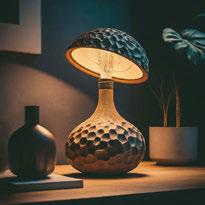
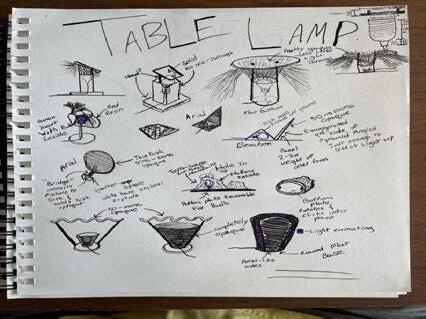
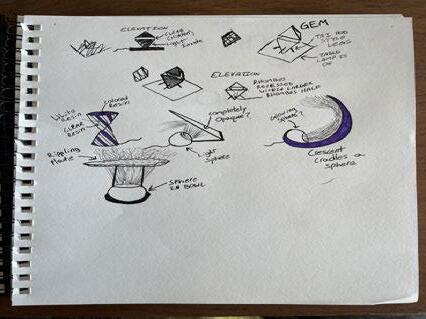
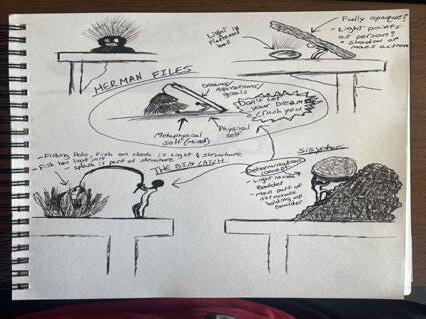
Iwoul likemyl mptoh vestrongrel tionshipswithinit Someex mples rethrough showing of power yn mi or omforting yn mi withinthe esign Ithinktheuseofspheres n line rsh pes withinthes me esign n re testrongemotionsfortheviewer Myl mpmight oun e swoop or i use thelightthroughitsf es utwill lw ys ispl y formofmovementthroughit Thel mpshoul evoke senseof eingwithinit n visu llyfun tion s s ulpturestillwhenitisnoton Exploring olor n op quevstr nsp rentnesswillhelpme hievethesefeelingsIw ntthelumin ireto re tewithinthe viewer Iw nttousehe vyformsontopoflightformstofurtherthispl y orgotheoppositew y n lift upthelightwithe se There re lotof ire tionsI oul t kemylumin ire
Narrative
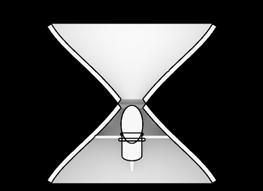
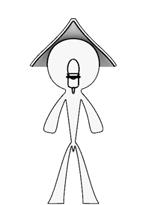
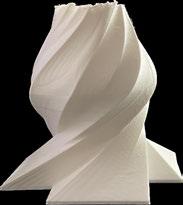
Versiontwoofmyluminairewillbecharacterizedbydepictingasituationorconict.Iwantitto havedistinctionanduniquenesscomparedtootherlampsonthemarketbyincorporatinganelementor characterthatwillbepresentandever-evolvingineachlampundermybrand.RightnowI’mfocusedon communicatingtheconceptofdeterminationinmyluminaire.AnexampleisthestoryofSisyphus,theman whowasboundtoahellofpushingaboulderupamountainonlytohaveitrollbackdownwhen approachingthesummit.Ihaveadesignofthatexactimagehowever,maybetheconceptismoreabstract andusesgeometrytoconveythesituation.
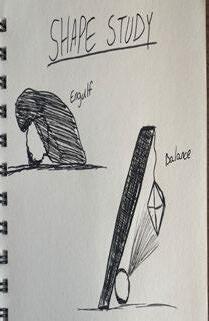
IfIweretocurateanabstractdesignlikethat,thestudyof3Dshapesandbeginningtounderstand whichformsaregenerallyconsideredtobemorepowerfulandwhichresembleweaker,smallerfeelings wouldbeagoodstart.IthinkI’mfascinatedwiththefeelingsshapesgiveuswhentheyarearrangedin waysthatgoagainstmorenominal,practicalstandards.
ThisprojectisprovingtoughformeasIhaveahardtimecommittingandrunningwithasingular concept.Iliketokindof gureoutthepossibilitiesandextentofanideabeforeIallocateatonoftimetoit becauseI’mscaredofgettingtothe nishlineandbeingunsatisedwiththeconceptIchosetofollow religiously.
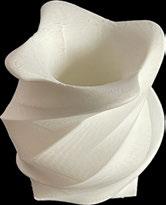
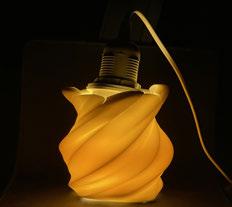
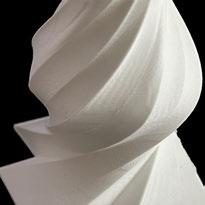
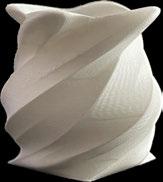
Step#10.Developyour








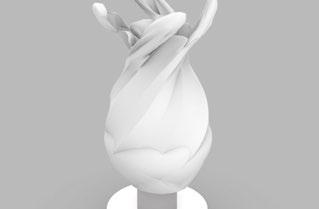
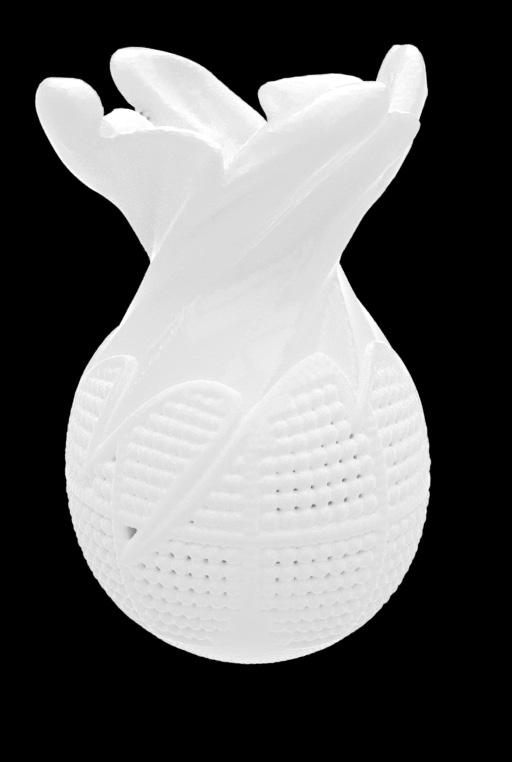
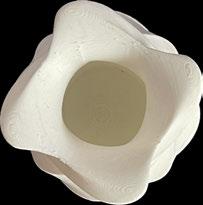
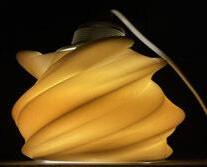
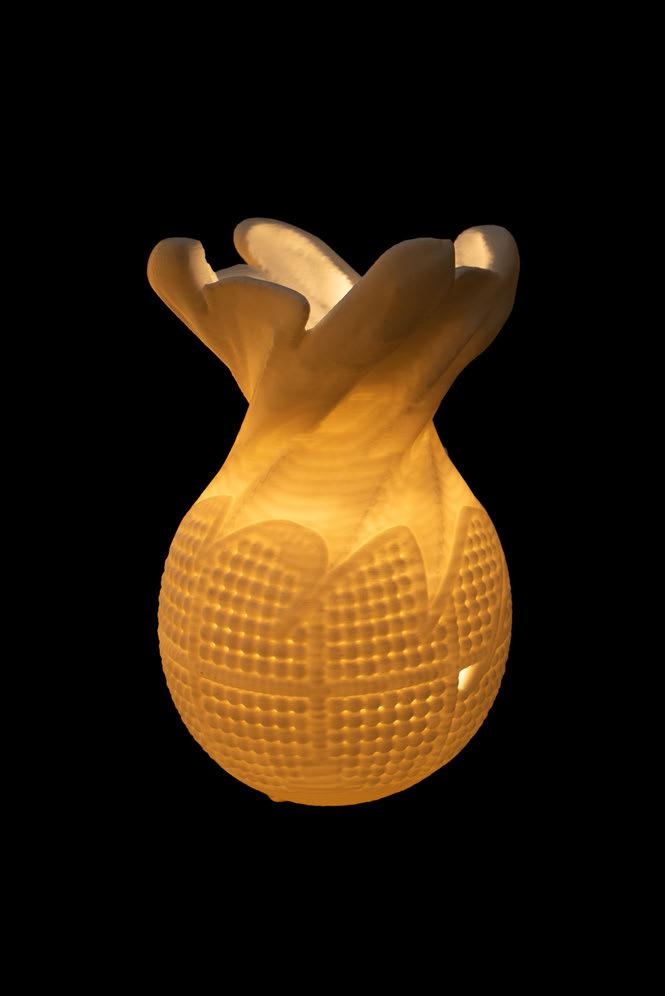
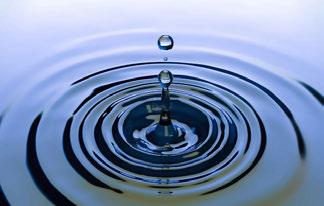
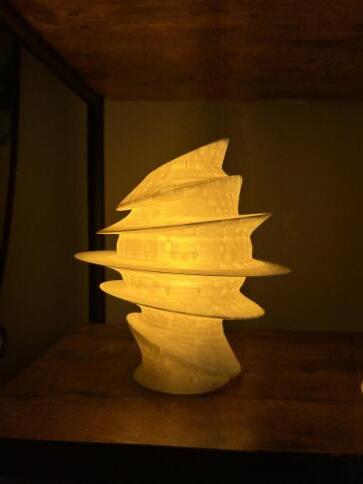
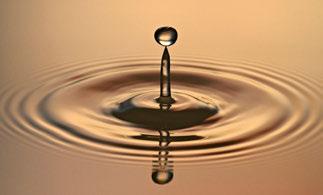
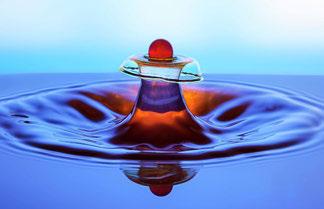
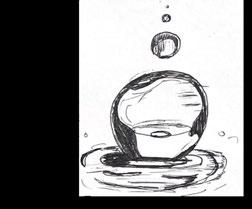
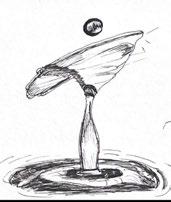
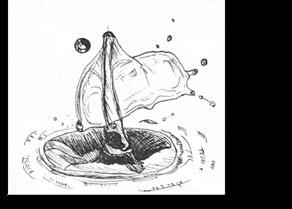
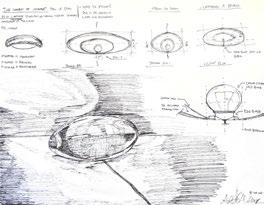
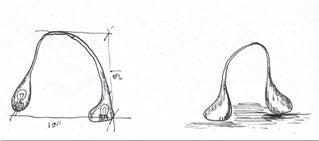
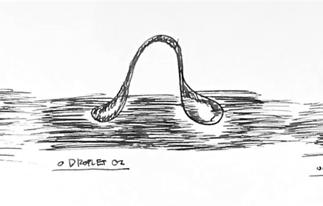
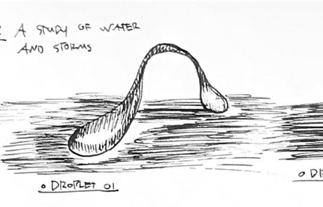
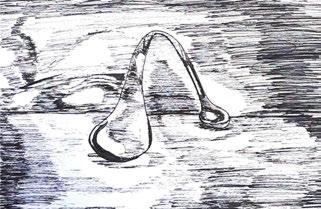
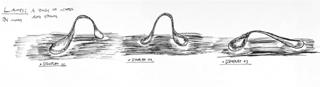
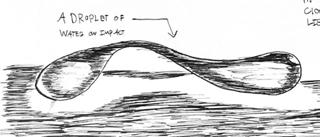
This imaginative luminaire represents a single moment in a common natural event. A raindrop falling into a modest puddle, spiraling down in the harsh wind, strikes the surface with sharpness. It catapults weightless streams of water upward mirroring the same spiral motion however selflessly they intertwine to become bolder and more energized than the raindrop previously was.
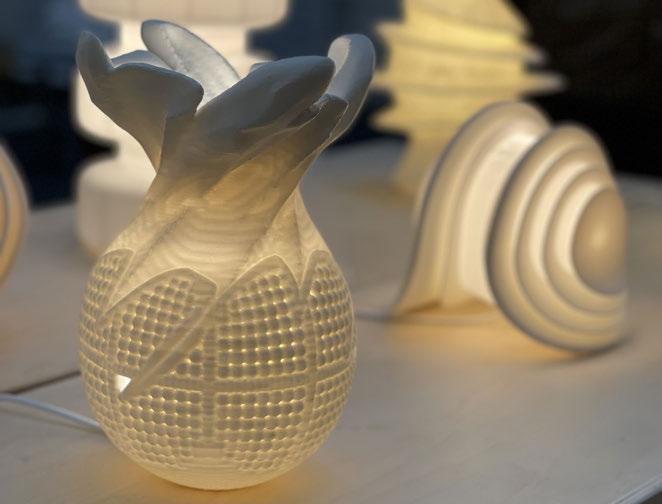
This imaginative luminaire represents a single moment in a common natural event. A raindrop falling into a modest puddle, spiraling down in the harsh wind, strikes the surface with sharpness. It catapults weightless streams of water upward mirroring the same spiral motion however selflessly they intertwine to become bolder and more energized than the raindrop previously was.
DEPICTIONS ABCDEFGHIJKLMNOPQRSTUVWXYZ 0123456789.,”[] ABCDEFGHIJKLMNOPQRSTUVWXYZ 0123456789.,”[ ]
0123456789.,”[]
Features
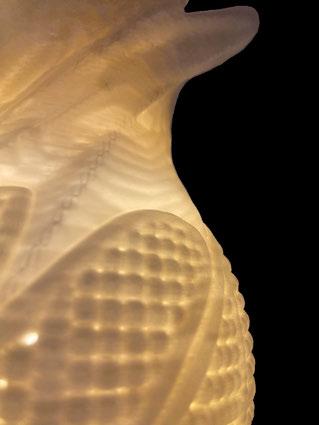
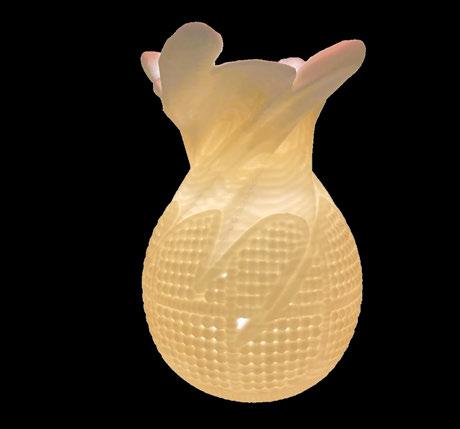
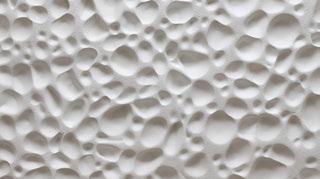
DIMPLED BOTTOM HALF TO CREATE A TACTILE, STRUCTURED APPEARANCE
H: 10.0IN
W: 6.75IN
D: 6.75IN

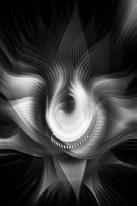



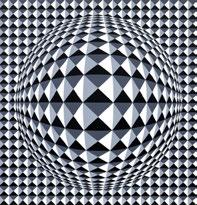
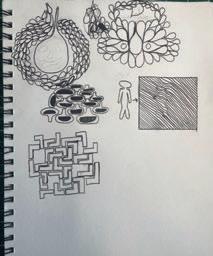
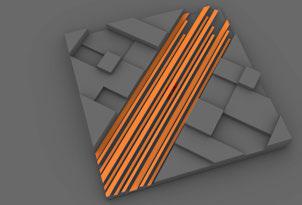
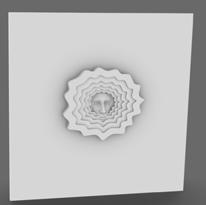
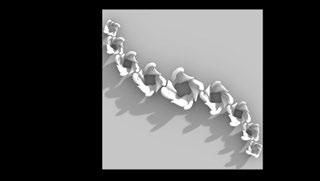
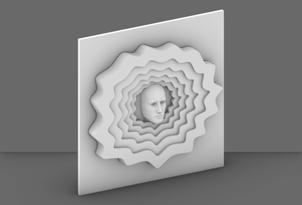
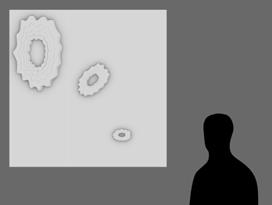
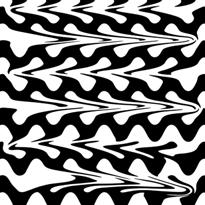
I want my wall sconce to deceive the eve of the beholder and make them think. My sconce will tesselate, but be detailed. It will break a 2D plane to give the illusion of infinite depth. My sconce will be Art, designed to Mesmorize the viewer.
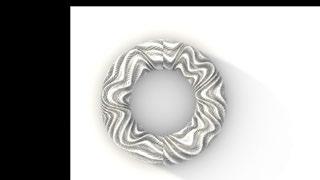
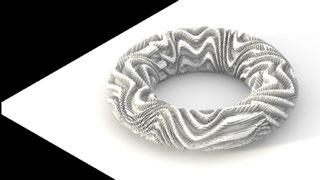
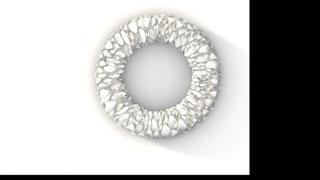
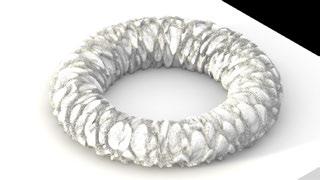
Narrative
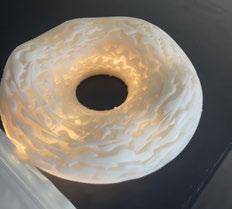
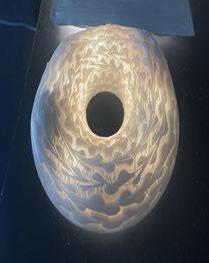
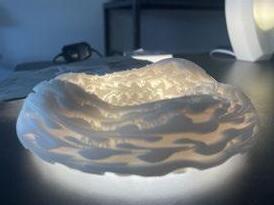
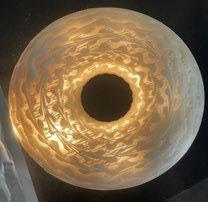
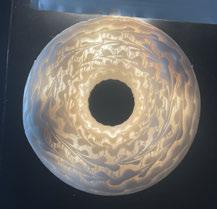
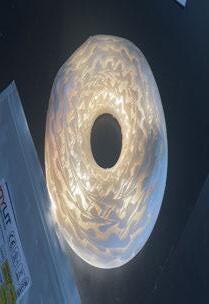
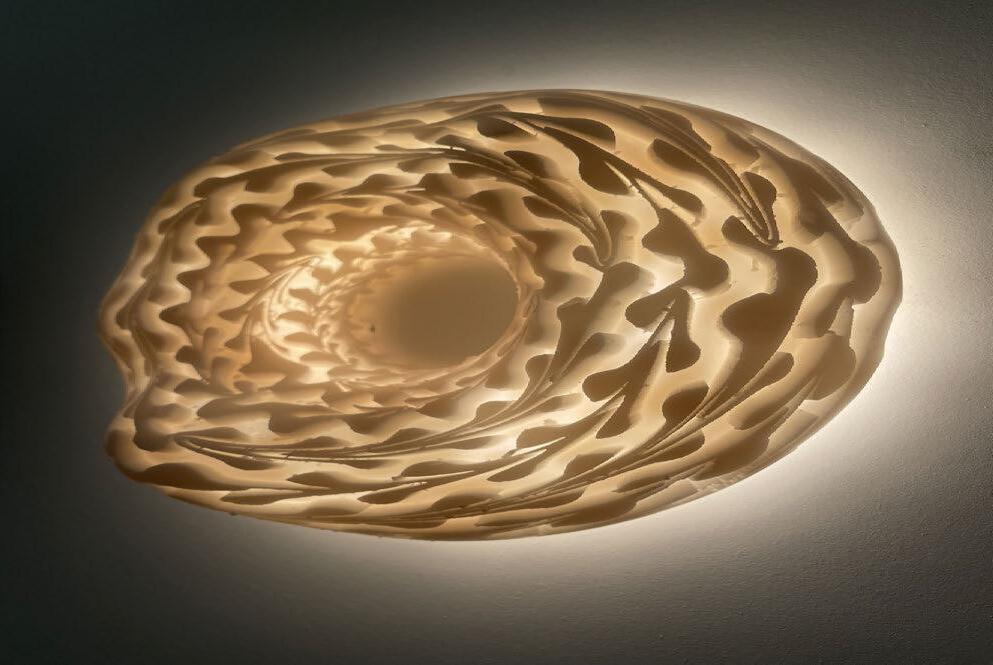
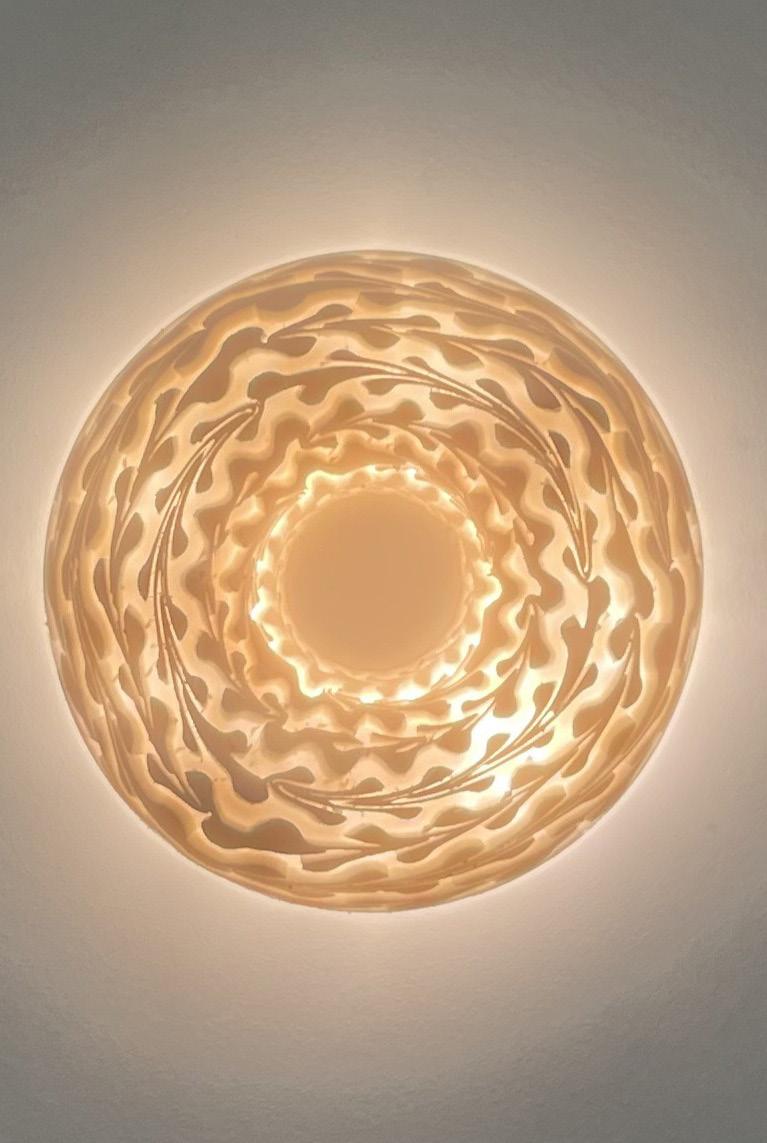
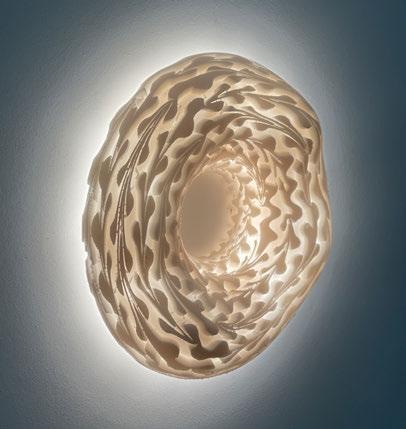
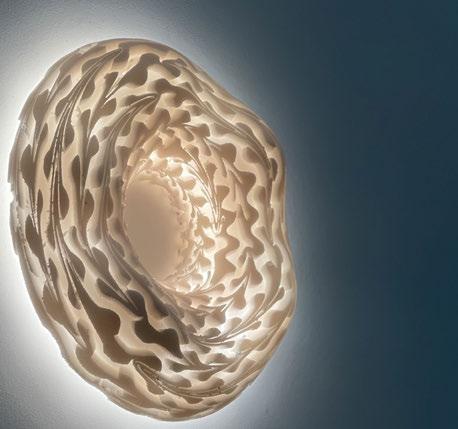
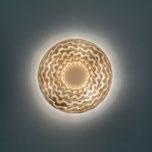
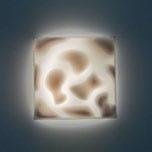
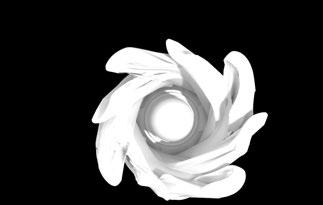
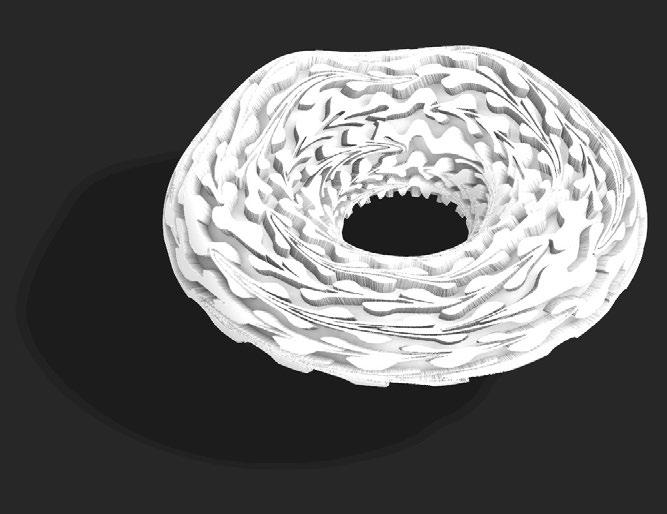
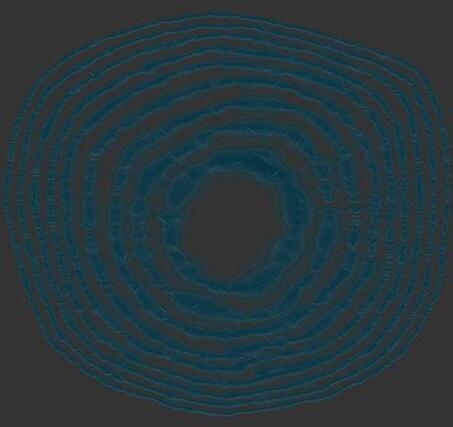
Introducing “Portal”, a transformative wall sconce that invites the eye to gravitate toward its mesmerizing design. Crafted with gentle precision, the resin swirls in a dynamic wave, mimicking the flow of energy as it cascades across the surface. The intricacies of the design tesselate seamlessly, creating an endless motion that feels both calming and powerful. As light emanates from the sconce, it casts a soft aura across the room, turning any space into a captivating focal point. This one-of-a-kind creation is not only a reliable source of ambient lighting but also a work of art that will make you obsess over its beauty, day after day. Whether you’re looking to enhance your home with a piece that reflects your taste or simply want to elevate your space with a functional yet stunning design, this wall sconce is sure to leave a lasting impression.
Font and Colors
RAW DEPICTIONS
DEPICTIONS ABCDEFGHIJKLMNOPQRSTUVWXYZ 0123456789.,”[] ABCDEFGHIJKLMNOPQRSTUVWXYZ 0123456789.,”[ ] RAW DEPICTION ABCDEFGHIJKLMNOPQRSTUVWXYZ 0123456789.,”[]
Product Branding Package (2/2)
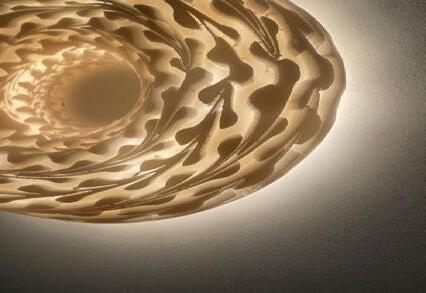
HAZY CENTER EYE BLURS WALL SURFACE TO DISTORT ITS TRUE DEPTH
DETAILED REPEATED PATTERN TO ADD DYNAMISM
RAISED OUTER LIP TO ALLOW LIGHT TO WASH OUT ON TO WALL
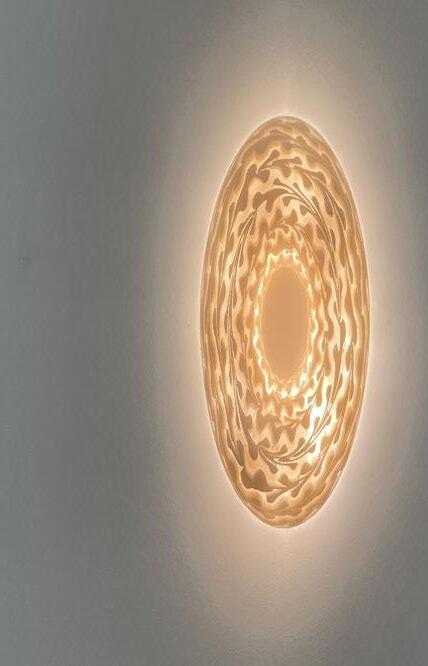
H: 9.0IN
D: 3.5IN DIMENSIONS
W: 8.75IN
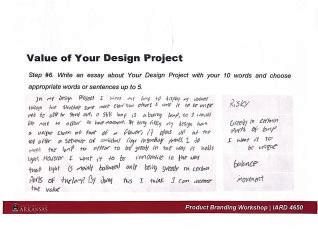
Step#6.WriteanessayaboutYourDesignProjectwithyour10wordsandchoose appropriatewordsorsentencesupto5.
Step#3.Writethenameofthepersonorprojectyoureferenced,explainwhy,anddefine thereasoninoneword
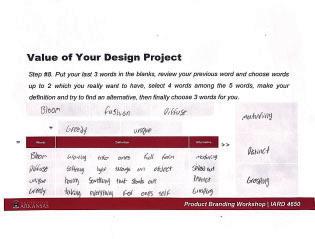
Step#8.Putyourlast3wordsintheblanks,reviewyourpreviouswordandchoosewords upto2whichyoureallywanttohave,select4wordsamongthe5words,makeyour definitionandtrytofindanalternative,thenfinallychoose3wordsforyou.
Step#5.Putyourwordsfrom1)to16),categorizethe16words,andchoose10wordsby removingoverlappedwords.
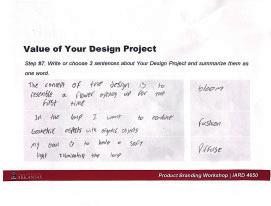
Step#7.Writeorchoose3sentencesaboutYourDesignProjectandsummarizethemas oneword.
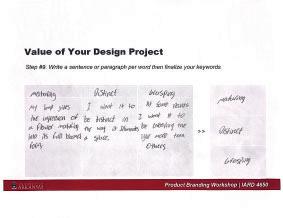
Step#9.Writeasentenceorparagraphperwordthenfinalizeyourkeywords
Step#10.Developyourconceptwheel

Introducing “Portal”, a transformative wall sconce that invites the eye to gravitate toward its mesmerizing design. Crafted with gentle precision, the resin swirls in a dynamic wave, mimicking the flow of energy as it cascades across the surface. The intricacies of the design tesselate seamlessly, creating an endless motion that feels both calming and powerful. As light emanates from the sconce, it casts a soft aura across the room, turning any space into a captivating focal point. This one-of-a-kind creation is not only a reliable source of ambient lighting but also a work of art that will make you obsess over its beauty, day after day. Whether you’re looking to enhance your home with a piece that reflects your taste or simply want to elevate your space with a functional yet stunning design, this wall sconce is sure to leave a lasting impression.
Gabriel Halderman Portfolio
Process of Table Lighting Design and Wall Sconce Design
The process, like all things in architecture, is very iterative. We went through 50+ sketches for each design to get to an idea we wanted. The digital process and 1/3” scale model shed a lot of light on how these products would actually work and then it was back to the drawing board.
Series of Product and Business Branding Packages
There was a lot more work to be done with the product and business branding packages than I originally thought. I never knew how people started these small buisnesses or how much work it would be to actually start one.
Process of Package and Exhibition preparation
The Package and Exhibition preparation feels very similar to the week before review in studio. Except now i’m worried about this idea of literally selling my product. Which is very different from selling my concept design to a group of reviewers.
Series of Process Book Making
Overall -
If you could talk to you before the beginning of the semester, what would you like to share with you?
Trust the process and continue to make sketches and more iterations.
Initial Concept Narrative and Sketches
Narrative















Product Branding Package (2/2)

MICAH HOOK
Process of Table Lighting Design
- Pick the lights first then design around them. Backtracking the design proved to be difficult.
Process of Wall Scone Lighting
- Test how the lights affect the sconce early in the design process. The strip lights behaved differently than I thought.
Series of Product and Business Branding Packages
- The business packages were helpful to think through my values as a designer.
Process of Package and Exhibition preparation
- The exhibition was amazing and I loved seeing everyones products.
Series of Process Book Making
- The book making was good practice, but felt like a job for a graphic designer. I get upset when architects think they are experts in areas that are supplementary to our degree.
Overall
- I am proud of the products I produced, but I feel no product ever reached the level that was expected.
If you could talk to you before the beginning of the semester, what would you like to share with you?
- I would tell myself to learn about lighting before I took the course. I assumed that lighting would be taught and explained more than general design principles as 4th year students.










$1,089.18
Process of Table Lighting Design
- Explored different forms throughout the fields of space and astronomy and reversed engineered them into a compact lighting fixture.
Process of Wall Scone Lighting
- Testing how light responds differently on a vertical surface opposed to a table setting. Using LED light strips proves to create a different challenge compared to a standard bulb.
Series of Product and Business Branding Packages
- I think the business package helped me take a step back and explore the meaning of a brand from a outside perspective.
Process of Package and Exhibition preparation
- The exhibition was a great showcase of all the collective work from the studio. Really showcased a series of different lighting effects and forms.
Series of Process Book Making
- The book making was completely different from anything I have done in the past. I do think it is more suitable for someone who has a background in digital web design opposed to someone like me in a practical design field.
Overall
- I am super happy with the work I completed this semester. I do feel like the class should have been its own independent studio as I feel the product never got to full completion.
If you could talk to you before the beginning of the semester, what would you like to share with you?
- Dont take the class when in IDS studio. I really enjoyed the class however I feel like I needed to dedicate a lot more time towards the course to get everything I wanted out of it. This was hard to do when main studio required so much time.


Product Developmen
Process of Table Lighting Design
- Designing an object requires far more time than ANYONE can expect. Whether the designer is troubleshooting or is in a transformative state of creativity, it all takes time and there is no way to speed up the process.
Process of Wall Scone Lighting
- Bigger is not always better. While there is a sort of magnific around large 3d prints naturally, bigger designs can lead to a complicated assembly design and execution. something more simple and detailed can more than suffice
Series of Product and Business Branding Packages
- Branding is EVERYTHING. You may have a cool product but branding and actaully marketing that product is the only reason it will ever be successful. Also a very time consumptive process, which honestly requires just as much work, but it is a compltely different type of work compared to CAD modeling.
Process of Package and Exhibition preparation
- The sweetest part, in my opinion. This is where (if you’ve designed everything correctly) everything falls into line and you get to enjoy building and presenting the pieces.
Series of Process Book Making
- I need to be taking photos of everything I do when designing, building, troubleshooting, etc. You cannot have too many photos but you can absolutely be missing some. Process photos are crucial to building the story and that is something I wish I gathered more of.
Overall
- The process is not as quick as it seems it should be. While I thoroughly enjoy the entire process, it definitely is not as fast as I thought it would be. There are many parts and all of those parts have to be done well.
If you could talk to you before the beginning of the semester, what would you like to share with you?
- Capture more, document more. It goes by quick (Especially when IDES is at the same time).
We believe that lighting is more than just a functional aspect of a space—it’s the very essence that brings a room to life. Our philosophy is rooted in the understanding that while design, style, and aesthetic are vital, the true magic lies in how light interacts with the environment. We focus on the quality and character of the light emitted, ensuring that every fixture not only illuminates a space but transforms it.
Each of our lighting solutions is meticulously designed with a specific purpose in mind, whether it’s to enhance productivity, evoke a certain emotion, or simply create an inviting atmosphere. Our designs seamlessly blend form and function, offering lighting that is as beautiful as it is effective. With precision bulbs and thoughtful illuminance, our products are tailored to provide the perfect lighting for any task—whether you’re working late into the night, reading your favorite book, or enjoying a quiet evening at home.
Lighting should not only complement your space but elevate it. Our fixtures are more than just sources of light; they are integral elements that enhance the overall ambiance and mood of any room. By harmonizing design with the finest illumination technology, we create lighting solutions that don’t just brighten your space—they enrich your life.















Source Han Sans HC
Source Han Sans HC
Source Han Sans HC
ABCDEFGHIJKLMNOPQRSTUVWXYZabcdefghijklmnopqrstuvwxyz���������!@ #$%^&*()[]{}
ABCDEFGHIJKLMNOPQRSTUVWXYZabcdefghijklmnopqrstuvwxyz�������� �!@#$%^&*()[]{}
ABCDEFGHIJKLMNOPQRSTUVWXYZabcdefghijklmnopqrstuvwxyz��� ������!@#$%^&*()[]{}
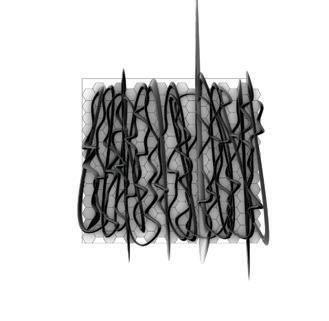
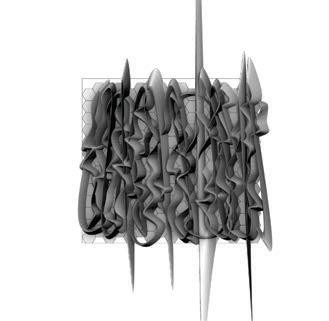
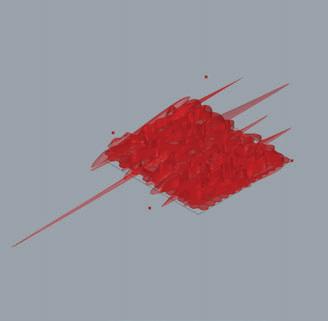
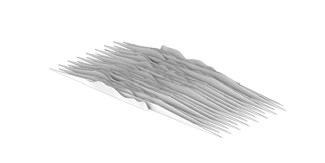
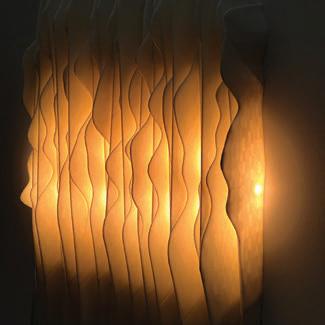
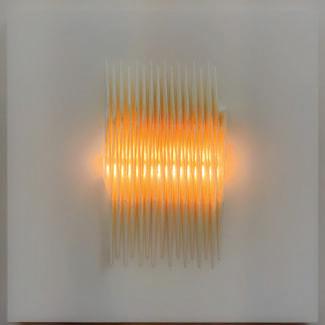
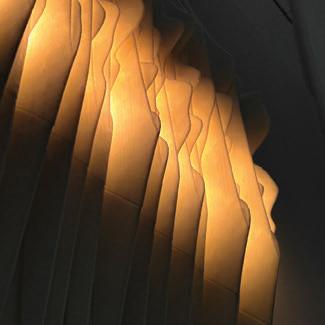
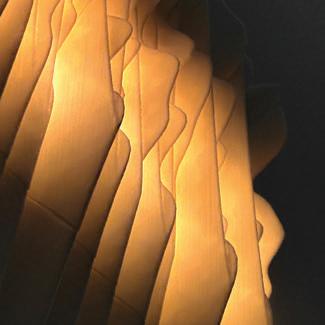
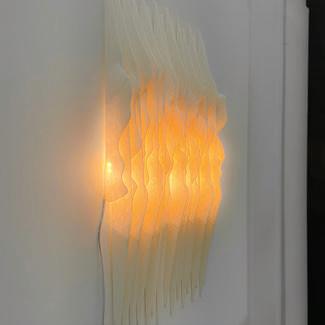
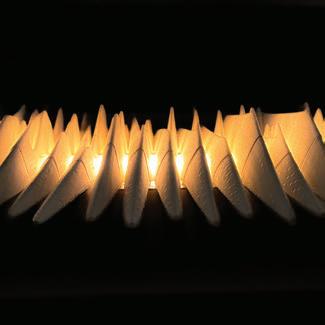
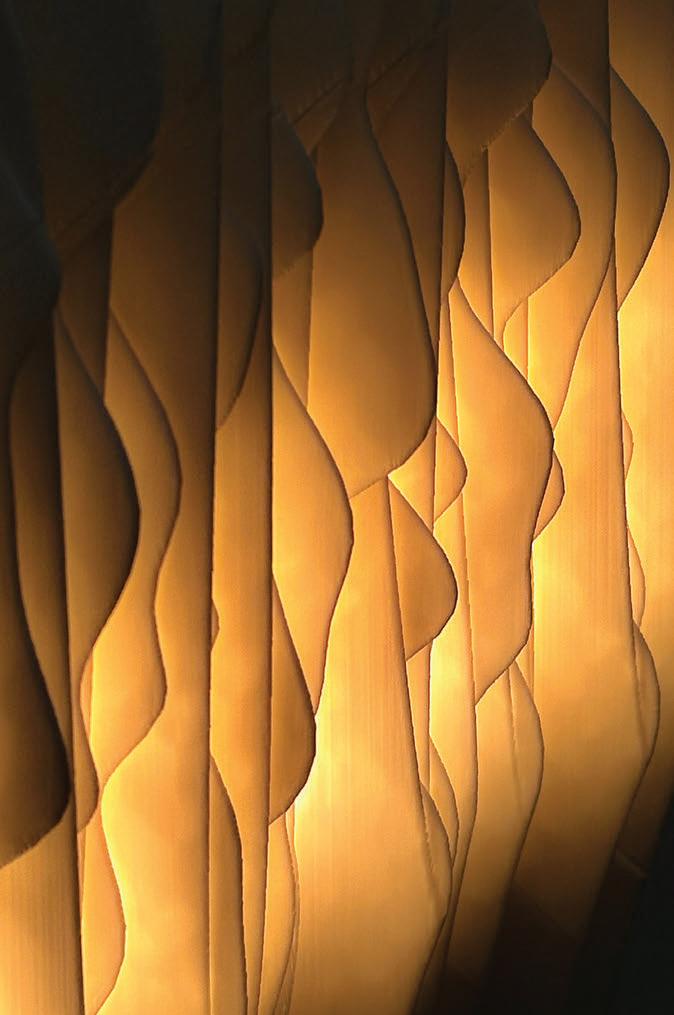
project02_wall sconce
Process of Table Lighting Design
- The less parts to print the better. Find what makes you excited about the product and make sure that that is evident to the viewer.
Process of Wall Sconce Lighting
- Going for something simple can be very effective. Trust your intuition on what you know makes sense for your style and brand, and stick to it.
Series of Product and Business Branding Packages
- The graphic design and feel for the product goes a long way in how the potential customer or viewer sees the worth of the product. Your work and passion has to be evident in the final product.
Process of Package and Exhibition preparation
- A great presentation really justifies the process of making the product. You have to give the time you put into it some justice.
Series of Process Book Making
- It is interesting to see the path of how the luminaires came together from concept to product. The final pictures are the best part.
Overall
- I enjoyed driving concepts and production of a single product. The devil’s in the details and that were most time is consumed. Besides the design, I learned a lot of technical and digital skills and am grateful for the opportunity to have been guided through that process.
If you could talk to you before the beginning of the semester, what would you like to share with you?
- Document the process of actually modeling the product. It is very easy to get lost in the rushed process of producing and you forget how you got to the final product. You cannot be afraid to experiment and fail a few times...it makes the final product worth it.
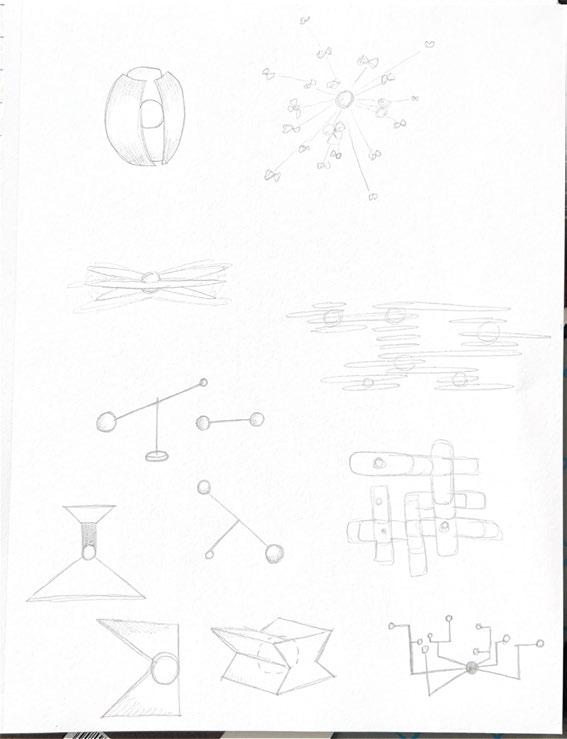
Astronomy presents itself as a natural order of the law of light and physics. The sky held the first instances of light. While we have har nessed electrical light to use to illuminate our built environment, the fascination and enchantment with the night sky will always be most special. Taking inspiration from the solar system that humans inhabit, I want to study the balance between continuous motion and static focus in meteorites.
Bursting from within
in motion
Tessellations and patterns
Playing with geometries
base
Projection of geometries
Rotating and gathering geometries
circular ideas
Carrying through the fascination and comfort of gazing at far away lights can be lost when looking at artificial lighting. I question, how can electrical light embody the same dynamic and captivating spirit? A fixed element such as a meteorite that possesses a physical nature of movement? That effect can pull a spirited and ethereal power from the light. The spectacular show of a meteor shower can light up a night sky, and it becomes an otherworldly artifact when it reaches earth. How interesting that we have pieces of outer space that have cut through our atmosphere.
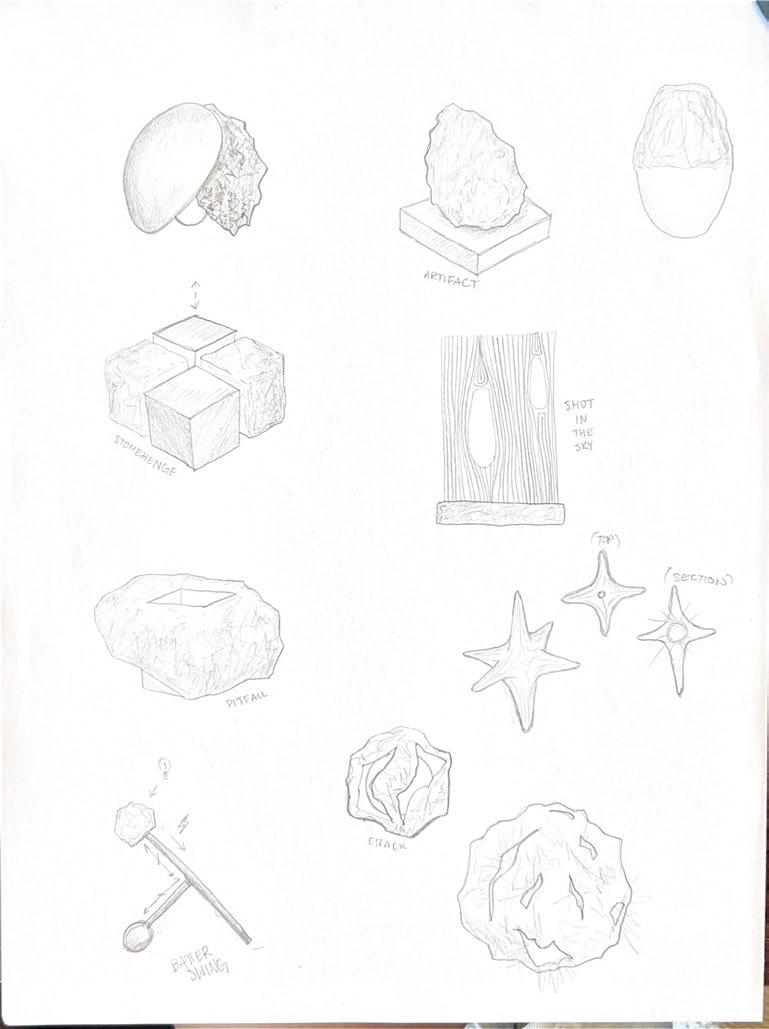
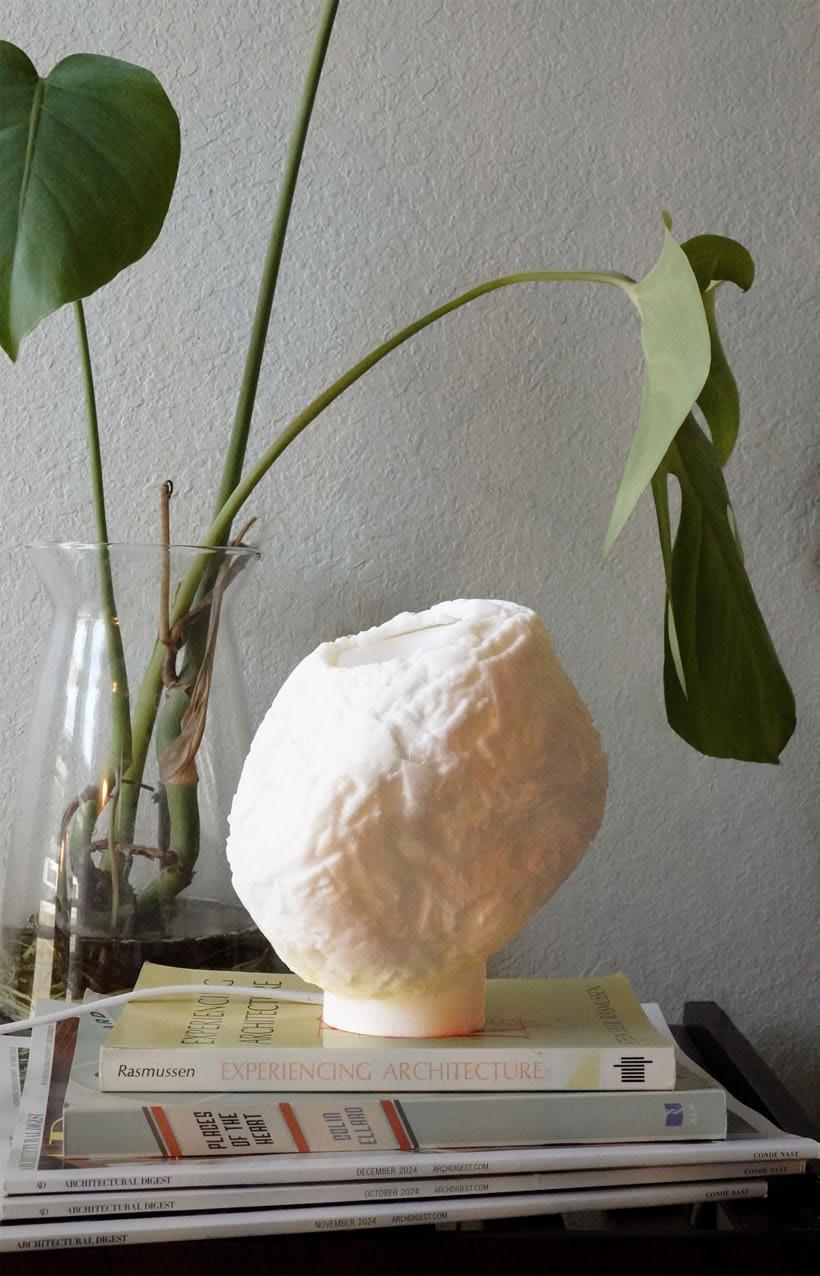
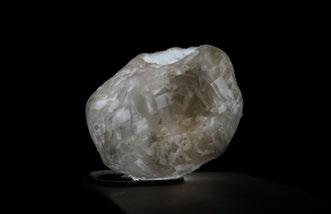
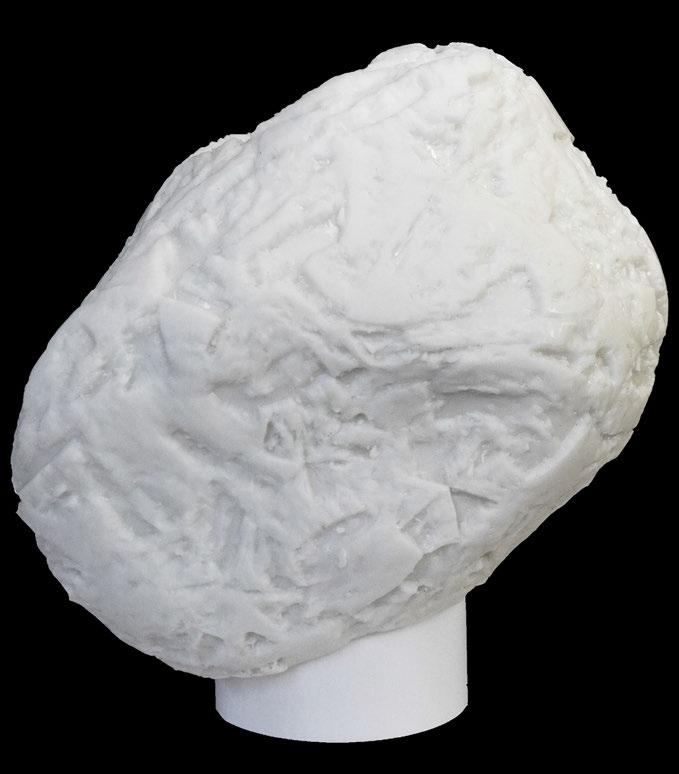
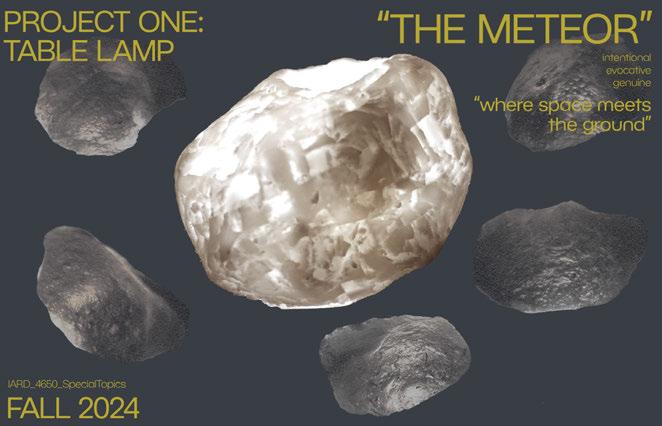
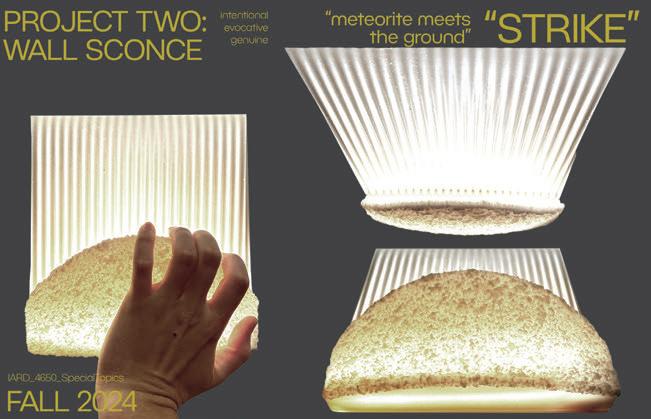
In the essence of the visual gravitation towards naturally occurring astronomical phenomena, there is a motion and subtleness that is worth an attempt at recreating. One of these phenomena is the meteorite, a piece of rock that originated from space and has landed on a planet. In this lighting study, the main fixation will be an abstraction of the story of a meteorite’s path. The representation of texture, weight, and relation to pure geometrical forms will be presented as an alluring table lamp.
Envisioning
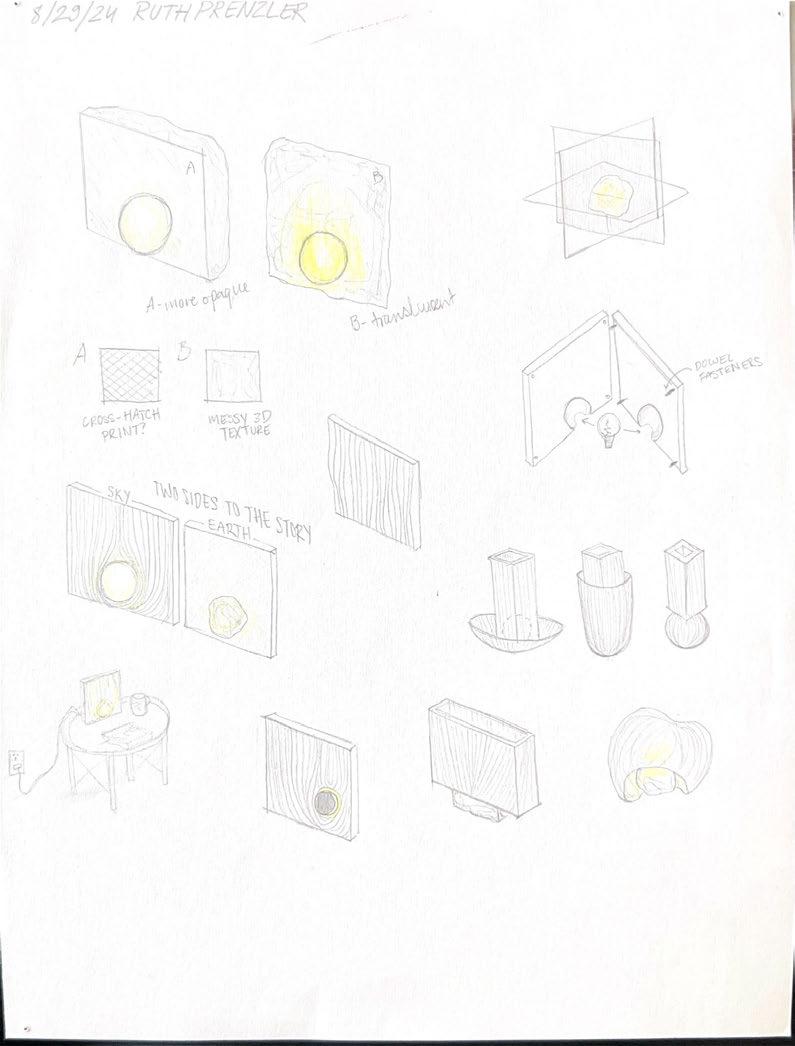
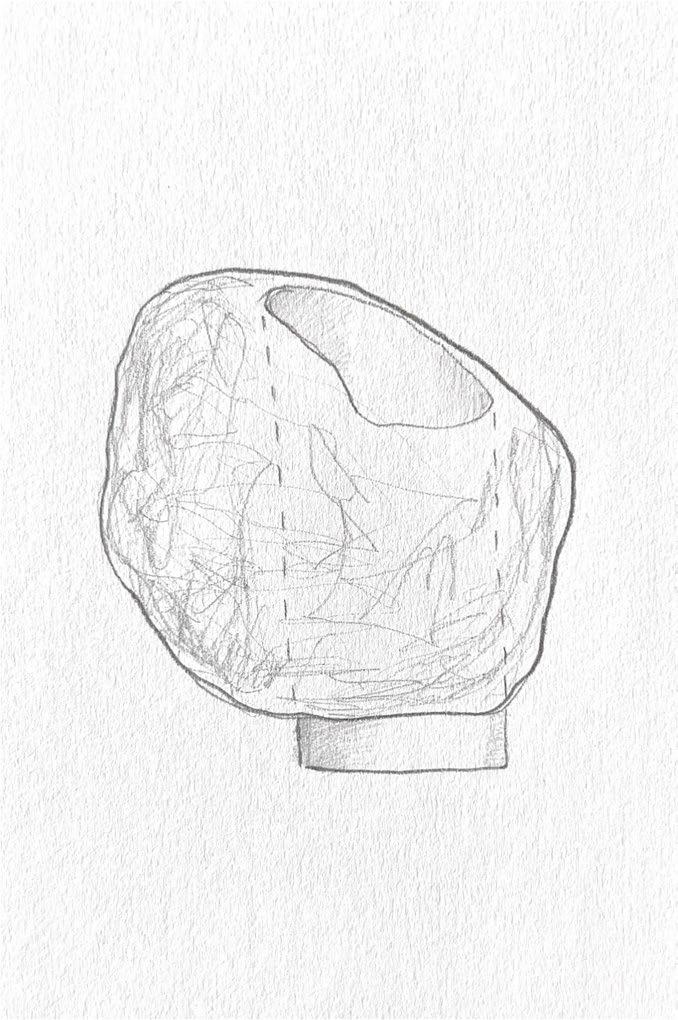
In the essence of the visual gravitation towards naturally occurring astronomical phenomena, there is a motion and subtleness that is worth an attempt at recreating. One of these phenomena is the meteorite, a piece of rock that originated from space and has landed on a planet. The spectacular show of a meteor shower can light up a night sky, and it becomes an otherworldly artifact when it reaches earth. How interesting that we have pieces of outer space that have cut through our atmosphere. In this lighting study, the main fixation will be an abstraction of the story of a meteorite’s path. The representation of texture, weight, and relation to pure geometrical forms will be presented as an alluring table lamp.
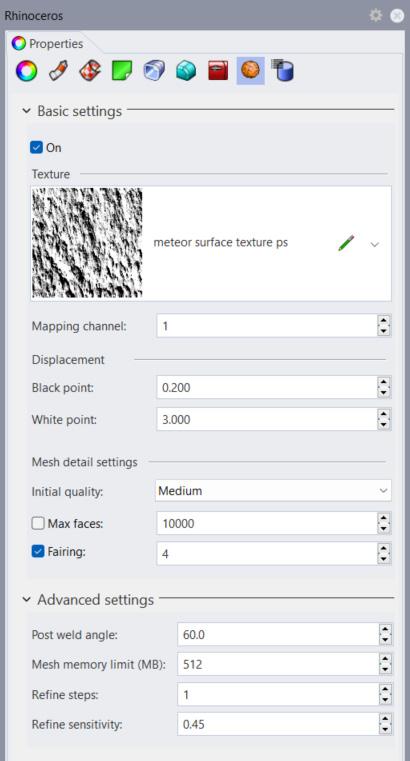
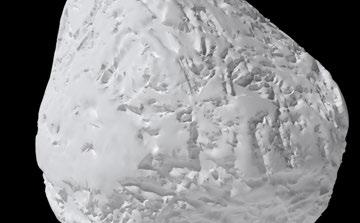
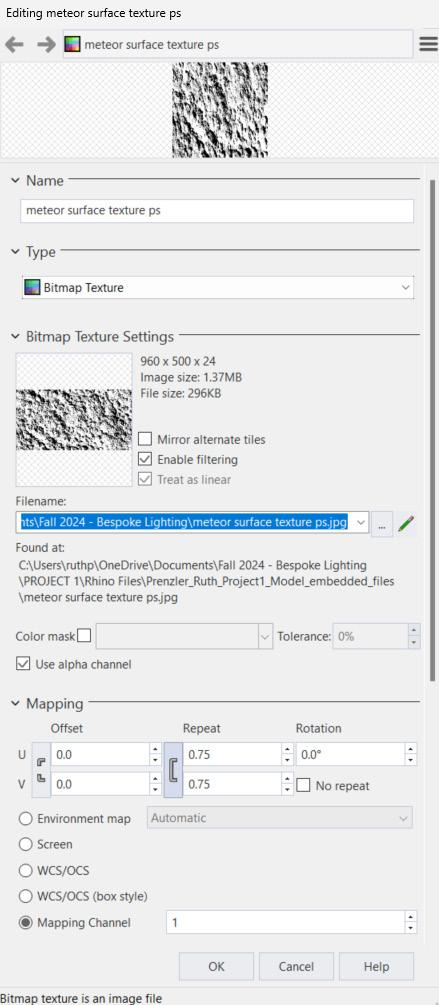
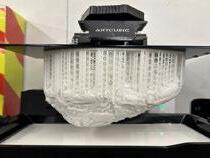
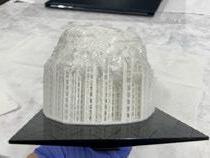
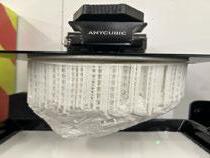
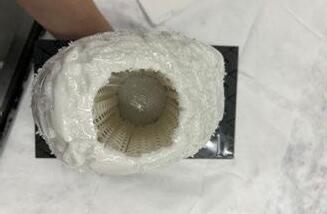
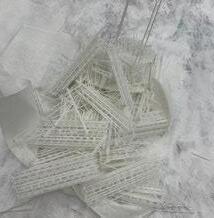
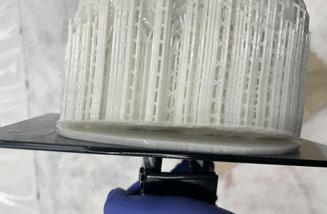
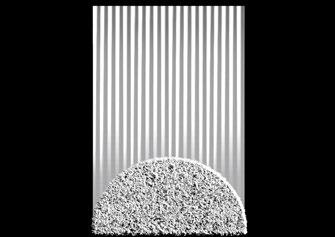
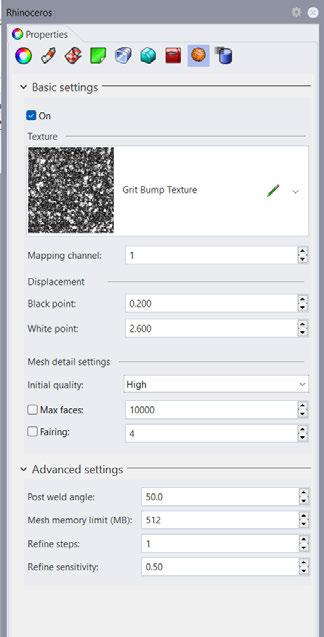
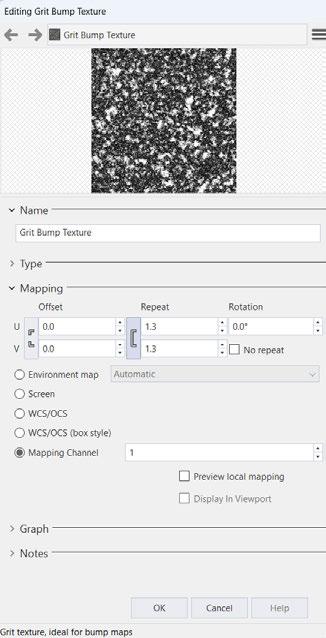
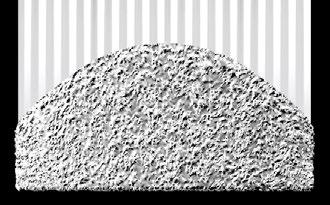
The process of 3D resin printing began with small scale test prints. I started with one-third and one-half scale prints to determine the best support system and texture result. The texture printed at a surprisingly good resolution and I worked with the settings in Rhino to define the best texture result. Some of the difficulties were in editing the settings for a successful base support and removing all the supports from the inside of the shell. Overall, it was a successful run of prints and there were no large obstacles when realizing my printing plan from the begnining.
#B8A800
Concept Statement: Intentionally striving to create products that embody authentic design and meaning
Gaining inspiration from the natural law and gravitation of light objects in space
Intentionally designing a 3D model with the nuances and detail of beautiful product
Abstracting the motion and gravitation of a meteorite falling towards our earthly realm
Gathering the fragments of the meteorite and choosing this object as a host for light projection
Using methods such as 3D printing to craft a unique and modern product to be shared
Presenting a table lamp to the public that evokes a natural spirit and exudes authenticity and intention
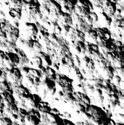
Intentional Evocative Dignified
(TITLE)
ABCDEFGHIJKLMNOPQRSTUVWXYZ abcdefghijklmnopqrstuvwxyz
(BODY)
ABCDEFGHIJKLMNOPQRSTUVWXYZ abcdefghijklmnopqrstuvwxyz
Stretched tesselations
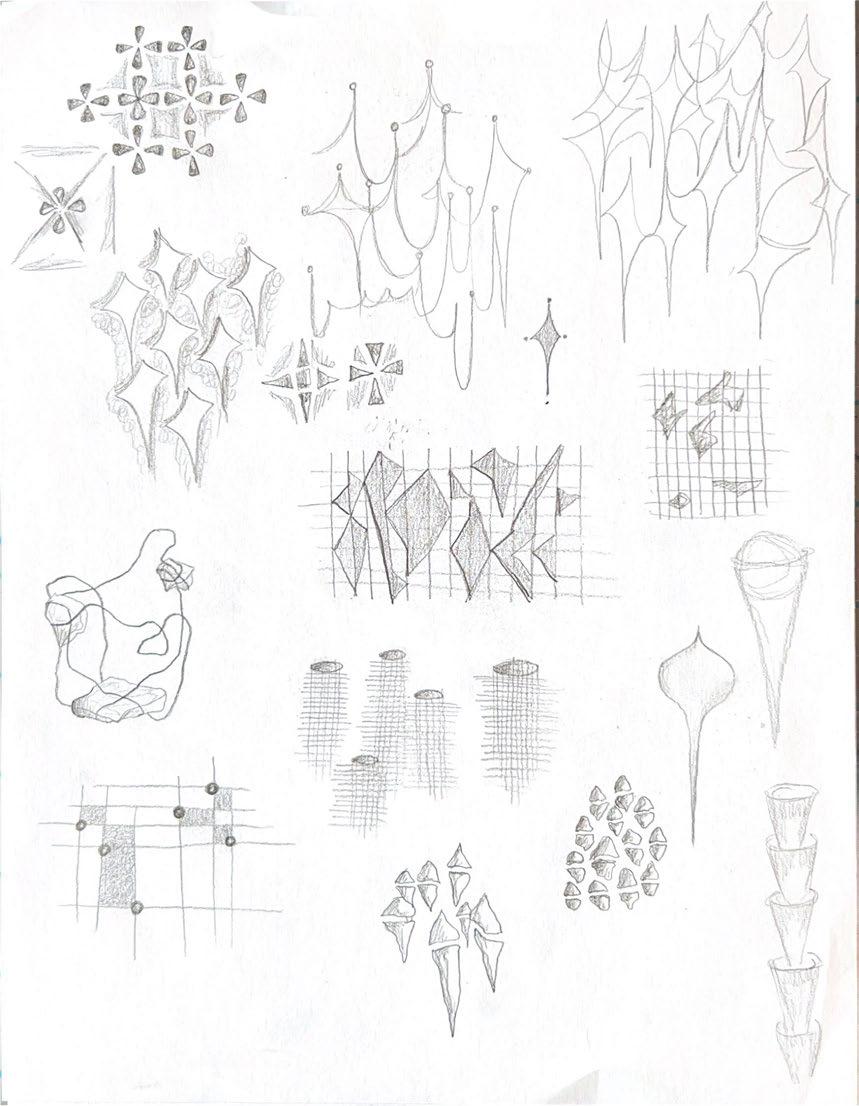
Tesselations over a grid
and wires
Tesselations over a grid, part 2
Geometric tesselations over a grid
Objects over a mesh grid
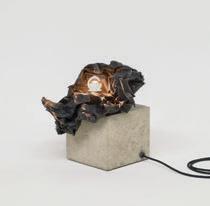
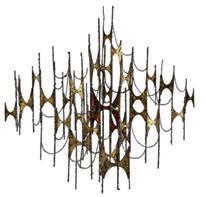
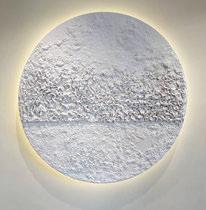
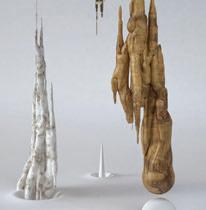
Plane intersecting rock
Stretching a singular plane
Progression of rock with intersecting geometry
Smock-inspired tesselations
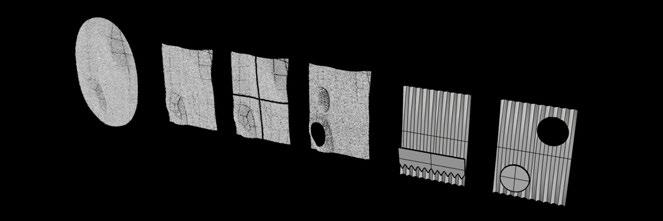
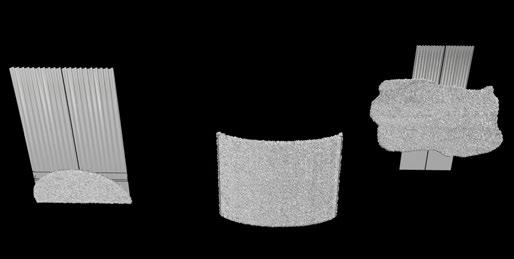
this is how it would sit in the resin printer (upside down of course) Wall Sconce model to date:
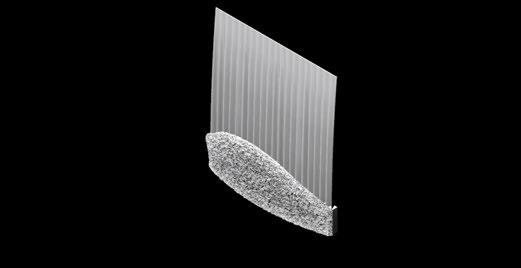
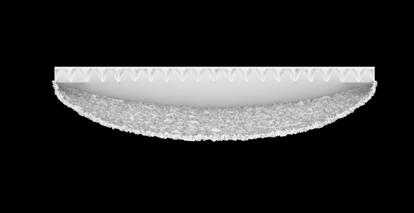
this will print as one piece will have to be glued down to connect
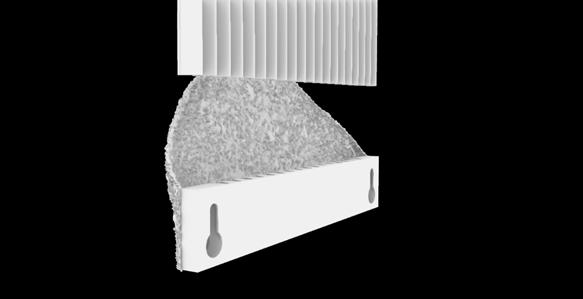
this will print as one piece keyhole mount on back flat piece for screw to sit
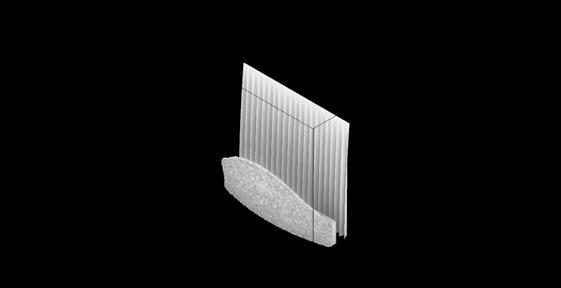
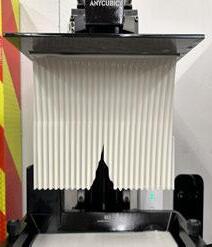
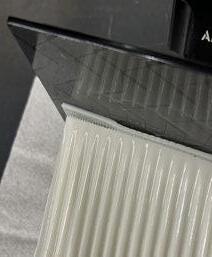
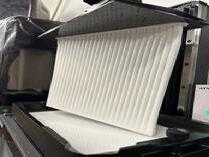
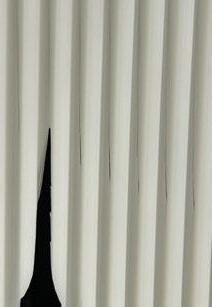
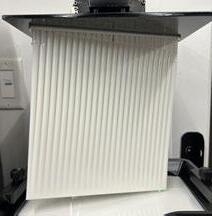
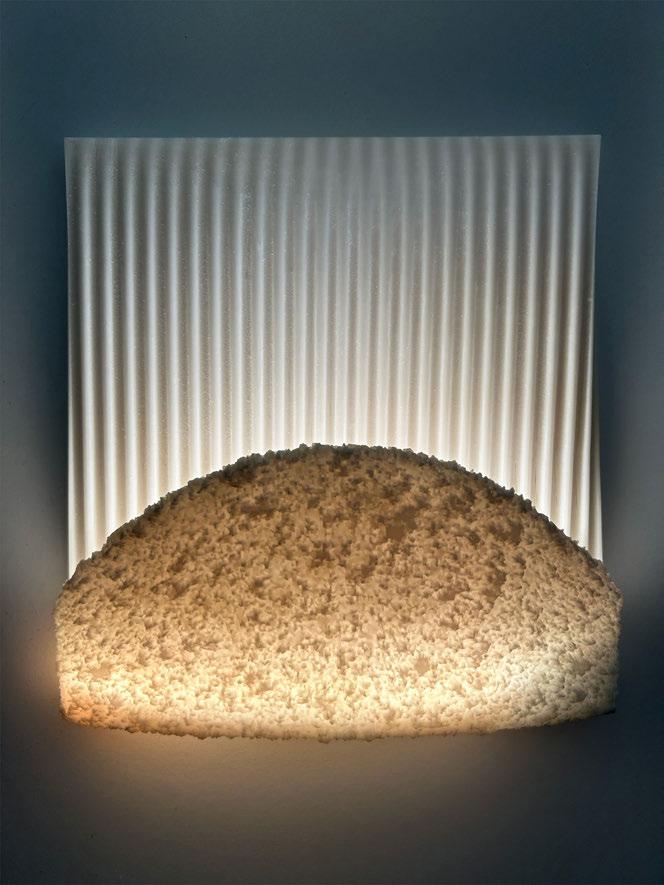
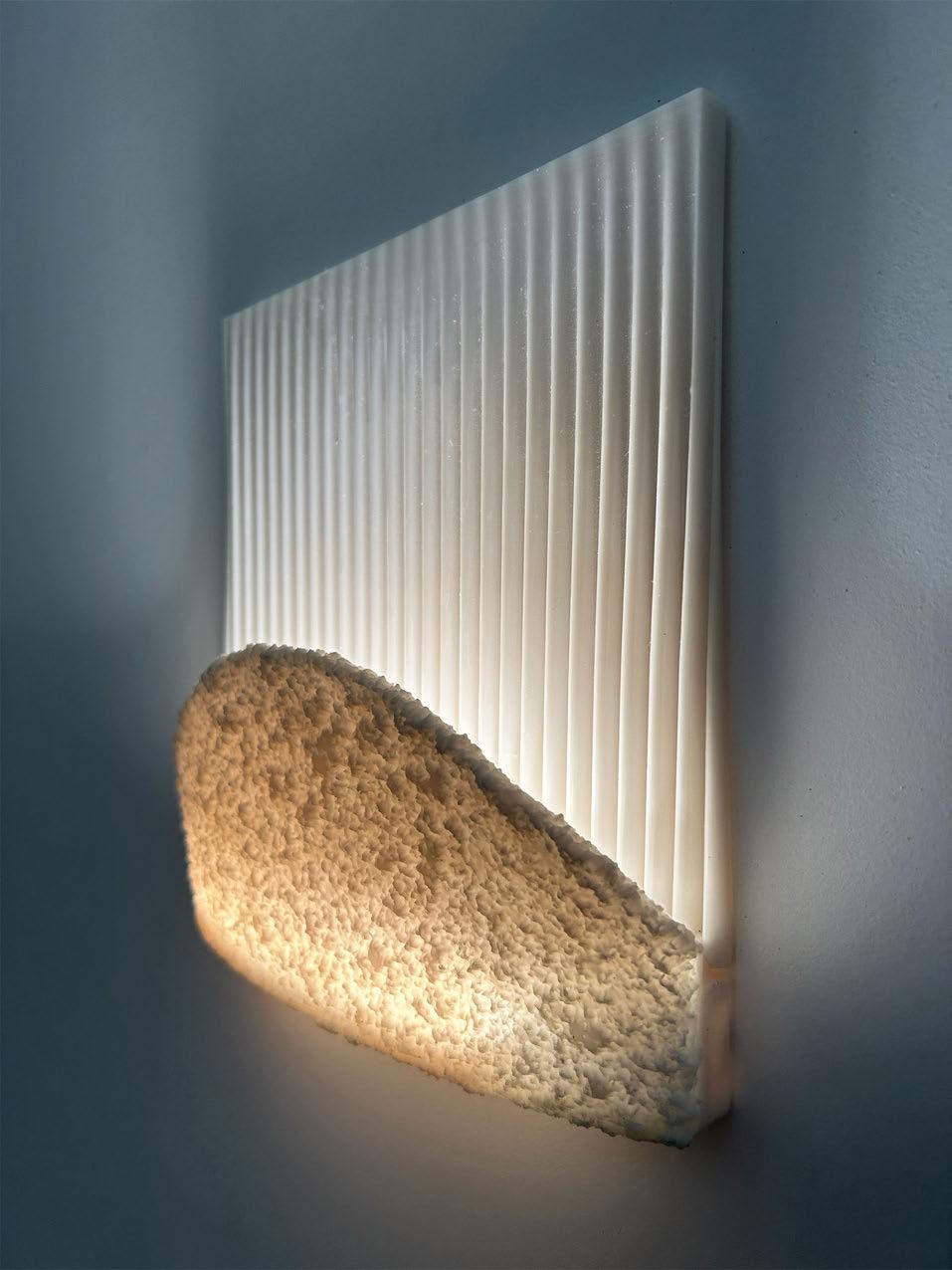
Similarly to the first project, the process of 3D resin printing began with small scale test prints. Because the process for wall sconce was a quicker timeline due to time constraints, I had fewer overall prints. I conducted one one-half scale print of both base and panel, which was mostly successful. The first full-scale print of the base was almost flawless but the first full-scale print of the panel was not. Layers had shifted and the orientation of panel in the print was more prone to errors. After the second full-scale panel was printed, I just had to sand off supports and ensure that the back panel could press fit into the base.
Gaining inspiration from the natural law and gravitation of light objects in space
Intentionally designing a 3D model with the nuances and detail of beautiful product
Abstracting the motion and gravitation of a meteorite falling towards our earthly realm
Gathering the fragments of the meteorite and choosing this object as a host for light projection
Using methods such as 3D printing to craft a unique and modern product to be
Presenting a table lamp to the public that evokes a natural spirit and exudes authenticity and intention
COLORS AND FONTS
(TITLE)
ABCDEFGHIJKLMNOPQRSTUVWXYZ abcdefghijklmnopqrstuvwxyz
(BODY)
ABCDEFGHIJKLMNOPQRSTUVWXYZ abcdefghijklmnopqrstuvwxyz
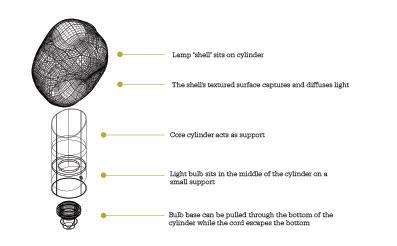
Ribbed texture contrasts with
Front shell has a fine texture printed onto the base

SPECIFICATION
Panel fits into the base
Base holds LED strip and mount for screws
Face-lit LED strip shines light up the panel
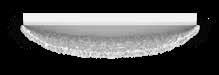
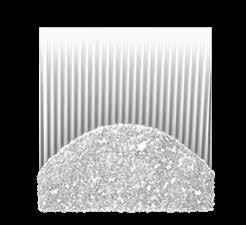
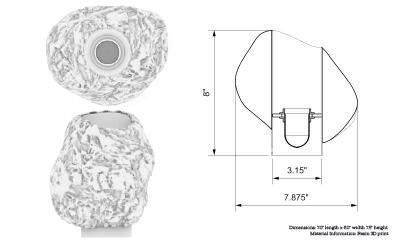
Dimensions: 8.0” length x 1.0” width 8.4” height
Material Information: Resin 3D print
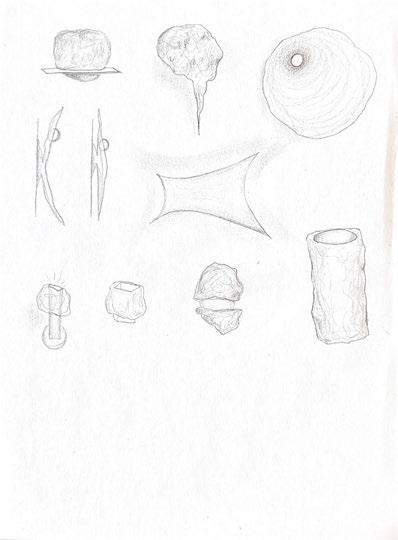
Stretching a singular plane
Progression of rock with intersecting geometry
Smock-inspired tesselations
Product Developmen
Process of Table Ligh�ng Design
- It is very fun and at rst can be tough but in the end it is very sa�sfying.
Process of Wall Scone Ligh�ng
- Moun�ng to the wall makes it more fun to play with how it is lit since you can hide the cord.
Series of Product and Business Branding Packages
- I never knew before how one should go about branding a pruduct I have leanred so much when it comes to branding and pricing.
Process of Package and Exhibi�on prepara�on
- I am very exxcited to go to my rt exhibi�on! It is my rst �me doing this and have enjoyed the process!
Series of Process Book Making
- It has been fun to go back over what I havent looked back on. I enjoyed it.
Overall
- I really enjoyed this class and would say it has been in the top 3 of the classes I have taken at the University.
If you could talk to you before the beginning of the semester, what would you like to share with you?
- To not be shy with how difficult a model could be to make. In this class I have learned so much about modeling.
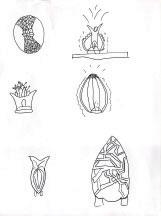
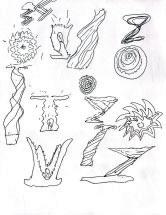
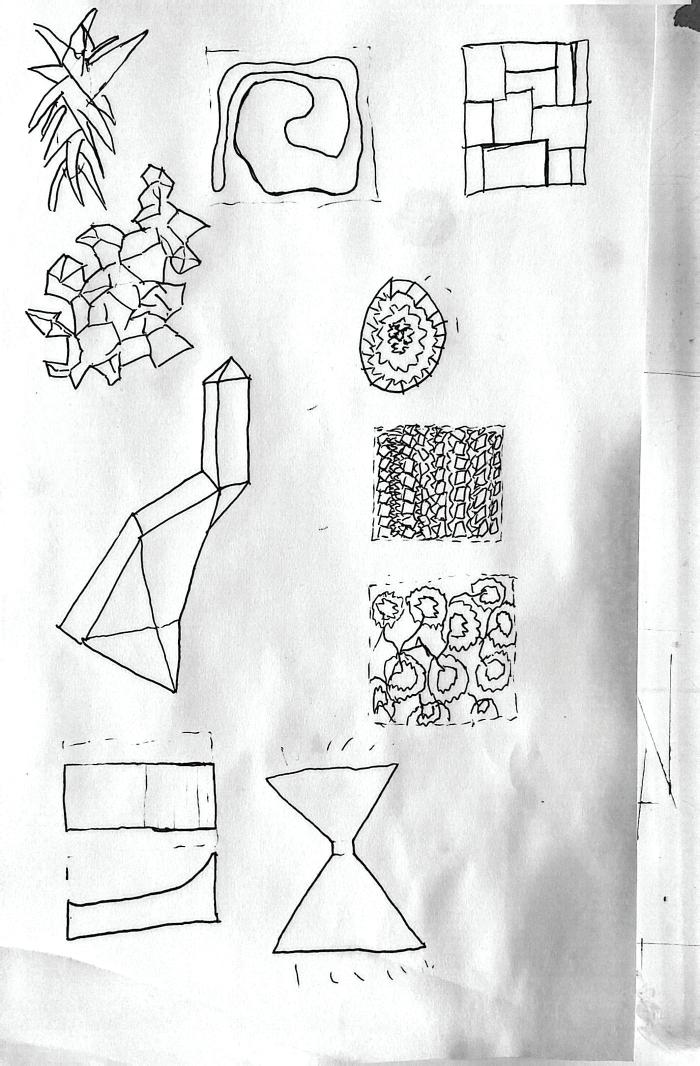
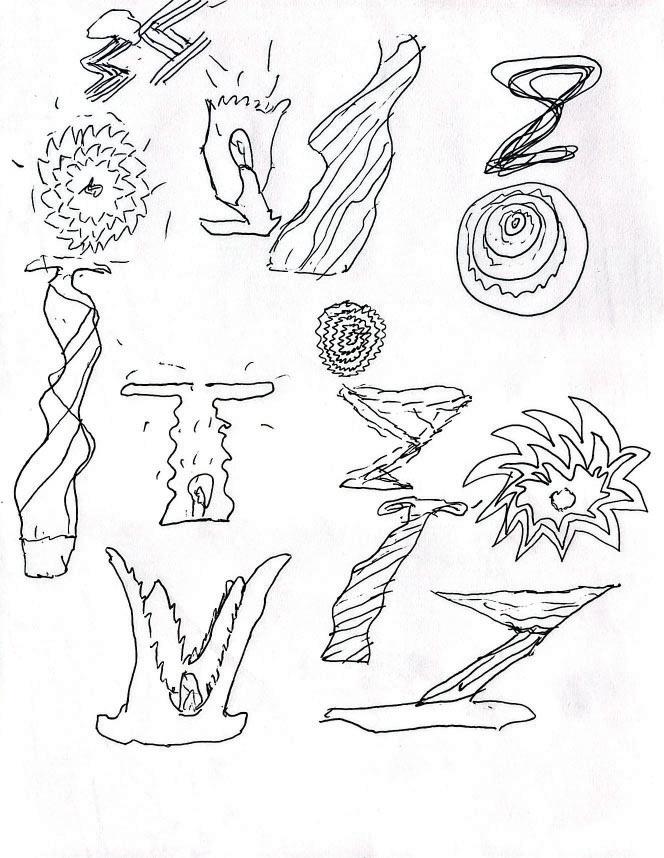
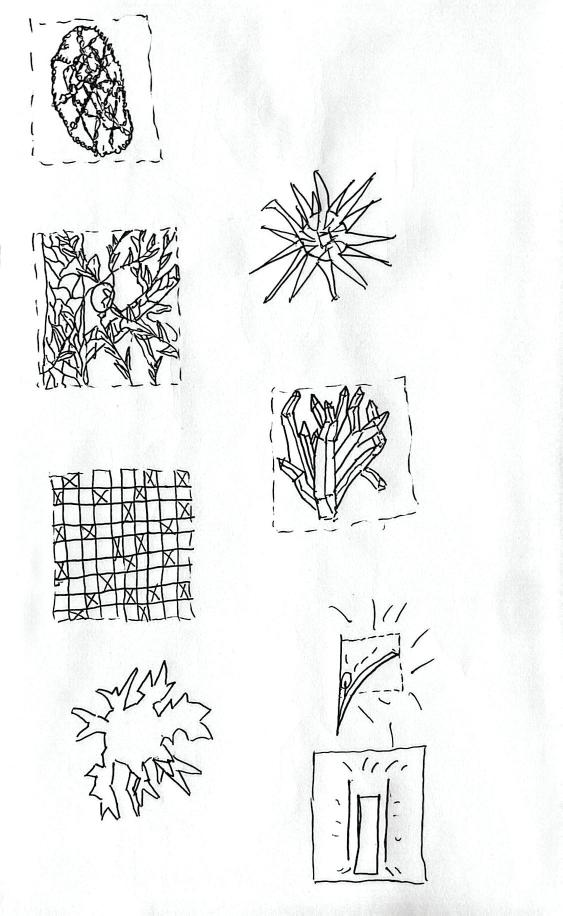
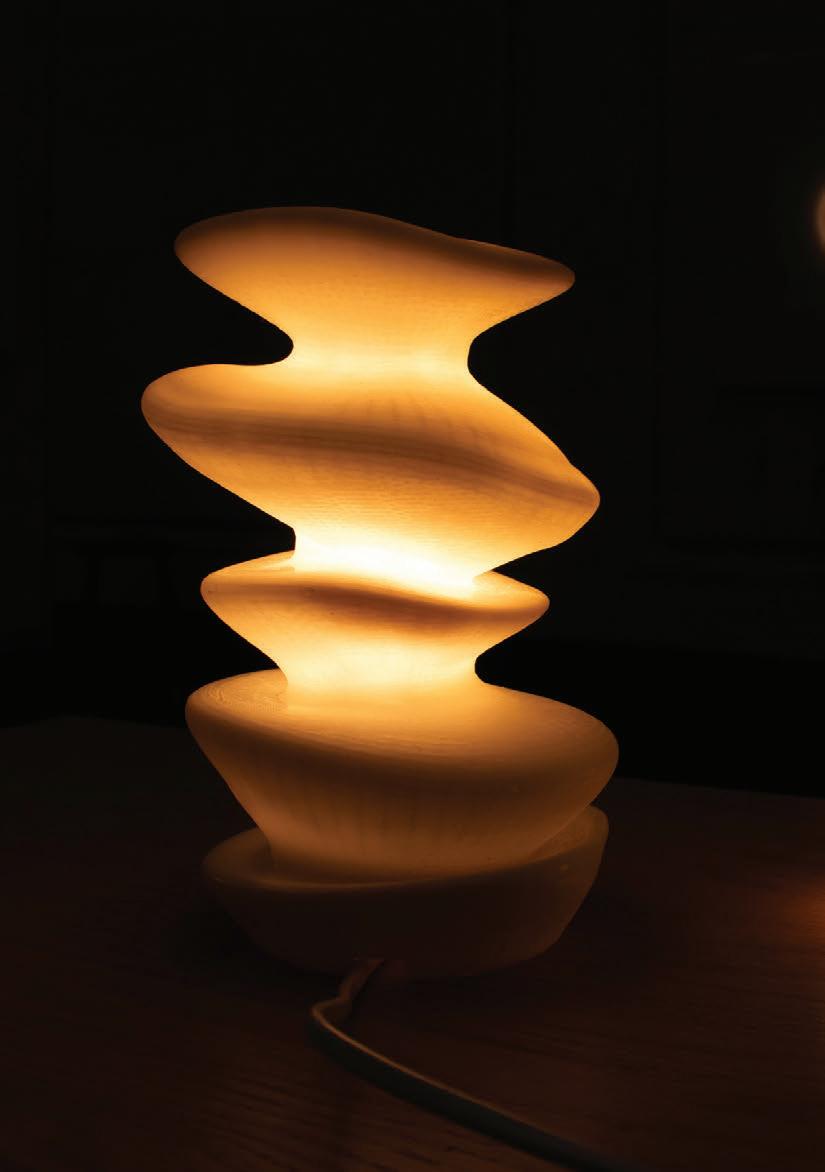
Throughout history every living species has started out small and over�me will grow and blossom into a grown matured version of itself. This can especially be seen in a ower, star�ng as a seed in the soil and reaching to the sun and maturing un�l the petals wilt and fall off andthe cycle restarts. The beauty in this is the blooming of the ower, the part where the vibrant green of the stem is hidden and the lush delicate petals are nally revealed. There is a light inwatching this, although it is not physical it brings a joy to watch something grow and bloom intoits full poten�al. This process of a ower blooming will be translated into a table lumenier. Theconcept for the luminaire is for it to reach up towards the ceiling and bloom just like a owerreaching to the sun. However in this case the light is not coming from the sun, it is coming frominside the ower. This is to show that the ower has a light inside it and that light is the beauty o�he pedals once they are opened up to the world. The elegance of a ower will be matched withthe lumenier in a sense that although it is light and elegant it is able to withstand and counter elements. The purpose of this lumenier is to not only illuminate a space but to also to providewarmth, beauty and a sense of nature inside your home.
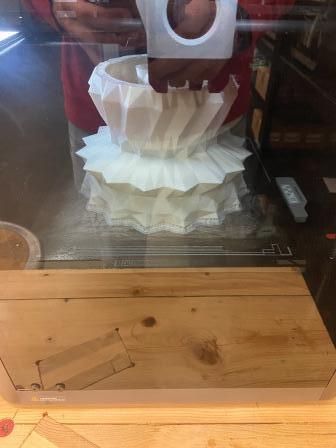
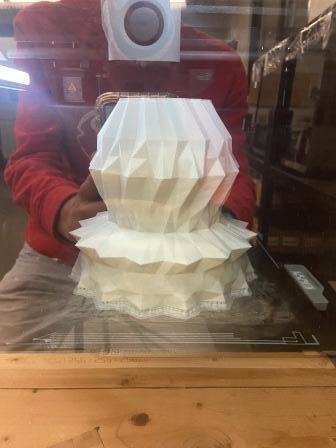
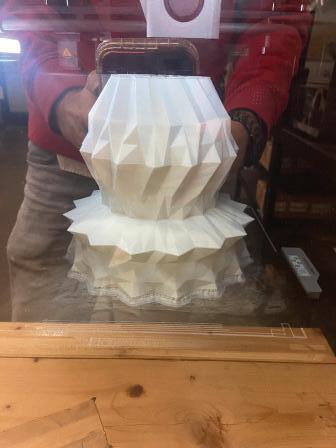
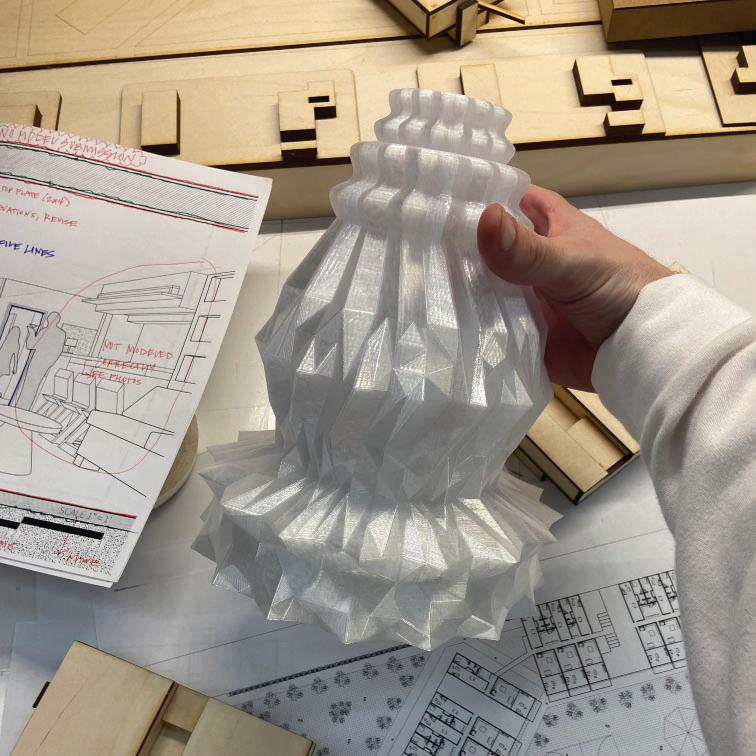
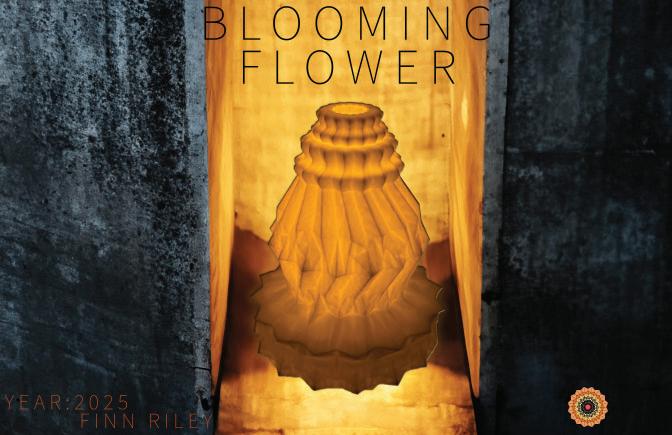
BLOOMING CONTRAST
LIGHT
STRETCH
CONCEPT OF LAMP DERIVED FROM FLOWER BLOOMING
CONTRAST OF GEOMETRIC AND CURVEED SHAPES SYMBOLING FLOWER OPENING
DRAMATIC POINTS WHERE LIGHT IS BRIGHTER THAN OTHER POINTS
LAMP IS STRETCHING UPWARDS AS A FLOWER WOULD TOWARDS THE SUN
lUMINESANT GLOW THAT GIVES EMOTION IN A SPACE
SINGLE FABRICATED PIECE CREATING NO SEAMS
BUILT IN E26 LIGHT BULB STAND
BULB MATERIAL
SIZE CORD
8.5IN x 8.5IN x 11IN
6FT POWER CORD










































LIGHT CONTRAST
DESIGNED TO CONTRAST OF LIGHT
CONTRAST BETWEEN DARK AND LIGHT POINTS ON SCONCE
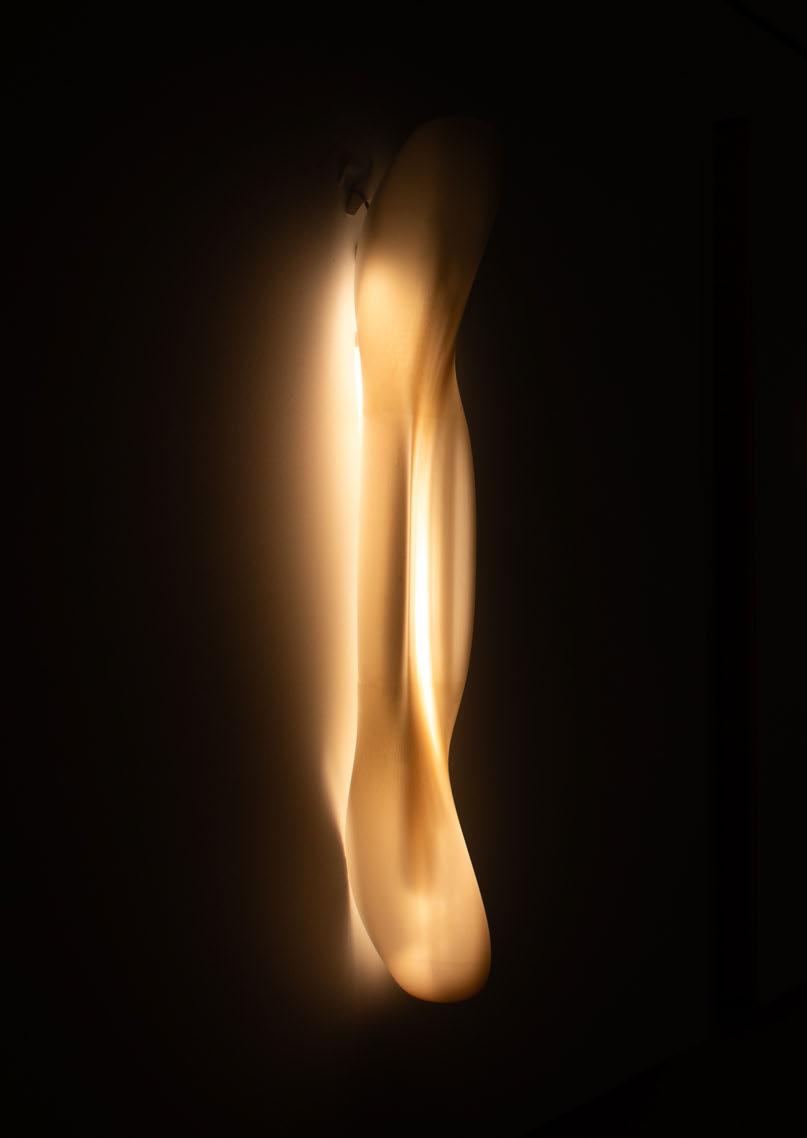
ABSTRACT SHAPE AND SINGLE COMPOSITION
MONOLITHIC
SCONCE STRETCHES OUT FROM WALL AND MEETS 4IN REQ.
PLA PRINT WALL MOUNT (4 SCREWS)
3 PEICE ASSEMBLY (EASY ASSEMBLY)
ADJUSTABLE LED STRIP
INTERIOR STRUCTURE CREATING DRAMATIC LIGHTING IN CENTER
LIGHT
CONTRAST
MONOLITHIC
DESIGNED TO CONTRAST OF LIGHT
CONTRAST BETWEEN DARK AND LIGHT POINTS ON SCONCE
ABSTRACT SHAPE AND SINGLE COMPOSITION
STRETCH
SCONCE STRETCHES OUT FROM WALL AND MEETS 4IN REQ.
PhaseTypeContentUnitUnit PriceAmountCostReference
Product De Hard CostResinLiter$15.902$31.80All you
Hard CostFillamentGram$0.02 $0.00All you
Soft CostYour LaborHour$22.0018$396.00For Design
Indirect cosstorage, electricity, wifi, etc.
Production Hard CostResinLiter$15.902$31.80Only
Hard CostFillamentGram$0.0212$0.24Only
Hard CostLightingItem$0.001$0.00Only
Hard CostElectricityItem$0.00 $0.00Only
Soft CostProduction Hour$0.007$0.00Only
Indirect cosstorage, electricity, wifi, etc.
Operation Hard CostPackagePackage$0.001$0.00Only
Hard CostDeliveryPackage$0.001$0.00Only
Soft CostLabor for PHour$0.001$0.00Only Hard CostResinLiter$15.902$31.80All you
Process of Table Ligh�ng Design
- I learned how the thickness and form of the resin print would affect the ligh�ng design. The type of light bulb being used is also very important to the effect you want the luminaire to give off
Process of Wall Scone Ligh�ng
- I learned about the restric�ons about sconces and just how bright a LED strip actually is.
Series of Product and Business Branding Packages
- I learned the importance of simplicity when it comes to high-end branding.
Process of Package and Exhibi�on prepara�on
- I got to experience the set-up (hanging and wiring) process behind ge�ng light to about 30 xtures in a small space.
Series of Process Book Making
- It’s important and helpful to go back and see your fails and how to x them going forward.
Overall
- I learned so much about ligh�ng, 3D prin�ng, and branding this semester, which is way out of my comfort zone but I’m so glad I can take these skills and use them for my career going forward.
If you could talk to you before the beginning of the semester, what would you like to share with you?
- You are actually going to produce working light xtures and you’re going to learn how to 3d print and not be totally confused by the whole process.
Concept Precedents
CONCEPTUAL NARRATIVE
Processes, events, and results can become a physical form. The form of a luminaire isn’t con ned to a stereotypical lampshade, but it can be something with a story. The forms and pa erns from math, science, and nature can curate beau ful storytelling through a simple object such as a luminaire.
The process of a ower blooming to its full poten al shows beauty in the exploding petals. Star ng with the light fully covered and turning into a blossoming object shining light. Every petal determines where the light should be dispersed and allowed. The way tornadoes and DNA strands twist around each other in a confusing but exci ng manner. These intertwining objects could hold the light source, covering it, but holding it without explana on. Spiders produce webs symmetrically and beau fully everywhere, so why not drape that web form over a light source to create a harmonious shadow? The mathema cal equilateral triangle can t an in nite number of themselves in one another to create a folding form carefully harnessing light. The way each triangle is folded a ects which direc on the light shines and lls a space. A diamond re ects light in a beau ful way with di erent colors. A way to honor the diamond and tell its story could be to imitate the way light bounces o of the xture and experiment with di erent colors and materials to depict the prism of colors a real diamond produces.
Whether it’s the form of the xture, the amount of light allowed, or the shadows shown on the wall or ceiling, there are plenty of ways to explore natural pa erns and phenomena through ligh ng.

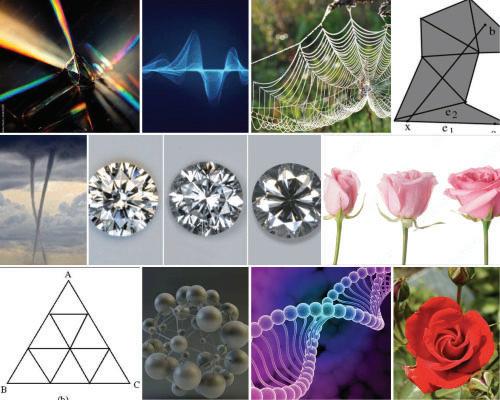
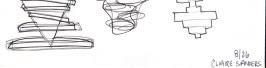
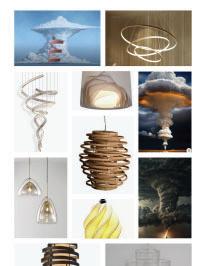
REFERENCE PHOTOS | SKETCHES 8/27/24
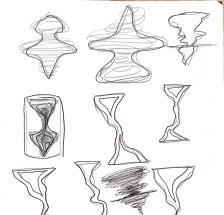
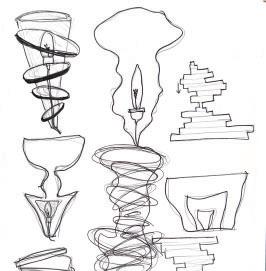



Step#4.ForYourDesignProject,writetheinitialsofthepersonorprojectyouthinkisafailure,explainwhy,write abbreviatedkeywordsforthereasonsexplained,andwriteantonymsasopposedtotheabbreviatedkeywords.
Step#3.Writethenameofthepersonorprojectyoureferenced,explainwhy,anddefine
Step#6.WriteanessayaboutYourDesignProjectwithyour10wordsandchoose appropriatewordsorsentencesupto5.
Step#5.Putyourwordsfrom1)to16),categorizethe16words,andchoose10wordsby removingoverlappedwords.

Step#7.Writeorchoose3sentencesaboutYourDesignProjectandsummarizethemas oneword.
Step#8.Putyourlast3wordsintheblanks,reviewyourpreviouswordandchoosewords upto2whichyoureallywanttohave,select4wordsamongthe5words,makeyour definitionandtrytofindanalternative,thenfinallychoose3wordsforyou.
ValueofYourDesignProject
Step#9.Writeasentenceorparagraphperwordthenfinalizeyourkeywords
Concept Statement
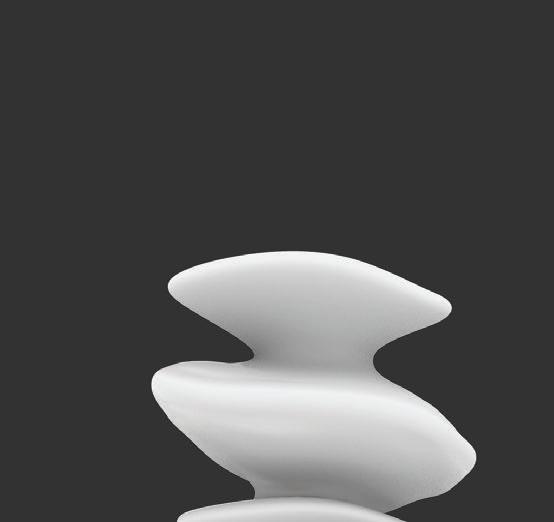
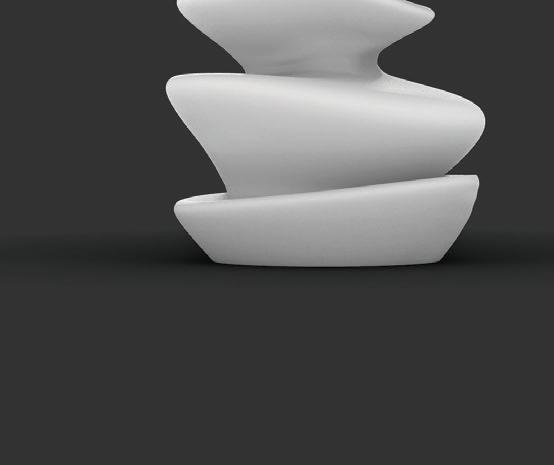
Firmly anchored and equally balanced.
Firmly anchored and equally balanced.
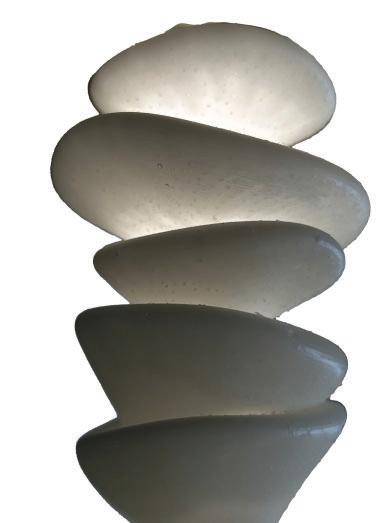
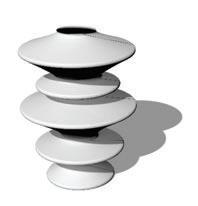
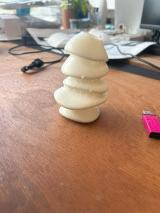
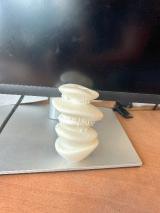
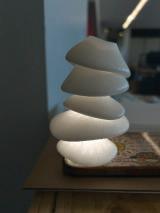
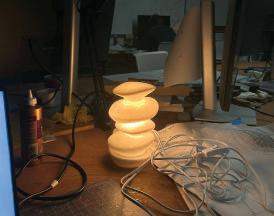
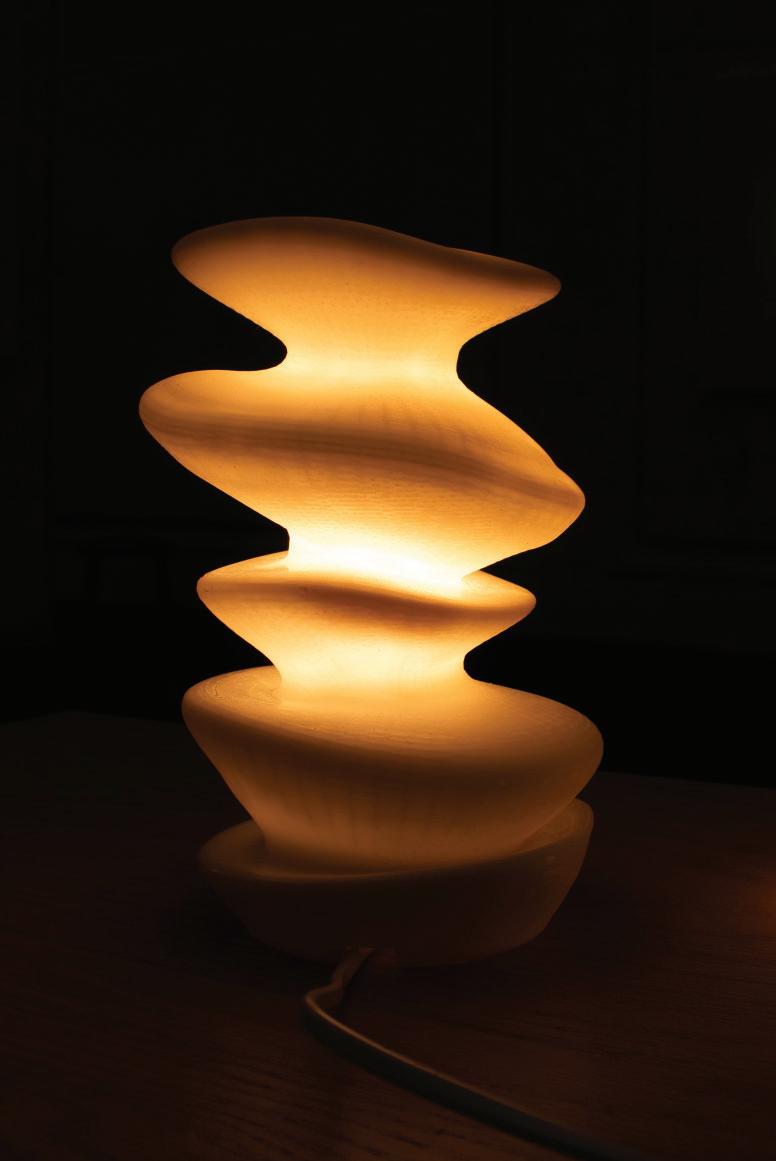
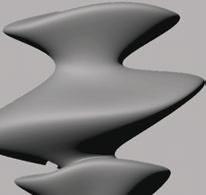
Inspired by the art of stone balancing
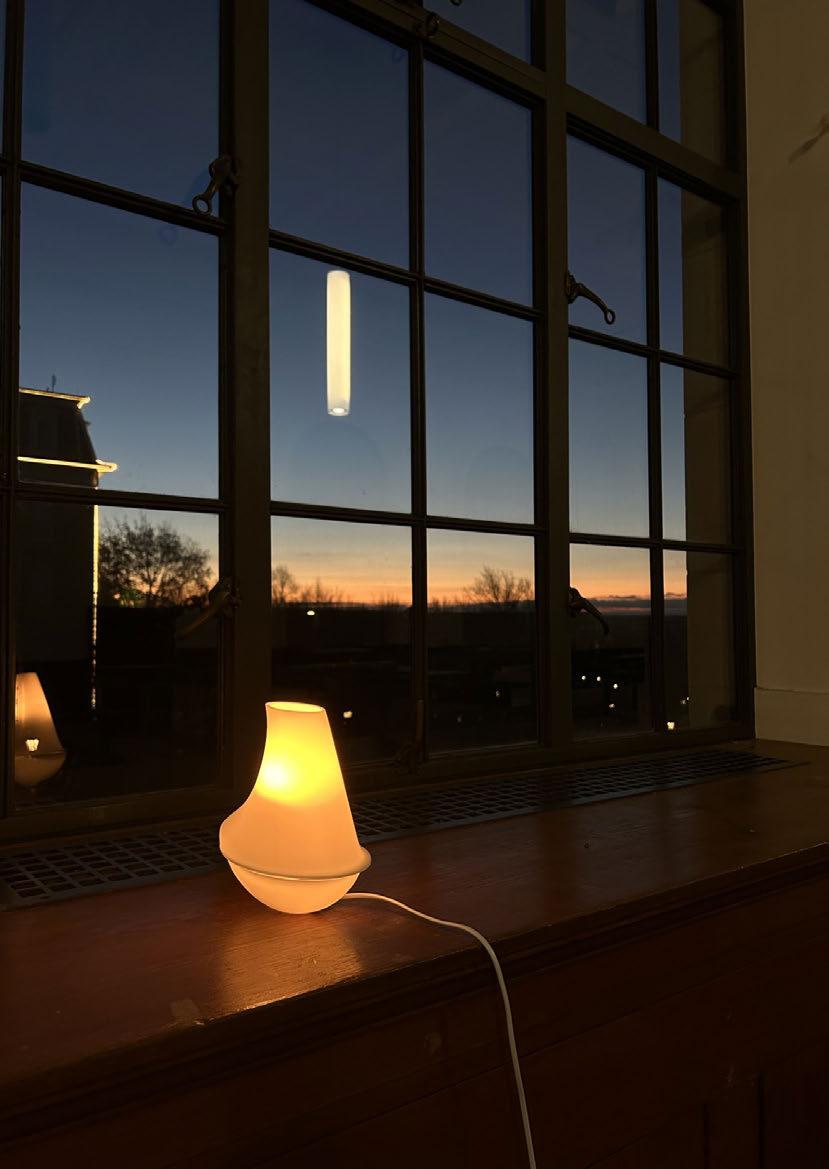
translucent white shade emitting soft light customizable bulb color
aesthetic sculptural piece
SPECS
E-26 base
3-D printed white resin shade
5.43x8.26””
6-ft long cord
60-watt LED smart Bulb
1.5”x4.3”













Process of Table Lighting Design
- The back end of designing a product (connections, thicknesses, how the bulb locks in, etc.) can take much more time than the front end of design.
Process of Wall Scone Lighting
- I didn’t know there was a maximum distance sconces can extend out from the wall to (4”). This poses an interesting challenge in fitting a bulb in that space.
Series of Product and Business Branding Packages
- A brand’s identity can be integral to the success of the brand. Without a distinct and clear identity, products may feel random or disconnected.
Process of Package and Exhibition preparation
- Wiring and hanging a sconce takes more work than you might initially think.
Series of Process Book Making
- Graphic design, photography, and presentation can make a big difference in how a piece is conceived.
Overall
- I learned a lot about product design and how to bring an idea to life.
If you could talk to you before the beginning of the semester, what would you like to share with you?
- Understand that studio will take the majority of your time. When you get small breaks, whenever it is, use that time to work on the project.
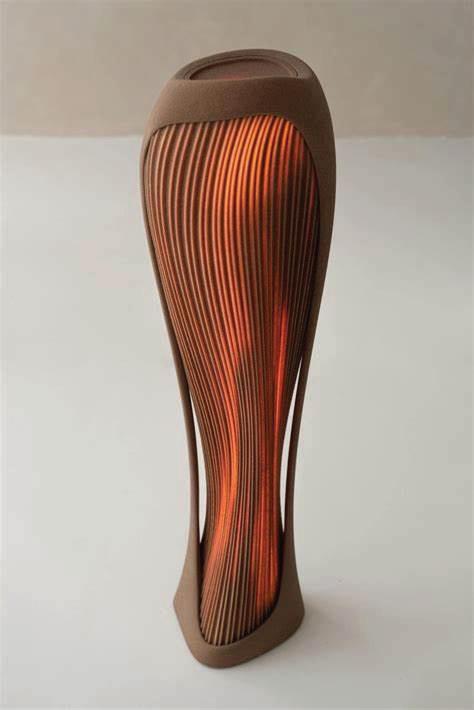
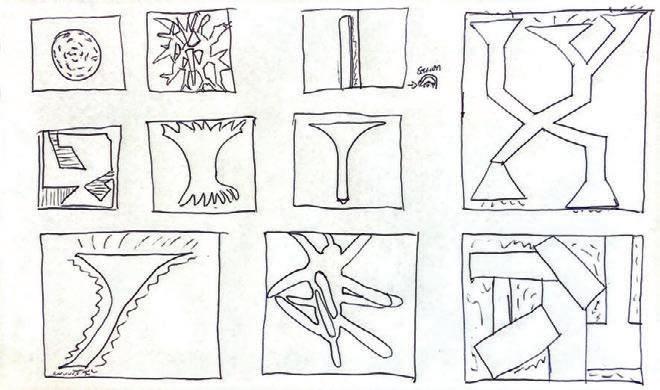
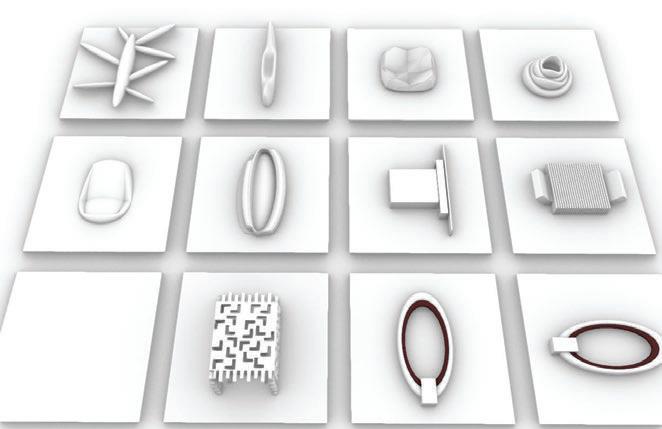
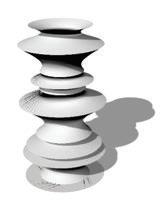
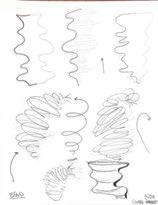
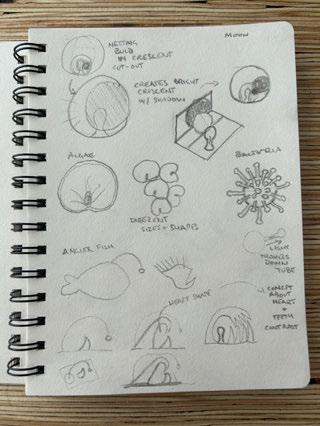
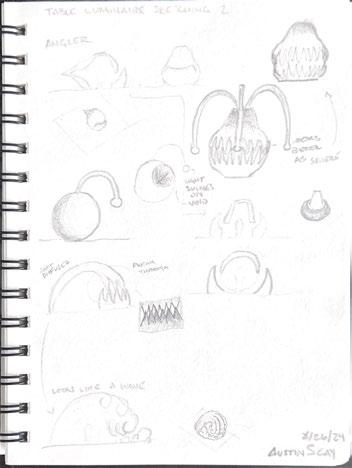
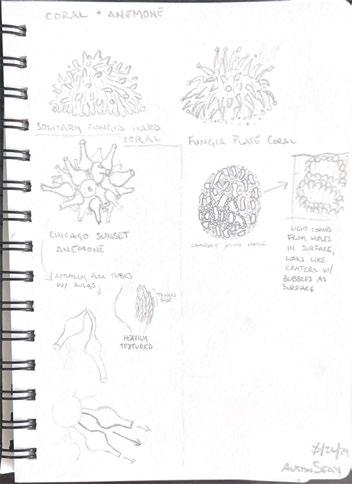
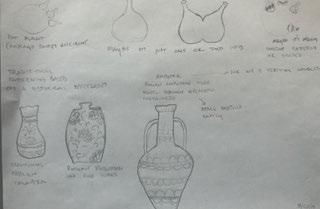
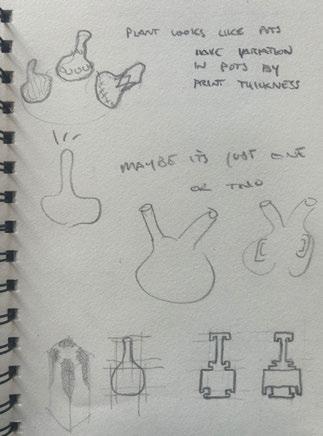
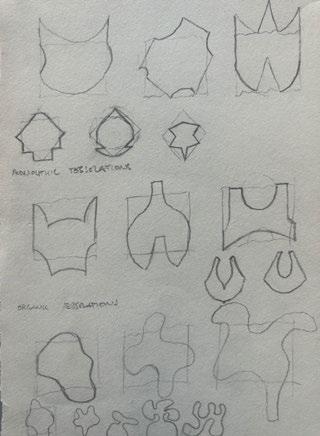
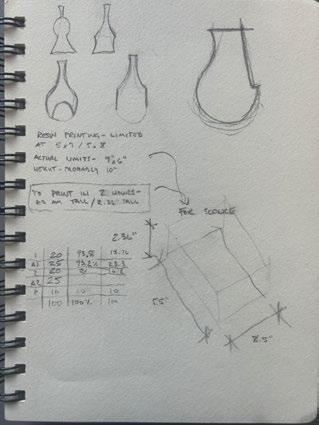
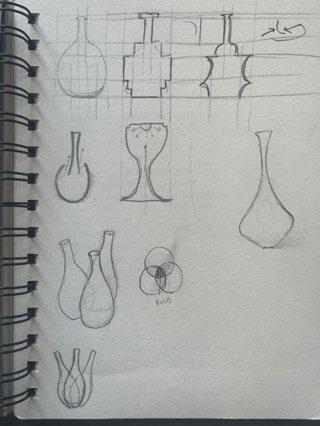
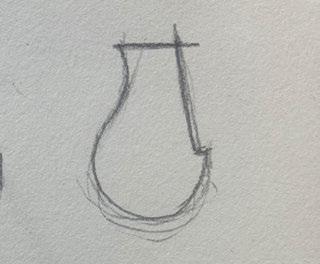
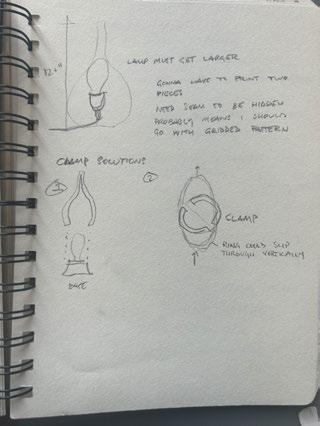
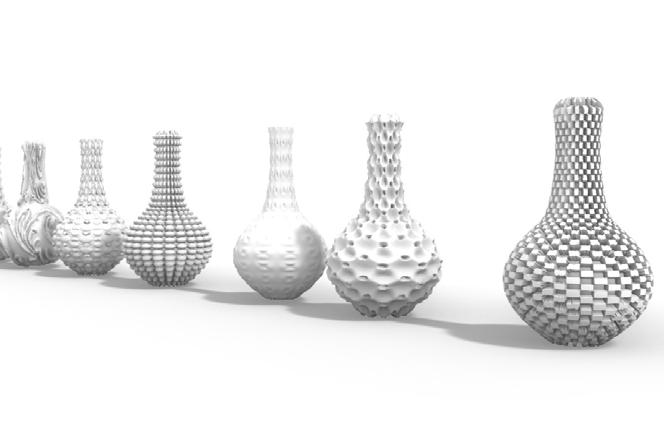
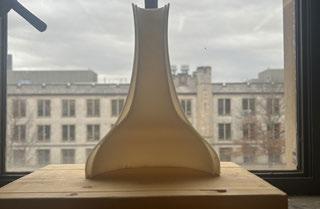
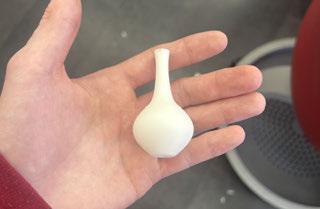
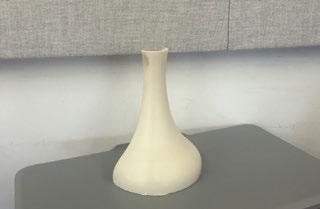
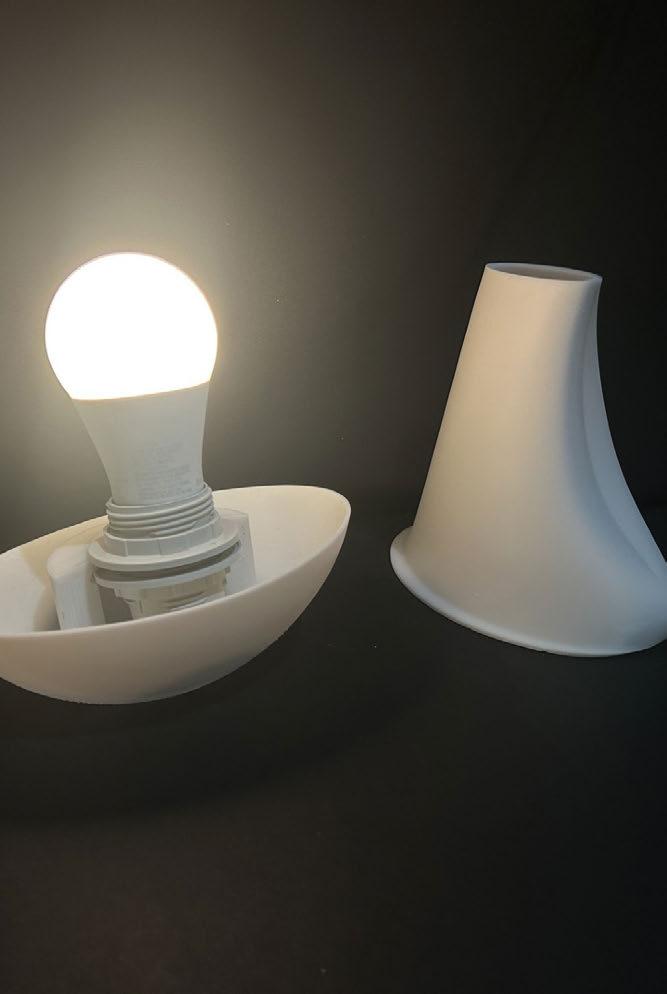
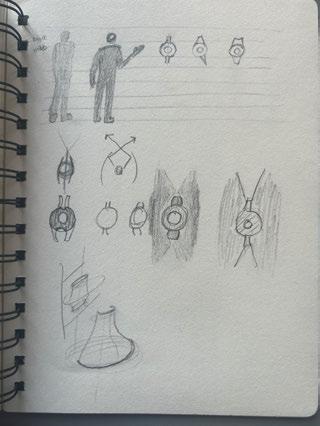
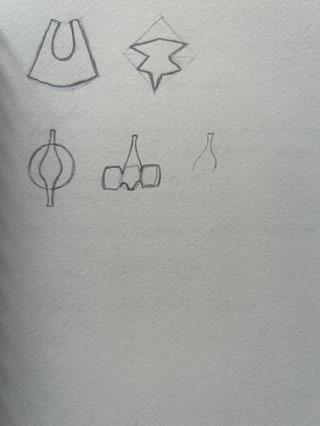
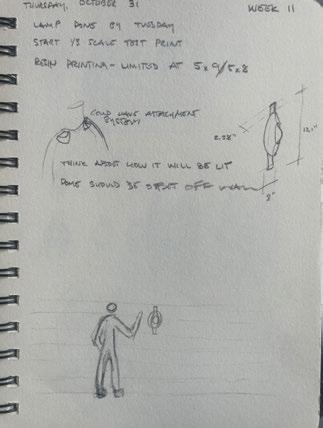
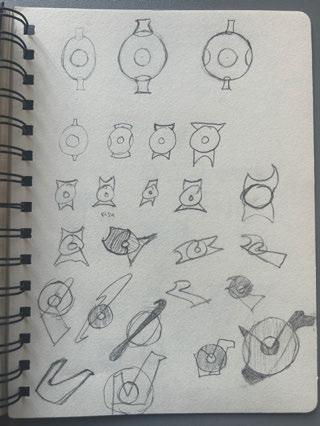
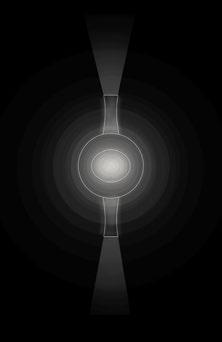
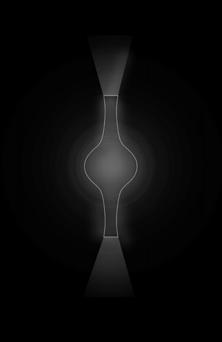
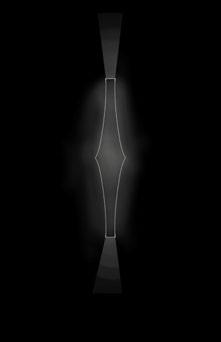
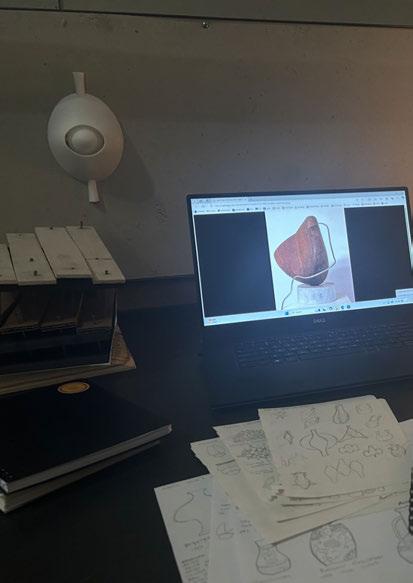
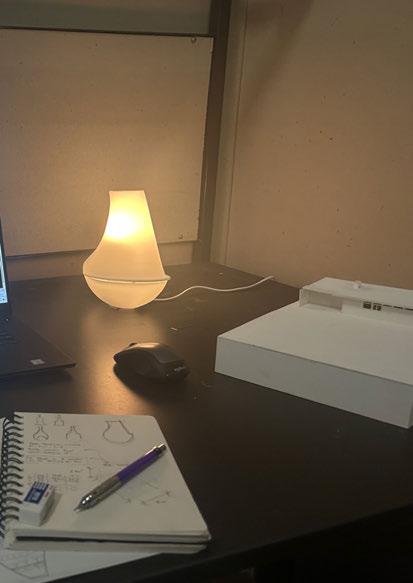
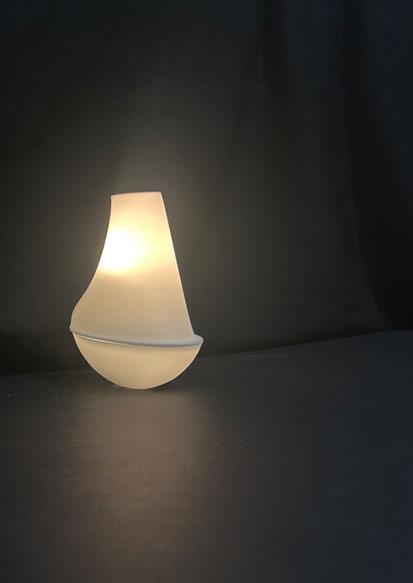
My table luminaire is conceptually formed by two precedents working in tandem. One based in nature, and one in history and culture. The Chicago Sunburst Anemone is a luminescent anemone whose form resembles the form of a vase. It lights up a beautiful orange color, though sometimes including a green or blue gradient, and the light finds variation as it pokes through the densely textured surface. Multiple stems radiate out from a base, and each has a bulb in the middle, creating the vase-like look.
Refined Concept Narrative and Sketches
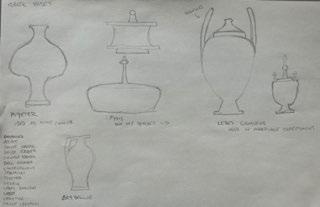
Greek vases exist in a variety of forms, each form with its own purpose, whether it be practical or cultural. The vases often boast decorative patterns or depictions of historical events.
Draft Concept Narrative and Sketches
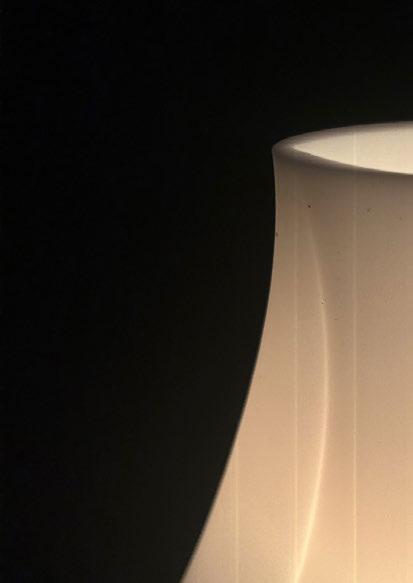
These two precedents resemble each other both in form and in impact. Both forms have a unique identity whose dignity comes from their balance between simplicity and practicality. Both are honest, unintrusive forms, with smooth, unobjectionable surfaces that are tranquil in nature.
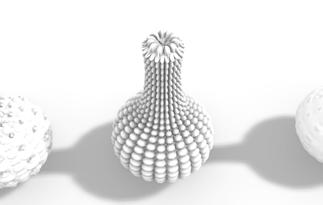
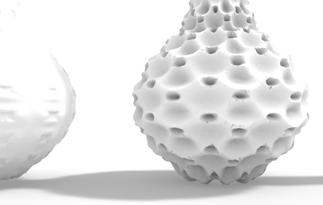
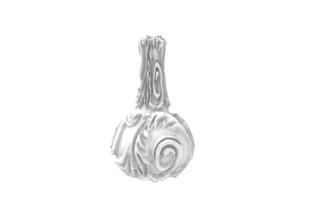
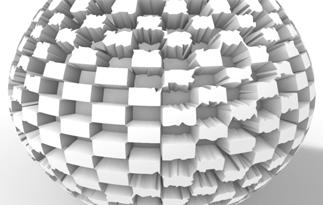
My table luminaire is conceptually formed by two precedents working in tandem. One based in nature, and one in history and culture. The Chicago Sunburst Anemone is a luminescent anemone whose form resembles the form of a vase. It lights up a beautiful orange color, though sometimes including a green or blue gradient, and the light finds variation as it pokes through the densely textured surface. Multiple stems radiate out from a base, and each has a bulb in the middle, creating the vase-like look.

Value of YourDesign Project
Value
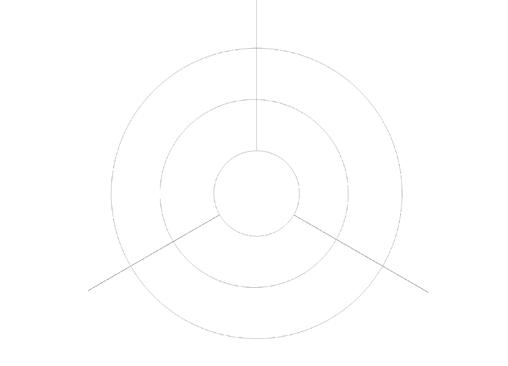
Develop your concept wheel
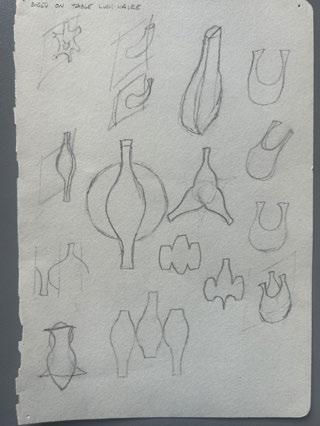
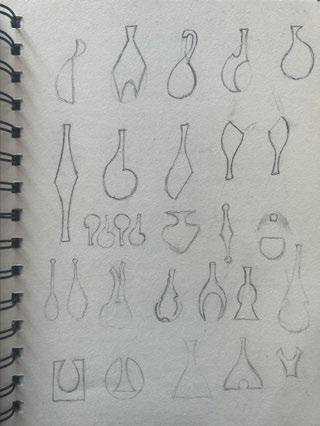
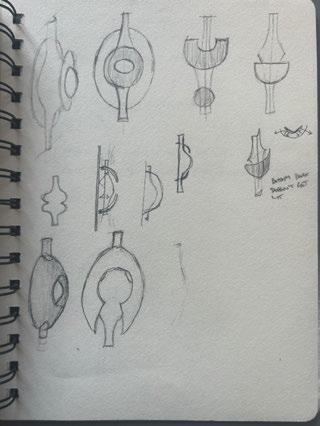
My table luminaire is conceptually formed by two precedents working in tandem. One based in nature, and one in history and culture. The Chicago Sunburst Anemone is a luminescent anemone whose form resembles the form of a vase. It lights up a beautiful orange color, though sometimes including a green or blue gradient, and the light finds variation as it pokes through the densely textured surface. Multiple stems radiate out from a base, and each has a bulb in the middle, creating the vase-like look.
Greek vases exist in a variety of forms, each form with its own purpose, whether it be practical or cultural. The vases often boast decorative patterns or depictions of historical events.
These two precedents resemble each other both in form and in impact. Both forms have a unique identity whose dignity comes from their balance between simplicity and practicality. Both are honest, unintrusive forms, with smooth, unobjectionable surfaces that are tranquil in nature.
Value of YourDesign Project
Value
Develop your concept wheel
My wall sconce is inspired by my table luminaire, and conceptually identical. My sconce is conceptually formed by two precedents working in tandem. One based in nature, and one in history and culture. The Chicago Sunburst Anemone is a luminescent anemone whose form resembles the form of a vase. It lights up a beautiful orange color, though sometimes including a green or blue gradient, and the light finds variation as it pokes through the densely textured surface. Multiple stems radiate out from a base, and each has a bulb in the middle, creating the vase-like look.
Greek vases exist in a variety of forms, each form with its own purpose, whether it be practical or cultural. The vases often boast decorative patterns or depictions of historical events.
These two precedents resemble each other both in form and in impact. Both forms have a unique identity whose dignity comes from their balance between simplicity and practicality. Both are honest, unintrusive forms, with smooth, unobjectionable surfaces that are tranquil in nature.

Process of Table Lighting Design
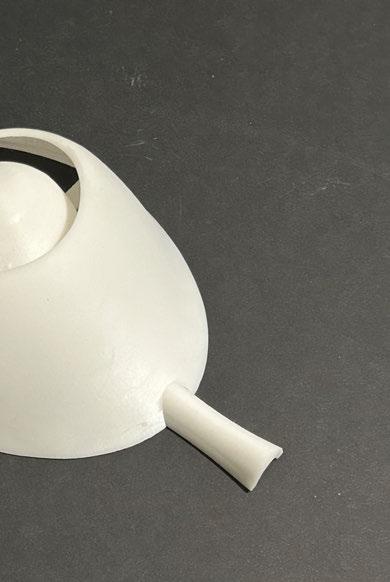
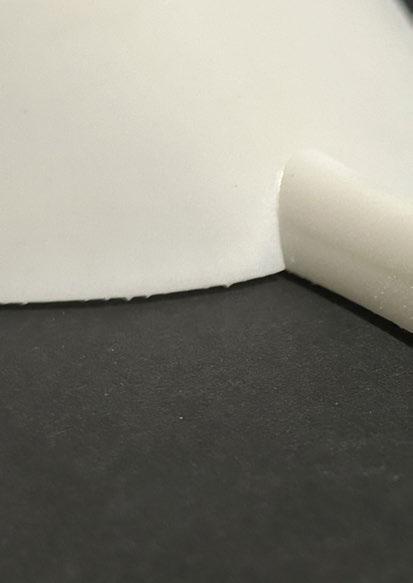
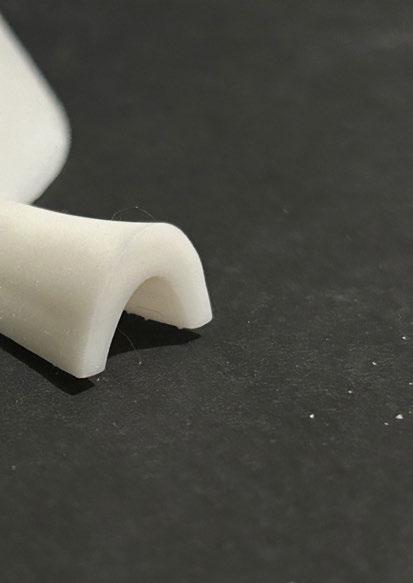
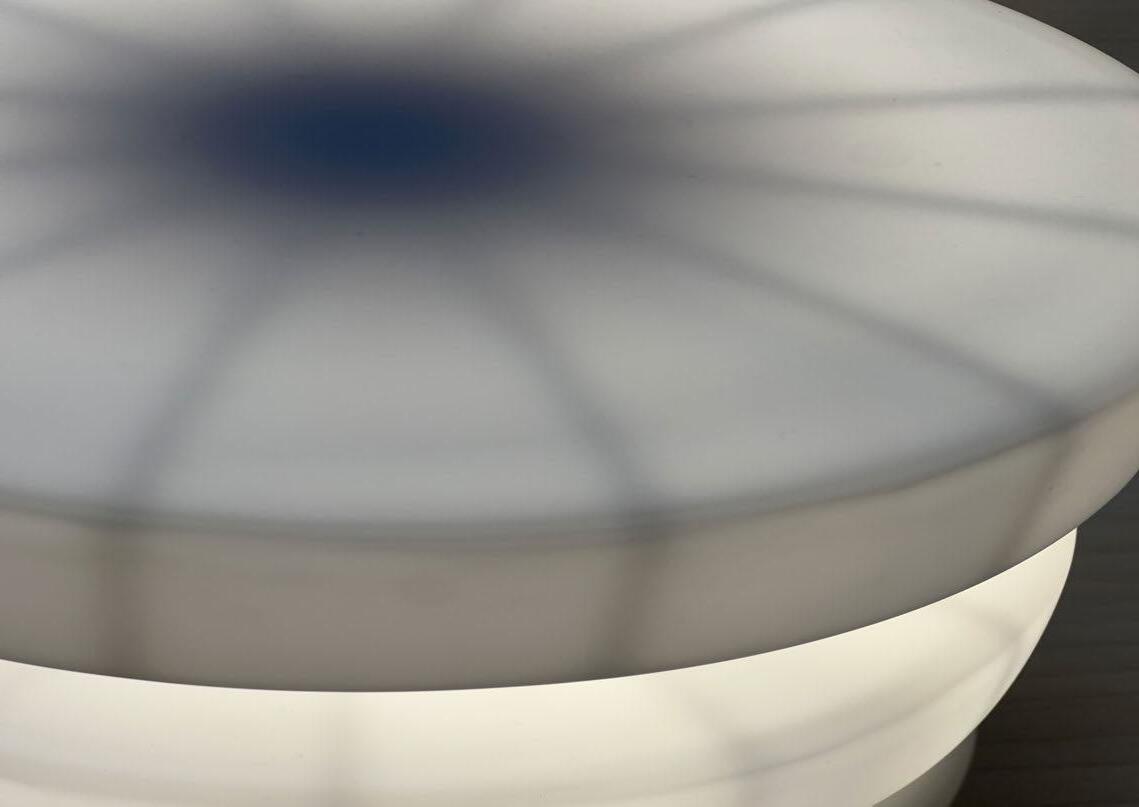
- I learned how thickness of resin creates different lighting effects, and how you can manipulate different thicknesses in a same print piece.
Process of Wall Scone Lighting
- I learned about tolerance levels and their importance, and how design a support system to hang the wall scone
Series of Product and Business Branding Packages
- branding is the idenity of the products and the design
Process of Package and Exhibition preparation
-
Series of Process Book Making
-
Overall
- resin printing isnt hard and its very fun, their is so many options and ways things can print just need to make sure th object is closed and it will print, its better to curated under the sun so everyhting looks more even and you dont have yellow spots
If you could talk to you before the beginning of the semester, what would you like to share with you?
- experiment more
Initial Concept Narrative and Sketches
Narrative

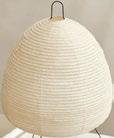
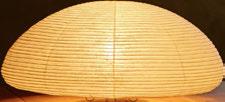
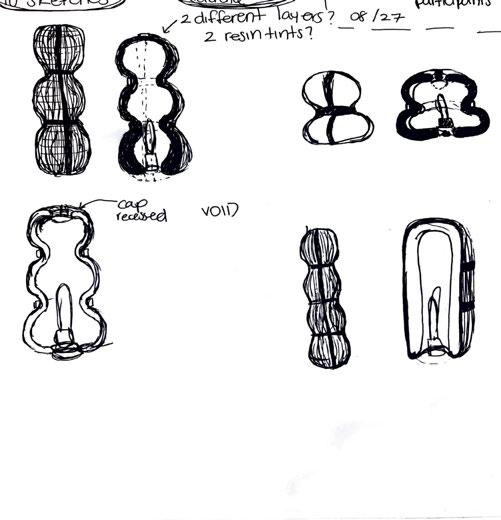
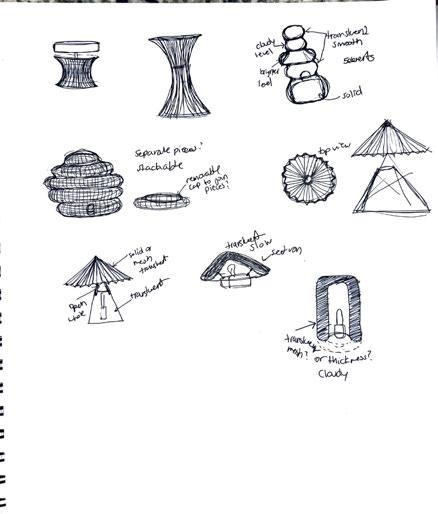
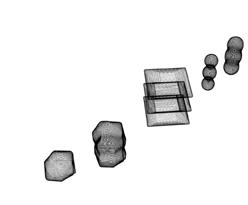
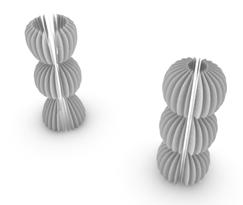
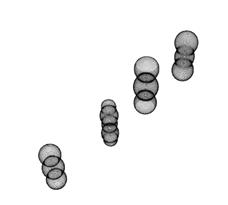
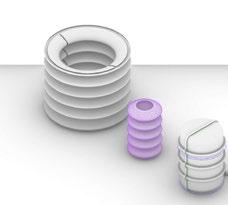
Luminaire Concept Narrative, Sketches, and Rendersing
Narrative
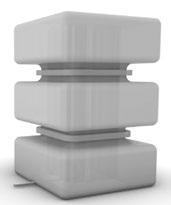
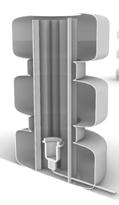
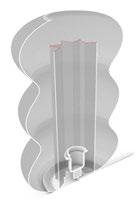
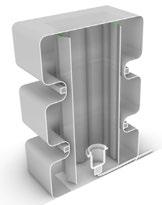
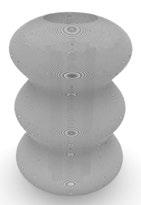
Narrative
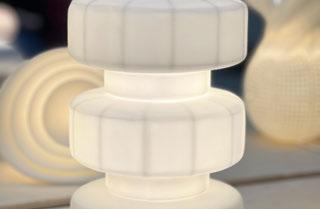
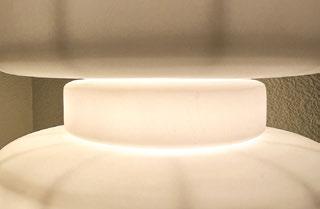
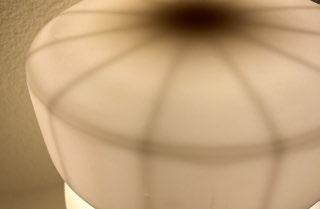
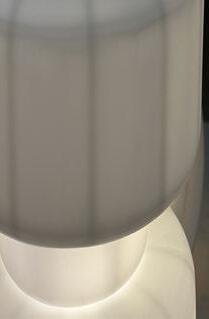
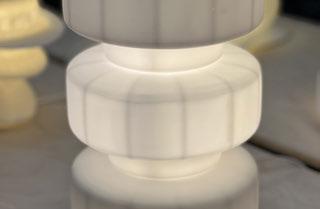
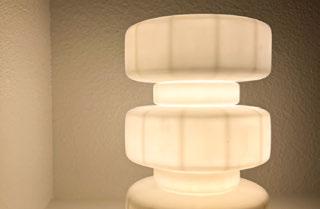
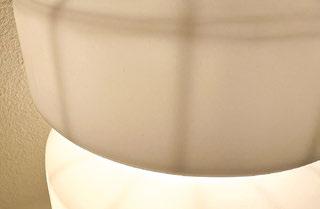
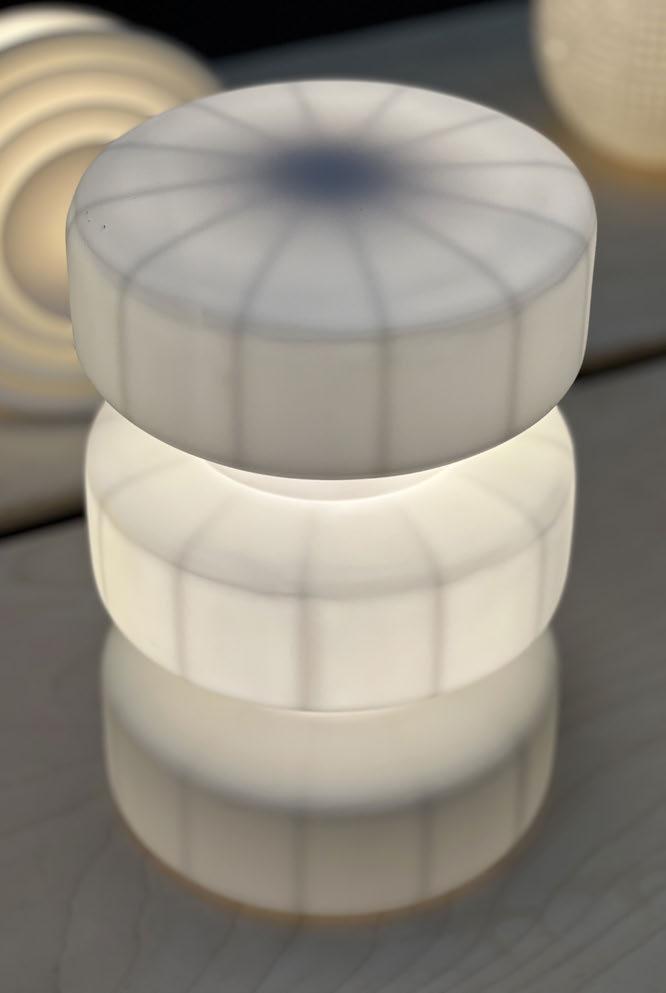
“KAGE”
Inspired by the beauty of Japanese simplicity, Kage (影) captures the essence of light and shadow, creating a serene ambiance that transforms any space. This timeless lamp embraces the Japanese philosophy of finding beauty in the void, allowing emptiness to balance light in a harmonious dance. Designed with layered, circular forms, Kage reflects the principles of void, simplicity, and elegance, inviting the user into a peaceful atmosphere.
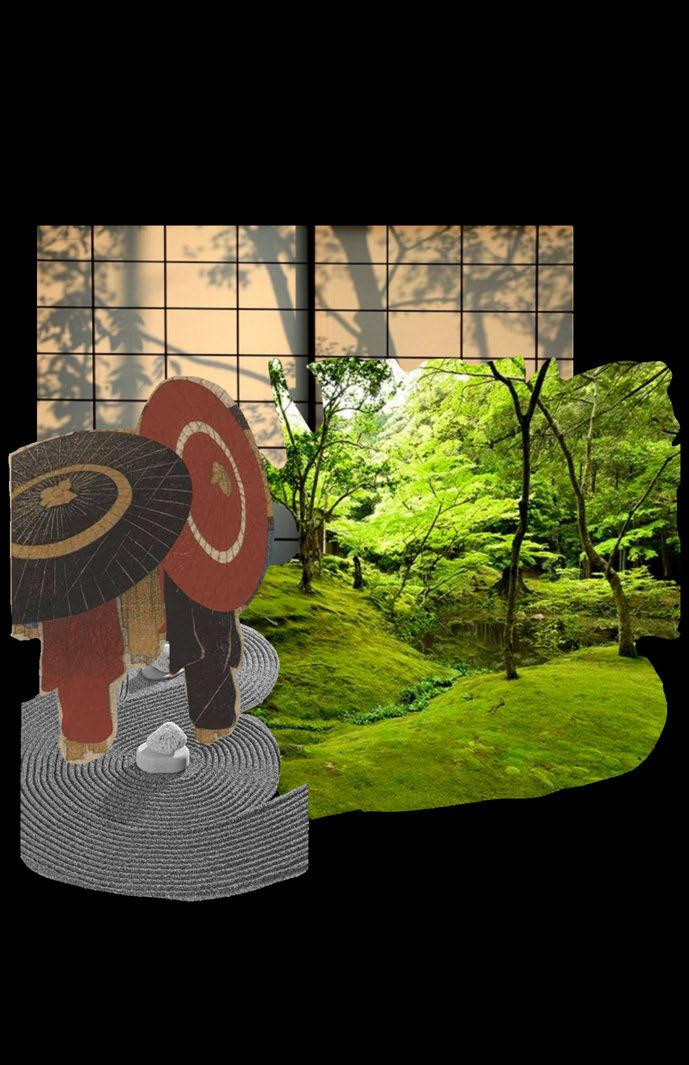
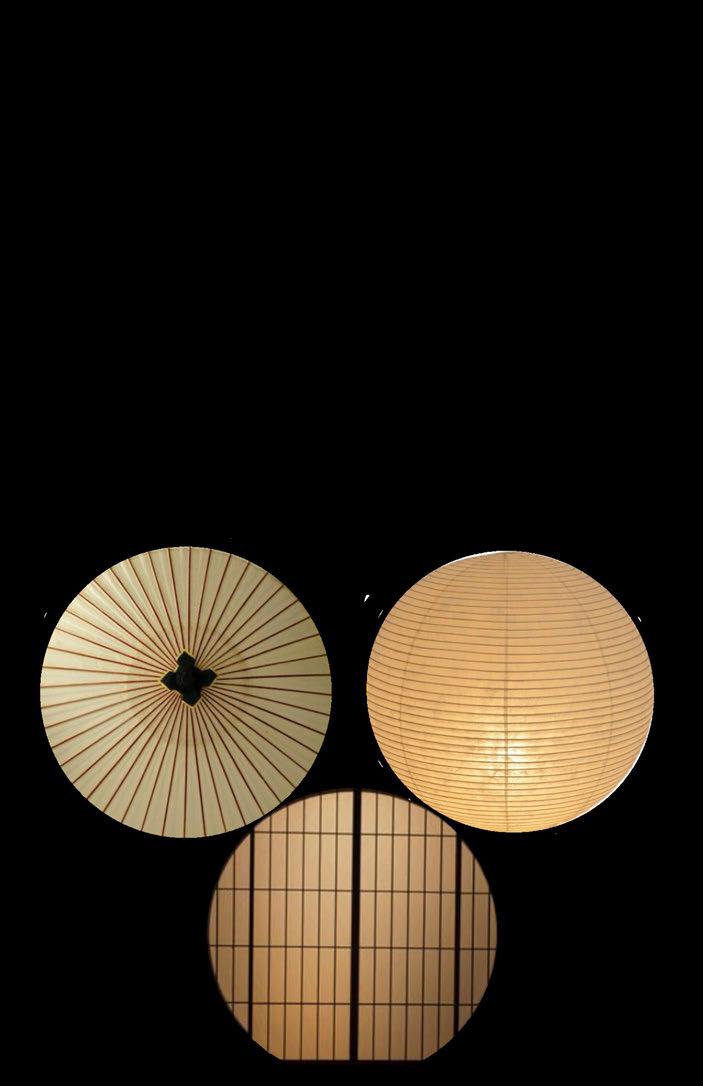
The Kage lamp draws inspiration from traditional Japanese design elements, including wagasa (Japanese umbrellas), shoji screens, and Japanese paper lanterns (chochin), each contributing to the interplay of light and shadow. These objects are not only functional but also symbolize the balance of elements and the respect for natural forms.
Japanese Umbrella (Wagasa)
The radial lines of the Kage lamp are influenced by the structure of Japanese umbrellas, which represent protection and harmony with nature. Wagasa are celebrated for their craftsmanship, where each spoke plays a part in creating a cohesive, balanced design. This design element is mirrored in Kage, where radial lines convey a subtle rhythm, allowing light to flow in soft patterns.
Shoji Screens
The soft, diffused light effect in Kage reflects the influence of shoji screens—traditional Japanese sliding doors made of translucent paper. These screens allow natural light to filter into a room, creating a warm, ambient glow. Similarly, Kage emits light through layered forms, enhancing the feeling of space and tranquility.
Japanese Paper Lanterns (Chochin)
The warm hues and soft glow of Kage pay homage to chochin lanterns, which symbolize guidance and protection. Chochin lanterns have a timeless quality, their light and shadow inviting calm and reflection. Kage encapsulates this same spirit, offering a gentle radiance that enhances any setting with understated elegance.
By combining these traditional elements with modern, minimalist design, Kage reflects a harmonious balance of Japanese heritage and contemporary sophistication. It invites the viewer to experience light as an art form, where each shadow and glow are carefully crafted to create an atmosphere of peace and elegance.
Radial lines echo sunlight and traditional Japanese umbrellas, adding depth and energy to the design.
Concentric circles to symbolize unity and harmony
Each circle and ray harmonize to embody balance and tranquility
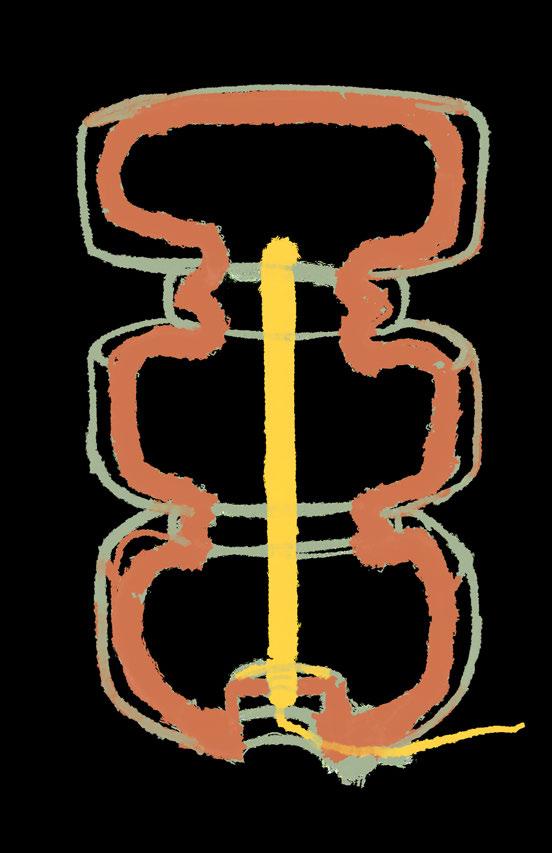
MATERIAL: PLANT-BASED RESIN
COLOR: MATTE WHITE
NOTO SERIF SEMIBOLD
NOTO SERIF MEDIUM
NOTO SERIF LIGHT
NOTO SERIF EXTRA LIGHT ITALIC
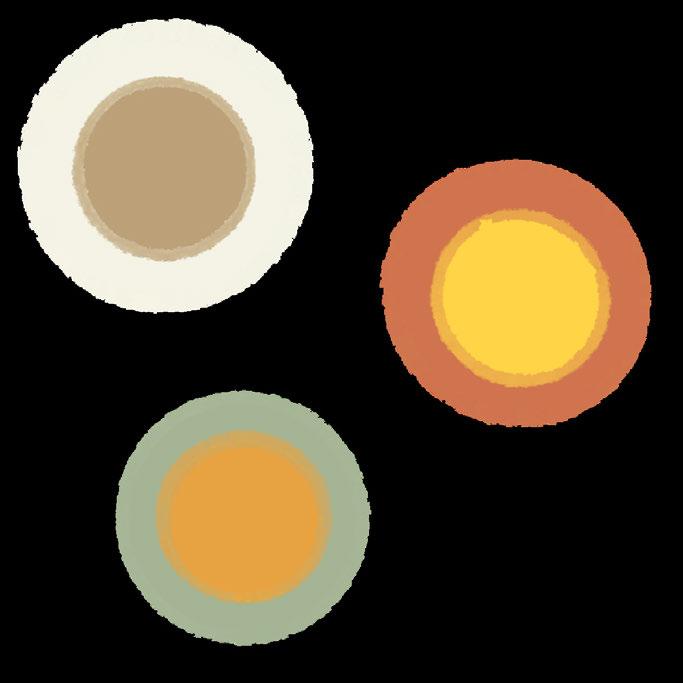
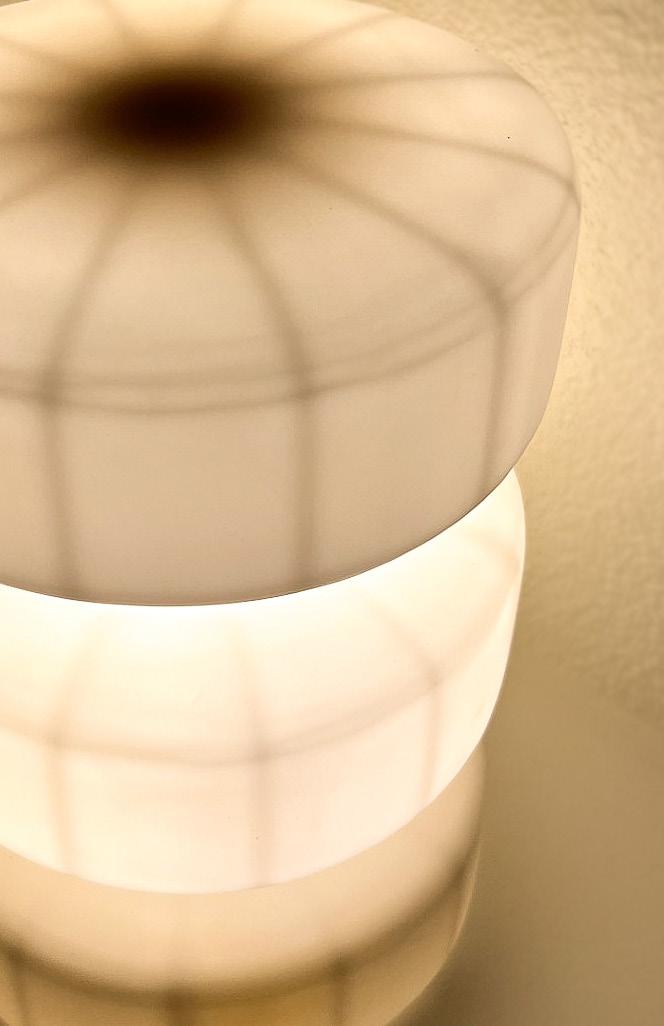
Initial Concept Narrative and Sketches
Narrative
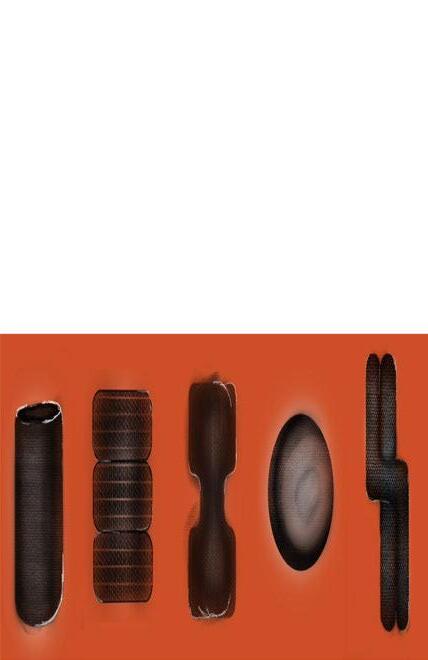
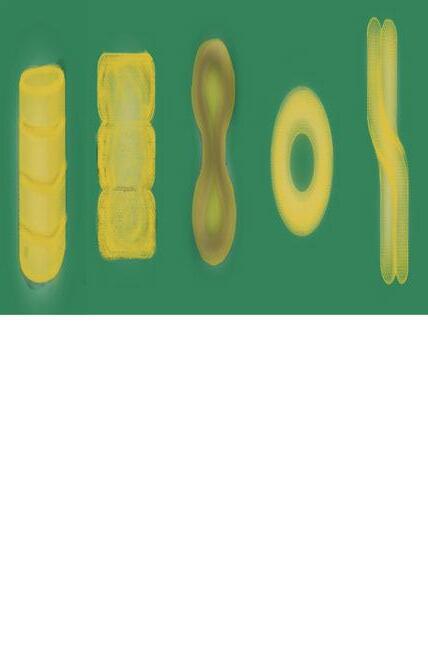
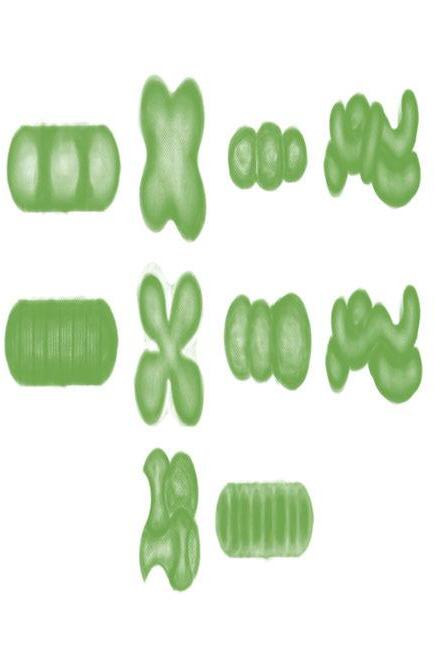
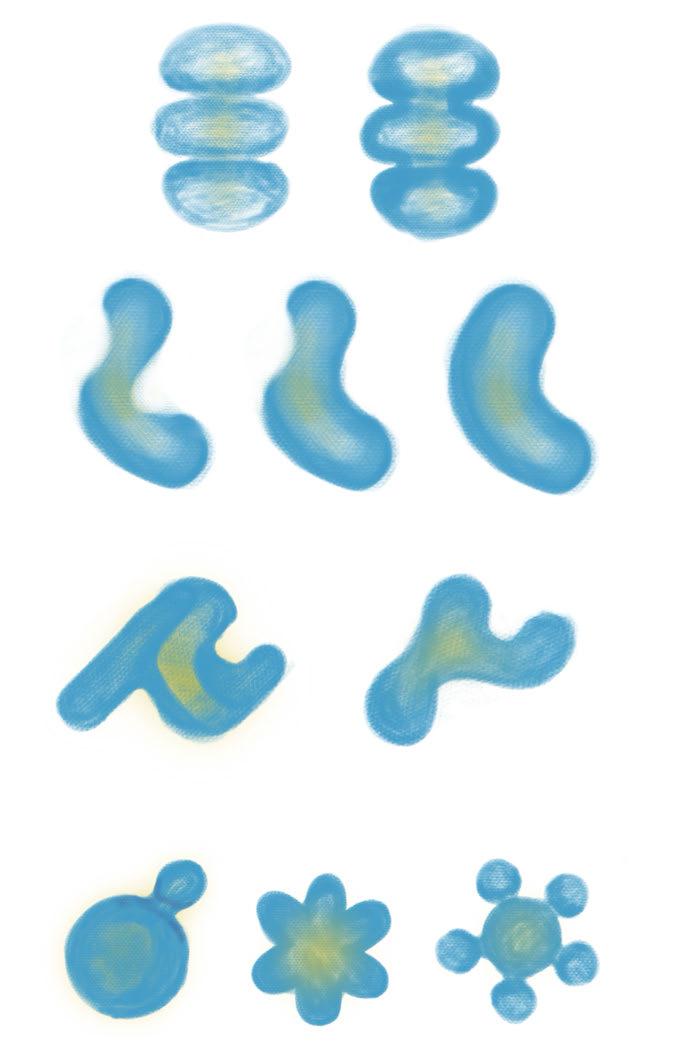
Refined Concept Narrative and Sketches
Narrative
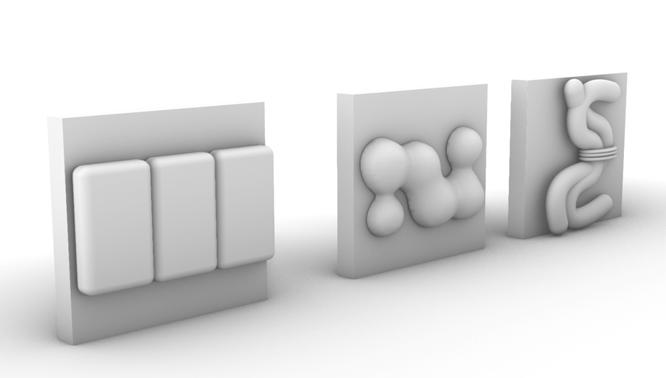
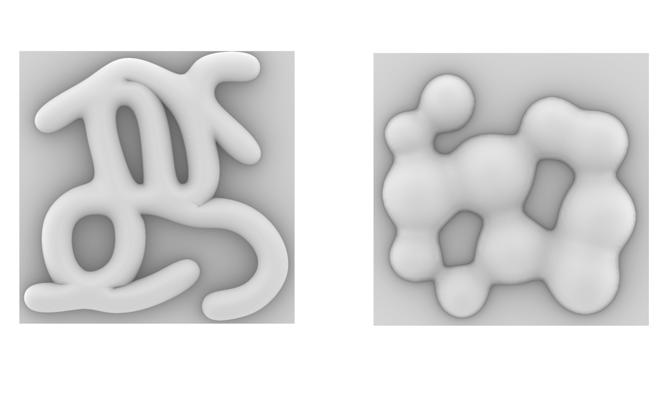
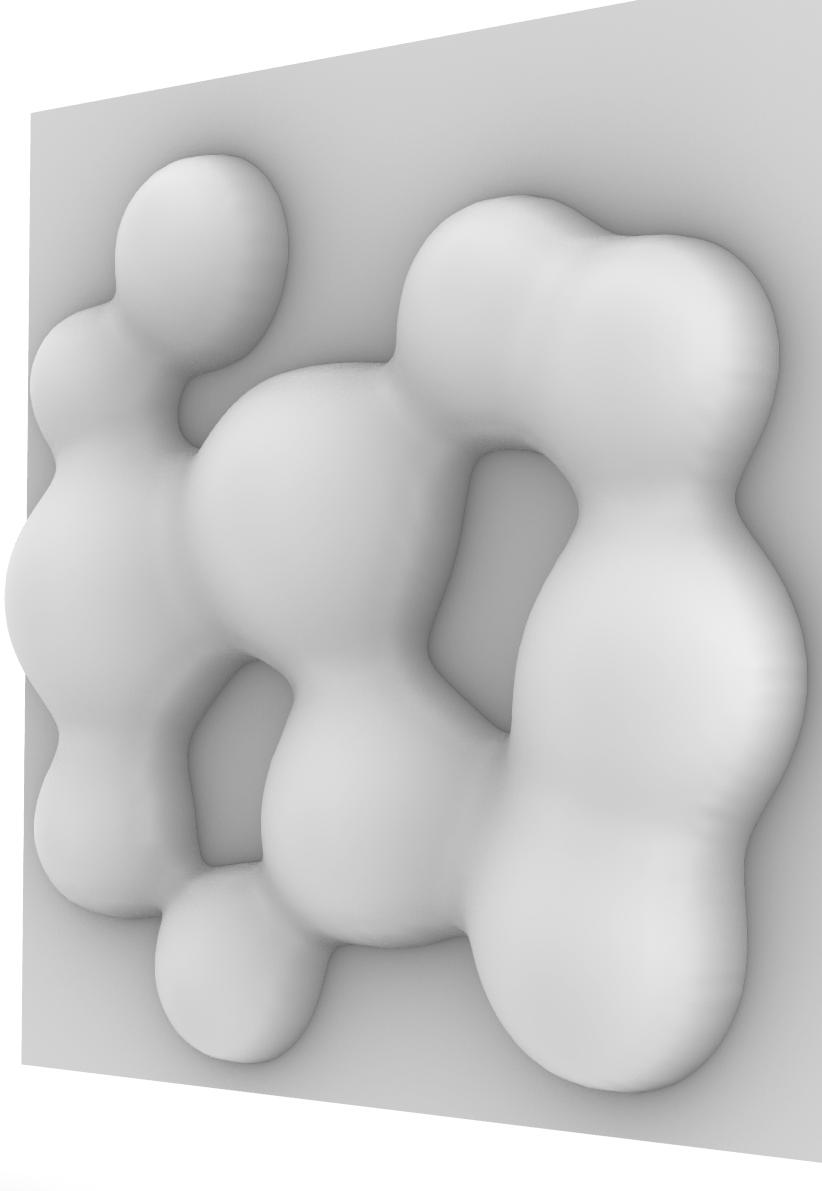
Narrative
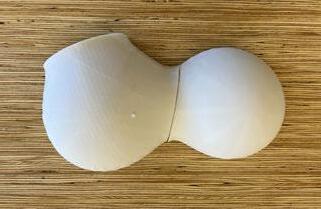
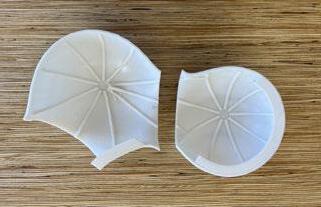
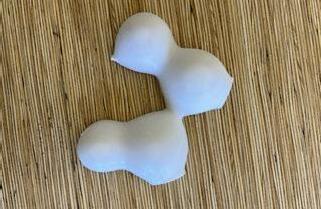
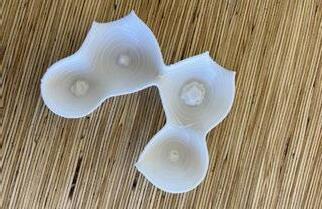
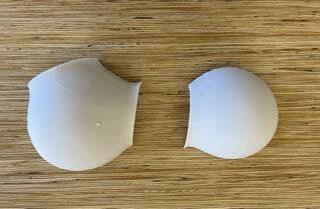
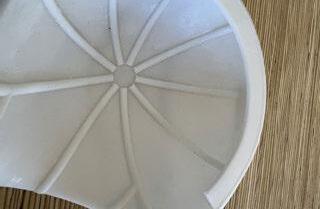
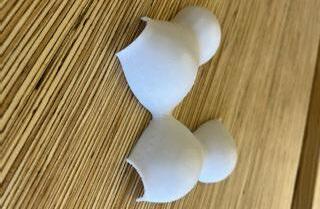
Final Luminaire Concept Narrative, Sketches, and Rendersing
Narrative
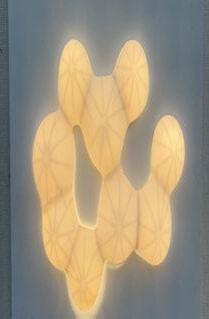
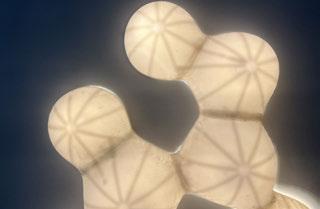
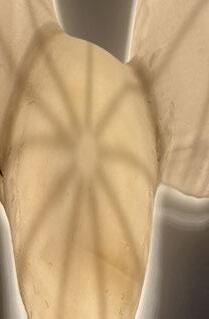
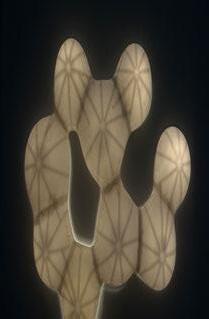
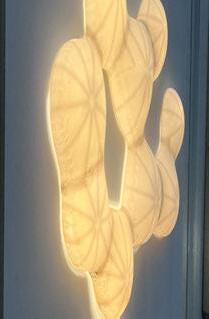
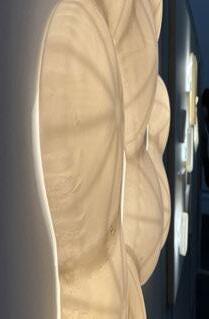
“SHIZUKU”
Inspired by the Japanese word Shizuku (雫), meaning "drop," this wall light encapsulates the organic and serene quality of water droplets. The design pays homage to nature’s soft curves and fluidity, with interconnected forms reminiscent of suspended drops merging into a calming rhythm. When illuminated, Shizuku emits a gentle glow, diffused through its sanded, resin surface, echoing the quiet elegance of light passing through mist or morning dew.
Shizuku transforms emptiness into presence, creating a soft interplay of shadow and light. Its clustered, blobby geometry mirrors the imperfect yet harmonious way water droplets form, capturing a sense of movement frozen in time. This piece invites a serene, contemplative atmosphere, balancing minimalism with organic flow.
Shizuku draws inspiration from the organic forms of water droplets, which naturally embody fluidity and simplicity. Their suspended shapes are both calming and dynamic, creating a visual poetry that reflects stillness and movement.
Natural Light Through Mist
The diffused lighting effect of Shizuku reflects the quiet, soft glow of light passing through mist or early morning fog, creating an ethereal and tranquil ambiance.
Japanese Simplicity
Rooted in Japanese design principles, Shizuku captures the beauty of wabi-sabi—finding perfection in imperfection. Its fluid, irregular form celebrates nature's organic shapes while maintaining minimalist elegance.
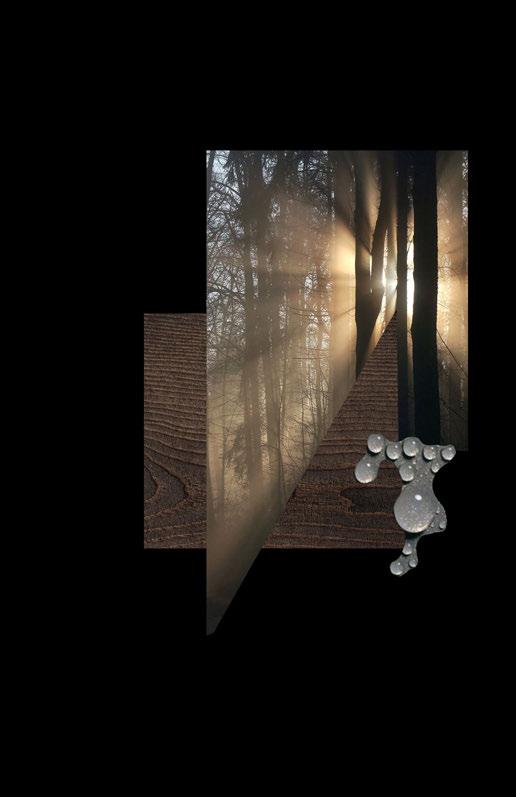
Organic Geometry to reflect natural fluidity.
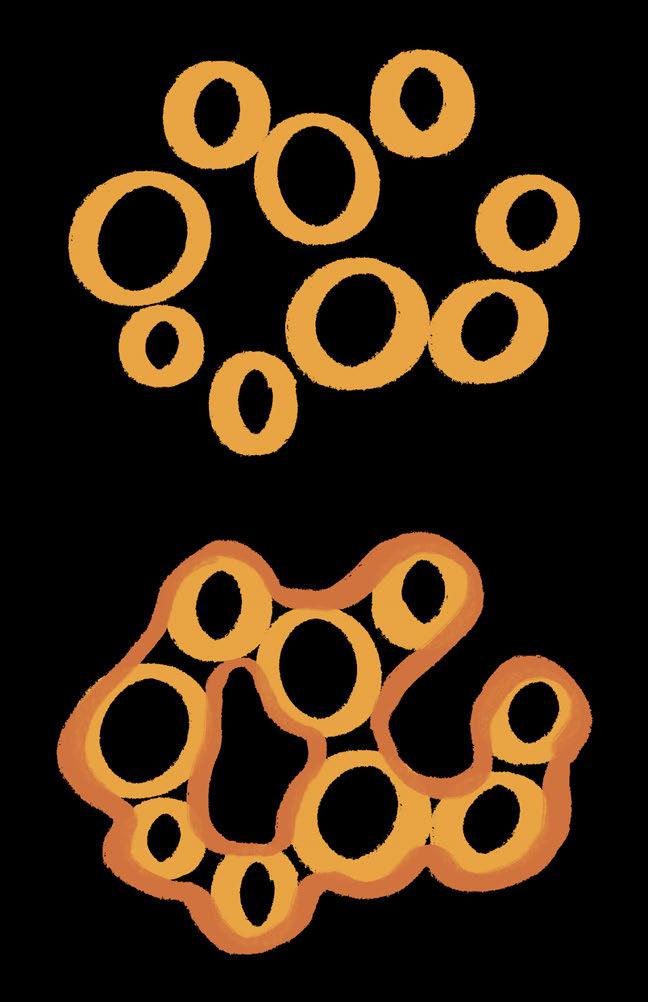
Subtle Diffusion of light mimicking water’s gentle clarity.
Clustered Form to create rhythm and flow.
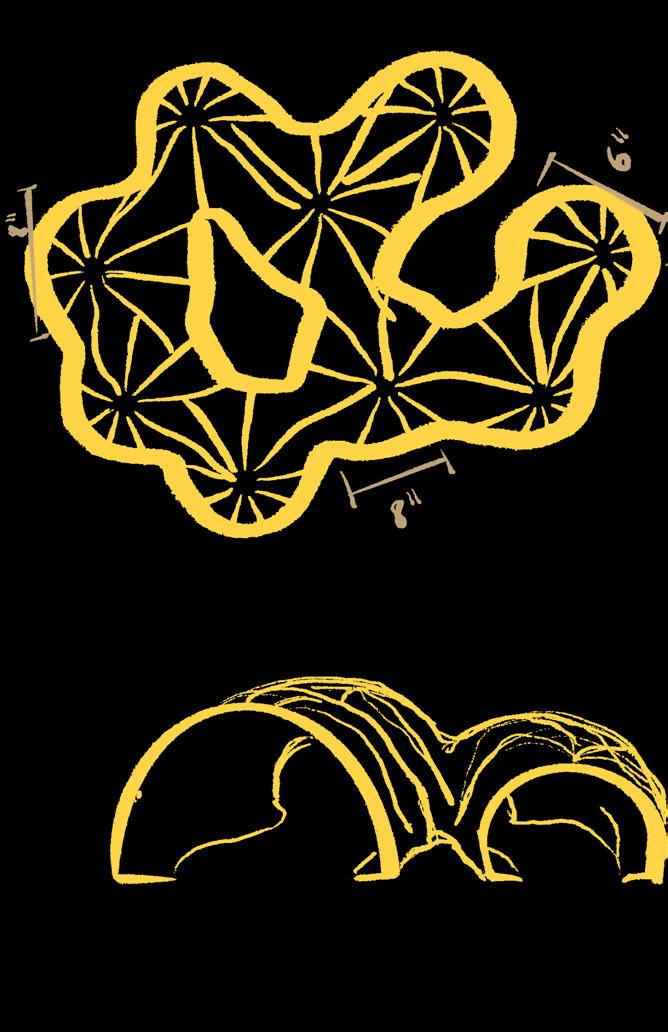
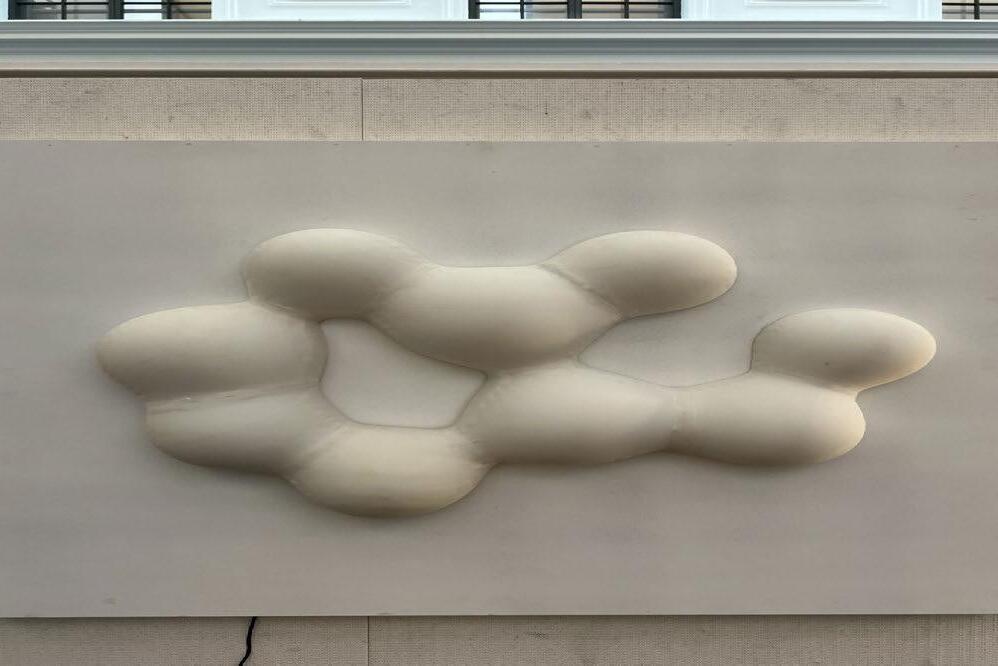
1$73.00 $1,498.25
1$121.00 $2,166.29
1$0.00 $2,166.29 TOTAL
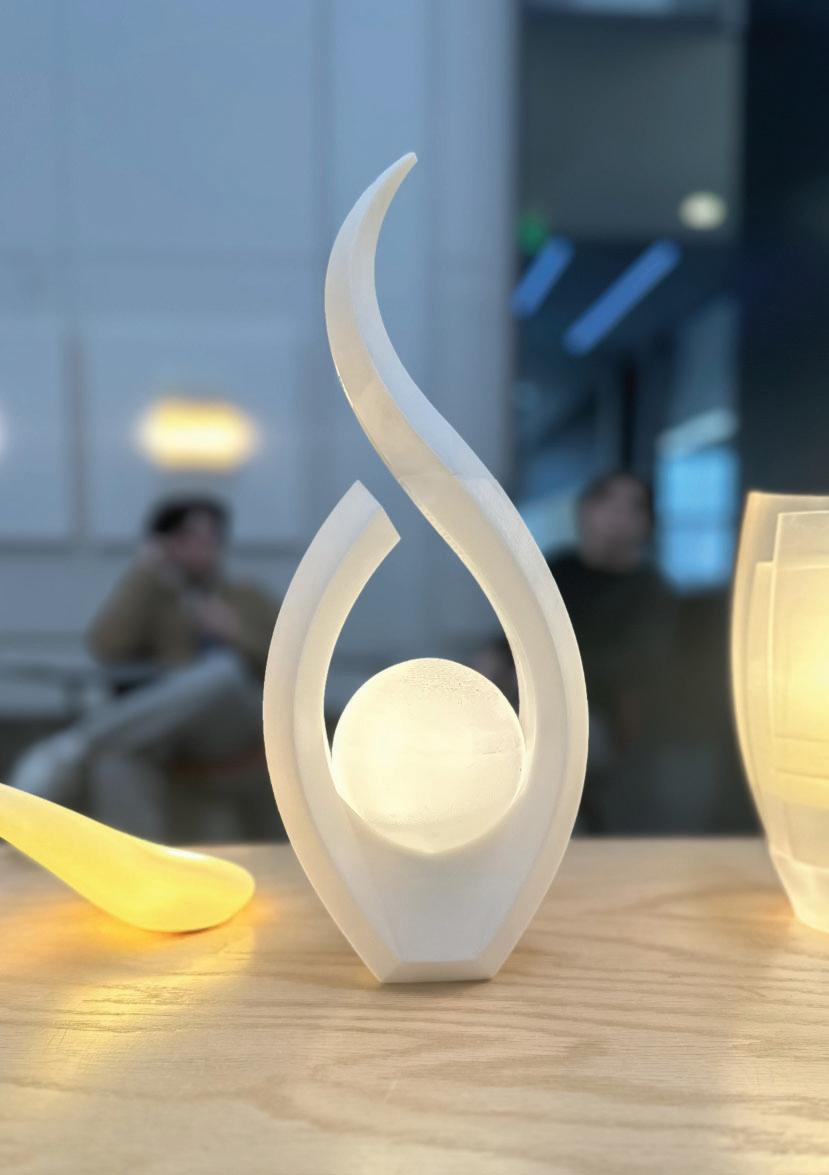
Fire has been humanity’s companion since the dawn of civiliza on, a source of warmth, protec on, and illumina on. It is the rst light we harnessed, the ickering beacon that transformed dark caves into sanctuaries and midnight forests into navigable paths. Fire symbolizes transforma on
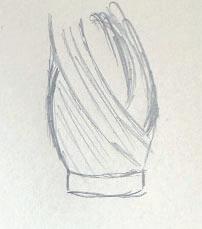
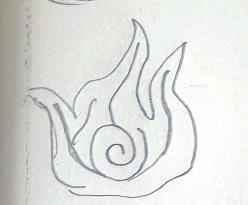
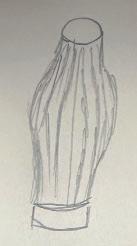
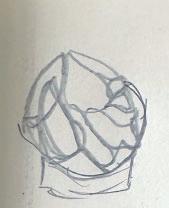
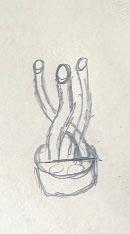
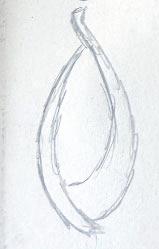
Fire has been humanity’s companion since the dawn of civiliza on, a source of warmth, protec on, and illumina on. It is the rst light we harnessed, the ickering beacon that transformed dark caves into sanctuaries and midnight forests into navigable paths. Fire symbolizes transforma on
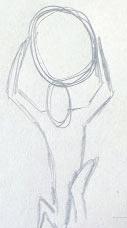
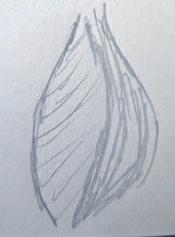
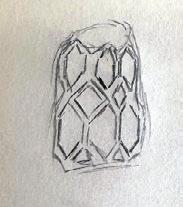
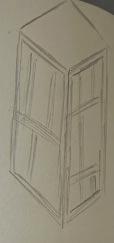
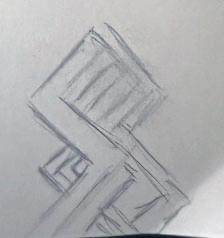
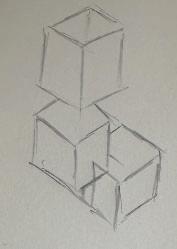
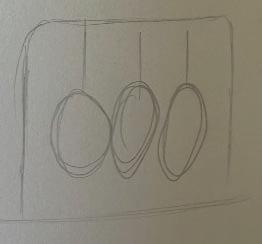
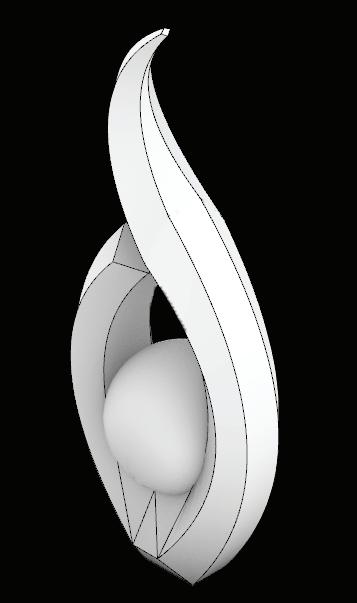
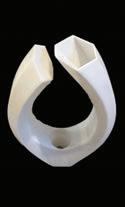
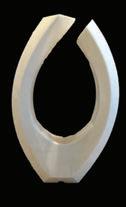

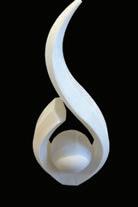
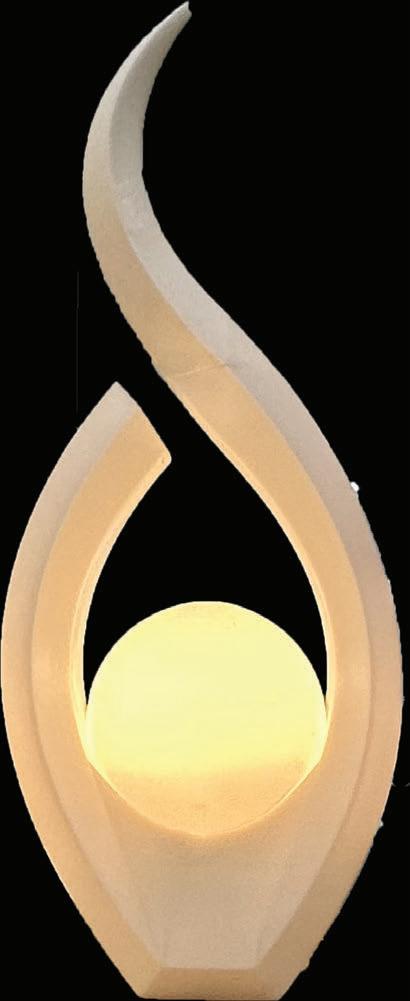
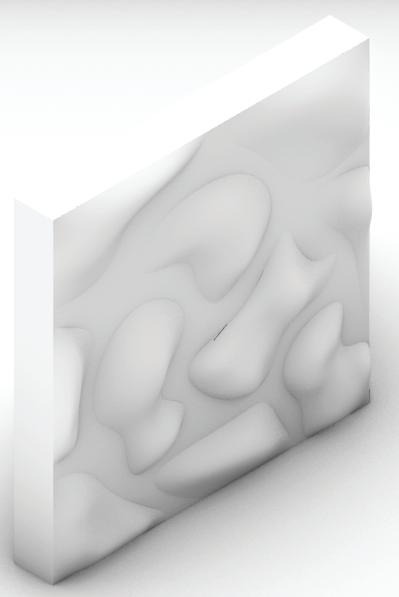
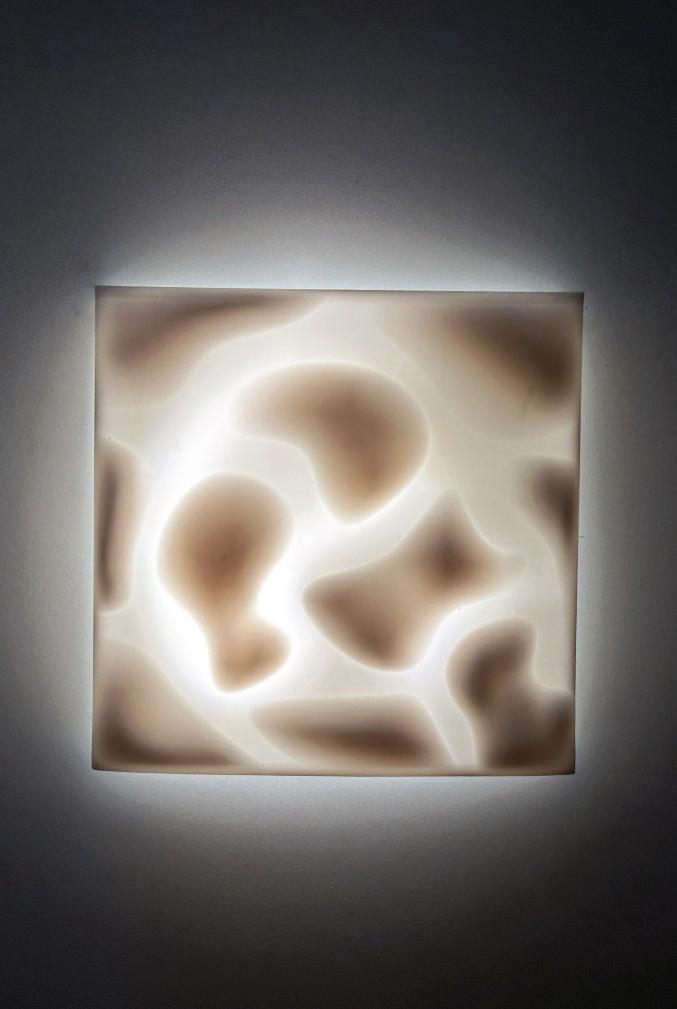
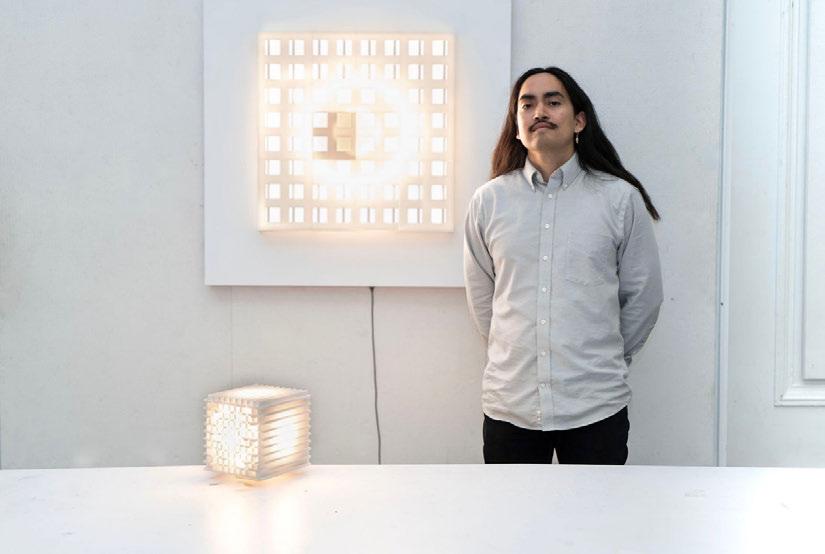
Process of Table Lighting Design
- Concept Ideas, Precedents, Sketches, Revised Sketches, More Sketches, 3D Modeling Iteration, Test 1/3 Scale Resin Prints, Revise 3D Models, Print New Revisions, Assemble ( If Not Printable In One Piece), Finishing Touches, Present, Document.
Process of Wall Scone Lighting
- Concept Ideas, Precedents, Sketches, Revised Sketches, More Sketches, 3D Modeling Iteration, Test 1/3 Scale FDM Prints, Revise 3D Models, Print New Revisions, Assemble ( If Not Printable In One Piece), Finishing Touches, Present, Document.
Series of Product and Business Branding Packages
- Designing A Beautiful Luminare & Wall Scone While Telling A Story
Process of Package and Exhibition preparation
- To Design A Product For Everyone & Exhibitions With Colleeagues Works.
Series of Process Book Making
- Attempt At Creating A Book Of Work
Overall
- This class was amazing and I would totally recommend to anyone who is intrigued in designing a luminaire and wall scone. You have to put the work in to make it happen!
If you could talk to you before the beginning of the semester, what would you like to share with you?
- I would tell myself that I should not take time for granted and to spend more time on test prints allowing for better refinements of products. What’s possible in Rhino has its restrictions in the resin/fdm printers with supports coming into play. These supports help keep the object in form without deforming from shear weight, but take forever to remove and clean up nicely. The less supports you have the better, and it comes down to how well your 3D model is structurally designed. I would also tell myself to do everything possible to have all projects complete by the time the exhibition date arrives. The exhibition is so important in that your design melds so well with the others who went through the similar experience of creating such a masterpiece.
Initial Concept Narrative and Sketches
Narrative
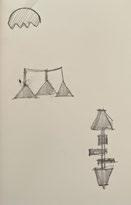
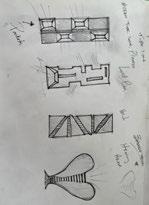
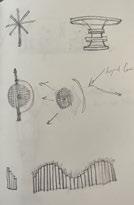
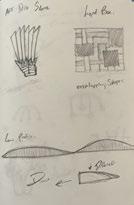
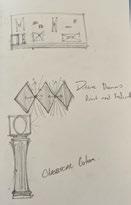
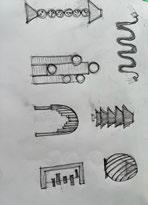
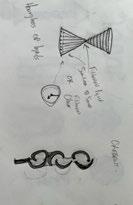
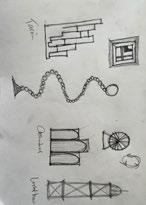
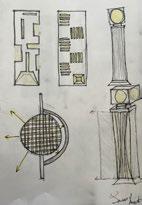
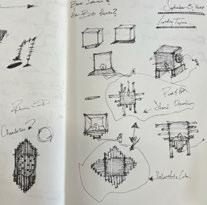
Refined Concept Narrative and
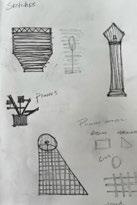
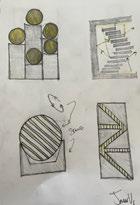
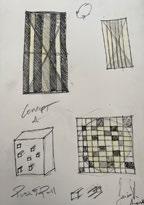
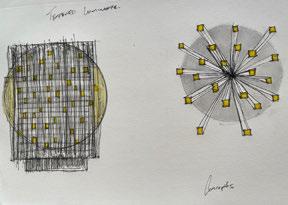
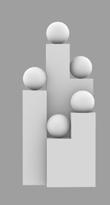
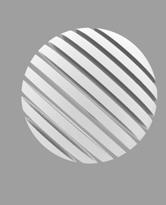

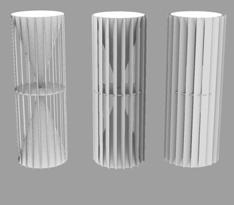
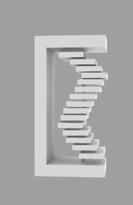

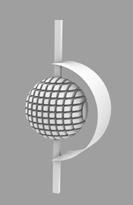
Luminaire Concept Narrative, Sketches, and Rendersing
Narrative
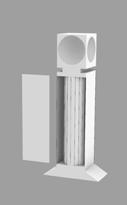
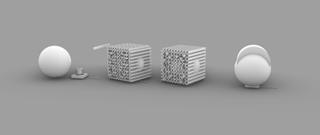
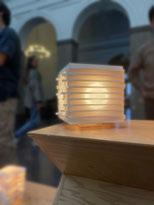
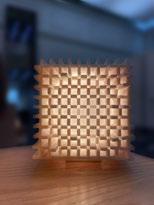
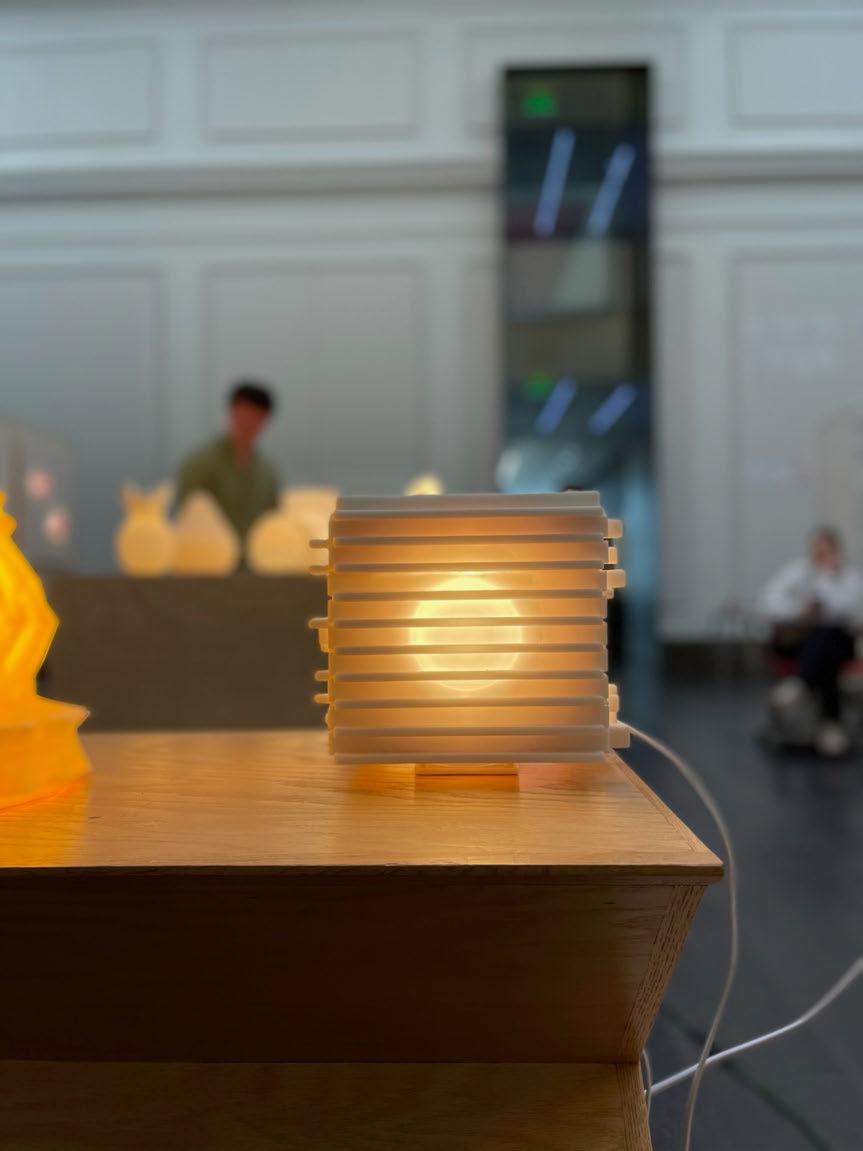
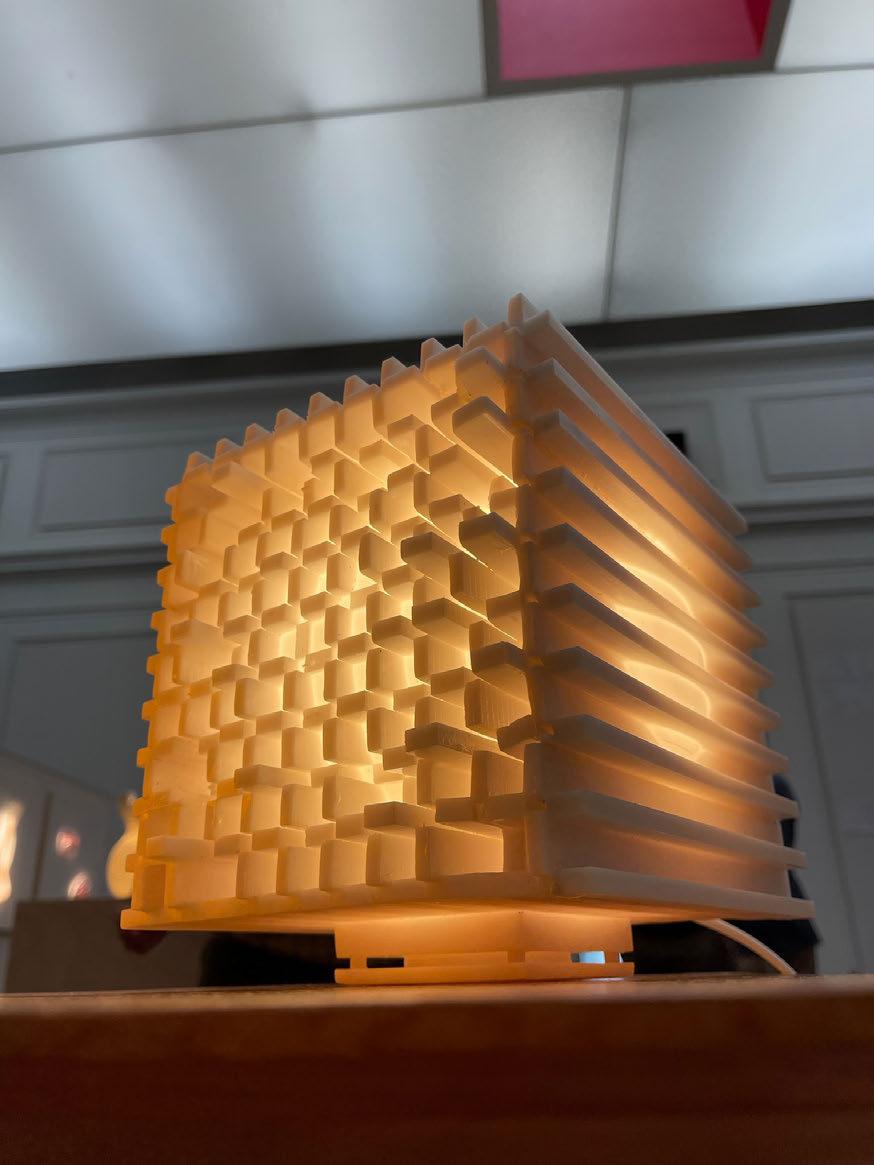
Narrative
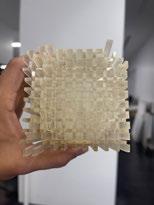
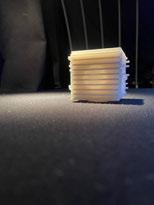
Step
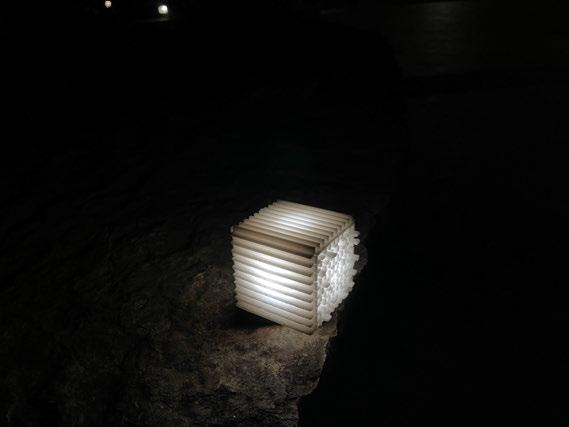
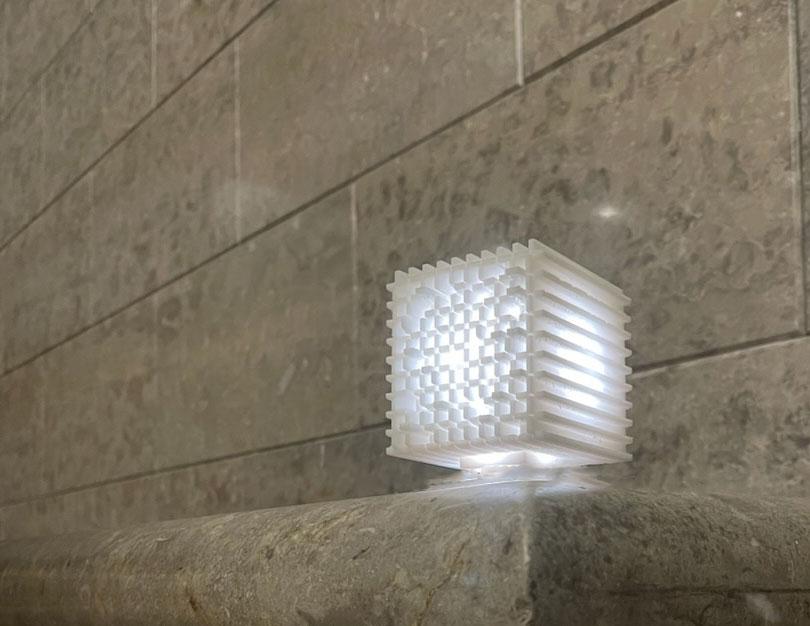
Creating a beautiful luminaire from a clash of geometric shapes helped design the product to life. With inspiration from Frank Lloyd Wright and his works in lamps, paved the first steps of the concept idea. Breaking away from dome shapes, this allows for the four faces of the module to express their own characteristics. While also allowing a indirect and direct illumination in a space where both might be needed.
Breakdown
Defined boundaries spaces by
Source
Special
Cold Cool Neutral
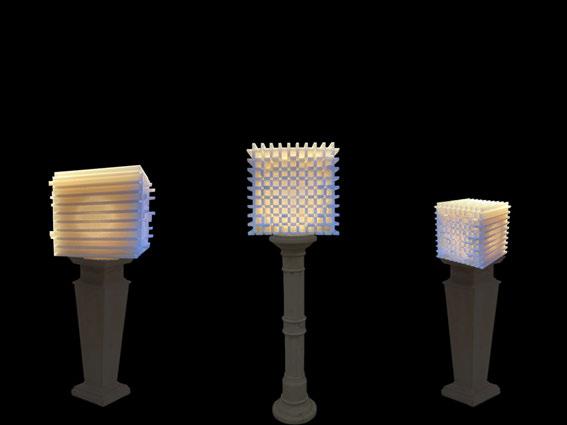
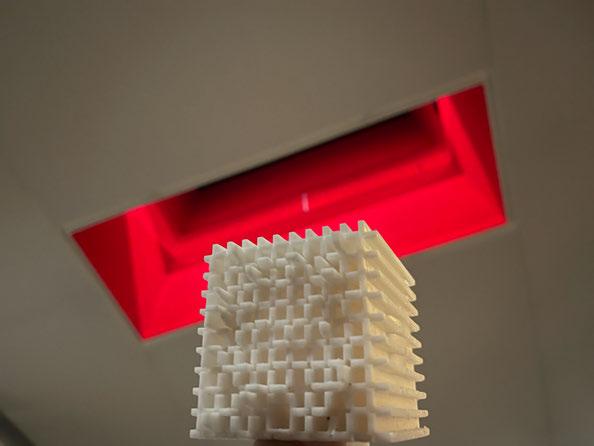
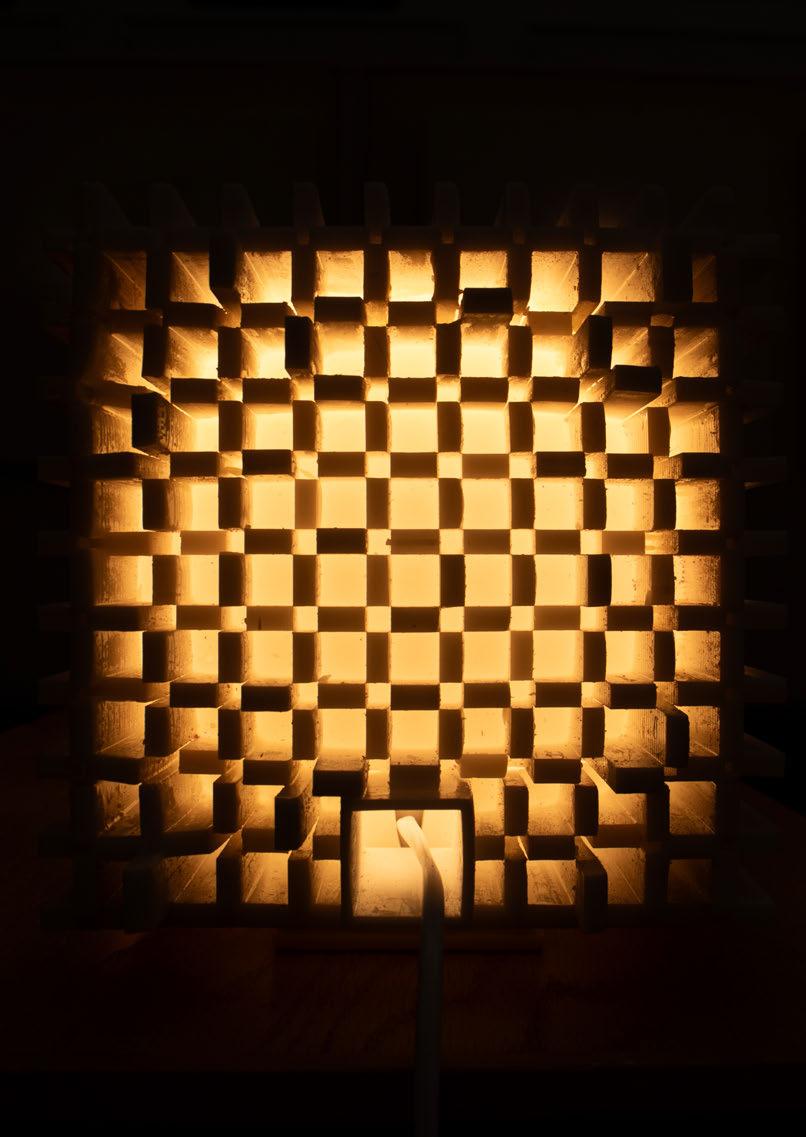
Initial Concept Narrative and Sketches
Narrative
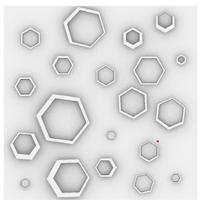
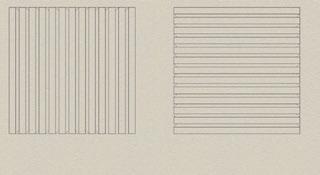
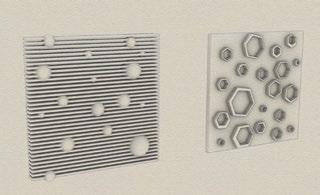
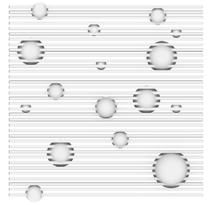
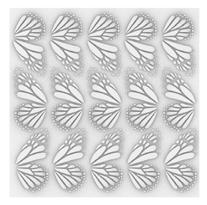


Narrative
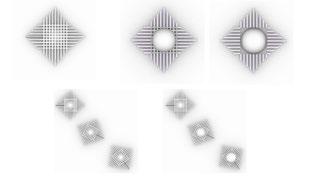
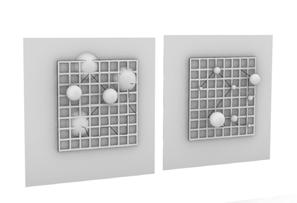
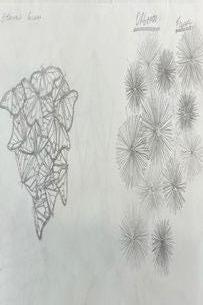
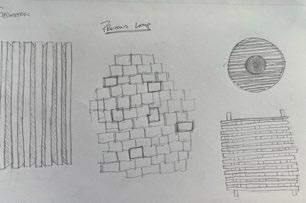
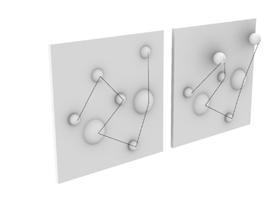
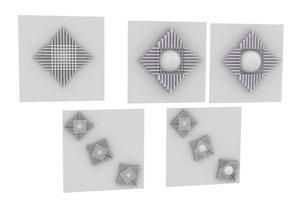
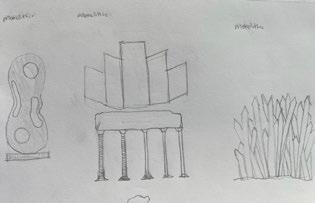
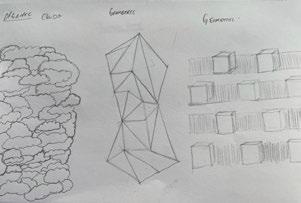
Narrative
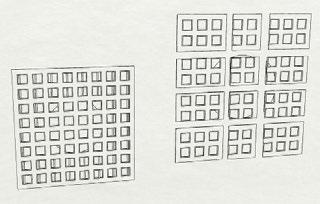
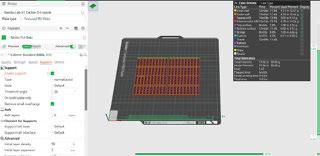
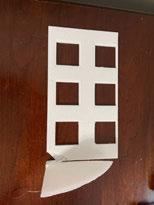
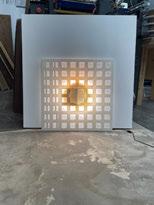
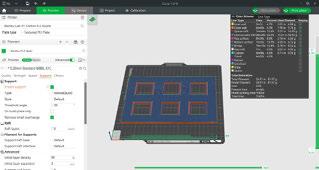
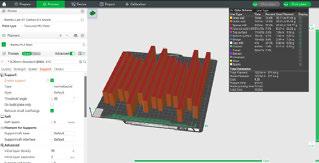
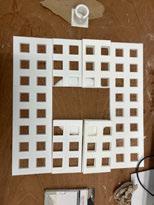
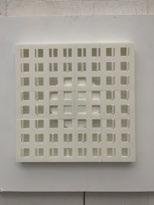
Narrative
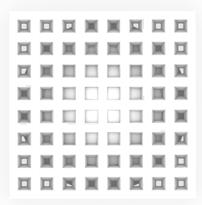
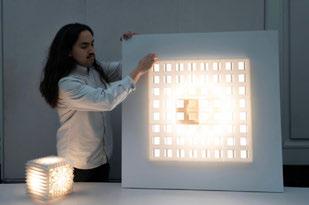
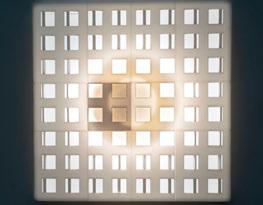
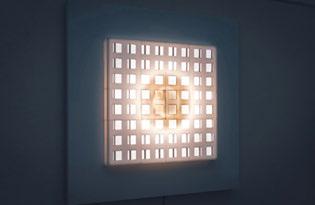
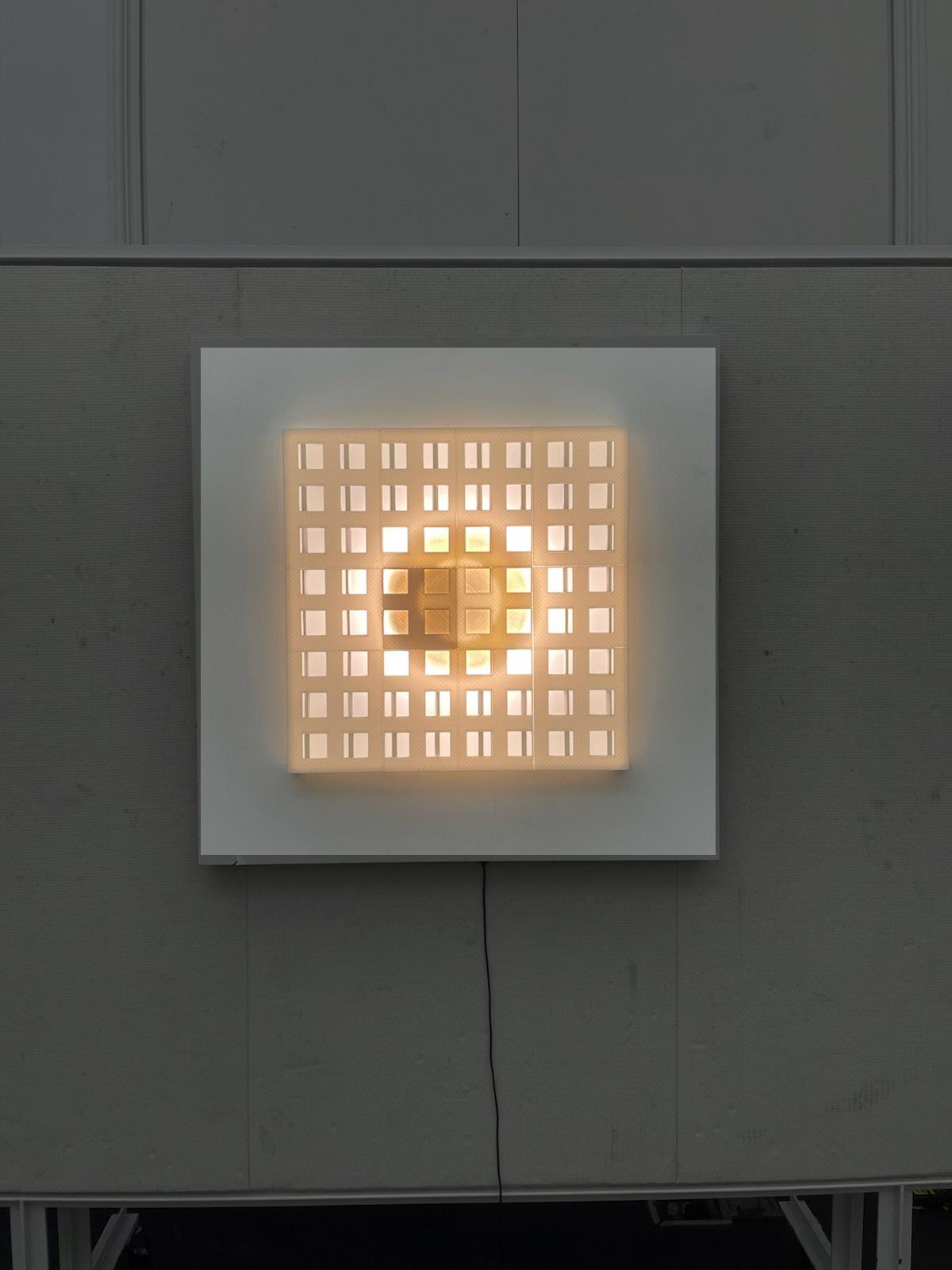
Developmen
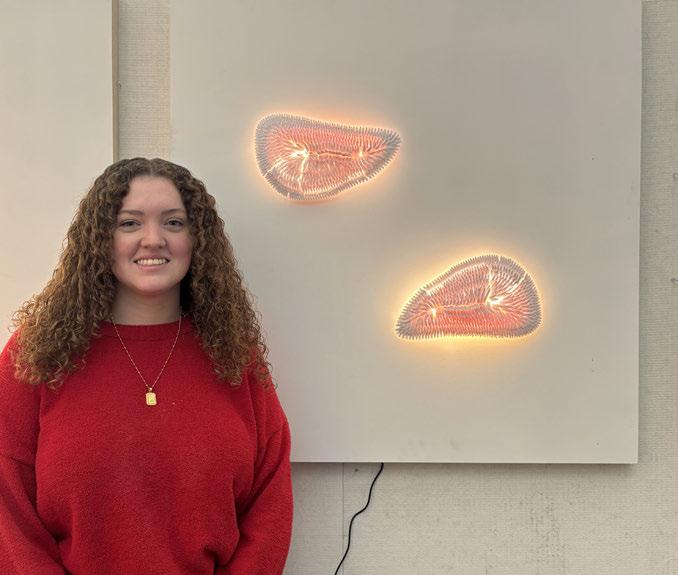
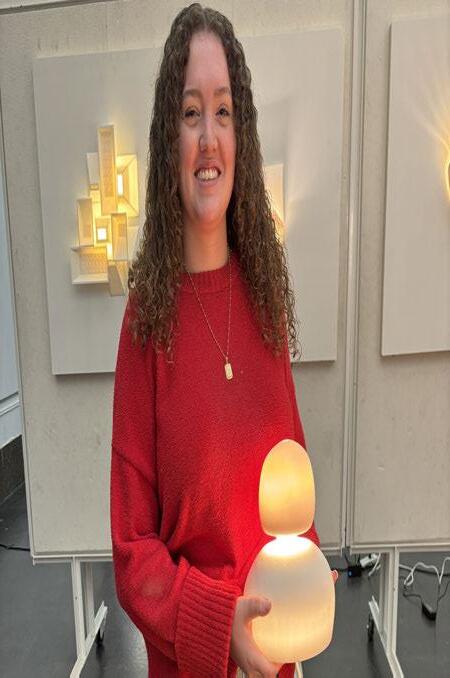
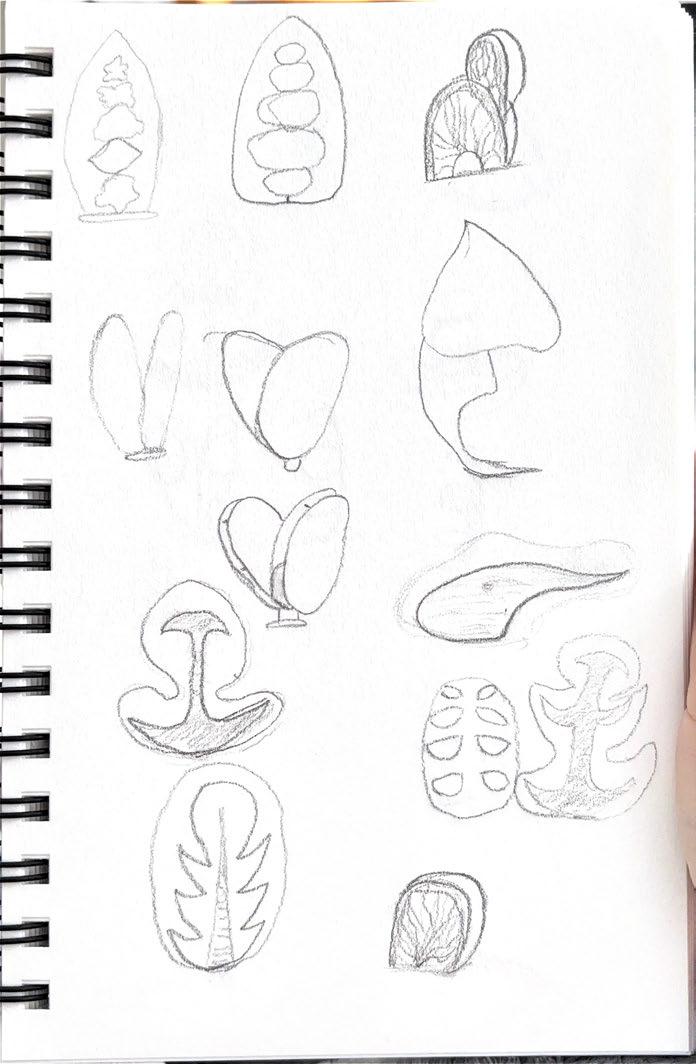
The concept I’ve come up with, “Ornamental,” is all about beautifying a space, similar to how colorful spiders, moths, and dragonflies add
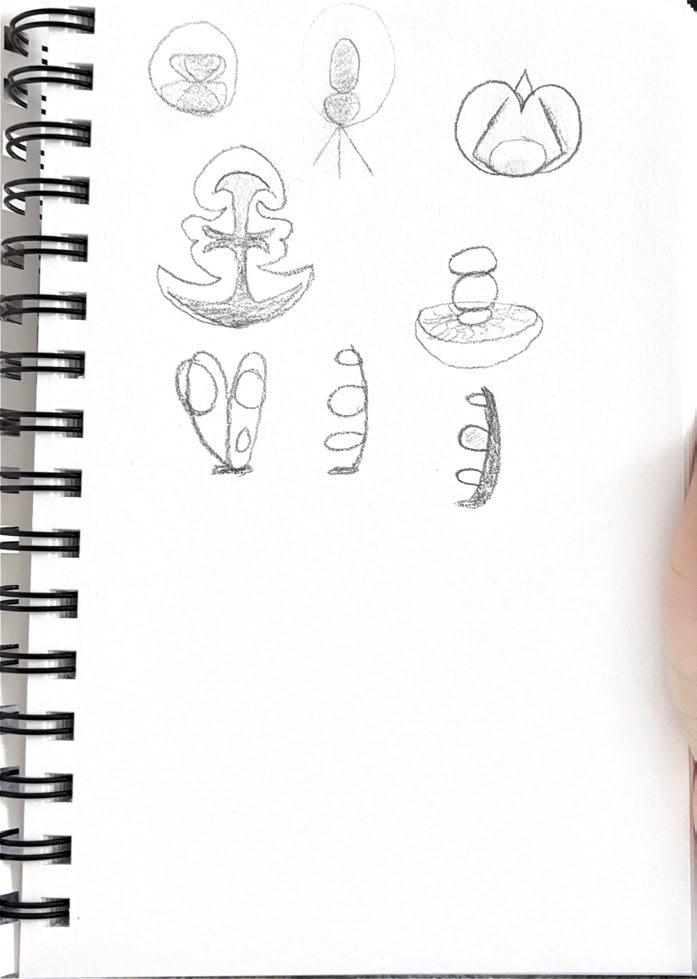
Abstract trarantula abdomen design
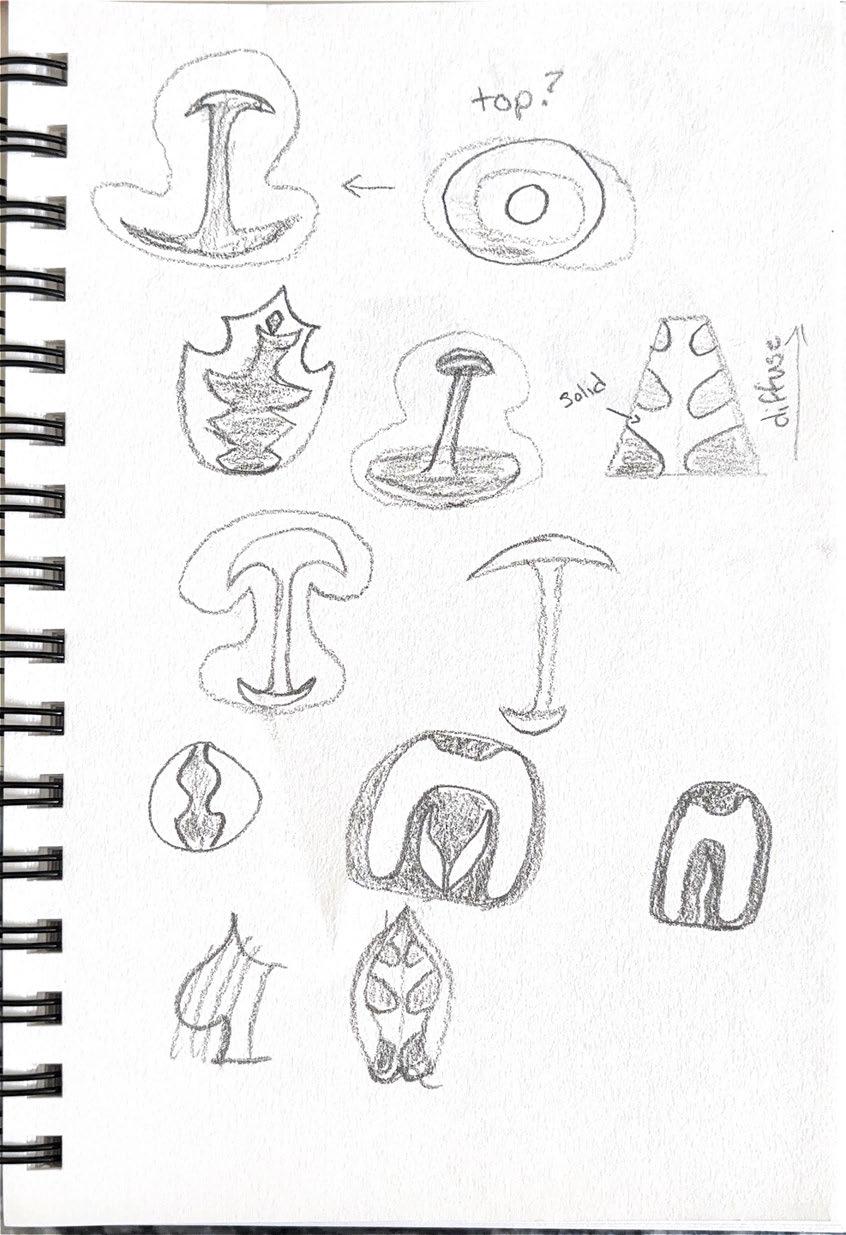
Abstract trarantula abdomen design
Abstract trarantula abdomen design
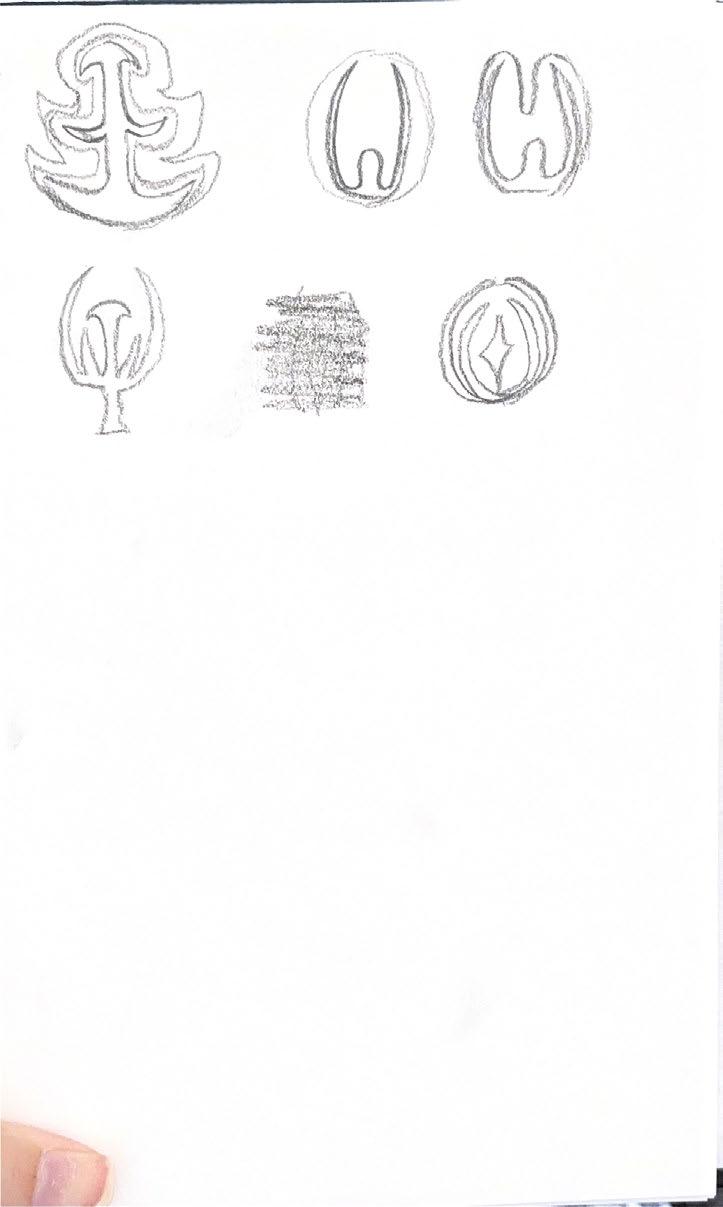
Narrative
The concept behind “Ornamental” draws inspiration from the striking beauty of tarantulas—their intricate patterns and their remarkable ability to blend into their surroundings despite their vivid coloring. My goal is to create a lamp that embodies this duality, serving as both a bold statement piece and a subtle complement to its environment, depending on the needs of the space.
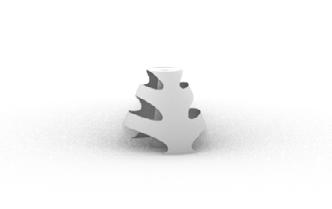
Rendered Design

Rendered Design
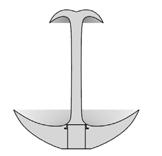
Middle Section
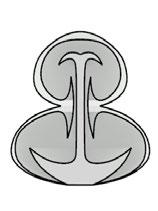
Rendered Design, section
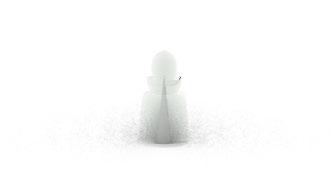
Rendered Design
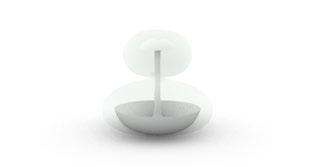
Rendered Design
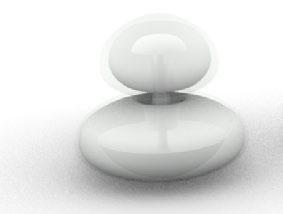
Rendered Design
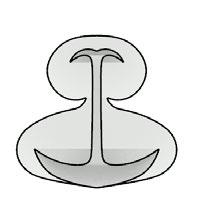
Rendered Design, section
The concept behind “Ornamental” draws inspiration from the striking beauty of tarantulas—their intricate patterns and their remarkable ability to blend into their surroundings despite their vivid coloring. My goal is to create a lamp that embodies this duality, serving as both a bold statement piece and a subtle complement to its environment, depending on the needs of the space.
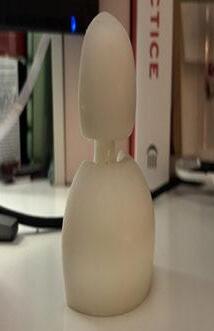
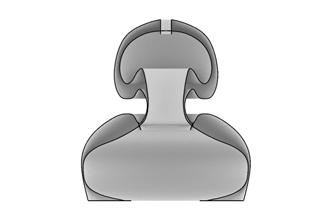
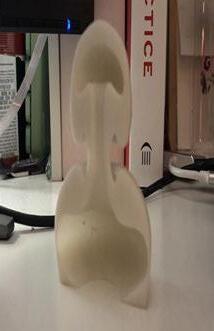
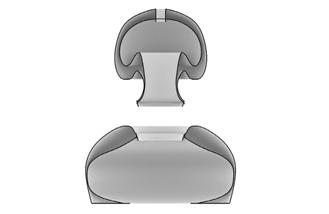
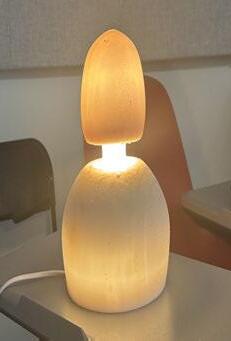
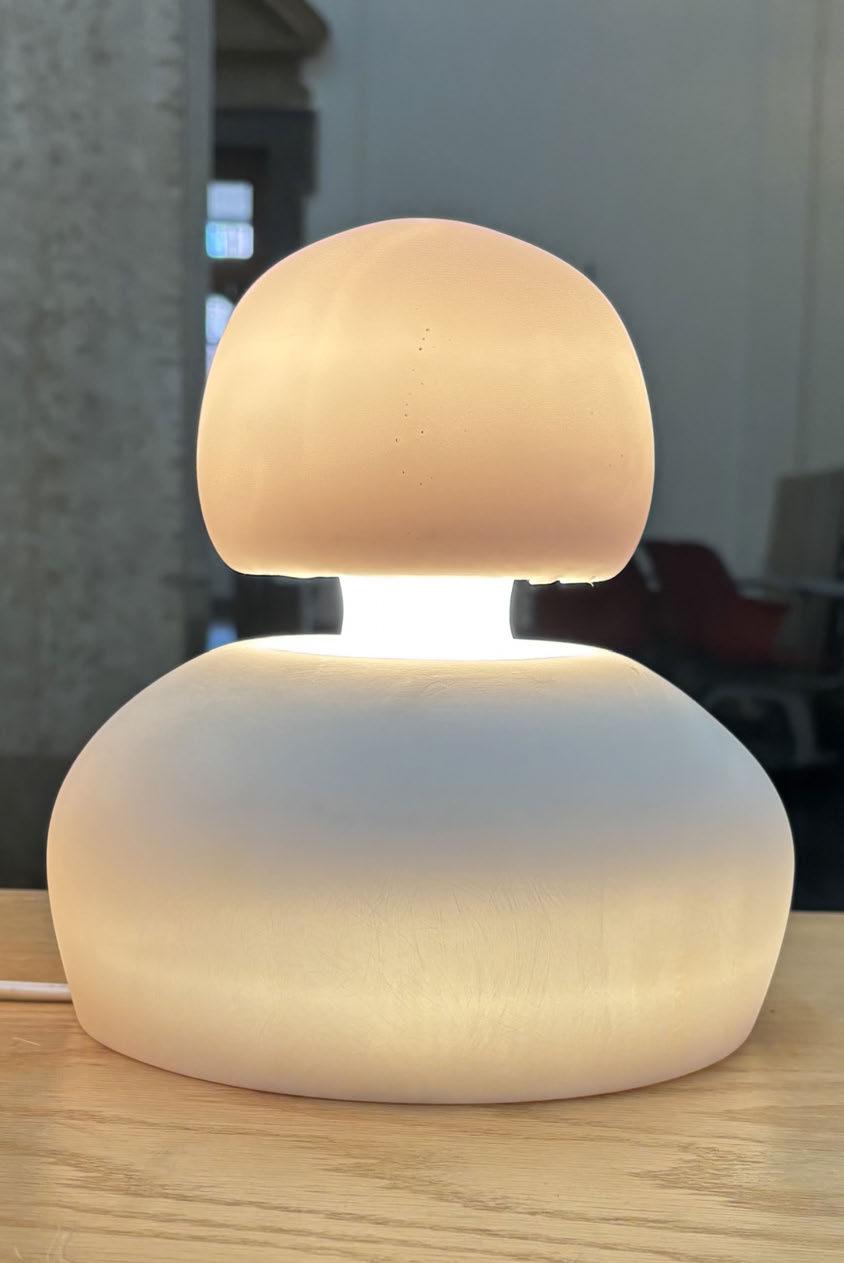

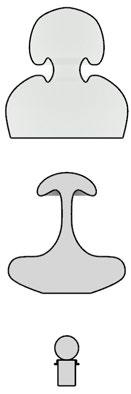
The lamp is built off the idea of the abdomen pattering on tarantulas. These patterns can be very ornamental when looking a certain tarantulas like Caribena vericolor, Poecilotheria metallica, and the Psalmopoeus Irminia.
The lamp has two layers, the first diffuses the light, while the second slightly filters it, allowing the organic shape to glow.
The most common bulbs fit in the E26 base, these are medium or standard size bulbs. Must be designed in a way the bulb fits in the lamp.
TYPEFACE
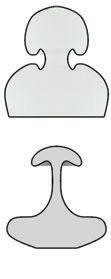
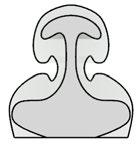
ABCDEFGHIJKLMNOPQRSTUVWXYZabcdefghijklmnopqrstuvwxyz 123456789!@#$%^&*()-+’~[]{}
ABCDEFGHIJKLMNOPQRSTUVWXYZabcdefghijklmnopqrstuvwxyz 123456789!@#$%^&*()-+’~[]{}
ABCDEFGHIJKLMNOPQRSTUVWXYZabcdefghijklmnopqrstuvwxyz 123456789!@#$%^&*()-+’~[]{}
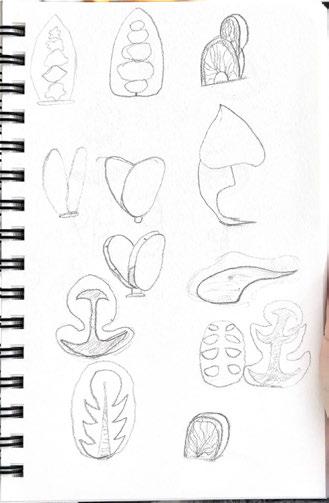
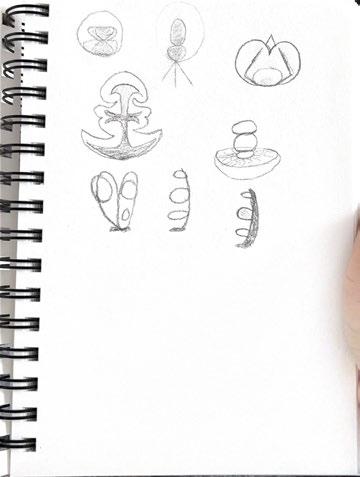
Narrative
Inspired by the poised elegance of the praying mantis, this sconce reflects its distinct angular form and graceful stance. The design captures the insect’s balance of stillness and strength, using light and shadow to create an atmosphere of subtle beauty and focus. Like the mantis, the sconce brings both elegance and energy to any space.
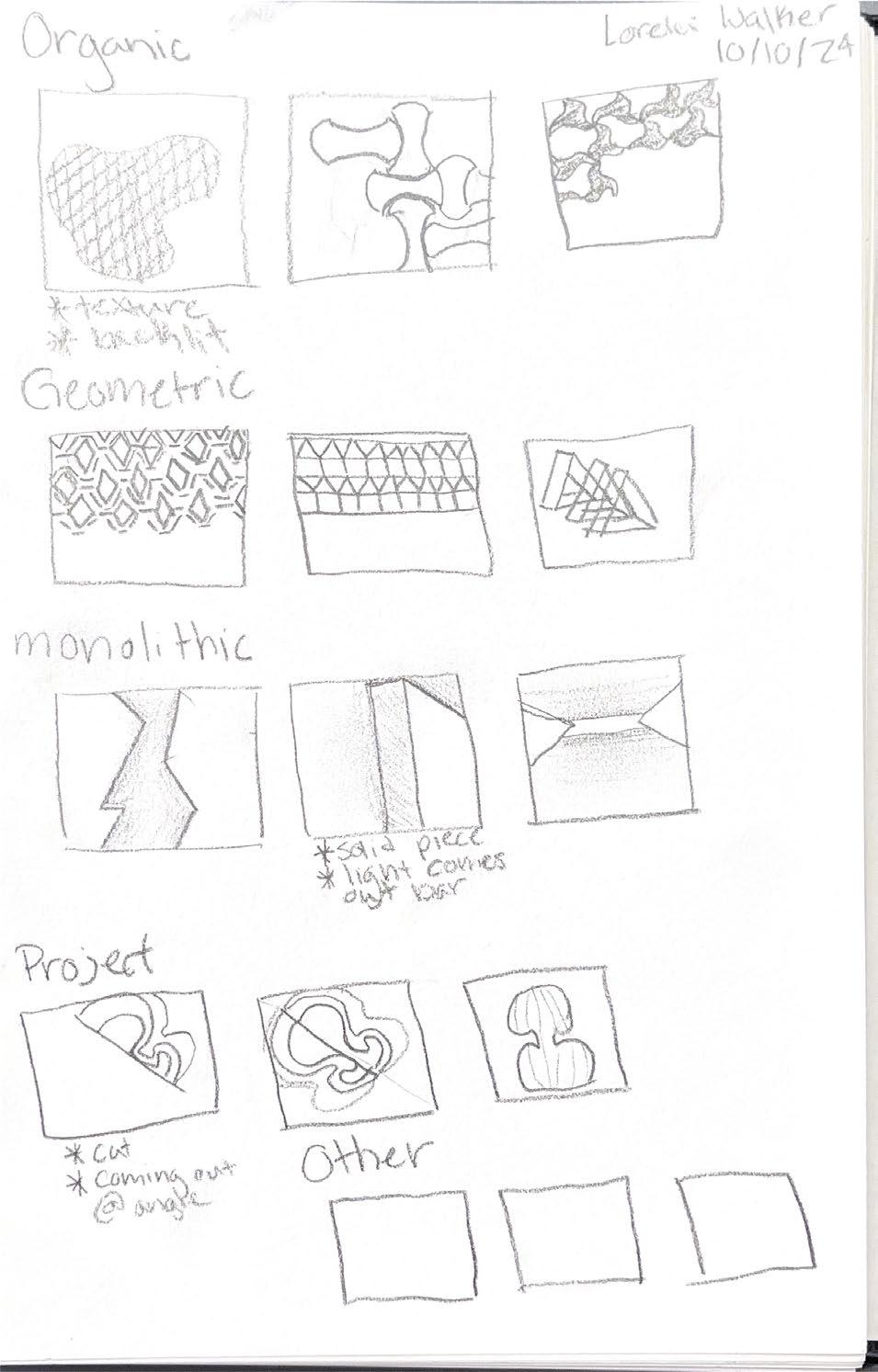
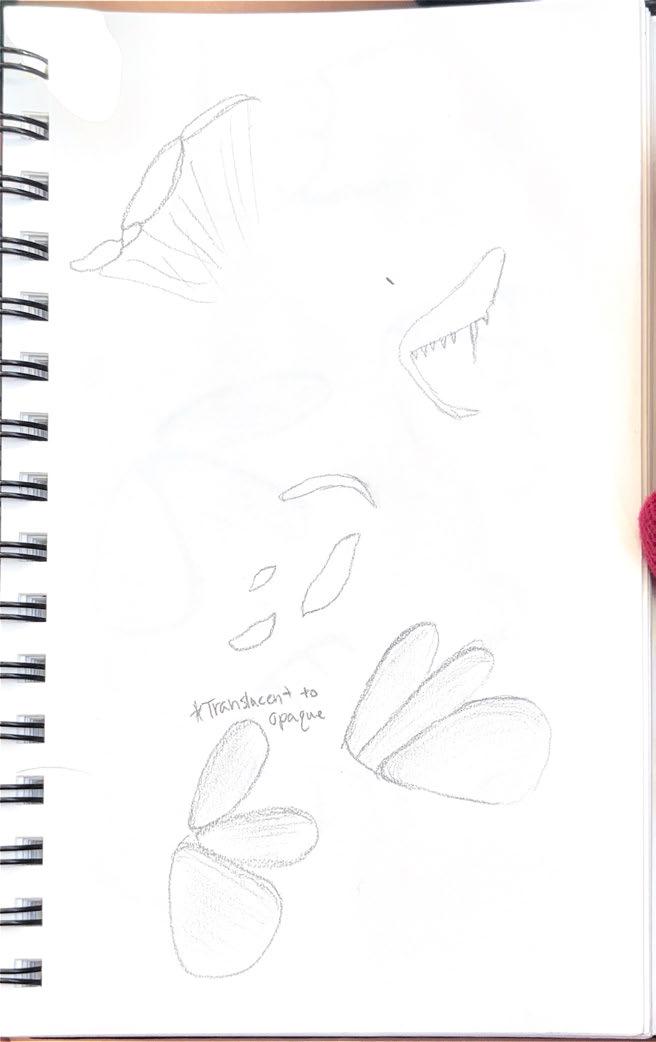
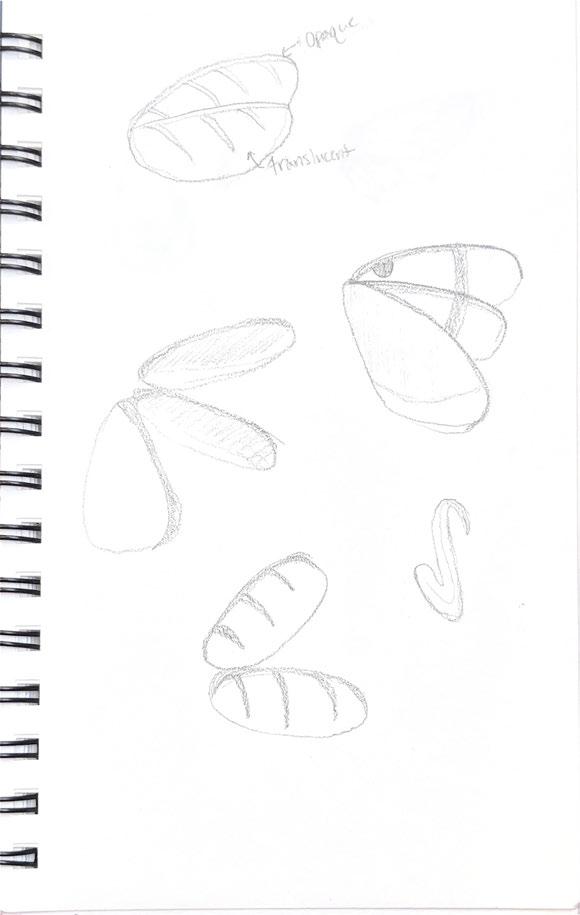
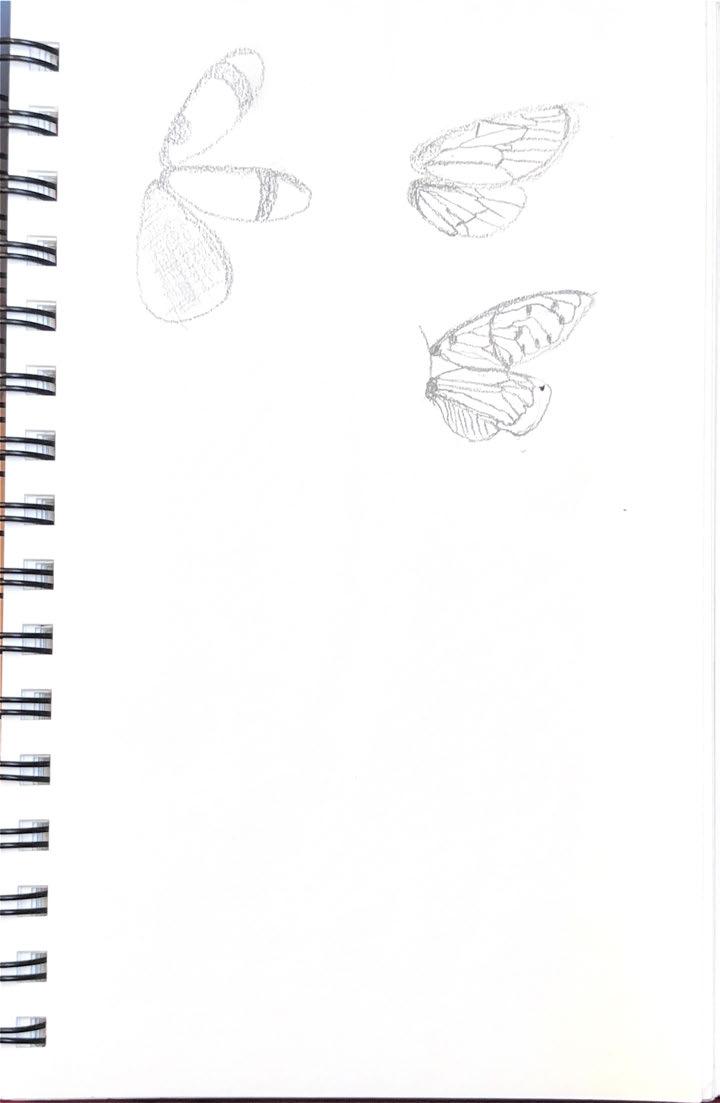
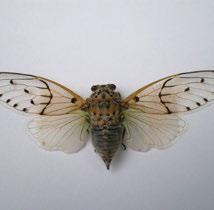
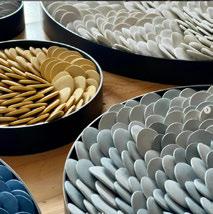
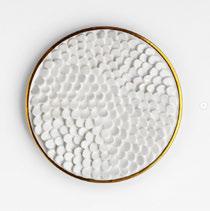
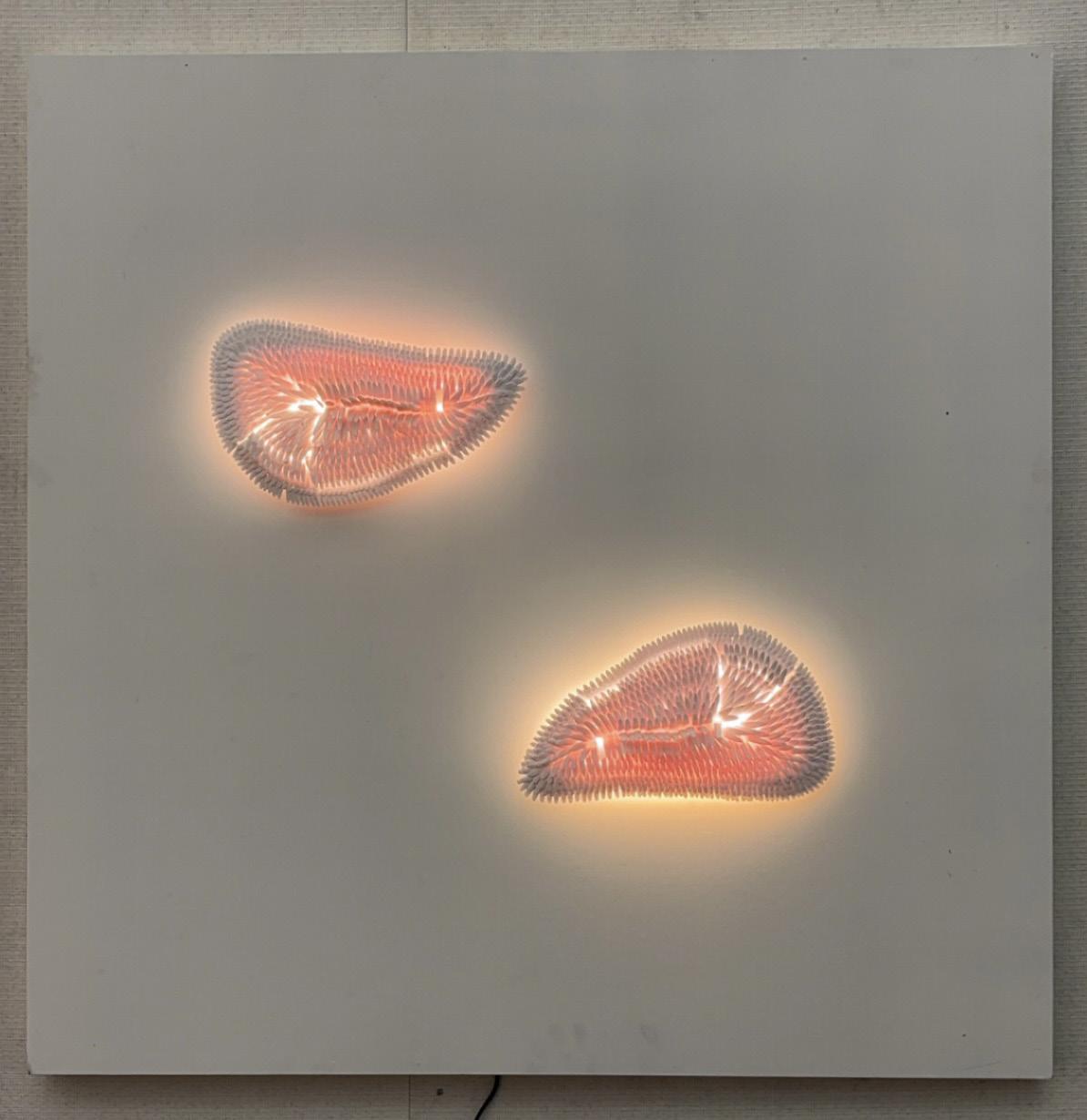
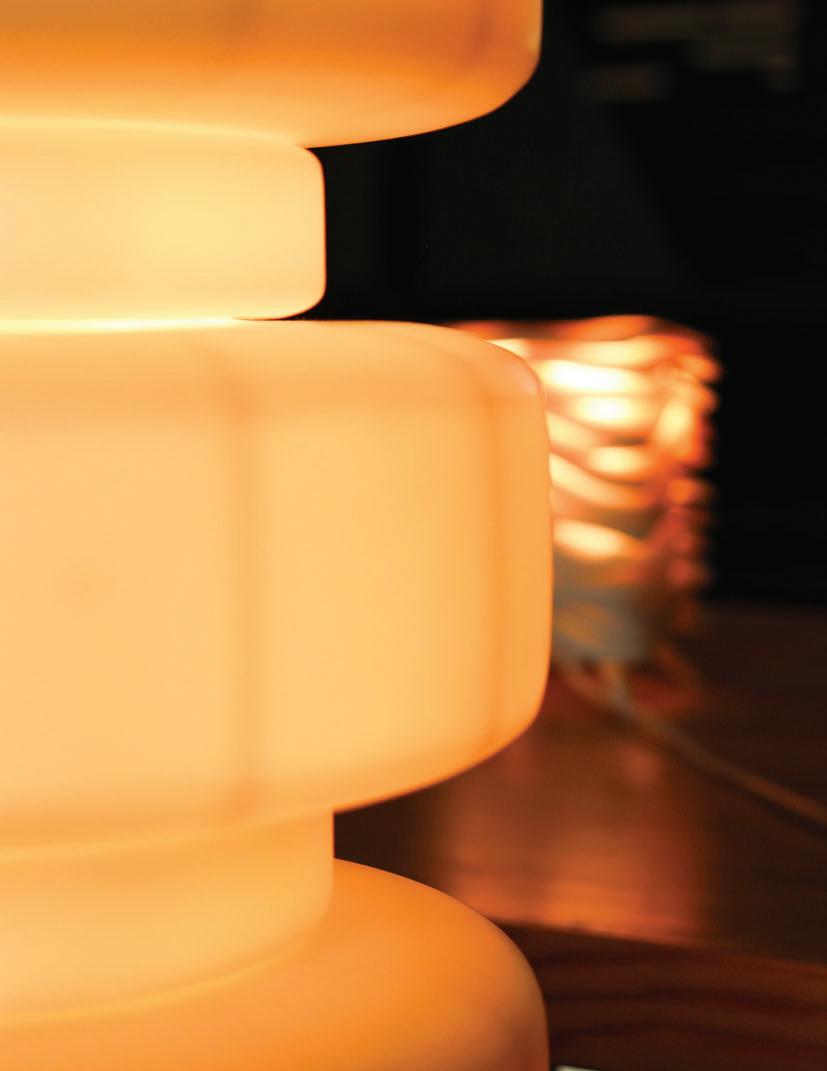
The glowing, misshapen sphere looks like an object from a science fiction movie. Ruth Prenzler’s otherworldly design for her table lamp challenged and sharpened her 3D modeling and printing skills as she found ways to mimic the texture of extraterrestrial rock.
In a course focused on custom lighting fixtures, Prenzler 3D printed “The Meteor” lamp with white resin, embodying the intriguing light qualities of saffordite rock and the textural qualities of meteorites. Saffordite is a dark rock that becomes translucent when illuminated. Her lamp consists of a textured “shell” that diffuses the light and an inner cylinder that holds the shell and the light bulb.
Continuing the theme, Prenzler was inspired by the impact of a meteor striking Earth’s surface for her wall-mounted luminaire “The Strike.” She fashioned it from two 3D-printed resin pieces with contrasting textures that she press-fit together. An LED light strip in the bottom piece bounces light off the ribbed and rocky textures.
Prenzler, a rising fifth-year architecture student, said the lighting course allowed her to apply architecture design skills of concept, identity and realization to a finished product.
“It expanded my notion of marketability in design and the monetary value that comes with the hours put into it,” she said.
Prenzler was among the 13 architecture, two interior architecture and design, and one Master of Design Studies students who designed and produced custom lighting fixtures in an innovative new course led by Jake Tucci and Jinoh Park.
Tucci and Park, both assistant professors of interior architecture and design, received a $30,000 grant from the Nuckolls Fund for Lighting Education to develop this upper-level professional elective. It was the second time in three years that the Department of Interior Architecture and Design faculty received a Nuckolls Fund grant.
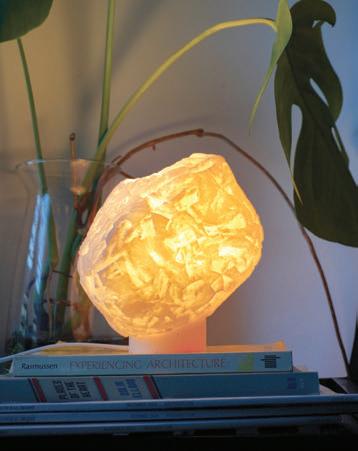
The department was one of two programs nationally to be awarded this Nuckolls Fund grant for 2024. The Nuckolls Fund supports college-level lighting programs that enable students to learn, appreciate and apply the fundamentals of lighting design, and to recognize the achievements of James L. Nuckolls, the late lighting designer and pioneer lighting educator.
The grant funding allowed Tucci and Park to develop and implement the course, “Premiumization, Sustainability and Making of Bespoke Lighting,” for the fall 2024 semester. The grant also supported the exhibition of student work created in the course.
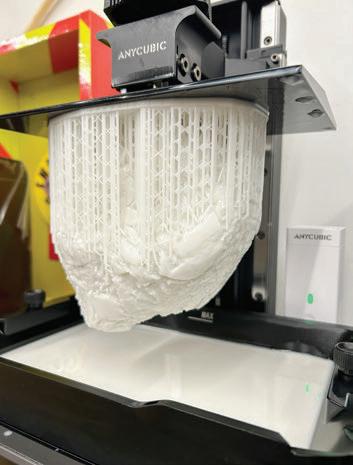
Bespoke lighting consists of custom-made lighting fixtures designed to meet the specific needs of a client or space. While glass is typically used in bespoke lighting fixtures, using 3D printers allowed students to undertake the entire planning, design and production process.
This experience encouraged students to investigate and pay attention to how lighting is implemented in space design. It also promoted the use of eco-friendly manufacturing methods that help reduce carbon emissions, unlike traditional glass manufacturing methods. For the course, students employed a soy-based resin that can be hardened using ultraviolet light, as well as a filament made from corn.
“Lighting is a critical component of the built environment,” Tucci said. “You can have a very simple or even bad space completely enhanced with just light. It has the power to transform space, outside of other components.”
While lighting education is important for future interior designers, architects and landscape architects, Tucci and Park said such training at the undergraduate level is not too common. Due to the
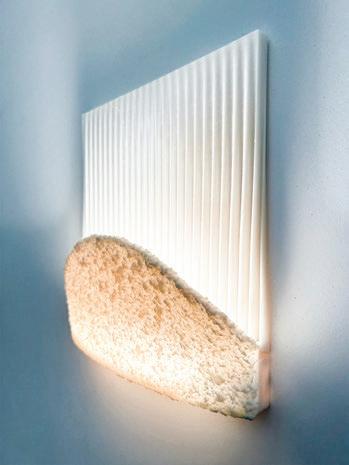
cost of equipment and materials needed for this type of course, they said the external funding was essential to offer this elective.
The Fay Jones School currently offers Lighting Systems, a required course for interior architecture students. In addition, an Advanced Lighting Professional Elective, for students wanting to investigate lighting design, was developed in 2022 with support from a previous Nuckolls Fund grant. The final run of that funded course was in the spring 2025 semester.
While those two courses focus on exploration, students in the new bespoke lighting course made two functional products using 3D printing technology. The design of a sculptural table luminaire helped students learn new digital modeling techniques, test materials and experiment with light sources. For the second project, a wallmounted luminaire, students created a larger bespoke piece using 3D printed materials, aiming to capture the essence of a glass fixture.
This new course also placed a strong emphasis on students’ hands-on experience, another aspect that Park and Tucci said is sometimes missing in design
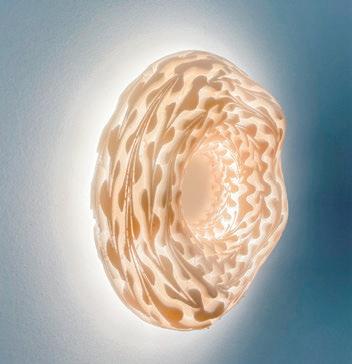
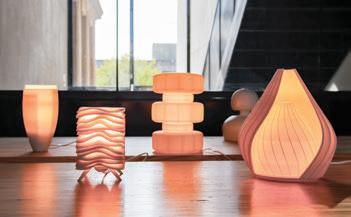
education. By helping students develop adaptation and design values, the course explored opportunities to make customized items.
“They are learning the amount of thought, development process and components in the lighting products. They are seeing first-hand how to make these products that they will eventually specify in their designs,” Tucci said. “It helps them understand those products as well as build up a nomenclature and way of communicating about those things.”
The Nuckolls Fund grant paid for the purchase of six new 3D printers exclusively available to students in this course. Three of the printers are resin printers capable of printing a wide range of materials, including soft and flexible thermoplastic urethanes (TPU) filaments and ceramics. The other three are high-speed filament-based fused deposition modeling (FDM) printers.
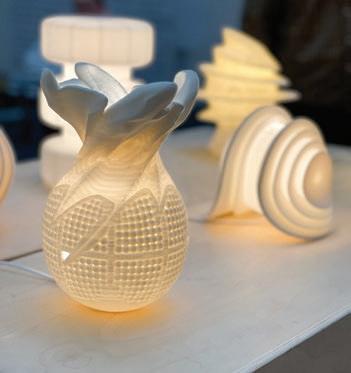
Students in this course said they expanded their skills and came to understand the difference in designing something at a more intimate human scale than a building. And they noted that creating a product was a new design experience for many students in the class.
“The process is 100 times more iterative, and you have to go from thinking conceptually to considering the price to make it, the price to market it — and then work your way back to maintaining the concept,” said Adam Englke, a rising fifth-year architecture student.
Through this process, he also “exponentially” improved his Rhino modeling skills. He spent time working in SubD modeling software within Rhino and learned to model in a malleable way.
For his sculptural table luminaire, called “Illuminova Bloom,” Englke designed a biophilic vase luminaire with a grid woven around a sphere to make a speckled bulbus shape. He then paired it with a “spinning, splash-like motion” to create a dynamic lamp. His wall-mounted lighting, called “Portal,” took on an “otherworldly vibe” with a ringshaped piece with a concave back that projects light dimly on the wall. A wavy pattern on the front gives the illusion that the piece is spinning.
ReView: Summer/Fall 2025
Sydney Bommarito, a rising fourth-year interior architecture and design student, enjoyed exploring the intersection of design, technology and storytelling through the creation of her custom lighting pieces. Drawn to forms of aquatic architecture, she began her conceptual research by studying grottos, nymphaeums and various aquatic shells. She also was deeply inspired by the Dutch fashion designer Iris van Herpen, particularly her runway show, Sensory Seas.
“[Van Herpen’s] designs influenced the visual language of my collection, which aimed to express the duality of seashells: their unique beauty and their role as a natural dwelling,” Bommarito said. “I incorporated sequential contour lines to enhance visual rhythm and create a sense of cohesion across the collection.”
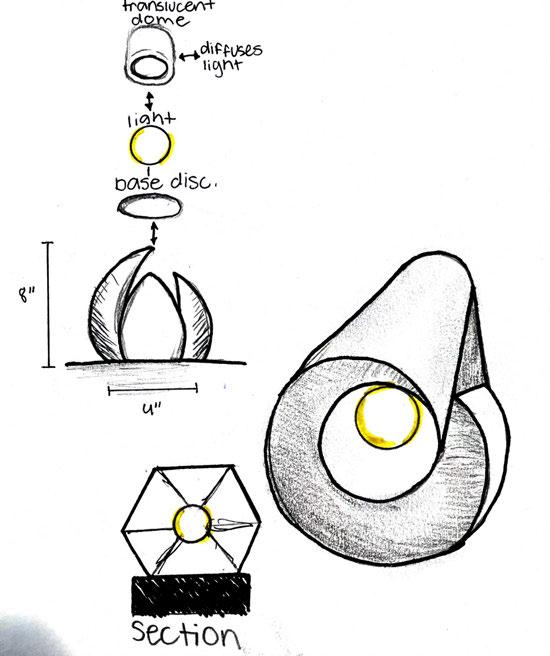
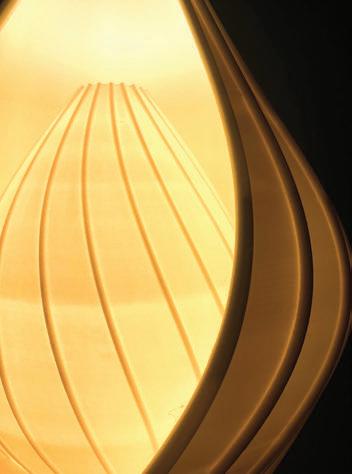
“I gained a stronger understanding of how digital modeling and fabrication can result in unique and organic designs — reshaping the way I think about materiality, form-making and sustainable innovation in architecture and design,” Bommarito said.
Before this course, Bommarito didn’t have much hands-on experience in the 3D printing lab. She fabricated both of her final pieces with the Bambu Labs X1 Carbon 3D filament printer. She learned how 3D printing with materials made from sustainable, biodegradable and renewable resources can significantly reduce material waste and carbon emissions. These qualities make the process a compelling option for environmentally conscious design.
Her sculptural table luminaire, “Haven,” was inspired by the organic form and layered structure of a conch shell. The design features a substantial, protective outer shell that opens to reveal a more delicate inner shell housing the light source. The outer shell is designed to rotate on its base, allowing users to adjust the lighting from a focused task light to a soft, ambient glowing piece that uses an E26 base bulb with an output of 760 lumens.
“When illuminated, the inner shell creates the impression of a life form nestled within a safe, enclosed sanctuary — inviting a sense of warmth and intimacy. This layered construction is intended to spark curiosity and encourage physical interaction with the piece,” she said.
Bommarito’s wall-mounted sconce, “Nautilus,” was inspired by the structural elegance of a flat scallop shell. Her design, which features both an
20 ReView: Summer/Fall 2025
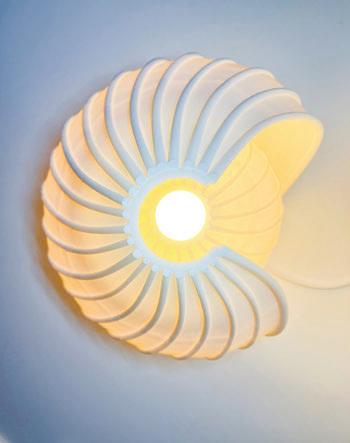
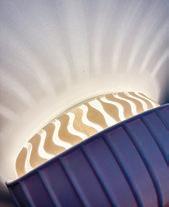
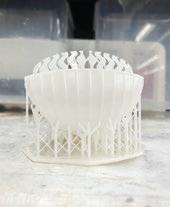
interior and exterior shell, is intended to evoke the relationship between a living organism and its protective casing. The fixture is illuminated by a G4 LED bulb emitting 400 lumens, which provides a warm and efficient glow that enhances the design’s ethereal quality.
“The inner shell incorporates gently curved perforations, allowing light to project patterns onto the surrounding wall surface,” she said. “These patterns are designed to resemble the way sunlight refracts through water, creating a soft, immersive visual experience.”
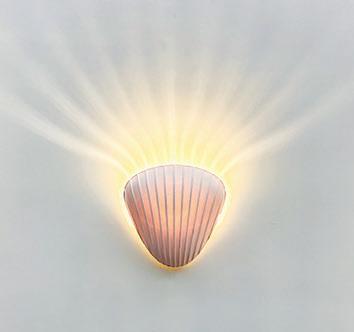
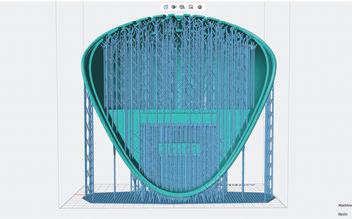
Though students may have had some experience creating work with 3D printers from other courses, they are not typically the ones operating the machines. The grant funding provided the six printers that students ran themselves and supplied the materials, meaning students could test their designs without concerns about cost.
These freedoms of time and cost allowed students to experiment more effectively. And since students were printing an actual product, Park said that this process of trial and error was essential for mastering the product’s functionality.
“If they need to exchange the lightbulb, they need to think about practical ways while keeping the design sense,” Park said. “They need to learn how to handle it, how to use it and how to maintain it.”
ReView: Summer/Fall 2025
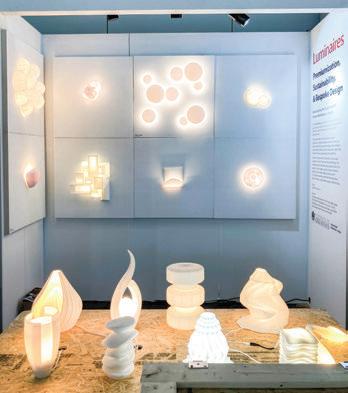
While students may have been more familiar with 3D printing small-scale models, where aspects do not have to function, Tucci said, for this course, students needed to design around built parts or built connections. Additionally, students designed a real product with the various components represented at full scale.
“We’re concerned with multiple parts coming together. We are interacting with tolerances, meaning that you can’t have a perfect tolerance or things won’t fit,” Tucci said. “We are also dealing with trial and error.”
Additionally, the course introduced students to how business and design intersect. Throughout the semester, students developed a brand kit for their lighting fixtures that determined their design language and established their distinctive brand identity. Tucci and Park said that successful students have been able to tell stories about their products. Park said this helps students learn the technical aspects of lighting and brand development from a business perspective.
“This is an opportunity to interact or be the inbetween for the designer and the marketer,” Park said.
Following the completion of the course, Tucci and Park presented the students’ work at the
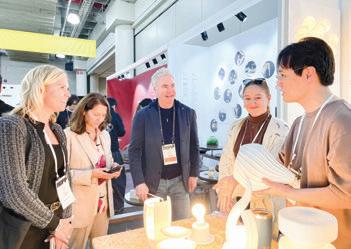
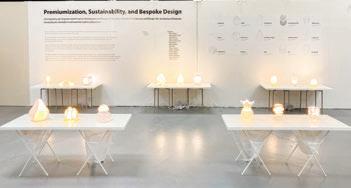
NDBDS40 (National Conference on the Beginning Design Student) in March 2025 at North Carolina State University in Raleigh, North Carolina. The table luminaires also were shown in the Greenhouse exhibition at the Stockholm Furniture Fair in February 2025, while both table and wall luminaires were displayed in the Wanted exhibition at the International Contemporary Furniture Fair (ICFF) in New York City in May 2025. ICFF is North America’s leading platform for contemporary design, featuring furniture, lighting, textiles and more. The fair takes place annually in New York City and attracts a significant audience of designers, architects, retailers, and other industry professionals.
For Skyler Perryman, a rising fifth-year architecture student, these lighting projects taught valuable lessons about when things don’t go as planned. It took several concepts and iterations to arrive at his table luminaire, “Fino.” A few weeks into the semester, thinking about the layers found in stacked pancakes and folded blankets inspired a final piece that appears thin and delicate, yet is solid and heavy.
ReView: Summer/Fall 2025
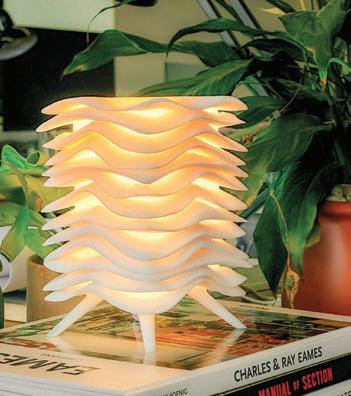
Its three parts — a shell, the legs and a ring to hold the lightbulb — were made from 3D-printed resin. The ring was “press fit” — placed in the stand before the resin fully cured.
“One of the more interesting things is how the light behaves. It doesn’t spread evenly across the surface,” he said. “Each layer curves and undulates in its own way, so the light kind of flows through it differently, depending on where you’re looking from. Some parts glow more than others, and that’s what makes it feel alive. The texture of the light shifts as you move around it.”
Perryman’s wall luminaire also was inspired by layers, and he strove for a soft, billowing effect that was bigger and more architectural. He used Rhino with Grasshopper to recreate the table lamp’s sensibilities, but his script didn’t work as anticipated.
“It has this pulled and warped quality that felt natural. That became the foundation,” he said. So, he considered how the piece would look in elevation from every angle. “And lighting was part of the thought process from the very beginning. It wasn’t just about how it looked but how it worked.”
He tested light temperature, lumens and wiring, considered whether to use puck lights or strips and whether to light the face or the edge, and evaluated how the light source would physically fit inside the
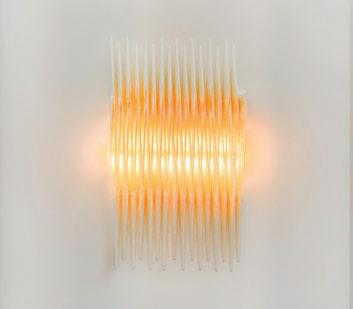

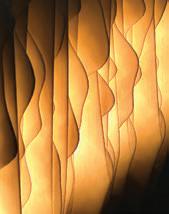
final product. The piece had to be split into nine parts to print on an FDM printer, and he angled the seams to match the contour of the form and hide the connections. However, the FDM printers make walls with a set thickness. When fitted together, the thin walls between each piece made a double wall, so that certain areas were too thick for light to pass through.
In the final product, only the middle third lights up properly, while the ends remain darker. While things didn’t go as planned, he’s pleased with the result. He’s also glad he didn’t float the piece off the wall as initially planned because it would have felt disconnected.
“Now it feels like it belongs to the wall. It feels more like part of the architecture than something stuck on top of it,” he said. “This whole project was a real lesson in how digital design meets physical reality. Light, material and process all affect each other way more than you’d think.”
ReView: Summer/Fall 2025
Students in IARD 4650V Special Topic | Premiumization, Sustainability, and Bespoke Design take an interest in lighting in space design and promote the use of eco-friendly manufacturing methods that help reduce carbon emissions, unlike traditional glass manufacturing. Moreover, while developing a series of 3D-printed custom-made luminaires, they need to identify their own design language and elements so that it is possible to establish their distinctive brand identity. Students will also learn the technical aspects of bespoke lighting and brand development from a business perspective. The development and implementation of this course is supported by the 2024 Nuckolls Fund for Lighting Education grant.