Acree,Lauren Elizabeth Anderson,Elizabeth Grace Anderson,Hannah Nichole Baker,Alyssa Noelle Banks,Ann-Wesley W Beladi,Parisa Sultan Bowers,Alexandra Victoria Boylan,Laura Kathryn Brevard,Riley Buskin,Hannah Michaela Cain,Allison Nicole Campbell,Ashley Brooke Carpenter,Sara Wallace Carter,Annie Chastain,Emily G Clayton,Faron Darby Cole,Carlee P Crow,Amanda Cully,Logan Brooke Dedrick,Kendall Paige Depetris,Julie Mei Everett,Olivia M Ferguson,Julianna S Finkelstein,Devyn Ann Flanagan,Kelley Flores,Jampiere L Garcia,Itzel Gobbi,Drew Michelle
Hall,Daria Hays,Emily M
Hazlewood,Kyndal Kaylee Heard,Maezie G Hendrick,Chloe R Hickey,Sofia Thayer Ickowicz,Adi Maya Jacobus,Christopher Corbin Jeane,Anna E Johnson,Karli Rae Johnson,Katrina Marie Jordan,Jaxon Reid Kersey,Sarah Nicole Krueger,Jessica M Kyle,Madison L Lallier,Katherine Loring Lowe,Tobie Michelle Luce,Emilie Anne Martin,Campbell L Mason,Ellie M Meharg,Lydia Wilson Mendoza Jr,Eugenio Misenheimer,Laura A Mulloy,Katie G
Ofria,Adrienne Sheffield Orosz,Anna I Penney,Ella Grace Raabe,John T
Ramirez,Isabel Renee Rehfeld,Brooke Noel Reidy,Summer G
Ritter,Evelyn Anne Roberts,Cassie Rolfe,Lauren Christina Ross,Peyton Jade Salas,Juan Daniel Sanchez,Emily Belen Schmidt,Madelynn Rose Simmons,Carson C Slaughter,Sydney Dane Smith,Lauren Kate Smith,Madison Margaret Sowers,Alyssa Helen Spillman,Mikayla Breanne Stiefvater,Mattingly Rose Stratman,Zoe Savannah Telles,Kennedy M Vancil,Haden R Vidales Jr,Javier Wait,Martha MacNamara Walker,Lorelei Dawn Walls,Avery Brynne Zamorano,Israel E
Teaching Assistants
Morgan Clupka, Esta Hasa, and Jae Young Jang
*. There is no restriction on academic use of the contents of this book.
*. The copyright of all design results contained in this book belongs to each (student) designer.
PUBLISHER’S NOTE
Dr. Jennifer had taught this Human Factors for Design course for more than a decade. It was passed on to me when I joined the University of Arkansas. It is my second time teaching Human Factors at the University of Arkansas.
As a practitioner, I simply had to determine which design was best for the client, but as an educator, I had difficulty determining which direction to teach, since I was aware that not all students would become interior designers. As human factors have traditionally been closely related to psychology or anatomy, and industrial engineering and UX design have become dominant, it is impossible to cover everything in a semester for students who lack basic background knowledge. In response to the difficulty, I adopted a simple approach. “Return to the basics.”
If interior designers and architects are responsible for designing spaces, what is the purpose of the design and what are people expecting from us? In what ways can human factors assist us in meeting these objectives and meeting these expectations? I ask my students these questions at the beginning and end of each lecture. Overall, I was interested in discussing the elements of interaction that must be tailored to a specific purpose and meet people’s expectations. The purpose of the series of discussions was to lay the groundwork for analyzing and understanding the interaction between behavioral and environmental factors. Although it takes time to achieve results, you will eventually see the quality of your performance reflect the effort you have put forth. By putting in as much effort as possible, you will be able to design faster, more accurately, more effectively, and more efficiently. As well as emphasizing the interaction of behavioral and environmental factors, the course required students to complete 12 exercises and a final project. In addition, students had to write a few essays. All of their outputs are included in this book except the essays.
During my student days, I was not very satisfied with the first portfolio I developed by simply binding output files for the purpose of job preparation. I used to feel that it would have been better to prepare the portfolio in advance during the break, but every break is short and I needed time to rejuvenate my mind and body after completing so many tasks during the semester. Sometimes I am unable to recall what I have learned or what I have missed. I have occasionally been unable to locate my output files. Consequently, I found myself holding a portfolio that had no relation to my interests or passions. Hopefully, you will find this publication helpful in retrieving what you have learned as a designer and preserving what you have accomplished.
Lastly, I would like to express my appreciation for everyone’s efforts last semester. Having the opportunity to combine the results of everyone’s efforts into a book made me very happy during the writing of this book.
Jinoh Park, Publisher
APPLIED CIDA STANDARDS
Standard 4. Global Context - Interior designers have a global view and consider social, cultural, economic, and ecological contexts in all aspects of their work.
4c – Student work demonstrates understanding of how designers consider the inter-dependence of multiple contextual elements related to a design solution and their holistic, potential impact on the user(s).
-> Assignment #2-13 by analyzing environmental and human factors
4e – The interior design program provides exposure to a variety of cultural norms.
-> Lectures and reviews
4f – The interior design program provides opportunities for developing multi-cultural awareness
-> Lectures and reviews
Standard 6. Business Practices and Professionalism - Interior designers understand the principles, processes, and responsibilities that define the profession and the value of interior design to society.
6a – Students have awareness of the contexts for interior design practice.
-> Assignment #2-13 by analyzing environmental and human factors with expectation
6c – Students have awareness of the breadth and depth of interior design’s impact and value.
-> Assignment #2-13 by analyzing environmental and human factors with expectation
6n – The interior design program provides exposure to the role and value of life-long learning.
-> Lectures, Assignments, and Reviews
Standard 7. Human-Centered Design - Interior designers apply knowledge of human experience and behavior to designing the built environment.
7a – Student work demonstrates understanding of theories related to the impact of the built environment on human experience, behavior, and performance.
-> Assignment #2-13 by analyzing environmental and human factors through abstract, sequence diagram, and axonometric
7b – Student work demonstrates understanding of the relationship between the designed environment and human experience, wellbeing, behavior, and performance.
-> Assignment #2-13 by analyzing environmental and human factors through abstract, sequence diagram, and axonometric; especially in Assignment #7, 12, and 13
7c – Student work demonstrates the ability to gather and apply human-centered evidence.
-> Assignment #2-13 by analyzing environmental and human factors through abstract, sequence diagram, and axonometric
7d – Student work demonstrates the ability to analyze and synthesize human perception and behavior patterns to inform design solutions.
-> Assignment #2-13 by analyzing environmental and human factors through abstract, sequence diagram, and axonometric
7f – Student work demonstrates the ability to apply wayfinding techniques to design solutions.
-> Assignment #2-13 by analyzing environmental and human factors through abstract, sequence diagram, and axonometric; especially in Assignment #10-11
Standard 8. Design Process - Interior designers employ all aspects of the design process to creatively solve a design problem.
8i – Students understand the importance of evaluating the relevance and reliability of information and research impacting design solutions.
-> Lectures, Assignments, and Reviews
Standard 9. Communication - Interior designers are effective communicators.
9a – Students are able to effectively interpret and communicate data and research.
-> Assignment #2-13 by analyzing environmental and human factors through abstract, sequence diagram, and axonometric
9b – Students are able to effectively express ideas and their rationale in oral communication.
-> Presentation in Reviews
9c – Students are able to effectively express ideas and their rationale in written communication.
-> Assignment #2-13 by analyzing environmental and human factors through abstract
9e – Students are able to effectively express project solutions using a variety of visual communication techniques and technologies appropriate to a range of purposes and audiences.
-> Assignment #2-13 by analyzing environmental and human factors through sequence diagram and axonometric
Standard 12. Light and Color - Interior designers apply the principles and theories of light and color effectively in relation to environmental impact and human wellbeing.
12e – Students understand how light and color impact health, safety, and wellbeing in the interior environment.
-> Assignment #2-13 by analyzing environmental and human factors through abstract, sequence diagram, and axonometric; especially in Assignment #3, 7, 12, and 13
12f – Students have awareness of a range of sources for information and research about color.
-> Assignment #2-13 by analyzing environmental and human factors through abstract, sequence diagram, and axonometric; especially in Assignment #3, 7, 12, and 13
Standard 16. Regulations and Guidelines - Interior designers apply laws, codes, standards, and guidelines that impact human experience of interior spaces.
16b – Students work demonstrates understanding of standards and guidelines related to sustainability and wellness.
-> Assignment #2-13 by analyzing environmental and human factors through abstract, sequence diagram, and axonometric; especially in Assignment #3 and 13
16c – Students work demonstrates understanding of sector-specific regulations and guidelines related to construction, products, and materials.
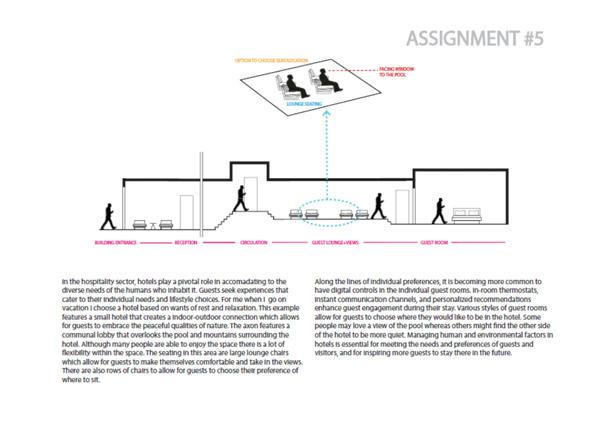
-> Assignment #2-13 by analyzing environmental and human factors through abstract, sequence diagram, and axonometric; especially in Assignment #5
COURSE SURVEY
#Do you have any plans after this semester?
• I will be going to Rome in the fall!!!!
• Summer Internship!
• This upcoming summer I will be doing an internship in Kansas City at a small commercial firm.
• My plan for after this semester is to continue utilizing my design skills at my summer internship position with Jill White Designs. Since my internship is in my hometown, I will also enjoy spending time with my friends and family.
• Yes, I have a job as a designer at Studio MH in Fayetteville, AR!!
• study abroad
• I am doing my internship over the summer and getting my real estate license hours finished! Almost done, 15 more hours to go!
• I have an internship in Dallas in residential design.
• Summer Internship.
• I plan on moving back home and spending time with family and friends after the busy semester. I also will be starting my first internship with HDR in Dallas, TX to learn more about the field and get hands on experience with design professionals and mentors.
• I will be interning at CannonDesign this summer in Dallas, TX
• After this semester I will be interning and traveling. I will spend as much time as possible at home with my family before helping my sister move into her freshman year of college. After the summer I will come back to Fayetteville and continue my internship through the year and continue in my studies!
• Yes, an internship this summer.
• Will look to work on photoshop skills, revit, and portfolio.
• Study abroad in Copenhagen.
• This summer is shaping up to be an incredible adventure filled with opportunities to explore my passions and expand my skills. I’ll kick things off in Copenhagen, Denmark, where I’ll immerse myself in the world of furniture design, soaking up inspiration and refining my craft. Then, I’ll jet off to Rome, Italy, to delve into the architectural wonders of the ancient city while interning at an architectural studio. The highlight of my summer will undoubtedly be my internship with Claudio Bellini in Milan, Italy, where I’ll have the chance to learn from one of the industry’s leading designers. Amidst all these exciting experiences, I’m also dedicating time to business classes, ensuring that I have the knowledge and skills to succeed in the competitive design market. It’s going to be an unforgettable summer of growth, creativity, and learning.
• I have an internship this summer that I am looking forward to.
• I will be traveling to Copenhagen, Denmark for the study abroad requirement.
• I have an internship in Houston this summer with HDR!
• I will be working in Dallas Texas!!
• This summer, I am interning at Paragon Architecture and next fall, I am studying abroad in Rome, Italy.
• I have an internship this summer at GFF design. I also plan on
updating my portfolio, and relaxing by my neighborhood pool! Then, I plan on returning to the University of Arkansas next year to finish my Interior Architecture and Design degree.
• Start my summer internship and work on my portfolio.
• Internship
• My plans after the semester are to head home to Dallas, TX for the summer and work as an intern to learn even more about the working world of interior architecture and design.
• I will be attending the U of A in Rome to start my Bachelor of Architecture 5th year!
• Start an internship with a hospitality design studio in Dallas and relax a little over the summer!
• After the semester, I plan to work at SGA Design Group to fulfill my internship requirements. Then next fall I will be studying abroad in Rome.
• I plan to intern for the summer with HOK in Dallas, TX.
• I will be spending the summer in Houston, TX for an internship at Inventure Design. Following this, I plan to obtain an internship during the school year while completing my advanced studios.
• I am interning in 30A in Florida at an interior design firm, and then coming back for senior year!
• Studying abroad in Rome, Italy next fall semester.
• I am going back home to Overland Park, Kansas to intern with DLR Group.
• After this semester, I will be interning in Dallas for a real estate design internship with Tonti Properties. I hope to gain ample experience after this internship as well as knowledge.
• Yes, I am continuing my college education next semester.
• My plan after this semester is to learn and gain experience from my wonderful internship.
• After this semester, I plan on returning to my hometown and interning for SHM Architects in Dallas, Texas. In addition to this, I will be spending time with family and friends and enjoying summer in Texas before coming back to complete my last two semesters at the University of Arkansas.
• I am interning at CESO in Rogers, AR. Other than that, I am planning on attending music concerts here and there!
• I will be working as an intern for the summer at K. Lewis Interiors in Little Rock, Arkansas.
• Double internship in the summer
• This summer I will be going to Cromwell in Little Rock for my internship and then will be studying abroad the upcoming fall semester
• Yes, I will be interning at Childers Architects in Bentonville this summer. After this summer I will be studying abroad in Rome for the fall semester and graduating next spring.
• Yes! I will be heading to Rome, Italy this summer for my study abroad and then will graduate next December with my Bachelors of Architecture with Honors and a minor in Interior Design!
#What problems did you encounter in the studio or outside?
• I think time management and balancing work and school.
• Everything was good!
• I struggled with procrastination this semester. 3rd year was very demanding and I started to lose motivation towards the end.
• I would say that time management is always something I struggle with. Being a third year student - the work load is more time consuming which made this year more difficult.
• I didn’t find that reviewing people’s mistakes in our assignments 2/3 classes of the week proved to be very helpful. I mostly learned in this class how to create the exact same power point every week. I also felt as if putting the reference on the wrong slide and getting points off was very unhelpful towards teaching actual human facotrs in design, it was tedious.
• Nothing
• I had a hard time getting assignments done because they were assigned on Fridays and I try really hard to keep my work during the week. I did not get several turned in because they were minutes late and that stinks but I also understand a deadline. I wish we would be able to have gotten the assignments on Wednesdays.
• I struggled this year with balancing all aspects of life. I was mainly focused on finding an internship and working on my professional resume and portfolio creations while maintaining a good academic standing academically. As a result, I found myself being pushed to the limits. I am excited to be able to rest for a few weeks, and then be able to work in the real world as I head into my senior year of design education.
• Balancing intense studio demands with the rest of my classes while searching for an internship raised some stress levels.
• This semester was overall a challenge and teaching lesson for time management and organization skills. Having weekly assignments being assigned on Friday and due on Monday was a challenge for me.
• In the beginning of the class, I didn’t like how the assignments were explained, and assigned on Fridays, leaving us to do the assignment over the weekend. I feel as if my work could have been better if I had during the week to complete the assignment and not rush/dread doing it over the weekend.
• None, just the fact every class was demanding and hard to keep up with.
• Remembering the assignments. The workload this semester was so heavy that sometimes, I would not remember about Human Factors assignments till Sunday night.
• Navigating the complexities of ensuring my projects met various codes was definitely a challenge. It required meticulous research and attention to detail to ensure compliance while maintaining the integrity of my designs. Additionally, constructing axonometrics in Revit proved to be time-consuming and sometimes frustrating, as I worked to accurately translate my ideas into digital models. However, overcoming these obstacles has been immensely rewarding, as each hurdle has contributed to my growth as a designer and equipped me with valuable skills for future projects.
• Personally I had a hard time getting the assignments done because they were very time-consuming. I wish I gotten some grades back sooner so that I could then fix my next project and try to get the best possible grade, instead I was doing the assignment the same way because I thought it was right and then not getting a good grade on a handful of assignments when I feel that could’ve been prevented easily.
• Didn’t really have any problems that aren’t unusual for my life.
• I haven’t encountered too many issues in the class or outside this year, I think one thing I really need to work on is time management.
• Honestly, just trying to stay on top of everything.
• I faced a few health issues but managed my very best to keep up with all my classes and make the most of every learning opportunity from this Human Factors course.
• I think this semester just had a lot of very time consuming work, so it was really difficult for me. It was also hard juggling studio, human factors, and my honors methods of design inquiry class while working, keeping a social life, and keeping my mental health stable.
• I had trouble with time management. This was my busiest semester and planning when to do assignments or how to break in parts was hard for me.
• Understanding exactly what each assignment was asking
• The biggest problem I encountered was having a balance between work and classes I had Hand in hand with that was having time management and making sure there was enough allocated time for assignments and projects.
• I quickly had to plan to do the weekly assignments starting on Friday’s in order to balance studio and this class.
• None really :)
• It may have taken a while to get used to the layout of the assignments, but after that, there were no problems for me in the class.
• The problems I encountered during this class were not fully understanding the assignments, and struggling to complete the assignments in a timely manner on top of studio demands. Many peers and myself were left confused on how to complete the assignments, and not fully understanding the exact requirements. It seems as though the class did not fully understand the exact requirements of the assignments until grades were put in later in the semester. It is also very challenging to clearly hear and remember every single instruction shared during the lecture, and would be helpful to receive a simply formatted list of instructions and grading criteria in addition to lectures. The lecture slides that were shared on box were helpful to a certain extent, but still left many students without clear understandings and steps to completing the lengthy assignments. The grading format also left many students confused and unsure of how to calculate their grade to see where they stand. Overall, the assignments were helpful to expanding design knowledge and ideas.
• Time management and understanding instruction were my biggest obstacles. Planning out what I need to have completed by the end of the day and taking good notes helped these problems.
• There was a lot of confusion within studio this year of vague instruction.
• I did not encounter any problems in studio or outside of studio.
• This semester ended up being more challenging than the fall due to the odd-paced studio project and personal struggles. The beginning of the semester was spent doing a lot of busy work. Although it was fun, it gave us little time to develop and refine our projects.
• Inside and outside of the studio I often struggle with the work-life balance. Spending time with friends and family is very important to me and can often be challenging when trying to balance time with them and studio.
• I did not really encounter any problems in the studio or outside of studio!
• I had no problems with this course. I would say it was hard getting up for this class, but it was worth it.
• In studio, it has always been hard to know when to stop. As designers, we always think there is something to be improved. Knowing when to say it is enough is a skill I have had to learn throughout my time at the Fay Jones School.
• I guess a problem I encountered was waking up early for a 8am class, it was tough but I got through it!
• The course load in studio was not as involved this semester however all of the other courses I took as as well as my involvement in my sorority became more time consuming than past semesters. The only difficulty I encountered this semester was balancing school, sorority, personal, and social commitments.
• Lack of organization
• A lot of pacing & prioritizing my assignments based on when they where due and my amount of free time in the day.
• Architecture school has been challenging academically and mentally. There were times I wasn’t sure I was going to make it, but here we are. There are so many trials I went through, I don’t have the time to type them all out. I cried a lot and was broken down again and again but in the end, I am proud of what I have accomplished and the person I am today.
• Too much to say... but what I can say is that I have survived many late nights, stressful deadlines, and personal loss. Problems, stress, and challenges will always find you but it is important that you hold firm to you boundaries and morals - a lesson I have learned more than once this past semester.
#What did you learn from this class?
• I learned a lot about the human scale as well as the scale of architecture. I also learned how spaces make people feel.
• I learned how to design in ways that are specific to certain individuals. Being able to see how each environment needed to think about different and specific elements was good to be educated. I am definitely a lot more focused on every single element that goes into the space and how a human can or would want to interact with it.
• This class informed me about the need for human based evidence in design.
• I learned that good design is backed with lots of research and is always centered around the human experience.
• I learned that the assignments are very tedious and whether or not you listen in class it does not reflect in your assignment grades. As those grades were more based on following Jinohs powerpoint example word for word powerpoint and not what we discussed in the lectures. When we were going through the lectures though I found them to be very informative and helpful for studio as well as for my internship. I think Jinoh is very intelligent and I have a lot to learn from him.
• human factors and experiences while designing
• I learned a lot about how a person feels inside of a space and what is making them feel that way.
• The influence of design decisions, such as scale, drastically affects a space. Also, how every decision in design ultimately affects a person.
• I learned how the sequence of how people move through the space effects the way they feel in the space.
• I learned about how users interact with different sectors of design, by looking at precedents of projects. Through this I gained a greater appreciation for all sectors of design, and how to better design for the users of the space. There is a large number of factors that influence the design decisions we make and it’s crucial we recognize them early on.
• The diverse range of human factors that are applicable to a space was very interesting to me and I am looking forward to implementing more of them into my future projects.
• I learned just how important the human body is to every design. Before this class I did not consider the scale and sizing of the human body movements to such detail as I do now.
• I enjoyed learning about new spaces and how each type of space interacts with guests.
• I learned a lot in this class in how a interior space can do so much aesthetically, but accessible to everyone using a thoughtful process in design.
• I learned how to look at design from a more human perspective than a technical one.
• This class provided me with invaluable insights into the multifaceted world of architecture. Through engaging documentaries, I gained a deeper understanding of how architectural works impact local communities and the importance of considering their perspectives and criticisms. Exploring the evolving nature of museums, particularly in the digital age, was eye-opening, highlighting the significance of embracing technology and social media to enhance cultural experiences. Overall, I developed a greater appreciation for the interconnectedness of architecture, society, and technology, equipping me with a more holistic understanding of the field and its broader implications.
• This class was really helpful in teaching me what certain types of building need and are willing to accommodate.
• I learned that looking at the human factors within design is not only important but vital, to succeed as a designer. Many of these factors are overlooked.
• I feel like I learned a lot about the human body within a space and how we move through it. I have talked about this class in every interview I’ve done.
• SO much. How environmental factors interact with human factors.
• I have learned to think though how the built environment effects human behavior; how the built environment can both aid and make things more difficult for people in a space. I have also learned how the effectiveness of design can be studies and mea-
sured, and how design impacts people’s life and behaviors.
• I learned many things about human and environmental factors that I did not know before. I also learned that it is very important to think about these things before actually going through with the design process.
• I learned how to analyze spaces and understand the layout.
• different ways humans interact with the built environment
• Human and environmental factors are a huge consideration that is necessary when designing any type of space. This class taught me how to understand what design aspects apply to human and environmental factors.
• Different ways to comprehend spaces depending on the programmatic intentions and what we as humans need.
• Good design comes from applying knowledge of the human needs and emotional responses. It is not neccesraily hard, just takes much thought and intention behind it.
• I learned how to look at a space from a different lense, and to consider the human quality of a space more.
• This class showed me different strategies in the design world, and how different design sectors respond to human needs.
• I learned that design should focus on the user experience more, in subtle ways and bold. Thinking about the human dimension when designing built spaces is important in its outcome. Being thorough and concise at the same time is also important in doing studio work and class assignments.
• I learned how movement through space affects us as humans and how we perceive space. I learned the relevance of sequence and how crucial this process is when reflecting on the success on your design.
• I learned how the human body has a significant impact on what we design, and that the interior space needs to relate to the occupants it is designed for.
• I learned what makes different types of spaces successful for human well-being. Studying countless projects for each assignment also allowed me to expand my knowledge of design elements that make sequences interesting.
• From this class, I learned the importance of the human factors that is applied in everyday life.
• What I learned from this class is to pay more attention to the design details and the codes that are being placed into the design projects. What I also learned is that there are many buildings that fit under one category, which is very interesting.
• I learned how a space is designed based on the way humans interact within the space and how the space works as whole with the environment.
• From human factors, I learned how to truly think about space in a new way. Before this class, it was a lot of thinking in just floor plan or section or 3D. After taking this class, I will think about the user experience through design elements, ADA factors, environmental factors, and the needs of the people. I will think about the human’s sequence through the space and how spaces I design can serve them.
• I learned that a design can affect humans and how they respond to the built environment. It is our job, as designers, to consider everything and look at the design through the lens of non-designers.
• I was reminded how influential the human body and scale is on everything we do as designers. I learned how to better accommodate human scale into designs and how to keep that as a focus in every design.
• The importance of human impact in spaces
• How to structurally set time for the assignments and how to accommodate for human factors/ WELL and LEED certification in future projects.
• I learned how to examine the built environment and identify ways that it could be improved for the human experience. And also that I am not a morning person.
• I learned how to properly investigate and question the built environment and work towards integrating human factors in the design world in order to help create more accessible and desirable spaces for everyone. Also... I am not a morning person :|
#Is there anything you would like to share with the future students?
• Honestly, when the term is over, the final project is something really impressive and unique to show at an interview.
• I learned a lot from this course. I would highly suggest applying this information and thinking about it during your studio course so you can maximise the benefits that come from the information shared.
• I would advise students to try and work on their assignments in small amounts throughout the work so it is less overwhelming.
• Get your work done and remember to take time for yourself.
• Go to class and be on time.
• No
• Do not wait until Monday at 6 am like I did because it is not enough time.
• Ask for assignments to be critiqued so you can better them.
• Spend time researching a number of precedents, to find the best examples of how human factors can be applied. There are a lot of good and poor examples out there and spend time really understanding what’s working and what’s not. Design is about learning and looking back into history and making it better!
• Take each assignment as an opportunity to explore new and interesting spaces that can inspire your own work!
• I encourage everyone to treat this class as a learning and teaching moment. Take each lesson serious and don’t wait until the last minute to complete it. Do not be afraid to ask questions and reach out to the TA’s if you are confused.
• No matter how hard it is, just come to class, and try to get the assignments done early so you’re not stressed out on Sundays.
• Make sure to attend every class
• Getting the assignments done early in the week will save you a lot of headaches.
• I’d suggest initiating your projects at the start of the week, ideally on Monday. Juggling a hefty course load can make it challenging to set aside focused time during weekends for a single assignment. By commencing work earlier in the week, I discovered a more manageable rhythm that allowed me to allocate ample time to each task, fostering the production of higher-quality work without the pressure of last-minute rushes. This approach not only enhances the quality of your output but also contributes to a more balanced and sustainable workflow throughout the semester, ensuring you maintain both productivity and well-being.
• It will all be okay! and to reach out to Jinoh if you need any help or if anything is cleared up.
• Allow yourself plenty of time to complete Jinoh’s assignments
• Take this class seriously and pay attention during class this is an important one.
• Do your homework!!
• Pay attention in class. Jinoh puts a lot of effort into each lecture and you can learn so much from him! Start your assignments as early as possible.
• Good luck! Showing up to class is 30% of the grade, so it is really important. I wish I had showed up more!
• Break up the assignment in two days so it’s not too much to do in one sitting. The hardest part was finding an example that worked.
• Do the homework before it’s due
• Time management is important in being successful in this class, make sure enough time is allocated to complete these assignments and in the correct way. These assignments are also important for understanding a key part of what we do which is designing for people and using human and environmental factors in that design. Take the assignments as a learning opportunity because it will only help you be more successful in the design world.
• Really try to understand the weekly assignments FULLY at the start. I had about five assignments that had one part I continuously misinterpreted and I didn’t know until they all were graded
at the same time. So, try and reach out to make sure everything is correct so you don’t miss a small fraction of the assignment even though it was a simple fix. There are several steps to these assignments and they are not difficult when you establish a template that is correct and understandable to yourself.
• Good information can be gleaned if you pay attention and explore more topics yourself!
• Make sure your sources for the assignments are in Chicago or APA style instead of URL!! That saves you points!
• I would encourage all the students to fully understand the instructions before completing any assignments, and ask for a clear outline of the grading criteria and requirements for annotations, drawings, and writings.
• Manage time efficiently and always ask questions when you are unclear. Always have work on time and ready every day at the beginning of class. Take good notes during lectures that you can understand when you go back to read them. Try not to procrastinate in studio and for other class assignments.
• I would say to just do the weekly assignments and every week and don’t wait until last minute.
• Have fun with your assignments, and make sure to invest a decent amount of time in them, as they reflect your understanding of human factors.
• Start your assignments early and try not to miss any, as it will make the final project more difficult. Also, look at the assignments as opportunities to expand your design knowledge, as you expose yourself to numerous projects. Find projects that you are interested in as it makes the process more enjoyable. Pay close attention to assignment instructions and ask questions if you are confused.
• I would like to share with future students that your hard work means something and that to keep pushing through.
• Don’t wait till the last minute to do the assignments, give yourself at least a couple of days before!! This class was awesome and I learned so much! Thank you Professor Jinoh!
• I hope you actually try and understand each topic because it is actually somewhat interesting in some ways.
• For future students going into the second semester of the third year, find your internship early, do your assignments for human factors on Saturday mornings (do not wait until Sunday evening), and remember this is your last studio with all your buddies in one place. Take it all in before you find yourself in fourth year.
• Attend class and please please please pay attention!! Jinoh mentions important things in class that are not on the slides. I understand studio can be heavy and you might be tempted to work on studio during his class, but that is rude! Show some manners and pay attention. I guarantee you will pass with an A if you pay attention and show up to class.
• Having designated “work” times and places is really helpful for time management and task organization. Its also important to make your own personal health a priority in your schedule. This can look like setting designated times or days for working out, being with friends/ family, taking care of personal stuff etc. This approach helps create a more rigid routine that you can stick to every day and that will make you feel so much more productive and accomplished at the end of the day!
• Do your assignments before Sunday, you might think the assignments don’t take long but I would say it took about 4 - 6 hrs. on average
• Don’t be afraid to ask for help, don’t feel bad for working at a slower pace than your peers, just do the best you can do, and remember that you do not have to prove your worth.
• Semesters go by fast and before you know it you’ll be graduated. Make the best of where you are now and do the best work you can so you can look back and be proud of what you have produced. Leave this school feeling like you succeeded in everything you set out to do - it will be painful but its worth it.
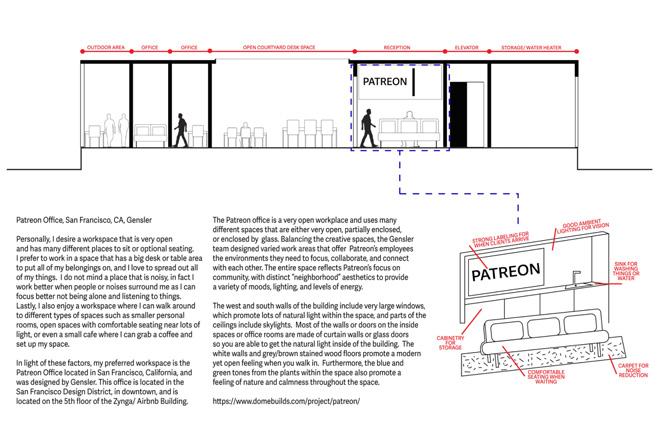
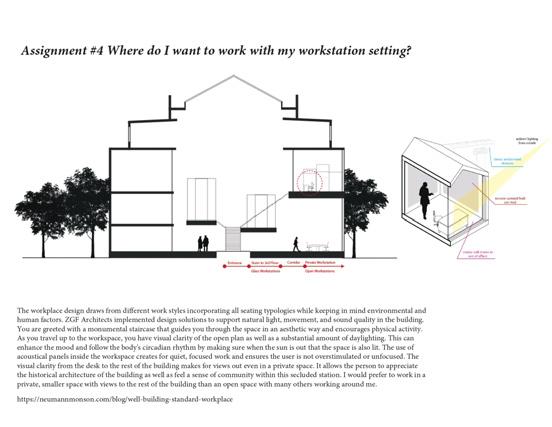
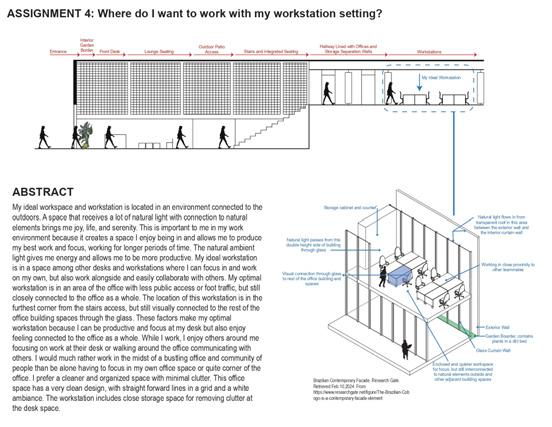
Where do I want to work with my workstation setting?
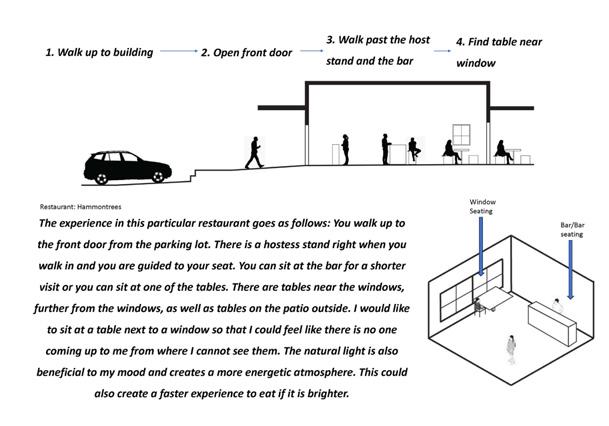
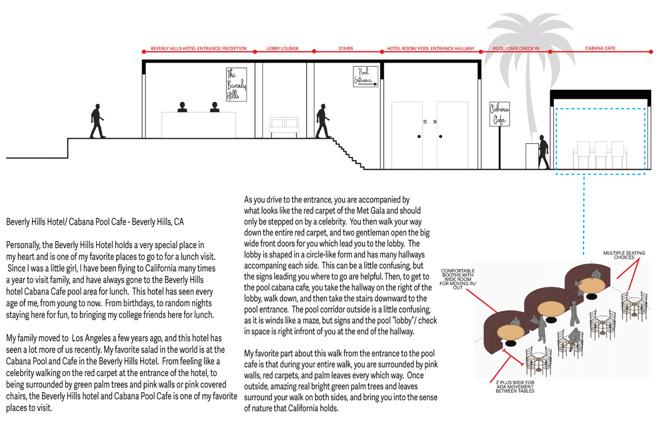
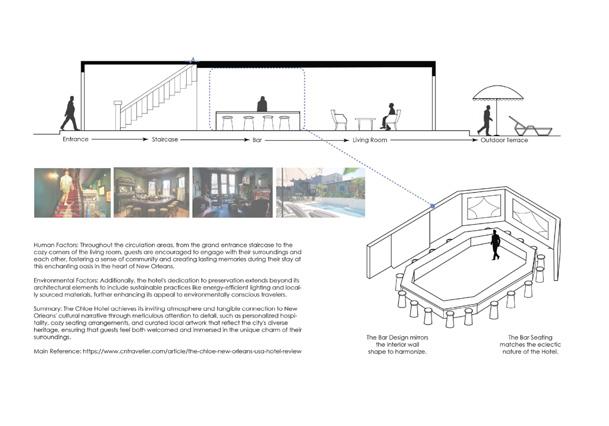
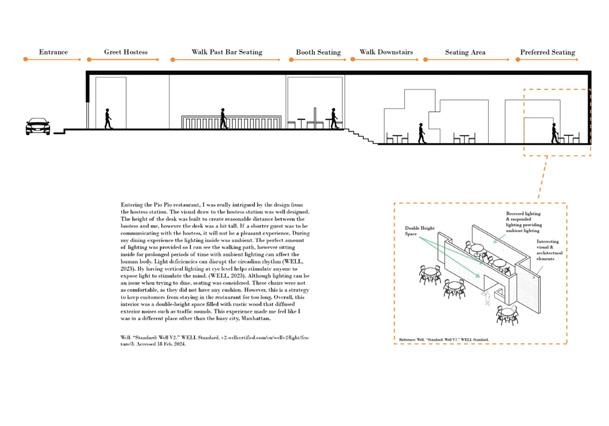
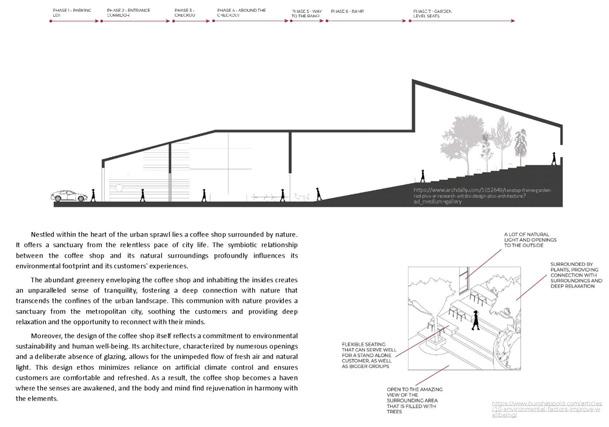
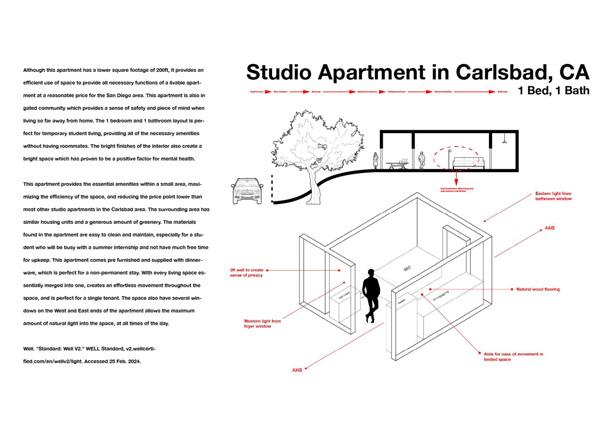
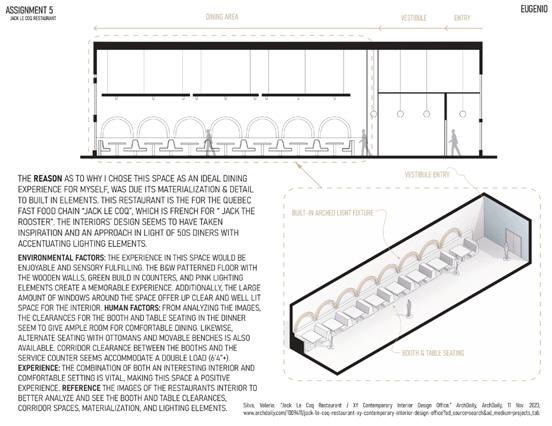
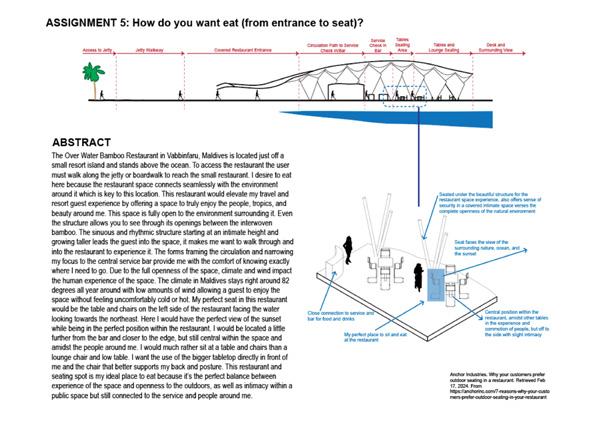
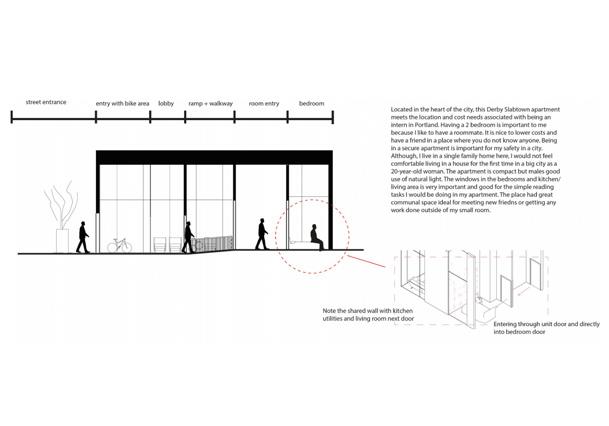
How do you want to stay (from entrance to the room) or eat (from entrance to the seating)?
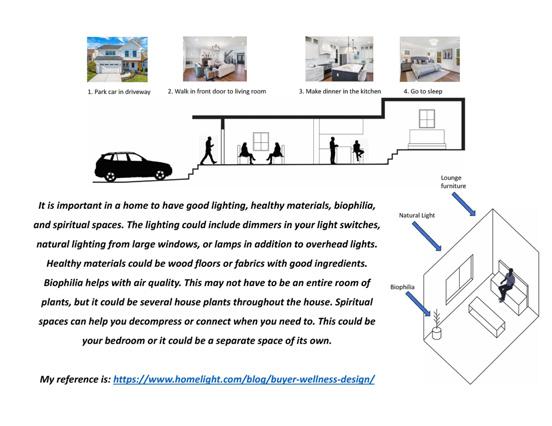
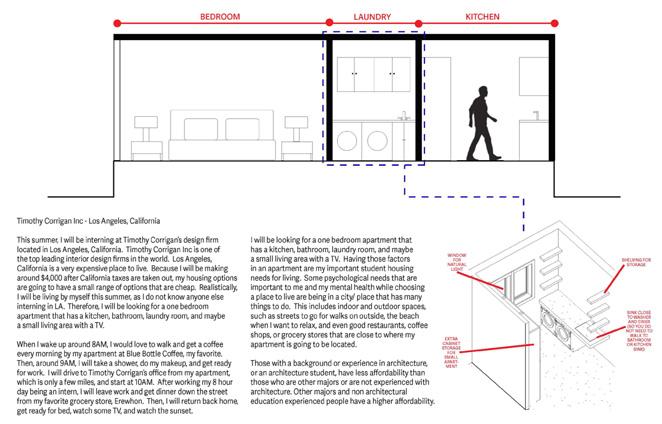
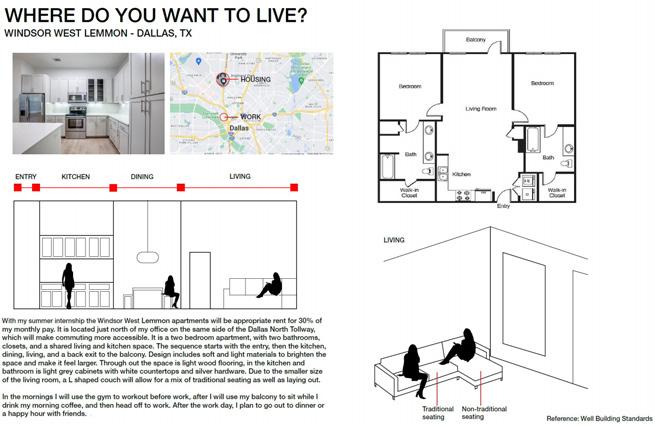
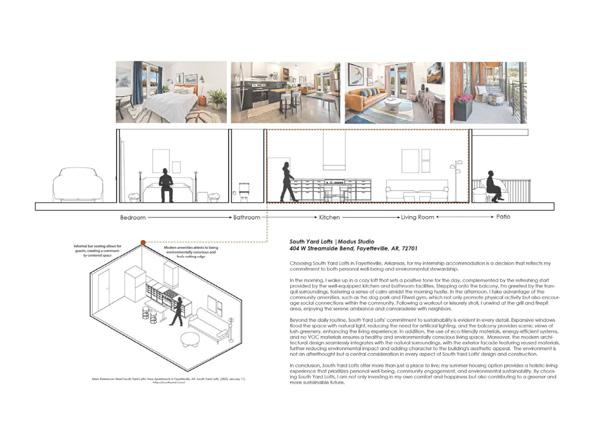
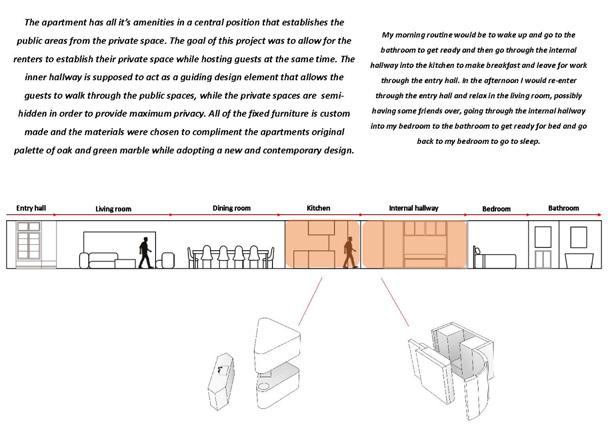
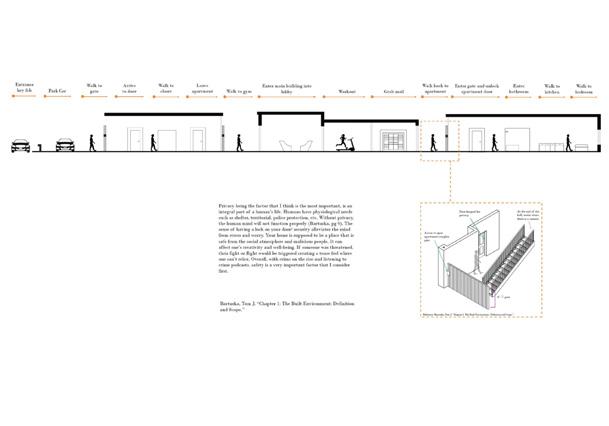
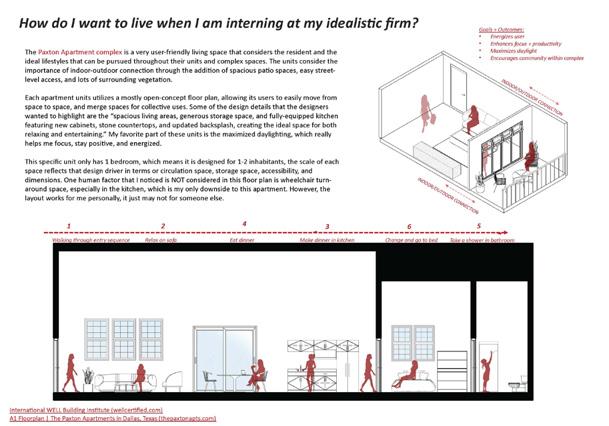
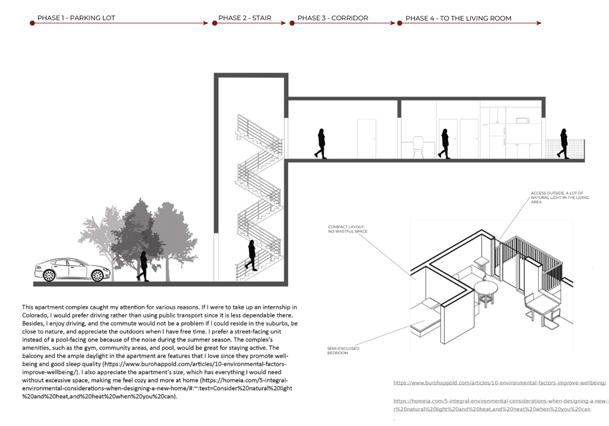
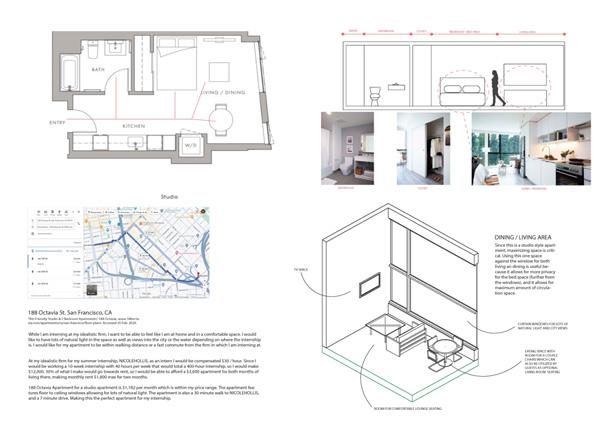
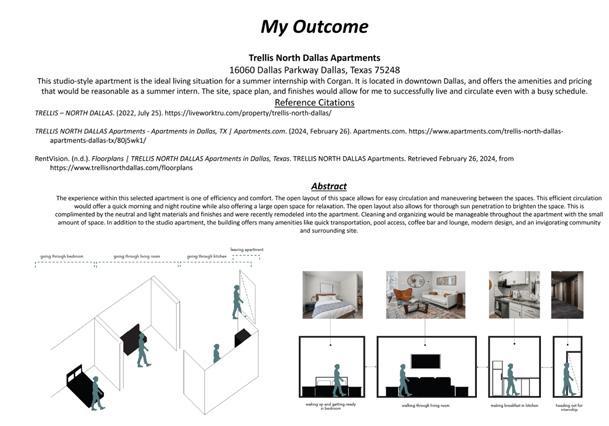
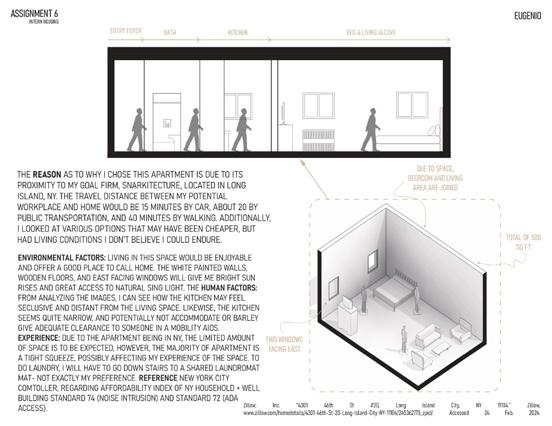
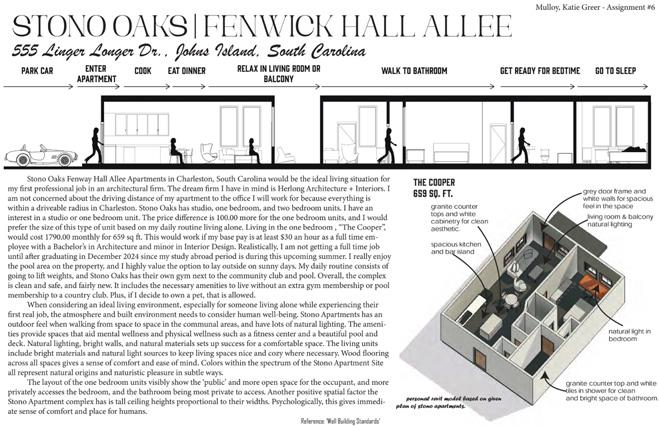
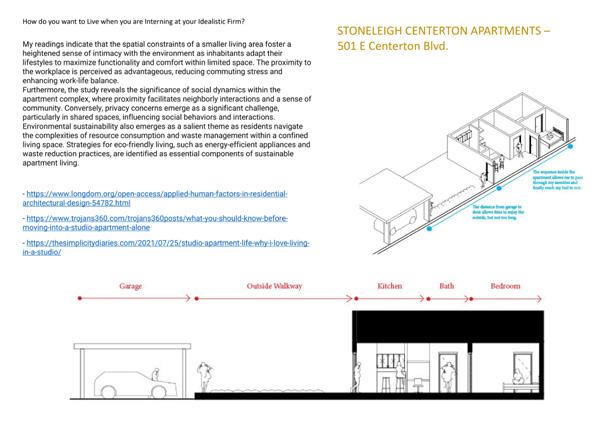
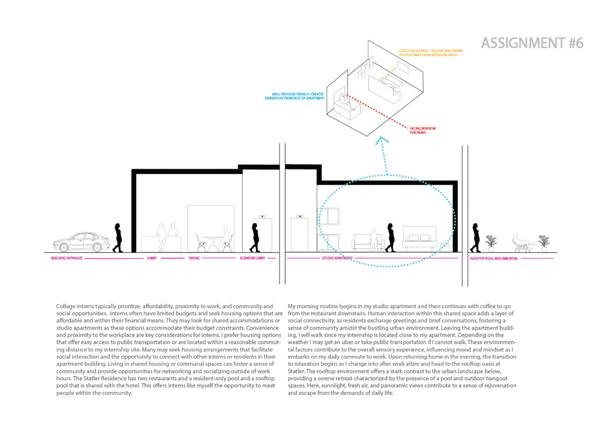
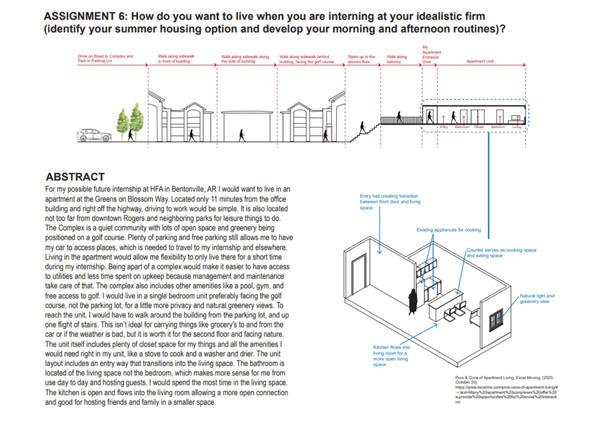
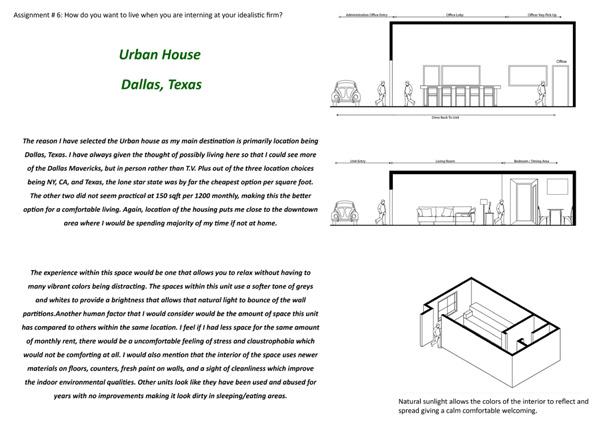
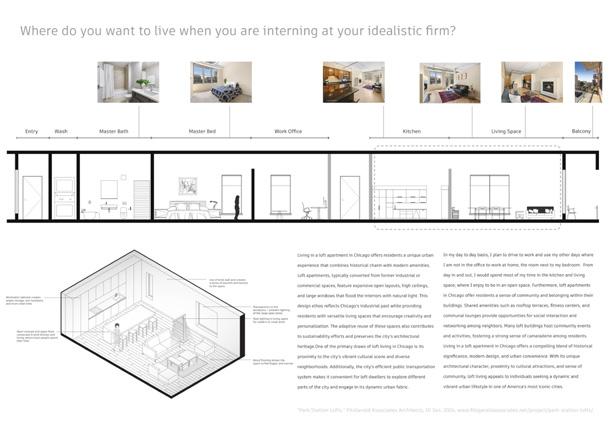
How do you want to live when you are interning at your idealistic firm (identify your summer housing option and develop your morning and afternoon routines)?
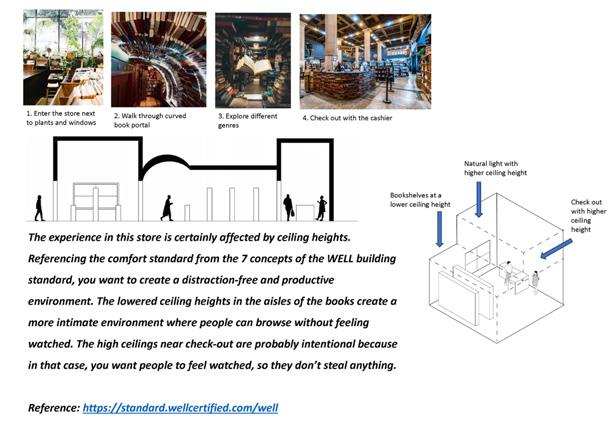
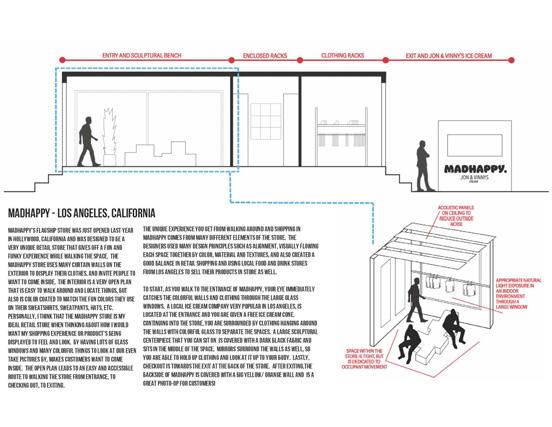
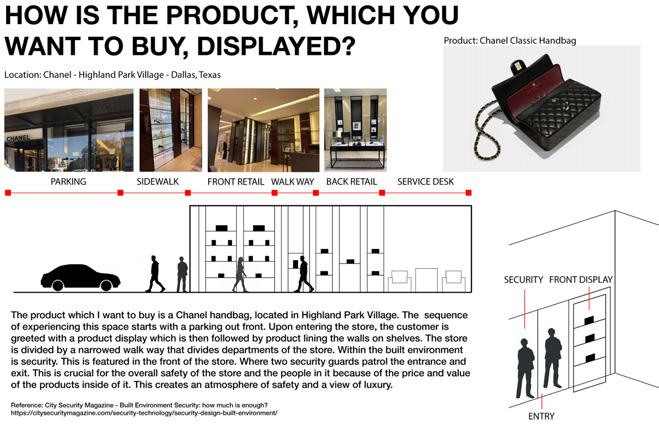
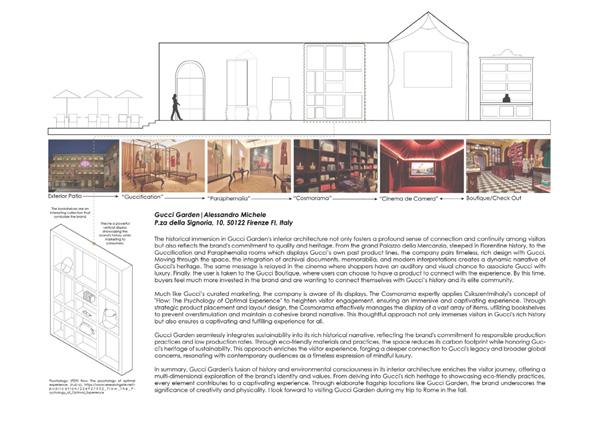
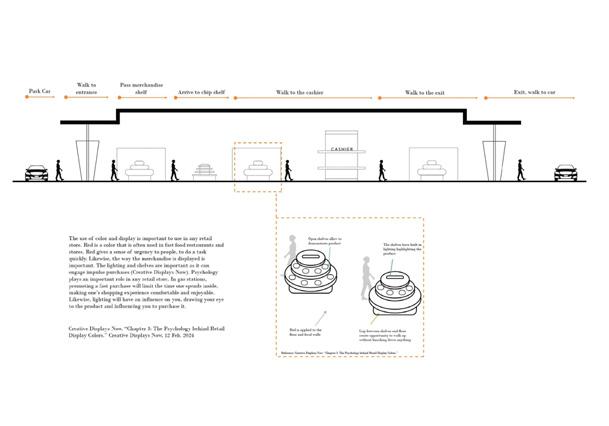
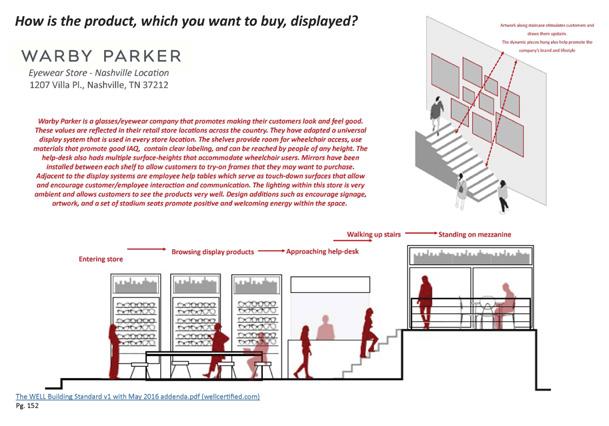
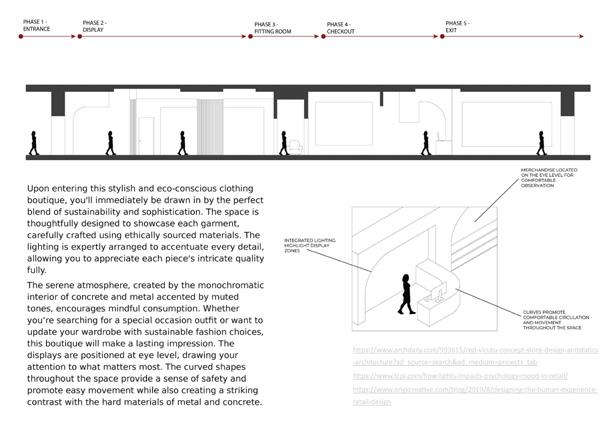
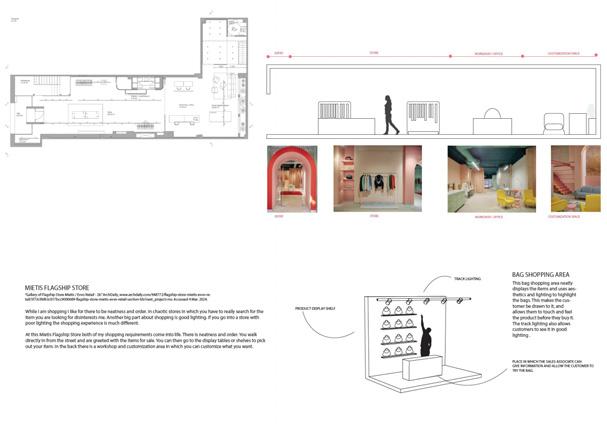
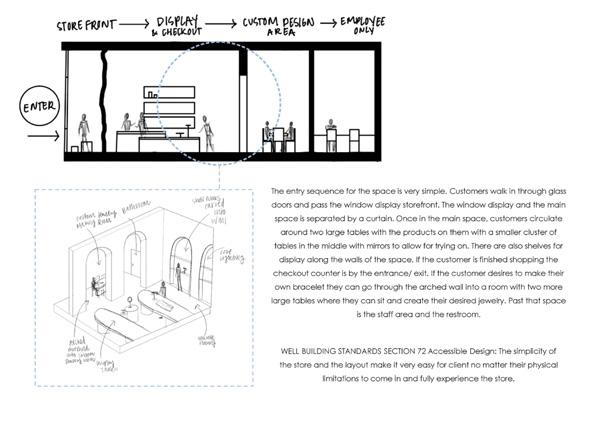
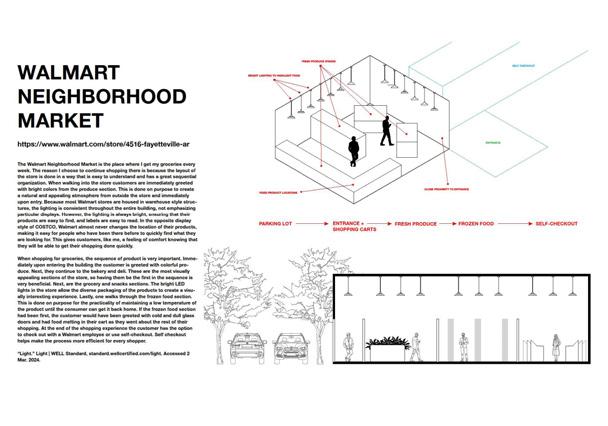
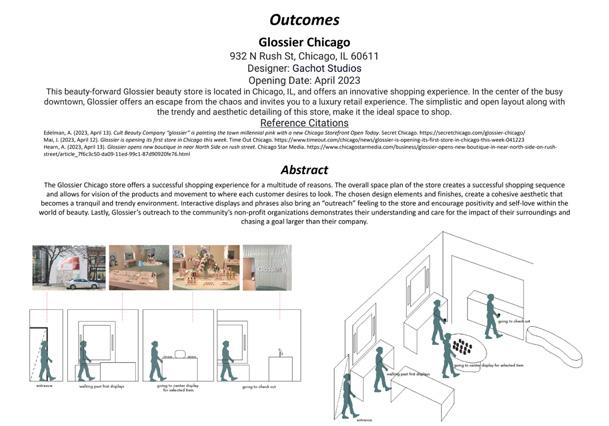
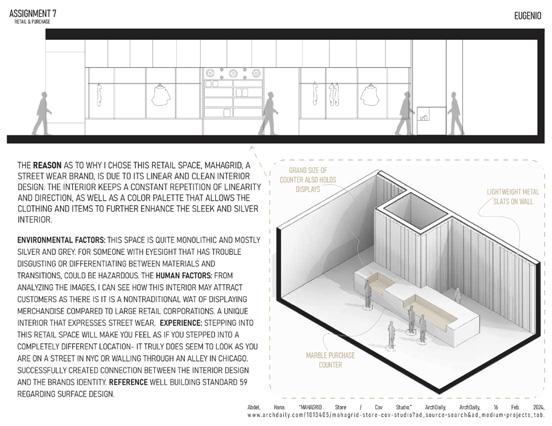
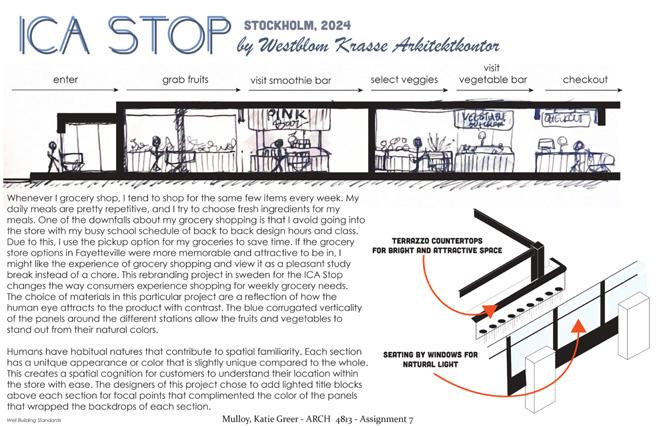
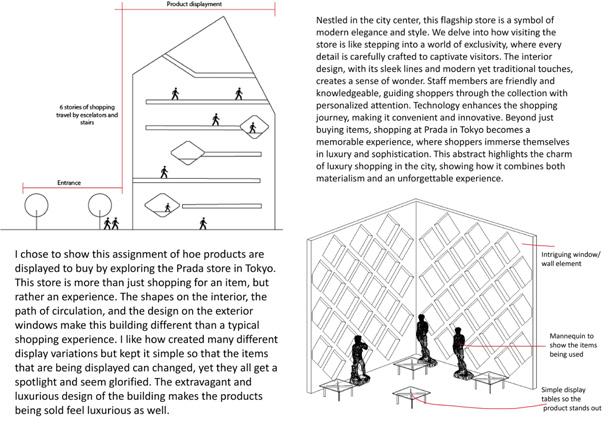
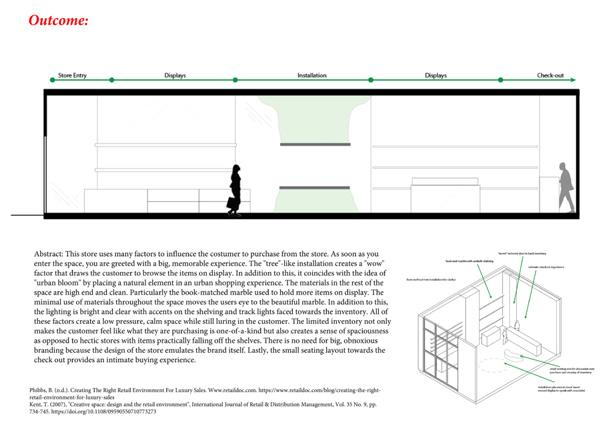
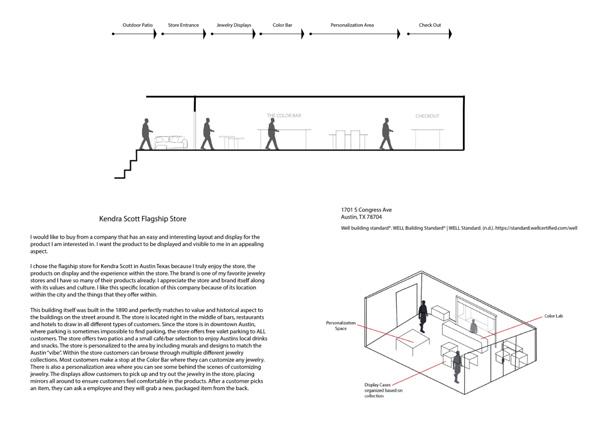
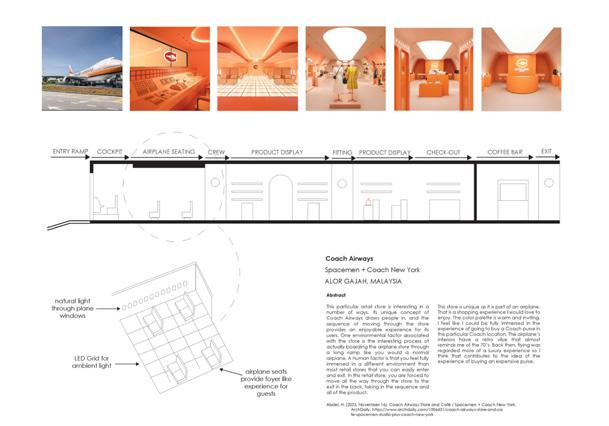
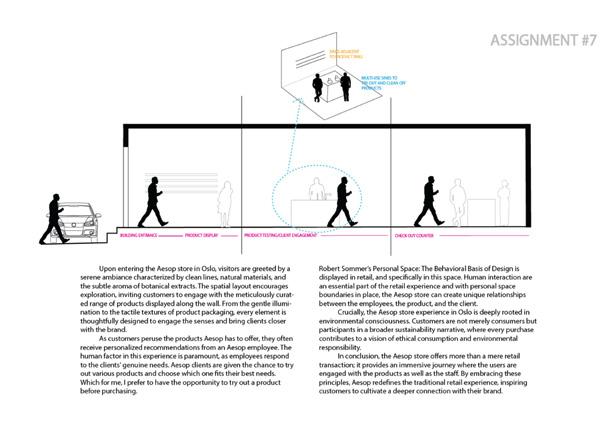
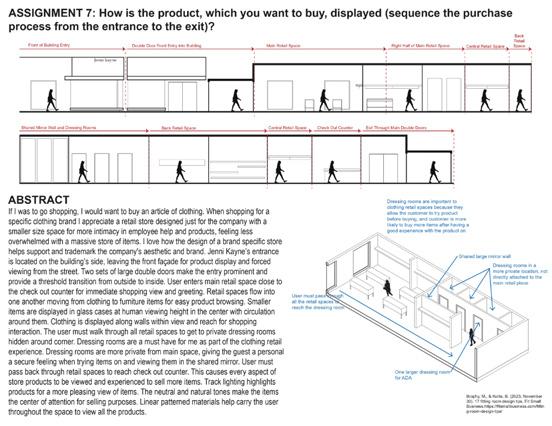
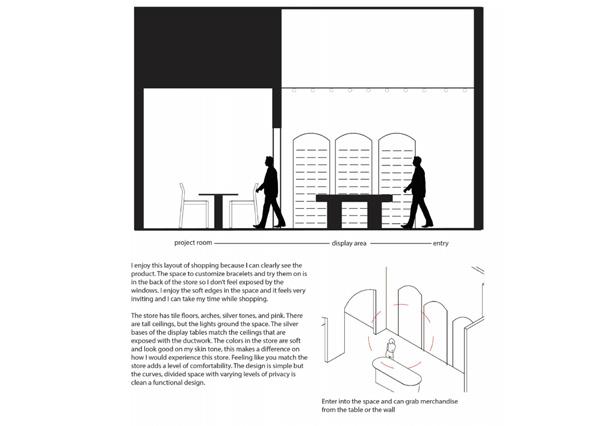
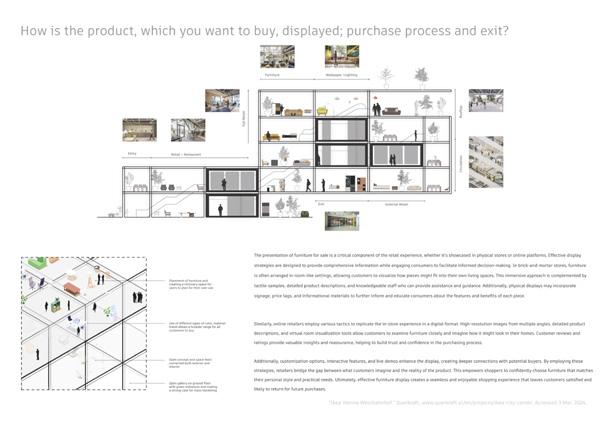
How is the product, which you want to buy, displayed (sequence the purchase process from the entrance to the exit)?
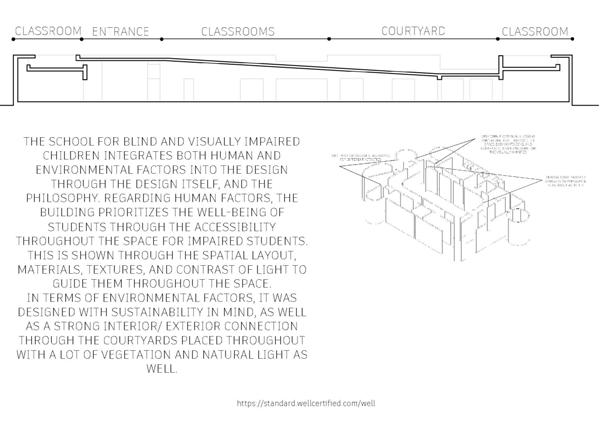
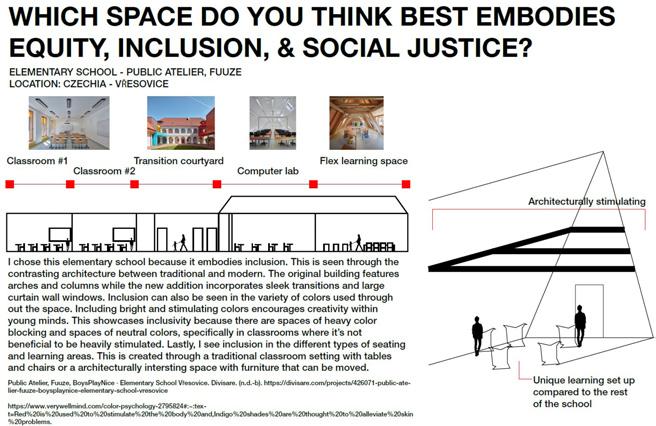
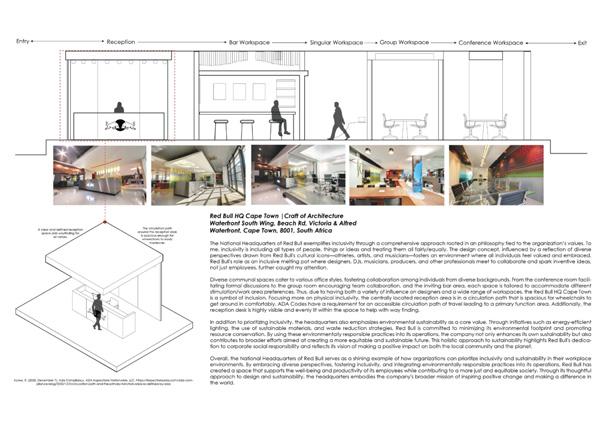
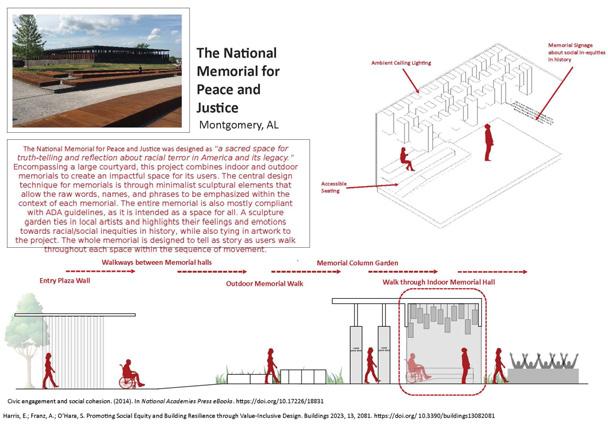
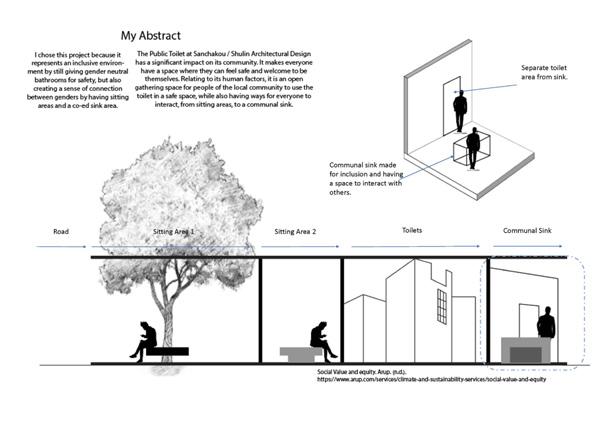
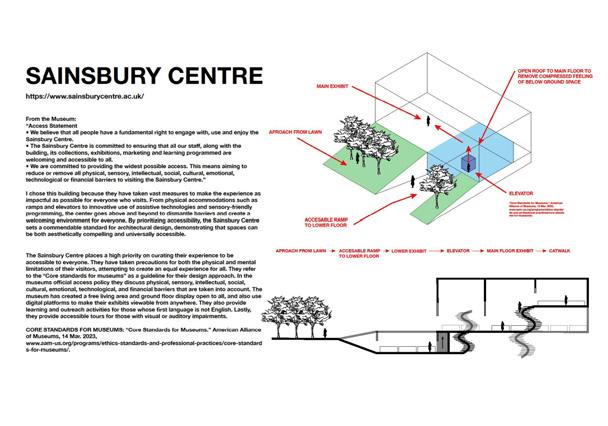
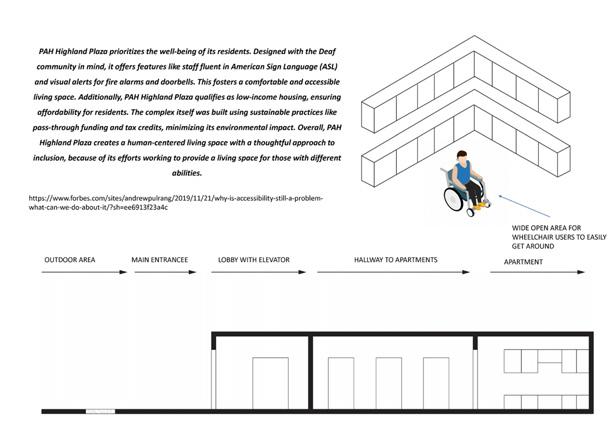
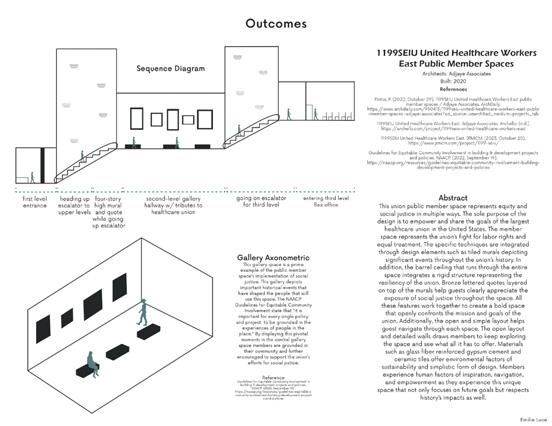
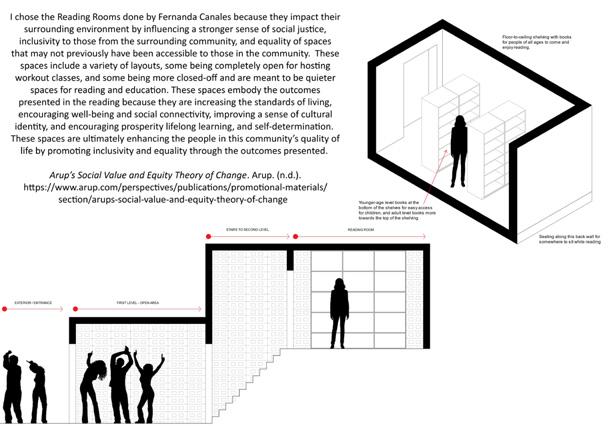
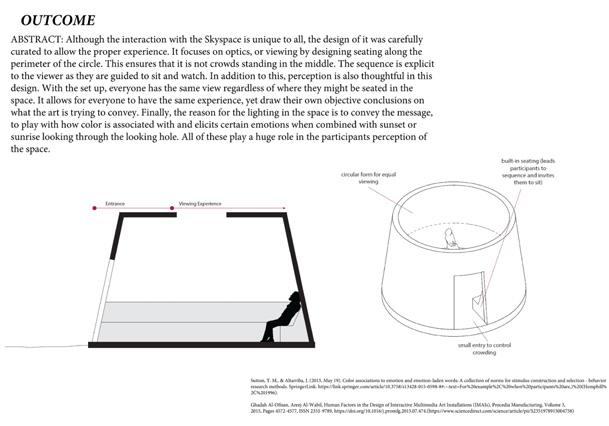
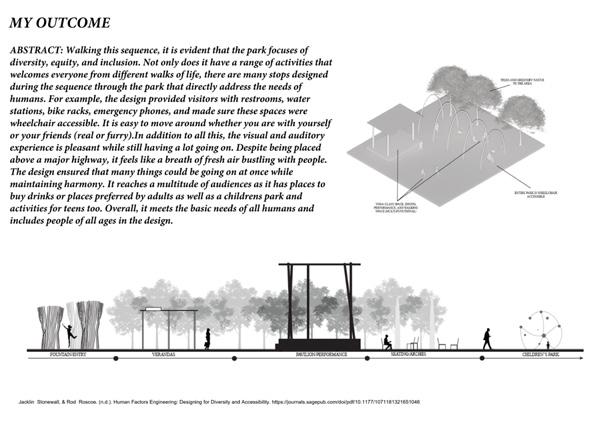
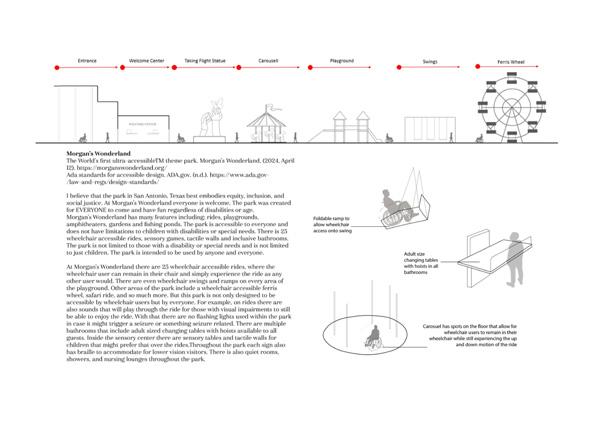
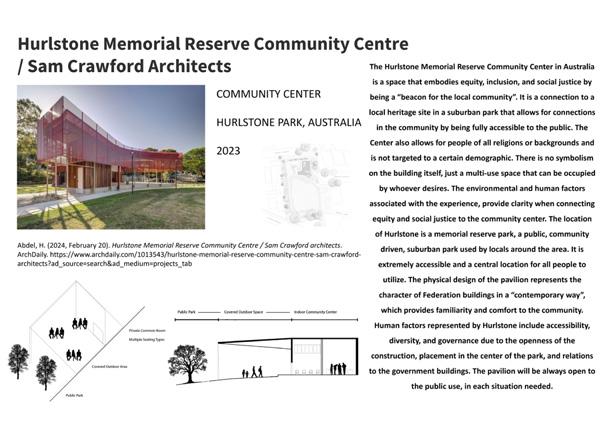
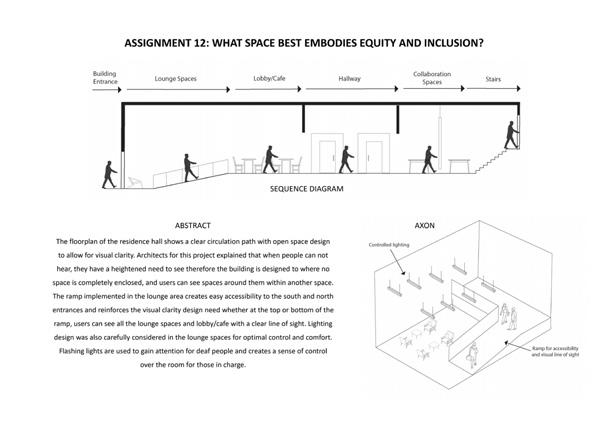
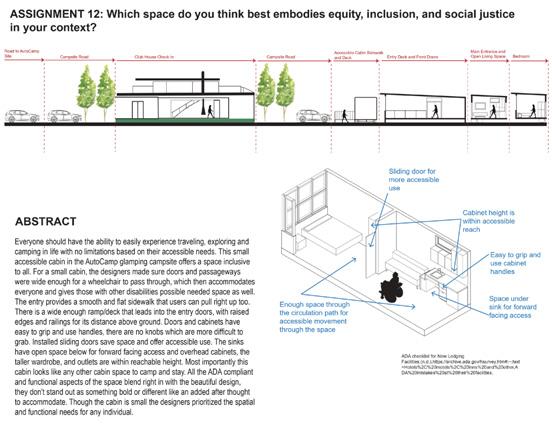
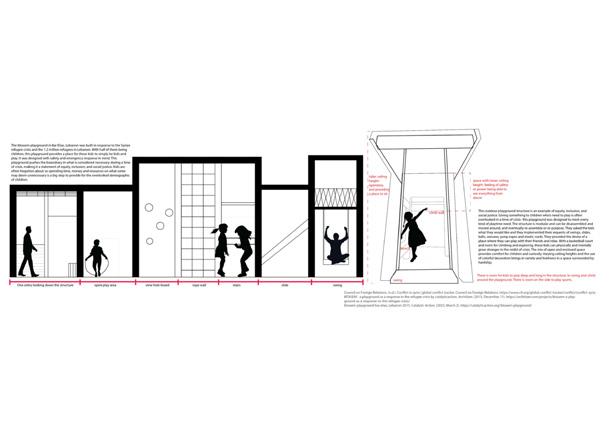
Which space do you think best embodies equity, inclusion, and social justice in your context?
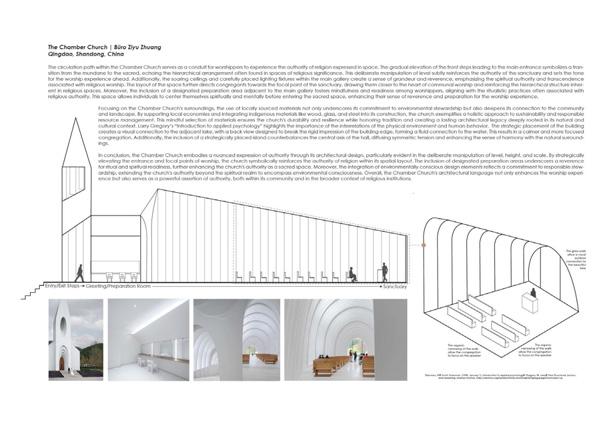
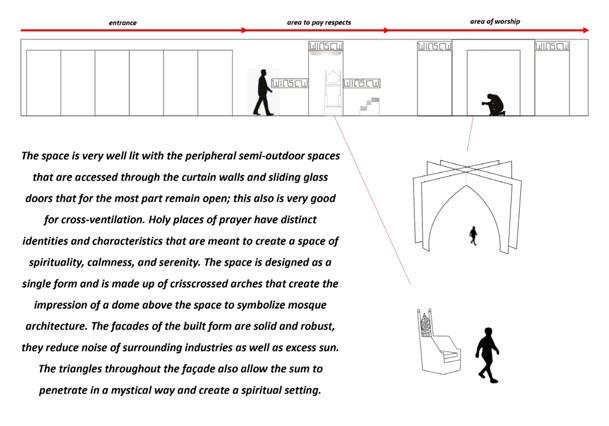
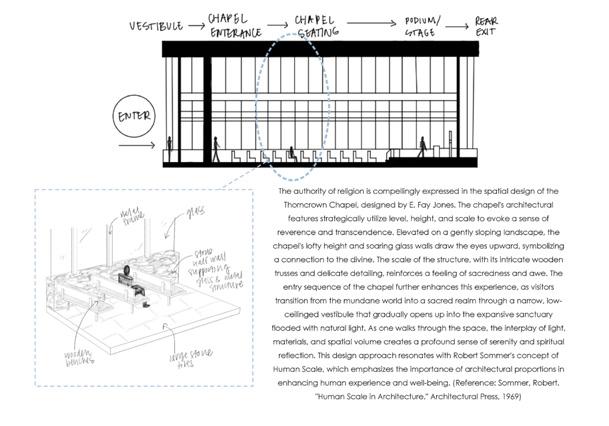
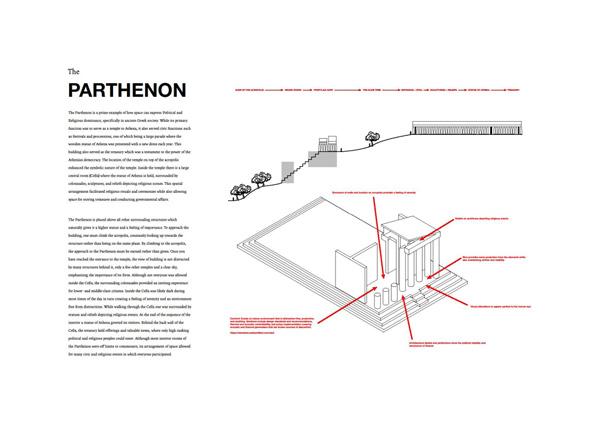
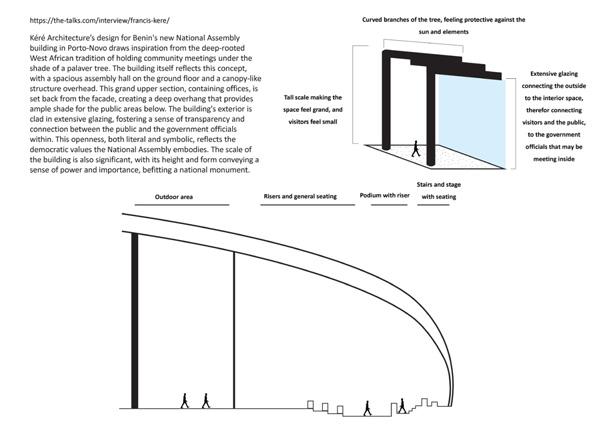
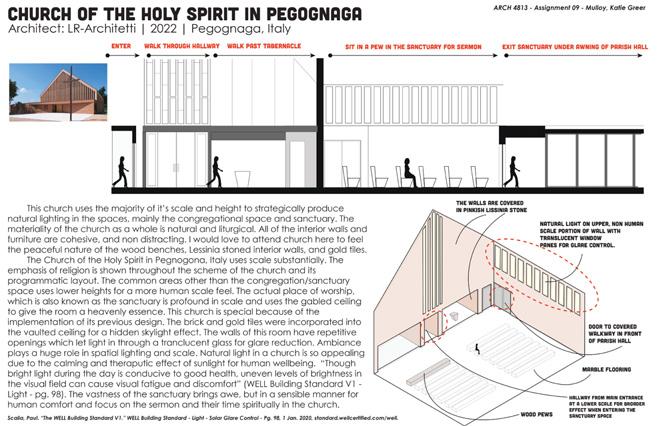
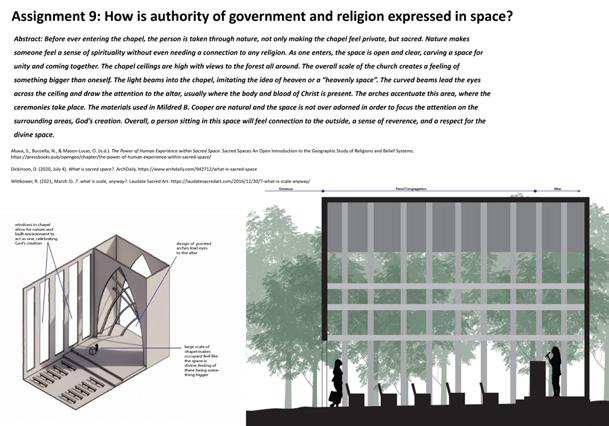
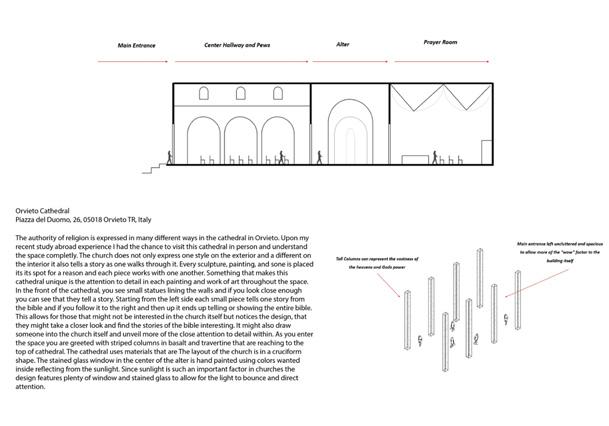
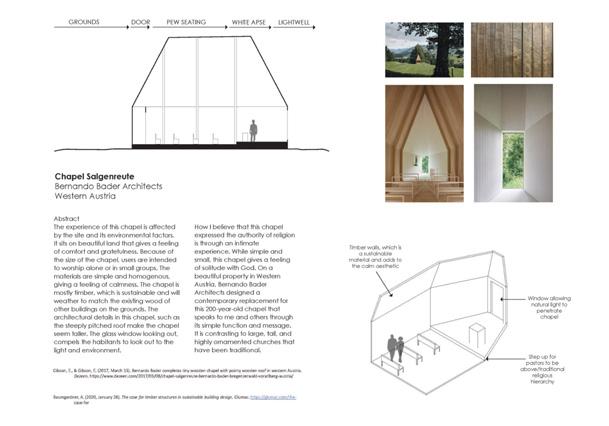
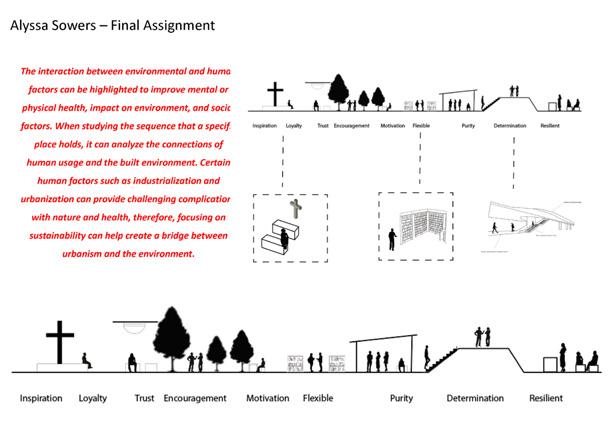
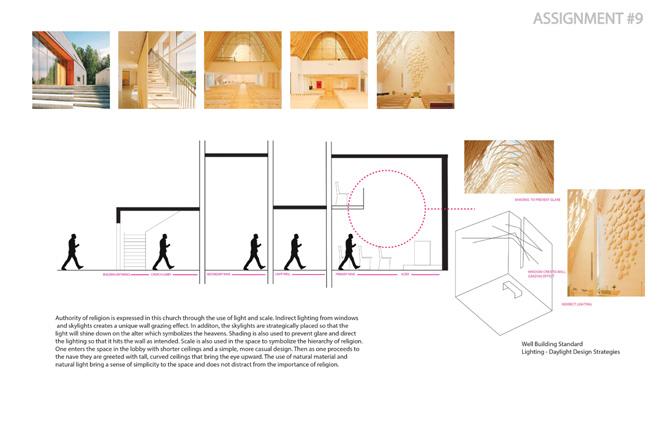
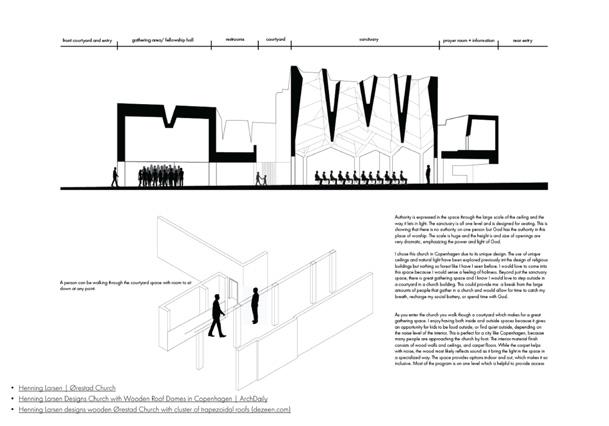
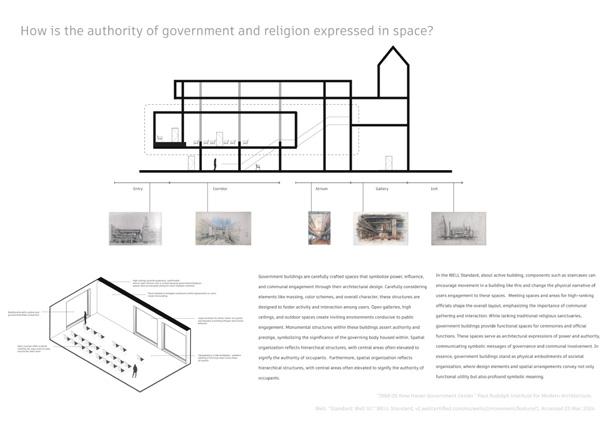
How is the authority of government and religion expressed in space (Focusing on Level, Height, and Scale)?
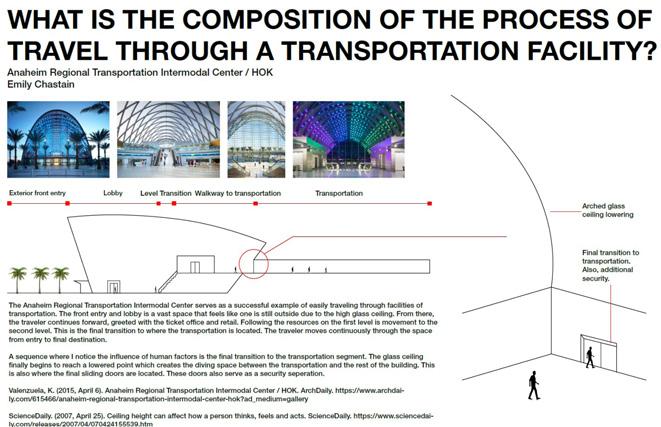
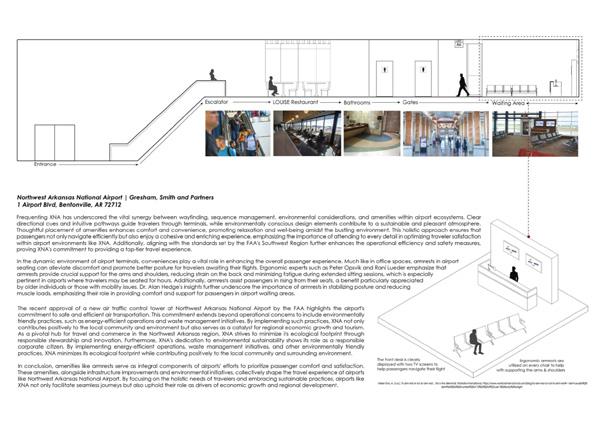
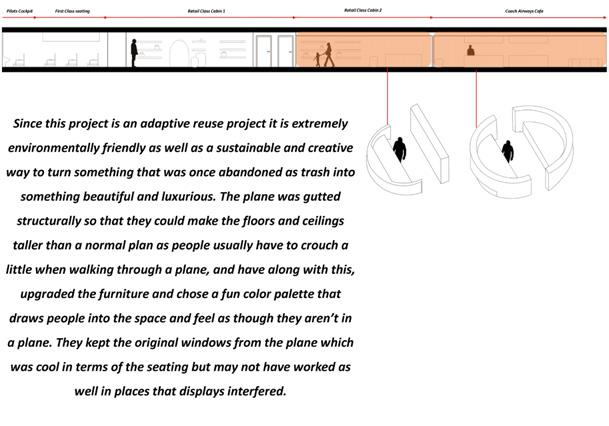
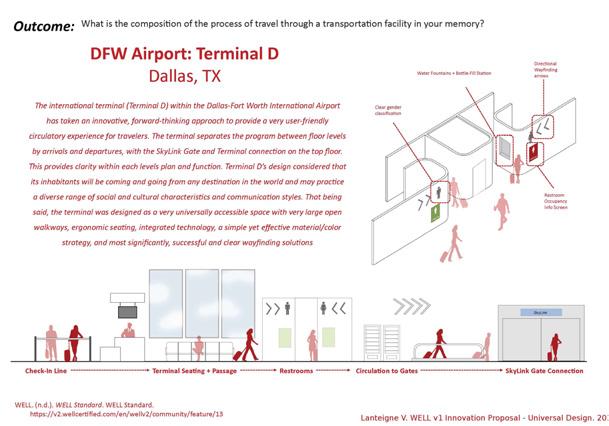
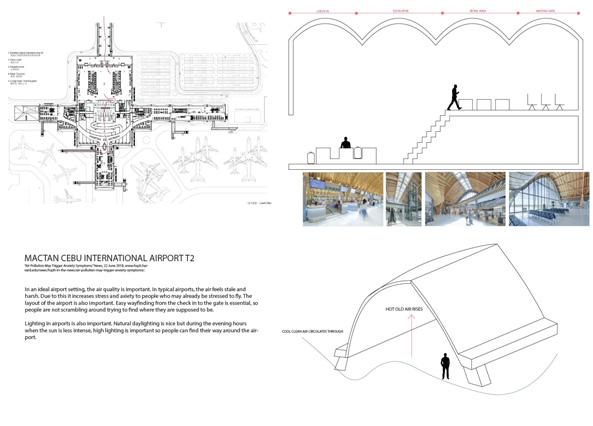
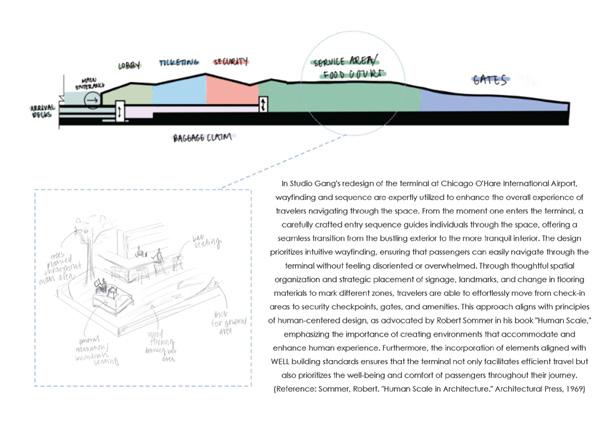
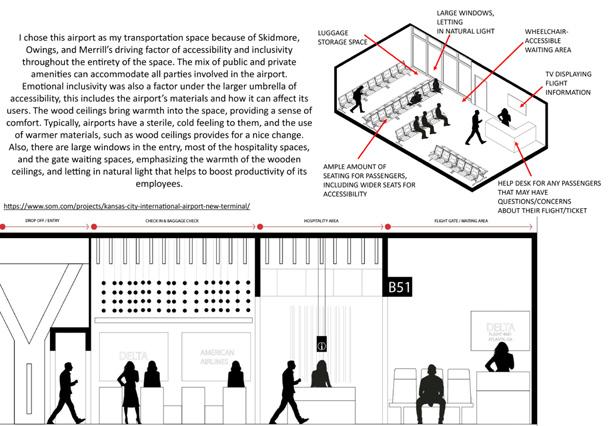
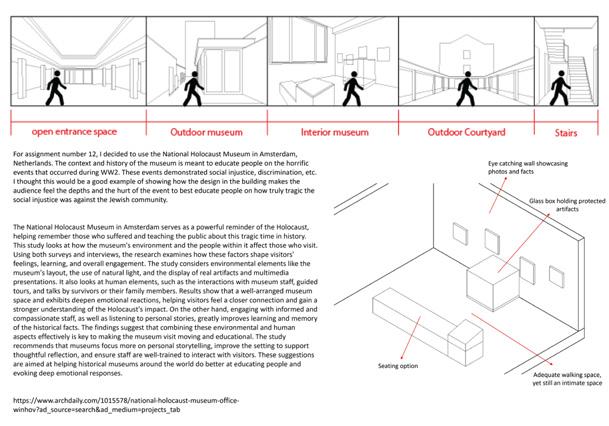
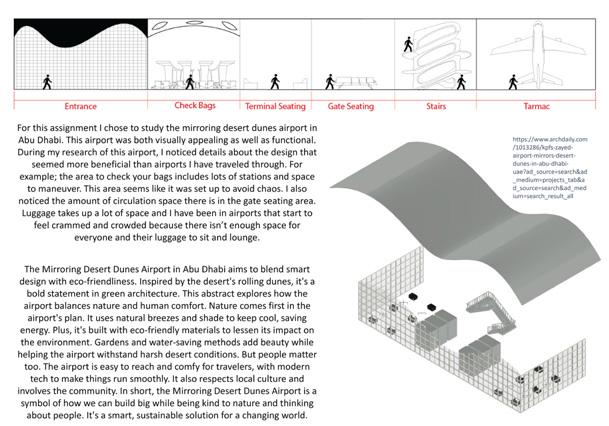
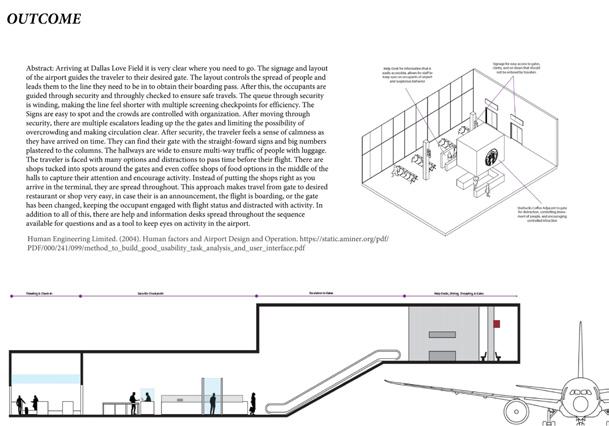
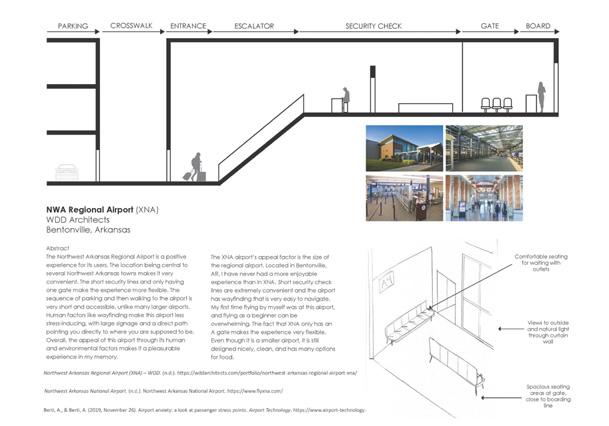
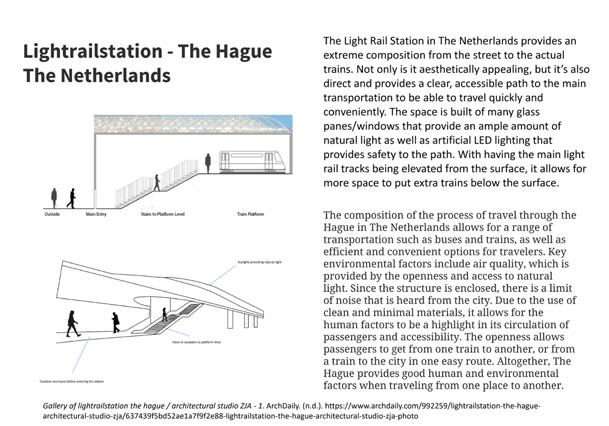
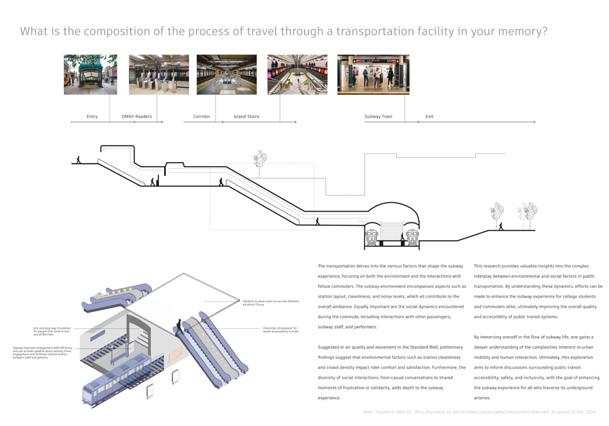
What is the composition of the process of travel through a transportation facility in your memory (focusing on wayfinding and sequence)?
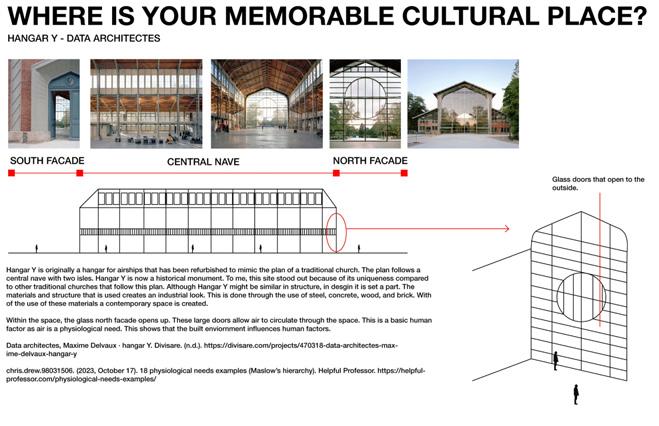
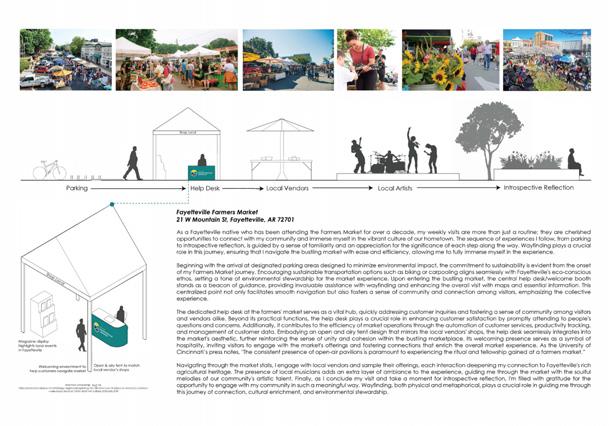
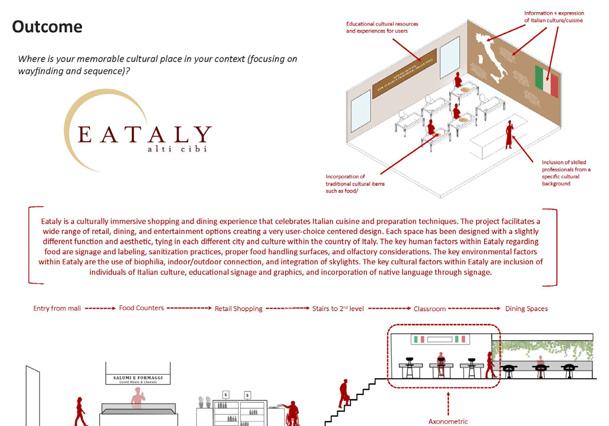
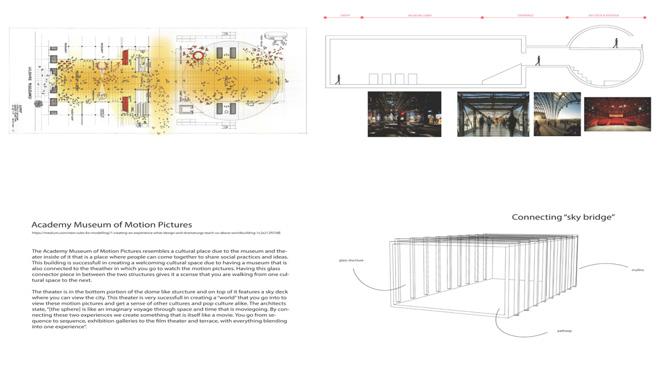
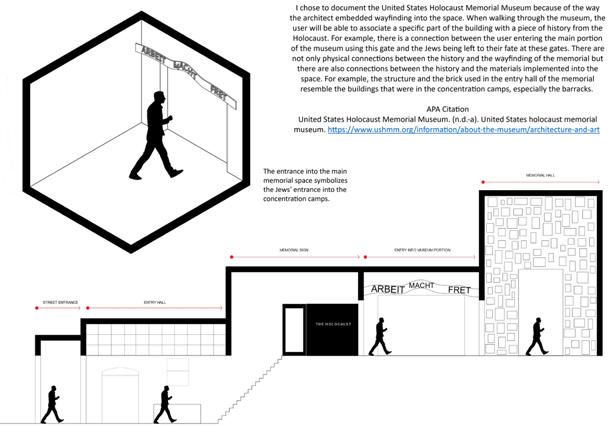
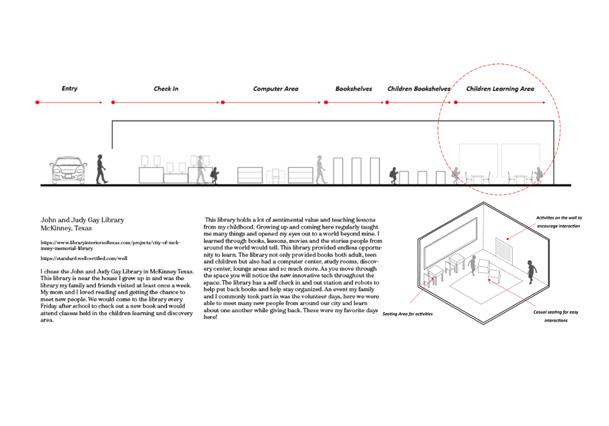
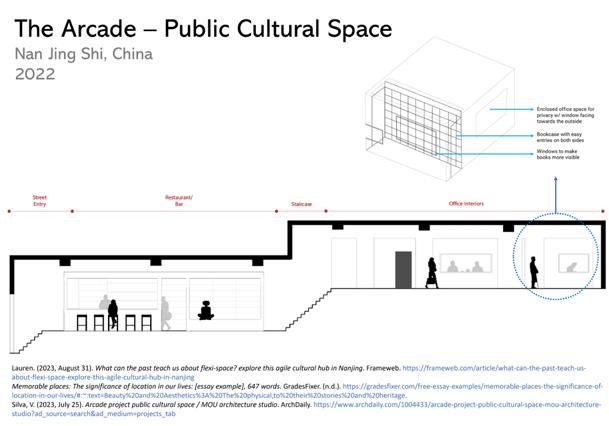
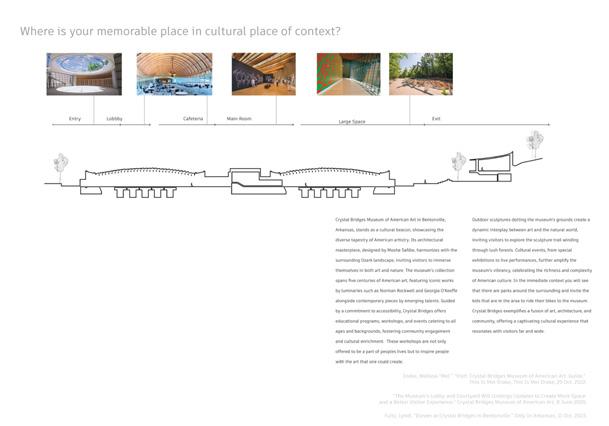
Where is your memorable cultural place in your context (focusing on wayfinding and sequence)?
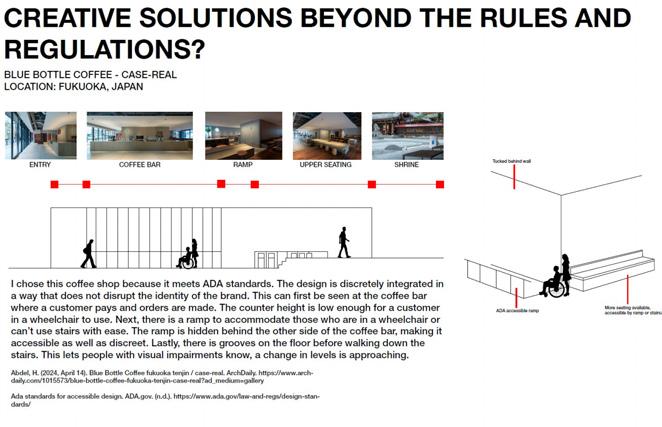
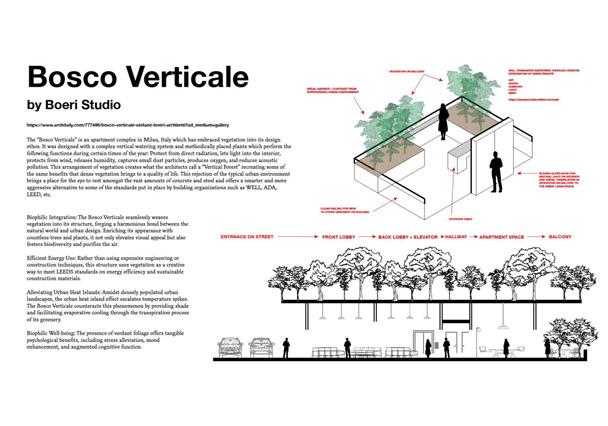
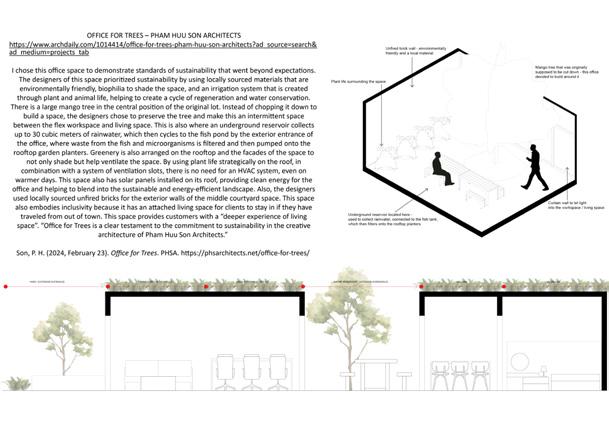
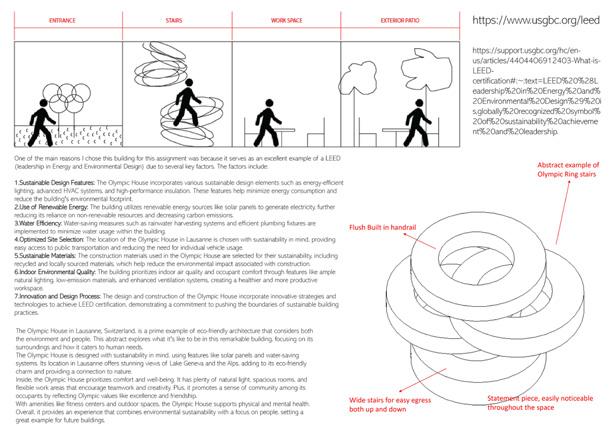
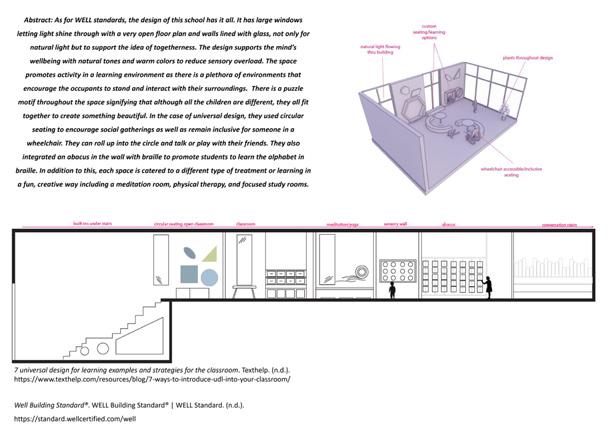
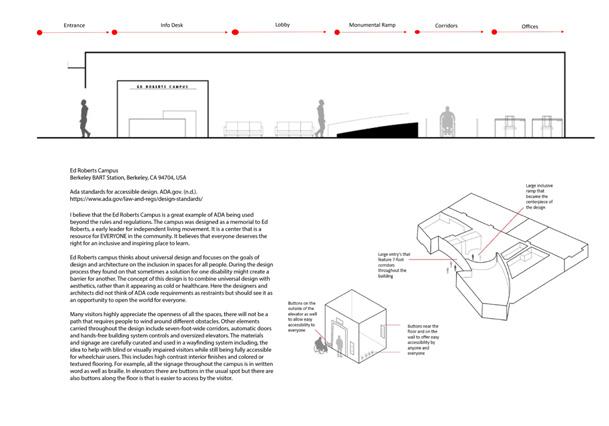
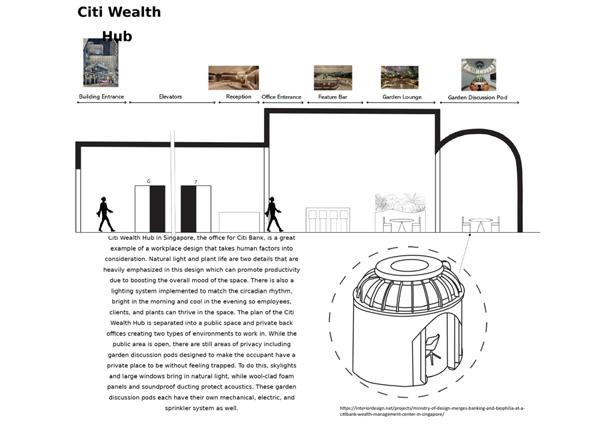
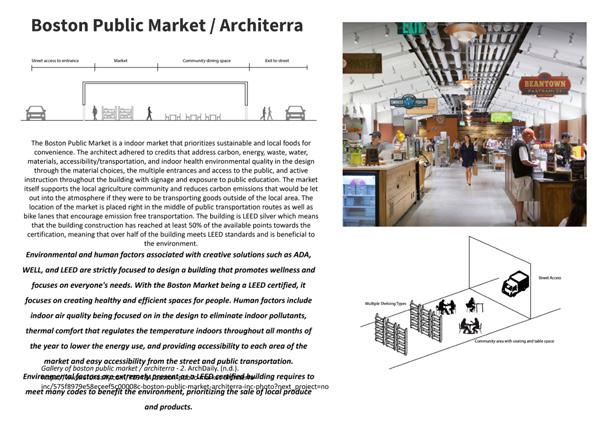
Creative Solutions beyond the rules and regulations in your context (ex. ADA, WELL, LEED, etc.)?
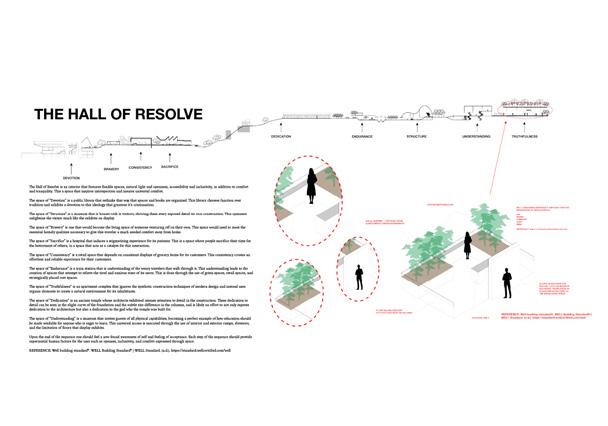
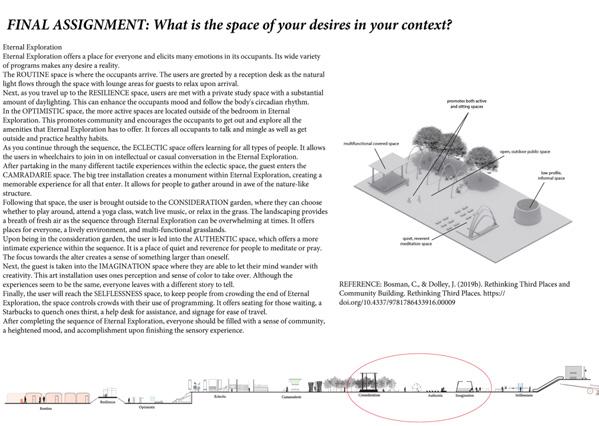
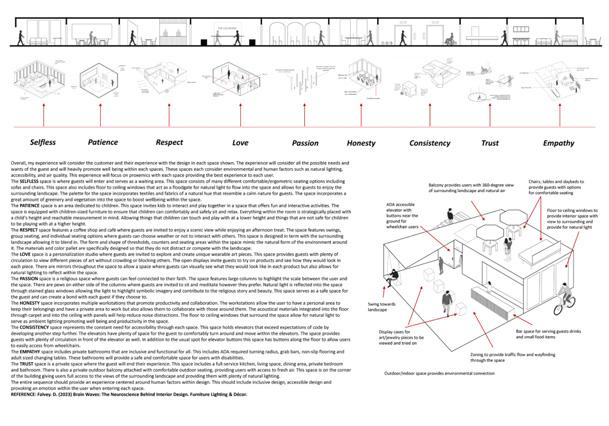
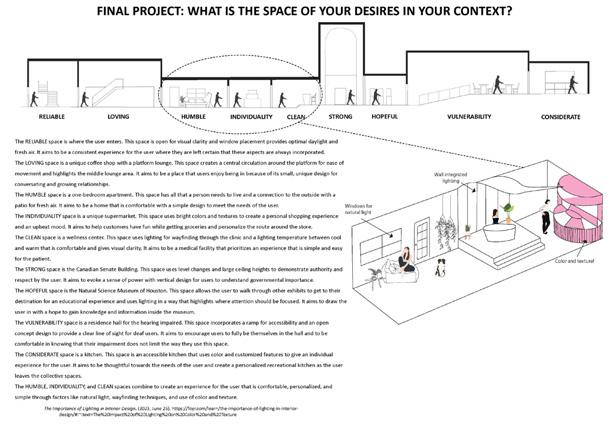
What is the space of your desires in your context?
My Workstation + Typical
How do you want to stay (from entrance to the room) or eat (from entrance to the seating)?
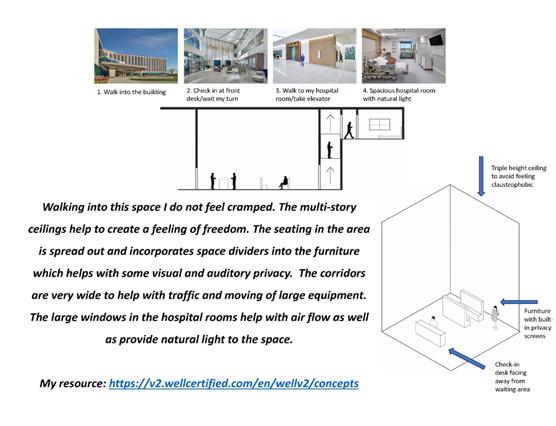
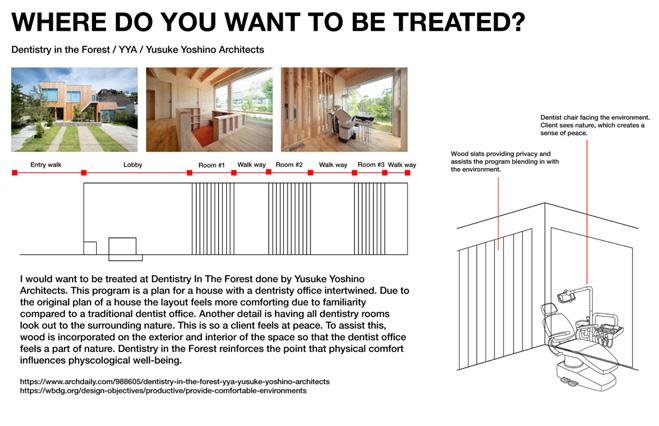
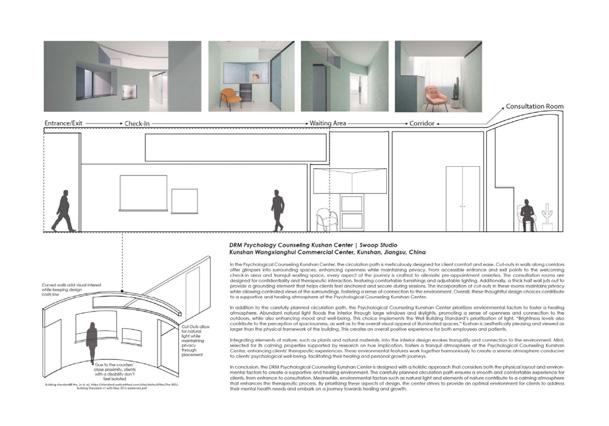
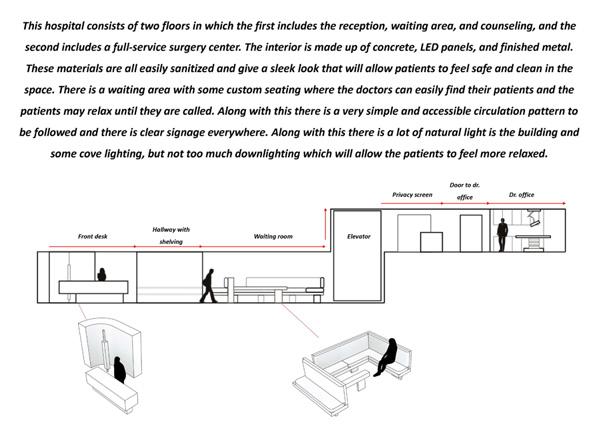
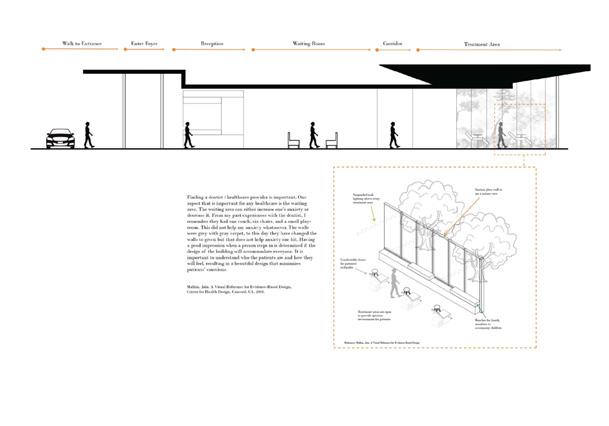
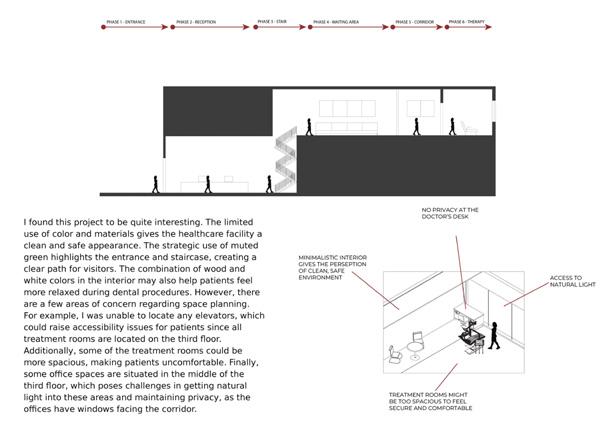
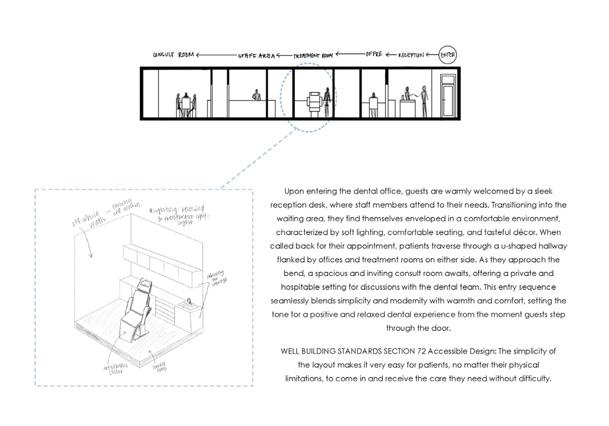
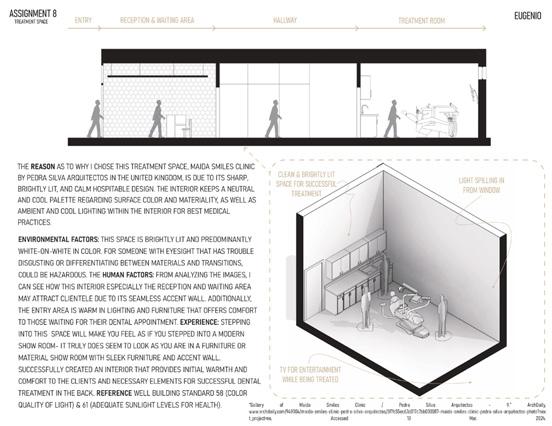
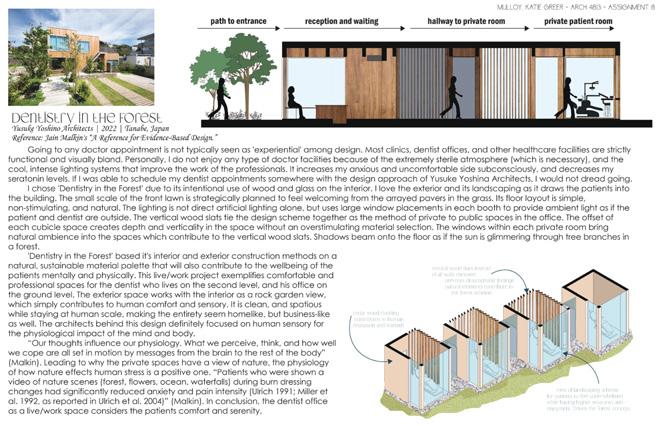
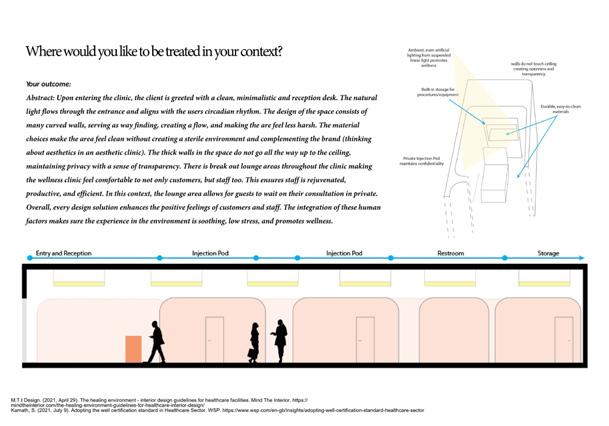
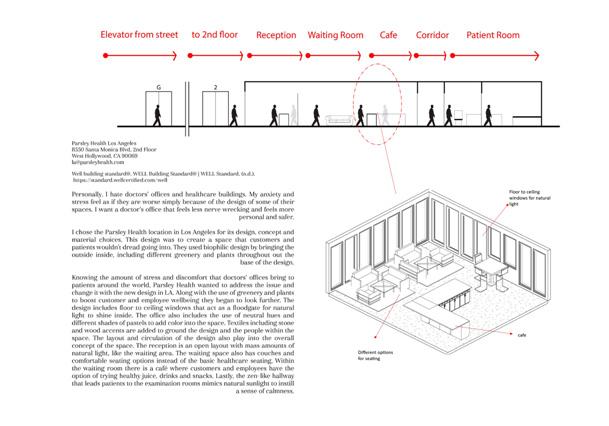
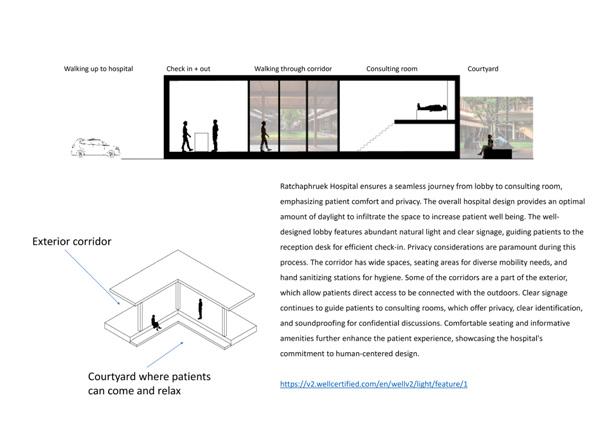
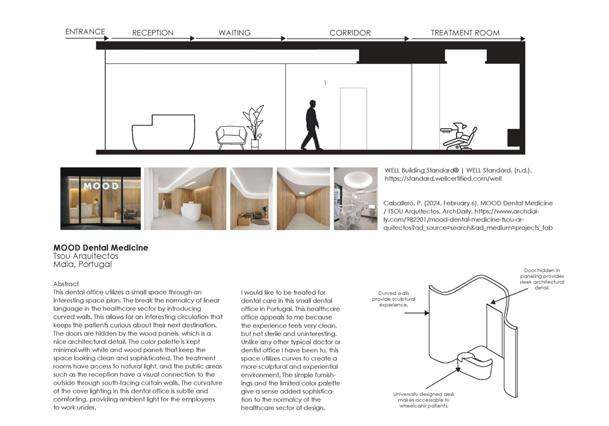
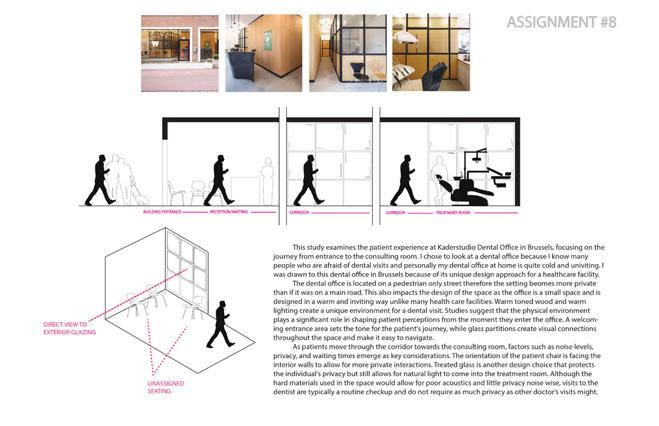
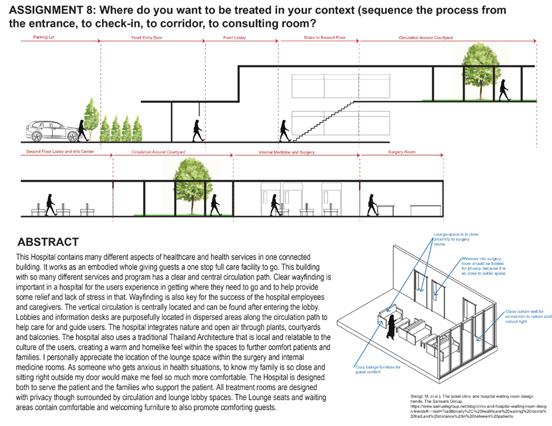
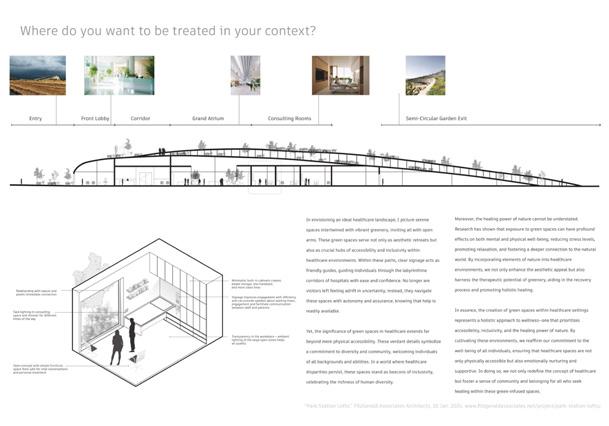
Where do you want to be treated in your context (sequence the process from the entrance, to checking-in, to corridor, and to the consulting room)?
How do you want to live when you are interning at your idealistic firm (identify your summer housing option and develop your morning and afternoon routines)?
How is the product, which you want to buy, displayed (sequence the purchase process from the entrance to the exit)?
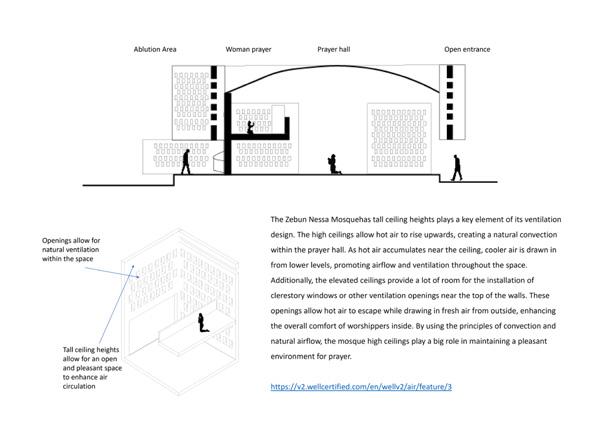
How is the authority of government and religion expressed in space (Focusing on Level, Height, and Scale)?
Which space do you think best embodies equity, inclusion, and social justice in your context?
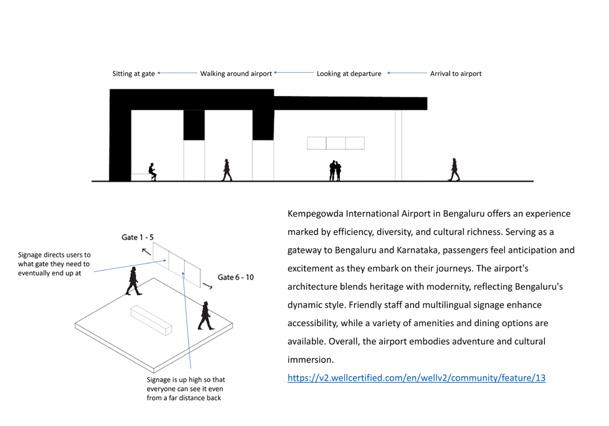
What is the composition of the process of travel through a transportation facility in your memory (focusing on wayfinding and sequence)?
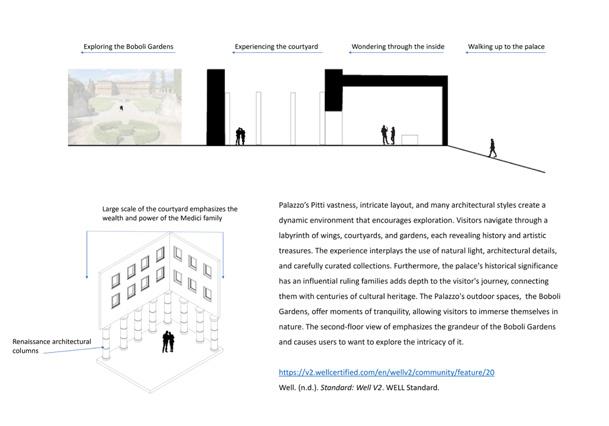
Where is your memorable cultural place in your context (focusing on wayfinding and sequence)?
Creative Solutions beyond the rules and regulations in your context (ex. ADA, WELL, LEED, etc.)?
What is the space of your desires in your context?
HOME DESK MEASUREMENTS
Where do I want to work with my workstation setting?
How do you want to stay (from entrance to the room) or eat (from entrance to the seating)?
How do you want to live when you are interning at your idealistic firm (identify your summer housing option and develop your morning and afternoon routines)?
How is the product, which you want to buy, displayed (sequence the purchase process from the entrance to the exit)?
Where do you want to be treated in your context (sequence the process from the entrance, to checking-in, to corridor, and to the consulting room)?
Which space do you think best embodies equity, inclusion, and social justice in your context?
What is the composition of the process of travel through a transportation facility in your memory (focusing on wayfinding and sequence)?
Where is your memorable cultural place in your context (focusing on wayfinding and sequence)?
Creative Solutions beyond the rules and regulations in your context (ex. ADA, WELL, LEED, etc.)?
What is the space of your desires in your context?
ALLY BOWERS - ASSIGNMENT 3
Where do I want to work with my workstation setting?
How do you want to stay (from entrance to the room) or eat (from entrance to the seating)?
How do you want to live when you are interning at your idealistic firm (identify your summer housing option and develop your morning and afternoon routines)?
How is the product, which you want to buy, displayed (sequence the purchase process from the entrance to the exit)?
Where do you want to be treated in your context (sequence the process from the entrance, to checking-in, to corridor, and to the consulting room)?
How is the authority of government and religion expressed in space (Focusing on Level, Height, and Scale)?
What is the composition of the process of travel through a transportation facility in your memory (focusing on wayfinding and sequence)?
Where is your memorable cultural place in your context (focusing on wayfinding and sequence)?
Which space do you think best embodies equity, inclusion, and social justice in your context?
Creative Solutions beyond the rules and regulations in your context (ex. ADA, WELL, LEED, etc.)?
What is the space of your desires in your context?
My Workstation + Typical
Where do I want to work with my workstation setting?
How do you want to stay (from entrance to the room) or eat (from entrance to the seating)?
How do you want to live when you are interning at your idealistic firm (identify your summer housing option and develop your morning and afternoon routines)?
How is the product, which you want to buy, displayed (sequence the purchase process from the entrance to the exit)?
Where do you want to be treated in your context (sequence the process from the entrance, to checking-in, to corridor, and to the consulting room)?
How is the authority of government and religion expressed in space (Focusing on Level, Height, and Scale)?
What is the composition of the process of travel through a transportation facility in your memory (focusing on wayfinding and sequence)?
Where is your memorable cultural place in your context (focusing on wayfinding and sequence)?
Which space do you think best embodies equity, inclusion, and social justice in your context?
Creative Solutions beyond the rules and regulations in your context (ex. ADA, WELL, LEED, etc.)?
What is the space of your desires in your context?
My Workstation + Typical
Where do I want to work with my workstation setting?
How do you want to stay (from entrance to the room) or eat (from entrance to the seating)?
How do you want to live when you are interning at your idealistic firm (identify your summer housing option and develop your morning and afternoon routines)?
How is the product, which you want to buy, displayed (sequence the purchase process from the entrance to the exit)?
Where do you want to be treated in your context (sequence the process from the entrance, to checking-in, to corridor, and to the consulting room)?
How is the authority of government and religion expressed in space (Focusing on Level, Height, and Scale)?
What is the composition of the process of travel through a transportation facility in your memory (focusing on wayfinding and sequence)?
Where is your memorable cultural place in your context (focusing on wayfinding and sequence)?
Which space do you think best embodies equity, inclusion, and social justice in your context?
Creative Solutions beyond the rules and regulations in your context (ex. ADA, WELL, LEED, etc.)?
What is the space of your desires in your context?
My Workstation + Typical
Where do you want to be treated in your context (sequence the process from the entrance, to checking-in, to corridor, and to the consulting room)?
Which space do you think best embodies equity, inclusion, and social justice in your context?
How do you want to live when you are interning at your idealistic firm (identify your summer housing option and develop your morning and afternoon routines)?
How is the product, which you want to buy, displayed (sequence the purchase process from the entrance to the exit)?
What is the composition of the process of travel through a transportation facility in your memory (focusing on wayfinding and sequence)?
Where is your memorable cultural place in your context (focusing on wayfinding and sequence)?
Creative Solutions beyond the rules and regulations in your context (ex. ADA, WELL, LEED, etc.)?
What is the space of your desires in your context?
My Workstation + Typical
Where do you want to be treated in your context (sequence the process from the entrance, to checking-in, to corridor, and to the consulting room)?
Which space do you think best embodies equity, inclusion, and social justice in your context?
How do you want to live when you are interning at your idealistic firm (identify your summer housing option and develop your morning and afternoon routines)?
How is the product, which you want to buy, displayed (sequence the purchase process from the entrance to the exit)?
What is the composition of the process of travel through a transportation facility in your memory (focusing on wayfinding and sequence)?
Where is your memorable cultural place in your context (focusing on wayfinding and sequence)?
Creative Solutions beyond the rules and regulations in your context (ex. ADA, WELL, LEED, etc.)?
What is the space of your desires in your context?
2’ - 0” 5’0”
1’8” 1’8”
- 0”
My Workstation + Typical
1’8”
2’6” 6”
1’3”
- 3”
How do you want to stay (from entrance to the room) or eat (from entrance to the seating)?
Where do you want to be treated in your context (sequence the process from the entrance, to checking-in, to corridor, and to the consulting room)?
How do you want to live when you are interning at your idealistic firm (identify your summer housing option and develop your morning and afternoon routines)?
How is the product, which you want to buy, displayed (sequence the purchase process from the entrance to the exit)?
How is the authority of government and religion expressed in space (Focusing on Level, Height, and Scale)?
Which space do you think best embodies equity, inclusion, and social justice in your context?
What is the composition of the process of travel through a transportation facility in your memory (focusing on wayfinding and sequence)?
Where is your memorable cultural place in your context (focusing on wayfinding and sequence)?
Creative Solutions beyond the rules and regulations in your context (ex. ADA, WELL, LEED, etc.)?
What is the space of your desires in your context?
Where do I want to work with my workstation setting?
Where do you want to be treated in your context (sequence the process from the entrance, to checking-in, to corridor, and to the consulting room)?
How is the product, which you want to buy, displayed (sequence the purchase process from the entrance to the exit)?
What is the composition of the process of travel through a transportation facility in your memory (focusing on wayfinding and sequence)?
How is the authority of government and religion expressed in space (Focusing on Level, Height, and Scale)?
Which space do you think best embodies equity, inclusion, and social justice in your context?
Where is your memorable cultural place in your context (focusing on wayfinding and sequence)?
Creative Solutions beyond the rules and regulations in your context (ex. ADA, WELL, LEED, etc.)?
What is the space of your desires in your context?
My Workstation + Typical
Where do I want to work with my workstation setting?
How do you want to stay (from entrance to the room) or eat (from entrance to the seating)?
How do you want to live when you are interning at your idealistic firm (identify your summer housing option and develop your morning and afternoon routines)?
How is the product, which you want to buy, displayed (sequence the purchase process from the entrance to the exit)?
Where do you want to be treated in your context (sequence the process from the entrance, to checking-in, to corridor, and to the consulting room)?
How is the authority of government and religion expressed in space (Focusing on Level, Height, and Scale)?
What is the composition of the process of travel through a transportation facility in your memory (focusing on wayfinding and sequence)?
Where is your memorable cultural place in your context (focusing on wayfinding and sequence)?
Which space do you think best embodies equity, inclusion, and social justice in your context?
Creative Solutions beyond the rules and regulations in your context (ex. ADA, WELL, LEED, etc.)?
What is the space of your desires in your context?
My Workstation + Typical
Where do I want to work with my workstation setting?
How do you want to stay (from entrance to the room) or eat (from entrance to the seating)?
How do you want to live when you are interning at your idealistic firm (identify your summer housing option and develop your morning and afternoon routines)?
How is the product, which you want to buy, displayed (sequence the purchase process from the entrance to the exit)?
Where do you want to be treated in your context (sequence the process from the entrance, to checking-in, to corridor, and to the consulting room)?
How is the authority of government and religion expressed in space (Focusing on Level, Height, and Scale)?
What is the composition of the process of travel through a transportation facility in your memory (focusing on wayfinding and sequence)?
Where is your memorable cultural place in your context (focusing on wayfinding and sequence)?
Which space do you think best embodies equity, inclusion, and social justice in your context?
Creative Solutions beyond the rules and regulations in your context (ex. ADA, WELL, LEED, etc.)?
What is the space of your desires in your context?
My Workstation + Typical
Where do I want to work with my workstation setting?
How do you want to stay (from entrance to the room) or eat (from entrance to the seating)?
How do you want to live when you are interning at your idealistic firm (identify your summer housing option and develop your morning and afternoon routines)?
How is the product, which you want to buy, displayed (sequence the purchase process from the entrance to the exit)?
Where do you want to be treated in your context (sequence the process from the entrance, to checking-in, to corridor, and to the consulting room)?
How is the authority of government and religion expressed in space (Focusing on Level, Height, and Scale)?
What is the composition of the process of travel through a transportation facility in your memory (focusing on wayfinding and sequence)?
Where is your memorable cultural place in your context (focusing on wayfinding and sequence)?
Which space do you think best embodies equity, inclusion, and social justice in your context?
Creative Solutions beyond the rules and regulations in your context (ex. ADA, WELL, LEED, etc.)?
What is the space of your desires in your context?
My Workstation + Typical
Where do I want to work with my workstation setting?
How do you want to stay (from entrance to the room) or eat (from entrance to the seating)?
How do you want to live when you are interning at your idealistic firm (identify your summer housing option and develop your morning and afternoon routines)?
How is the product, which you want to buy, displayed (sequence the purchase process from the entrance to the exit)?
Where do you want to be treated in your context (sequence the process from the entrance, to checking-in, to corridor, and to the consulting room)?
How is the authority of government and religion expressed in space (Focusing on Level, Height, and Scale)?
What is the composition of the process of travel through a transportation facility in your memory (focusing on wayfinding and sequence)?
Creative Solutions beyond the rules and regulations in your context (ex. ADA, WELL, LEED, etc.)?
Which space do you think best embodies equity, inclusion, and social justice in your context?
What is the space of your desires in your context?
My Workstation + Typical
How do you want to stay (from entrance to the room) or eat (from entrance to the seating)?
Where do you want to be treated in your context (sequence the process from the entrance, to checking-in, to corridor, and to the consulting room)?
How do you want to live when you are interning at your idealistic firm (identify your summer housing option and develop your morning and afternoon routines)?
How is the product, which you want to buy, displayed (sequence the purchase process from the entrance to the exit)?
Where is your memorable cultural place in your context (focusing on wayfinding and sequence)?
Which space do you think best embodies equity, inclusion, and social justice in your context?
What is the space of your desires in your context?
Where do I want to work with my workstation setting?
How do you want to stay (from entrance to the room) or eat (from entrance to the seating)?
How do you want to live when you are interning at your idealistic firm (identify your summer housing option and develop your morning and afternoon routines)?
How is the product, which you want to buy, displayed (sequence the purchase process from the entrance to the exit)?
Where do you want to be treated in your context (sequence the process from the entrance, to checking-in, to corridor, and to the consulting room)?
How is the authority of government and religion expressed in space (Focusing on Level, Height, and Scale)?
What is the composition of the process of travel through a transportation facility in your memory (focusing on wayfinding and sequence)?
Where is your memorable cultural place in your context (focusing on wayfinding and sequence)?
Which space do you think best embodies equity, inclusion, and social justice in your context?
Creative Solutions beyond the rules and regulations in your context (ex. ADA, WELL, LEED, etc.)?
What is the space of your desires in your context?
How do you want to stay (from entrance to the room) or eat (from entrance to the seating)?
Where do you want to be treated in your context (sequence the process from the entrance, to checking-in, to corridor, and to the consulting room)?
How do you want to live when you are interning at your idealistic firm (identify your summer housing option and develop your morning and afternoon routines)?
How is the product, which you want to buy, displayed (sequence the purchase process from the entrance to the exit)?
Which space do you think best embodies equity, inclusion, and social justice in your context?
Creative Solutions beyond the rules and regulations in your context (ex. ADA, WELL, LEED, etc.)?
What is the composition of the process of travel through a transportation facility in your memory (focusing on wayfinding and sequence)?
Where is your memorable cultural place in your context (focusing on wayfinding and sequence)?
What is the space of your desires in your context?
Where do I want to work with my workstation setting?
How do you want to stay (from entrance to the room) or eat (from entrance to the seating)?
How do you want to live when you are interning at your idealistic firm (identify your summer housing option and develop your morning and afternoon routines)?
How is the product, which you want to buy, displayed (sequence the purchase process from the entrance to the exit)?
Where do you want to be treated in your context (sequence the process from the entrance, to checking-in, to corridor, and to the consulting room)?
How is the authority of government and religion expressed in space (Focusing on Level, Height, and Scale)?
What is the composition of the process of travel through a transportation facility in your memory (focusing on wayfinding and sequence)?
Creative Solutions beyond the rules and regulations in your context (ex. ADA, WELL, LEED, etc.)?
Which space do you think best embodies equity, inclusion, and social justice in your context?
What is the space of your desires in your context?
My Workstation +
How do you want to stay (from entrance to the room) or eat (from entrance to the seating)?
Where do you want to be treated in your context (sequence the process from the entrance, to checking-in, to corridor, and to the consulting room)?
How do you want to live when you are interning at your idealistic firm (identify your summer housing option and develop your morning and afternoon routines)?
How is the product, which you want to buy, displayed (sequence the purchase process from the entrance to the exit)?
Which space do you think best embodies equity, inclusion, and social justice in your context?
Creative Solutions beyond the rules and regulations in your context (ex. ADA, WELL, LEED, etc.)?
Where is your memorable cultural place in your context (focusing on wayfinding and sequence)?
What is the space of your desires in your context?
My Workstation + Typical
How do you want to stay (from entrance to the room) or eat (from entrance to the seating)?
Where do you want to be treated in your context (sequence the process from the entrance, to checking-in, to corridor, and to the consulting room)?
How do you want to live when you are interning at your idealistic firm (identify your summer housing option and develop your morning and afternoon routines)?
How is the product, which you want to buy, displayed (sequence the purchase process from the entrance to the exit)?
What is the composition of the process of travel through a transportation facility in your memory (focusing on wayfinding and sequence)?
Where is your memorable cultural place in your context (focusing on wayfinding and sequence)?
What is the space of your desires in your context?
My Workstation + Typical
Where do I want to work with my workstation setting?
How do you want to stay (from entrance to the room) or eat (from entrance to the seating)?
How do you want to live when you are interning at your idealistic firm (identify your summer housing option and develop your morning and afternoon routines)?
How is the product, which you want to buy, displayed (sequence the purchase process from the entrance to the exit)?
Where do you want to be treated in your context (sequence the process from the entrance, to checking-in, to corridor, and to the consulting room)?
How is the authority of government and religion expressed in space (Focusing on Level, Height, and Scale)?
What is the composition of the process of travel through a transportation facility in your memory (focusing on wayfinding and sequence)?
Where is your memorable cultural place in your context (focusing on wayfinding and sequence)?
Creative Solutions beyond the rules and regulations in your context (ex. ADA, WELL, LEED, etc.)?
What is the space of your desires in your context?
How is the product, which you want to buy, displayed (sequence the purchase process from the entrance to the exit)?
What is the composition of the process of travel through a transportation facility in your memory (focusing on wayfinding and sequence)?
How is the authority of government and religion expressed in space (Focusing on Level, Height, and Scale)?
Which space do you think best embodies equity, inclusion, and social justice in your context?
Creative Solutions beyond the rules and regulations in your context (ex. ADA, WELL, LEED, etc.)?
What is the space of your desires in your context?
Where do I want to work with my workstation setting?
How do you want to stay (from entrance to the room) or eat (from entrance to the seating)?
How do you want to live when you are interning at your idealistic firm (identify your summer housing option and develop your morning and afternoon routines)?
How is the product, which you want to buy, displayed (sequence the purchase process from the entrance to the exit)?
Where do you want to be treated in your context (sequence the process from the entrance, to checking-in, to corridor, and to the consulting room)?
How is the authority of government and religion expressed in space (Focusing on Level, Height, and Scale)?
What is the composition of the process of travel through a transportation facility in your memory (focusing on wayfinding and sequence)?
Where is your memorable cultural place in your context (focusing on wayfinding and sequence)?
Which space do you think best embodies equity, inclusion, and social justice in your context?
What is the space of your desires in your context?
How do you want to live when you are interning at your idealistic firm (identify your summer housing option and develop your morning and afternoon routines)?
How is the product, which you want to buy, displayed (sequence the purchase process from the entrance to the exit)?
Where do I want to work with my workstation setting?
Where do you want to be treated in your context (sequence the process from the entrance, to checking-in, to corridor, and to the consulting room)?
What is the composition of the process of travel through a transportation facility in your memory (focusing on wayfinding and sequence)?
Where is your memorable cultural place in your context (focusing on wayfinding and sequence)?
How is the authority of government and religion expressed in space (Focusing on Level, Height, and Scale)?
Which space do you think best embodies equity, inclusion, and social justice in your context?
Creative Solutions beyond the rules and regulations in your context (ex. ADA, WELL, LEED, etc.)?
What is the space of your desires in your context?
How is the authority of government and religion expressed in space (Focusing on Level, Height, and Scale)?
Which space do you think best embodies equity, inclusion, and social justice in your context?
Creative Solutions beyond the rules and regulations in your context (ex. ADA, WELL, LEED, etc.)?
What is the space of your desires in your context?
My Workstation + Typical
Which space do you think best embodies equity, inclusion, and social justice in your context?
Where is your memorable cultural place in your context (focusing on wayfinding and sequence)?
How do you want to live when you are interning at your idealistic firm (identify your summer housing option and develop your morning and afternoon routines)?
What is the composition of the process of travel through a transportation facility in your memory (focusing on wayfinding and sequence)?
Creative Solutions beyond the rules and regulations in your context (ex. ADA, WELL, LEED, etc.)?
What is the space of your desires in your context?
My Workstation + Typical
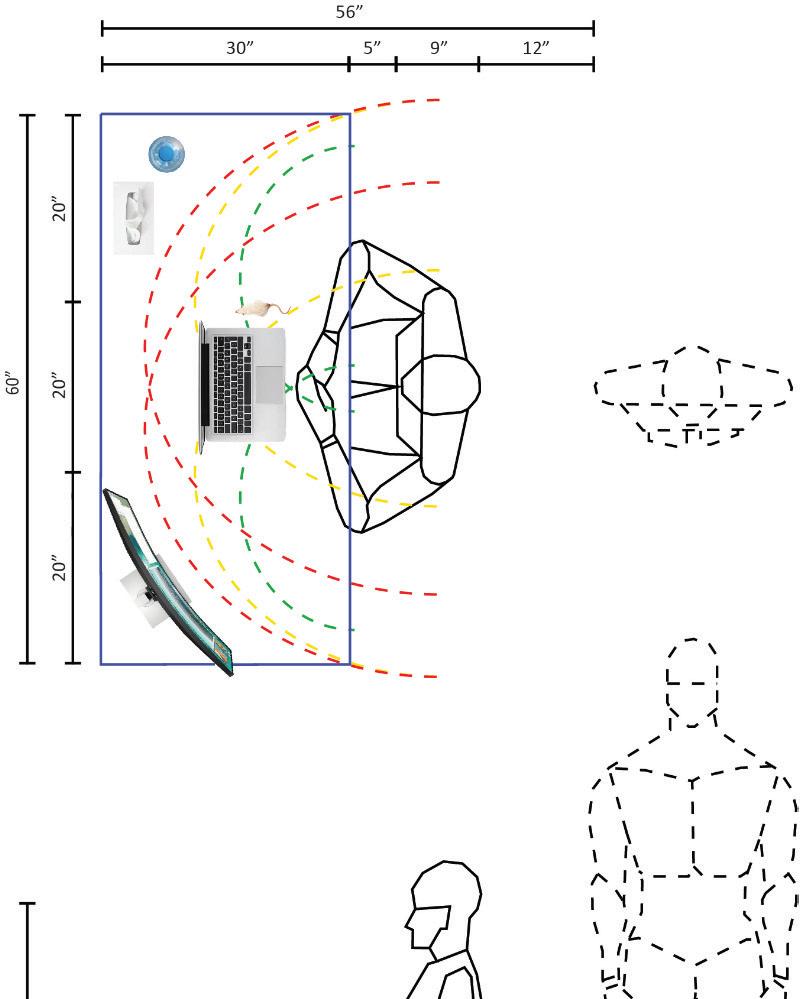
ZONE 1: 11.5” ZONE 2: 16.5”
ZONE 3: 22.75”
Where do I want to work with my workstation setting?
How do you want to stay (from entrance to the room) or eat (from entrance to the seating)?
How do you want to live when you are interning at your idealistic firm (identify your summer housing option and develop your morning and afternoon routines)?
How is the product, which you want to buy, displayed (sequence the purchase process from the entrance to the exit)?
Where do you want to be treated in your context (sequence the process from the entrance, to checking-in, to corridor, and to the consulting room)?
How is the authority of government and religion expressed in space (Focusing on Level, Height, and Scale)?
What is the composition of the process of travel through a transportation facility in your memory (focusing on wayfinding and sequence)?
Where is your memorable cultural place in your context (focusing on wayfinding and sequence)?
Which space do you think best embodies equity, inclusion, and social justice in your context?
Creative Solutions beyond the rules and regulations in your context (ex. ADA, WELL, LEED, etc.)?
What is the space of your desires in your context?
10”
My Workstation + Typical
6”
3’7”
4”
Where do I want to work with my workstation setting?
How do you want to stay (from entrance to the room) or eat (from entrance to the seating)?
How is the product, which you want to buy, displayed (sequence the purchase process from the entrance to the exit)?
Which space do you think best embodies equity, inclusion, and social justice in your context?
Where do you want to be treated in your context (sequence the process from the entrance, to checking-in, to corridor, and to the consulting room)?
How is the authority of government and religion expressed in space (Focusing on Level, Height, and Scale)?
What is the composition of the process of travel through a transportation facility in your memory (focusing on wayfinding and sequence)?
Where is your memorable cultural place in your context (focusing on wayfinding and sequence)?
Creative Solutions beyond the rules and regulations in your context (ex. ADA, WELL, LEED, etc.)?
What is the space of your desires in your context?
My Workstation + Typical
Where do I want to work with my workstation setting?
How do you want to stay (from entrance to the room) or eat (from entrance to the seating)?
How do you want to live when you are interning at your idealistic firm (identify your summer housing option and develop your morning and afternoon routines)?
How is the product, which you want to buy, displayed (sequence the purchase process from the entrance to the exit)?
Where do you want to be treated in your context (sequence the process from the entrance, to checking-in, to corridor, and to the consulting room)?
How is the authority of government and religion expressed in space (Focusing on Level, Height, and Scale)?
What is the composition of the process of travel through a transportation facility in your memory (focusing on wayfinding and sequence)?
Where is your memorable cultural place in your context (focusing on wayfinding and sequence)?
Which space do you think best embodies equity, inclusion, and social justice in your context?
Creative Solutions beyond the rules and regulations in your context (ex. ADA, WELL, LEED, etc.)?
What is the space of your desires in your context?
My Workstation + Typical
Where do you want to be treated in your context (sequence the process from the entrance, to checking-in, to corridor, and to the consulting room)?
How is the authority of government and religion expressed in space (Focusing on Level, Height, and Scale)?
How is the product, which you want to buy, displayed (sequence the purchase process from the entrance to the exit)?
What is the composition of the process of travel through a transportation facility in your memory (focusing on wayfinding and sequence)?
Where is your memorable cultural place in your context (focusing on wayfinding and sequence)?
Which space do you think best embodies equity, inclusion, and social justice in your context?
Creative Solutions beyond the rules and regulations in your context (ex. ADA, WELL, LEED, etc.)?
What is the space of your desires in your context?
At-Home Desk Analysis
Emilie Luce
Where do I want to work with my workstation setting?
How do you want to stay (from entrance to the room) or eat (from entrance to the seating)?
How do you want to live when you are interning at your idealistic firm (identify your summer housing option and develop your morning and afternoon routines)?
How is the product, which you want to buy, displayed (sequence the purchase process from the entrance to the exit)?
Where do you want to be treated in your context (sequence the process from the entrance, to checking-in, to corridor, and to the consulting room)?
Which space do you think best embodies equity, inclusion, and social justice in your context?
What is the composition of the process of travel through a transportation facility in your memory (focusing on wayfinding and sequence)?
Where is your memorable cultural place in your context (focusing on wayfinding and sequence)?
Creative Solutions beyond the rules and regulations in your context (ex. ADA, WELL, LEED, etc.)?
What is the space of your desires in your context?
My Workstation + Typical
Where do I want to work with my workstation setting?
How do you want to stay (from entrance to the room) or eat (from entrance to the seating)?
How do you want to live when you are interning at your idealistic firm (identify your summer housing option and develop your morning and afternoon routines)?
How is the product, which you want to buy, displayed (sequence the purchase process from the entrance to the exit)?
Where do you want to be treated in your context (sequence the process from the entrance, to checking-in, to corridor, and to the consulting room)?
Which space do you think best embodies equity, inclusion, and social justice in your context?
What is the composition of the process of travel through a transportation facility in your memory (focusing on wayfinding and sequence)?
Creative Solutions beyond the rules and regulations in your context (ex. ADA, WELL, LEED, etc.)?
What is the space of your desires in your context?
0” 1’ 3 1/2” 1’ 10 1/4” 1’ 10 1/4”
2” 11” 1’ 5 1/2”
6”
My Workstation + Typical
1’ 3 1/2” 5’ 1”
Where do you want to be treated in your context (sequence the process from the entrance, to checking-in, to corridor, and to the consulting room)?
How is the authority of government and religion expressed in space (Focusing on Level, Height, and Scale)?
How do you want to live when you are interning at your idealistic firm (identify your summer housing option and develop your morning and afternoon routines)?
What is the composition of the process of travel through a transportation facility in your memory (focusing on wayfinding and sequence)?
Where is your memorable cultural place in your context (focusing on wayfinding and sequence)?
Which space do you think best embodies equity, inclusion, and social justice in your context?
Creative Solutions beyond the rules and regulations in your context (ex. ADA, WELL, LEED, etc.)?
What is the space of your desires in your context?
My Workstation + Typical
Where do I want to work with my workstation setting?
Where do you want to be treated in your context (sequence the process from the entrance, to checking-in, to corridor, and to the consulting room)?
How do you want to live when you are interning at your idealistic firm (identify your summer housing option and develop your morning and afternoon routines)?
What is the composition of the process of travel through a transportation facility in your memory (focusing on wayfinding and sequence)?
How is the authority of government and religion expressed in space (Focusing on Level, Height, and Scale)?
Which space do you think best embodies equity, inclusion, and social justice in your context?
Where is your memorable cultural place in your context (focusing on wayfinding and sequence)?
Creative Solutions beyond the rules and regulations in your context (ex. ADA, WELL, LEED, etc.)?
What
is the space of your desires in your context?
Where do I want to work with my workstation setting?
How do you want to stay (from entrance to the room) or eat (from entrance to the seating)?
How do you want to live when you are interning at your idealistic firm (identify your summer housing option and develop your morning and afternoon routines)?
How is the product, which you want to buy, displayed (sequence the purchase process from the entrance to the exit)?
Where do you want to be treated in your context (sequence the process from the entrance, to checking-in, to corridor, and to the consulting room)?
How is the authority of government and religion expressed in space (Focusing on Level, Height, and Scale)?
What is the composition of the process of travel through a transportation facility in your memory (focusing on wayfinding and sequence)?
Where is your memorable cultural place in your context (focusing on wayfinding and sequence)?
Which space do you think best embodies equity, inclusion, and social justice in your context?
Creative Solutions beyond the rules and regulations in your context (ex. ADA, WELL, LEED, etc.)?
What is the space of your desires in your context?
Mulloy, Katie Greer
monitor 28” x 16 3/8”
coffee 4” diameter 5” height phone 3” x6”
laptop 14” x 9 2/8” mouse 2.5” x 4.5” notebook 11” x 8.5”
My Workstation + Typical
Where do I want to work with my workstation setting?
How do you want to stay (from entrance to the room) or eat (from entrance to the seating)?
How do you want to live when you are interning at your idealistic firm (identify your summer housing option and develop your morning and afternoon routines)?
How is the product, which you want to buy, displayed (sequence the purchase process from the entrance to the exit)?
Where do you want to be treated in your context (sequence the process from the entrance, to checking-in, to corridor, and to the consulting room)?
How is the authority of government and religion expressed in space (Focusing on Level, Height, and Scale)?
What is the composition of the process of travel through a transportation facility in your memory (focusing on wayfinding and sequence)?
Where is your memorable cultural place in your context (focusing on wayfinding and sequence)?
Which space do you think best embodies equity, inclusion, and social justice in your context?
Creative Solutions beyond the rules and regulations in your context (ex. ADA, WELL, LEED, etc.)?
What is the space of your desires in your context?
My Workstation + Typical
2’ - 8”
6’
2’0”
2’0”
3’3” 1’3” 1’5”
Where do I want to work with my workstation setting?
Where do you want to be treated in your context (sequence the process from the entrance, to checking-in, to corridor, and to the consulting room)?
How do you want to live when you are interning at your idealistic firm (identify your summer housing option and develop your morning and afternoon routines)?
How is the product, which you want to buy, displayed (sequence the purchase process from the entrance to the exit)?
Which space do you think best embodies equity, inclusion, and social justice in your context?
What is the composition of the process of travel through a transportation facility in your memory (focusing on wayfinding and sequence)?
Creative Solutions beyond the rules and regulations in your context (ex. ADA, WELL, LEED, etc.)?
What is the space of your desires in your context?
ELLA PENNEY -- HOME WORKSTATION DIMENSIONS
Where do I want to work with my workstation setting?
How do you want to stay (from entrance to the room) or eat (from entrance to the seating)?
How do you want to live when you are interning at your idealistic firm (identify your summer housing option and develop your morning and afternoon routines)?
How is the product, which you want to buy, displayed (sequence the purchase process from the entrance to the exit)?
Where do you want to be treated in your context (sequence the process from the entrance, to checking-in, to corridor, and to the consulting room)?
How is the authority of government and religion expressed in space (Focusing on Level, Height, and Scale)?
What is the composition of the process of travel through a transportation facility in your memory (focusing on wayfinding and sequence)?
Where is your memorable cultural place in your context (focusing on wayfinding and sequence)?
Which space do you think best embodies equity, inclusion, and social justice in your context?
Creative Solutions beyond the rules and regulations in your context (ex. ADA, WELL, LEED, etc.)?
What is the space of your desires in your context?
Width of Typical
My Workstation + Typical
Workstation DepthGapBody Depth Clearance Shoulder Breadth Height of Typical
How do you want to stay (from entrance to the room) or eat (from entrance to the seating)?
Where do you want to be treated in your context (sequence the process from the entrance, to checking-in, to corridor, and to the consulting room)?
How do you want to live when you are interning at your idealistic firm (identify your summer housing option and develop your morning and afternoon routines)?
How is the product, which you want to buy, displayed (sequence the purchase process from the entrance to the exit)?
Which space do you think best embodies equity, inclusion, and social justice in your context?
Creative Solutions beyond the rules and regulations in your context (ex. ADA, WELL, LEED, etc.)?
What is the composition of the process of travel through a transportation facility in your memory (focusing on wayfinding and sequence)?
Where is your memorable cultural place in your context (focusing on wayfinding and sequence)?
What is the space of your desires in your context?
My Workstation + Typical
Where do I want to work with my workstation setting?
How do you want to stay (from entrance to the room) or eat (from entrance to the seating)?
How do you want to live when you are interning at your idealistic firm (identify your summer housing option and develop your morning and afternoon routines)?
How is the product, which you want to buy, displayed (sequence the purchase process from the entrance to the exit)?
Where do you want to be treated in your context (sequence the process from the entrance, to checking-in, to corridor, and to the consulting room)?
How is the authority of government and religion expressed in space (Focusing on Level, Height, and Scale)?
Where is your memorable cultural place in your context (focusing on wayfinding and sequence)?
Which space do you think best embodies equity, inclusion, and social justice in your context?
Creative Solutions beyond the rules and regulations in your context (ex. ADA, WELL, LEED, etc.)?
What is the space of your desires in your context?
Where do I want to work with my workstation setting?
How do you want to stay (from entrance to the room) or eat (from entrance to the seating)?
Where do you want to be treated in your context (sequence the process from the entrance, to checking-in, to corridor, and to the consulting room)?
How is the authority of government and religion expressed in space (Focusing on Level, Height, and Scale)?
How do you want to live when you are interning at your idealistic firm (identify your summer housing option and develop your morning and afternoon routines)?
What is the composition of the process of travel through a transportation facility in your memory (focusing on wayfinding and sequence)?
Which space do you think best embodies equity, inclusion, and social justice in your context?
Creative Solutions beyond the rules and regulations in your context (ex. ADA, WELL, LEED, etc.)?
What is the space of your desires in your context?
storage mouse water bottle
books laptop
My Workstation + Typical
Where do I want to work with my workstation setting?
How do you want to stay (from entrance to the room) or eat (from entrance to the seating)?
How do you want to live when you are interning at your idealistic firm (identify your summer housing option and develop your morning and afternoon routines)?
How is the product, which you want to buy, displayed (sequence the purchase process from the entrance to the exit)?
Where do you want to be treated in your context (sequence the process from the entrance, to checking-in, to corridor, and to the consulting room)?
How is the authority of government and religion expressed in space (Focusing on Level, Height, and Scale)?
What is the composition of the process of travel through a transportation facility in your memory (focusing on wayfinding and sequence)?
Where is your memorable cultural place in your context (focusing on wayfinding and sequence)?
Which space do you think best embodies equity, inclusion, and social justice in your context?
Creative Solutions beyond the rules and regulations in your context (ex. ADA, WELL, LEED, etc.)?
What is the space of your desires in your context?
My Workstation + Typical
How is the authority of government and religion expressed in space (Focusing on Level, Height, and Scale)?
Which space do you think best embodies equity, inclusion, and social justice in your context?
What is the composition of the process of travel through a transportation facility in your memory (focusing on wayfinding and sequence)?
Where is your memorable cultural place in your context (focusing on wayfinding and sequence)?
Creative Solutions beyond the rules and regulations in your context (ex. ADA, WELL, LEED, etc.)?
What is the space of your desires in your context?
Where do you want to be treated in your context (sequence the process from the entrance, to checking-in, to corridor, and to the consulting room)?
How is the authority of government and religion expressed in space (Focusing on Level, Height, and Scale)?
How do you want to live when you are interning at your idealistic firm (identify your summer housing option and develop your morning and afternoon routines)?
Where is your memorable cultural place in your context (focusing on wayfinding and sequence)?
Creative Solutions beyond the rules and regulations in your context (ex. ADA, WELL, LEED, etc.)?
What is the space of your desires in your context?
My Workstation + Typical
Where do I want to work with my workstation setting?
Where do you want to be treated in your context (sequence the process from the entrance, to checking-in, to corridor, and to the consulting room)?
How is the product, which you want to buy, displayed (sequence the purchase process from the entrance to the exit)?
What is the composition of the process of travel through a transportation facility in your memory (focusing on wayfinding and sequence)?
Which space do you think best embodies equity, inclusion, and social justice in your context?
Creative Solutions beyond the rules and regulations in your context (ex. ADA, WELL, LEED, etc.)?
What is the space of your desires in your context?
Where do I want to work with my workstation setting?
How do you want to stay (from entrance to the room) or eat (from entrance to the seating)?
How do you want to live when you are interning at your idealistic firm (identify your summer housing option and develop your morning and afternoon routines)?
How is the product, which you want to buy, displayed (sequence the purchase process from the entrance to the exit)?
Where do you want to be treated in your context (sequence the process from the entrance, to checking-in, to corridor, and to the consulting room)?
How is the authority of government and religion expressed in space (Focusing on Level, Height, and Scale)?
What is the composition of the process of travel through a transportation facility in your memory (focusing on wayfinding and sequence)?
Where is your memorable cultural place in your context (focusing on wayfinding and sequence)?
Which space do you think best embodies equity, inclusion, and social justice in your context?
Creative Solutions beyond the rules and regulations in your context (ex. ADA, WELL, LEED, etc.)?
What is the space of your desires in your context?
My Workstation + Typical
Where do I want to work with my workstation setting?
Where do you want to be treated in your context (sequence the process from the entrance, to checking-in, to corridor, and to the consulting room)?
How do you want to live when you are interning at your idealistic firm (identify your summer housing option and develop your morning and afternoon routines)?
What is the composition of the process of travel through a transportation facility in your memory (focusing on wayfinding and sequence)?
How is the authority of government and religion expressed in space (Focusing on Level, Height, and Scale)?
Which space do you think best embodies equity, inclusion, and social justice in your context?
Creative Solutions beyond the rules and regulations in your context (ex. ADA, WELL, LEED, etc.)?
What is the space of your desires in your context?
My Workstation + Typical
Madison Smith
Where do I want to work with my workstation setting?
How do you want to stay (from entrance to the room) or eat (from entrance to the seating)?
How do you want to live when you are interning at your idealistic firm (identify your summer housing option and develop your morning and afternoon routines)?
How is the product, which you want to buy, displayed (sequence the purchase process from the entrance to the exit)?
Where do you want to be treated in your context (sequence the process from the entrance, to checking-in, to corridor, and to the consulting room)?
How is the authority of government and religion expressed in space (Focusing on Level, Height, and Scale)?
What is the composition of the process of travel through a transportation facility in your memory (focusing on wayfinding and sequence)?
Where is your memorable cultural place in your context (focusing on wayfinding and sequence)?
Which space do you think best embodies equity, inclusion, and social justice in your context?
Creative Solutions beyond the rules and regulations in your context (ex. ADA, WELL, LEED, etc.)?
What is the space of your desires in your context?
Where do I want to work with my workstation setting?
How do you want to stay (from entrance to the room) or eat (from entrance to the seating)?
Where do you want to be treated in your context (sequence the process from the entrance, to checking-in, to corridor, and to the consulting room)?
How is the authority of government and religion expressed in space (Focusing on Level, Height, and Scale)?
How do you want to live when you are interning at your idealistic firm (identify your summer housing option and develop your morning and afternoon routines)?
What is the composition of the process of travel through a transportation facility in your memory (focusing on wayfinding and sequence)?
Which space do you think best embodies equity, inclusion, and social justice in your context?
Creative Solutions beyond the rules and regulations in your context (ex. ADA, WELL, LEED, etc.)?
What is the space of your desires in your context?
My Workstation + Typical
Where do I want to work with my workstation setting?
How do you want to stay (from entrance to the room) or eat (from entrance to the seating)?
How do you want to live when you are interning at your idealistic firm (identify your summer housing option and develop your morning and afternoon routines)?
How is the product, which you want to buy, displayed (sequence the purchase process from the entrance to the exit)?
Where do you want to be treated in your context (sequence the process from the entrance, to checking-in, to corridor, and to the consulting room)?
How is the authority of government and religion expressed in space (Focusing on Level, Height, and Scale)?
Where is your memorable cultural place in your context (focusing on wayfinding and sequence)?
Which space do you think best embodies equity, inclusion, and social justice in your context?
What is the space of your desires in your context?
My Workstation + Typical
- 8”
2” 1’2” 4’2” 1’2”
6” 1’2”
4”
6”
Where do I want to work with my workstation setting?
How do you want to stay (from entrance to the room) or eat (from entrance to the seating)?
How do you want to live when you are interning at your idealistic firm (identify your summer housing option and develop your morning and afternoon routines)?
How is the product, which you want to buy, displayed (sequence the purchase process from the entrance to the exit)?
Where do you want to be treated in your context (sequence the process from the entrance, to checking-in, to corridor, and to the consulting room)?
How is the authority of government and religion expressed in space (Focusing on Level, Height, and Scale)?
Where is your memorable cultural place in your context (focusing on wayfinding and sequence)?
Which space do you think best embodies equity, inclusion, and social justice in your context?
Creative Solutions beyond the rules and regulations in your context (ex. ADA, WELL, LEED, etc.)?
What is the space of your desires in your context?
Where do I want to work with my workstation setting?
How do you want to stay (from entrance to the room) or eat (from entrance to the seating)?
How do you want to live when you are interning at your idealistic firm (identify your summer housing option and develop your morning and afternoon routines)?
How is the product, which you want to buy, displayed (sequence the purchase process from the entrance to the exit)?
ASSIGNMENT 9: How is the authority of government and religion expressed in space (focusing on level, height, and scale)?
The authority of religion is expressed through the use of an elevated level and location. The Meditation Chapel is in an elevated position within nature for a clear view of the sea. The sets of stairs and a roof top space continuously move the user upward, in reference to God being the higher power elevated above. The authority of religion is also expressed using a high ceiling and double height space. Higher ceilings create a more open space and allow the user to truly experience it. Higher ceiling spaces affect the users mental state as well, creating a space of awe and allowing the user to think freely and more abstractly. Those who believe in God and Jesus Christ live in awe of Him and the space provides and opportunity for users to pray and connect in relationship with God and reverence of Him. The Chapel is a solitary volume separating the outside world, a retreat for focus on nature, God’s creation. Intentional openings allow light in the space and open up views of the sea and nature. Small specific openings control strategic beams of light and large openings flood the space with light. Stained glass transmits light, and its colors and forms allude to nature. People are in awe of light and nature, so the spaces main design elements and focus is light and nature. Connection to nature and light are important because God is the creator of all things and He is known as the light of world bringing light in the darkness. God’s beauty and His very character is displayed in it.
ASSIGNMENT 10: What is the composition of the process of travel through a transportation facility in your memory (focusing on wayfinding and experience)?
Wayfinding is the most important element that should be the forefront of design in an airport, where many programs and specific needs collide. Large amounts of all different people trying to move from one place to another on a time restraint and stressful process need wayfinding through the space. Signage throughout the entire airport should be eye catching and easy to read, located both above for all to see and down low at eye level. Arrows with signs or on the floor help give specific direction and more detailed wayfinding. arrows for direction, located up high and at eye level. Positioning of furniture and rope partitions help to control mass groups of people through an organized circulation. Roped partitions leading to service desks help to keep an organized order as well. Circulation paths are large enough for people to pass through the airport with luggage too. Seating is located in every space to offer space for resting or waiting. Material changes offer zoning for circulation paths to support wayfinding. Service desks and flight information boards are dispersed throughout for constant user help when needed. Amenities like restaurants and retail shops have their own unique design as a space within a space, offering a whole different environment. These amenities fulfill users’ needs and create enjoyment and entertainment, breaking up the stress of travel and transforming it into a fun experience. Signage and clear circulation paths create order and bring comfort in a stressful situation.
ASSIGNMENT 11: Where is your memorable cultural place in you context (focusing on way finding and sequence)?
ABSTRACT
The Oak Park Community Recreation Center serves its community with a space that is easy to pass through and enjoy. The use of color and glass helps signify the front of the building and draws the eye and user into the entry space. The three-story high building segment emphasizes the entry location around the building. The yellow color highlights the vertical circulation, leading the eye up to the other floors and to the stairs and elevator which move the user there. The color also lines the hallway walking path to other community spaces and the locker room. The use of glass helps with visual connection to other surrounding spaces, so guests can see other spaces and better understand where to go and how to get there. Clear walkways and space give the user pathways to follow to achieve their destination, users don’t have to make decisions for routing because specific paths are given. The vertical circulation is located in close proximity and in view as soon as the user enters the building. Lastly, zoned areas and visual elements provide a landmark for maneuvering to and around.
ASSIGNMENT 13: Creative solutions beyond the rules and regulations in your context?
(Ex: ADA, WELL, LEED)
I chose the Mason lane farm because I found it really interesting for an agricultural building to be LEED Certified. Both the site and Barn B played a role in its silver LEED Accreditation. A barn used for farm operations, equipment servicing, and hay storage goes above and beyond to produce a creative structure and system that works with the environment and helps the environment. The building uses passive sustainable design working along with the climate and landscape of the space. Both the building design and site work together as a holistic system, the environment and built environment coming together to fulfill the system needs of the farm. There are site gutters along the roof eave that move water run off from storms and rain to be collected in the basin. The site is closer to perimeter to preserve the dark sky without adding light pollution to the environment. Barn B uses locally sourced bamboo as its building material, bamboo grows fast and can quickly be renewed, an invasive plant put to good use. The built pattern with bamboo creates natural ventilation for hay storage, allowing it to dry out. Concrete footings allow the open-air structure to stand against strong winds. Materiality choice from recycled materials and local bamboo shaped the building strategies.
What is the space of your desires in your context?
Where do I want to work with my workstation setting?
How do you want to stay (from entrance to the room) or eat (from entrance to the seating)?
How do you want to live when you are interning at your idealistic firm (identify your summer housing option and develop your morning and afternoon routines)?
How is the product, which you want to buy, displayed (sequence the purchase process from the entrance to the exit)?
Where do you want to be treated in your context (sequence the process from the entrance, to checking-in, to corridor, and to the consulting room)?
How is the authority of government and religion expressed in space (Focusing on Level, Height, and Scale)?
How do you want to live when you are interning at your idealistic firm (identify your summer housing option and develop your morning and afternoon routines)?
How do you want to stay (from entrance to the room) or eat (from entrance to the seating)?
How is the authority of government and religion expressed in space (Focusing on Level, Height, and Scale)?
Which space do you think best embodies equity, inclusion, and social justice in your context?
What is the composition of the process of travel through a transportation facility in your memory (focusing on wayfinding and sequence)?
Where is your memorable cultural place in your context (focusing on wayfinding and sequence)?
Creative Solutions beyond the rules and regulations in your context (ex. ADA, WELL, LEED, etc.)?
What is the space of your desires in your context?
Where do you want to be treated in your context (sequence the process from the entrance, to checking-in, to corridor, and to the consulting room)?
How is the authority of government and religion expressed in space (Focusing on Level, Height, and Scale)?
How do you want to live when you are interning at your idealistic firm (identify your summer housing option and develop your morning and afternoon routines)?
How is the product, which you want to buy, displayed (sequence the purchase process from the entrance to the exit)?
Which space do you think best embodies equity, inclusion, and social justice in your context?
Creative Solutions beyond the rules and regulations in your context (ex. ADA, WELL, LEED, etc.)?
What is the composition of the process of travel through a transportation facility in your memory (focusing on wayfinding and sequence)?
Where is your memorable cultural place in your context (focusing on wayfinding and sequence)?
What is the space of your desires in your context?
My Workstation + Typical
Where do I want to work with my workstation setting?
How do you want to stay (from entrance to the room) or eat (from entrance to the seating)?
How is the product, which you want to buy, displayed (sequence the purchase process from the entrance to the exit)?
How is the authority of government and religion expressed in space (Focusing on Level, Height, and Scale)?
Creative Solutions beyond the rules and regulations in your context (ex. ADA, WELL, LEED, etc.)?
Which space do you think best embodies equity, inclusion, and social justice in your context?
What is the composition of the process of travel through a transportation facility in your memory (focusing on wayfinding and sequence)?
Where is your memorable cultural place in your context (focusing on wayfinding and sequence)?
What is the space of your desires in your context?
My Workstation + Typical
“At Home” Desk. Avery Walls
Where do I want to work with my workstation setting?
How do you want to stay (from entrance to the room) or eat (from entrance to the seating)?
How do you want to live when you are interning at your idealistic firm (identify your summer housing option and develop your morning and afternoon routines)?
How is the product, which you want to buy, displayed (sequence the purchase process from the entrance to the exit)?
Where do you want to be treated in your context (sequence the process from the entrance, to checking-in, to corridor, and to the consulting room)?
How is the authority of government and religion expressed in space (Focusing on Level, Height, and Scale)?
What is the composition of the process of travel through a transportation facility in your memory (focusing on wayfinding and sequence)?
Creative Solutions beyond the rules and regulations in your context (ex. ADA, WELL, LEED, etc.)?
Which space do you think best embodies equity, inclusion, and social justice in your context?
What is the space of your desires in your context?
Where do you want to be treated in your context (sequence the process from the entrance, to checking-in, to corridor, and to the consulting room)?
How is the authority of government and religion expressed in space (Focusing on Level, Height, and Scale)?
How do you want to live when you are interning at your idealistic firm (identify your summer housing option and develop your morning and afternoon routines)?
How is the product, which you want to buy, displayed (sequence the purchase process from the entrance to the exit)?
What is the composition of the process of travel through a transportation facility in your memory (focusing on wayfinding and sequence)?
Where is your memorable cultural place in your context (focusing on wayfinding and sequence)?
What is the space of your desires in your context?
Content Arrangement by TAs
Human Factors for Desirable Workplace
• Users interact with built environment that consider human experience
• The availability of different options gives people a sense of control and provides accessibility for people with certain needs
• The casual space encourages collaboration and communication for users
• Users have a light and airy feeling from the space without a cluttered and claustrophobic atmosphere
• Users in the workspace can have active intimacy with the natural environment
The workspace fosters teamwork and idea exchange by prioritizing employee well-being and comfort
The creation of a sense of privacy for users with a lack of context about the nearby buildings
“Users can focus, collaborate, and connect with each other within the variety of moods, lighting, and levels of energy in the environment”
• Users having a quiet and comfortable atmosphere through minimal traffic
• Offering a user-friendly space that encourages communication and also creates privacy for their work environment
• Allowing people to have a sense of indoor/ outdoor connections with views to the outside
• Human factors, including safety, health, soundproofing, ergonomics, and sustainability, create a comfortable workspace
• Allowing every employee a large amount of natural light throughout the workday and protecting from overstimulation through neutral and minimal design
“The abundant daylight contributes to the overall human experience through mixed-use, both non-working and working areas, with the seating following human ergonomics and anthropometrics”
Through ergonomic furniture, flexible workspaces, and biophilic design elements,
the office fosters productivity, creativity, and employee satisfaction
• “A wide variety of hybrid work seating spaces helps employees be satisfied with the exact seating location and network with the whole office “
“The ergonomic design of office chairs, as well as providing a variety of different seating options around the area, brings comfort to users “
• With an environment that is minimalistic, it fosters a productive atmosphere for users
The variety of seating options and consideration of user privacy bring authority to users within the availability of active collaboration
Ergonomic environment strategically positioned to minimize distractions and optimize focus on users
Collaboration and connectivity between each user are easily allowed through non-enclosed work surface
• “The design team has considered psychological factors such as neurodivergence, diverse personalities, and different levels of functionality”
• The working environment incorporated with natural elements evokes a sense of clam, reduces stress levels and enhances creativity
Having natural light in the workspace brings productivity for users
• Its careful orchestration of spaces cultivates a sense of belonging and inspiration for users
• Natural light, a main source of light, allows employees to have a better sense of wellbeing
The space creates a feeling of warmth and comfort for users through natural wooden elements
“The users can have the feeling of being involved without the distraction of a busy and urban environment through the natural light of the open and airy space”
• A playful atmosphere with clear collaboration and connection as driving forces to engage with the environment and each other.
• A sense of community within the staff and helps users feel less secluded while also being able to have privacy.
• A variety of seating and table options, materials, and heights to meet anyone’s needs and comforts. Higher seating options and more collaborative spaces with bold colors to create a more energetic work environment. Natural or ambient lighting as well as good ventilation and temperature control to keep the space comfortable on my body and eyes are also huge factors that effect my work efficiency. Rooms with materials that aren’t inherently beautiful and eye-catching are better for me to focus on. I feel eerie and a little uncomfortable in silent spaces. I would want to be on an end desk of a 6 desk huddle, to limit distractions.
The orientation of the building was made to zone the ground floor as a louder and common space between all employees. The two upper levels were made strictly for work space and to be much more discrete. The air quailty in the buildig is prioritized.
• More effective work to be completed because of focusing on the workstations themselves, the desks are very spacious and the comfortability as a work surface. Providing relaxing spaces, comfortable seating, variety of workspaces. The greenery, natural light and materials promote wellness . The flexibility of the space is central to the design of the office.
• “Accessible transportation to and from the office, ergonomic and abstract emphasis throughout the design of the office, and its overall creative aesthetic. Within, the space there is emphasis on connectivity, innovative design, and a creativity-rich environment. The appeal from this office stems from what the office offers to its users.”
“The shared space allows for collaboration between colleagues. The design aims to
• Upromote a comfortable atmosphere by incorporating the natural environment.”
• Multiple modes, sizes, and shapes of collaboration, allow for flexibility in the workspace.
• A flexible space that provides several choices for where to work, has visual interest and creates fun and exciting spaces without too much distraction.
The open floor plan gives larger clearance for accessibility devices and comfortability in travel paths, as well as allowing for a social environment.
• The peaceful setting would contribute to improving my mental well-being by reducing stress levels and promoting relaxation. The building being biophilic brings a connection to nature leading to improved cognitive function. The smaller office, would promote the ability to focus and have high productivity. Privacy is a motivator for concentration, and the space itself is an appeal by the senses.
• “Employee wellbeing is shown to be a priority. Comfortable seating determined and designated for how they will be used in each space.”
The open foor plan fosters spontaneous interactions, encourages teamwork, and creates a sense of community among colleagues, making it an enjoyable and productive place to work.
Drawing from different workstyles incorporating all seating typologies. The acoustic quality of the workplace creates fora quiet, focused work and not overstimulated users. A sense of community within the secluded station.
• The space is very open as all floors are open to one another, allowing coworkers to communicate easily. The space offers many different seating options allowing for the workers to get away from their desks and just relax.
• It offers ample room for teams to gather, brainstorm, and collaborate, while also providing a refreshing change of scenery for those seeking a new perspective on their work. Expansive
During the semester, TAs have extracted environmental and human factors as well as expected outcomes with references fron sutdents’ works
open workspace, a feature facilitating collaboration and creativity.
• The shapes integrated throughout the space are curvilinear rather than sharp, creating a pleasant and comfortable setting. Open workplace for collaboration and movement. Natural light and plant life can promote productivity by boosting the overall mood of the space. Private garden discussion pods designed to make the occupant have a private place to be without feeling trapped.
• The carpet is softer to the touch under the human foot, the wood becomes a tactile experience for the user, and the exposed ductwork ceiling adds visual interest. Use of natural elements as they have been shown to reduce stress, improve mood, and enhance overall well-being. Curved conforms more naturally to the body, providing more comfort and support during long periods of sitting People in the house to be a part of the waterfall and experience it in their day-to-day life
• Today’s workforce will always choose a space that feels like it was designed with an intention, to spend their days at.
• Comfortable fabrics of the furniture that would make sitting for long periods of time enjoyable. Meaningful design to make you feel like working from home. Insping sapce.
“ The varied workspaces, ranging from individual nooks to collaborative zones, cater to different work styles, promoting flexibility and adaptability.”
• Different environments and furniture arrangements to work in, to appeal to the different preferences. Design promotes connectivity to the outside and among each other.
A range of amenities and services that prioritize the well-being and productivity , to enhance the work experience. Ergonomic furniture and flexible workspaces,wellness programs and communal areas. The small and interactive space can be good for a smaller group to focus on their work while also allowing for privacy to work
independently.
A warm and inviting place that resembles the comfort that a home provides. Open and enclosed areas give the user options for working in either open spaces with visual clarity or rooms for more privacy.
Important to have office chairs that support human proportions and offer a high level of comfort for use throughout the day. Sepperation of the communal spaces from the more private workspaces.
• A workingstation with less public access to help with productivity, with visual connection to the rest of the office.
• The multiple access points prior to the workstation area, makie the workstations feel more private for the employees from the guests that enter the building. The building lighting and materials create a comfort feeling for the users of the building.
Based on the sequence of the design throughout the building of open workplace, the spacial considerations for human activities are preferenced well within the design of the floor plan. An open workplace where I can collaborate with coworkers without leaving my workstation. Having variety within the workplace creates a sustainable work environment and an efficient workplace for employees due to the variety of areas they can work.
• The walk uppstairs gives opportunity to release some energy and being more focused for the work. The divided desks provide privacy, acoustic softening, and space to pin up work .
• The workspaces aren’t crowded, and they have plenty of in between space for meetings. Variations of seating and lounge space.
• The nature friendly design concept helps the occupants remain mentally stable with exposure to the outdoors
• Shared space encouraging spontaneous interactions, idea exchange, and team cohesion. The transparency of the work space and work station allows users to stay focused.
Environmental Factors for Desirable Workplace
• Strong indoor & outdoor connection, materiality and relationship with nature
• Several different types of seating and work areas are available
Different typical characteristics of each station create a casual environment
• Clear division between desks across users and lots of storage, seating/work table options
• The courtyard has many apertures that open into hallways and studios that connect users directly with the surrounding nature
• The integration of biophilic design elements, such as indoor plants and natural materials, alongside ample daylighting and ergonomic workstations
The wings are situated around a central courtyard to maximize natural light and scenic views
“Providing creative space through promoting lots of natural light and offering different types of enclosed and open spaces by using glass material “
• Bamboo plants and pocket courtyards provide natural privacy screens while enlivening the space and non-symmetrical layout of the meeting rooms minimizes sound reflection
“The workspace is lined with curtain walls, allowing ample amounts of natural lighting inside.”
The central courtyard that is open to the sky, corridors, and offices enhance the user experience
The raw materials and neutral palette allow a fresh mind and a peaceful environment
The workspace is surrounded by other buildings closely, so lighting, ventilation, and landscaping factors were considered carefully
“The building incorporates passive design strategies such as natural ventilation, daylight optimization, and green spaces to minimize reliance on mechanical systems and enhance indoor air quality with renewable energy sources such as solar panels and wind turbines”
• Directing all workstations toward the curtains on the walls along the building provides a healthier work environment with close access
to the outside, and each is clustered into sections for easy identification
• “Abundant light contributes to the space, and noise control is considered in the space with the consideration of inlaid carpet, soft cushions, and acoustic lighting fixtures “
The minimalist layout effectively reduces distractions, enabling full concentration on tasks, while the aesthetically pleasing surroundings cultivate a studious atmosphere
• Full-height windows brighten up the whole space and connect the interior with nature
• “Natural light and views of the surrounding landscape on cognitive function, with adjustable
furniture and proper ventilation, create a comfortable and healthy workspace conducive to concentration”
• “Patterned breeze blocks and plants make up for the loss of views from the exterior, making this a different work environment”
• “Sustainable design strategies are embodied through the repurposing and reusing of furnishings and creating an eco-friendly work environment”
• “Natural materials such as wood and stone are incorporated to create a connection to the environment “
• The workspace creates a good indoor-outdoor connection
The strategic placement of the office and conference room within view signals transparency and accessibility, fostering a sense of openness and shared purpose
• “The curtain wall separating rooms plays a role in creating a collaborative and motivating work environment”
Natural materials such as wood, wool and plants characterize the interior of HasleTre which provides a warm and healthy atmosphere, with low degassing and a healthy indoor climate
The space surrounded by glass gives an immersion in the building
• Boothed workstation overlooking the park as a quiet, more secluded space. An open central staircase allows a worker/visitor to see all of the actions of the office upon entering.
Open floor plan, generous natural light, and central public outdoor space. Open workspaces and visibly accessible to the open public outdoor spaces.
• Prioritizes natural lighting, light colors that are engaging but not straining to the eye, and has a clear separation of public working spaces and private working spaces divided between its upper and lower floors. Large windows allow for ample ambient illuminance, lamps provide focal task lighting, and plants at the front of the office act as a buffer between the busy streets and the place of work.
• Natural light will enter the space due to the amount of windows- that is if the curtains to the workstations are open. The workstations are separated from the collaborative spaces using columns and a curtain system, which doesn’t cancel noise but it does account for visual distractions. The materials used include wood plank flooring, brick and partition walls. There is also track lighting as well as ambient lighting in the space.
• Settled in a summer garden that was forgotten about, but more trees were planted. An indoor/outdoor connection through the large windows and doors.
A variety of greenery in the office with live plants, large use of natural light in the main workstation area, use of natural and sustainable materials. Private offices with glass walls connect with the rest of the office, while still having a since of privacy. Some collaboration spaces also have glass walls for the connection, but also a curtain for privacy when necessary.
The amphitheater is the highlight of the space and there is lighting built into the structure as well as a large pendant light that reflects the shape of the furniture piece onto the ceiling. The fabrics used in the project are to be familiar with residential tactile fabrics to create a familiar and comfortable environment.
The environment surrounding this office includes a location full of amenities, a nature-diverse setting, and a built environment that allows for outdoor connection while in the office. Large arch-shaped windows for natural light and a connection between the outside environment.
Open floor design to allow for different workstation configurations and future adaptation. The use of wood flooring and steel structure is meant to complement the historic building the office is connected to. Large windows throughout the office that overlook two courtyards and allow in natural light and cross ventilation.
• Elements of residential and warehouse architecture, with its wood and fabric lined walls and industrial details. An abundance of natural light is allowed into the space through the large, industrial-style windows, while the slated roof, blocks the heat.
• Use of sustainable materials like concrete and wood. Natural light enters the space. Four curtain walls allow for visual interaction from patrons outside the space.
Use of timber and linen white painted walls in the interior, that assist in further reflecting the natural sunlight entering the space. Glazing façade invites sunlight in and avoids glare for the monitors.
• The large windows allow daylight into the space, the openness of the building allows for good air quality and circulation. The wood flooring in the private office has some acoustical properties, plants help to absorb some of the reverberating sound.
Warm colors and tones of the materials soothe the mind more so than cooler and harsher tones. The use of wood for walls, floors, and furniture is a good choice for sound vibrating off the walls. Natural light ambience, and warm artificial focal points of light onto the workspace. Circular but direct connection between each designated space while keeping their attention on acoustic to help with noise pollution between them. Clean finishes and amenities.
• High ceilings contribute to the overall sense of expansiveness. Strategic placement of furniture and partitions further enhances acoustical performance, ensuring optimal sound quality throughout the workspace. Two-story glass walls surrounding most of the building foster privacy without sacrifcing the sense of openness.
The acoustic material on the walls and ceilings, and the durable dark carpet aid in drowning out the noise of surrounding occupants. The glass wall provides a visual connection to the rest of the sapce while maintaing privacy.
• The open area between the mezzanine and the second floor on the outside allows for an instance of fresh air, quick access to the outside area, an optimal amount of daylight, and many openings for sound to be released.
• Abundant windows provide captivating views of the bustling street outside and the lush greenery of the connected greenhouse. Incorporating natural features promotes environmental sustainability by reducing energy consumption and supporting a greener workplace.
• Local bamboo is used within the space to filter away strong sunlight coming in. In maintaining the natural concept, white light is used.
• The lighting system implemented matches the circadian rhythm. Two types of working environments, the public space and private back offices. The drop-down lighting provides an overall ambient lighting in a room, creating a comfortable level of brightness . Curved furniture encourages face-to-face interaction and collaboration among employees.
• One of the amazing features of the house- although imposing an environmental issue- is the connection with the outside.
• Display work have always allowed me to access my creativity in its fullest.
• Every room has furniture and décor that create a cohesive space. Glass curtain walls connect the worksations with outdoor view. The walk from the workstations to the comference room encourages workers to imerese with the outdoor environment. Several seating arrengments to encourage outside work.
The infusion of natural light creates a visually pleasing atmosphere that also influences the circadian rhythm.
Natural light is abundant and can enhance the employee’s productivity. The black, curved and angular staircases as the focal point of this office, add contrast and emphasize the vertical circulation of the building.
This space has a lack of design choices to help with acoustics. The polished concrete flooring and the glass walls, could cause echoing and
distractions from room to room. The lightning mimics natural sunlight and lights the areas enough so that everything is visible and clear.
“Eco-friendly design, utilizing renewable materials, energy-efficient fixtures, and green building practices.
“
Light woods, white and pastel paint, brick and stone textures are used for the separation of indoor outdoor, and making the designated work area a calming environment. Easy access to the outdoors and natural environment.
Desks and seatings close to the windows for an optimized use of daylight inside. All fenestrations include treatments like curtains and shades to give protection inside for each user.
• The building is exposed to natural light in all sides, providing connection to natural light and views to outside. High ceilings increase the openness of the space but can cause the space to be loud if proper materials are not used.
A workspace connected to the outdoors. A space that receives a lot of natural light with connection to natural elements brings me joy, life, and serenity.
“The ceiling has sky lights, allowing a lot of natural light to come in.The use of light colored furniture is keepthe room feeling light and airy.”
• Floor to ceiling glass emphasizing a more comfortable workplace by providing natural light creating a connection with nature in an open environment workplace. Great views and an open connection to the outdoors.
Open access to light and views, and varied seating options. Less refined spaces with exposedceilings that give an opportunity for movement and workflow. The ceiling acts as a sound insulation as well as the fabric art on the wooden wall of the staircase.
• A connection to the outdoors, natural color pallet, large spaces for the workstations and ample amounts of natural light
• Courtyard space becomes the core of the building and portrays an uplifting, out of the ordinary work environment
• The layout fosters a sense of spaciousness and transparency, promoting collaboration and communication among colleagues. Noise levels and lack of privacy can be challenges, impactingconcentration and productivity.
Expected Outcomes from the combination of Factors for Desirable Workplace
• Promoting productivity and a healthy environment for users
• Offering various work style options and easy accessibility to users
Creating an open and communal work environment
• Offering an intimate workspace with fewer people and a variety of work options
• Humans and nature are so easily influenced by one another and therefore, the pair produces amazing designs and mental and emotional wellness
The creation of a harmonious and inspiring workplace that benefits productivity, creativity, and collaboration
The workspace is situated in a secluded building with a variety of natural inspirations
• Providing an open and comfortable work environment to users through the delicate use of material, lighting, and adding natural elements
The workspace stimulates workflow and actively enables employees to have focused working time or private conversations”
Providing more variety in the workspace and activity areas for users with an open, flexible, and open layout
The space creates a combination of modernity, sustainability, and employee-centric workspace
The creation of open space with desks with maximization of the amount of natural sunlight
The building’s design not only integrates modern architectural aesthetics but also prioritizes sustainability, aiming to create a harmonious environment for both occupants and the surrounding ecosystem
“The workspace creates a balance between each employee’s needs and has a manageable wayfinding process”
The workspace creates openness even though it is not a large workstation
• With its executive, paired, and collaborative spaces seamlessly integrated into a contemporary design, it provides an ideal environment for delving deep into projects
• The workspace creates an environmentally
friendly and sustainable environment
“The workstations prioritize comfort, functionality, and connectivity within the architectural masterpiece, aiming to inspire creativity and enhance productivity”
• “The workstation is engaging, resulting in connectivity and creating less of a barrier between workers “
• The workspace becomes a space, providing an ample environment for focusing, collaborating, and productivity
• “The workspace incorporated with open community spaces fosters a sense of interactive community and belonging”
• The workspace creates a healthier and more wellbeing enviornment by bringing natural light in
• The spatial sequence in space seamlessly integrates functionality with aesthetics, embodying the ethos of the architectural profession
The workspace becomes a space offering a collaborative and user-friendly environment
“The workspace prioritizes sustainability by using natural elements with consideration for user health”
• The creation of space that avoids the distraction of busy urban environment through selective use of a bright colors, vast rooms filled with natural light casting intricate shadows I think it would be a very inviting environment to work in. If I worked there I’d love the amount of interaction that’s able to be had.
A good example of a comfortable workspace. Flexibility to adapt the organization of the work areas according to the current needs of the company.
• Designed as a co-working hub for women, which considers the environment and the unique individuals, and inspires productivity. Emphasizes natural light, water, healthy air quality, and space for relaxation.
Has a lot of components that would contribute to success in the workplace for me.
The space was created to be more immersed in to the garden world
• Cowork Garden provides an office space that seems very open and is effective at motivating people to come into the workplace. The greenery promotes wellness in the workspace. The environmental factors combined with the human factors allow for people to work better and have an urge to come into the office.
“This office was designed to utilize the smaller scale space and to make the layout as efficient as possible. “
• A new way of office design that sparks creativity as you explore the space. It seems like the ideal space to work and be flexible throughout the environment as the organicforms can move with you.
This office would be a very peaceful and enjoyable place to work in.
• “To develop a new sense of curiosity and creativity while constantly being surrounded by a talented community.”
A space that provides proper environmental and human factors, and is successful not only to the workers but also to the community.
Due to the brightness of the pace and its access to natural sunlight, this makes a great working environment.
The setting of the work office implies a sense of peacefulness. Well-being and productivity is promted in the space.
A spacious yet creative atmosphere for the designer occupants to work.
This office design highlights to open workplace flow.
• A spacious and stress-free environment. Design solutions to support natural light, movement and sound qulaity.
• A positive atmosphere through the many different curtain walls, openings, and skylights that the space utilizes to allow for natural light.
• The outdoor spaces and windows overlooking the outdoors enhance well-being, fostering creativity, inspiring innovation, and promoting environmental stability within this office.
The natural wood and lively green features design a peaceful and calming environment.
A very well-thought-out concept that I would enjoy spending my time in.
• Open workspace, prioritizing collaborative efficiency while also managing noise levels. The use of natural elements can help create a more comfortable and inviting work environment. Make the connection because of the positive impact nature has had on people and their moods.
Modern workspaces can boast roductivity and the key to this is proper communication.
A space that does not feel like a typical office setting, creates an atmosphere that is more conducive to innovation.
Makes to workers feel comfortable, at home, and encourages work exploration in the outdoors.
The natural light promotes a healthy and energized state of mind. Greenery contributes to improved air quality and a connection to nature, fostering a sense of well-being and reducing stress levels. Enhances productivity, and nurtures a positive and inspired work culture.
• Contribute to productivity while enhancing the mood. A clean aesthetic that is both visually pleasing and efficient for its occupants.
• A conducive and fulfilling workplace experience. Incorporation of natural elements enhances aesthetics and promotes a healthier indoor environment, reducing reliance on artificial lighting and improving air quality.
• A small and comforting studio that allows for a connection to nature and tradition.
An easy to circulate office with a healthy environment provided by daylight access.
A workspace that promotes productivity, creativity, well-being, and collaboration.
• A space I enjoy being in and allows me to produce my best work and focus, working for longer periods of time.
• A space that allows for collaborating and communicating with peers.
• A great example of a sustainable workplace, focusing on its occupants within the space showing transparency in its design.
• A welcoming and not overwhelming working space.
• A space that helps to promote the employee’s
wellbeing.
The building portrays an architectural concept relating the outside environment to the interior environment
The combination collaborative zones and private spaces stimulates critical thinking and problem soliving in the work space.
Human Factors for Desirable Hospitality
• The layout and functionality of the space were designed to meet the needs of the human body and create a comfortable environment for the human body to occupy
“The allowance of natural light into the space creates a beneficial mood and an energetic atmosphere for users”
“Users can have the authority to determine their preference for privacy or reason to visit the cafe through different seating options”
• The spacious and simple layout of space makes users easily get involved “
• Users can enjoy a direct connection to the outside and have a visual interest through the large ceiling and glass element
• The design concept of space creates an intimate connection for users with the space and surrounding environment of California
• The food crafting area to observe creates an active interaction with customers Giving a users flexibility with many different sitting options
“Customers can enjoy having a sense of indoor/outdoor connections with views to the outside”
“The visual aesthetic created through the combination of traditional and modern design provides employees and guests with a simulating environment to engage with and human well-being and comfort “
“An open-air space full of an abundance of natural light and a variety of seating options creates comfort for users “
“The thoughtful seating arrangement provides a feeling of seclusion and privacy for users”
“In its uniqueness, it caters to the human form and ideal with a large selection of seating, some more public and some private, to meet the customer’s needs”
• “The spacious atrium and well-placed amenities encourage seamless pleasant user interaction within the space”
• The space cultivates a sense of belonging and community among guests through shared experiences
• The space offers many sensory experiences, including mentally soothing lighting, acoustic comfort
• Personalized hospitality, cozy seating arrangements, and curated local artwork that reflects the city’s diverse heritage, ensure guests feel both welcomed and immersed in the unique charm of their surroundings
• “The contrast of the curved elements partnered with the sharp angles of other elements of the design affect aesthetic appeal for users “
The stained glass and all of the natural light impacts the guests mood, well-being, and health
“A double-height space filled with rustic wood that diffuses exterior noises creates a unique experience while staying away from the busy city of Manhattan “
• “Different lighting levels match different seating arrangements to accompany certain levels of focus or activity for users “
• A coffee shop surrounded by nature offers a sanctuary from the relentless pace of city life for users
• “From plush furnishing to meticulously curated decor, every detail is designed to elevate the guest experience and foster a sense of serenity”
The separation of the restaurant and check-in/ out area provides guests with the opportunity to feel secluded and stay away from noise issues
• The space invites guests on a sensory journey that celebrates the union of human creativity and the wonders of nature
• Among its many offerings, the wellness-focused hotel includes Onda restaurant, a spa, saltwater pool, an in-house surf shop, and hosts health and wellbeing leaders for various mindfulness activities
• The use of natural materials warm colors creates a feeling of comfort for their guests Open feeling while being intimate and comfortable.
The flexible artificial lighting allows for people to control the lighting outputs to be what
they desire and can be set up for task-focal illuminance
• “Live music can add to the overall ambience and human experience. Multiple seating options offer a customized and individual experience.”
• A fun, but also calming space for people to relax and enjoy after the day is over. The design has a good understanding the community in the area. A variety of seating to accommodate everyone and allow for choice.
• Smaller scale of the trees compared to the high ceilings allows for an intimate feeling.
• A variety of ergonomic dining and settings as seating arrangements that allow for interaction.
• The booth and table seating in the dinner provide ample room for comfortable dining. Alternate seating with ottomans and movable benches. Corridor clearance between the booths and the service counter accommodates a double load (6’4”+).
• Too much exposure when seated in a large room can beoverwhelming to some people. The public feel is gathered in the main hall which becomes the focus by catching the eye of the customers because of the unique archway.
• Enjoying their meals in a relaxed setting. The attentive service and menu of local ingredients, enhance the overall dining experience, evoking a sense of connection to both the place and community.
• The concept of “Roots and Sprouts” speaks to our innate desire for connection and meaning. Social interaction and emotional well-being are fostered through distinct zones and thematic elements.
• Memories attached to the place. A variety of comfortable seating arrangements makes the space accesible to anyone.
• Different seating options to provide for different activities.
A multitude of seating options for all people that allows for variety.
The lower deck is designed for conversations and coffee pick-ups while the upper deck
• offers a space for customers to sit and stay a while.
• The visibility of the food preparation stations creates an honest environment.
Each room also has their own terrace, allowing for privacy and relaxation.
• A welcoming atmosphere with comfortable seating, pleasant music, and attractive decor encourages customers to linger and enjoy their coffee. The long proportions of the space provide a lot of room for the baristas and customers to wait for their food and drinks.
The layout fosters privacy and intimacy. A plethora of seating options is offered.
• The cozy and intimate setting, fosters a sense of connection and comfort.
• The open area overlooking beneath has an intimate feel. The tight circulation creates distraction for customers.
• A unique sensory journey, and a welcoming and communal atmosphere. Encouraged social interaction and engagement. Meaningful connections with customers.
A positive entry and walk-in process. The entrance to the main space is beneficial to the overall experience.
Flexibility within the space. Large lounge chairs allow guests to make themselves comfortable and take in the views. Various styles of guest rooms. Personalized recommendations enhance guest engagement during their stay.
The sinuous and rhythmic structure starts at an intimate height and grows taller to lead the guest into the space. The chair supports the back and posture.
• Privacy within the room, while still having e a space for community.
Having a private space along with amenities that give an optimal experience and views that attract the user to the space. Allowing guests to relax, reset, and recharge.
• Dimmed lighting affects to lose track of time and spend more time in the gambling space.
Awakening of the senses in the outside spaces.
• Bringing the curiosity and interest of the hidden gem for the users in way finding
Environmental Factors for Desirable Hospitality
• “A strong indoor/outdoor connection that contributes to environmental factors of the design”
• The various seating options create flexibility in space
• The arch of space creates a separation of both public and private seating areas
The hotel marries the two with clean architecture, key materials to reflect the outside around it, and neat restaurants, bars, and lounge spaces integrated within
• The skylight addition to the 1870 structure creates an enjoyable environmental factor
• The delicate choice of materials, such as wallcovering and carpet, in space considers the city that the hotel is located in
• The natural light in space plays a significant role in creating comfort in space
A lot of the existing materials that are used promote sustainability
“The building is lined with large window walls allowing ample amounts of natural lighting inside”
“Strong emphasis on natural light, ventilation, and materials, making it an inviting destination”
The sliding glass door wall allows an indoor-outdoor connection, and the neutral color and natural material choices create seamless extension from the outdoors
• “The variety of woods provides a warmth and communicates the idea of sustainability within the design”
• “Considering a tropical climate with typically humid air in the environment, the materials specified seem to be ethically sourced, with the building’s carbon footprint generally minimal”
• The space, based on its incorporation of solid and void spaces, allows for optimal natural light penetration and airflow, enhancing the overall comfort of the interior
• The design of the campsite cultivates the seamless blending of surrounding nature into the space
“The presence of light, biophilia, and wood features also contributes to
healthy indoor air quality”
“The hotel’s dedication to preservation extends beyond its architectural elements to include sustainable practices like energy-efficient lighting and locally sourced materials”
“The floating mass of the space creates a smooth transition between the interior and exterior”
• The Craftsman style of wide, sweeping roofs, projecting beams, exaggerated braces, and colors that blend with nature create a natural connection with the surrounding environment
A double-height space filled with rustic wood that diffuses exterior noises creates a unique experience while staying away from the busy city of Manhattan
• The space emphasizes indoor/outdoor spatial use and involves the active surrounding streetscape with industrial and rustic elements, utilizing natural wood, bricks, concrete, and metals accompanied by plants
• The abundant greenery enveloping the coffee shop creates a deep connection with nature “The outdoor space, embracing the view of natural landscapes, provides an idyllic setting for relaxation and rejuvenation “
• “The use of sustainable materials and minimalist aesthetics not only harmonize with the pristine beauty of the Maldivian landscape but also evoke a sense of tranquility and serenity”
• “From the original exterior structure to the beautiful herringbone tile floors throughout the whole space, allowing an easy flow of the space “
• “Use of natural materials, water, and airy spaces, and a light filled interior are the factors that help it become an extension of the Austrian mountainside”
• Pillared sectioned areas with vaulted ceilings make the area feel spacius as well as private. Strategic use of ambient and focal lighting.
• Use of abundant natural light, various plants, flexible lighting, and organized program. The use of screens and plants as partitions allows for comfortable acoustics for each area. The plants contribute to the healthy air quality.
• Front doors remain open to allow the fresh air and breeze to enter, as well as to maximize the daylight. Multiple seating options. Integrated indoor biophilia.
The atrium provides a lot of natural light. A good mix of natural and artificial lighting. Sustainable and environmentally-friendly materials.
• Only a small area of indoor seating. Ample natural lighting that illuminates all four walls of the restaurant. The coral tiles, seafoam green, and turquoise chairs create a strong tropical atmosphere.
“The visible brewery area offers a night-time aesthetic and acts as a focal point for the restaurant. The natural materials, large windows for outdoor connection, and double-height ceilings allowing for open air flow and circulation.”
• The B&W patterned floor with the wooden walls, green built-in counters, and pink lighting elements create a memorable experience. Additionally, the large amount of windows around the space offer up clear and well-lit space for the interior.
• Clear paths of movement through the doorways, openings, table placements, and between the red column grid and the green central booths. The brightly diffused or focally pointed in a dim setting lightning define different uses of the space. Tactic way of using the colour palette.
The layout of the space ensures a smooth traffic flow and privacy for diners. A thoughtful incorporation of natural light and materials.
The large skylight as the ceiling makes the space appear bigger.
• The windows offer glimpses of city life, while the absence of the windows creates an intimate vibe. Use of warm tones and natural elements. Glowing but ambient marketing lighting used to help with way-finding
• The seating arrangements are placed with a clear circulation space. The enterance and the register are seperated from the seating area. Clean and orderly.
Uniquely organic interior. Spacious hotel rooms. Good circulation and natural light. The arch windows that line the exterior walls allow optimal amounts of daylight for all spaces.
• Separation the floor plate into two floors, noisy and quiet. Lighting choice is intimate and provides task lighting within the different seating zone. The natural materials are used to promote the concept and organic feel of the space.
• Sound plays a significant role in the appeal of this coffee shop. The building complements the natural surroundings. The open window, open-air style, offers a captivating view. This restaurant draws in the landscape with interior design. As a busy and public space, the design is focused on the transfer of sound. Natural light is used to gently illuminate the space with a central courtyard and lightwells. The use of materials is refreshing and natural. The stained glass filters natural light and creates a sense of privacy. Rounded corners and half partitions create a soft environment.
• “Attention is paid to small details like cleanliness, organization, and overall aesthetics. Natural light infiltrates the space. A cohesive relationship between the levels.” The expansive front opening is essential for the frequent rainfalls. The interior blended with its lush surroundings. The abundant natural light obviates the need for artificial lighting. The structure’s frame blocks the wind while allowing a gentle breeze. The soft lighting enhances the overall ambiance, creating a warm and comfortable setting. The big windows provide natural light and a view of the surroundings.
• “The added skylight brings sunlight in. The natural materials provide a connection to the outside. The large ceiling element provides visual interest. The glass wall provides acoustic protection and visual connection to the outside.”
• The sleek and modern design elements foster a sense of comfort and sophistication. The aroma of freshly brewed coffee and the rhythmic hum of espresso machines create an immersive ambiance
• The natural designs set apart the building by intriguing and pulling inside the customer. The steel supports and changes in levels provide different nooks and crannies for people to relax and communicate with others.
• The indoor-outdoor connection allows guests to embrace the peaceful qualities of nature. The open space connects seamlessly with the environment around it. The forms frame the circulation and narrow the focus to the central service. Naturally ventilated, bio-climatic.
• “Windows allow sunlight to enter the room, balconies provide an indoor-outdoor connection, and opening of the space. The entrance location is secluded.”
An intimate design of spaces in a secluded environment, offering efficient private spaces for guests. A serenity in design is using clean lines.
• Subtle and warm provide a comfortable relaxing environment. Confined for a private feeling.
• Connection the lush environment with the surrounding cityscape. Oriented to minimize heat and solar glare, the sky terraces allow natural ventilation , and the use of screens provides privacy and shade.
• “The core of the structure that is surrounded by glass and trees connects stairs of space “
Expected Outcomes from the combination of Factors for Desirable Hospitality
• This design approach not only contributes to the aesthetic appeal of the space but also fosters a sense of comfort, relaxation, and well-being among guests, aligning with the principles of human-centered design
• The natural light friendly space is created to either eat or chat
The space embraces various arrangements of space with different kinds of seating options through the separation of the arch
• “The space capitalizes on the ocean or mountain ranges, while the interiors mimic clean, natural, and organic materials”
• “The restaurant becomes a space that appreciates the embracement of natural elements”
• The space heading from the entrance to the pool cafe brings a sense of nature that California holds
The space becomes an interactive and comforting space for customers
• The space maintains its beauty and historicity while also contributing to environmental needs
• “The space embracing a natural indoor/outdoor connection with varioius seating types”
• The experience in space fosters a connection with nature, showing the relationship between the built environment and its surroundings
“The entire space embraces a clear and wellthought-out layout and circulation to explore”
• “The space enforces a sustainable design through the exposed ceiling and various materials that are used in”
• All of the aspects of space with sophisticated materials and each piece of furniture’s intended usage create a leisurely and relaxing experience of space
• The project embodies a holistic approach to architectural design, prioritizing human factors such as comfort, interaction, and well-being
The space provides sustainability within the eco-conscious travel experience
• The space becomes a space providing a bright, elegant aesthetic with sensory experiences
• “The space enhances its appeal to environmentally conscious travelers”
• “The contrast of materials and use of lighting help to tell a story of space “
The space creates a direct connection to the California Adventures theme park
• The space considers the human body and its effects through the ambient lighting and also considers the furniture choice for smoother guest circulation
The space has implemented a spatial division that makes this separation clear
• The space becomes a haven where the senses are awakened, and the body and mind find rejuvenation in harmony with the elements
The space becomes an exceptional space that provides comfort, elegance, and indulgence
• The hotel becomes a space to stay away from noise issues
• The space embraces the beauty of nature as well as human comfort and hospitality
The space provides easy navigation with the delicately chosen materials
• The space provides clear connection with its surrounding environment
• The choice of lighting, furnishings, and materials create an opulent but cozy feel.
Improvement of the overall human experience. Even ambient glow improves the overall mood and health of individuals. A very natural and playful environment
• Biophilia incorporates nature into the space. The private dining rooms offer a quieter dining experience.
• The texture, colors, and form create a very unique and fun experience.
• An exciting, connective, and unique atmosphere. A desirable dining experience. An enjoyable and sensory-fulfilling experience. The combination of both an interesting interior and comfortable setting is vital, making this space a positive experience.
• A fun, entertaining, and comfortable space. A seamless blend of aesthetic appeal and practicality. The ambiance exudes a sense of comfort and elegance. A harmonious ambiance that fosters relaxation and conviviality.
• A go-to spot for those seeking a relaxed yet stylish hangout, with a sense of belonging and comfort.
• The ambiance and material selection create a sense of peace. A sense of belonging.
• Theorganic interior, color palette, and material choice make for a beautiful entrance and amenities.
• A vibrant, and full of life space.
• The setting encourages customers to disconnect from their fast-paced lives and connect with nature. The absence of street noise creates a breathtaking atmosphere.
Association with nature in the design and simple luxury. A design that uses natural materials in exciting ways, making the space feel clean and open.
• An overall inviting feeling to it.
A conducive environment for work without the need for harsh task lighting. Enhanced overall dining experience.
A relaxed and enjoyable dining experience.
• A beautiful but also functional space. An enjoyable experience to dine.
“An immersive ambiance that heightens the overall dining experience. A memorable and enriching experience that transcends the act of consumption.”
The natural effect of the “bird house” is comfortable and fitting to the aesthetic of the space.
Meeting the needs and preferences of guests and visitors.
• Climate and wind impact the human experience of the space. Intimacy within a public space while being connected to the service and other guests.
An intimate experience for the users.
• A peaceful and relaxing experience cuddled by luxury.
• Provided comfort and addition of sustainable elements which help the environment.
• “Both the space and the users create an intimate connection with nature”
Human Factors for Desirable Housing
• The ground floor entry to the apartment makes the space feel more like a home to residents
• “The creation of spiritual space help decompress or connect when needed”
• The wayfinding from the entrance to the room makes sure people feel safe
• The safety and security of this building address a major point of the emotional side of human factors for design
• The thoughtful layout of space creates a welcoming sanctuary where people can feel at home while working a student internship
• “The adjacency of being in a city with things to do indoors and outdoors creates psychological comfort and mental heath”
• “The place offers a tranquil environment conducive to both relaxation and productivity for residents”
“The residence offers a holistic lifestyle of inspired balance through various amenities”
The proximity to green space provides residents with convenient access to the outdoors, improving mental and physical health
“The space of the balcony allows people to feel connections with nature, along with views to the outside”
“The proximity of the residence to the city ensures that residents can easily be connected to the city”
The design includes soft and light materials to brighten the space and make it feel larger to residents
• The small space of the apartment offers a proper space to personally carry myself for the afternoon routine
• “The space allows the user to seamlessly balance professional commitments and personal needs”
• “The incorporation of natural light and ventilation enhances the overall occupant experience”
• “This complex fits my budget, is close by, and has excellent amenities to create a more comfortable environment”
• The apartment offers security and bodily protection to residents
• “Sepping onto the balcony offers a tranquil start amidst the hustle for residents”
The availability to maintain private space inside the residence offers a safe and secure feeling for residents
“The connection with the outside and with the amenities becomes an important factor for the mental health and wellbeing of residents”
• The sense of having a lock on your door/ security alleviates the mind from stress and worry
• Each apartment unit utilizes a mostly open-concept floor plan to allow its users to easily move from space to space, and merge spaces for collective use
• The balcony and the ample daylight in the apartment promote well-being and good sleep quality for residents
“The space provides varied access to natural light while also creating a sense of privacy through a private terrace for residents”
The space provides plenty of natural light for residents
• “The house offers cozy spots for relaxation amidst the natural scenery for the resident”
• “The residence fosters a supportive community, encouraging networking opportunities among interns”
• “The space provides an easy access to natural light for residents”
“The use of sustainable materials such as wood, wool, and plants is offering a healthy environment for residents”
• “The bright finishes of the interior create a bright space that has proven to be a positive factor for mental health”
• Residents enjoy spacious studios, one, and two-bedroom apartments, some featuring private balconies, allowing for private enjoyment of the outdoors
• “The allowance of various seating options provided and easy access to the natural environment provide enough comfort and joy to residents”
• A wide variety of floor plans and layouts to
choose from.
The separation of the bedroom provides greater privacy to achieve comfort. The amenities encourage outdoor living and interaction among people.
• Separation of public and private space to cater to the preferences of the occupants. An experience of efficiency and comfort.
• Enough space for one person to live in for a short time period, and to be personalized through furnishing and decorating.
• Flexibility in the arrangement of furniture. Use of neutral materials that provide a visually pleasing space.
• Narrow space doesn’t give adequate clearance. Not preferred access to amenities.
• The needs of everybody living in the house are met. A sense of safety. Enough space to move around and would not be in each others personal space constantly.
Clear division of the space based on the level of privacy. A space with a sense of comfort.
• The space stimulates motivation and productivity.
• “Feeling less alone. Promoted social welfare. Opportunities to get active and support a healthy lifestyle.”
• Allowing the mind to slow down and rejuvenate.
Being within a walking distance from social activities.
It has a good walkability score.
Becoming part of a friendly student community.
Connecting with others. Allowing to keep a private space.
• “Facilitated neighborly interactions and a sense of community.”
• Supported active lifestyle. Considered safety factors and a sense of community.
• Safety and privacy. The perfect size of the space for one person.
Lack of privacy. Multiple requirements on the hierarchy of needs are met.
A strong sense of community. A balanced and enriching urban lifestyle.
• Being a part of a community. Prioritizing health and being active. A comfortable place to live in.
• Convenience, networking, and socializing. Privacy, easy accessibility, flexibility, community connection and safety.
• Provided privacy and a sense of community. Functional design floor plans. Focuses on the comfort of its occupants. Becoming part of the experience.
• A comfortable amount of space.
• Sharing the space. Provided safety. A great communal space ideal applied.
• A sense of community.
• A versatile living spaces that encourage creativity and personalization. A sense of community.
Environmental Factors for Desirable Housing
• The experience of walking around the campus create a strong outdoor / indoor connection
• Healthy material with embedded biophilia in space creates a better space to live in This apartment building meets Maslow’s hierarchy of needs for creating a betterspace to cook, buy food, and eat, rest and caring various amenities in space
• This apartment has much natural light and leaving less of a carbon footprint with offering furnished units
• The living room is spacious and flooded space with natural light, with various layout options available
• The place has a good indoor and outdoor connection
• “The subtropical climate welcomes with its warmth and humidity, hinting at the lush surroundings ahead”
“The residence provides an intimate connection with downtown Dallas”
• The residence offers proximity to a nature trail and the natural landscape, providing an abundance of natural light
• The space creates sustainability through its connection to the outside and air quality
• “The design and material selection maximize natural light and ventilation, fostering a healthy indoor environment and reducing energy consumption “
“Light colored materials chosen throughout the space and L-shaped furniture create a less compaced space”
The apartment embraces a nice neighborhood and plenty of nearby amenities
• The sleek, modern design fosters a conducive environment for productivity, with ample natural light streaming
• The building utilizes passive design strategies to optimize natural light and ventilation while minimizing the need for artificial heating and cooling
“The studio floor plan helps make small spaces seem larger, and the many amenities spanning around the complex make the apartment more intriguing”
• The apartment offers the proximity between indoor and outdoor downtown within a historic background design
• “Expansive windows flood the space with natural light, reducing the need for artificial lighting, and the balcony provides scenic views of lush greenery, enhancing the living experience”
• All of the fixed furniture is custom made and the materials were chosen to compliment the apartments original palette
• “Both the living room and bedroom have large windows to manicure the landscape”
• “Having easy access to a park nearby or a gym creates an intimate connection between indoors and outdoors”
• The units consider the importance of indoor-outdoor connection through the addition of spacious patio spaces, easy street-level access, and lots of surrounding vegetation
The apartment creates an intimate connection with the outdoors
• This architectural gem seamlessly integrates with the neighboring Orrong Romanis Reserve, offering a harmonious connection to nature
Using this one space against the window for both living and dining allows for the maximum amount of circulation space
The panoramic views seamlessly blending the boundaries between the indoors and the vast ocean expanse
“Environmental factors, including the advantageous proximity of Hoboken to New York City and the cost-effectiveness of housing in the area, are key considerations”
• The apartment offers a collaborative downstairs environment with large windows and multiple options for different lighting
• Peridot’s aesthetic design features sustainable materials, such as concrete, wood and metals
• This apartment provides the essential amenities within a small area, maximizing the efficiency of the space
• “The apartment complex provides an easy connection to nature”
• “The apartment embraces the intimate
connection to the natural environment of South Carolina “
• Unique design aesthetic, sustainable materiality, and natural wayfinding for circulation.
“An abundance of natural light. Flexible artificial lighting for task-focal illuminance.
Materiality is chosen to help improve the acoustics. Openings for ventilation to bring fresh air. A convenient location.”
Different degrees of openings bring in natural light and provide a connection with the outdoors. Open floor plan.
The open layout allows for easy circulation, and sun penetration to brighten the space.
Location, aaccessiblity and amenities.
Location in a desired area. Large floor-to-ceiling windows natural light and help make the space feel larger.
An ample amount of natural light. Connection to the outside through a balcony. Provided amenities, and proximity.
“Privacy and access to the outside, greenery, and outdoor spaces. A healthy amount of natural light enters the space. An open space concept. “
• Proximity. East-facing windows give access to natural light. A seclusive division of the spaces.
• Located in an established neighborhood. Fenced property.
“Distanced from busy roads and highways. Generous natural lightning. The material choice has a clean appearance and high end feel.”
• Desired location. A spacious space with a lot of natural light. The use of high-quality materials and finishes adds a touch of sophistication and luxury.
Many windows allow natural light to flow. The open floor plan allows for spaciousness and lots of storage. Access to amenites and social spaces.
• “The open space between rooms allows for light to seep in. A maintained optimal circulation and no elevation changes, make the space ADA accessible. Many amenities and an open space with optimal storage.”
• A quieter area. The open space concept allows for airflow. Replicating the colors of the exterior landscape in the interior.
• Easy accessibility. Large open plan shared spaces. Access to amenities.
• Big windows allow for plenty of natural light. A spacious apartment.
Proximity to the downtown and access to public transportation.
Very inclusive amenities. An open layout.
• A convenient location, access to city amenities, and proximity to public transportation.
Proximity to the workplace and other activities. Enough space only for the primary furnishings.
• “Proximity to everyday amenities, access to public transportation.”
• Proximity to the workspace and other activities. An abundance of natural light.
Proximity to public transport, and necessary retail places. Availability of common spaces. The advantageous location provides easy access. A plethora of amenities.
• A desired location. Variable amenities. A cheapbuild living place. Bad acoustic insulation. An extended outdoor experience.
• Easy accessibility. A patio connected to the living area. Access to amenities.
• Proximity to the workplace, and easy access to public transportation. Amenities provided. Shared housing or communal spaces.
• A quiet, open, and spacious community. Facing greenery views. Access to amenities.
Accessibility to outdoor recreational spaces and amenities. The building pathways and entrance are surrounded by trees. Located in an idle area.
• Offered amenities. Nature implemented within in the design.
• A preferred location. Use of softer tones of greys and whites to provide a brightness that allows natural light to bounce off the walls. Use of newer materials.
• A compact space but males good use of natural light.
• “Easy accessibility. A clear connection with the outside. Access to amenities.”
• Open layouts, high ceilings, and large windows that flood the interiors with natural light. Proximity to landmarks. Shared amenities.
Expected Outcomes from the combination of Factors for Desirable Housing
• The plenty of amenities in the apartment contribute to its functionality and make the experience of entering the space more desirable
A space becomes home by embracing good lighting, healthy materials, biophilia, and spiritual spaces
“This apartment becomes a place where people can feel it like home than a dorm” The apartment encourages sustainability and wellness
• “This apartment offers a modern kitchen with plenty of counter space and updated appliances”
• “The place becomes an affordable place to stay with an intimate connection to the outside”
• “The place embraces a unique blend of natural beauty and academic community that defines life at the University of Miami”
“The creation of easy access from indoors to outdoors in the city of Dallas”
• The apartment creates a healthier living space for residents
• The interior of this apartment represents how every part of the space is strategically placed and planned out
• The apartment creates a harmonious living environment that benefits the residents and the planet
• “The apartment offers a space design that makes it feel less small “
“The apartment offers a proper range of costs while also having a good neighborhood and amenities around”
• “The space showcases how thoughtful consideration of spatial organization, lighting, materiality, and psychological comfort can profoundly influence human experience and well-being within interior spaces”
The architectural design of the abeja building integrates seamlessly with its surrounding environment
“The apartment creates the best proximity to various amenities within the proper distance from the workplace “
• The building is also gated and has in-unit
amenities with the consideration of residents’s safety
• “In conclusion, South Yard Lofts offer more than just a place to live; my summer housing option provides a holistic living experience that prioritizes personal well-being, community engagement, and environmental sustainability”
• “The residence establishes both public and private spaces with flexibility”
• “The resident provides the proper size to fit their lifestyle and bring comfort”
“The residence becomes a place that is safe from the social atmosphere and malicious people”
“The space maximizes daylight, providing energy and productivity”
• “The apartment promotes an appropriate size for living and easy access to various ammenities”
The space fully offers a harmonious blend of texture and sophistication
• “The small size of the space maximizes the intimate connection with the outdoors through a large curtain window”
• The house seamlessly integrates human comfort and hospitality with the natural surroundings, creating an unforgettable culinary journey
The housing addresses both practical environmental aspects, such as cost and proximity, and important human factors, including community, well-being, and work-life balance
• “The apartment provides a collaborative space while maintaining privacy through the space layout”
• The apartment both provides open and enclosed space, considering privacy and concentration
• The apartment creates effortless movement throughout the space while maximizing the natural light in the space
• “The apartment complex fosters a sense of community with its on-site community garden, outdoor community spaces, a pool, and public working areas”
• “The apartment provides an intimate distance
to nature while also providing a vibrant community”
• Improvement the overall human experience.
• “Natural light, greenery, and connection to the outdoors are key environmental factors for improving a human’s experience in the space.”
• This efficient circulation would offer a quick morning and night routine.
• Feelings of comfort and not being overwhelmed.
• An enjoyable space to call home.
• Promotes well-being and comfortability .
Natural light gives a natural and comforting feeling for the occupant. Amenities provide spaces that aid wellness.
Enhanced living experience. Improved quality of life.
• Bridging the gap between the interior and the exterior. The lightness and cool feeling of the apartment is calming and relaxating.
The space is small enough to feel cozy and homey, but big enough to not feel overwhelmed and claustrophobic
An enriched human experience.
• Reducing commuting stress and enhancing work-life balance.
Enhanced convenience and reduced commuting stress. A positive living experience.
• Reducing commuting time and stress.
An overall positive experience of good living standards.
The patio allows you to enjoy the outside weather and ventilate the apartment with fresh air and daylight.
Facilitate social interaction. Contributing to the overall sensory experience, influencing mood and mindset.
Spaces to enjoy the outside and go for walks.
• Creating privacy and a sense of nature within the walk.
Showcases serenity and wellness design. A unique style of living.
• Relaxing without being distracted by vibrant colors. A sight of cleanliness improves the indoor environmental qualities.
Opportunities to meet people or using other spaces ouside the personal space.
• Social interaction and networking among neighbors.
Human Factors for Desirable Retail Space
• The tall storefront windows are inviting to customers and make the store more approachable
• The lowered ceiling height in the aisles of the books creates a more intimate environment for people
• The gradient of colors changing as you walk further into the space piques the interest of the mind and guides the user
The space evokes the human body experience with the high ceilings, ambient lighting, and openness coupled with natural elements inside and simplicity of material
• “The open plan leads to an easy and accessible route for the users “
The creative presentation of the products in space creates engagement and captivation in customers
Good lighting in a dressing room makes it easier for customers to select and buy new clothes
“The space provides differing sequences that a person would experience”
• This store aligns with accessibility guidelines in design with its bright aesthetics and Coach Collection, aiming to engage visitors
• “The minimalistic design in its simplistic layout creates easy access and wayfinding for visitors”
• The use of elements caters to the needs of both children and adults while ensuring accessibility for all ages
• “Bright colors like orange stimulate energy and happiness and draw customers”
The space creates an atmosphere of safety for customers
The space considers arrangements at all eye levels
• Using strategic materials provides a welcoming space for a variety of customers to experience what the store has to offer
• The store fosters an environment for cultural exchange
• It creates an intimacy of space for users through the ceiling height difference
The space creates direct outside accessibility and abundant light for safety and mental stimulation
• The authenticity of space enables visitors to
grasp not just the iconic designs, but also the cultural and artistic forces shaping the brand
• “Upgraded furniture and a fun color palette draw people into the space”
“The space creates easy navigation with large and ample signage and clear and direct wayfinding/paths “
Proper lighting ensures the space is navigable and safe for customers
“The use of red throughout the space gives people a sense of urgency to do a task quickly”
• “The space encourages positive interaction between employees and customers, which is embedded into their retail store designs”
• “The store’s minimalistic design creates a shopping experience that is both enjoyable and efficient”
• “The low lighting provides a comfortable and private atmosphere for customers”
• The good lighting offers a pleasant shopping experience
The space provides easy navigation for customers
The bright lighting and cheerful colors make the whole place feel welcoming
• The store makes humans feel like they are exploring, and they are immersed in a different environment
• “The space makes movement easy and functional for customers”
• “Customers are immediately greeted with bright colors from the produce section” Efficiency to locate and access the products easily. Reaching a broader audience. Wheelchair accessiblity.
• Allowing for a quieter retail experience. A strong relationship to the surrounding context. “Encouraging outdoor stay. Encouraging people to move around and interact. Making a more intimate and luxury ambience is important for the reatil space.”
• An organized display system for easy and visually pleasing viewing.
A sequence that is most beneficial to the buyer, and encourages browsing. Allowing for social ineraction and free circulation.
• Creating visual interest for the displays to
attract attention. Encouraging browsing by placing the checkout at the back.
• Attracting people in and encouraging curiosity.
Easily viewing and finding the products. Interactive elements bring an “outreach” feeling.
• User-specific design by being comfortable and easy to use.
• A visible and easy-to-understand loop of circulation that aids in wayfinding. Addition of focal points and visual displays.
• Spatial cognition for customers to understand their location within the store with ease.
• A guided shopping with personalized attention.
Easily navigate the space without feeling overwhelmed or lost. Visibility and cohesion to easily locate products.
The small seating layout toward the check out provides an intimate buying experience.
An optimal distance between the counter desk, and space for circulation.
• Reaching height is above 2’6” and a maximum height of around 6’. The sink area is ADA-compliant and ergonomic so the user can still browse. A lower counter height for accessibility reasons.
• A personalized and interactive experience.
• An adequate customer service. Interactive services.
• Connect with customers on an emotional level.
Ergonomics, wayfinding, customer comfort, and crowd management.
Interactive displays. A welcoming space.
• Feeling fully immersed in a different environment
An inviting atmosphere, diverse product selection, and convenient location accessibility. A positive customer experience. Encouraged interaction.
• Encouraged exploration, and customers to engage with the display. Engaging the senses. A personalized customer service.
• Items displayed within view and reach for shopping interaction. Encouraged browsing.
• Enough room to not create crowding.
• A prolonged visit of the consumers. A personalized experience in a private secluded space. Comfortability.
• Accessiblity.
Tangible display items. Taking into cosndieration the change in emotions in different spaces.
“Engaging consumers to facilitate informed decision-making. Customization options, interactive features, and live demos.”
Environmental Factors for Desirable Retail Space
• “The design elements of the tall ceilings and low-hanging lights are in alignment with Robert Sommers’ theories on the built environment”
The varied ceiling heights create a distraction-free and productive environment
• The simple layout, yet giving the idea of hierarchy, creates an interesting experience
• The facility uses 100 percent renewable energy as well as materials comprised of plant-based biopolymers, timber, and unique reflective materials
The design principles, such as alignment and visually flowing each space together by color, material, and texture, are used
The gentle incline adds a sense of anticipation and, ultimately, a balcony that overlooks the surrounding gardens
The lighting and neutral earth tones of the architecture create an expensive appearance
Coach Airways contributes to sustainability by redesigning a decommissioned airplane into a pop-up retail store
The design is flexible by having adjustable shelving and layouts with minimal usage of materials
The project demonstrates a commitment to sustainability and efficiency
• “From the entry, the project presents a journey through the entire aircraft space within its stimulating colors, experiences, and design”
Within the built environment is security
“The entire south facing facade is all windows, letting natural light flood the space”
The design follows a more industrial concept, which is more sustainable due to its use of existing materials such as concrete
The space embraces sustainability through its design and sourcing practices
• “Each level demonstrates different levels of light and light intensity”
• The space creates a visual connection to the outdoors through a glass facade and surrounding natural elements
• Gucci Garden seamlessly integrates sustainability into its rich historical narrative, reflecting the brand’s commitment
• It creates a walk-through experience to where the exit is on the back end rather than going back and forth like a normal store
• “The segmented zones with largely designed isles make the space pleasant “
• “Effective lighting design allows for flexibility and adaptability to the built environment”
“The gap between shelves and floors creates an opportunity for better accessibility “
“The store embodies a “showroom” style layout that allows for a very simple and logical shopping environment”
“The space is thoughtfully designed to showcase each garment, carefully crafted using ethically sourced materials”
The space considers the relationship between the new building and the city
• The space is curated with neatness and order with the display arrangement
• A monochromatic but bright color palate with soft but structured curves enhances the experience of the space
• “One crucial aspect of Target’s retail layout is its emphasis on store flow and organization”
• It is sustainable as they seem to be re-using old furniture and sustainable metal cases
“The shelving, console, etc. provide a clear arrangement of space”
• The store represents a great sequential organization
• An open and simple layout. Use of durable, and mostly sustainable materials. Depth for movement.
• Set off the street. Use of glass with water features. Sectional connection between public space and private/retail space.
• Glass is used on exterior walls. The use of natural light allows for an even ambient glow. The use of plants as partitions and to improve acoustics and air quality. Taller ceiling height in social spaces with high public traffic.
• Controlled circulation. A defined clear, intentional circulation path. Walls sunken in for texture and depth in space. Vibrant hues, natural light, and curated displays.
An outdoor space to connect to the indoor through the provided activity. Use of materials
tied with their brand, and materials natural to the location. An open floor plan.
• A cohesive material usage that has variety. Use of lightning to direct movement. Use of natural light and greenery elements.
• The primary colors are green and white and the lighting is cooler toned. A sculptural element balances the open layout and adds intimacy.
A simple layout of display set-ups acting as viewing platforms. Room for crowds to maneuver around. A cohesive aesthetic. Contrast to the surrounding context. Use of natural light.
• Use of natural light, wood ceiling panels, and access to outdoor courtyards and gardens. Gardens separate from surrounding buildings.
• Repetition of linearity. Use monolithic elements, and subtle materiality separation.
• Defined pathways around the store and back using straight run or curved aisles. The layout and checkout is designed to push shoppers through quickly “Use of contrast on the choice of material. Each section has a unique appearance or color. Use lighted elements to serve as focal points. Use of continuous vertical elements.”
• Sleek lines and modern yet traditional touches. Simple display tables so the product stands out.
• Wood panels enhance the aesthetic appeal and improve acoustics. Items are thoughtfully arranged to promote a sense of balance and harmony.
An installation central to the space draws customers to browse. Use of high-end and clean materials. Bright and clear lightning with accents on the shelving and track lights faced towards the inventory.
• An optimal amount of indoor greenery and availability of daylight.
• “The uniform lighting provides an even ambient luminescence to the space. The walk to the purchase counter short.”
• “Matches the value and historical aspects of the surroundings. Provided supplementary amenities.”
• The glass facade offers a peek into the bright interior. A spacious layout flooded with natural light. Innovative display.
• Spacious aisles. Use of vibrant colours. Use of sustainable materials.
• The distinctive cultural and architectural context adds a layer of complexity.
A warm and inviting color palette.Directing movement through the store to the exit in the back. Use of LED grid for ambient lightning.
• Use of energy-efficient lighting.
• Visually attractive colors and display of the food. Open and continuous circulation pathways.
• “Use of clean lines, natural materials, and subtle aromas. Gentle illumination to the tactile textures of product packaging.”
• Prominent entry which provides a threshold transition from outside. Retail spaces flow into one another. Track lighting highlights products. Use neutral and natural tones as a background contrast, and linear patterned materials .
An open-concept shelving system.Separated displays. The seating is arranged in the middle.
• “Embraces the cityscape around and within its structure. Showcasing open spaces, side terraces, and open skylights protruding above the massive staircase.”
Use of soft edges and soft tone colors. The lighting ground the space which has tall ceilings.
A minimalistic design and open layout configuaration.
A grid-style layout guides the occupant through the space and avoids crowding. Arches and organic-shaped tables are inserted to help with a curved circulation.
• “Effective display strategies are designed to provide comprehensive information. Creating a visionary space for users to plan for their use. Use of different types of color, and material brands for a broader range. Open concept and space feel connected both exterior and interior.”
Expected Outcomes from the combination of Factors for Desirable Retail Space
• “The space is aesthetic and functional by utilizing human scale to lay out the space”
• The space creates a unique experience through the various ceiling heights and display arrangements
• “The space creates a sense of comfort within the space in its simplicity”
The use of renewable energy and sustainable materials gives the user and visitor a one-ofa-kind experience that can only be found in this space
• The retail flagship becomes a unique and fun space through interactive displays and the alignment of design
• The gradual elevation and winding path encourage leisurely exploration while simultaneously immersing oneself in the architectural wonder of the space
The space creates an inclusive experience with good lighting
“Coach Airways successfully integrates human and environmental factors into its design concept”
The store keeps customers guessing and can be more visually appealing to see the different layout options by switching up the layout of the space
• The combination of human and environmental factors prioritizes the well-being of the people and the planet
• “The space creates an intriguing plane exterior and weaves through the interior” The space becomes an atmosphere of safety and a view of luxury
The space creates easy navigation with the circulation
• The space brings up design that pertains to a variety of items sold
• “The space creates a dynamic hub for cultural exploration “
“The space provides variety while fitting various purposes, and illuminating lighting “
• “The design element blurs the existing physical boundary”
• Through eco-friendly materials and practices, the space reduces its carbon footprint while honoring Gucci’s heritage of sustainability.
• The space is environmentally friendly as well as sustainable through adaptable use
• The space provides a clear and concise design
• The space is enriched with the aesthetics and functionality of spaces through lighting
• The lighting and shelves play significant roles in engaging impulse purchases in the space
“Design additions to the space create positive energy in the store”
“The store makes a lasting impression with user-focused, mindful design “
• It creates a balance between the space itself and the brand identity
• The space maintains neatness and order with a welcoming atmosphere
It offers a simple but clear layout of circulation and design within the unique experience of space
The store creates a positive ambiance that encourages customers to linger and explore
“The space leads an exploration type of experience through various design elements “
• “The space promotes WELL Movement concept”
• The store creates a natural and appealing atmosphere through the use of lighting
An auditory experience. The sound of running water helps disguise the noise.
• Making the public spaces open and transparent. A flexible and welcoming space.
• A great user experience.
A dynamic experience.
“Adding details and character to the space. A tranquil and trendy environment. Encouraging positivity and self-love.”
• A homey feeling to the space.
A unique interior that expresses to style of the displayed clothing and brand identity.
• An interesting customer experience.
An attractive and cohesive effect. Easily identifiable spaces.
• A convenient, innovative, luxurious, and sophisticated experience.
• Fosters clarity and simplicity.
A low-pressure, calm space that lures in the customer.
• A space similar to that of a Zen Garden.
A minimal and easy look on the eye display of products for the user at hand.
• “A positive and enriching shopping experience.”
• A clean, organized, and organic shopping experience.
A fun and funky retail store.
• An enjoyable experience.
A pleasant and efficient shopping experience.
• A unique and active shopping experience.
• A serene ambiance. Bringing clients closer with the brand.
• The design of a brand-specific store helps support and trademark the company’s aesthetic.
Easy access for the customers to view multiple options at once.
• An exciting and unique shopping experience.
An inviting space.
• Avoiding waste. A blank background to expose the products.
An uplifting environment for the shopper.
• “A seamless and enjoyable shopping experience that leaves customers satisfied and likely to return for future purchases.”
Human Factors for Desirable Healthcare Space
• The seating in the area is spread out and incorporates space dividers into the furniture which helps with some visual and auditory privacy
• “The furniture in the hospital go along with the AIHA standards of ergonomic seating that are comfortable to its users”
• The variety of play components, including natural light and nature, provide the opportunity for children to meet and interact naturally
“Soft lighting and a muted color palette create a soothing atmosphere for patients “
• The calming and soft accent colors, blue, purple, green, and some pinks, promote safety and the feeling of healness right as a patient walks inside
“The space facilitates collaboration and interaction among healthcare professionals, patients, and students”
The green spaces contribute to creating a healthier environment for patients to heal
The textures of space provide a calming as well as intriguing feeling to patients
• The human factors considered in this project are the layout, designed with thoughtful consideration to ensure comfort and ease for patients and staff
“The space provides a feeling of tranquility with the use of materials and warm cove lighting “
The layout provides more comfort due to familiarity compared to a traditional dentist office
The space ensures complete privacy for patients
Following the existing sequence, the flow of entry to reception to waiting and patient rooms, its human factors are mainly in the promotion of the overall well-being of the user, staff, and patient combined
• The use of natural materials and comfortable seating creates a sense of peace and calmness needed for the patients
• “The hospital represents simplicity in its design by easy wayfinding to support the mental health of their users”
Even though the space is small, users can feel very spacious and open due to the flood of
natural light and the open circular floor plan
The design makes the space calming for patients by being white and warm, with wood veneer wall finishes and soft waiting room seating
• “The design, including cut-outs in walls and natural light, seems aimed at easing any initial anxieties and promoting a sense of openness while maintaining privacy”
The use of materials are all easily sanitized and give a sleek look that will allow patients to feel safe and clean in the space
The design elements of the space were implemented to warmly great their patients and provide them a home-like space to relax in before treatment
• “ Inside consulting rooms, ergonomic considerations prioritize comfort for patients and healthcare providers alike, while seamless integration of technology enhances communication and access to medical resources”
“Providing a view of nature keeps the patient calm and relaxed”
“The space considers human sensory instincts, and uses thoughtful design strategies to promote positive mental health”
“The combination of wood and white colors in the interior may also help patients feel more relaxed during dental procedures”
Human Centric Lighting further enhances the experience, mirroring Iceland’s natural light cycles to promote relaxation and vitality
“Soft, neutral color schemes, comfortable seating arrangements, and soothing ambient lighting replace the clinical aura with a sense of calm and assurance”
• “Soft lighting, comfortable seating, and tasteful décor create comfort for patients”
• The design choices are carefully curated to foster a sense of ease and well-being, mitigating the often stressful nature of seeking medical attention
• The warm lighting in the space creates comfort for patients
• The bright, calming colors and the use of wayfinding provide comfort for pateints
• The use of bright colors not only adds
aesthetic appeal but also serves a therapeutic purpose, creating a cheerful and uplifting atmosphere
• An intuitive wayfinding throughout the space. The safety of the users is taken into consideration. ADA accesibility.
• “Use of visible signage to capture patient’s attention. Directing circulation with the placing of bright colors.”
The spatial experience ensures good circulation, privacy, and comfort.
• A variety of furniture for different social needs.
Spatial opportunities to interact.
• Consideration of privacy.
• The circulation pattern is organized flow and allows for simple navigation around the space.
• Avoiding the isolation and common trauma that is often associated with sterile hospitals. The sense of confort and ease.
• A variety of waiting spaces. A convenient circulation. Feeling comfortable instead of closed off and uneasy in private rooms. Evoking a sense of warmth.
• Comfortable seating fo the waiting area.
• Providing comfort and relaxation.
Human comfort and sensory
• Comfy furniture to help patients feel relaxed. Efficient circulation scheme. Lack of privacy in the treatment area.
• Bright hues and whimsical décor stimulate the senses and evoke a sense of joy and wonder. A variety of spaces and amenities are designed to provide comfort and relaxation. Accessibility.
• Easy to follow circulation. Comfortability. Enhancing positive feelings.
Optimal amount of clearance distance and seating.
• Safety. Privacy to increase independence and solitude.
• Comfortable seating options.
• Consideration of light and noise sensitivity. Alleviating discomfort
• Adequate circulation. Emphasizing patient comfort and privacy. Seating areas for diverse mobility needs.
• Building the trust of the patient. Promoting emotional support and a sense of security. Emphasizes human connections
• Consideration of the ergonomics of the space. Clearly defined wayfinding.
• A tactile and engaging experience. Catering to the sensory needs and considering the emotional well-being.
• Directing circulation to spark curiosity. ADA accessibility.
• Differentiation of spaces based on the level of privacy and noise.
A soothing atmosphere conducive to healing.
• Allowing for comfort and creativity. Easy anavigation withot feeling overwhelmed or lost. Consideration of lightning to feel comfortable and visually clear.
• Consideration of noise levels, privacy, and waiting times.
• Clear wayfinding. Consideration of privacy. Comfortable seating.
An intimate and personal experience. Efficient circulation path for all users. Fostering the feelings of calmness and relaxation. Providing areas for walking.
• Easy circulation. Having mental calmness. A non-overstimulating color use.
• Clear navigation. Social engagements. Accessibility.
Environmental Factors for Desirable Healthcare Space
• The large windows in the hospital rooms help with air flow as well as provide natural light to the space
• The hospital design creates a sense of comfortability, relaxation, and airiness because of its use of light materials, floor to ceiling windows, and curved corners. The materials are inspired by local aspects such as the Konara Oak Tree and reflect throughout in the use of woods and copper roofing
• Acoustic panels and sound-absorbing materials ensure a serene environment
• “The natural light surrounds each room, creating a sense of harmony throughout the entire hospital, from colors to natural light to feeling”
• The completion of this building signifies the end of a long transition period to a new campus, characterized by its emphasis on green spaces and ample natural light
Courtyards were built in several spots throughout the building, providing natural light and a connection to the the outdoors
All of the structural elements are also intentionally exposed to reiterate the flexible design
• The environmental factors considered are the daylight within the space while also still prioritizing the patient’s privacy, sustainable materials, and the use of greenery within the space
• The lighting and ceiling elements add interest to a minimal space, but also provide illumination to the path of travel throughout the space
• The space creates intimacy with the surrounding nature
• Natural light is being incorporated into space
• “In discussing the space’s environmental factors, it uses sustainable practices throughout”
• “The incorporation of water as a design element mirrors the nearby oceanfront, obstructed by the adjacent property”
• “This hospital creates a zynn environment with a color palette and the use of dark wood that supports the culture”
• “The space provides ample circulation and all the equipment required to perform a general eye examination, with space for inventory”
• The rooms are fully enclosed, blocking out noise and offering more privacy, but have frosted glass entryways that allow some viewing into the corridors
“The consultation rooms are designed for confidentiality and therapeutic interaction, featuring comfortable furnishings and adjustable lighting”
• The space offers a very simple and accessible circulation pattern to be followed and lots of natural light
• Contemporary, classic, clean, bright, white & light neutrals, lots of windows & glass, and rich woods bring in nature and a touch of luxury to space
Spacious corridors and strategically placed windows offer moments of respite and connection to nature
Having a connection with nature and soothing materials throughout is important
“The use of biophilia and naturally sustainable materials such as bamboo”
• “The limited use of color and materials gives the healthcare facility a clean and safe appearance”
• Careful consideration of geothermal resources ensures sustainable operations, aligning wellness with environmental consciousness
• “Integrating thoughtful design elements such as artwork, plants, and even subtle background music fosters a positive association with dental visits”
“A spacious and inviting consult room awaits, offering a private and hospitable setting”
The waiting areas are welcoming and spacious, featuring comfortable seating arrangements and ample natural light
The whole environment also is surrounded by biophilia
• The space provides an easy layout with various color coding
• Natural light floods the interior spaces, fostering a sense of openness and connection to the outdoors
• “Open plan space configuration. Use of materials that are also simple and have enough visual and tactile contrast.”
• Use of natural light and bright colors. The modular glass blocks made into walls divide programs and ensure comfortable acoustics. The flexible artificial lighting allows for task-focal illuminance.
• Well lit with natural light and is texturized with different woods. Separation of the programs. Separation for visual privacy.
• An open floor plan. A variety of open and closed spaces. Large space for circulation.
• Division of public and private spaces. Use of frosted glass for a sense of privacy. Use of the color white. Windows at the very front allow light to come in. Use of wood materials.
• Neutral use of colors and combination of pendant and recessed lighting. Plenty of natural light enters the building and aids in the flow of the plan.
The integration of outside conditions creates an open and connected atmosphere. The wooden structure along with the exterior infiltrates natural light, fostering a connection to the outside.
Uniformity in the interior using wood finishing. Windows provide views into the landscaping. Dividing wood louvers to provide separation but maintain connection.
• “The amount of natural light in this space also helps to enhance the materials used. Effectively space-planned services.”
• A less sterile materialization. Integrates vegetation. Large windows allow for natural light. Use of sustainable materials.
• Brightly lit interior. Predominantly use of the color white. Use of sleek furniture and accent wall.
• “The use of white brings about a sense of sterilization. Biophilic features contribute to removing airborne contaminants, prevention, and purification. Daylight coming into the space.”
• Private spaces have a view of nature. The use of one material indicates a clean space. Vertical wood slats instead of enclosed walls.
• Use of calming color, natural light, indoor plants, and nature-inspired art. Sustainable and energy efficent materials.
• “Vibrant colors, playful themes, access to natural light, biophilic elements, and positive distractions. Curved shapes and organic forms of the furnishings engage a young person’s mind.”
• Curved walls create a flow, providing wayfinding. Walls not going all the way up to the ceiling, maintain privacy with a sense of transparency. The material choices make the area feel clean without creating a sterile environment.
• Use of color to divide spaces. Use of natural materials. Optimal use of potted plants and glass fixtures of foliage. Curtain walls allow daylighting.
Bright color material choice.
• Use of greenery. Large window openings bring natural light to the inside. Neutral hues and different shades of pastels to add color.
Natural textile accents to ground the design.
Zen-like spaces mimic natural light.
Use of soft and diffused natural light. A neutral, warm-toned color scheme is used to avoid visual overstimulation. Use of acoustic ceiling panels, upholstered chairs, plants, wood paneling, and blinds to mitigate loud noises.
“The optimal amount of daylight to infiltrate the space. Use of abundant natural light and clear signage. Connection with the outdoors.”
Use of design features such are natural light, ventilation, and space between patients.
Biophilic elements, such as ample natural light. Use of sustainable and health-promoting building materials.
Differentiation in floor materials, floor height, and types of lighning. Using plants as privacy deviders. Integration of courtyard.
Use of extreme colors, radical shapes, and inspired openings. Fragmentation of facility rooms. A spatial configuration that is visually stimulating.
• Curved walls, hidden doors by wood panels, minimal color palette. Access to natural light and outdoor spaces. Subtle and comforting lightning.
Use of colors to divide spaces and direct circulation. Use of different shaped entrances
to different spaces. A layout that facilitates easy navigation.
• Implementation of nature, raw and natural materials, minimal use of color, flowy shapes and curved lines.
• Bright interiors. Use of simple colors and material choices. Lighting highlights pathways and circulation.
• Glass partitions create visual connections and make it easy to navigate. Treated glass protects privacy while allowing for natural light.
• Integration of nature and open air. Use of traditional architectural elements.
• Use of movable wall features to have multi-purpose rooms. Easy transition through all the spaces
• Materiality of natural elements. Experiencing the natural outdoors. Providing natural light in the space.
• Beautiful views and connection to the outdoors.
“The use of dark wood tones, clean lines, warm lighting, and vegetation enhances a grounding technique. Connection to the outside.”
• Access and connection to outdoor spaces. Open concept space organization. Different types of lighning based on the space and function.
Expected Outcomes from the combination of Factors for Desirable Healthcare Space
• “ The space provides a sense of privacy and freedom”
• “The project creates the patient being comfortable in their space”
The building engages in overall wellness and inclusivity through a variety of tactics architecturally
The space provides a patient-centric design
• “The space promotes a sense of calmness, restfulness, and peace for all visitors with a user-friendly design”
• The space becomes a place where innovation and collaboration come together to make healthcare better for everyone
• The space provides durability and sustainability
• “The use of material and the connection with the outside view create an intimate connection between nature and space “
• The space becomes a place that is both comfortable and functional but also sustainable
The space creates a good balance, balancing out that feeling with a calming space
The space reinforces the point that physical comfort influences physcological well-being
• The space embraces human design
The large use of greenery implemented throughout promotes healing in a medical setting
The space prioritizes patients’ comfort and happiness by stepping through the vibrant red revolving doors with natural light
“The design elements of the project incorporate the culture “
The space creates a welcoming atmosphere with natural lighting and clear visibility
• “The space creates a more inviting atmosphere by allowing soft natural lighting to flow through”
• “The space is designed with a holistic approach that considers both the physical layout and environmental factors to create a supportive and healing environment”
“The space provides ambiance and cleanliness through the incorporation of natural light and the use of materials”
• The space creates a welcome gathering
environment
The space enhances a healing environment
• The built environment creates an intimate connection with nature
The space supports the psychology of its inhabitants
• The minimalistic interior design features muted green accents and wooden finishes to define different areas
The space embodies a fusion of human ingenuity and environmental stewardship, providing a serene and nurturing environment for treatment
• The space provides a hospitality-oriented interior design
Simplicity and modernity, along with warmth and comfort, are blended into the space
• “The interiors of the space contribute significantly to creating a healing environment”
• The biophilia-focused space brings a sense of comfort and grounding
The use of various color palette affects a better wayfinding in space
The building itself becomes an extension of its function
• Easy movement of the users and a natural circulation.
• An engaging space that sparks joy and creativity in its patients.A tranquil, natural, and playful environment.
• A calming, safe, and welcoming atmosphere
A welcoming environment.
Feeling comfortable receiving healthcare services in the space.
A new experience for those entering the space
• A safe and comforting environment. A domestic and close-knit feeling, to further encourage relaxation.
• A relaxed healthcare environment helps to ease any nerves before treatment.
The use of mostly white might create difficulty in distinction between spaces.
• A calming environment.
Comfortable for patients and efficient for staff.
• “Enhance psychological well-being and cognitive function, improve overall health outcomes and emotional well-being. Fostering a sense of
exploration and creativity. “
A soothing environment with low stress that promotes wellnes.
• Providing a connection with the outdoors.
“Increase in serotonin, motivation, and social levels. A positive and inviting space.”
• Boost wellbeing. Instilling a sense of calmness.
A calm and soothing space.
• Increase patient well being.
Fostering a sense of tranquility and well-being.
A comprehensive and enriching healthcare experience that prioritizes physical and emotional well-being.
• A calming environment that encourages interaction with nature.
A dynamic and engaging environment for young visitors. A playful and stress-free atmosphere.
A clean and sophisticated look.
• “A sense of welcomeness, openness, and cleanliness.”
A welcoming space. Conveys a luxurious yet peaceful space.
“Creating a warm and homelike feel within the spaces that brings comfort.”
• An optimal experience, maintaining privacy within the entire visit. An efficient space.
• A homie feel, providing a healing experience away from home.
Feeling a sense of openness in a confined space.
A sense of peace.
Navigating spaces with autonomy and assurance.
Human Factors for Monumental Governmental and Religious Space
• “The space is simplistic and functional for the human body”
• It provides an easy wayfinding for the participants
People can have an intimate connection with the emphasis of heaven through the sloped ceiling
This space promotes a feeling of power due to hierarchy of human figure and statue scale
The space provides an accessibility for everyone, showing that inclusivity was important to the people behind the project
The spatial arrangement creates a sense of privacy while maintaining a visual connection with the surrounding green space
Using the light as a focal point draws viewers to the cross and what is being spoken
• This space is created for the human experience because of its rich history meeting new and giving users a different experience in each space
Spatial design plays a crucial role in spiritual growth and development for the user
The interplay of light and shadow enhances the spiritual experience, encouraging contemplation and introspection
“Ample and accessible isle space to allow users to interact with each other”
• “Human factors further enrich the experience of height and scale at la escondida chapel, as visitors are invited to navigate its soaring spaces and intricate geometries”
The domed windows are colored to emit a colorful rainbow across the dome’s top, which gives the space a heavenly feel and a symbolic connection to God as it flows and allows visitors to freely move around the space
The designers believed in creating a journey for visitors to prepare themselves before entering the space; this is why the church was oriented in that visitors enter a garden-like path that leads to the entrance at the rear of the building
This deliberate manipulation of level subtly reinforces the authority of the sanctuary and sets the tone for the worship experience ahead
• Holy places of prayer have distinct identities and characteristics that are meant to create a space of spirituality, calmness, and serenity
• “Light in space has an impact on the emotional state of the user”
• A neutral, monochromatic color scheme promotes a feeling of calm and directs attention to the essential elements
• The interplay of light, materials, and spatial volume creates a profound sense of serenity and spiritual reflection
• “The dome creates a breathtaking experience for religious guests, as it is covered in marvelous religious art and surrounded by gorgeous marble mosaics”
A mass of natural light allows for individuals in the space to feel a sense of safety with there being a visual outing of the exterior
“The seating areas surround the speaking platform, letting the guests feel involved and a part of the celebrations”
Inside the Cella was likely dark during most times of the day in turn creating a feeling of serenity and an environment free from distractions
• “Tall scale making the space feel grand, and visitors feel small”
• A simple floor plan allows for easy movement of the users
The street is lined with buildings and trees. This made it feel more welcoming to humans and the human experience. Movable shades used during sermons to reduce glare and improve human experience Evoking emotions and altering the experience. Consideration of accesibility.
• Consideration of the sense of perceived comfortability.
• A profound experience of the space.
• The option of choosing among multiple waiting areas and spaces. Offering multiple amenities.
• A calming space. Avoiding distractions. An immersive experience for prayer & reflection.
Help focus and concentration while limiting distractions. Hierarchy based on the sitting
height.
Controlling uncomfortable distractions.
• “Rearangable furniture layout. A variety of seating options. Consideration of privacy. The focal point indicates the authority of religion.”
• The large scale of the building contrasts with the human scale.
• Providing optimal circulation and comfortable seating.
• Detailed artwork attracting attention.
• Providing a sense of openness and tranquility. Enhancing the overall comfort.
• Allowing for human connection between individulas and the community. Isolation form external distraction. Providing comfort.
• Interpersonal connections and with the community.
• Consideration of comfort and privacy. Imposing traditional resligious hierarchy. Integration of the individuals with a common ideal of using the space. Consideration of privacy for the desired level of intimacy.
• A sense of spiritual connection and community cohesion.
“A multifaceted experience of cultural encounter, spiritual reflection, and community presence. A multi-sensory experience.” Consideration of privacy.
• Avoiding distractions.
Opportunity for users to pray and connect. Allowing for connection with others. Consideration of comfortability. Representing authority with the elevation of worship spaces.
• Making connections among individuals and to the community.
“Allows all it’s visitors to feel safe, balanced, and undisturbed by the outside world.”
• Consideration of accesibility. Promoting comfort and social interactions.
• An intimate experience.
• Encourage users to be active through public infrastructure. Consideration of visibility and circulation in an open layout.
Environmental Factors for Monumental Governmental and Religious Space
• The thresholds on each end of the building create a smooth transition between the outside and interior
• The level changes at the front door and at the alter signify a change in importance
• “Its simple design is embedded into the surrounding rock”
The space is filled with many religious attributes within their structure, including many stairs and platforms for heirarchy, columns to represent the power
• The integration of a courtyard as the central nucleus and the transformation of a dark hallway into a vibrant library exemplify its innovative approach
The space promotes great collection of Renaissance art
• Throughout the reconstruction, careful consideration was given to the choice of materials and construction techniques to ensure durability for future protection
The materials in the chapel also help to tie the interior to the exterior of the building
“The high ceilings, and open space create an easy circulation throughout the space”
• This building was designed using sustainable materials that support its intention of being a spiritual dwelling
• The main chapel, adorned with warm wood accents, intricately carved pews, and a majestic wooden altar, exudes a sense of reverence and hospitality
The incorporation of natural light, filtering through the cloud-like canopy, infuses the space with a celestial glow
• “This space is strategically enclosed by steel and wood, yet the top of the pavillion shaped chapel is a sheet of glass that allows for natural light”
• The concrete would provide a lot of acoustic bounce of sound, and with the large dome above it would provide an echoing effect during worship and praise.
The wood interior creates strong echos with a cross-cutout that is being illuminated by natural light
• Focusing on the Chamber Church’s surround-
ings, the use of locally sourced materials not only underscores its commitment to environmental stewardship but also deepens its connection to the community and landscape
“The space with the connection of the peripheral semi-outdoor spaces creates cross ventilation”
The focus in the interior is focused on where the altar is, as it projects importance with steps projecting heirchy in space
• The curved elements of the ceiling enhance acoustics within the space
The chapel’s architectural features strategically utilize level, height, and scale
• Its historical nature and architectural genius, its terracotta tiling, contrast the sky so beautifully
• The form in the space and the different ceiling height allows for the sounds to stay more concentrated through the main part of the church
“The space itself is large and open, with seating surrounding the central point of view”
This spatial arrangement facilitated religious rituals and ceremonies while also allowing space for storing treasures and conducting governmental affairs
• A large part of the site is dedicated to greenery and becomes a public park full of native West Afircan flora, while a roof terrace at the top offers sweeping views of the city and water
“The materials used are also simple while also having enough visual and tactile contrast for the safety of the patrons and clergy”
The square Colosseum sits at a higher kevel in the city than its surroundings. It is on a base that signifies importance.
“Open floor plan allows for endless organization of spaces and furniture for all types of events and abilities”
Shifts in scale by increasing the ceiling height in the worship area. Useing lighting to create a sense of sacredness and holiness.
A large scale of the space. The difference in levels represents the hierarchy in religious spaces. The use of neutral materials and natural light. The use of the “linear principle”
as one important area comes after the other while maintaining visual access anywhere in the space.
• Use of the same materials on the outside and on the inside. Use of sustainable eco-friendly brick. Efficient use of natural light. Design elements symbolic of the religion.
“Use of natural light in public areas. A balance of transparency and privacy throughout the entire space.”
• The merge of the exterior and interior with natural and earthy materials. Use of different textures of materials. Large windows that have views of vegetation. Use of hierarchy in the height of the spaces. Taking advantage of the natural light.
• Naturally lit space. Strategic use of artificial light to give th eimpression of continuity. Ample Floor space for prayerying rituals.
• Symbolic meaning for the use of the color white.
Use of lower height in common areas. Use of profound height in the worship space. Repetitive openings that let light in. The lower scale of the hallway creates a broader effect when entering the sanctuary space.
A naturally lit space. Good acoustical treatment. Direct acces from the entence of the sacred space.
Surrounded by nature gives a sense of privacy. An open clear space. High ceilings with views of the surrounding nature. Arches accentuate the ceremonial space.
• “A connection between the interior and exterior space. The angled roof utilizes the gaps to allow moments of daylight to seep in. Courtyard creates transitioning between spaces.”
• Windows of stained glass bounce the light and direct attention. Symbolyc meaning for the design elemnts used. Uncluttered and spacious main entrance.
• Simple, elementary in geometry, and easily legible. Design elements are created as religious metaphors.
The grand scale helps in air circulation and better acoustics during prayer. Opening for
• natural ventilation.
Connection to the outdoors through natural lighting and use of natural materials. Open space configuration.
Natural light is channeled downward, cascading through the acoustic brick wall. Changes in ceiling heigh and floor diffrentiation to emphasize focal points.
• Integration of the natural environmental settings. Large open space.
• “Materials that would match the surrounding concert when weathered. Simple and homogenous materials. The openings provide natural light and connection to the outside.”
• Using height and scale as an expression of a higher power. High heights of the main worship space. Tall windows to emphasize the height of the space.
Vertical emphasis to symbolize spiritual aspiration and transcendence. Strategically situated within its surroundings. Central and elevated placement of the worship area to emphasize hierarchy. Natural light and enhanced acoustic properties.
• A large, tall, and open space for the main worship area. Allowing light to flow into the space. Neutral material pallet to show authority. Natural surroundings.
• Level changes and large ceiling heights. Use of vertical design elements.
• Strategic use of light. The scale is used to symbolize the hierarchy of religion. Use of natural materials.
• Double-height ceiling for larger space. Connection to nature. Variations in openings allow for light play. A solitary volume separating the outside world.
Open floor plan and tall height of the space. Play with human scale compared to the height of the interior space. Natural light is used as an intersection between solid form and light.
• An elevated base with steps leading up to the entrance. Small scale. Use of natural light and elements.
• Color diffused light illuminating the space. The geometry of shapes has religious symbolism. Open layout providing air vetilation.
• Materiality choice provides acoustic comfort. Connection of the indoor and outdoor spaces. A straightforward layout. A large scale of the space.
Providing natural light to almost every space.
• Use of natural light in the space. Use of muted materials to contrast with light and the symbol of the cross.
• Monumental structure asserts power and influence. Spatial organization reflects hierarchical structures, with central areas often elevated to signify authority.
Expected Outcomes from the combination of Factors for Monumental Governmental and
• It provides an ideal design for the human body
The space provides a significance of sacred space
• “The cross figure becomes an architectural element in the space”
• The space highly reflects the idea of expressing government and religion in one place
“The space embodies a harmonious blend of tradition and progress, enriching the cultural fabric of Dresden”
• “The project promotes sustainability through the design”
The space creates an intimate connection with nature through the source of natural lighting and the material
“This gothic-style building creates human design experience”
• “The space leads the concept of bringing emphasis to its most important spaces”
• “The space strikes a delicate balance between traditional charm and contemporary functionality”
• In addition to hierarchy, height and scale, several human factors contribute to the expression of spirituality within the space
• “The choreographed sequence of spatial transitions guides visitors on a transformative journey”
• The whole church is meant for the visitor to flow freely around the space and to feel comfortable to worship in any location that they would like
The space emphasizes the symbolism of God being greater and all-powerful through the design
• The space ensures the church’s durability and resiliency through the mindful selection of materials
• This mosque is extremely simplistic in material and design, creating elegance in space
The space creates a signficant connection to nature
• “The space provides careful attention to detail in the architectural design”
• This design approach resonates with Robert Sommer’s concept of Human Scale
• The attention to detail in design creates a
meticulous experience
The space creates a connection between embracing both natural lighting and interior lighting into space
The space emphasizes inclusivity in design
• The space served as a civic function and also served as the Treasury
“The space fosters a sense of transparency and connection between the public and the government officials within”
• The space provides intuitive wayfinding with natural circulation
The space creates a human-focused design
• “The space considers human scale, allowing architecture to be a place of vulnerability”
Using scale to represent the sacredness of the space.
• It makes the space feel “clean” to play into the idea of a sacred space and pulls focus to more architectural elements and important pieces of the space.
A more welcoming, less stressful environment.
• Creates a comfortable experience. Evoking moods of quietness.
• A peaceful environment.
• Fostering a connection to the outside, and a sense of reverence.
• A calm and relaxing space.
• The design emphasizes a connection to the divine.
• Engaging in contemplation and reflection.
A sense of tranquility and connection with nature. Generating sentiments of reverence and awe.
Giving a feeling of calmness. An intimate experience.
• Height as visual affirmation of divine authority. A focal point within the community. Experiencing sensory richness.
• A serene atmosphere.
Portraying a feeling of authority. Emphasizing government power.
• The authority of religion is also expressed using a high ceiling and double height space.
• Higher ceilings insinuate religious metaphorisms.
• Displaying power. A functional expereince. A
calm and collected space. Allowing for fluid circulation.
• High ceilings express authority.
Human Factors for Memorable Transportation Space
• “ The airport layout specifically appeals to Robert Sommers’ scale on human theory because it enhances the human experience through design”
It is proven that high ceilings are important to movement as well as mental qualities of a person’s experience in a space
“The stairs and escalators provide a flow that makes it easy to go up and down, which makes the users feel at ease”
• This airport uses plenty of wayfinding strategies to direct people that do not involve direct signage
• There are clear signs placed all around the terminal to help guide travelers through the space efficiently
• The space encourages stair use through signage and the visibility of staircases, considering navigation and accessibility for users
• “The station provides a dynamic spatial experience, connecting visitors with the surrounding landscape”
• The airport provides ease of wayfinding through the terminal for users
• “The station boasts countless amenities and connections for Italy’s rail passengers”
The airport provides optimal clearance space for wheelchair accessible movement
• Wayfinding was heavily considered to allow for an easier experience for passengers
• “The renovation prioritizes elements such as efficient wayfinding, comfortable seating areas, and features to accommodate users of all ages and abilities”
It is clearly a very simple path for visitors to follow, minimizing confusion and decreasing travel anxiety
“A sequence where I notice the influence of human factors is the final transition to the transportation segment.”
The human design of the check-in/entrance of this airport is open to the outside letting ventilation through even with crowds of people
This project is successful in providing plenty of signage throughout, to find gates, shops, flight information, and restrooms
• “Organic shaped walls to draw users in and
help guide the natural path of circulation, curves help to highlight wayfinding moments”
• The airport prioritizes passenger-centric design principles, including accessibility and wayfinding
• “Attacked stairs that blend into the structure create easy access for users “
• “Adhering to the goal of warmth, the designers chose timber as the primary material to create a more comfortable, brand-new passenger experience”
Thoughtful placement of amenities with ergonomic design enhances comfort and convenience, promoting relaxation and well-being amidst the bustling environment for users
• Human factors intertwine with the environment as visitors flock to experience the breathtaking views and cultural significance of Amanohashidate
The airport offers excellent accessibility via public transportation, including the Chicago Transit Authority (CTA) Orange Line, as well as major highways for those arriving by car
• Natural light can decrease the anxiety of passengers and provide comfort
Clear wayfinding solutions create a universally accessible space for users
• The airport is designed with intuitive layouts, efficient security processes, and comfortable amenities, all complemented by clear signage for easy navigation
Easy wayfinding from the check in to the gate is essential
“From efficient check-in processes to ample seating areas and dining options, the terminal embodies a human-centric approach that prioritizes passenger comfort and satisfaction”
• The retail in the center was a vital part for health and wellness so that customers can be well nourished before and after long flights
• “Guiding you through comfort is also the amount of natural light coming In through the floor to ceiling windows along the north side of the building as well as the view of the mountains.”
• “This space is easy to navigate and includes many passageways and levels throughout the space”
• The massive amount of green space in the building creates a feeling of comfort for visitors
• A series of linear skylights are the most prevalent design element utilized for wayfinding besides signage
• “A simple floor plan with natural circulation allows easy movement for users”
• The signage is very clear and helps travelers move from one location to the next with easy navigation
• An organized program to help with wayfinding. Access to amenities.A variety of comfortable seating options.
• Access to amenities. Easy navigation and wayfinding. Consideration of Clearance for pathway accessibility. A variety of seating options with social and public distances between seats.
A well-organized program of the space. Consideration of the expeienece.
A relaxing waiting space with a variety of comfortable seating and forms of entertainment.
• Differentiation in color and materiality for clear wayfinding and navigation.
• “Limiting stress with multiple relaxations and flex spaces. Easy navigation.”
Consideration of accessibility and inclusivity. A mix of public and private amenities.
Easy navigation.
Consideration of accessibility.
• Easy wayfinding. A calming ambiance. Comfortable seating. Easy wayfinding
• Consideration of comfort. Easy navigation and wayfinding. Integration of the community. Easy wayfinding and navigation. An inviting atmosphere. Access to amenities.
• Easy wayfinding. Access to amenities.
Easy wayfinding.
• Easy wayfinding. Minimization of distractions.
• A nostalgic deign style.
Easy navigation.
• Easy wayfinding. Access to amenities. Prioritizing accessibility.
• Fewer crowds, shorter queues, short walks,
• and overall friendlier atmospheres. Comfortable seating. Clear wayfinding.
Environmental Factors for Memorable Transportation Space
• “The space also utilizes tall curtain walls that allow daylight to penetrate the interior, illuminating the building “
• The ceilings upon entry and in the areas surrounding the gates are very high throughout
• Focusing on the elevator, stair, escalator area, the elevator has its own bay and is not in a cramped space
• “LED lighting and smart glass control the interior environment”
• “The gate has large windows, giving it a connection to the outside environment”
“Large curtain walls make up every wall of the airport, along with sky lights on the ceilings, with natural light seeping through the entire airport and terminal”
• Its wooden structure and environmentally friendly design promote ecological awareness and appreciation for natural materials
• There is thermal and acoustic controllability with the ceiling as well as the adjustable louvers that direct the sun and help with jet lag
• Within this space, there are ticket offices and help centers, shopping areas, food places, as well as multiple terminals which are continuously coming in and out of the train station
Utilizing durable materials such as wood, steel, and precast concrete, the terminal’s construction also used offsite fabrication to minimize construction time and cost
• The material choices were also strategically chosen to coincide with the surrounding nature of the Vail Valley and the mountains
• “The airport utilizes sustainable materials and an ample amount of natural light within the terminal”
• There is a ceiling shift that distinguishes the two very different zones which is helpful
• The glass ceiling finally begins to reach a lowered point which creates the diving space between the transportation and the rest of the building
• “The natural light given from the openess of the space floods all areas of the airport.”
“Materials used were also a factor in design, using steel, sanitary flooring, and
cleanable seating options that will not hold dust and bacteria, affecting the indoor air quality”
• “Raised platform to provide a clear transition between street sidewalk and subway station”
• “ The integration of natural materials not only enhances the aesthetic appeal of the airport but also contributes to its sustainability goals by reducing carbon emissions associated with material transportation and promoting local craftsmanship”
• Incorporating such multi-functional built-in structures optimizes space and energy usage “The airport has abundant light from multiple skylights throughout the entire space, and the triple-height space towards the front of the airport allows for immediate spatial visibility upon entry.”
The airport’s commitment to safe and efficient air transportation extends beyond operational concerns to include environmentally friendly practices, such as energy-efficient operations and waste management initiatives
• Environmental factors here encompass the preservation of the surrounding natural beauty, including the lush forests and the delicate ecosystem they support
“Multi-mullion curtain wall system allows for natural ambient light to enter the space and help keep a natural ambience in an metropoliticial zone”
• Tall windows, wide pathways and gates promote a sense of openness with natural light
• The terminal separates the program between floor levels by arrivals and departures, and the SkyLink Gate and Terminal connection on the top floor provides clarity within each level’s plan and function
The interior of the building is equipped with sound-cancellation equipment to promote a quieter environment
“In an ideal airport setting, the air quality is important”
The airport provides thoughtful spatial organization and strategic placement of signage,
landmarks, and changes in flooring materials to mark different zones
• “The airport incorporates natural light along with interesting apertures in the ceiling”
The airport mimics the surrounding mountain shape with a vaulted ceiling that is materialized in wood slats
Larage central waterfall can be seen from all directions, providing a wayfinding effect
Keeping most of the functional aspects of the station underground allows for massive amounts of green space throughout the site
The ceilings are high and the amount of daylight makes it a very inviting atmosphere
• “The materials used are also simple while also having enough visual and tactile contrast”
• “Floor material becomes a way-finding tool to communicate space”
• Abundant natural light, locally sourced materials, and views of the region. A large scale of the space. Differentiation of the programm through color, material and texture. Differentiation of spaces with the change in ceiling heights.
• Warm-toned wood materiality. Naturally lit space. Connection to the outside. Openness of the space.
• Lightning and signage elements are placed on large structural elements. Use of natural lighting and ventilation “Responds to its surroundings. Using sustainable materials.”
• Connection to the surroundings. Use of natural light and vegetation.
• Use of warmer materials and natural light.
• A clear and functional plan. Use of natural light. Use of natural light. Ample corridor clerance and length.
• Connection to nature. Ample natural light. Design of sustainable features.
• “Use of natural lighting. Use of qualitative biophilia, interactive nature elements and pattern incorporation. Changes in ceilng heights.”
Use of natural breezes and shade to keep cool. Built with eco-friendly materials
• “Clear signage, color-coding, and intuitive numbering. Differentiation of spaces using materiality changes and ceiling heights.”
• The signage and layout guide navigation.
Wide hallways ensure multi-way traffic.
• Connection to the outside. Optimal space for the circulation path. Differentiation of spaces using materiality changes
• Difrenetiatio of paths of departure and arrival.
• Clear division of spaces, directing circulation from one space to another.
• “Architecture blends heritage with modernity.”
• Open floor layout organization.Including tactile paving and audio frequency induction loops.
• Smaller spaces.
Connection to the outdoors. Large-scale space. Distinction between different spaces.
Large signing to help navigation.
Short and accessible entering walking sequence. Large signage and a direct paths.
“I” shaped plan loyout, allowing a streamlined circulation.
• Clear signage.
An ample amount of natural light and artificial LED lighting provide safety to the path.
• Large open circulation spaces. Differentiation in materiality to divide spaces. Positioning of furniture and rope partitions for an organized circulation.
Straightforward circulation path indicated by the floor plan. Use of dynamic glass to reduce the intense light.
• Use of natural elements. Shaping around the activities and amenities.
High ceilings that allow the space to fill in with daylight. Integration of green spaces.
• Clear direction flow.
Naturally lit and ventilated space.
• Differentiation in ceiling height for different functions of the space.
Station layout, cleanliness, and noise levels.
Expected Outcomes from the combination of Factors for Monumental Governmental and
• It provides an ideal design for the human body
The space provides a significance of sacred space
• “The cross figure becomes an architectural element in the space”
• The space highly reflects the idea of expressing government and religion in one place
“The space embodies a harmonious blend of tradition and progress, enriching the cultural fabric of Dresden”
• “The project promotes sustainability through the design”
The space creates an intimate connection with nature through the source of natural lighting and the material
“This gothic-style building creates human design experience”
• “The space leads the concept of bringing emphasis to its most important spaces”
• “The space strikes a delicate balance between traditional charm and contemporary functionality”
• In addition to hierarchy, height and scale, several human factors contribute to the expression of spirituality within the space
• “The choreographed sequence of spatial transitions guides visitors on a transformative journey”
• The whole church is meant for the visitor to flow freely around the space and to feel comfortable to worship in any location that they would like
The space emphasizes the symbolism of God being greater and all-powerful through the design
• The space ensures the church’s durability and resiliency through the mindful selection of materials
• This mosque is extremely simplistic in material and design, creating elegance in space
The space creates a signficant connection to nature
• “The space provides careful attention to detail in the architectural design”
• This design approach resonates with Robert Sommer’s concept of Human Scale
• The attention to detail in design creates a
meticulous experience
The space creates a connection between embracing both natural lighting and interior lighting into space
The space emphasizes inclusivity in design
• The space served as a civic function and also served as the Treasury
“The space fosters a sense of transparency and connection between the public and the government officials within”
• The space provides intuitive wayfinding with natural circulation
The space creates a human-focused design
• “The space considers human scale, allowing architecture to be a place of vulnerability”
Using scale to represent the sacredness of the space.
• It makes the space feel “clean” to play into the idea of a sacred space and pulls focus to more architectural elements and important pieces of the space.
A more welcoming, less stressful environment.
• Creates a comfortable experience. Evoking moods of quietness.
• A peaceful environment.
• Fostering a connection to the outside, and a sense of reverence.
• A calm and relaxing space.
• The design emphasizes a connection to the divine.
• Engaging in contemplation and reflection.
A sense of tranquility and connection with nature. Generating sentiments of reverence and awe.
Giving a feeling of calmness. An intimate experience.
• Height as visual affirmation of divine authority. A focal point within the community. Experiencing sensory richness.
• A serene atmosphere.
Portraying a feeling of authority. Emphasizing government power.
• The authority of religion is also expressed using a high ceiling and double height space.
• Higher ceilings insinuate religious metaphorisms.
• Displaying power. A functional expereince. A
calm and collected space. Allowing for fluid circulation.
• High ceilings express authority.
Human Factors for Memorable Cultural Space
• Strategric use of color to provide way-finding and contrast for users.
• This building contributes to the community aspect of the Well Building Standards
“The curves of the circles also help with wayfinding “
• “Users can see connections between the floors with staircases and how to easily get from one floor to the other, clarifying the wayfinding route.”
• “Human-centric design is evident in the ergonomically designed seating in the waiting area and theater.”
• “This space is calming and spa-like throughout each room, and has a relaxing sense”
• Safety concerns are paramount, necessitating meticulous planning to mitigate any potential risks without compromising the accessibility or aesthetic appeal of the space
“Desk heights are accessible to handicapped individuals and proper floor clearances create an easier path of travel”
“A full curtain wall allows natural light that visitors can fully enjoy”
• “The building prioritizes the well-being and engagement of its users, both students and locals”
• “These large doors allow air to circulate through the space. This is a basic human factor as air is a physiological need.”
“The historic aspects, such as entrance points and the iconic courtyard have been left preserved, to pay homage to its roots, which also boosts the user experience in itself.”
• Access to outdoor views of nature giving the users experience of being outdoors and one with their surroundings
• Visitors are encouraged to explore nature and its surroundings firsthand
“Large windows surround the exterior walls of the museum providing a view onto the designed landscape and promotes viewers to go outside after viewing the museums gallery”
• Seating goes all around the stage, giving optimum viewing from any level/ seat location and quilted seats create comfort for patrons
during long concerts
“The dedicated help desk at the farmers’ market serves as a vital hub, quickly addressing customer inquiries and fostering a sense of community among visitors and vendors alike”
• “The space itself considers all the ages of the users in the space while also considering the sensitivity of the displays and the display types”
“Arranged cohesive seating is setup to enjoy passively artwork that is displayed amongst the walls”
Having a variety of scaled objects within a museum keeps the users interested and excited.
• The key human factors within Eataly regarding food are signage and labeling, sanitization practices, proper food handling surfaces, and olfactory considerations.
“It serves as a nexus where art, environment, and human experience converge, enriching both individual lives and the broader cultural tapestry. “
• The Academy Museum of Motion Pictures resembles a cultural place due to the museum and theater inside of it that is a place where people can come together to share social practices and ideas
• It masterfully employs wayfinding and sequence to guide visitors through its space
“The low, reflective surfaces of the memorial invite visitors to interact physically by touching the names etched into the stone, creating a tactile connection that enhances the emotional impact of the experience”
“Allowing guests to not only have a view towards the performers but also to then natural beauty of the exterior.”
“Bench far enough from painting so someone can still view, but also someone can stand closer.”
“ The wayfinding presents the visitor with several options, without forcing them to move along a predetermined path”
Big skylight pulling patrons into the space
• “ This building as well as the gorunds are very accessible and features mutliples ramps and elevators as well as spacious hallways and walkways”
“The display of space allows the viewer to get close to the art. “
• The use of natural light that comes from the large dome glass ceiling for example allows for even ambient glow which improves the overall mood and health of individuals (WELL). Consideration of social spacing. An isolated feel to allow for reflection and solace.
Use of symbolic elements related to beliefs and culture. Easy navigation of the space.
• Multi-functional spaces.
Use of mirrors to confidently see yourself within the lavish space.
• Symbolic association of the spaces with significant historic elements.
• Clear wayfinding and choice of exploration of the space.
Feeling of seclusion.
• Consideration of comfort preferences and safety measures. Unique wayfinding experiences.
• Easy wayfinding.
The play with color is associated with how elicits certain emotions when combined with sunset or sunrise.
Wheelchair accessibility. Consideration of social distance.
• Fostering a sense of harmony between the spiritual and natural world.
• Accessibility.
Offering moments of tranquility, allowing visitors to immerse in nature.
• An engaging and dynamic space.
A space for community engagement, education, and congregation.
• Consideration of privacy while providing visual connection to the outside. Accessibility.
• A calm atmosphere that promotes rest and recovery.
Human comfort is prioritized through features such as operable glass panels for natural light diffusion and reclining concrete seating.
Intuitive pathways and clear signage enhance the wayfinding experience. Enhancing visitors’ emotional connection to the art and nature.
• Consideration of privacy and social distance.
• Enough space for free circulation and movement.
• Clear walkways to minimize decision-making fo the path of circulation. Zoned areas and visual elements idendified for maneuvering in the space.
• Allowing for a relaxed experience. Efficient wayfinding.
• A social environment. A free-flowing path of movement.
• Easy navigation of the space.
• Consideration of privacy, human comfort and space for movement.
Environmental Factors for Memorable Cultural Space
• The building also applies components of the WELL building standard through its acoustic parameters and controllability
• “The space incorporates both old and new design through expressions of historical acknowledgement and monuments”
• The curtain system connecting the 3 circles of the past, present and future brings everything together.
“The large interior spaces usually encompass art pop-up installations and gathering opportunities with exposed columns to show structure, support flow, and rhythm”
• “The concession stand and waiting area are strategically located near the front entrance, reflecting a well-planned layout.”
• Culturally, it expresses its town’s nature throughout the space and highly embraces the “blue” lagoon water that surrounds the hotel itself
The expansion, situated in the heart of Canada’s National Capital Region, not only revitalizes the urban landscape but also aims to serve as a hub for community engagement and cultural exchange
• “While the hybrid brick and limestone exterior helps unify stylistically dissimilar neighbors, the main façade on 15th Street is a screen that aims for spatial and emotional disengagement”
• “When the new entrance was built facing Bruce Park, this brought a connection through nature to the museum.”
• Utilizing white paint, concrete, and metals still allows the old use of the warehouse to be seen, but still not overpower the new designs of the space
“It was designed with sustainability in mind through its location, construction, and materials, all reducing the environmental footprint” Through the use of steel, concrete, wood, and brick, a contemporary space is created
• The materials include wood veneers and panels, original stone, and sustainable acoustic paneling. Also, with updated lighting and equipment throughout
• “The simplicity of the chapel’s design allows
for an unobstructed connection with the surrounding wilderness”
• “The complex positions art and nature side by side, and includes a network of gardens, courtyards and hiking trails”
• “The displayed axon emphasizes how the museum balcony is laid out to align with the designed landscape”
• “The acoustics alone make the hall incredible, as the space is almost entirely made of curving wood surfaces, allowing for clarity and reverberance of sound.”
“Encouraging sustainable transportation options such as biking or carpooling aligns seamlessly with Fayetteville’s eco-conscious ethos, setting a tone of environmental stewardship for the market experience”
• The lighting design throughout the space supports a visually comfortable environment
• CIrculatory space is integrated to help aleviate foot traffic to induce consistent foot traffic
“The space embodies small to large-scale artwork to be organized with lighting“
“The key environmental factors within Eataly are the use of biophilia, indoor/outdoor connection, and integration of skylights”
“Nestled amidst the natural splendor of Arkansas, its architectural marvel harmonizes with the surrounding landscape, fostering a serene atmosphere conducive to introspection and artistic appreciation”
“The glass structure becomes a connector in between the two structures “
• A grand atrium is flooded with natural ight, fostering a sense of openness and connectivity
• The memorial’s polished black granite walls, engraved with the names of fallen soldiers, are sunken into the ground, creating a low profile that blends harmoniously with the natural environment.
• The architecture makes both of the spaces speak their own stories but also are connected through the curved form that each of them share.
They kept every little detail on the original design and the path of the museum also follows.
• “This material brings the surrounding environment into the building and is a crucial factor in how the exhibits are viewed”
• “The materiality emphasizes light and texture without straying away from neutral, natural tones. “
• The use of lighting, windows, and materials creates an ambient light-filled space
• “ The circulation wraps around the display cases, so circulation and observation space is a bit mixed.”
• “Basic geometry used to highlight the space – even on the floor the tiles were circular all the way until the last few levels to symbolize when Frank Llyod Wright died during construction. “
• Grand scale of a space illuminated by natural light. Simple layout of the plan with the focal point placed by the entrance. Connection to the outdoors. Consideration of acpustic comfort.
A large-scale of a space placed on a high elevation.
Visual access to the entire space upon entering. Use of natural light and sustainable matrials.
Meticulous use of different types of lighting according to the propse of use.
• Precise details of architectural elements and use of luxorious materials. Use of natural light.
• Using physical correlation to embed wayfinding in the space.
Views of the surroundings. Use of light and airy materials. Dark materials contrast with bright exterior.
• Inclusion of biophilia. Outdoor spaces as an extention of seating areas. Use of natural materials.
• The form of the buildings direct circulation. Every space leads to the exterior.
Contrast in materiality to mark the historic originality and renovation.
• Strategically placed focal points in the ceiling. The central space an only be experienced fro the inside as it is not visible in the exterior.
It focuses on optics, or viewing by designing seating along the perimeter of the circle. Small
• entry to control crowding. Use of color changes to guide circulation. Not a continous path of circulation that would mandate passing through each space.
“Use of guardrail, strip lighting as well a clear path of travel and wayfinding. “
• Interactive play elements to encourage activity. Casual seating for easy interactions.
• Seamless integration of interior and exterior elements. A fluid transition between different areas. Natural light illumination.
• The layout encourages wandering. A sprawling interior.
• Large scale, varied architectural styles, and interconnected spaces. Interplay use of natural light.
• Use of biophilic design and incorporation of nature. In harmony with the surrounding landsacape.
• Visual connection to the surroundings.
Refined interior, restored décor, and retro atmosphere. Utilizing the scenic surroundings.
Use of biophilic design principles.
“A multifunctional space that engages with both its inhabitants and the natural surroundings. The design orchestrates sound, light, and air. Flexible indoor-outdoor transitions.”
• “Seamless integration with its natural surroundings.”
• Using lighting to guide the circulation sequence of exploring the space.
Grand scale of the space. The organic forms and natural materials draw a connection to the surrounding landscape.
• Use of color to signify and highlight entrances and paths of circulation. Visual connection to the surrounding.
• Connection between the interior and exterior. Openings to allow for cisual access to the surroundings and to bring in natural light. The circular shape indidcating circulation paths.
• Uninterrupted sequence from indoor to outdoor spaces, encouraging the walking from one space to the other. Spaces embody the natural elements.
• Abundant amount of lighting illuminating the
space. Blending in with its landscape. Interacting with the landscape. A flexible arrangement of the space for different functions. Varying ceiling heights.
Harmonizes with the surrounding landscape. A dynamic interplay with nature.
Expected Outcomes from the combination of Factors for Memorable Cultural Space
• “Overall, the auditorium design for the Central Academy of Fine Arts appeals to the function of human and environmental factors”
“The visitors can experience an older half and a newer half”
• “The circular form of design guides visitors through the entire exhibition with consideration for user experience”
The space encourages the users to connect with their inner wellbeing
• A thoughtful approach to lighting design creates a memorable viewing experience while ensuring comfort and safety
• Nature surrounds the exterior of the building within the lagoon, embracing the culture
• It prioritizes both the artistic vision and the practical considerations of the museum’s design
• “The building becomes not simply a museum but a living institution dedicated to research, teaching, contemplation, and commemoration.”
This museum promotes more of the community’s historical background but also supports environmental factors
The building embodies a flexible and simple design
• The building enhances the well-being of users and minimizes the impact on the environment
• The building shows that the built enviornment influences human factors
The space complies with sustainable and environmental standards that affect its users in different ways.
• Thorncrown Chapel stands as a pinnacle of architectural ingenuity and human-centered design
• The project brings integrated indoor/outdoor components into the design
The architecture and landscape were designed to fit perfectly together
• “The spatial organization of the hall allows for optimum viewing of the center stage, along with its acoustic factor”
It fosters a sense of community and connection among visitors, emphasizing the
collective experience
“The building exhibit organization is designated with circulation in mind”
• “The museum serves as a vibrant hub of cultural activity”
• The scale of artworks in design demonstrates variety and detail in space
The space creates a very user-choice-centered design
The musuem stands as an emblem of cultural enrichment, weaving together environmental and human factors to create a profound experiential journey
• This building is successfull in creating a welcoming cultural space due to having a museum that is also connected to the theather
• “The library prioritizes user comfort and accessibility”
“The memorial respects both nature and people’s feelings, fostering a sense of connection and remembrance”
Although there are a multitude of programs the main focus stays on the Auditorium
The space preserves the existing historical details in the museum
• “Bionic borrowings visualize the evolution of life in space”
• “The space provides the tranquility of the experience through light and shadow “ It creates a space that is very user-friendly
• “Each level represents a specific time and art period in different ways with easy wayfinding”
• The space uses an abundance of natural light, focal artificial light, wayfinding tools, and basic geometry through its design to organize the program
Large scale of building creates emotions of peace, sanction and makes the building feel monumental.
Showcasing hierarchy.
• Create an open and comfortable space for patrons to move throughout and wait in.
A nostalgic ambiance.
• A welcoming environment.
A dynamic environment that encourages exploration. The large scale is a symbolism
of power.
To provide a memorable musical experience. Promoting energy efficiency.
• Fostering a sense of tranquility and inspiration. A comfortable environment.
• Promoting wellness.
• A comfortable setting.
Human Factors for Equity, Inclusion, and Social Justice
• “Themain design concept is a ramp that allows people to travel through all levels of the building and exit onto different landings easily.”
• “Specifically, this space supports accessibility standards with handrails, handlebars, and structures that support mobility. “
• “Introducing wayfinding and a solution to one of people’s main stressors in an airport, makes Presley’s place feel safe and like a sanctuary”
The space provides integrated seating and wheelchair elevator
• Open space promotes social engagement and activity
• The hall has multiple access points, with the main access being through an experience ramp that circles around the activity hall, which enhances accessibility and provides users with a better experience.
The space encourages stair use through signage and the visibility of staircases, with multiple seating options for people to choose from and considering the movement of people
• “Public and private “”zones”” blur the lines between personal space and shared areas, encouraging interaction and support among residents.”
Libraries ensure equitable access by engaging diverse communities to understand their needs
“A ramp accommodates the client’s personal needs, providing seamless wheelchair access to the first floor apartments”
“Open access to natural light for better health and well being and Embedded reading nook for comfort and extra seating options for people“
• “The skylights offer for more natural lighting in the space providing a more enlightening environment for vistiors”
• The building prioritizes the well-being of clients through its accessibility throughout the space
• The home is fully accessible for wheelchair access with wide open paths of travel, accessible counter heights, two private bedrooms conjoined by an accessible bathroom, and a ramp leading down from the back patio.
• Unique learning setups compared to the rest of the school provide inclusion for users
• “The human design interacts with the enviromental design by using such systems to create a enjoyable experience for students and staff alike”
• Creating these smaller units is more accessible and usable on a daily basis, which is important in a community center.
“Wide corridors, ramps, and elevators ensure seamless mobility for students with physical disabilities, eliminating barriers to movement and fostering independence”
• “ Furthermore, the natural surroundings of the Environmental Nature Center serve as a unique educational backdrop, fostering an appreciation for the environment and promoting experiential learning opportunities.”
This built-in structure offers convenience by allowing all sides to serve as either seating areas or places for purchasing goods for users
“The exposed timber ceiling provides warmth and acoustic qualities, which give the space a more relaxed, domestic feeling with providing wheelchair accessible surfaces, including a ramp and playground. “
A clear and defined reception space aids wayfinding for all visitors and the circulation path around the reception desk is spacious enough for wheelchairs to easily maneuver.
• The center places a strong emphasis on community engagement, cultural sensitivity, and inclusivity.
• “The use of a variety of paths, nooks and hubs each address the need for a neurodivergent student’s connection to their surroundings”
• “ADA accessible, a child with a wheel chair can get around the walls with ramp allowing access to the observatory “
• The entire memorial is also mostly compliant with ADA guidelines, as it is intended as a space for all with having accessible seating.
• A smaller class capacity prevents overstimulation and allows teachers to give attention to every student
“This multiplicity of functions promotes inclusivity by providing opportunities for en-
gagement and participation from individuals of all backgrounds and abilities.”
• Accessible ramp enables anyone to use the space and be engaged in activities.
Being able to see nature during their time of grief helps to bring individuals peace, serenity, and a sense of self and life.
“ Relating to its human factors, it is an open gathering space for people of the local community to use the toilet in a safe space”
• “They have taken precautions for both the physical and mental limitations of their visitors, attempting to create an equal experience for all. “
• “It offers features like staff fluent in American Sign Language (ASL) and visual alerts for fire alarms and doorbells, a wide open area for wheelchair users, and fostering a comfortable and accessible living space.”
• “The resident homes are also super accessible with an almost completely open concept with no real corridors”
• The exhibition space offers social engagement “Paved and flat/ sloped walkway allows for easy access and movement for all types of ages and abilities”
Interactive spaces that allow for human connection. Different seating sections to allow choice of personal space. Providing places of reflection and learning.
• A variety of seating. Different activities to practice motor skills.
The human scale of the space makes individual inetaction feel comfortable.
Members experience human factors of inspiration, navigation, and empowerment in the space.
Having all the program on one level to ensured that all spaces could be equally accessible.
Providing equality of spaces that may not previously have been accessible. Encouraging well-being and social connectivity.
Providing wheelchair accessibility. A welcoming space to th ecommunity.
Ample clearenece for an accesible circulation.
• An interactive and engaging exhibit. Easy to
• navigate circulation paths.
A low stimulus and stress-free environment.
Moveable and flexible spaces.
• Adequate space for an uninterrupted circulation.
• Addressing cultural and gender identity issues. Consideration of safety and privacy.
A range of activities to cater to everyone.
Wheelchair accessiblity. Easy circulation.
Providing ADA clearance. Optimal space for foot traffic.
• Fostering community.
Accessibility. Providing inclusive bathrooms.
Stimulation of the sense through tactile walls and sensory activities.
A diverse range of amenities. Fostering interactions and connectivity.
• Consideration of accessibility.
Accessibility. Fostering individuals with diverse abilities.
Encouraging social engagement.
Community space to help bring community members together.
Encouraging people to gather and interact.
User-centered design. Accessible seating options.
Foster community involvement and social cohesiveness.
• Offering opportunities for reflection and remembrance.
• Assisted orientation through a wayfinding system. Integration of different programs. Accessibility.
• Accessibility. Emphasizing human connectivity.
• A multi-use space. Accessibility, diversity, and governance.
Accessibility. Optimal control over the pace and sense of comfort.
• Accessibility.
Functional design of the space for accessible use. Inclusivity.
• “A variety of amenities allow guests to use the space for various reasons. Community connectivity.“
The building sequence is centered around the experience of the historical facts about
equality.
Accessibility. Easy navigation. A social space that can be beneficial to the community.
• “Designed considering safety and emergency response.”
• Aiding in psychomotor development, sensory development, engaging touch and communication skills.
Environmental Factors for Equity, Inclusion, and Social Justice
• “The recent expansion of the building is designed around a recreational outdoor area that meets the environmental needs of the surrounding landscape.”
“The space provides safety strategies (even smooth flooring, boundaries around columns, and even ambient lighting)”
Hallway width mimics that of the bridge you have to walk on before getting on plane, but still has soft lighting and acoustical paneling
• “The open layout of the spaces in the Western Michigan University Student Center create a sense of inclusion”
• “Having plenty of ambient lighting and openair tactics minimize the need for additional lighting or forms of air temperature control”
• “The space also has a restaurant and several meeting rooms with spacious doorways, well-designed circulation paths, and inclusive seating options that can accommodate individuals of all abilities”
“A large outdoor and indoor terrace area surrounds the food hall, and brings in lots of natural light to the space.”
• “The incorporation of features like balconies wrapped with a wood screen made from recycled materials and green roofs not only enhances the aesthetic appeal but also contributes to sustainability, aligning with principles of environmental justice.”
• “Libraries aim to disseminate knowledge efficiently through guidance and support for all inquiries regarding books, study spaces, accessibility, and more”
“A cantilevered pergola structured from a translucent glass canopy covers the inclined passageway, which lifts to produce covered parking area and storage for bicycles.”
• “ The structure uses sustainable material selection such as clay bricks, with their natural cooling properties, and fiber corrugated roofing.”
• “he flowing aspect of the project design helps to make the connections from inside to outside more apparent, tying to the symbolism of Dr. Vishnuvardhan’s legacy.”
• It was designed with sustainability in mind
through the code of sustainable homes, lifetime home standards, the materials used, and the amount of natural light flooded through the space
“This home has a wall lined from start to end with floor to ceiling full-lite doors that look out into a garden and patio.”
“The original building features arches and columns while the new addition incorporates sleek transitions and large curtain wall windows.”
• The design of this space includes passive ventilation, and a double thermal roof keeping the hot sun at bay
• Its light wood and steel structure “expresses the identity of the village”, (Studiothewon) creating a welcoming space and not being overwhelming.
“Flexible furniture, modular spaces, and adjustable lighting allow for customization and personalization, empowering students to shape their environment according to their preferences. Padded walls to provide an extra layer of safety, while maintaining soft acoustics”
• “ Furthermore, the natural surroundings of the Environmental Nature Center serve as a unique educational backdrop, fostering an appreciation for the environment and promoting experiential learning opportunities.”
• “The square centure is tilted to create a unique circulation path with basic square shapes “
“The plan gently cuts into the slope with one wing being a deep-green zinc to embed with the landscape while the other wing is a bright red for vibrance and distinguished wayfinding.”
“Through initiatives such as energy-efficient lighting, the use of sustainable materials, and waste reduction strategies, Red Bull is committed to minimizing its environmental footprint and promoting resource conservation. “
• “The center prioritizes sustainability and eco-conscious practices, with initiatives such as energy-efficient buildings, waste reduction programs, and outdoor learning spaces that foster a connection with nature.”
• The project’s sustainability features include rooftop gardens that provide access to nature, and deep roof overhangs that shade openings while creating a soft natural light through clearstories that is comfortable for children with visual impairments, solar panels on the roof, water savings from efficient native landscape and plumbing fixtures.
• Walls have different textures for sensory exposure
• “Encompassing a large courtyard, this project combines indoor and outdoor memorials to create an impactful space for its users.”
• “Clear wayfinding cues, unobstructed pathways, and designated quiet zones can contribute to a sense of predictability and safety for individuals with ASD”
• The careful consideration of climatic conditions in the design of the pavilion, with its ability to be used in different weather conditions, ensures that the space remains accessible and enjoyable year-round.
• “Instead of separating non-disabled people and disabled people with stairs and elevators, the interactive ramp serves as a connector for all people”
The floor to ceiling glass has helped bring emphasis to the surrounding and ongoing vegetation
“It represents an inclusive environment by still giving gender neutral bathrooms with communal sink making for inclusion and having a space to interact with others.”
• “The museum has created a free living area and ground floor display open to all, and also use digital platforms to make their exhibits viewable from anywhere.”
“The complex itself was built using sustainable practices like pass-through funding and tax credits, minimizing its environmental impact. “
“The landscape also focuses a lot on wayfinding – something especially important for dementia patients, utilizing different colors, and even different types of plants in different col-de-sacs.”
“AI art display creates a safe space for equity and inclusion”
• “It uses bright colors on the walls, vegetation and funky geometry that follows the idea that form follows function. “
• The usage of natural light to promote well-being. Acoustic soundmasking, to ensure auditory comfort.
• “The connection between exterior and interior through natural light and outdoor activities. Use of wood with other warm materials and colors. Curvy walls to avoid accidents while playing.”
• U se of local materials. Connecting with the outside through several apertures promoting of natural air, light, movement, and nourishment.
Tiled murals depict significant events, and barrel ceiling integrates a rigid structure representing resiliency. The open layout of the space and detailed walls encourages exploring.
“Green areas and multipurpose courts can be accessed and used for multiple activities and interactions. Connecting views to the surrounding landscape. Allowing for natural light and air ventilation.”
• A variety of space layouts for programs of physical activity or educative purposes.
• A functional space with large corridors, and open spaces. Allowing natural light in. Connection to the outdoors.
• A naturally lit neutral space that allows for artwork exhibition. Clear distinction in transition and spaces.
• Integration of the immediate context through visual connection. Use of natural materials in the inetrior. Wide walkways.
• Access to outdoor activities. Proper sound comfort achieved through staggered volumes to minimize sound transfer. Mutted color palettes, dimmable lights, and natural materials.
Use of natural light. Small scale of the space.
• Connection to the outdoors. The ground floor has open access to the surrounding area. Using white and black as background to place the focus on the exhibits. Symbolic elements expressed in a physical form.
• Outdoor connection with open spaces.
• An abundance of natural light. Connecting with the surroundings. Use of natural materials.
• A simple layout of the space. Accessing every space through an actitivty ramp. Integrates the physical surroundings.
• Differentiation of functions through colors to help with navigation. Embracing the outdoor environment.
• The prominent sculptural feature of the space serves as a focal point.
• Creation of open and semi-open spaces. In harmony with the surrounding landscape. Symbolic represantation in the physical form.
• Integration of biophlia.
• An open layout of the space. Located within the community.
• Connection to a local heritage site. An open construction.
A clear circulation path with an open space design to allow for visual clarity.
Use of high-contrast colors for easy wayfinding and visual clarity. Clear walkway for wheelchair access. Wide passageways are paved with smooth materials.
• Providing ramps and spacious corridors for easy movement and accessibility for multiple users. Diffenetaiation of spaces through colors for easy wayfinding. “Using the sun efficiently in illuminating the interior without creating much of a glare. A simple course of circulation.”
• A modular structure that can be disassembled and moved around. A mix of open and enclosed spaces.
• An accessible site of leveled surfaces, lifts, and ramps.
Expected
Outcomes from the combination of Factors for Equity, Inclusion, and Social Justice
• The building directly correlates with the WELL standard through its design intention
• “The space is designed specifically for people with physical disabilities.”
“The space provides comfort and privacy within wayfinding. “
• “The space considers personal well-being and satisfaction”
• It offers an inclusive library for all to enjoy within the consideration of material choice and also ventilation.
• The space enhances the quality of life for individuals with disabilities.
• The space accommodates ADA human beings with inclusivity
“The project stands as a beacon of inclusion, equity, and social justice, tackling the pressing issues of housing accessibility for disabled veterans”
• “Equity, diversity, and inclusion influenced the project from start to finish”
The project offers wheelchair-accessible space with an intimate connection to outdoor nature
• The space represents equity and social justice
• The space fosters community dialogue and social change
• Flexibility, accessibility, and sustainability are embedded in design
The space provides accessibility within intimate connection with outdoor nature
The space embodies inclusion.
“This space represents equality and social justice”
“The space offers proper inclusive, equal, and accessible design for its community”
• It’s a manifestation of empathy, compassion, and human-centered design.
• The space embodies equity, inclusion, and social justice in its design through various intentional strategies.
• “The exhibit space educates visitors on past women’s rights suffrage, LGBTQ+ equality”
• The space represents accessibility and environmental control.
• The space serves as a shining example of how
organizations can prioritize inclusivity and sustainability in their workplace environments.
• The space r is deeply intertwined with both environmental and human factors, reflecting a holistic approach to its mission.
• “The space provides comfortable, choice-driven learning environments through neurodiversity insight”
• “The space provides inviting and inclusive playground”
• The whole memorial design tells a story as users walk throughout each space within the sequence of movement
• “The space provides inclusive design fostering a sense of belonging and empowerment”
• The space embodies principles of equity, inclusion, and social justice by prioritizing human factors in its design and programming.
• The space creates the fully accessible and engaging environment
This whole builing through its structure and through each environment hold strong in helped and bringing belonging, identity, and intentionality
• “The Public Toilet at Sanchakou / Shulin Architectural Design has a significant impact on its community”
• The space places a high priority on curating their experience to be accessible to everyone.
• “PAH Highland Plaza creates a human-centered living space with a thoughtful approach to inclusion”
• “The project provides inviting and accessible space for users”
• It engages children through art and space
• This park exudes the idea of inclusivity, social justice for people with disabilities
• Promoting wellness. Creating a a comforting feeling in the space.
A comfortable and safe environment.
• “A bold space that openly confronts its mission and goals.”
A welcoming space fostering a sense of community belongingness. Decreasing excess stimuli.
• An intimate feel of being in the space.
• Participation. Community enegagement. A cohesive environment.
• “Fosters social interaction and dialogue, catalyzing community engagement.” Promoting healing. A safe and inclusive environment.
• “Provides familiarity and comfort to the community.”
• Accommodates everyone and gives those with other disabilities the needed space.
• A variable and lively in a space that nourishes through play activities.
A space where all individuals can find engaging and a sense of belonging.
Human Factors for Creative Solutions beyond the rules and regulations (ex.
• “Design elements are placed lower on the walls, so the space is more inviting to kids”
• Kitchenette connects the community.
• Experiencing the contrast between these spaces can make one realize what a breath of fresh air an organic space like this can be.
• “Individual workspaces help with focus and comfortability. “
• Patterns of biophilic design are implemented throughout the office, providing opportunities to connect people with nature.
• Independently controlled radiators are placed at each workstation to provide personalized comfort
• Natural light within, large space between tents for movement for people to provide better comfort
• “Olympic House serves as a testament to collaborative innovation, involving various stakeholders including commercial partners, sustainability certification bodies, local authorities, suppliers, and academics.”
“One thing that allows students to navigate the building independantly is the sensory walls that allow students to feel where they are”
• Many different areas of the Green Building are designed with curtain wall windows in order to allow visitors or workers to receive plenty of natural light to support their well-being.
The building prioritizes the well-being of students through accessibility throughout the space for impaired students through the spatial layout, materials, textures, and contrast of light to guide them throughout the space
• “The building implements wayfinding through colors and textures for those who have disabilities to make a pleasant experience”
“The counter height is low enough for a customer in a wheelchair to use with a ramp to accommodate those who are in a wheelchair or can’t use stairs with ease. “
• “There are lines to help the visually impaired guide themselves to their next destination. “
• “The human factor considerations for this
project are seen throughout the project, given that the concept is to be as humanistic or relatable as possible while being able to accommodate public transit and walkability. (LEED)”
• “Minimalist interiors and thoughtful amenities create a serene retreat, allowing guests to unwind and reconnect with nature. “
• Visitors are invited to engage with the space not merely as passive observers but as active participants in sustainable living practices.
• “The canopy draws visitors and students into the space to either relax underneath the shade or go into the building and see the exhibit”
• “The placement of the terrace allows workers to observe the beautiful views and encourage outdoor interaction, as it is in a recreational neighborhood. “
By seamlessly integrating this unique architectural element, the bookstore transforms into a destination, where the public is invited to explore and engage with the products on offer
Through features like ample natural light, optimized indoor air quality, and ergonomic workspaces, the headquarters prioritizes the well-being of its occupants, fostering a productive and healthy environment.
• “This wellness center has a staircase next to the reception desk. It provides an easy access for the users and impacts the movement throughout the building. “ “The inclusion of technology and interactive features creates a user-friendly and accessible space overall.”
• “The office incorporates biophilic design elements, such as circadian rhythm lighting and automatic daylight-sensitive blinds, to promote employee well-being and productivity by connecting them with nature and mimicking natural light patterns.”
• Signage and informational displays strategically placed throughout the building aid in wayfinding
• “The ramp is also 7’ in width for safety for both participants leaving and entering the ramp.“
• “The presence of verdant foliage offers
tangible psychological benefits, including stress alleviation, mood enhancement, and augmented cognitive function.”
• “Their classrooms are designed with a focus on visual communication, featuring movable furniture that allows for a semicircle setup. This ensures all students have a clear view of each other and the teacher, facilitating signing and fostering a strong sense of community within the classroom.”
• “She has a meeting scheduled with a student so she opens another compartment to reveal a flexible table that can be arranged to serve different uses around the space.”
• The building has plenty of room for movement of the users and exploration of the space with wheelchair accessibility.
• The space with ramp is used to allow for easy navigation
• Providing accessibility through ramps. Different seating areas to offer multile experiences Ways of circulation available for people with disabilities. Universal-designed seating area to provide comfortable seating. Inclusive amenities.
• Various seating options provide a choice in comfort, allowing different experiences.
• The incorporation of wide corridors, multi-level ramps, large elevators, and material assistance in wayfinding promotes an inclusive experience of the building.
“An accessible space for people with disabilities. Allows the disabled and non-disabled to have a shared common experience. Easy circulation and wayfinding.”
• The design caters to individualized instruction with flexible right-sized classrooms. Provides customers with a deeper experience of living space.
• Providing privacy to enhance the user experience.
• An easy-to-navigate space. Accessibility. Use of universal design elements. Easy to navigate circulation paths.
• Prioritizes comfort and well-being with spacious rooms, and flexible work areas to encourage teamwork and creativity. Promoting a
• sense of community
“Flexible work areas, acoustically optimized spaces, and adjustable sit/stand desks encourage movement, concentration, and privacy.”
• Accessibility, equality, and flexibility of universal design.
Incorporating the local community.
• A space that responds to ADA standards and ergonomics of people and wayfinding.
• Easy wayfinding. An accessible space for thos with dissabilities.
Accommodating a diverse range of abilities and activities.
• Accommodating individuals with disabilities Flexibility of choosing between a variety of spaces. Consideration of privacy.
• Improve occupants’ well-being.
Accessible to those with disabilities. Providing for idependent navigation.
A comfortable and conducive environment. Wide open space to help with an easy mobility.
Accessible to those with disabilities. Elements designed complying to ADA regualtions.
• Fosters a sense of communal living. Emphasis on accessibility and inclusivity.
• Thoughtful design elements that promote comfort, accessibility, and mental rejuvenation. Easy acessibility.
• A fully inclusive design. Clear wayfinding. Various forms of seating. Hierarchy withing the space.
• Offering all necessary amenities.
“Focused on employee wellness by incorporating fitness options, and diverse meeting spaces. Providing accessibility, comfort, safety and privacy. Directing wayfinding.”
• Access to different amenities.
• Meeting all ADA guidelines, measurements, and requirements. Thoughtful design based on idividual experiences.
Environmental Factors for Creative Solutions beyond the rules and regulations (ex.
• “The room contains different items and objects that fulfill different sensory needs such as sound, motor skills, writing, and tactile skills. “
• “The building incorporates organizational goals with the ceiling also acting as the floor of second level and the natural lighting acting as the main source of light for the area.”
Not only does the design and sequence represent their goals of sustainability, but lots of thought went into thhttps://www.usgbc.org/ leede physical construction of the renovation as well. 95% of the construction materials were repurposed or recycled from landfills.
• Wall made from materials that meet the European emission standard EN 13986, category El “The distance from workstations to windows or atriums are limited, and in this space, employees have access to daylight through the buildings floor to ceiling windows adjacent to desks. “
“ Using reclaimed douglas fir for partitions, the entry wall and the cantilevered staircase add a unique aesthetic and shows a commitment to repurposing materials and reducing waste.”
• All of these spaces blend in with the surrounding areas, incorporating nature’s color palette.
“The building’s self-shading double skin facade optimizes natural light while reducing the need for artificial cooling, showcasing thoughtful design integration. “
• “Every aspect of the building is tailored to create a safe and inclusive environment, from sensory-friendly spaces to accessible facilities.”
• “The biological architect relies on a screen of vegetation, needing to create a suitable microclimate and filter sunlight, and rejecting the narrow technological and mechanical approach to environmental sustainability. “
• “The Green Building uses recycled materials, including 100% of the flooring, 70% of the windows, and 80% of the insulation, made from recycled blue jeans. “
• Material choices were also well thought out using Douglas Fir, white oak, local natural stone, lime plaster, steel roof, and Dinesen wood from international design houses.
• “It was designed with sustainability in mind,
as well as a strong interior/exterior connection through the courtyards placed throughout, with a lot of vegetation and natural light as well “
Extracurricular spaces like a full-size gymnasium and a large outdoor courtyard with offering soft acoustical materials to minimize extra sound and distraction
• Grooves on the floor indicate a change in level in space
• “Natural light is maximized, and walls also double as a movable storage space, creating a sound barrier”
• The building contains materials and strategies such as top lantern skylights, wood, and stone. Reflective glass exterior reflects natural surroundings and integrate the cube into the forest with locally sourced materials and energy-efficient technologies are seamlessly integrated into the design, demonstrating how sustainability can be seamlessly woven into architectural projects.
• “Instead of clearing large swathes of land, the structure works with the existing trees and terrain, minimizing disruption to the ecosystem with natural lighting creating indoor and outdoor connection. “
• The structure allows a high level of natural light to flood the interior space with perforated aluminum pattern on overhead to display shadows along the floor of the courtyard “The façade is double-faced, allowing for optimum thermal insulation. Water from the nearby lake is also utilized to heat and cool the building with integrated lght wells to provide natural daylight into the ground floor”
• From sustainable site selection to indoor environmental quality, every aspect has been meticulously crafted to minimize environmental impact while maximizing efficiency.
“From its use of renewable energy sources to its implementation of green building practices, the ASID headquarters sets a high standard for eco-conscious design”
• “In order to provide a connection to nature, skylights and clearstories were installed”
• “The Dallas Reunion Tower embraces a seam-
less connection between indoors and outdoors through its high percentage of structural envelope glazing.”
• Choice of natural materials such as wood contributes to sustainability and decreases carbon footprint.
• CopenHill’s integration of recreational amenities, educational facilities, and sustainable energy production underscores its departure from conventional waste-to-energy plants
• “The greenroom acts as a sustainable element adding more plants and oxygen to busy cities in which may not have enough ground space to have green areas”
The building’s design features, such as its energy-efficient systems and renewable energy sources
“The same gravel textured technique is also brought into the interior.”
“The Bosco Verticale seamlessly weaves vegetation into its structure, forging a harmonious bond between the natural world and urban design. “
• Academy also incorporates plenty of designated gathering spaces, providing connections both indoors and outdoors
• All of the wood panels on the walls are installed made of recycled wood, round knobs made of recycled wood is used for hanging/ arranging things
“The strategic use of lighting, windows, and materials creates an ambient, light-filled space.”
“The project lifts from the ground in order to make space on the exterior of the project”
• An abundance of natural light. Outdoor seating area which allows a connection to the site. A self-sustaining site that gives resources and materials back to the building.
Integration of landscaping for better air quality and connection to nature. An adaptive reuse building.
Use of environmentally friendly materials. Integration of greenery. A mainly naturaly lit space.
Acoustical landmarks, high-contrast finishes, and colored flooring. Use of sustainable
• design elements.
An open layout with infiltration of light creates a hierarchy within the different levels, and a connection to the outside spaces.
The design prioritizes nature integration and sustainability. Special attention is given to creating acoustically comfortable environments.
“Prioritizing sustainability by using locally sourced materials, biophilia, and a cycle of regeneration and water conservation.”
• Use of natural light and sustainable materials.
• Use of acoustical landmarks, high contrast finishes, and distinguishable color and textured flooring.
• Sustainable design and construction through the integration of the building’s structure, fabric, and services in a series of coordinated active systems.
Focus towards fire resistance and materiality to meet thermal resistance regulations.
Exemplifies the principles of LEED certification by integrating environmentally responsible design, and resource efficiency A location that provides access to public transportation.
• “Prioritizing air quality, integrating circadian lighting and biophilic design elements. Fosters a connection to the outdoors”
• Use of natural tones and warm colors to reduce sensory overload. Designed to meet the LEED standards. Close access to public transportaion. Direct access to natural light. Integration of biophilic relational design.
• A large space with no obstacles. Use of high-contrast interior finishes and colored or textured flooring.
• Use of sustainable design principles and utilizing natural materials. Connection with the surroundings.
• “Wide pathways, strategically placed seating areas, and clear signage. Use of natural light and sustainable materials.”
• Implementation of a circadian lighting system and biophilic strategies.
• Employs biophilic design principles. Maximizes natural light and ventilation, with large windows and open floor plans
• “Connection to the outside. Use of natural and light materials and color palattes.”
• “Integrates with its surroundings. A spacious setting for work in a green context. Thoughtful material choices to provide well-being.”
• Connection to the outdoors. Use of greenery to help with pollution, usage of electricity, and provide clean air.
• Use of vibrant colors.
Interact with the site by adapting to the landscape. Visual connection to the outside.
• Implementing highly efficient lighting and water systems.
• Use of renewable energy sources and eco-friendly materials. Integration with the surrounding landscape. Ample natural light and ventilation.
• Indoor air quality, thermal comfort, easy accessibility from the street and public transportation.
Use high-contrast finishes and colored / textured flooring.
• “Uses passive sustainable design by working along with the climate and landscape. Using locally sourced material. Allowing natural ventilation.”
Use of energy-efficient elements and sustainable materials.
• Reusage of grey water, circulation of fresh air. Supporting sustainability by using existing materials, circular products, and implementing sustainable and VOC-free materials.
Providing low energy consumption cooling whilst improving air quality. Access to natural light. Visual connection to the surrounding context.
• The overall layout of the space reflects a trail. Visual connection to the outside. Use of natural light,warm materials and textures.
Expected
• “ The design of the space goes beyond the requirements of ADA and targets a larger audience. “
• “The space enhances health and well being not just for the area of the park, but also the surrounding areas.”
• It creates healthy, sustainable and adaptable built space
• The space embodies so much of the Well AP requirements and is pleasant in human experience.
• It reached both LEED and WELL certifications, considering both wellbeing for employees and energy and environment.
• “The space creates a healthier and more environmentally friendly workspace.”
• “The space offers a nature-filled experience “
The space creatively utilizes LEED standards with its innovative design and commitment to sustainability.
“Hazelwood School provides a supportive backdrop for learning and growth”
“ It promotes the formation of an urban ecosystem”
• “The space prioritizes health, efficiency, and cost effectiveness within having LEED certification.”
• The project is a prime example of a balance between environment and context.
• “The space provides very well-thought-out space planning and attention to detail “ “The space provides very functional and effective design for the deaf and blind.” The space meets ADA standards within accessible design
• “The enviromental design interacts with the human design in a way that all ages enjoy and can appreaciate”
• “The design is to be grand within its context and humanistic in its mission”
• The hotel represents a shift in hospitality design, embodying a human-centric approach that transcends typical rules and regulations in architecture
“The Treehouse thus becomes a catalyst for environmental advocacy and collective
action, nurturing a community committed to sustainability. “
• The whole building is designed to be sustainable and low emissive
The space provides the values of flexibility, movement, and sustainability.
• The Williams Bookstore stands as a testament to the intersection of sustainability, thoughtful design, and community engagement.
The ASID headquarters demonstrates its holistic approach to sustainability.
• “A community center provides accommodation for all users without making an individual feel excluded”
• “Theemphasis on glazing creates an equally rewarding view during both the daytime through maximum daylighting, and during nighttime through un-obstructed views of the city lights. “
• “The ASID Headquarters sets a high standard for sustainability and well-being with its biophilic design”
• “CopenHill exemplifies BIG’s ethos of Hedonistic Sustainability, setting a precedent for future urban projects worldwide. “
• The space is recognized and awarded for its design strategies such as, a greenroom with native plants and bees which also contributes to the indoor air temperature and integrates with the landscape surrounding the building.
• The space showcases cutting-edge technologies and solutions for addressing environmental challenges.
• The project fulfills ADA requirements that not only meet but also expand their design
• “The project provides energy efficiency and wellbeing through biophilic integration. “
The Deaf Academy prioritizes creating an inclusive and accessible environment for deaf students.
“Art studio, a classroom, and an exhibition space all in one, featuring different elements that allow its conversion.”
“The project provides a very user-friendly space with accessibility and movement. “
The project focuses on the mobility of space through ramps and limited floor raising.
• Promoting wellness and biophilia.
“An inclusive space that promotes hollistic practices”
• Promoting wellness and and a better performance.
• A space that is fully accessible for people with disabilities.
A unique experience that is saturated with inclusivity, innovation, and entertainment.
Minimizing distractions to enhance learning.
• A welcoming experience to those with accessibility constraints.
Provides an experience that combines environmental sustainability with a focus on people.
“Enhances physical and mental well-being while fostering a culture of productivity and collaboration.”
Increase in productivity.
• A user-friendly experience. Engage with the space, and enhance the overall experience. Reduce stress and trigger elevated levels of cognitive and emotional performance.
“Reducing stress and improving cognitive function.”
• A peaceful environment.
A sustainable space.
• A more exiting experience.
• Improving the quality of life for individuals with disabilities.
• Stray away from an institutional feel.
My students in IARD 4813 Human Factors for Design 1) evaluate the built environment for its dynamic potential to affect human behavior, demonstrating an understanding of how the design of the built environment can support or impede human transactions, individually or in social or cultural groups, 2) demonstrate an understanding of how the natural and artificial environment supports human wellbeing, and 3) apply an observation research technique used by social scientists, environmental psychologists, and designers of the built environment to analyze different environmental settings demonstrating how to collect and evaluate knowledge gained through observing physical traces, and individual and group behaviors.