

AFRICA
Cosmetics & pharmaceutical process innovation news
Fragrance reimagined through African ingredients
Quarter 2 2026

Transform sun care into next-generation dermal care
Global consumer health & wellness trends
AFRICA
Cosmetics & pharmaceutical process innovation news



4 NEWS
ACRI launches as a specialist regulatory and public affairs consultancy
Givaudan introduces Scentaurus Aquamelon for hair care
Propak West Africa 2026 to boost West Africa’s packaging sector
7 PERSONAL CARE
Fragrance reimagined through African ingredients
VEEGUM – an effective, mineral rheology modifier
Vytrus Biotech launches Ignilyte for skin regeneration
CLR develops a science-backed approach to digital skin ageing
16 PACKAGING
VEGA’s non-contact radar redefines pharma sensing
Reliable quality assurance for complex packaging processes
Adhesive solutions for demanding label applications
21 SUN CARE
How to transform sun care into next-generation dermal care
23 PHARMA FOCUS/HEALTH & WELLNESS
Euromonitor International reveals trends shaping consumer health
Brenntag SA explores a supplier's role in shaping pharma success
Inside this edition
Welcome to the June edition of P&C Africa – your essential guide to personal care, packaging and pharma innovation across the continent and beyond.
This edition brings together a wealth of information designed to inform and inspire. In personal care, we explore how African ingredients like shea, rooibos, baobab, buchu and moringa are reshaping global fragrance narratives. With insights from Iberchem and Givaudan, the possibilities for authentic, place-based scent stories are more exciting than ever.
Also in personal care, Vytrus Biotech highlights Ignilyte. This award-winning biotech cosmetic active ingredient is designed to rejuvenate the skin by mimicking the effects of electrostimulation and electroporation without the need for physical devices.
ADVERTISERS’ INDEX
In the section on packaging, we bring you content that tackles the practicalities that keep operations running smoothly – from VEGA's level-measurement solutions for bulk containers to EyeC's AI-driven print inspection technology.
Our health & wellness pharma focus examines trends in the global consumer health market, such as GLP-1’s impact on the supplements space to advances in solid oral dosage manufacturing and the critical importance of excipient traceability.
Dive in and have a read – there's something for every innovator in the personal care and pharma manufacturing industries.
Enjoy the read!


Nautica Organics 3 nauticaorganics.com
Brenntag SA 5 www.brenntag.com/en-za/ Iberchem 8 iberchem.com
AECI Specialty Chemicals 10 www.aeciworld.com/specialty-chemicals
Savannah Fine Chemicals 13 savannah.co.za
IMCD SA 15 www.imcdsa.co.za
Vega Controls SA 17 www.vega.com/en-za
EyeC............................................................... 19 ......................www.eyec.com
Sensetek ........................................................ 20 ......................sensetek.co.za/
CJP Chemicals 22 www.cjpchemicals.co.za/ Kirsch Pharma South Africa 24 kirschpharma.com/
Natural
and Organic Ingredients

Organic Castor oil. Batana oil, Argan oil, Cocoa Butter and Shea butter






ACRI: One man’s vision for a borderless African cosmetic industry
FOR NEARLY TWO decades, Percy Sibanda has worked at the intersection of cosmetic science, law and regulatory policy across Africa. A cosmetic chemist with almost 20 years of industry, institutional and legal experience, his career has been shaped by contributions to technical committees, working groups and regulatory taskforces that influence the direction of the continent’s cosmetics industry.
Working across SMEs, multinational corporations and alongside government regulators, Sibanda repeatedly observed a common challenge: many cosmetic companies view Africa as a single market opportunity, only to encounter a complex, fragmented regulatory landscape. Commercial success, he found, depends not just on knowing the rules, but also on understanding how they operate across multiple jurisdictions.
That recurring challenge became the catalyst for establishing African Cosmetic Regulatory Intelligence (ACRI) – a specialist regulatory and public affairs consultancy helping cosmetic and personal care businesses navigate Africa’s evolving regulatory environment. ACRI was
founded on a powerful idea: regulatory intelligence should not merely be a compliance exercise, but rather a strategic tool that supports innovation, reduces operational risk and enables business growth.
With qualifications spanning applied chemistry, cosmetic science and law, Sibanda brings an uncommon blend of disciplines to his work. ACRI provides specialist support across market-entry strategy, claims substantiation, advertising compliance, regulatory intelligence, crisis management, sustainability frameworks and regulatory risk management. Beyond advisory services, ACRI is driven by a broader continental vision. Sibanda sees Africa’s cosmetics sector evolving into a harmonised market – where regulatory convergence reduces duplication, lowers trade barriers and enables businesses to grow across borders more efficiently. For ACRI, this means helping build the regulatory foundations of a truly integrated African cosmetics economy, and positioning businesses to thrive in a market valued at $73 billion. For more information, visit www.acrintel.co.za


Givaudan launches Scentaurus
Aquamelon for hair care
ACRI provides specialist support across market-entry strategy, claims substantiation, advertising compliance, regulatory intelligence

A LEADER IN fragrance and beauty, Givaudan is delighted to unveil the expansion of its fragrance precursor portfolio. With Scentaurus™ Aquamelon, Givaudan introduces a milestone in hair care. It is the first precursor designed specifically to deliver a soft fruityfloral note with outstanding freshness and remarkable deposition.
This oxygen-activated innovation unveils a watery green melon and floral muguet accord through the gradual release of green fruity and orange blossom notes, meeting Hair Care perfumers’ need for long-lasting green floral notes in shampoos and other products.
Jeremy Compton, global head of science and technology, fragrances, comments: “Consumer research across multiple markets reveals a consistent demand for more fragrance performance in hair care and it is no longer measured at rinse-off
and drying but throughout the entire day. With Scentaurus™ Aquamelon, we are addressing these global needs, aligning with local fragrance preferences, and fully supporting Givaudan’s 2030 strategy to grow our presence and capabilities across regional markets.”
Agnes Bombrun, head of ingredients research, fragrance S&T, adds: “Our extensive research programme inspired by natural mechanisms and guided by our Givaudan perfumers, led to this breakthrough, capturing fresh, green scents within a precursor structure. This multifaceted material and easy-towork nature allows perfumers to create distinctive signatures, while the freshness released over time delivers exceptional sensory experiences for hair, beauty and fabric care formulations.”
Percy Sibanda, founder and principal consultant of ACRI
Propak West Africa 2026 to boost West Africa’s packaging sector
THE FUTURE OF the African packaging and print industry looks promising, with the market projected to grow over the next five years, providing strong opportunities for businesses involved in packaging, printing and labelling solutions. Driven by rapid urbanisation, rising consumer demand, sustainability initiatives and the expansion of e-commerce, the packaging sector is set for steady expansion across the continent.
Global trends impacting West Africa’s packaging sector include the increased adoption of smart and digital packaging, stronger demand for recyclable packaging, expansion of local production facilities and integration of automated technologies. These trends are helping to reinforce West Africa’s role as an emerging market for packaging innovation and manufacturing.
The 2026 edition continues to attract leading international suppliers and technology providers from Europe, Asia, the Middle East and North America, reflecting West Africa’s growing strategic importance within the global manufacturing and packaging landscape.
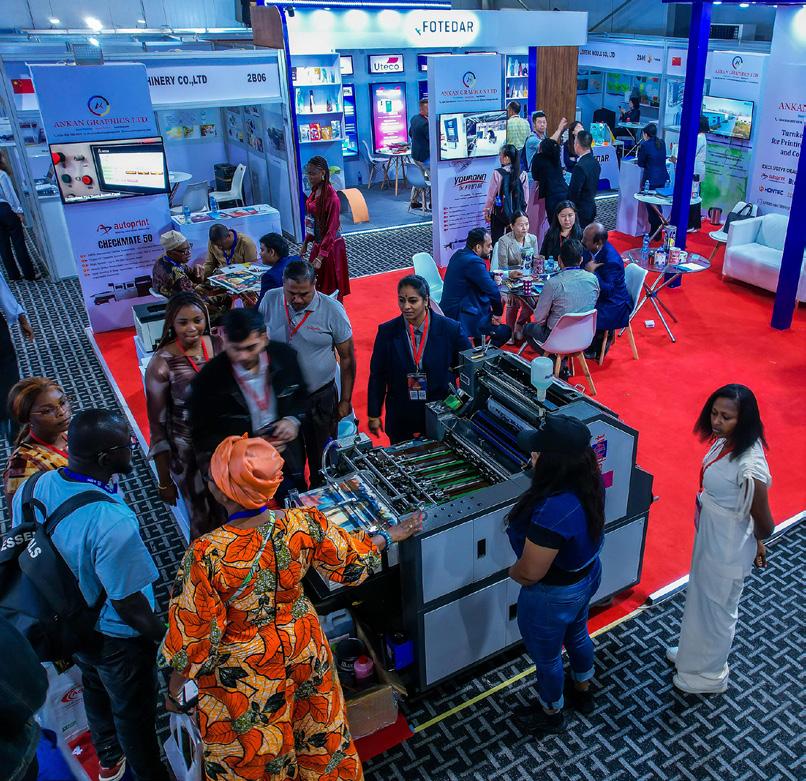
Alongside international exhibitors, leading Nigerian and regional manufacturers continue to enhance the exhibition floor, highlighting continued investment in local manufacturing capabilities, packaging innovation and industrial expansion across West Africa. The event also contributes to wider industry development by creating opportunities for investment, partnerships, knowledge-sharing and skills advancement.
Sustainability is another key driver of activities at Propak West Africa 2026.
More than you think
specialty ingredients distribution to GMP manufacturing and services. We are your trusted partner to the
The market will receive a further boost this year with the Propak West Africa 2026 exhibition scheduled to take place in September, in Lagos, Nigeria. This leading manufacturing and packaging event is a catalyst for industrial development and investment in the region. The exhibition is experiencing strong market momentum, with nearly 90% of exhibition space already sold ahead of the event, reflecting the market’s growing confidence in West Africa’s manufacturing and industrial prospects. Propak West Africa is recognised as an important industry platform driving sustainability, innovation and regional manufacturing advancement.
“The growing presence of sustainabilityfocused organisations at the trade show highlights the increasing importance of recycling, circular economy initiatives and responsible packaging solutions across West Africa’s manufacturing industries,” says Mark Anderson, portfolio director at Montgomery Group Africa, which organises the show. “In addition, the participation of Girls Who Print Africa reflects the industry’s growing focus on inclusion, skills development and the advancement of women across the print and packaging sectors.”
Propak West Africa takes place at Landmark Centre in Lagos, Nigeria, from 8 to 10 September. For more information, visit www.propakwestafrica.com.

From customized buffer solutions and GMP-compliant repackaging to GDP-certified warehousing, regulatory support, and advanced analytical services, we provide a comprehensive service and ingredient portfolio designed to support your success at every stage.
Serving a broad range of markets - including APIs, Biopharma, Excipients, Nutritional Health, and Regulated Synthesis - we enable innovation, efficiency, and compliance in an evolving industry landscape.
Our dedicated team of specialists delivers tailored solutions that create measurable value for our global business partners – Pharma at Brenntag is more than you think.
Contact Charlotte Treurnicht
Business Development Specialist
Phone: +27 834 423 475
E-Mail: charlotte.treurnicht@brenntag.com brenntag.com
From
pharma, biopharma and nutraceutical industries.
Propak West Africa is a catalyst for industrial development and investment in the region
1 to 3 July
Seoul, South Korea www.in-cosmetics.com/korea Cosmoprof North America
to 17 July Las Vegas, USA

August
25 to 27 August
Seoul, South Korea www.cphi.com/korea

September
Coschem Scientific Conference & Industry Mixer 9 to 10 September
Joburg, South Africa www.coschem.co.za
Pharma
CPHI South East Asia 16 to 18 July Kuala Lumpur, Malaysia www.cphi.com/sea

– Western Africa 15 to 17 September Lagos, Nigeria pharma.afmass.com/west/

Congress 28 September to 1 October Perth, Australia ascc.com.au/ifscc-congress/


Fragrance reimagined through African ingredients
From shea butter to rooibos and baobab to buchu, Africa’s extraordinary botanical bounty is no longer just a raw material story – it’s becoming the heart of formulation and brand identity. As consumer demand for authenticity, heritage and natural efficacy grows, the continent's fragrance and beauty market is stepping forward to tell its own story.
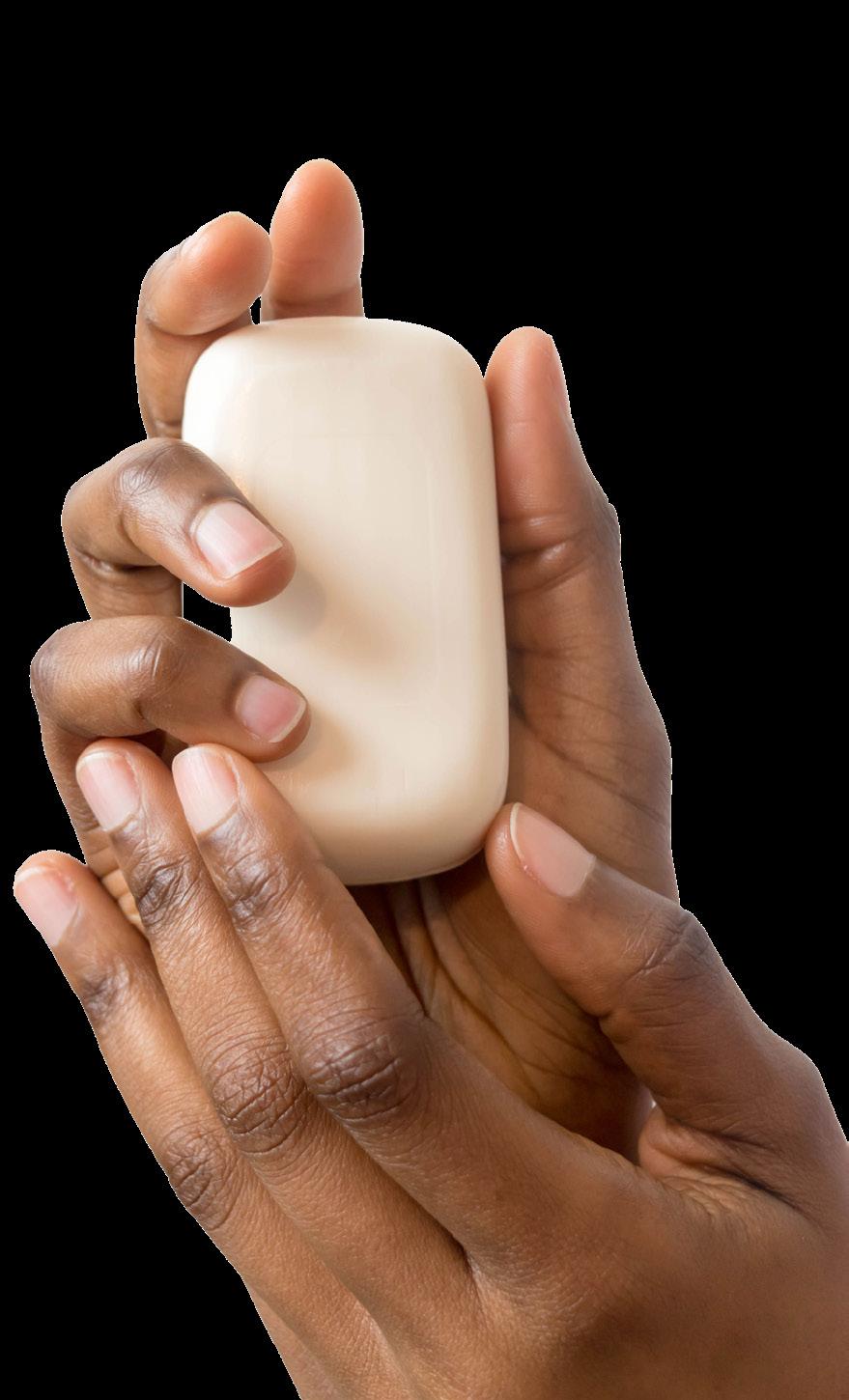
For many years, consumer aspirations in Central and Southern Africa were largely shaped by international benchmarks – French perfumery standards, Middle Eastern fragrance preferences and global advertising narratives –which often left little room for local identity.
African ingredients have remained invisible to consumers for the same reason, overshadowed by fragrance narratives built around French lavender, Italian citrus, Middle Eastern oud and Indian sandalwood. While these influences continue to play an important role, increasing


interest in local relevance is beginning to reshape the fragrance landscape.
“Across the beauty and fragrance sectors, there is growing interest in products that convey a stronger sense of place and cultural relevance. Consumers are increasingly seeking products that reflect their environment, cultural identity and regional heritage, creating new opportunities for African ingredients and locally inspired fragrance concepts,” says Adeline Sabourin, senior marketing expert at Iberchem.
Regional trends and consumer preferences
The beauty and personal care market across Africa continues to expand, driven by population growth, rapid urbanisation and the rise of a young, digitally connected middle class. In countries such

Adeline Sabourin, senior marketing expert at Iberchem

African ginger and wild sage are among the African ingredients increasingly appearing in beauty and fragrance narratives
through 2030, outpacing many mature markets globally. Demand is further supported by the rapid expansion of e-commerce, the influence of social media and growing interest in natural and sustainably sourced ingredients, positioning Africa as one of the most attractive long-term growth regions for the beauty industry.

as South Africa, Kenya, Angola, Nigeria and Ghana, consumers are not only increasing their purchasing power but also redefining what value means in beauty. At the same time, demand is shifting toward products perceived as authentic, natural and sustainably sourced, with ingredients like shea butter, marula oil and baobab gaining popularity, alongside solutions tailored to local needs, including textured hair care and melanin-rich skincare. This shift in consumer preferences is creating significant opportunities for international and local brands.
According to industry estimates, the African beauty and personal care market is expected to grow at a CAGR of 5% to 7%
Authentic African ingredients
Africa’s biodiversity is among the richest in the world, encompassing an extraordinary variety of plants, flowers, fruits, woods and aromatic materials. Yet for many years, these resources were viewed primarily through the lens of raw material sourcing. Today, brands are beginning to recognise that African ingredients can contribute far more than functional or olfactive benefits; they can also serve as powerful symbols of authenticity.
Marula, rooibos, buchu, moringa, baobab, African ginger and wild sage are among the African ingredients increasingly appearing in beauty and fragrance narratives. Their appeal lies not only in their sensory characteristics but also in their connections to specific regions, traditions and ecosystems. Beyond storytelling, these ingredients are valued for their functional benefits. Marula and baobab oils are associated with nourishment and hydration; rooibos is recognised for its antioxidant
properties; moringa and African ginger are linked to revitalising and protective effects. In fragrance, buchu and wild sage introduce distinctive aromatic profiles, while ginger lends a vibrant, spicy warmth that enhances modern compositions with energy and depth.
Embracing ancient traditions
The raw materials used to create African ingredients are derived from the richness of the earth. Shea butter, argan oil, coconut oil, marula oil and baobab oil are all sourced from locally sourced raw materials and blended into formulas that celebrate
a connected life cycle, ultimately creating a sense of synergy.
“Combining centuries of knowledge and expertise, African-inspired beauty feeds the skin and body with natural and organic ingredients from the continent. This reveals a beauty perspective that much of the world is yet to see. Founded on tradition and explored in abundance, it celebrates the past, present and future rebirth of beauty,” concludes Adeline.







Bring stability and sensory finesse to modern formulations
Not all thickeners are created equal. While carbomers and their polymer counterparts have long been workhorses in personal care formulations, they come with notable trade-offs. AECI Specialty Chemicals is spotlighting VEEGUM ®, a mineral rheology modifier that is strong in stability, sensory delivery and versatility.

Modern cosmetic formulations are expected to deliver far more than basic stability. Consumers now demand lightweight textures, elegant aesthetics, high active loads, long-term stability and clean-label positioning all within increasingly complex formulations. However, many traditional rheology systems struggle to meet these requirements simultaneously.
Conventional polymeric thickeners often rely purely on viscosity build to stabilise formulations. While effective to some extent, these systems can present several challenges, such as:
• poor suspension of pigments and insoluble actives
• viscosity loss in electrolyte-rich systems
• stickiness or drag during application
• syneresis and phase separation over time
• instability under elevated temperatures
• difficulties stabilising mineral UV filters. These limitations have accelerated an interest in multifunctional mineral technologies, like VEEGUM® Magnesium Aluminum Silicate.
The science behind VEEGUM® Technology
VEEGUM® is a purified smectite clay technology that functions as a rheology modifier, suspension stabiliser, emulsion optimiser and sensory enhancer. Unlike traditional thickeners, VEEGUM® forms a three-dimensional colloidal network in
As formulations become more sophisticated, multifunctional ingredients are increasingly important for simplifying systems while improving performance
water, generating yield value rather than simply increasing viscosity.
This yield value allows dispersed particles to remain suspended until shear is applied during dispensing or spreading. As a result, formulators can stabilise pigments, mineral UV filters and insoluble actives without creating excessively thick or heavy formulations.
Solving electrolyte and active stability challenges
Modern formulations frequently contain acids, salts, botanical extracts and multifunctional actives, which destabilise conventional polymer systems. Carbomerbased systems, for example, may lose viscosity in the presence of electrolytes or require careful neutralisation.
Specific VEEGUM ® grades such as VEEGUM ® HS provide improved electrolyte tolerance and stability in acidic systems. This enables formulators to develop stable exfoliating gels, niacinamide serums and treatment products with improved robustness and shelf stability.
In emulsions, VEEGUM ® helps reduce droplet mobility, minimising creaming and phase separation during storage and transport.
Sensory and texture advantages
One of the key challenges in high-performance formulations is balancing stability with aesthetics. Traditional gums and synthetic polymers may produce tacky or stringy textures that negatively affect consumer perception.
VEEGUM® contributes a smooth, silky skin feel while reducing tackiness. In mineral sunscreen

systems, it can improve spreadability and reduce whitening by helping maintain uniform pigment dispersion.
A simple yet effective solution
As formulations become more sophisticated, multifunctional ingredients are increasingly important for simplifying systems while improving performance. VEEGUM® technology addresses multiple formulation challenges simultaneously by providing:
• rheology control
• suspension stabilisation
• electrolyte tolerance
• emulsion support
• sensory enhancement
• thermal stability. By combining technical performance with elegant aesthetics, VEEGUM® continues to play a critical role in the development of stable, modern and high-performing cosmetic formulations. Formulate with confidence, formulate with VEEGUM®.
Contact AECI Specialty Chemicals for more information and processing guidelines for Formulations 1 and 2.























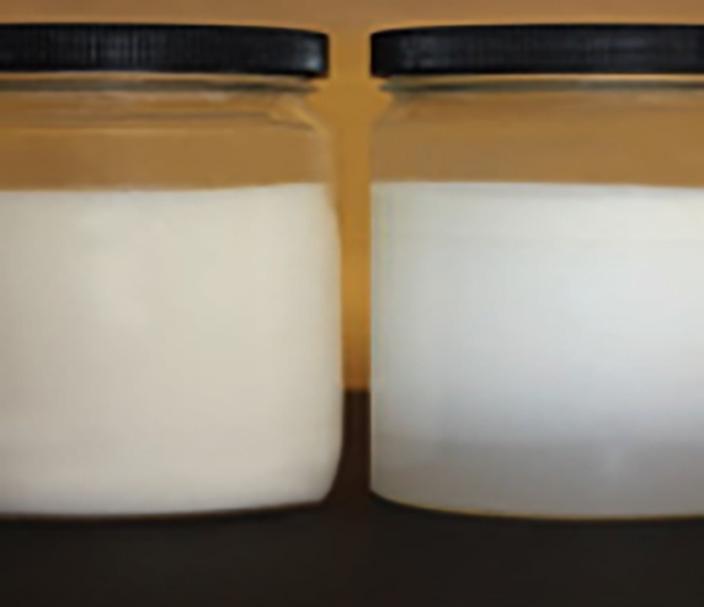
Figure 2: VEEGUM® prevents pigment settling
Figure 1: VEEGUM® (left) prevents emulsion separation and creaming
Skin bioelectricity: A device-like biotech strategy for skin regeneration
Skin bioelectricity is an evolutionarily conserved communication strategy essential for tissue morphogenesis, cellular repair and homeostatic regulation. Recent scientific breakthroughs have revealed that skin cells can generate active electrical impulses – a physiological capability previously thought to be exclusive to excitable tissues like neurons and cardiomyocytes. Endogenous bioelectric signalling coordinates cellular responses by modulating transmembrane ionic gradients, promoting cell migration (electrotaxis), and activating vital tissue-repair pathways. By Òscar Expósito, Alejandro Guirado, Victoria Vidal, Ana Gallego, Sandra Ruiz, Pau Riera, Daniel Luna, Maria Mas, Marta Gibert, Laura Cano, Sara Laplana and Tarik Ruiz
As the skin ages, these intrinsic electrical currents decline, resulting in diminished cellular communication, compromised structural integrity and visible signs of fatigue, particularly in the delicate periorbital area. Traditional clinical approaches to counteract this decline rely on energy-based devices (microcurrents or electroporation hardware) to stimulate tissue regeneration. To meet the demand for non-invasive, sustainable cosmetic solutions, Vytrus Biotech has developed a ‘devicelike’ lifting and rejuvenating active that mimics the physiological shifts of electrostimulation at the cellular level. It does this by targeting purinergic receptors, optimising microcirculation via the vascular endothelial growth factor (VEGF), and reinforcing the extracellular matrix through procollagen I synthesis.
Harnessing plant intelligence
To develop a bioelectric-mimetic ingredient, Vytrus Biotech leveraged the adaptive intelligence of
Hylocereus undatus. This plant species is naturally adapted to arid environments through its highly conductive properties and unique capacity to accumulate cationic electrolytes.
Using a proprietary biotechnology platform, Hylocereus undatus stem cells are cultured under a specialised nocturnal mimicry protocol (continuous darkness) combined with optimised carbon sources. This controlled environmental stress triggers a process of functional specialisation and metabolic reprogramming, forcing the plant stem cells to biosynthesise a complex, highly active secretome enriched with unique bioelectrical signalling components called Plant Electrines™.
To evaluate the impact of this optimisation process, a comparative biochemical profiling was conducted between the optimised secretome (Ignilyte™) and a standard control culture (see Table 1).
The analytical data confirms that nocturnal elicitation significantly enhances the following

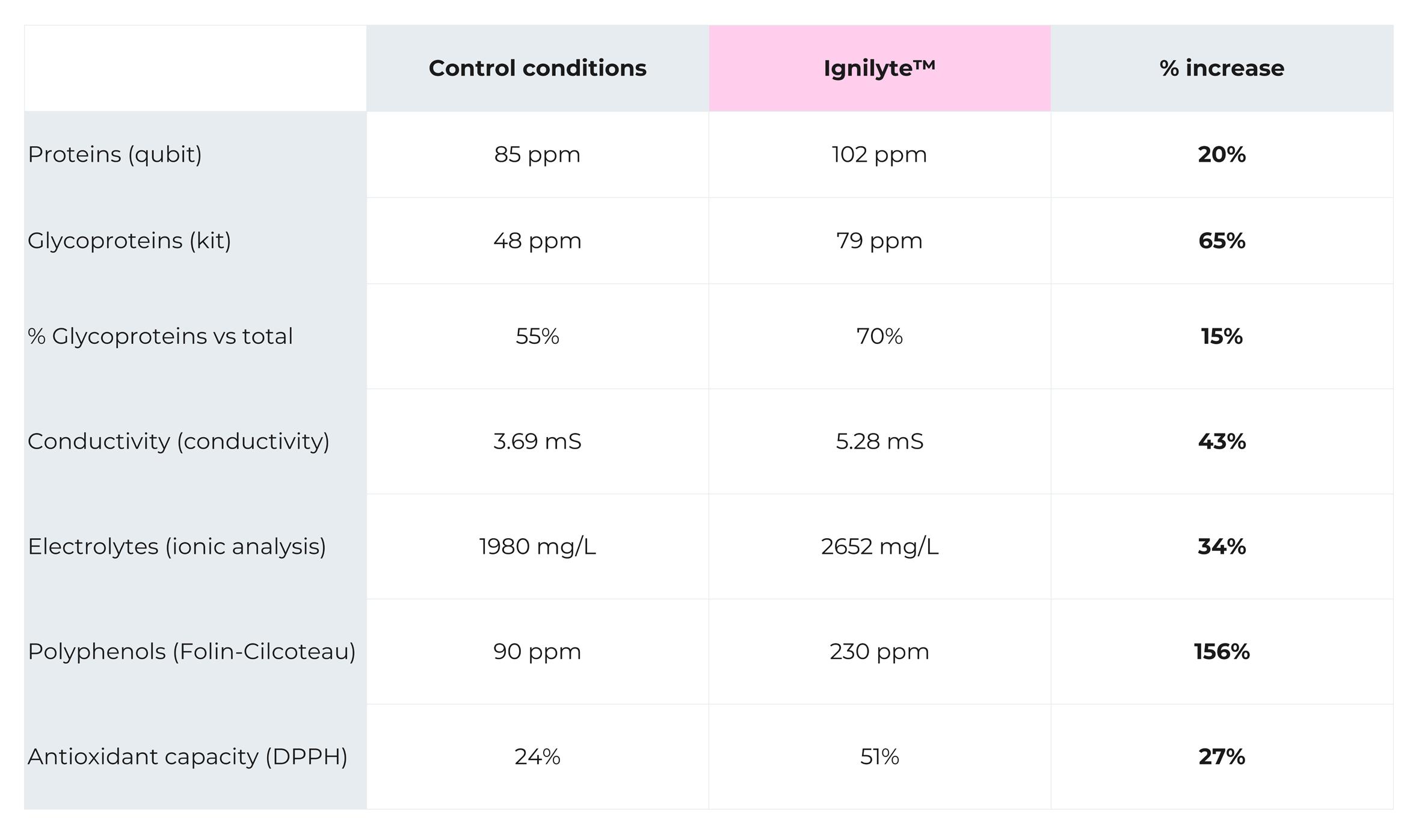
Table 1: Biochemical characterisation of the Hylocereus undatus secretome
parameters, which are crucial for bioelectrical signal propagation and tissue protection:
• Active Plant Electrines™ (glycoproteins) – specialised signaling glycoconjugates and structural proteins increased by 65%, comprising 70% of the total protein fraction, tailored to recharge cellular energy.
• Natural bioelectrical enhancers – electrical conductivity rose by 43% alongside a 34% increase in ion/electrolyte concentration, optimising the ionic environment required to restore natural cutaneous electrical gradients.
• Polyphenolic enrichment – a 156% surge in secondary metabolites and polyphenols ensures potent antioxidant protection to maintain periorbital tissue vitality.
Two-step mechanism of action
Ignilyte™ operates through a sophisticated, bio-inspired system (see figure 1), which mirrors the cellular actions of professional electrotherapy devices:
• Step 1 – Bioelectric activation (purinergic sensitisation) where the plant glycoproteins within the active ingredient function as active signalling switches rather than static structural entities. They act as positive allosteric modulators (PAMs) of purinergic P2X receptors, sensitising them to native, physiological levels of extracellular ATP (eATP). The amplified signal propagates through autocrine and paracrine pathways across gap junctions, establishing a self-sustaining positive feedback loop that enhances tissue-wide electrical connectivity.
• Step 2 – Regenerative stimulation and selfdelivery where the localised bioelectric activation alters cell membrane potentials, inducing a temporary increase in membrane permeability
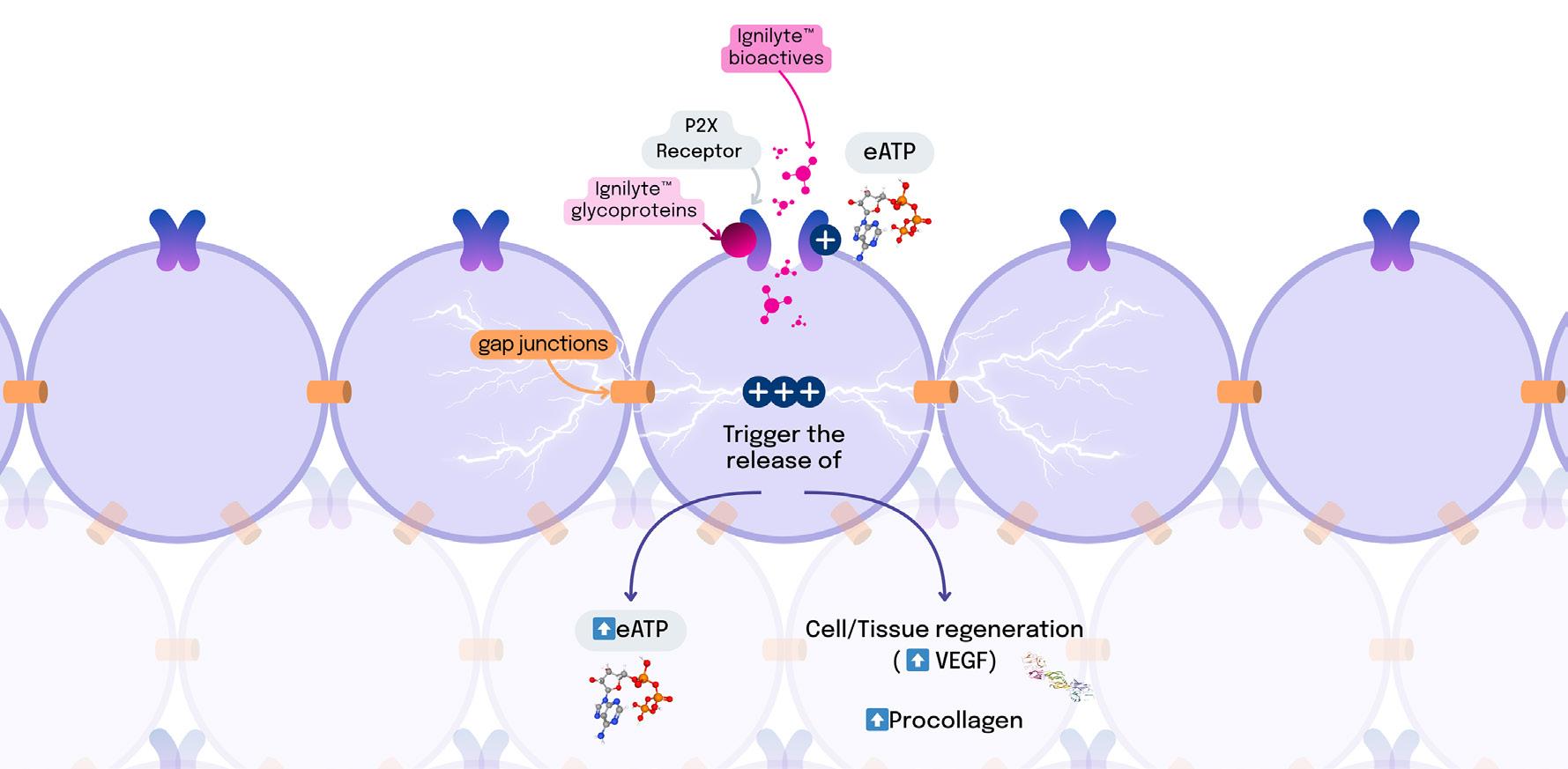
analogous to physical electroporation. This biological electroporation enables the active internalisation of the bioactive molecules of Ignilyte™ into the target skin cells. Once inside, these molecular complexes upregulate the expression of VEGF to improve local microcirculation and stimulate fibroblasts to synthesise pro-collagen I, making Ignilyte™ the first cosmetic active demonstrating selfpenetration capabilities.
Biological activity
A comprehensive series of multi-level in vitro studies validated the bioelectrical and structural mechanisms of Ignilyte™ in human dermal fibroblasts (HDF) and human epidermal keratinocytes (HaCaT), utilising professional clinical hardware as a positive control.
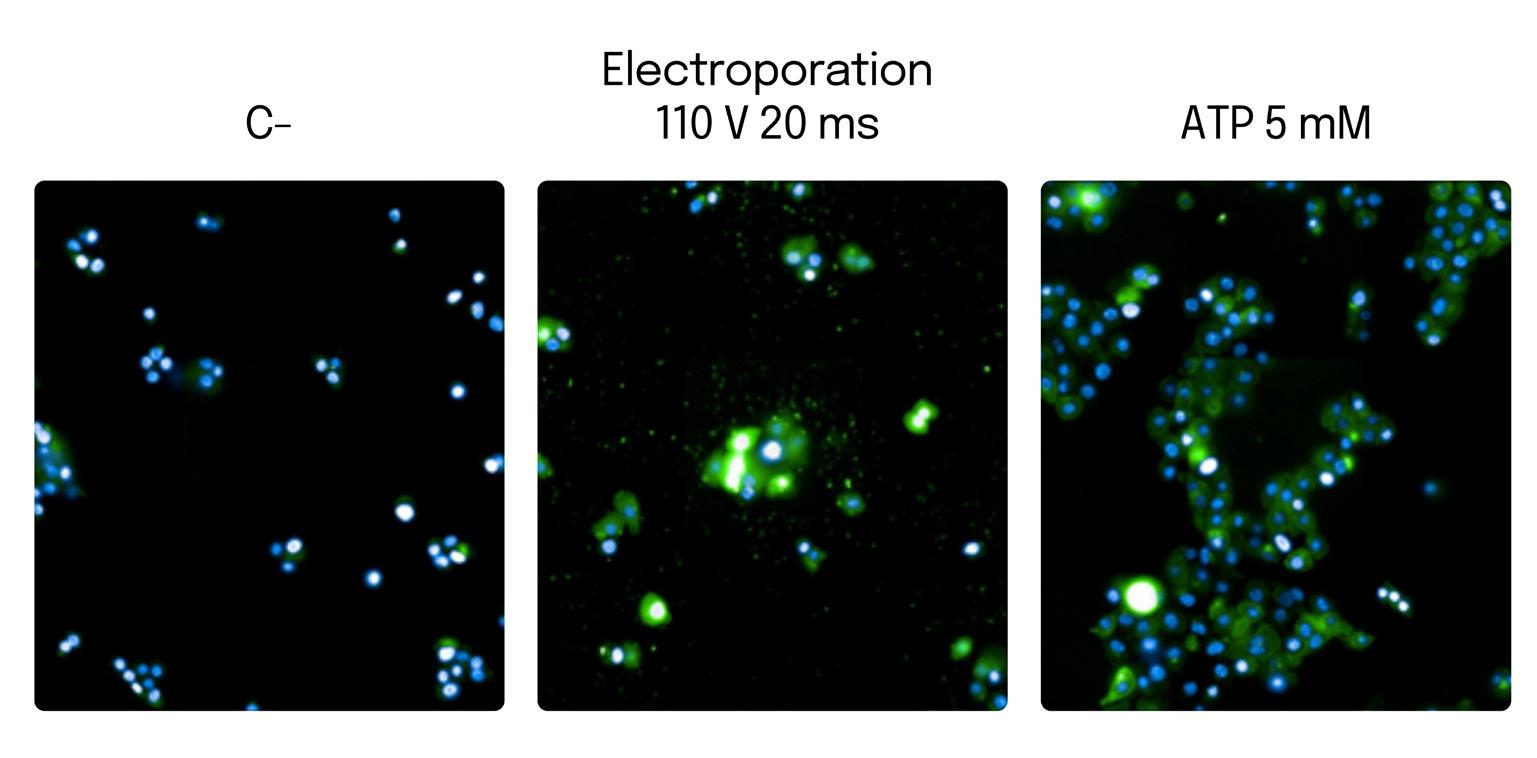
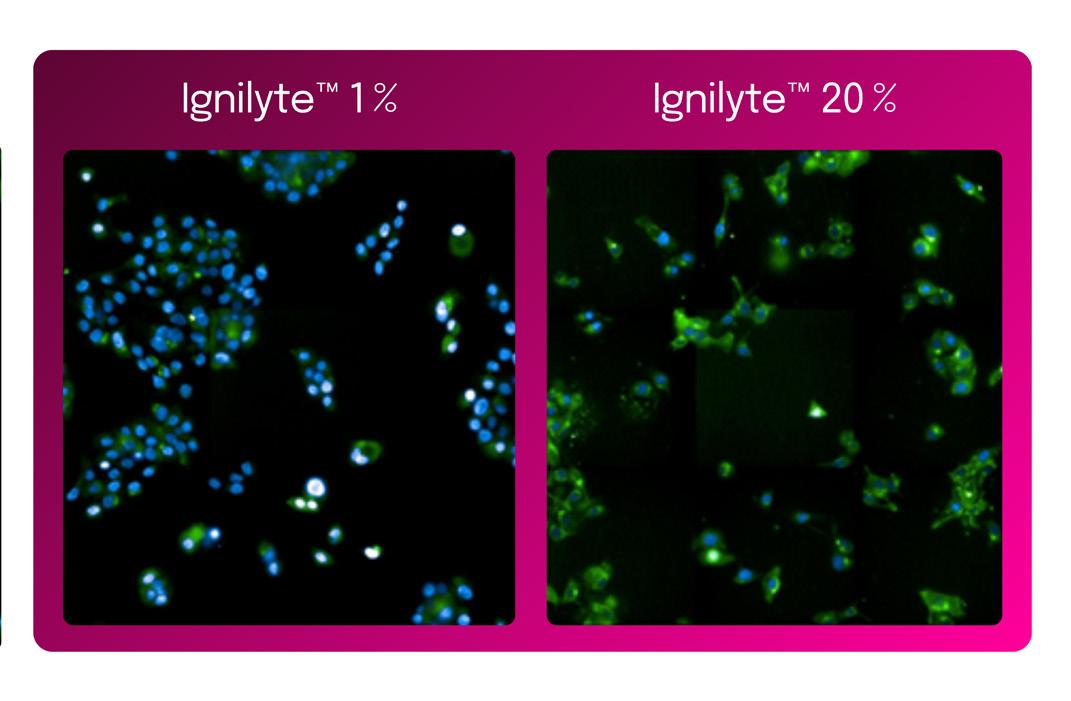
High-content imaging studies in HaCaT cultures demonstrated that extended incubation with Ignilyte™ significantly increased cell membrane permeation. The active promoted a cumulative, dose- and time-dependent internalisation of a fluorescent tracer dye, showing an increase in cellular uptake of up to 356% (see figure 2).
The application of Ignilyte™ led to a robust, significant release of eATP in both HaCaT and HDF cultures after 24 hours. Upregulation of eATP reached up to 116%, successfully activating the purinergic signalling networks required for fast cell-to-cell communication and accelerated barrier repair.
VEGF secretion, a critical marker for microcirculation and tissue de-congestion, was measured in HaCaT cells at four and 24 hours.
Ignilyte™ treatment stimulated VEGF secretion up to values 2.2 times higher than those achieved by physical, high-voltage electroporation hardware.
In HDF cultures, Ignilyte™ significantly stimulated the synthesis of critical dermal matrix components. Quantitative assays showed a major increase of up to 82% in pro-collagen I synthesis.
Clinical evaluation using in vivo assays
To validate the biological mechanisms on human subjects, Ignilyte™ was evaluated in three randomised, double-blind, placebo-controlled clinical trials utilising multi-ethnic, genderlessinclusive panels exhibiting periorbital ageing, eyelid sagging, eyebags and mechanical fatigue.
Clinical skin profilometry and morphometric evaluations proved that Ignilyte™ delivers deep lifting and tissue de-congestion equivalent to instrumental mesotherapy treatments. By restoring native bioelectric pathways and improving microcirculation, the active achieved the following structural and aesthetic benefits:
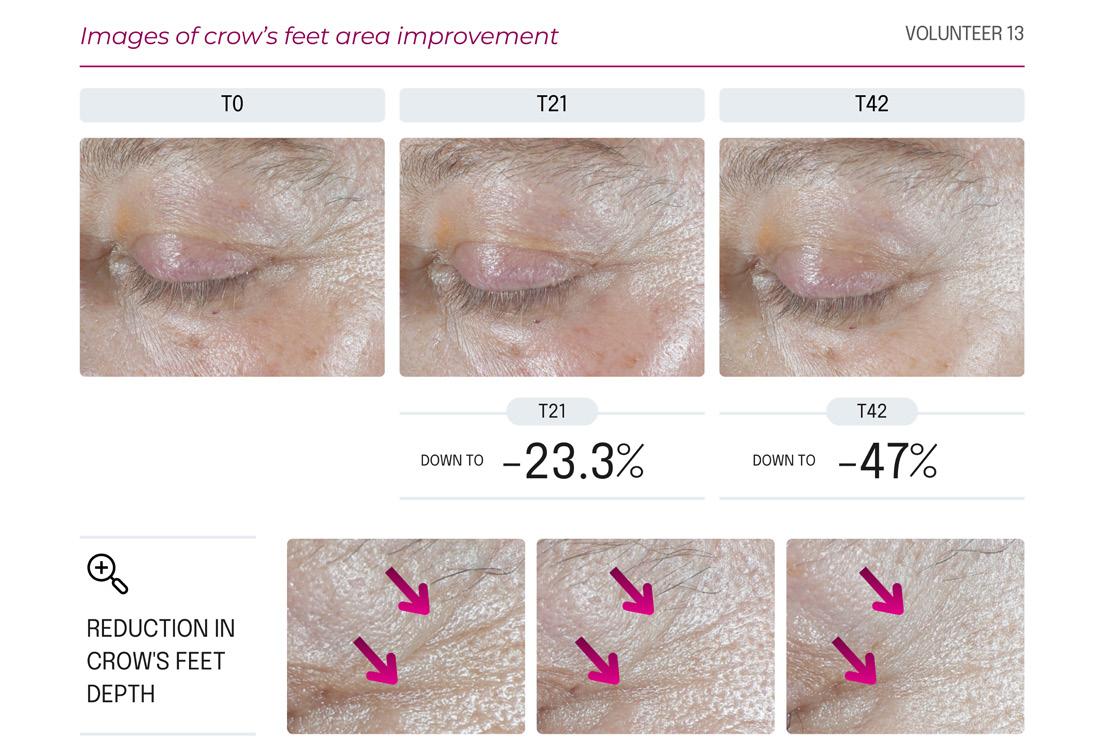
• Crow's feet wrinkle depth was significantly reduced at day 21, reaching an exceptional reduction of up to 47% by day 42 (see figure 3).
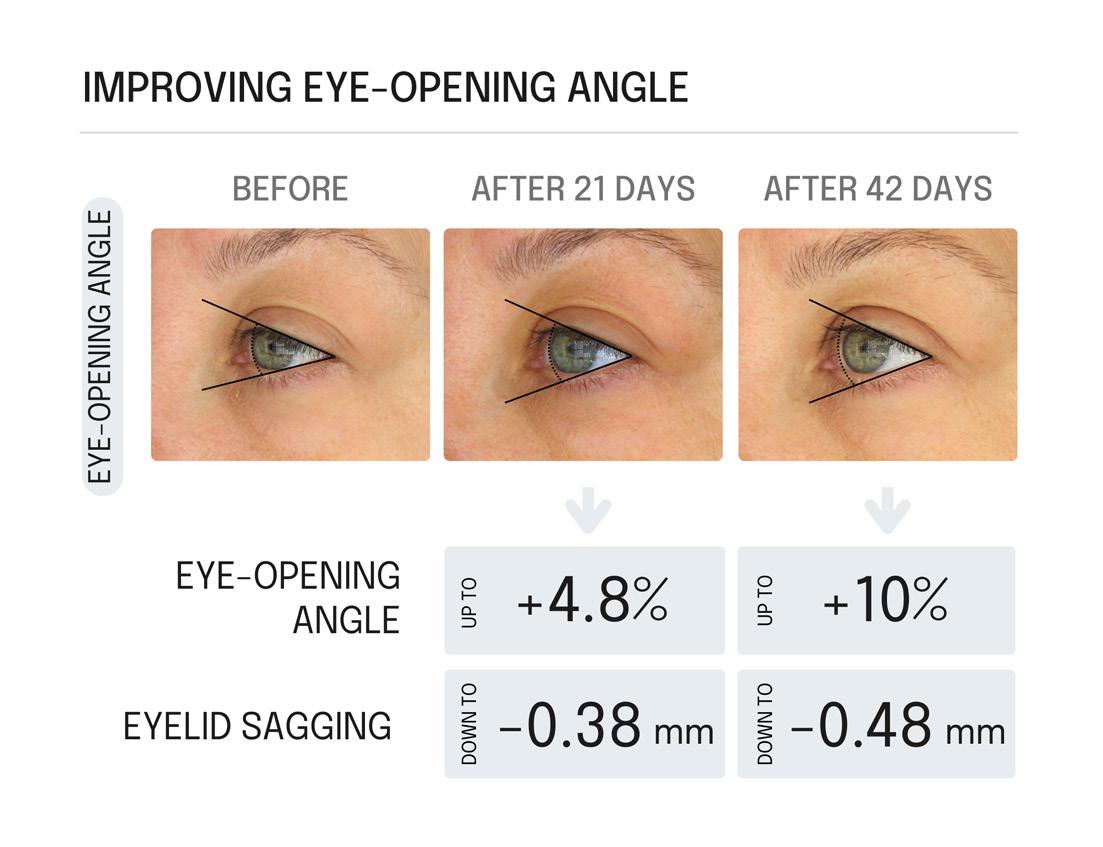
• Morphometric analysis revealed a progressive lifting of the upper eyelid, increasing the eye-opening angle up to 10% at day 42, which correlated with a physical reduction in eyelid sagging of 0.48mm (see figure 4).
Figure 1: Mechanism of action of Ignilyte™
Figure 2: Electroporation-like activity in HaCaT after 24 hours of Ignilyte™ (1, 20% (v/v) or ATP (5mM, 10mM) incubation (high-content imaging). Green: BLOCK-iT™ uptake; blue: Hoechst nuclear staining. This active ingredient enhances cellular permeation through a process influenced by concentration and exposure time*. A self-powered, self-delivering system that promotes intracellular delivery of its own bioactive molecules
• High-resolution tissue scanning demonstrated a reduction in eye bag volume up to 25.9% by day 42.
Radiance, hydration and short-term rejuvenation
An accelerated clinical trial focused on short-term skin quality parameters, demonstrating significant efficacy within 14 to 28 days of application:
• The active ingredient markedly enhanced periocular luminosity, showing a 34.3% increase in skin radiance by day 28.
• Epidermal moisture retention was significantly improved, providing a 21.5% boost in skin hydration by day 28.
• Fine periocular lines and skin roughness were minimised, showing a 15% decrease in wrinkle depth at 28 days.
Long-term mechanical resilience and anti-gravity action
A 56-day clinical evaluation was conducted to assess the active’s ability to protect tissues against gravity and mechanical fatigue:
• Skin firmness increased by 8.7% by day 56, reflecting long-term structural reinforcement.
• Inderma measurements showed a 9.8% reduction in mechanical skin fatigue and a 1.2% improvement in the anti-gravity effect at day 56, successfully counteracting gravitational sagging and tissue laxity.
Conclusion
Developed by Vytrus Biotech's proprietary platforms and available throughout Southern Africa from Savannah Fine Chemicals, Ignilyte™ represents a frontier innovation in dermocosmetics, bridging plant biotechnology with advanced skin bioelectricity. Through a secretome rich in Plant Electrines™ and natural electrolytes, Ignilyte™ functions as a biological electrostimulator. It reawakens the skin’s electrical signalling, induces biological electroporation for the self-penetration of bioactives and drives tissue regeneration. Formulators are provided with a 100% natural, COSMOS and Natrue-approved, Halal-certified, and China-compliant solution that delivers visible ‘device-like’ lifting, architectural resilience and global periorbital rejuvenation. References available on request
CUTTING EDGE TECHNOLOGY
WITH SENSORY EXPERTISE WHICH WILL SET YOU APART


From basic ingredients to specialty actives for key application areas:
Figure 3: Skin profilometry to assess Ignilyte™ progressive results on crow’s feet winkle depth comparable to professional hardware
Figure 4: Morphometric analysis was used to assess the reduction of eyelid sagging and eye-opening angle

A science-backed approach to digital skin ageing
Hours of daily screen exposure don't just strain our eyes – they leave marks on our skin too. New research correlates prolonged screen time with measurable signs of accelerated ageing, from deeper fine lines to higher ageing in our eyes. Now, a breakthrough ingredient from CLR Berlin is directly addressing this modern skin concern – and the clinical results speak for themselves.
Celebrating its 100 th anniversary this year, CLR Berlin prides itself in a unique approach when it comes to developing active ingredients. Every NPD project starts with the following realisation: cosmetic active ingredients are there for the benefit of the consumer. This implies understanding the consumers’ real needs and concerns in detail.
SkinCharge CLR™ is an example of a product based on CLR’s approach. New to market, it was
launched recently at in-cosmetics Global. This product addresses skin ageing in totally new ways. Many people are spending more time behind a screen, a computer screen, a tablet or mobile phone, than they spend sleeping.
A new approach to skin ageing
Consumers know that excessive screen time comes with downsides – and they feel resigned to it. Screens are simply woven into daily life.
There is a clear correlation between the amount of screentime people are exposed to and signs of skin ageing
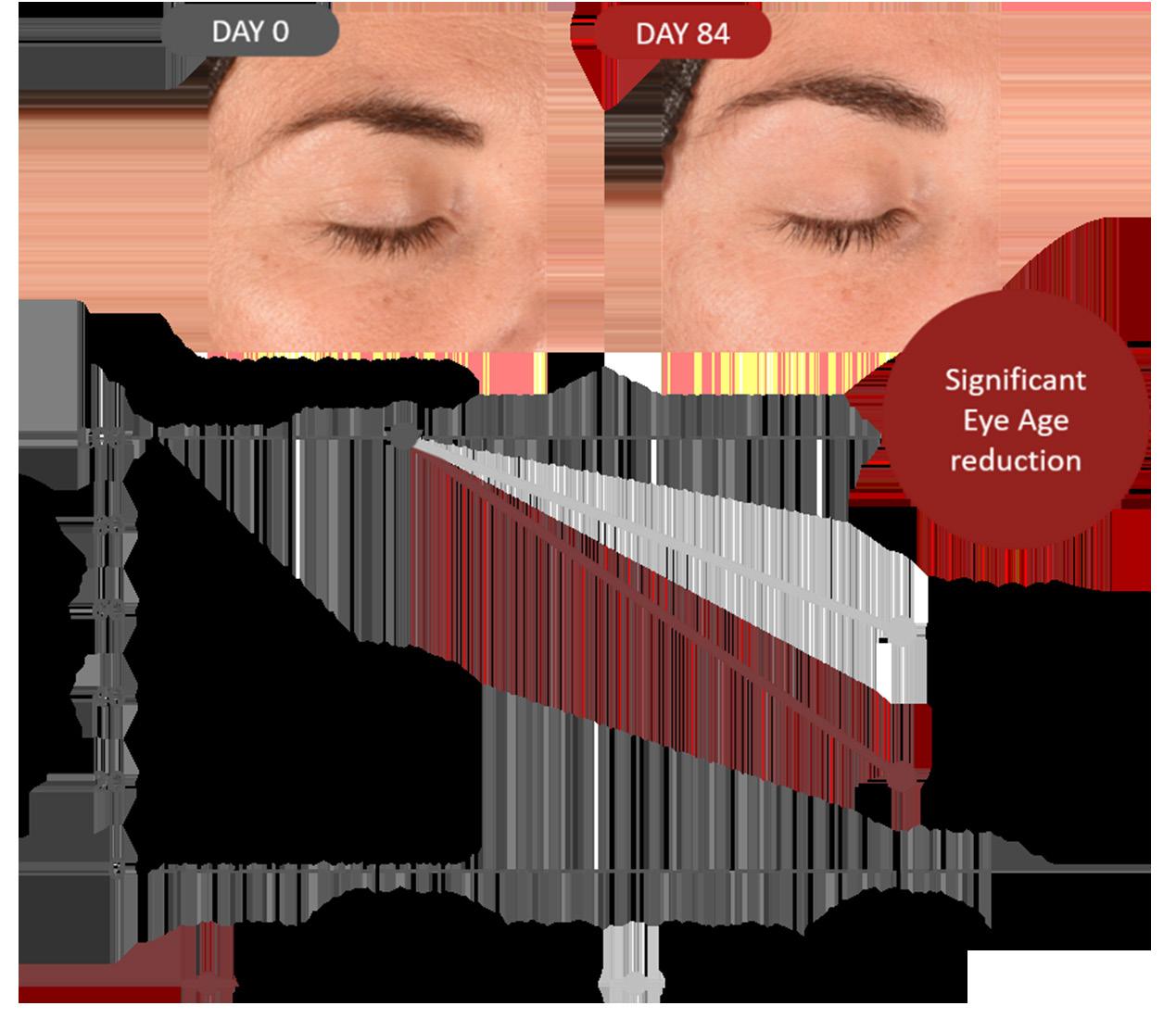
Most people recognise the familiar discomfort of dry eyes after a long session, or how late-night scrolling disrupts sleep. They also understand that prolonged screen use takes a toll on the body and skin. Blue light exposure is no longer disputed as a direct culprit for skin damage. Still, this is only one piece of a much larger picture. The concerns of the consumer are real and relevant. There is a clear correlation between the amount of screentime people are exposed to and signs of skin ageing. These can be linked through digital eye strain and reduced quality of sleep, both of which are described to have an important negative impact on skin which leads to the acceleration of skin aging. In CLR’s studies using AI, correlations could be identified between the hours of people spend exposed to screens and signs of skin ageing. For example, the AI-generated parameter ‘eye age’ showed a clearly higher value for individuals exposed to a lot screentime versus those who have less screentime. Other skin ageing parameters, determined with cutometer or AEVA-HE also showed similar results.
Figure

Addressing a true consumer need
Available throughout Southern Africa from IMCD South Africa, SkinCharge CLR™ (proposed INCI: Vicia Faba Oligopeptides) is obtained from a careful extraction and a subsequent hydrolysis of the proteins from the beans of Vicia faba. In vitro and ex vivo studies with SkinCharge CLR™ showed that ‘drained’ skin cells were enabled to produce higher amounts of collagens, hyaluronic acid and elastin. At the same time, it was shown that SkinCharge CLR™ could reduce the expression of destructive proteases. In in vivo studies, the treatment with SkinCharge CLR™ showed a plethora of antiageing, pro-longevity benefits for people who have excessive screentime. ‘Eye age’ was reduced, virtually to the level of the eye age of people with much less screentime (see figure 1). In addition, cheek fine lines, crow’s feet wrinkles and eye bags were also reduced significantly. Skin firmness and elasticity were increased – all for people with elevated exposure to screens. In addition, a placebo-controlled 14-day study was conducted with people who spend at least seven hours a day exposed to screens.
Interestingly, at the start of the study, for both groups of volunteers, the average skin feel was described as ‘tense’. After 14 days, the treatment of skin with an emulsion containing SkinCharge CLR™ led to a clear increase in skin comfort, significantly outperforming the placebo (see figure 2).


A targeted active solution for high-screentime skin.
SkinCharge CLR™ offers a modern skincare solution for brands looking to address the visible and sensory effects of today’s screen-focused lifestyles. Developed from Vicia faba oligopeptides, it supports tired, tense-feeling skin while helping target visible signs associated with high screentime, including eye-age appearance, fine lines, crow’s feet, firmness and elasticity . It is a strong fit for next-generation formulations focused on digital wellbeing, skin longevity and everyday skin comfort.
Non-contact radar redefines pharma sensing

As pharmaceutical manufacturers increasingly adopt disposable single-use plastic bags for their hygiene and flexibility benefits, a stubborn challenge remains – how do you accurately measure what's inside a container that can't be touched, penetrated, or contaminated? Non-contact radar technology is proving to be the answer.
Flexibility and efficiency are more important than ever, especially as pharmaceutical manufacturers move towards smaller, highly specialised production batches. This trend has driven the widespread adoption of disposable plastic containers, often referred to as single use bags, for processes such as fermentation or the storage of media and buffers. These polymerbased containers offer clear advantages in terms of hygiene and turnaround time. But they also
introduce new set of challenges for process monitoring – the most challenging being continuous and reliable level measurement.
Unlike rigid stainless-steel vessels, disposable bags lack structural stability and are prone to deformation as they fill or empty. Their thin polymer walls can also accumulate condensation, making traditional measurement methods unreliable. Despite this, accurate level monitoring remains essential for maintaining
process efficiency, ensuring product quality and preventing costly interruptions.
A fresh approach for delicate environments
The typical application involves measuring levels up to two metres in bags containing fermentation media. Operating conditions are relatively gentle with temperatures between 0°C and +20°C and pressures from 0 bar to 0.2 bar, yet the
measurement environment is anything but simple. Condensation on the inner bag surface can scatter or absorb signals, while the flexible container wall complicates the use of contact-based sensors. Manufacturers need a solution that delivers precise, repeatable results without compromising the integrity of the disposable system.
This is where modern radar-based level measurement technology demonstrates its value. By enabling non-contact measurement from outside the container, radar sensors eliminate the need for invasive probes or fittings. This approach not only preserves sterility but also removes the need for time-consuming CIP/SIP cleaning cycles, significantly reducing operational costs. The result is a system that is both reliable and user-friendly, integrating seamlessly into existing setups with minimal effort.
Radar that sees through the bag
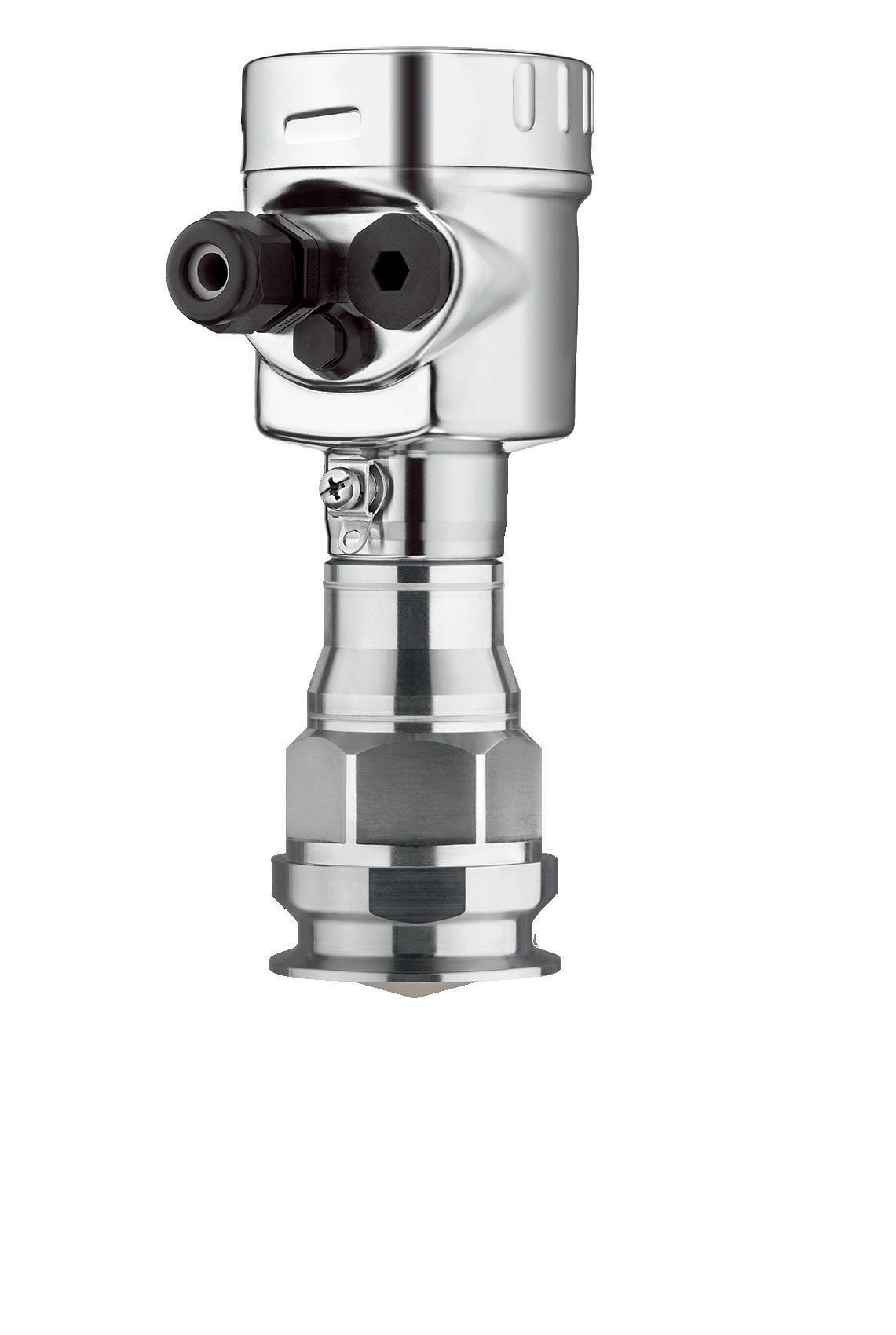
A standout solution for this application is the VEGAPULS 6X, a radar sensor engineered to handle the complexities of disposable container measurement. Its exceptionally wide and dynamic>
A BRIEF LOOK AT MEASUREMENT CHALLENGES
The following measurement issues can occur in pharma manufacturing:
• Flexible walls.
• Bag deformation makes traditional contact sensors unreliable.
• Condensation build up.
• Moisture on the inner surface scatters signals and obscures readings.
• No fittings allowed.
• Maintaining sterility rules out intrusive measurement hardware.
A solution? The VEGAPULS 6X. External radar measurement bypasses every one of these obstacles.
These technologies offer a compelling solution for pharmaceutical manufacturers seeking dependable level measurement in disposable plastic containers

range allows it to penetrate plastic bag walls and deliver stable readings regardless of the medium inside. Because the sensor operates externally, it remains completely isolated from the process, eliminating contamination risks and removing the need for cleaning. With a measuring range capability of up to 120m – far beyond what is required – the VEGAPULS 6X offers ample performance headroom, ensuring accuracy even under challenging conditions such as heavy condensation or variable bag geometry. Its broad operating temperature and pressure ranges further underscore its versatility across pharmaceutical environments.
Control and clarity without compromise
Its intuitive, graphically guided menu structure simplifies operation, while robust housing options, which includes plastic, aluminium and stainless steel, ensure durability in demanding environments. With protection ratings of IP66/ IP67 and an ambient temperature tolerance from -20°C to +70°C, the VEGADIS 81 is built for reliability.
Together, these technologies offer a compelling solution for pharmaceutical manufacturers seeking dependable level measurement in disposable plastic containers. By combining accuracy, ease of use and hygienic operation, they support the industry’s drive toward more agile, efficient and contamination free production processes.
To complement the sensor, the VEGADIS 81 provides a convenient external display and adjustment interface. This unit allows operators to view measured values and configure sensor settings from an easily accessible location, without needing to interact directly with the sensor itself.
• Precise measurement, even with challenging products and internal tank fixtures
• Hygienic, CIP/SIP-resistant process fitting for easy cleaning
• Reliable measurement data, unaffected by process conditions



VEGAPULS 6X

Reliable quality assurance for complex packaging processes
Faster approvals, fewer errors and full traceability – these are the hallmarks of a modern print inspection process. Find out how German co-packer variopack made the shift from manual visual checks to automated print verification, and why the right technology partnership made all the difference.
Since
introducing the EyeC Proofiler 600 DT, variopack has been conducting an average of 10 to 20 inspections per day

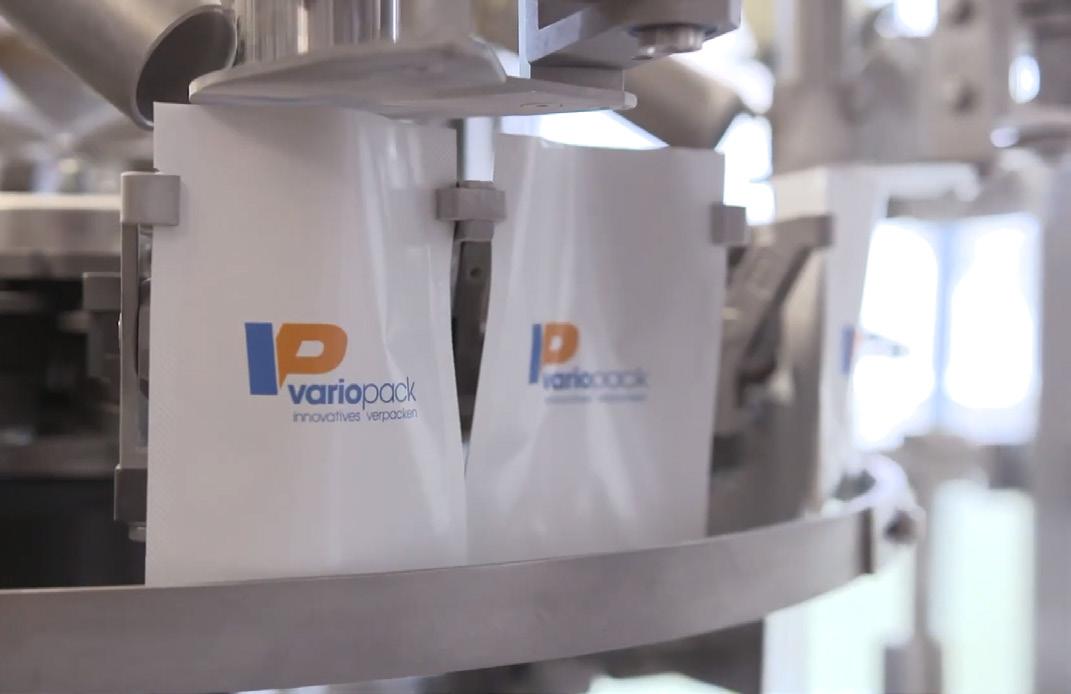
As a contract packer, variopack works daily with a wide variety of packaging designs, language versions and customer-specific requirements. Visual inspection became increasingly challenging for the business, particularly when dealing with similar layout variations or minor text changes. In some cases, discrepancies in the print image were difficult to detect, and the previous manual inspection process proved to be time-consuming and heavily dependent on the concentration and experience of the employees.
The risk that print image deviations would be discovered too late – or, in the worst case, only after delivery – was unacceptable. Added to this was growing regulatory and economic pressure. With stricter requirements for documentation, traceability and the speed of approval processes, it became clear to variopack that its existing inspection processes needed a technical boost in the
long term to minimise risks and meet rising regulatory requirements.
Factors shaping to the decision to invest
The company was looking for a solution that could reliably compare approved print data with the materials delivered.
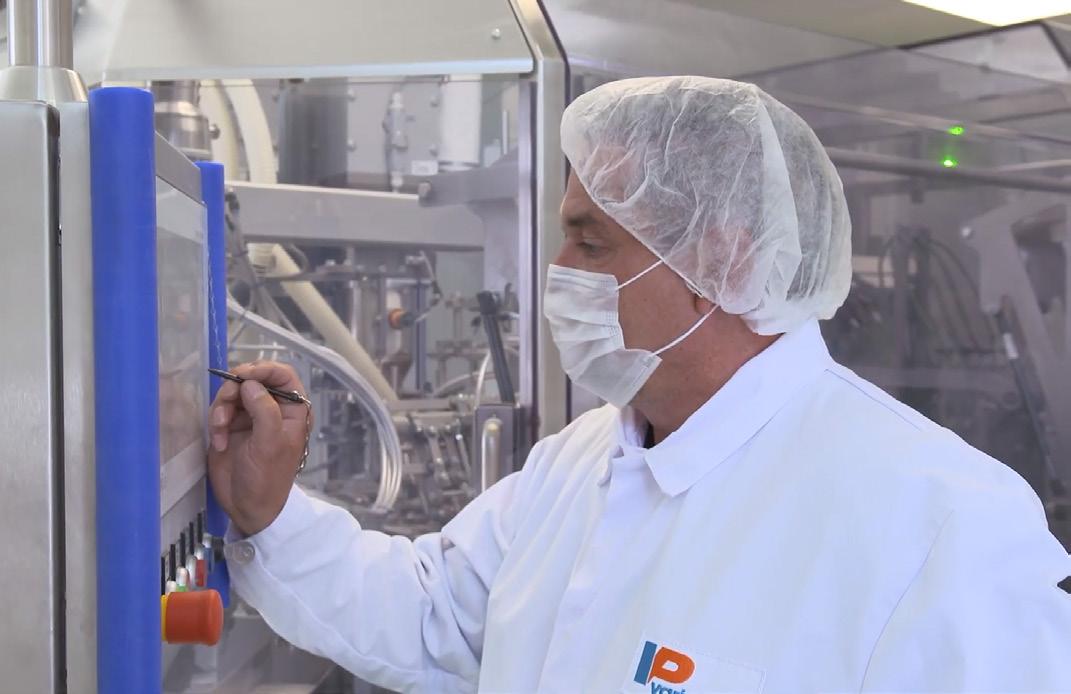
“We wanted the new system to support our employees in their inspections – not replace them,” explains Christian Heilmann, authorised signatory for process control & IT at variopack. The team first compared various providers and solutions for print image inspection. In addition to technical capabilities, the focus was primarily on ease of use, flexibility and integration into existing processes. Ultimately, a decision was made in favour of the EyeC Proofiler 600 DT from EyeC.
The ISO-compliant barcode inspection and the ability to measure Braille relief were particularly decisive factors. In addition, EyeC
impressed variopack with its combination of specific functionalities and the comprehensive offer of technology, consulting and personalised support throughout the entire implementation process.
Smooth integration into production workflows
With the EyeC Proofiler 600 DT, variopack introduced a scanner-based inspection system for the automated quality control of printed materials. The solution combines high-resolution scanning technology with intelligent inspection software, enabling objective and reproducible verification of text, graphics, colours and codes. Printed products are digitally compared with approved print PDF references. In addition to
checking content accuracy, the system also monitors print quality and reliably detects even the smallest deviations. Items inspected include films, folding cartons, labels, boxes and package inserts.
With close, reliable support from the EyeC team, the system was quickly integrated into daily production operations. variopack particularly highlights the quality of the professional on-site installation and training, as well as the close collaboration with the various contacts at EyeC.
“Hauswald and his team understood our requirements very well and provided us with expert guidance throughout the entire process. When it came to quality related issues, we were able to rely on Dr Schwarz’s in-depth expertise, particularly in the demanding GMP environment. The commissioning and training provided by Manegold were also practical and perfectly tailored to our internal processes,” emphasises Heilmann.
Early error detection for streamlined approval processes
Since introducing the EyeC Proofiler 600 DT, variopack has been conducting an average of 10 to 20 inspections per day. The checks are primarily conducted on a random basis to detect potential print image deviations and to ensure documented approval.
By clearly defining acceptance criteria, print deviations are detected and defective material is identified early on. This effectively prevents costly rework or potential recalls. At the same time, automated inspection significantly reduces the effort required for manual visual inspection, allowing employees
to focus more on technical evaluation rather than performing time-consuming visual comparisons.
Approval processes have also been accelerated, as inspections can be conducted directly on-site and documented in a reproducible manner, enabling variopack to meet internal quality standards and regulatory requirements within the GMP framework.
Driving long-term quality improvement
The introduction of the EyeC Proofiler 600 DT at variopack was more than a technical project – it was a significant
step in the development of its internal quality processes. Today, the system is an integral part of the inspection and approval process and helps the company efficiently meet increasing demands regarding product variety, regulatory compliance and documentation.
With the EyeC Proofiler 600 DT, variopack has established a smart solution that not only delivers today but can also reliably meet future requirements. Variopack views its partnership with EyeC as a crucial foundation for continuously improving quality processes and responding flexibly to evolving market and regulatory conditions.





Designed for Regulated lndustries




































































• Braille lnspection


• 1D & 2D Code lnspection


• 21 CFR Part 11-ready

• Validation Support Package




• For Pharma and Highly Finished Label Packaging EyeC – www.eyec.com


Adhesive solutions for demanding label applications
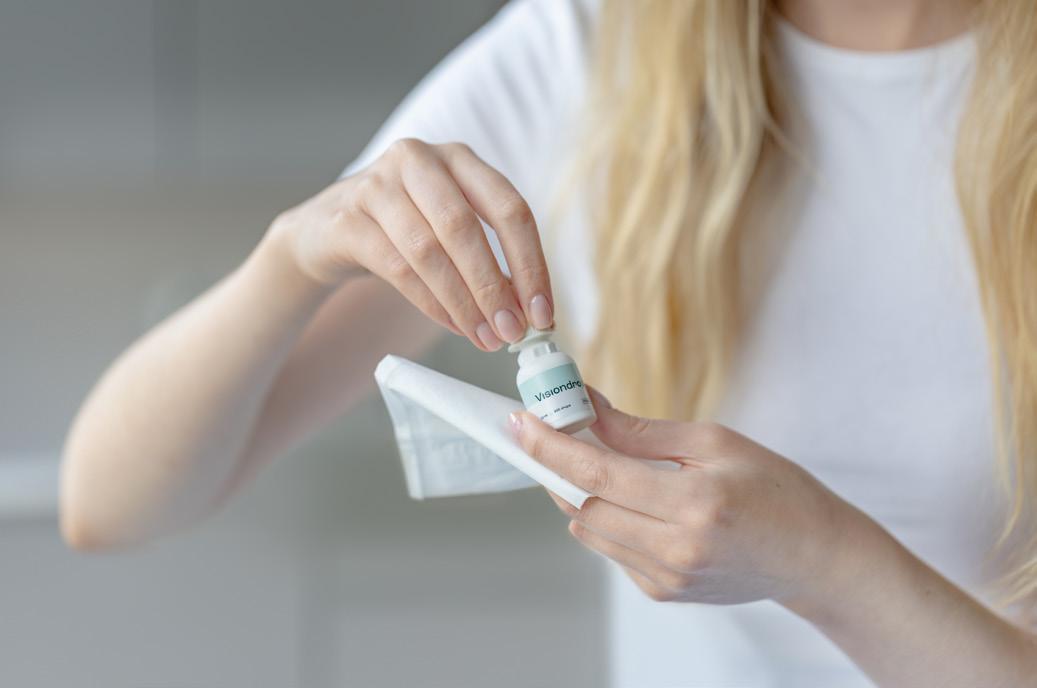
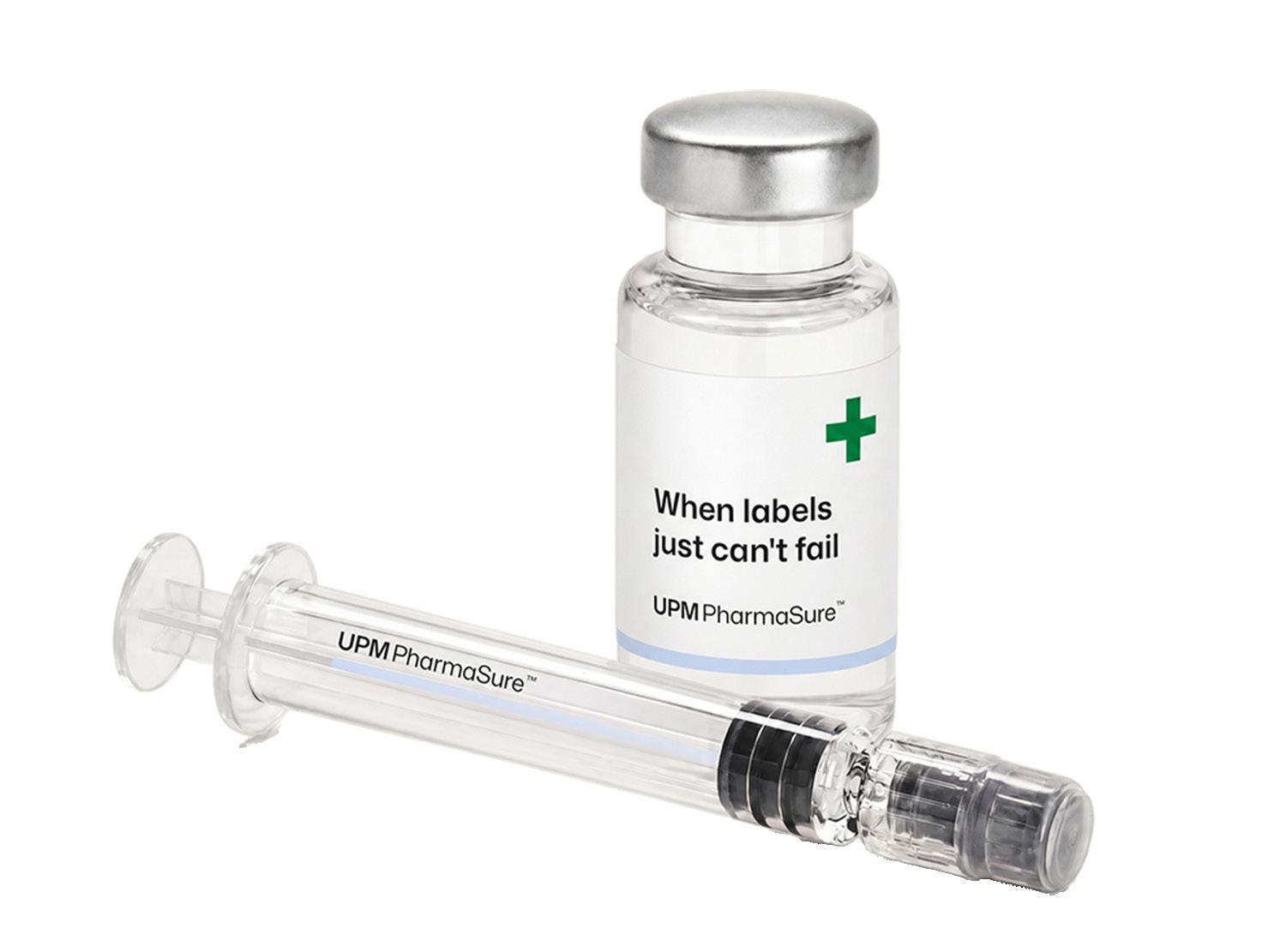
UPM is simplifying adhesive selection with purpose-built solutions designed for demanding label applications.
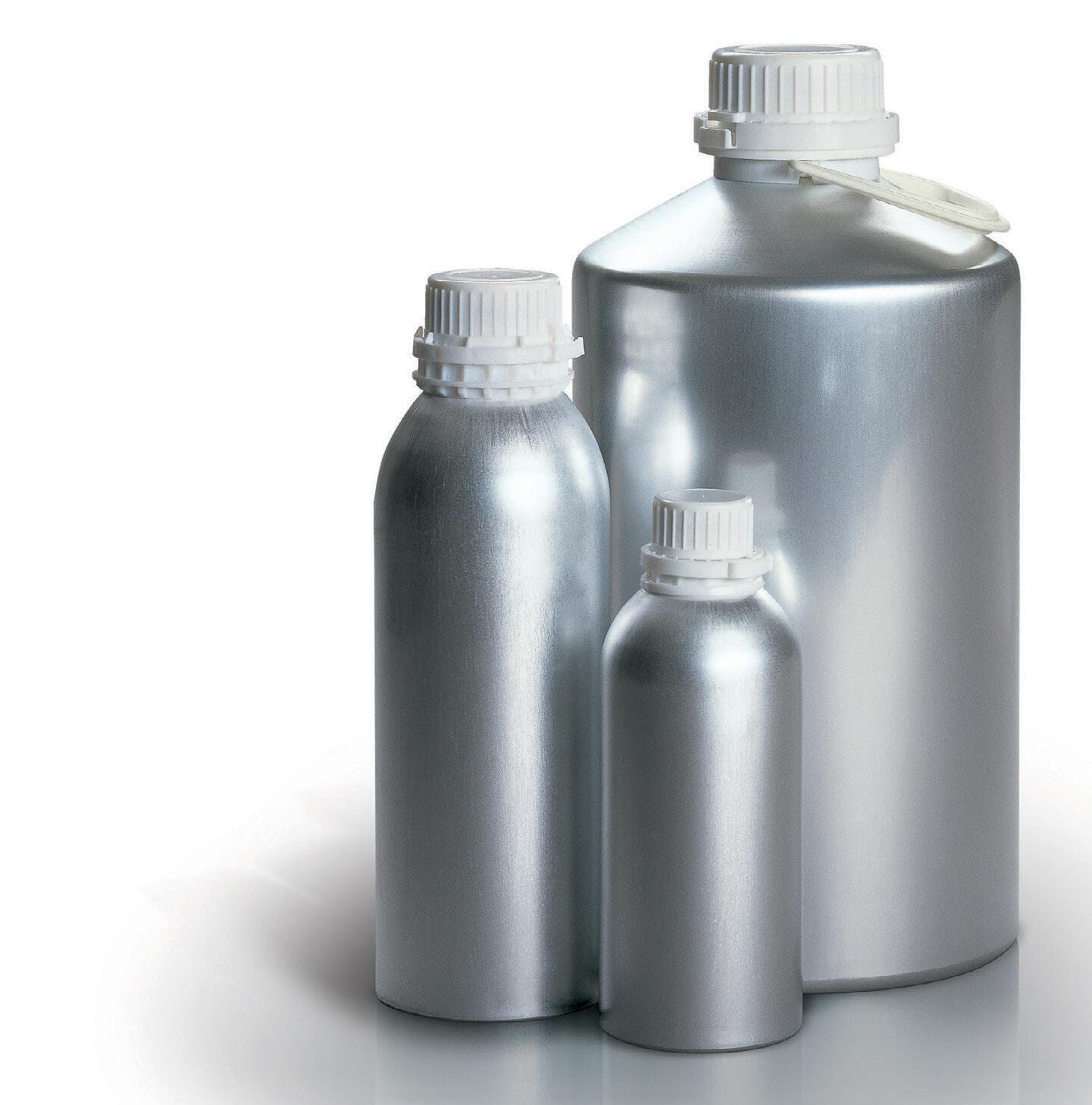
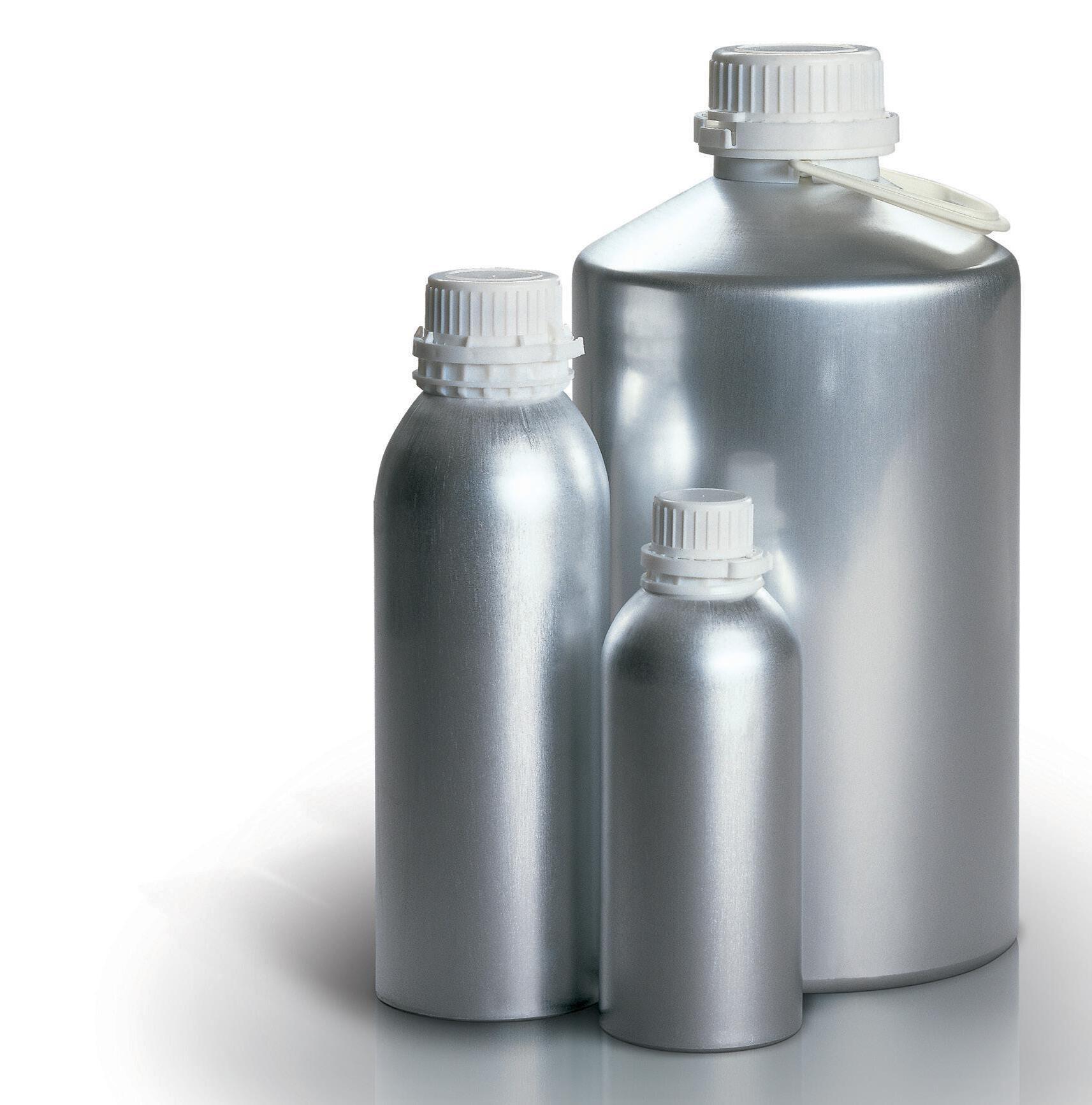
UPM PharmaSure™ for pharmaceuticals, UPM Vetro™ for wine and spirits, and UPM Endurance™ for oil and industrial chemicals help customers choose the right adhesive performance for each end-use. These solutions form part of the UPM Raflatac™ label material offering.
Purpose designed for success
Demanding label applications place requirements on adhesives that generalpurpose solutions cannot meet. Pharmaceutical packaging must maintain integrity through sterilisation cycles, coldchain storage and small-diameter vials. Wine and spirits labels face humidity, chilled display and ice bucket immersion. Industrial labels must hold on to challenging substrates under chemical exposure, mechanical strain and hot-fill
conditions. Each of these environments carries its own technical requirements, regulatory context and consequences when a label fails.
Selecting
the right adhesive
UPM’s adhesive formulations are built on decades of experience in these challenging applications and on a global innovation network. UPM PharmaSure, UPM Vetro and UPM Endurance address the range of conditions relevant to each respective industry and are supported by pre-assessed performance data and application documentation. This supports qualification and regulatory processes for converters and brand owners.



demanding label applications, adhesive selection is a critical decision
“With demanding label applications, adhesive selection is a critical decision. Our purpose-built adhesive solutions help our customers choose the right performance for their end-use,” says Christian Szameit, senior vice president, global markets at UPM Adhesive Materials.












Email sales@sensetek.biz
Designing the future of sunscreens for Africa
What if sun protection could be reimagined – not only to protect, but to act as a daily skincare essential designed specifically for African skin and climates?
Africa is a continent kissed by the sun. Its light is cultural, spiritual and environmental, yet constant and intense. While melaninrich skin naturally offers some protection, it remains highly susceptible to hyperpigmentation, inflammation, uneven tone and photoageing.
Sun exposure doesn’t only matter at the beach, but also in cities like Nairobi, Lagos, Accra and Johannesburg, where UV radiation and pollution combine into a harmful oxidative cocktail, accelerating pigmentation and skin stress.
Today’s African consumers are asking for more than just sun protection. They want comfort, hydration, skin tone harmony, invisible dry down, and a sensorial experience that feels like skincare, not sunscreen. They want skin resilience, long-term health and eco-conscious innovation. They also desire sunscreens that protect and elevate skin health.
This is where ResconceptTM Sun, developed by Sharon Personal Care by Eternis, transforms suncare into next-generation dermal care.
Smart science for sensory elegance
At the heart of ResconceptTM Sun lies Phase Inversion Temperature (PIT) technology, an advanced manufacturing process that creates hyperfluid O/W emulsions with a remarkably high internal oil phase (approx. 50%), while maintaining a pseudo-Newtonian rheological profile. This results in superior spreadability, long-wear structure and an elegant finish, even with rich oil content.
These emulsions feel melting, breathable and nourishing, yet remain lightweight and comfortable, without stickiness or heaviness. Most importantly, they deliver an invisible shield, blending seamlessly across all skin tones, especially darker complexions, without leaving white residue or greasiness and preserving skin tone harmony.

CREATE PREMIUM, HYBRID SUN CARE PRODUCTS WITH RESCONCEPT SUN:
• SPF + anti-pollution urban shields
• SPF + age defense daily creams
• SPF + microbiome-balancing skin protectors
• SPF + anti-spot tone-perfecting emulsions
• Long-wear protection for African climates and outdoor use.
True broad-spectrum protection
At the heart of sun care lies protection.
ResconceptTM Sun elevates skin defense through cutting-edge UV filter technologies, combining high performance, sensorial elegance and ecoconscious design. The range embraces two core filter families:
structured system. These are engineered for optimal film formation, enhanced photoprotection and sensorial comfort.
Protection meets purpose
African consumers are asking for more than just sun protection
ResconceptTM Sun emulsions can be used as sprays, fluid shields, rich creams, or hybrid skincare-suncare treatments. Without complex processing (mixing only), they can be coldthickened to adapt to tubes, jars or serums.
1. Next-generation UV filters (DHHB, BEMT, and EHT), featured in the Eco line (R203, R0209, R0219, R0210), using a PEG-FREE, ecodesigned texture. This modern, skin-friendly architecture enables high photostability, transparency and high environmental care.
2. Proven UV filter actives (EHS, PBSA, and BMDBM), incorporated in the traditional line (R0216, R0217) with a liquid-crystal
These systems deliver broad-spectrum UVA and UVB protection, supporting high SPF claims, UVA-PF compliance and, where applicable, water resistance (WR) certification. ResconceptTM Sun is ideal for African climatic conditions, including high humidity, intense sun exposure, perspiration, outdoor activity and dry desert winds.
Crucially, for melanin-rich skin, these formulations help prevent hyperpigmentation, dark spot intensification and photo-induced uneven tone, reinforcing the promise of skin
tone harmony while preserving a radiant, even complexion.
SPF and skincare synergy
Sun care today goes beyond UV protection. It’s about preserving skin vitality, balance and resilience over time. This is why selected ResconceptTM Sun Eco-designed bases are enriched with advanced dermal longevity boosters:
• PantrofinaTM Skin 360 (Pinus pinaster bark extract in diglycerin) is a powerful anti-pollution and free-radical scavenger, helping to protect collagen, elastic fibres and the dermal matrix from oxidative stress. It supports firmness, clarity and long-term skin health.
• Ferment Filtrate Lysate (postbiotic) is a microbiome-supportive bioactive that helps maintain hydration, epidermal balance and barrier function. It promotes resilience, comfort and long-term repair, essential for urban and high-stress environments. This transforms a sunscreen into a protector of longevity – not just defending the skin, but improving how it adapts, renews and protects itself from UV, pollution, heat and environmental stressors.
Meanwhile, the ResconceptTM Sun traditional (liquid-crystal designed) bases are enriched with

aloe vera, which is known for its soothing, hydrating and calming benefits. This makes them ideal for sensitive skin and after-sun comfort.
Sustainable and reef-safe
Sun care innovation must respect environmental responsibility. All ResconceptTM Sun references are Hawaiian Reef Act compliant, making them safer for ocean ecosystems, coral reefs, and lagoon habitat. This eco-commitment reflects Sharon Personal Care’s mission to merge performance, responsibility and beauty, in every drop.
ResconceptTM Sun is not just a base, it’s a foundation of innovation. It empowers formulators, inspires product developers and meets consumer expectations for performance, elegance, protection and identity. ResconceptTM Sun is a solution that delivers:
• an invisible shield on melanin-rich skin
• skin tone harmony without whitening or masking
• skin resilience with long-term environmental defense
• sensorial comfort in Africa’s diverse climates
• regulatory compliance, SPF performance and sustainability
Sharon Personal Care by Eternis invites Africa’s cosmetologists, visionary brands and global beauty innovators to redefine sunscreen, not just as a barrier to protect skin, but as a daily ritual of wellness, identity and confidence.
ResconceptTM Sun – because protection should feel beautiful. Contact the Southern African agent, CJP Chemicals, for more information.

Beauty, longevity and protein reshape consumer health
Global consumer health spend reached $337.903 million in 2025, with growth driven by new demand in protein, sports nutrition, gut health, beauty from within, longevity and mental health. Demand stagnated in parts of OTC, while weight management lost ground with GLP-1 use on the rise.
The global consumer health market continues to grow, driven by rising interest in ‘beauty from within’ solutions and healthy longevity, according to the market intelligence company Euromonitor International.
Euromonitor’s World Market for Consumer Health report shows the market expanded by 4% in 2025, reaching $338 billion, with demand increasing gradually across key categories.
Nick Stene, senior global insight manager on consumer health at Euromonitor International, said: “The traditional boundary between beauty and health solutions continues to blur, with beauty products increasingly grounded in science-backed benefits and healthorientated claims, creating new opportunities for dietary supplements.”


dietary supplement SKUs globally have carried some form of beauty claim in the specifications.
beauty from within is becoming an influential global trend
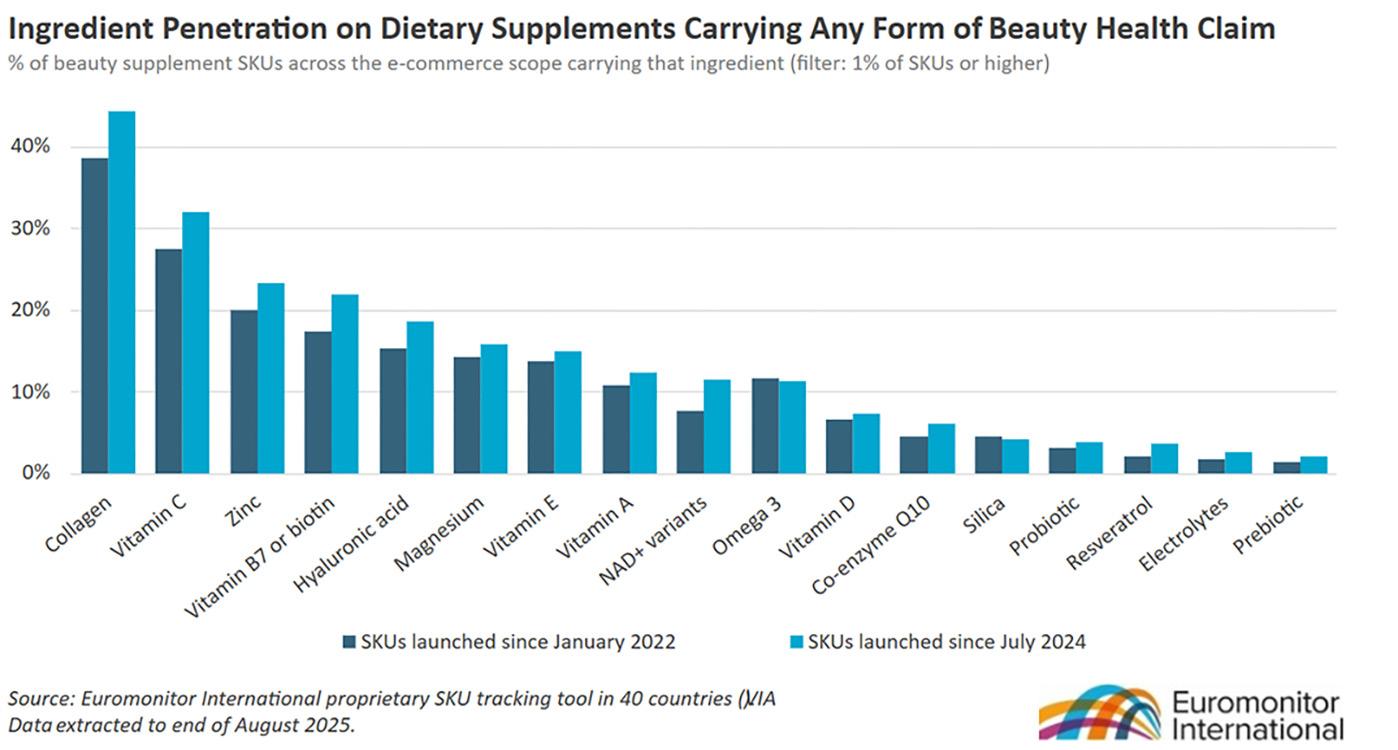
The rise of beauty from within Appearance is increasingly how we judge and value our health. Within this context, ‘beauty from within’ is becoming an influential global trend. Since July 2024, 20% of newly launched
probiotics. Specifically, South Korea is at the forefront of driving innovation in formats, and in skin, hair and nail
Meanwhile, ‘beauty’ is now the second most important leading function in the Asia Pacific and Australasia vitamins and dietary supplements (VDS) market –which was valued at $65.8 billion in 2025 – ahead of immune system, bone and digestive health.
The trend is supported by ingredient innovation. Aside from established heroes like hyaluronic acid and collagen, brands are successfully marketing the skin benefits of basic ingredients, such as vitamin C, traditional herbs and
Sports nutrition keeps on growing Gym culture has become more prevalent while the ageing population is seeking healthier lifestyles. Both these trends are boosting demand for proteinbased products, which is driving strong momentum in sports nutrition, with ready - to - drink (RTD) protein beverages up by 10% in value over the past year. South Korea, Brazil and Germany are among the countries leading this growth, supported by shifting demographics and rising health priorities.
Stene said: “It has become increasingly evident that consumer demand for protein now reaches far beyond athletic recovery. It has evolved into a fundamental pillar of wellness, spanning immunity support, healthy ageing, weight management and everyday vitality.”
Weight management options lose relevance
The traditional weight management supplement category is fighting to
stay relevant as the adoption of GLP -1 medications continues to accelerate. With GLP-1 moving to a new oral format at the beginning of the year, more adoption –both from cost considerations and users wishing to avoid injections – is resulting in increased impact on the traditional weight management supplement category. In fact, weight management supplements grew by only 1% between 2024 and 2025.
Stene concludes: “As consumers become far more comfortable with GLP-1, the real opportunity now is in offering meaningful support to GLP -1 users. An example is highlighting how much protein a product is contributing to the raised recommended daily intake, rather than leaning in with packaging that calls out ‘GLP -1 support’.”
Ultimately, growth opportunities come from protein consumption and gym culture, and the convergence of health and beauty, with cognitive, mood and cellular health all rising. Did you know?
E-commerce now accounts for 26% of consumer health sales, with a 13% five-year CAGR and 10% annual growth (current terms, outpacing the industry on 6% and 5%, respectively). Gains are driven by investment in fulfilment and marketplace expansion, especially in China, India, South Korea, the US, the UK and Brazil. Grocery, pharmacy and direct sales each lose share to online.
Euromonitor International –www.euromonitor.com

Growth opportunities come from protein consumption and gym culture, and the convergence of health and beauty
South African Health Products Regulatory Authority

PHARMA SOUTH AFRICA IS FULLY COMPLIANT Kirsch Pharma SA, licensed by SAHPRA, has been supplying high-quality individual products to the southern African market for over 35 years. We are constantly striving to provide our clients with new and alternative raw materials for them to expand and enhance their existing formulations.


Smarter partnerships for better pharma outcomes
In an environment shaped by advanced manufacturing technologies, tighter regulatory oversight and growing complexity, reliable supply partnerships are no longer optional. They are foundational. This article explores the role of suppliers in shaping pharmaceutical success.
Despite rapid innovation in biologics, advanced therapies and novel delivery platforms, the backbone of global pharmaceutical manufacturing remains unchanged: solid oral dosage forms. Tablets and capsules continue to dominate prescription and OTC medicines
thanks to their stability, dosing accuracy, portability and cost efficiency. Yet, while the dosage forms may be familiar, the science, technology and supply chains behind them are evolving at pace.
Today’s manufacturers face increasing complexity, from
advanced tabletting controls and flexible encapsulation technologies to heightened regulatory scrutiny of excipients. Overcoming these challenges requires technical excellence and strong, reliable partnerships across the pharmaceutical supply chain.
The long-standing collaboration between Peter Greven and Brenntag exemplifies how aligned partners can deliver consistent value to manufacturers
Precision, data and process control
At its core, tabletting is a compression process, transforming a powder blend into a robust and consistent dosage form. While the fundamentals remain unchanged, modern rotary tablet presses now produce up to 1.5 million tablets per
hour. Real-time monitoring of compression and ejection forces feeds directly into Process Analytical Technology (PAT) systems, enabling proactive process adjustments rather than reliance on end-of-batch testing.
Upstream processing remains critical. Wet granulation continues to be widely used to improve flow and compressibility but introduces water and heat – factors that can pose risks for moisture-sensitive APIs. Dry granulation via roller compaction removes water from the equation, making it attractive for hygroscopic formulations. Direct compression is also gaining momentum, supported by co-processed excipients that provide optimised flow and compressibility without a separate granulation step.
Increasingly, manufacturers are embracing continuous manufacturing, linking blending, granulation and compression into a single, uninterrupted process. The result is reduced scale-up risk, tighter quality control and smaller production footprints.
Flexibility in formulation
Capsules offer a versatility that tablets cannot always match. Hard capsules – historically gelatine-based – are now manufactured from hydroxypropyl methylcellulose (HPMC) to support vegetarian requirements and moisturesensitive formulations.
Capsules can accommodate powders, pellets, granules, mini-tablets and even liquids or semi-solids, making them ideally
suited for modified-release systems and combination products.
Modern capsule fillers achieve throughput exceeding 200 000 capsules per hour, with dosing accuracy comparable to tabletting lines. Advances in dosator and tamping-pin technologies enable consistent fill weights, even for low-dose or high-potency APIs. This flexibility makes encapsulation particularly valuable during early clinical phases, where speed and adaptability are critical.
Consistency
where it matters
Among the most critical excipients in tabletting and encapsulation is magnesium stearate. As a lubricant used in small concentrations, its physical properties can have an immense impact on manufacturability and product performance.
Peter Greven’s LIGAMED ® Pharma-Grade Magnesium Stearate is manufactured using a controlled precipitation process specifically designed to deliver reproducible pharmaceutical performance. Carefully defined specific surface area, crystal morphology and fatty acid composition ensure batch-tobatch consistency, which is an essential requirement for robust processes and successful regulatory submissions.
LIGAMED ® grades comply with USP-NF, Ph. Eur., ChP and JP monographs, with comprehensive certificates of analysis covering fatty acid profile, particle size distribution, specific surface area and

heavy-metal content. For formulators seeking to standardise lubrication across multiple platforms, LIGAMED ® provides the confidence that critical process parameters and finished product quality remain firmly under control.
Supply chain transparency becomes essential
The increased regulatory focus on nitrosamine impurities has added another layer of complexity to oral solid dosage manufacturing. Since the identification of NDMA in valsartan in 2018, regulatory agencies including the FDA and EMA now require formal nitrosamine risk assessments across drug products.
Research has demonstrated that trace nitrite levels in excipients –
particularly common fillers such as microcrystalline cellulose and lactose –can contribute to nitrosamine formation in susceptible APIs. While magnesium stearate’s contribution is typically low due to its limited use level, understanding and controlling excipient quality has become essential.
In response, suppliers are offering lownitrite excipient grades, supported by batch-specific data. This shift reinforces the importance of transparent, welldocumented supply chains and close collaboration between manufacturers, distributors and excipient producers.
A strong partnership in practice
In the pharma industry, strong relationships matter. The long-standing collaboration between Peter Greven and Brenntag

exemplifies how aligned partners can deliver consistent value to manufacturers. By combining Peter Greven’s deep expertise in excipient production with Brenntag’s global distribution, technical support and regulatory know-how, customers benefit from product excellence and supply reliability.
Brenntag works closely with partners like Peter Greven to ensure that materials such as LIGAMED ® magnesium stearate are delivered with the documentation, traceability and technical insight required in regulated pharma environments.
Brenntag’s role in the pharma supply chain
As a global market leader in chemicals distribution, Brenntag plays a critical role in

connecting excipient manufacturers with pharmaceutical producers worldwide. Beyond logistics, Brenntag’s Pharma team provides value through technical expertise, application support, regulatory guidance and local market knowledge – helping customers navigate evolving quality and compliance expectations.
Tabletting and encapsulation will continue to evolve, but quality, consistency and collaboration remain constant. With trusted partners across the value chain – such as Peter Greven and Brenntag – the pharmaceutical industry is well positioned to meet today’s challenges and tomorrow’s opportunities.
Brenntag Pharma – www.brenntag.com/en-za


Transform
cosmetic concepts into marketwinning products









Subscribe now and be the first to receive Issue 6