
Cosmetics & pharmaceutical process innovation news

Textured hair kit fills market gap
Sepiwhite MSH delivers universal brightening Ink scents in niche perfumery

Cosmetics & pharmaceutical process innovation news
Textured hair kit fills market gap
Sepiwhite MSH delivers universal brightening Ink scents in niche perfumery
Cosmetics & pharmaceutical process innovation news



4 NEWS
Manuchar to acquire CJP Chemicals in South Africa
African Skin Health Institute breaks ground
New Care & Wellness division for Symrise
7 HAIR CARE
Explore IMCD’s new Textured Hair Care Kit
Improve hair health with Keraduo Silicones in modern hair care formulations
14
Level-measurement technology for bulk packaging applications
Advanced packaging automation using AI
18
How to balance sustainability and performance
20 FRAGRANCE & PERFUMERY
Iberchem presents the scent of ink in niche perfumery
Five trends driving skincare innovation
Sepiwhite MSH delivers universal skin brightening results
Our first edition of P&C Africa for the year highlights dynamic developments across the pharmaceutical and cosmetic industries, starting with significant advances in hair care innovation.
You can read about IMCD South Africa's new Textured Hair Care Kit, which features 15 formulations to address the unique needs of African hair from cleansing and conditioning to styling, wigs and weaves. Check out the impressive clinical results for Keraduo™, LipoTrue’s breakthrough keratincollagen fusion active that is revolutionising care from root to tip. The ongoing silicone debate also gets thorough treatment as EU REACH restrictions drive the development of innovative hybrid technologies and cyclic-free alternatives. Turn to page 7 for more.
Moving to skincare, Sepiwhite MSH demonstrates remarkable brightening efficacy across different phototypes, whilst


Mintel's trend report reveals how personalised diagnostics and biomarker-driven formulations are creating the future of evidence-based beauty in the ‘metabolic beauty’ movement. Read about this on page 22
Sustainability in home care product development is top of mind, with biosurfactants, concentrated formats and ISCC+ mass-balance approaches enabling greener formulations without sacrificing performance. On page 18 Brenntag SA discusses how to balance sustainability and performance in home care.
Enjoy the read!


IMCD SA 8 www.imcdsa.co.za
Savannah Fine Chemicals 11 savannah.co.za
AECI Specialty Chemicals 13 www.aeciworld.com/specialty-chemicals
Vega Controls SA 15 www.vega.com/en-za
Brenntag SA 19 www.brenntag.com/en-za/ Iberchem 21 iberchem.com
Nautica Organic 23 nauticaorganics.com
CJP Chemicals ............................................. 25 ......................www.cjpchemicals.co.za


There are so many benefits to registering on the P&C Review website. You’ll gain free and instant access to every digital edition of the magazine, which you can download in PDF format and save. You’ll also gain access to loads of industry news and other relevant and useful content.

www.b2bcentral.co.za/register/

FOLLOW US ON SOCIAL MEDIA
LinkedIn www.linkedin.com/company/ pharmaceutical-cosmetic-review



Facebook www.facebook.com/ PharmaceuticalCosmeticReview
MANUCHAR, A LEADING distributor of chemicals in high-growth markets – headquartered in Antwerp, Belgium – has reached an agreement to acquire CJP Chemicals, one of South Africa’s most established chemical distributors. This strategic acquisition marks an important step in Manuchar’s ambition to strengthen its footprint in South Africa and expand its global chemical distribution platform across high-growth regions.
Founded in 1986, CJP Chemicals is a wellrecognised distributor with a strong heritage in the South African market. The company offers a broad range of industrial and speciality chemicals, serving key sectors such as personal care and pharmaceuticals, food & beverages, lubricants & energy, and industrial manufacturing. With operations in all major industrial hubs, including Johannesburg, Durban, Cape Town and Gqeberha, CJP Chemicals employs around 170 people and generates in excess of $100 million in revenue each year. The company is also highly valued for its technical expertise, strong customer relationships and reliable supply chain network.
From its headquarters in Antwerp, Manuchar operates a local distribution network across North & Latin America, Africa, Europe, the Middle East, and Asia. The company employs 3 000 people worldwide, handles over 4.6 million metric tons of goods, and generates approximately $2.6 billion in sales with operations in over 40 countries and 180 locations. Manuchar has been active in South Africa since 2003 and today covers the entire country with offices in Durban, Johannesburg and Cape Town, employing around 100 people locally.

The acquisition of CJP Chemicals aligns with Manuchar’s long-term growth strategy to broaden its product portfolio, deepen its regional coverage, and reinforce its leadership in serving customers across high-growth markets. The closing of the agreement between the shareholders of Manuchar and CJP Chemicals is expected in Q3 2026, subject to antitrust approval.
Laurent Pasqualini, CEO of Manuchar Group, says: “This acquisition marks a significant milestone in our strategy to strengthen our chemical distribution platform across key high-growth markets. By combining CJP Chemicals’ strong legacy in South Africa
This transaction will be beneficial to both Manuchar and CJP
with Manuchar’s global reach, we will offer a truly comprehensive product portfolio – from core commodities to high value specialty chemicals. Together, we are stepping up as a top leading chemical distribution player in Africa – particularly in South Africa – delivering broader solutions, enhanced supply reliability, and the service excellence for which both companies are known.”
Karabo Radebe, MD of CJP Chemicals, comments: “Becoming part of the Manuchar Group marks an exciting new phase for CJP Chemicals. Its global reach, strong supply chain capabilities, and extensive product portfolio will reinforce our ability to serve
customers with even greater reliability and depth. While we continue to operate with the same commitment and expertise, joining Manuchar provides us with the scale and backing needed to accelerate our growth in the South African market.”
Greg Hirschowitz, CEO of ChemFin, comments: “As the majority shareholder in CJP Chemicals, ChemFin is delighted to have found a global strategic owner for CJP Chemicals. This transaction will be beneficial to both Manuchar and CJP and I have no doubt the combined business will bring several additional opportunities to enhance the offering and service to their customers in the South African market.”
, the University of Cape Town (UCT) and the Services Sector Education and Training Authority (Services SETA) have officially broken ground on the African Skin Health Institute (ARISE).
Held on 13 February, this historic event marks a significant step forward in addressing skin and hair health challenges specific to African populations.
ARISE, housed within UCT’s Division of Dermatology, is a purpose-built facility dedicated to research, training and skills development. The institute will focus on African skin and hair health, cosmetic product safety testing and occupational skin research. This initiative is set to position South Africa as a leader in Africanrelevant dermatological research and training. The African Skin Health Institute aims to expand student intake, offer short courses, and provide industry-facing services. Over 100 graduates have already benefited from its cosmetic formulation programme, which has established strong industry partnerships. The new facility will scale these efforts, creating opportunities for graduates and entrepreneurs while boosting African representation in product development.
Professor Nonhlanhla Khumalo, UCT’s project lead, emphasised the importance of ARISE in deepening research and fostering innovation. Services SETA Administrator Lehlogonolo Masoga highlighted the alignment of this project with the National Skills Development Plan 2030. This plan aims to produce jobcreating, industry-ready talent.
South Africa’s Deputy Minister of Higher Education and Training, Dr Mimmy Gondwe
was present at the sod-turning ceremony. The event symbolises ARISE’s transition from a pilot programme to a national training and research platform. The initiative also underscores the commitment to addressing African skin and hair health challenges. Furthermore, it will create a hub for innovation and skills development.
This initiative is set to position South Africa as a leader in Africanrelevant dermatological research and training

step to meet accelerating global demand for products that support health, wellbeing and beauty across everyday life, Symrise has established a new Care & Wellness division.
Part of the Scent & Care segment, the division brings together Symrise’s expertise in cosmetic ingredients, health actives and biotics, following the acquisition of Probi in 2025, to provide customers with a fully integrated health and beauty portfolio. It plans to help customers respond to fast-moving consumer expectations with science-based, high-performing solutions for topical, ingestible and inside and outside beauty concepts.
By uniting these capabilities, Symrise strengthens its position at the intersection of science, demonstrated claims and consumer demand for longer and healthier lives, translating its purpose-driven strategy into action: “We innovate in health, wellbeing and beauty, for the entire family’s everyday life”.
Consumers increasingly seek care solutions that deliver credible efficacy and meaningful sensorial moments whether applied topically, taken orally or experienced through holistic routines. Care is becoming more integrated. For customers, this creates a growing need for complete, marketready concepts that connect scientific performance with lifestyle relevance.
With the Care & Wellness division, Symrise shifts from category-based offerings toward a connected care approach. The division aligns five business units to unlock synergies, improve speed-to-market and amplify innovation across beauty, personal care, biotics, supplements and pet health. It creates new opportunities to shape topical, ingestible and inside-out beauty solutions rooted in efficacy, sensorial expertise and scientific depth.
“Establishing Care & Wellness is a natural next step in our evolution,” says Dr Jean-Yves Parisot, CEO of Symrise. “By bringing together our capabilities in cosmetic ingredients and health solutions, we are delivering integrated innovations that help our customers shape the future of care, to support consumers pursuing healthier longevity. This division reinforces our commitment to scientific excellence, sustainable growth and long-term value creation.”
From skin health to gut microbiome, providing support for holistic wellbeing, the division focuses on innovations that connect measurable efficacy with meaningful consumer experiences. Through this integrated approach, Symrise enables customers to deliver solutions that bring science to life in daily routines.






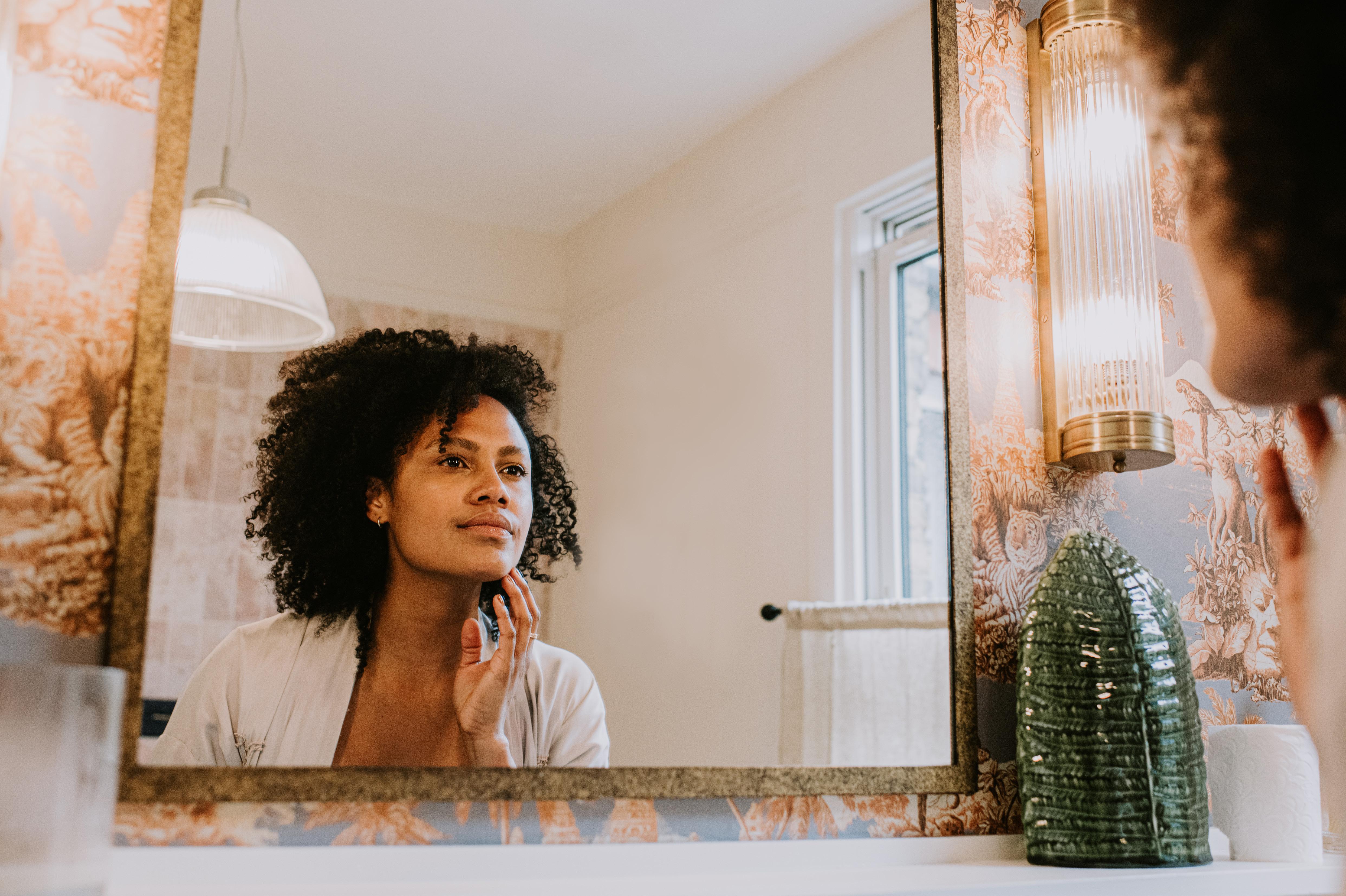
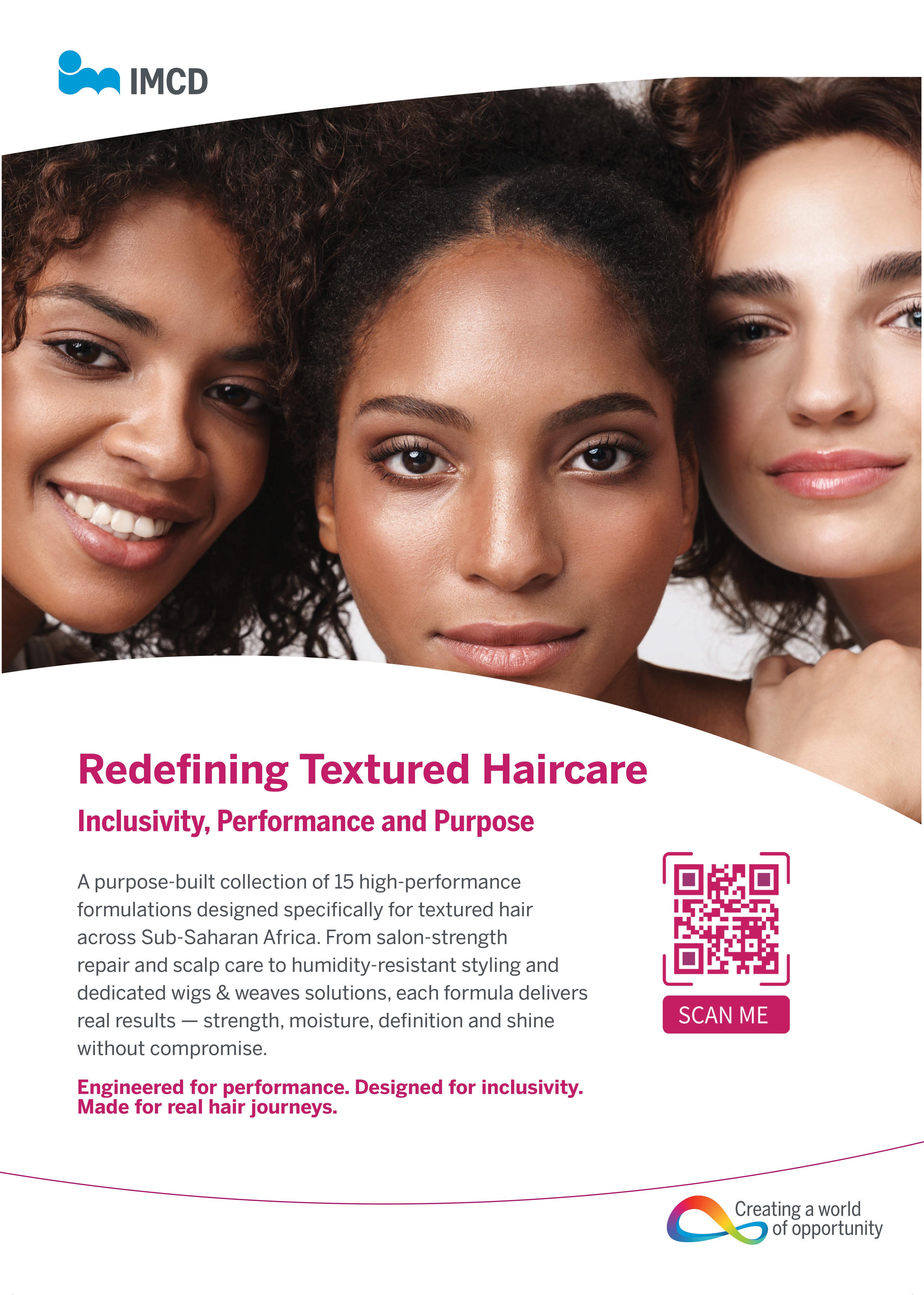
Imagine a hair care collection that reflects a market of consumers who are informed, digitally connected and increasingly willing to invest in performance-driven products. IMCD South Africa brings this dream to life with its Textured Hair Care Kit.

Hair is the ultimate expression of personal identity. Heritage, creativity and self-expression are woven into every strand. Across Sub-Saharan Africa, textured hair tells stories of culture, resilience and individuality. Yet for decades, product development has often overlooked the unique needs of tighter curl patterns, coily textures, protective styling and the thriving wigs and weaves segment.
IMCD South Africa’s Textured Hair Care Kit was created to change this narrative – not with generic solutions, but with purposebuilt formulations designed specifically for textured hair in high-humidity climates.
The kit comprises 15 formulations across three focused categories:
1. Salon Professional
2. Styling
3. Wigs & Weaves.
Each formula is engineered for performance under challenging environmental conditions, while delivering sensorial textures and residuefree finishes that today’s consumers expect. Behind every formulation lies a deeper understanding of the textured hair journey. From cleansing routines that avoid stripping natural moisture, to treatments that reinforce fibres weakened by chemical processing or
heat styling, to edge control products that withstand humidity without flaking – each product addresses a lived reality.
Consumers are no longer satisfied with repositioned products that were originally developed for straight or loosely curled hair. They are asking for authenticity. They want curl definition without crunch, moisture without heaviness, strength without stiffness, and shine without greasiness.
The Textured Hair Care Kit meets these expectations with formulations that combine scientific rigour with real-world practicality.
The Salon Professional range lays the foundation for healthy hair through cleansing, conditioning, repair and scalp support.
The 2-in-1 Conditioning Shampoo balances effective cleansing with softness and manageability. By combining surfactant systems with conditioning agents and hairstrengthening technologies, it reinforces the hair fibre from within while maintaining slip and detangling ease. The inclusion of moisturising osmolytes supports hydration and helps mitigate irritation, making it suitable for frequent use.
every formulation lies a deeper understanding of the textured

Damage repair is further elevated in the Restore & Renew Hair Cream and Damage Repair Hair Treatment. These formulations integrate advanced conditioning polymers and split-end mending technologies, which help restore surface hydrophobicity, improve combability and reinforce weakened fibres. In textured hair – where bends and twists make strands more vulnerable to breakage – internal and external strengthening are essential.
Moisture is not simply a cosmetic claim; it is structural integrity. Essential fatty acid-rich oil blends enhance softness and manageability while forming a protective film over the hair fibre. The result is improved detangling, reduced breakage and perceptible smoothness.
Scalp health is also important. The Calming Scalp Lotion and Hair Growth Scalp Treatment acknowledge that healthy hair begins at the
root. With soothing botanical actives and multifunctional anti-dandruff technologies that reduce oiliness, itching and flaking, these formulations recognise the link between scalp comfort and hair vitality.
Styling textured hair is both an art and science. Products must provide hold while preserving movement. They must resist humidity without causing flaking, and define curls while maintaining softness. The styling portfolio delivers on these demands. The Hairline & Edge Holding Wax combines structuring agents and biodegradable film-formers to create reliable hold with water resistance and a smooth finish. For consumers who value sleek edges and polished finishes, this formula offers durability without the dreaded white residue.

• Purpose-built formulations for textured hair needs.
• Ready-to-personalise chassis formulations to shorten development timelines.
• Climate-specific solutions for Sub-Saharan Africa's high humidity.
• Focus on curl definition without crunch and moisture without heaviness.

The Hair Gel, built around multifunctional styling polymers, demonstrates how modern rheology modifiers and fixatives can provide clarity, stiffness and high-humidity curl retention without excessive tack. In climates where high humidity is common, performance under moisture stress is critical. For curl enhancement, the Texture Defining Cream integrates natural-derived rheology modifiers and plant-based curl-forming actives to provide curl retention, manageability and reduced frizz. Through hydrogen bonding interactions with keratin, these actives support natural curl memory. The result is flexible, long-lasting curls with reduced flaking – a common issue in styling products for textured hair.
The Wrap/Set Hair Mousse introduces bounce and definition while maintaining softness. By combining conditioning polymers, moisturising humectants and curl-enhancing actives, it enhances curl structure while maintaining hydration and improving foam bloom.
Wigs and weaves is a powerful and growing segment within textured hair care. By dedicating an entire category to it, the kit acknowledges a segment often underserved in traditional development pipelines.
Protective styling has evolved from being a necessity to a fashion statement, and consumers
Beyond the individual products, the structured development approach of the Textured Hair Care Kit is particularly impactful. It simplifies innovation for brand owners by offering readyto-personalise chassis formulations supported by technical validation.
Through formulation expertise, laboratory testing and performance assessment tools, such as combing force analysis and curl retention measurement, prototypes can be customised rapidly. This reduces development timelines and lowers the barrier to entry for brands seeking to enter or expand within the textured hair category.
Many of the formulations incorporate biodegradable, naturally derived or responsibly sourced components, aligning with growing consumer interest in transparency and ethical sourcing – without compromising performance.
At its heart, this collection is about empowerment. It acknowledges that textured hair is a significant, vibrant and culturally rich segment deserving of tailored innovation.
demand products specifically designed for synthetic and human hair extensions.
The Hair Wax Stick provides structure and shine without excessive build-up. Siliconebased gloss enhancers contribute brilliance and smoothness, ensuring a polished look across natural and extension hair.
The Hair Shine Serum blends conditioning silicone technologies, silicone waxes and elastomer systems to enhance spreadability, reduce friction and impart a silky finish. For wigs and weaves, where fibre friction and dryness can reduce longevity, this sensorial improvement is both functional and cosmetic.
From scalp vitality to curl definition, and salon repair treatments to high-gloss styling for extensions, the kit demonstrates that performance and inclusivity are not opposing forces. They are complementary pillars of modern beauty development.
By bringing together technical excellence, regional insight and an understanding of real consumer journeys, the Textured Hair Care Kit offers more than 15 formulations. It presents a commitment to making every day a good hair day, for every texture, style and story woven into the strands.
A new keratin-collagen fusion protein
is making waves in hair care formulations with its comprehensive approach to strengthening follicles whilst protecting the hair shaft.
Keraduo™ is an innovative cosmetic active ingredient designed to improve hair health from the root to tip through a single, multifunctional molecule. It is a tandem fusion protein that combines two essential structural hair components: keratin and collagen. Specifically, Keraduo™ fuses a biomimetic fragment of keratin 31, which reinforces and repairs the hair fibre, with a fragment of collagen XVII. This is a key protein involved in hair follicle cohesion and root anchorage. The dual mechanism allows Keraduo™ to strengthen the hair shaft while simultaneously improving follicular stability and longevity. The active ingredient is produced using advanced plant biotechnology through transient expression of a synthetic human gene in plant cells (wild plants as biofactories technology). Cultivated in sustainable vertical farming systems, this in planta process ensures high purity, correct post translational modifications, and the absence of toxic residues. The result is Keraduo™ – a vegan, non-GMO ingredient that is of 97.99% natural origin.

Materials and methods
The efficacy of Keraduo™ was evaluated through in vitro, ex vivo and in vivo studies. In vitro assays were conducted on human cell models, including hair follicle stem cells, epidermal keratinocytes and dermal fibroblasts. Collagen XVII expression was assessed by immunofluorescence and qPCR, while pro collagen I production was quantified by ELISA. Keratinocyte migration and proliferation were evaluated using scratch assays and cell growth analysis respectively. The modulation of hair keratin gene expression was measured by qPCR.
Ex vivo studies were performed on human hair tresses subjected to chemical, UV and thermal damage. A hair serum containing 1% Keraduo™ was applied to bleached tresses and performance was evaluated through combability measurements, expert anti frizz assessment, cuticle porosity analysis and hair protein content quantification. Both straight Caucasian hair
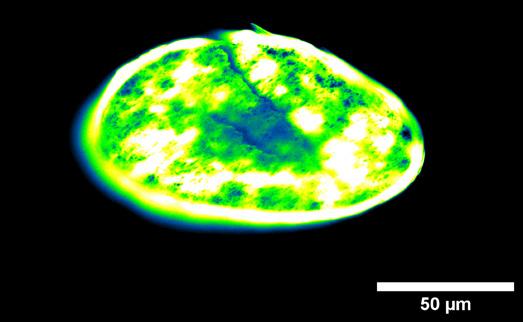
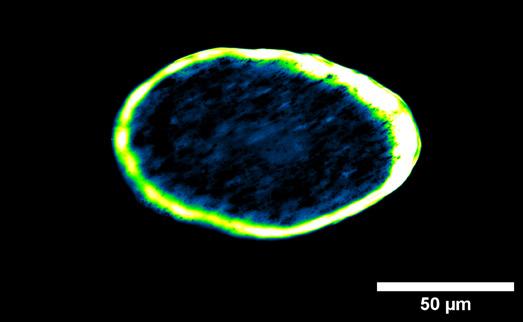
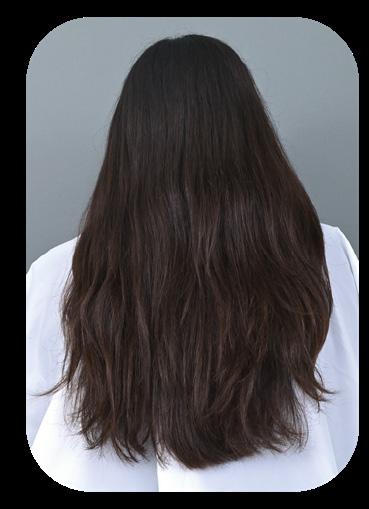
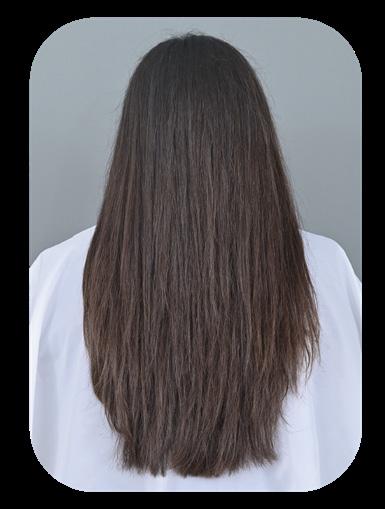
(type 1) and afro textured hair (type 4) were tested to confirm efficacy across different hair structures.
The in vivo clinical study involved 44 women aged 20 to 65 with fragile and damaged hair. Participants used a shampoo containing 2% Keraduo™ three times a week for 28 days. Hair shedding, elasticity, keratin content, volume, softness and consumer perception were evaluated at baseline, after 14 and 28 days respectively.
Results and discussion
Keraduo™ showed strong dual activity at both the follicular and fibre levels. In vitro, it significantly increased collagen XVII expression in hair follicle cells (17%) and stimulated pro collagen I synthesis in fibroblasts (21%), supporting improved dermo follicular cohesion and stronger root anchorage. In parallel, Keraduo™ enhanced keratinocyte migration (48%) and follicular keratinocytes’ proliferation

Keraduo improved combability by 39% after a single application
(up to 38%), which are key processes for follicular renewal and healthy hair growth. Keraduo™ also promoted the expression of multiple structural hair keratins, including K31, K32, and K33B, as well as basal and differentiation cytokeratins. This profile indicates reinforcement of the internal hair scaffold, supporting stronger, more elastic and more resistant fibres from their biological origin.
Ex vivo results confirmed these cellular effects at the fibre level. Keraduo™ improved combability by 39% after a single application and up to 55%
after repeated use, with a visible reduction in frizz. It significantly reduced cuticle porosity, both under normal conditions and before UV damage or after heat exposure. In UV exposed Caucasian hair, porosity was reduced by half, while in thermally damaged afro hair, Keraduo™ restored up to two thirds of fibre integrity.
The hair protein content was also preserved or increased, particularly in porous hair types, indicating effective keratin reinforcement. Clinical results demonstrated clear consumer benefits. Hair shedding was reduced by 22% after 14 days, corresponding to approximately 1 400 fewer hairs lost after two weeks. Hair elasticity improved by around 2%, reflecting reduced fragility, and fibre keratin content increased by 5.6%. Professional evaluations showed increased hair volume in 90% of participants after four weeks, while 100% perceived immediate softness after the first application. Consumer self-assessments confirmed smoother, stronger, more manageable and less frizzy hair.
Modern root-to-tip hair care active
Available throughout Southern Africa from Savannah Fine Chemicals, Keraduo™ is a scientifically validated, root-to-tip hair care active that combines follicular anchorage and fibre repair in a single molecule.
By stimulating collagen XVII and reinforcing keratin production, it significantly reduces hair loss while improving strength, elasticity, softness and manageability. Its proven efficacy across in vitro, ex vivo and clinical studies makes Keraduo™ a powerful and innovative solution for modern, comprehensive hair care formulations.

Silicones provide a combination of properties that are difficult to replicate with a single alternative

AECI Specialty Chemicals explores the relevance of silicones in hair care applications, with a focus on innovation and regulatory considerations.
Silicones have long been a cornerstone of personal care formulations, offering unique sensory, protective and functional benefits. In 2026, despite increasing scrutiny and evolving consumer expectations, silicones remain highly relevant in cosmetics, particularly in hair care products tailored for textured hair. Instead of disappearing, silicones are evolving,
driven by innovation, regulatory developments and the pursuit of sustainable formulations.
Silicones provide a combination of properties that are difficult to replicate with a single alternative. Their siloxane backbone structure gives them chemical stability, low surface tension and flexibility, making them highly versatile. Key benefits include:
• Sensory elegance – smooth, silky, and nongreasy textures enhance application and consumer experience.
• Hair conditioning and protection – silicones form a thin protective film that reduces friction, improves shine and protects hair from mechanical damage and heat styling.
• Skin barrier support – silicone films reduce transepidermal water loss while remaining breathable.
• Formulation flexibility – fluids, elastomers and resins improve spreadability, pigment dispersion, water resistance and longterm stability.
These properties are particularly valuable for the diverse and rich textures of African hair types, where tightly coiled hair requires intensive conditioning, frizz control and protection against breakage.
Textured hair, such as types 3 and 4 hair, tends to be naturally drier, making lubrication, moisture retention and cuticle protection critical. Ingredients such as Dimethicone and Amodimethicone, as well as volatile cyclic carriers like Cyclopentasiloxane (D5) have traditionally been essential in hair oils, conditioners, leave-in treatments and styling products. The performance benefits for textured hair include:
• Improved detangling and combability as silicones lubricate the hair shaft, reducing friction.
• Frizz control and humidity resistance by smoothing the cuticle and reducing moisture uptake.
• Heat and mechanical protection with silicones safeguarding hair during styling, braiding, or protective hairstyles.
• Enhanced shine and conditioning, providing a long-lasting soft feel and aesthetic appeal.
For African consumers, maintaining these properties while transitioning to regulatorycompliant or cyclic-free formulations is critical.
The EU’s REACH Regulation has restricted D4 (Octamethylcyclotetrasiloxane) and D5 (Cyclopentasiloxane) in rinse-off products due to environmental persistence and bioaccumulation. Broader discussions now include D6 (Dodecamethylcyclohexasiloxane), particularly in leave-on cosmetics.
Although many African markets do not yet enforce identical restrictions, global brands exporting to Europe must comply. In addition, consumer awareness of ‘silicone-free’ products is influencing local demand, meaning that formulators and suppliers must consider both regulatory and market pressures.
The AECI silicone portfolio provides formulators with a full range of compliant, high-performance materials, including:
• Dimethicone fluids, which are linear silicones offering excellent lubrication, protection and conditioning. These are available in multiple viscosities to suit diverse needs in hair and skincare applications.
• Silicone elastomers, which provide unique soft-touch textures, velvety finishes, and enhanced pigment dispersion in skincare and colour cosmetics.
• Cyclic silicone alternatives, which are lightweight carriers and spreading agents that replicate the sensory benefits of D5 while supporting compliance and sustainability. These solutions allow brands to maintain performance in products for textured hair
while aligning with evolving regulations and consumer expectations.
Replacing cyclic silicones is rarely straightforward. Most substitutes require a combination of ingredients to achieve similar performance. Featured in table 1 are several silicone alternatives. Formulators frequently combine linear silicones, elastomers and cyclic replacements to balance performance, compliance and sensory attributes.
Adaptation drives innovation
Silicones remain indispensable in personal care in 2026, particularly for hair care formulations targeting textured hair.

Regulatory restrictions on cyclic silicones are driving innovation in cyclic-free systems, silicone elastomers and hybrid technologies rather than eliminating their use.
For African formulators and brands, AECI Specialty Chemicals provides technical support, compliant raw materials and guidance to ensure products deliver high performance, satisfy consumer expectations and meet regulatory requirements. With thoughtful formulation strategies, silicones will continue to be a key tool for sensory, protective and aesthetic benefits in personal care.




With regulatory bodies tightening compliance requirements and product recalls costing manufacturers millions, the pressure is on for pharmaceutical and cosmetic companies to ensure flawless bulk packaging processes. This is possible with VEGA’s advanced level-measurement technology.
Authorities like the Angola’s DNME (National Directorate of Health), the Egyptian Drug Authority (EDA), the South African Health Products Regulatory Authority (SAHPRA), the FDA (in the USA), and the EMA (in Europe) impose strict requirements on pharmaceutical and cosmetic packaging. Companies must document and validate every stage of the process, ensuring that product handling, storage, and filling meet hygiene and safety standards. Different products behave differently during packaging. Thick creams or gels may stick to equipment, while
powders can become airborne and cause contamination. Liquids can generate foam or bubbles, which affect accurate level measurement in holding tanks.
Equipment used for bulk packaging must be easy to clean and resistant to cross-contamination. Any error in packaging can lead to costly recalls or reputational damage. Pumps, sensors, and valves must handle constant use without degradation. Some pharmaceutical ingredients are corrosive, abrasive, or sensitive to temperature, which
makes choosing the right instrumentation essential. Manufacturers must balance speed and accuracy.
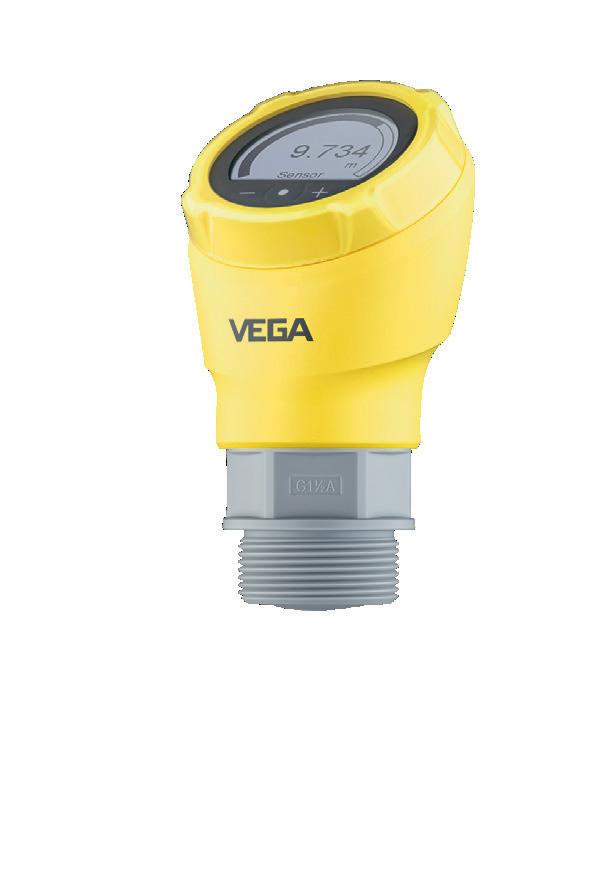
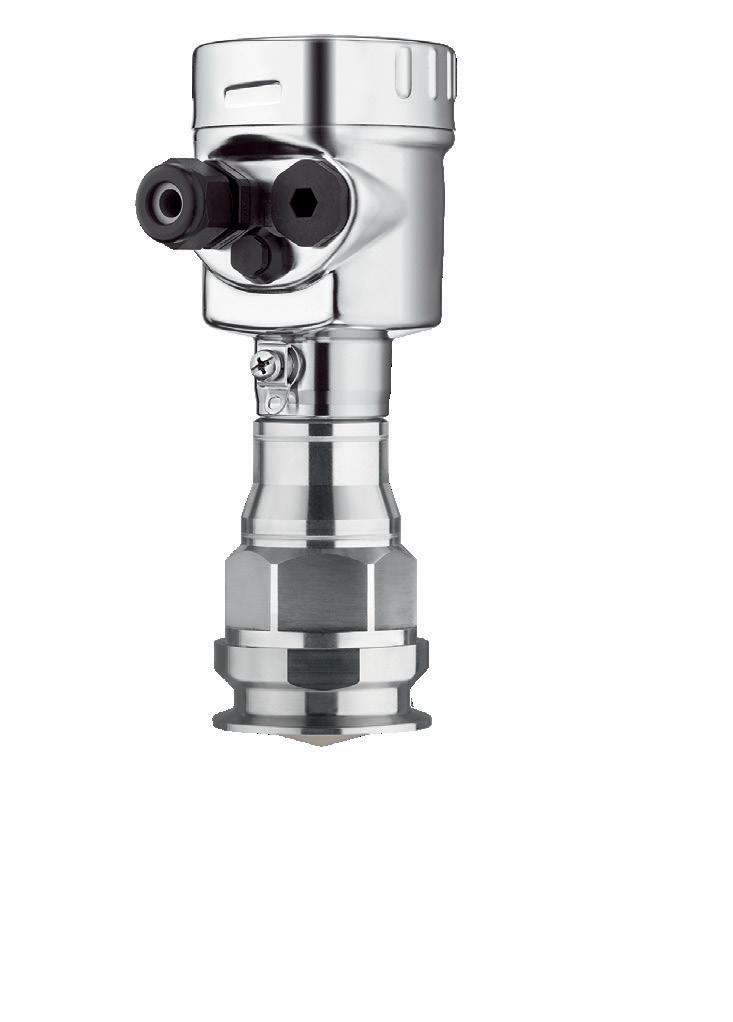
A slow process leads to inefficiency and higher costs, but rushing can cause spillage, incorrect filling, or safety hazards. Bulk packaging lines must integrate seamlessly with upstream production and downstream distribution. Any bottleneck in the process can disrupt the entire supply chain. This is why choosing the right instrumentation, such as VEGA’s VEGAFLEX 83 for level measurement, helps manufacturers navigate these challenges with accuracy, reliability, and compliance.
Maintaining exact levels in batch holding tanks during filling is not an option or nice to have – it is essential. Accurate level measurement ensures that each batch meets the specified volume, maintaining product consistency and preventing overfilling or underfilling, which can lead to significant financial losses and regulatory issues.
The VEGAFLEX 83 guided wave radar sensor offers an exceptional solution to these challenges. Designed for continuous level and interface measurement, this sensor operates reliably even in conditions that typically thwart other measurement technologies. Its ability to function unaffected by steam, buildup, foam, or condensation makes it particularly suitable for the complex environments found in pharmaceutical packaging.
Once operational, the VEGAFLEX 83 delivers continuous, real-time data, empowering operators to make informed decisions and promptly address any issues that may arise during the filling process.
The VEGAFLEX 83 uses high-frequency microwave pulses guided along a probe. When these pulses encounter the product surface, they are reflected to the sensor, allowing for precise level measurement. This method ensures accuracy regardless of the medium’s properties, such as density or temperature, which can vary significantly during different stages of production. For instance, in batch holding tanks where the product may foam or generate condensation, the VEGAFLEX 83 continues to provide reliable data, ensuring that each batch is processed correctly.
Adherence to regulatory standards is a critical aspect of pharmaceutical manufacturing. In South Africa, SAPRAH mandates strict compliance with hygiene and safety protocols. The VEGAFLEX 83 is designed with these regulations in mind, featuring a gap-free hygienic design that ensures simple and reliable cleanability. This design minimises the risk of contamination, a crucial factor in maintaining product integrity and meeting the stringent standards of regulatory authorities.
The sensor’s maintenance-free operation enhances plant efficiency. In an industry where interruptions can be costly, the


Accurate level measurement ensures that each batch meets the specified volume

reliability of the VEGAFLEX 83 ensures continuous operation without the need for frequent maintenance interventions. Its durable construction and advanced technology reduce the likelihood of sensor failure, thereby supporting uninterrupted production schedules.
Implementing the VEGAFLEX 83 in batch holding tanks during the filling process exemplifies its practical benefits. Accurate level measurement prevents overfilling, which can cause spillage, waste, and potential safety hazards. Conversely, underfilling can lead to product shortages and inconsistent quality. By providing precise level data, the VEGAFLEX 83 ensures that each batch is filled to the correct volume, maintaining consistency and quality across the production line. The sensor’s guided adjustment feature enables a simple, timesaving, and reliable setup. This ease of installation allows for quick integration into existing systems, minimising disruption during implementation.
VEGA’s level and pressure instrumentation, exemplified by the VEGAFLEX 83, plays a fundamental role in optimising bulk packaging processes in pharma and cosmetics manufacturing. By ensuring accurate level measurement in batch holding tanks, these instruments uphold product quality, enhance operational efficiency and ensure compliance with regulatory standards.
In an industry where accuracy and hygiene are non-negotiable, VEGA provides the necessary tools to meet these demands, supporting manufacturers in delivering safe and effective products to the market.


In manufacturing and packaging environments, Omron’s vision systems prepare production plants for the next decade of demand.
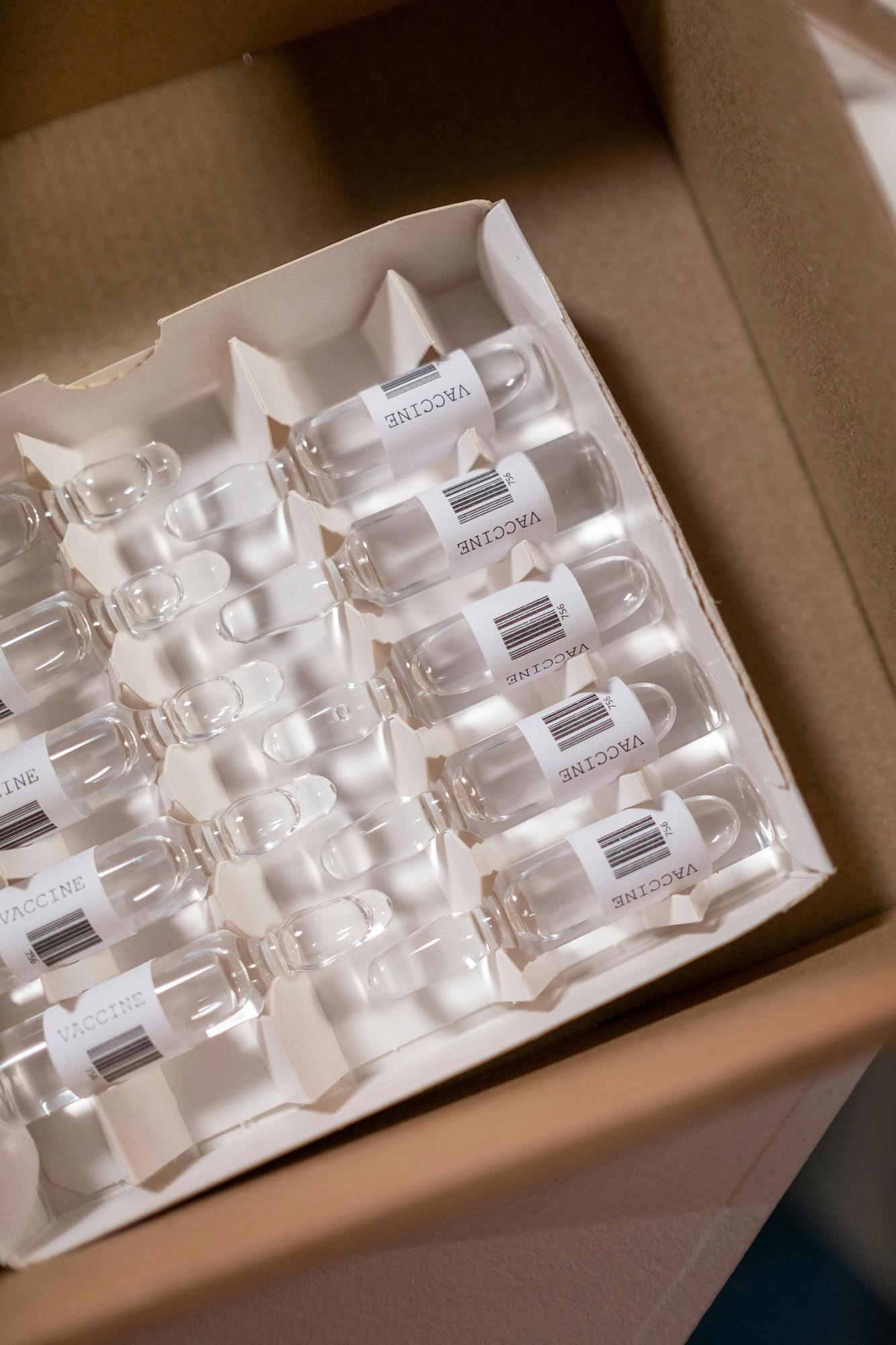
The pharmaceutical industry is under pressure to deliver consistent product quality, ensure regulatory compliance, and maintain competitiveness in a fast-evolving global market. As production volumes rise and product variation becomes more complex,
traditional inspection systems often struggle to keep pace.
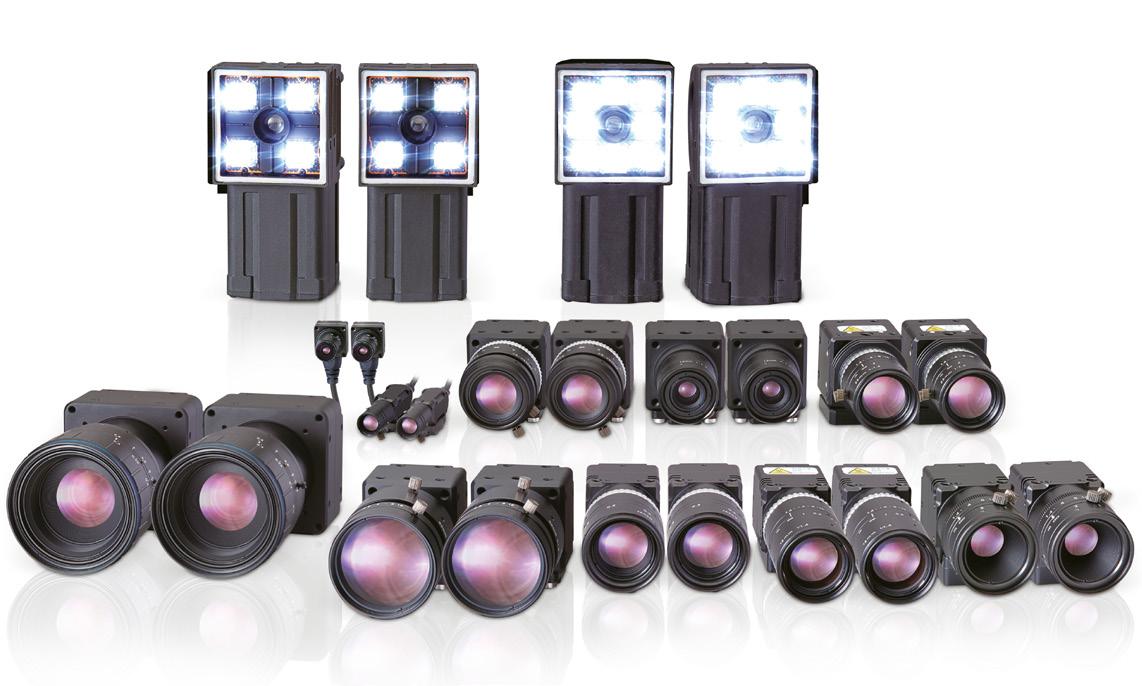
Omron’s FH-AI and FHV7-AI vision technologies offer a reliable solution by bringing advanced artificial intelligence, simplified setup and robust performance to pharmaceutical production lines.
In manufacturing, and more so pharmaceutical manufacturing, there’s no room for error. From blister packs and vials to labels and date codes, every component must meet strict quality standards. Omron’s FH-AI and FHV7-AI systems introduce AI-powered inspection that adapts to real-world variability; something conventional rule-based vision systems cannot easily achieve.
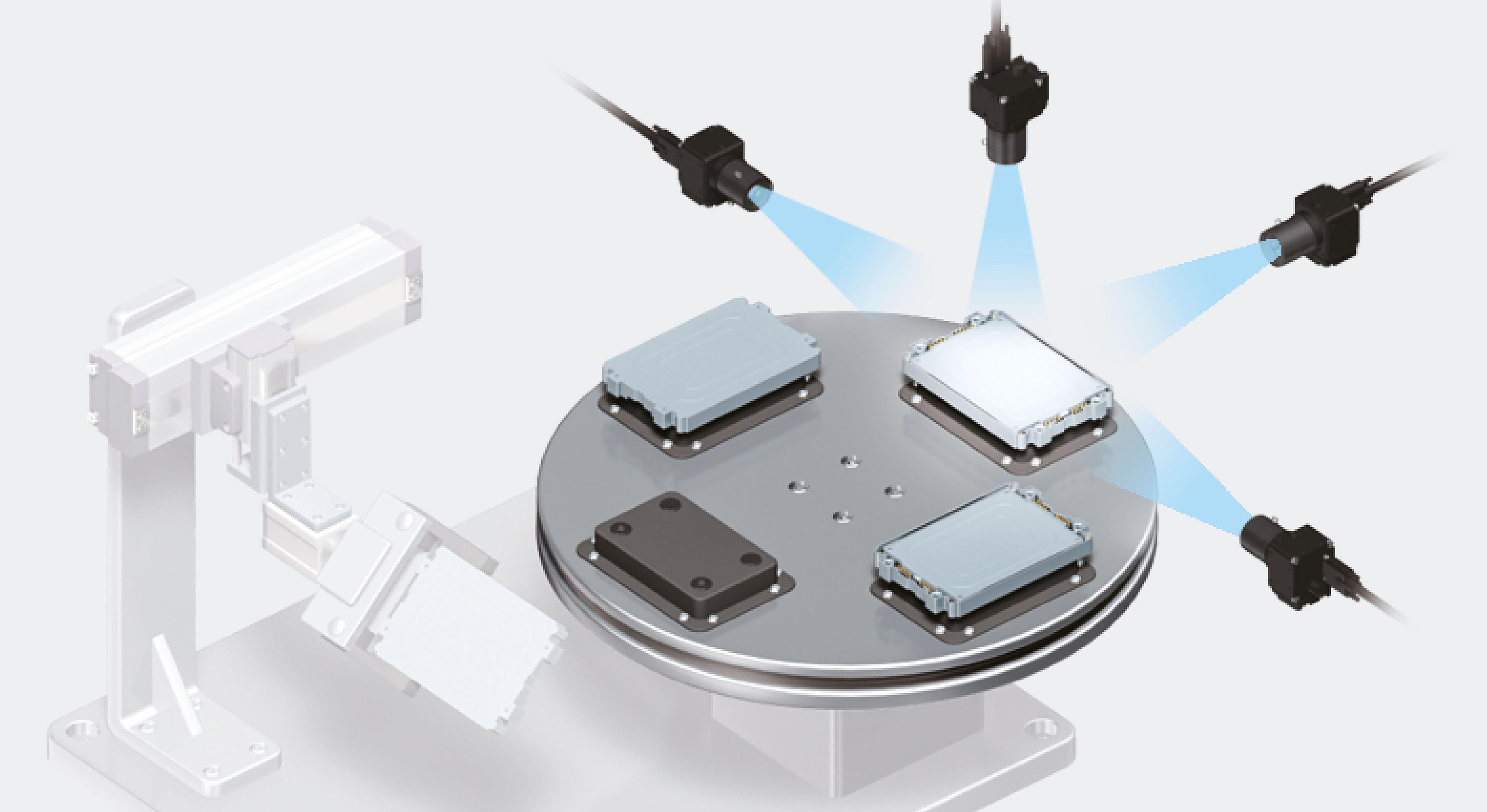
The FHV7-AI detection camera automatically learns from a few sample images, eliminating the need for extensive manual configuration. This reduces setup time from hours to minutes while maintaining stable, repeatable inspection accuracy even as product conditions change. The system can detect missing components, verify product types, identify scratches or dents and ensure that date codes are present and legible, all critical tasks in pharmaceutical packaging and serialisation.
One of the biggest barriers to adopting advanced vision systems is the need for technical expertise. Omron addresses this challenge with intuitive, step-by-step interfaces that guide the operator through setup, lighting adjustments and reference image registration. Even teams with limited machine vision experience can deploy robust inspection processes quickly.
The FHV7-AI’s all-in-one design simplifies installation. It features integrated lighting, autofocus lenses and an IP67-rated housing. The construction of this camera is ideal for pharmaceutical environments where humidity and temperature fluctuations can compromise less durable systems.
The pharmaceutical industry includes contract manufacturers, large-scale producers of generics and specialised producers of biologics and sterile injectables. Omron’s FH-AI and FHV7AI systems support this diversity with flexible configuration options.
The FHV7-AI series offers multiple focal lengths, wide installation distance ranges from 59mm to 2 000mm, and a 1.6 MP colour sensor with white LED illumination. This allows manufacturers to inspect a wide variety of packaging formats and product sizes without changing hardware. The autofocus function enables rapid changeovers, which is an essential capability for facilities running multiple SKUs on shared production lines.
Industry bodies like the National Agency for Food and Drug Administration and Control demand rigorous compliance with quality
and traceability standards in pharmaceutical manufacturing. Omron’s AI vision systems play an important role in meeting these requirements by providing reliable support for several key compliance functions.
These systems ensure accurate serialisation and date-code verification, helping manufacturers maintain the integrity of product tracking and expiry information. They offer dependable detection of packaging defects, guaranteeing product quality and patient safety. The technology delivers consistent inspection outcomes, regardless of shift or operator, which means that high standards are maintained throughout production. Additionally, features such as automated documentation and traceability streamline record-keeping and support audit requirements.
By minimising human error and enhancing the repeatability of inspections, Omron’s AI vision systems enable pharma manufacturers to remain audit-ready and reduce the risk of expensive product recalls.
Beyond performance, Omron’s AI vision solutions deliver:
• Reduced engineering time thanks to automated learning and simplified setup.
• Lower maintenance costs due to rugged, integrated hardware.
Omron’s vision systems prepare manufacturers for the next decade of demand
• Minimised downtime through fast product changeovers.
• Scalable deployment across multiple lines or facilities.
For manufacturers in Africa which are facing rising operational costs and competitive
pressures, these efficiencies translate into meaningful long-term value.
Be future ready now Omron’s vision systems prepare manufacturers for the next decade of demand.
Embracing innovative vision technologies will only help manufacturers meet the demands of a growing market, but also sets new benchmarks in quality, compliance and efficiency. By investing in advanced automation today, pharmaceutical manufacturers can future-proof
operations, enhance global competitiveness and ensure the consistent delivery of safe, highquality products to end users.
African manufacturers are transforming cleaning products to meet growing sustainability demands whilst tackling water and energy constraints. Discover how biosurfactants, concentrated formats and mass-balance certification are reshaping the industry for eco-conscious consumers.
In a world where home cleaning and hygiene have become important, African consumers are faced with water and energy challenges, making the task of keeping homes clean and germ-free more daunting that ever.
Simultaneously, today's consumers are on the lookout for effective cleaning solutions while being increasingly conscious of their environmental footprint. In this landscape, the home care industry must adapt to meet the demands of sustainability and price competitiveness.
Sustainability remains a pivotal trend in the industry. With a growing awareness of the environmental impact of daily choices, consumers opt for products that align with their eco-conscious values. Sustainable practices have transitioned from niche to mainstream, with sustainability claims beginning to overshadow brand loyalty in the world of cleaning products.
Exploring eco-friendly alternatives in home care formulations is becoming a norm where staple products form the cornerstone of these
Even traditional materials can undergo a significant sustainability transformation through standards like ISCC+

for the development of products eligible for eco labels.
changes. Raw materials such as surfactants, solvents, chelating agents, dispersants, opacifiers, rheology modifiers, biocides and preservatives feature a sustainable and eco-friendly counterpart. For example, sustainable surfactants like biosurfactants and fully biodegradable options provide eco-friendly alternatives.
Similarly, solvents with a biobased origin and chelating agents derived predominantly from natural sources contribute to a more sustainable formulation. The array of sustainable alternatives is extensive, allowing
Home care product manufacturers have access to a diverse portfolio of ingredients. This allows them to select materials for formulating products that are aligned with the sustainability goals of a brand or business. Even traditional materials can undergo a significant sustainability transformation through standards like ISCC+*. This gives producers access to mass balance surfactants, solvents and preservatives like potassium sorbate, maintaining recognisable chemistry with identical molecules. The approach also minimises the need for extensive re-formulation and additional efficacy studies before introducing a more sustainable alternative to the market.
Notably, probiotics and enzymes stand out as excellent alternatives, emphasising a reduction in the reliance on traditional chemical processes to achieve desired effects.
It is crucial to keep cost and performance parameters in mind. Striking a balance is key, where sustainability takes centre stage while ensuring high performance. This equilibrium aims to minimise the end user's reliance on excessive chemicals for desired effects, while keeping the formulation economically viable. Consumers are opting for products that run on lower temperatures and use less water, aligning with a conscious effort towards
sustainability and cost-effectiveness. Similarly, this mindset extends to laundry practices, with consumers preferring lower temperatures and shorter washing programmes, which not only conserve water but also contribute to reduced energy consumption.
In essence, this evolving consumer behaviour reflects a dual commitment – to financial prudence and sustainable living. In the same way, the home care industry is faced with the challenge of creating sustainable products that are also affordable. These efforts are seen in the emergence of concentrated cleaning solutions such as tablets, powders and sheets that minimise water usage and packaging waste.
Mild products, attractive formats and packaging trends
Mild formulations are a must as consumers prefer cleaning products that are safe for pets, children and sensitive environments. Coupled with safety, consumers are keen on products that are appealing and can be openly displayed
instead of being hidden in cupboards. Multi coloured laundry tablets and diffusers for air care that match with their fine fragrance preference are just a few examples of this trend. These strategies encapsulate a nuanced and thoughtful response to the dual challenge.
By adeptly navigating the delicate balance between sustainability and affordability, the home care industry charts a course towards a future where environmentally conscious consumers can readily access high-performing and affordable products, transforming sustainable living into an achievable reality. This comprehensive approach underscores the industry's commitment to meeting evolving consumer expectations while simultaneously addressing pressing environmental challenges.
*The International Sustainability and Carbon Certification (ISCC) is an independent multistakeholder initiative and leading certification system supporting sustainable, fully traceable, deforestation-free and climate-friendly supply chains.

How can
By partnering with experts who understand your challenges.
We offer:

■ Specialist Home Care, I&I market knowledge and application know-how
■ Extensive portfolio of high-quality, environmentally friendly ingredients
■ Expert R&D support via our unique network of Innovation & Application Centers
■ Cleaning solutions tailored to meet your specific challenges


In an era obsessed with storytelling, ink symbolises creativity and intellect. Once confined to libraries, tattoo studios or the quiet intimacy of handwritten letters, the scent of ink has emerged as one of niche perfumery’s most intriguing new languages.
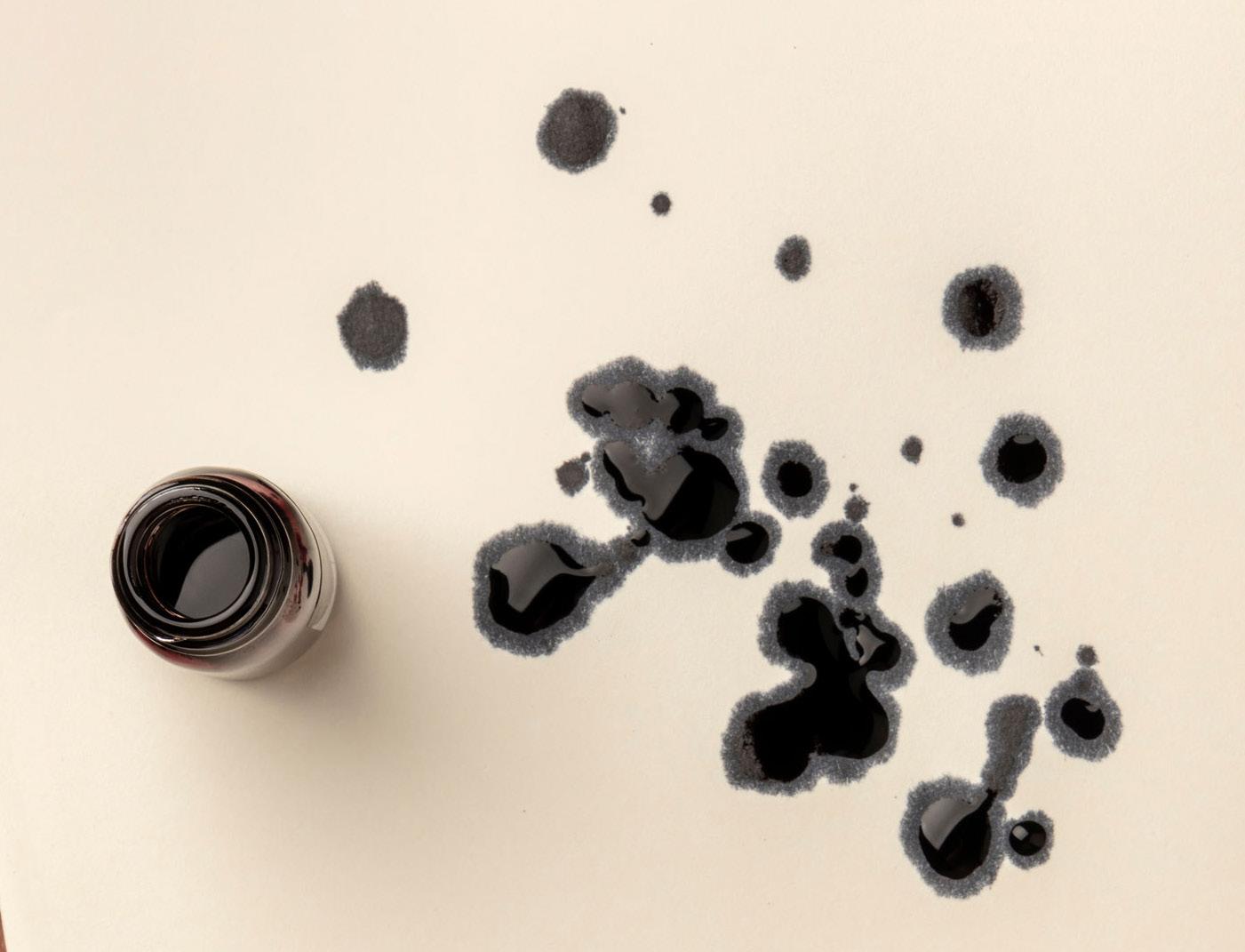
Anew olfactive aesthetic is emerging in niche perfumery: the scent of ink. This aesthetic is exemplified by recent launches such as Muse by Yves Saint Laurent, Black Lacquer by Tom Ford, Mortal Skin by Stéphane Humbert Lucas 777, and Ink by Akro. Dark, mineral, cool and slightly metallic, ink reflects a shift away from sweetness and excess toward something more subtle and pure. As consumers increasingly seek personality over prettiness, ink offers a new narrative in which the skin serves as paper.

Ink as a fragrance concept
Ink is no longer confined to the page. It emerges as a new language of identity, intimacy and rebellion, a fragrance movement that transforms black fluid into olfactory art. Ink is permanent, yet fluid. It is both shadow and light, a paradox captured in scent.

Olfactory compositions translate the essence of ink into scent, weaving together notes of black pepper, mineral accords, dark leather, amber and smoked wood. Although ink is neither a colour nor a fragrance, it becomes a whisper of personality, evoking mystery, creativity and the allure of what cannot be erased.
“Ink is not a single note, but rather a multifaceted accord,” explains Luz Vaquero, Iberchem’s head perfumer. “It is built through contrasts: cool mineral facets, dry wood, smoky and resinous touches, and with a metallic reverberation. The result is an accord that feels powerful and intimate at the same time, like the smell of freshly printed pages or an old library where every book carries a memory.

Ink represents a new neutral that is versatile, genderless and quietly strong.”
Ink represents a new
neutral that is versatile, genderless and quietly strong
This trend is inspired by India ink, a material originally developed in China over 2 000 years ago (even though the origin is Chinese, the common name is still “India ink”). It was traditionally made for calligraphy by baking branches, often from pine wood or vegetable oils, to produce carbon black pigment in liquid or solid form. Historically, it was also used in tattooing, illustration and brush painting.
The fascination with ink reflects a broader cultural movement towards quiet luxury, where refinement, material quality and intellectual resonance are valued over visibility or branding. Ink does not exist as a natural raw material in perfumery. Instead, perfumers construct it as an illusion. Metallic aldehydes create the sensation of cold steel. Vetiver and patchouli evoke the dryness of paper and wood pulp. Smoky notes suggest charred resin or carbon, while subtle leather accords hint at bindings and portfolios.
This new family of scent aesthetics aligns with the broader macro-trend of quiet luxury, inspired by refined compositions and visual minimalism. It favours distinctive notes and carefully
constructed accords in timeless and daringly elegant fragrances that stand on their own: not through the power of a brand name, but through the strength and integrity of their composition.
Quiet luxury in fragrance does not announce itself across a room; it rewards attention, just like ink. Steeped in centuries of literary and artisanal symbolism, ink embodies heritage, craftsmanship, and understated
refinement, almost invisible to the eye but unmistakable to the nose.
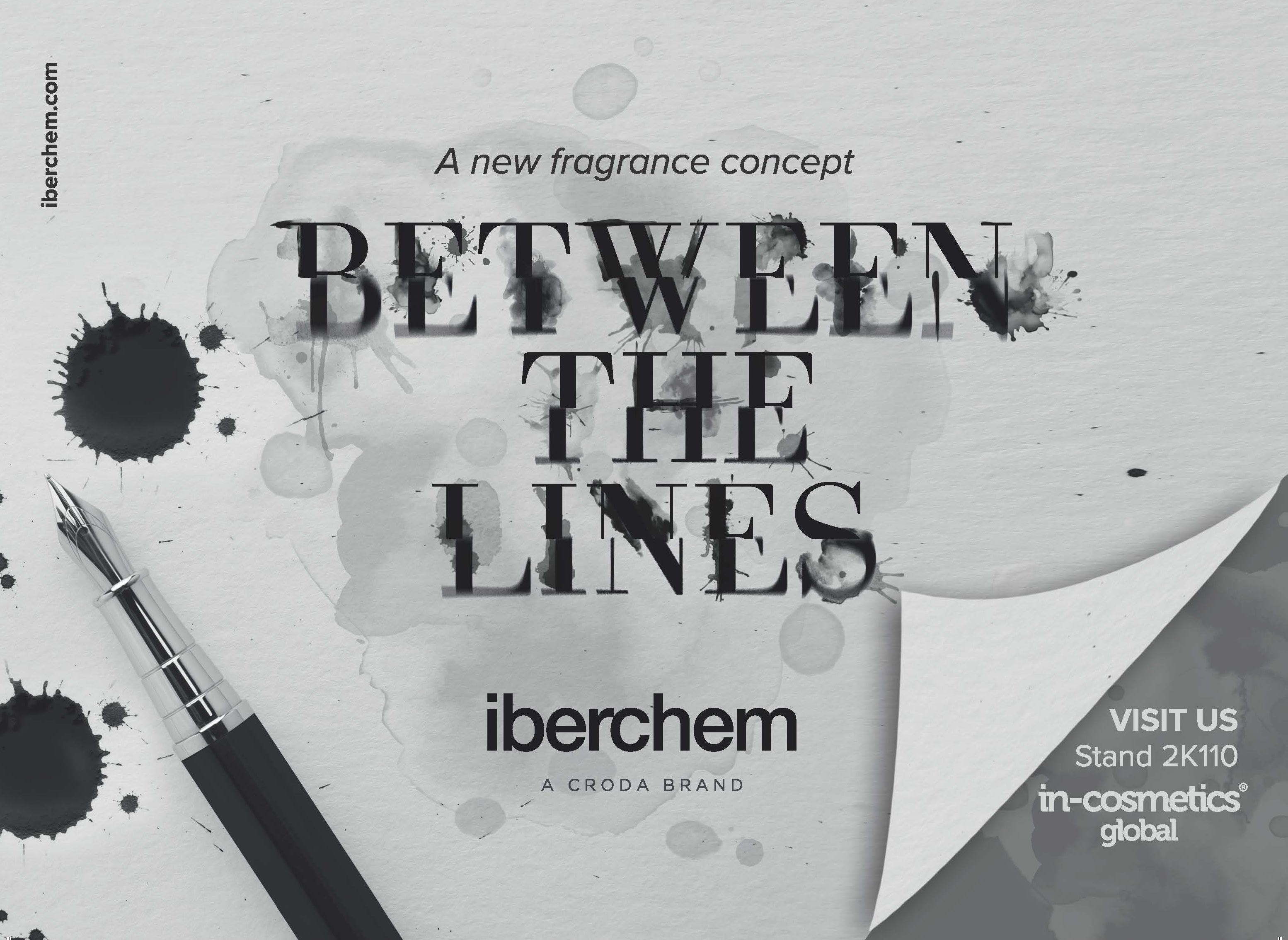
Discover more about this trend by exploring Iberchem’s new INK collection and fragrance concept, Between The Lines, at the upcoming trade show, in-cosmetics Global 2026, taking place in Paris, France and at Beautyworld Saudi Arabia 2026 in Riyadh.
“With the INK collection, we wanted to do more than to introduce a new trend; we wanted to present a new olfactive family and a fresh way of thinking about fragrance,” adds Luz. “Ink is the black outfit of perfumery: timeless and versatile without limiting creativity.”
Iberchem – www.iberchem.com
Mintel's latest beauty predictions identify five critical trends reshaping how skincare products are developed, marketed and sold. From diagnostic technology integration to new ingredient categories, here's what industry leaders need to know about the changing landscape.
The beauty industry is shifting from cosmetic enhancement to comprehensive health management. According to Mintel's latest report Global Beauty and Personal Care Predictions 2026, the future of skincare lies in treating skin and hair as accessible biomarkers of our overall metabolic and cellular health. This concept, dubbed ‘Metabolic Beauty’, is set to reshape how consumers approach skincare routines.
Consumer demand for evidence-based skincare continues to grow. In Brazil, 78% of adults insist that beauty brands provide more scientific evidence to validate their claims, such as wrinkle reduction, according to the Mintel report. This shift towards transparency and clinical validation is driving what Mintel calls ‘precision preventative ecosystems’ – where beauty brands evolve into diagnostic health partners offering biomarker tracking, personalised regimens and lab-on-a-chip testing devices.
The data supports this trend. Online conversations around mentions of ‘clinically proven’ have grown by approximately 45% year on year, while ‘biohacking’ conversations have surged
As technology advances, a surprising countertrend is emerging. Conversations about ‘artisanal’ beauty have grown by 52% year on year, reflecting consumer fatigue with AI-driven perfection and a desire for human-made authenticity. This ‘imperfection as luxury’ movement represents a pushback against overly polished beauty standards. For example, AIfree becomes a differentiator with brands creating artisanal lines or collaborating with artists to emphasise humanity in a world of automation.

by 35%, reflecting consumers' appetite for science-backed solutions that target cellular health and longevity.
prevention
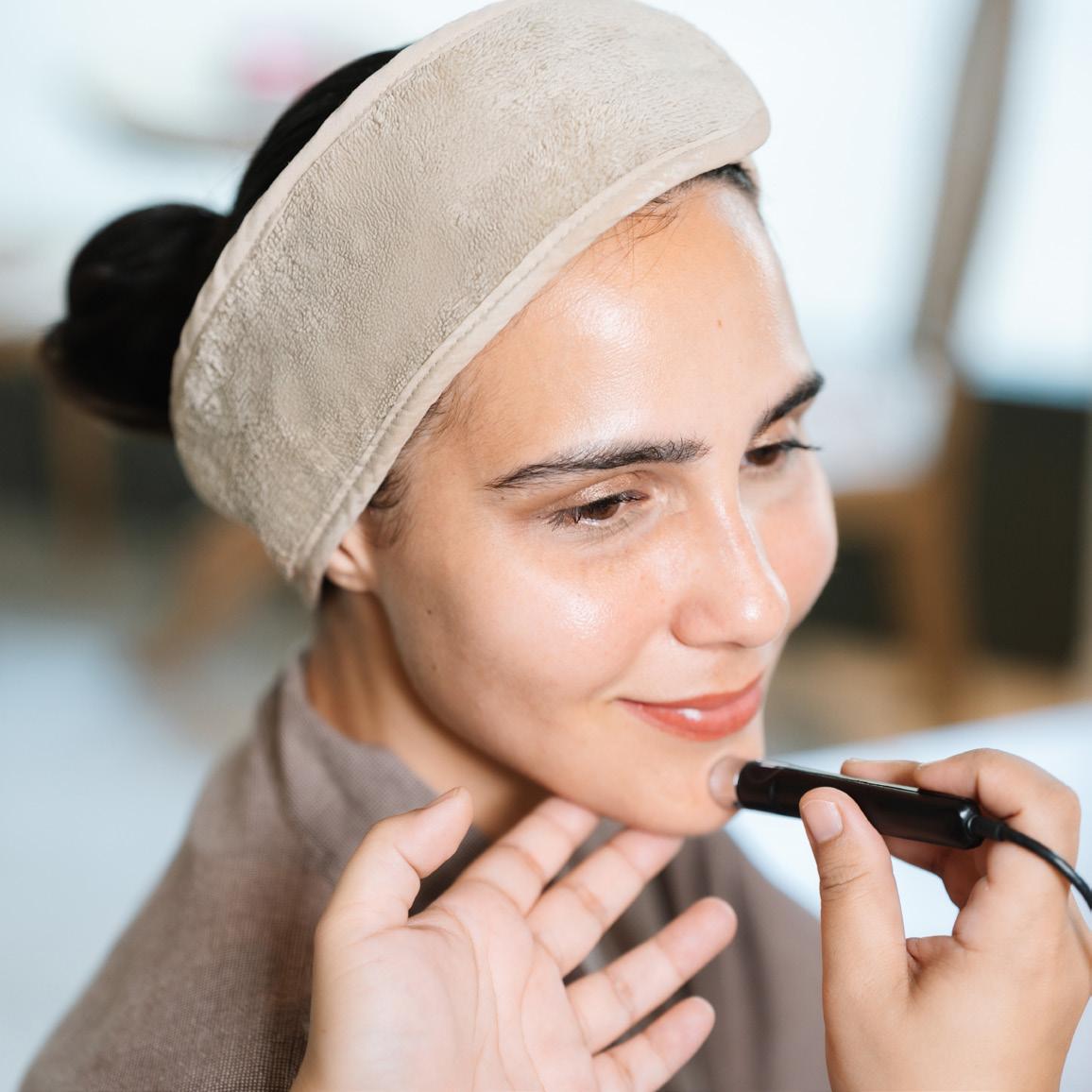
The one-size-fits-all approach to skincare is becoming obsolete. Forward-thinking brands are embracing diagnostic technology to deliver truly personalised solutions. Take Lancôme’s Cell BioPrint, highlighted in Mintel’s report as a portable lab-on-a-chip that analyses skin through cheek swabs, imaging and questionnaires to recommend bespoke, science-backed skincare regimens. This personalised approach extends beyond topical treatments. In India, 86% of adults agree that a healthy diet plays an equally important role as beauty products in enhancing beauty, driving the convergence of skincare with ingestible beauty and nutritional supplements. Spanish consumers seem to agree – 70% believe beauty supplements are an effective way to slow visible signs of ageing.
Ingredient innovation at the cellular level
The skincare formulations of tomorrow will target the very foundations of cellular health. Mintel's report identifies

emerging ingredient categories including senolytic actives for clearing aged cells, exosome-like nanovesicles and mitochondrial boosters such as NAD+ and resveratrol. These ingredients represent a shift from treating symptoms to addressing root causes of skin ageing at the cellular level.
Conversations around NAD+ have grown by 48% year on year, according to the report, signalling strong consumer interest in antiageing ingredients that work from within. This aligns with the growing popularity of adaptogenic botanicals and probiotic formulations that support skin’s microbiome.
The sensory revolution Whilst science dominates the conversation, consumers haven’t forgotten the importance of sensory experience. In China, 76% of beauty and personal care users say skin feel impacts their user experience, whilst 75% link texture to perceived efficacy. This has led to what Mintel terms ‘sensorial synergy’ – multi-sensory products that combine functional benefits with emotional wellbeing.
Skincare formulations of tomorrow will target the very foundations of cellular health
The skincare market is increasingly driven by three key factors:
1. scientific validation
2. personalised solutions
3. authentic brand connections.
Interestingly, 36% of German facial skincare users believe a noticeable sensation on the skin means the product is working, highlighting how sensory cues influence perceived effectiveness. This trend is driving innovation in functional fragrances, cooling and warming textures, and even mood-responsive formulations.
As Mintel’s research demonstrates, consumers are ready to embrace technology that delivers measurable results whilst maintaining the sensory and emotional benefits, they’ve come to expect from their beauty routines.
For brands
operating in this space, transparency, scientific validation and personalised solutions are becoming essential requirements rather than competitive advantages in today’s beauty market.
Data and insights in this article are referenced from Mintel's 2026 Global Beauty and Personal Care Predictions report. Click here to download a copy: https://tinyurl.com/ j95vxbae.
• Organic Castor oil. Batana oil, Argan oil, Cocoa Butter and Shea butter





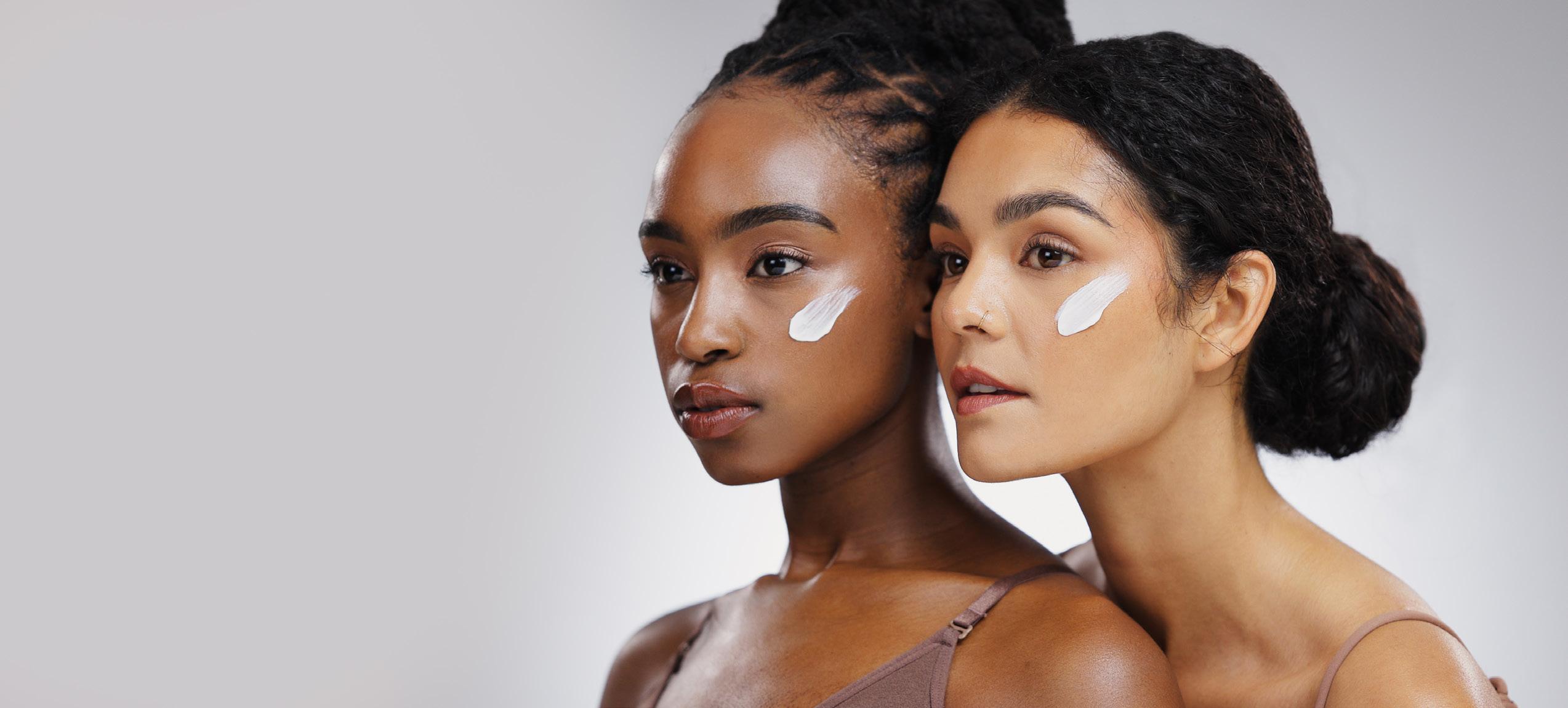
The quest for effective, well-tolerated skin lightening solutions has led to the development of Sepiwhite MSH, an amino acid-derived active that's proving its worth across diverse skin types and phototypes.
Having a uniform skin tone is a universal need that concerns consumers of all ages and skin types. The challenge to unify and clarify skin is pronounced, particularly in reducing hyper-pigmentation without compromising the skin. In response to this need, the beauty industry has worked tirelessly to develop products combining efficacy and skin compatibility.
Sepiwhite MSH, an amino acids molecule derived from natural resources, is effective on all skin types and perfectly well tolerated. This active ingredient is recognised internationally for its lightening performance and is used in many formulations for uniform complexion. Sepiwhite MSH has previously been tested on Caucasian and Asian skins. It has a superfast lightening effect and is effective in reducing dark spots on Indian and African skin (phototypes IV and V).
Driven by in-depth research
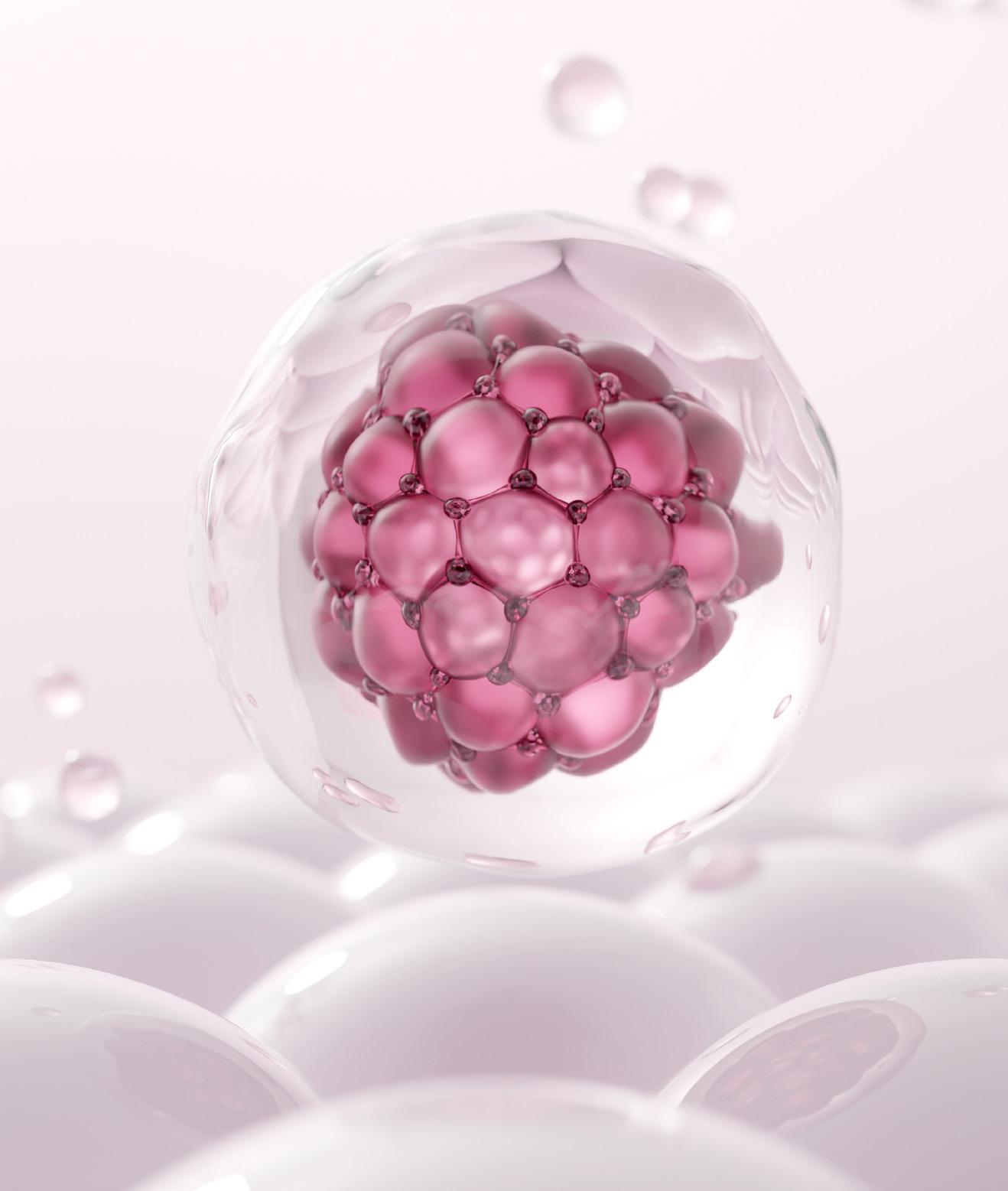
Seppic has focused its attention on the effects of a precursor molecule and major factor in the regulation of skin pigmentation melanotropin, called alphaMSH. This molecule links the MCR-1 receptor and activates the melanogenesis cascade and controls tyrosinase activity, melanin (eumalanin and phaeomelanin) synthesis and melanosome transfer.
These MC1R receptors, activated by alpha-MSH and its analogues, are inhibited by natural antagonists present in the skin, called agouti-related proteins (AGRPs). These proteins contain phenylalanine in a key position, which plays an essential role in binding to MC1R receptors, inhibiting melanogenesis. In view of these findings regarding the involvement of a-MSH in the regulation of melanogenesis, Seppic's R&D team
developed Sepiwhite MSH. The molecule is an antagonist of a-MSH, which inhibits all of the key steps in the a-MSH-induced melanogenic cascade. The steps leading to melanin synthesis, inhibited by Sepiwhite MSH, include:
• an affinity for the MC1R melanotropin receptor
• an inhibition of adenylate cyclase
• the reduction of intracellular CAMP content
• an inhibition of protein kinase A
• an inhibition of melanogenesis. With its lipoamino acid form, as a biovector of phenylalanine, Sepiwhite MSH has remarkable skin bioaffinity. It is welltolerated at the suggested inclusion levels. The active is sold in a white powder format, is easy to formulate with and has a fully defined structure. End products containing Sepiwhite MSH are stable, and either white or colourless.
The lightening activity of Sepiwhite MSH has been proven in the following methodologies: reconstructed pigmented epidermis
Sepiwhite MSH has remarkable skin bioaffinity
phototype V (ex vivo) and melanocytes cells cultures (in vitro).
In comparison to the most common lightening active ingredients on the market, such as arbutine, kojic acid, VCPMG and hydroquinone, the efficacy of Sepiwhite MSH has been proven on B16 melanocytes cultured under three types of conditions. These include:
• spontaneous lightening action on melanocytes
• lightening action on melanocytes cultivated with a-MSH
• lightening action on melanocytes following UVB irradiation.
In these three types of tests, the lightening activity was determined by measuring melanin content. The results underline that Sepiwhite MSH is more efficient than other market leading lightening ingredients, without any toxic effect.
To demonstrate the universal benefits of Sepiwhite MSH, the active ingredient has been tested on three different skin types with various positive results. On a panel of 14 Caucasian volunteers with UV tanned skin, using a cream with 2% Sepiwhite MSH and evaluated over 49 days, results showed an
increase in the individual typology angle/ lightening effect among 57% of the volunteers.
On 30 Asian volunteers with age spots, the effects of a cream with 2% Sepiwhite MSH were evaluated over 84 days. Results showed lighter areas of hyper pigmentation (80%) after 56 and 84 days. Significantly lightened skin was experienced among 66% of the volunteers, while a reduction of melanin pigments located in corneocytes (D-Squame) was also noted.
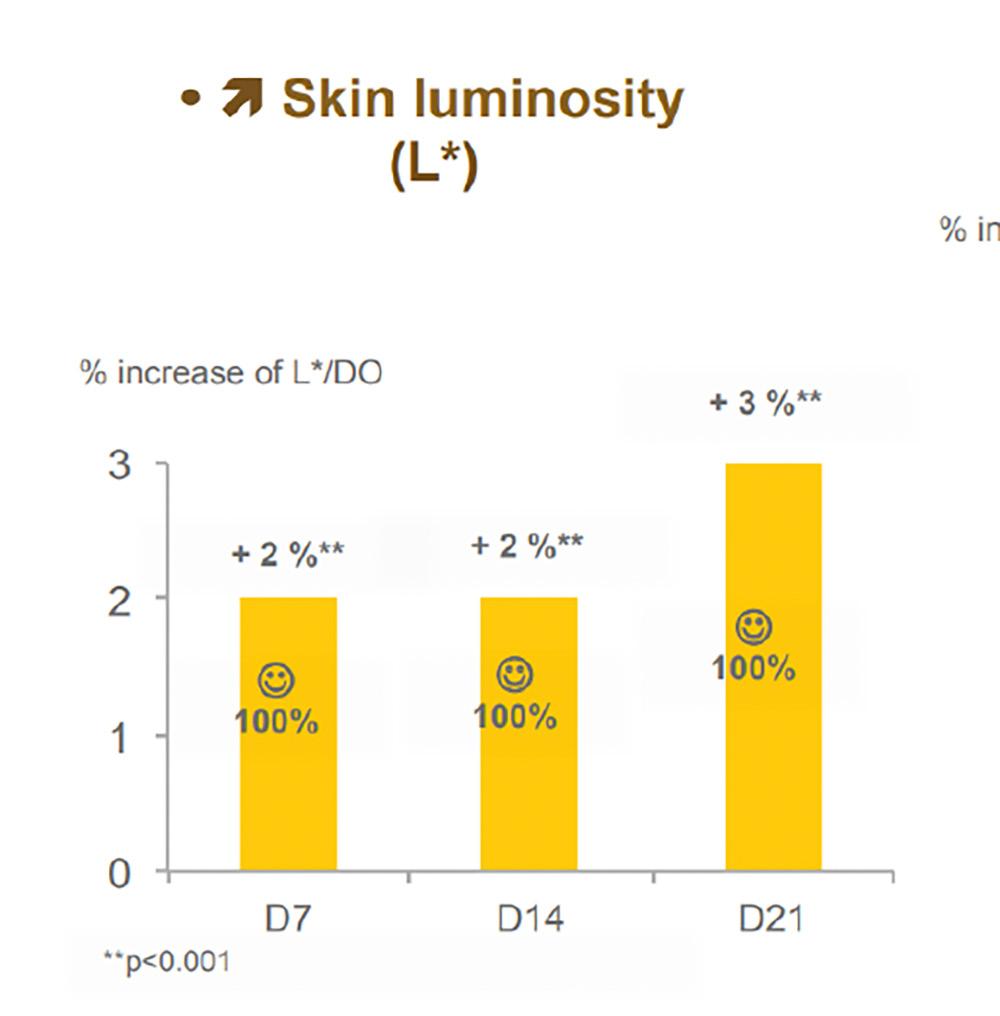
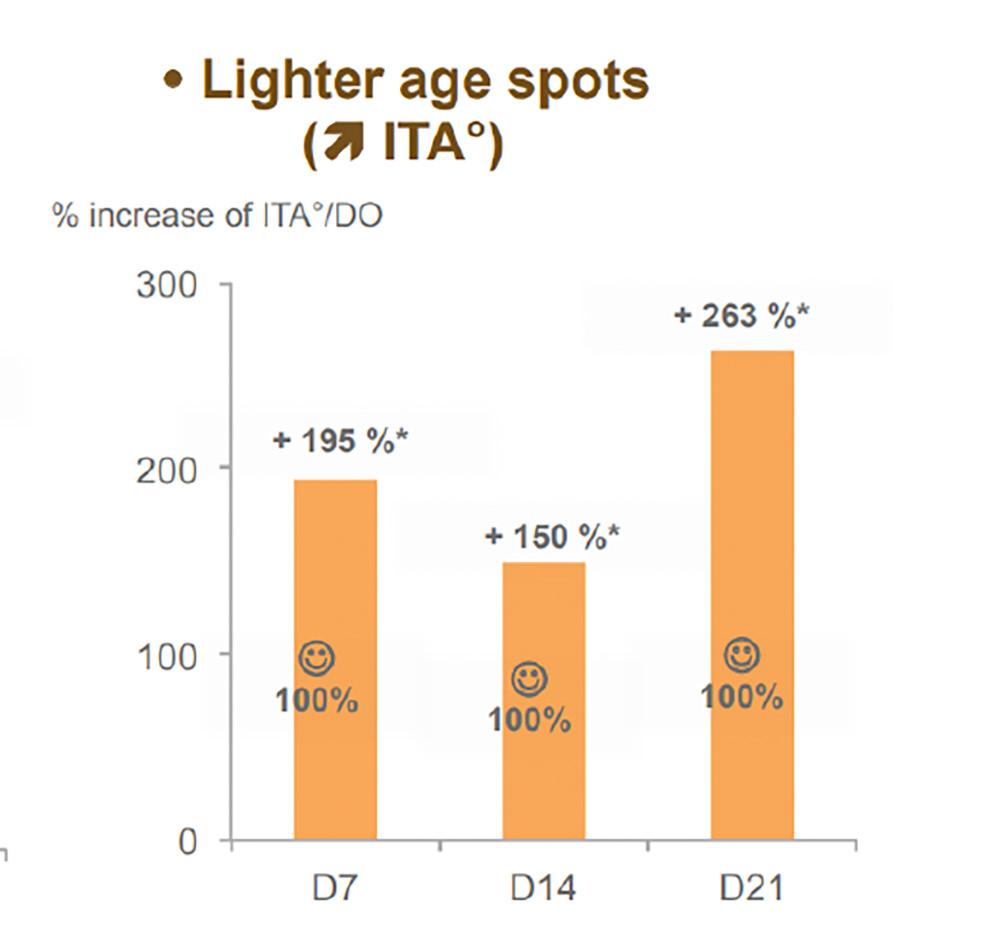
The most recent in vivo test for Sepiwhite MSH was conducted on black African and Indian skin types IV and V. The panel consisted of 22 female volunteers (11 Indians and 11 Africans) with an average age of 34 years old. The formulation tested was also based on 2% Sepiwhite MSH in combination with 3% lactic acid and 2% salicylic acid (pH 4). The product was applied twice daily on the forearm over a period of 21 days. The evaluation criteria was based on the following chromameter
Victory for a toned complexion!

parameters: L; a; b: ITA at DO; D7; D14; and D21. The results are revealed in figure 1.
Available throughout Southern Africa from CJP Chemicals, Sepiwhite MSH is a supereffective molecule. Through a novel and demonstrated mode of action, the active ingredient lights up the complexion while limiting pigmentation-related concerns. After treatment, the complexion appears more uniform and age spots disappear.

Superfastefficacy anddarkspotreductionona skintonesand p ototypes, from Africanto Caucasian
Studiesshow superiorcombinedbrightening lightening effectscomp redtole dinglighteners
from

Seppic – www.seppic.com