
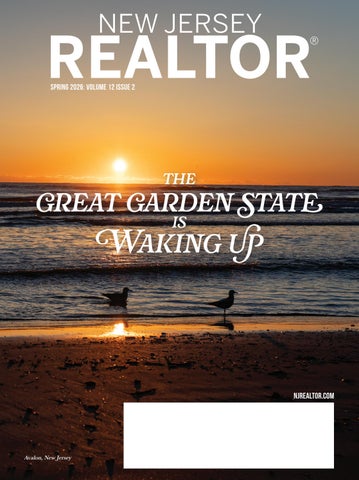
Courtesy of Jersey Fresh
Arugula, Broccoli Rabe, Asparagus, Leeks, Greens, Radish, Dandelion Greens, Spinach, Kale, Swiss Chard, Kohlrabi, Dill
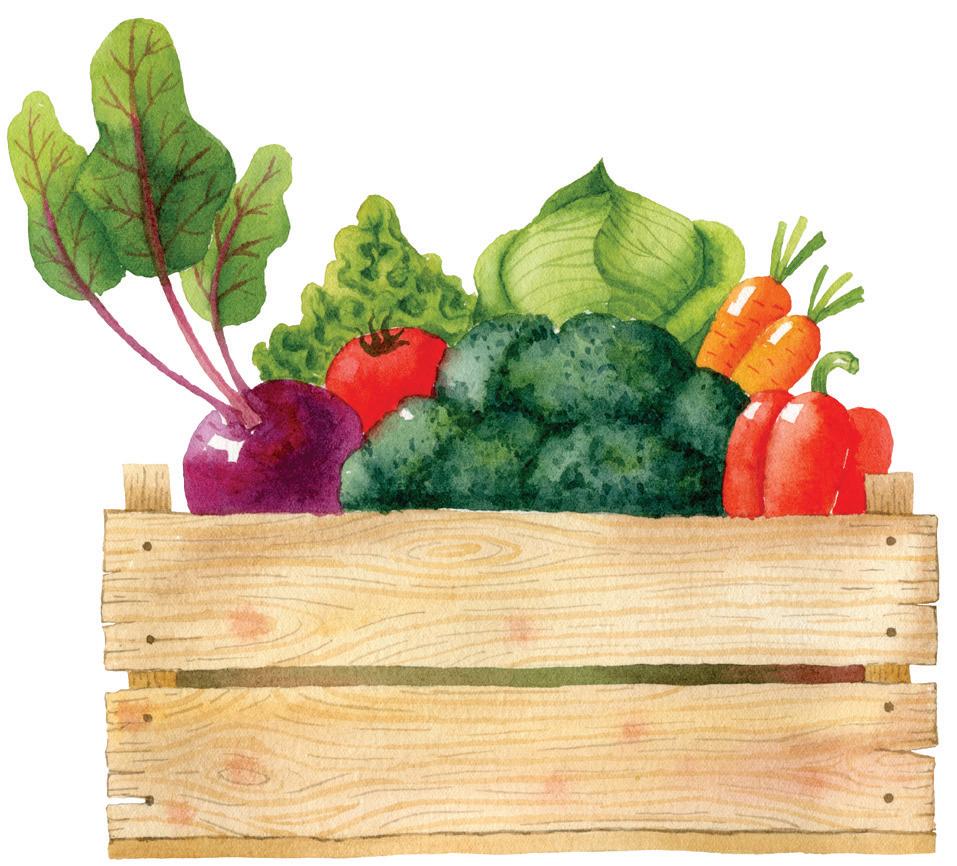
Arugula, Dandelion Greens, Broccoli Rabe, Spinach, Asparagus, Kale, Leeks, Swiss Chard, Greens, Kohlrabi, Garlic Scapes, Radish, Dill, Beets, Scallions, Collards, Strawberries, Lettuce, Cilantro, Cabbage, Parsley, Endive, Escarole, Turnips
Arugula, Dandelion Greens, Spinach, Kale, Leeks, Swiss Chard, Greens, Kohlrabi, Radish, Dill, Beets, Scallions, Collards, Lettuce, Cilantro, Cabbage, Parsley, Endive, Escarole, Cherries, Turnips, Broccoli, Peas, Carrots, Basil, Baby Greens, Blueberries, Beans, Yellow Squash, Zucchini, Tomatoes, Onions, Corn, Cucumbers, Peppers
Arugula, Dandelion Greens, Spinach, Kale, Leeks, Swiss Chard, Greens, Kohlrabi, Radish, Dill, Beets, Scallions, Collards, Lettuce, Cilantro, Cabbage, Parsley, Endive, Escarole, Turnips, Broccoli, Peas, Carrots, Basil, Baby Greens, Blueberries, Beans, Yellow Squash, Zucchini, Tomatoes, Onions, Corn, Cucumbers, Peppers, Plums, Garlic, Potatoes, Eggplant, Cantaloupe, Blackberries, Watermelon, Peaches, Okra, Nectarines

For New Jersey residents looking to buy their first home, saving enough money for a down payment often comes second to more immediate costs of living – student loans, childcare, rent, insurance, and additional expenses.
When families are ready to purchase their new home, the New Jersey Housing and Mortgage Finance Agency can help.
FIRST-TIME HOMEBUYER DOWN PAYMENT ASSISTANCE PROGRAM
NJHMFA’s Down Payment Assistance program provides up to $22,000 in assistance to eligible first-time homebuyers for down payment and closing costs, which is forgiven after five years if the borrower doesn’t sell the home, refinance or default on their mortgage.
Contact Emerlee Simons @ ESimons@njhmfa.gov to learn more about this opportunity for homeownership.
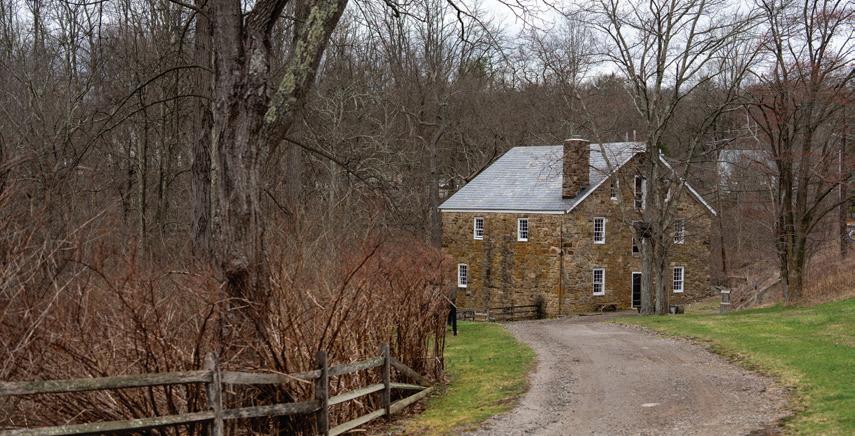
7 Morris County
Explore miles of historic districts, walk Morris County’s many downtowns, and discover countless quaint mom-and-pop shops.

12
Eight FIFA World CupTM Matches to be Played In the Garden State
This June, get ready to experience the FIFA World CupTM on our own shore. Where are you watching the games?

17 Wellness Trends Realtors® Need to Know About in 2026
Buyers are looking for wellness touchpoints at every price point, focusing on things like air quality, walkability, light, and so much more. Go beyond home gyms and discover what some buyers are adding to their “want lists.”
26 In Their Own Words: SmallTown Realtors®
Read the stories of two local Realtors® and how their paths led them to the real estate industry.
14 What’s Growing In the Garden State
From Cape May to Montague Township, there are more than 239,000 acres of preserved farmland and more than 9,880 farms in New Jersey. Read about the many stories that define why New Jersey earned its Garden State nickname.


20 Uncork New Jersey Wineries
With almost 90 wine producers across 1,000 acres of vineyards, the wine industry in New Jersey is growing, and recent regulations encourage the industry to continue to evolve.
3 Letter from the Editor
4 President’s View CE Requirements Could Change for 2027 Cycle
5 From the CEO’s Desk Dedicated to Bringing You the Facts
6 Important Dates & Deadlines
28 Tech Column Streamline Your Business with Automation
30 Legislative Update New Year, New Legislature
32 Meet the Decision Maker Assemblywoman Eliana Pintor Marin
35
For most brands, growing an engaging audience online takes time—and we were no exception. Virality comes and goes but what sticks around is an audience with roots—deep, loyal, and thirsty for more content. Finding our niche on Instagram took time, but about a year ago, it clicked for us. A simple post highlighting New Jersey pizza spots took off and pushed our reach beyond what we initially thought a Realtor® association account could go. It turns out people really care about pizza. And tacos. And iced coffee. And don’t even get us started on dive bars. Since that post, showcasing our favorite Jersey businesses has become a core part of our content strategy. By blending what we love about the Garden State with relevant real estate market insights, we’re creating content that’s shareable and sparks conversation. And the best news? You can do it too. Go beyond the listing photos. Highlight what makes your community worth calling home—whether it’s in-season produce, local festivals, or the best cup of coffee in your county, that’s the kind of content we’ve found people really connect with. And if your day is jam-packed, start small and share one of the many lists we’ve curated and add your own thoughts and watch plenty of opinions roll in.
We’ll see you in the comments.

@njrealtors
At NJ Realtors®, our mission has always been clear: to support our members while protecting and strengthening the trust consumers place in our profession. One of the most important ways we do that is by ensuring Realtors® across New Jersey are equipped with the knowledge, skills, and professionalism needed to serve today’s increasingly complex real estate market.
That’s why we are putting forward a proposal to enhance continuing education requirements for both brokers and salespersons.
Let me be clear—these are proposed changes, not final policy. As part of the legislative process, these recommendations will be reviewed and refined with feedback from lawmakers and the final product may look different.
Strengthening CE requirements is about ensuring every Realtor® regardless of experience level— has access to consistent, relevant education that reflects the realities of today’s marketplace. It’s about reinforcing professionalism, improving competency, and ultimately delivering a higher level of service to the public.
The proposed updates include:
• Increasing the total CE requirement to 18 credits for both brokers and salespersons
• Establishing mandatory topic areas, including Ethics, Agency, Fair Housing, and Current Issues/ Legal Updates, with additional requirements for brokers in Fiduciary Responsibility and Supervision
• Requiring at least two credits to be completed live, whether in person or via webinar, to encourage engagement and realtime learning
• Enhancing accountability for online learning by requiring a minimum passing score of 75%
• Ensuring webinar participation through active engagement checkpoints
• Allowing up to two credits for timely, emerging topics relevant to each licensing cycle
• Introducing a two-credit requirement for referral agents, focused on their unique responsibilities and legal considerations
If enacted, these changes would take effect July 1, 2027, providing ample time for members to prepare.
We understand that any change to continuing education requirements is significant. Our intent is not to create an unnecessary burden, but to ensure that we reflect the professionalism and trust consumers expect and deserve.
We will continue to keep you informed as this proposal moves through the legislative process. In the meantime, I encourage you to stay engaged, ask questions, and share your perspective.


PRESIDENT Gloria Siciliano

In every season—and in every market—New Jersey Realtors® remains committed to delivering timely, accurate information about the state’s real estate landscape. In an era where information is constant and not always reliable, it’s more important than ever to know what—and who— you can trust.
What you can trust is the 110 years of history behind our association.
As the voice for real estate in New Jersey, we are dedicated to protecting private property rights and providing clear, fact-based insights you can depend on.
Our weekly email newsletter sent directly to you, every Wednesday at 4 p.m. We feature the top five stories you need to know each week to keep your business on track and ensure you’re in compliance with changing regulations. If you’re not subscribed, email news@njrealtor.com and my team will make sure you receive our next email.
We’re active on social media and share updates as they happen—so when there’s news that impacts real estate, you’ll hear it from us first. Turn on post notifications to stay ahead.
njrealtor.com is your industry hub. Access the latest forms, deep dive on new regulations, find your membership number, invest in the Realtors® Political Action Committee, and more.
Your go-to resource when you have a legal question. Visit legal.njrealtor.com to read up on the most recently asked questions, find questions on a specific topic, and submit your own question.
If you see something online and want to verify the information, before you share, email me at ceo@njrealtor.com.
Beyond these resources that are always available, we also have two timely programs I hope you are all taking
advantage of: Broker Briefings and our Quarterly Membership Briefings. The Broker Briefings, held every month, are 30 minutes of updates with time for questions and the content is brokerfocused. Our Quarterly Membership Briefings are broader updates and are also 30 minutes long with time for questions. If you’re not receiving the invitations to these meetings, please email news@njrealtor.com so we can make sure we have your correct contact information.



publication of New Jersey Realtors® 10 Hamilton Avenue Trenton, NJ 08611 Phone: 609-341-7100 njrealtor.com
CHIEF EXECUTIVE OFFICER
Douglas M. Tomson, RCE
DIRECTOR OF PUBLIC RELATIONS & MARKETING
Colleen King Oliver, RCE | editor@njrealtor.com
DEPUTY DIRECTOR OF PUBLIC RELATIONS & MARKETING
Erin McFeeters
COMMUNICATIONS COORDINATOR
Lauren Melville
EXECUTIVE SERVICES & MARKETING COORDINATOR
Julia Ventrone
2026 OFFICERS
PRESIDENT Gloria Siciliano
PRESIDENT-ELECT Judy Moriarty
FIRST VICE PRESIDENT Janet Ginsberg
TREASURER Phil Greco
IMMEDIATE PAST PRESIDENT Kathy Morin
ADVERTISING SALES
Colleen King Oliver, RCE coliver@njrealtor.com
DESIGN
ENCOMPASS MEDIA GROUP
Rebecca Ryan McQuigg rebecca@encompasspubs.com
New Jersey Realtors® provides legal and legislative updates as well as information on a variety of real estate related topics solely for the use of its members. Due to the wide range of issues affecting its members, NJ Realtors® publishes information concerning those issues that NJ Realtors®, in its sole discretion, deems the most important for its members.
The content and accuracy of all articles and/or advertisements by persons not employed by or agents of NJ Realtor® are the sole responsibility of their author. NJ Realtors® disclaims any liability or responsibility for their content or accuracy. Where such articles and/or advertisements contain legal advice or standards, NJ Realtors® recommends that NJ Realtors® seek legal counsel with regard to any specific situation to which they may seek to apply the article.
New Jersey Realtor®, publication number 13260, ISSN number 00285919. Published quarterly each year. Member subscriptions allocated annually from annual dues: $3. Non-member annual subscription: $10. Known office of publication: 10 Hamilton Avenue, Trenton, NJ 08611. Periodicals postage paid at Trenton, NJ 08650 and at additional mailing offices.
BY LAUREN MELVILLE
in 1739, Morris County is home to walkable downtowns and quaint mom-and-pop shops. Named after Colonel Lewis Morris, the first Royal Governor of New Jersey, the county spans 481 square miles and consists of 39 municipalities, according to Morris County. A quick train ride away, and 30 miles west of New York City, residents can embrace the commuter life or enjoy greater solitude in its western reaches. As the gateway to the Highlands region of the Garden State, the county offers a distinctive blend of rolling hills and compact metropolitan centers.
Settled along the Northeast Corridor, the area boasts a unique set of perks with multiple NJ Transit and Amtrak rail lines serving residents throughout the county for convenient travel connecting major East Coast cities, along with major highways such as Interstate 287, Route 80, and Route 78, which provide favorable travel to New York City.
“Having called this county home for more than five decades, there’s so much
I love about Morris County. Whether it’s history, arts and culture, or indoor recreation, it’s all right here, woven into 39 communities people are proud to call home. It’s fun to drive around and see what each town has to offer,” said Stephen H. Shaw, Morris County Commissioner, Director, and Realtor®
Towns are filled with Revolutionary War-era history: General George Washington’s old stomping grounds in Morristown; the Schuyler-Hamilton House in Morristown, where Alexander Hamilton met his wife, and miles of historic districts to explore. There’s a piece of history at every corner if you know where to look.
Scenic nature preserves and parks are abundant in Morris County, boasting close to 40 parks and facilities available to the community, according to the Morris County Park Commission.
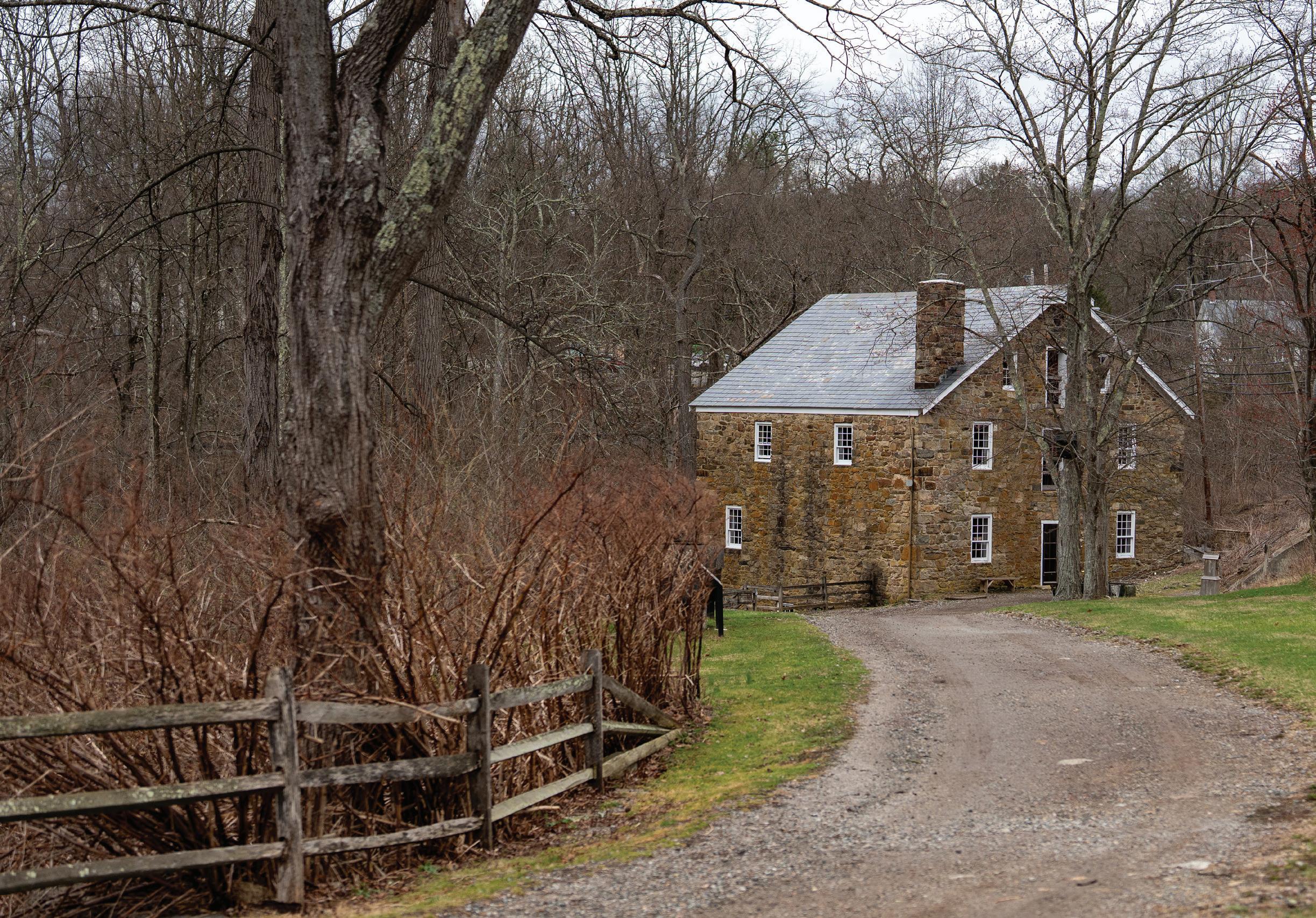
The Frelinghuysen Arboretum in Morristown, Alstede Farms and the historic Cooper Gristmill in Chester, and the Great Swamp Outdoor Education Center in Chatham are open to natureloving visitors; plus loads of local farm
stands populate the further west you go.
“A lot of people, especially postpandemic, started to move more westward, moving out of the city and into the suburbs,” said Tommy Pollio, executive chef and co-owner of The Pasta Shop located in Denville.
More than 500,000 people call the county home, according to the July 2025 U.S. Census data and it continues to attract attention as a desirable place to live. According to NJ Realtors® March 2026 housing market data, homes are selling quickly and often above asking price, with single-family home sellers receiving an average of 103.4% of list price year-to-date. Back in March 2016, that figure was a mere 96.2%, revealing how dramatically the market has shifted. Home values are climbing right along with demand. The median sales price for single family homes in March 2026 in Morris County jumped to $715,000 year-to-date, up more than $400,000 since 2016, according to NJ Realtors® housing market data.
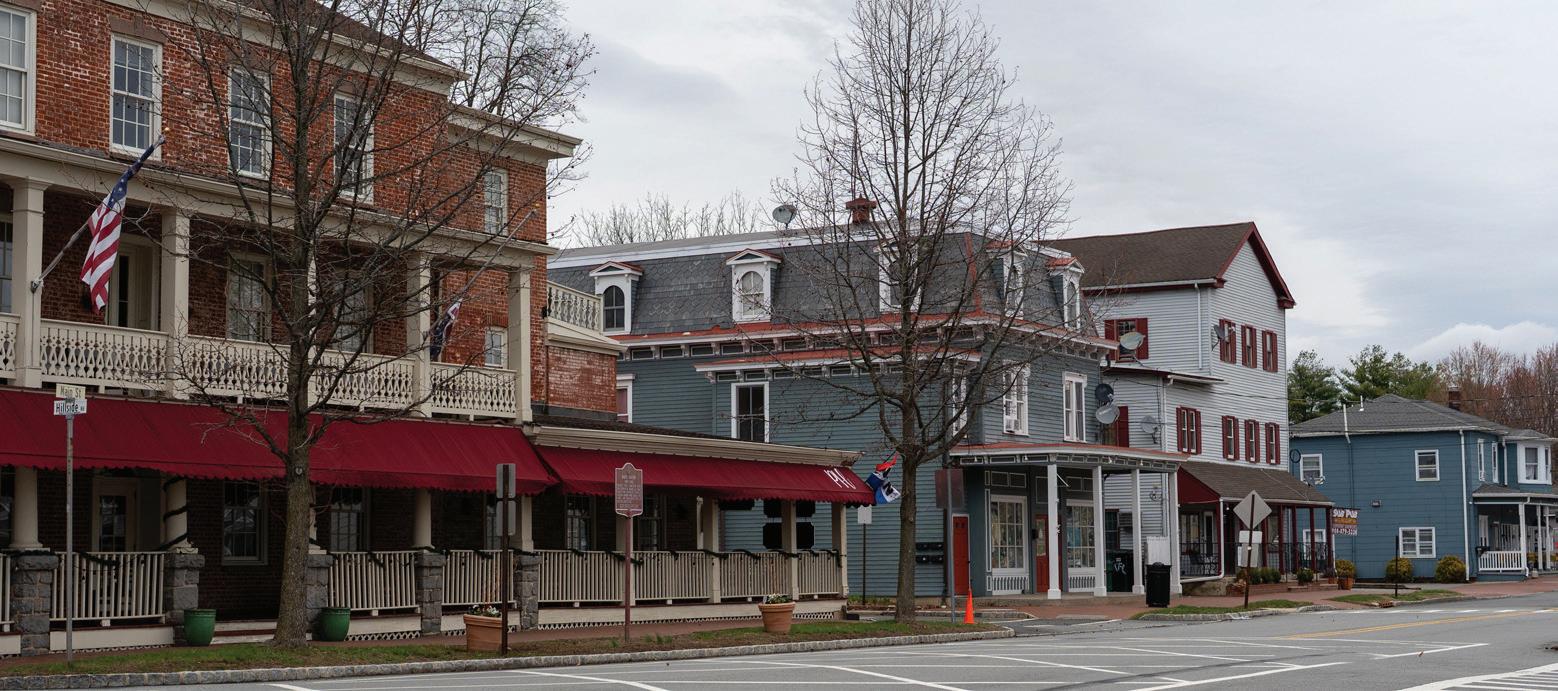
Walk the charming streets of Morris County towns’ Main Streets for a history lesson, old-world storefronts, and premium restaurants.
Spend a day immersed in historic downtown Boonton. Take a tour of downtown’s historic sites such as the Octagon houses, Boonton Opera House, Maxfield Engine House, and the Stone Arch Bridge. During your tour, stop in to Boonton Coffee Co., walk down the street to find a punkthemed cafe called Catfight Coffee for a mid-day pick me up, or head to Boneyard Boutique for a little retail therapy. Before you leave Main Street, take your pick from one of many restaurants like Ombra, Nostrana Restorante, or Al Hara.
Main Street, located in Chatham Borough, though collectively known as “the Chatham’s,” is a quaint enclave in the most southeastern part of Morris County. Visit Chatham’s Main Street to experience fine dining at Scalini Fedeli or for a quick bite, walk into Namkeen Hot Chicken for a blend of Pakistani and Nashville flavors all in a sandwich. With a handful of boutiques perfect for gift giving, ice cream shops, and bakeries, Chatham is a picturesque day-trip destination.
Located in the southwestern corner of Morris County, Chester is a quaint getaway, exuding small-town Americana. This quintessential Main Street showcases remnants of the mining industry during the late 1800s, while offering boutique storefronts, cozy cafes, and charming restaurants. Walk the brick-lined sidewalks of historic downtown Chester and visit PREN for classic American eats, dine outdoors at Fresco Mexican with Main Street views, and if you have room for a sweet treat, head to the town’s French bakery, NinaLou Patisserie.
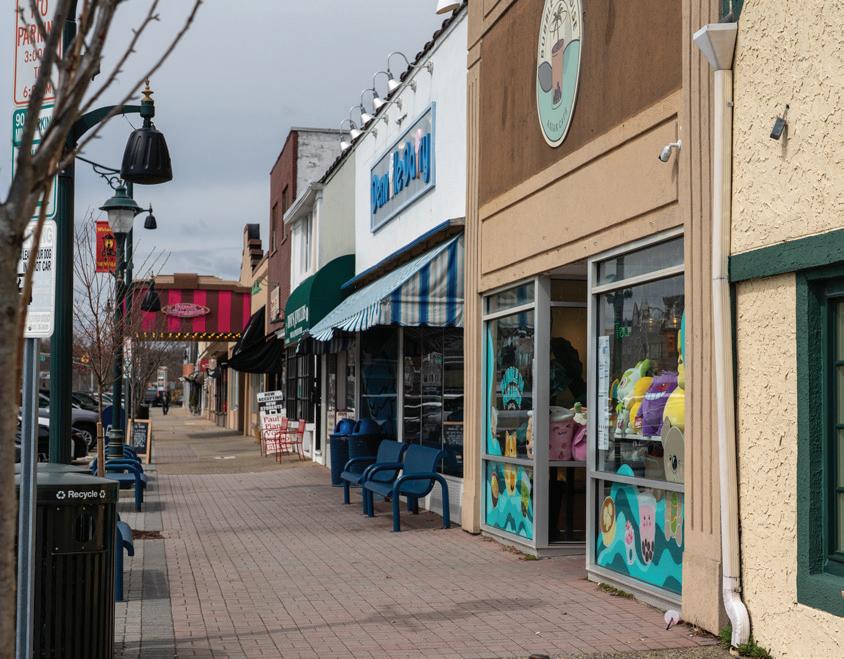
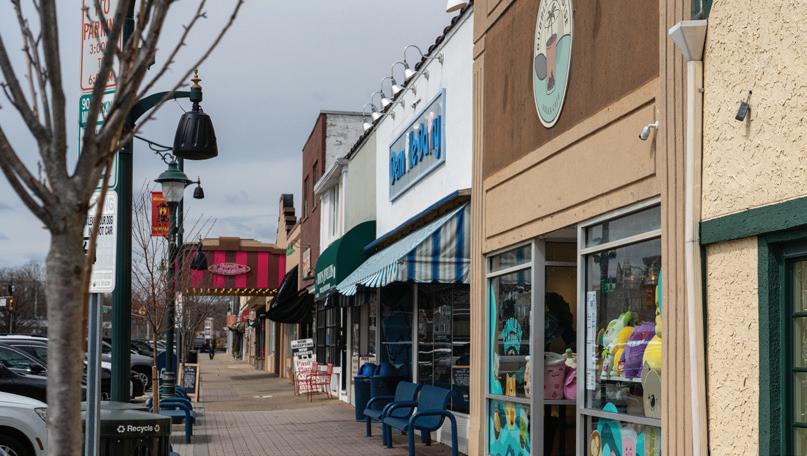
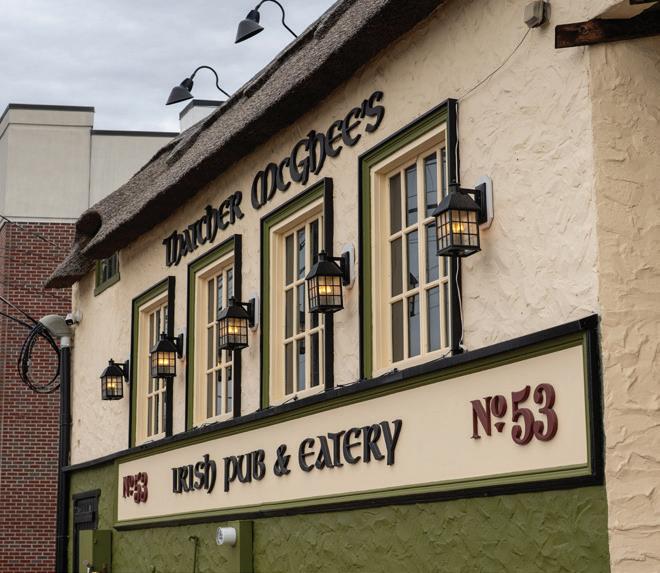
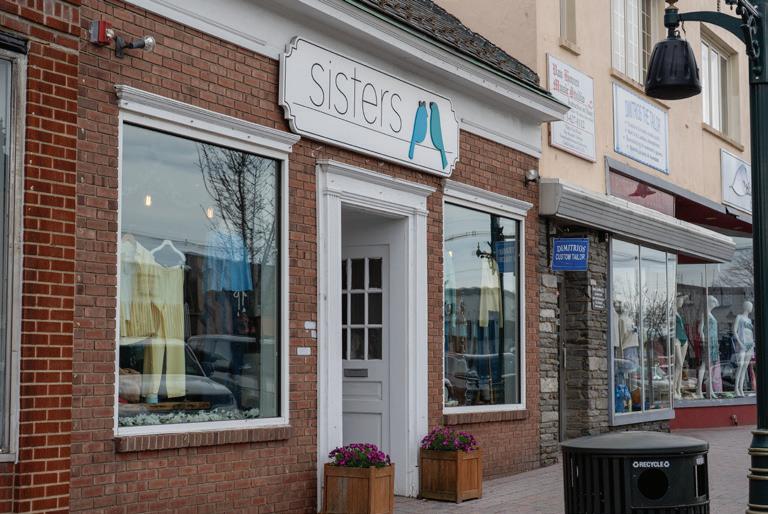
On the banks of the Rockaway River, downtown Denville overflows with approachable charm and is characterized as “small but mighty,” said Megan Olenowski, owner of Sisters boutique. Located on Broadway since 2013 and known as “your best friend’s favorite boutique,” stop in and choose from trendy seasonal pieces perfect for any wardrobe, gifts to show off local town pride, jewelry, pop-up shops with other local businesses, Jellycats, and more. “I’ve lived in Denville for 40 years, other people have been here for four minutes, and everybody just feels such a sense of belonging here,” said Olenowski. Broadway is Denville’s version of Main Street, lined with unique local commerce. Grab traditional Irish fare under the thatched roof of Thatcher McGhee’s, or head across the street to Diamond Spring Brewing Co.’s beer garden for seasonal brews. From Hunan Taste to El Mejicano TexMex Grill, the downtown scene has something for everyone.
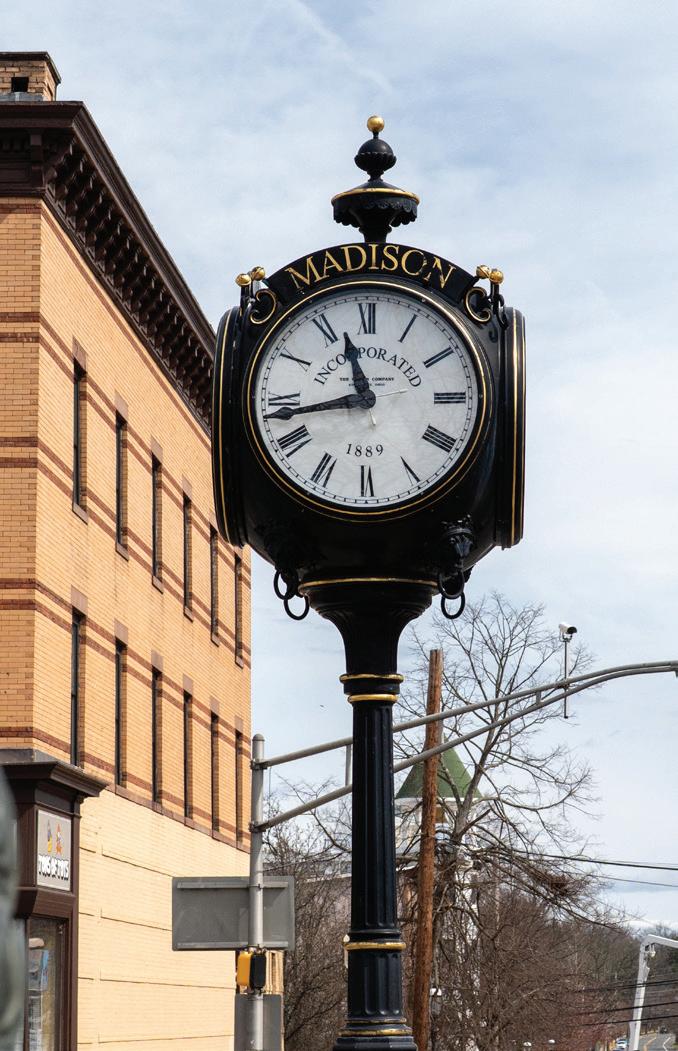
Known as “The Rose City” due to the 19th century commercial rose greenhouses, downtown Madison is a walkable historic paradise. Offering a healthy mix of historic sites to explore, like Mead Hall located at Drew University and the Madison Train Station, with accompanying shopping opportunities at The Pink Pear, The Nature of Reading Bookshop, The Snooki Shop, and the Runroom. Head to Grilleria Mediterranean Cuisine, Il Mondo Vecchio, or 54 Main Bar & Grille for a bite to eat unique to Madison.
This urban hub, anchored by the Revolutionary-era Morristown Green, is defined by its rich tapestry of small businesses, restaurants, cafes, nightlife, and gyms encapsulated under three square miles. Home to Gen. George Washington’s winter headquarters during the Revolutionary War and The Schuyler-Hamilton House just steps off The Green, Morristown’s historic roots seamlessly blend with modern entertainment, with Mayo Performing Arts Center’s rich event lineup. Located at the crossroads of major roadways while prioritizing walkability, downtown Morristown has something to offer for everyone. Come hungry, there are over 150 places to eat surrounding The Green with a wide variety of cuisines.
Slow down and wander through these parks across Morris County. Whether you hike the expert trail or take the scenic route, there’s a park for everyone to enjoy.
Morristown
Enjoy the scenic lawns at the Frelinghuysen Arboretum. Open to the public year-round, this park has everything a nature lover would need: formal gardens, woodlands, meadows, walking trails, and a historic mansion.
Long Valley
With over six miles of family-friendly trails, Hacklebarney State Park is a destination for the whole family looking for a nature-filled afternoon. Enjoy the free-flowing creeks and the serene outdoors.
Lewis Morris Park
Morris Township
Open daily from sunrise to sunset, enjoy the 2,213 acres with 25 miles of walking trails Lewis Morris Park offers. Go on a camping trip, take a dip in Sunrise Lake, take your furry friend for a stroll at the 0.4-acre dog park, or try paddleboating at this family-oriented park in the heart of Morris County.
County Park
Randolph
Spanning across Randolph, Dover, and Mine Hill, Hedden County Park offers an activity for every kind of nature lover. Fish at the trout-production streams at Wallace and Jackson Brooks, wander their paved trails, relax next to the picturesque Hedden Pond, or bring your pup to roam the open green space.
Montville
Venture into the 1,600 acres of forest with almost 20 miles of rugged trails at Pyramid Mountain Natural Historic Area. With 18,000-yearold glacial relics located on the trail sidelines, hikers can travel back in time to prehistoric times. Conquer the trails and celebrate with a spectacular view of the New York City skyline.
Ride your bike, fish, canoe, or bring your horse on the Rockaway River at Tourne County Park. Climb to the top of the Tourne and enjoy the New York City skyline, and walk the Emily K. Hammond Wildflower Trail on the way down. Spanning 550 acres, this park offers year-round activities to enjoy.
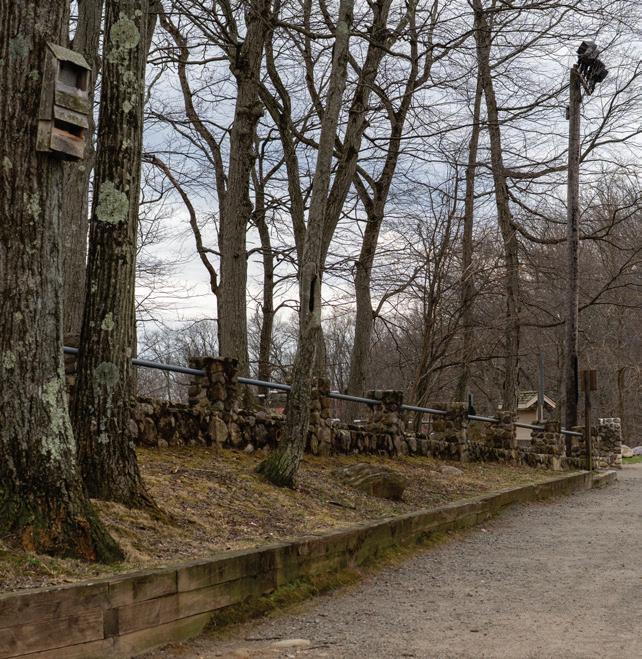
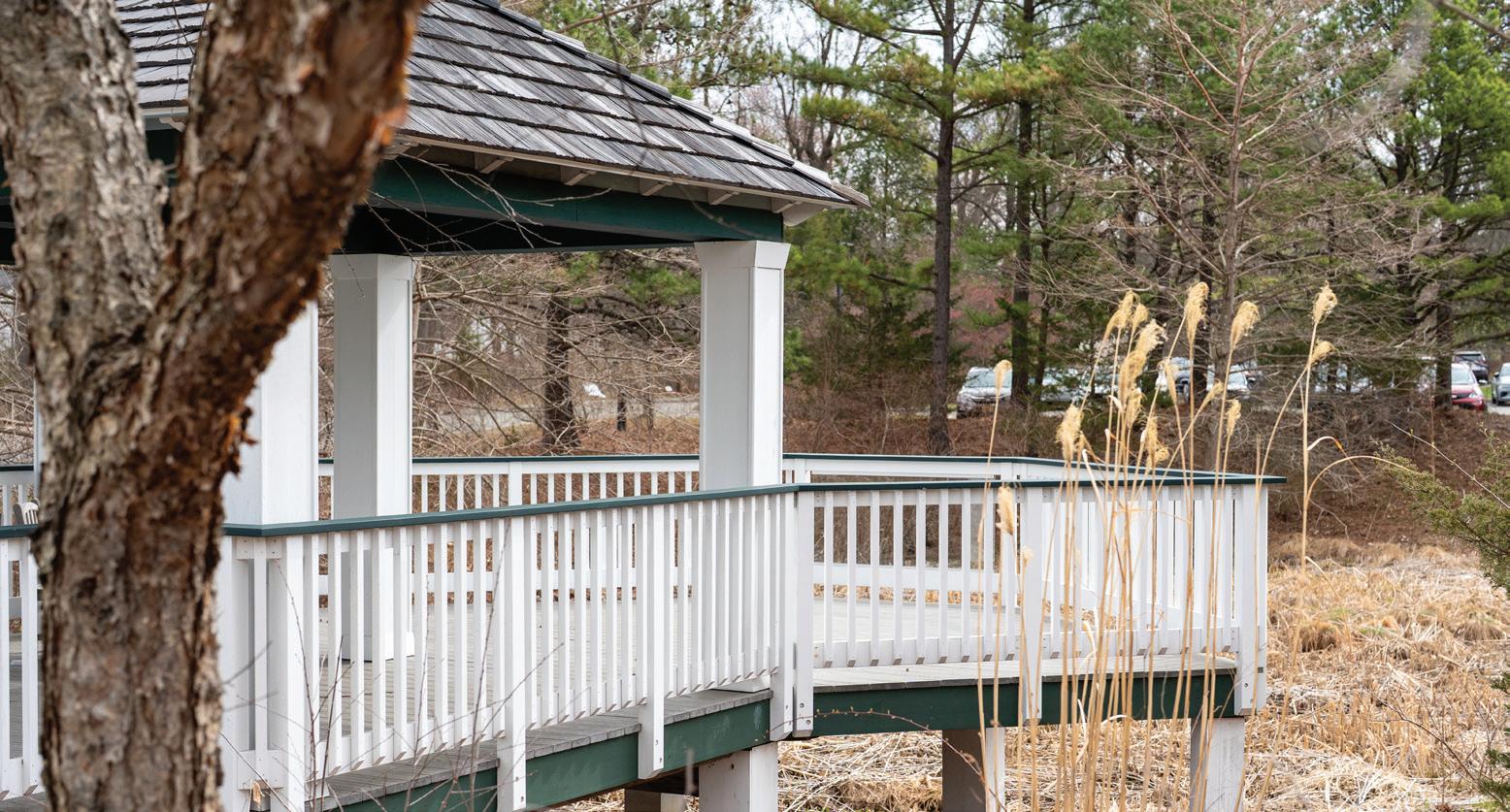
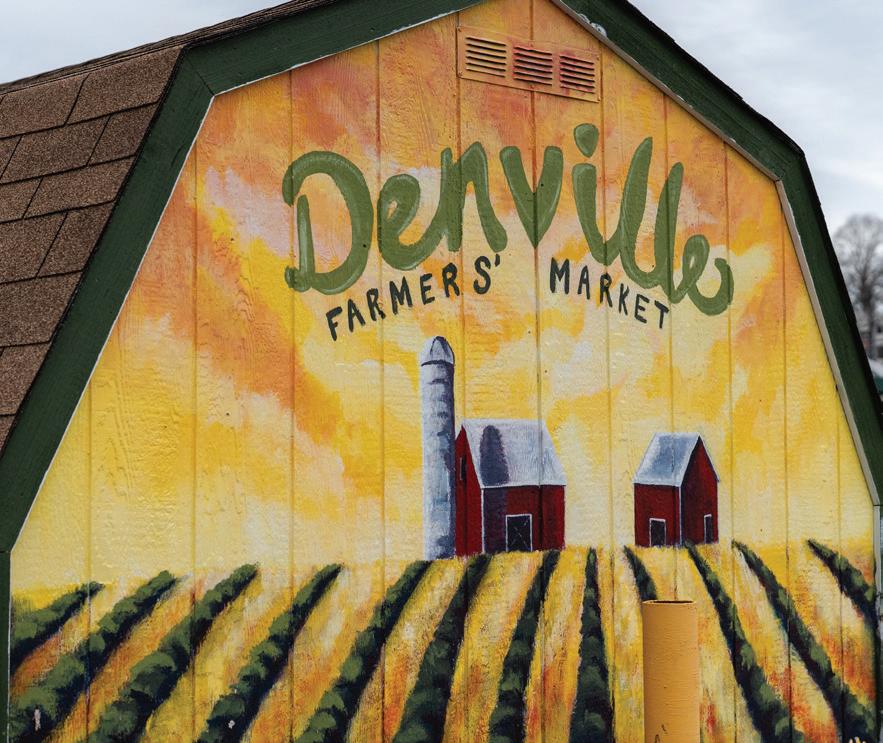
Explore these Morris County farmers’ markets, which offer the freshest local produce, unique eats, and more.
Every Sunday, find local vendors varying from homemade hot sauces, pickles, hummus, garden vegetables, meats, baked goods, and more. Open year-round with accompanying seasonal hours, Denville’s Farmers’ Market has been serving the community for over 25 years. Tucked behind Broadway, this farmers’ market is located on Bloomfield Avenue.
One of the largest markets in the area, this farmers’ market offers local produce, pizza, pet treats, baked goods, seasonal flowers, and more. Bring the whole family to enjoy live music entertainment each Sunday. Enjoy a summer morning getting lost in this market, which opens June 15.
Chester
Offering the best fresh produce, this unique market located in the heart of Stony Hill Farms also serves up baked goods, meats and cheese, dry goods, coffee and tea, and unique gifts to give. Grab your weekly produce, and while you’re at it, explore the grounds for family fun. Plan your trip now, this market opens on June 2.
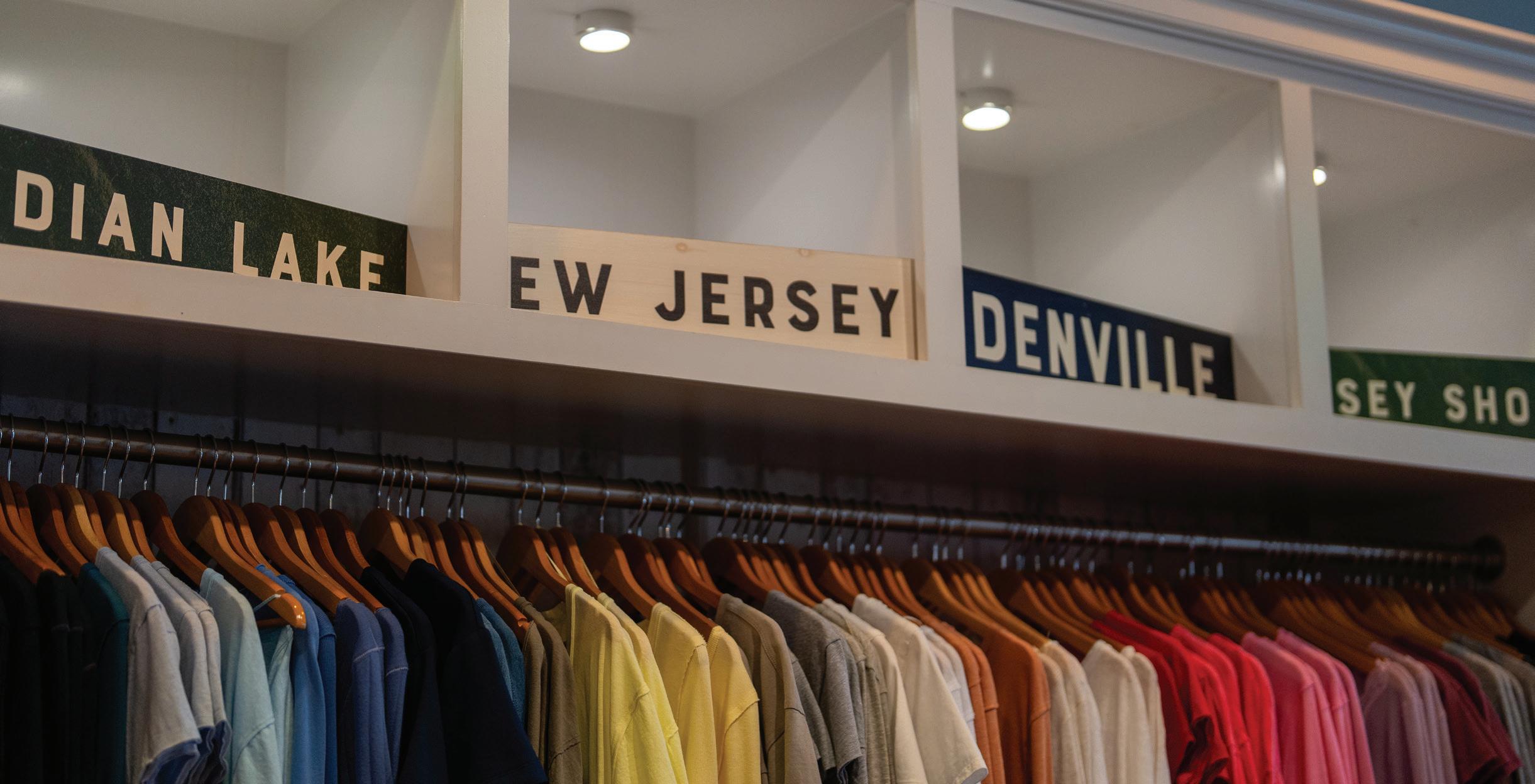
the “Hub of Morris County,” Denville showcases the charming blend of suburban life with a colorful town center. As a suburb of New York City, this township is located 35 miles west and offers an escape for city dwellers. From humble beginnings and dirt roads, Denville grew into the charming community locals love today.
“I have good friends in other towns. They love their towns, but they don’t feel like they’re a part of something special, and everybody in Denville
feels that,” said Olenowski, owner of Sisters boutique.
In 1913, Denville Township was established on the land where the native Lenape peoples had first successfully settled. Among Dutch traders in search of 17th century goods like gold, copper, and iron, famous Quakers William Penn and John Bellers traveled through to claim parts of land that would become what the town is today, according to Denville Township.
While the farming industry was a favored trade throughout the area,

the iron industry became common in the 18th century, with a premium spot along the Rockaway River and Denbrook, cementing the town’s role in the Revolutionary War with five forges along the banks.
In the 1930s, Denville became a summer resort town. With the majority of property owners living elsewhere, bungalows and cabins were built on the banks of multiple man-made lakes. Communities like Indian Lake, Rock Ridge, Cedar Lake, Lake Arrowhead, and Rainbow Lakes are still vibrant year-round neighborhoods with

decades of rich history.
Denville’s draw extends beyond the lake communities, home to just over 17,000 people located throughout the township, according to the 2024 estimated U.S. Census. Clusters of charming neighborhoods fill the roughly 12 miles that make up the township. Sitting at the intersection of I-80, Route 10, Route 46, and Route 53 makes Denville’s downtown a true hub of northern New Jersey. First developed in the 1930s, Denville’s heart lives in its downtown.
“Downtown Denville is a very unique place, called ‘The Hub of Morris County,’” said Executive Director of Downtown Denville Stephen Crighton. “It’s a walkable, yet historic downtown, filled with eclectic shops and has the unique ability to draw people out,” said Crighton.
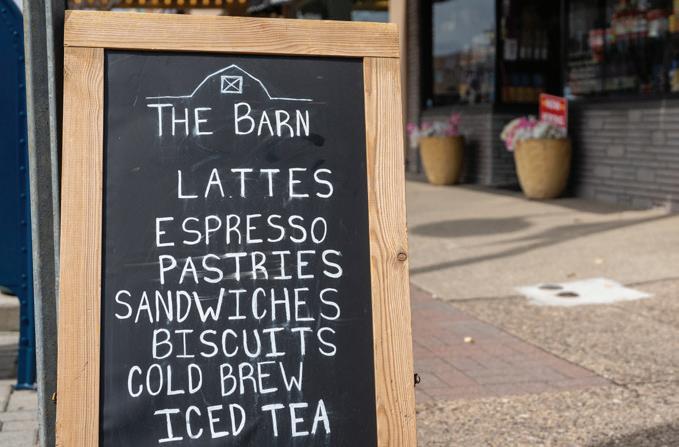
Visitors come for dinner and end up meandering down Broadway, finding their new favorite store at every corner. Roam Denville’s version of “main street,” Broadway, and find a candy emporium for all ages to enjoy, a bubble tea shop, boutiques, a prized pasta shop, cafes and diners, a beer garden, a family-owned Chinese restaurant with an unmistakable facade, art galleries, oh, did I mention beignets?
“It’s impossible to just pick one,” said Crighton. On Broadway, there are traditions that never die. Lines pour
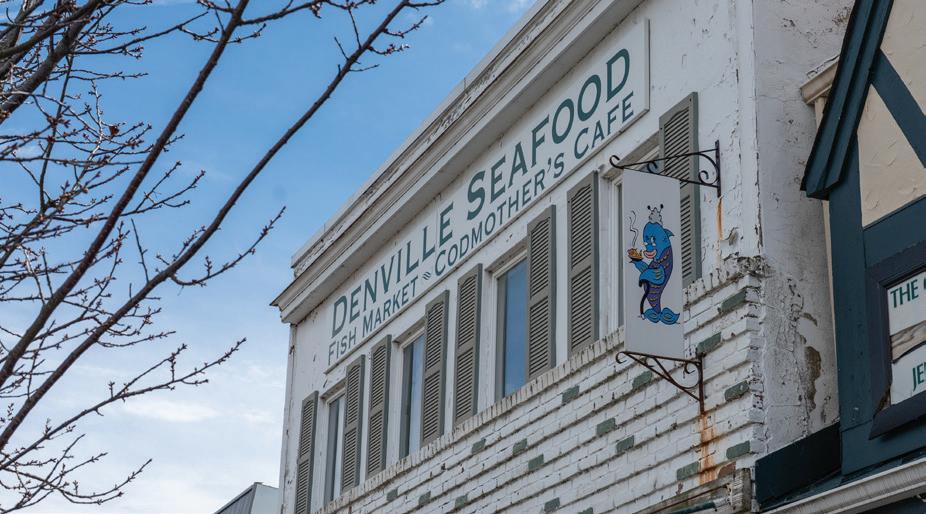
out on Broadway’s sidewalks, trying to get a scoop of one of 28 flavors at the well-loved ice cream store Denville Dairy on the first nice day of the year. Denville has a long-standing history of supporting local businesses that become staples of the community, like Denville Seafood, open since 1951, and The Second Half on Main, which opened in the 1980s.
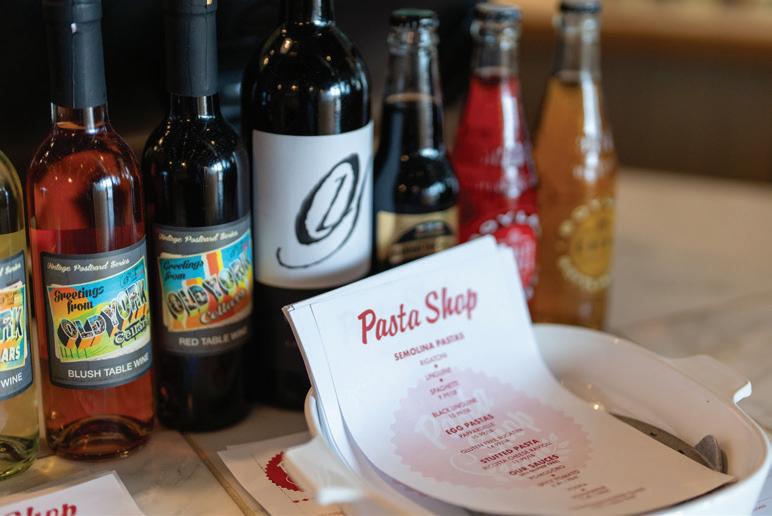
Turn the corner of Broadway, and you’ll find a line of patrons awaiting a table at The Pasta Shop, serving up quality Italian American eats for the neighborhood since 2018.
“I’m a little biased, ‘cause I grew up here. Denville really has the best of everything, yet it still has the same town vibe,” said Tommy Pollio, executive chef and co-owner of The Pasta Shop.
Lucky enough to secure a table? Start with a plate of their homemade mozzarella sticks and share the artichoke & parmigiana bruschetta toast. A visit to The Pasta Shop is incomplete without an order of the homemade pasta, try the spicy Argentinian red shrimp with black linguine or stick with a classic and order the rigatoni alla vodka. Enjoy high-quality Italian American favorites in a casual atmosphere with modest prices, a perfect setting for a Tuesday night out in the neighborhood. “We’ve seen Denville grow a lot in just the last few years we’ve been here, it’s more of
a known destination now. It used to be a quiet little town,” said Pollio.
Single-family median sales prices are higher than the state average, sitting at $622,500 with a 3.8% increase year-todate, according to NJ Realtors® March 2026 housing market data report. Demand to join Denville’s community remains high, with the average percent of list price received reaching 104%.
“Community is the definition of Denville,” said Crighton, as shown at community events like the town’s annual Pink Witches Night Out, a Breast Cancer Awareness Event evolving in recent years into a familybased night.
“I had so many people tell me they’ve met relatives or, you know, just new people at Pink Witches…I think it really highlights Denville, because every single business, service, restaurant in town gets involved in it, and comes out for the cause,” said Olenowski, owner of Sisters and founder of Pink Witches Night Out.
As temperatures warm, the community finds its way to Broadway for Denville’s coveted seasonal events like the first of the summer series, Denville After Dark on June 18, where local businesses from across town, featuring live music, alfresco dining, and late-night shopping, return to Broadway to celebrate the start of the summer.


BY JULIA VENTRONE
The FIFA World Cup™, held every four years, always has a unique way of uniting people. From South Africa to Brazil to Qatar, over the last few decades, the FIFA World Cup™ has spanned far and wide with an audience that only grows. Fortunately, the 2026 FIFA World Cup™ is reaching our shores, playing in 16 different stadiums across the U.S., Mexico, and Canada.
The first matches are set to kick off the 39-day event in Guadalajara and Mexico City, Mexico, with the final match culminating in East Rutherford. Overall, of the 16 cities selected, NJ will hold eight matches total starting on June 13, with a match between Brazil vz. Morocco. The rest of the matches hosted at MetLife Stadium will take place on June 16, 22, 25, 27, 30, July 5, and the final on July 19.
According to the FIFA World Cup 2026™ New York New Jersey Host Committee, the tournament is expected to bring in 1.2 million visitors to NJ, creating an economic impact of $3.3 billion for the region. The growth opportunities during these weeks will be invaluable.
“This is an amazing opportunity for us to showcase all of the destination assets we have. I call it… ‘Where to Stay, Play, Eat & Shop!’ Many of those visitors will see us for the very first time, so from a tourism perspective, we have a great opportunity to bring them back,” said Jim Kirkos, Meadowlands Live Convention & Visitors Bureau Chief Executive Officer.
“The influx of visitors, along with even locals being motivated for a few nights out, creates business opportunities for local businesses,” said Kirkos. But not only that, the exposure of the 2026 FIFA World Cup™ from those watching all around the world will have a ginormous impact. “They estimate that three billion people will watch the final from the East Rutherford Meadowlands, you just can’t buy that visibility! The tourism benefits will last for many years,” said Kirkos. FIFA World Cup 2026™ New York New Jersey Host Committee also predicts 26,118 jobs will be supported across New York and New Jersey.
Leading up to the tournament, the New Jersey Economic Development Authority approved a $20 million allocation to support the FIFA World Cup 2026™ New York New Jersey Host Committee. “From that amount, $5 million will be dedicated to fund Gov. Mikie Sherrill’s initiative to bring fan zones, watch parties, festivals, and street fairs throughout New Jersey,” according to the NJEDA press release. The goal, no pun intended, is for “New Jersey residents and small businesses to join in on the festivities and benefit from the economic impacts of the tournament,” said Gov. Sherrill to the NJEDA.
One pub in Bradley Beach is especially prepared for this year’s FIFA World Cup™. D’Arcy’s Tavern, located on Main Street in Bradley Beach, is one of the best soccer bars in New Jersey according to firsttouchonline.com. With an indoor and outdoor area, soccer scarves lining the ceiling, and a match on almost every TV, this will be a hotspot for the upcoming tournament. D’Arcy’s Tavern owner, Tom McGill, is very passionate about the game better known as football, and the Jersey Shore pub is pulling out the stops for the tournament. “We will be putting up a 60 by 60 tent in the parking lot for the entire tourney,” said McGill. To prepare for this
opportunity, D’Arcy’s is doing giveaways, D’Arcy Football Club limited edition shirt sales, and a special country-specific menu for different countries in the tournament. McGill describes the crowd at D’Arcy’s like no other, “Soccer is tribal. You want to be with your people. That is why they are called supporters—through thick and thin.”According to visitnj.com, the top bars in NJ to watch the game include:
North Jersey
• Varitage Brew Works in Bloomfield
• Mulligan’s in Hoboken
• Darby Road Public House and Restaurant in Scotch Plains
• Galapo New Jersey in Newark
• Don Felix Bar & Restaurant in Elizabeth
• BarCode Entertainment Complex in Elizabeth
• La Fusta in North Bergen
• Egan & Sons in Montclair
• Ed & Mary’s in Jersey City
Central Jersey
• Killarney’s Publick House in Hamilton Township
• D’Arcy’s Tavern in Bradley Beach
• Firkin Tavern in Ewing
South Jersey
• Reunion Hall in Haddon Township
• Jenkinson’s Pavilion Bar and Restaurant in Point Pleasant Beach
• The Local Eatery & Pub in Mount Holly
Additional watch parties hosted by “Goya Presents Flag Cities 2026” are being thrown all around North Jersey on the following dates:
June 12—Christopher Columbus Drive, Jersey City
June 14—Overpeck Park, Bergen County
June 21—Laurel Hill Park, Secaucus
June 24—Mulberry Plaza, Newark
June 26—East Rutherford and Rutherford Downtown
Expect FIFA World Cup™ game broadcasts, food trucks, beer gardens, soccer activities, and a vendor’s market.
Prefer to stay at home? Streaming or broadcasting the games on your TV, computer, or smartphone is a cost-effective option too. According to goal.com, “FOX Sports holds the Englishlanguage rights, while Telemundo covers Spanish-language broadcasts through 2026, ensuring all 104 matches are available across both networks.” If you have a cable television provider like Optimum, Verizon FIOS, Xfinity TV, or DIRECTV, all of the FIFA World Cup™ matches will be broadcast on FOX Sports. You’ll be able to watch every game live. To stream all 104 matches, you have several options. Services like Hulu + Live TV and YouTube TV include channels such as FOX Sports. For a more budgetfriendly option, platforms like Fubo, Peacock, and Sling TV also offer access at a lower cost.


BY ERIN McFEETERS
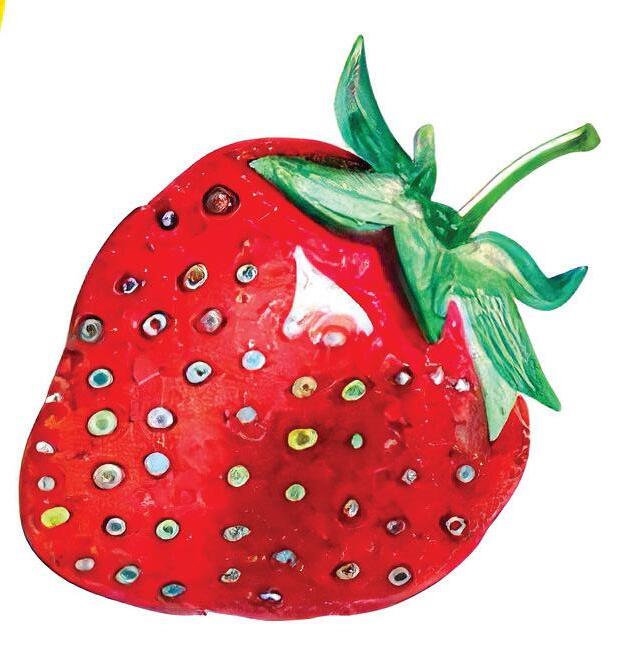

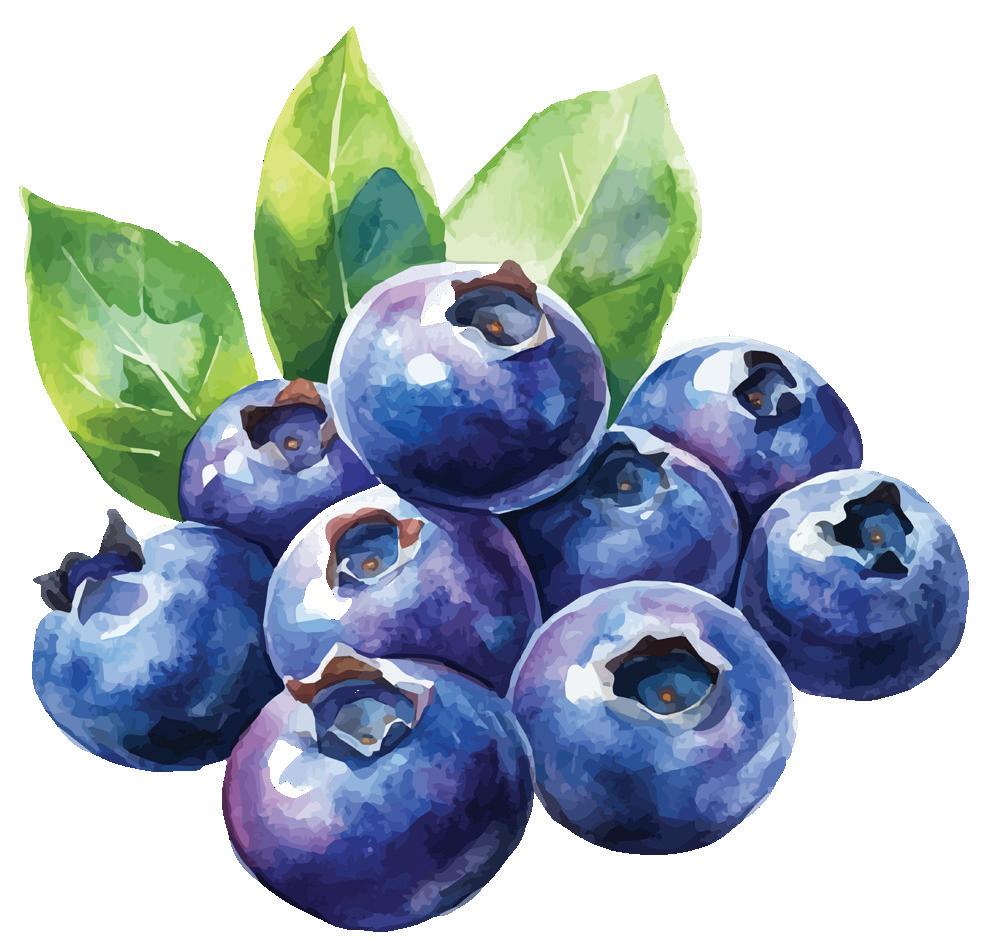
New Jersey is all Turnpike—said no true New Jerseyan ever. The locals of the great Garden State know New Jersey is one of the most diverse states in the U.S. From Cape May to Montague Township, there are more than 239,000 acres of preserved farmland and more than 9,880 farms, according to findjerseyfresh.com Today, New Jersey leads most of the nation in the production of asparagus, eggplant, tomatoes, cranberries, spinach, bell peppers, peaches, squash, cucumbers, blueberries, and sweet corn.




“There are two New Jerseys: the North with the Turnpike and then South Jersey, a rural environment,” said Joe Darlington, a fifth-generation cranberry farmer at Whitesbog Historic Village, a small cranberry farming village founded in 1857, located in the heart of the Pinelands, now cared for by the Whitesbog Preservation Trust.
In the early days of Darlington’s family farm, they had just 60 acres of land, and James A. Fenwick ran the show at the time. “Cranberries were just beginning to get started in New Jersey,” said Darlington. “Sailing ships needed to protect crews from scurvy and needed something high in vitamin C.”
By the early 1900s, the farm expanded to 3,000 acres, and Fenwick’s son-in-law, Joseph J. White “JJ,” took the reins. “JJ was quite the engineer,” said Darlington. “He wrote a book on how to cultivate the bog and had 12 patents by the end of his life related to cranberry farming.”
In 1947, New Jersey ranked third in the country for cranberry production and was
expected to harvest 93,000 100-pound barrels, according to a New York Times article.
That year, the industry expected consumers to purchase half of the crop for making sauce and jelly, with the remainder for commercial use.
According to Jersey Fresh, New Jersey remains high in the ranking for cranberry production at number four in 2022, producing 58 million pounds of cranberries.
That same year, New Jersey
Asm. Carol A. Murphy from District 7 introduced legislation, inspired by the fourth-grade classes in Cinnaminson, deeming Cranberry juice as the state beverage.
“In New Jersey, commercial cranberry farming began in 1835 in a bog in Burlington County, and New Jersey is now the third largest cranberry producing state in the United States,” states the bill. “In 1917, Elizabeth Lee of New Jersey was the first person to create cranberry sauce from the berries and later joined forces with other farmers to start the company that became known as Ocean Spray.”
JJ’s daughter (and Darlington’s great aunt), Elizabeth Coleman White, grew up spending her summers on her parents’ cranberry farm in the Pine Barrens, and, in partnership with botanist Frederick Coville, are credited with developing and domesticating the blueberry plant right here in New Jersey, according to the New Jersey State Library.
White invited Coville to come to the farm to visit and stay at Whitesbog to collaborate, according to Darlington. White and Coville experimented and bred different blueberries. Their main objective was to develop a variety that could be successfully cultivated and harvested.
“The best way to sell blueberries is to have a consistent taste,” said Darlington.
In 1916, after five years of crossing, they produced a successful crop, known as the highbush blueberry, according to Darlington. Some of which were still producing when Darlington started farming.
The Whitesbog Historic Village is now listed on the National and State Register of Historic Sites and continues to farm cranberries. Whitesbog invites visitors to discover the history of farming in the Pine Barrens and what life was like in the early days of the Garden State. Join them this spring for walks in Elizabeth Coleman White’s gardens, attend the annual Blueberry Summer Festival, attend the fall cranberry harvest, and so much more.
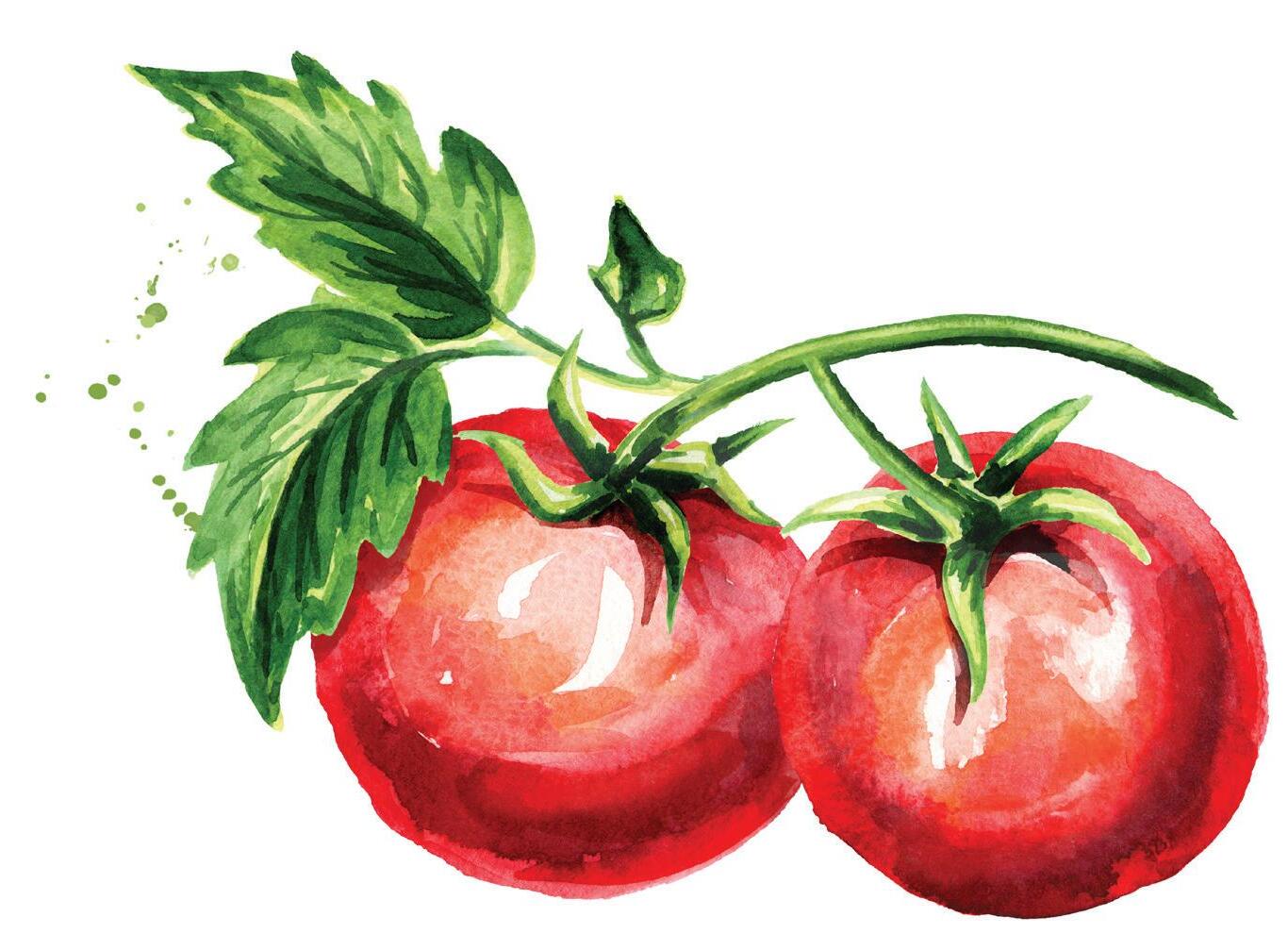
We New Jerseyans count down the days until tomato harvesting season in New Jersey. Picture this: a juicy, acidic tomato sliced to perfection, adorned on toast with mayo, salt, and pepper. Besides the iconic pork roll, egg, and cheese sandwich, the tomato sandwich is the quintessential Garden State sandwich.
New Jersey’s tomato roots date back to the early 1800s, with a tale of a man by the name of Colonel Robert Gibbon Johnson who ate a tomato on the steps of the Salem courthouse to prove they were edible. To celebrate the Jersey tomato lore, Salem even held an annual tomato festival up until a few years ago. Between Johnson and the Jersey Devil, New Jersey is certainly known for its folklore.
Supposedly, Johnson’s stunt helped the tomato catch on amongst commercial farms. In the 1860s, the tomato canning industry was in its heyday, with the Campbell Soup Company’s beefsteak tomato soup and beefsteak tomato ketchup filling the shelves. Campbell went on to start its tomato breeding program in Cinnaminson, according to Smithsonian Magazine. The program produced the J.T.D. tomato variety,
which was named after John T. Dorrance, the innovator behind Campbell’s condensed soups, according to Rutgers New Jersey Agricultural Experiment Station. Soon after, Rutgers University established the New Jersey Agricultural Experiment Station to conduct research for New Jersey farmers. In 1934, Rutgers vegetable breeder Lyman Schermerhorn introduced the Rutgers tomato, a cross from Campbell’s J.T.D. variety and the Marglobe. Through the 20th century, 72% of all commercially grown tomatoes in the U.S. were the Rutgers tomato, according to Rutgers New Jersey Agricultural Experiment Station. Today, home growers continue to harvest the original variety and spin-off tomatoes such as Rutgers Select, Rutgers Hybrid F, Rutgers Hybrid VF, Rutgers California Supreme, Rutgers Improved PS, and Rutgers Space Select. In 2006, New Jersey Sen. Robert W. Singer of District 30 introduced legislation to deem the Jersey tomato as the State Vegetable of New Jersey. While technically in the fruit family, the bill references a 1893 U.S. Supreme Court decision categorizing the tomato in the same botanical family as the potato, pepper, and eggplant, ultimately defining it as a vegetable.
on Instagram Bradley Fresh Farmers and Artisans
on Instagram
Farm Market
on Instagram Krackerjack Farm Market

BY MICHELE LERNER
Homes became sanctuaries during the pandemic, but even as the medical impact faded, the focus on wellness at home only strengthened. A home that supports physical and mental well-being encompasses everything from sleep optimization to spas and indoor air quality to calming home spaces.
“The desire for wellness touches buyers at every price point,” said Patrick Southern, a Realtor® with SERHANT in Jersey City. “What buyers get is driven by their budget, with costly homes and luxury rentals having the most bells and whistles.”
Beyond wellness, some communities and luxury condos go a step further to support healthy longevity.
According to the Global Wellness Summit’s The Future of Wellness 2026 Trends report, “Wellness residences optimize the built environment for long-term health, with a focus on things like air quality, water, light, acoustics, walkability, and social connection. Longevity residences typically go a step beyond, offering preventative and diagnostic health services such as biomarker testing, biological age assessment, and artificial intelligence-enhanced screenings, as well as integrated longevity therapies such as hyperbaric oxygen, red light therapy, cryotherapy, and neurofeedback.”
For some buyers, wellness means better quality air and water, said Southern, while for others, the focus is on physical fitness and recovery from intense workouts. Depending on their priorities and budget, buyers look for:
Newly built homes must meet stringent requirements for air and water systems, according to Janen Ardia, Realtor®, broker of record, and manager-owner of RE/MAX Heritage Properties in Flanders. “Buyers want a whole-house water filtration system and HEPA filters on their HVACs,” said Ardia. Some of the easiest wellness features to add to a house include a better HVAC system with an automated high-end filtration system for fresh air, said Southern.
“In kitchens, some people install built-in water bottle fillers with chilled purified water, along with induction cooking to eliminate gas from the air,” said Maura Mills, a Realtor® with Callaway Henderson Sotheby’s International Realty in Princeton.
Buyers ask about low VOC paints and even the new paints that help purify the air, said Ardia. New construction homes have radon systems built-in, but in existing homes, Ardia recommends sellers buy a radon monitor.
“Buyers have high expectations and some of them even ask about the insulation, since some insulation products like Rockwool are more environmentally friendly, mold resistant and fire resistant,” said Max Stokes, a Realtor® with Keller Williams Village Square in Ridgewood.

A recent survey of luxury home buyers by RE/ MAX found that 59% said home gyms are a priority, and 47% want a sports court for pickleball, basketball, and tennis. Buyers looking at existing homes often ask about a high ceiling in the basement for their home gym equipment, said Stokes.
“Buyers want their home gyms to be prettier if they can, sometimes over the garage into a brighter space instead of a dark basement,” said Mills.
The RE/MAX survey found that 41% of luxury buyers want a sauna or steam room. Infrared saunas are the latest trend that buyers want at home, if possible, along with a cold plunge pool for after a workout, said Mills. In one of Southern’s listings, the owner built a cold plunge pool and an infrared sauna on a rooftop deck overlooking Manhattan.
A combination of blackout shades, natural lighting, and lower room temperatures at night provide sleep optimization benefits, said Southern.
“A new trend people ask about is setting up a Circadian lighting system that mimics the time of day for better sleep and moods,” said Mills.

The desire for a calm home leads some buyers to request additional insulation and a small private space for meditation or yoga, said Ardia. “Even healthy plants can generate a more zen feeling at home,” said Ardia. “Quieter appliances and good storage to keep everything neater can generate a sense of calm, while a sound system throughout the house can make it a nice place to come home to for relaxation.”
“Buyers today are concerned about walkability in their community, along with proximity to amenities such as golf, tennis, coffee shops, and fitness facilities,” said Keith Kernan, Realtor® and managing broker of Ward Wight Sotheby’s International Realty in Spring Lake, Sea Girt, Manasquan, and Asbury Park.
Stokes said many buyers now add proximity to their Pilates or yoga studio to their short list of needs for their home search.
“Our lives are so busy now that people want their homes to be tranquil, filled with natural light and connected to the outdoors,” said Mills. “People want outdoor kitchens and dining, and they want to grow their own healthy foods.”
While the desirability of indoor-outdoor living isn’t new, connecting it to healthy living has become more of a priority. For example, at the Atlantic Club Residences in Long Branch, the developer includes a private terrace for each unit, with the oceanfront terraces as large as 1,100 to 1,800 square feet to accommodate a hot tub or cold plunge, according to Teresa Minnick, a Realtor® with Christie’s International Real Estate and director of sales at The Atlantic Club Residences. “People want a lifestyle that helps them relax and stay fit, so this community includes both private spaces and 75,000 square feet of indoor and outdoor amenities for fitness and wellness,” said Minnick. “There are multiple fitness rooms for different activities and gathering areas for social connection.”
“The importance of wellness features is likely to become more important and more affordable over time,” said Southern. “Trends often start first among wealthy people and then become more accessible to other buyers.”

Ask questions and listen carefully to buyer priorities that can be addressed with wellness features, said Southern.
“It’s easy for buyers to find out how many bedrooms and bathrooms a property has,” said Ardia. “Instead, describe the experience of sitting in a hot tub on a deck with views of the trees at sunset—something that helps them see the life they could create in the home.”
If a space is too small to be a bedroom, stage it with an exercise bike or as a yoga room, said Stokes.
“If your sellers put in a saltwater pool, tell buyers about the health benefits of that choice,” said Kernan. “Ask your sellers everything about their house so you can explain it to buyers.”
If your buyers want to add a cold plunge or an infrared sauna, make sure they hire a contractor and check for ventilation, drainage, and electrical connections, said Stokes.
BY ERIN McFEETERS
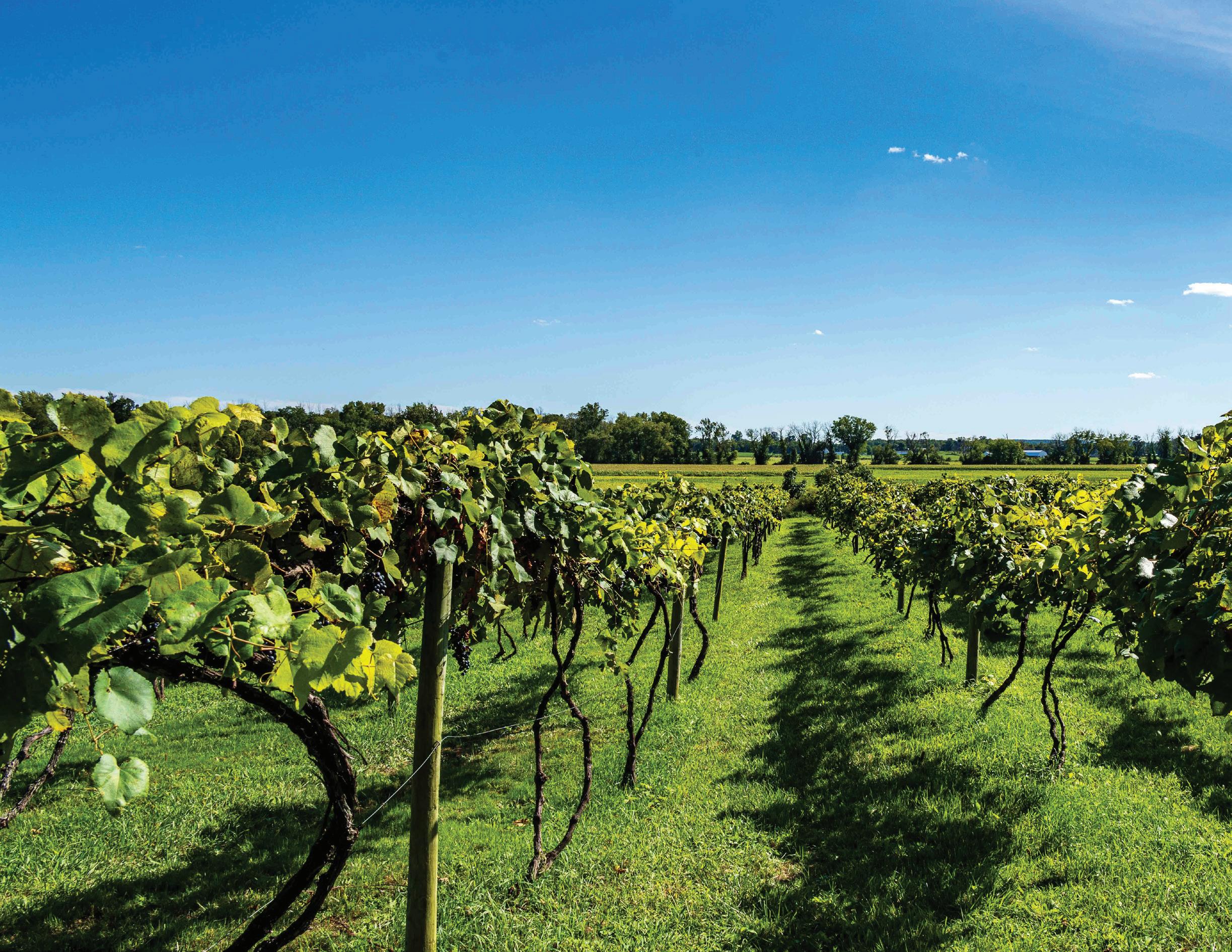
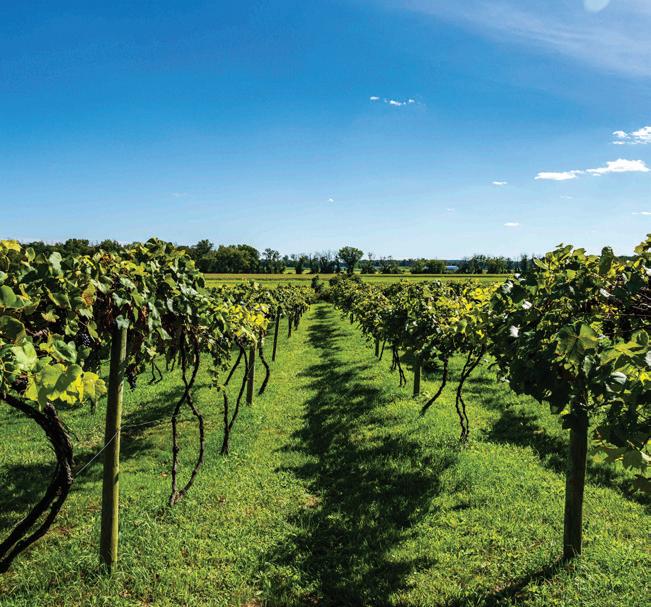
The Garden State’s wine industry is as impactful as it is robust, with almost 90 wine producers across some 1,000 acres of vineyards, and generating close to $5.6 billion in total economic activity, according to the 2025 New Jersey Economic Impact Study from wineamerica.org.
Earlier this year, the wine industry saw the passage of Bill A5258 with the help of advocacy from the Garden State Wine Growers Association, a nonprofit organization that represents all NJ-licensed wineries to help them navigate state regulations and boost consumer awareness. The bill “clarified and expanded the ability of wineries to sell wine by the glass for on-premise consumption at winery-operated outlets. This allows wineries to offer customers more options and makes operating an outlet more financially feasible,” said Dustin Tarpine, Garden
State Wine Growers Association Chair of the Board and the owner of Cedar Rose Vineyards and VineTech.
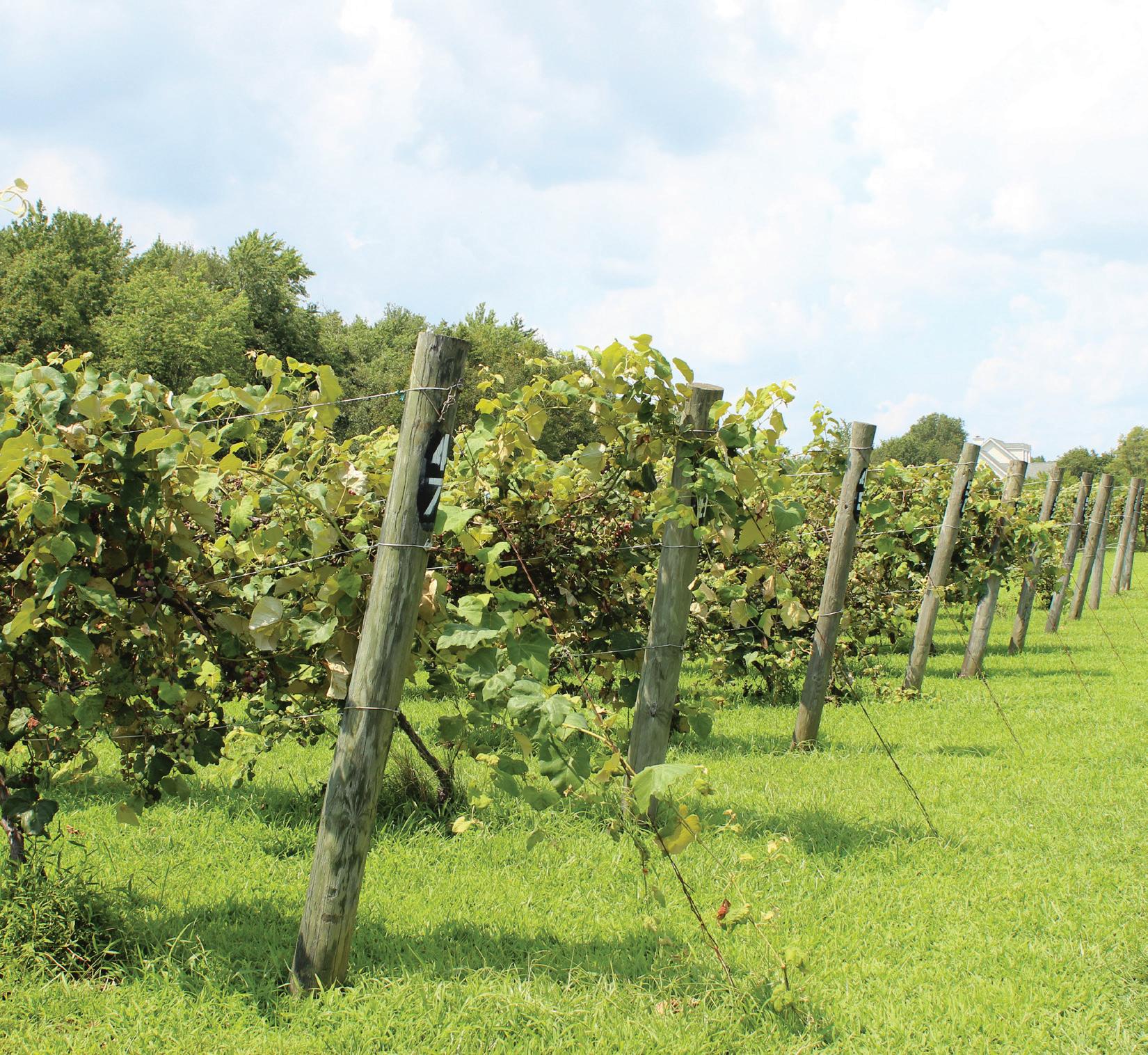
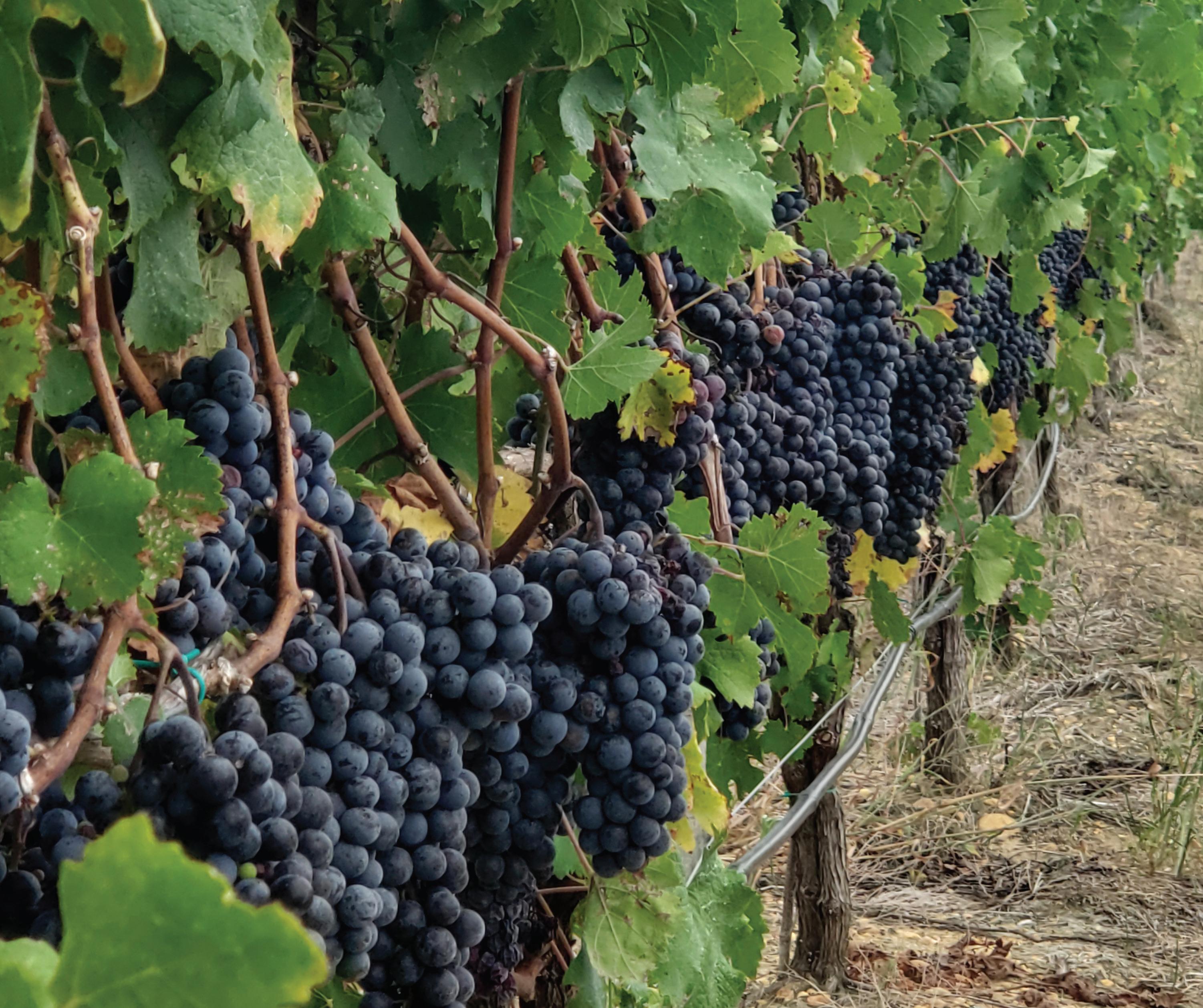
Two million gallons of wine are produced annually in New Jersey, according to the Garden State Wine Growers. In New Jersey alone, vineyards cover the gamut of grape varieties, including cabernet franc, cabernet sauvignon, albariño, chambourcin, chardonnay, and more.
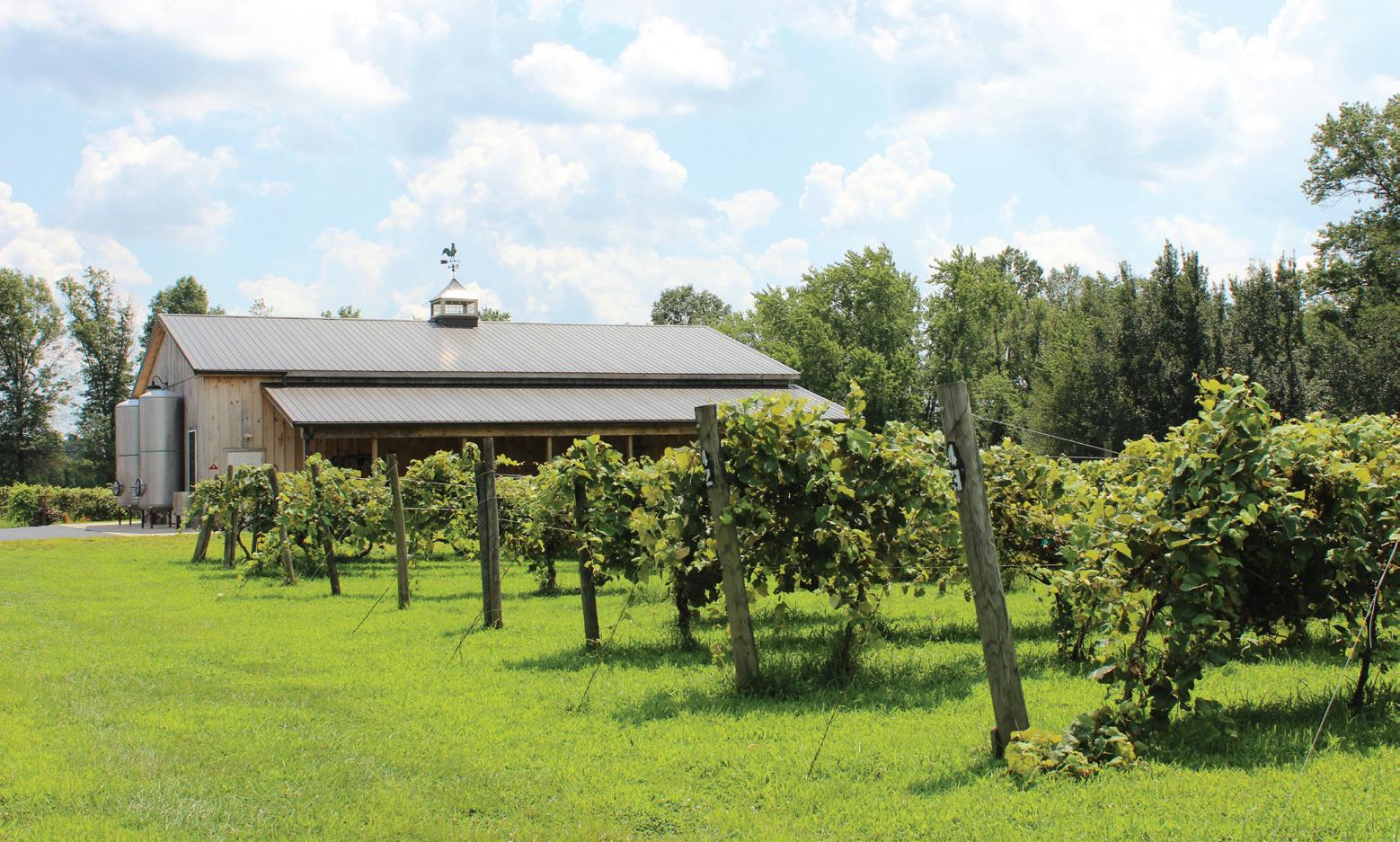
“New Jersey occupies a climatic sweet spot similar to Europe’s famous maritime wine regions. Bordered by the Atlantic Ocean and the Delaware Bay, the state benefits from a moderating effect that prevents extreme temperature swings. This constant airflow is vital for drying the vine canopy and reducing the risk of moisture-related diseases,” said Tarpine. “Success in the vineyard depends on well-drained soil to prevent root rot. In southern New
Jersey, this is provided by sandy loam and gravelly soils. In the north, vineyards are characterized by a complex mosaic of shale, slate, and glacial till. These elevated, sloped sites are essential for air drainage, allowing cold air to settle in lower basins and protecting the vines from frost damage.”
New Jersey’s climate and varying elevations are conducive to different varieties of fine wines and blends too, with some exclusively found in the Garden State, like Terhune Orchards apple wine, made with their prized apple cider, and others like Renault Winery’s Champagne, are more commonly found across waters due to its origination from Champagne, France, but made here in New Jersey too.
“New Jersey can definitely be a challenging place to grow grapes. We have a lot of humidity, and humidity
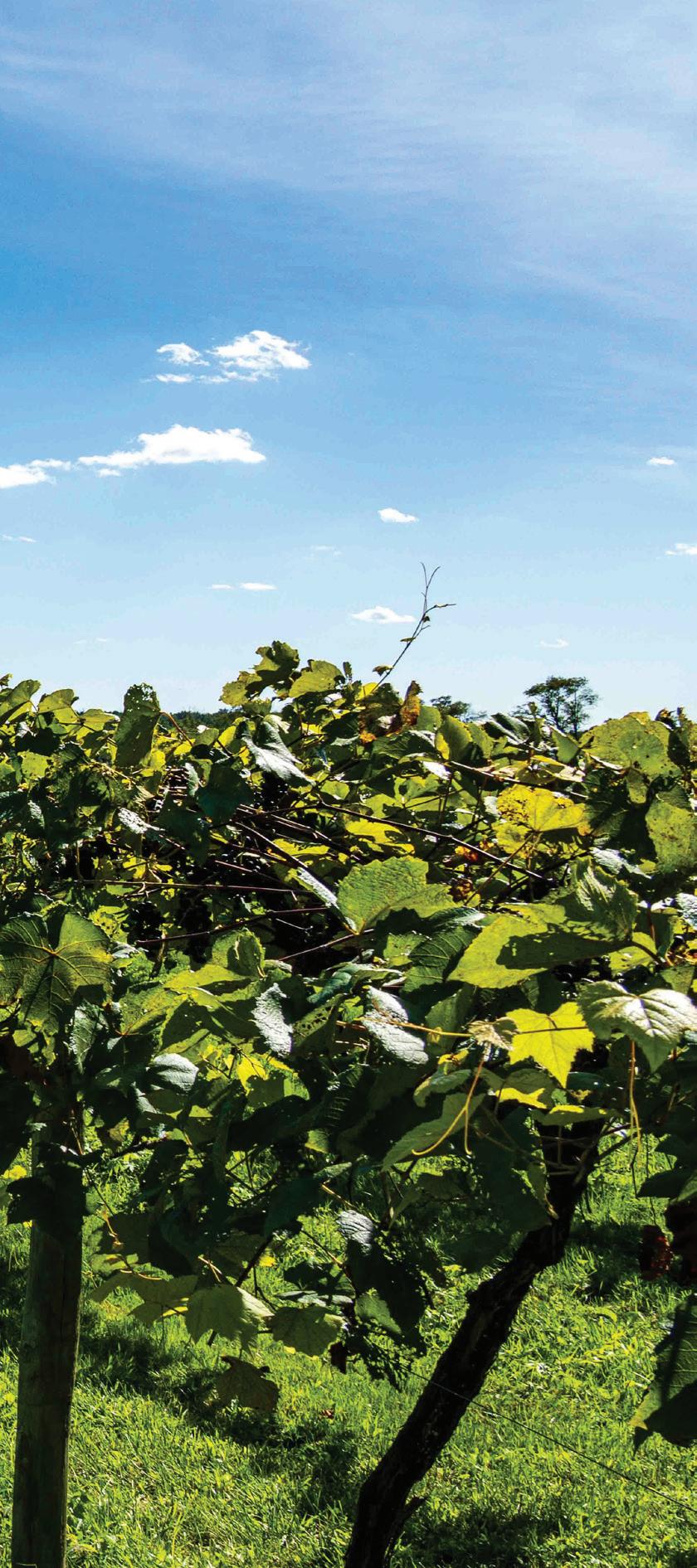
can breed disease, which can make it more challenging. Harvest season is August through October, which aligns with hurricane season, so if we happen to get a big storm coming through, that can also make it very challenging,” said Julie Pierrie, Saddlehill Winery Director of Wine Operations & Sales. “I think you see a lot of vintage variation in New Jersey, and for the most part, the wine is always good. Some years we have amazing years when we didn’t get the rain, and it wasn’t that humid. We had beautiful sun, bright, sunshiny days, got really good ripeness. Then, there might be other years where it was a bit wet, it wasn’t as great.”
As Director of Wine Operations, Pierrie forecasts the winery’s needs, manages the production side of bottling the wine, and oversees the winemaking process.
Historically, wine in New Jersey hasn’t had the best reputation,
according to Pierrie, but the industry has improved over the years. Fast forward to today, and New Jersey is attracting a lot of talent from around the world.
“We’re attracting a lot of really good talent to the region now, which is just going to rise the tide on all of the New Jersey wineries,” said Pierrie.
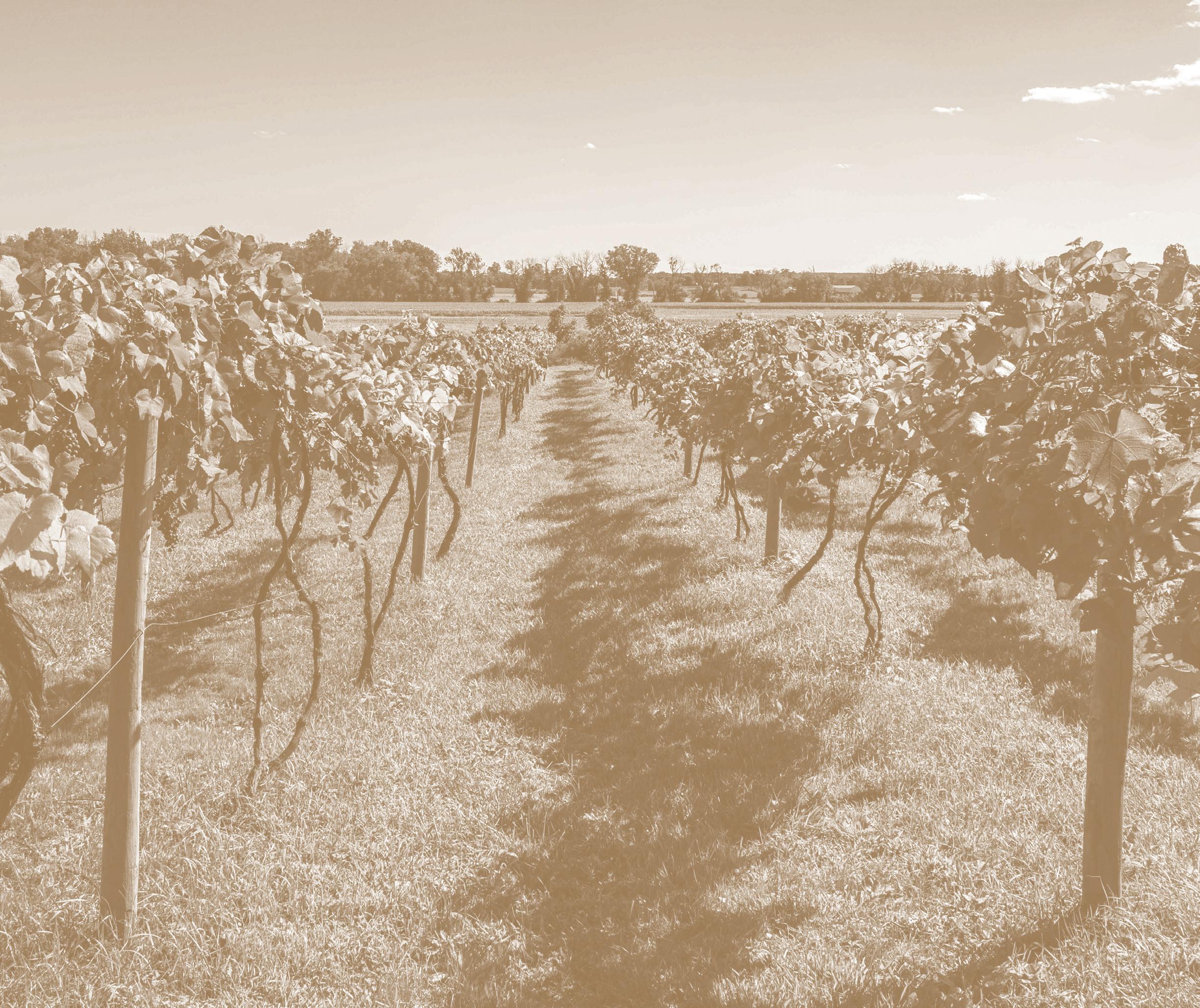
According to Rutgers University New Jersey Agricultural Experiment Station, New Jersey boasts three designated American Viticulture Areas despite its small size, including Warren Hills, Central Delaware Valley, and the largest in the Garden State, Outer Coastal Plain.
Bordeaux grapes are common in the Outer Coastal Plain, according to Pierrie, yielding a prevalence of chardonnay and sauvignon blanc, while Riesling is more commonly found in the Warren Hills area because of its higher elevation. Burlington County
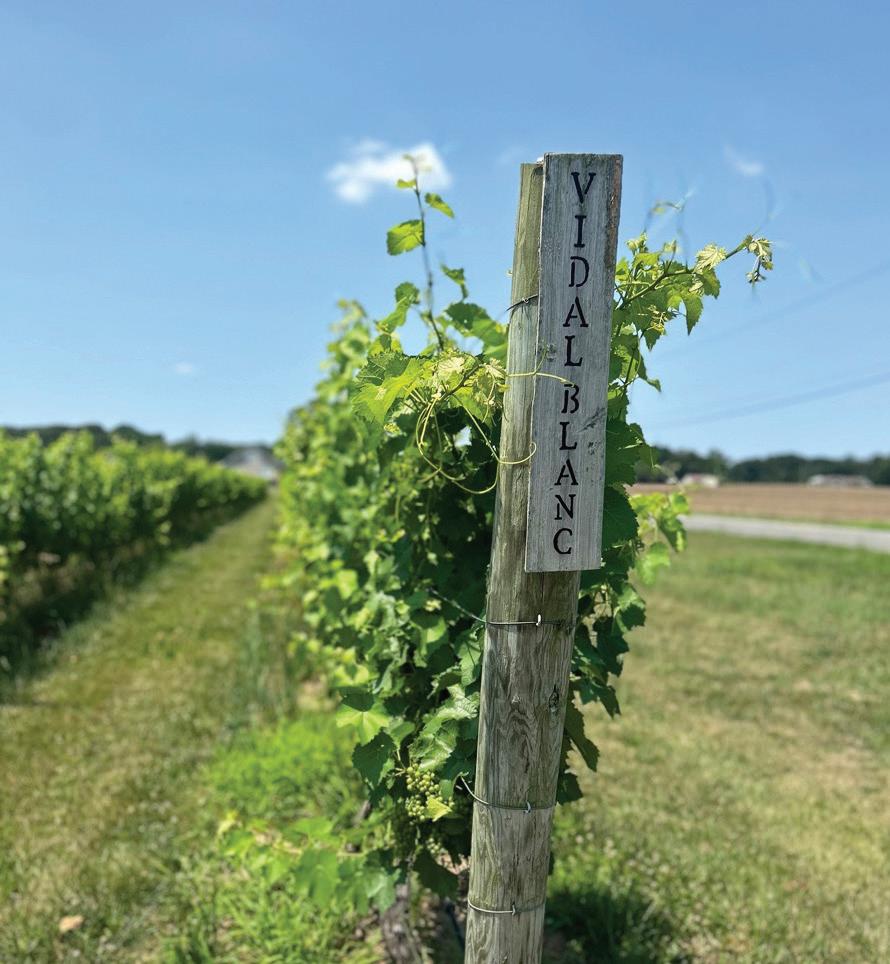
has the ‘most suitable’ acreage for wine growing, according to Rutgers, at 156,020 acres, followed by Cumberland County at 131,853 acres, Ocean County at 119,531 acres, and Atlantic County at 102,340 acres.
“Every vineyard is different. Some growers love Italy and Italian wine, so they’ll plant Italian varieties,” said Pierrie. “The interesting thing about this winemaking region is we’re so young in comparison to other wine regions. Europe, they’ve got 1,000 years on us, so I think we’re still learning what varieties work best here and what varieties grow best here. Give us a couple of hundred years.”
In the next century, the wine industry hopes to gain more traction amongst residents and visitors alike.
“The goal for the next 100 years, continuing to get more people to taste and see that we have quality wine here,” said Pierrie.

Pittstown
For four generations, the Beneduce family has farmed New Jersey’s lands. In the early days, making homemade wine was a family tradition for their own enjoyment, and now, owner Mike Beneduce works day in and day out to put New Jersey wine on the map. 100% of Beneduce’s grapes are grown right in Hunterdon County, making use of every slope and soil for different grape varieties. They even go the extra mile, fertilizing their vines with only their own leftover grape skins and stems.
Cape
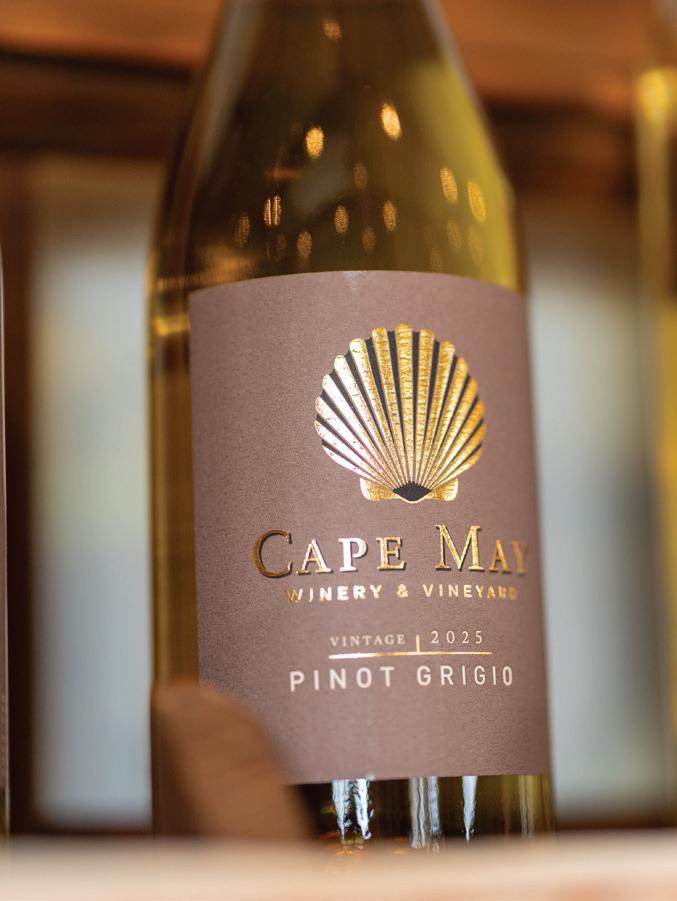
Originally founded in collaboration with Rutgers Co-op, the winery released its first bottle in 1996, and the five grape types used as a test plot are still used to make wine today. Since then, each year, this coastal winery harvests 12 varietals across its 26 acres of vineyards from Chardonnay to Riesling to Vidal Blanc. Its unique location between the Atlantic Ocean
and the Delaware Bay provides the grapes ample time to ripen because southern currants kickstart the growing season, and the sea breeze keeps the vines clean all year long. The land is also conducive to growing tomatoes, beach plums, squash, and kale, which you’ll seasonally find available on their tapas menu.
Owners of Cedar Rose Vinyards began brainstorming the future of New Jersey wine before even planting a vine. After clearing tree by tree on the owner’s mother’s 1.25 acres with the help from his brother and friend, and a lot of sweat in between, they went on to plant vines of Cabernet Franc and Blaufränkisch. The group expanded the vineyard to 20 acres, just one year after they planted their first vines. Today, Cedar Rose goes beyond wine with special events and a wine and dine series, where they serve seasonal pairings to excite your taste buds.
Known for its food truck event series, dance parties, food-making classes, and, oh yeah, their wine, Laurita Winery is dedicated to the owners’ moms, and the name is derived from their names, Laura and Rita. Located in the heart of Plumsted Township in New Egypt, Laurita Winery harvested and bottled its first crop of Merlot and Chardonnay in 2003. Beyond their sought-after events, preservation and conservation are at the core of the business. The Laurita Winery building was originally two 150-yearold barns. The winery utilizes solar energy, and the landscape around the winery promotes water retention and conservation. Today, the winery produces 14,000-16,000 cases of wine exclusive to the winery.
Could Hunterdon County be the new wine country? With stunning views of the Sourland Mountains, Old York Cellars curates guided wine tastings,
New Jersey is recognized for its success in many grape varieties.
*Courtesy of Dustin Tarpine, Garden State Wine Growers Association Chair of the Board and the owner of Cedar Rose Vineyards and VineTech.
Cabernet Franc:
The most prominent red vinifera, valued for its balance and ability to ripen consistently.
Cabernet Sauvignon:
Thrives in the warmer southern microclimates and well-drained soils.
Albariño:
A white variety gaining popularity for its crisp acidity and maritime compatibility.
Chambourcin:
A highly productive FrenchAmerican hybrid that serves as the foundation for many regional blends.
Chardonnay:
The primary white variety, produced in both oaked and unoaked styles across all regions.
Additionally, more than 90 different grape varieties are grown in the Garden State.
self-guided flights, and signature pairings with three, five, and 14-course menus. Sip wine and experience all Hunterdon County has to offer aboard the Hunterdon County Wine Express, laugh and sip at their wine and comedy nights, or stop by their wine bar in Flemington for a unique wine and chocolate tasting.
Renault Winery
Egg Harbor City
Renault Winery has a deep-rooted history dating back to 1864. Founder
Louis Nicholas Renault emigrated from the Champagne region of France, and due to his origins and continuous use of the name “Champagne,” Renault Winery is one of the few in the county with the ability to call their sparkling wine Champagne, after France’s campaign to protect the name. 100 years after its founding, Renault Champagne became the largest producer in America and was even toasted at John F. Kennedy’s inauguration, according to the winery. By the late 2010s, VIVÂMEE Hospitality acquired the property and has since revitalized the winery into a French-inspired resort.
Voorhees
Amy and Bill Green transformed the home of the Stafford family and farm during the Revolutionary War era into an agricultural destination. Beyond the vineyard and wine making, which officially opened its doors in 2024 for tastings, Saddlehill has a restaurant, alpacas, chickens, honey, a full calendar of events and classes, and a nonprofit organization, The Saddlehill Foundation, which aims to bring farm life to those with special needs.
“Our owner, Bill Green, is a really energetic entrepreneur, and he’s really been the driving force behind Saddlehill. It’s such a beautiful piece of property, and he’s really had a great vision to try to make it as useful to the community and really utilize the land in the best possible way,” said Pierrie.
“It’s a nice space where people can come and enjoy beautiful scenes of the vineyard and see the horses running around the pasture, and have a little bit of that escape.”
Terhune Orchards Vineyard & Winery
Princeton
More than an apple orchard and making more than just apple cider donuts, Terhune Orchards Vineyard & Winery has been harvesting grapes since 2009. Today’s menu features varieties of dry and off-dry white wines, fruit wines made with the orchard’s iconic apple cider, and more.
Valenzano Family Winery
Shamong
From Chardonnay to Jersey Devil Chocolate Port, Valenzano Family Winery has made wine in the Garden State since 1996, and you can find their grape creations in more than 750 retail locations around New Jersey.
The 48-acre vineyard is located at the epicenter of the Pine Barrens and is known for its Shamong varieties, such as Shamong Red Reserve, a three-time “Best American Varietal” winner at the New Jersey Wine Competition, and Cabernet Merlot, a gold medal “Best Blend” winner by NJ Monthly Magazine.
After seeing the potential growth of the wine industry in New Jersey, Bill and Penni Heritage began converting their 150 acres of peach and apple orchards into vineyards in 1999. As fifth-generation farmers, the Heritage family knew that deep care for the land is one sure-fire way to produce high-quality grapes and make great
wine. Family traditions continue with Bill and Penni’s children, who have taken up roles in sales and vineyard management.
Just a short trip from Washington Street Mall is the Willow Creek Winery, known for its wine and charcuterie pairings and the Willow Whip Float, a wine-infused soft serve over sangria. This southern shore region closely resembles that of Bordeaux, filled with warm days and cool nights, which lends Willow Creek the ability to craft wines known in France, such as sauvignon blanc, merlot, cabernet sauvignon, and more.
*Courtesy of Dustin Tarpine, Garden State Wine Growers Association Chair of the Board and the owner of Cedar Rose Vineyards and VineTech.
WARREN HILLS (NORTHWEST)
Notable Varieties
Red: Pinot Noir, Cabernet Franc, Blaufränkisch, Léon Millot, and Noiret
Warren Hills
Central Delaware Valley
Outer Coastal Plain
May Peninsula
White: Riesling, Chardonnay, Seyval Blanc, Cayuga, and Traminette
Soil & Climate Profile
A complex mosaic of shale, slate, and glacial till. Higher elevations and cooler nights preserve acidity and aromatics in the wine.
CENTRAL DELAWARE VALLEY (WEST CENTRAL)
Notable Varieties
Red: Cabernet Sauvignon, Chambourcin, Pinot Noir, and Barbera
White: Chardonnay, Riesling, Vidal Blanc, and Delaware
Soil & Climate Profile
Silt loam over a limestone base with shale and sandstone. A smaller, historic region where river-influenced microclimates support a mix of vinifera and native grapes.
OUTER COASTAL PLAIN (SOUTH/CENTRAL)
Notable Varieties
Red: Cabernet Franc, Merlot, Cabernet Sauvignon, Syrah, Chambourcin, Petit Verdot, Malbec, and San Marco
White: Chardonnay, Albariño, Sauvignon Blanc, Petit Manseng, and Viognier
Soil & Climate Profile
Sandy loam and gravelly soils. This is the state’s warmest region with the longest growing season, ideal for ripening big reds and Bordeaux-style blends.
CAPE MAY PENINSULA (SOUTHERN TIP)
Notable Varieties
Red: Cabernet Sauvignon, Merlot, Barbera, Nebbiolo, Tempranillo, and Sangiovese
White: Albariño, Sauvignon Blanc, Pinot Grigio, and Viognier
Soil & Climate Profile
Predominantly sandy soils. Surrounded by water on three sides, this area has a very stable maritime climate that wakes the vines up early and protects them from frost.
BY LEE NELSON
In small and established towns across New Jersey, Realtors® live among their clients and are embedded in their communities. People know them everywhere they go. They recognize them, stop to talk to them, and ask questions about everything. It’s not always easy. Two agents reveal how they live, work, and play in their small towns—one who has been doing it for a few decades, while the other has only been doing it for four years.
Having an entrepreneurial spirit has led Laureen DiMatteo in the past to own a thriving salon in Manasquan and, later, pizzerias in the Florida Keys. But she came back to Spring Lake after her divorce, to become a Realtor®
“I’m older now and always owned my own business. When I was a little girl, I watched my grandfather buy and sell real estate. I was a little sponge back then and paid attention. So, I took a leap with lots of determination,” said DiMatteo.
It worked. She joined Berkshire Hathaway HomeServices Fox & Roach Realtors®, Spring Lake, after getting her license in March 2022.
She came in with a great attitude and excels at marketing herself, states her broker manager, Christine O’Neill. In fact, DiMatteo was honored with the Rookie of the Year award despite only working a portion of the year.
“I have a great support system here,” said DiMatteo. “There is no question that is too big or too small to ask her. She will guide me, and that’s important. It helped me get to where I am.”
Through all her learning about real estate, she decided to just be true to herself and her clients.
“I knew I couldn’t fail. I was scared, of course. But having a business background helped. I used everything I learned up to this point, listened to my clients, and had faith in myself,” said DiMatteo.
She learned negotiations and how to read people through all the businesses she owned. She knew she was up against a lot of people who had been in the business a long time and lived there a lot longer than she had. They had the confidence it takes in this business.
“I thought to myself that I could do that, too, in a market that was so crazy. You have to go for what you want,” said DiMatteo.
The biggest thing she learned about the job, and herself, is how to navigate people with all the different personalities.
“You adjust and pivot. You learn what their needs are, and sometimes, they don’t even know,” said DiMatteo. “You just have to break it all down and just guide them, and treat them the way you want to be treated.”
She admits that many of the agents she knows don’t like to work with first-time homebuyers. But she likes helping them. One of her new homebuyers took a year of guiding and hand-holding to get her into a home she adores.
“She invited me to her housewarming party, and we still stay in touch. A lot of my clients become my friends. It doesn’t matter if they are buying a $2 million or $200,000 home, it’s still a big transaction,” said DiMatteo.
Although he grew up on a family farm, Joe Wiessner feels that a very impactful time of his life was spending the summer on the Ocean City boardwalk. His father owned an arcade there.
“Being on the beach and ocean became a different lifestyle for me. But after that, I worked on the farm and grew to love that as well,” said Wiessner.
But he could not solve the family dynamic even with his degree in agriculture from Rutgers University.
“Personalities were clashing, and I was wise enough to walk away kind of young,” said Wiessner.
Real estate became a big interest to him after seeing some big names out there becoming very successful. “I thought if they could do it, I could,” said Wiessner.
At age 28 in 1994, he earned his license. The irony was he left White Horse Farms to work for White Horse Realty, which was right across from the farm. Things eventually worked out, and he is now the broker/owner of Joe Weissner Realty in Berlin.
It didn’t start out well. He felt out of his element and was nervous. He didn’t sell anything for four months, and not even any rentals. He had money saved up and started buying houses and fixing them up, with seven of them as a complete novice.
“I broke even but gained a lot of experience,” said Wiessner.
He was tired of working so hard and decided again to sell homes in 1998 with government repossessions.
“I was floundering for the first eight months. But I’m a self-described late bloomer,” said Wiessner.
His broker handed him a stack of paper and told him to make 100 flyers, walk the neighborhood, and put the flyers on the doors. He was a little anxious about the whole idea because he might run into people and have to talk.
“Lo and behold, some of them would come out to talk to me. I ended up selling my first houses that way by walking around,” said Wiessner.
Then, he’d get repeat business, over and over again. Investors would want one house after another.
“I built up a pretty good trade.” He decided it was time to become a broker in 2002. He created an office in his living room in Hammonton. He also opened an office later in Winslow Township in Berlin with 7,000 people.
The reason he’s still in his house and working in small towns is all about serenity.
“I have peace in my life. I’m still in the same house,” said Wiessner. “I can walk to a local store in no time.”
He said Hammonton and Berlin are quintessential small towns with nice downtowns.
“Everyone knows your name. It’s nice,” said Wiessner. He feels that working in small towns has helped him to never compromise his own values when things are that relational.

uccess in this industry requires an ongoing effort–following up with leads, staying in touch with past clients, and maintaining a presence in your community are all key. The challenge is that much of your day is spent on repetitive tasks like emails, data entry, and marketing, all of which are necessary but time-consuming. Agents who embrace technology have always found ways to work more efficiently, and today’s tools bring advanced capabilities to even the most routine tasks, allowing you to streamline your workflow and focus more of your time where it matters most.
PLATFORMS SUCH AS ZAPIER OR MAKE HAVE THOUSANDS OF INTEGRATIONS TO CONNECT TO THE SYSTEMS YOU ALREADY USE, ALLOWING YOU TO CREATE AUTOMATED WORKFLOWS THAT TRIGGER ACTIONS.
BY WILLIAM THOMPSON, NJ REALTORS® DIRECTOR OF TECHNOLOGY
Most agents already have a set of tools they rely on every day: CRM, email, marketing, and transaction management systems. Asking you to change all, or even just one, can be challenging, as your familiarity and comfort with any platform is paramount to your success. The problem is that many of these tools don’t communicate with the other, which means you’re responsible for manually moving information from one system to another. Think about what happens when a new lead comes in. You might respond to the inquiry from your email, copy their contact details into your CRM, set reminders to follow up, and then add them to your marketing list. Each step is simple on its own, but together they take time, and more importantly, they rely on you remembering each step in the process. This is where integration and automation tools come into play. Platforms such as Zapier or Make have thousands of integrations to connect to the systems you already use, allowing you to create automated workflows that trigger actions. For example, when a new inquiry is submitted, you can set up a workflow that automatically sends a personalized response, adds a new contact to your CRM, enrolls them in a marketing campaign, and even reminds you to follow up a week later. You’re still in control, but the routine steps run in the background, allowing you to focus on building relationships.
Once you start connecting your tools, follow-up becomes one of the easiest areas to improve and one of the most impactful. In our new lead example, we’ll discuss sending out an initial reply and reminding yourself to follow up, but that’s just the start. The real value comes from building a repeatable follow-up workflow that keeps communication consistent without relying on hundreds of calendar reminders or, even worse, your memory.
Start by creating a few well-written email templates for common situations: an initial introduction, a check-in after a showing, a congratulations after closing, and maybe a simple anniversary message. You can look back at what you’ve sent in the past or use AI tools to help draft these quickly. From there, your CRM can do most of the heavy lifting. By using status updates or field changes, you can trigger automations that send emails at just the right time, keeping your communication organized and on track. Automating these routine touchpoints helps engage with leads, inform clients, and ensures no opportunity is missed, while still leaving you in control of the conversations that matter most.
“I’m never too busy for referrals” is one of the most common email sign-offs I’ve seen. But what happens when you have multiple listings at once, each requiring visibility, promotion, and attention? Without a system in place, it’s easy for marketing to become uneven. One listing gets heavy promotion while another receives minimal exposure, and your own brand can take a back seat altogether.
By building simple workflows around your listings, you can ensure each property receives consistent exposure. A new listing, price change, or status update can trigger a set of marketing actions–drafting content, generating graphics, and scheduling posts–so no milestone is overlooked. You can also layer in a simple content plan to maintain your presence and attract future clients. Alongside listing promotions, you might include posts that highlight market insights, recent activity, or your involvement in the community. By scheduling these in advance, you maintain visibility with new prospects while staying focused on your current clients.
Tools like Canva make it easy to create branded content, while scheduling platforms let you plan and organize posts in advance. Integrating simple automations allows your marketing to seamlessly fit into your workflow, rather than being an additional task you struggle to schedule.
Real estate has always been a relationship-driven business, and technology isn’t changing that. The conversations you have, the trust you build, and the service you provide are what set you apart. By connecting the tools you already use and building repeatable workflows, you can reduce the time spent on routine tasks while improving consistency across your business. These systems allow you to maintain the processes that work for you, even as your business grows and your days get busier—giving you more time to focus on your clients and the relationships that continue to drive your success.
“
ONCE YOU START CONNECTING YOUR TOOLS, FOLLOW-UP BECOMES ONE OF THE EASIEST AREAS TO IMPROVE AND ONE OF THE MOST IMPACTFUL.
”
“ INTEGRATING SIMPLE AUTOMATIONS ALLOWS YOUR MARKETING TO SEAMLESSLY FIT INTO YOUR WORKFLOW, RATHER THAN BEING AN ADDITIONAL TASK YOU STRUGGLE TO SCHEDULE.
”
BY CATHERINE BEST, NJ REALTORS® DIRECTOR OF GOVERNMENT AFFAIRS
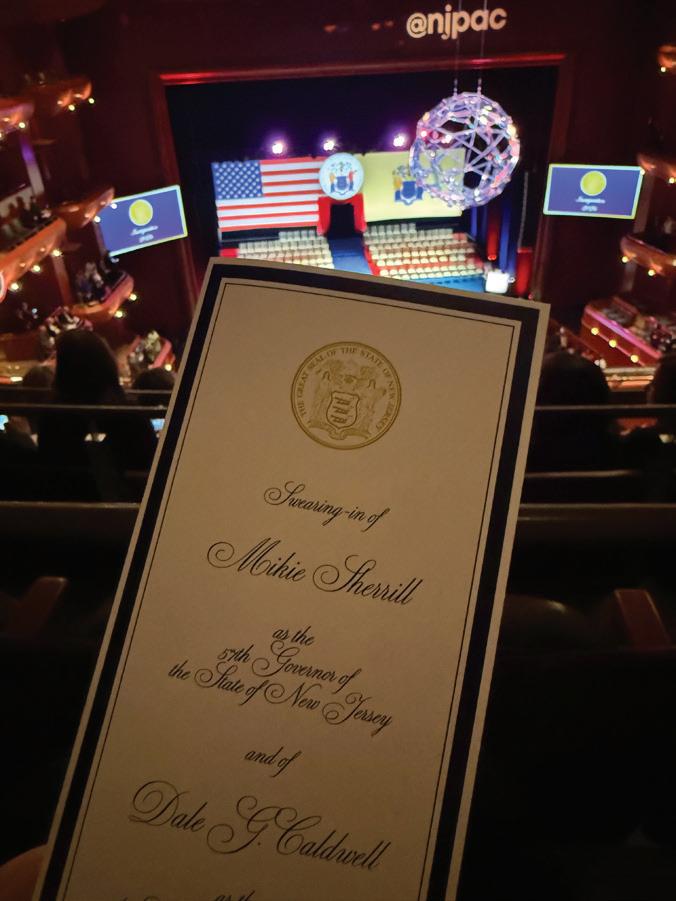
As we enter the 2026 legislative session, the atmosphere in Trenton is defined by significant change. With the inauguration of Gov. Mikie Sherrill and the seating of the 222nd Legislature, New Jersey Realtors® is navigating a transition in executive leadership. For our Government Affairs Department, this period represents a reset of the legislative clock that requires a strategic approach to ensure our members’ interests remain at the forefront of the state’s policy agenda.
The transition to the Sherrill administration brings a new agenda, and so our team has prioritized setting up introductory meetings with new Cabinet officials and Senior Staff to establish strong, foundational relationships. These meetings are essential for educating the governor’s leadership team on the vital role Realtors® play in New Jersey’s economy. By building these relationships early, we ensure when the administration drafts new regulations, whether they concern property taxes,
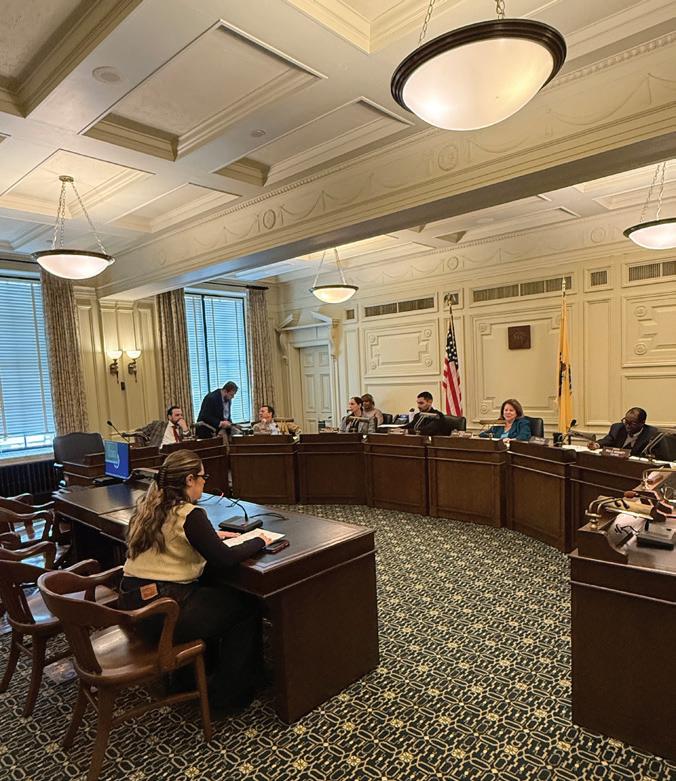
environmental standards, or licensing, our organization is positioned as a primary stakeholder and resource for decision-makers.
As a result of the last general election, there are 12 new members of the Assembly, and the Democrats have a “super majority.” Many of these freshman legislators are new to the complexities of the real estate industry, and our goal is to provide them with the data and insights necessary for informed policymaking. A new legislative session also means the slate is officially wiped clean. Any bills that did not reach the governor’s desk by the end of the previous term have expired, and committee membership and chairmanships may change. We are also redefining our relationships with more seasoned legislators who might find themselves on committees that directly impact our industry. We also continue to work with familiar faces, as Asm. Speaker Craig Coughlin, Asm. Minority Leader John DiMaio, Sen. President Nick Scutari, and Sen. Minority Leader Anthony Bucco were reelected
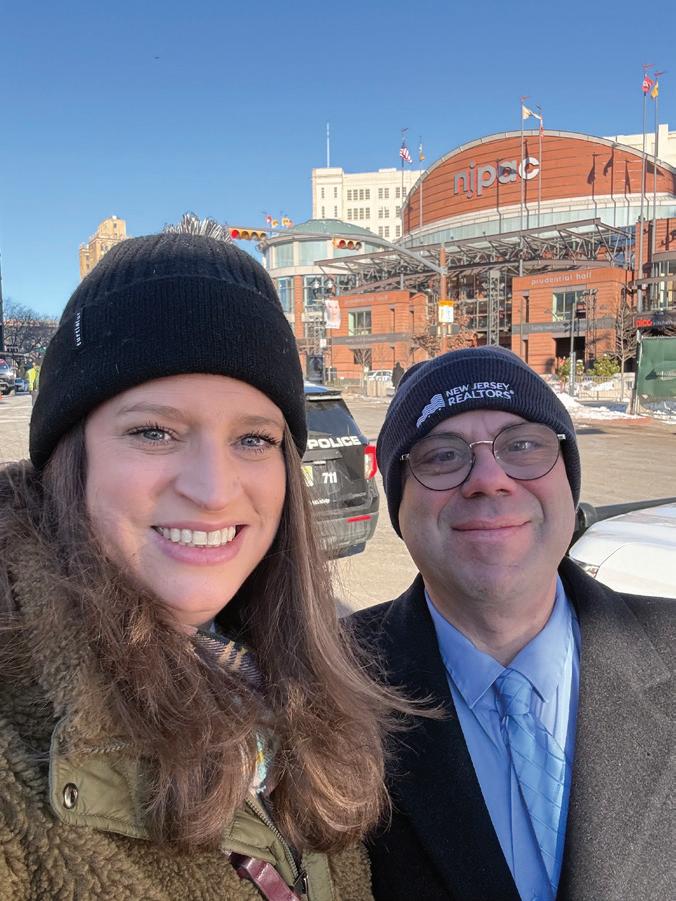
for their respective positions. Sen. Troy Singleton remains the Chair of the Senate Community and Urban Affairs Committee, and Asw. Yvonne Lopez also remains the Chair of the Assembly Housing Committee. The Housing Committee welcomed Asm. Sterley Stanley as vice chair this session, and our Government Affairs Department had the opportunity to speak with him in this new role. We’ve also been working with Asm. Dan Hutchison, who is the new chair of the Assembly Regulated Professions Committee.
Since the start of the new legislative session, we have continued to see affordability be top of mind. With the increasing utilization of artificial intelligence, the state is grappling with how to regulate emerging technologies. As always, our Government Affairs Department remains at the forefront of these issues, ready to work with Gov. Sherrill and legislative leaders to ensure our industry is in the best position possible.
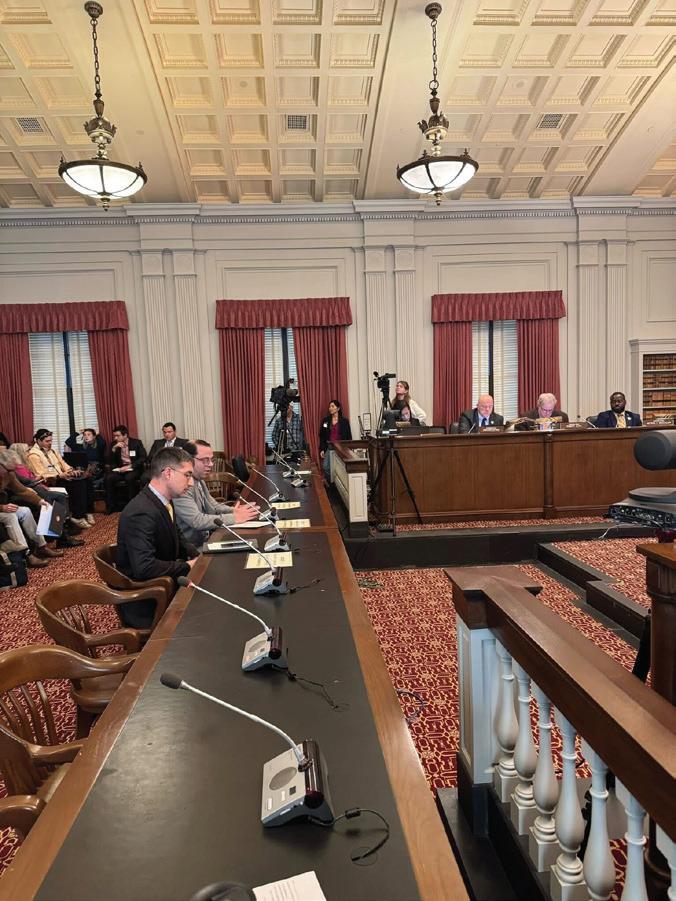
Director of RPAC and Regulatory Affairs
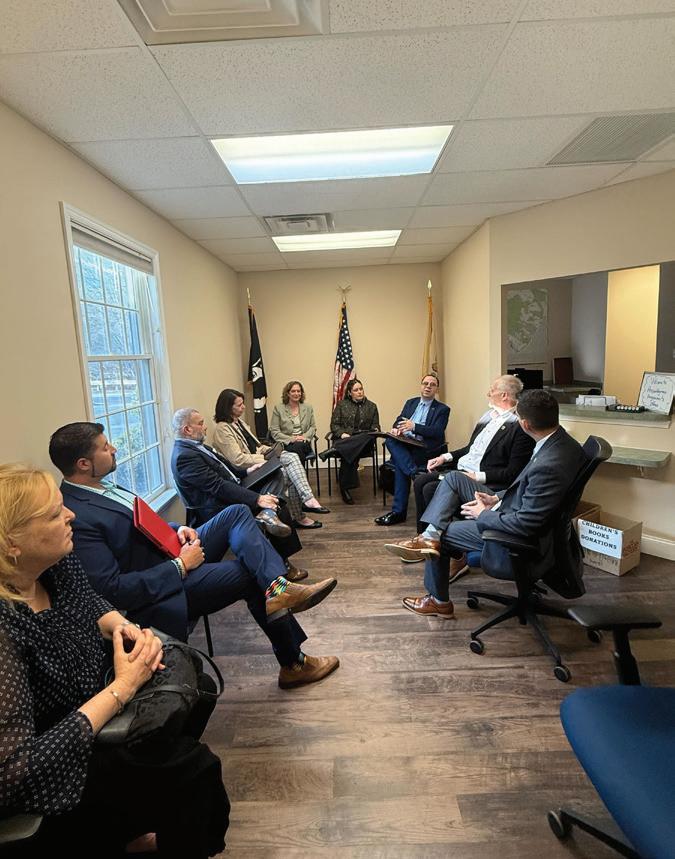
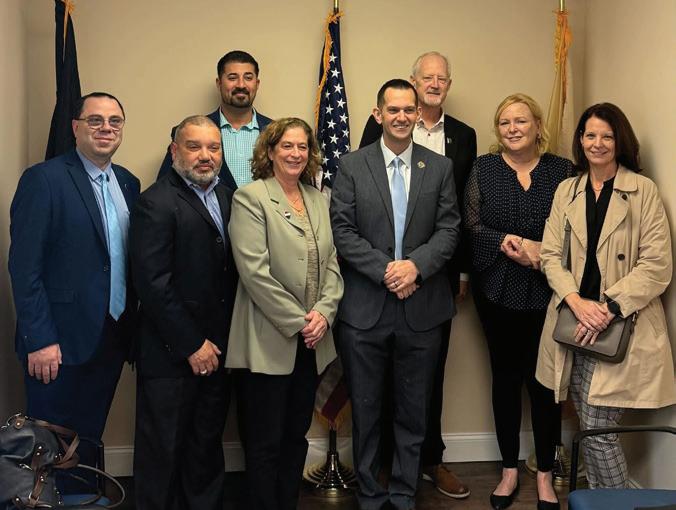
Bruce Shapiro testifies on rental algorithms.




elcome to our series, Meet the Decision Makers, where we interview key decision makers on their influential role within New Jersey. For this issue, we have Assemblywoman Eliana Pintor Marin. Her verbatim responses are italicized below. Do you have an idea of someone you’d like to see us interview? Email editor@njrealtor.com
The theme of this issue of our magazine is “Jersey Roots.” What local experience most influenced your decision to run for office?
My parents came to this country as immigrants, carrying with them a belief in the opportunities this country could offer their children. They worked hard and instilled in us the values that guided our family every day, integrity, humility, perseverance, and a deep respect for community. When you come to a new country, your neighborhood becomes more than just a place you live. Your community becomes your extended family. The people around you support you, guide you, and help shape who you become. That sense of belonging stayed with me, and it naturally created a desire to want the very best for the people around me. My first exposure to politics came from helping local candidates, who cared deeply about our neighborhoods, run for office. Through that experience, I saw how much impact local leadership can have on people’s everyday lives. Later, I was asked to serve on the Board of Education, which was incredibly formative for me. It reinforced my belief that real power ultimately lies with the people and that public service is about listening to the community and responding to their needs. From there, my commitment to public service continued to grow.
Is there anything you’re working on right now that impacts the real estate industry or homeownership?
Currently, the state is entering the annual budget process, and the budget plays a significant role in shaping the housing landscape. Decisions made through the budget influence investments in affordable housing, community development, infrastructure, and programs that support homeownership. The budget also helps guide how the state responds to trends we are seeing in the housing market. It’s one of the most important tools we have to help ensure communities remain strong, stable, and accessible for residents.
You have served as Assembly Budget Chair since 2018. Can you explain how the State Budget process works?
The budget process begins with the Governor’s proposed budget, which outlines priorities and spending plans for the upcoming fiscal year. From there, the Legislature begins a series of public hearings where we hear directly from advocates, organizations, and members of the public about the needs they see in their communities. We then hold departmental hearings, where leaders from different state agencies appear before the committee to explain their budgets, programs, and priorities. These hearings give legislators the opportunity to ask

questions and evaluate how resources are being used. After that, discussions and deliberations begin between the Legislature, Senate and Assembly, and the Administration to shape a final budget that reflects our priorities while remaining fiscally responsible. The goal is to produce a balanced budget that invests in the state’s needs while maintaining long-term financial stability.
Is there anything coming to New Jersey that the Garden State community can be excited for?
Absolutely. One of the biggest events on the horizon is the FIFA World CupTM, which will bring global attention to New Jersey. For communities like the Ironbound, where so many cultures and nationalities are represented, it will be an exciting moment. The Ironbound is known for its immigrant communities, and the FIFA World CupTM has a unique way of bringing people together to celebrate their countries, traditions, and shared love of the game. It will be an opportunity to showcase the diversity and energy that makes New Jersey special. At the same time, we’re also seeing the growth of new industries here in the Garden State, particularly in film and television. I’m proud to have worked on legislation that helped bring this growing sector to our state and to my district. It’s opening doors for new jobs, attracting investment, and positioning New Jersey as a
destination for creativity and innovation. There is a real sense of momentum and excitement about what’s ahead for New Jersey.
What is your favorite piece of legislation you have ever worked on?
I wouldn’t say there is a single piece of legislation that stands out as a favorite. What I find most rewarding are the bills that are hard fought. The ones that take time to build understanding around, require difficult conversations, and need real effort to bring people together. When those finally succeed, the accomplishment feels even more meaningful. I value the opportunity to work on legislation where I can draw from my experiences as a mother and as a woman, bringing a perspective that reflects the realities many families face. As Assembly Budget Chair, I’m particularly proud of the work we’ve done through the budget to fund the pension, community spaces, parks, infrastructure, and local projects across districts. Sometimes people refer to these as “Christmas tree” items, but in reality they are investments that directly strengthen neighborhoods and create places where communities can gather, grow, and thrive.
A320
Kanitra (R10), McGuckin (R10)
S3416
Holzapfel (R10)
“Flood Zone Clarification Act” modifies the procedure for delineation of State flood hazard areas.
New Jersey Realtors® Position: SUPPORT
We support this bill to delay the implementation of the Department of Environmental Protection’s REAL rules and amend the requirements for the elevation of properties in flood-prone areas of New Jersey.
Bill History:
1/13/2026—Introduced in Assembly and referred to Assembly Environment and Solid Waste Committee
2/9/2026—Introduced in Senate and referred to Senate Environment and Energy Committee
Singleton (D7), McKnight (D31)
Establishes “Entry-Level Home Production Incentive Act of 2026,” provides project gap financing for low- to middle-income housing development.
New Jersey Realtors® Position: SUPPORT
We support this bill as a way to address ongoing housing inventory issues in New Jersey to provide additional homeownership opportunities for New Jersey residents.
Bill History:
2/9/2026—Introduced in Senate and referred to Senate Community and Urban Affairs Committee
Venezia (D34), Stanley (D18)
S687
Smith (D17), McKeon (D27)
Creates Joint Blue Ribbon Task Force on Impacts of Climate Change on Property Insurance.
New Jersey Realtors® Position: SUPPORT
We support this bill as the Task Force being created will include a real estate licensee and provide recommendations to the State Legislature on ways to ensure affordable insurance options are available to property owners in New Jersey.
Bill History:
1/13/2026—Introduced in Senate and referred to Senate Environment and Energy Committee
2/12/2026—Reported from Senate Committee, second reading in Senate 2/24/2026—Passed by the Senate 36-2 and referred to Assembly Environment and Solid Waste Committee 3/10/2026—Introduced in Assembly and referred to Assembly Financial Institutions and Insurance Committee
Eligibility to earn the Realtors® Political Action Committee Industry Unit for the 2026 NJ Realtors® Circle of Excellence Sales Award® now requires a minimum contribution of $200 to the RPAC of NJ.
Local boards and associations must receive the contribution by the close of business on Oct. 5 or contributions can be made directly on the NJ Realtors® RPAC investment website by Oct. 5 to earn the unit.
The Realtors® Care Foundation of Greater Bergen Realtors® awarded $146,450 in grants to 55 local nonprofit organizations during its 2025 RCF Grant Awards Ceremony. The annual event brought together RCF trustees, NJMLS leadership, and community partners to recognize the vital work of nonprofits serving Northern New Jersey.

In their year-long efforts to support community organizations, NEXUS Association of Realtors® Community Service Committee presented a $3,000 donation to Charity of the Year, Vetwork. An organization providing services to assist veterans in obtaining permanent, affordable housing and transportation to access all necessary medical or basicneeds services.
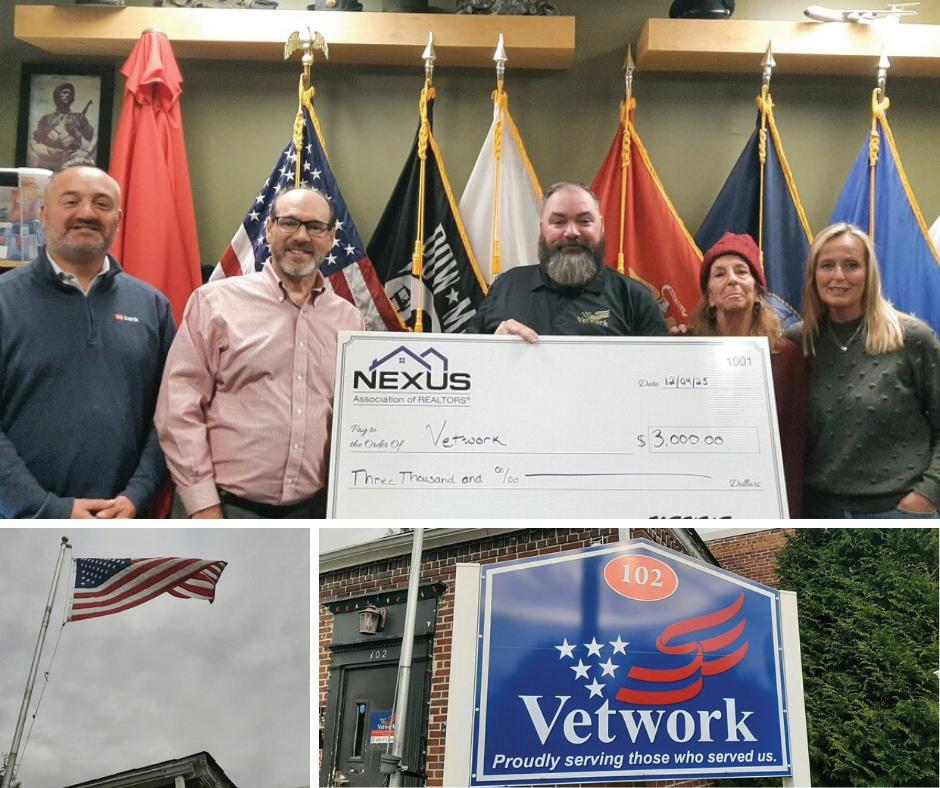
Mid Jersey Association of Realtors® Young Professionals Network, Community Service and Affiliate & Membership Committee hosted a Holiday Happy Hour & Toy Drive, where over 90 toys were donated to the Boys & Girls Club.

Mid
Association
Mid Jersey Association of Realtors® Diversity, Equity, and Inclusion Committee volunteered at Jersey Cares’ Martin Luther King Jr.’s Day of Service to help create Mindful Moment Kits for clients of Legacy Treatment Service and spread positive mental health efforts throughout the community.
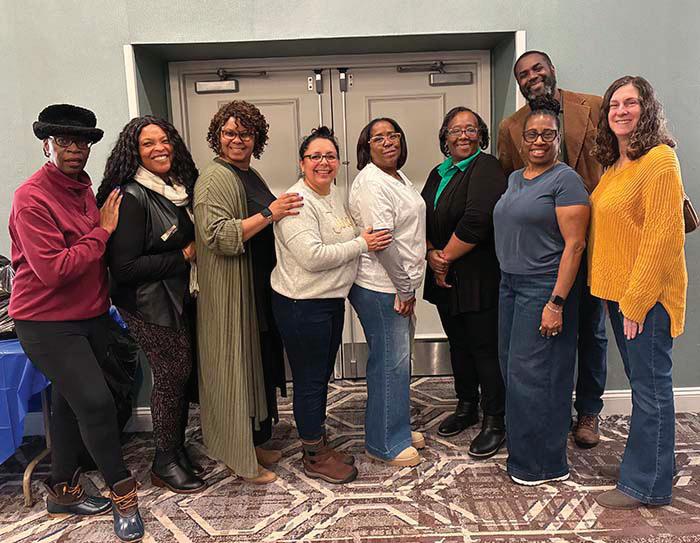
North Central Jersey Association of Realtors® members volunteered alongside Habitat for Humanity staff during a Habitat Build, helping support the organization’s mission of creating safe, affordable housing for families in need.
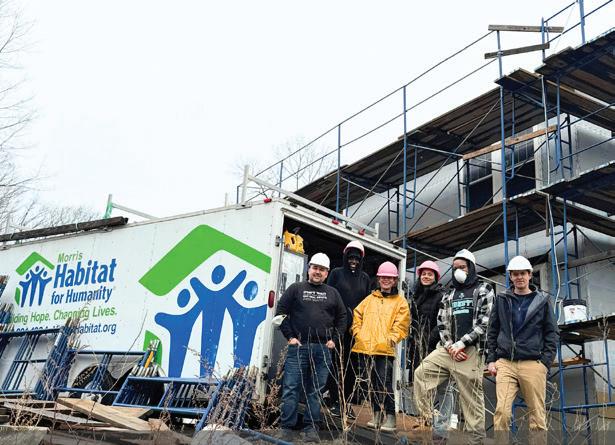
North Central Jersey Association of Realtors® members volunteered at the Military Food Pantry, stocking shelves and preparing Easter baskets. The pantry serves more than 100 military veterans and their families each week.
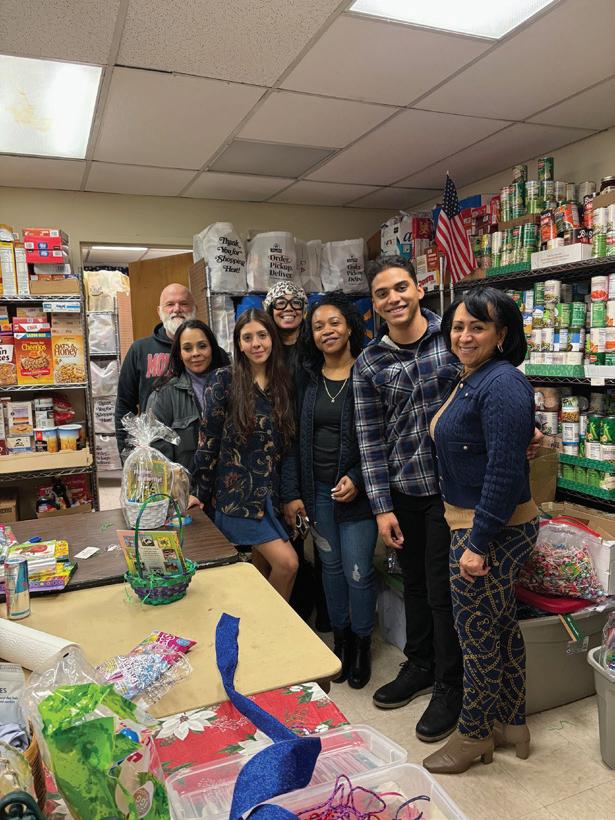


Licensing,
Licensing, Continuing Education & Exam Prep Courses & Seminars
Salespersons,
Salespersons, Brokers, Appraisers, Mortgage Loan Officers Life, Health, Property, Causality & Title Agents
INCLASS
INCLASS
www.AmericanSchoolNJ.com
www.AmericanSchoolNJ.com