
By Leo Adam Biga
Nebraska is replete with Plains Indian history. While many non-Natives appreciate that rich heritage, writer Joe Starita has applied his “obsessive personality” and social justice bent to telling indigenous stories. As journalist, educator and author, he documents and champions Native lore, mentors Native journalists, and supports Native students.
Along the way, he’s shed light on little known stories of remarkable individuals and families in three acclaimed nonfiction books.
I Am a Man, a 2012 One Book, One Nebraska selection, has been adapted into a dramatic feature script by Andrew Troy, who will co-direct the ensuing motion picture with Oscar-nominated filmmaker Jim Sheridan. Chaske Spencer will star in the indie historical drama. Production is to start in April, with some scenes slated to be filmed in Nebraska. Starita, who consulted Troy during the decade-in-development project, expects to be on set.
Starita traces his Native fascination to a childhood visit to Fort
Robinson in northwest Nebraska, where the legacy of Chief Crazy Horse entranced him. The Lakota warrior resisted U.S. Army efforts to remove his people from tribal lands. After being pursued he was captured and detained at Camp Robinson, where in 1877 an Army soldier fatally bayoneted the unarmed leader.
The story stoked Starita’s natural curiosity and storytelling instincts.
He set about learning more after assigned to write a four-page paper on someone he admired. He fixed on
By Andy Bradley Contributing Writer
This isn’t your mother’s library.
Yes, you can still borrow a book or two (or three or four). You can still browse the magazine racks.
But the features and services of the brand new Central Library at 72nd and Dodge Streets, set to open April 19, would set your parents’ heads spinning. Such as indoor and outdoor children’s playscapes, complete with toys and a story time theater (no shhhhing! allowed); a coffee café managed by Zen Coffee; an entire floor dedicated to genealogy and local history research; space dedicated to ultra high tech gadgets and equipment (Do Space); and personalized, face-to-face assistance and support throughout.
This 96,000-square-foot complex,
actually a shade smaller than the former W. Dale Clark Library at 14th and Farnam Streets, has been under construction since 2022. The W. Dale Clark library served the community from 1977 to 2022 and was demolished to make way for the Mutual of Omaha Tower.
The new three-floor facility will offer 262 parking stalls, including some covered parking. Patrons who just want to pick up or drop off books can use the convenient driveup feature.
Maggie Petersen, Omaha Public Library (OPL) outreach manager, told Kiwanis members at a recent meeting that “I’m most excited about the variety of gathering spaces.” She said 16 meeting rooms, which can accommodate one to 250 individuals on the second floor, can be reserved for private study or
--Library continued on page 6.
Crazy Horse. Already in love with reading-writing, he submitted a 40page treatise that presaged his career as a reporter and author drawn to stories of oppressed underdogs.
“The interest in Native American culture in all its dynamics has been beating in me since sixth grade,” said Starita, “and it’s never stopped beating, The drum beat has only gotten louder as I’ve gotten older.”
For a time he balanced his passion for storytelling with athletics. He became a scholarship baseball pitcher for the University of Ne-
braska. An injury ended his pitching dreams. Wanderlust led him to travel. Among his adventures as a “world roustabout,” he played professional basketball in Turkey, herded cattle on an Israeli kibbutz, and worked odd jobs in Paris, London, Rome, Athens. and Barcelona. His bumming around extended to the States, collecting water samples from polluted New Jersey rivers, laboring on loading docks at a bottling plant in Lincoln, and operating a jackhammer in Oakland, California.
He settled in Florida as a Miami Herald investigative reporter, where his “hyper competitive” personality drove him to expose the exploitation of migrant farm workers, police misconduct in the fatal shooting of a Black Miami youth, and unethical practices of lawyers and doctors, a judge, and a social service agency director. His work uncovering wrong earned him Pulitzer Prize nominations and other peer recognition.
He circled back to Nebraska, working on his master’s degree and
--Starita continued on page 9.
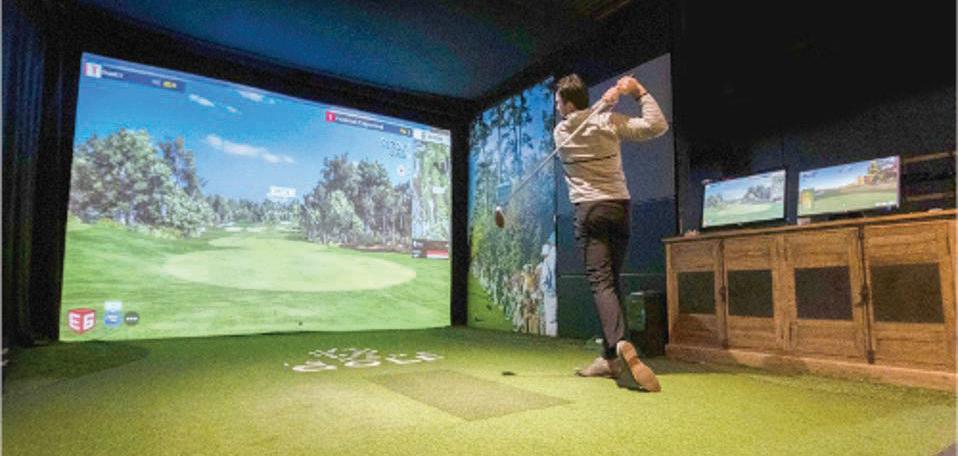
Golf simulators offer year-round play, ultimate convenience, and significant game improvement through detailed swing analysis. This allows golfers to play famous courses and refine skills in any weather without travel, all while providing entertainment and a social setting. Learn more about golf simulators on Page 10.


By Mike Carsey Volunteers Assisting Seniors
Managing your medication costs is an important part of Medicare. This should be a joint effort between you and your prescribing provider. You team with your provider and your provider works with you.
When you see a provider, you should have a level of trust. The provider should take the time to know you, your health history, be a good listener, and allow you to participate in your healthcare decisions. This is especially important when medications are prescribed. Know what the medication is supposed to do to help you with your health condition. What are the objectives the prescribing physician is trying to achieve? What can you do to help achieve those objectives besides taking the medication as prescribed? Asking questions and taking notes during your visit is a great way to become an active participant in your healthcare decisions.
As a result of certain provisions of the Inflation Recovery Act, the coverage gap or “donut hole” was eliminated effective in January, 2025. The most any Medicare beneficiary will pay for their medications in 2026 is $2100. This is called the $2100 cost cap. This cap applies ONLY for medications that are on the formulary of your plan. The cap does not include the premium you pay for your plan.
If you take medications that are not covered by Medicare, the cap is not applicable. Medications not covered by Medicare drug plan formularies can be expensive. If you have such a medication, you should discuss an alternative with your prescribing provider or investigate a Patient Assistance Program (PAP) for that medication.
PAPs are programs offered by the manufacturer of the medication. The manufacturer may work directly with you or use a charitable foundation to provide a PAP. These programs require an application, usually documentation from a provider regarding your treatment plan, and are income based. PAP’s can offer significant savings to the medication cost. Your prescribing physician will often have details about the PAP program for the medication
prescribed. You and your prescribing physician should also discuss the possibility of a formulary exception. Your physician must send documentation to your part D drug plan or Medicare Advantage plan explaining why you need to take the medication. The plan then decides whether to grant a formulary exception and cover the medication. Your plan is also required to offer a capped monthly installment payment plan instead of paying for your medications up front at the pharmacy. Your plan can provide details about how the payment plan might work for you. The payment plan is interest free.
Are you frustrated with the cost of some of the medications you take even though you are enrolled in a Medicare part D drug plan or a Medicare Advantage plan which includes part D medication coverage? It is true. Some medications that we take are just not covered very well by the part D drug plans. Some may not be covered at all. Many brand name and specialty medications can be very pricey for us. Medicare Advantage plans, including part D drug coverage, and/or part D stand-alone drug plans, in most cases, cannot be changed until the Annual Open Enrollment Period in 2026 which begins October 15 and ends December 7. This does not mean that, as a beneficiary, you are without options to help manage your plan throughout the year.
Ideas for managing your medication costs will appear in bold print.
Each part D plan has an extensive formulary. Most of the common medications we take are included in the plan
--Medicare continued on page 3.
formulary. Federal law requires plans to include at least two drugs from each class of drug category on its formulary. Most plans cover many more than two options.
Often during the year, we experience changes to medications that are prescribed. When your provider prescribes medications, be sure and ask for generics. This may seem obvious, but there are nuances within your part D plan of which you may not be aware. For example, there may be different prices for generic medications within the same class. Ask your provider if there is more than one generic option which may successfully treat your condition. You can check prices for each suggested medication by calling your pharmacy directly. Ask your provider to prescribe the least expensive option.
Most Part D plans use a tiered formulary. Tiers are a method by which plans classify drugs by cost and determine copays and coinsurance amounts. Plans generally have five or sometimes six tiers. Tier 1 and 2 are usually generic tiers, tier 3 is usually for brand name medications and tiers 4, 5, and 6 are generally for specialty medications. The tier classification used by your part D drug plan can make a difference in the copay or coinsurance you pay for the medication. If you have an expensive copay due to a tier classification, you may be able to request a tier exception.
Talk to your pharmacy and ask if your copay is high because your prescription has been placed in a higher tier by your plan compared with similar drugs on the formulary. You generally will not be able to request a tier exception if the medication you take is a specialty medication. Contact your part D plan to request a tier exception. Your prescribing physician may be able to provide you with a letter supporting your request. Your plan must give you a decision within 72 hours of receiving your request.
The State of Nebraska and the Federal Government offer programs to help offset some of the costs you may incur for your medications. Medicaid, administered by the State of Nebraska, offers two levels of
assistance. Full Medicaid and Partial Medicaid. Both levels will assist beneficiaries in not only reducing copays for medications but also help offset other healthcare and Medicare costs. Qualification is determined by income and asset guidelines.
2026 MEDICAID AND LOW-INCOME SUBSIDY (LIS) GUIDELINES FULL MEDICAID ELIGIBILITY GUIDELINES
Individuals having incomes less than $16,200 annually or $1,350 monthly with assets totaling no more than $4,000 (not including car and home).
Married couples living together having incomes less than $21,888 annually or $1,824 monthly with assets totaling less than $6,000 (not including car and home)
Qualification for Full Medicaid provides healthcare benefits, pays for the Medicare part B premium and provides a benefit of co pays no more than $5.10 for generics and no more than $12.65 for brand name medications. These copays are for 30-day supplies.
PARTIAL MEDICAID ELIGIBILITY GUIDELINES
Individuals having incomes less than $21,792 annually or $1,816 monthly with assets totaling no more than $9,950 (not including car and home).
Married couples living together having incomes less than $29,472 annually or $2,456 monthly with assets totaling less than $14,910 (not including car and home)
As with Full Medicaid, qualification for Partial Medicaid provides payment of the part B premium and the same co pays of no more than $5.10 for generics and no more than $12.65 for brand name medications for a 30-day supply. However, Partial Medicaid does not offer health benefits.
LOW INCOME SUBSIDY (LIS) ELIGIBILITY GUIDELINES
LIS is sometimes called “Extra Help” and is administered by Social Security. This is a federal program. Eligibility for this program is also determined by income and asset guidelines.
Individuals having incomes less than $24,180 annually or $2,015 monthly
with assets totaling no more than $18,090 (not including car and home).
Married couples living together having incomes less than $32,700 annually or $2,725 monthly with assets totaling less than $36,100 (not including car and home).
Qualification for either Low Income Subsidy offers a benefit of copays no more than $5.10 for generic medications and copays of no more than $12.65 for brand name medications. These copays are for 30-day supplies.
If your income is above these guidelines, you may have other options. For many medications, Good Rx or Single Care websites will offer coupons which may have better pricing for a medication than your Part D plan offers. It is ok to use a Good Rx or Single Care coupon to purchase your medication and use your Part D plan for all other medications. These coupons are accepted by most pharmacies but be sure to check with your pharmacy for coupon acceptance. Often your pharmacy can assist you in determining if either Good Rx or Single Care offer less expensive pricing than your Part D plan. The dollars you spend for your medications using these coupons does not apply to your Part D plan deductible.
Volunteers Assisting Seniors provides free and unbiased information about Medicare and can help determine your eligibility for State and Federal programs as well as review other options for decreasing the cost medications.
Counselors are certified by the SHIP (State Health Insurance Information Program) and the Nebraska Department of Insurance. Counselors are not insurance agents and do not sell insurance products.
Follow Volunteers Assisting Seniors on Facebook at “VAS Nebraska.” Information about Medicare and Fraud are included. “Fraud Friday” is a feature providing the latest information about phone and email scams as well as other information about fraud. Call today: Contact Volunteers Assisting Seniors for your appointment or more information 402-4446617. We have moved to a new address: Volunteers Assisting Seniors 900 South 74th Plaza, Suite 403 Omaha, Ne 68114.

New Horizons is the official publication of the Eastern Nebraska Office on Aging. The paper is distributed free to people over age 60 in Douglas, Sarpy, Dodge, Washington, and Cass counties. Those living outside the five-county region may subscribe for $5 annually. Address all correspondence to: Ron Petersen, Editor, 4780 S. 131st Street, Omaha, NE 68137-1822. Phone 402-444-6654. FAX 402-444-3076. E-mail: ron.petersen@enoa.org
Advertisements appearing in New Horizons do not imply endorsement of the advertiser by the Eastern Nebraska Office on Aging. However, complaints about advertisers will be reviewed and, if warranted, their advertising discontinued. Display and insert advertising rates available on request. Open rates are commissionable, with discounts for extended runs. Circulation is 9,000 through direct mail .
Editor................................Ron Petersen, 402-444-6654 Ad Mgr................Mitch Laudenback, 402-444-4148
Contributing Writers.........Leo Biga & Andy Bradley
ENOA Board of Governors: Mary Ann Borgeson, Douglas County, chairperson; Don Kelly, Sarpy County, vice-chairperson; Lisa Kramer, Washington County, secretary; Pat Tawney, Dodge County, & Taylor Boyle, Cass County.
The New Horizons and the Eastern Nebraska Office on Aging (ENOA) complies with applicable federal civil rights laws and does not exclude, deny services to, or otherwise discriminate against any person on the basis of race, color, national origin, disability, age, sex, marital status, veteran status, or religion.
The University of Nebraska Omaha is conducting a research study, is looking for older adults for a study evaluating strategies to improve recovery from long-COVID. The purpose of this 12 week research study is to find out whether warming your lower body (heat therapy) or walking more often can help people who had COVID-19 and now feel constantly tired or less able to move. You may qualify if you are 50-90 years old or if you are experiencing lasting symptoms from COVID 19. If you are interested, please call Gwenael Layec at 402554-3779 or email or unovrl@unomaha.edu.


• One Floor Living
• Open Concept” design – easy traffic flow
• Step-less Front Door & Garage Entries
• Wider Hallways
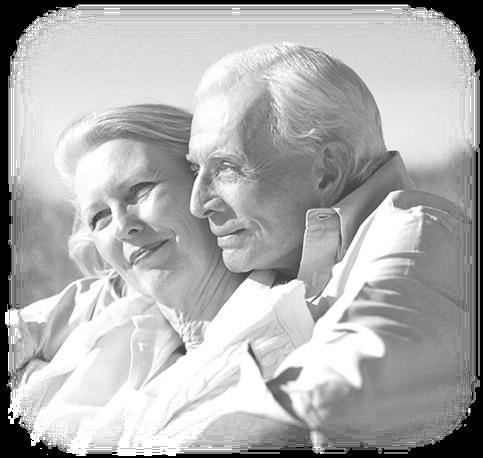
For many people, retirement is something they look forward to for decades. It represents freedom from the daily grind, more time with family, and the opportunity to finally enjoy hobbies, travel, and personal interests.
Yet many retirees discover that happiness in retirement doesn’t happen automatically. It requires planning, balance, and a willingness to adapt to a new phase of life.
The good news is that research and real-life experience show that happy retirees tend to share several common habits.
Whether you are approaching retirement or already enjoying it, these strategies can help you make the most of your retirement years.
Your health becomes one of your most valuable assets in retirement.
When you feel well physically, you have the energy to travel, spend time with loved ones, and enjoy your hobbies.
Simple habits can make a big difference. Regular exercise, even something as basic as walking each day, can improve heart health,
strength, and balance.
Eating nutritious foods, staying hydrated, and getting regular checkups are also important.
Preventive care and early treatment can help you stay active longer and avoid serious health problems down the road. Preventive care includes not only regular visits and screenings with your doctor, but also checkups for your eyes, ears, and teeth.
One of the biggest challenges retirees face is loneliness. When a career ends, the daily interactions with coworkers and clients often disappear as well.
work provided structure, identity, and a feeling that they were contributing to something meaningful. When retirement begins, that sense of purpose can sometimes feel lost.
Happy retirees often replace that sense of purpose with new activities. Volunteering, mentoring younger people, serving on community boards, helping with charitable organizations, or even working part-time can create a renewed sense of fulfillment.
Having something meaningful to look forward to each day can dramatically improve overall happiness.
Retirement is the perfect time to explore interests that you may not have had time for earlier in life. Learning new things keeps the mind sharp and makes life more interesting.
• Wider Doorways (most doors)
• Low-Curb or Zero-entry (per plan) Shower Access
• Low Maintenance Exteriors
• Available in over 20 Communities
Homes designed with your future in mind! Open concept floor plans with “Universal Design”* standards Locations available in all parts of the Omaha area For NW/Elkhorn Living: 402-916-9883 For SW/Gretna Living: 402-895-1100 For Papillion Living: 402-896-9200 For Bellevue Living: 402-614-6088

www.RegencyHomesOmaha.com

*This is Universal Design; not ADA Standards.

Maintaining social connections is extremely important for both mental and emotional health. Spending time with family, meeting friends for lunch or coffee, participating in church activities, joining clubs, or volunteering in the community can help retirees stay connected and engaged.
For those who may not have family or friends living nearby, companionship can still come in many forms. Some retirees build friendships through hobby groups, community centers, or volunteer work. Others find meaningful companionship in a different way, through pets.
Pets can provide daily interaction, routine, and emotional comfort. Studies have shown that pet ownership can reduce stress, lower blood pressure, and even help combat feelings of loneliness.
Walking a dog or visiting a local dog park can also create opportunities to meet new people.
Simply petting a purring cat on your lap can bring joy to your day.
Staying connected, to people or even a beloved pet, can make a tremendous difference in overall happiness during retirement.
For many people,
Some retirees take classes at local community colleges or senior centers. Others learn new hobbies such as painting, gardening, photography, or playing a musical instrument. Traveling and exploring new cultures can also be a great way to keep learning.
Keeping the brain engaged helps maintain cognitive health and adds excitement to everyday life.
Money itself doesn’t guarantee happiness, but financial stress can certainly reduce it.
Having a clear understanding of your retirement income, expenses, and healthcare costs can provide peace of mind.
A solid retirement plan often includes Social Security, retirement savings, and strategies for handling healthcare costs such as Medicare premiums, prescriptions, and long-term care needs.
When retirees feel confident about their finances, they are much more likely to relax and enjoy the lifestyle they worked so hard to achieve.
One of the greatest joys of retirement is freedom. However, having absolutely no structure can sometimes lead to boredom or a lack of motivation.
Many happy retirees
--Retirement continued on page 5.
develop a flexible routine. They may exercise in the morning, volunteer a few days a week, meet friends regularly, or dedicate time to hobbies and projects.
A routine helps maintain a sense of productivity while still allowing the freedom that retirement provides.
FOCUS ON EXPERIENCES
RATHER THAN POSSESSIONS
Studies consistently show that experiences tend to bring more lasting happiness than material possessions. Traveling, spending time with grandchildren, attending events, or exploring new places often create memories that last a lifetime.
Retirement offers the opportunity to focus on these meaningful experiences. Even small adventures like day trips, nature walks, or attending local events can bring a lot of joy.
Many retirees discover that simplifying their lives reduces stress and increases happiness. This might involve downsizing to a smaller home, reducing unnecessary expenses, or decluttering belongings accumulated over many years. Simplification can free up time, money, and energy to focus on the things that truly matter—relationships, health, and meaningful activities.
MAINTAIN A POSITIVE MINDSET
A positive outlook can make a tremendous difference in how retirement feels. Aging naturally brings changes but focusing on gratitude and the opportunities retirement provides can help maintain happiness.
Many retirees practice gratitude by appreciating the extra time they have with loved ones or the freedom to enjoy activities they once had to postpone.
Staying optimistic and adaptable helps people navigate life’s changes with resilience.
Healthcare can become one of the biggest concerns during retirement. Planning ahead for medical expenses, prescription drugs, and potential care needs can relieve a great deal of anxiety.
Understanding Medicare coverage, supplemental insurance options, and longterm care options can help retirees avoid unexpected financial surprises later in life.
When healthcare planning is in place, retirees often feel more confident about their future.
Retirement should be one of the most rewarding chapters of life. It’s a time to enjoy the freedom you worked so hard to achieve, spend meaningful time with the people (or pets) you love, and pursue the interests that bring you joy.
But a happy retirement doesn’t happen by accident. It comes from thoughtful planning, maintaining good health, nurturing relationships, and making informed decisions about your financial and healthcare future.
Understanding your retirement benefits, managing healthcare costs, and protecting the assets you’ve built over a lifetime can give you the confidence to truly enjoy these years.
When retirees feel informed and prepared, they
You’re invited to visit the Millard Senior Center at Montclair, 2304 S. 135th Ave., this month for the following:
• April 1: Board Meeting @ 9:30 a.m.
• April 3: Handing out surprise eggs to everyone
• April 9: Sewing Club meet to make sun dresses and shorts @ 9:30 a.m.
• April 13: Bunco @ 12:15 p.m.
• April 15: P.A.W.S (Puzzles & Words with Seniors) @ 9:45 a.m.
• April 30: Tornado Drill @ 10:30 a.m.
Tai Chi on Mondays and Fridays @ 9:30 a.m. Bingo every Tuesday and Friday @ 12 p.m. Bingo callers in need
Sportswear Fridays. Wear your favorite team attire every Friday.
Hand-N-Foot Wednesdays @ 8:30 a.m. MahJongg Wednesdays @ 1 p.m.
Chair Volleyball Thursdays @ 9:30 a.m. Dominoes Thursdays @ 12:30 p.m. For more information, please call 402-546-1270.
are far more likely to relax and focus on what really matters—living well, staying active, and making the most of every day..
Mary Hiatt is a Retirement & Insurance Advisor and President of Mary the Medicare Lady (A nongovernment entity.) She is Certified in Long Term Care Programs, Policies, & Partnerships and Annuities. She offers Educational Workshops on Medicare, Long Term Care and more at no charge. She helps retirees convert their 401Ks and IRA’s into guaranteed income streams as well as helping clients get Medicaid with eligible spend-down plans and Funeral Expense Trusts. Not connected with or endorsed by the U.S. government or the federal Medicare program. Medicare Supplement insurance plans are not connected with or endorsed by the U.S. government or the federal Medicare program. See www.hiattagency. com or contact licensed independent agent mary@ hiattagency.com or call or text 402-672-9449 for more information.
ou’re invited to visit the La Vista Senior Center, located at 8116 Park View Blvd. The facility provides activity programs and meals Monday through Friday from 8 a.m. to 5 p.m. Please call 402-331-3455 for general Community Center hours.
Meals are served weekdays at 11:30 a.m. Reservations are due by noon the business day prior to the date the participant wishes to attend and can be made by calling 402-331-3455.
A $5 contribution is suggested for the meal if you are age 60 and older. If you are under age 60, then the meal cost is $9.50.
In addition to meals being served daily, the La Vista Senior Center offers a variety of activities such as: Bingo, outings, cooking classes, movies with popcorn, arts and crafts, a variety of card games, quilting, Tai Chi, exercise classes, musical entertainment and various parties. Please visit our website at cityoflavista.org/seniors for updated information or call 402-331-3455.
I would like to become a partner with the Eastern Nebraska Office on Aging, and help fulfill your mission with older adults.
Traditional funding sources are making it more difficult for ENOA to fulfill its mission. Partnership opportunities are available to businesses and individuals wanting to help us. These opportunities include volunteering, memorials, honorariums, gift annuities, and other contributions These gifts are tax exempt.
$25 = One month of Personal Emergency Response.
$50 = Provides one week of Meals on Wheels for one older adult.
$75 = Provides one week of meals and activities at a senior center.
$125 = Full month of bathing assistance.
$175 = Helps provide respite care for an older adult.
$250 = Provides urgent relief and essential support to individuals during unexpected emergencies.
Other amount (please designate)__________________________
Please contact me. I would like to learn more about how to include the Eastern Nebraska Office on Aging in my estate planning.

Please see the ad on page 3
Thank you to the New Horizons
$50
Bonnie White
$25
Carole Yanovich
Tim, Barbara Widhalm
$10
Dora Mae Lowrey
Carl Braun
$5
Pat Calvin
You’re invited to visit the Camelot Friendship Center, 9270 Cady Ave., for regular activities, which include Chair Yoga, card games, Tai Chi, Pinochle, 10 Point Pitch, and bingo. This month’s events include:
• April 5: Easter, National Nebraska Day
• April 9: Entertainment with “Mark Irwin” compliments of Merrymakers/Dreamweavers @11:45 a.m.
• April 14: “Disaster Preparedness” presentation with Juanita Sieben from The American Red Cross @11:45 a.m.
• April 15: “Wheel of Fortune” Game @12:30 p.m.
• April 16: Jackpot Bingo @11:45 a.m.
• April 22: Craft Day “Hanging Planters” @12:30 p.m.
• April 23: Presentation with Kailey Edelman (ENOA) @11:45 a.m.
• April 24: Meal site is closed; Afternoon card players can still meet.
• April 29: Team Trivia Challenge @ 12 p.m.
Every Monday – Card Game: Manipulation @ 10 a.m.
Every Monday – Pickleball @ 10 a.m.
Every Monday and Friday – Bingocize @ 10 a.m.
Every Tuesday, Wednesday and Thursday – Kings in the Corner @ 10 a.m.
Every Wednesday – Chair Volleyball @ 10 a.m.
Everyday – Card Games @ 10 a.m.
Grab N Go meals are available.
For more information, contact Barb at 402-444-3091 or barbara.white@cityofomaha.org.


NEW HORIZONS PHOTOS
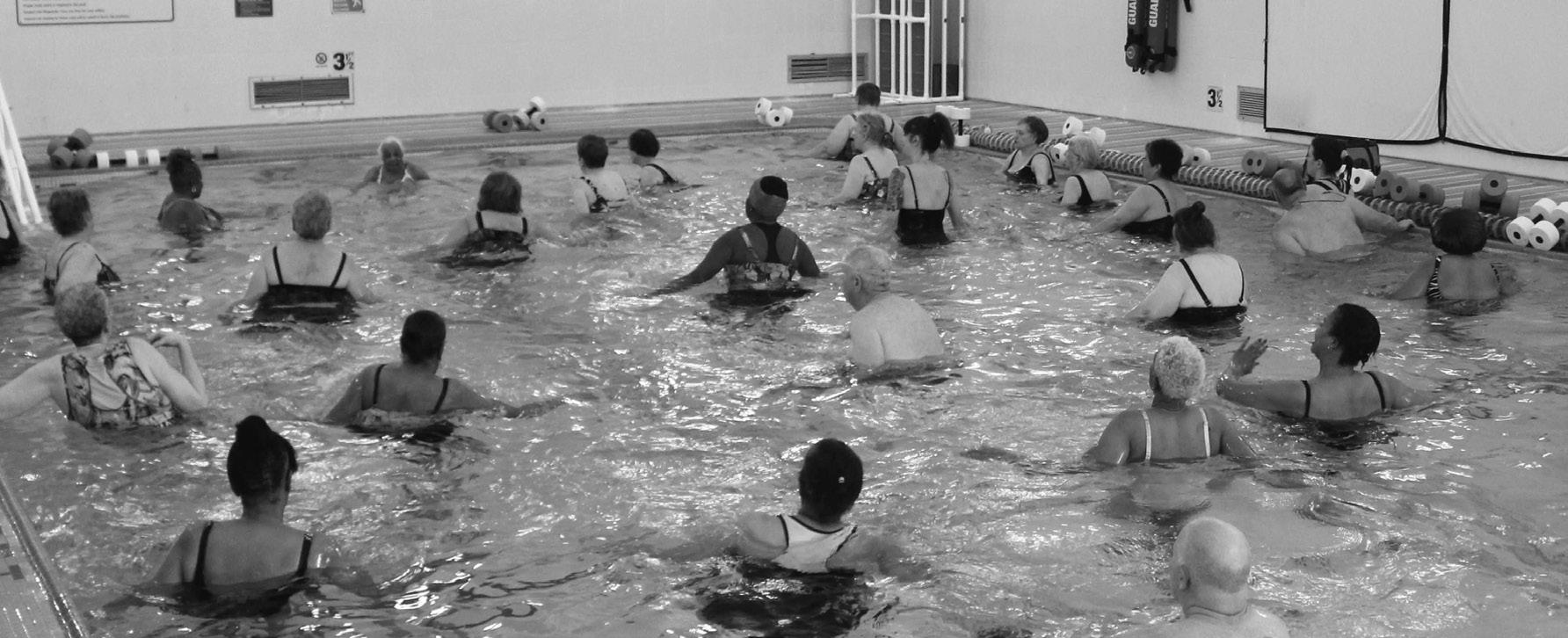
Constance “Connie” Carr is a 93-year-old water aerobics instructor at the Maple Street YMCA. The Omaha native has a class of 20-30 people that participate in her class. Carr said being a water aerobics instructor has been excellent and she loves it.
“I want people to realize that they need to keep exercising as we get older,” she said. “I want to be in the water as long as I live.”
group functions, such as book clubs and community education events.
The new library was designed and built by three prominent Omaha firms, Kiewit Building Group, HDR and Alley Poyner Macchietto Architecture, at a cost of $158 million. The City of Omaha contributed $20 million, with the rest coming from private donors under the leadership of Heritage Omaha, which supports major philanthropic projects throughout the community.
Collections of books for all ages will be featured on every floor, radiating from the central core of the building. The second floor will house adult non-fiction collections and a quiet reading area. The third floor will feature the genealogy and local history collections, as well as a quiet reading area.
Grandparents in particular will appreciate the “vibrant, dedicated spaces for children and families, including immersive story times,” according to OPL’s website. “The facility is designed for early literacy, offering interactive programming, creative movement, and music sessions, fostering a welcoming environment for discovery and play.”
An Automated Storage and Retrieval System (ASRS), believed to be the first of its kind in any public library, will employ robotic features to access the majority of the library’s vast collection of more than 600,000 items. This will allow for the
rapid, secure, and hassle-free delivery of requested materials.
No plans exist to shutter or consolidate any of the other 11 branches after the Central Library opens, according to Petersen. This includes the branch services offered at the Swanson branch at 90th and Dodge, Abrahams at 90th and Fort, and the downtown branch at 1401 Jones St., which opened in 2023 to replace the W. Dale Clark facility.
One hundred library employees, who are on the City of Omaha payroll, will work at the new Central Library, including administrative staff and dedicated staff for genealogy, local history, Do Space and library specialists and aides throughout.
Douglas County residents can secure a library card for free, said Petersen. In 2024, area residents recorded 1.3 million visits to Omaha libraries. Forty-six percent of county residents possess a card, she said.
Non-Douglas County residents in Nebraska can secure a membership card for a fee, according to OPL’s website. Patrons may purchase a monthly membership for $10, or 12 months for $100. Non-resident borrowers must register in person at any OPL location.
For more information about the new Central Library or any of OPL’s branches, go to Omahalibrary.org.
So the next time your grandkids clamor to head to the library, you have one brand spanking new option surely to delight everyone in the brood.
You’re invited to visit the Fremont Friendship Center, 1730 W. 16th St. (Christensen Field). The facility is open Monday through Thursday from 9 a.m. to 3 p.m. and Friday from 9 a.m. to 12:30 p.m.
A meal is served weekdays @ 11:30 a.m. Reservations, which are due by noon the business day prior to the meal the participant wishes to enjoy, can be made by calling 402727-2815. A $5 contribution is suggested for the meal. This month’s activities will include:
• Everyday: Sip and Chat @ 9 a.m.
• April 1: Music with Arthrighteous Brother’s @10 a.m.
• April 2: Presentation from Nye @10 a.m.
• April 6: Snacks from Home Instead @2:30 p.m.
• April 8: Music with Bill Chrastil @10 a.m.
• April 9: ENOA Volunteer Program Presentation @10 a.m.
• April 10: Bingo with Pro-Med Care @10:30 a.m.
• April 15: Music with Kim Eames @10:30 a.m.
• April 16: Archwell Health-Podiatry Presentation @10 a.m.
• April 16: ECO Fair @11:30 a.m.
• April 16: Popcorn Bar with Pathfinder @2:30 p.m.
• April 21: Casino Trip @10:15 a.m.
• April 22: Merry Maker’s Presents Ben Tomasello @10:30 a.m.
• April 23: Home Exemption Sign Up Event @ 9:30 a.m.
• April 28: Board Meeting @1:30 p.m.
• April 29: Merry Maker’s Presents Mike McKracken @10:30 a.m.
• April 30: UNMC presents, “How to spot Health Myths online” @10 a.m.
Craft class on Tuesday afternoons @ 1:30 p.m.
Tai Chi offered every Tuesday and Friday from 9:15-10 a.m.
If you can’t stay for lunch with our friends and you currently participate in any activity at the center, you may now order a Grab-n-Go meal to take home for your lunch. Grabn-Go meals must be reserved the day before by noon and the person ordering the lunch must come in to the center to pick it up at 11 a.m. The number of Grab-n-Go lunches are limited to a first come first serve basis. Suggested donation is $5.
For meal reservations and more information, please call Laurie at 402-727-2815.
You’re invited to visit the Intercultural Senior Center (ISC), 5545 Center St.
The Intercultural Senior Center facility – offers programs and activities from 8 a.m. to 4 p.m. Monday to Friday. At ISC, we celebrate cultures, friendships, and healthy living every day. Also, free foot care offered this month. What makes the ISC unique?
• Cultural Connections: ESL, Spanish, and Chinese classes, citizenship preparation, and global celebrations.
• Fitness & Fun: Tai Chi, Zumba, Salsa, Yoga, Pickleball, Chair Volleyball, and more to keep you active and energized.
• Creative & Social Activities: Jewelry making, crafts, karaoke, dance classes, music clubs, and exciting field trips.
• Health & Wellness Services:
• Footcare and dental care
• New blood pressure hub for heart health
• Nutrition consultations with our nutrition coach
• Health fairs and educational presentations
• Medical Care Services: Scheduling and accompanying medical appointments, refilling and picking up medications
• Low-Cost Medical Clinic: Available once a month
• Community Support: Free monthly food pantry, social services & interpretation services
• Transportation Services: Helping you get where you need to go
• Technology & Learning: Computer classes, tech support, and workshops to keep you connected.
• Meals & Community: Enjoy regular or vegetarian lunches, morning snacks, and coffee chats every Friday. For more information, please call 402-444-6529 or visit the ISC website at interculturalseniorcenter.org.
Intercultural Senior Center – Where cultures connect and friendships grow.
Sure, you know that “Walking is good for you.” But what does that really mean? The research is in, and some of the benefits of walking might surprise you. Start taking steps to move more and reap the harvest of good health that a consistent effort to walk more will bring you. Whether you break your walking into several shorter events across the day or love to take a long walk on a longer pier, moving more can have great impact on your overall health.
Weight Management: Combined with healthy eating, physical activity is key to any plan for long-lasting weight control. Keeping your weight within healthy limits can lower your risks of type 2 diabetes, heart disease, stroke, cancer, sleep apnea, and osteoarthritis.
Control Blood Pressure: Physical activity strengthens the heart so it can pump more blood with less effort and with less pressure on the arteries. Staying fit is just as effective as some medications in keeping down blood pressure levels.
Decrease Risk of Heart Attack: Exercise
such as brisk walking for three hours a week — or just half an hour a day — is associated with a 30% to 40% lower risk of heart disease in women.
Boost “Healthy” Cholesterol: The level of high-density lipoproteins (HDL). Physical activity helps reduce low-density lipoproteins (LDL or “lousy” cholesterol) in the blood, which can cause plaque buildup along the artery walls — a major cause of heart attacks and strokes.
Lower Stroke Risk: Regular, moderate exercise equivalent to brisk walking for an hour a day, five days a week, can cut the risk of stroke in half, according to a Harvard study.
Reduce Risk of Breast Cancer & Type 2 Diabetes: People at high risk of diabetes cut their risk in half by combining consistent exercise like walking with lower fat intake and a 5% to 7% weight loss.
Submitted by Karen Rehm, worksite wellness specialist. To contact Karen at 402-483-1077 or send an email to krehm36@gmail.com.

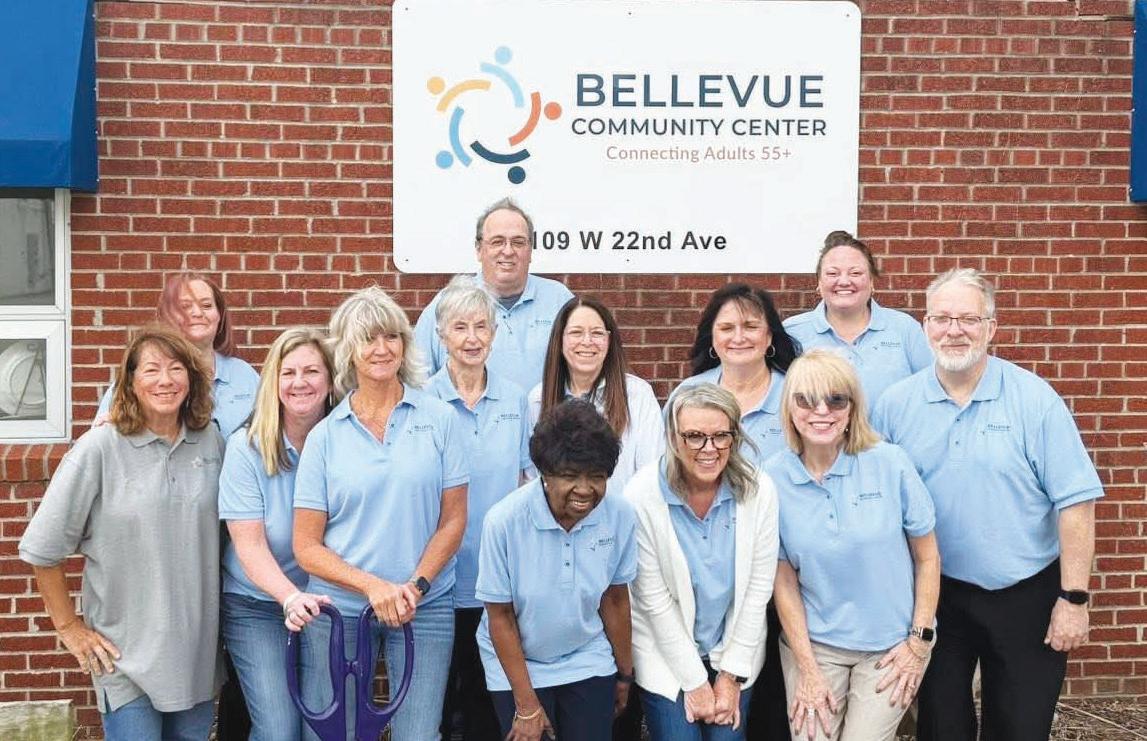
After more than 50 years of service to older adults in Bellevue, the Bellevue Senior Citizen Center is proud to announce its new name: Bellevue Community Center. The name change was officially unveiled during a ribbon cutting ceremony hosted with the Bellevue Chamber of Commerce on February 10, at the Center’s location, 109 W. 22nd Ave. in Old Town Bellevue.
The new name reflects the organization’s renewed focus on connection, inclusion and engagement for adults ages 55 and older. While the mission remains rooted in serving older adults, the updated branding
better represents the welcoming, community-focused environment the Center provides.
“For decades, this organization has been a place where people come together for friendship, nourish-
ment and support,” said Jim Janicki, president of the Board of Directors. “The name Bellevue Community Center puts emphasis on ‘community’ instead of using ‘senior’ to focusing on the age of the participants. Our new name better captures who we are today and where we’re headed — a vibrant gathering place that invites participation, connection and belonging.”
Managed and operated in partnership with the Eastern Nebraska Office on Aging, the Board is made up of Bellevue community volunteers. The Bellevue Community Center continues to offer meals, programs and

social opportunities that enrich the lives of older adults throughout the community. The building is owned by the City of Bellevue and leased to the nonprofit organization.
The rebrand is part of a broader strategic plan that includes enhanced wellness programming, expanded volunteer engagement and facility improvements to better serve current and future members.
Community leaders, elected officials, board members and supporters attended the ribbon cutting and celebrated this milestone moment in the organization’s history.
For more information about the Bellevue Community Center, visit the Center in person at 109 W. 22nd Ave. or call 402-293-3041.
The University of Nebraska Omaha is conducting a research study.
Volunteers are needed to participate in the research study titled, “Impact of Nrf2 activation on macrovascular function, microvascular function, leg function, and walking capacity in patients with peripheral artery disease.” The Vascular Research Lab at the University of Nebraska at Omaha will be assessing the effectiveness of Vumerity on vascular function and exercise capacity in healthy older adults and those with peripheral artery disease.
This study will require four lab visits (i.e., a consenting visit, two experimental visits, and one follow-up visit) in the Vascular Research Lab located in the H&K building on UNO’s Dodge St. campus and at the University of Nebraska Medical Center.






You may qualify if you are 50-75 years old, currently have or do not have a diagnosis of peripheral artery disease, if you are not currently pregnant or breastfeeding, if you are not diagnosed with kidney disease, liver disease, multiple sclerosis, or psoriasis.
If you are interested, please call the UNO Vascular Research Lab at 402-554-3779 or email or unovrl@unomaha.edu.
--Starita continued from page 1.
doing freelance writing. He served as Lincoln Journal Star city editor before becoming a UNL College of Journalism associate professor. He retired from teaching in 2021 with emeritus status.
He said then and now when hitting upon a subject that stirs him, “I get a drill and go as deep as I can because as I found with my interest in Native American history, culture, life, the deeper you go the more interesting it gets. If you stay on the surface, you’re just surfing on shallow cliches.”
When it comes to Native history, he said, “It’s not ancient history, it’s very relevant today. It’s not something we can consign to the dust bins.”
The landmark 1879 trial of the Ponca chief Standing Bear in Omaha that resulted in the U.S. government officially conferring personhood upon Natives struck a blow for civil and human rights that still resonates. Like other Native tribes then, the Ponca were forcibly displaced from ancestral homelands. Standing Bear and his people unwillingly left their permanent village along the Niobrara River on the Nebraska-South Dakota border to make a cruel trek by foot to the Oklahoma plains.
On top of losing everything, they endured miserable conditions. Sickness overtook many. Death claimed Standing Bear’s son and daughter. He then defied authorities to walk back to his homeland. Again, he was arrested, this time brought to Fort Crook just north of Omaha. The odyssey was part of the Trail of Tears that saw Indians dispossessed and dislocated.
Standing Bear stood federal trial in a case that determined the status of Native peoples who up until that point lacked legal standing, much less self-determination. The key question at stake, said Starita, was “Who are these people and what do we do with them?” adding, “There came to be a moment in history when a judge was in a position to answer that question that had gone unanswered for 103 years,” With his ruling that ”an Indian is a person within the meaning of the law” Judge Elmer Dundy set legal precedent that made headlines.
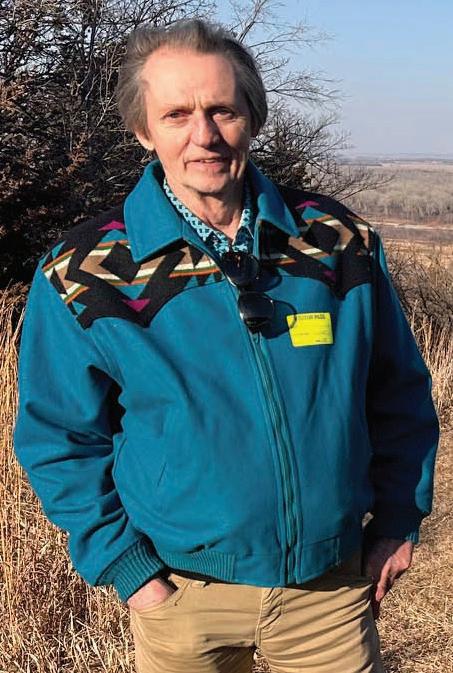
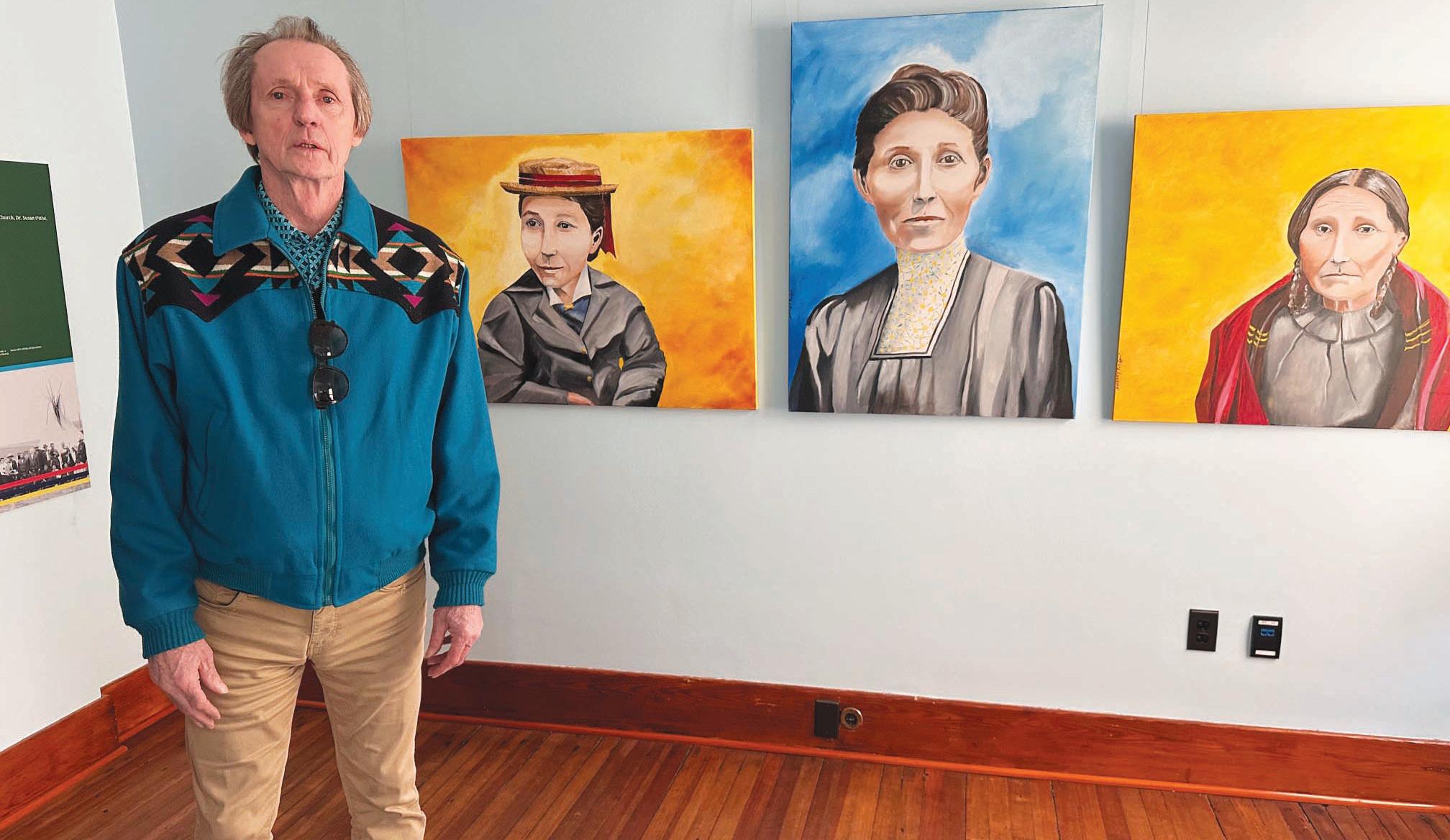
Joe Starita and Kevin Abourezk (not pictured) recently journeyed to the Omaha and Winnebago reservations to talk to Native high school seniors to try to motivate them to apply for Starita’s Chief Standing Bear scholarship.
An unlikely ally of Standing Bear’s, Gen. George Crook, was sympathetic to the Ponca’s plight.
“The beauty and complexity of the story is that in many ways you could argue it was the defendant, the brigadier general, who was the hero of the story,” said Starita. “That was an irony just too good not to drill down as deeply as possible.”
At the end of his exhaustive process, Starita said he came away most admiring Standing Bear’s “Kindness, courage, and sense of justice.” More than anything, he gained an appreciation for what land means to Native Americans.
“This Niobrara homeland they lived on for 200 years wasn’t just a place where they grew and harvested corn, wheat, pumpkins, squash, and hunted buffalo for meat and hides. Their taproots were dug so deep it’s almost impossible for a non-Indian to understand. This was their Mecca, their Jerusalem, their Rome. The land didn’t just have a monetary or agricultural value. Most importantly it had a sacred value. That’s true of almost all native people I’ve ever heard of.”
Starita is convinced “there’s a lot we could learn from Native American history and culture.” For example he said, “there’s about 650 federally recognized tribes in the United States right now and almost without exception those tribes are a we-based culture. That’s how they survive. Compare that against our culture and
there is a very remarkable difference.”
Starita’s storytelling has been received well in Native circles. He feels his due diligence is key.
“You build up some street cred after a while and it pays off,” he said. “I haven’t encountered any resistance, In fact, just the opposite. People on the reservations have opened their arms as wide as they could, and they want these stories to be told. I’ve established enough contacts that trust me.”
Siobhan Wescott, an Alaskan Athabascaan who holds the Dr. Susan and Susette LaFlesche Professorship in Public Health at UNMC, said that trust is not easily won. At UNL Starita brought his interest in Native issues to the classroom, supervising a year-long investigative project that a group of students took on.
“There were four beer stores in White Clay, Nebraska, a town of 13 people. All preyed on the Lakota, whose Pine Ridge reservation is within walking distance. In 21 years of depth projects this was the crowning achievement. Because of the students’ reporting the Nebraska Liquor Commission shut the stores down.”
Entered in the college category of the 2017 RFK Journalism Awards, it became the only student project in the history of
that competition to win the grand prize, beating out even major professional media.
“It was a remarkable event for these students, several of whom are Native,” he recalled.
Starita’s advocacy for Native causes extends to the Chief Standing Bear Journey for Justice Scholarship Fund he created.
“It’s my heart and soul outside of my family which is the pride and joy of my life,” he said of the fund.
“It’s 10 years old and we’ve put close to 200 Native American students into trade schools, universities, community colleges, or junior colleges. They’re the poorest people in the state but they’re smart, they want to do good. We get them into college, they do the work and graduate, and they go back home and take care of their people.”
A recipient of that scholarship, Esperanza Del Angel, is a first-generation college student at UNL. She finds Starita inspiring. “Native Americans come from a lot of hurt and trauma and Joe just understands. He really fights for Native Americans. I see how devoted he is and how big his heart is. He’s always checking on how I’m doing. He’s full of love and compassion.”
Starita finds it “heartwarming’” that young women inspired by Susan La Flèsche attend nursing
colleges in Omaha, Iowa, and South Dakota and come back to serve their reservations.
“A wonderful young woman named Rosalyn Saunsoci wanted to follow in Susan’s footsteps and she has done exactly that. We put her through Clarkson Nursing College and she’s now working in the ER at the 12 Clans Unity Hospital that straddles the Winnebago and Omaha reservations. I mean, c’mon, it doesn’t get any better than that.”
“Joe Starita is an inspiration. I really appreciate his altruism to support native students,” said Wescott.
Students not only attend nursing school. “We put a Winnebago girl through engineering school and she’s now got an engineering job in Orange County California,” said Starita. “She may be the only female Winnebago engineer in the country.”
Though retired, Starita is as busy as ever at 75 between book projects, freelance investigative pieces, and speaking engagements. Staying busy and engaged suits his high energy, inquisitive nature.
“It’s been a wild life but a good one.”
He’s done about all there is to do as a writer, but he said, “There’s been nothing more fulfilling than telling the stories of the Native people in as honest and honorable a way as possible.”
By Ron Petersen
When winter rolls in or the weather just won’t cooperate, your golf game doesn’t have to suffer.
For golfers who are serious about keeping their skills sharp no matter the season, golf simulators have become an essential part of the training routine. From high-tech feedback to consistent indoor golf practice, the advantages go far beyond convenience.
“We hear from people all the time that they save several strokes from their handicap, by keeping their golf game going over the winter using golf simulators,” Fore Seasons Golf co-owner, Matt Lentz said.
Golf simulators offer mental stimulation, stress relief, physical activity, and social connection in a comfortable, accessible setting, with features like easy-to-play virtual courses, fun games and performance tracking that build confidence and keep the mind sharp, without the physical strain of walking a full course.
“Living in a place like Omaha is great because you have a lot of golfers. It’s very competitive and we are busy all of the time.”
Golf simulators offer
entertainment value beyond solo practice, as a fun activity for family gatherings, parties, or friendly competitions.
“People are venturing into
the golf simulator side of golf and seeing that it can be fun and just as fun as playing golf outside. It’s a cool way of experiencing other courses without having to

travel,” Lentz said. “Then on the weekends, we pivot over to an entertainment facility where you’ll see more families, friends and couples. You can play mini games, target practices and play putt-putt. You don’t need to be super precise with your shots to actually have fun playing.”
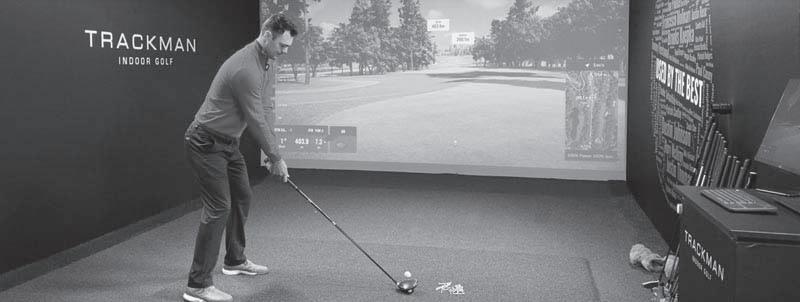
Majority of golf simulators include a Trackman Golf Simulator, which is a high-tech indoor golf system that uses advanced radar and camera technology to precisely track your golf swing and ball flight, offering detailed data (like speed, spin, launch) and realistic virtual course play for practice, coaching, and entertainment. It projects virtual courses onto a screen, allowing players to hit balls into it and receive instant feedback on their shots, helping them analyze and improve their technique.
“It’s been huge having these simulators because people will come do lessons to learn about the feedback they get. It will tell you everything you’ll need to know about your golf swing, and it will show you how to improve,” Lentz said.
The benefits of buying a golf simulator package extend far beyond recreation, offering a comprehensive solution for golfers of all skill levels. From accessibility and realism to skill development and social engagement, these innovative systems provide a rewarding and convenient way to enjoy the game of golf anytime, anywhere and for all ages. Fore Seasons offers a senior discount to get more people in the doors during the weekdays.
“The best times we have during the winter is during the day Monday through Thursday. We have more availability during the day because it is chaos once November hits,” Lentz said. “Golf is a sport you can play forever.”
Golf simulators go beyond entertainment, providing a range of benefits that can enhance your golfing experience and social events. Investing in a golf simulator package takes the headache out of creating your dream setup by giving you everything you need to hit the ground running. Learn more about how to get involved with golf simulators by going online to search for local golf simulators around the Omaha area.
Every year, doctors learn more about heart conditions and how to diagnose and treat them.
Here are a few recent advances to help older adults keep their heart in good health.
You’ve probably heard about GLP-1 drugs like Ozempic, Wegovy, Zepbound, and Mounjaro. Millions of Americans now take these drugs to lose weight. Designed to make you feel full more quickly and reduce your appetite, these medications can even make you less likely to reach for sugary or fatty snacks.
“Those are literally game changers in medicine,” says Naga Pannala, MD, an ArchWell Health cardiologist.
GLP-1 drugs can help your heart, too, since obesity increases your risk for heart failure, coronary artery disease, and stroke. In fact, the drugs can cut the risk of heart failure, hospitalization, or death by more than 40%, according to one study.
In 2025, the American College of Cardiology began recommending the drugs as a first-line treatment for weight management. It said patients shouldn’t have to “try and fail” at lifestyle changes before starting on a GLP-1 drug.
“The big underlying thinking with obesity is that it’s a chronic disease; it is not like a mindset kind of thing,” Pannala said.
Still, lifestyle changes are important. It’s always a good idea to stop smoking, increase physical activity, and get your blood pressure and cholesterol under control. One study found that people cut their risk of a major cardiovascular event by 50% when they took a GLP-1 drug and adopted six or more healthy lifestyle habits. People who only took the drug cut their risk by just 20%.
Doctors use electrocardiograms (ECGs) all the time to check for heart problems. This simple, noninvasive procedure can detect an irregular heartbeat (arrhythmia), a blocked artery, or even a previous heart attack. That’s the
good news. The bad news is that interpreting ECG readings can be tricky.
ECGs have been around since 1902, but now they’re getting a high-tech makeover. Physicians are using artificial intelligence (AI) to help them read ECGs.
“It’s kind of an amazing tool,” Pannala said. “It’s not going to spit out your answer on what is going on, but it will give suggestions.”
In 2024, the Cleveland Clinic used AI on 103,492 ECGs from 45,873 patients to see if they might have a condition called hypertrophic cardiomyopathy (HCM). This condition can be hard to diagnose with an ECG, because many other conditions cause the same abnormalities.
AI flagged 1,265 patients’ ECGs as suspicious, and 63 patients (5%) turned out to have HCM.
As the study’s coauthor noted, “If AI-enhanced ECG can alert to the possibility of this diagnosis, as this study suggests is the case, this can lead to earlier appropriate diagnostic testing and treatment.”
Another technology that’s growing in popularity is remote monitoring (RM). It’s been around for a while, but it picked up in popularity during the COVID-19 pandemic. Advances in wireless networks and AI have made the technology even more useful.
Remote monitoring is the use of digital technology, sensors, and software to observe, collect data from, and manage devices, systems, or patient health from a distance. It enables real-time tracking, proactive maintenance, and data analysis without requiring physical presence, improving efficiency, reducing downtime, and enhancing patient care.
With RM, you wear a device, or have one implanted, to monitor heart activity. When trouble happens, you—and sometimes your provider—get an instant alert. That means a heart attack doesn’t have to be the first sign that something’s wrong.
If you have an Apple Watch, you can even check your heart rate, take an ECG, and monitor your heart for atrial fibrillation (AFib). And you can
set the watch to alert you of any problems. (Other smart devices offer similar features.)
“This actually has improved rates of detection for atrial fibrillation,” Pannala said. “That’s relevant for our population because your risk of AFib increases as you age.”
Researchers continue to develop and test new medications for heart problems. One example is the new blood pressure medicine aprocitentan (brand name Tryvio).
TRYVIO is a prescription medicine approved by the FDA in March 2024 to treat high blood pressure (hypertension) in adults, specifically for those whose blood pressure is not adequately controlled by other medications.
American Family Physician called it “the first novel medication mechanism for the treatment of hypertension in almost 40 years.”
Aprocitentan breaks new ground, but it’s only approved for patients who’ve tried at least three other high blood pressure medicines. And, like all medications, it does have some side effects. Still, it’s a good example of how scientists continue tackling problems like high blood pressure.
Heart problems can quickly escalate to serious, life-threatening conditions – many of which can happen suddenly and without warning.
Lifestyle changes make a difference, but cardiac challenges may still pop up no matter how many salads you eat or morning walks you take. That’s why these and other recent advances in heart health are so encouraging – because you’ve got people to see, places to go, and a lot of life to live.
At your next visit, ask your provider what new medications and devices might keep your ticker going strong.
A Word from ArchWell Health: Wherever you are on the memory loss journey, you are not alone. The compassionate team at ArchWell Health is always ready to assist caregivers and older adults with their primary care needs.
By Kelly C. Bourne
If you use a computer or smartphone to browse the Internet, you need to understand what cookies are and what they do. Cookies are small files created on your computer or phone when you visit a website. These files record information about you. This can include websites you’ve visited, specific pages you viewed including how long you spent on them, language preference, logon credentials, items in your shopping cart, your preferences on the website, your email address, and passwords that you’ve entered. In a nutshell, cookies track your online activities as well as a significant amount of personal data about you.
Cookies can be considered helpful but also dangerous. Listing items you’ve selected to purchase in the site’s shopping cart is helpful. Another positive use of cookies is to record your preferences so when you return to a website, it will look the same to you.
On the negative side they can be used to track you across multiple websites. For example, cookies created by a trusted website are only accessed by that website. Some websites are able to open and read cookies created by numerous websites. Examining them gives the organizations that create and use this type of

cookie significant insight into websites you visit and your shopping habits. Most people aren’t comfortable with unknown organizations learning their personal data or shopping habits this way.
Not all cookies are the same. The types that exist and a brief explanation of them are listed here.
Session cookies – These cookies exist only for the length of time you’re on a website. Once you leave the site they’re deleted. These are benign, even useful cookies.
Authentication cookies
– These store your login credentials, so you don’t have to log in again if you visit the website again soon.
Persistent cookies, aka, permanent cookies – these stick around for up to a year making it possible for you to be tracked that entire time.
Essential cookies – These cookies capture only the most basic information needed by a website.
Functional cookies –These cookies are used to retain user preferences such as the user’s language preference.

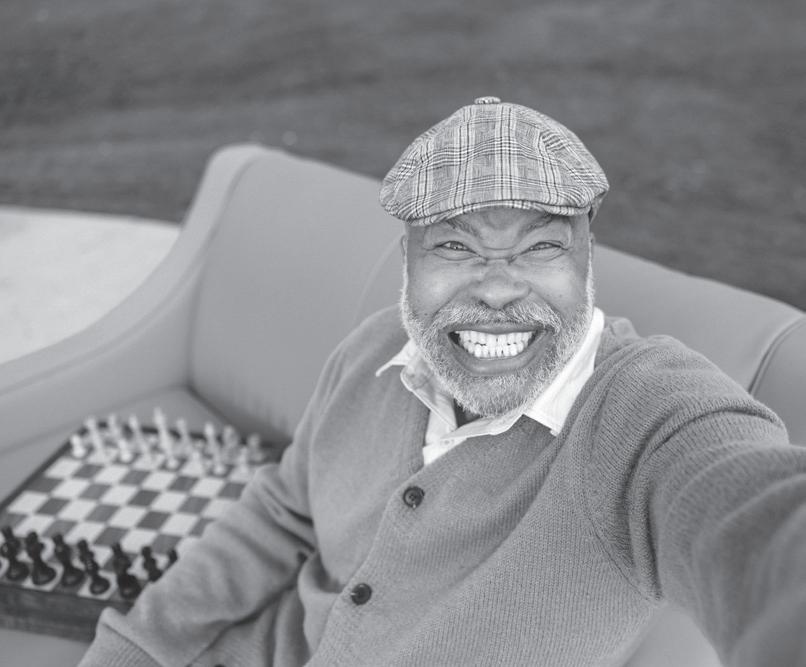
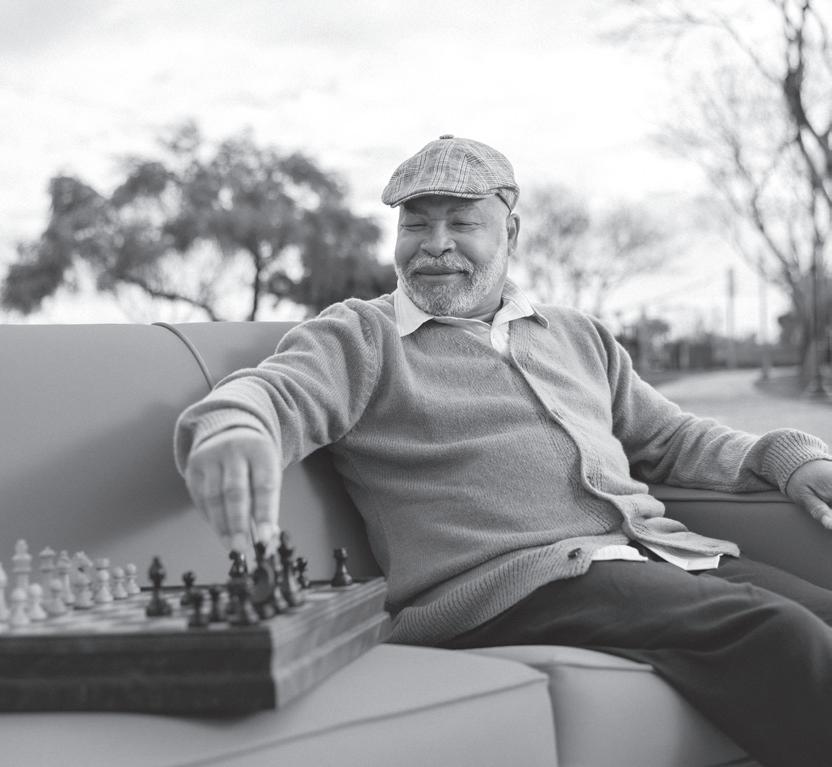

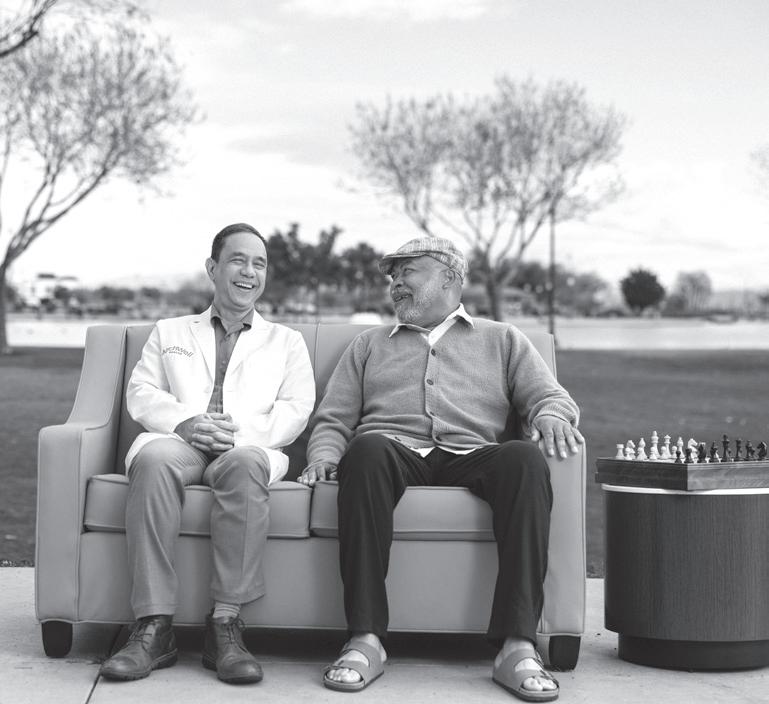
“Mydoctormakesmefeel comfortable.He’salways thinkingafewmovesahead.” -DavidT.
First-party cookies –These are created by a website and only read by that site. They don’t track online activity across multiple websites.
Third-party cookies –These cookies are used to track you across multiple websites that you visit and how much time you spend at each one. The data captured in third-party cookies is frequently sold to or shared with multiple companies. Most people prefer avoiding this level of tracking.
Websites are legally required to ask visitors for approval before installing intrusive types of cookies on their computer. Cookies that gather minimal amounts of data like first-party cookies, session cookies and essential cookies don’t require the user’s permission.
One option that might be presented to you by a website is a pop-up message box explaining that the site uses cookies and an “OK” button. If you click that button, you’re giving the site permission to install their cookies on your computer.
Another scenario lets you decide the kind of cookies created on your computer. Frequent choices are “Decline All”, “Accept All”, “Essential Cookies”, “Marketing Cookies”, “Functional Cookies” and “Analytics Cookies”. Marketing and Analytics cookies track your activities online. Limiting cookies to essential or functional ones better preserves your privacy.
It’s your choice whether to accept cookies or not, but there can be a downside to blocking them. Some websites can’t provide their full functionality
if cookies are blocked. For example, you might have to sign in every time you go to the site.
The decision whether to accept its cookies may come down to how important that website is to you. If you use it regularly and trust it then making accepting cookies is probably safe. If, on the other hand, you rarely go to it and you don’t know much about the site, then you may be better off blocking its cookies.
Web browsers provide a way to block cookies from being created on your computer. In the upper right-hand corner of most browsers there’s an icon that looks like either three stacked dashes or dots. Click this icon and then select the “Settings” option. Next look for a Security or Privacy option. Scroll down the screen looking for a section labeled “browser privacy” or something similar. There will be a setting that blocks third-party cookies, cross-site cookies or tracking cookies. Turn on this setting.
You should delete existing cookies from your browser regularly to prevent them from accumulating and tracking you. Browsers provide the ability to delete all cookies on your computer. This option is also in the privacy or security area. There should be choices to delete browsing history and cookies. You’ll have the ability to delete all cookies or just the ones that have been created in the last day, week or month.
Deleting all of them is the safest choice.
--Cookies continued on page 13.
David, our member from Phoenix, Arizona, stays active by playing it smart, whether it’s chess in the park or Tai Chi in the ArchWell Health activity room.
With care designed especially for older adults, his doctor sees the full board and is invested in improving his cognitive function and overall health. It makes every visit feel more personal. And, it helps him keep his mind sharp, his body moving, and every move intentional.
the QR code or call (531) 895-9805 to
By Lois Jordan
Are there some book lovers out there? Reading is such a wonderful way to explore other worlds, travel to distant lands, peek inside someone else’s dreams, meet new people, and learn so much—all without ever leaving home. A good book can transport you to a sun-soaked country, immerse you in another person’s drama or scandal, or even teach you how to make gourmet cuisine, dish soap, candles, or first-aid ointment. Curious about your great-great-greatgrandparents’ era? There’s a book for that, too.
Book genres have expanded tremendously over the years. The classics—romance, mystery, fantasy—still thrive, but have you heard of climatechange fiction, Bangsian fantasy (historical figures in the afterlife), Gaslamp fantasy (Victorian-era magic), or Biopunk (biotechnology, genetics, and synthetic biology)?
One of the wonderful things about books is their low production cost, which,
when paired with human imagination, gives us an endless variety of stories to enjoy.
Who doesn’t love a book that grabs you from the first chapter and makes you wish your eyes didn’t have to blink? As books have evolved, so have the ways we enjoy them. We can purchase titles online or read them on our favorite e-readers, like Kindle, Nook, or Kobo. And if reading isn’t possible, audiobooks can transport us into another world using just voices. Personally, I love listening to audiobooks during car rides—road trips fly by when the mystery is so gripping that you can’t wait to find out what happens next.
No matter your interests, a world of knowledge and adventure is waiting, and it doesn’t have to cost a dime. Local libraries offer endless shelves of books, and many have apps that give you thousands of free titles at your fingertips. Neighborhood little free libraries are another treasure, letting readers
Cookies continued from page 12.
Some browsers have the option to delete all cookies every time the browser is closed. This can help prevent an accumulation of cookies over time. It relieves you from having to remember to periodically delete them.
A final method of protecting yourself against intrusive cookies is to install a piece of software called a plug-in into your Internet browser. Plug-ins are also called browser “extensions.” These small applications work with the browser to prevent third-party tracking cookies from being created on your computer. They also delete
share their favorite books with the next lucky visitor. And joining a book club? That’s a wonderful way to dive into a story and make new friends along the way.
Books give us so many joys: keeping our minds active, escaping to another place or time, laughing, learning, or simply sighing, “Ahh, what a great story.” Here are just a few of my personal favorite audiobooks: Demon Copperhead by Barbara Kingsolver, My Friends by Fredrik Backman, Sandwich by Catherine Newman, The Correspondent by Virginia Evans, and The Silent Patient by Alex Michaelides.
So, pick up a book, press play on an audiobook, or peek inside that little free library down the street. There’s a whole universe waiting for you—one page at a time.
Lois Jordan, CEO for Midwest Geriatrics Inc. Management company for Florence Home Healthcare Center, Royale Oaks, and House of Hope Assisted Living and Memory Care
data you’ve entered into forms on websites. Some highly rated plug-ins are Privacy Badger, Ghostery, DuckDuckGo Privacy Essentials and Cookie AutoDelete.
Just like the edible ones, too many Internet cookies aren’t good for you. Hopefully, this article has provided enough information, so you understand what cookies are and know how to prevent them from tracking your online activity.
Kelly’s newest book, “Ransomware, Viruses, Social Engineering and Other Threats: Protecting Your Digital Assets” is available on Amazon and at The Bookworm.
First United Methodist Church has some excellent adult curriculums available. They are free for any Christian group which would like to study prayer, discipleship and beliefs.
Call First United Methodist Church at 402-556-6262 if you wish to receive more information about the list of the studies available.
The Vascular and Metabolic Phenotyping Research Lab at the University of Nebraska at Omaha will be testing an investigational device (not FDA approved) in healthy adults and adults with peripheral artery disease. If you are interested, please call the UNO Vascular Research Lab at 402-554-3779 or email Cody Anderson at codypanderson@unomaha.edu.
nett@unmc.edu
•
• Prepare
•
•

What do we do when our friends die? This question has directly confronted me over the past couple weeks. One longtime friend died suddenly, leaving all her many friends and family in shock. With another longtime friend, we have had a bit longer to adjust. Three weeks ago, my friend went into ER for symptoms of AFib. The doctors kept her for other issues and, to our surprise, soon referred her to residential hospice. She lasted six days in hospice. Last month she was full of energy and ideas at our last book club meeting. Meanwhile, my friend and next-door neighbor lost her younger brother to a heart attack without warning.
We need to allow ourselves to grieve for those who had died. Dear friends leave behind a hole in our hearts when they are gone. I try to cherish the hole which is a memorial to their life in my own heart. Life continues but the holes remain.
Grief is a solitary journey but needs the support of community. I am consoled by my community of friends who gather to cry together and remember. Celebrations of life and funerals are so important because the community gathers to remember
By Nancy Hemesath
and support one another. One grief expert says a good funeral goes a long way to bring about healing. (I am always saddened by decisions made by some not to have a service. Even if the deceased did not want it, it is so important for the survivors.)
Beyond grief, these sudden deaths trigger feelings of vulnerability and uncertainty. Every health issue becomes a threat, precipitating more than the usual amount of worry. My brother and my sister-in-law have been to the emergency room in the past weeks, both with concerns about a possible stroke. Thank God, they are on the mend.
All of these events confront us with our own mortality. In our youth we felt invincible and now we realize life is precarious. We know our own expiration date is sooner than we once assumed. What do we do with this heightened awareness?
I am compelled to think of my own preparedness, or lack thereof. As doctors tell
Cybercriminals are targeting Verizon customers. Verizon is a cellular service provider that recently experienced a major network outage.
You receive a text message that appears to be from Verizon, claiming you have expired reward points to redeem. The text includes a link and urges you to select it immediately to claim your points. You may think this message is related to the recent network outage and be tempted to follow the instructions.
critically ill patients, “It is time to get your affairs in order.” If our wills are nonexistent or in need of updating, now is the time to do it. Also, making our wishes known about our own funeral services and burials is a gift to our survivors and an excellent way to face our own mortality. (I have been doing my own planning for a pre-paid funeral so others do not have to do it.)
Maybe the most important unfinished business to attend to is that of our own relationships. Now is the time to resolve festering grudges. We may not have time on our deathbed to mend relationships. Who do I need to forgive? From whom do I need to seek forgiveness? Whom have I neglected? What acts of kindness or generosity can I give now, while I am able? Preoccupation with death is not what I am suggesting. However, mindfulness of the shortness of life is healthy. We never know what day is our last day. We are best prepared when we live each day fully.
However, this is actually a smishing, or text phishing, scam.
Cybercriminals are exploiting the recent news stories about a mobile outage to trick you. If you select the link in the message, you will be taken to a fake website and asked to enter your financial information to redeem your reward. But if you enter your banking details, the scammers will steal them.
For more information, visit KnowBe4. com.
Join Flaherty Senior Consulting for a series of Solutions Group gatherings that will address the questions and challenges caregivers face.
Solutions Groups provide opportunities for caregivers to learn how to deal with various issues, obtain skills and knowledge, engage in discussions, and interact with others in similar circumstances.
Upcoming meeting dates and locations are:
• April 2, June 4, Aug. 6, Oct. 1, Dec. 3
The Servite Center of Compassion 72nd St. and Ames Cr.
• April 15, June 17, Aug. 19, Oct. 21, Dec. 16
St. Timothy Lutheran Church 93rd and Dodge streets
• May 12, July 14, Sept. 8, Nov. 10 St. Vincent de Paul Church 14330 Eagle Run Dr.
• May 16, July 25, Sept. 26, Nov. 28 Faith Westwood United Methodist Church 4814 Oaks Ln.
The Solutions Groups are facilitated by Nancy Flaherty, MS, CDP, president of Flaherty Senior Consulting. She has extensive experience working with family caregivers and caregiver groups.
For more information, email Nancy at flahertyconsulting@cox.net or call/text her at 402-312-9324.
You’re invited to visit the Florence Senior Center, 2920 Bondesson St.
At the Florence Senior Center, lunch is served at 11:30 am. A select menu is offered Monday thru Friday. Meal reservations must be made one day in advance. Please call by noon the day before for a meal reservation.
There will be a painting workshop with Kim Darling at 9 a.m. every Wednesday.
The center hosts activites such as Tai Chi, annual picnics/ special events, bingo, cards, gym & game room access, special guest speakers and socials.
Arts and crafts will be held on the third Wednesday of each month. They also provide health and nutrition programs.
For more information, please call Colleen Metz @ 402444-6333.
Legal Aid of Nebraska operates a free telephone access line for Nebraskans ages 60 and older.
Information is offered to help the state’s older men and women with questions on topics like bankruptcy, Homestead Exemptions, powers of attorney, Medicare, Medicaid, and Section 8 housing.
The number for the Elder Access Line is 402-827-5656 in Omaha and 1-800-527-7249 statewide.
This service is available to Nebraskans ages 60 and older regardless of income, race, or ethnicity.
The Legal Aid of Nebraska hours of operation are 9 a.m. to noon and 1 to 3 p.m. Monday through Thursday, and 9 a.m. to noon on Friday.
NEW HORIZONS PHOTO
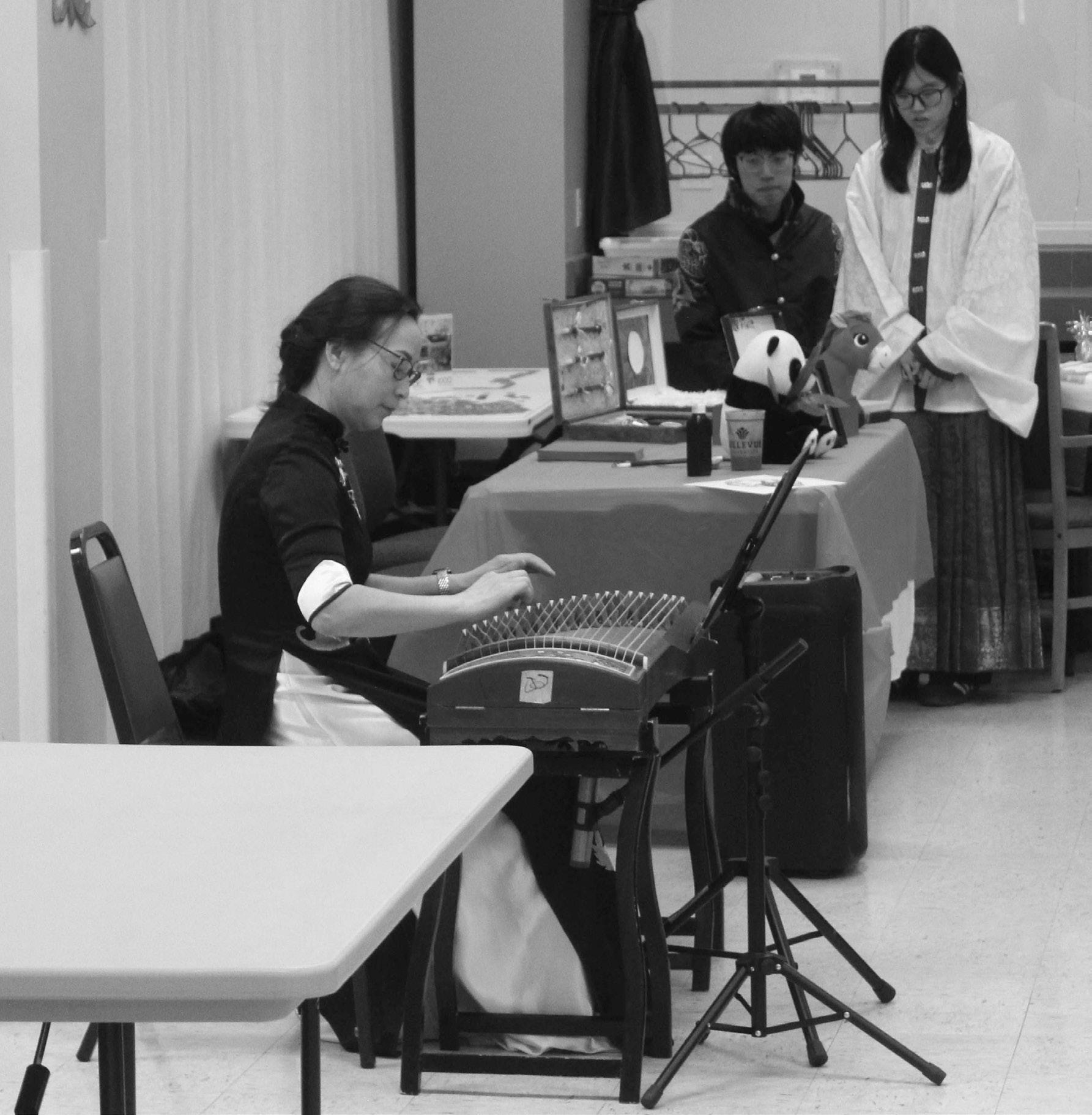
Those at Bellevue Community Center, located on 109 W. 22nd St., celebrated the Lunar New Year with International Students from Bellevue University. There was music and a calligraphy demonstrations.