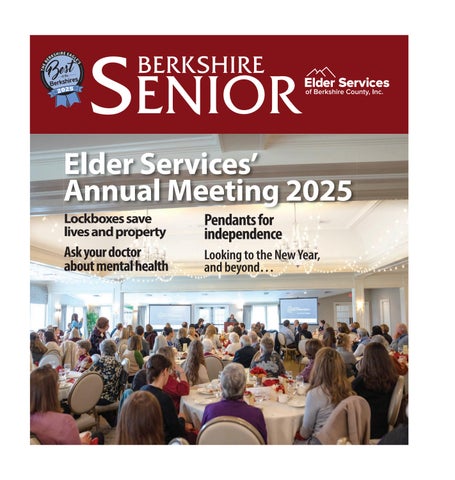

Elder Services’ Annual Meeting 2025
Lockboxes save lives and property
Pendants for independence

Ask your doctor about mental health
Looking to the New Year, and beyond…



WhenMomgotsick,Iwassooverwhelmedmanaginghercare, llingoutpaperworkandtrying tobethereforher.Thankfully,HospiceCareinTheBerkshireswastheretomakeeverythingeasier. TheyprovidedcompassionatecarethatsupportedaqualityoflifeforMom.
O eringcompassiontoourcommunity:
Emotionalandspiritualsupport
Symptommanagement
Integrativetherapies
Homehealthaides
Meaningfulend-of-lifecare
Bereavementcounseling
Mission Statement
The mission of Elder Services of Berkshire County, Inc. is to provide Berkshire older adults, caregivers, and individuals with disabilities the opportunity to live with dignity, independence, and self-determination, and to achieve the highest possible quality of life.
Statement of Inclusivity
Elder Services practices non-discrimination in employment practices and service delivery. Embracing diversity, our in-home and community-based services are available to all without regard to race, ethnicity, language, religion, gender, sexual orientation, or lifestyle.

Winter weather and Meals on Wheels
by Christopher McLaughlin, Executive Director of Elder Services
Services of Berkshire County
Berkshire Senior
Editorial Board: Deb Aldrich-Jegtvig, Perry Burdick, Christopher McLaughlin, Ned Averill-Snell, Susan Guerrero, Kara Graziola, Peter Olsen and Lisa Jamros.
Advertising: To place an advertisement in Berkshire Senior, please contact Amy Filiault at (413) 496-6322 or e-mail advertising@berkshireeagle.com.
Berkshire Senior is published bi-monthly by Elder Services of Berkshire County, Inc., 73 South Church Street, Pitts eld, MA 01201, (413) 499-0524 or (800) 5445242, e-mail: esbc@esbci.org or on the internet at www.esbci.org.
NOTICE
Berkshire Senior advertising helps to the defray the costs of producing the newspaper. Inclusion of advertisers in no way implies that Elder Services endorses any product or service.
Signed columns are the opinion of the writers and not necessarily the opinion of Elder Services. For medical, nancial or other advice, seek a quali ed professional in the appropriate eld.
Elder Services and its programs are funded, in part, by the Executive O ce of Aging & Independence (AGE).
State and federal funds provided to Elder Services are limited. Elder Services welcomes charitable donations to help meet the growing needs of Berkshire seniors, and gratefully acknowledges all donations.
Hoping all is well with you and yours heading into the holiday season.
As I am writing this in mid-November, we have yet to see any significant winter weather though it does seem to be colder than it has been in recent years. This is a good time to talk about the reality of inclement weather on our Meals on Wheels program. December, January, February and March bring the winter’s coldest weather and worst snow and ice storms.
The Elder Services’ Nutrition Department receives phone calls on days when weather forecasts predict harsh conditions that do not hit full force and on days when the weather takes an unexpected turn for the worse. Sometimes predicted severe weather does not materialize. This causes our clients to wonder why we are not delivering their meals when the skies and the roads are clear. Conversely, our clients sometimes call wondering why our drivers are out delivering meals when winter weather makes driving (and walking) conditions dangerous.
The disconnect between weather realities and the decision to deliver (or not deliver) meals is better understood when you know what must happen to produce and deliver 950 meals to all corners of our exceptionally large county. Our kitchen, located just before the Dollar General on Route 7 in Lanesborough, produces the meals we deliver to each of 32 cities and towns in Berkshire County. With a county covering 950 square miles, the meals must be ready early each weekday so we can deliver them to places like Florida and Clarksburg in the North, Sandisfield and Sheffield in South County and everywhere in between.
A typical weekday starts with cooks and kitchen staff arriving in Lanesborough at 5:00 a.m. to begin cooking and preparing the ingredients for the day’s meals. From 9:00 a.m. to 10:30 a.m., meals are plated and secured with plastic using a sealing machine in an assembly line-like process. Meals on Wheels drivers and transporters begin to arrive at around 9:00. The transporters deliver large quantities of food and meals to the Spitzer Center in North Adams, Crossway Village in Lee, and the Claire Teague Senior Center in Great Barrington while drivers with routes in Pittsfield and Central County depart the kitchen to begin making their deliveries.
On days when severe weather is predicted, representatives from the kitchen, Nutrition Department and Elder Services’ senior leadership team hold a conference call at 4:30 a.m. to make the decision regarding whether to cancel meals. Sometimes when a storm starts late the previous night or earlier that morning, the harsh weather is in full force and the decision to cancel meals is an easy one. At other times, the storm has yet to start but radio and TV weather forecasts predict that significant winter weather will arrive before or during the time when continued on page 5
Helping emergency services rescue you quickly – and without destroying your door
by Elder Services Staff
It’s a little frightening to imagine, but just try, for a moment. We’re all safe here.
Imagine there’s an emergency in your home – a fire, a fall, a medical crisis. First responders are on the way, but for one reason or another you can’t reach the front door, at least not in time to admit the firefighters, police or emergency medical technicians when they arrive. How will they get inside to save you?
You know how. They’ll kick down the door, or knock it down with an axe. First responders would rather not harm your home, but in an emergency, your safety trumps property damage, and every second counts.
Still, a broken door is costly to repair or replace, and until you can get it fixed, you’ll have a tough time keeping your home secure, and keeping warm or cool air inside – not to mention your pets. And God forbid that during the emergency, you happen to find your way to the door just as your rescuers break through –and swing that heavy door smack into you. Knocking doors down is dangerous, for both responders and residents.
There’s a better way: a residential lockbox program.
They work like this: A small, discreet combination lockbox is installed above or beside your front door. Inside that box is a door key. You’ve set the combination on the lock yourself, and filed a form that will enable the combination to pop up on a dispatcher’s screen whenever emergency services are sent to your home.
In an emergency, the dispatcher tells responders through a secure channel both the combination and where to find the lockbox. (In some communities, to avoid dealing with combinations, emergency responders carry a master key that opens every lockbox.) As soon as they arrive, responders
open the box, grab your key and quickly let themselves in.
You’re saved. And so is your door. Perhaps more important, rescuers can get inside more quickly with a key than by breaking down your door, saving precious seconds.
There are two parts to setting up a residential lockbox program: First, someone – whether the resident or a local services organization – must buy and install the boxes. Second, local emergency services must collect applications showing residents’ addresses, lockbox locations and combinations, and securely record that information to make it accessible to dispatchers. Lockbox programs protecting seniors and their doors operate in many Massachusetts cities and towns, including Northampton, Hadley and Williamstown. The Berkshires’ most populous city, Pittsfield, has no such program… but not for long, if Jennifer Reynolds has anything to say about it.
The director of the Pittsfield Senior Center and Council on
Aging (COA), Reynolds has already brought Pittsfield Police Chief Thomas Dawley and Fire Chief Thomas Sammons on board with starting a local lockbox program.
“Chief Sammons and I have been speaking with the Director at the Senior Center [Reynolds] regarding this,” says Chief Dawley. “It is in its very early stages of development, but I think it is a wonderful idea that will assist our elderly and disabled members of the community when they require an emergency response from us.”
In Reynolds’ vision, COA volunteers would visit the homes of seniors and disabled people who want to participate in the program, bringing along a lockbox and a form for collecting the address, lockbox location and combination. While one visitor helps the resident complete the form, another would be outside installing the lockbox. After the visit, the form will be filed with emergency services.
Reynolds says this approach not only makes the program
convenient for participants, but also gives the COA an opportunity to evaluate the participants’ other needs. “This is where it’s great for us, because we get their emergency contact, we get an idea what kind of services they’re needing,” Reynolds says. “It gets us in the house to see however else we can help.”
The hope is that the Pittsfield COA can deliver the lockbox program free of charge to qualifying seniors and disabled persons. As long as volunteers are collecting the applications and installing the boxes, the only cost is the boxes themselves.
Reynolds is busy seeking a rock-bottom wholesale price from a supplier and both grant funding and private donations to cover that cost.
If all goes according to plan, Reynolds will launch the lockbox program early in 2026. When the time comes, the program will be announced in the Pittsfield COA newsletter. And in this paper, as well.
Stay tuned...
Pittsfield Senior Center and COA
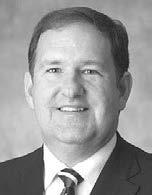
Director Jennifer Reynolds, lockbox program champion

Winter weather and Meals On Wheels
continued from page 3
our drivers will be delivering meals.
The reality is that a lot can and does happen between the time we speak at 4:30 a.m. and the time our drivers start delivering the meals beginning at 10:00. Sometimes we cancel meals on days when conditions are bad and the weather is predicted to worsen only to find that by late morning, the worst of the storm has passed, and roads and sidewalks are clear. Other times, we make the decision not to cancel meals and end up regretting it when the weather takes a turn for the worse, and we fear for our staff members’ safety driving (and walking) in dangerous conditions. We go to great lengths to ensure the safety of our kitchen staff, drivers and other staff.
When we make the decision about whether to cancel meals, we monitor the weather forecasts
and consider many factors. However, the five and a half hours between when we make the decision and when deliveries start means that, despite going to great lengths to ensure our clients receive meals and prioritizing the safety of our drivers and staff, we will continue to get it wrong now and then.
Elder Services’ website lists meal cancellations, and the following radio stations make announcements when meals are cancelled due to inclement weather: WBEC 1420 AM, 95.9 FM, WUPE 1110 AM, 100.1 FM, WNAW 1230 AM, WBRK 1340 AM, 101.7 FM and WSBS 860 AM. In addition, meal cancellations appear on the ribbon at the bottom of your TV screen on channels 6, 10 and 13.
Best wishes to you and yours for a healthy, happy holiday season.
Until next time be good, be kind and be careful.
Expressions of gratitude for Elder Services’ volunteers
by Elder Services Staff
Many of the people Elder Services supports in Berkshire County receive services from one or more of our 300 volunteers.
Our board of directors, advisory council members, Berkshire Senior volunteers, Pittsfield Community Television volunteers and many others donate their time to serve the Berkshire County community.



DonnaBrewer,Owner
StevenJBrewer,Director
Many of those who work in our kitchen, deliver Meals on Wheels and assist senior centers in serving our hot lunches are Elder Services volunteers. Volunteer SHINE counselors are busy now during Medicare’s Open Enrollment period, helping folks navigate insurance choices. Long Term Care Ombudsman volunteers advocate for residents of nursing homes.
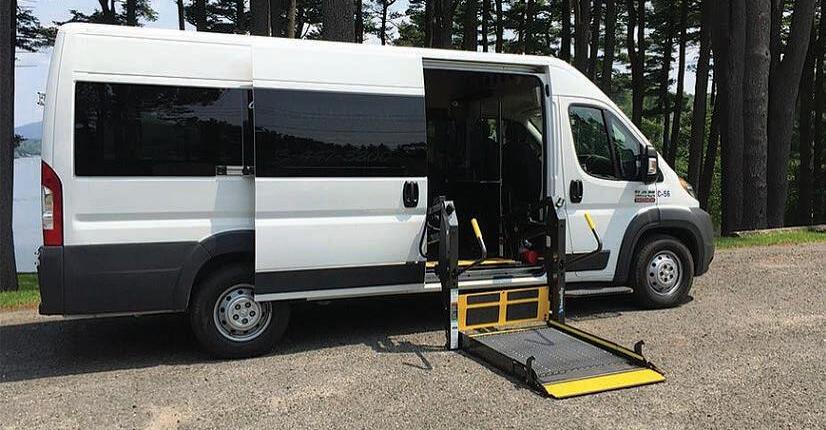
Our volunteers also help with bill paying, shopping, friendly visiting and transportation to medical appointments. Still others help out in the Elder Services office.
From time to time, we get feedback from those who have

received assistance from our generous volunteers. We’d like to share some of their comments here.
“The SHINE counselors have been invariably helpful with the minefield that is Medicare Open Enrollment. I first utilized their services when I retired in 2016 at age 70. I don’t know how I could have done it over the years without the volunteers’ assistance.”
Tom H.
“I just want to say ‘thank you’ for the ride I received from Karen. She took me to a medical appointment shortly after I had been hospitalized and I wasn’t feeling 100%. Karen is tremendously
helpful, caring, and a great conversationalist! Thanks again.”
Jenn S.
“When you don’t have family to take you to the doctor’s, you really appreciate the Elder Services volunteers. Your volunteer Alex is a nice man, genuine, and down to earth. I’m so glad you have him volunteering with you!”
Jim C.
“Elder Services provides many services to me, including rides for my medical appointments. Many retired people volunteer their time to provide these rides. This service is very helpful.”
Lucinda M.
Talk with your doctor – and get your mental health checkup
by Peter Olsen
I recently attended an appointment with my internist for my annual physical examination, which I successfully completed. Prior to my departure, my physician requested that I remain seated briefly, as he wished to pose several questions to me.
Usually, I do the asking, not the doctor. Instead, he initiated a conversation by asking me several personal questions. The questions he asked surprised me; they were quite intimate. His inquiries felt more personal and probing than the usual medical discussion.
• He asked about my family life and whether I was experiencing any problems.
• He questioned if I had ever thought about suicide.
• He inquired if my sex life was lagging.
• He wanted to know how often I spoke with my kids.
•Why was I depressed?
These questions were unexpected and prompted me to respond: “I think you are being a bit intrusive…. Why are you being so personal about my behavior? These are private experiences, and what do they have to do with my physical exam?”
He was not to be deterred, however. We had a conversation concerning these issues, and when I got home, I reflected on the session. I started feeling better now, realizing how comfortable it felt to have someone nonjudgmental with whom to share my feelings, worries and concerns.
At first I felt a bit uneasy and wondered if these topics were appropriate for a routine checkup. It made me realize that doctors today are increasingly focused on the connection

between physical and mental well-being, recognizing that emotional health can significantly impact overall health outcomes, particularly with older folks.
I read some more about doctors asking mental health questions of patients. There is always going to be one who has a disparaging experience. As one person wrote, “After a brief conversation with my doctor, I was restricted and committed to a mental hospital.” Surely an isolated incident. Nevertheless, more and more general practitioners are including mental health questions routinely as part of their physical exams, especially with the elderly. From the research with older patients, we learn, “If there is a physical illness, then mental illness tends to follow.” And vice versa. “If there’s a mental health concern, we often see physical
health deteriorate quickly.” As one doctor said, “Elders may not come into the doctor’s office saying they feel depressed. Instead, they say their stomach hurts, and they are not sure why.”
When an elderly person is facing some mental health struggles, like depression, anxiety, dementia, loneliness, or isolation, figuring out how to connect to care can feel like one more hurdle to overcome. But speaking to someone who knows you well (your primary physician) can break this cycle of feeling lost and alone while dealing with agonizing mental health concerns.
If you don’t know where to start for help, consider being the one who brings up mental health concerns at the appointment with your primary care provider. You don’t have to wait for the doctor to ask you questions. It is certainly appropriate for you to
instigate questions about your mental health concerns during your appointment.
However, be prepared for the session. Some tips for seniors to use when asking questions to their doctor:
•Write down symptoms.
• List your concerns and questions to ask.
• Start the conversation, don’t wait for the doctor to ask.
• Be open and honest. Share what bothers you.
•Ask for clarification.
•Discuss all options.
Mental health is linked to physical health, especially in seniors. Don’t think of these questions as intrusive, but rather as exploratory. Together, you are searching for answers. The conversation you have with your health provider is confidential. What you say there stays there.
Thank You to Our Donors:
The following donations were received between September 1, 2025 and October 31, 2025. Donations received on or after October 31, 2025 will appear in the next issue of Berkshire Senior.
Elder Independence Donations
Richard Daub
Laurie Spar
Dan Daub
Debra Kelly
Cindy Shogry-Raimer
Nancy Fitzpatrick
Flynn’s Pharmacy
Patricia Suchenicz
Richard Cetti
Patricia Andersen
Joan Kearney
Barbara Taginski
Lawrence and Kathleen Carmel
Donald and Paula Gamache
Mark and Karen Daigle
Brian and Maureen Porter
Wealth Transition Collective
Tony Faustine
Je rey Zimmerman
Carol Roberts
Anne Fix
Avon Frulla
Edward Olszewski
Doro Lambert
Elizabeth Kruczkowski
John Robertson
Lisa Arnold
Kurt and Patricia Steele
Lynn Barbieri
Marjorie Wylde
Margaret Christiansen
Deborah Creer
Pamela Weatherbee
Renaissance Charitable
Foundation
Susan Vigeant
James and Carol Edelman
Barbara Ziemba
Susan Coles
Audrey Thier
Nancy Torrico
David Quail
Robert Carlino
Marianne Judge
LiUNA Local 473
Patricia Davis
Anne Lesser
Jacqueline Lovellette
James Copeland
Wohrle’s Foods, Inc.
Nan Bernstein
Ann Cain
Nancy Begbie
Richard Murray
Horace Harris
Carol Christopher
Toni Front
Elizabeth Ziter
Anthony and Amy Anderton
David Strassler
Patricia Rosier
Ruth Suriner
Flora Karbelnik
Guy and Mary Saporito
John Dominguez
Nancy Roy
Wendy and James Robak
Marie Musante
Doreen and Edwin Hutchinson
John and Kimberly Slade
John & Lorraine Tinger
Delmore and Georgette Kinney
Alfred Boyer
James Furciniti
David & Mary Hopkins
Richard Baczek
William and Michalene Lanoue
Lois Adams
Carlson Propane
Bertha and Herbert Lawrence
Sheila Fitzpatrick
Carol Roberts
Jennifer Streisand
George and Judith Szecsei
Pern VanCamp
Donna Cwalinski
Maggie and Sam Bittman
Patti Annechiarico
Marjorie Wexler
Debra Bedard
Allen Rosen
Diana Gomez
Robert O’Clair
Robert and Connie Lincoln
Nancy Kingsley
K-M Motor Sales, INC
Arthur and Louise Hillman
Soldier On
Fairview Contractors, Inc.
Katt Lissard
Ted Okun
Gloria Schilling
Carolyn Whitney
Meribah Haughey
Steven and Judith Taylor
Harry Hartford
Jane Ryan
Thomas Berkel
Linda Greenhouse
David Ariazi
Judith Whitbeck
Robert Hickey
Helaine Rose
Rebecca Nickum
Angelo Borsello, Jr.
Sandra Trumble
Veronica Silvia
Bruce and Sandra Boisvert
Vlada Rousse
Richard Macht
Betty Kasuba
David Bacchioni
Lawrence Spatz
Patrick Litano
Jean Law
Jackie Hafner
Robert Lee
Victoria Williams
Cli ord and Lynne Nilan
Robert Russell
Monique Jalbert
Pasquale Lupo
Berkshire County Sheri ’s O ce
Mary Obanhein
Joseph and Pat Salvadore
Lorraine and Albert Mancuso
Franklin Risatti
Michael Holmes
Marshall Rosenthal
Donna Gorson
Teresa Caldwell
SHINE Donations
Cynthia Armstrong
Douglas Talbert
Elizabeth Kruczkowski
Meals on Wheels Donations
Tamar Schrager
Alice Rose
Dianna Pikul
Deborah Creer
Walter and Elaine Lapierre
David Gage
Walter Creer
Stop & Shop Bloomin’ 4 Good Program
Honor Donations
In Honor of: Marlene Kirchner
Diane Koch
Memorial Donations
In Memory of: Sully Garofano
Karen Gold
Kathleen Duquette-Penna
Diane Weinstein
Cynthia and Gerald Rose
Berkshire Retirement Home
In Memory of: Rita Duginski
Maryann Bassett
In Memory of: Joan Gates
Debra Sullivan
In Memory of: James Gaunt
Duane Knepp
In Memory of: Eliozar Iones
Gregory Jones
In Memory of: Jamie Bugley
Robert Bugley
In Memory of: Nancy Rodovick
Julie Rodovick
In Memory of: Donna Moore
Lori Moore
Heather Seely
In Memory of: Angelica and Frank Marinaro
Vincent and Sheila Marinaro
In Memory of: Annie, Oz, Jack and Elvis
Nancy Stuart
In Memory of: William Broderick
Katherine Broderick
Thoughts on a New Year of life
by Susan Guerrero
The old cliché that there are two sure things in life, death and taxes, still holds.
What people look forward to in a new year of life, however, tends to change quite a bit as one gets older.
For this story, I asked some men and women what they would like to see happen in the new year; what, if anything, would they change about their daily lives; and what will they look forward to in 2026.
Kathy and Philip Wicker live part of each year in West Pittsfield and the rest of the time in Florida. Now retired, they have been married for 53 years.
Kathy said she’d like to see the tradition of families getting together socially restored.
“You used to have dinners together and kids knew all the cousins,” she said. She’d like to see that happen again.
Her husband, Philip, said he’d like to see “peace everywhere.” He added that he’d also like to travel a little more throughout the United States, and take his wife all around the country.
As for what they might like to change in 2026, Kathy said she’d like to have the ambition to do more physical things like ride a bike and walk.
Philip said he is happy the way things are in his life but he, too, would like to improve physically.
“I’d also like to take off about 30 years,” he said, with a big bolt of laughter.
They have things to look forward to in 2026. Kathy said that when visiting one of their sons and his family in DeweyHumboldt, Arizona, they will no longer have to adhere to planning their trip around school schedules. Their youngest granddaughter will graduate from high school this year.
Philip said he looks forward to staying in their house in Florida.
“I like living down there,” he said. “I can stick my knife in butter in the morning and spread it.”

Diane Stetson, 83, a Pittsfield native, now lives in California. She returns to the Berkshires every year to visit her daughter who lives in the Boston area, and her family in Pittsfield.
A retired music teacher, she said she’d like to see “world peace.”
In her personal life, she’s looking forward to good health.
“That’s the most important thing when you are old,” she said.
As far as daily living, Diane said she’d like to put some safety grab bars in her bathroom.
She will look forward to visits from her daughter and her fiancé,
as well as from any of her sisters. Mark Miller, 60, had two aunts who made Pittsfield their home for most of their lives. He recently moved from Massachusetts to New Hampshire. His son and daughter-in-law are expecting a baby boy in December. Mark said he plans to help take care of the baby, and that prompted his move. Naturally, what he wants to see in 2026 is “having a healthy grandchild.”
Mark would like to try and eat better in the new year. He will try to have “not as much processed or fast food.”
He looks forward to being a
part-time caretaker of his first and only future baby grandson. The baby is due December 12, Mark said.
Ken Chapin, 78, said he hopes “Everyone’s health is good for the new year and no sadness.”
The thing he’d like to change about daily living practices is to “listen more.”
“Yes, I definitely need to listen more,” he noted, after giving some thought.
As for what he will look forward to, Ken said he is pretty happy the way things are now but he wants to continue to “be useful.”
He can actually fix just about anything, does lots of repairs around the house, and loves gardening and landscaping.
Kelly Philbrick is on the cusp of being a senior. She is 57 years old. She has friends in Pittsfield and, in her younger years, spent some weekends in the Berkshires.
She’d like to see “more peace, more kindness, and more love in the world and in my own family.”
As for changing something about daily living, she said she will be slowly working on improving her eating habits.
“I have diabetes,” she said, “so I’m hoping by next year, by cutting back on the carbs and the sweets, I will be healthier…. I will look forward to moving into a house we are currently remodeling and to more inner peace and serenity in my own life.”
After the ball drops this New Year’s Eve, it will be a good thing to look inward and determine what one would like to accomplish or look forward to.
Change, too, although hard to do, is something positive in life for avoiding getting stuck in a rut.
Here’s hoping that everyone reading this will have lots of positive dreams, goals, and hopes for the new year of life.
May 2026 be a good year for everyone.
“Hope” a theme at Elder Services’ annual meeting
by Elder Services Staff
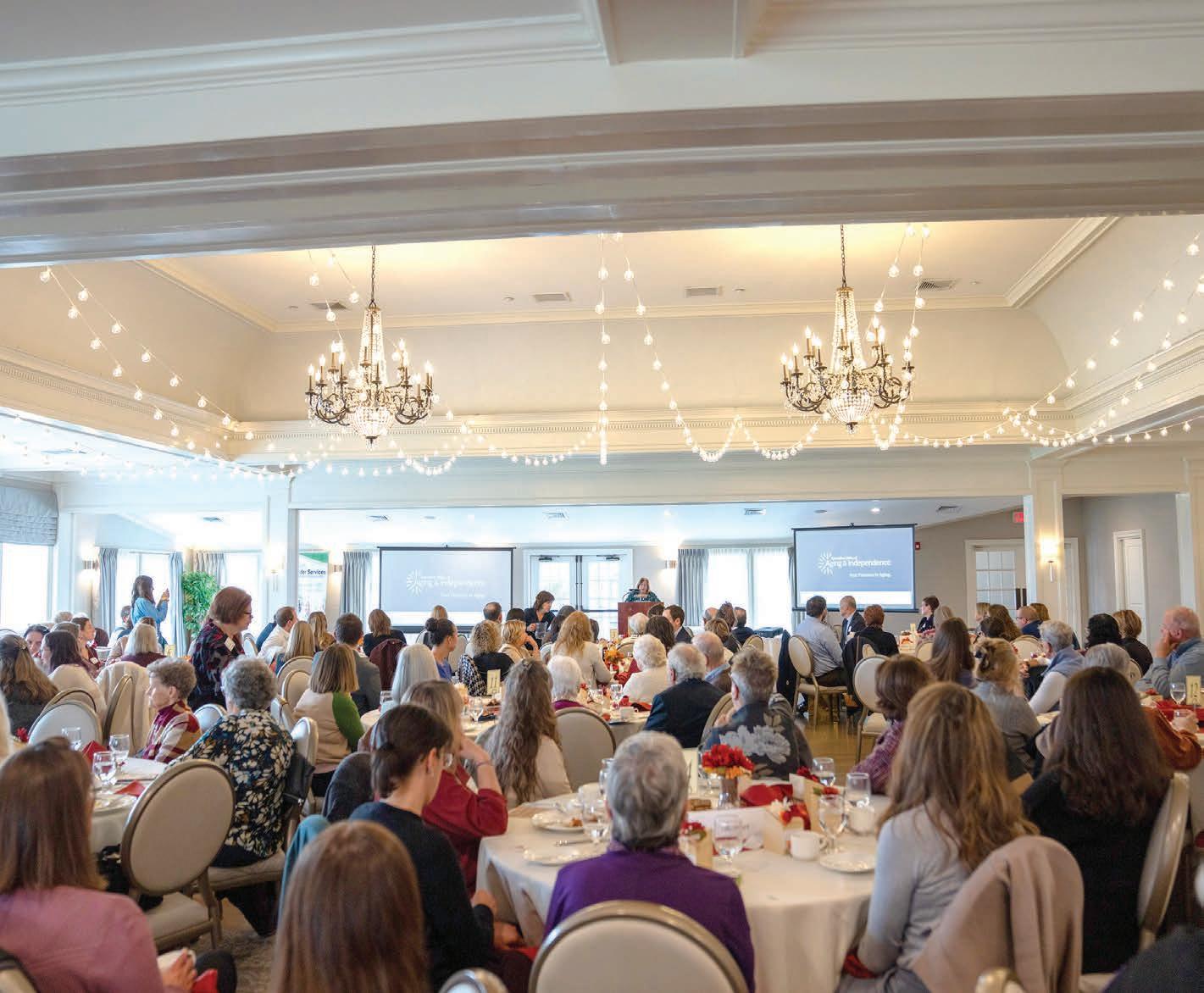
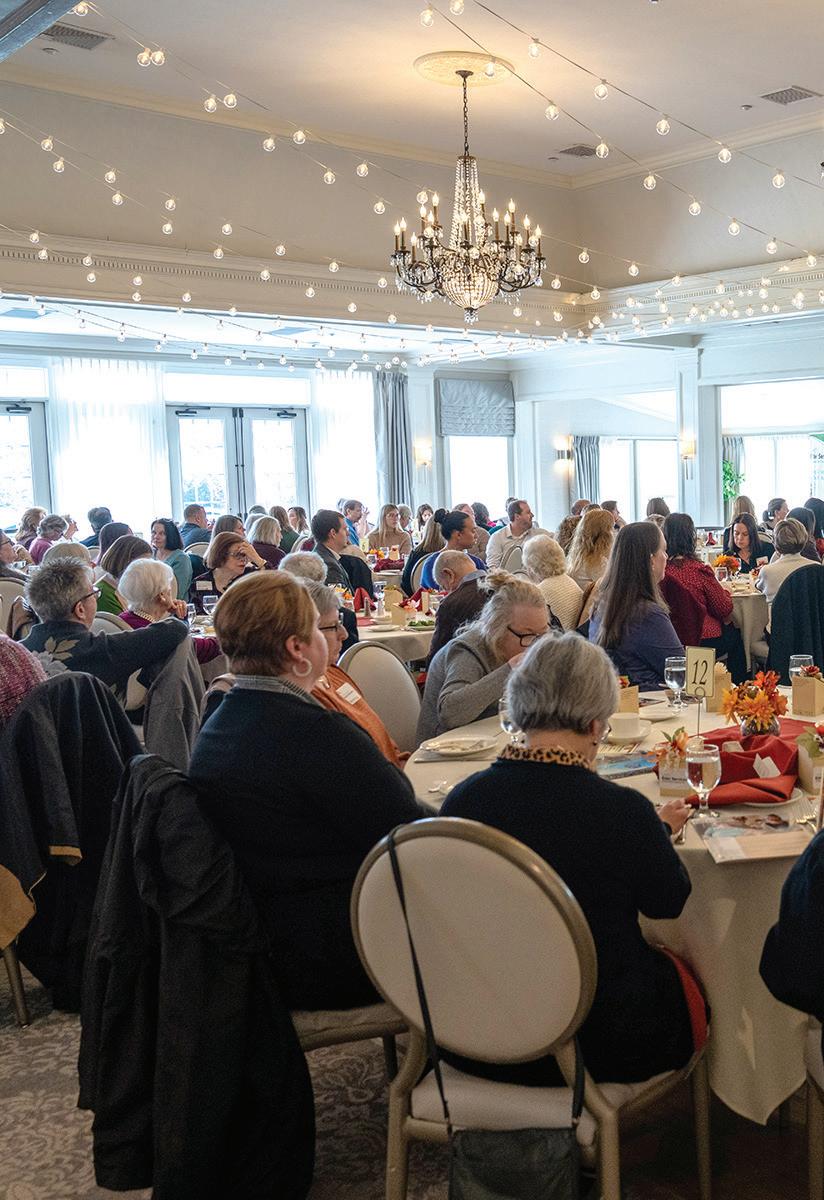
As local and national news swirls with dire reports of budget and services cuts, Elder Services of Berkshire County’s 2025 Annual Meeting on October 24 at the Country Club of Pittsfield offered calm reassurance for area seniors and their caregivers.
In his opening remarks, Elder Services Executive Director Christopher McLaughlin reported that while the current political climate imperils a litany of federal and state programs, essential seniors’ programs such as Meals on Wheels, SHINE and the Family Caregiver Support Program will continue to serve as always.
McLaughlin also reassured attendees – including state Representatives Tricia FarleyBouvier and Leigh Davis, and state Senator Paul Mark – that they were living in a state with an exceptionally strong record of protecting seniors and their healthcare.
“We are very fortunate to live in Massachusetts,” McLaughlin said. “We live in a state that really values people, and values older adults.”
While the meeting’s overall message was one of hope, speakers warned of trouble signs ahead. Steep Medicaid cuts will surely affect many lowincome seniors, and current and likely future cuts to other

federal programs could also adversely affect seniors in Berkshire County. Berkshire is one of the poorest counties in Massachusetts, one whose population is aging rapidly and generating rising demand for the very services whose continuation could be in long-term jeopardy.
Keynote speaker Robin Lipson, secretary of Massachusetts’ Executive Office of Aging & Independence (AGE), cautioned, “Like so many states across the country, we are preparing for a challenging few years ahead…. Every day, we’re having to make really tough choices to direct limited resources toward the most critical needs.”
Lipson continued, “If we want
to protect and empower our aging population, we have to continue to invest in those networks that have always delivered the most impact with the least amount of resources.”
While observing that there are programs he will be watching carefully for trouble signs, McLaughlin said Elder Services is prepared to adapt as necessary to ensure that area seniors continue to receive the services they need, no matter how the winds may blow in Washington, or in Boston.
“As always,” McLaughlin said, “we will be ready with a sense of dignity, passion and purpose.”


Services Meeting 2025

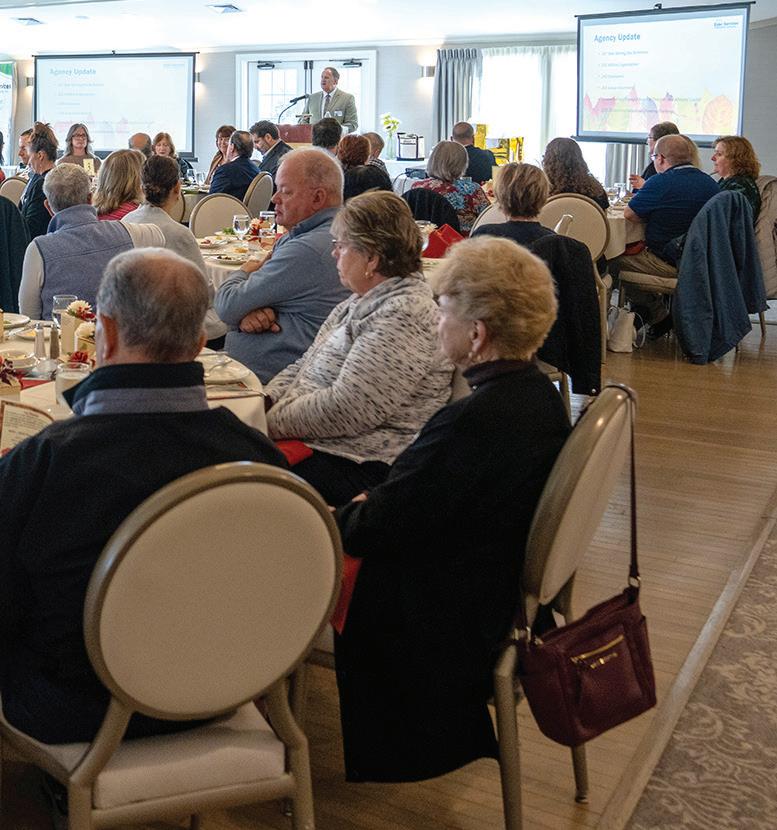

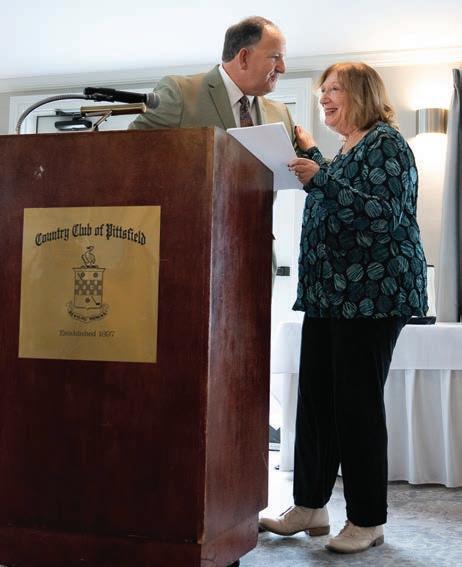
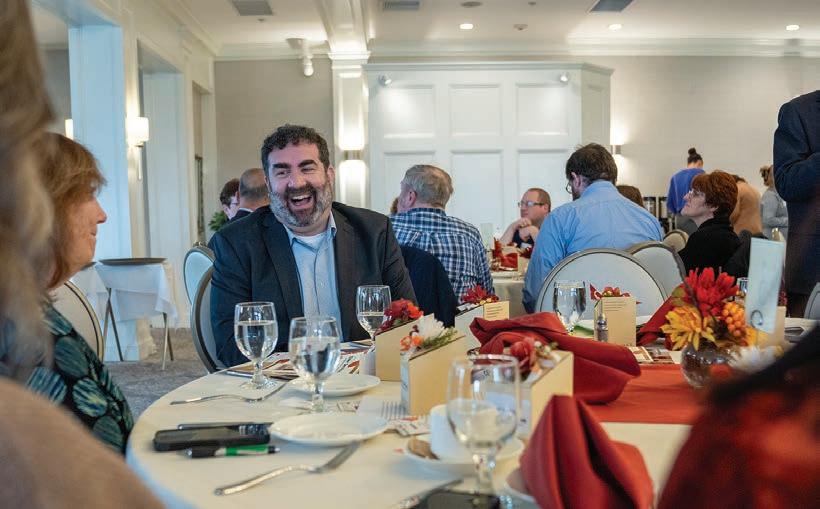
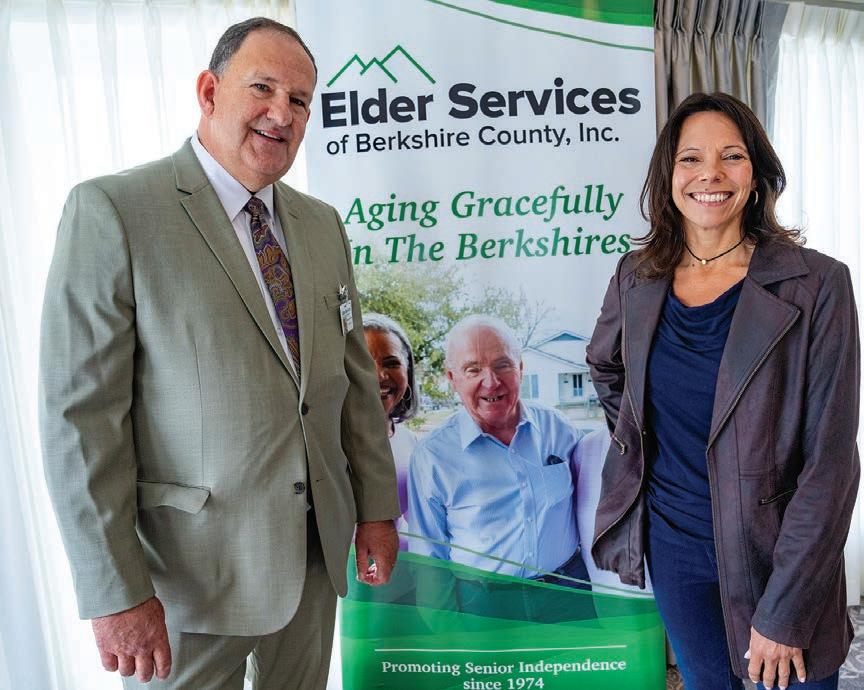
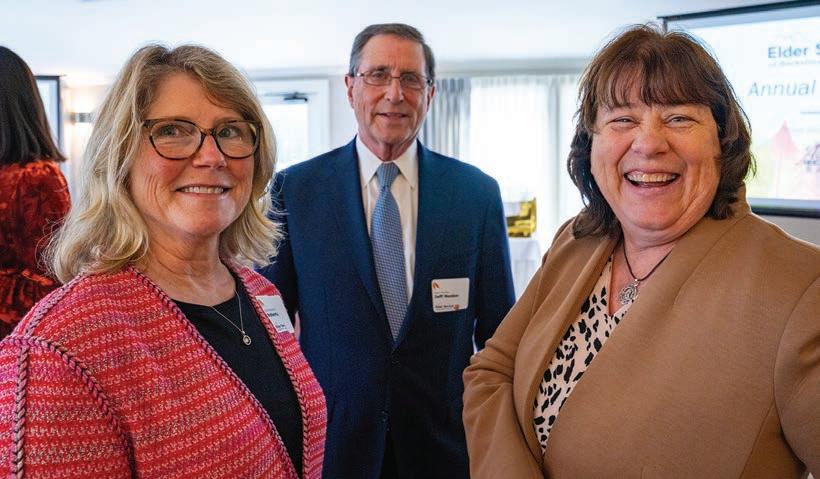
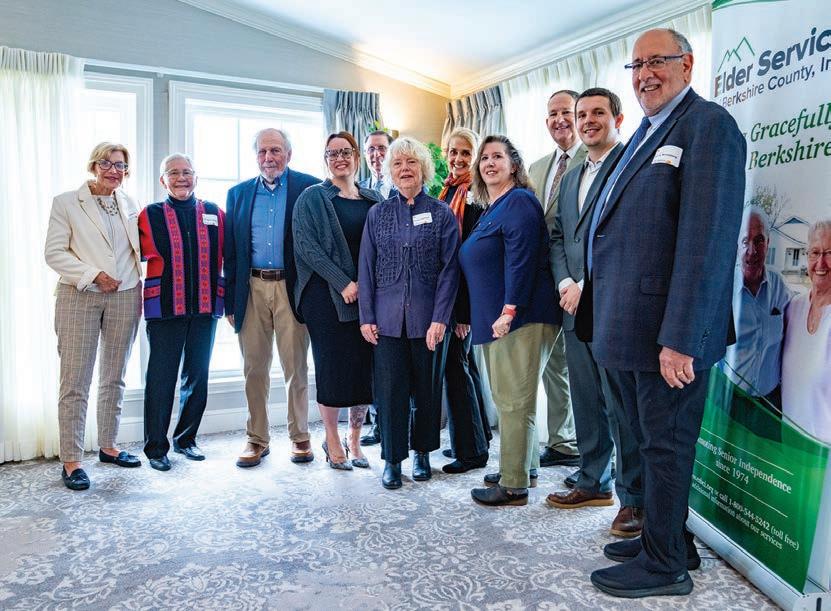
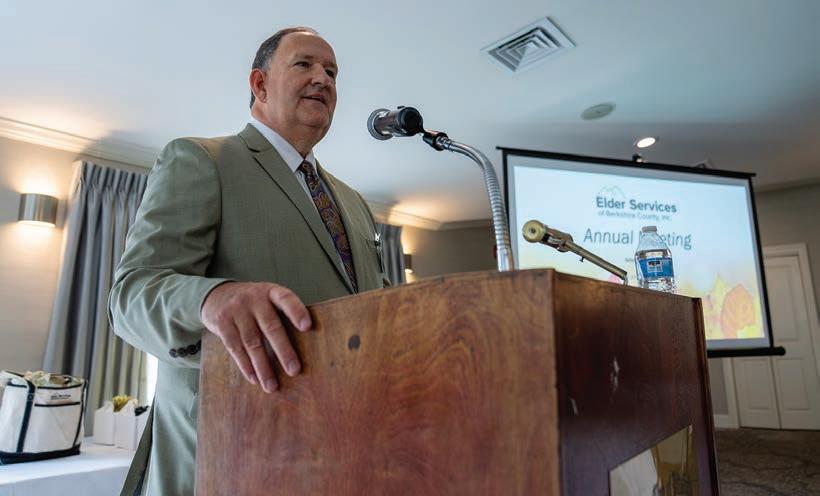
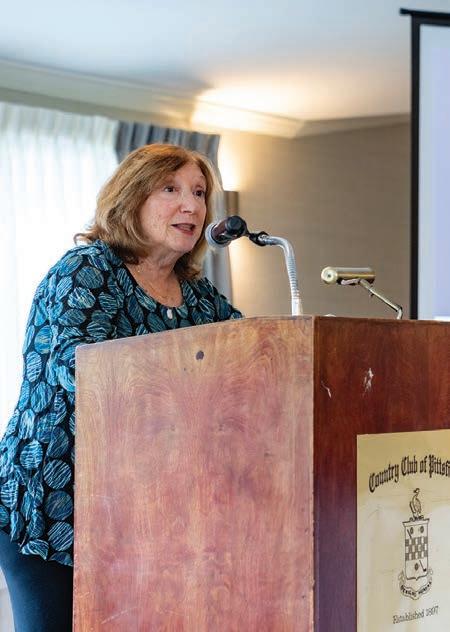
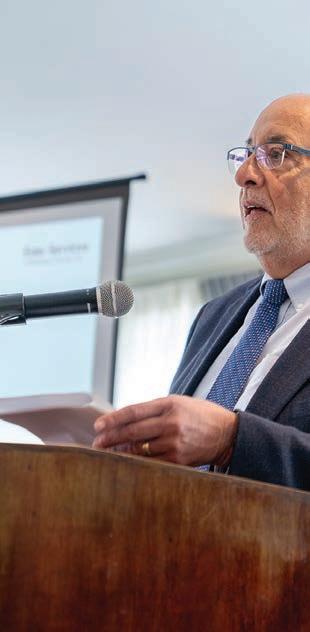
Clockwise, from top left: Outgoing board member Roberta Gale, outgoing Board President Je rey Menkes and Rep. Tricia Farley-Bouvier; Executive Director Christopher McLaughlin addressing meeting; Sen. Paul Mark; McLaughlin with Rep. Leigh Davis; McLaughlin with Executive O ce of Aging & Independence Secretary Robin Lipson; incoming Board President Barry Kriesberg; Lipson; McLaughlin; Elder Services’ board members (l-r) Rhona Hetsrony, Georgette Kinney, Bruce Bernstein, Kalee Carmel, Je Menkes, Teresa Caldwell, Kulli Bloom, Kelly Charon, AJ Cote and Barry Kriesberg, with McLaughlin behind and third from right.
Nonotuck Resource Associates: Creating Home. Building Relationships. Strengthening Community.
For more than fifty years, Nonotuck Resource Associates has been dedicated to helping people with disabilities live full, authentic lives across Massachusetts (including Berkshire County, right here in Lee).
Founded in 1972 as Community Homes for Children, Nonotuck emerged from a simple belief: care should be rooted in dignity, respect, and love — not institutions. Families and advocates knew there was a better way — one that would allow people to live in the community they were born and raised.
In the early 1990s, under the leadership of President and CEO George H. Fleischner, Nonotuck led a transformative shift away from group homes toward Shared Living and later, Adult Family Care — models that honor love, respect, and interdependence.
Adult Family Care—also known as “Adult Foster Care”—allows people to become caregivers for family members who have qualifying medical conditions, including intellectual, developmental, or physical disabilities. This allows a loved one to receive additional care—including nursing and care management—and support tailored to their unique needs, all while continuing to live safely and comfortably at home. Adult Family Care (AFC) is rooted in the belief that everyone deserves to live in a home filled with safety, dignity, and love. Through AFC, people who need assistance with daily activities—such as dressing, bathing, preparing meals, walking, and maintaining mobility—receive the support they need while continuing to live where they feel most comfortable and connected.
We also facilitate Shared Living, which matches a person with a disability to live in a home with a caregiver or family, creating genuine, long-term relationships. Both services are founded on the belief that true care happens in the context of home and community. Today, Nonotuck supports more than a thousand people across the Commonwealth through these programs.
What sets Nonotuck apart is not just what we do, but how we do it — through relationships grounded in our core values:
Authenticity: Supporting people to live their most genuine lives.
Mutuality of Love and Respect: Need we say more?
Interdependence: Building relationships that give and receive.
Commitment: Standing alongside the people we support for as long as they choose.
Serving All of Massachusetts, Including Berkshire County Learn more at www.nonotuck.com






PERS for seniors: a guide to staying safe and independent
by Perry Burdick
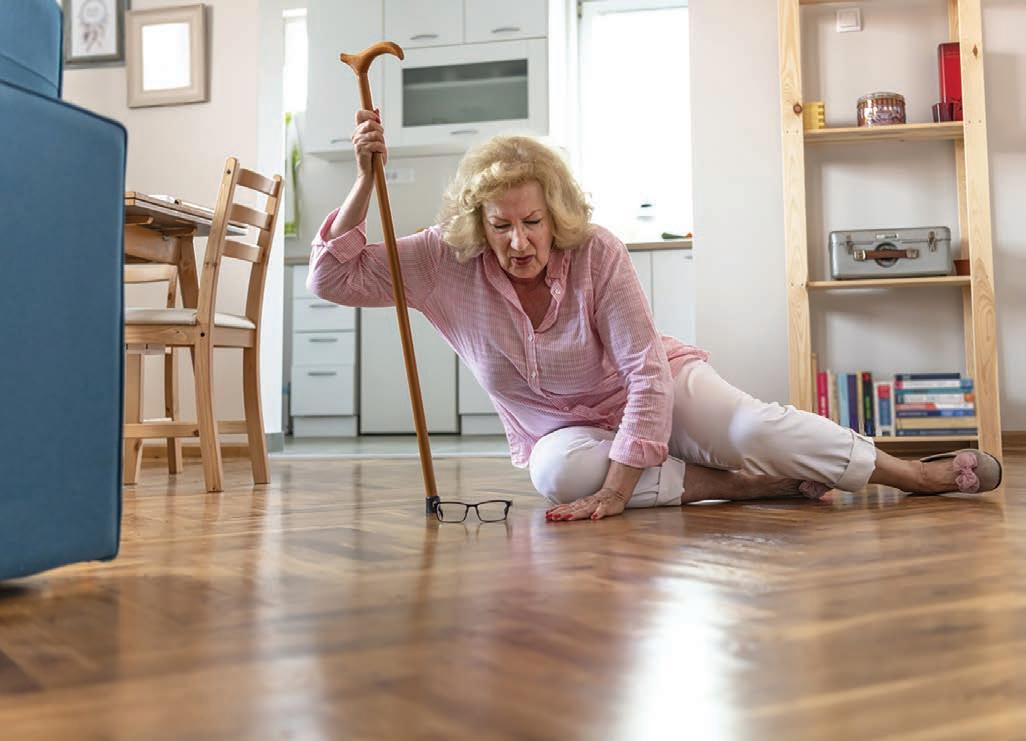
Who has not seen the infamous LifeCall commercial where Mrs. Fletcher says, “I’ve fallen and I can’t get up!” If you have not seen this iconic commercial, Google “LifeCall commercial” and click on the YouTube link. The purpose of a good commercial is to leave a lasting impression on the viewer and to impart the necessity to buy the advertised product.
When I rewatched the commercial recently, I was shocked to discover that it first aired in 1987, and its YouTube video has recorded 4.9 million views. I would say that this commercial gets the gold ribbon for excellence. When the commercial originally aired, I am sorry to admit that I found the cheesy acting humorous, but in reality, there is nothing funny about living alone and needing immediate medical assistance.
A personal emergency response system (PERS) is a vital technology often used by older adults or individuals with health risks to quickly call for help during an emergency. It is sometimes also called a “medical alert system.” Think of it as a freedom button that allows you to continue living independently while providing your caregivers the peace of mind that help is only a button push away.
A PERS has three main components. The first is a wearable device – a small, waterproof button usually worn as a pendant, wristband, or smartwatch. It is the primary way the user signals for help. Next is a stationary device, called a base unit, placed in the home. It connects the wearable button to the outside world, either through a landline or a cellular phone network. It typically includes a speaker and microphone for twoway communication. The final piece of the PERS puzzle is the emergency response center.
This center is staffed 24/7 by trained care specialists who monitor calls and coordinate the appropriate response. The care specialist knows the required information needed to direct your calls. Depending on the information you have provided, the specialist will be able to call in a medical emergency or simply notify your neighbor if you need help getting up. The monitoring has a base monthly subscription fee that increases as you add on features. More on cost later. There are two categories to consider when shopping for a PERS. Choose the category that matches your lifestyle; for example, do you spend most of your time at home, or are you frequently out and about? If you spend most of your time at home, then consider an at-home system. These are the most traditional and often the most affordable choice. An at-home system consists of a stationary base unit placed in a central location in the house, connected to a small, wearable pendant or wrist button. The button communicates wirelessly with the base station, offering coverage typically within a 600- to 1,400-foot radius. Unless you live in Buckingham Palace, this is enough coverage for the house, garage, and yard. The base unit then uses a landline or a dedicated cellular signal to communicate with the monitoring center. This option is ideal for seniors who live alone and spend most of their time within the confines of their property.
The mobile, or on-the-go, PERS is for active older adults who regularly run errands, go for walks, travel or play golf. These devices are all-in-one wearable units (often pendants or smartwatches) that contain their own cellular modem and GPS (Global Positioning System) receiver. They operate anywhere there is cell service, and the builtin GPS allows the monitoring center to pinpoint the user’s location instantly, even if the user is disoriented or unsure of where they are. This device is more costly than the at-home model but does not limit your activities to the immediate area around your home.
Today’s PERS devices have advanced significantly beyond Mrs. Fletcher’s simple panic
button. For one thing, the pendant is much smaller. The one in the commercial looked like a breadbox with a chain around it. In addition to size and weight, there are added features that can be crucial to you and your caregiver.
Automatic fall detection is possibly the most crucial upgrade. Devices with this feature can detect rapid changes in height and the motion characteristics of a fall. If you fall while wearing the device, the system will automatically call the monitoring center, even if you’re unconscious or unable to push the help button. While this feature usually costs an extra $5 to $20 per month, it is often considered indispensable for individuals at high risk of falling.
Water resistance is important because many falls occur in slippery, wet environments like the shower or bathroom. Because of movies like the 1964 James Bond film Goldfinger, where Bond electrocutes a villain by throwing an electric heater into the bathtub, it goes against most people’s good judgment to
wear electronics in the shower. Remember Bond’s famous oneliner? “Shocking, positively shocking.” But unlike electric heaters, the pendant is absolutely safe to be worn in the shower –and it should be worn there.
Battery life is another important consideration. The internal battery of the pendant is designed to last a very long time, often 2 to 7 years. This depends on the model and whether it has automatic fall detection. When the battery starts to run low (the battery is monitored automatically by the system), the pendant sends a signal to the monitoring center. The company will typically mail you a brandnew replacement pendant free of charge, before you mail the other one back, ensuring your continued coverage.
The in-home base stations typically include a backup battery that lasts 24 to 36 hours in case of a power outage. Mobile wearable PERS devices require regular charging, ranging from daily to once every few days. When choosing a mobile unit, assess the charging frequency and the ease


of the charging process to ensure it is suitable for you.
In the event of an emergency, two-way communication allows the user to speak directly to the monitoring center through the pendant or base unit. This capability is essential for confirming the situation, providing reassurance, and guiding the specialist on how best to proceed; for example: “I just need help getting up” or “Please call an ambulance – NOW!”
Understanding the cost structure is key to selecting the right service without overpaying. Prices typically vary based on the system type and selected features.
The monthly monitoring fee is the main recurring cost. The fee typically ranges from $20 to $80 per month. Basic in-home landline units are generally at the lower end of this range, while mobile units with cellular service and fall detection are at the higher end. Always ask about potential discounts for paying quarterly or annually, as these often result in significant savings.
Additionally, most traditional PERS companies lease the




standard equipment (base unit and simple pendant) for free as part of the monthly fee. However, advanced technology, such as medical alert smartwatches, may require a one-time purchase fee, which can be up to $200. There is usually an installation or activation fee, which can run anywhere from $20 to $100. Many major companies waive this fee entirely.
Ask the provider about contract length. The industry standard has moved toward flexibility. Stress the importance of looking for companies that offer month-to-month contracts and allow cancellation at any time without penalty. Avoid longterm commitments.
It is important to note that original Medicare generally does not cover the cost of PERS monitoring fees. However, some Medicare Advantage plans (Part C), Long-Term Care insurance policies, or local state assistance programs may provide coverage or reimbursement. Always check with the specific plan or program administrator before signing a contract.
Before choosing a PERS, encourage an open conversation with your family members or caregivers about which type of system – in-home or mobile –best suits your needs and daily routine. Read the fine print carefully before committing to a contract. Also review the cancellation policies, monthly fees, and equipment warranties. This includes confirming the water-resistance rating and battery-life specifications, especially for mobile units.
Many companies offer a riskfree trial period, typically 15 to 30 days. Take advantage of this. Test the button, speak with the monitoring center, and ensure the coverage range works effectively throughout your home and yard. Whether you choose an inhome unit or a mobile device, the right system ensures that help is always within reach. Take the time to explore your options, involve your family, and make a choice that fits your lifestyle. With the right PERS, you can continue living life on your terms, knowing you are never truly alone.






AssistancewithTransportation
LaundryServices

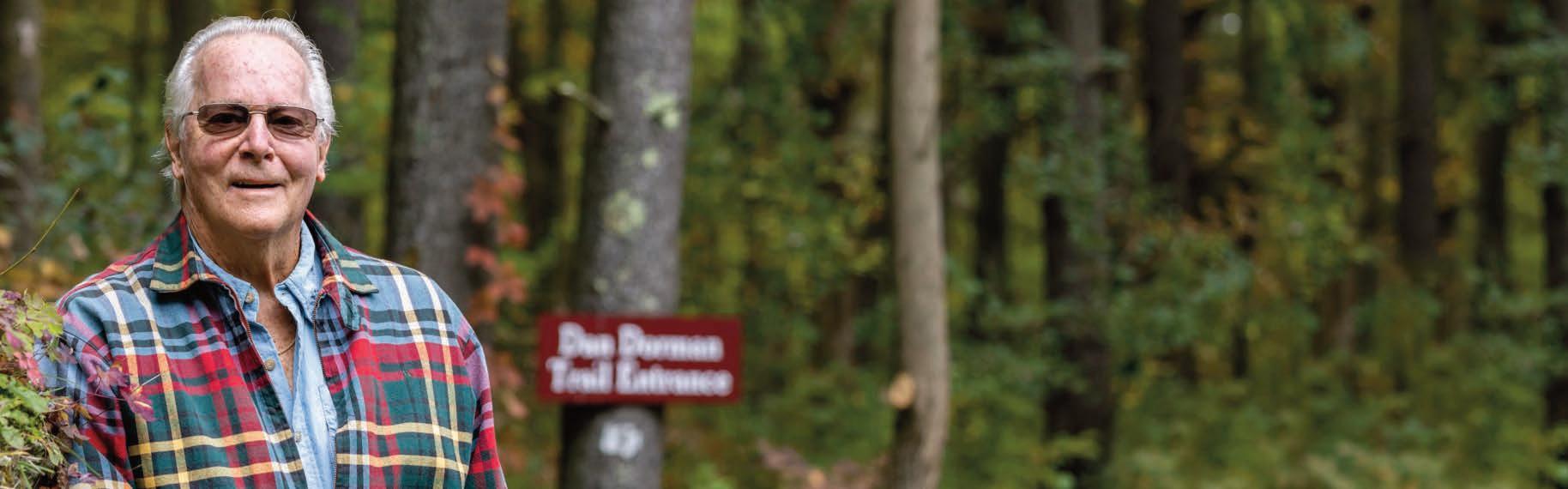
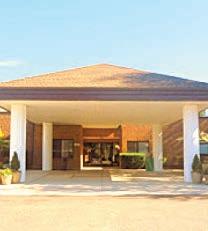
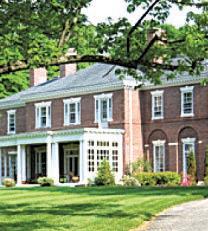
YoudeserveaLifeCarecommunitywithareputationforstimulatingsocial experiences, exceptionalservice,strongsta ngand a welcoming, comfortable environment.Nomatterwhatyourcareneedsare,thebestwillbeavailable. KimballFarmso ersallthisandmore:
• Financialsecurityandlong-term predictability
• Estatepreservation
• Qualitycarenomatterwhatyour healthcareneedsare

• Guaranteedaccesstohealthcare accommodations
• Greatpersonalpeaceofmind
• Thegiftof a lifetime foryourchildren











BERKSHIRE COUNTY LEGISLATORS
UNITED STATES CONGRESS
Congressman Richard Neal
372 Cannon House O ce Building, Washington, D.C. 20515 (202) 225-5601
300 State Street, Suite 200 Springfield, MA 01105-1711 (413) 785-0325
Rep. Leigh Davis
24 Beacon Street, Room 134, Boston, MA 02133 (617) 722-2400 ext. 307
District O ce: (413) 854-4623
Leigh.Davis@mahouse.gov
Rep. John Barrett, III
24 Beacon Street, Room 277, Boston, MA 02133 (617) 722- 2012
District O ce: (413) 743-8300
John.barrett@mahouse.gov
Rep. Tricia Farley-Bouvier
24 Beacon Street, Room 274, Boston, MA 02133 (617) 722-2676
District O ce: (413) 442-4300
Tricia.farley-bouvier@mahouse.gov
Sen. Paul Mark
24 Beacon Street, Room 504, Boston, MA 02133 (617) 722-1625
District O ce: (413) 464-5635
Paul.mark@masenate.gov
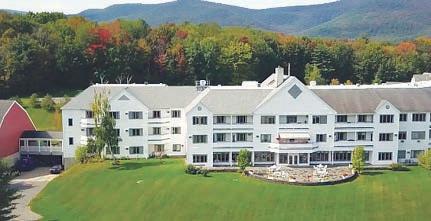

Ourcommunityisadestinationforthoseseekingafulfillingand worry-freelifestyle.AtSweetwood,seniorslivingindependently discoverarangeofamenitiesdesignedtoenrichtheireveryday experiences.Ourcommitmentextendsbeyondjusto eringa placetolive—weprovideanunwaveringdedicationtowell-being.

Berkshire Senior Television
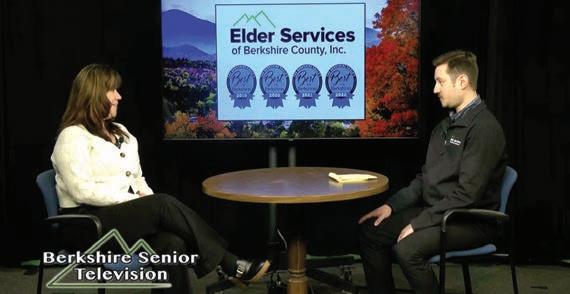
Currently airing on PCTV, Channel 1301 Access Pitts eld
Currently airing on PCTV Channel 1301 Access Pitts eld
Broadcast schedule: PCTV channel 1301
Broadcast schedule: Mondays at 5:00 p.m. • Wednesday at 8:30 a.m.
Thursdays at 11:30 a.m. • Saturdays at Noon

Mondays at 5 p.m., Tuesdays at 3 p.m., Thursdays at 11 a.m. & Saturday 11:30 a.m. Or watch online, ON DEMAND on pitts eldtv.org.
Thank you to our friends at PCTV for all their help in making Berkshire Senior TV accessible to our community.

Isaac Share, ESBCI Supervisor of Home & Community Based Programs discusses volunteering with the Director of RSVP, Lisa Torrey.



BERKSHIRE COUNTY
Elder Services of Berkshire County, Inc. NUTRITION PROGRAM SENIOR COMMUNITY DINING CENTERS
The status and o erings of the Senior Community Dining Centers are likely to evolve. Please call for the latest update.
Thu
Eligible seniors 60 years or older are welcome to attend any Senior Meal Site. Reservations are requested 24 hours in advance. The suggested donation is $3.00 per meal. All contributions are returned to the community toward the cost of the Senior Nutrition Program. Those 59 or under are welcome at the required fee of $8.00 per meal.
MEDICALLY TAILORED MEALS
Elder Services now provides medically tailored meals (MTMs). MTMs help meet the nutritional needs of seniors with health conditions that require speci c diets such as diabetes and heart or kidney disease.
MTMs can be delivered to individuals at their home ve days a week. Menus are developed by our registered dietician and trained sta .
Call Elder Services at (413) 499-0524 to request a special meal such as pureed, cardiac, diabetic, renal or vegetarian.