Environmental Benefits Of Installing STP Plants In Delhi
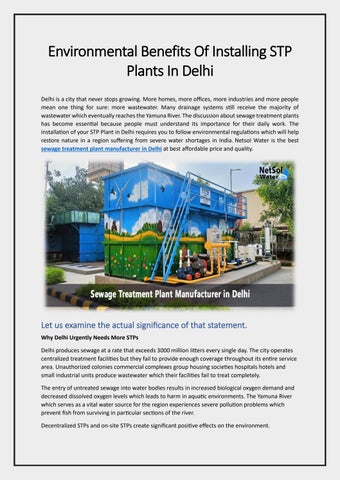
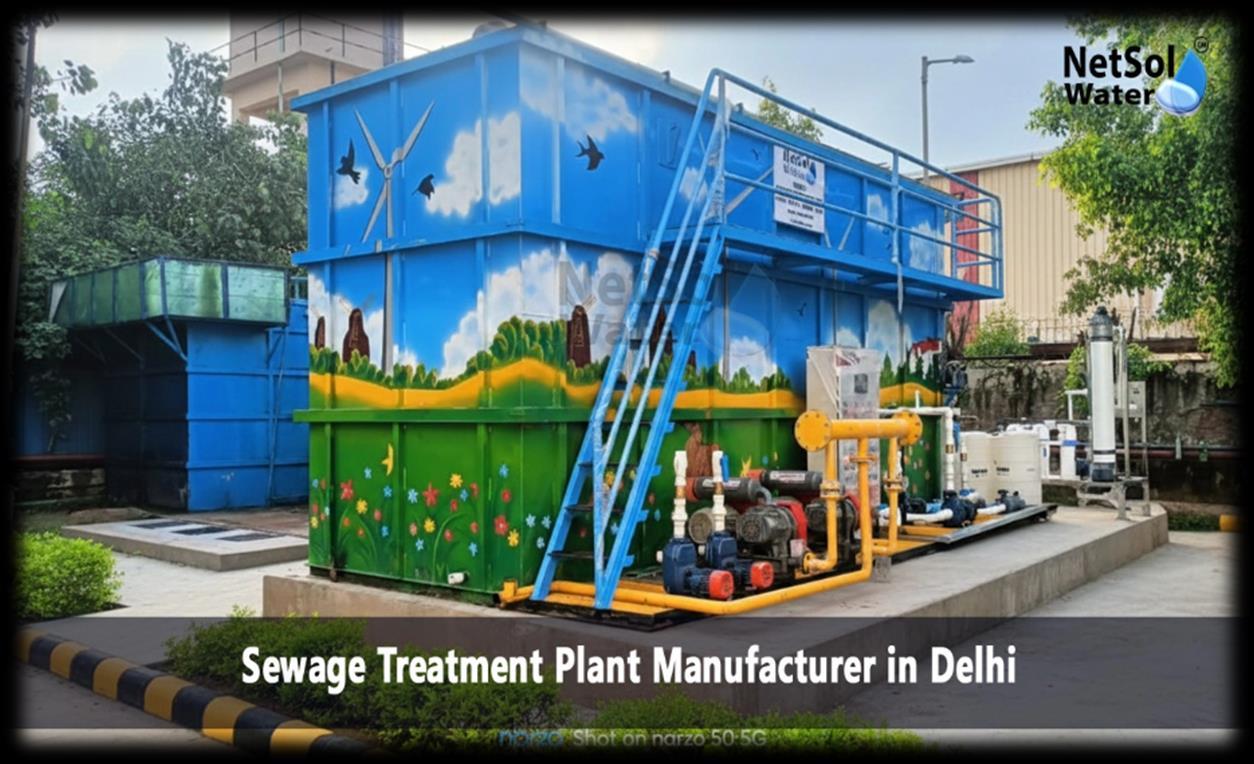
Delhi is a city that never stops growing. More homes, more offices, more industries and more people mean one thing for sure: more wastewater. Many drainage systems still receive the majority of wastewater which eventually reaches the Yamuna River. The discussion about sewage treatment plants has become essential because people must understand its importance for their daily work. The installation of your STP Plant in Delhi requires you to follow environmental regulations which will help restore nature in a region suffering from severe water shortages in India. Netsol Water is the best sewage treatment plant manufacturer in Delhi at best affordable price and quality.
Let us examine the actual significance of that statement.
Why Delhi Urgently Needs More STPs
Delhi produces sewage at a rate that exceeds 3000 million litters every single day. The city operates centralized treatment facilities but they fail to provide enough coverage throughout its entire service area. Unauthorized colonies commercial complexes group housing societies hospitals hotels and small industrial units produce wastewater which their facilities fail to treat completely.
The entry of untreated sewage into water bodies results in increased biological oxygen demand and decreased dissolved oxygen levels which leads to harm in aquatic environments. The Yamuna River which serves as a vital water source for the region experiences severe pollution problems which prevent fish from surviving in particular sections of the river.
Decentralized STPs and on-site STPs create significant positive effects on the environment.
Benefits of Installing STP Plants in Delhi
1. Reduction in Water Pollution
This is the most obvious benefit, but it deserves proper explanation.
An STP treats sewage through physical, biological and sometimes chemical processes. Solid waste is removed, organic matter is broken down by bacteria, and harmful pathogens are reduced. The treated water can either be reused or safely discharged according to environmental norms.
For example, if a residential society housing 500 families treats its own wastewater, it prevents thousands of litters of untreated sewage from entering the municipal drain every day. Multiply that by hundreds of societies across Delhi, and the impact becomes substantial.
When more buildings choose to Install STP Plant in Delhi, the cumulative effect is reduced load on natural water bodies and lower overall pollution levels.
2. Reuse of Treated Water and Reduced Freshwater Demand
Delhi depends heavily on external water sources like the Yamuna, Ganga canal and groundwater reserves. Groundwater levels in many parts of the city are already overexploited.
Here is where STPs become environmentally transformative.
Treated water from an STP can be reused for:
• Landscaping and gardening
• Flushing in toilets
• Cooling towers in commercial buildings
• Construction activities
• Road cleaning
A mid-sized commercial complex can reuse 60 to 70 percent of its wastewater after treatment. That directly reduces dependence on fresh potable water.
If more institutions decide to Install STP Plant in Delhi, the pressure on freshwater extraction will drop. This helps conserve groundwater aquifers, which take years to recharge.
3. Protection of Soil Quality
Untreated sewage presents dangers which extend beyond its impact on water sources. The practice of informal irrigation from untreated sewage results in soil contamination through heavy metals and pathogens and toxic substances which enter the ground.
The contaminated soil impacts three areas of soil health which include:
• Peri-urban areas experience reduced crop quality.
• Groundwater quality
• The land will be unusable for future development.
An efficient STP process guarantees that its treated waste water meets all required standards for either irrigation use or direct discharge. The process reduces environmental risks because it enables safe waste reuse while protecting urban areas from pollution.
Delhi needs to maintain its existing soil health because the city already experiences space limitations.
4. Improvement in Public Health
Public health outcomes show a direct relationship with environmental advantages.
Untreated sewage establishes conditions which enable the spread of waterborne diseases that include cholera and typhoid and dysentery. Standing sewage creates an ideal environment for mosquito reproduction which increases the likelihood of dengue transmission through mosquito bites.
Installing an STP system at your Delhi property will decrease your chances of coming into contact with dangerous pathogens. The treated water becomes safe for reuse because it does not create bad smells or dirty conditions.
Cleaner environments create positive health effects for people who live in them. The situation creates both environmental and social benefits that occur simultaneously.
5. Lower Carbon Footprint with Modern STP Technologies
Modern sewage treatment plants use energy more efficiently than their outdated counterparts. The technologies Moving Bed Biofilm Reactor and Membrane Bioreactor systems need less operational space because they can operate at decreased energy requirements.
Advanced STPs enable facilities to recover biogas from the sludge digestion process. The facility uses biogas as its internal energy resource.
An STP functions as a complete waste treatment system when its design meets optimal standards. The system transforms waste into valuable resources which create an operational cycle for resource recovery.
The decision to establish a modern STP Plant in Delhi through advanced technology development leads to sustainable urban infrastructure creation which solves environmental problems.
6. Delhi Centralized Infrastructure System Faces Reduced Load
The Delhi Jal Board runs several major STPs throughout the region. Centralized systems face operational constraints because of these issues.
1) The system experiences pipeline leakages.
2) The system becomes overloaded during peak flow periods.
3) The system requires expensive upkeep.
4) The system does not provide consistent sewage collection throughout its coverage area.
Decentralized STPs within residential complexes, hospitals and commercial spaces reduce the load on municipal infrastructure.
Consider this explanation. The efficiency of city-level treatment plants improves when large buildings handle their wastewater treatment operations. The city develops a stronger environmental management system through its distributed operations.
7. Compliance with Environmental Regulations
Environmental standards have become stricter. The authorities now require large residential societies and malls and hotels and institutions to implement on-site sewage treatment systems.
The process of compliance should not create problems for organizations. The process establishes a method which safeguards environmental resources that everyone shares.
When you Install STP Plant in Delhi in line with regulatory standards, you help build a culture of accountability. Over time, that collective responsibility improves air quality, water quality and urban hygiene.
The Bigger Picture for Delhi
Delhi’s environmental challenges are interconnected. Air pollution, water scarcity, river contamination and public health issues overlap.
Sewage treatment may seem like a technical utility issue, but in reality it sits at the heart of urban sustainability. Every time a housing society, factory or institution chooses to Install STP Plant in Delhi, it takes a small but concrete step toward restoring ecological balance.
The Yamuna cannot clean itself. Groundwater cannot recharge overnight. But decentralized sewage treatment offers a realistic, scalable and practical solution.
If you are looking for a reliable partner to design and execute sewage treatment plants, NetSol Water brings technical expertise, compliance knowledge and practical experience tailored to Delhi’s environmental needs. From site assessment to commissioning and maintenance support, NetSol Water helps you build a system that protects the environment while delivering long-term operational value.