Whatever our individual political views may be, NATA members are united by an unwavering commitment to preserving the civil justice system and protecting the Seventh Amendment right to a jury trial. We believe disputes should be resolved through evidence, due process, and the judgment of our peers—not through political power, public pressure, or media influence. That shared commitment to fairness, accountability, and the rule of law is the foundation of our work and the reason this organization exists.
That commitment matters, especially in times like this. The civil justice system plays a critical role in maintaining order and the rule of law. Courts are one of the few places where power, governmental or private, is constrained by rules rather than influence, politics, or public opinion. Through due process and jury trials, individuals can challenge political decisions, expose wrongdoing, and demand accountability. Juries serve as a direct check on power by applying the law to the facts, independent of status or authority. In a deeply divided society, that function is not secondary, it is essential.
Trial lawyers have a responsibility within that system. What we do in courtrooms every day shapes how people experience justice. Clients often come to us frustrated, angry, and uncertain that the system will work for them. Jurors arrive carrying the same political and social noise that exists everywhere else. Yet they are still asked to listen carefully, deliberate thoughtfully, and reach fair decisions based on the evidence presented.
One of the most important things we can do during a time like this is commit to civility— both inside and outside the courtroom. Jurors notice how lawyers conduct themselves. They notice tone, respect, and whether the process feels fair. Civility is not about avoiding conflict or softening advocacy. It is about keeping the focus where it belongs: on the evidence, the law, and the jury’s role in deciding the case.
Civility matters outside the courtroom as well. Our clients look to us not only for legal representation, but for guidance in understanding the system itself. How we talk about judges, opposing counsel, and the legal process shapes whether clients view the system as legitimate or broken. We can support our clients and advocate forcefully on their behalf without feeding cynicism or inflaming division.
Our work is also about advocacy in its truest sense—telling our clients’ stories clearly, honestly, and persuasively. Trial lawyers translate real harm into evidence that juries can evaluate. That work gives individuals a meaningful opportunity to be heard and allows juries to fulfill their role as decision-makers. It is central to accountability and to public confidence in the rule of law.
2
PRESIDENT
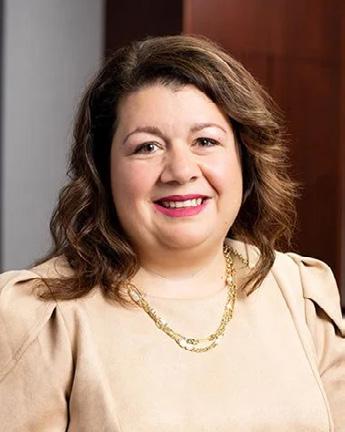
Jennifer Turco Meyer, Omaha
PRESIDENT ELECT
Elizabeth Govaerts, Lincoln
SECRETARY
Cameron Guenzel, Lincoln
TREASURER & CONTINUING EDUCATION CHAIR
Danny Leavitt, Omaha
IMMEDIATE PAST PRESIDENT
Mark Richardson, Lincoln
Board Oversight Chair
Peter C. Wegman, Lincoln
NATA PAC Chair
Mark Richardson, Lincoln
DIRECTORS
Jason G. Ausman, Omaha
James C. Bocott, North Platte
Aaron Brown, Omaha
Eric Brown, Lincoln
Nathan Bruner, Kearney
Sam Colwell, Lincoln
John F. Carroll, Omaha
Gregory Coffey, Lincoln
Patrick Cooper, Omaha
Michael F. Coyle, Omaha
Tara DeCamp, Omaha
Joseph Dowding, Lincoln
Michelle Dreesen, Omaha
Erin Fox, Omaha
Nancy Freburg, Kearney
Daniel Friedman, Lincoln
Mandy Gruhlkey, Omaha
Cameron Guenzel, Lincoln
Matthew Knowles, Omaha
Steven M. Lathrop, Omaha
Mandy L. Larson, Papillion
Danny Leavitt, Omaha
Kyle Long, Scottsbluff
Clarence Mock, Oakland
Robert R. Moodie, Lincoln
George H. Moyer, Jr. Madison
Michael Moyer, Madison
Kathleen M. Neary, Lincoln
Brody Ockander, Lincoln
Robert G. Pahlke, Scottsbluff
James Paloucek, North Platte
Ross Pesek, Omaha
Vincent M. Powers, Lincoln
Jeffrey Putnam, Omaha
Jon Rehm, Lincoln
Julie Shipman-Burns, Lincoln
Andrew D. Sibbernsen, Omaha
Terry Sibbernsen, Omaha
Mitchell Stehlik, Grand Island
Adam Tabor, Omaha
Julie Tabor, Omaha
Dan Thayer, Grand Island
Christopher P. Welsh, Omaha
Josh Yambor, Omaha
PAST PRESIDENTS serving on the Board 2025-2026
Todd Bennett, Lincoln
Jason Ausman, Omaha
Michael Coyle, Omaha
Mandy Larsen, Omaha
George Moyer, Jr., Omaha
Kathleen Neary, Lincoln
Robert Pahlke, Scottsbluff
James Paloucek, North Platte
Executive Director
Deborah Neary
ASSOCIATE Director
Jane Jones
Vince Powers, Lincoln
Julie Shipman-Burns, Lincoln
Andrew Sibbersen, Omaha
E. Terry Sibbersnsen, Omaha
Dan Thayer, Grand Island
Jonathon Urban, Lincoln
Brock Wurl, North Platte
We cannot individually control the political or social climate, but we can control how we practice within it. By committing to civility, professionalism, and effective advocacy, trial lawyers help preserve a system that allows ordinary people to hold power accountable through law. The example we set—in and out of the courtroom— matters now more than ever.
As we embark on this year together, I ask each of you to recommit to the principles that unite us. Defend the jury system. Tell your clients’ stories with courage and compassion. Stand up for those without a voice. And take a moment to reach out to a colleague, offer mentorship, or simply remind them that they are part of a community built on purpose and resolve.
The challenges ahead are real — but so is our determination. Together, we can ensure that Nebraska remains a place where justice is not theoretical, but lived; where the right to a fair trial is not diminished, but defended; and where our profession continues to be a force for good in the lives of our clients and our communities.
Thank you for your trust, your advocacy, and your shared commitment to this work. I am proud to stand with you.
Jennifer Turco Meyer President
editor Deborah Neary
Nebraska Association of Trial Attorneys 6173 Center Street Omaha, NE 68106 402-435-5526
designer Heidi Mihelich cre8ivenergy
The Prairie Barrister is published quarterly by the Nebraska Association of Trial Attorneys. Inquiries regarding submission of articles and advertising should be directed to Deborah Neary, Executive Director.
The statements and opinions in editorials or articles reflect the views of the individual authors and are not necessarily those of NATA. Publication of advertising does not imply endorsement. © 2026 Nebraska Association of Trial Attorneys, Inc. Contents cannot be reproduced without permission.

Save money and time for your firm without sacrificing professionalism or quality. When you need expert, convenient, affordable deposition and transcription services, trust Great Plains Reporting. We offer court reporting and legal videography services, in-person or by videoconference. Since 2020, we’ve taken over 100,000 remote depositions across Nebraska and nationwide. With Great Plains, you will also receive:
• Complimentary online hosting on any platform
• Complimentary online repository
• Complimentary travel within the state of Nebraska
• 24/7 availability
(855) MY-DEPOS | (402) 303-3399 schedule@yourdepositions.com yourdepositions.com
As Nebraska enters another legislative session, the civil justice system once again finds itself in the crosshairs of so-called “tort reform.”
For more than 150 years, our courts have provided ordinary Nebraskans a fair and equal forum to hold powerful wrongdoers accountable through jury trials—not political pressure or corporate influence. Understanding what is truly at stake in this debate is essential if we are to preserve access to justice and protect the rights guaranteed to every citizen.
By Elizabeth Govaerts, NATA Legislative Chair

The civil justice system is one of the great achievements of our democracy. The purpose being to give an equal playing field to individual citizens in disputes with more powerful wrongdoers against whom they would otherwise have no leverage. Nebraska courtrooms are places where, for one hundred and fifty years, juries, ordinary citizens, have been the arbiters of truth and justice for their peers. The extent to which these same ordinary Nebraskans remain confident in and continue to trust our civil justice system is unclear. Certainly, there is no contingent of ordinary Nebraska citizens clamoring to reduce access to courts, but we know that for years they have been bombarded by the insurance industry with lies about greedy, ambulance chasing trial lawyers and cheating, moneygrubbing plaintiffs. Anecdotally, I have sat in conference rooms with terribly harmed clients who still believe most injury lawsuits are scams, theirs being the exception.
Since the mid-seventies, pro-business special interests have spent millions trying to “reform” the system to make it better for defendants and their insurers, and less fair to people who have been harmed.
As we learned from the judiciary committee hearings on tort reform in the last unicameral session, the proponents of tort reform point to “nuclear verdicts” and “frivolous lawsuits” as proof of the imbalance in the system that purports to damage society as a whole. The Reptile Theory preys on unsuspecting jurors’ fears and emotions, so caps on damages are required to avoid their irrational damage awards. They have flipped the script so that greedy plaintiffs and their lawyers, emotional juries or activist judges are the problem with the system, not the factories poisoning our ground water, or the trucking company’s hiring failures that result in catastrophic injuries and death.
We have been too passive about correcting public misperception about civil lawsuits and trials. We are outspent, but we are not outgunned.
We are communicators and storytellers. Most importantly, we have the truth on our side. As we approach this legislative session and arm ourselves for another fight against LB79, it behooves us to understand the lie that is Tort Reform and start talking about it to everyone we know, including our state legislators. I would recommend reading Professor
Andrew Popper’s excellent article on the subject to prepare. In Backlash: After 40 years of Tort Reform Noise, Let’s Change the Tone, Undo the Harm, and Correct the Big Lie, Professor Popper meticulously unwinds the dishonest tort reform talking points on the issues of caps, forced arbitration, and changes regarding the admissibility of evidence (e.g. the billed versus paid dilemma), all of which are pitched as “reforms,” but none of which benefit people who have been harmed. “Labels like “reform” carry a potent message, usually meaning change for the good. Still, the good has nothing to do with injured consumers, yet support for tort reform is strong. Hence the question: How can it be that members of the public support changes to the civil justice system that lessen their rights?”
This problem is not just a matter of enumerating the component parts of the tort reform agenda. It is a broader question of a violation of trust. Where there should be an outcry about the public being misled, there is instead mistrust for academia, those arguing for consumer rights, plaintiff’s lawyers who try to set the record straight, and politicians who stand for a stronger tort system. . . Sadly, many people were convinced by untrue tort reform sound bites and spilled coffee lies, convinced that there would be a terrible cost to all that we hold dear if plaintiffs get their way. With that success, why not spend hundreds of millions of dollars – or billions to convince anyone left who doubts the big lie?
The right to have a civil dispute heard by a jury of fellow Nebraskans must remain inviolate. Nebraska judges and juries need to be left alone to do their job, without interference from special interest money and the disinformation it pays for. Right now, it’s just us standing in the way of those who would seek to “reform” away our sacred right to civil justice:
Turning around public opinion will require an investment of time and resources and a deep and abiding commitment to civil justice. If a concerted effort is not made to fight back, civil justice will be lost. The virtue in this fight is that those who support civil justice, the right to a jury trial, and accountability, have no need to deceive, fabricate statistics, or lie.

NATA is the only association of attorneys in Nebraska that actively represents the civil trial bar and injured consumer’s interests in the Legislature. Our experienced lobbyists review every bill introduced, and recommendations are made to the NATA Legislative Committee for further action. Our legislative committee members work diligently to ensure that issues of importance to our members and their clients are monitored, supported or opposed. When an issue is urgent — we engage our members with a call for action. Please visit NebraskaTrial.com to make certain we know the legislative district you reside, and/ or visit the NATA PAC page to learn more about the NATA political action committee that supports the races of pro-civil justice candidates and incumbents from both sides of the political aisle.
Legislative district information can be entered on the legislative page of the NATA website: www. nebraskatrial.com/?pg=legIntro
Thank you for your continued commitment to protecting the rights of Nebraskans.

by Mark Richardson, NATA PAC Chair
One of the PAC Chair’s essential services is taking meetings with current Nebraska Legislative Senators and prospective Senators at various stages of their campaigns. I’ve taken part in about a dozen or so of these meetings in my still-short time in this role. These meetings have served to remind me that the majority of Nebraska legislators and candidates are fundamentally good people doing their best to make the “right decisions.”
It is easy to demonize American politicians. Some might suggest this has become a favorite pastime of many Americans. Goodness knows I do my fair share of it. Sometimes it is 100% deserved. Sometimes, however, I think I paint with too broad of a brush. Sitting down one-on-one with current and prospective Nebraska Senators has provided refreshing confirmation of several items. 1
Politicians and candidates are not Monoliths
It is easy to think to myself “well this person is a Democrat or Republican, so this is what I’m going to hear.” Then the meeting happens and I’m reminded that each person has their unique backstory that brought them to where they are in their lives. Learning about a person’s story, first, is always my favorite part of getting to know someone new. Hearing that story provides a level of understanding of what has informed that person’s views on the world better than any campaign speech, mailing, or website ever will. It opens opportunities to find common ground where you believed there couldn’t possibly be any.
As a semi-professional youth sports coach at this stage in my life, I can attest to the challenge of instilling the concept of “active listening.” The Senators and candidates I’ve met with, for the most part, have left me little doubt they are sincerely engaged in the conversations we are having. You might be thinking “Hey Richardson, of course they are listening because they are meeting with you seeking a campaign contribution.” That is, of course, true. And I have been hoodwinked by a politician before. At minimum, however, there is no doubt the person across the table is attempting to understand NATA’s issues and the reasons behind them. Maybe a few people we meet with will ultimately end up on the other side of our issues, but their willingness to listen and engage in meaningful dialogue matters.
Acknowledging Limitations
One thing I’ve been genuinely surprised by is a Senator’s or candidate’s willingness to acknowledge they don’t know everything. The candidates I have met with range from a dyed-in-the-wool NATA trial attorney to someone that openly acknowledged “there isn’t a single attorney in my family and I won’t pretend to have a deep understanding of NATA’s issues.” Sitting Senators we’ve talked with, more often than not, will tell you where they have blind spots. “Here is what I need you to help me understand” is a common refrain. The news cycle is filled with politicians that come across as arrogant “Know-it-Alls” on both sides of the political spectrum. It is refreshing to hear people still willing to acknowledge they have learning left to do on certain issues.
Is this a pollyannish view of the true state of the political landscape in the Nebraska Legislature? Perhaps. With all these feel-good vibes coming out of these first few meetings, am I setting myself up to be hoodwinked again? I don’t think so. I have the support of too many smart and strong-willed NATA members (and our executive director) to let that happen. They will always keep me grounded. We also have the team at Lindsay Harr McDonald keeping tabs on me and making sure I don’t put the PAC (or myself) in bad situations. With all of the negativity baked into the current American political environment, a measured injection of positivity and hopefulness can go a long way. While I 100% ascribe our NATA coffee mug messaging to “Stay Paranoid,” my hope is that well-founded paranoia can avoid transforming into crippling cynicism.
NATA PAC is the political arm of the Nebraska Association of Trial Attorneys. It was established as a vehicle by which Nebraska trial lawyers could encourage and support candidates for public office who believe in ensuring the rights of the citizens of Nebraska by preserving the advocacy system.
THANKS to all of NATA PAC’s continued supporters:


Friedman Law Offices, Lincoln

Ausman Law Firm, Omaha
Berry Law, Omaha
Dowd & Corrigan LLC, Omaha
Dowding, Dowding & Dowding, Lincoln
Hauptman O’Brien Wolf & Lathrop, P.C., Omaha
Inserra Kelley Cooper Sewell, Omaha
Law Office of Matt Lathrop, Omaha
Paloucek, Herman & Wurl Law, North Platte
Sibbernsen Law Firm, P.C., Omaha
Urbom Maaske Law, Lincoln
Welsh & Welsh, P.C., L.L.O., Omaha
James Cada, Lincoln
Elizabeth Govaerts, Lincoln
Chaloupka Law LLC, Scottsbluff
Harris & Associates, P.C., L.L.O, Omaha
Abboud Law Firm, Omaha
James C. Bocott, North Platte
Greg Garland, Omaha
Mandy M Gruhlkey, Omaha
Mandy L. Larson, Papillion

Todd D. Bennett, Lincoln
Aaron Brown Injury Law, Omaha
Eric R. Chandler, Omaha
Conway, Pauley & Johnson, P.C.
Timothy R. Engler, Lincoln
Gallner & Pattermann, P.C., Council Bluffs, IA
Mandy M. Gruhlkey, Omaha
James R. Harris, Lincoln
Steven H. Howard, Omaha
Holly T. Morris
Danny Leavitt, Omaha
Jennifer Turco Meyer, Omaha
Robert R. Moodie, Lincoln
Monzon Guerra & Associates, Lincoln
John Ballew, Lincoln
Bruce H. Brodkey, Omaha
Gregory R. Coffey, Lincoln
Sam Colwell, Lincoln
Michael F. Coyle, Omaha
John C. Fowles, Lincoln
Jason P. Galindo, Lincoln
Tracy Hightower-Henne Hightower-Reff Law, Omaha
Nicholas Jantzen, Lincoln
Christopher D. Jerram, Omaha
Sarah Lash
Tod A. McKeone, Lexington
Mark R. Richardson, Lincoln
William V. Steffens, Broken Bow
Robert Pahlke, Scottsbluff
James R. Walz, Omaha
Peter C. Wegman, Lincoln
Kathleen M. Neary, Lincoln
Brody J. Ockander, Lincoln
Vincent M. Powers, Lincoln
Jeff Putnam, Omaha
Shayla Reed, Omaha
Jon Rehm, Lincoln Rensch & Rensch Law, PC, LLO, Omaha
Stephen A. Sael, Lincoln
Terry J. Salerno, Omaha
Julie Shipman-Burns, Lincoln
Audrey R. Svane, Lincoln
Dan Thayer, Grand Island
Amy L. Van Horne, Omaha
Clarence E. Mock, Oakland
Ross Pesek, Omaha
Brianne Rohner Erickson, Lincoln
Richard J. Schicker, Omaha
William V. Steffens, Broken Bow
Jacob M. Steinkemper, Omaha
Stratton, DeLay, Doele, Carlson, Buettner & Stover, P.C., L.L.O., Norfolk
Adam C. Tabor, Omaha
Jacqueline M. Tessendorf, Columbus


by Matt Lathrop & Vince Powers

Matt Lathrop
When Nebraska trial lawyer Matt Lathrop ran his first focus group in 2014, he didn’t anticipate that the exercise would eventually become the backbone of his litigation strategy. But a trial-skills course that year introduced him to the methodology, and he was immediately hooked. “I enjoyed the process and the insights that focus groups gave me,” he recalls. What began as a curiosity quickly evolved into a disciplined, data-driven approach to preparing every major case.
Lathrop realized the true power of focus groups during a comparative-fault car crash case early in his experimentation. The dash-cam video seemed damning for his client—she entered the intersection as the light turned red, and eyewitnesses said she sped up to beat it. But when Lathrop presented the same video to a focus group, they saw something completely different.
“They broke down the video frame by frame,” he says, ultimately concluding that the left-turning driver bore the majority of the fault. The group assigned 80/20 comparative negligence in his client’s favor. That moment crystallized the value of testing assumptions: “The only way to know how jurors think is to ask them.”
Lathrop explains focus groups to his clients simply: he wants to know every problem in the case—and how jurors might react to those problems. Years of legal training, he notes, condition attorneys to think like lawyers, not jurors. Focus groups reverse that dynamic.
“A focus group is a chance to try my case for almost no risk to the client,” he says. Real jurors, he argues, will often
Building on the national article Trial by Focus Group, NATA staff wanted to know what this practice looks like right here in Nebraska. We sat down with NATA attorneys, Matt Lathrop and Vince Powers, who routinely use focus groups to prepare their cases. We asked them how—and why— these sessions matter. Their insights offer a candid, local look at the power of testing cases with real people before stepping into the courtroom.
disregard legal rules they dislike, no matter the oath they take. Through focus groups, he sees firsthand the emotional and practical forces that shape verdicts.
Lathrop uses focus groups in nearly every case involving contested liability or damages—which is most of his docket. He conducts them throughout the life of a case, from pre-litigation investigation to the week before trial. In complex cases, he routinely runs three to five sessions, each with a different purpose:
• Testing voir dire questions
• Evaluating witness credibility
• Assessing demonstrative exhibits
• Refining opening or closing arguments
• Probing juror reactions to disputed evidence
The structure changes with the goal. Some sessions are narrative. Others are issue-based. Some simulate a mini-trial. The format is dictated by what he needs to learn, not by any rigid template.
Like many trial lawyers, Lathrop was skeptical of virtual focus groups—until COVID forced him to test them. After more than 60 virtual sessions, he is unequivocal: “The information is every bit as reliable as in-person settings.”
Still, he prefers in-person groups for one reason—they sharpen trial instincts. Reading nonverbal cues, tracking room dynamics, and practicing the art of attention all translate directly to voir dire and trial.
Asked what surprised him most over the years, Lathrop doesn’t hesitate: “Jurors will not follow a law they don’t like.” He has also learned that popular plaintiff themes, such as “profits over people,” are far from automatic winners. Their

success depends heavily on context, story, and credibility.
In one memorable mini-trial focus group, he realized his planned witness order was fundamentally flawed—and reorganized the entire presentation before trial. Another focus group helped transform a Texas construction-death case from a unanimous defense-leaning narrative (“why would the plaintiff do something so stupid?”) into a case that ultimately settled for eight figures.
Lathrop warns lawyers not to overvalue a single focus group: “The predictive value comes from repetition and confirmation.” Consistency across groups—not one surprising result—is what provides clarity.
He also stresses that moderating requires skills opposite of courtroom advocacy. Effective moderators ask neutrally, listen deeply, and avoid leading—a challenge for seasoned litigators who are trained to persuade.
For lawyers with limited budgets, Lathrop recommends simple one-hour focus groups with 7–10 participants, each paid $20. “These can easily be conducted in a conference room,” he notes. And even short sessions produce meaningful, actionable data.
The results of Lathrop’s focus groups don’t just influence voir dire, openings, or damages—they shape them. He expects every case to reveal weaknesses he hadn’t seen before, even when colleagues insist a case is airtight. “This is why I do them,” he says. “I want to lose early—so I can win later.”
For attorneys running their first focus group, Lathrop offers one key piece of advice: “Do not talk to the focus group like a lawyer.” If you can’t help it, he says, let the newest staff member moderate—you’ll get better data.
He also encourages lawyers to test the part of their case they believe is absolutely unbeatable. Jurors can be unpredictable, and certainty often dissolves under scrutiny.
Lathrop already uses AI to help structure focus group presentations and brainstorming. While current AI analysis of focus group data feels superficial to him, he expects rapid improvements in the coming years. As for predicting broader juror trends, he believes focus groups are case-specific tools— not sociological instruments. “The purpose is to know what this case is about,” he says.
After more than a decade of running focus groups, Lathrop’s expectations have shifted entirely: he anticipates being surprised, he welcomes early case-breaking feedback, and he has built a method that lets jurors—not lawyers—dictate the shape of his trial strategy.
In a profession where many lawyers assume they “know their juries,” Lathrop remains committed to a different approach: curiosity, iteration, and real-world testing. “Why would we change what we’re doing,” he asks, “if we’re okay with the results?”
For Lathrop, the answer is simple: because the jury can always surprise you—and it’s far better to learn that before trial than after.
When trial lawyer Vince Powers ran his first focus group in 1997, he did it out of necessity—not strategy. “I had a difficult case,” he recalls. “So I thought I would give a focus group a try.”
The result changed the trajectory of his trial practice.
That first experiment helped him win a landmark case: the first Nebraska verdict upheld by the Nebraska Supreme Court in favor of a young woman raped in a parking garage, holding the building owner legally responsible. No settlement offer was ever made, not even after the Supreme Court affirmed the verdict, instead defendant filed a lengthy Motion for Rehearing. That early success convinced Powers that focus groups were more than a tool—they were essential.
Powers describes the purpose of focus groups simply: they reveal what other people think about a case. And for plaintiffs, who always bear the burden of proof, he believes that understanding weaknesses is far more valuable than validating strengths.
“What surprised me most,” he says, “was how wrong I was about the strengths of my case.”
For Powers, focus groups serve as a grounding force—an early reality check that prevents overconfidence and exposes blind spots lawyers miss because they’re too close to the case.

Unlike lawyers who test cases at every stage, Powers usually conducts his focus groups after the pretrial conference, when the case is fully developed but before final trial preparation begins. Any case headed to a jury trial is, in his view, a good candidate.
He has experimented with multiple formats:
• mock trials
• group discussions
• roundtable deliberations and has hired consultants to perform the focus group
Each structure serves a different purpose, and Powers adapts based on what he needs to learn.
While many modern practitioners use virtual platforms, Powers remains committed to in-person sessions—the only method he has ever used. The personal interaction and natural deliberation are, in his view, essential to capturing genuine juror reaction.
Some lessons are extremely important. Powers vividly remembers a focus group where a 12-person panel returned a six-figure verdict for his client. Then he asked them to deliberate again with one added fact: the client did not speak English.
They returned 30 minutes later with a zero verdict.
A pivotal lesson came much earlier: when the clerk read the verdict for the plaintiff in his first post–focus-group trial. The experience taught him how profoundly focus groups could sharpen trial strategy and reveal blind spots.
Powers’ advice to attorneys considering their first focus group is straightforward: “Just do it.”
He believes most lawyers overthink the process instead of simply getting started.
For those with tight budgets, he offers a cost-effective approach:
• Find a low-cost or free location (a school, or rented space for around $100)
• Recruit 10–12 participants
• Pay around $75 per person
• Provide food and refreshments
Even a modest session, he insists, provides invaluable insights.
If he could change anything about his early career, it would be one thing: “That I should have been doing it years earlier.”
After nearly three decades of using focus groups, Vince Powers has developed a practice built on disciplined preparation and juror-centered strategy. He doesn’t approach focus groups as a way to predict a verdict but as a tool to expose weak spots that may otherwise go undetected.
His approach reflects a simple truth-the courtroom is the last place you should be surprised.
And for Powers, focus groups ensure that the biggest surprises happen early—when there’s still time to change the outcome.
by Ross Pesek NATA Membership Chair
In the bustling corridors of the Douglas County Courthouse, the busiest courthouse in Nebraska and known as the “Hall of Justice,” the Prairie Barrister found themselves face to face with a young lawyer who was clearly in distress. The young lawyer’s voice trembled with frustration and disbelief.
“Prairie Barrister, I don’t understand what just happened,” the young lawyer began. “The judge’s recent order was completely upside down. They cited directly from the defense counsel’s brief without checking their legal citations. The citation was given to the court by the insurance lawyer who knew the case had the exact opposite holding, but the judge never even checked the citation before putting it in their order. I provided the correct legal standard and citation that was key cited and confirmed to be up to date.”
“Ouch,” replied the Barrister, knowing this kind of thing happens more than it should.
The young lawyer continued, “And they weren’t just wrong on the law, they were wrong on the facts too. I provided undisputed evidence that shows the facts cited in the order are wrong. But the judge wrote incorrect facts in their order anyway.”
The young lawyer continued, “Was it me? Is it something about how I write? About how I argue? Does this happen to everyone or just me?”
The Prairie Barrister listened patiently, understanding the depth of the young lawyer’s frustration and the personal toll it was taking. Then, with a touch of wry humor, replied, “No, it doesn’t happen to everyone—just civil plaintiff lawyers arguing for negligence victims against corporate power!”
The young lawyer let out a small, disbelieving laugh. “What? But why? Why is it like this?”
“It’s a confluence of several factors,” the Prairie Barrister began. “First, let’s consider the background of most judges. Hardly any judges have ever practiced plaintiff law. A few might have dabbled, but rarely were they a dedicated civil plaintiff trial lawyer who then chose to become a judge. And it took me ten years of dedicated practice to really understand the ins-and-outs of civil litigation, so a judge with minimal or no experience handling these cases can be forgiven for not understanding all the dynamics at play.”
The young lawyer took a breath, “Well, sure, but some of them have civil litigation experience, right?”
“If they have any experience with civil trial practice, it is usually as a former insurance or corporate lawyer turned judge, which is not the same at all. In fact, that can feel like having a second opponent on the bench.”
“Exactly,” the young lawyer interjected, “I have experienced that before.”
The Prairie Barrister continued, “Many judges are former prosecutors who never handled civil plaintiff cases and don’t really understand the intricacies involved. They see their docket and know 99 out of 100 times these cases settle before trial. I’ve had multiple judges tell me they can go a year or more between civil jury trials – which means they may have only handled a few in their entire career.”
The Young Lawyer nodded. “Wow. Because they know the cases usually settle, they know even less cases are appealed. The bottom line is, they know even a wrong decision is unlikely to ever be reviewed so why put too much time and effort into it with so many other pressing matters to address?”
“On that, there is a little bit of justification,” added the Prairie Barrister. “Afterall, the judges are swamped with divorces, criminal cases and more. It isn’t like they have nothing else to do. These civil disputes usually take care of themselves, so putting their time on other matters can seem smart to them.”
The Prairie Barrister a continued, “But judges sometimes miss the larger truth that often, civil justice is the only justice the victims of crimes will receive directly or that the harm caused by simple negligence of running a stop sign, for example, can be huge and urgent, like death, paralysis or other severe permanent injury.”
The young lawyer sighed, the weight of reality setting in. “And the sympathy they show—it’s surprising. Many judges have dealt with criminal defense litigation tactics as a prosecutor or from the bench and deal with it efficiently and no nonsense. But it is totally different in civil litigation.”
“That’s true,” the Prairie Barrister agreed. “Civil defendants for money damage verdicts receive more leeway to delay, deny, and defend. It’s perplexing, given the civil defendant has sometimes been a criminal defendant that received zero sympathy during no-nonsense criminal proceedings.”
“And the pretrial rulings,” the young lawyer continued, frustration creeping back into their voice. “They always seem to delay the trial. The defense never seems to have enough information disclosed, yet they hardly disclose anything themselves. They make dubious accusations with no proof but so many such accusations, on so many topics, that it makes simple cases seem complex. In the end, the judges end up overwhelmed by unimportant side issues, start to believe there is too much going on to have a trial and continue deadlines and trial - which is all the defense wanted to begin with.”
“Exactly,” the Prairie Barrister said, a note of empathy in their voice. “Civil defense lawyers are often masters at using delay tactics. They will slow down every step of the process and then turn around and claim that they need more time. When judges buy it, it is a frustrating cycle.”
The young lawyer responded, “Even more frustrating when I remember how I was denied a continuance for a wedding, a funeral and a family vacation all within the last year – because defense counsel objected just to be difficult.”
“But here’s the silver lining,” the Prairie Barrister continued, leaning forward. “The jury is our ultimate saving grace. It may take years of frivolous litigation. You may face headwinds from your opponent and the bench, but that is precisely why the Seventh Amendment exists. So you, the trial lawyer, can argue about truth and justice to your neighbors, the jury, and sideline all the legal gamesmanship. It gives us, the trial lawyers, one shining opportunity to set it all right.”
“The Seventh Amendment is my favorite amendment,” said the Barrister, “It is the reason I try every case I can to a jury. Never to the bench if I have a jury right. Certainly, never giving the power to set the value of a case to my opponents, corporate or insurance lawyers!”
The young lawyer looked up, hope rekindled in their eyes. “So, we just have to be patient and persistent?”
“Exactly,” the Prairie Barrister affirmed. “If you keep your focus on preserving your trial right and trial date, you can deflate the importance of these squabbles and erase every single litigation battle. With this mindset, you’ll gain patience.”
“As an added bonus, if you keep a patient, professional attitude, sometimes a judge will surprise you. One time, a judge sided with my opponent for years during pre-trial litigation but then, during the trial, they realized my opponent was supplying them bad law and their rulings would be reviewed on appeal. The damn broke and the judge started applying the law as it was written, exactly the opposite of how my opponent had been arguing, and we got a tsunami of favorable rulings – just in the nick of time.”
“Ask yourself this, would you rather have the judge give you favorable ruling for years during pre-trial litigation or for a few days at trial?”
“Trial, of course!” The young lawyer responded quickly.
“So, let me ask you a question, on this most recent order you mentioned: Do you still have a jury trial right and a trial date?”
The young lawyer smiled big, “Now that you mention it, yes. I do still have my trial right and trial date.”
“Then you are still in the game,” the Prairie Barrister said calmly.
The young lawyer nodded, a sense of calm settling over them. “Thank you, Prairie Barrister. I needed to hear that.”
“Anytime,” the Prairie Barrister replied warmly. “Remember, you’re not alone in this fight. We all face these challenges, but it’s our commitment to justice and our belief in the truth that guides us through. Despite everything, keep faith in the process, and trust that the jury will see the truth and deliver justice.”
As the young lawyer walked away from the Prairie Barrister, they felt a renewed sense of purpose. The road ahead might be fraught with challenges, but with patience, persistence, and a steadfast belief in the power of the jury, they knew they were ready to carry the torch forward.

By || Lloyd N. Bell
There’s a meaningful distinction between communication and the tools we use for it. Technology can help, but it’s no substitute for real human connection. True communication happens at the human level—eye to eye, hand to hand. When used correctly, however, technology can be a powerful tool to enhance how you connect with jurors.
We’ve long known that people process information better visually than through spoken words alone. We also know that we learn on a deeper level when we draw our own conclusions from primary sources instead of relying on

someone else’s interpretation. But until recently, trial lawyers relied mostly on speech, largely because integrating visuals was difficult and costly.
That’s no longer the case. Becoming proficient with technology means mastering the basics of communication— transferring information from our minds to jurors’ minds in a clear, sequenced way. Communication is a difficult kind of magic, and it can easily go awry. After losing a trial, an attorney friend spoke to jurors and learned, to his dismay,
Technology can sharpen your client’s case during trial, streamline your presentation, and keep your jurors engaged—if you know how to use it. Here’s how to make tech work for you.
that they had missed the simplest, yet most critical, piece of uncontested information. “It was so obvious, I was sure the jurors would get it, but it went completely over their heads,” my friend lamented.
We’ve all been there. The risk of miscommunication is always high, even around the dinner table with your family. In the maelstrom of trial, the risk increases greatly.
Our goal with trial technology should be to present evidence, both real and
demonstrative, in a visually compelling manner. How do we meet that goal? It’s not uncertainty about hardware or software that keeps lawyers from using the technology effectively. The main impediments are more fundamental: unfamiliarity, inertia, and fear. What lawyers need most is not more know-how but an old-fashioned pep talk.
Many of us grew up in a world where we did research by visiting a library and digging through encyclopedias and rows of shelves filled with musty books wrapped in crinkling cellophane covers, their spines stamped with Dewey decimal numbers. Until recently, if you
Snap out of it! You can do this. It’s not as hard as it seems.
Today’s jurors and judges live in a world where most information comes from visual aids: TV screens, smartphones, laptops, tablets. It’s unclear whether jurors need visuals more than they used to, but they certainly expect visuals more than ever. Jurors perk up and become more engaged when they see a visual. Simply giving jurors something to look at other than you keeps their attention. Since you can’t communicate with jurors who aren’t paying attention, any tool that captures their attention is powerful.
Managing visual and audio hardware is straightforward when you have the

wanted to use a visual in a presentation, you had to draw it yourself or find an image in a book and project it on a screen using a clunky overhead projector. As a result, most of us didn’t bother.
The world has changed, but many of us remain stuck in the old ways, relying on projectors and books. We may not know how to use the new gear, apps, and software—and we often resist learning something that feels unfamiliar. It’s easy to comfort ourselves with the idea that we’ve managed without this technology for years, so we can continue to do so.
Mason” moment during cross.
Finally, invest in high-quality HDMI cables and a rolling stand for your screen. Although you can use a wireless router for the flexibility to move around the courtroom and project images wirelessly, I prefer hard-wired connections to avoid connectivity issues. Nothing frustrates a jury more than a lawyer fumbling with tech issues. If you need audio for video depositions, invest in a powerful speaker that can fill the courtroom with clear, strong sound.
Once you have the necessary gear, set aside 30 to 60 minutes to get comfortable with it. You likely won’t need assistance, but if you do, call on an associate, family member, or paid consultant for help.
It’s easy to comfort ourselves with the idea that we’ve managed without this technology, so we can continue to do so. Snap out of it! It’s not as hard as it seems.
right tools. Start with a high-quality screen to display your evidence. If the courtroom lacks suitable monitors, bring your own.
I recommend using a 4K TV monitor to ensure the evidence is both crystal clear and visually appealing. If you prefer a projector, choose one with at least 5,000 lumens of brightness.
For laptops and tablets, be sure the equipment is under two years old and has the latest updates. You don’t want your computer to decide to update just as you’re about to make your “Perry
Dedicate time to become acquainted with it, and you’ll be as proficient with screens and cables as you are with three-ring binders. Remember, these are essential tools of the trade. A lawyer who can’t use visual display devices is like a carpenter who can’t work with a hammer.
Mastering the software for creating and displaying visuals requires a little more work than the hardware, but it’s manageable. The tools available now are intuitive and user-friendly. Set aside an hour a day for a couple of weeks, and
you’ll be amazed at your progress.
Here are three resources to explore:
Slide presentation software . This basically means PowerPoint (for PCs) and Keynote (for Macs). You can look at alternatives, like Prezi, later, but start with these two. They allow you to create text-based slides, display photos, and design visuals.
Watch some YouTube tutorials and start experimenting. You might feel frustrated at first, but keep at it, and soon you’ll feel comfortable. For a lawyer’s purposes, you don’t need advanced graphic skills, just modest proficiency with text and images.
Preparing your own slides is a good idea for several reasons. First, while building slides—perhaps with a photograph of an accident scene or a page from a police report—you might notice details you previously overlooked. You might spot a key comment or realize that photos or videos were preserved. The more time you spend with the evidence, the better you’ll know it when trial arrives.
Second, as you assemble your slides, you’ll find yourself storyboarding the case, grouping slides around themes like liability, causation, and damages. This will help you decide which evidence to use and distill the case to its essence.
Premade visuals. The internet provides instant access to a vast array of visuals others have created, allowing you to assemble and build your own while staying mindful of trademark rules. Google Images and YouTube in particular offer mountains of relevant still images and videos. You can either use the visuals directly or incorporate them into your own creations.
Drawing apps. For many, the idea of drawing can be daunting. Don’t worry. You don’t need artistic talent for most legal purposes. Simple sketches will suffice to illustrate your point. Try drawing apps for iPads and other tablets,
such as the Procreate app. Start with a 15- to 20-minute YouTube tutorial to get familiar with the app, and soon you’ll be able to use it for legal visuals.
With just 20 hours of practice over a month’s time, you can easily place yourself at the top 10% of lawyers, as far as visual proficiency goes. You’ll likely fritter away more than 20 hours scrolling on social media or checking the news, so why not use that time to enhance your communication skills.
Lawyers have traditionally used paper, three-ring binders, foam boards, and overhead projectors to present evidence and demonstratives. These devices are useful, but video screens and apps provide more flexibility and make your job easier.
Foam boards, for example, cost money and take up space in the courtroom, and you can have only so many foam boards. With images on a video screen, however, you can display as many visuals as needed.
As to evidence, if you’re discussing a document, make sure that all of the decision-makers can see it. Certain apps have been around for years, but many of us don’t use them because of their cost and steep learning curve. Without a dedicated team member to queue up and manage the app at trial, we often fall back on those trusty three-ring binders. Thankfully, cheaper, more nimble alternatives, like TrialPad, are now available. TrialPad hits the sweet spot of power and simplicity. It’s simple enough to use while you cross-examine a witness, for example, so you can work directly with the documents—rather than rely on an assistant sitting in the courtroom gallery with a laptop. While other options exist, there’s no excuse for not using a trial-presentation app to display evidence while you’re discussing it.
A trial-presentation app gives you quick access to documents and makes it simple to highlight or call out excerpts. And it can handle demonstratives, as well as slide presentations or other alternatives.
Here again, the main advantage of visual-display tech is that you can use as many demonstratives as you need without cluttering the courtroom or exceeding your budget. Visual-display technology removes the practical constraints that once limited our use of visuals.
Don’t save visual resources just for trial. Use them in depositions, brief writing, and every stage of case development. To feel comfortable with the tools at trial, you must practice using them beforehand.
In document-heavy cases, use iPads and video screens during depositions to keep the witness focused, minimize evasive responses, and streamline proceedings. You can create visuals for briefs with Procreate and other graphics apps. Google Images can be a source for thematically relevant pictures that help reinforce key points.
Use visual tools throughout case development and during focus groups, team meetings, and other aspects of case development so it becomes second nature. The more you use tech, the more comfortable you’ll be using it at trial.
Most lawyers do not think like visual artists, so we often overlook opportunities to use visuals to crystallize points for judges or jurors. Most of us need help.
To start thinking more visually, we need to train our brains. Look to books and YouTube videos by experts in explanatory visuals, such as Dan Roam, Mike Rohde, and Graham Shaw. These artists—and
others, like Garr Reynolds with his “Presentation Zen” 1 —are excellent resources for creating memorable slide decks and learning key design principles like color, contrast, and font.
Two things happen when you go down this path. First, you begin to think more deeply and gain richer insights. Interacting with visuals reveals details and emotions that words alone might miss. Second, you realize that artistic talent isn’t required to communicate effectively through drawings or sketches. With a little practice, anyone can create visuals that meet a lawyer’s needs. The payoff: You’ll start communicating more visually—and more effectively— with judges and jurors. And, as a bonus, working with these tools can be both fun and incredibly satisfying.
Don’t Toss the Tried, True, and Tangible
Technology is not the ultimate solution to everything. The goal is clear, compelling communication. Old-school tools—foam boards, butcher-block paper, and tangible objects like water balloons, paper towel rolls, clay models, and toy trucks—still pack a punch. Use flip-chart butcher paper at trial, for example, to take notes on witness testimony in real time. Place the paper on a stand facing the jurors. When the witness takes the stand, write their name at the top, and jot down key testimony as they speak—pausing sometimes to confirm the wording with the witness. Keep the pad in the courtroom well throughout the trial.
This technique serves two purposes. First, it flags critical testimony, grabbing jurors’ attention and reinforcing the point in memory. A drifting juror snaps back to attention when they see a note being written.
Second, it creates an authoritative
record of testimony. If opposing counsel or a defense witness misrepresents earlier testimony, you can point to the notes and remind jurors of what was actually said.
Tangible objects remain invaluable in the courtroom. A medical device case calls for the actual device, while a personal injury case benefits from a model of the injured body part. A construction case demands physical models illustrating both proper and improper construction techniques. The rise of 3D printing further expands the possibilities, allowing custom models of everything from a broken door latch to a faulty heart valve.
Tangible demonstratives—like using oversized dominoes to illustrate causation 2 —are sometimes most effective. Your own body is also a powerful demonstrative, showing movements, injuries, and mechanics. No matter how advanced visual displays get, they still can’t fully replace hands-on show-and-tell.
Even as you develop visual skills, you’ll still need professional graphics for certain things. Few lawyers can create realistic and medically accurate depictions of surgical procedures, for example. Some visuals require an expert touch.
Logistics can be a hurdle when using visual-display tech. Getting a video screen into a courtroom that doesn’t already have one—and ensuring all the connections work properly—takes effort. But so does everything in law and in life. In the old days, lawyers drove an hour to a courthouse just to file a motion. Compared to that, today’s tech hassles are minor.
A couple notes on logistics: Practice eliminates surprises. The more you use tech in depositions and case prep, the smoother it will go at
trial. Work out the bugs early so you’re confident in the courtroom.
Redundancy is survival. Even reliable technology can fail. Bring backup cables, devices, and low-tech alternatives like printed exhibits. Be ready for catastrophic tech failures.
Court staff are your allies. Coordinate with court staff in advance, secure permissions, and assign someone to handle tech logistics. This is on par with making sure you bring your exhibits to trial. It is mission critical.
Courtroom tech isn’t always high quality. Even in high-tech courtrooms, built-in tech can be clunky. Take the time to learn to use it anyway and work it into your backup plans. For hearings, the built-in courtroom tech may be your only option.
Visual-display tech isn’t a luxury. It is fundamental. Just as past generations used paper and quill or tripods and big pads of paper, we must learn the tech until using it becomes second nature. Tech is less costly, higher quality, and more powerful than ever and no longer optional. Our job is to communicate clearly, compellingly, and effectively. Our clients deserve nothing less.

Lloyd N. Bell is a founding partner of Bell Law Firm in Atlanta and can be reached at bell@belllawfirm.com. The views expressed in this article are the author’s and do not constitute an endorsement of any product or service by Trial® or AAJ®.
Notes
1. Garr Reynolds, Presentation Zen: Simple Ideas on Presentation Design and Delivery (New Riders Pub. 2008).
2. Edward P. Capozzi demonstrates the power of using model dominoes to prove causation in his excellent book, The Domino Theory (Trial Guides 2016).
by Emily N. Haggstrom

If there was one thing that was clear from the record turnout at NATA’s December CLE, it was this: trial lawyers are curious about artificial intelligence—and a little nervous about it, too.
On December 5, 2025, the Nebraska Association of Trial Attorneys convened attorneys, legal technologists, ethics leaders, and court officers for a full-day seminar titled Tomorrow’s Lawyer: Harnessing AI for Justice. The room itself told the story. There was energy, engagement, and more than a few skeptical looks, ones that say, I’m listening, but I’m not convinced yet.
Frankly, that skepticism makes sense.
AI feels different. It feels faster, less predictable, and, at times, uncomfortably opaque. When a tool can draft a motion, summarize a deposition, or suggest legal authority in seconds, it raises the obvious question: What could possibly go wrong? As the day made clear, the answer is: quite a bit if we are careless.
But the larger message of the seminar was not fear. It was perspective.
Early in the day, speakers from Creighton Law’s Reinert Memorial Library helped ground the conversation by demystifying what generative AI actually is—and what it is not. These tools are not intelligent. They do not reason, analyze, or exercise judgment. They are large language models, trained on massive amounts of text, that generate the most statistically likely next word. They are
Building on the Trial Magazine article, Trial Tech, NATA staff wanted to see how these ideas are being implemented here in Nebraska. We asked attorney, Emily Haggstrom, to share candid insights and reflect on the AI discussions from NATA’s December 5, 2025 CLE event.
excellent at language. They are not excellent at math, creativity, and sometimes truth.
That distinction matters— a lot
Because when a tool is designed to predict language rather than evaluate truth, it will always prioritize what sounds right over what is right. Generative AI does not understand the law, the facts, or the consequences of being wrong. It does not know precedent from parody, binding authority from dicta, or settled doctrine from a persuasive—albeit incorrect—argument. It simply assembles words in the most statistically plausible order based on patterns it has seen before.
That is why AI can produce writing that looks polished, confident, and authoritative … and still be wrong. Sometimes subtly wrong. Sometimes dangerously wrong. It may fabricate citations that appear legitimate, misstate legal principles, or draw conclusions that stretch the law just far enough to sound reasonable unless you already know the answer. In other words, AI is very good at confidence, and not particularly good at consistent truth.
For trial lawyers, that reality is critical. Our work depends on accuracy, verification, and judgment. AI can assist with brainstorming, summarizing, organizing, and drafting, but it cannot replace the lawyer’s role as the final gatekeeper of truth. As the Creighton librarians emphasized, generative AI is best understood as an extremely fast, highly sophisticated guesser. That makes it a powerful starting point but a dangerous stopping point.
What is key here is that AI is simply a tool. It is not a replacement for the legal brain, legal analysis, or you and me. AI today is not unlike Lexis or Westlaw when online legal research first emerged. There was a time, as hard as it is to imagine now, when attorneys Shepardized cases by hand, flipping through, dare I say, physical books. Jump scare. If you asked a millennial or Gen Z lawyer today to Shepardize a case manually, the reaction would be… memorable. Online research revolutionized our profession. It did not eliminate legal analysis. It simply changed how we accessed information.
AI is simply the next evolution of that same story. The tools are more powerful, and the risks are different; however, the core responsibility remains unchanged. Technology does not relieve us of our professional judgment. It demands more of it.
This theme came into sharp focus during the ethics sessions led by Mark Weber, Nebraska’s Counsel for Discipline, and reinforced throughout the day’s discussions on legal research and AI tools. The message was refreshingly direct: AI does not lower the bar for attorneys—it raises it.
Generative AI tools can and do make things up. They fabricate citations, misstate legal doctrine, and confidently reach incorrect conclusions. Perhaps most concerning, they will not flag their own errors. As Weber emphasized, attorneys who rely on AI output without independent verification do so at their peril—not because the technology is malicious, but because it is indifferent to truth.
But the takeaway was not that AI should be avoided. In fact, the opposite was true. AI can be used, and used well, but only if it is supervised.
Several presenters drew an analogy that resonated across the room: Would you file a complaint drafted by a law clerk without reviewing it? Would you rely on a junior associate’s research memo without checking the cases? Of course not. Those are no brainers. AI should be treated the same way—not as an autonomous decision-maker, but as a very fast, very confident assistant whose work must be reviewed thoroughly.
Existing ethical rules already cover this ground. Duties of competence, diligence, confidentiality, candor to the tribunal, and supervision all apply with full force. The standard is reasonableness: Did the lawyer understand the tool? Did they verify the output? Did they safeguard client confidences and data? As multiple speakers noted, “I used AI” will not be an excuse for an otherwise sanctionable filing.
In the end, our ethical obligation is not to reject new technology, but to remain firmly in control of it. Choosing not to offload cognitive responsibility—to use AI as a thought partner rather than a substitute for judgment—is not just best practice. It is an ethical imperative.
One of my goals in putting this seminar together was to move AI out of the abstract and into the ordinary. Not “someday” technology. Not tech-industry hype. But tools lawyers can actually use on a Tuesday afternoon, when the inbox is full, the to-do list is longer, and the client still deserves our best work.
As Cameron Guenzel and I emphasized in our drafting session, when used responsibly, AI is best understood as a practical support tool, not a replacement for legal judgment. Its greatest strength lies in assisting with the middle stages of legal work—after the lawyer has gathered the facts and before the final product is filed, sent, or argued. This is where time is often lost and consistency is hardest to maintain.
AI works best when it is given substance rather than questions alone. Intake notes, bullet points, deposition excerpts, medical records, discovery responses, and draft language are the raw materials. When fed concrete information (in redacted format), AI can help transform that material into usable first drafts, summaries, timelines, and client-friendly explanations, both quickly and efficiently.
Common, effective uses include turning rough intake notes into coherent demand-letter sections; summarizing deposition testimony into issues and key quotes; reviewing medical records to create timelines or flag changes in imaging; drafting discovery requests, motions to compel, and proposed orders from a concise factual prompt; and translating dense legal explanations into language clients can easily understand.
Just as important as what AI can do is how it should be used. Strong prompting, iteration, and careful review are essential. AI is not a one-step solution. It functions much like a junior team member who can produce useful work but always requires oversight. The lawyer remains responsible for tone, accuracy, strategy, and compliance with ethical obligations.
When used this way, AI does not make lawyers less thoughtful. It reduces friction in routine tasks, allowing more time for analysis, advocacy, and client communication, the parts of practice that most directly advance justice.
One practical, and critical, consideration when using AI is what information you upload and where it goes. Before any client materials are shared with an AI tool, attorneys must ensure that confidential information is properly redacted and that the platform being used is appropriate for legal work.
A key distinction is whether an AI tool operates as an open system or a closed system. Open systems may retain user inputs, use them to improve the model, or store them in ways the attorney cannot fully control. Closed systems, by contrast, are designed to limit data retention, prevent model training on user inputs, and provide stronger confidentiality and security protections.
For example, consumer-facing AI tools (such as the standard version of ChatGPT) are generally considered open by default.
However, paid versions of ChatGPT and systems like Copilot allow users to restrict data usage, and enterprise-level offerings are designed as closed systems, meaning client data is not used to train models and is subject to heightened security controls. Legal research platforms that incorporate AI, such as Lexis+AI and Westlaw’s AI tools, are also built as closed environments specifically for professional use.
The takeaway is simple but important: always know where your data is going. Ask whether the tool stores inputs, who can access them, and whether they are used for training purposes. When in doubt, redact aggressively, use closed systems whenever possible, and treat AI uploads with the same care you would treat any other third-party disclosure of client information.
The seminar closed with a reminder that adopting AI is not just a technical decision. It is a business, contractual, and risk-management decision. As Erica Goven of Kutak Rock emphasized, litigators must scrutinize AI vendor agreements with the same care they apply to expert contracts or litigation vendors. Key issues include who owns the data, whether client information is used to train AI models, how confidentiality obligations are protected, and how liability and indemnification are allocated if something goes wrong.
AI contracts are not static. Terms can change, models can evolve, and compliance obligations may shift as laws and regulations develop. Attorneys must understand what data they are providing, how it will be used, and whether additional legal obligations such as HIPAA, NDAs, or client confidentiality requirements limit that use. Human review, negotiated limits on data usage, and a clear understanding of bargaining power are essential safeguards.
To close the session, we offered a simple challenge—ten concrete things trial lawyers could try next week:
1. Use AI to rewrite one client email for clarity and tone.
2. Turn an intake memo or notes into a dated case chronology.
3. Draft a first-pass demand letter section from your bullet points.
4. Summarize a short deposition excerpt into key issues and quotes.
5. Build one small prompt library for your primary practice area.
6. Ask AI to suggest headings or themes for a brief or letter you are already drafting.
7. Translate one piece of legalese into client-friendly language.
8. Run a quality-control pass on a document you drafted yourself.
9. Create one checklist or template (e.g., new-case opening or discovery tracking).
10. Share one useful prompt with a colleague.
None of these replace legal judgment. All of them support it.
And perhaps most importantly, each reflects the same principle that guided the entire seminar. AI should make our work better, not lazier—and our profession more accessible, not less human.
The final message of the seminar and my article here is both reassuring and challenging: AI will not replace good lawyering—but lawyers who understand AI will outperform those who do not.
The task ahead is not blind adoption or stubborn resistance. It is thoughtful integration. AI can be misused. It can cause real harm when handled carelessly. But when used responsibly, it has the potential to make our practices more efficient, our advocacy stronger, and our profession more accessible.
If history is any guide, a decade from now we may look back on today’s fears the same way we now look at hand-Shepardizing—with respect for the past, appreciation for progress, and perhaps a little relief that we don’t have to do it that way anymore.
Dave Ernst graciously passed along the following tips for a young lawyer. As you read the pointers, you will see why Pansing, Hogan Ernst & Buser, LLP, lawyers do so well in Court. They are learning from one of the best. by Vince Powers
15. Take the time to make yourself a good lawyer first.
14. Start planting seeds for client development from the very beginning – and be patient.
13. Cast a broad net while learning the practice of law – the time to focus on a particular area is later.
12. Learn from every lawyer in the office, both from their strengths and their shortcomings, and then develop your own style.
11. Listen, and learn. A sure sign of a new lawyer is one who feels the need to tell the world all that he/she knows.
10. Don’t be afraid to ask a dumb question, but only after you have looked in the statute book and thought about the question yourself.
9. Pick up your least favorite file at least once a month, and force yourself to work on it.
8. Always return phone calls, especially ones from the dreaded client or opposing counsel. The ostrich approach will only make matters worse.
7. Get along with opposing counsel whenever you can, and bear in mind the golden rule. Remember that Nebraska has a small number of trial lawyers and what goes around comes around.
6. Keep your clients informed.
5. Respect the judge always – even when you know she or he is wrong.
4. Get to know the bailiffs and get them to know you. They can make your life miserable, or tolerable or easier.
3. After dictating a “hot” letter, (or email) hold it for at least a day before sending it, and have someone else in the office take a look at it.
2. Remember: There will be days that you wished that you had gone to plumbing school instead of law school, and every once in a while you will need to remind yourself that it is a job, as well as a career.
1. Know in advance that the first few years in practice are as humbling an experience as you will face in life, and keep it in perspective. This too shall pass.

• MLM has returned a dividend check to policyholders annually, since 1988, over $80 million total
• First dollar defense- a loss only deductible can produce a substantial savings for firms facing nuisance type claims
• Full prior acts coverage
• Offers an array of services to mitigate risks including three free CLEs for policyholders each policy year, $165 value

Membership in the Circle of Advocates at an annual dues of $2,000 and Sustaining Membership at an annual dues of $1250 provide needed financial support for NATA’s work in service to its members, their clients, and the public.
Jason Ausman
Todd Bennett
James Cada
Maren Chaloupka
Patrick Cooper
Nancy Freburg
Daniel Friedman
Stephen Gerdes
Elizabeth Govaerts
James E. Harris
Matt Lathrop
Robert Moodie
George Moyer
Robert Pahlke
James Paloucek
Vincent Powers
Mark Richardson
Richard Schicker
Ryan Sewell
Andrew Sibbernsen
Julie Shipman-Burns
William Andres
James Bocott
D.C. “Woody” Bradford
Aaron Brown
Eric Brown
Nathan Bruner
John Carroll
Gregory Coffey
Michael Coyle
Tara DeCamp
Joseph Dowding
Michelle Dreesen
Daniel Fix
Erin Fox
Cameron Guenzel
Mandy Gruhlkey
James Knowles
Matthew Knowles
WELCOME!
Dan Thayer
Jacqueline Tessendorf
Jennifer Turco Meyer
Jonathan Urbom
Peter Wegman
Christopher Welsh
Brock Wurl
Robert Knowles
Mandy Larson
Danny Leavitt
Steven Lathrop
Kyle Long
Clarence Mock
Michael Mullin
Kathleen Neary
Brody Ockander
NATA CELEBRATES OUR NEW MEMBERS OF WINTER 2025.
Michael Mills, Advantage Capital Holdings LLC
Zachary W. Anderson, Zachary W. Anderson Law
Daniel Gutman, Gutman Law
The Honorable Robert Otte, Otte Mediation
Jeff Putnam
Shayla Reed
Jon Rehm
Terrence Salerno
Mitchell Stehlik
Adam Tabor
Julie Tabor


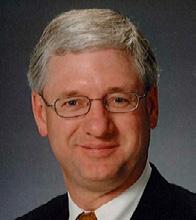

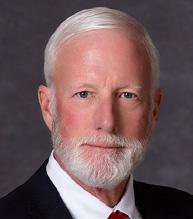
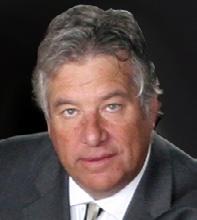
$22,000,000
Plaintiff v Defendant (Confidential)
Date of Settlement: February 2025
Plaintiff Attorney: Justin High
Plaintiff was an employee of a subcontractor working on a jobsite. The owner of the jobsite was also the GC. Various subcontractors utilized a floor hole, but failed to safely cover it, and Plaintiff fell through. Plaintiff took the position that Defendant had an obligation for overall site safety. Defendant argued that it had contractually abrogated its obligation, that the incident was Plaintiff’s fault, or that the incident was the fault of a third party. Plaintiff sustained a traumatic brain injury, facial fractures, and broken thumb.
MEDICALS: $1,600,000
LOST WAGES: $1,800,000
A settlement was reached after jury selection.
EXPERTS USED: Dr. Prusmack, Dr. Wicklund, Ted Stricklett, Terry Stentz, Doug Fletcher, and treating physicians.
UNUSUAL FACTS: Plaintiff was convicted of various crimes following his injuries and incarcerated for three years.
$3,500,000
Plaintiff v Defendant (Confidential)
United States District Court for the District of Nebraska
Date of Settlement: July 16, 2025
Plaintiff Attorney: Justin High
Defendant made an illegal U-turn in his pick-up truck directly in front of Plaintiff, causing Plaintiff to hit the truck and sustain a mild traumatic brain injury and orthopedic multitrauma. Defendant hired an accident reconstructionist, who examined the scene and concluded that Defendant did not violate his duty. Plaintiff hired an accident reconstructionist that took data from the truck’s movement sensors and recreated the crash.
INJURIES: Mild TBI, orthopedic multitrauma.
MEDICALS: $385,000
A settlement was reached after jury selection.
EXPERTS USED: Dr. Prusmack, Dr. Knapp Jr., Dr. Wicklund, treating physicians, David Rosenbaum, Brook Feerick, Ted Sticklett
$725,000
Calderon-Leal OBO Torres Villegas v. Paul Reed Construction & Supply, Inc., et al.
Nebraska Workers’ Compensation Court, Scotts
Bluff County
Date of Settlement: 2025
Plaintiff Attorney: Justin High
Plaintiff was an employee of Defendant, traveling to work in a vehicle driven by a coworker. Plaintiff was involved in a motor vehicle accident while on the job. Plaintiff died at the scene. Plaintiff was married with 4 minor children. Plaintiff was able to establish the injuries occurred in the course of employment.
INJURIES: Death by blunt force trauma.
MEDICALS: $10,000
$200,000
Audrey Borer-Briley re James McGough
Douglas County District Court
Date of Verdict: February 13, 2025
Plaintiff Attorney: Justin High
Plaintiff was driving on Interstate 80 (“I-80”) when she stopped after noticing traffic had stopped for another motor vehicle accident ahead. Defendant, not being aware, rear-ended her causing serious injuries and damages. Defendant admitted he is liable for Plaintiff’s injuries and admitted that Plaintiff may have sustained some degree of injury as a result. Defendant denied the scope and extent of Plaintiff’s injuries.
INJURIES: Plaintiff sustained a head injury and temporary whiplash.
COVERAGE: $250,000
MEDICALS: $25,000
SETTLEMENT OFFER: $4,515.76
EXPERTS USED: Dr. Tella, neurologist and Dr. Haden, primary care provider
UNUSUAL FACTS: Plaintiff intentionally left an insurance adjuster on the jury. Plaintiff called one of Defendant’s expert witnesses in her case in chief. Defendant did not call the majority of the witnesses on his list. Defendant did not testify.
• Over 20 years of experience
• Professor of Economics, University of Nebraska-Lincoln
• Plaintiff and defense clients
• Testimony in state and federal court



“David Rosenbaum is responsive, thorough, understandable, credible and experienced. He’s one of the best forensic economists in the region. I highly recommend his expertise.”
—Repeat Client


Scott Conference Center 6450 Pine Street, Omaha Friday, February 6, 2026
8:00 a.m. Registration and Continental Breakfast Sponsored by Great Plains Reporting


MORNING SESSION
8:15 AM Welcome & Opening Remarks
ADAM P. JOHNSON, Program Chair, Johnson,Tabor & Johnson Law, LLC
8: 30 AM No More Settling for Dr. No-Name: How to Find Experts Who Can Help Your Case and Connect With Juries
DANNY LEAVITT, Leavitt Law
9:15 AM Beyond the Opinion: Ethical Considerations for Working With Expert Witnesses
JENNIFER TURCO MEYER, Turco Meyer Law, LLC
10:15 AM Morning Break
10:30 AM Nebraska Expert Case Law Update: The Cases & Rules That Just Rewrote Your Playbook
ALEX ARKFELD, Gutman Law Group
11:45 AM Lunch Break
AFTERNOON SESSION
12:30 PM Powerful 3D Animations and Visual Demonstratives: What’s Possible, How They’re Created and Collaborating with Experts
ARI ZAHAVI J.D., California Technical Media
1:30 PM Proven Ways to Undermine Hired Gun Experts
ROSS PESEK, Pesek Law, LLC
2:30 PM Afternoon Break
2:45 PM Mastering Digital Evidence in Expert Testimony: Cell Phone Data Collection, Preservation, and Usage
NATALIE ANDREWS, Chandler Conway, PC, LLO
3:45 PM Wrap-Up
ADAM P. JOHNSON, Program Chair, Johnson,Tabor & Johnson Law, LLC
Great Plains Reporting, Minnesota Lawyers Mutual, Summit Structured Settlements THANKS TO OUR SPONSORS
by Sam D. Colwell
NATA’s values reflect Nebraska’s values. Among these shared values is the value of community. From summer meetings and seminars to quick phone calls with members, NATA’s focus on community manifests in ways big and small. A consistent refrain and undercurrent at seminars, on the listserv, and in conversation amongst members is: “A rising tide lifts all boats.” My few years as an attorney have confirmed that NATA’s focus on community is not just an ancillary benefit to the organization; rather, building community is an essential skill for all members.
Most of us leave law school having absorbed an often unspoken message about how lawyers conduct themselves: they grind, they learn, they compete, and they get tougher. And to a point, it’s true. Trial work demands stamina, preparation, and a willingness to be uncomfortable. But trial practice is, at its core, a human profession. Our careers are built on the connections we foster with our clients, jurors, and opposing counsel. And the best way to sharpen how we communicate with humans is to spend time with humans who are not exactly like us. NATA provides young lawyers and young lawyers-emeriti critical tools and opportunities to develop community-building skills.
It’s easy to treat networking as something separate from “real lawyering,” a professional chore on the margin of an already packed schedule. I choose to look at networking as building community, as opposed to the occasional transactional vibe that a networking event carries. Thankfully, NATA “networking” events do not feel centered around identifying, “What can this person do for me?” Instead, NATA events are focused on the community-building question: “How can we help each other get better?”
When you build real relationships with fellow trial lawyers— especially those in your same career season—you gain access to insight you cannot build alone:
• Practical wisdom that is not in treatises or case law;
• Unwritten courtroom norms, such as how local judges handle hearings or what jurors in a certain jurisdiction tend to respond to;
• Honest feedback from lawyers who can provide a fresh perspective outside of your typical bubble; and,
• Tactical creativity that comes from hearing other lawyers explain how they would address an issue.
Trial work can be lonely. Community turns isolation into shared experience. Sometimes the most important words another lawyer can say are simply: “I’ve been there too.”
DIFFERENT PERSPECTIVES ARE A COMPETITIVE ADVANTAGE
It’s an adage that trial work is just storytelling. That’s true, but incomplete. Trial work is storytelling to a room full of people who don’t think like you and have probably never been told a story while sitting in a jury box. Jurors bring their own experiences, values, and common sense. So do clients, opposing parties, and witnesses. A lawyer who can’t step outside their own lens is a lawyer who will miss what matters.
That is why building community with lawyers who have different perspectives is not just good for the profession—it’s good for your results. When you regularly talk trial strategy with lawyers
who have different experiences, you learn things you didn’t know you were missing:
• How a word choice lands differently depending on who hears it;
• Which “common sense” arguments actually feel common to everyone;
• What a witness’s behavior might signal to someone with a different life experience; and,
• How certain visuals, metaphors, or themes resonate (or fall flat).
Most importantly, you learn how to test your assumptions before a jury does it for you. It’s easy to get trapped in echo chambers. The more varied perspectives you’re exposed to, the more flexible and persuasive you become at trial. (This is also a plug for conducting focus groups, but that is a topic for another article).
A lot of lawyers know community matters but still struggle to build it because they imagine it requires circumstances that they don’t have. But community is built through small and repeated choices. Here are some practical ways that I have found to help build community on a smaller level:
• Find a small group of peers to talk skills and strategy. Maintain communication with these peers, and maybe even meet once every month or two.
• Seek out lawyers who are different from you, including lawyers who have different practice areas and backgrounds.
• Show up with curiosity to networking events and seminars. Make connections with peers and presenters.
• Make community part of your professional identity.
This month, I’d encourage all young lawyers (and young lawyers-emeriti) to make one community-building move: reach out, connect, ask someone how they’d handle an issue, invite someone into your orbit, or step into someone else’s. The strongest trial lawyers are the ones who build a community and bring others along with them.

By Linda Lipsen, CEO American Association for Justice
At AAJ, more than a third of our members belong to Sections or Litigation Groups that focus on transportation-related issues and products—from autonomous vehicles (AV), aviation, and distracted driving, to admiralty, railroads, and trucking, and more.
For more than 80 years, our members have worked with clients whose goal is to make sure that what happened to them or a loved one will never happen to anyone else. These cases have served as catalysts for changes in design, testing, implementation, and accountability, ultimately helping to save countless lives.
Change can happen one case at a time. But change cannot happen if harmful and deadly incidents are blocked from examination and adjudication in the courts. AAJ’s priority is to ensure that injured workers, patients, and consumers will always have access to justice in both state and federal courts.
AAJ is unique in how it advocates for the right to a jury trial. Our comprehensive approach covers Congress and federal agencies, research and support for state legislative battles, amicus curiae briefs, advocating for fair rules governing court procedure, and public education.
Here is a look at some of the transportation issues we are working on.
AAJ is closely tracking Uber’s tort “reform” efforts. At the start of 2025, Uber began funding a group called Protecting American Consumers Together (PACT). It launched a multi-million-dollar campaign to push tort “reform” in state legislative sessions, targeting California, Florida, Georgia, Louisiana, New Jersey, New York, and Texas.
As of this writing, Uber is mainly focused on California. The rideshare company is pushing a proposed ballot initiative (for November 2026) to amend the state’s constitution, requiring that plaintiffs in auto crash cases receive at least 75% of settlements. This amendment would cap attorneys’ fees and litigation-related costs, making it impossible for crash victims to hire counsel.
The California ballot initiative would also limit the past and future medical expenses that victims can recover. Another Uber priority is to roll back uninsured motorist insurance minimums, which would lower the amount of money available to passengers, drivers, and pedestrians hurt in catastrophic crashes involving Uber.
AAJ is committed to working with state trial lawyer associations (STLAs) to challenge these kinds of tort “reform” efforts and ensure that companies like Uber face accountability when they fail to take steps to protect passengers, drivers, and pedestrians.
AAJ’s State Affairs Department is well-equipped to monitor insurance and legislative trends nationwide and help state trial lawyer associations (TLAs) with legislative analysis, background research, model policy, and other materials to support state TLAs’ lobbying efforts. In fact, the department had a record year, assisting TLAs from 49 states and the District of Columbia with over 300 legislative requests.
AAJ has previously released insurance reports ( June and December 2024), which TLAs have used to support their advocacy efforts aimed at raising outdated minimums. We anticipate that future analysis will continue to show that raising auto insurance minimums does not cause premiums or rates of uninsured drivers to rise.
Legislative attempts to immunize brokers and shippers for hiring unqualified drivers and negligent trucking companies with terrible safety records are anticipated as Congress ramps up its work on reauthorizing surface transportation programs.
Large truck crash fatalities have increased 43% in the last 10 years, yet we see proposals that do nothing to improve safety. Instead, one bill (H.R. 5337) would provide immunity to brokers/shippers that meet an unacceptably low standard of care, and the other (H.R. 5268) would force truck crash victims from state court into federal court.
Safety on our nation’s roads is also threatened when drivers do not have adequate time to rest, eat, and take breaks.
As of this writing, there is harmful language in the House Transportation, Housing, and Urban Development (THUD) appropriations bill for Fiscal Year 2026. The provision would restrict any funds from being used to override the Federal Motor Carrier Safety Administration’s (FMCSA) preemption determinations for Washington’s and California’s meal and rest break rules for commercial motor vehicle drivers.
There are currently laws in 21 states that provide worker employment protections across a variety of industries to promote health and safety by requiring meal and rest breaks. The trucking industry tried for more than a decade to sidestep these rules and was unsuccessful until the first Trump administration. At that time, the FMCSA overstepped its statutory authority and granted an American Trucking Association (ATA) petition to preempt the meal and rest break laws in California and Washington. The language in the House THUD bill aims to make permanent the FMCSA regulations that override the meal and rest laws in California and Washington (which are more protective).
Rest breaks help decrease worker fatigue and protect the health and safety of workers and of other motorists on the roads. It is critical to everyone who travels our nation’s roads that these important protections in California and Washington are restored—and that safety isn’t further eroded by enabling permanent preemption of protective laws in other states.
AAJ is also closely monitoring developments in legislation and regulation related to autonomous vehicles. It is paramount to AAJ that any proposals prioritize consumer protection and safety, such that
• A specific entity is designated to take responsibility for safe autonomous driving and for following the rules of the road;
• Specific prohibitions are placed on the use of forced arbitration clauses;
• Legal rights and traffic laws are preserved; and
• Americans will have access to vehicle safety information.
AAJ expressed these concerns in public comments to the House Energy & Commerce Committee, which we filed in August.
AAJ’s Communication team works with reporters nationwide to inform them of our position on these issues, and more. Our grassroots campaign, Take Justice Back® (TJB), shares published stories and cases online to inform the public. Here is a sample of recent coverage and social media:
• Reuters article about Tesla doors
• Los Angeles Times: Waymo Strikes Dog in San Francisco
• U.S.A. Today: Waymo Robotaxi and Traffic Laws
• Take Justice Back: Uber Received Reports about Sexual Assault or Misconduct Every 8 Minutes, 2017 - 2022
• Take Justice Back: Waymo – No One to Hold Accountable
• AAJ Facebook: Amicus Brief on Access to Justice for Out-of-State Injury Victims
Last month, AAJ filed an amicus curiae brief in the U.S. Supreme Court in Cedric Galette v. New Jersey Transit Corp. and New Jersey Transit Corp. v. Colt and Tsai, urging the Court to reject NJ Transit’s attempt to avoid accountability for injuries it causes outside New Jersey’s borders. Both cases involve serious injuries caused by NJ Transit buses in other states.
The Court must now determine whether to accept NJ Transit’s argument that it is an “arm of the state,” and therefore immune from legal responsibility in other states’ courts. AAJ’s brief warns the Court that granting such immunity would erode the equal dignity of sovereign states and deny innocent victims any path to justice, since they would be unable to sue NJ Transit in the state where the accident occurred, and New Jersey’s venue rules bar them from suing there as well. This outcome would be an “absurd result,” as our amicus brief notes, denying injured individuals any legal remedy at all and contradicting centuries of common-law tradition and foundational constitutional principles.
The following changes went into effect on December 1, 2025: Changes to the Civil Rules:
• NEW: FRCP 16.1 — Multidistrict Litigation
• FRCP 26(f) & 16(b) — Privilege Logs Changes to the Appellate Rules
• FRAP 6 — Appeal in a Bankruptcy Case or Proceeding
• FRAP 39 — Costs
For details, please visit our Federal Rules page
Corporate interests have unprecedented power and are on a search and destroy mission, combing across all practice areas to find ways to block rights and remedies for injured workers, patients, and consumers. AAJ will continue to push back against these forces. Your support through your membership powers the programs and advocacy that help trial lawyers and their clients thrive. When we unite and work together, it truly makes a difference in how much we can accomplish for the future of civil justice.
The American Association for Justice (AAJ), formerly the Association of Trial Lawyers of America (ATLA®), is an organization committed to promoting accountability and safety, advocating for a balanced civil justice system, improving our communities, and educating lawyers to provide excellent advocacy for their clients.
As a member of AAJ, you will play a meaningful role in the fight to protect the Seventh Amendment while accessing the tools you need to most effectively represent your clients against even the most powerful corporations and industries.
AAJ is the only national plaintiff lawyer association working as an advocate for trial lawyers on a broad range of issues, using lobbying, litigation, and public education to promote a fair and effective civil justice system. JOIN THE AMERICAN ASSOCIATION FOR
KNOW WHO TO CALL WHEN YOU

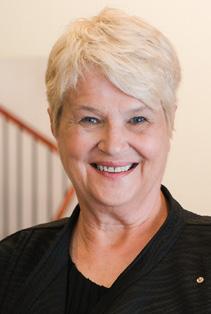

DEBORAH NEARY
Executive Director
Nata.DebN@gmail.com
402-215-9139
Advertising & Sponsorships
Barrister Magazine Board & Committee Admin
General Inquiries
PAC Candidate Questions
JANE JONES
Associate Director
NataJaneJ@gmail.com 402-616-5836
CLE Seminars
Membership Management
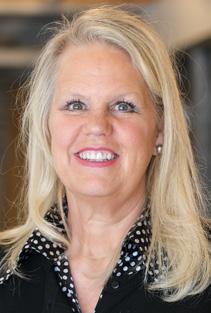

RENEE DAVIS
Associate
Nata.ReneeD@gmail.com
402-435-5526
PAC Donor
NADC Reporting
CINDY STOWELL
Executive Associate & Finance Coordinator
Nata.CStowell@gmail.com
402-435-5527
6173 Center Street Omaha, NE 68106
Phone: (402) 435-5526
Email nata@nebraskatrial.com
Charter at Beaver Creek Resort SAVE THE DATE
Members and families welcome.
Special group rate available for early arrivals and extended stays.

Signature Events
Dinner at 4 Eagle Ranch: Enjoy a true Colorado evening with carriage rides, line dancing, outdoor views, and more.
Welcome Reception on the Terrace: Gather with colleagues overlooking the stunning Beaver Creek Resort landscape.
On-Resort Activities
Scenic chairlift rides
Mountain biking
Golf
4x4 mountain tours
Hiking
Wine excursions
Swimming
Bungee Trampoline
Climbing Wall
Miniature Golf
Nearby Adventures
Horseback riding
Zipline tours
4x4 wheeling
Fly fishing