When I started practicing law, I had the privilege of working with trial attorneys of remarkable skill, who were deeply committed to their clients, trial advocacy and the civil justice system. Lawyers who were not only skilled advocates, but who took pride in doing the work the right way. I learned by watching. By asking questions. By being part of cases where strategy, judgment, and preparation mattered. But I have come to appreciate that not every lawyer has that same opportunity.
Many of our members practice in smaller firms, solo settings, or environments where that kind of day-to-day exposure to experienced trial lawyers is not always available. Others may have strong colleagues but still want broader perspectives from lawyers outside their firm. And for newer attorneys in particular, it can be difficult to know where to turn for guidance on everything from trial strategy to navigating the realities of practice. That is where NATA can step in.
One of the greatest strengths of this organization is the depth of experience within our membership. We have trial lawyers who have handled complex cases, navigated difficult and novel issues, and built successful practices over decades trying dozens of cases to juries. At the same time, we have newer lawyers who are eager to learn, grow, and become the next generation of advocates for their clients. The challenge is not a lack of willingness. It is a lack of connection.
Over the past year, I have heard from members on both sides of this equation. Newer lawyers are looking for more meaningful ways to connect with experienced practitioners. More seasoned lawyers are willing to share what they have learned but are not always sure how to plug in or who is looking for guidance. We have an opportunity to bring those groups together in a more intentional way.
To do that, NATA is launching a new mentorship effort focused on creating real opportunities for connection. The goal is simple: make it easier for members who want guidance to find it, and for members who are willing to mentor to have a clear path to do so. This effort will focus on practical, flexible opportunities—pairing members for one-onone mentorship, creating small group discussions around practice areas, and building in time for mentorship at NATA events. Whether it is talking through a case, preparing for a deposition, or simply having someone to call for a second perspective, these connections matter.
Mentorship is also broader than legal skills. It includes how we handle clients, how we manage our practices, how we maintain professionalism in difficult cases, and how we sustain long-term careers in this field. And importantly, mentorship is not a one-way street. Even the most experienced lawyers benefit from fresh perspectives and new ideas. The strength of this organization lies in that exchange.
2
PRESIDENT
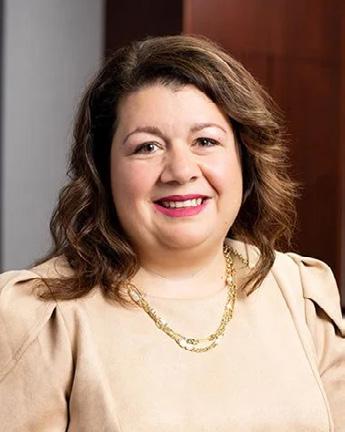
Jennifer Turco Meyer, Omaha
PRESIDENT ELECT
Elizabeth Govaerts, Lincoln
SECRETARY
Cameron Guenzel, Lincoln
TREASURER & CONTINUING EDUCATION CHAIR
Danny Leavitt, Omaha
IMMEDIATE PAST PRESIDENT
Mark Richardson, Lincoln
BOARD OVERSIGHT CHAIR
Peter C. Wegman, Lincoln
NATA PAC CHAIR
Mark Richardson, Lincoln
Matt Lathrop, Omaha
DIRECTORS
James C. Bocott, North Platte
Aaron Brown, Omaha
Eric Brown, Lincoln
Nathan Bruner, Kearney
John F. Carroll, Omaha
Gregory Coffey, Lincoln
Sam Colwell, Lincoln
Patrick Cooper, Omaha
Tara DeCamp, Omaha
Joseph Dowding, Lincoln
Michelle Dreesen, Omaha
Erin Fox, Omaha
Nancy Freburg, Kearney
PAST PRESIDENTS
Daniel Friedman, Lincoln
Mandy Gruhlkey, Omaha
Matthew Knowles, Omaha
Kyle Long, Scottsbluff
Michael Moyer, Madison
Brody Ockander, Lincoln
Ross Pesek, Omaha
Jeffrey Putnam, Omaha
Jon Rehm, Lincoln
Mitchell Stehlik, Grand Island
Adam Tabor, Omaha
Julie Tabor, Papillion
Joshua Yambor, Omaha
serving on the Board 2025-2026
Jason G. Ausman, Omaha
Todd Bennett, Lincoln
Michael F. Coyle, Omaha
Mandy L. Larson, Papillion
Steven M. Lathrop, Omaha
Clarence Mock, Oakland
Robert R. Moodie, Lincoln
George H. Moyer, Jr. Madison
Kathleen M. Neary, Lincoln
Robert G. Pahlke, Scottsbluff
EXECUTIVE DIRECTOR
Deborah Neary
James Paloucek, North Platte
Vincent M. Powers, Lincoln
Julie Shipman-Burns, Lincoln
Andrew D. Sibbernsen, Omaha
E. Terry Sibbernsen, Omaha
Dan Thayer, Grand Island
Jonathan Urbom, Lincoln
Peter C. Wegman, Lincoln
Christopher P. Welsh, Omaha
Brock Wurl, North Platte
At the same time, we cannot ignore the broader moment we are in. Across the country—and here in Nebraska for the last two legislative session—we are seeing increasing efforts to limit access to the courts, restrict the role of juries, and weaken the civil justice system. These changes do not happen in a vacuum. They directly impact our clients, our communities, and the work we do every day. That is precisely why the strength of this organization matters. A strong, connected, and engaged membership is essential—not only to support one another, but to ensure that we continue to have skilled, prepared advocates who are ready to stand up for their clients and defend the role of the jury system.
If you are a newer member, I encourage you to take advantage of these opportunities. Ask questions. Reach out. Be willing to learn. If you are an experienced member, I encourage you to get involved. You do not need a formal title to be a mentor. Often, it is as simple as being available and willing to share your experience. Our profession is learned through experience—but it is strengthened through connection.
Because the future of this profession depends not just on what we do—but on what we pass on.
Jennifer Turco Meyer President
We invite you to take a moment to review the many enjoyable ways you can become more involved with the organization and consider signing up to serve.
Whether it’s mentoring a colleague, volunteering at the NATA booth during the NSBA Conference, or serving on one of our committees, your participation makes a meaningful difference. These opportunities not only support the work of our association but also help build leadership, connection, and camaraderie within our community of trial lawyers.
Thank you for being a valued member of NATA, and thank you for considering one of these volunteer opportunities.
Take the NATA Engagement Survey
The Prairie Barrister is published quarterly by the Nebraska Association of Trial Attorneys. Inquiries regarding submission of articles and advertising should be directed to Deborah Neary, Executive Director.
The statements and opinions in editorials or articles reflect the views of the individual authors and are not necessarily those of NATA. Publication of advertising does not imply endorsement. © 2026 Nebraska Association of Trial Attorneys, Inc. Contents cannot be reproduced without permission.
By Elizabeth Govaerts, NATA Legislative Chair
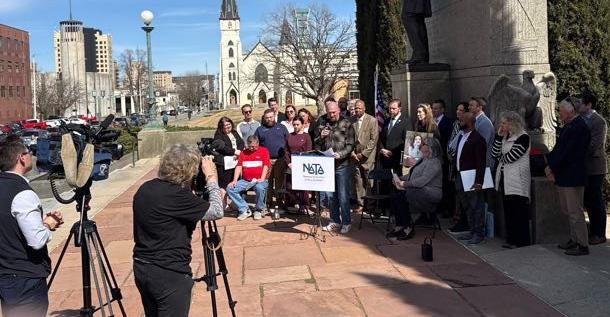
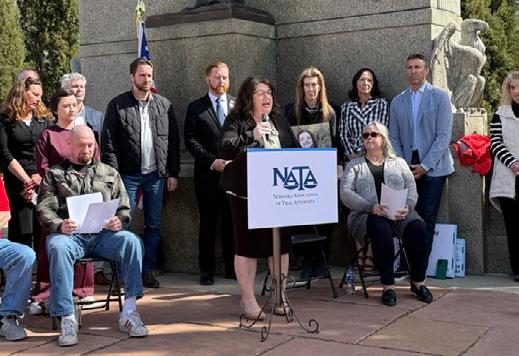
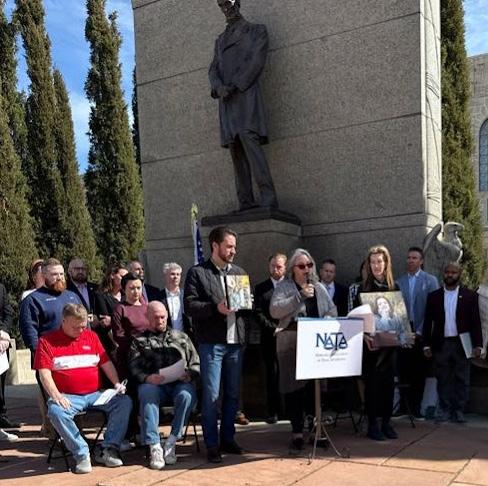
On April 1, the legislature passed a stripped-down version of the original bill containing only a 60-day confidentiality period for first reports of injury, and language requiring the court to advise injured workers of their right to seek advice from an attorney. The revised bill contains an additional provision effecting employers who purchase an optional workers’ compensation insurance plan with a deductible, which does not have an impact on injured workers. The original bill contained onerous subrogation provisions that would have upended the court’s role in the fair and equitable distribution in third-party claims. This significantly improved compromise was the result of the hard work of the legislative committee and our lobbyists over many weeks.
1100 was the most aggressive attempt at “tort reform” in decades. The two amendments that make up the bill include the original LB205 language that attempts to change how we prove medical expenses. It sought to overturn the current §52-401 rule that the measure of damages in personal injury cases in the private party rate, and required that the evidence of medical expenses must be the amount actually paid by insurance, and allowed for either party to offer that amount into evidence to prove economic damages. It included cumbersome and potentially impossible calculations for uninsured plaintiffs and future damages, and rigid rules for the form and disclosure of medical liens.
The bill also included new pleading and proof schemes for asbestos defendants and medical device manufacturers that use ethylene oxide, a known carcinogen, that amount to effective immunity for those corporate poisoners.
The bill would have reduced our four-year statute of limitations in personal injury claims to three years, changed §60-6,273 5% reduction for non-seatbelt use to 25%, and required the disclosure of litigation funding.
It contained a $5M cap (increased from the bill’s original $1M cap) on non-economic damages in trucking cases, inclusive of all claims with a CPI increase every two years. It also set forth the requirement for a separate verdict line for non-economic damages, to be reduced by the judge to the amount of the cap if the damages exceed the cap. This bill was a direct attack on Nebraskans right to a trial by a jury of their peers and a giveaway to corporations and the insurance industry at the expense of injured Nebraskans. On April 2, the last day of general file bills, LB1100 was not on the agenda. However, assuming we get through the rest of the session without this abomination coming to the floor, it is unlikely to go away. It was cited as a priority of Senators Sorrentino and Halstrom, and the trial lawyers were specifically called out as a target in the governor’s State of the State. We will be back fighting it again next year.
Our broader membership may not be aware of the work the Legislative Committee does. While the legislature is in session, the committee meets every week. Committee members have drafted legislation, testified in committees, negotiated with lawmakers, and have worked the rotunda while our bills are debated. They have devoted hours each week to advocating for our clients, the attorneys who represent them, and the civil justice system writ large. The entire plaintiff’s bar is benefitting from their dedication and expertise.
Our skilled lobbyists have worked to cultivate excellent working relationships with Senators. They are well-versed in all our issues, and their advice and guidance have been invaluable. It is through their efforts that we have been able to add friends to our roster and avoid disaster thus far. We are fortunate to have these respected and credible advocates on our side.
Donate to the NATA PAC. If we have learned anything in recent years, it is that elections do indeed matter. It is imperative now more than ever that we help pro-justice candidates get elected. If you don’t know how to donate, contact PAC Chair Mark Richardson or Executive Director Deborah Neary and they will get you started.
Contact your Senator. The more our lawmakers hear about the real-life consequences of this legislation on their constituents who have suffered life-altering injuries, the harder it will be for them to throw them under the tort reform bus.
Thank you everyone for your ongoing efforts on behalf of the people we represent.
Special thanks to these individuals that have gone above and beyond to advocate for our NATA mission this legislative session:
CHAIR
Elizbeth Govaerts
MEMBERS
Jason Ausman, Ausman Law Firm, PC, LLO
Todd Bennett, Bennett Law
John Carroll, Watson & Carroll, PC, LLO
Maren Chaloupka, Chaloupka Law LLC
Gregory Coffey, Friedman Law Offices
Carey Collingham, Berry Law
Sam Colwell, Rembolt Ludtke LLP
Michael Coyle, Fraser Stryker PC LLO
John Fowles, The Fowles Law Office, P.C., L.L.O
Erin Fox, Fox Law LLC
Daniel Friedman, Friedman Law Offices
Joel Fulton, Welsh & Welsh, P.C. LLO
Stephen Gerdes, Law Office of Steve Gerdes
Mandy Gruhlkey, The Advocates
Cameron Guenzel, Johnson, Flodman, Guenzel & Wasserburger
Emily Haggstrom, Atwood Law
James E. Harris, Harris & Associates, P.C., L.L.O
James R. Harris, Harris Law Offices, P.C., L.L.O.
Kathryn Hartnett, Hauptman, O’Brien, Wolf & Lathrop
Matt Lathrop, Law Office of Matthew A. Lathrop, PC, LLO
Steve Lathrop, Hauptman, O’Brien, Wolf & Lathrop, P.C.
Clarence Mock, Johnson & Mock
Kathleen Neary, Powers Law
Brody Ockander, Shasteen Morris & Ockander, P.C., L.L.O.
James Paloucek, Paloucek, Herman & Wurl Law Offices
Jeff Putnam, Law Offices of Jeffrey F. Putnam, P.C.
Jon Rehm, Rehm, Moore & Rehm PC, LLO
Rod Rehm, Rehm, Moore & Rehm PC, LLO
Mark Richardson, Rembolt Ludtke LLP
Julie Shipman-Burns, McCord & Burns Law Firm LLP
Andy Sibbernsen, Sibbernsen Law Firm, P.C.
Terry Sibbernsen, Sibbernsen Law Firm, P.C.
Dan Thayer, Thayer & Thayer P.C., L.L.O.
Jennifer Turco Meyer, Turco Meyer Law
Jonathan Urbom, Urbom Maaske
Peter Wegman, Rembolt Ludtke LLP
Christopher P. Welsh, Welsh & Welsh, P.C. LLO
Brock Wurl, Paloucek, Herman & Wurl Law Offices
Joshua Yambor, Berry Law
NATA is the only association of attorneys in Nebraska that actively represents the civil trial bar and injured consumer’s interests in the Legislature. Our experienced lobbyists review every bill introduced, and recommendations are made to the NATA Legislative Committee for further action. Our legislative committee members work diligently to ensure that issues of importance to our members and their clients are monitored, supported or opposed. When an issue is urgent — we engage our members with a call for action. Please visit NebraskaTrial.com to make certain we know the legislative district you reside, and/ or visit the NATA PAC page to learn more about the NATA political action committee that supports the races of pro-civil justice candidates and incumbents from both sides of the political aisle.
Legislative district information can be entered on the legislative page of the NATA website: www. nebraskatrial.com/?pg=legIntro
Thank you for your continued commitment to protecting the rights of Nebraskans.


by Mark Richardson, NATA PAC Chair
I like to think of the NATA community as existing under a large canopy. We are a collection of hundreds of Nebraska legal practitioners that come from diverse personal backgrounds. Like our personal backgrounds, NATA is not a one-size-fits-all collection of practice groups. NATA members work in areas of personal injury, employment, workers compensation, and more. We have sole practitioners and members of larger law firms.
While many commonalities exist between various NATA members, the one that binds all of us together is our belief that Nebraska citizens should have open access to the Nebraska Judicial System to have their disputes fairly and justly adjudicated.
The Nebraska Legislature over the last two years has taken aim at that fundamental American and Nebraskan value. Limiting the time inured Nebraskans have to file suit. Fixing noneconomic caps regardless of what the fact finders actually determine the damages to be in a case. Irrationally making seatbelt use a comparative fault defense. Disallowing evidence of corporate negligence. By the time you are reading this article, the fate of these issues has likely been decided, at least for this session.
Regardless of this year’s legislative outcome, this is not the end of these efforts. The next threat to the rights of Nebraskan citizens is right around the corner.
So what is the most effective path toward protecting Nebraskans? There is no question the right answer is ensuring we have competent, caring, and compassionate Nebraska Senators assessing and making our laws.
We need to get the best people elected.
You can make a direct impact. Thanks to the efforts of those that came before me, the NATA Political Action Committee is a true player when it comes to Nebraska legislative races. The PAC contributes real dollars that are often the deciding factor in ensuring quality candidates can effectively get their messages to the voters. NATA PAC support has meant the difference between winning and losing key races.
The only way that can continue is through your support!
Here is my ask:
1. If you have never donated to the PAC before, please contact Deborah Neary and start your $10/month donation.
2. If you have donated before but it has been a while, please contact Deborah Neary and restart a $25/month donation.
3. If you are currently donating, please contact Deborah Neary and increase your monthly donation by $25/month.
To get this started, I have increased my monthly donation by $25/month while writing this article.
Please consider doing the same. Your investment in NATA PAC will be one of the strongest investments you can make in the long term success of your legal practice.
Let’s make the 2026 election cycle the one where we turned to the tide in favor of Nebraskans!
NATA PAC is the political arm of the Nebraska Association of Trial Attorneys. It was established as a vehicle by which Nebraska trial lawyers could encourage and support candidates for public office who believe in ensuring the rights of the citizens of Nebraska by preserving the advocacy system.
THANKS to all of NATA PAC’s continued supporters:


Friedman Law Offices, Lincoln

Ausman Law Firm, Omaha
Berry Law, Omaha
Dowd & Corrigan LLC, Omaha
Dowding, Dowding & Dowding, Lincoln
Hauptman O’Brien Wolf & Lathrop, P.C., Omaha
Inserra Kelley Cooper Sewell, Omaha
Law Office of Matthew Lathrop, Omaha
Paloucek, Herman & Wurl Law, North Platte
Sibbernsen Law Firm, P.C., Omaha
Urbom Maaske Law, Lincoln
Welsh & Welsh, P.C., L.L.O., Omaha
James Cada, Lincoln
Chaloupka Law LLC, Scottsbluff
Elizabeth Govaerts, Lincoln
Harris & Associates, P.C., L.L.O, Omaha
Abboud Law Firm, Omaha
James C. Bocott, North Platte
Greg Garland, Omaha
Mandy L. Larson, Papillion
Todd D. Bennett, Lincoln
Aaron Brown Injury Law, Omaha
Eric R. Chandler, Omaha
Conway, Pauley & Johnson, P.C., Hastings
Timothy R. Engler, Lincoln
Gallner & Pattermann, P.C., Council Bluffs, IA
Mandy M Gruhlkey, Omaha
James R. Harris, Lincoln
Steven H. Howard, Omaha
Danny Leavitt, Omaha
Monzon Guerra & Associates, Lincoln
Robert R. Moodie, Lincoln
Holly Morris, Lincoln
John W. Ballew, Lincoln
Bruce H. Brodkey, Omaha
Gregory R. Coffey, Lincoln
Sam Colwell, Lincoln
Michael F. Coyle, Omaha
John C. Fowles, Grand Island
Jason P. Galindo, Lincoln
Tracy Hightower-Henne, Omaha
Hightower Reff Law, Omaha
Nicholas Jantzen, Lincoln
Robert G. Pahlke, Scottsbluff
Mark R. Richardson, Lincoln
Peter C. Wegman, Lincoln
Kathleen M. Neary, Lincoln
Brody J. Ockander, Lincoln
Vincent M. Powers, Lincoln
Jeffrey Putnam, Omaha
Shayla Reed, Omaha
Jon Rehm, Lincoln
Rensch & Rensch Law, PC, LLO, Omaha
Stephen A. Sael, Lincoln
Terrence J. Salerno, Omaha
Julie Shipman-Burns, Lincoln
William Steffens, Broken Bow
Audrey R. Svane, Lincoln
Jennifer Turco Meyer, Omaha
Amy L. Van Horne, Omaha
James R. Walz, Omaha
Sarah Lash, Bellevue
Tod A. McKeone, Lexington
Clarence E. Mock, Oakland
Ross Pesek, Omaha
Brianne Rohner Erickson, Lincoln
Jacob M. Steinkemper, Omaha
Adam Tabor, Omaha
Jacqueline Tessendorf, Columbus

Auto insurance minimums in most states remain significantly outdated. They have barely changed in decades, even as the cost of medical care and vehicle repairs has climbed sharply. Over 40,000 people are killed and more than 2 million are injured in motor vehicle crashes each year. Outdated property damage limits mean that even minor crashes can leave drivers with thousands of dollars in uncovered repair or replacement costs.
The economic cost of these crashes exceeds $340 billion a year, but only 54% of these costs are paid by insurance companies. Crash victims end up paying 23% of crash costs, while the rest falls to charities, health care providers, local governments, and thus taxpayers. Since our series of reports in 2024, the case for updating these limits has only grown stronger.
Over the past year, California, Virginia, North Carolina, and Utah have implemented long-overdue increases in their minimum coverage levels. These updates reflect a growing national recognition that today’s limits no longer meet real-world costs.
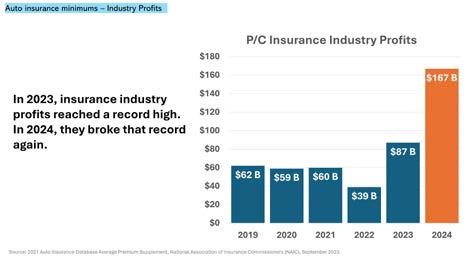
At the same time, the auto insurance industry remains financially strong, reporting record profits in 2023 and 2024. There is no economic justification for keeping outdated limits that shift crash costs onto families, hospitals, and taxpayers.
States that have raised minimums experience premium increases that are typically smaller than the national average. Nor do those states show any evidence of increases in the number of uninsured drivers.
Modern minimums provide more stability, reduce uncompensated losses, and ensure that crash victims—not health care providers, charities, or taxpayers—receive the protection the system was designed to deliver.
The conclusion of this 2026 update is clear: states have a public responsibility to act. Raising auto insurance minimums is not just reasonable—it is long overdue.
In 48 states and the District of Columbia, drivers are required by law to carry auto insurance to protect themselves and others after a crash. Each state sets its own minimum coverage levels—typically three amounts covering bodily injury or death to one person, bodily injury or death to two or more people, and property damage. These limits vary widely: Florida’s minimums are the lowest ($10,000/$20,000/$10,000), while Alaska and Maine require the highest ($50,000/$100,000/$25,000).
Most of these limits were set decades ago and have not kept pace with the rising cost of medical care, vehicle repair, or lost wages. Property damage limits are especially outdated. In many states, the minimum requirement still covers only $10,000–$25,000 in property losses—barely enough to replace an older used car. The average new vehicle now costs over $50,000, and repairs have become so expensive that one in five collisions now results in a total loss.1 When the atfault driver’s coverage runs out, victims must turn to their own insurers, savings, or loans to pay for remaining costs or a new car.
The result is a system that no longer reflects the real cost of a serious crash. Nationwide, only 54% of the $340 billion in annual motor-vehicle crash costs is paid by insurance. Crash victims absorb about 23%, and the remainder is shifted to hospitals, charities, and taxpayers.2

In many states, the law still requires only $25,000 in coverage per injured person or $50,000 per crash—amounts that can be exhausted by a single hospital stay or the replacement of one newer vehicle. When coverage ends, the unpaid costs do not vanish; they fall on families and public systems that were never meant to bear them.
This widening gap between outdated legal minimums and real-world expenses undermines the basic purpose of mandatory insurance. Minimum coverage was meant to guarantee financial protection after a crash. Today, it too often guarantees the opposite—coverage that runs out long before the bills do.
Despite the clear mismatch between legal minimums and real costs, raising coverage levels has often been met with warnings that premiums will soar or that more drivers will go uninsured. The evidence tells a different story. States that have updated their minimum limits in recent years have seen only modest premium adjustments, typically smaller than national averages.
Available data show no consistent link between higher minimums and rising uninsured-driver rates, even as several states have raised their coverage requirements. Industry studies find that the biggest factors in premium increases are the frequency and severity of auto accidents, as well as the resulting increases in vehicle repair and medical costs. 3
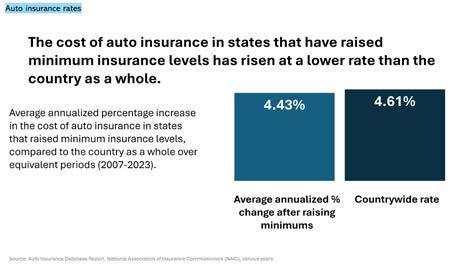
Experience across multiple states shows that higher minimums can be adopted without driving large premium increases. While insurance costs have risen nationwide for many reasons, updated limits make that coverage more meaningful—ensuring that the dollars drivers already spend provide real protection. The result is a system that better reflects the true cost of crashes and reduces uncompensated losses for victims and taxpayers.
Industry data show that insurers are thriving even as they warn of higher costs. The property-casualty sector earned $87 billion in profits in 2023— the most profitable year on record—and then surpassed it in 2024 with $167 billion in profits. These outcomes undermine claims that modest increases in required coverage would threaten affordability.
Many state minimum auto insurance limits no longer reflect the real cost of modern crashes. Evidence from recent state updates shows that raising those minimums modestly increases premiums—typically by less than national averages—and does not increase the number of uninsured
drivers. Outdated property damage limits mean that even minor crashes can leave drivers with thousands of dollars in uncovered repair or replacement costs. With strong insurer profits, stable markets, and rising crash costs, the conditions for action are clear. Updating outdated minimums is not a financial risk; it is a practical step to restore fairness and ensure that every driver carries coverage that truly protects against today’s losses.
Data on the average auto insurance cost (expenditures) per insured vehicle were taken from the NAIC’s Auto Insurance Database Report and Auto Insurance Database Premium Supplement (various editions). The average cost refers to the total written premium for liability, collision, and comprehensive coverages divided by the liability written car-years (exposures). The average cost is an estimate of what consumers in the state spent, on average, for auto insurance. Increases in the cost and premium data for states that raised auto insurance minimum levels during this period were annualized (wherein the inflationary effect is converted into an annual percent change) and then compared to the countrywide data for the same respective periods.
1 Kelley Blue Book Report: New-Vehicle Average Transaction Price Hits Record High in September, Surges Past $50,000 for the First Time Ever, Kelley Blue Book, October 13, 2025, https://mediaroom.kbb.com/2025-1013-Kelley-Blue-Book-Report-New-Vehicle-Average-Transaction-Price-Hits-Record-High-in-September,-Surges-Past-50,000-for-the-First-Time-Ever; How the Economy and Supply Chain Disruption Are Forging a New, More Complex Auto Industry Reality, CCC, 2025, https://www.cccis.com/reports/crash-course-2025/q3#:~:text=INTELLIGENT%20SOLUTIONS%20INC.-,Total%20Cost%20of%20Repair%20Trends,%25%20year%2Dover%2Dyear.&text=SOURCE:%20CCC%20INTELLIGENT%20SOLUTIONS%20INC.,-Part%20dollar%20contributions.
The American Association for Justice—formerly the Association of Trial Lawyers of America (ATLA)®—works to preserve the constitutional right to trial by jury and to make sure people have a fair chance to receive justice through the legal system when they are injured by the negligence or misconduct of others—even when it means taking on the most powerful corporations.
2 Fatality Facts 2021, Insurance Institute for Highway Safety and the Highway Loss Data Institute (IIHS HLDI, May 2023, https://www.iihs.org/topics/fatality-statistics/detail/state-by-state; The Economic and Societal Impact of Motor Vehicle Crashes, 2019 (Revised), National Highway Traffic Safety Administration (NHTSA), February 2023, https://crashstats.nhtsa.dot.gov/Api/Public/ViewPublication/813403.
3 Cost Trends and Affordability of Automobile Insurance in the U.S., Journal of Insurance Regulation, 2019.
The American Association for Justice—formerly the Association of Trial Lawyers of America (ATLA)®—works to preserve the constitutional right to trial by jury and to make sure people have a fair chance to receive justice through the legal system when they are injured by the negligence or misconduct of others—even when it means taking on the most powerful corporations.
Copyright © 2025 American Association for Justice®. Reprinted with permission. For more information, please contact AAJ Research at research@justice.org. 777 6th Street, NW, Suite 200 Washington, D.C. 20001 www.justice.org


by Ross Pesek NATA Membership Chair
The young lawyer did not knock. Instead, they entered carrying deposition
“They’re lying,” the young lawyer said. “The expert. The defense lawyer. All of it. They say it calmly. They say it like it’s respectable. And I’m supposed to sit there and pretend this is honorable work.”
The Prairie Barrister closed the file in front of them and looked up.
“Have you ever heard of the sword in the stone?” the Prairie Barrister asked. The young lawyer frowned. “No, and what does that have to do with
“In the legend,” they began, “a sword named Excalibur was fixed in stone. Whoever could draw it would rule the kingdom. Word spread. Knights arrived in armor. Nobles backed by wealth and banners. Warriors with reputations built on force. They pulled on the sword until their hands blistered and bled. Despite all their power, the sword did not move.”
“They had strength. They had status. They had resources. They did not have
The young lawyer dropped into the chair.
“And someone else pulled it?” they asked.
“Yes. A young man. Not celebrated. Not armored. Raised outside power. Alone. He approached and drew it free.”
“Because he was stronger?”
“No,” the Prairie Barrister said. “Because he was rightful.”
Silence lingered.
“In this profession,” the Prairie Barrister continued, “there are armored knights. Large firms. Endless resources. Experts polished and rehearsed. Motion practice stacked high enough to exhaust you before trial. They pull at the sword in the stone constantly.”
The young lawyer gave a bitter smile.
“That’s exactly what it feels like.”
“They have already tried to pull the sword,” the Prairie Barrister said
evenly. “With credentials. With posturing. With volume. And it has not moved.”
The young lawyer looked up.
“What do you mean?”
“If their case were grounded in truth,” the Prairie Barrister said, “it would not require distortion. If their expert were anchored in truth, it would not require a lie. Force is often a sign the sword is stuck.”
The young lawyer leaned forward.
“But they’re going to repeat it,” they insisted. “They’ll look right at the jury and repeat the lie.”
“Yes,” the Prairie Barrister said calmly. “Most likely they will.”
“And what if the jury believes them?” the young lawyer asked.
The Prairie Barrister did not answer immediately.
“If the jury agrees with a lie,” they said finally, “we begin with humility.”
The young lawyer blinked.
“Humility?”
“Yes,” the Prairie Barrister said. “If twelve citizens cannot see what you believe is obvious, one of two things is true: either you failed to reveal the truth clearly enough to win, or you were not as aligned with the truth as you believed.”
The room grew still.
“That sounds brutal,” the young lawyer said.
“It is,” the Prairie Barrister replied. “This work requires brutal honesty with oneself. We must be willing to examine whether our presentation was unclear — or whether our own perception of the truth was unclear.”
The young lawyer looked down at the transcripts.
“You’re saying it could be me.”
“I am saying that alignment with truth demands self-scrutiny,” the Prairie Barrister said. “We do not blame juries. We do not blame fate. We examine our alignment with truth and whether we perceived it clearly.”
The Prairie Barrister’s voice did not rise.
“When you are aligned with truth, you do not need to overpower the lie. You reveal it, cleanly, and without anger or theatrics. You establish the truth so carefully and cleanly that when they step outside it, the jury sees it immediately.”
“That sounds restrained,” the young lawyer said. “Too restrained.”
“It is restrained,” the Prairie Barrister replied. “Anger is easy. Restraint is strength.”
They stood and walked toward the window.
“The knights failed because they mistook power and privilege for legitimacy. They believed the sword owed them movement because they were powerful. It did not.”
The Prairie Barrister turned back.
“You are a solo lawyer. No army. No banners. No endless research teams. That feels like a disadvantage.”
“It is,” the young lawyer said automatically.
“Only if the contest is about force,” the Prairie Barrister replied. They stepped closer.
“But it isn’t about force. It’s about timing. It’s about precision. It’s about standing so firmly in the truth that when you pull, the sword yields to truth itself — not to you.”
The young lawyer looked at the transcripts again — differently now.
“So I don’t try to out-deceive them.”
“You cannot. Or rather, I cannot and I would not advise you to chart that course,” the Prairie Barrister said gently. “That is their terrain. Deceit is a kind of power — but it is unstable. Truth does not need to be maintained. It simply needs to be revealed.”
The room grew still.
“When you cross-examine,” the Prairie Barrister continued, “establish what cannot be denied. Establish the science. Establish the undisputed truth. Let the jury feel the truth before you point to the deviation. When the deviation comes — and it will — you will not need to shout. The contrast will do the work.”
The young lawyer exhaled slowly.
“So they’ve already pulled at the sword,” the young lawyer said quietly, “with everything they have.”
“Yes,” the Prairie Barrister replied. “And the sword did not move.”
The young lawyer stood.
“And when I pull,” they said, more to themselves now than anyone else, “I do it in front of the jury.”
The Prairie Barrister nodded.
“Not with force,” the young lawyer continued, “with truth.”
The Prairie Barrister allowed a small smile.
Outside, the courthouse stood indifferent to armor and banners. Inside, the young lawyer felt something steadier and sturdier than anger.
The big firm had already strained at the stone.
The corporate knights had pulled until they were red in the face.
The sword had not budged.
Soon enough, in front of twelve citizens, the young lawyer would reach for it.
And this time, it would move.


Explaining
scientific concepts to jurors can be challenging. But with the right approach, you can help them understand and connect with your client’s case.
By || Stephanie Biehl
Environmental, products liability, and consumer cases involve complicated concepts, hard science, and specialized technical knowledge. You must present this information clearly and persuasively—not only to survive motions to dismiss and motions for summary judgment, but also to prove your client’s case at trial.
This can take myriad forms: explaining the “alphabet soup” of chemicals, showing how a contaminant moves from manufacturing to drinking water, or demonstrating how a weed killer can cause cancer. To succeed, trial attorneys must learn to translate dense scientific material into language jurors can understand and trust. That’s no easy task—jurors often have little to no scientific background or patience for complex, technical explanations.
But jurors aren’t the only ones facing a steep learning curve. Most of us in the legal profession don’t have technical or science degrees to draw on. There are exceptions, of course, but you’ve likely handled a case in a field you knew little about. And even if you do hold an advanced science degree, you’ve probably encountered subjects that were completely new to you.
Here’s the good news: You don’t need to be a scientist to make complex topics accessible. With the right approach, you can guide jurors through the science in a clear, logical, and even compelling way. Think of yourself as the jurors’ field trip guide—like Ms. Frizzle of The Magic School Bus fame—only in a suit and equipped with demonstratives.1 Your job is to take them on a magic courtroom ride through the facts and science.
As every civil litigator knows, you need to learn your case before you even file. That means understanding the facts that underlie your client’s claims, who the plaintiff is, and how they were injured. You need to learn—and understand—key terms that will shape how you describe and eventually present the more technical aspects of the case. Understand the allegations. Learning your client’s case involves understanding the precise language of the claim. This early fluency shapes how you’ll tell the case story as it progresses. It also helps you identify and explain the technical elements—particularly your causation and damages theories. Even your liability theory—the story of the defendant’s misconduct—often demands fluency in scientific and technical facts. Take, for example, litigation involving per- and polyfluoroalkyl substances (PFAS). 2 To explain how PFAS enter a municipal water supply, you need to understand the underlying science. But you also need to tell the story of how
those PFAS got into the water in the first place—and why manufacturers knew, or should have known, the risks.3
So, how do you translate a company’s internal documents, scattered investigative files, and archived studies into a compelling legal claim? Your complaint doesn’t recite every technical study—and you certainly wouldn’t do that at trial. Instead, you might say: “The company studied its chemical product for years, including its effect on people and animals. It discovered that the chemical has found its way into people’s blood—and chose not to share that dangerous fact.”
That example contains almost no scientific language, aside from the word “chemical.” And that’s the point. Secure experts early. Retain your experts as soon as possible. Doing so gives you a head start on the complex parts of the case—and you’ll have more time to learn from your experts. When you deliver your closing argument, you become the jurors’ final teacher. But before you can teach them, your expert must teach you. Let them.
Early retention also gives you time to evaluate how well your expert communicates. You may find the most brilliant mind in the field—but if they can’t explain their expertise in a way you understand, they won’t be able to teach the jury either. And that’s OK. Some experts are best suited for consulting roles. They can help you learn technical language, strengthen claims, and meet evidentiary standards. But for trial, you’ll need experts who can explain complex ideas clearly and accessibly.
The best way to evaluate that potential is to spend real time with your experts. One meeting won’t cut it. Plan on multiple conversations and in-depth discussions to assess not just what they know, but how they communicate it.
Learn during discovery. Your learning doesn’t stop once you draft the
complaint or survive a motion to dismiss. You also need to learn the words your client and the defendants use—terms and concepts that emerge during discovery. Nearly every case produces at least one key document or phrase that flips the switch—a piece of evidence that brings clarity to the case.
For example, it might be tobacco industry correspondence confirming that cartoon images are more effective at targeting children and securing younger, more addicted smokers. Use those documents, show those images, and borrow that internal language—then bring it all into your narrative, motions, depositions, and trial strategy.
During discovery, look for ways to fold technical material into a story that resonates. Simplify the language without dumbing it down. Use depositions to test how jurors might receive complex points. And most importantly, ensure the story you’re building—whether it’s about contamination, product design, or corporate misconduct—never gets lost in the technical details.
Before you stand in front of a jury, make sure your wording—your vocabulary, shorthand, and simplifications—actually work. Don’t wait until trial to figure that out. Start testing early.
Talk to a nonlawyer friend. Find a friend—ideally someone who didn’t go to law school—and walk them through the most difficult parts of the case in a casual setting. Of course, abide by all protective orders and privileges, and don’t disclose confidential information. But you should be able to explain a core issue, a scientific concept, or a complex legal issue clearly and in about five minutes.
Why a nonlawyer? Because they won’t skip over story gaps and jump straight to evidentiary issues. They’ll respond to the narrative itself—and that’s exactly what the jury will do. Plus, odds are the jury
won’t include any lawyers.
The relaxed setting encourages natural conversation. You’ll shed the legalese and speak plainly—no technical terms, no crutches, no relying on your expert to do the explaining for you.
Talk to a child. Take it a step further: Try explaining the case to a child. Choose one who speaks in fairly complete sentences and who has the typical short attention span of a child. Younger children are ideal. They’re frank, unfiltered, and quick to show, through confusion or clarity, whether they understand.
Explain a technical concept as you would explain anything new to a child. Then, ask them to repeat it back to you. Pay attention to the words they use, how their version differs from yours, and whether they grasp the key point.
Do you have a diagram, a scientific principle, a chemical or product, or a complex term you’re trying to simplify? Ask them how they’d explain it. Children often use surprisingly accurate and grounded language—words tied to something familiar and concrete.
For instance, if you’re using an image of an aquifer to show the fate and transport of a chemical from the surface layer to the groundwater, a child might describe that image as a “sandbox” or a “sponge.” Alternatively, they may just use the terms, “swim,” “fall,” or “move” instead of “fate and transport.” None of these descriptions are technically precise, but they get the point across. And you and your experts can use these words (in conjunction with the technical proof you need) to allow a jury to understand the bottom line.
Use a focus group. Focus groups are larger-scale versions of these same principles. Use them early and as often as your budget allows. You don’t need to run a full mock trial. Start smaller: Test your theories, challenge your assumptions, and see how your simplified scientific
and technical explanations land with laypeople. See what works—and what doesn’t.
Focus groups reveal blind spots. Participants might struggle with concepts that you thought were simple or latch on to something you didn’t expect. That feedback lets you refine your strategy with your trial team and experts while there’s time to adjust.
Focus groups don’t have to be sophisticated. What matters is that participants aren’t lawyers or subject
You guide the trial presentation, but the expert leads the explanation.
Even AI can help. While you shouldn’t rely on AI for everything, tools like ChatGPT 4 can help you brainstorm nonconfidential ideas. Ask it to simplify a concept, sketch a diagram, or rephrase dense language. Treat it like a whiteboard—another tool in your toolbox.
Tailor it to your jury. Never ignore your jurisdiction and jury pool. Tailor your messaging accordingly, and use what you learned in voir dire. If you land a few jurors who grew up in San

matter experts—and that they haven’t been immersed in your case. They’re hearing it fresh and in a condensed amount of time—just like the jurors will.
Take a step back. Once you’ve gathered feedback—from friends, children, or focus groups—bring it to your trial team. Use that insight to refine what’s effective and what’s not.
Creativity, time, and a little distance are invaluable here. Take a break. Go for a walk. Read a book. Listen to music. You might stumble across a metaphor, story, lyric, or analogy that helps everything click.
This is the same strategy we use with fact witnesses. Technical information is no different. Your job is to make it relatable. Use analogies, simple phrases, and anecdotes. Maybe it’s a sports analogy, a pop culture moment, a current event, or a piece of history. If a song lyric fits, use it. Just make it stick.
Francisco, for example, you could use an analogy to describe the speed of a certain chemical reaction as “faster than the time it takes a splash hit to get from the plate to McCovey Cove.” But that same analogy wouldn’t help you anywhere outside of the Bay Area.
Everything you create—the language, the visuals, the metaphors—should resonate with them. Your goal isn’t to teach every part of the case. It’s to connect the jurors to your client’s case. Use every tool available to make the science, the facts, and the law meaningful and memorable.
Once you’re at trial, it’s time to put your preparation to the test. By now, you should know your analogies, shortcuts, and simplifications—and know them cold. Trial isn’t the time to experiment.
Fail and pivot during prep, not in front of the jury.
Speak to every kind of learner. When presenting scientific or technical facts, use every communication tool available: images, models, diagrams, deposition clips, videos, physical objects—whatever reinforces the point. Some jurors learn best by hearing, others by seeing or doing. You can’t tailor each point to every juror, but you can show—not just tell—the story using a range of formats.
Let your expert teach. At trial, your expert remains the teacher. Ask questions that invite them to explain, clarify, and reinforce key topics. You don’t take full control of the case presentation until closing argument, so your expert’s ability to teach must shine throughout their testimony. Help them succeed by using the words, visuals, and phrases that resonated with your witnesses, nonlawyers, children, and focus groups.
Keep the jury engaged. Jurors lose focus quickly—sometimes within the first hour of back-and-forth questions and answers. Break up the monotony. Use visuals, storytelling, and pacing changes to keep their attention and help ideas stick.
Consider this: Few people remember the engineering failures behind the Deepwater Horizon oil spill—but nearly everyone remembers the haunting image of fire and smoke on the Gulf of Mexico. That image appeared everywhere, including at trial.5 Your case might not have visuals that dramatic, but you can create visual anchors that stay with jurors. Keep the visuals on display. Revisit them often. Use them again during closing.
Speak with intention. Your delivery during opening, direct, cross, and closing is as important as your content. Use everything you learned from mock trial, debate, or performance training. Be clear, confident, and precise.

Few people remember the engineering failures behind the Deepwater Horizon oil spill—but nearly everyone remembers the haunting
images.
When your expert takes the stand, let them teach. If the judge allows, bring the expert into the well of the courtroom. Let them use a whiteboard or flip through their slides themselves. Keep your questions short. Let the expert do the explaining.
While you should let fact witnesses tell their stories in their own words, expert testimony works differently. You guide the presentation, but they lead the explanation. Help them express themselves clearly and at a pace the jury can follow. Long, complex questions invite long, complex answers—and that’s how you lose jurors.
Streamline your questions. Start by drafting your questions. Then revise.
Break down multi-part questions. On your final pass, reduce each one to its simplest form. Your goal is to teach through each Q and A exchange. Clear, direct language helps jurors stay with you and absorb what matters.
Use visuals with purpose. When testimony turns complex or critical, stop and show. Use models, diagrams, or annotated images—but don’t just flash them on a screen. Break them down. Pause. Zoom in on key areas. Ask your expert to explain what each section means. Slow down—slower than feels natural.
You’re giving jurors time to process what you’ve learned over several months or years. They’re learning it in just a few hours or days. Use bite-sized pieces. Reinforce the big picture. Highlight what matters. Help them remember. What all this boils down to is preparation. Preparation is key. Learn the vocabulary. Test your delivery. And, when trial comes, guide the jurors through the story—clearly, confidently, and memorably.

Stephanie Biehl is a partner with Sher Edling in San Francisco and can be reached at stephanie@ sheredling.com. The views expressed in this article are the author’s and do not constitute an endorsement of any product or service by Trial® or AAJ®.
Notes
1. Joanna Cole & Bruce Degen, The Magic School Bus at the Waterworks (1986).
Ms. Frizzle was a fictional children’s science teacher who took her students on interactive, sci-fi field trips with her magic school bus.
2. See, e.g., Transfer Order, In re Aqueous Film-Forming Foams Prod. Liab. Litig., 357 F. Supp. 3d 1391 (J.P.M.L. 2018).
3. Id.
4. ChatGPT, www.chatgpt.com.
5. See, e.g., Findings of Fact and Conclusions of Law–Phase One Trial, In re Oil Spill, 21 F. Supp. 3d (E.D. La. 2014).
• Over 20 years of experience
• Professor of Economics, University of Nebraska-Lincoln
• Plaintiff and defense clients
• Testimony in state and federal court



“David Rosenbaum is responsive, thorough, understandable, credible and experienced. He’s one of the best forensic economists in the region. I highly recommend his expertise.”
—Repeat Client

Our job as trial lawyers is to do everything we can to win our client’s case. Or is it?
by Vince Powers & Elizabeth Govaerts
Membership in the bar is an honor and its conditional. We are given a code that contains the bar’s baseline requirements for continued membership. But is it enough to practice at the “floor” of those rules?
As trial lawyers we have a precarious balancing act between coming out on top in the fight, and maintaining our high calling of ethics in the practice; between our duty to the client and to our profession. Inevitably though, our rules are designed for the protection of justice, and it is justice that is our highest goal both as advocates and as officers of the court.
In his preamble to the ACTL Code of Pretrial and Trial Conduct, Justice Roberts notes:
Trial lawyers have a duty to conduct themselves so as to preserve the right to a fair trial, one of the most basic of all constitutional guarantees, while courageously, vigorously and diligently representing their clients and applying the relevant legal principles to the facts as found. Without courtesy, fairness, candor, and order in the pretrial process and in the courtroom, reason cannot prevail and constitutional rights to justice, liberty, freedom and equity under the law will be jeopardized. The dignity, decorum and courtesy that have traditionally characterized the courts are not empty formalities. They are essential to an atmosphere in which justice can be done.
In the courtroom, remember judges have codified expectations that we must abide by. Start here with the court rules and review §6 -1511 before every trial:
§ 6-1511. COURTROOM DECORUM.
(A) Attendance: All parties and their attorneys shall be present in the courtroom and prepared to proceed at the hour set for hearing by the court. Unjustified failure to appear shall subject the case to dismissal or disciplinary action to the attorneys concerned.
(B) Attire: Attorneys shall be attired in ordinary business wear.
(C) Conduct in Courtroom: When the judge enters the courtroom, those present shall rise and remain standing until the judge is seated. When sessions of court are recessed or concluded, those present shall remain in their seats until the judge or jury has left the courtroom.
• Except when it is necessary for counsel to approach a witness or exhibit, the examination of witnesses shall be conducted while seated at the counsel table or, if the courtroom is equipped with an attorney’s lectern, from the lectern.
• Except upon express permission of the judge, all communications to the court shall be made from the counsel table or lectern.
• Counsel shall not approach opposing counsel, the bench, the witness, the court reporter’s desk, the clerk’s desk, or otherwise move from the counsel table or lectern without the permission of the court, except to make a voir dire examination, opening statement, or closing argument, or to present an exhibit for identification.
• Counsel shall not participate in colloquy with opposing counsel, whether audible or inaudible, without the permission of the court.
• If any counsel, including co-counsel, wishes to leave the courtroom, permission of the court shall be obtained. No counsel shall leave during the testimony of any witness he or she is examining, or has examined, without the permission of the court.
• Witnesses and parties shall be referred to and addressed by their surnames. Only one counsel for each party shall examine a witness or make objections during the testimony of such witness.
• Counsel shall not approach a witness without permission of the court.
• All persons entering the courtroom while court is in session shall be seated immediately and shall conduct themselves in a quiet and orderly manner. No person shall smoke, eat, drink beverages, or engage in other distracting conduct in the courtroom while court is in session.
• No person shall possess any firearm or other dangerous weapon in the courtroom or in any public area adjacent to it without the permission of the court.
• Upon order of the court, any person may be subjected to a search of his or her person and possessions for any weapons, destructive device, or components thereof.
• Jurors, either prospective or selected, shall not mingle or converse with counsel, litigants, witnesses, or spectators during the trial of a case.
The rules of ethics that specifically address our role as advocates provide the parameters for our behavior. As lawyers we are governed by strict ethical rules that are meant to govern our conduct both within our representation of clients and in our own business and life. These rules of ethics are really much more than rules however. The word “rule” is too narrow a description. Ethics are your guiding principles and core moral beliefs. Indeed, our individual practices are too complicated and variable to be governed by the “rules” only. Not every situation will fit precisely into an articulated rule. Because the rules are much better at telling us what NOT to do, as trial lawyers and advocates, in our decision-making, “ we must (and do) rely on our experience, judgment, tradition, moral ideals, and character guided by moral principles that are supposed to push us in the direction of good lawyering.”
The preamble to our code of ethics identifies two important roles that apply to trial lawyers: ADVOCATE and NEGOTIATOR. Rule 3.4, Fairness to Opposing Counsel, sets a high bar for dealing with your opposition. These rules are rarely the subject of ethics opinions or discipline cases, mostly because violations of these rules tend to arise in litigation and result in sanctions, appeals, reversals, etc. We apparently don’t report each other for these violations regularly. However, our trial practice would be improved if both sides abided by the fairness rule:
§ 3-503.4. FAIRNESS TO OPPOSING PARTY AND COUNSEL.
A LAWYER SHALL NOT:
(A) unlawfully obstruct another party’s access to evidence or unlawfully alter, destroy or conceal a document or other material having potential evidentiary value. A lawyer shall not counsel or assist another person to do any such act;
(B) falsify evidence, counsel or assist a witness to testify falsely, or offer an inducement to a witness that is prohibited by law;
(C) knowingly disobey an obligation under the rules of a tribunal except for an open refusal based on an assertion that no valid obligation exists;
(Din pretrial procedure, make a frivolous discovery request or fail to make reasonably diligent effort to comply with a legally proper discovery request by an opposing party;
(E) in trial, allude to any matter that the lawyer does not reasonably believe is supported by admissible evidence, assert personal knowledge of facts in issue except when testifying as a witness, or state a personal opinion as to the justness of a cause, the credibility of a witness, the culpability of a civil litigant or the guilt or innocence of the accused; or
(F) request a person other than a client to refrain from voluntarily giving relevant information to another party unless:
(1) the person is a relative or an employee or other agent of a client; and
(2) the lawyer reasonably believes that the person’s interests will not be adversely affected by refraining from giving such information.
This rule covers pretrial discovery violations and obstruction, hiding evidence, destroying evidence, coaching or wood shedding witnesses, and making improper arguments at trial:
Let’s start with improper argument at trial, or, “You can’t throw a skunk in the jury box and then instruct the jurors not to smell it.” There is a lot of caselaw involving improper arguments, but not many ethics opinions, even though it is a black letter ethics violation when improper arguments are made. However, convictions are overturned and verdicts reversed because of these things all the time.
A verdict for the plaintiff in a wrongful death case was reversed because plaintiff’s counsel stressed in closing that the corporate defendant was flush with cash compared to the destitute plaintiff and implied that the verdict should be decided based upon the relative financial disparity of the parties.
An Arizona wrongful death case was reversed because plaintiff’s counsel had mentioned in closing some off the record comments the defense expert had made at his deposition that made him look cold or uncaring.
Vouching: “You heard testimony from Father Thomas Aquinis, the plaintiff’s priest” VERSUS “You heard testimony from Father Thomas Aquinis, a beloved and respected parish priest, who I have known for 40 years and have never heard tell a lie.” Or the converse: “In all of my 30 years of defending medical malpractice cases, I have never seen a case that warranted a defense verdict more than this one.” This of course calls for an objection and the request for a limiting instruction or correction from the court. But as we know, you can’t unring the bell. I believe that is why it is in this section about fairness to counsel. There is nothing you can really do about this in the moment.
An article in the Journal of the Legal Profession notes a nearly complete absence of reported attorney misconduct under 3.4(e) But the above examples are, in fact, attorney misconduct. But we don’t report each other for that and apparently the judges aren’t reporting us. I found many articles where the commentators or judges are clearly frustrated by this continued and frequent behavior by attorneys. One commentator noted that the attorneys themselves are not the ones that bear the punishment when the case is reversed. It’s their client.
The behavior wastes judicial resources and reflects poorly on our ability to police ourselves and protect the public from our bad behavior. Sometimes the cases aren’t even reversed because appellate courts are looking at materiality and prejudice so the offender lives on to cheat another day.
Offering or trying to offer what is clearly inadmissible evidence is a violation of this rule in that doing so violates the rules of the tribunal. Trying to offer an accident report for show or asking an improper question and withdrawing it after an objection is a clear violation. You shouldn’t try to get evidence in front of the jury when you know it isn’t relevant or admissible for purposes of an advantage or any reason. You may not put on a “Side-Show.” Real examples of the Side-Show s criticized by courts are: Having an L-Shaped package wrapped in butcher paper on Plaintiff’s counsel table throughout trial in a case involving a traumatic amputation of a leg. In the case where the jury was predominantly African American, having boxing champion Joe Louis walk into the courtroom and shake the client’s hand. These stunts aren’t false evidence, but there is no legal basis in law or fact for doing this.
YOU MAY NOT ENGAGE IN RHETORIC LIKE THE FOLLOWING:
Q: What are you basing your opinion on that the plaintiff had immediate pain after the boot was placed on her foot.
A: Her deposition testimony.
Q: You mean her deposition testimony after she filed a suit asking for money??
Rules make it clear that our ethical duties are separate from our duty under the law or the rules of procedure. I read several articles that encouraged courts to report attorney’s ethical violations at trial even if there are not sanctions, because the cumulative reports could eventually be instructive to the counsel for discipline as to the fitness of the lawyer. I’m not sure that’s the answer, but to function well, the adversary system requires opposing counsel to police themselves and each other.
We have to always remember that in both our professional and personal lives, we represent this profession. Anything we do that is not above board reflects not only on us but on lawyers everywhere. So it behooves us to strive, in all our actions, in and outside the courtroom, to behave in a way that would make our brothers and sisters in the bar proud of us. So we will pledge to treat all of them, their clients, and the court with courtesy, honesty, and respect at all times.
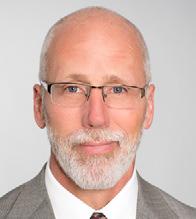
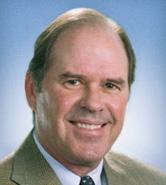
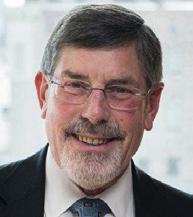
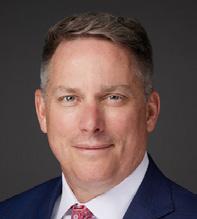
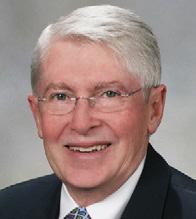
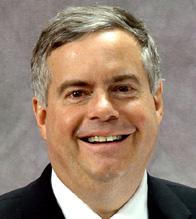
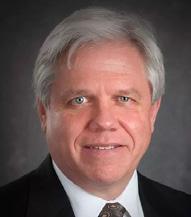
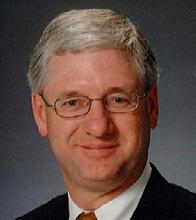
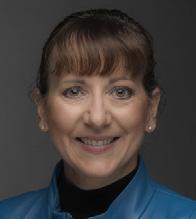
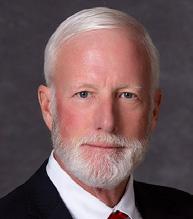
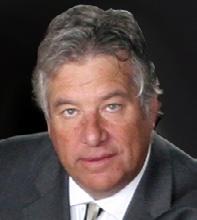
Dear NATA Members,
The strength of NATA rests on the dedication, leadership, and engagement of our members yearround—as well as the continued growth of new members within our organization.
In each issue of The Prairie Barrister, we proudly recognize our Circle of Advocates and Sustaining Members who go above and beyond to strengthen NATA’s mission to protect the civil justice system and support Nebraska trial attorneys, their clients, and the communities they serve. We are deeply grateful to these exceptional members whose commitment and generosity sustain our work.
Their contributions are essential to advancing the Association’s mission in service to our members, their clients, and the public.
This year, we are launching several initiatives to strengthen connections between current and prospective members:
First, on April 17, immediately following our CLE seminar, we invite all attendees—and encourage all members—to join us for a special reception from 4:30–6:00 PM at Powers Law Office. This is a valuable opportunity to connect, build relationships, and introduce prospective members to NATA. Please see the invitation on page31 for details..
Second, we are seeking Volunteer Ambassadors who can contribute approximately two hours to staff the NATA booth at the NSBA Annual Conference, taking place October 7–9, 2026, at the Embassy Suites Hotel & Conference Center. If you plan to attend and are willing to spend some time representing NATA, visit this page to sign up!
Thank you to all who help keep our organization strong—and to those who will help us grow in the year ahead.
Warm regards,
Jennifer Turco Meyer, NATA President Ross Pesek, NATA Membership Chair
Jason Ausman
Todd Bennett
James Cada
Maren Chaloupka
Patrick Cooper
Nancy Freburg
Daniel Friedman
Stephen Gerdes
Elizabeth Govaerts
James E. Harris
Matt Lathrop
Robert Moodie
George Moyer
Robert Pahlke
James Paloucek
Ross Pesek
Vincent Powers
Mark Richardson
Richard Schicker
Ryan Sewell
Julie Shipman-Burns
Andrew Sibbernsen
Dan Thayer
Jennifer Turco Meyer
Jonathan Urbom
Peter Wegman
Christopher P. Welsh
Brock Wurl
William Andres
James Bocott
D.C. “Woody” Bradford
Aaron Brown
Eric Brown
Nathan Bruner
John Carroll
Gregory Coffey
Michael Coyle
Tara DeCamp
Joseph Dowding
Michelle Dreesen
Daniel Fix
Erin Fox
Mandy Gruhlkey
Cameron Guenzel
James Knowles, Jr.
Matthew Knowles
Robert Knowles
Mandy Larson
Steven Lathrop
Danny Leavitt
Kyle Long
Clarence Mock
Michael Mullin
Kathleen Neary
Brody Ockander
Jeffrey Putnam
Shayla Reed
Jon Rehm
Terrence Salerno
Mitchell Stehlik
Adam Tabor
Julie Tabor
Jacqueline Tessendorf
Drew Ward, DM Law USA
Mykaylan Burner, Berry Law

NEBRASKA ASSOCIATION OF TRIAL ATTORNEYS
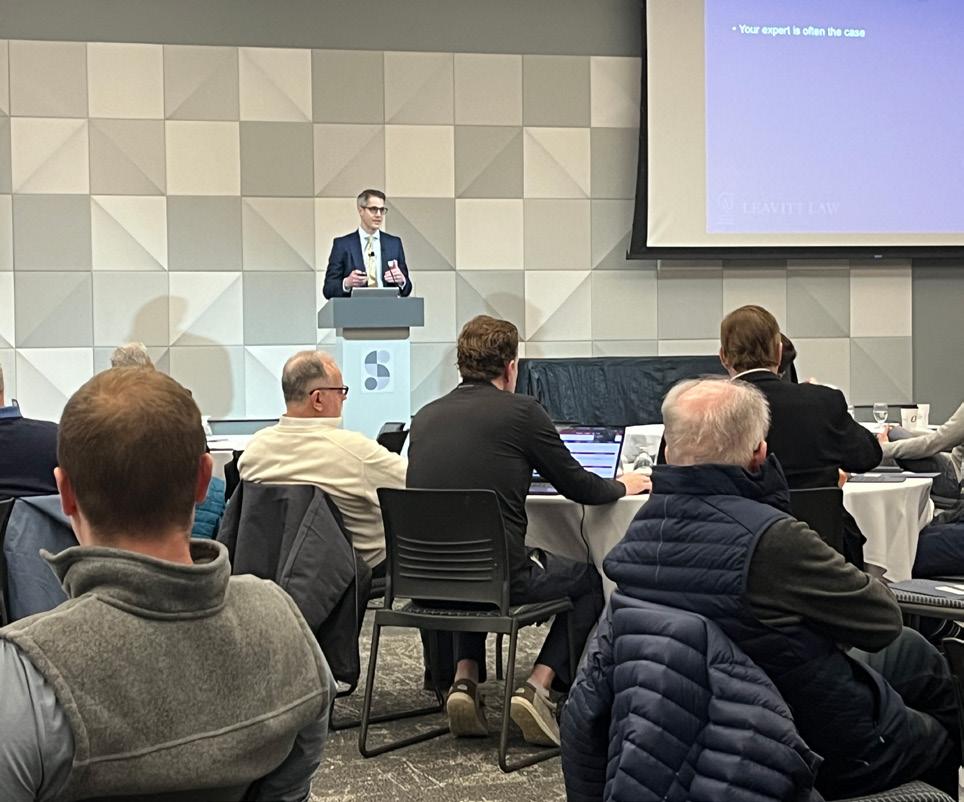
SEMINAR

SEEING THE FOREST THROUGH THE TREES:
PROGRAM CHAIR
Eric Chandler Chandler/Conway, PC, LLO
LIVE AND WEBINAR
Nebraska and Iowa MCLE Credit
6 Hours Including 1 Hour of Ethics
Friday, April 17, 2026
University of Nebraska Law Auditorium
1875 N. 42nd St., Lincoln
8:15 AM
Welcome & Opening Remarks
Eric Chandler
Chandler/Conway, PC, LLO
8:30 AM
Evaluating the Case as a Whole: Finding the Hidden Gems
Sean Conway
Chandler/Conway, PC, LLO
9:30 AM Asking for Money: Negotiation and Mediation Techniques
Matthew A. Lathrop Law Office of Matthew A. Lathrop, PC, LLO
10:30 AM Morning Break
10:45 AM Tips from the Defense Perspective
Karen Bailey
Bailey Law, PC, LLO
11:30 AM Lunch Break
AFTERNOON SESSION
12:45 PM Persuasion Without Provocation: Presenting Your Case While Maintaining Credibility with the Court
Hon. Jeffrey J. Lux
Douglas County District Judge
1:45 PM Preparing Your Case for Maximum Recovery at Mediation
Rob Keith
Rembolt Ludtke Law Firm, LLP
2:45 PM Afternoon Break
3:00 PM Advocacy Without Ego: Overcoming the Fear of Failure
Jack Stark, PhD. Performance Psychologist
4:15 PM Closing Remarks
Eric Chandler,
Chandler/Conway, PC, LLO
FRIDAY, APRIL 17, 2026
4:30 - 6:00 PM
POWERS LAW
411 South 13th Street, Ste 300
You are cordially invited to attend:
An end-of-day reception immediately following the April 17th CLE program AND
A Sine Die celebration honoring the hard work of our State Senators and our NATA Legislative Committee. RSVP online at NebraskaTrial.com
Sponsored by
POWERS LAW OFFICE
(honoring Eizabeth Govaerts for her role as NATA’s president-elect and and current egislative committe chair) & SUPIO AI
THANKS TO OUR CLE SPONSORS
GREAT PLAINS REPORTING, MINNESOTA LAWYERS MUTUAL, PRECISION LIFE CARE PLANNING, SUMMIT STRUCTURED SETTLEMENT, SUPIO AI
by Emily N. Haggstrom
I became a trial lawyer knowing I would have to stand up in court and argue—even though I began law school with a fear of public speaking (fear defeated, thankfully).
What I did not anticipate was that I would also be standing in hotel ballrooms, drink in hand, attempting small talk. Nor did I fully appreciate just how important those rooms would become to my career.
Somewhere between law school and practice, I learned that “building your network” is not optional. The profession quietly runs on relationships.
But for many young attorneys, networking feels unnatural at best and mildly terrifying at worst. There is something uniquely uncomfortable about approaching a tight circle of seasoned lawyers mid-conversation and attempting to join a discussion about golf, appellate standards, or children you have never met.
I would rather try a case than cold-approach a cocktail table. However, networking, I have learned, is its own kind of performance.
Not the courtroom kind.
The social kind.
The question is not whether to do it. The question is how to do it without feeling like you are pretending to be someone else.
For a long time, I assumed networking required working the room. Circulating constantly, inserting myself into as many conversations as possible, leaving with a mental tally of introductions.
That approach exhausts me.
I have learned that I network best one-on-one.
I am far more comfortable sitting down with one person over coffee than navigating a crowded reception. I do better when there is space for an actual conversation instead of a series of quick exchanges.
So I adjusted.
Instead of trying to meet everyone, I try to meet one person well. Often that happens through joining something—a program, a committee, a planning group. Shared purpose makes conversation easier. There is already common ground.
Then comes the part that matters most: follow-up.
A short email.
A coffee invitation.
A quick “Hey lady, it was great meeting you. I’d love to continue our conversation about [insert clever and witty topic we bonded over here].”
It is not dramatic. It is not flashy. It is also not always comfortable. Following up requires intention, and sometimes courage. But it is the difference between a momentary interaction and a developing relationship.
I do not follow up perfectly. But I try to follow up at least once with those I have made a meaningful connection with. And that one step has been more impactful than any number of crowded-room introductions.
Many lawyers who dislike networking describe themselves as introverted, including myself. I used to treat that like a professional flaw, something to overcome rather than something to understand.
I have since changed my mind.
Introverts listen.
And in a profession built on persuasion, listening is a strategic advantage.
When I walk into a room now, I try to give myself a different assignment. Not to be performative. Not to circulate perfectly. Not to say something clever enough to be remembered.
Just to learn.
Curiosity lowers the temperature. You do not need the perfect anecdote or a polished elevator pitch. You need a few genuine questions and the willingness to stay present for the answers.
Most lawyers appreciate being asked about their path. Most of us carry stories about early mistakes, unexpected turns, mentors who changed everything. And when someone listens closely, that moment stands out.
Ironically, the less I focus on being performative, the more natural and memorable the conversation becomes.
It turns out you do not have to dominate a room to build relationships in it.
Sometimes you just have to listen well.
There is also the reality that I do not have children, I do not golf, and I am not particularly skilled at sustained small talk about either.
So I have learned to lean into what I can talk about.
If conversation stalls, I sometimes ask a slightly unexpected, open-ended question. One that makes people laugh but also think.
“What is your guilty pleasure?”
“What is a conspiracy theory you kind of believe in?”
The answers are surprisingly revealing and instantly bonding.
For the record, my guilty pleasures include reading romance novels with highly predictable plot lines and unapologetically following Big Brother like it is a legitimate competitive sport. Oh, and ice cream. Shout out Coneflower Creamery. These admissions have yet to destroy my professional credibility. More often, they create an opening.
As for the conspiracy theory I kind of believe in, you will have to catch me in the wild and ask in person.
The point is not the question itself. It is permission to step slight-
ly outside the script and become human for a moment. And human conversation is far easier to sustain than rehearsed professionalism.
You do not have to abandon who you are to build a network. In fact, the opposite is true. The more comfortable you are being appropriately yourself, the more natural those interactions become.
One mistake I made early on was attending events indiscriminately because I felt I “should.”
The legal community is broad. Not every event is the right event for you. And when you already feel slightly out of place in a crowded reception, forcing yourself into every possible room is not a sustainable strategy.
It became much easier when I started choosing rooms that made sense.
Trial organizations. Practice-area sections. Mentoring programs. Spaces where the subject matter itself provided a natural entry point.
When you are discussing something substantive, the interaction feels grounded rather than forced. You are not networking for networking’s sake. You are engaging in your craft alongside others who care about it.
But the most meaningful shift for me was realizing that one of the most effective ways to build a network without “networking” at all is through service.
Volunteering at the Volunteer Lawyers Project. Helping organize CLEs. Writing articles. Leadership Academy.
Service changes the dynamic.
Instead of asking, “How do I insert myself into this room?” you begin asking, “How can I contribute to this community?”
Contribution builds trust faster than introduction ever will. When you work alongside someone—planning a program, solving a logistical problem, collaborating on content—you build familiarity and reliability at the same time.
Trust is the real foundation of professional relationships. Referrals and opportunities grow from trust, not quick introductions over appetizers.
This approach is also sustainable.
Set manageable goals. Join one committee aligned with your interests. Attend one or two events per quarter. Follow up after a panel that genuinely resonated with you. Reach out intentionally instead of broadly.
Consistency beats intensity.
Over time, something subtle happens. You walk into a room and recognize faces. They recognize you. Conversations resume instead of starting from scratch.
That is a network.
Networking will probably never be my favorite part of the profession. I still feel a flicker of hesitation before walking into certain rooms. I still scan for a familiar face. I still discreetly check that my hands are handshake-ready.
But I have stopped trying to become someone who thrives in those crowded ballrooms.
Instead, I focus on showing up consistently, but not constantly. Listening well. Following up thoughtfully. Contributing where I can. Asking better questions.
Over time, the ballroom has felt less intimidating. The conversations feel less forced. The faces become familiar.
And one day you realize something subtle but important: you are no longer trying to break into the profession.
You are part of it.
So if you are a young attorney who would rather draft a motion than approach a cocktail table, take a deep breath. You do not have to transform your personality to build a meaningful network. You simply have to build it in a way that fits you.
And if all else fails, ask someone their guilty pleasure. You might be surprised what happens next.
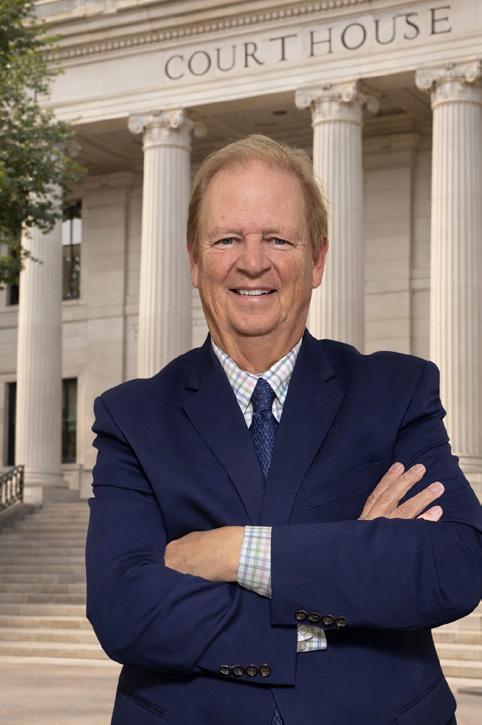
With decades of experience as a trial lawyer, retired judge, real estate developer, and business consultant, I offer a uniquely well-rounded perspective to dispute resolution—understanding both the legal issues and the practical realities that drive successful outcomes. Having seen large and small disputes from every angle, I understand that each case involves more than just legal issues. If you are seeking a mediator with the experience, temperament, and judgment to move cases forward, I welcome the opportunity to assist.
My thanks to Bob Shively for the office-sharing arrangement, providing excellent mediation space and administrative support to ensure a seamless experience.


• MLM has returned a dividend check to policyholders annually, since 1988, over $83 million total
• First dollar defense- a loss only deductible can produce a substantial savings for firms facing nuisance type claims
• Full prior acts coverage
• Offers an array of services to mitigate risks including three free CLEs for policyholders each policy year, $165 value
CO 2026
All NATA Members are invited to attend!
Fun activities for the whole family are lined up for this summer’s getaway!
Dinner at 4 Eagle Ranch: Enjoy a true Colorado evening with carriage rides, line dancing, outdoor views, and more.
Welcome Reception on the Terrace: Gather with colleagues overlooking the stunning Beaver Creek Resort landscape.
Please register at the event link if you plan to attend. https://membercentral.wufoo.com/forms/rqcmkqj1wlszo6/
• No registration fee for members
• Be sure to include the names of your family guests so we can plan appropriately for meals and activities.
or visit www.nebraskatrial.com


BOOK NOW Rooms are being held at reduced rates for stays July 6–13, 2026.
Call 844-602-5204 and request the group rate under: Nebraska Association of Trial Attorneys 2026 Summer Board Meeting
Book online at: www.TheCharter.com
Use group code: TC26NATASD
Room Rates
• $276 per night + tax (2-night minimum)
• Available for 1 King or 2 Queen rooms (based on availability)
• 1–5 bedroom condos available at 20% discount (please review available units online before calling to reserve)
• Parking: $40 per day, per vehicle


Scenic chairlift rides
Mountain biking
Golf
4x4 mountain tours
Hiking
Wine excursions
Swimming
Bungee Trampoline
Climbing Wall
Miniature Golf
Nearby Adventures
Horseback riding
Zipline tours
4x4 wheeling
Fly fishing




On March 5, the U.S. House Energy and Commerce Committee advanced legislation that would eliminate the rights of parents to hold Big Tech accountable when products hurt their children. The Kids Internet and Digital Safety (KIDS) Act is more than big trouble—it’s dangerous. It would leave children unprotected and gut access to justice for families and school districts.
The bill would:
• Give corporations free rein to write their own rules and policies that would determine the standards to which they would be held.
• Eliminate state protections.
• Wipe out the legal pathways for parents to pursue justice.
By Linda Lipsen, CEO American Association for Justice
Linda Lipsen March 25,2026
The Big Takeaway: Big Tech, Big Trouble
While the majority of members on the House committee voted to give a handout to Big Tech, other members railed against the inadequacies of the bill.
AAJ has been working with a broad coalition, led by parents, to urge the U.S. House to reject efforts to bring this bill to the House floor. AAJ released press statements in advance of the House markup and immediately after, and will continue to work with parents to champion their voices and their cause.
On March 5, the U.S. House Energy and would eliminate the rights of parents their children. The Kids Internet and Digital dangerous. It would leave children unprotected school districts.
The bill would:
• Give corporations free rein to write determine the standards to which
The House Agriculture Committee moved the House Farm Bill forward on March 5. The bill includes a Federal Insecticide, Fungicide, and Rodenticide Act (FIFRA) preemption provision that would shield chemical companies from accountability if their products cause harm.
• Eliminate state protections.
• Wipe out the legal pathways for
Lobbying for federal legislation is one of many tactics that corporations, such as Bayer, are using in an effort to evade responsibility:
• Bayer is pushing for pesticide immunity in the states, as it has for the past two years.
While the majority of members on the Tech, other members railed against the
o AAJ has previously partnered with state trial lawyer associations to fight immunity legislation in 15 states—working together to stop bills in 10 out of 12 states where they were filed last year.
• Bayer petitioned the U.S. Supreme Court to hear Monsanto Co. v. John L. Durnell, a case that will determine if FIFRA preempts state law failure to warn claims against pesticide manufacturers.
o AAJ intends to file an amicus brief in the case.
AAJ has been working with a broad coalition, reject efforts to bring this bill to the House advance of the House markup and immediately parents to champion their voices and
AAJ is one voice among many—from environmental groups to Make America Healthy Again (MAHA) advocates, and others—speaking out in widespread opposition to pesticide manufacturer immunity.
AAJ’s online grassroots campaign Take Justice Back® is highlighting the ways powerful corporations try to evade responsibility. Watch our recently released video, “CEOs: Cashing In, Crying Out,” and others on the TJB website.
The House Agriculture Committee moved includes a Federal Insecticide, Fungicide, provision that would shield chemical cause harm.
Uber is attempting to put a proposal on the ballot in California this fall that would require plaintiffs in auto and truck crash cases to receive 75% of any judgment or settlement.
Lobbying for federal legislation is one are using in an effort to evade responsibility:
• This would mean that all attorneys’ fees, litigation costs, and medical liens from auto and truck crash cases would be no more than 25% of the award.
• The initiative would also place limits on future medical expense awards and would raise the burden of proof for awarding them.
It is vital to stop Uber in California so that these proposals do not roll across the country. Uber previously proposed a ballot initiative in Nevada that would have capped contingency fees in all civil actions at 20%. The Nevada Supreme Court ruled in January 2025 that the initiative could not appear on the ballot.
Uber’s other initiatives:
• Graves Amendment immunity expansion to shield Uber from all liability for driver actions.
• Seeking to eliminate liability when drivers assault passengers (there was a February verdict in Arizona).
• Trying to eliminate company liability for negligent hiring, retention, supervision, and other claims as long as the company complies with de minimis statutory requirements.
• Product liability immunity, arguing that Uber’s app “is not a product” to shield the company from liability for dangerous design choices.
• UIM coverage reductions.
AAJ’s Amicus Curiae program is a voice for justice in state and federal courts nationwide, helping courts understand the broader impact of issues that directly affect trial lawyers’ practices and the clients they represent.
You will see below that AAJ’s amicus program is very active in the states. If you know of a case that is headed to your state’s supreme court, tell AAJ or request amicus assistance.
From January 2025 through March 12, 2026, AAJ has filed 38 amicus briefs:
• 14 in the U.S. Supreme Court
• 10 in circuit courts
• 14 in state supreme courts.
2026 began with a string of wins for plaintiffs. The U.S. Supreme Court protected access to justice in the following cases:
• Berk v. Choy
• Hain Celestial Grp v. Palmquist
• GEO Group v. Menocal
• Galette v. NJ Transit Corp
State Supreme Courts
AAJ filed jointly with state trial lawyer associations in 7 state supreme courts, addressing issues such as:
• Products liability: Deditch v. Uber Technologies Inc. (Ohio Sept. 22, 2025)
• Forced arbitration: Geller v. Uber Technologies, Inc. (Ill. Nov. 19, 2025)
• Damage caps: Paganini v. The Cataract Eye Center of Cleveland (Ohio Oct. 1, 2025)
• FIFRA preemption: Cardillo v. Monsanto Co. (Mass. Jan. 14, 2026)
• Piercing the corporate veil: In re Dravo LLC-Derivative Claims Against Carmeuse Lime, Inc. (Pa. Apr. 4., 2025)
• Third-party insurer liability: Hertz Corp. v. Babayev (Colo. June 5, 2025)
AAJ’s amicus curiae program is an integral part of our advocacy efforts to protect access to justice and the right to trial by jury. We will keep you informed of future decisions impacting your practices. View AAJ’s amicus briefs on our website.
AAJ is the only national plaintiff organization that actively tracks all bills, regulations, and rules affecting your practices and your clients’ cases in Congress, courthouses, federal regulatory agencies, the Judicial Conference, and state legislatures nationwide. We’re proud to do this work on behalf of our members and plaintiff trial lawyers everywhere, so that clients’ voices and cases will be heard.
The American Association for Justice (AAJ), formerly the Association of Trial Lawyers of America (ATLA®), is an organization committed to promoting accountability and safety, advocating for a balanced civil justice system, improving our communities, and educating lawyers to provide excellent advocacy for their clients.
As a member of AAJ, you will play a meaningful role in the fight to protect the Seventh Amendment while accessing the tools you need to most effectively represent your clients against even the most powerful corporations and industries.
AAJ is the only national plaintiff lawyer association working as an advocate for trial lawyers on a broad range of issues, using lobbying, litigation, and public education to promote a fair and effective civil justice system. JOIN THE AMERICAN ASSOCIATION FOR
KNOW WHO TO CALL WHEN YOU NEED
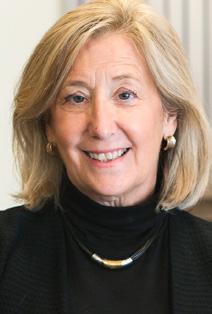

DEBORAH NEARY
Executive Director
Nata.DebN@gmail.com
402-215-9139
Advertising & Sponsorships
Barrister Magazine Board & Committee Admin
General Inquiries
PAC Candidate Questions
JANE JONES
Associate Director
NataJaneJ@gmail.com 402-616-5836
CLE Seminars
Membership Management

RENEE DAVIS
Associate
Nata.ReneeD@gmail.com
402-435-5526
PAC Donor
NADC Reporting
CINDY STOWELL
Executive Associate & Finance Coordinator
Nata.CStowell@gmail.com
402-435-5526
6173 Center Street Omaha, NE 68106
Phone: (402) 435-5526
Email nata@nebraskatrial.com

Save money and time for your firm without sacrificing professionalism or quality. When you need expert, convenient, affordable deposition and transcription services, trust Great Plains Reporting. We offer court reporting and legal videography services, in-person or by videoconference. Since 2020, we’ve taken over 100,000 remote depositions across Nebraska and nationwide. With Great Plains, you will also receive:
• Complimentary online hosting on any platform
• Complimentary online repository
• Complimentary travel within the state of Nebraska
• 24/7 availability
(855) MY-DEPOS | (402) 303-3399 schedule@yourdepositions.com yourdepositions.com