The world eats from a freezer most people will never see
INSIDE
THE EFFORT TO MAKE
The world eats from a freezer most people will never see
THE EFFORT TO MAKE
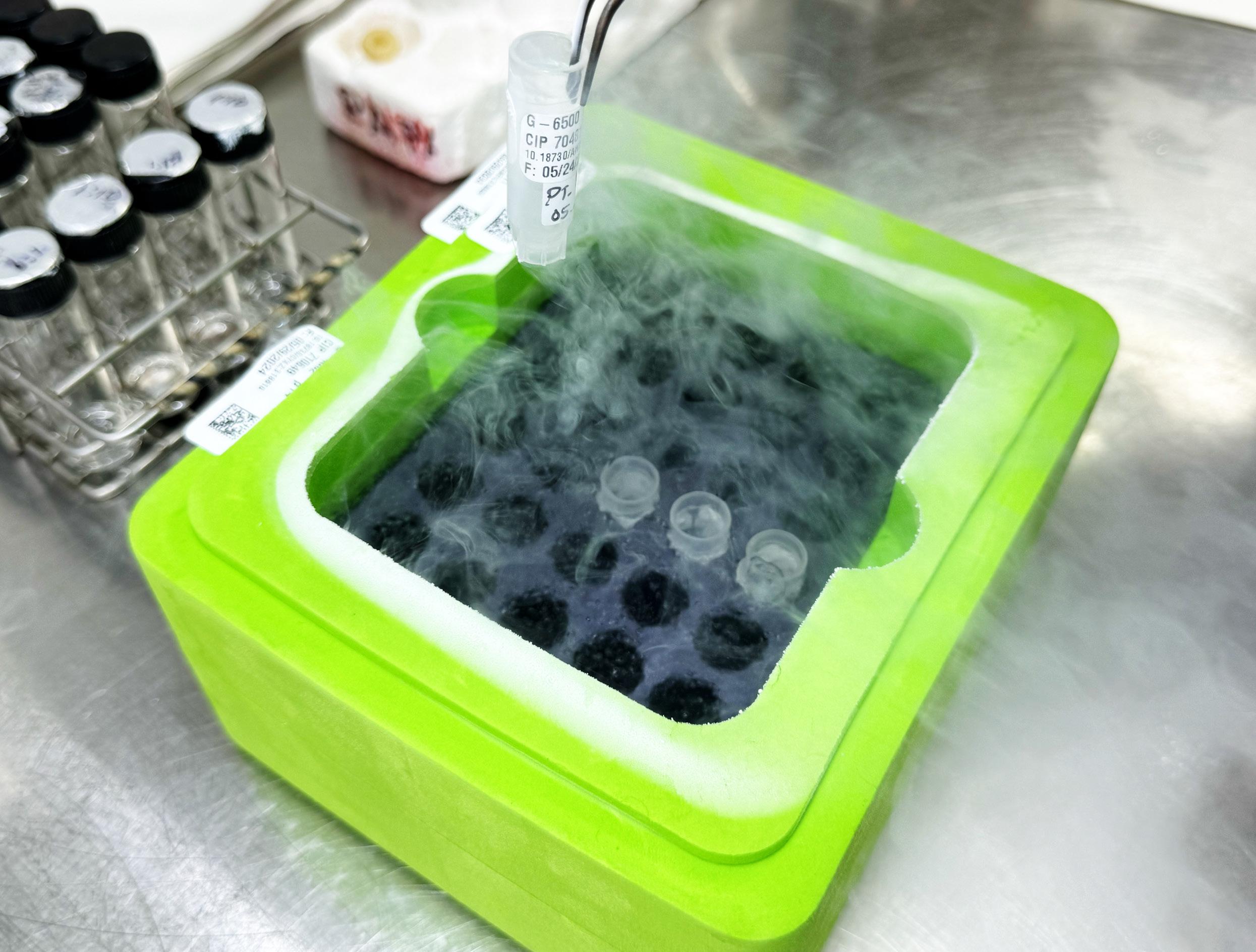
Svalbard needs no introduction, the vault carved into Arctic permafrost that holds over a million seed samples from nearly every country on earth. What fewer people know is that Svalbard cannot store a potato. Or a banana. Or cassava, yam, or sweet potato, the clonal crops that hundreds of millions of people depend on, plants that reproduce without seed and cannot simply be frozen and shelved. For those crops, conservation requires entirely different infrastructure. But they are the exception: the vast majority of the world’s crop diversity - hundreds of thousands of seed samples - is stored in conventional genebanks, where the challenge is not the technology but the system. This network is one of the most consequential infrastructures on the planet, and how well it functions is not a given. That is the question Theo van Hintum, genebank specialist at Wageningen University & Research, and Vania Azevedo, who now leads all eleven CGIAR genebanks as Director, CGIAR Genebanks, have made their life’s work.
TEXT
Jasmijn Snoijink PHOTOGRAPHY
Shawn Landersz / CGIAR
Michael Major / Crop Trust © 2026 NFP - NL-CGIAR https://nlfoodpartnership.com
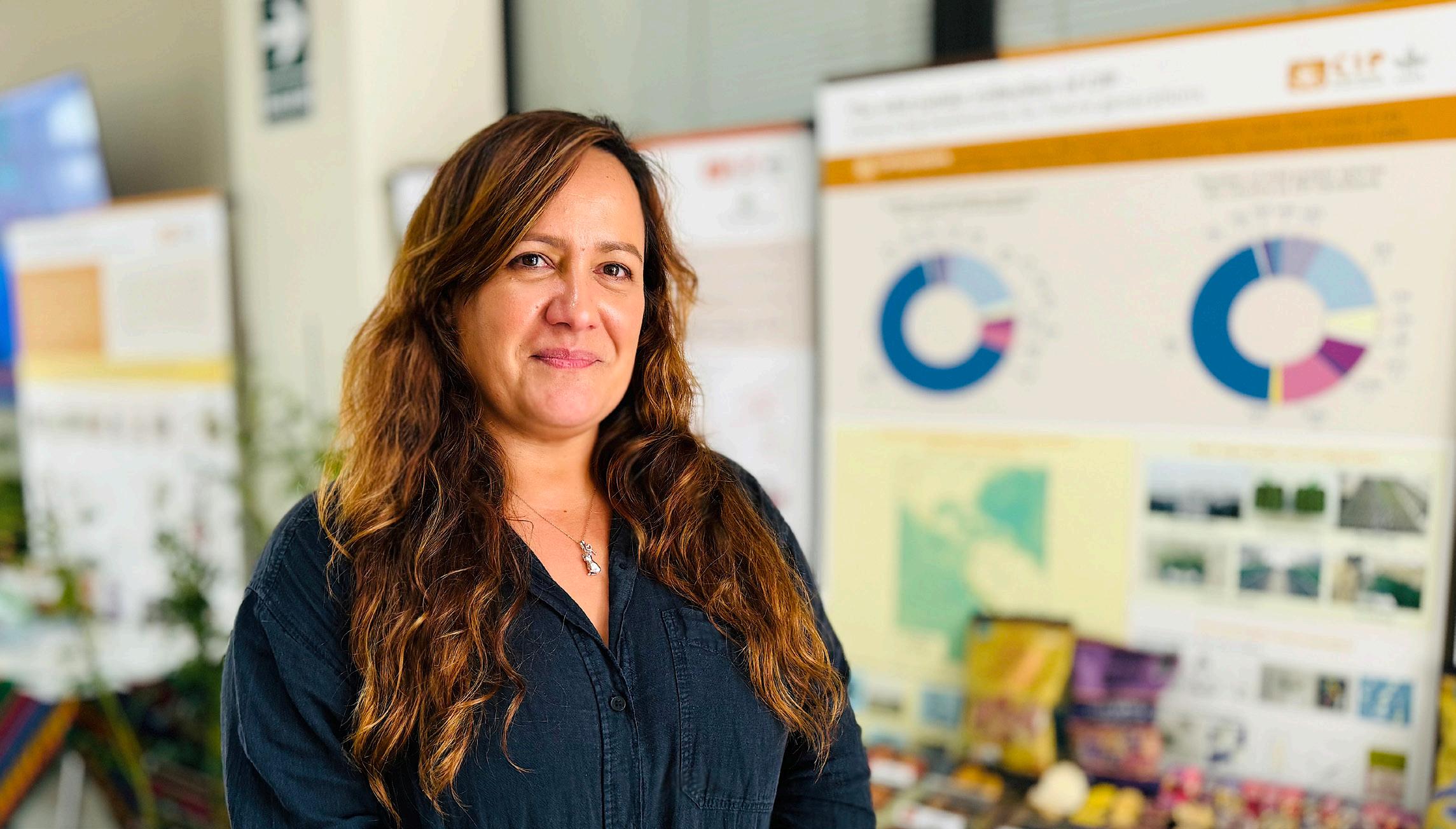
Whenwe spoke, it was four in the afternoon in Wageningen and ten in the morning in Lima, a six-hour gap that captures something essential about this collaboration. Theo had already put in a full working day of meetings and desk work. Vania had been at it since five, starting with a morning walk before sunrise, then straight into emails and calls with partners across time zones.
“You are my fifth meeting today,” she said, with a laugh. Both now operate largely at management level, far removed from the lab. But the work they are doing together, through the NWO funded Senior Expert Programme in the NL-CGIAR research programme, is anything but abstract. It is about making sure that the seeds and plant materials
“What fewer people know is that Svalbard cannot store a potato.”
the world may urgently need one day are not just stored somewhere, but actually accessible, reliable and ready to use.
Theo brings to this collaboration something rare: decades of experience building the quality management system at CGN, the Dutch genebank at Wageningen, which was the first genebank in the world to achieve certified quality management. He ended up there almost by accident, drawn in through an internship, partly because of an aptitude for models and computers. "If you ever
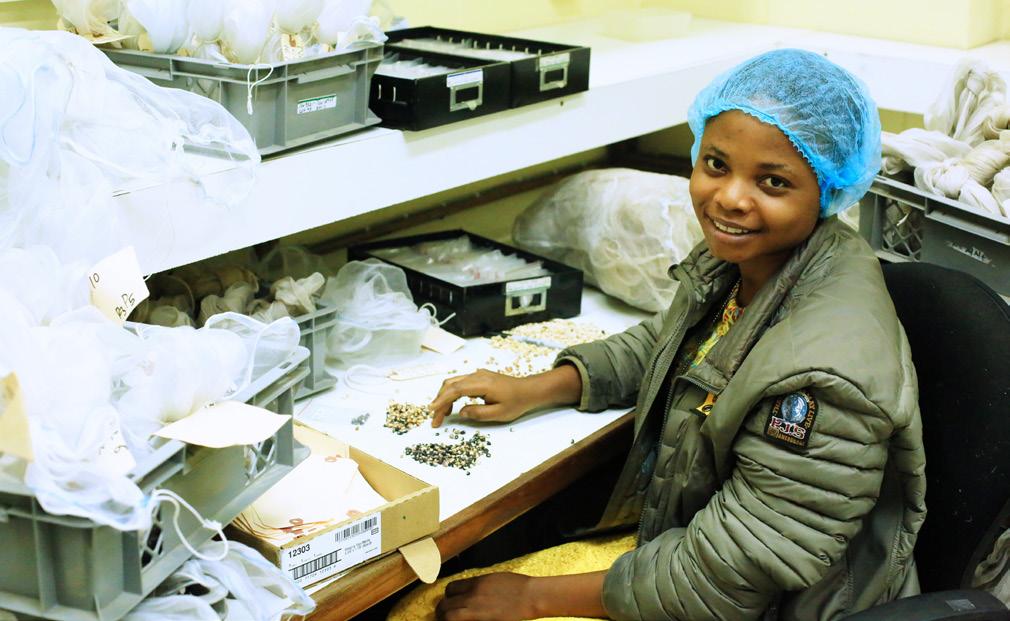
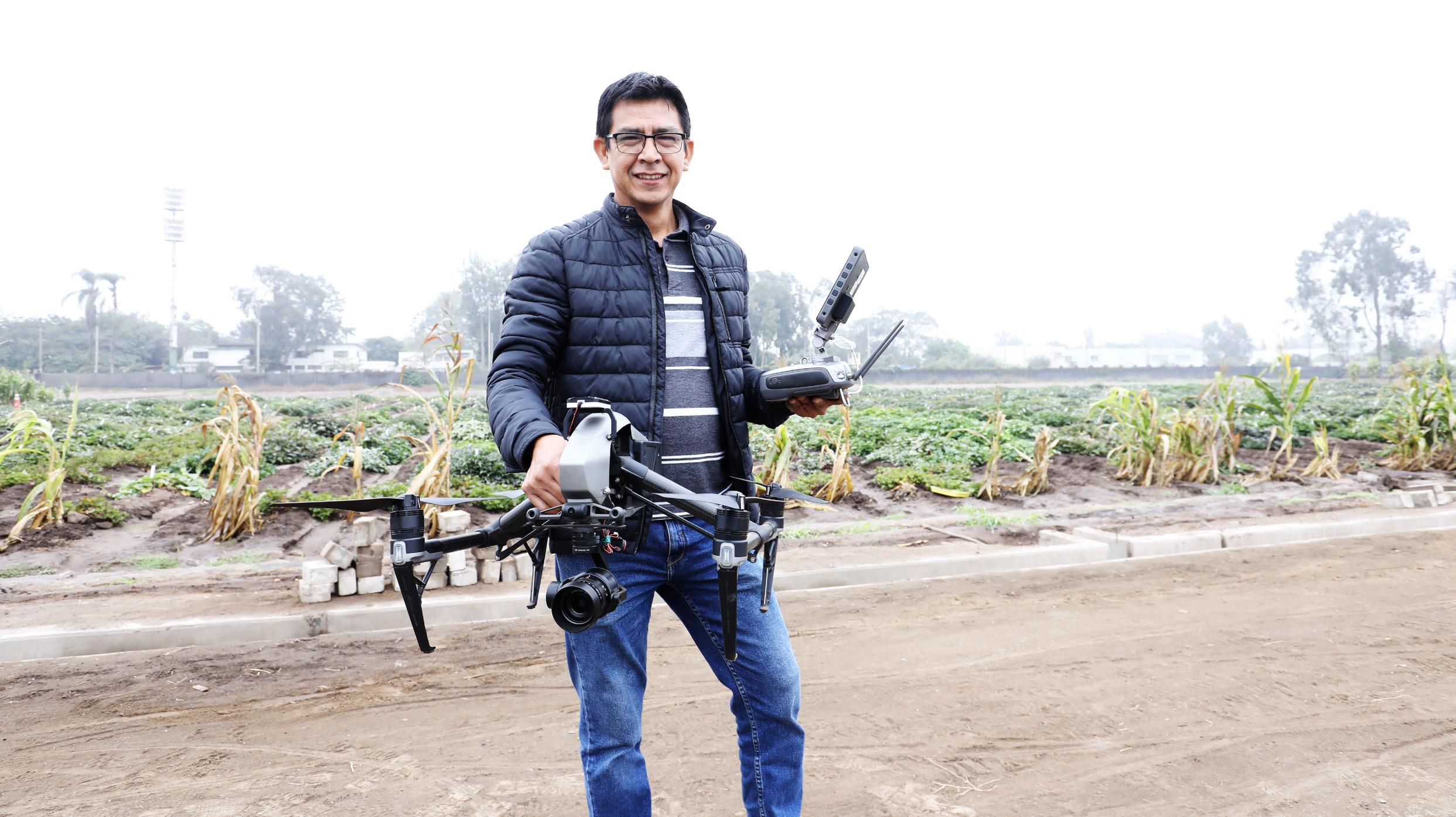
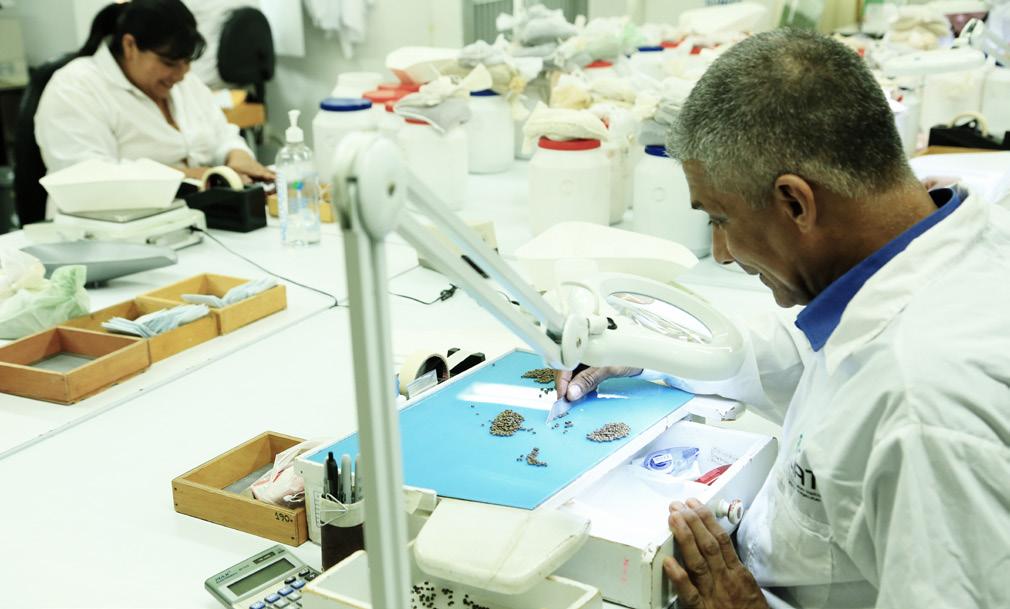
enter the genebank, you never leave," he says. "It was immediately clear how important the work is: preserving species diversity for future generations. Everyone working there is deeply aware of the significance of what they do." That combination of deep knowledge and institutional independence is precisely what the CGIAR Genebanks Accelerator needed. The Accelerator brings together the eleven CGIAR genebanks, which collectively hold more than 720,000 seed and plant samples from 30 major crops collected across 150 countries, the largest public system for conserving crop diversity in the world. And yet scale alone is not enough. Farming communities, research institutions and entire national governments have entrusted their collections to this system, each trusting that the material will be there when they need it — whether that means a breeder in the Philippines searching for disease resistance, a government in Ecuador recovering flood-damaged varieties, or a smallholder in Peru replanting after a failed
“If you ever enter the genebank, you never leave.”
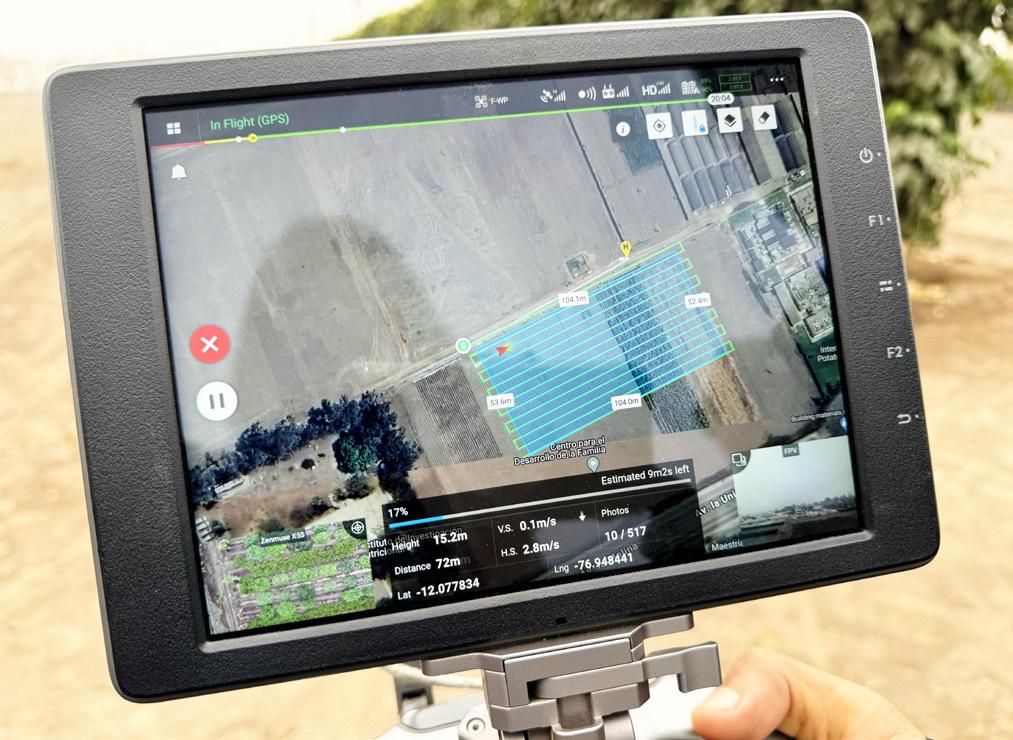
harvest. Collectively, the eleven genebanks make nearly 87% of their holdings immediately available for distribution, one of the highest rates of any genebank system in the world. CGN, the Dutch genebank Theo helped build, operates at 99.8%. That gap, and the knowledge needed to close it, is exactly what this collaboration is designed to address. "It's one thing to say that you're operating at very high standards," says Vania. "The other thing is to have outside experts coming and really saying: yes, you do." Theo's contribution is modest in scope but precise in aim. One day a week, through the Senior Expert Programme, he works with the
“Scale alone is not enough.”
CGIAR genebanks to build the structures, share the standards and establish the peer review processes that CGN has refined over decades. The goal is not to transplant one institution into another, but to raise the bar across a global system, one shared protocol at a time.
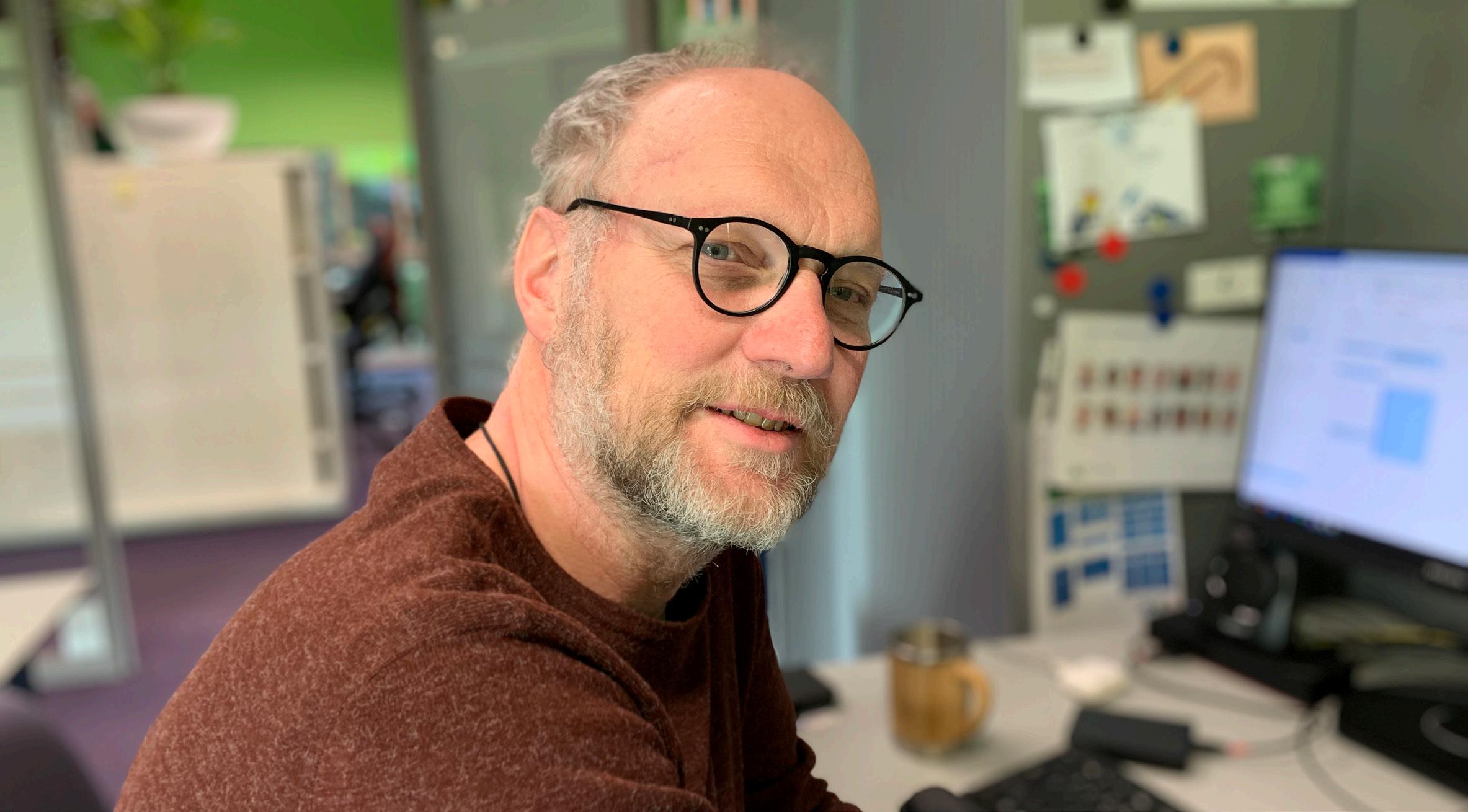
Vania’s path into this world began not with seeds but with trees. She trained as a molecular biologist and spent her early career working in situ, in natural forest environments, on timber and forestry. It was a training programme in Wageningen in 2010 that changed everything. “I became captivated by the world of genebanks,” she says. “And I never really left it.” What struck her from the start was a question that has driven her work ever since: how do you make genetic resources useful for the present, not only for future generations? Conservation, in her view, is not an end in itself. Storing diversity is only the first step — the harder question is how to make it genuinely available and useful, before it is needed.
She now leads all eleven CGIAR genebanks as Director, CGIAR Genebanks — a role that reaches far beyond Lima and far beyond potatoes. Based at CIP in Lima, she remains close to the origin of some of the world's most important crops, potato, sweet potato, and other Andean root crops that feed hundreds of millions of people. But her mandate is global. "The CGIAR genebanks manage diversity that belongs to the world," she says. "Many of the potato varieties and other Andean root
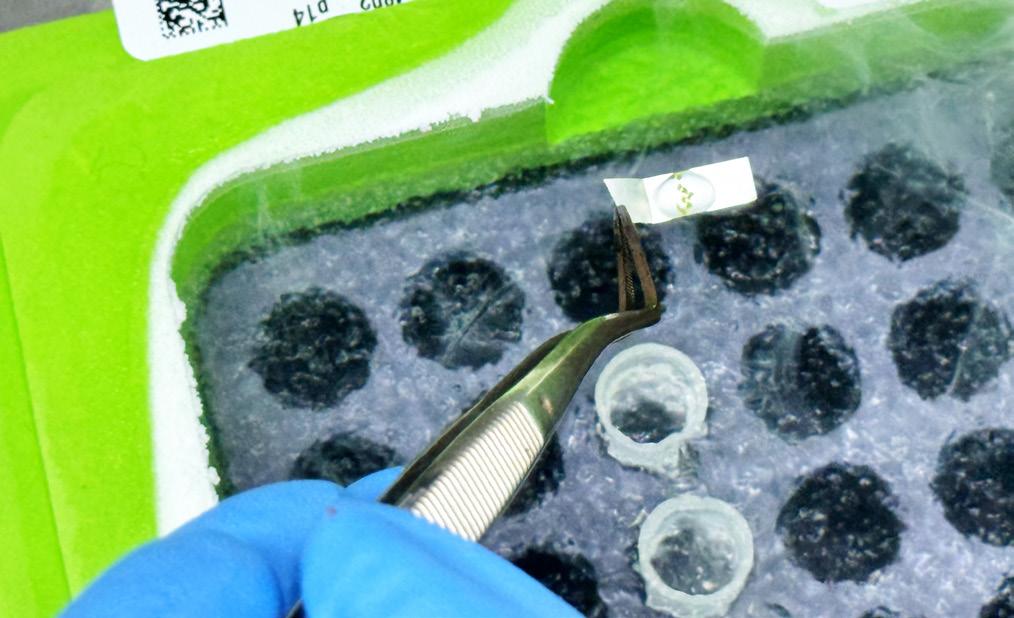
crops in our collections were originally gathered in Peru, and we repatriate them to Peruvian farmers regularly. But no single country owns this." Genetic diversity is not an abstract archive. It is something communities have tended for generations, and something they may urgently need back.
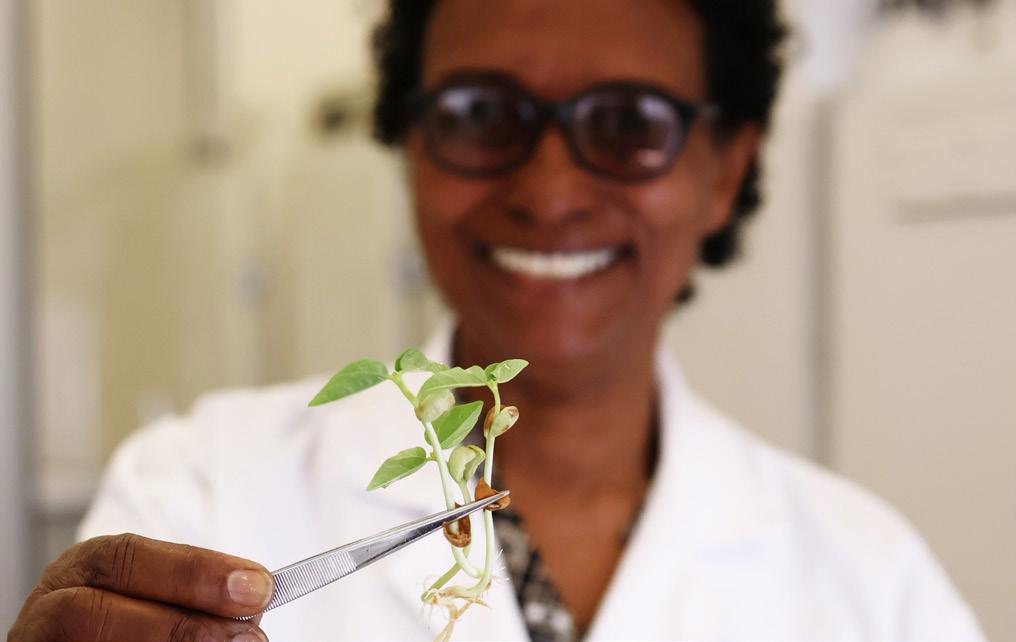
The value of a genebank is not measured by what it holds, but by what it can deliver. When two new potato diseases, purple top and zebra chip, began spreading through South America, breeders turned to the genebank at CIP in Lima. By searching the collection for varieties with natural resistance, they found what they needed. Developing a resistant cross takes time, Vania notes, “but far less time than if no genebank had existed.” A similar story is unfolding with witches’ broom, a fungal disease threatening cassava harvests in Brazil. Again, the genebank is the primary source of materials needed to respond.
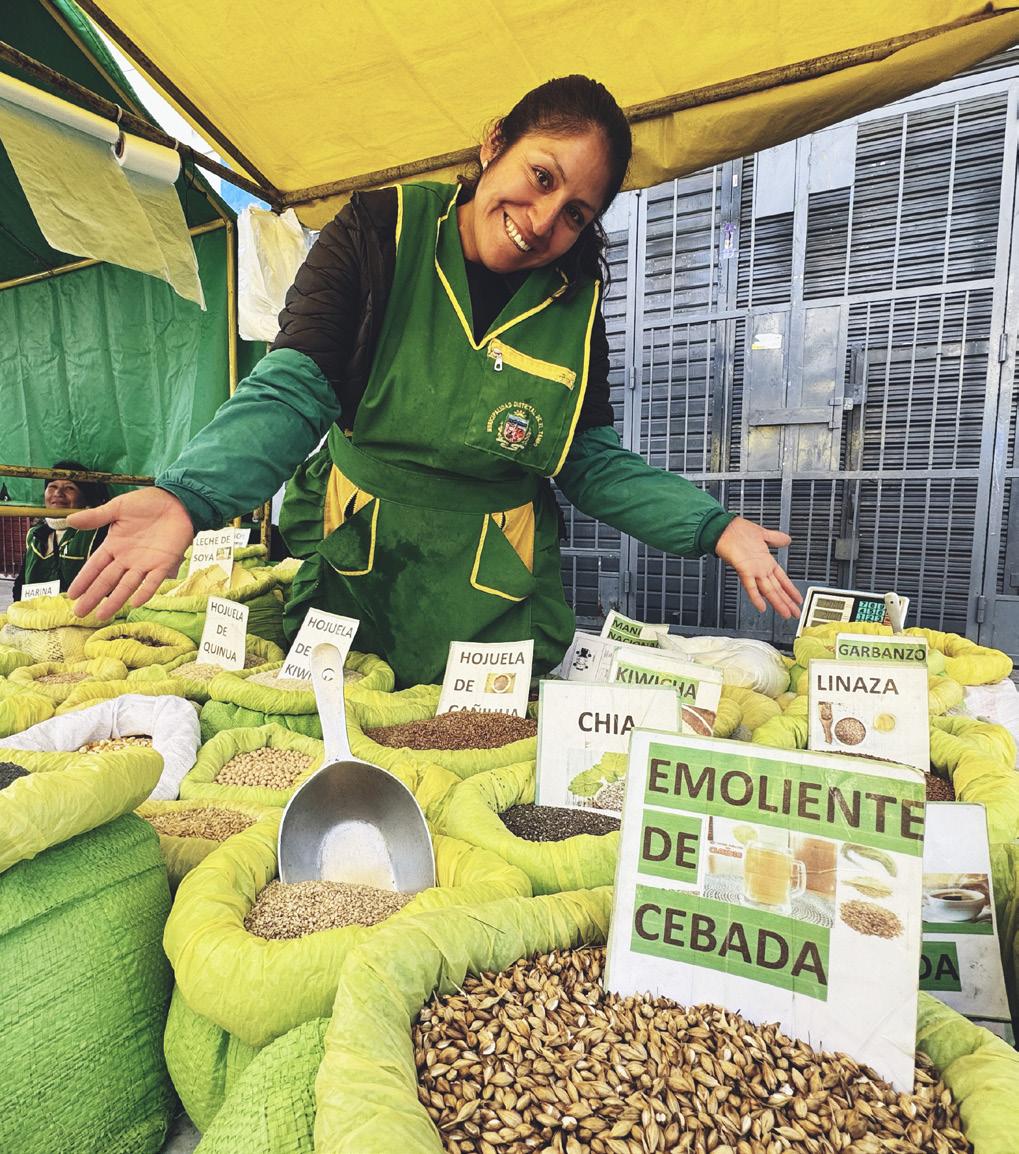
The same principle applies at the level of individual farming families. Generations of smallholders have selected and saved their own seed, building collections of local varieties adapted to their specific soils and climates. When disaster strikes, a flood, a fire, a failed harvest, that entire on-farm collec-
“The value of a genebank is not measured by what it holds, but by what it can deliver.”
tion can be lost in a single day. Genebanks offer a safety net: farmers can deposit copies of their collections, and have them returned if the worst happens. “The CGIAR genebanks repatriate these varieties very often,” says Vania. “It is one of the most direct ways we contribute to people’s lives.” But the system is only as strong as its weakest link. In 2012, as conflict engulfed Syria, the CGIAR genebank in Aleppo had to be evacuated. Thanks to safety duplicates held in Svalbard and other banks, the collection was not lost, but it took five years to regenerate the material and make it available again. The collection is now held at ICARDA (another CGIAR centre), which operates from locations in Morocco and Lebanon. With Lebanon now under severe pressure from ongoing conflict, the situation there is being closely watched. It is a reminder that genebanks do not exist outside of history. They sit inside it, vulnerable to the same forces that threaten everything else. Which is pre-
cisely why no single country, no single institution, can do this alone, and why partnerships like this one exist.
The backbone of that international cooperation is the Plant Treaty, the International Treaty on Plant Genetic Resources for Food and Agriculture. It is the legal framework that allows seeds, cuttings
“The CGIAR genebanks repatriate these lost varieties very often. It is one of the most direct ways we contribute to people’s lives”
and plant samples to move freely between countries and institutions. Nearly 90% of all exchanges under the treaty flow through the CGIAR genebanks and breeding programs. “The treaty is what makes this a system,” says Vania, “rather than a collection of separate national interests.”
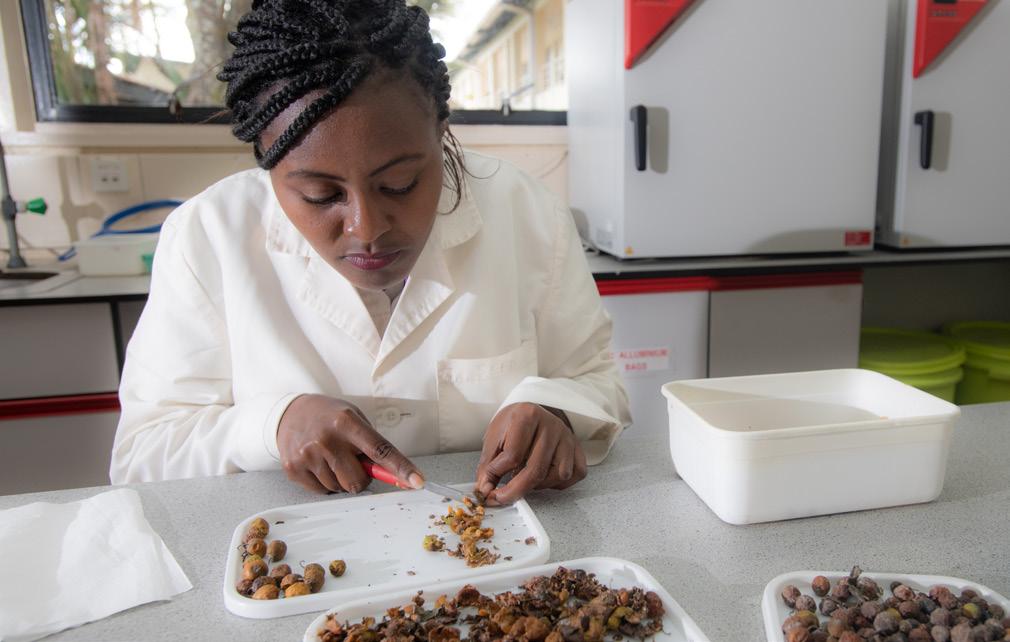
The urgency behind all of this is accelerating. Climate change and shifting agricultural systems are causing diversity to disappear in the field faster than it can be captured. Varieties that farming communities have tended for generations are quietly vanishing, and once they are gone, they are gone. “A lot is in those genebanks,” says Theo, “and if we do a little bit better our best, we can keep it there.” But keeping pace is a growing challenge. Many national genebanks in the global south lack the funding, staff and infrastructure to do their work properly. Theo has reviewed many of them for the Global Crop Diversity Trust and is direct about what he finds: collections that are not genuinely available, standards that are not being met,
material that is at risk. The answer, in his view, is not more vaults. It is better systems, peer review, and sometimes the difficult decision to move a collection to a place where it can actually be properly maintained, even if that means crossing regional or national borders.
The responsibility that sits on Vania’s shoulders is
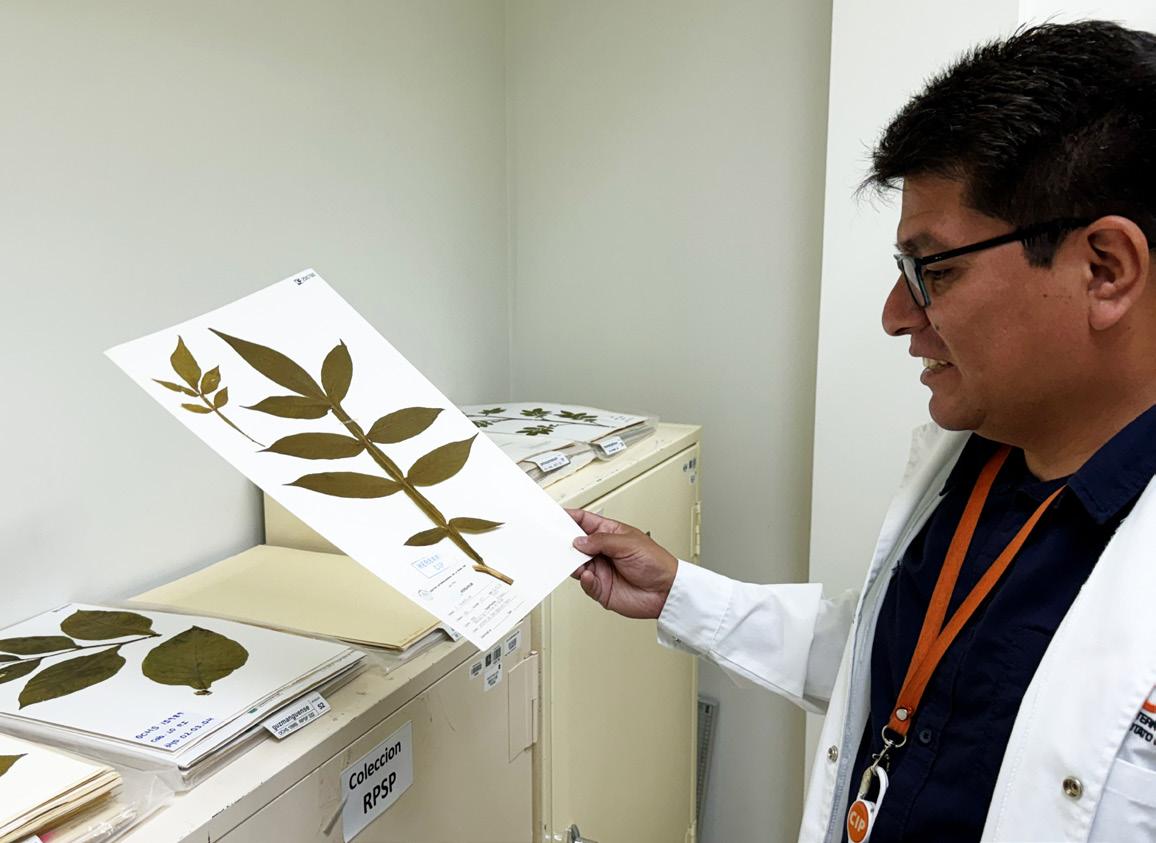
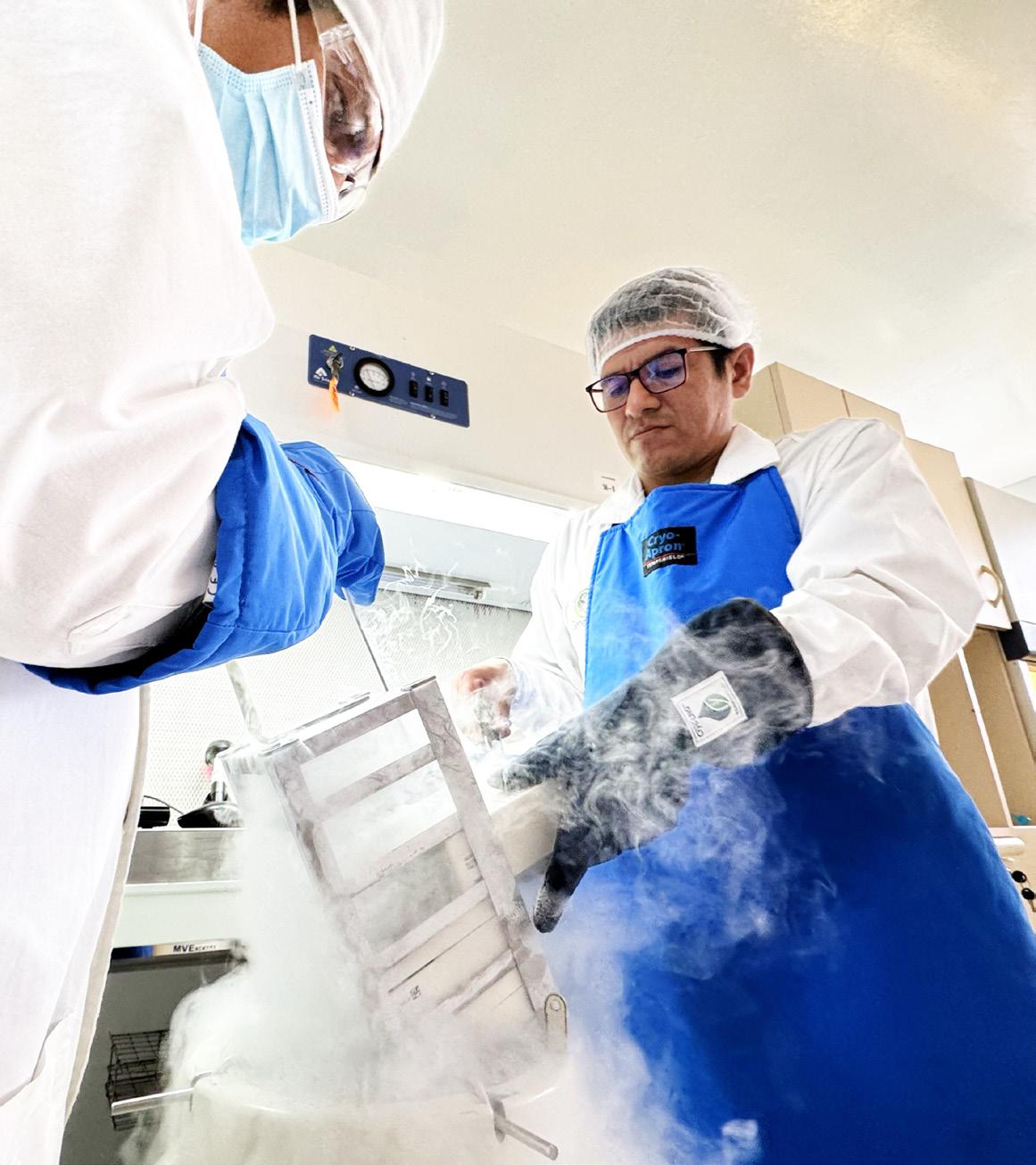
not abstract. Governments, research institutions and farming communities across the world have entrusted their collections to the CGIAR genebanks, often as the only copy that exists outside their own country. For clonal crops like potato, cassava and banana, that responsibility is even more acute: these plants reproduce without seed and cannot simply be sent to Svalbard. They require cryopreservation in liquid nitrogen, a fundamentally different kind of infrastructure. That is why CIP has constructed its own cryovault in Lima, built on the same principle as Svalbard, material held in trust, returned on request, but using the cryogenic technology that potato and other root
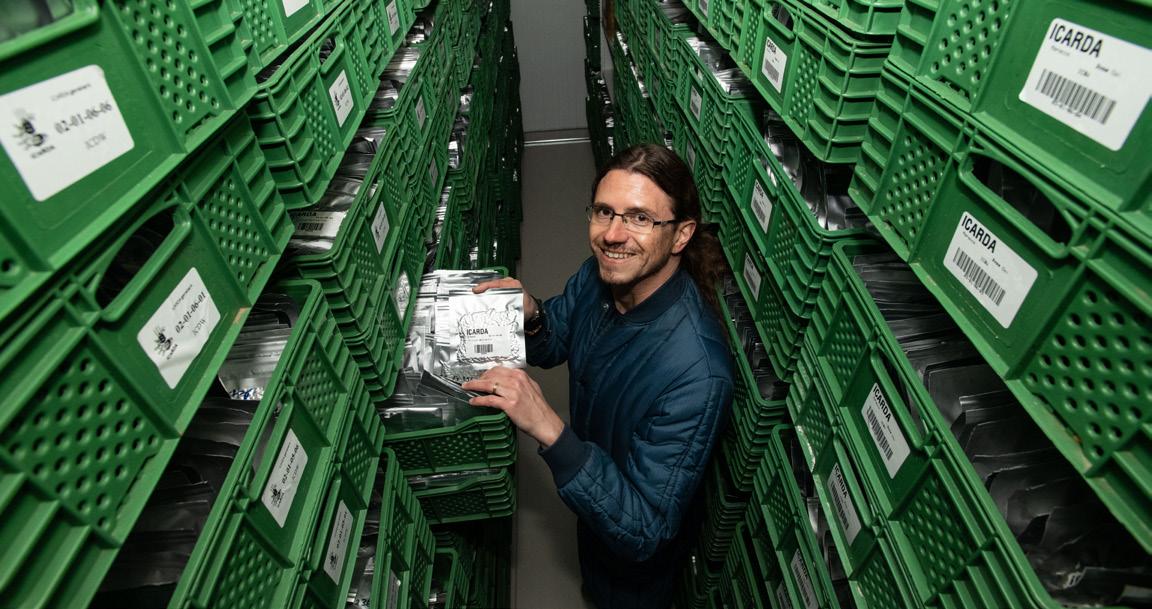
crops require. “My greatest concern is the continuity of funding,” says Vania. “Particularly for clonal crops, where a single year without resources can be enough to lose an entire collection.” Ecuador was the first country to deposit a safety duplicate of part of its clonal collection at CIP. The material remains the property of the country; CIP manages
“The next generation should arrive with a map, not just a compass.”
the storage and maintains quality. Whenever the country needs it back, CIP returns it.
For now, Theo measures progress in structures built and standards raised. Vania measures it in collections secured, varieties repatriated, national genebanks that are more capable than they were before. Both are clear-eyed about the scale of what remains to be done, and about the political headwinds. CGIAR is facing significant budget cuts. The retreat from multilateralism is a source of real concern. And yet both also know from their own careers that this field has a way of drawing people in and holding them. Neither was trained for the role they now occupy, Theo arrived through an internship, Vania through a training programme in Wageningen that set her on a path she never left.
Food security, climate resilience, sustainable food systems, these are challenges that no single country or institution can address alone. That is the driving logic behind the collaboration between the Netherlands and CGIAR, the world’s largest publicly funded network of agricultural research centres, working across low- and middle-income countries on the most pressing challenges in food and agriculture.
Through the NWO funded Senior Expert Programme in the NL-CGIAR research programme, experienced Dutch researchers contribute their expertise to The CGIAR
“You find yourself in this world,” says Vania, “and then you realise you cannot leave it.” That is why Theo is now working with a fellow Senior Expert to develop the first formal training programme for genebank managers, a curriculum that brings together the specific skills this work demands: from quality management and data systems to international coordination and institutional leadership. The next generation should arrive with a map, not just a compass. Because the freezer exists. The question is whether enough people know how to keep it running. “The common sense is on our side,” says Theo. “We have to keep telling that story.” In a world that is changing faster than most institutions can follow, that may be one of the most important things a scientist can do.
“The common sense is on our side. We have to keep telling that story.”
Research Portfolio, bringing Dutch knowledge to where it is needed most, and bringing global insights back to the Netherlands. The programme is designed to strengthen international research collaboration and ensure that science leads to real-world impact.
This article is part of a series of interviews highlighting these collaborations. The series is produced by the Netherlands Food Partnership in partnership with the NL–CGIAR working group, which brings together NWO, the Dutch Ministry of Foreign Affairs, and the Ministry of Agriculture, Fisheries, Food Security and Nature.