4 Setting the scene: overview of global groundwater salinization
6 Facts and figures
8 Making groundwater visible
9 Innovating for freshwater futures
Dutch Partners of the SWFS partnership
Acacia Water
Arcadis
Cordaid
Delphy
Deltares
Dutch Enterprise Agency (RVO)
Future Water
Hogeschool Zeeland
IGRAC
IHE Delft
Ministry of Agriculture, Fisheries, Food Security and Nature
Ministry of Foreign Affairs
Nectaerra
Royal Eijkelkamp
RVO / Partners voor Water
SALTA
Salt Doctors
SkillEd
Van Hall Larenstein
Vrije Universiteit Amsterdam
Wageningen University & Research (WUR)
10 Lessons from the field with Acacia Water
11 Blended learning against salinity
12 Partners voor water and salinity projects
13 Salinization in the province of North Holland
14 International events and developments regarding salinity
Dear readers,
It is my honor to introduce this edition of the Salinity Magazine, a milestone publication crafted through the collaborative efforts by the Netherlands Food Partnership (NFP) and the Netherlands Water Partnership (NWP). They have invited various organizations and institutes, part of the Saline Water & Food Systems partnership, to contribute to this magazine. It explores the interrelated challenges between groundwater, salinization and potential solutions.
Nearly two years ago, I attended the Cairo Water Week and took part in the hackathon on the impact of sea level rise on the salinity in delta areas. I recognised the urgent need to address the complex interplay between salinity, water security, and food production. I was inspired by many female farmers that were very aware of the impact of climate change, exacerbating salinization of surface water and groundwater.
At Deltares, we are committed to carrying out applied research that supports the systems understanding of regional and local water systems and the impact of salinization. Climate change and societal developments mean that we face increasing challenges in groundwater management and supply. For this reason, I stress the importance of systems understanding; to define future climate change scenarios for specific areas and look for solutions.
We are looking for the interrelationships between sea level rise, long periods of drought -resulting in low river levels and further saltwater intrusion, and low groundwater levels resulting in salt groundwater seeping upwards from deeper soil layers. We also take into account manmade changes such as extraction of fresh water for drinking water or agriculture. We are challenged by the complexity of systems and human interaction.
When talking about groundwater salinity and agriculture, the focus is often on introducing salt-resistant crops or on changes that can be made on the plant-side of the problem. I want to emphasize that there are also many options for limiting or reverting salinization in the groundwater by applying smart water management practices. We have demonstrated that in impactful projects, both on a larger scale, where we modelled the impact of regional measures, and on a smaller field scale, where we worked together with farmers to implement smart solutions and improve the efficiency of these measures.
It is for this reason that I recommend reading the fascinating articles in this magazine. They are all inspiring and offer perspectives for a future that is changing. This future cannot be shaped by isolated actions. Integrated action across sectors, disciplines, and scales is essential to truly address the salinization challenge. My personal conviction is that the future will be the combined outcome of what happens to us and the choices we make. So, let’s embrace the changes that come with systems understanding and the willingness to change our habits.
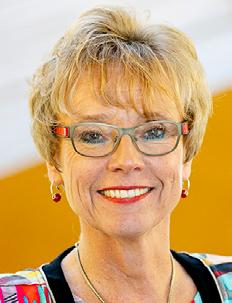
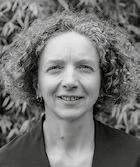
Annemieke Nijhof Managing Director Deltares
Introduction
Groundwater plays a vital role in supporting livelihoods, as a source of drinking and irrigation water. Salinization of groundwater poses a threat to those living and working in arid regions, but also along coastal areas, where salinity levels in groundwater are gradually increasing.
FMartijn
Advisor, Netherlands Water Partnership
or this reason, the Saline Water and Food Systems (SWFS) partnership has taken the initiative to develop its second Salinity Magazine on the salinization of groundwater. By developing and disseminating the magazine, we achieve three objectives. First, this easily accessible publication intends to increase awareness about the challenge of groundwater salinization. Second, the magazine contributes to knowledge sharing across national and sectoral borders. Third, inspirational project examples call professionals and practitioners working in the international water and agrifood sectors to act, and to prevent or mitigate the salinization of groundwater.
Readers of the first Salinity Magazine will recall that the SWFS partnership was launched in 2022 as a cross-sectoral collaboration between the water and food sectors in the Netherlands. The Netherlands Food Partnership (NFP) and Netherlands Water Partnership (NWP) joined forces with several national and international partners to address the challenge of salinity in Low- and Middle-Income Countries (LMICs). Through the networks of NFP and NWP, we facilitate collaboration between ministries, knowledge and research institutes, Non-Governmental Organizations, and corporate entities active in the water and food sectors.
The SWFS partnership jointly implements several activities, such as organizing knowledge-sharing webinars, policy advocacy events and developing collective
communication products. More information about this can be found via the websites referred to on this page. As one highlighted example, in 2023 and 2024, members of the SWFS partnership and their network of local partners implemented seven Seed Money Projects. These projects were intended to conduct research, implement activities and develop communication about the challenge of salinity in Senegal, Bangladesh, Mozambique, the Middle East (Egypt, Iraq, Jordan), Kenya, Cabo Verde, and a global initiative through FAO. This contributed to shaping alliances that will pursue upscaling opportunities.
Back to the topic of the magazine. Salinization of groundwater resources can be regarded as a ‘wicked problem’ and an extremely complex environmental and societal challenge. The process takes place underground, requires a combination of technical and social interventions, and needs long-term planning in the attempt to stop or reverse further groundwater salinization. It would be too high of an ambition for one magazine to present a ‘silver bullet’ to address this challenge. But we do aim to provide relevant, setting-the-scene background information, inspirational examples, and ways to connect to a global movement of salinity solvers.
We sincerely would like to thank our national and international partners, some of whom are featured in the next sections of the magazine, for their expert contributions. We urgently call the readers to engage with the international network, share lessons learned, and develop initiatives in response to groundwater salinization.
Overview of global groundwater salinization SETTING
Groundwater constitutes the major part of liquid freshwater on Earth and is critical to sustain human and ecosystems’ water needs. It provides 43% of the water withdrawn for irrigation and nearly half of the global drinking water supply. The increasing salinization of groundwater is a growing concern which, along with groundwater depletion, poses increasing risks to water and food security, and to marine as well as terrestrial ecosystem health.
Origin of salt in groundwater
The presence of salts in groundwater has different origins, either marine, geogenic (geological processes) or anthropogenic (human activities).
Groundwater salinization of marine origin occurs in coastal aquifers when seawater infiltrates inland, mixing with fresh groundwater in a so-called transition or mixing zone (Figure 1).
From a geogenic perspective, groundwater can become saline due to the dissolution of minerals present in specific geological formations, rocks deposited under arid conditions (e.g., evaporites such as halite and gypsum) and sediments. In general, in deep or confined aquifers containing fossil groundwater, the long residence times of groundwater (in the order of thousands to millions of years) can result in high groundwater salinity levels.
Specific anthropogenic activities contribute significantly to groundwater salinization. Saltwater intrusion is generally induced by the over-abstraction of groundwater2 In irrigated agricultural areas, evapotranspiration from crops increases the salt content in the soil, which may later reach groundwater via rainfall or irrigation return flow. The application of fertilizers, of road salt during winter, the spill of oil and effluents from domestic, agricultural and industrial origin, mine drainage, and brines from desalinization plants are sources of high concentration of dissolved salts in groundwater.
Can we use saline groundwater?
The presence of salt in groundwater becomes problematic when concentrations are too high for the intended use of groundwater, or for the environment, in particular for groundwater-dependant ecosystems. When salt concentrations increase, the range of possible uses becomes limited.
Salinity in groundwater is commonly expressed as Total Dissolved Solids (TDS) content, for instance: grams per liter. Concentration classes have been defined to characterise water as fresh, brackish, saline and brine (Table 1), but are only indicative as they can vary according to type of use and users.
Evaporation can also affect salt concentration in very shallow groundwater in (semi-)desert areas. As groundwater evaporates, dissolved minerals and salts, which cannot evaporate, instead accumulate on the ground surface and in the soil, often resulting in a salt crust.
Status of groundwater salinization globally
Mapping saline groundwater globally is challenging. In 2009, IGRAC developed a global map of saline and brackish groundwater based on an inventory of documented cases of saline groundwater (Figure 3, see page 6). The map provides insights on the spatial extent and on the (probable) origin of the salt (marine, terrestrial (i.e., geogenic), anthropogenic or mixed). The total area with saline and brackish groundwater at shallow or intermediate depth represents 16% of the earth’s total land area, approximately 24 million km2 affecting an estimated 6.2 million people3. The basins of West and Central Asia were the largest area
ADAPTATIONS
Salinity status Salt concentration Possible uses
Fresh and slightly saline 0 – 1.5 g TDS/l Drinking and irrigation
Brackish 1.5 - 7 g TDS/l Irrigation of certain crops only; use for some livestock and industrial activities
Saline 7 - 35 g TDS/l Use for livestock with limitations
Brine > 35 g TDS/l Seawater; possible mining and industrial uses
with saline groundwater (14% of the total groundwater salinity area). The global groundwater salinization map is currently being updated.
Impact of groundwater salinization
Increasing levels of salinization of groundwater poses risks to health, water and food security, and ecosystem health. Due to groundwater over-abstraction in coastal areas, many aquifers have been salinized beyond safe limits, and groundwater cannot be used anymore, unless desalinized.
The use of saline groundwater for domestic use has severe impacts on human health, with increased risks of high blood pressure, cardiovascular disease, and kidney disease4. Furthermore, using saline groundwater for irrigation causes salinization of soils, rendering them less productive in terms of crop growth and yield5
And the future?
ADAPTATIONS
ADAPTATIONS
Salinization of groundwater is expected to worsen. Sea levels will continue to rise due to climate change, with consequently increased storm surges, higher waves and tidal intrusion, potentially affecting drinking water quality for millions of people living in low-lying coastal
ADAPTATIONS
Elisabeth Lictevout IGRAC Director
IGRAC
IGRAC (the International Groundwater Resources Assessment Centre) is a research centre located in Delft, the Netherlands, that provides groundwater data and information to enhance knowledge and wisdom, support decision-making, and promote a world where groundwater is managed sustainably and equitably. IGRAC contributes to capacity development, advocacy and awarenessraising, through knowledge exchange at multiple levels.
Brackish water as
Figure 2
Figure 3
Occurrence of saline and brackish groundwater at shallow and intermediate depths3
areas worldwide6. Additionally, the steady increase in irrigated farmland, the frequency and severity of droughts, and the growing groundwater demand pose risks to freshwater and food security, and economic productivity.
Are there any solutions to limit the salinization of groundwater?
Reducing groundwater extraction is certainly the main action to prevent or minimize salinization but may be very challenging in many countries as millions of people rely on groundwater. Therefore, combining mitigation measures, as Managed Aquifer Recharge (MAR), with a more efficient use of groundwater is often the best solution. Addressing groundwater salinization in agricultural systems can only be effective through a joint approach that integrates farming practices, water management, and policy coordination. Identifying the origin and causes of salinization as well as undertaking consistent long-term monitoring of salinity to assess trends and risks to water quality, ecosystems and groundwater users, is critical to take appropriate management decisions, not only for the present but also for the future.
This article has been reviewed by Gualbert Oude Essink and Teun van Woerkom (Deltares).
1 Prinos, S. T. (2013). Saltwater Intrusion in the Surficial Aquifer System of the Big Cypress Basin, Southwest Florida, and a Proposed Plan for Improved Salinity Monitoring. In U.S. Geological Survey Open-File Report 2013–1088.
2 Ferguson, G., Gleeson, T. Vulnerability of coastal aquifers to groundwater use and climate change. Nature Clim Change 2, 342–345 (2012).
3 van Weert, F., van der Gun, J. and Reckman, J. 2009. Global Overview of Saline Groundwater Occurrence and Genesis. IGRAC.
4 Mueller, W., Zamrsky, D., Oude Essink, G.H.P. et al. Saltwater intrusion and human health risks for coastal populations under 2050 climate scenarios. Sci Rep 14, 15881 (2024).
5 Lam, Y., Winch, P.J., Nizame, F.A. et al. Salinity and food security in southwest coastal Bangladesh: impacts on household food production and strategies for adaptation. Food Sec. 14, 229–248 (2022).
6 Zamrsky, D., Oude Essink, G. H. P., & Bierkens, M. F. P. (2024). Global impact of sea level rise on coastal fresh groundwater resources. Earth's Future, 12, e2023EF003581.
Salt-affected topsoil (0-30 cm)1 424 million ha
Salt-affected subsoil (30-100 cm)1 838 million ha
With current information from 118 countries covering 85% of the global land area, it shows that more than 424 million hectares of topsoil and 838 million hectares of subsoil are salt-affected.
FACTS AND FIGURES
Leg en d
Leg en d
Sa
Sa lin e a nd br ac k is h gro un dwa te r b y ge n es is
Occur rences a t s ha llow and intermediate depths (less than approximately
Marine origin
on
Di ssol ution
Marine origin
Marine origin
Transgress ion
Marine origin
Marine origin
Marine origin
Connate
Connate
Connate
and
Transgress ion
Transgress ion
Floodi ng
Igneous
Igneous activ ity hy drothermal mineral water
Igneous
Combinati
Floodi ng
Floodi ng
! ! Lateral s eawater intrus ion & up-coning Irrigation
Marine transgres si on
Marine transgres si on
Combinati
Marine transgres si on
Combinati on of ev aporati on & di ss olution
Sea Le
! Lateral s eawater intrus ion & up-coning Irrigation
! ! Lateral s eawater intrus ion & up-coning
Irrigation
Lateral s eawater intrus ion & up-coning
Lateral s eawater intrus ion & up-coning
Lateral s eawater intrus ion & up-coning
Combinati on of c onnate, transgress ion and recent fl ooding
Irrigation
Irrigation
Irrigation
Polluti on
Polluti
Polluti on
Combinati on of c onnate, transgress ion and recent fl ooding
Combinati on of c onnate, transgress ion and recent fl ooding
Uns
Natural terrestrial origi
Natural terrestrial
Natural terrestrial origi n
Evaporati on
Moderate salinity1 90% yield losses
Thirty crop species provide 90% of our food, most of which display severe yield losses under moderate salinity.
Due to salty water irrigation1
17% yield decrease
Irrigating agriculture with saline (ground) water will decrease yield with around 17,3% compared to freshwater irrigation.
Uns pec ifi ed origi n
Salinity in groundwater2 24 million km2
The total area with saline and brackish groundwater at shallow or intermediate depth represents 16% of the earth’s total land area, approximately 24 million km2 affecting an estimated 6.2 million people.
1 Data originates from the following report (commissioned by NFP): Snethlage J., Gülpen M., Islam F., Terwisscha van Scheltinga C. (2023) Dealing with the global challenges of salinization; Drivers, challenges and solutions. Wageningen, Wageningen Environmental Research, Report 3269.
2 van Weert, F., van der Gun, J. and Reckman, J. 2009. Global Overview of Saline Groundwater Occurrence and Genesis. IGRAC.
Elevati
Royal Eijkelkamp, a Dutch company renowned for its water and soil expertise, is tackling the global salinity crisis through both mitigation and adaptation strategies— combining technology with community-level engagement and data-driven tools.
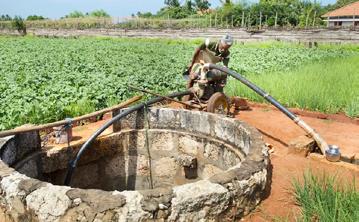
‘WMaking Groundwater Visible
ROYAL EIJKELKAMP’S RESPONSE TO SALINITY
e approach salinity on two fronts,’ explains Rasoul Mikkelsen, who works as Strategic Business Development Director at Royal Eijkelkamp. ‘On the one hand, we develop technical solutions, such as underground glass dam barriers to stop saltwater intrusion. On the other, we focus on adaptation by monitoring the quality and salinity of groundwater to inform safe usage and building resilience.’
This dual strategy has multiple impacts such as health and agricultural priorities and efficiency. Elevated groundwater salinity not only causes kidney diseases in human populations, but also threatens soil health and productivity if used in irrigation. Royal Eijkelkamp’s monitoring systems track groundwater conductivity, generating real-time data to inform the end users and prevent such outcomes.
Mikkelsen points to an aquifer management project in Sri Lanka, executed in collaboration with Rabobank, a local partner and the Sri Lanka Ministry of Irrigation and water resources. In regions with suspected salinityrelated health risks, Eijkelkamp has established
190 observation boreholes and equipped these boreholes with various groundwater monitoring equipment. Citizens receive real time information and text alerts when conductivity levels rise, prompting them to avoid usage. Simultaneously, the National Ministry has been trained to interpret and disseminate this data, enhancing public awareness and local action.
Globally, Eijkelkamp monitors over 10,000 wells across 80 countries, feeding data (on salinity, temperature, PH and groundwater levels) into AI systems that can model and show long-term trends over 5, 10, or 15 years. This predictive approach supports evidence-based policy, strengthens national water strategies and build more resilience.
However, several challenges persist, particularly in low- and middle-income countries (LMICs). Financing remains a barrier, as does the invisibility of groundwater, which hinders public investment and awareness. ‘Making the invisible visible is one of our greatest missions,’ says Mikkelsen. ‘That means turning raw data into formats that are understandable and actionable—for policymakers, utilities, and citizens alike.’ To this end, Royal Eijkelkamp supports capacity development within governments, ensuring that data is not just collected but used effectively to guide decisions. Tools are simplified and visualized to help stakeholders grasp the implications of groundwater changes.
Looking ahead, Mikkelsen stresses the need for global leadership on groundwater governance. ‘By 2030, countries like Pakistan, Jordan, Morrocco could run out of fresh drinking water. We need global policy reforms and strong leadership to secure water for the next generations.’
Innovating for Freshwater Futures
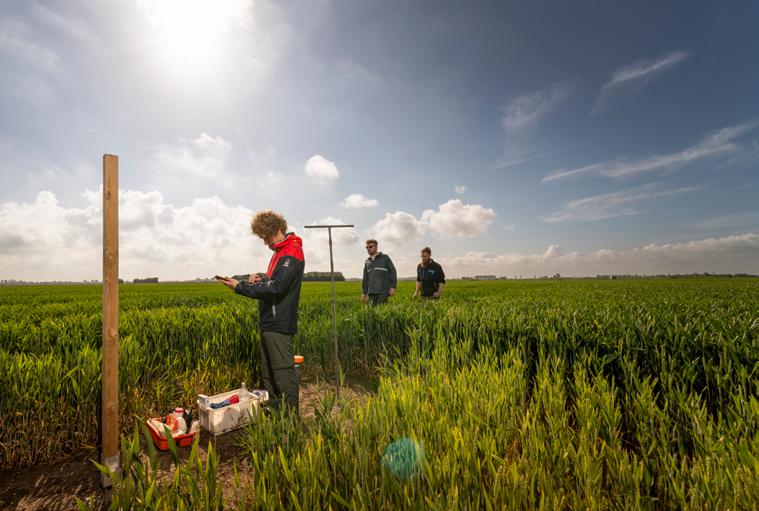
The first step is often diagnosis; Vince Kaandorp explained how Deltares uses monitoring, data analysis, and groundwater models to understand where salinity problems are emerging and how they might develop. Groundwater models are used in both the Netherlands and in countries such as Vietnam, Egypt, Colombia, Bangladesh, and Chile — often in places where reliable data is limited. ‘Our models help map out where action is needed,’ Kaandorp explains. ‘They can support policy development even in regions where field data is scarce.’ In Vietnam, for example, Deltares’ models highlighted the risk of groundwater salinization, and encouraged them to explore solutions like freshwater infiltration.
After diagnosis, insights into action is needed. ‘We don’t just want to understand the system, in the end we want solutions’ Kaandorp says. ‘The models help with this by showing for instance the future effects of management decisions. Next step are solutions and innovations that are tested in the real world.’ He points to the Living Lab project on the Dutch island Schouwen-Duivenland as an example. Pilot projects brought together farmers, local authorities, water boards, schools, and researchers to test practical solutions for managing freshwater more effectively in an area facing salt water intrusion and drought.
As challenges around water scarcity and salinisation grow, the work of research institutes like Deltares becomes increasingly relevant. Vince Kaandorp, researcher at Deltares, shares how the organization approaches salinity issues through scientific research and practical fieldwork.
One tool was a ‘quick scan’ advisory service, created with KWR Water Research Institute and Acacia Water, offering farmers tailored suggestions for retaining freshwater. Strategies included infiltration and smarter drainage. Another was a dual-drainage system that helps separate fresh and saline water, giving crops better access to usable water. A central technique in many pilots is level-controlled drainage, which allows farmers to adjust water levels depending on the season and crop.
Similar pilot projects are now being carried out in other parts of the Netherlands, with the long-term goal of making such solutions common practice. According to Vince, these solutions are gaining traction: ‘Farmers are beginning to invest in them on their own, which is the best signal that we’re on the right path.’ Still, adoption takes time; because each farm is different, these approaches must suit local soil and site conditions.
Still, technical excellence alone isn't enough. ‘You need to bring people in from the start – farmers, policymakers, local knowledge institutions,’ Kaandorp emphasizes. ‘Without their trust and buy-in, your models and solutions are just numbers and research reports.’ This underscores the Deltares ethos: if the goal is to make scientific knowledge actionable and accessible, innovation must be tested, proven, and above all, applicable.
Salinity is no longer a fringe issue limited to certain zones like coastal area or arid environments. It is a global water management challenge that affects both smallholder farmers and large agricultural systems alike. At the heart of this complex challenge is groundwater: a resource that is increasingly under threat from overuse, climate change, and poor regulation. Acacia Water, a Dutch-based hydrological research firm, has been working on groundwater management projects for many years.
GROUNDWATER AND SALINITY:
Lessons from the field with Acacia Water
‘We see salinity as a global phenomenon,’ says Merab Apkhazava, agriculture expert at Acacia Water. ‘Whether in Kenya, Bangladesh, Egypt, or the Netherlands, each setting demands its own strategy for groundwater preservation for sustainable irrigation.’
What sets Acacia Water apart is its commitment to a comprehensive research phase. ‘Our research takes time for clients to picture a comprehensive groundwater situation. Before proposing solutions, the team spends months on-site, collecting data and building hydrogeological models. This groundwork is essential for understanding the complexity of groundwater systems—particularly in low- and middle-income countries (LMICs), where salinity and seasonal water scarcity often go hand-in-hand.’
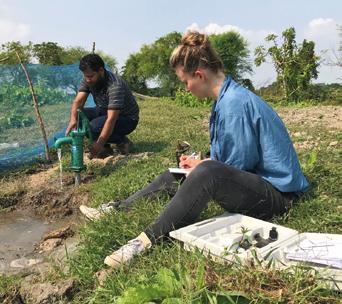
One initiative took place in Bangladesh, where Acacia Water implemented Managed Aquifer Recharge (MAR) for irrigation of crops with different salt tolerance levels. It was constructed in the district of Bagerhat, in the coastal plain south of Khulna,
Bangladesh. A direct client is Salt Farm Texel, who was setting up a test site for salt tolerant crops. The project is funded by ICCO, the donor agency which was looking into the potential of off-season irrigated farming on a larger scale in the coastal plain. During and after the monsoon freshwater from ponds and rooftops is injected into shallow brackish aquifers via the infiltration wells for use during the dry season. The approach avoids evaporation losses, improves crop resilience, and opens new opportunities for agricultural sector, which benefits strongly from extra irrigation water availability. It’s a low-tech, scalable solution that can be tailored to local contexts.
Still, significant challenges remain. ‘The biggest bottleneck is often the lack of an investable business case,’ Merab explains. Research is expensive and carries uncertainties, making it hard for smaller private actors to commit without public backing. Moreover, poor enforcement of groundwater permits and short-term thinking of the groundwater users often undermine sustainability efforts. To address these challenges, partnerships are key – Acacia Water collaborates with local governments and communities who ensure solutions are practical and accepted.
Merab warns of a looming crisis: ‘Farmers are well aware of the threat from salinization, but are often only open to changes, once they have experienced severe crop losses. But by that time it might be too late.’ He advocates for stronger regulation, better planning, and more awareness—especially as some regions adopt water-intensive crops in unsuitable, even arid, environments.
With projects like MAR and a growing base of knowledge, Acacia Water hopes to inspire both policy and practice. ‘It’s about acting now, before salinity becomes irreversible or an extremely costly problem to solve,’ Merab concludes.
Salinity is emerging as a persistent and complex threat to agricultural systems across the globe. At the intersection of this challenge and educational innovation stands SkillEd, a blended learning platform focused on strengthening agri-food value chains, sustainable water management and (farmer) entrepreneurship. With tailored training programmes, SkillEd enables smallholder farmers in vulnerable regions to address irrigation and soil salinization issues head-on, offering practical, scalable solutions, together with their partners.
One of their flagship initiatives is the Mekong Salt Lab project in Vietnam, where salinity has reached critical levels. In collaboration with a seven-member consortium of public and private sector partners, SkillEd developed a modular training package designed to build awareness and offer actionable strategies to local farmers. The four-module course—covering salinity awareness, hydroponics, water retention, and water quality— has already reached 200 farmers and 50 lead farmers across rural villages.
‘Our joint goal is to scale this up to reach 10,000 or even more farmers,’ says Guus Paardekooper, founder of Skilled. ‘But it’s not just about scale—it’s about creating long-term support systems through distributors and local agents that keep the knowledge alive and relevant.’
The program’s strength lies in translating expert knowledge into accessible, visually supported content, both online and offline. SkillEd works closely with farmer organizations, women’s groups, and local NGOs to ensure community ownership and culturally relevant delivery. This local embedding ensures that the material resonates with farmers' daily realities, making adoption more likely.
BLENDED LEARNING AGAINST SALINITY:
How SkillEd is equipping farmers for change
SkillEd’s work in Myanmar underscores the value of a blended learning approach. In partnership with East-West Seed Knowledge Transfer, they delivered 16 training modules for small-scale vegetable farmers in 2 local languages. Given Myanmar’s current political and infrastructural challenges, the ability to offer both offline and online learning is not just beneficial, but essential. Training reaches even remote areas through demonstration plots, peer learning, and open days, creating momentum and community-led diffusion.
Also in Egypt, salinity is a central theme in training efforts, further proving its relevance across agroecological zones. However; implementation isn’t without challenges. ‘Aligning all knowledge partners behind a unified vision and translating scientific expertise into usable, farm-level practices takes time and trust,’ Paardekooper notes. ‘It’s a critical but delicate process.’
Beyond salinity, SkillEd is active in Kenya, training 700–800 farmers in agroforestry in arid regions. This work promotes biodiversity, improves soil water retention, and shifts communities away from monoculture farming towards more sustainable and profitable systems.
Paardekooper closes with a call for collaboration: ‘There’s so much knowledge out there, but it’s fragmented. A validated, contextualized training package is a powerful way to unify expertise and bring salinity solutions to scale.’
Thailand
Mekong delta
Cambodja
Vietnam Laos
Partners voor Water (PfW) is a Dutch government program that supports international cooperation on urgent water challenges worldwide. By linking governments, knowledge institutes, NGOs, and the private sector, PfW promotes sustainable solutions in areas such as salinization, delta management, and water–climate resilience. Through pilot projects and knowledge exchange, PfW helps scale up approaches that benefit both people and ecosystems.
Partners voor Water and Salinity Projects
COLOMBIA
PfW supports Colombia in tackling salinization and water security challenges in delta cities and agricultural regions. Together with Colombian partners, including national & local governments, NGOs, academia, and private-sector stakeholders, master plans are being developed on river management and biodiversity. Pilot projects test water-efficient farming for bananas, coffee and palm oil. Innovations such as aquifer recharge and improved water storage strengthen climate resilience and protect livelihoods.
SALT LAB MEKONG, VIETNAM
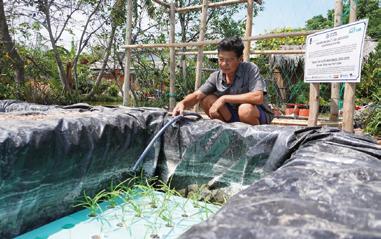
The Salt Lab in Vietnam’s Mekong Delta is a two-year initiative bringing farmers, researchers and authorities together to combat saltwater intrusion. The project is run by a consortium including The Water Agency, Tra Vinh University, Kim Delta (Vietnam), The Salt Doctors, Saxion University, HZ University, SkillEd, and Acacia Water. Demonstration sites test saline-resistant crops, affordable hydroponics, and improved rainwater harvesting systems. The Salt Lab also serves as a knowledge hub, sharing lessons regionally to help communities adapt to salinity.
HYDROSAL EGYPT
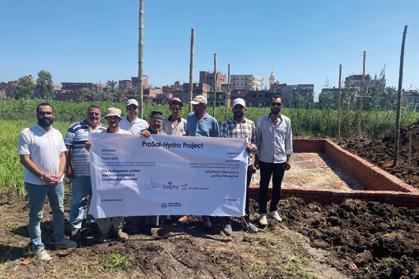
In Egypt’s Nile Delta, the HydroSal (ProSal-Hydro) project introduces simple hydroponic systems that reduce water use by up to 90%. The project is coordinated by Delphy International, in collaboration with The Salt Doctors (NL), and Plug’n’Grow (Egypt). Pilots in several locations show how shallow basin systems can boost yields and improve incomes under saline conditions. By offering practical alternatives less dependent on degraded soils, HydroSal provides farmers with tools for a more secure future.
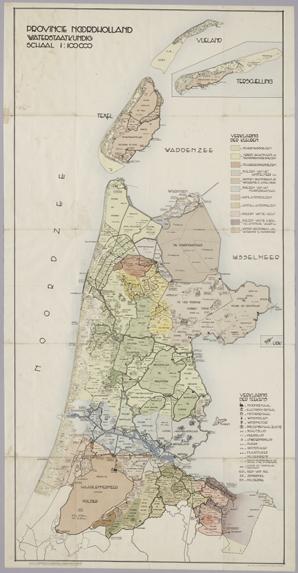
The Province faces internal and external salinization. Draining lakes has reduced the counterpressure of surface freshwater bodies, giving brackish and saltwater the chance to rise and salinize waterways. This is called internal salinization. External salinization occurs when seawater enters through sluices during times of limited surface water in canals and ditches.
Various measures are being taken to deal with salinization. For now, the policy is to provide as much freshwater as possible, but in the future this will likely no longer be feasible everywhere. Due to climate change, the region will face more frequent droughts and periods of water shortages. At the same time, the demand for water is rising – to combat salinization, to provide drinking water and irrigation for crops, and to maintain water levels to counter soil subsidence.
Salinization in the Province of North Holland
The Province of North Holland is located in the Northwest of the Netherlands, partially below mean sea level. It has a rich water management history. Building dikes, draining peatlands, and reclaiming lakes and seabed have shaped North Holland. Thanks to the closure of the Zuiderzee by the Afsluitdijk in 1932, the Province of North Holland gained a large freshwater buffer – the IJsselmeer and Markermeer lakes. Despite these developments, salt water cannot be kept out entirely.
The Netherlands has 21 water authorities, which are regional governments responsible for water management. They maintain water levels and flush ditches and other waterways with freshwater. They do this by continuously adjusting water inlets so that enough water flows in from the main water system.
Together with the water authorities, the Province implements additional measures. In several places in North Holland, underground water storage facilities are being created. Freshwater is temporarily stored in deep soil layers, making it available during periods of drought. The first results are promising. The stored water can be extracted again, and thanks to drip irrigation or sub-irrigation, crop yields remain good even in dry years.
The Province also invests in knowledge sharing and knowledge development. Through the Landbouwportaal Noord-Holland, farmers can receive free coaching on how to deal with salinization. We support the knowledge cluster Salta, whose mission is to provide water users, land managers, and farmers with practical strategies when drought and salinization occur. We are also a partner in the FRESHEM project.
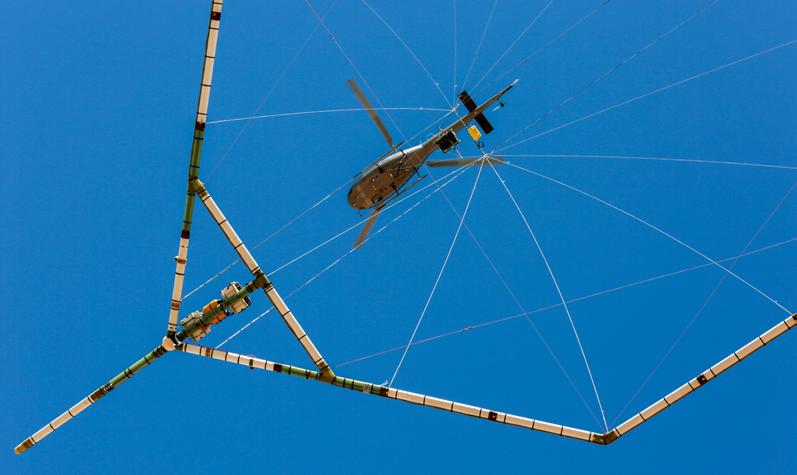
FRESHEM collects detailed data on soil salinity and clay layers using helicopter measurements, creating a 3D map up to 200 meters deep. This information helps managers and users make sustainable choices regarding the use and preservation of groundwater. Water managers, industries, drinking water companies, the agricultural sector, and nature organizations can base decisions about sustainable groundwater management on this data.
International events and developments regarding salinity
Publication Policy Brief: addressing Global Salinity: recommendations from three COPs
Saline Agri Map
UN 2026 Water Conference
Innovation Mission on Salinity, Vietnam
4 international hybrid round tables in Senegal, Egypt, Bangladesh and Vietnam
FAO Global Framework on Water Scarcity in Agriculture
FAO Global Soil Partnership
Int Network of Salt-Affected Soils
Int Center for Agricultural Research in the Dry Areas
Int Center for Biosaline Agriculture
Int Water Management Institute
AfricaRice
Center for Environmental and Geographical Information Services, Bangladesh
The Saline Agri Map (SAM), developed in 2023 by the Vrije Universiteit Amsterdam, NFP and NWP, has recently been updated. The SAM now presents 260 projects on salinity, with a focus on saline agriculture. The map shows the location, partner network and results of saline agriculture research and implementation projects. Would you like to add your project to the SAM? Please consult the website for inclusion criteria, and to take a look at various initiatives taking place in various regions.
Global Campaign on Salinization
In 2023, NFP and NWP announced the initiative to develop and implement a Global Campaign on Salinization. Together with the network of international partners, the shape and workplan of such a Campaign have been specified. The (soft) launch and other activities, including knowledge sharing and policy advocacy webinars, will be rolled out in late 2025 and throughout 2026.
The Global Framework on Water Scarcity in Agriculture (WASAG)
Hosted by FAO, WASAG consists of nearly 80 global partners, united to identify priority actions for the adoption and scaling up of successful projects in the face of water scarcity and climate change threat. As of 2025, a new governance mechanism is in place, with a Steering Committee overseeing WASAG’s work. A multi-annual WASAG Strategy (2025-2031) is being prepared. Consult the website for more information.
Policy Brief on Soil and Water Salinity
Led by Vrije Universiteit Amsterdam, a Policy Brief entitled ‘Addressing the Challenge of Soil and Water Salinity’ has been published in 2025. The Brief provides recommendations discussed during a series of three high-level session contributions on the topic of soil and water salinity during Conferences of the Parties (COPs) conventions of the UNFCCC (UN Framework Convention on Climate Change), CBD (Convention on Biological Diversity) and UNCCD (Convention to Combat Desertification) in 2024.
Saline Agri Map
Following on the publication of the first Salinity Magazine in 2024, with this second edition we have the ambition to provide professionals and practitioners working in the international water and agrifood sectors with an easily accessible reference publication on salinization of groundwater. It is one of the outputs of the Saline Water and Food Systems (SWFS) partnership. Several of its members, as well as international partners, have contributed to the articles, project summaries and other sections included in the magazine.
International policy advocacy remains greatly needed to show the urgency of groundwater salinization on the political agenda. Let’s raise awareness, share lessons learned, engage with the international network and develop initiatives capable of preventing, mitigating, or adapting to groundwater salinization.
Content and coordination
Martijn van Staveren and Babette Bodlaender
Contributions and reviewing
Merab Apkhazava, Patricia Haverkamp, Vince Kaandorp, Abegael Kerns, Elisabeth Lictevout, Rasoul Mikkelsen, Annemieke Nijhof, Gualbert Oude Essink, Guus Paardekooper, Andrew Pearson, Hilde van der Wal, Bram van der Wielen, Teun van Woerkom.
IGRAC and Deltares have financially contributed to the printing of the magazine.
Concept and realization
WIM Ontwerpers
Photo and illustration
Pixaby (cover photo), Studio Dirma Janse (p.4, p.5), IGRAC (p.6), IWMI (p.8), Deltares (p.9), Acacia Water (p.10), Partners for Water (p.12), Noord-Hollands archief (p.13), NFP & NWP (p.14), WIM ontwerpers (p.14, 15), SkyTEM (p.16).
More information
Netherlands Food Partnership
Arthur van Schendelstraat 500, Utrecht
Netherlands Water Partnership Koningskade 40, Den Haag
October 2025 – nothing in this publication may be reproduced without prior permission of NFP & NWP.