Collective Action for Water Stewardship to ensure Biodiversity–Food Systems Integration

Nature’s Pride, European market leader in exotic fruits and vegetables, has built a collaborative approach to address water stress and biodiversity loss across its global operations. Starting in Peru’s Ica watershed in 2018, the company brought together actors along the value-chain, from European retailers to growers, through multi-stakeholder collaboration to manage water and biodiversity at landscape level. Water became the organizing principle, providing a concrete entry point that connects ecosystems, agriculture, and food security. Building on the Ica experience, partnerships in Peru, Chile, and Spain show how markets can help restore watersheds when linked to collective, landscape-level stewardship, complementing farm-level audits with broader collaboration on the water–biodiversity–food nexus and strengthening food system resilience.
The Biodiversity–Food Systems Challenge
Europe’s fresh produce supply chains depend to a large extend on biodiversityrich regions under water stress, including key producers like Peru, Chile, Spain, Mexico, Morocco, and South Africa. The demand for fruits and vegetables in Europe has stimulated agricultural production in these countries, which in turn has put ecosystems and water cycles under pressure. The result is a negative feedback loop in which food production erodes the natural system it depends on.
Peru’s Ica watershed illustrates this dynamic. The region sustains a 1.7 billion euro export industry, yet ground water abstraction far exceeds sustainable levels. Aquifer depletion threatens both plants and animals adapted to originally arid conditions and the livelihoods of communities. While farm level water audits are a good first step to promote best practices they cannot on their own address the water challenges at landscape level.
Nature’s Pride recognized that addressing these issues required new forms of collaboration among actors with different interests like local producers, communities, and European importers. The need for consensus-building and negotiated agreements was evident: valley communities benefit economically from exports, while isolated Andean communities controlling the water sources much less so.
Nature’s Pride, together with other business partners and the Netherlands government, hired water experts Good Stuff International and started a long trajectory to build trust. Through sustained efforts The Collective Action for Water Stewardship in Ica brought together previously disconnected actors across the value chain. Peruvian and European participants started ecosystem restoration activities together to strengthen the water cycle in the region.
KEY TERMS
Collective Action: A coordinated set of engagements among interested parties playing complementary roles, which pools together knowledge, resources and/or expertise to jointly identify and implement solutions at various geographic scales, with the aim to address shared freshwater challenges.1

Value-Driven Innovations
Nature’s Pride was founded 25 years ago on the principle of caring for both people and nature. This value-based approach continues to shape its leadership today. Instead of relying solely on audits, the company has committed significant time, expertise and resources to understanding complex watershed-level challenges and to developing collective action responses to water stress. This valuesdriven foundation has been central in enabling Nature’s Pride to pursue long-term, collaborative solutions that go beyond compliance and address root causes of ecosystem and water risks.
Water Stewardship:
The use of water that is socially and culturally equitable, environmentally sustainable, and economically beneficial, achieved through a stakeholder-inclusive process that includes both site- and watershed-based actions.2
Value Chain Integration: Connecting European buyers, importers, and local producers around shared responsibility for landscape outcomes.
Landscape Resilience:
Building adaptive capacity of social-ecological systems to maintain productivity while enhancing biodiversity and water security.
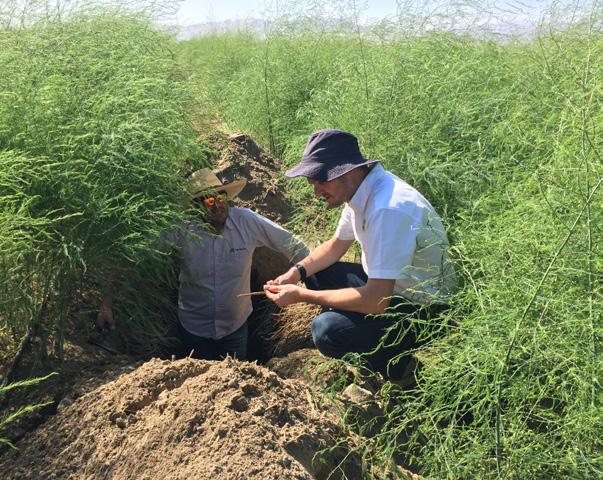
Soil moisture sampling in the Ica valley, Peru
Integrated Biodiversity–Food Systems Approach
BIODIVERSITY ENTRY POINTS
Ecosystem diversity: Restoring upper watershed landscapes through reforestation and erosion control to enhance water retention and habitat connectivity.
Species diversity: Supporting native plant species reintroduction.
Community-led landscape management: Train communities for sustainable alpaca grazing, higher income, and landscape protection.
Multi-Stakeholder Partnerships
1
WATER AS THE ORGANIZING PRINCIPLE
FOOD SYSTEM ENTRY POINTS
Biodiverse landscapes: Mobilizing private voluntary finance to incentivize landscape-scale conservation beyond farm boundaries.
Social organization: Creating a multi-stakeholder platform that organizes farmers and buyers across continents to work collaboratively on shared challenges.
Policy and governance: Engaging with authorities, water licensing systems, and international frameworks to align regulatory environments with sustainability goals.
Commodity/sector value chain collaboration: Developing pre-competitive approaches where companies compete in European market but collaborate on noncommercial topics in countries of origin such as strengthening ecosystem health and water resilience.
for Collective Landscape Action
Water serves as the connecting tissue between biodiversity conservation and food system resilience. Unlike often abstract biodiversity concepts, water provides a tangible, measurable entry point that farmers, buyers, and communities readily understand. Watershed-level water management builds on ecosystem restoration—from upper-watershed reforestation that enhances water retention to riparian corridors that support species diversity while stabilizing agricultural water supplies.
2 PERU’S ICA WATERSHED
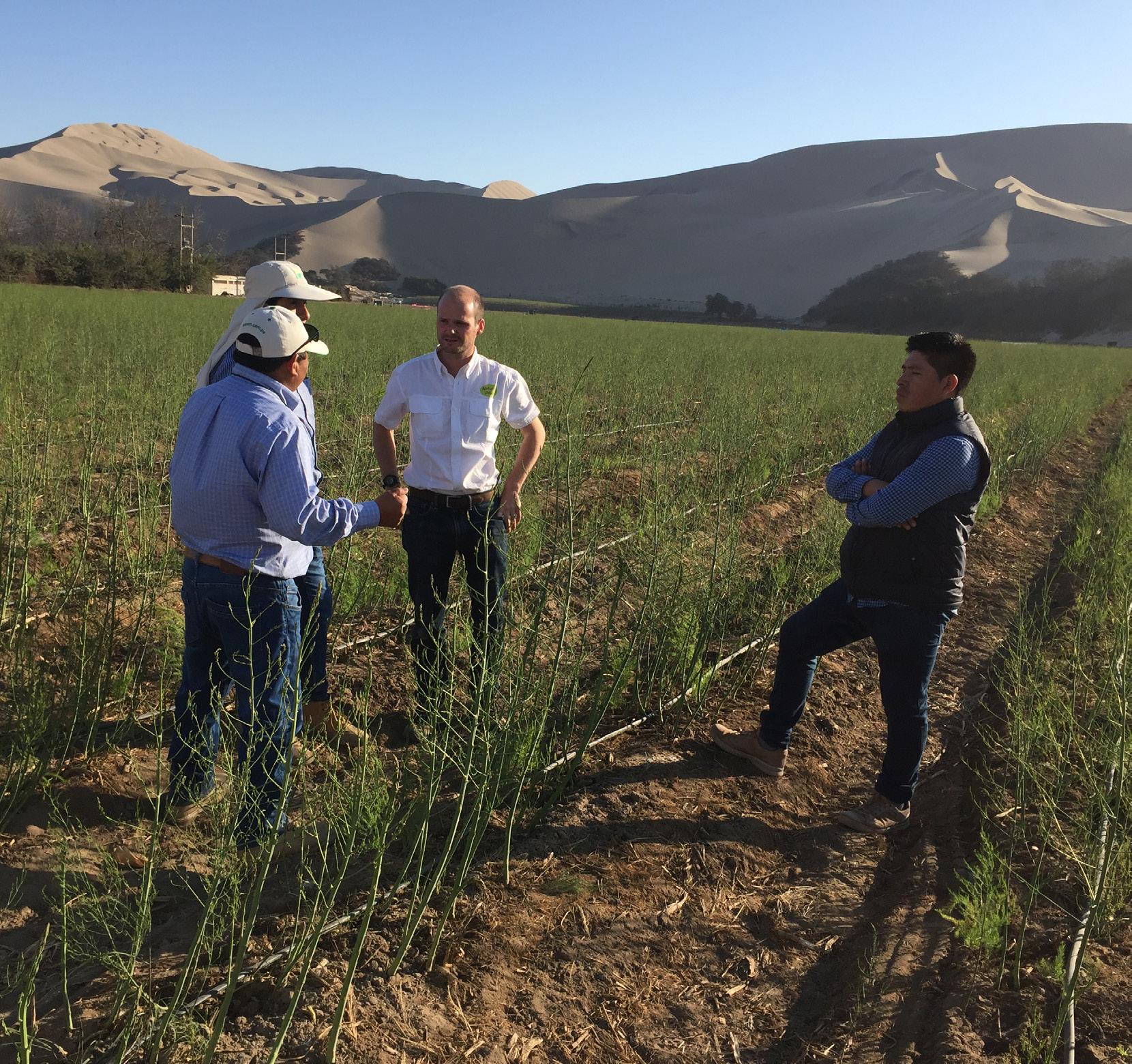
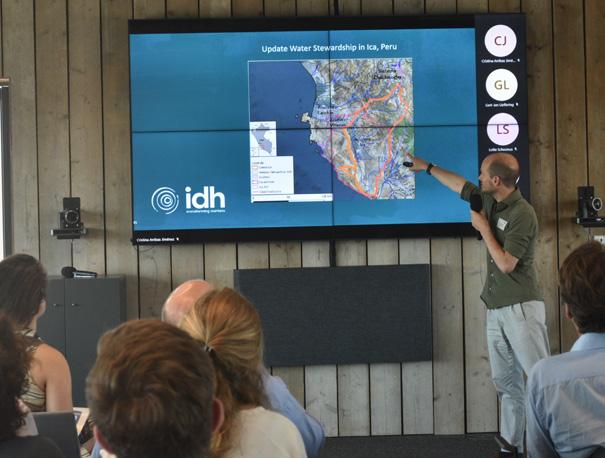
Nature’s Pride tested and refined this collective action model through intensive watershed-level engagement since 2018. In the upper watershed, the Ica Water Stewardship Collective hired water experts Good Stuff International to facilitate a dialogue between historically disconnected indigenous communities, valley-based farmers, water authorities, and civil society organizations. Technical assistance helped communities improve alpaca breeding while creating employment through tree planting and the construction of infiltration ditches, generating both immediate income and longer-term ecosystem benefits. In addition, agro-exporters have made substantial investments in wastewater treatment facilities and artificial lakes for gradual aquifer recharge. The Ica model emphasized building trust through consistent presence and combining long-term strategic benefits for nature with tangible benefits for local communities.
3 CHILE’S ACONCAGUA WATERSHED
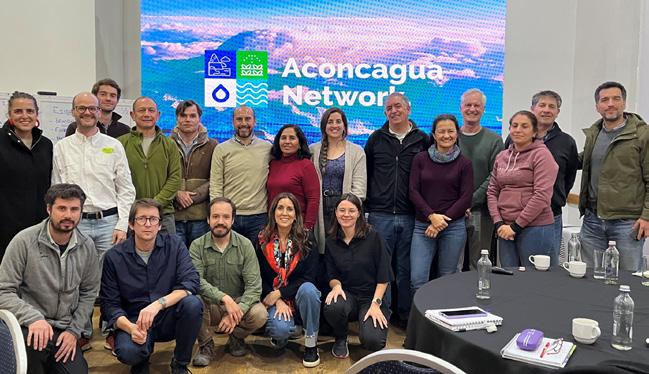
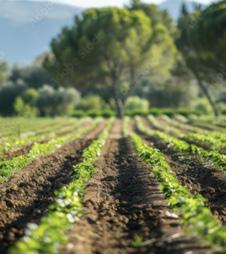
Building on lessons from Peru, the approach in the Aconcagua watershed was adapted to Chile’s political and ecological context. The Chilean model operates through the WAVE Partnership, based on three pillars: sustainable farming practices, resilient supply chains, and stronger enabling environments. The Aconcagua Network – a consortium of farmers and exporters managing 3,100 hectares – serves as the local implementation platform. Working groups focus on understanding current water usage, accelerating
adoption of regenerative practices, and building consensus on sustainable sourcing principles among European buyers.
The strategy aims for a 14% reduction in the regional water gap through both farm-level solutions and enabling environment improvements. Activities include water footprint measurements, regenerative agriculture protocols, farmer transition plans, and development of a watershed-level data platform. The initiative also participates in the ‘mesa hídrica’ (the local water governance platform), which facilitates stakeholder dialogue and policy coordination.
4 FARM-LEVEL BIODIVERSITY INTEGRATION
Alongside its focus on collective water stewardship, Nature’s Pride also links biodiversity and food systems through best practice auditing at farm level. In 2023, it was the first company to pilot the GLOBALG.A.P. biodiversity module outside of Europe, working with growers in South Africa. This standardized auditing system helps growers demonstrate biodiversity management practices to retailers and buyers, complementing landscape-scale action with on-farm protocols.
5 VALUE CHAIN LEVEL INTERVENTIONS
Nature’s Pride also pioneered industry-wide collaboration by being a founding partner in 2012 of the Sustainability Initiative Fruits and Vegetables (SIFAV), successfully advocating for collective action and introducing Key Performance Indicators (KPIs) that complemented farm-level audits with landscape partnerships.
This resulted in formal sector commitments to collective action in three priority landscapes, with Ica becoming the flagship initiative now supported by 18 companies including Peruvian agro-exporters organized in the collective of XynergIca. International collaboration expanded to include WRAP’s Water Roadmap, backed by importers and retailers in the United Kingdom and the Netherlands government, particularly its Partners for Water Programme. Moreover, Dutch embassies helped to connect with local authorities and navigate political complexities in Peru, Chile, and Spain.
The Economic Model
The initiative combines market contributions, government grants, and grants from the Nature’s Pride Foundation – the company’s nonprofit branch which focuses on contributing to a healthy lifestyle and a prosperous living environment for communities in countries of origin. Instead of conventional project funding, it pursues a “communities of well-being” approach where all value chain partners invest together in landscape resilience as a foundation for long-term community well-being and business resilience. Early investments by Nature’s Pride— including detailed technical watershed assessments shared freely with competitors—created awareness and the knowledge base enabling broader industry participation.
‘’We saw early on the imperative for a collaborative value chain approach to the water challenges. We invested many resources to create awareness and the conditions for a broad spectrum of actors to join.’’
Measuring Change and Impact
Nature’s Pride tracks both quantitative and qualitative indicators across its collective action work in Peru, Chile, and Spain. Qualitative measures have proven most meaningful at this early stage of multi-stakeholder collaboration. Key qualitative indicators include participation rates of historically marginalized communities, development of dialogue between upper and lower watershed authorities, and sustained engagement of private sector partners beyond initial commitments.
In Ica specifically, quantitative measures track soil restoration (reduced erosion) and water infiltration volumes. The more critical indicators focus on whether new stakeholders are joining the initiative, whether government authorities at different levels are beginning to collaborate. In addition, whether local communities continue participating despite past disappointments with similar promises.
Biodiversity outcomes remain challenging to track systematically, with efforts focused on native species reintroduction and ecosystem connectivity through green corridor development. The company acknowledges that “the qualitative indicators are the most important in this case,” reflecting the foundational importance of trust-building and social capital development for long-term success.
Unexpected outcomes include stronger relationships with Dutch ministries, opening advocacy opportunities at international forums such as UN Water conferences and biodiversity COPs. Recognition as a sector leader in collective action also presents challenges, including maintaining competitive advantage while promoting industry-wide transformation.
Key Insights
Building landscape resilience requires combining longterm strategic vision with short and medium term tangible benefits for local communities. “You need to have some concrete traction for people to start buying into a longerterm project”. For example in Ica, the tree planting and infiltration ditches provide visible employment and income while contributing to larger restoration goals.
Trust development proves essential but is time-intensive, particularly given historical experiences where communities have been let down by political promises. Consistent presence and repeated engagement over multiple years builds the credibility necessary for addressing complex landscape challenges that span political and election cycles.
A critical trade-off lies between driving innovation and making sure all actors contribute their fair share. Some companies invest much more in developing collective action than others. Inevitably, due to the nature of collective action, their work becomes accessible to competitors. When new actors join the collective action it is important that they contribute their fair share.
Water as the Organizing Principle: Water stewardship has proven to be an effective entry point for biodiversity integration. Water connects actors, incentives, and monitoring across the food system and provides a practical route to integrate biodiversity at the landscape scale.
Adaptation was required in every context. Chile’s structured regulatory environment and established water governance platforms required a different approach compared to Peru’s community-based model. Political sensitivities around water allocation are present in all settings.
Developing the watershed model required substantial resources, specialized skills, and long-term commitment Nature’s Pride’s developed a long-term collaboration with water-experts Good Stuff International and later also the Dutch government. Their ability to align stakeholders, navigate political complexities, and sustain engagement over years proved critical.
Sustained efforts in relationship-building, consensusformation, and iterative learning were required before measurable collective action outcomes emerged. Without such dedicated convening capacity and willingness to absorb early-stage risks, these multi-stakeholder initiatives would likely never have taken shape.
Members of the Aconcagua Network in Chile.
SCALING OPPORTUNITIES
The stakeholder engagement model piloted in Ica, Peru has informed activities in Chile’s Aconcagua valley, while collective action also took shape in Southern Spain around strawberry production (in which Nature’s Pride’s sister company Berries Pride participates). Globally, leading water experts and conservation organizations have identified 100 water-stressed ‘priority’ catchments, several of which are critical to Europe’s fresh produce supply. As one partner observed, “all the major sourcing areas for fresh produce in Europe are getting into the red” on water stress.
Cross-sector collaboration offers further scaling potential, as many watersheds also support industries such as textiles, beverages, and mining alongside agriculture. “If you’re in a watershed and it turns our that a large multinational also has operations in the same watershed, then you can really start to accelerate and make a bigger difference”. The Water Action Hub, from the CEO Water Mandate, lists all water stewardship projects around the globe for parties to know about each other’s activities in the same watershed.
There are also policy integration opportunities, including taking a closer look at sustainability clauses in European Union trade agreements with Latin American countries, developing water licensing systems that reflect landscape capacity, and creating financial due diligence requirements that account for landscape-scale risks. Nature’s Pride’s science-based climate targets provide one example of how companies can align supply chain sustainability with global climate commitments.
Biodiversity–Food Systems Use Cases


Scaling collective action requires broader financial and political support. Multilateral funding is needed to reduce dependence on individual company investments, together with stronger engagement from both importing and producing country governments. The private sector must also develop mechanisms for fair cost-sharing among benefiting companies and create market incentives that reward genuine sustainability investments. As Nature’s Pride notes, “Unfortunately, in our sector, there is no penalty for doing wrong, and no incentive for doing right” underscoring the need for systemic market transformation to support collective action approaches.
Knowledge and innovation partnerships could further strengthen biodiversity monitoring and help develop standardized approaches for measuring landscape-scale outcomes across different ecological contexts. Such collaborations would also help de-risk investments and align incentives for landscape stewardship across diverse geographical and political contexts.





Presenting
stewardship approach
the Ica watershed to
Importers and retailers.
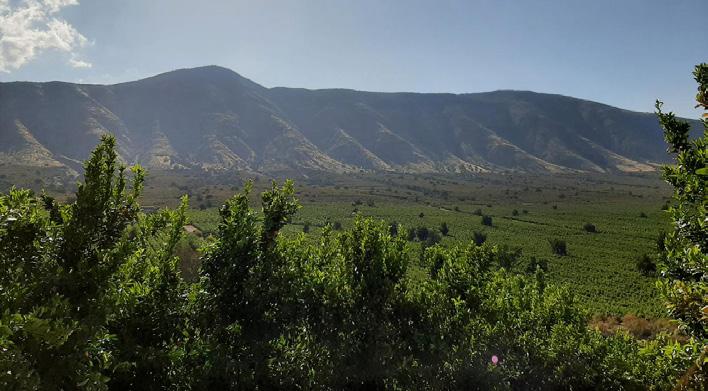
Aconcagua Valley in Central Chile, an
production.