Integrating Biodiversity and Food Systems through Multi-Stakeholder Landscape Partnerships
Integrated landscape approaches have grown globally as an effective management scale to address interconnected challenges of climate change, biodiversity loss, and food insecurity that fragmented, sector-based strategies have proven inadequate to resolve. Moving from concept to implementation requires navigating complex inclusion, governance structures, and demonstrating long-term impact. Commonland catalyzes landscape restoration by bringing farmers, conservationists, businesses, and governments into structured partnerships through the 4 Returns Framework.
Guiding multi-stakeholder collaborations through a systematic process, the framework targets four critical returns—inspiration, social capital, natural regeneration, and financial sustainability. This supports a shift from fragmented conservation towards integration of conservation and food systems. Evidence from proof-of-concepts across diverse geographies demonstrates the potential for reconciling agricultural development with environmental conservation. Robust long-term evaluation continues and supports adaptive management.
The Biodiversity–Food Systems Challenge
The triple crisis of feeding growing populations with sustainable diets while preventing biodiversity loss and adapting to climate change demands holistic, integrated approaches to food systems and landscape management. Yet fragmented, sector-based strategies continue to dominate. Agricultural intensification creates destructive feedback loops where food production erodes the natural systems it depends on. Policy paradigms—some prioritizing conventional intensification, others advocating sustainable, locally adapted systems—create incoherence across environmental, agricultural, and economic objectives.
Despite growing recognition of integrated landscape approaches as promising frameworks, implementation faces substantial barriers. Policy incoherence and ineffective decentralization continue to hinder cross-sectoral coordination.
Many multi-stakeholder platforms remain dependent on unsustainable external funding and robust evidence of long-term, large-scale impacts is limited. Evaluations of food systems change are difficult to compare, and conclusive evidence on causal pathways, particularly for resilience improvements and transformative processes for gender equity and social inclusion, is still lacking.
Biodiversity–Food Systems Entry Points
BIODIVERSITY
ENTRY POINTS
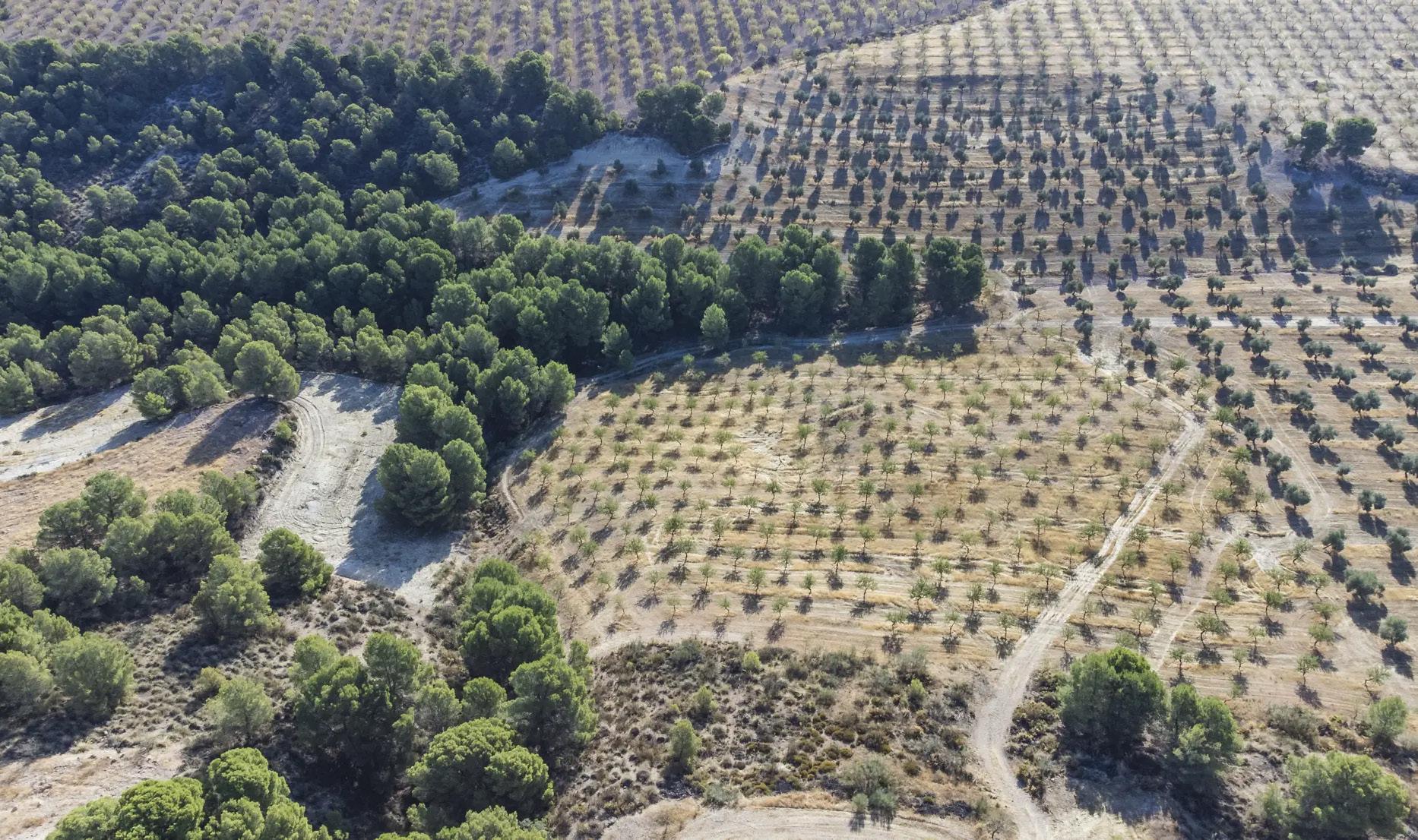
Ecosystem diversity through landscapelevel restoration that regenerates natural habitats and connects diverse ecosystems with productive agricultural areas to create resilient ecological networks.
FOOD SYSTEM ENTRY POINTS
Scaling biodiversity-positive agricultural practices and social organization through establishing landscape partnerships that connect smallholder farmers with conservation organizations, businesses, and policymakers around shared restoration goals.
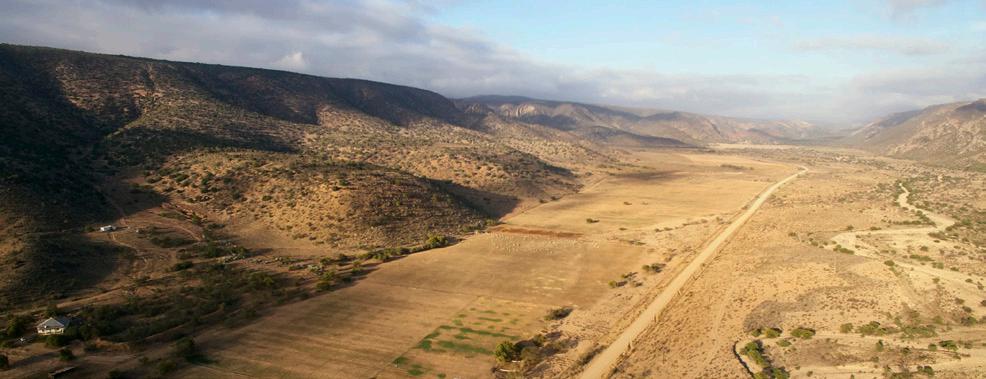
©Commonland; Reblex Photography
“The complexity and scale of landscape degradation means we cannot solve the challenges alone. Landscape transformation requires holistic, systemic solutions.”

Integrated Approach: The 4 Returns Framework
Commonland positions itself as a catalyst within a global movement for large-scale, long-term landscape restoration. Its approach is guided by the 4 Returns Framework, which has become a widely recognized model for linking ecosystem restoration includes ecological restoration but is broader with social and economic outcomes. This framework is described in detail below.
Commonland’s 4 Returns Framework addresses the interconnected complexity through landscape partnerships that embed biodiversitypositive practices into food production, supply chains, markets, and local institutions. Rather than prescriptive solutions, the framework
provides structured principles that enable stakeholders to co-create restoration pathways tailored to their specific ecological, social, and economic contexts.
The 4 Returns Framework guides landscape partnerships through a systematic process to restore degraded areas by delivering four interconnected returns: inspiration (hope and purpose), social benefits (jobs and community resilience), natural capital (biodiversity and ecosystem health), and financial value (sustainable income streams). HOW DOES COMMONLAND’S
4 RETURNS FRAMEWORK WORK
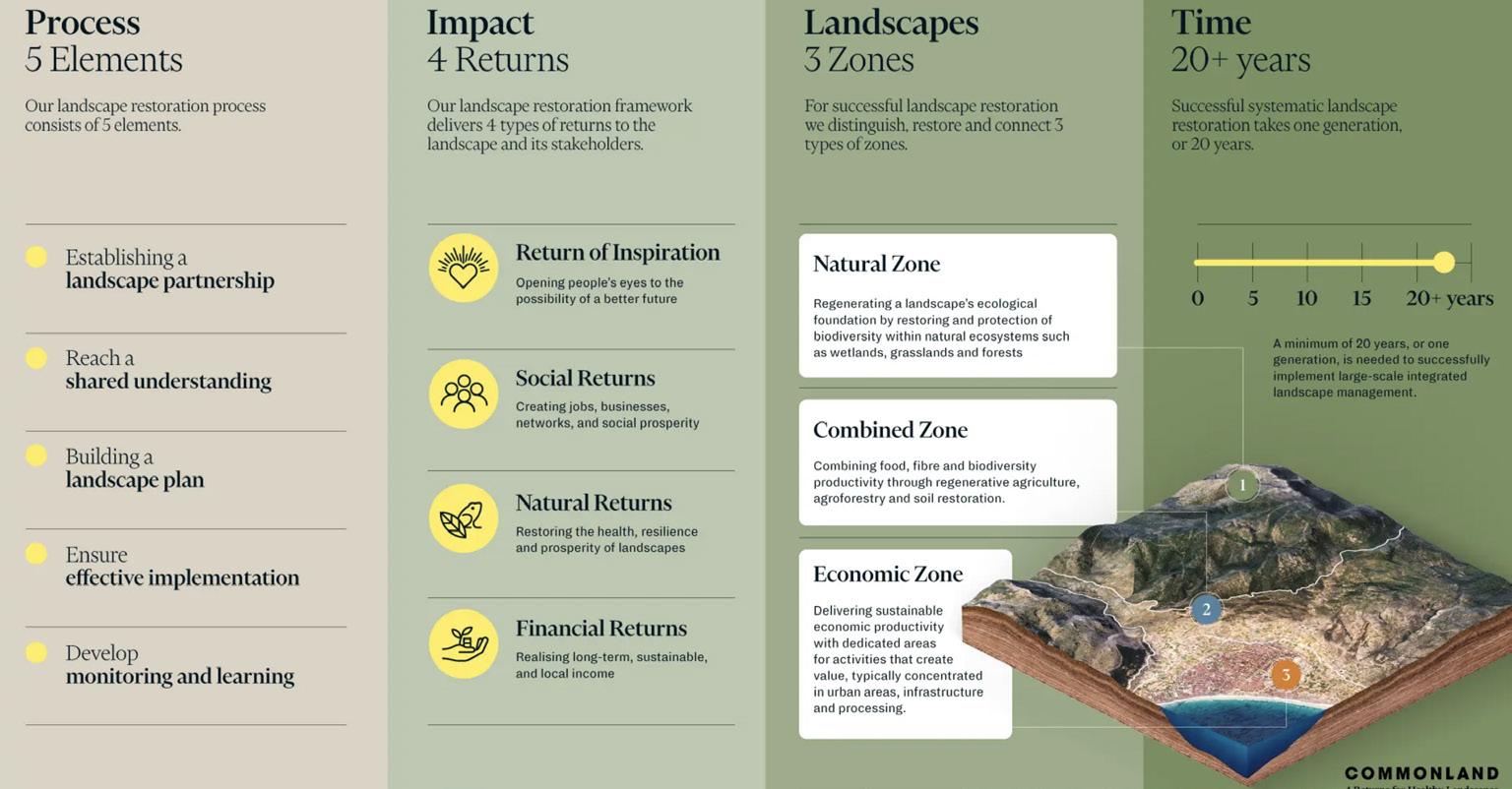
The approach is adaptive and iterative, so all stakeholders shape and own the process as it unfolds. This holistic approach breaks down existing silos between conservation and agriculture through strategic landscape zoning that allows different land uses to coexist and mutually benefit each other. By designating natural areas for biodiversity conservation, combined zones where regenerative agriculture coexists with ecological restoration, and economic zones for value-added activities, both land sparing and land sharing mechanisms can create more resilient and diverse landscape mosaics and reconcile multiple and often conflicting objectives between production and conservation.
Partnerships and multi-stakeholder engagement are the cornerstone of the 4-Returns approach. Core actors include local landscape organizations (leading implementation), farmers and community members (practicing regenerative approaches), conservation groups (providing technical expertise), businesses
(developing sustainable supply chains), and government agencies (creating enabling policies). Commonland supports these partnerships by connecting stakeholders with funders, providing strategic support, and sharing tools and best practices. Unconventional partnerships emerge between Indigenous communities and carbon credit investors, wildlife conservationists and livestock farmers, and local NGOs with multi-national corporations seeking sustainable sourcing.
The framework creates incentives for collaboration by demonstrating how biodiversity conservation generates ecosystem services that support agricultural productivity, while sustainable farming practices contribute to landscape connectivity and ecosystem restoration. Knowledge flows are facilitated through peer-to-peer learning networks, diagnostic tool is a quick assessment and conversation starter across all four returns, and indicator menus that guide local monitoring.
ECONOMIC MODEL
Resource flows combine philanthropic funding, blended finance mechanisms, and emerging markets for carbon and biodiversity credits to support long-term restoration efforts.
The financing logic combines patient capital for long-term partnership development with diversified revenue streams from improved agricultural productivity, carbon credits, biodiversity credits, and sustainable value chains. Risks are mitigated through stakeholder co-investment, adaptive management approaches, and portfolio effects across multiple landscapes. The framework reduces transaction costs by providing standardized tools while maintaining flexibility for local adaptation.
MEASURING CHANGE AND IMPACT
Several multiple landscape partnerships have been established with 20+ year commitments across a wide diversity of landscapes globally. The 4 Returns community platform has grown into a global network of practitioners sharing tools and innovations for holistic landscape restoration. The 4 Returns frameworks offers a Diagnostic Tool to create comprehensive baseline assessments through stakeholder interviews and existing data. An indicator menu provides flexible frameworks for tracking outputs, outcomes, and impacts across the four returns.
Commonland conducts 10-year evaluations of methodology effectiveness in long-implemented landscapes. This also included tracking number of landscape partnerships established with multi-stakeholder governance, hectares under restoration with measurable biodiversity improvements, and sustainable income increases for participating communities.
LANDSCAPES
India Andhra Pradesh Landscape: The collaborative partnership between Commonland and GVK Society implements an integrated landscape restoration programme informed by the 4 Returns framework, focusing on regenerative agriculture and livelihood diversification. Operating across 26 villages in Parvathipuram Manyam district, the initiative started working with four Indigenous communities and 77 self-help groups and farmer producer groups.
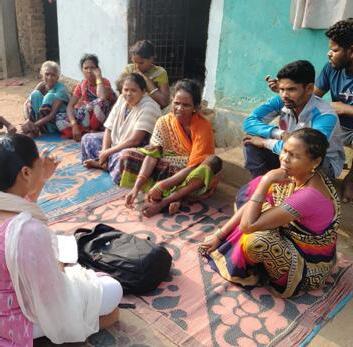
They conducted baseline surveys, participatory rural appraisals for natural resource mapping, established a custom hiring centre to provide farmers with access to modern equipment, and implemented water and agroforestry pilots. As part of the efforts, financial literacy workshops conducted between August 2023 and December 2024 reached over 750 women, equipping them with knowledge for managing finances, saving, understanding banking services, and planning for the future. Following the training, 36 women opened savings accounts, establishing recurring deposits through government saving schemes. The 20-year vision aims for state-wide expansion, focusing on land restoration, biodiversity conservation, climate risk mitigation, and women’s socio-economic empowerment.
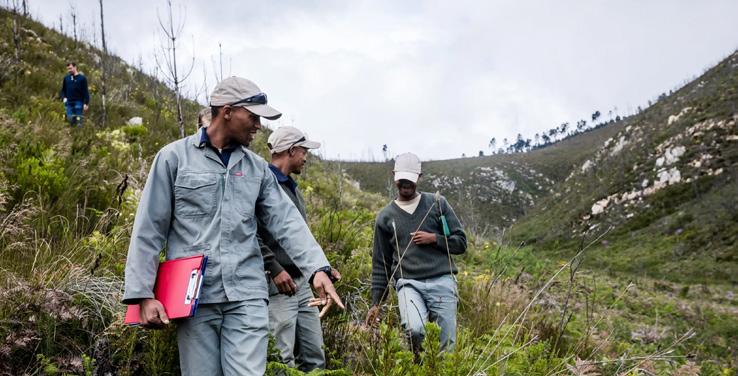
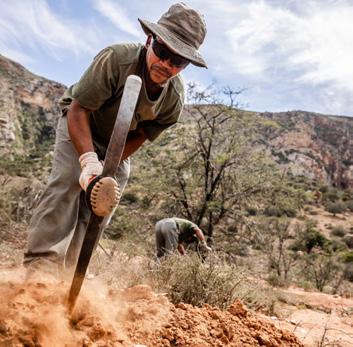
South Africa’s Landscapes: In the Baviaanskloof and Langkloof region, a comprehensive partnership with Living Lands aimed to explore restoration opportunities and identify business opportunities around large-scale landscape restoration. The initiative has evolved over 15 years, showcasing a transformative pathway through regenerative livestock management underpinned by inclusive governance and capacity development support for farmers. Local cooperatives and farmers apply rotational grazing tailored to drought cycles, wild harvesting, and restoration corridors for endangered flora.
Early indications from the pilot suggest promising progress toward restoring degraded land, developing market premiums for regenerative lamb, and strengthening landscape stewardship. Emerging lessons also point to potential benefits for both household income and wildlife habitat, enhancing resilience to drought and economic shocks. The initial experiences demonstrate how the 4 Returns Framework can guide restoration efforts that generate social, economic, and ecological value for local communities.
Learning and Insights
LEARNINGS
Mobilizing sustainable finance for the process-oriented work of stakeholder facilitation is critical, yet often overlooked. This work builds the evidence base for policy influence and manages the tension between reporting shortterm outputs and achieving long-term impacts.
Deep and sustained stakeholder engagement, bringing together local and scientific knowledge, helps shift negative perceptions of biodiversity integration when immediate economic needs dominate. Co-designed solutions, ranging from blended finance mechanisms that pair facilitation grants with productive investments, to peer learning networks that showcase success stories, demonstrate tangible benefits and foster trust.
A persistent trade-off lies in the time needed to build durable relationships versus pressure to show quick results. While holistic restoration requires patient investment, it delivers more resilient and lasting change. An additional insight has been the value of the framework’s emphasis on local adaptation, which has spurred governance innovations that strengthen Indigenous land rights and traditional ecological knowledge. At times, however, this creates friction with Western zoning and planning concepts that do not easily align with holistic Indigenous worldviews.
KEY INSIGHTS
Starting with what already works builds momentum and demonstrates co-benefits across sectors.
Co-creation processes that give all stakeholders a voice are essential, as prescriptive approaches rarely succeed.
Financial sustainability depends on patient capital combined with diversified revenue streams.
Policy coherence across food, environment, finance, and energy sectors remains one of the most difficult but crucial enablers.
A 20-year horizon is necessary for systematic restoration, requiring institutional commitment and adaptive management.
Collaboration is most effective when timed with national policy cycles, climate finance allocation periods, and agricultural planning seasons.
© Grameena
Vikas
Kendram:
GVK Society

SCALING OPPORTUNITIES
Commonland’s 2040 goal provides a clear scaling pathway through differentiated support levels that maximize impact while maintaining quality. Growing recognition of landscapescale approaches in international policy frameworks creates windows for mainstreaming the approach through national adaptation and development plans.
Expected near-term impacts include expansion to landscape clusters for peer-to-peer learning and partnership building.
Geographic expansion through the 1000 Landscapes for 1 Billion People initiative creates a radical collaboration of change agents working to accelerate landscape restoration globally. Assumptions include continued growth in blended finance availability and policy support for landscape-scale approaches.
Biodiversity–Food Systems Use Cases




STRATEGIC COLLABORATION NEEDS
The community platform of the 4 Returns provides immediate connection points for practitioners seeking to adapt the framework. Policy engagement requires longer-term relationship building with government agencies responsible for cross-sectoral coordination.
Strengthening partnerships with actors such as blended finance institutions capable of deploying patient capital, policymakers advancing landscape-scale governance frameworks, and technology providers developing monitoring and data systems for complex social-ecological outcomes is essential.
There is need for financial innovation by developing standardized blended finance mechanisms and carbon or biodiversity credit systems that can be replicated across landscapes while remaining locally adaptable.
Demonstrating how landscape approaches deliver on global targets and national priorities can help cross-sectoral and multi-level governance alignment, filling the critical gap where policies fall short of explicitly recognizing the landscape scale.






© Reblex Photography, Commonland