GUARDIANS PAID FAIRLY


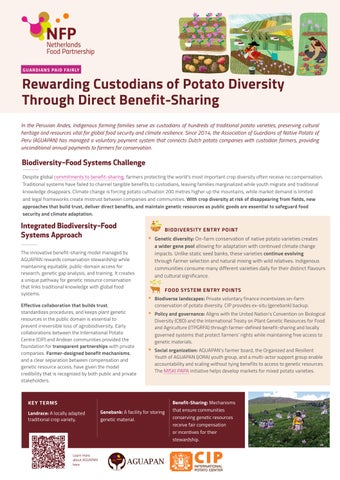
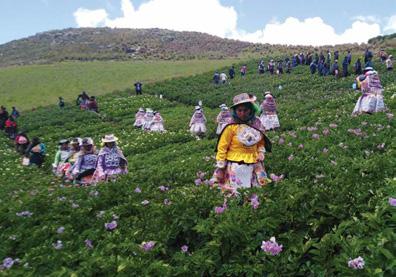
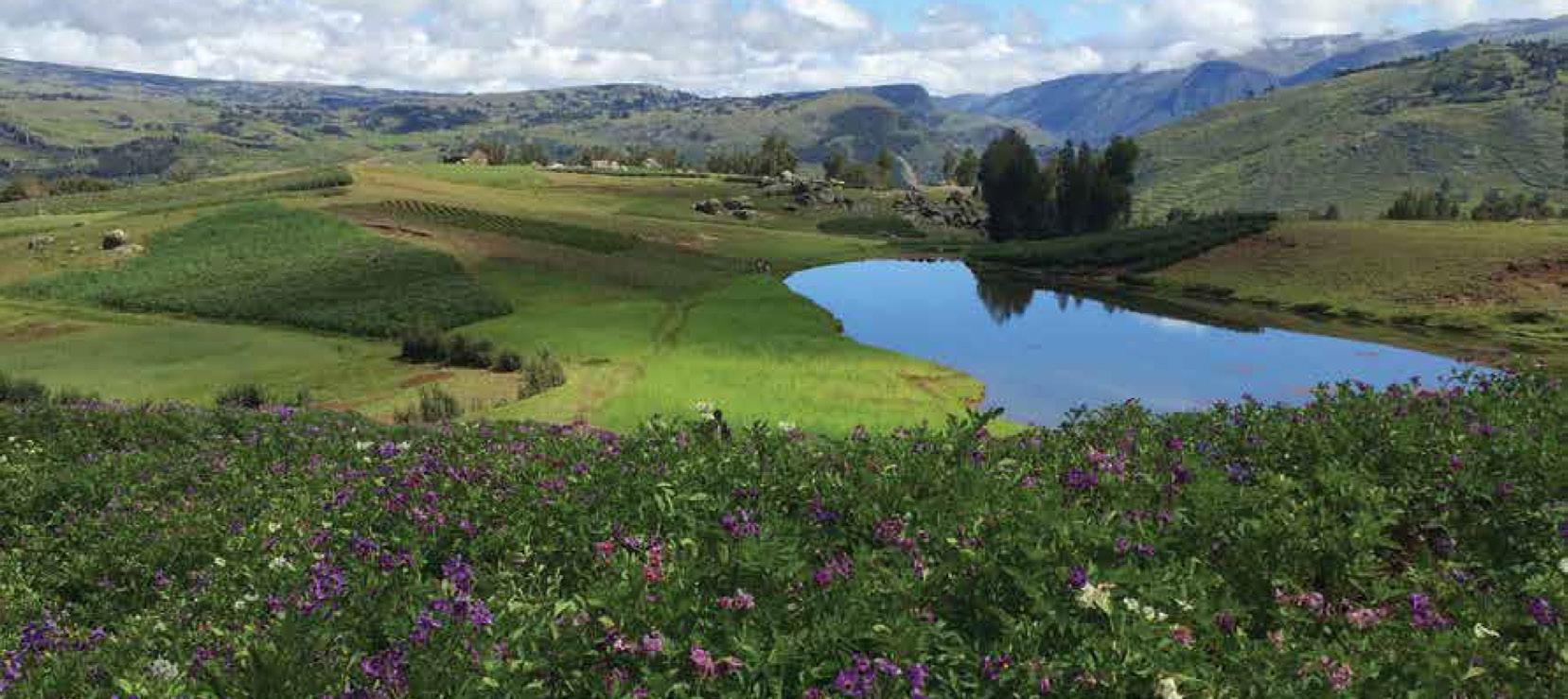
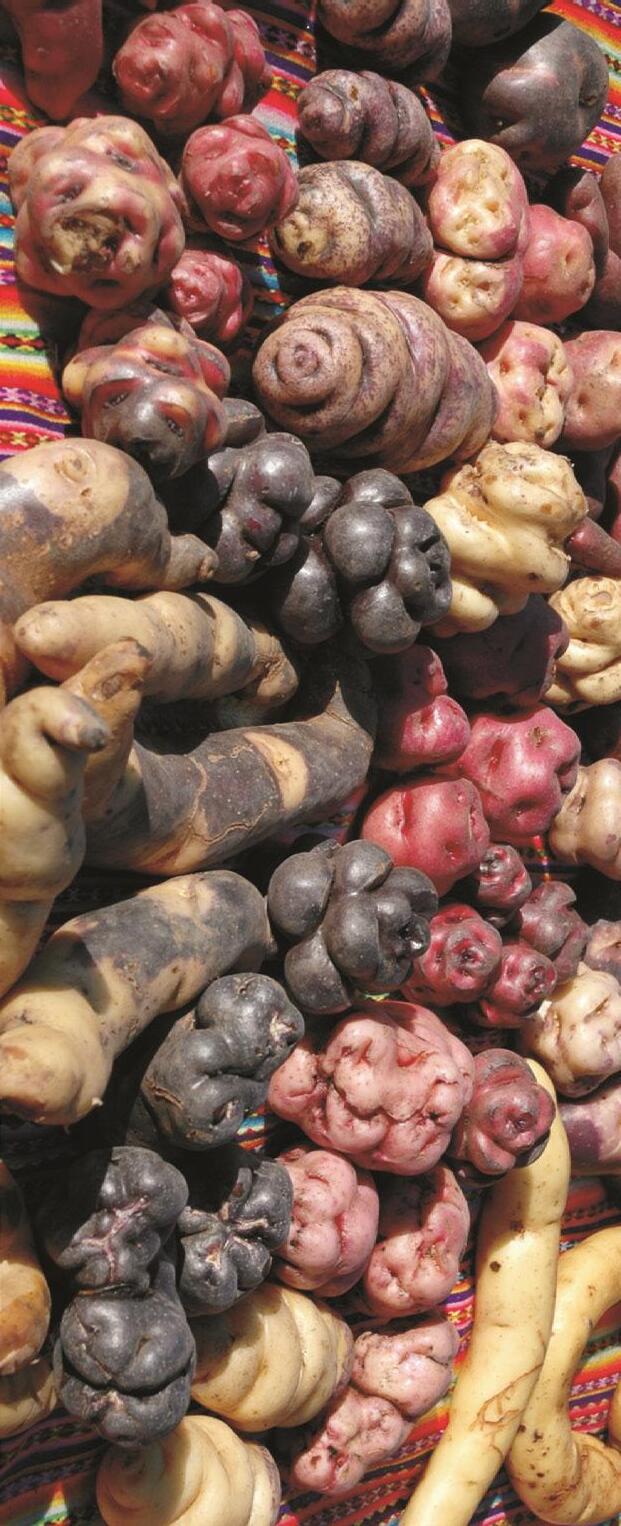
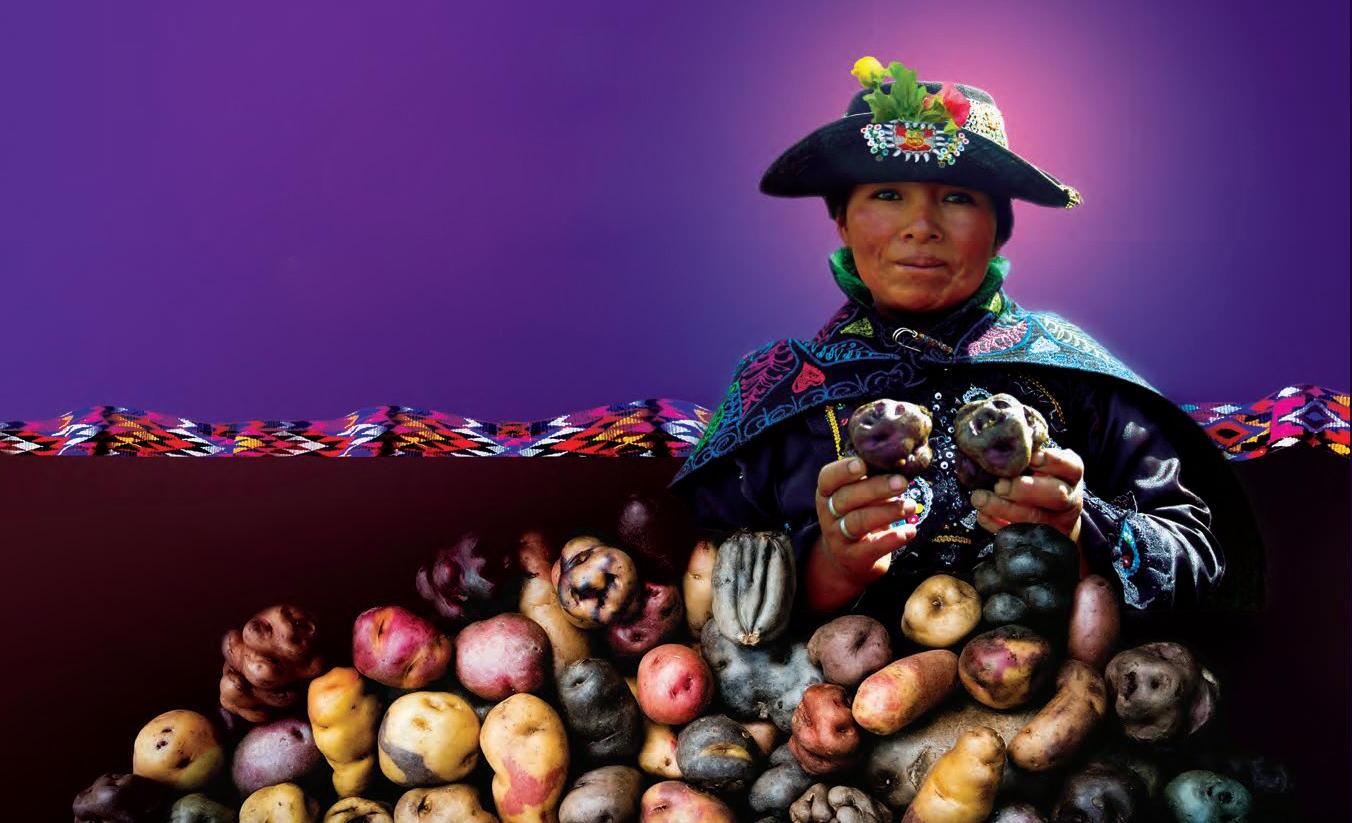
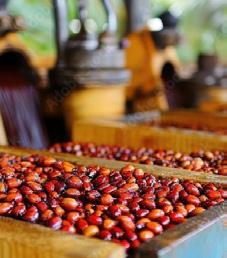
In the Peruvian Andes, Indigenous farming families serve as custodians of hundreds of traditional potato varieties, preserving cultural heritage and resources vital for global food security and climate resilience. Since 2014, the Association of Guardians of Native Potato of Peru (AGUAPAN) has managed a voluntary payment system that connects Dutch potato companies with custodian farmers, providing unconditional annual payments to farmers for conservation.
Despite global commitments to benefit-sharing, farmers protecting the world’s most important crop diversity often receive no compensation. Traditional systems have failed to channel tangible benefits to custodians, leaving families marginalized while youth migrate and traditional knowledge disappears. Climate change is forcing potato cultivation 200 metres higher up the mountains, while market demand is limited and legal frameworks create mistrust between companies and communities. With crop diversity at risk of disappearing from fields, new approaches that build trust, deliver direct benefits, and maintain genetic resources as public goods are essential to safeguard food security and climate adaptation.
The innovative benefit-sharing model managed by AGUAPAN rewards conservation stewardship while maintaining equitable, public-domain access for research, genetic gap analysis, and training. It creates a unique pathway for genetic resource conservation that links traditional knowledge with global food systems.
Effective collaboration that builds trust, standardizes procedures, and keeps plant genetic resources in the public domain is essential to prevent irreversible loss of agrobiodiversity. Early collaborations between the International Potato Centre (CIP) and Andean communities provided the foundation for transparent partnerships with private companies. Farmer-designed benefit mechanisms, and a clear separation between compensation and genetic resource access, have given the model credibility that is recognized by both public and private stakeholders.
Genebank:
y Genetic diversity: On-farm conservation of native potato varieties creates a wider gene pool allowing for adaptation with continued climate change impacts. Unlike static seed banks, these varieties continue evolving through farmer selection and natural mixing with wild relatives. Indigenous communities consume many different varieties daily for their distinct flavours and cultural significance.
y Biodiverse landscapes: Private voluntary finance incentivizes on-farm conservation of potato diversity. CIP provides ex-situ (genebank) backup.
y Policy and governance: Aligns with the United Nation’s Convention on Biological Diversity (CBD) and the International Treaty on Plant Genetic Resources for Food and Agriculture (ITPGRFA) through farmer-defined benefit-sharing and locally governed systems that protect farmers’ rights while maintaining free access to genetic materials.
y Social organization: AGUAPAN’s farmer board, the Organized and Resilient Youth of AGUAPAN (JORA) youth group, and a multi-actor support group enable accountability and scaling without tying benefits to access to genetic resources. The MISKI PAPA initiative helps develop markets for mixed potato varieties.
Benefit-Sharing: Mechanisms that ensure communities conserving genetic resources receive fair compensation or incentives for their stewardship.


“This
fits perfectly with our corporate social responsibility, and part of our mission of feeding the world in a responsible way. We don’t want any invoices or administration, just to do the best job with that money working with the communities.”
Private sector companies such as HZPC, Agrico and EUROPLANT provide financial investment and long-term support, motivated by corporate social responsibility (CSR) goals and strategic interests in crop biodiversity, without requiring direct access to genetic materials.
AGUAPAN serves as the central coordinating body, functioning as an Indigenous farmer organization that plays a central role in coordinating conservation activities. AGUAPAN ensures strong organizational representation and local governance of custodians of potato diversity.
A multi-actor group supports AGUAPAN, composed of public, research, and civil society organizations:
y CIP documents landraces and provides ex-situ conservation while maintaining genetic materials as global public goods.
y The National Institute of Agrarian Innovation (INIA) explores integration with national agricultural policy;
y Non-governmental organizations (NGOs) such as Grupo Yanapai and Asociación Pataz provide fieldlevel support.
y The Peruvian Society of Environmental Law (SPDA) addresses legal dimensions of benefit sharing.
“A requirement to join AGUAPAN is that the farmers maintain at least 50 varieties, but many of them actually maintain up to 300 varieties.”
The economic thinking is centred on diversification, payment for ecosystem services (to sustain evolution) and market development to ensure long-term sustainability. Rather than relying on a single company or donor, the benefit-sharing model is designed to attract support from multiple private sector partners, reducing dependency and increasing financial resilience. In parallel, efforts like MISKI PAPA aim to create and expand markets for potato heritage mixtures, turning agrobiodiversity into an economic asset.
y Conservation results: Genetic studies of 1,075 farmermaintained varieties revealed 88 previously unknown landraces, now added to international collections. The model creates dual conservation pathways: farmers maintain evolving on-farm diversity while CIP provides genebank backup through international agreements.
y Social protection: Around 100 families receive annual payments improving health, education, inputs, and labour access, while strengthening recognition of their role as custodians of potato diversity embedded in daily food traditions and cultural practices. Women’s participation and youth leadership is enhanced through AGUAPAN youth network (JORA).
y Institutional strengthening: AGUAPAN evolved into a nationally recognized custodian body across nine regions supported by a multi-actor governance platform.
y Value chains: MISKI PAPA translates diversity into specialty markets, raising native potato visibility.
y Knowledge and learning: Digital tools (VarScout, WIKI PAPA) extend monitoring to schools and communities, creating intercultural educational value while gathering research data.
y Strong foundations: Scaling depends on robust farmer organizations with established governance capacity, supportive policy environments aligned with international frameworks, private sector partners with genuine Corporate Social Responsibility (CSR) commitments, and research and civil society organizations capable of providing technical support.
y Trust and access: Long-standing distrust between public and private actors, and between resource-rich and breeding-rich countries, complicates collaboration. The AGUAPAN model mitigates friction by decoupling benefits from access and enabling an environment where farmer demands guide benefit-sharing.
y Private sector uptake: Initially fewer companies joined than expected. Trustbuilding through field visits and participation in global forums has expanded interest but remains an ongoing process.
y Critical success factors include transparent verification systems, multi-actor support networks, and crop-specific approaches that enable clear impact measurement and targeted company engagement.
y Unexpected waiting list: A key challenge has been the need for increased private sector investment to meet growing demand for participation. AGUAPAN currently has a waiting list of farmers.
y Regional gene pool mixing: An unintended consequence has been the mixing of regional genepools through seed exchange during national gatherings. While this does not compromise conservation, it poses a minor risk to maintaining the original biogeographic distinctions of certain landraces.
y Market realities challenge conservation goals: Limited consumer demand for diverse varieties, especially among younger generations preferring convenient foods, requires ongoing investment in market development initiatives like MISKI PAPA to make conservation economically sustainable.
y Market development: Translating specialty crop concepts into sustained commercial success requires navigating retail systems, regulatory frameworks, and effectively communicating conservation value to consumers.
Farmer-led governance builds trust through autonomous control over membership, verification, and payments.
Transparent, simple mechanisms reduce bureaucracy and eliminate access conditions.
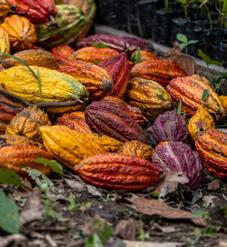
The applied crop based approach is highly replicable for other species such as maize, quinoa or cacao.
Complementary conservation approaches combine on farm diversity with institutional backup in genebanks.
‘Benefit sharing without access’ addresses legal complexities while ensuring farmers rights.
Intergenerational continuity through AGUAPAN’s youth network (JORA) sustains knowledge and livelihoods.
Scaling within Peru can expand the custodian network to new varieties and reduce extinction risk of rare landraces under climate change. Expansion to additional regions is planned, with priority on strengthening documentation and youth engagement pathways. Market development through initiatives like MISKI PAPA creates complementary incentives for diversity conservation.
The mechanism is ready for adaptation to other crops and centres of origin where Multilateral System (MLS) /Standard Material Transfer Agreement (SMTA) frameworks and farmer organizations can anchor trust aligned with SeedNL trust-building principles. Replication requires adaptation to local contexts while maintaining core principles of farmer autonomy and benefit sharing without access.
OPPORTUNITIES FOR FURTHER
Private sector engagement: Multi-year commitments for direct stewardship payments and co-investment in verification systems, youth training, and market development initiatives.
Policy integration: Support for farmer organization capacity building and integration of stewardship payments into climate adaptation and agrobiodiversity programmes.


Research collaboration: Enhanced documentation, participatory characterization, and strengthened links between on-farm diversity and breeding outcomes.
1 2 3 4
Market development: Continued investment in specialty market creation through initiatives like MISKI PAPA to complement conservation payments with marketbased incentives.






Stef de Haan
s.dehaan@cgiar.org —
Mendoza mendozacapchaaurea@gmail.com