Conversation Deepener


Session overview
Conversation deepener

Icebreaker Spark 1 Spark 2 Spark 3 Spark 4 Spark 5
Core definitions and understanding Biodiversity–food systems entry points Brainstormin g change Who needs to be involved? How do we learn and show progress?
Learning and action steps
Icebreaker

Icebreaker
Option 1 – Personal observation
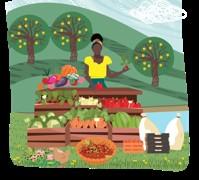
In your personal life, where do you notice food and nature showing up—for example through what you eat, where food comes from, or changes you’ve observed around you?
In your food system, where do you see connections with biodiversity?
Option 2 – A moment of connection
Can you share a small story of a moment when you noticed a connection between biodiversity and food—at work or in everyday life
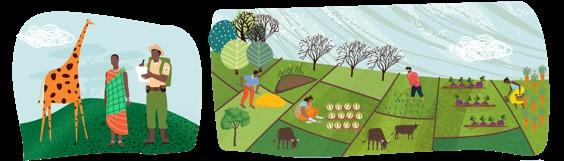
Option 3 – Personal observation
When was the last time you enjoyed nature/biodiversity?
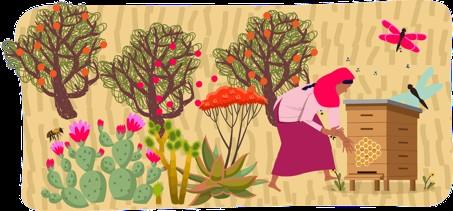
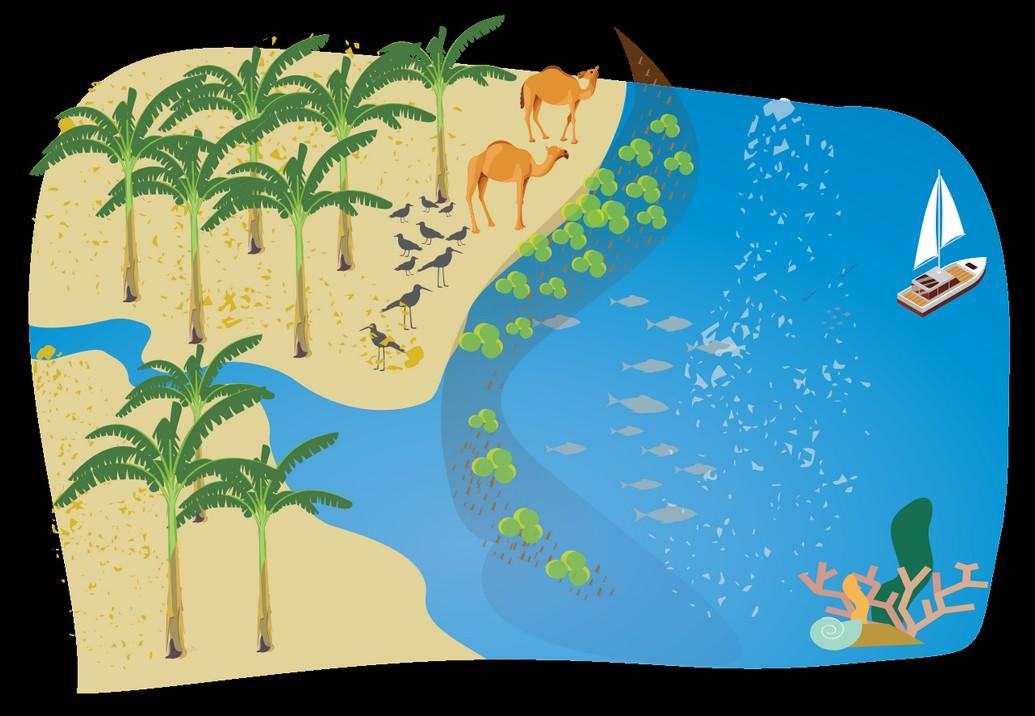
1Spar k


Spar
What do we mean by biodiversity and food systems? Shared basics
‘Biodiversity’ is not treated as a single thing to ‘add on’ to food systems work—it shows up as genetic diversity, species diversity, and ecosystem diversity, and it is often the starting point for practical decisions.
Similarly, ‘food systems’ includes the actors, rules, incentives, and infrastructure that shape how food is produced, traded, consumed, and governed, and how benefits and risks are distributed across people and places. This baseline clarity matters most in mixed groups (e.g., conservation, private sector, government, finance, research) so that the conversation can move quickly from different vocabularies to shared problem framing and next steps.

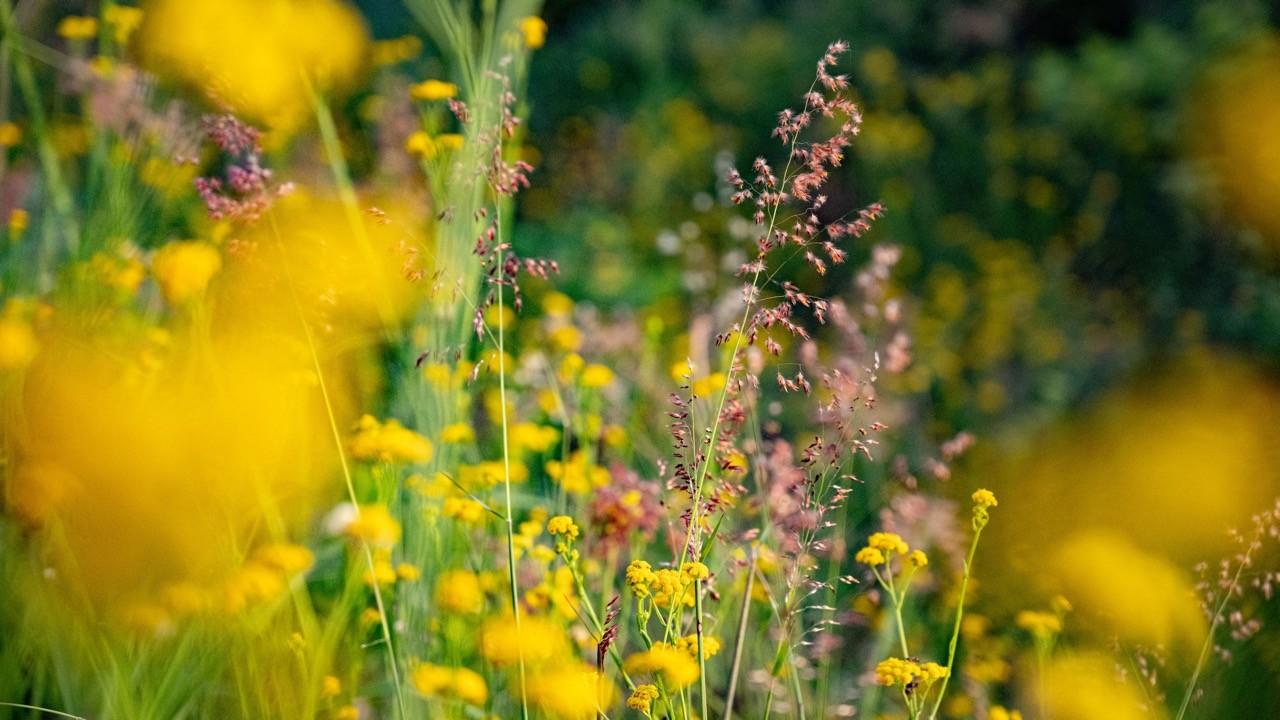

Biodiversity
As defined in Article 2 of the Convention on Biological Diversity (CBD): “the variability among living organisms from all sources including, inter alia, terrestrial, marine and other aquatic ecosystems and the ecological complexes of which they are part: this includes diversity within species, between species and of ecosystems.” Since this definition in 1992, the concept of biodiversity has continuously developed, and currently many different, largely overlapping definitions exist. A common definition describes it as the variety and variability of living organisms, their habitats and their contribution and role in the ecosystem processes.
Genetic diversity
(crop varieties, seed systems, diversity within fields)
Species diversity (wild/cultivated species, pollinators, functional diversity)
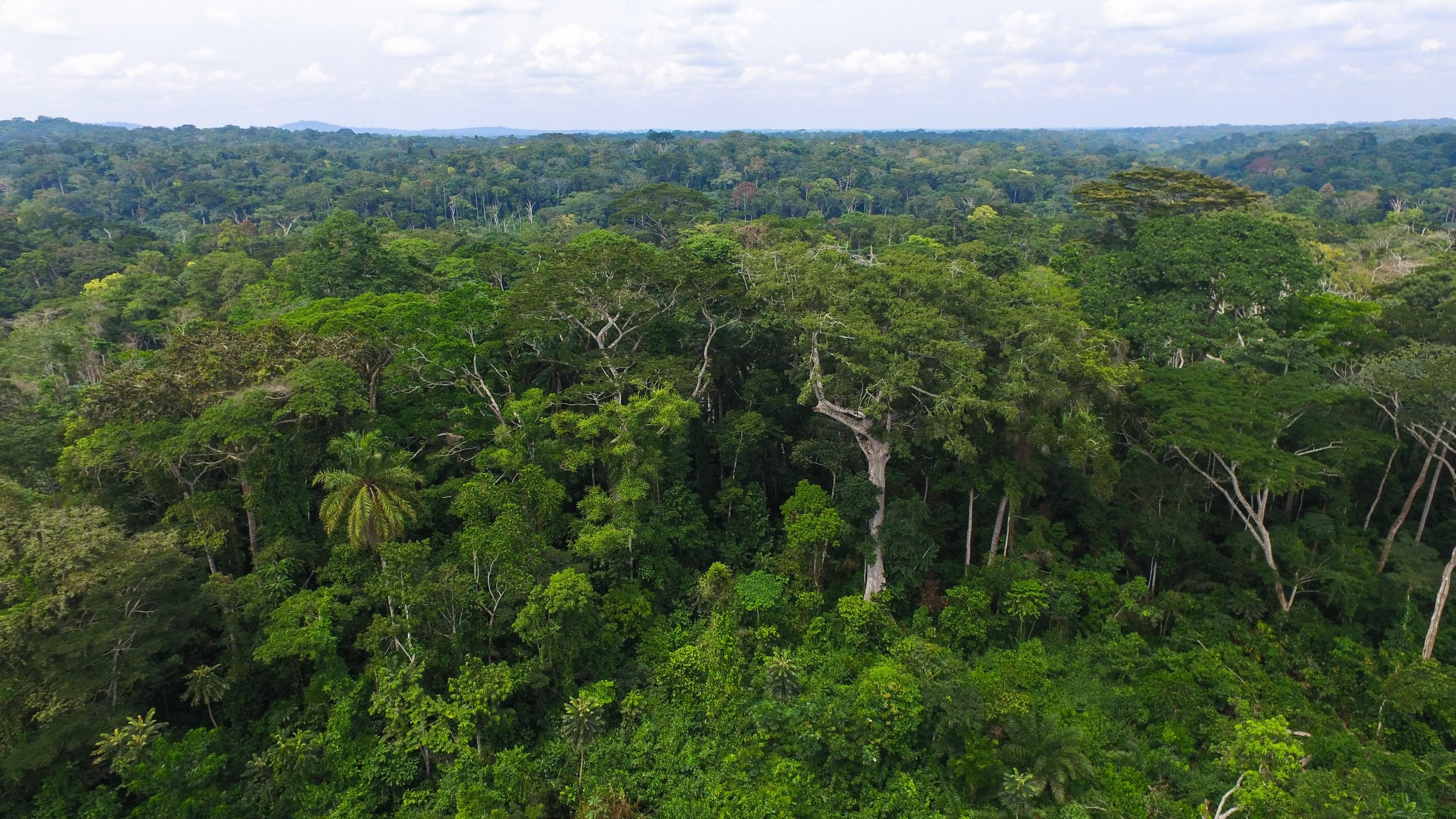
Biodiversity is complex and operates on different levels, therefore it is often divided into three component:
Ecosystem diversity
(habitats, landscape mosaics, ecological processes)
Food systems
“Food systems embrace the entire range of actors and their interlinked value-adding activities involved in the production, aggregation, processing, distribution, consumption, and disposal of food products that originate from agriculture, forestry, fisheries, and food industries, and the broader economic, societal, and natural environments in which they are embedded.”

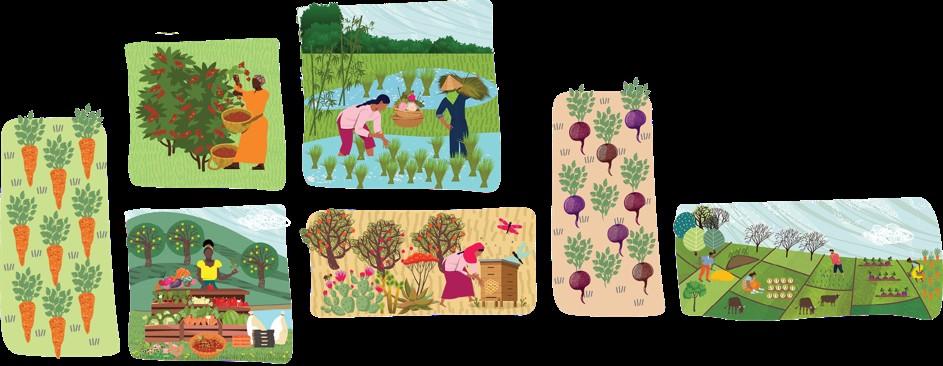
Food systems Agrobiodiversity
“The variety and variability of animals, plants, and microorganisms that are used directly or indirectly for food and agriculture, including crops, livestock, forestry and fisheries. It comprises the diversity of genetic resources (varieties, breeds) and species used for food, fodder, fibre, fuel and pharmaceuticals. It also includes the diversity of non-harvested species that support production (soil micro-organisms, predators, pollinators), and those in the wider environment that support agroecosystems (agricultural, pastoral, forest and aquatic).”

When you hear biodiversity, what level do you think of most (genes, species, ecosystems)?
When you hear food systems, which part do you feel most familiar with (production, value chains, policy, diets, finance)?
Are you comfortable with the idea of a ‘system’?
What do we need to clarify so we don’t talk past each other today?

Examples from the learning journeys
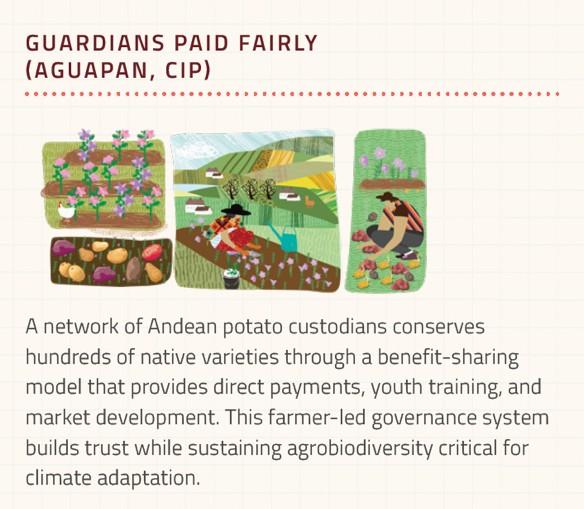


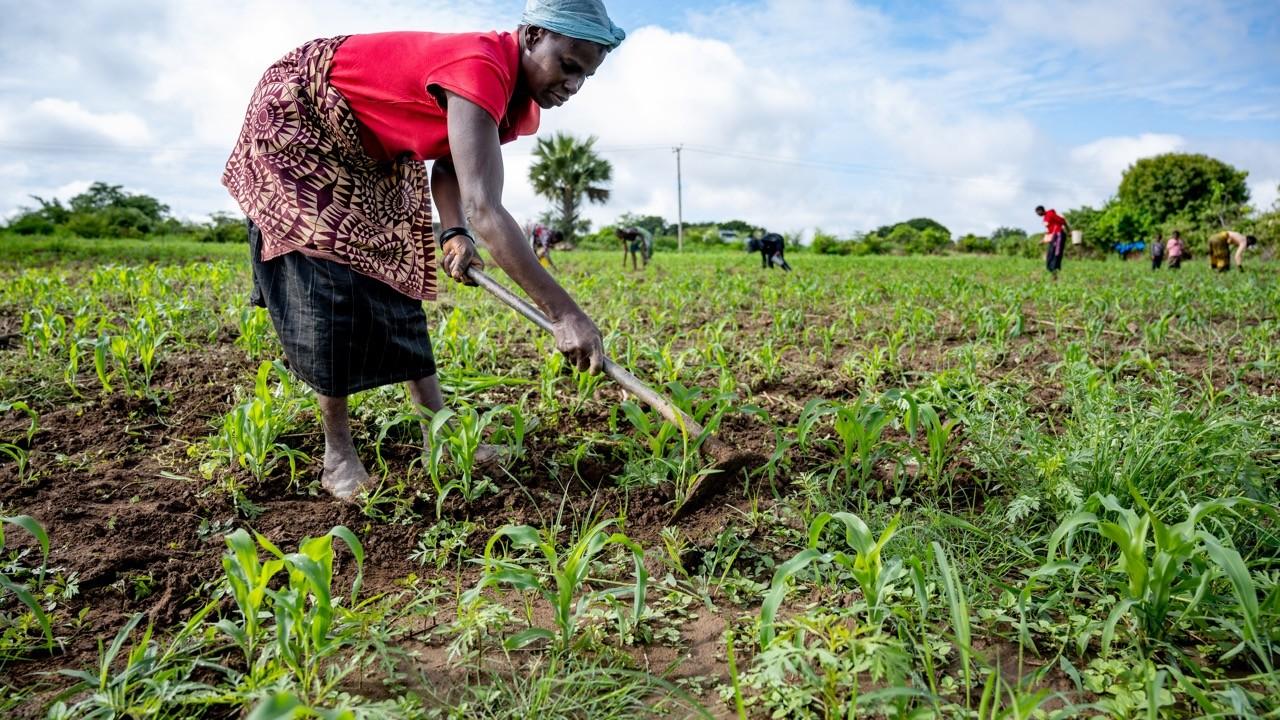
Where do you see farmers and communities playing a role in conserving biodiversity in your context?
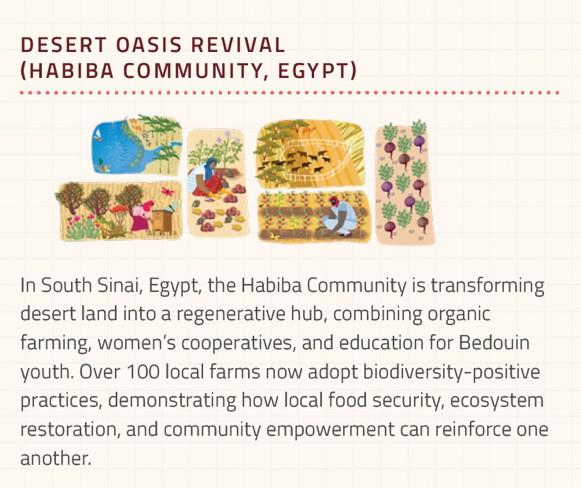

What kinds of diversity in crops, species, or practices help people cope with difficult growing conditions?
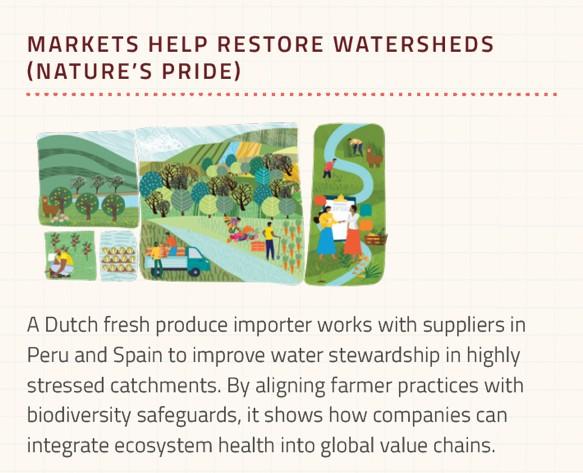

What changes when catchments become the focus, and water is managed collectively rather than one farm at a time?


How can consumption and purchasing decisions help create demand for more diverse and resilient foods?

Spar k
2
Biodiverstyfood systems entry points
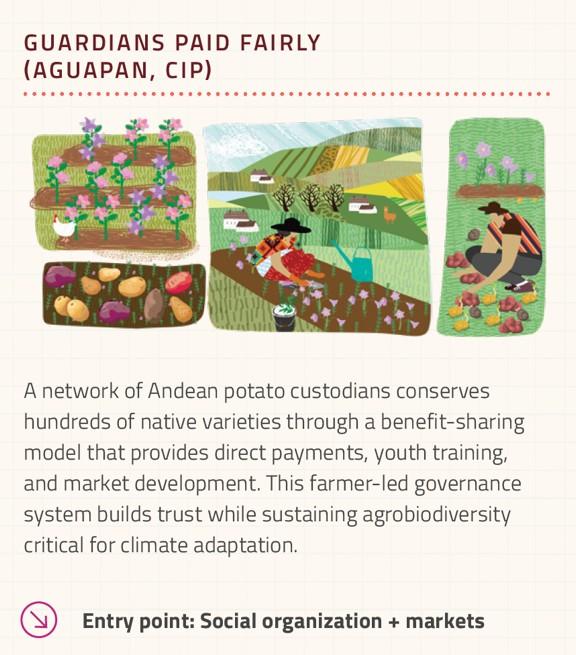
Spark 2 is about unpacking biodiversity—food systems entry points. Starting to understand entry points helps to align on where to start, while still recognizing there are often multiple entry points.
Biodiversity-food systems entry points
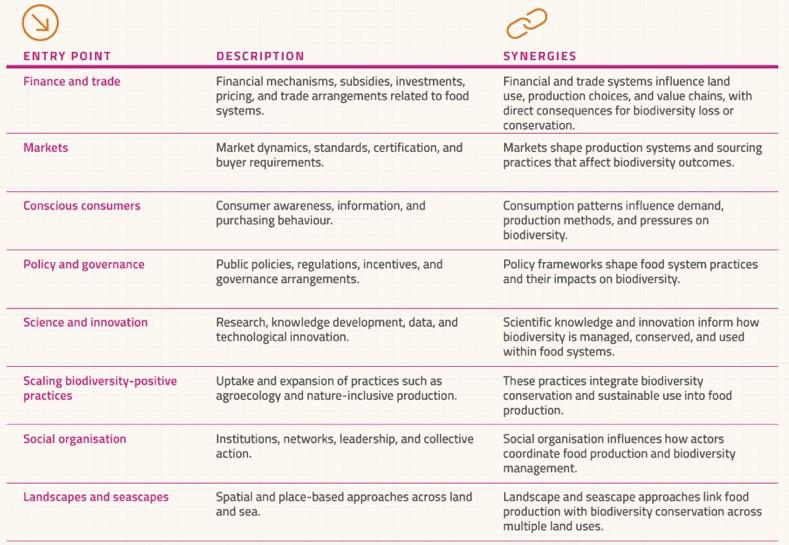

Biodiversity-food systems entry points

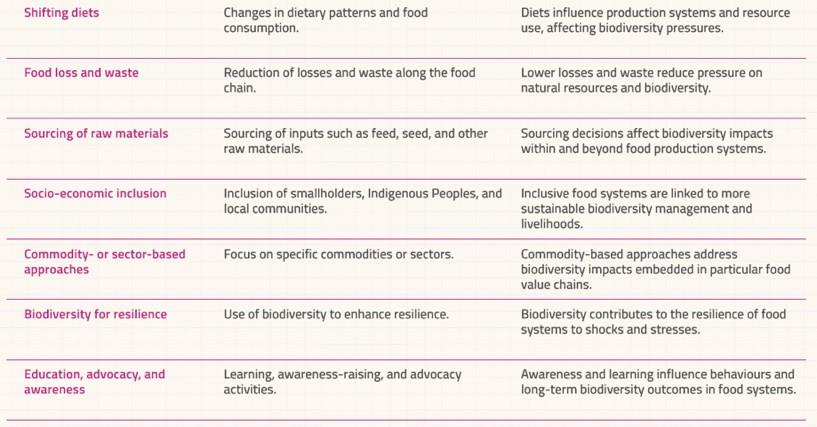
What do you think is an entry to biodiversity–food systems action in your work?
Do you start from a place, a practice, a value chain, an institution, policy, finance, or stewardship—and why?
Based on the food system entry points, think about the linkages to biodiversity - can you link any effects on genetic, species or ecosystem diversity?
What type of biodiversity change is being most influenced?
Genetic diversity
(crop varieties, seed systems, diversity within fields)
Species diversity (wild/cultivated species, pollinators, functional diversity)
Ecosystem diversity (habitats, landscape mosaics, ecological processes)
We are going to open the conversation on impact (how biodiversity is being changed which could be positive or negative), and also a conversation on how biodiversity might change if we were to direct activities.
What change in biodiversity are
you aiming for?
Are there any tensions between perceived biodiversity and food system goals that might steer people away from wanting to integrate?
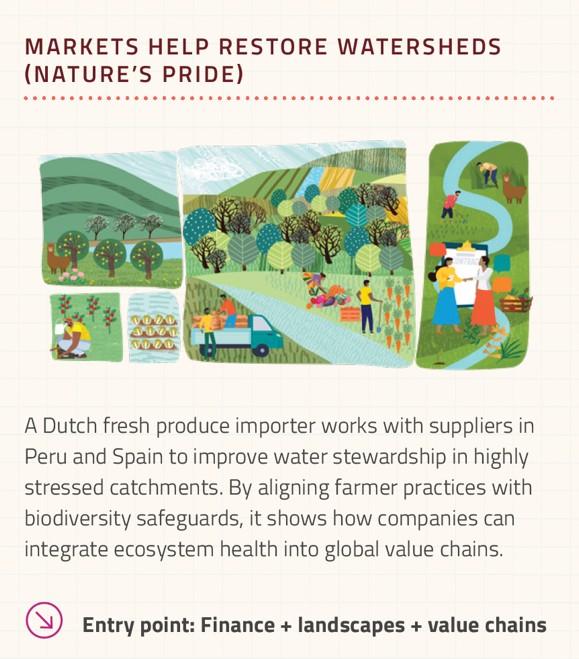
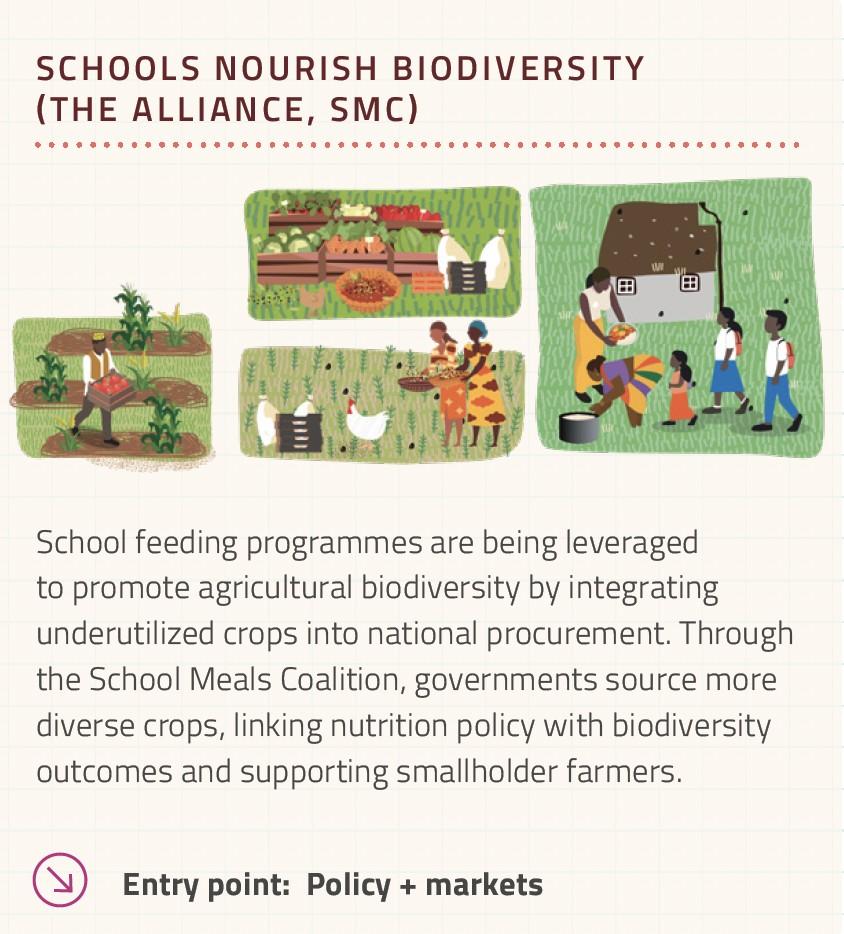
Examples from the learning journeys



Spar k3
Spar k
3
Brainstormi ng change
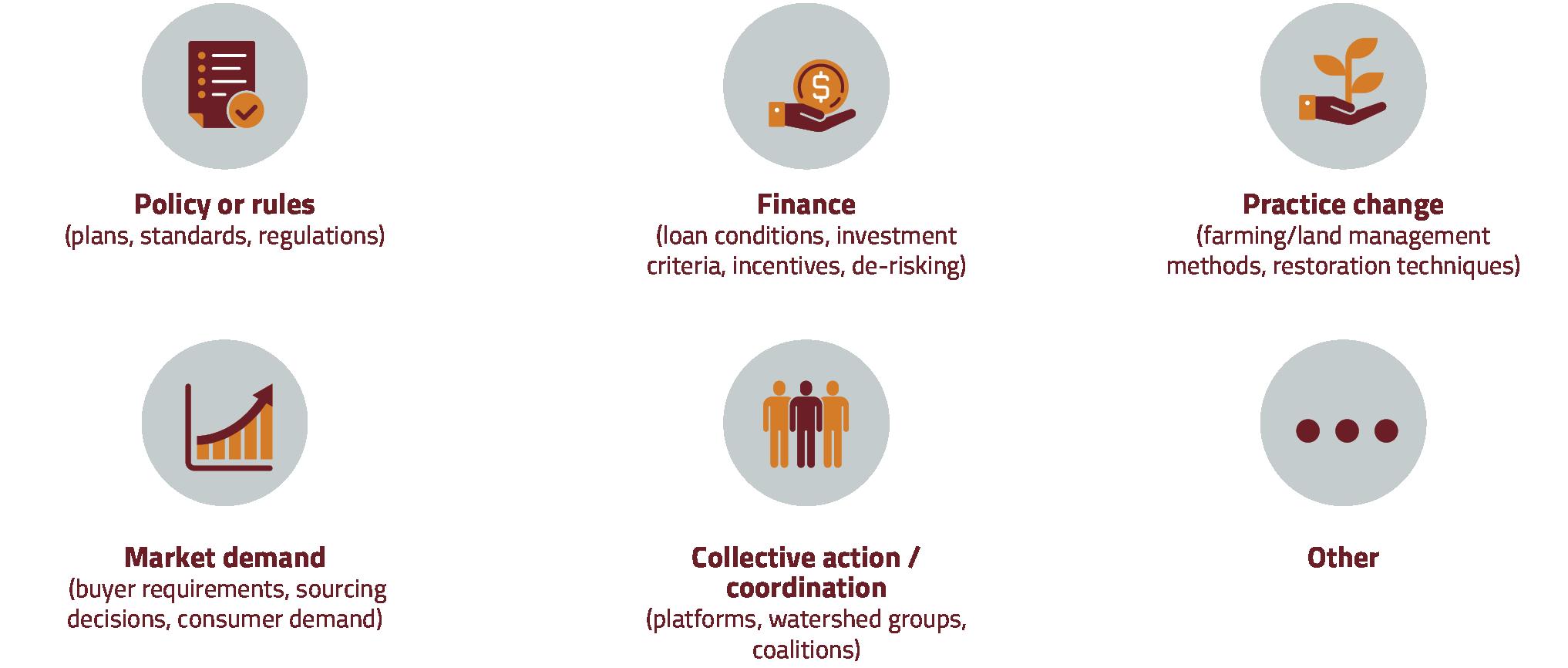
Spark 3 helps to move from biodiversity food systems entry points and how these translate into concrete changes—such as through changing practices, rules, procurement choices, finance conditions, or how land and water are managed.

What are the main practical ways in which you think change can happen?
What does success look like if we make this change?
Where are our blind spots (e.g., we work on landscapes but ignore the value chain that sustains them)?
Where do we already have influence or leverage? What feels like the most practical place to begin in our context?
What is holding us back from taking this further?
What kinds of change feel most relevant in our context right
now?
Which of these shifts would be within our influence?
It is also useful to get participants thinking about success—what does positive change look like. This is very useful for Spark 5 to start thinking about learning and monitoring.
What would
need to change for integration to become easier or more likely?
What is the main practical way(s) you think change can happen?
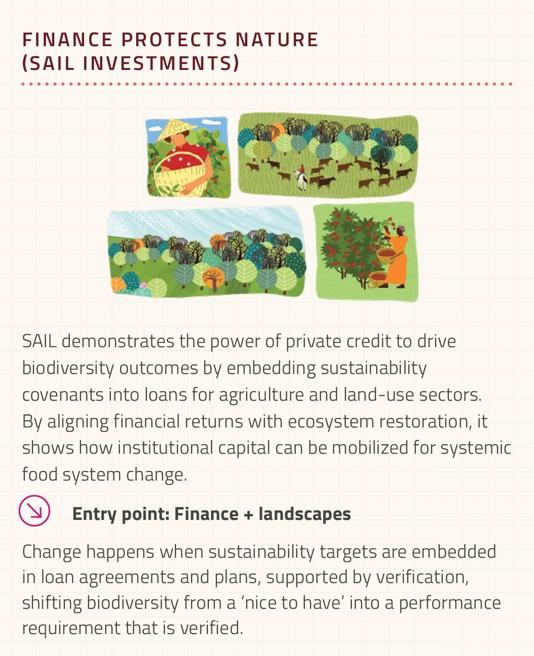
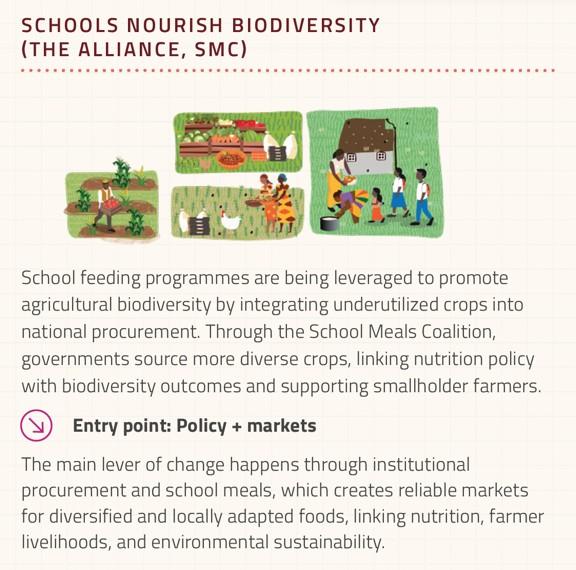
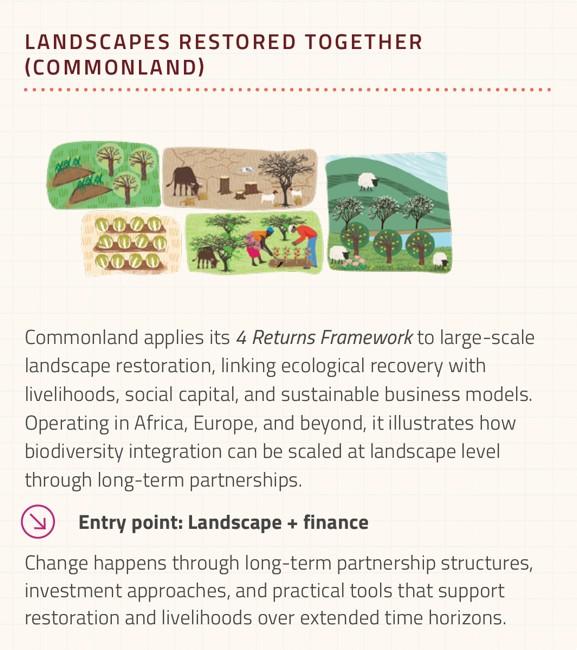
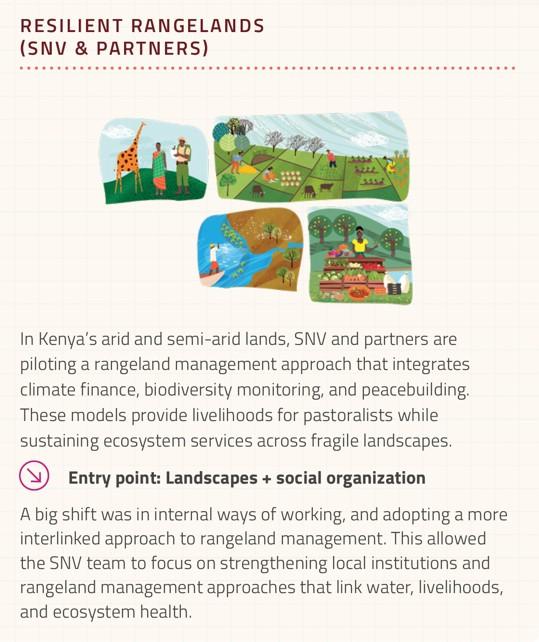
Examples from the learning journeys




Spar k 4
Who needs to be involved?
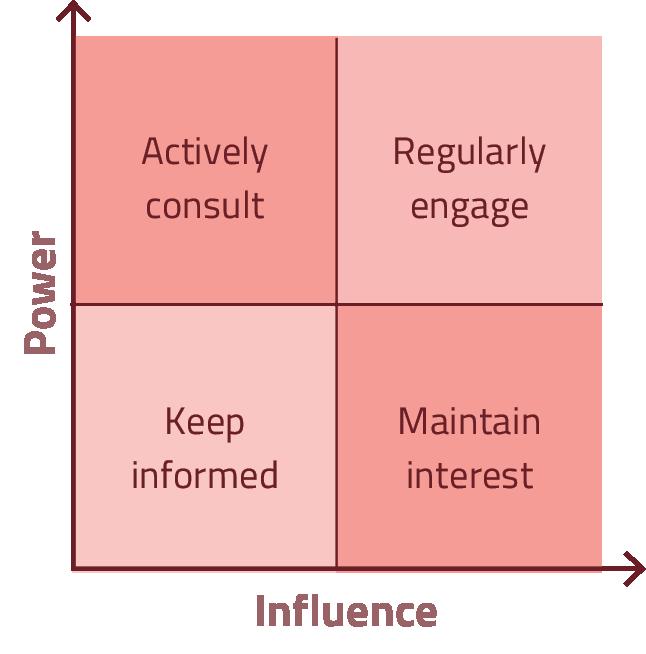
Spark 4 focuses all on people—who needs to be involved to cause change to happen? Integration requires collaboration across silos and scales and this spark aims to deepen the conversation around multi-stakeholder roles.
Which stakeholders are essential versus
‘nice to have’?
What is the role of these essential stakeholders?
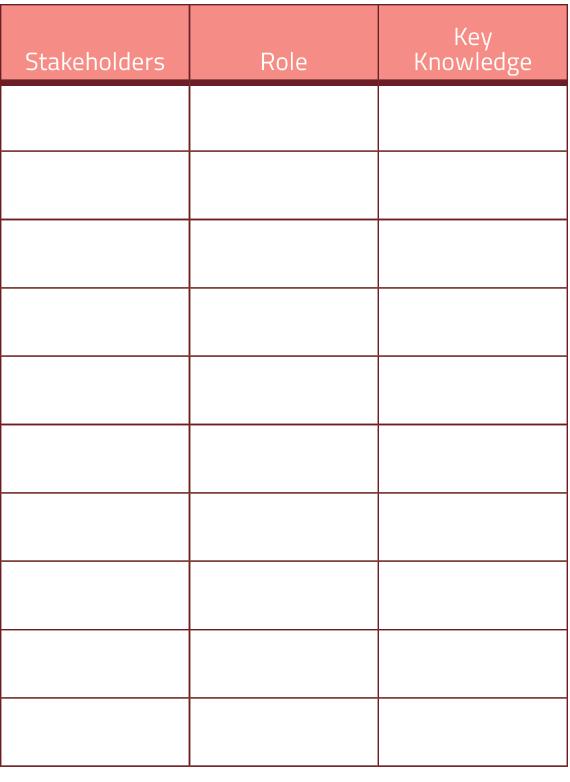

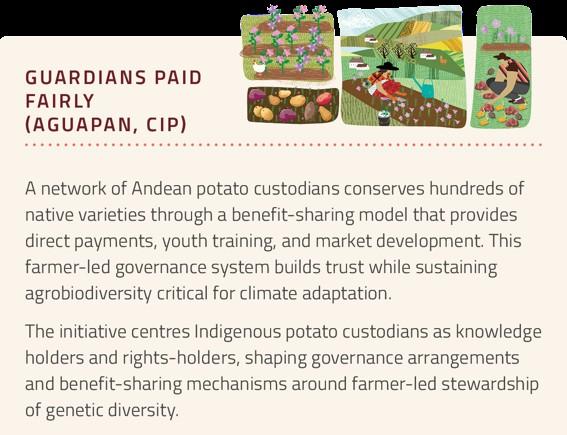
What kind of knowledge and evidence do these stakeholders bring —scientific, local, Indigenous, practical—and how is it recognized?
Does power impact these stakeholder roles and knowledge?
What
kind of partnership or collaboration structure could work in linking these stakeholders?
Examples from the learning journeys


Where do governance silos limited integrated action?


Who needs to act together for change to be possible?

Whose knowledge and authority need to be better recognized in our system?
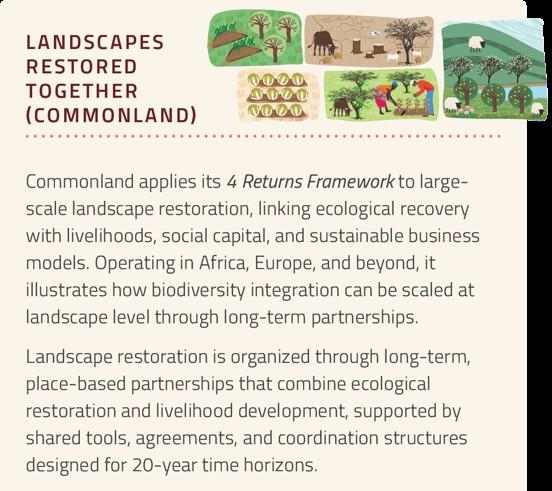

What kinds of partnership structures are needed to sustain longterm change?
Spar k 5

How do we learn and show progress?
Spark 5 focuses on initial reflection about learning and monitoring. Biodiversity change is often long-term, food systems can be complex to monitor and project timelines and funding cycles are usually short.
Initial ideas on what ‘progress’ looks like are important, and how to continually learn and what evidence is needed. Otherwise investment in monitoring can result in focusing on what is easiest to measure rather than what matters.
Thinking about Spark 3 and the brainstorming we did on what change we want to happen and how.
What could be some indicators or signals of change we could track in the next year (even if biodiversity outcomes take longer)?
What kind of evidence do different actors (identified in Spark 4)
-
community, investor, policymaker, buyer for example) require?

How will learning feed back into decisions (how will we adapt if something is not working)?
Examples from the learning journeys
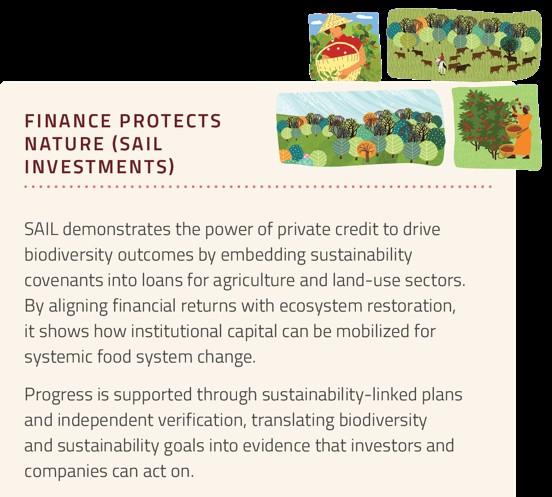

What kinds of evidence would build confidence for action in our context?
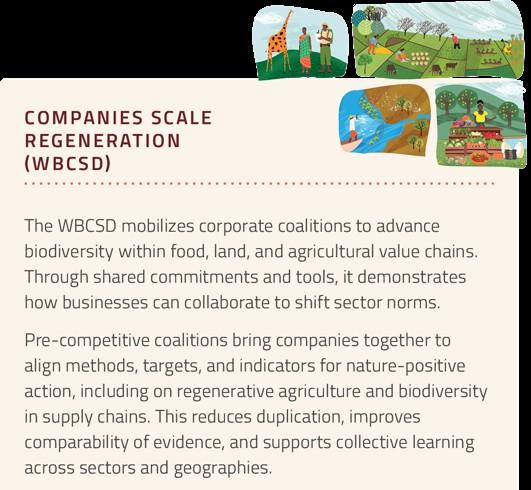

What could we learn faster by learning together? How could shared methods and indicators help us learn faster and strengthen collective action?
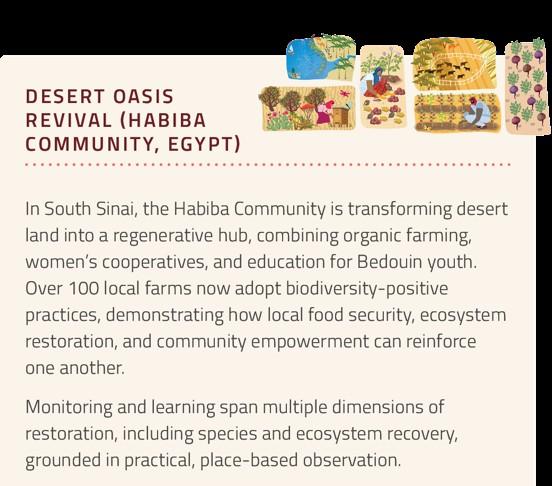

How can learning be made useful for day-to-day decisionmaking?
Learning and action steps
Learning prompt
• What stood out most from the conversation?
• What new perspective, connection, or insight emerged?
• What assumptions were challenged or clarified?

Follow-up actions
• What is one small, practical step that could be taken?
•
What conversation needs to happen next —and with whom?


For deeper reflection Resources
• How can we mobilise more resources to build a stronger evidence base, with additional case studies and examples?
Teams and partnerships
• Who else should be brought into these discussions?
• Who are our key food and biodiversity colleagues?
• Which collaborations need to be strengthened?
Ways of working
• How should we adapt the way issues are framed, discussed, and monitored internally?

Learn more about our work on biodiversity and food systems