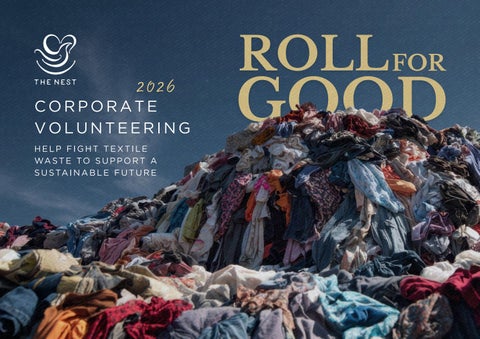
HELP FIGHT TEXTILE WASTE TO SUPPORT A SUSTAINABLE FUTURE 2026
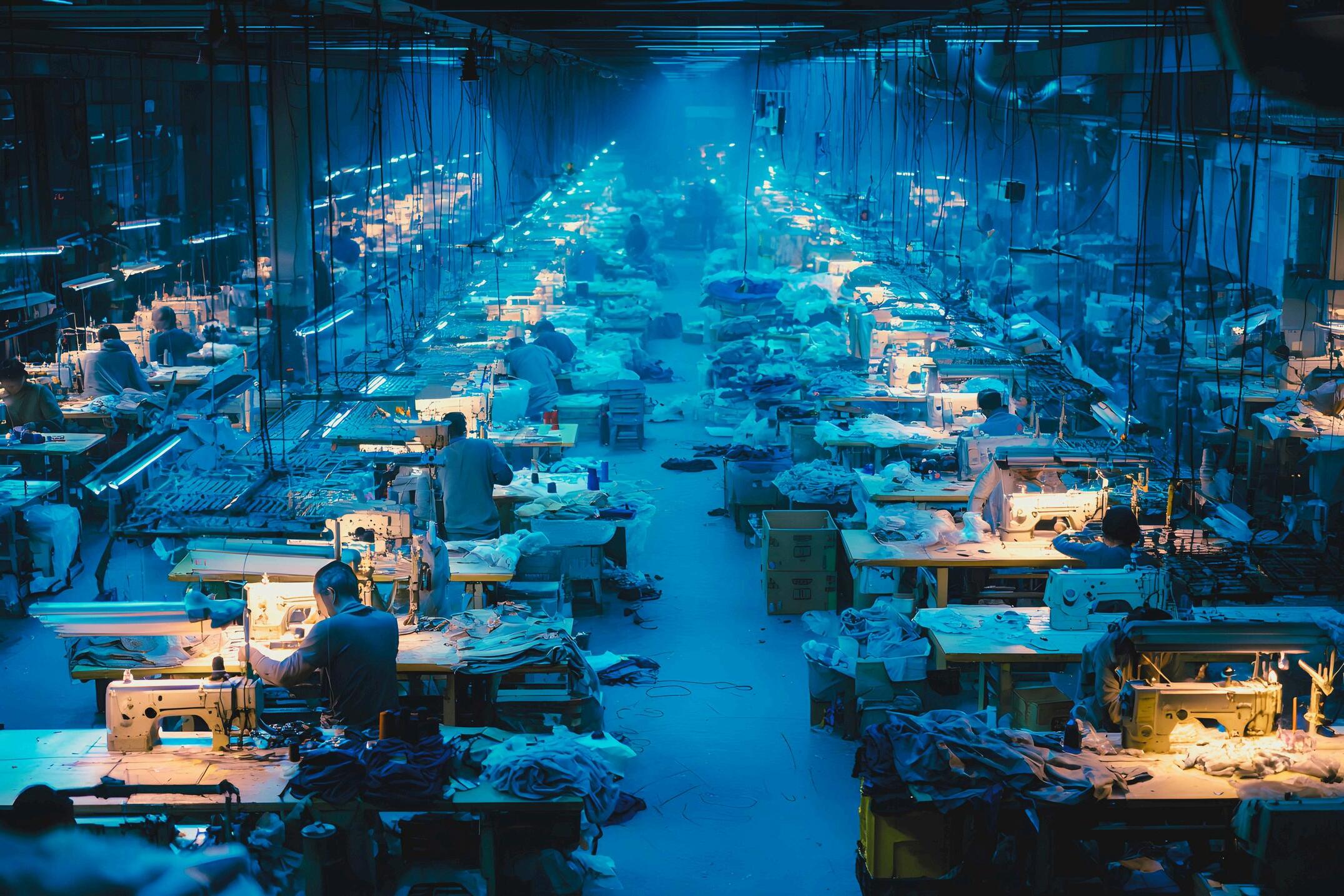
Energy use, transportation and industrial processing are the top three drivers of global emissions and the textiles industry relies heavily on all of them. It’s estimated that the textiles industry accounts for
8–10%
OF ANNUAL GLOBAL GREENHOUSE GAS EMISSIONS, MORE THAN AVIATION AND SHIPPING COMBINED.
Fashion moves too fast
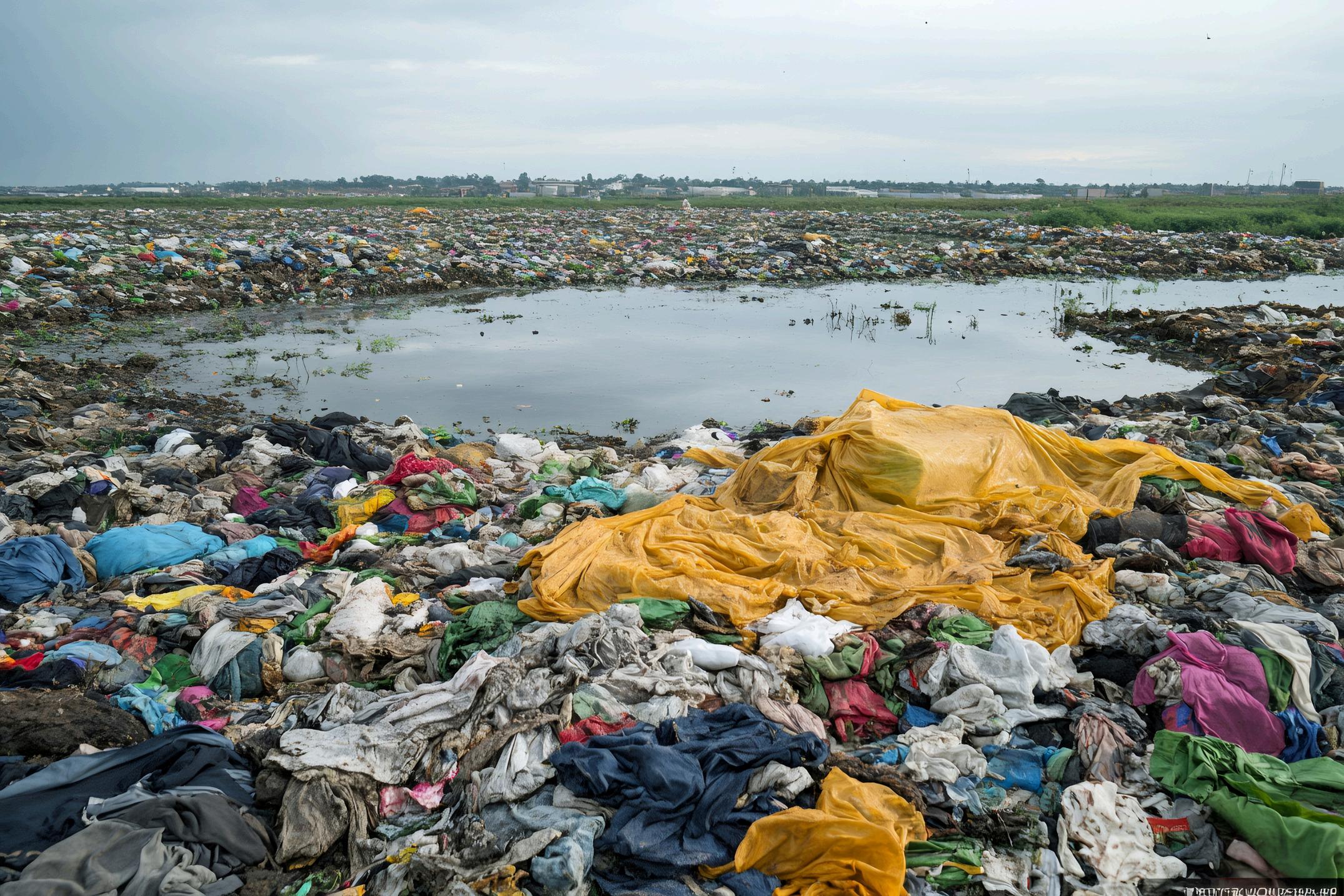
In recent decades, cheap fast fashion has become the dominant mode of clothing production worldwide. It’s an industry that thrives on overproduction, overconsumption, and disconnection ...from the hands that make our clothes, to the true value of the textile resource.
In just two generations we’ve lost the skills to care.
Our grandmothers
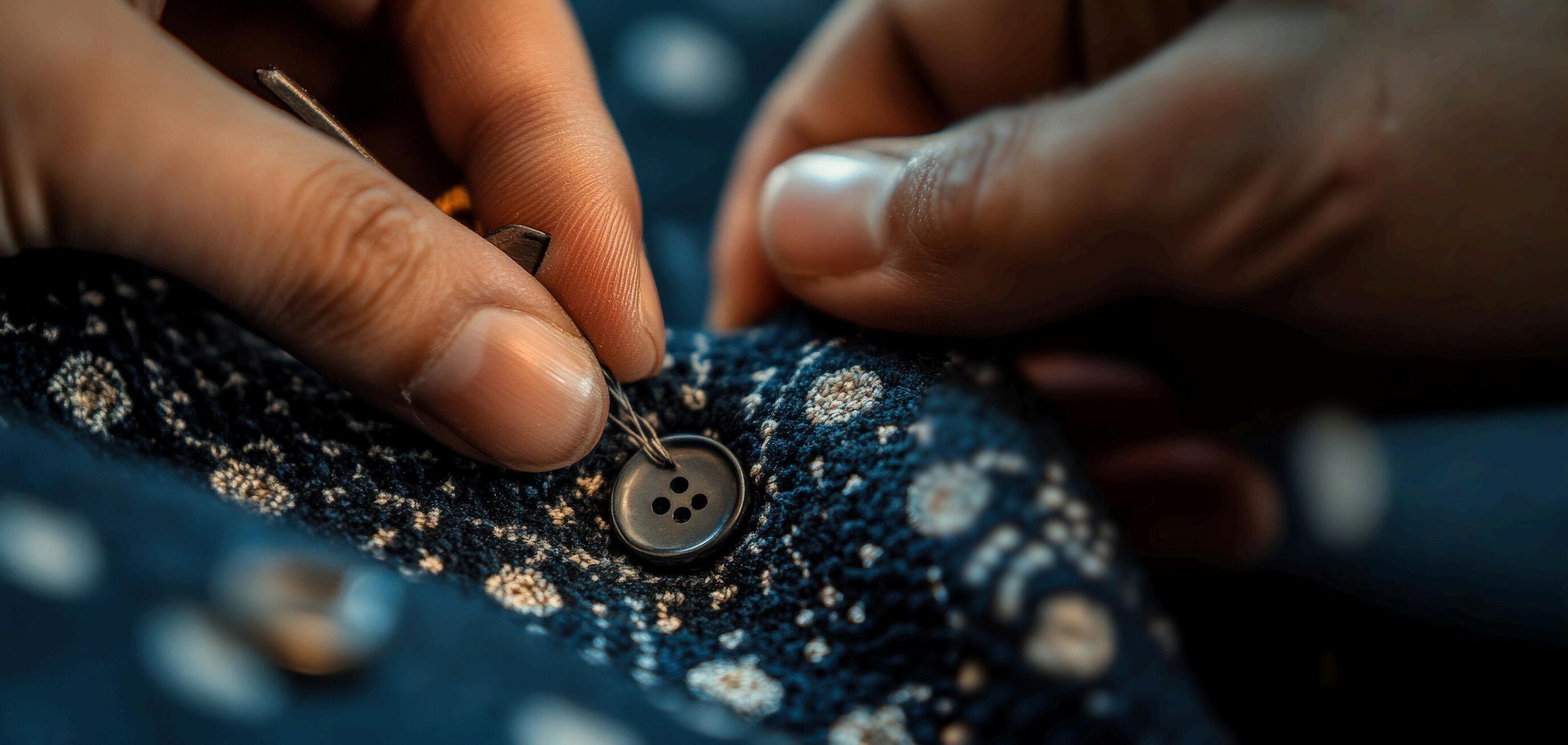
kept buttons to repair or alter garments. Today, many don’t even know how to sew on a button. We see clothes as disposable because we don’t know how to fix them.
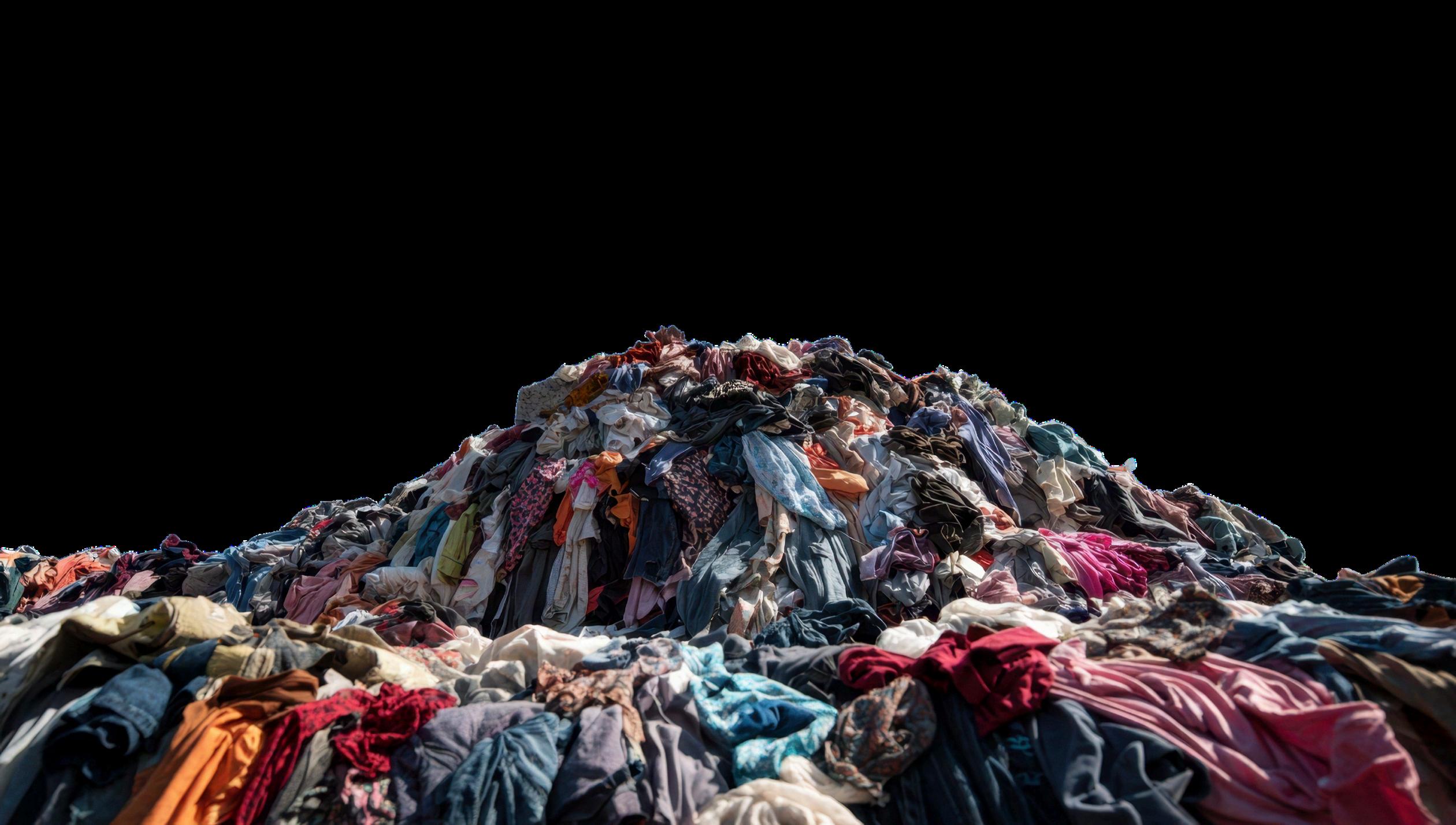
200,000 TONNES
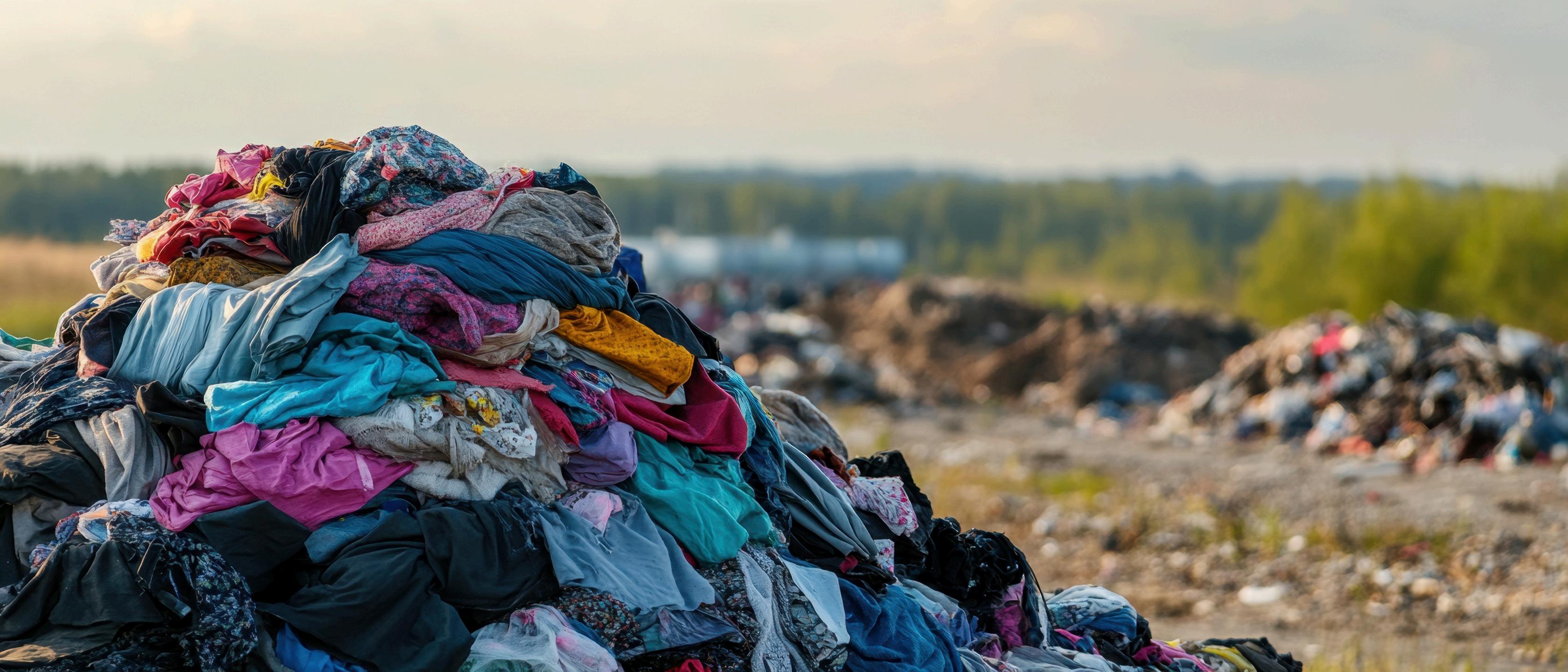
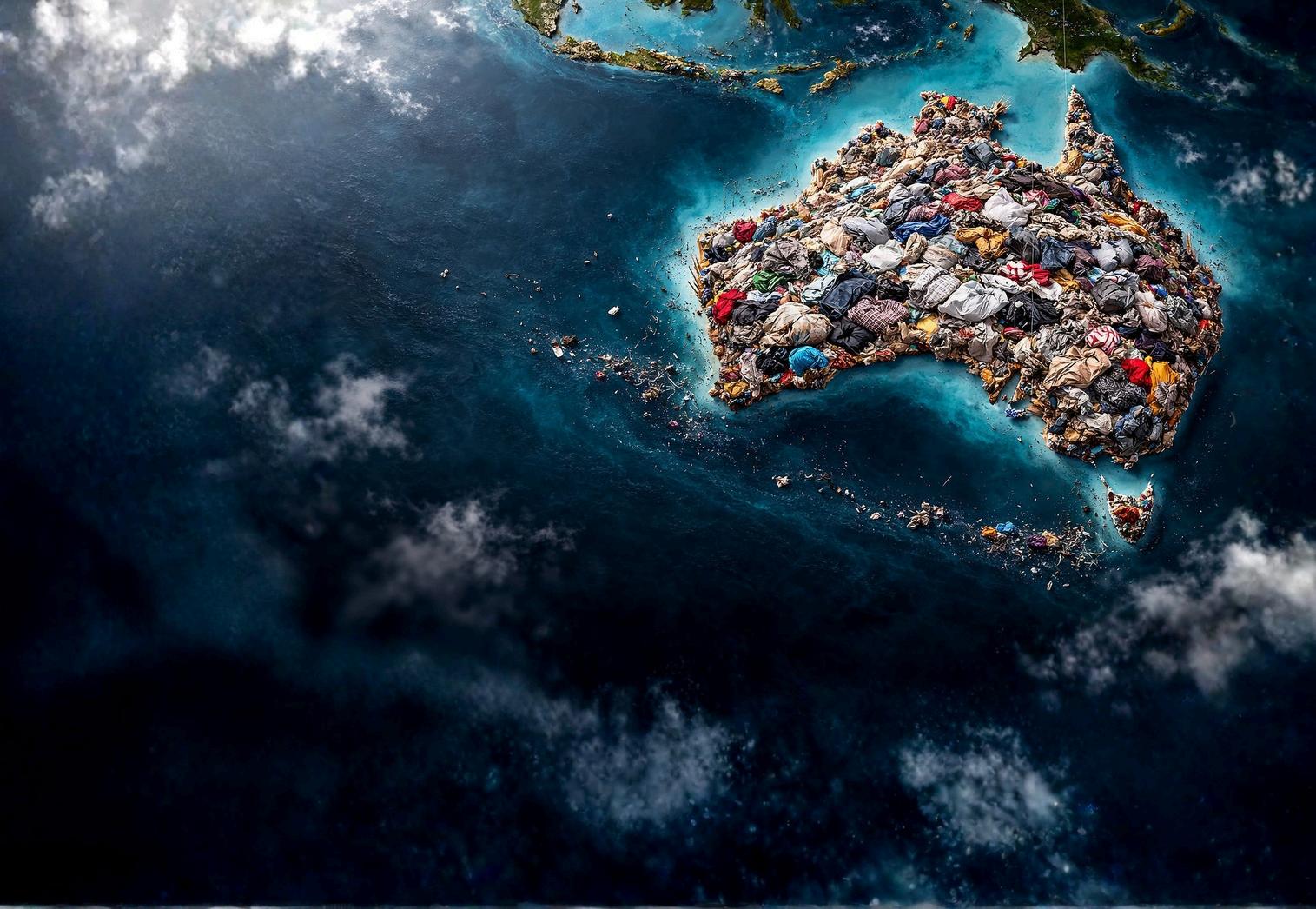
ANNUALLY, AUSTRALIANS SEND MORE THAN OF CLOTHING TO LANDFILL, MOST OF IT STILL PERFECTLY USABLE.
At The Nest, we build connections so that change feels communal
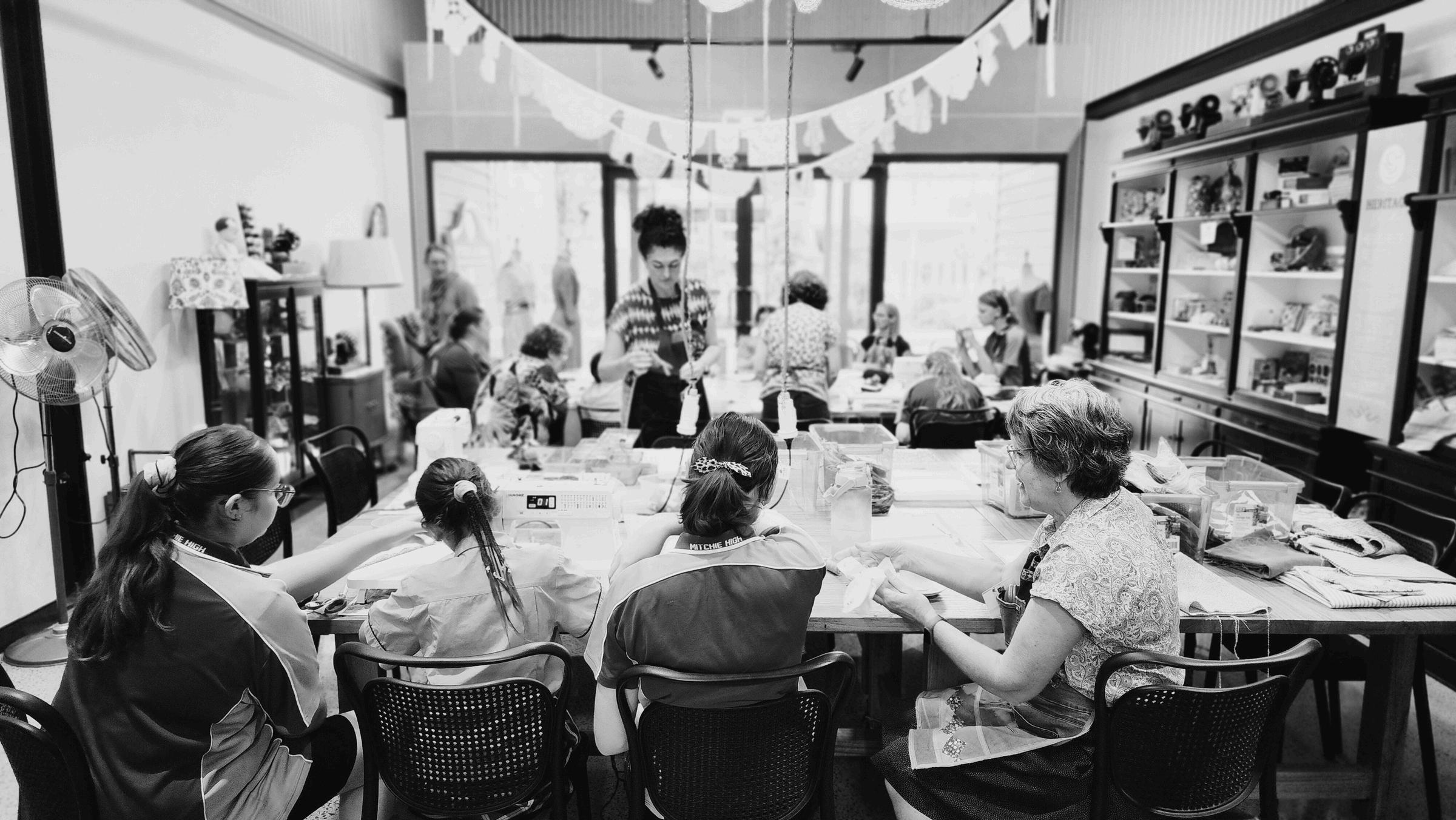
Our approach to textile recovery centres on skill-sharing and inter-generational connection. We help people see textiles differently—not as throwaway items, but as resources with history, value, and potential.
It’s a unique approach with relevance not just in Australia, but globally.
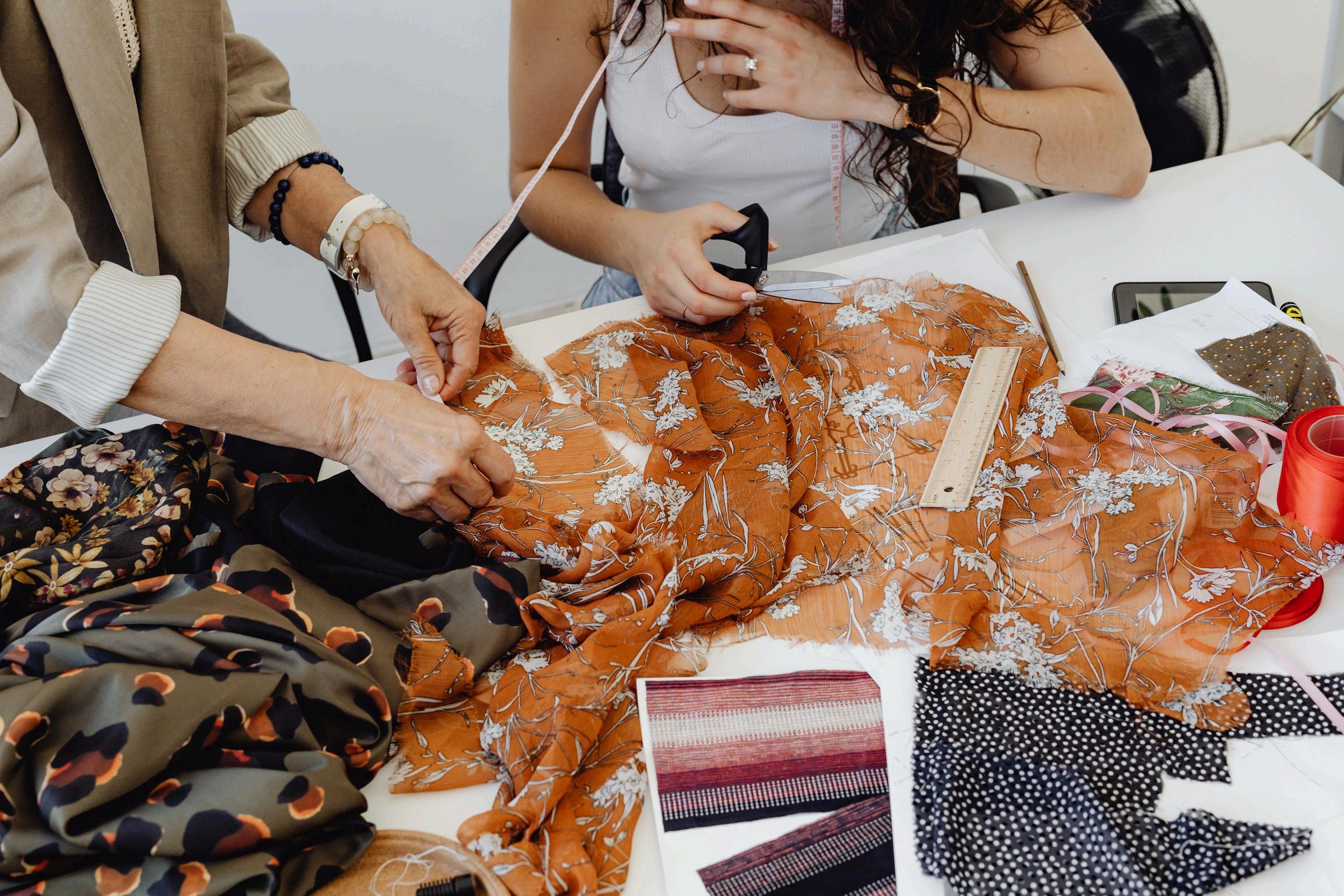
The Nest Exchange Project 2025 in the Gladys Mary Studio — a free mentorship program fostering skill sharing and intergenerational connection through craft.
About Us
The Nest Community was founded in 2014, as a registered charity that connects women purposefully through craft.
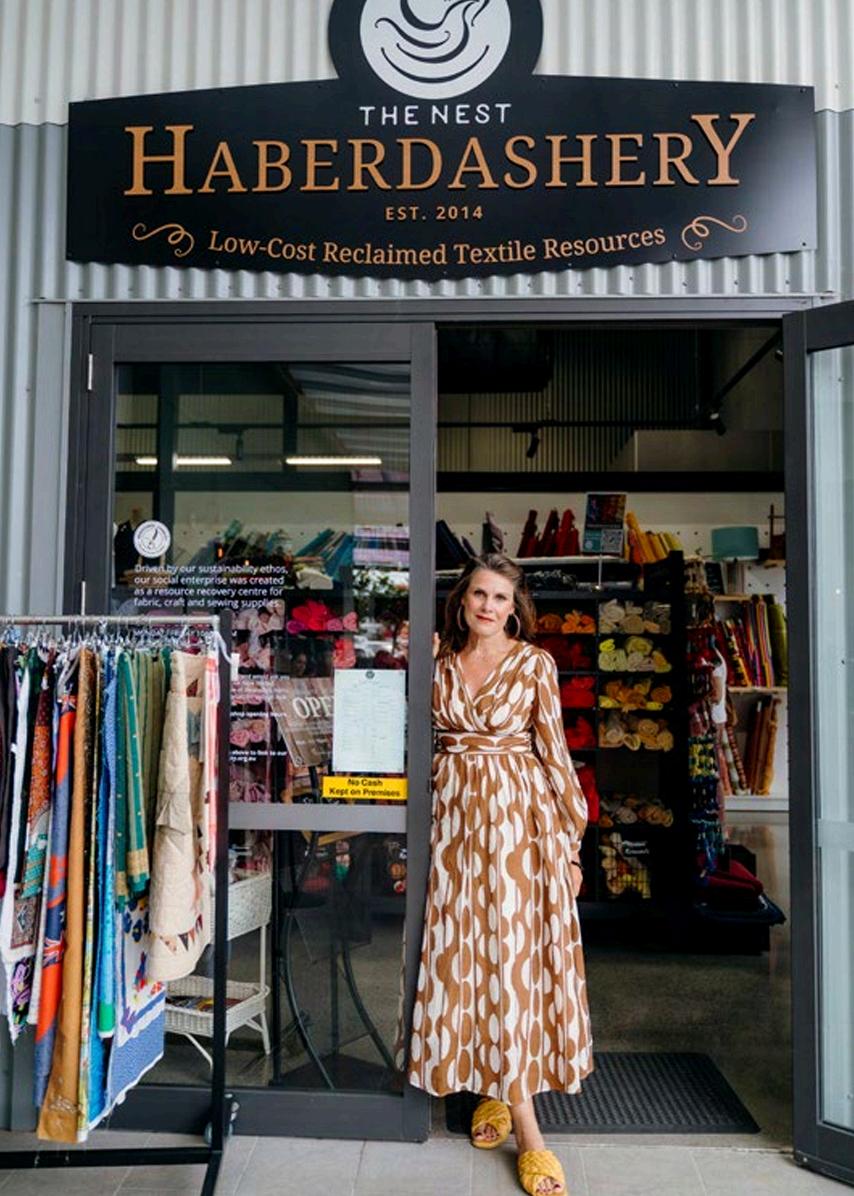
The Nest Haberdashery was created as a social enterprise to reclaim preloved textile resources for Brisbane’s Maker Community. Donations increased, and demand for our low-cost, high-quality resources boomed. In 2023, we relocated to commercial premises at The Sheds in Brendale.
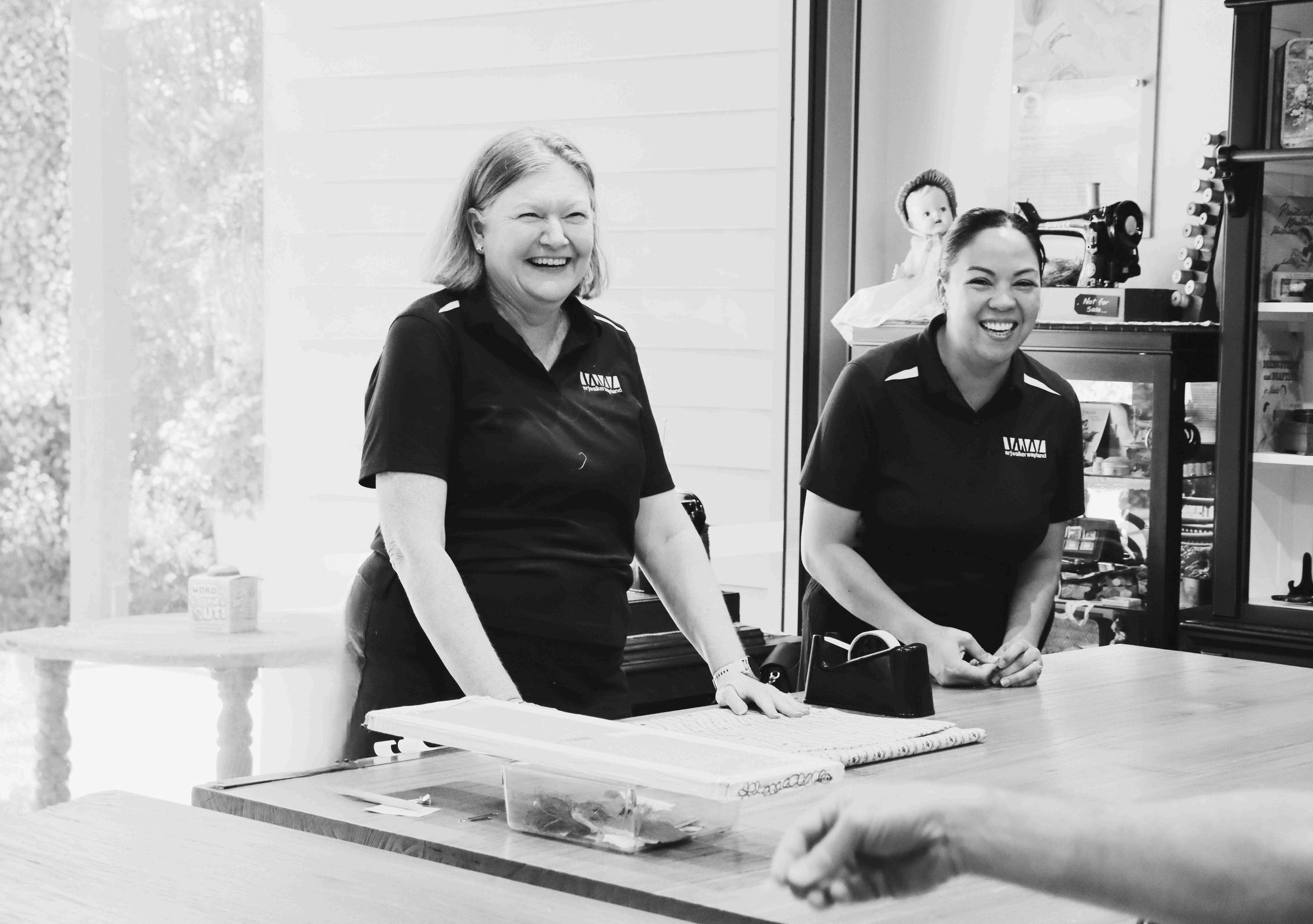
Today, our Textile Recovery Centre and The Nest Haberdashery are fuelled by a team of 120 skilled volunteers, supported by an administration team equivalent to just four full-time staff.
Annually, we host around 25,000 visitors, run Vintage and Craft Stalls, low-cost workshops, exhibitions and community programs.
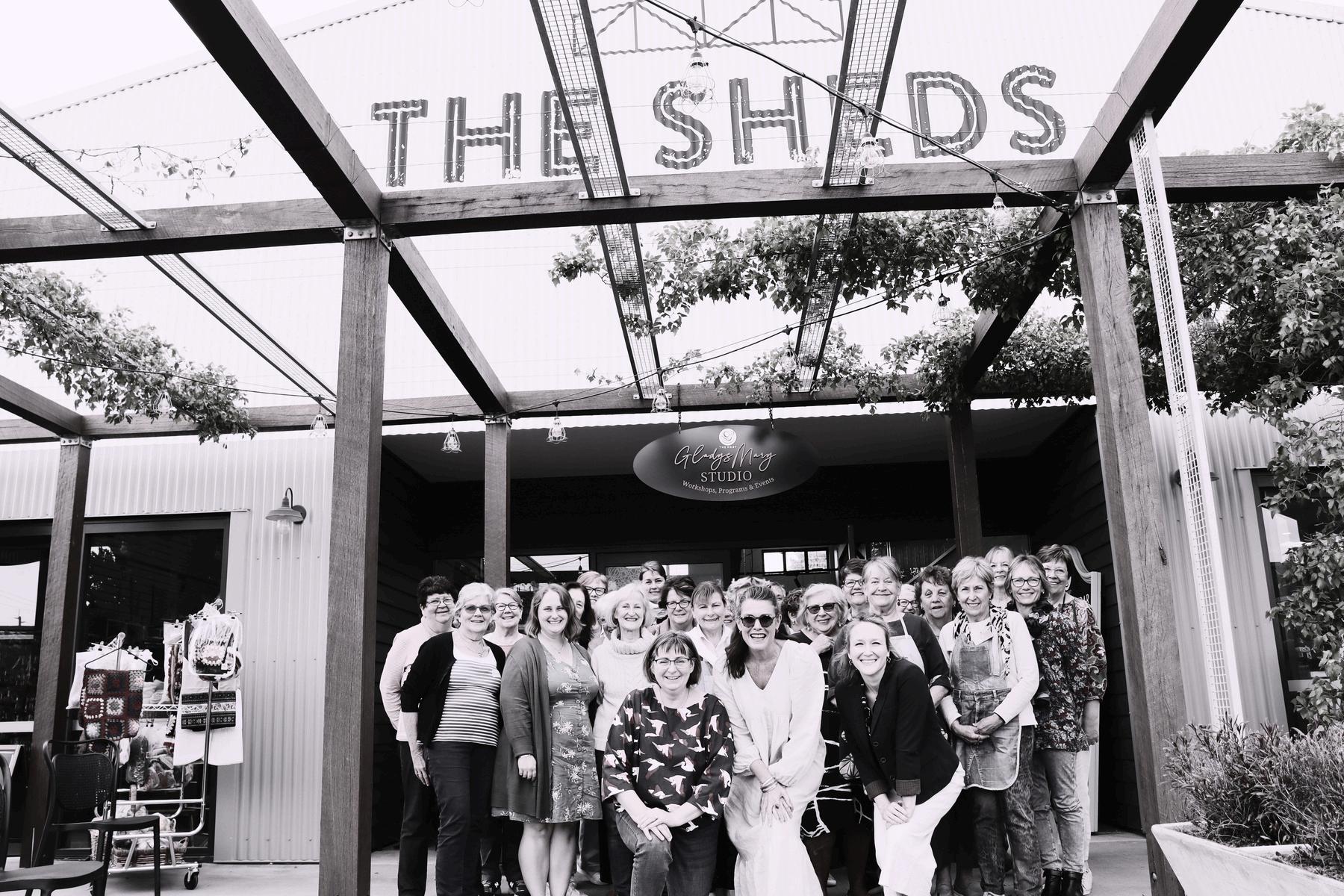
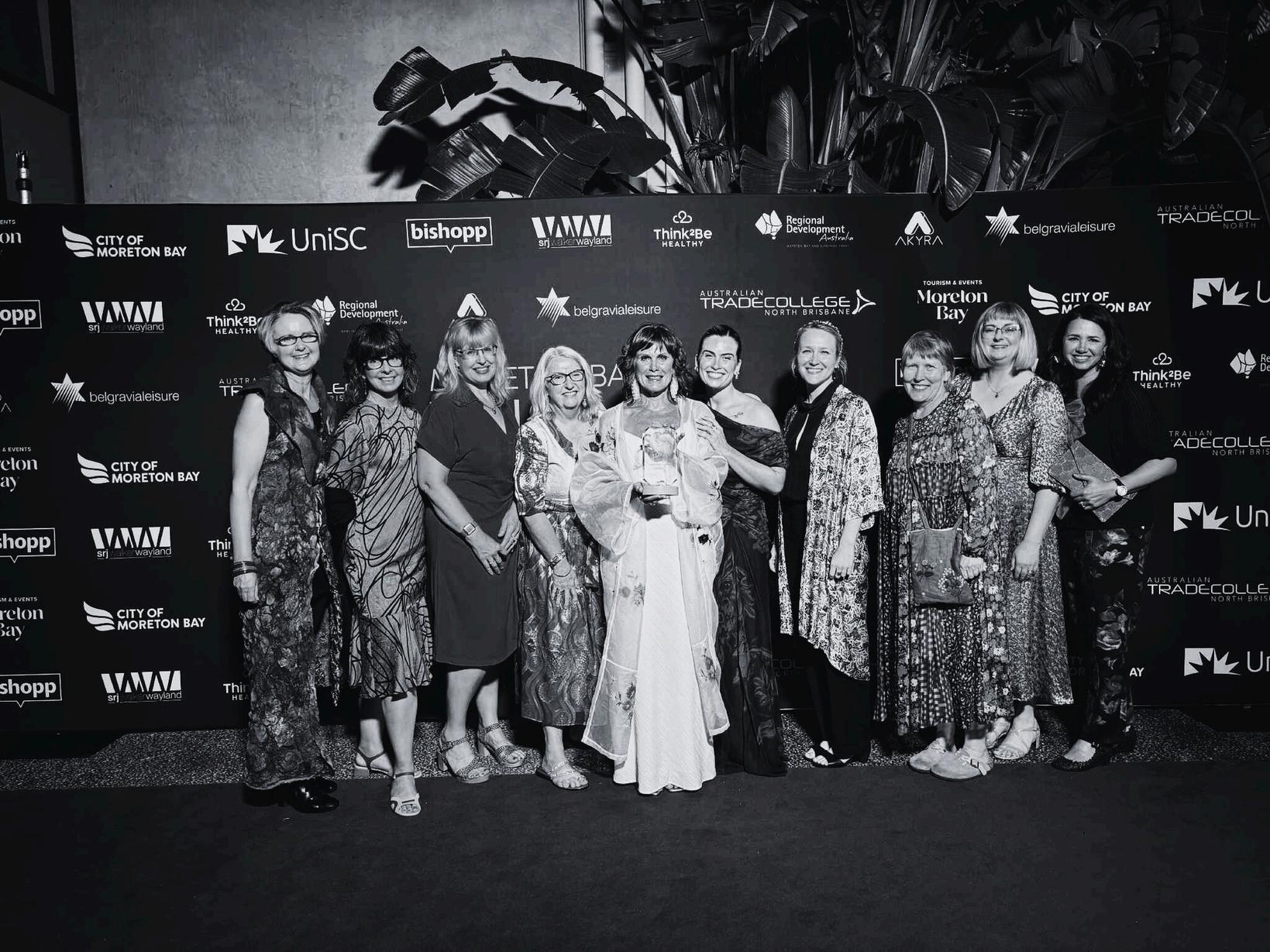
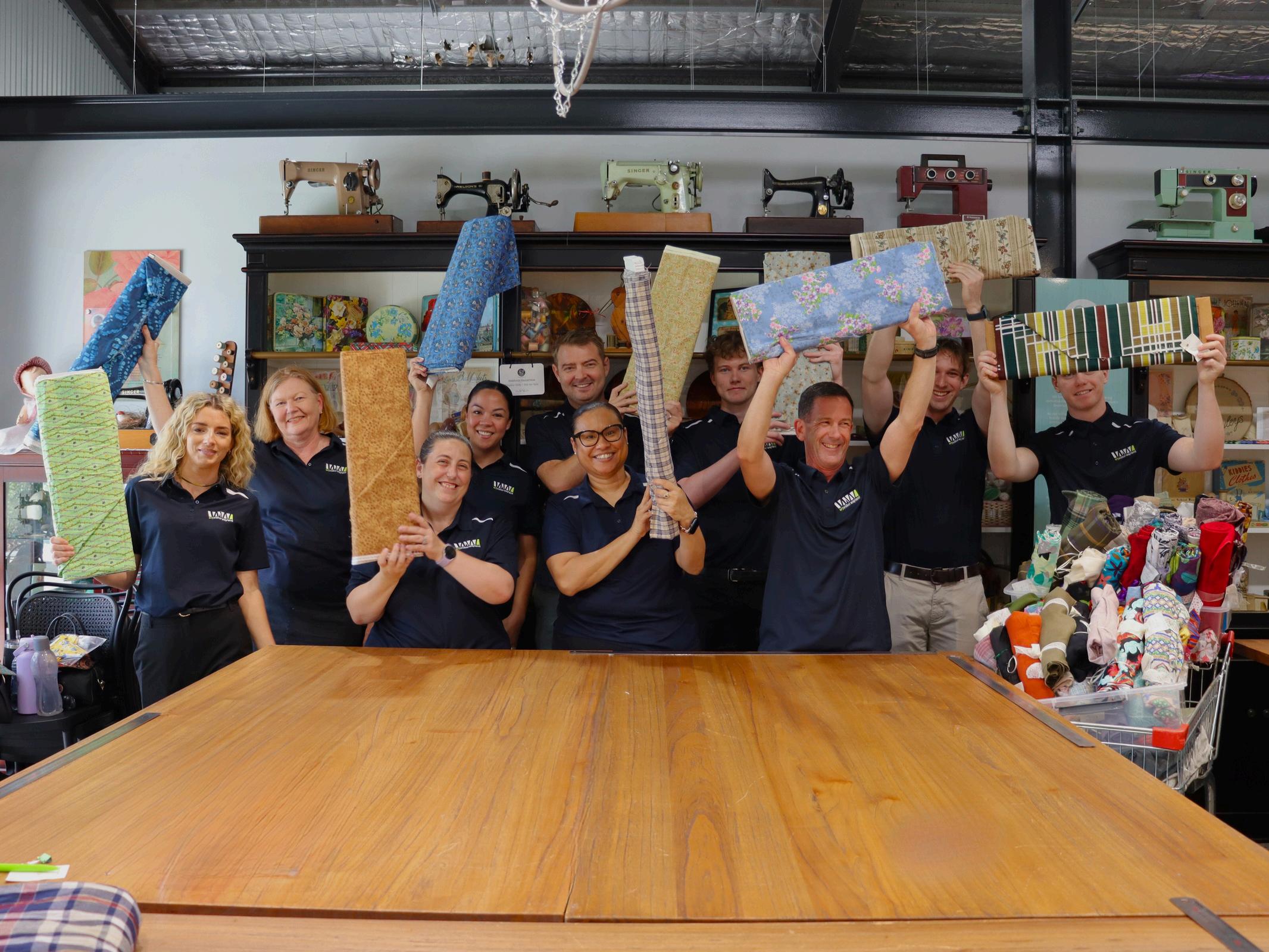
Pictured: The Nest management team at the Moreton Bay
Textile Recovery Centre
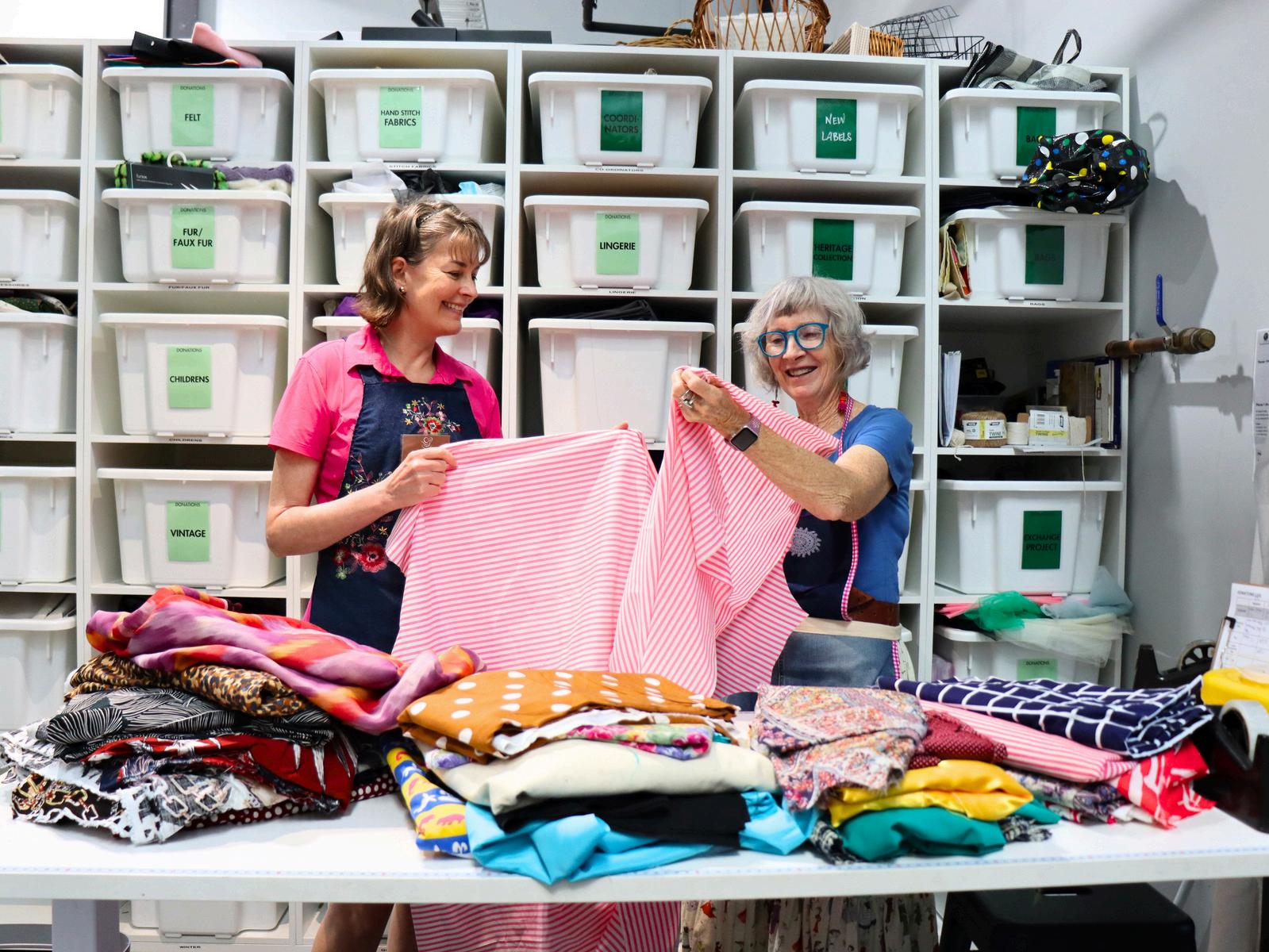
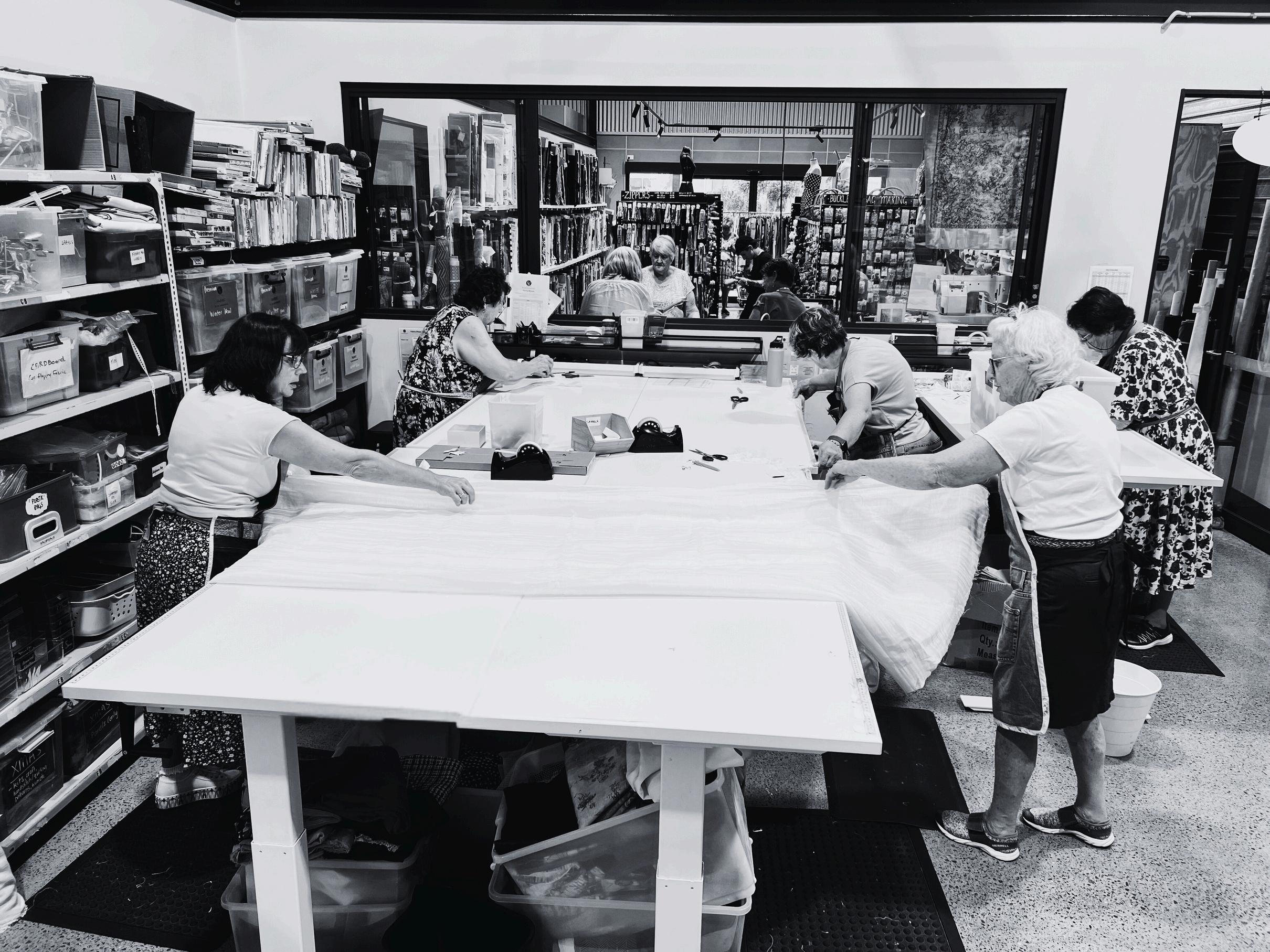
We receive around 5,000 litres of textile-based donations weekly, as well as donations of sewing machines, knitting machines, overlockers, spinning wheels, tapestry frames, mannequins, and more.
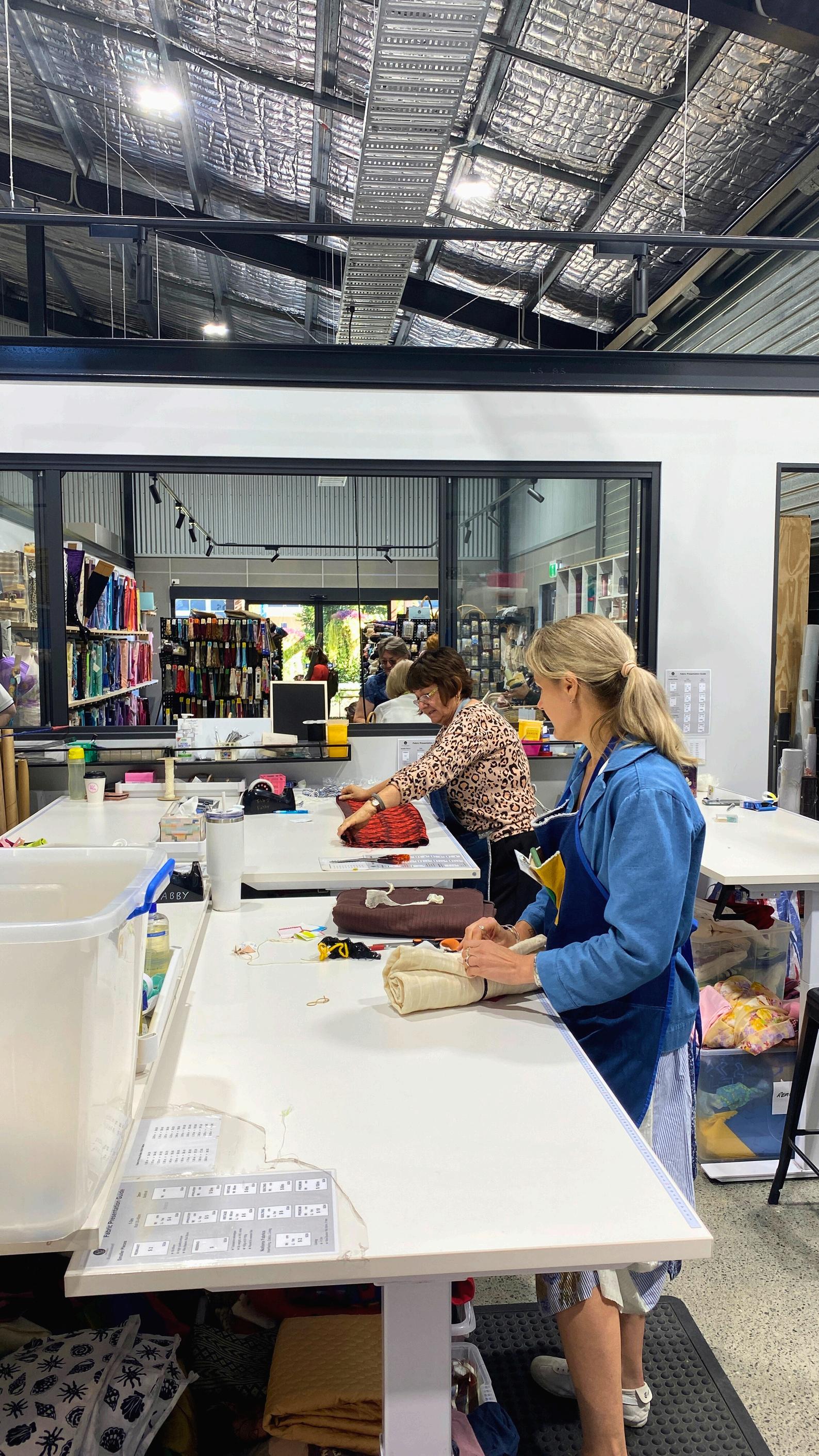
These donations, while always gratefully received, arrive unsorted and in various conditions. Everything needs to be unpacked, sorted, assessed and repackaged before being sold.
EACH WEEK WE RECIEVE OVER
5,000 LITRES OF TEXTILE BASED DONATIONS ALONE
SINCE 2014 WE HAVE RECIEVED OVER
814,600 LITRES OF DONATIONS
Skilled Volunteers
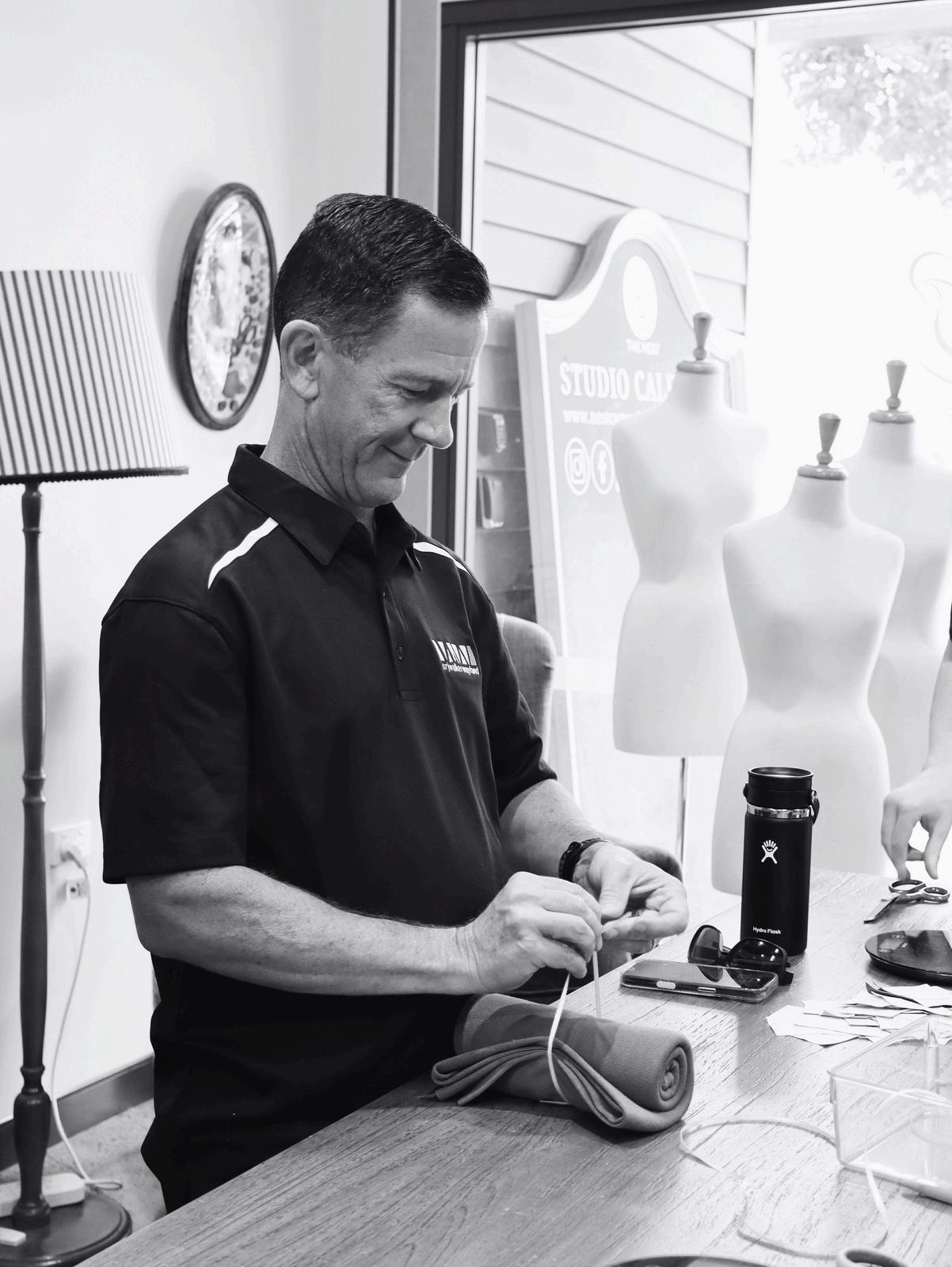
From assisting customers in our haberdashery, processing donations or implementing our programs; this is skilled, specialised work—done with care and intention.
275,000 HOURS
SINCE 2014 OUR COMMUNITY HAVE VOLUNTEERED OVER EACH WEEK OVER 120 WOMEN CONTRIBUTE ON AVERAGE
400 HOURS TO KEEP OUR OPERATIONS FLOWING.
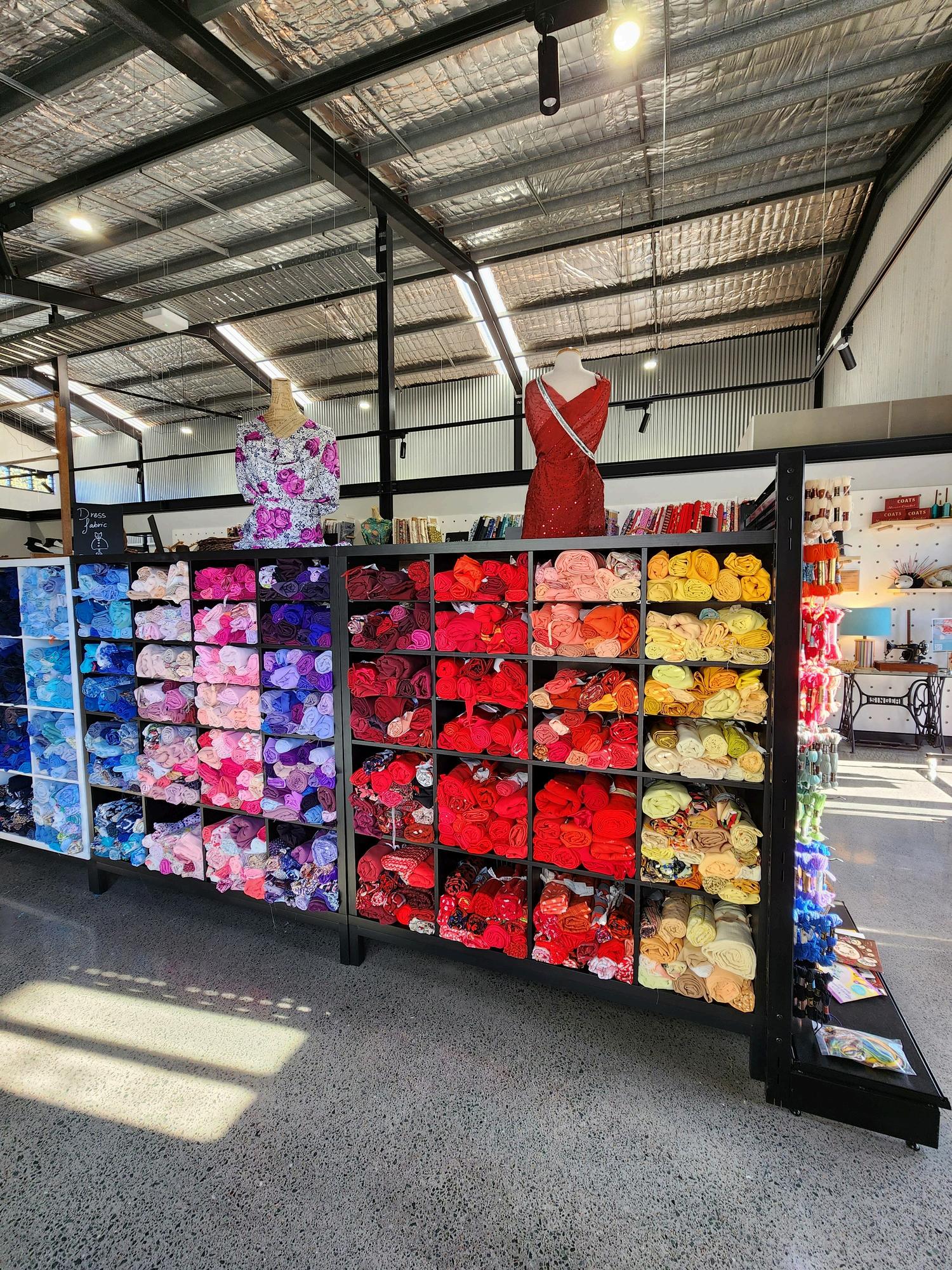
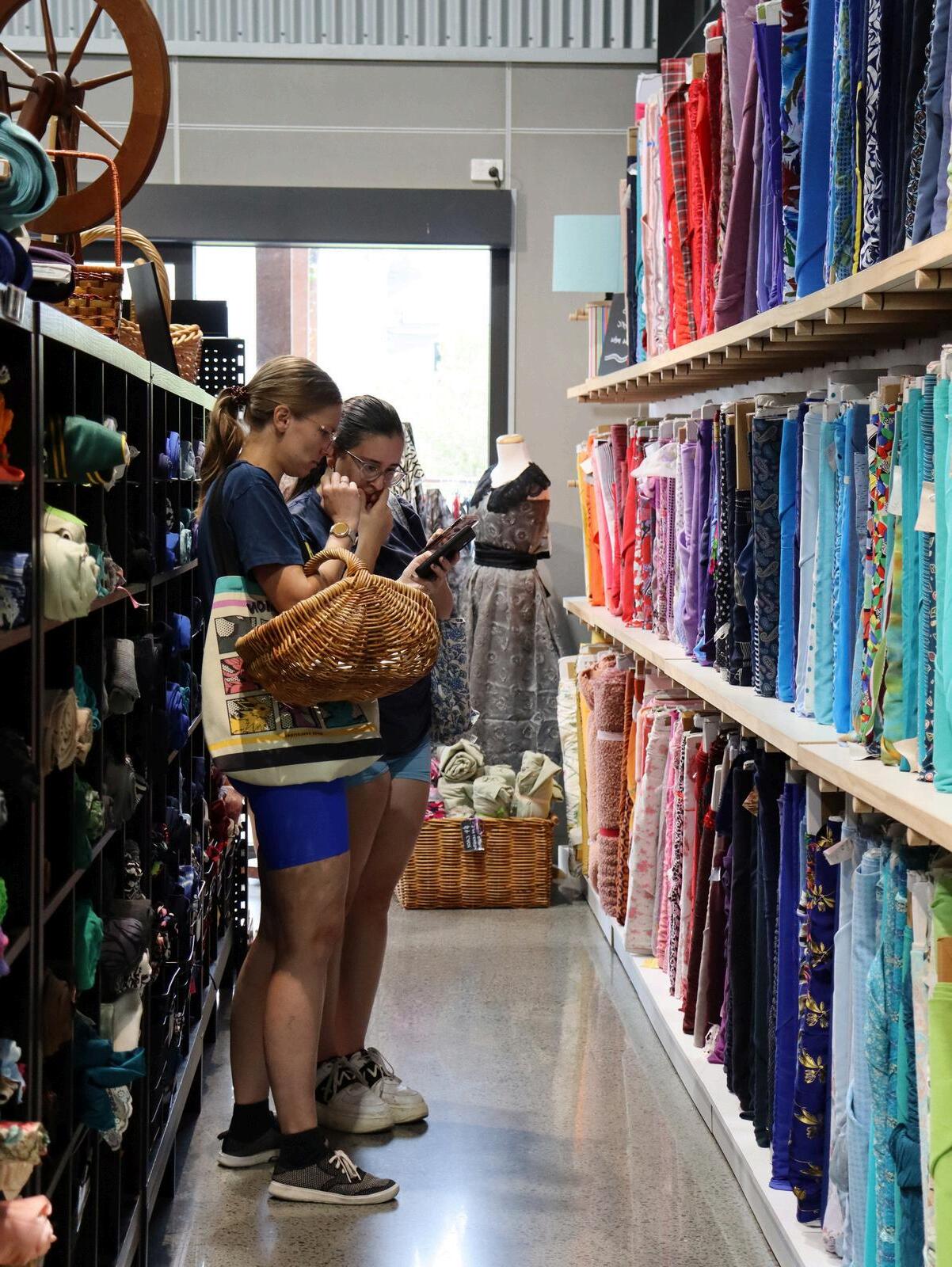
Our high-quality, low-cost, reclaimed resources are sold through our social enterprise, The Nest Haberdashery.
Funds raised are reinvested in our programs, where we teach handmaking skills, encourage intergenerational connection and give back to the Maker Community.
SINCE 2014, OVER
258,300 KILOMETRES OF FABRIC RECIRCULATED
BECAUSE OUR RESOURCES ARE 1/3 OF RETAIL PRICE
HANDMAKING, REPAIR AND REUSE ARE REALISTIC OPTIONS AGAIN.
Weekly, we sell 1,500 metres of reclaimed fabric
That’s 1,500 metres of textile waste diverted from landfill and returned to community use
every week.
Our recirculated textiles are not only sustainable, but also affordable.
Buying new textile resources alone often costs more than a mass-produced, finished garment. Due to this cost imbalance, fast-fashion wins, and over-consumption becomes the default.
The shift toward recirculation is happening. As donations of resources increase, we need to boost our capacity to process them.
HELP FIGHT TEXTILE WASTE TO SUPPORT A SUSTAINABLE FUTURE.
When your business partners with us through Roll For Good, you’re not only boosting our capacity to keep textile resources in circulation; your financial contribution supports our Stitch Together program.
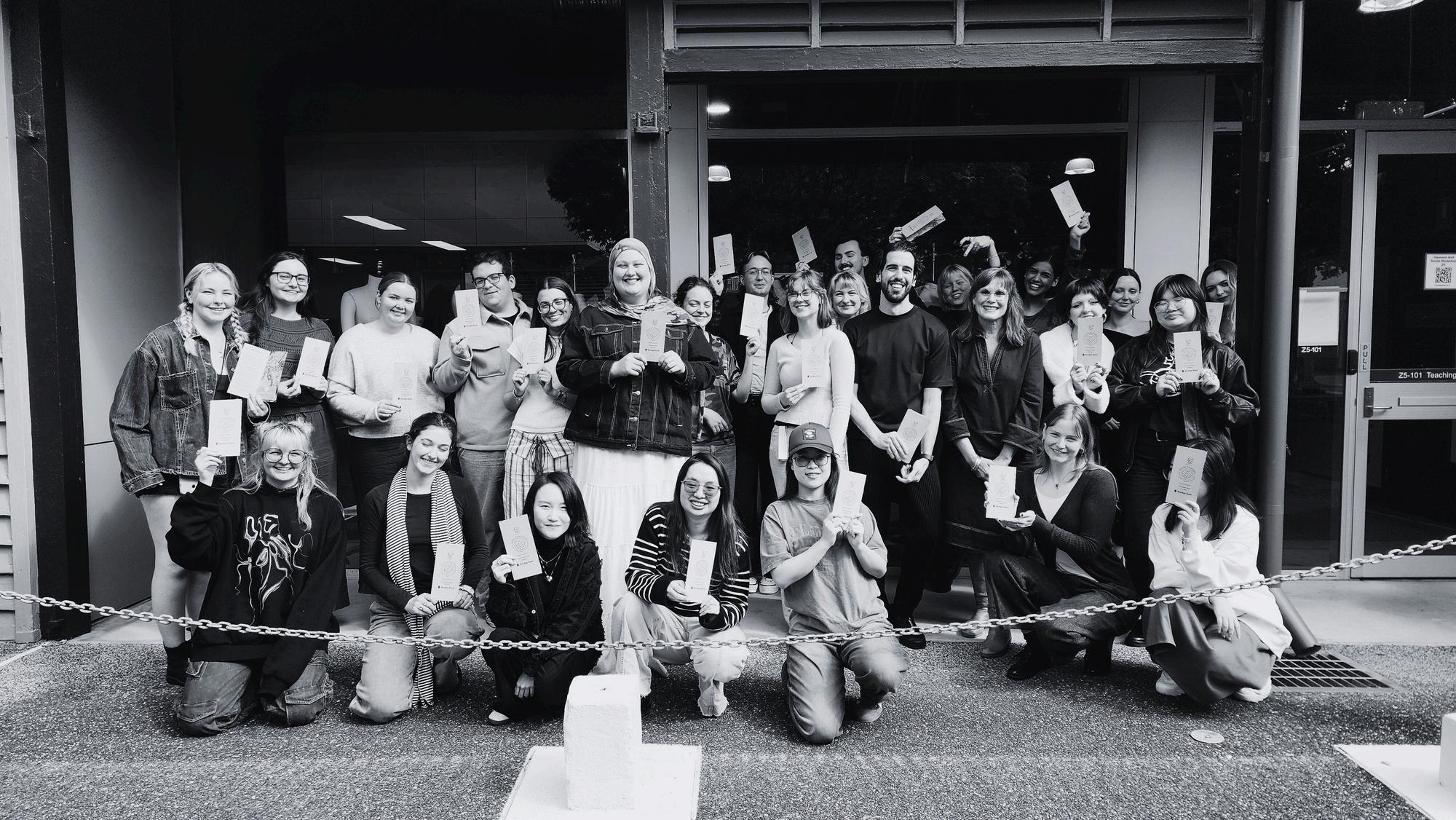
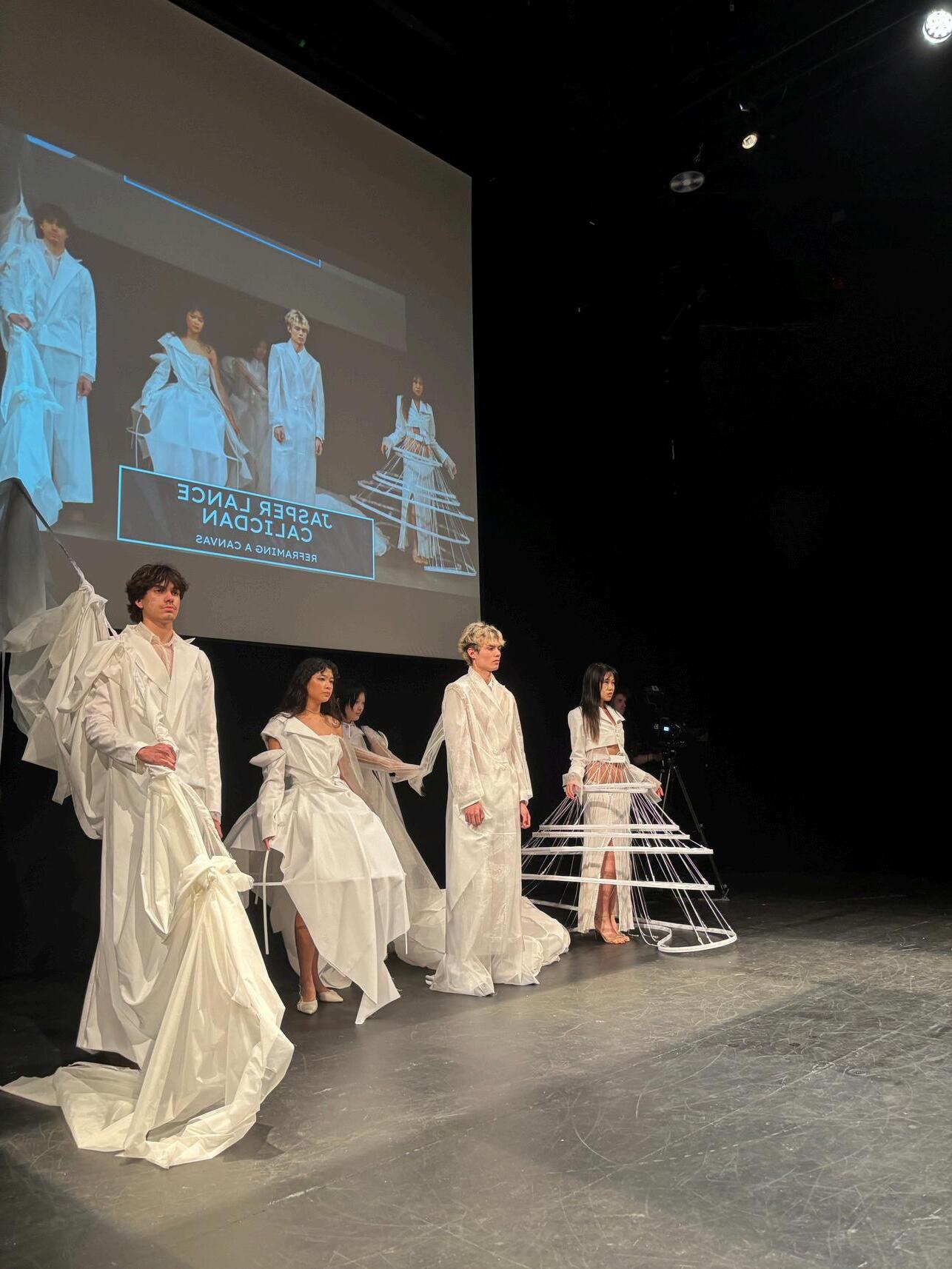
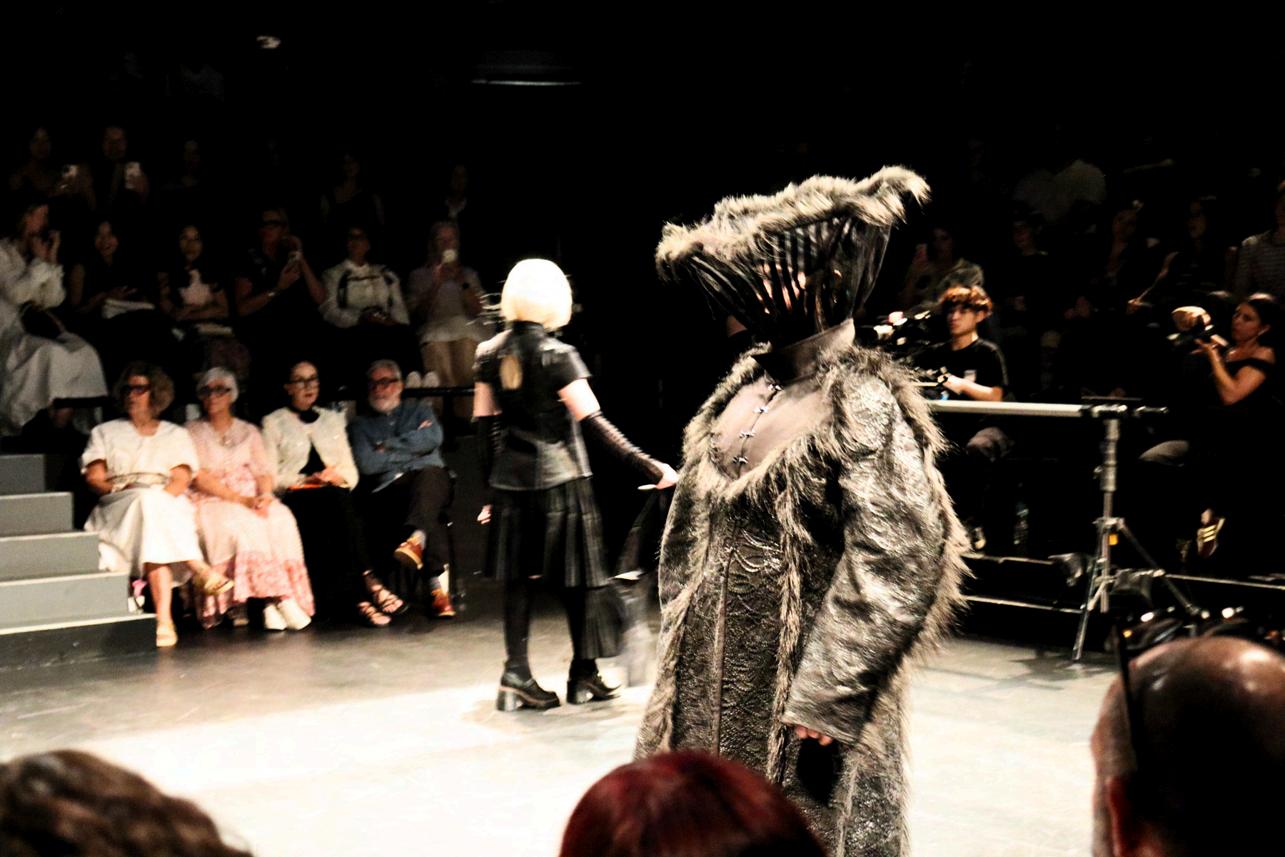
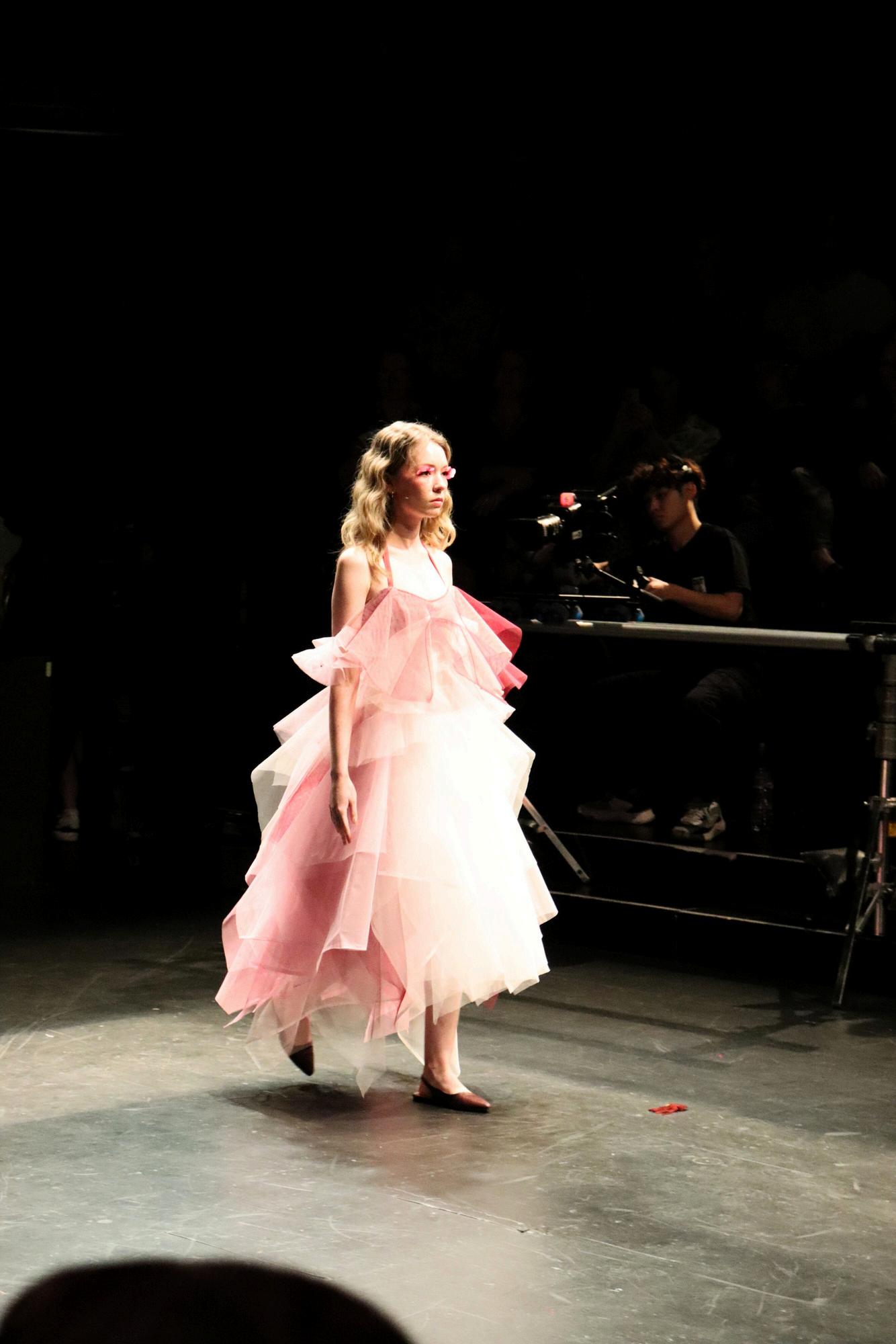
Third-year QUT fashion students receiving vouchers for free Haberdashery resources to support their graduate collections.
Beyond financial assistance, students connect with our maker community.
The Nest volunteers are skilled craftswomen. When students spend their vouchers in-store, they offer advice and encouragement — whether it’s helping choose the right fabric, sharing a practical tip, or pointing out newly arrived treasures.
QUT fashion students graduate runway
Two Ways to Roll One Shared Purpose.
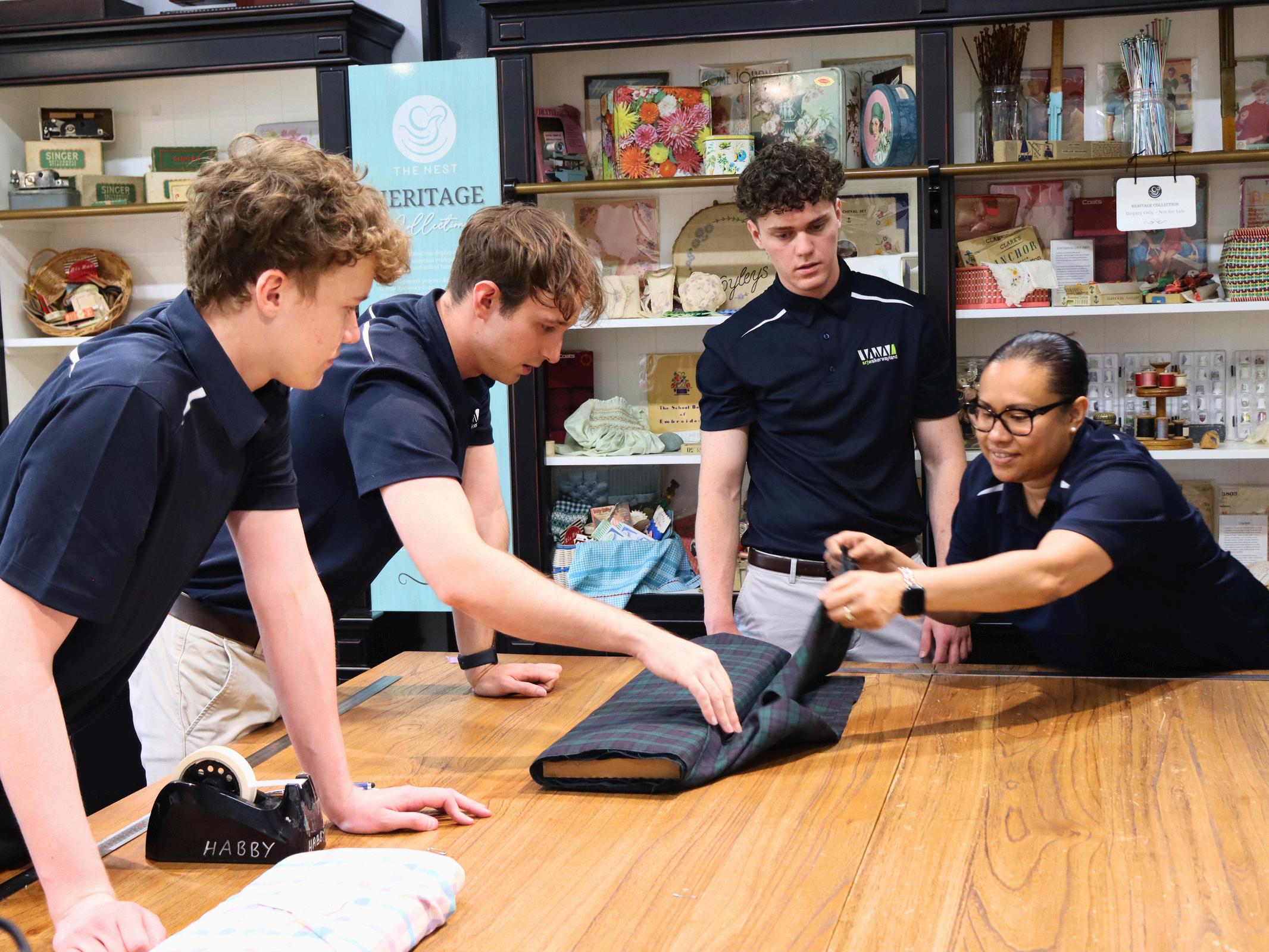
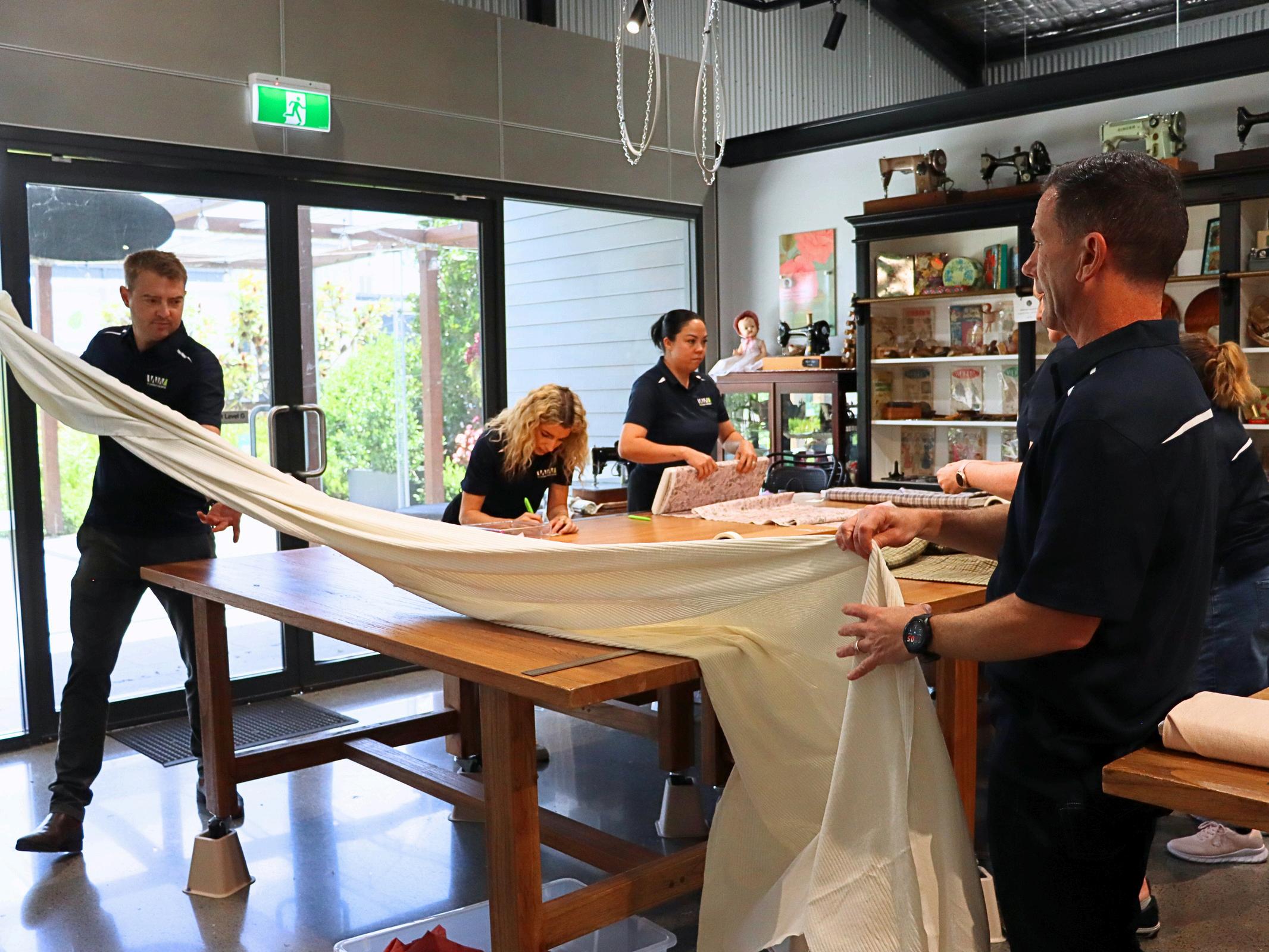
Team Building Day
Immersive, high-impact, half-day sessions
This is a curated experience, part learning, part hands-on.
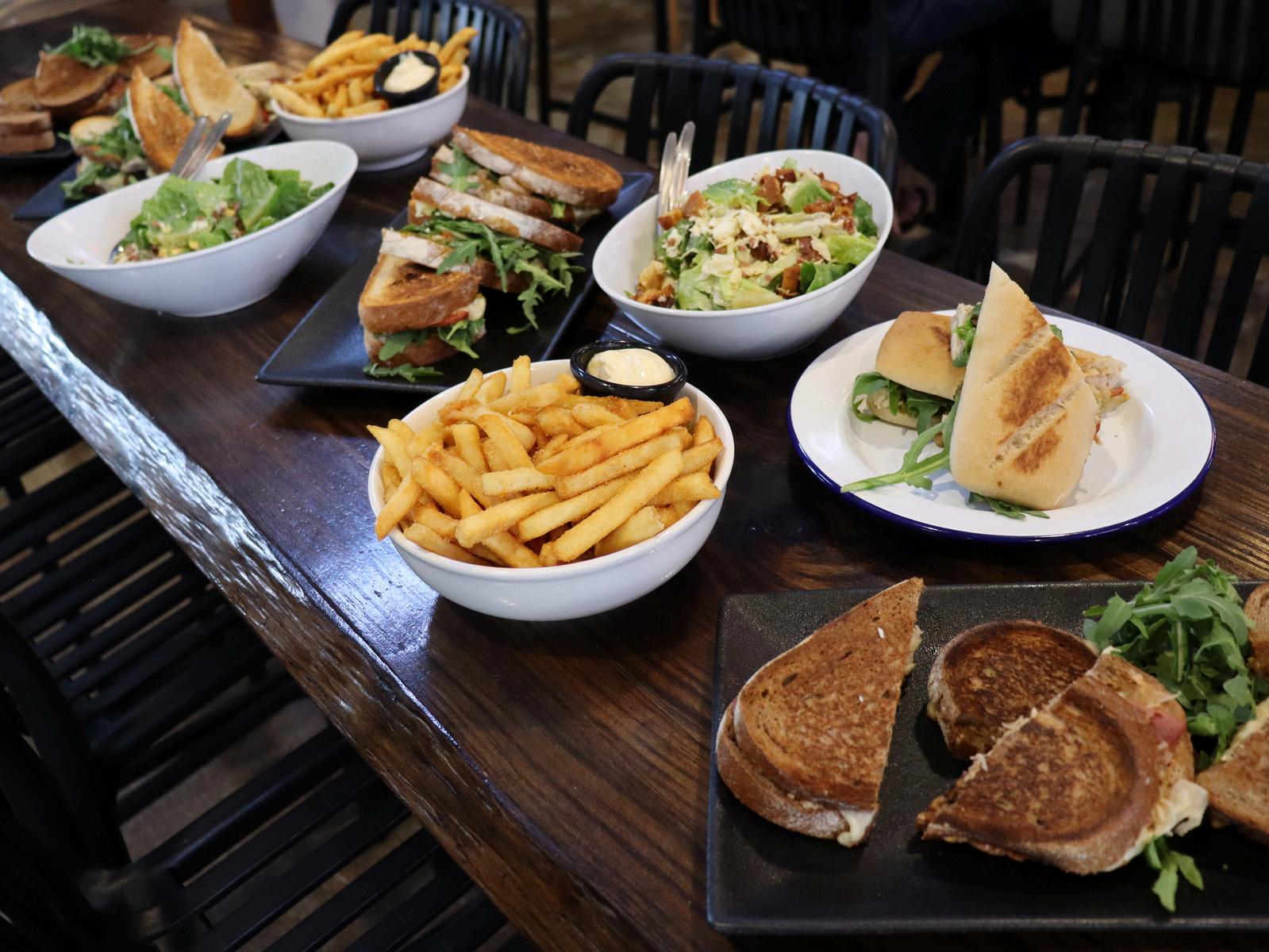
Hosted in the beautiful Gladys Mary Studio your team will get an informative introduction to the textile waste issue and how our model works. They will then process donations, participate in a bit of friendly competition, and enjoy a shared lunch.
This is more than volunteering. It’s a shared experience that strengthens culture while contributing to real change.
Available: Wednesday–Friday
Format: 4-hour facilitated rolling session
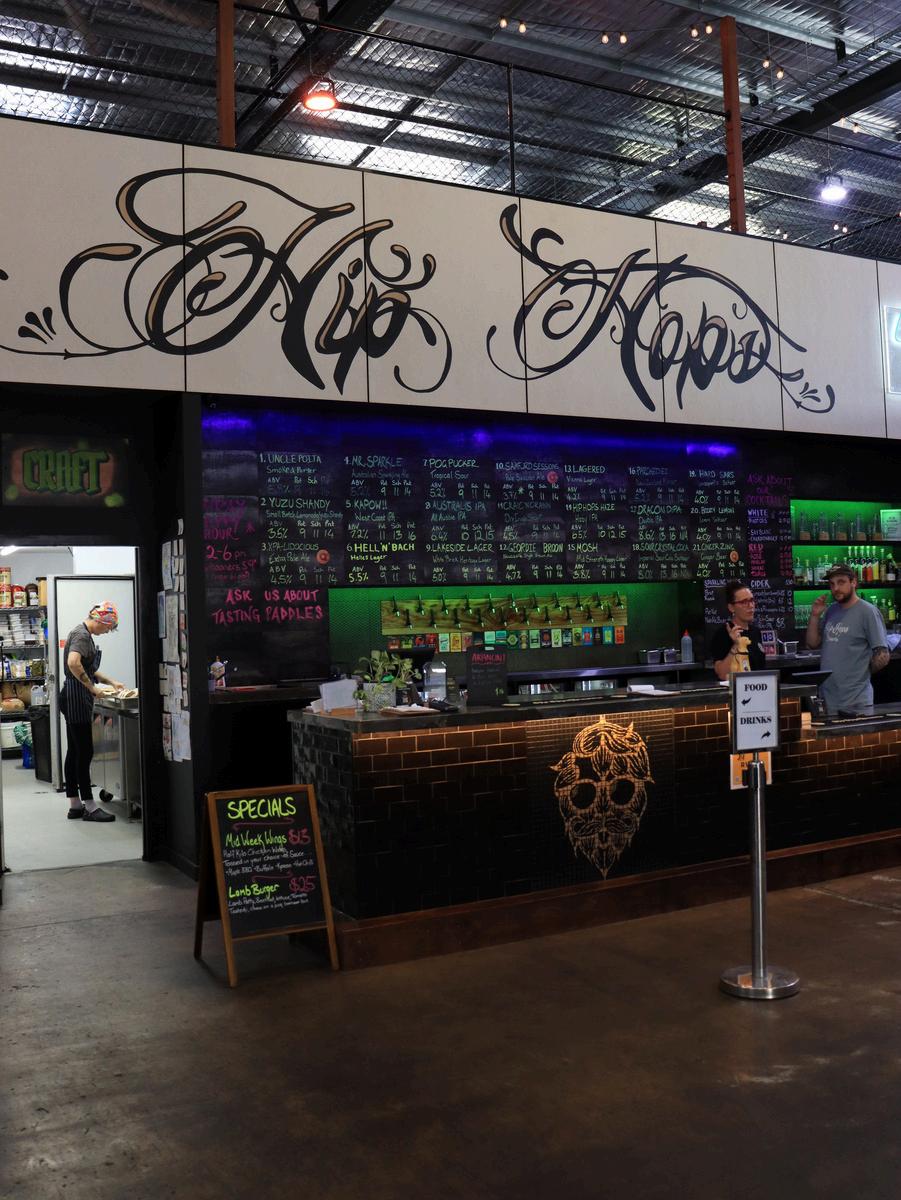
1-hour lunch at Hip Hops Brewers
Group size: 6–10 people
Includes: All materials, facilitation, lunch and a personalised certificate of achievement
Full-day premium packages available on request.
INVESTMENT: $1,250 + GST
Express Shift
Hands-on impact for teams short on time
Ideal for small teams, sustainability champions, or businesses wanting to experience purpose-led volunteering. Step into the Textile Recovery Centre and support our recirculation work firsthand. A small act of service with powerful ripple effects for our community programs.
Available: Monday, Tuesday or Friday
Format: 3-hour afternoon shift
Location: Textile Recovery Centre
Group size: 6–8 people
Includes: All materials, tea and coffee facilities and a certificate of achievement
INVESTMENT: $500 + GST
Building Team Day
HOSTED IN OUR GLADYS MARY STUDIO
A meaningful way to reward staff and strengthen your values-driven culture. Not only will you reduce textile waste, you are giving back to community.
What your team gains
What’s included
ExpressShift
What your team gains
What’s included
A note from our Founder & CEO
Many corporate volunteering programs focus on responding to immediate and visible need — and that work is vital. Our focus is different.
The issue we address is largely hidden in plain sight: the compounding impact of overproduction, overconsumption, and textile waste entering landfill at accelerating rates. It is not a single event or headline crisis. It is a mounting systems issue that quietly shapes environmental, economic, and social outcomes.
The Nest Community is championing a practical, community-led solution to this challenge.
We are not delivering a short-term handout. We are building long-term social capability — shifting behaviour around consumption, teaching recirculation, and restoring skills such as mending and making that extend the life of what already exists.
Our model is self-funded and community-driven. We are not waiting for policy reform or relying solely on government intervention. Instead, we demonstrate what is possible when a community takes responsibility for its own resource recovery systems and builds social infrastructure around them.
As a result, The Nest has become a unique model that attracts visitors from across Australia and internationally who want to understand how circular practice can be embedded at a grassroots level. Roll for Good invites corporate teams to step into this model — not simply to volunteer, but to contribute to a scalable, community-powered solution addressing one of the most overlooked drivers of waste and emissions.