- Kath Horton |Chair, The Nest Community Board The Nest remains a place of industriousness, commitment, and joy.
Mention ‘ women ’ and ‘craft’ and there’s a stereotype that might linger Images of craft being a leisurely activity, not serious or innovative. Marginalised as ‘ womens ’ work’ - as if that’s not serious. Hardly an effective tool to wage a war against textile waste.
We’re here to prove that wrong and at our Annual General Meeting [AGM], I spoke about why our work matters, and how we ’ ve blossomed at the perfect time.
Global energy emissions hit a new high in 2024, and the production–consumption system that drives those emissions particularly fast fashion, hasn’t contracted. At the same time, the World Health Organisation [WHO] treats loneliness public health priority: about one in si people feel lonely, and more than a b live with a mental disorder.
Government policy often assumes beh will shift on its own, but change need culture, and confidence People know should consume less and fix more b don’t yet have the tools. If you can’t c repair or share, it feels like deprivatio you can, it feels like resilience
That’s where The Nest fits in and why are driving our social impact, withou the heart of what we do. We build connections so change feels communa isolating
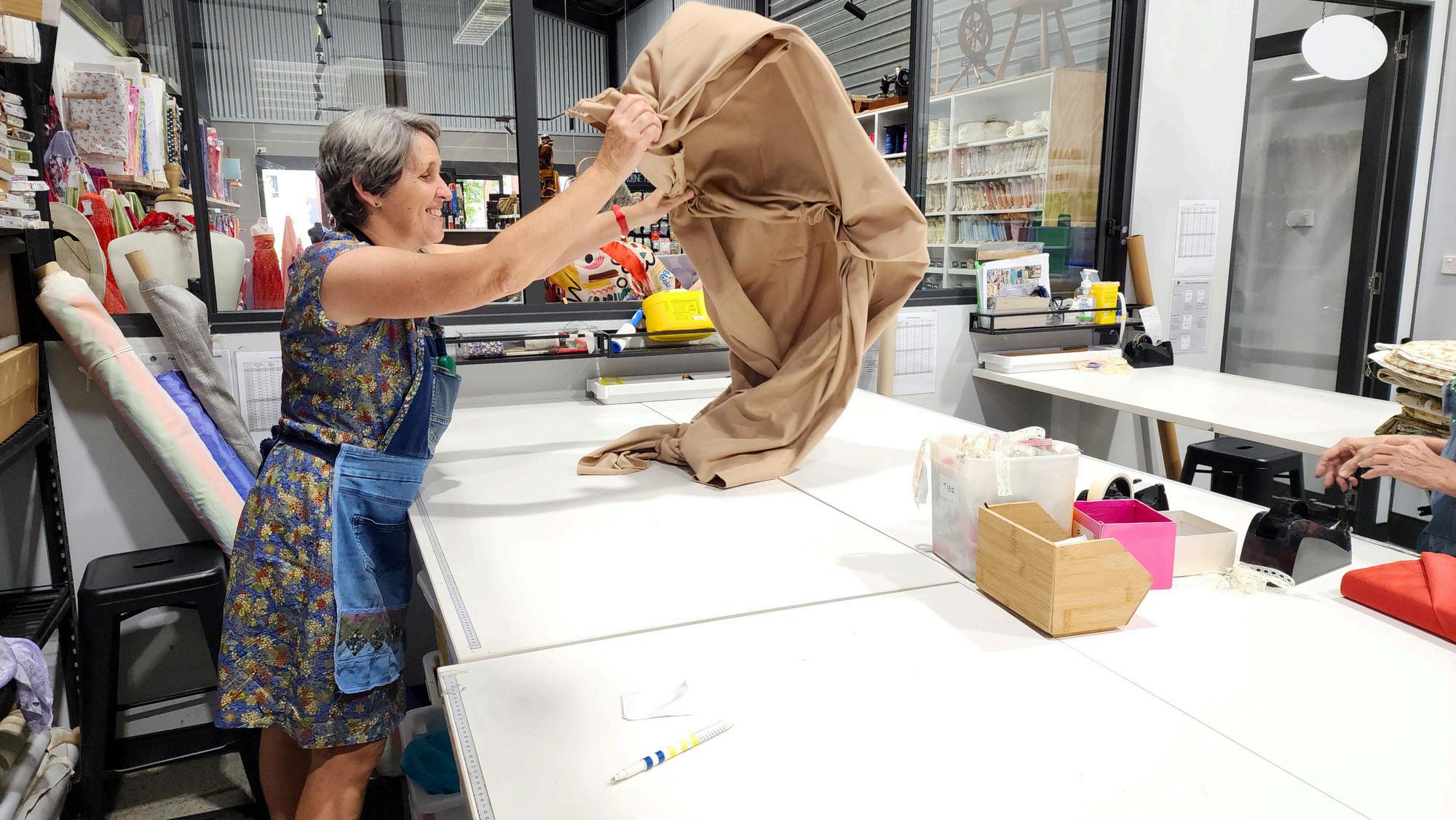
Our social enterprise, The Nest Haberdashery, started in 2016, operating 3 days a week from our front verandah in Everton Park. In 2020, amidst the COVID pandemic, we boldly established a proper shop under the house, driven by a need to find a sustainable revenue stream that would allow us to keep offering a space for women to connect purposefully through craft.
In 5 short years, The Nest Haberdashery has developed beyond just revenue. It’s a way of changing mindsets.
Our affordable, reclaimed resources change what’s possible in classrooms, studios, and homes Beyond rescuing textiles and restoring their value, we are reconnecting people with making, repairing and reusing core concepts of circularity
Our Social Impact Report reveals that each week, The Nest welcomes more than 650 people as donors, customers, volunteers and participants Volunteers contribute close to 380 hours per week saving materials while strengthening skills, confidence and connection.
Many of our volunteers describe The Nest as their ‘happy place’
Yet it’s not all warm and fuzzy. We run a disciplined operation that funds our mission with clear pricing, immaculate presentation and affordability in mind Up to 70% of what’s donated is recirculated through the Haberdashery, and since
2014, we ’ ve re-homed over eight-and-ahalf semi-trailer loads of quality resources back into the hands of makers that appreciate them.
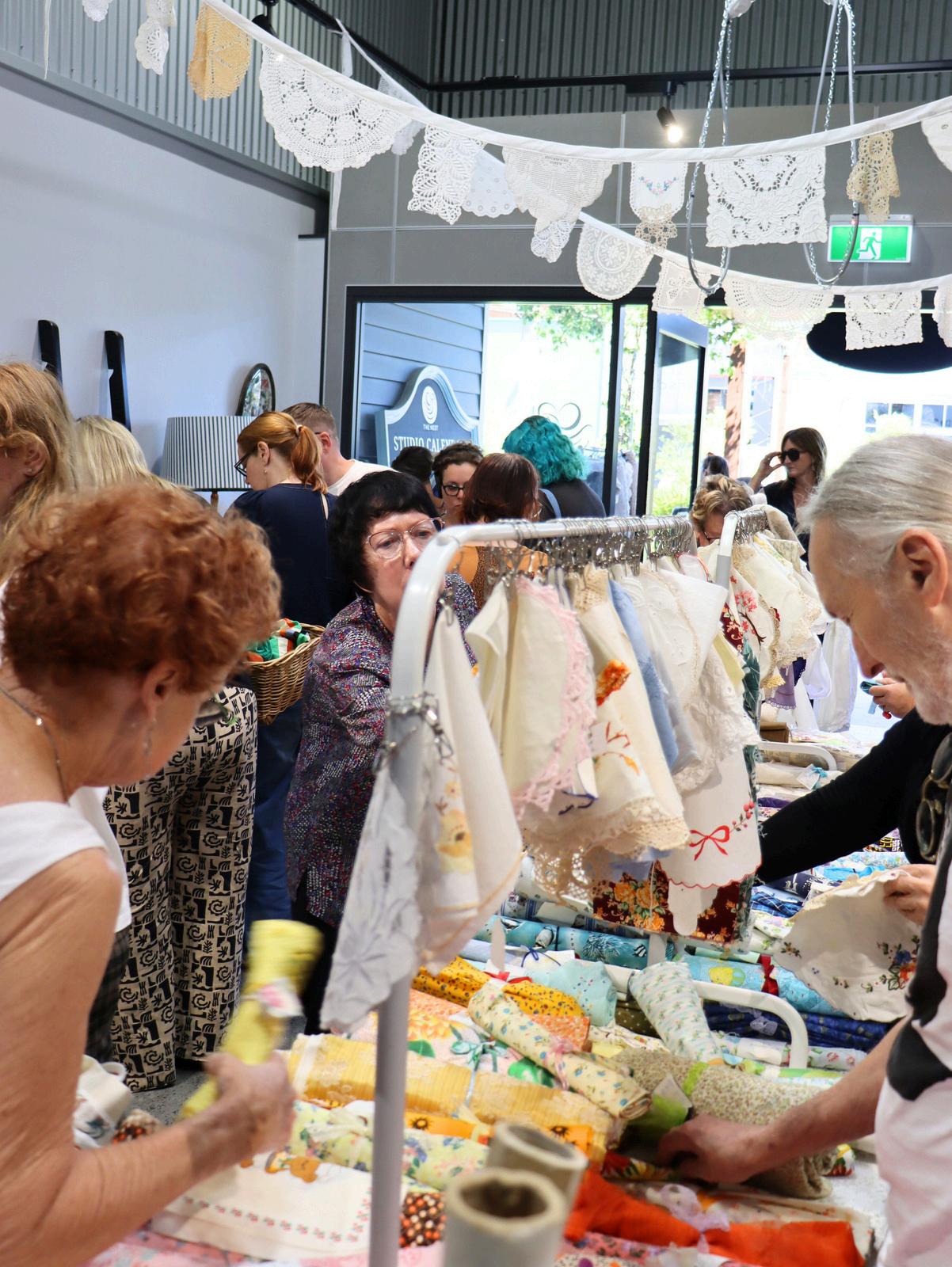
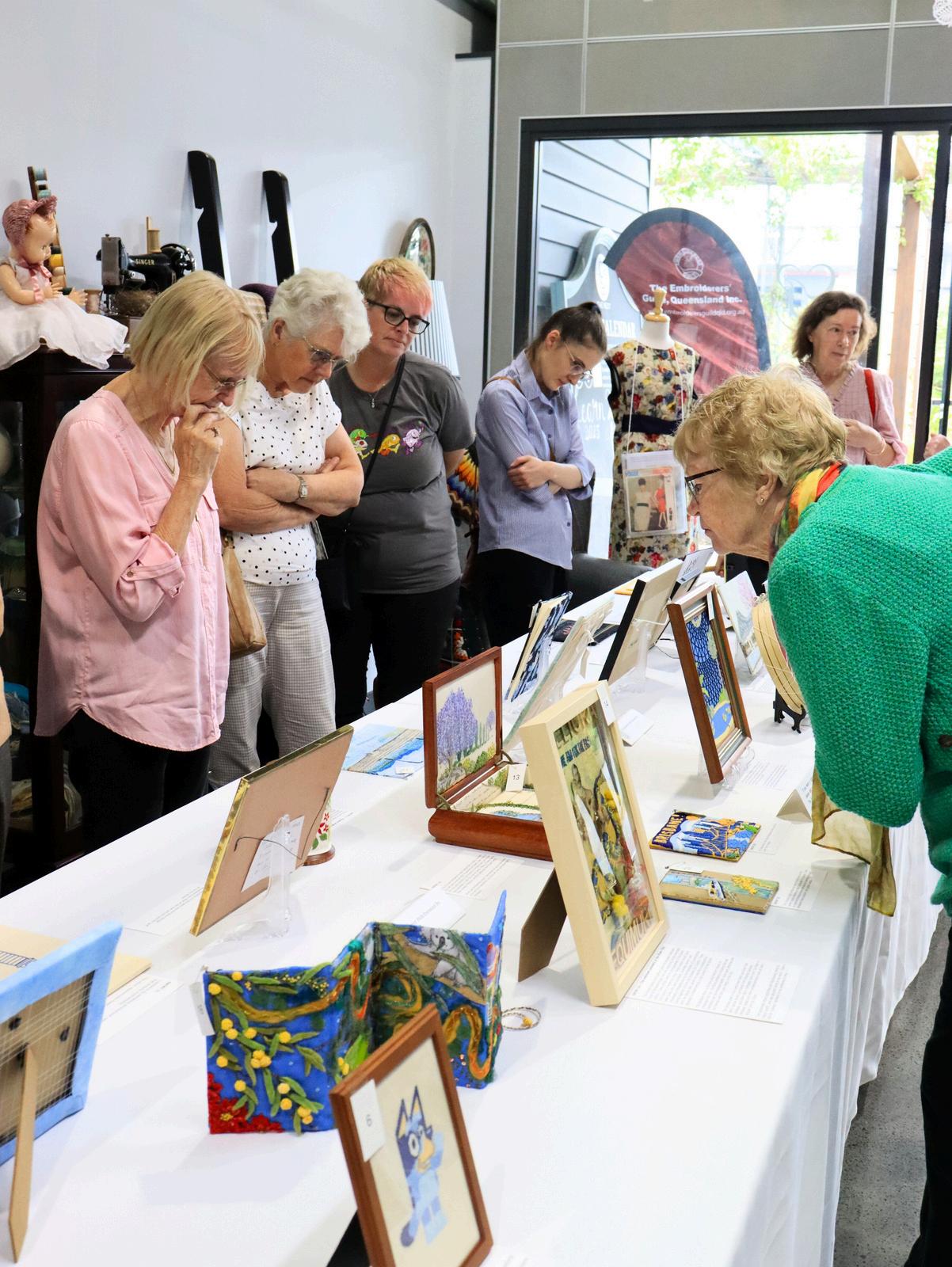
Annually we welcome around 25,000 visitors, we host specialty Vintage and Craft Stalls, run low-cost craft workshops, collaborate with esteemed organisations like The Embroiderers’ Guild of Queensland and QUT Fashion Design, as well as running our own programs like the Exchange Project
A year ago we launched Stitch Together, our most ambitious program to date, thanks to a $50,000 grant from Community Bank Samford, part of Bendigo Bank Designed to invigorate community participation in textile recovery, the program comprised three initiatives: Turbo Rolling Bees [TRB] Secondary School Vouchers [SSV] and Sustainable Fashion Futures [SFF]
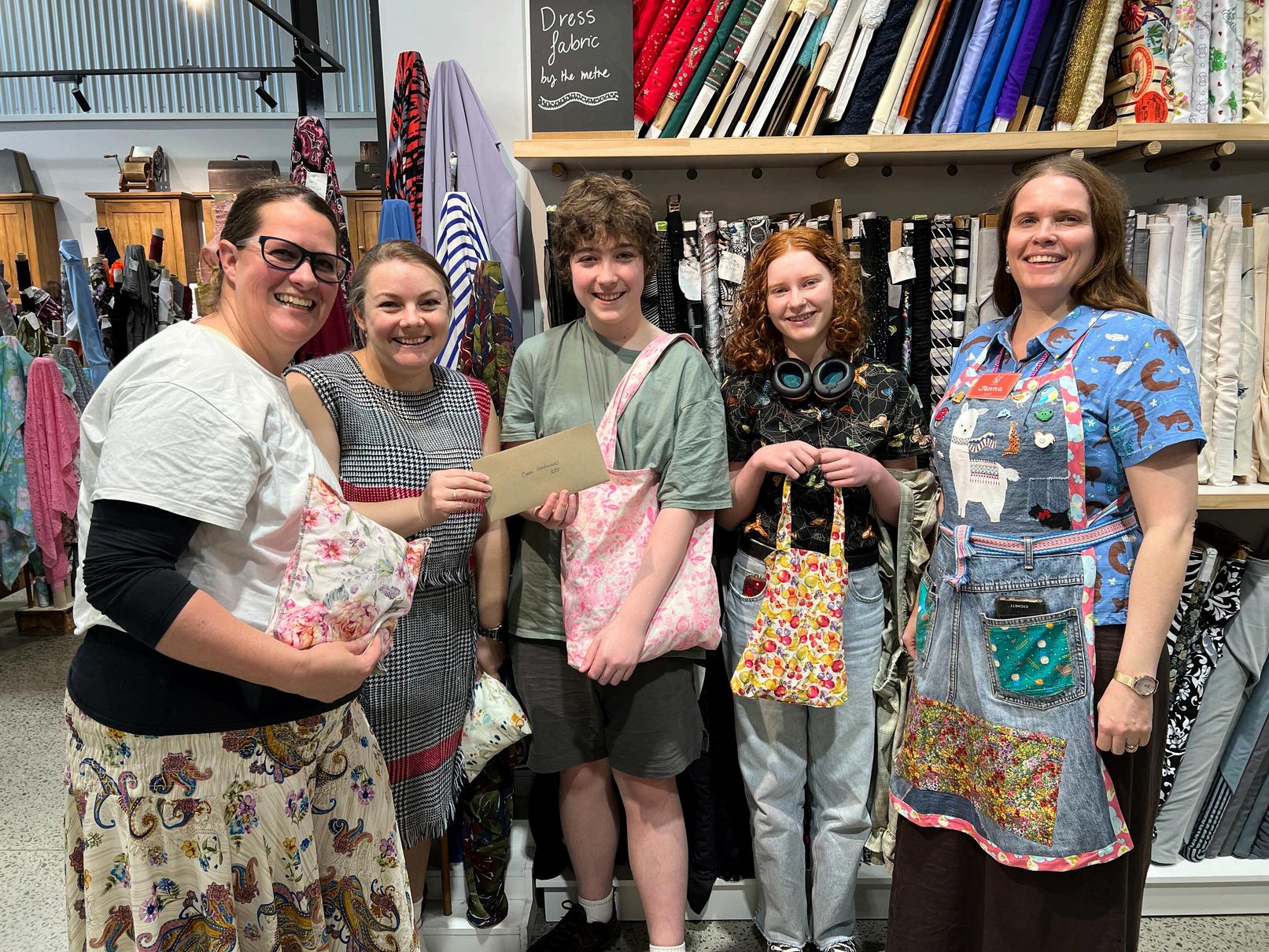
Omni Academies receiving their Secondary School Voucher from the Nest’s Stitch Together program.
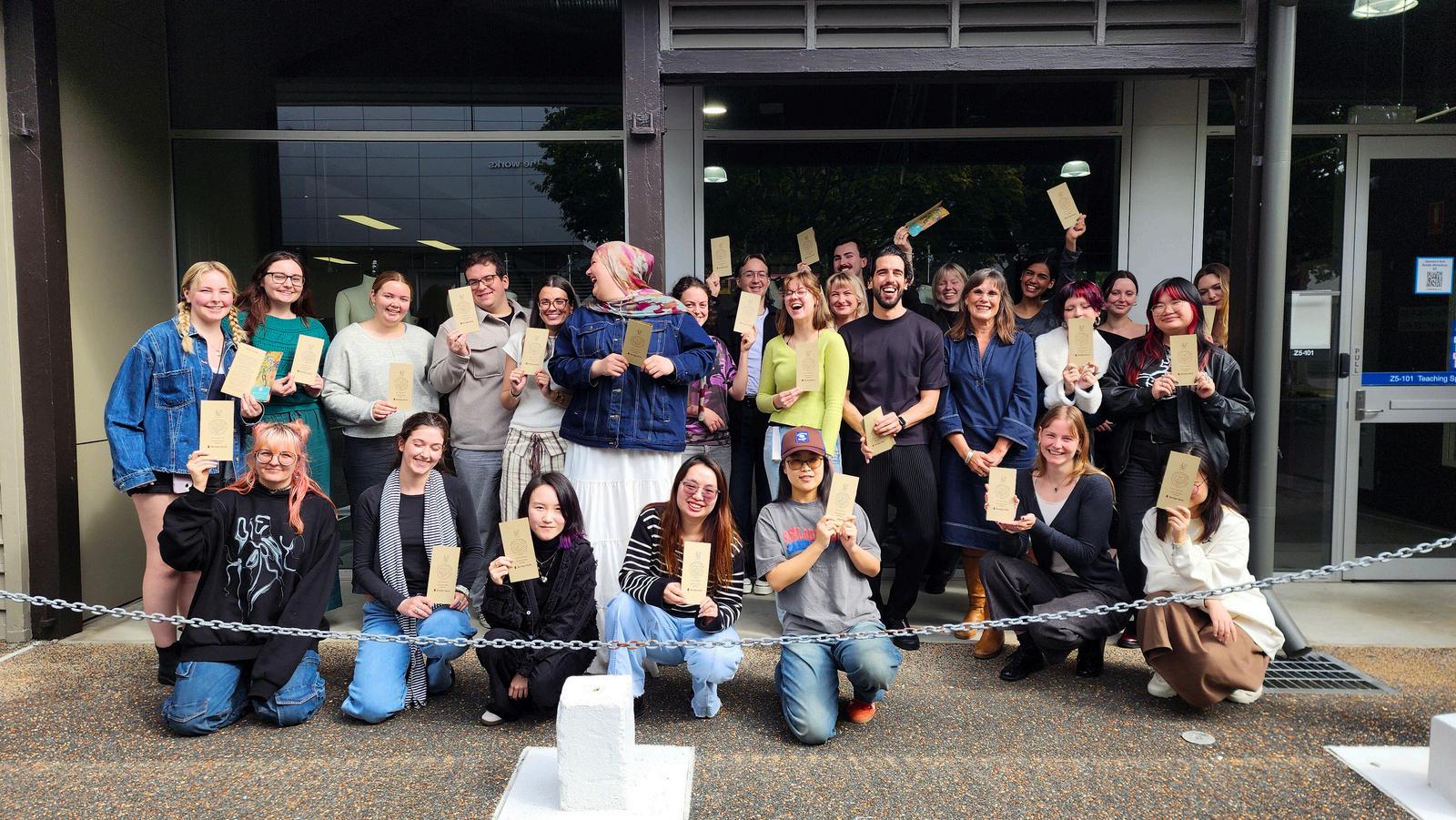
QUT 2 and 3 Year fashion students receiving vouchers as part of nd rd Sustainable Fashion Futures Initiative (Stitch Together program)
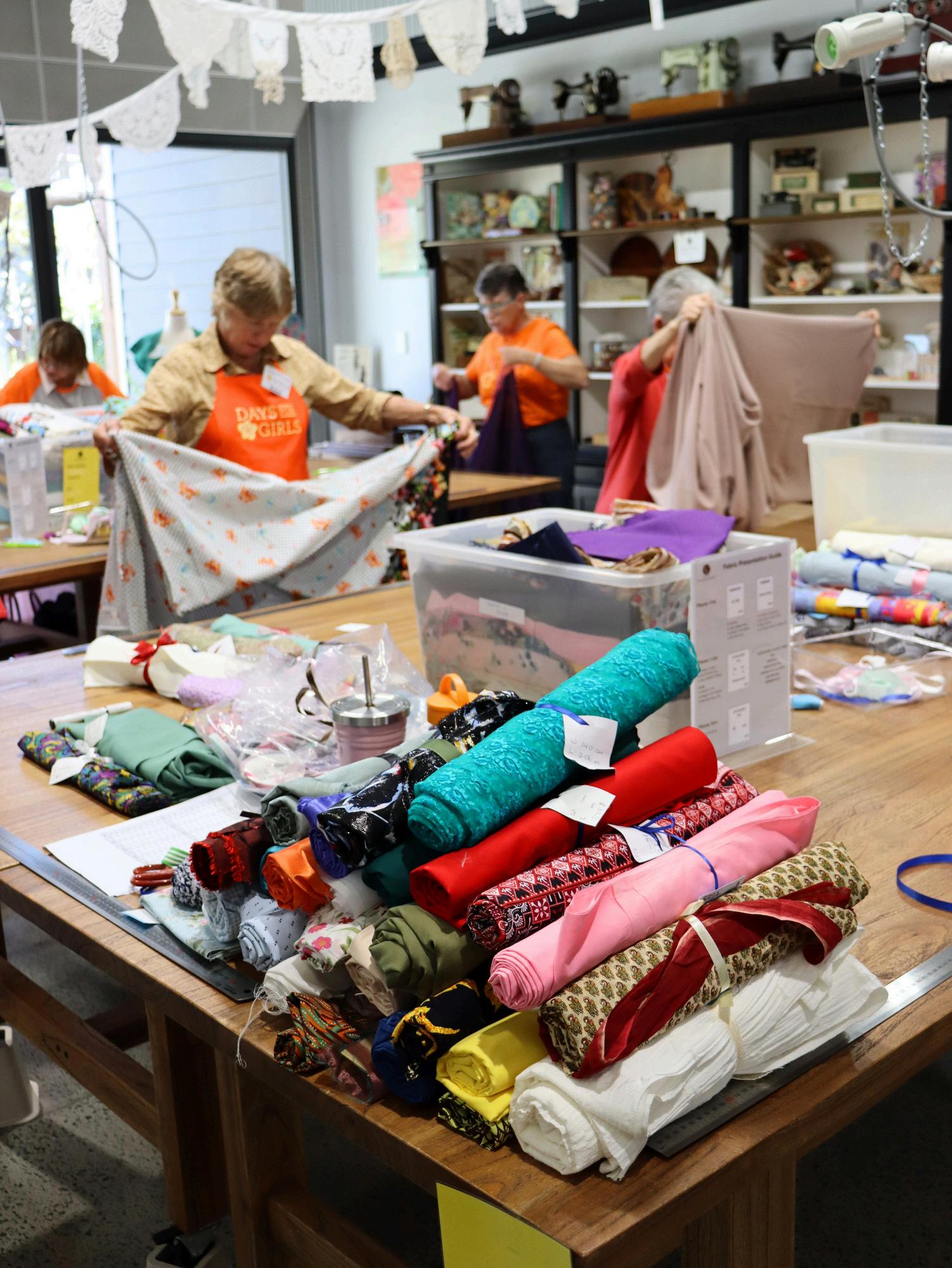
Turbo Rolling Bees session with Days For Girls group
Our work is finally getting noticed.
Earlier this year, our Administration Manager Gwen Bell was a finalist in Volunteer Queensland’s Excellence Awards. Our volunteer management systems are seen as best practice and Gwen represented The Nest, alongside Kathryn Pearson from the Girl Guides and Cindel Richardson from State Emergency Services [SES], both organisations with a much longer history than ours Each week we coordinate more than 80 people to open our doors, and we have a workforce of over 120 volunteers managed by just over the equivalent of four full-time staff. People are in awe of our ability to do that.
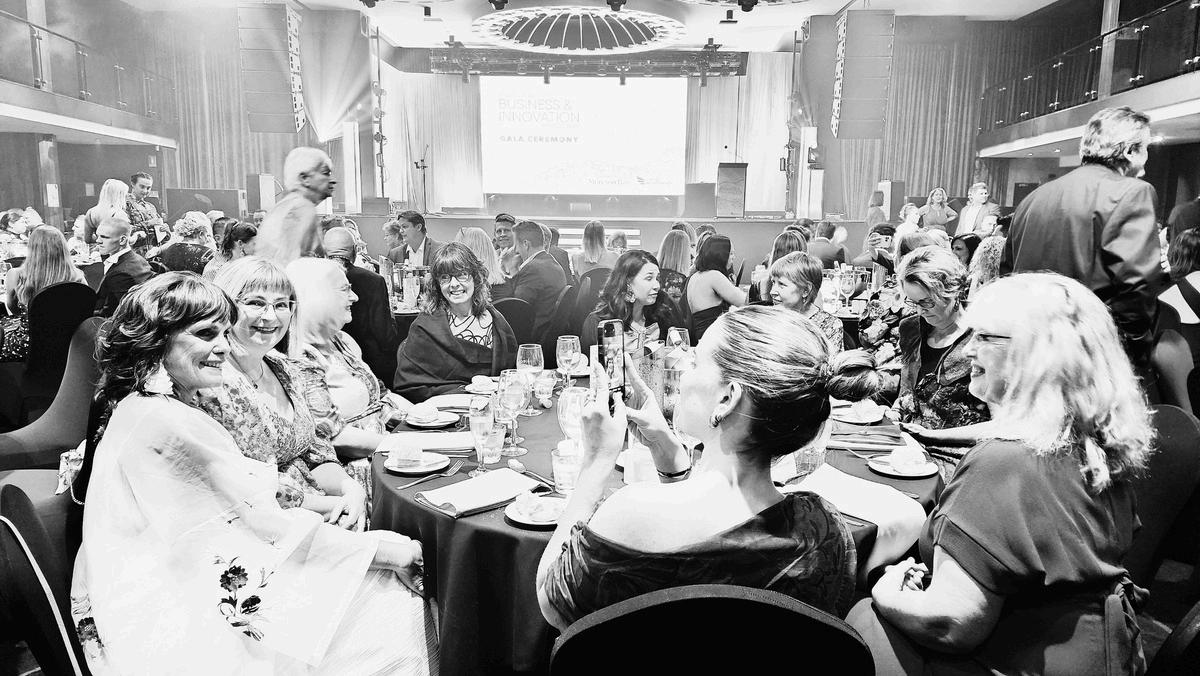
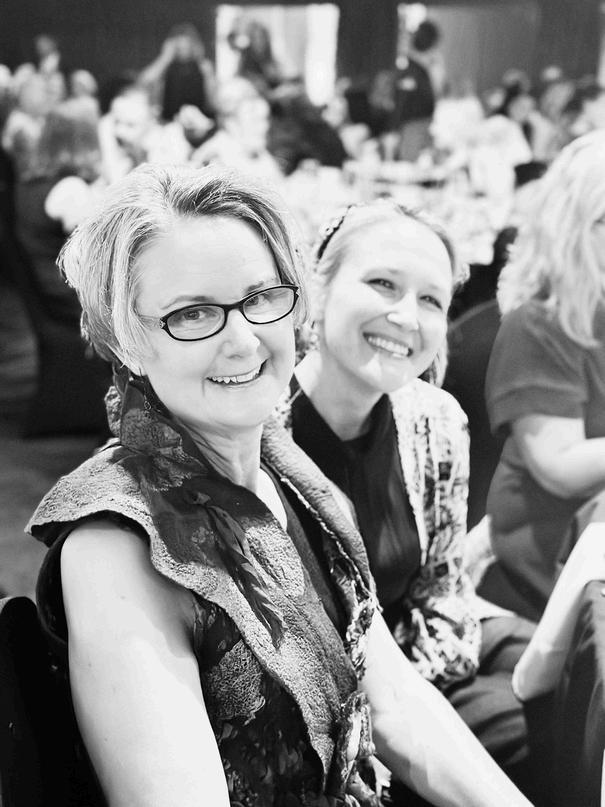
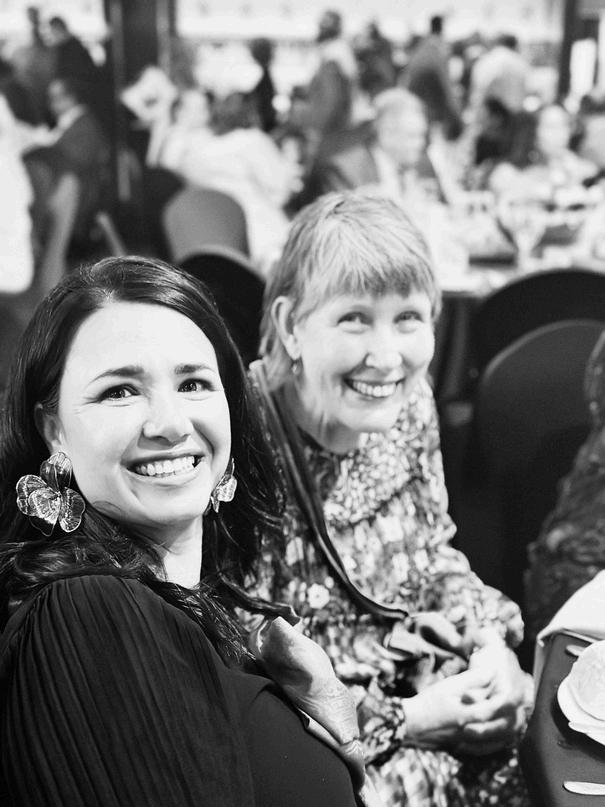
Most recently, our work was acknowledged at the Moreton Bay Business and Innovation Awards.
We received the SRJ Walker Wayland Award for Not-For-Profit Excellence in recognition of how well we’d reinvested our profits to deliver strong community-based initiatives that offered long-term impact and benefits to the community.
The second award, the UniSC Award for Environment & Sustainability Excellence, recognised not only that we recirculate up to 70% of donations, four times the national average in the charitable recycling sector, but also our commitment to sustainable practices and environmental improvement in our daily operations. From investing in solar panels to eliminate energy costs and continually re-evaluating our efficiencies in donation processing
The Nest’s Administration Manager Gwen Bell (centre)at the Volunteer Queensland’s Excellence Awards 2025
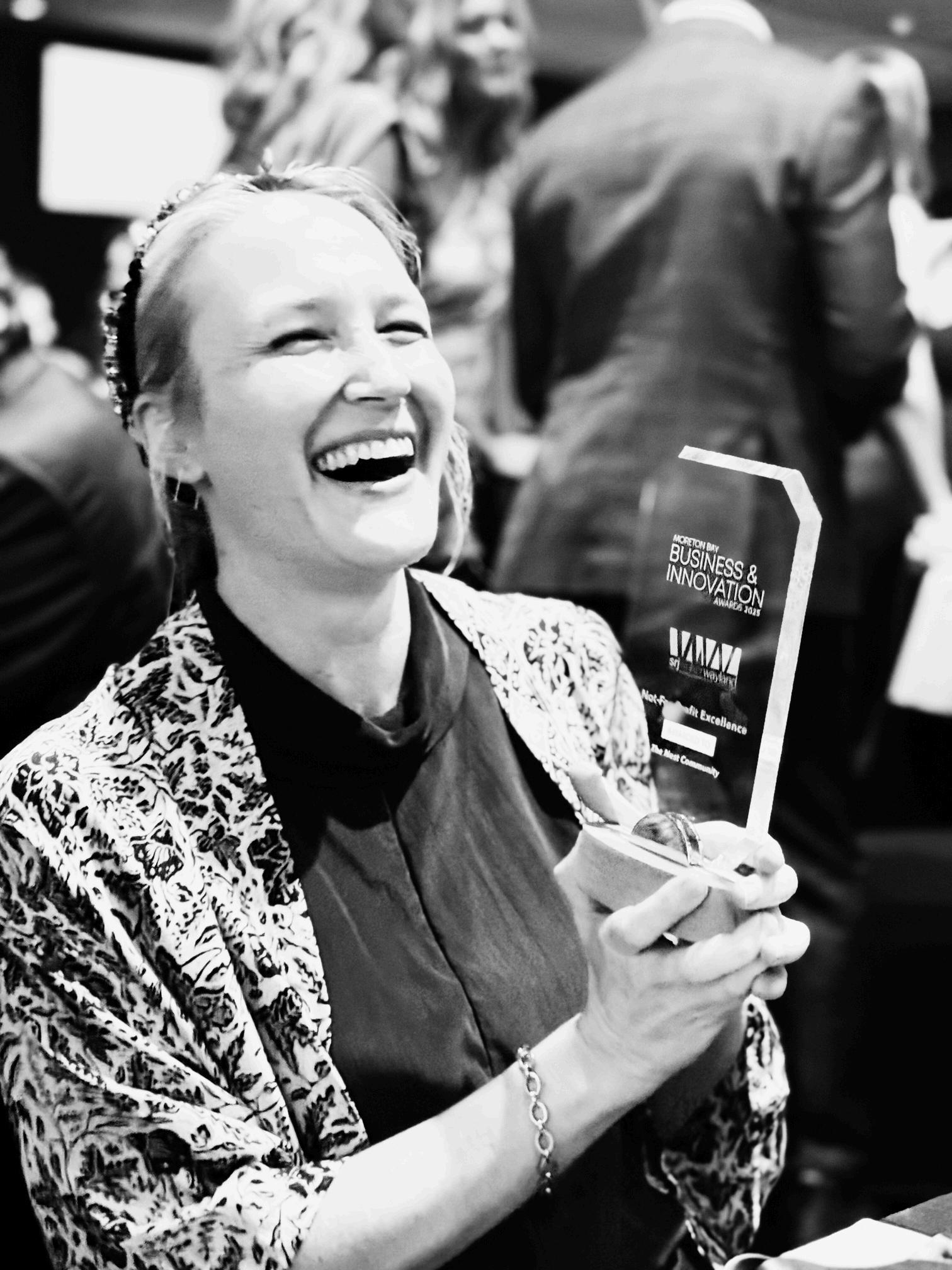
Dr. Monika Holgar, The Nest Community’s Program Manager at the Moreton Bay Business and Innovation Awards
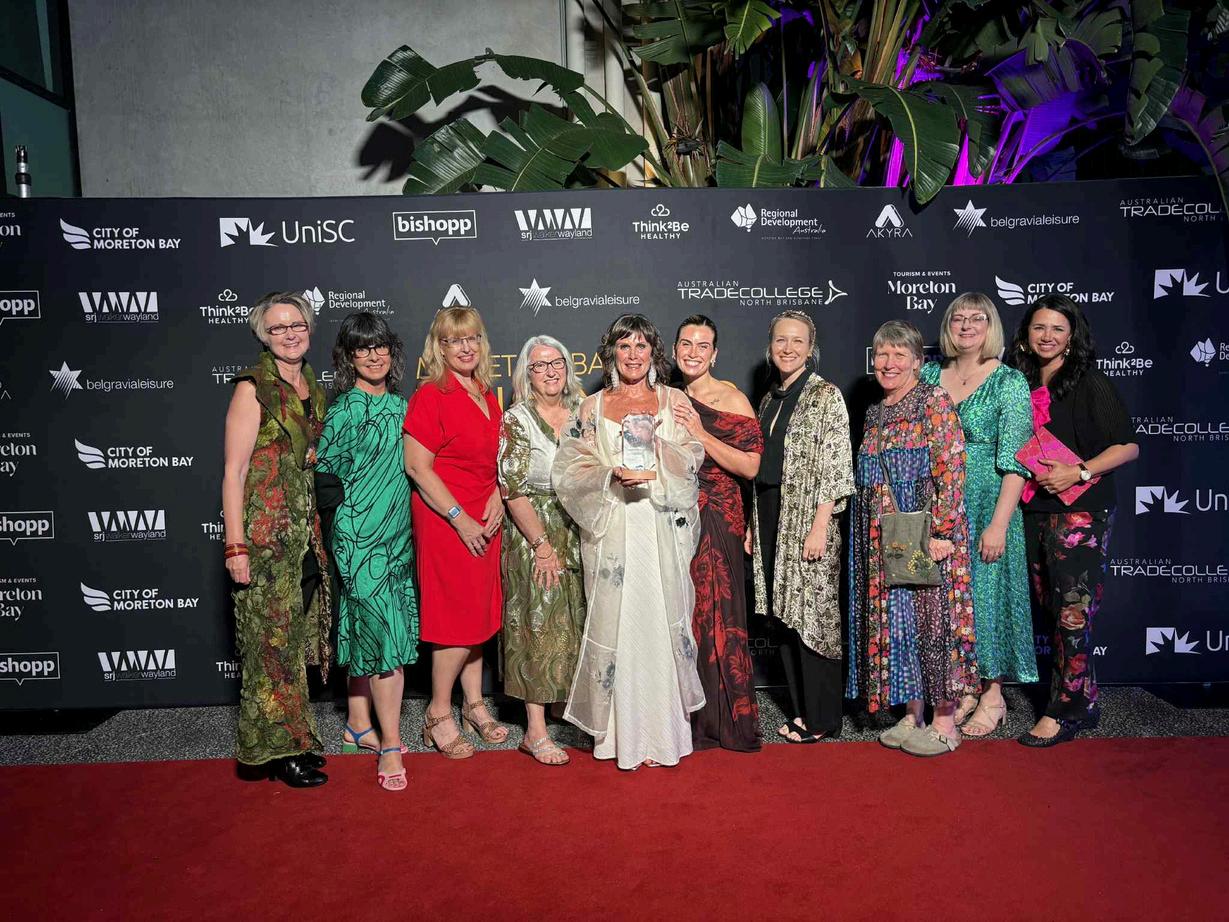
CEO & Founder, Roz Holt (centre), celebrating on the red carpet with The Nest Board members and staff
The Sustainability award also recognised how our communication advocates social change As an organisation that values intergenerational connection, we are founded in stories and have always invested in marketing, photography and film to get our message across Now, we reach more than 66,500 people each year, including over 2,000 generous donors, 23,000 values-driven customers and a thriving online community of more than 40,000.
Our communications are also backed by data, thanks to the expertise of Dr Monika Holgar, The Nest’s Program Manager. Our data collection has become more rigorous and Monika’s detailed review of our operations and statistics formed the basis of our award applications. The application process alone made us feel proud of what we’d achieved
Thanks to Kath Horton, Chair of The Nest Board, we ’ ve also been able to put our results into perspective As Senior Lecturer at QUT in the School of Design, Kath has been teaching in the Fashion discipline for 20 years, and is the co-leader of the Research Group, TextileR. She collaborates on research into industry and community groups focussing on solving critical sustainability issues faced by the textile and fashion industries.
Her perspective allows us to gauge how textile resource recovery solutions are performing, not just locally, or even nationally but globally
Having known Kath for over 12 years, a friendship formed when our kids were at school, she has witnessed our growth Thanks to her, we ’ ve been able to build a valuable partnership with QUT, not just through Stitch Together, but also as an industry partner for QUT’s Impact Lab and a Design Communication Project
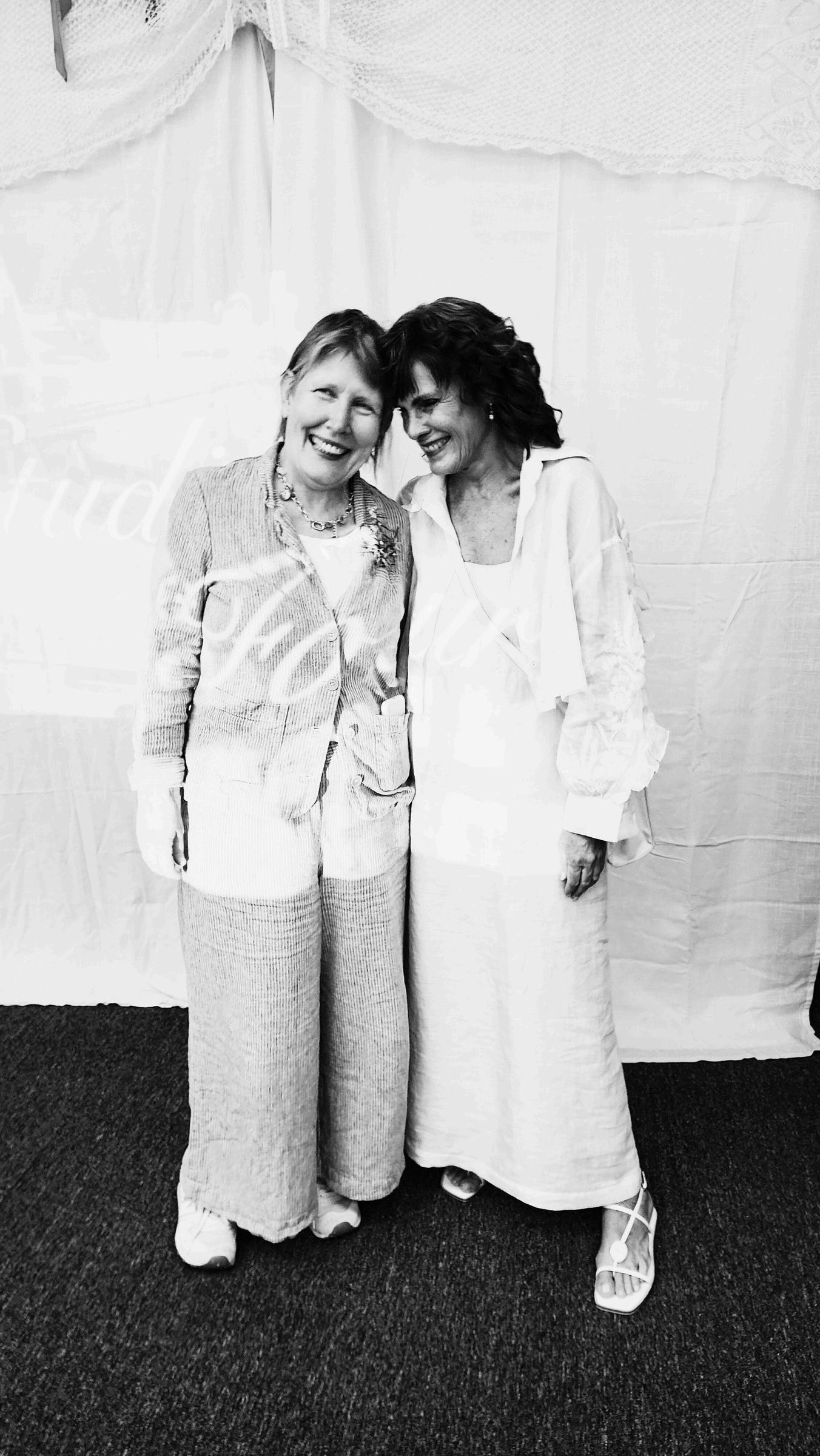
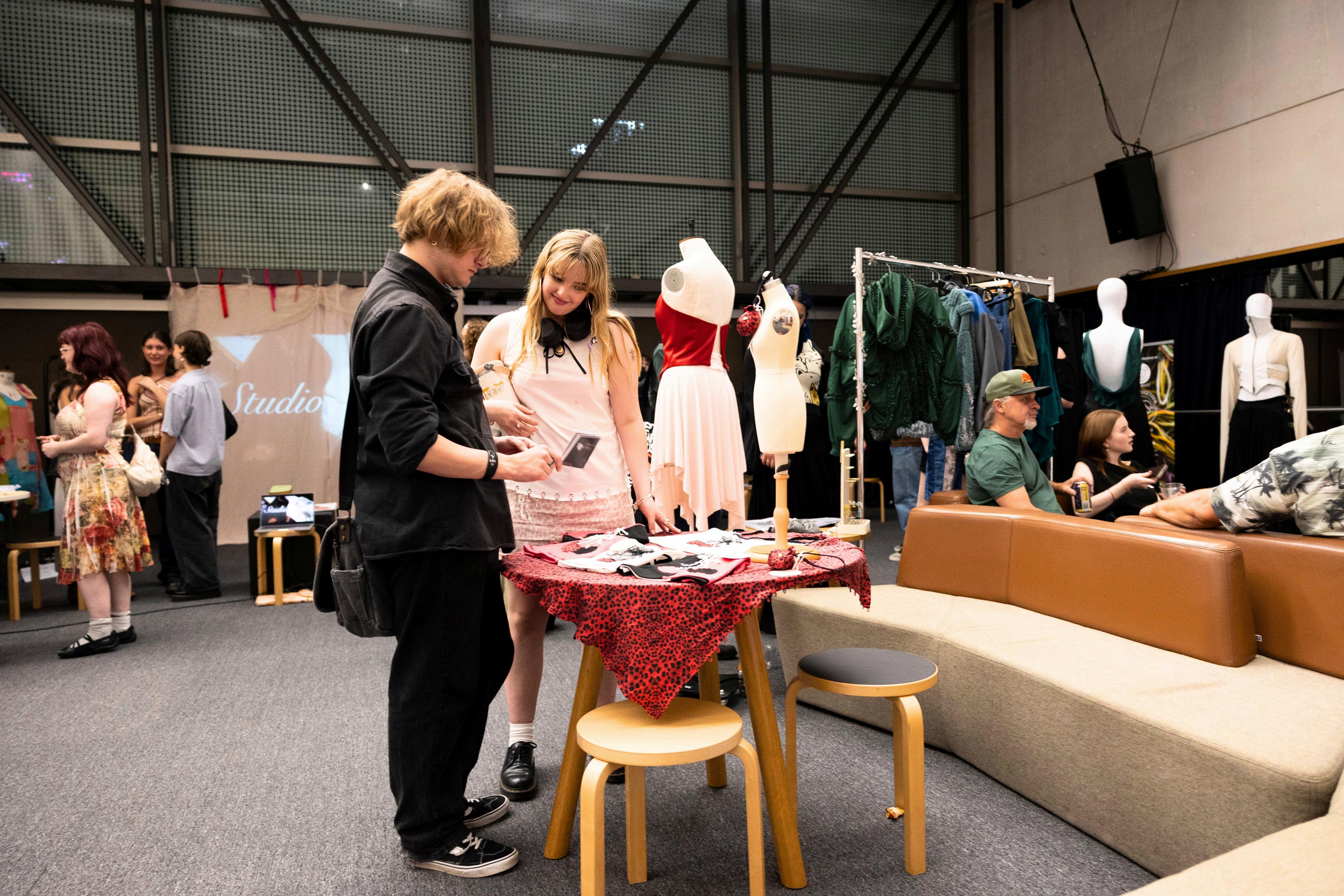
Kath Horton (Nest Chair) and Roz Holt (CEO & Founder) at QUT Studio Four Pop-Up
We also have longevity in the rest of our board. Long-term Board Member, Lisa Wilkinson volunteered when the Haberdashery was in its infancy Our Board Secretary, Kay Hallt, Treasurer, Jac Gallagher and Board Member, Barbara Landels, are all current volunteers doing regular shifts in The Nest Haberdashery
At our AGM this year, my own daughter, Edde-Rose Fenson, who was with me at the inception of The Craft Nest Project, insisted on making a presentation to the Board before she could be appointed as a Member It’s a testament to what we ’ ve built that after all these years, Edde’s passion in our mission has been re-ignited.
Despite all these wins, we know our limits In our five year strategic plan we acknowledge that we can’t finance more Nests. Instead, our aim is to be a centre of excellence, an inspiring example to others. We also intend to share our experience by joining initiatives like Seamless, Australia's national clothing stewardship scheme, where we can add a community-led perspective to solving the issue of textile waste.
What’s the secret to our sustainable success? At the business awards, people came up and congratulated me not on how sustainable we are, or how much revenue we had re-invested into the community. Every single one spoke about how warm, friendly, and inclusive The Nest feels That feedback was the best prize of all because it resonates with our vision: To be a resilient community built on unconditional giving, where people and resources are equally valued
Those that underestimate the ability of women and craft to reduce textile waste, don’t understand the passion of the maker: the kind of woman who lights up over a piece of fabric, who loves a good ball of yarn, who feels pure joy at a beautifully crafted piece of lace.
The woman who finds a “lost treasure” in a donation bag, who can happily disappear into a discussion about a sewing stitch or a pattern, and who is patient enough to share her knowledge not just what she did, but how she did it.
Six days a week, our volunteers share their skills, back each other up, and greet customers and donors with patience and kindness. They make it possible for us to offer a vibrant community space that’s warm, welcoming, and full of conversation What they do is heartfelt and that sense of connection is our real success.
I’m reminded of the saying ‘The whole is greater than the sum of its parts’. I couldn’t agree more and this is the reason collective action is so powerful. When it’s done with heart, it’s an unstoppable force.
Here’s to 2026 and beyond.
It was a red and white, 1950s style floral dress with beautiful red buttons It took days to make with my grandmother, Gladys Foley She insisted that I handgather the entire full skirt, not only because it was the ‘ proper ’ way to learn, but would also make the final result more special
Wearing that dress was my greatest joy.
Did I learn the lesson? To this day I’m a very impatient sewer who refuses to use patterns, something I inherited from my mother What has stayed with me though is the love she poured into making something unique that was created entirely for me I learnt that creativity is a way of loving It strengthens relationships, and it gives you moments that stay with you long after childhood ends.
Growing up, our home was a constant creative symphony My mum, Roz Holt, has worked in various creative industries and ran her own arts practice, so I grew up making alongside her. From DIY everything to handmade Christmas gifts I learnt that creating with your hands does more than make something beautiful It brings joy and it turns time together into
memories that would not have existed otherwise Those moments shaped me, and I will always be grateful for that
When Mum started The Craft Nest Project in 2012, I was twelve years old and deeply struggling with social anxiety and isolation at school Then, being neurodivergent was not openly recognised. Despite support at home and some at my school, I felt incredibly alone.
Lunchtimes were spent hiding in the art block, or on really tough days, the bathrooms. Anything to remove myself from a chaotic environment that felt overwhelming, loud, and far too hard to belong in
The Craft Nest Project became a bridge. It gave me a safe place to meet new people. It opened doors for friendships, and it opened something inside me as well Slowly, I became someone who could not only handle social interaction, but enjoy it. I went from the girl who felt sick before every social event, to someone with multiple friendship groups who can walk into a room without hesitation
Craft didn’t just have that effect on me, other girls in the group blossomed as well.
My mum founded The Nest Community in 2014 to apply what she’d learnt with girls to build a community that would connect women purposefully through craft. At fourteen years old, I was its first member, helping to run Saturday sessions teaching young girls to sew
By 2016, my grandmother, then in her eighties, stepped in to assume operations at The Nest while my mum returned to paid work During that time it was truly a grassroots organisation and I witnessed the hours of unpaid work that went into applying for grants, organising pop-up events and trying to get supporters involved
‘Too out of the box’ was what we were often told. For many years this was our greatest challenge for garnering support
and why we relied so heavily on storytelling to grow The Nest’s vision and explain our point of difference. Even as a teenager, I used photography and film to give more depth and understanding to what our community was about
That was a lesson I did learn!
Edde Rose among the 12 founding members of The Nest Community with Local MP Tim Mander, 2014
Craft Nest Project Leaders, Edde Rose [R] and Lucy, outside Fallon Cottage 2012
As an adult, I’ve worked in the charity sector for the last five years, honing my marketing, fundraising and graphic design skills to create impactful storytelling campaigns for various causes In November this year I returned to The Nest as a newly appointed board member and I’m honoured to have the opportunity to share my skills and insights with an organisation that’s leading the way in textile recovery, sustainability and women ’ s connection rescuing thousands of litres of textiles from landfill each week and creating spaces where women and girls can connect, learn and thrive
I am honoured... to share my skills and insights with an organisationthat’s leading the way
Reflecting on The Nest’s evolution, I am always emotional
When I heard the news that we were moving to Brendale in 2023 I said, “It’s too good to be true. What’s the catch?” It was monumental and the community spirit during that transition showed exactly what The Nest had become
Even in the final stages of terminal cancer, Gladys requested one last outing to see The Nest’s new home. She was shown the studio that would be named in her honour and where we would continue the tradition of teaching young girls to sew through the Exchange Project. The pride in her eyes for the acknowledgement of her contribution, and for what her daughter, Roz had achieved, is something I will carry with me always. After my grandmother’s passing the Gladys Mary Studio was officially opened. It’s the most special memory of my life Gladys was instrumental in building this community, and it meant everything to her.
Yes, there are family memories, but watching The Nest flourish while honouring why it began, is one of the most extraordinary things I will ever witness. I could not be more proud of The Nest Community, or of my mother, for turning a vision of creativity, sustainability, and belonging into a living legacy that will continue for generations to come.
I look forward to doing my part to make sure that vision continues
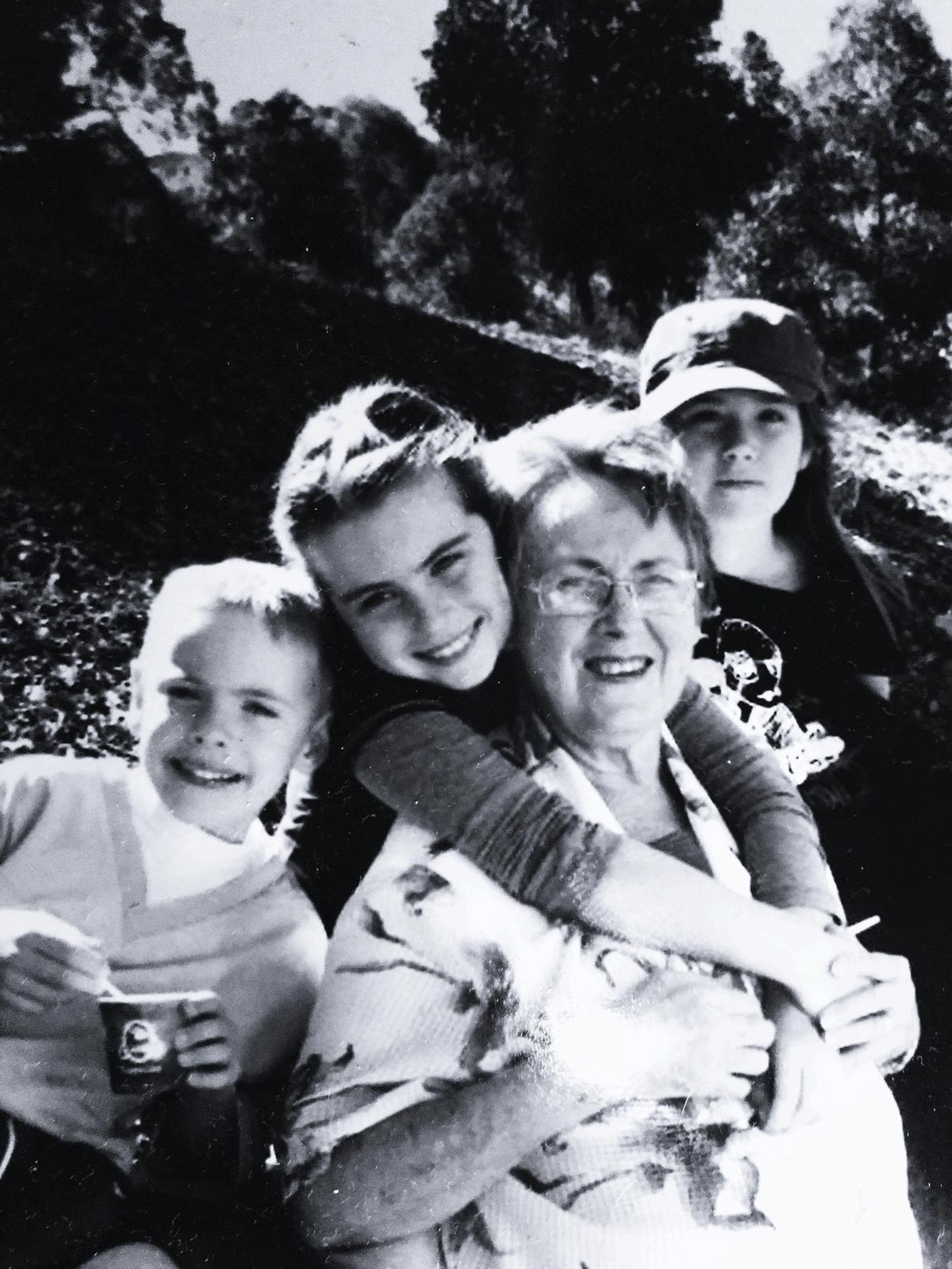
Edde Rose, brother Luke and cousin Helena with their Grandmother, Gladys Foley
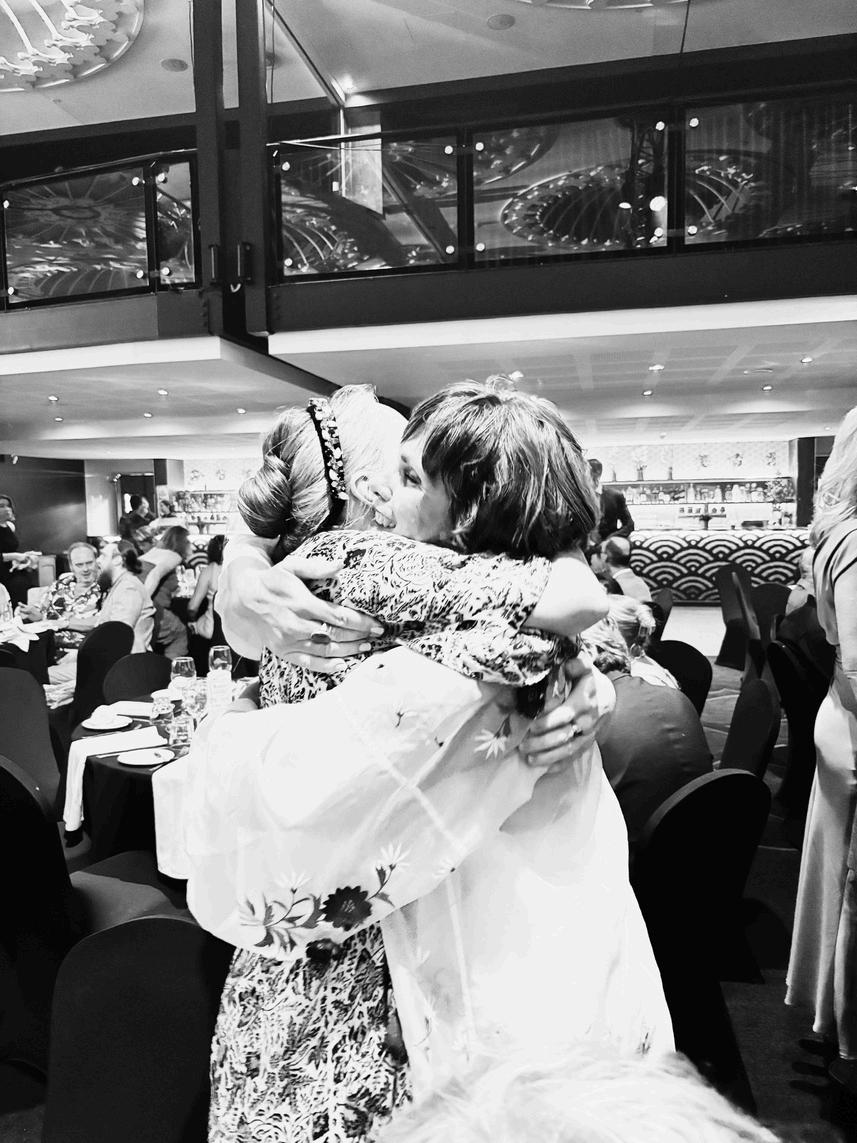
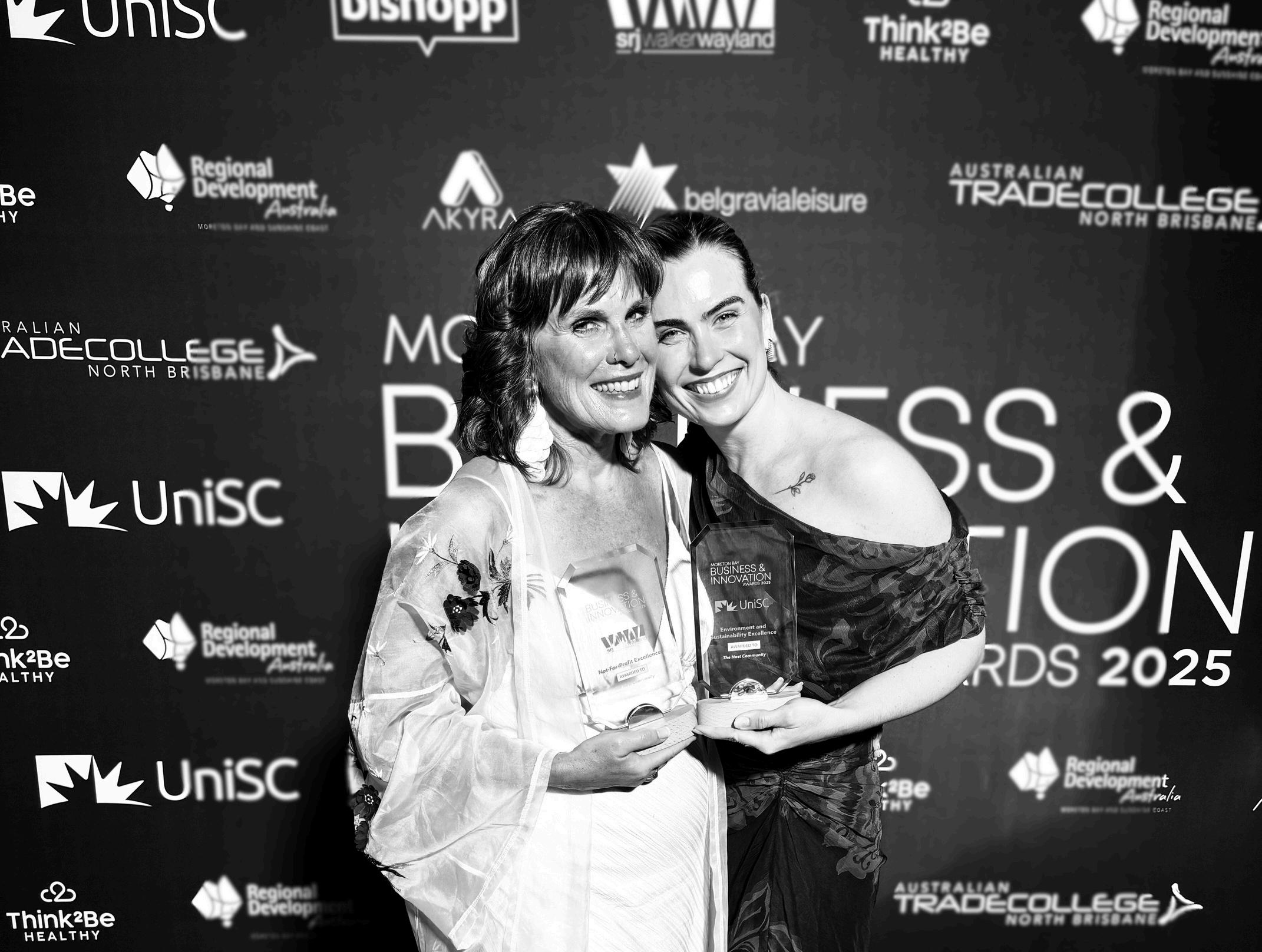
Edde Rose and her mother Roz Holt, at the Moreton Bay Business and Innovation Awards, 2025
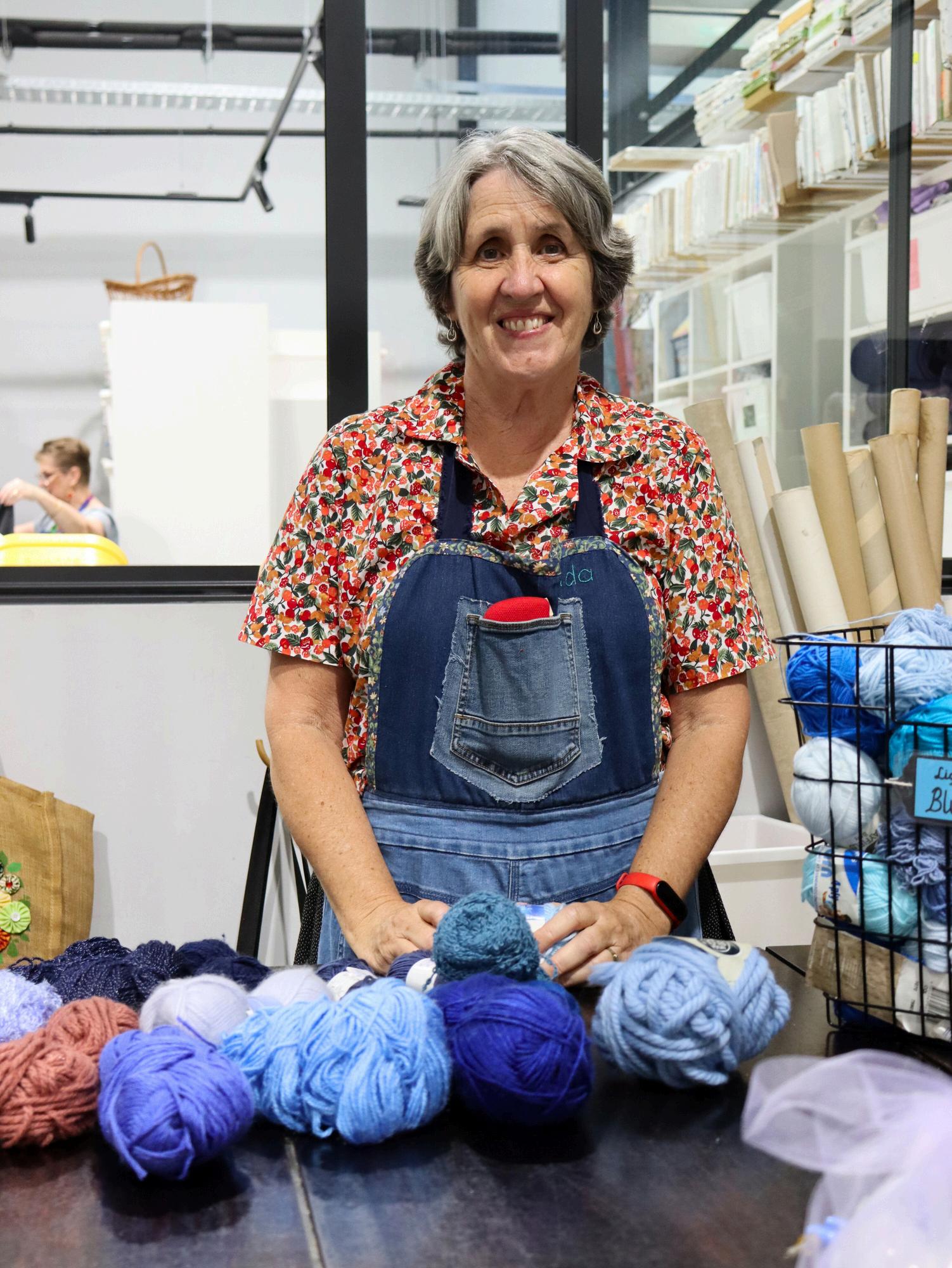
MEET LINDA
Maker of Tiny Wonders
If you ’ ve ever wandered through The Nest Haberdashery on a sunny afternoon and been greeted by a warm smile, it might just have been Linda A skilled sewist, gentle encourager, and dollmaker with a whimsical imagination, Linda brings colour and calm to every corner of The Nest Community.
“I’m a self-taught sewist,” she says with a quiet pride, “and I get a lot of pleasure from it.” That love of making is woven into everything Linda does, from mending preloved items to crafting fantastical characters from scraps of fabric Her creativity is deeply connected to her belief in sustainability:
“I’m passionate about recycling and have always been a hunter and gatherer in op shops. Refashioning garments is a great hobby.
Just a few little touches, some buttons or trim, and something unwanted becomes useful again ” Linda’s journey to The Nest began when the charity moved to Brendale With a lifelong love of sewing and a deep appreciation for reuse, she saw the opportunity as a perfect fit
Before retirement, Linda worked as the Divisional Returning Officer for the Division of Dickson with the Australian Electoral Commission. After stepping away from work due to illness, she found healing in her hands “Sewing helped me recover,” she reflects. “Now, I’m quite well - and still sewing.”
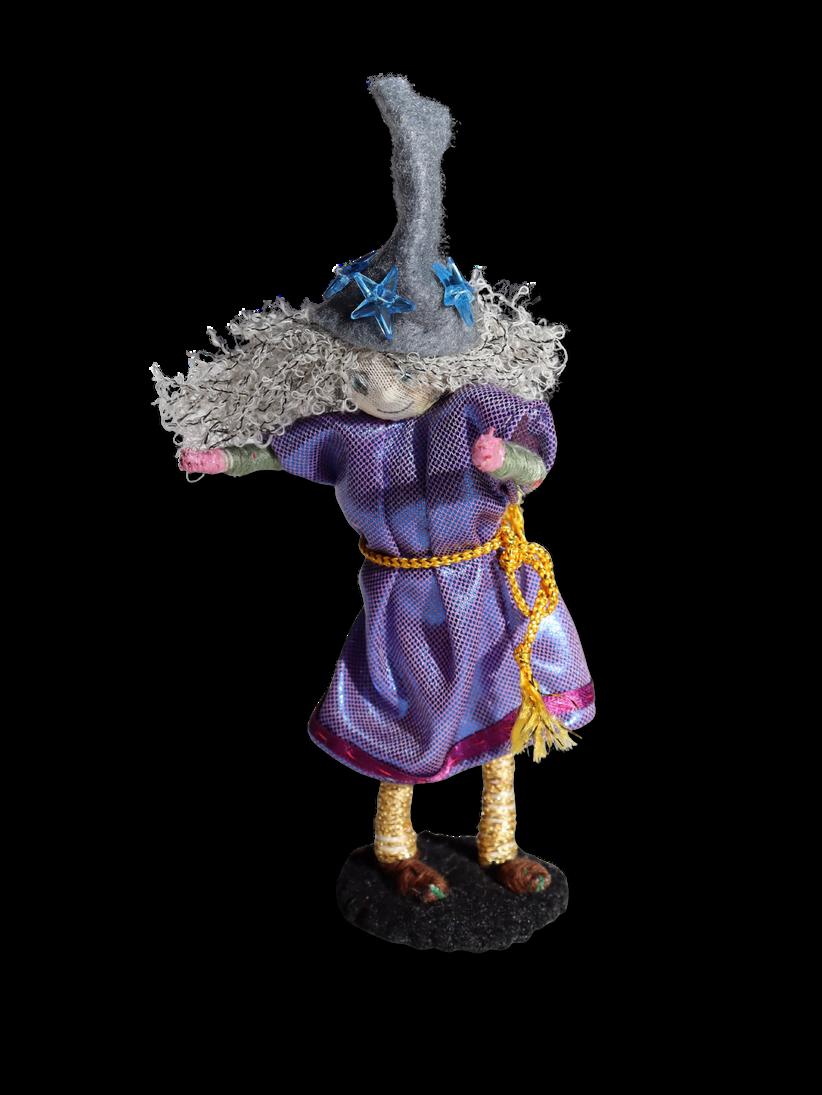
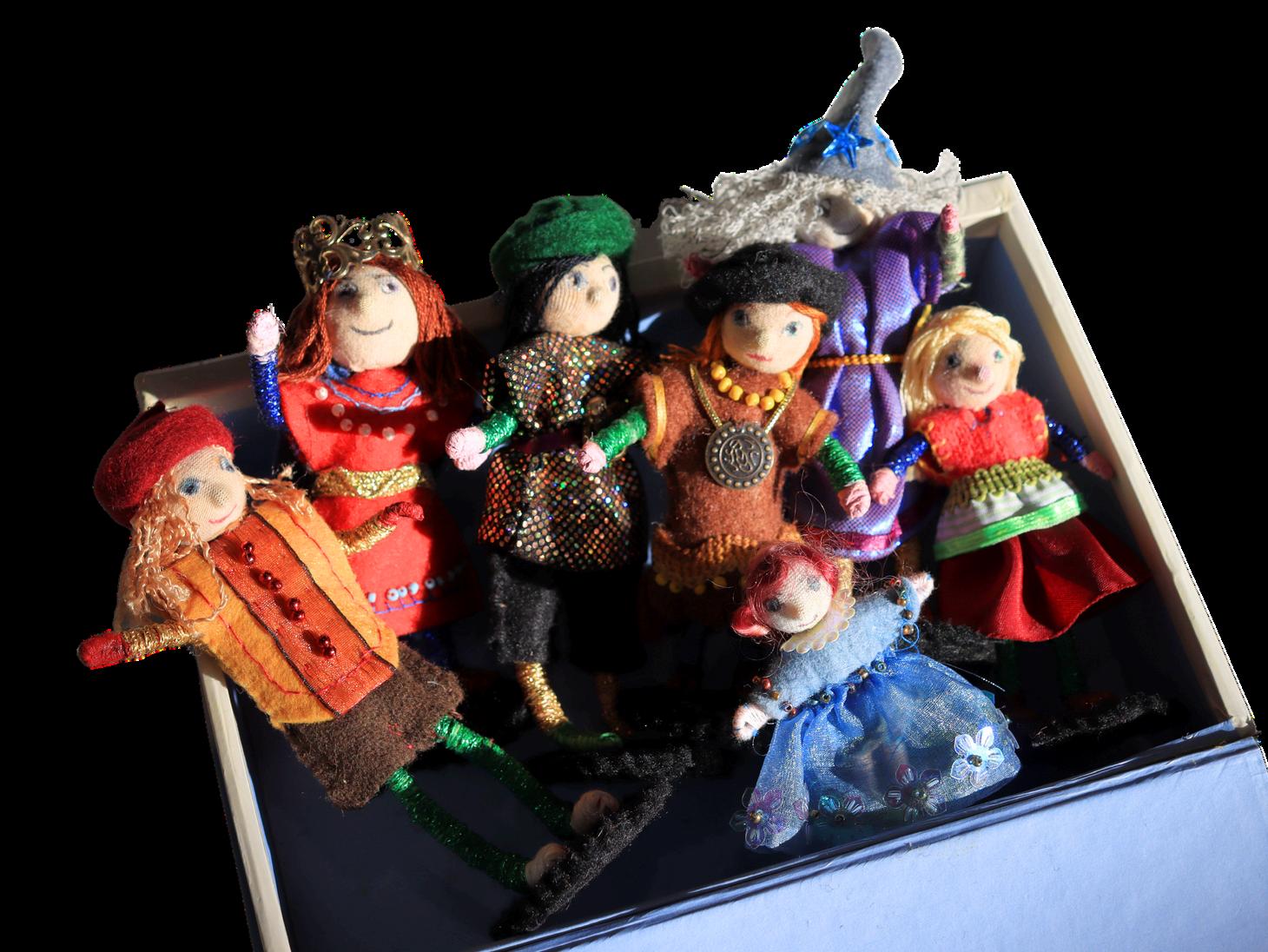
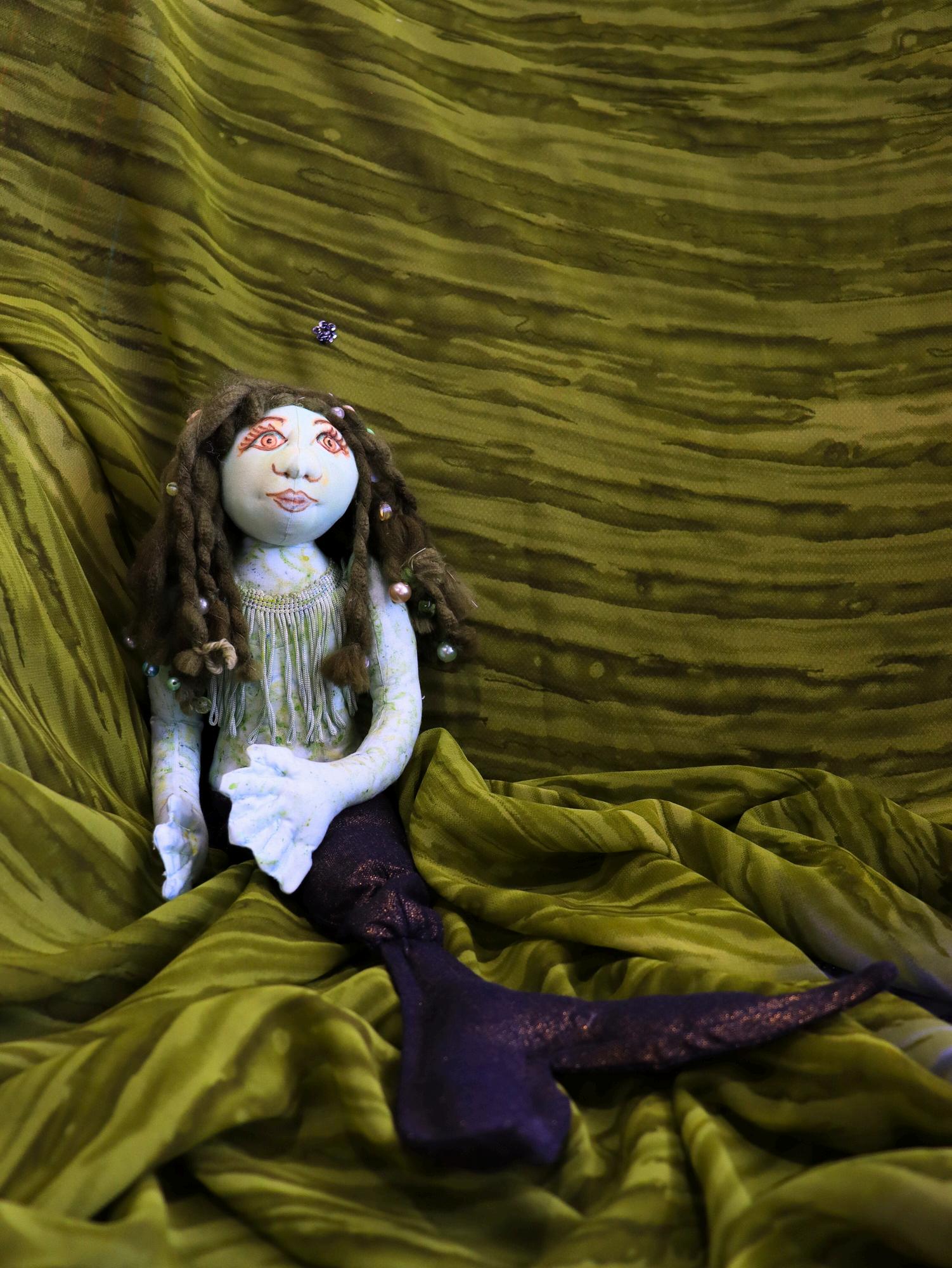
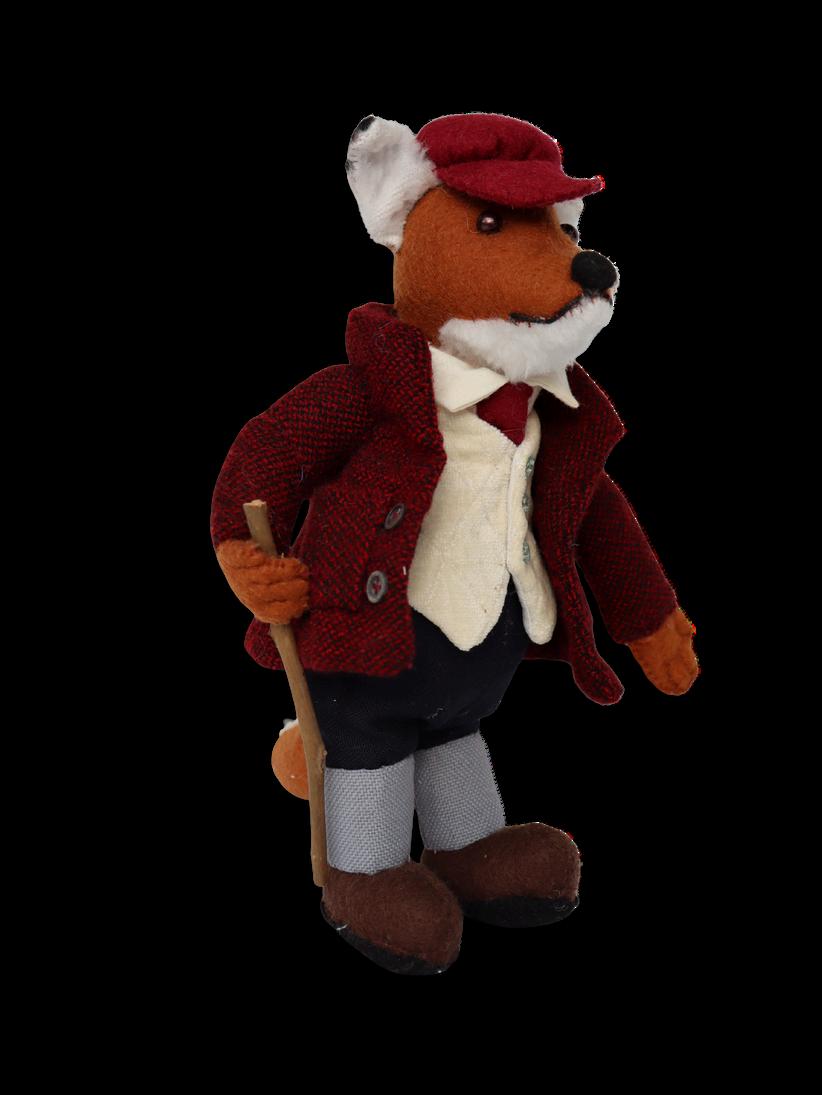
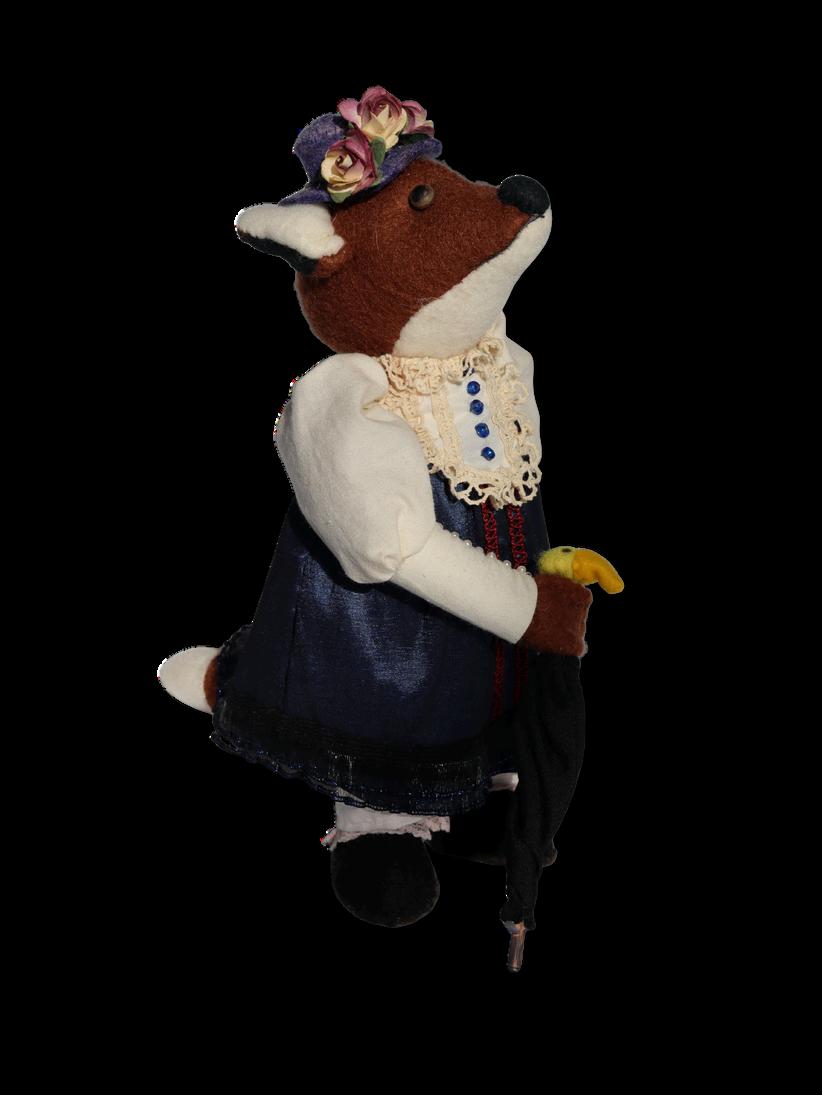
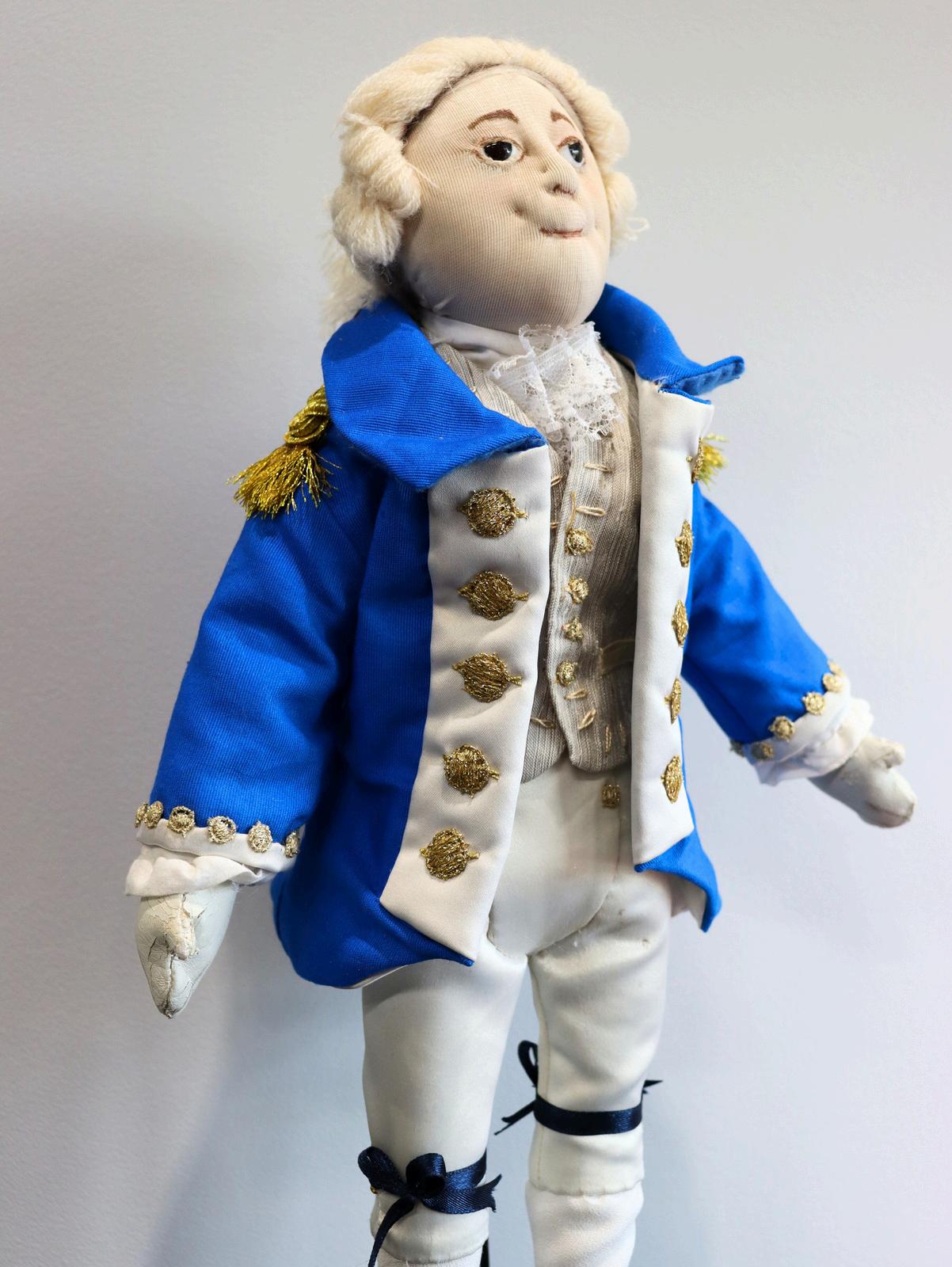
Her stitching journey has led her into unexpected, magical territor art dolls. Think mermaids, knights shining armour, dragons, and for pixies; crafted from cloth, thread and imagination “It’s a great wa to be creative,” Linda says “You can turn bits of fabric into something completely enchanting
energy do there. Fro
dolls to di osau s, hand-stitched quilts to appliqué cushions, she finds joy in every kind of handicraft
A particular treasure is the king-sized English Paper Pieced quilt she sewed by hand while caravanning around Australia. “I stitched hexagons in remote places and collected scraps from op shops along the way Every piece holds a memory ”
ince joining The Nest just over a year go, Linda has become a valued part of he volunteer team “The best part is the eople,” she says “Everyone is pleasant, heerful, and cooperative I love helping ustomers, learning about their projects, nd being part of a space where fabric nd creativity are everywhere. It’s oothing, it lifts my spirit.”
nda also shared her skills through The Nest’s Exchange Program, teaching craft kills to high school students. “It was wonderful to see their enjoyment in making The other ladies in the program were so welcoming and inclusive, it was lovely thing to be part of.”
Whether she’s rolling fabric, sorting donations, or stitching dragons, Linda brings a sense of care and curiosity to everything she touches. Her story is a beautiful reminder of how creativity and community can transform the everyday, proving that even the smallest scrap has potential when placed in loving, thoughtful hands
Globally, millions of tonnes of fast fashion - much of it made from plastic, are sent to landfill Shockingly, Australians are the largest consumers of clothing per capita, and each year 300,000 tonnes of clothing waste is either sent to our landfills or developing countries
We are in a vicious cycle of consumption and the majority of the clothing industry operates on a linear model of take, make and dispose While educating consumers about reducing, reusing and repairing is good, it doesn’t stop the conveyor belt.
This is why, as a small craft-based charity, we decided to start from the beginning and engage with emerging designers to foster their interest in circular design.
In November 2024, we wrote about our involvement with the Capsule Collective, the end of year pop-up shop for 2nd-year QUT Fashion students. We donated $4500 worth of resource vouchers, which gave students the opportunity to design garments focusing on repurposing textiles and minimising waste
Later that year, we secured a $50,000 grant from Community Bank Samford, part of Bendigo Bank, to support Stitch Together, our most ambitious program to date, with the intention of getting more communities involved in reducing textile waste. This was achieved through Turbo Rolling Bees [TRB], Secondary School Vouchers [SSV] and Sustainable Fashion Futures [SFF]
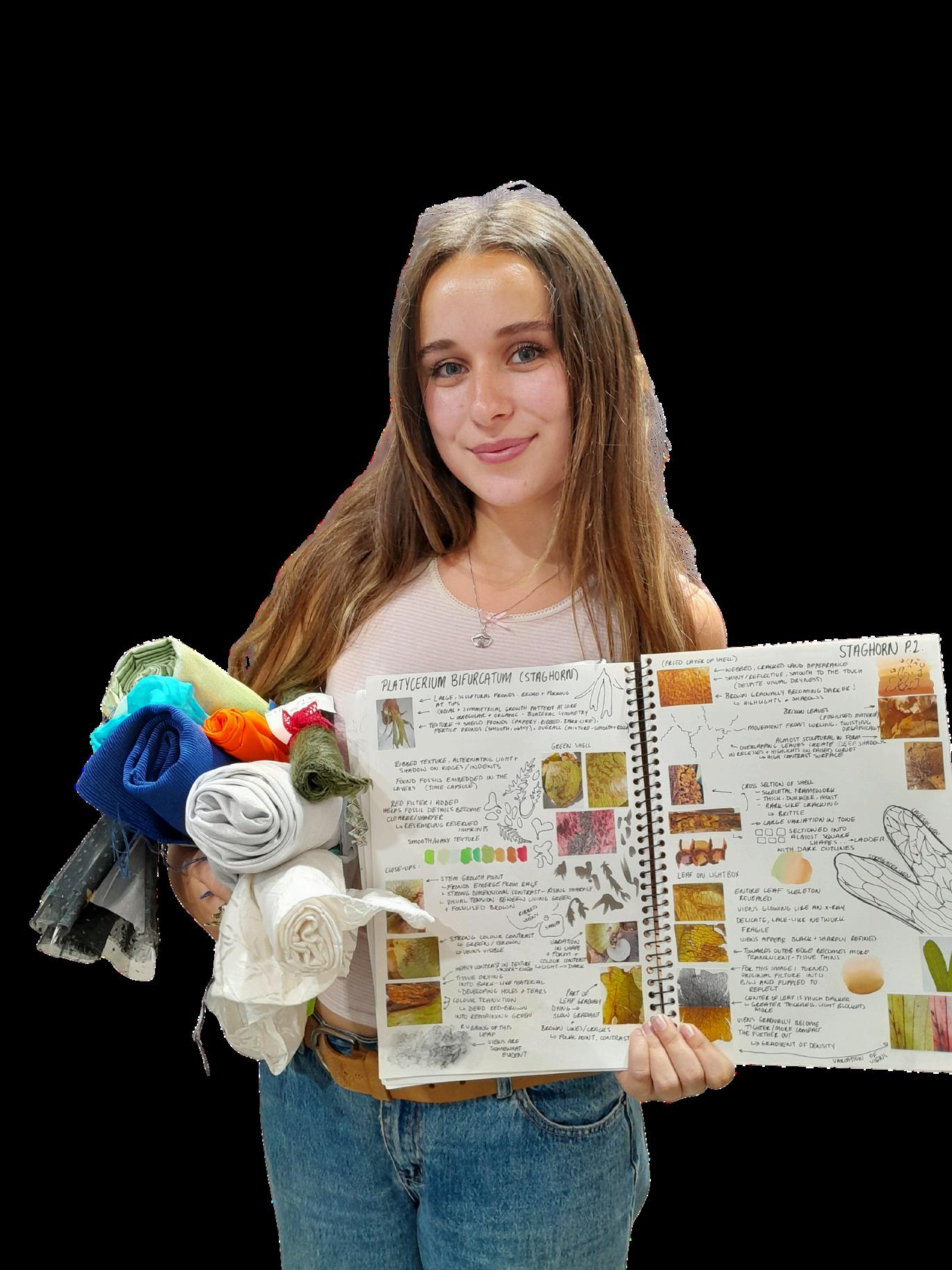
As part of our SFF initiative, we called for applications for an Emerging Designer Bursary The recipient, third year QUT Fashion student Cassandra Steele, received a $1000 resource voucher
In her application she wrote: “As a fashion student it’s hard to ignore the negative impact that the fashion industry can have on the environment. The Nest is always my first point of call, and sometimes my only choice, when it comes to sourcing materials. My dedication to reclaimed materials extends beyond fabric as I source all of my materials, trims and equipment from The Nest as well Earlier this year I purchased a knitting machine from The Nest that I am excited to use for my graduate collection”.
Thanks to the support of Community Bank Samford, we were able to extend our support to other students, giving $15,000 worth of resource vouchers to the 2025 cohort of 2nd and 3rd-year QUT students, supporting almost 100 students with their projects
As a haberdashery stocked by donation our $20,000 worth of vouchers is equivalent to around $60,000 worth of stock We receive some incredible fabrics, many of which would be way beyond the financial reach of students Although the value of the resources are important, the diversity and quality of stock made it easy for students to choose a circular design practice
“Sometimes, it can be hard to source fabric second hand when you can’t always find what you have in mind; this is why my design practice has adapted to this way of working I find that I am much more inspired by the materials that I have available to me. My silhouettes are often influenced by this and informed by the fabrication and experimentation that I develop”
- Cassandra Steele
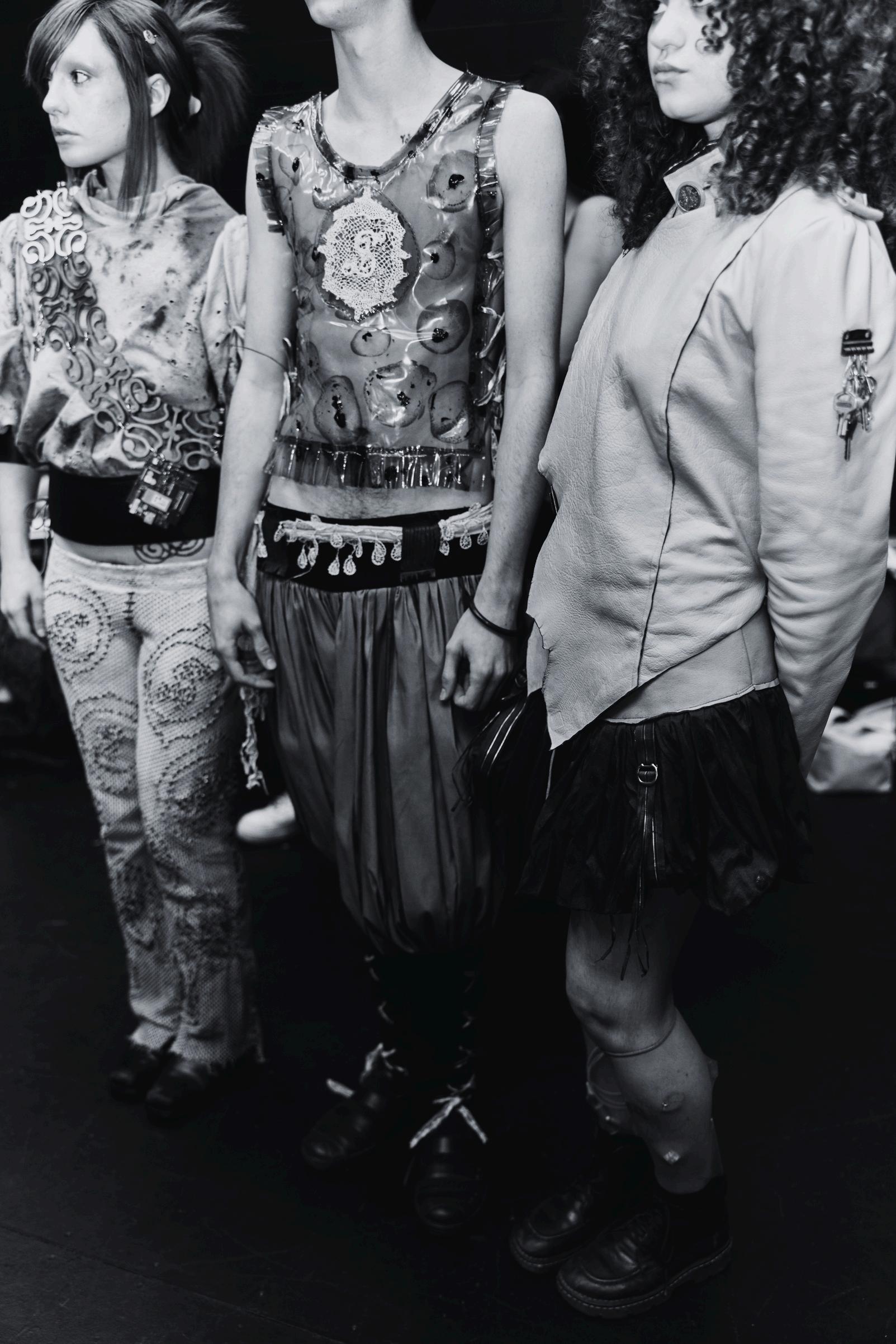
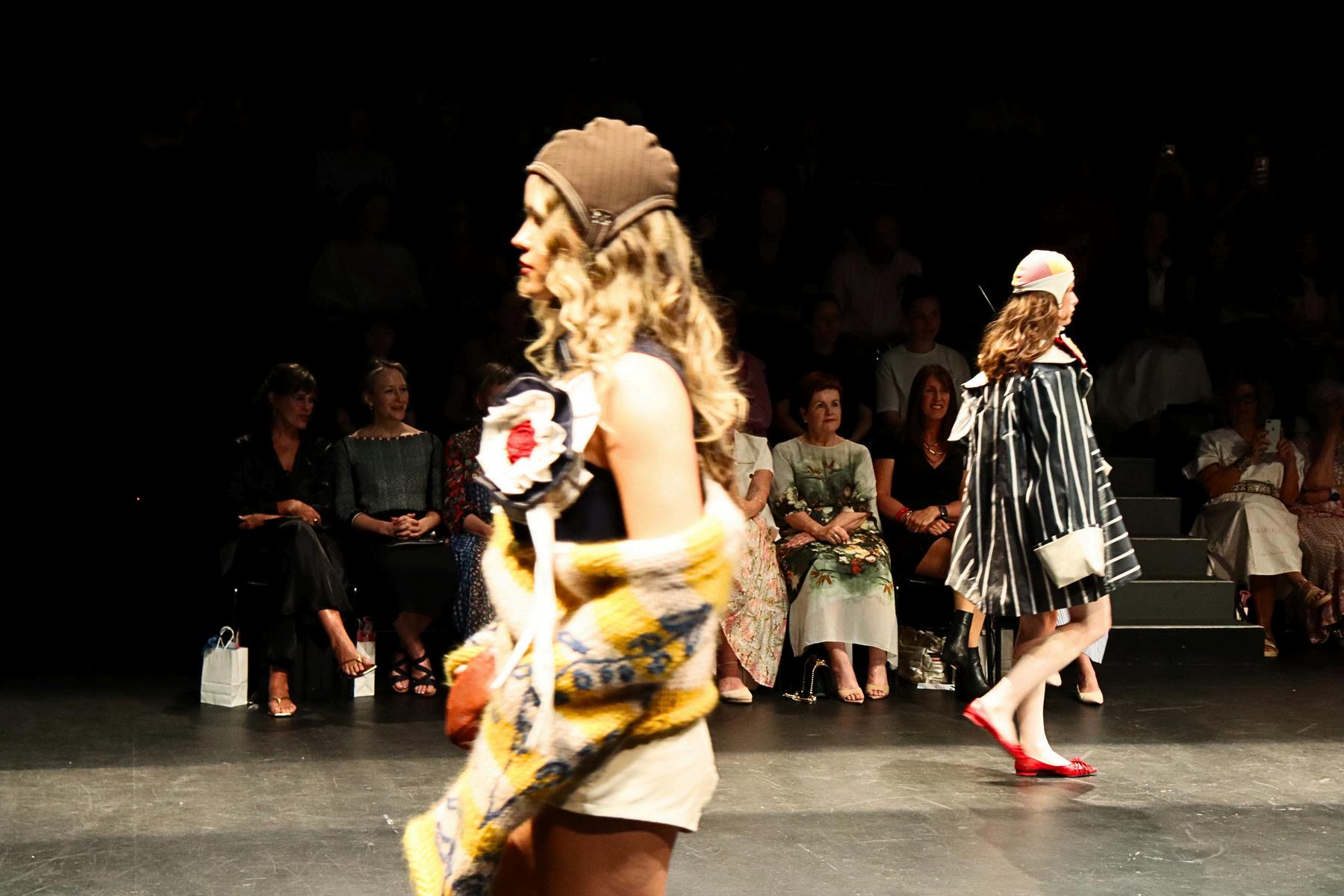
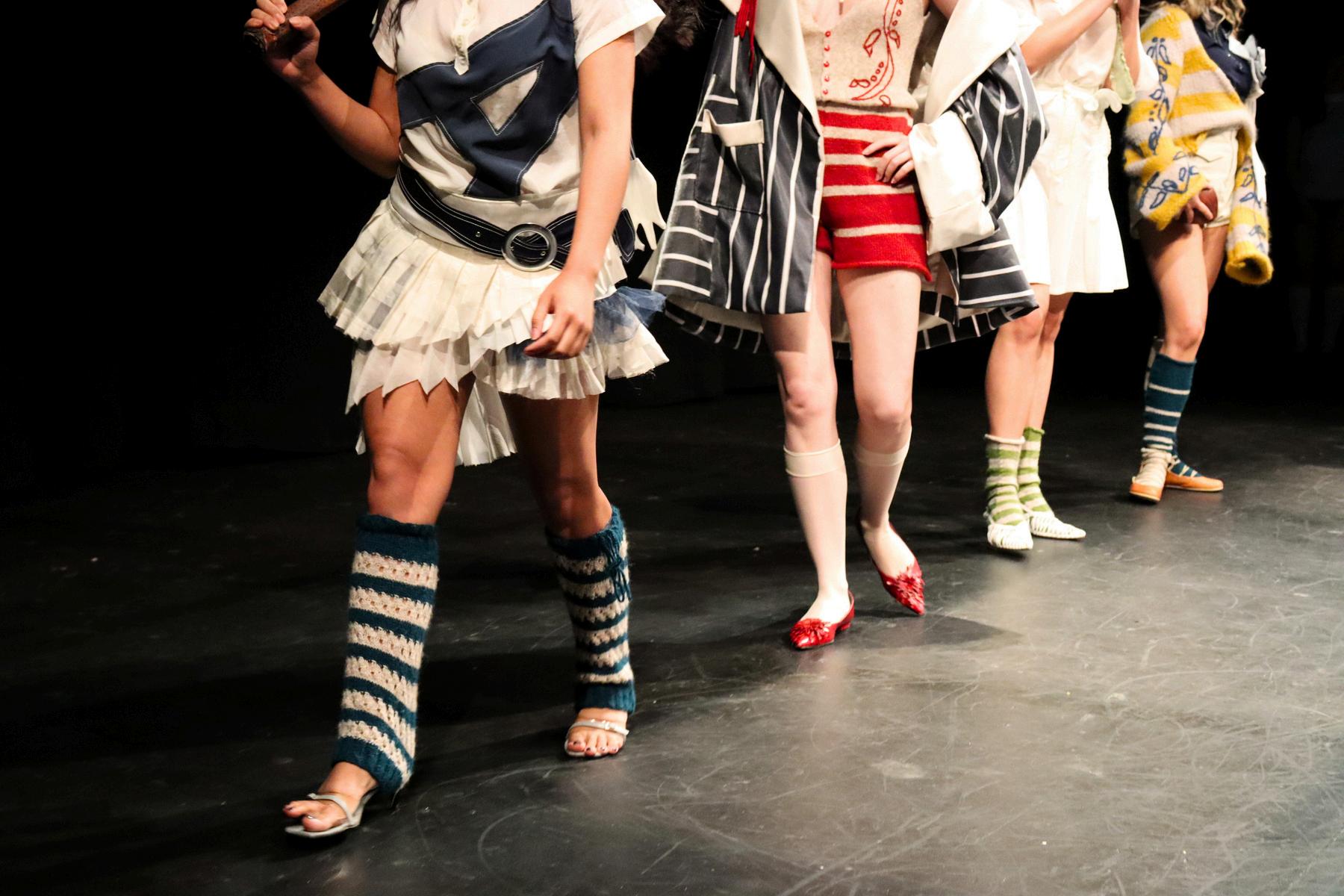
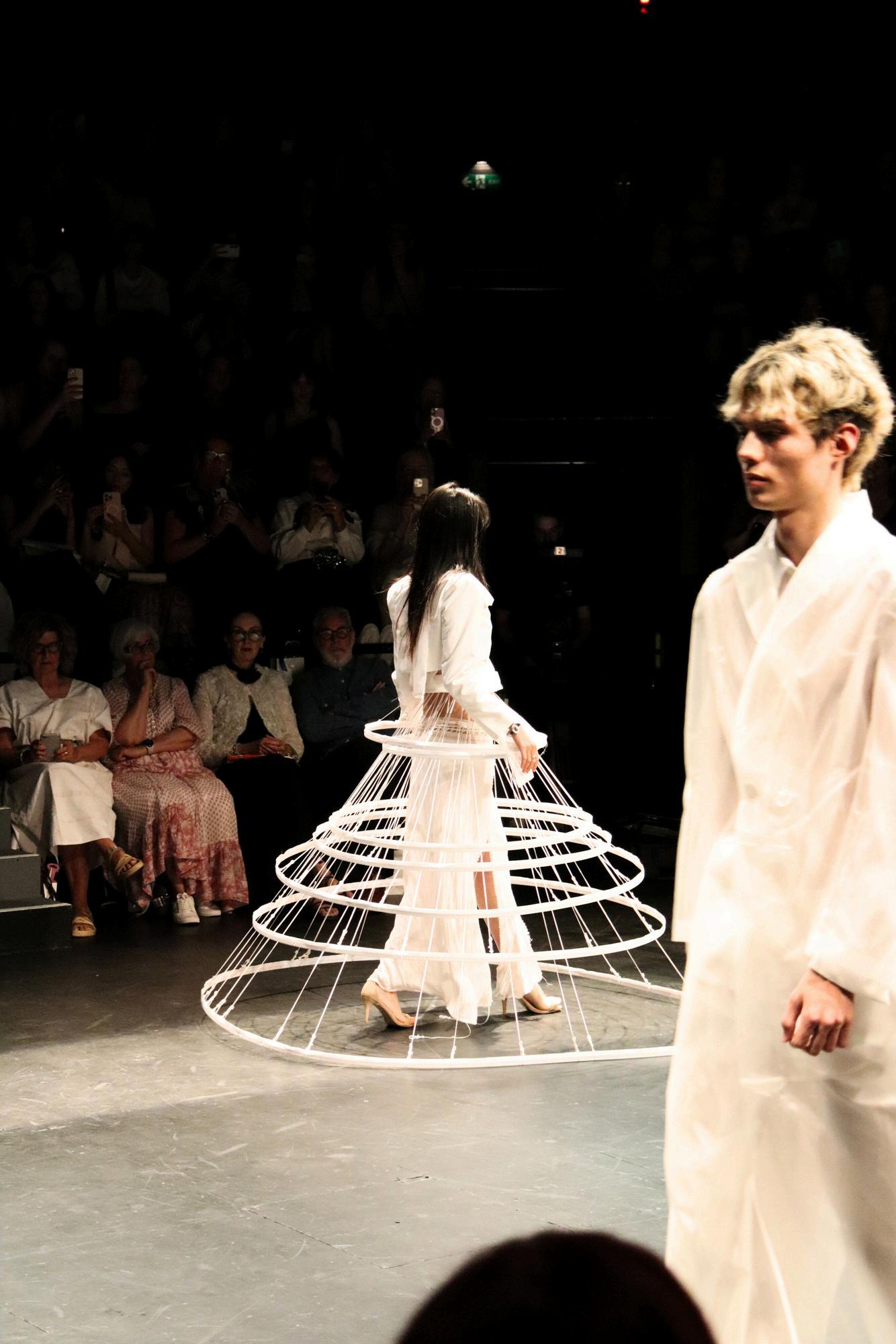
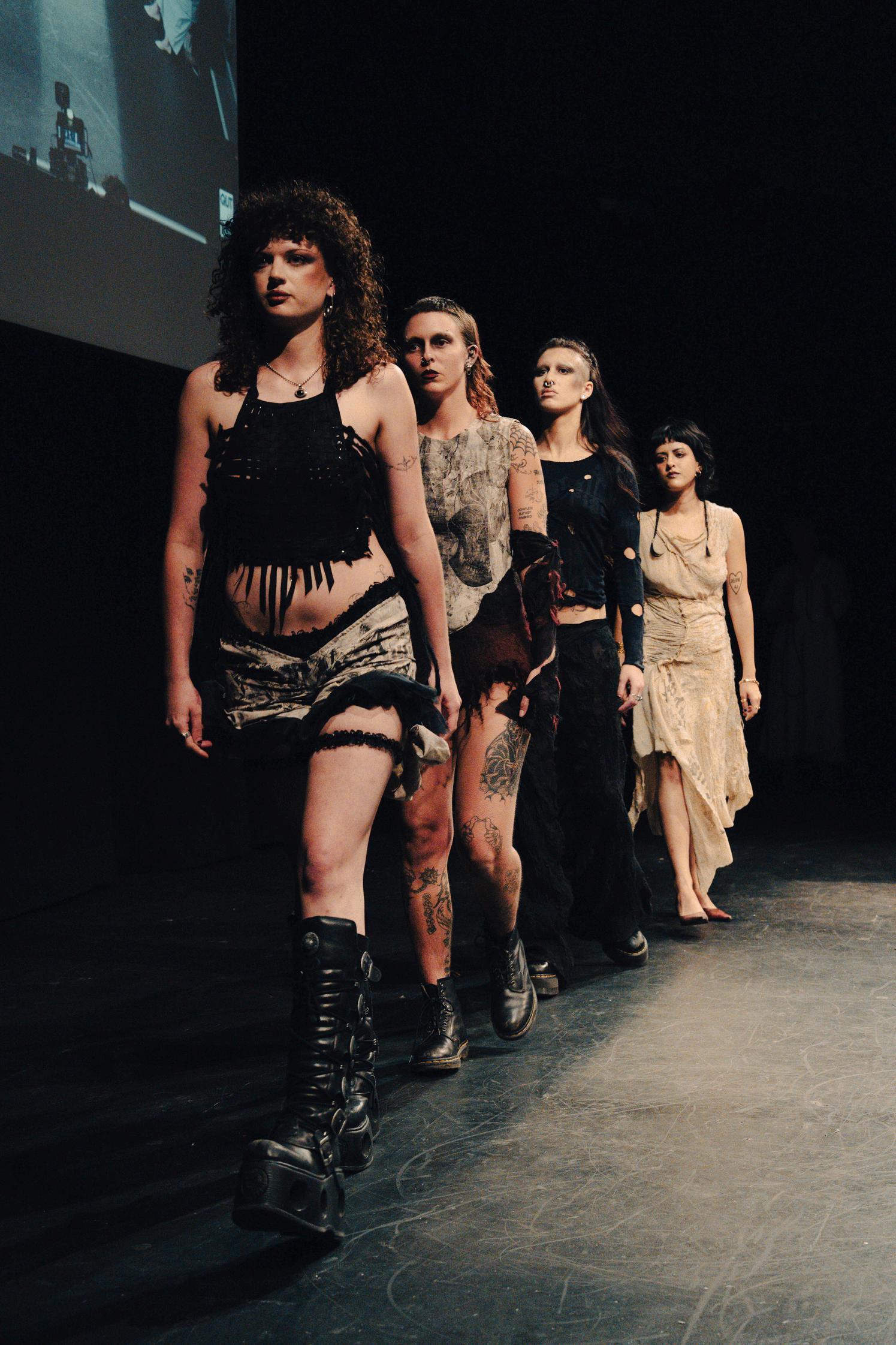
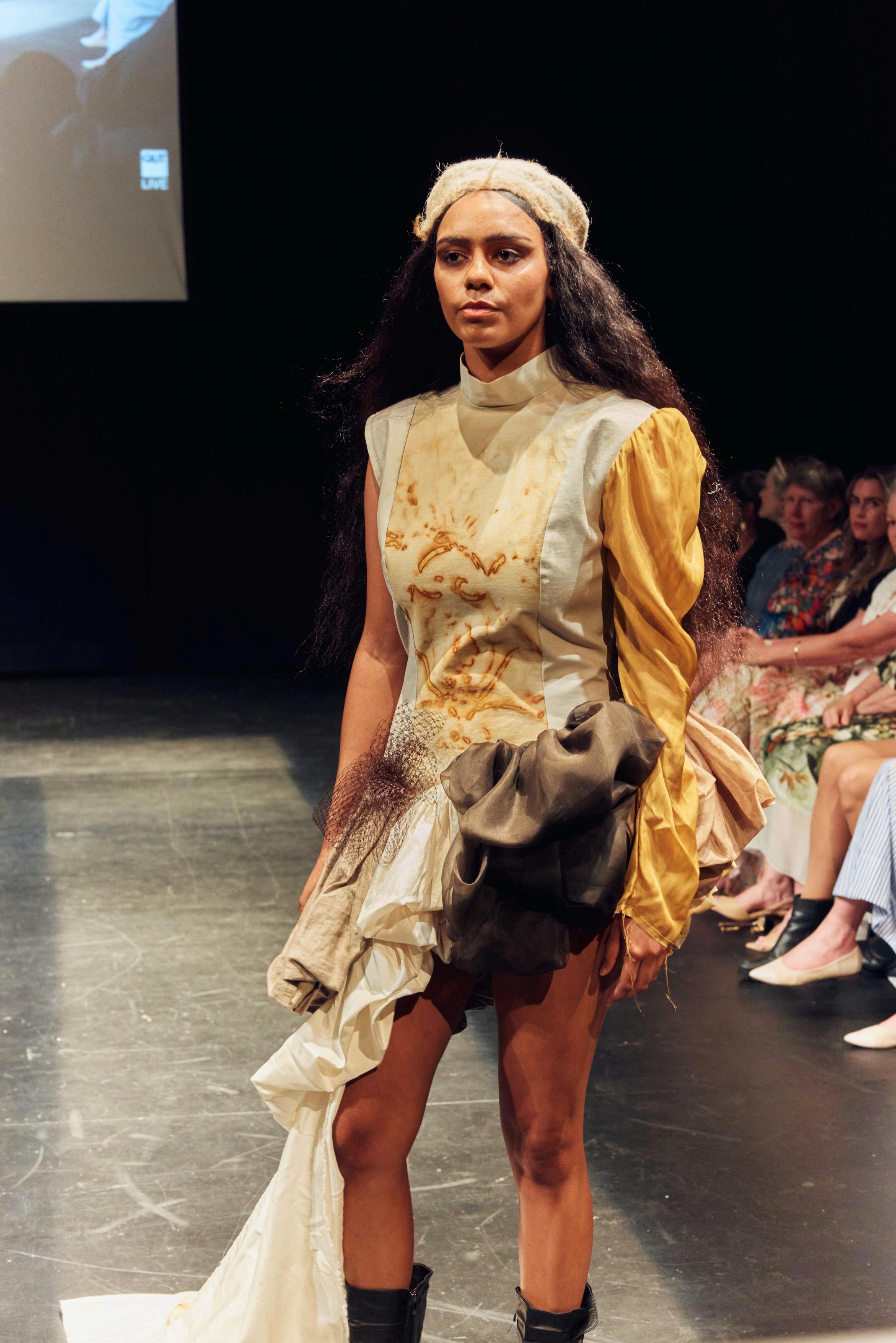
We witnessed the outcomes of the SFF initiative with the second year students’ final Studio Four Pop-Up Shop and third year students’ final Runway Collections.
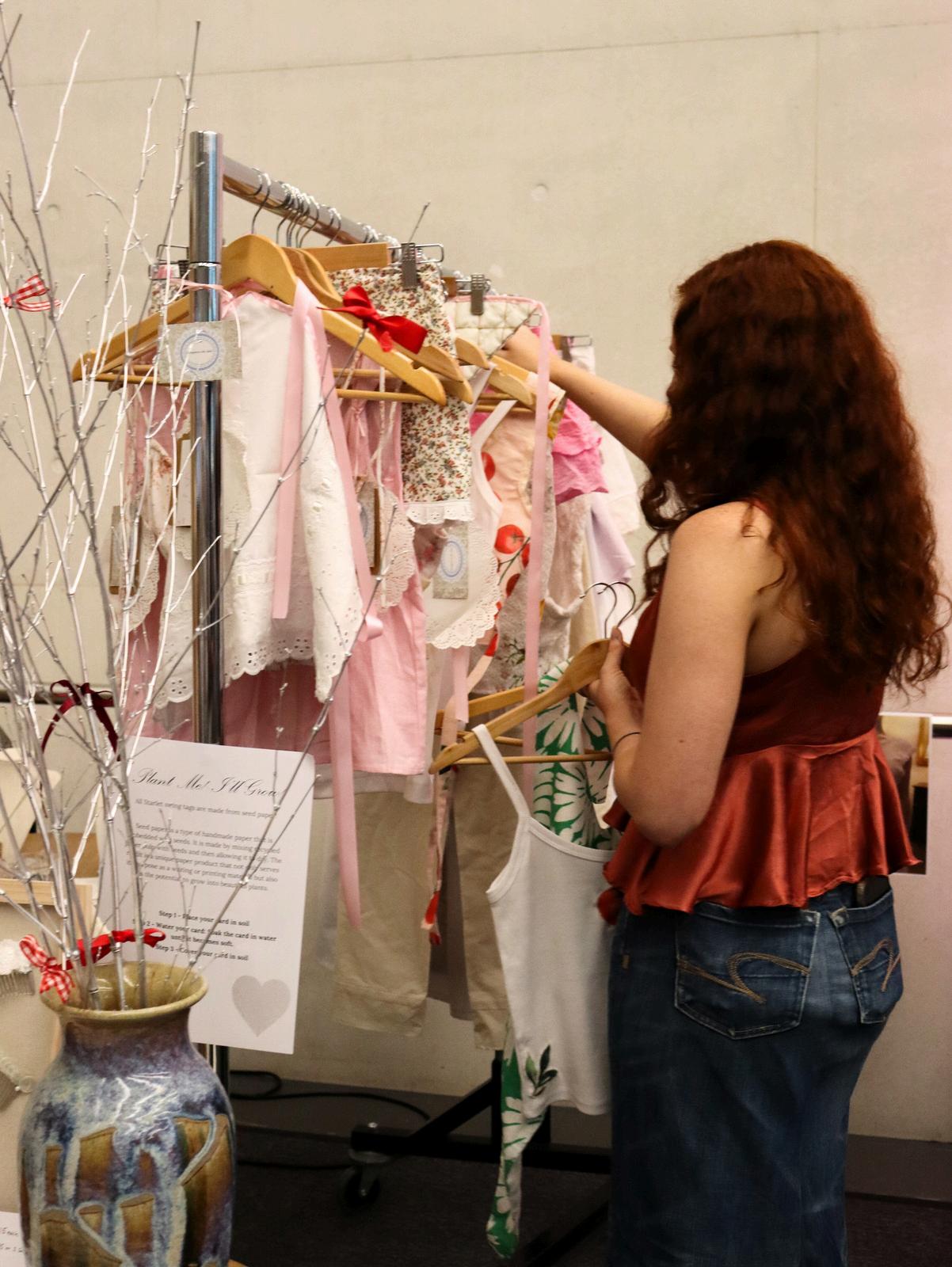
With a brief of resourcefulness and renewal, 2nd-year fashion students were challenged to design for retail using a circular lens of upcycling, salvaging and mindful material sourcing. They had to apply construction techniques to create a collection of commercial pieces that leaned into high-fashion and artisanal storytelling
From one-of-a-kind looks to wearable designs and thoughtful accessories, each piece was underpinned by a clear concept and storytelling sharing not just what was made, but why and how it came to be.
We were delighted to see so many of their collections sell-out in-store It made us realise that our resource vouchers aren’t a hand-out, they’re a hand-up. Students turned those free resources into cash, giving enormous financial relief
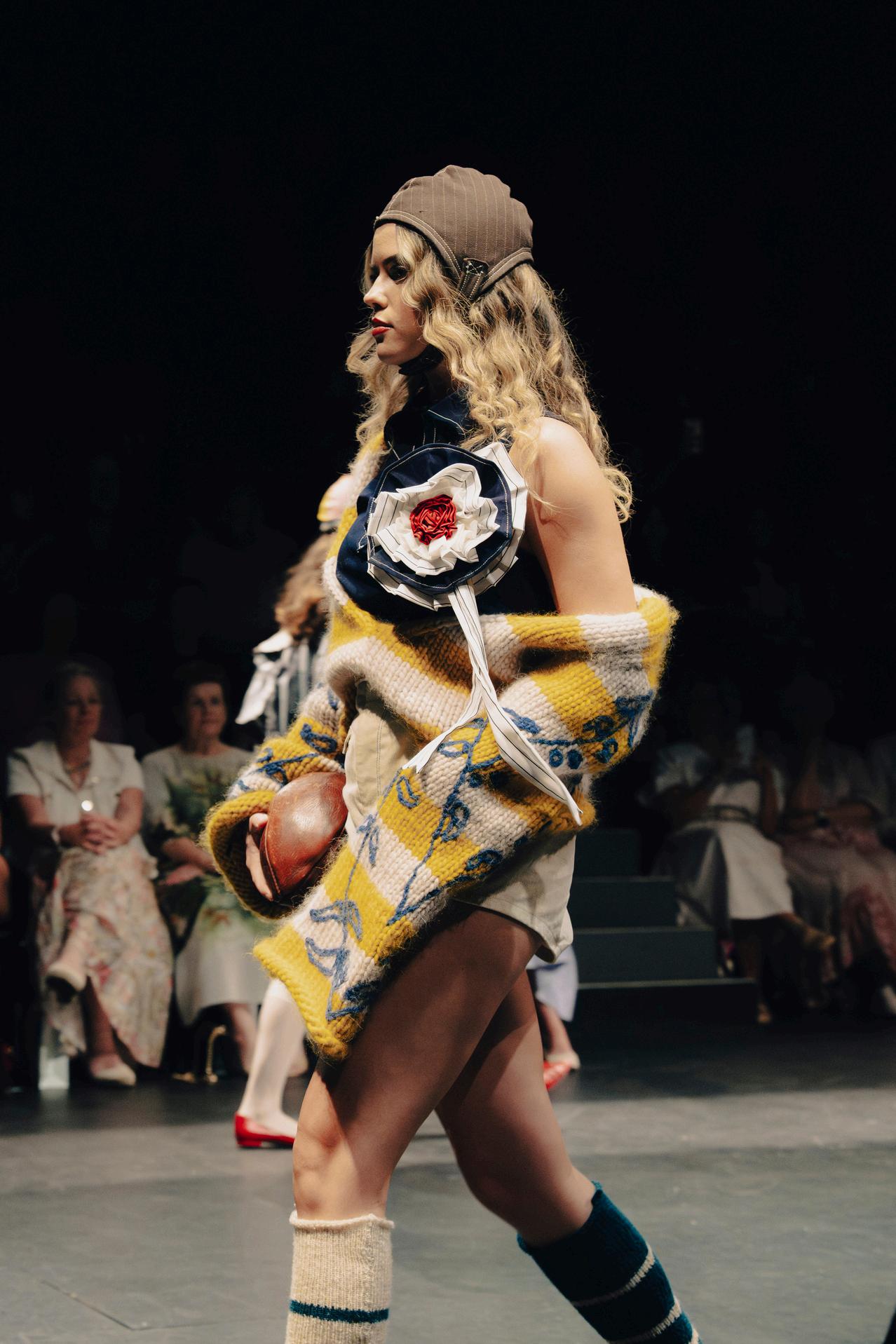
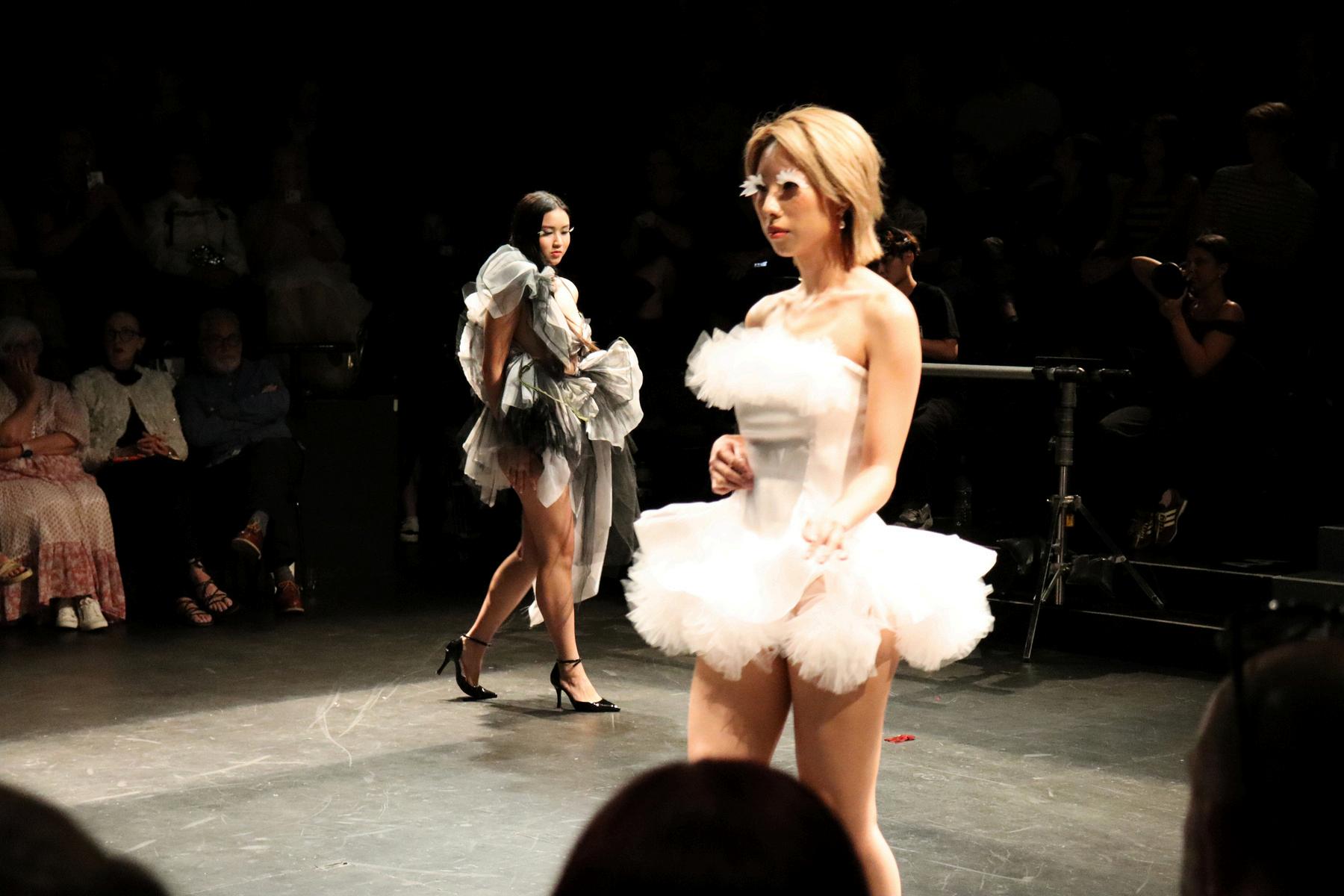
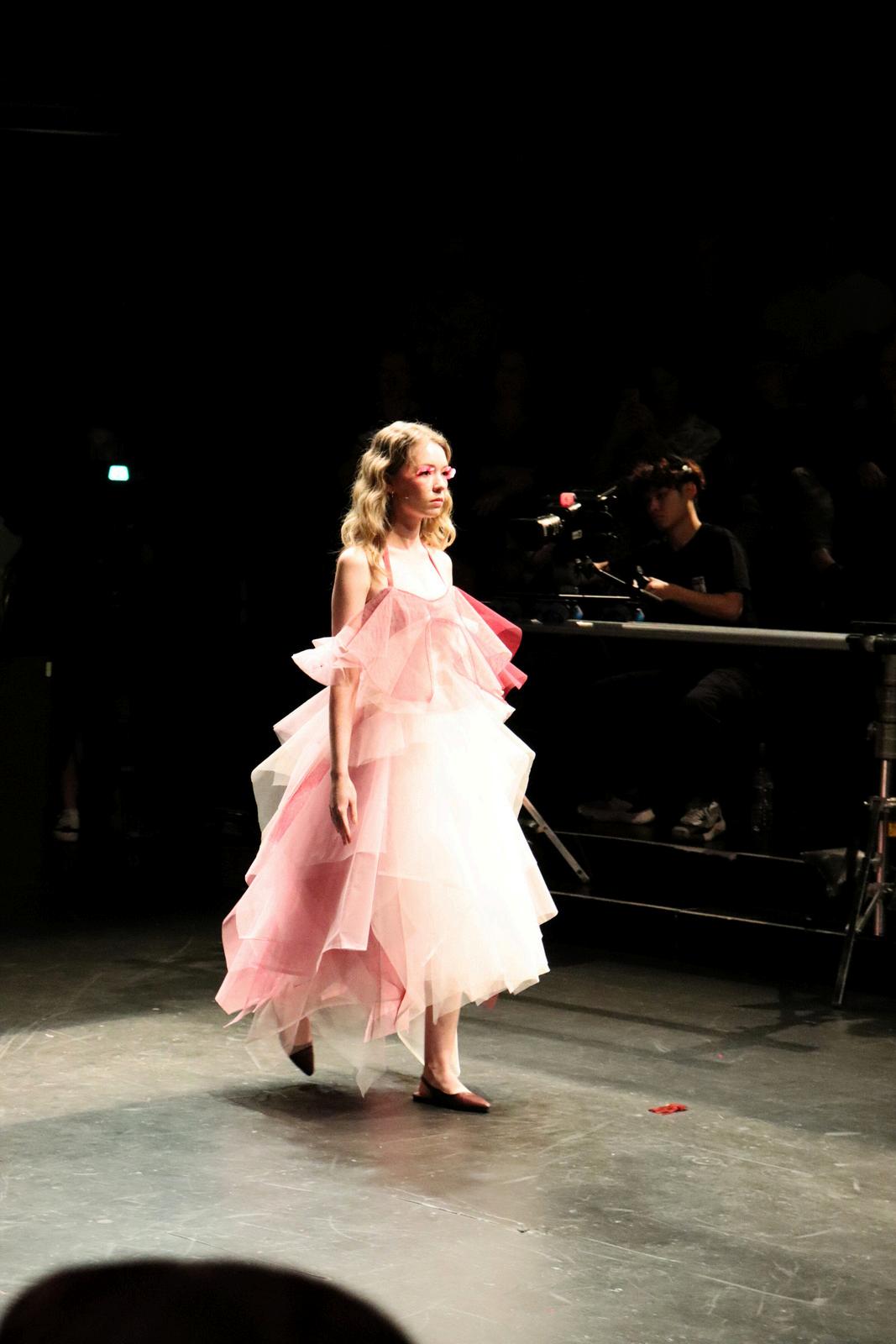
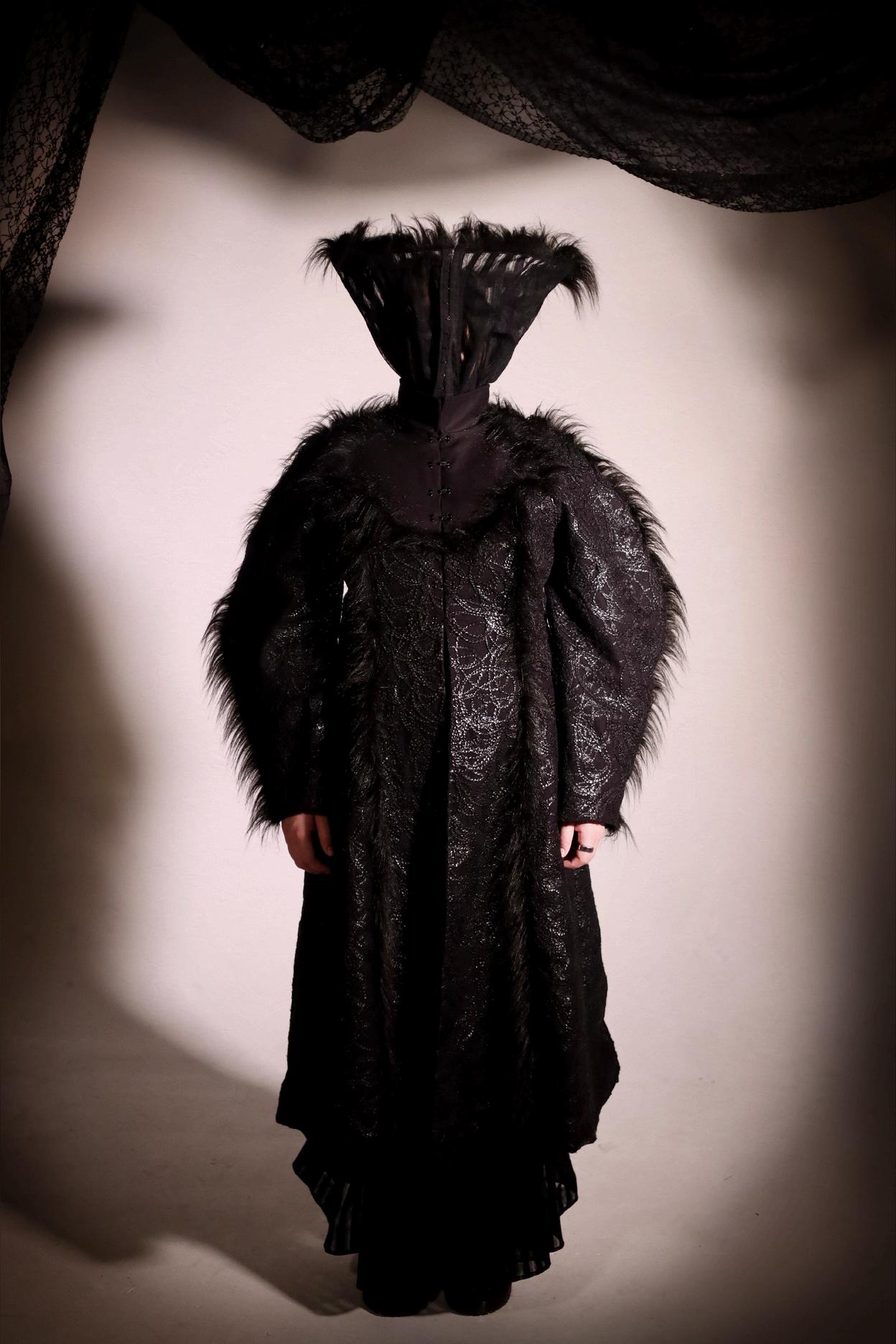
By contrast, the third-year’s runway show was driven by students’ own ideas. From Victorian funeral wear, tailored French menswear, tarot cards and coral reefs, their inspiration was truly diverse
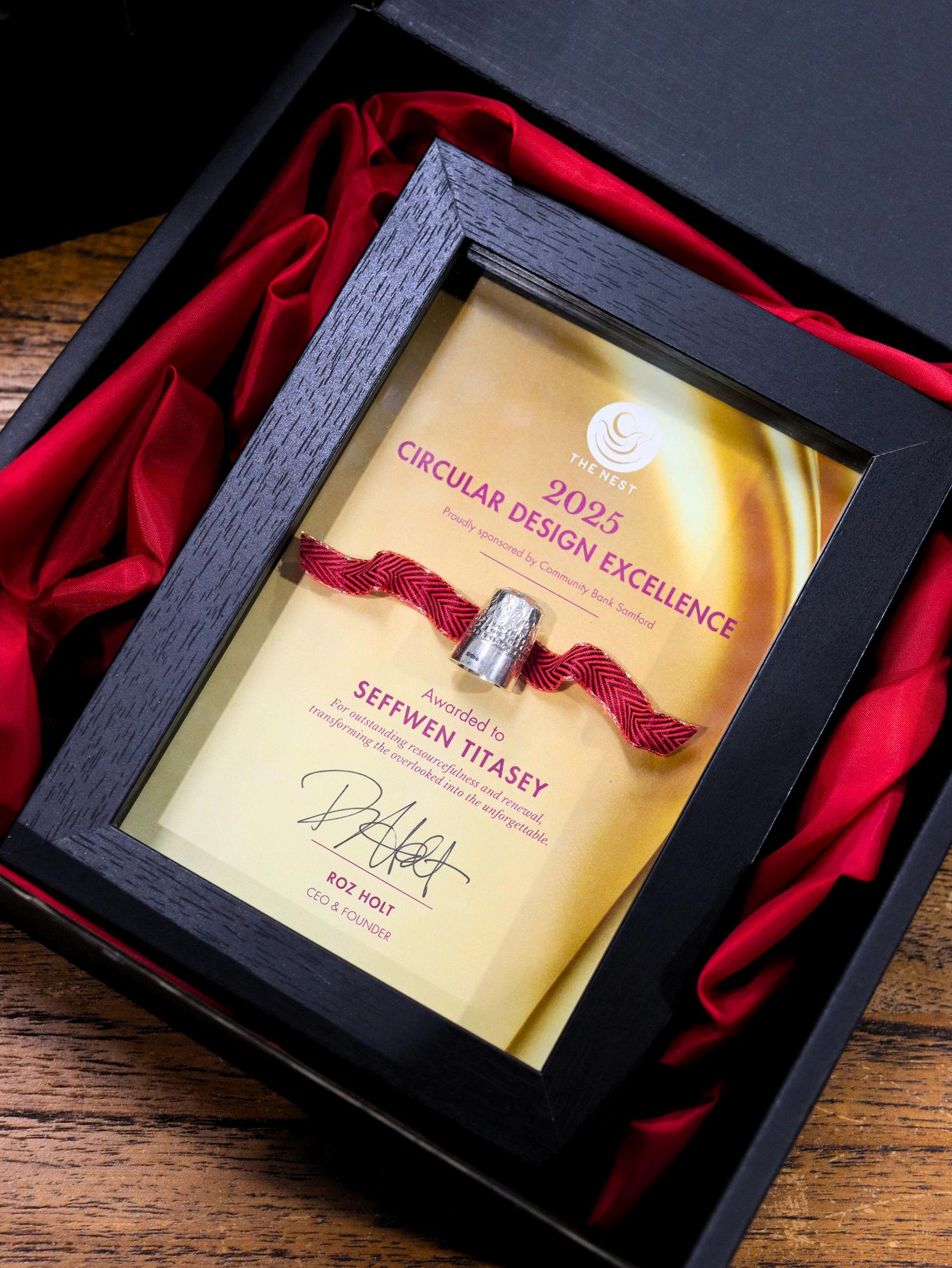
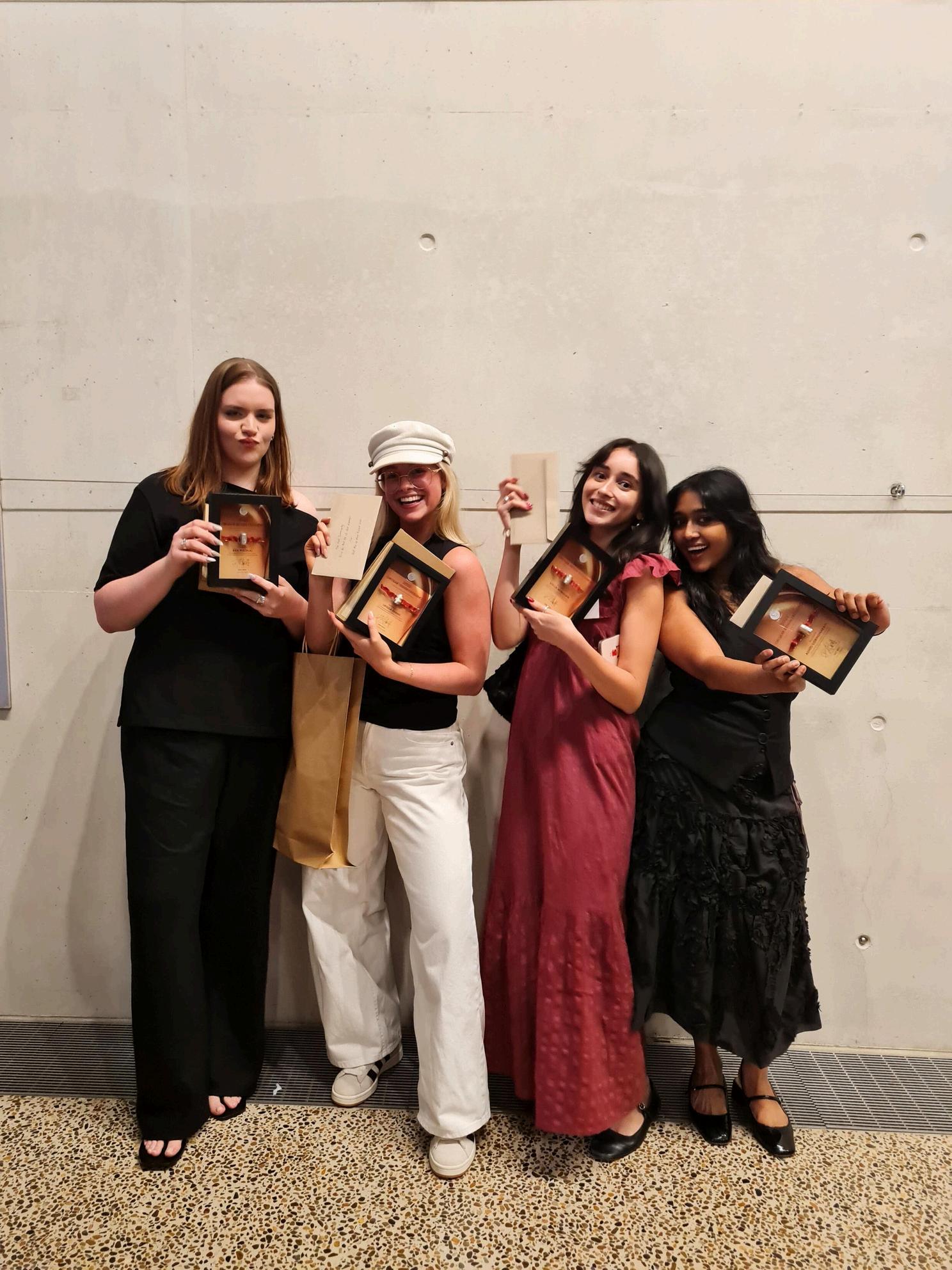
We had the honour of selecting four students from each cohort to receive The Nest Circular Design Excellence Award. Using vintage silver thimbles that were donated to The Nest Haberdashery, we handcrafted presentation frames and presented them to students along with Haberdashery vouchers valued at $250 [2nd years] and $500 [3rd years]
We chose the thimble as a symbol of protection for the maker, process and the
stories sewn in Thimbles are also an object often passed from generation to generation and demonstrate care and creativity in action. In a world of disposability, it reminds us of the handmade’s true worth
We were also very proud to see that Cassandra, the first to receive our major support, went on to receive the Australian Wool Education Trust award. Started in 1997, the objective of the trust is to support the education of students and growers capable of growing the wool industry, from production through to manufacturing. This gave us a great deal of pleasure knowing that Cassandra acquired not only her knitting machine from us, but also a spinning wheel from the Harvey donation.
Our interest in these students doesn’t stop here and we look forward to sharing their stories as their bright futures unfold
Second Year
Adhiti Gobindnarain @di.narain
Ava Percival @percestudios
Stella McMullen @starlet by stella Ursula Evans @theladylili
Photo credit: Charlie Falconer @alwaysteary Seffwen Titasey @ blackfish designs “The Hunting” AWARD WINNER
@lillianmacnevindesign
“Collecting Memories”
@brieconomos photographer
Photo credit: Brie Conomos
Ruby Cowan @rhubstar
“Grandma’s Living Room”
AWARD WINNER
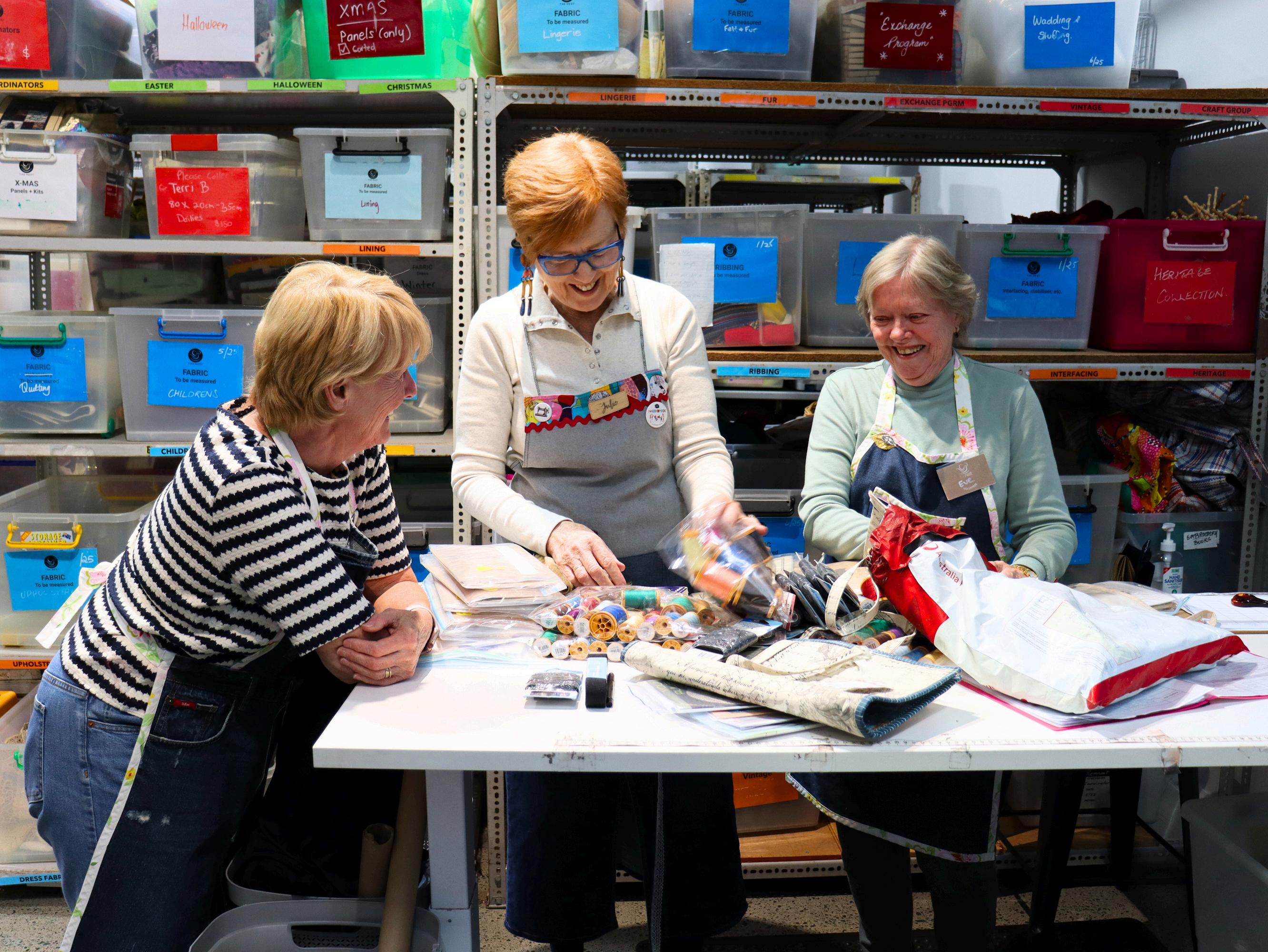
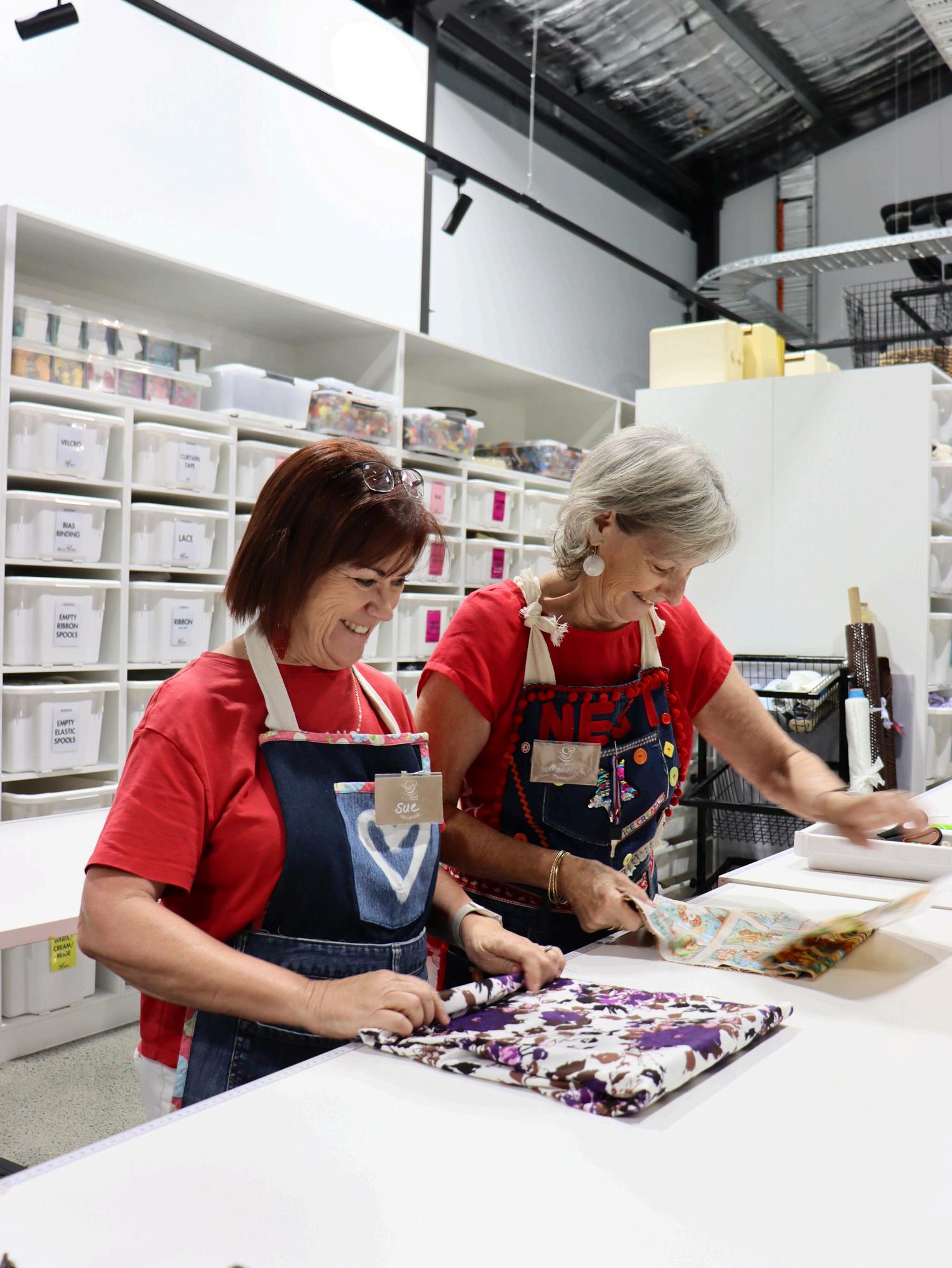
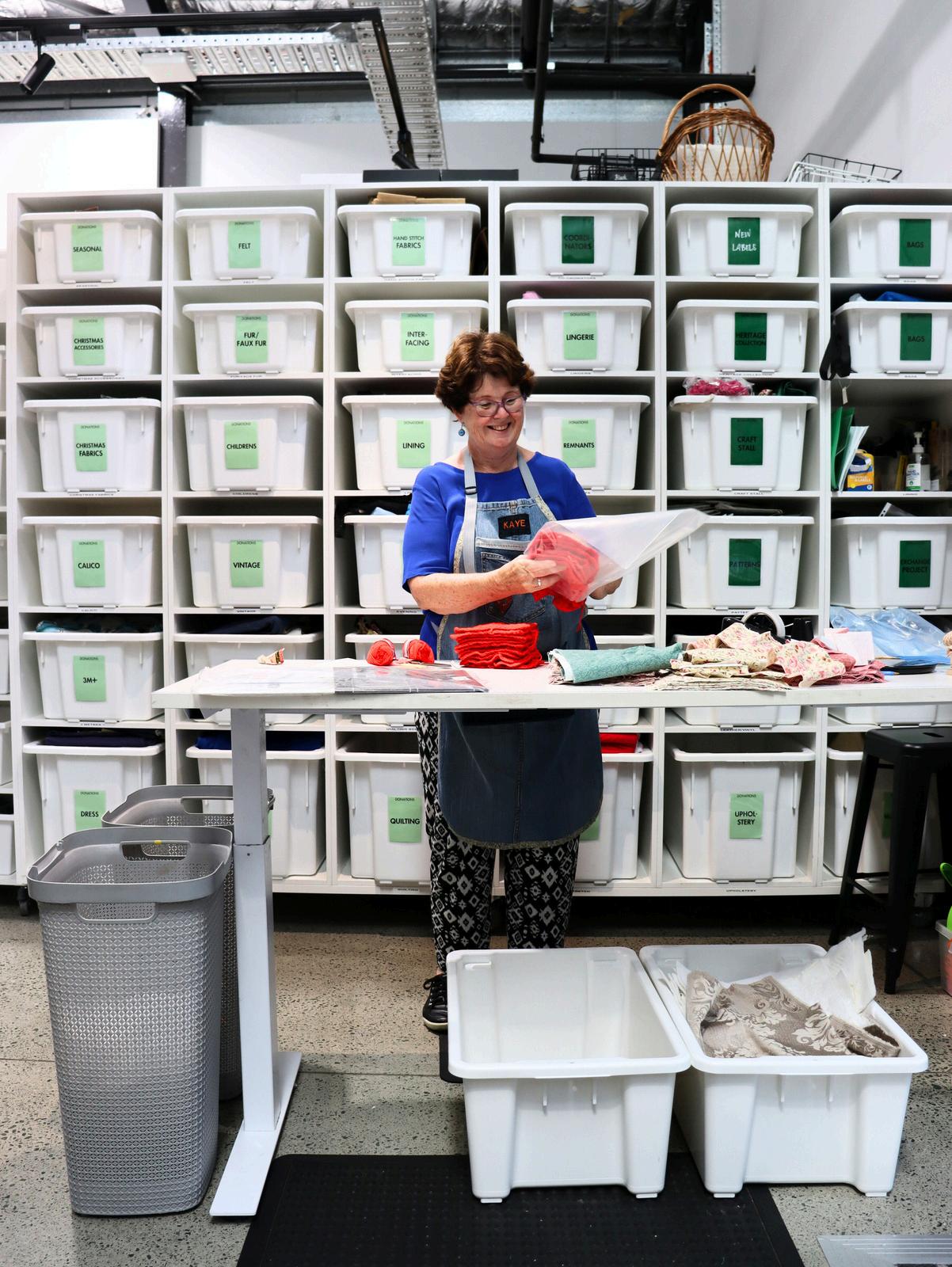
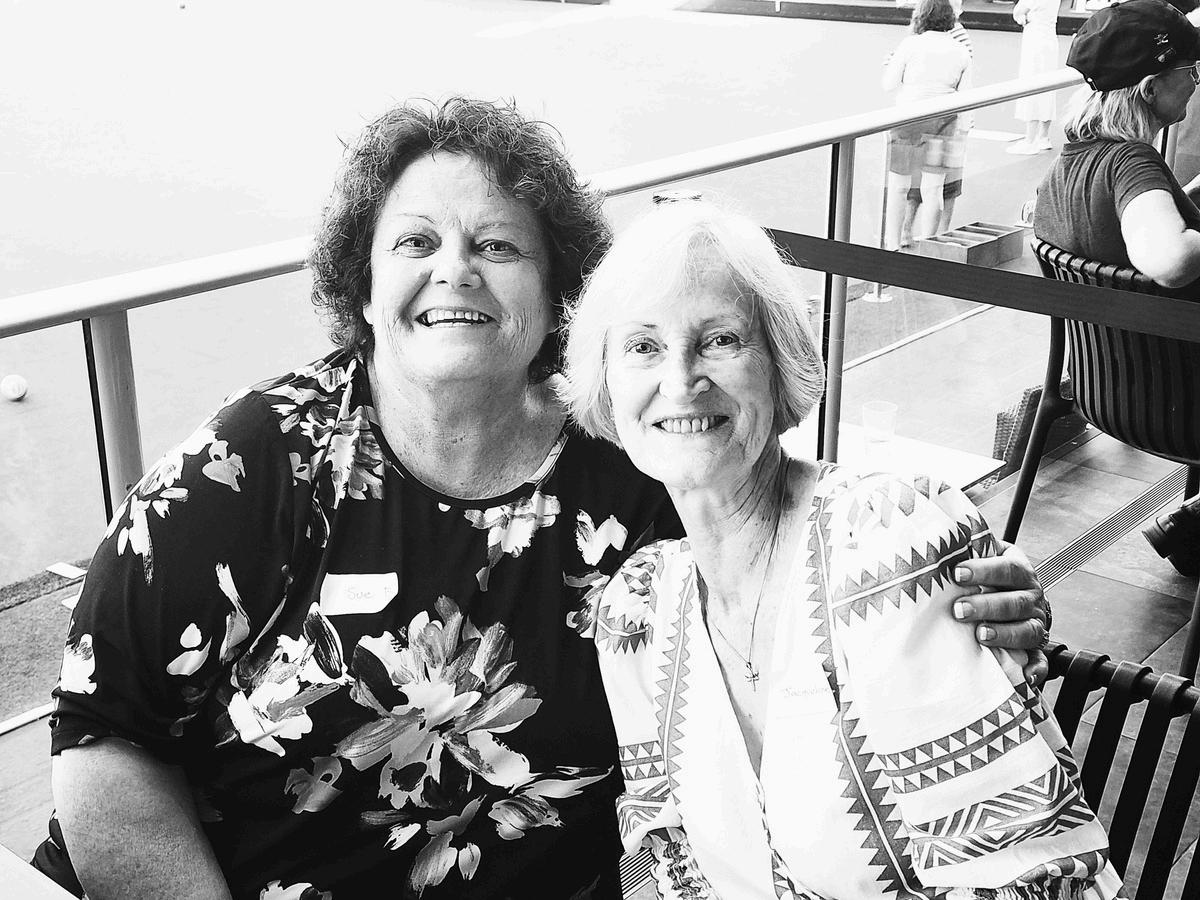
Nest Volunteers Sue and Maureen in the newly upgraded Textile Recovery Centre
Our first haberdashery, under the house in Everton Park, was only made possible by community support. With a budget of just $5000, we only had two walls, secondhand counters and displays Nothing was weather or possum-proof
We’ve come a long way from those humble beginnings. From that initial kickstart, we were able to self-fund our move to Brendale in 2023 From where we started, it was a pleasure to custom design a space that was fit for purpose, welcoming and more enjoyable - particularly for the volunteers in the Textile Recovery Centre
What we hadn’t planned for was how rapidly donations would flow in. Over our first year in Brendale, donations more than tripled and with that comes a multitude of plastic tubs, in various shapes and sizes, left by donors
With the safety of our volunteers in mind, we again prioritised funds to improve our efficiencies and re-design our storage system so that we could continue to meet demand
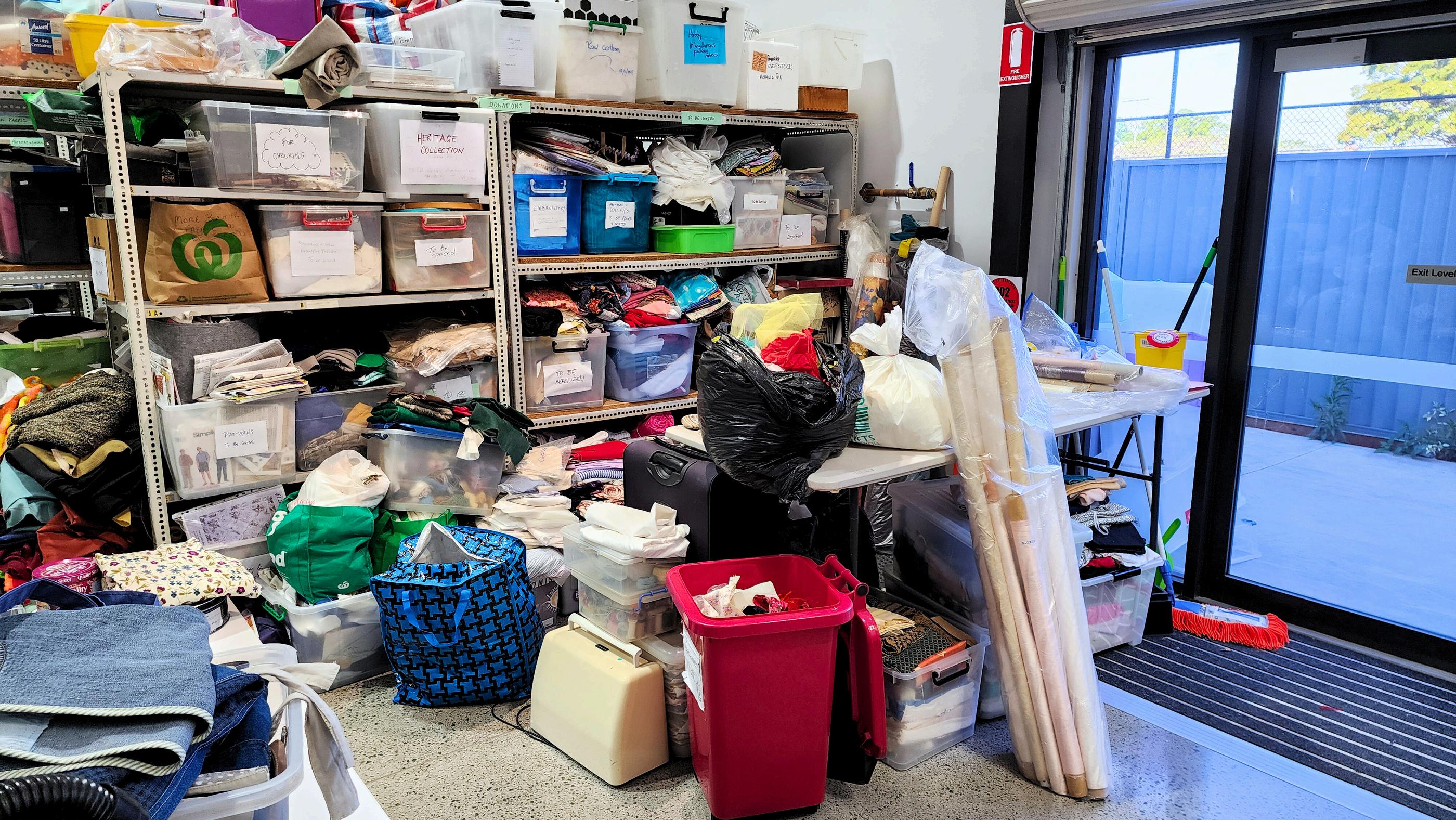
At the heart of our problem was sizing. Working with an odd assortment of metal shelves accumulated in Everton Park and a variety of plastic tub sizes, we were wasting space. Our solution was to install custom built shelves with simple ergonomic design principles housing a consistent range of industrial strength tubs Cubby holes for the largest tubs at the bottom, and smallest at the top,
everything organised with colour-coded labels and tubs not overfilled.
The redesign has given us 25% more storage space as well as a safe and organised system for processing donations that supports efficiency and volunteer experience.
Yet these weren’t our only goals. We deliberately set up our Textile Recovery Centre so that it can be seen by customers in the haberdashery We’ve always been complimented on the presentation in The Nest Haberdashery. The colour-sorted remnants, hand-sewn button cards, sorted and checked patterns We’ve even had people ask, ‘is this all new stock?’. Having our processing area visible means that customers can see just how we add value to the donations, presenting them nicely and honouring the donors That can only be done in an organised, less chaotic space.
“It’s SO much better So much more organised I’m still trying to find things, but the signage is clearer!” - Claire
“It’s absolutely fabulous. Things are easy to find and the other thing I really like is the size of the containers They’re really easy to lift It also looks stunningly professional.” - Kay
“It makes the whole environment not so shambolic, which is important in processing all of these materials It makes my head calmer ” - Veronica
OLD SYSTEM
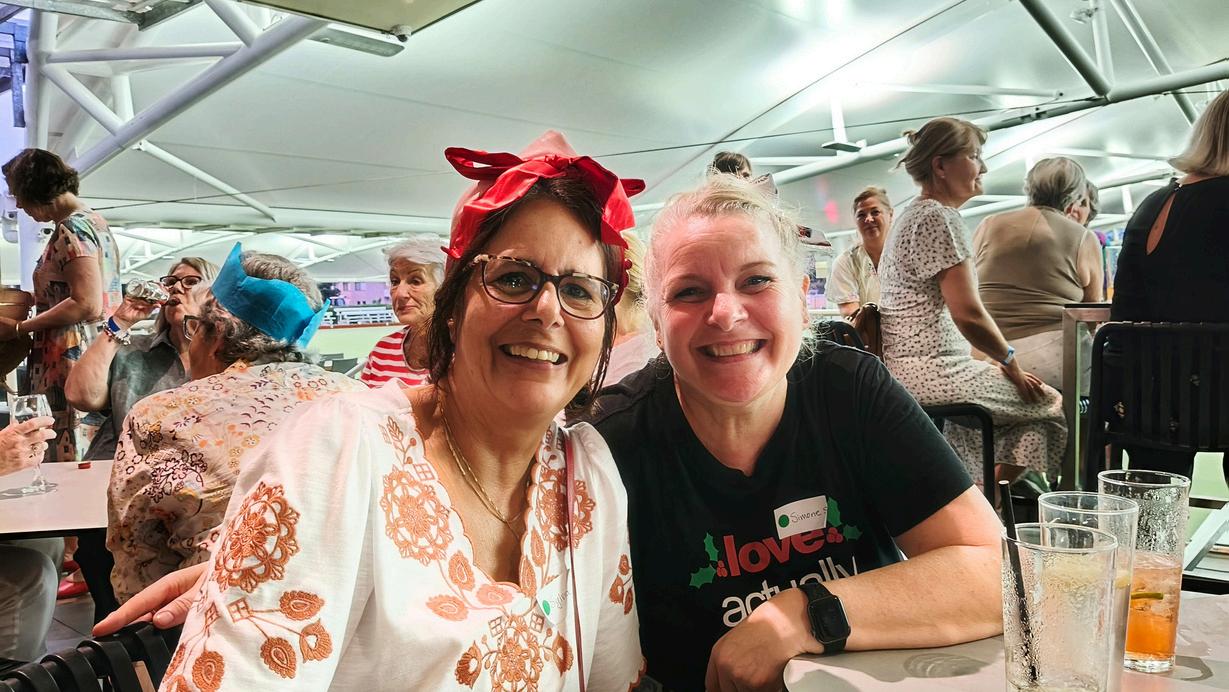
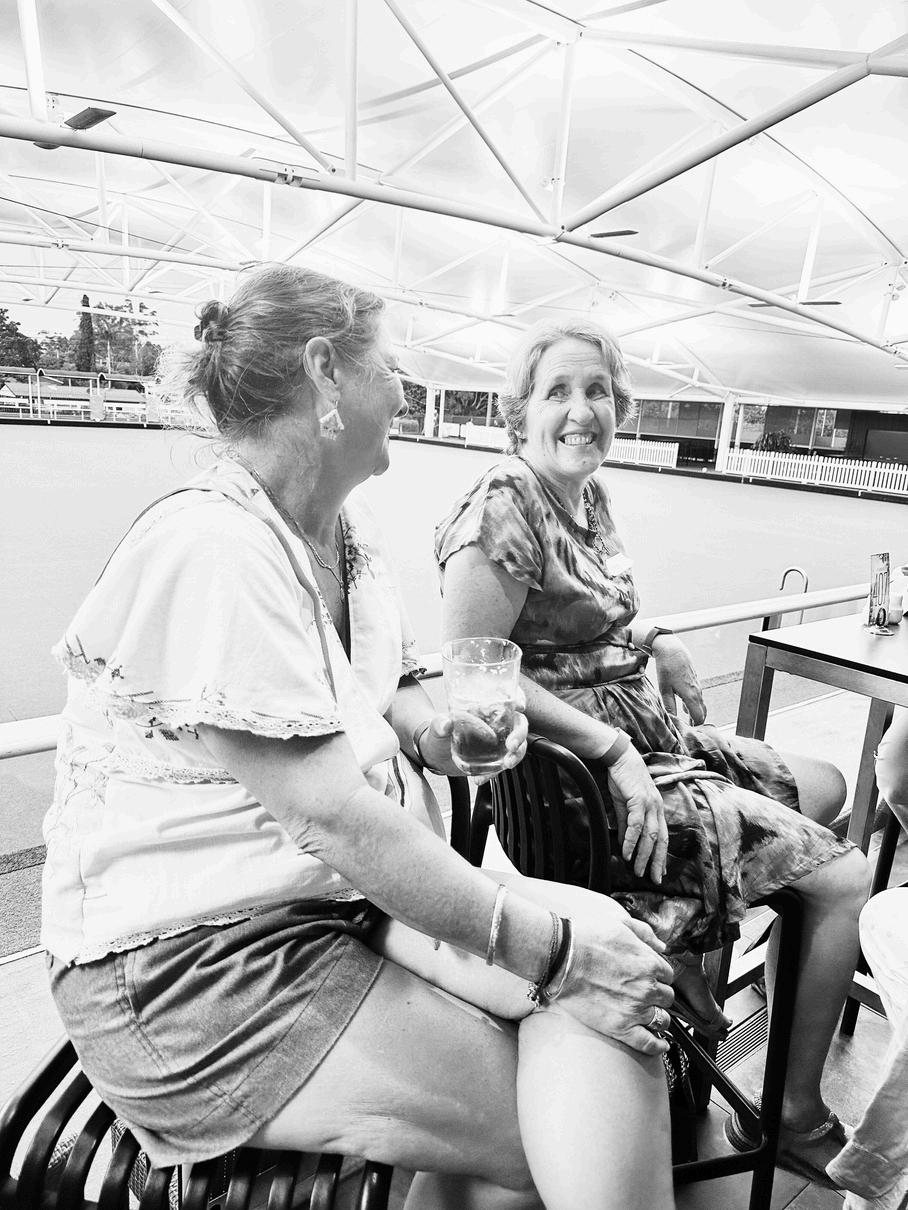
T H E N E S T C H R I S T M A S P A R T Y 2 0 2 5
Each week our volunteers contribute around 350 hours to run our programs, the Textile Recovery Centre and our haberdashery Every hour, every smile, every spark is infectious and we believe they are our secret ingredient.
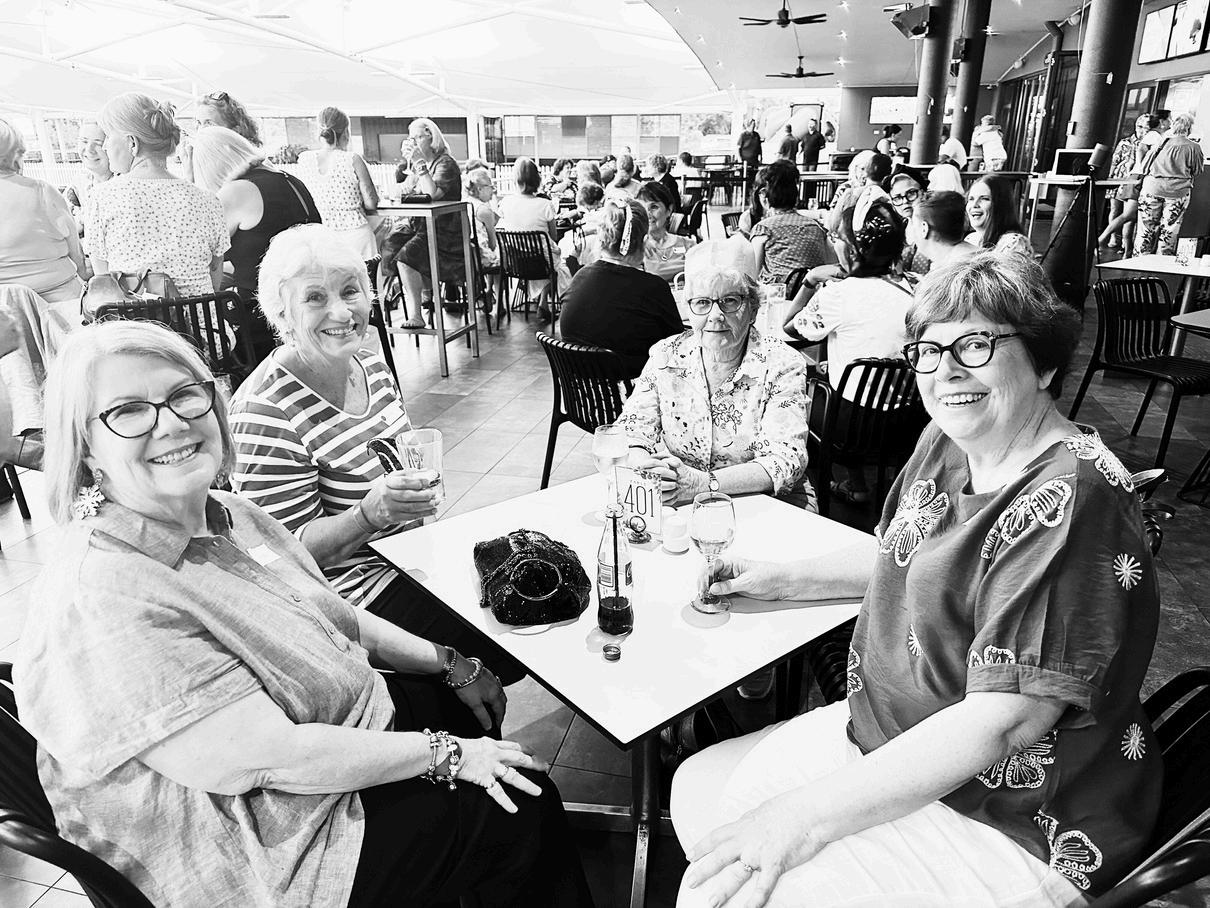
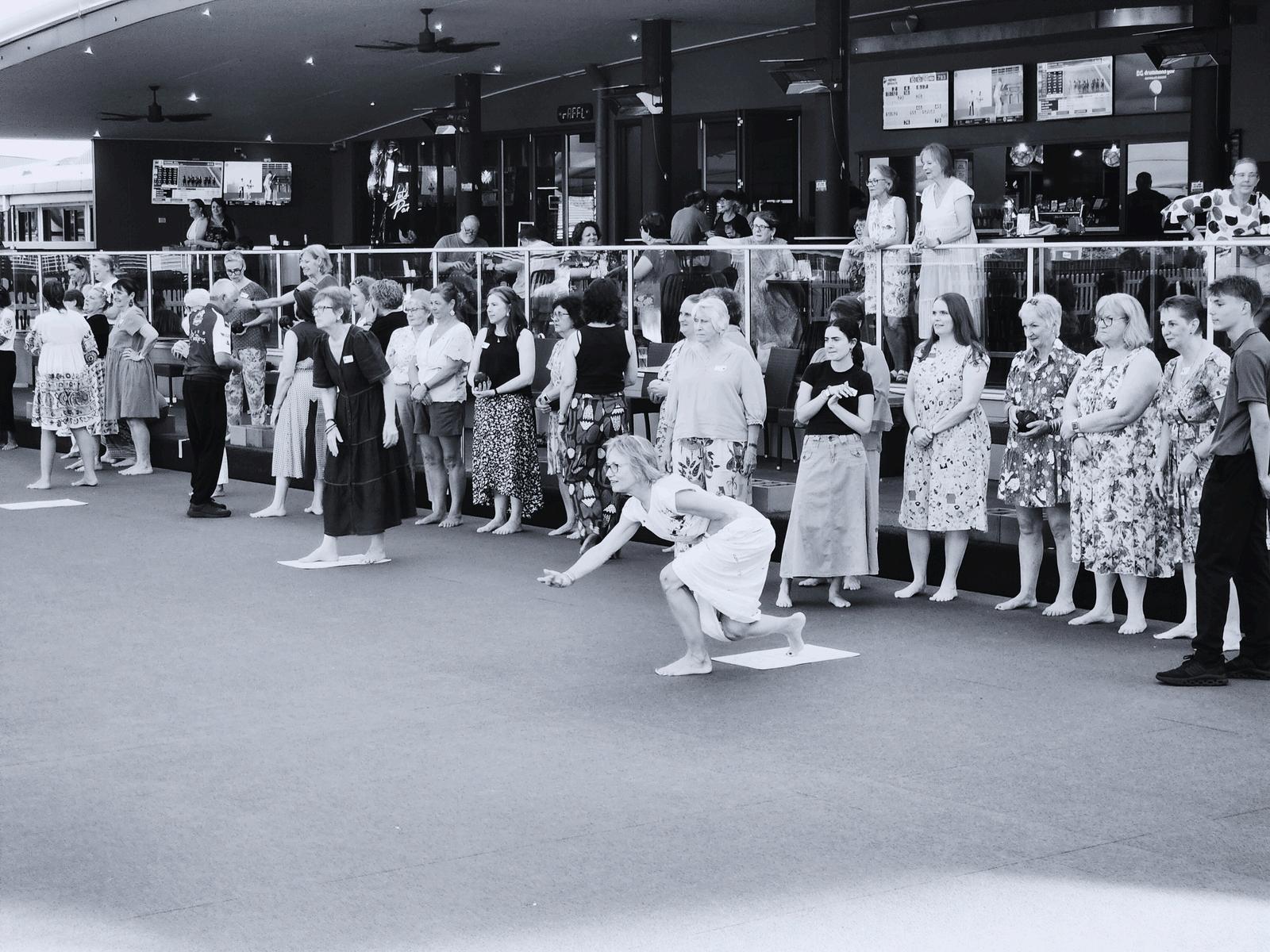
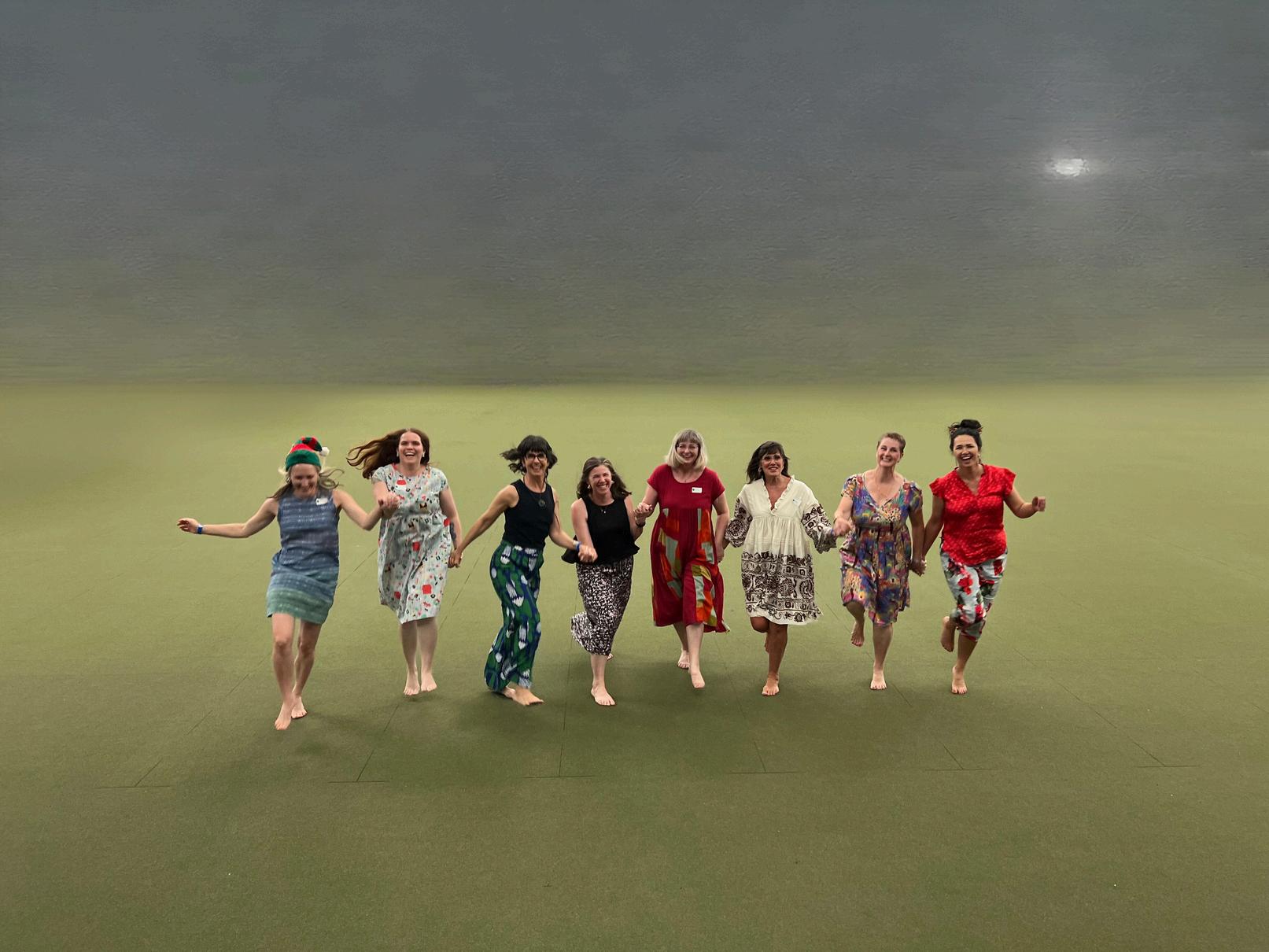
With more than 120 volunteers, it’s not until we gather in one place that we realise how big a ‘machine’ we actually are For this year ’ s Christmas party we tried barefoot bowlingturns out our aim isn’t as straight as our side seams!
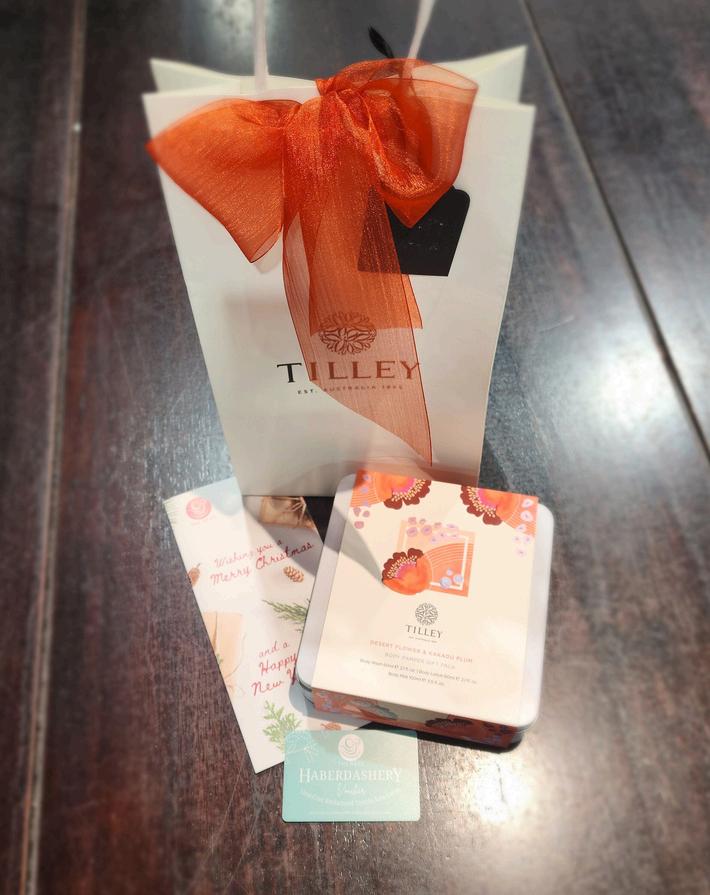
Each volunteer received a gift bag with a resource voucher, a small token of appreciation for their dedication, attention to detail and extraordinary care for the precious resources we reclaim
Fuelling Circular Giving
The ripple effect of donating precious resources
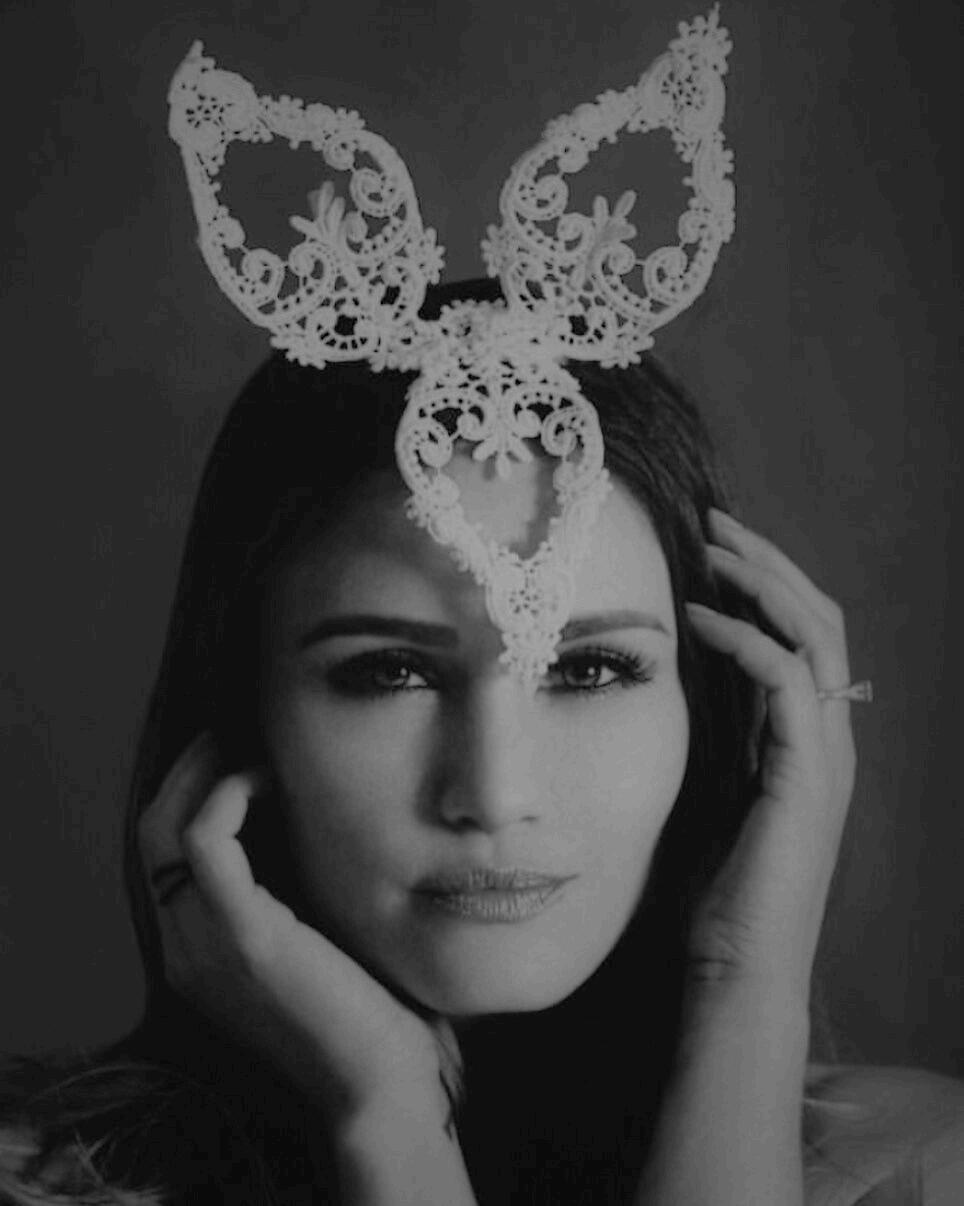
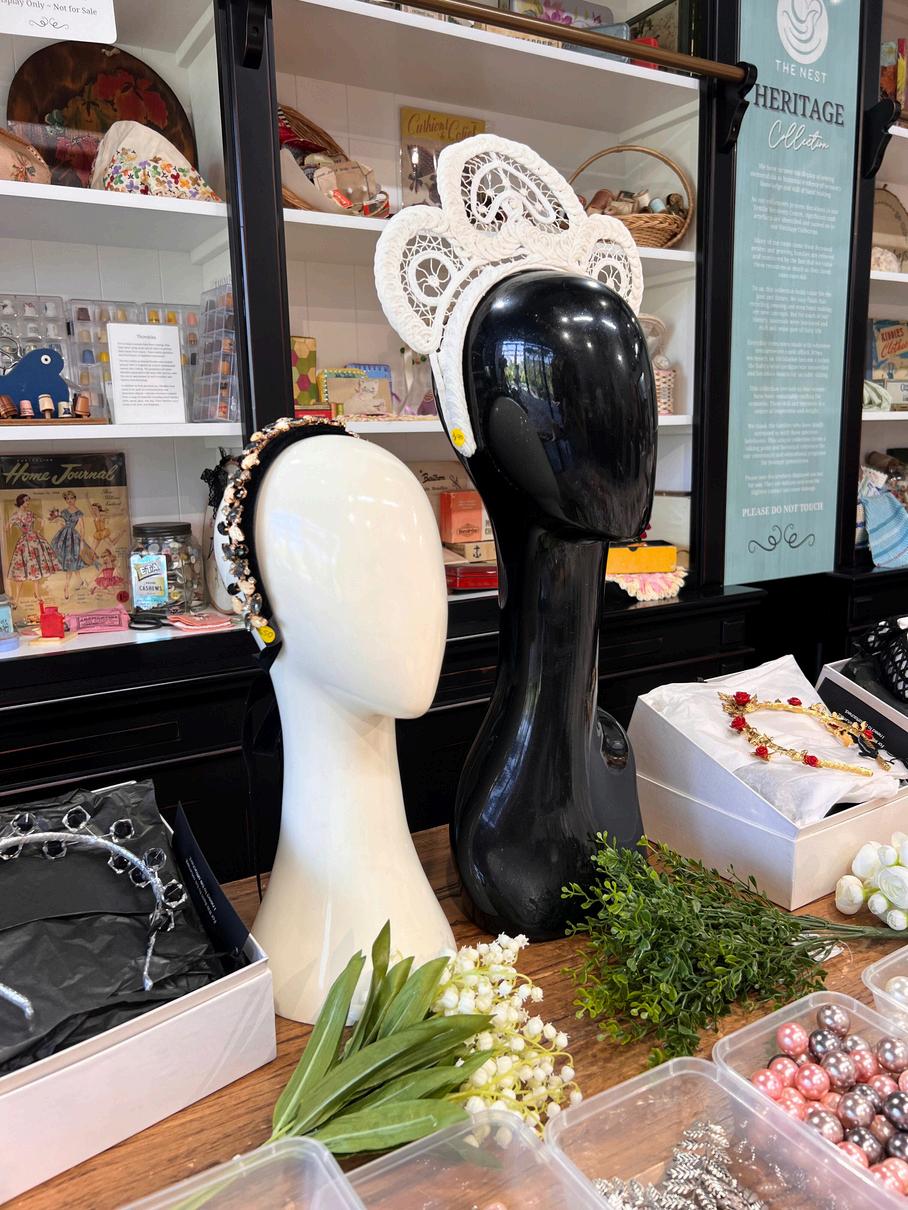
Headpiece by Milliner Heather McDowall
Photo credit @hmcdowall
When a box arrived from New South Wales, filled with gorgeous linens, quilting materials and packets of notions,we were curious about the donor, Marcelle - the namesake of Marcelle’s Patchwork Cottage.
Roz Holt, The Nest CEO, called Marcelle who said she had followed us on social media and liked our values. As the owner of a small craft-based business, she also appreciated that The Nest teaches basic sewing skills because Home Economics is no longer widely available at schools
On a daily basis we are in awe of the generosity of our donors, from individuals dropping off just a few items, through to larger commercial-sized donations
Who could have missed our “Is it HOT in here?” social media campaign to sell stock from iconic Australian brand, Drizabone? Not to mention our campaign calling for ‘Costumiers, Cosplayers and Queens’ to dive into the dreamy, drapey lycras from Skanties. It has been so interesting to see how customers rose to the challenge, making horse blankets from Drizabone oilskin and much more
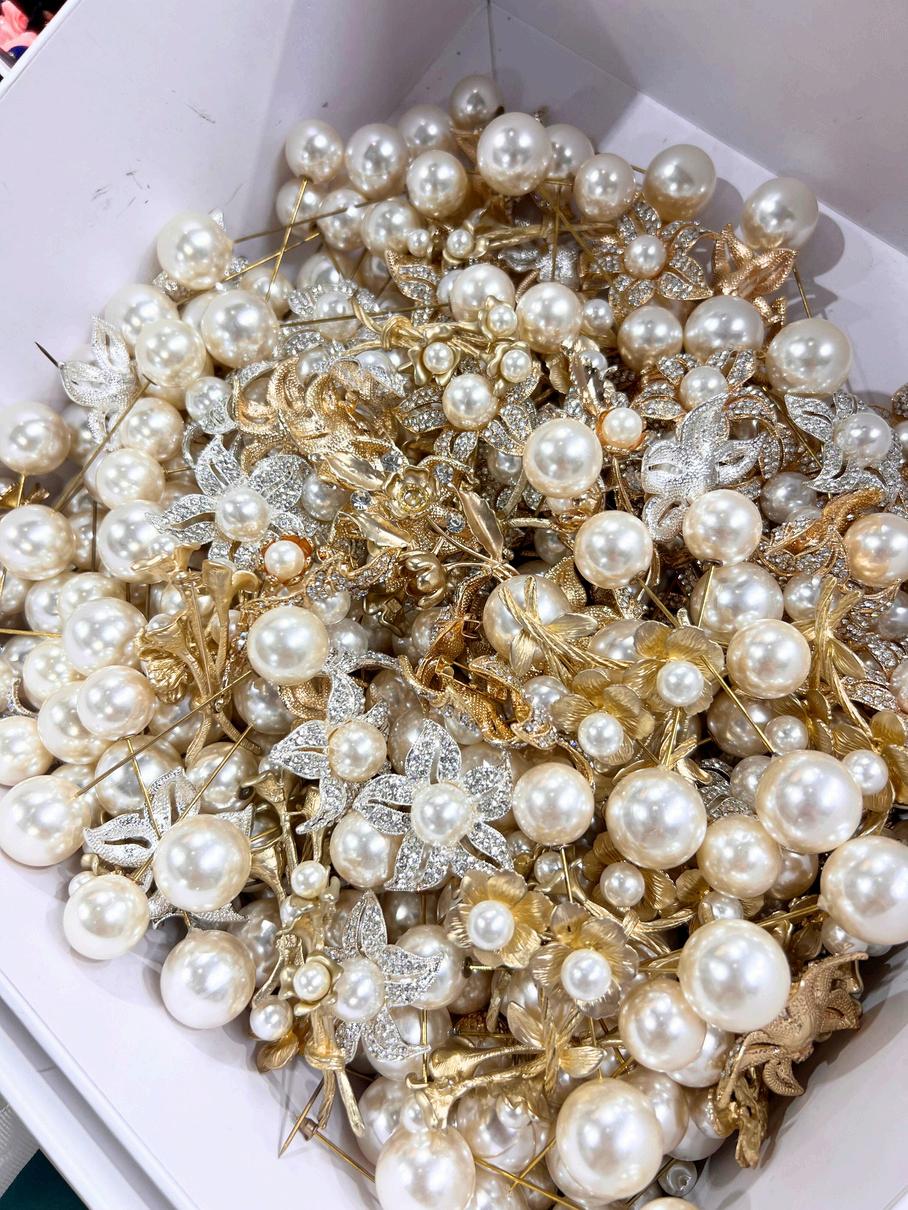
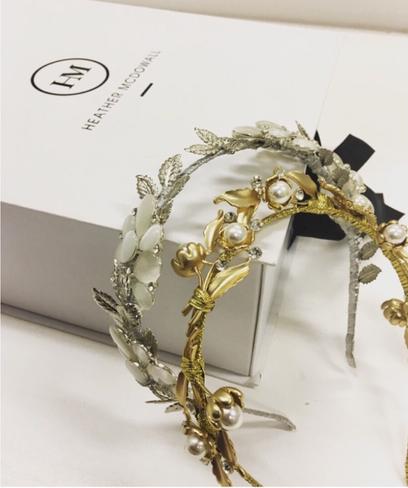
One of our most unexpected business-ba donations came from Heather McDowall, award-winning milliner from the Gold Co who was closing down She donated her studio stock
Receiving donations from businesses is usually straightforward because there isn’t a personal attachment to the stock. In Heather’s case, the donation was deeply personal, representing a lifetime of work. In a state of transition, she was understandably emotional, and despite the nearly 100-kilometre distance, she chose us to facilitate the recirculation of her treasured stock
Heather says:
“Finding out about the Nest was heaven sent. For the previous 2 days I’d spent hours mentally and physically letting go of Heather McDowall Millinery Countless trips to the tip to discard paperwork and everything I had accumulated over the last 10 years of my business. It was a gutwrenching process and there were plenty of tears as I said goodbye
I was left with boxes of materials, fabrics, millinery tools, headpieces and unique supplies. Some of these supplies I had hand picked myself during trips to China I could never throw them out These items were all so special to me Each one told a story.
I said a little prayer, asking for the right place or person to become known to me That’s when I jumped on Google and found the Nest. I dropped everything off the next morning.
My business was the biggest gift to me, it sparked so much joy and creativity in my life, and the life of others who I designed and made pieces for. But my time was done. I wanted to pay it forward. Let others create magic with what I had started. Let them finish.
I was drawn to the Nest’s vision: “To be a resilient community built on unconditional giving, where people and resources are equally valued”
I love everything that the Nest stands for. I love that all stock has been donated. I love that you give back to the community, I love being a part of the circular economy, and I love supporting local and emerging designers”
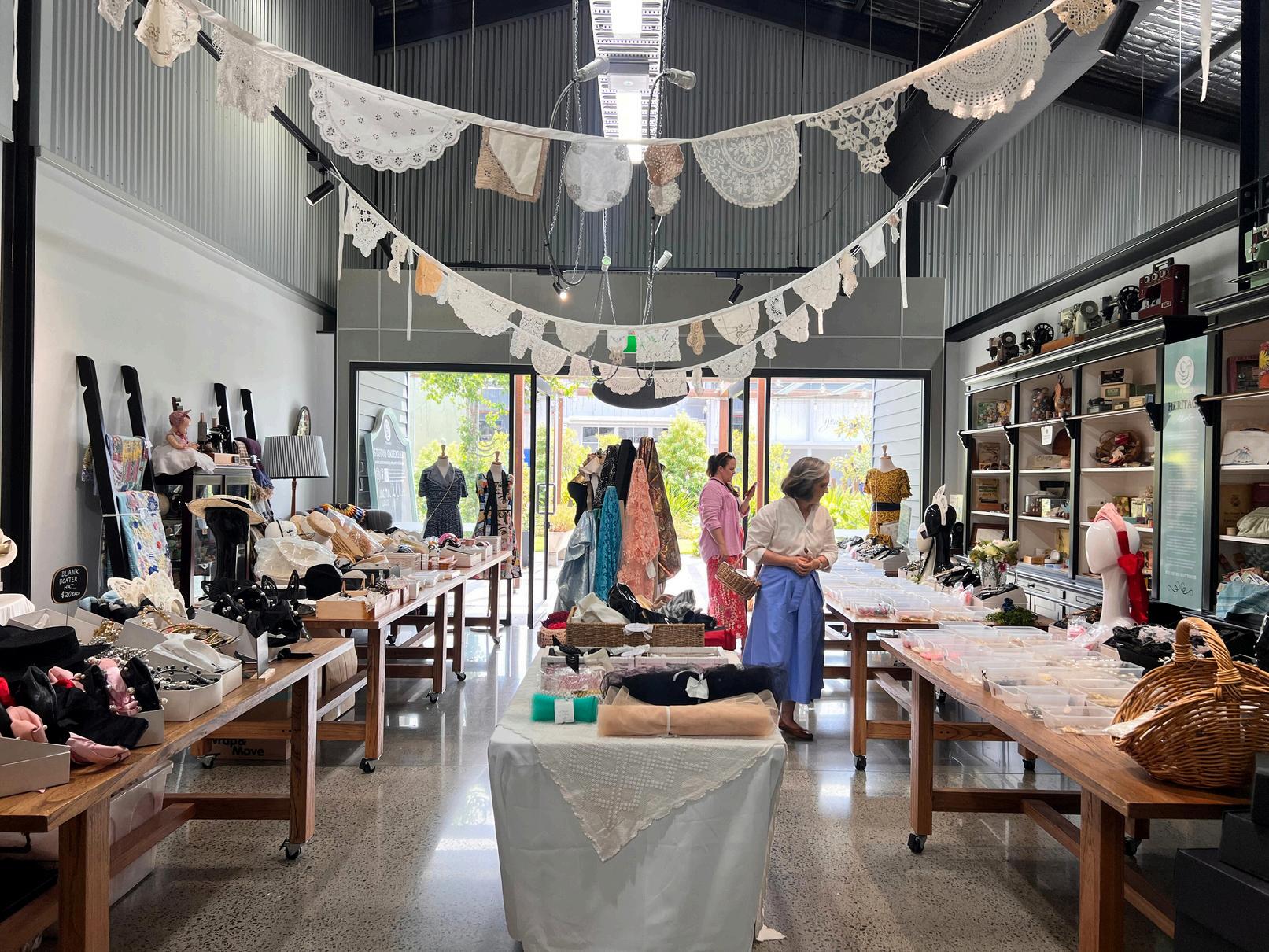
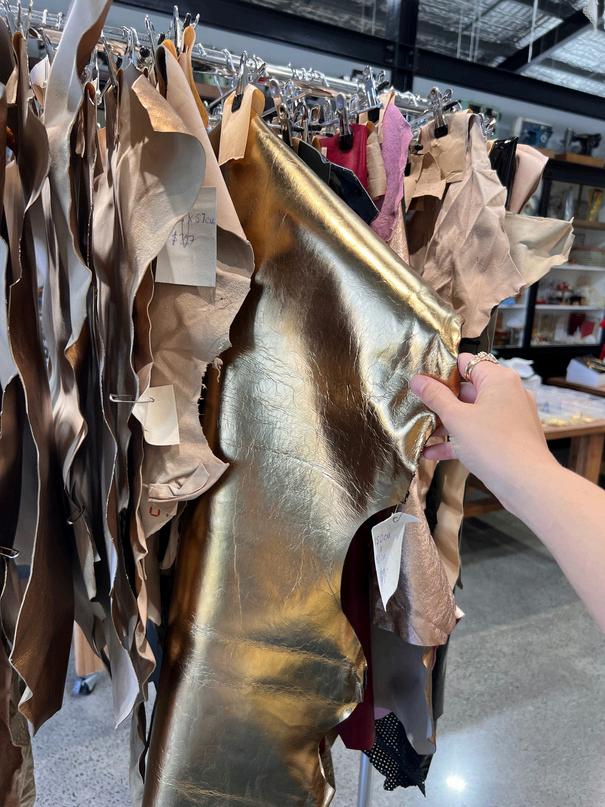
How our volunteers handled Heather’s unbelievably generous and emotional donation was exemplary In record time, in just five days, we had sorted two packed carloads of the most beautiful millinery supplies. We immediately diverted our efforts and transformed the Gladys Mary Studio into a Millinery PopUp shop that lasted for over a week It was a magnificent display with dozens upon dozens of containers of embellishments, premium leather hides, millinery fabrics, ‘blanks’ and finished designs complete with their retail packaging We also rallied to run an extensive social media campaign to alert our followers and find the right customers for this particular donation.
Timed perfectly with the arrival of spring, customers bought luxurious leathers, embellishments and headbands for everything from racewear to children's Christmas concert costumes The ripple effect was enormous When asked how she felt seeing the Pop-Up shop on social media, Heather replied:
“I cried. It was so special. I never expected the donation to be honoured in such a beautiful way I mean I just dropped the goods off, bawled and left That’s where I thought the story would end. I was at peace with that.
Seeing the Pop-Up on social media The beautiful things that were written: “Honouring the legacy of Heather McDowall” I believe one of the posts read - WAAAAAH.
To see it received with such love, along with The Nest customers sending me the most heartfelt messages of gratitude and thanks was overwhelming.
Thank you, Nest Haberdashery. I am eternally grateful.”
Heather Mcdowall Millinery Pop-Up Shop in the Gladys Mary Studio
Donor Heather McDowall (centre) with Nest volunteer and staff
Companions aracters C
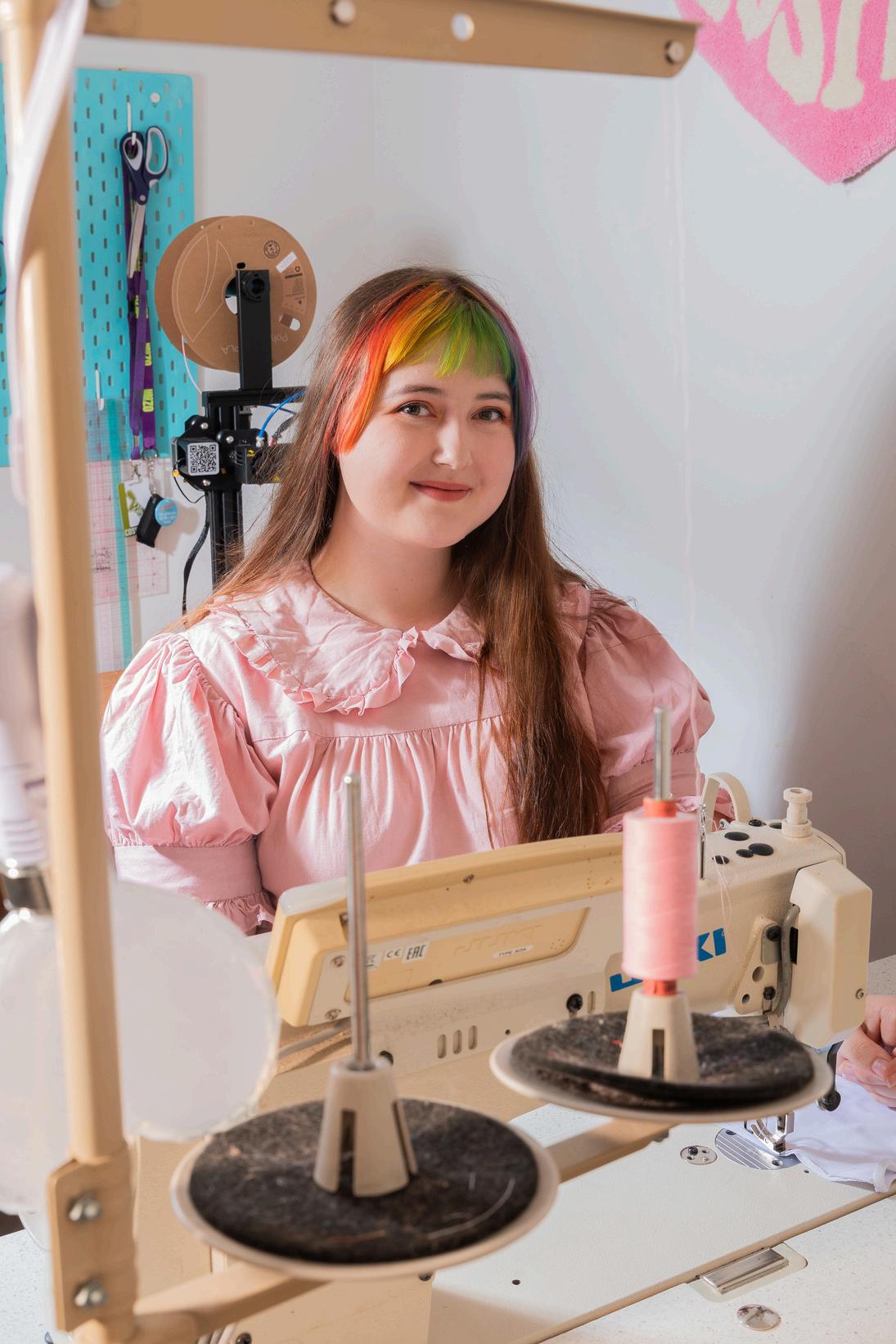
Self-described as a lifelong maker, local cosplay artist Claudia Phoenix (@nix cosplay) learnt handmaking skills from her Mum, turning fabric scraps into soft toys The turning point was when her grandmother gifted her a sewing machine - she never looked back.
After studying Textiles in High School, Claudia went on to complete a Diploma in Costume at TAFE. She has worked on costume commissions for three years and now teaches sewing and cosplay skills to people with disabilities
It brings me a lot of joy and fulfillment to get out and help people!’
Having learnt basic garment construction by doing Viking re-enactment with her family, Claudia took the plunge 11 years ago and attended her first convention in Cosplay. “It was amazing to meet fellow anime fans in person, as there weren’t really people interested at my school I felt that I’d really found my people. Later that year, I watched the Wicked musical live, and this really inspired me to further my craft and enter my first competition”
The challenge of bringing Anime or video characters to life enables Claudia to explore everything from sewing to foam armour, wings, stage performance and even electronics
“Cosplay is such a clear way of saying ‘this is me, this is what I enjoy doing, and this is the media I love!’. It makes for easier connections and new friends, which has been huge for me growing up as a neurodivergent person.”
And her greatest inspiration?
“My friends! I’ve met truly wonderful people through cosplay, who have inspired me to grow not only in my craft but as a person. Working together on a competition entry, or even a more casual group project brings a lot of joy and motivation to do my best I’ve met my partner of 8 years through cosplay, and run an event called Cosplay Market with my friends”.
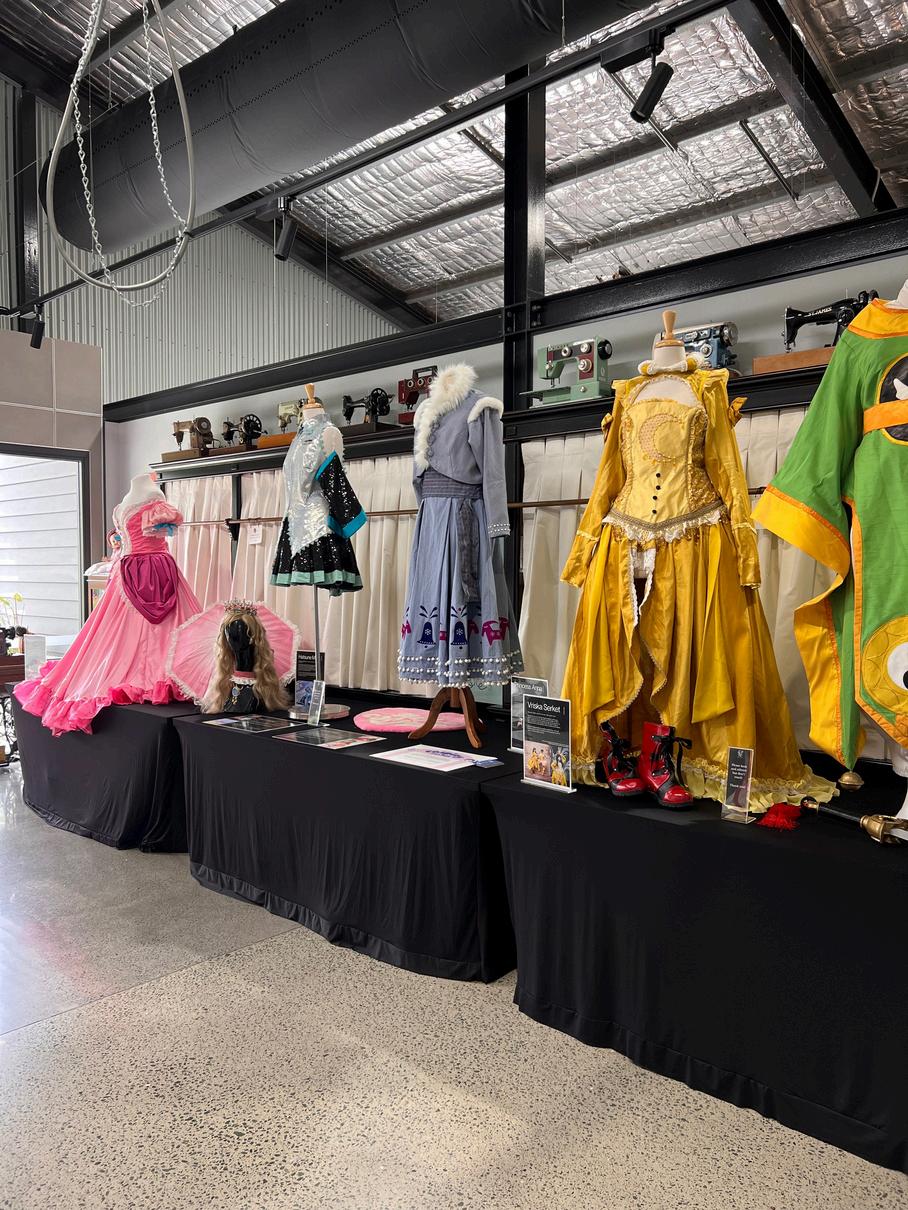
Just in time for summer school holidays, we collaborated with Claudia to host a Cosplay Showcase that included various examples of her incredible costumes.
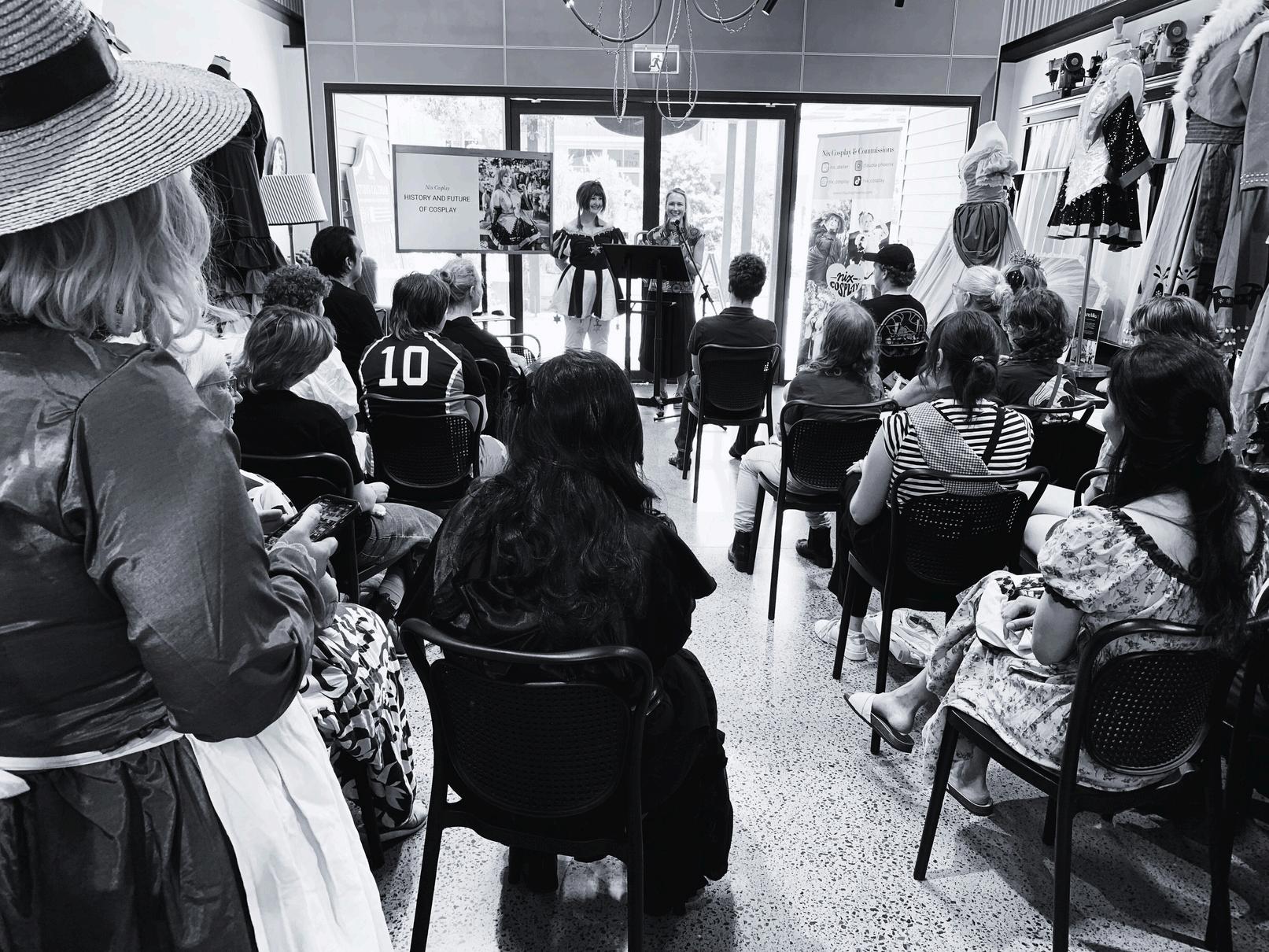
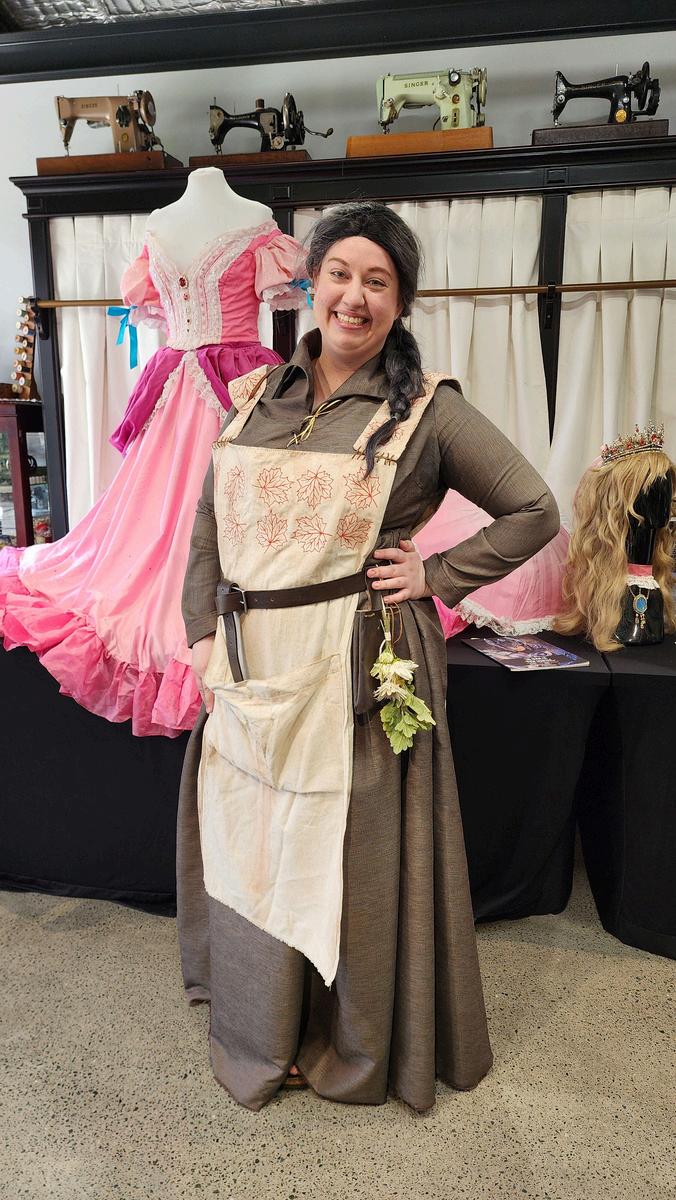
During the two-week event, Claudia did an Artist Talk with more than 30 Cosplay enthusiasts and curious observers spilling out of the Gladys Mary Studio. Encouraged to showcase their own work, Claudia chose the best costume on the day, with the Maker receiving a $100 resource voucher for The Nest Haberdashery
1st
Place Winner Abigail in character as Alys Rivers
Artist Talk by Claudia Phoenix at the Gladys Mary Studio
Z I G Z A G S Y M B O L I S M
In sewing, zig zag is used when a straight stitch won’t suffice. It reinforces edges and joins two working pieces together. Being able to step sideways and still move ahead is symbolic of how our organisation has evolved We’ve side stepped challenges but continued to do the things we love.
info@nestcommunity.org.au
www.nestcommunity.org.au
2A/264 South Pine Road, Brendale, 4500 0433 805 987
The zig zag pattern is symbolic of new potential and growth and we ’ ve always drawn on collective wisdom to create ideas to avoid repeating mistakes, firm in the knowledge that eventually we will be in the right place at the right time to make a positive difference to society.