2025 ANNUAL REPORT
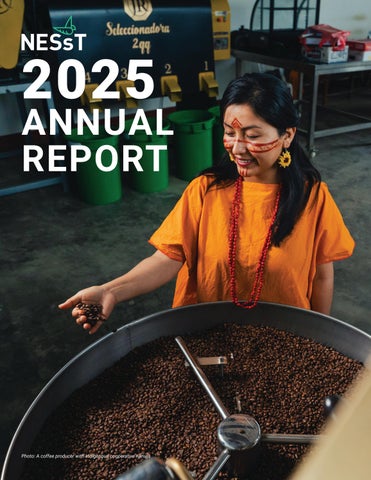
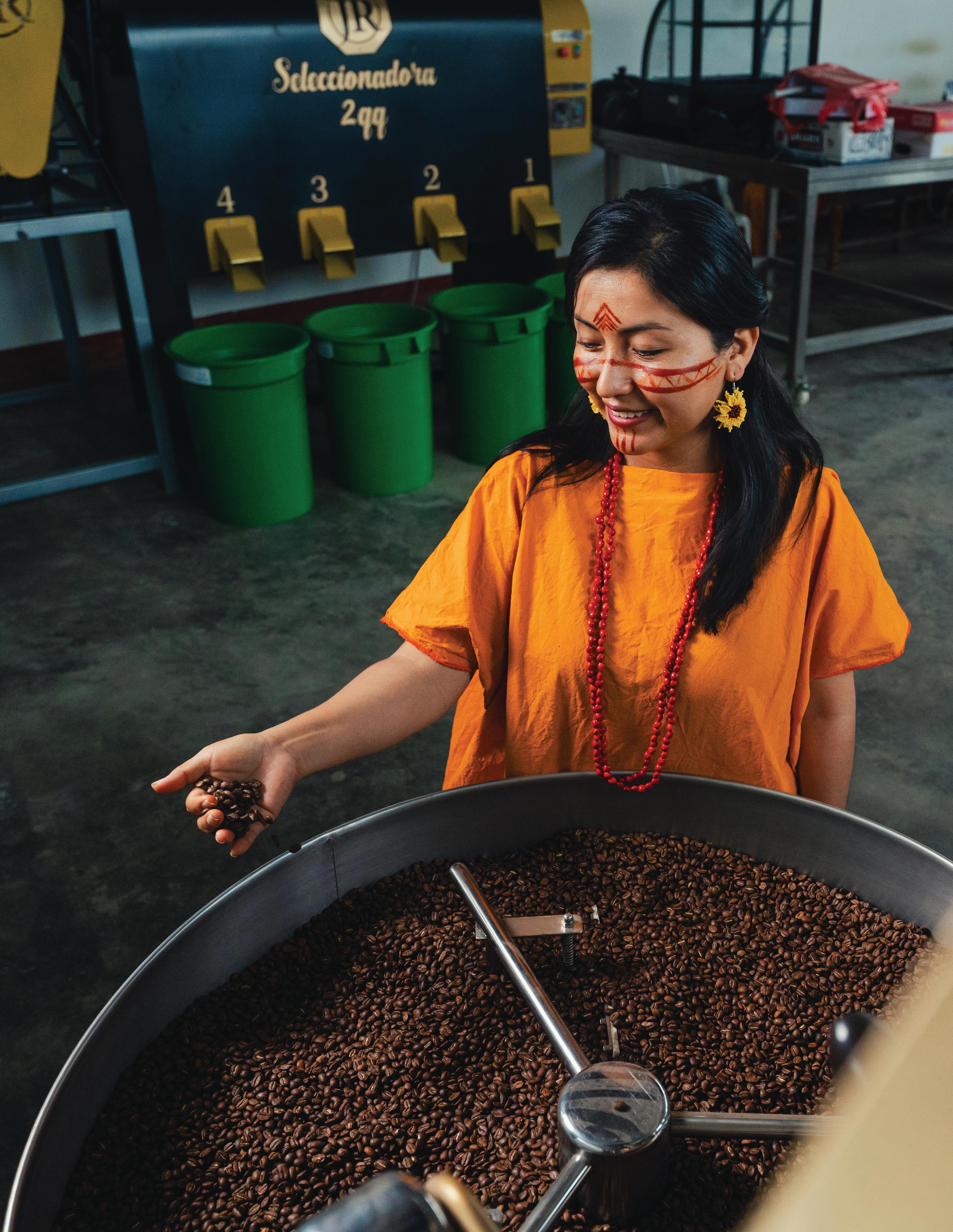
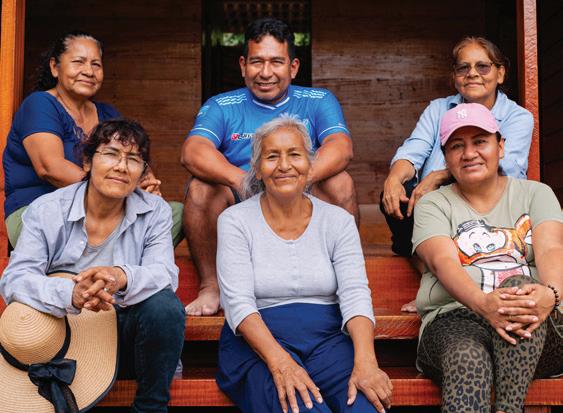
Photo: A coffee producer with Indigenous cooperative Kanuja
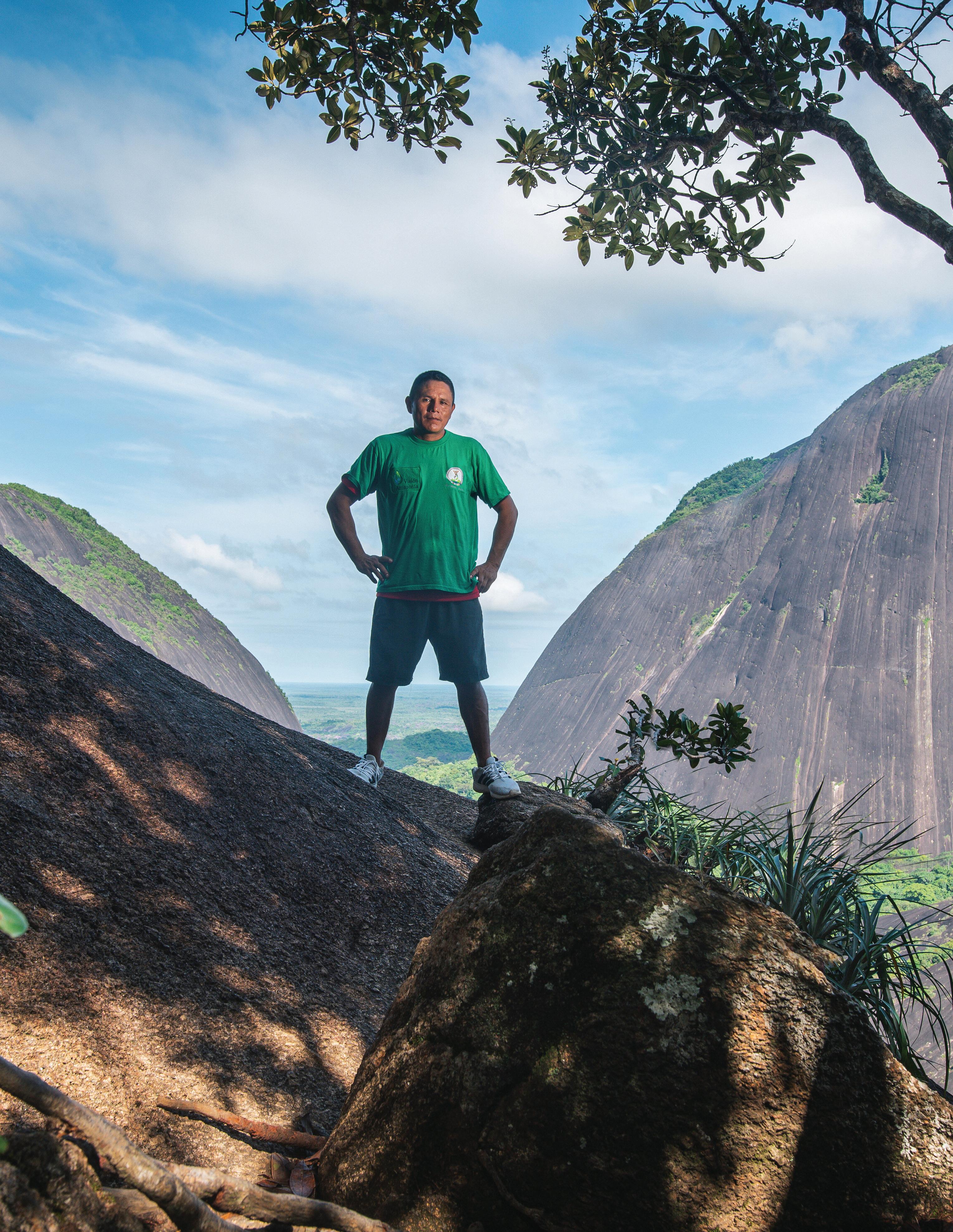
Photo: A guide with Indigenous tourism association Asozhonm
ABOUT NESsT
Since 1997, NESsT has supported enterprises that create dignified jobs for those most in need guided by our core belief: a dignified job can change not just one life but a whole community. By leveraging donations and patient capital, NESsT provides tailored financing and one-on-one business development support to social entrepreneurs that are creating these dignified jobs and empowering their communities.
Locally based social enterprises are uniquely qualified to address critical social problems within their communities, providing meaningful work opportunities that foster thriving, resilient, and self-sufficient communities. Our 2025 portfolio included 142 small and medium-sized social enterprises across Brazil, Chile, Colombia, Ecuador, Peru, Poland, and Romania that all share a common theme of supporting people and the planet.
NESsT invests through two business lines: (1) accelerator programs that catalyze impact-focused enterprises toward growth and investment readiness and (2) impact-first loan funds that provide patient debt financing to purpose-driven small and growing businesses.
Creating Dignified Jobs that Address Key Themes:
CLIMATE CHANGE SOLUTIONS AND SUSTAINABLE AGRICULTURE
Supporting local communities – especially those in rural, remote areas – to develop solutions to address and adapt to the challenges of climate change, through regenerative agricultural practices and circular economy approaches that prioritize waste reduction while preserving local biodiversity
GENDER EQUITY
Supporting women’s financial inclusion and independence, working to eliminate gender biases in the workplace, and bringing gender-smart funding to enterprises led by women
INDIGENOUS PEOPLES AND LOCAL COMMUNITIES (IPLC s) ENGAGEMENT
Channeling direct financing for Indigenous-led enterprises leading economic activities that respect and embed natural cycles, ancestral practices, and community-led governance, while ensuring Indigenous and local voices reach and influence within the impacting investing ecosystem and beyond
WORKPLACE INCLUSION
Creating inclusive workplaces and equitable opportunities that foster empathy, representation, and belonging–through economic opportunities for Black entrepreneurs; long-term, stable employment for displaced and migrating individuals; dignified job training and placement for people with disabilities; and measured DEI milestones for the LGBTQIA+ community—ensuring every individual feels safe, valued, and supported to thrive
TECHNOLOGY ACCESS
Identifying inclusive, tech-smart solutions that expand access to job opportunities, enhance resilience to climate change, and bridge accessibility gaps for under-represented groups
LETTER FROM CHAD SACHS, NESsT CHIEF EXECUTIVE OFFICER
As I reflect on 2025, I am struck not only by how much NESsT has grown, but by what that growth represents. When I say “we,” I mean the full community behind our work: social entrepreneurs, local partners, and supporters whose shared commitment continues to drive our mission forward.
This past year was defined by both challenges and progress. Across the regions where we work, uncertainty continues to shape economic systems and livelihoods. And yet, the social enterprises in our portfolio demonstrated remarkable resilience by adapting, growing, and delivering solutions rooted in their communities.
In 2025, NESsT expanded its portfolio from 88 to 142 social enterprises. This growth is more than scale; it reflects a deeper reach and a stronger ability to support entrepreneurs building sustainable livelihoods. Together, these enterprises contributed to the creation and support of 50,405 jobs, strengthening local economies where opportunity is often limited. Since our founding in 1997, this collective work has contributed to improving the lives of more than 4.7 million people, and in 2025, we continued accelerating that momentum.
On a recent retreat with the NESsT senior management team, we reflected on important ways our team has grown in just the last five years. In that time, we’ve expanded NESsT’s scope of business from grants into recoverable grants, along with the development of two loan funds. Our team now has 62 members – the majority of which operate locally – providing thoughtful, tailored services to social enterprises in seven countries. And behind this growth, we keep in mind how we can scale while remaining sustainable, effective, and – perhaps most importantly – impactful.
Our impact is driven by more than just capital. It is built through long-term partnerships – working alongside entrepreneurs to navigate complexity, strengthen their businesses, and unlock lasting value for the communities they serve. This work is made possible by the trust and commitment of our partners and supporters, who enable us to take a patient, systems-oriented approach.
What 2025 reaffirmed is clear: the most effective solutions are built locally. By backing entrepreneurs embedded in their communities, we are helping to shape more resilient and inclusive economies.
We move forward into 2026 with a strong foundation and a clear focus to continue scaling impact where it matters most.
Chad Sachs NESsT Chief Executive Officer



LETTER FROM RENATA TRUZZI, NESsT CHIEF IMPACT &
OPERATIONS OFFICER
I begin my letter by recalling a quote from a great American writer, Rebecca Solnit, in her book The Mother of All Questions: “Silence is the universal condition of oppression, and there are many kinds of silence and of the silenced.”
This quote resonated deeply with me. It reflects how entire communities are excluded from decisions and opportunities, and reinforced for me how in our work at NESsT this silence often translates into being overlooked in the labor market and global supply chains.
When selecting investments, this is exactly what NESsT seeks to change. We strive to place the communities served by social enterprises at the center of our investment approach, while in many cases also supporting them directly in the management of the business we invest in. In other words, the people these business serve are often the same people leading and shaping them as business owners, managers, and decision-makers.
In doing so we contribute to making space for the voices of Indigenous, riverine, Black, immigrant, disabled, women, youth, and lowincome communities to be heard. And as Solnit writes, “Having a voice is crucial. It’s not all there is to human rights, but it’s central to them.”
In the countries where we operate, our portfolio teams are doing an excellent job of co-creating solutions with entrepreneurs for their businesses. We strive for a horizontal, rather than top-down, relationship in our mentoring and capacity-building programs. As you will be pleased to learn in this report, our participation in international events frequently includes entrepreneurs taking the stage; once again, the focus is on giving everyone a voice, thus co-building a more dignified future and a more sustainable planet for all.
As I write, I return reenergized after two weeks of meetings for NESsT’s well-established benchmarking process. Each year we use our impact management tools to evaluate the results of each portfolio company and, across the board, the results of each NESsT program. In 2026, we are refining these impact metrics with contributions and feedback from the entire NESsT community, including entrepreneurs and key stakeholders and partners. At the end of this process, we want NESsT entrepreneurs to connect with their social and environmental impact and naturally be able to make strategic decisions by transforming their data into insights. The aim is not only to support them to be able to independently manage their own impact, but to ensure this approach is embedded in their way of working and can be sustained for years to come.
Building on this work with entrepreneurs, our benchmarking process has surfaced key insights around their performance and impact: It has shown us that technology-based business models are benefiting not only their target communities but also other companies in our portfolio through cross-sector collaboration. We have also noted an encouraging correlation between increased sales (company growth) and higher incomes for households. Hybrid companies and those led by women continue to deliver impressive results that exceed the portfolio average. We have seen entrepreneurs transforming decent work into a tool for social justice. We are also celebrating a growing number of businesses in our acceleration portfolio preparing to receive investments from NESsT’s impact funds and, therefore, achieving our investment readiness goal. And we have learned that the future of Amazon can only be built by those who live there.
We are working hard to ensure that our reflections and lessons learned become practical tools that support entrepreneurs today and help shape those of tomorrow.
I thank every member of the NESsT team and board, our partners, investment committee members, donors, and investors, who together strengthen and perpetuate our mission.
This is the future we believe in: a future that is more dignified, less unequal, with racial and gender equity, more diverse, and fairer for all. A future that is also more sustainable for the planet. This is only possible if we move forward together, in an ecosystem where everyone has a voice, and everyone is heard, where genuine exchange takes place, and where the word “inequality” begins to lose its meaning.
Renata Truzzi
NESsT Chief Impact & Operations Officer

LETTER FROM LORD DAVIES OF ABERSOCH, CHAIRMAN OF THE NESsT BOARD
OF DIRECTORS
On behalf of the Board of Directors, I am pleased to present this reflection on NESsT’s performance in 2025 – a year marked by disciplined growth and meaningful impact.
In a complex and evolving global environment, NESsT has remained steadfast in its mission to support social enterprises. We are operating at a time of significant changes and challenges particularly in the multilateral funding space. Yet, the need for the type of support NESsT offers remains greater than ever. Organizations are having to adapt more quickly than ever to the effects of climate change, while many companies in the “missing middle” still struggle to access appropriate capital. At the same time, technology platforms are changing immensely and reshaping markets, often without reaching those without a voice.
It is a time that requires innovative thinking on how to provide appropriate, effective development support. It is a time when foundations, family offices, and non-traditional capital sources can make a huge difference.
I was particularly moved this year to see the difference that NESsT made with women-led enterprise AMITLI, operating in a remote rural area of the Colombian Amazon where women have traditionally held secondary roles in community life. Today, close to 30 women who once worked on their own are now coming together through this enterprise to produce and sell local foods, making decisions together, reaching new markets, and increasing their household income.
I was equally stuck by the scale of the Olsztyn Food Bank’s work in northern Poland, reaching more than 70,000 people in its community through food distribution, training, and job placement support in a region with some of the country’s highest unemployment rates. Seeing the enterprise progress through the acceleration process and then apply to the NESsT Violet Fund to further grow this work and reach more underserved communities feels like a natural next step and a sign of what is possible when this kind of model is given adequate support to scale.
I am so pleased to see how those individual cases can be translated into scalable results as NESsT empowers other companies to thrive, reflecting both the strength of the organization’s model and the rigor with which it is applied.
This year also marked an important milestone for NESsT, as the organization reached over 100 active companies in its portfolio for the first time. This reflects the trust built with entrepreneurs over time and the growing reach of businesses working to create more inclusive economic opportunities in their communities.
The Board continues to prioritize strong governance, financial resilience, and measured growth. We remain confident in the organization’s leadership and strategic direction, and in its ability to navigate an increasingly dynamic operating context while maintaining focus on impact.
We extend our sincere appreciation to NESsT’s partners and supporters for their continued commitment. Your engagement is essential to sustaining and scaling this work.
Looking ahead, we are confident that NESsT is well-positioned to build on this progress and deepen its contribution to more inclusive and resilient economies.
Lord Davies of Abersoch
Chairman
of the NESsT Board of Directors
NESsT BOARD OF DIRECTORS
Lord Davies of Abersoch
Natasha Buchler
Loïc Comolli
Nicole Etchart
Dana Gilland
Edwin Gutierrez
Geoffrey Hamlin
Joe Palombo
Olga Pascault
Chad Sachs
István Szőke
David York
Claire Wilkinson
NESsT THROUGH THE YEARS
2025
NESsT portfolio companies surpass 4 million people positively impacted
2019
NESsT portfolio companies surpass 1 million people positively impacted
2023
NESsT Violet Fund launched, supporting inclusive workplaces and communities in Central & Eastern Europe
2016
First Dignified Employment Survey implemented with impacted communities
2010
NESsT Investments surpasses 100 enterprises supported
2024
2025
NESsT Lirio Fund disburses $20 million to social enterprises
NESsT portfolio companies create and sustain more than 100,000 dignified jobs
2020
Gender Lens Investing Strategy launched







2005
“All in the Same Boat: A Primer on Venture Philanthropy” is published in 12 languages
2001
NESsT Performance Management Tool (PMT) is introduced to manage and measure impact
1997
NESsT is founded
2004
2008
2019
Lirio Fund launched, providing catalytic capital for missing middle enterprises in Latin America
2015
NESsT Amazonia Initiative launched, fostering dignified income opportunities for communities in the Amazon
First patient capital loan disbursed in Central Europe
NESsT Special Projects introduces consulting services
2000
NESsT’s launches its first business acceleration program
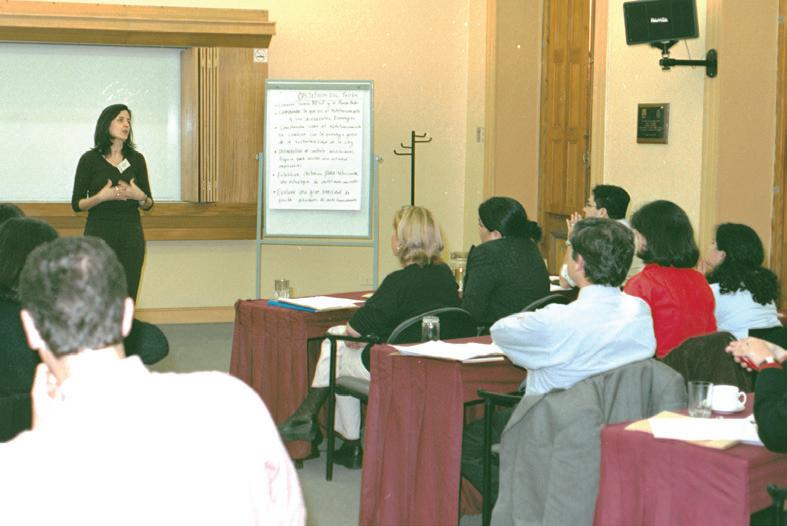
Photo: Nicole Etchart, NESsT co-founder, leads a workshop in Chile (2002)
142 portfolio enterprises supported
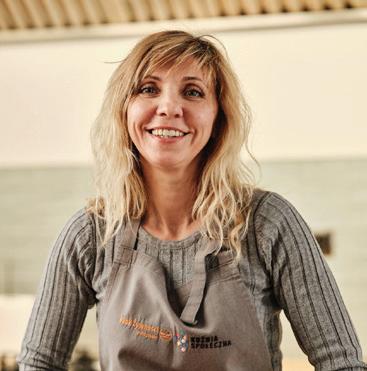
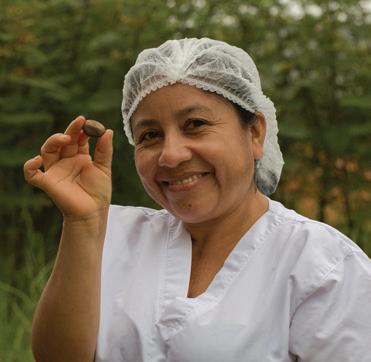
50,405 dignified jobs created
624,659 lives positively impacted
11,183 jobs for women
64% women or hybrid led portfolio enterprises
$10.4 M USD investments disbursed
COLOMBIA
POLAND (17)
ROMANIA (6)
NESsT Program Overview
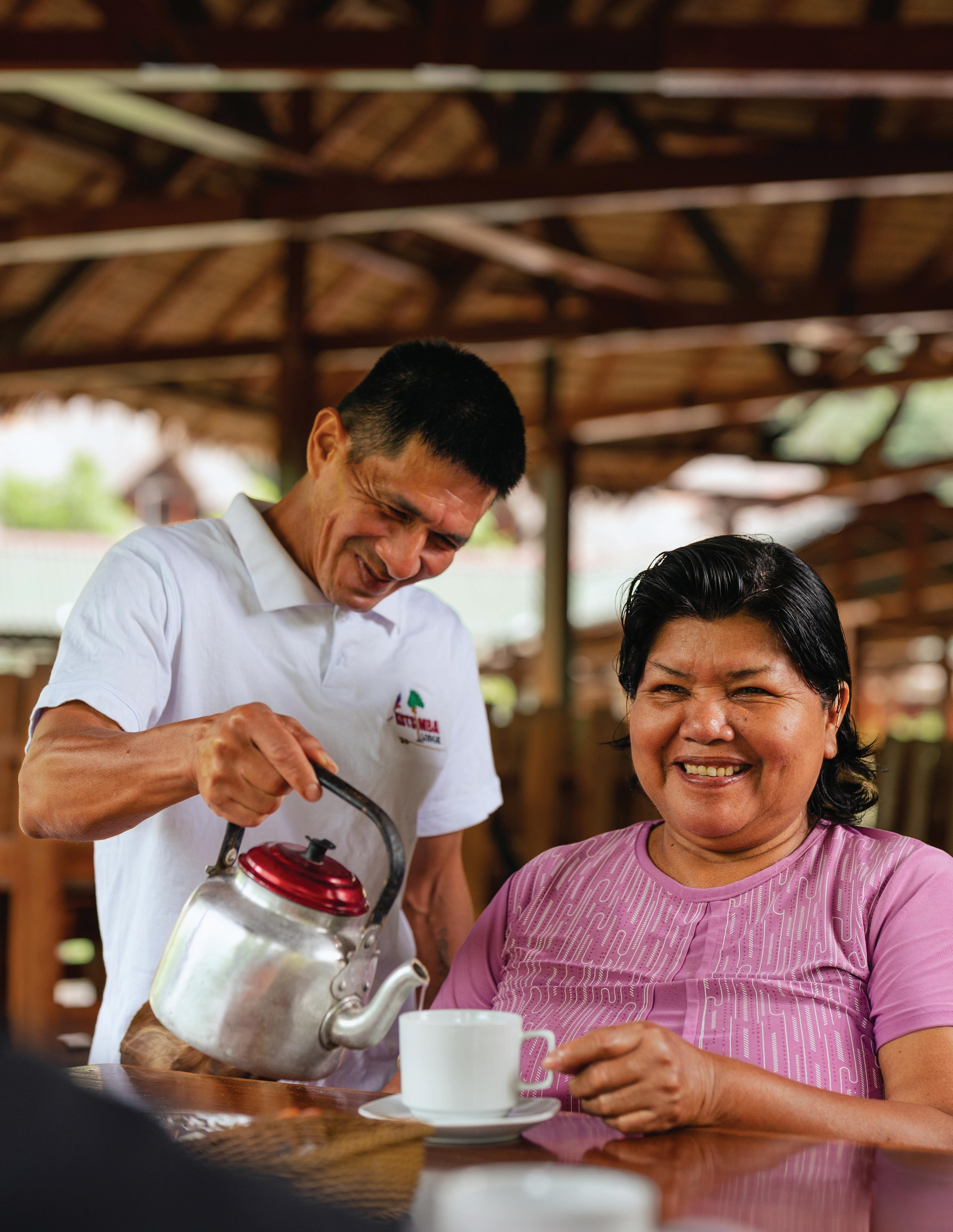
Photo: A worker serving coffee at Indigenous ecotourism enterprise Kotsimba Lodge
NESsT PROGRAMS
Our accelerator programs, initiatives, and impact funds drive our commitment to supporting high-potential social enterprises that fall in the missing middle of small and medium-sized enterprises. These enterprises are making an out-sized impact in their respective regions, providing dignified job opportunities for underrepresented communities and preserving and protecting the natural environment.
AMAZONIA INITIATIVE
NESsT Amazonia fosters dignified income opportunities for communities in the Amazon. To achieve this, it supports and accelerates community-based enterprises that operate within the socio-bioeconomy, strengthening value chains while respecting and embedding natural cycles, ancestral practices, and local governance systems. Enterprises in the NESsT Amazonia portfolio include climate-smart solutions and businesses led by and in partnership with Indigenous Peoples, Quilombola, and local communities. Since 2015, NESsT has invested in and supported more than 115 high-impact small and medium-sized enterprises and cooperatives in the rainforest in Brazil, Colombia, Ecuador, and Peru.
NESsT Amazonia supporters include Canada’s International Development Research Centre (IDRC), the Negocios Alimentarios Regenerativos (NAR) Consortium, Conexsus, Charles Stewart Mott Foundation, Cisco Foundation, Climate and Land Use Alliance (CLUA), Fondation Erol, Gordon and Betty Moore Foundation, the Green Climate Fund, the Inter American Development Bank (IDB), the Ministry of Environment of Peru, MetLife Foundation, Principal Foundation, Profonanpe, William Talbott Hillman Foundation, Sweden through the Swedish International Development Cooperation Agency (Sida), and Whole Foods Market Foundation.
LIRIO FUND
The NESsT Lirio Fund provides debt capital to small and medium enterprises that are advancing job creation for people most in need and accelerating environmental conservation in Peru, Colombia, and Brazil. By offering enterprises flexible financing and business assistance, the Lirio Fund seeks to improve rural livelihoods, creating jobs and increasing the incomes of local workers, including those who have generations of traditional knowledge about the rainforest and how to protect it.
The Lirio Fund is backed by impact-first investors from faithbased organizations, family offices, high net worth individuals and the Inter American Development Bank (IDB).
VIOLET FUND
Launched with support from Dreilinden gGmbH, the NESsT Violet Fund provides financing to high-impact small and medium enterprises, non-governmental organizations with business activities, and social enterprises in Central and Eastern Europe that create jobs and inclusive, safe spaces for under-represented groups, including the LGBTQIA+ community, migrants and refugees, ethnic minority communities, young people entering the job market, women, and people with disabilities.
RACIAL EQUITY INITIATIVE
The NESsT Racial Equity Initiative invests in social enterprises that create employment and income opportunities for Black people in Brazil. In 2025, enterprises in the Racial Equity portfolio sustained over 26,000 jobs and trained and up-skilled nearly 18,000 individuals – over half of whom are from Black communities. Since its inception it has positively impacted the lives of close to 500,000 people.
NESsT Racial Equity Initiative supporters include Principal Foundation and other corporate donors.
CENTRAL AND EASTERN EUROPE ACCELERATOR
The NESsT Central and Eastern Europe Accelerator supports social enterprises that work to move people out of poverty by transitioning them to sustainable sectors and improving their job security through training and upskilling. The portfolio consists of enterprises supporting at-risk youth, at-risk women, people with disabilities, ethnic minorities, refugees and migrants, and smallholder farmers and artisans.
The NESsT Central and Eastern Europe Accelerator Program supporters include IKEA Social Entrepreneurship, Cisco Foundation, and Medicor Foundation.
SOUTH AMERICA ACCELERATOR
The South America Accelerator addresses wealth inequality and environmental challenges in Brazil, Chile, Colombia, and Peru. The program invests in small and medium-sized social enterprises that create and sustain formal, fairly-compensated jobs through patient capital and business support.
The NESsT South America Accelerator Program supporters include IKEA Social Entrepreneurship, Sweden through the Swedish International Development Cooperation Agency (Sida), MetLife Foundation, and Fundación Mustakis.
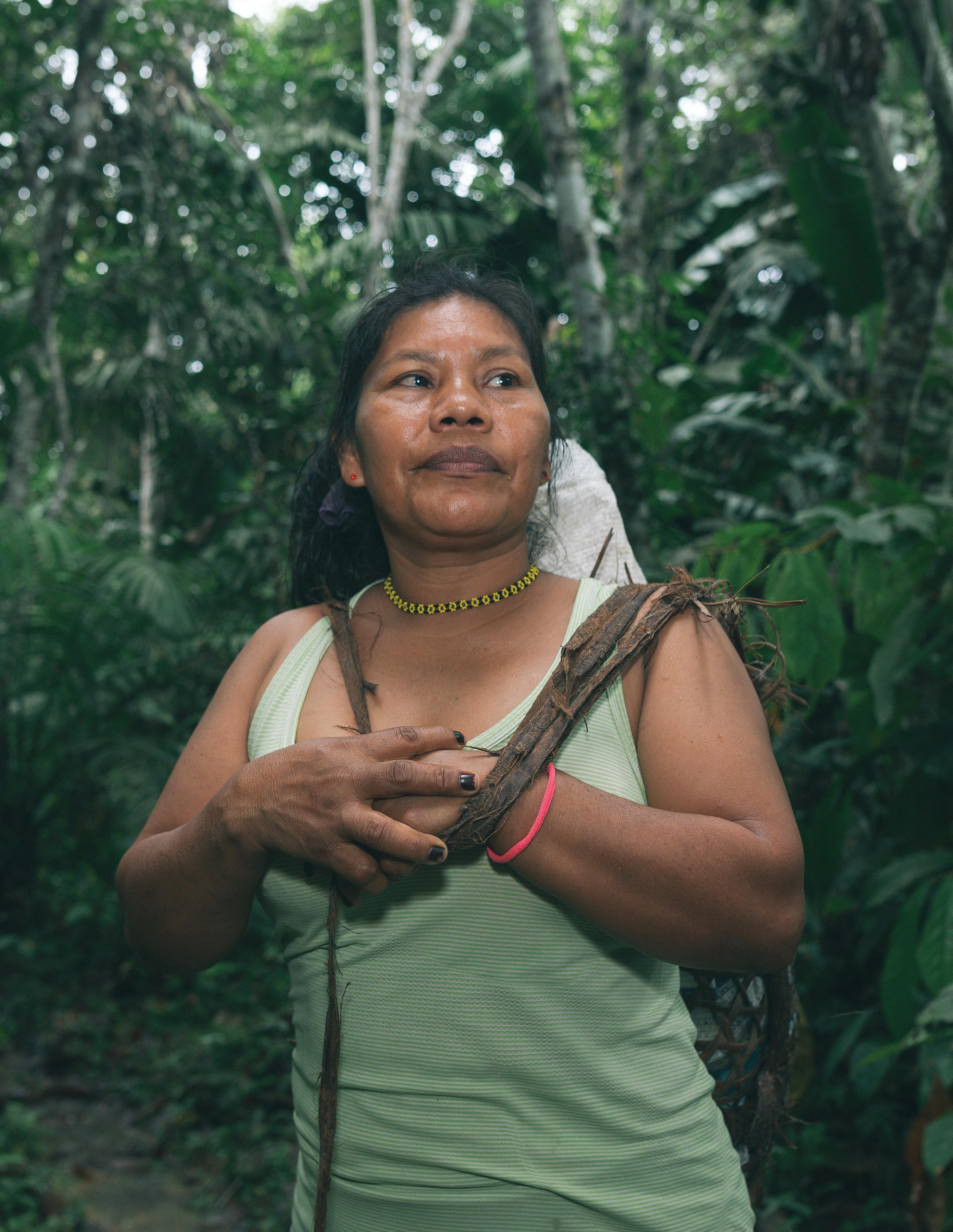
Photo: A community member with Indigenous association Painu
SUPPORTING INDIGENOUS-LED ENTREPRENEURSHIP IN THE AMAZON
Throughout the Amazon basin, Indigenous communities are leading enterprises that conserve forests, protect traditional knowledge, and create sustainable income opportunities for current and future generations. However, growing climate pressures and structural barriers to accessing finance make it difficult for these enterprises to grow and extend their impact.
In Peru, Colombia, and Ecuador, NESsT Amazonia partnered with local and national Indigenous organizations to codesign and co-lead incubators and accelerators adapted to Amazonian Indigenous contexts, leading to the creation of an Indigenous-led incubator. These models combine financing and tailored business support for community-based enterprises to strengthen their operations and impact, contributing to an Indigenous-led economy.
In 2025, the two-year pilot program “Regional Indigenous Incubator for the Amazon” came to a close. The program was co-implemented with the Coordinadora de la Organizaciones Indígenas de la Cuenca Amazónica (COICA), regional Indigenous Peoples’ Organizations in Colombia, Ecuador, and Peru: Organización Nacional de los Pueblos Indígenas de la Amazonia Colombiana (OPIAC); Confederación de Nacionalidades Indígenas de la Amazonía Ecuatoriana (CONFENIAE); and Asociación Interétnica de Desarrollo de la Selva Peruana (AIDESEP), and NESsT, and backed by the Inter American Development Bank (IDB Lab) and the Gordon and Betty Moore Foundation.
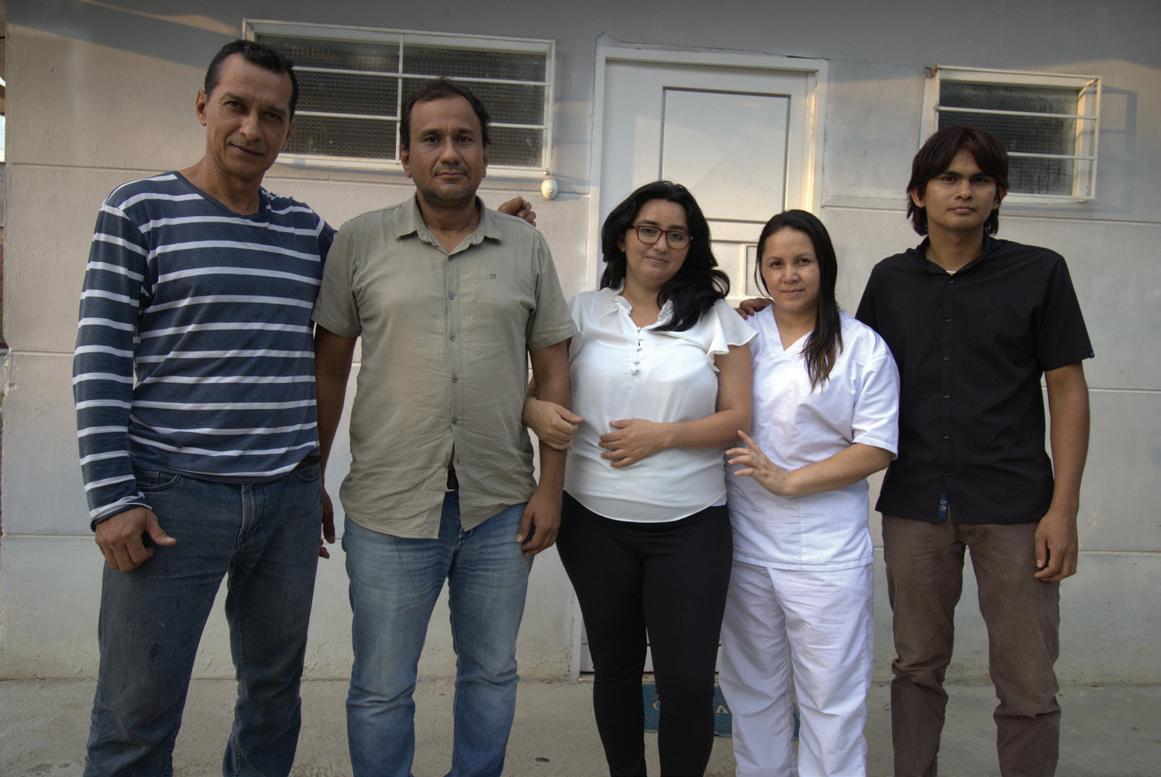
“My dream is that one day we can say: the Amazon bioeconomy really is viable, and people can make a living from it, and that we never have to say the forest is gone.” – Yuli Rodríguez (above, center), co-founder of BioIncos
Supporting 13 Indigenous-led enterprises across Colombia, Ecuador, and Peru through an Indigenous-led governance model, the program generated clear insights on how to effectively support Indigenous-led enterprises in the Amazon:
• Accelerators are most effective when co-designed from the outset. The active role of Indigenous organizations in the program design ensured business support that was aligned with political, cultural and territorial priorities; while shared decision-making between Indigenous organizations and NESsT regarding company selection and investment design strengthened long-term ownership and sustainability of the program.
• Business support is more impactful when adapted to Indigenous contexts. By using culturallyaligned language, methods, and concepts, we saw increased engagement from entrepreneurs and their communities in the uptake of tools and practices.
• Enterprise growth in the Amazon must be understood within a complex operating environment. Factors such as high-cost logistics, limited infrastructure and regulations, illegal and informal economies, exposure to climate risk, and restricted market access all shape how businesses grow and must be considered when providing appropriate financial and technical support.
Applied in practice, these lessons translated into tangible results for enterprises, their communities, and the territories they safeguard.
Socially the program saw more inclusive decision-making, with greater participation of women and youth. At the same, enterprises continued to value and pass on ancestral knowledge, while more stable and diversified income streams contributed to resilient local livelihoods.
“Many young people here in the Amazon migrate to big cities because there are no jobs. This is what we don’t want. What we want is to have employment in our own territory, in our own community.” – Gerardo Chongo, founder of Sacha Waysa (below, far right)
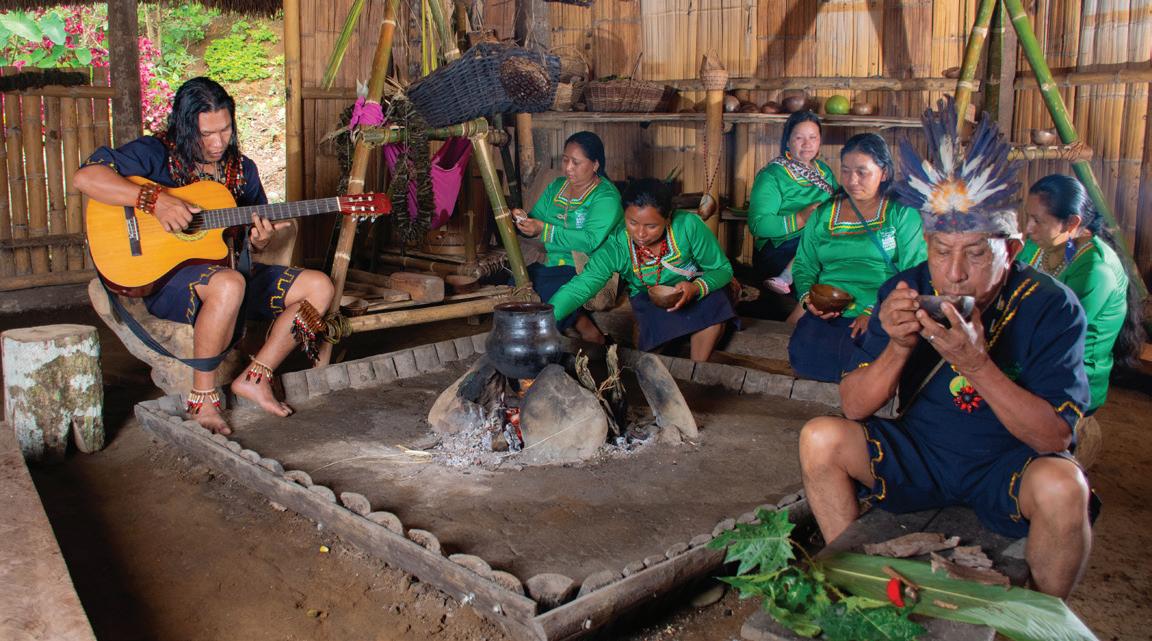
Environmentally, several Indigenous-led enterprises operating in critical ecosystems promoted sustainable, alternative income activities that reduced pressure on forests. This shift supports soil regeneration, helps protect biodiversity, and contributes to reducing deforestation.
An external study carried out by SISTME during the program found that Indigenous enterprises play a key role in reinforcing local governance and forest stewardship. This was linked directly to the activities of enterprises Sacha Waysa in Ecuador, and Kotsimba Lodge and AFIMAD in Peru.
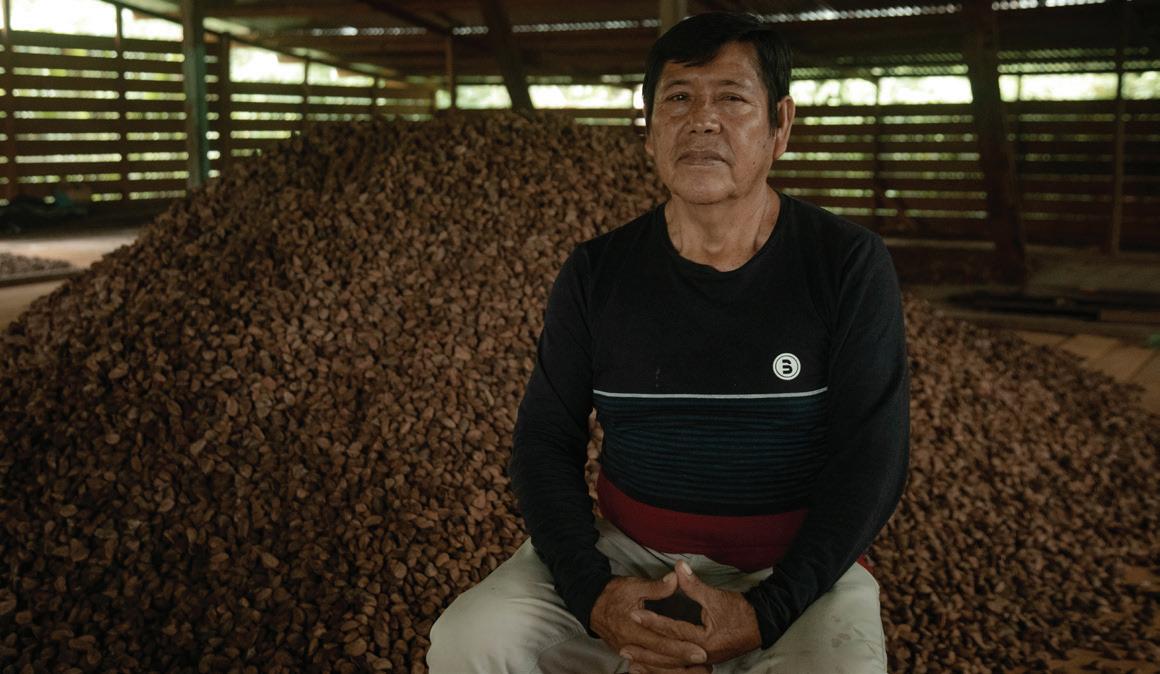
“Our communities are not the same as before. Homes have improved, family incomes have grown, and people now have opportunities to buy things they need and give their children a better education.” – Martín Huaypuna (above), co-founder of AFIMAD
This program established a replicable, scalable model for supporting Indigenous-led entrepreneurship across the Amazon basin.
Building on these collective lessons, the next phase of work will focus on reaching new Indigenous-led enterprises while deepening acceleration work. Continued priorities will be to increase the participation of women and youth both within enterprises and in leadership and decision-making spaces. At the same, we’ll continue to connect enterprises with financing opportunities, supporting their transition to long-term financial sustainability and investment readiness.
Read the full report at nesst.org/regional-indigenousincubator-for-the-amazon.
13 Indigenous enterprises accelerated

1,749 families impacted
3 countries represented
$738K total funding mobilized for Indigenous enterprises
84,200 hectares of forest under sustainable management
In mid 2025, we expanded our support to community led bio-businesses across the Peruvian Amazon, partnering with Conexsus as part of the AmazonBeEco Initiative and with the Eco & Bio Business Facility (EBBF Amazon) implemented by Profonanpe in partnership with Peru’s Ministry of Environment. NESsT’s role across both programs is to provide technical business support to participating enterprises in business operations, financial management, and investment readiness, among other key areas. In addition, within the EBBF, we contributed to program design and investment strategy, helping shape how climate finance is channelled to eco-bio businesses. Collectively, the programs will support 41 Amazon-based businesses to sustain the livelihoods of over 5,000 families and protect or sustainably manage more than 340,000 hectares of land.
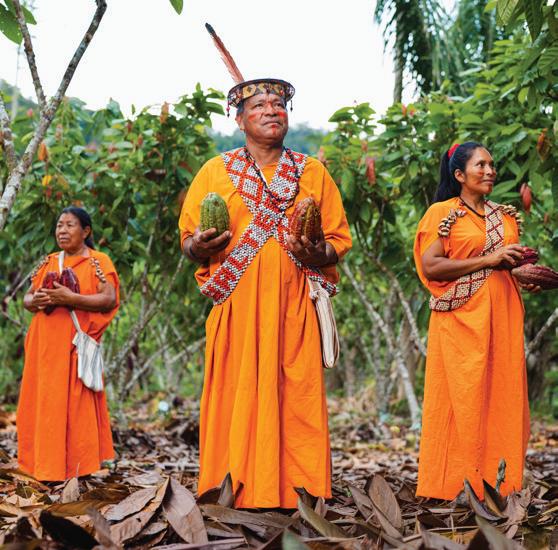
Photos from top to bottom: Asotexkich, Asozohnm, Kanuja
MEET KANUJA
Located in the Valley of the Apurímac, Ene, and Mantaro Rivers (VRAEM) in Peru’s central jungle region, Cooperativa Agraria Indígena Ashaninka y Nomatsigenga Asi Omagaro-Kanuja (“Kanuja”) supports over 200 coffee and cacao growers from the Ashaninka and Nomatsigenga communities.
Operating in VRAEM, one of Peru’s largest coca-producing regions, Kanuja provides farmers with a safe, sustainable alternative to illegal crops. In an area where access to affordable finance is limited and loan conditions are often restrictive, Kanuja used much-needed investment from the program to diversify its product lines, access new markets, and as working capital to guarantee its producers fair, stable prices for their harvests while keeping up with growing client demand.
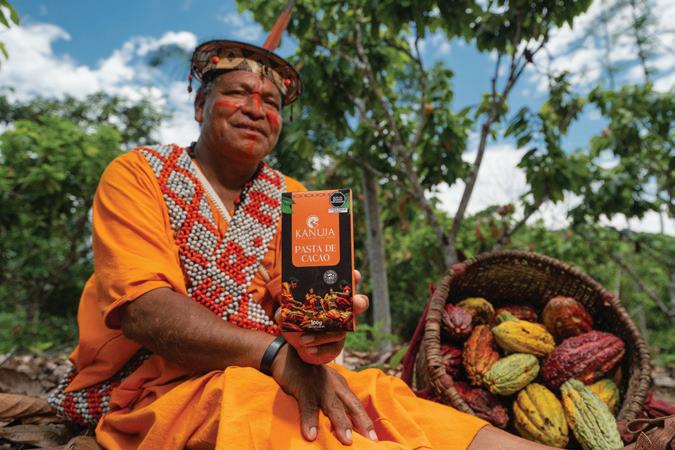
Alongside financing, Kanuja accessed tailored support from NESsT and AIDESEP to strengthen how it manages its operations, specifically bringing a more collective approach to its production value chain. By aligning actors and fostering trust, the cooperative and local farmers can plan harvests with more certainty and tackle market, climate, and operational challenges.
These combined efforts translated into strong business performance. In 2025, Kanuja increased its sales by nearly 30% and increased average member income by over 50% compared to the previous year. The cooperative also secured organic and Fair-trade certifications, helping it to sell coffee and cacao to more reliable buyers at premium prices. This growth meant Kanuja could repay its loan ahead of schedule.
Jaime Takia, General Manager and Founder of Kanuja shares: “We’ve developed a system to better manage income, expenses, and sales of our coffee and cacao. [...] . We’ve also implemented financial training for our communities, which is an essential foundation for true sustainability, as changing mindsets is key to managing resources effectively.”
At the core of Kanuja’s mission is investing in the long-term resilience of its communities. The cooperative has trained 60 small producers from two Indigenous communities in good financial practices, supporting family savings for education and healthcare. At the same time, it manages 346 hectares of cacao and coffee farms under sustainable and organic practices, contributing to the conservation of the territories the VRAEM communities depend on.
MEET ASOTEXKICH
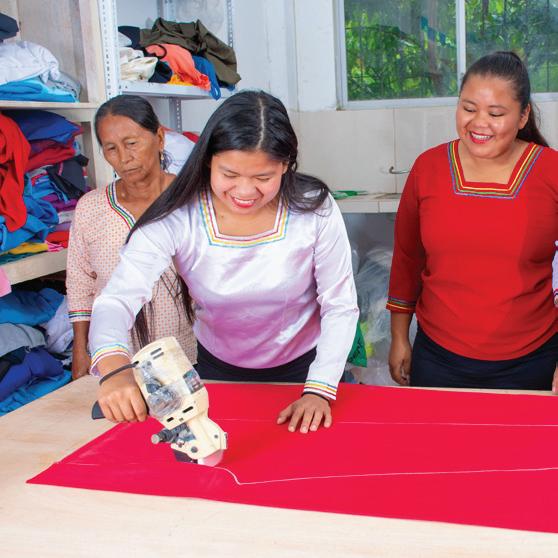
Asotexkich is a women-led textile association in Arajuno, Ecuador, that brings together 27 artisans, 23 of whom are women, from six Kichwa communities. What began over a decade ago as a small, familyrun initiative has grown into a collective effort to generate income for local households while preserving traditional Kichwa textiles and identity. It actively revives at-risk designs and techniques, incorporating ancestral symbols and natural dyes into colorful contemporary pieces.
When Asotexkich joined the Indigenous Incubator in 2025, it faced several organizational challenges. Like many communitybased businesses, it was operating within a system that offered limited access to financial tools and business planning resources.
Supported by local Indigenous organization CONFENIAE and NESsT portfolio manager Andrea Molestina, Asotexkich was able to strengthen its foundations and grow, while keeping its community impact at the center of its work.
It developed a clear strategy, defining roles within the association and building a more intentional approach to reaching new customers. As part of this, Asotexkich launched the brand Arawarik, a name that brings together Arajuno, the community where it operates, and the Kichwa word awarik, meaning “to weave”. Grounded in Kichwa identity, the new brand allows the association to better reflect the cultural value and story behind its traditional textiles.
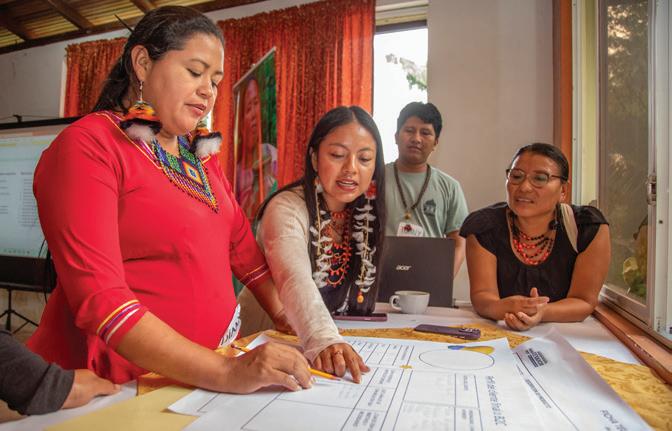
By using the program’s investment to purchase new sewing machines and fabrics and to provide training to its members, Asotexkich increased its production capacity by around 30%. This has given the association more flexibility to respond to new sales opportunities and reduce reliance on a single buyer.
Beyond its business growth, Asotexkich has shown a broader shift in leadership. Led by Indigenous women, in 2025 it selected an all-women board. Through training in technical and leadership skills, local woman in Arajuno are strengthening their role as artisans and decision-makers within the enterprise and in their broader communities.
Diana Tanguila, who founded Asotexkich alongside her mother over a decade ago, shares: “Our aim now is to grow as Indigenous women and thrive professionally, taking Asotexkich’s business internationally.”
AMAZON ENTREPRENEURS SHAPING THE SOCIOBIOECONOMY AND CLIMATE CONVERSATIONS
In 2025, the sociobioeconomy continued to gain traction as a solution that links forest conservation and sustainable economic opportunities. This was underscored by COP30, the second largest UN Climate Change Conference in history, being held in Belém, Para, Brazil – marking the first time a UN convention took place in the Amazon.
This created a critical opportunity to bring the voices of those working to keep the forest standing into global climate debates. Entrepreneurs from the NESsT Amazonia portfolio in Brazil, including Karati Xikrin from Associação Bebô Xikrin do Bacajá (ABEX) and Keivan Hamoud from Associação dos Agropecuários de Beruri (ASSOAB), took part in roundtables, sharing the dayto-day realities of building businesses that both depend on and protect the forest. Alongside investors, multilaterals, and decision-makers, they highlighted a key message: the sociobioeconomy is not a future concept, but one of the world’s oldest and most resilient economies, proving every day that it is possible to generate dignity, income, and well-being without sacrificing conservation.
“[NESsT] has made it possible for us to occupy these spaces, such as COP30 in Belém. Here I’ve learned how financing for the Amazon is planned and how climate finance can reach community-led organizations rooted in territories that are truly managing and preserving the Amazon forest.” - Keivan Hamound (below), Director of ASSOAB
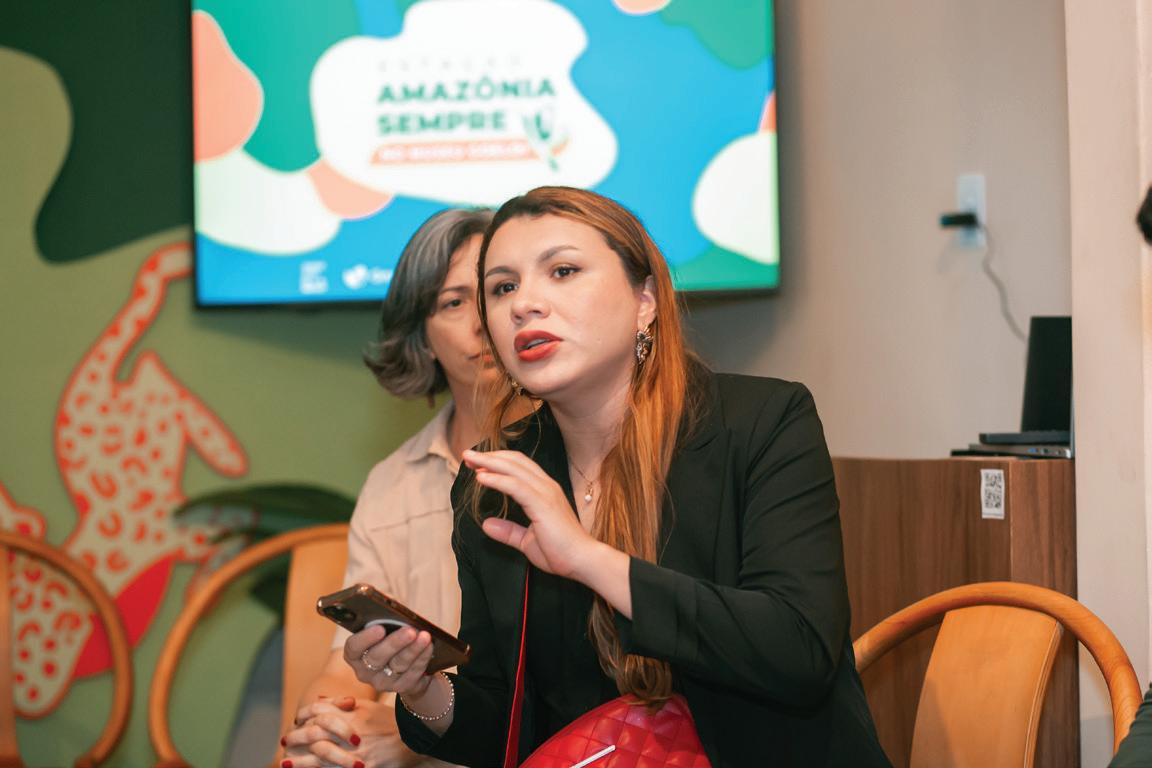
Beyond COP30, portfolio entrepreneurs actively engaged in 11 events in key regional and global spaces on climate finance and sustainable development. This included the Bioeconomy Amazon Summit (BAS) held in July in Manaus, where entrepreneurs from six portfolio enterprises brought perspectives from local territories into conversations often shaped at a distance.
By the end of 2025, NESsT supported 12 businesses in the Brazilian Amazon, helping them improve how they operate and increase their impact. This support made a real difference for
the people they work with. Most businesses (76%) increased the income of their suppliers by at least 25%, giving families more stable and reliable earnings instead of seasonal income. This progress also changed how these businesses are run. In 2025, focused support on gender equality helped women take on leadership roles in half of the portfolio enterprises, giving them a stronger voice in decisions.
As a result, these businesses are stronger and more resilient. Many have also attracted additional investment, allowing them to grow and create more stable, dignified income opportunities in their communities.
Alongside technical support to enterprises, NESsT continued to play a connecting role within the broader financing ecosystem. Building on the 2024 publication Unlocking the Potential of the Global Funding Ecosystem to Invest in a Sustainable Bioeconomy in the Amazon through the Lens of Local Communities1, we published a series of articles translating the study’s key insights into more accessible formats. The series explored practical barriers to financing and highlighted opportunities for investors, drawing on the experiences of entrepreneurs from Amazonian territories.
Together, these products helped position NESsT as a thought leader in conversations around bioeconomy finance at events such as COP30 and the BAS, and made complex research accessible to a broader audience.
“By turning technical insights into practical, experience-based narratives, we’re helping bridge the gap between communitybased enterprises and the financial ecosystem. Our aim is for investment decisions to be redesigned based on local realities.” – Tiana Lins, Country Director, Brazil
Examples from enterprises such as ASPROC and ASSOAB show what this looks like in practice, building viable businesses rooted in biodiversity, while generating local income and protecting ecosystems. At a time when the Amazon is central to the global climate agenda, NESsT Amazonia reaffirms its commitment to entrepreneurs who demonstrate that economic development and conservation can go hand in hand.
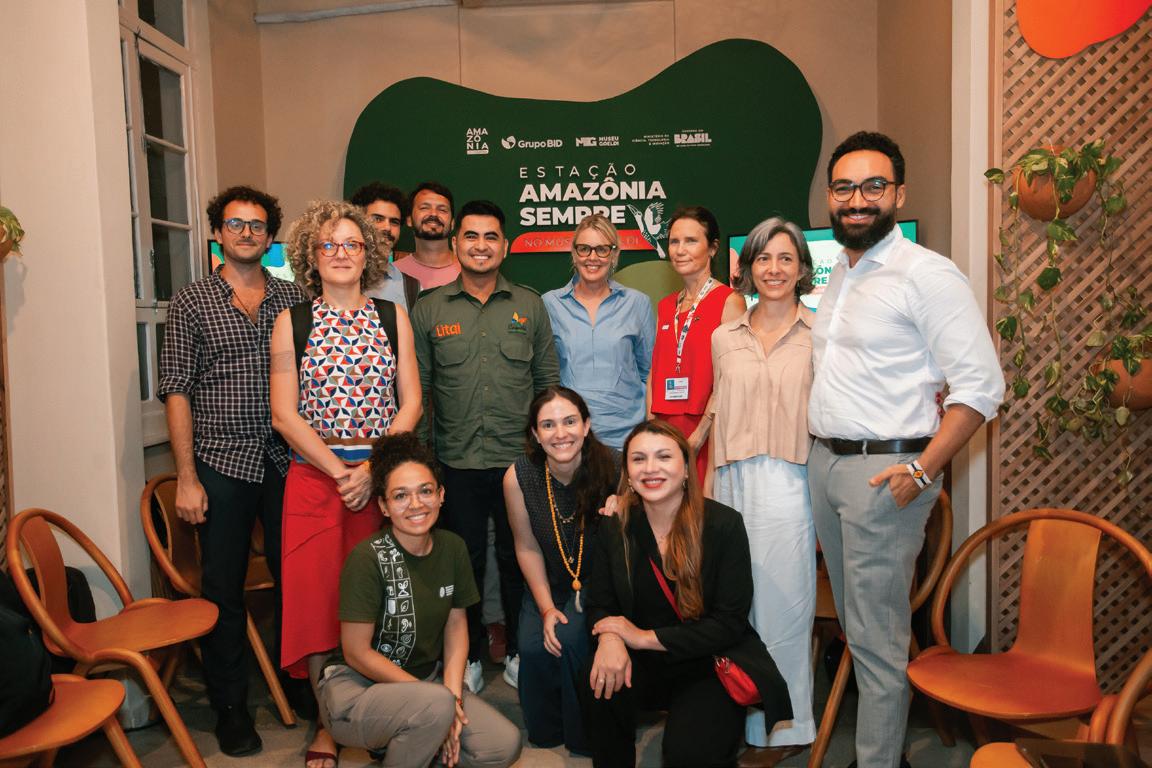
NESsT portfolio entrepreneurs with NESsT team at COP 30 in Belém, Brazil
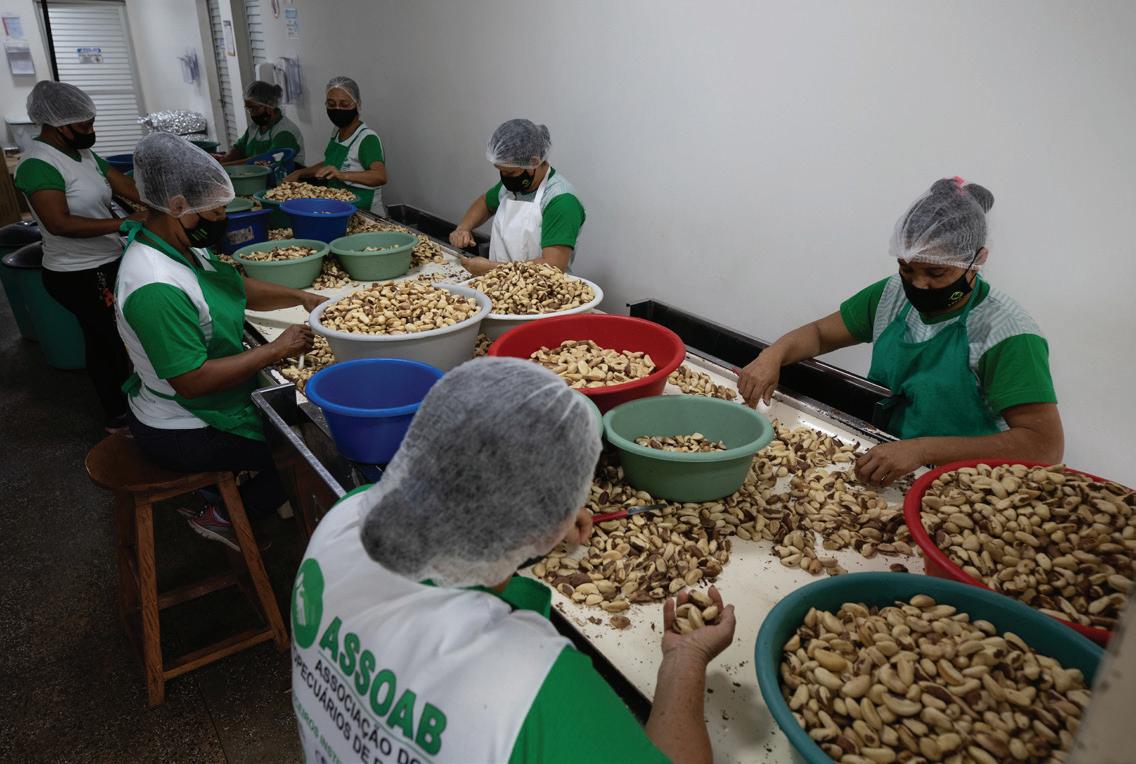
ASSOAB: REFORESTING THE AMAZON WITH WOMEN AT THE CENTRE
Women-led ASSOAB has been supporting small Brazil nut collectors in Beruri, Amazonas since 1996, generating stable income for remote rural communities while protecting their traditional livelihoods and the environment.
As part of the NESsT portfolio since 2021, ASSOAB has been advancing its conservation work across Brazil’s native forests. During this time, it highlighted a critical challenge that was putting both its business and community at risk: the aging of Brazil nut trees. For generations, these trees have sustained local families and forest ecosystems, but without new ones taking their place, production would gradually decline and affect local incomes and biodiversity.
In response, NESsT worked closely with ASSOAB to design and put into practice a reforestation initiative focused on restoring degraded areas of land and regenerating Brazil nut systems.
In 2024, the ASSOAB team planted 3,000 Brazil nut seedlings in a local nursery where they could grow until strong enough to be planted in the forest. In May 2025, thirty families from the community successfully planted the young trees across 30 hectares of land through hands-on demonstrations. This learn-by-doing approach allowed producers to directly apply and adapt reforestation techniques within their own territories.
Cairo Bastos, who worked closely with ASSOAB through the process shares, “What made this project stand out was that women from the local community played a central role in organizing planting efforts and shaping decisions around how the initiative would be put into practice. The project’s success shows that when local knowledge and women’s leadership are placed at the center, it is possible to protect both livelihoods and the forest for generations to come.”
Today, reforestation is part of how ASSOAB plans for the future. As new trees take root alongside older ones, the association is helping to secure future harvests and local incomes in the long term.
ASPROC: STRENGTHENING GOVERNANCE FOR SCALE IN THE AMAZON
One of the most renowned social organizations in the Brazilian Amazon, Associação dos Produtores Rurais de Carauri (ASPROC) works with riverine communities to produce and sell biodiverse products sourced exclusively from the rainforest, including pirarucu fish, manioc flour, natural rubber, and açaí. Through these sustainable value chains, the association generates stable incomes for more than 700 families while conserving thousands of hectares of land in the rainforest.
As the organization has grown, so has the complexity of managing its operations across multiple communities and products. Strengthening internal systems became essential to ensure its growth remained sustainable, efficient, and aligned with its social and environmental mission.
In 2025, we provided ASPROC with technical assistance specifically to strengthen its governance and operational structure. This focused on defining how decisions are made, how resources are managed, and how the organization coordinates across its different activities.
As a result, new governance and operational policies were developed, and the enterprise organizational structure was updated. These changes were formally approved in a general assembly, where community members come together to validate key decisions.
For large community-based organizations in the Amazon, governance directly shapes the futures of its members. As ASPROC continues to scale, clearer decision-making processes, more transparent resource management, and welldefined roles will allow the association to coordinate across multiple value chains and communities without losing sight of its mission.
“What we see in the Amazon is that when financing reaches businesses in an appropriate way, sociobioeconomy ventures can generate impact at scale, combining income generation, conservation, and local development. The challenge is to expand this access through instruments that respect the timing and realities of these enterprises.” — Cairo Bastos, NESsT Brazil Program Manager
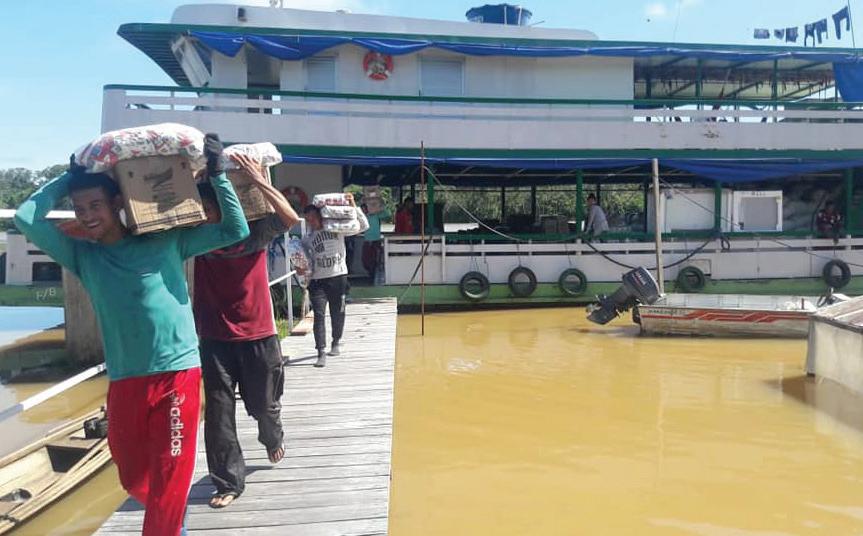
© Bruno Kelly

Racial Equity Initiative
Photo: Two workers with eco-friendly
$1 MILLION AND GROWING: ADVANCING RACIAL EQUITY THROUGH INVESTMENT IN BLACK ENTREPRENEURS IN BRAZIL
In 2025, NESsT’s Racial Equity Initiative reached an important milestone, surpassing $1 million USD invested in businesses led by Black entrepreneurs in Brazil. Beyond the figure itself, this milestone reflects a continued, intentional effort to address the structural barriers Black entrepreneurs face to accessing capital, while supporting Black-led businesses that generate both economic and social impact in their communities.
Throughout the year, the initiative directly supported enterprises led by Black entrepreneurs through a combination of patient capital, technical assistance, and mentorship, delivered in partnership with NESsT’s corporate partners. This approach has proven essential for businesses operating in historically underfunded contexts, working closely with them to strengthen their operations, access new market access, and plan for longterm sustainability.
Supporting Black women remained a central priority for us during 2025. In Brazil, structural inequalities often affect Black women more deeply, limiting access to credit, networks and business opportunities. In response, our portfolio team made targeted efforts to reach Black, Quilombola, and Indigenous women entrepreneurs to expand access to resources and strengthen their presence across different value chains.
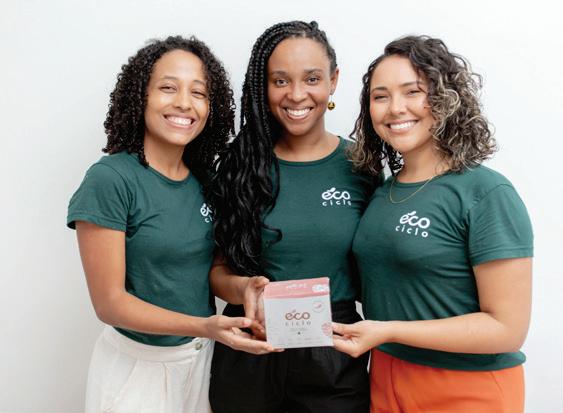
As a result, in 2025 the portfolio welcomed EcoCiclo and VerdeNovo – two businesses led by Black women that are creating income opportunities and tackling pressing challenges in their communities. During the same period, Maré de Sabores completed its acceleration cycle after five years in the NESsT portfolio, reflecting the business’s growth and maturity throughout its impact journey.
The initiative closed the year with six active businesses across diverse sectors such as food production, medicinal plants, and social impact services. Together, these enterprises are expanding access to decent work and stable income, strengthening local networks, and contributing to greater visibility of Black leadership within the broader business ecosystem.
Alongside investment, we continued to provide close, ongoing support tailored to each enterprise. This includes improving financial management systems, developing new sales channels, and securing certifications
“Our close work with the enterprises in our portfolio reflects our long-term approach, recognizing that tackling deep inequalities requires up-close support over time and adapting to the realities of each business. In this way, we’re building an ecosystem where capital and opportunities is shaped less by structural barriers and more by the potential of the entrepreneurs themselves.”
– Nayana Cambraia, Portfolio Manager, NESsT Racial Equity Initiative
MEET ECOCICLO

EcoCiclo’s work addresses a critical but largely overlooked challenge: the lack of access to basic menstrual hygiene products for girls and women in vulnerable situations. Led by Black women, the business produces and distributes reusable sanitary pads, combining direct social impact with waste reduction and menstrual health education. To date, it has reached over 17,000 women across seven communities throughout Brazil.
Co-founder and CEO Hellen Nzinga shares, “EcoCiclo was born from lived experience, from understanding that menstrual dignity is directly connected to economic and social freedom. As founders, we are driven by the belief that women deserve access, choice, and the power to build their own futures. Every step we take is about turning care into innovation and impact.”
In 2025, NESsT portfolio manager Nayana Cambraia provided targeted support to strengthen the company’s growth, governance, and market positioning at key regional and global events.
By showcasing and selling its products at COP30 and highvisibility spaces during Brazil’s Carnaval festivities, EcoCiclo gained critical visibility and new B2B opportunities for its sustainable menstrual products. Additionally, establishing an advisory board and refining governance structures ensured the company could manage its growth sustainably, while targeted support for international expansion opened pathways to new markets and financing resources that historically have been out of reach for Black entrepreneurs in Brazil.
MEET VERDENOVO
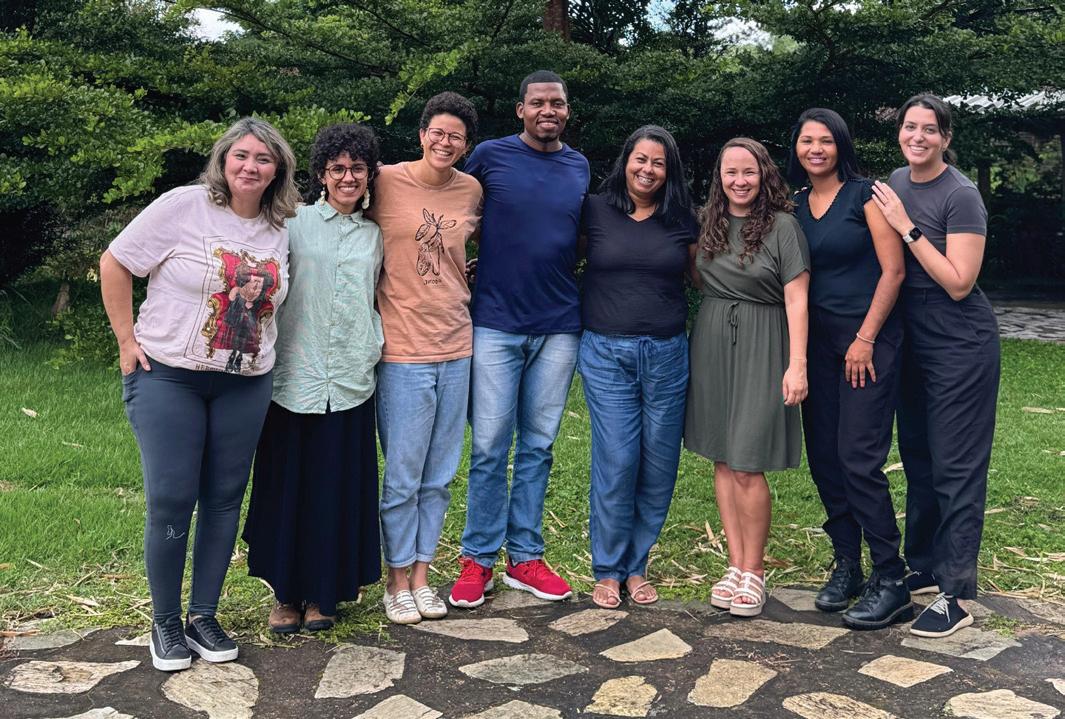
Operating in the Cerrado – one of the most biodiverse biomes in the world – VerdeNovo (pictured on the cover and below) builds value chains around the collection and processing of native seeds. Led by Black women, the business works in partnership with local communities, including Quilombola groups and especially women collectors, creating sustainable livelihoods linked to the preservation of this rich ecosystem.
Since 2022, VerdeNovo has supported more than 40 collectors—85% of them Black women—to triple their household income. Each collector in its network earns a stable, fair income through formal contracts that pay approximately 50% of seed sales directly to suppliers.
Through NESsT’s due diligence process and portfolio onboarding in 2025, VerdeNovo has begun strengthening its capacity to scale both production and social impact. As part of this expansion strategy, NESsT’s investment was disbursed for the construction of a seed storage warehouse in the Quilombola community of Kalunga do Mimoso. In addition to streamlining logistics, the new warehouse will provide stable income opportunities for the local community. Other key steps included ensuring that all VerdeNovo seed collectors have formal contracts, guaranteeing predictable income and security for local families.
Additionally, we worked closely with VerdeNovo to establish an advisory board and gender equity strategy, securing a central role for Black and Quilombola women in decisionmaking conversations.
Looking forward, VerdeNovo will leverage its time in the NESsT portfolio to further its conservation efforts, which to date have contributed to the restoration of over 120 hectares of land. In addition to launching similar restoration projects in the Amazon, the company will continue to share its knowledge through field immersions and technical courses that have already reached over 300 people, including local producers and collectors, restoration specialists, and public officials.
219,500 lives positively impacted
60%
women or hybrid led enterprises

26,000 dignified jobs created

“[NESsT’s] support opens new paths for us: strengthening supply-chain traceability, sustaining real social and environmental impact, and advancing the empowerment of our territories. We believe this work must center communities that have historically been marginalized and recognize the Cerrado and other biomes as territories of knowledge, innovation, and living tradition. Walking this path with NESsT reinforces our shared commitment to preservation, conservation, and restoration.”
— Bárbara Pachêco, Co-founder of VerdeNovo
Photos from top to bottom: Maré de Sabores, VerdeNovo, EcoCiclo

Central and Eastern Europe Accelerator
Photo: Olga Odziemczyk, Founder of Blisko Foundation
BUILDING INCLUSIVE ECONOMIES: SCALING SOCIAL ENTERPRISES ACROSS
POLAND AND ROMANIA
Across Central and Eastern Europe, businesses are navigating a shifting landscape shaped by economic pressures, displacement and migration, and unequal labor markets. In this context, the role of social enterprises continues to evolve, creating not only jobs, but more inclusive, accessible pathways into work for people from all backgrounds who face structural barriers to securing and maintaining stable, quality employment.
In response to these interconnected challenges, in 2025, we launched a new phase of our accelerator program across Central and Eastern Europe in partnership with IKEA Social Entrepreneurship and Cisco Foundation, and with backing from Medicor Foundation in Romania.
This new iteration builds on our earlier acceleration work in the region, including the NESsT Employment Refugee Initiative, which created more than 875 jobs between 2022 and 2024 for people affected by migration and displacement, while supporting a more diverse portfolio that covers a wider range of sectors and companies working with different underserved groups.
In 2025, this took shape through a portfolio of 18 socially-driven enterprises across eight sectors including farm-to-table, circular economy, tourism, and IT, supported through recoverable grants and targeted business support.
In Poland, we welcomed four enterprises to the program, in addition to Ekoinbud, which joined us in late 2024. The socially impactful enterprise, located in Gdańsk in northern Poland is working to reduce the environmental impact of the country’s construction sector. As part of the program, it aims to create 180 dignified employment opportunities in design, manufacturing, and on-site construction for youth, people affected by the war in Ukraine, and women – who currently hold 75% of managerial roles in the company.

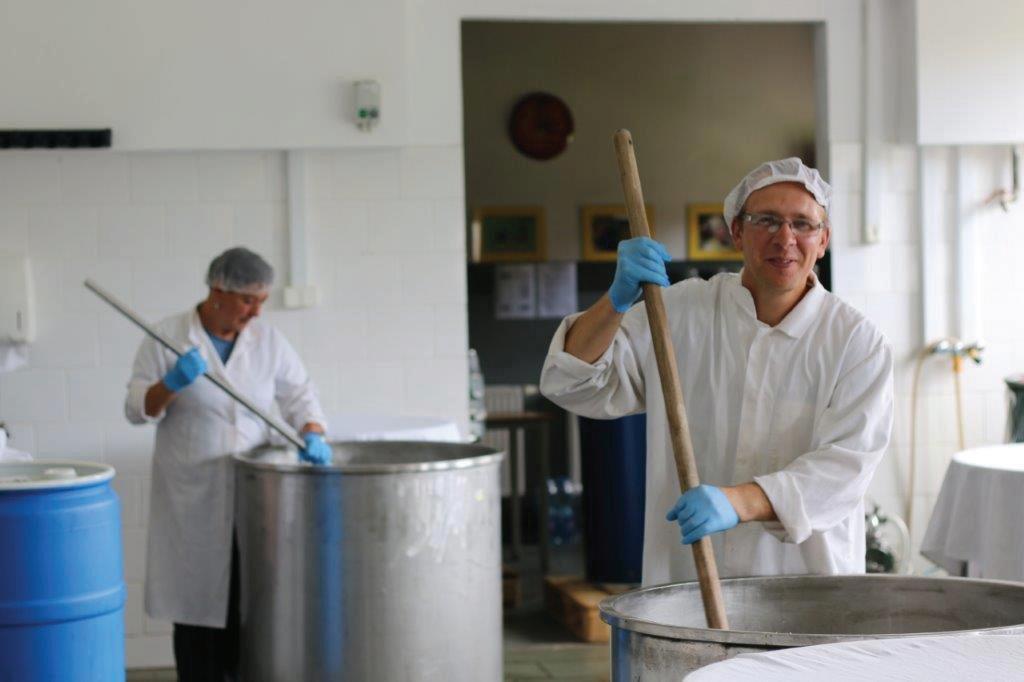
Other new enterprises include Juchowo Farm (pictured above), a sustainable farming initiative that supports rural populations, including people with disabilities, to get into sustainable agriculture; early-years education provider FLP led by Ukrainian entrepreneur Ruslan Syvoplias ensuring migrant families get the integration support they need; and inclusive digital marketing agency Dare Media that has already connected more than 100 individuals, including young people gaining their first professional experience, to quality jobs.
“Across the portfolio, enterprises are responding to interconnected social, economic, and environmental challenges. In 2025, together they created over 3,000 accessible jobs for people often overlooked in the labor market, from people with disabilities, people facing displacement, women, and young people. This highlights the role businesses can play in building more inclusive, resilient local economies when they have access to the funding and business support they need to grow.” – Ioana Samoil, Country Director, Romania
Alongside new enterprises, which received one-on-one assistance from NESsT in-country portfolio teams and mentoring with our regional corporate partners to strengthen their business models and build financial resilience, we continued our technical support to businesses already in the portfolio as they grew. Tango, Nebucode, and Jobful all accessed follow-on financing from NESsT, reflecting their evolving capital needs as their operations matured and they moved on to the next stage of impact and growth.
2025 PROGRAM RESULTS
18 enterprises accelerated
3,123 jobs created 65% jobs created for women
Photo: Monika, research and development lead at Ekoinbud
OVERCOMING GENDER BARRIERS:
WOMEN’S ENTREPRENEURSHIP FOUNDATION
While progress has been made in closing the gender gap in Poland, significant challenges persist. Women continue to face barriers in accessing essential networks, mentorship opportunities, and career development resources compared to men.
Based in Warsaw, Poland, Women’s Entrepreneurship Foundation (WEF) works to advance women in entrepreneurship and business. The women-led foundation runs several business lines – from acceleration programs and educational courses to mentoring clubs – all unified by a common goal: to close the gender gap in employment and foster an inclusive business environment throughout the country.
In 2025, over 1,000 women accessed meaningful business support through WEF including 320 women from groups at risk of social exclusion, such as migrants and refugees, single mothers, at-risk women, and people with disabilities. Nearly 100 of these participants went on to secure employment or start their own business.
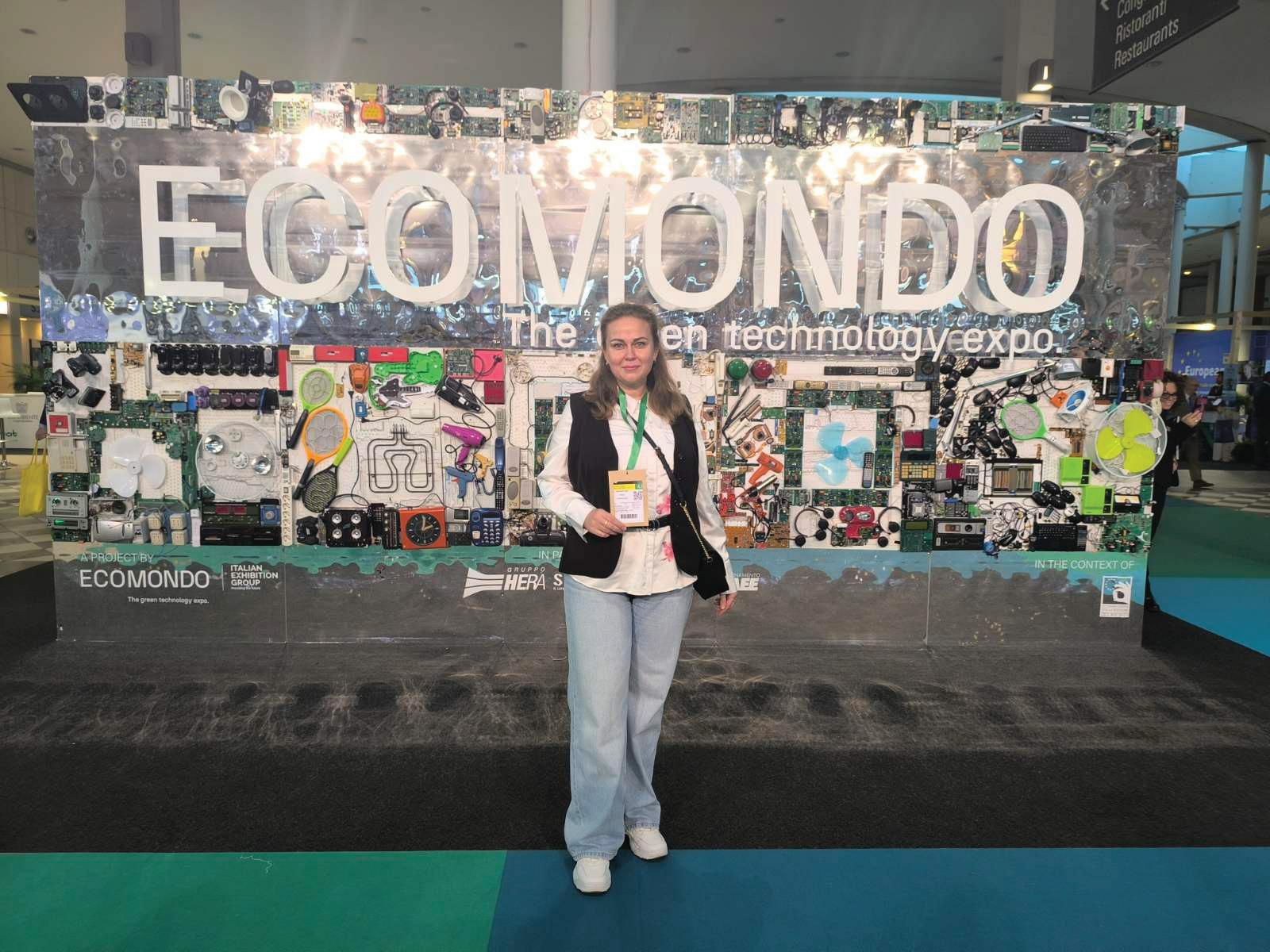
One of them is Olena (pictured below), who arrived in Poland from Ukraine with her young daughter. With a background in construction and research, Olena joined two of WEF’s training programs designed specifically to support refugee women to regain their financial independence and integrate into the Polish market. This support propelled Olena towards her goal of launching her own consulting business and securing her first Polish clients.
She shares, “My own company gives me a sense of inner freedom and self-sufficiency. [WEF] helped me structure my experience to meet the requirements of the European market, understand how to properly register a business, how to position myself, and build communication with potential clients.”
As WEF continued to grow its impact, 2025 also marked a period of transition for the company. With changes in governance, the
end of a multi-year grant, and an increasingly competitive market driven by other business clubs, the foundation began to reply more heavily on its commercial activities and rethink its model.
At this critical point, WEF joined the NESsT Central and Eastern Europe Accelerator Program. Through targeted support from NESsT portfolio manager Aneta Sokolowska and IKEA Thought Partner Jakub Jankowski, CEO of Inter IKEA Group, the WEF team developed a new three-year strategy to navigate these changes.
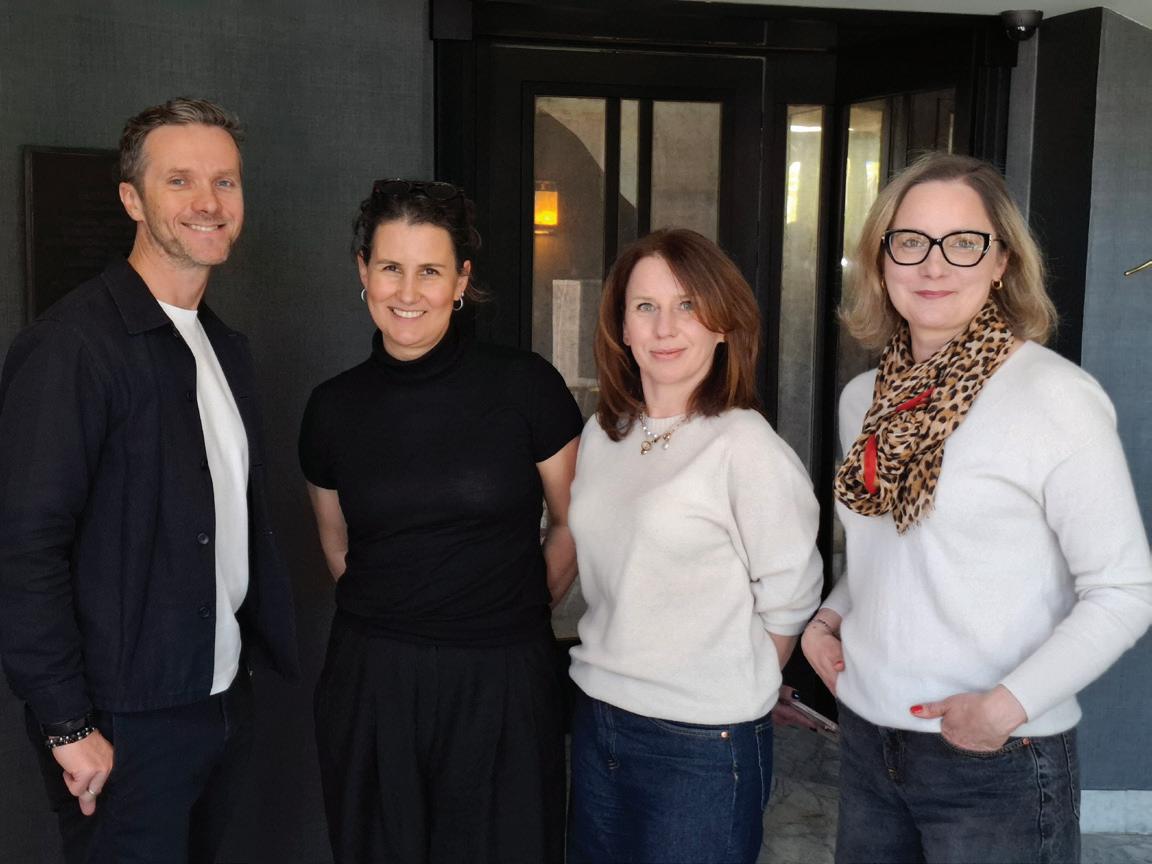
The mentoring process spanned five in-person workshops and combined Jakub’s experience in leading sustainable business models and Aneta’s expertise in impact management. The result was a comprehensive, clear strategy that better aligned commercial activities with the foundation’s mission and lay the groundwork for its long-term sustainability.
About the experience, Agata Ziolo, Vice President of WEF, shared: “Our mentoring experience with [Jakub] has been amazing; we worked with a specialist and very supportive person who truly understands women’s business. We received enormous psychological and strategic support when the foundation was going through a difficult time. Everything is now moving in the right direction. We have a plan and a strong team in place.”
LEVERAGING SOCIAL IMPACT FOR BUSINESS GROWTH: UTILDECO
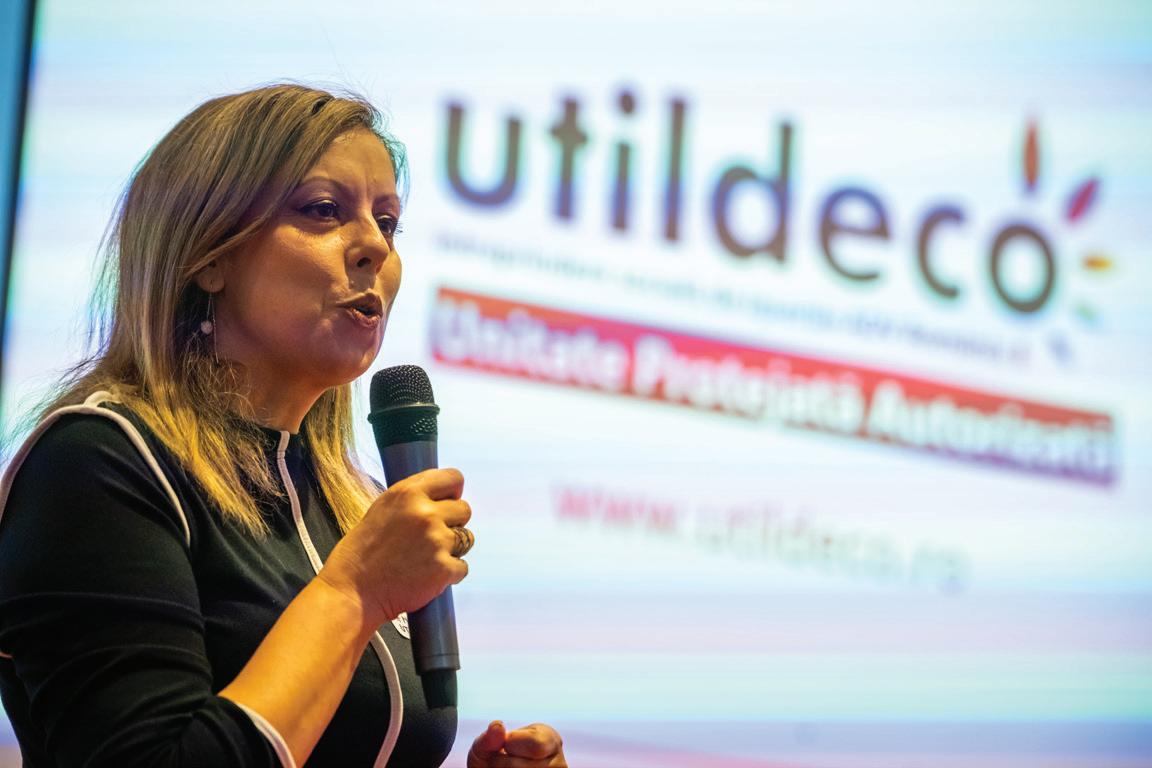
Located in Iași, eastern Romania, since 2008 UtilDeco has built one of the country’s leading work integration enterprises. It combines fairly-paid job opportunities with training and job placement support for people who face barriers to securing jobs, such as people with disabilities, refugees and migrants, and people from the child protection system.
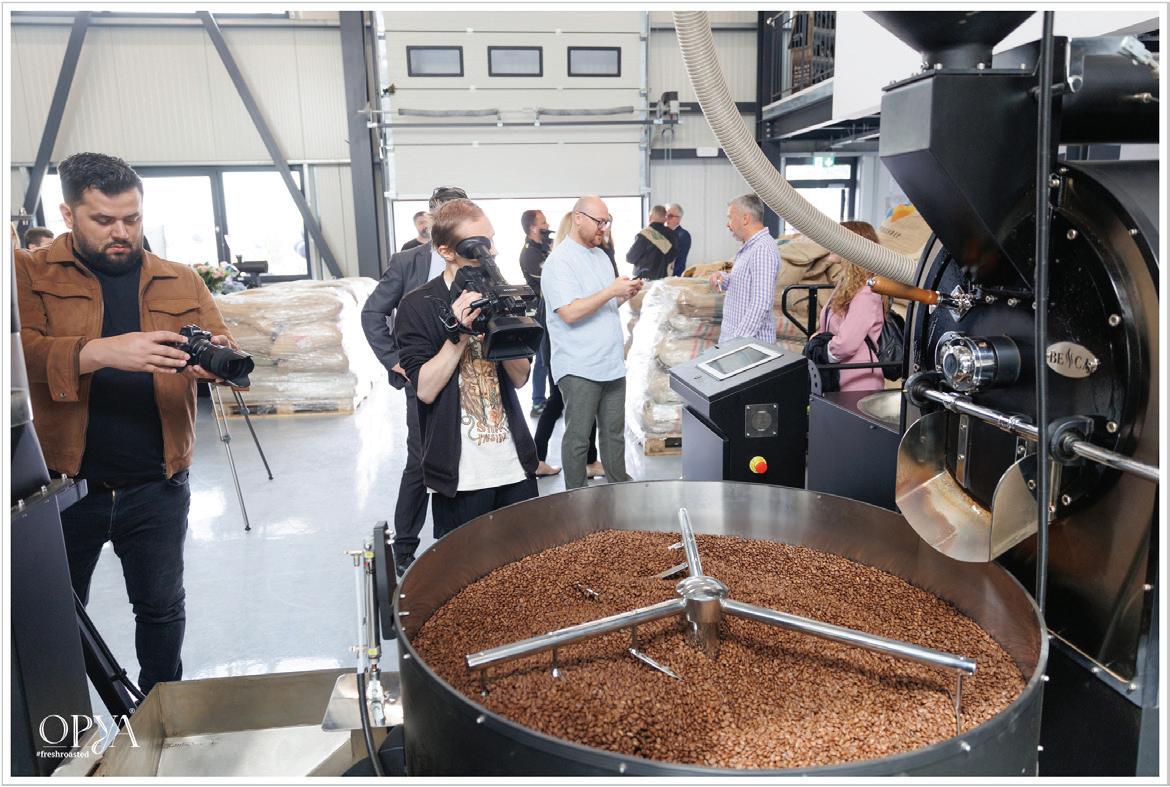
A key part of UtilDeco’s model is its commercial activity. Rather than relying on grants, UtilDeco generates its own income via diverse business lines that span archiving, textiles, coffee
Photo: Jakub Jankowski, CEO of Inter IKEA Group and IKEA Thought Partner, with WEF Team
roasting, and digital printing. These activities fund its career support services, provide job opportunities, and uphold its social mission.
For Angela Achitei (pictured on right), General Manager of UtilDeco, social enterprises like UtilDeco are the first step in the transition to a fairer economy.
She shares, “The difference is not in the business model, it’s in what we do with the money. In the social economy, we reinvest it to create jobs and generate real impact in our communities.”
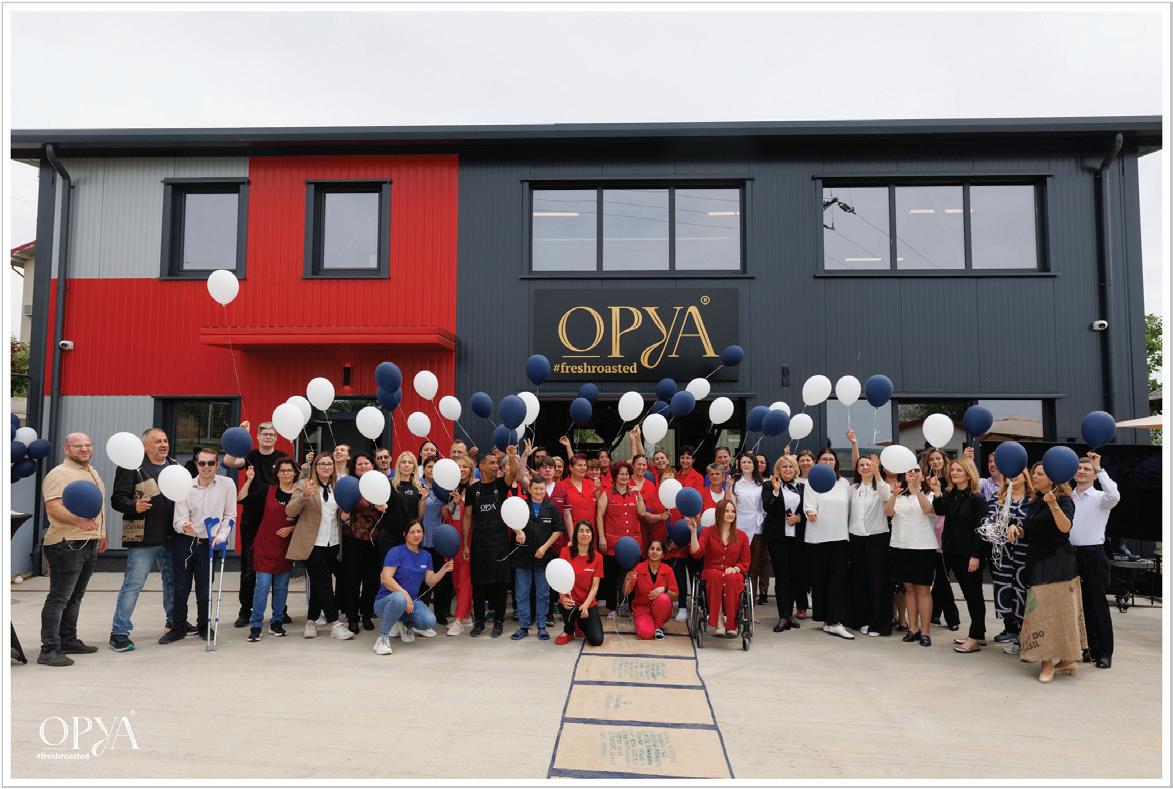
UtilDeco joined the NESsT Central and Eastern Europe Acceleration program in 2023 seeking support to expand its coffee production as an engine for both revenue and employment. Through NESsT’s investment, the enterprise saw what was once a small operation find its feet; in 2024, its OPYA coffee roastery was inaugurated in a modern, fully-equipped plant for premium production and better working conditions.
Positioning OPYA as a social brand has been key to its commercial success. With tailored mentoring support from IKEA co-worker Oana Turturica, Angela and her team strengthened sales and marketing strategies, positioning OPYA as a recognizable regional brand rooted in purpose. This support was complemented with mentoring from Cisco on IT infrastructure designed specifically to reduce operational risk and protect user data, positioning OPYA to scale securely and sustainably.
In 2025, OPYA became one of UtilDeco’s fastest-growing business lines, with the company growing its revenues by 22% compared to 2024.
This stronger commercial base reinforces UtilDeco’s wider social impact. The enterprise has hired 20 people facing barriers to employment and placed 16 in dignified jobs, something it will continue to work on and strengthen alongside NESsT in 2026. In addition to this, 10 people facing displacement have accessed its counselling and training services.
As the roastery continues to grow, it is committed to creating new, stable roles for people with disabilities who face some of the highest rates of unemployment in the EU.
“What makes the difference is having a partner with a longterm vision,” Angela adds. “One that helps you think beyond short-term results and build something sustainable.”
South America Accelerator
Photo: An Indigenous artist with Delzur
PARTNERSHIPS THAT POWER PROGRESS: STRENGTHENING ENTERPRISES ACROSS
SOUTH AMERICA
In South America, social enterprises are tackling some of the region’s most pressing challenges—from climate resilience to economic inclusion. Yet even the most promising ventures cannot scale alone. They require the right mix of capital, knowledge, and market access to move from potential to impact.
In 2025, the NESsT South America Accelerator Program demonstrated how strategic partnerships can strengthen enterprise capacity at every stage of growth—transforming not only individual ventures, but the ecosystems around them.
With 18 years of experience accelerating social enterprises in the region, 2025 was a landmark year for NESsT to deepen its impact in Brazil, Chile, Colombia, and Peru with support from long-time partner IKEA Social Entrepreneurship while also establishing a new partnership with Sweden through the Swedish International Development Cooperation Agency (Sida).
FROM FOUNDATION TO SCALE: DEEPENING FLAGSHIP PARTNERSHIPS
NESsT’s partnership with IKEA Social Entrepreneurship has been foundational to the South America Accelerator Program since its inception in 2020. Together, we have built a model that combines tailored acceleration, patient capital, and access to global networks by enabling social enterprises to grow sustainably.
In 2025, this foundation was strengthened through NESsT consolidating its partnership with Sweden, expanding the program’s reach and deepening its impact across green value chains in the region. With Sweden’s support, NESsT continues advancing enterprises that contribute to climate resilience while creating dignified livelihoods.
“These flagship partnerships are complementary forces rather than isolated parallel efforts. IKEA Social Entrepreneurship brings global market insight and a commitment to inclusive supply chains, while Sweden provides catalytic funding, a systems-level focus on sustainability, and a direct link to the Swedish market. Together, they enable NESsT to deliver more strategic and holistic, long-term support to enterprises.” –Alejandra Ramírez, NESsT Country Director, Colombia
2025 PROGRAM RESULTS
36 enterprises accelerated
3,101 jobs created $14.7M capital deployed
CAPACITY IN ACTION: FROM TECHNICAL SUPPORT TO MARKET ACCESS
At the core of the South America Accelerator Program is a simple premise: stronger enterprises create stronger impact. Partnerships make that strengthening possible.
Through IKEA Social Entrepreneurship, enterprises gain exposure to global standards and potential pathways to market integration. This support goes beyond funding; it includes mentorship, technical guidance, and insights into what it takes to meet the requirements of international buyers. *Read more about IKEA co-worker engagement on page 26
At the same time, Sweden’s partnership enables NESsT to deepen its technical assistance by supporting enterprises in areas such as certification, operational efficiency, and environmental practices critical to participating in green value chains.
Together, these partnerships allow NESsT to meet enterprises where they are and help them overcome the specific barriers that limit their growth.
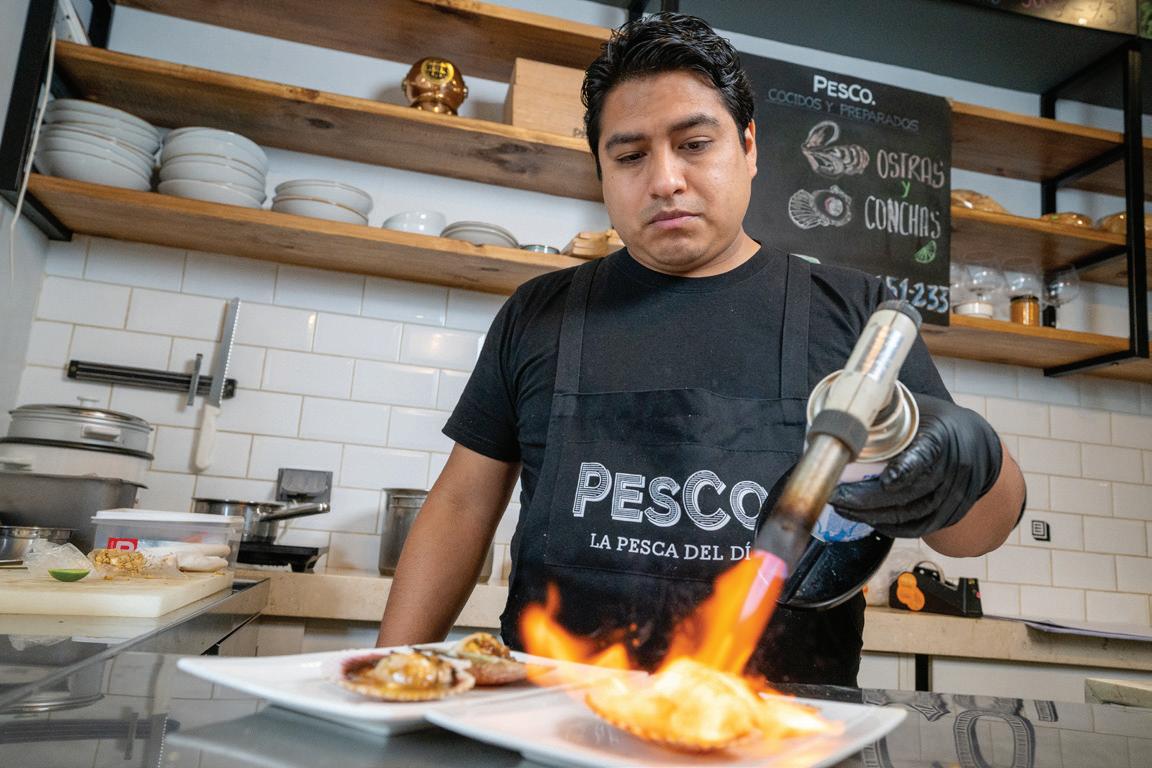
PESCO: A SUCCESSFUL EXIT STORY
When PesCo joined NESsT, the Lima-based fishmonger was focused on its day-to-day operations, with limited financial visibility and a strong concentration in B2B clients. Through tailored support from NESsT portfolio managers, PesCo refined its business model, shifting toward a diversified, resilient revenue mix led by B2C channels.
As a result, the company increased its total sales by more than 60% between 2020 and 2025, surpassed its break-even point, and is now generating positive margins that continue to grow.
Equally important was the strengthening of internal systems. PesCo transitioned from basic spreadsheets to fully integrated financial and inventory management tools, enabling real-time decision-making and improved profitability.
“NESsT helped us tremendously by professionalizing the company and guiding us to work with a focus on return on investment,” said Simone Pisu, co-founder of PesCo.
Today, PesCo is positioned for scale, with opportunities in franchising, strategic partnerships, and future investment. It operates across two locations in Lima, each combining a fishmonger and a restaurant, sourcing 95% of its supply from seven fishing ports along the Peruvian coast and supporting close to 200 artisanal fishers every year.
Reflecting on the enterprise’s journey, Pisu noted: “If NESsT had let us go one or two years earlier, we wouldn’t have been able to make it… now we are ready.”
After almost five years in the NESsT portfolio, PesCo exits as a profitable, systematized, and growth-ready enterprise, demonstrating the power of patient capital and hands-on support to transform early-stage ventures into scalable businesses.
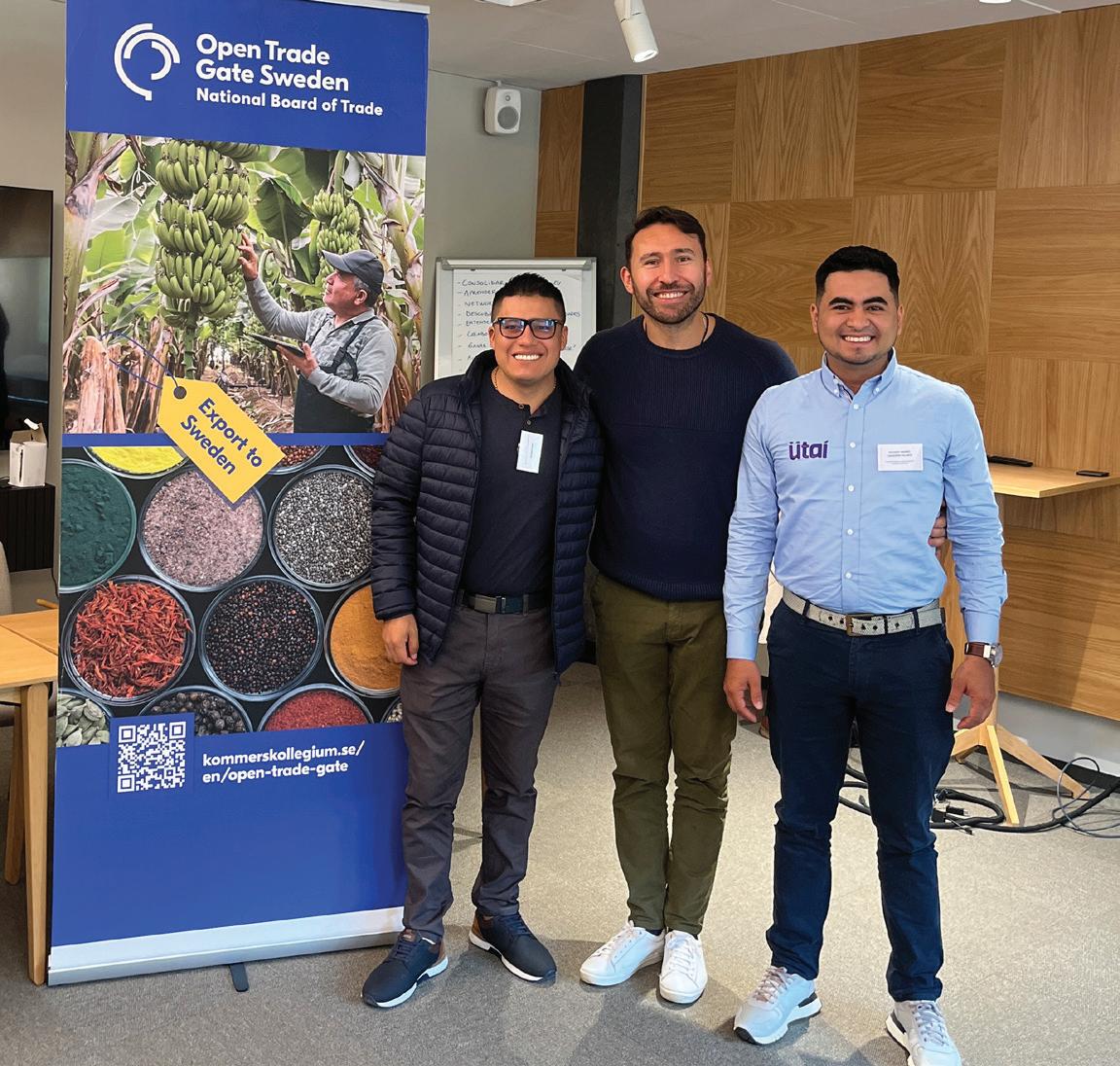
TAKING LOCAL IMPACT TO THE GLOBAL MARKET
In 2025, two community-based enterprises from Colombia, Agrosolidaria Florencia Caquetá and Federación Campesina del Cauca (FCC), took a critical step toward international growth through NESsT’s partnership with Sweden. By participating in the first Colombia–Sweden commercial trade mission in over a decade, they engaged directly with European buyers, gaining insight into what it takes to compete globally.
While both enterprises are deeply rooted in local impact, the experience highlighted a key gap: international markets demand rigorous sustainability standards. For FCC, this meant prioritizing certifications such as Rainforest Alliance to access export opportunities. For Agrosolidaria, it underscored the need to strengthen operational systems and value chain coordination. Through IKEA Social Entrepreneurship and Sweden’s support, NESsT is providing targeted, market-aligned technical assistance to help close these gaps by equipping enterprises not just to
grow, but to access and sustain new demand. The experience also reinforced the importance of collaboration.
As Eyver Eduardo Diaz Sanchez, Director of FCC, noted, “Entering markets like Sweden is far more feasible when done collectively.”
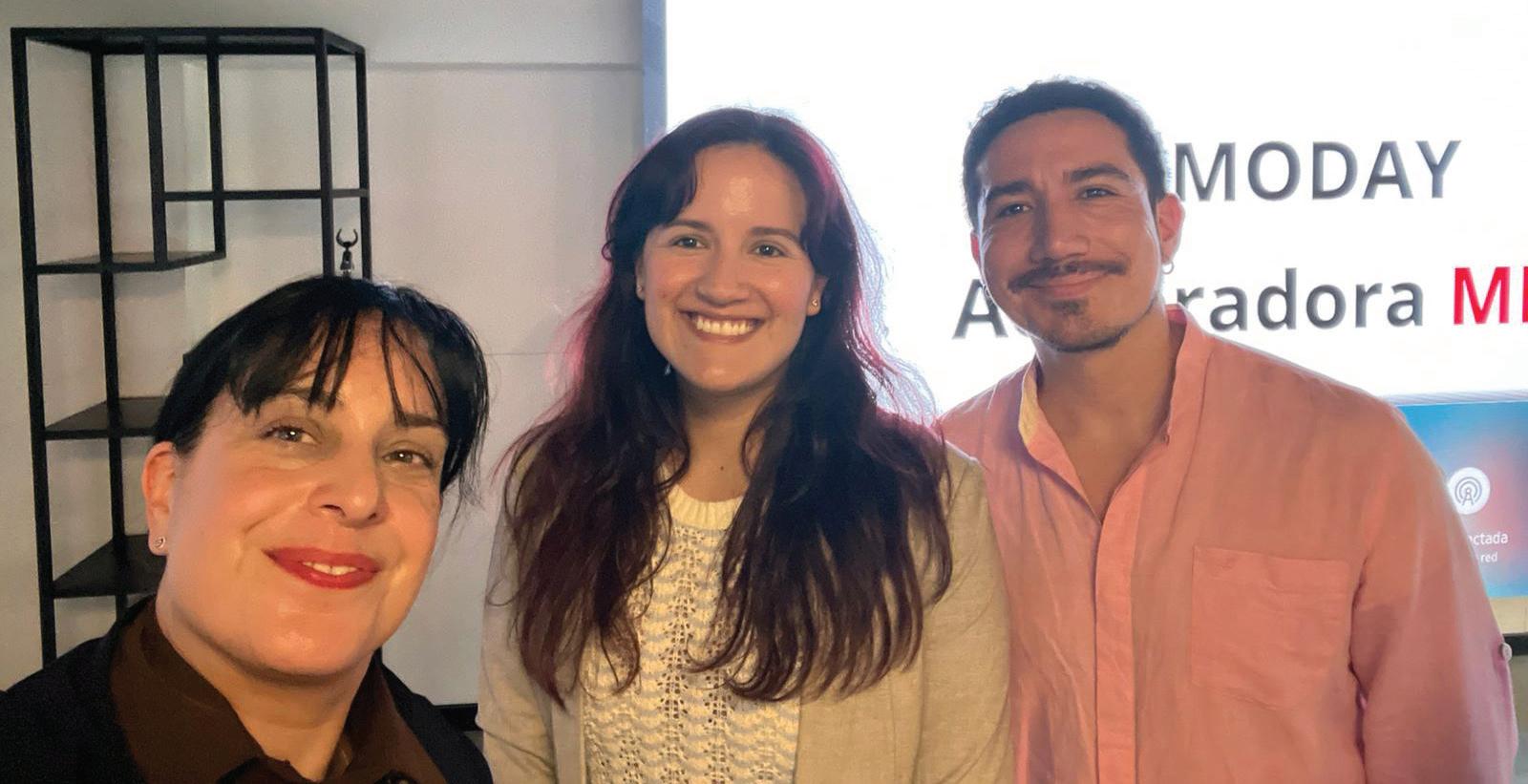
STRENGTHENING THE ECOSYSTEM: THE POWER OF LOCAL PARTNERSHIPS
While flagship partners provide scale and strategic direction, regional partnerships play a critical role in strengthening the ecosystem around enterprises.
In Chile, NESsT partnered with the MetLife Foundation to expand opportunities for social entrepreneurs, providing targeted support to ventures advancing economic inclusion. At the same time, a collaboration with Mujeres Empresarias is helping strengthen women’s leadership in business—ensuring that more women-led enterprises can access the tools and networks they need to grow.
NESsT also joined forces with GSG NAB Chile to advance the country’s impact investing ecosystem, contributing to a more enabling environment for enterprises to access capital and scale their solutions.
“These partnerships are essential, bringing local expertise, deepening networks, and ensuring that support is tailored to the realities of each market. Together, they create a more cohesive system where enterprises are supported individually and embedded in a stronger, more connected ecosystem.” – Gonzalo San Martín, NESsT Country Director, Chile
LOOKING AHEAD: SCALING IMPACT THROUGH COLLABORATION
The progress achieved in 2025 underscores a central lesson: partnerships do not just expand reach, they strengthen the quality of support that enterprises receive.
By combining global and local perspectives, financial and nonfinancial support, and market-driven and impact-first approaches, NESsT and its partners are helping social enterprises build the resilience and capacity needed for long-term success.
As we continue to grow the South America Accelerator Program, partnerships will remain at the heart of our strategy to unlock new opportunities for enterprises and amplify their ability to create lasting impact.
MENTORSHIP IN ACTION: CO-CREATING INCLUSIVE
ACROSS SOUTH AMERICA AND CENTRAL & EASTERN EUROPE
At the heart of the partnership between NESsT and IKEA Social Entrepreneurship is a shared belief that lasting impact is built through both capital and intentional mentoring. In 2025, we strengthened our efforts to connect IKEA co-workers with social entrepreneurs to exchange knowledge, challenge assumptions, and scale solutions grounded in realworld experience.
Through NESsT’s accelerator programs in South America and Central and Eastern Europe, IKEA Social Entrepreneurship supports early-stage enterprises with the tools they need to grow. Going beyond traditional funding support, IKEA co-workers play an active role in this journey by serving as mentors, advisors, and collaborators. These relationships go beyond technical support; they create space for reflection, problem-solving, and mutual learning, often evolving into long-term relationships built on trust.
This mentorship-driven approach reflects a distinctive strength of the partnership. Social entrepreneurs gain access to global expertise in areas such as operations, supply chains, and business strategy, while IKEA co-workers deepen their understanding of local contexts, inclusive business models, and the realities of building enterprises in markets where access to appropriate capital remains limited. The result is a two-way exchange that strengthens both sides and leads to more resilient, impactful businesses.
“So far over 60 IKEA co-workers from around the world have supported NESsT’s programs. It really is a win-win. On the one hand, IKEA co-workers get to practice their leadership skills, they have exposure to new ways of thinking, fresh approaches to business, and they get a lot of energy and inspiration from the entrepreneurs. On the other hand, social entrepreneurs get access to IKEA co-workers who provide strategic guidance, mentorship, and sometimes access to opportunities and other experts in the field.” – Kim Humby, Programme Support Specialist, IKEA Social Entrepreneurship
to assess what it would take to position the enterprise as a potential supplier of coffee to IKEA stores.
Together, they focused on a clear objective: defining the path that would enable FCC to supply coffee across three IKEA stores, both for internal consumption and retail sales. Mauricio has been actively guiding FCC through IKEA’s requirements by helping the team to understand and meet procurement standards and compliance expectations as this work progresses.
Through this collaboration, FCC gained greater clarity on what it takes to enter a large-scale supply chain. Mauricio facilitated introductions to relevant stakeholders within IKEA and helped translate internal requirements into actionable steps for the FCC team. This process allowed FCC to begin aligning its operations, quality standards, and certifications with international expectations.
One of the key milestones still in progress is obtaining Rainforest Alliance certification, a critical requirement for FCC to move forward as a supplier. As FCC continues this process, the experience has already strengthened its readiness to engage with global partners by building internal capacity, improving standards, and opening new pathways for future market access.
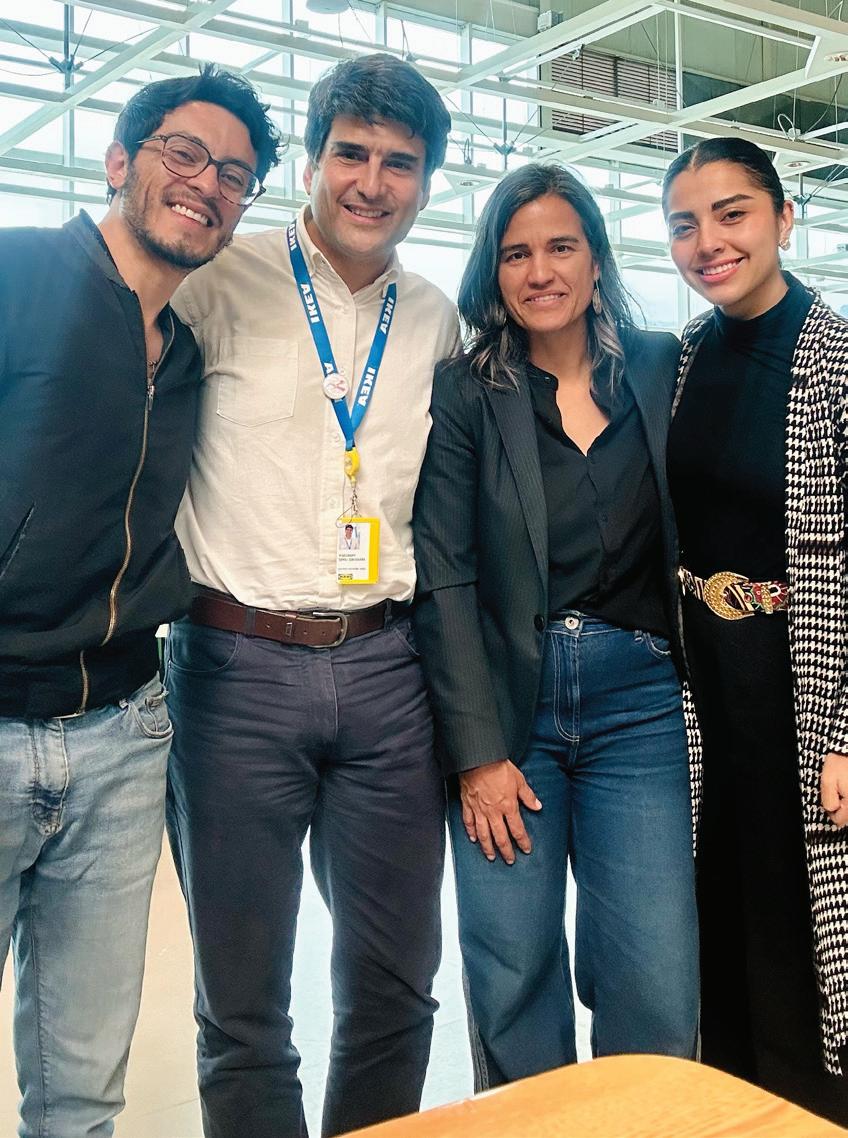
FEDERACIÓN CAMPESINA DEL CAUCA (FCC)
In 2025, Federación Campesina del Cauca (FCC) explored new growth opportunities with Mauricio Cadena, Medellin Store Manager of IKEA Colombia, stepping in as a key connector
AMAZÓNIKO
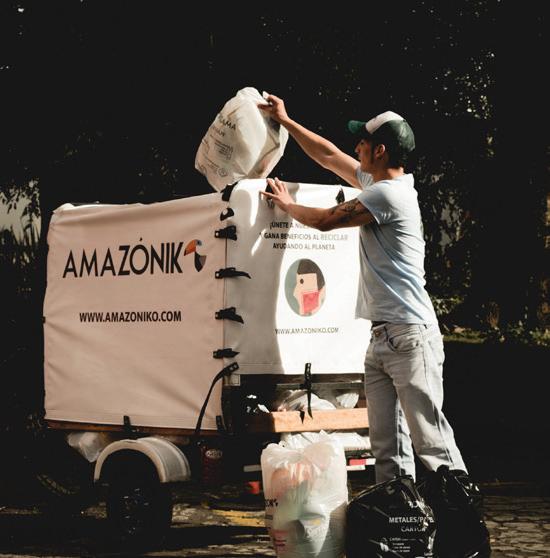
In 2025, Daniel Rodriguez and Catalina Arias from Amazóniko (pictured left) engaged in a meaningful mentorship process with Francisco Errázuriz, Regional Retail Manager of IKEA Chile, Colombia, and Peru, who acted as a strategic thought partner for the collaborative recycling platform. Across six sessions – three of them held in person at IKEA facilities – the group worked on strengthening how Amazóniko articulates and delivers its value, especially when pitching to C-level executives.
“Together, we challenged and refined our messaging: identifying what truly matters, eliminating what does not, and designing clearer, more compelling service packages with defined levels of commitment for corporate partners,” said Catalina Arias, Chief Sustainability Officer of Amazóniko.
One of the most transformative contributions was introducing a “virtuous cycle” approach to designing collector benefits. This moves beyond one-way support models toward an approach where value is created and shared in multiple directions. This means, collectors, companies, users, and the broader circular economy ecosystem all benefit in ways that reinforce sustainability over time.
JOBFUL
In the NESsT Central and Eastern Europe Accelerator Program, Jobful founder Mihai Cepoi and IKEA co-worker Rumen Mihaylov built a mentorship relationship grounded in active collaboration and mutual trust.
Together, they worked through key business challenges in real time. Rumen supported Mihai in sharpening Jobful’s go-tomarket strategy, helping him clarify the platform’s value for both employers and job seekers, and strengthen how it communicates both impact and business value. As Jobful evolved, they jointly assessed product priorities, refining features and improving user experience to better align with market demand. Their conversations extended into business model and growth strategy. Mihai tested ideas around revenue streams and partnerships while Rumen brought an external perspective shaped by global business experience, challenging assumptions and helping translate vision into practical, scalable steps.
“One of the biggest values I gained from our relationship was the constant reflection on the different people we interact with in business – customers, investors, teams – each with their own expectations and pressures. Seeing people like Rumen –experienced, successful, and impact-driven – operating from this same mindset was a powerful validation for me.” – Mihai Cepoi, founder of Jobful
At the same time, Mihai led the relationship with openness by bringing real challenges to the table, from product decisions to leadership questions. Together, they navigated uncertainty, explored trade-offs, and identified concrete next steps. This back-and-forth created a space where both could contribute meaningfully: Mihai with deep local insight and entrepreneurial drive, and Rumen with strategic and operational expertise. Through this process, mentorship became a shared practice rather than a one-way exchange. Mihai strengthened Jobful’s strategy and decision-making, while Rumen gained a deeper understanding of inclusive employment models and the realities of building a business in a local context.
“Looking back at our relationship of more than a year, I can honestly say that I learned a great deal from Mihai. [He] leads with a big heart. I genuinely believe the world needs more companies like this, and I’m very grateful to have been part of this journey.” – Rumen Mihaylov, Insights Capability Leader, Inter IKEA Group
Their collaboration reflects the essence of the NESsT–IKEA Social Entrepreneurship partnership: mentorship driven by trust, mutual learning, and a shared commitment to building businesses that create lasting impact.
15,807 dignified jobs created or sustained
47 impact-driven companies accelerated
57% jobs held by women
52,230 marginalized people accessed job training and support
Above: Mihai Cepoi from Jobful (left) and IKEA co-worker Rumen Mihaylov (right) with Åsa Skogström Feldt, Managing Director of IKEA Social Entrepreneurship
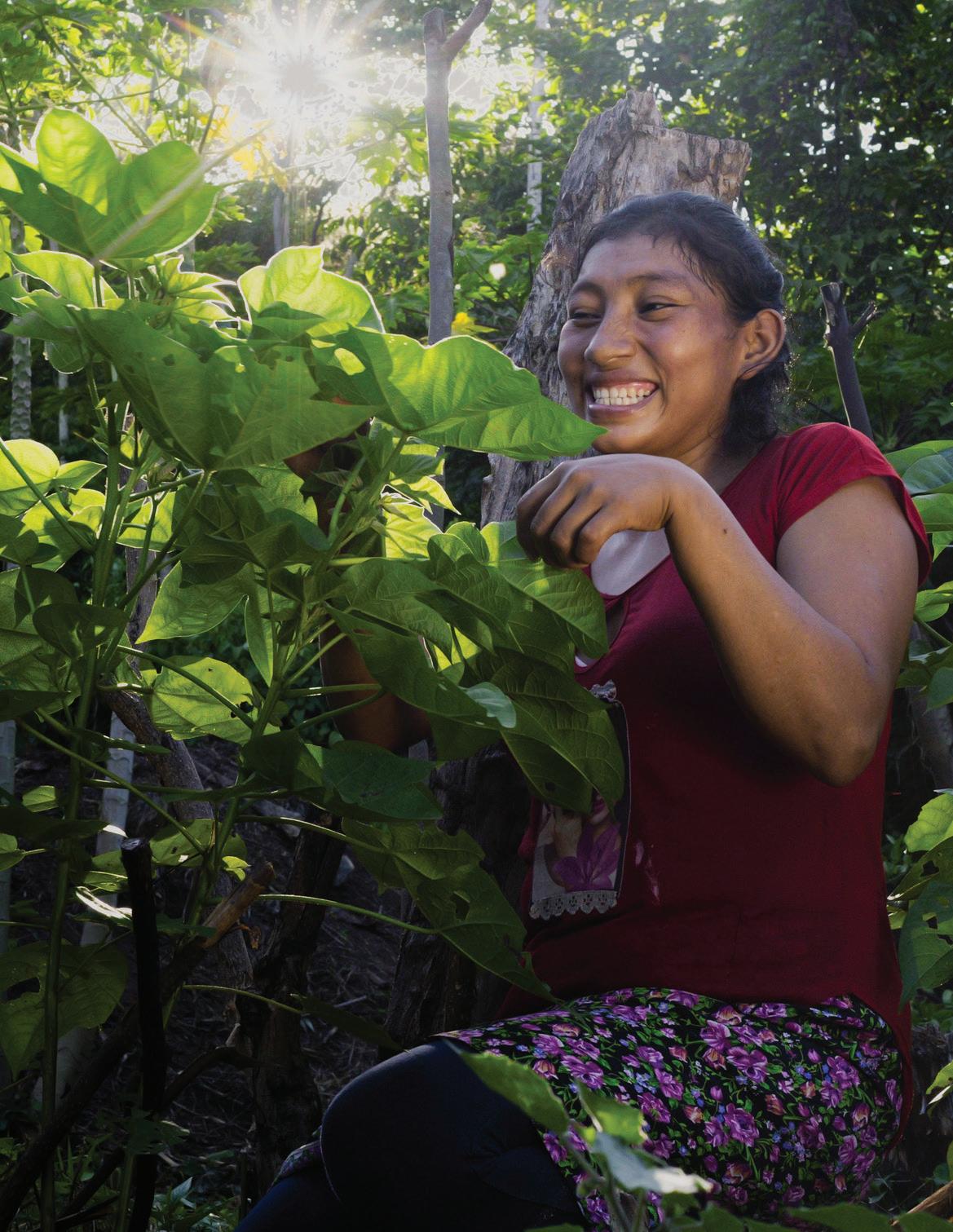
Lirio Fund
Photo: A farmer with Cotton Nation
THE NESsT LIRIO FUND REACHES A NEW MILESTONE, DISBURSING $20M USD TO GROWING ENTERPRISES ACROSS SOUTH AMERICA
In 2025, the NESsT Lirio Fund reached a significant milestone. Since its inception, the fund has disbursed more than $20 million through 37 loans, supporting enterprises across Peru, Colombia, and Brazil that are improving livelihoods and protecting the environment in some of South America’s most socially and environmentally critical landscapes.
Over seven years, the NESsT Lirio Fund’s investments have contributed to the protection or sustainable management of more than 1.5 million hectares of land while positively impacting the lives of over 17,000 people. These include smallholder farmers and producers, Indigenous communities, and people living in regions affected by conflict. Of those reached, over 30% are women.
“Reaching $20 million in disbursements shows both the growing demand for the type of patient capital we offer and the potential of enterprises working in critical ecosystems. We’re working closely with these companies to strengthen their conservation work and impact in their local communities through stable income opportunities.”
–
Jorge Chavez, Lirio Fund Andes Director
timelines adapted to their individual circumstances and integrated technical assistance.
These companies included Alto Kivinaki (top photo), a producer of organic oranges, and organic cotton company Cotton Nation (bottom photo). The latter works closely with more than 3,000 Indigenous and rural producers, paying premium prices for their crops and driving regenerative farming that restores local lands.
The year was marked by continued market volatility, especially due to climate-related pressures affecting key value chains such as coffee and cacao. In this context, the fund maintained its focus on providing accessible, flexible financing tailored to the realities of small and medium-enterprises, ensuring they could continue to pay smallholder producers and employees on time and meet client demand despite uncertain market conditions.
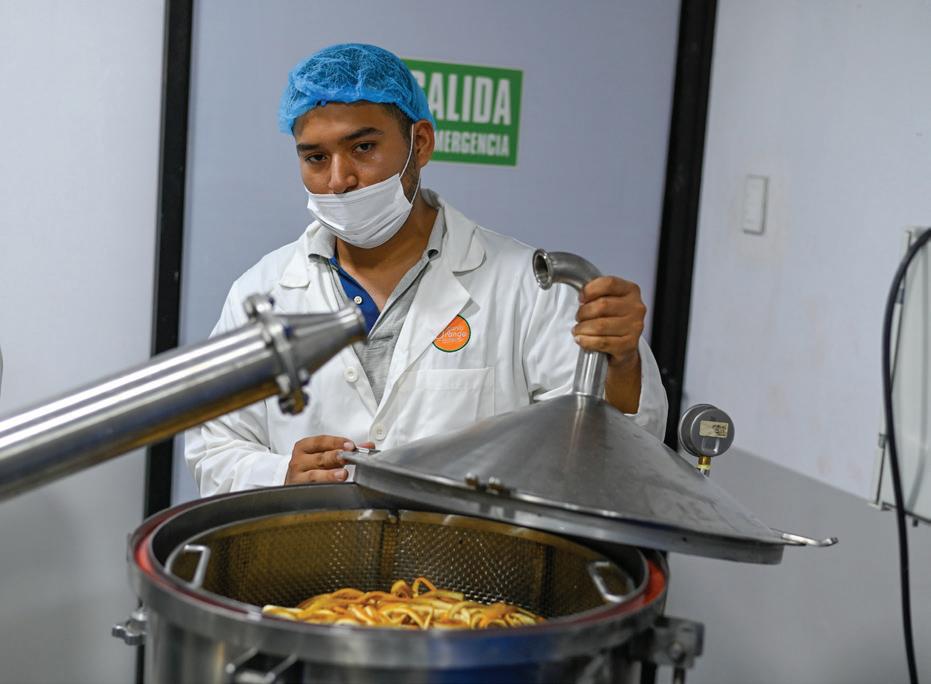
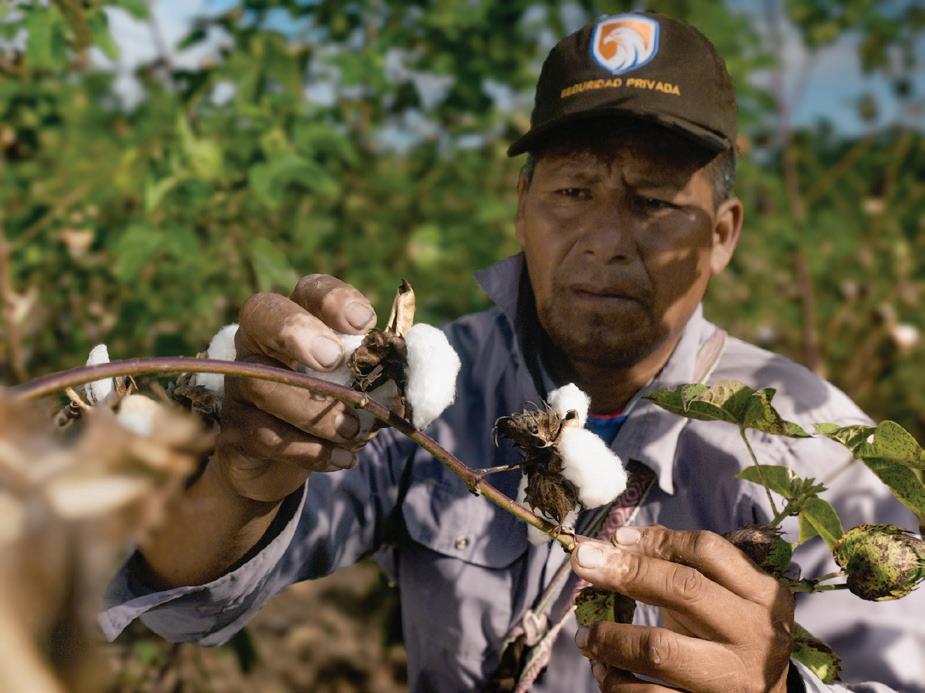
In 2025, the fund team reinforced efforts to identify and reach enterprises that combine strong business operations with meaningful community impact that strengthens livelihoods and reduces pressure on forests. Through open calls and close collaboration with NESsT’s long-standing acceleration programs, we sought companies with diverse operations – from those sourcing new biodiverse products in the Amazon, service companies supporting communities in rural areas, superfood companies that source from at-risk communities, eco-tourism efforts, and other social enterprises that provide income sources to marginalized groups.
Outreach efforts resulted in more than 160 applications from small and medium enterprises across Brazil, Colombia, and Peru, ensuring a robust pipeline of growing enterprises with strong impact track records. During the year, the fund selected five new companies based on their readiness and alignment with NESsT’s mission, deploying tailored loans with repayment
The portfolio at risk over 90 as of yearend was 7.7%, reflecting this more challenging operating environment. Supporting a portfolio of 21 companies operating across Brazil, Colombia, and Peru, the fund’s in-country portfolio teams strengthened one-on-one work with entrepreneurs around financial management, ensuring they could manage repayment commitments and bolster financial resilience.
After successfully repaying their previous loans on time and meeting or exceeding NESsT’s environmental and social impact targets, six companies in the portfolio, including COAS, Greenbox, and Pebani, secured repeat loans from the fund. Operating in regions in Peru where farming families have few income livelihood options and often turn to illicit crops and environment-damaging monocultures to generate quick income, these enterprises offer smallholder farmers sustainable livelihood alternatives through organic agriculture and hands-on farming support.
“Unlike traditional investors, we offer long-term, more patient capital to support our portfolio enterprises to grow their operations sustainably and maintain strong social and environmental impact over time. These follow-on investments reflect both operational growth and a solid ability to deliver measurable, consistent impact in their communities.” – Ana Belen Jalixto Romero, Lirio Fund Andes Portfolio Manager
The growing demand for financing among existing and prospective enterprises, including higher ticket sizes to match their growth, coupled with the fund’s expansion into Brazil in 2024 contributed to 30% growth in the total number of loans in 2025 and almost double the total volume of loans outstanding and committed, reaching $9.2M at year end in comparison to the previous year’s level of $6.1M.
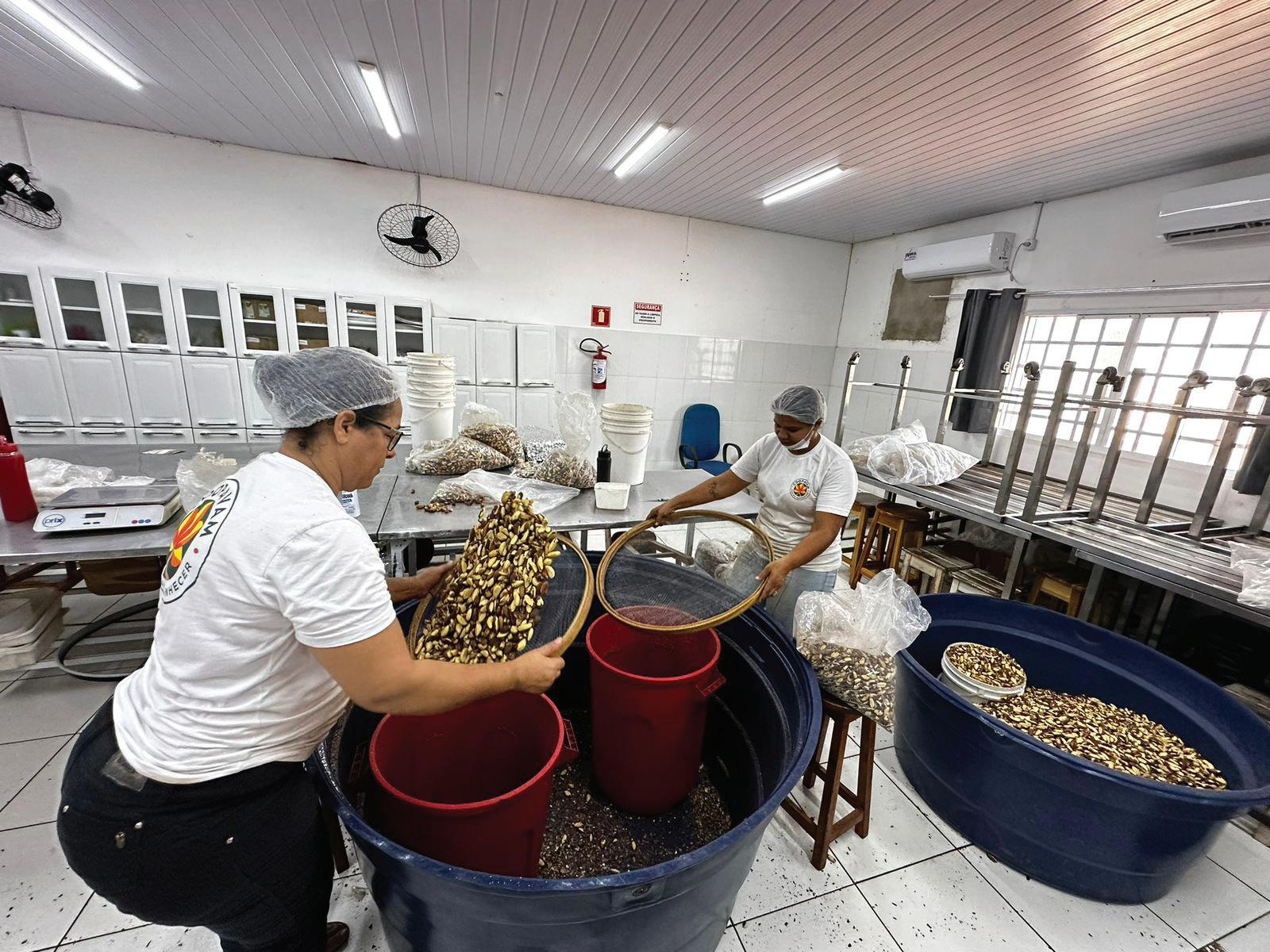
BRINGING CRITICAL CAPITAL TO A COOPERATIVE PROTECTING THE BRAZILIAN AMAZON
In 2025, we also disbursed an investment to Brazil nut producer Cooperativa dos Agricultores do Vale do Amanhecer (COOPAVAM), which joined our portfolio at the end of 2024, and began technical work to strengthen the cooperative’s operations.
Located in the threatened area of Mato Grosso – one of the most rapidly deforested regions in the Brazilian Amazon – the women-led cooperative sources sustainably harvested Amazon nuts from 300 Indigenous producers. COOPAVAM ensures its producers, 80% of whom are women, premium prices for their products offering a viable livelihood alternative to activities that harm the forest such as logging and cattle ranching. Through these efforts, COOPAVAM is supporting the conservation of more than one million hectares of protected land.
When the cooperative applied to join the NESsT Lirio Fund it faced a challenge common to many producer organizations: it needed to pay collectors upfront long before receiving payment from its buyers. Without access to working capital, the cooperative model breaks down and farming families are forced to sell to intermediaries at lower prices to sustain their households. NESsT’s investment addressed this gap directly. Through a revolving credit line, COOPAVAM is able to purchase Brazil nuts during the harvest season, maintain fair prices for collectors, and meet its client contracts. In practice, this means local communities receive income when they need it most and COOPAVAM’s sustainable cooperative model gains value locally.
Alongside financing, throughout 2025 we worked closely with the COOPAVAM team to strengthen financial and impact data
systems to better track its performance and position itself for future growth.
“In a context where capital rarely reaches organizations operating in remote forest economies, NESsT’s patient, flexible financing plays a critical role. It allows cooperatives like COOPAVAM to operate on their own terms and strengthen a model where protecting the forest and sustaining local livelihoods are deeply interconnected.” – Mariana Lima, Lirio Fund Brazil Associate Director
Recognizing the strong link between supporting women and advancing climate change, the fund team also strengthened technical support to enterprises around gender equity practices. This work included supporting companies to develop inclusive hiring policies, close income gaps, and increase women’s participation both in their workforce and producer networks through targeted, women-led initiatives.
“By promoting the equal involvement of women in activities that surround and operate near the forest, companies generate better results while protecting the forest.” – Mariana Lima, Lirio Fund Brazil Associate Director
SUPPORTING THE LONG-TERM RESILIENCE OF WOMEN COFFEE FARMERS IN PERU
Cooperativa Agraria Cafetalera Santa Ana is a coffee cooperative in Perené, Junín that works with around 170 coffee farmers, nearly half are women who are the heads of their households and over half are over the age of 45.
Santa Ana’s team provides small coffee farmers with handson training to adopt sustainable practices on their farms that improve soil health, protect local biodiversity, and enhance the quality of the coffee they grow. With this support, members of Santa Ana have increased their production capacity by nearly 50% and now earn on average 77% more than they would without cooperative membership.
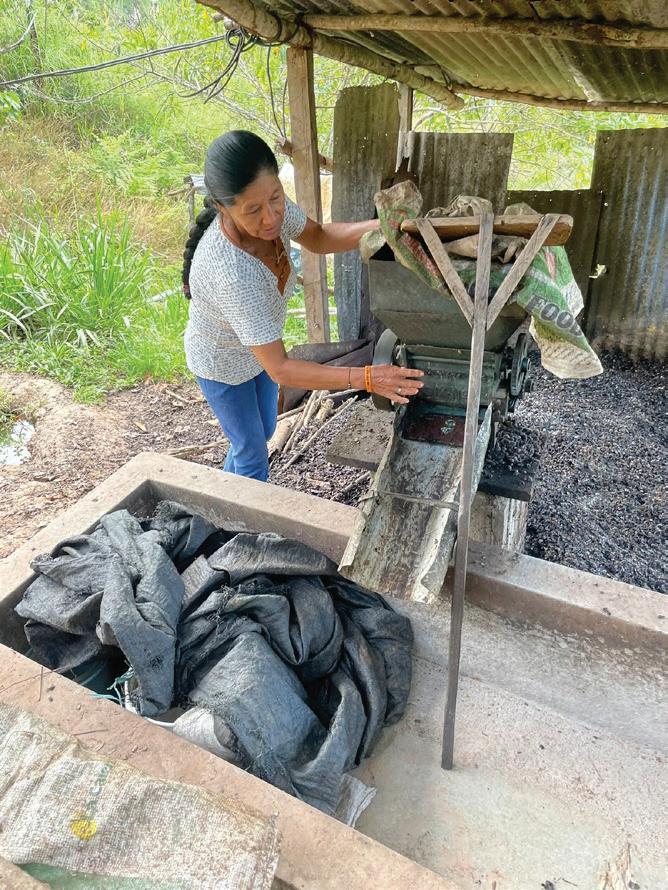
One member, Cirila (above), a 59-year-old woman who has been working as a coffee producer for over 30 years, joined the cooperative four years ago. With personalized support to plant more resistant coffee trees, such as Catimor, Gran Colombia, and Typica, she now grows better coffee yields and earns a higher income for her family.
In 2024, NESsT extended a revolving working credit line to Santa Ana over two years to pay its producers during coffee campaigns. Access to this capital has allowed the cooperative to ensure women producers receive fair prices and specific technical support in areas such as financial literacy and crop management, supporting them to participate more fully in the value chain.
Through our due diligence work, we also identified the need for the cooperative to diversify its client portfolio, which was previously limited to the domestic market. In 2025, we worked with the cooperative to develop and execute a commercial plan focused on building export capacity.
As a result, the cooperative successfully secured direct exports with three international clients, increasing visibility for the coffee’s origin among international roasters and accessing sustainability-focused buyers who offer better pricing.
Combined with a 50% sales growth, the cooperative has increased procurement from its smallholder producers, especially women, to ensure long-term resilience.
The Lirio Fund continued to mobilize capital in 2025, increasing its capital commitments by almost 50% and reaching $13.1 million in assets under management.
In October 2025, Lirio Fund investors joined the NESsT team to visit four portfolio companies in Peru, offering a closer view of how their financing supports enterprises and the communities they work with.
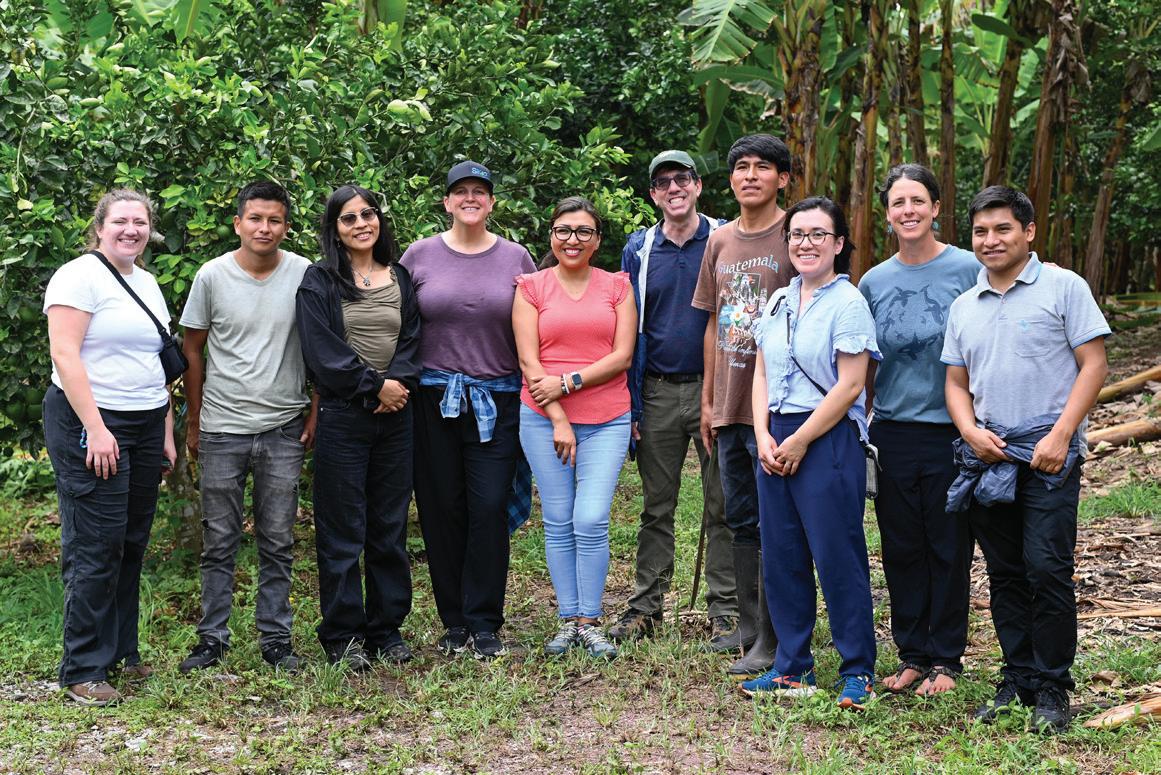
With visits to Pebani, Cooperative Agraria Sonomoro del VRAEM (COAS), Santa Ana, Alto Kivinaki, and Greenbox, the visit highlighted the diversity of products and services offered by portfolio enterprises. It also gave NESsT Global team members a chance to get better familiarized with the portfolio and the significance of our investments in local communities.
“What stood out to me during our visits was how important it is to stay close to the local reality behind each business. Meeting with our portfolio entrepreneurs and the people from the communities they support served as a powerful reminder that our role is to not arrive with answers, but to listen, learn and let them guide the direction of our joint work.” – Laya Hess-Skinner, NESsT Development Director
LIRIO FUND SUMMARY
Assets Under Management Loans Committed & Outstanding
Number of Loans in Portfolio
Number of Businesses in Loan Portfolio
Number of Businesses Receiving Business Services
Portfolio Business Farmers and Employees Reached (current portfolio)
Portfolio Business Farmers and Employees Reached (since inception)
Percent Women Farmers and Employees Reached
Percent Women-Led Businesses
Hectares Sustainably Managed or Protected (since inception)
Portfolio At-Risk Over 90 Days
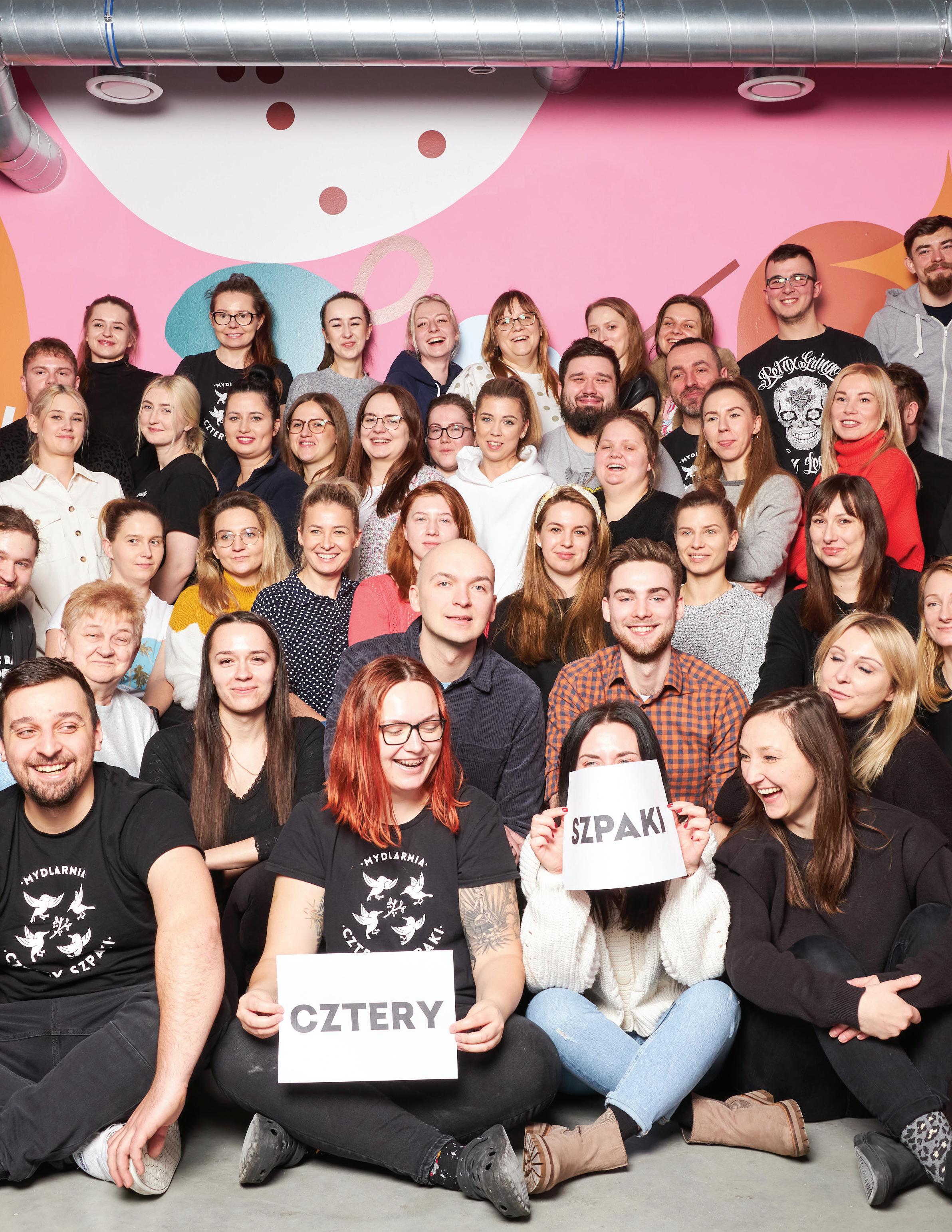
Violet Fund
Photo: The team at 4 Szpaki (4 Starlings)
NESsT VIOLET FUND: A PORTFOLIO GROWING IN IMPACT AND SCALE
The NESsT Violet Fund entered a new phase of growth in 2025 by deepening its portfolio, strengthening its investment pipeline, and reinforcing its role as a catalyst for inclusive entrepreneurship across Central and Eastern Europe. Building on its mission to back social enterprises creating inclusive workplaces and communities, the fund demonstrated how patient capital, paired with hands-on support, can unlock both business performance and lasting social impact.
This year marked a significant expansion of the Violet Fund portfolio with the addition of two new enterprises, 4 Szpaki (4 Starlings in English) and CoopTech Hub, each representing a distinct pathway to inclusive growth.
At the same time, the Violet Fund continued to build its pipeline through an open call for applications in the second half of 2025 and through ventures emerging from the NESsT Central and Eastern Europe Accelerator – marking an important step as they become investment ready. An example is Romania-based recruitment agency Jobful, which was approved to join the fund in early 2026. Together, these milestones reflect not only growth in numbers, but increasing momentum in building a cohesive, values-driven ecosystem.
4 Szpaki (above), a natural cosmetics company based in Białystok, Poland, exemplifies how mission and market success can scale in tandem. Rooted in ethical sourcing, environmental sustainability, and inclusive workplace practices, the company has grown into a recognized brand while remaining firmly aligned with its founding values.
Through the Violet Fund’s investment and tailored support, 4 Szpaki is advancing its operational capacity and expanding into new markets, all while strengthening its commitment to equitable employment and responsible production. In 2025 alone, the enterprise contributed to the creation and retention of 67 jobs and reached 5,150 individual and B2B customers,
demonstrating that values-led businesses can compete and thrive at scale.

Equally innovative is CoopTech Hub (above), a Warsawbased organization working at the intersection of technology, democracy, and economic inclusion. By supporting platform cooperatives and community-owned digital solutions, CoopTech Hub is reimagining how technology can serve people over profit.
With backing from the Violet Fund, the organization has expanded its programs to engage 200 participants, fostering models of shared ownership and trust in a rapidly evolving digital economy. Additionally the organization’s incubation services have reached 20 other cooperatives and inclusive businesses. At a time when questions of governance, equity, and access are increasingly urgent, CoopTech Hub offers a blueprint for how inclusive innovation can take root and scale.
“Our goal is for every person, regardless of origin, age, sexual orientation, gender identity, or religion, to be able to thrive in our company. We believe that our partnership with NESsT and other expert organizations will help us improve in this area.”
— Grzegorz Sienkiewicz, CEO of 4 Szpaki
While these new investments anchor the fund’s portfolio growth in 2025, the Violet Fund’s strength lies equally in its pipeline. Jobful’s journey from early-stage venture to investment readiness illustrates the power of an integrated model that combines acceleration with catalytic capital. By aligning our accelerator and fund strategies, we are not only sourcing highpotential enterprises but actively shaping them, ensuring that enterprises entering the Violet Fund are both mission-aligned and operationally prepared to scale.
Across the portfolio, the Violet Fund deployed $240,072 in capital in 2025, supporting two enterprises that collectively generated $6,092,680 in revenue and improved livelihoods for close to 1,500 individuals. Beyond these figures, the fund’s true impact is reflected in the systems it is helping to build: a growing network
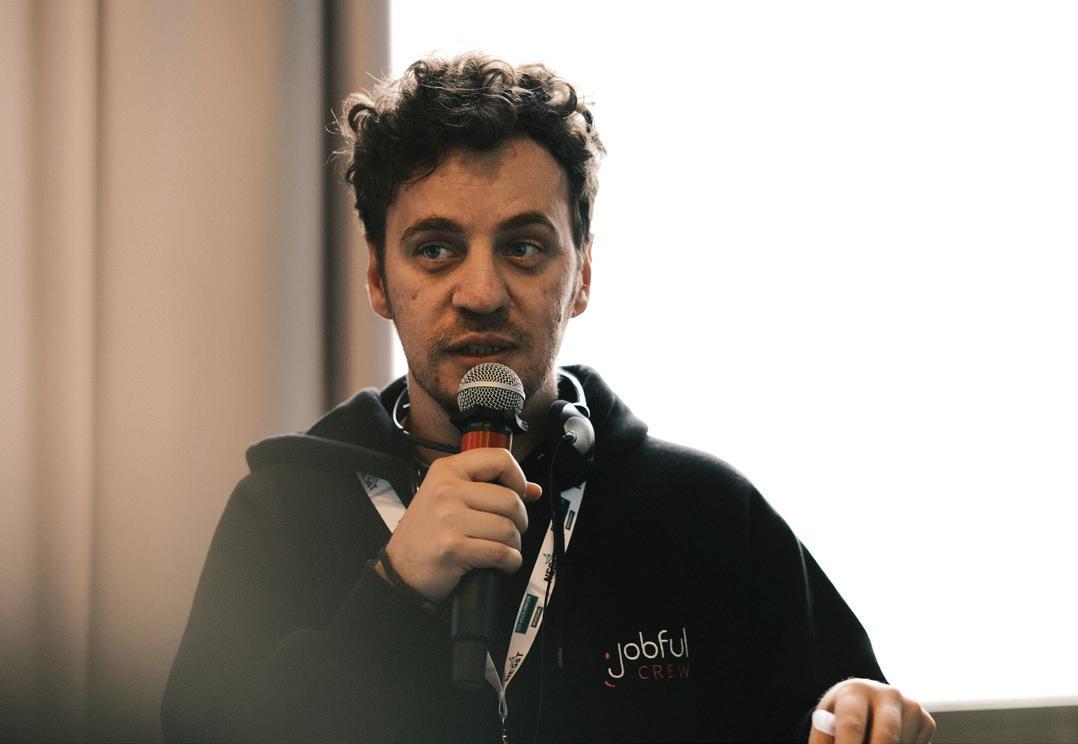
“Joining the Violet Fund allows us to reach new communities in a much more dedicated way [...] In Romania, proposing dedicated programs for the LGBTQIA+ community can be challenging. But our vision is to support all professionals who, in one way or another, face discrimination in finding or keeping a job.”
– Mihai Cepoi, CEO of Jobful
of entrepreneurs, partners, and communities committed to advancing inclusion through enterprise. In a region where LGBTQIA+ entrepreneurs and other underrepresented founders often face structural barriers to capital and visibility, the Violet Fund continues to demonstrate what is possible when those barriers are intentionally addressed.
Looking ahead, the Violet Fund is positioned to build on the momentum drawn in 2025 by welcoming new enterprises such as Gdańsk-based cultural and entertainment urban hub 100-Cznia and others in the current CEE Acceleration portfolio. This reflects our continued focus on deepening support for companies in our portfolio while bridging the gap between earlystage acceleration and long-term investment.
As more ventures like 4 Szpaki, CoopTech Hub, and Jobful emerge and scale, the fund will remain focused on what has always defined its approach: backing entrepreneurs who are not only building successful businesses but also reshaping economies to be more inclusive, resilient, and just.
$6,092,680 USD revenue generated by fund companies
1,500 lives positively impacted
$240,072 USD capital deployed

“At CoopTech Hub, we build digital tools for cooperatives, trade unions, and local organizations — because we believe technology should serve people, not the other way around. But the work doesn’t stop at the product.
Our mission is to build cooperative alternatives that empower people, strengthen local economies, and foster shared ownership. We’re equally committed to strengthening the cooperative itself: creating a more inclusive environment for our workers and members, and making sure our internal practices reflect the values we stand for externally.
That includes concrete steps like menstrual leave — because inclusion has to show up in actual policy, not just values statements. We are pleased to be part of the NESsT Violet Fund, as this collaboration brings an important perspective to our ongoing work.” — Nadia OleszczukZygmuntowska, CoopTech Hub

Community
Photo: An entrepreneur with Women’s Entrepreneurship Foundation
2025 SUPPORTERS
2025 SUPPORTERS
Aberdeen Investments
Anshuman Bapna
Gabor Barayai
Marcy Bliss
Betsy Block
Natasha Buchler
Jeff Burke
Virginia Cabasa-Hess
Phillip and Rosemary Collyer
Loïc Comolli
Peter Conklin
Dick and Karen Cook
Jerome Crochat
Rylee Desin
Nicole Etchart
Dan Gilbert
Dana Gilland
Elise Gresch and Chad Sachs
Edwin Gutierrez
Geoff Hamlin
Brett Hamsik
The Hotspur Trust
Joe Kastner
Tim and Jennifer Kingston
Kelash Kumar
Mizmun Kusairi
Alessandra Labombarda
Prince Maximilian von und zu Liechtenstein
Eden Muller
Marton Olah
Kristin Ostby
Joe Palombo
Olga Pascault
Payden Limited
Johanna Posada
Eric and Shirley Rodriguez
Amy Rofman
Gisa Rohman
Andrew Sachs
George Sachs
Ian Sachs
Renzo Salas
Allison Schlanger
Anthony Simond
Steven Smith
Lindsay Stuart
István Szőke
Ben Tarbell
Wallace Global Fund
Brian Wardrop
Claire Wilkinson
Kirtee Yadav
Jessica Yagan
David York
And Anonymous Contributors
2025 ADVISORS
ACCELERATION INVESTMENT COMMITTEE
Ellen Acioli
Sam Bevan
Alaa Bushehri
Henrique Catarino
Fabiana Cid de Andrade
Tatiana Correa de Fonseca
Marina Davies
Hebe Foster
Juliana Galvez
Brett Hamsik
Sergio Honorario Freitas
Robert Ion, OMV Foundation
Elena Marin
Francisco Marin
Nicolas Melero
Lucia Montalvo
Joe Palombo
Olga Pascault
Alexandra Popa
Camila Portugal
Maria Jose Ramirez Londono
Cesar Ray
Gabriela Sebrell
Marcio Waked
Brian Wardrop
Jonathan Zycer
BRAZIL AMAZON TECH COMMITTEE
Bruno Kato
Andreza Leite de Alencar
Andrea Peçanha Travassos
Caroline Takita Levy
BRAZIL RACIAL EQUITY COMMITTEE
Deroni Mendez
Camila Portugal
Marcia Silveira
BIOECONOMY ADVISORY COMMITTEE
Ellen Acioli
Sandra Berman
Liliana Jauregui
Agnar Kjeller
Claus Reiner
Melissa Sendic
Benjamin Singer
Tanya Yudelman
LIRIO FUND CREDIT COMMITTEE
Francisco Barreto
Nicole Etchart
Geoff Hamlin
Christina Kappaz
Nadia Scharen-Guival
Chad Sachs
Gonzalo San Martín
VIOLET FUND CREDIT COMMITTEE
Stefan Bollier
Aleksandra Muzińska
Chad Sachs
Renata Truzzi
Brian Wardrop
INDIGENOUS-LED ACCELERATION COMMITTEE
Walter Aguirre
Luis Alcívar
Jannet Benavides
Juan Betancourt
Nathaly Betancourt
Fátima Cruz
Edwin Espinoza
Felipe García-Cardona
Yajaira Granja
María José Andrade
Fany Kuiru
Sofía Murgueytio
Esthela Noteno
Eduardo Nugkuag
Simona Reyes
Elizabeth Riofrio
Patricio Sake
Nelsith Sangama
Iván Serrano
Liccet Suarez
2025 LEGAL SUPPORT
We extend a special thanks to the following firms for providing pro bono counsel in 2025
BRAZIL
Pinheiro Neto Advogados
UNITED STATES
McDermott, Will & Schulte
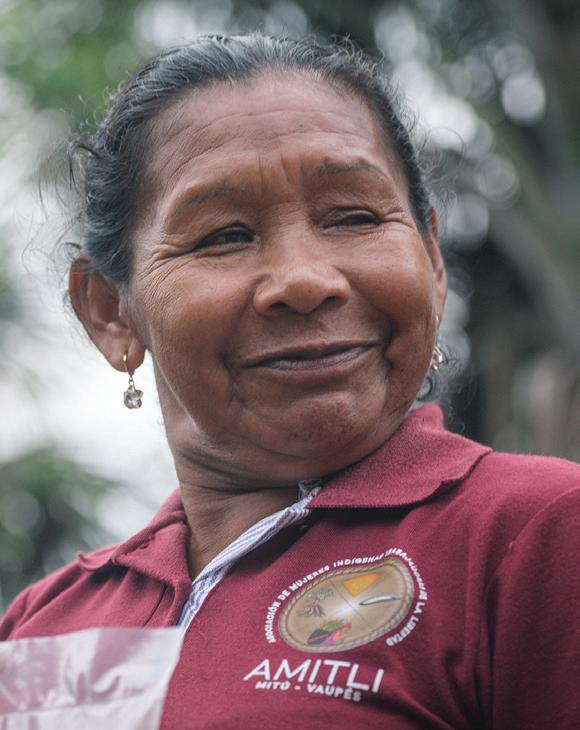
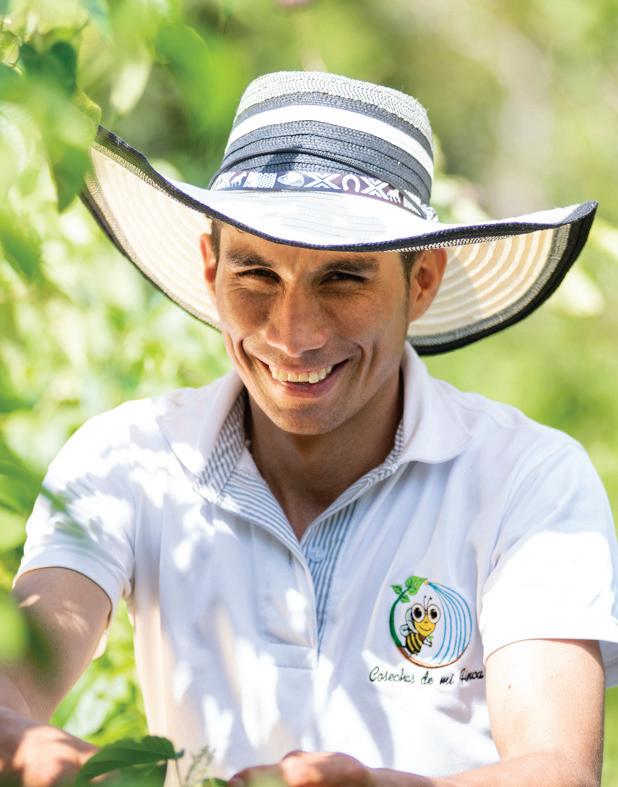
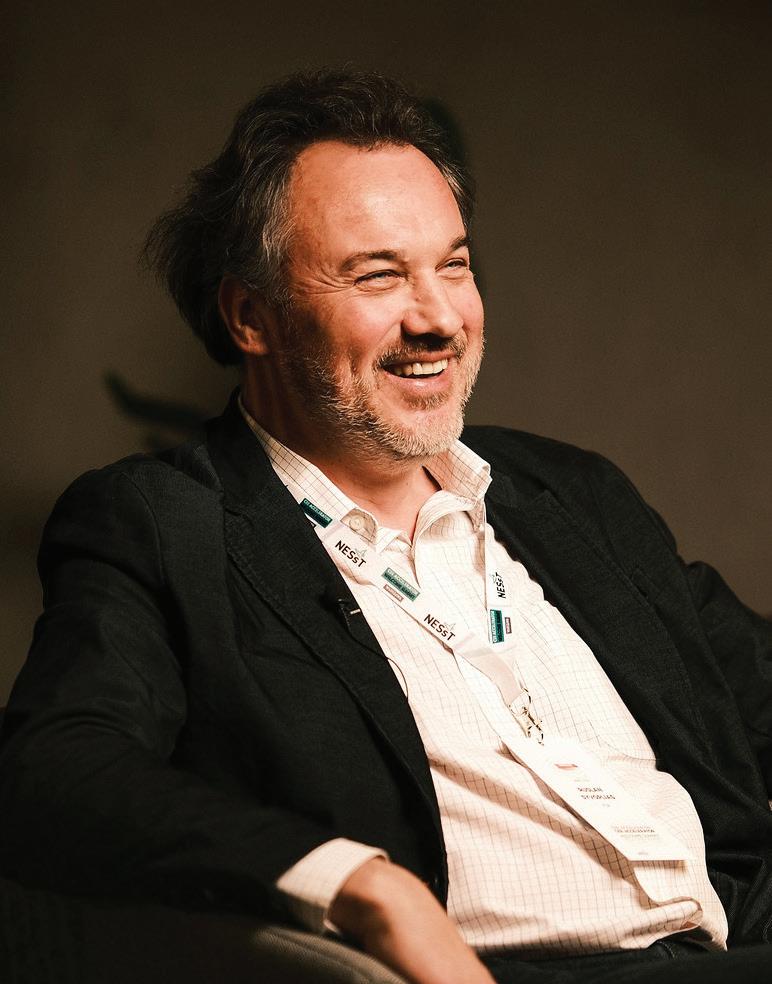


Financials
Photo: Renata Truzzi, CI&OO, and Judith Molnár, Helyénvaló at the NESsT Romania Portfolio Gathering
SUPPORT & REVENUE
Private Contributions & Grants
Government Grants
In-Kind Contributions
Earned and Financial Revenue
Foreign Currency Gain/Loss
Total Operating Revenue
OPERATING EXPENSES
Program Services
General & Administrative
Fundraising
Total Expenses
Increase in Net Assets
Net Assets Beginning of Year Net Assets End of Year
$3,715,787
$837,222
$71,964
$688,360
$44,704
$5,358,037
$4,074,626
$1,152,431
$429,979
$5,657,036 $(298,999)
$6,544,327
$6,245,328
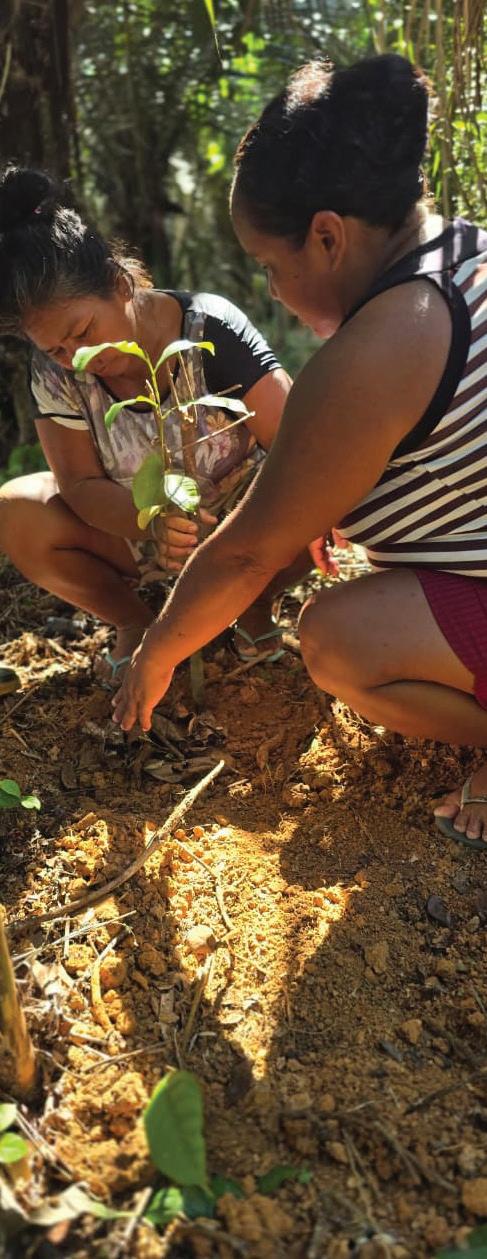
Photo: Collectors planting Brazil nut saplings with ASSOAB