


• In-home appointments
• Virtual visits
• Same-day appointments, if available
a
Medical can be your
• In-home appointments
• Virtual visits
• Same-day appointments, if available
a
Medical can be your
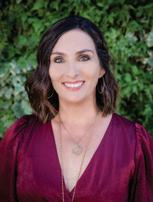
TLaurie is an avid hiker and cyclist who loves the outdoors and enjoys the beauty of Prescott. She also has a menagerie of pets to keep her smiling! prescotthealthyliving.com
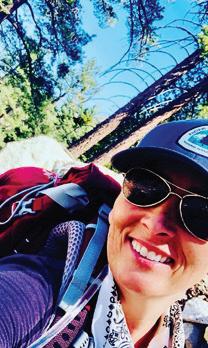
he official Thanksgiving season is upon us, though what’s at heart now should be a year-round sentiment for everyone. Being grateful for the people and pleasures in your life is one of the best ways to support our mental health and strengthen our relationships with others.
I, for one, am most grateful for my husband and my two sons, who are my rock and my wings. I take care of myself so I can take care of them, and I couldn’t be who I am today without their support and encouragement. They are the lights of my life.
I am also thankful for their continued good health, that they take care of themselves and are the intelligent and vigorous men they are. I couldn’t be prouder.
Men don’t have to run a marathon every month or bench press 500 pounds to stay healthy — it’s much easier to accomplish than they may think.
Just making a few lifestyle changes can add up to big results. Eating a balanced, healthy diet including lean proteins, adding a couple miles to a favorite run or hike or offering to help a neighbor with yard work can bring tangible improvements for body and mind.
And men, you’re worth it!
Live well,
Associate Publisher
EXECUTIVE PUBLISHER
Elaine Earle, CPA
ASSOCIATE PUBLISHER
Laurie Fisher
SALES & MARKETING
Laurie Fisher, Director of Sales & Marketing
Julie Turetzky, Director of Public Relations
Jacey Bailey, Executive Marketing Assistant
Jenna Leatherman, Marketing Assistant
PRODUCTION & DESIGN
Michele Rodriguez, Design Director
Shannon Price, Lead Graphic Designer
Manda Corral, Social Media Manager
Keith Dobie, Social Media Coordinator
EDITORIAL
Bea Lueck, Editor-in-Chief
Christia Gibbons, Senior Editor
Blake Herzog, Staff Writer
OPERATIONS
Terry Scheib, Delivery Manager
COMMENTS & IDEAS editor@roxco.com
SUBMIT AN EVENT calendar@roxco.com | prescotthealthyliving.com
SUBSCRIPTIONS info@roxco.com | prescotthealthyliving.com
ADVERTISING INQUIRIES info@roxco.com | prescotthealthyliving.com
PRESCOTT OFFICE: 130 N. Granite St., Prescott AZ 86301 928-350-8006
CORPORATE OFFICE: 442 W. Kortsen Road, Suite 101 Casa Grande, AZ 85122 520-426-2074












Cryotherapy is the process of using sub-zero temperatures to deliver healing, restorative and longevity benefits to the human body. During whole-body cryotherapy treatment, the individual is exposed to extremely cold gases for 2 to 3 minutes. It is a safe and non-invasive treatment with a huge range of benefits and the technology is proving ever popular within the athletic, medical and beauty industries.



Dr. Hojat Askari
Founder & Medical Director, Thumb Butte Medical Center
Dr. Hojat Askari, or "Dr. A," is founder and medical director of Thumb Butte Medical Center at 3124 Willow Creek Road, Prescott, with over 20 medical professionals specializing in family medicine, internal medicine, cardiology, allergy treatment, and foot and ankle surgery.

Cathy Clements
Nutritionist & Life Coach, NASM CNC, CPT, FNS, WFS
Cathy Clements is a certified personal trainer and nutrition coach. She has experienced challenges in her fitness and nutrition and is helping women over 40 regain their youthful energy. She will meet you wherever you are on your journey.

Dr. Robert Benhuri, D. Ac
Synergy Wellness Center
Robert Benhuri, D. Ac, has been a licensed acupuncturist and herbalist since 2008. He moved to Prescott with his wife and three children from the New York metro area in 2014. He treats patients with a focus on pain relief, PTSD and autoimmune conditions for veterans and seniors.

Brad Hayman DPM,
Complete Foot & Ankle Care
Dr. Brad Hayman has been a podiatrist for over 40 years. After having a successful practice in Sun City, he moved to Prescott in 2006. He’s board-certified by the American Board of Foot and Ankle Surgeons and in wound care.

Heather Burgoyne Owner, Soar Pilates
Coming from the fashion industry’s highly stressful work environment, Heather Burgoyne found a practice in Pilates to be her only outlet. After continuing for over a decade, she decided to make it her career. Her goal is to help those of all ages find their strength through wellness, strength through community.

Dr. Marla E. Jairak Owner, CoachSmart Consulting, LLC
Dr. Marla Jirak helps clients organize their current or future care planning needs so less burden is placed on their family and caregivers. She has an extensive background in understanding stress, health and providing care.

Ben Castro Program Director, Boys to Men at The Launch Pad Teen Center
Boys to Men helps guide growing boys to live a better version of themselves through mentoring and programing that gives them the tools for riding the ups and downs of their lives with greater acceptance, courage and laughter.

Lesley Jenkins
Alzheimer’s Association
Regional Executivefor Northern Arizona
Lesley Jenkins is the northern Arizona Regional Director for the Alzheimer’s Association Desert Southwest Chapter. Jenkins joined the association in February of 2019 and oversees the Association’s care and support services across northern Arizona.
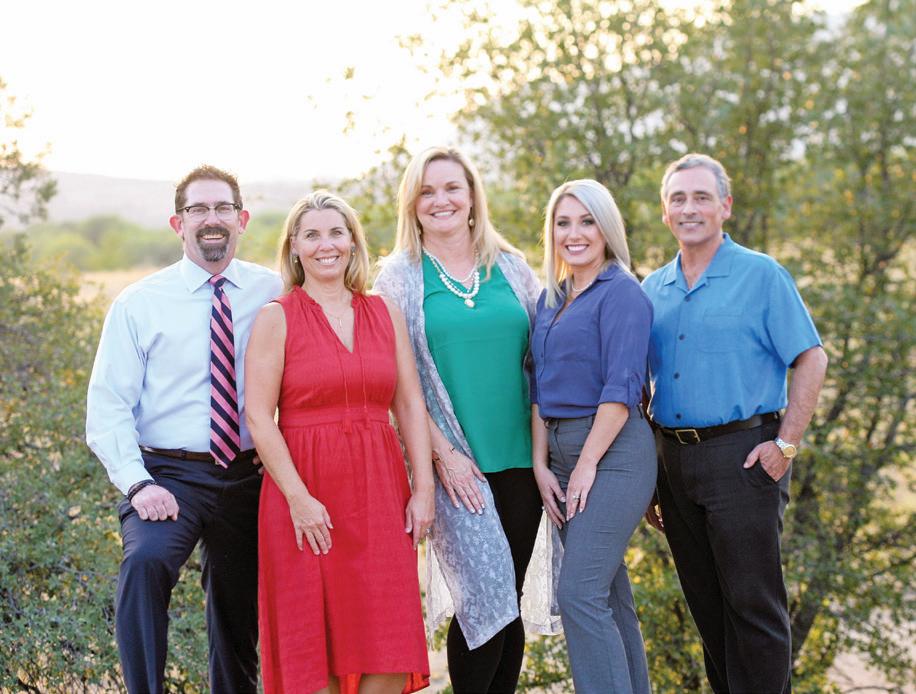
We believe local experiences are important. With that in mind, we’ve partnered with local contributors for their perspectives on a variety of healthy living topics. Here are the writers who helped make this issue possible.
Ken Lain Owner, Watters Garden Center
Ken Lain, known as "The Mountain Gardener," writes weekly columns that are featured nationally. His podcast and YouTube channel by the same name have millions of downloads. During the week he can be found at Watters Garden Center in Prescott.

Blayne Soriano
Level 2 Crossfit Coach and Crossfit Kids Coach
Coach Blayne Soriano is a Level 2 Crossfit Coach and Crossfit Kids Coach at Redtail Crossfit. She does one-on-one training and helps her clients with meal prep using her PN-L1 nutrition certification. She carries other certifications including Olympic lifting. Photo: Kai York

Lauri Mackey
CHHC, Positivity Podcaster & Speaker for Women, and Author at Lauri's Lemonade Stand
Lauri Mackey, CHHC, is the proprietor of Lauri’s Lemonade Stand, a Positivity Podcast for Women and author of Positivity Happens, Creating Happiness and Finding Hope through The Art of Holiatry (hoh-lee-a-tree).

Loree Walden
Marketing Manager, Yavapai Humane Society
Loree Walden is originally from Honolulu, Hawaii, and moved to Prescott in 2010. Her background spans a variety of careers including 20 years of tax preparation, eight years of radio traffic and her current position as marketing manager for Yavapai Humane Society where she is able to do what she loves by helping animals through advocating for them to help them find their furever homes!

John Murphy Founder, Make 100 Healthy
John Murphy is chairman of the Prescott Commission on Well-Being and founder of the Make 100 Healthy Foundation, whose mission is to reduce diabetes and obesity though nutrition and gardening education. He’s a proud husband, father and real estate agent.

Dr. Karissa Walton
Founder & Medical Director, The Mobile Health Doc
Dr. Karissa Walton is a licensed naturopathic medical doctor (NMD) who specializes in treating chronic pain and neurological conditions. She is passionate about teaching her patients how to optimize their health and performance so they can live the life they love.

Elisa Oliver-Nielsen
MA, Registered Dietician Nutritionist
As a registered dietician nutritionist for over 20 years with a master’s in food management from New York University, Elisa Oliver-Nielsen employs her knowledge and expertise to see her clients healed and thriving, so that wellness becomes achievable, sustainable and long-lasting.

Bailey Zygutis
Nutritionist and Personal Trainer, Vitruvian Fitness
Bailey Zygutis is a nutritionist and personal trainer with Vitruvian Fitness. With a passion for holistic health, she works with individuals in person and online to create customized programs that teach them to more fully enjoy the benefits of good health.
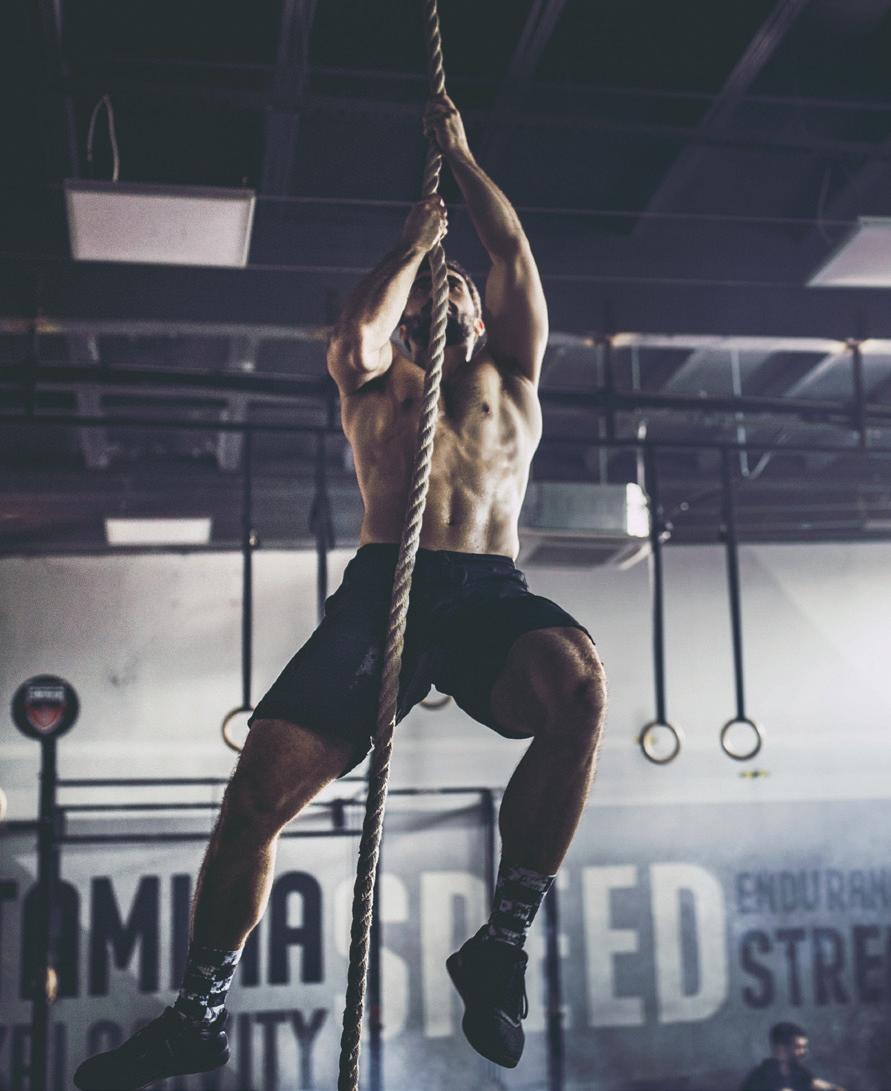
Men, you are powerful. You have built our world into what it is today. You continue to set athletic records and construct new realities while working to conserve the natural world.
Yet most of you don’t spend enough time protecting your physical health, and it shows. Male life expectancy in the U.S. is now 5.4 years lower than for women, with the gender gap gradually expanding after it dropped to a record low of 4.8 years in 2010.
There are many contributing factors, including your tendency to develop heart disease and cancer at earlier ages than women. This may be linked to higher rates of alcohol and tobacco use. You’re also more likely to engage in other risky behaviors such as speeding and taking chances while taking sports and hobbies to their extremes, and to be employed at hazardous workplaces.
A survey conducted in April 2021 by the insurance company Aflac found that men continue to seek out health care advice at lower rates than women, with 45% responding they
had not had an annual physical or checkup during the previous 12 months.
The figure goes up to 60% for men seeking additional preventive care such as vaccines or health screenings and 74% for men seeking care for a specific ailment or illness, such as heart disease or prostate concerns.
Health care cost concerns deterred 46% of respondents from seeking some form of treatment or medication, and 22% say they find it easier to go to an urgent care clinic or emergency room than their primary care physician’s office. Twothirds said they didn’t feel like they’re well-informed about men’s health issues.
Here are some facts you should be aware of when considering your own health, according to the Centers for Disease Control and Prevention’s website:
* The three leading causes of death
for men are heart disease, cancer and unintentional injuries.
* 51.9 % of men aged 18 and older have untreated or treated hypertension.
* 40.5% of men aged 20 and older are obese.
* 30.5% of men aged 18 and older have consumed five or more alcoholic drinks in a day within the past year.
To begin educating yourself about your own health see a primary care provider at least once a year for a physical. Your blood pressure and current physical condition can be assessed, and you can also discuss lifestyle practices and family history that might put you at higher risk for future illnesses. Insurance covers most preventive care expenses, and discounts and other aids are often available for the underinsured.
Your primary care provider likely will recommend health screenings appropriate for your age and lifestyle concerns. These can include:
* Every year, get a flu vaccine and follow current recommendations regarding COVID vaccines.
* Around age 60, get vaccinated for conditions including shingles and pneumonia.
* Every one to two years, get your blood pressure checked. Talk to your doctor about how often you should have your cholesterol levels tested.
* Starting at age 50, get regular tests for colon cancer. Your first test for prostate screening should be between 40 and 50, depending on your family history.
by Dr. Hojat Askari, Founder and Medical Director, Thumb Butte Medical Center
Statistics and anecdotal evidence confirm that the old stereotype about men avoiding medical care at almost all costs is true — they pay far fewer visits to the doctor for checkups or preventive health screenings. Stories abound of them having to be talked into going to an emergency room while in the middle of an apparent heart attack.
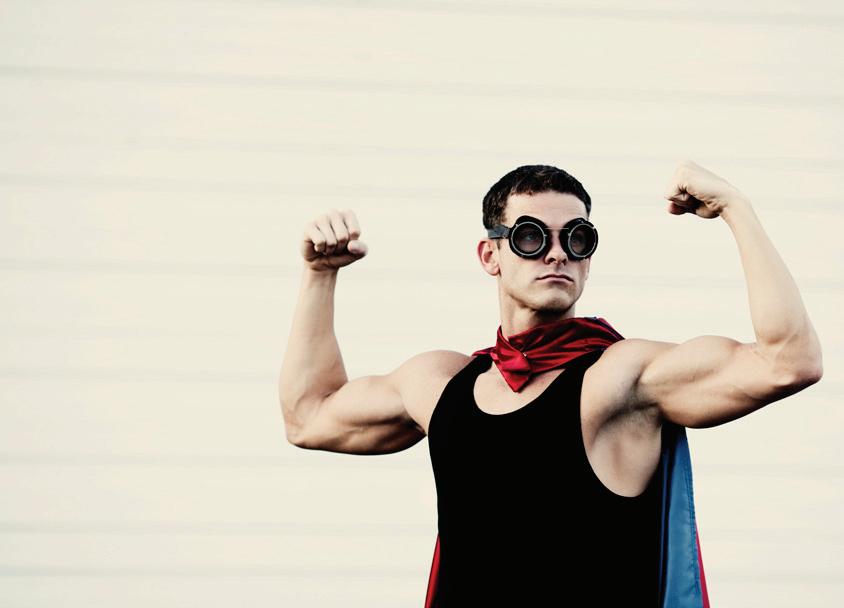
The reasons for this widespread reluctance — a 2019 Cleveland Clinic study reported 72% of men would choose cleaning toilets over a physician visit — are complex. They can include embarrassment over symptoms and fear of a serious diagnosis. But “superhero syndrome,” or a tendency to see themselves as indestructible and/or as a provider and protector who can’t have any needs of his own, is an all-toofrequent contributing factor.
Our society and entertainment is soaked in superhero stories and imagery, and getting even more so as Hollywood
sends most of its other movies straight to streaming while audiences remain tentative about going back to theaters.
The biggest superhero of them all died in the “All-Star Superman” comic books and movie, but of course he came back. Men in particular absorb those images and are reluctant to acknowledge any vulnerabilities.
Yet, men develop chronic and serious illnesses earlier than women do, on average, and their lives tend to be shorter for reasons related to both lifestyle and biology. They don’t have an equivalent to women’s annual gynecological
exams throughout their 20s, 30s and 40s but should be seeing a health care provider at least once every one or two years to have their blood pressure checked and be screened for other diseases depending on their risk level.
By the time men turn 50 they should be screened for colon cancer through a colonoscopy and discuss the best course of action for prostate screening through prostate
specific antibody (PSA) blood tests or physical examination. These aren’t pleasant experiences and neither is the nervousness about any other concerns that could come to light. That’s why men who do go through these regularly are real-life heroes for their families, their loved ones and themselves.
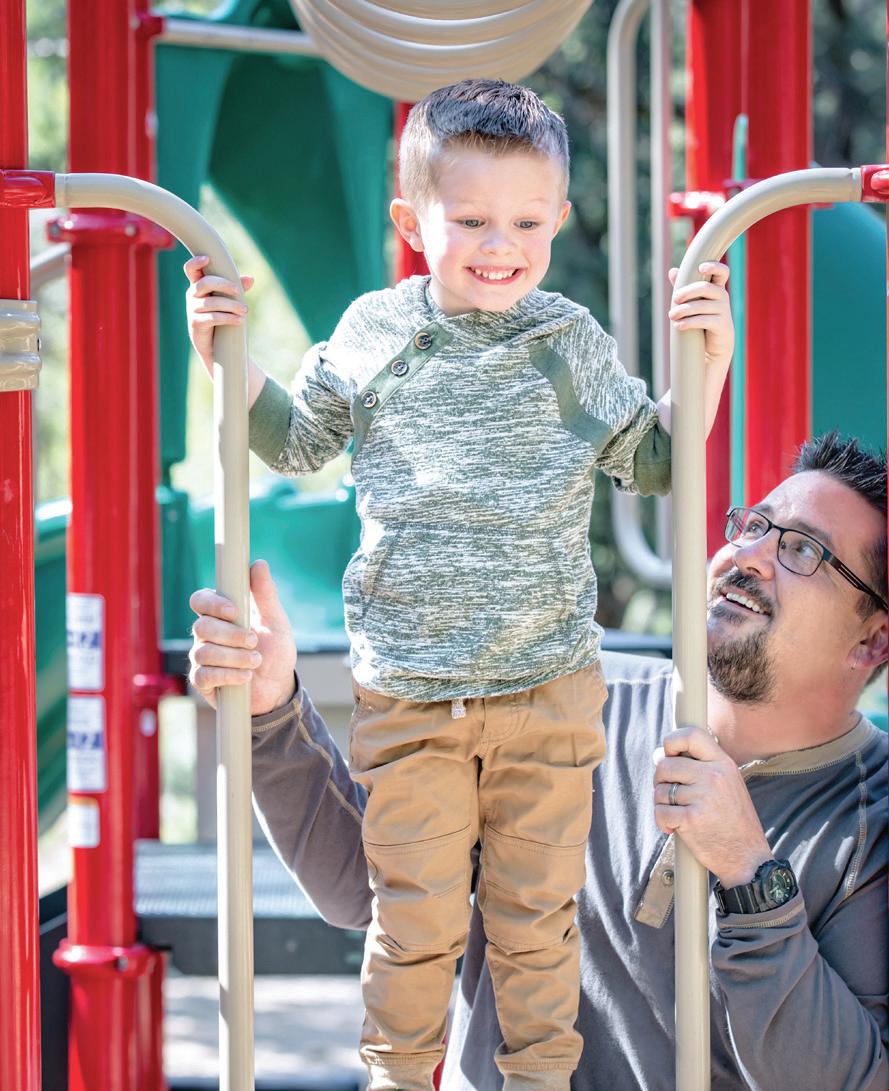
“The value of a loving father has no price.” –
Unknown
by Dr. Marla E. Jirak, Owner, CoachSmart Consulting, LLC
Caregiving is often thought of as a role assumed primarily by women. Most men have grown up in a household — and certainly a culture — in which females have been perceived as the primary family nurturers. However, the profile of the average caregiver is changing.
A survey conducted by the National Family Caregivers Association found that 44% of caregivers are men. That equates to more than 54 million American men who have provided care for an elderly, disabled or chronically ill family member or friend during the past year. Add to this the recent pandemic when men also were providing day-to-day care and schooling for their children.
From a survey done by AARP, about two-thirds of male caregivers were likely to work full time while caring for a loved one, compared with 55% of women. Men, more than women, deal with issues specific to their gender — often being less familiar and comfortable with the personal and intimate aspects of caregiving and finding it more difficult. Male caregivers often find their new role to be daunting and allconsuming when helping with dayto-day tasks such as managing
medications as well as toileting, bathing, dressing and eating.
The importance for self-care and having respite hours for a loved one is equally important for men providing care. Male caregivers may neglect themselves by eating an inadequate diet, ignoring their need for exercise, getting too little sleep and postponing visits to the doctor for their own medical ills. Typically, men are less likely to ask for help and may even be reluctant to accept the help if offered. However, studies show that being involved in support groups helps ease the emotional pain and anxiety and fight the social isolation associated with caregiving, especially for men.
Other resources can be having family or friends bring in meals, getting groceries delivered to the house and getting assistance from an inhome care agency.

Values around men and caregiving are evolving, especially in key policy and workplace changes. More companies are offering paid family and medical leave for up to 12 weeks. Also, employers are allowing flexible work schedules and working remotely. Finally, universal health care policies and the breakdown of generational barriers add support for men who care for their children and relatives with disabilities.



by John Murphy, Director, Make
Most men feel invincible when they’re young and healthy. They think they can eat and drink anything they want. They burn the candle at both ends and give very little thought to the future.
Let’s face it, they really don’t take care of themselves.
But then life catches up and starts to take a toll on men mentally and physically. They start to gain weight, become lethargic and unwell. They realize they are vulnerable and start to feel their sense of mortality,
That’s when men may start thinking about their long-term health and wellness. It’s the time when many start to shed some weight, exercise more, change their mindset into one that embraces a long, healthy life.
Men, first realize that the American diet is not healthy. It’s devoid of real nutrition and is addictive.

Foundation
These factors make it that much harder to break bad eating habits. It’s key to make that connection to change your habits. You can do it!
Fact — processed food is not healthy and should be avoided at all costs, if possible. The FDA recently came out with new guidelines that a plantbased diet is the healthiest. The Mediterranean diet of fish and fresh vegetables is good for you and your body. Common sense, right?
We need the fuel to feel good and have the energy to do our life’s work. It’s quite simple. If you nourish your body with nature’s food — vegetables, fruits, legumes, fresh fish — and moderate the quantity of what you eat, you will live each day with optimum health and energy.
Men, you are the author of your life journey. Why not take charge of your health now?
Remember: It’s never too late … until it is!





If
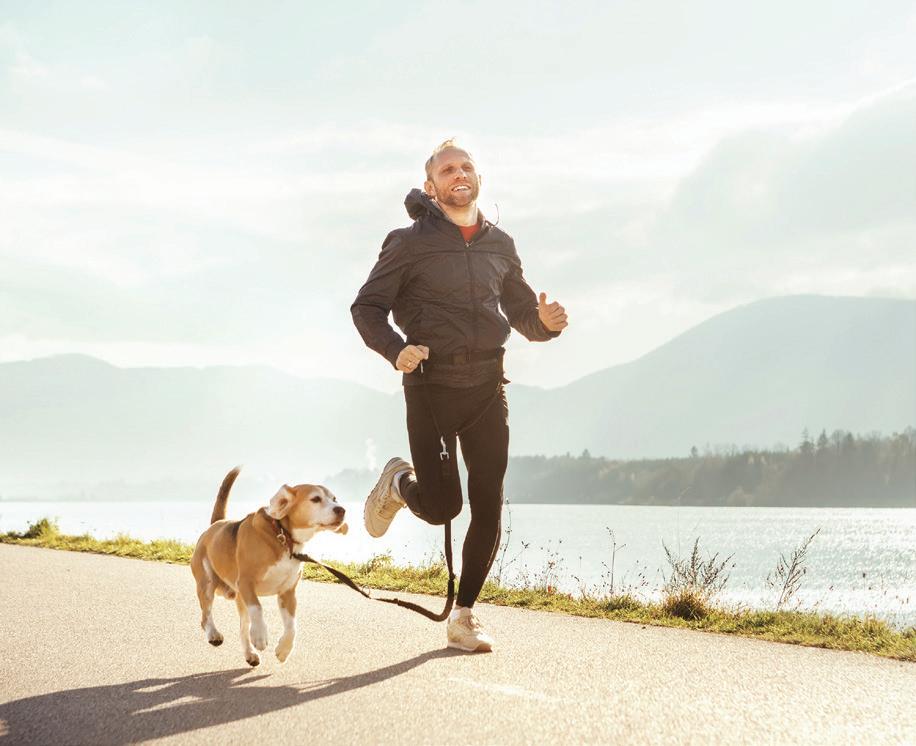
you aren’t already a runner, perhaps you’ve considered it. Logistically it’s the easiest workout of them all — pick up your newest pair of running shoes and go!
Yet only about 15% of Americans take part in running sports, according to a study released last year by the Sports & Fitness Industry Association.
The other 85% of us don’t, mostly due to past attempts that died out quickly or perceptions that it’s too hard, too boring, too easy to get injured.
Many people walk instead, but in most cases if you’re able to walk, you can run for a much better, faster cardio workout. One study found 5 minutes of running is equivalent to 15 minutes of walking, in terms of cardio benefits. If you have a chronic health condition, talk to your health care provider first.
Pretty much everyone else can ease into a jogging or running hobby for their health, as long as you have realistic expectations and goals. Don’t start out training for a marathon, and don’t expect to reach speeds attainable by championship athletes; this is how most running dreams end up dying.
If this sounds like you, or you’ve never dreamed of running because it just doesn’t appeal to you, it’s still a good idea to try it. You may discover it’s exactly what you’ve been looking for to get the health and physical results you’ve been after. Here are some tips for powering through walking into jogging and on through to running!
Go out for these at least two or three times a week to get your body acclimated to the motions and impact of the activity without thinking about your speed. Start out by walking for 2 minutes and jogging for 1 minute for 20 to 30 minutes, then dial it up to 2 walking and two running when you’re ready, usually in around a week. Then start pushing it to 3 minutes running for every 1 minute walked and move ahead from there.
Another way to kick things off can be to simply start
running and see how long you can keep going. You can start with a goal of 5 or 10 minutes to start with if that helps to motivate you.
During your first short, slow runs, try taking deep belly breaths in and out through your nose and mouth. Needing to gasp for oxygen is the quickest way to get your heartbeat and brain racing, leading to panic and the need to stop.
Beginning runners can develop bad posture from hunching over the display of a treadmill, and their legs develop strength more quickly when they’re pushing off from a solid surface every step they take rather than from its rolling belt.
There are many additional benefits to exercising outside, but if the weather isn’t cooperating and you don’t have an indoor track to use, treadmills are still better than not running at all.
Many an Arizona town have branded a nearby hill as its own by painting its first initial on its side. Prescott’s own “P” sits about 2 miles east of downtown on a peak officially known as Badger Mountain just below the KYCA radio tower, where it’s stood sentry over the city for decades.
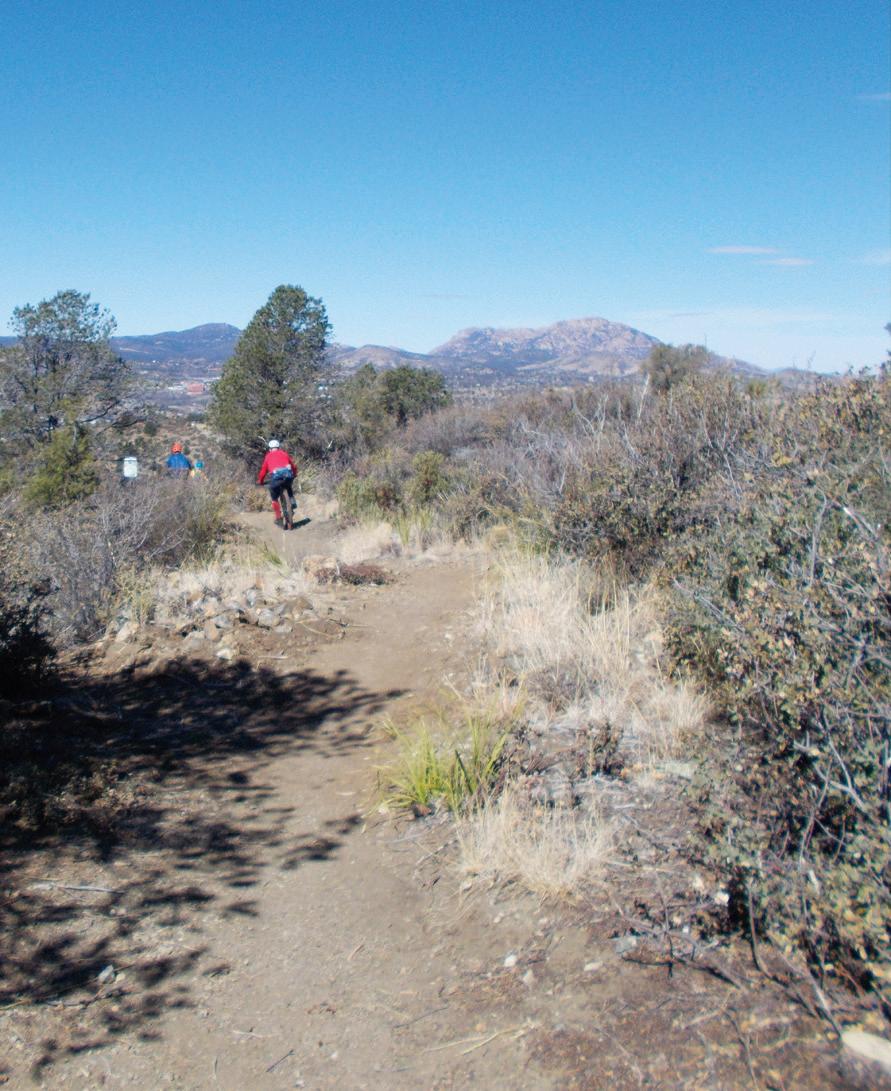
Both landmark letters and transmission towers are put in places where they can be easily seen from a large area, so it makes sense that a trail on P Mountain would offer beautiful views of the surrounding Sierra Prieta and Bradshaw ranges and out to Prescott Valley and beyond.
It’s also an important connector within the area’s network of trails, the final link constructed for the 56-mile Prescott Circle Trail, made up of segments of City of Prescott and Prescott National Forest.
The City-maintained Badger Mountain Trail starts on the south side of State Highway 69, across from the end of the Sundog Trail in the rugged chaparral between Prescott Gateway Mall and the Frontier Village shopping center.
Zigzagging southeast along the side of the foothills, it meets its only adjacent parking lot in just over 4 miles, when the Turley-Badger connector trail comes in from the west from a dirt lot
hidden behind a subdivision.
This is how most hikers enter the trail, turning to the right toward the “P” for more elevation gain, varied vegetation and the dramatic views. It’s also popular with mountain bikers, who use it as a less-difficult alternative to the nearby Boy Scout and Turley trails.
This segment continues the jagged path of switchbacks around the mountain. It starts out with stunningly clear views of Granite Mountain and Thumb Butte, as well as the Granite Dells. Go just a little farther and you’ll be able to see Prescott Valley with the San Francisco Peaks (outside Flagstaff) on the far horizon. Then, about a mile past the trailhead you’ll see the landscape change to transitional oak and pine vegetation, offering more shade and variety to your uphill path.
Your viewsheds turn into a slideshow of valleys, ravines and piney peaks as you continue toward the City’s border with the national forest. It’s not much farther to the top of the mountain, near the “P” and the radio towers, and the best views of all.
From there it’s about a mile downward to where the trail ends at Ranch Trail No. 62, where you can continue toward the Lynx Lake Recreation Area if you wish.


To reach the parking lot near the midpoint of the trail, head east from downtown on Gurley Street and turn right onto Overland Road, which is just before the Highway 69/89 interchange. Continue on Overland until you reach the stop sign at Butterfield Road. Turn left and go to the junction of Wagonwheel and Wells Fargo roads. Bear right and continue on Wells Fargo for one-fifth of a mile until the signed turnoff for the Turley Trail. The narrow dirt road reaches the parking lot after a short distance.
Parking fees: None
Uses: Hiking, mountain biking
Distance: 6.77 miles
Level of difficulty: Moderate
Elevation: 5,510 feet to 6,308 feet
by Blayne Soriano, Level 2 CrossFit Coach and CrossFit Kids Coach
One of the most important topics around men’s health is heart disease. Taking care of your heart health should be a main priority in everyone’s life, but men specifically need to pay attention.
They tend to:
* Lack awareness
* Have inadequate health education
* Develop unhealthy work and personal habits
* Shy away from asking for help
Don’t get me wrong, anyone can be guilty of these things. But, let’s get more men paying attention. On average 1 in 3 men have heart disease. Strokes and hypertension are happening in younger men more now than ever. When it comes to taking control of heart health, focusing on blood pressure and cholesterol levels is a good start.
Nutritional habits and regular exercise are the foundation of heart health. Men, eat more greens! Try and add the rainbow color of vegetables in your daily diet. Also:
* Show up to workout 3 to 4 times a week to start.
* Cut back on poor decision making when it comes to over eating, not eating all day then consuming the wrong foods, drinking, smoking and not hitting the gym.
* Try and reach out to someone who can mentor you or guide you in the right direction.
I recommend visiting your doctor to get some blood work to be fully aware of what’s going on, on the inside of your body!
Your heart matters.






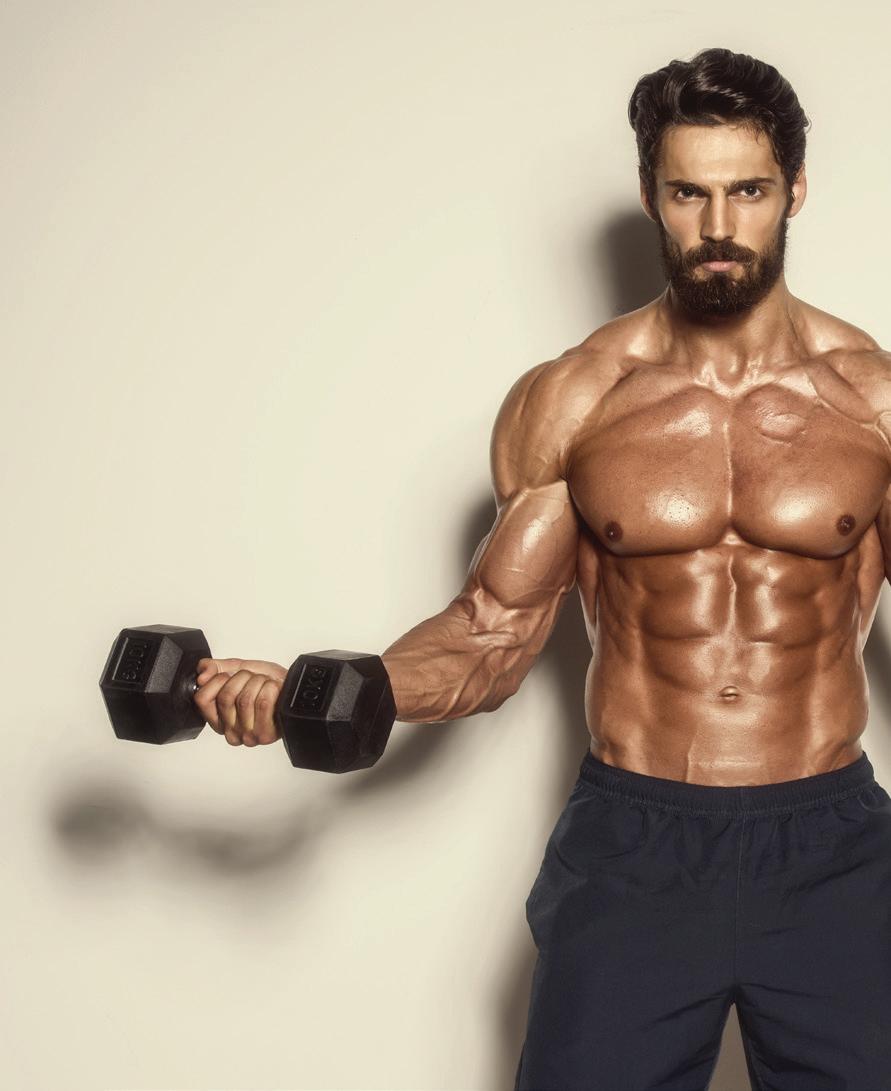
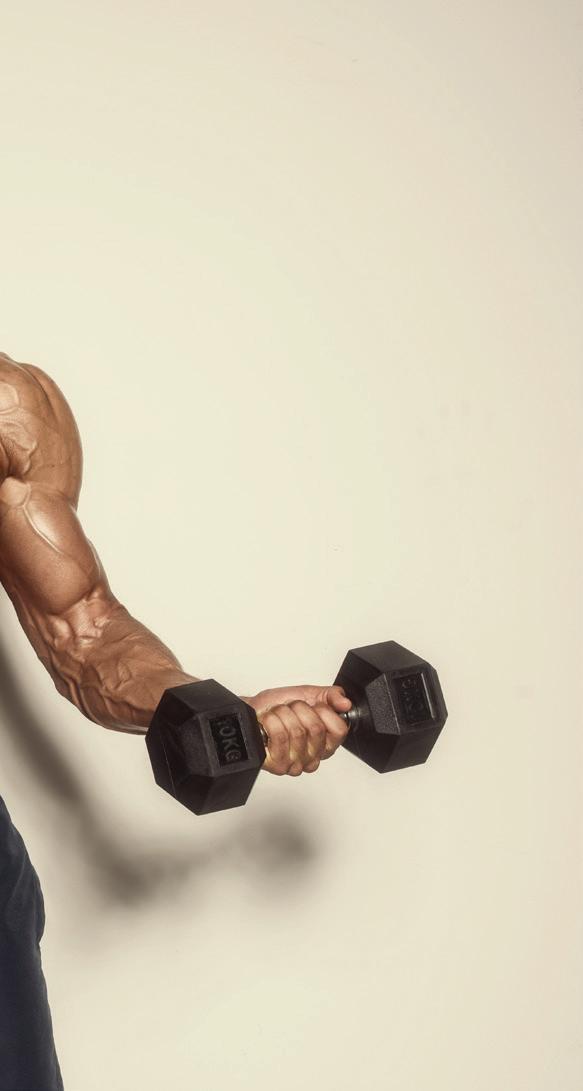
Full-body muscular workouts are a little hard to come by, and they often involve major pieces of equipment and a bit of invested money and time — a pool, a mountain or road bike, a home gym or gym circuit training.
Full-body workouts can be done very well with just a pair of weights heavy enough to challenge both your upper and lower body. If you have more than one pair handy you might want to use heavier weights for the lower-body exercises. If you can do five rounds of this workout with 10 reps each, you’re amazing and you probably know it! If you can only do two or three, you know that’s awesome, too, and you’ll work your way up to more!
This is a good way to start squatting — holding a dumbbell in front of your chest reminds you to keep your upper body straight and shoulders open. You can do this exercise with one or two dumbbells.
* Knees track over toes, bending and flexing in line with your feet.
This can be done standing or sitting down. The seated version will offer more support and let you focus while building strength and learning proper form. If you are confident doing the standing version, try it — it will work your core so much more!
* Keep your elbows at 90 degrees.
* Avoid leaning backward excessively.
All types of rows are always a good choice to pair with pushing exercises such as chest presses. You can do this with one arm at a time if you prefer. Use your other arm to brace yourself on something.
* Keep your back neutral (a slight arch is normal, but rounding is not).
The stiff-legged deadlift gets its name from the fact that your legs are almost straight as you perform this exercise. If you struggle to bend forward without rounding your back, work on your hamstring flexibility. Feel free to substitute this exercise with a regular dumbbell deadlift.
* Keep your abs and back muscles engaged.
* A neutral arch in your back is fine but rounding your back in the other direction is not.
* Initiate the movement by pushing your hips back.
* Bend your knees as much as you need to avoid rounding your back (hamstring flexibility can be a limiting factor).
This is usually performed on a bench, or you can use on a mat on the floor.
* Keep the dumbbell close to your body.
* If you start rounding your back or your shoulders toward the dumbbell, reduce the weight or take a break.
* Sit back as you squat and push from your heels to get back up.
* Keep your elbows at 90 degrees and your arms close to your body.
* As you row, imagine that you are trying to put the weight into your back pocket.
* Engage your core.
STIFF-LEGGED DEADLIFT
* Squeeze your shoulder blades together.
* Your palms should be facing down toward your feet.
* Head, shoulder blades and glutes need to be in contact with the bench throughout the whole movement.
Do you generally like to work out but sometimes have trouble motivating yourself to do it after a particularly deflating day?
Do you not hit your goals for reps because it’s just you and the folks on the 3-year-old YouTube video in the room?
Then it’s probably time to find yourself a pack. Whether it’s an aerobics class, sports league or fitness-based “tribe,” there’s a gang out there that will help you be your best, healthiest self. Maybe it’s with people you already know or a posse of brand-new pals to punch in with, but either way you’ll probably find out you’re better together! Here are a just a handful of the benefits of friends in a fitness flock:
Onboarding a personal trainer gets expensive, so
going for a group setting is a more affordable way to have a pro in the room while you’re learning and perfecting your form when it comes to burpees, lunges, triangle poses or Zumba steps. It’s not the same as going one-on-one, but you’ll usually have at least one or two classmates who can advise you as well.
Getting into a little friendly competition with some of your classmates is one of the best ways to test your limits, as long as you don’t go so far past your comfort level that you get injured. Seeing others in the room
moving a little faster or longer than you’ve done in the past is one of the best sources for inspiration you can find for pushing past the mental barriers you’ve created for yourself.
One of the surest markers of good physical and mental health is having an extended social network for bonding and support. Friends drop out of your orbit for any number of reasons over the years, so be open to embracing new ones. Go ahead and sign up for that yoga class or hiking group you’ve been eyeing — you’ll gain ground in so many ways!

by Loree Walden, Marketing Manager, Yavapai Humane Society
November starts the holiday season and a time when food and decorations start to become abundant around our homes! Some of those foods and most of those decorations aren’t safe for our pets, so I thought I’d take this opportunity to remind everyone about things to beware of as the holidays approach.
Thanksgiving is a time for potential dangers around the house. Keep your food on the table, not under it!
Turkey and turkey skin, sometimes even a small amount, can cause a lifethreatening condition in pets known as pancreatitis. Fatty foods are hard for animals to digest and many foods that are healthy for people are poisonous to pets, including onions, garlic, raisins and grapes.
If you want to give your pet a special Thanksgiving treat, give them a

made-for-pets chew bone, or make them a special dinner by taking their regular food and adding a few tidbits of turkey, vegetables (either sweet potato or green beans) and a few dribbles of gravy. Thanksgiving includes a lot of baking. Don’t spoil your pet’s holiday by giving him access to raw yeast bread dough. When a dog or cat ingests raw bread dough, the yeast continues to convert the sugars in the dough to carbon dioxide gas and alcohol. This can result in bloated drunken pets, which could become a life threatening emergency requiring hospitalization. Keep your pets away from chocolate — dogs love the smell
of it and will sniff it out! But it can be very dangerous, even deadly, when consumed by pets. Also, an artificial sweetener called xylitol, which is commonly used in gum and sugar-free baked goods, can be deadly to both cats and dogs.
Holiday decorations and candles are attractive to pets as well as people. Never leave a pet alone with a lighted candle, as it could result in a fire! Pine cones, needles and other decorations can cause intestinal
blockage or even perforate an animal’s intestines.
Lastly, please make sure your pet is properly identifiable. Making sure they are microchipped and having the information up to date is even more important. Have a collar and ID tag on them, just in case Fido decides to bolt when you open the door to visitors.
By taking a few extra precautions, the holidays can be a safe and fun time! Happy Thanksgiving from everyone at Yavapai Humane Society!

Your shoes are the only thing between your body and the surfaces your feet keep pounding, so this is gear you need to think about carefully. You don’t need to spend hundreds of dollars on track star shoes when you’re taking your first strides, but there are many things to consider when looking for the support you’ll need:
HOW MUCH YOU’RE RUNNING
Midsole cushioning is the most important feature for any shoe to have, but it’s even more essential if you’re a daily or near-daily runner.
THE SURFACES YOU RUN ON
Trail running shoes generally give you better traction and stability on uneven surfaces and provide more protection for your ankles from rocks and other projectiles. Road running shoes typically have mesh uppers to keep the shoe more breathable.
THE SHAPE OF YOUR FEET
Runners with flatter feet
will require more arch support to keep their feet from rolling inward, while runners with higher arches will need to correct in the other direction. The easiest way to tell what kind of arch you have is to look at the outline of your bare foot’s print in water or sand.
Once you have a good grip on the kind of shoe you need, it’s time to invest a little time to select, either in a physical store or online. If you’re trying shoes on in a store:
* Try to go in the afternoon or evening after a day of working or working out has expanded your footprint toward its upper limit.
* Wear the same type of socks you will be once you’re on the road or trail.
* Make sure there’s no slipping in the heel.
If you can’t get to a store or local shops don’t have the kind of shoe you need:
* Go up half a size from what you usually wear to allow for your foot’s expansion.
* Consider the heel-totoe drop. If you are an inexperienced runner or have tight calves a larger difference between the padding in the heel and toe (about 10 millimeters) may reduce the pressure on your Achilles tendons and calf muscles.


Sept. 4-Dec. 6
Hiking Spree
Highlands Center for Natural History highlandscenter.org
Nov. 6
El Ultimo Baile Masivo del Año (All Ages Dance) 8 p.m. at Findlay Toyota Center
Nov. 20
Turkey Toss Tournament
1-5 p.m. at Prescott Valley Boys & Girls Clubs pvaz.net
Nov. 22
Flying High Turkey Drive 2021 noon-6 p.m. at Fry’s Food & Drug pvchamber.org
Nov. 26-Jan. 1
(every Friday & Saturday evening) WildLights & Animal Sights 6-9 p.m. at Heritage Park Zoo heritageparkzoo.org
Nov. 30
Stroll Through Valley of Lights 2021 6-9 p.m. at Fain Park in Prescott Valley pvchamber.org
YMCA Aquatics Center (Lap Swim, Family Swim & Group or Private/ Semiprivate Lessons Available)
YMCA Dance Program
Team Gymnastics at the YMCA
YMCA Youth Basketball League
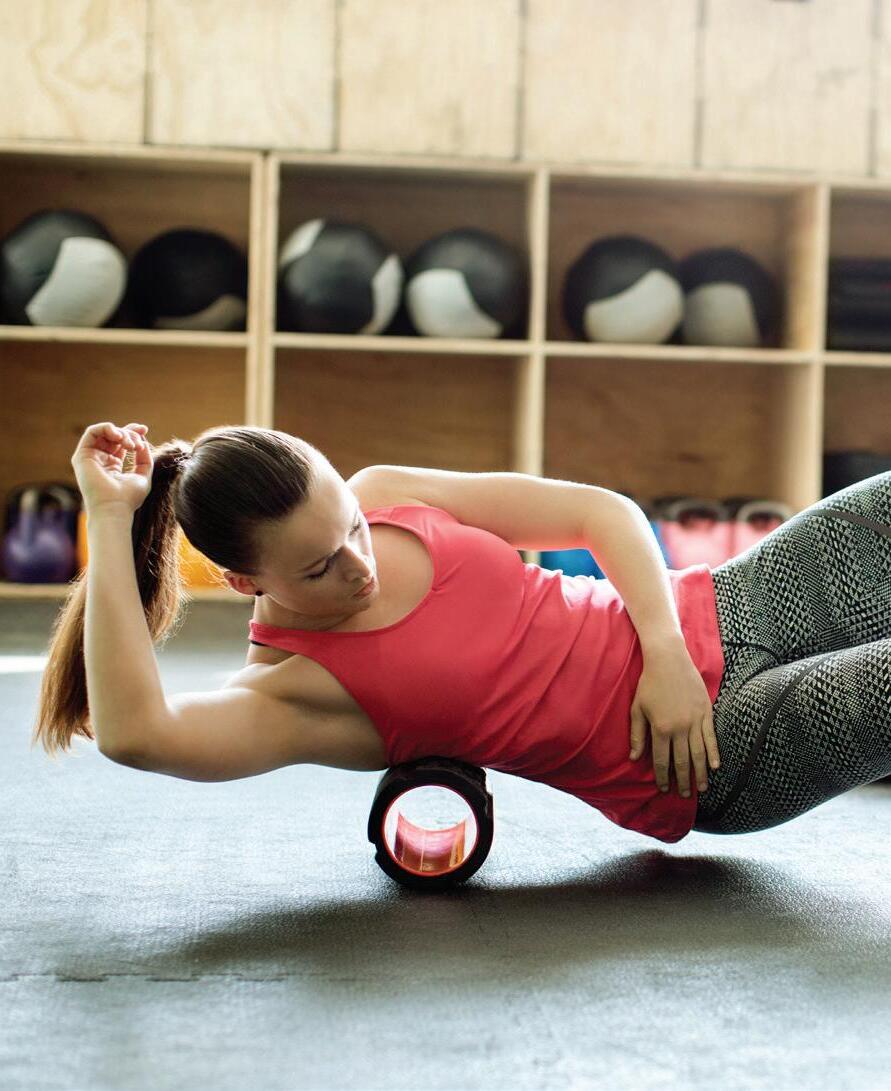

When it comes to stretching or any kind of movement, we generally focus on our muscles — why wouldn’t we? They’re the complex structures that contract and expand as we move our bodies.
But our fascia, a bodywide web of fibrous tissue that attaches to and encases our muscles, organs and joints and separates them from each other, adds another layer of complexity to how our bodies work.
It’s distinct from the interior structures and systems it covers and can develop stiffness of its own from underuse, repetitive motion, injury, illness or other factors.
When it’s too tight it can limit your range of motion, cause muscles to form knots, restrict blood circulation and create numerous other issues. These can show up as plantar fasciitis at the bottom of your feet, as IT band syndrome around your knees or many other syndromes, even (especially) if you’re physically active.
But since your fascia is embedded into your muscles, how can you stretch it separately?
In fascial stretching, a form of physical therapy, a certified professional stretches your body for you through established techniques of pulling and pushing your muscles. But you can do it on
your own at home or some other space where you can stretch in an unhurried fashion.
Here are some stretches you can incorporate into your home workouts to ease your fascia back to full elasticity:
Stand with hands interlaced on the back of the head, shoulders down. Draw abs in while slowly lifting the chest and arching the head, neck, and shoulders back. (Stop if you feel pain in your back). Hold for 10 breaths, then slowly lift up to standing. Do 2 reps.
Lie face-down on a towel with arms out in front of you in a V shape and feet separated. Press into your palms and draw the shoulder blades down and then together. Bending your elbows in, use your
back muscles to slide your body forward and lift your chest. When your wrists begin to peel off the floor, slide your body back to starting position. Do 8 reps.
Stand holding towel taut in front of chest, elbows bent to either side. Reach your fists out to the right on a diagonal and then begin to circle them slowly, in front of your chest, out to the left, and back to the starting position. That’s 1 rep; do 8, then repeat in opposite direction.
Lie face-down on mat with arms open to a wide T, gazing to the left. Tuck in your tailbone and draw abs in while lifting your left leg up and across the right leg, letting it lower toward the floor. Keep the left shoulder resting on the mat. Hold the twist for 30 seconds, breathing deeply, and repeat on the right.
by Brad Hayman, DPM, Complete Foot & Ankle Care
This month’s topic is Men’s Health. At Complete Foot & Ankle Care, men represent about 35 to 40% of the patients. Some will say women have more foot problems than men, but that is not necessarily true. Men have certain occupational hazards that contribute to leg and/or foot problems. Construction, manufacturing and athletic activities contribute to injuries to the legs, ankles and feet. However, women are now performing

many activities that were once primarily done by men, and because of this podiatrists are seeing more of the same problems in women such as sprains/strains, fractures and over-use trauma once mainly seen in men.
Men also have many of the same type of leg and foot problems as women such as diabetes, neuropathy, vascular disease, arthritis, foot deformities (bunions and hammer toes), fungal infected skin/toenails and a variety of injuries to the feet and ankles.
Often a man will seek professional care when prompted by their wife or girlfriend. That’s a positive influence recognizing that, by nature, women are more nurturing that men. Often, a man will ignore or minimize medical issues longer than a woman.
With today’s technology preventive care is critically important not only to survival but an improved quality of life.
Early diagnosis and management of medical problems for men (and women) is the key to a good quality of life.
• Women’s well check
• Cosmetic Botox
• Medical Botox
• Dermal filler
• Acne treatment
• Chemical peels
• Body sculpting
• Emsella treatments
• Incontinence Treatment
• Permanent cosmetics
SEXUAL HEALTH CLINIC
• Hormone replacement therapies

• Hormone pellet therapies
• Woman sexual dysfunction
by Ben Castro, Program Director, Boys to Men, The Launch Pad Teen Center
From an early age, many boys are given a false ideal of what masculinity is and what they should live up to.
Part of that ideal sells young men on the idea they should and ought to do everything on their own — “Real men don’t cry” is a common theme we are all too familiar with. The outcome of such an unhealthy narrative is a rise in violence, abuse, disconnection and loneliness in a man’s life.
Men and boys, just like all human beings, need touch, caring, warmth, acceptance, empathy and close relationships, and many have no idea how to ask for those things or how to acquire them.
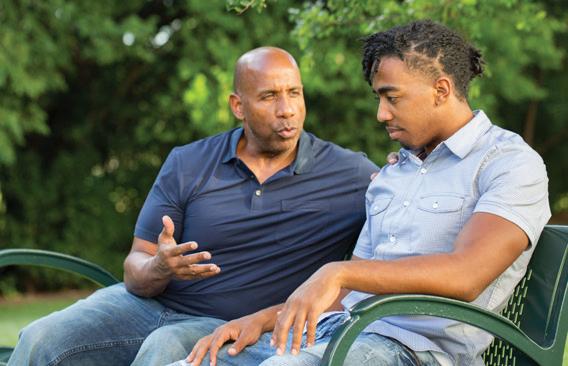
Some men are so afraid of appearing weak they never even try or else they turn away the very second when approaching such unfamiliar territories. But healthy men need confidants. This means having male friends who we can actually be vulnerable with, to be 100% ourselves around.
For many men, this is not the situation so they spend wasted time posturing in
isolation, without deeper friendships or any real sense of community. This loneliness can compound as men grow older. Through nature and nurture, accident and circumstance, the individual man and the character of masculinity are forged in culture. As men, we have the power and responsibility to courageously create a new way of being for ourselves.
If we want justice, equality and peace, we must provide boys and
men with better tools, mentors, models, rituals and most importantly, the supportive space to do the work and forging necessary for acquiring the condition of healthy manhood. It’s messy, emotionally risky, yet critically important and all too often sidetracked and taken a backseat to other more “important” issues in a man’s life. However, every ounce of inner work that men partake in ripples outward and influences
us and everyone else in a very powerful way.
Men can be loving, nurturing, gentle, as well as fierce, powerful and protective. So to all men, create a vision for yourself and for what you really want out of life and commit to that intention on a daily basis through wise action, creativity and healthy connection to the world around you. This is the way forward for the new era of healthy masculinity and of being a solid man in the world.
October 20, 2021
La Quinta Inn
4499 E State Rte 69 Prescott Valley, AZ 86301 9:30AM
November 4, 2021
Casa Senior and Community Center 9360 E Manzanita Circle Prescott Valley, AZ 86314 12:00PM
October 27, 2021
La Quinta Inn
4499 E State Rte 69 Prescott Valley, AZ 86301 1:30PM
November 10, 2021
La Quinta Inn
4499 E State Rte 69 Prescott Valley, AZ 86301 1:30 PM
November 3, 2021
La Quinta Inn
4499 E State Rte 69 Prescott Valley, AZ 86301 9:30 AM
November 17, 2021
La Quinta Inn
4499 E State Rte 69 Prescott Valley, AZ 86301 9:30 AM


In today’s frenzied and unpredictable world, it’s easy to feel rundown before the day’s even half over. We absorb stress all too easily into our mind, muscles and ultimately our circulatory system, where it can do tremendous damage that may shorten your life.
We all need, at times, to step back from the barrage of to-dos and bad news and find ways to hit “refresh.”
This can minimize or even reverse the toxic effects of stress and anxiety, especially if you use these opportunities to teach yourself how to better handle them in the future.
Find time to recharge, somewhere in your day or week, with self-care activities like these:
Prioritize your sleep, train your brain to rest through meditation or prayer, say “no” to demands you don’t have time to fulfill, learn deep breathing exercises that can be done during
the day, take short naps, or plan a long, warm, relaxing bath before bed.
Exercise is a fantastic way to release pent-up stress by infusing your brain with endorphins, which elevate your mood and help you stay focused. The physical benefits of exercise also make your body more resilient to the effects of stress. So find time on most, if not all, days of the week for a yoga class, HIIT session, invigorating jog or lifting weights.
Go to an event or class (in-person or virtual) you wouldn’t normally attend, visit “touristy” areas you’ve avoided in the past, or
pick up a hobby you’ve always wanted to try. Finding enjoyable and educational ways to get out of your comfort zone lets you forget workaday problems and find pathways to growth.
Yes. Helping those in need will recharge you as well. It can remind you both of how fortunate you really are and that you’re far from alone in your suffering. It brings you into a social network and reduces your feelings of isolation. On top of that, it helps your neighbors! Volunteer for a shelter, social services nonprofit, sports league, fundraising event or another charitable group, and give a friend a helping hand.
by Lesley Jenkins, Alzheimer’s Association Regional Executive for Northern Arizona
Currently, an estimated 50 million people worldwide are living with dementia, including more than 5 million Americans. In collaboration with experts in the field, the Alzheimer’s Association® created a list of warning signs to help people identify symptoms that may be related to Alzheimer’s or another dementia.
UNDERSTANDING ALZHEIMER’S & DEMENTIA
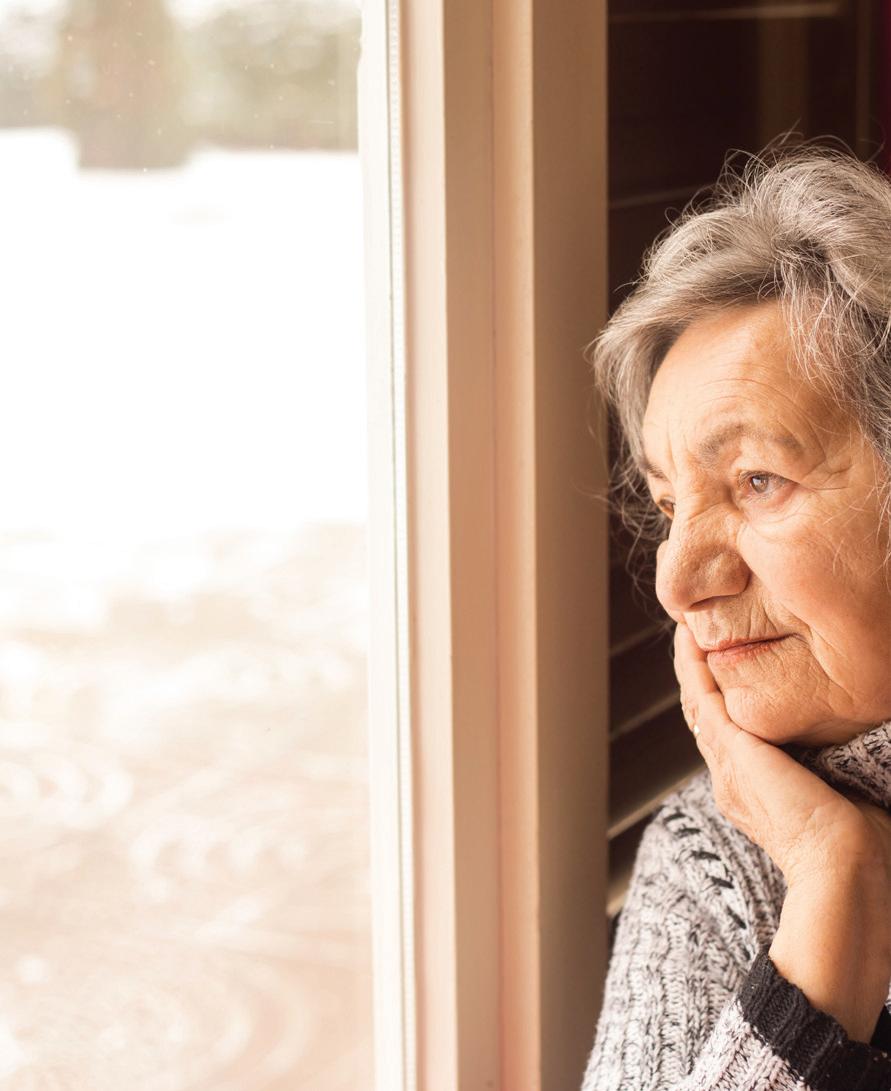
It’s common to experience some issues with memory, thinking and behavior as we age. However, changes that interfere with daily life could be a sign of something more serious, such as dementia.
Dementia is the umbrella term for a person’s decline in memory and other cognitive abilities that is severe enough to interfere with daily life. It is not a normal part of aging. The most common cause of dementia is Alzheimer’s, a progressive brain disease that results in the loss of brain cells and function.
10 WARNING SIGNS OF ALZHEIMER’S
(It’s possible for individuals to experience one or more
of these signs in varying degrees. It is not necessary to experience every sign to raise concern).
1. Memory loss that disrupts daily life.
2. Challenges in planning or solving problems.
3. Difficulty completing familiar tasks.
4. Confusion with time or place.
5. Trouble understanding visual images and spatial relationships.
6. New problems with words in speaking or writing.
7. Misplacing things and losing the ability to retrace.
8. Decreased or poor judgment.
9. Withdrawal from work or social activities.
10. Changes in mood and personality.
If you notice one or more signs in yourself or another
person, it can be difficult to know what to do. It’s natural to feel uncertain or nervous about discussing these changes with others. Voicing worries about your own health might make them seem more “real.” Or, you may fear upsetting someone by sharing observations about changes in his or her abilities or behavior. However, these are significant health concerns that should be evaluated by a doctor, and it’s important to take-action to figure out what’s going on. Have a conversation: If you’ve noticed any of the signs in yourself, confide in someone you trust. Similarly, if you’ve noticed memory changes in someone else, think about who would be best to approach the person. Have the conversation as soon as possible in a location comfortable for everyone involved. To learn more visit alz.org/alzheimersdementia/10_signs.


by Heather Burgoyne, Owner, Soar Pilates
Pilates is a series of exercises that builds strength with balance and control. It provides mobility through flexibility. It is a mental exercise as it requires precision of movement and coordination within the body.
Perhaps what I believe to be most important, Pilates is an exercise for everyBODY. Yes, that means men, too.
I am pretty confident if I were to wager money on what the response of most men think Pilates is, they would say something along the lines of: “Pilates, yeah, my wife/girlfriend takes Pilates lessons.” Or, “Pilates, yeah, that’s a girl’s
exercise.” Or perhaps if you anything like my father (and I say this with the upmost respect and love), “So Heather, what is Pilati?” suggesting it is a singular exercise and not actually named after a person who created it - Joseph Pilates.
From what I have learned from my mentors, peers, books and numerous web articles, is that Joseph Pilates was a boxer. He was a prisoner. He was a man of few words and perhaps even less emotion. He demanded respect and commitment to contrology (the original name of the exercise).
And his only requirement to take part in his studio
was that you were there because you believed contrology was going to make your physical and mental health better. It was not an exercise fad to lose weight and get a six pack. I will state the bulk of my clients are female. However, the male clients I do have typically walk into the studio for the first time and admit they are nervous. The majority have pretty strenuous jobs and in turn discuss ailments in their bodies such as low back pain, tight hamstrings, lack of flexibility pretty much throughout their body. I will also state that after
one session with my male clients, they are shocked by how tough Pilates is — that they felt use of their muscles in a whole new way. After our second session, they usually are addicted, and after a month, they feel revived in a way they haven’t in some time.
I am constantly impressed by their commitment and growth; their acknowledgement that Pilates has healed their ailments.
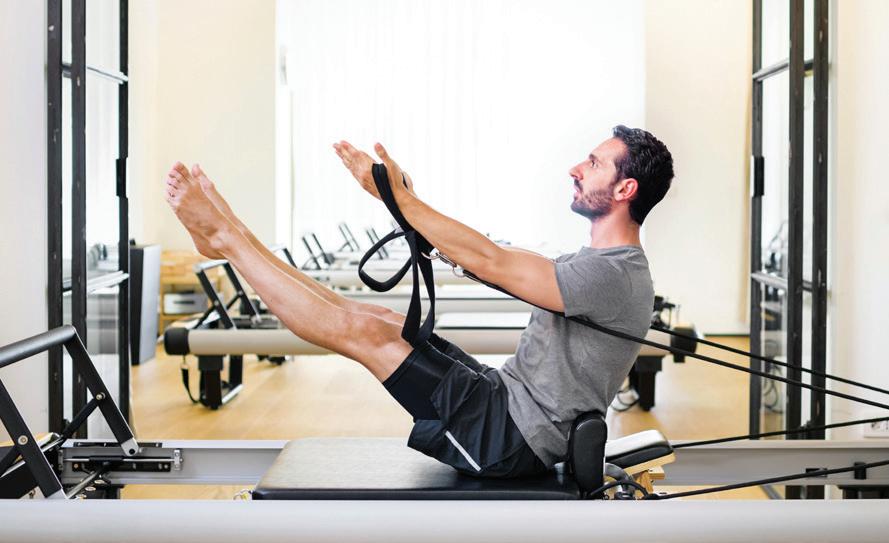
And a personal highlight, working with men makes for some of the best laughter and camaraderie throughout my week.

MLS Cold Laser | Bunions | Hammertoes | Heel Pain | Diabetes
Neuromas | Neuropathy | Foot and Ankle Pain | Fungus Toenails

Everyone who practices skin care knows it goes more than skin deep.
Protecting your skin from dryness, cracking and premature aging protects the rest of your body from infection and inflammation. There is a reason the state of your skin is also seen as an indicator of the state of your health.
It also rejuvenates your mental health as you focus on the process of caring for yourself, carving out time to shield your outermost layer from the toxins of the outside world. Concentrating on this positive self-care process calms your mind and puts you in touch with how the rest of your body is feeling, making it easier to find potential trouble spots.
Skin care offers many more emotional health benefits::
Putting in the time to cleanse your skin and
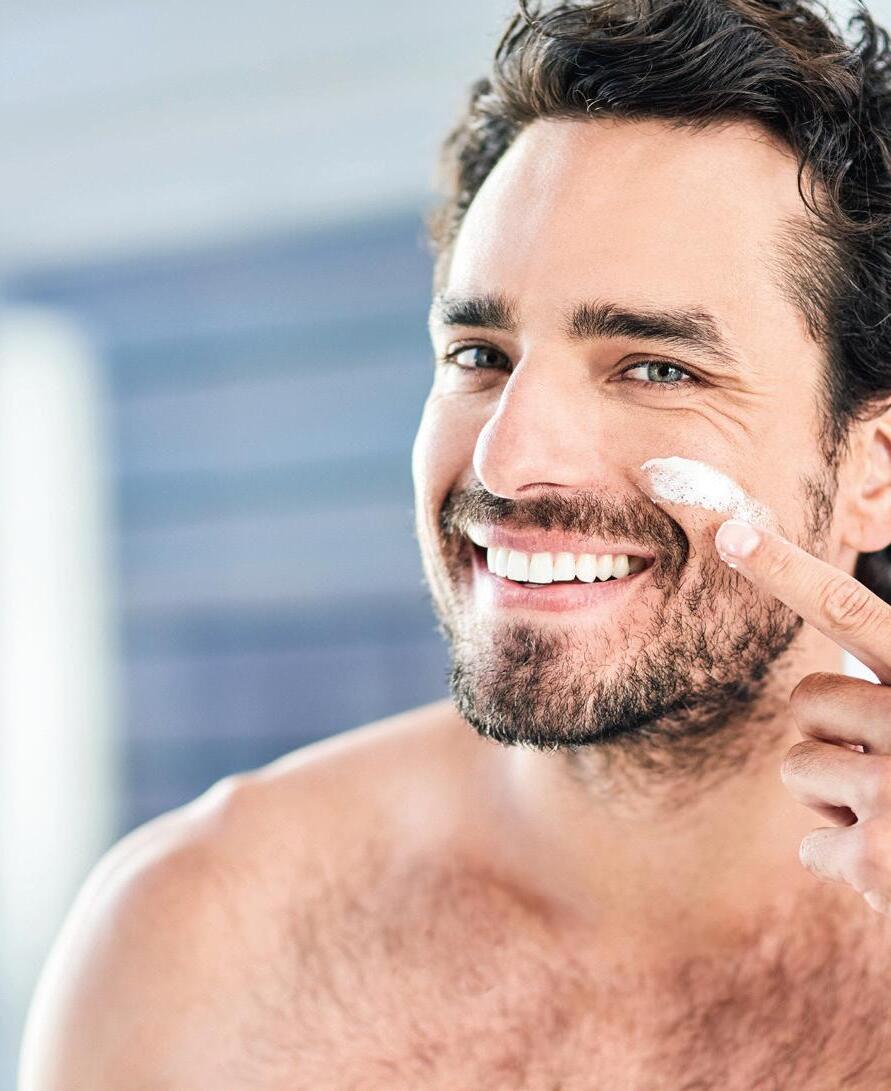
layer toner, serum, spot treatments, moisturizer, sunscreen and other balms on it sends a message to you that you’re worth this effort and deserve the same consideration from everyone else in your life.
Bookending the beginning and end of your day with a soothing beauty ritual gives structure to your day and lets you come full circle, spending the start and finish of your day in the same good place, physically and mentally.
Massaging products into your skin has a meditative aspect, turning your mind inward and tuning out from overstimulation. If you’re caught in a spiral of worry or anxiety, pampering your skin is one of the easiest ways to bring yourself under control.
Setting and reaching goals as attainable as washing your face twice a day and applying some SPF every time you leave the house sets you up for even more success down the road. It builds the tenacity you’ll need to train for that half-marathon or earn that degree!
When you invest what can add up to be hundreds of dollars for putting the best skin care products on your face, you won’t want to screw everything up by picking at your skin or rubbing it, or letting acidic tears upset the delicate balance you’ve created!



by Dr. Rob Benhuri, D. Ac, Synergy Wellness Center
Although acupuncture has been around for centuries, we are only just beginning to scratch the surface in terms of understanding how it works scientifically.
In the past, it was accepted that acupuncture worked by restoring a state of balance to the body and mind. However, we now live in an age in which many people would prefer to understand exactly what is going on inside their body when they go for a treatment.
Fortunately, research into how acupuncture works has given us many insights into this mysterious system of medicine. While we still do not understand everything, we are far closer than we were just a few decades ago.
One popular theory behind how acupuncture works is known as the “gate control theory” of pain. This theory describes how pain signals can be prevented from reaching the brain by opening and closing certain

“gates” throughout the central nervous system.
The idea is that acupuncture can be used to stimulate inhibitory nerve cells, much in the same way as you would if you rubbed your elbow after banging it, for example.
Acupuncture also is known to trigger the release of endorphins. These chemicals are natural painkillers produced by our body, and they work in a very similar way to morphine.
As well as relieving pain, endorphins bring about a sense of calm and general well-being. This is the most likely reason why some people report feeling “on a high” after an acupuncture session!
Purinergic signalling is a term used to describe how the molecule adenosine triphosphate is converted into adenosine outside of cells.
This molecule exists inside cells as an important source of energy. When cells are damaged, for example, if you cut yourself with a knife or are pricked with a needle, adenosine triphosphate leaks out. When it escapes outside of cells, a chemical reaction converts it into another molecule called adenosine.
Adenosine signals to the nervous and immune systems that an injury has occurred. This triggers the healing process, kicks the immune system into action, and dulls any pain in the area.
Of course, this list is not complete. But, these varied effects go some way in explaining why acupuncture can be used to treat so many different health conditions. Research is ongoing and there is no doubt we still have a lot to learn.





by Lauri Mackey, CHHC, Positivity Podcaster & Speaker for Women; Authoress at Lauri’s Lemonade Stand
The No. 1 question
I get asked as a vegan is, “Where do you get your protein?”
And honestly, I totally get it. In America we have been obsessed with getting enough protein since the 1970s, so basically the entirety of my life!
In our country alone, 97% of Americans are getting plenty of protein — thank goodness! Truly, the only way to not get enough protein is if you are not getting enough calories or basically starving.
The requirements are roughly 42 grams of protein per day for adults, and all of us — meat-eaters to vegetarians and vegans — roughly get about 70 grams per day. Go us!
On the flip side, as a nation we do not get enough dietary fiber and get this, the same percentage (97% to be exact) are lacking in their fiber intake. So, the question should not be
“Where do you get your protein?” but “Where do you get your fiber?”
The requirement is roughly 31 grams of fiber per day, and most of us are averaging half that. Fiber is only found in plants and not in meat, dairy, eggs or junk food.
Take it easy though, if you are part of the 97% not getting enough fiber, you need to ease into it at about 5 more grams/day for a week before adding more.
The good news? Fiber helps fight against the risk of diabetes, cardiovascular disease, obesity, high cholesterol, high blood pressure and high glucose or sugar levels in your blood.
Bottom line? If you’re getting enough calories in your diet you’re getting plenty of protein. Try tracking your fiber over 3 to 5 days and see where you can become a fiber aficionado!



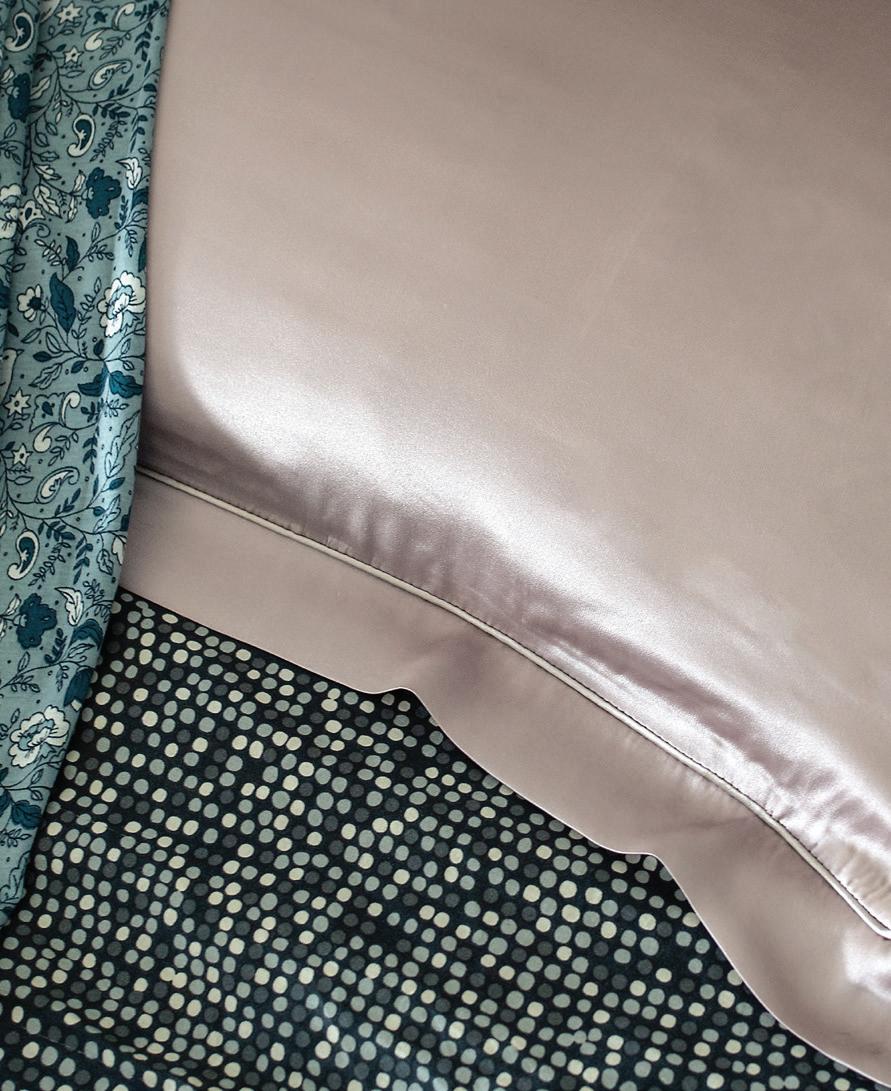
Sleeping is one of the best things you can do for yourself, but sometimes it’s not the greatest thing for your hair. All too often you wake up with a nasty case of bed head or frizz.
One of the best ways out of this jam is to slip a silk case over your pillow. They aren’t as expensive as you might think, and their luxuriously smooth and frictionless surface benefits not just your hair but your skin, too.
They’re not quite a cure-all, but they can help you gain the upper hand while beautysleeping the night away.
Linen pillowcases may seem completely smooth, but their texture is not. They have tiny ridges and snags that can tug at your hair and create friction or sometimes even static cling. This is why you wake up with annoying frizz, nasty tangles and breakage that leaves you looking anything but chic and sexy
when you arise. Silk is, well, silky smooth, and creates none of this resistance to your lustrous locks.
Silk cases also give your skin smooth sailing for the eight hours you spend asleep, without the deep wrinkling and tugging that can create large, temporary creases in your skin and contribute to fine lines and wrinkles over time.
It turns out those who can feel their expensive skin and hair care products soaking into their cotton pillowcases are onto something! Silk is much less absorbent than linen and is much better at leaving your
serums and moisturizers right where you want them, replenishing your strands and skin cells.
Silk pillowcases are available in varying levels of quality and thickness, which do affect the beauty benefits you will reap from them. But you don’t have to shell out for the top-ofthe-line silk to get results.
Silk’s equivalent to thread count is “momme,” abbreviated as mm. This is a Japanese measurement of weight, and a higher momme indicates a heavier, more densely woven fabric. Pillowcases rated anywhere from 13 to 19 mm are more affordable and have all the qualities you’re looking for in a silk pillowcase, while the highest-end are rated 22 to 25 mm and will have the smoothest texture and the least absorbency.



Really don’t want to get out of bed most mornings? Try kickstarting your day by finding an energizing routine that rachets up your brain and body for a productive day whether you’re going to be on the clock, at the gym, with the family or your own thoughts.
Thing is, there’s isn’t a one-size regimen to get everyone going at their optimal level of physical and emotional energy. Everyone needs to find out which steps to do in what order to make them rise and truly shine.
There are core elements that should be incorporated in some form — a consistent waking hour, meditation, movement, nourishment, preparation for the day ahead. Here are some actions you may want to incorporate into your daily launch:
* Open your curtains and embrace the sunlight.
* Take as cold a shower as you can stand.
* Brush your teeth.
* Complete your morning skincare routine.
* Take care of and enjoy your pets.
* Try box breathing exercises (slow, deep breathing).
* Follow a guided meditation.
* Write in your journal or record a short video log.
* Appreciate a person or object in your home.
* Listen to your favorite music.
* Drink a full glass of water.
* Drink unsweetened tea or coffee.
* Have a go-to list of easy, healthy breakfast ideas.
* Keep fresh ingredients like berries, citrus, yogurt, nuts and seeds always on hand.
* Look up recipes to try later in the day or the next morning.
* Do five push-ups.
* Try 10 to 15 minutes of yoga — better still if you can come up with your own set of poses.
* Get your strength training out of the way.
* Sneak 20 to 30 minutes of cardio in before breakfast.
* Walk, run or bike to work.
While setting up your morning routine, be sure to not pack things in so tightly that you’re immediately stressed — leave at least five minutes of “buffer” time between activities. And once you find the order that works for you, stick with it. One of the points of having a schedule is to eliminate as much decisionmaking as possible so you can ease into the day.
Caffeine is the world’s most-used drug in everything from chocolate to pain meds and a routine step on most Americans’ path to rising and shining.
The jolts of energy it provides benefit us, both on its own and as a component of healthy drinks. Yet many people find themselves in a tugof-war between alertness and fatigue throughout the day fueled by coffee or energy drinks, leading to afternoon crashes and struggles to sleep at night.
There are a few reasons for this and a few ways to avoid the ups and downs of this merry-go-round:
Most natural sources of caffeine are found in the beans and leaves brewed into coffee or tea. Coffee has a higher caffeine level, and there’s variation within different brands and types.
The standard figure used is around 95 milligrams of caffeine per 8-ounce cup of regular brewed coffee, but it can range
from 65 mg to nearly 200 mg, or more in some cases. Brands with names containing words like “insomnia” generally are trying to tell you something about what to expect.
“Decaf” coffee usually does have a little “caf” — about 3 to 15 mg per 8 ounces — but some brands are considerably higher, so check the label if you’re trying to stay below a certain level.
Unblended black tea can rival regular coffees, with its caffeine levels anywhere between 40 and 120 mg per 8-ounce cup, while green tea has lower levels around 25 mg. Most herbal teas have little to none of it.
Dark chocolate contains smaller amounts of caffeine per ounce, but it can add up when you have a lot in one sitting, with one popular brand’s 86% cacao product containing roughly
130 mg per 3.17-ounce bar. Coffee and tea (with nothing added) are caloriefree. They contain many antioxidants that calm inflammation and can lower your risk of Type 2 diabetes, heart disease, dementia and some forms of cancer. Research finds some of these benefits are tied to caffeinated rather than “decaf” varieties of these drinks.
Dark chocolate also has many of the same nutrients, but also contains higher calories and some added sugar. Caffeine is also added to artificially produced sodas and energy drinks, which have little to no nutritional value.
How much caffeine is too much? The answer can vary widely.
Most people can consume up to 400

milligrams per day (about four 8-ounce cups of coffee) without feeling jittery, anxious or experience racing heartbeats as a result, but some can feel these effects after drinking much smaller amounts. Known as “hypersensitivity” to caffeine, this can be influenced by genetics, age and other factors. Those falling in this category should avoid or greatly restrict their use of caffeine. Everyone else should be aware of how much they consume, from all sources.
It’s best to stop by the early afternoon to ensure you get an adequate amount of sleep each night as well as adopt routines that encourage better slumber, such as waking up and going to bed at the same time every day and keeping the bedroom dark, quiet and cool.

by Ken Lain, The Mountain Gardener, Watters Garden Center
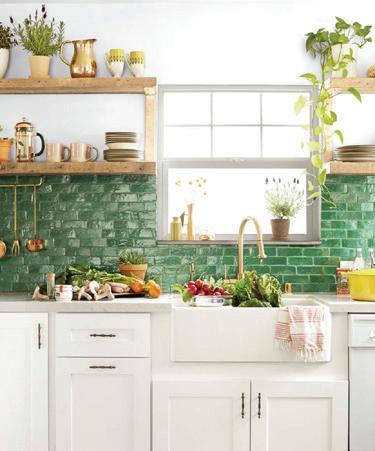
When it comes to the kitchen, growing plants indoors has some practical applications. The right plants purify inside air, add splashes of color and provide fresh produce.
These nine houseplants are the ideal place to start in your kitchen:
African Violets, Saintpaulia, are the perfect houseplant substitute for those who enjoy cut flowers in the kitchen! Happy African Violets flower nearly year-round and come in a multitude of artistic colors. These compact houseplants want bright, indirect light and frequent watering.
Herbs growing in the kitchen may seem like an obvious choice, but cooking with homegrown herbs is the best. They need a bright kitchen with lots of windows or bright lights for lush, full herbs to thrive. Easy herbs to grow indoors include cilantro, chives, mint, oregano, parsley and thyme.
Philodendron look great in hanging baskets. Similar to pothos, they are considered relatively drought-tolerant and
can grow in any room. A foliage plant that comes in a wide variety of shapes and colors. Its most notable trait is the ability to purify indoor air.
Pothos, Epipremnum aureum, are indeed some of the easiest houseplants to care for. They adapt well to any condition and are considered droughttolerant. Perfect for smaller kitchens with limited counter space, this plant is ideal as a hanging plant.
Rubber tree, Ficus elastica, is a significant statement plant adaptable to any room with a window in it. They are easily controlled with mild pruning. Choose from several different varieties to match your tree to the design of your kitchen.
Snake plant , Sansevieria, is also known as Mother-in-Laws Tongues. They come in various colors, shapes and sizes and can grow in any room with a window.
Spider plant , Chlorophytum, are among the easiest houseplants to care for. They make excellent hanging plants, and when happy flower and send offshoots prolifically.
They prefer and bright room without exposure to direct sunlight.
Succulents, when you have a sunny kitchen windowsill, are a fabulous option. “Succulent” describes plants that store water in various parts of their leaves or stems. This makes them superefficient water users with low maintenance needs.
Varieties include aloe vera, cactus, crassula, echeveria, haworthia, kalanchoe and sedums.
ZZ Plant , Zamioculcas zamiifolia, is also known as the Zanzibar Gem. As hardy as any cactus that thrives in low-to-verybright conditions, these slow-growing plants are started by rhizomes and hardly need to be watered.

New problems with words or speaking is a warning sign of Alzheimer’s. Learn more at alz.org/10signs KNOW WHERE ALZHEIMER’S AND ALL DEMENTIA HIDE.
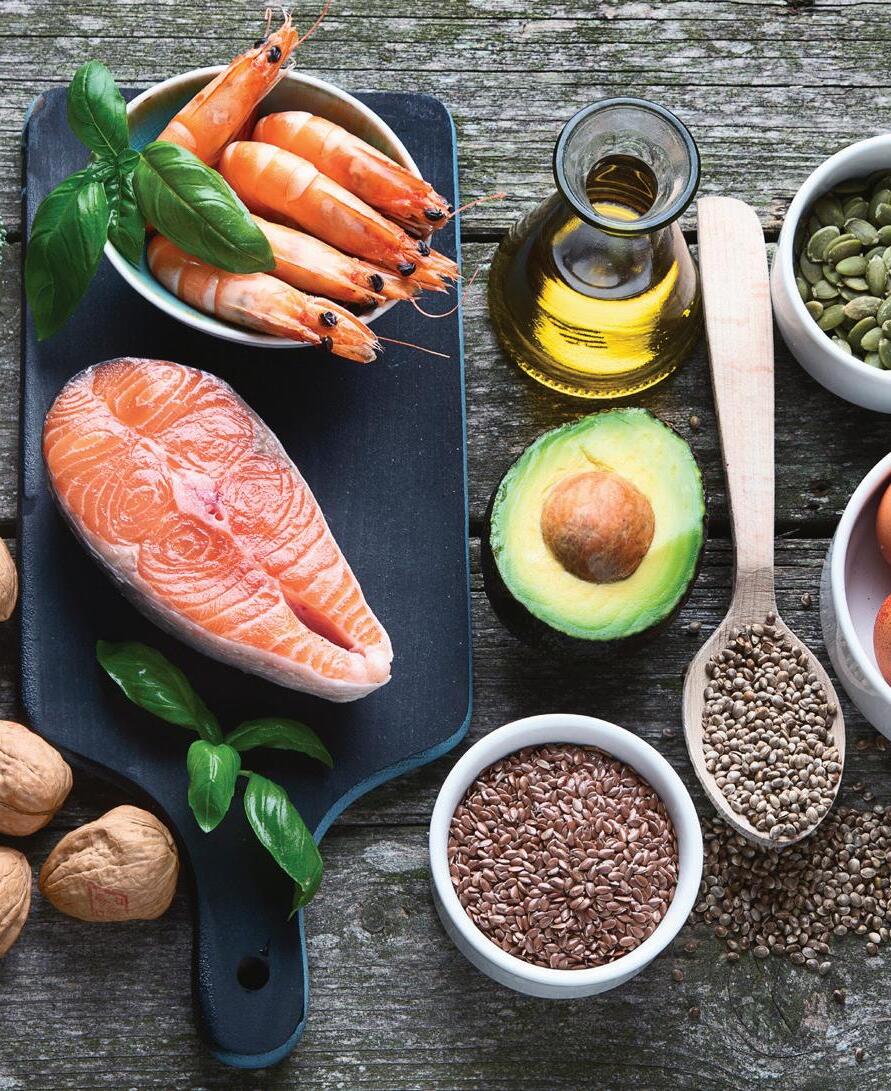
Getting
the essential omega-3 fatty acids into your diet, like most things related to food and health, isn’t quite as simple as it sounds.
The
plural “acids” in the name is a big clue as to why. There are three main substances that make up this category of chemicals necessary for brain and heart health:
DHA (DOCOSAHEXAENOIC ACID)
Found in coldwater fish, grass-fed meats, dairy and enriched eggs, this acid supports brain functions including cognition, memory and mood. It’s also beneficial to your heart and eyes and a major building block for your skin.
EPA
(EICOSAPENTAENOIC ACID)
Found almost exclusively in cold-water fish, EPA reduces inflammation throughout the body and can also help to elevate mood for those with depression.
ALA
(ALPHA-LINOLEIC ACID)
Primarily found in chia
seeds, flaxseeds and nuts, ALA must be converted into EPA or DHA for most uses in the body, but humans can only produce a limited amount this way. The rest of the ALA is used as energy or fat, and its presence may reduce heart disease risk.
Most health experts recommend people eat at least two servings of fish per week for their omega-3 content and other health benefits, or alternatively take fish oil supplements, though consuming them that way may not be as effective at improving health as through food. Federal health experts have not established a recommended daily intake for omega 3 fatty
acids except for ALA at about 1.6 grams per day for most adults. Vegans, vegetarians and those who avoid fish or fish oil supplements due to mercury contamination, allergies or other reasons often struggle to find adequate sources of omega-3 fatty acids. But algal (algae) oil, produced from the microalgae that fish get their omega-3s from, has become a popular alternative containing both DHA and EPA. Found in capsule form, it can be taken as a supplement and has a neutral taste compared to fish oil. It’s also available as a culinary oil with a high smoke point that’s low in saturated fat and high in healthy monounsaturated fats.
We hear a lot about “heart-healthy” diets — undoubtedly due to the prevalence of heart disease in our population. But feeding our brains a healthy diet also matters.
More than 10% of Americans older than 65 have been diagnosed with Alzheimer’s disease, and millions more of all ages experience declines in cognitive function. It’s imperative to preserve brain function and memory for the quality of your life and the lives of those around you.
Fortunately, there’s a lot of overlap between brainhealthy and heart-healthy foods.
Here are a few of the best foods to add to or boost in your diet that support your neurological needs, along with your cardiologic ones.
This tops most brain food lists because of the omega-3 fatty acids found in species like salmon, mackerel and sardines. Omega-3s build nerve and brain cells and are crucial for learning and memory.
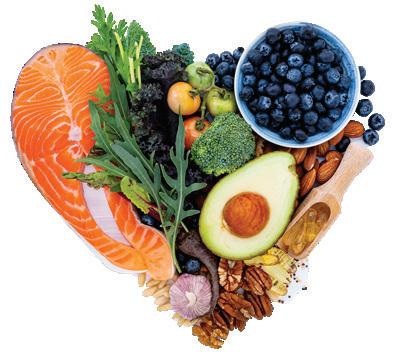
They may also protect your brain against some forms of cognitive decline. Fish is the best provider of these vital nutrients, but if you don’t eat or like fish, other sources include chia seeds, flaxseed and walnuts.
Kale, brussels sprouts, broccoli, Swiss chard, spinach and other examples bring generous helpings of vitamin E and K to the table along with
lutein, beta carotene and folate, all of which have been shown to improve cognitive performance in animal and/or human studies. These are also good sources of ALA, one of the three types of omega-3 acids your brain and heart need for various activities.
The darker the berry, the better it is for your brain. Flavonoids are the compounds that give these berries and many other plant foods their color, and research also ties them to improved memory through reducing inflammation and damage by free radicals. Blueberries and blackberries have the highest concentration of these, but all berries contain high levels of them, as do citrus, broccoli and tea.
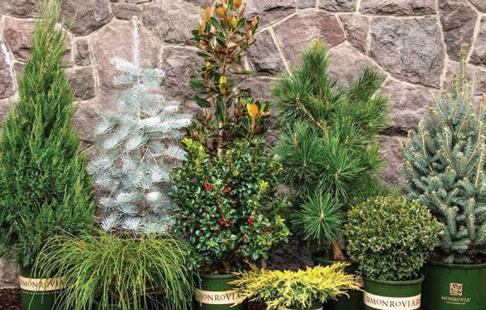
Watters collected the top evergreens that look their best in winter. Plant now for a better looking landscape no matter the cold. You are going to love your backyard again.

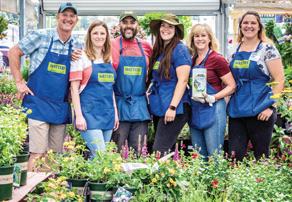
FAMILY OWNED SINCE 1962

* Create a MoodBoosting Playlist
* Wear an Outfit That Makes You Feel Awesome
* Do a Guided Meditation for Stress Relief or Abundance
* Step Outside, Breathe the Fresh Air, Notice Nature
* Track Your Water Intake
* Create Time To Be off of Social Media
* Do a 10-minute Pick up of your Space
* Wash your Bedsheets and Make the Bed
* Choose or Create a New Affirmation and Post it in 3 Places
* Connect With a Friend or Family Member
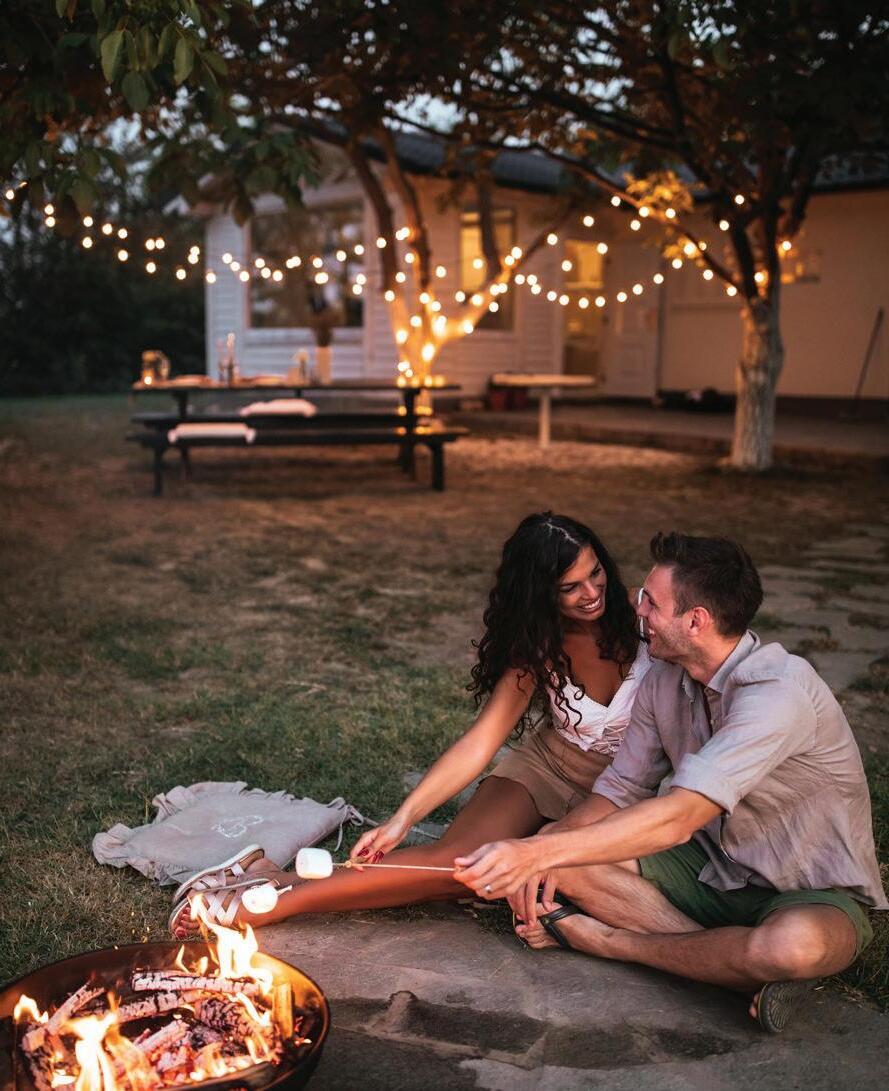
* Brain Dump Everything for the Holidays
* Bow Out of Obligations That Don’t Bring You Joy
* Plan to Have your Favorite Meal in the Upcoming Week
* Don’t Spend the Weekend in your Pajamas
* Do a Sunday Prep
* Write Down 10+ Things You’re Grateful For
* Look up Financial SelfCare and Decide on One Tip to Implement
* Evaluate a Thought You Have and Decide if it is Helping You
* Imagine your Perfect Day
* Figure Out How to do or Achieve Something You Want
* Create a Vision Board
* Make your Bed
* Unsubscribe from Emails
* Plan For or Create a Holiday Tradition-Reflect on Why You Do It
* Find a Reason to Praise Someone
* Make a List of 50-100 Things That Make You Happy
* Take a Luxurious Bath or Shower
* Take a 5-10 Minute Walk Outside
* Find at Least One Indoor Anxiety-Relief Activity for Winter
* Brainstorm Ways to Keep Up Your New Self-Care Habits




by Elisa Olivier-Nielsen, MA, Registered Dietitian Nutritionist, EON Consulting
Cardiovascular disease remains the No.1 cause of death among men — estimated 1 in every 4 in the U.S. Heart disease is a broad term used to describe conditions negatively affecting the function or structure of the heart, blood vessels or the flow of oxygen or nutrients to the heart. Generally, the top five diseases are coronary artery disease (artery blockage), heart attack, stroke, high blood pressure and heart failure.
In the United States, someone has a heart attack every 40 seconds with about 1 in 5 heart attacks being silent. A silent heart attack often is associated with no symptoms, minimal symptoms or even unrecognized symptoms (i.e., indigestion, flu symptoms, excessive and prolonged fatigue) causing the event to go untreated, resulting in permanent damage to the affected area of the heart.
Depending on the type of heart disease, symptoms may vary from digestive issues (nausea, vomiting, heartburn), to shortness of breath, to pain (back, jaw, chest), to cold sweats, to numbness and weakness in your arms and legs, and even paleness, dizziness and fainting episodes.
Beyond a birth defect, heart infection, enlarged heart or a defective heart valve, these are risk factors that increase the likelihood of developing heart disease:
* High blood pressure
* High blood cholesterol
* Diabetes
* Overweight and obesity
* Unhealthy diet
* Physical inactivity
* Excessive alcohol use
* Stress
* Family history of heart disease
A more recent correlation now has been identified between COVID-19 and heart disease. Not only can COVID-19 cause cardiac complications, but preexisting heart disease risk factors also can potentially increase the risk of more severe forms of COVID-19.
There are steps to take to prevent the onset of heart disease or improve your current heart health:
* Avoid alcohol
* Quit smoking

* Manage stress
* Get at least seven hours of good quality sleep nightly
* Engage in regular physical activity
* Eat a healthy diet rich in fruits, vegetables, whole grains, low-fat dairy products and lean protein rich-foods
* Stay well hydrated with plenty of water
* Avoid excessive intake of caffeinated beverages
* Maintain a healthy weight
* Enjoy the outdoors; get daily sun exposure for at least 15 minutes (preferably before 10 a.m. and after 4 p.m.)
* Ditch your salt shaker, embrace more herbs and spices
* Prevent or treat your other health conditions, especially high blood pressure, high blood lipids, and diabetes.
Stay tuned; next month I will address heart-friendly tips for the holidays!


The paper content of this publication has been certifiably reforested via PrintReleaf – the world’s first platform to measure paper consumption and automate reforestation across a global network of reforestation projects. LEARN MORE AT PRINTRELEAF.COM
16 oz Ground beef
1 cup Tricolor quinoa
2 tbs Coconut oil
4 Baby Bella mushrooms
2 Red tomatoes ½ Red Onion
1 sm Sweet pepper (Orange)
2 tsp Black pepper
2 tsp Garlic powder
1 tbs White vinegar
1 tbs Liquid aminos
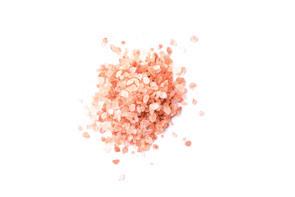
1 cup Water Pink salt, to taste
by Bailey Zygutis, Nutritionist, Vitruvian Fitness
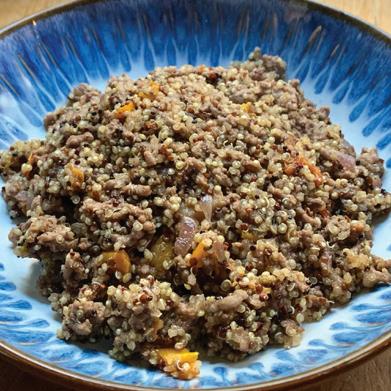
This savory dish packed with high quality and muscle-building protein has a long history.
In the 10th century, Persian scholar Avicenna, who wrote about medical sciences, seems to have recorded the first recipe for pilaf. He is referred to as the “father” of pilaf.
1In large saucepan, melt coconut oil.
2Dice onion and add to pan. Chop peppers; gut and dice tomatoes; and add to pan with sliced mushrooms, pink salt
3Let veggies soften (8-10 minutes) while stirring occasionally, drizzling in liquid aminos and white vinegar to deglaze pan.
Serves 3 | Prep Time 45 mins
4Stir in quinoa then add ground beef with garlic powder and pepper. Brown beef, then add water
5Let it all simmer 1215 minutes, or until all water is absorbed.
Proteins are the building blocks of muscles, skin, organs and hormones. A diet high in protein helps improves recovery, aids in growth and is great for both men and women’s health!
Try this hearty, healthy keto dish on a big family or party night or freeze leftovers for up to three months. It’s the low-carb taco seasoning without any of the flour, thickeners or straight-up sugar that can be found in commercial spice mixes. You can also customize it by dialing one ingredient down or out (such as the chili powder or cayenne) or adding some chopped jalapeno to really ramp things up. It does help to know your audience on this one.
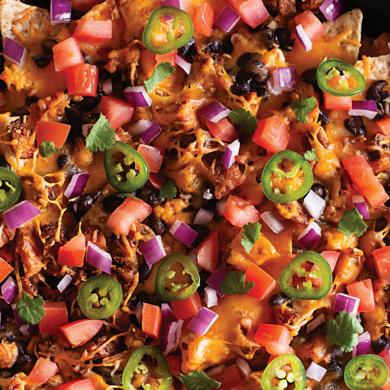
TACO SEASONING: (makes about 1 cup)
4 tbs Chili powder
2 tbs Cumin
1 tbs Dried minced onion
1 tbs Paprika
1 tbs Garlic powder
1 tbs Smoked paprika
1 tbs Chipotle powder
2 tsp Salt
1 tsp Ground black pepper
1 tsp Mexican oregano
1/4 tsp Cayenne
CASSEROLE:
2 lbs Lean ground beef (can substitute ground turkey, chicken or pork)
4 tbs Taco seasoning
1 14-oz can Tomatoes with chiles
2 cups Monterey Jack cheese, shredded
4 oz Cream cheese
1 cup Cheddar cheese, shredded
1 cup Low-sodium beef broth
1/2 cup Cilantro, chopped
1 Green Bell pepper, diced
1 Lime, zest and juice
1 tsp Salt
1
Brown meat in a large skillet over medium heat until cooked through. Drain off fat/liquid
2Add taco seasoning to skillet; mix well over medium heat
3Add cream cheese, beef broth, diced green bell pepper, tomatoes and salt to the beef. Stir well over medium heat until the cream cheese has
dissolved into the sauce.
4Add cilantro, lime juice and lime zest. Combine and transfer into a large casserole dish.
5Top with two cups of shredded Monterey Jack cheese and finish with the cheddar
6Bake at 375º for about 10 to 15 minutes or until it is hot and bubbly and the cheese is lightly brown.
Serves 10 | Prep Time 30-35 mins
RANCH SAUCE:
2/3 cup Paleo mayo, homemade or purchased
1 tbs Coconut or almond milk

2 tsp Lemon juice
2 tsp Nutritional yeast
1/2 tsp Garlic powder
1/2 tsp Onion powder
2 tsp Chives, dried
1/8-1/4 tsp Sea salt to taste
BURGER BOWLS:
8 slices Nitrate-free bacon
1-2 tbs Bacon fat or other cooking fat
1 med Onion, diced
1 cup White mushrooms, sliced
1 lb Ground beef grass-fed, 85% lean
1/4 tsp Chipotle powder
1/4 tsp Garlic powder
1 cup Cherry tomatoes
Dill pickles with no added sugar, sliced
Sea salt
Red onion, thinly sliced
Butter lettuce or greens of choice
1Whisk together all Ranch sauce ingredients in a small bowl and set aside or refrigerate until ready to use.
2In a large skillet, cook bacon until crisp, remove to drain and cool. Reserve
1-2 tablespoons of bacon fat and lower heat to medium
3Add the onions to the hot skillet and cook until translucent, then add mushrooms and continue to cook until softened. Push
Serves 6 | Prep Time 10-15 mins
veggies to side and add the beef and sprinkle everything with sea salt, chipotle powder and garlic powder.
4Stir beef to brown, and mix in with mushrooms and onions. Once beef is browned, remove from heat
5To assemble the bowls, layer greens with the beef mixture, tomatoes, pickles, red onions and bacon
6Top with the ranch sauce and serve right away.
These seriously have everything that really matters in a burger and that doesn’t include the bread!
There’s the beef, of course, plus tomatoes, pickles, onions, mushrooms, lettuce and all that bacon to complete this paleoand keto-friendly dish.
Nutritional yeast produces the “cheese” flavor in the sauce, but if you’re not strictly paleo you can use real cheese.
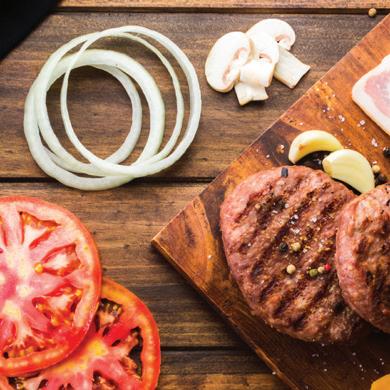
by Lauri Mackey, CHHC, Positivity
Podcaster &
Speaker
for Women, Authoress at Lauri's Lemonade Stand
This chili is the ultimate in comfort food on a chilly night with the added bonus of having plenty of fiber and flavor.
1 lg Onion, chopped
3 cloves Garlic, pressed
1 can Green chilies, chopped
1 lg Sweet potato, peeled and cubed
2 cans Fire-roasted tomatoes, diced
2 cans Black beans, drained and rinsed
2 cans Pinto beans, drained and rinsed
½ pkg Trader Joe’s Soyrizo
1 box Vegan vegetable broth
2 tbs Chili powder
1 tbs Cumin, ground
1 tsp Paprika, ground
1/2 tsp Cinnamon, ground
1In a crockpot on low, simply add all the above ingredients and let simmer for 6-8 hours. Check every couple of hours to see if more liquid is needed. 2Serve with sliced green onions. For extra spice feel free to add fresh jalapeño slices and hot sauce.
Serves 4 | Prep Time 35-45 mins

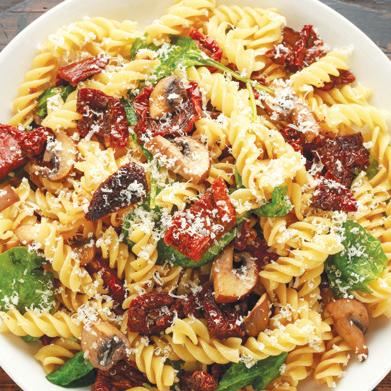
8 oz Gluten-free pasta
2 tbs Butter
3 cloves Garlic, minced
1 Shallot, diced
4 Shitake mushrooms, sliced thin
2 tbs Sun-dried tomatoes, roughly chopped
¼ cup Broth
¾ cup Milk
2 cups Baby spinach, roughly chopped, large stems removed
¼ cup Parsley, chopped (plus more for serving)
1 tbs Thyme, freshly chopped
Fresh basil
Salt & pepper, to taste
This comforting dish plays mushrooms and sun-dried tomatoes off of the milkiness of the sauce, and the pasta absorbs the flavor of the shallots and garlic.
1
Bring a large pot of water to a boil. Salt the water and add pasta. Cook until al dente — pasta will continue to cook in the sauce
2
While the pasta is cooking, melt the butter in a pan over medium heat. Add the garlic, shallot, salt and pepper and cook for 1 minute. Add the mushrooms and sun-dried tomatoes and cook for 3-5 minutes, or until the mushrooms have browned slightly
Serves 4 | Prep Time 10-15 mins
3Add the broth and milk and bring to a boil. Lower heat and simmer for 3 minutes.
4Add the spinach, parsley and pasta to the sauce. Toss together with tongs for 2-3 minutes, or until the spinach is wilted, the sauce has thickened and the pasta has finished cooking
5Taste and add more salt and pepper as needed
6Serve immediately with more fresh parsley, thyme and basil.
Stuffed pasta shells are a favorite family dish for pretty much any family you ask! There’s always something magical about incorporating that transcendent tomato-cheese-herb fusion within a pasta pocket that brings a new level of comfort to this food.
These are so easy to make with your favorite jar of highquality pasta sauce, and a great showcase if you prefer to make yours from scratch.


1 lb Ground chicken
1 tbs Italian seasoning
2 tsp Fennel seeds
¾ tsp Salt
2 cloves Garlic, minced
15 oz Ricotta cheese
16 oz Mozzarella, grated
½ cup Parmesan, grated
6 leaves Basil, julienned
2 cups Spinach, roughly chopped
1 12-oz box Jumbo pasta shells, cooked al dente
3 cups Pasta sauce, homemade or store bought
1
Heat oven to 350 º
2
Cook pasta shells — it helps to boil them not quite as long as the package instructions say, so they can finish cooking in the oven
3Brown chicken in a large skillet on high heat along with garlic, Italian seasoning, fennel and salt until liquid cooks off.
4
In a large bowl mix together cooked chicken, ricotta, 2½ cups mozzarella,
parmesan, basil and spinach
5
Stuff each shell with 2 heaping tablespoons of the chicken/cheese mixture, using a spoon
6
Pour a little of the pasta sauce in the bottom of a 9x13 baking dish. Place the shells meat side up on the sauce, then cover with remaining sauce and remaining mozzarella cheese.
7Bake until cheese is bubbly, about 25 minutes.
Serves 8 | Prep Time 35-45 mins
Joseph Gingo, FNP
Joseph Machuzak, DO
Josephine Kim, MD
Judah Pifer, MD
Karissa Walton, NMD
Katie Compuzano, MD
Katie Compuzano, MD
Kaveh Karandish, MD
Luis Fernandez, MD
Maddie Assar, MD
Mark Strasser, MD
Mary Massieu, DNP, FNP-BC
Maryam Emami, MD
Melinda Martin, MD
Michael Stanik, MD
Mike Frost, PA, PCP
Mohammad Golparian, MD
Nathaniel Welly, PA-C
Optima Medical 901 AZ-89 | Chino Valley, AZ 86323 www.optimamedicalaz.com | 928-404-1488
Thumb Butte Medical Center 3124 Willow Creek Road | Prescott, AZ 86301 www.thumbbuttemedicalcenter.com | 928-445-7085
Prescott Outpatient Surgical Center 1090 Commerce Drive | Prescott, AZ 86305 www.posc-az.com | 928-583-1000
Prescott Outpatient Surgical Center 3655 Crossings Drive | Prescott, AZ 86305 www.posc-az.com | 928-778-9250
The Mobile Health Doc 140 N. Granite St. | Prescott, AZ 86301 www.themobilehealthdoc.com | 928-298-3349
Prescott Women’s Clinic 919 12th Place, Suite 1 | Prescott, AZ 86305 www.prescottwomensclinic.com | 928-778-4300
Prescott Outpatient Surgical Center 919 12th Place, Suite 1 | Prescott, AZ 86305 www.posc-az.com | 928-778-4300
Thumb Butte Medical Center 3124 Willow Creek Road | Prescott, AZ 86301 www.thumbbuttemedicalcenter.com | 928-445-7085
Prescott Outpatient Surgical Center 1005 Division St. | Prescott, AZ 86301 www.posc-az.com | 928-776-8428
Paul C. Pflueger, MD
Family Medicine
Dermatology
Gynecology
Orthopaedic Specialist
Integrative Pain Medicine
Gynecology
Internal & Cosmetic Medicine
Gynecology
Thumb Butte Medical Center 3124 Willow Creek Road | Prescott, AZ 86301 www.thumbbuttemedicalcenter.com | 928-445-7085 Radiology
Prescott Outpatient Surgical Center 1125 W. Iron Springs Road | Prescott, AZ 86305 www.posc-az.com | 928-778-9190
Optima Medical 12075 AZ-69 | Dewey-Humboldt, AZ 86327 www.optimamedicalaz.com | 928-772-1673
Thumb Butte Medical Center 3124 Willow Creek Road | Prescott, AZ 86301 www.thumbbuttemedicalcenter.com | 928-445-7085
Prescott Outpatient Surgical Center 907 Ainsworth Drive | Prescott, AZ 86305 www.posc-az.com | 928-777-0070
Prescott Outpatient Surgical Center 815 Ainsworth Drive | Prescott, AZ 86301 www.posc-az.com | 928-778-3838
Thumb Butte Medical Center 3124 Willow Creek Road | Prescott, AZ 86301 www.thumbbuttemedicalcenter.com | 928-445-7085
Thumb Butte Medical Center
3124 Willow Creek Road | Prescott, AZ 86301 www.thumbbuttemedicalcenter.com | 928-445-7085
Optima Medical 203 S. Candy Lane, No. 3B | Cottonwood, AZ 86326 www.optimamedicalaz.com | 928-634-9573
Prescott Outpatient Surgical Center 1223 Willow Creek Road | Prescott, AZ 86301 www.posc-az.com | 928-778-9250

Ear, Nose & Throat
Family Medicine
Family Medicine
Gynecology
Urology
Primary Care
Internal Medicine
Family Medicine
Orthopaedic Specialist
Paul Nguyen, MD
Rebecca Chatfield, NMD
Richard Bassett, MD
Richard Ohanesian, MD
Richard Ohanesian, MD
Robert J. Brownsbeger, MD
Sandy Gallo, NP
Savana Howe, Psy.D
Serj Nazarian, DPM
Seyed Mohsen Sharifi Takieh, MD
Shawn McGarvey, NP
Stephen Sirota, MD
Terry Barns, ANP
Theresa Eblin, FNP
Thomas Hirasa, MD
Tina Mickle, FNP
W. Lee Richardson, MD
Whitney James, MD
Prescott Outpatient Surgical Center 811 Ainsworth Drive, No. 101 | Prescott, AZ 86301 www.posc-az.com | 928-778-3838
The Mobile Health Doc 140 N. Granite St. | Prescott, AZ 86301 www.themobilehealthdoc.com | 928-298-3349
Prescott Outpatient Surgical Center 1223 Willow Creek Road | Prescott, AZ 86301 www.posc-az.com | 928-777-9950
Prescott Women’s Clinic 919 12th Place, Suite 1 | Prescott, AZ 86305 www.prescottwomensclinic.com | 928-778-4300
Prescott Outpatient Surgical Center 815 Ainsworth Drive | Prescott, AZ 86301 www.posc-az.com | 928-778-4300
Northern Arizona Pain Institutes 3769 Crossings Drive | Prescott, AZ 86305 www.northernarizonapaininstitutes.com | 928-458-7343
Northern Arizona Pain Institutes 3769 Crossings Drive | Prescott, AZ 86305 www.northernarizonapaininstitutes.com | 928-458-7343
Thumb Butte Medical Center
3124 Willow Creek Road | Prescott, AZ 86301 www.thumbbuttemedicalcenter.com | 928-445-7085
Thumb Butte Medical Center
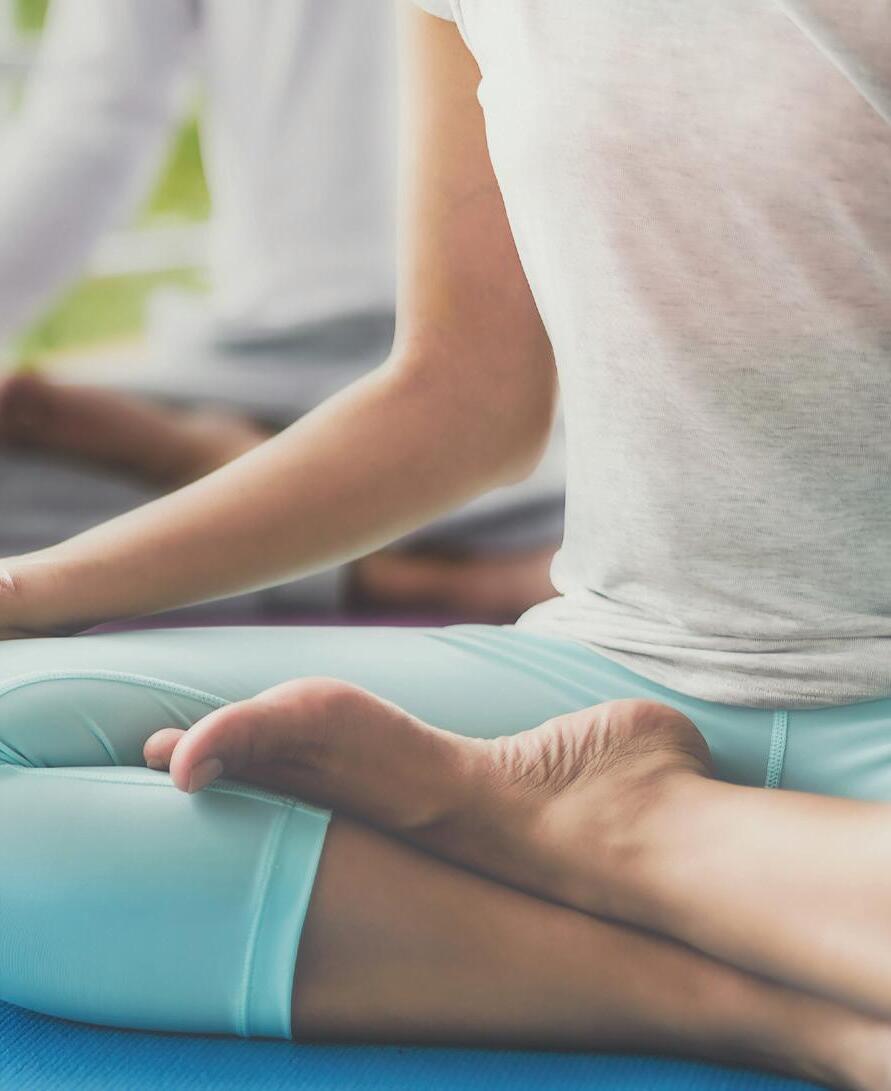
Yvette Grijala, FNP-C
Women’s Health
Orthopaedic Specialist
Gynecology
Pain Management
Pain Management
Psychology
3124 Willow Creek Road | Prescott, AZ 86301 www.thumbbuttemedicalcenter.com | 928-445-7085 Podiatry
Thumb Butte Medical Center
3124 Willow Creek Road | Prescott, AZ 86301 www.thumbbuttemedicalcenter.com | 928-445-7085 Cardiovascular Medicine
Northern Arizona Pain Institutes 3769 Crossings Drive | Prescott, AZ 86305 www.northernarizonapaininstitutes.com | 928-683-5600
Pain Management
Northern Arizona Pain Institutes 3769 Crossings Drive | Prescott, AZ 86305 www.northernarizonapaininstitutes.com | 928-458-7343 Pain Management
Thumb Butte Medical Center
87 S. State Route 89 | Chino Valley, AZ 86323 www.thumbbuttemedicalcenter.com | 928-499-8829
Optima Medical
203 S. Candy Lane, No. 3B | Cottonwood, AZ 86326 www.optimamedicalaz.com | 928-634-9573
Prescott Outpatient Surgical Center 804 Ainsworth Drive, No. 103 | Prescott, AZ 86301 www.posc-az.com | 928-771-1011
Optima Medical 901 AZ-89 | Chino Valley, AZ 86323 www.optimamedicalaz.com | 928-404-1488
Prescott Outpatient Surgical Center 1223 Willow Creek Road | Prescott, AZ 86301 www.posc-az.com | 928-778-9250
Dr. Whitney James Neuromodulatory Surgery 3191 Stillwater Drive, Suite B | Prescott, AZ 86305 www.drwhitneyjames.com | 928-212-1479
Optima Medical 901 AZ-89 | Chino Valley, AZ 86323 www.optimamedicalaz.com | 928-404-1488
Family Medicine
General Surgery
Family Medicine
Orthopaedic Specialist
Pain Management
Family Medicine

HOW DO YOU DEFINE A HEALTHY LIFESTYLE?
It involves mind, body, spirit. Eating healthy choices and including fresh vegetables and herbs.
HOW DID YOU COME TO PRACTICE IN YOUR CAREER FIELD?
As a culinary specialist, I loved creating fresh food for family, friends and guests. Now a certified herbalist, I enjoy the plant-to-plate experience. Culinary herbs
have amazing healing and wellness properties — favorites are garlic, basil, mint, cilantro and parsley
WHAT TYPE OF EXERCISE DO YOU PREFER AND WHY?
Morning walks and water aerobics; fun and invigorating as well as better for my joints.
WHAT DOES YOUR EXERCISE SCHEDULE LOOK LIKE ON A TYPICAL DAY OR WEEK?
Regardless of how many steps I take daily, averaging 13,000 to 15,000 steps, I need to do a better job of exercising for 60 minutes — minimally — three to four days per week
WHAT ARE YOUR PRACTICES TO KEEP YOURSELF/FAMILY HEALTHY?
A good night’s sleep.
Elderberry syrup for my immune system; incorporating essential oils into my daily routines; receiving a monthly massage.
HOW DO YOU DEFINE SELF-CARE; WHAT IS YOUR GO-TO WAY OF PRACTICING IT?
I love spending time with my grandsons; they are the best “care.” I also use cooking as a form of relaxation and nurturing. Eating ice cream to make you feel better can be self-care. We work with local certified dietician Katy Kimball; she supports our business with nutritional and dietary consulting with our clients and daily menus. Her biggest focus is portion size.
FAVORITE HEALTHY FOOD/SNACK?
I love smoothies. Taking what is available with fresh fruits, kale or spinach, herbs and yogurt, along
with protein powder is my go-to snack.
WHAT IS YOUR FAVORITE HEALTHY MEAL?
Baked salmon with pomegranate citrus glaze; brown rice with garlic, herbs and a big salad. Yum!
WHAT IS YOUR BIGGEST HEALTH, WELLNESS TIP?
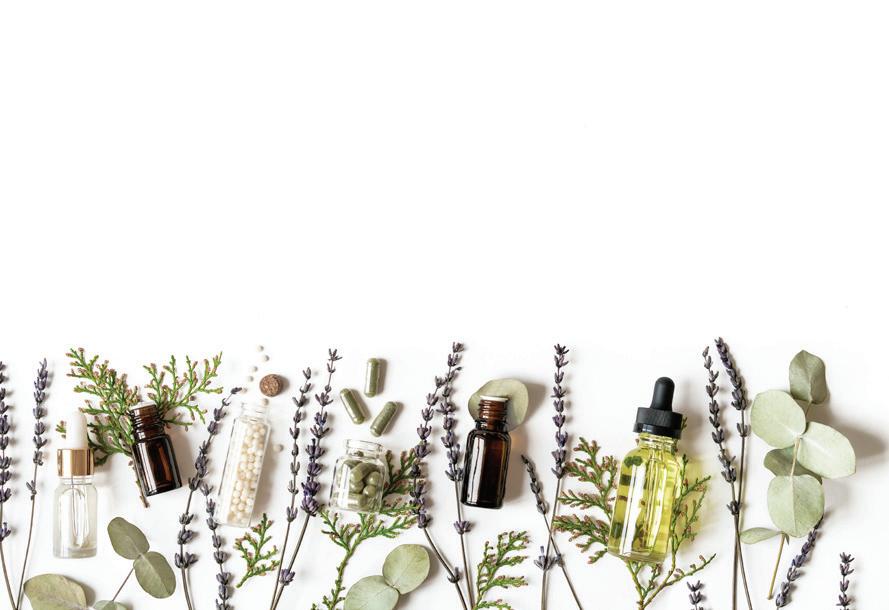
Love yourself and daily praying are my best tips. Surround yourself with folks that uplift you. Don’t forget hugging!
WHAT IS YOUR NEXT GOAL IN YOUR HEALTH, WELLNESS JOURNEY?
Creating and conducting healthy eating videos and culinary classes in 2022. I desire to share my passion for the culinary/ herbal arts with a bit of fun and enthusiasm, as well as the ease of cooking.