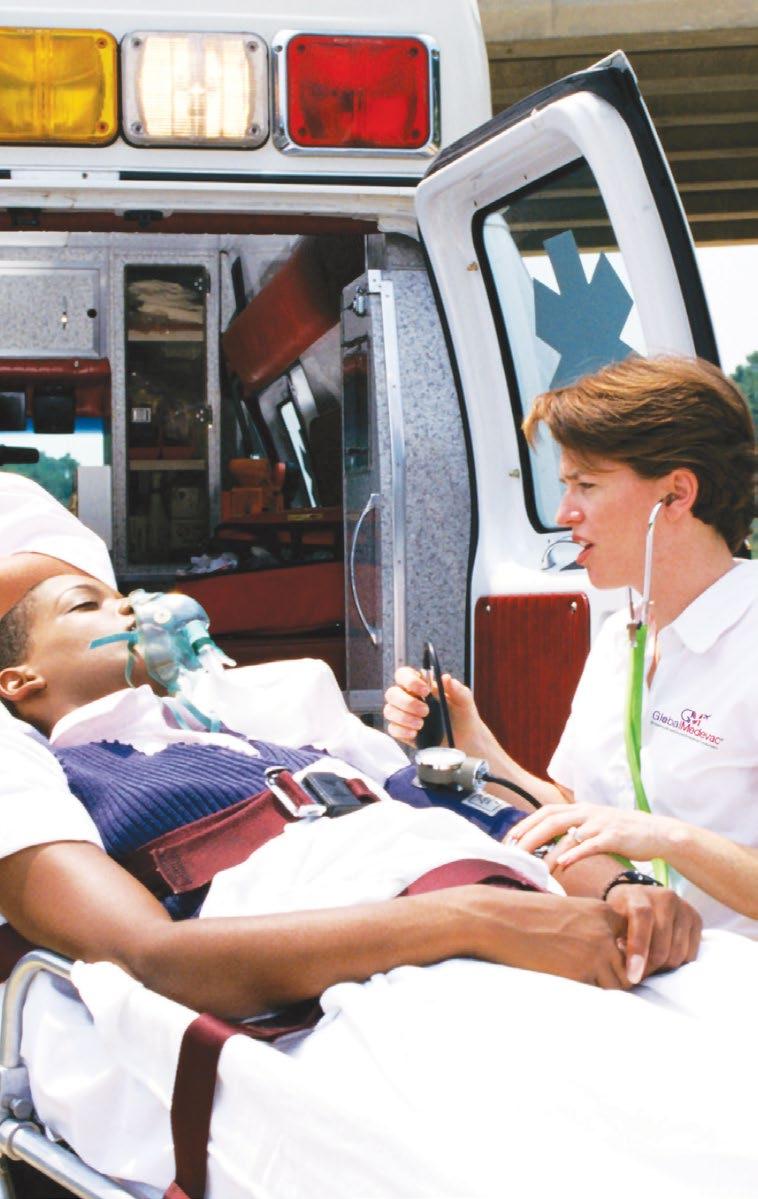

For a small monthly or annual fee, Global Medevac allows you to be prepared and proactive. A Global Medevac Membership covers more than any other option available with 21 members only benefits.

For a small monthly or annual fee, Global Medevac allows you to be prepared and proactive. A Global Medevac Membership covers more than any other option available with 21 members only benefits.

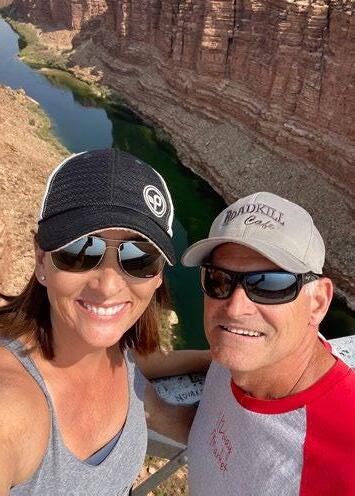
Laurie is an avid hiker and cyclist who loves the outdoors and enjoys the beauty of Prescott. She also has a menagerie of pets to keep her smiling!
Men’s health is this issue’s focus — NoShave November uses men’s unrivaled ability to grow hair on their face as a jumping-off point to bring awareness to men’s health and related topics. As a mom of two sons, I hope we can help stimulate these conversations in our community and enable men to take control of their health.
A healthy lifestyle is about living a vibrant, active life with a healthy mind and body. While at times this may seem like a lofty goal, it doesn’t have to involve drastic changes. Our goal is to share small, manageable ways you can improve your health in everyday living. Whether it means taking a few more steps, adding fruit to your morning cereal, drinking an extra glass of water, or trying a different workout — every choice is a step in the right direction.
I am thrilled about the impact Prescott Healthy Living is having in our community. Each issue will continue to identify ways you can make small changes to how you play, renew and nourish your life.
Live well,
Laurie Director of Sales & Marketing
PUBLISHER
Elaine Earle, CPA
EDITOR-IN-CHIEF
Bea Lueck
DIRECTOR OF SALES & MARKETING
Laurie Fisher
STAFF WRITER & EDITOR
Blake Herzog
CREATIVE DIRECTOR
Tim Clarke
GRAPHIC DESIGNERS
Michele Rodriguez
Shannon Price
DIRECTOR, PUBLIC RELATIONS & MARKETING SERVICES
Julie Turetzky
EXECUTIVE MARKETING ASSISTANT
Julie Kahn
MARKETING ASSISTANT
Joffrey Hammit
COMMENTS & IDEAS
editor@roxco.com
SUBMIT AN EVENT calendar@roxco.com | prescotthealthyliving.com
SUBSCRIPTIONS
info@roxco.com | prescotthealthyliving.com
ADVERTISING INQUIRIES info@roxco.com | prescotthealthyliving.com
PRESCOTT OFFICE: 130 N. Granite St., Prescott AZ 86301 928-350-8006
CORPORATE OFFICE: 442 W. Kortsen Road, Suite 101 Casa Grande, AZ 85122 520-426-2074










• Women’s well check
• Cosmetic Botox
• Medical Botox
• Dermal filler
• Acne treatment
• Chemical peels
• Body sculpting
• Emsella treatments
• Incontinence Treatment
• Permanent cosmetics
SEXUAL HEALTH CLINIC
• Hormone replacement therapies

• Hormone pellet therapies
• Woman sexual dysfunction
We believe local experiences are important. With that in mind, we’ve partnered with local contributors for their perspectives on a variety of healthy living topics. Here are the writers who helped make this issue possible.

Kimberly Albarran
PT, DPT. ISSA Fitness, Nutrition Specialist and Health Coach
Kimberly Albarran graduated from the NAU clinical doctoral program. She’s an ISSA Fitness/ nutrition specialist and Dr. Sears Wellness Institute health coach, specializing in chronic pain. She focuses on a wholebody approach through nutrition, mindfulness, movement and sleep.

Chef Omei Eaglerider
Executive Chef, Fry's Signature Marketplace Culinary School
Chef Omei Eaglerider
(Chef O) is the executive chef at Fry's Signature Marketplace Cooking School at Tatum and Shea boulevards in Phoenix. Her career highlights include serving as a private chef, a caterer and owning a local coffeehouse and bakery.
Naturopath, LAc
Dr. Katie Borchert uses natural medicine to increase vitality, youthfulness and Qi flow through naturopathic methods. She trained at National University of Health Sciences in Lombard, Illinois, and is a licensed naturopathic physician practicing in Prescott and Prescott Valley.

Justin Elder
Senior Regional Sales Manager, Global Medevac
Justin Elder is the senior regional sales manager for Global Medevac - Emergency Medical Transportation. Based in Phoenix, Justin and his team are currently active in five states throughout the West and Midwest.
MA, Honeybee Healing & Counseling Services
Carmen Cartterfield moved to Prescott after receiving her master’s degree in clinical mental health counseling from Lesley University in Boston. She’s worked as a group and individual therapist with adolescents and adults and is now in private practice at Honeybee Healing & Counseling Services.

Chef Alex Erickson
Chef, The Raven Cafe
Alexander Erickson is the head chef at The Raven Café. He has been part of this team and family for six years. Working there has been a delightful experience for him, as the team brings together a fun mix of personalities and flavors.
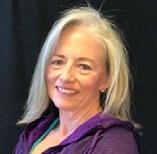
NASM, CNC, CPT, FNS, WFS
Cathy Clements is a certified personal trainer and nutrition coach. She has experienced challenges in her fitness and nutrition and is helping women over 40 regain their youthful energy. She will meet you where you are on your journey.
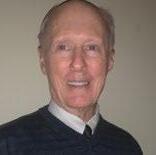
Brad Hayman
DPM, Complete Foot & Ankle Care
Dr. Brad Hayman has been a podiatrist for over 40 years. After having a successful practice in Sun City, he moved to Prescott in 2006. He’s board-certified by the American Board of Foot and Ankle Surgeons and in wound care.

Lori Durr Owner, Sundara Sanctuary
Lori Durr is the owner of Sundara Sanctuary Wellness Spa & Boutique. She’s spent 25 years focusing on wellness and is a Certified Healing Arts Practitioner, LMT, Licensed Aesthetician, Certified Colon Hydrotherapist and is working on getting board certification in nutrition.

MD, Neurosurgery
Dr. Whitney James is a neurosurgeon who applies outpatient surgical solutions to alleviate acute and chronic pain. She specializes in minimally invasive surgical procedures to treat spine fractures, back pain, migraines and other neurological pathologies.
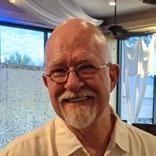
Carl Johns
LMT, Director, Asis Massage Education
Carl Johns has been a massage therapist and educator for 25 years. He practices and teaches many Eastern and Western bodywork styles and has specialized throughout his career in working with people with disabilities and complex health conditions.
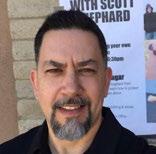
Scott Shephard
Founder, Fundamental Martial Arts
Scott Shephard founded FMA (Fundamental Martial Arts) in 2006. FMA is focused exclusively on “meaningful and parking lot-practical” skill building. He’s been an instructor in three martial arts systems, and believes personal protection is an important part of wellness.
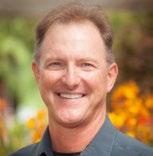
Ken Lain
Owner, Watters Garden Center
Ken Lain, known as "The Mountain Gardener," writes weekly columns that are featured nationally. His podcast and YouTube channel by the same name have millions of downloads. During the week he can be found at Watters Garden Center in Prescott.
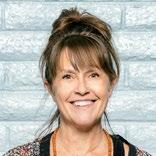
Christine Streveler
Owner, Your Soul Shine
Christine Streveler lives by the words Be Free. Be Loved. Be You. She’s a certified health and wellness coach, 200hour registered yoga teacher, reiki master and nutritionist. Prescott found her when she sought more sunshine and wind in her hair.
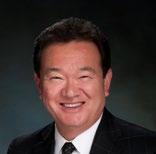
Dorian Lange
CEO & Co-Founder, Northern Arizona Pain Institutes
Dorian is responsible for the management, administration and business development for multidisciplinary specialty clinics throughout central Arizona that provide integrative treatment protocols for pain management, physical and rehabilitative medicine.

Loree Walden
Marketing Manager, Yavapai Humane Society
Loree is originally from Honolulu, Hawaii, and moved to Prescott in 2010. Her background spans a variety of careers, including 20 years of tax preparation, eight years of radio traffic and her current position as marketing manager for Yavapai Humane Society, where she is able to do what she loves by helping animals through advocating for them to help them find their furever homes!
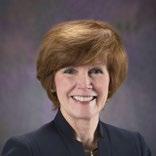
Bridget O’Gara
Communications, Yavapai Regional Medical Center
Bridget O’Gara is a writer, communications strategist and project manager who specializes in health care. She works with missiondriven organizations, including Yavapai Regional Medical Center.
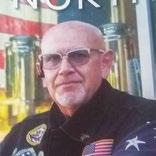
Phil Walton
Owner, MP Veteran, Custom Firearms and Ammunition
Phil Walton is a retired 34-year law enforcement officer and owns MP Veteran Custom Firearms and Ammunition in Prescott Valley. A serviceconnected disabled veteran, he’s commander of American Legion Post 140. He’s lived in the Prescott area for 30 years.
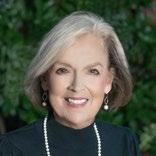
Prescott Mayor Pro Tem, City of Prescott
Billie has served as a teacher, principal and associate superintendent for Arizona K-12 public schools and at the national level promoting high standards and accountability. She is a member of Frontier Rotary and serves on the boards of Arizona Town Hall, Western Heritage Foundation and the Phippen Museum, among others.

Bailey Zygutis
Nutritionist and Personal Trainer, Vitruvian Fitness
Bailey Zygutis is a nutritionist and personal trainer with Vitruvian Fitness. With a passion for holistic health, she works with individuals in person and online to create customized programs that teach them to more fully enjoy the benefits of good health.
Men are notorious for wanting to work through pain, putting off doctors’ visits and insisting their health is fine when it may not be. This may be part of what led to the explosive growth of a facial haircentered health awareness campaign during the month of November.
The tradition of “NoShave November” stretches back well beyond 2009, but that was the year a Chicago family of eight siblings decided to tie it to a Facebook fundraiser honoring their father Matthew Hill, who died of colon cancer two years earlier. Their efforts have since ballooned into a monthlong journey observed worldwide that encourages men to grow their beards (women can


grow our leg or other bodily hair to participate) to raise awareness of all kinds of cancer, while raising more than $5 million for research.
Police departments, workplace pools, sports teams and other groups throughout the world participate every year by donating to these organizations or directly to nonprofits working to further men’s health.
One of No-Shave November’s sponsored organizations this year is again Fight Colorectal Cancer. This disease is becoming a more frequent diagnosis for younger men and women. African Americans are considerably more likely to die from it. The shocking death of 43-year-old Black Panther star Chadwick Boseman has brought more awareness to these facts this year.
The American Cancer Society reports the rate of colon cancer diagnoses among patients younger than 50 is rising by 2.2% each year and about 1% per year in ages 50 to 64, while declining 3% annually for those 65 and older, leading the American Cancer Society to lower its recommended age for regular screening of average-risk patients to 45.
Men have a slightly higher lifetime risk of colon cancer and significantly higher risk of rectal cancer compared to women.
Regular screening and being aware of risk factors and early symptoms is important. Visit www. cancer.org/cancer/colonrectal-cancer.html for detailed information.
See no-shave.org for more information, to donate and to purchase merchandise to support the cause.
by Billie Orr, Mayor Pro Tem, City of Prescott
The Prescott Commission on Well-
Being discovered early on in the quest to define our vision and mission that there is a balance of many elements interdependent on each other to create an overall sense of well-being.
Our vision to become the premier city of wellbeing in America can only be achieved if we are able to fulfill our mission of engaging the citizens who live, learn, work and play in the Prescott area in the lifelong pursuit of well-being through communication, motivation and action.
The commission’s five elements of well-being are: purpose, community, social, financial and physical well-being. Over the next several months, we will study each element, beginning this month with: purpose.
About 12 years ago, my husband and I were at Sky Harbor Airport in Phoenix beginning a monthlong trip starting in Hong Kong, and I needed a book for the long flight. I spotted a title that caught my eye and eventually changed my life.
The Blue Zones: 9 Lessons for Living Longer, by Dan Buettner, was an amazing read and began my personal journey of well-being.


The author traveled the world studying the longest-living people in what he called the “Blue Zones,” five of the healthiest locales on the globe. His mission was to find the common denominators that contributed to living long, healthy and happy lives. One concept that stuck with me about his research was his statement: “They wake up in the morning knowing they have a purpose. Okinawans call it ikigai, Nicoyans (from Costa Rica) call it plan de vida; both translate to “why I wake up in the morning.’”

As a Christian woman, wife and mother, my faith and family are strong foundations of my personal purpose. Servant leadership to our great City of Prescott and organizations that contribute to our amazing quality of life drive me daily to get up and get going to make it a great day for the City of Prescott.
Try writing your personal statement of purpose. What drives you to get up in the morning? What motivates you to achieve your goals? Next month, we’ll explore community well-being.

Today, there are many ways to return your heart to health. And at the James Family Heart Center at YRMC, our specialists work together to find the one that’s best for you.
The latest minimally invasive procedures, most advanced surgical solutions, world class technology and amazing caregivers. INSPIRED BY YOU.
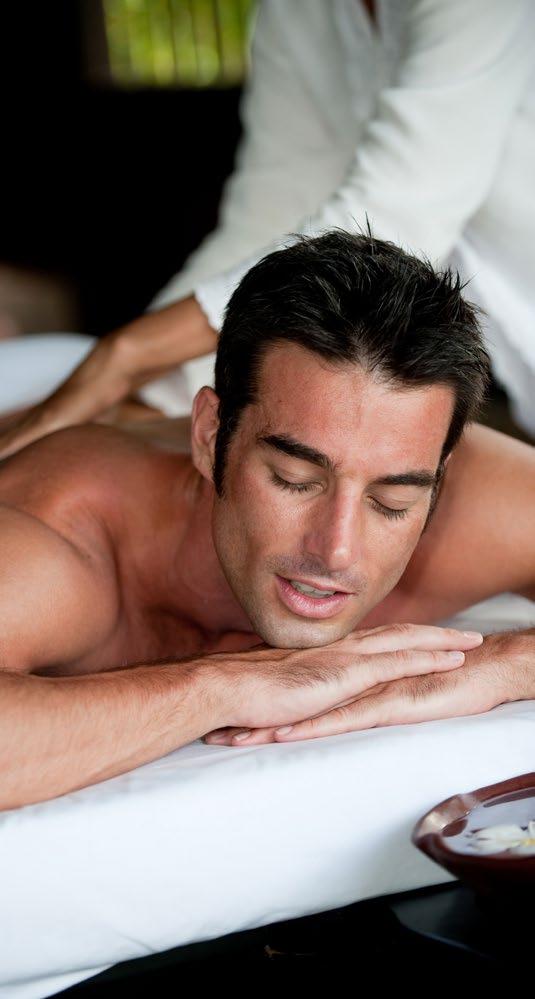
by Carl Johns, LMT, Director, ASIS Massage Education - Flagstaff
The benefits of touch are well documented in our scientific, medical and psychological literature. In the early 20th century, when 90% of children in orphanages were dying or having major developmental problems, the introduction of nurturing touch turned that statistic completely around.
From birth, throughout life and into old age, touch is an extremely important and under-appreciated aspect of health.
In our culture, women are more open to touch. Women are nurturers for their children and for the people around them. They are more comfortable touching each other, more comfortable with a hug. They also are more comfortable with receiving massage and have typically comprised the majority of massage clientele.
Men are learning through different cultural messages that touching is not masculine and is more restricted to a handshake, or for a close friend, one of those awkward back-slapping hugs that demonstrate a level of discomfort with touch. They have also been, as a group, less comfortable with receiving massage therapy.
All of this could be subjected to some very deep analysis, but there is one simple solution out there for all of us — clarifying the benefits of massage.
In the best sense, in best practice of massage therapy, clients receive touch that is safe, professional, nonsexual, nurturing and therapeutic. In the world outside of the massage session, touch can be associated, to greater or lesser degrees, with violence and sexuality.
As a safe, neutral place for therapeutic touch, the massage session can offer a whole new way to experience our sense of touch: Touch that is relaxing and stress reducing, touch that offers relief from the pain of repetitive strain injury, and touch that promotes balance and health for all body systems. The benefits are numerous, as many women have discovered. Gentlemen, it’s time to leave all of your cultural bias and preconceptions at the door. Experience the stress relieving, health giving benefits of regular professional massage therapy sessions — one of the single most effective things that men can do for their health.

MLS Cold Laser | Bunions | Hammertoes | Heel Pain | Diabetes
Neuromas | Neuropathy | Foot and Ankle Pain | Fungus Toenails
by Northern Arizona Pain Institutes
Pain management is a branch of medicine that applies science to the reduction of pain. It covers a wide spectrum of conditions including neuropathic pain, sciatica, postoperative pain and more.
Pain management is a rapidly growing medical specialty that takes a multidisciplinary approach to treating all kinds of pain. At Northern Arizona Pain Institutes we put heavy emphasis on in-depth diagnostic evaluations with highly integrated physician teams that take therapeutic approaches to care.
While some types of pain come from primary sources such as headaches and others from secondary sources such as surgery, the field of pain management treats all of it as a disease. This allows for the application of science and the latest advances in medicine to relieve your pain. We have many modalities, including medication management, interventional pain techniques (epidural injections, nerve blocks, spinal cord stimulators and many more), along with physical therapy and alternative medicine to help reduce pain.

The goal of pain management is to minimize it, rather than eliminate it. This is because quite often it is not possible to completely do away with it. Our doctors and physicians can give the right tools to manage your pain. Two other goals are to improve function and to increase the quality of life. These three goals go hand-in-hand.
As a first-time patient in a pain management clinic, you might experience the following:
* Evaluation
* Diagnostic tests, if necessary, as determined in evaluations
* Referral to a surgeon, if indicated by the tests and evaluations
* Interventional treatments recommended by your physician
* Physical therapy to increase range-ofmotion and strength
* Psych evaluations to deal with, anxiety, and/or other issues that may accompany your chronic pain
* Alternative medicine to provide a complement to your other treatments
If you suffer from chronic pain, then consider seeing a pain management specialist. The main goal is to help you live your best life while doing the things you enjoy with the people you love.

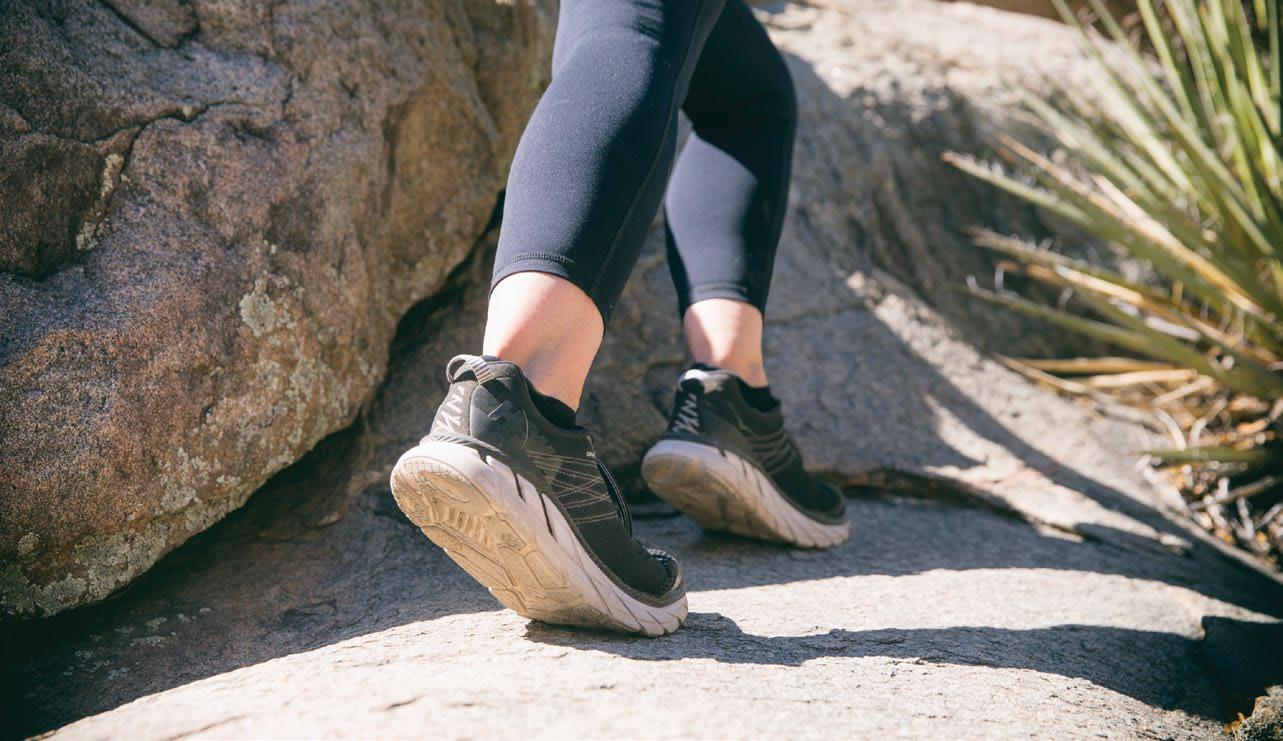
Everybody who manages to get a decent workout into their day most days should be feeling good about it, whatever time of day they get it done! But many people wonder
Morning — There usually are fewer distractions early in the day; it’s a good energy boost to kick off your day. Studies show more people tend to stick with a morning exercise routine. However, your temperature and energy are normally near its lowest levels in the morning, and cold, stiff muscles are more prone to injury
whether, if you have room to tweak your schedule, there’s a better, more productive time to do it.
A s it turns out, there are many answers, starting with personal preference, work and family schedule — and,
Lunch — A brisk walk or workout in the middle of the day increases blood flow to the brain and makes you sharper for the afternoon, and a workout can cut your appetite for snacks and a large dinner. But work and school schedules can make finding time at midday difficult at best.
location, location, location. If you’re exercising outside, you’ll have to take the climate into account. Greater Prescott’s temps generally peak in the 90s in July and August so approach midday
Late afternoon — Exercise after work can be a great way to burn off the stress that’s built up over the course of the day, and this is when your metabolism, energy, flexibility and performance tend to peak, which make for more intense workouts. But if you have to work late very often or have other commitments, this can be a difficult time to stay on track.
workouts with caution. In colder months, be aware of wet or icy conditions after it rains or snows. When weather isn’t a limiting factor, every time of day has its own pluses and minuses:
Evening — This is the easiest way for some people to find time, but remember to take extra safety precautions if you’re working out in the dark. Experts recommend not exercising the last one to three hours before going to bed to get a good night’s sleep.



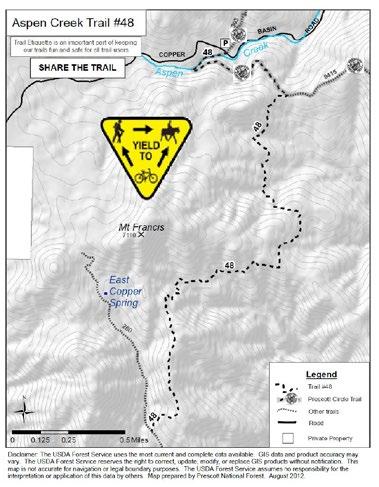
Despite its fairly isolated location southwest of Prescott, Aspen Creek Trail No. 48 is one of the most popular trails for hikers and mountain bikers in Prescott National Forest. It’s easy to figure out why.
It begins by following a short section of Aspen Creek and climbing up the base of Mt. Francis through impressive stands of ponderosa and Gambel oak, the latter of which provides a healthy amount of fall foliage for those who come to this year-round trail at the right time. There are no aspens to be found, unfortunately.
The first mile of the trail is spent climbing up and over a ridge. A great cardio and core workout whether you’re on foot or wheels. Horses are permitted, too, so this is great exercise for them. Their riders also benefit from a full core workout and improved posture.
The Moby Trail (No. 737) branches off to the west almost a mile away from
the trailhead, taking you on a parallel, higher-elevation track that offers the tradeoff of less vegetation for more expansive vistas of the surrounding wilderness. At the 1-mile mark of the Aspen Creek Trail you reach gentler, more rolling terrain, from which you can enjoy panoramic views of numerous peaks including Spruce Mountain, Mount Union and on clear days the San Francisco Peaks beyond Flagstaff.
The trail begins a slow descent toward the base of the mountain as the vegetation begins to switch over to juniper and manzanita. After another mile or so you’re rewarded with panoramic views to the south, including the burg of Wilhoit and the Board Creek Divide.
The trail ends by meeting the East Copper Trail (No. 260), which permits OHVs but is considerably less busy than Aspen Creek. You can head farther south or double back to reach the 7,100-foot peak
of Mount Francis, site of several radio towers. Or you can go back the way you came, reversing the spectacular progression you just witnessed.
As mentioned, this trail can get quite busy, to the point of warranting a “high use trail” sign at the trailhead warning “serious accidents” have resulted from the steep slope and tight curves. These conditions mostly exist on the first mile, so users need to be on alert throughout this segment. It can be much quieter in the middle of the week, but with a little common sense you should be fine, whichever day you choose for your trek.

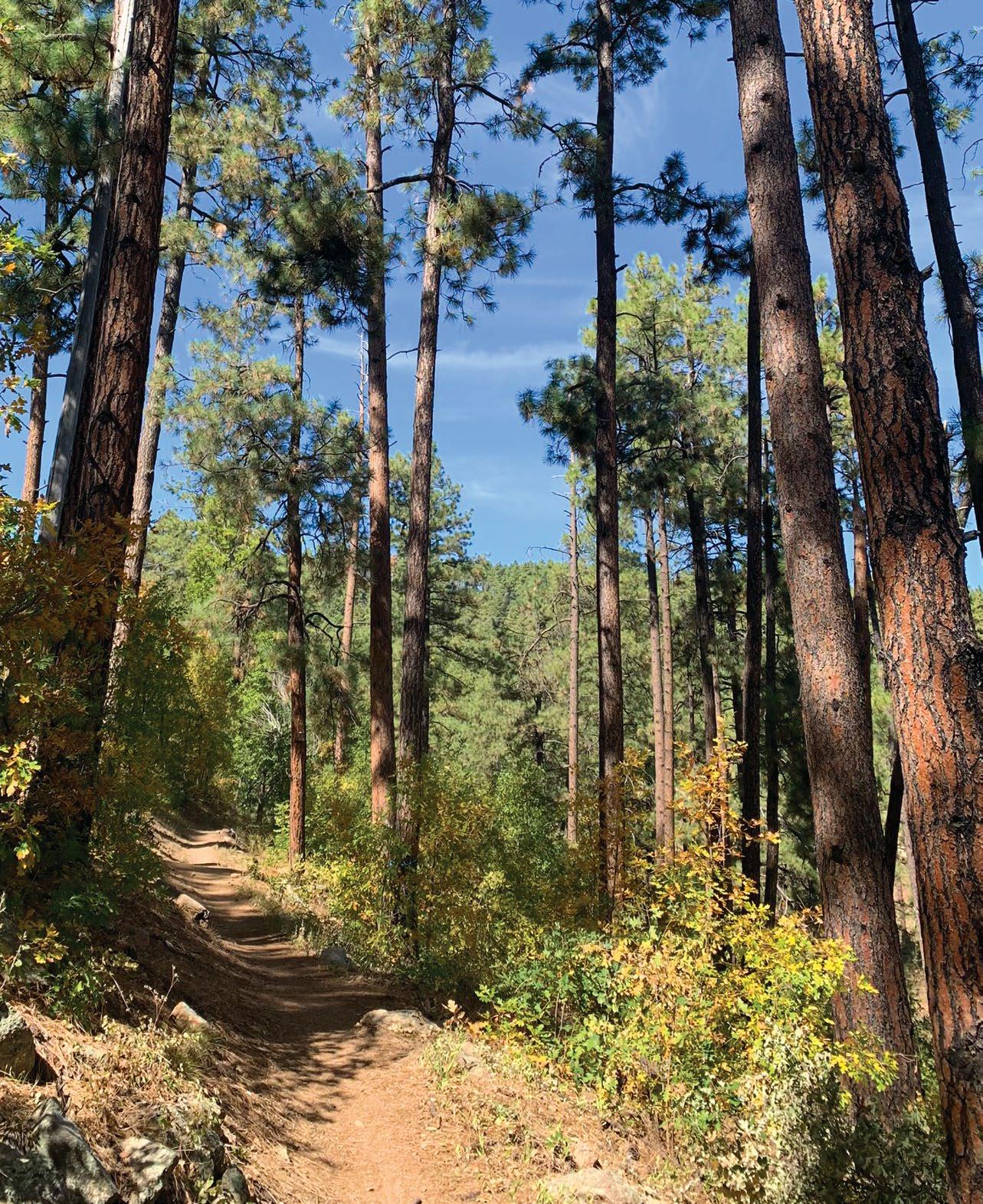
The Aspen Creek Trail in Prescott National Forest surrounds you with pine trees and fresh air mere steps from the trailhead.
Reached from Aspen Creek Trailhead, which is about 15 minutes away from downtown Prescott via Montezuma Street/White Spar Road. Take a right onto Copper Basin Road and follow it past the end of the pavement (the last 1.5 miles is OK for most vehicles) until you see the trailhead parking lot on your right. Trail No. 393 toward Thumb Butte starts from the parking lot; find the trailhead for No. 48 directly across the road.
Parking Fees: None
Usages: Hiking, cycling, horseback
Mileage: 3.4 miles (one way)
Level of Difficulty: Easy to Moderate
Elevation: 6,300 feet (at the end) to 6,800 feet (about a half-mile from the trailhead)
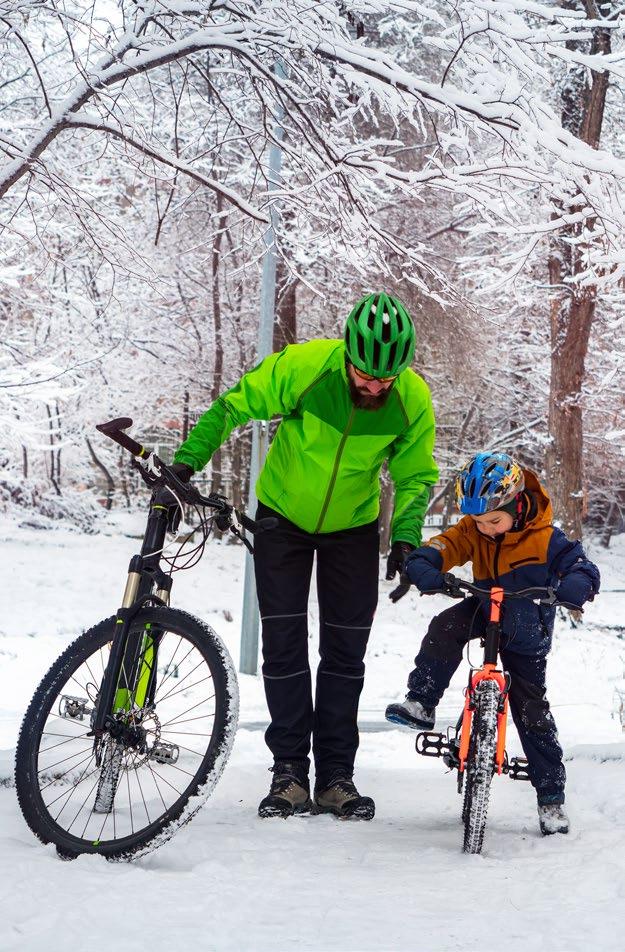
When winter comes to Greater Prescott, some activities do wind down, but many others are fine to stick with through all but the coldest or snowiest days. That’s what a lot of people love about this place.
Cycling falls into that category for anyone who can maneuver through traffic and around the occasional icy hazards. All it takes is a bit of adjustment in what you wear — though not as much as you might think.
Riding 10 to 20 mph on a bicycle while exposed to 30- to 50-degree temps sounds chilly, but your body heats up after just a few minutes. Think about judicious layering and avoid overdressing, though everyone has their own threshold for “too cold.” Here are some ideas to get you started:
Base layer — Start out with a basic synthetic material like such as spandex, nylon or polyester, or you can try wool as well. The goal is to wick your perspiration away so you don’t get soaked, from which you can get too cold
or even risk hypothermia. This works for your pants as well as your shirt.
Top layer — For outerwear, a soft-shell jacket usually works the best, allowing a little bit of wind to penetrate and cool you off without letting you get overexposed. A vest can suffice on warmer winter days to keep your core warm without restricting your arm movement.
Headwear — A wool stocking cap or head liner under your helmet usually does the trick, though some riders prefer helmet covers. A hat or cover with a visor can protect your face and glasses. Invest in a good balaclava (ski mask) for the coldest days.
Gloves — Biking gloves with good rubber grips are a good idea for hanging onto slippery handlebars. Make sure you can operate shift levers and other equipment safely before you ride.
Shoes and socks — Most clipless biking shoes have a close fit that limits the kind of socks you can wear. Slightly oversized shoes or hiking boots with thick, warm socks generally are good adaptations.
Over the past 30 years, POSC has saved patients more than $150 Million! Of that amount, $20 Million would have been out of pocket.
The choice is yours. Choose one of our excellent Prescott based surgeons for your outpatient surgical needs. You will save money and have the best possible care available.
Over the past 30 years, POSC has saved patients more than $150 Million! Of that amount, $20 Million would have been out of pocket.
Dr. Siamak Rassadi 308-4285
EAR, NOSE AND THROAT
Overall Patient Satisfaction: 9.8 out of 10!
Dr. Derek Hewitt 778-9190
Dr. Mark Strasser 778-9190
CARDIOLOGIST
Dr. Siamak Rassadi 308-4285
EAR, NOSE AND THROAT
Dr. Derek Hewitt 778-9190
Dr. Mark Strasser 778-9190
GENERAL SURGEONS
Dr. Thomas Hirasa 771-1011
Dr. Donald Huang 771-1011
Dr. Frank Iorio 776-8212
Dr. Thomas Rusing 445-9660
GYNECOLOGISTS
Dr. Katie Campuzano 778-4300
Dr. Adam Feingold 776-8428
Dr. Luis Fernandez 776-8428
The choice is yours. Choose one of our excellent Prescott based surgeons for your outpatient surgical needs. You will save money and have the best possible care available.
“The best I have experienced! POSC even topped Duke Medical Center which I have always rated highly. Thanks to the staff.”
Overall Patient Satisfaction: 9.8 out of 10!
“Everything about the place was excellent. Very clean, very professional, very organized and efficient. Thank you for the great care!”
“The best I have experienced! POSC even topped Duke Medical Center which I have always rated highly. Thanks to the staff.”
“Everything about the place was excellent. Very clean, very professional, very organized and efficient. Thank you for the great care!”
“Everyone was awesome. My stress level was zero! Loved the nurses. Linda was so sweet and really awesome. Great experience overall. Thank you all!”

“Everyone was awesome. My stress level was zero! Loved the nurses. Linda was so sweet and really awesome. Great experience overall. Thank you all!”
Dr. Bradley Benson 445-4818 Dr. J. Gabriel Tsang 237-9312
Over the past 30 years, POSC has saved patients more than $150 Million!
Over the past 31 years 114,000 procedures have been successfully performed at POSC, saving patients more than $160 million! Of that amount, $21 million would have been out of pocket expenses.
Dr. Josephine Kim 583-1000
Dr. Melinda Martin 777-0070
Dr. Richard Ohanesian 778-4300
Dr. Jeffrey Osburn 778-4300
Dr. Jeanette Pilotte 583-7887
INTERVENTIONAL PAIN SPECIALISTS
Dr. Jonathon Gruneich 778-9770
Dr. Bradley Benson 445-4818
Dr. J. Gabriel Tsang 237-9312
ORTHOPAEDIC SPECIALISTS
ORTHOPAEDIC SPECIALISTS
Dr. Daniel Burchfield 778-9250
Dr. Bertrand Kaper 778-9250
Dr. Judah Pifer 778-9250
We offer patients and their families a smaller, more comfortable setting than what can be provided by a traditional hospital ensuring that
The choice is yours. Choose one of our excellent Prescott based surgeons for your outpatient surgical needs and you will not only save money, but will have the best possible environment and care available.
Dr. Daniel Burchfield 778-9250
CARDIOLOGIST
Dr. Siamak Rassadi 308-4285
Dr. Bertrand Kaper 778-9250
Dr. Judah Pifer 778-9250
EAR, NOSE AND THROAT
Dr. Derek Hewitt 778-9190
Dr. Bradley Williams 445-7085
“When I need surgical help, I will always come here. My phone call from Karen was a real delight. When I saw her in recovery I told her she sounded like a song. My anesthesiologist was just great and took time with my questions. I really liked my visit!”
Dr. Bradley Williams 445-7085
PLASTIC SURGEON
Dr. Brian Brantner 776-0325
We perform thousands of procedures every year, providing the
PHYSICAL MEDICINE
Dr. Bradley Benson 445-4818
and convenience available only in an Ambulatory Surgical Center. Our team of professionals are among the highesttrained and most experienced anywhere in Arizona.
Dr. Mark Strasser 778-9190
PLASTIC SURGEON
Dr. Brian Brantner 776-0325
“Thank you all for the great care you gave me, everyone was awesome made me feel like I was the most important person in there day! Thank you all so very much for taking care of me.”
GENERAL SURGEONS
PHYSICAL MEDICINE
Dr. Thomas Hirasa 771-1011
Dr. Bradley Benson 445-4818
Dr. Donald Huang 771-1011
Dr. Frank Iorio 776-8212
“Joanne the pre-op nurse is awesome, really made me feel at ease. The head anesthesiologist was really terrific and put me completely at ease.”
SPINE SPECIALIST
Dr. Daniel Noble 778-9250
UROLOGISTS
Dr. Paul Nguyen 771-5282
Dr. Jeffrey Sanwick 771-5282
Dr. Michael Stanick 771-5282
Dr. Thomas Rusing 445-9660
SPINE SPECIALIST
Dr. Daniel Noble 778-9250
GYNECOLOGISTS
“This was my 2nd surgery at POSC in 2 months. Both times I received excellent care. Everyone was professional, courteous and all had a great sense of humor. I cannot think of any area that needs improving as I feel 10’s were to be given to everyone there.”
Dr. Katie Campuzano 778-4300
UROLOGISTS
Dr. Paul Nguyen 771-5282
Dr. Adam Feingold 776-8428
Dr. Luis Fernandez 776-8428
Dr. Jeffrey Sanwick 771-5282
Dr. Josephine Kim 583-1000
Dr. Michael Stanick 771-5282
Dr. Melinda Martin 777-0070
Dr. Richard Ohanesian 778-4300
Dr. Jeffrey Osburn 778-4300
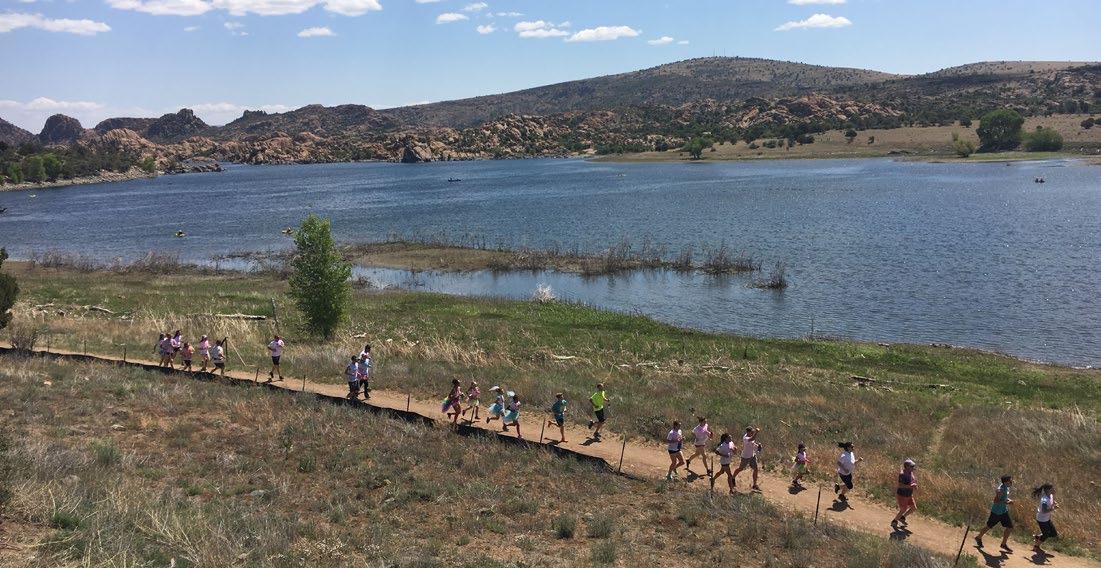
Physical stress leads to mental stress relief. It’s been proven time and time again; exercising our bodies releases endorphins and suppresses adrenaline and other stress hormones. Any type of physical activity will do this to some extent but running and jogging puts this effect on metaphorical steroids. Let’s just run through a few of the ways picking up your pace tamps down your angst, however valid it might be:
* Running brings your focus to the moment you’re in and out of any past or future scenarios you may be preoccupied with.
This is what mindfulness is all about, and you can practice it during any activity that requires your attention, as well as during meditation or yoga.
* It relieves symptoms that come with anxiety including shallow breathing, numbness in hands and feet and heart palpitations by increasing your oxygen and blood flow. Regular running improves your normal breathing pattern, so you cope more effectively with future stressors.
* Running has been shown to release the
neurotransmitter known as GABA (GammaAminobutyric Acid), which has been found to blunt the effect of stress-related hormones and symptoms on the body by reducing activity in neurons and throughout the nervous system, calming the mind and body.
* Running improves sleep quality by releasing hormones that help your brain synch up with circadian patterns, slow the release of cortisol and result in a relaxed mood more conducive to the deep sleep we need to cope with stress.
* Sustained physical activity prolongs the positive effect of exercise, so those on a regular exercise regimen report feeling less stress when a new obstacle arises than those who are less active on a day to day basis.
Still, you may not want to take off running if you’re so stressed that you can’t concentrate on anything else or your muscles are so tense that it could lead to injury. Taking a few extra minutes to stretch and warm up beforehand to get your mind and body in the right place can do the trick.
The arrival of Thanksgiving heralds the beginning of the holiday season and its extra-large doses of family time with kids on break from school and relatives convening for annual celebrations. It’s the perfect time to create new routines and traditions by bringing new home activities into the mix.
Try incorporating these healthy pastimes, which don’t require much in the way of extra trappings, into your family rotation:

1ROLL WITH IT
Just have everyone roll around on the floor. It’s a surprisingly excellent way for young children to build strength and coordination, and everyone else gets to feel like a little kid again!
2INDOOR RACETRACK
Have the kids zoom (not Zoom) around the house wearing “race cars” made from cardboard or fabric over their shoulders. Have them decorate exactly how they want, then let them rip, burning off energy and building their heart and lung capacity.



3FREEZE DANCE
It’s as simple as playing music to get everyone moving, then hitting pause and forcing everyone to stop in mid-dance, legs and arms aloft. This one is a blast for all ages and incorporates balance into the physical activity.
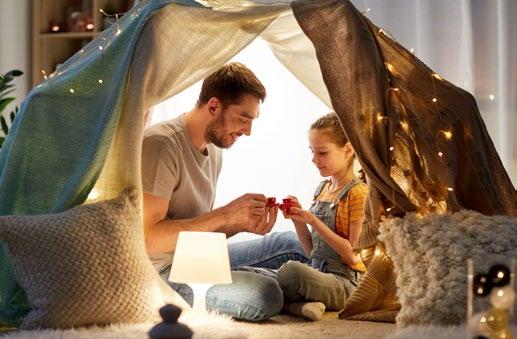
It’s probably getting a little nippy for the real thing, so set up a tent (anything from a child’s teepee to a sheet to a full-on tent) in the biggest room you have. Serve healthy snacks and whet everyone’s appetite for all kinds of outdoor recreation.
Set up a bowling alley in your yard, driveway or hallway by stacking some aluminum cans up at one end. The only other thing you need is a heavy-ish ball, and your kids can work on their coordination and improve their spatial perception, along with their stacking skills!


Draw a 12X12-foot court, divided into four inner squares in your driveway, or even in the grass or dirt if you want to throw some wild bounces in. The first player serves the ball into another square; players keep the ball in play by bouncing it in another square. Play continues until someone misses the ball or hits it out of bounds. This works best with four players but is easily adjustable.
by Loree Walden, Marketing Manager, Yavapai Humane Society
It’s November and I’m sure a lot of you are looking forward to Thanksgiving! It’s been a crazy, year but there is still much to be thankful for, including our furry family members.
The holidays pose health threats to our animals and extra care should be taken to make sure they stay safe and healthy. Pets won’t be so thankful if they munch on the wrong foods, or if they stumble upon an unattended alcoholic drink.
If you decide to feed your pet a small bite of turkey, make sure it’s boneless, well-cooked and avoid fatty dark meat and skin (a small amount of unseasoned white meat is OK), and never give them any leftover bones. Not only are they a choking hazard, but they can splinter inside your pet’s digestive tract causing extreme damage.
Many of the seasonings used in Thanksgiving dishes are toxic to both dogs and cats and can
cause destruction of red blood cells. Chives, garlic, leeks and onions should not be given to pets, and anything that you’ve cooked with those ingredients should be avoided.
It’s not Thanksgiving without dinner rolls or dessert, and there are dangers there, too. Unbaked dough containing yeast can cause a blockage of the stomach, as the yeast in the dough makes it rise and expand. In addition, the natural fermentation of the yeast in your dog or cat’s stomach can cause alcohol poisoning. Pies, cookies and other desserts should be avoided as many contain chocolate, raisins, currants and a sugar substitute known as Xylitol, all of which are toxic to cats and dogs
With a few extra precautions taken, it can be a happy and safe Thanksgiving for everyone.
Happy Thanksgiving from everyone at Yavapai Humane Society!


Pet ownership is already known to be positive for our health by reducing stress and the high blood pressure that goes with it by keeping us active and, especially, by granting us unconditional affection.
This effect extends way beyond our beloved dogs and cats.
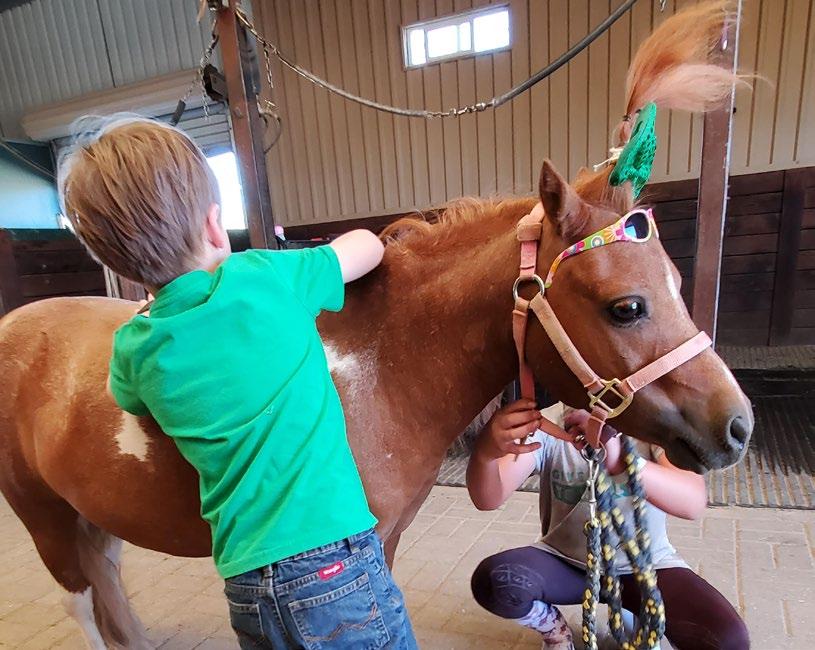
Mitzi Conn, founder of Now That I’m Safe Equine Rescue, says working with and being around the fullsize and mini-donkeys and horses she rescues has been enormously helpful for her.
“I’ve always loved the animals. And I’ve always just felt like it’s a therapy to go out to be with them. They don’t talk back. They don’t ask anything of you. And it’s just real therapy to just sit there.”
She adds, “You know, when I was a kid, I used to tell my horse everything. Everything that I would never tell anyone, I would tell my horse. And he never judged me for anything.”
She welcomes visitors to her 10-acre ranch in Chino Valley, whether they’re prospective adopters, school groups, volunteers or families who simply want to bask in the animals’ attention and show them a little love.
“A lot of the people that
come over here feel that way,” Conn says. “This is their little getaway. You know, nobody’s asking them to run to the bank or fax something or type something up. It’s like, I can just be here and relax and maybe feed them some carrots and just sit down and talk to them.”
Equines are valued for their sensitivity and ability to mirror
human emotions, which is why they have gained popularity as therapy animals.
Children respond especially well to the animals, Conn says, often learning about self-acceptance or acceptance of others as they interact with them.
“It’s been great to see these young kids just really come to life with these
animals, especially the ponies, because for a lot of them, that’s where they get their start and their love for horses and animals,” Conn says.
For more information on Now That I’m Safe, call 951-233-1318, email nowthatimsafe@outlook.com or visit www.nowthatimsafe.org or @nowthatimsafeequinerescue on Facebook.
by Phil Whithead, Owner, MP Veteran Custom Firearms and Ammunition
Before the U.S. Army and Fort Huachuca, I was a Wisconsin farm owner-operator. We had over 360 acres of timber, corn fields and open land, as well as a trout stream.
We spent a tremendous amount of time outdoors, not only working — a farm only produces what the farmer grows — but hunting, shooting and fishing.
My 30-plus years in Prescott Valley have allowed me to continue these outdoor sports. Today, I want to talk about the benefits to your health and overall wellbeing of such activities.
As a youngster, some of my fondest memories were of trundling through the timber with my dad, looking for rabbit or deer tracks, or walking through cut cornfields hoping to flush a pheasant or two. These days were not only productive for healthy activity, but put food on the table and in the freezer.
As I grew older, hunting and shooting took on a different level of priority.

As people age, and men more sometimes than women, they often find themselves losing the ability to do things they once did. This can be embarrassing and lead at times to depression, anxiety and other health issues.
Shooting, even if only at paper or steel targets, requires concentration, discipline and a measure of physical health.
For me, a chronic pain patient, this concentration on task takes my mind off my discomfort. It doesn’t make it go away, but it does provide an analgesic effect of sorts caused by the increased endorphins in my brain stimulated by this activity.
Depression is one of many health issues people, especially men, face as our lives take their toll
on us. When we enjoy a membership in a shooting or hunting club or go on a Texas Hog Hunt or any other planned activity that takes us outdoors with others, our physical and emotional health improves; our outlook brightens. Have fun, go shooting, hunt a hog, track a rabbit, try not to let a pheasant scare the wits out of you. Enjoy the outdoors.
Flying High
Turkey Drive
November 23
12pm-6pm Fry’s Food & Drug
Prescott
Farmers Market
Downtown Midweek Market
November 25
2:30pm-5:30pm Tour Prescott Lot
Stroll Through Valley of Lights
December 1
6pm-9pm Fain Park
Santa at the Farm
December 5th & 12th
10am-3pm Mortimer Farms
Santa with the Animals
December 6 1pm-3pm Heritage Park Zoo


Prescott Farmers Market
Saturdays 10am-1pm YRMC Miller Valley Lot
Garden Classes
Saturday Mornings 9:30am Watters Garden Center
Prescott Valley Farmers Market
Sunday Mornings 3103 N. Glassford Hill in Prescott Valley
Elks Theatre Dance & Fitness

This anxiety practice, which spans almost every spiritual tradition and has many secular forms, is best defined as a broad category of activities that encourage a heightened state of awareness and concentration. These activities increase calmness and physical relaxation, improve psychological balance, promote coping with illness and enhance overall health and well-being.
There are several sub-categories under the meditation umbrella. Among the most common:
SPIRITUAL MEDITATION
Prayer or connection to a higher power, in the context of any religion or spiritual practice.
TRANSCENDENTAL MEDITATION
“Transcending” ordinary thinking from a seated position and repeating a mantra or sound (without meaning) to reach a state of stillness and order.
MANTRA MEDITATION
Similar to transcendental meditation, except the mantra used is a word or phrase that has an exterior meaning to guide the user, such as “health” or “love.”
FOCUSED MEDITATION
The user focuses on a predetermined object, music, sensation or their own breath to quiet their mind.
MOVEMENT MEDITATION
Movement is the focus for the brain, as well as a release of energy. Yoga and tai chi are prime examples; but most any kind of physical movement or exercise can work.
MINDFULNESS MEDITATION
Breath and bodily sensations are the primary focus. Practitioners acknowledge thoughts that pass through their brain, taking note of any patterns and letting them go without involvement or judgement and drawing their attention back to the present.
Mindfulness is a quality, a state of mind that can be cultivated through meditation, which is typically done at a specific time in a spot with relatively few distractions, or during the flow of daily events like getting dressed in the morning, eating a meal, drinking coffee or engaging in conversation. In either case, the point is to acknowledge distracting thoughts and then draw your attention back to the present.
Mindfulness meditation, like other forms of meditation, has been shown to have many positive mental and physical effects for those who practice it regularly.
* During a 2016 study of about 120 Alzheimer’s patients, those who participated in mindfulness meditation for two years scored higher on mental agility tests than others trained in progressive muscle relaxation or a control group.
* In 2005, mindfulness meditation was found to be more effective at lifting participants out of depression and anxiety than using distraction methods or allowing them to ruminate about their situation.
* When 56 people with pre-hypertension were studied in 2013, those who were instructed to practice mindfulness meditation lowered their pressure significantly more than another group trained in progressive muscle relaxation.
* Research released in 2013 found that 11 chronic pain patients who had abused opioid prescription drugs who underwent “mindfulness-oriented recovery enhancement” training to notice “natural stimuli,” such as pleasant images, showed stronger responses to those stimuli on an EEG test than a control group which did not.
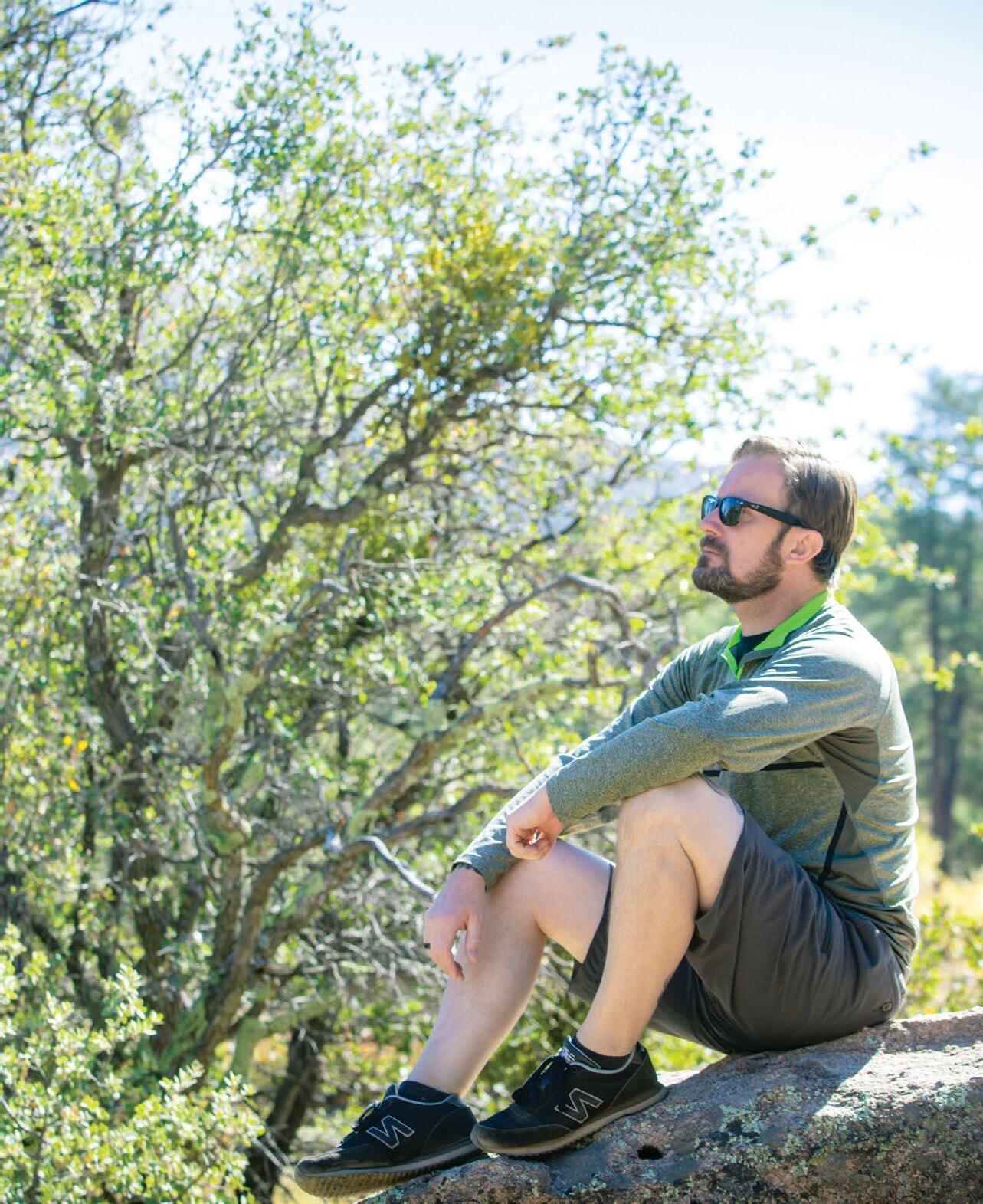
Jeremiah Scheffer Granite Basin Lake
It turns out the “fake it till you make it” adage can work when it comes to bringing more happiness to your life.
O ver the past two decades, advocates of “positive psychology” have put a focus on the traits of people who report happiness and satisfaction with their lives, using them as a template for others who haven’t found the same sense of fulfillment.
Humans tend to have a happiness “set point,” a place where their mood tends to return to after external events yank it higher or lower. But research has found there are ways for you to push that default setting higher:
* Reframe your experiences by fighting the use of negative, inaccurate descriptions that make you angry or hopeless. Instead of telling yourself “I can’t do this,” acknowledge the impact of the mere four hours of sleep you got last night or remind yourself of all the times you’ve done it before.
* Being active and engaged in your activities helps you reach the state of “flow,” or getting so engrossed in the process that you’re losing track of time. Happiness awaits you at the end because you’re putting all your attention toward accomplishing something productive, whether it’s washing dishes or riding in the rodeo.
* Tending to your personal relationships and cultivating your place in a wider community does boost contentment, so make a point of touching base with family and friends often to reinforce those bonds. Joining a religious group or community organization can also build your sense of purpose.
* Related to this is the embrace of common values, which usually involve serving others and working toward the greater good.
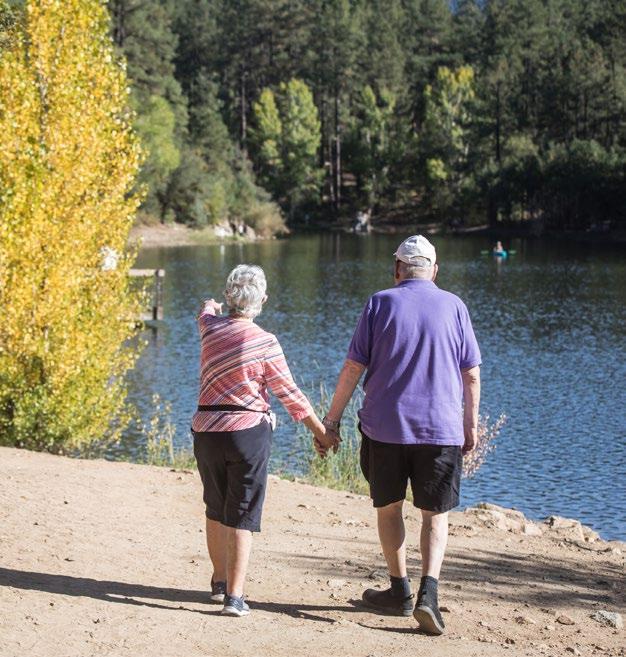
Listen to your calling to serve others through fields like health care or education, or build a few “random acts of kindness” into your week. Feel and express gratitude for any favor or helping hand offered to you.
As you can see, this isn’t as simple as plastering a smile across your face to paper over the disappointments in your life. It’s an active process of recalibrating your outlook on the world and your place in it, which yields a huge payoff!
by Justin Elder, Senior Regional Sales Manager, Global Medevac
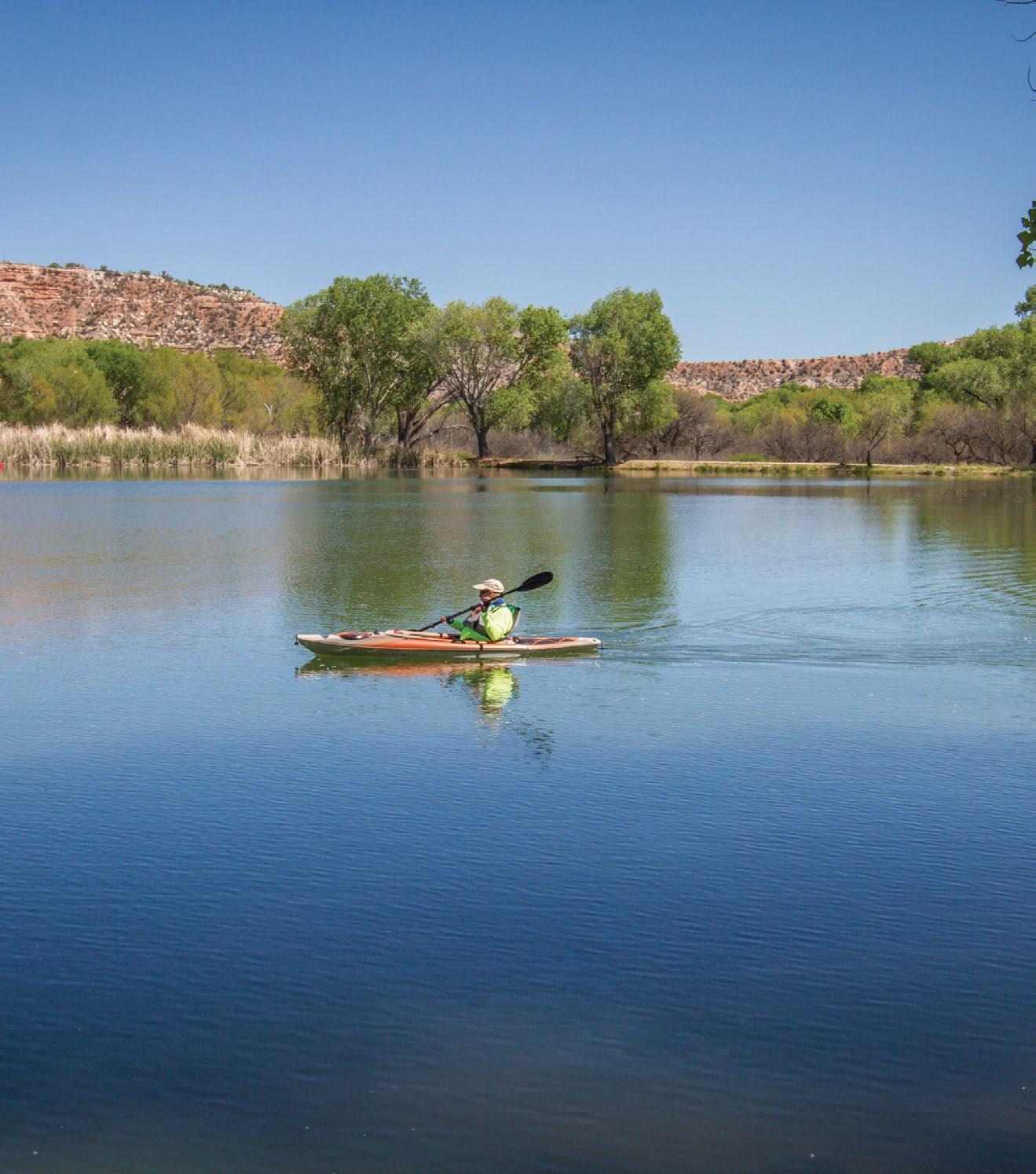
It’s time to get back outside and enjoy Earth's greatest treasure — the Sonoran Desert! Summer was brutal — 135 days over a hundred
degrees — and will certainly be one to remember. We may not be seeing rain anytime, soon but we can finally enjoy the cool nights once again. With the drop in temperature comes the best part of living in Arizona: fresh air! While many of us have spent years exploring the trails and backroads of
This unforgettable rock formation is found near Page. The light hike through the lower canyon is both incredibly picturesque and iconic. Spots fill quickly, get to the location early in the day. Bring your camera, lots of water and a jacket, temperatures change quickly in and out of the canyon.
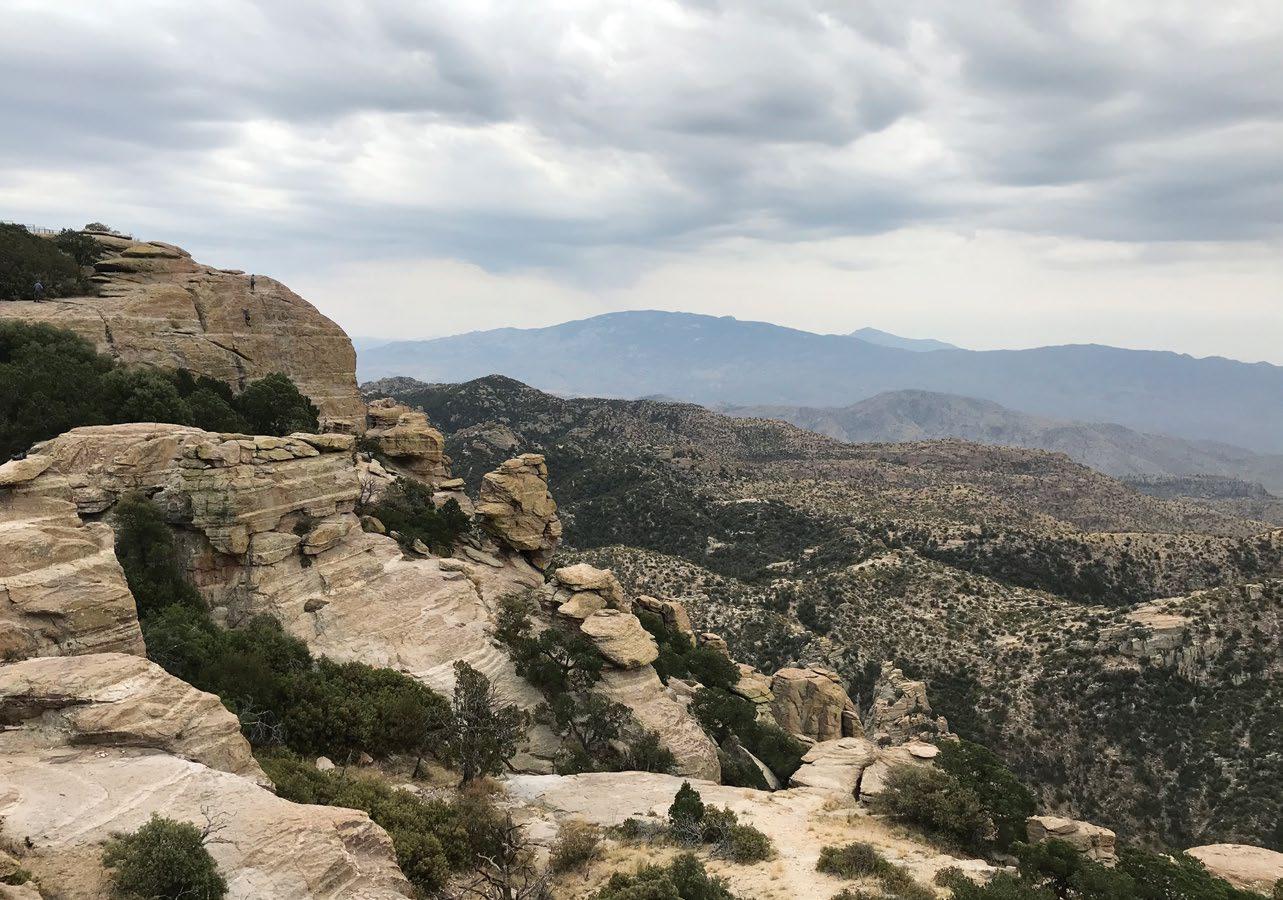
Outside of Tucson is one of Arizona’s greatest treasures — this peak has climbs for everyone. With wide elevation changes, hikers and explorers of all ages experience what most of Arizona does not get to see, four seasons. In the fall, the changing colors are amazing, in winter the snow can be waist deep. The hiking trails are easily accessible and most are great for all disciplines.
our great state, there are lots of folks who may not know where to find the areas to experience the best of Arizona. Here are our chosen locations:
When Arizonans want to cool off, we head to the lake. With a few great water ways to choose from, Lake Havasu is a favorite with more than 30 square miles of pure blue water. The annual jet skiing championships take place every fall. If you are in the area, you need to check it out.
Mount Lemmon, Tucson, AZ
Arizona has so much to do, ask a local — we know where to go to have fun when the weather finally cools. Check current restrictions before planning your trip.


by Katie Borchert, Naturopath, LAc
The Taoist philosophy of yin-yang balance is the root for health, and the imbalance in these opposing forces is illness.
Last month, we covered how organ structures and bodily fluids are yin in nature. Yang then refers to the movement and function of the organs and systems. Yang is the beating of the heart, warming and oxygenating the blood, digestive peristalsis, the restriction of the urethra, which provides control over bladder function. It is the movement of the ova through the fallopian tube and the spermatozoon through the vas deferns.
The kidney organ system, including the urinary bladder, adrenal glands, reproductive organs and the lumbar spine, is the fundamental root of all yin and yang. Deficiency of yang is seen in chronic illness, after surgery, exposure to cold conditions, excessive lifting or standing, and constitutionally.
Of course there are herbal and lifestyle remedies that can be used in these severe conditions to bring function and strength back to the organ systems.
General yang deficiency looks and feels cold and frail. People are pale, with poor appetite, loose stool
with undigested food, and a variety of urogenital issues that fit the signs and symptoms of benign prostatic hypertrophy (BPH), chronic glomerulitis, interstitial nephritis, hypothyroidism, or chronic prostatitis. These include frequent day and nighttime urination, difficulty expelling, and often large volume in yang deficiency.
There are other kidneyrelated imbalances like impotence, infertility and spermatorrhea. This is often due to systemic and sexual exhaustion.
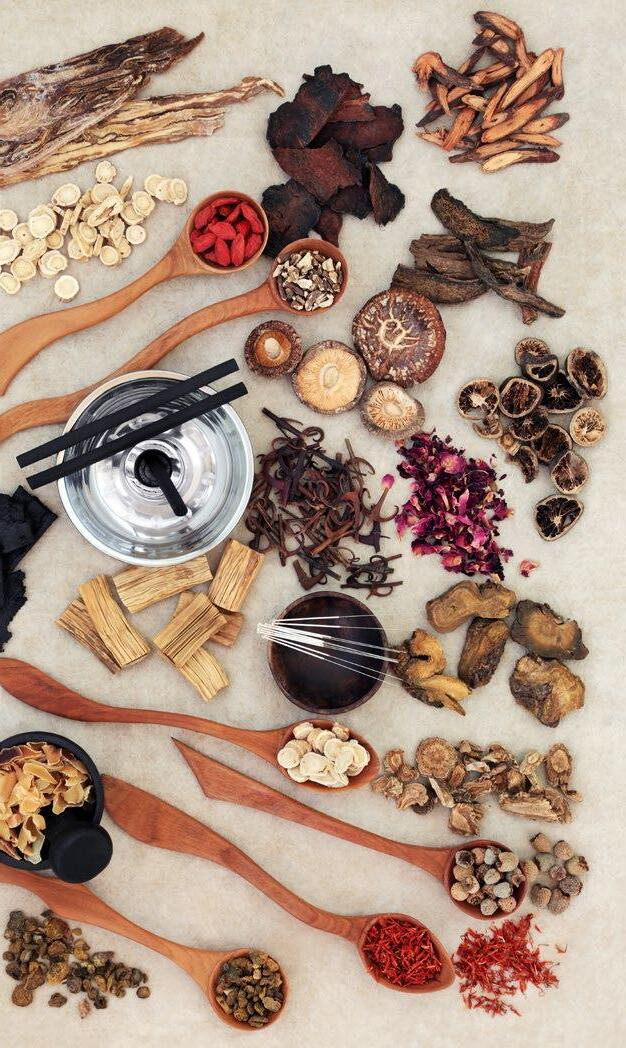
It is important to use warming medicinals for this deficiency. One of my favorite treatments for yang deficiency is the use of mugwort (Artemisia argyi) with a different application: moxibustion. This is one of the most tonifying tools and also easily warms the kidneys, reproductive organs, spleen and stomach.
There are a variety of moxa tools burned and placed over the tonifying acupoints. Moxa greatly increases the qi energy of the body to stimulate the glands, organs, nerves and circulation of blood. Often, I am impressed by the improvements in vitality one moxa session can provide.



About 25% of American adults are dealing with chronic knee pain, according to the National Institutes for Health. Many of those who suffer from this find it hard to fathom doing any kind of exercise that puts weight on their joints.
As you learn more about the underpinnings for your bad knees, you can ease into activities that won’t hurt your knees and in some cases help to build them back up.
Cathy Clements
This is the classic low-impact cardio option if you have access to a pool. Lap swimming gets your heart pumping and your core working your arms and legs, with freestyle and backstroke especially good for helping your knees. Water aerobics gives you the support you need to do almost any move you would in the studio.
Holding onto the back of a chair, bend your knee and raise your foot as high as you can, then bring it slowly back down to the floor. Doing this strengthens your hamstrings and glutes, which can reduce knee pain.
Using a chair or wall for support, lift leg out to the side with your foot flexed and, if possible, not bending forward at the torso. Keep your hip, knee and ankle aligned. You can alternate legs or do sets of 10 on each leg.
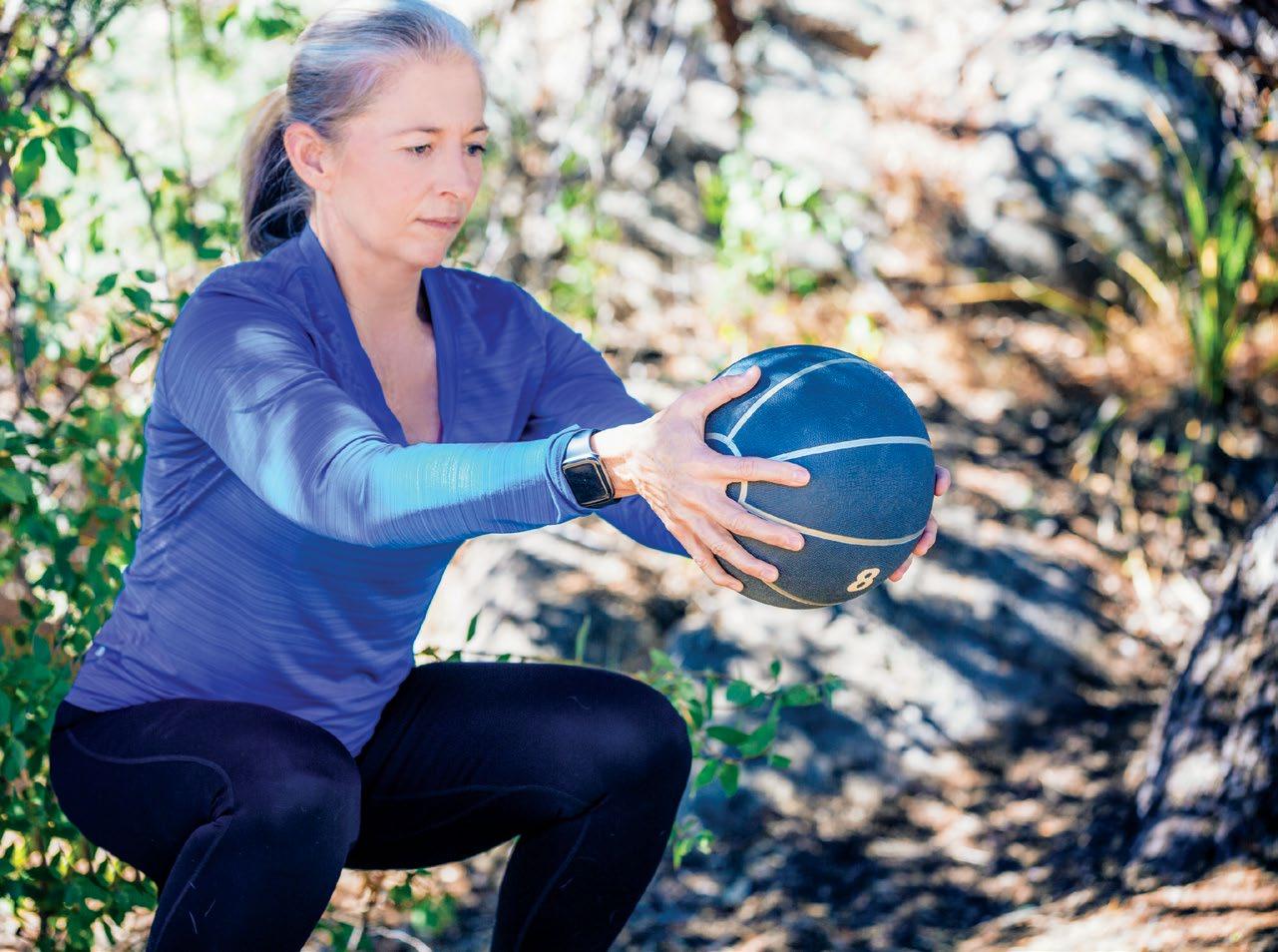
If you can stand without your knees hurting, hold a four-to-eightpound medicine ball up over your head, then lower it down to alternating knees as you march, either in place or in motion.
If you can walk at a slower pace without your knees hurting, a treadmill gives you a softer surface than a concrete sidewalk and is smoother than most dirt paths.
by Kimberly Albarran, PT, DPT, ISSA Fitness, Nutrition Specialist and Health Coach
We have an autonomic nervous system: the sympathetic nervous system (SNS), “fight or flight,” and parasympathetic nervous system (PNS) “rest and digest.” We need a balance, spending the majority of time in our PNS for proper sleep, digestion, mental health, clarity and hormone balance.
The term “stress” often has a negative connotation, but stress is not always bad. When faced with a new experience, like running a race or giving a speech, the stress response through the SNS helps us focus and be energized. After the activity or stress reduces or stops, the nervous system finds balance. During prolonged stress
day after day, month after month, physical or emotional, due to trauma, injury, family life, work, or whatever else, the SNS takes over increasing levels of stress hormones, such as cortisol, into circulation. Excess cortisol causes increased circulating glucose, raising blood sugar and overtime can lead to insulin resistance and diabetes. It can also override production of certain hormones, estrogen, progesterone, testosterone and DHEA contributing to hormone imbalance and inflammation, weight gain, sleep disturbance, mood imbalances, chronic pain and other chronic conditions.
This does not have to stay our fate. With wellness coaching, I focus
on four pillars of health: nutrition, movement, mindfulness and sleep. These tools can help:
* Sleep seven to nine hours in a dark, cool bedroom wearing loosefitting clothes. Keep a regular sleep schedule.
* Try Calm magnesium or Epsom salt baths.
* Turn off electronics: Blue light at night causes reduced melatonin production and increased cortisol production.
* Seek counseling.
* Pray, meditate, use positive affirmations.
* Eat whole foods and
foods high in fiber (fruits/veggies); reduce processed, refined and packaged foods high in sugar.
* Move every 90 minutes to use cortisol and metabolize carbohydrates.
* Fasting. Intermittent fasting is beneficial for reducing insulin levels and using stored fat for energy.
Before fasting or using oral magnesium check with your health care provider to make sure it is safe for you, especially with medications or conditions needing special consideration such and cardiovascular conditions, high blood pressure, diabetes, etc.
by Brad Hayman, DPM, Complete Foot & Ankle Care
One of the best things about living in Prescott, is the four mild climates we enjoy. This sets the stage for outdoor activities year-round. So, whether you are a runner, cyclist, hiker, golfer, tennis or pickleball player, or you just walk your dog in your neighborhood, you know the importance of staying active and mobile, and hopefully, staying pain-free.
If, however, you do experience an injury, or simply have chronic joint or muscle pain, an innovative therapy has gained popularity in recent years as providers (and veterinarians) discover its benefits.
This therapy is called laser therapy, which stands for “light amplification of stimulated emission of radiation,” and refers to a unit that emits focused, penetrating light beams. I mention veterinarians because lasers were first introduced in this specialty to treat horses and dogs who had injuries.
Lasers are classified based on their wavelength and potential energy output:
* Class I lasers, such as barcode scanners used in supermarkets, are used safely every day.
* Class 2 lasers, which include laser pointers and some therapeutic lasers, produce a beam in the visible spectrum (400-1070 nanometers).
* Class 3 lasers include the most commonly used therapeutic lasers.
* Class 4 lasers cause thermal injury to tissues and include surgical lasers to cut and cauterize tissue during surgical procedures.
* The Multiwave Locked System (MLS) is a patented system, a Class 4 laser synchronized without the risk of thermal damage.
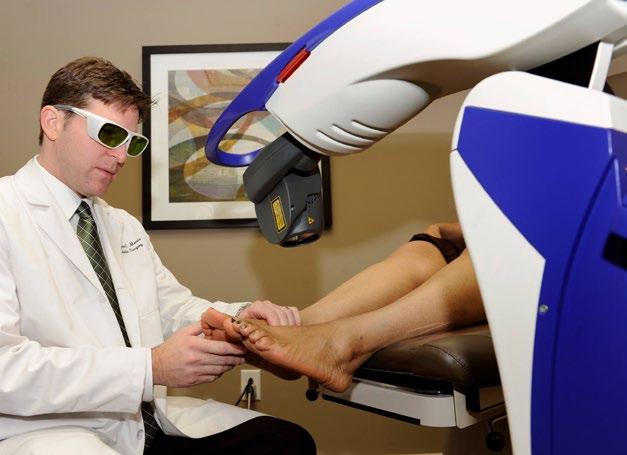
The main clinical benefits of laser use include decreased inflammation, decreased pain and improved wound healing. Laser beams of lower wavelengths are absorbed by superficial tissue, such as the skin, whereas beams of higher wavelengths penetrate deeper to muscles and bones.
Anyone can benefit whether you have chronic pain and inflammation from arthritis, or more acute inflammation related to recent surgery, tendon, ligament or muscle strains or traumatic
injuries. Laser therapy is also being administered for the treatment of peripheral neuropathy.
Treatments are painless and generally last between 10 and 30 minutes per session. Typically, treatment plans recommend between six and 10 treatments.
Podiatry has been one of the first specialties to recognize the value of this non-invasive, state-of-theart innovation. In its holistic approach to health care, podiatry sees the value of keeping patients mobile and active no matter what their level of activity.
by Scott Shephard, Founder, Fundamental Martial Arts
Men’s health is the focus this edition of Prescott Healthy Living magazine. Stress and worry are contributors to men’s poor heart health and general lack of wellness. The largest part of a man’s daily concerns is the welfare and safety of his family. Many of us carry firearms for the protection of our family. I personally believe we should be prepared equal to any potential threat. I caution you, however, simply having a gun on you or nearby does not ensure
your family’s safety.
Here’s why. A genuine threat within reach of you would likely happen very fast and include some sort of physical collision. No question a gun is outstanding for family defense if pulled and pointed directly on a vital target of the life and death threat, but if you are attacked at close range it may be difficult to draw and accurately shoot that firearm.
It is prudent to consider developing hands-on skills to buy yourself time to deflect the assault, to step
away and pull your piece.
I have no doubt, you’d die to defend your family. However, you can protect them better if you stay alive. So, how is your skill level if needed to go hands on to create the opportunity to reach your weapon? Are you as prepared as you can be?
Like learning a musical instrument or a foreign language, to be proficient at fighting takes time. If you do see the logic in this, and personal and family protection is your goal, seek out a school focused on practical skill development.
You’ll need supervised practice until your reactive responses are free from liabilities and well honed. I recommend you choose a school that emphasizes adult content, is not overly optimistic and trains for determined attackers.
You might also consider training for your loved ones in case you’re not around. If you are not yet a family man, you’ll want to be well prepared before an actual engagement takes place.
More information is available at www. FundamentalLivingArts. com and 928-925-2642.
by Carmen Catterfield, MA, Honeybee Healing & Counseling Servicess
We live in a culture that values change. We constantly set new goals, try new things or attempt to change old behavior. This can help us feel driven, motivated, accomplished. Too often, though, trying to change something in our lives leads to feelings of inadequacy, guilt, shame and failure.
Change starts with motivation. We often are motivated to create change based on what we don’t like about ourselves or what we don’t have in our lives: I want to go to the gym because I don’t like the way my body looks; I want to change my diet because I don’t like the way it impacts my health; I want to change my spending habits because I don’t have enough money.
Change is often born out of a mindset of inadequacy — the minute we want to change we start experiencing shame that we even have to change.
Shame as a motivator is like mud, though — the minute
we start to experience it, we get stuck, start to shut down. It makes us feel like a failure or that we’re not good enough. What if instead of being focused on what we don’t have, we shift our mindset to what we will get? What do we want to create?
Use your imagination to shift your thinking. This moves us from, “I don’t like my body therefore I want to exercise” to “I want to exercise to feel comfortable and confident in my body.” It moves us from shame to celebration.
It can also expand how we reach our goal. When I’m focused on feeling comfortable and confident in my body, sometimes that means taking a rest day or eating something delicious or wearing whatever I want. With shame, change is rigid and often painful, keeping us focused on what isn’t there. When we are celebrating
ourselves, change becomes fluid, playful and expansive.
you want to create a change, ask yourself: How will this

by Dr. Whitney James, MD
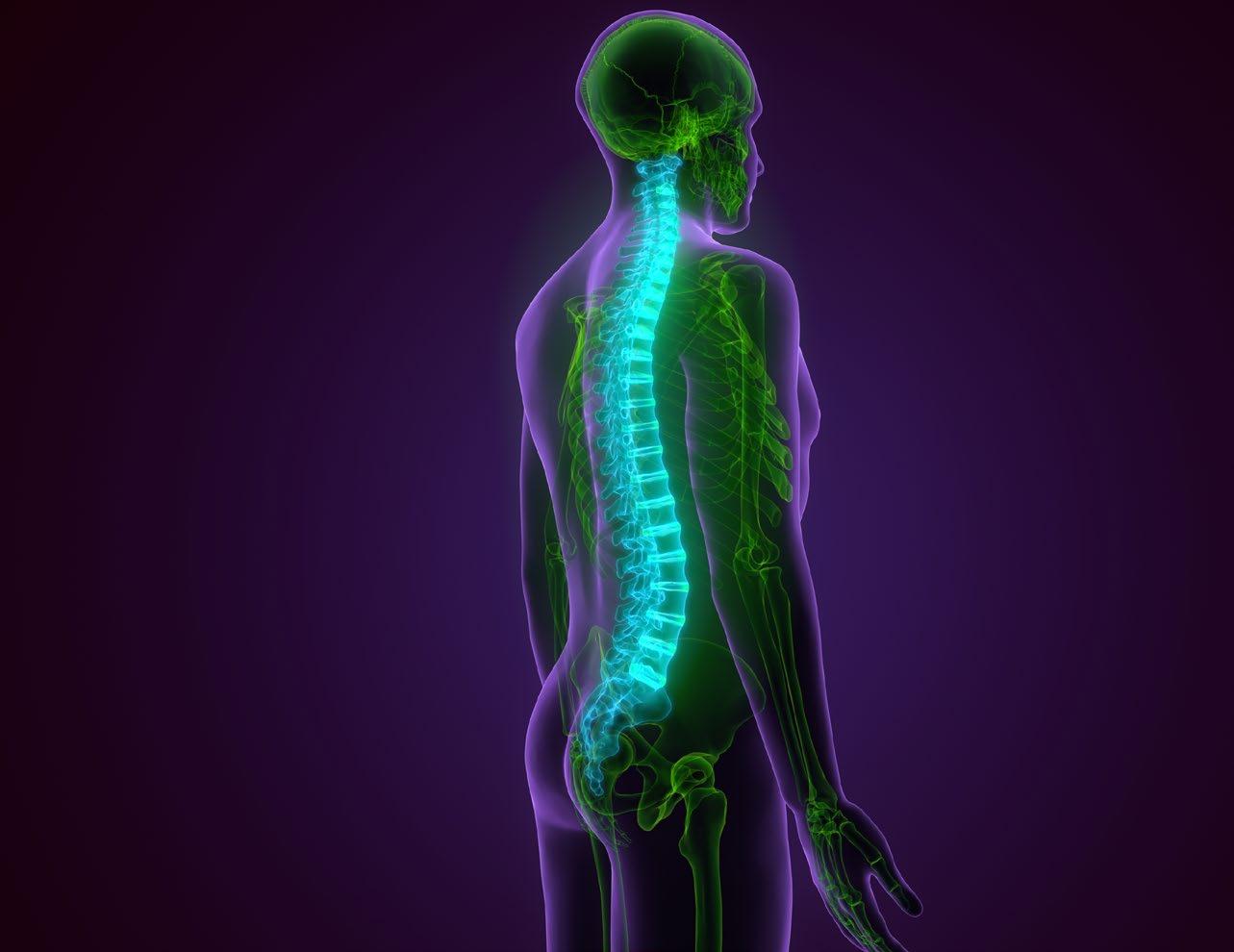
When patients with chronic pain have exhausted all other therapies — topical creams, oral pain medication, physical therapy, injections and even surgery — there still remains a light at the end of the therapeutic tunnel. An intrathecal pump can successfully manage pain, improve quality of life and restore a sense of health again. An intrathecal pump is an implanted medical device to deliver medication into the spinal fluid between the spinal cord and its lining. This allows for targeted drug delivery to the neurons in the spinal cord responsible for pain and spasticity. These pumps are particularly helpful in the management of metastatic cancer pain. The pump’s method of targeted drug delivery often provides patients superior pain relief, allowing patients to wean
off oral medications and avoid negative side effects such as constipation, fatigue and drug dependence. Spasticity, or increased muscle tone, that results from conditions such as stroke and multiple sclerosis can also be successfully managed with targeted intrathecal drug delivery. An intrathecal pump can deliver antispasticity medication directly to the neurons in the spinal cord that are responsible for the increased muscle tone, which results in relaxation of the muscles and allows a patient more mobility and comfort.
Intrathecal pumps can significantly improve the quality of life in patients with:
* Chronic pain
* Cancer pain
* Failed back surgery syndrome
* Complex regional pain syndrome or reflex sympathetic dystrophy
* Peripheral nerve injury
* Neuropathy
* Arachnoiditis
* Chronic pancreatitis
Intrathecal pumps can help successfully treat spasticity or increased muscle tone, in patients with:
* Multiple sclerosis
* Cerebral palsy
* Stroke
* Spinal cord injury



by Christine Streveler, Owner, Your Soul Shine
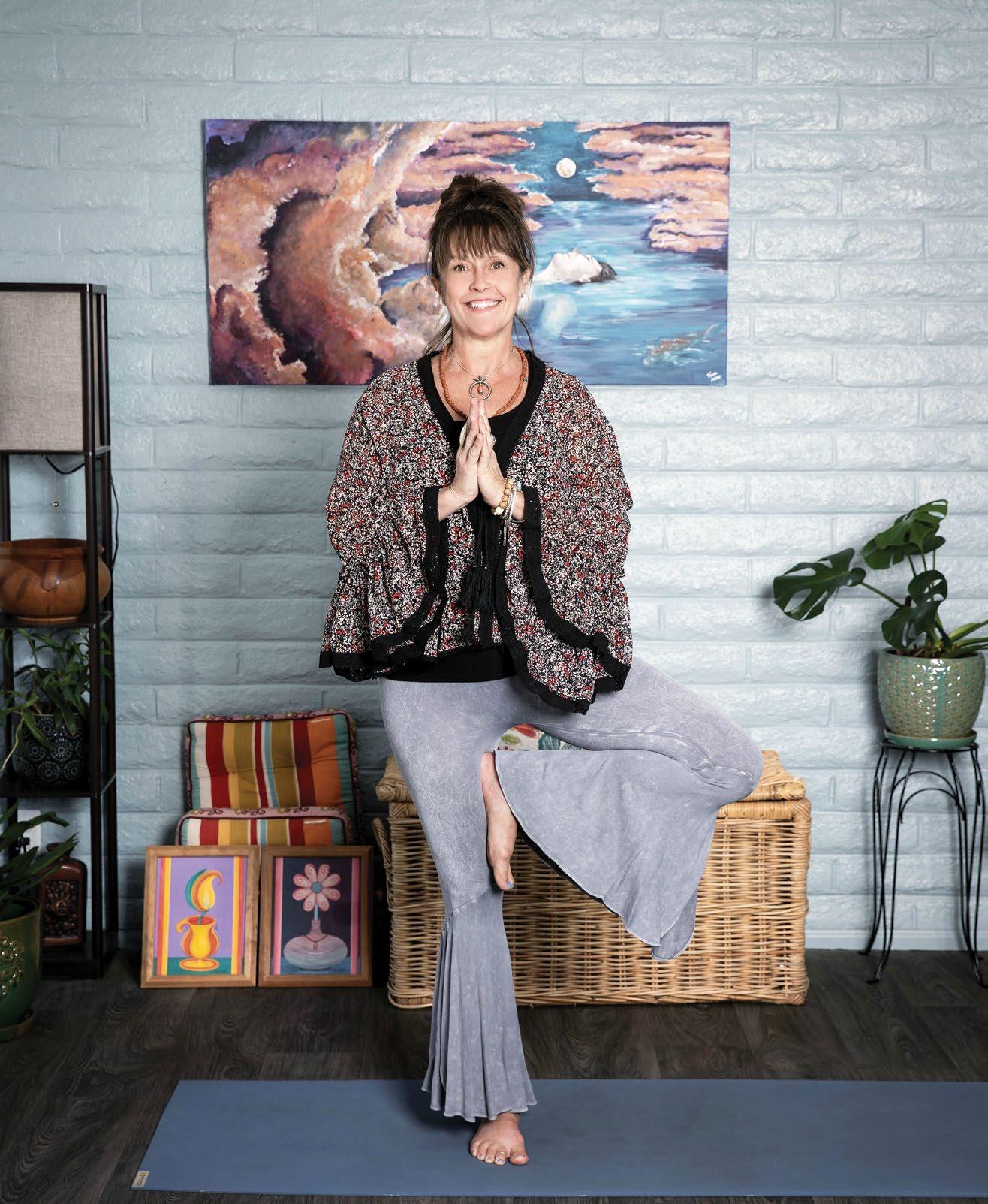
No one actually cares if you can touch your toes. Truly, if you can only choose one yoga technique or exercise to incorporate into each day, it should be consciously breathing. It sounds so simple. Yet, it is so powerful. Especially, in times of COVID-19 and mask wearing where the breath has become a source of fear or stress at times.
Breathing exercises can positively affect your mind, body and spirit, especially in times of uncertainty or anxiety. They can help keep you centered, focused and internally in tune with yourself.
Above and beyond that, did you know that when you breathe your diaphragm massages all your internal organs, including your heart? It is the only organ that massages your heart! If that
doesn’t get you inhaling, I don’t know what does.
That old saying of “Let your belly fill with air” … it’s not air, it’s your diaphragm expanding and your internal organs making room for it because the diaphragm is actually one of the largest muscles in the human body. Found within the ribcage, it helps to protect the heart and lungs — our life force.
Here’s a simple breathing technique that anyone can do anywhere.
Ground yourself in a comfortable position
Yoga 101: Just breathe. It’s that simple.
somewhere you feel good. Focus. Close your eyes. Bring your awareness on your normal breath. Place your hands on your chest, over your belly button or comfortably in your lap. Set an intention or goal for yourself. (Examples: “live lovingly” or “feel gratitude”). Breathe in and out —
possibly letting out a small sigh with each exhale. You can use the mantra “inhaling peace and calm” then “exhaling tension and anxiety.”
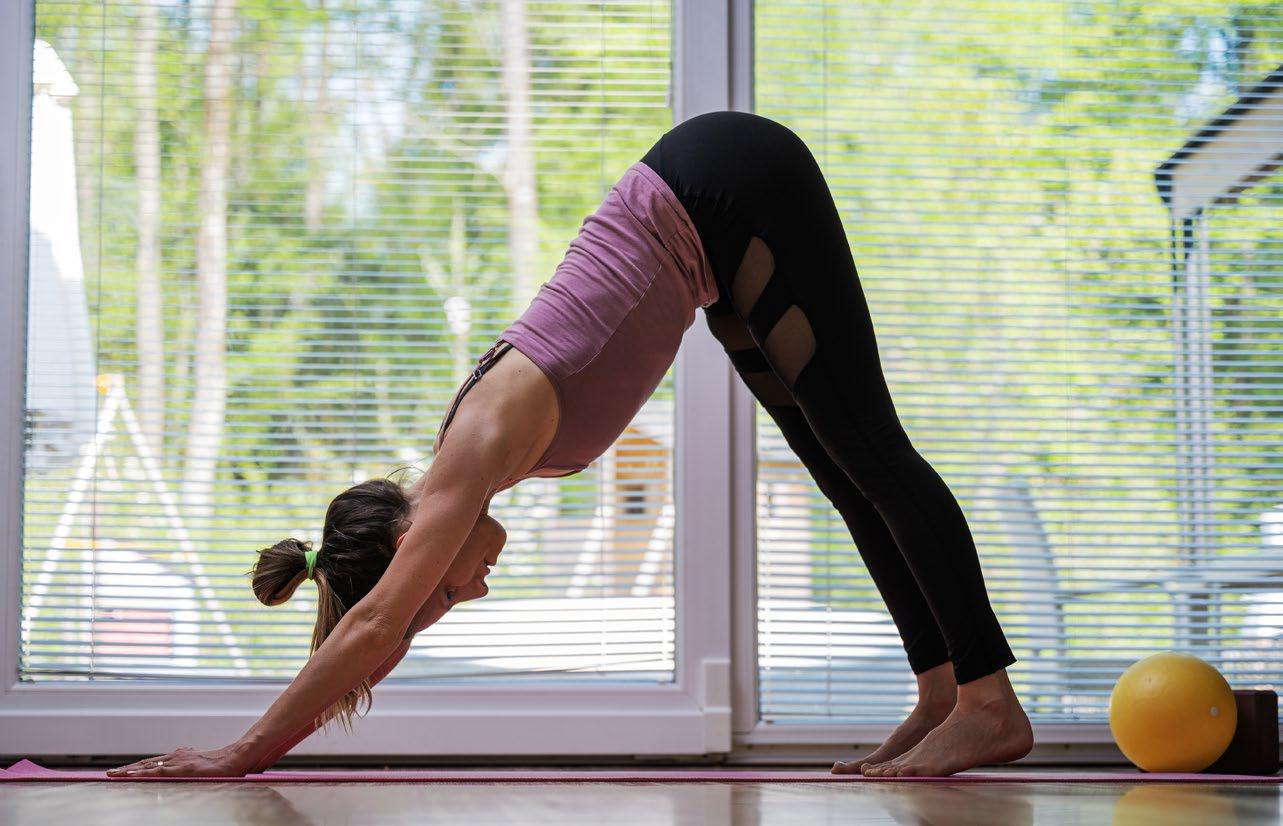
CLOSE YOUR EYES IF YOU FEEL COMFORTABLE DOING SO:
* Breathe in for a count to six.
* Hold this breath for a count of four
* Exhale for a count of six
* Do it deep and strong for a count of 12 (if you can)
Breathe just breathe, and reap the benefits of this simple-yetpowerful exercise.
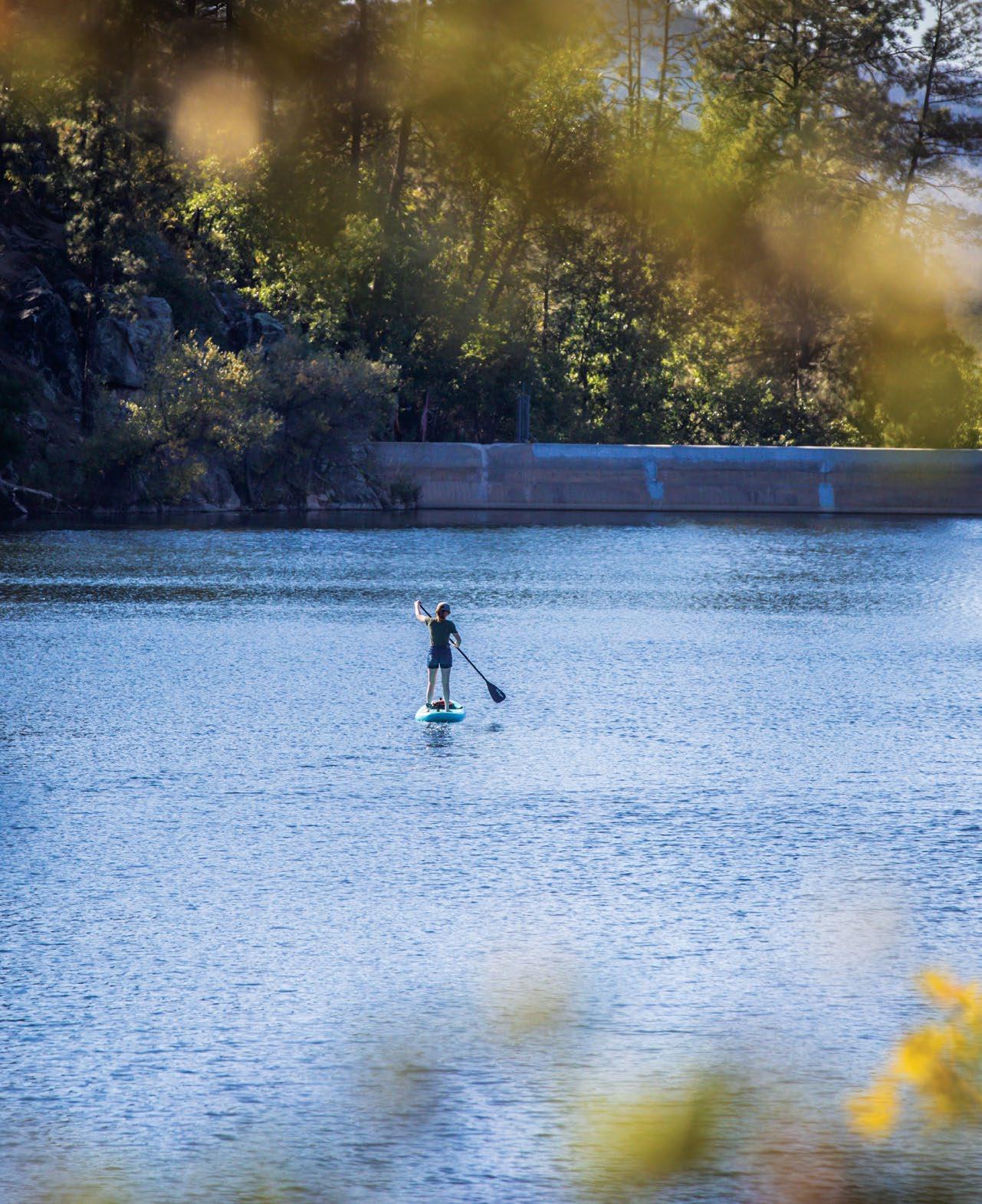
Goldwater Lake Breathing is the link between mind and body
Often we talk of “boosting” our immune system when we should be in maintenance mode throughout our days, nights and years.
Nutrition, exercise, mental well-being and sleep are four of the most important components for fueling an immune system that can respond to invaders before they can get a foothold:
Daily intake of vitamin C from citrus, bell peppers, spinach, guava, kiwi or other sources is very important because our bodies can’t produce or store it. Almonds, broccoli and even chicken are rich in other compounds also key to fighting infection.
Also, be aware of the possibility of some nutrients inhibiting your ability to absorb others, equally important ones. One example of this would be plant sources of iron, which can be more difficult for the body to digest. Lucky for you, vitamin C is one way to counteract this!
Even moderate exercise increases your blood flow and lymph functions enough to circulate killer T and other pathogenfighting cells throughout your body from their preferred environment
An overactive immune system can lead to allergies or a deadly cytokine storm (or "T" storm)

around lymphatic tissue or organs like the spleen. This makes it more likely they’ll meet with and quickly dispose of pathogens before they do harm.
Stress weakens the immune system, and physical activity plays a key role here. Other ways to combat stress
include meditation and mindfulness practice, which trains your mind to focus on whatever’s happening in the here and now. Lucky for you, vitamin C is one way to counteract this!
Spending time in nature also reduces stress by presenting gentle, absorbing scenes that calm your fight-orflight response (hopefully
not enough to slow your response to an actual threat).
Exactly like everything else in your body, your immune system needs time to rest and restore. Getting enough sleep reduces inflammation and promotes the function of its killer T cells and other building blocks.



Floatation therapy combines the deeply relaxing properties of magnesium and the calming, centering capabilities of restricted environmental stimulation therapy to create a profound state of physical and mental relaxation. Those who use float therapy emerge from the tank well-rested and rejuvenated.
by Lori Durr, Owner, Sundara Sanctuary
FLOAT THERAPY FOR PAIN RELIEF
Floatation therapy is a strong fit for treating physical pain, helping the body recover from injury and pain-related illnesses and rebounding from vigorous physical exertion. Floating appears to take us out of “flight or fight” (a chronic state of physiological being for many of us) and moves us into “rest and recover.”
That “fight or flight” stress response — with the excitatory hormones and inflammation surges that are a part of it — is a primary trigger for pain.
FLOAT THERAPY FOR EXERCISE RECOVERY
Float therapy helps exercise recovery. Some promising research suggests the practice of floating is effective in helping the body heal and recover after exercise. Studies have
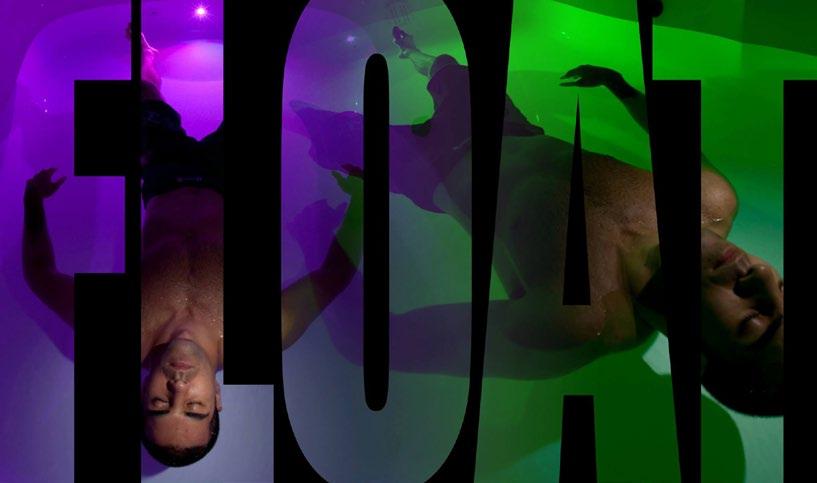
shown that a onehour float session after vigorous exercise resulted in significant reductions to pain perception (essentially decreasing pain sensitivity), as well as significantly lower levels of blood lactate, a compound produced by the body during intense exertion.
FLOAT THERAPY FOR CREATIVE AND COGNITIVE BENEFITS
Enhanced physical performance is not the only kind of performance that may benefit from floatation therapy, according to research. Practitioners of floating routinely talk passionately about the powerful focusing effect that
floating has on the mind and the creative juices it unleashes A float therapy regimen is a useful and proven tool for pain relief, exercise recovery and stimulating the creative parts of your mind. Celebrities who swear by the benefits include Joe Rogan, Brian “Head” Welch (Korn), and Stephen Curry (NBA) to name a few.
“One Stop”
Marijuana Community Resource Center and Integrated Health Clinic.
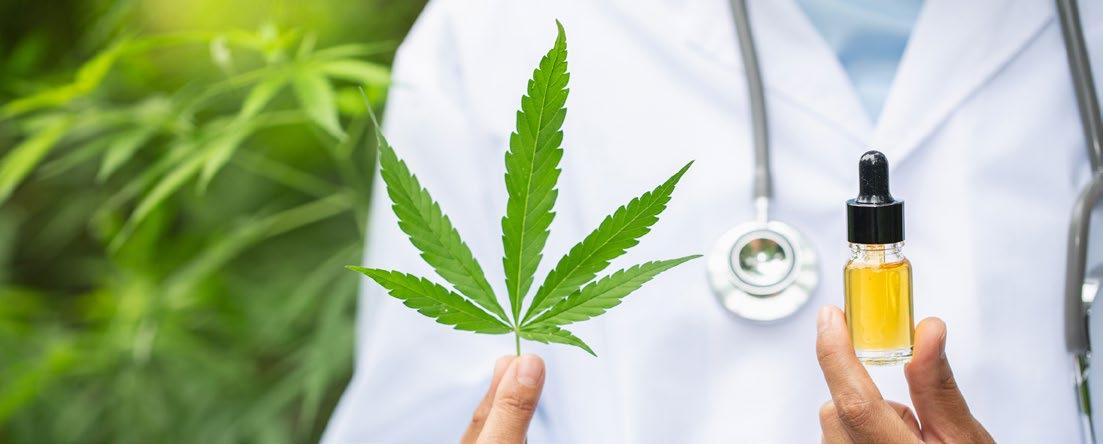

Safe Environment for our Community to learn about the benefits of CBD and the Medical Marijuana Program.
■ Medical Marijuana Doctors
■ Patient & Caregiver card application processing
■ Printed Card or Electronic Card Help
■ Fingerprint and Photo Service for Caregivers
■ Attorney Referrals
■ Dispensary Referrals
■ Acupuncture
■ I.V. Therapy
■ B12 and D3 Injections
MJ Consulting, LLC
Veteran Owned, Family Operated 8540 E. Hwy 69, Prescott Valley AZ 86314 928-772-2011
— NO MARIJUANA ON PREMISES —
■ Hemp CBD Store
■ Emotional Support
Animal Certification
■ Monday FREE Classes

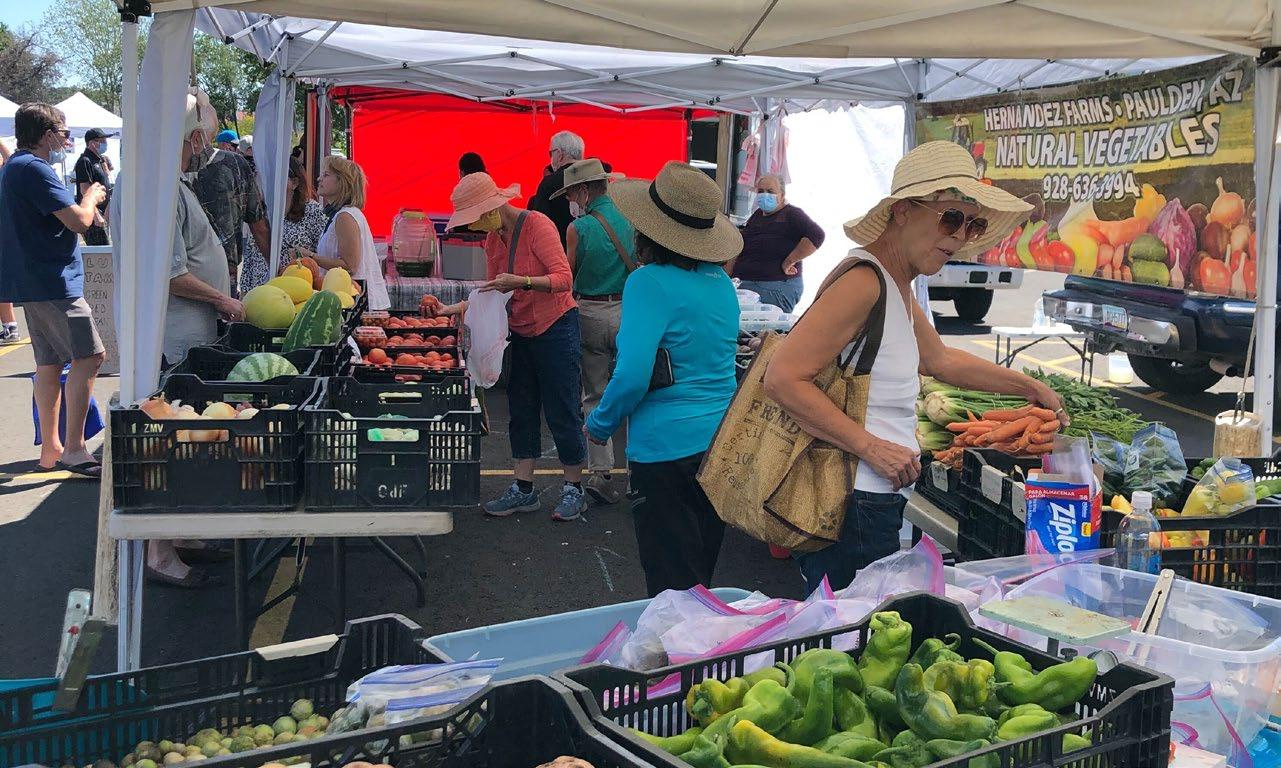
Here are 10 of Arizona’s most nutritious vegetables in season during the winter. Learn more about them at the from the Arizona Farm Bureau’s www.fillyourplate.org website.
When you buy fruits and vegetables in season, they’re more likely to be locally sourced and less likely to be picked before they are fully ripened, which compromises taste and nutrient value. They’re also going to be cheaper because the supply is greater, and they’re less likely to have been shipped from somewhere else.
Eating produce while it’s in season ensures you’ll eat a variety of crops, which contributes to a balanced diet.

1
Bok choy — Very lowcalorie and low-carb, this dark leafy green most often seen in Asian dishes is packed with vitamins A, C, K and B6 as well as beta-carotene, folate and calcium.
2
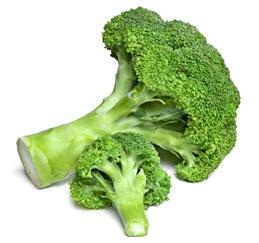
Broccoli — This superfood is packed with fiber and vitamins A, C, E, K and most of the vitamin B spectrum. It’s thought to have some anti-cancer properties and may fight prostate cancer.
3
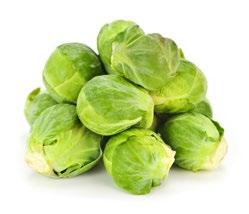
Brussels sprouts — These have many of the same nutrients as bok choy but are especially strong in antioxidant and fiber content. They may help protect you against cancer and high blood sugar.
4
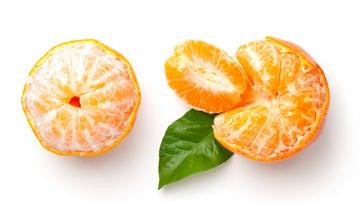
Clementines — These tiny citrus hybrids will fortify you with up to 40% of your recommended daily intake of vitamin C, which contributes to skin health along with other positives.
5
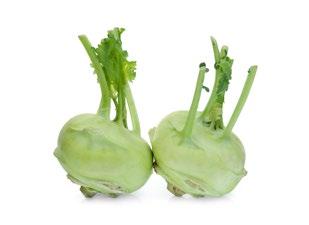
Kohlrabi — This bulbous brassica (you can eat the leaves, too) has tons of vitamin C and potassium, and can prevent cell damage and improve heart health.
6
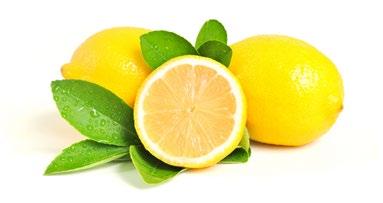
Lemons — Sour, but so good, these carry flavonoids and potassium that according to some research can reduce stroke risk. Other studies have found a possible link to weight loss.
7
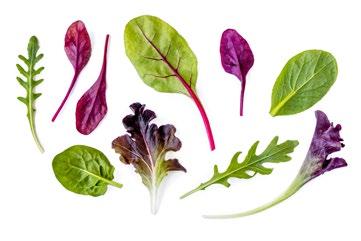
Lettuce — Often overlooked, the bedrock of salad contains plenty of fiber, iron, folate and vitamin C. Green leaf, romaine and red-tinged varieties are generally more nutritious than iceberg.
8
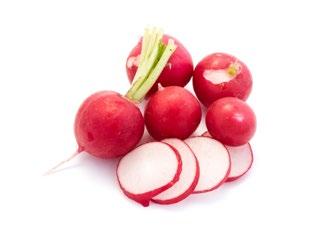
Radishes — These gems provide potassium that helps lower blood pressure, anthocyanins to aid heart function, and they help keep you hydrated with their high water content.
9
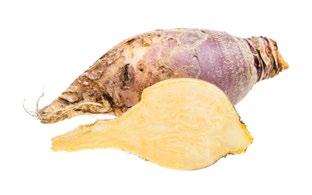
Rutabaga — These are high in glucosinolates, antioxidants that reduce inflammation and may protect against heart disease and several forms of cancer.

10
Sweet potatoes — These can have up to 400% of your recommended daily value of vitamin A, which boosts your immune system, vision, skin and reproductive health.
Although fall brings many favorites like pumpkin spice and cozy sweaters, it also brings cooler temperatures and the start of cold and flu season. While there’s no particular food that will guarantee a sick-free fall, there are some seasonal foods loaded with nutrients to help keep your immune system strong.
by Fry’s Food Stores
From sweet potatoes and squash to pumpkins and cranberries, adding some of these fall favorites to your plate will net you the nutrients to power through the season. A few superfoods to take advantage of include:
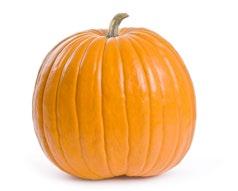
PUMPKINS — A great source of potassium, iron, zinc and beta carotene, pumpkins also contain an immune-boosting provitamin that is converted to Vitamin A.
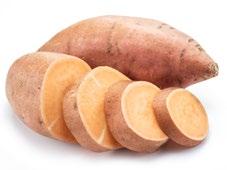
SWEET POTATOES — Loaded with antioxidants and vitamin A, sweet potatoes are a great superfood to support immune health.
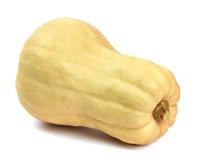
BUTTERNUT SQUASH — Commonly referred to as a vegetable even though it’s technically a fruit, butternut squash is packed with beta-carotene and vitamin C, which are great immunity-boosters.
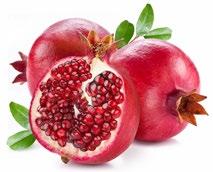
POMEGRANATES — These contain immune-supporting nutrients like vitamin C that can prevent growth of bacteria and virus.
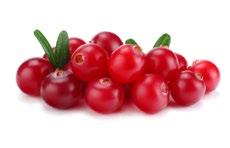
CRANBERRIES — A favorite on Thanksgiving, cranberry sauce and cranberries have vitamin C and polyphenols that boost immune health.
In addition to eating essential foods to maintain optimal health, getting the right vaccinations can help minimize the chances of getting sick. Fry’s Food Stores offers free flu shots through most insurance plans, available at a Fry’s Pharmacy near you.





“Notice that autumn is more the season of the soul than of nature.”
- Friedrich Nietzsche
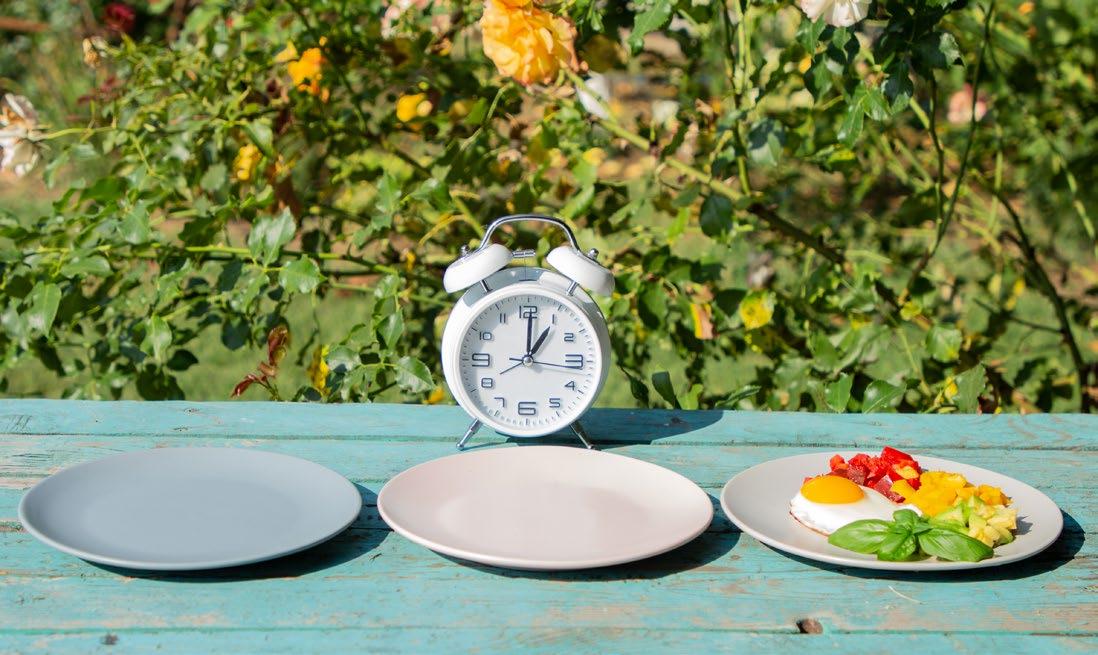
As it’s usually practiced, intermittent fasting isn’t a typical diet because it doesn’t include guidelines on how much or what kinds of food you should eat. Instead, it aims to cut calories by restricting the hours when you consume food.
Many people find this easier than counting calories or cutting foods out of their diet, and it can lead to weight loss and other benefits. Studies have found it can pump up levels of human growth hormone, which reduces fat and builds muscle. Cells initiate repair processes during fasting, and insulin levels
drop, making it easier for your body to use stored fat. It’s been shown to extend lifespans in animal research.
There are three primary forms of intermittent fasting with different timetables for food consumption:
* Alternate-day fasting — Eat normally one day and then fast the next either by not eating at all or having one meal of 500 or fewer calories.
* 5:2 fasting — Eat normal amounts of food five days out of the week and fast for two days.
* Daily time-restricted fasting — Eat normally
during an eight-hour period every day.
Research has suggested any of these approaches, particularly alternate-day fasting, are as effective as other calorie-restricted diets for losing weight and reducing the risk of certain obesity-related conditions such as diabetes, some forms of cancer and sleep apnea.
Some studies have found intermittent fasting could be more effective for prevention of diseases related to inflammation than other types of dieting, including heart disease and high blood pressure, Alzheimer’s, arthritis and multiple sclerosis.
Hunger is the most obvious side effect of intermittent fasting, along with fatigue and irritability that could affect work performance, though most followers adjust to the change in eating pattern in about a month. You still need to follow guidelines for a healthy diet and resist the urge to binge during your eating window.
Women trying to conceive or who are pregnant or breastfeeding should avoid intermittent fasting, as well as those who have had an eating disorder. Those with diabetes, cancer, gallstones and other serious illnesses should consult a doctor first.


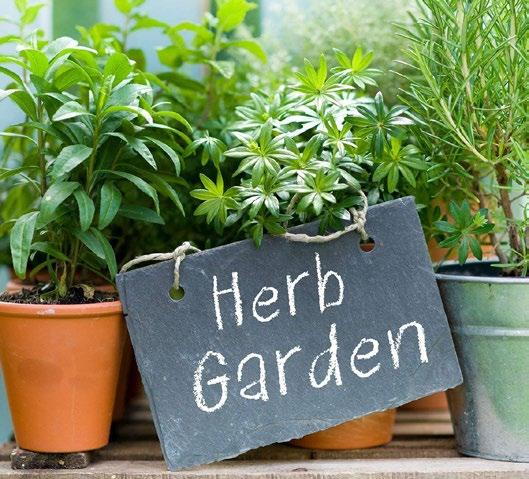
by Ken Lain, the Mountain Gardener, Watters Garden Center
Give one or all of these methods a try:
* Cut only healthy branches from plants. Remove dry or spotted leaves. If necessary, rinse with cool water and pat dry with paper towels. Remove lower leaves from the bottom inch of each branch.
* Gather together 4-6 branches and, using string or rubber bands, tie them into a loose bunch. Punch several holes in a paper bag and label it. Place the herb bundle upside down in the bag.The bundle of herbs should not be crowded or cramped. Tie together the exposed stems of the herbs and the open end of the bag. Hang the bag away from direct sunlight in a warm, airy room like a garage or mudroom.
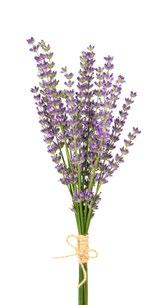
* In two weeks check how drying is progressing. Keep checking weekly until herbs are dry and ready for use. Dried herbs retain more of their flavors when stored whole in airtight containers.
* Harvest the freshest, healthiest leaves.
* Spread the individual leaves on a small tray or cookie sheet. Freeze individual leaves flat and separate to prevent them from freezing together.
* Put the tray of leaves in freezer.
* When the leaves have frozen solid, gently place them in airtight containers and return to the freezer.
Although I’ve been harvesting like mad, herb quantities are exceeding consumption at the Lain casa, so it’s time to start preserving.
* Stuff 2-3 individual leaves or a spoonful of chopped herbs into each cavity.
* Fill the trays half full with water. Try to submerge the leaves in the water. Put the half-filled trays into the freezer.
* Once the cubes are frozen, finish filling the trays with water. The leaves no longer will float and can be surrounded with water. Now place the tray back into the freezer. Freezing herbs in olive oil also works.
* When solidly formed, remove ice cube from the trays and store them in zip-closing freezer bags.
* When ready to use, toss the whole ice cube into the dish you’re cooking.
Autumn is an excellent season to plant new herbs like rosemary, thyme and lavender. Planting in fall produces a hardier plant for more production next season. Watters November herb selections are also evergreen. Until next issue, I’ll
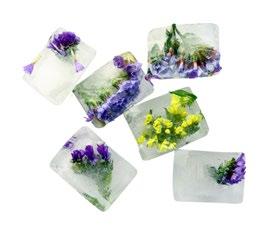
be helping locals plant better herbs here at Watters Garden Center. Ken Lain can be found throughout the week at Watters Garden Center, 1815 W. Iron Springs Road in Prescott, or FB.com/ WattersGardenCenter

The 3 p.m.-ish slowdown is real, so if you’re looking for a healthy option that won’t keep you up at night, here are some possibilities worth a shot.
* Decaf — It does contain a very small amount of caffeine, about 3 milligrams per cup, but still has most of the health benefits of regular coffee, including lowered risk of diabetes, better heart health and improving brain function, though it may fall short of caffeinated coffee in this last category.
* Green tea — Its caffeine content is considerably lower than coffee, and it contains more antioxidants than other teas because it doesn’t oxidize during preparation. It has been linked to lower cholesterol, reduced blood pressure and reduced risk of heart disease and some forms of cancer.
* Chicory coffee — Brewed from the chicory root, it has no caffeine and tastes very similar to conventional coffee. It has high concentrations of inulin, a soluble fiber that aids the digestive
process and helps with weight loss and regulating diabetes.
* Kombucha — This fashionable concoction includes fermented black tea, bacteria, yeast and sugar. This creates a symbiotic colony between the yeast and bacteria that produces probiotics and antioxidants with caffeine levels comparable to decaf.
* Green smoothie — When made with plenty of dark leafy greens, including superfoods like spinach, kale, flaxseed and acai, smoothies are
a real energy boost as well as an uncommon source of nutrients.
* Golden milk — This is a traditional Indian beverage made of milk (or a nondairy alternative), turmeric, cinnamon, ginger, black pepper and an optional drop of honey, all warmed in a pan. These spices have strong antiinflammatory effects and also boost brain function.
* Water — It’s usually very available, it hydrates, and it’s the basis of all life on this Earth. Including a lemon slice adds flavor and tons of vitamin C.

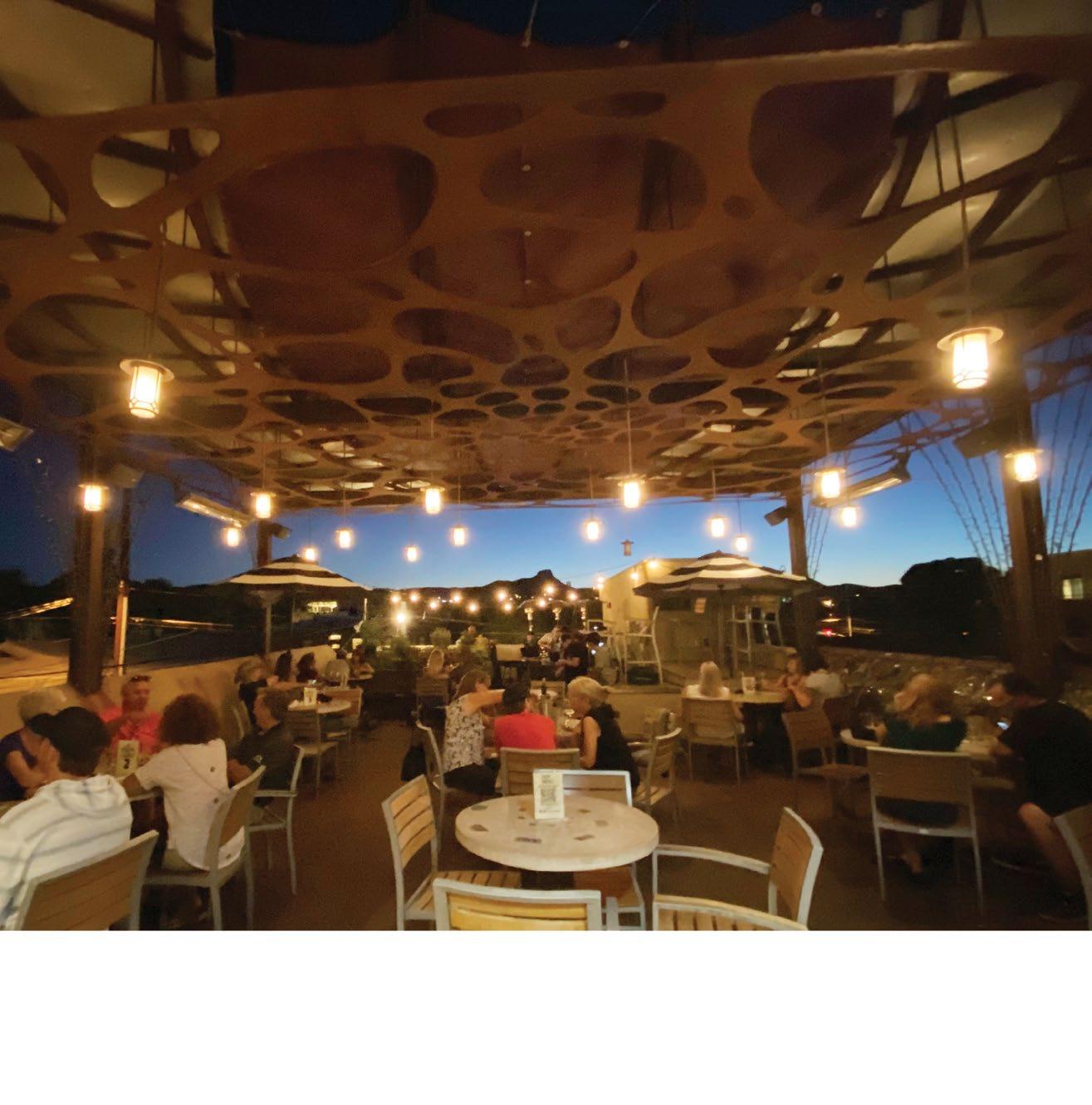
by Cathy Clements, Nutritionist & Life Coach, NSAM, CNC, CPT, FNS, WFS
November is a month filled with memories of fires in the fireplace, big sweaters, sitting outside in the evening chill talking to family and friends — and enjoying comfort foods. These foods usually are heavier, higher in fats and carbohydrates. As a kid I loved that we ate this food when family came to visit. Mom made certain treats just this time of year. Dad barbecued the turkey, with mom cooking all the traditional sides and desserts.
And oh the leftovers.
I have changed some of these. I’ve switched from starchy sides to roasted vegetables and homemade cranberry sauce. Instead of cornbread or white bread in my stuffing, I use wild rice, nuts and dried fruits. Find your own healthier twist. Also, remember to drink water. We dehydrate quickly in the dry air and higher altitude.
If you don’t drink water consistently, start with drinking water until your urine is clear. To make
drinking plain water less boring, I suggest adding non-sugared flavors such as lemon, lime, both lemon and lime, mint, cucumbers or ginger.
Or, have herbal tea. I love a sweet cinnamon herbal tea. Remember, caffeinated drinks, cold or warm, dehydrate us to an extent. Coffee may disrupt sleep. When we socialize with family and friends, we tend not to pay attention to what we are drinking and eating. Consider drinking a glass of water between each alcoholic drink
With food, I always say make the calories count. If you are going to eat it, make sure it’s worth the calories. If you are engaged with the food preparation, find ways to cut down or replace the ingredients that aren’t beneficial.
And, you can always get moving more to compensate for the additional calories.
This has been a challenging year. I know I am ready to enjoy the holidays with family and friends. You can have great connection and still not put yourself into a food/drink coma.
A cup of quinoa provides more than twice the protein and more fiber than white rice. Fill up faster with a smaller portion of this healthier option.
by Bailey Zygutis, Nutritionist, Vitruvian Fitness
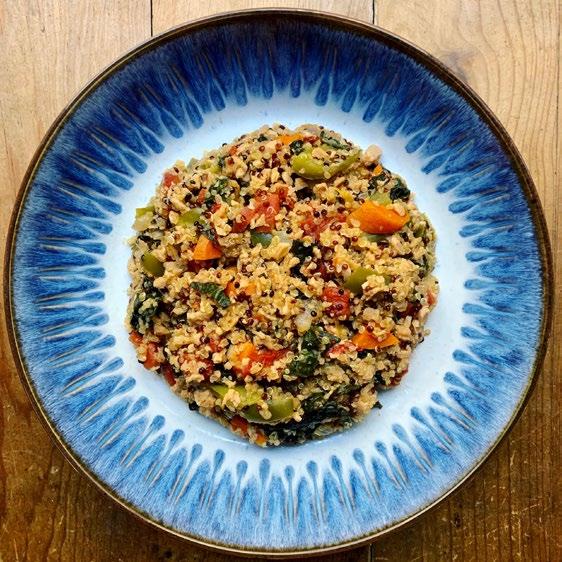
2 tbs Coconut oil
1 Yellow onion
1 Green pepper
1 Large carrot
1 bushel Dinosaur kale
1 can (14.5 oz) Diced tomatoes (drained)
1 cup Textured vegetable protein (TVP)
1 cup Tri-colored quinoa
1 tbs Nutritional yeast
Pink salt (to taste)
Black pepper (to taste)
1
In a glass bowl, mix TVP with 1 cup boiling water and 1 tsp salt and let sit 1-2 minutes.
2Meanwhile, dice yellow onion, green pepper, large carrot.
3Heat pan to medium with coconut oil and add diced veggies.
4Fluff TVP mixture with a fork, adding yeast.
5 Cut or dice 2 cups dinosaur kale.
6When veggies in pan are cooked but firm, add quinoa to pan for browning. Cook an additional 5-6 minutes, then add diced tomato (drained) and 2 cups diced kale. Cook until kale wilts, then add TVP mixture and 2 cups water. Let simmer 10-15 minutes until liquid is absorbed.
Serves 4 | Prep Time 35-40 min More info: www.thevitruvianway.com
TVP is a great source of vegan protein. In addition to protein, it is also a good source of iron, magnesium and phosphorous.
No matter what the occasion may be, you can never go wrong with a hot plate of fried chicken

4 oz Pork rinds*
1 1/2 tsp Thyme, dried
1 tsp Sea salt, dried
1 tsp Black pepper, dried
1 tsp Oregano, dried
1/2 tsp Garlic powder
1 tsp Smoked paprika
12 Legs and thighs bone-in chicken skinless, medium-size pieces
1 Egg
2 oz Mayonnaise
3 tbs Dijon mustard
* If pork rinds aren't your thing, almond flour or meal is a suitable substitute.
1
2
This low-carb standout is also dairy- and gluten-free and uses a little ingenuity to recreate the fried-chicken taste and texture we know, love and sometimes miss!
Preheat oven to 400 degrees.
Crush pork rinds into a mostly powdery texture, with some larger chunks for variety.
3Combine pork rinds with thyme, salt, pepper, oregano, garlic powder and smoked paprika. Spread out into a thin layer on a large
Serves 12 | Prep Time 50 min
plate or flat dish.
4Combine egg, mayo, and Dijon mustard. Dip each piece of chicken into the eggmayo mixture, then roll in the pork rind mixture until evenly coated.
5Place chicken on wire rack over baking sheet and bake for 40 minutes.
Served at room temperature, this super-easy, no-cook paleo pasta is created from all fresh veggies, herbs and spices, and almost any precooked protein can be folded into the mix to add more bulk. The sauce adds plenty of flavor along with healthy monounsaturated fats.
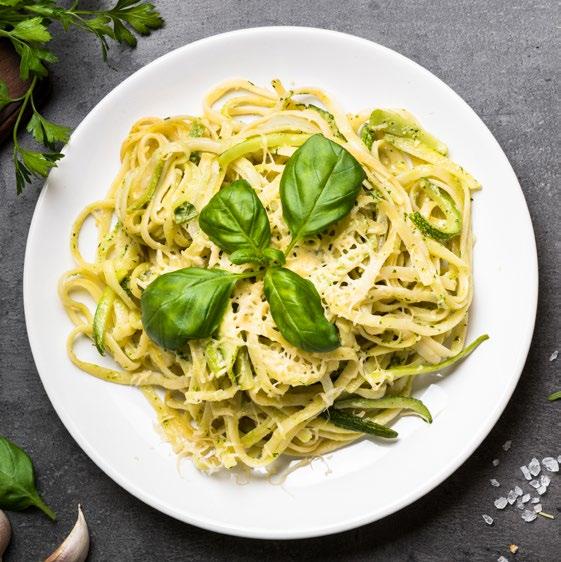
2 large Zucchinis
1 cup Cherry tomatoes, sliced in half 1/2 cup Pine nuts
1/2 cup Fresh basil, julienned
Salt and pepper, to taste
Crushed red pepper flakes to taste
For the sauce:
1 medium Avocado, pitted
1 1/2 cups Fresh basil leaves
1/4 cup Pine nuts
3 cloves Garlic, minced 1/2 cup Extra virgin olive oil + more to thin if necessary
1 tbs Fresh lemon juice 1/2 tsp Fine sea salt
1
Create zucchini noodles (aka “zoodles”) with a spiralizer or by slicing zucchini into thin strips (julienne cut).
2Prepare sauce by combining all ingredients except zucchini in a food processor and mixing until smooth. Taste test; adjust seasoning as necessary. Add a
Serve at room temperature. Serves 4 | Prep Time 10 min
bit more oil if sauce too thick.
3Place the zucchini noodles in a large bowl and toss with 1/2 of the avocado-basil sauce. Add cherry tomatoes, pine nuts, basil, salt and pepper. Taste test and add more of the avocado-basil sauce if necessary.
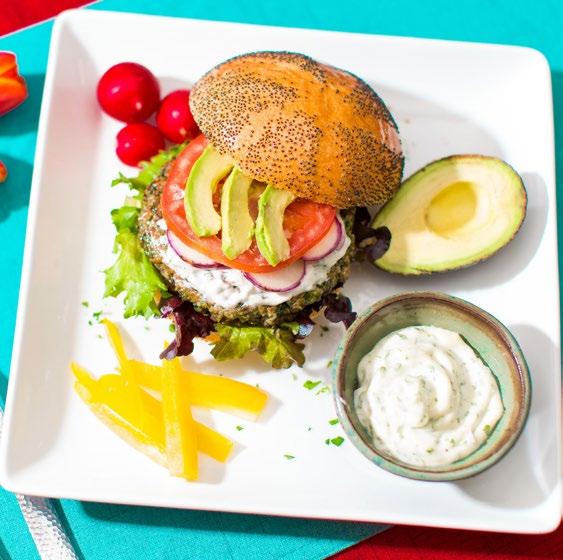
2 cups Beans (cooked-from-scratch if you have them)
1 Egg, optional
1/3 cup Breadcrumbs, quinoa flakes, oats or cooked grains
“Clean Out the Fridge” Suggestions:
1 cup Carrot top greens (chopped)
1/2 cup Fresh dill (chopped)
1/2 cup Fresh Italian parsley (chopped)
1/3 cup Scallions, onion or shallot (chopped)
1 cup Mushrooms (chopped)
1/2 tbs Dijon mustard
1 tsp Garlic, minced
1/2 tsp Black pepper
1 tbs Red wine vinegar
Chef Omei Eaglerider, Executive Chef at Fry’s Signature Marketplace Culinary School, offers this simple recipe to make your food go further in a delicious way.
1
Preheat the oven to 400°F.
2
In a large food processor, combine all the prepared ingredients and blend until you get a nice moist “dough” consistency. Not smooth, but not too chunky. This mixture will be very moist when you go to form the patties.
3Form 4 equal patties with your hands. Flatten and place on a baking sheet
Serves 4 | Prep Time 40 min
lined with either a Silpat or parchment paper.
4Bake for 15 minutes, carefully flip, and bake for another 15 minutes. (Total cooking time is 30 minutes)
5Remove and serve right away or allow to cool completely before wrapping in wax paper, placing in a plastic bag, and freezing.
This vegan spin on spaghetti Bolognese is a tasty, lighter take on the Italian classic, subbing walnuts, mushrooms and lentils for the traditional beef and pork. Unexpected dashes of balsamic vinegar and soy sauce add more zip, and you can serve with shaved pecorino cheese if taking it a step down to vegetarian is OK.
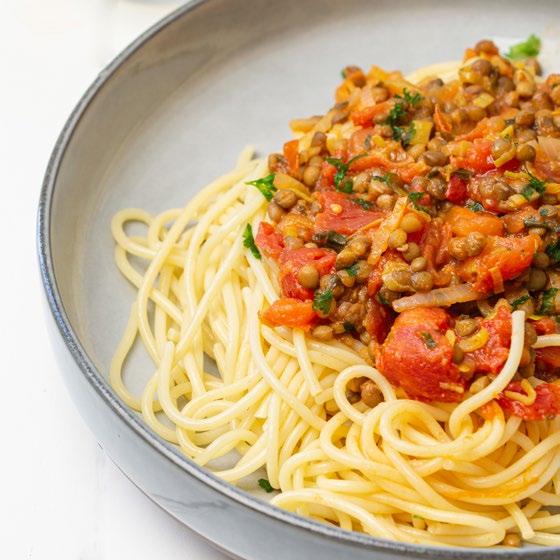
2 tbs Extra virgin olive oil 1/2 Yellow onion, diced (about 1 cup)
1 Medium carrot, diced
4 cups Chopped cremini mushrooms
1 tbs Chopped rosemary
1/2 cup Walnuts, crushed
2 cloves Garlic, minced
1 tbs Balsamic vinegar
1 tbs Tamari or soy sauce
1 14-oz can Fire roasted diced tomatoes
1 1/2 cups Cooked brown or green lentils*
1 tbs Tomato paste
1 tsp Dried sage
1 cup Cherry tomatoes, halved
8 oz Spaghetti
1 cup Fresh basil, sliced (optional)
1/2 cup Toasted pine nuts
Red pepper flakes, to taste
Sea salt, freshly ground black pepper to taste
1
Heat the oil in a large skillet over medium heat. Add onion and carrot and pinches of salt and pepper and cook until they begin to soften, usually 3 minutes. Add mushrooms, another pinch of salt, and cook while stirring occasionally until soft, about 8 more minutes.
2
Stir in the rosemary. Push mixture to one side of the pan to make room for the walnuts. Add crushed walnuts and toast for about 30 seconds, then stir everything together. Add garlic, then balsamic vinegar and tamari
and stir to incorporate. Add the tomatoes, lentils, tomato paste, sage and fresh cherry tomatoes. Stir.
3
Reduce heat and simmer for 20 to 30 minutes until sauce thickens. Season to taste.
4
Bring a large pot of salted water to a boil. Prepare the pasta according to the instructions on the package, cooking until al dente. Drain and add the pasta to the pan with the sauce.
5 Serve with fresh basil, pine nuts and pinch of red pepper flakes.
Serves 3-4 | Prep Time 30-40 min
Try this speedy main course for your family on a weeknight -- all it requires is one pan and a bunch of ingredients you likely already have
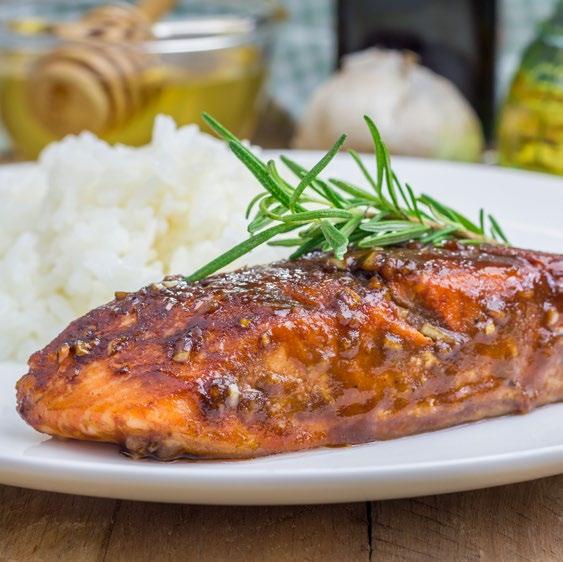
4 Wild-caught salmon fillets about 1/2 pound each, skin off or on
1/2 tsp Paprika (mild, sweet or smoky)
2 tbs Butter
4 cloves Garlic, finely chopped or minced
4 tbs Honey
1 tbs Water
2 tsp Soy sauce
1 tbs Fresh squeezed lemon juice, (plus extra to serve)
Salt and pepper, to season
Lemon wedges to serve
This sweet dinner treat combines the healthy omega-3s and protein of salmon with lemon’s tang and immune-boosting vitamin C.
1
Slide oven shelf to the middle of oven; preheat to broil/grill settings on medium heat.
2
Season salmon with salt, pepper and paprika. Set aside.
3
Heat butter in a skillet or pan over medium-high heat until melted. Add garlic and sauté for about a minute, until fragrant. Pour in honey, water and soy sauce; allow the flavors to heat through and combine. Add lemon juice; stir well to combine flavors.
4Add salmon fillets to sauce in the pan; cook
each fillet (skin-side down if there’s any skin) for 3-4 minutes or until golden, while basting the tops with the pan juices. Season with salt and pepper, to taste.
5
Baste salmon one more time then transfer the pan to your oven to broil/grill for 5-6 minutes, or until the tops of the salmon are nicely charred, and the salmon is cooked to your liking. (Add the lemon wedges around the salmon before broiling for a stronger lemon tang).
6To serve, drizzle with the sauce and a squeeze of lemon juice.
Serve with steamed vegetables over rice or with a salad. Serves 4 | Prep Time 20 min