
r Spinal Stenosis.

The Vertiflex Procedure is a minimally invasive and stand-alone implant that is placed inside the spine to help prevent reduction of the space when standing or walking. This type of treatment is also known as an interspinous process decompression. It provides relief by liftin g pressure off the nerves to alleviate leg and back pain symptoms that often accompany the condition.
Developed with patient safety and comfort in mind, this FDA-approved, outpatient treatment aims to give those with lumbar spinal stenosis the freedom to get on with their daily lives, as it offers a significant reduction in symptoms and improves physical function. Learn more at www.NorthernArizonaPainInstitutes.com.



“Our mission is to connect & provide you with the personalized, integrative healthcare you deserve, in a comfortable setting of your choice, so that you can live the life you love.”
ACCESS
HEALTHCARE
DESERVE Now Accepting New Patients. Dr. Karissa Walton is a licensed Naturopathic Medical Doctor (NMD) who specializes in treating chronic pain and neurological conditions. 140 N. Granite Street | Prescott (928) 298-3349 info@themobilehealthdoc.com @mobilehealthdoc






• Women’s well check
• Cosmetic Botox
• Medical Botox
• Dermal filler
• Acne treatment
• Chemical peels
• Body sculpting
• Emsella treatments
• Incontinence Treatment
• Permanent cosmetics
SEXUAL HEALTH CLINIC
• Hormone replacement therapies

• Hormone pellet therapies
• Woman sexual dysfunction
Local HEALTH ENTHUSIASTS

Kimberly Albarran PT, DPT. ISSA Fitness, Nutrition Specialist and Health Coach
Kimberly Albarran graduated from the NAU clinical doctoral program. She’s an ISSA Fitness/ nutrition specialist and Dr. Sears Wellness Institute health coach, specializing in chronic pain. She focuses on a whole-body approach through nutrition, mindfulness, movement and sleep.
Cathy Clements
Nutritionist & Life Coach, NASM CNC, CPT, FNS, WFS
Cathy Clements is a certified personal trainer and nutrition coach. She has experienced challenges in her fitness and nutrition and is helping women over 40 regain their youthful energy. She will meet you wherever you are on your journey.

Dr. Hojat Askari
Founder & Medical Director, Thumb Butte Medical Center
Dr. Hojat Askari, or "Dr. A," is founder and medical director of Thumb Butte Medical Center at 3124 Willow Creek Road, Prescott, with over 20 medical professionals specializing in family medicine, internal medicine, cardiology, allergy treatment, and foot and ankle surgery.

Lori Durr Owner, Sundara Sanctuary
Lori Durr is the owner of Sundara Sanctuary
Wellness Spa & Boutique. She’s spent 25 years focusing on wellness and is a Certified Healing Arts Practitioner, LMT, Licensed Aesthetician, Certified Colon Hydrotherapist and is working on getting board certification in nutrition.

Dr. Katie Borchert Naturopath, MSOM
Dr. Katie Borchert uses natural medicine to increase vitality, youthfulness and qi flow through naturopathic methods. She trained at National University of Health Sciences in Lombard, Illinois, and is a licensed naturopathic physician practicing in Prescott and Prescott Valley.

Brad Hayman DPM, Complete Foot & Ankle Care
Dr. Brad Hayman has been a podiatrist for over 40 years. After having a successful practice in Sun City, he moved to Prescott in 2006. He’s board certified by the American Board of Foot and Ankle Surgeons and in wound care.

Carmen Catterfield MA, Honeybee Healing & Counseling Services
Carmen Cartterfield moved to Prescott after receiving her master’s degree in clinical mental health counseling from Lesley University in Boston. She’s worked as a group and individual therapist with adolescents and adults and is now in private practice at Honeybee Healing & Counseling Services.

Carl Johns LMT, Director, ASIS Massage Education
Carl Johns has been a massage therapist and educator for 25 years. He practices and teaches many Eastern and Western bodywork styles and has specialized throughout his career in working with people with disabilities and complex health conditions.
We believe local experiences are important. With that in mind, we’ve partnered with local contributors for their perspectives on a variety of healthy living topics. Here are the writers who helped make this issue possible.
Ken Lain Owner, Watters Garden Center
Ken Lain, known as "The Mountain Gardener," writes weekly columns that are featured nationally. His podcast and YouTube channel by the same name have millions of downloads. During the week he can be found at Watters Garden Center in Prescott.

Loree Walden
Marketing Manager, Yavapai Humane Society
Loree Walden is originally from Honolulu, Hawaii, and moved to Prescott in 2010. Her background spans a variety of careers, including 20 years of tax preparation, eight years of radio traffic and her current position as marketing manager for Yavapai Humane Society where she is able to do what she loves by helping animals through advocating for them to help them find their furever homes!

Jennifer Martin MSN, RN, Prescott Women’s Clinic
Jennifer Martin is a registered nurse with a master’s degree in nursing education from Grand Canyon University. She spent most of her career as a labor and delivery nurse and recently transitioned to working as a triage nurse in a busy OBGYN office. She loves caring for her community.

Dr. Karissa Walton Founder & Medical Director, The Mobile Health Doc
Dr. Karissa Walton is a licensed naturopathic medical doctor (NMD) who specializes in treating chronic pain and neurological conditions. She is passionate about teaching her patients how to optimize their health and performance so they can live the life they love.

John Murphy Chair, Prescott Commission on Well-Being
John Murphy is chairman of the Prescott Commission on Well-Being and founder of the Make 100 Healthy Foundation, whose mission is to reduce diabetes and obesity though nutrition and gardening education. He's a proud husband, father and real estate agent.

Donna Werking Owner, Northern AZ Social, LLC
Donna Werking is the owner of Northern Arizona’s premier marketing firm. She specializes in the latest digital and traditional marketing strategies for businesses. She dedicates her time on committees and boards to support local nonprofits and organizations in her community.
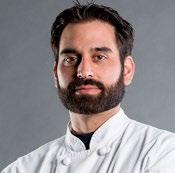
Chef John Panza Owner, BiGA
After working in restaurants in Phoenix, San Diego and Prescott, Chef John Panza and his wife Cassandra created SENSES, a unique, pop-up dining concept and took ownership of BiGA. Since then, Chef John has been creating seasonal menus at BiGA that reflect his expertise and that spotlight our local farms.

Bailey Zygutis
Nutritionist and Personal Trainer, Vitruvian Fitness
Bailey Zygutis is a nutritionist and personal trainer with Vitruvian Fitness. With a passion for holistic health, she works with individuals in person and online to create customized programs that teach them to more fully enjoy the benefits of good health.
Nutrition is

the Foundation
FOR GOOD HEALTH

Nutrition is a powerful thing; it sets the table for the rest of our health and the rest of our lives.
Nutrition helps to protect us from chronic disease, which in many cases is caused by inflammation from an unhealthy diet.
It boosts our immune system with essential vitamins and minerals.
It manages our weight without requiring extreme, unsustainable diets. The right foods can help us retain our energy and intellectual vigor as we age.
Nutrition increases happiness by raising the level of neurotransmitters in the brain that boost our mood and reduce the risk of mental health disorders.
FOUNDATION BUILDING
While there’s lots of evidence to prove the importance of nutrition to our lives, we often get conflicting messages on how to eat the most balanced diet for long-term health — fat or nonfat? How low-carb should you go? Just how bad is processed food?
But a consensus has formed around some building blocks for a diet that will keep us fortified with the energy we need for our daily lives; exercise included:
* Consume healthy vitamins, minerals, antioxidants and healthy fats including
monounsaturated. Try to meet daily goals set by federal nutrient guidelines or medical providers.
* Protein and carbs are critical to building and fueling our bodies, but we should steer away from red meat and refined carbs and toward healthier sources of these nutrients, including lean proteins and whole grains.
* About half our diet should come from whole fruits and vegetables because of the wide variety of nutrients and antioxidants they supply to the body. The other half
should be split about evenly between grains and plantbased or animal protein.
* Dairy is an excellent source of calcium, vitamin D and protein; low-fat versions are preferable, and alternate sources can be found for vegan eaters.
* Avoiding added salt and sugar, saturated and trans fats and limiting alcohol intake can prevent a lot of health issues. Excessive salt, sugar and trans fats (which should be avoided in any amount) are often used in highly processed food.

Get Growing Let’s Prescott!
by John Murphy, Chair, Prescott Commission on Well-Being
That’s the message Prescott citizens have voiced about the many budding gardening projects sprouting up in our city.
With spring on the horizon, days staying light longer, birds chirping, bees buzzing and flowers blooming, it’s time to think about growing a garden.
More people than ever are gardening not only as a hobby but an important way to ensure food security in a great backyard activity.
Ken Lain, owner of Watters Garden Center and host of the The Mountain Gardener radio show, says he’s never seen such a resurgence of backyard food gardening.
“We were amazed at the amount of fruit and vegetable gardens people grew last year. The Victory Garden was reborn, and people are enjoying their gardens,” Lain says. Watters Garden Center hosts weekly gardening
classes on Saturdays.
If you have a black thumb, or don’t have the space to grow your own garden, a great way to get fresh, nutritionally dense food is to visit our local farmers market.
Kathleen Yetman is the executive director of Prescott Farmers Market. She was born and raised in Prescott, where she discovered the joy of gardening in her grandmother’s backyard.
She has led the mission to provide a venue for local farmers to connect and sell their goods directly to the public.
Through April 24, the Prescott Farmers Market is open 10 a.m. to 1 p.m. on Saturdays in the parking lot of Yavapai Regional Medical Center, Miller Valley Lot, 900 Iron Springs Road. Additionally, a group of passionate citizens are working to bring back a community garden.
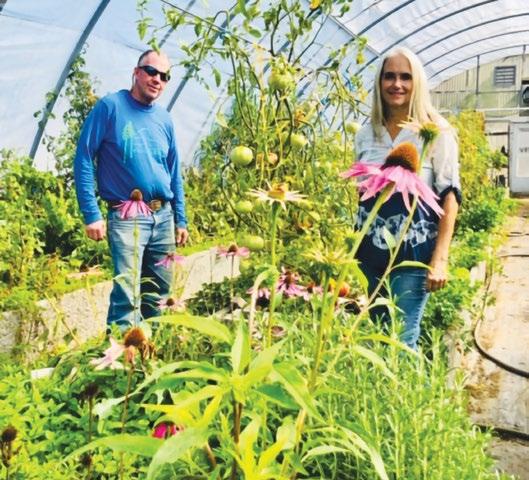
John Assadorian is leading the effort.
“Our mission is to build community around a gardening culture through the education, resources, and charity that results when we learn to grow our own food together,” he says.
My personal interest in teaching people about gardening has led me to create the nonprofit Make 100 Healthy Foundation, which helps raise money for local farms and gardening
programs. The Gardeners of Destiny training program teaches the next generation how to grow a garden. This effort has been led by legendary gardener Daniel Blake working in conjunction with local farms including B Organic Farm in Chino Valley.
It’s exciting to see so many people and organizations embrace the value, joy and benefits of gardening. Without further ado, Prescott let’s get growing!


HEALTHY EATING
Refocus on RESOLUTIONS
It’s March. Are you still working toward your New Year’s resolutions or have you completely dropped the resolution and said ‘I can’t do that’?
by Cathy Clements, Nutritionist & Life Coach, NASM CNC, CPT, FNS, WFS
The feelings of excitement that surround the holidays are worn off and most people are trying to find something to look forward to, but can’t quite see the “next thing.” Returning to your original focus is good during this month.
Focus on what you wanted when you originally set your annual goals and focus on what you want in the coming months. Start by maintaining the health goals you started for this year, recommitting yourself to your fitness and nutrition.
March weather can be cool or warm, which affords the options of a variety of foods that satisfy. Use creativity when deciding how to maintain your chosen diet during this time. Creativity and flexibility may make your meal planning more difficult but not impossible.
Start with the produce section of your favorite supermarket. The dark green vegetables can be eaten raw or cooked and still provide

you great nutrition. Select vegetables you haven’t tried before. Brussels sprouts are a wonderful vegetable that can be cooked on the stove or in the oven. I cut them in half and sauté them on the stove with onion, salt and pepper. I start with a hot pan then take it down to simmer and cover them to get them to the desired crunchiness. They will be bright green if
you like them fairly crunchy. I also thinly slice them and place them on a baking sheet with some olive oil and a vegetable with an opposite color like butternut squash or sweet potatoes. Again just a little salt and pepper and this is a wonderful side dish. If you have leftovers, both versions can be eaten cold or re-heated. I don’t prefer kale, but try warming it with olive
oil seasoning. I mix the kale, which can be tart, with mushrooms and thinly sliced onion. Both of these sides are great with beef, pork, chicken or fish. When I use these with fish, I use fewer seasonings so they don’t overpower the flavor of the fish. Be creative and have fun trying new things. You never know what might become your new favorite.

MLS Cold Laser | Bunions | Hammertoes | Heel Pain | Diabetes
Neuromas | Neuropathy | Foot and Ankle Pain | Fungus Toenails

IdentifyChanging Eating Habits EMOTIONAL NEED BEFORE
Developing healthy eating habits often is viewed exclusively as a physical endeavor — one to be supported by biological and nutritional science. These are important components to be sure, but also exclude an important truth — our relationship to food is often an emotional one.
by Carmen Catterfield, MA, Honeybee Healing & Counseling Services
If you have been attempting to change a food-related behavior for some time without any success, it may be time to turn inward.
Let’s say you’re starting a new diet or you’re trying to cut out your “guilty pleasure.” You feel ready, but yet you can barely get through the first week. We tend to blame ourselves. But this is missing the fact that the food habit may be serving an emotional purpose in our life.
Changing the behavior without replacing the emotional need it was meeting is almost impossible. This is not a failure; it simply means we have to start with the emotional problem first before we can change the behavior. Find time to sit down and imagine doing the behavior you are hoping to change. Maybe it’s eating that third cookie or maybe it’s the idea of not eating at all.
Ask yourself what feels good about this behavior? Because something feels good about it. Maybe it

makes you feel comforted or in control or rewarded after a long day. Write down everything you can think of. This is your emotional need. This is the reason you can’t stop. Flip the page. Think about all of the other things you feel after you engage in this food behavior. Chances are, if you’re trying to change it, it has some negative
impact on your life. Be as specific as you can. You may already know these consequences clearly or some of them may come as a surprise. Try not to become critical toward yourself at this point, remember you are just gathering information, and there is still one more step.
Go back to the emotional need from the first page.
Write down a list of all the other activities in your life that give you the same positive feeling. Be as specific and creative as you can. Then come up with ways to bring these behaviors into your daily routine. It will become essential that you prioritize these replacement behaviors as you are trying to change your food habit.










































































































































































FLU SEASON
RUNNING Start
IN 3 EASY STEPS
Many of us dream about running marathons or half-marathons in exotic locales but are too intimidated by the training process to see if it can ever become a reality.
By setting a more realistic goal, like running a 5K, your running dream can come true in as little as six to eight weeks.
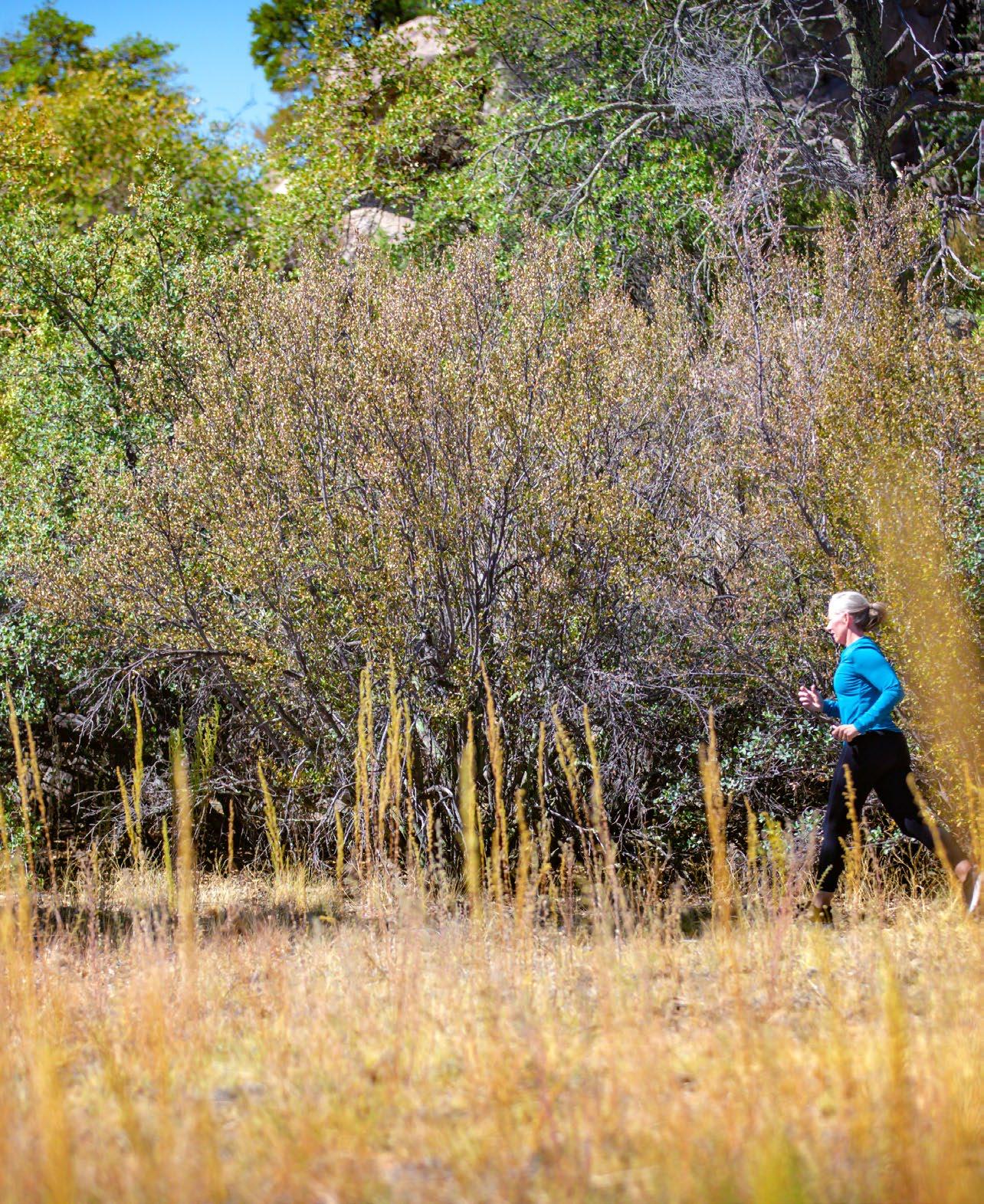
The first thing you need to do is find a comfortable, supportive pair of running shoes. If you have any chronic health issues or have been sedentary for more than a year, you should also consult your doctor before starting an exercise program. Here’s a good howto guide for people who want to start on their own or with a running buddy. If you’re already eyeing a certain 5K you can find numerous tailored training programs online.
1
WALK BEFORE YOU RUN
If you’ve never been a runner before, it’s a good idea to start out walking for 20-30 minutes four times a week for at least a couple of weeks. Then you can start run-walk interval training. For example, you can begin running for 30 seconds at a time, then walk for 2 minutes. Build yourself up to 6-8 minutes of running for every 30 seconds to 1 minute of walking, however long it takes. This reduces your risk of joint injuries and makes the process of training less daunting.
2CONTROL YOUR PACE
Make sure you’re able to fairly easily sing or hold a conversation while you run — you shouldn’t be gasping for breath. On the other hand, if you’re belting “Sweet Caroline” or yelling at your running partner, it could be a good idea to start pushing yourself a little more.
3A FEW DAYS AT A TIME
Don’t run every day, at least for the first three to four months of your training, so your joints can continue to adjust to the repetitive motions you’re putting them through. If you start at three days per week and hold to that schedule for six weeks, you can consider adding a fourth day if you’re comfortable and satisfied with your progress.

Lope Around LynxLoopLake
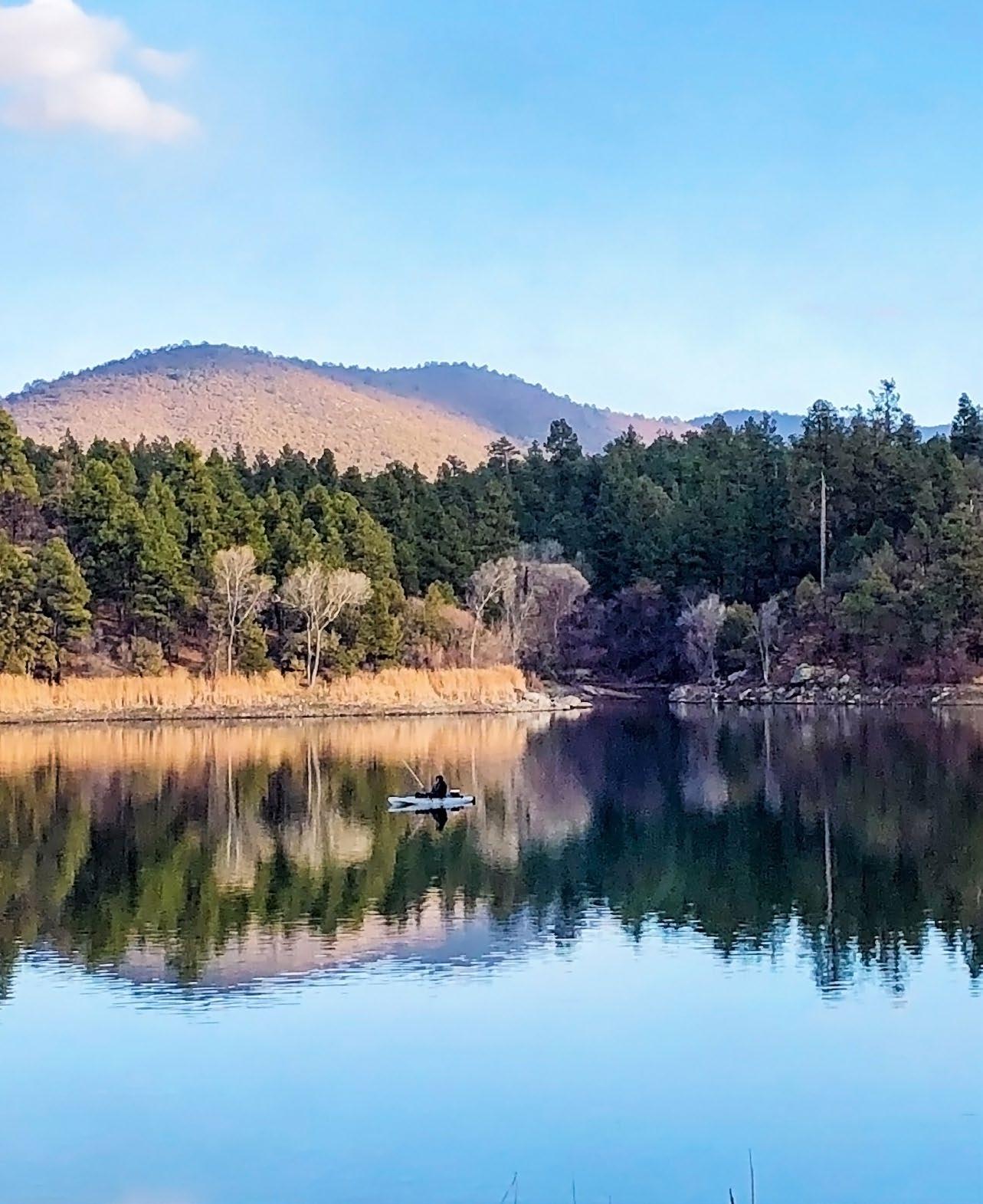
All of Greater Prescott’s lakes are gems, but Lynx Lake could be the ultimate crowd-pleaser.
Found on Walker Road just south of state Route 69 and the border between Prescott and Prescott Valley, it’s the farthest east of the five large man-made lakes in the area, centrally located for the population and the closest to Phoenix.
It’s the heart of a recreation area that offers just about any category of outdoor fun the Prescott National Forest has on offer: camping in tents and cabins, fishing, boating, canoeing and paddle boarding, swimming, picnicking, even gold panning.
And the hiking — there are 14 trails crisscrossing the recreation area, most allowing mountain biking and horseback riding.
The lake itself is ringed by a half-paved, half-dirt trail rated as “easy.” The trail along the western shore is paved and wheelchairaccessible, while the eastern shore gets a narrow dirt path with some rocky spots, but most hikers will find it easy to manage.
Bikes and horses are not permitted on Lynx Recreational Trail No. 311; the 2.4-mile loop is heavily used
by hikers of all experience levels, drawn by the alpine atmosphere and a path that welcomes anyone interested in working some enjoyable exercise into their day.
The trail is excellent for spotting all types of animals, but birdwatchers often get the most action. Bald eagles often reign over the lake in winter, and the west (paved) portion of the trail can be subject to closures between Dec. 1 and June 30 to protect their nesting sites. Ospreys take over in summertime when javelina can be spotted along the shoreline, as well as many small birds including the smallest of all, hummingbirds.
The views along this lake are spectacular whichever side you’re on, and every time of the year, the imposing trees mirrored by the water. If you’re lucky enough to catch it in the snow you’ll never forget its beauty.
Summertime breezes and shade make it the ideal setting to beat the heat.
Bring every generation of your family here to create wonderful shared memories or come by yourself or with a buddy to jog around the shore two or three times — whatever you’re in the mood for, this lake will deliver!


LYNX RECREATION TRAIL NO. 311
The trail begins and ends at the south shore parking lot of the Lynx Lake Recreation Area. Travel east (from Prescott) or west (from Prescott Valley) to Walker Road, then drive 2.6 miles south on Walker to Southshore Drive. The trailhead is about 1/3 mile in on your left, just before you reach the parking lot.
It takes about 45 minutes to complete the loop trail, which connects to Johns Tank Trail No. 94 (also for hikers only) and trails Nos. 401-406, which connect the popular campground to the lake.
Parking fees: $5 for day use; free on Wednesdays
Usages: Hiking
Mileage: 2.4 miles
Level of difficulty: Easy
Elevation: 5,550 feet
Photo: Blushing Cactus
| Map: The City of Prescott
Be Mindful When
Navigating Downhill
Mountain biking by definition involves many slopes, which new riders must learn to master before they take on many trails beyond the “easy” level or go riding with their more experienced buddies. These are the reasons most people take up the sport in the first place, so these are crucial skills to pick up.
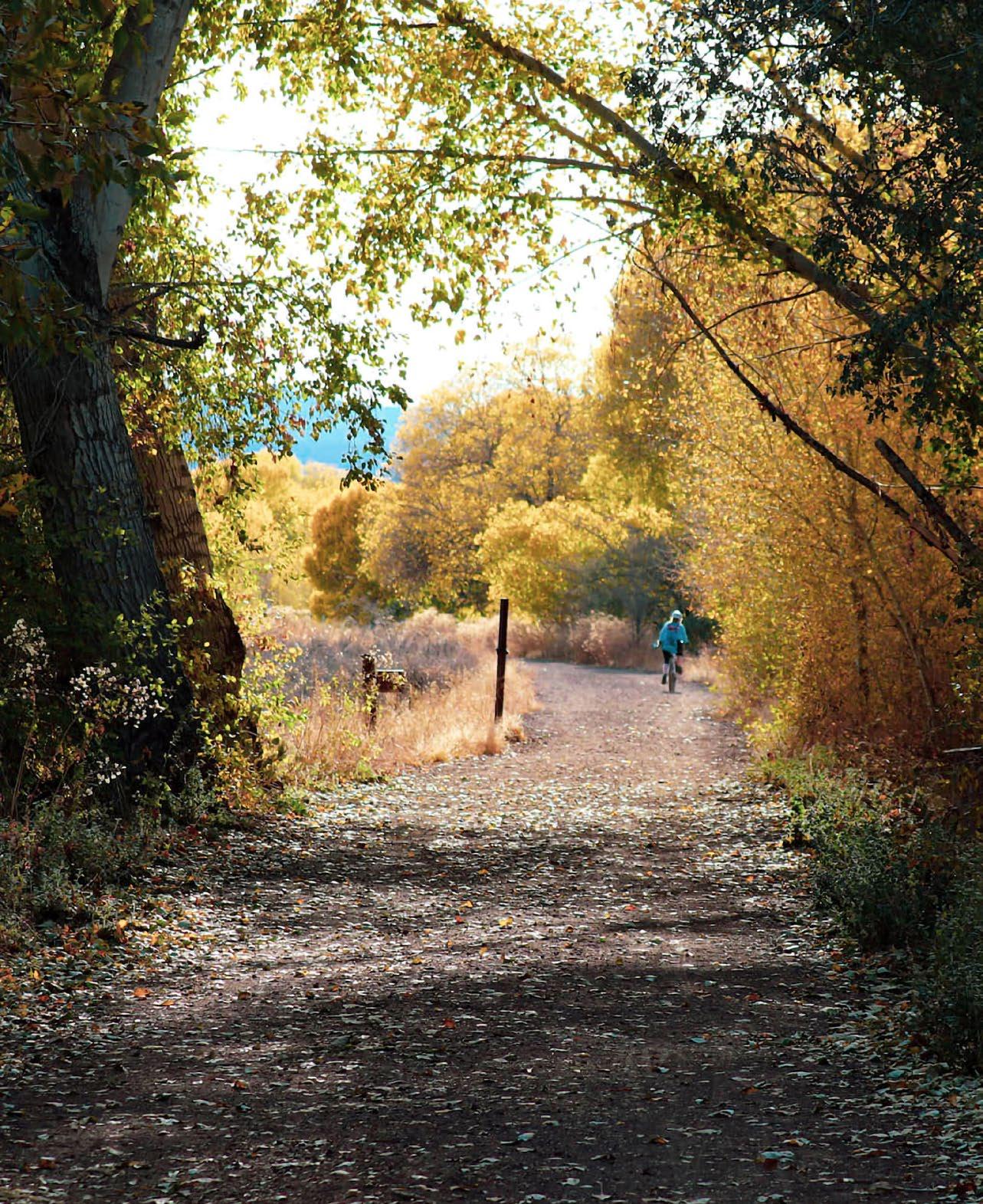
Most of the time you don’t have a lot of choices while ascending a hill — you lean forward and use an easy gear to make any progress. Downhill, gravity is on your side and it’s your job to decide how to use it for speed and control.
When approaching a steep grade on your bike, start picking out your line, or the route, you want to take to the bottom of the hill. You
need to be cognizant of the hazards you’re trying to avoid but maintain your focus on where you want your tires to go.
Braking skills are key as you begin your descent. Virtually everybody realizes slamming your front brakes while downhilling is bad, but they still need to be used. If you keep your body in the proper position, sitting as far back on the seat as you can without losing your control, you
should be able to apply rear and front brakes with the same force. If you need to regain momentum, release the front brake a bit.
Hold your arms and legs as close to your bike as you can to absorb the inevitable shocks that will come your way but try to keep your muscles relaxed. Keep your feet in platform (3 and 9 o’clock) position unless you’re going around a tight corner.
It’s tempting to let
yourself fly down the slope, but the inevitable surprises in the form of other bikers, hikers and wildlife requires you to keep command over your speed. Remember you don’t want to end up in a skid, which will eliminate any control you have over your bike and might damage the trail.
Learning to combine these skills will allow your path to flow downhill without endangering yourself or anyone else.
Photo: Blushing Cactus Photography



Tabata Just You IT TAKES to
HIIT, or high-intensity interval training, is having more than just a moment in the fitness world spotlight because research is backing up its claims of being more effective at boosting your fitness level in less time.
One intensified form of HIIT is called Tabata. In most formats, HITT’s rest periods are as long as or longer than the full-stop bursts, while Tabata only gives you 10 seconds of rest for every 20 you spend working out with maximum effort. The result is efficient at building strength and maintaining or losing weight, but can also be brutal on your body without proper warm-up and cool-down routines.
WHERE DID TABATA COME FROM?
A 1996 study done by Japanese physician Dr. Izumi Tabata found that speed-skater athletes who trained at this pace for 4 minutes five times a week over six weeks improved their anerobic (muscular) capacity by 28% while a control group who worked out for one hour five times a week did not see any improvement.
The Tabata group also saw a bigger boost to their aerobic (cardiovascular) capacity than the control group.
HOW DO I TABATA?
You can integrate virtually
any cardio or strength exercise into a Tabata routine. You can stick with the original fourminute unit, but many workouts use these chunks as building blocks for a longer stretch, most commonly 16 minutes. Some can last for a half-hour or more.
For an example, if you’re going to do four minutes you can do pushups for all eight 20-second intervals, switch exercises after every minute (i.e. pushups, jumping jacks, burpees and squats) or switch after each 10-second rest interval (the first four plus jump kicks, lunges, mountain climbers
and jumping rope).
Tabata workouts are endlessly adaptable, and the number of moves you can do them expands with each four-minute block, though the longer you work out the harder it gets to keep track of what you should be doing!
If you want to strength train you can choose one, four or eight moves that employ your favorite set of dumbbells. You can also alternate between aerobic and weight-bearing exercise, assuming any equipment you need will be within easy reach.
SHOULD I TABATA? Because of its souped-
up intensity, Tabata is generally recommended for people who have done HIITs for a while or have spent enough time doing whatever exercises are involved to perfect their form and minimize their risk of injury.
If you decide to give Tabata a try, do make time for five to eight minutes of dynamic stretches like hip rocks, arm circles and such yoga stretches as threading the needle. This and a cool-down of at least five minutes will prepare you for and allow you to recover as you throw everything you’ve got into the workout and see some amazing results.
Dre Caldwell
| Photo: Blushing Cactus Photography
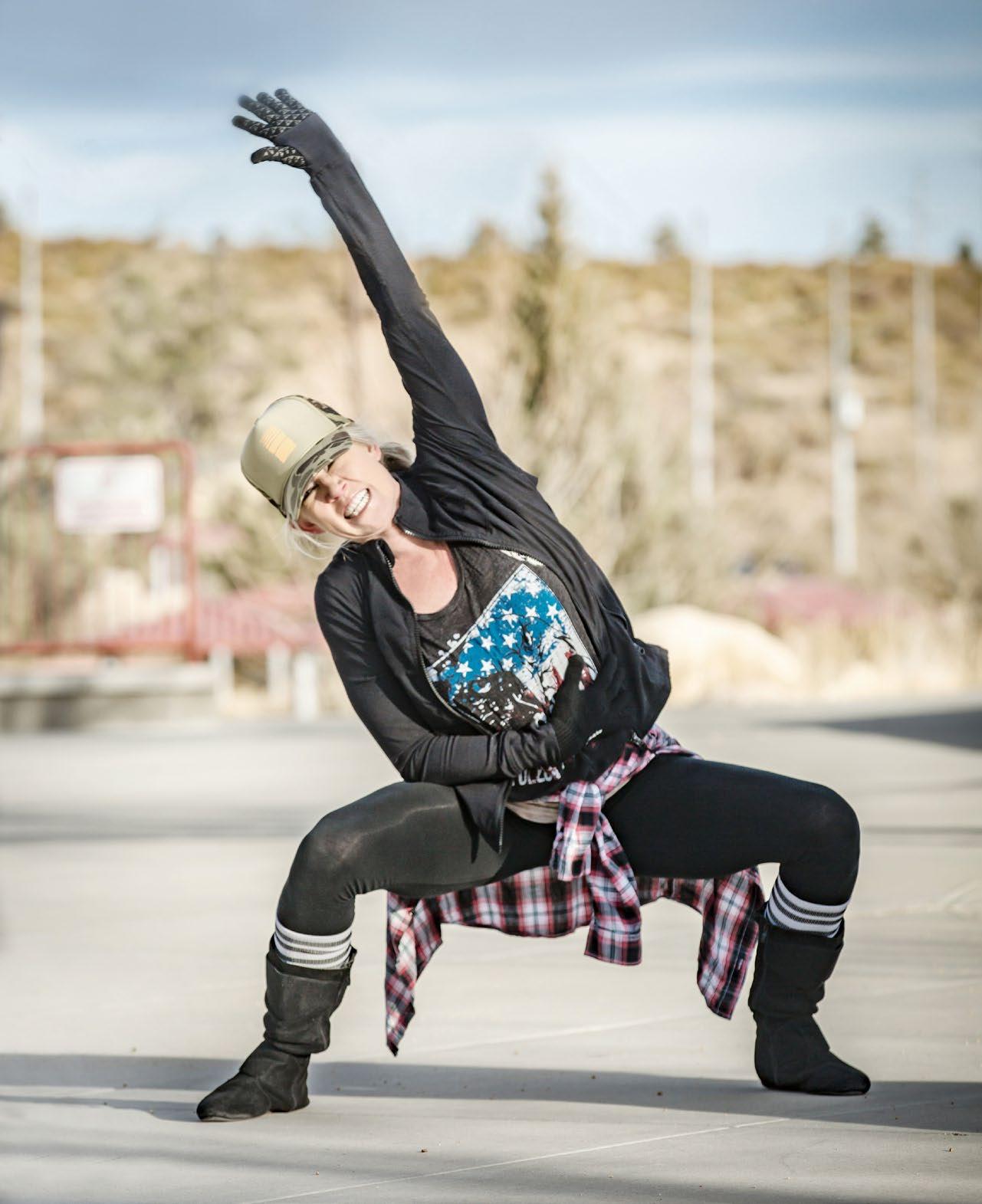


“Wherever you are, be all there.”
- Jim Elliot
Healthy Eating ON FOR YOUR EmBARKing Pet
by Loree Walden, Marketing Manager, Yavapai Humane Society
We try to spend time on good nutrition and healthy eating for ourselves, and it is just as important we spend time on those things for our canine family members.
I recently noticed that my dog was having issues with her potty sessions, and she was just getting a little lethargic. A friend told me about the homemade dog food she makes for her

dogs that incorporates dry food with wet, and how much they love it!
Cassidy has always been a picky eater and not a fan of dry food, which is necessary for her health, but I decided to give the
recipe a try. She loves it, eats every drop, is having much healthier and successful potty sessions and is feeling much better. I will never buy another can of dog food again. Here you go:
2 lbs Boneless, skinless chicken breasts
1 bag Frozen peas and carrots
1 Sweet potato
1 can/box Unsalted chicken broth or stock
1
Bake the chicken at 425° until fully cooked (about 20-25 minutes and when thermometer inserted into thickest part reads 160°165°). I use a small amount of olive oil on the pan to avoid sticking or burning (added bonus, olive oil helps fur stay healthy and shiny).
2Use your food processor to chop the chicken or cut it by hand into very small pieces.
3Cook the sweet potato until it is cooked but still firm; remove skin. Cut into small doggie-sized bites.
4In a container add cooled chicken, frozen veggies, cooled sweet potato, and some chicken broth. Mix all ingredients together and refrigerate.
5When serving, I put her dry food in the bottom of her bowl, add some chicken broth and the chicken mixture, mix it all together and serve with love.
Depending on the size of your dog, this should last about a week. (Cassidy is 20 pounds and she eats it twice a day with about ¼ to ½ cup per serving). There are many other versions of DIY dog food online so you can change things up between chicken/beef and other proteins.
Now you can sit back and get ready for some thank you tail wagging and kisses. It’s nice knowing your fur-kid is eating healthy yummy food and getting the nutrients they need naturally.
Jager Von Schnitzel

“Where there is love there is life.”
- Mahatma Gandhi

Pets Equal
A GOOD NIGHT’S SLEEP
There’s been debate through the years over whether having your pets sleep in bed or in the bedroom with you is beneficial. But, most recent research suggests it is a good idea, making pet parents feel less lonely, more secure and strengthening their bond to their animals.
FOR THE DOGS
The Mayo Clinic in Scottsdale said in 2017 that in most cases sleeping with your dog is just fine and actually beneficial on both ends. This finding
is based on a five-month study of 40 healthy adults and their dogs, ages 6 months or older.
Both humans and canines wore monitors for seven nights during the study to gauge the quality of their sleep. As long as they slept in the same room, the humans were found to have 81% sleep efficiency while the dogs did even better at 85%. Quality of sleep for humans did decline a little if their dogs slept in bed with them.
CONTENT WITH CATS?
There doesn’t appear to
be a recent study of the same scale as the Mayo’s scientifically observing how well cats and their people sleep together, but there are pluses and a few minuses to the practice.
Kitties are nocturnal by nature, so there’s a better chance your pet will be jumping up and down during the night and deciding they want to play with you at 3:30 a.m. If you have allergies or asthma, sleeping with a cat nearby may be detrimental to your health, and the same may apply in some cases with dogs.
On the other hand, there are many reasons why you and your cat could enjoy snoozing in bed together, and one survey from the American Pet Products Association found 62% of cat owners permit this, versus 50% of dog owners.
Felines run a few degrees warmer than we do at around 102 degrees and tend to seek out more heat, so cuddling up with a slightly cooler person can bring both of you more pleasure and comfort.
The emotional benefits of pet ownership extend to bedtime, too.
Photo: Blushing Cactus Photography


through Tai Chi Finding Flow
Tai chi, an ancient Chinese martial art that combined learning smooth movement with the deployment of weapons, is now a popular choice for those seeking a form of gentle, meditative exercise.
It’s done in many forms from classes in which all students work in unison to individuals learning the basics from a magazine or YouTube.
The art of tai chi is comprised of movements based on motion seen in nature. These motions can be very intricate, and the positioning of your arms and legs can be crucial to achieving the right form without injuring your joints.
Most tai chi classes in the U.S. incorporate breathing exercise and some of the simpler movements of qigong, a separate ancient Chinese tradition that from the beginning has focused on health and wellness, rather than martial arts.
The health benefits associated with it include many linked to any form of regular exercise such as improved mood, physical fitness, balance and flexibility, and brain function, as well as reduced stress,

anxiety and depression. Since it includes moderate movements that don’t stress the heart or joints, it’s a safe exercise regimen for most people to take up in classes or on their own. But if you’re pregnant, have severe osteoporosis, current sprains or fractures or any other concerning conditions it’s best to ask your health care provider whether it’s the right choice for you.
No matter what your experience level is, it’s a good idea to warm up before every tai chi session through simple movements like head, shoulder and hip rolls, bending over to touch your toes and circling your knees while keeping them together. Concentrate on your breath and intent while you do this.
Here are three simple movements for beginners to try:
BRUSH THE KNEE
Begin at “T stance,” or standing with hands on your hips and your right heel on your left shin, just above your ankle. Lift one hand up facing forward while the other hand is in front of the body with palm facing downward. Bring one foot forward, twist at the waist and push your raised hand forward while pushing your other hand to the side brushing past the knee. Exhale as you do this, then inhale as you circle your hands back to starting position.
PART THE HORSE MANE
Hold your hands in front of you, one above the other, palms facing each other as
if holding a large ball. Shift weight to whichever leg is on the same side as the upper hand. Bring the opposite leg in front and move your lower hand forward as if you’re supporting the bottom of the ball. Bring other hand to your side, palm facing down.
WARRIOR AND SCHOLAR
With your feet together and hands relaxed at your sides, breathe in while sinking down at your knees with left hand straight and right hand clenched into a fist. As you continue to exhale, cover your right fist with your left hand and bring yourself back to a standing position. Repeat if desired.
Immune System
YCoach Your to Success
our immune system is extremely complex and made up of specialized cells produced in your bone marrow that reside throughout your body in your skin, bloodstream, lymphatic tissue, spleen and other vital organs. Its job is to respond to outside threats that touch or enter your body, and for most of us, it functions properly most of the time through a process called inflammation.
Yet sometimes it fails to detect a threat or is overwhelmed by one. Other times it overreacts to a substance that is not a threat or keeps up the fight long after the invader is no longer a threat, creating excess inflammation that leads to autoimmune disorders, allergies and can contribute to heart disease and other chronic issues.
Your immune system can be your savior or a destructive force — but you can take some control over it.
Research indicates that humans’ immune response may decline over time, in part, because of the presence of older, damaged immune cells that are not functioning as well as they used to and are not being replaced by new ones to defend against threats more efficiently.
How you can encourage the regeneration of immune cells sounds a lot like the other things you’re doing to stay healthy, so don’t sweat about this — coaching your immune system should only require a few tweaks to your lifestyle.
* Diet — Eating a wide variety of fruits and vegetables that have high nutrient value and are minimally processed helps your immune system, while eating sugar, red meat and refined carbs has a negative effect, according to Harvard’s T.H. Chan School of Public Health.
Probiotic food contains healthy bacteria that maintain your gut and immune system, including fermented food such as kombucha, sauerkraut, kimchi and miso. Prebiotics are fibers that feed the healthy bacteria and are found in such vegetables as onions, artichokes, garlic, chicory, jicama and leeks.
Certain nutrients such as vitamins A, C, D and E are particularly helpful, and your health care provider could recommend you take a supplement to boost your dietary intake.
* Sleep — Getting seven to eight hours of sleep nightly encourages production of “natural killer” immune cells that fight infection, while sleeping for just four hours can trigger inflammation, according to the National Institutes for Health.
* Exercise — Regular, moderate to vigorous exercise helps to disperse immune cells throughout your bloodstream, reaching every nook and cranny of your body and stopping infections early enough to prevent or reduce the damage, a scientific review by the Journal of Sport and Health Science found. Intense exercise, however, could have a negative impact on immunity.
* Relax — Meditate or find other ways to counter the effects of stress; hormones released during times of stress disrupt the immune system’s processes, weakening it and making you more susceptible to infection, as well as depression and anxiety, according to researchers at the University of Illinois.
Where Did My Time Go?
Very few of us would say we have enough time during the day to finish everything we need or want to do. Those who come closest to that goal are probably masters of time management, a skill that can be learned beginning in childhood (see page 33).
But no matter how long you’ve excelled at that skill, or haven’t, we all come to a point every now and again when we must reassess our schedules plus figure out what we’re doing with whatever unscheduled time we have left over.
Maybe you’re working on projects until 1 a.m. most nights because you procrastinate during the day. Or you get to bed at a reasonable hour but can’t sleep because you’re thinking about everything you didn’t manage to accomplish. Or you’re hoping to avoid such moments of crisis.
It’s time to start asking yourself some questions:
* Do I enjoy what I’m doing, most of the time?
* What parts of my life are thriving, and which parts are dying? Are there parts I should let go; are any lapsing on their own?
* Do I spend my day on tasks that support myself, my family, my values and my wellbeing? Do I have any time available for things that don’t?
* Do I need to establish a morning and/or evening
ritual to guarantee I have a few moments to myself during the day?
* When do I begin to get tired in the evening? Does this happen hours before my usual bedtime?
* Do I usually have more than three to five major tasks to complete each day? If so, can I get some things off my plate?
* Do I work through my lunch break? How can I shift some things around so I don’t have to?
* Am I committed to some projects, causes or relationships I will never have enough time to properly support?
* Am I saying “yes” to more requests than I can reasonably handle?

Julie Kahn
|
Photo: Blushing Cactus Photography

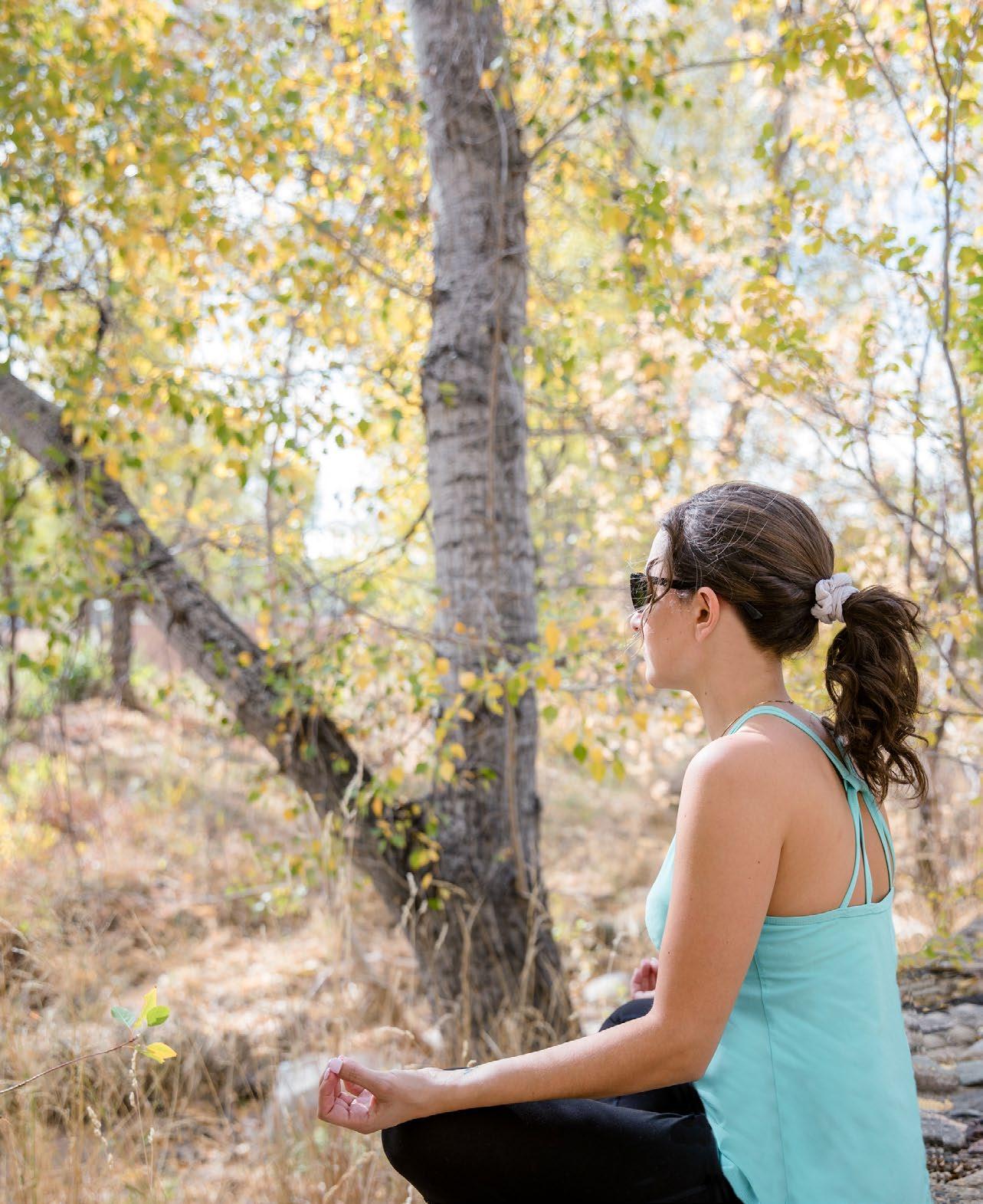
Time has a wonderful way of showing us what really matters.
Photo: Blushing Cactus Photography
Yoga AsanasBring Calm
People find their path to yoga in many ways, but one of the most common is a search for a calming force, a time to focus on the moment in a positive, restful environment while connecting with their bodies through stretching and movement.
Given the variety of yoga poses, or asanas, to choose from it’s easy to craft a sequence that helps you release the stresses of the day and week and extend your body and mind into the power of a relaxing stretch.

Here are several asanas especially good at promoting relaxation and calm in any yogi. Breathing evenly through your nose making a whooshing sound on the exhale will also promote a sense of calm. Spending one minute in each pose is ideal for relaxation, but that can be adjusted to meet your experience level and physical ability.
After a little practice, you can arrange these poses into a sequence that works for you.
POSE)
Starting with feet on the ground shoulder-width apart, bring your palms to meet at heart center and lift your right leg, placing your right foot on your inner left thigh. Raise your palms to the sky and maintain pose for five deep breaths before slowly switching to other leg.
Lie face down on the floor and place your hands flat on the floor near your shoulders, with your elbows bent upward. Inhale, then slowly push your shoulders and chest upward until your arms are as straight as you can make them without locking your elbows.
These are usually done alternately during yoga sequences. Standing on your hands and knees, you arch your back upward for cat pose and downward for cow pose.
Lie on your back with your feet on the floor and your arms at your sides. Inhale, then lift your chest torso and hips off the ground until you form a bridge-shaped pose with your body.
BALASANA (CHILD’S
BHUJANGASANA (COBRA POSE)
MARJARYASANA (CAT POSE) AND BITILASANA (COW POSE)
SETU BANDHA SARVANGASANA (BRIDGE POSE)
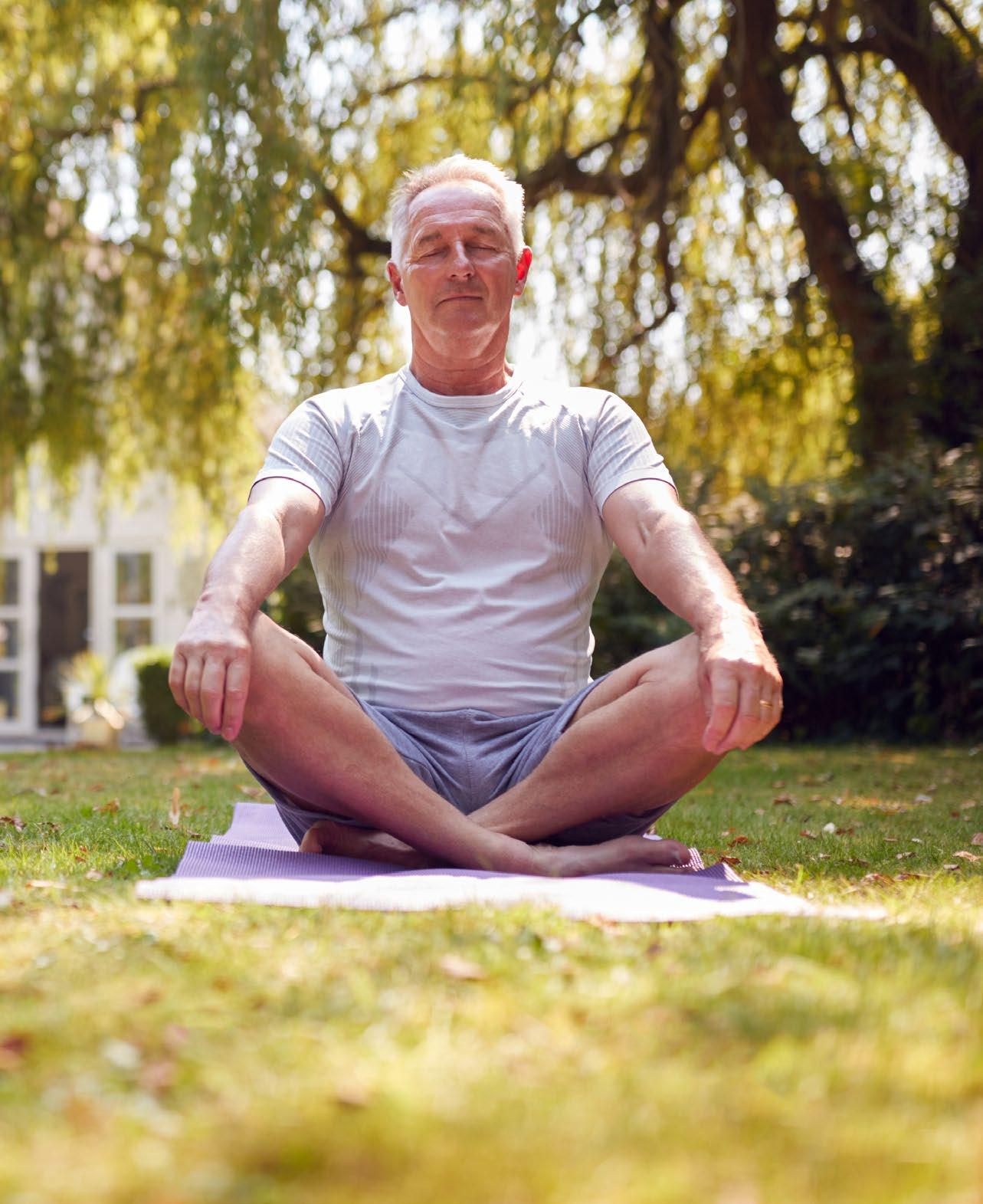
(EASY SITTING POSE)
Sit with your legs extended in front of you, then slowly bend your knees and cross them so your right foot is under your left knee and vice versa. Hold for at least one minute and then switch your legs.
UTTANA
SHISHOSANA (EXTENDED PUPPY POSE)
Stand on your hands and knees, then exhale and bring your buttocks so they are halfway to your heels. Then bring your head forward and touch your forehead to the floor, stretching your arms out on the floor in front of you.
UTTANASANA (STANDING FORWARD BEND)
Start from a standing position and bend forward at your waist as far as you can and try to touch your finger to the floor. Press your face into your legs and hold position for four to eight breaths before returning to standing position.
VIPARITA KARANI (LEGS UP THE WALL POSE)
Lie on the floor near a wall. Inhale, then exhale, and move your legs so they are resting on the wall, knees bent slightly. Keep your back flat on the floor.
SUKHASANA
Beware THE EFFECTS OF
Pesticides

Effective washing of produce is important along with buying organic fruits and vegetables when possible.
by Brad Hayman, DPM, Complete Foot & Ankle Care
In the October 2020 issue of Consumer Reports, I read an article on “Pesticides on Produce” describing how much contamination there is in fruits and vegetables that may contribute to disease in humans.
The article described several insecticides used on produce including potential neurotoxins and hormone disruptors. These chemicals include: acephate (a neurotoxin), chlorpropham (may interfere with thyroid hormone), chlorpyrifos (a neurotoxin), cyhalothrin (may interfere with the body’s
neuromuscular system), famoxadone (a hormone disruptor), and fludioxonis (a fungicide that may have hormone disruptive effects).
As a podiatrist I see many patients who suffer from neuropathy and other neuromuscular conditions. Neuropathy often presents with a combination of symptoms that range from numbness, burning, tingling, disrupted balance and other difficultto-describe symptoms.
The damage to nerves is often hard to diagnose and difficult to treat. There
has been some success with treatment of neuropathic symptoms that includes nutritional supplements, MicroVas (electrical stimulation) and laser therapy. Physical therapy can often improve muscular control and balance caused by neuropathy.
As a practical matter it is not possible to remove all risk from chemical exposure in foods, but effective washing of produce is important along with buying organic fruits and vegetables when possible. Studies
have shown organic fruits and vegetables to have less pesticide contamination and less possible risk of adverse health effects.
Unfortunately, the EPA is doing little to protect people from potential harm from pesticides and fungicides in the food supply. Because of this, people need to do all that they can to limit exposure to these possible harmful chemicals.
Consultation with your primary care provider, naturopath, and/or dietitian can help guide you to a healthier diet.

and Integrated Health Clinic.

Environment for our Community to learn about the
■ Medical Marijuana Doctors
■ Patient & Caregiver card application processing
■ Printed Card or Electronic Card Help
Fingerprint and Photo Service for Caregivers ■ Attorney Referrals ■ Dispensary Referrals
■ Hemp CBD Store
Invest Your Healthcare Dollars Wisely!
B12 and D3 Injections
Over the past 30 years, POSC has saved patients more than $150 Million! Of that amount, $20 Million would have been out of pocket.
MJ Consulting, LLC
Veteran Owned, Family Operated 8540 E. Hwy 69, Prescott Valley AZ 86314 928-772-2011
The choice is yours. Choose one of our excellent Prescott based surgeons for your outpatient surgical needs. You will save money and have the best possible care available.
— NO MARIJUANA ON PREMISES —
Invest Your Healthcare Dollars Wisely!
Over the past 30 years, POSC has saved patients more than $150 Million! Of that amount, $20 Million would have been out of pocket.
Dr. Siamak Rassadi 308-4285
NOSE
Overall Patient Satisfaction: 9.8 out of 10!
THROAT Dr. Derek Hewitt 778-9190 Dr. Mark Strasser 778-9190
Dr. Siamak Rassadi 308-4285
■ Emotional Support
Animal Certification
EAR, NOSE AND THROAT
■ Monday FREE Classes
Dr. Derek Hewitt 778-9190
Dr. Mark Strasser 778-9190
GENERAL SURGEONS
Dr. Thomas Hirasa 771-1011
Dr. Donald Huang 771-1011
Dr. Frank Iorio 776-8212
Dr. Thomas Rusing 445-9660
GYNECOLOGISTS
Dr. Katie Campuzano 778-4300
Dr. Adam Feingold 776-8428
Dr. Luis Fernandez 776-8428
The choice is yours. Choose one of our excellent Prescott based surgeons for your outpatient surgical needs. You will save money and have the best possible care available.
“The best I have experienced! POSC even topped Duke Medical Center which I have always rated highly. Thanks to the staff.”
Overall Patient Satisfaction: 9.8 out of 10!
“Everything about the place was excellent. Very clean, very professional, very organized and efficient. Thank you for the great care!”
“The best I have experienced! POSC even topped Duke Medical Center which I have always rated highly. Thanks to the staff.”
“Everything about the place was excellent. Very clean, very professional, very organized and efficient. Thank you for the great care!”
“Everyone was awesome. My stress level was zero! Loved the nurses. Linda was so sweet and really awesome. Great experience overall. Thank you all!”

Invest Your Healthcare Dollars Wisely!
Invest Your Healthcare Dollars Wisely!
Dr. Josephine Kim 583-1000
Dr. Melinda Martin 777-0070
Dr. Richard Ohanesian 778-4300
Dr. Jeffrey Osburn 778-4300
Dr. Jeanette Pilotte 583-7887
INTERVENTIONAL PAIN SPECIALISTS
Dr. Jonathon Gruneich 778-9770
Dr. Bradley Benson 445-4818
Dr. J. Gabriel Tsang 237-9312
ORTHOPAEDIC SPECIALISTS
CARDIOLOGIST
Dr. Jonathon Gruneich 778-9770
Overall Patient Satisfaction 9.9 out of 10!
“Everyone was awesome. My stress level was zero! Loved the nurses. Linda was so sweet and really awesome. Great experience overall. Thank you all!”
Over the past 31 years 114,000 procedures have been successfully performed at POSC, saving patients more than $160 million! Of that amount, $21 million would have been out of pocket expenses.
Over the past 31 years 114,000 procedures have been successfully performed at POSC, saving patients more than $160 million! Of that amount, $21 million would have been out of pocket expenses.
The choice is yours. Choose one of our excellent Prescott based surgeons for your outpatient surgical needs and you will not only save money, but will have the best possible environment and care available.
The choice is yours. Choose one of our excellent Prescott based surgeons for your outpatient surgical needs and you will not only save money, but will have the best possible environment and care available.
Dr. Bradley Benson 445-4818
Dr. J. Gabriel Tsang 237-9312
Dr. Daniel Burchfield 778-9250
Dr. Siamak Rassadi 308-4285
Dr. Bertrand Kaper 778-9250
Overall Patient Satisfaction 9.9 out of 10!
ORTHOPAEDIC SPECIALISTS
Dr. Daniel Burchfield 778-9250
“When I need surgical help, I will always come here. My phone call from Karen was a real delight. When I saw her in recovery I told her she sounded like a song. My anesthesiologist was just great and took time with my questions. I really liked my visit!”
Dr. Bertrand Kaper 778-9250
Dr. Judah Pifer 778-9250
Dr. Judah Pifer 778-9250
EAR, NOSE AND THROAT
Dr. Bradley Williams 445-7085
“When I need surgical help, I will always come here. My phone call from Karen was a real delight. When I saw her in recovery I told her she sounded like a song. My anesthesiologist was just great and took time with my questions. I really liked my visit!”
Dr. Bradley Williams 445-7085
Dr. Derek Hewitt 778-9190
Dr. Mark Strasser 778-9190
“Thank you for all the great care you gave me, everyone was awesome made me feel like I was the most important person in there! Thank you all so very much for taking care of me.”
PLASTIC SURGEON
Dr. Brian Brantner 776-0325
PLASTIC SURGEON
GENERAL SURGEONS
Dr. Brian Brantner 776-0325
“Thank you all for the great care you gave me, everyone was awesome made me feel like I was the most important person in there day! Thank you all so very much for taking care of me.”
PHYSICAL MEDICINE
Dr. Bradley Benson 445-4818
PHYSICAL MEDICINE
Dr. Thomas Hirasa 771-1011
“Joanne the pre-op nurse is awesome, really made me feel at ease. The head anesthesiologist was really terrific and put me completely at ease.”
SPINE SPECIALIST
Dr. Daniel Noble 778-9250
UROLOGISTS
Dr. Bradley Benson 445-4818
Dr. Donald Huang 771-1011
Dr. Frank Iorio 776-8212
“Joanne the pre-op nurse is awesome, really made me feel at ease. The head anesthesiologist was really terrific and put me completely at ease.”
Dr. Thomas Rusing 445-9660
“This was my 2nd surgery at POSC in 2 months. Both times I received excellent care. Everyone was professional, courteous and all had a great sense of humor. I cannot think of any area that needs improving as I feel 10’s were to be given to everyone there.”
Dr. Paul Nguyen 771-5282
SPINE SPECIALIST
Dr. Daniel Noble 778-9250
GYNECOLOGISTS
“This was my 2nd surgery at POSC in 2 months. Both times I received excellent care. Everyone was professional, courteous and all had a great sense of humor. I cannot think of any area that needs improving as I feel 10’s were to be given to everyone there.”
Dr. Jeffrey Sanwick 771-5282
Dr. Michael Stanick 771-5282
Dr. Katie Campuzano 778-4300
UROLOGISTS
Dr. Adam Feingold 776-8428
Dr. Paul Nguyen 771-5282
Dr. Luis Fernandez 776-8428
Dr. Jeffrey Sanwick 771-5282
Dr. Josephine Kim 583-1000
Dr. Michael Stanick 771-5282
Dr. Melinda Martin 777-0070
Dr. Richard Ohanesian 778-4300
Dr. Jeffrey Osburn 778-4300
Dr. Jeanette Pilotte 583-7887


Hydrating Facials
Ward Off Winter Dryness
Summer was much drier than normal in Greater Prescott, with our monsoon fizzling into a non-soon.
If that was hard on your skin, just think what winter is doing to it with its annual onetwo punch from the aridity of cold air outside and even drier warm air from every furnace-fired room you walk into.
This happens every year, outside of the bone-dry summer, and most spas and skin-care specialists have their most dependable tool at the ready: the hydrating facial.
Like most facials, hydrating facials start out by exfoliating your face to expose the younger skin underneath, extracting any clogged pores or blackheads, massaging your facial muscles and applying masks and serums. In this case it’s the last step that makes the difference, remoisturizing your face with strong products including humectants, which attract water molecules and speed up the skin hydration process. As a result, your skin fills out, reducing wrinkles and other imperfections, and is more supple and almost bouncy to the touch. The
extended protection offered by many products will lock the moisture in and give you time to recover from the dehydrating environment that surrounds you.
Other benefits you’ll typically see from a hydration facial include:
LESS OILY SKIN — Oil is what hydrates your skin in the first place, but too much of it makes your skin look shiny and causes breakouts. Hydrating serums lock in enough oil to keep your skin hydrated, but protects against the excessive levels that create acne and other issues.
ELIMINATION OF REDNESS AND IRRITATION — Once a hydrating facial eliminates the flakiness and scratchiness you’ve been contending with, your new layer of skin emerges full of water and nutrients that create an even tone with no need to soothe that itch that’s driving you crazy.
BETTER ABSORPTION — A healthy, moisturized face will be better able to absorb other skin-care products deep into your pores, making treatments of all kinds more effective.


You only fail when you stop trying.
HELPS WOMEN Specifically How Healthy Eating
This is for all the ladies out there. We know a healthy diet has positive benefits for our vital organs, but did you know that what we eat can make a difference specifically for vaginal health?
by Jennifer Martin, MSN, RN, Prescott Women’s Clinic
Here are just a few ways nutrition can benefit our health:
MAINTAIN PH BALANCE, DECREASE INFECTION RISK
Greek yogurt, kombucha and kimchi are examples of foods that contain good bacteria. These bacteria aide in keeping our sexual organs in their naturally acidic state. When PH is right, the risk for vaginal infections dramatically decrease. Foods high in vitamin C are also important in combatting infection. Have you ever experienced bacterial vaginosis? Eating strawberries, bell peppers and citrus can reduce your risk of future infections, while the antimicrobial nature of garlic can help ward of yeast infections.
MUSCLE STRENGTH
We all know Kegels are important, but did you know, the vitamin A in sweet potatoes is helpful when it comes to strengthening our vaginal walls and the pelvic floor — improved blood flow, increased libido, easier orgasms? Did you know our vaginas require a healthy blood flow? Foods high in omega-3, like fish, and foods rich in magnesium, like spinach, help with this. Research shows adequate blood flow to the vagina can lead to improved sex drive and easier orgasms. Have you noticed your libido

lacking? Studies show, two glasses of red wine a day can lead to improved sex drive by relaxing arterial walls in the vagina and increasing blood flow. It’s also high in flavonoids, which leads to the next topic.
DECREASED
RISK
OF OVARIAN CANCER
Red wine, black tea, broccoli, carrots, cabbage and peppers are all high in flavonoids. Some studies show flavonoids can decrease your risk for ovarian cancer by up to 40%.
LUBRICATION
Drinking water is essential for our overall health and lubrication ability. Drinking adequate amounts of water can help our vagina’s self-cleaning system work at its peak. Flax seeds and nuts will also improve lubrication. The phytoestrogens in flax seeds and high levels of vitamin E in nuts help hydrate mucous membranes combatting vaginal dryness.
Contrary to what TV commercials make you think, our sexual organs are pretty low maintenance, and adding a few of these key foods every day can keep our vaginas healthy and happy!







From a Plate, Not a
Eat Pyramid
by Dr. Karissa Walton, Founder & Medical Director, The Mobile Health Doc
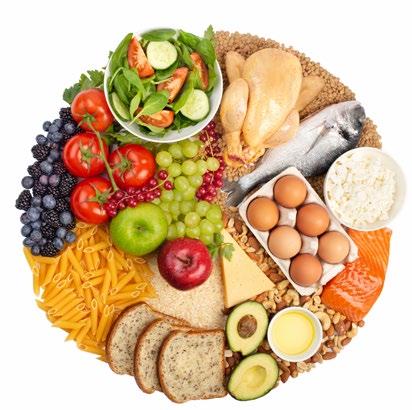
Do you eat from a plate or a pyramid? This seems like a ridiculous question, doesn’t it?
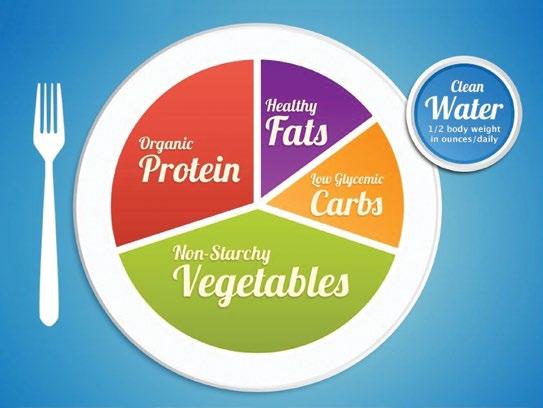
Yet, for decades we were indoctrinated with the Food Pyramid until the Superfood Plate diagram came along.
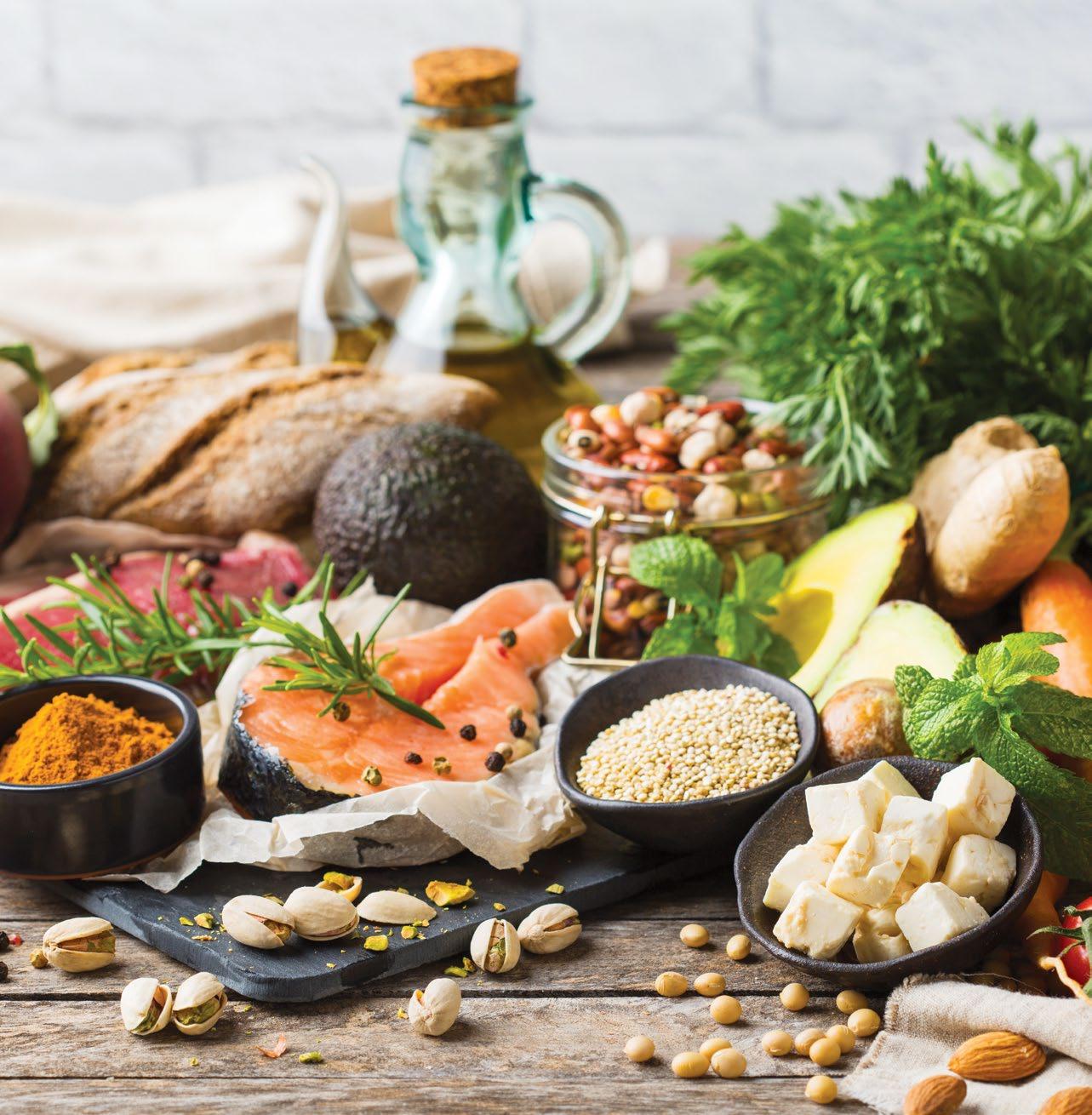
The diagram gives a graphical representation of how our meals should look when we eat. This is a great tool, especially for those who are visual learners.
There are several different versions, but minimal grain content is generally recommended because of the tendency to increase inflammation and blood sugar levels.
In most cases, the largest portion on your plate should be vegetables. Vegetables provide valuable nutrients our bodies need to keep all of our systems functioning properly. They also provide an abundance
of fiber that helps keep the digestive system moving while increasing satiety to prevent overeating.
When choosing protein, focus on grass-fed meats and wild-caught fish such as salmon, cod and tuna. Baking or grilling are the best cooking options to preserve nutrition without adding unhealthy fat content and toxins.
Healthy fats are critical for the body’s processes to optimally function. Choose fats such as extra-
virgin olive or coconut oil, avocados and raw nuts. These fats are higher in omega-3 content that help decrease inflammation and maintain healthy skin, joint and brain function.
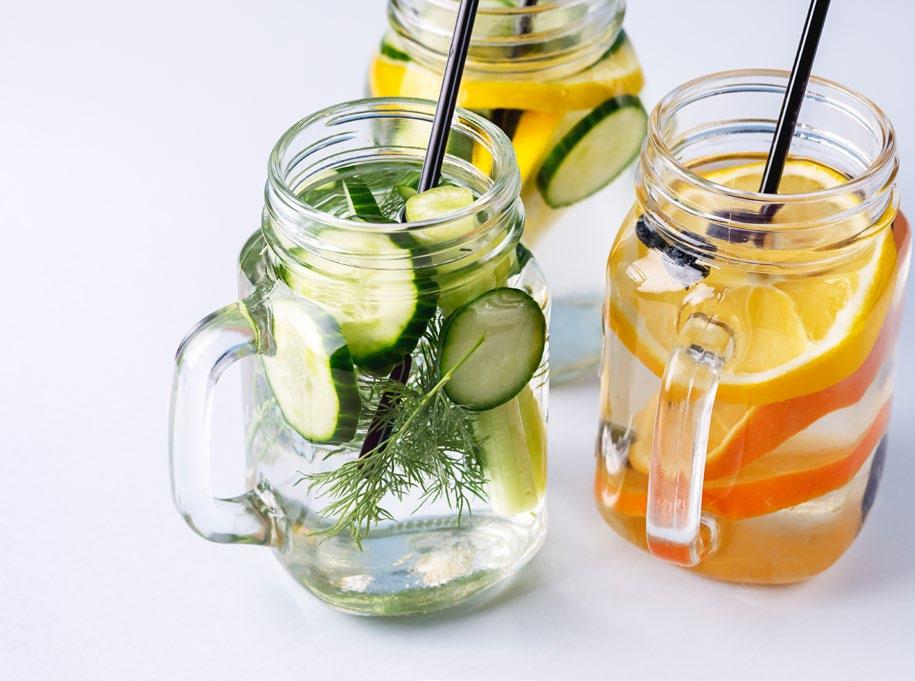
For drinks, opt for water with citrus slices for flavoring. Drinking a minimum of 50% of your body weight in ounces helps flush out the waste and nourishes cells. Try to minimize or eliminate sugary drinks, including those with
“zero sugar” labeling. These do not provide any nutritional value and can sometimes artificially increase your insulin without directly spiking your blood sugar level. Do your best to purchase organic. Don’t be fooled into thinking organic is always more expensive; organic foods can be found at an equal or lesser cost than non-organic. Even if you spend more money upfront, this likely will save you money in the long run due to the higher nutrient and lower contaminant content.
A key reminder for your nutritional health is whatever you put into your mouth travels throughout the entire body affecting every cell. Food label reading is paramount so you know what you are actually eating. Consult a physician trained in optimizing nutrition to ensure a dietary plan that is customized to your needs.
Local
EVENTS

3/30/21
Evergreen Landscapes & Bark Beetle Prevention
9:30 a.m. at Watters Garden Center
3/27/21
Gardening 101
Proper Planting in Mountain Soils
9:30 a.m. at Watters Garden Center
4/2/21
Growing Better Peonies this Spring
3 p.m. at Watters Garden Center
4/9/21
Lilacs and Better Fragrant Gardens
3 p.m. at Watters Garden Center
Youth Events & Organizations:
YMCA Aquatics Center (Lap Swim, Family Swim & Group or Private/ Semiprivate Lessons Available)
YMCA Dance Program
Team Gymnastics at the YMCA
2021 Youth Basketball League
Ongoing
EVENTS
Discovery Saturdays
Last Saturday of the Month
Highlands Center for Natural History
Dance & Fitness Classes at Elks Theatre
Prescott Farmers Market
Saturdays • 10 a.m. to 1 p.m.
YRMC Parking Lot
Garden Classes
Saturday Mornings • 9:30 a.m. Watters Garden Center
Prescott Valley Farmers Market
Sunday Mornings • 10 a.m. to 1 p.m.
3103 N. Glassford Hill in Prescott Valley
Photo: Blushing Cactus Photography
EVERYWHERE
Water, Which to Drink? WATER
Remember when water was just water? Neither do we.
Not only are there different flavors, there are different types of water that claim to deliver something plain ol’ tap water won’t give you. Here are some of the trendier options you’ll find on the shelves today and what they offer in terms of healthy hydration.
TYPES
* Sparkling water Water with added carbonation, which is fine in moderate amounts but may contribute to tooth decay and digestive issues for some consumers. Mineral water, which is often carbonated, must have a certain amount of mineral content at the source that may provide a small nutritional benefit.
* Alkaline (pH-balanced) water
This is water that’s been alkalized to make it less acidic, which limited research suggests may
be more effective at hydration and help with some digestive issues.
* Electrolyte water
Water is enhanced with electrolytes (minerals that carry an electric charge, in this case potassium and sodium) that may help keep fluid levels stable after intense exercise or activity in high temperatures.
* Oxygen water
Oxygen is added to this water during the bottling process. It’s not harmful but has not been proven to have any added benefits.
* Raw water
Expensive, hard to find and untreated, this is water taken directly from a stream or other natural source and could contain harmful bacteria, parasites or other harmful organisms.
FLAVORED WATER
* Naturally flavored, sugarfree, noncarbonated water. Products falling into this category include Frozen Garden fruit-herbal cubes and JUST water, the latter of which is flavored with “fruit essences,” an FDA-approved form of sweetener made from vapor formed after
fruit and vegetable skins or other food matter is heated.
* Sparkling, naturally flavored, sugar and artificial sweetenerfree waters — many popular brands in this group including Polar, La Croix, Waterloo and Perrier are caloriefree and also flavored with “fruit essence” or similarly vague natural flavors. A few others, including Spindrift and Drink Simple sparkling maple water, use specified natural sweeteners that add a few calories per serving.

Do something today that your future self will thank you for.
Photo:


USE Citrus Peels
TO PROMOTE BETTER HEALTH

In Eastern herbal medicine, tangerine peel is included in many formulas.
by Katie Borchert, NMD, MSOM, Pain Recovery Therapy & Esoteric Acupuncture
“ Let thy food be thy medicine” is a rule that as a naturopathic and Eastern medicine doctor comes up with every person. What we eat is integral to nourishing our cells, connecting with the earth, and connecting with friends and family. One basic component of this is eating what is local and in season. Another is eating the foods that balance and complement the current dynamics of each individual. This leads us to using citrus peels in food creations to satisfy locale, seasonality, and qi stagnation.
Nature is always preparing and protecting us if we take
the time to notice. Being high in water, vitamin C, and biophotons, citrus peels are great tonic for us during the winter.
In Eastern herbal medicine, tangerine peel is included in many formulas. When giving nutritional recommendations based on liver depression and qi stagnation, these peels are included, usually in tea form.
The traditional texts use tangerine peel, Chen Pi or Qing Pi, depending on their age, but all citrus have similar properties. Aged tangerine peel regulates the qi flow, directing it downward to relieve bloating, nausea and vomiting. It also has a profound effect on the
lungs, drying dampness and transforming phlegm.
This herb is moderate in strength, good for mild conditions of qi stagnation with less accumulation of phlegm. Because it is acrid, bitter and warm, it should be discontinued when symptoms resolve.
The unripe tangerine peel has similar action, but stronger. It breaks up stagnant qi, dissipates clumps in the case of food stagnation or blood stasis causing pain. The unripe version is like an unruly child moving through and breaking things and opening up the flow while the aged version is like a
helpful sage, gently moving but also strengthening organ systems so the body can regulate on its own.
The unripe Qing Pi possesses the just-ripening energetics of spring time wood relating to liver, while the aged Chen Pi has the harmonious nature of earth and so it relates to spleen and improving digestion.
Select the cleanest version available, whether that’s organic, local or both. Wash the peel well, cut in thin strips and add to teas or hot water to enjoy solo. The aroma and flavor immediately gets qi moving, promoting mental awareness and positive mood.
IMPORTANT Magnesium Glycinate
AN
Dietary Mineral
Magnesium is an important nutrient and part of many important processes that help maintain health, especially in your brain, heart and muscles. It is believed over 50% of people in the United Sates are magnesium deficient.
One of the supplements often used for this deficiency is magnesium glycinate, which is magnesium bound to glycine. This type of supplement is the most bioavailable form of magnesium — that means your body can make the most of it once ingested.
by Lori Durr, Owner, Sundara Sanctuary
BENEFITS OF MAGNESIUM GLYCINATE
Magnesium glycinate has been shown to have a variety of benefits, including the following:
* Calming effect on your brain because of the presence of glycine.
* Relieving anxiety and promoting better sleep.
* Keeping bones strong by maintaining healthy bone density.
* Helping control blood sugar in people with diabetes; may lower the risk of developing diabetes.
* Decreasing abnormal heart rhythms.
* Reducing premenstrual syndrome (PMS) symptoms.
MAGNESIUM DEFICIENCY
Most people in the United States consume less magnesium than they
should. Symptoms of magnesium deficiency may include:
* Loss of appetite
* Nausea
* Fatigue
* Tingling and muscle cramps and contractions
* Abnormal heart rhythms
* Damage to nerve cells, which can lead to depression
Magnesium deficiency can cause other mineral deficiencies, as all minerals work together at keeping the body healthy.
NATURAL SOURCES OF MAGNESIUM
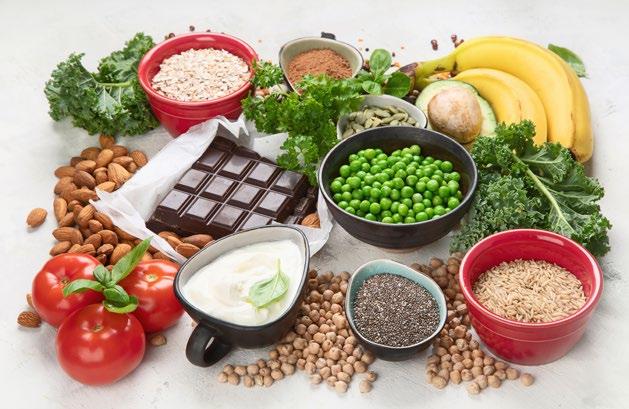
Magnesium is found in large amounts in natural, unprocessed foods. The best sources of magnesium include foods that contain dietary fiber, such as:
* Dark green, leafy vegetables, such as Swiss chard , spinach
* Nuts and seeds, such as pumpkin, sesame seeds
* Seaweed
* Beans and lentils
* Whole, unrefined grains
* Fish, especially halibut
Keep in mind that only 30 to 40% of magnesium ingested from food sources is absorbed and used by your body.
Choose foods grown in healthy soils that are local and organic, if possible. These soils contain the highest concentration of nutrients and minerals, including magnesium. Produce is often grown in soils that miss important nutrients. As a result, some fresh produce may lack minerals, including magnesium.
USING MAGNESIUM GLYCINATE SUPPLEMENTS
The recommended dose is 320 mg for women and 420 mg for men per day. Taken together with a vitamin B complex supplement helps improve absorption.

Massage
OF BLOOD Nutritious Movement PROMOTES
‘When
normal blood circulation is restored, in a majority of cases, the body spontaneously heals itself in an elegant manner with few side effects.’
—
Nei Jing Theory Edward Neal, MD, Nei Jing Studies
by Carl Johns, LMT, Director, ASIS Massage Education – Flagstaff
The world of nutrition has become quite complex, and it is very common to hear people talking about particular dietary restrictions, what to eat, when, where and how much.
Often the information is complex and contradictory. The complexity of nature and of the human body is mind-boggling in comparison and might be better understood in simpler terms. Eat real organic food, and drink plenty of clean water.
In providing good fuel, and good nutritional building blocks, the body in its infinite wisdom will decide how best to use its resources. One thing vitally important in this equation is free movement and circulation of the blood.
Blood is the carrier of oxygen and all nutritional elements to every cell every minute of every day. Blood stagnation, areas where the free movement of blood is not allowed, is detrimental to the health of tissues and cells. It is of vital importance
that the good nutrition we put in our bodies be able to reach its destination. Movement, breath work and bodywork of all kinds are the best ways to insure that your consciously nourished blood is moving well. Each bodywork modality has its way of achieving this goal — the patterns of deep compression and stretching of shiatsu, the yoga-like movements of Thai massage, the flowing circulatory strokes of Swedish massage, the focused release of restriction
in deep tissue massage, or the gentle encouragement of fluid movement in craniosacral therapy. Each of these are a joy to receive, and they all promote relaxation, balance and the free movement of blood.
When we give our bodies the gift of massage and bodywork that opens the channels of blood flow, then the body can go about the business of nourishing and healing itself in an elegant manner with few side effects. There is no limit to the vitality we can achieve.


6 TO UPGRADE YOUR DIET
SmartFood Swaps
You probably want to eat a healthier diet, but the intimidation factor of overhauling your entire gastronomic routine to get on one of the trendy diet plans may be getting in your way.
Many of these other ways of eating have proven to be beneficial, but you don’t have to throw out everything in the pantry and start from scratch to level up your nutrients and get on track to a healthier way of life.
Try substituting a few foods or ingredients for something that has a little more nutritional oomph and you’ll be surprised by the extra energy and clarity you experience, and you could drop a few pounds, too!
SWAP OUT SALT FOR HERBS AND SPICES
Sodium is one of the hardest ingredients to avoid in processed food, but it increases our risk for high blood pressure and heart disease by retaining enough water to tax our circulation system. Try cooking with turmeric, cinnamon, garlic, ginger and other healthy seasonings that transform your food in ways salt never can.

DITCH SUGARY AND HIGHLY PROCESSED CEREALS AT BREAKFAST
Try oats as oatmeal or in one of its many other formats with fruit or a small amount of honey. You can also bring more veggies into breakfast by sneaking them into your oatmeal, frittatas, tacos or omelets. Carrots, zucchini, onions, tomatoes, spinach, arugula and so many more can find a place on your plate.

FOREGO PROCESSED AND RED MEATS FOR LEAN SOURCES OF PROTEIN

REPLACE REFINED GRAINS WITH WHOLE GRAINS OR GREENS
White bread may be about as American as you can get, but nutritionally that may not be such a good thing. When you need to wrap something around the innards of a sandwich, find a whole-grain pita or loaf of bread or try lettuce or kale for the ultimate guilt-free pleasure!
Fresh or canned fish, fresh chicken or turkey breast with the skin removed and all manner of beans and legumes are much healthier sources of protein, which builds muscle mass and immunity among other things. Look closely at plant-based burgers or meat substitutes as these tend to be highly processed.

SWITCH SODA AND ENERGY DRINKS OUT FOR COFFEE AND TEA
When looking for that caffeine boost, turn to these beverages that naturally bring you high concentrations of antioxidants including catechins and chlorogenic acids. They’re both calorie- and sugar-free (but watch what you add to them), while sodas and energy drinks have little to no nutritional value even without sugar.

DROP CHEESY OR CREAMY SAUCES AND GRAVIES FOR VEGETABLE-BASED OPTIONS
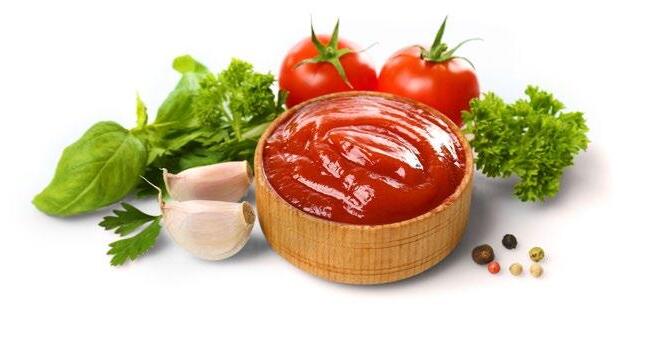
It’s likely going to be tough to part with your alfredo sauce or sawmill gravy, but the difference can be huge! For one example, a half-cup of a basic store-bought marinara sauce carries about 80 calories with about 4 grams of fat and 420 milligrams of sodium, while the same amount of an Alfredo sauce can pack 120 calories or more, with 9 grams of fat and 740 milligrams of sodium.
Healthy Diet? What Goes Into a
by Dr. Hojat Askari, Medical Director, Thumb Butte Medical Center
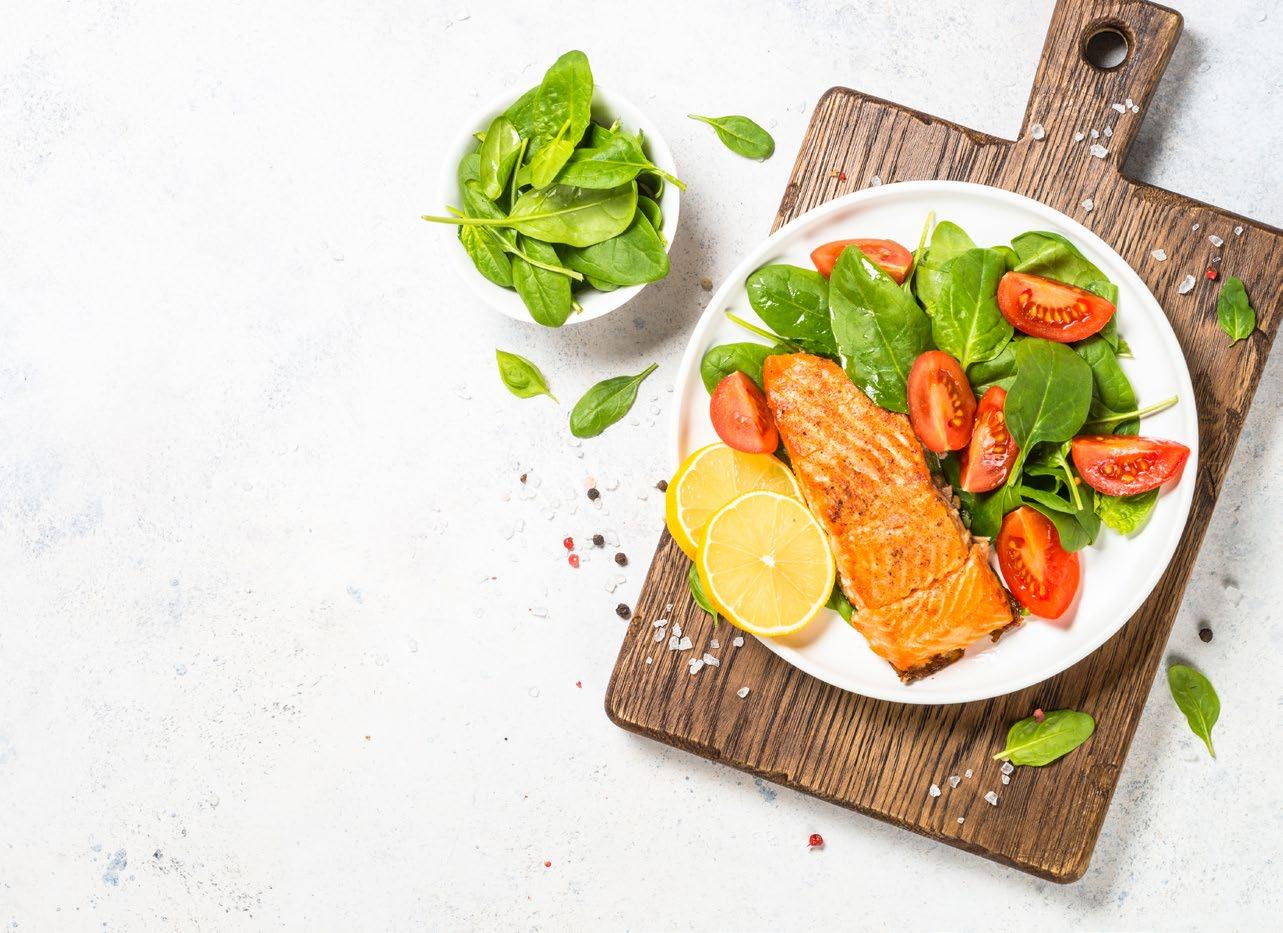
When panels of experts come together to try to make sense of all of the fad diets consumers have to choose from and decide which ones are the “best,” it’s the Mediterranean and DASH diets that tend to trade off the top spot.
Ever wonder what’s so special about these two? Why are these prized above keto, paleo and other more widely known ways of eating in the U.S.?
Let’s take a look at their similarities and differences and what makes them so healthy. Both of them have been around for decades, so many variants of them have sprung up, including at least one merged “Med-
DASH” diet. We will stick to the essence of each way of eating as much as possible.
COMMON GROUND:
* Both plans emphasize higher consumption of plant foods like vegetables, fruits, nuts and whole grains. Moderate amounts of lean meats, poultry, fish and healthy fats also are included. Red and processed meats and sugar are eaten least frequently.
* They advocate the use of whole, minimally processed foods and preparing meals at home.
* They encourage physical activity, without prescribing
which exercises to do or how long to do them.
* Both have been linked to success in losing weight, lowering blood pressure and inflammation, and reducing risk of heart disease, diabetes, osteoporosis and cancer.
FORKS IN THE ROAD:
* The Mediterranean diet came out of a study of eating patterns from different parts of the world and is presented as a “lifestyle” change with less emphasis on prescribing specific foods or amounts at each meal.
* DASH is an acronym for
Dietary Approaches to Stop Hypertension and was initially developed to lower blood pressure without the use of drugs. It has two versions based on the amount of sodium consumed per day —2,300 milligrams or 1,500 milligrams.
* The Mediterranean diet includes more servings of meat, poultry and seafood during the week than DASH, which is closer to a vegetarian diet.
* Mediterranean diet plans often include consumption of red wine, while DASH plans tend to endorse limited or no alcohol use.
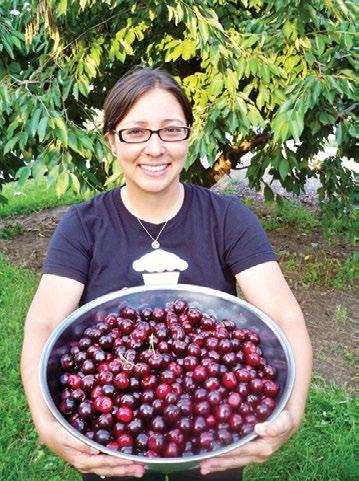
Fruit Trees are so healthy to grow if you know which varieties thrive in local landscapes. At Watters Garden Center, we offer hardy mountain varieties that produce bushels of fresh fruit right from the tree. Cocktail trees and Instantaneous Mature specimens abound!
A family business for 3 generations


Ken, McKenzie & Lisa Lain, owners
Vitamin D Powers More than Bones
We know vitamin D plays a vital role in helping our bodies absorb calcium to build and rebuild bones, is important for everybody and particularly critical for growing children and aging adults facing the risk of osteoporosis.
But this versatile nutrient fulfills many other functions to keep us healthy, according to the National Institutes of Health (NIH):
* It strengthens our muscles to prevent muscle pain, weakness and falls.
* It modulates the processes of cell division, neuromuscular function and the immune system.
* It reduces inflammation throughout the body.
Our biggest natural source for vitamin D is outdoor sunlight, which triggers production of the nutrient when it strikes our skin.
Exposure to sunlight from indoors does not help the body produce vitamin D because most windows filter out the UVB rays that trigger the action.
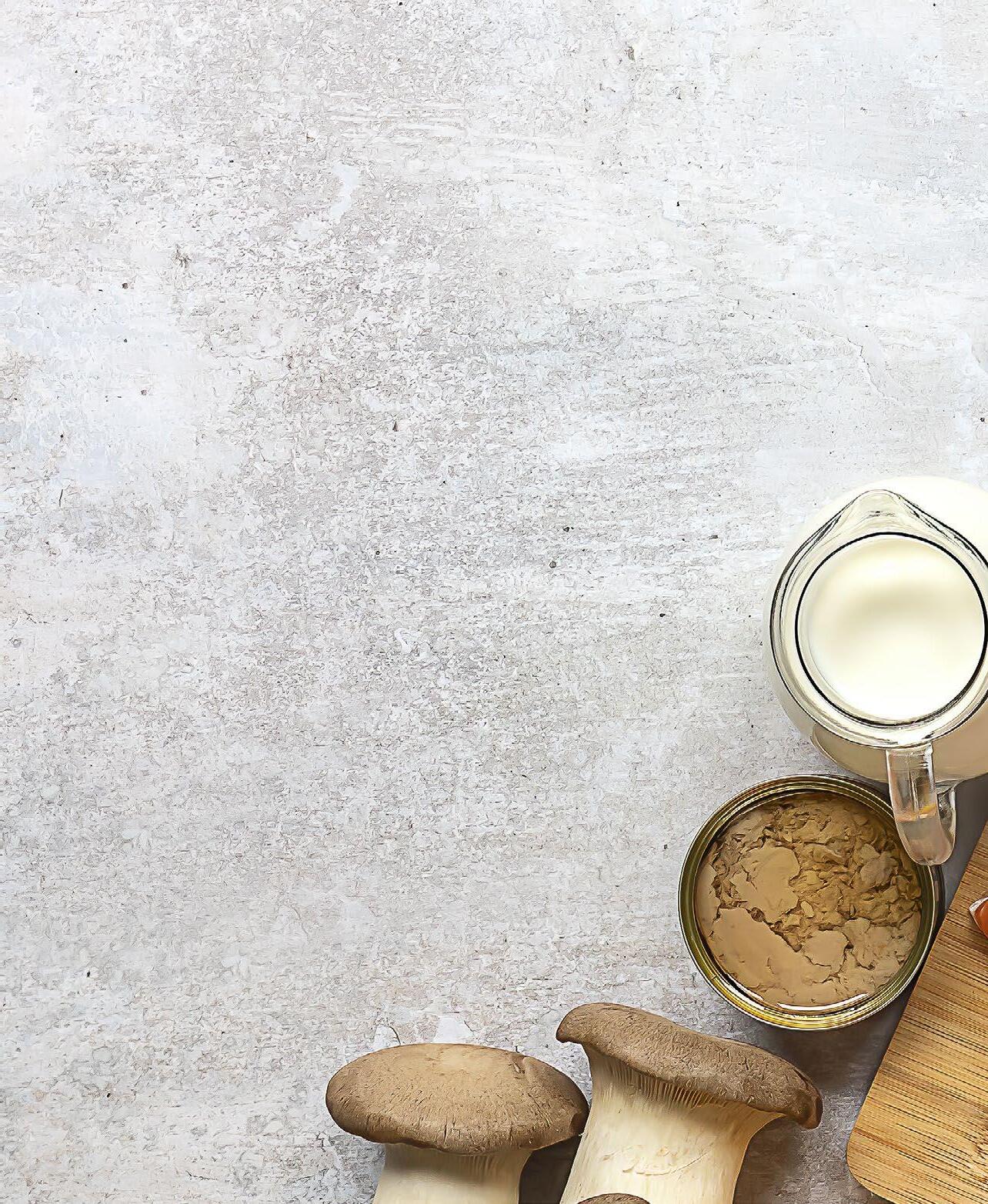
There are only a handful of natural dietary sources for vitamin D, though some foods are routinely fortified with the vitamin.
AM I GETTING ENOUGH?
The NIH recommends people from ages 1 to 70 get 15 micrograms of vitamin D through their diets every day, going up to 20 for adults 71 and older.
The NIH says about 25% of Americans aren’t currently getting enough vitamin D. You’re more likely to be one of them if you live in a cold, cloudy
climate (as Greater Prescott has during the winter) or have certain conditions that interfere with absorption of fat, including celiac disease. Everyone’s capacity to produce it from sun exposure is affected by aging, leaving seniors more vulnerable to vitamin D deficiency.
People who are obese or have had gastric bypass surgery may need more vitamin D.
HOW DO I GET MORE OF IT?
Increasing your sun exposure, when possible, is a good first step. Increasing dietary intake is also a good idea.
Natural dietary sources of vitamin D include:
* Fatty fish — It naturally contains the highest levels by far of vitamin D; trout can have up to 16.5 micrograms per 3-ounce serving, salmon up to 14.2 micrograms.
* Mushrooms — Provide varying amounts naturally, and some treated with UV light to increase their vitamin D content have up to 9 micrograms per serving.

* Eggs — 1 large scrambled egg has 1.1 microgram.
* Light canned tuna, packed in water — 1 microgram per 3-ounce serving.
* New research suggests animal-based food products may have a higher effect on vitamin D production than their levels would indicate, because they also contain the serum produced by vitamin D exposure.
FORTIFIED FOOD SOURCES
INCLUDE:
* Milk — About 3 micrograms of vitamin D is added to almost all the U.S. dairy milk supply.
* Infant formula produced in the U.S. is required to contain 1 to 2.5 micrograms of vitamin D.
* Plant-based milks — Many have similar added amounts to dairy milk.
* Ready-to-eat cereals
* Orange juice.
* Yogurt.
* Margarine.
* Tofu.
SHOULD I TAKE A SUPPLEMENT?
The NIH recommends Americans consider taking vitamin D supplements if they aren’t getting enough through other sources, but to remember that excessive amounts (about 100 micrograms per day) has harmful health effects.
Read Spring Planting SEED PACKETS for Better
by Ken Lain, The Mountain Gardener, Watters Garden
THERE IS A LOT OF INFORMATION ON A SEED PACKET, SUCH AS:
* When it blooms
* How much sun needed
* How big it gets
* Number of days to harvest.
We recommend sowing based on our average last frost date of May 8. When you’re ready to plant, cut out the plant tag, securing it to a garden stake. The label states the number of days before seedlings emerge, how deep to plant, the distance between each, and the recommended thinning instructions. The reverse side shows a visual.
Verify the freshness of your seeds. Do not buy seed past its “Sell Buy” date or older than 9 months since last tested for vitality. All plants and seeds sold at Watters Garden Center are organic and never genetically altered.
MY FAVORITE SWEET PEA
One of the most romantic of all flowers is the sweet pea with its delicatea butterfly blooms and spicy fragrance of wild honey

and orange blossoms.
Sweet peas like the cooler weather of Northern Arizona. Sow seed outdoors as soon as the soil is workable. Don’t stress if the weather turns cold. The flowers last into summer. A thick layer of Watters Premium Mulch keeps roots cool and extend bloom times.
Soak your seed in water 24 hours before planting for faster germination. You can also start seedlings indoors in a cool place six to eight weeks before the last frost date. Before transplanting, pinch off any flower buds to encourage roots.
The best location offers full sun with late afternoon shade, rich soil and good air circulation. Sweet peas scramble up all manner of fences, trellises and arbors. Supports should be small enough in diameter for the
tendrils to quickly wrap around.
Sweet peas are used like clematis to trail through landscape shrubs when out of bloom as a beautiful floral combo that spices up dull landscapes. Since sweet peas are annuals, they won’t accumulate a mass of vines from year to year to overwhelm their shrub host.
They grow well alongside woody vines to extend bloom times of wisteria, trumpet vine, and 5-leaf akebia. They make excellent, longlasting cut flowers. Regularly cutting only encourages more blooms to set.
Ken Lain can be found throughout the week at Watters Garden Center, 1815 W. Iron Springs Road, Prescott, or at www.WattersGardenCenter.com.

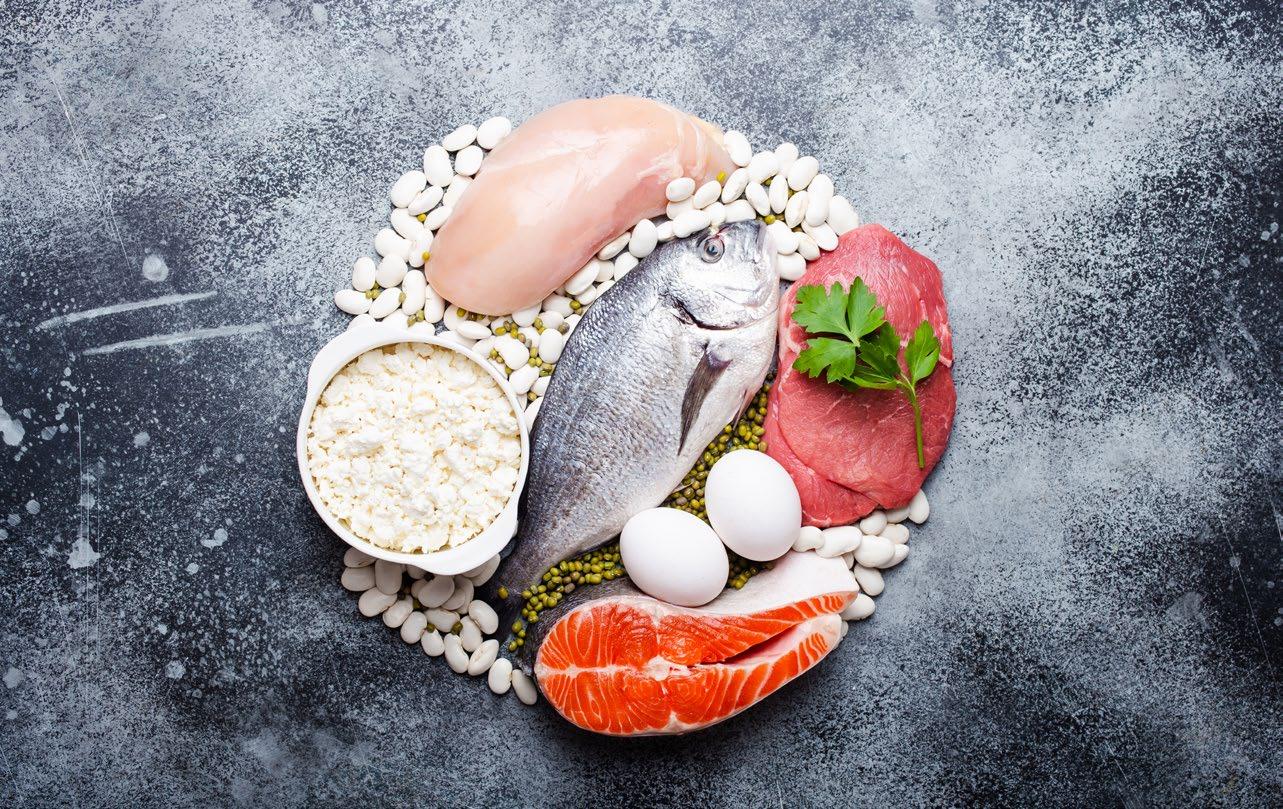
Complete or Incomplete? ALL ABOUT PROTEINS
It’s well known that protein is an essential building block of life, but the details of complete versus incomplete proteins are less understood. The good news is you don’t really need to understand in most cases.
The topic comes up most often when discussing vegan and vegetarian diets, since most animal products are classified as complete proteins. This means they contain adequate quantities of all nine “essential” amino acids the body needs to form proteins but does not produce on its own and must obtain from food.
There are 11 other nonessential amino acids our bodies do produce, which bind with these other nine to create proteins that build and repair muscle and other body tissue, regulate pH levels, balance fluids, produce antibodies and perform many other bodily functions.
The nine essential amino acids are histidine, isoleucine, leucine, lysine, methionine, phenylalanine, threonine, tryptophan and valine. Many of them are found within foods that are incomplete proteins, but not at high enough levels to meet your body’s needs.
Besides meat, fish, dairy, eggs and other animal-based sources, complete proteins also include a few plant sources like soy, quinoa, hemp and buckwheat.
You can find just about everything else that contains protein under “incomplete proteins,” including vegetables, nuts, seeds, beans and legumes and fruits (not a huge source but every little bit counts).
In the past people, especially vegans and vegetarians, have been advised to “pair” proteins at every meal to form a
complete protein, such as peanut butter on bread or beans with rice. But today, most nutritionists say eating a varied diet each day will provide the nutrients you need.
The bottom line is that everybody needs to consume protein, around 50 grams daily though recommendations vary with age and activity level. With all the potential proteins available to us, you’re likely to eat all of the essential amino acids in the course of a day, though if you have any concerns, ask your health care providers.
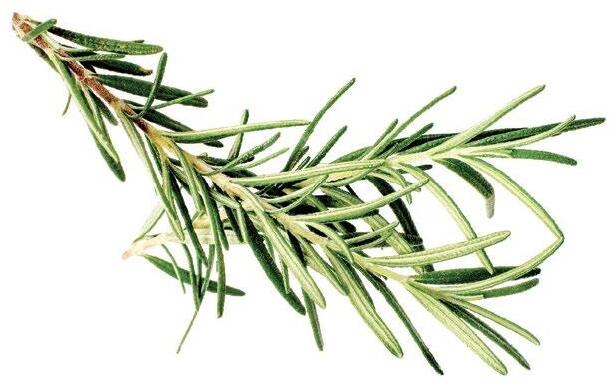


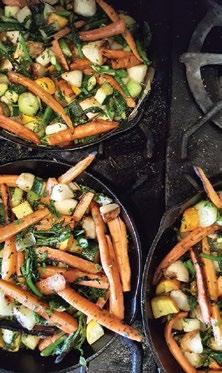





“A healthy outside starts from the inside”
- Robert Urich
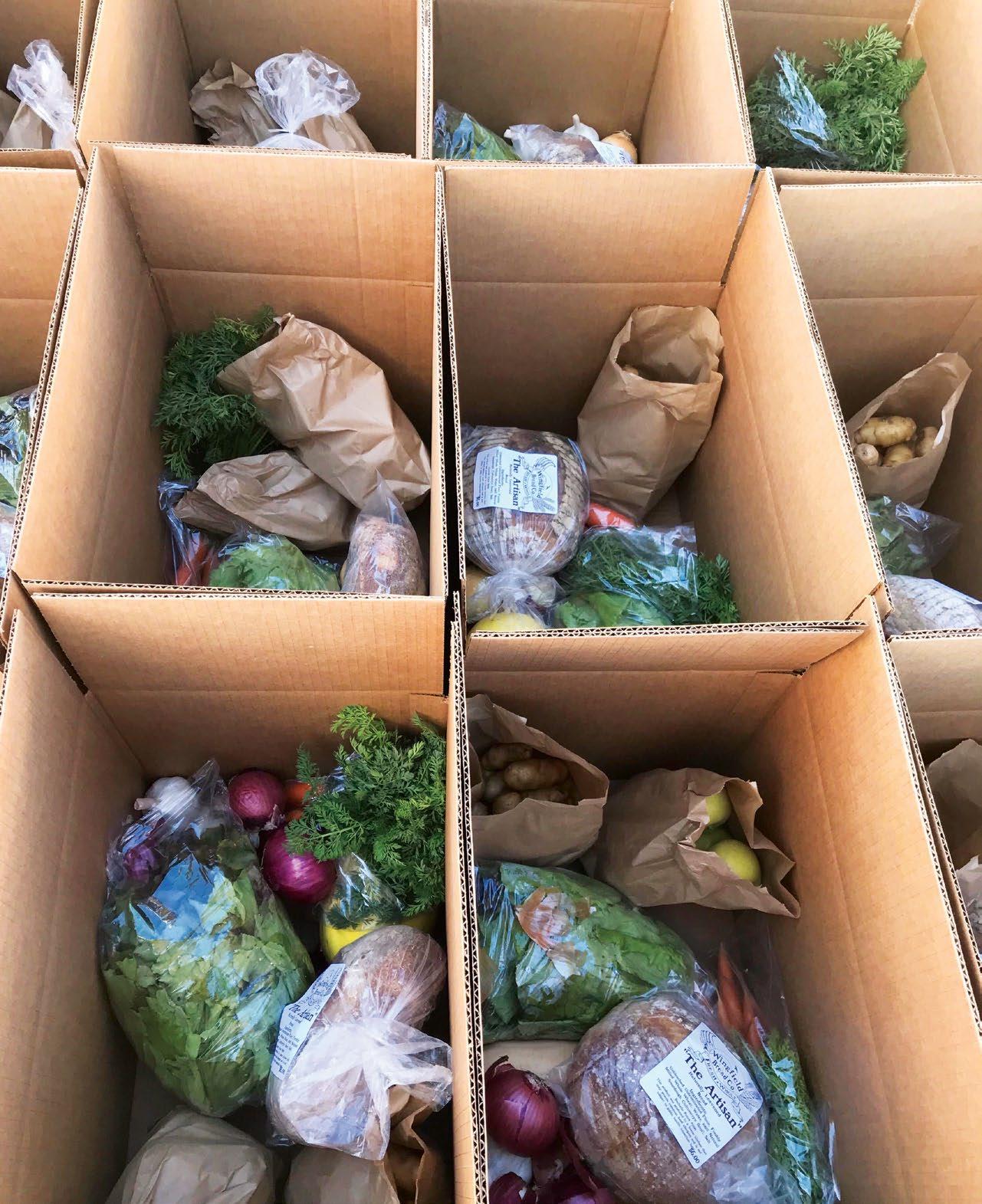

INTO THE Spring Prescott Farmers Market
Do you ever find yourself staring at the produce section of your neighborhood grocery store, thinking, ‘I’m so sick of having the same ol’ food every week?’
by Chef John Panza, Owner, BiGA
We all understand that it’s hard for grocery stores to constantly change inventory just because we are bored with the day in and day out fruits and veggies. While living in Prescott, I have found this to be even more common, as we don’t get the same, large selection of fresh food and produce you find in big city stores. If you’re looking to change your weekly grocery shopping routine, while still aiming to eat healthy and support local businesses, I urge you to stop by the Prescott Farmers Market. The Prescott Farmers
Market is currently located in the parking lot for the Yavapai Regional Medical Center next to True Value every Saturday. There you can find a variety of fresh local produce — plucked from the ground or off the vine that day — local art, handmade crafts, fresh-baked bread, local roasted coffee, interactive activities, learning booths for kids, and more.
I encourage you to explore it. The information booth is a great place to start Staffed with knowledgeable and passionate workers and volunteers, these folks are more than
happy to answer any and all questions. At times, especially in the summer, the number of different vendors at the market can be overwhelming.
My advice for market newbies is to choose one farm for your first visit, and try to make contact with the farmer, introduce yourself, let them know your goals and start to explore what they may offer in the near future.
I could go on and on about the benefits of shopping at your local farmers market, but we will focus on the health side for now. Just about every
item sold at the market is good for you. These items are locally grown, handpicked for perfect ripeness, pesticide and GMO-free, nonprocessed, grown with love and provide health and nourishment for you and your family.
Large grocery stores are still a necessity for some items, but nothing beats the benefits of shopping locally at the Prescott Farmers Market. An easy way to ramp up your healthy eating lifestyle is to start by buying produce and other food items locally at the Prescott Farmers Market, www.prescottfarmersmarket.org
HEALTHY
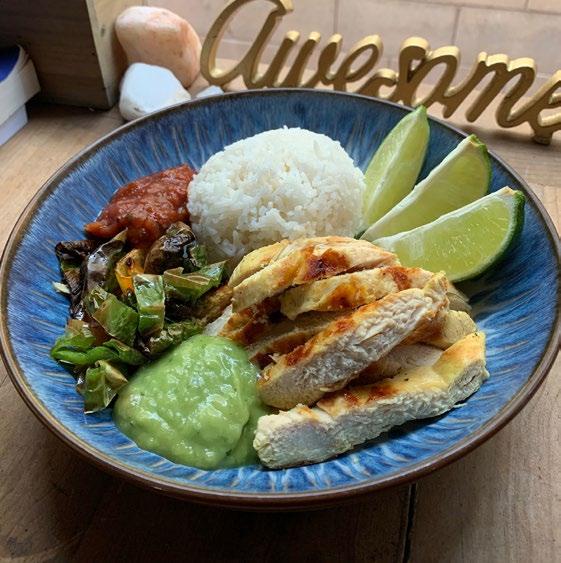
2 Chicken breasts
2 Green chilis
1 Yellow pepper
1 tbs Avocado oil
1/2 cup Uncooked jasmine rice
Marinade:
2 tbs Hot sauce
1 4-oz can Crushed chipotle peppers
2 tbs Salt
2 tbs Pepper
Recipes
QUICK
Chipotle Chicken Bowl
by Bailey Zygutis, Nutritionist, Vitruvian Fitness
This quick bowl dishes well with jasmine rice, chipotle salsa, cilantro, guacamole and lime.
1Tenderize chicken breasts, then marinate in hot sauce/chipotle mix for 15-20 minutes.
2Cut peppers in half to remove stem and seeds, then chop and toss in avocado oil.
Serves 2 | Prep Time 40 min
3Add chicken to grill top and cook for 12-15 minutes, flipping half way through.
4While chicken grills, sauté or cook peppers in air fryer for 8-10 minutes (until soft).
Food for Thought
Guacamole is packed full with phytonutrients and healthy fats! To make your own, cut ripe avocado in half, removing seed and skin. Place in food processor, along with 2 tablespoons lime juice, 2 tablespoons fresh cilantro, salt and pepper to taste.
Photo:BaileyZygutis
‘Fearr’ Keto Corned Beef and Cabbage
“Fearr” happens to be the Irish word for “best,” and this keto recipe brings the St. Patrick’s Day staple to your table in a way that lets you enjoy it low carb and dairy free, but with the hearty protein and healthy cabbage that form the foundation of this classic!
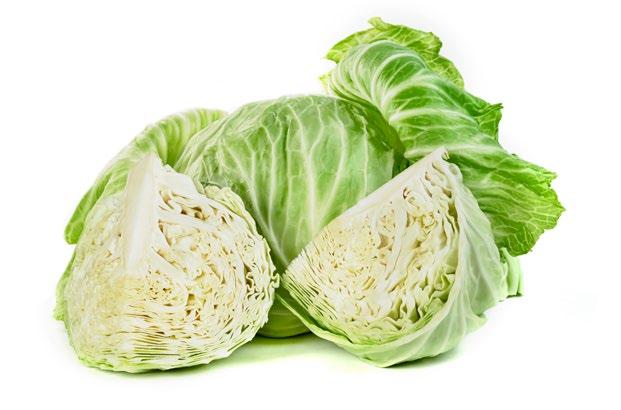
3-4 lbs Corned beef
2 Onions, quartered
4 Celery stalks, quartered crosswise
1 pkg Pickling spices
1 med Green cabbage, cut into 2” wedges
2 Carrots, peeled and cut into 2” pieces
1/2 cup Dijon mustard
2 tbs Apple cider vinegar
1/4 cup Mayonnaise
2 tbs Capers, roughly chopped, plus 1 tsp brine
2 tbs Parsley, roughly chopped
Kosher salt
Black pepper
1
Put corned beef, onion, celery and pickling spices into a large pot. Add enough water to cover by 2 inches, season with salt and pepper; bring to a boil. Lower heat to low, cover and simmer until very tender, 3–3 1/2 hours.
2Meanwhile, whisk Dijon mustard and apple cider vinegar in a small bowl and season with salt and pepper. In another bowl, mix mayo,
Serves 6 | Prep Time 4-5 hours
capers, caper brine and parsley. Season with salt and pepper.
3
Add cabbage and carrots and continue to simmer for 45 minutes to 1 hour more, until cabbage is tender. Remove meat and vegetables and slice corned beef and season with more salt and pepper.
4Serve with both sauces on the side for dipping.

2 sm Tomatoes
1 sm Onion
1 med Jalapeno pepper, chopped
2 cloves Garlic; 1 chopped, 1 smashed
1/2 tsp Hot sauce
1 tsp Cumin, ground
2 tbs Extra-virgin olive oil
2 tsp Extra-virgin olive oil
1 15.5-oz can Black beans, drained and rinsed
4 lg Eggs
4 Corn tortillas, 6-inch, warmed
1/2 cup Feta cheese, crumbled
1/4 cup Fresh Cilantro, chopped
Kosher salt
Pepper, freshly ground
BREAKFAST
Huevos Rancheros with Feta Cheese
This healthy huevos rancheros recipe uses lower-calorie, lower-fat feta cheese to delicious effect and is easy to make with beans, tortillas and cheese that easily can be substituted with whatever you have on hand! It’s perfect for breakfast, brunch or any other meal.
1
Set a grater in a large bowl; grate tomatoes and onion into the bowl. Add jalapeno, chopped garlic, hot sauce, cumin — salt and pepper to taste.
2Heat a medium skillet over low heat and add 2 teaspoons olive oil. Fry the salsa in the oil until it thickens slightly, about 3 minutes. Remove to a bowl and set aside.
3Add the beans to the same pan along with the smashed garlic, 1/2 cup
Serves 4 | Prep Time 20 min
warm water and a pinch of salt; cook over low heat until warmed through, crushing slightly with a fork.
4Meanwhile, heat the remaining 2 tablespoons oil in another skillet. Fry the eggs sunny side up and season with pepper.
5Place one warm tortilla on each plate. Divide beans among them, then top with a fried egg, some salsa and cheese. Sprinkle with cilantro and serve with the remaining salsa.
PALEO
Portobello Mushrooms Stuffed with Turkey, Spinach
These light and savory ‘shrooms are perfect for lunch or dinner and only take about a half-hour to prep and cook. The recipe can be scaled up for more servings, but the ingredients, cookware and stove can affect the results.
2 tsp Coconut oil
6 large Portobello mushroom caps, cleaned, gills removed (gently scrape with a spoon)
1 small Onion, diced
1/2 lb Ground turkey
6-8 Grape tomatoes, sliced (roasted if preferred)
Handful Baby spinach leaves
Salt and pepper to taste (or Italian seasoning)
1
Melt about 2 teaspoons coconut oil in a large skillet over medium-high heat. Place mushrooms into the skillet and let cook until softened, about 5-7 minutes, flipping them halfway through. Set aside on a plate.
2
In the same skillet, add onion and sauté until softened, about 3 minutes. Then add ground turkey to the pan and break into small pieces with a spatula or wooden spoon. Cook until done, then sprinkle salt and pepper and other seasonings, if using.
Serves 2 | Prep Time 10 min
3
Remove from heat and add baby spinach leaves, which should wilt quickly from the residual heat.
4
Use a small spoon to scoop the turkey spinach filling into the caps of the mushrooms. Top with grape tomatoes and serve warm.
Food for Thought
Did you know? Portobello mushrooms, like all mushrooms, are rich supplies of many nutrients including vitamin B, beta glucan (a soluble dietary fiber), copper and potassium.

1 can Chickpeas, drained and rinsed
1/2 cup Peanut butter
2 tsp Vanilla extract
2 1/2 tbs Maple syrup
1/2 tsp Cinnamon
1 tbs Chia seeds, ground
1/3 cup 60% Cacao chocolate chips or cocoa nibs
Food for Thought
Did you know? Dark chocolate (at least 55% cacao) is packed with nutrients including iron, potassium, manganese and antioxidants, all of which are good for heart health.
Vegan Peanut Butter Chocolate Chip Cookie Dough
This scrumptious dessert is meant to be eaten in that gloriously gooey state of uncooked dough, but is much safer without the raw eggs and wheat flour that can pose a food poisoning hazard. Wonderful chickpeas replace the flour and everything else is deliciously classic!
1
Place drained and rinsed chickpeas in a paper towel, dry off. If some of the skins start to come off, peel and discard to will make for a smoother dough.
2Add chickpeas, peanut butter, vanilla extract, maple syrup and cinnamon to a food processor. Blend until creamy and smooth. Add ground chia seeds to the food processor (seeds
can be ground by a coffee bean grinder or a mortar and pestle). Blend until everything is combined.
3Add chickpea cookie dough mixture to a small bowl. Fold in the chocolate chips.
4Serve immediately. Leftovers can be stored in an airtight container in the refrigerator for up to four days.
Serves as many as you want | Prep Time 15 min
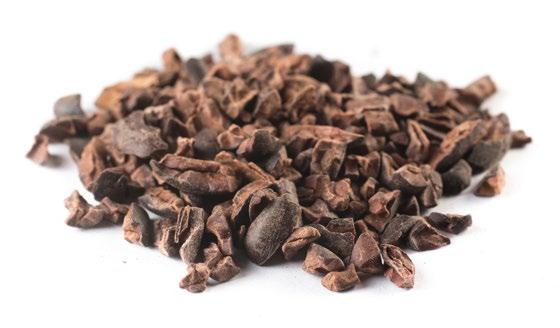
VEGAN
Spinach Tomato Shrimp Pasta
Packed with all that is comforting about Italian cuisine, this delicious dish will draw your family to the dinner table in no time flat! It’s already healthy, but you can make it even more so with a nice green salad on the side.
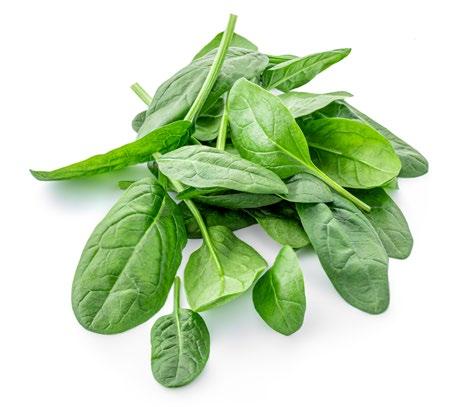
2 tbs Olive oil
8 oz Medium shrimp, peeled, deveined; tails on or off
1/4 tsp Red pepper flakes
1 tsp Smoked paprika or more, to taste
1 tsp Italian seasoning
4 Roma tomatoes, chopped
1/4 cup Fresh basil leaves, chopped
6 oz Fresh spinach
3 cloves Garlic, minced
8 oz Penne or spaghetti
2 tbs High-quality olive oil (optional) Kosher salt to taste
Freshly ground black pepper to taste
1
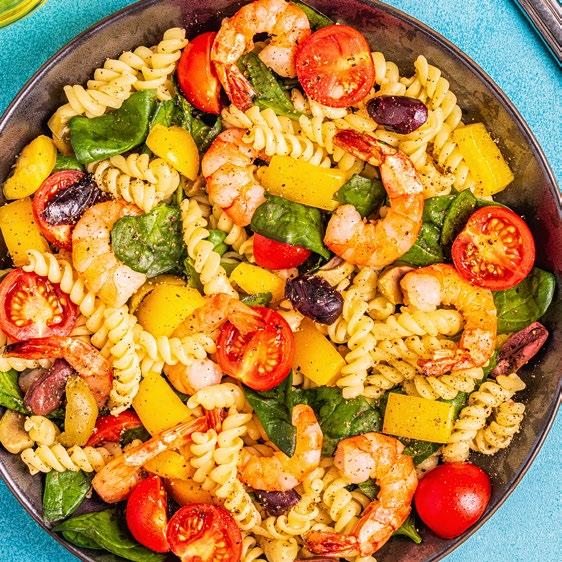
Add 2 tablespoons of olive oil to a large skillet on medium-low heat. Add shrimp, red pepper flakes, paprika, Italian seasoning and salt to the skillet and cook on medium heat until shrimp is cooked through, which will take about 5 minutes; do not overcook. Remove shrimp from the skillet and set aside.
2In the same skillet, add chopped tomatoes, chopped fresh basil leaves, fresh spinach, and chopped garlic. Cook on medium heat about 3-5 minutes until spinach wilts a little and tomatoes release some of
their juice. Remove from heat and adjust seasoning, if needed. Cover with a lid and keep off heat.
3Cook pasta, according to package instructions, until al dente. Drain and add to the skillet with tomatoes and spinach. Reheat on low heat, mix well, adjust seasoning with salt and pepper.
4Once pasta and vegetables are off the heat, add grilled shrimp back and drizzle with good quality olive oil just before serving, if desired. Serve the shrimp pasta immediately and enjoy with the family.
Serves 4 | Prep Time 25-30 min

Cathy Clements
NUTRITIONIST & LIFE COACH, NASM CNC, CPT, FNS, WFS
WHAT TYPE OF EXERCISE (WEIGHTS, CARDIO, YOGA, PILATES, ETC.) DO YOU PREFER AND WHY?
I lift weights four-five days a week, I do Pilates or yoga one or two days a week, and I run currently because of a goal I have made for myself this year. But as the weather warms I also like to swim.
I have chosen these to maintain the best health I can as I mature. It is important to be strong but also flexible and have balance. One injury that can really change my fitness is twisting an ankle or breaking something from falling.
Yoga and Pilates give me flexibility and balance. The weight training gives me the strength to do activities like hiking, skiing and running. Cardiovascular conditioning gives me health and endurance to accomplish a multitude of activities.
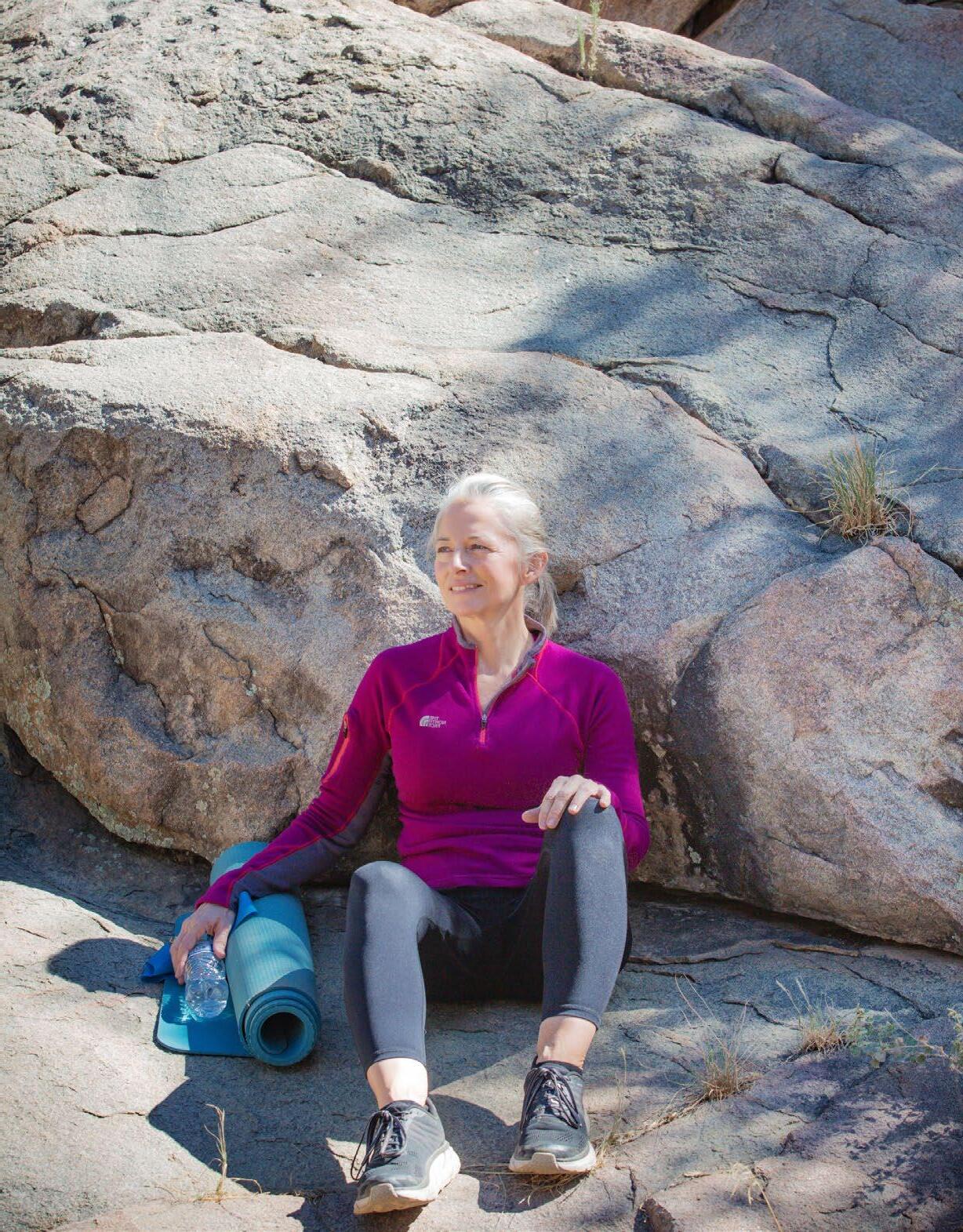
WHAT ARE YOUR PRACTICES TO KEEP YOURSELF AND YOUR FAMILY HEALTHY?
Self-care to me is combining exercise and nutrition with those things that relax and release the tension in my muscles.
It is important to release the knots in my muscles when I add weights and change workouts. At a minimum, I get a massage once a month.
Additionally, I see a chiropractor.
All of these self-care items keep me feeling wonderful. My body is more balanced and flexible.
WHAT IS YOUR FAVORITE HEALTHY MEAL?
Chicken Marsala. I love cooking with my husband, and we enjoy trying new recipes. When we just want a quick meal and don’t want to think about a meal, it’s Chicken Marsala.
WHAT IS YOUR BIGGEST HEALTH AND WELLNESS TIP?
Keep moving! It is very important as we mature to keep moving. The old adage “move it or lose it” is true.
The more you find yourself sitting the weaker in your back, glutes and hamstrings become. The weakness in these muscles affect the front of your body as well. There becomes an imbalance in your muscles.
WHAT IS YOUR NEXT GOAL IN YOUR HEALTH AND WELLNESS JOURNEY?
My next health goals for me in 2021 are to reduce my weight and bring my body fat down, and I would love to compete in a road race, if there are any on the calendar.
I enjoy running, but now and again need to feel energized by a race with the pull of other competitors. I have run by myself for all of 2020 and completed virtual runs.