


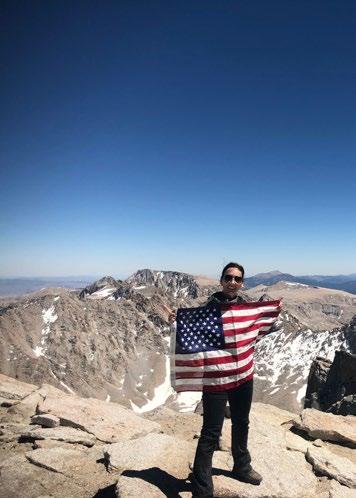
Laurie is an avid hiker and cyclist who loves the outdoors and enjoys the beauty of Prescott. She also has a menagerie of pets to keep her smiling!
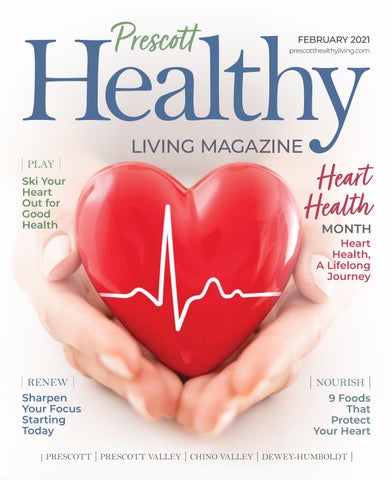
Our hearts are at the core of our health.
All elements of a healthy lifestyle — play, nourish and renew — work to protect and strengthen our hearts so our body can function properly. Play — physical exercise and activity improves our muscles’ ability to remove oxygen from the blood, which in turn reduces the burden put on our hearts. Renew — when we slow down and connect with our breath, our heart rate and blood pressure decrease.
Nourish — eating healthy lowers cholesterol and blood pressure.
Improving your heart health does not mean you have to make big, drastic changes. Small, continuous steps can have a dramatic effect. Find something doable and commit to one new healthy behavior this month.
Your heart is your source of life — take care of it.
Associate Publisher
EXECUTIVE PUBLISHER
Elaine Earle, CPA
ASSOCIATE PUBLISHER
Laurie Fisher
SALES & MARKETING
Laurie Fisher, Director of Sales & Marketing
Julie Turetzky, Director of Public Relations
Julie Kahn, Sales & Marketing Manager
PRODUCTION & DESIGN
Tim Clarke, Creative Director
Michele Rodriguez, Design Director
Shannon Price, Lead Graphic Designer
Keith Dobie, Social Media Coordinator
EDITORIAL
Bea Lueck, Editor-in-Chief
Christia Gibbons, Senior Editor
Blake Herzog, Staff Writer
OPERATIONS
Terry Scheib, Delivery Manager
COMMENTS & IDEAS
editor@roxco.com
SUBMIT AN EVENT
calendar@roxco.com | prescotthealthyliving.com
SUBSCRIPTIONS info@roxco.com | prescotthealthyliving.com
ADVERTISING INQUIRIES info@roxco.com | prescotthealthyliving.com
PRESCOTT OFFICE: 130 N. Granite St., Prescott AZ 86301 928-350-8006
CORPORATE OFFICE: 442 W. Kortsen Road, Suite 101 Casa Grande, AZ 85122 520-426-2074








Karissa Walton is a licensed Naturopathic Medical Doctor (NMD) who specializes in
140 N. Granite Street | Prescott (928) 298-3349 info@themobilehealthdoc.com


• Women’s well check
• Cosmetic Botox
• Medical Botox
• Dermal filler
• Acne treatment
• Chemical peels
• Body sculpting
• Emsella treatments
• Incontinence Treatment
• Permanent cosmetics
SEXUAL HEALTH CLINIC
• Hormone replacement therapies

• Hormone pellet therapies
• Woman sexual dysfunction

Kimberly Albarran
PT, DPT. ISSA Fitness, Nutrition Specialist and Health Coach
Kimberly Albarran graduated from the NAU clinical doctoral program. She’s an ISSA Fitness/nutrition specialist and Dr. Sears Wellness Institute health coach, specializing in chronic pain. She focuses on a wholebody approach through nutrition, mindfulness, movement and sleep.
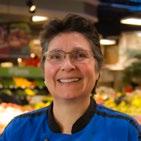
Chef Omei Eaglerider
Executive Chef, Fry's Signature Marketplace Culinary School
Chef Omei Eaglerider (Chef O) is the executive chef at Fry's Signature Marketplace Cooking School at Tatum and Shea boulevards in Phoenix. Her career highlights include serving as a private chef, a caterer and owning a local coffeehouse and bakery.

Dr. Hojat Askari
Founder & Medical Director, Thumb Butte Medical Center
Dr. Hojat Askari, or "Dr. A," is founder and medical director of Thumb Butte Medical Center at 3124 Willow Creek Road, Prescott, with over 20 medical professionals specializing in family medicine, internal medicine, cardiology, allergy treatment, and foot and ankle surgery.

Dr. Katie Borchert
Naturopath, MSOM
Dr. Katie Borchert uses natural medicine to increase vitality, youthfulness and qi flow through naturopathic methods. She trained at National University of Health Sciences in Lombard, Illinois, and is a licensed naturopathic physician practicing in Prescott and Prescott Valley.

Chef Alex Erickson
Chef, Raven Café
Alexander Erickson is the head chef at Raven Café. He has been part of this team and family for six years. Working there has been a delightful experience for him, as the team brings together a fun mix of personalities and flavors.

Amanda Foster Owner, The Hike Shack
Amanda Foster is an outdoor enthusiast who has lived in Prescott most of her life. In 2011 she became one of the owners of The Hike Shack where she also is a buyer and manager.
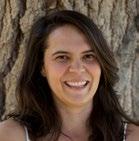
Carmen Catterfield
MA, Honeybee Healing & Counseling Services
Carmen Cartterfield moved to Prescott after receiving her master’s degree in clinical mental health counseling from Lesley University in Boston. She’s worked as a group and individual therapist with adolescents and adults and is now in private practice at Honeybee Healing & Counseling Services.
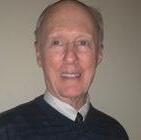
Brad Hayman DPM, Complete Foot & Ankle Care
Dr. Brad Hayman has been a podiatrist for over 40 years. After having a successful practice in Sun City, he moved to Prescott in 2006. He’s board certified by the American Board of Foot and Ankle Surgeons and in wound care.
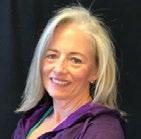
Cathy Clements
Nutritionist & Life Coach, NASM CNC, CPT, FNS, WFS
Cathy Clements is a certified personal trainer and nutrition coach. She has experienced challenges in her fitness and nutrition and is helping women over 40 regain their youthful energy. She will meet you wherever you are on your journey.
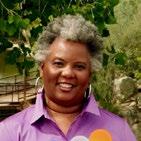
Lesley Jenkins Alzheimer's Association Regional Executive for Northern Arizona
Lesley Jenkins is the Northern Arizona Regional Director for the Alzheimer’s Association Desert Southwest Chapter. Jenkins joined the association in February of 2019 and oversees the Association’s care and support services across northern Arizona.

Lori Durr Owner, Sundara Sanctuary
Lori Durr is the owner of Sundara Sanctuary Wellness Spa & Boutique. She’s spent 25 years focusing on wellness and is a Certified Healing Arts Practitioner, LMT, Licensed Aesthetician, Certified Colon Hydrotherapist and is working on getting board certification in nutrition.
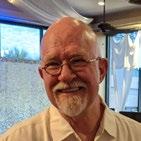
Carl Johns
LMT, Director, ASIS Massage Education
Carl Johns has been a massage therapist and educator for 25 years. He practices and teaches many Eastern and Western bodywork styles and has specialized throughout his career in working with people with disabilities and complex health conditions.
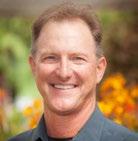
Ken Lain
Owner, Watters Garden Center
Ken Lain, known as "The Mountain Gardener," writes weekly columns that are featured nationally. His podcast and YouTube channel by the same name have millions of downloads. During the week he can be found at Watters Garden Center in Prescott.
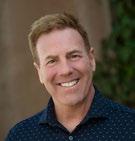
John Murphy Chair, Prescott Commission on Well-Being
John Murphy is chairman of the Prescott Commission on Well-Being and founder of the Make 100 Healthy Foundation, whose mission is to reduce diabetes and obesity though nutrition and gardening education. He's a proud husband, father and real estate agent.

Chef John Panza
Owner, BiGA
After working in restaurants in Phoenix, San Diego and Prescott, Chef John and his wife, Cassandra, created SENSES, a unique, pop-up dining concept and took ownership of BiGA. Since then, Chef John has been creating seasonal menus at BiGA that reflect his expertise and that spotlight our local farms.

Donna Werking
Owner, Northern AZ Social, LLC
Donna is the owner of Northern Arizona’s premier marketing firm. She specializes in the latest digital and traditional marketing strategies for businesses. She dedicates her time on committees and boards to support local nonprofits and organizations in her community.
Phil Whitehead
Owner, MP Veteran Custom Firearms and Ammunition
Phil Whitehead is a retired 34-year law enforcement officer and owns MP Veteran Custom Firearms and Ammunition in Prescott Valley. A service-connected disabled veteran, he’s commander of American Legion Post 140. He’s lived in the Prescott area for 30 years.

Bailey Zygutis
Nutritionist and Personal Trainer, Vitruvian Fitness
Bailey Zygutis is a nutritionist and personal trainer with Vitruvian Fitness. With a passion for holistic health, she works with individuals in person and online to create customized programs that teach them to more fully enjoy the benefits of good health.
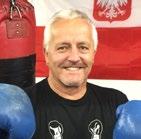
Coach Jarek Slagowski
Owner & Head Coach, Grind Boxing Gym
Coach Jarek Slagowski was born and raised in Poland. He is a certified USA BOXING, INC coach and has been the coach of the Polish Kickboxing National Team. He’s now owner and head coach of Grind Boxing Gym in Prescott.

Peg Travers
Vice Chair, Prescott Commission on Well-Being
Peg Travers, a retired RN, is the vice chair of Prescott’s Commission on Well-Being and chair of the Parks and Recreation board. She’s a meditation teacher and avid pickleball player, founding Prescott Pickleball Association, which built the Pioneer Park courts.
Loree is originally from Honolulu, Hawaii, and moved to Prescott in 2010. Her background spans a variety of careers, including 20 years of tax preparation, eight years of radio traffic and her current position as marketing manager for Yavapai Humane Society where she is able to do what she loves by helping animals through advocating for them to help them find their furever homes!
We believe local experiences are important. With that in mind, we’ve partnered with local contributors for their perspectives on a variety of healthy living topics. Here are the writers who helped make this issue possible.

Protecting your heart’s strength and capacity may tend to get more attention at certain times of life or certain pages on the calendar, such as during your 40s or 50s or February as American Heart Month.

But the reality is it’s a year-round, lifelong activity easier to maintain the earlier you begin. But, it’s never too late to get started.

It’s a process your entire family — every generation — can share and encourage each other in. The basics of eating a healthy diet and getting healthy amounts of aerobic and muscle-bearing exercise are the same wherever you are in life or the calendar, but some of the specifics vary with age:
Kids and teens — The Centers for Disease Control and Prevention recommend children younger than 18 get 60 minutes of physical activity every day. Education about the dangers of smoking is essential.
20s — Adopt a regular workout schedule to establish the habit early, so it’ll be harder to break when there’s more demands on your time. Establish a relationship with a health care provider for yearly wellness exams and take any recommended tests or screenings.
30s — Incorporate heart-healthy behaviors such as exercise into your daily life, treating them as the essential building blocks they are. Involve your whole family in healthy exercise and meal preparation. Learn about any hereditary risk factors you may have.
40s — Be careful about weight gain that can accelerate as your metabolism slows, so make any dietary changes that are necessary. Either start an exercise regimen or stay dedicated to the one you have, finding new motivations along the way.
50s — Aging takes a toll on nearly every heart by this age, so see your doctor annually. Menopausal women should learn about the added risks they face due to falling hormone levels. Follow the treatment plan for any diagnosed conditions you have.
60s and beyond — Continue to watch your weight and make any further adjustments to your diet as needed, as your caloric requirements are likely lower than before. Learn the early warning signs of heart attack and stroke. Remember you are never too old to exercise!
by John Murphy, Chair & Peg Travers, Co-Chair, Prescott Commission on Well-Being
The Prescott WellBeing Commission has a mission to:
“Engage those who live, learn, work or play in Prescott in the lifelong pursuit of Well-Being though communication, motivation and action."
But, what is the meaning of well-being? Wellness author and speaker Greg Anderson says, “Wellness is the complete integration of body, mind and spirit. The realization that everything we do, think, feel and believe has an effect on our well-being.”
There are five branches of well-being the commission has built upon to help identify and improve the overall well-being of our citizens: purpose, community, social interaction, financial and physical. These branches come down to this: “You gotta have heart.”
Purpose is the reason to wake up each day — to give back, to do the things that make you feel worthwhile. It’s our heart that helps bring
a sense of accomplishment and meaning.
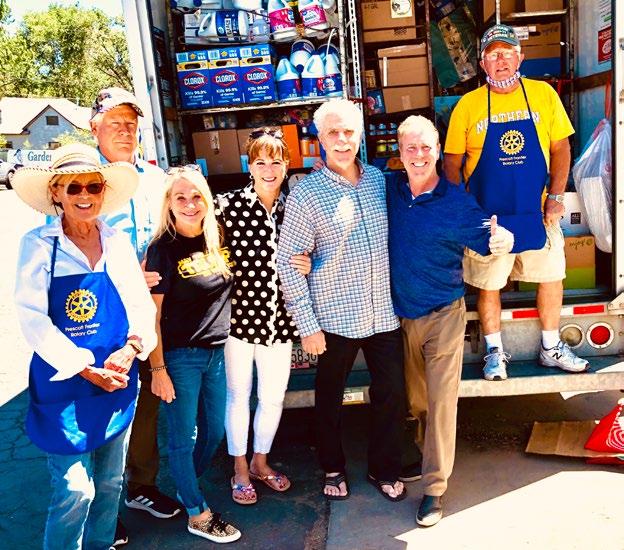
Community comes in the form of our many nonprofit organizations, downtown events, and arts, crafts and sports-related festivals. Prescott has shown its heart with its food banks, efforts to “Save our Bars,” our wonderful Farmers Market — each which helps those in need. Recently, the Frontier Rotary Club reached out to the Prescott community to bring supplies, food and cleaning products to the Navajo Nation. Recently, the Frontier Rotary Club reached out to the Prescott community to bring supplies, food and cleaning products to the Indian Nation.
Social connection makes your heart beat through good times with family, friends and neighbors. From the extensive trails and parks to musical events, and now virtual events, we need interaction and social interaction.
The greatest predictor of longevity is feeling needed, loved and important.
Financial: The charitable nature — or heart — of Prescott’s citizens has been shown throughout the years, and during these difficult times those who have financial success give to those most in need through donations, activities and encouragement.
Physical well-being means good nutrition,
movement, hydration, sleep and relaxation. Maintain ideal weight and physical activity. Think of your heart in more ways than one. All five branches of well-being together create an “attitude of gratitude,” an overall feeling of faith, family and community. That’s the “heart” of the matter.

“Your vision will become clear only when you can look into your own heart. Who looks outside, dreams; who looks inside, awakens.” — Carl Jung
by Carl Johns, LMT, Director, ASIS Massage Education - Flagstaff
The heart is the most celebrated part of human beings in art, literature, music and in all the spiritual traditions.
Chinese medicine sees the heart as the controller, the emperor, the seat of the mind and the spirit and the center of joy, compassion and awareness. Geneticist Mae Wan Ho, working in the realm of quantum physics and biological organisms, understands the heart as the central communication hub with every variable beat, for every cell in the body.
The Institute of HeartMath, tells us the heart has neuronal cells like the brain and is in constant communication with the brain — with most of that communication going from the heart to the brain — and encourages us to bring our awareness to our hearts regularly to create heart-brain coherence.
HeartMath also tells us that our heart fields are connected to the earth, to the planetary electromagnetic fields of our solar system and
most importantly to each and every heart field on our planet.
When the heart space is clear and uncluttered, the heart can bring joy to the jobs of all the other officials (organ systems). Fear, stress, over-work, over-activity — all clutter the heart space and interfere with our ability to approach life with joy, peace,
compassion and awareness. There are many ways to open and calm the heart — creating quiet time, engaging in the creative process, participating in meaningful, heartfelt conversations, connecting with nature, and experiencing any of the myriad styles of massage and bodywork. Consider seeking a
massage and bodywork practitioner. When we feel good, we become healthy. All the stresses, aches and pains start to drop away. So in this heart-centered month, give the gift of touch to yourself and your loved ones, and bring the frequency of joy, compassion and awareness into all of our heart connections.



This continues to play out in daily interactions with people when I see how changes in qi and blood flow, yin and yang status, really affect the organs and what we actually experience as “dis-ease."
by Katie Borchert, NMD, MSOM, Pain Recovery Therapy & Esoteric Acupuncture
Eastern medicine views the organs as members of the kingdom, with the heart as the emperor.
The heart houses the shen, or spirit, and sends shen to other organs.
It also is the master of the blood and commands the vessels. Health and vitality happen when there is ample blood supply, easy flow and the spirit is joyful.
Shen regulates emotions, consciousness and other mental functions. This is a very yang bodily substance, so it resides in the blood as a way to be held in place. The health of the shen depends on the health of the blood and the vessels and vice versa. Healthy shen is clear thinking, feelings of peace and healthy relationships with others.
We can cultivate healthy heart qi, blood, and shen with our movement, foods, rest and joy.
Regular exercise
appropriate for one’s fitness is essential for good health. A variety of pleasurable movements keeps things interesting. Foods that nourish the heart are green leafy vegetables, dates, figs, grapes, squash, fenugreek seed, raspberry and walnut. These are tonics for qi, blood and yang energy,
all which fortify the heart for its constant pumping. Because the heart never stops working, we need to be sure to get good rest. Practicing good sleep hygiene and using calming herbs can promote better quality rest. Most important is cultivating and living joyously.
Joy is the antidote to the negative emotions of anger, fear, grief and worry. It keeps us present in our lives. Finding ways to face all the stresses helps us navigate our journey with greater ease, clarity and peace. Keeping the heart happy and healthy keeps the entire person healthy.

by Lesley Jenkins, Alzheimer’s Association Regional Executive for Northern Arizona
As communities and care services begin reopening, it is important for caregivers to consider the risks and take additional safety precautions for people living with dementia.
Caregivers of individuals living with Alzheimer’s and all other dementia should follow these guidelines from the Centers for Disease Control:
1
For people living with dementia, increased confusion is often the first symptom of other illness. If this person shows rapidly increased confusion, contact your health care provider for advice.
Unless the person is having difficulty breathing or a very high fever, it is recommended that you call your health care provider instead of going directly to an emergency room. Your doctor may be able to treat the person without a visit to the hospital.
2
People living with dementia may need extra and/or written reminders and support to remember important hygienic practices from one day to the next. Consider placing signs in the bathroom and elsewhere to remind people with dementia to wash their hands with soap
for 20 seconds. Demonstrate thorough hand washing. Alcohol-based hand sanitizer with at least 60% alcohol can be a quick alternative to hand washing if the person with dementia cannot get to a sink or wash his/her hands easily.
3
Ask your pharmacist or doctor about filling prescriptions for a greater number of days to reduce trips to the pharmacy.
4
Think ahead and make alternative plans for the person with dementia should adult day care, respite, etc. be modified or canceled in response to COVID-19.
5
Finally, think ahead and make alternative plans for care management if the primary caregiver should become sick.

MLS Cold Laser | Bunions | Hammertoes | Heel Pain | Diabetes
Neuromas | Neuropathy | Foot and Ankle Pain | Fungus Toenails
Downhill skiing—it’s got incredible scenery, beautiful sweaters, cozy lodges, warm drinks, thrilling ski lifts, great socializing and startling amounts of fun. And what a workout!
Gravity may give you an assist, but going downhill requires you to constantly shift your balance, adjust your arms and legs, navigate the slope and pump blood and oxygen throughout your body. It’s a form of interval training, alternating bouts of intense exertion with the rest you get while riding back to the top.

The advantages you gain on the slopes can last for years or even a lifetime:
— Just staying upright is the first battle for novices, but it’s a constant battle when you’re downhilling. Swaying from side to side and shifting slightly every second challenges your joints and muscles, especially core muscles, to react and recover almost before you realize it. This improves your balance, and the effect can last into old age, helping to prevent falls.
Cardio — The effort and adrenaline involved with downhill skiing inevitably raises your heart rate, and this leads to positive impacts including lower blood pressure and resting heart rate, higher insulin resistance and improved circulation through clearer arteries.
Bones — All that standing, sliding and shifting puts a load on your leg, ankle and foot bones, fortifying and strengthening them with weight-bearing exercise so they won’t become as fragile as you age as they might otherwise.
Legs and core — Skiing really excels at working your lower body muscles from continually varying angles as you switch between predictable and unpredictable movements.
The benefits extend from your quadriceps, hamstrings and gluteals all the way to your core and upper body in a way few other activities can.
Calorie burn — The challenges skiers face during any downhill run improve balance and build muscle, so it’s not surprising it also burns calories. A Harvard Medical School chart of the number of calories burned during various athletic and daily activities shows a 125-pound person can burn up to 180 calories per 30 minutes of skiing, increasing to 223 for a 155-pound individual and 266 for an 185-pounder.


Goldwater Lake may be the prettiest of the three major bodies of water managed by the City of Prescott, despite lacking the drama of the grand, jagged boulders of Willow and Watson lakes to the north.
Instead, it has stands of imposing ponderosas marching right up to the shore, giving an alpine aura to all the picnicking, boating, canoeing, paddle boarding, horseshoe throwing, volleyball playing and other frolicking that happens there.
The gorgeous scenery draws many a hiker to the park 4 miles south of Prescott on Senator Highway, which takes downtown’s charming Mt. Vernon Street into the mountains and forest. It’s actually beyond the city limits and surrounded by U.S. Forest Service land, so there are trails managed by both jurisdictions in the area, which give visitors the options of a leisurely stroll or a more extended hike.
The City of Prescott has two relatively short, standalone paths hugging the north and south sides of the 55-acre lake. Both can be accessed from the parking lot just in from the entrance into Goldwater Lake Park from the road of the same name.
To the north is the North Shore Trail, which obviously follows the northern shore of the lake, taking you a ¼ mile to the dam that forms the lake. Seeing the manmade edge of the lake can be fascinating and disorienting at the same time but doesn’t put a damper on the fun people have there.
The longer one, Banning Creek Trail, wraps around the south shore for about 2/3 of a mile and is connected by three side trails to the longest Forest Service trail serving the area, Goldwater Lake Trail No. 396.
No. 396’s eastern trailhead is on the east side of Senator Highway, just south of the entrance to Goldwater Lake Park. The trail starts on the other side of the highway. It winds through the hills and ridges south of Goldwater Lake and the smaller, undeveloped Lower Goldwater Lake to its west, providing spellbinding views of both.
This is truly a hike for all seasons for its spring and summer greenery, brilliant fall colors and moody winters laced by blankets of snow that bring an overwhelming calm to the scene. The vegetation varies from ponderosa to Gambel oak to chaparral scrub, willows and boxelders.
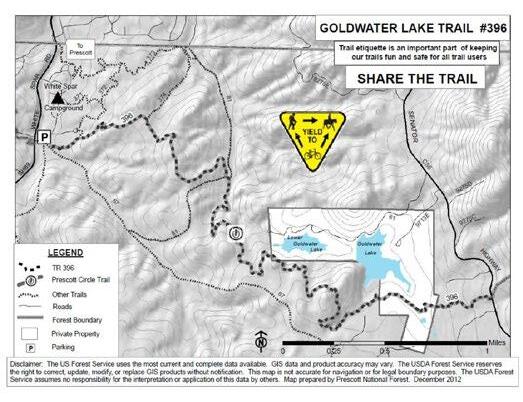

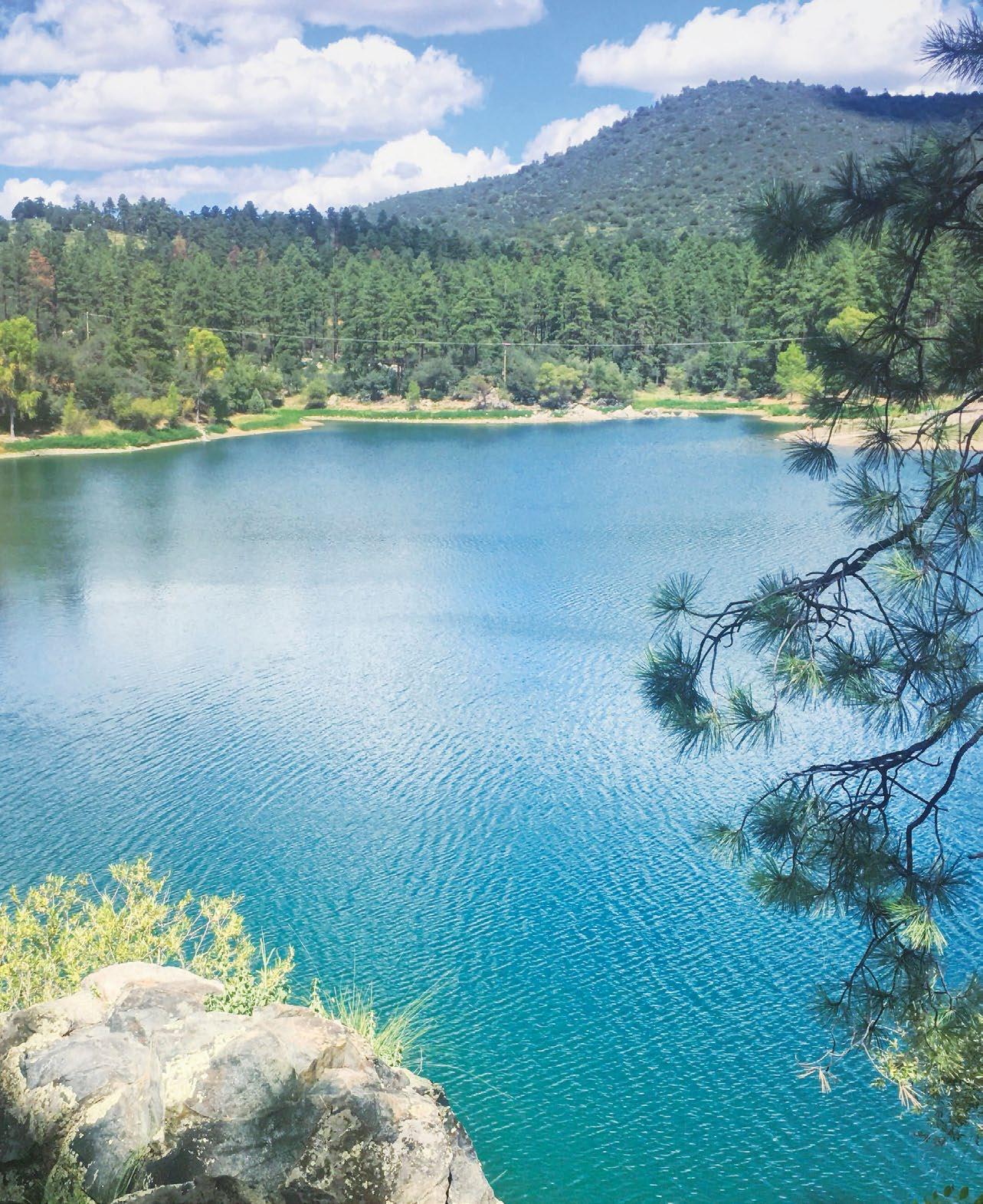
The Goldwater Lakes area of Prescott National Forest accessible from Senator Highway is served by multiuse trails operated by the city and state in this majestic area. Two paths totaling 1 mile lie within the City of Prescott’s Goldwater Lake Park, which has a $3 admission.
The USFS’ Goldwater Lake Trail No. 396 runs past both Goldwater Lake and the smaller Lower Goldwater Lake to its west, continues west to White Spar Campground along State Route 89.
Parking fees: None
Usages: Hiking, mountain biking, horseback
Mileage: 4.7 miles (one way)
Level of difficulty: Moderate
Elevation: 5,630 feet to 6,164 feet
As much as we know exercise is critical to our overall health and love the way it makes us feel, we all have days when we think we are a little too busy, a little too tired, a little too grumpy, a little too “meh” to pull on our workout clothes, lace up our shoes and actually go for a run or pick up those weights.
But once you skip a day it is way too easy to skip another and another, until you’ve officially tumbled off the wagon. Working to get back in your routine can be an even more herculean task.
There are plenty of ways to catch ourselves before this happens and immediately push ourselves back on track before getting to the point of having to find the track all over again.
Remember the payoff —
Come back to what inspired you to start this journey to begin with. Was it reaching a certain weight, or knowing you didn’t want to reach a certain weight? A friend’s struggle with diabetes or another condition you don’t want to develop? Meditate on the spark that lit your fire.
Set new goals — It’s fantastic if you’re successfully maintaining the level of health you want to be at, but you may need to find more inspiration with a new objective, whether it’s dialing your weight back a little
more, adding more cardio or strength training to balance out the other or looking to nutrition to find the right fuel for you and your workout.
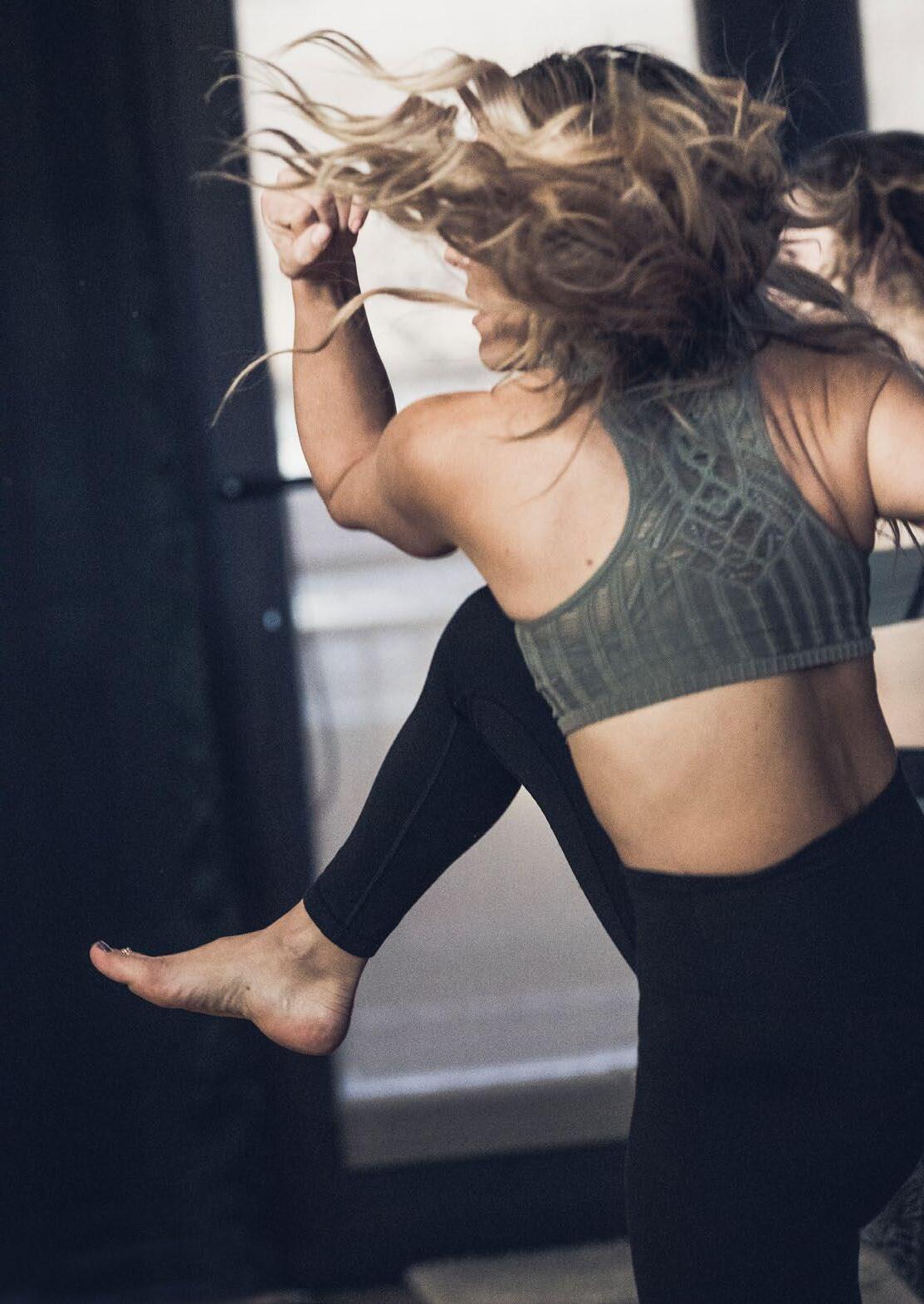
Find a new groove — If you feel like you’ve hiked every trail in Prescott and Prescott Valley at least three times and they’re not holding your interest anymore, it could be time to forge a new one with an alternative like running, interval training, maybe kickboxing!
Exercise to energize — If you’re feeling tired and rundown (and you aren’t
sick or getting close to bedtime), remember even light exercise is much better for recharging your batteries than just sitting on the sofa.
Short bursts add up — If your schedule really is packed, try to carve out short breaks for a brisk walk, lifting kettlebells or several burpees. If you get your 30 minutes in by doing 10 at a time the benefits you see will stack up just as high.
Bring a friend — Get a workout buddy to either exercise with you or check in with before and after to hold each other accountable for
what you’re going to do and have already done. Working out in tandem with someone else doubles the inspiration when you meet your goals!
Get some quotes — Look for inspirational quotations in books or online that resonate with your mind and heart and write them on post-its, add them to the wallpaper of your favorite electronic device, embroider one into your dog’s collar, whatever it takes to get them front and center in your life. Take it from Arnold Schwarzenegger: “The pain you feel today will be the strength you feel tomorrow.”
Don’t count the days, make the days count
—Muhammad Ali
Jamie Procknow

Prescott National Forest is a hub for so many outdoor activities — hiking, biking, camping, fishing, horseriding, boating, canoeing, birding and other nature viewing and so many more activities that put you into intimate contact with the beauty of the Bradshaw Mountains, Verde Valley and Chino Valley plateau.
The many great trails available for off-roading vehicles can sometimes get lost in the shuffle of all these invigorating pastimes, but it’s another fantastic way to reach the more undeveloped areas where the beauty
is more rugged and the wildlife more abundant.
There are stellar OHV opportunities in each of the Prescott National Forest’s three districts, and there are great ways to reach hikes, trail runs or biking havens you haven’t tried before! Maps and details on these three trails, which showcase the diversity of our area, are available at www.alltrails.com or the Alltrails smartphone app.
Mingus Mountain —
Accessible from Highway 89A at Forest Route 104 southeast of Jerome, this 15-mile path (one way)
slithers around the southern base of Mingus Mountain, uses routes 104, 413 and 493 over rocky sections, past historic mines including the Silver King, and to sweeping Verde Valley views.
Alto Pit — This trail starts by the Alto Pit OHV Day Use Area just northwest of Prescott off Iron Springs Road; its 400 acres are set in two former gravel pits just below Granite Mountain. It has open pits and trails, and this 22-mile trail takes full advantage of its setting, threading east and west along the base of the mountain through forests
punctuated by massive, gravity-defying boulders.
Castle Creek Road to Cleator — This trail’s name is a straightforward description of the 10-mile route. On the south edge of the forest, the road is accessible from Crown King Road via I-17’s Bumble Bee exit (No. 248). The creek it follows for much of its path is actually Black Canyon Creek, and when running it can create just enough mud to be an issue. It ends at the near-ghost town of Cleator and its famous “yacht club,” all of which is for sale for $1.25 million.


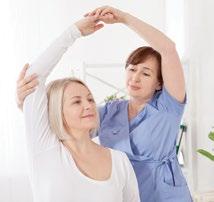


Children are naturally curious and even more so when they’re out in nature. They play longer and stay engaged longer when they’re out in the sunshine and open air, just like the rest of us.
There are so many ways to capitalize on that special kind of focus they tend to have while you’re outside with them to teach them basic concepts in reading, science and math they will soon need for school, if they’re not already there.
Here are a few enjoyable activities that combine the lure of the outdoors with basic school lessons.
Sun prints — Kids will learn about the power of the sun’s ultraviolet rays
by using loops of tape to secure the back of a piece of construction paper to a sunny outdoor table. Then they can place objects on top of them to see how the sun fades the pigment in the exposed paper over the span of four or five hours, leaving behind a dark print of the object used. More loops of tape can be used to secure lightweight objects like leaves or foam shapes.
Spring bulb growth charts — Similar to marking
your child’s height on a wall, only this puts the kid in the driver’s seat. Plant several bulbs from the same or different species, such as daffodils, hyacinths or paperwhites. Track their growth with wooden strips on which kids can draw and color blocks marking the progression of growth, and older kids can measure them with a ruler. Science and math united!
Jump-rope spelling
— Using a grade levelappropriate vocabulary list
and a piece of sidewalk chalk, give the child a word to spell while jumping rope, one jump per letter. If they get the word and jump right, they get to write the word on the driveway or sidewalk. If they misspell the word or miss a jump, the caller writes the word down in chalk and the jumper spells it twice, once by reading the letters and then without. The game is done when all the words on the list are written down in chalk.

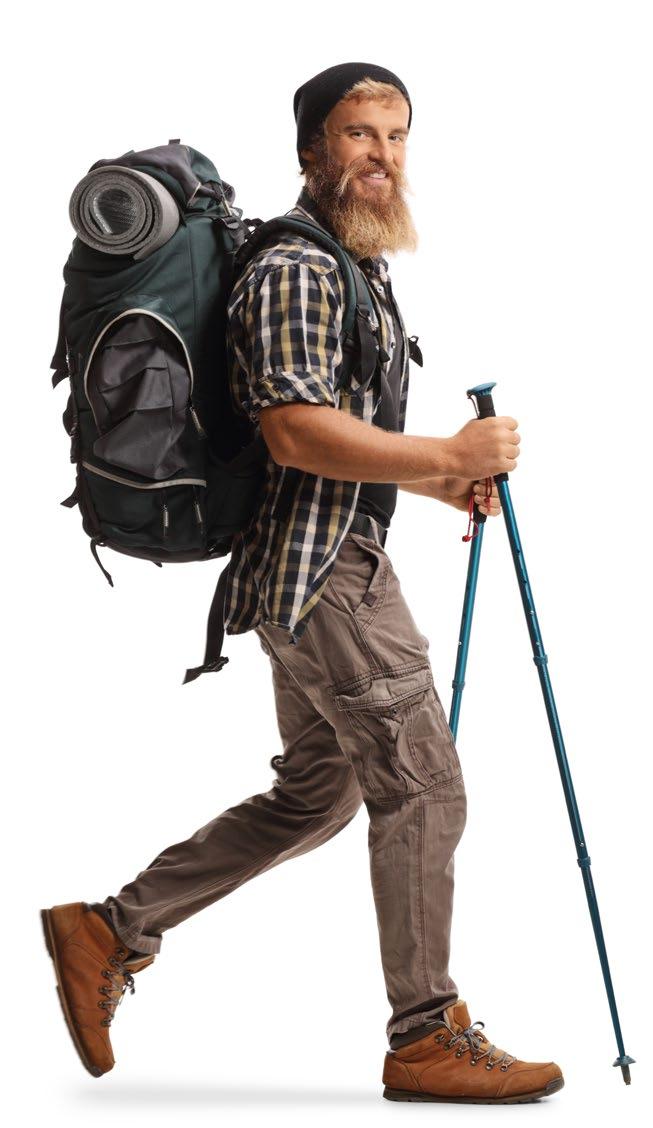
by Amanda Foster & Raigan Fundalewicz, Owners, The Hike Shack
Many people have been playing outside more and more lately. One thing we may not think of carrying with us when we hike is trekking poles. In many families, all generations are finding the positive effects of poles; the children, parents, and grandparents are using trekking poles on the trails. The benefits of them include increased muscle usage, more stability, less impact on the lower body, and they can be used to ward off unwanted items you may come across on your path. When you use two trekking poles, you engage your arms and shoulders with each step. This actually helps you to burn more calories when you hike since you are engaging more muscles. With your hands raised a little higher and following the flow of the poles, you increase your circulation and can prevent unwanted swelling in your hands and fingers. Your balance is increased tremendously. It is like you now have an extra set of limbs for stability. They give better traction on different surfaces,
too, depending on the tip, foot or basket used. They are handy in stream crossings, on slippery rocks or if the ground is not stable. If you tend to look up at the scenery when hiking, this helps you to not fall down giving you a safer adventure. Using poles can reduce the impact on your body especially when you are going downhill. They push you to walk with your weight more forward and with more of a fore and mid foot strike. When you walk this way and your upper body absorbs some of the impact, the pressure is reduced all the way down to your feet. This reduction in stress on your body can help keep you on the trails longer and reduce your pain.
Trekking poles can also be used to keep away smaller animals, move debris out of the way, test the snow, a puddle, or a river for depth, or to dust off rain drops or snow on trees above you to keep you dry.
The benefits to using trekking poles are tremendous. They can keep you walking longer with less pain and keep you safer wherever you choose to take them.
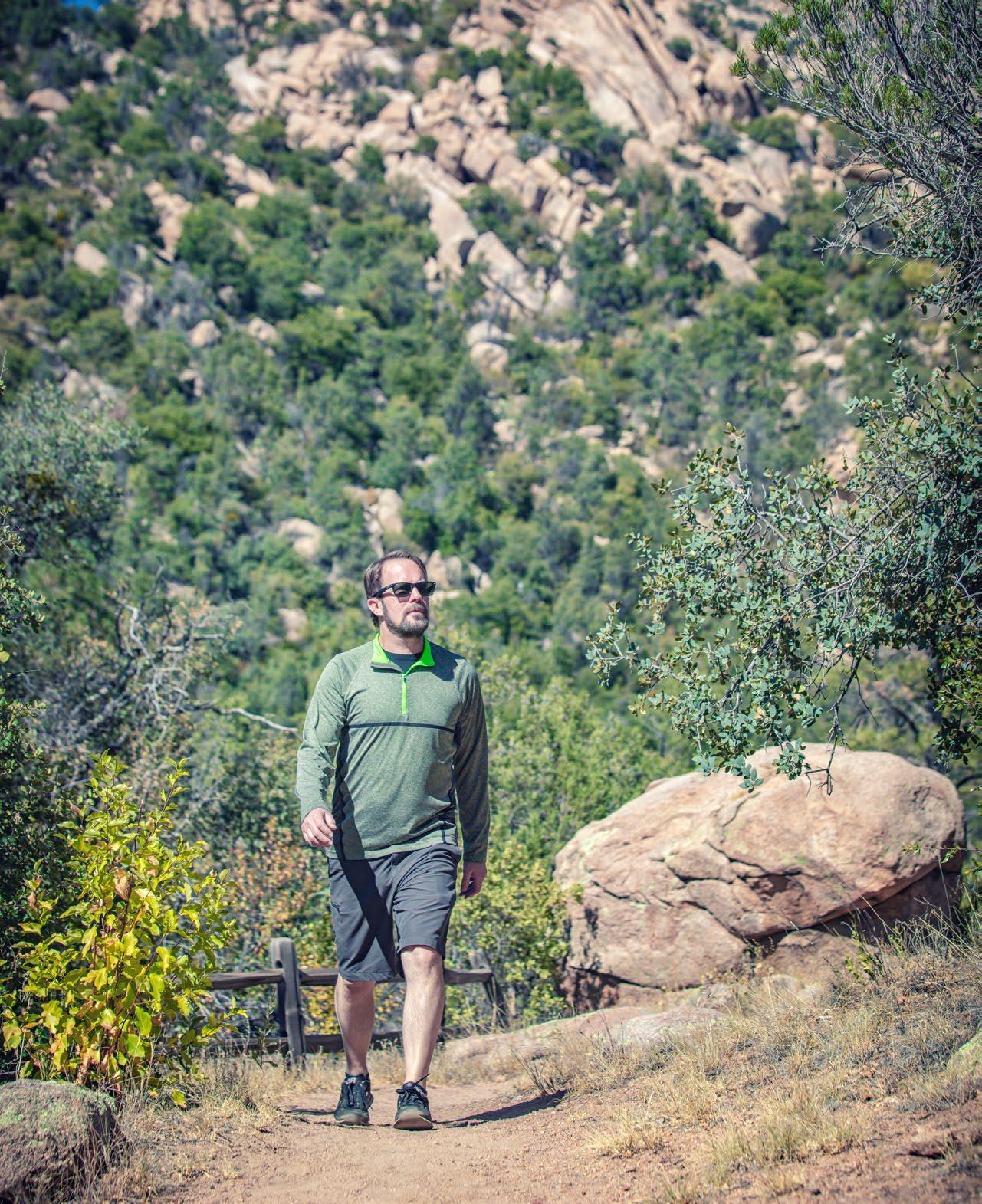

by Loree Walden, Marketing Manager, Yavapai Humane Society
As pet owners, we all know they have stolen a piece of our hearts! But did you know they are also incredibly good for our hearts?
In a recent study, it was shown that cat owners between the ages of 30-75 are 30% less likely to die from a heart attack than non-cat owners of a similar age, and dog owners of the same age are 31% less likely.
It’s also been proven that petting a cat or dog is
one of the greatest stress relievers and actually helps to lower blood pressure. The American Heart Association concluded through various studies that pet ownership in general lowers the risk of heart disease!
Pet ownership, especially dogs, also leads to an overall healthier lifestyle because more time is spent outside walking and exercising. This increased physical activity helps to maintain a healthier weight that
in turn helps with blood pressure, cholesterol levels and significantly reduces the risk of a heart attack. Having a dog means you are making a commitment to daily exercise, for you and for them. What I tend to find when wishing I didn’t have to go out for that walk is that I end up actually enjoying it, have a little more pep in my step, and I take time to enjoy the beauty of my surroundings in the process. I tend to
leave the stress of the day behind me and just be in the moment with my baby girl!
Pet ownership also helps make you more social by giving you a reason to interact with more people as you are out walking. Just having an animal around helps you to feel less lonely because they are excellent therapists who listen to you and never judge!
So while pet ownership may be good for the soul, it is great for the heart!

Some things just fill your heart without trying
We all know keeping your home clean is important to the health of everyone who lives there.
But having pets can run counter to this goal, even as they contribute to family health through companionship, lowered risk of high blood pressure and heart disease, added exercise and other things that benefit us all.

Fortunately, pet owners have come up with quite a few shortcuts to make it easier to maintain a clean home for human and animal family members alike.
It’s turned into a science for many pet owners.
Pet hair pickup — If you don’t have a lint roller or brush on hand (and these aren’t always the greatest tools anyway) there are many other implements that work, depending on the surface you’re working with: dryer sheets, rubber gloves, packing tape on almost anything, window squeegees and rubber brooms on the floor and more.
Baby wipes keep your drain clear — Bathing your
dog is a simple way to keep the cleanliness quotient up in your house, but there’s always the hazard of clogged drains. But the solution can be surprisingly simple — put a baby wipe under the stopper for your tub before putting it in the drain. After bath time is over, put your hands around the baby wipe and slowly drain the tub, catching the fine hairs that would otherwise slither down the drain.
Box in the box — Put a barrier between the litter box and any dogs who love to wallow in the sand and
filth by putting a barrier around it, elevate it or use a covered litter box with a secure top to deter any canine incursions. You could even put a doggie sandbox in the backyard so they can get in their digs in a more convenient place.
Baking soda cleans up pet urine — Along with its myriad other uses, baking soda effectively cleans up pet urine when it’s caught quickly. Just sprinkle it over the affected area, leave it for 20 minutes and vacuum it up to take care of the stain and the odor!


In a family, or social setting, the act of having a group shooting outing can be fun, relaxing and educational, but rules must strictly be adhered to. Safety first is the primary rule of any family or group shooting gathering.
Shade covering, such as a pop-up canopy, allows for a break from a sunny day and a place for younger ones to escape the sun. Daytime shooting, especially in warm weather, will necessitate bringing water, food for children and hats.
by Phil Whitehead, Owner, MP Veteran Custom Firearms and Ammunition
First, consider the ages of the attendees. With younger children, special precautions must be taken. Hearing protection as well as a barrier to prevent wandering near the firing line are paramount.
Children old enough to participate must be under the hands-on guidance of an experienced adult — one at a time. Don’t overwhelm children by a firearm too big or loud for a first-timer. A single shot .22 rifle or a .22 pistol with a limited round
count in the magazine or cylinder is a great way to introduce them to the enjoyment of shooting while teaching them the basic shooting safety rules:
* All firearms are presumed loaded.
* Never point a firearm at anything you don’t intend to shoot.
* Always keep the muzzle (or barrel end) pointed downrange.
* You are responsible for anything your bullet hits.
* Remember — you can never undo an accidental shooting
These rules apply to everyone.
Second, the setup of the shooting area can make it safer. Having a row of tables for guns and equipment is best. Everyone in the area must have hearing protection, and everyone shooting must wear eye protection. It is best to only have
one shooter at a time, so the other adults can watch over the younger ones.
Third, a policy of “hot range” and “cold range” must be used. This way everyone will know when it is safe to move about, to check targets and replace them, and to talk freely. “Hot range” must be announced loudly and clearly, as must “cold range.”
And finally, when finished, please pick up any debris, bottles, cans and target residue, leaving the shooting area cleaner than before you got there.
by Coach Jarek Slagowski, Owner & Head Coach, Grind Boxing Gym
One of the most important attributes in the sport of boxing is endurance, aka stamina. It allows the boxer to carry other attributes — speed, plyometric power and technique — through all rounds, whether three rounds in Olympic-style or four to 12 in professional boxing.
The fastest or most powerful punch will not help a boxer when she or he is exhausted, especially in later rounds. Endurance workouts
benefit both competitive and noncompetitive boxers.
To improve your endurance, you need to exercise your cardiovascular system to increase body oxygen intake. All muscles need oxygen to produce energy by breaking down glucose. The higher oxygen intake during exercise, the more oxygen muscles can absorb, which prevents you from getting tired quickly. Remember: An effective cardio workout is based on raising your heart rate. (Before starting boxing cardio training, see a doctor to ensure your heart is healthy enough).
There are two types of stamina exercises: general and special (specific to the particular sport). The best exercises for general stamina can be done outside of the gym such as running, bicycling, swimming, sprints (60 or 100 meter) and long sprints ( 400 or 600 meter).
Special boxing workouts in the gym must always

be based on improving technique and attributes like your cardiovascular endurance.
There are many drills and exercises in a boxing workout that are fun and a great way to improve cardio — jumping rope with different pace and speed, shadow boxing with fast combinations, striking the speed bag while bouncing, and hitting the heavy bags with a variety of punches and combinations.
One of the best cardio drills is hitting target mitts (focus pads) with a training partner. Sparring sessions are the ultimate cardio workout.
Whether you box for fun or for competition, improving your cardio endurance through these exercises will help to keep your heart in good health. After all, the term “cardio” comes from the Greek word “kardia,” which means “heart.”

There’s no doubt many people today have trouble concentrating on the task at hand, and the technology of smartphones and social media can contribute.
But tech isn’t the actual cause of these issues — it’s how you respond to being in the presence of these and other stimuli. Some people need more practice than others in consciously choosing what their brain focuses on at any single moment and how long it stays where it should.
Success means getting your required work done more quickly and get on with the business of taking care of you; fitness, nutrition, relaxation and your emotional and spiritual health.
SET YOUR INTENT
Make a schedule for what you’re going to do and how long you’re going to do it. Putting your mind to work and setting a realistic deadline for when that task needs to be finished can be wondrous for funneling our brainpower to what needs to be accomplished now! Some people do their best work on deadline.
The opposite of “multitasking,” which has been proven to be a myth as far as working effectively is concerned, mindfulness is the practice of concentrating on whatever you’re doing or is happening in the present moment, gently pulling your focus back whenever it wanders to the pinging on your phone, the meeting that didn’t go well or the one you’re dreading because of how the last one turned out.
If willing your brain to focus on one task for 30 minutes is too much, you can work up to that goal by starting out with five minutes of undivided attention to one priority, then bringing that up to 10 minutes the next day and so on until the half-hour is a breeze.
Regular physical activity boosts your focus by releasing endorphins and other chemicals that enhance all brain functions and improve neuroplasticity,

or your brain’s ability to use that blood flow to improve the brain with fresh stores of oxygen and protein. Just in the short term, concentration is improved for two to three hours following exercise.
Deeper focus is often made possible by blocking the things that tend to draw your focus away from whatever needs your most immediate attention. Turn your phone off and put it in another room whenever feasible, allot a limited amount of time each day to accomplish what you need to via email or social media and then put those tools aside for the rest of the day or use filters for both.
SAY ‘ NO ’
Sometimes part of the problem is just having too much on your to-do list at a given time. That’s usually the result when others are asking too much of your time, usually without knowing it. Know what your priorities are, and don’t feel guilty about turning down other projects .
Intermittent fasting and intermittent silence are mirror images. One involves withdrawing from sustenance for a significant period of time to accomplish a goal, whether it’s better health, spiritual gain or lodging a protest.
Intermittent silence is about withdrawing your own output from speech, and often from visual stimuli, for periods as brief as 10 minutes. The goal is rest and self-knowledge.
Also known as “intentional silence,” this practice differs from most forms of meditation and mindfulness by not using a focal point such as a mantra or breathing pattern.
Most simplistically, it’s about not speaking or communicating in any way. It can be practiced by sitting down in a quiet place and closing your eyes, but also works when you’re first waking up, preparing a meal or going for a walk.
The objective is to stop the chatter in your mind that results from talking and listening to others, whether in verbal or electronic form. Resting your brain for a couple of minutes while listening
to music has been shown to lower heart rate, and similar breaks between conversations can be expected to provide similar results.
You want to conserve mental energy during intermittent silences. Instead of giving or receiving information, you quietly observe your own thoughts or nothing at all.
Taking breaks from otherwise nonstop communication can also improve your communication when you resume it. It may help you to consider what you want to accomplish by speaking, writing or texting. Inserting that brief pause may make the difference between saying something helpful or unintentionally harmful.
Intermittent silence can even be a worthwhile activity for couples or friends to engage in together. Stripping away speech can help you learn how to better pick up on nonverbal cues and other pleasures that come with what’s actually a very intimate exercise.
Intermittent silence isn’t for everyone. It does appeal to some people who find

guided meditation too distracting or otherwise unappealing.
If this is you, you should give it a try to realize some of the same benefits.

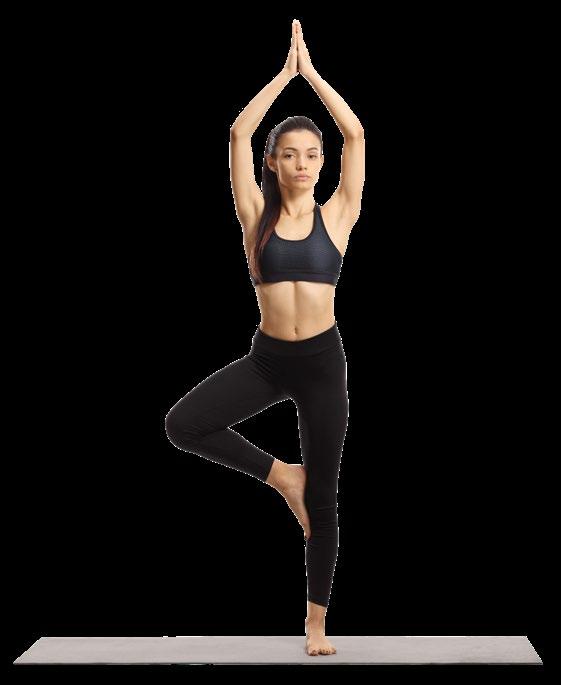
In yoga, balancing poses are particularly effective at forcing practitioners to concentrate. They need to remember where their weight is being borne and must constantly shift position to keep balance.
These poses, or asanas, may not be possible for everyone right off the bat, but they can be modified by using walls or chairs for stabilization or by keeping both feet on or near the floor.
Starting with feet on the ground shoulderwidth apart, bring your palms to meet at heart center and lift your right leg, placing your right foot on your inner left thigh. Raise your palms to the sky and maintain pose for five deep breaths before slowly switching to other leg.
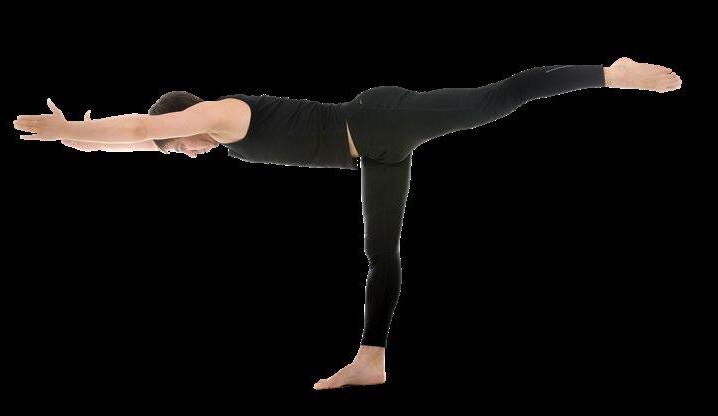
with the ground as you reach your hands out in front of you to maintain balance. Hold for five deep breaths, then switch sides.
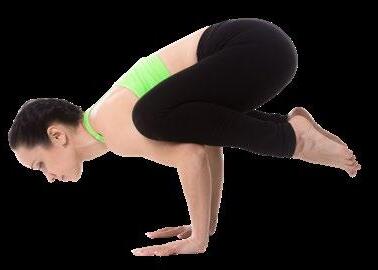
BAKASANA (CROW POSE)
Start with your feet together and bend all the way down. Then kneel until your palms can comfortably touch the ground. Bring your hands to shoulder width and spread fingers. Round your back and engage your core until your feet begin to lift off the ground. Draw your heels up and hold pose for five deep breaths.

and raise your right leg behind you. Turn your body to face forward and raise your right hand to the sky. Hold for five deep breaths and switch to other leg.
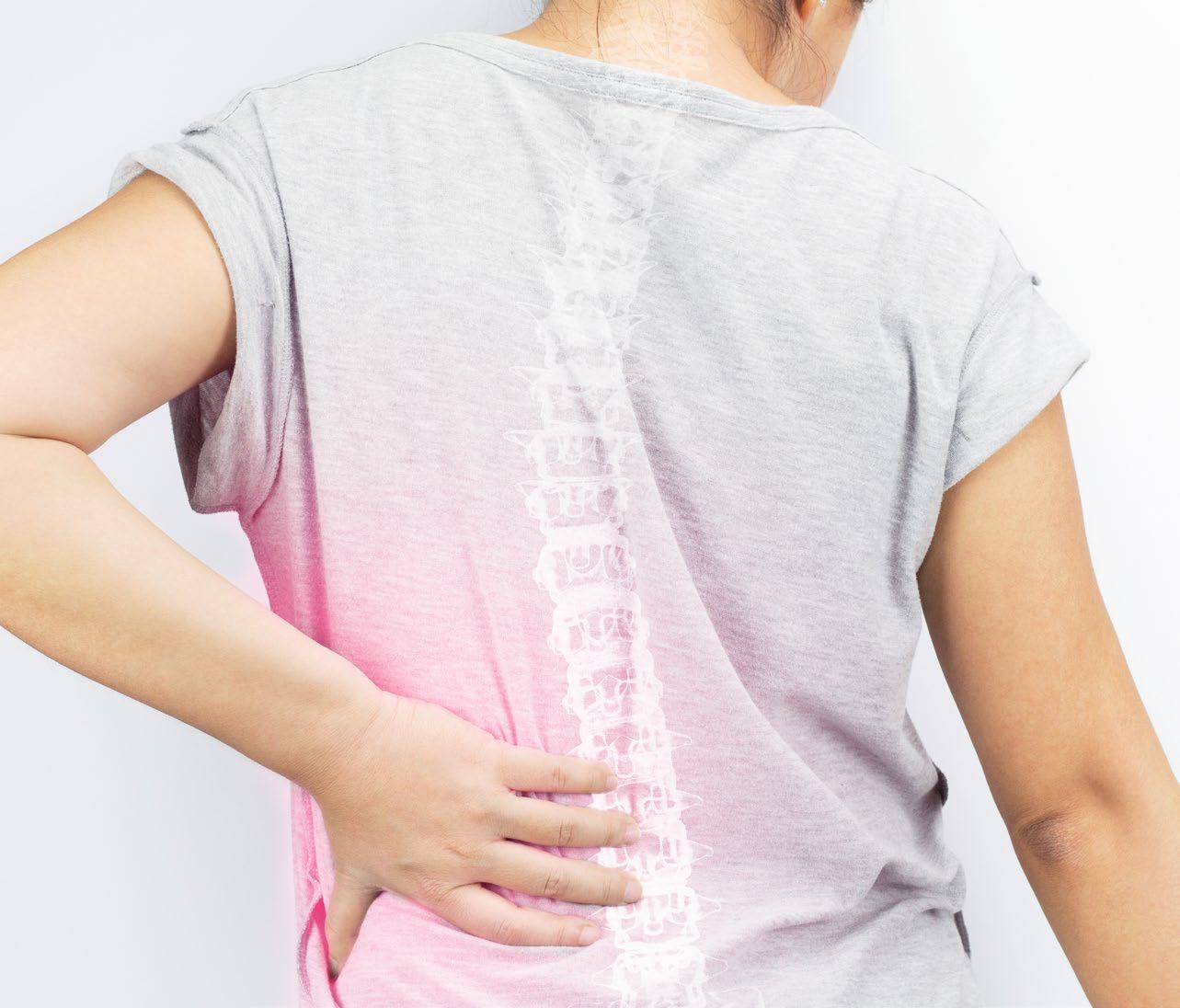
Kyphoplasty, also known as vertebroplasty, is a surgical treatment intended to augment the vertebra to its original state, stabilize bone and eliminate pain caused by a spinal fracture.
by Donna Werking, Northern AZ Social, LLC
n kypholasty, a surgical cement is injected into the fractured bone through a small hole in the skin, filling the space compressed from the fracture and relieving pain. The cement strengthens the bones to support the free movements of the joints for normal flow of the body.
Most of the time, the patient does not have to stay in the hospital for a long time, and the surgery is complete in a few hours. The success rate of this procedure is relatively
high if the surgery is carried out within two months of the fracture diagnosis. If other surgeries and medical measures have failed to deliver the desired results and mobility, the kyphoplasty treatment may be a suitable option for your treatment needs.
PROCEDURE OVERVIEW
In a typical kyphoplasty:
1. A small tube is inserted into the body through a hole in the skin. The general cut is a half-inch in most of the cases to
target damaged vertebral. X-ray technique is used to ensure accuracy.
2. A thin tube, with a balloon at the tip of the top, is inserted into the vertebra. The balloon creates space for the cement in the gap or fracture between the bones.
4. The cement is slowly injected into the damaged bone, and the balloon is removed from the cavity.
5. The cement takes about 10 minutes to harden within the bones.
AFTER THE PROCEDURE
In most cases of kyphoplasty, patients start feeling the relief after two to three days of the treatment. Depending upon the nature of the patient and expertise of the doctor performing the treatment, the time of treatment can vary. General anesthesia is administered, and patients are normally discharged within the same day as the procedure.
Source: Watch this procedure at www. nazspineandpain. com/kyphoplasty


Sleep deprivation runs rampant in the U.S., with the CDC estimating 1 in 3 Americans get less than the ideal 7-8 hours of sleep. Up to 70% of survey respondents claim they at least occasionally have trouble falling or staying asleep.
The truth is you need to set yourself up for sleep success, leaning whenever possible into your natural inclination to be awake while the sun is out and sleeping when it’s not. However, it might not be very practical to follow that pattern to a T, especially when those hours shift over the course of the year.
But there are plenty of ways we can enhance our chances of getting a good night’s sleep. The rewards include improved mood, better heart health and an easier time controlling your weight.
KEEP A CONSISTENT SCHEDULE Get out of and go to bed around the same time every day, including weekends. Bedtime should be whenever you start getting genuinely drowsy at night. A big gap between weeknight and weekend sleep patterns can lead to jetlag-like symptoms that are clearly not helpful for wakefulness and productivity.
CONTROL YOUR LIGHT EXPOSURE — This includes both maximizing exposure to sunlight during the day and reducing light from all sources as you get closer to bedtime. Many experts recommend turning off TVs and electronic devices two hours before bedtime and keeping the room you sleep in as dark and quiet as possible.
LIMIT FOOD AND LIQUID INTAKE AT NIGHT — Eat dinner earlier in the evening when possible, and consider making lunch your largest meal of the day. Try not to drink much, if any, water or other liquid for the last two hours before bed to avoid having to go to the bathroom in the middle of the night.
WIND DOWN MENTALLY
— As bedtime gets closer, let your mind settle down into a restful place as well. Turn bright lights out an hour or two beforehand, and read a book quietly or listen to soothing music. Many people have found meditation or other relaxation exercises late in the evening helps them get into a sleep-ready state.



Health is not about the weight you lost. It's about the life you gain.
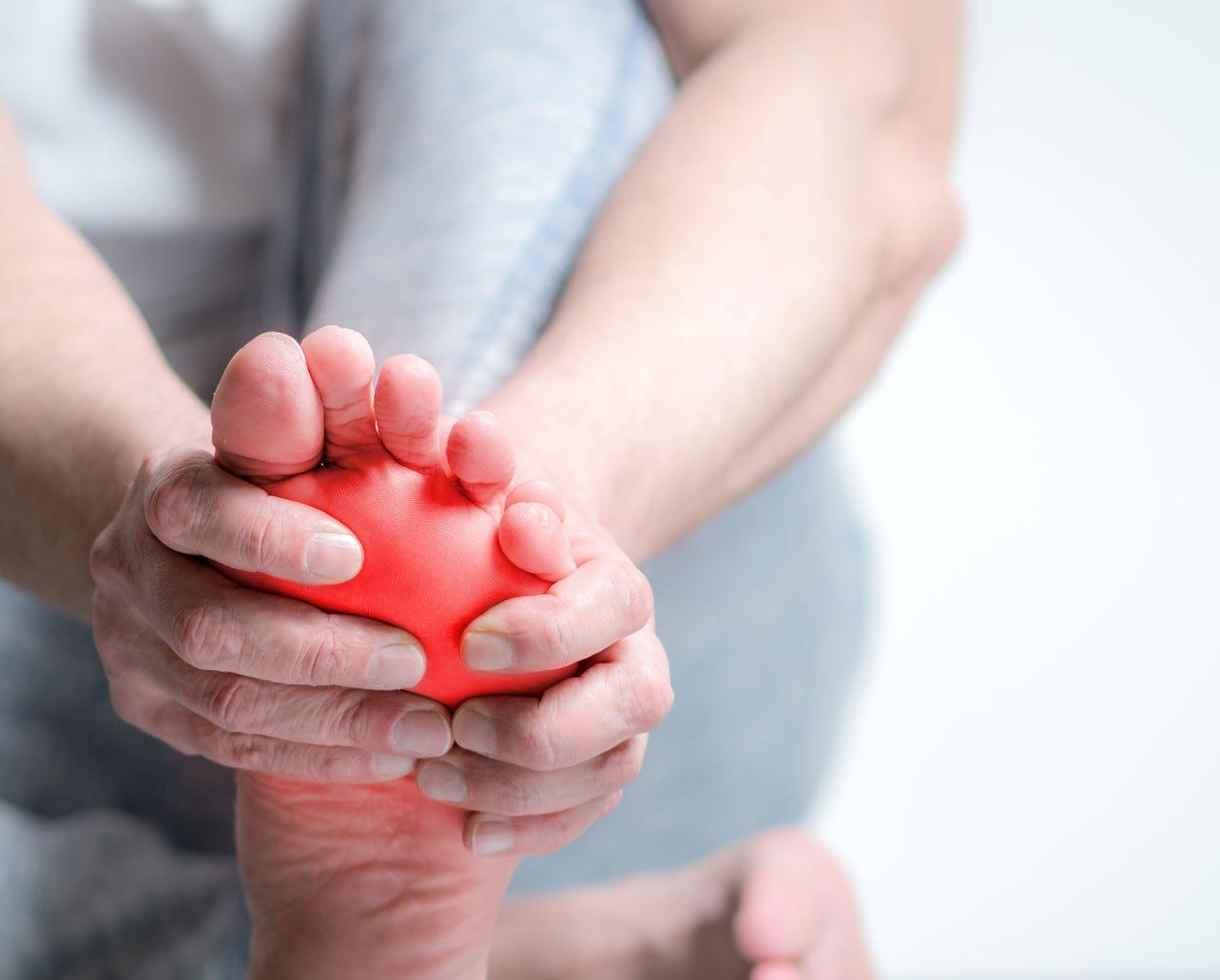
Peripheral vascular disease (PVD or PAD/peripheral arterial disease), often called “poor
circulation,” is a common condition that affects the blood flow to the legs and feet.
by Brad Hayman, DPM, Complete Foot & Ankle Care
With age, smoking, diabetes and other medical problems, blood vessels can become damaged and lead to peripheral vascular disease
Plaque (a buildup of fat and other materials) may collect along the inner walls of blood vessels, particularly arteries.
The plaque and inflammation of the vessels can cause narrowing that results in a restriction or blockage of blood flow to the legs and feet.
The symptoms associated with peripheral vascular disease can include muscle cramping during walking or exercise. In more severe cases the leg and foot tissues become starved for oxygen carried by the blood leading to tissue damage and even gangrene.
Early diagnosis and treatment is critical to treat PVD/PAD. A complete physical exam and history is important to evaluate underlying
medical conditions that may contribute to PVD/ PAD while non-invasive testing can determine the extent of the problem.
Testing is often ankle/ brachial index-pressure testing, or an arterial duplex/ doppler exam that uses sound waves to make images of blood vessels and evaluate blood flow.
Today technology exists to open blocked vessels without major surgery. Stents, angioplasty and
even grafting can be done with minimal risk and good results to improve blood flow to legs and feet.
Patients identified to be at high risk for PVD/PAD should be tested regularly (yearly or based on symptoms) to evaluate the extent of the disease and progression over time. This allows for proactive treatment including lifestyle changes, medical management of underlying conditions and surgical treatment as necessary.
Over the past 30 years, POSC has saved patients more than $150 Million! Of that amount, $20 Million would have been out of pocket.
Dr. Derek Hewitt 778-9190
Dr. Mark Strasser 778-9190
Dr. Katie Campuzano 778-4300
Dr. Adam Feingold 776-8428
Dr. Luis Fernandez 776-8428
The choice is yours. Choose one of our excellent Prescott based surgeons for your outpatient surgical needs. You will save money and have the best possible care available.
“The best I have experienced! POSC even topped Duke Medical Center which I have always rated highly. Thanks to the staff.”
Overall Patient Satisfaction: 9.8 out of 10!
“Everything about the place was excellent. Very clean, very professional, very organized and efficient. Thank you for the great care!”
“The best I have experienced! POSC even topped Duke Medical Center which I have always rated highly. Thanks to the staff.”
“Everything about the place was excellent. Very clean, very professional, very organized and efficient. Thank you for the great care!”
“Everyone was awesome. My stress level was zero! Loved the nurses. Linda was so sweet and really awesome. Great experience overall. Thank you all!”
“Everyone was awesome. My stress level was zero! Loved the nurses. Linda was so sweet and really awesome. Great experience overall. Thank you all!”
Dr. Bradley Benson 445-4818
Dr. J. Gabriel Tsang 237-9312
ORTHOPAEDIC SPECIALISTS
Dr. Josephine Kim 583-1000
Dr. Melinda Martin 777-0070
Dr. Richard Ohanesian 778-4300
Dr. Jeffrey Osburn 778-4300
Dr. Jeanette Pilotte 583-7887
INTERVENTIONAL PAIN SPECIALISTS
Dr. Jonathon Gruneich 778-9770
Dr. Bradley Benson 445-4818
Dr. J. Gabriel Tsang 237-9312
ORTHOPAEDIC SPECIALISTS
CARDIOLOGIST
Dr. Daniel Burchfield 778-9250
Dr. Siamak Rassadi 308-4285
Dr. Bertrand Kaper 778-9250
Dr. Judah Pifer 778-9250
EAR, NOSE AND THROAT
Over the past 30 years, POSC has saved patients more than $150 Million! Of that amount, $20 Million would have been out of pocket.
Over the past 31 years 114,000 procedures have been successfully performed at POSC, saving patients more than $160 million! Of that amount, $21 million would have been out of pocket expenses.
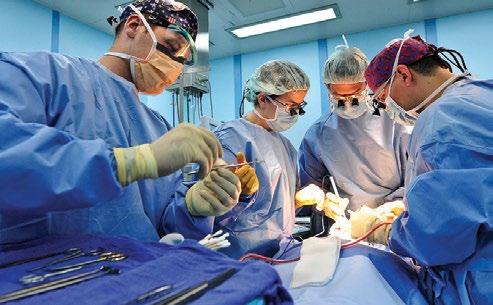
POSC allows patients to have elective surgery, spend minimal time recovering at the facility and then continue to recover in the comfort of their own homes –all in the same day.
Dr. Daniel Burchfield 778-9250
Dr. Bertrand Kaper 778-9250
Dr. Judah Pifer 778-9250
We offer patients and their families a smaller, more comfortable setting than what can be provided by a traditional hospital ensuring that your experience with us is relaxed and worry-free.
The choice is yours. Choose one of our excellent Prescott based surgeons for your outpatient surgical needs and you will not only save money, but will have the best possible environment and care available.
“When I need surgical help, I will always come here. My phone call from Karen was a real delight. When I saw her in recovery I told her she sounded like a song. My anesthesiologist was just great and took time with my questions. I really liked my visit!”
Dr. Bradley Williams 445-7085
PLASTIC SURGEON
The choice is yours. Choose one of our excellent Prescott based surgeons for your outpatient surgical needs. You will save money and have the best possible care available. Overall Patient Satisfaction: 9.8 out of 10!
Dr. Brian Brantner 776-0325
We perform thousands of procedures every year, providing the efficiency, comfort and convenience available only in an Ambulatory Surgical Center. Our team of professionals are among the highesttrained and most experienced anywhere in Arizona.
PHYSICAL MEDICINE
Dr. Bradley Benson 445-4818
Dr. Derek Hewitt 778-9190
Dr. Bradley Williams 445-7085
PLASTIC SURGEON
Dr. Brian Brantner 776-0325
Dr. Mark Strasser 778-9190 GENERAL SURGEONS
“Thank you all for the great care you gave me, everyone was awesome made me feel like I was the most important person in there day! Thank you all so very much for taking care of me.”
Dr. Thomas Hirasa 771-1011
PHYSICAL MEDICINE
Dr. Donald Huang 771-1011
Dr. Bradley Benson 445-4818
Dr. Frank Iorio 776-8212
“Joanne the pre-op nurse is awesome, really made me feel at ease. The head anesthesiologist was really terrific and put me completely at ease.”
SPINE SPECIALIST
Dr. Daniel Noble 778-9250
UROLOGISTS
Dr. Paul Nguyen 771-5282
Dr. Jeffrey Sanwick 771-5282
Dr. Michael Stanick 771-5282
Dr. Thomas Rusing 445-9660
SPINE SPECIALIST
Dr. Daniel Noble 778-9250
“This was my 2nd surgery at POSC in 2 months. Both times I received excellent care. Everyone was professional, courteous and all had a great sense of humor. I cannot think of any area that needs improving as I feel 10’s were to be given to everyone there.”
GYNECOLOGISTS
Dr. Katie Campuzano 778-4300
UROLOGISTS
Dr. Paul Nguyen 771-5282
Dr. Adam Feingold 776-8428
Dr. Luis Fernandez 776-8428
Dr. Jeffrey Sanwick 771-5282
Dr. Michael Stanick 771-5282
Dr. Josephine Kim 583-1000
Dr. Melinda Martin 777-0070
Dr. Richard Ohanesian 778-4300


Your heart needs to be healthy and strong for your body to keep up with your life. As physicians we do everything we can to make that possible, but what really makes a difference is what you do every day.
by Dr. Hojat Askari, Medical Director, Thumb Butte Medical Center
AVOIDING SEDENTARY PERIODS
Today’s careers and lifestyles often encourage us to sit still for extended periods. Instead, work 5 to 10 minutes of movement into every hour spent on a sofa or at a desk, whether it’s walking around the block, lifting weights or a quick, high-intensity interval of jumping jacks or burpees.
EATING GOOD FATS; AVOIDING BAD ONES
Monounsaturated and polyunsaturated fats support your heart health by reducing inflammation. Saturated fats have been shown to raise cholesterol and other markers for heart disease. You really need to avoid trans fats. Check labels to make sure the ingredients don’t include partially hydrogenated oils; make sure trans fats are not listed.
GETTING ENOUGH SLEEP
7 to 8 hours is ideal. Getting less than six hours a night doubles your chances
of a heart attack, according to one study of 3,000 people. Sleep has been found to be crucial for maintaining numerous health processes and keeping blood pressure and inflammation in check. But needing to sleep much more than that could also signal the presence or risk of heart disease or other chronic conditions, so consult your doctor if you do.
MAINTAINING DENTAL HYGIENE
Some studies have suggested bacteria found in your mouth may enter your bloodstream and increase inflammation throughout your body. Gum disease has many of the same risk factors as heart disease, so flossing and brushing daily are part of an overall healthy lifestyle.
by Dr. Kimberly Albarran, PT, DPT, Physical Therapy and Nutrition Coaching
Keeps the heart muscle strong. Helps blood vessels produce substances such as nitric oxide and other substances important for maintaining normal blood pressure, blood clotting, inflammation and platelet aggregation to protect and repair vessel lining.
The American Heart Association recommends spending at least 150 minutes (2.5 hours) of moderate intensity aerobic activity or 75 minutes (1.25 hours) of vigorous intensity aerobic activity, or a combination of both, throughout the week. Moderate intensity exercise is described as 50 to 70% of maximum heart rate; vigorous intensity is 70 to 85%.
To calculate: take 220 minus age, i.e., if you are 40 years old, take 220-40 and your maximum heart rate is 180 bpm (beats per minutes). Multiply max heart rate value by the percentage you want for moderate or vigorous intensity to find where your heart rate should be during exercise.
(If you have a medical condition check with your physician first).
Meals high in saturated fat, such as marbled steak with butter sauce,
cause the endothelium to release substances that constrict the arteries and make the blood thicker, which increases risk for a clot.
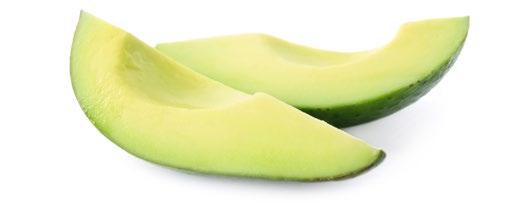
Eating a whole-food, anti-inflammatory diet high in heathy fats including avocados, olive oil, omega 3 oils (salmon, seaweed, flax, chia seeds, hemp hearts), a rainbow of fruits and vegetables high in anti-oxidants and dietary fiber helps manage cholesterol and reduces inflammation and oxidative stress-damaging effects on the heart and vessels.
Blueberries and beets are especially good, as are such supplements as Co-Q10 that can help with energy, reduced inflammation, oxidative stress.
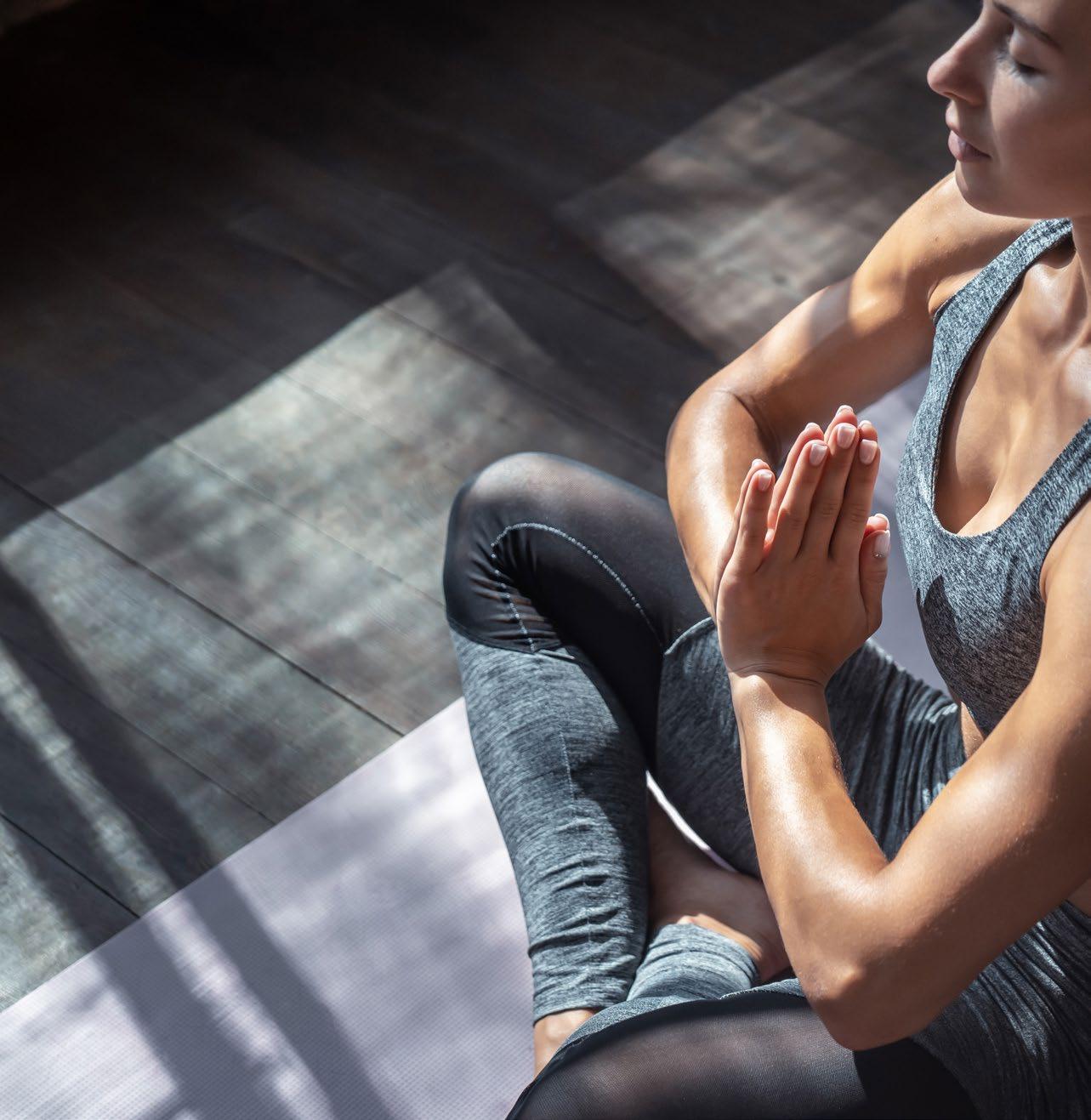
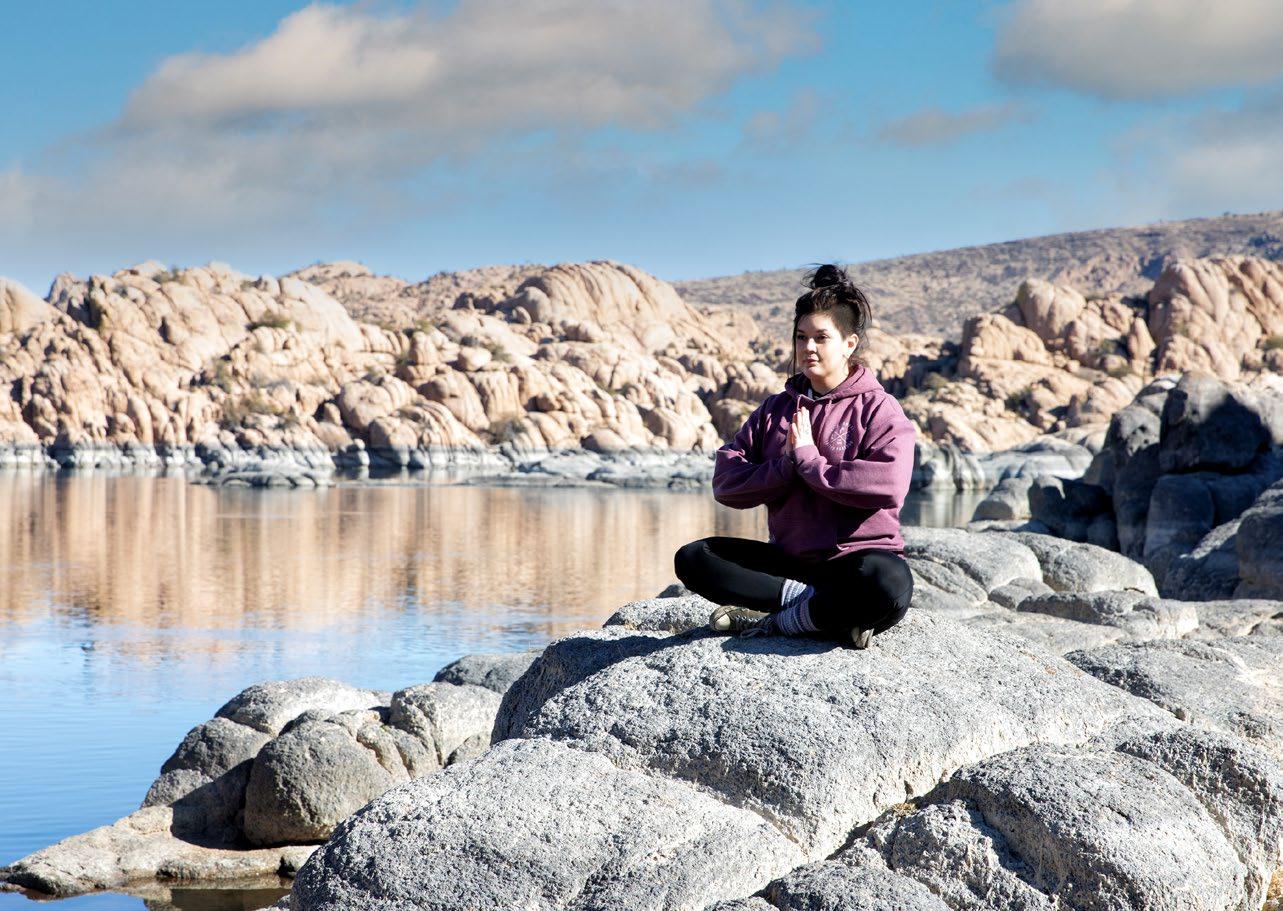
MINDFULNESS, MEDITATION
Both reduce stress on the heart. Stress hormones such as epinephrine (adrenaline) and norepinephrine increase heart rate and blood pressure. This happens during exercise and will return to normal when activity is completed. However, under prolonged mental and emotional stress, heart rate and blood pressure may stay high causing negative effects on the heart, blood vessels and potentially other organs, with or without exercise.
The negative effect of stress on the heart is the most immediately life-threatening, but the misery and imbalances it causes can also show itself prominently in your skin, making it all too obvious to everybody what you’re going through.
Whether most of your interactions these days are at the office, at home or over Zoom, your skin can serve as a window into your body and whatever turmoil it’s experiencing due to stress. But attacking the problem from both sides can resolve your skin stress issues more quickly than you’d expect.
STRESS REDUCTION
* Learn how to turn to some quick-fix stress busters that in many cases can derail its buildup before it even starts — plaster on a smile even if you’re not feeling it, get some of the clutter off of your desk. Even vigorously chewing gum can break its hold on you.
* Drill down into what’s causing the stress and address it the best
way you can, whether it’s confronting a harmful situation or turning to longerterm practices like yoga or meditation when the stressor is harder to eliminate.
* If tension has found its way into knottedup muscles in your back, legs or arms, try using a foam roller to draw more blood flow to those areas and release them into comfortable stretches.
SKIN PROTECTION
* Stress can cause our skin to overproduce oil by scrambling hormonal signals to our glands, but the breakouts that result can be quickly treated with salicylic acid, though it should be used sparingly to not dry out the surrounding skin.
* If small wounds on your skin are not healing as quickly as they normally do as a possible side effect of stress, try using products with glycerin and hyaluronic acid to repair your skin barrier, and get foods with plenty of antioxidants into your diet.
* Eczema, psoriasis and rosacea are common skin conditions that can be triggered by stress. Follow your health care provider’s recommendations and use prescriptions to keep these under control, along with reducing the stressful environments of your life as much as possible.

You will never find peace of mind until you listen to your heart

by Carmen Catterfield, MA, Honeybee Healing & Counseling Services
We are all in need of more selflove. There are the familiar practices of self-affirmations, gratitude lists and self-care routines, but I would like to add a new practice to the list — the practice of delight. When was the last time you were delighted by something? Can you remember?
Delight too often is an experience we reserve for children, labeling it as juvenile or foolish. But what if what we leave behind in childhood is exactly what our hearts
need as adults?
Delight comes naturally to children partially because of their unadulterated ability to be in the present moment — experiencing each second in Technicolor, aware of their senses and entrenched in a moment’s uniqueness. As we age, it becomes easy to get caught in the flow of light that can begin to feel monotonous.
And quiet. The forgotten wonders of our life are hiding in the moments we
often consider the most mundane. When you are walking, stop and look around. Maybe the light is dancing or a tiny green shoot is finding out how to live in a concrete world. When you are eating your favorite food, savor it.
If you intentionally look for delight, you may be surprised what jumps out at you. It is incredibly personal, and for each person it will be unique.
As if you were a scientist studying your own joy, make a daily list of your
findings. Soon enough you will have pages of tiny moments of delight. These delights can provide a much needed light on our heavier days, the ones in which our life feels utterly devoid of joy.
We pay attention to our pain, and it is important. But we are rarely encouraged to truly attend to our own joy. The practice of studying your own delight to truly understand how to sustain it and nourish it is a fundamental practice of how to truly sustain self-love.

by Lori Durr, Owner, Sundara Sanctuary
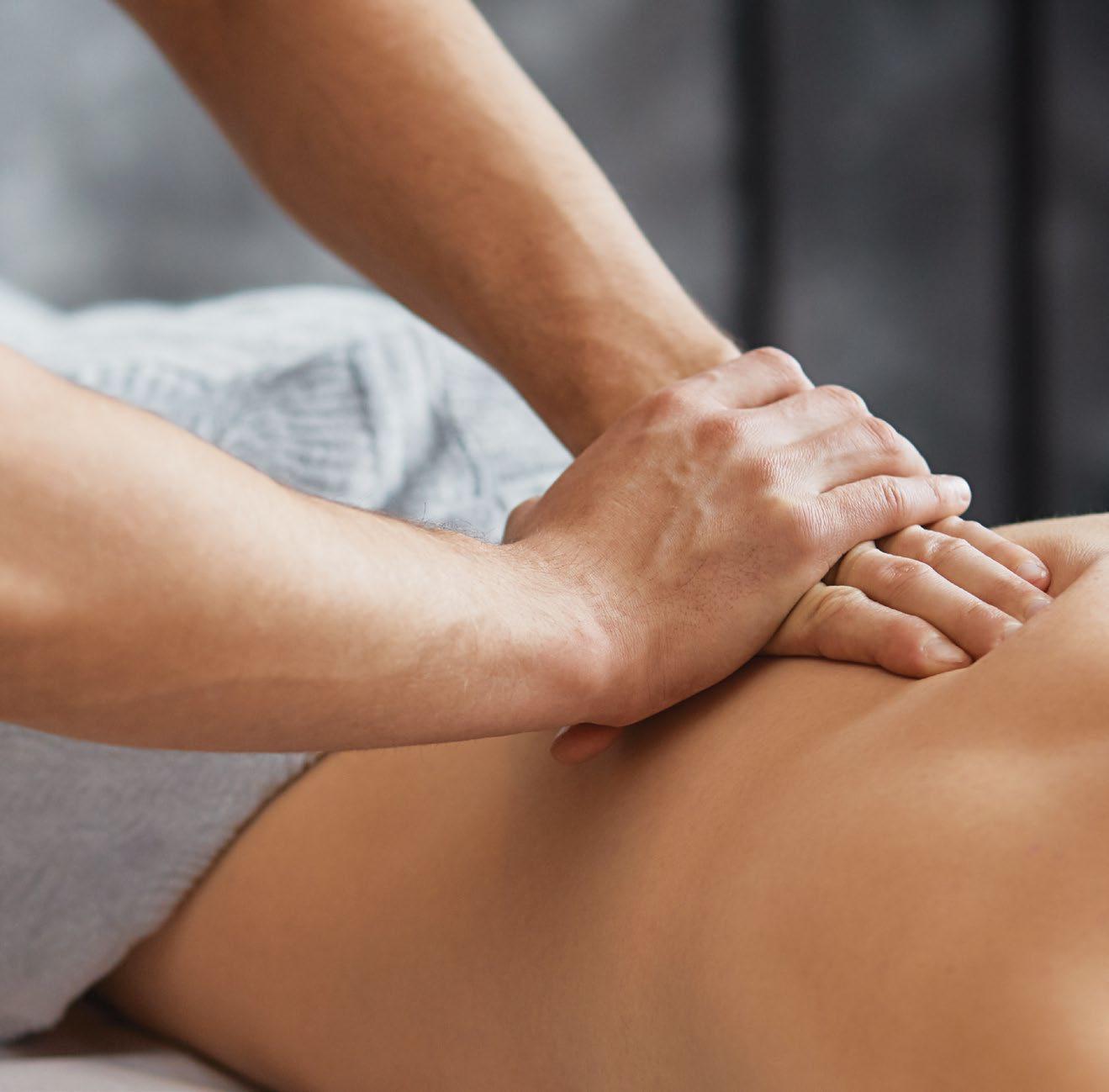
As Dr. Bernard Jensen, a pioneer in holistic health, said: “The condition of the bowel tissue is often the key to the state of health or disease of a person.”
The colon, or bowel, is situated in the abdominal region and forms the last part of the digestive tract. It is involved in the absorption of water, assimilation of nutrients and minerals, as well as the synthesis of vitamins.
A major part of the excretory system, the colon eliminates food residue, drugs, heavy metals and other body wastes. This is supported by the billions of friendly bacteria that inhabit the colon and make up some 40% of the dry weight of our fecal matter.
This internal system is easily disturbed by stress, pollution, poor diet, medications, smoking and alcohol.
HYDROTHERAPY CAN:
* Stimulate bile production and detoxification of the liver.
* Support the immune system.

* Purify the bloodstream of toxic metabolic waste.
* Improve PH balance in the whole body.
* Provide a favorable environment for the friendly bacteria.
* Improve nutrients absorption, especially minerals and soluble vitamins.
* Result in increased energy, advanced mental clarity, clearer skin and improved circulation.
* Remove, cleanse the colon safely and effectively of old hard waste material and harmful toxins caused by today’s lifestyle, convenience foods, stress and pollution.
An open system is the most discrete and self-regulating, a closed system is invasive and practitioner administered. This safe and gentle internal bath allows warm filtered water into the colon using the Angel of Water system (open system used at Sundara Sanctuary). This state-of-theart system makes it possible to simultaneously bring purified
water into the colon and carry waste out. This treatment can be a prep for a colonoscopy, avoiding the laxative drink.
Colon hydrotherapy can cleanse years of excess waste, pollutants and toxic substances. It helps rebalance the bowel flora by facilitating re-population of the stock of friendly bacteria.
Hygienic and odorless, the treatment is carried out in a clean, private and relaxing environment. Unlike laxatives, colon hydrotherapy is nonhabit forming and improves the tone of the colon.

2/20/21
Gardening for Newcomers 9:30 a.m. at Watters Garden Center
2/27/21
Evergreens that Bloom Early 9:30 a.m. at Watters Garden Center
3/6/21
Spring To-Do List for Better Garden 9:30 a.m. at Watters Garden Center
3/13/21
59th Spring Open House with 2021 New Plant Introductions 9:30 a.m. at Watters Garden Center
Youth Events & Organizations:
YMCA Aquatics Center (Lap Swim, Family Swim & Group or Private/ Semiprivate Lessons Available)
YMCA Dance Program
Team Gymnastics at the YMCA
2021 Youth Basketball League
Discovery Saturdays
Last Saturday of the Month
Highlands Center for Natural History
Dance & Fitness Classes at Elks Theatre
Prescott Farmers Market
Saturdays • 10 a.m. to 1 p.m. YRMC Parking Lot
Garden Classes
Saturday Mornings • 9:30 a.m. Watters Garden Center
Prescott Valley Farmers Market
Sunday Mornings • 10 a.m. to 1 p.m.
3103 N. Glassford Hill in Prescott Valley
Many of us know what we’re trying to avoid because some foods can gum up the works, making it harder for the heart to pump and circulate blood effectively and raise the risk of heart disease. These substances
include saturated and trans fats, cholesterol and sodium, which can create inflammation and other harmful processes.
Many foods that lack these fats and chemicals are OK to consume in moderation, but those that really boost
heart function contain nutrients, vitamins, minerals, antioxidants, soluble fiber and omega-3 fats. They’re generally low in calories, too. Reading through this list of heart-healthy foods, you might get a sense of déjà vu, since many of these
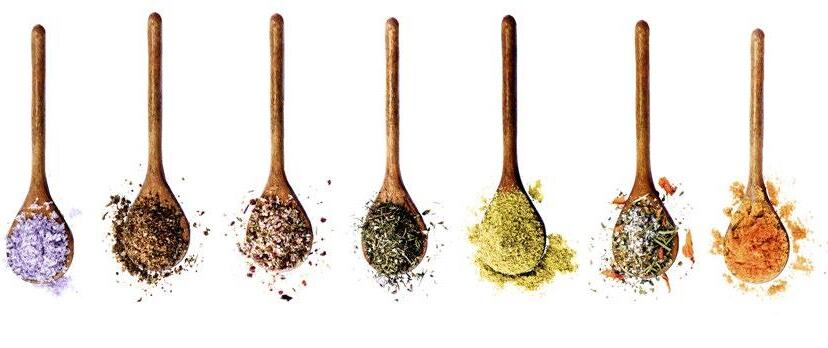
Adding flavor through these foods instead of using salt, butter and other heart-harmful things can preserve your heart’s function by itself; many have additional benefits.
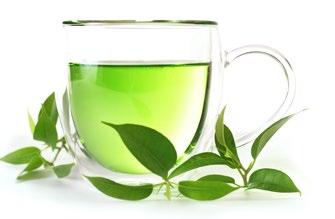
Most types, especially green tea, contain antioxidants that fight the effects of free radicals and inflammation. Tea’s high levels of flavonoids and catechins are thought to be particularly effective at reducing inflammation.
appear on other lists of beneficial ingredients to include in your diet. That’s because, at heart, a good diet’s primary function is to protect your heart’s function from the effects of introducing harmful ingredients into your system:
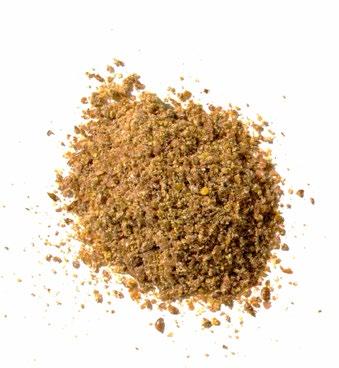
GROUND FLAXSEED
This contains those hardto-find omega-3 fats, and can be sprinkled on salads, in smoothies and just about everything else you eat. It also brings soluble and insoluble fiber to the table, as well as plant compounds called lignans with antioxidant and estrogen properties.
This vegetable includes fibers, fatty acids and vitamins, which all play a role in regulating blood pressure and reducing cholesterol. It also contains sulforaphane, part of a family of chemicals known as ICTs that may protect cardiovascular health as well as fight cancer.
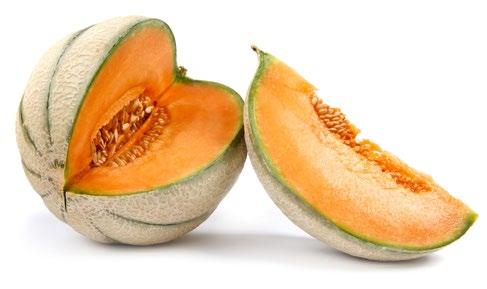
You may have to wait till summer for this one, but it’s also packed with nearly all of the nutrients found in acorn squash: alpha and beta-carotene, B-complex and C vitamins, calcium, folate and fiber.
You can find potassium, fiber, folate, calcium, vitamins A, C and E and the anti-inflammatory compound choline here. Add its heart benefits to its ability to help regulate blood sugar levels and there’s no reason not to like it!
Known for its high levels of omega-3 fatty acids, this fish can lower the risk of arrhythmia, lower triglycerides, reduce blood pressure and slow growth of plaque in the arteries as a result.
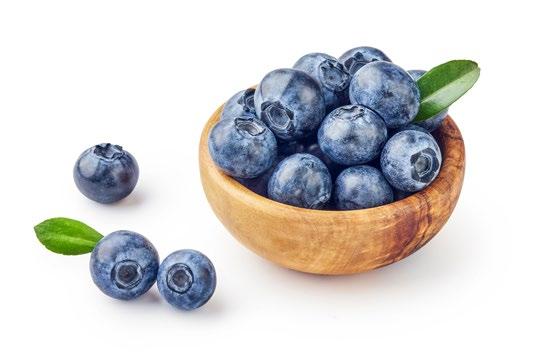
These tiny fruits are stuffed with 25 different anthocyanins, a flavonoid that enhances coronary health by lowering blood pressure and arterial stiffness. That’s on top of their carotenoids, folate, calcium, vitamin C, magnesium, potassium and fiber.
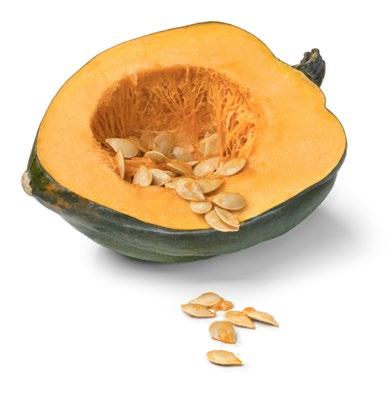
This variety is loaded with beta-carotene, B-complex and C vitamins, potassium, folate, fiber, calcium and magnesium. It’s a great winter vegetable that can be roasted with olive oil, paprika and other spices for a deliciously healthy side dish.
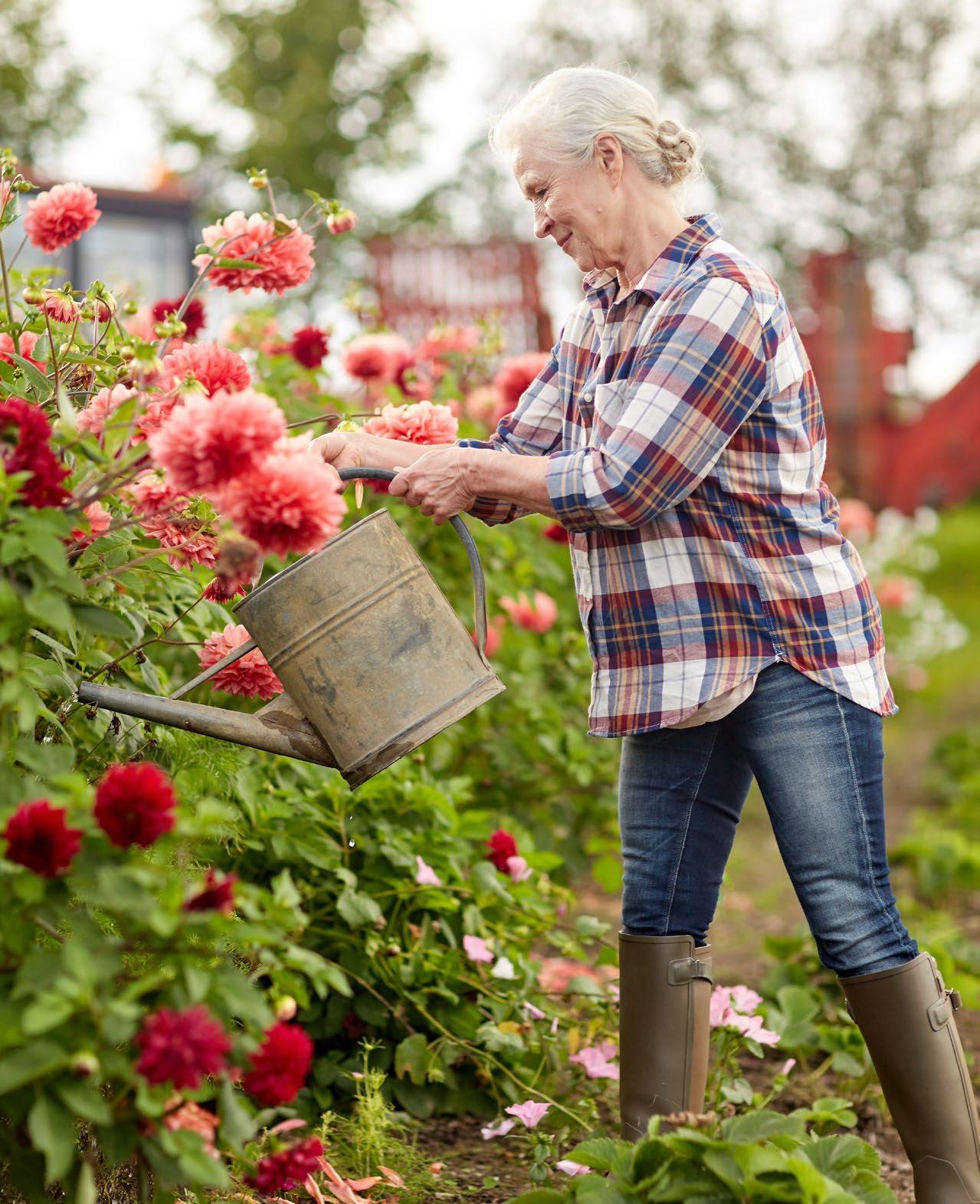
Nature has long been known for its relaxing qualities as a place for humans to find tranquility, healing and rest. Mental clarity and the feeling of reward are all associated with gardening, with the many physical benefits that follow.
by Ken Lain, The Mountain Gardener, Watters Garden Center
Fruit tree, herb and vegetable gardening are particularly gratifying and an excellent source of super fresh food right out of the garden. From soil preparation to the joy of harvesting, there is always a task during the growing season!
But just how beneficial to your health is this ageold agricultural tradition?
The Centers for Disease Control and Prevention considers gardening one of its moderateintensity activities.
According to the CDC, moderate-intensity activities for 2.5 hours
each week can reduce the risk for obesity, high blood pressure, type 2 diabetes, osteoporosis, heart disease, stroke, depression, colon cancer, even premature death.
Those who choose gardening as their moderate exercise are more likely to exercise 40-50 minutes longer on average than those who like walking or biking.
Another example of the health benefits of gardens:
“A 10% increase in nearby green space was found to decrease a person’s health complaints in an amount equivalent to a
five-year reduction in that person’s age,” according to the Gardening Matters nonprofit of Minneapolis.
Exercising both the arms and legs is recommended to help prevent illnesses like coronary disease.
Gardening is a great way to incorporate the entire body while exercising.
According to the journal Biological Psychiatry, experts found fresh air helps prevent Attention Deficit Hyperactivity Disorder (ADHD) and results in higher test scores among students. Who doesn’t like fresh air?
Gardening has emerged
recently as a scientifically proven stress reliever. Stress causes irritability, headaches, stomach aches, heart attacks and worsens pre-existing conditions in the body. An experiment published in the Journal of Health Psychology compared gardening to the stress relief activity of someone reading. Subjects that gardened experienced a more significant decrease in stress when compared to the subjects who were assigned to read. Visit us here at Watters Garden Center for your dose of garden therapy.

In the past, coffee was associated with adverse health effects, but that was when some studies of its impact didn’t consider many of its drinkers also smoked and had a sedentary lifestyle.
More recent research has discovered numerous health benefits from black coffee, though its high caffeine content does warrant caution for those sensitive to it or have acid reflux.
PROMOTES HEART
HEALTH — A 2013 review of 36 studies of the link between coffee and heart health by the journal Epidemiology and Prevention found a reduced risk of heart disease in those who drank three to five cups per day over those who drank no coffee or more than 5 cups per day.
PROTECTS THE LIVER
— Several studies have found coffee drinkers are less likely to die from liver cirrhosis, have high
amounts of harmful liver enzymes or suffer scarring from hepatitis C. A 2015 study found drinking one cup a day reduced risk of death from chronic liver disease by 15%, while drinking four cups reduced your chances by 71%.
REDUCES SKIN CANCER
RISK — A review of more than 445,000 white participants in the NIH-AARP Health Study published in 2015 by the Journal of the National Cancer Institute found
cases of malignant melanoma were 20% lower in four-cup-a-day caffeinated coffee drinkers.
PROTECTS AGAINST TYPE
2 DIABETES — A Harvard study published in 2014 followed more than 120,000 coffee drinkers for up to 20 years and reported that those who increased their coffee intake by more than a cup a day for four years had an 11% lower risk of developing type 2 diabetes. Conversely, those who decreased their coffee by
one cup a day had a 17% higher risk of the disease.
SLOWS ONSET OF DEMENTIA — A 2012 study from the University of South Florida took the blood caffeine levels of 124 adults with early symptoms of memory loss, then tracked progression toward dementia over the next four years. No participants found to have a blood caffeine level above 1,200 ng/ml had progressed to full-blown dementia. Coffee was the main source of caffeine.
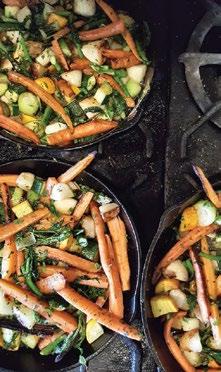
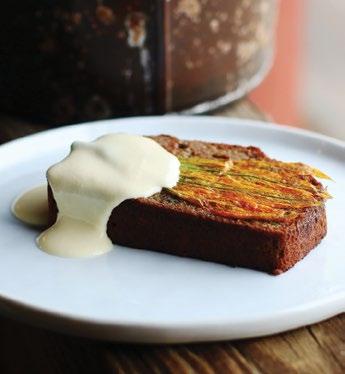
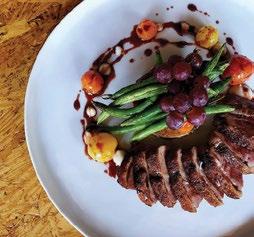
Happy February! This heart month, consider healthier ways to feed your heart. February is a cooler month, so having comfort foods is utmost for a lot of us. Consider the following points as you prepare or select a meal. And, start with farm-to-table thinking.
by Cathy Clements, Nutritionist & Life Coach, NASM CNC, CPT, FNS, WFS
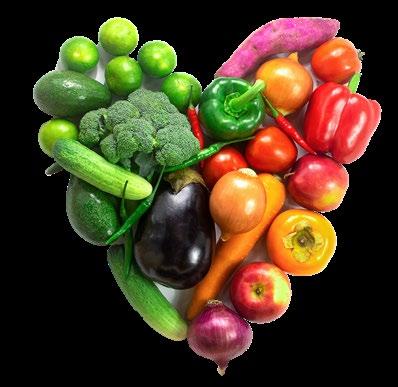
EAT MORE VEGETABLES, FRUITS — First consider fresh vegetables and fruits, then frozen and canned. Check the amount of sodium in frozen and canned foods. If you choose canned fruit, choose fruit packed in juice or water.
CHOOSE HEALTHY FATS
— Choose such monoand polyunsaturated fats as olive oil. Limit saturated fats to less than 5% of your calorie intake. Saturated fats are solid fats like butter.
CHOOSE LOW-FAT PROTEIN SOURCES —
Lean protein — chicken and fish — is great for lowering fat in your diet. Low-fat dairy sources, too.
Swap full-fat milk or yogurt for 1% milk and a nonfat yogurt
REDUCE PORTION SIZE, EAT SLOWLY — These tips will help with your total calorie intake. Eating slower will help you enjoy what you are eating and enjoy the company you’re in.
EAT WHOLE GRAINS —
These are good sources of fiber and nutrients that help regulate blood Additionally, if you plan
REDUCE SODIUM —
Sodium intake should not be higher than 2,300 milligrams. Processed foods usually are higher in sodium, which is used as a preservative. Eating fresh foods can impact your sodium intake immediately. Using herbs to season your food is a great alternative.
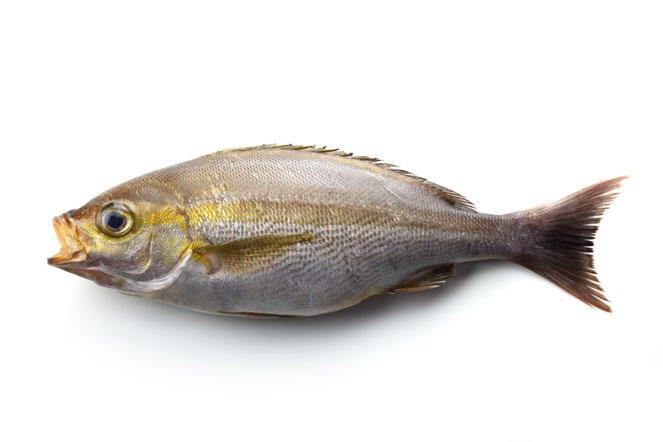
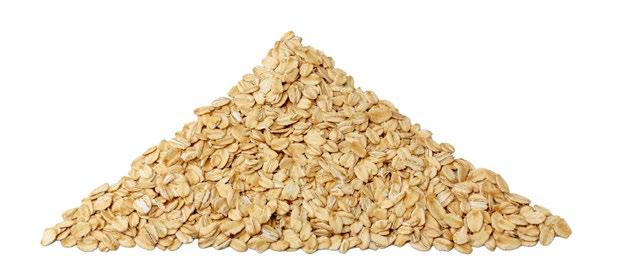
be more aware of what is available and what you are eating.
Then when you have been following a heart conscious plan, allow yourself a treat. An occasional treat will let you feel like you are not sacrificing everything, and you will still remain on track. Just make it occasionally!
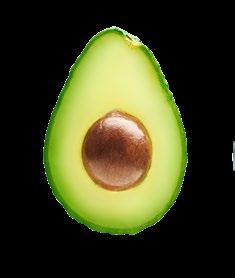

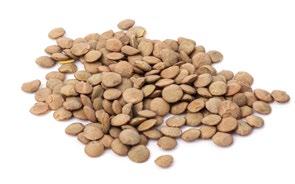
Excess visceral fat, which typically appears in your midsection as belly fat, is known for being especially damaging to heart health by promoting inflammation.
This happens because it’s more active than other types of fat at releasing inflammatory molecules and hormones that can lead to such issues as plaque buildup in arteries and damage to organs and joints. This can lead to heart disease as well as type 2 diabetes and other chronic illnesses that damage the heart and circulatory system.
Getting rid of belly fat involves lifestyle changes like exercise and stress reduction, but a diet low in added sugar, carbs and red
meat is crucial. And certain foods excel at helping you eliminate visceral fat through nutrients and antioxidants.
* Avocado — Its nutrients include potassium, fiber, antioxidants and minerals, and it also has loads of monounsaturated fat, all of which are good for your heart. One study found participants who ate an avocado per day saw bigger decreases in belly fat than others who ate the same number of calories, but no avocado.
* Lentils — These legumes are potent with soluble and nonsoluble fiber,
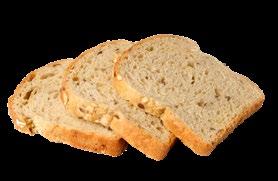
potassium, fiber, folate, calcium, iron and polyphenols (plantbased antioxidants). Lentils are often used as a meat substitute in dishes and are also splendid in salads, soups, curries and more.
* Tree nuts — Almonds, cashews, Brazil nuts, pecans, hazelnuts, pistachios, pecans, pine nuts, walnuts and macadamias all bear plant protein, fiber, vitamins, minerals and antioxidants associated with lower body mass indexes and blood pressure. The benefits can stack up from as little as a quarter-ounce per day.
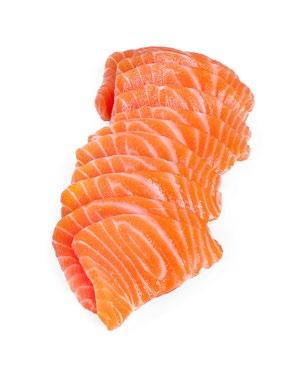
* Whole grains — They’re carbs, sure, but their complexity leads to several health benefits. Their consumption has an inverse relation to visceral and other types of fat in the body. Consume larger amounts of whole grains when you’re expecting to be active than when you’re not.
* Wild salmon — It’s one of the best food sources of vitamin D you can find, and D is associated with lower levels of belly fat in men and women. Farmed salmon also contains this vitamin but at considerably lower levels.
by the Team at Fry’s
Valentine’s Day is not the only day for matters of the heart in February. As American Heart Month, all of February is a time to focus on keeping our communities healthy and free of heart disease, the leading cause of death among adults in the United States.
Knowing about the causes and risk factors for the disease may help you avoid heart problems down the road.
Several risks factors play an important role in determining whether you’re likely to develop heart disease. These include high blood pressure, high cholesterol, diabetes, obesity and smoking.
The good news is that these risk factors are modifiable and can be controlled with
healthy lifestyle choices, specifically around one’s diet. Consuming food low in sodium and saturated fat is key to preventing heart disease. Show your heart some love by incorporating heart healthy foods into your diet.
* Blueberries are full of antioxidants. Studies show they can help lower blood pressure and make blood vessels more elastic.
* Chia seeds are a good source of omega-3 fatty acids, fiber, antioxidants, iron and calcium, and they are linked to positive heart health.
* Dark Chocolate is high in flavonoids, which have been found to have antioxidant and antiinflammatory benefits.
* Oats are loaded with fiber, zinc, magnesium and phosphorus. They are associated with a reduced risk of coronary disease and can also help with the effects of inflammation related to various diseases, including diabetes.
* Salmon contains a high amount of omega-3, which can help reduce blood clotting and blood
pressure and decrease the risk of heart failure.
For more healthy living inspiration and heart healthy recipes visit www. frysfood.com/health/info
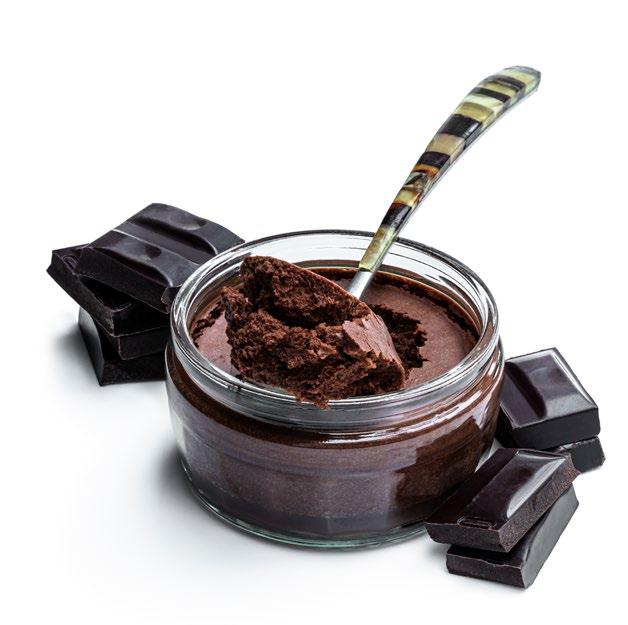
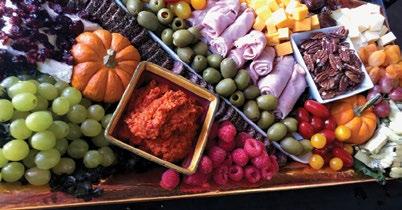
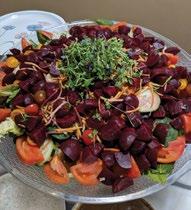
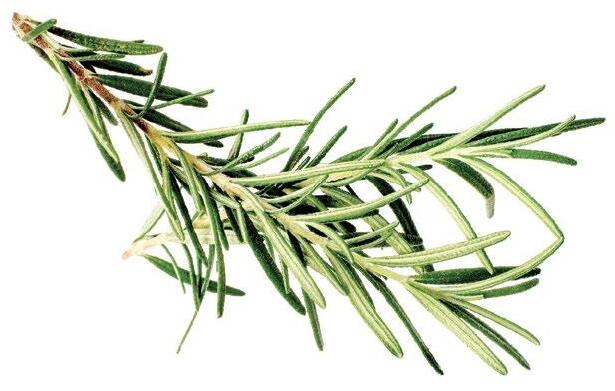
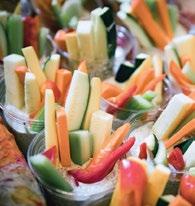






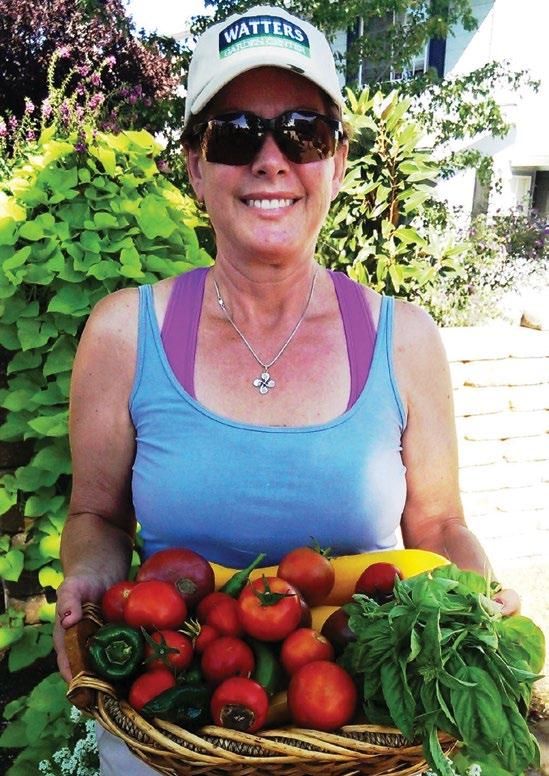
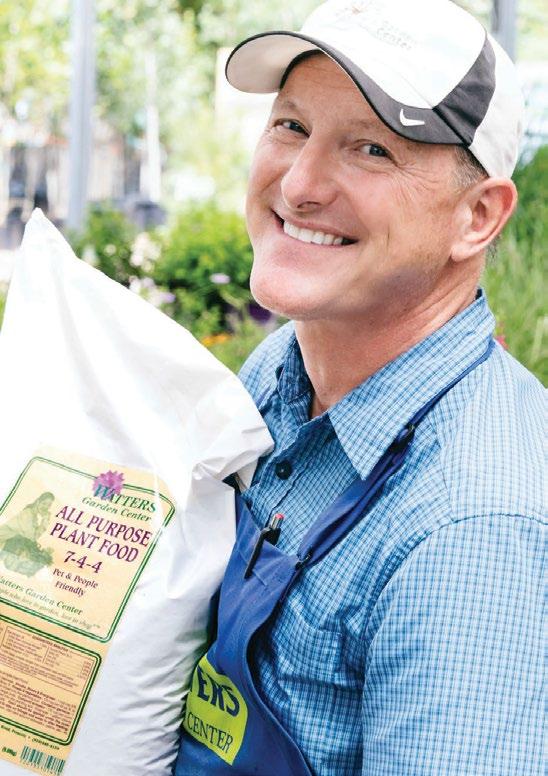
VOTED BEST GARDEN CENTER 7 YEARS STRAIGHT!
by Chef John Panza, Owner, BiGA
Most healthy diets and lifestyles start with eating at home, mainly because you can control what’s going into your body. Also, there is an economic value to eating at home.
One easy way to start a healthy and economic eating lifestyle at home is to make your own stocks.
A simple stock consists of vegetables and sometimes meat scraps or bones that are simmered for a long period of time to create a flavorful broth. They can be used to create soups, sauces and/or gravies or to cook grains, vegetables and rice.
The main purpose is to add more flavor in a healthy
way. By slowly simmering vegetables and bones, you can extract nutrients with little to no fat.
At BiGA, we make a few different stocks by saving vegetable ends and using the scraps of fish, chicken or beef, which we then turn into sauces or soups. At home, we make what we call “Sunday Stock,” which is strictly made from all vegetable ends, skins, tops and scraps that we used throughout the week. This can include leek tops, fennel ends, onion skins, carrot peelings, celery trimmings, garlic skins and even lettuce ends. Pretty much any vegetable leftovers we can save. Give these a try.
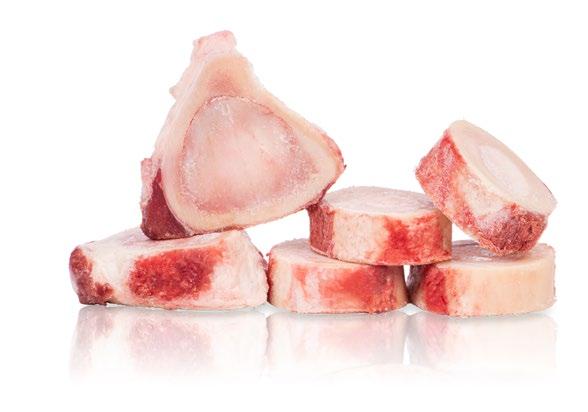
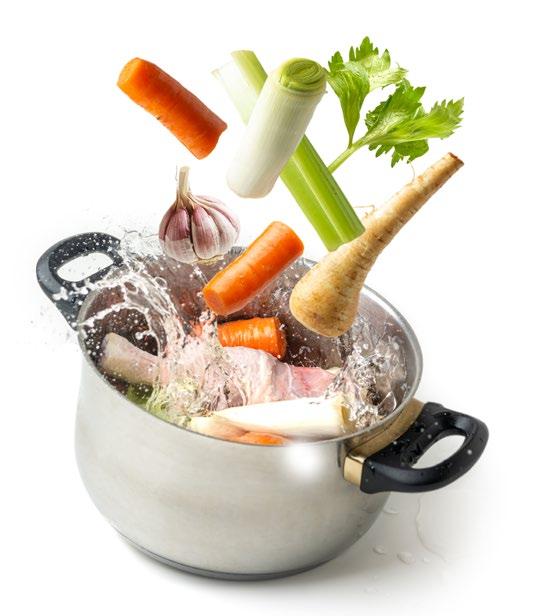
Ingredients:
5 lbs Chicken bones/ beef bones or beef scraps/ vegetable scraps (John’s Sunday stock)
2 tbs Olive oil
2 lbs Onions
1 lb Carrots
1 lb Celery
2 cups White Wine Water
Preparation:
If using bones, roast in oven at 300 degrees until bones are browned, this helps create more flavor. In a large pot, sauté your stock vegetables with oil until browned, add bones or meat scraps and continue to brown. Deglaze with a wine or alcohol of your choice, add enough water to cover all ingredients and let simmer for 12 to 24 hours (the longer the better). Once done, strain liquid into a container and cool in your fridge until ready to use.
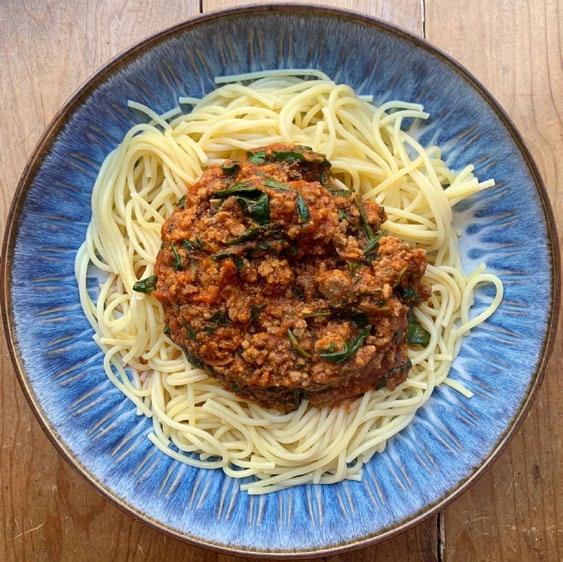
5 oz Spaghetti noodles (dry)
1 lb Ground beef (uncooked weight)
1 1/2 tbs Ghee butter (divided)
1 cup Tomato sauce
1 cup Finely chopped spinach
3 cloves Garlic
2 tbs Finely chopped basil
Pink salt to taste
Black pepper
Nonstick spray
by Bailey Zygutis, Nutritionist, Vitruvian Fitness
Create this quick, hearty meal for dinner this month with your special someone. Double this easy recipe and use the leftovers for this week’s meal prep.
Noodles:
In pot, cook spaghetti by bringing 3 cups salted water to a boil, cooking noodles for about 8 minutes before draining. Add 1/2 tbs Ghee butter and keep warm.
Meat sauce:
Cook ground beef in a covered saucepan with pink salt and pepper. Heat another saucepan to medium-high and add Ghee butter, minced garlic and fresh basil. Cook until basil is wilted and garlic is browned, then add tomato sauce and finely chopped spinach. Let simmer 2-3 minutes, or until beef is cooked through and fat is drained, then combine to create sauce.
Top noodles with meat sauce and enjoy!
Serves 2 | Prep Time 30 min
The sneaky spinach in this meal packs a punch. Spinach is high in folate, fiber and anti-oxidants!
The whole family will love this keto turkey meatloaf recipe. This low-carb creation is flavorful, juicy and takes just 10 minutes to prep before baking!
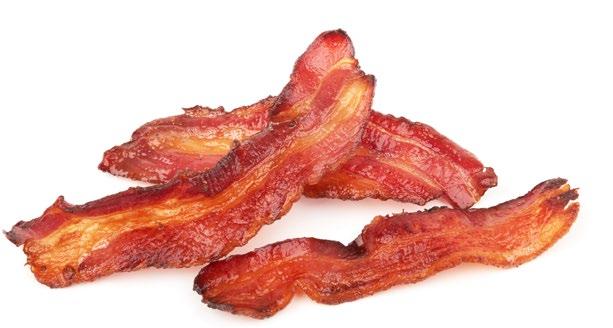

2 lbs Ground turkey
Ground turkey
1/2 large Onion (chopped finely)
6 cloves Garlic (minced)
1/3 cup Tomato sauce
1/3 cup
2 tsp Italian seasoning
1 1/2 tsp Sea salt
1/4 tsp Black pepper
Wholesome Yum Blanched
1/2 cup Wholesome Yum Blanched Almond Flour
2 large
2 large Eggs
Topping:
10 slices Bacon
1/4 cup Sugar-free barbecue sauce
1
Heat oven to 350°F. Line a baking sheet with foil or parchment paper.
2In large bowl, combine all turkey meatloaf ingredients. Don’t over mix.
3Mold the ground turkey mixture into a 10x6 inch loaf on the lined baking sheet. Arrange bacon slices in a layer on the meatloaf, going across the short way, tucking ends underneath the sides of the meatloaf.
4Bake for 30 minutes. Spread the barbecue
sauce over the top and sides of the turkey meatloaf, returning to oven to bake 20-35 more minutes, until cooked through and internal temperature reaches 160°. Time will vary depending on thickness of the loaf. If you want to crisp up the bacon, place under the broiler for a few minutes.
5 Rest for 10 minutes before slicing using a serrated knife.
6Serve with vegetables and yogurt, if desired.
Serves 12 (1 ¾-in slices) | Prep Time 85 min
by Chef Alex Erickson, Chef, Raven Café
Date Night is a great way to celebrate the love and appreciation you have for someone special. This meal — pan seared salmon with grilled asparagus, herb roasted potatoes and carrot, and pinot noir puree — pairs well with a chilled pinot noir. Drop by and our educated staff will pick one for you.
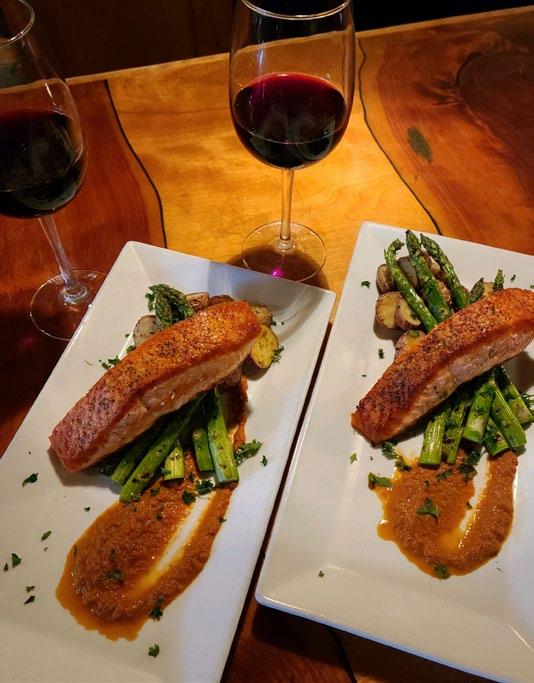
One recommendation — once the puree is blended and reheated, remove from heat before serving and add 1 tbs of butter until incorporated.
Ingredients:
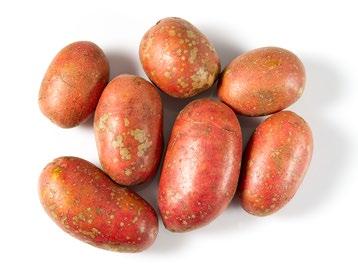
2 Salmon steaks
1 sm bag Baby red potatoes
1 bunch Asparagus
2 med Carrots
1/4 Yellow onion
2 cups Pinot noir
3 tbs Olive oil
2 tbs Butter
3 large Garlic cloves
1
Wash potatoes, cut them in half and place them in a bowl. Add 2 tbs of olive oil and your potato seasoning. Toss well and place on a baking sheet lightly coated in oil. Place in oven and bake at 400°F for about 30 minutes.
2
Peel and slice carrots, garlic and onion. Place in a small pot with 1 tbs of butter and 1 tbs of oil. Cook this on medium heat until vegetables take on some color, about 5-10 min. Once ready, add 2 cups of pinot noir and bring to a simmer. Cover and cook for 10 min. Uncover and cook for 10 more minutes or until almost all liquid is gone.
Serves 2 | Prep Time 30-40 min
Potato seasoning:
1 tsp Salt
1 tsp White pepper
1/4 tsp Parsley
1/4 tsp Sage
1/2 tsp Thyme
1/2 tsp Oregano
1/2 tsp Garlic powder
1/2 tsp Onion powder
Take off the heat and cool. Once cooled, blend in a food processor or blender. Return puree to a pan and return to simmer.
3Asparagus, wash and cut ends. Lightly oil and add a pinch of salt and pepper. Cook on grill or (if not available) bake in the oven for 8-10 min at 400°F.
4For the salmon, use a nonstick sauté pan. Cover pan with oil, and on medium heat add salmon. Lightly salt and pepper. Turn until all sides are browned and seared. If the center of the salmon is not firm, finish in the oven at 350°F until firm.
This scrumptious sheet-pan bake is an easy gluten-free treat to put together with broccolini, broccoli, asparagus or other healthy vegetables, which should win easy approval from any nutritionist you ask!
1 1/2 lbs Baby red or Yukon gold potatoes, cut into 3/4-inch cubes
1 tbs Extra virgin olive oil
3/4 tsp Sea salt, divided
3 Limes, medium
1/4 cup Unsalted butter, melted
1 tsp Chipotle pepper, ground
1/2 lb Fresh asparagus, trimmed
1/2 lb Broccolini or broccoli, cut into small florets
1 lb Uncooked shrimp (16-20 per pound), peeled and deveined
2 tbs Fresh cilantro, minced
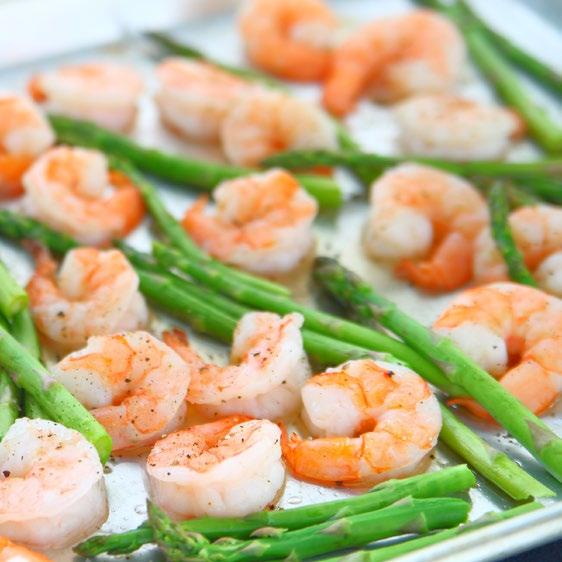
1
Preheat oven to 400°F
Put potatoes on a greased 15x10x1-inch baking pan; drizzle with olive oil. Sprinkle 1/4 teaspoon sea salt; stir to combine. Bake 30 minutes.
2Meanwhile, squeeze 1/3 cup juice from limes, reserving fruit. Combine lime juice, melted butter, chipotle and remaining sea salt.
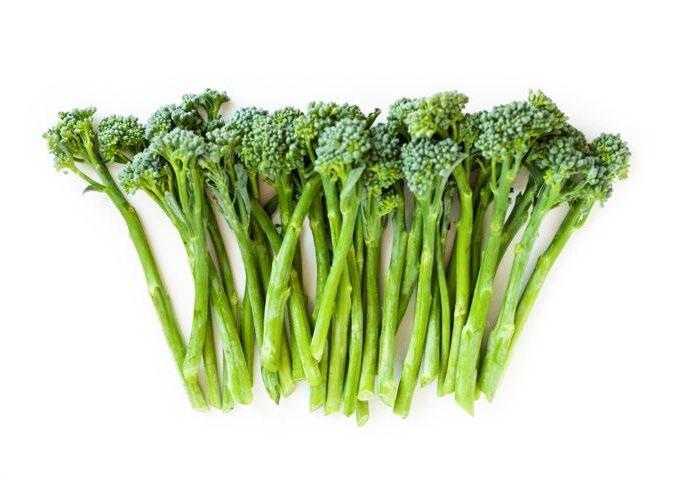
Serves 4 | Prep Time 40-55 min
3
Remove sheet pan from oven; stir potatoes. Arrange asparagus, broccolini, shrimp and reserved limes on top of potatoes. Pour lime juice mixture over vegetables and shrimp
4
Bake until shrimp turns pink and vegetables are tender, about 10 minutes. Sprinkle cilantro on top.
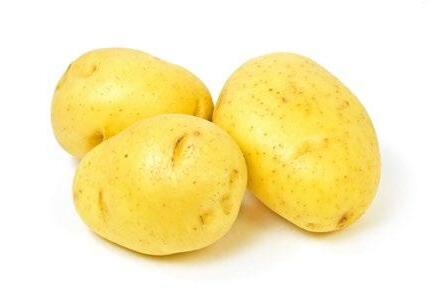
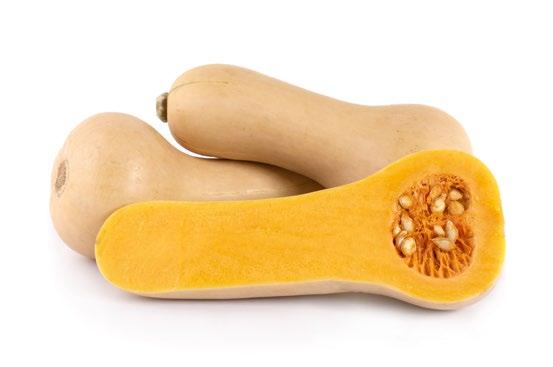
5 oz Salmon, canned or finely diced cooked, skin off
1/2 tsp Garlic (minced)
1/3 cup Sweet potato, squash, or pumpkin (pureed or mashed)
3-4 tbs Coconut flour
1/4 tsp Regular or smoked paprika
1/4 tsp Fine Kosher or sea salt
1/4 tsp Black pepper
1/4 tsp Curry powder (optional)
1 sprig Rosemary or 1 tsp dried herb of choice
2 Eggs
1 tbs Oil or butter for the pan
1Mash up salmon. If using fresh, remove any skin. Place it in a bowl and then add in mashed or pureed veggies. Use canned pumpkin or sweet potato for a fast prep. Mix.
2Add coconut flour 1 tbs at a time. You will need only 3-4 tbs depending on the type of salmon. Then mix in herbs and seasonings. Add 2 eggs.
3Mix until batter is thick enough to form patties. If batter is too runny, add 1 tbs more coconut flour
4Form into 8 small balls or roll into 5-6 larger balls. Put balls on parchment paper and press them into cakes so they are around 1 inch thick.
Serves 5-8 | Prep Time 10 min
5Turn on skillet to medium to medium high. Add butter or oil. Once heated, add in 2-4 cakes at a time. Cook 3 to 4 minutes on each side or until you see salmon is cooked thoroughly. Canned salmon will cook faster. Remove from skillet. Add 1 tsp more of butter/oil and repeat for the next batch of 3-4 cakes.
6Garnish with extra rosemary, black pepper, chili flakes or garlic, if desired, and serve with your choice of dip/sauce or as is.
Super easy, super simple, super delicious! These salmon cakes make for great healthy meals, snacks, party appetizers. And, they’re freezer-friendly. This dish pairs great with steamed veggies or your favorite dip.

by Chef Omei Eaglerider, Executive Chef, Fry’s Signature Marketplace Culinary School
A few swaps and additions helps to increase the heart healthy aspects of this tasty recipe, and voilà! Serve with a dark green salad to add an even bigger heart-health boost.
Waffles:
2 tbs Freshly ground flax seed
¼ cup + 2 tbs Warm water
½ cup Whole wheat flour
½ cup Quinoa flour
1 cup Cornmeal
¼ cup Toasted wheat germ
2 tsp Baking powder
1 tsp Baking soda
½ tsp Salt
¼ tsp Cayenne pepper
1 ½ cups Plain yogurt (regular or vegan)
1/2 cup Water
1/4 cup Olive oil
1-2 tbs Honey
2 Egg whites
Pinch of black pepper
1Soak flax in warm water until it forms a thick gel, about 5 to 10 minutes.
2Whisk all dry ingredients together in large bowl
3Whisk yogurt and water in separate bowl. Add in flax mixture, oil, and honey. In a small bowl, whisk egg whites until they hold a peak.
4Stir the buttermilk mixture into the dry ingredients until just combined. Gently fold in the egg whites.
5Scoop batter into waffle iron until it reaches about 1 inch from the edge. Close the iron and cook the waffle until golden brown and crisp, about 3 minutes. Repeat with remaining batter.
Serves 8-10 | Prep Time 10-15 min
Salsa:
1 cup Cherry tomatoes, halved
1 large Avocado, diced
¾ cup Corn (frozen, defrosted or fresh from 1 ear)
1 Garlic, minced
3 tbs Chopped scallion greens
2 tbs Chopped cilantro
1 tbs Fresh lime juice
Kosher salt, to taste
Optional: 1/2 cup roasted unsalted pepitas
Preparation:
Combine tomatoes, avocado, corn, garlic, scallions, cilantro and lime juice in a bowl; salt to taste. Top each waffle with salsa, sprinkle with pepitas and serve.
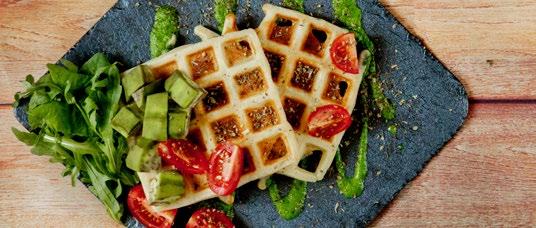
To freeze waffles, cool them on wire racks when they are done cooking. Line a baking sheet with parchment paper, add waffles and place in freezer. Freeze for 2-6 hours like this, remove from freezer and seal waffles in resealable plastic bags. Waffles will stay good for up to three months.

1 1/2 lbs Boneless skinless chicken breast
Salt Or, Adobo seasoning to taste
1/4 tsp Garlic powder
3/4 tsp Cumin, ground
1 cup Chunky mild or medium salsa
Taco toppings:
1 cup Red cabbage, shredded
1/2 lime Juiced
1/4 cup Cilantro, chopped
1/4 tsp Kosher salt
1 med Haas avocado, sliced
Lime wedges for squeezing
12 corn tortillas
Make a zippy, healthful meal everyone at the table will love! The ingredients are extremely easy to throw together in a slow cooker, but as the name suggests you’ll need to wait a while for it all to come together.
1
Season chicken with adobo (or salt), then place in the slow cooker and top with garlic powder and cumin. Top chicken with salsa (no water needed). Cover and cook low for 4 to 6 hours, until chicken shreds easily.
2When cooked, drain excess liquid from the pot keeping as much of the salsa as possible and shred with two forks. Cover and keep warm until ready to eat.
Serves 4 | Prep Time 4.5-6.5 hrs
3Make the slaw, combining cabbage, lime juice, cilantro and salt in a bowl. Toss.
4
Heat tortillas about 30 seconds on each side over the flame of your stove until slightly charred, transfer to a plate with a towel on top to keep warm and repeat with the remaining tortillas.
5Place 3 tortillas on each plate, top with chicken, slaw, sliced avocado and serve with lime wedges.