


PAIN RECOVERY THERAPY
ESOTERIC ACUPUNCTURE
Katie Borchert, NMD, MSOM



Katie Borchert, NMD, MSOM
Laurie is an avid hiker and cyclist who loves the outdoors and enjoys the beauty of Prescott. She also has a menagerie of pets to keep her smiling!
Happiness is a state, not a destination. It is not found in things, but rather lives within each of us.
People often spend so much time and effort searching for happiness they end up losing sight of all that they already have. Work, success and material possessions are not the key to happiness; the key to happiness is finding joy and love in everything we already have and do.
Happiness is the highest form of wellness. It impacts our sleep, relationships, health, work and every area of our life. Being a truly happy person is freeing. It allows us to be our true selves, be true to our beliefs and live authentic lives.
It’s underneath all our self-care rituals — we meditate, practice yoga, diffuse essential oils, cook healthy meals, grow our own vegetables, hit the gym and keep gratitude journals to boost our sense of internal peace, connection and happiness.

Happiness is not something that just happens to us; it is a choice. We have the power to make small changes in our behavior, environment and relationships that can help lay the foundation for a happier life. This month, take a moment every day to take steps to enhance your happiness.
Laurie Associate Publisher
EXECUTIVE PUBLISHER
Elaine Earle, CPA
ASSOCIATE PUBLISHER
Laurie Fisher
SALES & MARKETING
Laurie Fisher, Director of Sales & Marketing
Julie Turetzky, Director of Public Relations
Julie Kahn, Sales & Marketing Manager
PRODUCTION & DESIGN
Aaron Tipton, Creative Director
Michele Rodriguez, Design Director
Shannon Price, Lead Graphic Designer
Manda Corral, Social Media Manager
Keith Dobie, Social Media Coordinator
EDITORIAL
Bea Lueck, Editor-in-Chief
Christia Gibbons, Senior Editor
Blake Herzog, Staff Writer
OPERATIONS
Terry Scheib, Delivery Manager
COMMENTS & IDEAS
editor@roxco.com
SUBMIT AN EVENT
calendar@roxco.com | prescotthealthyliving.com
SUBSCRIPTIONS
info@roxco.com | prescotthealthyliving.com
ADVERTISING INQUIRIES
info@roxco.com | prescotthealthyliving.com
PRESCOTT OFFICE: 130 N. Granite St., Prescott AZ 86301 928-350-8006
CORPORATE OFFICE: 442 W. Kortsen Road, Suite 101 Casa Grande, AZ 85122 520-426-2074







“Our mission is to connect & provide you with the personalized, integrative healthcare you deserve, in a comfortable setting of your choice, so that you can live the life you love.”
GIVING ACCESS TO HEALTHCARE YOU DESERVE Now Accepting New Patients. Dr. Karissa Walton is a licensed Naturopathic Medical Doctor (NMD) who specializes in treating chronic pain and neurological conditions. 140 N. Granite Street | Prescott (928) 298-3349 info@themobilehealthdoc.com @mobilehealthdoc




We’ve all heard of Botox, responsible for generations of smooth foreheads in Hollywood. However, Botox has also brought relief to many people who suffer from chronic medical conditions. In 2010, Botox was approved for use with chronic migraine, and many patients are reporting success. Contact Northern Arizona Pain Institutes if you think this may be a treatment for you.

Heidi Archambault Co-Owner, Run-A-Muk
Heidi Archambault is the co-owner of Run-A-Muk Dog Resort and believes deeply in the health and well-being of animals. This also connects to her core beliefs of living healthy through fitness, nutrition, spiritual self-awareness and mental health.

Dr. Hojat Askari Founder & Medical Director, Thumb Butte Medical Center
Dr. Hojat Askari, or "Dr. A," is founder and medical director of Thumb Butte Medical Center at 3124 Willow Creek Road, Prescott, with over 20 medical professionals specializing in family medicine, internal medicine, cardiology, allergy treatment, and foot and ankle surgery.

Dr. Katie Borchert Naturopath, MSOM
Dr. Katie Borchert uses natural medicine to increase vitality, youthfulness and qi flow through naturopathic methods. She trained at National University of Health Sciences in Lombard, Illinois, and is a licensed naturopathic physician practicing in Prescott and Prescott Valley.

Heather Burgoyne Owner, Soar Pilates
Coming from the fashion industry’s highly stressful work environment, Heather Burgoyne found a practice in Pilates to be her only outlet. After continuing for over a decade, she decided to make it her career. Her goal is to help those of all ages find their strength through wellness, strength through community.

Cathy Clements
Nutritionist & Life Coach, NASM CNC, CPT, FNS, WFS
Cathy Clements is a certified personal trainer and nutrition coach. She has experienced challenges in her fitness and nutrition and is helping women over 40 regain their youthful energy. She will meet you wherever you are on your journey.

Lori Durr Owner, Sundara Sanctuary
Lori Durr is the owner of Sundara Sanctuary Wellness Spa & Boutique. She’s spent 25 years focusing on wellness and is a Certified Healing Arts Practitioner, LMT, Licensed Aesthetician, Certified Colon Hydrotherapist and is working on getting board certification in nutrition.

Tracey Frederiksen
Adult Secretary of The Launch Pad Teen Center Board of Directors, MC, LPC, EMDR Certified Therapist
Tracey Frederiksen is a master’s level therapist with a private practice in Prescott. She enjoys working with children, teens and adults and has been doing so for over 15 years. Tracey enjoys giving back to the community as a board member of The Launch Pad and in other roles.

Lesley Jenkins Alzheimer’s Association Regional Executivefor Northern Arizona
Lesley Jenkins is the northern Arizona Regional Director for the Alzheimer’s association Desert Southwest Chapter. Jenkins joined the association in February of 2019 and oversees the Association’s care and support services across northern Arizona.

Dr. Marla E. Jairak Owner, CoachSmart Consulting, LLC
Dr. Marla Jirak helps clients organize their current or future care planning needs so less burden is placed on their family and caregivers. She has an extensive background in understanding stress, health and providing care.
We believe local experiences are important. With that in mind, we’ve partnered with local contributors for their perspectives on a variety of healthy living topics. Here are the writers who helped make this issue possible.

Carl Johns LMT, Director, ASIS Massage Education
Carl Johns has been a massage therapist and educator for 25 years. He practices and teaches many Eastern and Western bodywork styles and has specialized throughout his career in working with people with disabilities and complex health conditions.
Ken Lain Owner, Watters Garden Center
Ken Lain, known as "The Mountain Gardener," writes weekly columns that are featured nationally. His podcast and YouTube channel by the same name have millions of downloads. During the week he can be found at Watters Garden Center in Prescott.
Dorian Lange
CEO & Co-Founder, Northern Arizona Pain Institutes
Dorian Lange is responsible for the management, administration, and business development for multi-disciplinary specialty clinics throughout central Arizona that provide integrative treatment protocols for pain management, physical and rehabilitative medicine.

John Murphy Founder, Make 100 Healthy
John Murphy is chairman of the Prescott Commission on WellBeing and founder of the Make 100 Healthy Foundation, whose mission is to reduce diabetes and obesity though nutrition and gardening education. He’s a proud husband, father and real estate agent.

Blayne Soriano
Level 2 Crossfit Coach and Crossfit Kids Coach
Coach Blayne Soriano is a Level 2 Crossfit Coach and Crossfit Kids Coach at Redtail Crossfit. She does one-on-one training and helps her clients with meal prep using her PN-L1 nutrition certification. She carries other certifications including Olympic lifting. Photo: Kai York

Loree Walden Marketing Manager, Yavapai Humane Society
Loree Walden is originally from Honolulu, Hawaii, and moved to Prescott in 2010. Her background spans a variety of careers including 20 years of tax preparation, eight years of radio traffic and her current position as marketing manager for Yavapai Humane Society where she is able to do what she loves by helping animals through advocating for them to help them find their furever homes!

Dr. Karissa Walton Founder & Medical Director, The Mobile Health Doc
Dr. Karissa Walton is a licensed naturopathic medical doctor (NMD) who specializes in treating chronic pain and neurological conditions. She is passionate about teaching her patients how to optimize their health and performance so they can live the life they love.

Coach Jarek Slagowski
Owner & Head Coach, Grind Boxing Gym
Coach Jarek Slagowski was born and raised in Poland. He is a certified USA BOXING, INC coach and has been the coach of the Polish Kickboxing National Team. He’s now owner and head coach of Grind Boxing Gym in Prescott.

Bailey Zygutis
Nutritionist and Personal Trainer, Vitruvian Fitness
Bailey Zygutis is a nutritionist and personal trainer with Vitruvian Fitness. With a passion for holistic health, she works with individuals in person and online to create customized programs that teach them to more fully enjoy the benefits of good health.

“Wellness” is a status we are all look for and aspire to, but it covers so much ground it’s difficult to even define what it is. Many experts approach this by breaking the topic of wellness down into distinct areas, all of which affect each other and support overall health for every individual.

One of the most-used models for explaining wellness is the eight dimensions embraced by the federal Substance Abuse and Mental Health Services Administration and many other groups:
Ensuring your body stays healthy by following positive habits including proper nutrition, adequate exercise and sleep and appropriate health care. There are many steps you can take to improve your physical wellness including eating at home to have more control over what you consume and building your fitness through workouts and other opportunities.
Keeping your own and others’ brains active through learning new skills and concepts, looking at issues from different perspectives and sharing engaging ideas and games with family and friends. Follow current events, join the library for access to more books and plan or participate in game nights.
Knowing how much income and savings you have versus debt you carry, understanding budgeting and other financial processes, and saving enough money to pursue
your life goals. If you’re not satisfied with your current situation look for work you will find more rewarding or seek advice on paying off loans or investing savings.
Feeling safe from environmental hazards such as pollution and being able to access clean air, food and water, as well as having pleasant, stimulating spaces to be in at home and outdoors. You can contribute by recycling and conserving resources, organizing your workspace and spending time outside when you can.
Acknowledging and pursuing the search for meaning and purpose in your life and having an appreciation for life and the natural forces that shape the universe. Think about your own values, morals and principles while learning about others’, consider finding a group or congregation that will deepen your spirituality and try out meditation.
Maintaining healthy, positive
relationships with your family, friends, coworkers and neighbors while caring about the welfare of others. Work to stay in contact with longtime friends while seeking out support groups or other ways to meet and engage with new people.
Being involved in employment and/or other activities that provide purpose and align with your values, goals and interests. Try to keep an open line of communication with your boss and coworkers, consider whether your job fulfills your talents and interests, and keep your resume updated for when new opportunities come up.
Being able to cope with stressful events and emotional challenges, express your feelings and enjoy life as much as possible. Learn how to cope with stress in ways that work with your lifestyle, reach out for help when you need it, and practice finding silver linings in situations you feel are negative.
by John Murphy, Founder, Make 100 Healthy
It’s the catchy title of a classic rock song, but it’s also the foundation of social connection and involvement. Few people can claim to be happy without a circle of family and friends.
That’s because life is so much better when we share special moments with those we love and care about. Happiness is having shared passions and goals, which are a little sweeter when done with people you love. Recently, I had the pleasure to host my sister and her family for a quick visit as they journeyed across the country. They only had 24 hours to spend here. I wanted them to have fun and be happy experiencing Prescott for the first time.
We went to Watson Lake and explored the breathtaking Dells and took lots of pictures of the landscape and of us all together. You don’t realize it at the moment, but pure happiness is feeling what we all felt just being together and enjoying the majesty of the views and the adventures
of climbing rocks.
Then we went down to the putting green at The Club at Prescott Lakes. I taught all three girls how to putt. We had putting contests and had such an exciting and happy time. Sometimes it’s the simple things that bring happiness.
Happiness isn’t all fun and games though. Having a charitable heart and helping those less fortunate than you can create a very happy
heart. Caring for a pet is also a great source of happiness. The bond between a loving pet and its owner can bring real joy and happiness. What can you do to increase your happiness?
One habit that helps my happiness is to start each day with an “Attitude of Gratitude.” Be thankful for all that you have. Think about making others happy. It’s very satisfying to create a joyful experience for
those you love and care for. The funny part is that the giver usually shares that happiness and gets just as much satisfaction making a difference for someone.
My dad gave me some good advice when I was younger. He said, “Live each day like it’s your last. You will appreciate every moment and not let small things affect your happiness.”
We all have the right to be happy. Let’s do it together.



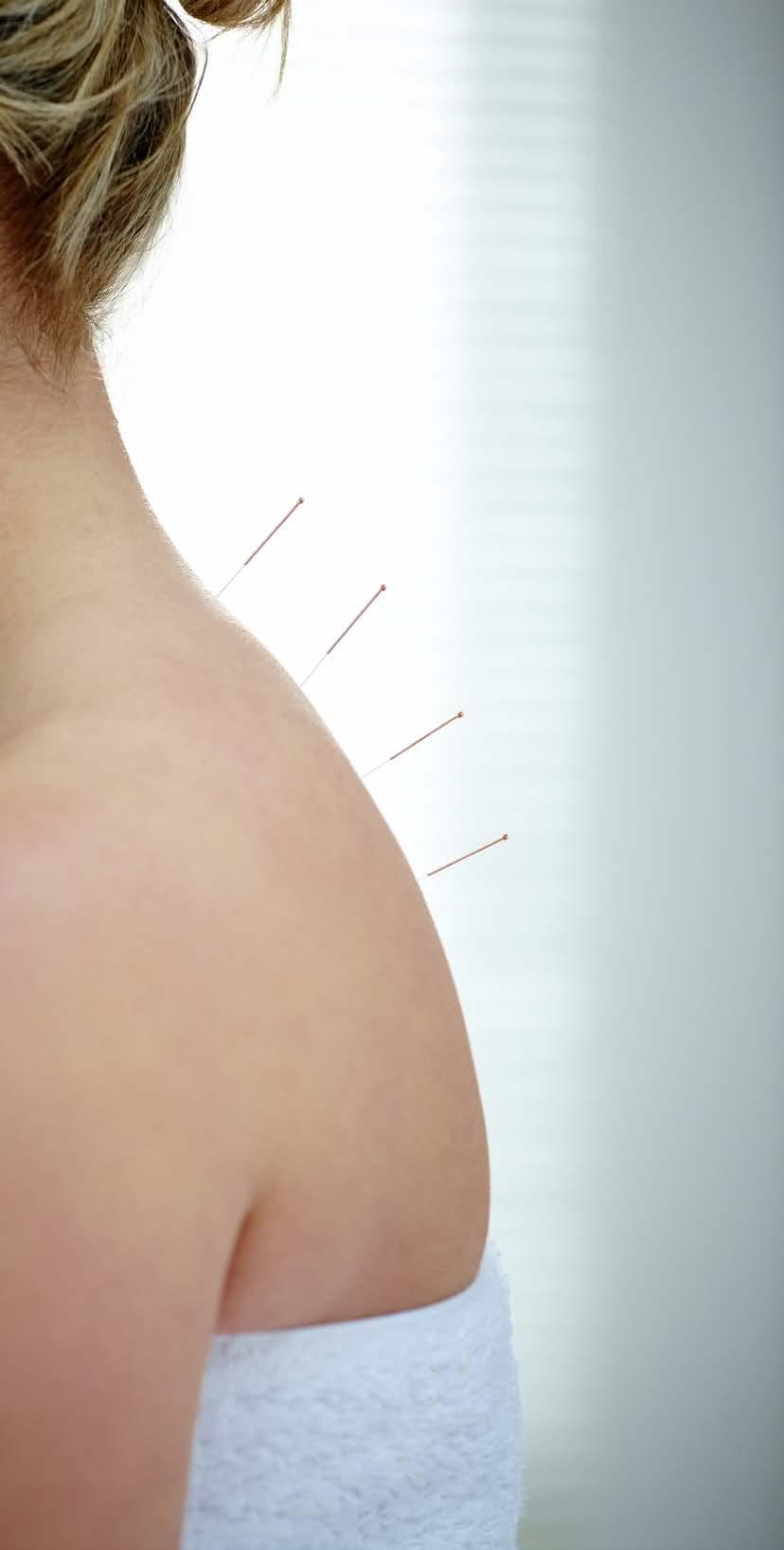
“When we treat at the level of the Spirit, we promote happiness, and when we promote happiness, we promote health.”
— Carl Johns
by Carl Johns, LMT, Director, ASIS Massage Education-Flagstaff
Ihave said many times in the classroom, if we make people feel good, they will be happy, and happiness predicts and promotes health in every way. Stress and anxiety will fade away. Pain will subside. The mind will clear. Interactions with the people around us will become more enjoyable.
There is a useful space for treating the pain and for working with the structure, but it has become our obsession in the world of massage and bodywork. It is often assumed that the work
that targets symptoms and works with the structure is superior to the styles of bodywork that are more gentle and nurturing and that feel good. I do not think this is true, and I believe that each of these paradigms can share equal space within the same session.
I remember taking my mother-in-law for an acupuncture and bodywork session. The practitioner, like her, was from Japan and they shared a common culture and language. He spent a long time with her that day, and they engaged in a lot of conversation while the work went on. When she came out of the treatment room, this woman who was in considerable pain and hunched over a walker, stood up and threw her shoulders back, exclaiming: “I feel great!”
I don’t believe this result had anything to do with the particular technical choices
of the practitioner that day, but had more to do with the level of human engagement while receiving the work. This is an example of treating at the level of the Spirit.
I spent 17 years offering bodywork to the participants at the Cerebral Palsy Center for the East Bay in Oakland, California. My lessons there had to do with slowing down, doing less, connecting more, being present, listening and being creative and playful with bodywork. The more I slowly learned these lessons, the better the results.
When we stop seeing the people we are touching in bodywork as problems to solve and start seeing them as human beings who will benefit from our undivided attention and presence, then we can start to treat at the level of the Spirit, engendering happiness and health, and moving toward a better human experience.

MLS Cold Laser | Bunions | Hammertoes | Heel Pain | Diabetes
Neuromas | Neuropathy | Foot and Ankle Pain | Fungus Toenails

by Katie Borchert, NMD, MSOM, Pain Recovery Therapy & Esoteric Acupuncture
As I thought about writing this article while fine-pruning a cliff-rose tree in the yard, I smiled, knowing that I was doing something that brings me great joy. Along with the lush greenery around me, both the feeling and the visual stimulus were filling me with joy, and in that moment I was happy.
I pondered further, feeling how this joy benefits my heart, and how in traditional Chinese medicine, joy is the antidote to negative emotions. Cultivating joy is crucial to health and well-being.
Knowing how to live in a way that brings forth happiness is one of the first steps to cultivating joy. For some, this is easy, as we all know what we
enjoy and what we do not. Many others — constantly doing in a way that their world expects from them — never really get a chance to experience enjoyment on their own terms.
In traditional Chinese medicine, the Spirit of the Heart is the Shen, which is the totality of the other four solid organ Spirits. These are the lungs and the po, the liver and the hun, the spleen and the yi, and the kidneys and the zhi Loosely translated these are the corporeal, ethereal, intellect and willpower. The heart and Shen interact constantly and intimately with each of these organs and energetic systems; the Spirits are contributing to the totality of the Shen
The heart and lungs share
the same energetic field of the body, the upper warmer, and the lungs oxygenate the vital fluid of the heart, the blood.
The mental/emotional and spiritual state of a being is highly dependent and/or reflective of the quantity, quality and movement of the blood. When blood is deficient, we get listless, unmotivated, fatigued and dried out. When the blood is stuck we get angry, temperamental, depressed, and anxious. If the blood is of a different quality, usually toxic or fiery, we get manic, anxious and fearful. Such therapies
as acupuncture, herbal medicine, qi gong, nature walking, journaling, nutrition, massage, chiropractic, reiki and other energetic modalities like Chios and Angelic Earth Resonance are necessary tools to keep the blood full, vibrant and moving. Happiness is internal and external to our own person. Having the loving relationship with our own selves creates the space for joy and happiness, and the external methods foster and enhance this feeling.



by Dr. Karissa Walton, Founder & Medical Director, The Mobile Health Doc
Arizona is such a beautiful state. We enjoy gorgeous landscapes, blue skies and plenty of sunshine yearround. With that sunshine comes a natural abundance of vitamin D. Did you know optimal vitamin D levels can bring happiness and an overall sense of well-being?
Although labeled as a vitamin, research shows vitamin D is converted and functions as a hormone in the body. Its many functions help to regulate calcium and phosphorus levels, as well as affect the immune, musculoskeletal, digestive and endocrine systems. Optimizing your vitamin D levels can help prevent illness, strengthen bones, improve metabolism and best of all — boost your mood!
Low vitamin D levels can decrease the activity of serotonin, a neurotransmitter that helps regulate sleep-wake cycles, mood, digestion
and other functions.
Vitamin D deficiency can be associated with several mood disorders such as:
* Generalized Anxiety Disorder
* Major Depressive Disorder
* Premenstrual Syndrome
* Seasonal Affective Disorder
Optimal vitamin D levels can promote more serotonin production, resulting in an improved mood, well-being, self-esteem and happiness. The risk of depression is significantly reduced in those with optimal levels. Proper supplementation has also been shown to benefit the treatment of medical conditions such as fibromyalgia, multiple sclerosis, hypothyroidism and even certain types of cancer.
The best time of day for maximal absorption of vitamin
D from the sun is midday, around 11 a.m. to 3 p.m. Most individuals only require about 8 to 15 minutes daily to absorb a sufficient amount to be beneficial. Be careful though, as the body no longer absorbs the vitamin once the skin starts to sunburn. Despite Arizona’s abundance of sunshine, Arizonans are still susceptible to suboptimal levels. It’s important to ingest foods with higher concentrations of vitamin D that include:
* Wild-caught fish (e.g. salmon, herring and sardines)
* Egg yolks
* Mushrooms
* Cod liver oil
Consider working with a licensed health care provider to have your vitamin D levels checked and obtain the proper supplemental dosing. Professional grade supplements help increase this critical nutrient without added fillers or preservatives. Purchasing from a qualified health care provider ensures the supplement has gone through rigorous testing to ensure the best quality. Vitamin D injections are another great option to boost this nutrient due to its rapid absorption. Enjoy the summer — may the sunshine bring a smile to your face and happiness to your body!

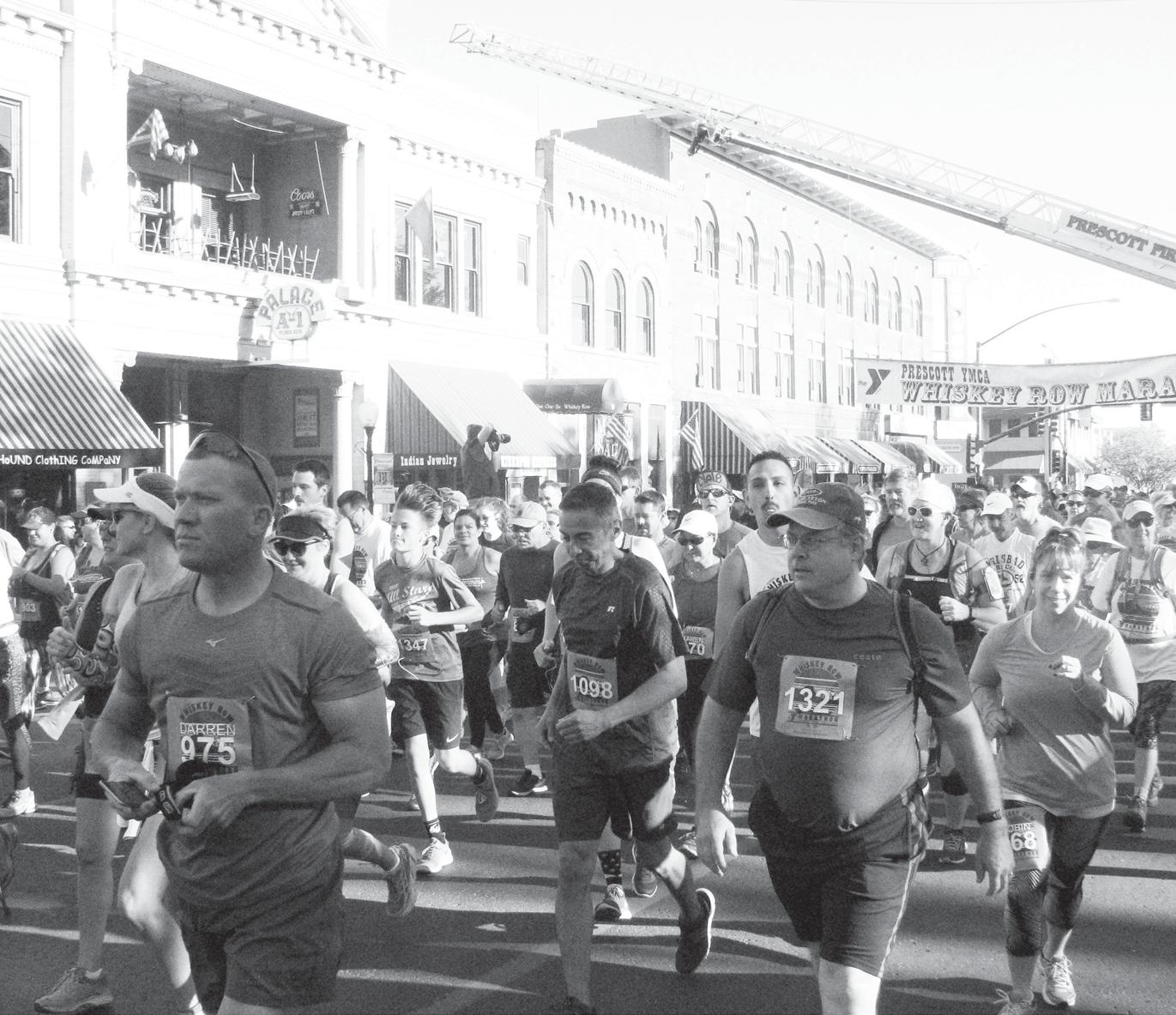







You may think you’re slaying with your near-daily workouts, kickboxing classes and obsession with running. And you are! But if you aren’t setting aside a significant amount of time for strength training, you’re not getting as much out of your body as you could be.
Everyone stands to gain these and other health benefits from weight training:
This is important whether you want to bulk up or not (most women won’t, anyway). Building muscle throughout your life makes it easier for you to retain it as you age, allowing you to manage daily tasks and live independently for considerably longer.
When you increase your muscle mass you also speed up your metabolism, even when you’re resting. This means you’ll be burning more fat during all your workouts, whether they’re for strength or cardio or both! One advantage of weightlifting: your metabolism will stay revved up for up to 24 hours afterward, extending the burn past what cardio gives you.
Weight training strengthens your bones by signaling them to rebuild themselves after being pressured by the added weight; while doing exercises targeting the muscles and tendons around your joints will make them stronger and more able to protect you from painful injuries.
A number of studies have linked lifting weights to a reduced risk of heart disease or stroke, including one published by the journal Medicine & Exercise in Sports & Exercise finding a 40% to 70% reduction in the risk of a heart attack or stroke within a sample size of more than 12,000. The
results were attributed to lower body mass indexes in those who lifted weights.
Seeing and feeling yourself getting stronger with every workout means you approach everything with a new sense of mastery and control. Your additional power will show in your leaner, more toned body and how much heavy lifting you can do, both physically and mentally!
For these and other reasons, the American Heart Association recommends everyone strength train at least two days a week, spaced one to two days apart, with at least one set of 8 to 12 reps per muscle group (chest, back, arms, shoulders, legs and calves).
Like with any form of exercise, weight training should be approached carefully in the beginning to avoid sustaining those injuries you’re trying to prevent. Consult your doctor first if you have heart disease, diabetes, arthritis or other chronic conditions, or have not been actively exercising recently. It’s best to start out with lighter weights you can easily complete the 8 to 12 reps with, while practicing good form and posture, which can be learned from a trainer, experienced friend or from videos. Do at least five to 10 minutes of warm-ups. After about six weeks, start using heavier weights that make it difficult, but not impossible, to complete your sets.
The Wolf Creek Loop takes users on a lovely circular path through the lush riparian beauty of the Upper Hassayampa River basin. Mount Tritle to the south and Maverick Mountain to the southwest punctuate the backdrop as you pass the pines, oaks and boulders that make this a quintessentially Prescottonian stroll.
Traveling either clockwise or counterclockwise will take you through forested areas home to deer, squirrels, frogs, multiple avian species and other wildlife. The trail starts near Wolf Creek, then meets it again about halfway through, whichever way you head.
If you head clockwise on the trail from the parking area near Wolf Creek Road, you quickly cross back over the dirt road and descend toward the Hassayampa’s riverbed in the first of many trees you’ll see. The trail is a virtual arboretum, with a mix of ponderosa and pinon pines, oaks,
alligator juniper, manzanita and walnut trees.
When you pass the river it may or may not have flowing water or at least pools bubbling up from underground, where the river is located for most of its desert journey. It’s accessible by a couple of short detours, and you’ll always find lush vegetation there to enjoy.
Continue on for another mile and a half to reach another detour that requires a little scrambling over rocks, but you’ll eventually reach the first of three waterfalls, which may be dry or have just a trickle, up to a full-force cascade.
You’ll have your best luck in early spring as the snow melts or after a good summer monsoon storm, though be careful about doing anything that might put you in the path of a flash flood.
Even in drier periods this loop has gorgeous vistas and offers respite within the greenery.
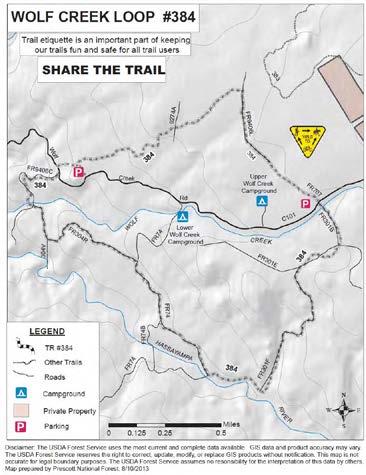



The trail is reached by taking Mt. Vernon Street in downtown Prescott south, where it turns into Senator Highway. Go past Goldwater Lake and Groom Creek to just after the pavement ends, then turn right onto County Road 101 (Wolf Creek Road) and proceed to where the road intersects the trail less than half a mile down. Parking is available on the north side of the trail.
Wolf Creek Loop is popular for off-highway vehicles and motorcycles as well as hikers, mountain bikers and horseback riders, so it’s good to know the rules of sharing the trail. Be aware of your surroundings and know that hikers are to yield to horses, while bikes must yield to hikers, and motorized vehicles are to yield to other forms of traffic.
Before you go, check for any fire-related closures or other restrictions that may be in effect for Prescott National Forest by visiting www.fs.usda.gov/prescott or @ PrescottNF on Facebook or Twitter: or by calling the ranger station at 928-443-8000.
Parking fees: None
Uses: Hiking, mountain biking, horseback riding, motorcycles, ATVs
Distance: 5.5 miles
Level of difficulty: Easy to moderate
Elevation: 5,670 feet to 5,710 feet

As a whole, Americans aren’t doing cardio right. Most don’t get enough of it to enjoy its myriad of health benefits, while a small minority are getting too much.
It’s difficult to exactly know how much of it you should be doing. The U.S. Department of Health and Human Services says adults should be getting 150 minutes per week of “moderate intensity” or 75 minutes of “high intensity” exercise. That leaves a lot to interpretation.
But if you dig a little deeper into the Physical Activity Recommendations for Americans (2nd edition), you can find a little more guidance. For instance, lowintensity activity is defined as non-sedentary but light activity such as a leisurely walk or basic household chores.
Examples of medium-level intensity include raking the yard, brisk walking, playing doubles tennis or other activities that elevate your heart rate a substantially. High-intensity equals jogging or running, carrying heavy groceries upstairs, highintensity interval training (HIIT) or other situations where you find yourself having a hard time having a conversation.
SO, EXACTLY HOW MUCH CARDIO?
The health and human services department sets the
baseline for active adults and active older adults at the well-known two and a half hours (150 minutes) of low-to-moderate intensity movement or half as much for high-intensity exercise, but states exercisers can gain “substantial health benefits” at anywhere from 150 to 300 minutes (2 1/2 to 5 hours) of low to moderate intensity movement, or half as much of intense workouts.
Going beyond the upper end of that window brings even more benefits, but don’t forget about strength training on at least two days of the week.
CAN YOU DO TOO MUCH?
The health and human services department says researchers have not found an upper limit beyond 300 minutes of cardio per week at which people stop accruing health benefits, but you still need to be cautious.
The guidelines have a section on “active and safe” activity, with guidance on gradually increasing physical activity to avoid injury and working with health care providers if you have chronic conditions or are pregnant.
You can find the complete physical activity guidelines at: www.health.gov/sites/ default/files/2019-09/ Physical_Activity_ Guidelines_2nd_edition.pdf


by Coach Jarek Slagowski, Owner & Head Coach, Grind Boxing Gym
When my boxers lose their focus, I remind them here are good and bad days in life. Even on good days, stress from everyday pressures will block their training. To regain their focus, they must leave every worry outside the gym so all they know is boxing.
When a boxer shifts back to full focus on boxing, I can see their joy return along with their ability to move and react.
Finding focus on physical activity can help anyone struggling with stress. Constant stress leads to serious health problems so we need to find ways to release the pressure. A good, focused workout helps bring your body and mind to balance.
In particular, a boxing workout, in my opinion, is the best way of dealing with everyday stress because boxing is about confronting what stands in our way.
When it comes to boxing, everybody thinks about two people hitting each other in the head. But this is only the competition side of the sport. Boxing workouts can be very diversified and interesting when done the proper way. You don’t have to engage in contact drills or competition to enjoy the benefits of boxing training.
In addition to outdoor training like jogging or running sprints, a good workout at the boxing gym relieves mental stress because it requires
focus. Boxing is a combat sport so the boxer with the best focus will move and react first.
Once you enter the gym nothing else is important, only your workout. You can forget about everything and focus on drills. A boxing workout usually starts with jumping rope, stretching, and shadowboxing before moving into what we call battle stations: punching different types of heavy bags, double-end bags, accuracy balls, speed bags and mannequins.
One of the best drills for no-contact boxing training is target mitts (focus pads) with the coach or your training partner. These are the closest to sparring drills.
Combat sports workouts, especially boxing, require you to forget about everyday problems and allow your mind to rest and recover. Simply moving and reacting to what is in front of you at the moment is a great feeling. So set aside all your everyday pressures and take the time to box your way back to happiness.


by Tracey Frederiksen, Adult Secretary of
The Launch Pad Teen Center Board of Directors, MC, LPC, EMDR Certified Therapist
When I recall climbing trees as a child, I immediately experience a pure sense of joy while sifting through those memories. I remember how my siblings and I would spend hours climbing the trees in the yard of our cornfieldlined home in Indiana.
Nowadays, it is profoundly satisfying and centering for me to explore each nook and cranny of our local lakes in Prescott while in my kayak. The common denominator of these two experiences is being outdoors; spending time outdoors can increase your sense of wellbeing and happiness.
One of our teens from The Launch Pad Teen Center, RJ, said, “Being outdoors with The Launch Pad feels good, I can tell it’s good for my brain.”
The Launch Pad offers multiple ways for teens to get outdoors. One of the summer programs was Adventure Camp where they engaged in mountain biking, rock climbing, and hiking. At Adventure Camp, they also had an overnight event out at a lake for swimming and map/compass navigation workshops. Along with
those activities at Adventure Camp, the teens participated in some planned selfreflection and journaling time that accompanied a lesson on the overall benefit nature can have on your mental health.
Oftentimes we tend to prioritize being on social media and plugged into our phones. While I understand that we each get a rush when we get a notification on our phone, it may not necessarily be a good one. Just think about the positive rush you get when you see a wild animal in the forest, a beautiful sunrise/sunset, or take in the local scenery when you take a hike.
Nature is not disappointing, and won’t deliver you bad news or cause unnecessary anxiety. The point is, if you want to increase your happiness, get yourself outside and into nature.
Whether you go to the lake, kayak, go on a bike ride, or take a hike, it doesn’t really matter because the end result will be the same. Getting yourself outside and into nature is a great way to increase your positive mental health and, of course, your physical health won’t suffer for it either.

We all know that getting exercise is important for our well-being; it builds bone and muscle, strengthens our hearts and boosts our brains and mood. The sore muscles you often have after a workout can be an unpleasant side effect but can be minimized if you treat yourself right before, during and after:
Spend at least 10 to 15 minutes doing this. Stretching is the go-to for many people for warming up and if it works for you, keep doing it. But www. familydoctor.org says studies show doing light versions of exercises like jogging, cycling or lifting weights may do a better job of increasing blood flow to your muscles.
Drinking enough water loosens your joints, transports nutrients throughout your body for more energy and helps control your temperature. This lets your body perform at its highest level. Without it you may experience cramps, dizziness and more serious symptoms.
The American Council on Exercise recommends drinking 17 to 20 ounces of water two to three hours before working out, then another 8 ounces 20-30
minutes before starting.
Then during your workout, drink 7 to 10 more ounces every 10 to 20 minutes, and finally 8 more ounces 30 minutes afterward — plus more. If you know about how much weight you lose during the kind of workout you just did, drink 16 to 24 ounces for each pound lost. .
Wait 48 hours before working the same muscle group at the same intensity. Lighter exertion of the same muscles over the next couple of days can help reduce the soreness you feel. Stopping exercise during rest periods is not recommended, www. familydoctor.org says.
Watch instructors and more experienced athletes to learn the proper stance and posture to use for your cardio and strength
training exercises to reduce the risk of injury and generalized soreness.
This is when you stretch. Stretching muscles works best while they’re warmer and more flexible to prevent soreness, while also recirculating blood from your muscles back toward your heart for recovery.
Try to resist the temptation to push yourself beyond a slow progression in the length and intensity of your workouts. This takes patience but is the best way to prevent injuries that could sideline you for a while.
Some muscle pain after working out is inevitable and is part of the process of building back stronger. There are many effective
home or over-the-counter treatments to reduce both acute (immediate) soreness and delayed-onset pain that can peak a few days later:
* Pain relievers such as NSAIDs (ibuprofen, aspirin and naproxen sodium) or acetaminophens (brand names include Tylenol and Panadol)
* Gels containing menthol or capsaicin (brands include Aspercreme or IcyHot)
* Warm baths or showers
* Ice packs
* Muscle massage
Contact your health care provider if the soreness lasts a week or more, gets worse with exercise, is in your joints, bones or tendons or leads to shortness of breath and other symptoms.
by Loree Walden, Marketing Manager, Yavapai Humane Society
We live in an era where stress seems abundant — between our jobs, families and the distractions of modern technology, it’s important to remember to make time for ourselves.
For me, the best way to have “me time” is spending time with my four-legged family members! It’s instant gratification, relaxation and happiness for me and them, too!
They know when I’m not
feeling well or had a bad day, and they’re right there to make everything better. There’s no way to stay in a bad mood when they look at you with those eyes showing complete unconditional love!
I can’t wait to get home from work and be greeted at the door with a wagging tail and tender purrs. They’re there for me and are happy to see me. THAT is my happiness!
Besides our pets bringing us happiness, they also tend to lower levels of stress
and anxiety for both kids and adults, as well as help lower blood pressure. Dog owners are more active than those who don’t have dogs, because we all know, when they gotta go, we gotta go! They also help to prevent social isolation because having a dog leads to more interaction with people. When you’re out walking a dog, you tend to talk to people more than when you’re alone because dogs seem to “open a

door” to conversation.
It’s also said people/ dog interactions result in an increase in dopamine levels in the brain for both humans and dogs, which also leads to more happiness!
Studies show that cats can also trigger calming chemicals in the body, also decreasing stress and anxiety levels. Plus, cat owners are less likely to be at risk for having a stroke than any other pet owner, and cats even reduce the risk of heart disease, heart attacks and high blood pressure. Having a cat can release oxytocin in your body, the hormone known for inducing feelings of love and trust.
Our pets don’t care what we look like or what job we have; they don’t care how much money we make or what kind of car we drive. They simply want kindness, someone to care for them and provide loving attention. In return we receive the gift of their trust, loyalty and unconditional love.
I really can’t think of anything that brings me more happiness than my pets; how about you?





by Heidi Archambault, Co-Owner, Run-A-Muk

Po sitive reinforcement is key throughout life! Being told we are doing good, shown affection and being praised keeps us going. We are more capable of trying our best when others are helping us do so.
Have you ever caught yourself frustrated with your dog? Ever ask them to “sit and wait”? Then you turn your back and they decide to investigate why you turned your back? You find yourself scolding
your dog; explaining to them they know better.
We tend to spend a lot of quality time with our dogs when they enter our homes. As soon as they get to know the hang of things, we get comfortable and might not focus on the training at hand. Giving more bones and toys to occupy them as they ask for your attention as you come in the door is just a very short-term Band-Aid for what they really want.
Did you know the No. 1 high value reward in your
dog’s day is time with you? Sure Fido loves his treats and goes crazy for a new toy, however, nothing compares to time with you!
Training should continue throughout your pet’s life. It keeps them focused, stimulated and enriched; even if for only 15 minutes a day. It continues to build the bond between man and his best friend and maintains awareness of your best friend’s health and well-being.
Putting the time and energy into their physical,
mental and emotional needs does as much for them as it does for you. With praise and attention we keep our dogs young and active, adding value to the life we can give them. It also leads to a more responsive dog who wants to listen and work with us; creating more happiness for both you and your dog.
D on’t ever stop pushing your dog. He will try for you. Even if somedays he just tries your patience. Together you will learn, grow and be happy.



As much as parents wish otherwise, they can’t assure how happy their child is going to be during their early years and continuing into adulthood. Genes will play a large part in determining their temperament, as will the environments they find themselves in.
But starting when they’re very young, the way the two of you interact and your influence on your kid’s life can help steer them toward the kind of growth that allows them to be in charge of their own moods and ultimately their destiny. These are some of the most important steps you can take in that direction.
Compliments about inherent traits such as intelligence, strength or talent can be good up to a point. The same goes for winning, whether it’s at soccer league or a poetry contest.
But be vigilant about praising their effort toward winning that game or contest, finishing homework on time or anything else they worked hard to accomplish. This puts the focus on something that’s totally within their control and helps protect them from fear of failure. Instead, this creates a “growth” mindset where their work and the things they learned are the reward.
Look for tasks within the household you can assign to your child, especially while they’re still young enough to think it’s cool! This applies even to toddlers
and those who’ve just found their footing; they can be in charge of filling pets’ food and water bowls or organizing silverware or laundry. Have them start setting the table as soon as they’re tall enough — you can even have fun waiting for that moment as a milestone in their growth. This will reinforce their self-confidence and the sense of having a positive role to play within the family, which can translate easily toward happiness and engagement as adolescents and adults.
Give your kids the gift of gratitude by modeling it from early on — teach them to say “thank you” by saying it yourself and meaning it. Be vocal about what you’re thankful for and create a time for them to follow suit, whether it’s before dinnertime, during prayer or any other time.
by Blayne Soriano, Level 2 Crossfit Coach and Crossfit Kids Coach
When you make time for yourself to exercise and move your body, your brain provides pathways — through chemical reaction — to happiness.
Exercise increases endorphins, dopamine, adrenaline and endocannabinoids; all associated with feeling positive and feeling happy.
These chemicals also help you feel confident and capable, while decreasing stress and anxiety. They also help you feel less physical pain.
Here are some other benefits of exercise:
* Protects against many chronic diseases
* Lowers blood pressure
* Improves heart health
* Aids in weight management
* Improves quality of sleep
* Reduces feelings of depression
* Maintains muscle strength, balance
* Increases life span
* Improves brain function in all ages
According to a February 2021 article in Harvard Health Publishing, exercise also can improve your thinking and memory skills.
“ There’s a lot of science behind this,” Dr. Scott McGinnis, an instructor in neurology at Harvard Medical School, says in the article.
Studies suggest that the parts of the brain controlling thinking and memory are larger in volume in people who exercise.
“ Even more exciting is the finding that engaging in a program of regular exercise of moderate intensity over six months or a year is associated with an increase in the volume of selected brain regions,” McGinnis says.
If you are looking to
feel more happiness in your life and helping your brain be healthy bring exercise into it three to four times a week.
The U.S. Department of Health and Human Services recommends at least 150 minutes per week of moderateintensity aerobic activity or 75 minutes per week of vigorous aerobic activity or a combination — spread throughout the week. S o, get moving!



The paper content of this publication has been certifiably reforested via PrintReleaf – the world’s first platform to measure paper consumption and automate reforestation across a global network of reforestation projects. LEARN MORE AT PRINTRELEAF.COM


When you’re on a weight loss journey every step gets you either closer to or further away from your goal. Making the right decisions in the morning by plugging them into your routine can give your efforts an extra boost while setting a positive tone for the rest of the day!
For tracking your weight it’s important to weigh yourself at the same time of day, and doing it as soon as you get out of bed and go to the bathroom will yield the most accurate numbers, before the digestion process starts again. Several studies have linked weighing yourself daily to more weight loss, helping you build up willpower against overeating that tends to wane once you stop paying close attention to that number.
Don’t hide from the sun while you’re waking up, as tempting as it can be. Throw open the curtains or pull up the blinds to bring some of that Arizona sunlight into your face. Step
outside to access some vitamin D when the rays are less damaging for your skin, even if you don’t have time for a full workout. A small study by Northwestern University researchers even found a correlation between morning sun exposure and lower BMI!
Eating some carbs first thing provides immediate fuel to get yourself revved up, but protein is also essential for providing satiety when you’re done eating and gives you a steadier energy source for the hours to come. It’s also a really good idea to pack your lunch if you can, either in the morning or the night before to avoid impulse
or fast-food lunches and setting yourself up for getting the right amount of protein — it’s best to spread your protein consumption throughout the day
Fitness and nutrition experts have long touted the positive effects of drinking water, water and more water, especially in the morning. While the results of studies of whether morning water consumption has special benefits beyond any other time of day have been inconsistent, there’s little doubt adequate hydration is key for many body and brain functions. How much water is needed differs between individuals, but be sure you know your body and
drink a significant amount of fluid in the morning.
If you are able, it’s a good idea to get at least some of your daily exercise done in the morning before the whims of the day start pulling you in different directions that make afternoon or evening plans go awry. The question of whether you get more weight-loss bang for your exercise buck early on or later in the day has been endlessly researched and any schedule has pluses and minuses. Yet morning exercise has come out on top of many studies for sustainability, burning more fat (especially on an empty stomach), improving brain function and enhancing mood.
he commonly accepted standard of eight hours as the ideal amount of sleep is a pretty good rule of thumb for most adults, but the National Sleep Foundation and most other sources recommend those ages 18-64 get seven to nine hours nightly (it varies only slightly for older adults, at seven to eight hours). It’s rare to be able to function at your best on any less than that — the gene that allows some people to get by with six hours is found in approximately 3% of the population. But you may
want to know exactly where you fall on that spectrum for planning purposes or just to understand yourself a little better.
A typical sleep cycle consists of four stages, starting with three stages of non-rapid eye movement (NREM) and concluding with rapid eye movement (NREM), the deepest phase during which we dream.
For restful sleep we must experience all four stages of the sleep cycle, which takes around 90 minutes, and we generally need
four to five cycles per night to complete the many tasks our bodies need to accomplish during sleep.
Dr. Michael Breus of www.thesleepdoctor.com recommends doing this to pinpoint how many hours of sleep you need: Set your alarm for when you need to wake, and schedule your bedtime seven and a half hours ahead of that time. Try to practice good sleep hygiene in the evening by avoiding heavy meals, caffeine, electronics use 30 minutes before bedtime and other things that may disrupt your sleep.
Take note of whether you wake up before or after the alarm goes off. If it happens around five to 10 minutes before or after you’ve been doing this for about a week that’s a good indication you got the sleep you needed. If the alarm jolts you awake, and especially if you’re still groggy, then try going to bed about 30 minutes earlier the following week. Keep adjusting your bedtime until you settle on the right amount of slumber for you to wake refreshed and maintain your energy throughout the day. Stick to that bedtime once you find it!




You’re consumed by worry about an upcoming event, second-guessing something you’ve already done, or can’t make a decision because you’re constantly assessing and reassessing the pros and cons. This is overthinking, and it adds anxiety and stress you don’t need to have in your life.
Here are some ways to stop it.
If you’re not sure if you’re overthinking or not (and overthinking that question), the signals your body is sending can help. If the muscles in your shoulders and neck are tightening, your heart is beating faster and your teeth are clenching as you think about a situation, that’s a pretty solid “tell.”
When you catch yourself starting to dwell on something longer than you want to, try just doing something
else. Call a friend you haven’t seen for a while (but don’t talk about the issue you’re trying to get away from). Go for a walk or bike ride or put on some music.
If you’re starting to criticize yourself for what you did in the past or not knowing what to do in the present, identify these as thoughts you’re having rather than fact. Believing them as if they are will just perpetuate a negative cycle.
If you’re finding it’s just too hard to shut your overthinking off

completely, try corralling it into a specific time frame. It can be 15 or 20 minutes a day at a time when you’re relatively unoccupied, but try not to do it too close to bedtime.
The hallmark of overthinking versus just “thinking” is focusing on the problem instead of solutions. Let it go if there is no solution, either because it’s in the past or you can’t do anything about it. If you can, start thinking about actions you can take to either change the situation or minimize the effect it has on you and others.
by Lesley Jenkins, Alzheimer’s Association Regional Executive for Northern Arizona
Part of living well with Alzheimer’s is adjusting to your “new normal” and helping family and friends do the same. Knowing what to expect and what resources are available can make the process easier for you and those close to you.
There are times when it may feel like family members or
friends are not connecting with you — when your relationship feels stuck. In these situations, it may be that the person or your connection with each other is confronting an emotional challenge that feels overwhelming. If this happens, there are some ways to help move the adjustment process along:
* Speak honestly and frankly about your

feelings. Acknowledge the importance of the relationship to you and your desire to go through this difficult time together.
* Try to listen to the other person’s feelings. Respond as much as you can, while saving your concerns for another time. Both of you need to feel heard by the other, and sometimes taking turns being the “listener” can help.
* Focus on the positive changes you can make that might help you regain your sense of closeness.
* Take action. Make plans to do something that you both enjoy together.
* When friends and family get stuck in the adjustment process, help by directing them to our 24/7 Helpline (800-272-3900) to
get advice, message boards (www. alzconnected.org) to chat with others or in-person support groups (contact our helpline for a support group near you).
* Consider bringing in a third party to help. Talking with a professional who has experience working with people facing chronic disease can help one or both of you deal with the impact of the disease. Contact your local Alzheimer’s Association chapter to help locate professionals with this type of expertise.
* If you or a family member is experiencing depression or anxiety that seems to go beyond what feels normal, know that these are treatable conditions. There are professionals who can help.






by Dorian Lange, CEO & Co-Founder, Northern Arizona Pain Institutes
A migraine is an inherited neurological disorder that is described as the over excitability of specific areas of the brain. Untreated migraine attacks can last several hours, or a few days. Although medically speaking, we do not understand how a brain with migraine is dissimilar to a normal brain, we do know that people who suffer with migraines are more likely to hold the transient factors that may raise the chances of having a migraine attack. These triggers may include environmental stimuli like weather or bright lights, hormonal fluctuations, specific smells, select foods, alcohol, low quality sleep and abnormal stress factors.
Botox is injected around pain fibers that are involved in headaches. Botox enters the nerve endings around where it is injected and blocks the release of chemicals involved in pain transmission. This prevents activation of pain networks in the brain.
Botox prevents migraine headaches before they start but takes time to work. One treatment may last for up to 12 weeks, and patients reported that two Botox treatments reduced the number of headache days by approximately 50%.

With your first Botox treatment, expect the appointment to take about 40 minutes. Your medical professional will use a small needle that many compare to a pin prick. The doctor will inject low doses of Botox into surface muscles in the skin. Each treatment involves approximately three dozen injections in seven key areas of the head and neck.
The most common side effect is a sore neck. After care includes using a cold compress to reduce the discomfort. Full results can take up to six months to see the highest benefit. In the meantime, the patient can continue regular medications on most occasions.
If you think this could be a treatment for you, look for a neurologist in your area.
“At Northern Arizona Pain Institutes, we can see if you are the right candidate for Botox as a treatment for migraines,” Dr. Robert Brownsberger says. “Botox is only FDA-approved for chronic migraines. We now offer this treatment for migraine sufferers.”
Learn more at www.northernarizonapaininsititutes.com
Source: www. americanmigrainefoundation. org/resource-library/ botox-for-migraine

Aug. 21
Best Evergreens for Mountain Landscapes
9:30 a.m. at Watters Garden Center
Aug. 28
Gardening for Newcomers
9:30 a.m. at Watters Garden Center
Sept. 4
Top 10 Trees and How to Plant Them
9:30 a.m. at Watters Garden Center
Sept. 11
Climbers & Covers in the Landscape 9:30 a.m. at Watters Garden Center
YMCA Aquatics Center
(Lap Swim, Family Swim & Group or Private/ Semiprivate Lessons Available)
YMCA Dance Program
Team Gymnastics at the YMCA
2021 Youth Basketball League
When you laugh, you’re doing more than responding to the mirthfulness of something you’re seeing or experiencing. You’re oxygenating your blood, lowering your blood pressure, revving up your immune system and using your abdominal, facial, respiratory and other muscles, among other healthy things.
So even if you think there’s plenty of laughter in your life, you’ll probably benefit from even more. Here are some ways to wring more chuckles, guffaws and giggles out of every day.
Studies have shown we’re anywhere from five to 30 times more likely to laugh when we’re in the company of others. Whether you’re with just your family or in a live audience in the thousands, you’re far more likely to literally LOL. It’s a bonding mechanism we use to show we’re comfortable and appreciative of each other.
Taking up something new, whether it’s learning a new language or learning how to skate, is bound to lead to some stumbles and fumbles, ideally mostly figurative. These are funny, especially when you’re able to laugh at yourself. You can share these experiences with those who are learning along
with you, as well as after the fact while recounting the stories to others.
If you’re on the treadmill or lifting weights, plant yourself in front of the TV that’s showing I Love Lucy, Curb Your Enthusiasm, The Muppet Show — whatever kind of silly or snarky material gets you giggling
Find ways to zap little jolts of humor into your morning routine by using a silly coffee mug, picking one or two comic strips to follow in the newspaper or through your phone, making your English muffins sing or swapping silly jokes with your kids.
End each day with a
laugh, too. It may be more difficult than when you’re bright-eyed in the morning, but bring your evenings to a close with a late-night talk show
or sitcom rerun, some gentle laughter from a book by your favorite humorist or by simply sharing a moment with your partner or your pet.





Only FDA-cleared procedure to help men and women build muscle and sculpt their body
“It has been two weeks since I completed my 6 session package & so far I have had no episodes of incontinence at all, not even when I laugh or sneeze! I couldn’t be happier!”
~ Kelly

FDA-cleared treatment to assist in regaining bladder control


by Cathy Clements, Nutritionist & Life Coach, NASM CNC, CPT, FNS, WFS
Wow! The summer is flying by more quickly than I would like.
The warm …OK, hot weather makes me happy. I love the early mornings, sun rises and taking my dogs on walks. But what really makes me happy is spending time with friends and family.
Memorial Day weekend we spent time with friends catching up, laughing and enjoying good meals. The 4th of July was a great opportunity to enjoy Pioneer Days, be outside and run through the rain. We spent time with family and saw friends we hadn’t seen in over two years.
The long conversations discussing dreams and futures warms my heart. Morning hikes with the dogs, enjoying all the wildlife: it is happiness incapsulated for me.
What makes you happy? I don’t have grandkids, yet, and the littles in our

family are in their 20s, so I don’t think it’s the same thing. But hearing them fulfilling their dream ideas is amazing and makes me relive my life at their ages.
There is something great to recall at every age, if you look for it.
Happiness is reminiscing and laughing at things we did and situations we walked through. Happiness is also making plans for future gatherings. Sitting on the porch with a glass of iced tea and watching the sunset…amazing.
The little things we notice can bring happiness to most situations. Notice what your noticing, and find happiness where you are right now.
• Women’s well check
• Cosmetic Botox
• Medical Botox
• Dermal filler
• Acne treatment
• Chemical peels
• Body sculpting
• Emsella treatments
• Incontinence Treatment
• Permanent cosmetics
SEXUAL HEALTH CLINIC
• Hormone replacement therapies

• Hormone pellet therapies
• Woman sexual dysfunction
by Heather Burgoyne, Owner, Soar Pilates
The concept of working out to boost your mood is not new. There have been numerous studies proving it to be true. But that doesn’t mean you need to hit the treadmill for 30 to 45 minutes and then power through reps upon reps of heavy weights and a bazillion crunches for another hour. By all means, if that is what you like, you do you! I’m just here to say, you can do a little less and maybe think of exercise in a different way. Studies have suggested endorphins (those are your happy feel good hormone!) begin to release into our
bodies within 30 minutes of moderate- to highintensity workouts. With that endorphin release, you can notice a relief of pain due to increased blood flow circulation to muscles and joints: A release of stress and anxiety as mentally you have connected to your body and likely forgotten about your “to do list” at least for a moment in time. As well as a euphoric emotional sensation as you accomplished a goal. Let’s not forget about group exercise. It has been shown working out in groups, boosts your happiness as well. Mentally
we have committed to someone (a friend or instructor) to show up, which sometimes is half the battle. It can ignite a sense of healthy competition to do just one more rep or hold a pose for just a moment longer. Perhaps most important, if we have learned anything over the last year and a half, is that we all need and yearn for community. So grab your friend, find your favorite fitness studio, and workout alongside your neighbor and build strength through wellness and community. Besides working out, you can also release endorphins
by getting a massage. Chances are if you’re physical, your body could use a rest day to allow the microscopic tears in your muscle tissue to repair and rebuild.
And speaking of self-care, have you ever had a facial? Not only do you have to lie completely still on a cozy bed, but you also can’t talk. Allow yourself time to shut down for a moment during your day – added bonus, you’re essentially toning and tightening your face, which we all know we want.
The most important thing about your workout (whether physical, mental or spiritual) is that it exists. You did it!


by Dr. Marla E. Jirak; Owner/Consultant/Coach of CoachSmart Consulting, LLC
Caring for an adult or a child with disabilities every day requires a lot of energy. Today, much of that care is done in the home by family members or caregivers so the child or adult in need can continue to live with family. Also, most families cannot afford the continued rising cost of a long-term care facility.
Day-to-day stressors associated with tasks done by caregivers can leave them physically, mentally and emotionally exhausted.
Research finds that ongoing daily stressors increases the body’s production of cortisol, a stress hormone. The over-production of this stress hormone will lead to diminished health and wellness.
The quality of care provided to a loved one is best when those providing the care are healthy and well themselves.
When referring to our “health,” our bodies want homeostasis. Our body system should be performing optimally — free of disease and sickness as well as having a normal sleep
cycle. “Wellness” is more encompassing and includes health. Health experts understand a wellness lifestyle includes mental, physical, spiritual and environmental components. There are three important area of focus to achieve optimal health and wellness — diet, exercise and sleep.
All too often care providers realize they are nearing the end of the day and could only make time for a cup of coffee. However, planning and organizing your meals ahead of time can be your best solution:
* Buy prepared salads and add a low-calorie salad dressing.
* Prepare containers of meals you can freeze.
* Put together a sealed container with nuts, high protein snacks or dried fruit.
Having respite care hours for yourself is necessary so you can recharge.
Engage in exercise for both mind and body:
* Get outdoors and walk; nature clears the mind, walking helps physical fitness.
* Find a few moments each day to meditate while breathing slowly.
* Strengthen your core with light weights and exercise bands.
As adults, we need seven hours or more of quality of sleep:
* Take short naps during the day for 15 or 20 minutes.
* Avoid caffeine late in the day.
* Turn off electronics in your bedroom, including the TV.

Caregivers who focus on increasing their own health and overall wellness increase the quality of care they provide to others.


CENTEROFDISEASE CONTRO AND PREVENTION
Per the CDC,one ofthe best thin syou can dofor you homeasitconcernsyour healthistoincreasethe ventalation ofyourhome
USENVIRONMENTAL PROTECTIONAGENCY
Reportthatindoorair pollution is2-5 times more pollutedthanoutdoor air


by Lori Durr, Owner, Sundara Sanctuary
Yoga nidra is a sleepbased meditation designed to remove mental and emotional disturbance and rejuvenate the body. Forty-five minutes of yoga nidra is as restorative as three hours of sleep.
Yoga nidra is composed of a structured series of breath, body and awareness techniques that progressively drop you into deeper brainwaves where your thoughts effortlessly move further away from you. It is in this gap between the thoughts that you can effortlessly experience restful meditation. The body can deeply heal and rejuvenate, lessen mental stimulation, and you awaken energized and focused. The more we rest the
silence behind the mind, the less we are disturbed by its unhelpful chatter — even while awake.
Like meditation, Yoga nidra can be used for medical, restorative and spiritual benefits alike to support one’s own goals and intentions. There is evidence that Yoga nidra helps relieve stress. An ancient technique from India, mentioned in the Upanishads and Vedic scriptures and used by the Rishis, the Indian sages, it has
now spread worldwide and is also being applied by the U.S. Army to assist soldiers in recovering from posttraumatic stress disorder.
Before attending a Yoga nidra class check with the credentials of the instructor to ensure she or he is professionally trained. This practice is a deep
meditation, and care should be taken by the instructor while facilitating this modality.
At Sundara Sanctuary our instructor is trained in “I AM Yoga Nidra” at the Amrit Yoga Institute 100-hour certification with Kamini Desai.


Over the past 30 years, POSC has saved patients more than $150 Million! Of that amount, $20 Million would have been out of pocket.
The choice is yours. Choose one of our excellent Prescott based surgeons for your outpatient surgical needs. You will save money and have the best possible care available.
Over the past 30 years, POSC has saved patients more than $150 Million! Of that amount, $20 Million would have been out of pocket.
Dr. Siamak Rassadi 308-4285
NOSE AND THROAT
Overall Patient Satisfaction: 9.8 out of 10!
Dr. Derek Hewitt 778-9190
Mark Strasser 778-9190
Dr. Siamak Rassadi 308-4285
EAR, NOSE AND THROAT
Dr. Derek Hewitt 778-9190
Dr. Mark Strasser 778-9190
GENERAL SURGEONS
Dr. Thomas Hirasa 771-1011
Dr. Donald Huang 771-1011
Dr. Frank Iorio 776-8212
Dr. Thomas Rusing 445-9660
GYNECOLOGISTS
Dr. Katie Campuzano 778-4300
Dr. Adam Feingold 776-8428
Dr. Luis Fernandez 776-8428
The choice is yours. Choose one of our excellent Prescott based surgeons for your outpatient surgical needs. You will save money and have the best possible care available.
“The best I have experienced! POSC even topped Duke Medical Center which I have always rated highly. Thanks to the staff.”
Overall Patient Satisfaction: 9.8 out of 10!
“Everything about the place was excellent. Very clean, very professional, very organized and efficient. Thank you for the great care!”
“The best I have experienced! POSC even topped Duke Medical Center which I have always rated highly. Thanks to the staff.”
“Everything about the place was excellent. Very clean, very professional, very organized and efficient. Thank you for the great care!”
“Everyone was awesome. My stress level was zero! Loved the nurses. Linda was so sweet and really awesome. Great experience overall. Thank you all!”
Invest Your Healthcare Dollars Wisely!
“Everyone was awesome. My stress level was zero! Loved the nurses. Linda was so sweet and really awesome. Great experience overall. Thank you all!”
SURGEONS Dr. Jonathon Gruneich 778-9770

Dr. Bradley Benson 445-4818
Dr. J. Gabriel Tsang 237-9312
Dr. Josephine Kim 583-1000
Dr. Melinda Martin 777-0070
Dr. Richard Ohanesian 778-4300
Dr. Jeffrey Osburn 778-4300
Dr. Jeanette Pilotte 583-7887
INTERVENTIONAL PAIN SPECIALISTS
Dr. Jonathon Gruneich 778-9770
Dr. Bradley Benson 445-4818
Dr. J. Gabriel Tsang 237-9312
ORTHOPAEDIC SPECIALISTS
Invest Your Healthcare Dollars Wisely!
Over the past 31 years 114,000 procedures have been successfully performed at POSC, saving patients more than $160 million! Of that amount, $21 million would have been out of pocket expenses.
Over the past 30 years, POSC has saved patients more than $150 Million! Of that amount, $20 Million would have been out of pocket.
Over the past 31 years 114,000 procedures have been successfully performed at POSC, saving patients more than $160 million! Of that amount, $21 million would have been out of pocket expenses.
The choice is yours. Choose one of our excellent Prescott based surgeons for your outpatient surgical needs and you will not only save money, but will have the best possible environment and care available. Overall Patient Satisfaction 9.9 out of 10!
The choice is yours. Choose one of our excellent Prescott based surgeons for your outpatient surgical needs and you will not only save money, but will have the best possible environment and care available.
“When I need surgical help, I will always come here. My phone call from Karen was a real delight. When I saw her in recovery I told her she sounded like a song. My anesthesiologist was just great and took time with my questions. I really liked my visit!”
ORTHOPAEDIC SPECIALISTS
Dr. Daniel Burchfield 778-9250
Dr. Bertrand Kaper 778-9250
Dr. Judah Pifer 778-9250
Dr. Daniel Burchfield 778-9250
CARDIOLOGIST
Dr. Siamak Rassadi 308-4285
Dr. Bertrand Kaper 778-9250
Overall Patient Satisfaction 9.9 out of 10!
Dr. Judah Pifer 778-9250
EAR, NOSE AND THROAT
Dr. Derek Hewitt 778-9190
Dr. Bradley Williams 445-7085
“When I need surgical help, I will always come here. My phone call from Karen was a real delight. When I saw her in recovery I told her she sounded like a song. My anesthesiologist was just great and took time with my questions. I really liked my visit!”
Dr. Bradley Williams 445-7085
The choice is yours. Choose one of our excellent Prescott based surgeons for your outpatient surgical needs. You will
PLASTIC SURGEON
Dr. Brian Brantner 776-0325
Dr. Mark Strasser 778-9190
“Thank you for all the great care you gave me, everyone was awesome made me feel like I was the most important person in there! Thank you all so very much for taking care of me.”
PLASTIC SURGEON
Dr. Brian Brantner 776-0325
“Thank you all for the great care you gave me, everyone was awesome made me feel like I was the most important person in there day! Thank you all so very much for taking care of me.”
PHYSICAL MEDICINE
GENERAL SURGEONS
PHYSICAL MEDICINE
Dr. Thomas Hirasa 771-1011
“Joanne the pre-op nurse is awesome, really made me feel at ease. The head anesthesiologist was really terrific and put me completely at ease.”
Dr. Bradley Benson 445-4818
SPINE SPECIALIST
Dr. Daniel Noble 778-9250
UROLOGISTS
Dr. Bradley Benson 445-4818
Dr. Donald Huang 771-1011
Dr. Frank Iorio 776-8212
“Joanne the pre-op nurse is awesome, really made me feel at ease. The head anesthesiologist was really terrific and put me completely at ease.”
Dr. Thomas Rusing 445-9660
“This was my 2nd surgery at POSC in 2 months. Both times I received excellent care. Everyone was professional, courteous and all had a great sense of humor. I cannot think of any area that needs improving as I feel 10’s were to be given to everyone there.”
Dr. Paul Nguyen 771-5282
SPINE SPECIALIST
Dr. Daniel Noble 778-9250
GYNECOLOGISTS
“This was my 2nd surgery at POSC in 2 months. Both times I received excellent care. Everyone was professional, courteous and all had a great sense of humor. I cannot think of any area that needs improving as I feel 10’s were to be given to everyone there.”
Dr. Jeffrey Sanwick 771-5282
Dr. Michael Stanick 771-5282
Dr. Katie Campuzano 778-4300
UROLOGISTS
Dr. Adam Feingold 776-8428
Dr. Paul Nguyen 771-5282
Dr. Luis Fernandez 776-8428
Dr. Jeffrey Sanwick 771-5282
Dr. Michael Stanick 771-5282
Dr. Josephine Kim 583-1000
Dr. Melinda Martin 777-0070
Dr. Richard Ohanesian 778-4300
Dr. Jeffrey Osburn 778-4300
Most of us are used to hearing about the foods that raise blood pressure — the ones that actually lower it, not so much. Here are some foods that accomplish just that primarily by promoting vasodilation, or the relaxation of blood vessel walls to allow unimpeded blood circulation.

The most wholesome fruit most people can think of, these wonderfully handy fruits contain plenty of polyphenols and potassium, two compounds that actively fight blood pressure by relaxing blood vessels and promoting free flow throughout the circulatory system.
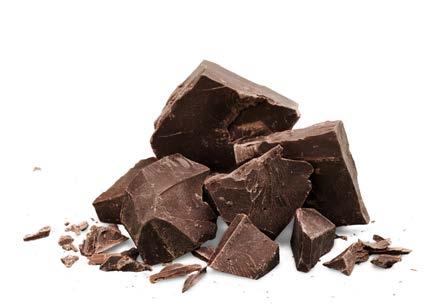
This deeply delicious treat when used in moderation has been shown to significantly reduce blood pressure. A 2011 Harvard study found eating one small square of dark chocolate (at least 60% cocoa) reduced it in all participants, but especially those with hypertension.
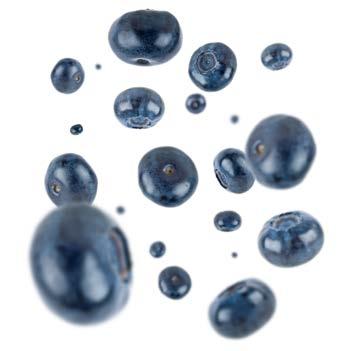
Anthocyanins are part of the secret sauce of these smallest and darkest berries. These compounds help to regulate the inner lining of your blood vessels and aid blood flow. One recent study published in the Journals of Gerontology found they might prevent hypertension as well.
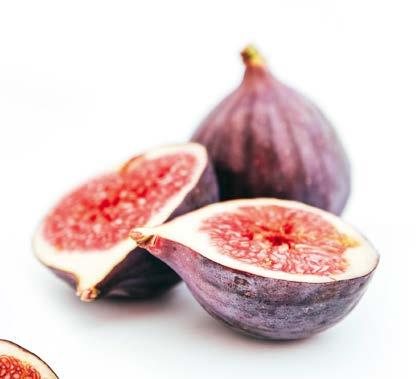
Whether they’re fresh or dried, these are another great source of potassium, which counteracts the negative effects of sodium through dilating vessels and discharging sodium as waste. Eating these doesn’t give you a free pass on eating all the salt you’d like, however.
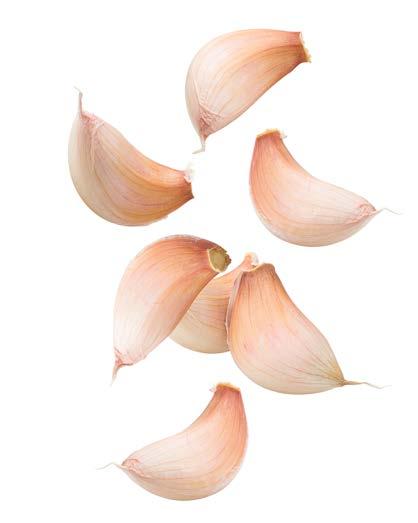
Several studies have vindicated the use of garlic for circulatory health as far back as ancient Egypt, finding it can have the same impact as common antihypertension drugs while causing few side effects. This is attributed to allicin, its primary active ingredient, which may prevent the production of another compound known to cause blood vessels to contract.
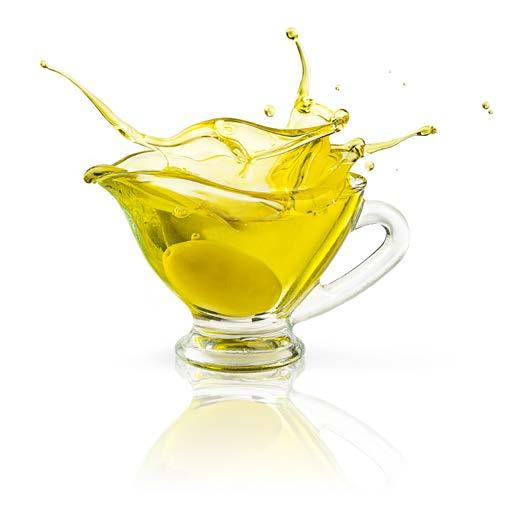
Consumption of 600 mg or more of this healthiest of teas has been linked to a lower risk of developing high blood pressure in several studies, likely due to its catechins and their interaction with a protein in the blood vessels. Green tea has been shown to block the effects of one drug taken for high blood pressure, nadolol, so do consult your doctor about any interactions if you are on this medication.
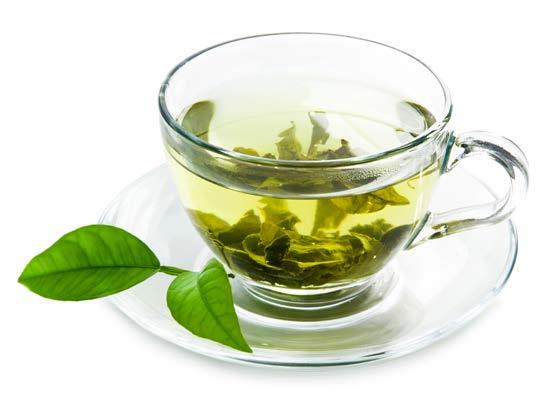
This is believed to be the heart healthiest of the three grades of olive oil because it is the least processed and has the highest polyphenol content. A 2020 study by a team of Australian researchers found extra-virgin olive oil to have the most positive effect on systolic blood pressure. This is the “top” number in a blood pressure and thought to be the most important for measuring heart health.
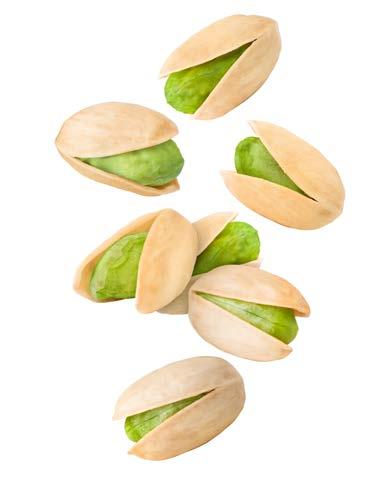
A 2015 review of 21 studies concluded that consuming any type of nut can have a positive effect on blood pressure in subjects who don’t have Type 2 diabetes, but pistachios had the greatest effect on both systolic and diastolic (the second number in readings) blood pressure. These particular nuts are loaded with L-arginine, which converts into nitric oxide that promotes vasodilation.
by Ken Lain, The Mountain Gardener, Watters Garden Center
Without strategically placed
evergreens in the yard, it can feel as if prying eyes are looking right into your home. Now is the ideal planting season for fast-growing trees and shrubs to maximize autumn roots critical for a lush wall next spring. To successfully add evergreens to a landscape, take these essential steps. The most crucial requirement is drainage. Blend one shovel full of Watters Premium Mulch into every three shovels full of native earth to pack around each root.
Feed new plants with 7-4-4 All Purpose Plant Food right after planting. The cottonseed meal in this natural food promotes robust root formation while maintaining good foliage color. Lastly, deep soak each plant with a solution of Root & Grow. This specially designed compost tea encourages new roots that grow deep and strong.




My favorite native evergreen screener is the Arizona cypress. It is like a giant alligator juniper in size and color but grows faster and fills in more thoroughly than other screening plants. Growing to over 20 feet tall and 12 feet wide in just a few years, you can see why this is the No.1 choice for a planted screen.
Very cold-hardy, this spruce is the perfectly symmetrical Christmas tree shape. Excellent choice for a front yard holiday tree or as a semiformal accent in a large yard. Line up several for a windbreak or to quickly diffuse lights and sounds along busy streets.
This is the largest screening plant, growing to over 50 feet tall and 20 feet wide. It is one of the fastest-growing of the screens. This cedar thrives on low water use, drought conditions and drip irrigation, as with most upright evergreens. Make sure to give it plenty of growing space.
Spartan, Blue Point, and Wichita are on the extensive list of junipers available at Watters Garden Center now. Juniper forests surround us. Whichever color and height you like, all grow well in this part of the world.
This handsome evergreen
tree has a densely branched conical form when young that becomes umbrella shaped with age. Needles are long and dark green. Tolerates poor soils and harsh, drying winds. A great conifer for windbreaks or used as large landscape specimens.
There are many more choices, such as the larger evergreen shrubs and deciduous trees like aspens. We’ll discuss those varieties another time.
Book just Published!
The Secret Garden: Plants as a Natural Screen is an all-local garden book with deeper detail about screening plants. Free copies are available for download at WattersGardenCenter. com under LEARN

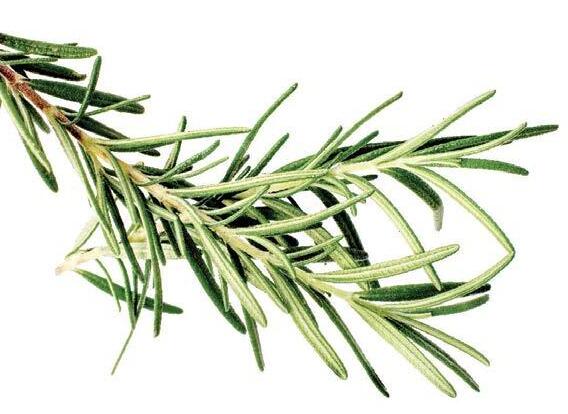
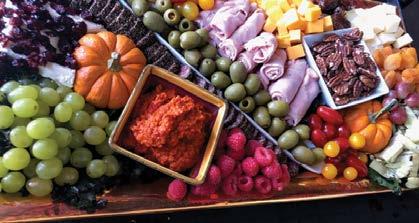
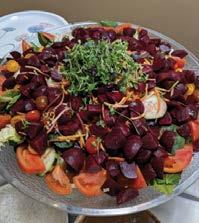








Spices, which are taken from the seeds, roots, bark, fruit or other parts a plant (except for leaves, flowers and stems — those are herbs), are full of beneficial bioactive compounds that promote healthy processes within your body. They also add depth and complexity to any recipe, making dishes memorable so everybody keeps coming back to them!
CAYENNE
This spice is used in Southwestern, Creole, Cajun and other cuisines to give dishes a memorable kick of heat. Adding even a small amount to a dish gives your metabolism a bit of a boost, and it can also aid digestion and bring down your blood pressure.
CINNAMON
Its versatile flavor pairs with both sweet and savory dishes and is used by cooks throughout the world. Luckily, it’s also a very good substitute for sugar and is an antioxidant that’s been found to lower blood glucose levels, including in those with Type 2 diabetes.
FENNEL SEEDS
This low-calorie spice is most frequently used in Indian and Mediterranean cuisines and is a great source of manganese and calcium, along with several other nutrients. They have many antioxidant compounds and may work as an appetite suppressant and for fighting certain types of cancer.
GINGER
Gingerol is a compound found in many root spices that has antioxidant, antiviral, antibacterial, anti-inflammatory and analgesic properties. It’s used to alleviate nausea and vomiting and may alleviate pain associated with rheumatoid arthritis.
TURMERIC
Regarded by many as one of the world’s healthiest spices, turmeric is a primary ingredient in curries. Curcumin, its main active compound, is known for powerful anti-inflammatory and antioxidant properties that can reduce inflammation and may improve memory and concentration and fight heart disease and cancer. However, it isn’t easily absorbed into the bloodstream. Using turmeric with black pepper or consuming it with a source of healthy fat can increase its availability to your bodily processes.
“I was born on a pistachio farm and have done tons of research on the benefits of pistachios. They are the best and healthiest nut out of all the nuts.”
by Dr. Hojat Askari, Founder and Medical Director, Thumb Butte Medical Center
There are no “magic” foods that can heal your conditions, roll back your scale and turn back your clock. Yet pistachios, considered nuts but actually the seeds of the pistachio tree native to Central Asia and the Middle East, cram a ton of healthy nutrients and antioxidants into a comparatively low-calorie package when compared to other seeds and nuts.
According to the U.S. Department of Agriculture’s
FoodData Central website, 1 ounce of shelled, raw, unsalted pistachio kernels include:
Less than raw macadamia nuts’ 204 calories, but about the same as the 157 calories in an ounce of raw peanuts. Daily consumption should be limited to about 1 ounce per day.
5.73 GRAMS OF PROTEIN
This is a significant percentage of the roughly 46 to 56 grams recommended as a baseline for daily protein consumption. It is important for healthy muscles and bones,
helps with weight loss and fuels your immune system, among many other functions.
12.8 GRAMS FAT
90% of these are healthy unsaturated fats that reduce inflammation, cholesterol and build more resilient cells throughout your body.
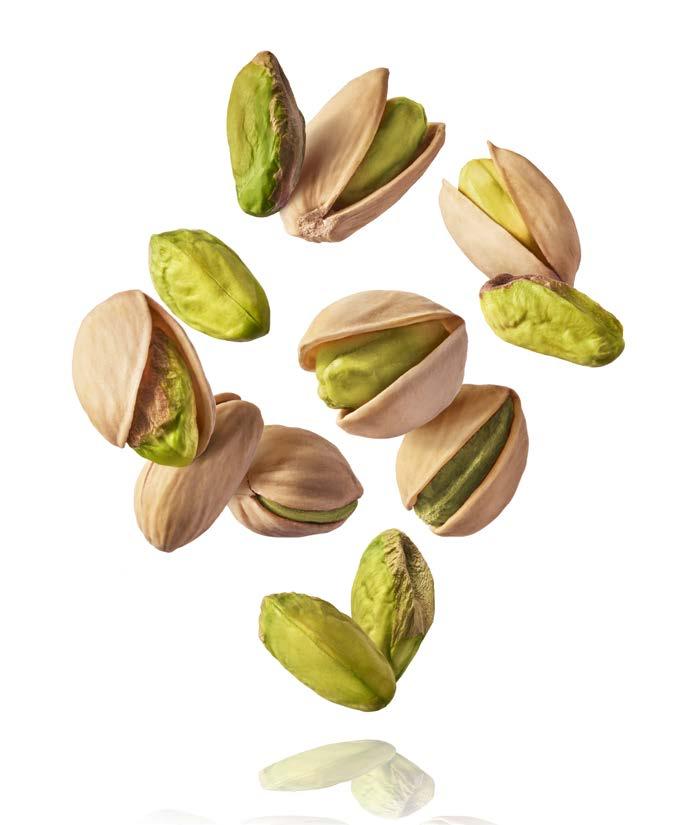
7.71 GRAMS CARBOHYDRATES
Complex carbs found in pistachios and other natural sources provide essential fuel for bodily functions without spiking your blood sugar levels. Pistachios are among the lowestcarb nuts you can choose for your diet. 3 grams fiber — The fiber in pistachios lowers their net-carb figures while maintaining the digestive tract, slowing absorption of sugar and feeding our healthy gut bacteria.
—Dr. Hojat Askari
29.8 MILLIGRAMS CALCIUM
Many nuts and seeds contain calcium, which strengthens our bones and teeth, but pistachios beat out many others in this category. An ounce of pecans has about 10 milligrams less, while peanuts have nearly 4 milligrams less.
0.483 GRAMS
VITAMIN B-6
This doesn’t sound like much, but it’s about a third of the recommended daily consumption, and pistachios are among the best food sources for this vitamin; important to brain and nervous system development and function.
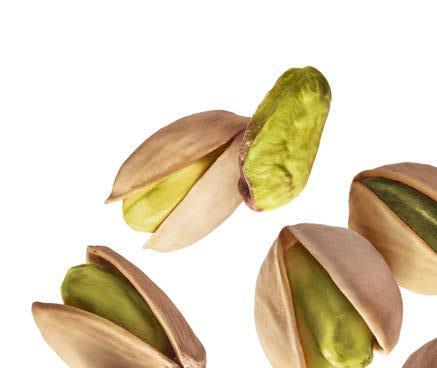
A National Institutes of Health study found pistachios have higher antioxidant content than other nuts including lutein, beta carotene, selenium and more.
Dairy milk is a good source for many nutrients, but its ubiquity has created problems for those who avoid it because they are lactose intolerant or have eliminated animal products from their diet. The variety of dairy and nondairy milks on the market today means they all have their own pros and cons.
Here we compare cow’s milk with a few of the most popular milk alternatives. Many varieties also are fortified with additional vitamins and minerals, so you’ll need to read the labels to know exactly what is and isn’t in the products you buy.
DAIRY MILK
This is sold in three different forms depending on how much fat has been removed from the original product. One cup of 2% fat milk, the “middle of the road” choice, has 122 calories, 8.1 grams protein and 4.8 grams fat (including 3.1 grams saturated fat) and 12.3 grams of carbohydrates. It contains 29% of daily recommended calcium intake.
ALMOND MILK
One cup of this popular alternative has around 35 calories, 2.5 grams fat, 1 gram of protein and 1 or 2 grams of carbs. It does not contain much calcium on its own but many brands are fortified with it and may contain higher amounts than

what’s found naturally in cow’s milk. It’s a good choice when you’re cutting calorie and/ or carb consumption.
OAT MILK
One of the newest “mylks” to surface in mass-market grocery stores and growing more popular every day, a typical cup of oat milk has 140 calories, 5 grams of fat, 2.5 to 5 grams protein and up to 30 grams of carbs. It has a lot of beta-glucan gel, a type of fiber that binds with cholesterol to reduce its absorption into the body and also contributes to feelings of satiety.
HEMP MILK
Created from the cannabis plant, it lacks the psychoactive THC content of marijuana and is considered one of the healthier alternative milk
choices. It has 60 to 80 calories per cup, 4.5 to 8 grams of fat, 2 to 3 grams of complete protein and 1 gram of carbs at the most. It also contains two essential fatty acids.







































































































































































Fiber is an essential part of a healthy diet, even though we don’t actually digest it!
It slows the absorption of sugar into the bloodstream, cleans the digestive system and leads to feelings of fullness, feeds our healthy gut bacteria and reduces constipation. Its effects include lowering the risk of heart disease, Type 2 diabetes and cancer.
But we have historically been missing the mark on consuming enough fiber to experience its full benefits. The American Heart Association and numerous other sources report the average American eats 15 grams of fiber per day.
It can be tricky to figure out how much fiber you should be eating, but 15 grams usually isn’t enough. The recommended amount has varied by gender and age, but the current Dietary Guidelines for Americans suggests everyone eat at least 14 grams for every 1,000 calories consumed in a day.
Eating too much, or increasing your intake too quickly, can create such unwanted side effects as bloating, cramping, constipation. In rare cases, intestinal blockages happen when fiber is consumed without enough
fluid, especially with fiber supplements. The dietary guidelines recommend getting all your fiber from food sources.
Here are some easy ways to start gradually adding to your fiber intake:
* Aim for getting some fiber at each meal rather than loading up in one sitting.
* Take one step each week to allow your digestive system to adjust. Switching from refined to whole-grain bread one week and substituting some meat with beans the next is a good example.
* Add fibrous fruits and veggies to your recipes whenever possible, even if they aren’t included in the original.
* When you’re starting out, look for less fiberdense foods that still have a healthy dose of fiber to contribute — squash, potatoes, carrots, cauliflower, popcorn, bananas, almonds and brown rice serve this purpose well.

* Look at the store for food with at least 5 grams of fiber per serving — whole-wheat pasta, lentils and chickpeas, berries, pears, Brussels sprouts, avocados, green peas and broccoli are good examples.
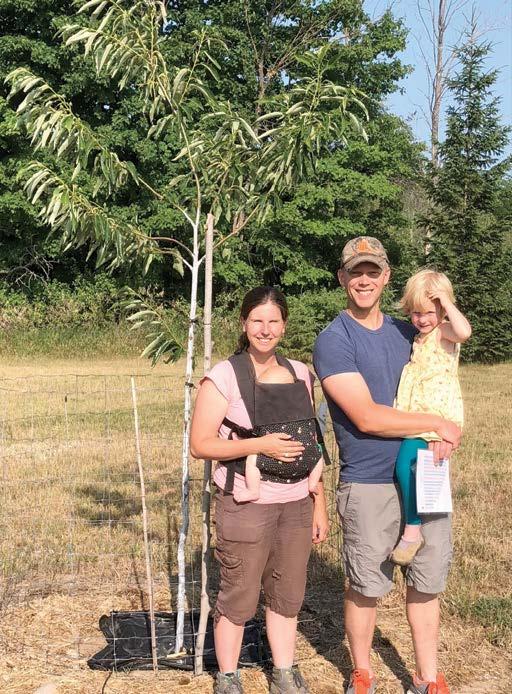


We’ve collected 700 mountain hardy trees for summer-long shade, privacy, and wind protection. We guarantee you will fall in love with a backyard that is cool again.


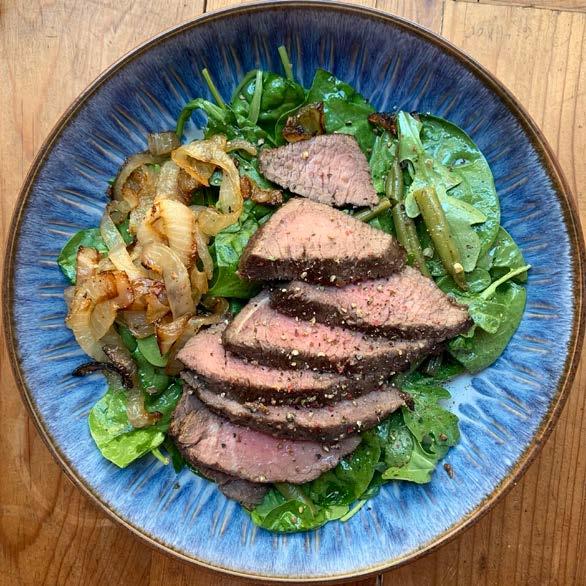
by Bailey Zygutis, Nutritionist, Vitruvian Fitness
While ancient Greeks and Romans were the first to eat salads, the addition of steak comes by way of Pittsburgh in the ‘60s. Or so urban legend has it. Seems that in a diner not too far out of the city, a customer asked for a steak sandwich without the bun but with some lettuce and dressing. So, as they say, a star was born.
2 cups Arugula
2 cups Baby spinach
2 tbs Balsamic
8 oz Sirloin steak
1 Yellow onion
1 cup Cut green beans
2 tbs Avocado oil
Pink salt to taste
Pepper medley to taste
1Grill or sear sirloin steak with salt and pepper, browning each side.
2Caramelize onions with avocado oil and salt in saucepan on medium high. Steam green beans, in steamer or stovetop, until soft. Let veggies cool 5-10 minutes.
Serves 2 | Prep Time 35 min
3In large bowl, toss spinach, arugula, green beans and balsamic.
4Top with sirloin and caramelize onion, sprinkle with pepper.
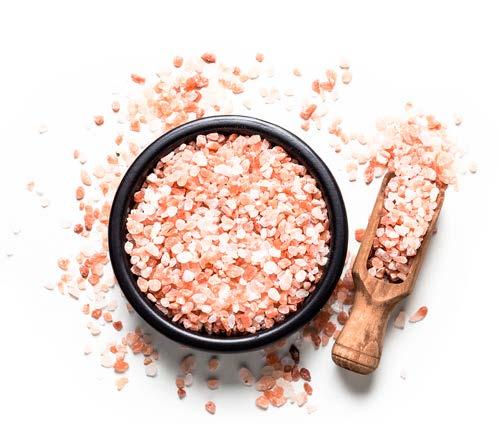
Carne asada is a staple of Mexican cuisine that’s naturally low carb and can be served in any number of ketofriendly ways — on a salad or in a keto bowl, on top of cauliflower nachos or almond-flour tortillas, in lettuce wraps or egg cups or whatever alternatives the endlessly inventive culinary industry comes up with!
Any type of steak will work, but flank steak is ideal for grilling and slicing. This recipe uses a cast-iron grill pan to sear the steak on the stove and then cook in the oven to replicate the flavor and texture of an outdoor grill.
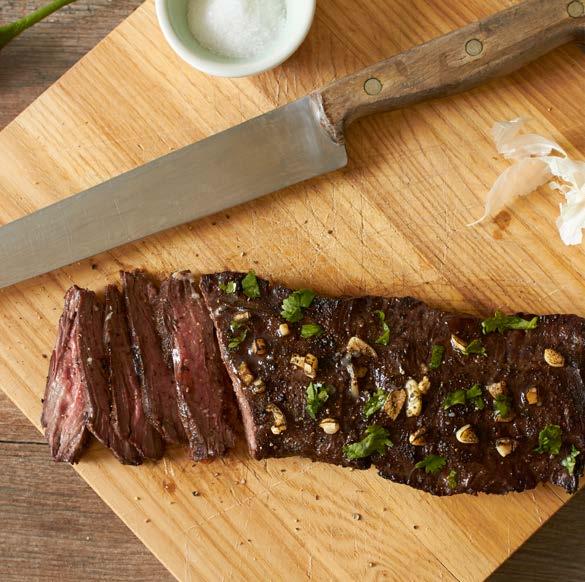
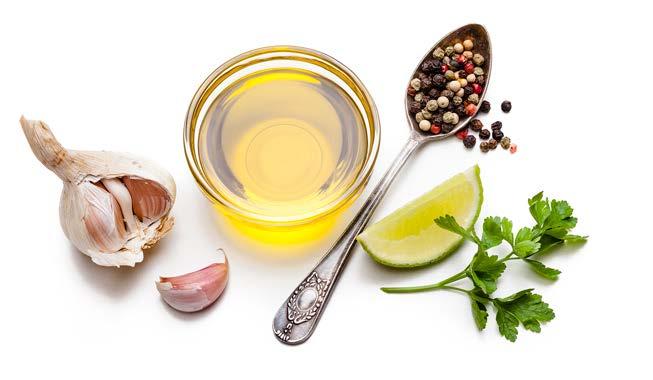
2 lb Flank steak
1 m Jalapeno, minced
4 cloves Garlic, minced
1/2 cup Fresh cilantro, finely chopped
6 tbs Lime juice
6 tbs Olive oil
1 tsp Cumin
1 1/2 tsp Sea salt
1/2 tsp Black pepper
1
Whisk together all the marinade ingredients (everything except the steak) in a bowl or shake them up in a bottle.
2Place steaks in a single layer in a glass baking dish. Pour the marinade over the steaks and turn them to coat.
3Cover with plastic wrap and refrigerate for 2 to 8 hours — a longer marinating period will likely make the
steak too mushy.
4Cook carne asada by searing it on a hot, ovensafe grill pan. Then, transfer the pan to a 400-degree oven until it reaches desired “doneness” (approximately 2 minutes for rare, 4 minutes for medium, 6 minutes for well done).
5Rest for 5 minutes to allow juices to soak into the steak, then slice thinly against the grain.
Serves 6 | Prep Time 7-11 mins, not including marinating
1.5 lbs Chicken thighs, boneless and skinless
1 tbs Coconut oil, plus additional if needed
1/4 tsp Garlic powder
1/4 tsp Onion powder
1 sm Onion, chopped
4 cloves Garlic, minced
1 tbs Tapioca flour or arrowroot
1 cup Chicken bone broth
1/2 cup Coconut milk full fat, blended before adding if needed
1/2 tbs Stone ground mustard
1 1/2 tbs Nutritional yeast (optional)
1 tsp Italian seasoning blend
2/3 cup Sun-dried tomatoes, roughly chopped
1 1/2 cups Baby spinach, roughly chopped
1/4 tsp Sea salt, or to taste
1/8 tsp Black pepper, or to taste
1Season chicken with sea salt (to taste), pepper (to taste), garlic and onion powder. In a large skillet add the coconut oil and cook the chicken thighs on mediumhigh heat each side until browned and no longer pink in center, about 5-7 minutes. Set aside on a plate.
2Add additional oil if necessary and cook onions over medium heat until soft, then stir in garlic and cook another 45 seconds.
3Whisk in the tapioca flour or arrowroot and
Serves 6 | Prep Time 1 6-20 mins
add the broth and coconut milk. Stir to combine, then add the mustard, yeast, Italian seasoning, sea salt and pepper. Cook and stir over medium-high heat until it starts to thicken.
4Add spinach and sundried tomatoes and allow mixture to simmer until spinach is wilted and tomatoes are softened. Add chicken back to the skillet and simmer another 2 minutes. Serve over cauli rice, zucchini noodles, roasted potatoes or other paleo-friendly options.
This hearty, healthy chicken delight is an easy one-skillet meal perfect for any night of the week, It’s also dairyfree and paleo, Whole30 and keto friendly!

This fun twist will bring everybody to the table smiling! Omit pepperoni to make it vegetarian.
1 Spaghetti squash, halved lengthwise and seeded (2 1/2 to 3 pound)
¼ cup Water
2 tbs Extra-virgin olive oil
1 cup Onion, chopped
2 lg cloves Garlic, minced
1 (8 oz package) Mushrooms, sliced
1 cup Bell pepper, chopped (any color)
2 cups Tomatoes, no-salt-added crushed
1 tsp Italian seasoning
½ tsp Pepper, ground, divided
¼ tsp Red pepper, crushed
¼ tsp Salt, divided
2 oz Pepperoni, halved, divided
1 cup Mozzarella cheese, shredded part-skim, divided
2 tbs Parmesan cheese, grated


1
Position rack in upper third of oven; preheat to 450° F.
2Place squash cut-side down in microwavesafe dish and add water. Microwave, uncovered, on high until the flesh is tender, 10 to 12 minutes.
3Meanwhile, heat oil in large skillet over medium heat. Add onion and garlic; cook, stirring, until starting to soften, 3 to 4 minutes. Add mushrooms and bell pepper and cook, stirring, until vegetables are tender, about 5 more minutes. Add tomatoes, Italian seasoning, 1/4 teaspoon pepper, crushed red pepper and 1/8 teaspoon salt. Cook until heated through and flavors have blended, about 2 minutes. Remove from heat and stir in all but 10 or 12 pepperoni halves. Cover and reserve.
Serves 4 | Prep Time 50 min
4
Use a fork to scrape the squash from the shells into large bowl, being careful to keep the shells intact. Stir in 1/4 cup mozzarella, Parmesan and the remaining 1/4 teaspoon pepper and 1/8 teaspoon salt. Add the tomato mixture to the bowl; stir well to coat. Place squash shells, cut-side up, on a rimmed baking sheet. Divide the filling between the halves. Sprinkle with the remaining 3/4 cup mozzarella and arrange the reserved pepperoni on top.
5Bake until filling is hot and the cheese is melted, about 15 minutes. Turn the broiler to high and broil, watching carefully, until the cheese and pepperoni start to brown, 1 to 2 minutes. Cut each boat in half to serve.

These tangy treats are delicious when served over pasta or on bread as a sub sandwich! Include meat; about half a pound of ground beef, lamb or chicken would work with this version.
½ tsp Extra-virgin olive oil, more for drizzling
½ Yellow onion, about 1 cup chopped
8 oz Mushrooms, de-stemmed, chopped
1 cup Black beans, cook drained and rinsed
2 lg Garlic cloves, chopped
1 tbs Balsamic vinegar
1 tbs Tamari
½ cup Walnuts
1½ cups Brown rice, cooked
½ tsp Chili powder
½ tsp Onion powder
½ tsp Sea salt
½ tsp Black pepper, freshly ground
1 cup Panko bread crumbs
2 cups Marinara sauce, jarred or homemade
½ cup Fresh basil, chopped
Several handfuls of arugula, optional
Vegan parmesan cheese, optional
In large skillet, heat ½ teaspoon of olive oil over medium heat. Add onion and cook until soft, about 2 minutes. Add mushrooms and pinches of salt and pepper, and cook until browned and soft, 5 to 8 minutes. Add ½ cup black beans, garlic, the balsamic vinegar and tamari sauce, and cook for 2 minutes or until everything is wellbrowned and soft. Remove from the heat and let cool slightly.
2
In food processor, pulse the walnuts. Add mushroom mixture and pulse until just combined (do not puree). Add remaining ½ cup of black beans and pulse briefly. Transfer mixture to a large bowl and stir in brown rice, chili powder, onion
powder, salt and pepper. Mix until combined. Taste and adjust seasonings.
3
Preheat the oven to 400°F and line a large baking sheet with parchment paper. Spread panko breadcrumbs onto a plate. Form mixture into 18, 1½ inch balls and gently roll in the crumbs to make cohesive balls. Place on baking sheet and refrigerate for 20 minutes or overnight.
4
Drizzle generously with olive oil and bake for 35 to 40 minutes, carefully flipping halfway through.
5Heat marinara sauce in a skillet and add meatballs. Heat until just warmed through and serve immediately on pasta or bread with parmesan..
Serves 6 | Prep Time 60-75 mins
¾ tbs Cumin, ground
¾ tbs
¾ tbs
This iconic Mediterranean meat style is traditionally seasoned, then roasted on a vertical spit, with thin pieces sliced off the edge to serve with tahini or tzatziki sauce and vegetables on pita bread.
But you don’t have to have one of these at home to bring the same experience to your table — the spices are the secret!

Turmeric powder
Coriander, ground
¾ tbs Garlic powder
¾ tbs Paprika
½ tsp
½ tsp
Cloves, ground
Cayenne pepper, or to taste
8 Chicken thighs, boneless, skinless
1 lg Onion, thinly sliced
1 lg Lemon, juiced
⅓ cup
Salt
For serving:
Extra virgin olive oil
6 pita pockets
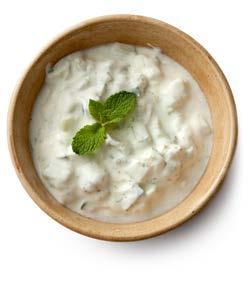
Tahini sauce or Greek tzatziki sauce (homemade or store-bought)
Baby arugula
Pickles or Kalamata olives (optional)
1
In small bowl, mix the cumin, turmeric, coriander, garlic powder, sweet paprika and cloves, then set aside
2Pat chicken thighs dry and season with salt on both sides, then thinly slice into small bite-sized pieces
3Place chicken in a large bowl. Add spices and toss to coat. Add the onions, lemon juice and olive oil. Toss everything together again. Cover and refrigerate for 3 hours or overnight (you can reduce or skip the marinating time)
4Preheat oven to 425 degrees. Take chicken out of refrigerator and let it sit in room temperature
Serves 6 | Prep Time 40 mins, not including marinating time
for a few minutes
5Spread marinated chicken with the onions in one layer on a large, lightly-oiled baking sheet pan. Roast for 30 minutes in oven. For a more browned, crispier chicken, move the pan to the top rack and broil very briefly. Remove from the oven
6While the chicken is roasting, prepare pita pockets. Make tahini or tzatziki sauce or have store-bought on hand.
7Open pita pockets up. Spread a little tahini sauce or tzatziki sauce, add chicken shawarma, arugula, and pickles or olives. Serve immediately.

Your guide to Greater Prescott’s medical & wellness professionals.
Ali Askari, MD, FACP
Amy Schlaifer, MD
Ayad Agha, MD
Bardia Sinaei, DMD
Chad Norris, PA

Hemant K. Pandy, MD
Hojat Askari, MD
Jaffrey Kazi, DMD
Jeffrey Osburn, MD
John Alessi, DO
Joseph Machuzak, DO
Thumb Butte Medical Center
3124 Willow Creek Road | Prescott, AZ 86301 www.thumbbuttemedicalcenter.com | 928-445-7085
Thumb Butte Medical Center
3124 Willow Creek Road | Prescott, AZ 86301 www.thumbbuttemedicalcenter.com | 928-445-7085
Thumb Butte Medical Center
3124 Willow Creek Road | Prescott, AZ 86301 www.thumbbuttemedicalcenter.com | 928-445-7085
Thumb Butte Medical Center
3124 Willow Creek Road | Prescott, AZ 86301 www.thumbbuttemedicalcenter.com | 928-445-7085
Northern Arizona Pain Institutes 3769 Crossings Drive | Prescott, AZ 86305 www.northernarizonapaininstitutes.com | 928-458-7343
Thumb Butte Medical Center
3124 Willow Creek Road | Prescott, AZ 86301 www.thumbbuttemedicalcenter.com | 928-445-7085
Thumb Butte Medical Center
3124 Willow Creek Road | Prescott, AZ 86301 www.thumbbuttemedicalcenter.com | 928-445-7085
Thumb Butte Medical Center
Internal Medicine & Cardiology
Urology & Urogynecology
Interventional & Vascular Radiologist
Dentistry
Physician Assistant
Neurology
Internal Medicine
3124 Willow Creek Road | Prescott, AZ 86301 www.thumbbuttemedicalcenter.com | 928-445-7085 Gastroenterology
Prescott Women’s Clinic
919 12th Place, Suite 1 | Prescott, AZ 86305
www.prescottwomensclinic.com | 928-778-4300
Thumb Butte Medical Center
3124 Willow Creek Road | Prescott, AZ 86301
www.thumbbuttemedicalcenter.com | 928-445-7085
Thumb Butte Medical Center
3124 Willow Creek Road | Prescott, AZ 86301
www.thumbbuttemedicalcenter.com | 928-445-7085
Family Medicine
Dermatology
Kait Lambert, PA-C
Katie Compuzano, MD
Karissa Walton, NMD
Kaveh Karandish, MD
Maddie Assar, MD
Maryam Emami, MD
Michele McCormick, NP
Mohammad Golparian, MD
Richard Ohanesian, MD
Robert J. Brownsberger, MD
Savana Howe, Psy.D
Serj Nazarian, DPM
Seyed Mohsen Sharifi Takieh, MD
Northern Arizona Pain Institutes 3769 Crossings Drive | Prescott, AZ 86305
www.northernarizonapaininstitutes.com | 928-458-7343
Prescott Women’s Clinic 919 12th Place, Suite 1 | Prescott, AZ 86305 www.prescottwomensclinic.com | 928-778-4300
The Mobile Health Doc 140 N Granite Street | Prescott, AZ 86301 www.themobilehealthdoc.com | 928-298-3349
Thumb Butte Medical Center
3124 Willow Creek Road | Prescott, AZ 86301 www.thumbbuttemedicalcenter.com | 928-445-7085
Thumb Butte Medical Center
3124 Willow Creek Road | Prescott, AZ 86301 www.thumbbuttemedicalcenter.com | 928-445-7085
Thumb Butte Medical Center
3124 Willow Creek Road | Prescott, AZ 86301 www.thumbbuttemedicalcenter.com | 928-445-7085
Northern Arizona Pain Institutes 3769 Crossings Drive | Prescott, AZ 86305 www.northernarizonapaininstitutes.com | 928-458-7343
Thumb Butte Medical Center
Management
3124 Willow Creek Road | Prescott, AZ 86301 www.thumbbuttemedicalcenter.com | 928-445-7085 Internal
Prescott Women’s Clinic 919 12th Place, Suite 1 | Prescott, AZ 86305 www.prescottwomensclinic.com | 928-778-4300
Northern Arizona Pain Institutes 3769 Crossings Drive | Prescott, AZ 86305 www.northernarizonapaininstitutes.com | 928-458-7343
Thumb Butte Medical Center
Stephen Sirota, MD
Pain Management
3124 Willow Creek Road | Prescott, AZ 86301 www.thumbbuttemedicalcenter.com | 928-445-7085 Psychology
Thumb Butte Medical Center
3124 Willow Creek Road | Prescott, AZ 86301 www.thumbbuttemedicalcenter.com | 928-445-7085
Thumb Butte Medical Center
3124 Willow Creek Road | Prescott, AZ 86301 www.thumbbuttemedicalcenter.com | 928-445-7085
Northern Arizona Pain Institutes 3769 Crossings Drive | Prescott, AZ 86305
www.northernarizonapaininstitutes.com | 928-458-7343

Pain Management

HOW DO YOU DEFINE A HEALTHY LIFESTYLE?
One that includes clean air, clean water, real organic foods of all kinds, loving relationships, lots of laughter, relaxation time, lots of movement and a sense of purpose.
HOW DID YOU COME TO PRACTICE IN YOUR CAREER FIELD?
Through the study of tai chi. As I became more interested in my own health, I wanted to help others. As I was trying to figure
out how I might do this, I got a really good massage and started investigating massage schools. This was all happening in the early to mid-1990s. Once I started studying and doing the work, I knew I had found my calling.
WHAT TYPE OF EXERCISE (WEIGHTS, CARDIO, YOGA, PILATES, ETC.) DO YOU PREFER AND WHY?
People have always asked me about the wisdom of different types of exercise, and I have always told them to take a look at the parks in Beijing and see all the 100-year-old people out there doing tai chi and qigong with fluid, flexible bodies. But aside from any organized form like that, the real answer is
to walk. We are designed for walking, and the more we do it, the more we will be able to do it for all of our days on this Earth.
HOW DO YOU DEFINE SELF-CARE, AND WHAT IS YOUR GO-TO WAY OF PRACTICING IT?
I would define self-care as any activity that takes you away from the hustlebustle of life, that makes you happy, and that feeds your spirit. I am a jazz flute player, and all my life playing music has been my love and my self-care. Also my wife Gina and I are both massage therapists, and we give a little work to each other daily.
WHAT IS YOUR FAVORITE HEALTHY MEAL?
Gina is truly an artist with food and ingredients. It takes a fair amount of attention these days to avoid all the “better-worldthrough-chemistry” foods out there and only eat real, unpolluted food. We are “qualitarians” — meaning we eat all kinds of food, but only of the best quality
WHAT IS YOUR BIGGEST HEALTH AND WELLNESS TIP?
Smile more — see: www. ted.com/talks/ron_gutman_ the_hidden_power_of_ smiling/transcript
WHAT IS YOUR NEXT GOAL IN YOUR HEALTH AND WELLNESS JOURNEY?
To keep developing the art of bodywork, and to keep sharing what I have learned.