


MLS Cold Laser | Bunions | Hammertoes | Heel Pain | Diabetes
Neuromas | Neuropathy | Foot and Ankle Pain | Fungus Toenails


MLS Cold Laser | Bunions | Hammertoes | Heel Pain | Diabetes
Neuromas | Neuropathy | Foot and Ankle Pain | Fungus Toenails

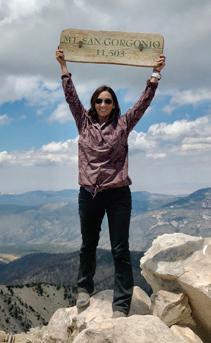
Laurie is an avid hiker and cyclist who loves the outdoors and enjoys the beauty of Prescott. She also has a menagerie of pets to keep her smiling!
Last month the focus was on what we put into our body and the importance of nourishment with smart and healthy eating choices. Now, as we move into spring, it is the perfect time to focus on how we can take care of our outsides to live a healthier life.
Skin is the largest organ of the body, and its primary function is protection. It is our outermost defense, and over time the harsh elements of weather and our environment can make it dry and tough.
Good skin care requires cleansing and moisturizing. But like other areas of our health, there is not a one-size-fits-all approach to effective skin care. Everybody’s skin is unique with different levels of dryness, oiliness, acne, etc. It is about learning what your body and skin needs.
Simple steps have a big impact on our overall outlook and energy. I have found that when I wash my face in the morning and at night, I am more likely to make healthy choices throughout the day as I feel cleaner and brighter. Commit to taking one positive skin care step every day — wear sunscreen, use a moisturizer suited for your skin type — and see how many other healthy things it inspires you to do!
Laurie Associate Publisher
EXECUTIVE PUBLISHER
Elaine Earle, CPA
ASSOCIATE PUBLISHER
Laurie Fisher
SALES & MARKETING
Laurie Fisher, Director of Sales & Marketing
Julie Turetzky, Director of Public Relations
Julie Kahn, Sales & Marketing Manager
PRODUCTION & DESIGN
Aaron Tipton, Creative Director
Michele Rodriguez, Design Director
Shannon Price, Lead Graphic Designer
Keith Dobie, Social Media Coordinator
EDITORIAL
Bea Lueck, Editor-in-Chief
Christia Gibbons, Senior Editor
Blake Herzog, Staff Writer
OPERATIONS
Terry Scheib, Delivery Manager
COMMENTS & IDEAS
editor@roxco.com
SUBMIT AN EVENT calendar@roxco.com | prescotthealthyliving.com
SUBSCRIPTIONS info@roxco.com | prescotthealthyliving.com
ADVERTISING INQUIRIES info@roxco.com | prescotthealthyliving.com
PRESCOTT OFFICE: 130 N. Granite St., Prescott AZ 86301 928-350-8006
CORPORATE OFFICE: 442 W. Kortsen Road, Suite 101 Casa Grande, AZ 85122 520-426-2074








“Our mission is to connect & provide you with the personalized, integrative healthcare you deserve, in a comfortable setting of your choice, so that you can live the life you love.”
GIVING ACCESS TO HEALTHCARE YOU DESERVE Now Accepting New Patients. Dr. Karissa Walton is a licensed Naturopathic Medical Doctor (NMD) who specializes in treating chronic pain and neurological conditions. 140 N. Granite Street | Prescott (928) 298-3349 info@themobilehealthdoc.com @mobilehealthdoc




• Women’s well check
• Cosmetic Botox
• Medical Botox
• Dermal filler
• Acne treatment
• Chemical peels
• Body sculpting
• Emsella treatments
• Incontinence Treatment
• Permanent cosmetics
SEXUAL HEALTH CLINIC
• Hormone replacement therapies

• Hormone pellet therapies
• Woman sexual dysfunction

Dr. Hojat Askari
Founder & Medical Director, Thumb Butte Medical Center
Dr. Hojat Askari, or "Dr. A," is founder and medical director of Thumb Butte Medical Center at 3124 Willow Creek Road, Prescott, with over 20 medical professionals specializing in family medicine, internal medicine, cardiology, allergy treatment, and foot and ankle surgery.

Lori Durr
Owner, Sundara Sanctuary
Lori Durr is the owner of Sundara Sanctuary Wellness Spa & Boutique. She’s spent 25 years focusing on wellness and is a Certified Healing Arts Practitioner, LMT, Licensed Aesthetician, Certified Colon Hydrotherapist and is working on getting board certification in nutrition.

Dr. Katie Borchert Naturopath, MSOM
Dr. Katie Borchert uses natural medicine to increase vitality, youthfulness and qi flow through naturopathic methods. She trained at National University of Health Sciences in Lombard, Illinois, and is a licensed naturopathic physician practicing in Prescott and Prescott Valley.

Carmen Catterfield MA, Honeybee Healing & Counseling Services
Carmen Cartterfield moved to Prescott after receiving her master’s degree in clinical mental health counseling from Lesley University in Boston. She’s worked as a group and individual therapist with adolescents and adults and is now in private practice at Honeybee Healing & Counseling Services.

Brad Hayman
DPM, Complete Foot & Ankle Care
Dr. Brad Hayman has been a podiatrist for over 40 years. After having a successful practice in Sun City, he moved to Prescott in 2006. He’s board certified by the American Board of Foot and Ankle Surgeons and in wound care.

Carl Johns
LMT, Director, ASIS Massage Education
Carl Johns has been a massage therapist and educator for 25 years. He practices and teaches many Eastern and Western bodywork styles and has specialized throughout his career in working with people with disabilities and complex health conditions.

Cathy Clements
Nutritionist & Life Coach, NASM CNC, CPT, FNS, WFS
Cathy Clements is a certified personal trainer and nutrition coach. She has experienced challenges in her fitness and nutrition and is helping women over 40 regain their youthful energy. She will meet you wherever you are on your journey.

Ken Lain
Owner, Watters Garden Center
Ken Lain, known as "The Mountain Gardener," writes weekly columns that are featured nationally. His podcast and YouTube channel by the same name have millions of downloads. During the week he can be found at Watters Garden Center in Prescott.
We believe local experiences are important. With that in mind, we’ve partnered with local contributors for their perspectives on a variety of healthy living topics. Here are the writers who helped make this issue possible.

John Murphy
Chair, Prescott Commission on Well-Being
John Murphy is chairman of the Prescott Commission on WellBeing and founder of the Make 100 Healthy Foundation, whose mission is to reduce diabetes and obesity though nutrition and gardening education. He's a proud husband, father and real estate agent.

Dr. Cindy Rollins
PsyD, Licensed Clinical Psychologist
Cindy Rollins is a child psychologist and enjoys promoting mental health and emotional wellness. She has a passion for helping others and has held numerous volunteer roles. She lives in Chino Valley with her husband, son, dog, cats, chickens and ducks.

Armando Varela
Clinical Director of Optima Medical, AG ACNP-BC FNP-BC ENP-C
Armando Varela is board certified in acute care, family, and emergency medicine with 18 years of experience. He completed his graduate education at Vanderbilt University in Nashville with a focus in emergency and trauma management.

Loree Walden
Marketing Manager, Yavapai Humane Society
Loree Walden is originally from Honolulu, Hawaii, and moved to Prescott in 2010. Her background spans a variety of careers including 20 years of tax preparation, eight years of radio traffic and her current position as marketing manager for Yavapai Humane Society where she is able to do what she loves by helping animals through advocating for them to help them find their furever homes!

Jarek Slagowski
Owner & Head Coach, Grind Boxing Gym
Coach Jarek Slagowski was born and raised in Poland. He is a certified USA BOXING, INC coach and has been the coach of the Polish Kickboxing National Team. He’s now owner and head coach of Grind Boxing Gym in Prescott.

Blayne Soriano
Level 2 Crossfit Coach and Crossfit Kids Coach
Coach Blayne Soriano is a Level 2 Crossfit Coach and Crossfit Kids Coach at Redtail Crossfit. She does one-on-one training and helps her clients with meal prep using her PN-L1 nutrition certification. She carries other certifications including Olympic lifting. Photo: Kai York

Dr. Karissa Walton
Founder & Medical Director, The Mobile Health Doc
Dr. Karissa Walton is a licensed naturopathic medical doctor (NMD) who specializes in treating chronic pain and neurological conditions. She is passionate about teaching her patients how to optimize their health and performance so they can live the life they love.

Bailey Zygutis
Nutritionist and Personal Trainer, Vitruvian Fitness
Bailey Zygutis is a nutritionist and personal trainer with Vitruvian Fitness. With a passion for holistic health, she works with individuals in person and online to create customized programs that teach them to more fully enjoy the benefits of good health.
Good skin care builds your defenses against infection and makes sure that new layer of skin that’s about to emerge is as healthy and protective as the one before it.

Your skin is your largest organ and your first line of defense against infections and toxins.
It often mirrors the state of your overall health, and putting a focus on keeping it in shape can inspire you to give the same loving attention to the rest of your body.
Your skin health has a huge effect on your overall appearance, and smooth, glowing skin can be a huge boost to your self-confidence. But as most know, there’s more to it than what you and everyone else can see.
There are two more layers below the surface, all packed into one layer that’s anywhere from 0.5 millimeters to 4 millimeters thick. Each of these serve important functions:
The outermost layer is (relatively) tough and protective of the rest of your body from invasive microorganisms and the sun’s UV rays, though you’re still going to need some sunscreen!
Its thickness ranges from 0.05 to 1.5 millimeters but has five distinct layers of its own. The deepest is the stratum basale, where cells are constantly dividing and pushing up toward the surface. It also contains melanocytes, which protect against UV rays and help determine skin tone. These skin cells progress
toward the surface through epidermic areas that provide strength, flexibility and proteins before reaching the top layer, the stratum corneum, and are shed into the environment.
This is the skin’s widest layer, and it has many important jobs. Its blood vessels bring important nutrients to the skin as well as immune cells to fight off infections. This is where you also find the nerve endings that send your brain signals about touch, pain, heat, cold, touch, itching and other sensations, as well as sebaceous glands
that secrete oil to keep your skin moist and protect against foreign substances.
Collagen, the allimportant protein that forms connective tissues throughout our bodies, is present here as well, making up most of this layer. Your hair follicles and sweat ducts are also rooted here, with hair usually more abundant in thinner areas of your skin.
(subcutaneous layer)
This is a layer consisting mostly of fat and blood vessels that helps regulate body temperature and protect internal organs,
bones and muscles against traumatic injuries.
This is also the layer of stored fat the body turns to in times of deprivation for additional stores of energy for brain and other functions. These stores of fat are vital to human health but having excess amounts has been linked to obesity, heart disease, type 2 diabetes and other illnesses.
Our skin is a complex organ that performs many functions. It’s also the one that’s most accessible to us, and we all know the value of preventive care in heading off problems down the road.
That’s
by John Murphy, Chair, Prescott Commission on Well-Being
If your skin is not getting the sufficient amount of water, the lack of hydration will present itself by turning your skin dry, tight and flaky. Dry skin has less resilience and is more prone to wrinkling.
It is important to remember to drink more water on a daily basis. Our bodies are over 60% water. That’s why it plays a key factor in the biochemical and cellular processes that happen within our bodies.
But, what is the proper amount of water to drink? The rule of thumb is to drink half your body weight in ounces. This will help give you a radiant, healthy, younger-looking complexion. Being properly hydrated keeps your skin stay full and elastic. Being hydrated also means you are nourishing your cells and helping rid the toxins in your body. This reduces
inflammation, which is the main cause of acne and other skin conditions.
Have oily skin? Skin tends to produce even more oil to make up for dryness caused by dehydration. Even if you struggle with oily skin, you should make an effort to drink plenty of water, and your body might regulate its own production of oil. Keep your skin hydrated and help it perform at its best!
Our bodies lose water every day, so staying hydrated is essential to feeling and looking good. The unfortunate truth about drinking water and skin is that water will reach all the other organs before it reaches the skin. What else can help keep your skin healthy? Alcohol tends to dehydrate your body so cutting down or even eliminating alcohol could do wonders for your skin.
Another tip that helps maximize hydration is to start each day with a 12- to 20-ounce glass of water as soon as you wake up. This habit helps replenish the water you’ve lost while sleeping, and it gives your
cells the fuel it needs to function at its best. When you stay hydrated you will feel and look better. That’s pretty big motivation to make sure you stay on top of your water intake and hydration level. Cheers!

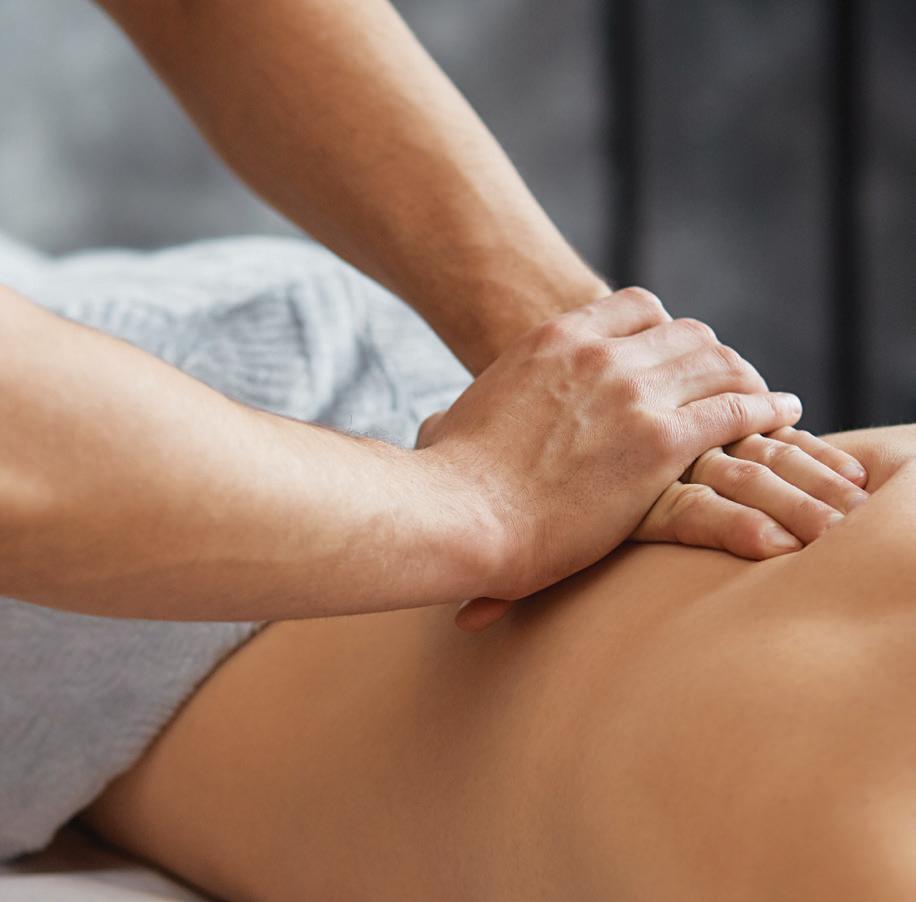

Most discussions of skin care center on the face since it’s what we present to the world. It’s almost always exposed, and it has more delicate skin with smaller skin cells than the rest of your body. But the story of your skin, which equates to about 15% of your total body weight, and what it does for you plays out across your entire skin surface, which equates to about 20 square feet.
It determines how hot you are — literally. Your skin modulates your body temperature through perspiration, which is the release of water and salts from the sweat glands everywhere on your body, but they’re concentrated on your forehead, armpits, palms of your hand and the soles of your feet. Your skin also controls your temperature by constricting or enlarging blood vessels at the skin’s surface to retain heat in cold weather and release it in warm weather.
It has its own immune system. Since your skin faces so many threats as the outermost layer of your body, it has an intricate web of immune cells to defend against infections,
irritants, toxins, UV rays and other carcinogens and much more. It contains up to 20 billion T cells that fall into 10 categories, each with a specialized function such as defending against parasites (eosinophils) or to create inflammation in response to allergic reactions and asthma.
It’s very touchy-feely. It’s so automatic we almost forget about it, but our skin is the seat of our sense of touch, with 1,000 nerve endings in every square inch and hundreds of pain, heat, cold and pressure receptors. Even our hair is wired into our sense of touch, with every strand connected to a nerve ending and potentially capable of sensing something before it’s touched your skin.

It’s actually very bloody. Our skin is also a reservoir for our blood supply, with about 8% of our total amount residing in 20 feet of blood vessels per square inch. These blood vessels bring nutrients to skin cells, make that regulation of body temperature possible and carry away your skin’s waste products.

The beauty of combining crystal microdermabrasion and microcurrent treatments into one is a result-orientated facial with an inside-out attack on sagging and lackluster skin.
by Lori Durr, Owner, Sundara Sanctuary
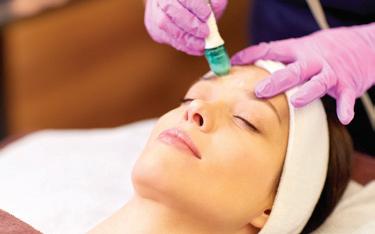
Cr ystal microdermabrasion is a minimally invasive procedure used to renew overall skin tone and texture. It can improve the appearance of sun damage, wrinkles, fine lines, age spots, acne scarring, melasma and other skin-related concerns and conditions. The treatment uses a special technique spraying fine particles of crystals with suction applicator to gently sand away the thick outer layer of the skin to rejuvenate it.
Microdermabrasion is considered a safe procedure for most skin types and colors. People might choose to get the
procedure if they have the following skin concerns:
* fine lines and wrinkles
* hyperpigmentation, age spots and brown spots
* enlarged pores and blackheads
* acne and acne scars
* stretch marks
* dull-looking skin complexion
* uneven skin tone and texture
* melasma
* sun damage
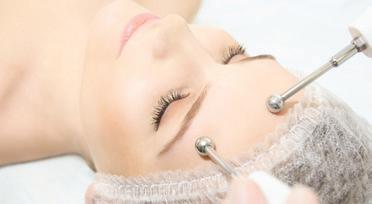
Mi c rocurrent treatment involves giving gentle electrical impulses to the skin and muscles to stimulate healing, regenerate skin tissue and boosting lymphatic flow. The use of this low-voltage electricity stimulates muscle, adenosine triphosphate (ATP) cell growth and collagen development in the dermis on the face.
We have two microcurrent options at Sundara Sanctuary using rods or pads in the facial utilizing positive and negative poles of current isolating facial muscle groups for the best results in the quad cities.
Microcurrent is considered a safe procedure for most skin types and colors. People might choose to get the
procedure if they have the following skin concerns:
* sagging skin
* wrinkles and fine lines
* wanting better blood circulation
* untoned skin texture
* loss of collagen
* weak facial muscles
Combining these two facial treatments in one facial is considered the fountain of youth! With any age management, treatment it is not a onetime miracle. Just like exercising, it needs a maintenance program to achieve the desired results.


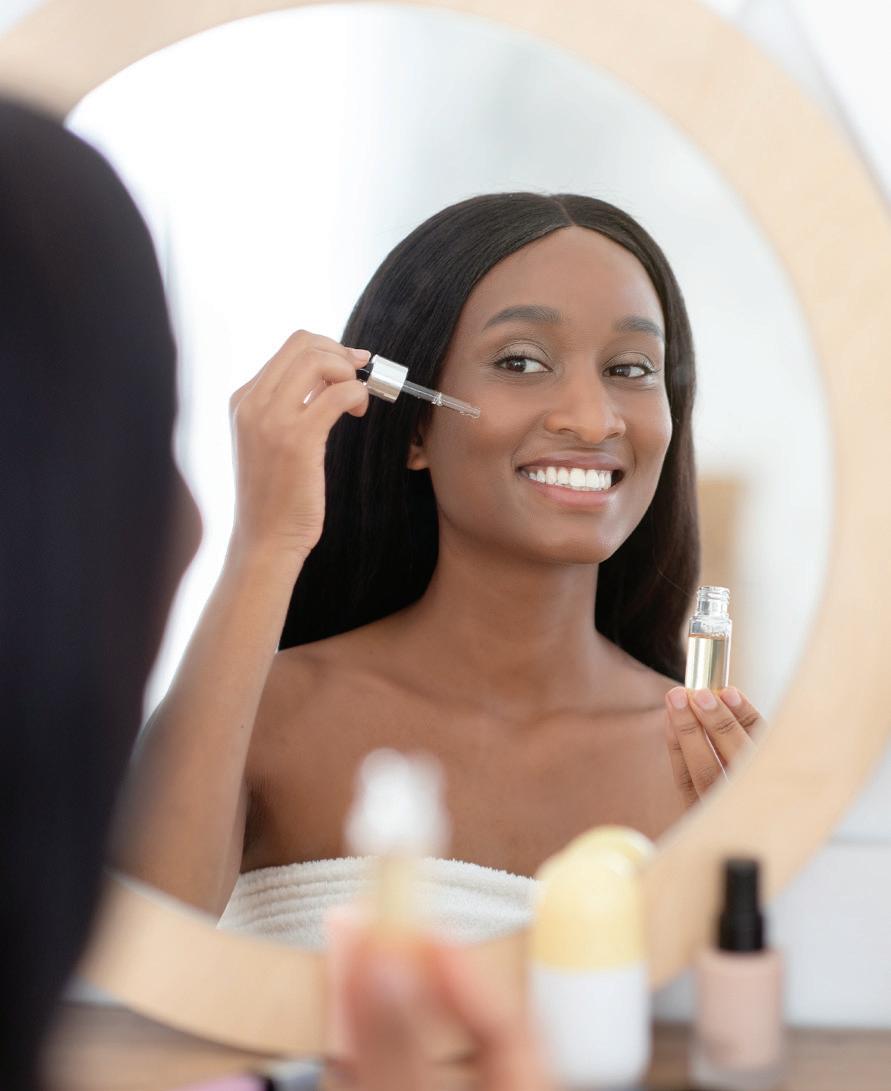

Starting and maintaining an effective facial skin care routine is essential to looking and feeling your best, as well as ensuring your skin is functioning the way it’s supposed to.
But it is somewhat complex, and it’s easy to want to cut corners to save time by skipping steps or mixing products together.
You get much more benefit from your skin care products by letting each one be absorbed before going on to the next. It generally takes around a minute for each product to be absorbed for a total time investment of about 10 minutes, depending on how many layers you apply. It’s a worthwhile investment into your self-care. It’s also important to know your skin type, which determines the cleansers and moisturizers that will do the most good for your normal, dry, oily, combination or sensitive skin.
Your dermatologist or other skin care professional may have additional advice, but this is the most widely recommended skin care
regimen. Do in this order in the morning and again before going to bed — except for step No.5, obviously!
STEP 1: CLEANSING
Washing your face removes all the dirt, dust and sweat that’s accumulated, along with any makeup. This unclogs your pores, maintains your radiance and helps prevent acne and blackheads.
A good cleanser can do all of this without removing healthy oils and moisture and drying out the skin. Exfoliants excel at removing layers of dead skin at the surface but should not be used daily because they can irritate and damage the skin.
STEP 2: TONER
Applying one of these products after cleansing is considered optional
by many experts, but they do benefit your skin by adding nutrients that balance your skin’s composition and make it more absorbent for the layers to come. Toners can perform many different functions, depending on their ingredients.
STEP 3: SERUM
Containing powerful doses of active ingredients, serums can be used to address specific issues, such as dark spots, or to infuse a substance that provides a general benefit, such as additional antioxidants.
STEP 4: MOISTURIZER
This is a critical step to more fully hydrate the skin after cleansing and other daily activities and becomes more important the older we
get as we lose our ability to retain moisture. Many also include some level of UV ray protection.
STEP 5: SUNSCREEN
The most essential of all skin care products, sunscreen protects your skin from all the nasty things UV rays can cause for your skin from premature aging, through fine lines and wrinkles, to skin cancer. You need to apply it to your skin and neck if your moisturizer doesn’t have an SPF of at least 30 and apply to all other exposed areas of your skin. The Centers for Disease Control and Prevention recommend applying sunscreen every morning before you leave the house and then every two hours or after exercising or perspiring.
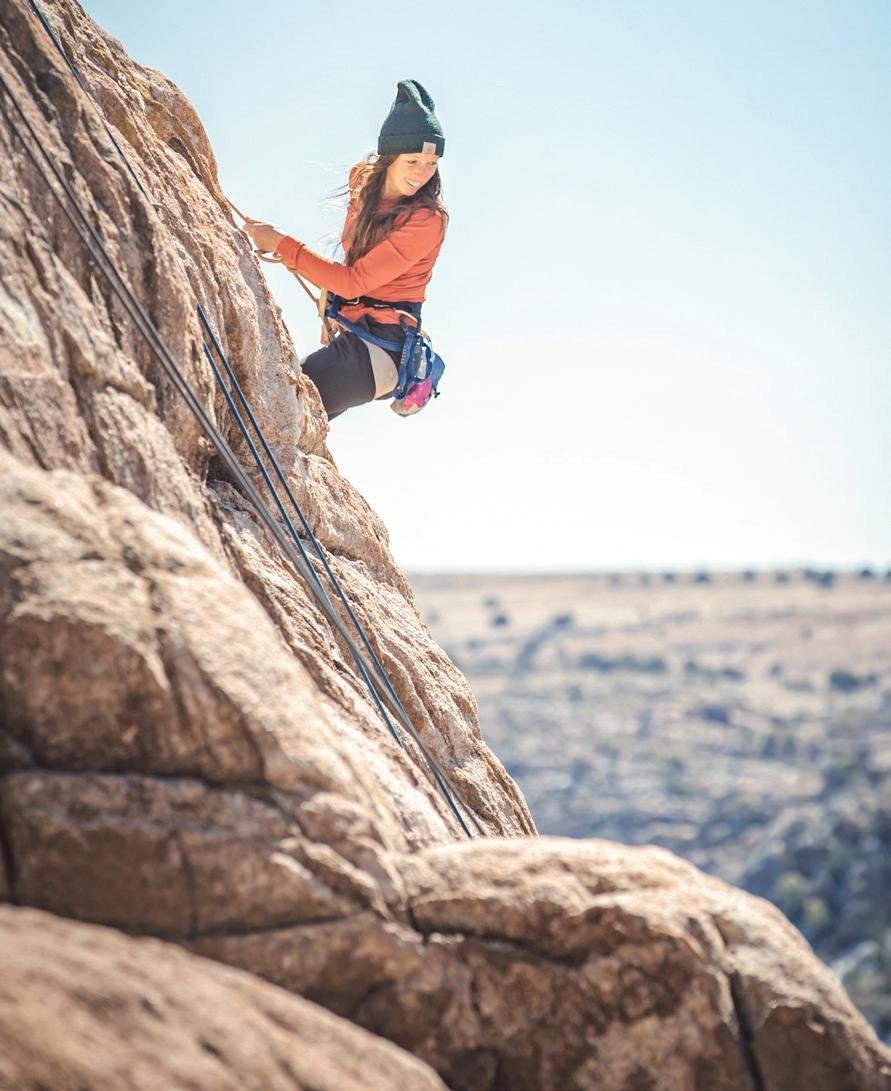
You’ll be amazed at how far your reach can extend when you’re grasping for new footholds or handholds.

Rock climbing is a natural fit for Greater Prescott’s renowned landscape, with the Dells, Granite Mountain, Watson Lake, Groom Creek, Wolf Creek, Thumb Butte, Mingus Mountain and so many other vertical surfaces beckoning on the horizon.
As winter melts away to expose those beautifully craggy surfaces, rock-jocks and newbie climbers alike are pulled to the challenge like magnets by the phenomenal views, climbers’ camaraderie and the benefits of the full body and mind workout they walk away with.
STRENGTHENS MUSCLE
Rock climbing is one of those hard-to-find activities that requires every muscle to lift, stretch, hold and balance you. Upper-body strength is a must, but you need lowerbody power to match if you’re going to scale the surface rising above you. And your grip will go off the charts.
REVS YOUR HEART
It’s one of the few exercises to qualify as both a cardio and strength activity. Your heart and lungs are constantly challenged by the constant motion of scrambling up and down a cliff or boulder, leading to lower resting heart rate and blood pressure and a host of other perks.
STRETCHES FLEXIBILITY
Climbers also must constantly stretch themselves to send their blood circulating to all of the muscles that are in constant use. Flexibility and balance
are crucial to preventing falls, especially as we get older.
SHEDS CALORIES
Research estimates climbers burn an average of 500 to 900 calories in a single session depending on gender, age and weight. That will definitely help you drop the pounds!
LOGIC AND PROBLEM-SOLVING
Bouldering has a word for nearly flat, vertical surfaces: Problems. Figuring out the solution takes a lot of brain power and focus to assess your ability to hoist yourself up or down, plan out your route and maintain your energy level. Reinforcing this kind of mental agility will help you in all areas of your life.
It can be hard to wrap your mind around the concept of putting yourself in such peril reducing your response to stress, but
the concentration it takes to keep yourself moving safely up, down, back and forth trains you to stay in the moment and focus on the task at hand, which is the opposite of stress.
The exertion required makes sure those endorphins keep pumping through your body, just as with any other form of exercise (maybe even more so). It brings serotonin, dopamine and other hormones that make you happy or even elated, less perceptive of pain and more relaxed to the forefront and keeps you sailing into the next day.
The process of rock climbing is all about measuring your progress as you approach heights that were way out of reach when you first took up the hobby and conquer rocks that forced you to turn back the last time you were there. There’s no way you won’t end up more confident about your abilities in other areas.
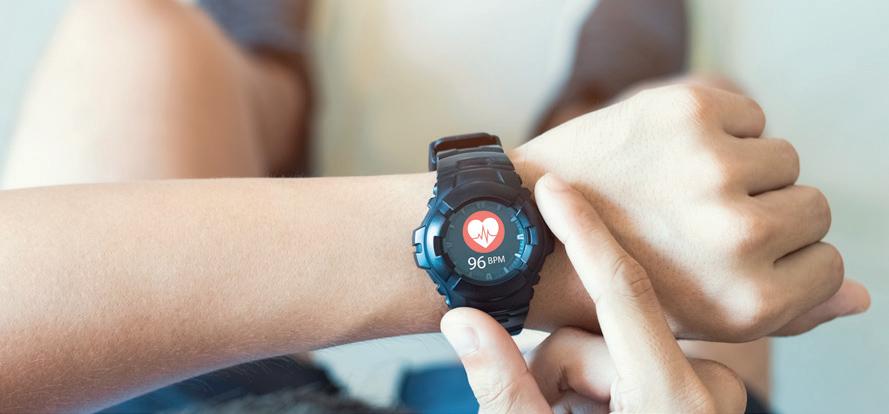
Knowing how hard you’re working your body while exercising helps you get the most out of each hour you put into it, challenging your cardiovascular system without overtaxing it.
Comparing your actual heart rate, or number of beats per minute, to your maximum heart rate is a good guide, along with paying attention to what your body is telling you.
This magic number
Figuring out your target heart rate requires a little bit of math, but it’s worth it
varies with age, and certain medications can affect heart rate. The trick is learning your maximum heart rate, then keeping your heart rate somewhere between the 50th and 85th percentiles of that range.
Maximum heart rates are generally calculated by taking a person’s age and subtracting it from the number 220. You can use this chart as a guide to finding your approximate maximum and target heart rates.
once you know the reason why you’re doing it.
Moderate-intensity physical activity is usually defined as maintaining a heart rate between 50% and 70% of your maximum heart rate, while vigorous activity gets you in the 70% to 85% range.
If you’re new or recently returned to working out, the American Heart Association recommends starting out nearer to the 50% point. After some conditioning you can start pushing yourself forward and
eventually reach the point where you can comfortably reach the 85% level.
An activity tracker or monitoring treadmill is the quickest way to know your current heart rate, but you can find it manually by taking your own pulse — press the inside of your wrist, just under your jaw or at the top of your foot. Count the pulses for 15 seconds and multiply by four (or do it for 30 seconds and multiply by two).
Using
Stocked

At 6,440 feet, Thumb
Butte is a not-tobe-missed Prescott landmark, presiding over its bustling historic downtown as a friendly reminder of nature’s domain over the area.
It beckons to hikers and runner alike, and Prescott National Forest’s Trail No. 33 takes them to just 20 feet below its craggy peak.
It’s one of the most popular hikes in the forest, drawing families and enthusiasts of all ages, though mountain biking is prohibited. It provides a relatively steep higher-elevation climb, giving everyone a decent workout as they ascend from ponderosas to alligator junipers and prickly pears that bloom in spring.
It’s a loop trail, so users have a choice at the trailhead about how they get to the top. The U.S. Forest Service’s recommended route is to begin by taking the path on the right, a well-maintained paved or dirt trail that travels an easier slope and offers benches and other nature viewing opportunities; then taking the steeper paved portion back down.
Many hardy hikers choose to ascend via the steeper route for a stronger cardio challenge up the mountain with quite a few switchbacks, which works great for anyone who has decent lung capacity.
The pavement can get slippery in winter, so spring and summer are the perfect times to experience the wonders of Thumb Butte.
These include the closeup view of the mountain’s defining butte, which is actually more of a jumble of boulders. Just to the south of it (on the paved side) is the incredible viewshed where you can see Prescott below and Granite and Mingus mountains, the Bradshaw Mountains and, if you’re lucky, the San Francisco Peaks by Flagstaff.
Trail No. 314 branches off near the halfway point of the loop, adding a half-mile of even more breathtaking views and connecting to Trail No. 326, which is part of the broader network of trails around Thumb Butte.
Benches and educational plaques about terrain and wildlife dot the unpaved portion of the trail, and a small memorial to the 19 fallen Granite Mountain Hot Shots is just east of the unmarked junction with No. 314.
Thumb Butte Trail No. 33 usually takes about 1 to 1.5 hours to complete, depending on your fitness and experience level, and is a perfect introduction to Greater Prescott’s outdoor adventures. 1/27/2014


Thumb Butte Trail No. 33 begins at its trailhead at the main Thumb Butte Recreation Area parking lot, reached by traveling about 3.4 miles west of downtown Prescott on Gurley Street, which becomes Thumb Butte Road before you leave the city. The first of its two parking lots will come up on your right and the No. 33 trailhead is across the street.
The trail’s popularity makes being able to share the path a requirement. Above the forested portions there isn’t too much shade available, so prepare yourself accordingly.
Parking fees: $5, free on Wednesdays
Usages: Hiking only
Mileage: 2.1 miles
Level of difficulty: Moderate
Elevation: 5,795 feet to 6,380 feet
Youth sports are an important training ground for children. Whether they play softball, soccer, football, basketball, hockey—or better yet, all of the above and then some—the discipline, teamwork and other healthy habits they gain will serve them throughout their lives.
Playing sports can also create lifelong friendships and build social skills they’re unlikely to be able to acquire from classroom activities alone.
Kids reap lasting benefits from playing in school or community leagues, no matter what their level of innate athletic talent is:
Playing sports will lead to better health no matter your age, but getting started at the ground level gives children a firm foundation. Kids who participate will build more lean muscle and carry less fat on their bodies, which leads to better heart health and a healthy weight. Rigorous and weight-bearing exercises also builds their bone density, same as with their parents.
Early sports participation lets kids earn praise from adults and peers for their hard work, improvement and dedication to team goals. This helps them start to form their own identities around these and other activities they enjoy. Forming friendships and successfully using social skills learned in the sports environment also helps build selfconfidence that will be critical as they undertake new challenges and risks.
Many important skills fall under this heading. Learning how to accept defeat and respect your opponents’ performance is as important as enjoying a win without gloating or demeaning members of the other team. Respect for rules and authority, supporting your teammates and employing self-control all are essential components of sportsmanship that can be learned in a youth sports setting.

ACADEMIC SUCCESS
Many studies have shown a positive link between playing high school or college sports and higher grades, a correlation with many possible factors. These include the positive impact of exercise on brain function, learning about the importance of practice and discipline on the field, schools setting minimum GPAs for athletes, and the additional attention athletes tend to get from peers and teachers.

The beginning of your success is at the end of your comfort zone.

by Cindy Rollins, Board Member,
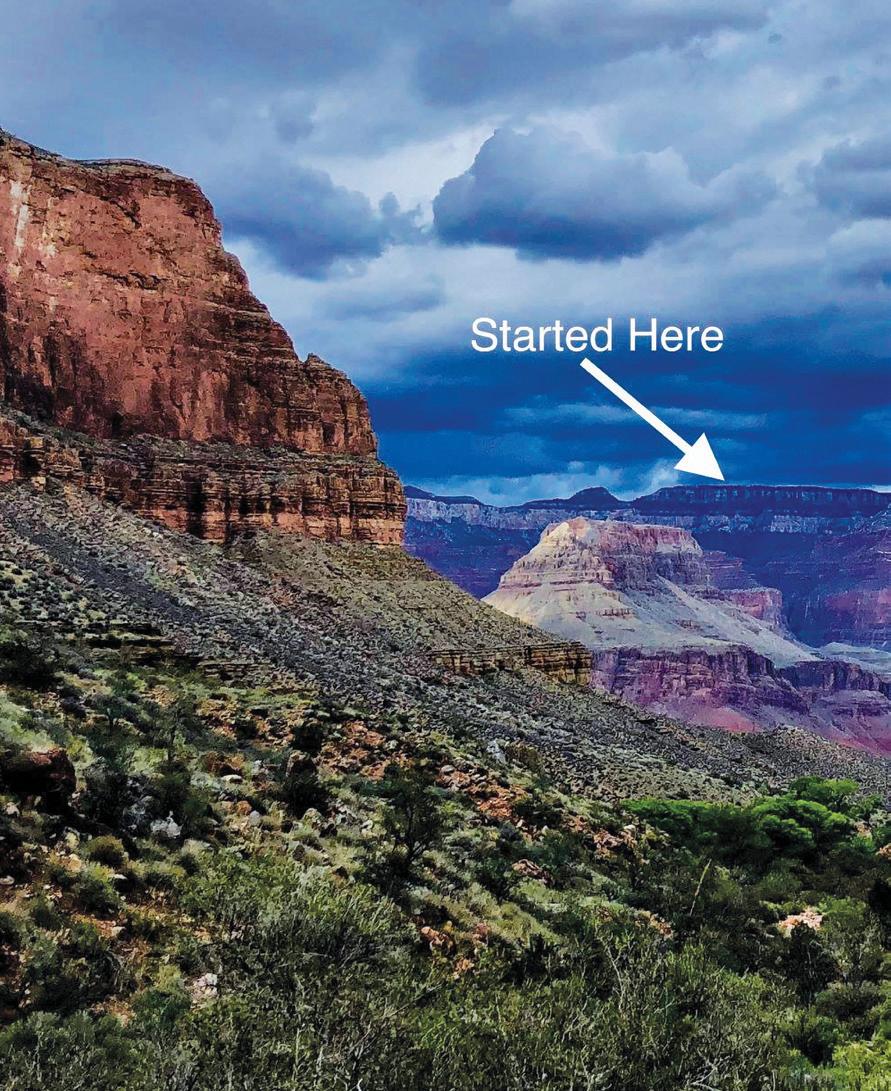
Hiking the Grand Canyon rim-torim in one day requires months of training and preparation. The Launch Pad Trek for Teens committee is here to help you plan and train for a successful experience!
Our first group hike prior to October’s big hike will be the Yeager Canyon Loop in Cottonwood on Sunday, April 25 at 8 a.m. (Yeagar Canyon loop, 6 miles, 1,566feet elevation gain).
For a little perspective: The most common route, down the North Rim’s North Kaibab Trail and up the South Rim’s Bright Angel Trail, is 24 miles
with an elevation loss of 5,850 feet followed by a gain of 4,460 feet — so you’ll need physical endurance for the length of the trek as well as the elevation gain of the final miles. Plan between 10-16 hours to complete this hike.
The best way to test your readiness is to take some long, steep hikes while carrying a pack like the one you’d take into the canyon. Train at various times of day to prepare for the changing temperature of the canyon. Expect ranges between below 32 degrees to over 115 degrees during your rim-to-rim Canyon hike. We also suggest using hiking
poles on the training hikes.
Trek for Teens will be posting group training hikes every other weekend. We recommend downloading the All Trails app to get a map and track your route. Also you will be invited to join the Trek for Teens Strava group (on the Strava app) to share your training hikes.
Each week we will be posting a weekly hike goal, with a preferred elevation gain/loss. We will also be posting strength training and cross training exercises to build strength and flexibility for this endeavor. We encourage you to share your weekly hikes and
training logs/photos on social media and on the Trek for Teens Strava group.
Please note we will schedule a cut off time for completion on several of the longer training hikes as we get closer to the event to ensure you are ready to hike the rim-to-rim in October. Please note if you cannot make the cutoff, we will supply you with an alternative day hike in and out of the south rim.
If you want to join Trek for Teens and support local youth while training or have any questions, please call the Rek for Teens committee at 928-227-0758.
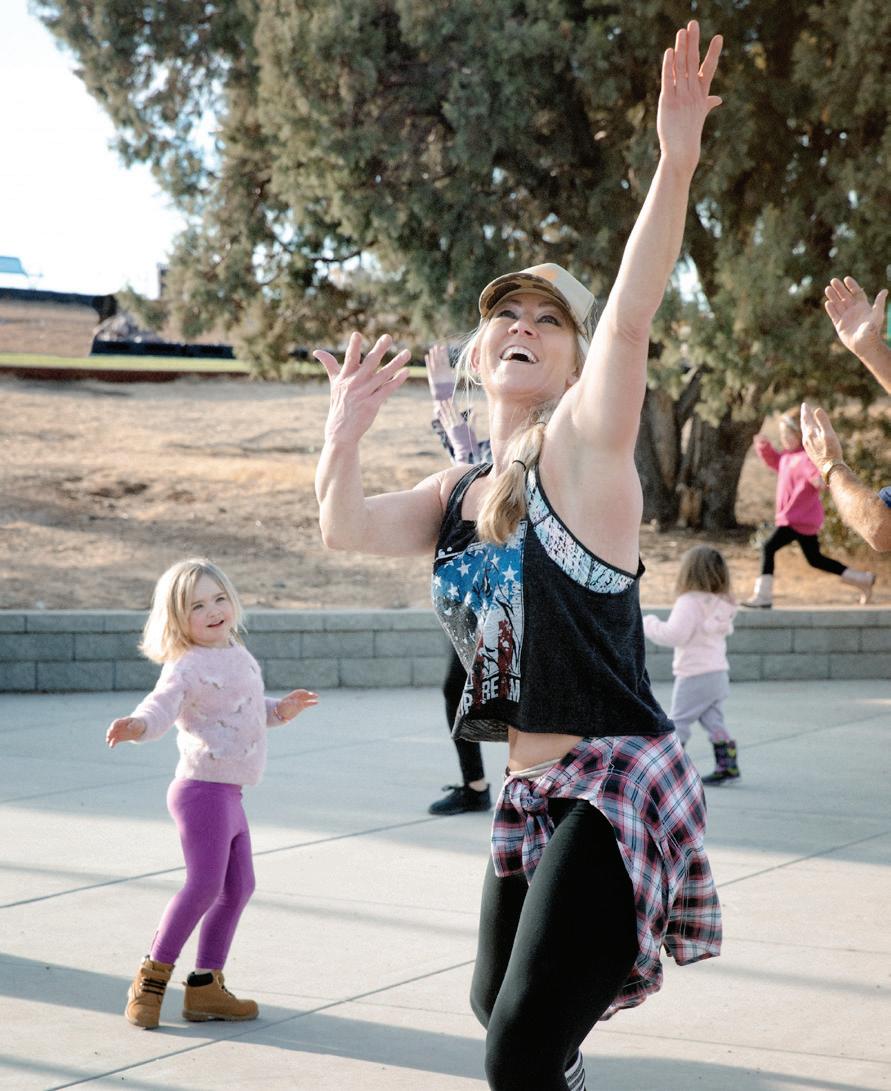
Dance cardio is having a moment, with video classes exploding across YouTube and some outdoor in-person classes coming together again. It’s always been a popular option for people who love to dance but don’t enjoy other kinds of workouts, and anyone looking to “shake” up their regimen.
Almost any kind of dancing on its own is great exercise — dance cardio just channels your natural tendency to dance when great music is playing into a workout session which is more about keeping you moving than perfecting any particular move or groove.
Jazzercise has persevered since its 80’s heyday to evolve with music and fitness trends. Zumba was born around the turn of the millennium as a fusion of salsa, hip-hop and other kinds of steps and has been perhaps the dominant form of dance cardio ever since.
Many more have cropped up since then, based on African rhythms, Bollywood productions, country music, ballroom, Broadway — name your favorite culture or genre, and it’s probably extended into some
form of dance cardio.
Its blend of music, fitness and fun does your body so much good, too!
* CARDIO, CARDIO, CARDIO
Any kind of movement is going to get your heart pumping and blood flowing. Thirty minutes to an hour of fast-paced jumping, swaying, popping, twerking, twirling, flossing or whatever else your instructor has you do is going to get your heart thumping as loud as the beat, pushing and growing its capacity. Many Zumba routines are now incorporating HIIT principles by spiking heart rate with intense moves, followed by a few seconds rest.
* BURN, CALORIES, BURN Dance cardio fires up
your muscles, which draw oxygen and energy for sustenance before they can get a foothold on your body as unhealthy fat.
Calorie burn estimates for an hour of Zumba range from 350 to 650 all the way to 900, under some circumstances. You may not be able to reach this upper range but there’s no doubt you’ll be shedding a significant amount during that class.
* MOVES YOUR BODY
As in, all of it! While your legs are taking the brunt of your weight, keeping up with the pace and balancing your body chisel away at your abs and bring your core to a new level of tight.
Once you start to get comfortable with
your footwork, don’t forget to use your arms too, following the instructor as best you can. Of course, none of this has to be done perfectly — it’s all about moving and sweating!
* PUMPS YOU UP
Dance cardio instructors are increasingly incorporating strength and sculpting into classes, either through bodyweight moves or by adding equipment such as light dumbbells, gliding discs or resistance bands to further challenge muscles and bones.
Your legs and core are naturally going to get strong from the constantly shifting demands of dance cardio, so this add-on is just going to spread the love to your whole body!
by Loree Walden, Marketing Manager, Yavapai Humane Society
Taking the time to maintain a skin regimen for pets is just as important as it is for you. Diet is a crucial aspect in helping to keep your dog’s coat healthy, as hair is primarily made of protein. So the healthier your dog’s food is, the healthier their coat.
Foods rich in essential fatty acids are good for your dog’s coat, and many dogs with skin problems find relief by changing their diet. Recipes for healthy, homemade dog food to match a specific dog’s needs can be found online.
An inefficient balance of nutrients will adversely affect your cat’s skin and

coat, as well. Your cat’s diet should be suited to their age, health and activity level. Their food should be rich in digestible proteins, fats, carbohydrates, minerals and vitamins. Several nutrients, such as omega-6 and omega-3 fatty acids play an important role in skin and hair health.
If your cat or dog has itchy skin, they’ll scratch or lick to get relief, which may result in painful wounds or bald patches. The most common reasons for itching are allergies, fungal or bacterial infections, and fleas.
Both cats and dogs, especially outdoor cats, should get regular flea and tick preventative treatments. Check with your vet if skin issues seem to be getting worse. There are shampoos, oils and supplements to help alleviate issues and make coats shiny and soft.
I love watching my cats groom themselves, especially when they wet their paws and wipe behind their ears. They could use some help from you, though, to help
maintain the “purrfect” coat. One of my cats is a 22-pound Maine Coon with long fur, and I have to brush him every week, sometimes more often, to prevent mats. By doing this I’m helping to remove excess dead hair, dirt and dust from his coat.
The same applies to dogs with helping their grooming progress. Regular baths are important to get rid of grease and dirt buildup from their skin, but be careful not to over bathe so their skin doesn’t get too dry. Be sure to use a shampoo specific for dogs that will not irritate their eyes and has the proper conditioning ingredients.
Use your time helping with their grooming routine to have extra bonding time. It’s a winwin for both of you!


The
best medicine has fur and four legs.
When we’re feeling stressed by life or job circumstances, physical movement can be a great balm for your mind and soul. But some stress is just hard to outrun — it may be coming from a chronic problem that isn’t going to be easily resolved, or you just have a more difficult time dealing with some stressors.
If you have pets you probably naturally turn to them as a source of comfort as well as joy, and research has discovered many ways your animals can have such a powerfully positive effect on you:

* A 2001 study published in the American Heart Association journal focused on stockbrokers who lived alone, experienced job stress and had high blood pressure. All of them began taking ACE inhibitors, a commonly prescribed blood pressure medication, and half were randomly assigned to adopt a dog or cat. The ACE inhibitors worked equally well for both groups, most of the time. But during stressful episodes, those who didn’t have pets saw blood pressure spikes more than twice as high as participants who’d adopted pets.
* Another study by the same research team replicated the results and they were published in the same journal in 2018 after 48 participants in high-stress occupations were given ACE inhibitors, and half were assigned to adopt a dog.
* A web-based survey of 199 people living with HIV, nearly 70% of them dog owners, found the dog owners were three times less likely to suffer from depression and more likely to report having reliable social support. These characteristics are also tied to better adherence to antiviral
drug regimens and better health for those with HIV, the researchers noted. The study was published by JMIR Publications in 2017.
* In 2017 the Wiley Online Library posted research about children ages 7-12 whose parents were either assigned or not assigned to adopt a dog. Kids who had pets showed lower perceived stress and increases in cortisol while with their pets than without, though cortisol levels were reduced more by the child petting the dog than by the dog’s attentionseeking behavior.

Now that the weather is getting balmier, it’s time to do what we should be doing all along when possible: Going outside.
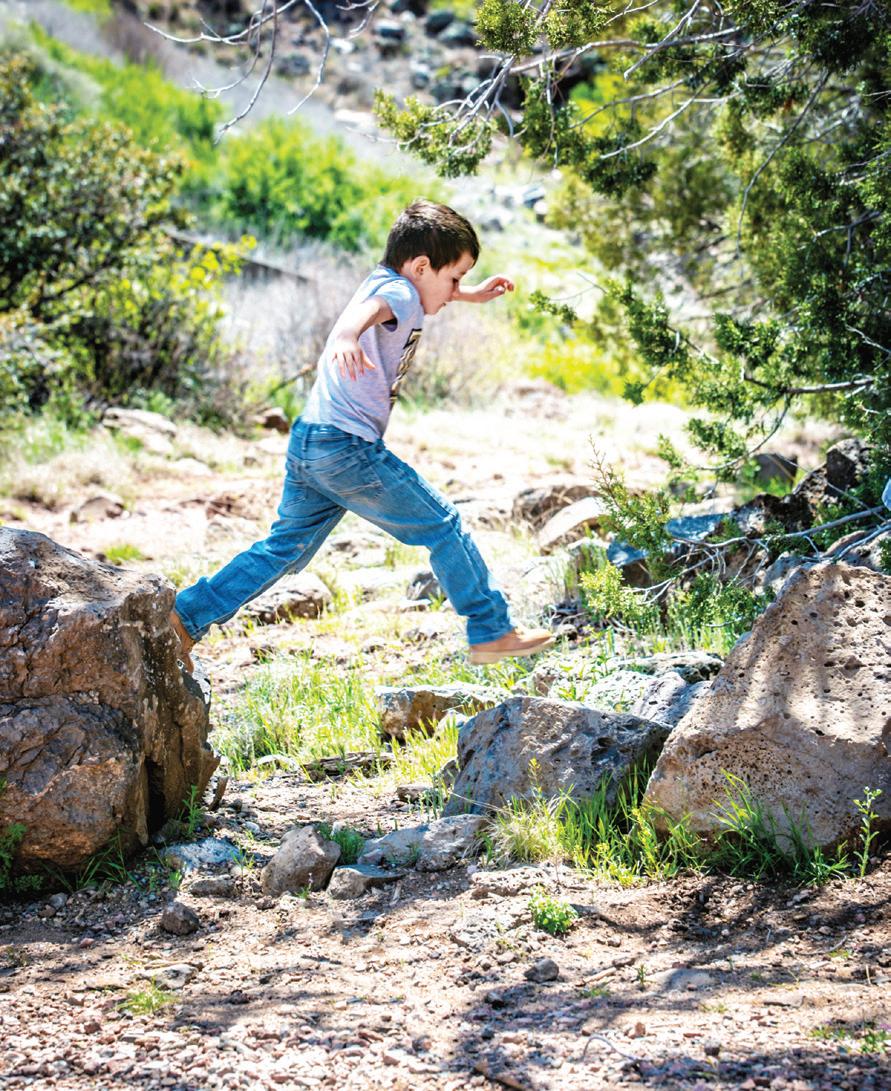
Getting out has been shown in studies to improve mood and lower stress, increase energy levels and encourage people to exercise longer than they would have inside. It’s also the best way to get your vitamin D, hands-down.
These are some of the ways just stepping outside the door benefits your mental and physical health:
* REDUCES STRESS
Three Japanese agencies collaborated in 2019 to learn more about shinrin-yoku, or forest bathing.
Spending time with
the trees lowered participants’ cortisol (stress hormone) levels, pulse rates, blood pressure and fightor-flight tendencies.
* LOWERS RISK OF DEPRESSION
A Stanford-led study from 2015 reported people who spent 90 minutes walking in a natural environment reported significantly lower levels of rumination (repetitive, negative selftalk) and lower activity in a part of the brain that leads to rumination and a higher risk of depression.
* INCREASES CREATIVITY
A University of Utah study of 56 hikers found those who spent four days in the wilderness and away from electronics scored 50% higher on a creativity test.
* HELPS VISION
Being outside and looking at wide vistas has been shown in several studies to prevent or reduce nearsightedness in children and may have some benefit for adults.
* BETTER IMMUNE RESPONSE
A 2015 review of hundreds of studies linking better
health to spending time outside found most benefits were linked to having an improved immune system, which is regenerated mostly during calm times of low stress.
* IMPROVES SLEEP
Several studies link spending time outside to better regulation of temperature and more function tied to circadian rhythms, both essential for quality sleep. A CDC survey found this was especially true for men and for people 65 and older.
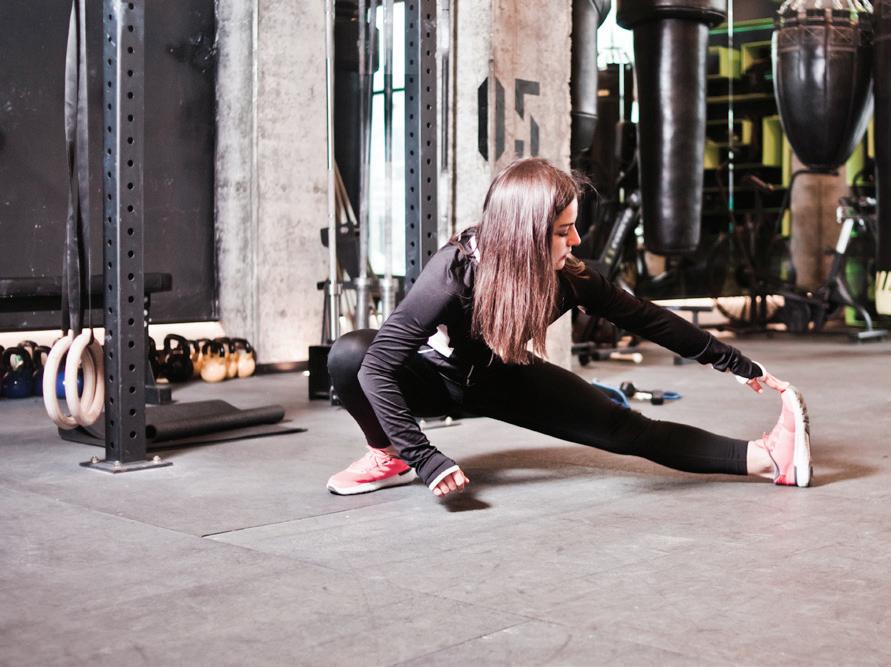
One of the underrated attributes in boxing is flexibility. Boxers enjoy focusing on endurance, plyometric power, and speed—all necessary for effective competition. But they often compromise flexibility, which leads to injury.
by Coach Jarek Slagowski, Grind Boxing Gym
Iinsist that my boxers stretch before every training session.
Sports medicine defines flexibility as the ability of a joint or series of joints to move through an unrestricted, pain-free range of motion. The range of motion will be influenced by the mobility of the soft tissues surrounding the joint. These soft tissues include: muscles, ligaments, tendons, joint capsules and skin.
So flexibility increases the range of motion, which is critical in competitive sports like boxing, but also in everyday life. Unrestricted use of your joints like shoulders, wrists, hips and knees leads to
championship belts as well as quality of life.
Another important function of flexibility is preventing injuries. Flexible muscles, tendons and ligaments are less likely to be torn and damaged.
Flexibility, like all attributes, is temporary. Gaining and retaining flexibility takes time and dedication, ideally through daily stretching.
Stretching is a physical exercise in which muscles and tendons are flexed or stretched to improve elasticity and comfortable muscle tone. Stretches can either be static or dynamic (ballistic).
Static stretches are performed in stationary positions. Dynamic stretches
employ movement of the stretched muscles.
Stretches can be active or passive. Active stretches use one’s body strength to perform a stretch. Passive stretches use external force from equipment or people to do the stretch.
There are two types of stretching: preventive and progressive. Preventive stretching is used before the workout to prevent injuries associated with cold and tight muscles. Progressive stretching is performed anytime to increase flexibility.
Before any stretching, cardiovascular warmup is necessary for about 10 minutes. This increases the blood flow and
temperature of the muscles, ligaments and tendons, improving the elasticity and function of the muscles and connective tissue.
Stretching exercises should be performed slowly with full balance, without bouncing, and never cause pain. Breathe properly to provide your body with fresh oxygen. If you are not familiar with common stretches, consult with a good coach or physical therapist.
Improving flexibility results in many benefits: better performance, lower risk of injuries, better blood supply to joints, increased quantity of synovial joint fluid, better neuromuscular coordination, and increased joint mobility.
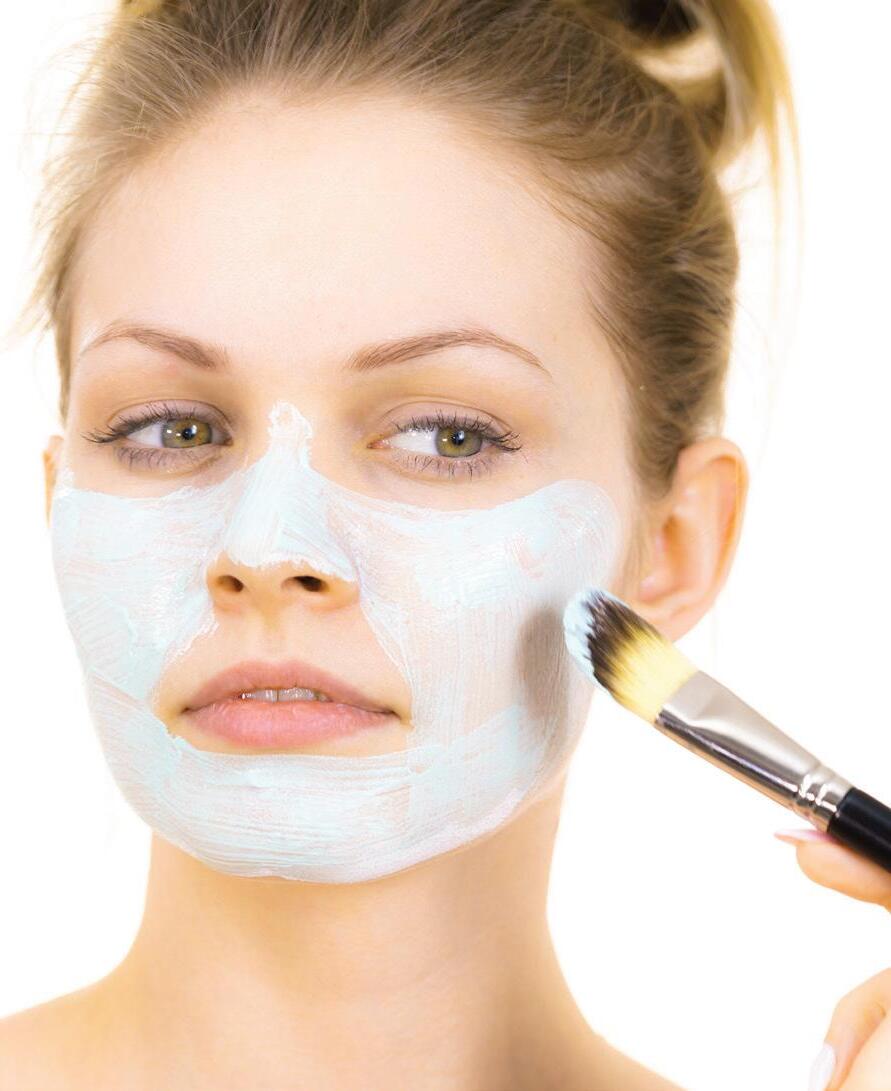

You love your skin and want to give it, and you, the best care you possibly can. But it’s easy to get stymied trying to choose between the multiplicity of skin care products on the market and what you’re able to spend on them.
A lot of those cleansers, creams, serums and moisturizers have preservatives and other ingredients that move you away from the “natural” ideal, especially water-based ones.
Here are a few simple cleansers, masks and other remedies you can whip up at home — and you may already have many of the components!
You can get your money’s worth out of this pantry essential just by warming your face with a moist washcloth, then applying a small amount across your face — organic, unrefined extra-virgin olive oil is best. Allow it to moisturize your skin while it dissolves residue and any oil-based makeup, then wipe remaining oil and residue off with the other side of the washcloth.
To gently and safely remove dead skin cells and encourage turnover, mix 2 tablespoons of oats with 1 tablespoon honey, along with a splash of water. Warm the mixture slightly if you wish, then smooth it across your face. If you’re just looking for exfoliation you can rinse off immediately, or leave it as a mask for 15 minutes for extra moisturizing.
Finely ground almonds are an excellent exfoliator and also absorb excess oily residue.
Mix 3 tablespoons with 2 tablespoons of raw honey, then apply to your face using circular motions before rinsing with warm water and gently patting your face dry. To make this into a mask, turn your ground almonds into a powder before adding the honey.
Tomatoes are a natural source of salicylic acid, so they can be a great addition to your anti-acne arsenal for absorbing skin oils and clearing pores. Make an exfoliating mask by combining the pulp of one tomato with one teaspoon of sugar. Apply to your skin in a circular motion, leave on for five minutes and rinse off thoroughly.
makes anybody’s skin younger
TURMERIC AND SUGARCANE JUICE PASTE
This spice is very nutritious, whether you consume it or rub it on your skin. It’s an anti-inflammatory that also boosts collagen production, while the sugarcane juice fights acne and blemishes as it keeps skin supple and radiant. Combine them for a one-two punch on your skin, then rinse.
. BANANA AND PAPAYA MASK
These fruits are loaded with papain and vitamins that help to restore your skin. Take one small papaya and half a banana, mash then together and apply to the fine lines on your face and forehead for 15 minutes, then rinse off. Can be done once or twice weekly.
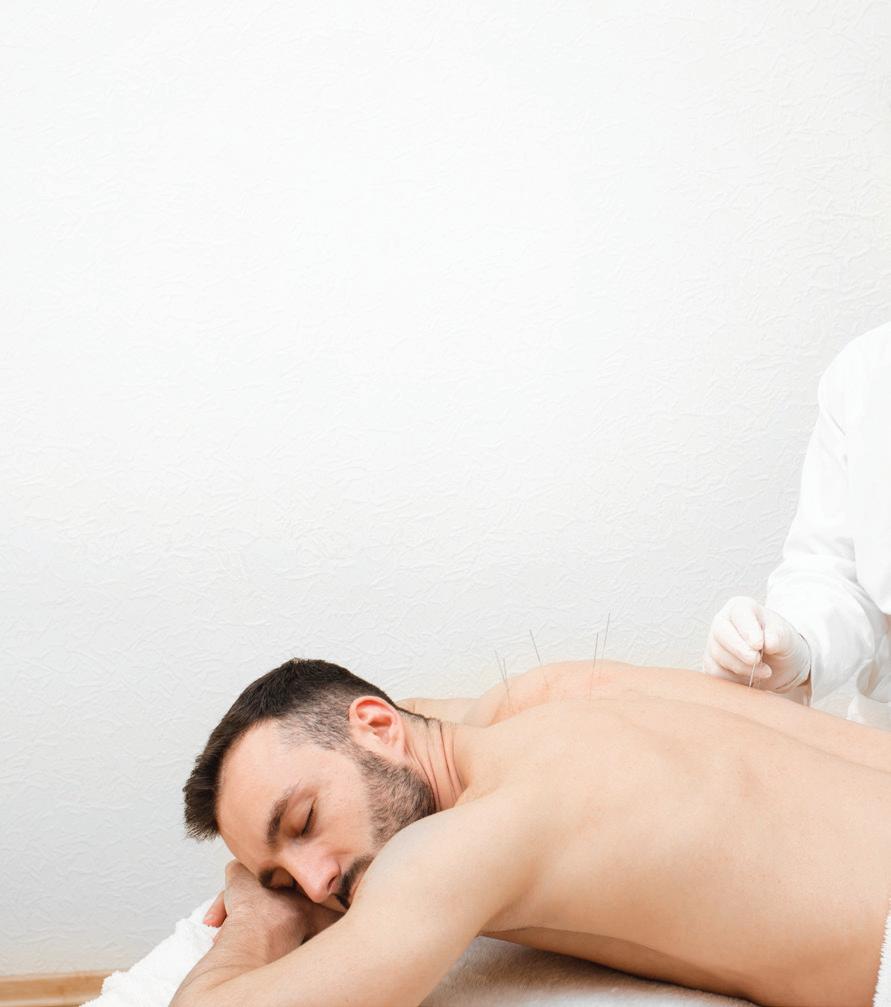
A beautiful outcome of an acupuncture treatment is improvement in one’s facial complexion. There are specific cosmetic techniques, and including the approach of treating the entire person it will boost the vitality of the spirit shining through the complexion.
by Katie Borchert, NMD, MSOM, Pain Recovery Therapy and Esoteric Acupuncture
Treating the imbalances, stagnation and deficiencies in the five zang organs can directly affect facial appearance and skin health.
The zang are the organs yin in nature and store bodily fluids. They have a strong spiritual component. The counter to these are the fu organs, which are yang, hollow and process nutrition.
Each zang has a counterpart fu, but we consider treating the zang to be stronger energetically. By examining the five organs — heart, lungs, liver, kidneys and spleen/ pancreas — we can see how imbalances lead to facial skin appearances.
If we see the heart is weakened by anxiety, stress and anger, wrinkles will form. Those emotions tend to disrupt sleep, leading to dark eye circles and puffy eyes.
Air breathed in combines with food essence and spreads
to the body, so the lung system rules the qi of the entire body. If lungs do not function properly the skin is undernourished, leading to dryness, wrinkles and withered complexion. Herbs for skin health should include those beneficial for lungs.
The liver contains blood and moves the qi of the entire body. When liver qi is stagnated there are wrinkles, dark spots and a dusty green complexion.
The kidney system regulates fluid balance. Deficiencies in kidney yin
often lead to dark eye circles and age spots. When kidney yang is low we see puffiness around the eyes.
Most importantly, the spleen/pancreas and efficiency of one’s digestion are strongly related to facial beauty. The face ultimately responds to what is digested and absorbed. If the spleen is weak, the skin will be undernourished, resulting in a loss of skin tone, sagging and looseness. If the bodily fluids, like lymph or blood are not moving properly, the face may look puffy. If the
fluids are impure, brownish spots may appear.
We can do amazing improvements by changing the quality of food consumed, as well as not eating when upset, working, reading or driving.
Using acupuncture can rejuvenate the face. It promotes the free flow of qi and blood and opens the meridians. It regulates yin and yang.

4/16/21
Herbs and Vegetables—Garden to Table!
3 p.m. at Watters Garden Center
4/23/21
New Flower Introductions for 2021 3 p.m. at Watters Garden Center
4/30/21
Arbor Day and the Top 10 Blooming Trees
3 p.m. at Watters Garden Center
YMCA Aquatics Center
(Lap Swim, Family Swim & Group or Private/ Semiprivate Lessons Available)
YMCA Dance Program
Team Gymnastics at the YMCA
2021 Youth Basketball League
Discovery Saturdays
Last Saturday of the Month Highlands Center for Natural History
Dance & Fitness Classes at Elks Theatre
Prescott Farmers Market
Saturdays • 10 a.m. to 1 p.m. YRMC Parking Lot
Garden Classes
Saturday Mornings • 9:30 a.m. Watters Garden Center
Prescott Valley Farmers Market
Sunday Mornings • 10 a.m. to 1 p.m. 3103 N. Glassford Hill in Prescott Valley

About 30% of the protein in our bodies is collagen, and it’s our main connective tissue.
It ’s found in cellular walls, in our heart and blood vessels, forms muscle tissue, ligaments and tendons, holds our digestive system together and is the main component of our hair and nails.
The collagen just beneath our skin’s surface in the dermis makes it elastic and supple while giving it strength. It’s where our skin cells are formed and begin their journey to the surface layer, or epidermis, before getting sloughed off.
As we age, we produce less collagen, and what we do make tends to be of lower quality. We feel the effects of this throughout our bodies,
but it’s most visible in our skin as it begins to thin, sag and wrinkle, crease and create crow’s eyes around our temples.
Protecting the collagen you have and encouraging its production is one of the primary goals of skin care because it’s at the foundation of your skin, and when that foundation starts to deteriorate it soon becomes evident on your face, neck and hands.
Your genes determine the rate at which your collagen production slows down and your skin starts to age, but premature aging has been linked to UV rays, pollution, smoking, poor diet, lack of exercise and other factors.
CONVERSELY, THERE ARE MANY THINGS YOU CAN DO TO SLOW COLLAGEN’S AGING PROCESS:
* Eat a healthy diet low in sugar and fried foods and avoid habits like smoking that have been shown to damage collagen or slow production.
* Do eat healthy foods that provide vitamins, minerals and amino acids that support collagen production, including citrus fruits, berries, chicken, fish, egg whites, beans and bone broth.
* Stay hydrated, which helps the skin create a seal against water loss and binds with collagen to naturally condition for a brighter, more even complexion.
* Use face creams and serums containing retinol, which stimulates collagen growth. Derived from vitamin A, it’s found in many over-the-counter anti-aging products and in stronger prescription forms including Retin-A and Renova cream.
* Wear sunscreen.

by Blayne Soriano, Level 2 CrossFit Coach and CrossFit Kids Coach
First off, I absolutely love what I do. I am extremely grateful for the path nutrition and fitness has taken me on. I will continue to grow and push myself so I can further help others the best I can.
With that being said, let’s talk exercise.
First, ask yourself why you want to exercise. What results you are seeking to get? How are you going to do your part to work toward?
Now, make a plan.
I suggest working out three to four days a week at 30 to 60 minutes each session. I recommend that on two to three of those days you weight train and do cardio. On one to two days just do cardio; enough to get the heart rate elevated and your skin a little sweaty. The combination of both cardiovascular endurance and weight lifting, in my opinion, is highly effective, and my favorite way to exercise.
For children, the Department of Health and Human Services recommends at least an hour of physical activity a day for ages 6 and older, with vigorous activity included at least three days a week. Kids also should participate in musclestrengthening and bonestrengthening activities at least three of the days.
Normal school-age activities such as playing on playground equipment and jumping rope fit the
bill, as do organized sports. Melding physical activity into your kids’ daily lives will:
* Improve aerobic fitness, muscle strength and endurance in ages 6 to 17.
* Improve bone health and weight in ages 3 to 17.
* Reduce risk of depression in ages 6 to 17.
* Improve cognitive function in ages 6 to 13.
Over the past 30 years, POSC has saved patients more than $150 Million! Of that amount, $20 Million would have been out of pocket.
CARDIOLOGIST
Dr. Siamak Rassadi 308-4285
EAR, NOSE AND THROAT
Dr. Derek Hewitt 778-9190
Dr. Mark Strasser 778-9190
GENERAL SURGEONS
Dr. Thomas Hirasa 771-1011
Dr. Donald Huang 771-1011
Dr. Frank Iorio 776-8212
The choice is yours. Choose one of our excellent Prescott based surgeons for your outpatient surgical needs. You will save money and have the best possible care available.
Over the past 30 years, POSC has saved patients more than $150 Million! Of that amount, $20 Million would have been out of pocket.
Dr. Siamak Rassadi 308-4285
Overall Patient Satisfaction: 9.8 out of 10!
Dr. Derek Hewitt 778-9190 Dr. Mark Strasser 778-9190 GENERAL SURGEONS
Dr. Thomas Rusing 445-9660
GYNECOLOGISTS
Dr. Katie Campuzano 778-4300
Dr. Adam Feingold 776-8428
Dr. Luis Fernandez 776-8428
The choice is yours. Choose one of our excellent Prescott based surgeons for your outpatient surgical needs. You will save money and have the best possible care available.
“The best I have experienced! POSC even topped Duke Medical Center which I have always rated highly. Thanks to the staff.”
Overall Patient Satisfaction: 9.8 out of 10!
“Everything about the place was excellent. Very clean, very professional, very organized and efficient. Thank you for the great care!”
“The best I have experienced! POSC even topped Duke Medical Center which I have always rated highly. Thanks to the staff.”
“Everything about the place was excellent. Very clean, very professional, very organized and efficient. Thank you for the great care!”

“Everyone was awesome. My stress level was zero! Loved the nurses. Linda was so sweet and really awesome. Great experience overall. Thank you all!”
Dr. Jonathon Gruneich 778-9770
Dr. Josephine Kim 583-1000
Dr. Melinda Martin 777-0070
Dr. Richard Ohanesian 778-4300
Dr. Jeffrey Osburn 778-4300
Dr. Jeanette Pilotte 583-7887
INTERVENTIONAL PAIN SPECIALISTS
Dr. Jonathon Gruneich 778-9770
Dr. Bradley Benson 445-4818
Dr. J. Gabriel Tsang 237-9312
ORTHOPAEDIC SPECIALISTS
Overall Patient Satisfaction 9.9 out of 10!
“Everyone was awesome. My stress level was zero! Loved the nurses. Linda was so sweet and really awesome. Great experience overall. Thank you all!”
Over the past 31 years 114,000 procedures have been successfully performed at POSC, saving patients more than $160 million! Of that amount, $21 million would have been out of pocket expenses.
Over the past 31 years 114,000 procedures have been successfully performed at POSC, saving patients more than $160 million! Of that amount, $21 million would have been out of pocket expenses.
The choice is yours. Choose one of our excellent Prescott based surgeons for your outpatient surgical needs and you will not only save money, but will have the best possible environment and care available.
The choice is yours. Choose one of our excellent Prescott based surgeons for your outpatient surgical needs and you will not only save money, but will have the best possible environment and care available.
Dr. Bradley Benson 445-4818
Dr. J. Gabriel Tsang 237-9312
“When I need surgical help, I will always come here. My phone call from Karen was a real delight. When I saw her in recovery I told her she sounded like a song. My anesthesiologist was just great and took time with my questions. I really liked my visit!”
ORTHOPAEDIC SPECIALISTS
Dr. Daniel Burchfield 778-9250
Dr. Bertrand Kaper 778-9250
Dr. Judah Pifer 778-9250
Dr. Bradley Williams 445-7085
Dr. Daniel Burchfield 778-9250
CARDIOLOGIST
Dr. Siamak Rassadi 308-4285
Dr. Bertrand Kaper 778-9250
Dr. Judah Pifer 778-9250
EAR, NOSE AND THROAT
Dr. Derek Hewitt 778-9190
Dr. Bradley Williams 445-7085
“When I need surgical help, I will always come here. My phone call from Karen was a real delight. When I saw her in recovery I told her she sounded like a song. My anesthesiologist was just great and took time with my questions. I really liked my visit!”
Dr. Mark Strasser 778-9190
“Thank you for all the great care you gave me, everyone was awesome made me feel like I was the most important person in there! Thank you all so very much for taking care of me.”
PLASTIC SURGEON
Dr. Brian Brantner 776-0325
PLASTIC SURGEON
Dr. Brian Brantner 776-0325
“Thank you all for the great care you gave me, everyone was awesome made me feel like I was the most important person in there day! Thank you all so very much for taking care of me.”
PHYSICAL MEDICINE
GENERAL SURGEONS
PHYSICAL MEDICINE
Dr. Thomas Hirasa 771-1011
“Joanne the pre-op nurse is awesome, really made me feel at ease. The head anesthesiologist was really terrific and put me completely at ease.”
Dr. Bradley Benson 445-4818
SPINE SPECIALIST
Dr. Daniel Noble 778-9250
UROLOGISTS
Dr. Bradley Benson 445-4818
Dr. Donald Huang 771-1011
Dr. Frank Iorio 776-8212
“Joanne the pre-op nurse is awesome, really made me feel at ease. The head anesthesiologist was really terrific and put me completely at ease.”
Dr. Thomas Rusing 445-9660
“This was my 2nd surgery at POSC in 2 months. Both times I received excellent care. Everyone was professional, courteous and all had a great sense of humor. I cannot think of any area that needs improving as I feel 10’s were to be given to everyone there.”
Dr. Paul Nguyen 771-5282
SPINE SPECIALIST
Dr. Daniel Noble 778-9250
GYNECOLOGISTS
“This was my 2nd surgery at POSC in 2 months. Both times I received excellent care. Everyone was professional, courteous and all had a great sense of humor. I cannot think of any area that needs improving as I feel 10’s were to be given to everyone there.”
Dr. Jeffrey Sanwick 771-5282
Dr. Michael Stanick 771-5282
Dr. Katie Campuzano 778-4300
UROLOGISTS
Dr. Paul Nguyen 771-5282
Dr. Adam Feingold 776-8428
Dr. Luis Fernandez 776-8428
Dr. Jeffrey Sanwick 771-5282
Dr. Josephine Kim 583-1000
Dr. Michael Stanick 771-5282
Dr. Melinda Martin 777-0070
Dr. Richard Ohanesian 778-4300
Dr. Jeffrey Osburn 778-4300


The workout of choice for athletes from boxers to bicyclists, jumping rope has long been known as a top cardio- and muscle-building exercise, an easy way to rev hearts and burn calories. It works your legs, arms, hands and feet like nobody’s business. And the equipment’s pretty cheap, too.
WHY YOU SHOULD START
BOOSTS HEART HEALTH AND ENDURANCE
Skipping rope pumps up your heart rate more quickly than other forms of cardio and keeps it elevated. It pushes up your maximum capacity for using oxygen as you exercise, extending your endurance for this or any other activity.
SHARPENS COORDINATION
By forcing you to constantly be aware of where your feet are and your use of complex, simultaneous movements, jumping rope extends your motor skills
and builds a stronger brainbody connection, good for preventing injuries and falls.
BUILDS BONE DENSITY
Jumping has more of an impact on your bone structure than most other workouts, so it more quickly triggers your body to send more calcium and other resources to continue the “remodeling” process. Higher bone density protects against fractures and osteoporosis.
TONES AND SHAPES MUSCLES
Jumping is great at firming up your thighs, triceps, shoulders and especially your core.
BEFORE YOU START
* Beginners should start with a beaded rope; that little bit of extra weight will make it easier to control than a nylon rope. For optimum length, choose one that reaches up to your armpits when you stand on it.
* Use well-fitted athletic shoes, preferably cross-trainers, which provide stability, ankle and arch support, and sufficient cushioning in the midsole.
* Take the surface into account. Mats absorb a lot of the impact on your body and help protect your joints. Concrete lets you jump faster but is much harder on your joints. Wood floors, plywood, flat dirt or sand are other good choices.
* Start out slowly until you settle into your fitness and comfort level. If you have low endurance or joint injuries it would be a good idea to consider a less intense activity for getting in shape.


Take care of your body as it is the only place you have to live.
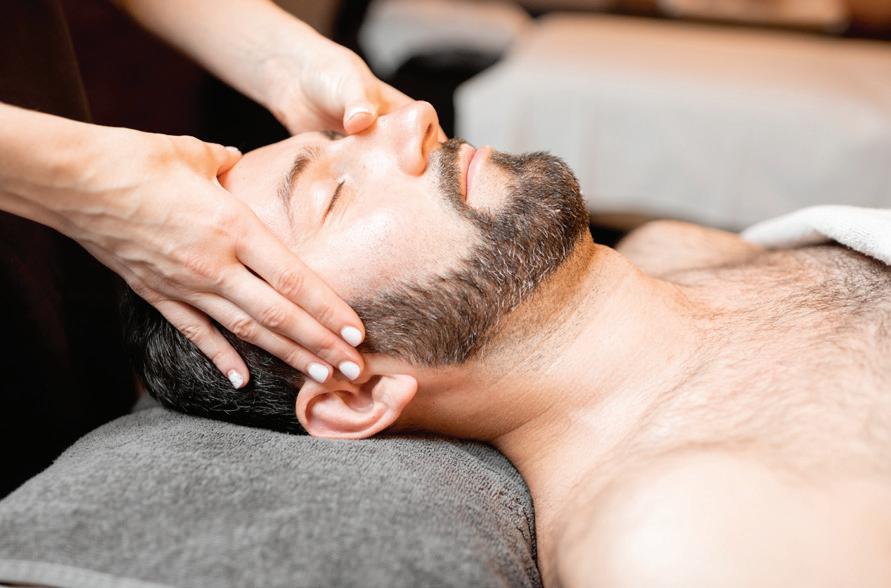
“The skin is no more separated from the brain than the surface of a lake is separate from its depths. … To touch the surface is to stir the depths.”
by Carl Johns, LMT, Director, ASIS Massage Education-Flagstaff
Our skin represents so much to the world around and inside us — culturally, physically, emotionally, sensually. The skin is associated with beauty; it shows us the signs of youth and of old age — each beautiful in its own way.
It is most certainly a reflection of inner health. Radiant health shows in radiant skin.
The color of the skin gives a clue to our ethnic origins and the parts of the world that our ancestors may have come from. The lines on the skin of our faces show our emotional states — stress, happiness,
fear, anger, sadness — and can become entrenched if any of those emotional states dominate.
From a massage and bodywork perspective, the skin is the organ of touch —touching and being touched.
The skin is born of the same embryonic tissue as the brain — the ectoderm — and so we are wired from our deepest core to the surface of our skin for sensing our internal and external environment.
The skin is an exquisite sensor of the world around us and signals our bodies to respond in more ways than we can
imagine. The touch of a soft ocean breeze might bring comfort or pleasure, stimulate a memory, shift our homeostasis around temperature, and bring more ease to our breath and circulation.
The skin alerts us to the dangers of sharpness, temperature extremes or unwelcomed touch. We learn about the world around us through our skins, and we can continue to educate our internal environments in positive ways through conscious, present and nurturing touch.
The touch of massage from a professional, friend
or family member, like that soft ocean breeze, can bring pleasant sensation and more ease in our breath, circulation and muscular system, which enhances our health in every way.
So next time you touch someone — a little back rub or shoulder massage — relax and be present for what you feel, for what presents itself, and follow the body like a soft ocean breeze moving around the skin. Those myriad responses, the stirring of the depths, will bring relaxation and health to the giver and the receiver of that touch.
Stress not only plagues our minds but is one of the leading contributors to unhealthy skin. Particularly stressful periods can be accompanied with flare-ups in acne or a skin disease. For this we can blame cortisol—the primary stress hormone.
by Carmen Catterfield, MA, Honeybee Healing & Counseling Services
Cortisol’s goal is to suppress nonessential functions in the body so we can focus entirely on responding in the moment to a perceived or real threat. The issue with the prolonged or chronic stress prominent in our culture today is that there may be a multitude of stressful incidents lasting over a long period of time.
In this case, cortisol’s suppression of functions can lead to damaging effects on our body, including our skin. Cortisol can lead to internal inflammation that causes skin irritation, as well as flare-ups of skin conditions such as psoriasis or eczema. Cortisol also increases activity in the sebaceous glands leading to higher-than-normal levels of oil, which in turn can block pores and cause an increase in acne and skin reactions.
If your normal skin routine isn’t working anymore to
help manage your outbreaks, it may be time to consider how stress is impacting your life. Although we may not be able to change the stressful situation(s) we are in, we can help regulate our body’s response to stress
DRINK WATER — The recommended amount of water per day is half your body weight in ounces. Water can help flush out cortisol faster from our systems.
EXERCISE It is recommended that a person engage in some kind of exercise three to four times a week for 20 minutes. It can be as simple as walking your dog through the neighborhood. Exercise helps our lymphatic symptoms remove toxins like excess cortisol from our systems.
SLEEP — If you can, get as close to seven to nine

hours of sleep a night. Sleep is when important bodily functions occur including regulating our nervous system.
RELAXATION EXERCISES
— Engage in stretching your body, taking deep breaths and practicing mindfulness. The Calm app is a great resource that
offers five- to 10-minute relaxation exercises.
CONNECT — We cannot manage stress on our own. Reach out to friends and family and share what is going on with you. You may also want to consider seeking counseling if your life stressors become unmanageable.
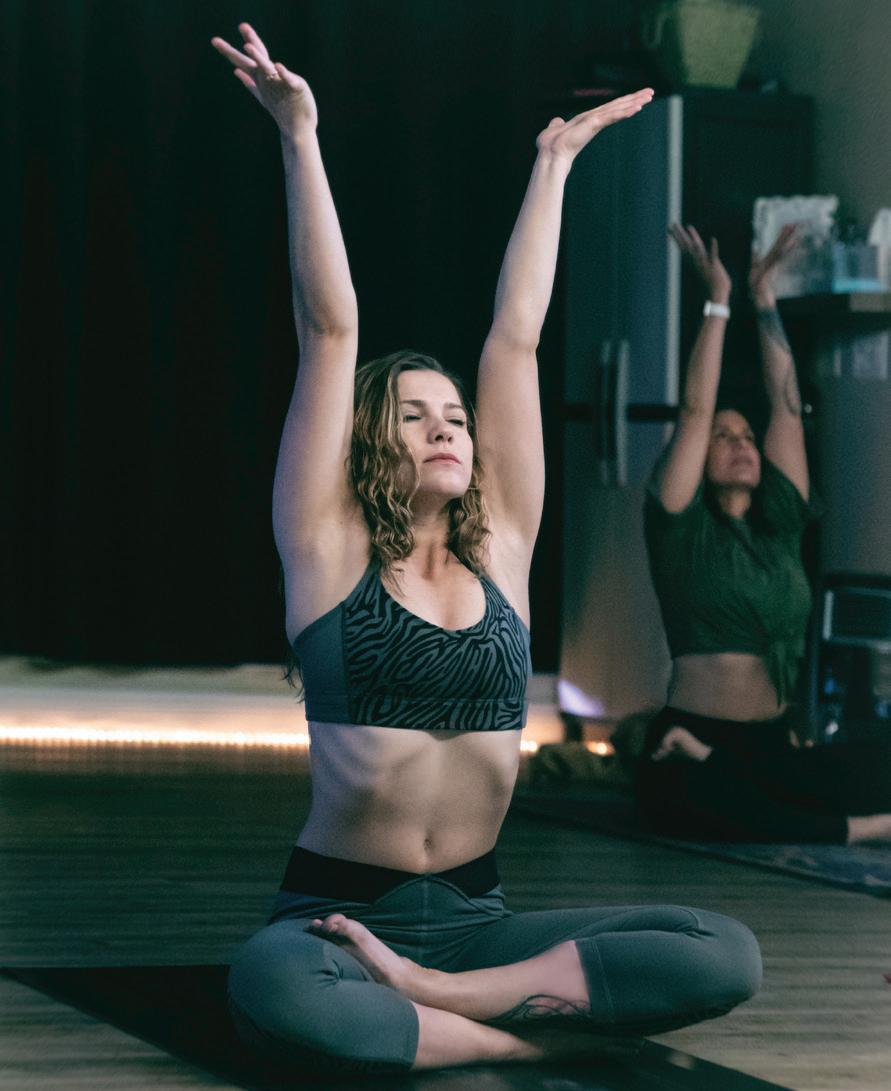
Just as yin and yang provide balance to the world, yin and yang yoga collaborate to form a well-rounded yoga practice.
Yin is a slower form of yoga—poses are held for longer periods to facilitate stretching ligaments, tendons and other deep connective tissues to increase circulation and flexibility. Most of its poses are done seated or lying down.
It is not expected to replace other forms of yoga, sometimes referred to as “yang yoga,” which focus on standing positions and stretching and training muscles, but to complement them just as yin and yang energy does.
In yin yoga, beginners generally hold positions for up to 2 minutes while advanced yogis can stay in them for 20 minutes or more. This encourages stillness of mind as well as body for a more meditative experience that calms and revitalizes you.
Here are four poses, or asanas, that can show you the quiet power of yin yoga:
SPHINX
(salamba bhujangasana)
Lie on your stomach with your legs together. Then stretch your tailbone toward your heels and roll your outer thighs toward the floor. Set your elbows under your shoulders and your forearms in front, parallel to each other. Inhale, then push your shoulders and back up into a mild backbend. Raise your belly slightly to more evenly distribute the load along your backbone. Hold for 5 to 10 breaths.
(baddha konasana)
In a seated position, press the soles of your feet together and push them away from your body, creating space between your pelvis and heels. Gently fold forward, allowing your spine to softly round and your head to drop toward your feet. Rest your elbows on the floor with your head in your hands, or place a cushion on your feet to rest your head on. If folding forward is challenging, use a folded blanket to sit on. Hold for 3 to 5 minutes.
ROOT
(supta parivrtta garudasana)
Lie on your back and bend your knees, keeping feet on the floor. Cross your right knee over your left. Then, lift and shift your hips a little to the right. Roll over to your left side, then slowly take your right arm out to the right side, allowing your upper right shoulder to rest toward the ground. You can also initially keep your right hand on your right waist, then gradually reach it out to the side to deepen the twist. Hold 4 to 5 minutes, then repeat on the other side.
Lie on your back, bend your knees, and place your feet on the floor. Lift and shift your hips to the right. Straighten your legs, walking your feet toward the left corner of your mat and crossing your right foot over your left. Keep your left hip as far down as possible and scoot your upper body to the left as well, creating a banana shape. Bring arms overhead, bending your elbows and lightly clasping your wrists. Hold 4 to 5 minutes, then repeat on the other side.
Fascinatingly, the skin is the largest organ of the body. Just a few of its essential functions include protection, sensation, temperature regulation, excretion and absorption.
Equally fascinating is that the skin renews itself. As with all the other organs, it is vital to your overall health as well as being an indicator of what’s going on inside.
by Dr. Karissa Walton, Founder & Medical Director, The Mobile Health Doc
* Be aware of what you’re putting on your skin. What is applied to your skin is also
absorbed into the bloodstream. Just like reading labels for what you will put in your mouth, it is equally important to read the labels for what you put on your skin.
* Nutritional health is key in keeping your skin healthy! The nutrients from foods have a direct effect on the condition of your skin. Optimizing nutrition may also include improving digestion and/or eliminating foods that cause inflammation.
* Drink plenty of water. The good ol’ H20 helps keep every skin cell hydrated. Strive for a minimum of 50% of your body weight in ounces and even more if you’re outdoors or exercising.
* Eat essential fatty acids found in wild-caught fish, nuts and seeds. These nutrients are “essential” because the body cannot synthesize them on its own, but vital for keeping your skin properly “oiled” from the inside out.
* Eat plenty of fresh fruits and vegetables, preferably organic to reduce exposure to chemicals that may cause skin irritation or breakouts. Antioxidants found in these foods also help eliminate toxins that lead to clearer, healthier skin.

* Limit alcohol, caffeine, chemical additives, salt, sugar and smoking. These substances can lead to dryness, wrinkles and other common skin ailments.
* Find an integrative health care professional who can optimize supplementation that suits your skin health needs. Some examples include biotin, collagen, EFAs, fat soluble vitamins and zinc, but it is important to have a skin health protocol that is safe and customized.
The outer appearance of the skin can serve as a window into what may be going on inside your body. If you notice skin issues, seek a health care professional skilled in getting to the root cause and treating from the inside out. Your skin will thank you with a healthy glow when you do!
The lower part of your back is responsible for supporting all of your upper body, so it’s no wonder most people report feeling some pain and strain there at some point. Experts estimate up to 80% of the population will experience it at some point in their lives, according to the American Chiropractic Association.
The pain typically starts either with one significant back injury or builds up over years of wear on the spine and its supporting muscles and ligaments. Once it begins it can be aggravated by poor
posture, excess weight, smoking, repetitive motions and lack of support when you lift heavy objects. Making these changes can decrease the pain you’re feeling, regardless of how it began:
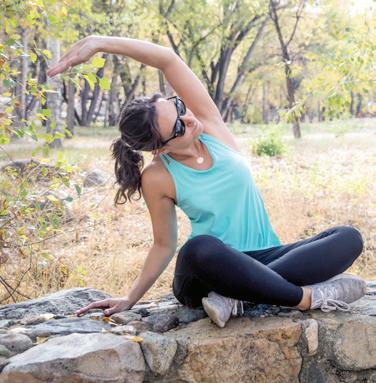
* Maintain good posture while you sit or stand, keeping your spine in alignment. The best posture holds your head in alignment with your spine and doesn’t allow rounding of the back to interfere with the natural curvature of your spine.
* When you must lift heavier objects, bend at the knees instead of the waist. Avoid twisting your back, using your hips whenever you must turn to the side.
* Avoid long periods of sitting down, which put stress on your spine, discs and muscles.
* Continue to exercise as often as you can, but stay within your comfort zone and don’t attempt any vigorous activities that could aggravate your back pain.
* Stretch your back muscles gently if you can without aggravating your pain. Some stretches to try include lying on your back and pulling your knees up to your chest or lying on your stomach, arms stretched outward, and lifting your chest and/ or legs off the floor (the “Superman”).
* Consider using overthe-counter drugs such as aspirin or ibuprofen, but ask your health care provider first about any concerns you have about them.
If your lower back pain lasts longer than four to six weeks, you should consult your health care provider about other treatment. Call them sooner if the pain is unbearable or you have other symptoms such as extreme fatigue or signs of infection.
Skin care is a $150 billion industry in the U.S. alone, with an unfathomable number of products developed to protect, tighten, smooth and treat our body’s largest and most visible organ.
by Dr. Hojat Askari, Medical Director, Thumb Butte Medical Center

Most of these do benefit your skin in one way or another, keeping it hydrated and nourished or treating acne, eczema or other conditions that arise. But in many cases, they’re trying to undo the damage done by the environments we live in or the way we take care of ourselves.
We make choices every day that affect our skin health just as much as our overall health, and the best choices for your heart, lungs, digestion, muscles, bones and everything else will most likely benefit your complexion, too.
Take fried foods, for an example. They’re a delight to eat but the consequences often just aren’t worth it. The fat (often including trans fats), calories and sodium raise your bad cholesterol and risk for type 2 diabetes and heart disease.
They also do a number on your skin, specifically, because the oils they contain lead to inflammation throughout the body. This shows up in your skin as
dehydration and slower healing of wounds.
Other inflammatory foods do affect your skin, including sugary and fatty foods, refined carbohydrates, as well as excessive amounts of alcohol. Lack of physical activity also shows up everywhere in your body. Your weight, triglycerides, blood pressure and risk of heart disease goes up. Excess body fat triggers hormone imbalances that can trigger acne and aggravate other skin conditions. It also creates cellulite as the buildup of fat and tissue below the skin pushes against and breaks skin’s connective tissue.
Sun exposure may be the one exception as something that greatly benefits your insides while posing possible dangers for your skin. The safest way to get vitamin D and other positive impacts from the sun is to seek midday sun a few times per week for about 20 minutes, then apply sunscreen or move indoors.


by Armando Varela, AG-ACNP-BC, FNP-BC, ENP-C, Optima Medical
WATCH THAT SUN
Protecting your skin from the sun is one of the most effective ways to maintain healthy skin.
A lifetime of sun exposure can increase the risk of skin cancer as well as cause wrinkles, age spots, and other skin problems. Apply sunscreen with a minimum SPF of 30 in addition to wearing sunprotective clothing.
DO NOT SMOKE
Smoking promotes aging of the skin and adds to wrinkles. Smoking narrows the delicate blood vessels in your skin, which limits the supply of blood and leaves the skin paler. The reduced blood flow depletes the skin of oxygen and nutrients vital for protection.
TREAT YOUR SKIN GENTLY
Scrubbing your skin regularly will take a toll. Use warm, rather than hot water, limit bath time or long showers — both can strip oils from your skin. Avoid harsh soaps. For dry skin, use a daily moisturizer and drink plenty of water
A healthy diet will have you looking your best. Eat a balanced diet rich in antioxidants. Foods such as fruits, berries, colorful produce, whole grains, nuts and lean proteins support your skin.
MANAGE STRESS
Uncontrolled stress will make your skin more susceptible to acne breakouts and other issues. Set fair limits on your time, cut back your to-do list, and make the time to do things you enjoy. Get enough sleep; seven to nine hours is ideal.
by Brad Hayman, DPM, Complete Foot & Ankle Care
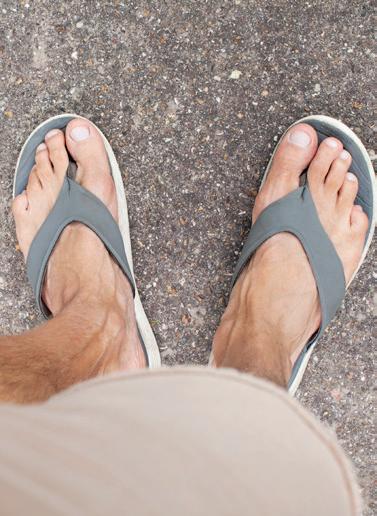
To enail fungus is a common problem affecting many people with discolored, thickened and brittle toenails. It is most commonly caused by a specific group of fungi called dermatophytes.
This infection can be the result of a family history of susceptibility to the infection; increased age; certain health conditions such as diabetes; nail trauma; or an exposure to another person with either athlete’s foot and/or nail fungus.
While nail fungus is generally thought to be an unsightly and annoying problem, it should be treated as a medical condition. A fungal nail culture can confirm the diagnosis.
With this in mind, many “treatments” have been suggested over the years including soaking the nails
in vinegar, applying Vicks VapoRub, application of bleach, taking an oral antifungal, removing the nail(s) and many other, often questionable therapies. While oral antifungals such at terbinafine and Diflucan can be effective, each has potential serious side effects.
Topical treatment such as Tolnaftate 1% is effective in controlling the infection but has a relatively low “cure” potential. Because the fungi lives under and inside of the toenail, most topical treatments have difficulty getting to the source of the infection.
Laser therapy (PinPointe) is now available to treat the fungal nail infection. Combined with topical treatment this provides the best chance of improving the nail appearance and promoting new clear nail growth.
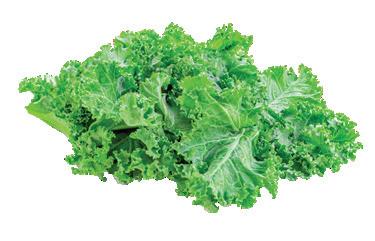
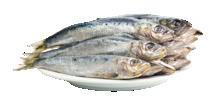
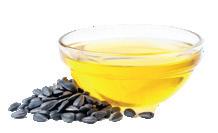
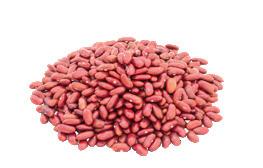
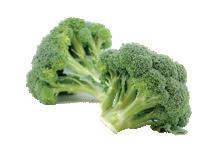

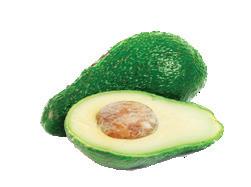


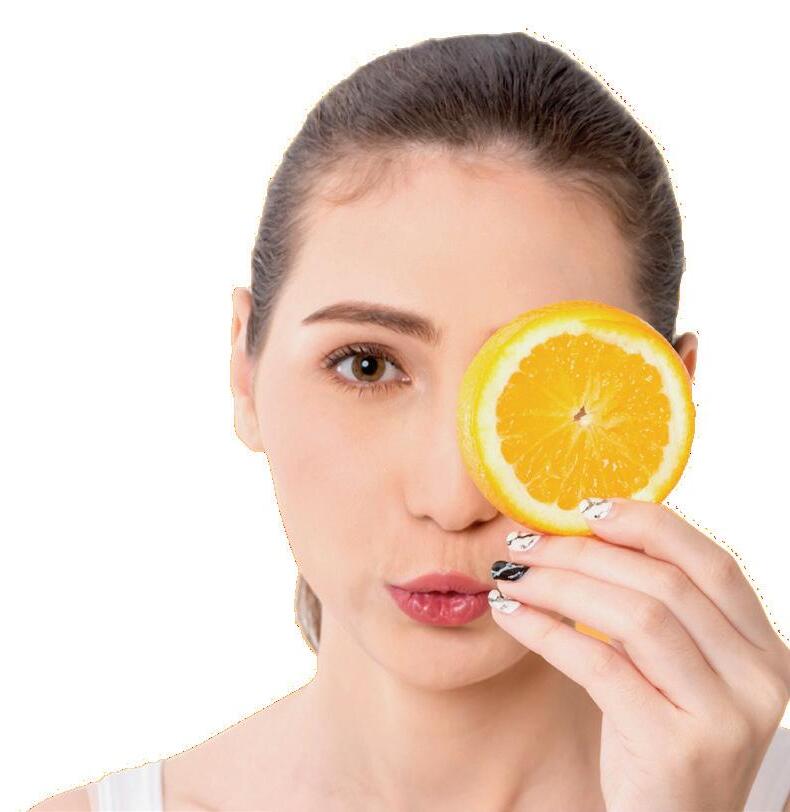

Skin products that replenish and protect always will be important for your skin, but eating the right foods makes their job much easier and maximizes your health in so many other ways.
If it’s going to be good for your heart, lungs, brain and other organs, it’s almost certain to be good for your skin, and vice versa. Head to the produce aisle (and a couple of others) for these 11 foods as your first line of defense against dryness, fine lines and wrinkles, sun damage and other threats to skin beauty and health.
* AVOCADO
This wonder fruit is one of the best nonfish sources of omega-3 fatty acids, which are amazing for your heart and also for your skin. They regulate oil production and hydration, can defeat acne breakouts and defend against wrinkles and other signs of aging.
* BELL PEPPERS
One bell pepper contains more than 100% of your daily vitamin C needs!
It is also fiber-rich and carries a cache of carotenoids, which fight wrinkles by increasing
circulation to your skin, and provide some defense against acne.
* BROCCOLI
This is a rich source of a bevy of nutrients that benefit your complexion; vitamins A and C boost collagen production, speed healing and hold onto hydration, while zinc has anti-inflammatory powers against acne and scarring. That’s just for starters!
* DARK CHOCOLATE
Consuming dark chocolate made of at least 70% cocoa supplies you with plenty of manganese to help with nutrient absorption, including its own vitamins A, B1, C, D, and E, plus calcium and iron.
* KALE
it contains hearty amounts of vitamin A, an antioxidant that promotes healthy skin cell turnover and fights acne.
* KIDNEY BEANS
Rich in fiber and protein, these tasty beans also regulate the metabolism of amino acids, fatty acids and several synthetic processes affecting the skin and other organs.
* ORANGES
Like all citrus, oranges are powerhouses of vitamin C, and also have plenty of vitamin A via its precursor, beta-carotene.
* SARDINES
The canned fish may not be at the top of your wish list, but like other oily fish it’s packed with omega-3 fatty acids and is also a great source of calcium because its bones are edible. The other species of fish high in omega-3s are salmon, mackerel, tuna, lake trout, herring and anchovies.
* STRAWBERRIES
They contain astringent,
anti-inflammatory and antioxidant elements that treat burns and protect against UV rays (but you still need sunscreen!) with vitamin C, and ellegic, hydroxy and salicylic acids.
* SUNFLOWER SEEDS Sprinkle shelled seeds into your salad or smoothie or bake them into cookies and bread.
* SUNFLOWER OIL
Use sunflower oil in searing, sautéing, frying and in salad dressing. Both seeds and oil are high in vitamin E, linoleic oil and facilitate melanin production for skin protection.
* WALNUTS
One of the few good non-fish sources of omega-3 fatty acids, walnuts also have plenty of vitamin E and benefit skin both as a dietary staple and when applied directly to it.
by Cathy Clements, Nutritionist and Life Coach, NASM CNC, CPT, FNS, WFS

At our elevation, the air is dry, aiding the need for more water and moisturizing.
Iam the person who cannot wait for the long days of summer. I find it glorious that the sun is rising earlier and setting later. We know that the sun is good and bad when it comes to our skin.
We are sensitive to the negatives of overdoing it outside. Remember your sunscreen! I don’t know how often I have heard that. But wait, aren’t there benefits from the sun?
Yes. The sun stimulates the production of vitamin D in our bodies. Vitamin D is a vitamin we are generally deficient in because of sunscreen and conditioning to spend less time outside.
Our skin is our largest organ. If we didn’t have it, well, we would be a mess.
But if you view your skin as something, an organ, to take care of, then we get better at paying attention.
Our skin has many aspects. It is three layers — epidermis, dermis and hypodermis. These layers have blood vessels, hair follicles, proteins (collagen, elastin, and keratin), water, lipids and minerals. All of this helps keep us warm or cools us if we are too hot.
We should be treating our skin with respect. Our skin is a reflection of everything we put in and on our bodies,
and it regenerates about every month. What we eat is reflected in how our skin looks.
Eating clean healthy foods helps our skin glow. Some individuals with sensitivity to dairy products have breakouts. Food sensitivities can be displayed as inflammation of many kinds. When we are eating in an unhealthy way, our skin becomes dull and dry.
Drinking water adds to hydrating our skin, as well as the rest of our body. Washing will ensure our pores are cleaned of dirt and oils that collect during the night or the day. Moisturizing is important.
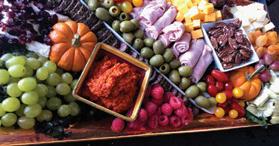
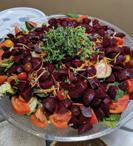







Consensus is a rare thing in the world of food and nutrition science, but one concept that has stood the test of time is that eating processed foods tends to be unhealthy, especially in large amounts.
The level of processing involved does matter, and one popular classification system groups food products into four categories to describe the journey they’ve undergone:
* MINIMALLY PROCESSED
These are altered in ways that enhance preservation and food safety but don’t affect the nutritional content, including freezing, fermentation, grinding, refrigerating, drying, vacuum-packing or cleaning. Most frozen fruits and vegetables, refrigerated meats and milks, whole grains, nuts and legumes fall here.
* PROCESSED CULINARY INGREDIENTS
Foods that are ground or pressed from the source in order to be used to prepare minimally processed foods, including butter, oils, herbs and spices.
* PROCESSED FOODS
Products made of ingredients from the first two groups, many canned vegetables, fruits, meats and fish are here, as well as some cheeses and fresh bread.
* ULTRA-PROCESSED FOODS
These are the foods processed with artificial colors, flavors and chemicals to increase shelf-stability and palatability or preserve texture. Manufacturing these is usually a multi-step process involving many ingredients and creates food which is easily packaged and usually served with little to no prior preparation.


These foods predominantly incorporate much higher amounts of sodium, fat (including trans fat), sugar or artificial sweeteners, chemicals with difficult-to-pronounce names and other ingredients which are red flags to many nutritionists and other experts. Some are also devoid of any vitamins, fiber or other beneficial nutrients, which makes them “empty calories.”
Packaged snacks like chips and crackers, frozen meals including pizza, cookies and candy, sugary drinks, cured meats and lunch meats are most likely to be ultra-processed.


Ultra-processed foods are the ones you’re going to want to avoid. Here are some strategies for dodging the damage they can cause:
* ADD WHOLE OR FRESH FOODS TO OTHERWISE PROCESSED MEALS
This is as easy as having a banana or apple with your bowl of cereal or a side salad with your frozen pizza. This will supply some of the nutrients that may be missing from your processed food and start you thinking outside the “box.”
* PLAN AHEAD
So much of processed food’s appeal is based on convenience and spurof-the-moment decision making, so anticipate when you and your family will need snacks and make sure healthy, fresh food such as carrots and celery, plain yogurt or favorite fruits and veggies wil will be available.
* SUBSTITUTE FOR OR MAKE YOUR OWN VERSION OF PROCESSED FOODS
Pop plain popcorn on the stove rather than in a paper bag in the microwave. Swirl your own salad dressing out of oil, vinegar, and spices (or maybe a little blended fruit). Make dinners ahead and freeze them for the week ahead. Bake your own potato chips!
* PHASE OUT SOFT DRINKS
Whether they’re sweetened with sugar, high-fructose corn syrup or calorie-free sweeteners, they lack the health of water, coffee, tea and milks (dairy and plant-based).

It’s time to start tomatoes by seed for garden planting the end of April.
by Ken Lain, The Mountain Gardener, Watters Garden Center
WHEN TO START Start tomatoes indoors four to six weeks before the average last spring frost May 8. Transplant seedlings when nighttime temperatures are at least 45°F and soil temperature is 70-90°F degrees.
CONTAINERS Use shallow, sterile containers with drainage (use six-pack trays or peat pots). Transplant into larger, 3-4” inch containers once the scalloped leaves have emerged.
SEED-STARTING MIX Use a lightweight seedstarting potting soil; sow seeds at a shallow, 1/81/4” inch depth. Watters’ seed-starting soil is sterile and allows for ideal air-to-moisture ratio.
TRANSPLANTING, SUPPORTING When transplanting seedlings outside, plant them deeply, burying the stem leaving one to two sets of leaves above ground. The buried parts of the stem will sprout roots and develop a strong, extensive root system. Place any stakes, cages or other type of supports in the ground just after transplanting to avoid root damage.
GROWING TEMPERATURE Temperatures above 55°F at night are required to set fruit. Night temperatures above 75°F in the summer inhibit fruit set. Wait until night temperatures are at least 45°F before transplanting.
WATER Tomatoes need about 1-2” inches of water per week depending on type of soil; one to two deep soakings per week in mild weather; two to three per week in hot weather.
HARVESTING Check seed packet to see when the tomato has ripened with the best flavor.
TYPES Tomatoes are grouped into types according to growth habit and production.
* determinate types (e.g., Ace 55, Glacier, Italian Roma) grow in a compact, bush form, requiring little or no staking. Fruit is produced on the ends of the branches; most ripen at the same time. One or more successive plantings ensures an extended harvest period to yield a large supply at once for canning.
* indeterminate types (e.g., Better Bush, Sun Gold, Black Krim) continue to grow and produce fruit through October. Tomatoes in all stages of development may be on the plants at one time.
* semi-determinate types (e.g., Lizzano) grow in size between these above two types. They produce a main crop that ripens at once but also continues to produce through October.


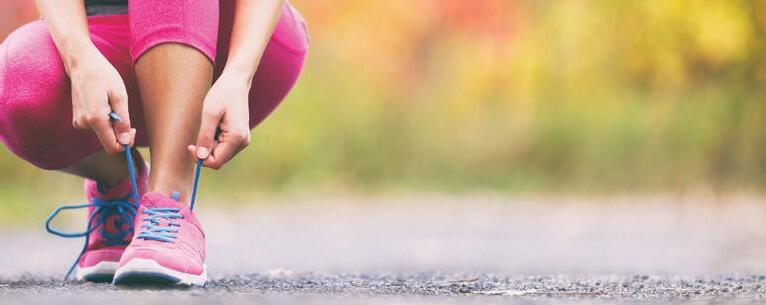



Many of today’s most popular diets keep a tight ceiling on carbohydrate intake to force the body to turn to its stores of fat to fuel energy, which leads to at least short-term weight loss and may benefit heart health.
But carbs are the most efficient type of fuel available for our bodies, especially our brains. It’s very difficult to eliminate them completely, and the complex carbs and fiber found in many fruits, vegetables and whole grains are digested slowly and can keep us fueled and full between meals.
Refined or simple carbs as found in most white breads breads, pastas, baked goods, candy, soda and other processed foods are what you need to watch out for. Here are some very healthy high-carb foods worth including in your diet:

APPLES The quintessential fruit is usually about 13% to 15% carbs, with lots of healthy fiber to slow their digestion and a variety of nutrients, including antioxidants which protect your heart and lower the risk of type 2 diabetes. Eating the skin ensures you get all the benefits.
BEETS These are a lesserknown, powerful source of vitamin C and have loads of folate, which protects us from cognitive decline.
BUCKWHEAT The core ingredient of Japanese soba noodles, these are filled with phytonutrients with anti-inflammatory and antioxidant properties and benefit the immune system and repair DNA damage from toxins.
OATS These are some of the best-for-you grains on the planet, with 10 grams of heart-healthy soluble fiber and 6 grams of protein per half-cup, along with healthy amounts of manganese, vitamin B1, iron, phosphorous and other minerals.
PRUNES With their high stores of potassium, calcium and magnesium these fruits build up your bones, regulate your digestion, metabolize glucose and help
lower your blood pressure. And the fiber— one cup of pitted prunes has 12 grams!
SWEET POTATOES One regular-sized sweet potato has 27 grams of carbs, 4 grams of fiber and 2 grams protein; those carbs will be digested slowly to provide steady fuel, and come with 400% of the recommended daily value of heart-healthy, immune boosting vitamin A.































































































































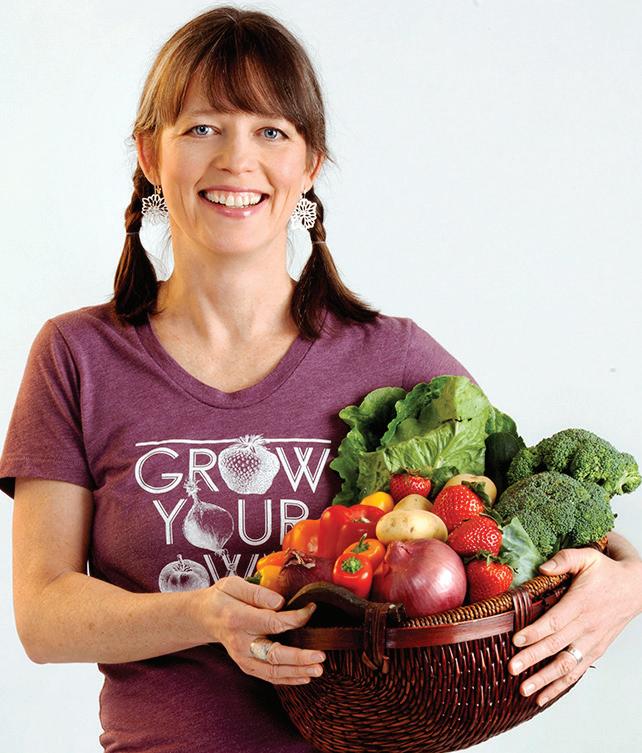


Enjoy the versatility of this easy slowcook dish from pairing the Italian shredded beef with jasmine rice to stuffing a sandwich or wrap to mixing it in a salad — and it’s tasty just on its own!
by Bailey Zygutis, Nutritionist, Vitruvian Fitness
2 tbs Grass-fed butter
2 lbs Grass-fed beef steak or roast
1 lg Red onion (diced)
1/2 cup Cabernet Sauvignon
1/2 cup Water
Pink salt, to taste
Black pepper, to taste

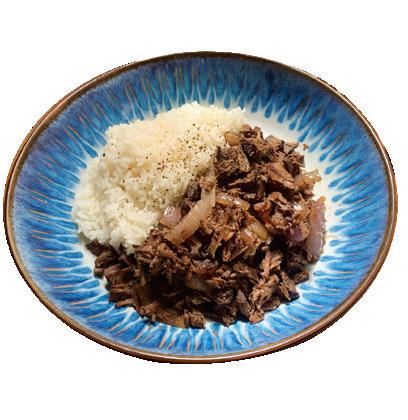
1
Heat instapot to sauté (or crockpot to high) and add butter.
2
Once melted, add diced onion and sauté until lightly caramelized
3Add beef, browning each side for 1-2 minutes before
adding water, wine, salt and pepper.
4Turn instapot to slow cook (or crockpot to low) and set for 8-10 hours, until meat easily shreds apart.
Serves 4 | Prep Time 30 min (cook time, 8-10 hours)
Grass-fed beef contains more anti-inflammatory omega-3 fats than its factory-farmed counterpart, which contains more inflammatory omega-6 fats. Opt for “grass-fed,” “certified organic” whenever possible!
Pesto dipping sauce:
1/2 cup Basil leaves, fresh
1/3 cup Parmesan, grated
1 tbs Pine nuts
1 pinch Red pepper flakes
2 cloves Garlic, pressed
1/3 cup Olive oil
1 tbs Lemon juice
1/2 cup Mayonnaise
1/4 cup Sour cream
Pinch Kosher salt
Lemon dressing:
1/4 cup Olive oil
2 tbs Lemon juice
1 tsp Sugar
1 clove Garlic, pressed
Dash Kosher salt
Dash black pepper, freshly ground
For rolls:
8 Peeled, deveined cooked shrimp (16/20 count), tails removed, halved lengthwise
1 cup Romaine lettuce, shredded
4, 8-in Rice paper wrappers
8 lg Basil leaves, fresh
1/4 cup Roasted red bell pepper strips, jarred
1/4 cup Red onion, slicked
1/4 cup Yellow cherry tomatoes, quartered
1Add shrimp to a small bowl and toss in 2 tablespoons lemon dressing. Set aside
2Add shredded romaine to a bowl and toss with remaining lemon dressing. Set aside
3One at a time, place rice wrappers in warm water until soft but still holding together, about 30 seconds
4Lay wrapper flat on a plate and start by placing 4 shrimp halves and
Serves 4 | Prep Time 40 mins
2 basil leaves in center of wrapper. Add one-quarter of roasted peppers, onions and tomatoes. Drizzle with 2 teaspoons of pesto dipping sauce. Top with a one-quarter of lettuce in a small line. Fold in sides of wrapper and roll into a tight roll. Cut in half on the diagonal. Repeat for other 3 rolls
5Dip rolls into pesto dipping sauce and dig in! Best if eaten within 1 hour of making.
This healthy appetizer brings several great flavors into one yummy roll, bound to please everyone at the table!

This keto-licious pot pie has a crispy, flaky almond-flour crust with a creamy filling.
Crust:
2 cups Almond flour
6 tbs Unsalted butter, softened
1 Egg
1/4 tsp Himalayan or regular salt
1/2 cup Cheddar cheese, shredded
Filling:
2 tbs Unsalted butter
1/2 cup Celery, diced
1/2 cup Onion, diced
1 1/2 cups Chicken broth
4 oz Cream cheese, softened
1/4 cup Heavy cream
1 tsp Garlic powder
1/4 tsp Poultry seasoning
1/4 tsp Celery seed (optional)
1/2 tsp Xanthan gum
2 cups Rotisserie chicken, shredded
2/3 cup Frozen peas and carrots
Himalayan or regular salt, to taste
Ground pepper, to taste
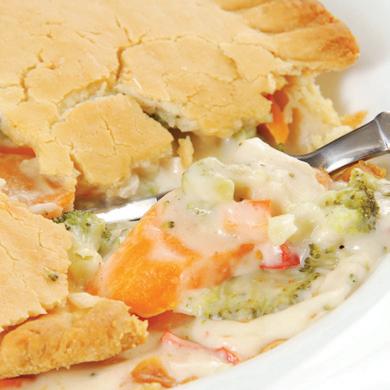
1
Preheat oven to 375º Spray 9-inch pie plate with cooking spray.
2Mix almond flour, 6 tablespoons softened butter, egg and salt by hand or with a mixer to create the dough. Stir in the shredded cheese.
3Spray four pieces of parchment paper with cooking spray. Place one ball of dough between two pieces of parchment paper (sprayed side on the inside) and roll into circle the size of a pie plate.
4Repeat with other half. Place in the fridge for about 5-10 minutes
5Take one sheet of dough out and remove top layer of paper. Flip over onto pie plate and peel off bottom layer. Press dough to cover plate. Bake 6-8 minutes
6Meanwhile, melt 2 tablespoons butter over medium heat and add celery and onion. Sautee until veggies have softened, approximately 5 minutes. Add broth, cream cheese and heavy cream and heat over medium heat, whisking till smooth. Add garlic powder, poultry seasoning, celery seed, salt and pepper
7Reduce heat to low, sprinkle xanthan gum over filling, and whisk quickly until mixture thickens. Add chicken, peas and carrots.
8Pour mixture into the bottom pie crust and top with remaining pie crust, pressing top and bottom crust together. Bake 25-30 minutes or until crust is brown. You may need to cover the edges with a pie shield or foil if they get too brown. Let cool 5 minutes before serving.
Serves 8 | Prep Time 75-85 mins
¼ cup Coconut oil
½ cup Maple syrup
¼ cup Almond milk
2 tbs Cocoa powder
¼ cup + 2 tbs Creamy peanut butter*
½ tsp Vanilla
1½ cups Whole rolled oats
1 Line a large baking sheet with parchment paper.
2 In a medium saucepan, melt the coconut oil over medium heat. Add the maple syrup, almond milk, cocoa, peanut butter, and vanilla and whisk to combine. Bring to a boil for 2 minutes, stirring
often. Boiling it longer than that could make the mixture too thick to use
3 Remove from the heat and stir in the oats. Use a 2-tablespoon cookie scoop to scoop the batter onto the baking sheet. Chill for 30 minutes or until firm
Serves 12-14 | Prep Time 40-50 mins

• Peanuts are rich in vitamins B3, B6 and E, as well as manganese, magnesium, omega-6 fatty acids, resveratrol and copper.
• Make sure you buy natural peanut butter with no additives beyond salt. Many brands today add oil, other fats and sugar to their products.
• Peanut butter is very caloriedense, so be sure not to overdo it — 2 tablespoons provides a lot of great nutrients and antioxidants, as well as 200 calories.
Using almond or other plant milks makes this a vegan recipe, but any kind of milk will work. These are also gluten-free.
Make sure the peanut butter is creamy, and if it’s unsalted you can add a pinch or two to make the other flavors pop!
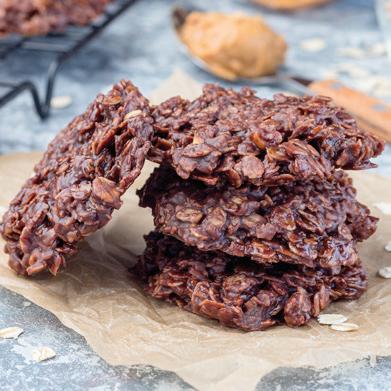
This dish’s aroma will bring your family to the table long before it’s ready to serve. Once they start devouring it, they’ll notice what this doesn’t have—meat, gluten, soy or nuts!
1 sm Onion, chopped
3-4 cloves Garlic cloves, finely minced
½ Jalapeño, finely chopped
1 inch Fresh ginger piece, peeled and grated
1 tbs Curry powder

Black pepper, freshly ground Juice of ½ lime
1½ tsp Garam masala (spice mix sold in some stores or online, see recipe below)
½ tsp Turmeric
4 cups Vegetable broth, low sodium
3 cups Sweet potatoes, peeled and chopped (about 2 medium)
1½ cups Yellow lentils (toor dal), rinsed and picked through
¾ cup Yogurt, plain vegan
1 bunch Swiss chard, center stems removed, leaves roughly chopped
1 tsp Black salt (kala namak) or sea salt
1
Place onion in large, shallow saucepan and sauté over medium heat until transparent, three to four minutes, adding water 1 to 2 tablespoons at a time to keep vegetables from sticking.
2
Add garlic and continue to sauté for about a minute. Add jalapeño and sauté for another two minutes or so. Add ginger, curry powder, garam masala, and turmeric (optional).
Stir to fully combine and cook for about two minutes more, adding water as necessary.
Time 40-50 mins
Garam Masala:
Combine these ground spices in bowl; store in airtight container.
1 tbs Cumin
1 ½ tsp Coriander
1 ½ tsp Cardamom
1 ½ tsp Black pepper
1 tsp Cinnamon
½ tsp Cloves
½ tsp Nutmeg
3
Add broth, sweet potatoes and lentils. Stir to combine. Cover and bring to a boil, then reduce heat and cover again, this time leaving the lid open a crack. Simmer for about 20 minutes.
4
When lentils are tender and the liquid has decreased, add yogurt, lime juice and chard. Cook until the chard is just starting to wilt. Add the salt and the pepper to taste, stir to combine, and remove from the heat. Serve warm.
4 Bell peppers, halved
1 tbs Vegetable oil
1 lg Onion, sliced
16 oz Cremini mushrooms, sliced
1 1/2 lb Sirloin steak, thinly sliced
2 tsp Italian seasoning
16 slices Provolone cheese
Kosher salt
Black pepper, freshly ground
Freshly chopped parsley, for garnish
1 Preheat oven to 325°. Place peppers in large baking dish and bake until tender, approximately 30 minutes
2 M eanwhile, heat oil in large skillet over medium-high heat. Add onions and mushrooms and season with salt and pepper. Cook until soft, about six minutes. Add steak and season with
Serves 4 | Prep Time 45 min
more salt and pepper. Cook, stirring occasionally, for three minutes. Stir in Italian seasoning
3 A dd provolone to bottom of baked peppers and top with steak mixture. Top with another piece of provolone and broil until golden, three minutes
4 Garnish with parsley before serving.
This easy gluten-free recipe adds a big-American-city flavor to this traditional Spanish dish (pimentos rellenos), which was especially celebrated in the Basque country.
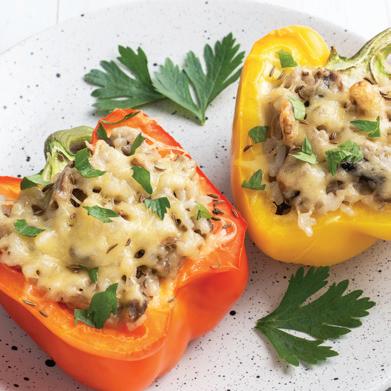
This paleo and gluten-free savory chicken piccata (also good for keto eating) is a one-skillet deal, perfect for weeknights and for lunch the next day. For a nutfree dish substitute almond flour with same amount of tapioca flour for a total of 5 tablespoons of tapioca flour.
1 ½ lb Chicken breasts (boneless/ skinless), pound to 1/2” thickness
3 tbs Almond flour, blanched
2 tbs Tapioca flour
3 tbs Ghee, divided
4 cloves Garlic, minced
1 sm Onion, chopped (about 1/2 cup)
1 cup Chicken bone broth
2 tbs Lemon juice (one lemon)
1/2 cup Coconut cream
1 1/2 tsp Stone ground mustard (optional)
1/4 cup Capers, drained
Sea salt and black pepper, to taste

1
1/2” thickness, if necessary, and cut into cutlets. Season with sea salt and pepper on both sides.
2
Heat a large skillet over medium/medium-high heat. In a shallow bowl, mix together the almond flour and tapioca for dredging. Add 2 tablespoons ghee to the skillet.
3
Once ghee is heated, lightly dredge the chicken, one cutlet at a time, in the flour mixture, shake off excess, and place in the skillet. Cook about 4 minutes on each side. The outside should be golden brown. Remove the chicken to a plate and set aside.
4medium low and add remaining ghee. Add onions, cook for a minute until translucent, then add garlic. Cook and stir another minute until softened. Add broth and lemon juice, then raise the heat to medium and bring to a boil, stirring occasionally.
5 Cook three more minutes, then stir in coconut cream and mustard (optional). Cook and stir another minute, then stir in capers. Add chicken back to skillet, lower the heat to a simmer and simmer another minute.
6Serve over sautéed cauliflower rice, veggie noodles or roasted potatoes.
Serves 6 | Prep Time 30-40 mins

HOW DO YOU DEFINE A HEALTHY LIFESTYLE?
Finding balance in every aspect of life: physical health, mental health, emotional health and financial health.
HOW DID YOU COME TO PRACTICE IN YOUR CAREER FIELD?
I spent six years active-duty Army in the operating room and as a combat medic. Being in the hospital setting, I noticed most people do not know much about prevention. My desire is to have a facility that promotes prevention and immuneboosting treatments.
WHAT TYPE OF EXERCISE (WEIGHTS, CARDIO, YOGA, PILATES, ETC.) DO YOU PREFER AND WHY?
I prefer backpacking to hiking because I love the 40-plus miles over days more than the fast and furious hike; being under time constrains, I hike more. White-water is seasonal depending on the snow melt; getting to run a river is a special treat.
WHAT DOES YOUR EXERCISE SCHEDULE LOOK LIKE?
I do an intense 6.5 mile hike/trail run two times week. I have a Peloton; I love the climb rides — I do that two times a week. I have a home gym; I lift weights two times a week
WHAT ARE YOUR PRACTICES TO KEEP YOU AND YOUR FAMILY HEALTHY?
Using the spa as much as possible for immuneboosting treatments, eating clean. We shop
almost 90% at the farmers market; along with our own chickens and garden.
HOW DO YOU DEFINE SELF-CARE; WHAT IS YOUR GO-TO WAY OF PRACTICING IT?
Self-care is an everyday practice. I take time to sit and have my coffee or tea while enjoying watching my chickens and rabbits in the back yard. It is my place of peace, quiet and tranquility.
WHAT IS YOUR FAVORITE HEALTHY FOOD/SNACK?
I don’t believe in snacking …. But, I do occasionally enjoy organic roasted seaweed.
WHAT IS YOUR FAVORITE HEALTHY MEAL?
I love making and eating bone broth. I use L Bell Ranch bones and Whipstone Ranch veggies cooked for days until I know all the collagen and minerals from the bones and vegetables have been extracted. It’s an easy go-to by adding
chopped vegetables and some meat from those ranches for a tasty dinner.
WHAT IS YOUR BIGGEST HEALTH AND WELLNESS TIP?
Everyone should keep a closer eye on their blood glucose. I monitor my morning fasting blood glucose daily. I concentrate on making sure my levels stay in a healthy range. I am not diabetic, but it’s a good measuring device on how your body is processing not only your food but your stress.
WHAT IS YOUR NEXT GOAL IN YOUR HEALTH AND WELLNESS JOURNEY?
I turned 50 in 2020; I want the next 50 to be just as healthy and rewarding as my first 50!