Neighbourhood Media Mosman Magazine | January 2026
MOSMAN MARINA FIRE
MOSMAN MARINA FIRE
WHAT’S ON GUIDE
WHAT’S ON GUIDE
SHARKS IN THE HARBOUR
SHARKS IN THE HARBOUR
MURDER IN MOSMAN + MUCH MORE
MURDER IN MOSMAN + MUCH MORE
Meet Local Artist: Happy Decay
A Closer Look at Clifton Gardens
Bull Sharks in Sydney Harbour
Mosman Marina Fire Great Convict Escapes from Mosman Bay
Meet the Team at Mosman Matters
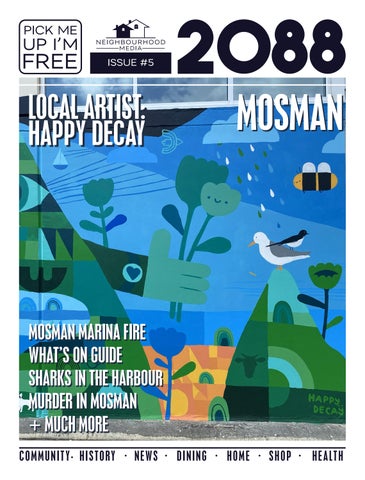
A brand new year is here, and we are back to bring you another year of local news, inspiring stories and community spirit! First of all, let’s take a moment to appreciate the latest artistic talent to touch Mosman, Happy Decay! Featured on the front cover of 2088 Issue #5. His art focuses on enhancing the beauty of urban environments with explosions of colour. Inside this issue, we’ve got a stack of community news, we catch up with the team at Mosman Matters, learn more about planned upgrades to Rosherville Reserve and do a deepdive into Sydney Harbours Bull Shark population to keep you informed this summer. You can count on the 2088 Magazine to keep you in the loop with the latest arts, food and entertainment news as well. In this issue, we’ve got a hand tear-out 2026 Mosman Market calendar, local What’s on Guide plus some other tasty morsels. Thanks for picking us up Mosman. If you have any thoughts on this issue or would like to appear in our next 2088 Magazine, please send us an email: info@neighbourhoodmedia.com.au. Until next time (which is April, by the way)!
Neighbourhood Media
COVER STARS - Ellenore, Maud, Alexandra (Left To Right)
PUBLISHER - Neighbourhood Media
DESIGNERS - Robert Everett & Lisa Ferron
CONTRIBUTORS - Rob Everett, Jen Keates, Lisa Ferron, Rita Bratovich, Adeline Teoh, Gerii Pleitez, Alec Smart
ADVERTISING - Georgie Pengelly - 0416 972 081
Vale Dame Marie Bashier, 1930 - 2026
Book Review: Murder In Mosman Monika’s Doggie Rescue Long Lifers Do You Have All The Answers?
Suburb Record Smashed Shop Local & Support Your Local Retailers
HISTORY
By Alec Smart
The seaward escapes of Sydney convicts.
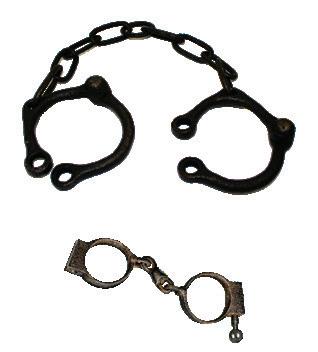
DDURING the early years of the British penal colony experiment in Sydney Cove, very few convicts escaped custody. The surrounding environment was fraught with threats, from known dangers, such as snakes and sharks, to the unknown, including venomous creatures and poisonous plants.
Of those convicts that bolted in a bid to escape cruelty and harsh conditions, most were recaptured and severely punished; several were killed by Aboriginals or vanished; whilst others perished through starvation. Among the successful escapees, a few joined Indigenous clans and effectively ‘went native’, whilst those who purloined a boat or joined the crew of a visiting ship (or hid among its cargo) had a greater chance of success. Later, when international whaling and sealing ships anchored in coves around Sydney Harbour, including Walsh Bay, Campbells Cove, Moores Wharf (Millers Point) Circular Quay, Watsons Bay and Great Sirius Cove (Mosman Bay), for mooring, repairs, and processing blubber, they were hungry for crew members and often smuggled aboard escaped convicts to supply that demand.
about 80% of them convicted of theft, often for minor offences driven by poverty. Petty theft was the most common reason for transportation, with sentences often lasting seven or 14 years for offenses involving small, low-value items.
For the convicts, many of whom were serving long, harsh sentences for crimes that today would be considered misdemeanours, an opportunity to escape was capitalised upon.
WHALING OPTION
“Mosman became renowned as a centre for whaling after the opening of Sydney’s first commercial whaling station in Mosman Bay.”
To deter the theft of water craft by convicts, British authorities limited the number of vessels allowed to operate in Sydney and only one shipyard - the King’s Dockyard, established on the Western Shore of Sydney Cove in 1800 – was permitted to build new boats. Although a number of vessels were constructed at the turn of the century, both in the dockyard and by independent boatbuilders, it wasn’t until 1855 that Australia’s first privately-run dry dock was opened, in Mort Bay, Balmain.
CONVICTS
During the convict era (1788–1868), approximately 165,000 convicts were transported to Australia, with
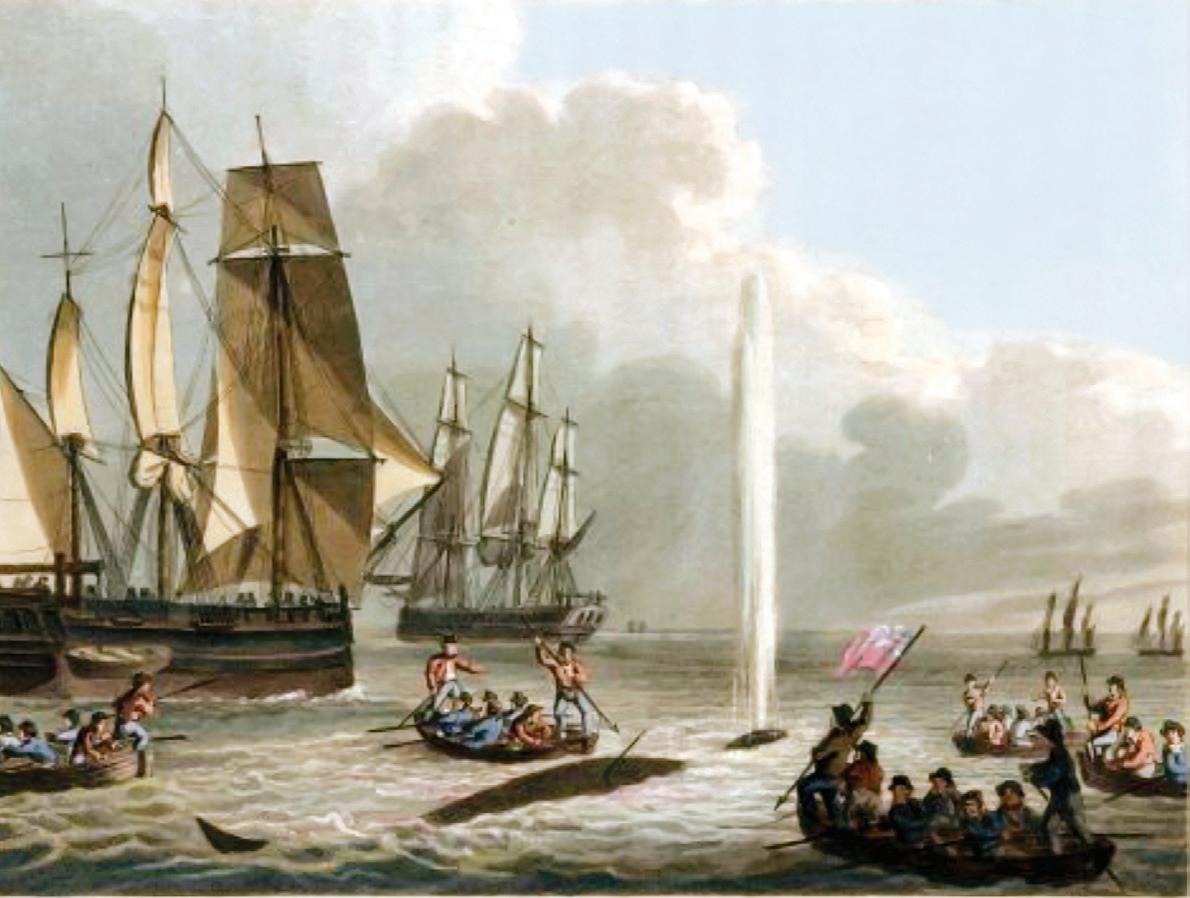
Whaling and sealing companies began operating from Sydney in the 1790s, capitalising on the annual whale migration along the East Coast of Australia between May and November every year. The whaling industry, which required a crew of up to 40 for the larger ships and barks, and around 20 for the smaller brigs and schooners, often recruited escaped convicts as cabin crew. Whaling ships first arrived in Sydney in 1791. Five of the 11 vessels of the Third Fleet – Active, Britannia, Mary Ann, Matilda and William & Ann, all owned by the merchant Enderby family - began whaling in the South Pacific soon after disembarking their human cargo.
The Britannia was the first European ship to catch and kill a whale off the Australian coast on 10 November 1791. Whaling became vital to the developing colony, with whale products among Australia’s primary exports prior to the discovery of gold and coal.
The whaling vessels spent long months at sea, and until whales were sighted, the journeys could be monotonous, with the on-board hierarchy very rigid. The pursuit and capture of whales was extremely dangerous, involving six-man crews launched in rowing boats (four oarsmen, a boat-header who steered and commanded, and a
harpoon thrower). They manoeuvred alongside the moving leviathan and thrust harpoons attached to ropes into its exposed flank.
The crew’s wages were dependent on the sale of the numerous parts that the whale was dissected or rendered down into. After the ship owner paid expenses and took his commission, there mightn’t be much left of the sale proceeds to distribute among the ship hands. Often sailors were paid in advance and remained indebted to the company if the season’s catch was poor.
This meant it was a very unattractive option for professional sailors, but acceptable work for escaped convicts and other miscreants evading authorities, especially those with maritime skills.
DETERRENCE
The British authorities introduced inspections and fines for ships found harbouring runaway convicts.
An Act in 1827 made it unlawful for any ship’s master to have escaped convicts on board, or to neglect reporting them, and violation incurred significant financial penalties. Convicts were a vital labour force and therefore State property, and escaped convicts often resorted to banditry and bushranging, making them a serious threat to settlers in the expanding colony.
American whalers began anchoring in Chowder Bay below
Middle Head from the late 1820s. The first dedicated whaling station on the Australian mainland (previously the sea mammals were dismembered on board the ships or towed to beaches) opened at Twofold Bay (near Eden) in 1828.
Mosman became renowned as a centre for whaling after the opening of Sydney’s first commercial whaling station in Mosman Bay (then Great Sirius Cove) by Archibald Mosman and John Bell in 1833. By 1837, there were 42 whaling ships based in Sydney, employing around 1300 crew.
It soon became known that American whalers and merchant trading ships had enabled the disappearance of fleeing convicts.
The frequency of convicts escaping on American ships created diplomatic tensions between the British and American authorities. This threat to maritime trade prompted the United States to appoint a consul to Sydney, James Hartwell Williams, in 1836, who was specifically tasked with controlling renegade seafarers. A consulate office opened in Sydney in 1839, ensuring American ships did not disrupt local colonial laws by harbouring runaway convicts.
DECLINE
In the early 1800s, New Zealand was also a magnet for escaped convicts because it was not yet colonized by a European nation. Most of the escapees worked in maritime trade, especially the seal and whaling industry. Many worked for Sydney merchants who dropped gangs on islands to harvest seal skins and oil for export to China and England.
The Sydney Herald estimated in 1837 that there were between 200 and 300 former convicts residing in New Zealand, a large proportion of them ‘bolters’.
The last convict ship to Sydney, the General Palmer, arrived in 1850 (although transportation officially ended in 1868 in Fremantle, Western Australia). By then the whaling and sealing industry had declined due to over-production and a severe reduction in wildlife from unsustainable mass slaughter.
The Great Sirius Cove whaling station in Sydney Harbour had already closed following the bankruptcy of Archibald Mosman and his business partners in 1844.
In 1851, discovery of gold in Ophir, near Bathurst, triggered a major ‘gold rush’ with the arrival of thousands of immigrant speculators, and Australia’s economy transitioned from marine to agricultural and forever changed.
COVER STAR
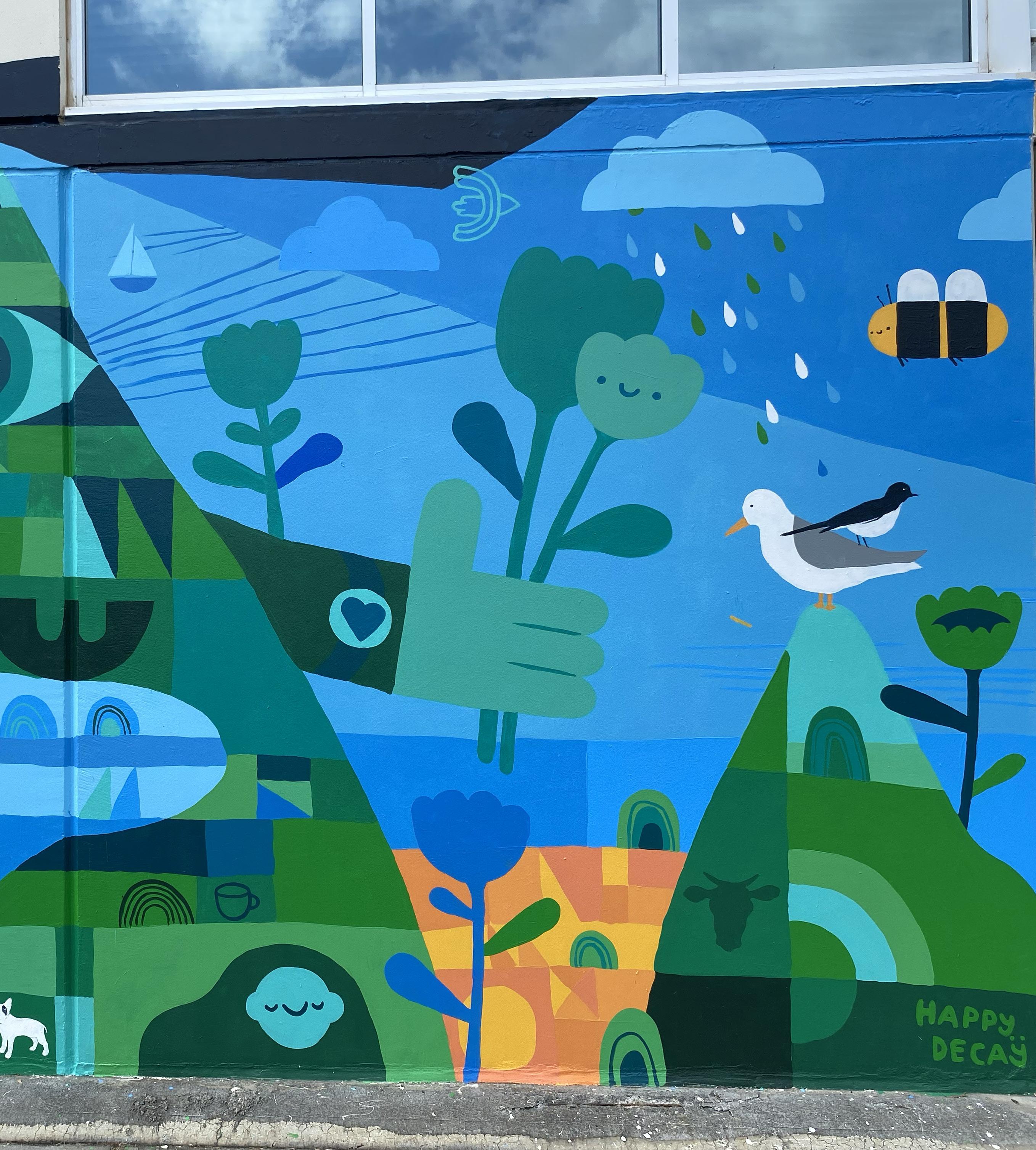
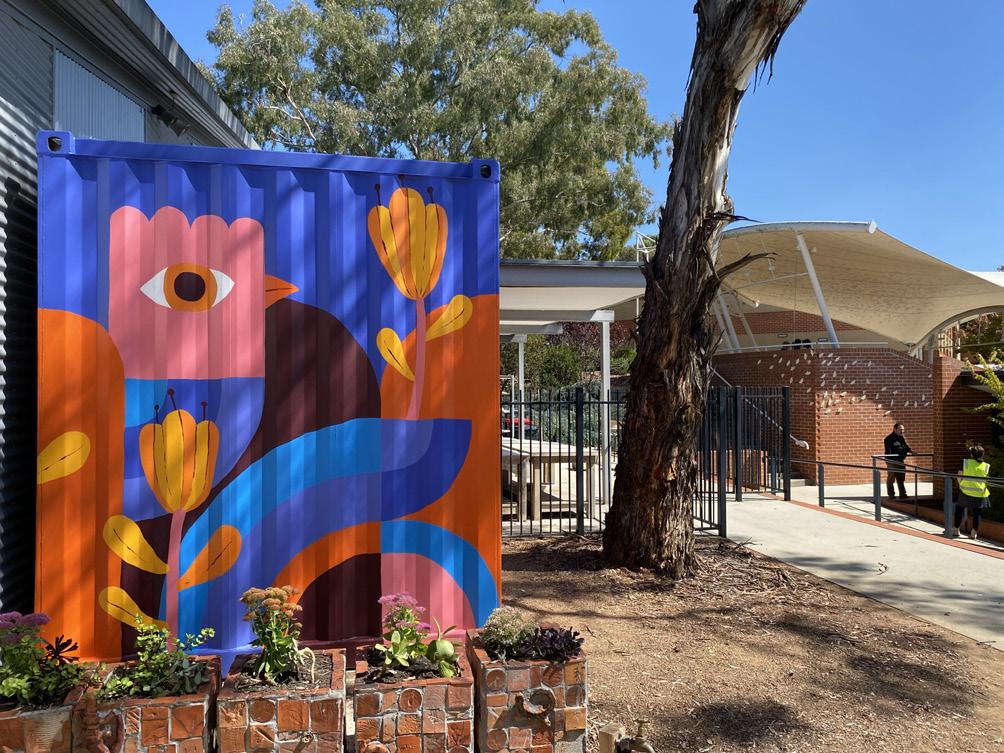
HHAPPY DECAY’S work transforms everyday spaces into places of imagination and connection. Known for creating playful, immersive murals that invite viewers to slow down and look closer. Their practice is driven by curiosity, humour and a deep respect for community. From large-scale public artworks in local neighbourhoods to collaborations with global brands, their work celebrates the power of art to shift how people experience the spaces around them. In this interview, the artist reflects on their creative journey, community engagement and the ideas behind their recent Mosman mural project.
What inspired your Mosman community piece? How are you connected/involved with the local community currently?
I was inspired by the natural surroundings of Mosman, particularly the trees and landscape, as well as the vibrancy and warmth of the local community.
The stairwell itself was originally very dull, and I felt it was important to transform the journey through the space into something positive and uplifting. The work is designed to enhance the experience of moving through the stairwell and create a sense of joy and curiosity.
freedom of using imagination rather than having to be exact, like in maths. That sense of creating something unexpected has stayed with me and continues to flow through my work today.
Can you tell us about your artistic journey over the years?
After finishing Year 12, I took what was meant to be a year off, which turned into two years of travelling. I always had a sketchbook with me, and while most of my friends had gone to university, I was constantly drawing. A friend eventually suggested I look into art school.
“During my travels, I was exposed to a lot of street art and the culture around it.”
The mural artworks are intended to connect with everyone, from kids to grandparents, sparking imagination across all ages. They also function as a wayfinding tool, helping visitors identify which floor they are on through distinct imagery and mural features.
Whenever I paint on site, I make a point of chatting with locals. If the artwork allows, I sometimes incorporate snippets of people’s stories into the work. For example, you will find a whale included as a direct request from someone in the community.
How did your passion for art first develop?
My earliest memory of being drawn to art goes back to primary school. We were asked to create an artwork based on a story our teacher had read, and I remember loving the
During my travels, I was exposed to a lot of street art and the culture around it. I was particularly drawn to work that made public spaces more interesting and engaging for people. At art school, I refined my practice while still using imagination as the driving force behind my imagery. I experimented across photography, letterpress, etching and drawing.
After graduating, I struggled to make a living from my art. It wasn’t until years later, after learning graphic design, that I began to understand the broader systems involved in sustaining a full-time art practice. There are definitely a few key elements that need to be in place to support and promote your work.
These days, I am fortunate that through persistence and consistent work, clients and brands now approach me directly.
What inspires you, and how has that inspiration evolved over time?
I have always been interested in creating artwork that is quirky and playful. Over time, that focus has evolved into making more immersive public artworks and murals. I am especially drawn to transforming neglected or mundane spaces into something enjoyable and uplifting, creating work that invites viewers to engage their imagination. That
intention has grown significantly from my early days of practice. Are there any career highlights you would like to share? It might sound funny, but bringing new life to the Mosman car park genuinely feels like a highlight. At the same time, working with global brands such as Prada, Porsche and Meta has been an incredible experience.
After finishing art school, I was invited to spend three months in New York creating a limited-edition artist book using letterpress and etching, which was a major milestone. Working with schools is another highlight. Contributing to
“It might sound funny, but bringing new life to the Mosman car park genuinely feels like a highlight.”
environments that become more inviting and inspiring for students and staff is incredibly rewarding. Do you have any upcoming projects, events or exhibitions?
This year is shaping up to be a big one. A major project involves creating over 20 wall murals for a new health facility for young people. I am also collaborating with a UK brand that will launch later in the year, focusing on my illustration work.
Alongside client projects, I am developing a few personal side projects, including a joint exhibition in Canberra and releasing my artwork across a series of different products.
IN THE HOOD
By Alec Smart
Mosman’s idyllic harbourside haven.
CCLIFTON GARDENS is a grassed harbourside reserve tucked along the Middle Head Walk, offering a relaxed and versatile space for families, swimmers and outdoor enthusiasts. The park features barbecues, shaded children’s play areas, an enclosed soft-sand playground for younger kids, and a basketball court, making it an easy choice for everything from weekend picnics to after-school catch-ups. Toilets and swimmer changing facilities are also available on site.
Set beside Chowder Bay — known to the Borogegal clans as Gooree — Clifton Gardens enjoys a naturally sheltered position on Sydney Harbour. A timber jetty extends into the bay and remains popular with local fisher-folk, while the netted harbour swimming pool provides a calm and safe option for swimmers of all ages. The pool is accessible via a wheelchair ramp, reinforcing the reserve’s inclusive design. The surrounding paths are well used by joggers and walkers, particularly those tackling sections of the Middle Head Walk.
frequent ferry services from Circular Quay. The bay even featured a vast swimming arena surrounded by a twotiered timber walkway, with diving platforms built into the lower level. Over time, these attractions fell into disrepair and were ultimately demolished by Mosman Council in November 1967.
“Clifton Gardens was once a major tourist destination in the early 20th century, complete with a luxury hotel, dance pavilion and ferry services from Circular Quay.”
At the northern end of the reserve sits the historic Submarine Miners Depot. Established by the Submarine Mining Corps, the site was not a submarine base, but rather a facility used to prepare and deploy marine harbour defence mines during the late 19th and early 20th centuries. Today, the buildings are managed by the Harbour Trust and have been repurposed into a dining precinct overlooking the water. Café La Mer offers a relaxed daytime option for coffee or brunch, while Ripples restaurant provides a more formal dining experience with sweeping harbour views.
Clifton Gardens has a rich social history and was once a major tourist destination in the early 20th century, complete with a luxury hotel, dance pavilion, leisure boat hire and
Today, Clifton Gardens has evolved into a quieter, community-focused reserve, popular with picnickers, families, dog walkers and fitness enthusiasts. Open lawns and shaded areas make it ideal for spending long afternoons outdoors, while the proximity to the water continues to be a major drawcard year-round. Dogs are permitted off-leash on the beach and in the water east of the Clifton Gardens jetty at designated times, provided they remain under the control of a competent person. During winter, off-leash access is allowed before 9am and after 4pm on weekdays. In daylight savings months (October to March), off-leash hours are before 9am and after 6pm on weekdays.
The car park gate at the Morella Road entrance opens daily at 6am and is locked overnight at 9.30pm. Clifton Gardens is also accessible via local bus routes, making it an easy destination for those travelling without a car.
Blending natural beauty, accessible facilities and layers of history, Clifton Gardens remains one of Mosman’s most enduring harbourside spaces — valued as much for how it’s used today as for what it once was.
Experience the joy of singing in a choir. We have six choirs for singers of all abilities, including newcomers.
Sing with us at the Sydney Opera House and beyond.
Festival Chorus ChorusOz
Audition now – sing with us in London 2026
WILDLIFE WATCH
By Alec Smart
OA closer look at one Sydney’s apex predator - the Bull Shark.
A closer look at one Sydney’s apex predator - the Bull Shark.
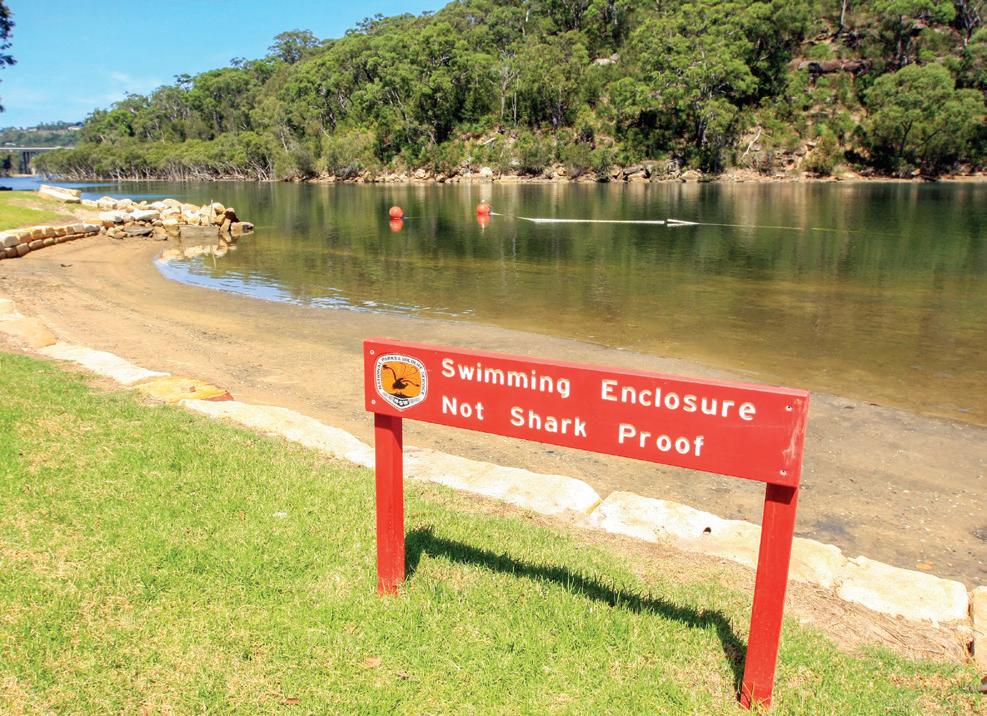
ON Sunday 18 January 2026, a 13-year-old boy sustained fatal injuries after he was mauled by a shark in Sydney Harbour west of Nielsen Park, Vaucluse. The beach alongside where he was swimming is named, not ironically, Shark Beach, and it features a netted swimming enclosure that is popular in summer. The boy was swimming outside of the netted area with a group of friends who were jumping off a rock.
Although the incident took place around 4.20pm, when sharks are less likely to attack, the water was reportedly turbid following days of heavy rain – which favours the ambush predator.
The shocking incident followed the tragic death of a surfer at Long Reef Beach on Sydney’s Northern Beaches in Sept 2025, who suffered catastrophic leg injuries from a white shark.
Several swimmers have been attacked by sharks in Sydney Harbour in recent years, including a woman who was bitten on the leg whilst swimming near a wharf at Elizabeth Bay in January 2024.
Sydney Harbour is a habitat for a large variety of sharks, especially during the warmer months of the year, including the three species of sharks most responsible for fatal attacks on humans: whites, tigers and bulls.
BULL-HEADED BITERS
Bull sharks (Carcharhinus leucas), a ‘shy’ predator that, as adults, range in size from 2.0 – 3.2 metres, tend to occupy shallower waters (less than five metres) but usually near steep drop-offs where they can linger in the depths and ambush prey swimming overhead.
Most of the attacks - and all of the fatalities - that resulted from deadly encounters with the dorsal finned predators within Sydney Harbour waters are credited to bull sharks. The numerous coves around the Middle Head peninsula,
from Mosman to Balmoral, and inland along Middle Harbour to Bantry Bay and under the Roseville Bridge, are among the most popular cruising zones for the more dangerous bull sharks.
A section of water between Kirribilli on the North Shore, and Garden Island and the Opera House to the south is also a ‘Bermuda Triangle’ of high bull shark activity.
Although larger sharks travel north during the cooler months, several of the mangrove-lined stretches of rivers that flow into the Sydney’s four main harbours – Pittwater, Port Jackson, Botany Bay and Port Hacking, are popular breeding grounds for the bulls.
FRESHWATER LURKERS
Bull sharks breed in brackish (low salt) waters such as estuaries and further upstream where tidal seawater meets freshwater flowing down from creeks. Females give birth to litters of between 1 and 13 young, which remain in estuaries for up to five years.
These low-salinity environments, especially mangroves, effectively become bull shark nurseries because they offer high protection for the developing pups from predators, especially other sharks that prefer saltier waters.
Which is why bull sharks are often found in the upper reaches of Parramatta and Lane Cove rivers and Middle Harbour Creek, where tigers and white sharks seldom venture.
Bull sharks are unique because, unlike most species of shark, they’ve evolved to survive in both salt and fresh water, due to unique kidney and rectal gland functions that regulate salt and water balance. This process, called osmoregulation, makes them euryhaline (tolerant of varying salinities).
In most sharks, a significant reduction in water salinity would cause swelling and bursting of vital organs, but the
“Bull sharks tend to occupy shallower waters but usually near steep drop-offs where they can linger in the depths and ambush prey swimming overhead.”
bull shark’s ability to retain vital salts enables them to travel far up tidal rivers and into freshwater creeks and lakes to hunt and breed.
However, their adaptability increases the potential for dangerous attacks on humans, who favour freshwater swimming in warmer countries, where they are less likely to encounter sharks.
ATTACKS IN SYDNEY HARBOUR
partment of Primary Industries (DPI), very little was known about eastern Australian bull sharks until the DPI started tagging them with electronic monitors in Sydney Harbour in 2009.
Around 90 bull sharks have since been tagged in Sydney Harbour and their movements are recorded, especially if they approach beaches with high human activity. There they alert electronic sensers and life savers will often clear the water of swimmers and surfers until the shark
• Tagged bull sharks have often been detected in the Great Barrier Reef in Queensland during winter and spring before migrating south to Sydney Harbour for the summer and autumn, travelling a distance of 1800km.
Although the first recorded shark attack fatality was off the coast of Sydney in 1791, according to the Australian Shark Incident Database, there have been 63 recorded shark bites around Sydney Harbour between 1807 (Cockle Bay, in which the victim survived) and 2025. The first documented fatality in the harbour was in Woolloomooloo Bay in 1840. 52 of the recorded attacks in Sydney Harbour have been identified as bull sharks, 28 of those were fatal. In fact, all of the fatal attacks around the harbour and the rivers that feed into it were attributed to bull sharks, except for one in Sirius Cove in 1919, when the species wasn’t identified. Middle Harbour has a documented history of deadly shark attacks, with several fatalities occurring in the mid 20th century, mainly around Bantry Bay, Sugarloaf Bay and the Roseville Bridge.
Middle Harbour is classified as a ‘drowned valley’, which consists of varying depths. Although it has an average depth of 13 metres, there are deep channels and holes that plummet to a reported 37 metres – ideal locations for large predators to lurk undetected.
The first recorded fatality in Middle Harbour was 1907. This was followed by a tragic attack in 1916 when a Castlecrag man and his wife were bathing in shallow water off Sugarloaf Point. A bull shark bit the man’s arm, severing the main artery, and he bled to death within seconds before he was hauled ashore.
There were two more fatal attacks in 1942 in Bantry Bay, followed by Sugarloaf Bay in 1955, and beneath Roseville Bridge in 1960. The last fatal attack was in 1963, in the mouth of Middle Harbour.
TAGGING
According to SharkSmart, the NSW Government shark awareness website overseen by researchers from the De-
• Bull Sharks are present when seawater temperatures average 20 degrees or warmer; when the water cools below 19 degrees they swim north again. Safety Tips for Swimmers.
• Avoid murky or turbid water, as it provides camouflage for ambushing sharks.
• Avoid swimming after rain, especially near river mouths, as it attracts sharks seeking drowned creatures washed downstream.
• Swim during daylight hours and avoid dawn, dusk, and overnight, when sharks are hunting.
• Check water temperature (above 20°C means more bull sharks) and use apps/websites such as Dorsal Watch for reports of recent shark sightings or electronic tag monitoring.
Safety Tips For Swimmers:
• Swim in netted enclosures:
North Shore: Greenwich Baths, Maccallum Pool (Cremorne Point), Clifton Gardens (Chowder Bay, Mosman), Balmoral Baths, Northbridge Baths (Sailors Bay, Middle Harbour), Clontarf Reserve Baths, Forty Baskets Beach (Balgowlah), Fairlight Beach Rockpool, Manly Cove (Manly), and Little Manly Cove (Manly).
South Shore: Dawn Fraser Baths (Balmain), Marrinawi Cove (Barangaroo), Murray Rose Pool (Double Bay), Shark Beach (Vaucluse), and Camp Cove Beach (Watson’s Bay).
SharkSmart has found:
COMMUNITY
By Lucy Pearson
F
Fire rips through luxury yachts at Mosman Marina, causing millions in damage.
FIRE tore through a row of luxury yachts at one of Sydney Harbour’s most prestigious marinas in the early hours of Friday 9th January, destroying three vessels, badly damaging a fourth and forcing residents to flee as thick smoke filled the air.
Fire and Rescue NSW (FRNSW) was called to the blaze at The Spit Marina in Middle Harbour shortly before 3.30am.
More than 40 firefighters rushed to the scene alongside a firefighting vessel from the NSW Port Authority, as flames rapidly spread across multiple superyachts moored along the dock.
It took crews approximately two and a half hours to bring the fire under control. By the time it was extinguished, three large yachts had been completely destroyed and sunk, while a fourth sustained significant damage and remained afloat. Authorities estimate the damage to be in the millions of dollars.
FRNSW Superintendent Adam Dewberry said the scale of the response reflected the serious risk posed by the blaze, which could easily have spread further through the tightly packed marina.
“There’s dozens of boats and yachts here, and a lot of money, but also people living aboard some of these vessels,” Dewberry said. “This could have been far more destructive.”
Four people escaped the fire, while NSW Ambulance paramedics treated several individuals for smoke inhalation. One woman was taken to hospital in a stable condition. No serious injuries were reported.
Boat owner Andrew Carr, who lives aboard his vessel at
the marina, said he was woken by police shortly after 4am as officers worked urgently to evacuate residents from surrounding boats.
“There was a loud bang at the door, which is unusual when you’re sleeping on a boat,” Carr told Nine News. “I opened it and there was a police officer saying, ‘You need to get off the boat, there’s been a fire on the dock.’”
Carr said police went door to door, waking people and ensuring they moved to safety as the fire raged nearby.
“They knocked on every boat,” he said. “You could see clouds of smoke everywhere.”
He described watching in shock as the flames leapt between vessels.
“It burnt really, really quickly,” Carr said. “I was really surprised. They just couldn’t put them out.”
Vision from the scene showed one of the charred yachts slipping beneath the surface of the harbour as firefighters continued to battle the blaze, with plumes of dark smoke rising above the marina.
In addition to extinguishing the fire, emergency crews worked to prevent environmental damage. Fire and Rescue NSW, in coordination with the Environment Protection Authority (EPA) and the NSW Port Authority, deployed containment booms around the affected area to capture debris and prevent oil, fuel and other hazardous materials from contaminating the water.
A Port Authority firefighting vessel, Girawaa, played a key role in dousing the flames from the water and assisting with the removal of fuel and oils from the damaged and sunken yachts.
with their investigation and clean-up, and restoring safe operations as soon as possible,” Joyce said. “We have deployed significant resources to assist with these tasks and to minimise disruption to our customers.”
Joyce said normal marina operations were expected to resume on Friday afternoon, although large sections of the site remained inaccessible during the morning.
Traffic was also affected during the emergency response, with one lane of the Spit Bridge closed while firefighters
MOSMAN, MEET YOUR NEW PILATES STUDIO
Start your new routine for 2026 and set your new standard of movement at MODE Pilates - where form meets function, and strength meets flow.
Get started with 5 classes for just $59!
Scan the QR code to download the MODE Pilates App or visit modepilates.com to find out more.
COMMUNITY
By Rita Bratovich
BMany locals are turning purple over the new multi-level developments planned for Mosman, including one man who knows what matters.
BOB CLARK and his wife, Carmel, have lived in Balmoral for four decades and feel very much a part of the community. Over the years, they’ve seen subtle changes to the surrounding landscape, but the character and heritage of Mosman LGA has mostly remained intact. Until now.
The NSW Government’s recently introduced Transport Oriented Development (TOD) policy, aimed at increasing housing density around transport hubs, is threatening seismic and somewhat chaotic change to the area.
With Spit Junction having been identified by the State Government as a transport hub that would benefit from the TOD policy, major development projects are being proposed around Mosman. This is being done without input or consultation with residents and local council.
The revised housing policy includes eased restrictions on the location and height of low to mid-rise apartment towers. Each new building may include a number of apartments set aside for affordable housing.
These are basic things that you expect if you’re going to try and raise the density in an area,” says Bob.
He is part of a community action group called Mosman Matters, founded by 89-year-old Judith Pearson and recognisable by their purple polo shirts. Pearson has brought a lawsuit against the NSW Government over the new policy.
Locals are dismayed with the generic approach to proposed new developments, with no consideration being given to the needs and character of individual precincts.
“Locals are dismayed with the generic approach to new developments, with no consideration being given to the needs and character of individual precincts.”
For Bob, whose professional background is in architecture and town planning, this new scheme is hasty and illconsidered. It’s not that he is unwilling to accept change, it’s how the government is going about it.
“It’s not this NIMBY thing which is bandied about. What is happening with TOD is that the government is imposing it without any planning,” says Bob. In particular, Bob says there appears to be no thought with regard to infrastructure.
“Wherever you are in Sydney that development happens, you’ve got to look at the schools, the playing fields, you know, the parklands where people can get out of their apartments and wander around and breathe fresh air.
The Mosman LGA is unique for its geographic shape and location, its historic homes and landmarks, and the fact that it is skirted by one of the most beautiful harbours in the world.
“Our harbour is special because of its scale, its topography, the bays and headlands and the numerous glimpses which come and go and change. It’s special, very special,” says Bob.
“Mosman is an area which has slopes that go down to the water, with views of the water that have become extremely valuable.
So [developers] want to go as high as they possibly can to get those views.”
Bob cites one development underway in Balmoral. It is an eight-storey building going up on a site previously occupied by two houses.
“It blocks the view of just about everybody going back almost to Military Road. So, people are upset,” he says.
“The council and Mosman community have spent years defending the harbour foreshore from overdevelopment.”
Bob has been front and centre for many of those battles. His lengthy resume includes roles with State Planning Authority, Sydney Harbour Federation Trust, and Mosman Council.
MOSMAN
He is not opposed to development or increased housing per se, but he believes it should be done in partnership with local council. They have a better idea where to allocate money and resources to better serve the community. Instead, the State Government is seemingly giving free rein to developers and real estate agents who are buying up adjacent houses and amalgamating the blocks so they can build multi-storey buildings.
“Some of the people aren’t happy, they’re being forced to sell because the people around them are selling,” says Bob. “There’s some who are older residents who are really distraught.”
Mosman’s demographic is mixed and ever-changing, however there is a large population of older people and retirees who expected to live out their days here. They have established friends, belong to groups and clubs, have routines. Their doctors and other professionals are in the area.
Many of the properties in the cross-hairs of developers are beautiful, heritage homes that have been well preserved and have established, landscaped gardens; they will be demolished to make way for buildings that do not harmonise with the surroundings.
Bob cites the project at 48 - 50 Almora Street as an example. Two houses were purchased with the intention of demolishing them. In their place will be an eightstorey modern residential tower with 14 three-bedroom apartments, car park and pool. Of the 14 apartments, three will be designated affordable housing.
“For the place in Almora Street, developers have supplied — as they’re required to do — a visual assessment of the view from the harbour. And it is horrific! You see this thing, it just stands out like a sore tooth,” says Bob.
The NSW Government says this initiative is needed to help increase housing overall and provide more affordable housing. However, in a number of cases, the implementation of the policy negates that intention.
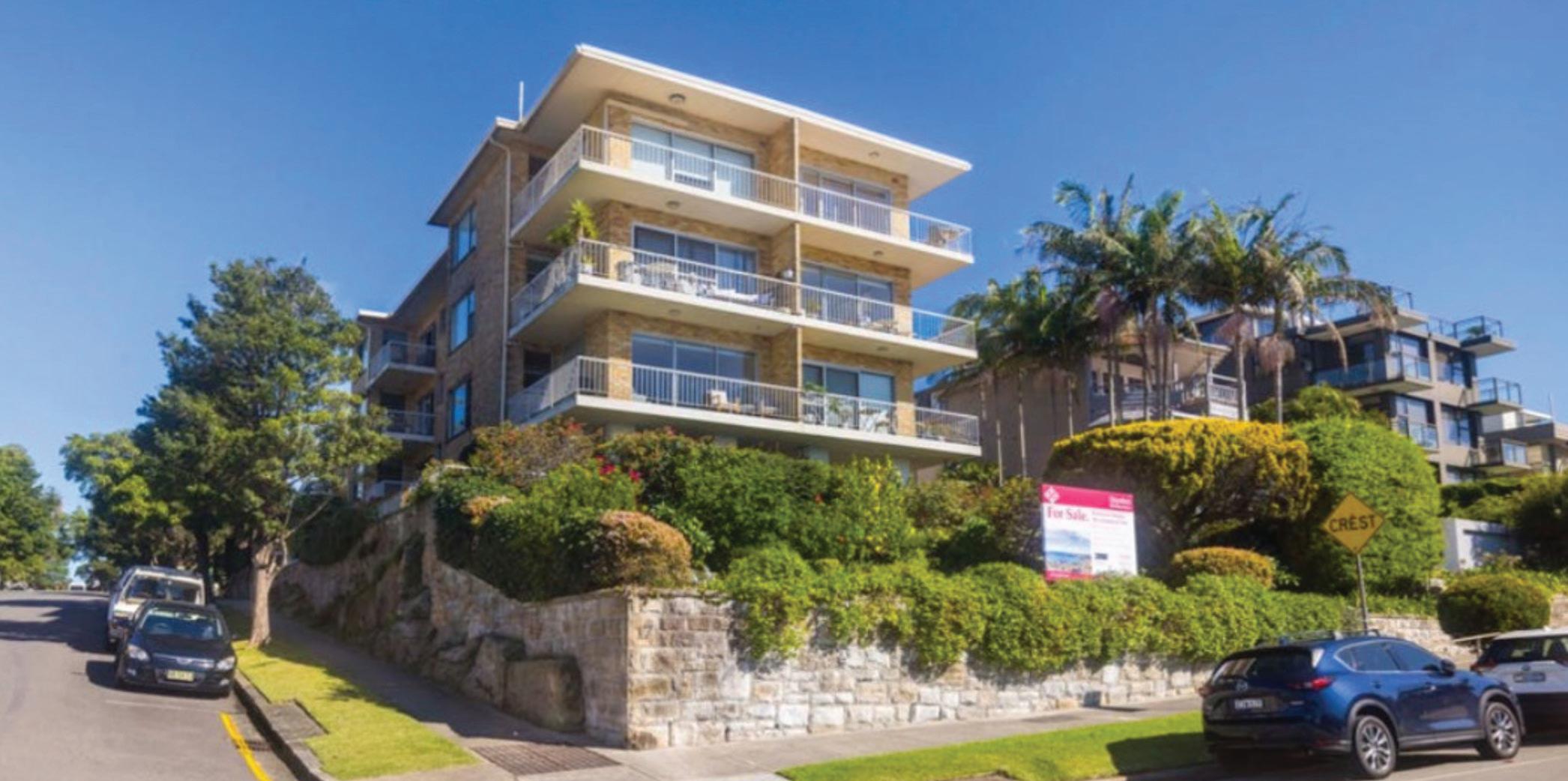
“There is a perfectly good brick apartment building, probably built in the 1980s, with six apartments in it and it’s going to turn into four luxury, one unit per floor apartments,” says Bob.
There are also issues regarding the affordable housing provision. Apartments only need to be offered at a discounted rate for 15 years, after which they can return to market value.
In some larger developments, tenants in affordable housing units will have a separate entrance to the main building and they may not have access to facilities such as a pool or gym. Their area will not have the level of trimmings and finishes as the main building. This is purported to be a costsaving measure.
It isn’t all bad, though, says Bob.
“There are some really pleasant four storey apartment buildings being built…There’s one going up at the moment, quite close to the Mosman Council Chamber. I mean, there’s some lovely houses that were demolished there, but having said that, this is a good spot for the new building and it’ll fit in very well. You know, a hop, skip and a jump to the shops.”
So what is the solution?
Bob says the NSW Government can achieve its objectives with a degree of mutual satisfaction if they work in tandem with local council. Ku-ring-gai and Bankstown Councils were able to negotiate just such an agreement.
“They’ve produced plans — and they’ve been given planning awards for their plans,” says Bob. “They’ve obviously sat down and talked through it with the state representatives and got these plans in place, and the government has said ‘that’s good, it’s fulfilling our requests’.”
Unfortunately, Mosman Council was acquiescent in the beginning and is only now realising the full impact of the policy and the level of disquiet it is causing residents.
“So they’re now going away and getting a plan in place, which is, you know, too late for a lot of things,” says Bob.
Interestingly, when Bob worked with Mosman Council in the 1980s, he was involved in getting a development assessment done of the entire LGA. It laid out building options for particular areas based on the topography and character of the area. It also took into account the affect on Sydney Harbour overall.
With relevant updates, Bob believes those plans could be used to inform decisions about developments now.
At the moment, a lot of residents are worried; plans are being implemented that can’t be undone.
And, of course, there are also locals who welcome the new policy.
Nobody denies the need for more housing or that increased development should be shared among LGAs, however, it should be done with detailed planning that includes infrastructure and aesthetics and in consultation with those who have the best local knowledge and will be the most impacted.
COMMUNITY
By Rita Bratovich
DDAME MARIE BASHIR, the first female Governor of New South Wales and a highly respected public servant, has died at the age of 95. She passed away on 20 January 2026, leaving a legacy of service, compassion and leadership across medicine, community advocacy and public life.
Born in Narrandera in 1930, Marie Roslyn Bashir graduated from the University of Sydney with degrees in medicine and surgery in 1956. She built a distinguished career in psychiatry, focusing on children’s health, mental health and Indigenous health. In 2001, she became Governor of NSWthe first woman and first person of Lebanese descent in the role - serving with dignity and empathy until 2014.
Dame Marie and her late husband, Sir Nicholas Shehadie, were long-time residents of Mosman, living in their family home overlooking Middle Harbour for over five decades. She was also active in the local community, supporting cultural events, arts initiatives and schools, reflecting her
MRemembering the first female Governor of NSW, whose decades in Mosman and tireless community work left an enduring legacy.
commitment to the area beyond her official duties. Political leaders and community figures have paid tribute to her. NSW Premier Chris Minns described her as “an extraordinary Australian,” while Prime Minister Anthony Albanese said Australia was “poorer for her passing and richer for her life.”
Beyond vice-regal duties, Dame Marie was Chancellor of the University of Sydney and a passionate advocate for social inclusion, education and health. She is survived by her three children and six grandchildren.
Dame Marie Bashir will be honoured with a state funeral, celebrating her extraordinary contributions to New South Wales and the Mosman community.
Community invited to help shape a nature-based playground featuring bushland play, improved paths, and local greenery.
MOSMAN COUNCIL is planning a low-impact upgrade of the Rosherville Reserve playground, with construction scheduled from August to December 2026. The playground will remain in its current location while introducing nature-based play, bush regeneration and improved pathways.
The design includes small-scale play elements, natural timber equipment, sandstone edging and sand softfall, all aimed at maintaining the playground’s relaxed, bushland character. The upgrades will create an immersive outdoor experience where children can play, explore and connect with nature while preserving the reserve’s natural environment.
The project is funded by $250,000 from the Metropolitan Greenspace Program, a NSW Government scheme that helps councils create vibrant neighbourhoods and
sustainable communities, matched by Council. It aligns with the Rosherville Reserve and Chinamans Beach Plan of Management and the Greater Sydney Green Grid, a long-term vision linking national parks, bushland corridors, and open spaces across the city. Council is seeking community feedback to help shape the final play design, ensuring it reflects local values and complements the natural setting. Residents are encouraged to share their ideas and suggestions so the upgraded playground meets the needs of the community while enhancing the reserve’s bushland charm. For more information and to provide feedback, visit the Council website or attend the upcoming consultation sessions. Your input will help create a space where children can play, explore, and connect with nature for years to come.
Rosherville Reserve
46 Hopetoun Ave, Mosman
EXPERT
HOME & LIVING
Mosman mansion breaks the North Shore property price record after selling for $50M.
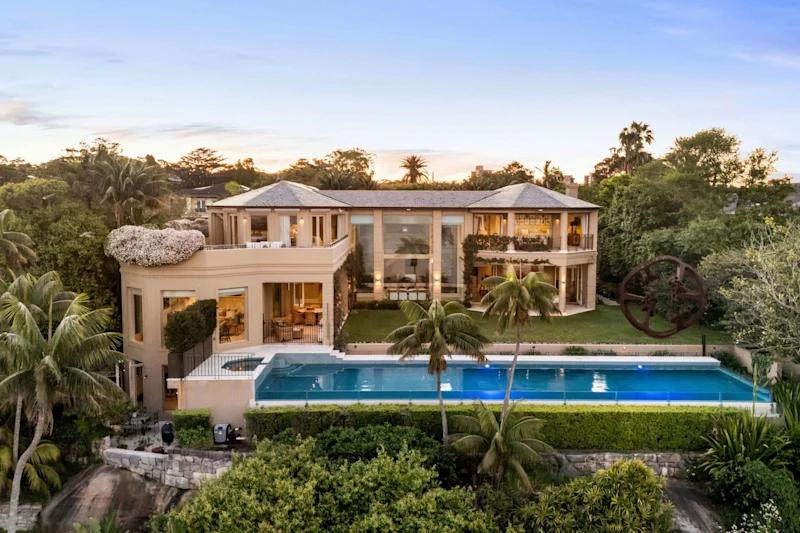
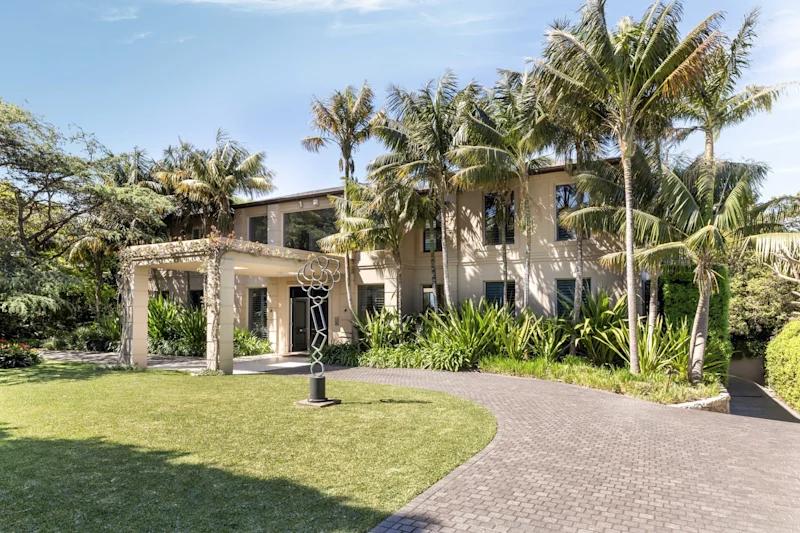
AA SPRAWLING three-story home with views across to North and South heads and down to Balmoral Beach, sold for an unprecedented $50 million in October last year.
The luxury home at 3 Kirkoswald Avenue was designed by esteemed Sydney architect, Susan Rothwell. It was purchased by the Balnaves philanthropic family in 2001 for what now seems like a bargain price of $6,525,000.
During their tenure, Diane and Neil Balnaves had the home significantly renovated with input by architect, Rothwell. The 2235 square-metre block is situated on the prestigious clifftop locale known as the “golden triangle” bordered by Burran Ave, Hopetoun Ave, and Kirkoswald St.
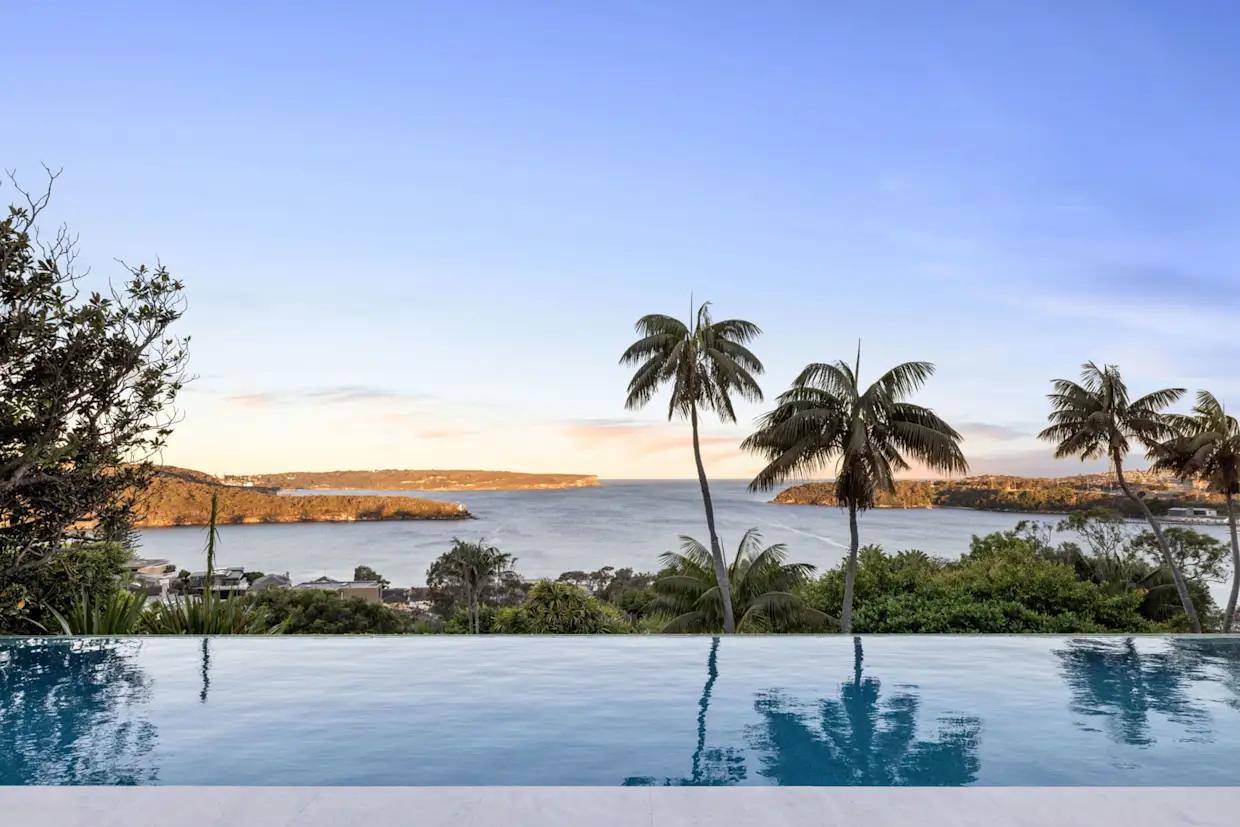
The Palladian-inspired residence offers six bedrooms and seven bathrooms, centred around a striking atrium with a water feature. The elevated parcel affords the home sweeping views across Sydney Harbour and out through the heads to the ocean. Interior living spaces flow seamlessly to harbour-facing terraces overlooking a 20-metre infinity pool and spa, framed by gardens designed by Will Dangar.
Additional features include a gym, extensive wine cellar, butler’s pantry, steam room, automated gates and private au pair accommodation with separate access, alongside multiple Jetmaster fireplaces and travertine bathrooms appointed with Zucchetti tapware.
The Kirkoswald St mansion was sold by local prestige agents, Michael Coombs and Adrian Bridges of Atlas Lower North Shore. The identity of the new owner/s has not been disclosed but is rumoured to be an Aussie expat who is coming home.
The previous record for the North Shore was held for only two months by a house on McLean Crescent (separated from the “golden triangle” by Rosherville Reserve). It sold in August 2025 for $43.5 million.
The 1035 square metre block was purchased in 2010 for $5.5 million — a tidy profit.
Both the McLean Crescent and Kirkoswald Street houses were sold off-market. It shows that buyers are not only willing to pay premium prices for homes in the area, but that there are hungry potential buyers just waiting for properties to become available.
B O T T O M L E S S B R U N C H E V E R Y F R I D A Y - S U N D A Y B O O K I N G S B E T W E E N 1 2 P M A N D 3 P M
Enjoy two hours of select beverages and Mediterranean-style shared dishes $ 8 9 P P
HOME & LIVING
IIF there’s one thing we know for certain, it’s that change waits for no one. Since COVID-19, every year has tested buyers, sellers, and investors alike: interest rates rise, living costs soar, global events ripple through local economies, and policy shifts. In this environment, predicting where the property market will go has never been more challenging. 2026 promises more of the same — but it also offers opportunity for those who understand the forces at play. From government-driven planning changes and low supply in sought-after suburbs, to intergenerational spending habits, the market is a complex web of influences. To navigate 2026 successfully, you need to understand the interplay between these forces and think of it as a carefully balanced ecosystem.— and act strategically when opportunity arises. In the following report, we break down the key macro and micro factors shaping the property market this year, from local LMR disruption to buyer reactivity, providing insight into what’s likely to influence prices, supply, and opportunities in the months ahead.
LOCAL LMR DISRUPTION
State Government LMR planning changes introduced last year have materially altered local market dynamics. Increasing numbers of owners are banding together to sell to developers, resulting in a growing volume of properties tied up in option agreements. This has reduced available supply. At the same time, uncertainty around future development has prompted some neighbouring owners to sell prematurely, often accepting below-market prices.
INTEREST RATES
Interest rates remain one of the most influential drivers of property values. Any further increases are likely to slow activity, as borrowing capacity continues to constrain buyer budgets. This is particularly evident in established areas such as the Lower North Shore, where vendors often choose not to sell rather than adjust expectations. Younger buyers are most affected, although government initiatives such as low-deposit schemes provide some support. Property markets are typically driven from the bottom up. Increased apartment activity can trigger a flow-on effect, with apartment owners upgrading to townhouses, semis and freestanding homes. For this cycle to gain momentum, however, it relies on motivated, upwardly mobile Millennials.
Whether this occurs remains uncertain, as lifestyle and experience spending continues to compete with home ownership.
COST-OF-LIVING PRESSURES
Beyond mortgage repayments, broader household expenses play a critical role in market activity. When budgets are tight, mobility declines—regardless of longterm intentions.
BABY BOOMERS
Baby Boomers have been a significant influence over the past 10–15 years. Through both investment activity and downsizing, they have shaped supply and pricing across multiple segments. Having benefited from extended periods of capital growth, this cohort is generally less price sensitive and more pragmatic in negotiations.
UPWARDLY MOBILE FAMILIES
By contrast, families who have purchased more recently tend to be highly price sensitive. Transaction costs— particularly stamp duty—often determine whether an upgrade is viable. As a result, properties are frequently listed and then withdrawn if expectations are not met, contributing to persistently low turnover in many established suburbs.
BUYER REACTIVITY
Every property market includes a segment of buyers who respond more to headlines than housing data. In Australia, the amplification of global news through social media and 24-hour commentary has increased hesitation during periods of uncertainty. The practical outcome is a quieter market rather than a weaker one. Reduced urgency and lower transaction volumes can mask underlying demand, which often re-emerges once sentiment stabilises. With so many forces shaping the market, navigating 2026 requires more than luck. It requires experience and a clear strategy.
How autumn condition support healthy herb growth.
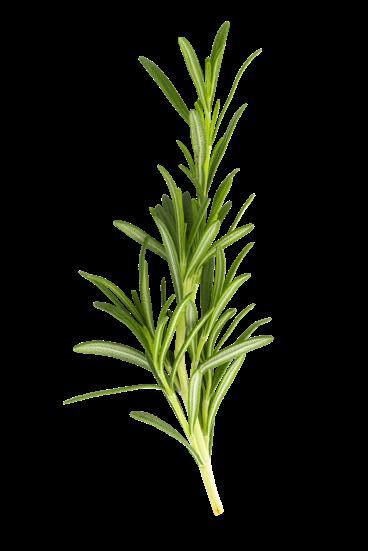
AAUTUMN is a wonderful season for growing herbs. As summer heat fades, daytime temperatures become milder while the soil stays warm, creating comfortable growing conditions. Increased rainfall and fewer pests make it easier for herbs to establish strong roots and develop healthy leaves. Both leafy herbs and hardy perennials flourish during this season, making autumn perfect for planting a productive and flavourful herb garden. Choosing the right herbs for autumn ensures a healthier, more productive garden. By planting during cooler weather, you encourage strong roots, vibrant leaves, and lasting flavour that can be enjoyed well into the colder months.
Parsley
Chives
Rosemary
Coriander Sage Thyme Mint
ARTS & ENTERTAINMENT
By Rita Bratovich
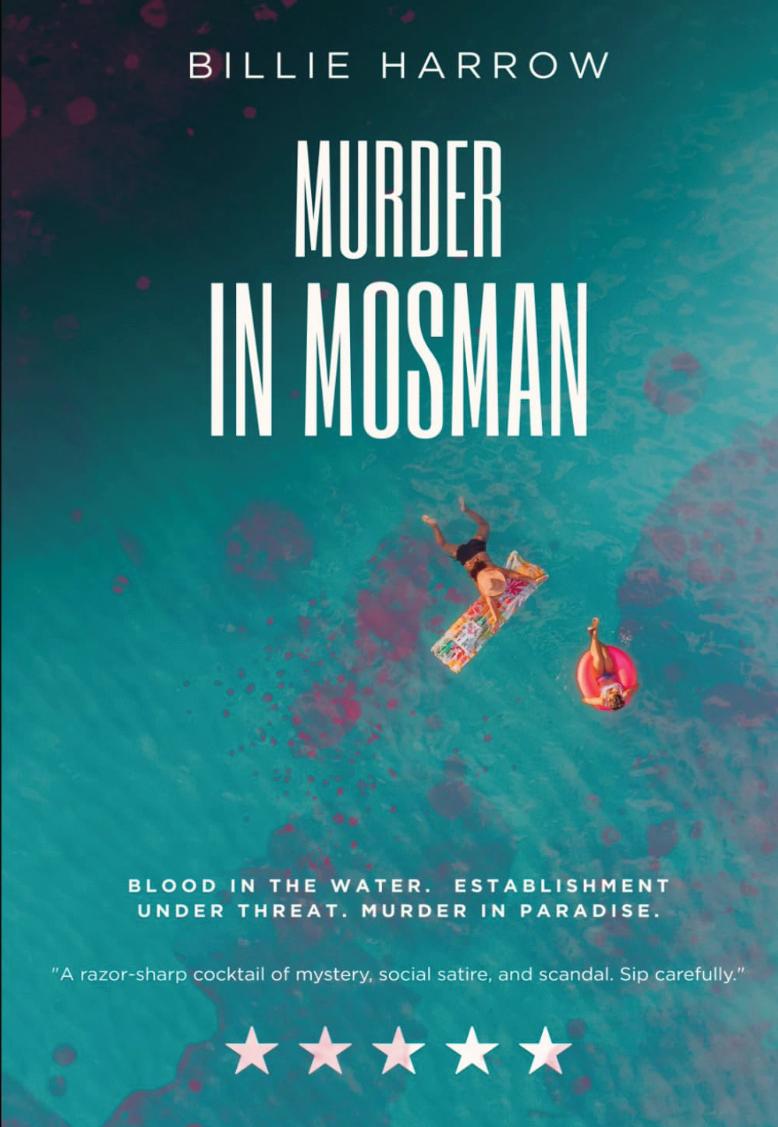
Real Housewives meets Dick Tracy in this corny crime thriller about vanity, greed, and the danger of badly kept secrets.
RRELEASED in September 2025 and apparently only available on Amazon, Murder In Mosman is a self-published, 86-page novella by unknown writer, Billie Harrow.
There is no bio on the author and all Google searches come up blank, so the name is possibly a pseudonym.
Set in Mosman, the plot revolves around the murder of Marcus Thornleigh, a high-end property developer who is discovered in his office with fatal head injuries inflicted in a seemingly frenzied attack.
The list of possible suspects is long thanks to Thornleigh’s involvement in a high-rise project that threatens the aesthetics of the neighbourhood and the water views for some influential and unimpressed residents.
Detective Inspector Chen is assigned to the case. Gradually, what Chen uncovers is a series of illicit dealings, dark conspiracies and mobster level financial fraud. And it seems that before the Detective Inspector made these discoveries, the murder victim, Thornleigh, had also become aware of them, and he was taking notes — and photos.
Among those under suspicion are a real estate agent with quite the portfolio; an ageless councillor with big ambitions; a work-at-home cosmetic surgeon who is expert in covering blemishes; and several insular, elitist country-club types who find the whole thing an inconvenience.
DI Chen is the narrator of the story. We never learn Chen’s gender but we certainly get a good idea of Chen’s opinion of the people of Mosman. From the get-go, Chen scoffs at the wealth and lifestyle of the locals. It is relentless and, for the reader, irritating.
Virtually every description, whether of a person, car, house,
or activity, is given with a palpable sense of disdain and a simplistic assumption of wealth and privilege. The word “expensive” appears 41 times in a story that is just over 80 pages long.
The images of affluence and the attitudes described belong in a 1980s American mini-series about oil-rich families. They are horribly cliched and would not ring true for Mosman locals.
The writing style is imitative of a 1940s American crime paperback and feels at odds with the suburban Sydney setting. Some of the elements in the story also suggest that old American movies and crime shows represent the level of research done by the author. For example, there is reference to a chalk-outline around a body — something that isn’t done in Australia and is no longer done in most places around the world.
Characters voices all tend to sound the same. They all have the same acerbic humour and cocky cynicism — even the young, Eastern European au pair sounds like Detective Inspector Chen.
Harrow has the qualities of a good writer, but indulges a little too much in similes and fails to find authenticity in storytelling or character development.
Murder In Mosman is a quick, easy read, and, for those less bothered by the above-mentioned grievances, may be a fun page-turner.
�� BURGER DROP TUESDAYS |�� Minksy’s Hotel
�� Every Tuesday Tuesdays just got juicer at Minksys with the brand new Burger Drop Tuesdays. Every single week the Chefs at Minksy’s are cooking up a brand new burger special - think big buns, bold flavours and creations you won’t find anywhere else. You can also grab the much-loved classic smash burger for only $20 all day. Get in early, grab a beer and don’t hesitate - these specials fly out the door and once they’re gone, they’re gone.
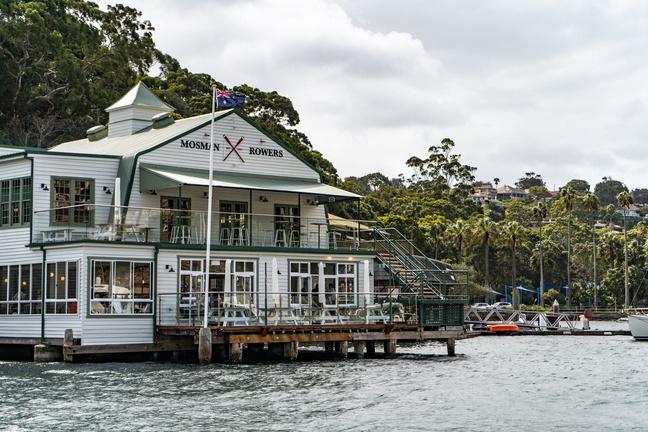
❤ VALENTINE’S DAY |�� Mosman Rowers
�� Feb 14 (From 6:30pm)
Celebrate love this Valentine’s Day at The Rowers with a romantic dinner by the water. Couples are invited to enjoy a thoughtfully curated three-course set menu designed for sharing and savouring together, while live violin sets the mood. With indulgent dishes, sweet desserts for two and a waterfront setting, it’s an effortlessly romantic way to toast the occasion with someone special.
�� HAPPY MONDAYS |�� Minksy’s Hotel
�� Monday from 4pm
You can say goodbye to boring Mondays at Minskys this year and hello to $18 gyros and an extended happy hour running from 4 pm until midnight! Grab beers, wines, and spirits from just $7, and don’t miss the Meat Raffle kicking off at 5 pm. Whether you’re popping in after work or settling in for the night, Mondays at Minskys prove you don’t have to wait until Friday to have fun.
Your guide to the best theatre, food, entertainment, and live music happening in Mosman and other nearby neighbourhoods.
EVENTS & ENTERTAINMENT
❓TRIVIA TUESDAYS |��The Buena
�� Tuesday from 7:30pm
Get ready for a night of brain-busting fun upstairs at The Buena’s gorgeous Vista bar! Get a team together, test your knowledge and enjoy great food and drinks while you’re at it. If that’s not enough, there are $250 worth of prizes up for grabs! Bookings are highly recommended: sevenrooms.com/experiences/thebuena
SENIORS FESTIVAL |��Various locations �� 2–13 March
Celebrate in style and connect with your community at Mosman Seniors Festival 2026, from 2-13 March. Some of the program highlights include a High Tea on 6 March to kick off the festival, a fun Senior’s Dance Party on 10 March and a Closing Lunch on 13 March. Bookings are essential, although many of the events and activities throughout the festival are free. For more information, visit events.mosman.nsw.gov.au/seniors-festival
❄ DISNEY’S FROZEN |�� The Concourse, Chatswood
�� March 21 & 22
Experience Disney’s Frozen with the Willoughby Symphony Orchestra performing the score live! Follow fearless Princess Anna on her epic journey with Kristoff, Sven and the hilarious Olaf as they race to save Arendelle from eternal winter. Featuring beloved voices from Kristen Bell, Idina Menzel and Josh Gad, this Academy® Award-winning animated classic comes to life in a magical, family-friendly concert. Tickets: theconcourse.com.au/event/willoughby-symphonyorchestra-disneys-frozen-in-concert/
�� NEXT WAVE |��Various Locations
�� March, June, September
A new talks and ideas series for the Mosman community, exploring the ideas shaping our world. Our first event, AI and the Human Brain, features Professor Joel Pearson examining how artificial intelligence is reshaping human cognition, behaviour and relationships. Discover how AI is set to transform everyday life more profoundly and more rapidly than almost any technology before it. Register your interest at mosman.nsw.gov.au/next-wave
PETS
HWe Meet The ‘Long-Lifers’ - Dogs Waiting For Their Forever Homes - At Monika’s Doggie Rescue.
HIDDEN in the quiet bushland of Ingleside, just 25 minutes from Mosman, Monika’s Doggie Rescue is one of Sydney’s few no-kill shelters. For more than 25 years, it has offered a safe haven for thousands of stray and abandoned dogs. While many go on to find loving homes, some remain longterm residents, waiting patiently for their second chance. Founded by animal welfare advocate Monika Biernacki, the shelter is guided by a simple but powerful belief: every dog deserves safety, care and hope, for as long as it takes. Among those still waiting are dogs whose bonds, resilience, and personalities make them especially deserving of adoption.
HOWIE AND BERNIE — MAXWELL SMART AND AGENT 99
Bernadette and Howard — affectionately known as Bernie and Howie — are a bonded pair who arrived together from a local pound and have been inseparable ever since. Both carry English Staffy in their genes, with Dachshund and Shar Pei influences giving them distinct, memorable appearances. Bernie, around five years old, has a smooth chocolate-coloured coat and a fondness for puddles. Howie, approximately three years old, has a tan smooth coat and an irrepressible cheekiness that belies his smaller stature. At Monika’s, pairing dogs can play a vital role in building confidence and emotional stability, and Bernie and Howie’s bond is a perfect example. Volunteers John and Rhianne, who regularly walk the pair, describe them as a joy to spend time with. “Howard may be smaller, but he makes up for it in cheekiness and bravado,” they say. “Bernie has a spirit of adventure and a very soft spot for Howard, regularly checking in on him.”
The pair’s dynamic has earned them a fitting nickname.
“They’re like the Maxwell Smart and Agent 99 of Monika’s,” the volunteers explain. “Howard is the charming but slightly clueless secret agent, while Bernie is the calm, rational brains behind the operation. Together, they’re unstoppable.” Friendly and people-focused, the pair eagerly seek human interaction, a behaviour staff notice every morning as they enthusiastically line up for breakfast. They are easy-going, energetic, and affectionate, enjoying treats and walks alike. Both thrive in lively family environments, responding well to children, new experiences, and socialisation. Their story is a reminder that some of the most devoted companions are those who have waited longest for a loving home.
CHIN AND KAY — THE SNUGGLE PACK
While Staffy crosses make up a large part of the DoggieRescue population, Huskies and Husky mixes also feature prominently. Many arrived after being rescued from a hoarding situation, having had little exposure to routine, home life, or human interaction. The experience left them shy, uncertain, and in need of patient, consistent care. Among them are Chinook and Kayuh — known simply as Chin and Kay — a bonded pair who became inseparable after the third member of their group was adopted. Chinook, a white female Siberian Husky cross, is around six years old, while Kayuh, a grey-and-cream male, is approximately eight. Despite their difficult beginnings, both have made remarkable progress, gradually learning to trust humans and embrace affection.
Kayuh is a little shy but walks calmly on a loose lead, showing no reaction to cars or other dogs, especially when accompanied by Chinook. The pair clearly draws confidence from one another, their close bond helping them navigate the world outside the shelter. Their social development is ongoing, and adopters with rescue experience are best placed to help them continue to flourish.
Michelle, Lead Kennel Hand — affectionately known as the “mother of all Huskies” — describes them as one of the shelter’s most remarkable pairs. “Chin and Kay are likely siblings and almost identical apart from their colouring,” she says. “You’ll often find them sitting with their paws entwined, playfully wrestling, or resting side by side. Chinook is slightly more confident, Kayuh a little shyer, but both are incredibly affectionate and love to snuggle.”
The story of Chin and Kay is a testament to resilience and patience. They have been waiting for their forever home since late 2021, but the connection they share and their developing trust in humans is a powerful reminder that the bonds formed in rescue can be profound.
WAITING FOR THE RIGHT HOME
Bonded pairs like Bernie and Howie, or Chin and Kay, are rare treasures. They offer companionship already built, trust already earned, and love ready to be shared. While many of the dogs at Monika’s move on quickly, those who wait the longest often give the most in return — and bring the greatest joy to the families lucky enough to adopt them. For anyone considering adoption, these pairs are proof that patience, understanding, and a willingness to embrace a dog’s unique personality can transform lives — both canine and human. Monika’s Doggie Rescue continues to be a haven not just for the dogs themselves, but for the families who come looking for love, loyalty, and companionship in its purest form.
PUZZLES
Across
2. Salt and freshwater tolerance in bull sharks is called .
Salt and freshwater tolerance in bull sharks is called __________.
13. Iconic Australian short film festival returning to Centennial Park on Feb 22.
4. Local group opposing large-scale development in Mosman
Local group opposing large-scale development in Mosman.
5 Industry that recruited escaped convicts for cabin crew due to their maritime skills.
6. Outdoor cinema experience at Barangaroo Harbour Park featuring what?
10. Sydney Harbour suburb where Bob Clarke (Mosman Matters) has lived for 4 decades.
14. Every week, Minksys Hotel release a new burger special on this day
3. Country where many early convict escapees fled, often via whaling or sealing ships
Number of events in the 2026 Next Wave series?
7. The sensory system sharks use to detect electrical signals in prey.
This local venue hosts a Trivia night with $250 in prizes on offer - The _____.
15 Number of events in the 2026 Next Wave series?
Industry that recruited escaped convicts for cabin crew due to their maritime skills.
16. This local venue hosts a Trivia night with $250 in prizes on offerThe Down
Outdoor cinema experience at Barangaroo Harbour Park featuring what?
11. Penalty imposed on shipmasters for harboring runaway convicts after 1827.
8. This generation has shaped housing supply and pricing over the past 10–15 years
Brand new community talks series exploring AI and the human brain.
1. Brand new community talks series exploring AI and the human brain
Sydney Harbour suburb where Bob Clarke (Mosman Matters) has lived for 4 decades.
Penalty imposed on shipmasters for harboring runaway convicts after 1827.
Iconic Australian short film festival returning to Centennial Park on Feb 22.
Every week, Minksys Hotel release a new burger special on this day.
9. Classic Disney musical performed with a live orchestra at The Concourse, Chatswood
12. Level of government introducing the Transport Oriented Development policy.
Country where many early convict escapees fled, often via whaling or sealing ships.
The sensory system sharks use to detect electrical signals in prey.
This generation has shaped housing supply and pricing over the past 10–15 years.
Classic Disney musical performed with a live orchestra at The Concourse, Chatswood.
Level of government introducing the Transport Oriented Development policy.