These two moms opened a spa. It had one big, beautiful effect on the
Mery and Sindy always knew they wanted to open a spa to bring beauty to customers. Little did they know it would have the same effect on the community. And Business First was there. We provided $23,000 in grants to help with much-needed renovations so Mery and Sindy could bring their vision to life.* Now, not only does their spa impact clients in a beautiful way, it gives the community an economic lift as well.
*Incentives, grants, and savings will vary with every project.
Mery Seminario and Sindy Catalan, ISSI Beauty Spa, Port Washington
Spring is here! This season is one that often brings upon feelings of hope and new beginings. Flip through the pages of this issue for seasonal editorial, a tasty, timely recipe and much more. Looking to advertise? Seasons® Magazine is published monthly in print and online. Contact us for more information today.
Bob Scarito
Michael Scarito
Bob Scarito Licensed Broker Associate
Michael Scarito Licensed Broker Associate
How To Prepare Soil For Spring Planting
Springis a season of rejuvenation and perhaps nowhere is that rebirth more noticeable than in the yard. Each spring, grass begins to grow again as inviting landscapes beckon people outdoors. Extra sunlight and rising temperatures make spring a great time to plant flowers, grasses and trees. To ensure successful planting, homeowners must take steps to prepare the soil. Healthy soil can provide the ideal conditions for roots to take hold, helping plants establish themselves before potentially harsh summer conditions arrive. Preparing soil might seem like an extensive job, but a simple approach may be all that’s necessary to create conditions that promote plant growth this spring.
• Clean up the previous months’ mess. Whether homeowners live in regions marked by year-round warmth or places where winter typically features heavy snowfall, it’s a good idea to clean up an area prior to spring planting. Fallen leaves, rocks, grass clippings, and other debris can contribute to compacted
soil that makes it hard for plants to establish strong, healthy root systems. Clear away any debris prior to planting before taking the next step in your soil preparation routine.
• Loosen the soil. Once debris has been cleared away, loosen the soil. Depending on the size of the area where you’ll be planting, you may need to invest in tools like a shovel, spade,
spading fork, and/or a lawn edger. If you’re planting in a small area, such as a deck planter box that still has soil from last year’s planting inside it, you can either clean the box and replace the soil entirely or dig around with a handheld trowel, cultivator and/or weeder. It’s important to loosen all of the soil around where you will ultimately plant prior to planting to ensure water can reach the roots and help them establish themselves once planting is completed.
•Start by testing your soil’s PH to determine its acidity or alkalinity, as extreme levels can limit nutrient availability for plants. Affordable home test kits are available at most home improvement stores, or you can contact your local Cooperative Extension Service for a more comprehensive analysis. These tests not only measure pH but also provide insights into soil texture and composition. Based on the results, the Extension Service can recommend amendments to enhance soil quality and help new plants thrive.
Unique Features For Outdoor Living Spaces
Outdoorliving spaces continue to grow in popularity, with a 2023 study finding that 63% of homeowners would prioritize them during a remodel. Interest is driven by a range of goals. According to Houzz research, 51% of homeowners renovate to improve aesthetics, 37% want to create better spaces for entertaining, and one-third aim to extend their home’s overall living area.
Homeowners looking to achieve these goals can incorporate a variety of features that blend style and function. Water fountains, for example, can serve as eye-catching focal points while also creating a calming atmosphere with the soothing sound of flowing water. They may even attract birds, enhancing the natural ambiance.
Shade structures have also evolved beyond traditional patio umbrellas. Pergolas and gazebos now come in many styles and can provide muchneeded relief from the sun while elevating
the overall look of a space. Features like built-in hooks for lighting, fans, or plants can further enhance comfort and usability.
For relaxation, a hammock offers a simple yet effective addition. Positioned between sturdy trees or on a stand, it can create a peaceful retreat and add to the
inviting feel of a backyard. Entertaining-focused homeowners may benefit from a designated game zone. Whether it’s a bocce court, a small putting green, or another recreational feature, setting aside space for activities can increase the enjoyment and functionality of an outdoor area.
Spring Activities For Families To Enjoy Together
Spring
is one of the most popular seasons of the year. After several months of chilly temperatures in many regions, spring provides a welcome reprieve from the cold. Moderate temperatures make it much more comfortable and inviting to venture outdoors, particularly for families with children who might not adapt to the cold as well as adults. The following are some familyfriendly activities that make the most of spring renewal.
Visit Botanic Gardens
If there’s a botanical garden nearby, a visit in spring is a great time to soak in the beauty of nature. That’s because an abundance of flowers bloom during the spring, meaning a garden will be in peak form. Visitors can meander through rows of rose bushes or tour the labyrinth of trimmed hedges. Beautiful, flowering cherry trees, with their delicate pink or white petals, also are sights to behold in spring.
Prepare A Home Garden
Visiting a garden is one thing, creating one at home is another. In addition to planning a vegetable garden to enjoy
tasty pickings throughout summer, you can devote some property to flowers that will attract wildlife. Check with a garden center about which flowers and plants attract butterflies and other beneficial insects. Many garden centers sell butterfly and hummingbird mixes to attract wildlife.
Go Animal Watching
Flowers are not the only thing on display come the spring. Many animals,
including birds, are born this time of year. Baby animals are not only adorable, but they can also be entertaining to watch grow. Families can spend time viewing the animals that visit their yards or surrounding parks, being careful to keep their distance. Adults may be quite protective of their young, so it’s better to watch from the lens of a camera or with binoculars. Always resist the urge to help a baby animal who seems like
it was abandoned. The parent may be a short distance away gathering food or trying to avoid drawing attention to the young to deter predators.
Get Out On The Water
A bright, warm day is an ideal time to enjoy the open water. Spring is a season when many marinas reopen and avid boaters put their vessels back into the water. You also can venture into streams or lakes aboard kayaks or canoes, getting exercise and seeing the scenery in the process. Bring a fishing pole along and cast it into the water for a few hours of recreation.
Make Wind Chimes
Enhance the garden or decor around the home by making wind chimes or other percussion items that can create beautiful music when spring breezes blow. Commercially available kits are sold, but wind chimes also can be made from items like bamboo or even strung shells.
Make A Difference Locally This Global Volunteer Month
Global Volunteer Month, observed each April, celebrates those who give back while encouraging others to get involved in their communities. Research from Points of Light shows that 73% of people believe volunteering is more important than ever, yet 66% feel they can’t make a meaningful impact.
The initiative highlights the power of individual action and provides pathways for continued engagement. This year, Points of Light, alongside sponsors Phillips 66 and UPS, is promoting several accessible ways to participate.
Getting involved locally
7 Signs Of Spring Allergies
allows volunteers to see the direct impact of their efforts, whether through nearby nonprofits or community programs. Volunteering with friends and family can also strengthen relationships while fostering empathy and a shared sense of purpose. In addition, everyday actions—such as helping a neighbor or supporting causes through daily choices— are valuable forms of civic engagement that can add up over time.
Global Volunteer Month serves as a reminder that even small actions can make a meaningful difference and help build stronger, more connected communities.
Few things are more discouraging than enjoying warmer weather only to have spring allergies take hold. Also known as allergic rhinitis, spring allergies occur when the immune system overreacts to allergens such as tree and grass pollen, mold, and dust. According to the Asthma and Allergy Foundation of America, about 25.7% of U.S. adults and 18.9% of children experience seasonal allergies, contributing to an estimated $16 billion in annual health care costs and lost productivity. Spring allergies typically peak from March to May and can linger into July. Recognizing the symptoms helps distinguish allergies from a cold and allows for quicker relief.
Common signs include:
• Sneezing: Frequent, rapid sneezing fits, often after being outdoors.
• Itchy, watery eyes: Red, irritated eyes that feel gritty or tear excessively.
• Nasal congestion or runny nose: Clear, thin mucus is typical of allergies.
• Itchy throat and ears: A scratchy sensation caused by pollen exposure.
• Allergic shiners: Dark circles under the eyes due to nasal congestion.
• Cough: A dry, persistent cough from post-nasal drip, often worse at night.
• Fatigue: Poor sleep and ongoing immune responses can cause daytime tiredness.
Although spring allergies affect millions each year, symptoms can often be managed by limiting exposure to triggers and using appropriate allergy medications.
PHOTO SOURCE: (c) Hero Images / iStock via Getty Images Plus
Richard Gotlib M.D., Ph.D., F.A.A.O.
Glaucoma Specialist, General Ophthalmology Board Certified In Ophthalmology
Our Small Practice Allows The Personalized Care You Desire, While Providing You With State-Of-The-Art Technologies For Diagnosis And Treatment
Specializing in the Treatment of Cataracts, Glaucoma, Dry Eye, Diabetes, Pterygium, Eyelid Surgery, Including Skin Cancer, Botox Treatments, Laser Surgery & Laser Vision Correction (LASIK)
Spring Ahead With Fresh Flavors
Warm weather, blue skies and time spent outdoors are hallmarks of spring. Springtime is a season of rebirth and renewal. That’s evidenced by budding trees and the return of frolicking animals. Spring also can be a time to refresh meal-making. Now is the time to trade in those hearty, filling dishes that are perfect for cold winter nights for lighter fare. Recipes like “Pasta Primavera” from “Seasoned America” (William Morrow and Company, Inc.) by Chef Paul Prudhomme can be brought out in spring and enjoyed throughout the warmer seasons. In Italian, “primavera” means “spring,” making this classic, vegetableinfused pasta dish a favorite this time of year. The vegetable inclusions below can be switched out for your own favorite produce as well.
Pasta Primavera
Makes about 8 cups
Seasoning Mix:
2 1⁄2 teaspoon dried sweet basil leaves
1 1⁄2 teaspoon salt
1 teaspoon dried thyme leaves
3⁄4 teaspoon white pepper
1⁄2 teaspoon garlic powder
1⁄2 teaspoon onion powder
2 teaspoon olive oil
1 cup thin strips prosciutto
2 cups cauliflower florets
2 cups sliced fresh mushrooms
1⁄2 cup sliced carrots (cut on the diagonal)
2 cups sliced zucchini
6 tablespoons unsalted butter
1 teaspoon minced fresh garlic
1 cup asparagus tips or 3⁄4 cups snow peas
1 cup chopped green onions
2 cups heavy cream
9 ounces of your favorite pasta
Directions:
Combine the seasoning mix ingredients thoroughly in a small bowl.
Heat olive oil in a 12-inch skillet over high heat. When oil is very hot, add the prosciutto, cauliflower, mushrooms, carrots, and zucchini. Add the butter and, as it melts, stir in the garlic and the seasoning mix. Stir in asparagus tips or snow peas and green onions. Stir well and cook just until the vegetables are crisp-tender, about 4 to 5 minutes. Stir in the cream and bring to a boil. Lower the heat to medium and cook until the sauce has thickened a bit, about 3 minutes.
Cook the pasta according to package directions; drain. Add the cooked pasta to the skillet, toss well and remove from the heat. Serve immediately.
Lighting For Every Room In The Home
Lightingin a home is easily overlooked. But power outages serve as a stark reminder of the importance of lighting, which adds to the safety, functionality and aesthetic appeal of a space. When homeowners go room to room, they can consider various types of lighting to add a unique feel to each space.
• Kitchen. Kitchens are heavily trafficked rooms in many homes. A combination of overhead lighting that will illuminate the entire space and focused task lighting, like under-cabinet lights for meal prep, can help in the kitchen. Separate task lighting for a bill-paying area or homework station also can be a useful touch.
• Bedroom. Bedrooms are cozy retreats where homeowners spend most of their time resting and relaxing. Harsh lighting may not be applicable here, so consider side
lamps fitted with warmhued bulbs placed beside a bed. Lighting can be more stark and targeted in closets to help homeowners see clothing and other belongings.
• Bathroom. Bathroom lighting amenities can include a combination of features to fully optimize this space. Most homeowners will want some sort of overhead lighting to shed light on most of the space. Task lighting by the mirror can offer more visibility while shaving or applying makeup. Lighting in a bathing area can keep such spaces safer by improving visibility in a generally slippery area. In bathrooms with spa-like settings, mood lighting paired with features like steam capabilities can enhance the space even further.
• Garage and basement. Utility areas like garages,
basements and crawl spaces need high-wattage bright lighting for safety. Installation of bright LEDs in these areas can make work projects easier and safer. Well-lit areas also are generally less inviting to pests like insects and rodents, so bright lighting may deter these creatures in areas where they tend to enter a home.
• Living room/great room. Living areas can benefit from a combination of ambient lighting sources. Table lamps alongside sofas and chairs will provide enough light, but will not compete with televisions or home theater setups. Lighting that highlights artwork or home accents also can add a cozy appeal
to the space.
• Additional lighting. Homeowners may want to consider a few additional lighting scenarios to improve their spaces. Lighting in a foyer or above coat racks or shoe cubbies can keep the space functional but attractive. A combination of overhead lighting and accent lighting can make a laundry room less utilitarian. And dining spaces can be intimate or grandiose depending on the fixtures featured in the room.
Homeowners also can utilize smart devices and bulbs to easily control the lights while at home or away. Lighting plays a key role in a home, affecting the safety. functionality and aesthetics of rooms.
Did You Know?
Light-emitting diode bulbs (LEDs) are energy-efficient and durable options. LEDs convert electricity into light instead of heat, and increasingly are used in a wide range of products, including lighting fixtures. According to Energy Star®, LEDs produce light up to 90 percent more efficiently than incandescent light bulbs. LEDs also do not typically “burn out” or fail, like other types of bulbs. Because of their performance benefits, homeowners may be interested in switching over to LED bulbs to power their existing lighting fixtures. Generally speaking, LED bulbs can work in most non-LED fixtures, provided the base type matches the socket. The LED bulb also should be rated for the same line voltage for the fixture. Also, the fixture should not be enclosed, such as glass-encased ceiling lights or certain outdoor fixtures. The lack of ventilation can cause heat buildup, leading to damage or failure. In such instances, one should purchase LEDs specifically rated for enclosed fixtures.
Cheese Egg And Casserole, A Brunch Staple
On lazy weekend mornings or when entertaining a crowd, it may be more fitting to serve brunch rather than breakfast or lunch. Brunch enables guests or family members to sleep in a little later. Plus the filling combination of menu items can keep people satisfied until dinner later on in the evening. The recipes for “Farmhouse Skillet” from “Lord Honey Traditional Southern Recipes with a Country Bling Twist” (Pelican Publishing) by Chef Jason Smith, puts together a blend of savory ingredients into an egg casserole that can be a winner on any brunch table.
In a very large cast-iron skillet (12-inch or larger), over medium heat, cook the bacon until crispy. Then add the ham and sausage and stir.
Add the onions and peppers, and sauté for 5 minutes, always stirring.
In a small bowl, whisk the eggs and heavy cream. Stir the hash browns into the skillet, and add salt and pepper to taste. Cook for 5 to 8 minutes, until hash browns start to brown. Remove from heat.
Add the egg mixture, top with cheese, and bake for 20 to 25 minutes or until bubbly and cheese is melted.
Fun And Educational Ways To Celebrate Earth Day
EarthDay is an annual holiday that has been celebrated since 1970. Despite somewhat humble beginnings, much of the globe now celebrates Earth Day, which this year takes place on Wednesday, April 22, 2026.
Earth Day has long drawn attention to issues affecting the planet and its climate. The effects of those issues have grown increasingly noticeable in recent years, which makes this Earth Day and all subsequent celebrations an ideal opportunity to celebrate the planet while learning about the many challenges it faces in the years to come. The following are some unique, fun and educational ways to celebrate the planet this April.
• Leave the car at home. Winter weather is a distant memory by late April in many places, making Earth Day an ideal time to travel by foot or by bicycle instead of by car. That’s not only fun, but also a great opportunity to learn about carbon emissions. The United States Environmental Protection Agency reports that a typical passenger vehicle emits about 4.6 metric tons of carbon dioxide each year. Vehicles also emit a substantial amount of methane and nitrous oxide. This is why gas-powered vehicles are so often linked to climate change, much of which is driven by greenhouse gas emissions. A car-free Earth Day can be fun and serve as a catalyst for conversation about the effects of gas-powered vehicles on the health of the planet.
• Volunteer with a local environmental organization. Environmental organizations are committed to the ideals behind Earth Day all year long. However, each Earth Day many of these organizations sponsor eco-conscious efforts to help the planet and raise awareness about issues like climate change. Volunteering with a local beach or park cleanup or signing up to walk and raise money for a local environmental charity makes for a fun and educational way to spend your Earth Day.
• Get your hands dirty and plant. The National Forest Foundation notes that planting trees can have a profound and positive impact on the planet. According to the NFF, planting more trees helps forests to sequester carbon, which can have a significant effect on climate change. The NFF estimates that 100 mature trees can remove 50 metric tons of carbon dioxide equivalent and 430 pounds of pollution from the atmosphere. Even if you can’t work with a local forestry organization to plant more trees in a nearby
forest, planting native trees on your own property can help combat climate change.
• Involve children in your efforts to combat climate change. Today’s adults likely won’t be the ones forced to confront the more
challenging consequences of climate change. Unfortunately, that cost is likely to be passed on to future generations. That makes this Earth Day a great time to involve kids more directly in efforts to combat climate change. Explain the significance of avoiding the car, volunteering or planting trees in terms that kids can understand, emphasizing that the future of the planet could very well be in their hands.
Earth Day takes on greater significance each year as the effects of climate change become more noticeable. This year the holiday can be celebrated in various ways that are both enjoyable and educational.
Did You Know?
Earth Day is now a global event, but its origins are somewhat humble. Prior to the 1960s, awareness of the link between public health and pollution was minimal. However, according to EarthDay.org, the 1962 publication of Silent Spring by American marine biologist, writer and conservationist Rachel Carson was a watershed moment for the environmental movement. The book did much to raise awareness of the effects of pollution on public health. Indeed, the publication of Carson’s book proved a pivotal step toward the eventual establishment of Earth Day in 1970, which EarthDay.org characterizes as the dawn of the modern environmental movement.
Earth Day is Wednesday, April 22, 2026.
The Link Between Carbon Dioxide And Climate Change
Carbon
dioxide and the climate are inextricably linked, and the relationship between CO2 and climate change is one of causation. According to NASA, carbon dioxide in the atmosphere warms the planet, and that warming is causing climate change. Human activities, particularly those of the last two centuries, have done much to contribute to rising global temperatures. NASA reports that the amount of carbon dioxide in the atmosphere has increased by 50 percent over the last 200 years, a sharp increase that scientists credit to human activities. The National Ocean and Atmospheric Association notes that burning fossil fuels, releasing chemicals into the atmosphere, reducing the amount of forest cover, and the rapid expansion of farming, development, and industrial activities are the human activities responsible for the rapid rise in CO2 emissions over the last two centuries. Supporting efforts to curb those activities and urging legislators to do the same are two ways individuals can help to reverse this alarming, harmful trend.
Did You Know?
Local libraries are invaluable community resources for residents of all ages, offering far more than shelves of books. Their importance dates back centuries—Franklin Public Library, which opened in 1778, is considered the first lending library in the United States. Today’s libraries provide access to books, films, research databases, career counseling, family programs, and community events. From helping students succeed academically to supporting career growth and fostering social connections, local libraries remain essential hubs of knowledge, opportunity, and community life.
Happenings At The Emma Clark Library
Health & Hygiene Drive
Now - April 26
We’re collecting new toothbrushes, toothpaste, dental floss, mouthwash, shampoo, razors, shaving cream, feminine hygiene products, baby wipes, diapers, and more. These personal care items will be distributed by library teen & tween volunteers to organizations that help those in need of essential day-to-day health supplies, along with the Library's Little Essentials Pantry on the lower level. All are welcome to donate (residents or non-residents) during Library hours.
April is Poetry Month Poetry in Our Historic Library
Monday, April 13, 7:00 – 8:00 p.m. Celebrate with other poetry lovers at this small, conversational gathering in the historic 1892 section of the library. Read aloud a favorite poem by any author and share why this poem matters to you. Facilitated by Librarian Emma Yohannan. Program will be held in the historic 1892 section of the Library (Periodical Room). Open to all, but registration is required. Reserve your spot at emmaclark.org/programs
The Jupiter Hammon Project and Joseph Lloyd Manor
Tuesday, April 14, 7:00 – 8:30 p.m.
Explore the life of the first published Black American poet, Jupiter Hammon, who was enslaved by the Lloyd family on Long Island. Born in 1711, Hammon witnessed the growth of the American colonies, the Revolutionary War, and the founding of the United States. His essays and poems offer powerful insights into the moral conflicts between liberty and slavery and raise questions about resistance, authorship, and the path towards justice. Presented by Andrew Tharler of Preservation Long Island. The Jupiter Hammon Project is a major initiative to develop a more relevant and equitable interpretation of Joseph Lloyd Manor, one of Preservation Long Island’s historic houses located in the Town of Huntington. Open to all, but registration is required. Reserve your spot at emmaclark.org/programs
Poetry Writing Workshop: Where is My Longing?
Saturday, April 25, 10:30 a.m. - 12 noon
Join author and poet Ramya Ramana for this guided workshop to explore the origins and core of our longings. Longing is the language of the soul— its desires, where it is unsatisfied and where it finds its satisfaction. The workshop will consist of writing prompts, discussion and a time for optional sharing. This will be a safe space for writers of all levels. Open to all, but registration is required. Reserve your spot at emmaclark.org/programs
Recycling Events
No registration required. Open to both residents and nonresidents. Please do not line up early, as it blocks traffic into and out of the Library.
Community Shred Day
Saturday, May 2 from 10:00 a.m. – 2:00 p.m. in the Library parking lot
We’re here to help you get rid of that unnecessary paperwork in a safe and environmentally friendly way. A shredding truck from A Shred Away, Inc. will be in our parking lot for on-site shredding of personal documents. There is a limit of 5 boxes or bags. All paper collected will be recycled at a certified paper mill. Please note: No plastic, carbon paper, hanging files, red well folders, cardboard, newspapers, or magazines. Clips and staples are fine to put through the shredder. No wet papers, and please take any boxes, bags, etc. back home with you.
E-Waste & Metal Recycling Day
Saturday, May 16, 10:00 a.m. – 2:00 p.m. in the Library parking lot
Do you have outdated & unwanted electronics and metal cluttering up your house or workspace, collecting dust or taking up space? Arrow Scrap Metal and E-Waste Recycling, a NYS registered
electronic waste recycling facility, can help. Bring your used computers, cell phones, laptops, servers, wire & cable, scrap metal, circuit boards, batteries, printers, hard drives & storage devices, power tools, small appliances, small electronics, keyboards/mice, stereos, flat screen TVs and computer monitors, cameras, and more. Your hard drives and old cell phones can also be shredded on site (if possible, please remove the hard drive from your computer before your arrival). Batteries (both regular and rechargeable) are accepted, but please tape the terminals.
More Programs for Adults Questions? Email askus@emmaclark.org
New Voting Machines Demonstration Thursday, April 16, 10:00 a.m. – 7:00 p.m.
The Suffolk County Board of Elections will be at Emma Clark Library to introduce new voting machines that will be used for the first time at the local primaries in June. Patrons are free to come in, learn about the machines, and test them out to prepare for the upcoming elections. Open to all. No registration required.
The American Experience: American Artists Through Our History
Thursday, April 16, 7:00 – 8:30 p.m.
As we are celebrating 250 years of our nation let us look at some of the artwork that has expressed the patchwork of voices, ideas, culture, history, and perspectives. Through the
Happenings At The Emma Clark Library
eyes of American artists, we’ll explore the American experience – social, intellectual, & cultural - with artist and professor Chris Vivas. Open to all, but registration is required. Reserve your spot at emmaclark.org/programs
Broadway on a Budget
Saturday, April 18, 11:30 a.m. – 1:30 p.m.
Theater enthusiast Brian Stoll will discuss all things Broadway beginning with the history and importance of the Broadway Playbill, mentioning some of the reasons why audience members choose to collect these memorable theatre keepsakes.
Brian will also share a variety of moneysaving tips on how to see Broadway shows for under $60.00 a ticket! Open to all, but registration is required. Reserve your spot at emmaclark.org/programs
Long Island and the Legacy of Eugenics
Thursday, April 30, 7:00 – 8:30 p.m.
Mark Torres, author of Long Island and the Legacy of Eugenics: Station of Intolerance, will discuss the dark history of the eugenics program developed by the Eugenics Record Office in Cold Spring Harbor during the early 20th century, which spread throughout the nation and the world with ghastly consequences. Open to all, but registration is required. Reserve your spot
at emmaclark.org/programs
First Time Homebuyer Orientation Thursday, May 7, 6:30 – 8:00 p.m.
Buying your first home is an exciting milestone but it can also be overwhelming. Join Jonathan Gordon, Housing Program Coordinator at Community Development Long Island, to learn about the full process of purchasing a home. You will also learn about the valuable financial resources that you may qualify for, including first-time homebuyer grants and programs available to anyone who hasn't owned a home in the past three years. Open to all, but registration is required. Reserve your spot at emmaclark.org/programs
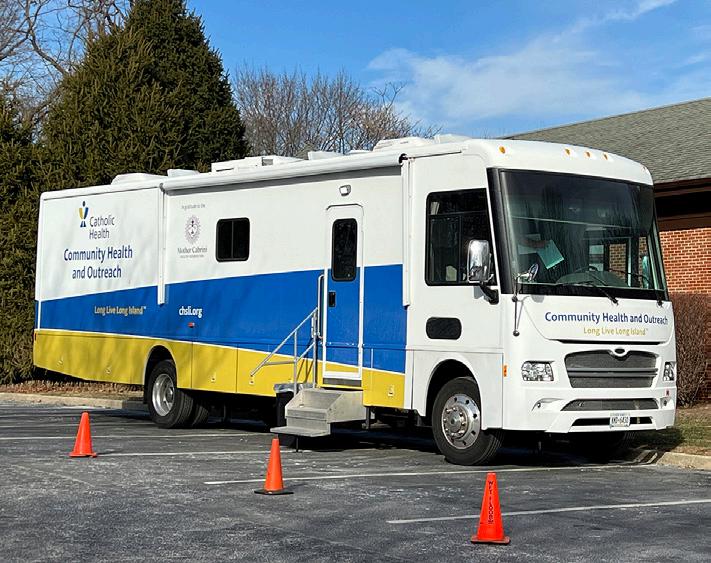
Catholic Health Mobile Outreach Bus –Free health screenings Thursday, May 14, (Stop by between 10:00 a.m. – 2:00 p.m. Last screening begins at 1:45 p.m.). In the Library parking lot. Registered nurses will provide blood pressure, cholesterol, body mass index, glucose and cardiac screenings. Nurses will also provide patient education and referrals as needed. No appointments are necessary, there are no fees, and insurance is not required.
Elder Care & Senior Living Planning Panel
Thursday, May 14, 7:00 – 8:30 p.m.
How Reading Affects Children
Early childhood is a time of rapid intellectual, physical, and emotional growth, and encouraging children to read supports both cognitive development and emotional maturity.
Research from the Adolescent Brain and Cognitive Development project, which followed more than 10,000 children, found that early readers scored
How we live tomorrow depends on the conversations we have today. Don’t let a change in health or a lack of planning take away your choice and your independence. This expert panel will include Angela Morrone of Elegance at Home (home health care), Lindsay Navetta of The Bristal at Lake Grove (senior living options), and attorney Brittni Sullivan of Burner Prudenti Law (estate planning). Bring your questions – these panelists are here to help you navigate your next chapter with confidence. Open to all, but registration is required. Reserve your spot at emmaclark.org/programs
For questions regarding these programs and more, email askus@emmaclark.org
higher on comprehension tests, achieved better educational outcomes, experienced fewer mental health concerns, and spent less time on electronic devices.
Reading is also a valuable bonding activity between caregivers and children, strengthening relationships while building vocabulary,
comprehension, and language skills that support academic success.
Beyond learning, reading can reduce stress—often more effectively than music or walking—and has been linked to improved brain structure and overall brain health, with about 12 hours per week associated with the greatest benefits.
Adoption Gives Dogs A New ‘Leash’ On Life Puppy Care 101
“Adopt don’t shop” is a mantra utilized by many organizations devoted to finding loving homes for shelter animals. With thousands of dogs, cats and other companion animals residing in shelters or being fostered until they can find their forever homes, rescue organizations urge the pet-loving public to adopt rather than purchase dogs from private breeders.
Individuals who choose to adopt a dog from a private rescue, humane society, animal shelter, or another welfare group would be wise to follow some guidelines that can help individuals and families find the best matches with their new pets.
“It’s important to be honest with the rescue group regarding, not only what you’re looking for in a dog, such as disposition, energy level, age, and size, but to describe the overall household dynamic,” advises Toni Diamond, founder of Diamond Dogs Rescue, Inc. (www. diamonddogsrescueinc.com), a fosterbased rescue with resources in New Jersey and Massachusetts. “This way the rescue can match your needs with
the dogs they have available to ensure the best opportunity the placed pet will remain in your home.”
Here are some other tips to consider if you’re thinking of adopting a pet.
• Think about fostering first. If you’re on the fence about whether to take in a dog right now, fostering offers a way to gauge how life can change with a dog in the household. Fostering a dog can free up resources and enable rescues to help other dogs. Many “foster fails” are dogs that foster families adopted themselves because they couldn’t bear to give the dogs up.
• Expect to be vetted. Rescue groups generally do some type of adopter check, which includes an application questionnaire, and may want to visit your home to be sure that it is safe and comfortable for the dog. Expect an adoption fee, as this helps defray the cost of sheltering animals.
• Don’t feel limited by geography. Rescues handle dogs from across the country. Some may even be willing to facilitate travel from one area to another. If you see a dog online that seems to be a perfect fit but is a good distance away, contact the rescue to see what can be done.
• Be patient and open-minded. Rescued animals often have been jostled around a bit, moving from place to place. Expect a transition period for the shell-shocked animal to settle down before judging his or her true personality. It’s possible for rescued dogs to have accidents in a home, act out or be hesitant around people while they learn to trust their new owners.
Adopting a dog can be a great way to add to the family and provide a loving animal with new beginnings.
Welcoming a new puppy is exciting but comes with responsibility. The first few months are crucial for shaping a dog’s health, behavior, and well-being, so proper care, nutrition, and training are essential.
Health: Schedule a vet visit right away for vaccinations and a wellness check. Core vaccines protect against serious diseases, and puppies should stay close to home until fully immunized. Treat any parasites under veterinary guidance.
Nutrition: Puppies need more energy and nutrients than adult dogs. Feed high-quality puppy food in three to four small meals daily, transitioning to adult food as they near full growth.
Socialization: Between 3–16 weeks, expose puppies to people, environments, and other dogs in a positive way to build confidence and good behavior.
Training: Start early with basic commands using positive reinforcement. Keep sessions short, consistent, and rewarding. Establish a regular potty schedule to support house training.
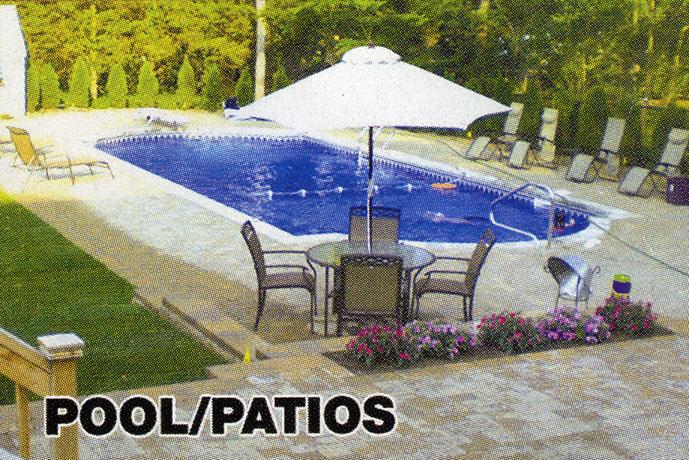
*Promotion price is only valid on builds that are done to the specs outlined at sweeneyspoolsvc.com/pool-patio-bundle Must mention promotion at time of estimate. Cannot combine with any other offer or special. Must be booked by 6/1/26.
&
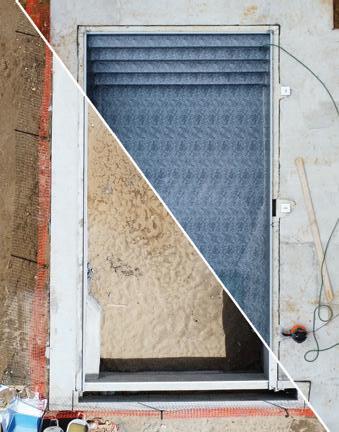
• Marble Dustings & Tile Work
• Liner Replacements
• Safety Cover Installations • Openings & Closings • Power Vacs & Maintenance • Service Calls