Children’s Literature in India 2022






1
3 6 2 4 7 5 8 10 9 11
Letter to the Reader
Executive Summary
Overview of the Indian Publishing Industry
Analysing the Children’s Book Market
Trends in Children’s Publishing
Spotlight on Indie Bookstores
Book Awards and Fellowships
Recommendations and Way Forward
Profiles of Publishers Challenges of the Children’s Book Industry NLF’s work with the Neev Book
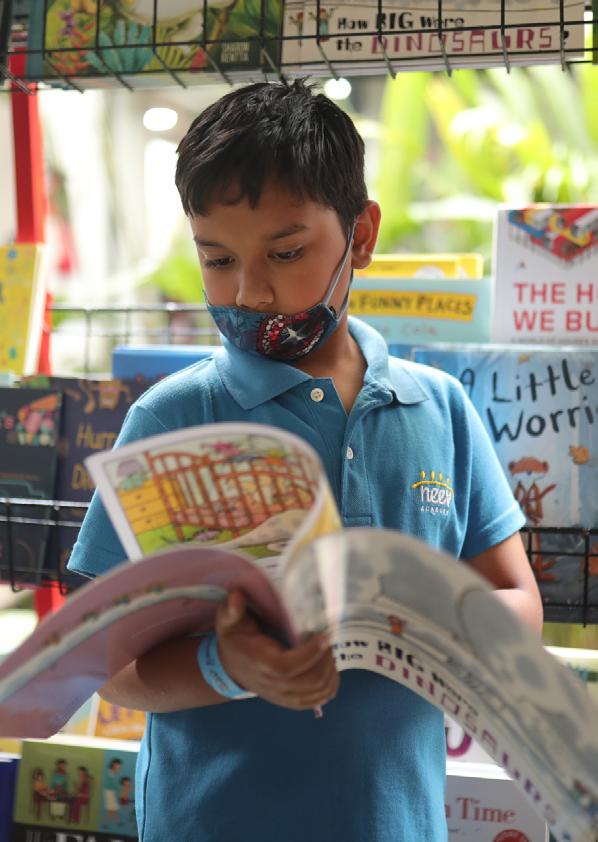

Decades of research and our own encounters with books have taught us that a story becomes truly meaningful to a young reader when it resonates with one’s lived experience.
A question that we constantly ask ourselves is how do we make this happen for children across India today? What is the ecosystem that we might need to support this?
When we looked into this some more, we realised that there is little accessible data on the size of the Indian children’s book market. Existing reports either delve into publishing figures or largely comprise anecdotal recommendations.
Our findings point to a lack of funding across the Indian children’s book industry resulting in diminished interest from publishers, distributors, and retailers to push sales. There is low visibility due to the absence of prominent voices in the media to champion good work in the sector. With little impetus to spur them on, creators often feel pressured to produce more books within short spans of time so as to remain in the public eye.
The NLF Report: Children’s Literature in India 2022 seeks to put these factors into context, building on the primary research conducted by Kanishka Gupta, founder of the literary agency, Writer’s Side.
We believe that there is much to do in this space. NLF is announcing Fellowships to support and nurture
children’s writing as we know that India has the talent to create bodies of work that are comparable with global greats. However, we also recognize that it takes time for a great book to be written. We would like for young readers today to have access to books where writers and illustrators are able to afford the luxury of time to develop their manuscript at length.
We are looking to build a deeper understanding of the sector by commissioning a study in the coming year that looks at how children’s literature has grown in global markets, and examines the insights that parallel experiences may hold.
This is our endeavour to grow a space that has given each of us so much, and that we hope will continue to do so for our children in the years to come. Happy Reading.


Karthika Gopalakrishnan Head of Reading, Neev Academy Director, Neev Literature Festival
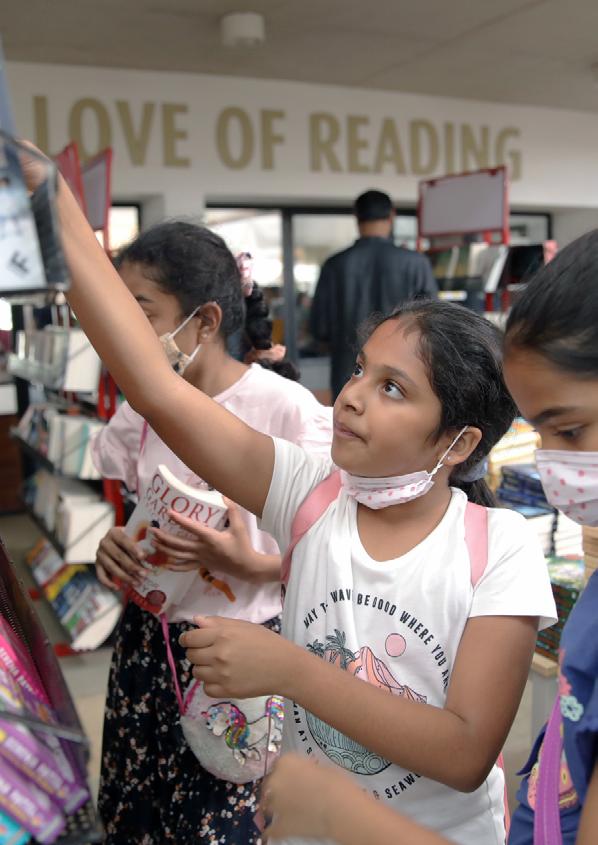

“Everything comes to us that belongs to us if we create the capacity to receive it,” said Rabindranath Tagore nearly a century ago.
This quote continues to be relevant today, as we set out to look at where Indian children’s publishing is currently situated and the directions it may adopt in the future.
However, the spend on children’s trade books (leisure) in India is miniscule compared to other developing and developed nations.
Children’s publishing in India is key to human development and cultural advancement. Publishing currently contributes ~ 0.1% to India’s total GDP, and is forecasted to grow by 12% in value terms by 2024.
The revenue of the Indian publishing industry was estimated to be Rs 720.6 billion in 2019-2020. While 96% of this was made up by nontrade (educational and academic) segments, 4% (adult non-fiction, adult fiction, children’s and young adult books) came from the trade segment. Within the trade segment, children’s and young adult books contributed to 25% of the share.
Despite growth drivers, the future prospects for Indian publishing industry do not appear promising
While the children’s publishing industry at large is innovating new modes of outreach, formats and business structures, there is much more to be done.
Indian Publishing sector as a whole is growing, though more impetus is required to achieve its full potential.
Challenges such as 1) Supplydemand mismatch 2) Rising raw material and paper costs 3) ISBN issuance 4) inconsistent cash flow 5) Lack of authentic information are hampering the growth of the industry.
Publishing ecosystem in India is multi-layered and highly unorganised; market is skewed towards textbooks indicating leisure reading has a long way to go in India
While the textbook market is huge, improving proficiency in reading skills is about leisure reading, which is a very small segment.
Given the market size of Children’s Literature in the Indian Publishing Industry and dearth of reliable data sources, how lucrative is the market for Indian authors to enter and thrive is the real question.
With the exception of books by just a couple of coveted Indian authors, only western titles are doing well in the children’s publishing market.
This report has been created as a culmination of the 2022 Study of the Children’s Publishing Sector in India, commissioned by the Neev Literature Festival, and conducted by the literary agent Kanishka Gupta. The study involved in-person, email, and telephonic interviews with authors, editors, publishers, book-sellers, distributors, literary agents, and literary festival directors.



NOOR SABHARWAL
STUDENT CHAIR
2022 NEEV BOOK AWARD

KANISHKA GUPTA
LITERARY AGENT
WRITER’S SIDE
WRITERSSIDE.COM
MEHER BHUNIA
STUDENT CO-CHAIR
2022 NEEV LITERATURE FESTIVAL


RITHWIK SHIVNANI
PRESIDENT
2022 MODEL UNITED NATIONS (MUN) CLUB
RAGHAV CHOUDHURI
STUDENT CHAIR
2022 NEEV LITERATURE FESTIVAL
ADHAVAN KUMAR
STUDENT CO-CHAIR
2022 NEEV BOOK AWARD
WE ACKNOWLEDGE AND THANK THE EY-PARTHENON TEAM— ANURAG TYAGI, SACHIN UMRIWAD, AND SOMALI SAHA —FOR SUPPORTING AND SHARING INSIGHTS FOR THE DEVELOPMENT OF THIS REPORT.
LEARN MORE AT: WWW.NEEVLITERATUREFESTIVAL.ORG


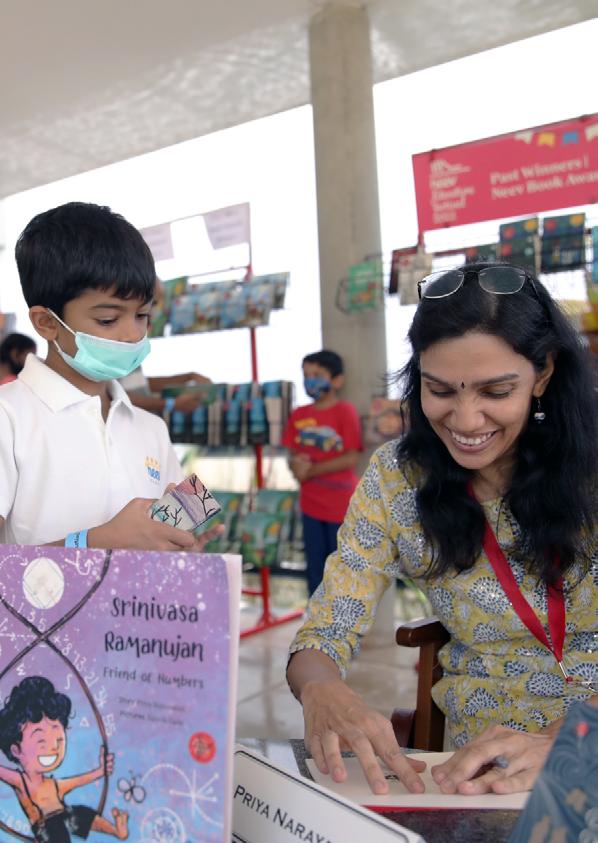

Indian Publishing Industry is an opportunity backed by a strong Indian consumption story despite unprecedented challenges and roadblocks
• The Indian Economy is on a path of exceptional growth and development, with an estimated growth in real GDP at 7% during 2022-23. Post-Pandemic recovery has been excellent.
• In 2021, India’s economy surpassed that of France and Italy to take the sixth-largest spot in the world, with a real GDP of USD 2.66 trillion. The Indian economy has also become the world’s fastest growing economy among the large economies.
• These developments along with the demographic strengths of India, provide a strong impetus to the Education sector and have presented a growth-driven landscape for the publishing sector.
265 million
Largest school going population (2019-20)
40%
Affluence - expected increase in annual household income by 2023
Indian Publishing sector as a whole is growing, though more impetus is required to achieve its full potential.
Indian Publishing Industry currently contributes around 0.1% to India’s total GDP, and is forecasted to grow by 12% in value terms by 2024
KEY FIGURES:
India’s print book market, led by the textbook market is estimated at INR 720.6 billion in 2019-20 and is projected to increase at a CAGR of 19.4% between 2023-24 and 2025-26.
Direct employment generation of 0.36 million by the sector, approx. 0.07% of the country’s total employment. The indirect and induced employment was 0.44 million and 0.55 million.
In 2018-19, the publishing sector contributed INR 145.3 billion, INR 117.3 billion and INR 277.6 billion as direct, indirect and induced impact to Indian GDP respectively.
71% of the print book market is made up of the school sector, 25% is contributed by higher education and the trade segment’s contribution is 4%.
Out of 24,538 book publishers in India, 11% are trade book publishers.
Trade publishing genres : 55% Adult non-fiction trade, 20% Adult fiction and 25% Children and Young Adult.
ENGLISH PUBLISHING SEGMENTS FOR CHILDREN BY PERCENTAGE:
TEXTBOOKS (22)
CHILDREN’S FICTION & NON FICTION (60)
EARLY LEARNING (18)
In the English Publishing segments for Children, Fiction and non-fiction literature is the dominant segment
Among the developing countries, India has the 2nd largest publishing infrastructure, second only to China.
The publishing industry contributes to India’s economic development, not only by promoting education among its 1.3 billion people, but also by generating employment and revenue.
Increase in enrolment rates across education institutions, growth in demand for quality education, growth in book readership, increased spending on education and supportive government policies and initiatives will further aid the growth of publishing industry in India
SOURCE: INDIA BOOK MARKET REPORT BY NIELSEN, 2022; PRIMARY RESEARCH


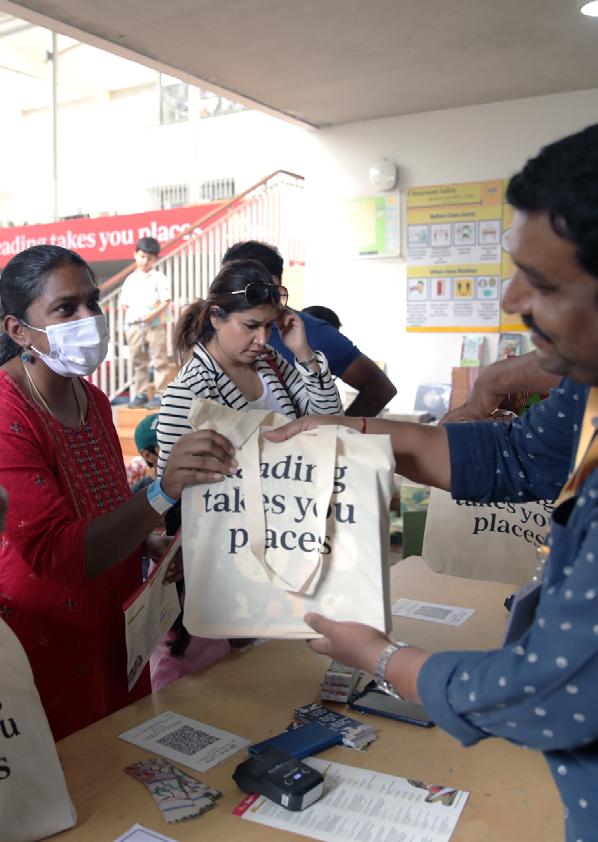


The publishing industry is an essential part of the Indian education system. There are 250 million K-12 students and more than 35 million higher education students in the country. Those students rely primarily on books as the medium for learning.
Children’s books can help foster a lifelong love for reading and a desire to learn more about the world, which can have a positive impact on their academic and personal development.
Children’s books can help kids develop their language skills, by exposing them to new words, grammar, and sentence structure.
PISA’s research found that students who read diverse genres are more likely to attain better language skillsets.
Children’s books often contain stories that can nurture children’s imagination through varied contexts and perspectives.
Children’s books can expose children to different cultures and perspectives, helping them develop a greater understanding and appreciation of the world around them.
Children’s books can improve cognitive development by fostering critical thinking skills, analytical and problem-solving abilities.
PISA’s research shows a strong correlation between Human Development Index and reading proficiency.
Children’s books can help children develop important social-emotional skills such as empathy, emotional intelligence, and self-awareness which, in turn, encourage children to develop into well-rounded and responsible adults.
Reading affirming views of Indian identity in books helps nurture the identity of children.
Research shows that reading books, either for learning or recreation, could be a way to combat social exclusion, and various studies suggest that regular reading assists in mental and physical health by increasing a person’s ability to empathize, reducing stress, preventing age-related cognitive decline and alleviating depression symptoms
SOURCE: VALUE PROPOSITION OF INDIAN PUBLISHING REPORT, EYT

Indian children’s and young adult publishing was estimated to be about 25% of the total trade market in India in 2019-2020(INR 28.824 billion), thereby pegging its value to be INR 7.206 billion, as per the Nielsen India Book Market Report from December, 2022.
According to the market data from 2021, the bestselling frontlist title in India was The Diary of A Wimpy Kid: Big Shot, which sold more than 15,000 copies worth INR 6.6 million. The overall bestseller in the children’s category was Grandma’s Bag of Stories by Sudha Murty, which sold more than 97,000 copies worth INR 18.4 million.
In comparison, the US saw a 13.7% increase in juvenile fiction, and Young Adult fiction was up by a third owing to BookTok.
Graphic novels and manga drove children’s fiction growth. Middlegrade books, like the Dog Man and Wimpy Kid series went up by 5 million units.
Books for kids aged 4-8 saw the highest growth in volume, selling 88 million units in 2021.
• The children’s fiction sub-genre was the top-selling genre and contributed 43%, followed by Pre-school & early learning and Picture books.
• The Children’s & Young Adult market went up 39.5% by volume, 27% by value in 2021.
1 Pratham Books
3 2
Duckbill (now a part of PRHI, but very editorially driven and still an independent publisher in spirit)
Tulika Books
Eklavya
5
6 7
Ektara
Mango Books (Children’s division of DC books)
Tara Books
Pickle Yolk
9
10
11
8 4
12
13
14
Talking Cub
PonyTale books
Tota Books (Children’s imprint of Full Circle Books)
Good Earth Books
Karadi Tales
Kalpavriksh
With the exception of books by just a couple of coveted Indian authors, only western titles are doing well in the Children’s publishing market
TOP 10 YOUNG ADULT BOOKS IN 2021
1
The Book Thief by Markus Zusak (Random House)
The Fault in Our Stars by John Green (Penguin Books Ltd)
Looking for Alaska by John Green (HarperCollins)
One Of Us Is Lying by Karen McManus (Penguin Books Ltd)
We Were Liars by E. Lockhart (Hot Key Books)
A Christmas Carol by Charles Dickens (Fingerprint Publishing) 5 3 7 9 2 6 4 8 10
Six of Crows: Book 1 by Leigh Bardugo (Orion Children’s Books)
The Boy in the Striped Pyjamas by John Boyne (Vintage Children’s Classics)
Crooked Kingdom (Six of Crows Book 2) by Leigh Bardugo (Orion Children’s Books)
All the Bright Places by Jennifer Niven (Penguin Books Ltd)
TOP 10 INDIAN CHILDREN’S BOOKS IN 2021
Grandma’s Bag of Stories by Sudha Murty (Puffin)
TOP 10 PICTURE/ACTIVITY BOOKS IN 2021 1 1 5 5 3 3 7 7 9 9 2 2 6 6 4 4 8 8 10 10
Great Stories for Children by Ruskin Bond (Rupa & Co)
The Blue Umbrella by Ruskin Bond (Rupa & Co)
The Magic Of The Lost Temple by Sudha Murty (Puffin)
Grandparents’ Bag of Stories by Sudha Murty (Penguin)
How I Taught My Grandmother to Read: And Other Stories by Sudha Murty (Puffin)
The Magic Drum And Other Favourite Stories by Sudha Murty (Puffin)
The Gopi Diaries: Coming Home by Sudha Murty (Harper)
Best of Children’s Classics (Fingerprint Publishing)
The Essential Collection for Young Readers by Ruskin Bond (Rupa & Co)
Peppa Pig: Little Library (Ladybird)
Baby Touch: Peekaboo (Ladybird) The Very Hungry Caterpillar by Eric Carle (Puffin)
Peppa Pig: Bedtime Little Library (Ladybird)
101 Fairy Tales Book (Dreamland Publications)
101 Bedtime Stories (Dreamland Publications)
How the Onion Got Its Layers by Sudha Murty (Puffin)
Goodnight Moon by Margaret Wise Brown (Two Hoots)
Peppa Pig: Practise with Peppa (Ladybird)
The Tiger Who Came to Tea by Judith Kerr (HarperCollins)
“Murty and Bond are deeply rooted in the Indian context. This element has always been essential to their writing. Most urbanoriented writing today is uprooted from specific Indian contexts and is more global in content. One gets a completely different experience when reading Murty and Bond, as opposed to reading other Indian authors.”
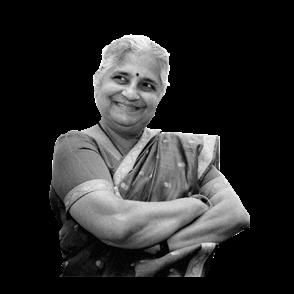
Illustrator Priya Kuriyan also suggests that an influential factor is that parents choose what books their children will read. Parents prefer Bond since his stories of hill stations are well-liked and his long popularity since their own childhood has made him an easily recognizable name.
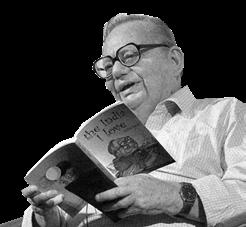
The children’s market in India is backlist-driven, with names such as Sudha Murty, J.K. Rowling, Ruskin Bond, Jeff Kinney, Rick Riordan, Geronimo Stilton series (created by Elisabetta Dami), and David Walliams contributing the largest shares to the revenues in this sector.
The average first print run tends to be in the range of 2000-3000 copies.
Only the highest-selling authors in these segments have print runs up to 10,000-15,000 copies.
A higher estimate for such authors can go up to 30,000 copies.

Stakeholders across the value chain often have conflicting agendas, losing focus on children’s best interests.
An Indian children’s publisher would have 3 main channels of distribution – direct sales, distributor sales, and sales via web portals.
The children’s literature segment is estimated based on trade sales only.
It does not include diverse channels as the data can only be availed through publishers
The network further diversifies to book fairs, exhibitions, retailers, institutions (NPOs), schools, and libraries which enable a publisher to reach larger and varied geographies
CHILDREN’S BOOKS PRODUCTION PROCESS FLOWCHART
LITERARY AGENT
AUTHOR PUBLISHER
ILLUSTRATOR
TRANSLATOR
EDITOR
• Manuscripts sent or work commisioned.
• Manuscripts are screened, selected & payment terms fixed.
ADVERTISING AGENCY PRINTING COMPANY
Before entering the distribution system, the publishing house finalises a sales and marketing plan, along with designs and a typesetting quality check on books printed.
DISTRIBUTION SYSTEM
GOVERNMENT & NGOs
DISTRIBUTORS
E-COMMERCE
SCHOOLS
LIBRARIES
EXPERTS/AWARDS/ JURY MEMBERS
Librarians and teachers are key influencers in encouraging children to read.
SOURCE: MAPPING STUDY FOR CHILDREN’S LITERATURE IN INDIA, PARAGREADS
WHOLESALERS
RETAILERS
PARENTS
Parents are also key influencers but most of the time they act as providers of books.
CHILDREN

“As a bookseller, when we have to work with a school that doesn’t understand the importance of books, we start from where they are comfortable and then slowly show them ways in which these books will be useful in their libraries and classrooms.”
“No Indian illustrator survives only by doing children’s books. They’re also doing other stuff, like illustrations for corporate websites and projects.”
PRIYA KURIYAN, AWARD-WINNING ILLUSTRATOR
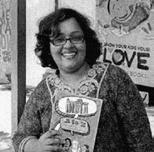
VIDYA MANI, CO-FOUNDER, FUNKY RAINBOW
RADHIKA MENON, PUBLISHING DIRECTOR, TULIKA PUBLISHERS
“The cost of paper and printing per unit have gone up by 3040% which has resulted in having to raise prices. This is an issue, because old books need to be stickered with the new price, and Tulika is known for being more reasonably priced in recent times. The supply of specific types of paper that we purchase are either dwindling or getting too expensive to continue with”.
Most authors are paid standard royalties of 7.5-8% on paperback editions and 10% on hardback editions.
They are seldom offered escalating royalties, cash incentives or refresher advances if the book wins a major prize or goes on to achieve a high sales threshold.
Illustrators are usually paid a royalty of 10% (if they are also writing the book). Otherwise, royalties are split equally between the author and the illustrator.
It is easier to get an equal share of royalties from independent children’s books/picture book publishers than multinational publishers.
Illustrators prefer to work on a royalty model because it assures a steady income over many years.
1
Limited market & low income
The children’s book market in India is relatively small, which can make it difficult for authors to reach a large audience and to make a living from their writing.
4
Lack of guidelines & research
Authors and illustrators remain unclear about the content that interests children due to lack of relevant research. Content creation in Hindi, Marathi and Kannada is hindered by lack of writing guidelines (such as the Dolch word list) in these languages.
2
Subjective nature of selection criteria & long waiting time
There are no established standards for selection of manuscripts by publishers which makes the entire selection process, combined with the waiting period, a huge challenge for new authors.
3
Limited international recognition
Indian children’s literature is not as well-known internationally as the literature from the West, which makes it harder for Indian authors to reach a global audience.
Stakeholders
plagued
The publishing ecosystem in India includes large, medium, and small publishing enterprises, and is highly fragmented and competitive in nature. A substantial unorganised segment, low affordability of consumers, and the dominance of regional languages limits publishers’ potential to scale up.
CHALLENGES FACED BY PUBLISHERS 1
Home grown storybooks and picture books are yet to catch up to the global standards of quality.
Lack of distribution incentivesMajor distribution partner Prakash Books now prints their own titles through two different imprints.
2
Costs of production of children’s books has skyrocketed due to shortage of paper and inflation in printing cost and cost of highquality paper.
4
Review space & Media coverage
Little space in mainstream media for children’s literature makes review space a challenge.
The number of children’s book reviewers on media platforms has dwindled greatly. Television barely covers the sector.
3
Long payment cycles
Customer-facing stakeholders do not pay the publishers in time for books they have sold.
Small publishers find it extremely difficult to recover payments from bookstores on time.
In recent years, physical bookstores have been gradually and continually undermined by online retailers such as Flipkart and Amazon.
Chain bookstores such as Crossword and WHSmith have seen major decline in India but Independent (indie) bookstores seem to be faring better.
Initiatives such as the pop-up bookstore Funky Rainbow managed to cultivate local but loyal customer bases providing a positive space for smaller publishers and authors to highlight their work while also engaging closely with parents and schools to guide reading.
1
Limited access to credit
Many booksellers in India have limited access to credit, which can make it difficult for them to expand their businesses or invest in new technologies.
2
Competition from E-commerce
With the rise of e-commerce, booksellers in India face increasing competition from online retailers, who often offer lower prices and a wider selection of books.
4
Lack of adequate support from publishers
Publishers give preferential treatment in credit terms and marketing to online stores, national chain bookstores in Metro cities over indie bookstores in smaller cities.
3
Declining demand for children books
Increasing availability of other media formats for children is impacting the demand for books.
Parents in India prioritise buying academic books for their children.
This is primarily because the specific cultural contexts of these books don’t resonate with large readerships overseas. Additionally, the illustration style and colour sensibilities used in Indian children’s picture books don’t often find favour with publishers internationally.
The quality of text is also not always on a par with international standards. A respondent observed that even when the writing is good, editing remains our weakest link and that books are either edited poorly or in a rush.
Another respondent has attributed the lack of success to Indian authors being anonymous in comparison with Western authors.

“The international standard—especially for picture books—is very high. The international market usually expects illustrations that are often quite abstract and imaginative as opposed to literal. Indian books also tend to be a bit didactic which is something the international market has moved away from.”
SHOBHA VISWANATH PUBLISHING DIRECTOR, KARADI TALES
“There are lots of [international] publishers who show interest in the books and then back off and ask if we have something more ‘Indian’, as in mythology and folktales. I don’t think contemporary Indian stories are of as much interest.”

SAYONI BASU CONSULTANT EDITOR, PENGUIN RANDOM HOUSE INDIA - DUCKBILL
BOOKS
NOTABLE BOOKS AND PUBLISHERS WHO HAVE DONE WELL IN THE WEST:

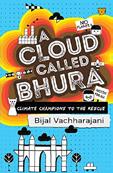
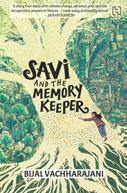
• Bijal Vachharajani’s A Cloud Called Bhura and Savi and the Memory Keeper which have been acquired by the US-based independent publisher, Blackstone Publishing.
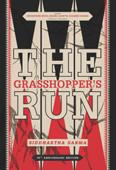
• Siddhartha Sarma’s YA novel The Grasshopper’s Run published by Bloomsbury UK.
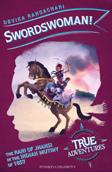
• Devika Rangachari’s Swordswoman! published by Pushkin Press.
VERSE GRAPHIC NOVEL
SELECT TITLES FROM INDIAN PUBLISHERS HAVE FOUND PUBLISHERS ABROAD
TITLE & CREDITS
Indigo Hands, written by Sita Singh & Illustrated by Naveen Selvanthan
Kadooboo! A South Indian Fairytale,written by Shruti Rao & illustrated by Darshika Varma
Navya Sings For Navarathri, written by Thamixamani & Illustrated by Avani Dwivedi
Nikhil Out Loud by Maulik Panchouly
Just Happy To Be Here by Naomi Kanakia
I Kick and I Fly by Ruchira Gupta
Of Curses and Kisses by Sandhya Menon
Desert Queen by Jyoti Rajan Gopal
Shakti, written by SJ Sindu and illustrated by Nabhi H
AUTHOR REPRESENTED BY
Irene Goodman Literary Agency
BookEnds Literary Agency
Belcastro Agency
THEMES/TAGS
Culture, Family & Tradition
Storytelling & Culture
Gender, Culture & Empowerment
Irene Goodman Literary Agency
Helm Literary Agency
Transatlantic Agency
Sandra Dijkstra Literary Agency
Sanford J. Greenburger Associates
Folio Literary Management
Gender, Identity & Culture
Multiculturalism, Growing up & Gender
Social Justice & Gender
Gender & Growing up
Gender & Magic Contemporary Adaptation, romance
Books by authors from the Indian diaspora have been preempted,auctioned off, or sold for extremely high advances.
Most MNCs in India haven’t had much success in licensing rights to their children’s books to publishers internationally.
The children’s book publisher Duckbill, now a part of Penguin Random House India, has sold the international rights for 4 of 120 of their titles.
The independent picture book publisher, Pickle Yolk, has sold rights to Manic Panic by Richa Jha (Creston) and Darkless by Tanu Shree Baliga (Magination Press) in the US, The Middle by Richa Jha in France, Manic Panic in Poland, Tree Boy by Srividhya Venkat in Malaysia, and Vee loved Garlic, Dance of the Wild, Thatha at school, The Unboy boy by Richa Jha in Thailand, among others.
Karadi Tales has sold international rights to approx. 40 of their titles including the Farmer Falgu series that features an Indian farmer, The Clever Tailor which talks about the culture of Rajasthan, The Blue Jackal which uses Warli for its illustrations, Thukpa for All featuring the titular dish which is consumed in Ladakh.
On an average, Tulika Books sells 2-4 titles abroad in a year. They have sold the most number of Tulika titles in the US. They recently sold the World English rights to A Saree for Ammi by Mamta Nainy to a major publisher in the US. They have also sold rights in the German, Chinese, and the Korean markets. Manjula Padmanabhan’s
I am different, We are different, Same and Different have done well in Germany, while Chinese publishers have acquired the rights to close to a dozen Tulika titles. OUP Pakistan also used to take several books from Tulika every year.
The international rights for such books are sold for 2,000- 3,000 USD and can go up to 5,000 USD too.
Manic Panic was sold in the US for 2,000 USD and Darkless (published in the US as Annie’s Light) was sold for 2,500 USD with an additional 500 USD paid for the illustrations.
The advances in Europe are usually lower than the US, and even lower in the Asian Markets.
Dance of the Wild was sold in Thailand for 1,000 USD.

Publishers and Book Retailers are innovating new modes of outreach, formats, genre, and business structures to leverage the growth drivers.
Print books currently dominate the publishing landscape in India, with digital formats accounting for a very small share of the market, according to industry participants. However, e-books and audiobooks are expected to be critical growth drivers in the future. Some of the largest publishing houses in India are already following suit and accommodating for the changing consumer attitude towards digitization.
Emerging business models, such as online retail, subscriptions, bundle packages, open access resources, and self-publishing, provide innovative channels to reach a broader target audience and thereby changing the mode of operations for publishers
The World Economic Forum’s reports project that by 2030, India will have more than a billion internet users.
The increased penetration of technology into the lives of people is bound to change the nature of knowledge consumption.
“That’s good news for authors because the chances of your work getting picked up for adaptation(in OTT platforms) are much higher.”
ASHWIN SANGHI, INDIAN AUTHOR
There is an emergence and sustenance of the ‘bestseller’ culture among consumers and publishers are actively engaging with the consumers to promote their content. There is an increase in promotional events and other innovative ways by which publishers try to keep readers engaged.
Top publishers tend to favour serialised stories
However, some are out to change the market. Wonder House Books, for example, focuses on Early Learning Books grounded in affordability. Other publishers like AdiDev Press focus on educating children about Indian culture and traditions.
Publishers are actively using social media to connect with readers, sometimes through publishers’ own platforms such as HarperCollins’ Connect and PRHI’s Penguinsters.
SOURCE: VALUE PROPOSITION OF INDIAN PUBLISHING REPORT, EY
However, notable exceptions include:
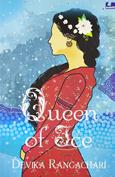
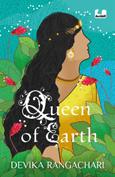
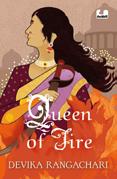

Anthologies of children’s stories have performed reasonably well for Indian publishers especially if they are edited by popular authors like Ruskin Bond, Sudha Murty and Romila Thapar.
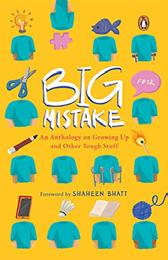
In 2021, Puffin brought out an anthology titled, Big Mistake: An Anthology on Growing Up and Other Tough Stuff which includes stories, personal histories and covers a lot of ground in just a few pages, talking about subjects like insecurities and assurances, conflict and solidarity, fearfulness and courage.
Shaheen Bhatt has written the introduction to the book and the anthology has done well for Puffin.
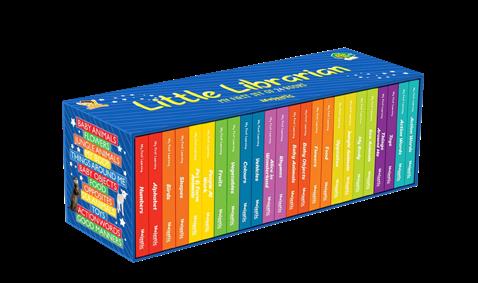
“We wanted to offer quality activity books at Indian price points, tapping into the middle class”
GAURAV SABHARWAL, MANAGING DIRECTOR, WONDER HOUSE BOOKS
The greatest demand is for early learning picture books, activity books, board books, and colouring books. The unprecedented success of these activity books saw several MNCs foray into publishing such books.
My First Book of Patterns Pencil Control and My First Library were the second and third highest-selling children’s books in India.
Publishers (big, medium, as well as small) have done well with book series in the last few years. The reasons for this are tight curation and the element of continuity.
BY DUCKBILL
Duckbill’s hOle book series, Hook Book series, and the Dreamers series have performed well. The hOle Book series has sold close to 50,000 copies in the last 2+ years.
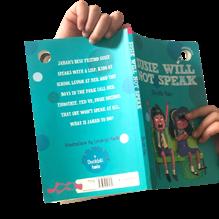
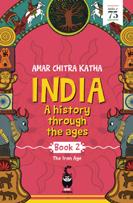
BY WESTLAND
Launched Red Panda (2020)
India: A History through the Ages co-published with Amar Chitra Katha & Little Leaders which are picturebiographies of inspirational figures from Malala Yousafzai to Stephen Hawking have been successful.
Most major publishers are not interested in acquiring contemporary children’s writing in translation.
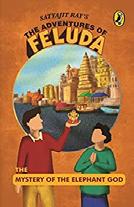
The only books selling well in the translation category are the perennial classics like the Feluda Series by Satyajit Ray, folktales in translation like in Puffin’s Timeless Tales from Marwar by Vijaydan Detha among others. Some initiatives like the Parag Trust encourages translating the major books they acquire into Indian languages.
BY HACHETTE
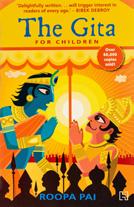
The Gita: For Children by Roopa Pai followed by The Vedas and Upanishads for children.
Archana and Shruti Garodia’s The History of India Volume I & II.
Children’s books written by celebrity authors have not received much traction among children and parents. Most celebrity books in this space have not even managed to sell anywhere close to the expected 10,000 copies.
One of the reasons why such books haven’t done well is because the authors have not successfully managed to engage with their target
audience, i.e., children, despite spanning a wide range of genres such as illustrated picture books on mythology, middle-grade fiction, as well as self-help/motivational books on subjects as diverse as money management for children, sexuality, and mind training and motivation.
The average parent, teacher, or librarian isn’t aware of these books either.


Most parents prefer to buy physical books for their children. Further, several genres of books in the children’s publishing space have a very strong tactile element to them that is lost over the digital format.
The demand of e-books has increased post-pandemic. Converting regular books into e-books is tough, although some international libraries and organizations have acquired the technology to do so.
Some audio streaming platforms like Spotify have acquired a few picture books to make them into podcastlike audiobooks. Radhika Menon of Tulika Books explained that 3 or 4 titles would be read out together in each episode, each divided by theme, along with added songs in between since the stories within picture books are often rather short.
The sales of children’s e-books and audiobooks largely follow the same trends as their physical counterparts. Multiple ebooks and audiobooks by Ruskin Bond and Sudha Murty are doing reasonably well, given the
limited appeal of such formats in the space. The audiobook version of The Room on the Roof by Ruskin Bond is a high seller (5000 copies) for Penguin India. The Hindi audiobook of an anthology of short stories by Ruskin Bond, Dada Lade Shuturmurg Se, is Rajkamal Prakashan’s highest selling audiobook.
At Karadi Tales, audiobooks created in the first few years - narrated by big personalities like Naseeruddin Shah - remain very popular, and most people recognize Karadi Tales by those stories.
Pratham Books' StoryWeaver is home to 47,000 digital books from multiple publishers and communities in 325 languages.
There has been a surge in the number of Indian children’s books (fiction, non-fiction, and picture books) on the subject published over the last few years.
While genre still hasn’t taken off fully in the Indian market, some critical and commercial successes:
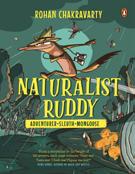
Rohan Chakravarty’s Naturalist Ruddy: Adventurer. Sleuth. Mongoose.
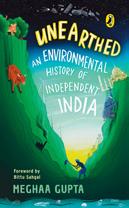
Gupta’s Unearthed: An Environmental History of Independent India.
Bijal Vachharajani’s books (A Cloud Called Bhura, Savi and the Memory Keeper, and So You Want to Know About The Environment)
Indian studios have not really woken up to the untapped potential of YA shows and films. Indian adult fiction has been adapted more often into films or series than Indian children’s or YA fiction.
While books by Indian children’s writers (Venita Coelho, Devika Rangachari, Shweta Taneja, Bijal Vachharajani) have been optioned and/or acquired by medium to big production houses, the number of such deals is but a small fraction of the deals for adult fiction and nonfiction by Indian writers.
Extreme competition from international shows with huge budgets and thereby high production
quality has hindered domestic adaptations of books written by Indian Children’s authors.
On the other hand, popular children’s TV shows like Chhota Bheem have been adapted into a series of widely available comic books.
Indian children are very flexible when it comes to languages and have been consuming children’s TV shows and series dubbed from foreign languages such as Japanese and Korean.
A senior film executive shared that the stories in this space are either fantasy or slice of life and don’t have enough appeal for filmmakers.
One of Us is Lying by Karen McManus was published in 2017 by Penguin Random House UK.
Sales took off in India after the premiere of the Netflix series on the book and reached 15,000 copies.
Publishing ecosystem in India is multi layered and highly unorganised; market is skewed towards textbooks indicating leisure reading has a long way to go in India
• The publishing ecosystem in India includes large, medium, and small publishing enterprises, and is highly fragmented and competitive in nature.
• India is said to have a total of 24,358 book publishers, which includes textbook publishers, those who produce professional books, as well as publishers of adult fiction, non-fiction, and children’s books.
• A substantial unorganized segment, low affordability of consumers, and dominance of regional languages limits potential publishers in scaling up.
• Hindi and English together account for more than half of all titles published in India, with Hindi accounting for around 26% of all titles and English coming in second with 24%*
24,358
Number of Book Publishers
8,865 2,763 12,910
The Government is the major stakeholder in school education publishing, followed by private publishers.
Includes professional books, and are priced comparatively higher.
While the textbook market is huge, improving proficiency in reading skills is about leisure reading, which is a very small segment.
Include a broad spectrum of adult fiction, adult non-fiction and children’s book genres.
Because of the highly fragmented nature, the book publishing sector suffers from a severe lack of available research information, due to which the full capacity of the Industry cannot be estimated.
In light of this limitation and the fact that the knowledge sector in India is expanding at an exponential rate, it is crystal clear that the Indian publishing industry in India is truly a colossus—a giant in slumber, which needs to be awakened and given its due status and identity.
SOURCE: INDIA BOOK MARKET REPORT BY NIELSEN, 2022
While top publishers are focusing on variety of content, smaller publishers are trying to find their own niche
INTERNATIONAL PUBLISHERS DOMINATING INDIAN MARKET
















Founded in 2004, its mission is to see “a book in every child’s hand”. It aims to bridge the reading gap among Indian children by providing books in familiar languages, set in familiar locations, with colourful, engaging narratives. It publishes in 31 languages, including tribal languages like Saura and Munda.
The editorial team identifies gaps in the publishing industry and converse with their on-ground non-profit partners, which inspires them to create content on unaddressed issues like climate change, water scarcity, and even domestic violence.
It follows a low-cost, high-volume model and has distributed over 30 million books and storycards to children all over India, and donated library kits to classrooms. It often runs campaigns that have focused on storytelling in marginalized languages, and have also leveraged new technology like mobile phones to provide children in remote areas with easy access to free stories. In its new avatar, StoryWeaver, is taking diverse indigenous content to children all around the world.
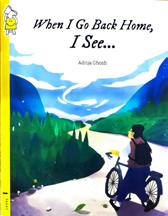
Wonder House Books, is an imprint of the Delhi-based publisher Prakash Books. Catering primarily to the pre-school / early reader market, the company has gained tremendously in sales over the last few years and emerged as the top player in interactive books for children in the 0-8 age group.
Wonder House Books was conceived at the 2016 Frankfurt Book Fair, where its current managing director Gaurav Sabharwal and publisher Prashant Pathak met and bonded over a shared dream for children’s books in India. “There was a gap in the market,” said Sabharwal.
“Indian books in the early learning segment did not come up to international standards. I wanted to offer quality activity books at Indian price points – at around INR 200 compared to the international rate of roughly INR 800 – so that middle class families could afford them.”
Prakash Books, which today stocks over two million units of books across its warehouses, was one of the first suppliers to Flipkart when the latter launched in 2006-07. Then, after Amazon entered the Indian market, Prakash Books found itself in the e-commerce giant’s high-visibility, top-selling platinum bracket.
When Wonder House was launched in 2016, Sabharwal opted to work
closely with Amazon. He said, “A lot of factors came together for us. There are advantages of having a strong working relationship with online players – you learn how to make your products discoverable on these platforms, you have marketing tools that can influence sales. We rely a lot on data, on what customers are looking for.”
What was the secret sauce here? The fact that most of Wonder House’s revenue came from online sales of its picture books, puzzle books, popups and activity books for children below the age of ten. This included creatively-designed novelty products such as the Pencil Control And Patterns series and Little Library, a collection of board books for building learning skills and vocabulary.
In the coming years, Wonder House plans to focus more on the English speaking international markets. They have already expanded their operations in these markets and have been working hard at finding longterm solutions to distribution and warehousing issues. In India, they are keen on building a new YA and middle grade list.
“We’d like to find out why books by Indian authors in this genre don’t sell at all and what can be done in terms of distribution and marketing to reverse this trend”, adds Sabharwal.


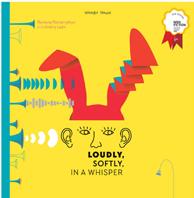
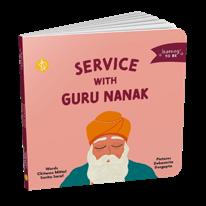

AdiDev Press is an independent publishing house that specializes in children’s literature focused on various aspects of South Asian culture via storytelling and illustrations. One of its most popular releases, My First Hanuman Chalisa, provides an illustrated translation of the hymn along with the original Awadhi version.
Their deep passion for children comes through with publications like Are

Service With Guru Nanak & Peace With Buddha (Series) Chitwan Mittal, Sarita Saraf and Debasmita Dasgupta
Your Emotions Like Mine?, which help children identify and cope with their emotions. Their new series of biographies called Learning to BE, is based on the lives of Guru Nanak, Mahavira, Buddha, and women in science. The series is aimed towards introducing children to deep moral values in an engaging fashion.
Unbound Books (Children’s division of the major Hindi publisher, Rajkamal Prakashan)


Little Latitude






• Children’s Book Trust has published in Hindi, while National Book Trust has published in several Indian languages.
• Sahitya Akademi has a small division of publishing in Indian languages.
• Tulika Publishers translates several of their English books into multiple Indian languages.
• Eklavya, Ektara, and Sasta Sahitya Mandal are the main publishers in Hindi.
• In terms of regional language publishing for children, the most vibrant space is in Bengali, Malayalam, Marathi, and Gujarati.
• DC Books publishes in Malayalam, Mehta Publishing House in Marathi, and Ananda Publishing in Bengali.
There isn’t enough content in Hindi for preteens and YA. Genres like Sci-Fi are missing. This may be because children’s books written in Hindi, don’t keep children in mind.
“It’s the adult’s language: a little formal and tough to crack. A style of language they don’t speak in.”
ALIND MAHESHWARI, MARKETING & COPYRIGHT DIRECTOR, RAJKAMAL PRAKASHAN GROUP





Independent bookstores such as Lightroom Bookstore, KoolSkool, Kahani Tree, Eureka etc have gradually come to be the bedrock of Indian children’s publishing.

Funky Rainbow is a unique bookstore on-wheels initiative which curates children’s literature that addresses ground realities, and often creates collections based on the kind of audience that hires them. They reported great success with selling books in schools, suggesting that children are always eager to read, and only require to be informed of the diversity of books out there.
From curating a vast and eclectic range of books (especially books published by smaller independent presses) to handselling to parents and children, to organizing launch events and activity workshops for children—these bookstores have played a significant role in keeping the sales in the segment robust especially during the pandemic.
Funky Rainbow claims to have discovered thousands of new readers during the pandemic when parents, teachers and librarians were stuck at home. They continued their services via speed post. They also started hosting an online show called Book Bazaar, from May 2020. It was hosted on a live-streaming platform, and
each episode was based on themes, such as wildlife, climate change, lgbtqia+, with guests invited to speak.
The show brought unprecedented viewership. Parents, teachers, and librarians tuned in, and were surprised that they’d never heard of publishers like Jyotsna Prakashan or writers like Madhuri Purandare, who sounded perfect for their children.

The Nestery is an online marketplace which is changing the game in the Indian children’s literature scene.
The Nestery aims to help parents shop better for their children and for themselves. The very first category started on their website was books, with the founders being inspired by their own experience as parents to provide a wholesome reading package to children.
Via careful research, it discovered a range of unique books from publishers like Pratham and Tulika, which were hard to find in most bookstores and online retail stores. It began by hosting Indian books only. One of its signature initiatives is its Book Boxes, which are curated by theme, based on the kind of books children of each age group gravitate towards. Themes range from ‘Ritu Chakra’, which familiarizes children with the Indian seasons, to ‘Art is
Everywhere’, designed to help them identify beauty in the world around us. While it primarily works with independent publishers, it has also on-boarded MNCs like HarperCollins, which has often meant working with distributors instead of the publishers themselves.
The Nestery, however, has seen a 3x growth in sales each year since 2019. It reaches out to its audience via Instagram, and also a Facebook group called ‘The Nest’, which has 17,000 parents from across the world, who write to them with requests for book recommendations. Customers have found their business model “a breath of fresh air”.
Independent stores build small but very loyal communities wherever they are situated. They make the effort to reach out personally to communities and schools to market indigenous books, going so far as to craft lesson plans with teachers, whereas large publishing houses aren’t usually as hands-on with their marketing approach.
Publishers need to prioritise independent bookstores over online retail behemoths like Amazon.
Nearly every country has an independent booksellers association that safeguards their rights, with a government representative involved who ensures that they aren’t given cut-throat discounts. India too saw the formation of a network of independent sellers but hasn’t managed to make giant strides because that requires a lot of time, effort and heft.
As independent bookstores have limited reach and are unable to

“[Indian children’s] Books were hard to find when I was looking to buy them in 2015. We
now build box sets of these books by theme.
For
example, one of our most popular boxes is called ‘Little People, Big
Feelings’, meant to help toddlers regulate their emotions, since they often experience a lot of emotions, but don’t have the vocabulary to express it.”
VAISHNAVI R, CO-FOUNDER, THENESTERY.IN
connect with children across the country en masse, children who are keen on reading do not have easy access to them because of a lack of awareness and a poor library system.
There is also a lack of initiative by most schools to encourage the inclusion of new and innovative books in their syllabi. Schools, in turn, are hesitant to change their syllabi since they do not have reliable sources (awards or library associations) to recommend good books to them.
This only points to the fact that children are not taken seriously as readers, and without them, we will have no future readers.
Publishing professionals, in particular the Independent publishers and booksellers, are trying very hard to change this using various outreach and marketing initiatives. The Parag Trust, for example, works on training school librarians to curate collections and increasing access and engagement. But individual efforts cannot change everything since a larger institutionalised undertaking is required.
Regional language publishers need to be supported to enter the early readers’ category, and produce picture books, because these are more expensive to publish when compared to chapter books.
While writers like Ruskin Bond and Sudha Murty get published year after year, there is little visibility in the mainstream for writers such as Hansda Sowvendra Shekhar in the children’s space.
The decisions behind these choices are taken by editors, who have
worked in the industry for years but have been gatekeepers for what kind of content gets published. Only after Goodnight Stories for Rebel Girls emerged from a Western pen did they begin considering feminist biographies.
Independent publishers and bookstores have sparked a positive change by providing financial and creative support to upcoming creators who have bold stories to tell.
Publishers like Pratham Books, Tulika Publishers, Zubaan Books, AdiDev Press, and bookstores like Funky Rainbow and The Nestery continue to make proactive efforts to publish books written by marginalized authors, in indigenous languages, with socially aware content. They follow a hands-on approach to ensure each child has access to the books they need for healthy development.
However, this kind of change is yet to strike the Indian children’s literature industry at large. More Dalit writers, illustrators, and creative directors need to be supported and hired. Most publishing houses don’t produce genres beyond folktales for the Northeast. Writers and illustrators from these regions need to be given the space to tell contemporary stories.
This is a major step the industry needs to take in order to evolve.


Awards for children’s books in India are a fairly new phenomena and are largely focussed on children’s books in English despite a lot of publishers coming forward to commission and publish more translations.
The Bal Sahitya Puraskar is possibly one of the only awards to recognize children’s books written in Indian languages.
The children’s books award scene in India has seen two prominent awards - The Hindu-Young World Goodbooks Awards, and the Crossword Book Award for Best Children’s Bookclosing down in the last few years.
The Big Little Book Award was instituted by Parag to recognize and honour the significant contribution of authors and illustrators to children’s literature in Indian language(s). Instituted since 2016, the award is given under two categories –author and illustrator/artist. Every year, one Indian language is chosen for awarding an author. The prize money offered for this award is 5 Lakhs, a mere one-fifth of what is offered by the JCB Prize for Literature, and one-third of what is offered by New India Foundation’s Kamaladevi Chattopadhyay NIF Book Prize both of which are prizes given for a single book and not a body of work.
Not much effort is put behind marketing and promoting the awards or the nominees and the prize winners. Prizes like JCB have strategic tie-ups with airport and retail bookstores like Crossword and WHSmith, online retailers like Amazon, premier weekend and lifestyles magazines like The Mint and Vogue and social media influencers and public figures.
In 2019, JCB started an initiative called the #JCBPrizeTea series which presents the shortlisted authors in conversation about books, writing process, and the current state of affairs over a cup of tea. Celebrities like theatre veteran Sanjna Kapoor, Naseeruddin Shah, Shobhaa De, author Prayaag Akbar, and Carnatic vocalist T.M. Krishna were in conversation with these shortlisted authors about their work and other themes that surrounded their life and work.
Parag Honour List was first launched in 2020 and is a curated collection of outstanding books in English and in Hindi, for children and young adults, by the Parag Initiative of Tata Trusts. This annual list comprises noteworthy books of the year. The books on the honour list do see a spike in sales since Parag actively promotes them at festivals and events over the year. They also have the PHL book box scheme wherein book boxes comprising of all the books on the honour list are given to 300-400 libraries across the country.
In the recent times, two new children’s book awards have been instituted. The first is the Mehlli Gobhai Children's Book Illustrator Award and the second is the Binod Kanoria Awards for Children’s Literature which consists of 4 categories: Early Readers (English), Middle grade (English), Illustrations (Picture Books/ Early Reader in English/Hindi), and Early Readers (Hindi). The winner in each category will receive a citation, a medal as well as a Cash Prize of Rs. 50,000.
Respondents acknowledge that awards and their subsequent publicity have led to an increased interest from schools.
There remains a need for awards and fellowships for children’s literature in Indian languages or in translation. While there are new players like Publishing Next in the awards scene, the focus largely still remains on English.
With a lot of the homegrown titles, regardless of the awards it wins, the numbers usually aren’t affected.
Buyers tend to steer towards
international bestsellers (like Diary of a Wimpy Kid, Geronimo Stilton, Thea Stilton or Julia Donaldson, Eric Carle, Oliver Jeffers, David Walliams’ books) than towards homegrown authors. Foreign awards like USBBY or IBBY, don’t make a noticeable difference in the Indian market either.
Awards don’t usually have separate categories for children’s writers and illustrators.
“Book awards can impact sales, ideally the way they do in the West, but that flows from the award as a brand. In India there’s no award that’s built up to being a brand and therefore none that can even remotely influence sales.”
THOMAS ABRAHAM, MANAGING DIRECTOR, HACHETTE
- INDIA
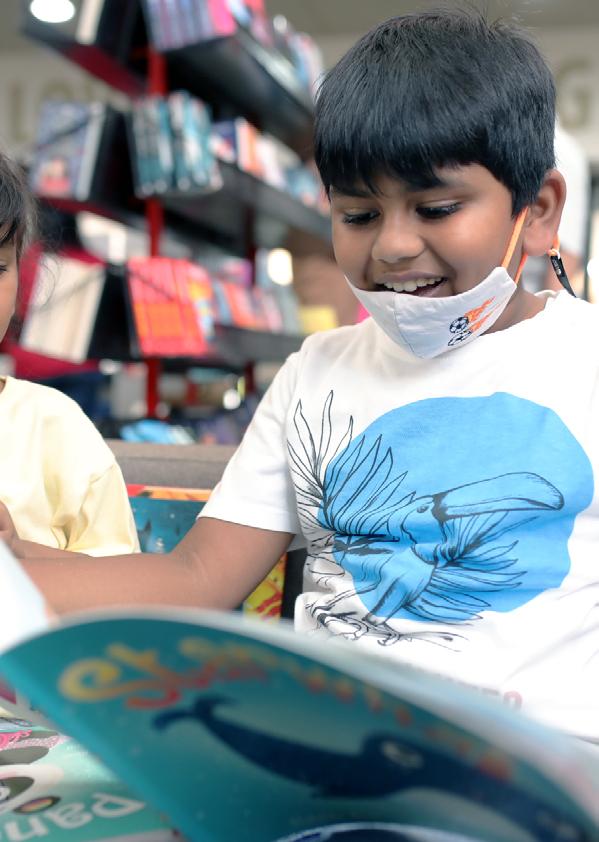





In India, unlike writers of Adult Fiction and Non-fiction, there are hardly any grants and fellowships in place for children’s books writers. For the former, NIF has a fellowship where the Prize Money is 1.5 Lakhs/month for the Fellow, for 12 months. Recently, they have also announced translation fellowships for Adult Non-fiction authors.
Other fellowships include Homi Bhabha Fellowship, and Residencies like Sangam House which are not closed to authors of children’s and YA fiction, but barring a few names like Bijal Vachharajani and Anita Roy, have not chosen too many Children’s writers for their residency during the 14 seasons that it has been operational.
Riyaaz Academy is a residency fellowship for illustrators who illustrate books in regional languages, hosted by Ektara and supported by Parag. The selection process includes applications, interviews, submissions of the portfolio, and 25-30 fellows are chosen. 20 of the 80+ fellows are now full-time illustrators of Indian language books as well as English books. Parag aims to provide similar support for writers.
The Parag Trust also supports the production and printing of children’s books in Indian languages via grants to not-for-profit publishers. They also conduct workshops and residencies, for example, for playwrights.
The children’s literature scene requires more money to be allotted for awards, and a judging system that is based primarily on the quality of the books. The quality should be a priority over the theme to avoid the social media trend of promotion through contacts and applauding an average book. This will be significant in helping Indian children’s books find global audiences.




DISTRIBUTION INEFFICIENCIES
Distribution value chain is highly fragmented and requires substantial lead-time before books reach the end user. The lack of a formal distribution network for most regional language publishers results in them selling through friends and family-based retailers or book fairs and, thus, limiting their reach.
HIGH COST/LOW MARGINS
Competitive, fragmented nature of the market and increased production costs has led to low-profit margins in the industry.
PIRACY
Pirated books account for 20-25% of the total books in the market and impact the overall industry negatively, leading to a drop in revenue for publishers and loss of tax collections for the government.
COPYRIGHT
Publishers and authors are often unaware of the nuances of copyright laws which could lead to losses caused by infringed copies.
LOW ROYALTIES
Many Indian publishers offer low royalties to authors and illustrators, which can make it difficult for them to earn a living wage from their work.
LACK OF SUPPORT
Many Indian authors and illustrators may lack access to resources and support, such as mentorship, workshops, and networking opportunities, that would help them build sustainable careers.
LACK OF
Reading culture among children in India has undergone a rapid decline which is echoed by media platforms running fewer book reviews.
ACADEMICS
Indian parents’ strong focus on academic achievements is affecting children’s pleasure reading.
SOURCE: VALUE PROPOSITION OF INDIAN PUBLISHING REPORT, EY


• The lack of a robust reading culture of non-educational and non-activity books among children.
• Poor advances to authors and illustrators.
• Uneven editing, design and production quality.
• Lack of marketing support.
• Challenges in the effective distribution of books, especially those by independent presses and small children’s publishers.
• A rapidly dwindling community of children’s book reviewers.
• A scarcity of influential children’s book prizes, grants and fellowships.
• Lack of support for independent children’s booksellers and online retail platforms.
• Low appetite for risk-taking.
• Intense competition from international children’s books.
• Inadequate avenues for skillbuilding.
• Gatekeeping that keeps nonmainstream writers out of the conversation.
In India, there is no reading culture among children. This is more pronounced especially when it comes to the middle grade and young adult age groups when studies start taking over and children get overburdened with tuitions as well as extra curricular activities.
Indian publishing houses refuse to take risks with the content of
children’s literature, leading to much more attraction among children towards the diverse variety in the international sector.
The industry keeps preaching to the converted and doesn’t put too much effort in finding new readers.
The number of children’s book reviewers on media platforms has dwindled greatly. Time Out had spaces for children’s books, and newspapers had more space for children’s literature, but as pages for books in newspapers have shrunk, children’s literature reviews have also taken a hit. Today, a handful of names remain who occasionally review children’s fiction. Television barely ever covers this sector.
Most international children’s writers hire speaking agents who actively seek out speaking engagements for their clients, in addition to negotiating the terms and remuneration for such assignments.
In India, children’s authors don’t really have/ seek representation from literary agents, who, in the absence of the culture of speaking agents for authors in India, could potentially negotiate their
speaking fee on their behalf.
Indian schools, especially the privately owned ones, have the capacity to pay handsome appearance fees to writers. However, they often aren’t aware of upcoming, unique content, and tend to put the same book over the years on their syllabi. Some bookstores and publishing houses conduct school sessions to bridge this information gap.
However, even a single school
session requires a lot of hard work and preparation. One also has to factor in the time that is spent on hours of travel and commute, says Bijal Vachharajani, author and editor of Pratham Books.
None of the Indian illustrators survive only by doing children’s books. Most award winning children’s book illustrators in India regularly take on illustration work for corporates and NGOs. Others work on animation on the side to supplement their incomes.
As a result, illustrators take lots of time to finish working on a project since its not possible for them to devote all their work hours to one project alone. This doesn’t give them adequate chance to develop their skills either.
Award winning illustrator Priya Kuriyan shared that usually she doesn’t work continuously on a book for 3 months. In the case of low advances, she takes upto 7 months. At times, it has taken her up to one year to finish the illustration work on a book because of other commitments.
Some of the most sought after Indian children’s book illustrators hail from small cities and move to big cities like Bengaluru in search of more work opportunities. The higher cost of living in big cities is not easily met by the existing payment models for illustrators.
Indian children’s book publishers have always had to work on shoestring budgets to market and promote their books.
AFTER THE PANDEMIC, authors can expect marketing budgets for
their books to be slashed further.
Independent publishing houses, like Pickle Yolk, which have gained popularity through word-of-mouth and social media bloggers, have levelled the playing field between the big and little presses because a small press, with the right marketing, will be just as visible as big presses like Penguin.
Smaller publishers may tap into a niche set of influencers/ mombloggers who needn’t be paid, only provided a free copy of the book (as “payment” or for reviewing).
People who are customer-facing do not pay the publishers in time for goods they have sold. Small publishers do not have the money and muscle power to extract payments.
So, a lot of market share in the children's literature industry is being captured by online stores at the cost of brick and mortar stores. People read about the book and make the online purchase because it is more convenient than going out.


As per the ASER report 2022, children’s basic reading ability in India has dropped to pre-2012 levels, reversing the slow improvement achieved in the intervening years. Drops are visible in both government and private schools in most states, and for both boys and girls.
SOURCE: ANNUAL STATUS OF EDUCATION REPORT (ASER), 2022



INCREASE IN GROSS ENROLMENT RATIO
DEMAND FOR PRIVATE EDUCATION
The enrolment ratios in all stages of education have been increasing over the past few years, while drop-out rates have steadily declined. This is expected to continue in the future, especially with the government targeting 100% and 50% GERs in K-12 and higher education respectively.
Faster growth of enrolment in private schools at 3% CAGR compared to that of the overall enrolment in schools signifies an increased demand for private education. This is expected to continue going forward, due to the perception that private schools provided better quality education, which could translate to growth of the private publishing industry.
INCREASED EXPENDITURE ON EDUCATION
SUPPORT FROM GOVERNMENT POLICIES & INITIATIVES
Under the National Education Policy, 2020, the public investment in education is to be increased to 6% of the GDP from the current 4%.The growing population of the middle-class section in India, along with support from the Government, could result in increased public and private spending on education which could further boost the publishing industry.
The Indian Government has launched many schemes and initiatives to encourage readership, publishing output, and use of digital formats. A few examples include, the National Centre for Children’s Literature established by the National Book Trust (NBT), the NBT Financial Assistance Program to encourage translation, and the Intellectual Property Rights (IPR) Cell established by the Department of Industrial Property and Promotion to promote IP rights in the country.
REGULARLY ATTEND INTERNATIONAL BOOK FAIRS
PRODUCE HIGH QUALITY BOOKS
FIND & DEVELOP GLOBAL PARTNERSHIPS
As citizens of a global community, it is becoming increasingly important to know about the world around us. The Indian government has many policies in place but requires the support of the publishing industry to achieve those goals.
The National Book Promotion Policy and The National Education Policy are two keystone policies that require the aid of the Indian children’s publishing industry to succeed. There is an opportunity here for the publishing industry to collaborate with government and private organizations to offer content in various languages
and at varying price points to enable more access and affordability to the reading base.
Furthermore, as an increasing number of students are being enrolled in high school, the publishing industry is expected to play a vital role of supplying adequate books in English and regional languages at affordable prices, not simply for entertainment, but in the form of learning resources as well.
that help the publishing sector solidify its role as a major force in improving children’s literacy rates
While the National Education Policy 2020 talks about inculcating a culture of reading, improving foundational literacy in mother tongue, few publishers have expressed concerns about the lack of clarity on how the policy will be implemented.
SOURCE: VALUE PROPOSITION OF INDIAN PUBLISHING REPORT, EY
Publishing houses should collaborate with the government and private organizations to offer content in various languages and at varying price points to enable more access and affordability to the reading base.
Awards don’t always translate into popularity and higher sales but have been observed to lead to increased interest from schools. Government, publishing houses should introduce more grants and fellowships to support budding authors.
The industry should focus on creating digital resources and e-books that support remote learning and distance education. Publishers should invest in new technologies such as digital rights management and format conversion to improve the distribution of books.
“Awards created a buzz in media, publishing communities, and independent bookstores, thus leading to them [the books] being picked up by schools.”
RICHA JHA, FOUNDER & PUBLISHER, PICKLE YOLK BOOKS
Is there enough content for Children’s literature especially targeting the Pre-teens and Young adults?
Do we know how many children’s titles are published every year? Or a breakdown by age group?
What number actually constitutes a bestseller for the children’s category?
Is there any central system in place for such data collection and exchange of Information?
How might children’s book publishers grow the market for fiction and non-fiction in the face of rising production costs and not enough visibility for their work?
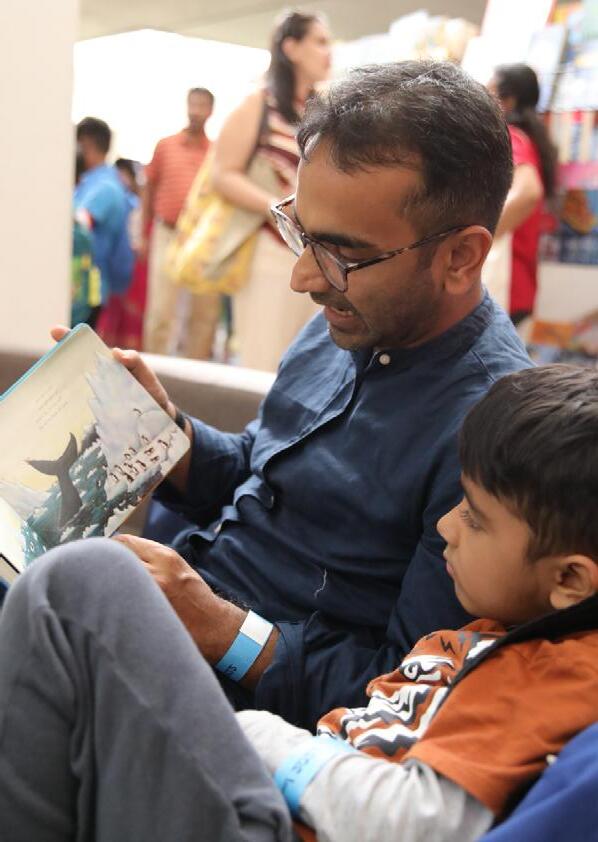



The Neev Book Award for distinguished children’s literature aims to recognize outstanding writing that leads to a fuller understanding of India, Indian lives, and Indian stories. In 2018, NLF extended its vision to promote and encourage high-quality children’s literature from India by launching the award.
The award is currently given in four categories: Early Years, Emerging Readers, Junior Readers, Young Adult.
Each award winner is honoured at NLF with a certificate, trophy, and cash award of INR 1,00,000.
The Award is decided by a global jury, who come from diverse professions but share the same common factor: that each member is closely involved with children’s books and reading, as a part of their work.
Composed of children’s book authors, educators, librarians, and an anthropologist, the jury gives the award continuity, integrity, and strength.














The Tree Lover by Ruskin Bond
Puffin
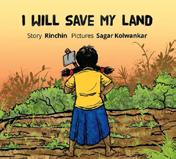
I Will Save My Land by Rinchin & Sagar Kolwankar
Tulika Publishers
Catch That Cat by Tharini Vishwanath & Nancy Raj
Tulika Publishers
Bhimrao Ambedkar: The Boy Who Asked Why by Sowmya Rajendran & Satwik Gade
Tulika Publishers
Our Incredible Cow by Mahasweta Devi & Ruchi Shah
Tulika Publishers
Ammachi’s Amazing Machines by Rajiv Eipe
Pratham Books
Janice goes to China Town by Anuradha Sengupta & Kalyani Ganapathy
Pratham Books
The Little Ninja Sparrows by Ranjit Lal Speaking Tiger
The Boy Who Swallowed a Nail by Lalita Iyer Scholastic
Flipped: Scary Stories and Funny Stories, Various Authors Harper Collins Children’s Books
Tiger by the Tail by Venita Coelho Hachette
Boy No. 32 by Venita Coelho Scholastic
Ela by Sampurna Chattarji Scholastic
2 by Paro Anand Scholastic
The House That Spoke by Zuni Chopra Penguin Books
Timmi in Tangles by Shals Mahajan Duckbill Books
Dead by the Dodo by Venita Coelho Hachette
Tiger Boy by Mitali Perkins Duckbill Books
Rasha: Little Girl, Big Heart by Muhammed Zafar Iqbal Puffin
Like Smoke: A Collection by Paro Anand Penguin Books
What Maya Saw by Shabnam Minwalla HarperCollins
Queen of Ice by Devika Rangachari Duckbill Books


Thukpa for All by Praba Ram, Sheela Preuitt & Shilpa Ranade Karadi Tales
The Tale of Babban Hajjam by Ira Saxena & Mayukh Ghosh Karadi Tales
The Clever Tailor by Srividhya Venkat & Nayantara Surendranath Karadi Tales
Sera Learns to Fly by Vinitha & Nirzara Verulkar Katha Books
Sadiq Wants to Stitch by Mamta Nainy & Niloufer Wadia Karadi Tales
When Jiya Met Urmila by Shabnam Minwalla Duckbill Books
The Ammuchi Puchi by Sharanya Manivannan Puffin
The Adventures of Mooli and the Bully on Wheels by Asha Nehemiah Scholastic
Neel on Wheels by Lavanya Karthik & Habib Ali Duckbill
Red by Sagar Kolwankar Tulika Publishers
Machher Jhol by Richa Jha & Sumanta Dey Pickle Yolk books
I Need to Pee by Neha Singh, Meenal Singh & Erik Egerup Puffin
The Adventures of Tootsie Lama by Stuti Agarwal Juggernaut
Petu Pumpkin Cheater Peter by Arundhati Venkatesh Duckbill Books
The Dwarf, the Girl and the Holy Goat by Cordis Paldano Hachette
Flying with Grandpa by Madhuri Kamat Duckbill Books
The Cloudfarers by Stephen Alter Puffin
The Curious Case of the Sweet and Spicy Sweetshop by Nandini Nayar Puffin
Year of the Weeds by Siddhartha Sarma Duckbill Books
When Morning Comes by Arushi Raina Duckbill Books
This is Me, Mayil by Niveditha Subramaniam & Sowmya Rajendran Tulika Publishers
Pashmina by Nidhi Chanani Macmillan
Indira by Devapriya Roy & Priya Kuriyan Context
Amrita Sher-Gil: Rebel with a Paintbrush by Anita Vachharajani & Kalyani Ganapathy HarperCollins Children’s Books
Painters Potters Cooks and Kings by Subhadra Sen Gupta Scholastic
Jwala Kumar and the Gift of Fire by Hansda Sowvendra Shekhar Speaking Tiger
Ahimsa by Supriya Kelkar Scholastic
Picture Books
Machher Jhol by Richa Jha & Sumanta Dey Pickle Yolk books
Emerging Readers
When Jiya Met Urmila by Shabnam Minwalla Duckbill Books
Readers
Scholastic

Year of the Weeds by Siddhartha Sarma Duckbill Books

The Gular Flower by Rinchin & Vipul Verma
Tulika Publishers
The Mountains of Mumbai by Labanya Ghosh & Pallavi Jain
Karadi Tales
Lost and Found in a Mumbai Koliwada by Vinitha & Kripa
The People Place Project
Unlucky Chumki by Lesley D. Biswas
Duckbill
Srinivasa Ramanujan: Friend of Numbers by Priya Narayanan & Satwik Gade
Tulika Publishers
The Girl Who Ironed Her Hair and Other Stories by Lalita Iyer
Scholastic
Rattu and Poorie’s Adventures in History by Parvati Sharma
Puffin
Letters to Ammi by Aftab Yusuf Shaikh
Karadi Tales
Hungry To Play by Arti Sonthalia
Duckbill Books
Ammama’s Sari by Niveditha Subramaniam
Tulika Publishers
Dotted Lines by Bhuri Bhai Bhil & Debjani Mukherjee
Katha Books
In My Heart by Nandana Dev Sen & Ruchi Mhasane Puffin
The Rise of the Midnight King by Olivier Lafont Speaking Tiger
Nadya by Debasmita Dasgupta Scholastic
Flyaway Boy by Jane De Suza Puffin
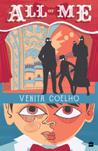
All of Me by Venita Coelho HarperCollins Children’s Books
A Match Made in Mehendi by Nandini Bajpai Little, Brown Books for Young Readers
The Prince by Samhita Arni Juggernaut
The Lies We Tell by Himanjali Sankar Duckbill Books
Being Gandhi by Paro Anand Harper Collins Children’s Books
Grit: The Major Story by Major DP Singh, VR Ferose, Sriram Jagannathan Hachette

Picture Books
The Mountains of Mumbai by Labanya Ghosh & Pallavi Jain Karadi Tales
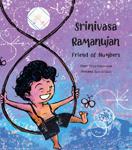
Srinivasa Ramanujan: Friend of Numbers by Priya Narayanan & Satwik Gade Tulika Publishers
Junior Readers
All of Me by Venita Coelho HarperCollins Children’s Books
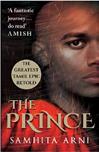
The Prince by Samhita Arni Juggernaut

Moodunnit by C G Salamander & Aindri C Scholastic
The Big thoughts of Little Luv by Karan Johar & Priya Kuriyan Juggernaut
Thatha’s Pumpkin by Lalita lyer & Proiti Roy Karadi Tales
The Chirmi Chasers by Arefa Tehsin Duckbill Books
The Miracle on Sunderbaag Street by Nandita da Cunha & Priya Kuriyan Kalpavriksh
Mini’s Questions by Nandini Nayar & Isha Nagar HarperCollins Children’s Books
Friends Behind Walls by Harshikaa Udasi Puffin
The Clockwala’s Clues by Varsha Seshan Duckbill Books
Cat’s Diwali by Sarah H Paul & Urvashi Dubey Daffodil Lane Books
Ammu and The Sparrows by Vinitha R & Jayesh Sivan Pratham Books
Cat, Come Back by Lavanya Karthik, Ayeshe Sadr & Ishaan Dasgupta Karadi Tales
Journey to the Forbidden City by Deepa Agarwal Puffin
Young Pandavas: The City of Elephants by Anupam Arunachalam Hachette
The Torchbearers by A B Majmudar Puffin
The Secret Life of Debbie G. by Vibha Batra & Kalyani Ganapathy HarperCollins Children’s Books
The Teenage Diary of Razia Sultan by Anitha Murthy Talking Cub
Queen of Earth by Devika Rangachari Duckbill Books
Oonga by Devashish Makhija Tulika Publishers
Nomad’s Land by Paro Anand Talking Cub
Gravepyres School for the Recently Deceased by Anita Roy Red Panda
The Piano: Story of a Friendship by Nandita Basu Duckbill Books
No Nonsense Nandhini by Aparna Karthikeyan Karadi Tales
The Adventures of the Kohinoor by William Dalrymple, Anita Anand with Devika Cariapa Juggernaut
Early Years
Ammu and The Sparrows by Vinitha R Pratham Books
The Adventures of the Kohinoor by William Dalrymple, Anita Anand with Devika Cariapa Juggernaut
The Miracle on Sunderbaag Street by Nandita da Cunha Kalpavriksh
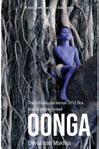
Oonga by Devashish Makhija Tulika Publishers

Paati’s Rasam by Janaki Sabesh, Dhwani Sabesh, Pallavi Jain Karadi Tales
Bumoni’s Banana Trees by Mita Bordoloi & Tarique Aziz
Tulika Publishers
Ikru’s First Day of School by Sunaina Coelho
Pratham Books
Topi Rockets from Thumba by Menaka Raman & Annada Menon
Puffin
That Night by Bijal Vachharajani & Shrujana Niranjani Shridhar
Pratham Books
The Girl Who Was a Forest: Janaki Ammal by Lavanya Karthik
Duckbill Books
The Homework by Ashwin Guha & Vaibhav Kumaresh
Karadi Tales
Jamlo Walks by Samina Mishra & Tarique Aziz
Puffin
When the World Went Dark by Jane De Suza Puffin
Uncle Nehru, Please Send An Elephant! by Devika Cariapa & Satwik Gade Tulika Publishers
The Best At It by Maulik Pancholy HarperCollins
Somnath Hore: Wounds by Likla Lall & Kripa Bhatia Art1st Enterprise
Rain Must Fall by Nandita Basu Duckbill Books
Bandilanka’s Forgotten Lives by Kamakshi Pappu Murti
Leadstart Publishing

Went


Kavita Gupta Sabharwal Head of School, Neev Academy

Ameen Haque Founder, Storywallahs

Rasil Kaur Ahuja Author

Sneha Iype Founder Partner, Executive Producer Nirvana Films