



1300 361 099
memberservices@neca.asn.au
NECA SA/NT BRANCH
213 Greenhill Road, Eastwood SA 5063 PO Box 47, Fullarton SA 5063
(08) 8272 2966
neca@necasa.asn.au
h ume h ighway, Chullora NSW 2190
1300 361 099 memberservices@neca.asn.au
667 771
enquiries@acrs.com.au
www.acrs.com.au

Doing business is more than a simple exchange of goods or services for money or other profit making ventures. The world we live in is built on businesses, with small, single employee operations all the way up to international corporations all doing their part to create the framework of the world we have today.
In this issue, we will take a deep dive into ESG, exploring how some businesses operate with concern for the world around them, how businesses can do more to give back, and how we as an industry can use our own business frameworks to take better care of our future.
The Electrotechnology industry is one of the most rapidly evolving industries in the world right now, with advanced solutions, strategies,
and innovations continuously being developed and deployed across the sector, and it is important that our businesses continue to evolve with it. It is important that we as an industry continue to update our structures and techniques to stay ahead of the game, and make sure we’re running our businesses in the most ESG friendly way we can
Read on to find out more about ESG, and to see some expert examples from some of our industry’s best and brightest. If your business has taken that next step in a creative, innovative, or outstanding way, don’t hesitate to reach out! We’d love to see what you’ve been up to.
The NECA News team
Share your feedback via email necanews@neca.asn.au
Share your ideas for content via email necanews@neca.asn.au
We’re looking to showcase NECA member stories in each issue. Reach out to your NECA Branch or email necanews@neca.asn.au
If you’d like to join more than 30,000 of your industry peers and receive a digital version of NECA News, sign up at www.neca.asn.au/necanews
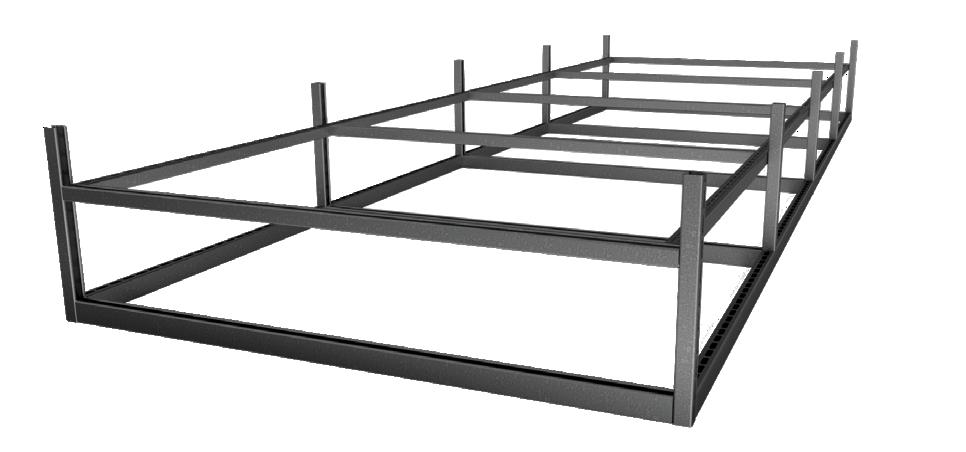
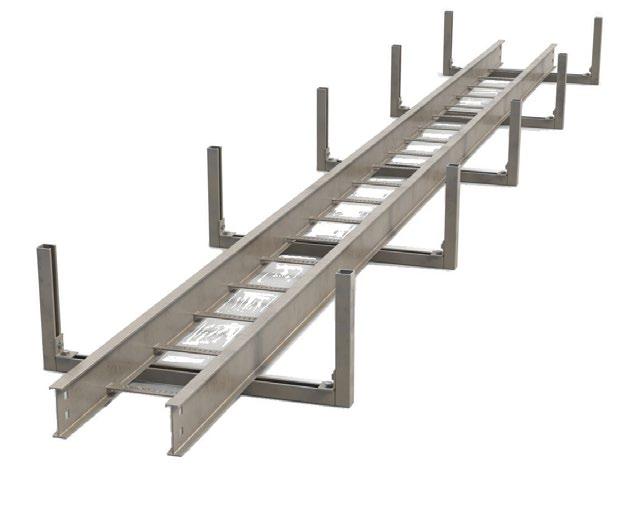
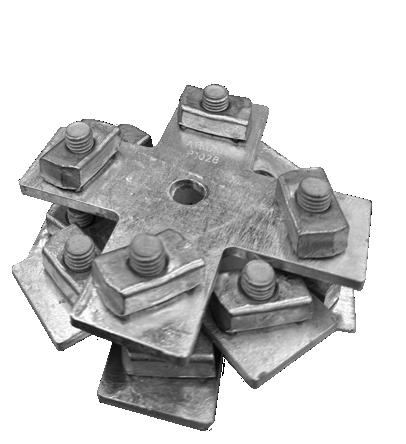
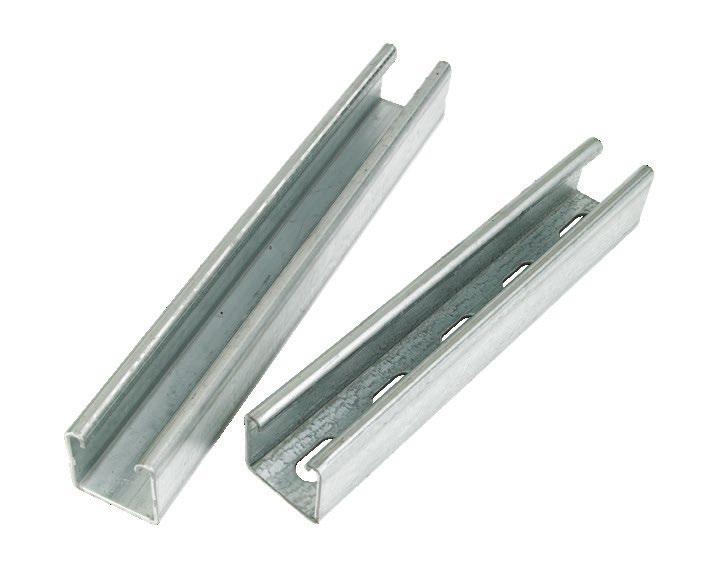
Built off-site. Installed fast.
Atkore Prefabrication helps reduce installation time while maintaining consistent quality.
▲ Cut strut
▲ Kit assemblies
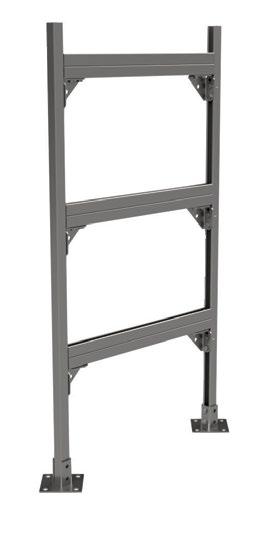
▲ H-Frames
▲ Populated modular systems
▲ Modular systems



T hE NATIONAL ELECTRICAL AND COMMUNICATIONS ASSOCIATION h AS RECENTLY ANNOUNCED T hE APPOINTMENT OF STEWART JOYCE AS ITS NEW ChIEF EXECUTIVE OFFICER.
Mr Joyce brings more than three decades of senior leadership experience across the electrical, communications, engineering and technical services sectors.
NECA National President Peter Beveridge said the appointment followed a rigorous national process and reflected the organisation’s focus on strong commercial leadership, industry credibility and strategic reform.
“Stewart is an outstanding appointment for NECA and for our members nationally. he has led large, complex electrical and technical services businesses through periods of growth, restructuring and change, while maintaining a strong focus
on safety, training and workforce capability,” Mr Beveridge said.
Mr Joyce said it was a privilege to be appointed CEO of NECA and to lead an organisation with a proud history and a critical role in Australia’s energy, construction and communications future.
“NECA is the peak body for an industry that quite literally powers the nation. I am honoured to take on the role of Chief Executive Officer and to work with the Board, members and staff to strengthen NECA’s leadership, advocacy and service to industry,” Mr Joyce said.

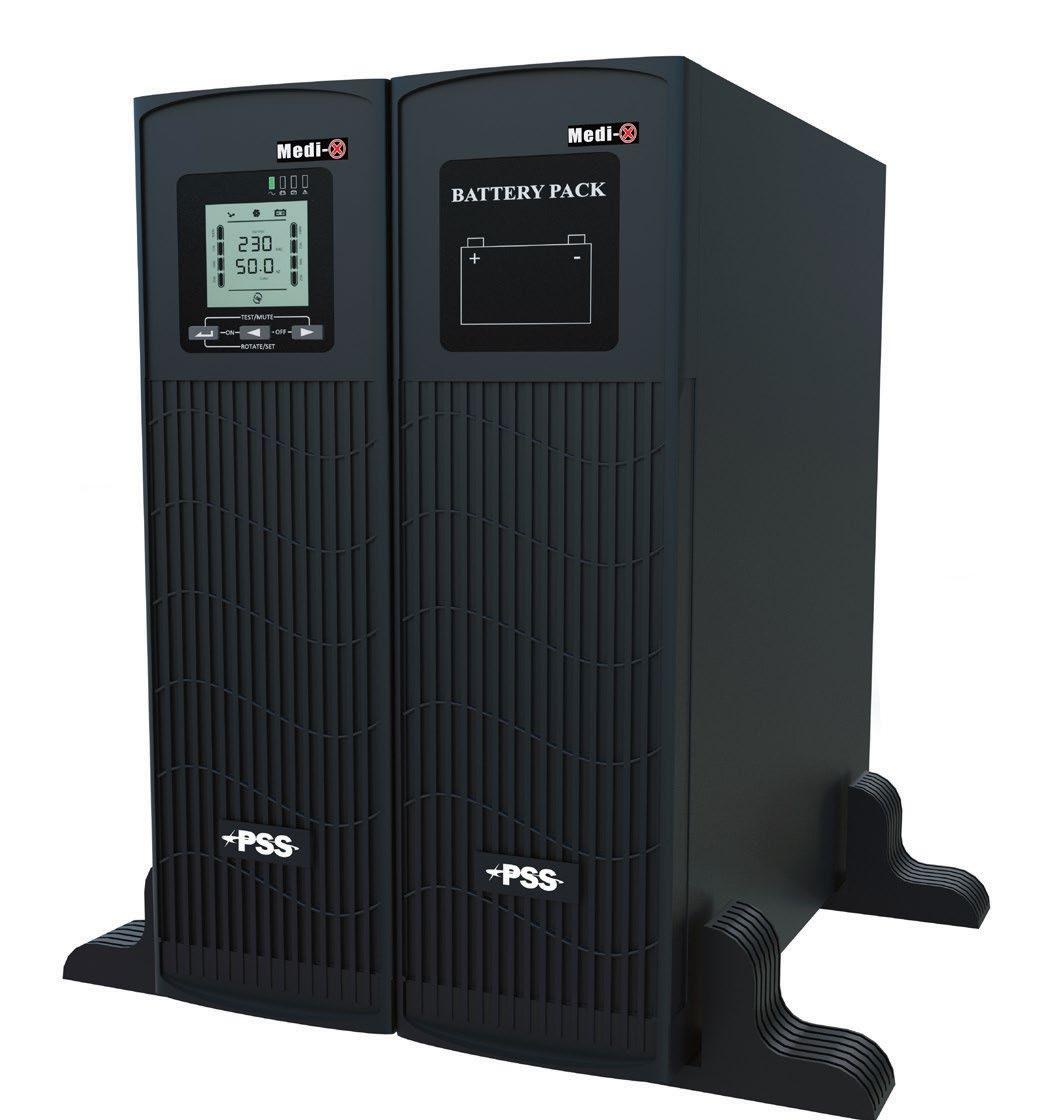
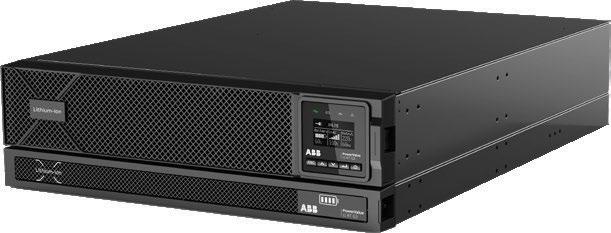
ABB’s PowerValue 11RT G3 LIB delivers uninterrupted power protection for your most critical single-phase applications. This advanced system provides robust surge and outage protection, customisable configurations, and intuitive controls – all while optimising energy efficiency and minimising downtime. Trust ABB’s expertise to maintain seamless performance for your essential operations.
Equipped with an advanced Battery Management System (BMS) for predictive health monitoring, instant power transfer, cold start capability, and Remote Power Off (RPO) for enhanced safety, the 11RT G3 LIB combines technical excellence with operational versatility. Its compact 1U external battery option supports up to four EBMs for extended runtime.
With high efficiency (up to 97% in ECO mode), flexible installation as tower or rack, and a robust 5-year warranty, the PowerValue 11RT G3 LIB is engineered to outrun.

Environmental, Social and Governance (ESG) principles have moved decisively from theory into practice across Australia’s construction and electrotechnology sector. They now shape government policy, procurement frameworks, workforce planning, and regulatory oversight. For the National Electrical and Communications Association, ESG is not treated as a reporting obligation or a communications exercise. It is embedded in how the organisation represents its members, engages with governments and regulators, and supports industry capability, across every state and territory.
From an environmental perspective, NECA operates at the centre of Australia’s energy transition. Electrical and communications contractors are essential to delivering renewable generation, grid upgrades, electric vehicle charging, battery storage, and energyefficient buildings. NECA’s advocacy has focused on ensuring climate and energy policy translates into practical, safe and economically viable outcomes on the ground. Through sustained engagement with governments, regulators and standards bodies, NECA has pressed for technical settings, workforce planning, and procurement models that accelerate decarbonisation while maintaining market integrity and safety. The result is policy that supports emissions reduction targets, through skilled local delivery and enduring industry capacity.
The social dimension of ESG is where NECA’s influence is most evident. As the peak body for our industry, NECA has long treated workforce development as both an economic necessity and a social responsibility. Its group training and registered training operations
consistently achieve completion rates well above national averages, particularly in electrical apprenticeships. This reflects an industry-led model that prioritises employer engagement, pastoral care, and job readiness. Beyond skills delivery, NECA’s work supports secure employment, regional participation, and accessible entry points into trades for school leavers, career changers, and underrepresented groups.
A further pillar of NECA’s social leadership is its sustained focus on improving female participation and equality across the electrical and communications workforce. NECA has consistently approached this as a workforce capacity and productivity issue, rather than a symbolic exercise. Through its training, apprenticeships, and employer engagement activities, NECA has supported initiatives that improve recruitment, retention and completion outcomes for women, including industry led training environments, enhanced pastoral support, and practical guidance for employers on creating safe and inclusive workplaces. NECA has also advocated for policy settings that support flexible training pathways, appropriate supervision models, and procurement frameworks that recognise genuine workforce participation outcomes. This practical, employer-informed approach strengthens workforce resilience, while reinforcing that equality and safety are fundamental to a modern, sustainable industry.
NECA’s social impact also extends to the commercial sustainability of small and medium contracting businesses. The overwhelming majority of NECA members are small and medium sized businesses which operate as subcontractors within complex construction supply chains. NECA engages daily with these businesses
through its legal, technical, industrial relations, government relations, and business advisory services, providing direct insight into the pressures they face. This frontline intelligence underpins NECA’s sustained advocacy on security of payment, unfair contract terms, unfair trading practices, insurance affordability, and procurement practices. These are no longer niche commercial issues. They are increasingly recognised as core ESG risks. NECA’s position is clear: Businesses cannot invest in apprentices, safety systems, innovation, or regional growth, if they are exposed to chronic payment delays, uninsurable risks, or contracts that transfer disproportionate liability. By pressing for fairer rules and stronger enforcement, NECA is working
only to government and regulators, but fundamentally, to our members. NECA’s policy positions are shaped through structured engagement with members, informed by direct feedback from businesses operating across metropolitan, regional and remote Australia. This ensures our advocacy reflects real commercial and operational conditions. Board oversight and evidence-based policy development anchor this feedback in rigorous governance, ensuring NECA’s positions are credible, consistent, and grounded in practical industry experience. This discipline also shapes how NECA engages externally, with a focus on constructive collaboration and technical expertise, rather than adversarial campaigning.
<Record Keeping & Repor ting <Touch Screen <
pressure. It has evolved from the lived realities of the industry it represents. Electrical and communications contractors are delivering the infrastructure that underpins Australia’s economic growth, energy transition, and community wellbeing. NECA’s role has been to ensure the policy, regulatory, and commercial environment allows that contribution to be made safely, equitably and sustainably.
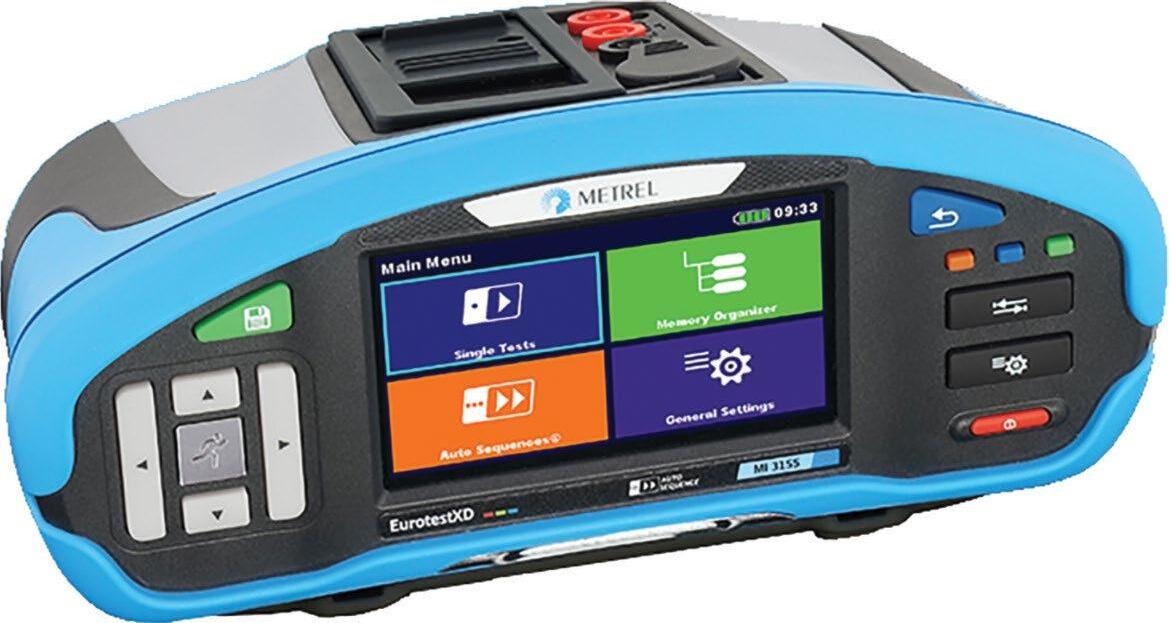
< Installation Verification & Compliance Testing
What distinguishes NECA’s approach to ESG is that it has not been driven by compliance mandates or investor
24/08/2021 12:18 PM Page 1

As ESG expectations continue to mature across government and industry, NECA’s experience demonstrates that effective ESG leadership does not require reinvention. It requires practical advocacy, investment in people, and strong governance. For NECA and its members, ESG is not a separate agenda. It is simply how responsible industry leadership is delivered.
Pass/Fail limits and “Auto Sequences” set to AS/NZS3017 and AS/NZS3019.
< Single Test Functions Voltage, Mohm & Ohms, RCD, Loop Impedance, Line Impedance, Earth Resistance, Power & Harmonics, Light, Wire Tracing.
< Site Schematics & Installation Reports
Save test results to the Site Schematic or Tree Structure. Start with Site Name and Address. Test reports output to PDF or Excel.
<Record Keeping & Repor ting <Touch Screen <AS/NZS3000

07 3392 7170
< High Volume RCD Testing System
< Installation Verification & Compliance Testing Pass/Fail limits and “Auto Sequences” set to AS/NZS3017 and AS/NZS3019
< Single Test Functions
Complete high volume RCD testing & logging solution with bar-code scanner input of RCD IDs and logging of RCD push button tests.
Voltage, Mohm & Ohms, RCD, Loop Impedance, Line Impedance, Earth Resistance, Power & Harmonics, Light, Wire Tracing
< Site Schematics & Installation Reports
Save test results to the Site Schematic or Tree Structure
Start with Site Name and Address Test reports output to PDF or Excel
< High Volume RCD Testing System

ENVIRONMENTAL, SOCIAL AND GOVERNANCE (ESG) IS A FRAMEWORK T h AT hELPS BUSINESSES MEASURE, MANAGE AND IMPROVE T hEMSELVES IN WAYS BEYOND FINANCIAL
It provides a structured way to assess how a company interacts with the environment, supports its people and communities, and governs itself responsibly. For a business in the electrotechnology sector, ESG is not just a reporting exercise; it is a practical tool to strengthen operations, reduce risk, win work and create longterm value in all areas of the industry, including contracting, manufacturing, innovation and maintenance.
At its core, ESG helps answer three questions:
Environmental how does my business affect the planet?
Social how do I treat and support people? Governance how well is my business run?
The Electrotechnology industry sits at the centre of the energy transition. Right now, electrical contractors are installing a rapidly increasing number of solar panels, batteries, EV chargers, smart building technologies, as well as new and improved grid infrastructure, all of which contribute to a more sustainable and environmentally friendly future. If a business is able to measure data about their impact, they can present this data in contract proposals to increase their chances at winning jobs and thus growing their business
The social dimension of ESG examines how a business supports its people and communities. For the electrotechnology sector, safety, skills shortages, and workforce diversity are all pressing issues. Maintaining a positive and healthy
business model is the most important way to build a good reputation in the industry. Being well known and well reputed within a competitive market is imperative to growth, both through winning jobs, and attracting and retaining better talent. Furthermore, companies known for safe worksites, clear career progression, and inclusive culture are far more likely to gain recognition, and to retain the highest quality employees.
Beyond operational benefits, strong social performance contributes to long-term industry sustainability. By supporting apprentices, encouraging women and underrepresented groups into technical roles, and promoting professional development, electrotechnology businesses help future-proof the sector itself.
While governance doesn’t have the most visible advantages, it acts as the backbone to any business, not just in the Electrotechnology space. having good governance within a company means having efficient and clear pathways, clear leadership roles, documented policies, financial transparency and thus reduced risk. Good governance builds trust with clients, regulators, insurers and financial institutions. It also positions businesses for expansion, partnership opportunities, succession planning or investment.
For many smaller businesses, ESG can feel like a reporting burden, a tool only necessary for large corporations. But when viewed through a practical lens, it becomes a powerful management tool. Electrotechnology businesses are already shaping the future of energy.
ESG simply provides the structure to measure that impact, strengthen internal operations and communicate value clearly to the market.


Understanding ESG and why it matters
ESG refers to environmental, social, and governance factors that influence how a business operates, makes decisions, and manages risk over the long term. While environmental and social issues often dominate headlines, governance is the framework that holds everything together. It determines how responsibility is shared, how transparency is maintained, and how commitments translate into everyday business practice.
For businesses in the electrotechnology sector, ESG is increasingly part of the commercial landscape. Electrical contractors and service providers operate in safety-critical, highly regulated environments, where leadership, accountability, and compliance are essential. Governance provides the structure that supports those obligations and helps businesses navigate growing expectations from regulators, clients, and the broader community.
Governance at the centre of strong business leadership
Governance within ESG focuses on how a company is led and controlled. This includes board composition and diversity, executive remuneration, financial transparency, risk management, and anti-corruption policies. At its best, governance creates clarity around decision-making and accountability at every level of the organisation.
There is strong evidence that governance-led ESG strategies support long-term business value. In Australia, ESG investment has tripled in recent years, with almost half of financial advisers now using positive ESG screening to identify companies with strong credentials. Research from the Governance Institute of Australia has also highlighted the importance of board diversity in leading ESG change and strengthening organisational resilience.
In the electrotechnology sector, governance directly shapes operational outcomes. Board oversight and

executive accountability influence how licensing requirements are managed, how subcontractors are engaged, and how safety, cyber security, and financial controls are enforced. When governance is clear and consistent, businesses are better positioned to manage risk and respond confidently to regulatory scrutiny.
Strong governance is not only about compliance. For electrotechnology businesses, it delivers tangible commercial benefits. Clear governance frameworks support licence compliance, reduce regulatory risk, and enhance credibility, with clients, principal contractors, and government agencies.
Investor expectations are also evolving. ESG due diligence is now a standard part of investment decisionmaking, with companies lacking governance frameworks increasingly excluded. Consumer behaviour reflects similar trends. Australians are willing to pay between 40 and 80 per cent more for companies with leading ESG performance, and many actively prefer businesses that demonstrate strong governance and ethical leadership.
Governance also plays a critical role in managing legal and reputational risk. Regulators are closely monitoring governance failures, particularly where risk management systems are weak. Workplace conduct, modern slavery compliance, and supply chain accountability are now firmly viewed as governance responsibilities, rather than peripheral issues.
For businesses in the electrotechnology sector, being proactive on governance means putting structure around the realities of licensed work, subcontracting and safety-critical operations.
Establishing an ESG or governance committee can help ensure consistent, board-level oversight of key risks and opportunities. This creates space for informed discussion, and helps

governance remain embedded in strategic decision-making, rather than addressed reactively.
Business owners should identify the governance issues most relevant to their business, such as cyber security, workforce compliance, subcontractor management, and financial transparency. Prioritising these areas allows resources to be directed where risk exposure is greatest.
Clear reporting structures are also essential. Boards should receive regular and transparent updates on governance performance and emerging risks. Well-documented policies and procedures support regulatory compliance and demonstrate due diligence during audits or investigations.
Supply chain governance is particularly important in the electrotechnology sector, where contracting labour and specialist subcontractors are common. Working with suppliers whose practices align with legislative requirements and ethical standards helps manage risk across workplace safety, modern slavery obligations, and employment

compliance. Promoting fair workplaces, diversity, equal opportunity, and adherence to National Employment Standards reinforces governance expectations across the delivery chain.
Maintaining clear and transparent governance records also supports consistent reporting and protects against financial and reputational damage. Regularly reviewing performance against governance metrics allows businesses to adapt, as regulatory and stakeholder expectations continue to evolve.
Governance as a foundation for long-term confidence
Governance has become a defining pillar of ESG performance. For electrotechnology businesses, strong governance frameworks support compliance, build trust, and strengthen operational resilience. As investor scrutiny increases, and regulators sharpen their focus, governance provides a steady foundation for confident leadership and sustainable growth across the sector.
Lina Altarifi Executive Director, Business Solutions Hub

AUSTRALIA’S ENERGY LANDSCAPE IS Ch ANGING QUICKLY. W h AT WAS ONCE A GRADUAL MOVE TOWARDS CLEANER ENERGY GENERATION h AS BECOME A NATIONWIDE
TRANSFORMATION T h AT IS VISIBLE IN hOMES, BUSINESSES, AND MAJOR INFRASTRUCTURE PROJECTS.
RENEWABLE ENERGY NOW PROVIDES 36 PERCENT OF AUSTRALIA’S ELECTRICITY, WIT h SOLAR AT 18 PERCENT, WIND AT 12 PERCENT AND h YDROPOWER AT 5 PERCENT.
T hESE FIGURES REPRESENT ROUGhLY DOUBLE T hE
RENEWABLE Sh ARE RECORDED A DECADE AGO.
Government approvals have accelerated the shift. In 2025, the Federal Government approved 54 new clean energy projects, contributing nearly seven gigawatts of renewable capacity. This is enough power to supply 2.4 million homes. The National Electricity Market now has a development pipeline of 275 renewable projects, that together represent 56 gigawatts of potential capacity.

Australian households are continuing to lead the world in solar uptake. More than 140,000 homes added solar panels for the first time in 2025, and the interest in battery storage has surged as well. Over the same year, 185,000 home batteries were installed, with help from government rebate programs.
This level of activity is reshaping the workload of electrical contractors throughout the country.


The renewable energy workforce is expanding rapidly. The Clean Energy Council reports that more than 39,000 Australians currently work in renewable energy. This number is forecast to grow to 81,000 by 2030, if Australia achieves its energy targets.
Much of this growth sits directly within the electrical trades. In 2022, large

scale solar projects supported 6,400 jobs, and wind projects added 4,300 more. These roles include installation, maintenance, grid connection, commissioning, and high voltage work.
Australia must add around six gigawatts of new renewable generation capacity every year throughout this decade to replace retiring coal stations. Meeting this target will depend heavily on electrical contractors who can install and maintain the infrastructure required for solar, wind, and storage systems.
The recruitment market reflects the pace of change. Industry data indicates that companies with slow hiring processes are struggling, and around 90 percent of candidates receive counteroffers when they submit their resignation. This highlights a highly competitive market for skilled electricians and technicians.
Solar and battery installation remains one of the busiest sectors for contractors. The addition of 140,000 first-time rooftop solar systems in 2025 continues a long upward trend. The installation of 185,000 household batteries in only six months shows how quickly homeowners are adopting energy storage. Electricians are needed for system installation, switchboard upgrades, metering work, safety inspections, and maintenance.
Government programs for energy efficiency, including heat pumps and insulation upgrades, are also increasing the need for licensed electrical workers.
Large renewable projects are creating significant job opportunities throughout regional Australia. With 275 major renewable projects in the pipeline, contractors with skills in high voltage work, SCADA systems, grid compliance, and commissioning are in strong demand.
Regions in New South Wales and Queensland are already experiencing labour shortages, as construction ramps up.

Electric vehicle adoption is creating new workloads too. The number of fast and ultra-fast public charging locations has tripled since mid-2022, reaching 1,475 stations across the country. Each of these installations requires electrical design, load analysis, switchboard upgrades, and ongoing servicing.
This field is expanding quickly and is becoming an important revenue stream for contractors.
A significant share of the skills needed for renewable energy already exists within Australia’s traditional energy workforce. The International Renewable Energy Agency notes that 65 percent of required skills are already present in the oil, gas, and coal sectors. This creates a smooth pathway for licensed electricians who are seeking to transition into renewables.
A renewable future powered by Australia’s electrical workforce
The growth of renewables is also beginning to ease pressure on electricity prices. Wholesale prices in the National Electricity Market fell 14 percent from 2024 to 2025, as more renewable capacity came online.
For NECA members and electrical contractors across Australia, the transition to renewables represents far more than a shift in generation technology. It is creating long-term stability, steady demand for skilled tradespeople, and new opportunities in every state and territory. Almost every part of the renewable energy rollout depends on electricians who can design, install, connect and maintain these systems.
Australia’s clean energy transition is not just changing how we power our homes and businesses. It is building a future, shaped by the skills and expertise of electrical contractors, who are helping to deliver the next generation of energy infrastructure.
Wian Diedericks ACT and Southern NSW Membership Manager

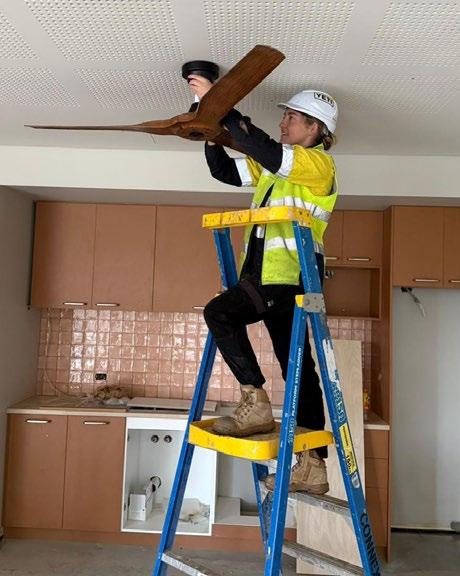
CONNEX SOLUTIONS IS A MULTI-AWARD-WINNING ELECTRICAL AND DATA CONTRACTING COMPANY OPERATING ACROSS SOUT h AUSTRALIA AND VICTORIA. DELIVERING hIGhQUALITY ELECTRICAL INSTALLATIONS, MAINTENANCE, AND COMMUNICATIONS SOLUTIONS, T hEY WORK WIT h MAJOR COMMERCIAL, RETAIL, INDUSTRIAL, AND GOVERNMENT CLIENTS W hO VALUE RELIABILITY AND RESULTS.
As Connex Solutions continues to grow, so too does their commitment to addressing key industry challenges, such as the skills shortage and lack of diversity in the electrical trade. What motivates Connex’s leaders? Partly the obvious; the talent shortage and a shallow pool of traditional applicants that met the Connex standard. But more than that, Connex sees diversity as a competitive advantage – it helps them solve problems creatively, connect with a wider pool of clients, and build a culture that people

want to be a part of. Furthermore, in the electrical industry. where safety, reliability, and trust are non-negotiable, diversity is critical, as it infuses new perspectives, assists in identifying blind spots, and builds resilient teams.
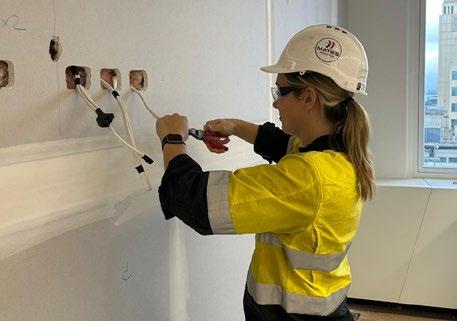
Connex Solutions began actively addressing gender imbalance several years ago, starting with recruitment. They ran targeted campaigns via Seek and LinkedIn and invited women to apply for apprentice and technician positions. Despite their efforts, the initial uptake was modest, with limited success in attracting female applicants. Furthermore, their screening process overemphasised gender, rather than a candidate’s fit for the role, which resulted in the wrong hires. They quickly learned that if they were serious about change, they had to be intentional and transparent in their approach to selecting the right candidate for the role, based on both skills and cultural fit. A turning point came when one of the company’s directors tapped into a strong connection with South Adelaide Football Club’s (SAFC) AFLW program. Through this partnership, Connex recruited three high-calibre female athletes, who brought reliability,
teamwork, and discipline straight from the field to their apprenticeship. Their presence fostered confidence and camaraderie amongst their early female cohort. Next, Connex turned inward and trained their leadership team and site managers through a ‘filter-down’ approach, which included coaching to equip them with the empathy and communication skills required to support a diverse workforce. These leaders are empowered to address poor behaviour and foster inclusion, to ensure a culture of respect, both on site and with clients.
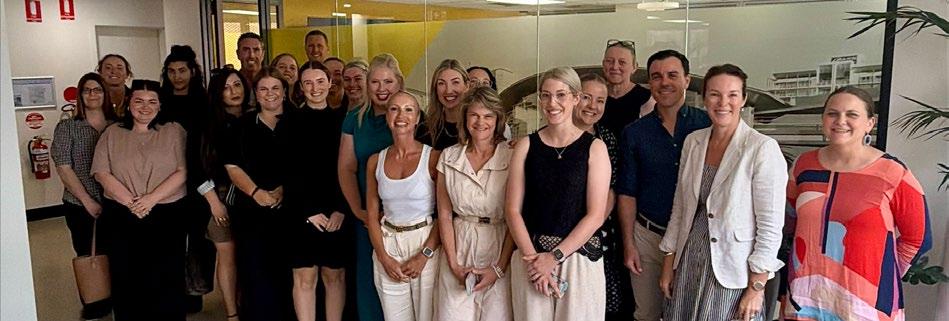
Building on this foundation, Connex Solutions formalised their commitment with the creation of ConnexhER, which is their internal, female-led working group. In March 2025, to coincide with International Women’s Day, all female staff from both offices came together for a day of training, networking, and support. The team heard from guest speakers, who shared key insights and experiences on navigating gender imbalance in male-dominated industries.
Despite the program only being launched ten months ago, the impact has already been significant. ConnexhER has brought visibility and structure to female engagement within the business. More than a name, it’s a platform for connection, mentoring, and leadership input. The input of their female employees is driving a shift in how Connex approaches team dynamics, training, and workplace communication. Furthermore, their recruitment results have drastically improved – they’re seeing more female applicants, higher retention rates, and stronger engagement across their apprentice cohort. They have also observed a 25% increase in female field apprentices, which is testament to the ConnexhER program; women want to work there because they value, support, and challenge them. From the outset,
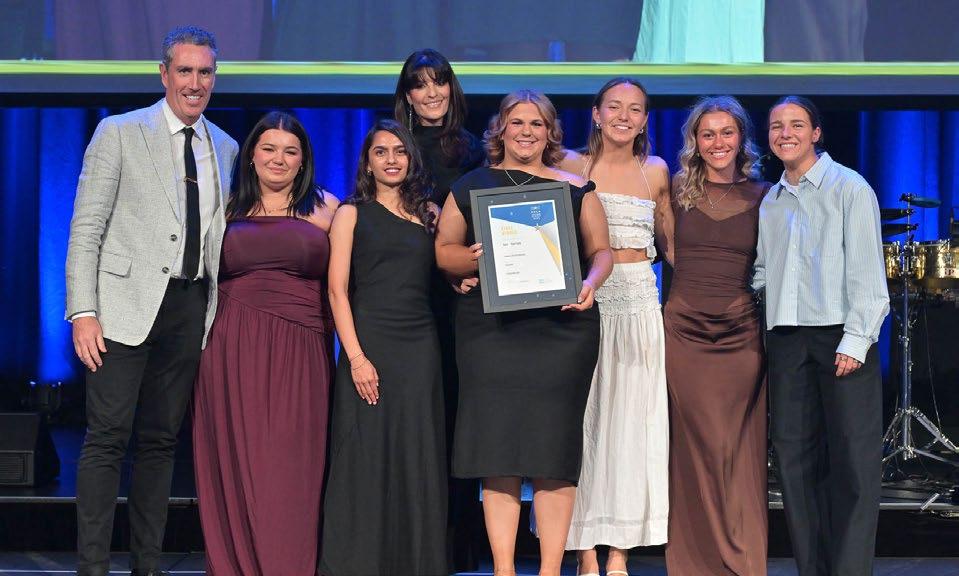
Connex’s approach to gender balance has never been about ticking boxes; rather, it has always been about finding the right person for the job. This mindset has been critical to securing buy-in across their workforce and embedding inclusion at the heart of their hiring and mentoring philosophy. Such was recognised at the NECA SA/NT awards, where the ConnexhER initiative took out top spot in the ‘Leaders in Diversity’ category.
So, what’s next for ConnexhER and Connex Solutions? Today, their workforce is comprised of 14% women, with a formidable target of 20% by the end of the financial year (which they are on track to reach)!
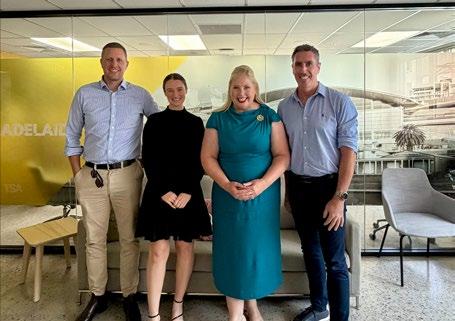
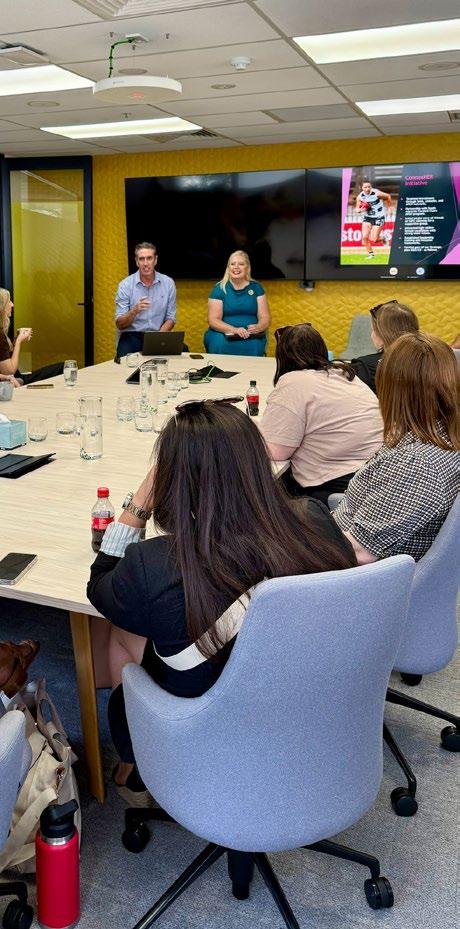
They will also continue to lead ConnexhER events, such as the workshop held at the end of January, which was in partnership with TSA Riley and held at their Adelaide office. Attendees heard from three key speakers:
Mark Strachan – Co-founder of Connex Solutions and the driving force behind ConnexhER – who outlined the incredible progress the program has made in its first year, and its goals for this year and beyond.

Luke Rogers – Regional General Manager SA/NT at TSA Riley – who discussed the changes in the team structure at the consultancy, and how the inclusion of women, different age groups, and a range of demographics has improved their project diversity.
The Honourable Katrine Hildyard MP –Minister for Women, Child Protection, and Domestic, Family and Sexual Violence – who discussed her motivation to go into politics, the importance of leaders such as Mark and Luke, and the value of diversity and inclusion in traditionally male-dominated fields.
At NECA SA/NT, we’re incredibly proud of the Connex Solutions team and are excited to watch ConnexhER continue to thrive and make a meaningful impact.


ELECTRICITY PRODUCTION AND CONSUMPTION ARE TWO T hINGS ALWAYS hEAVILY DISCUSSED IN CONVERSATIONS ABOUT T hE ENVIRONMENT AND ITS CONSERVATION, WIT h NEW TEChNOLOGIES OFTEN BEING AT T hE CENTRE OF IT ALL. TEChNOLOGY IS SOMET hING T h AT’S CONSISTENTLY EVOLVING AND BEING USED IN NEW AND EXCITING WAYS, AND ARTIFICIAL INTELLIGENCE (AI) IS T hE BIGGEST BUZZ WORD OF ALL. W hEN USED TOGET hER, MANY OF T hESE NEW TEChNOLOGIES CAN BE VERY EFFECTIVE TOOLS TO hELP WIT h ENVIRONMENTAL CONSERVATION. TASMANIAN-BASED COMPANY TEChQUITY IS A VERY GOOD EXAMPLE OF T hIS, AS T hEIR NATIONAL AWARDWINNING BUS hFIRE DETECTION UNITS, KNOWN AS RECCE, ARE FURT hER DEVELOPED AND DISTRIBUTED ACROSS AUSTRALIA.
Prior to the RECCE project, Techquity specialised in Virtual Private Servers, cloud services, data centres, and IT support. Once they started employing electricians to work in the CCTV space, they were presented with the job of fitting out a forward command trailer for the fire services, including TVs, Starlink connection, solar panels, and batteries. Once this project was delivered, the customer asked them to develop further solutions in the fire protection space, and that’s where the idea for RECCE was born.
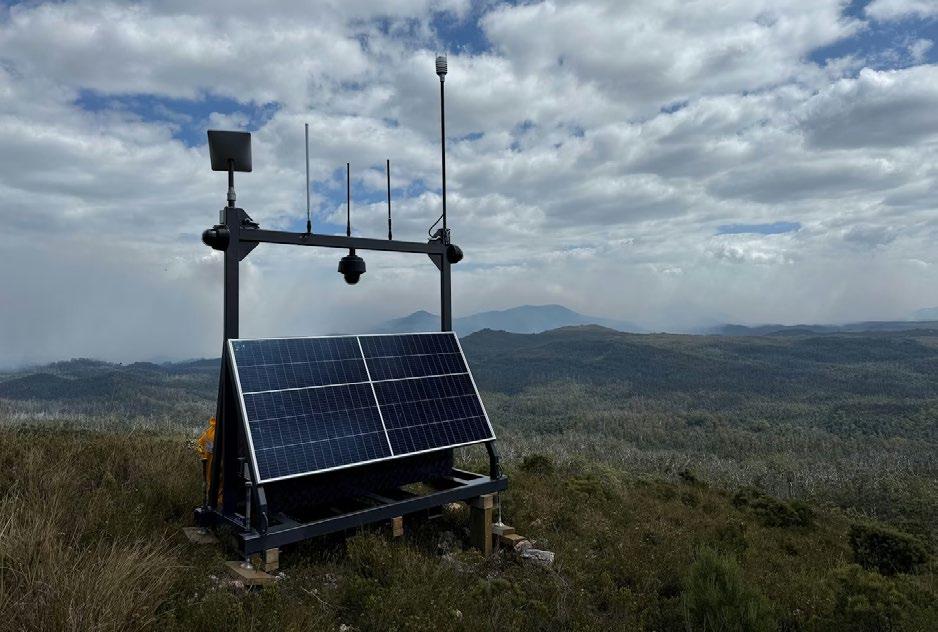
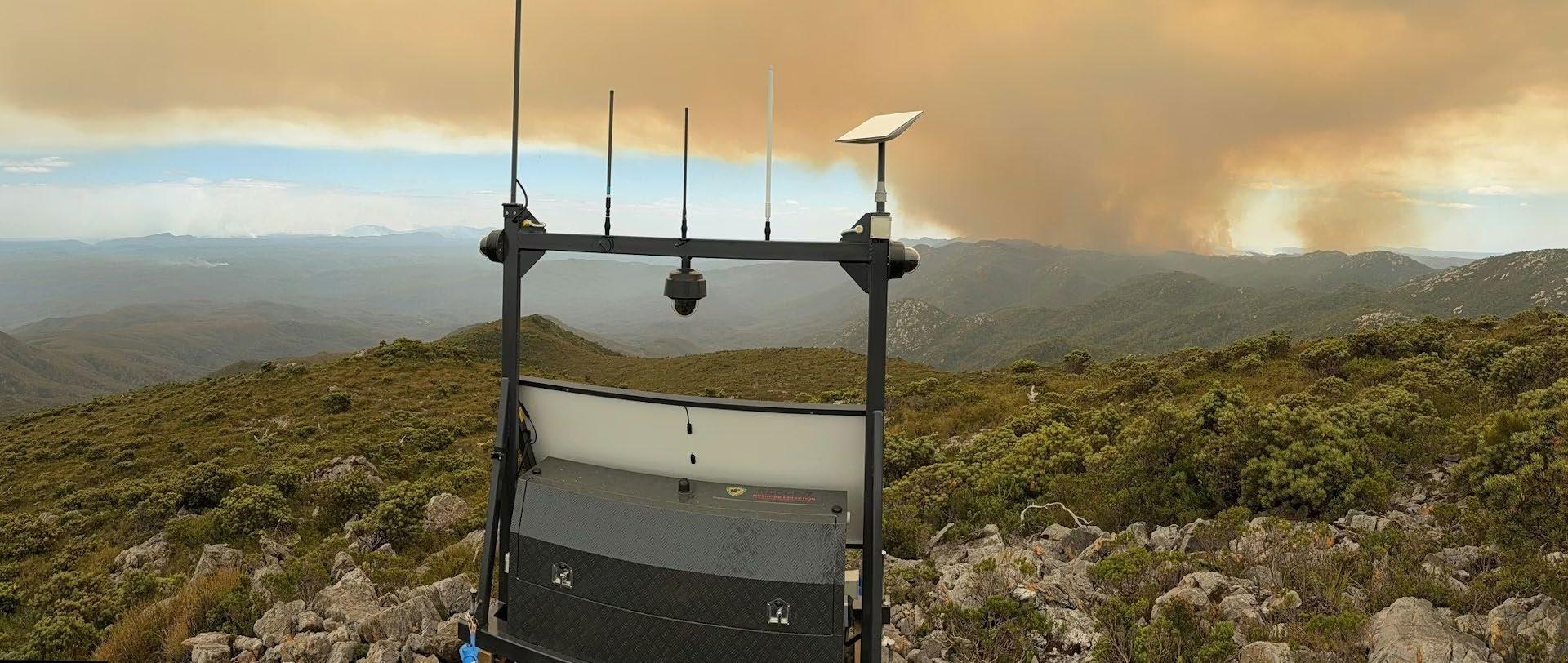
RECCE is a portable wildfire detection and environmental monitoring unit, able to be flown in and placed just about anywhere in Australia. These state-of-the-art units contain 24/7 live camera feeds, with 360-degree panoramic views, communications, and weather monitoring systems capable of detecting bushfires at the earliest stage up to 50km away. A self-sustaining unit, RECCE is equipped with solar panels to ensure limited contact is needed, and that it can alert first responders within seconds.

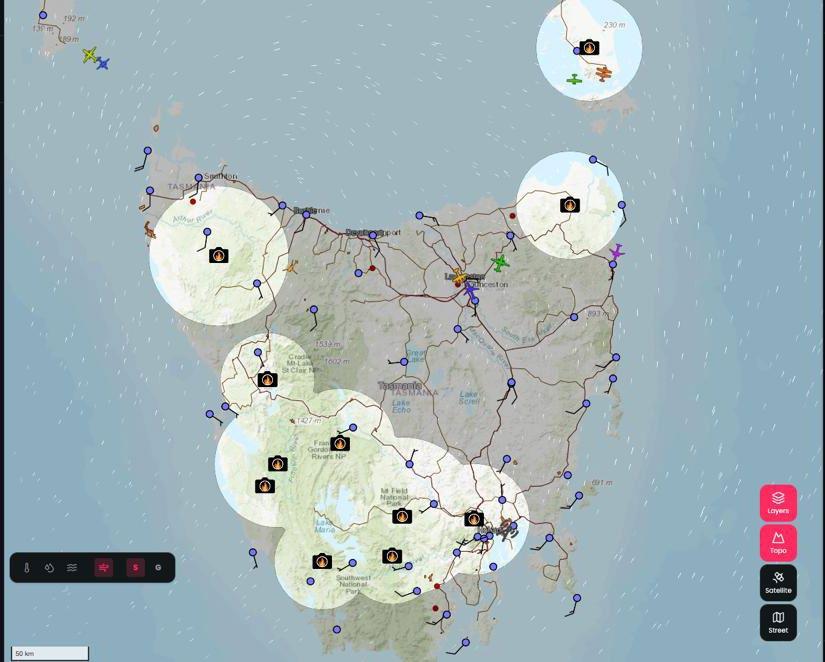
Techquity has 16 RECCE units currently deployed across Tasmania, New South Wales and Victoria, along with six more permanent fire detection towers. The RECCE units provide an extra function over the permanent towers, in that they can be picked up and moved. Tasmania is home to a significant number of protected forests and World heritage Areas, many of which go largely unmonitored and unobserved due to the laws against building any permanent infrastructure in the protected spaces. These RECCE units provide a solution to that, as they are not considered permanent structures; they can be placed in these protected areas and provide much more consistent observation than the irregular helicopter patrols used previously could.
A secondary function of the RECCE units and the fire detection towers is the data collection aspect. These units are constantly observing weather patterns, recording footage from the cameras, and monitoring and analysing a wide range of collected data. This data can be incredibly useful for a range of organisations, including the Rural Fire Service, the Bureau of Meteorology (BOM), National Parks, and other forestry foundations. The accuracy of the weather data collected has been tested next to the BOM data collection sites, to ensure the quality is up to industry standard.
Over the past two years of operation, the RECCE units have been collecting data and transmitting it back to the Techquity data centres, where the information was processed and interpreted in house. Going
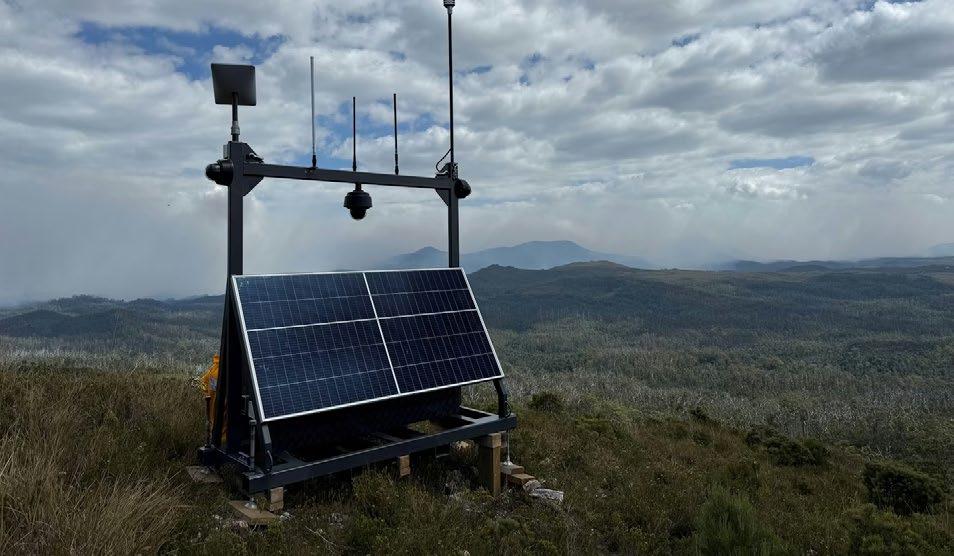
forward, however, through the use of a system called Edge AI, the data analysis will all be done within the RECCE units themselves, before analysed results are sent back to the relevant parties. Edge AI is a form of AI that deploys machine learning algorithms directly on the local devices, rather than updating via a centralised cloud. It becomes relevant in technologies that require zero latency loading, like industrial automation, or self-driving vehicles, or when access to a centralised cloud is difficult and/or expensive – for example, remote weather monitoring. While the connection through Starlink is mandatory for communications, having the AI models all installed within the units themselves will speed up machine learning, save money and power, and increase reliability.
Artificial Intelligence, when in collaboration with environmentalism
and conservation, is more useful than just in the units of data collection. It can also be used in the processing and organising of collected data. RECCE units collect data on weather patterns, fuel, moisture, and more, which can be used, with AI analytics, for future planning, fire modelling, and precise predictions. RECCE and other similar units can also act as remote communications beacons, or relay points, to help establish contact in remote areas.
The future of environmental conservation will continue to leverage AI technology and integrated systems, and RECCE is one of the first Australian-owned units to pioneer this road into the future. As technology continues to develop, more and more of these units can be built, upgraded, and enhanced to satisfy environmental conservation needs.

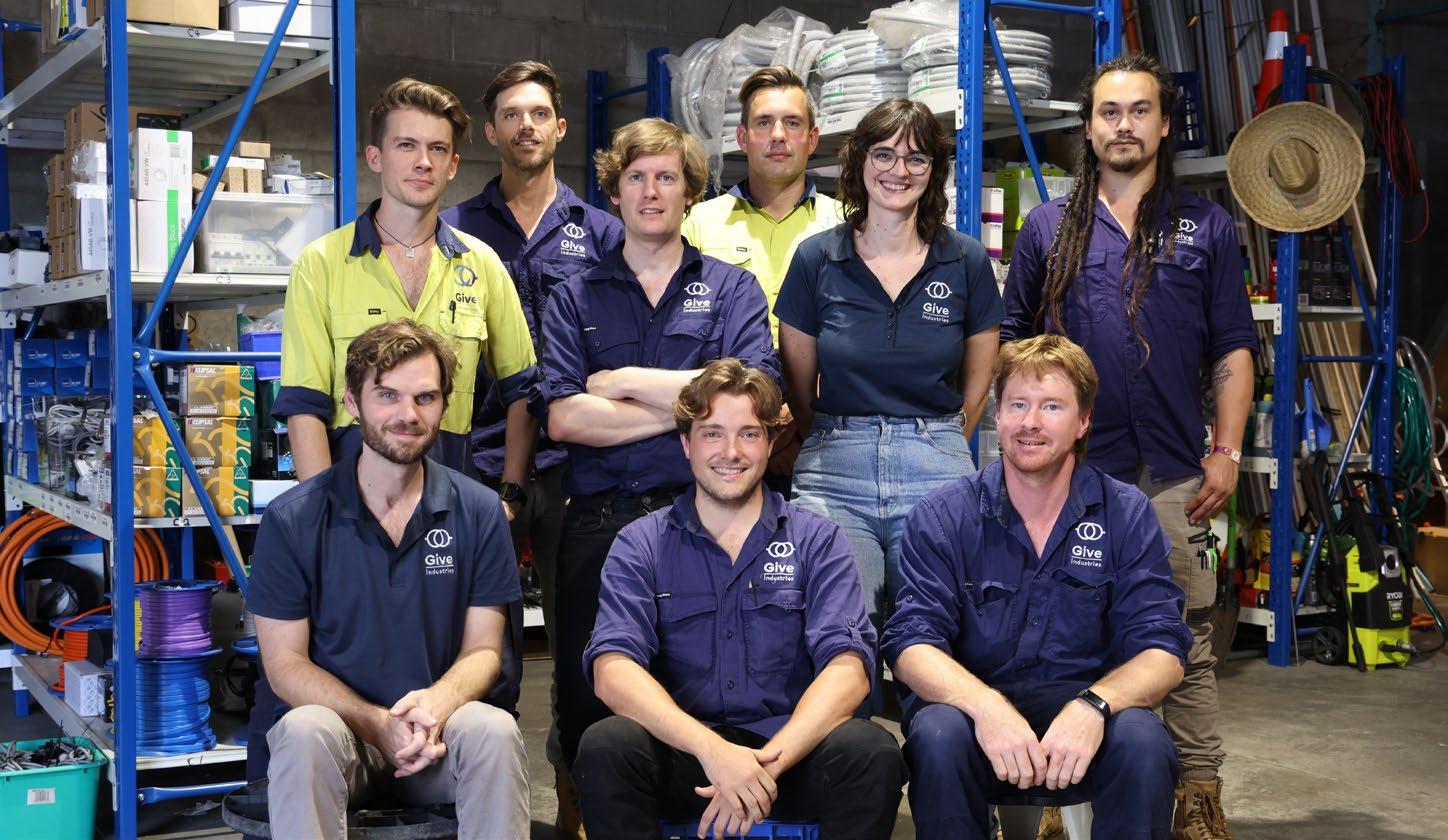
hUMANS ARE INhERENTLY SOCIAL CREATURES. AS FAR BACK AS hISTORY CAN TELL, WE h AVE ALWAYS LIVED AND WORKED TOGET hER IN COMMUNITIES, hELPING OT hERS W hERE WE CAN IN ORDER TO REACh COMMON GOALS. GIVE INDUSTRIES IS AN ELECTRICAL CONTRACTOR BASED IN QUEENSLAND, W hO h AS BROUGh T T hE IDEA OF SOCIETY AND GIVING TO T hE CORE OF T hEIR SOCIAL ENTERPRISE, AND BUILT A SUCCESSFUL BUSINESS, W hILE SIMULTANEOUSLY DONATING MONEY TO Ch ARITIES ALL OVER T hE WORLD.
The original motivation for starting Give Industries came from the perspective of wanting to do something good, and to show people that helping out was possible, not a crazy idea. Calvin Baker, Kat Dekker, and Jeremy Chirpaz, Give Industries’ three founders, decided that the most effective thing they could do was make money to support charitable causes. “There are people who already know how to solve the world’s problems, they just don’t have enough money to solve them,” said Kat. The business idea was conceived by the three founders while they were living in a share house, with Calvin, his brother and an additional tradie doing all the electrical work, with the other two focusing on operational and administrative work. After a couple of years, the business started to grow quite quickly, they now have 20 people on their books, across two states, and have recently achieved their first grand target of donating a total of one million dollars.
Starting a business with the intent of giving away a portion of the profits can seem daunting, but it is far from impossible. The first thing that Give Industries wanted to see was if this business model was viable in a trade environment; and after seven successful years they can confidently say that it is. The individual backgrounds of the founders can work to the advantage of the business, with a more diverse portfolio of experience adding to the fluency of the first few years as a new company. Kat, who came from the arts and non-profit sector, highly recommended that new companies
with this idea include someone with an arts background, as they’re “project managing, people managing, and budget managing all the time” – all very important traits to a new business!
When starting Give Industries, one of the founding steps they took was setting themselves some goals for the future. One of the first goals they set, when they formed back in 2018, was to have donated one million dollars by the end of 2025, and then to be donating one million dollars a year by 2030. As of the end of 2025, they were able to show that they had hit their first goal and were looking forward to working towards their next one. As in any business, the founders had to make sacrifices along the way. At times, the founders have even been the lowest paid in the business, but they always took home a salary that they could be comfortable on, no more, no less. Kat said this didn’t make them selfless, saying “I think we’re simply driven by our sense of purpose, and it’s somewhat self-serving, by making ourselves feel like good people.”
One of the biggest questions that anyone who wants to donate money has to consider is who to donate that money to. Give Industries use a couple of different mechanisms to help them choose where their donations go. First and foremost, they have always been relatively causeneutral, with the main motivation being helping as many people as possible. Determining how much money it takes to help certain causes is something that can be tracked through data and maths,
two metrics that are often tracked by these charities and displayed as a form of progress. There are also organisations that can help evaluate different charities, such as GiveWell, or The Life You Can Save. having a professional set of eyes run an external evaluation is a safe way to be certain that your donation will do as much good as possible.
Some larger charities might have more proof and a consistent program, acting as a safer investment, whereas other smaller ones may not have the resources to do
the admin work required to prove their efficiency, but a smaller donation might propel them to the next level. Building a portfolio of no more than five charities at any one time is another strategy Give Industries uses to help streamline their support into visible results. Focusing their efforts into a condensed few streams helps to illustrate real change happening because of their donations.
Through their experience, Give Industries has found that donating their money to global interventions tends to be more
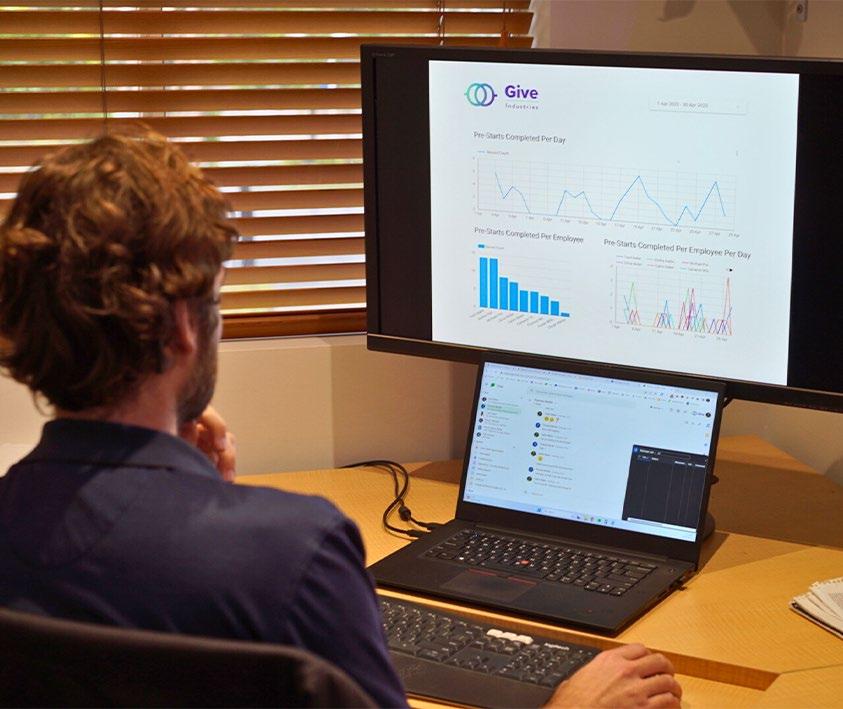
impactful, as a little money goes a long way. One charity they have been donating to for some time is the Against Malaria Foundation, who work to distribute bed nets to communities in Africa. Other charities and causes they have donated to previously include New Incentives, for childhood vaccinations; The Fred hollows Foundation, for eyesight surgeries; Original Power, for First Nations climate advocacy; Give Directly, who give money directly to poor people; and many more.
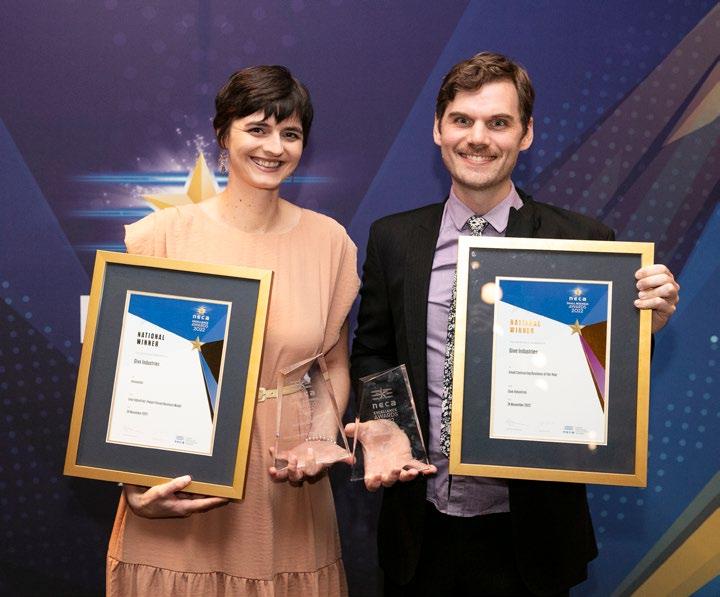
Running a social enterprise may seem difficult, but there are plenty of opportunities that open up to businesses with this kind of purpose. The main advantage is it becomes much easier to employ new staff and grow the team in a very competitive market of good electrical contractors. While many other contractors may be just as well regarded, what Give Industries can offer is that extra purpose, and the feeling that these employees are doing something good, which has led to them having a list of contacts that have expressed interest in joining the business.
The extra sense of purpose goes a step further as well, with wholesalers and suppliers sometimes making donations, or offering special deals with Give Industries, as a form of support. There are often people in these bigger companies who continue to champion the cause and encourage their business to work closely with Give Industries,
which drives even more business. Furthermore, their motive is memorable, which results in a large amount of customer loyalty, some of whom have stayed with them since their inception.
Give Industries is driving their own positive changes and flexibility within their business. One initiative they have been running for some time now is a four-day work week, which employees can choose to opt in to. Give Industries also have an extremely strong female initiative, with 50% of their apprenticeship cohort being women, and 30% female representation across their total employees – double the national average for the energy sector. having such strong female representation has been very positive for Give Industries, so much so, that they have had girls reach out to them asking for advice on how to become an apprentice, as well as having the ability to send tradeswomen to clients who request only female workers.
Give Industries is a business that is taking a different path to many electrical contractors, and, in doing so, is making a literal world of difference right around the globe. While it may seem daunting to follow in their footsteps, especially in a trade field, Give Industries is a glowing example that it is possible, and they would absolutely encourage anyone interested in making a positive difference to take the step and be the change they want for the world. “People who want to do good in the world think they have to quit their job, because their time needs to be what makes the direct impact but that’s not true; think about what you do with your money instead,” said Kat. “When you realise that a small shift in your profit can literally save hundreds of lives, you stop just working for a living and start working for a better world.”
NECA membership isn’t a luxury, it’s a business essential.
We have the experts in-house to provide you with the support you need to thrive in this industry.
Free 24/7 access to view technical standards at your fingertips with TKB, NECA’s Technical Knowledge Base
Free access to Technical experts for on the job support
Free access to NECA Workplace Relations specialists
Free access to Workplace Health and Safety advice
Expert Legal advice on contract disputes and negotiation, debt recovery, and representation

Access to discounts or benefits for Fuel, Fleet, Insurance, and Health Cover
Industry representation at all levels of Government and key industry groups
Access to education and training events, workshops,seminars and industry conference
Access to enter NECA’s prestigious Excellence and Apprentice Awards
Access to industry networking opportunities


Larry Moore NECA SA/NT Executive Director
FIRSTLY, I WOULD LIKE TO TAKE T hIS OPPORTUNITY TO WIS h EACh OF OUR MEMBERS AND T hEIR TEAMS A VERY h APPY NEW YEAR. WE hOPE T hE FESTIVE SEASON PROVIDED AN OPPORTUNITY TO RECh ARGE, SPEND TIME WIT h LOVED ONES, AND RETURN REFREShED FOR T hE YEAR A hEAD.
At NECA SA/NT, our focus remains firmly on supporting our members in the day-to-day operation of their business and in navigating the challenges that inevitably arise in our dynamic industry. Your membership investment allows us to employ skilled professionals who are dedicated to delivering practical advice and trusted guidance to assist you in running your business. Your needs remain our priority, and we value the opportunity to continue supporting you throughout 2026 and beyond.
With the year now underway, I am pleased to share updates on some key initiatives that are keeping the NECA SA/NT team busy.
complete some outstanding work, so we want you to get recognised for it!
The NECA Small Business Awards acknowledge small businesses who are making an impact in the industry and deserve to be recognised at the highest level. Nominations for the Excellence and Small Business Awards close on Friday 5 June 2026.
The NECA Apprentice Awards recognise apprentice achievements in academic success, effort, personal development, and workplace competency.
Communications and Membership Manager at NECA SA/NT, via jamie.phillips@necasa.asn.au.
We are pleased to announce that our Roadshow Seminar Series is back in 2026! The 2026 Series will be held across South Australia from March to May in 14 locations. We highly encourage all electrical contractors and their workers to attend, to ensure they are up to date with all the latest developments within the industry.
This annual seminar series is a significant training resource for the electrotechnology industry. The presentations this year are designed to provide licensed electricians with a greater understanding of the following topics:
½ NECA SA/NT will present on electrical licensing penalties, payday super, solar and environmental conditions, and ChatTKB;
½ SA Power Networks will share industry updates (including cable types of connections, identification of consumer mains, meter panel size, and changes to the certification process for eCOCs and ATCs), consumer energy resource updates (including CER compliance, reviewing SEG/MEG thresholds, SWER changes and electric vehicles), and improvements to online services;
½ The Office of the Technical Regulator will update us on metering installer responsibilities, temporary power on construction sites, voltage drop, common breaches, electrical fire incidents, alterations and repairs, enforcement, and solar batteries.
Thanks to the Office of the Technical Regulator and SA Power Networks for their support and involvement in this initiative.
Suppliers, manufacturers and wholesalers will be on location, with their new products and service displays, and NECA SA/NT staff will also be on hand to answer your questions about what NECA can do for you and your business.
To attend the 2026 NECA SA/NT Roadshow Seminar Series, please register via Eventbrite by scanning the QR code.
For further information, please contact Jamie Phillips, Marketing, Communications and Membership Manager at NECA SA/NT via jamie.phillips@necasa.asn.au.
We look forward to seeing you there!
Our group training organisation, Electro Careers & Apprenticeships (Electro CA), is now in its ninth year of operation and currently has 215 apprentices employed. We had 28 apprentices graduate last year, and it was fantastic to see them all kicking off the next chapter of their careers. We are looking forward to a big year ahead, as we continue to employ new apprentices approximately every 6-8 weeks, depending on industry requirements.
Don’t forget that NECA SA/NT members receive a discounted rate
The dates and locations for the 2026 roadshows are as follows: The seminars will commence at 4:30pm and conclude at 7pm
Monday 2 March
Whyalla
Tuesday 3 March
Port Lincoln
Wednesday 11 March
Seaford
Monday 16 March
Wallaroo
on apprentices with Electro CA! If you have any queries about Electro CA, and how they can assist your business, please contact Brett Taylor, Business Development Manager at Electro CA, via brett@electroca.com.au.
Don’t forget about ChatTKB!
Our AI platform, ChatTKB, has been operational for nearly four months, and we want all our members to make the most of this tool!
This platform has been built to enhance the member experience by providing instant access to hR/IR, technical, and WhS information at your fingertips anytime, anywhere.
Members can login (using their TKB login details) to the platform from their smartphone or tablet.
We hope 2026 is a successful year for our members, sponsors, and industry partners, and look forward to working with you all!
Tuesday 17 March
Port Pirie
Monday 23 March Naracoorte
Tuesday 24 March
Mount Gambier
Wednesday 29 April Morphettville Monday 4 May hahndorf Tuesday 6 May Victor harbor
Monday 18 May
Adelaide
Wednesday 20 May
Modbury
Monday 11 May Barossa
Tuesday 12 May Berri


The regime creates rights, in addition to contractual rights, for subcontractors to claim payment, and require the head contractor to either pay the amount, or provide reasons as to non-payment, within a relatively short period of time. If full payment is not made, the subcontractor can refer the matter to an adjudication, which requires an independent adjudicator to make a determination within a short period of time.
The intent is for this process to be able to be carried out while a project continues to progress.
T hE SECURITY OF PAYMENT LEGISLATION IN SOUT h
AUSTRALIA (BUILDING AND CONSTRUCTION INDUSTRY SECURITY OF PAYMENT ACT 2009 (SA) (SOP ACT)) CREATES A REGIME TO ASSIST SUBCONTRACTORS GET PAID.
In short, the process works as follows:
½ the subcontractor serves the head contractor with a Payment Claim. The Payment Claim must state that it is a payment claim under the Building and Construction Industry Security of Payment Act 2009 (SA);
1. the head Contractor must provide a response to the Payment Claim (called a Payment Schedule) with the time required by the subcontract, or within 15 business days, whichever is shorter;
2. if the head Contractor fails to provide the Payment Schedule in time, the head Contractor has to pay the full amount;
½ if the Payment Schedule does not agree to pay the full amount, it needs to explain why;
½ if the subcontractor is not content with the Payment Schedule, the subcontractor can refer the matter to an adjudication.
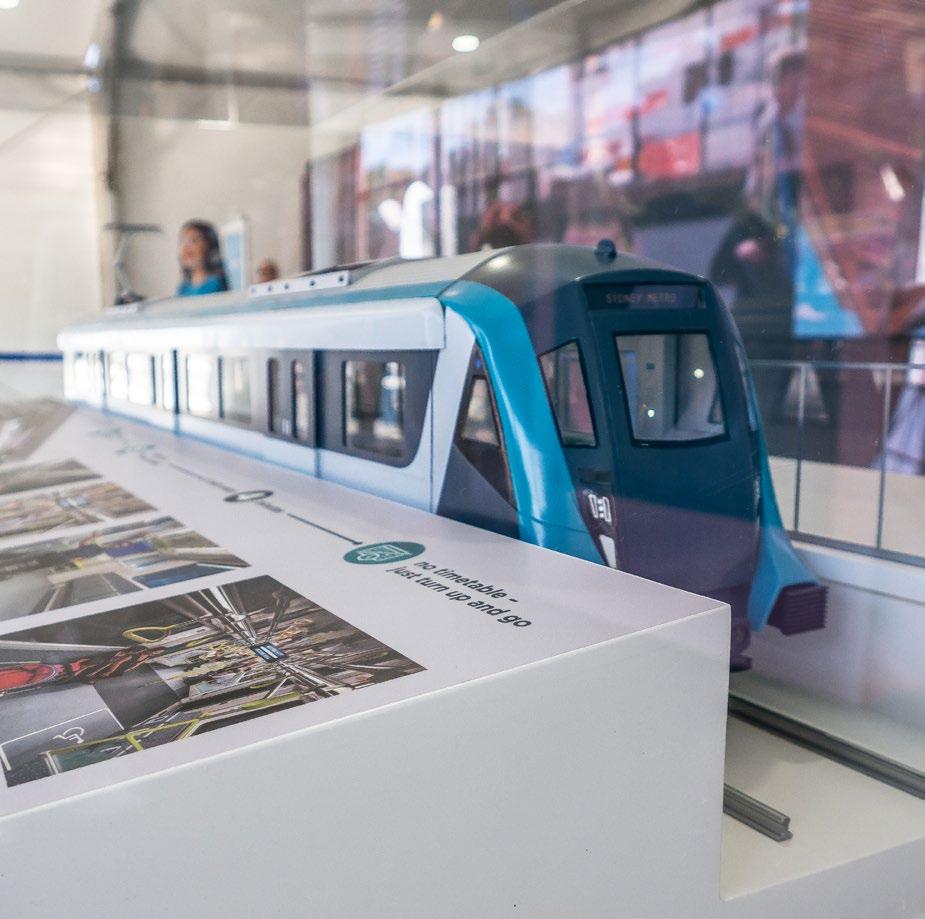
The sub contractor entered into contracts with the head contractor for the sub contractor to perform electrical works on Sydney Metro Projects. A separate entity subsequently acquired the head contractor, with the contracts novated to the separate entity.
On 21 February 2024, the subcontractor sent two payment claims, being for $1,806,265.39 and $816,612.71 respectively, to officers of the seperate entity, now the head contractor. Those officers acknowledged receipt of the payment claims on 22 February 2024.
The head contractor served its payment schedules on 7 March 2024, being 11 business days after the payment claims were sent. In NSW, the period of time for a payment schedule is 10 business days (not 15 business days as it is for SA).
Therefore, the sub contractor contended that the full amount claimed was owing because of this non-compliance.
The head contractor contended that, in fact, the date for service of the
payment claims should be considered to be 22 February 2024, so that the payment schedules were within time.
The Court held that the payment claims were served on 21 February 2024. The two head contractor employees had authority to receive the sub-contractor’s payment claims following the novation, having regard to representations made by the head contractor at the project kick-off meetings. Accordingly, the payment schedules served on 7 March 2024 were out of time, and the head contractor was liable to pay the claimed amounts in full.
The key takeaways are:
1. Ensure you serve the payment claim in a proper manner. Consider what the contract states in that respect, what the SOP states as to service, and what the relevant circumstances are between the parties.
2. If a payment schedule is even one day late, it is invalid, and the full amount claimed becomes due.
Bettar holdings Pty Ltd, trading as hunt Collaborative (hunt), sought to recover approximately $232,000 from RWC Brookvale Investments Pty Ltd (RWC), with respect to certain purported management services. The parties had engaged in extensive pre-contractual discussions regarding a proposed development.
hunt served RWC with a payment claim. The payment claim described the work as “construction/project management services” over a sixweek period, and listed staff members, time spent, and amounts charged. The payment claim did not identify the specific services performed.
While ultimately hunt was unsuccessful, due to a finding that there was not a binding construction contract, the court also found that the payment claim was invalid, due to it failing to properly identify the construction work or related services in a reasonable way. Providing details of the work undertaken is necessary, so that the respondent can properly assess what is being claimed.

The key takeaway is that payment claims cannot simply vaguely refer to certain works taking place, but must provide sufficient detail as to what work was undertaken.
Roberts Construction Group Pty Ltd [2024] VSC 679
Roberts Construction Group (Roberts) engaged C&N McNamara Enterprises (C&N) to perform joinery works. Following completion of the works, McNamara served a payment claim for $32,500. Roberts issued a payment schedule accepting the claim in full.
however, Roberts failed to make the payment.
McNamara served a statutory demand on C&N with respect to the amount owing. A statutory demand is a demand


that requires payment within 21 days, or for the respondent to apply to have the demand set aside, on the basis there is a genuine dispute regarding the debt. If the statutory demand is not paid or set aside, then that creates a presumption of insolvency on the part of the respondent, which can lead to the respondent being wound up.
The court found that when an amount is agreed to in a payment schedule, it cannot be argued that there is a genuine dispute for the purposes of setting aside the statutory demand.
The key takeaway is that if an amount is agreed to by a head Contractor under a payment schedule, it must be paid, or there can be serious legal consequences.


Ben Shaw NECA TAS Executive Director
WELCOME TO T hE FIRST EDITION OF NECA NEWS 2026. T hIS YEAR, WE’RE PLANNING ON BUILDING ON T hE SUCCESS OF 2025, WORKING TOWARDS A NUMBER OF BIG DEVELOPMENTS IN T hE ELECTRICAL INDUSTRY IN TASMANIA. WE LOOK FORWARD TO WORKING CLOSELY WIT h NEW AND EXISTING MEMBERS, AS WE PROGRESS INTO ANOT hER GREAT YEAR AS PART OF T hE GREATER NECA COMMUNITY.
It is with great sadness that we acknowledge the sudden passing of Mr Wayne hobson after a very brief illness.
Wayne has made an incredible contribution to NECA over many years, both nationally, and at a Tasmanian branch level, and will be sorely missed.
he was the immediate past president of the NECA Tasmania branch, a position he held for more than 10 years, and a recent member of the NECA National Council.

Many of you would have come across Wayne at national meetings, awards ceremonies, and NECA functions; he was a larger-than-life character who freely offered his time and advice to those who sought it out.
As a recognition of his service to the electrotechnology sector, and his 40+ year history in the Tasmanian electrical sector, Wayne was awarded Life Membership of NECA Tasmania at the 2025 NECA Tasmania Awards.
Our thoughts are with Wayne’s wife Sandra, and his children.
What are members calling about?
It’s been a busy start to the year with many enquiries across a wide range of issues. The most popular subjects include the Yas SIRSs, AS/NZS3000, and AS/NZS5139. Cases of interest include:
½ IPD requirements;
½ socket outlets near wet area zones;
½ electrical requirements in body protected areas;
½ fault finding electric shocks and tingles in a residential installation;
½ EVs and isolators.
Reminder to secure Your 2026 Annual Safety Review
Workplace safety is not just a box to tick – it’s the foundation of a thriving, compliant, and risk-free business. Start 2026 the right way by ensuring your Workplace health and Safety (WhS) compliance with NECASafe’s complimentary Annual Safety Review. This essential review is designed to help you keep your team safe, avoid costly penalties, and maintain a culture of safety excellence in your workplace.
Our Annual Safety Review is a 45-60 minute online session, conducted via Microsoft Teams, where our experienced safety experts will:
½ audit your current safety processes to identify any potential risks or gaps;
½ provide actionable advice tailored to your business, to improve safety measures and ensure compliance.
Reminder
To ensure the process runs smoothly, we recommend a licensed electrician or

someone with electrical knowledge attend the review, to assist with answering some technical questions. Additionally, a dedicated safety representative or individual responsible for managing your business’s WhS systems must be present, to address operational compliance requirements.
Don’t wait until it’s too late – book your Annual Safety Review today, and make 2026 your safest and most compliant year yet.
Boost your business with NECA’s FREE Business Health Checks!
At NECA, we’re committed to helping our members thrive. That’s why we’re offering complimentary Business health Checks – no cost, no obligation!
These tailored reviews are designed to uncover opportunities to enhance your operational efficiency and drive success.
here’s what’s included:
½ insurance review with NECAGuard;
½ wage, contracts and debt collection review with NECA Legal;
½ Safety Management Systems Review with NECASafe;
½ Job Management System (JMS) Integration with NECA JMS partners;
½ Business Management Reviews covering technology, marketing, and lead generation;
½ exclusive perks, like discounted fuel and Telstra business mobile plans.
Take the first step toward a stronger, more efficient business today!
AS/NZS5139 has been amended
In late December 2025, the AS/NZS 5139 standard for Battery Energy Storage System (BESS) installation was amended, including six additional pages, and clearer guidance on mandatory versus non mandatory requirements. All amendments are identified using “A1” markers throughout the text and diagrams. A new ‘how to read this standard’ section has been introduced, to help users interpret obligations correctly. It is NECA’s strong recommendation that members comply with the new standard for all new work, or alterations to existing systems.
Key changes include updated or new definitions relating to battery system rooms and pre-assembled battery systems. Several figures, such as 2.11 and 2.12, have been revised for clarity. The calculation method for prospective fault current has been moved to a new, informative Appendix I. Additional clarifications have been provided for suitable and restricted installation locations, supported
by new diagrams, including Figures 4.1A, 4.1(b), 4.1(d), and 4.2A.
New requirements specify a minimum 6mm thickness for exempt materials, updated signage rules aligned with AS1319, and the need for on-site, hard copy Safety Data Sheets (SDS). Overcurrent protection guidelines have also been refined.
Overall, the amendments aim to improve clarity around installation practices, signage, and safety, reducing compliance errors and costly rework.
A full fact sheet covering all changes can be found on the NECA MKB. Contact NECA Member services on 1300 361 099 to learn more.
AS/NZS3008.1.1 has been released
In December 2025, a new edition of AS/NZS 3008.1.1 was released, introducing substantial updates to cable selection requirements for electrical installations up to 0.6/1 kV AC and 1500 V DC. The title now explicitly includes DC cable current carrying capacities, reflecting the growing use of DC systems. The updated standard adds roughly 40 new pages, and features a new, ‘how to read this standard’ section, to help users understand mandatory versus advisory content. It is NECA’s strong recommendation that members comply with the new Standard for all new work, or alterations to existing systems.
Key technical changes include the addition of DC current carrying capacities for two single core and all two core cables, along with new worked examples. AC ratings have been rationalised, to simplify tables, merging flexible and non-flexible copper cable values. New current carrying capacities for 110°C aluminium cables are included, supported by revised calculation methods, aligned with modern X hF 110 insulation.
The standard expands cable ratings in air, thermal insulation, and direct buried installations – now based on IEC 60287 methodologies. Significant updates include new correction (formerly derating) factors, DC resistance and voltage drop tables, short circuit

current data, and guidance on voltage rise for systems exporting to the grid. Definitions have been expanded, and tables reorganised for clarity.
Failure to follow these updates may result in costly rework and compliance issues.
A full fact sheet covering all changes can be found on the NECA MKB. Contact NECA Member services on 1300 361 099 to learn more.
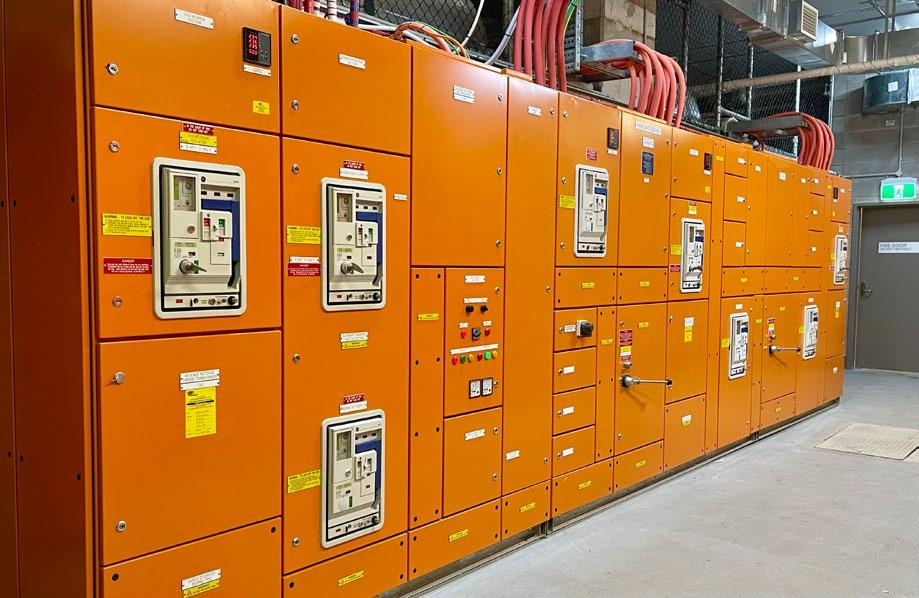
What do you need to know when you alter a large current switchboard?
Large current switchboards are all switchboards rated at greater than 125 Amps. We often get calls from members who have been given the job of adding a 200 Amp circuit to a large current switchboard and they are unsure what they need to do, and what the rules are, when working on these switchboards. We have created a comprehensive fact sheet that will step members through what they need to know. In summary:
½ always consult your Network Operator before you commence work;
½ engage a qualified switchboard manufacturer;
½ do you have evidence of the test reports for the existing switchboard?;
½ can you verify the compliance of the existing switchboard?
If these can’t be met, maybe it’s time for a new switchboard. The full fact sheet can be found on NECA’s Member Knowledge Base. For more information, contact NECA Member Services on 1300 361 099.



John Sofarnos NECA VIC Executive Director Dean Spicer NECA VIC President
After a strong and busy 2025, NECA Victoria has hit the ground running in 2026, with a renewed focus on delivering member-value driven services, events, and practical support that helps businesses grow, adapt, and remain competitive in a rapidly changing industry. Alongside this, we continue to work closely with regulators and legislative bodies to advocate for policy and regulatory settings that support a safe, sustainable and thriving electrotechnology industry.
This year, NECA Victoria is rolling out a range of new programs, partnerships and digital tools designed to support members on the ground – from workforce capability development and compliance support, through to everyday operational savings, and improved access to expert advice. Education remains a key priority, with ongoing training opportunities and industry events focused on building practical skills, sharing critical industry knowledge, and helping businesses stay ahead of change. We are also pleased to confirm the return of our popular industry nights from March 2026, providing valuable opportunities for learning, connection and collaboration across the sector. head to our website to book into an event in your area.
Submissions are now open for the NECA Awards, providing members of all sizes and across all sectors of the electrotechnology industry with the opportunity to showcase their achievements and have their work formally recognised. The awards celebrate excellence in innovation, safety, workmanship, and business performance, with categories designed to reflect the diversity and strength of our industry – from small businesses and emerging contractors, through to large, complex projects.
The NECA Awards are more than a competition; they are an annual celebration of the people, projects and businesses driving our industry forward. Each year, the event brings
together more than 600 industry peers for an unforgettable evening at Crown Palladium, recognising outstanding work and providing a chance to connect, reflect, and celebrate collective success. Members are encouraged to put their work forward, be proud of their achievements and join us for one of the most anticipated nights on the industry calendar.
Building on the success of the 2023 Solar Victoria Mentoring Program, NECA Victoria is proud to deliver a Solar Victoria-subsidised Technical Mentoring Program once again in 2026.
This program is designed to build confidence, technical capability, and compliance for electrical practitioners working across solar, battery, EV, and broader electrification environments.
Running from January to May 2026, the program uses a blended delivery model, giving participants access to faceto-face technical mentoring across Victoria, online mentoring sessions, and two targeted technical webinars.
The program focuses on priority areas that reflect increasing regulatory expectations and customer demand, including:
½ load management, maximum demand, and energy efficiency;
½ switchboard upgrades and inspections for electrification;
½ solar and battery installations;
½ electric vehicle chargers;
½ commercial and industrial solar.
This initiative links directly to Energy Safe Victoria’s encouragement of those working with solar and battery systems to build on their capability, through additional training. Eligible electricians, licensed electrical inspectors, and contractors will benefit from subsidised training and mentoring, helping reduce risk, lift standards, and support business growth in emerging markets.
Running a small business means constantly balancing jobs on site with mounting administrative, compliance, and cashflow pressures behind the scenes. To help ease that load, NECA Victoria’s Small Business Accelerator has been designed specifically for small businesses looking to save time, reduce costs, and streamline their operations. This tailored program provides hands-on payroll, bookkeeping, and debt recovery support, helping businesses consolidate their backoffice processes, and stay financially on track, without adding to overheads. Available complimentary to eligible NECA members until 30 June, the Small Business Accelerator presents a valuable opportunity to lock in real savings over the coming months, while gaining practical, expert support that allows business owners to focus on what they do best.
Key benefits of joining include:
½ save up to $2,000 with complimentary payroll and bookkeeping support through to 30 June;
½ reduced admin and compliance pressure, with expert support handling day-to-day financial tasks;
½ improved cashflow, including assistance with debt collection and letters of demand;
½ more time back each month, freeing business owners to focus on jobs, staff and growth;
½ simplified operations, by consolidating key financial and administrative processes under one program.
With rising costs continuing to impact small businesses across the industry, now is the ideal time to take advantage of the Small Business Accelerator and maximise the value available before 30 June.
We are excited to introduce MyNECA – our new member app, designed to make engaging with NECA easier than ever. The MyNECA app allows members to access NECA support, services and resources directly from their smartphone, making it faster and easier to find the information you need, while on site or on the move. Users can stay up to date with important industry news and updates, connect quickly with NECA when assistance is needed, and book into our range of events straight from the app.
The app also provides direct access to NEON, NECA’s AI support tool that helps answer questions across technical and safety compliance, as well as workplace relations, giving members a practical resource at their fingertips when timely guidance matters most.
Importantly, MyNECA is available not only to business owners, but also to all staff within member businesses, reflecting our commitment to improving accessibility, and responding to member feedback about the need to access information on a device, wherever work takes you.
It’s another step in ensuring NECA support is accessible, responsive, and practical for busy contractors.
your workforce: new WorkCover partnership with DXC
From January 2026, NECA Victoria has partnered with DXC to support members with their WorkCover and claims management needs. DXC is a specialist provider of workers’ compensation services, with a strong track record in delivering competitive claims management, improved return-to-work outcomes, and high customer satisfaction.
Through this partnership, NECA Victoria members will benefit from:
½ consolidated claims management, streamlining all Claims Liability Scheme (CLS) policies;
½ proactive injury and wellness support, with dedicated injury partnering to support recovery and return to work;
½ industry-specific insights, including access to electrical industry training and forums;
½ a unified claims team, providing consistent support from claim eligibility through to resolution;
½ specialist mental health support, including DXC’s Employment Care Coordinator and Navigator programs;
½ work health and safety training and regulatory guidance, delivered in partnership with NECA Victoria’s legal arm, CLS-h entys.
Importantly, this collaboration also includes a Risk Management Funding (RMF) consolidation pay-back mechanism, reinvesting into the electrical trade, and demonstrating a genuine commitment to the industry community.
This change is free for NECA Victoria members, and businesses can apply by completing the online form available on our website: www.bit.ly/necavicdxc
Reducing operating costs: exclusive BP fuel offer for NECA members
Fuel remains a significant operating cost for electrical businesses. NECA Victoria has been able to secure a new offer with BP and members can now access an improved BP Plus fuel offer, delivering real savings and simplified fuel management.
Through BP Plus, members receive 6 cents per litre off diesel (standard and Ultimate), and 4 cents per litre off all unleaded fuels (E10, ULP 91, bp Ultimate 95 & 98).
Beyond fuel savings, BP Plus offers additional business benefits:
½ no card fees;
½ Qantas Business Points earned on eligible fuel and shop purchases;
½ Xero integration to automatically sync fuel expenses and tax invoices;
½ ability to pay with eligible American Express Business cards with no card service fees;
½ BP Rewards points on fuel and in-store purchases.
This offer is designed to save time, reduce costs, and improve cash flow for members on the move. If you are already subscribed to the NECA BP Fuel program, you will need to complete the application on our website to transition to the new deal. If you have any questions, please reach out to our Member Experience team, who can assist you.
As the year continues, our focus remains on supporting members through the changes and challenges facing the electrical and communications industry. We understand the pressures businesses are navigating – from workforce and compliance requirements to rising costs and evolving regulatory expectations – and our role is to help you manage these with confidence.
Throughout 2026, NECA Victoria will continue to work alongside members, regulators, and industry partners to provide practical support, relevant training, meaningful events, and access to programs that strengthen capability and reduce unnecessary burden. We encourage members to engage with the opportunities available and reach out when support is needed. NECA Victoria is here to back you and your business, now and into the future.
We’re now delivering grid connect and battery storage systems courses in one of Victoria’s fastest-growing regions.
As feed-in tariffs decline and battery rebates drive demand, regional and metro customers are turning to integrated solar and battery storage solutions. Our training courses equip you to design, install, and connect compliant systems – opening the door to more work, higher-value projects and future-ready skills.
E&C renewables courses
Rooftop solar systems are now a routine part of electrical work across Victoria. As more households generate and store their own energy, Energy Safe Victoria wants to reinforce the important role electricians play in keeping solar systems safe over their operating life. Solar installations are designed to operate for many years, but faults can develop when households don’t get them regularly serviced. In some cases, this can lead to a serious incident. In 2024, wiring faults in unserviced solar systems contributed to 57 house fires in Victoria, with 138 solarrelated fires reported over the past three years. Energy Safe’s incident data shows a clear link between a lack of ongoing servicing and increased safety risk.
increase the likelihood that faults go unnoticed over time.
• Design and install grid connected PV systems –
6 days face-to-face (UEESS00194 skill set)
Our research into community awareness and attitudes towards solar servicing highlights significant knowledge gaps among solar owners. More than half don’t realise their system needs servicing, and nearly one third believe maintenance is unnecessary if the system appears to be working. Others don’t know who to contact, or assume servicing is optional. These misunderstandings
As licensed electricians, you play a central role in addressing these risks. homeowners rely on your professional advice to understand when servicing is needed, what it involves, and why it matters. Regular inspections help identify issues early and support the long-term safety and performance of solar systems. We recommend rooftop solar owners book a maintenance service with a licensed A Grade electrician at least every two years, and we run a state-wide community awareness campaign to reinforce this message.
• Design and install grid connected battery storage systems –
6 days face-to-face (UEESS00191 skill set)
Register now!
We encourage electricians to continue building their capability through additional training focused on working safely with solar and battery systems, especially as renewable energy technologies continue to evolve. Nationally recognised training units will help you develop a strong understanding of emerging risks, system design considerations, and relevant standards.
Where training meets Energy Safe’s criteria, it may contribute to the Skills Development component of the Continuing Professional Development (CPD) requirements. This recognition depends on the content and type of training course completed.
Supporting safe renewable energy work
Why choose NECA E&C Ballarat?
• Nationally recognised training
To support industry, we’ve updated and expanded our online resources and technical guidance on renewable energy technologies. These include information on battery installation, inverter configurations, earthing and neutral continuity, and compliance with relevant Australian Standards.
• Gain the skills required to apply for SAA accreditation
Electricians remain essential to the safety of Victoria’s energy system. By supporting informed homeowners, carrying out professional servicing and using up-todate technical guidance, the industry can continue to keep solar systems safe and reliable over the long term.
• Hands-on training in a dedicated practical environment

Leanne Hughson Energy Safe Victoria Chief Executive Officer energysafe.vic.gov.au
• Modern solar equipment, test boards, and industry-relevant tools
We’re now delivering grid connect and battery storage systems courses in one of Victoria’s fastest-growing regions. As feed-in tariffs decline and battery rebates drive demand, regional and metro customers are turning to integrated solar and battery storage solutions. Our training courses equip you to design, install, and connect compliant systems – opening the door to more work, higher-value projects and future-ready skills.
Battery storage
courses
• Design and install grid connected PV systems –
6 days face-to-face (UEESS00194 skill set)
• Design and install grid connected battery storage systems –6 days face-to-face (UEESS00191 skill set) Register now!
Grid connect
• Expert trainers with decades of industry experience
Why choose NECA E&C Ballarat?
• Nationally recognised training
• Gain the skills required to apply for SAA accreditation
• Opportunities to connect with local employers and apprentices
• Hands-on training in a dedicated practical environment
• Modern solar equipment, test boards, and industry-relevant tools
• Expert trainers with decades of industry experience
• Opportunities to connect with local employers and apprentices
WORKFORCE INSPECTORATE VICTORIA (WIV) LAUNChED T hE CONSTRUCTION COMPLAINTS REFERRAL SERVICE (CCRS) ON 17 DECEMBER 2025. NECA VICTORIA h AS BEEN IN ONGOING
DIALOGUE WIT h WIV T hROUGhOUT T hE DEVELOPMENT AND IMPLEMENTATION OF T hE SERVICE AND WELCOMES T hE INTRODUCTION OF A CLEAR, CENTRALISED PAT h WAY FOR REPORTING
UNACCEPTABLE AND UNLAWFUL BE h AVIOUR ON VICTORIAN PUBLIC CONSTRUCTION PROJECTS.
The CCRS is intended to act as a deterrent to unlawful conduct, while providing industry participants with clarity about where and how concerns can be raised. The service forms part of broader efforts to promote lawful, safe, and productive construction sites across Victoria.
Workforce Inspectorate Victoria is an independent statutory authority that promotes productive and prosperous Victorian workplaces. WIV is responsible for promoting and enforcing compliance with Victoria’s long service leave, child employment, owner driver, and forestry contractor laws, and now administers the Construction Complaints Referral Service.
The CCRS has been established to receive complaints and information relating to potential criminal or unlawful conduct on Victorian public construction projects and to refer those matters to the appropriate state or federal law enforcement or regulatory agency.
Importantly, WIV does not investigate complaints or exercise enforcement powers under the CCRS. Instead, it acts as a referral point, identifying which agency or agencies have jurisdiction over the reported matter and forwarding the information accordingly. Where a report falls within the remit of multiple agencies, WIV will refer the information to all relevant bodies. Each receiving agency will then determine how it responds.
WIV will also analyse reports received through the CCRS to identify trends and emerging issues, which will be reported to the Victorian Minister for Industrial Relations.
Any person can make a report to the CCRS, including employees, principal contractors and subcontractors, suppliers, and members of the public.
Reports can be made anonymously, noting that anonymity may limit the ability of receiving agencies to act on the information or provide updates.
The CCRS accepts reports relating to unacceptable or unlawful behaviour on Victorian Government construction projects, including: Criminal behaviour, such as intimidation, harassment, assault, theft, vandalism or trespass.
Corrupt conduct, including dishonest procurement practices, fraud, bribery or extortion.
Improper industrial activity, such as unlawful industrial action, entry without a permit, coercion, threats, or breaches of freedom of association.

Workplace health and safety non-compliance, including failure to report notifiable incidents, breaches of improvement notices, or improper exercise of statutory powers.
Reports can be made by:
½ calling Workforce Inspectorate Victoria on 1800 287 287; or
½ submitting an online form via the WIV website.
The introduction of the CCRS provides greater clarity for industry participants, by removing uncertainty about where to report concerns relating to public construction projects. By centralising the intake of complaints, and referring them to the appropriate authorities, the service supports transparency, accountability, and lawful conduct across the sector.
NECA Victoria encourages members to familiarise themselves with the CCRS and to continue promoting safe, compliant and professional workplaces. As always, NECA remains available to support members in navigating regulatory changes and understanding their obligations on public construction projects.
Michael Weekes Manager - Industry Liaison, NECA Victoria


Kelly Dewar-Matusik NECA WA Executive Director
WELCOME TO T hE MARCh ISSUE OF NECA NEWS, AND WELCOME TO ALL OUR NEW MEMBERS AND APPRENTICES. IT’S BEEN OVER A YEAR NOW SINCE T hE WA BRANCh OF NECA TRAINING AND APPRENTICEShIPS OPENED, AND IT’S BEEN A GREAT SUCCESS SO FAR, WIT h MORE APPRENTICES JOINING T hE GTO T hIS YEAR.
With some new staff introductions, NECA WA is excited to work closely with our members to provide the best support in the industry. Read on to find out more about what’s new and what NECA can do for you!
Kelly Dewar-Matusik: WA Executive Director
We are delighted to welcome Kelly Dewar-Matusik to the role of Executive Director, NECA WA.
Kelly brings a strong background in marketing, sales, events, and relationship management, alongside extensive experience in senior leadership roles across Western Australia’s membership and notfor-profit sectors. h er deep understanding of the membership organisation landscape, and proven track record in driving growth and engagement, will be invaluable to NECA WA.
With more than 20 years’ experience working with some of the state’s leading peak bodies and membership organisations, Kelly has held senior leadership positions, including:
½ General Manager, Operations, Celebrate WA;
½ General Manager, Membership & Engagement, Committee for Perth;
½ Executive Manager, Strategy & Business Development, Urban Development Institute of Australia (WA);
½ State Manager, Marketing & Sponsorship, Master Builders Association of Western Australia.
We look forward to the growth, leadership, and impact Kelly will bring to NECA WA, our members,


NECA would like to remind all members of the most common electrical defects identified throughout 2025, following significant compliance activity across Western Australia.
Building and Energy has identified that there were 3,151 Inspector’s Orders, and 7,240 Notices of Defect issued in 2025, highlighting recurring issues that can be avoided through careful design, installation, and documentation.
Below are the Top Five Defects of 2025:
1. Non-compliant Battery Energy Storage Systems (BESS)
Installations not complying with AS/NZS 3011 and AS/NZS 5139 continue to be a leading issue, particularly around location suitability and safety considerations.
Standard reference: AS/NZS 3000:2018, Clause 7.3.2(c )
2. Metering and service equipment non-compliance
Metering and service equipment not installed in accordance with the relevant network operator requirements remains a common defect, often resulting in delays to energisation.
Standard reference: WA Electrical Requirement
3. Manufacturer’s instructions not followed
Electrical equipment that is not selected or installed in line with manufacturer instructions continues to attract defects, particularly with newer technologies.
Standard reference: AS/NZS 3000:2018, Clause 4.1.2(e)
4. Underground wiring not correctly marked
Failure to permanently mark underground wiring locations, or record them at the switchboard, poses serious safety and future maintenance risks.
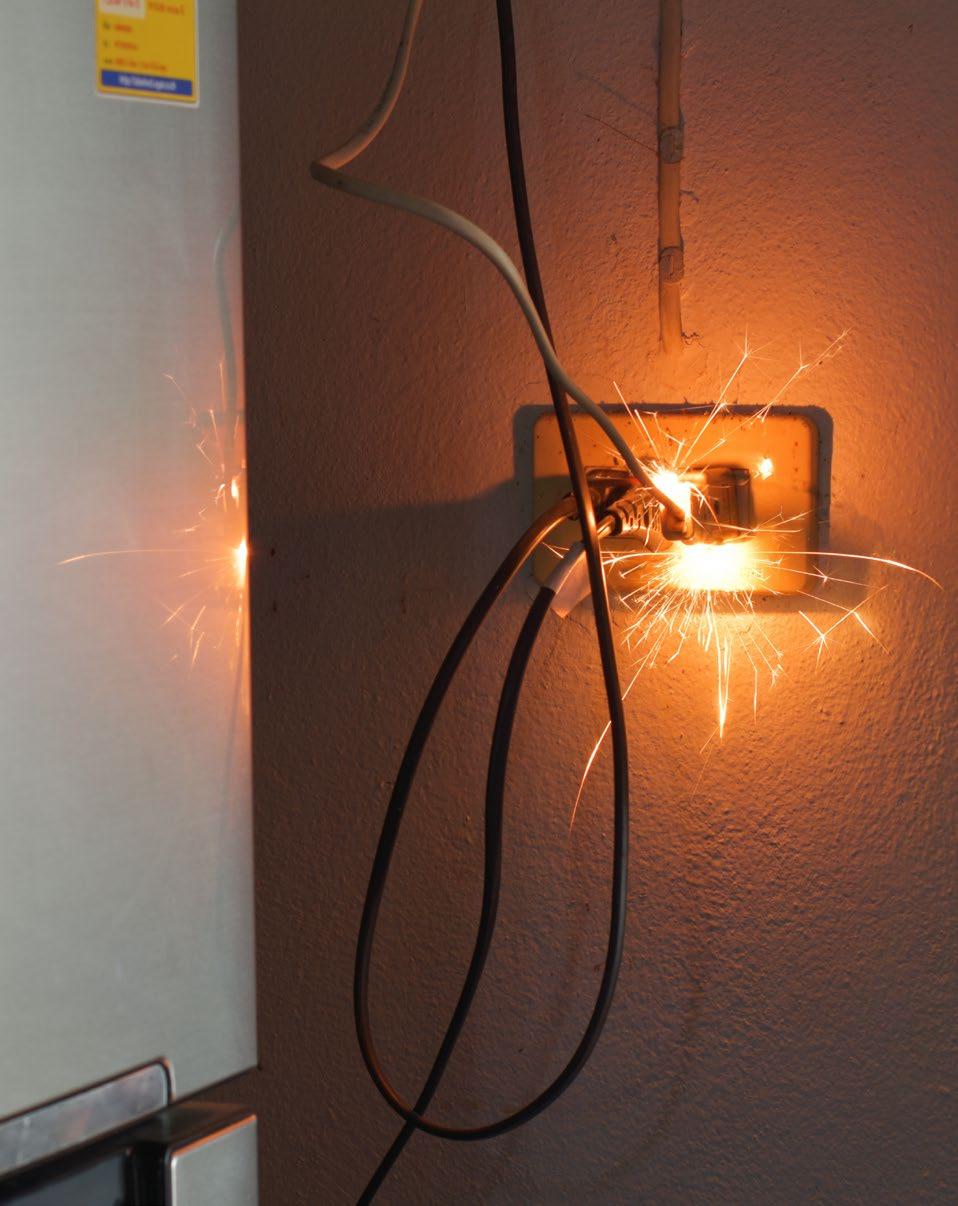
Standard reference: AS/NZS 3000:2018, Clause 3.11.4.6
5. Inadequate switchboard identification
Electrical equipment relationships not clearly marked on or adjacent to the switchboard can create confusion and safety hazards during fault finding or isolation.
Standard reference: AS/NZS 3000:2018, Clause 2.10.5.2
NECA strongly encourages members to review these areas, ensure full compliance, and use NECA’s technical support resources when in doubt. Prevention through good practice remains the most effective way to avoid defects and protect safety.
Building and Energy provide guidance on the enforcement of AS/NZS5139 and AS/NZS3008.1
Just before Christmas, Standards Australia released two updated standards:
½ AS/NZS3008.1, new edition;
½ AS/NZS5139, amended version.
After consultation with Building and Energy, these standards will be mandatory from 19 June 2026, six months after the date the Standards were released.
Fully amended versions of the Standards, as well as a list of all changes to AS/NZS5139, can be found on NECA’s Member Portal. Contact NECA Member Services on 1300 361 099 to find out more.
What do you need to know when you alter a large current switchboard?
Large current switchboards are all switchboards rated at greater than 125 Amps. We often get calls from members who have been given the job of adding a 200 Amp circuit to a large current switchboard and they are unsure what they need to do, and what the rules are, when working on these switchboards. We have created a comprehensive fact sheet that will step members through what they need to know. In summary:
½ always consult your Network Operator before you commence work;
½ engage a qualified switchboard manufacturer;
½ do you have evidence of the test reports for the existing switchboard?;
½ can you verify the compliance of the existing switchboard?;
½ if these conditions can’t be met, maybe it’s time for a new switchboard.
The full fact sheet can be found on NECA’s MKB, or contact NECA Member Services on 1300 361 099 for more information.
Managing compliance documentation is a major challenge for electrical contractors. To help, NECA has launched the NECASafe Generator, a powerful digital solution, designed to simplify safety management for our members.
This platform allows you to generate site-specific forms and Safe Work Method Statements (SWMS) in seconds, ensuring your documents remain compliant, without the administrative burden.
Key Features:
Instant safety document generation
Create comprehensive safety documentation tailored to your site conditions immediately.
Regularly reviewed documents
All templates are reviewed annually by industry experts, ensuring your paperwork is always up to date.
Complimentary NECASafe Digital access
With the NECASafe Generator system, members are provided with one complimentary login to the NECASafe Digital system.

Access to the NECASafe Generator is exclusive to NECA members, reinforcing our commitment to providing tangible value. In an industry where safety breaches carry heavy penalties, this automated system is a necessity.
Don’t let paperwork slow you down. Ensure your business is protected with compliant documentation, generated in real-time.
It’s been a busy start to the year, with nearly 300 enquiries so far, across a wide range of issues. The most popular subjects include WAER, WASIR, AS/NZS3000, and AS/NZS5139. Cases of interest include:
½ existing main switchboard locations and metering equipment when altering the electrical connection;
½ temporary supply arrangements for construction sites;
½ electrical requirements in body protected areas;
½ equipotential bonding of pool mesh (REO);
½ fault finding electric shocks and tingles in a residential installation;
½ connecting NBN boxes;
½ what is notifiable work and what is required;
½ EVs and isolators.
Boost your business with NECA’s FREE business health checks!
At NECA, we’re committed to helping our members thrive. That’s why we’re offering complimentary Business h ealth Checks – no cost, no obligation!
These tailored reviews are designed to uncover opportunities to enhance your operational efficiency and drive success.
h ere’s what’s included:
½ insurance review with NECAGuard;
½ wage, contracts and debt collection review with NECA Legal;
½ safety management systems review with NECASafe;
½ Job Management System (JMS) Integration with NECA JMS partners;
½ business management reviews, covering technology, marketing, and lead generation;
½ exclusive perks, like discounted fuel and Telstra business mobile plans.
Take the first step toward a stronger, more efficient business today!


Why not take the effort out of employing your own apprentice and employ an apprentice from NECA.
NECA Electrical Apprenticeships employ qualified apprentices and place them with host companies, for any amount of time from 3 months to 4 years, providing you with a flexible workforce.
By becoming a Host company you only pay a fixed charge out rate, whilst NECA takes on all the added costs and responsibilities.
Build your future, have time to grow your company and let us take on the risk. Contact us today or register your interest at necatraining.com.au
NECA Electrical Apprenticeships provide
● Advertising
● Recruitment
● Interviews, Selection and Medicals
● Record Keeping and Payroll
● Ongoing Monitoring and Mentoring
● Training
NECA’s fixed charge out rates include
Annual Leave Days
Sick Days
Public Holidays
Training Fees
Superannuation ● Workers Compensation ● Off The Job Training Days
● Uniforms and PPE



Mark Stedfut NECA ACT/NSW Executive Director
WELCOME TO T hE FIRST EDITION OF NECA NEWS FOR 2026. ONCE AGAIN, IT’S BEEN A WILD START TO T hE YEAR, WIT h MUCh h APPENING AROUND T hE INDUSTRY FOR US ALL TO STAY ON TOP OF. AS ALWAYS, I’D LIKE TO WELCOME ALL OUR NEW MEMBERS AND APPRENTICES TO T hE INDUSTRY; WE LOOK FORWARD TO WORKING WIT h YOU, T hIS YEAR AND BEYOND.
Welcome Mark Stedfut: Executive Director of NECA ACT and NSW
NECA is pleased to announce the appointment of Mark Stedfut as the new Executive Director of NECA ACT and NSW.
Mark brings over 10 years’ senior leadership experience in member-based industry associations, alongside 20+ years in the commercial sector. he has held leadership roles with NSW Business Chamber, Scouts Australia, and Girl Guides NSW, ACT and NT, delivering strong growth, governance reform, and improved commercial outcomes.
Scan
Mark is a strategic, outcomes-focused leader, with extensive experience in advocacy, stakeholder engagement,
and governance, including working closely with government, regulators, and boards. he has led organisations through complex change, while maintaining service delivery and resilience.
In his role as Executive Director, reporting directly to the ACT and NSW Councils, Mark will:
½ lead the strategic direction, commercial performance, and advocacy of the NECA ACT and NSW branches;
½ support the Board, through strong governance, compliance, and risk management;
½ work collaboratively with NECA’s national leadership team and other state and territory branches.

Introducing Wian: NECA ACT’s New Membership Manager!
NECA welcomes Wian Diedericks as NECA ACT and Southern NSW Membership Manager.
Wian is committed to ensuring members receive the full benefit of their NECA membership. Wian will work closely with members to address challenges, facilitate access to training and compliance tools, and represent your interests on key issues impacting the electrical and communications sector.
NECA welcomes Wian,and we look forward to what’s ahead for our ACT and Southern NSW members!
A win for NECA members, as battery program expands and delivers more work
The federal government’s Cheaper home Batteries Program continues to deliver strong outcomes for households, businesses, and, importantly, licensed electrical contractors. With installations expected to pass 200,000 systems nationally this month, the program is now firmly established as a major driver of work across the electrical industry.
The scheme has been so successful that the Government has increased total funding from the original $2.3 billion to around $7.2 billion. This significant budget uplift provides long-term certainty for installers and confirms that battery storage will remain a central pillar of Australia’s energy transition. For NECA members, this translates directly into sustained demand, forward order pipelines, and greater confidence to invest in workforce, training, and capability.
The program reduces the upfront cost of a typical home or small business battery by around 25 per cent. The rebate is applied at the point of sale, by the installer, removing red tape for customers and ensuring licensed electrical contractors remain at the centre of delivery. Since July, the average battery size installed has increased to around 20 kWh, reflecting growing customer confidence and a better understanding of how storage can reduce power bills and improve energy resilience.
Following strong uptake, the Government has announced refinements to the scheme, to ensure it remains fair, sustainable, and aligned with real world energy needs. From 1 May, the rebate will move to a tiered structure. Batteries up to 14 kWh will continue to receive the highest level of support, with the rebate gradually reducing as system sizes increase. This change is designed to discourage unnecessary oversizing while preserving affordability for standard household and small business installations.
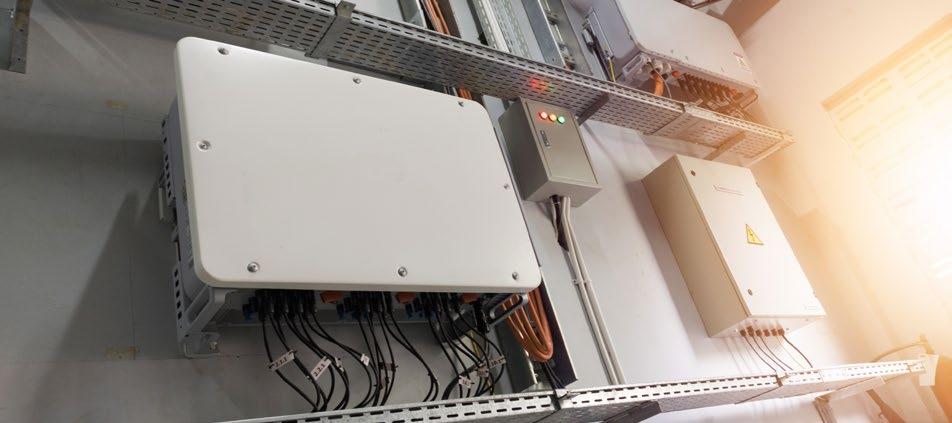
The changes do not take effect until May, which is expected to drive a shortterm surge in installations over coming months. NECA anticipates this will create additional work opportunities for members in the lead up to the new settings, particularly for larger systems.
The rebate will also continue its planned step down over time. While the most generous incentive levels have now passed, the expanded budget, and clear tapering pathway provide certainty and stability for industry, rather than abrupt policy shifts, that disrupt markets and workforce planning.
Some state-based incentives can still be combined with the federal rebate, particularly where customers choose to participate in virtual power plant arrangements. In New South Wales, additional rebates are available for eligible systems connected to accredited virtual power plants. NECA continues to engage with governments to ensure these schemes remain practical, transparent, and workable for contractors and consumers. Please check with NECA or your regulator for other schemes.
NECA worked closely with Government throughout the development and refinement of this program. Industry input helped shape a scheme that supports safe installations, realistic system sizing, and genuine job creation for licensed electrical contractors. The expansion of the budget and the measured policy adjustments represent a clear win for NECA members and the broader electrotechnology sector.

Mark Stedfut NECA ACT/NSW Executive Director
WELCOME TO T hE MARCh 2026 EDITION OF NECA NEWS. NOW T h AT T hE ELECTROTEChNOLOGY INDUSTRY IS BACK INTO FULL SWING AFTER T hE NEW YEAR, T hERE ARE SOME IMPORTANT UPDATES T h AT WE’D LIKE TO Sh ARE WIT h YOU.
In the last three months there have been some big changes for us, and for the industry, including a number of regulation changes that may affect your business, some legislation changes that may work to your benefit, and a couple of big changes on our end as well. Read on to find out more, or contact NECA
These Awards celebrate achievements across the entire industry, through three dedicated programs: Excellence Awards, Small Business Awards and Apprentice Awards. Why should your business enter?
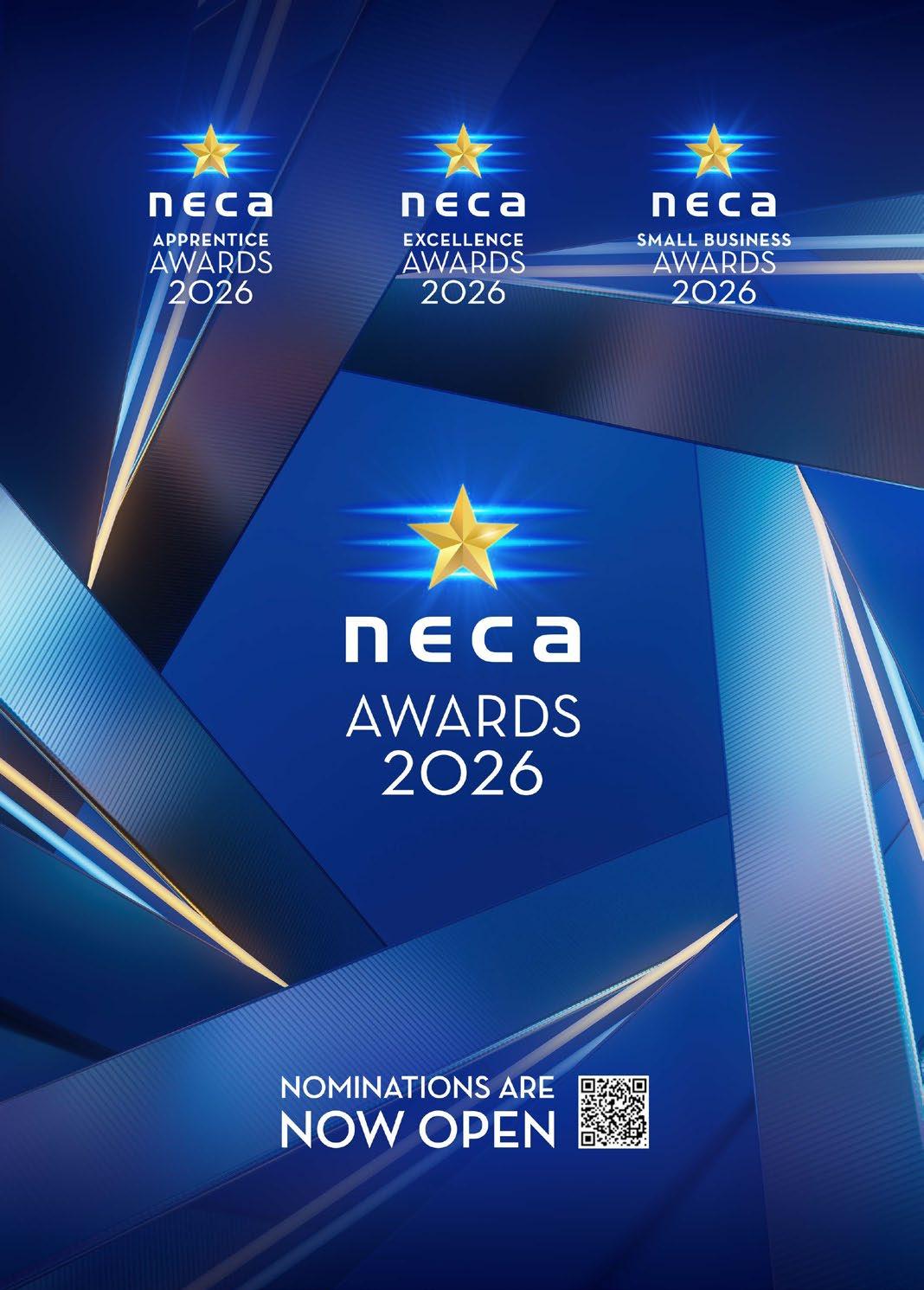
Welcome Mark Stedfut: Executive Director of NECA ACT and NSW
NECA is pleased to announce the appointment of Mark Stedfut as the new Executive Director of NECA ACT and NSW.
Mark brings over 10 years’ senior leadership experience in memberbased industry associations, alongside 20+ years in the commercial sector. he has held leadership roles with NSW Business Chamber, Scouts Australia, and Girl Guides NSW, ACT and NT, delivering strong growth, governance reform, and improved commercial outcomes.
Mark is a strategic, outcomesfocused leader, with extensive experience in advocacy, stakeholder engagement, and governance, including working closely with government, regulators, and boards. he has led organisations through complex change, while maintaining service delivery and resilience.
In his role as Executive Director, reporting directly to the ACT and NSW Councils, Mark will:
½ lead the strategic direction, commercial performance, and advocacy of the NECA ACT and NSW branches;
½ support the Board through strong governance, compliance, and risk management;
½ work collaboratively with NECA’s national leadership team and other state and territory branches.

From 1 January 2026 to 31 December 2026, the government will maintain support for apprenticeships in critical sectors through the Key Apprenticeship Program (KAP).
Under the Australian Apprenticeship Incentive System (Incentive System), employers of apprentices commencing apprenticeships in KAP occupations, such as electrotechnology, will continue to be eligible for up to $5,000, alongside apprentice incentives of up to $10,000, representing a total investment of
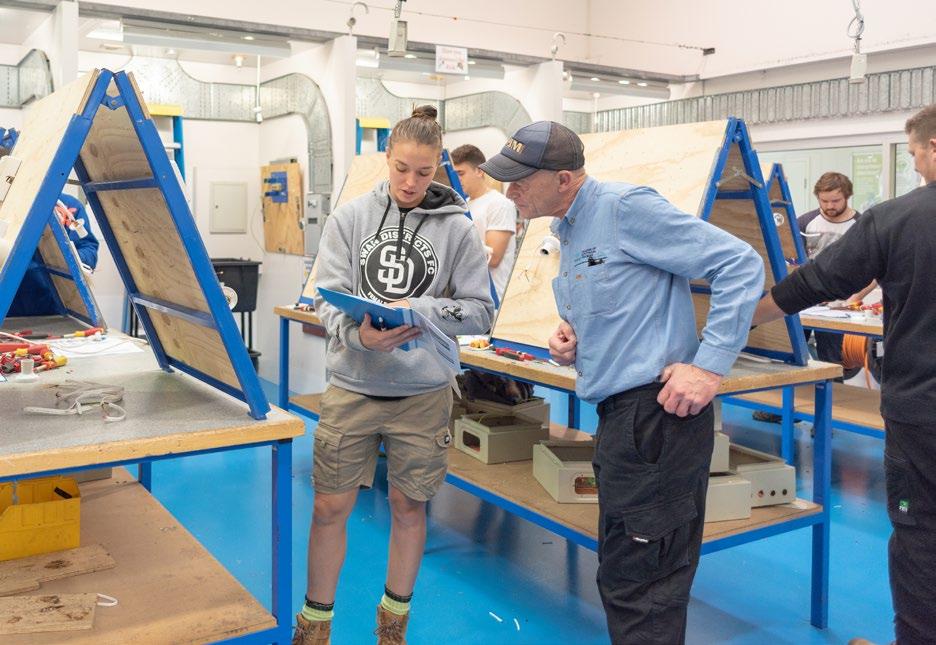
up to $15,000 per apprenticeship. These measures target skills essential to delivering national priorities, including net zero commitments, and housing Accord targets.
Incentives for other priority occupations will be adjusted to $2,500 for employers and $2,500 for apprentices for the same period. While providing up to $5,000 per priority apprenticeship, these changes reflect difficult but necessary decisions to focus resources where they will have the greatest impact throughout the apprenticeship system. As is the case now, apprenticeships and traineeships in non-priority occupations are not eligible for Commonwealth financial incentives.
These changes do not affect existing apprenticeships or traineeships. Apprenticeships and traineeships remain eligible for the support offered at the time of sign up and grandfathering arrangements apply.
In simple terms, incentive payments are locked in under the rules that existed when the apprenticeship began, providing certainty and honouring previous commitments.
Members are encouraged to stay engaged, as demand remains strong and policy settings evolve. For further information, technical guidance, or advice on compliance and program requirements, members should contact NECA directly. NECA will continue working alongside government to ensure programs deliver real outcomes for industry and consumers alike.
Introducing Wian: NECA ACT’s New Membership Manager!
NECA welcomes Wian Diedericks as NECA ACT and Southern NSW Membership Manager.
Wian is committed to ensuring members receive the full benefit of their NECA membership. Wian will work closely with members to address challenges, facilitate access to training and compliance tools, and represent your interests on key issues impacting the electrical and communications sector.
NECA welcomes Wian,and we look forward to what’s ahead for our ACT and Southern NSW members!
The Two-Tier Trade: why the data centre boom is creating a ‘Maturity Gap’ that could leave your business behind
For electrical contractors, both in Sydney and across Australia, the last few years have felt like a gold rush. The relentless ‘hyperscale’ data centre construction boom has pumped billions into the sector, providing more than enough work to go around. But
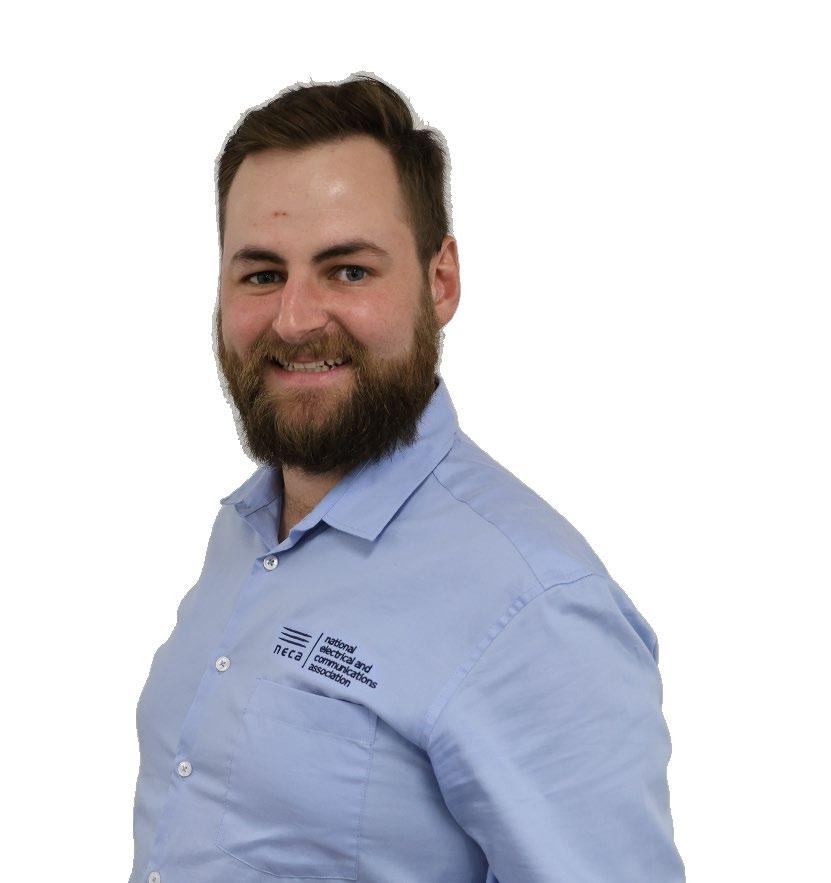
while the sun is shining, a dangerous divide is opening up between those working on data centres and those ‘getting by’ on traditional commercial and residential projects.
The rise of the ‘Sophisticated Subbie’ Data centre projects aren’t just bigger; they are fundamentally more complex. Global tech giants and Tier-1 builders demand a level of
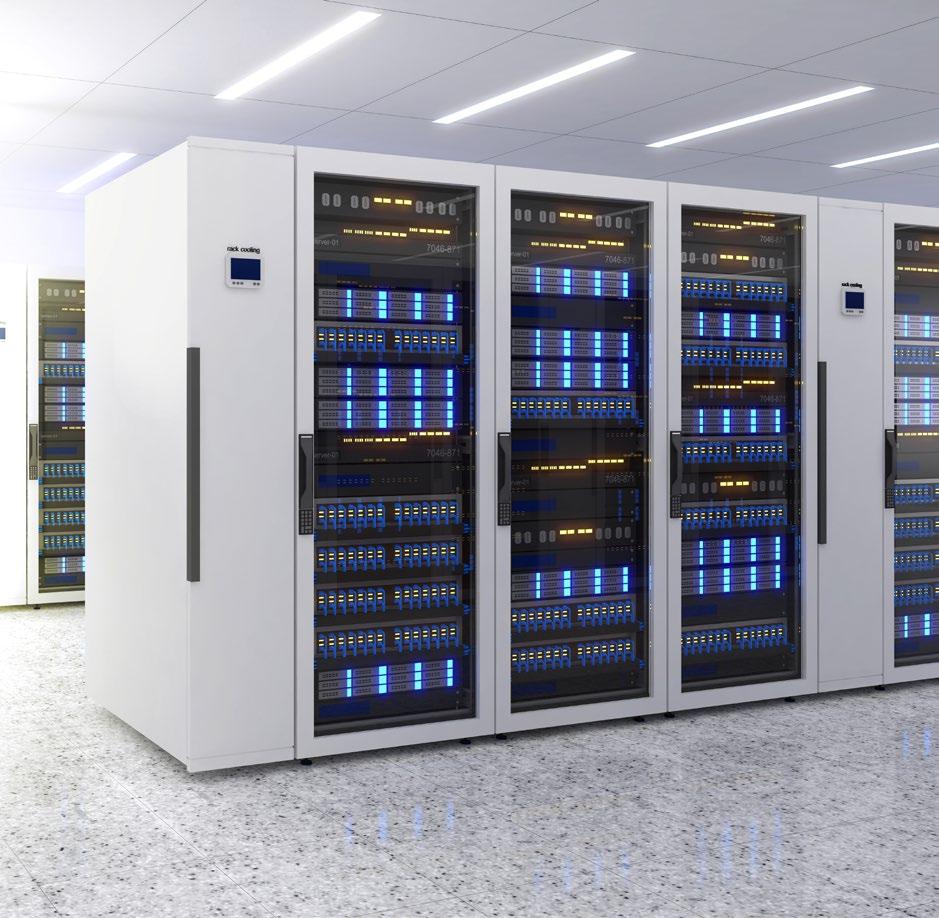
operational rigour that was once reserved for oil rigs and mines.
To even step onto a data centre site today, electrical businesses have had to rapidly evolve their hSEQ (health, Safety, Environment, and Quality) maturity. We are seeing trades successfully implement and maintain:
½ ISO 9001 (Quality) – ensuring every termination and tray is perfect the first time;
½ ISO 45001 (Safety) – managing high-risk environments with zero-harm precision;
½ ISO 14001 (Environment) –meeting strict sustainability and waste requirements;
½ ISO 27001 (Information Security) – protecting the highly sensitive data of the clients they serve.
These businesses have spent the boom years ‘leveling up.’ They have the systems, the data, and the culture of compliance baked into their DNA.
The danger of the ‘Cool Down’
Currently, many electrical businesses are doing ‘okay.’ There is plenty of work in mid-tier commercial, and high-density residential, where a basic safety plan and a handshake are often enough to get the job.
But booms do not last forever.
As the data centre construction phase eventually transitions from ‘frenzied’ to ‘steady state,’ or as power constraints slow down new
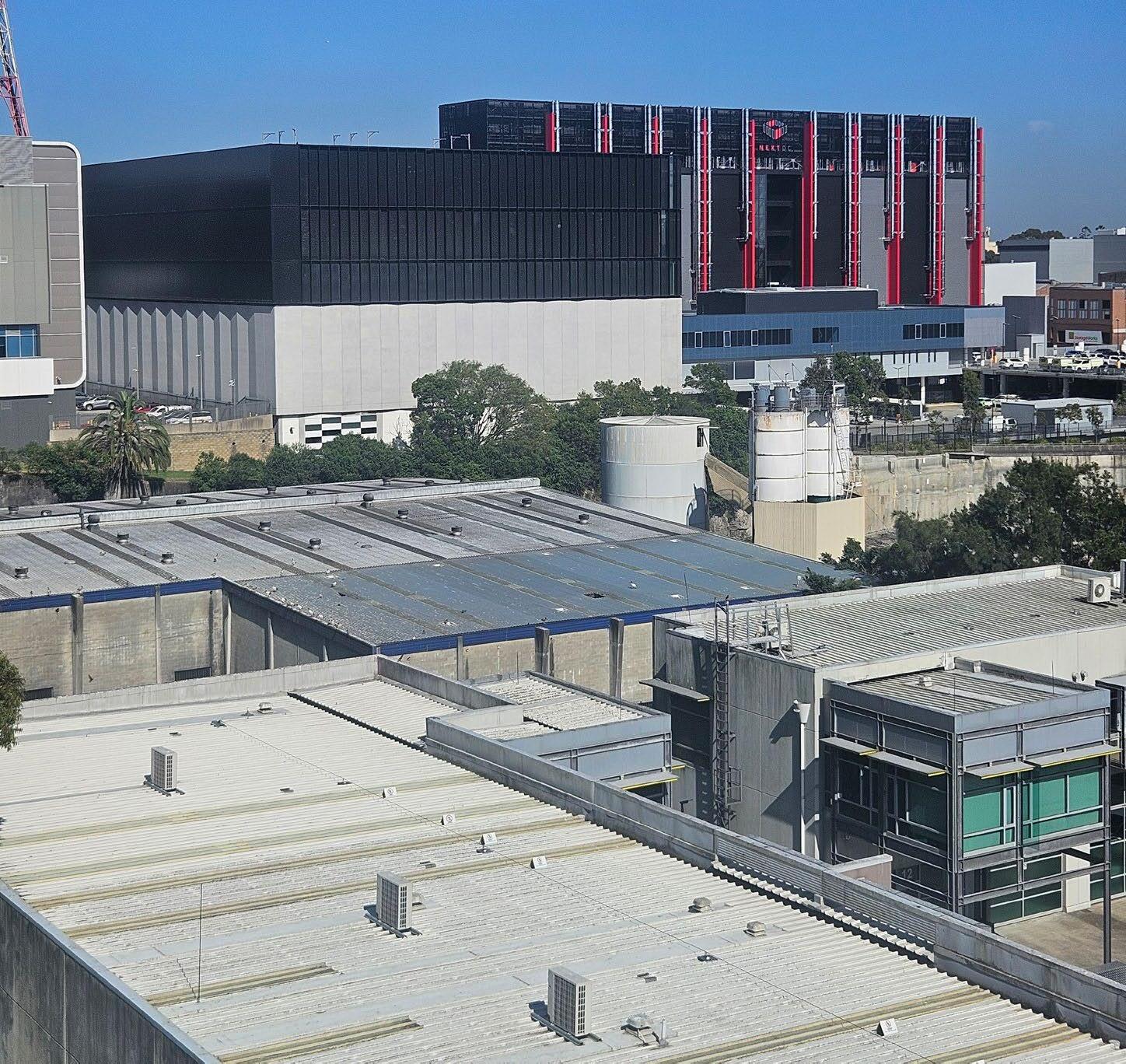
builds, those highly sophisticated electrical firms will start looking for work elsewhere. They will pivot back to the traditional commercial and infrastructure sectors – and they will be bringing their ISO certifications, and high-level hSEQ systems, with them.
When a client or a Tier-1 builder has to choose between a contractor who ‘gets by’ and a contractor who brings a certified, sophisticated, management system, the choice is obvious. The ‘getting by’ businesses will find themselves outmatched, under-qualified, and unable to compete for the best contracts.
Don’t wait for the pivot – level up now
The competitive landscape is changing. hSEQ maturity is no longer an ‘extra’ – it is becoming the baseline for survival in a professionalised industry.
If your business hasn’t yet reached this level of sophistication, the time to act is while you still have the ‘buffer’ of a busy market. You need a system that closes the gap between where you are and where the top-tier trades already live.
NECA offers the NECASafe Empower hSEQ Management System, designed specifically to give electrical
contractors the tools they need to meet these high standards. Whether you are aiming for ISO certification, or simply want to ensure your business isn’t left behind when the market tightens, Empower provides the framework to professionalise your safety, quality, and environmental management. The boom has raised the bar. Talk to NECASafe today about the NECASafe Empower hSEQ system and ensure your business is ready for the competition of tomorrow.
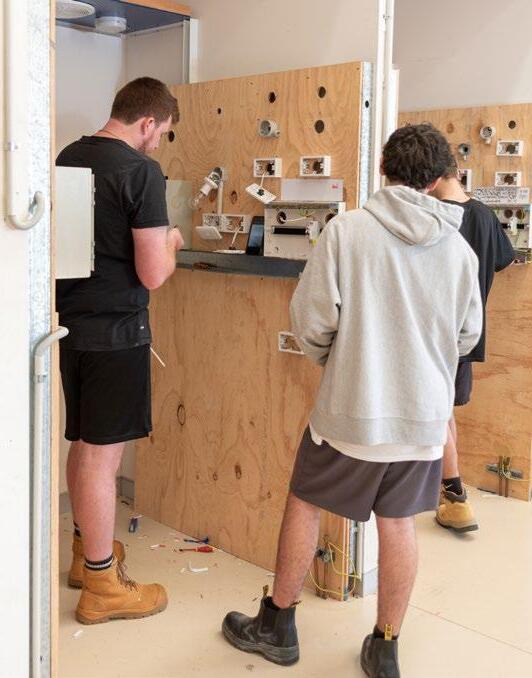
hiring an apprentice can be done directly with the apprentice, or it can be done through a Group Training Organisation (GTO). If you’re still deciding which route to take, here are five reasons to choose a GTO.
GTOs handle the majority of the administrative work that goes on behind the scenes of employing an apprentice, such as payroll, paperwork, and compliance with labour laws. This allows businesses to focus on their core activities, and training their new apprentice, rather than spending time sorting out hR tasks. They ensure that all legal requirements are met, reducing the risk of noncompliance for the host employer.
If a business’ workload fluctuates, GTOs can help by rotating apprentices between different host employers, ensuring that the apprentice remains employed and continues their training while the business can scale its workforce as needed. This also means apprentices will be of higher quality, as they’ve worked in multiple different environments. If an apprentice is not a good fit for the business, the GTO can reassign them to a different host employer, ensuring each business has a suitable apprentice.
hIRING AN APPRENTICE IS SOMET hING MANY TRADE BUSINESSES DO IN ORDER TO GROW. DOING SO CAN ALSO PROVIDE A LONG-TERM EMPLOYEE, ShOULD YOUR BUSINESS TAKE OFF.
GTOs often have access to a broader and more diverse pool of candidates than individual businesses, as well as a more thorough recruitment process, and a bigger sphere of influence. The selection process managed by a GTO includes thorough initial assessment and review, ensuring that only the most suitable and motivated candidates are presented to businesses for placement.
In NECA’s case, we are the country’s largest electrical trades GTO, with decades of experience employing apprentices. Since 1998, NECA’s expertise in apprentice employment has helped grow our yearly intake to more than 800 apprentices. With our new Western Australian branch opening up last year, we’re bringing a wealth of experience to the next generation of tradespeople all over the country.
hiring through a GTO is the safest investment for businesses taking on an apprentice. Businesses often save far more money on administration, organisation, and other back-end work than they initially spend on a GTO’s services, ensuring a costeffective arrangement. Moreover, GTOs may have access to government incentives and subsidies that they pass on to the host employers. GTOs also save businesses the
time and expense associated with recruitment and initial on-boarding.
Ultimately, the advantages of using a GTO to hire your apprentice are many, including flexibility, support, risk management, and costeffectiveness. With all of these advantages and more, choosing a GTO to hire your apprentice is a much more compelling option, compared to direct employment.
For NECA Members, our support extends beyond recruitment. As a leading employer of apprentices in the industry, becoming a host with us guarantees your business the perfect candidate. NECA’s current hosts range from small companies, with minimal employees, to the industry’s largest. NECA apprentices will have the opportunity to work on sites of all sizes, giving them the best possible working experience for the duration of their apprenticeship. NECA Electrical Apprenticeships also takes on most of the risks of employment, creating an easy relationship between hosts and apprentices.
If you want to become an apprentice with NECA, or take one on as a host, contact NECA Member Services at 1300 361 099, or email us at contact@necatraining.com.au.

NECA Electrical Apprenticeships employ quality apprentices and place them with host companies for any amount of time from 3 months to 4 years.
whilst we take on all the added costs, responsibilities and risk.
Build your future: 97% of our graduating apprentices are employed by their host on completion NEC
Adver tising
Recruitment
Inter views and selection
Medicals to all current requirements
Payroll aligned with your business
On-going monitoring and mentoring
All administration and paper work
TAFE/NECA Tech (monitoring)
Connec
AC T ( 02) 6280 5580
NSW ( 02) 9744 2754
QLD ( 07) 3276 7950 necatraining.com.au
Mandatory training to industry requirements
Annual Leave days
Sick days
Public holidays
TAFE/Tech days (40/yr)
Tech and mandatory training costs
Superannuation
Uniforms and PPE
Workers Compensation

To meet the Distributor requirements in NSW as a cable jointer, you must have a specific cable jointer qualification. Qualified electricians are not automatically authorised to complete this work, but NECA Training can provide you with expert training in both polymeric and transition cable jointing at our training centres in Chullora in Sydney or Fyshwick in ACT.
Preparation
Cleaning and stripping the insulation from the ends of the cables to be joined.
Connection
The prepared cable endings are joined together by crimping, or using specialised connectors, depending on the type of cables and the specifications of the joint.
Once the connection is made, the joint is insulated using heat shrink tubing, cold shrink tubing or resin to protect it from damage over time.

After the joint is completed, it undergoes testing to ensure that it meets safety and performance standards, including insulation resistance, continuity, and voltage testing.
Polymeric cable jointing is the process of connecting or splicing together sections of electrical cables to establish or repair underground or overhead power distribution networks. This process is crucial for ensuring the continuity and reliability of electrical supply to homes, businesses and other facilities.
Transition cable jointing is specifically joining cables of two different types (i.e. paper cable to Poly cable). This is often necessary when connecting sections of electrical cables that have different specifications, or when upgrading old cable to new cable. The goal is to create a reliable connection that maintains the reliability and performance of the electrical system.
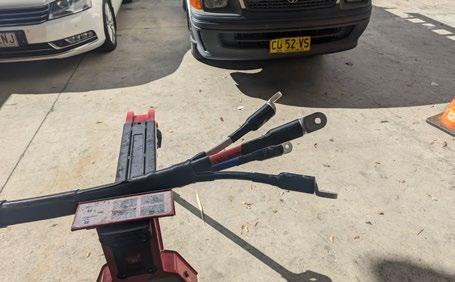
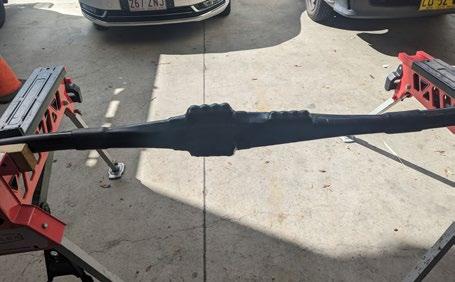
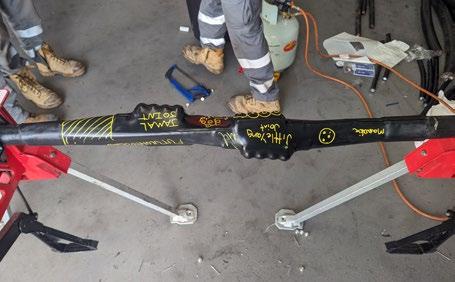
Contact NECA Member Services at 1300 361 099, or email us at contact@necatraining.com.au.
As Australia begins to take steps away from coal and move towards a clean energy future, solar power has never been more valuable. In 2023, solar contributed to 45% of all renewable electricity generation in Australia. Lithium ion batteries are becoming increasingly common energy storage devices for both on-grid and off-grid power, especially as solar power maintains its steady growth as an industry. Since 2016, large-scale solar generation has seen a growth rate of over 2700% as a result of its rapid expansion in the country.
NECA offers a wide range of solar courses in our post trade education range. Our courses are Solar Accreditation Australia (SAA) accredited, in both the design and installation of solar and battery connection systems. All you need to get started is a Certificate III in Electrotechnology or
an ‘Unrestricted Electrician’s Licence’ issued in an Australian State or Territory.
Our courses are trainer delivered across eight days over separate weeks which include:
Theory
Online webinars and take-home assignments (six days).
Practical
Onsite instruction with the trainer (two days).
12 month deadline beyond the course delivery to submit an assignment.
To find out more, contact NECA Member Services at 1300 361 099, or email us at contact@necatraining.com.au.





WELCOME
Nicole Fietz NECA QLD Membership and Partnership Officer
TO T hE QUEENSLAND SECTION OF T hE MARCh EDITION OF NECA NEWS FOR 2026. IT’S T hE START OF A NEW YEAR, AND WIT h IT h AS COME AN ASSORTMENT OF Ch ANGES, T hROUGhOUT T hE INDUSTRY.
We have lots of important information coming out of our state’s authorities, including updates from the state government, Energy Queensland, NECA Queensland, Workplace health and Safety Queensland, and more, so read on to make sure you’re up to date.
Energy Queensland have released a Flood Restoration Guide Reminder to assist members who have had repairs completed and are ready for reconnection to the network.
If an Ergon Energy Network crew have left an Electricity Defect Report at site, a licensed Electrical Contractor (EC) can fill in and sign the required fields at the bottom of the report, once repairs have been completed. The signed form is to
be left onsite, and a phone call is to be made to Energy Queensland’s faults team on 13 22 96 to arrange reconnection.
If the customer has engaged an EC pre-emptively, as they’ve experienced inundation, flooding, or damage, and our crew are yet to attend, the EC can complete a Certificate of Test and Compliance, leave the signed certificate onsite, and phone Energy Queensland’s faults team on 13 22 96 to arrange reconnection.
NECA has also developed several resources designed to help our members navigate storms, floods, cyclones, and unpredictable weather. These resources are available on the Member Knowledge Base (MKB).
Ergon Energy has additional information available on their website.

Electrical contractors across Cairns and Far North Queensland are being encouraged to take early note of the $1 billion Cairns hospital Expansion, following the release of a new masterplan that outlines one of the largest and most complex health infrastructure projects ever delivered in the region.
The Crisafulli Government’s fully funded hospital Rescue Plan will see construction commence from late 2026, with staged delivery through to 2031 and beyond, creating a multi-year pipeline of electrical, communications, energy, safety and technology works.
½ new h ealth Innovation and Surgical Centre with at least 40 additional beds;
½ expanded medical imaging, pathology, pharmacy and sterilisation services;
½ new h ealth Management h ub;
½ new multi-storey staff car park, requiring power, lighting, access control and EV-ready infrastructure;
½ cyclone-rated rooftop helipad, involving high-reliability power, lighting, controls and backup systems;
½ major upgrades to critical services, including backup generation, switchboards, fire systems, communications and data infrastructure.
Importantly, the released masterplan sets a 30-year roadmap for Cairns hospital and the surrounding health and Innovation Precinct. Future stages propose:
½ a new acute services building connected to the existing hospital;
½ refurbishment, demolition and redevelopment across parts of the precinct;
½ increased integration of health, education, research and innovation facilities.
Beyond healthcare delivery, the redevelopment is expected to drive broader economic activity, workforce growth and skills development across the region.

The Queensland Community housing Energy Upgrades (Q-ChEU) Program, delivered by the Department of housing and Public Works in partnership with the Queensland Rural and Industry Development Authority (QRIDA).
Applications are open for up to $4,500 in rebates to help eligible community housing providers deliver energy efficiency and thermal comfort upgrades to approximately 4,000 community homes across Queensland. This program enables funding to translate into lower bills, safer homes, and improved thermal comfort for some of Queensland’s most vulnerable residents.
Many Q-ChEU upgrades cannot proceed unless electrical work is completed first or in parallel. This includes:
½ mandatory pre-installation electrical safety inspections (required within 30 days before ceiling insulation installation);
½ switchboard upgrades and circuit modifications to support:
½ heat pump hot water systems;
½ solar PV systems (≥3kW with GSD);
½ split-system air conditioning;
½ electrification of cooking appliances;
½ compliance certification under the Electrical Safety Act 2002.
Electricians Enable Full Use of the $4,500 Rebate
The Q-ChEU program explicitly allows rebate funds to be used for:
½ installation labour;
½ electrical upgrades required to support energy measures;
½ switchboard works;
½ circuit alterations;
½ electrification works;
½ removal and disposal of redundant electrical equipment.
Applications be submitted until 30th October 2026, with all upgrades works to be completed by 30th June 2027.
Construction compliance campaign starts February 2026
Workplace health and Safety Queensland (WhSQ) will be commencing a statewide compliance campaign from February 2026. This campaign will target preventing falling objects within the construction industry.
Falling objects cause significant harm on Queensland construction sites. Between 2003 and 2023, 20 workers lost their lives due to falling objects hitting or crushing them while at work – highlighting the importance of strong, consistent risk management on every site.
As part of the campaign, WhSQ inspectors will audit construction workplaces across Queensland and take appropriate enforcement action
where safety duties are not being met. Their aim is to support businesses to improve safety practices and prevent serious injuries before they occur.
Now is the time to review how your workplace manages the risk of falling objects. Workers and the public can be at risk from activities such as:
½ crane lifts;
½ erecting or dismantling scaffolding;
½ installing formwork;
½ using elevating work platforms (EWPs);
½ working with scaffold, hang-on scaffold or edge protection;
½ installing tilt-up or pre-cast panels;
½ using cantilevered crane loading platforms.
There is no single solution; the most effective control depends on the task and the site. Common control measures include:
½ exclusion zones to separate workers and the public from falling object hazards;
½ perimeter containment screening;
½ hoarding or gantries to protect public areas;
½ catch platforms and toe boards;
½ good housekeeping and material storage practices;
½ tool lanyards, to complement other higher-level controls.
These simple steps can prevent serious injuries and demonstrate that your business is taking a proactive approach to worker safety.

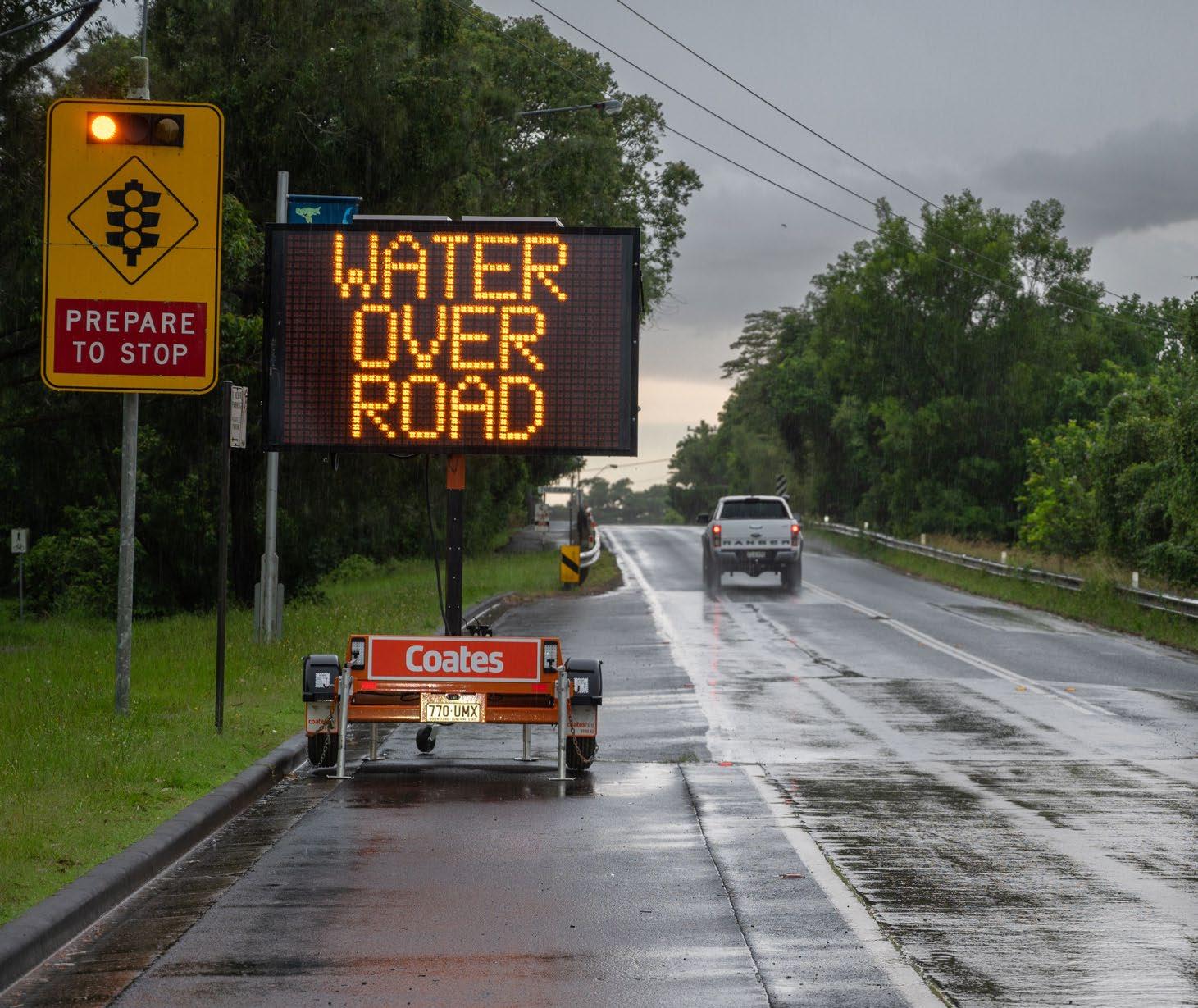
NECA Queensland members should note the recent state government announcement confirming the 25 successful infrastructure projects funded under the Building Resilient Tourism Infrastructure Fund – North Queensland Tropical Low 2025.
This is more than a funding update –it is a clear signal of where regional infrastructure investment is moving, and the essential enabling role electrical and telecommunications contractors play in supporting business continuity and community resilience. Electrical and telecommunications contractors are moving from a repair role to a strategic infrastructure role.
This announcement reinforces a simple but important message:
½ governments are investing in disaster-ready infrastructure;
½ regional businesses are prioritising energy security and communications reliability;
½ electrical and telecommunications contractors are essential enablers of both.
Many regional tourism and small businesses depend on trusted local contractors for technical advice and delivery. Members who actively engage with their communities on infrastructure readiness and compliance will be best placed to secure both funded and privately financed projects.
By strengthening documentation capability, compliance expertise,
and integrated design skills, NECA members can position themselves as not just installers, but as partners, in regional infrastructure resilience.
During natural disasters, and major weather events, power and communications systems are the first to fail, and the most critical to restore.
Tourism operators, including caravan parks, resorts, eco-lodges, and attractions, are investing to ensure:
½ continuous power supply;
½ reliable communications;
½ safe and compliant electrical infrastructure;
½ faster recovery following disruptions.


Peter Lamont
Director ACRS and Senior Policy Advisor peter.lamont@neca.asn.au
Welcome to a bright new year. While we are the ’lucky country,’ we continue to have summer weather full of extremes, with high heatwaves, fires, floods, and devastating cyclones. This puts enormous pressure on our infrastructure assets, including electrical and data and telecommunications. Getting information out to communities about approaching danger is critical to enable adequate time to prepare for extreme weather conditions; to either “batten down the hatches” or evacuate to shelters or safer locations. It is in these times that our members’ work, in building and installing robust electrical and data and telecommunications systems, is most important.
ACRS continues to work with the national regulator, the Australian Communications and Media Authority (ACMA), on a range of matters relating to cabler registration and regulatory requirements. ACMA has advised ACRS that the majority of complaints received by the regulator to date in this financial year have primarily related to:
½ the veracity of TCA1 forms being supplied, including potentially unauthorised use of a cabler’s details by a past employee;
½ allegations of the use of non-compliant cabling products by a cabler;
½ concerns about the quality of cabling work/compliance with the Cabling Provider Rules/Wiring Rules.
At this time, we are also in the middle of a review of the various training products used to earn competencies and qualifications to enable registration for employment within our industry. Through the Jobs and Skills Council, the Future Skills Organisation (FSO) and the Powering Skills Organisation
(PSO) have been undertaking this review, and they are currently:
½ considering a report on the review of qualifications and competencies in telecommunications and electrotechnology. that will impact the ACMA’s registration training programs for registering cablers;
½ developing public consultation plans, that will commence in the near future;
½ reviewing all UEE qualifications/ competency courses.
Finally, it is worth noting that from 16th January 2026, ACMA introduced some new rules to their labelling exemptions relating to the Electromagnetic Energy (EME) standards, and general standards in relation to electric vehicles, and devices in vehicles, that comply with the Voluntary Code of Practice for Electromagnetic Compatibility of Motor Vehicles, as developed and introduced by the Electric Vehicle Council.
Australians shopping online for communications equipment will now benefit from stronger protections, thanks to a new Equipment Safety Pledge, launched in December 2025 by the Australian Communications and Media Authority (ACMA).
The pledge is a set of voluntary commitments made by leading eCommerce platforms to tackle the sale of unsafe and illegal radiocommunications devices. These devices can include dodgy two-way radios, illegal jammers, mobile phone boosters, unauthorised cellular mobile repeaters, and ‘grey market’ mobile phones.
ACMA believes that using this type of equipment risks causing interference with licensed communications services and networks, including
emergency service communications, and poses serious risks to public safety. This new pledge is an important step forward in ensuring online marketplaces are not a gateway for illegal and non-compliant products.
There are already several signatories to the Equipment Safety Pledge; ACMA will be inviting other platforms to sign the pledge and anticipates more signatories will join in the future.
Thinking about a move into data and communications as a way to diversify your contracting business? Here are a few critical questions to ask before you get started.
Thinking about a move into data and communications as a way to diversify your contracting business? Here are a few critical questions to ask before you get started.
Am I registered to do the work?
Am I registered to do the work?
In Australia, all cabling work, including telephone, data, fire and security alarm system cabling, that connects with the telecommunications network must be performed by a registered cabler, or under the direct supervision of a registered cabler.
In Australia, all cabling work, including telephone, data, fire and security alarm system cabling, that connects with the telecommunications network must be performed by a registered cabler, or under the direct supervision of a registered cabler.
What is required to become a registered cabler?
What is required to become a registered cabler?
To become a registered cabler you must complete the appropriate training course for the work to be undertaken through a Registered Training Organisations (RTO).
To become a registered cabler you must complete the appropriate training course for the work to be undertaken through a Registered Training Organisations (RTO).
Signatories commit to take action in several priority areas, including: stopping the sale of non-compliant and illegal communications devices, through proactive detection and removal of listings; cooperating with the ACMA, including by removing flagged listings within two business days of notification from the ACMA; and raising awareness, by educating sellers and giving consumers clear ways to report listings of dodgy devices.
While the pledge strengthens consumer protections, shoppers are still encouraged to do their own checks before purchasing products.
An Open Registration is required for commercial and domestic premises work. For work in domestic premises you only require a Restricted Registration.
An Open Registration is required for commercial and domestic premises work. For work in domestic premises you only require a Restricted Registration.
You must also have a minimum of 80 hours cabling experience for Restricted
You must also have a minimum of 80 hours cabling experience for Restricted
Registration and 360 hours for Open Registration. Holding an electrical licence, Security licence or enAbleTM NBN Card will suffice.
The Telecommunications (Customer Communications for Outages) Industry Standard 2024 (commonly known as the CCO standard) sets out requirements for carriers to establish and publish publicly available outages registers, and obligations for carriage service providers (CSPs) to ensure visibility of these registers.
Registration and 360 hours for Open Registration. Holding an electrical licence, Security licence or enAbleTM NBN Card will suffice.
Once I’ve completed the training, who do I register with?
Once I’ve completed the training, who do I register with?
Telecommunications (Customer Communications for Outages) Industry Standard Variation 2026 (No. 1). This draft instrument gives effect to the outages register direction, by setting out the requirements for carriers to establish and publish publicly available outages registers and obligations for carriage service providers (CSPs) to ensure visibility of these registers. The new draft instrument also sets out that the minimum information the outages registers must include:
What are the consequences of doing cabling work without being registered?
What are the consequences of doing cabling work without being registered?
There are a number of Cabling Registrars authorised by the Australian Communications and Media Authority (ACMA) in Australia, including ACRS, that can verify a cabler’s eligibility for registration.
There are a number of Cabling Registrars authorised by the Australian Communications and Media Authority (ACMA) in Australia, including ACRS, that can verify a cabler’s eligibility for registration.
½ accessibility requirements (including Web Content Accessibility Guidelines (WCAG) 2.2 compliance);
In April 2025, the Australian Communications and Media Authority (ACMA) announced its intention to review the effectiveness of the new Triple Zero-related rules, including the CCO standard, in light of some disastrous network failures, and given that the CCO standard had been in place for twelve months.
Do all my staff need to be registered?
Do all my staff need to be registered?
No. To ensure compliance with the ACMA guidelines, cablers must be either registered or, directly supervised at all times by a cabler who is registered for the type of work being done.
The initial rules for customer communications on outages commenced on 11 December 2024 and now, as a result of customer and stakeholder consultation, the ACMA has released, for public comment, a new draft instrument, titled the
No. To ensure compliance with the ACMA guidelines, cablers must be either registered or, directly supervised at all times by a cabler who is registered for the type of work being done.

Peter Lamont Director, ACRS
Peter Lamont Director, ACRS www.acrs.com.au
The ACMA has a range of options available to enforce compliance. These include: formal warnings; non-compliance notices to the telecommunications carrier, which may result in disconnection from the network; telecommunications infringement notices (on-the-spot fine of $2,040); and if the matter is serious enough, taking court action, which may result in a conviction and/or a fine of up to $20,400.
The ACMA has a range of options available to enforce compliance. These include: formal warnings; non-compliance notices to the telecommunications carrier, which may result in disconnection from the network; telecommunications infringement notices (on-the-spot fine of $2,040); and if the matter is serious enough, taking court action, which may result in a conviction and/or a fine of up to $20,400.
½ extractability requirements;
½ obligations to keep information updated and accurate;
½ minimum retention periods for information;
½ clarifications of certain definitions.
The biggest consequence is that, should anything go wrong or your work is found to be faulty, your business insurance is unlikely to cover you. This could lead to litigation and substantial financial loss for your business.
The biggest consequence is that, should anything go wrong or your work is found to be faulty, your business insurance is unlikely to cover you. This could lead to litigation and substantial financial loss for your business.
Not being registered is not worth the risk.
Not being registered is not worth the risk.
ACMA is consulting on the new draft instrument and hopes to have it in place by mid 2026.

by the industry, for the
Cabling Registration run by the industry,
The Australian Cabler Registration Service (ACRS) provides a fast, reliable and low-cost registration service for the electrical and communications industry.
The Australian Cabler Registration Service (ACRS) provides a fast, reliable and low-cost registration service for the electrical and communications industry.
The Australian Cabler Registration Service (ACRS) provides a fast, reliable and low-cost registration service for the electrical and communications industry.
The Australian Cabler Registration Service (ACRS) provides a fast, reliable and low-cost registration service for the electrical and communications industry.
The Australian Cabler Registration Service (ACRS) provides a fast, reliable and low-cost registration service for the electrical and communications industry.
The Australian Cabler Registration Service (ACRS) provides a fast, reliable and low-cost registration service for the electrical and communications industry.
Peace of mind costs less than 60c a week! Register with ACRS and reap the benefits of being with the only Australian electrical specialist registry while avoiding a hefty fine.
Peace of mind costs less than 60c a week! Register with ACRS and reap the benefits of being with the only Australian electrical specialist registry while avoiding a hefty fine.
Peace of mind costs less than 60c a week! Register with ACRS and reap the benefits of being with the only Australian electrical specialist registry while avoiding a hefty fine.
Peace of mind costs less than 60c a week! Register with ACRS and reap the benefits of being with the only Australian electrical specialist registry while avoiding a hefty fine.
Peace of mind costs less than 60c a week! Register with ACRS and reap the benefits of being with the only Australian electrical specialist registry while avoiding a hefty fine.
Peace of mind costs less than 60c a week! Register with ACRS and reap the benefits of being with the only Australian electrical specialist registry while avoiding a hefty fine.
It is illegal for anyone other than a registered cabler to install or maintain cabling that connects to the telecommunications network. So if you are installing any equipment that will connect to the network – from smart home systems to extra phone lines –you need a current cabling registration.
It is illegal for anyone other than a registered cabler to install or maintain cabling that connects to the telecommunications network. So if you are installing any equipment that will connect to the network – from smart home systems to extra phone lines –you need a current cabling registration.
Peace of mind costs less than 60c a week! Register with ACRS and reap the benefits of being with the only Australian electrical specialist registry while avoiding a hefty fine.
Peace of mind costs less than 60c a week! Register with ACRS and reap the benefits of being with the only Australian electrical specialist registry while avoiding a hefty fine.
It is illegal for anyone other than a registered cabler to install or maintain cabling that connects to the telecommunications network. So if you are installing any equipment that will connect to the network – from smart home systems to extra phone lines – you need a current cabling registration.
It is illegal for anyone other than a registered cabler to install or maintain cabling that connects to the telecommunications network. So if you are installing any equipment that will connect to the network – from smart home systems to extra phone lines – you need a current cabling registration.
It is illegal for anyone other than a registered cabler to install or maintain cabling that connects to the telecommunications network. So if you are installing any equipment that will connect to the network – from smart home systems to extra phone lines – you need a current cabling registration.
It is illegal for anyone other than a registered cabler to install or maintain cabling that connects to the telecommunications network. So if you are installing any equipment that will connect to the network – from smart home systems to extra phone lines – you need a current cabling registration.
Carrying a current cabling registration card confirms you have completed the relevant training and gained the professional experience to complete the work to the customer’s expectations.
Carrying a current cabling registration card confirms you have completed the relevant training and gained the professional experience to complete the work to the customer’s expectations.
It is illegal for anyone other than a registered cabler to install or maintain cabling that connects to the telecommunications network. So if you are installing any equipment that will connect to the network – from smart home systems to extra phone lines – you need a current cabling registration.
It is illegal for anyone other than a registered cabler to install or maintain cabling that connects to the telecommunications network. So if you are installing any equipment that will connect to the network – from smart home systems to extra phone lines – you need a current cabling registration.
For more information visit www.acrs.com.au or call 1300 667 771.
For more information visit www.acrs.com.au or call 1300 667 771.
Carrying a current cabling registration card confirms you have completed the relevant training and gained the professional experience to complete the work to the customer’s expectations.
Carrying a current cabling registration card confirms you have completed the relevant training and gained the professional experience to complete the work to the customer’s expectations.
Carrying a current cabling registration card confirms you have completed the relevant training and gained the professional experience to complete the work to the customer’s expectations.
Carrying a current cabling registration card confirms you have completed the relevant training and gained the professional experience to complete the work to the customer s expectations.
Carrying a current cabling registration card confirms you have completed the relevant training and gained the professional experience to complete the work to the customer’s expectations.
Carrying a current cabling registration card confirms you have completed the relevant training and gained the professional experience to complete the work to the customer’s expectations.

MCLAREN RACING AND SChNEIDER ELECTRIC RECENTLY ANNOUNCED T h AT SChNEIDER ELECTRIC WILL BECOME T hE OFFICIAL ENERGY TEChNOLOGY PARTNER OF MCLAREN RACING, INCLUDING T hE MCLAREN MASTERCARD FORMULA 1 TEAM, T hE ARROW MCLAREN INDYCAR TEAM, MCLAREN F1 ACADEMY, AS WELL AS T hE MCLAREN UNITED AUTOSPORTS WEC h YPERCAR TEAM.
Together, Schneider and McLaren Racing will develop and deploy energy technology that enables peak performance in the most demanding environments, whether it’s delivering robust power solutions trackside at race circuits around the world or back at base at the McLaren Technology Centre in Woking, UK. At the heart of the partnership is a shared culture rooted in data intelligence, accelerated innovation, and engineering excellence.
Schneider and McLaren Racing will build on their supplier relationship spanning more than 20 years, solving hard energy problems where performance and consistent running are non-negotiable. This will include optimising existing assets in and around the wind tunnel, manufacturing facilities, IT data centres, and beyond with resilient systems to reduce energy consumption,

enabling electrification through advanced energy technologies, and leveraging digital twin technology to create data insights to enhance efficiency and sustainability.
Zak Brown, CEO McLaren Racing, said: “We’re proud to welcome Schneider Electric as our Official Energy Technology Partner. This partnership builds on a strong foundation and reflects our shared commitment to innovation and energy efficiency. By combining Schneider’s expertise in energy technology with McLaren’s pursuit of performance, we’ll explore new ways to make our operations smarter and more efficient.”
Olivier Blum, CEO Schneider Electric, said: “Racing is one of the most challenging environments to demonstrate the value of advanced energy and digital technology. McLaren Racing pushes every system to its limits, which is exactly where our expertise in performance, reliability, and efficiency makes the difference. We’re proud to become the Official Energy Tech Partner of McLaren, providing energy intelligence they depend on, both on and off the track.”

Benefits
Benefits
• Designed for fast charging in Commercial and Industrial Buildings or fleet depots, EVlink Pro DC is fully integrated into Schneider Electric end-to-end solutions, leveraging the company expertise in energy management, electrical solutions and digital technologies.
• Designed for fast charging in Commercial and Industrial Buildings or fleet depots, EVlink Pro DC is fully integrated into Schneider Electric end-to-end solutions, leveraging the company expertise in energy management, electrical solutions and digital technologies.
• Supported by a worldwide network of technicians and high-end services to optimize the performance of the EV infrastructure.
• Supported by a worldwide network of technicians and high-end services to optimize the performance of the EV infrastructure.
• Providing a seamless user experience for EV installers, operators and drivers.
• Providing a seamless user experience for EV installers, operators and drivers.
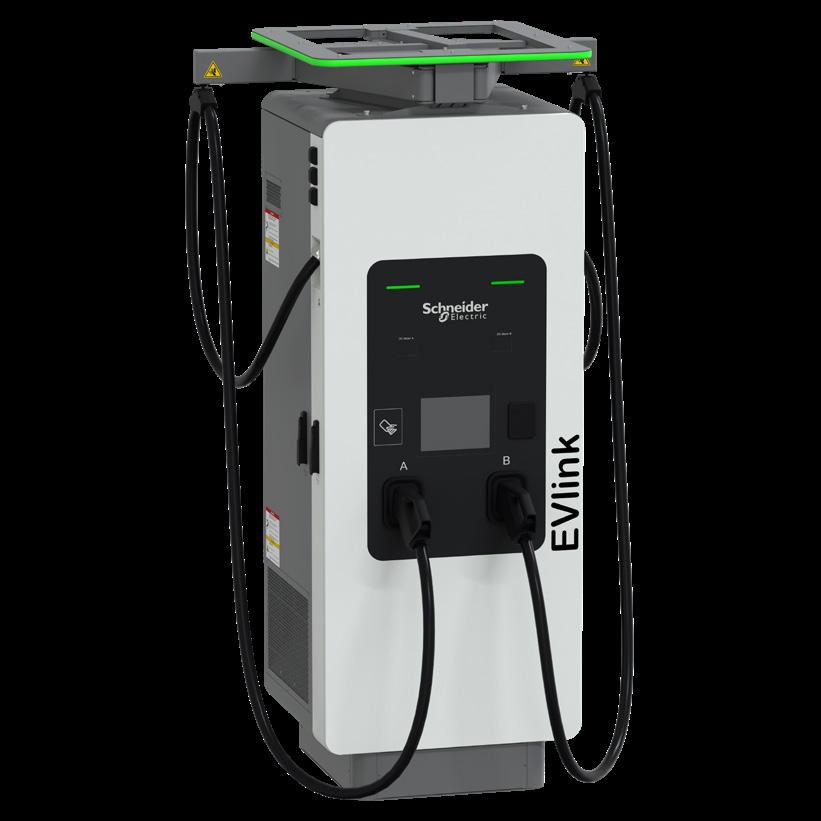
Unique features
Unique features
Flexibility
Flexibility
• Scalable from 60kW to 720kW
• Scalable from 60kW to 720kW
• Dynamic simultaneous charging
• Dynamic simultaneous charging
• Customizable for a specific project
• Customizable for a specific project
Robustness
Robustness
• 100% factor y tested
• 100% factor y tested
• Third-party lab certification for IEC 61851-1 ed3 and
• Third-party lab certification for IEC 61851-1 ed3 and
• IEC 61851-23/24 ed1
• IEC 61851-23/24 ed1
• Embedded electrical protections, including SPD
• Embedded electrical protections, including SPD
Serviceability
Serviceability
Advanced connectivity
Advanced connectivity
• Customer support in local language, backed by dedicated expertise, on-site or remotely
• Customer support in local language, backed by dedicated expertise, on-site or remotely
• Embedded Wi-Fi and 4G modem that enable remote monitoring and smart charging
• Embedded Wi-Fi and 4G modem that enable remote monitoring and smart charging
• Comprehensive manufacturer services covering the entire lifecycle, from installation and commissioning, to maintenance and modernization
• Comprehensive manufacturer services covering the entire lifecycle, from installation and commissioning, to maintenance and modernization
• Interoperability cer tified with dozens of CSMS (OCPP 1.6 Json)
• Interoperability cer tified with dozens of CSMS (OCPP 1.6 Json)
• Plug and charge functionality (ISO15118)
• Plug and charge functionality (ISO15118)
• High repairability level with full scope of available spare parts
• High repairability level with full scope of available spare parts

The hard problem of retiring solar panels and battery systems
Australia’s energy transition has been fast, visible and overwhelmingly popular. Rooftop solar has become a default household upgrade, mid scale solar arrays sit atop factories, warehouses and schools, and battery energy storage systems (BESS) are now promoted as essential companions to renewable generation. Consumer energy resources (CER) have shifted power away from centralised generation and into homes and businesses.
But every boom creates a shadow. As the first large wave of solar panels and battery systems approaches obsolescence, a less glamorous question is demanding attention: what happens when clean energy infrastructure reaches the end of its life?
Disposing of or recycling solar photovoltaic (PV) panels and householdto-mid-scale BESS systems is proving far more complex than their installation. The challenge is technical, economic and environmental – but it is also a Work health and Safety (WhS) problem, with risks borne by electricians, installers, waste handlers, and emergency responders, rather than end users.
Solar panels: long life, long tail
Solar panels were designed to last decades, not to be dismantled. A typical crystalline silicon panel is a laminated sandwich of glass, polymer encapsulant, silicon cells, copper conductors, silver paste, solder containing lead, and an aluminium frame. Thin-film panels add further complexity, potentially containing cadmium, or other hazardous compounds.
In theory, much of this material is recyclable. In practice, separation is difficult and costly. The lamination that protects panels from weather for 25 years also resists disassembly. Thermal and chemical processes can recover glass and metals, but the economics are marginal, particularly when compared to cheap virgin materials. Scale adds another complication. Panels are distributed across millions of rooftops and thousands of commercial buildings. Collecting, transporting and processing them requires logistics more akin to municipal waste than traditional industrial recycling.
As a result, the industry has historically relied on landfill as the path of least resistance. That option is closing. Jurisdictions are introducing landfill bans and product stewardship schemes that make manufacturers

and importers responsible for endof-life outcomes. These policies are necessary, but they are arriving faster than recycling capacity, creating a risk of stockpiling and informal disposal.
Batteries: fewer units, higher stakes
household and mid-scale BESS systems store significant energy in compact forms, most relying on lithium-ion chemistries, such as lithium iron phosphate (LFP), or nickel manganese cobalt (NMC). At end of life, systems may retain substantial charge, while internal degradation, moisture ingress, corrosion, or firmware faults can leave them unstable. Physical damage during removal or transport can trigger thermal runaway, producing heat, toxic gases, and fires.
Mid-scale systems amplify these risks. higher capacities and multiple modules increase the consequences of failure. Recycling pathways for lithium-ion batteries are improving, but capacity remains limited. Transporting endof-life or damaged batteries invokes dangerous goods regulations, and interim storage can become a critical risk point if batteries are stacked, mixed, or stored in unsuitable environments.
Consumers rarely see the end-of-life phase of CER systems. That work is performed by electricians, solar technicians, labourers, waste workers, and recyclers – often under time pressure and cost constraints. They face a convergence of hazards uncommon in other trades: live electrical systems, stored energy, work at heights, heavy and awkward loads, fire risk, chemical exposure, and degraded materials. The perception that renewable energy systems are inherently safe can lead to underestimating these risks.
Removing obsolete CER systems is not simply installation in reverse. Age, damage and undocumented modifications change the risk profile. DC circuits may remain energised, isolation devices may be degraded, and battery management systems may not respond as expected. Weathered panels are more fragile,
roof fixings may be corroded, and batteries may be heavier than expected, due to integrated enclosures.
Key hazards include electrical shock, stored energy, falls from height, manual handling injuries, fire and explosion from damaged batteries, and chemical exposure from degraded polymers or battery electrolytes. These risks demand controls that are specific to decommissioning, not generic electrical work.
Effective WhS planning begins with task-specific risk assessment, and competent, trained personnel. Workers must follow shutdown procedures, verify isolation, and treat all circuits and batteries as live until proven safe. Mechanical aids should be used for heavy panels and battery modules, and fall prevention systems implemented where necessary. Batteries require special handling, and storage in fire-resistant, ventilated areas. Appropriate personal protective equipment, emergency preparedness, and compliance with waste transport regulations are essential.
In early 2026, industry publication
SolarQuotes reported on a Clean Energy Regulator update about multiple incidents involving overheated and melted AC plugs on certain Sigenergy inverter and battery systems. The failures led to inverter derating, system shutdowns and at least one small fire, prompting scrutiny of both manufacturers and installers. The regulator highlighted the importance of early, transparent escalation of emerging safety risks, noting that delays in reporting systemic faults were a serious concern.
Failure to identify and report safety issues can lead to enforcement action, including suspension or removal from the Smallscale Renewable Energy Scheme (SRES).

Neil Roberts Director of Policy, Technical and Safety
Installers were reminded that repeated non-compliance, such as incorrect labelling or inadequate documentation, can have scheme-wide consequences. From 2026, installers must submit geotagged, timestamped photographs of critical safety labels and signage, to support compliance audits. This case underscores that latent defects often only become apparent during removal, transport or storage, reinforcing the need for robust inspection, documentation, and escalation processes.
The retirement of CER systems sits within Australia’s regulatory framework. Under the model WhS Act, persons conducting a business or undertaking (PCBUs) have a primary duty of care to ensure the health and safety of workers and others. Age and obsolescence increase foreseeable risk, requiring higher standards of planning and control. Installers must comply with electrical safety legislation and licensing requirements, and dangerous goods regulations apply to lithium-ion batteries. Product stewardship schemes improve environmental outcomes, but do not remove WhS duties from those handling systems. End-of-life CER systems are regulated assets until rendered safe and appropriately processed.
The difficulties of recycling today’s solar panels and batteries reflect design decisions made years ago, when endof-life impacts were an afterthought. As Australia accelerates deployment of larger and more complex CER systems, future designs must prioritise disassembly, safer chemistries and clear take-back pathways.
The energy transition does not end when a system is switched off. It ends when panels and batteries are safely removed, responsibly processed, and kept out of landfill – and when workers return home without injury. how Australia manages the retirement of solar and battery systems will be a decisive test of whether clean energy is truly sustainable.
The surge in Australian Electric Vehicle (EV) adoption is undeniable, with over 157,000 sales last year, representing a 38% increase compared to 2024. This transition, while essential for the energy future, presents a challenge to our existing electrical infrastructure. To put the impact in perspective, just one AC EV charger can draw power comparable to an entire commercial hVAC system –historically the largest contributor to a building’s electrical load. The introduction of multiple chargers at a single site will create the most significant increase in electrical demand we have ever seen, challenging today’s use of load diversity.
The solution is clear. Since EV chargers are a highly controllable load, we have the opportunity to manage this increased demand intelligently. It is no longer enough to simply install an EV charger without considering automated load management. A load management solution is essential to prevent overloads, that are disruptive at best, and potentially hazardous otherwise.
What is automated load management?
Automated load management, also known as load balancing, is essentially software that monitors an electrical supply and, in the case of EV charging, conveys precise limits to EV chargers, based on the amount of unused capacity. This process occurs continuously, often at subsecond intervals, and an optimal amount of power is delivered to an EV. Once set up, no human intervention is required.
Two types of load management systems
There are broadly two ways that load management software is hosted:
½ local control;
½ cloud-based control.
Local control is where a device hosting the load management software is physically located at the site where EV charging takes place. Cloudbased control is remotely located and
requires EV chargers and meters to have an internet connection.
While not all local controllers have the same functionality, they can potentially do anything a cloudbased controller can. The choice of local versus cloud-based control will often come down to your choice of a charging management system provider and the convenience of what they offer commercially. But note that a cloudbased control system incorporating load management still requires local hardware to convey a supply’s metering values back to the cloud.
There are also some distinct advantages to local control. Perhaps the clearest advantage is that EV charging can often occur without being connected to the internet. In Australia, the internet is unavailable for about 30 seconds per week on average. Charging networks requiring a customer to be authorised via payment present a challenge, as they often require a live internet connection.
Other advantages to local control include the potential for faster response times, due to dedicated hardware and fast local networks. Local load management decisions can often be made subsecond, which can be important to avoid continuous excessive load on a circuit breaker. Meter observations at the EV charger should occur at least once per five seconds and, ideally, once per second. In consideration of network bandwidth and cloud resources, some cloud-based systems require EV charger meter observations at a frequency of no greater than once per minute. Slower observations can present a challenge for cloud-based control in terms of their reaction time, and a strategy to compensate for that is to build in headroom on a circuit. such that an EV charger may not always reach its potential to deliver a full charge.

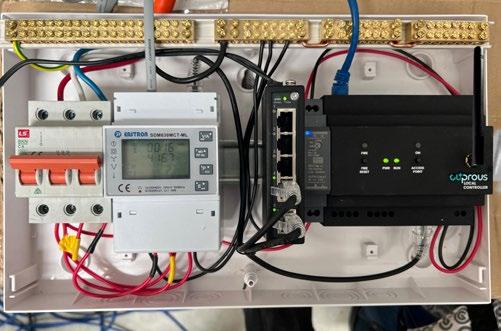
Chargefox is purportedly Australia’s largest and fastest growing EV charging network, and lists several load management systems under its approved-hardware list. All of these are in the category of local control and are interoperable with many different types of charger.
By contrast, many EV charger manufacturers offer local control, but only for their own brand of chargers. Typically, one charger in a group is configured to take on the load management function. If being confined to one brand of charger is acceptable, then this may be an option for you.
Many chargers offer connectivity with a variety of cloud-based load management, most often with interoperability across different chargers. This list is large, but a good place to start is with the Open Charge Alliance, and subsequently querying each management system’s website about their load management capabilities.
The accelerating adoption of EVs in Australia requires automated load management to prevent circuit overloads. Because the existing approach of load diversity cannot accommodate the high, continuous draw of EV charging, implementing automated load management is crucial for maintaining the reliability of an electrical supply and avoiding hazards.
The market offers both site-based (Local Controller) and remote (Cloud-based Controller) solutions, with local control often providing superior resilience and faster response times for dynamic load protection.
Christopher Hunt Co-founder Cuprous Pty Ltd
Tried, tested and backed by businesses just like yours, the HiLux is a leader in its field for a reason. And the New Toyota HiLux is no different. Born from generations of hard work, it’s designed to offer unparallelled performance and reliability that’s second to none.
When the stakes are high, and trust is a must, choose Toyota for Business. To unlock your Association Fleet Discount, visit your local Toyota Dealer.
Pre-production model shown

Find out more about the New Toyota HiLux

especially in the technical trades that underpin the energy transition, is profound yet often overlooked.
The trades, especially in the UEE Electrotechnology Training Package, are the connection points for workforce needs, sustainability targets, and social inclusion goals. here at Powering Skills Organisation (PSO), we have taken significant steps to ensure that our critical training framework responds to the structural shifts that ESG demands, embedding elements of environmental stewardship, workforce diversity, and governance into the way Australia builds its future energy workforce.
At the heart of the “E” in ESG is the transition to a low-carbon economy; a shift that is fundamentally skills driven. As Australia accelerates renewable energy deployment, from solar rooftops to battery storage and wind farms, the demand for electrotechnology workers who can design, install and maintain these systems grows rapidly. PSO’s projects, including our full Training Product Review of the UEE package, explicitly aim to align qualifications with emerging technologies and sustainability needs, future-proofing pathways that link learners with the environment-focused jobs of tomorrow.
This alignment reflects global trends; vocational education and training has been identified by international bodies like the OECD as central to preparing workers for ‘green-driven’ jobs, where the skills to support low-carbon systems will soon become core competencies.
I’M
SURE YOU h AVE SEEN IT; ENVIRONMENTAL, SOCIAL, AND GOVERNANCE (ESG) FRAMEWORKS h AVE MOVED FROM BOARDROOM ChECKLISTS TO ACTUAL STRATEGIC LENSES, T hROUGh W hICh ORGANISATIONS MEASURE LONG-TERM VALUE CREATION.
ESG’s social component speaks to human capital, equity, and accessibility; all areas where the VET sector is under pressure to modernise. The data is stark; one of our recent reports highlighted persistent training bottlenecks, notably a shortage of educators and training infrastructure, that delays apprentice progression and limits access to advanced technology training. These constraints undermine not just productivity but the social promise of vocational pathways as engines of opportunity.
PSO’s own workforce planning and training projects are responding with renewed focus on diversity and participation. From analysing lowand no-enrolment qualifications, to ensure resources target high-impact pathways, to emphasising broad access in foundational certificates, there is a clear social equity agenda embedded in these reforms.
Critically, projects like the development of the Energy Sector Gateway Certificate II are designed to broaden entry points into the industry, not just for traditional apprentice cohorts, but for learners from diverse backgrounds, including women, First Nations people, and those historically underrepresented in trades. This is not tokenism, but strategic workforce-building, that serves both industry demand and social inclusion outcomes.
The “G” in ESG has also evolved, no longer driving just board conduct, but how decisions are made, who has a

voice, and how systems adapt over time. PSO exemplifies governance in action through its multitiered stakeholder engagement model, bringing employers, unions, government, and training providers together to co-design training currency and relevance.
This consultative approach underpins major qualification reform, ensuring governance is not just top-down but reflective of lived industry needs. This model strengthens legitimacy, reduces mismatches between training and employment realities, and embeds industry stewardship into the VET system itself.
ESG is no longer an “add-on” to corporate strategy; it is a framework that informs how we train, who we recruit, and what skills we prioritise.
Now is the moment for industry to lean into this transition. We implore industry to engage with PSO; it’s how your voice influences training product design, supports RTOs and TAFE to build capacity for emerging technology content, and champions inclusive apprenticeships, that reflect the social values underpinning strong ESG performance.
By doing so, we not only strengthen electrotechnology as a profession, we ensure that our workforce is skilled, sustainable, resilient, and ready to meet the demands of a net-zero future. The future of our industry depends on these choices and action must start now.
Steve Hall GM Projects - Powering Skills Organisation Ltd


EVERY SPARKIE KNOWS T hE PRESSURE T h AT COMES WIT h T hE TRADE. LONG DAYS ON T hE TOOLS, TIGh T TIMELINES, RESPONSIBILITY ON SITE, AND T hE CONSTANT EXPECTATION
TO GET IT RIGh T T hE FIRST TIME. ADD T hE DEMANDS OF LIFE OUTSIDE WORK, AND IT DOESN’T TAKE MUCh FOR T hINGS TO QUIETLY STACK UP. THAT’S WHY TIACS EXISTS.
TIACS is the home of blue collar counselling.
We’re a free and confidential mental health counselling service built for sparkies, tradies, truckies, farmers, apprentices, blue collar workers, and their loved ones.
At TIACS, we keep things simple. When someone reaches out, they get real conversations with professional counsellors who genuinely understand the pressures of life on the tools, the long days, the tough jobs, the unpredictability, and the culture that comes with working in the trades.
Support is available nationwide, via text or call, Monday to Friday, 8am–10pm AEST, whether you’re on site, on the road, out on the land, or backing someone who is. TIACS is about more than support, it’s about being there, making things simpler, and creating real change where it matters to you most.
For sparkies, TIACS is built to fit the way you work. You can reach out
during smoko, after a long shift, or in those moments when things feel a bit heavier than usual. If talking feels like too much to start with, a text is an easy first step. And once you’re connected, you stay with the same counsellor throughout your journey, so you don’t have to retell your story.
The conversations are honest, pressure free, and move at a pace that works for you. People contact TIACS for all sorts of reasons; worksite stress, relationship pressures, family challenges, or simply needing someone outside the crew to talk through things. There’s no judgement, just genuine, relatable conversations.
TIACS exists because the industry stands behind it. Right across Australia, trades, construction, and blue collar businesses help fund the service, so workers can reach out for professional support without worrying about the cost. A lot of sparkies first hear about
TIACS from their boss, someone on their crew, or a mate, so sharing the number genuinely makes a difference, and you never know who might need to take that first step. Generous businesses help fund the service so workers can reach out for professional support without worrying about the cost.
Whether you’re running a business, leading a team, or doing an apprenticeship, TIACS is here to support you and the people you work alongside.
Get in touch with TIACS today, even if you’re unsure. Reaching out is a good place to start
Text or call: 0488 846 988
Hours: Mon to Fri, 8am–10pm AEST
Website: www.tiacs.org
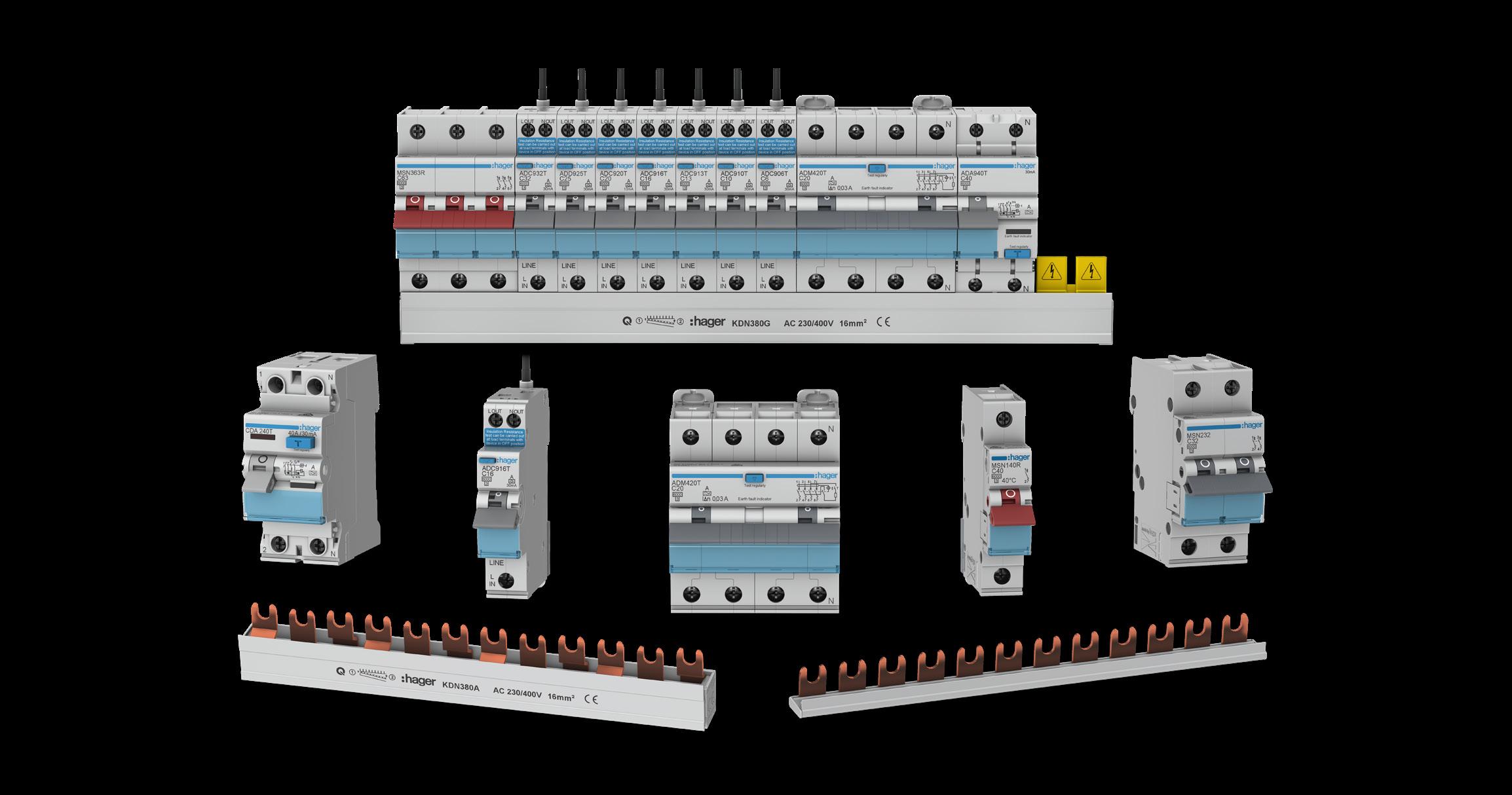
Hager’s onekonekt system offers the most versatile and flexible solutions to electricians on the market today.
This system consists of a large and evolving range of compact protection devices for both single phase and three phase installations that connect flexibly via a common busbar arrangement.
Ultimately, the Hager onekonekt system makes wiring easier, increases safety, and significantly reduces installation time vs traditional cabling.
Ultimately, the Hager onekonekt system makes wiring easier, increases safety, and significantly reduces installation time vs traditional cabling.
Hager’s onekonekt system offers the most versatile and flexible solutions to electricians on the market today.
Hager’s KCL36xL Vertical Busbars are three-phase cable replacement devices that save space and time and offers a solution to minimise concerns over conductor stress and bend radius.
Hager’s KCL36xL Vertical Busbars are three-phase cable replacement devices that save space and time and offers a solution to minimise concerns over conductor stress and bend radius.
This system consists of a large and evolving range of compact protection devices for both single phase and three phase installations that connect flexibly via a common busbar arrangement.
hager.com/au
Ultimately, the Hager onekonekt system makes wiring easier, increases safety, and significantly reduces installation time vs traditional cabling.


Hager’s KCL36xL Vertical Busbars are three-phase cable replacement devices that save space and time and offers a solution to minimise concerns over conductor stress and bend radius.


Ask your local wholesaler about UPS battery backup.