NOTE : Every topic in this magazine is refined to its finset by ChatGPT 4 REACH US OUT
COMPOSEDBY
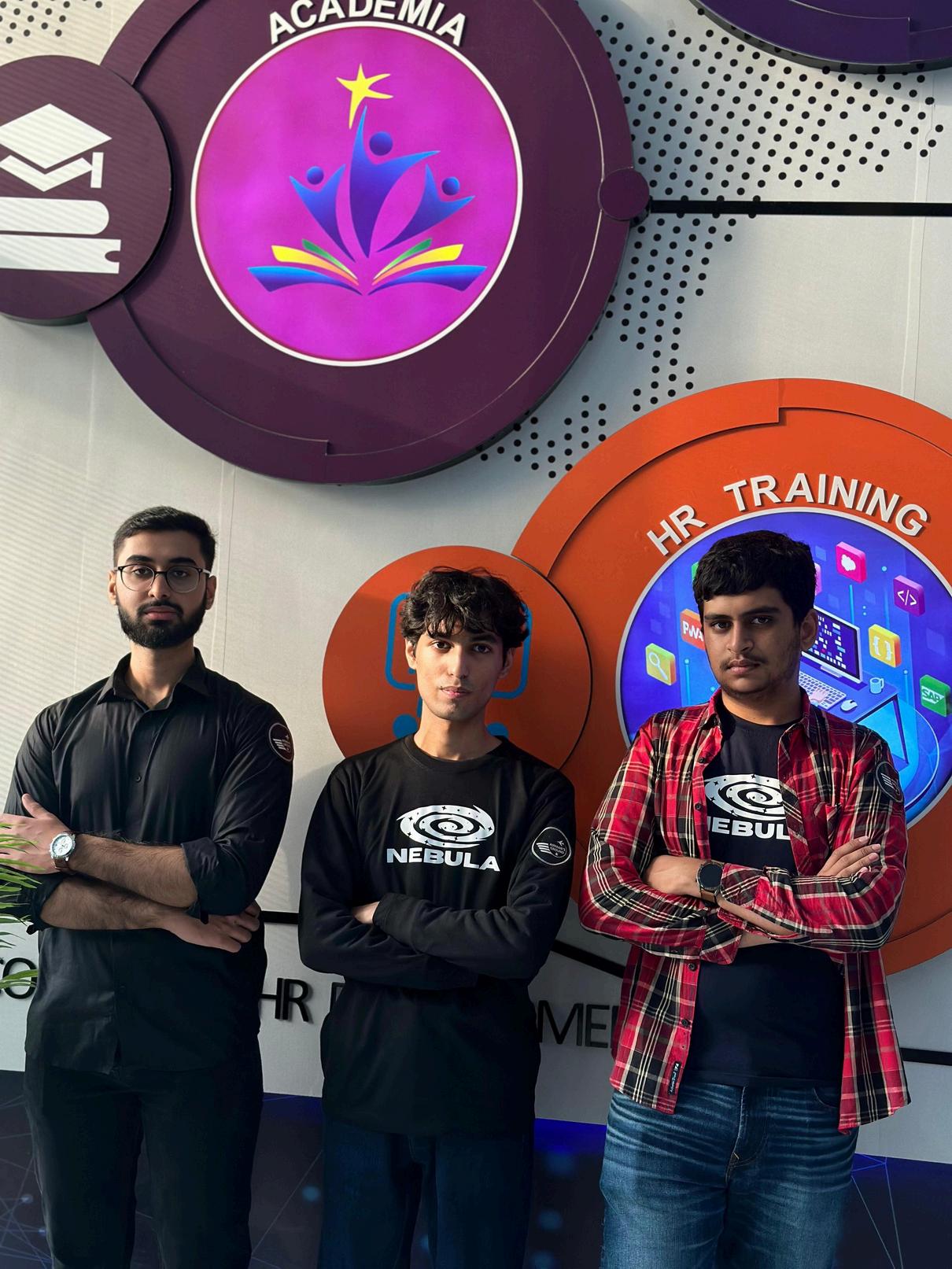
Mehar is a dynamic team leader, inspiring growth for nebula, fostering innovation, and delivering excellence in every endeavor.
Haashir tries To Derive Nebula with a talent for turning bold ideas into reality, keeping it fresh, fun, and always reaching for the stars.
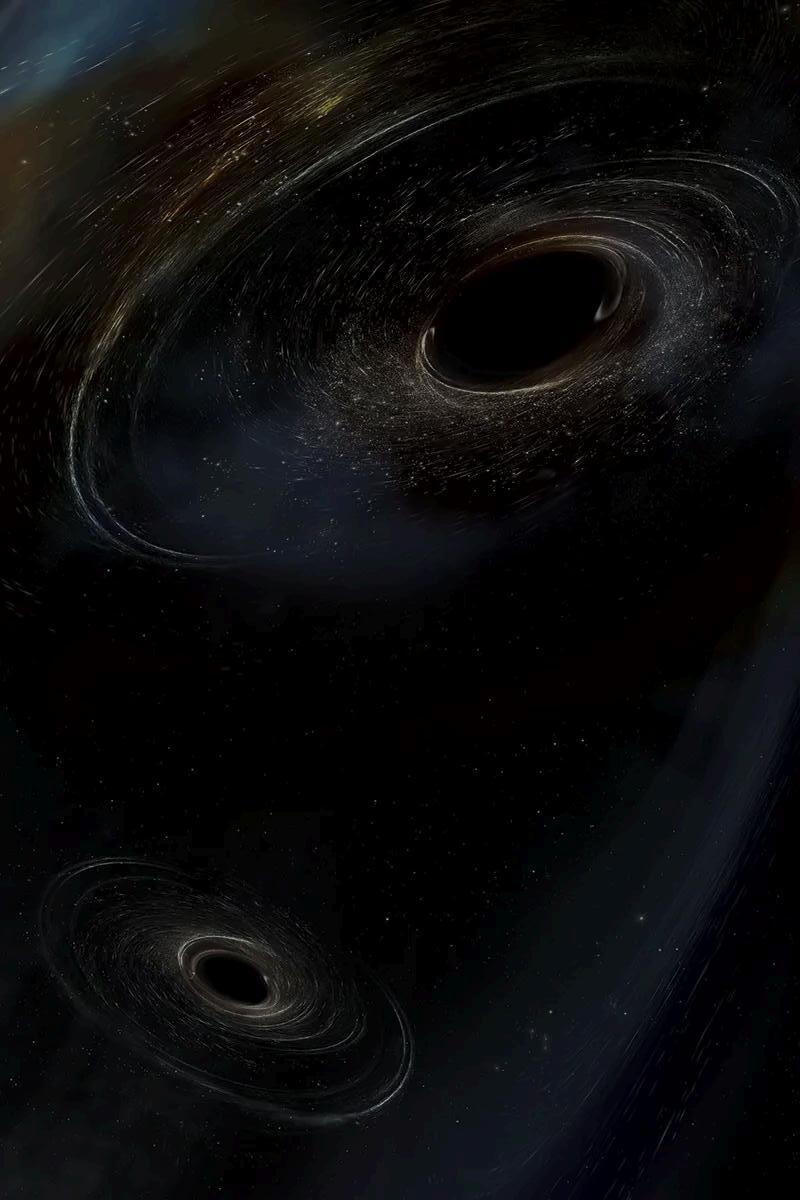
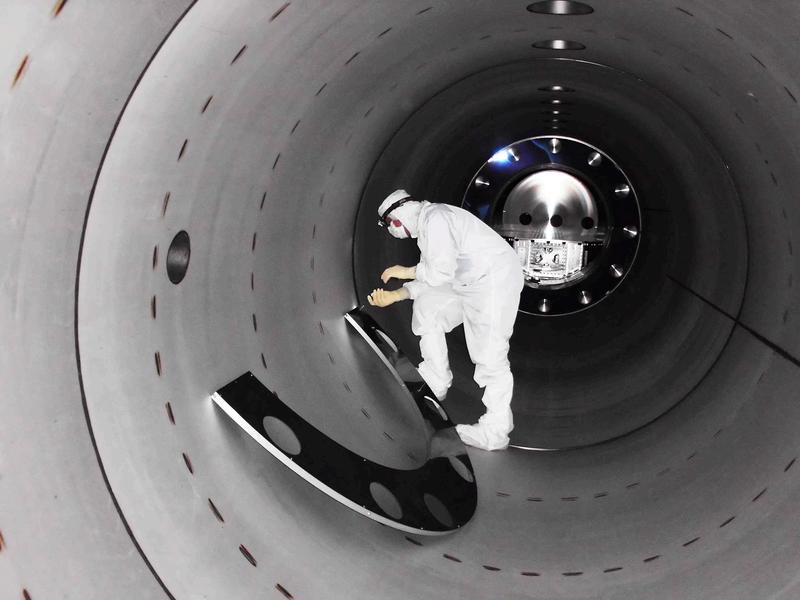
BLACKHOLES PAIR DETECTION
By Mehar Ali
PEACE MACHINE
THE OBSERVATION OF BLACK HOLE PAIRS SUGGESTS THE POTENTIAL EXISTENCE OF NEW, UNIDENTIFIED PARTICLES THAT MAY INFLUENCE THEIR FORMATION, INTERACTIONS, OR RADIATION PATTERNS
References
Abbott, B P , et al (2016) Observation of Gravitational Waves from a Binary Black Hole Merger. Physical Review Letters, 116(6), 061102.
1 Event Horizon Telescope Collaboration (2019). First M87 Event Horizon Telescope Results. The Astrophysical Journal Letters, 875(1).
2. Amaro-Seoane, P , et al (2017) Laser Interferometer Space Antenna arXiv:1702 00786
4
3 Schutz, B F (2011) Networks of Gravitational Wave Detectors and Three Figures of Merit Classical and Quantum Gravity, 28(12)
5
Cutler, C , & Thorne, K S (2002) An Overview of Gravitational-Wave Sources
Black holes, the enigmatic remnants of collapsed stars, have captured the imagination of scientists and stargazers alike. In recent years, one of the most exciting breakthroughs has been the detection of binary black holes two colossal objects locked in a cosmic waltz before merging in a spectacular burst of energy This fascinating discovery is not just a feat of modern science but also a gateway to understanding the universe’s most profound mysteries
The Science Behind Binary Black Holes
Binary black holes are gravitationally bound systems where two black holes orbit a shared center of mass These pairs form through two main mechanisms:
1. Stellar Evolution: When massive binary stars reach the end of their lives, they can both collapse into black holes, remaining gravitationally tethered
2. Dynamical Encounters: In dense environments like globular clusters, lone black holes can capture each other through gravitational interactions.
Over time, these systems lose energy by emitting gravitational waves, as predicted by Einstein’s General Theory of Relativity. This process causes them to spiral closer together, culminating in a dramatic merger that sends ripples through spacetime.
How Do We Detect Them?
Detecting binary black holes requires cutting-edge technology and innovative approaches:
1. Wave Observatories
Pioneering instruments like LIGO (Laser Interferometer GravitationalWave Observatory) and Virgo have transformed our ability to detect spacetime ripples. When black holes merge, they produce a characteristic “chirp” signal a rapid increase in frequency and amplitude that these observatories capture with remarkable precision.
2. Electromagnetic
Observations
Although black holes themselves are invisible, their interaction with nearby matter can create detectable electromagnetic signals Instruments like the Event Horizon Telescope (EHT) and X-ray observatories such as Chandra search for these emissions, providing complementary data to gravitational wave findings
3. Computational Simulations
Supercomputers play a vital role in understanding black hole dynamics
Researchers simulate mergers and their gravitational wave signatures, creating templates to match o s
Why It Matters
The detection of binary black holes has profound implications for both astronomy and physics:
Proving Einstein Right:
Gravitational wave observations have become a powerful tool for testing General Relativity under extreme conditions.
Tracing Cosmic History:
Black hole mergers help scientists unravel the history of star formation and galactic evolution.
Broadening Our Horizons:
Missions like the upcoming Laser Interferometer Space Antenna (LISA) aim to detect lowerfrequency waves from supermassive black hole pairs, opening new windows into the universe
The Road Ahead
The journey to understand binary black holes is far from over Nextgeneration observatories, such as the Einstein Telescope and Cosmic Explorer, promise to detect fainter and more distant signals
Meanwhile, advancements in artificial intelligence are enhancing
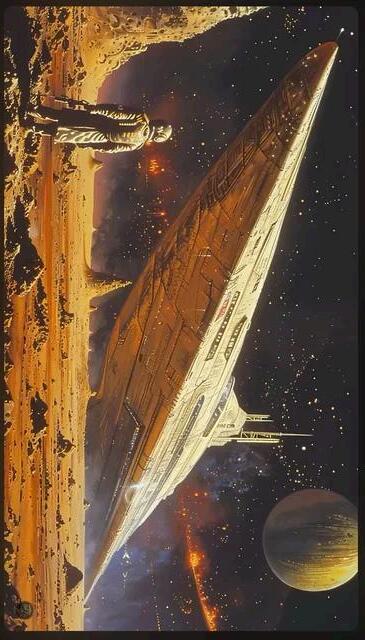
In an effort to spark the imagination and intrigue of younger generations, NEBULA is embarking on a creative journey with its upcoming novel, Echoes of the Fading Sun
This project is more than just a story it’s a venture into the heart of the human experience, pushing the boundaries of fiction and science, while inviting readers to reflect on the vastness of the universe
Through its compelling narrative, NEBULA aims to foster a deeper connection with space exploration, showcasing not just the wonders of the cosmos, but also the trials and tribulations of those who venture into the unknown. By combining the intricacies of survival in an alien world with the timeless themes of loss and hope, Echoes of the Fading Sun promises to captivate audiences, especially the younger generation, with its imaginative world and thought-provoking storyline.
The title, Echoes of the Fading Sun, carries profound significance, invoking images of a dying star casting its diminishing light over a desolate landscape. It reflects a poignant message about the fragility of life, both in the universe and in the lives of the characters within the novel The "fading sun" symbolizes not just the physical decline of a star, but the slow, inevitable passage of time and the fleeting nature of hope. Each echo that reverberates from this dying light serves as a reminder of the strength required to persevere when faced with overwhelming odds. The novel is not simply a tale of survival; it’s an exploration of the emotional and psychological landscape of its protagonist as he navigates a hostile world, haunted by the silence of space and the absence of human connection.
By delving into the depths of human resilience, Echoes of the Fading Sun challenges readers to confront their own perceptions of survival, isolation, and the unyielding desire to find meaning in a seemingly indifferent universe. The novel's core narrative explores more than just physical survival it delves into the mental and emotional toll of being alone in an alien environment, questioning the boundaries of sanity and the nature of life itself. As the protagonist grapples with his solitude, the novel invites readers to reflect on their own capacity for endurance and hope in the face of darkness. It is not merely a journey through space, but a journey into the psyche, where the boundaries between reality and the mind blur, and the echoes of a fading world reverberate louder with each passing day. This is a tale that will resonate long after the last page is turned, leaving readers with a sense of wonder, melancholy, and a renewed appreciation for the mysteries of existence.
Examplary Artwork
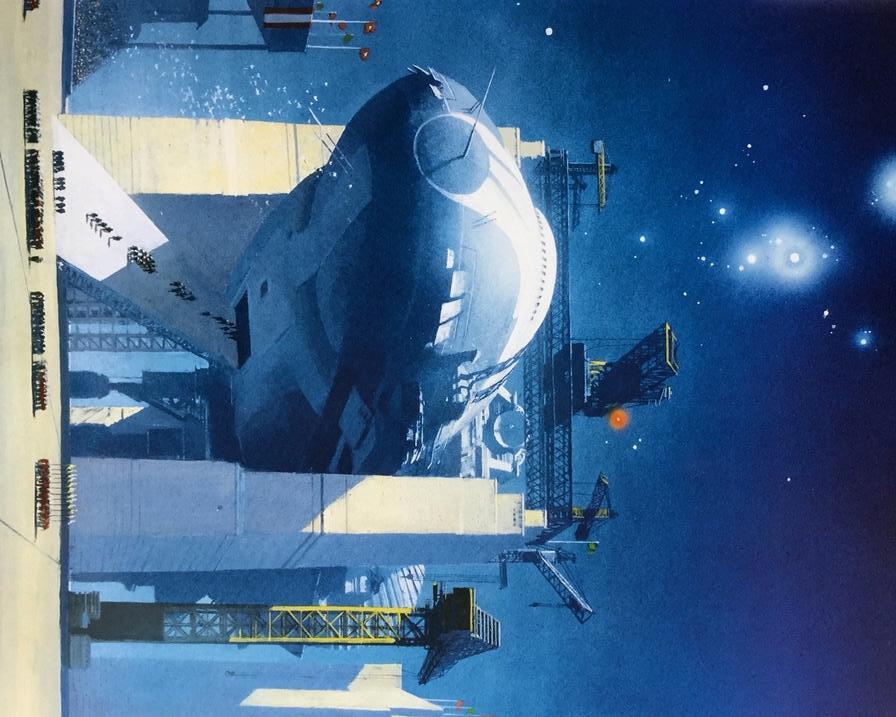
Examplary Artwork
Examplary Artwork
THAT'S A CATCH
By Mehar Ali
SpaceX's Starship has achieved groundbreaking progress in 2024, marking a new era in space exploration. With upgrades in design, successful orbital tests, and key roles in NASA's Artemis program, Starship is pushing the boundaries of human exploration toward the Moon and Mars Its focus on reusability, interplanetary travel, and affordability is bringing humanity closer to making space a realm for all.
2024 marks a pivotal year for SpaceX’s Starship, the fully reusable spacecraft designed to revolutionize space travel and exploration. As the company edges closer to its ultimate goal of making humanity a multiplanetary species, Starship continues to achieve remarkable milestones that capture global attention.
This year, SpaceX unveiled significant upgrades to the Starship system. The spacecraft’s stainless-steel design has been refined to improve its aerodynamic efficiency and heat resistance. Equipped with advanced Raptor engines, Starship is capable of producing an unprecedented thrust-to-weight ratio, enabling it to carry massive payloads to destinations as distant as Mars. Enhanced thermal protection systems also ensure the vehicle can withstand the intense heat of atmospheric reentry during its missions
After several iterations and tests, Starship completed its first fully integrated orbital flight test in early 2024. This landmark achievement demonstrated the spacecraft’s capability to achieve orbit and return safely to Earth, paving the way for operational missions. The test also validated key technologies such as in-flight refueling and precision landing, crucial for long-duration missions to the Moon and Mars
As a centerpiece of NASA’s Artemis program, Starship is poised to play a crucial role in returning humans to the Moon. In 2024, the spacecraft underwent rigorous testing to meet NASA’s requirements for crewed lunar landings With its spacious interior and ability to deliver large amounts of cargo, Starship will support the construction of lunar bases and provide a platform for deep space exploration
SpaceX has made significant strides in preparing Starship for interplanetary travel. The company is conducting life support system tests and simulations to ensure the spacecraft’s habitability for extended missions. Additionally, Starship’s capability to produce fuel from Martian resources using in-situ resource utilization (ISRU) is being refined, a critical step toward achieving self-sufficiency on the Red Planet
Beyond its technical achievements, Starship embodies a vision of breaking barriers and expanding human presence in the cosmos. In 2024, SpaceX has also intensified its efforts to make space travel affordable and accessible, with plans for commercial payload launches, space tourism, and even the construction of orbital habitats.
Each milestone brings humanity closer to a future where space is not just the realm of astronauts, but a frontier for all
Elon Musk with Donald Trump discussing Space X test drives
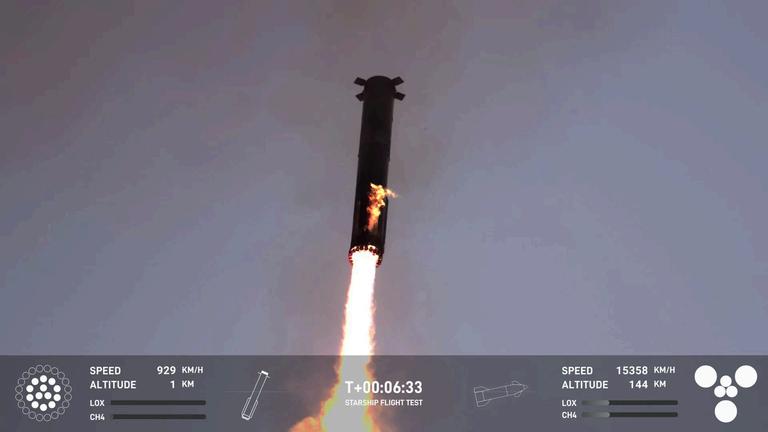
Launch of Starship
3DBRAIN
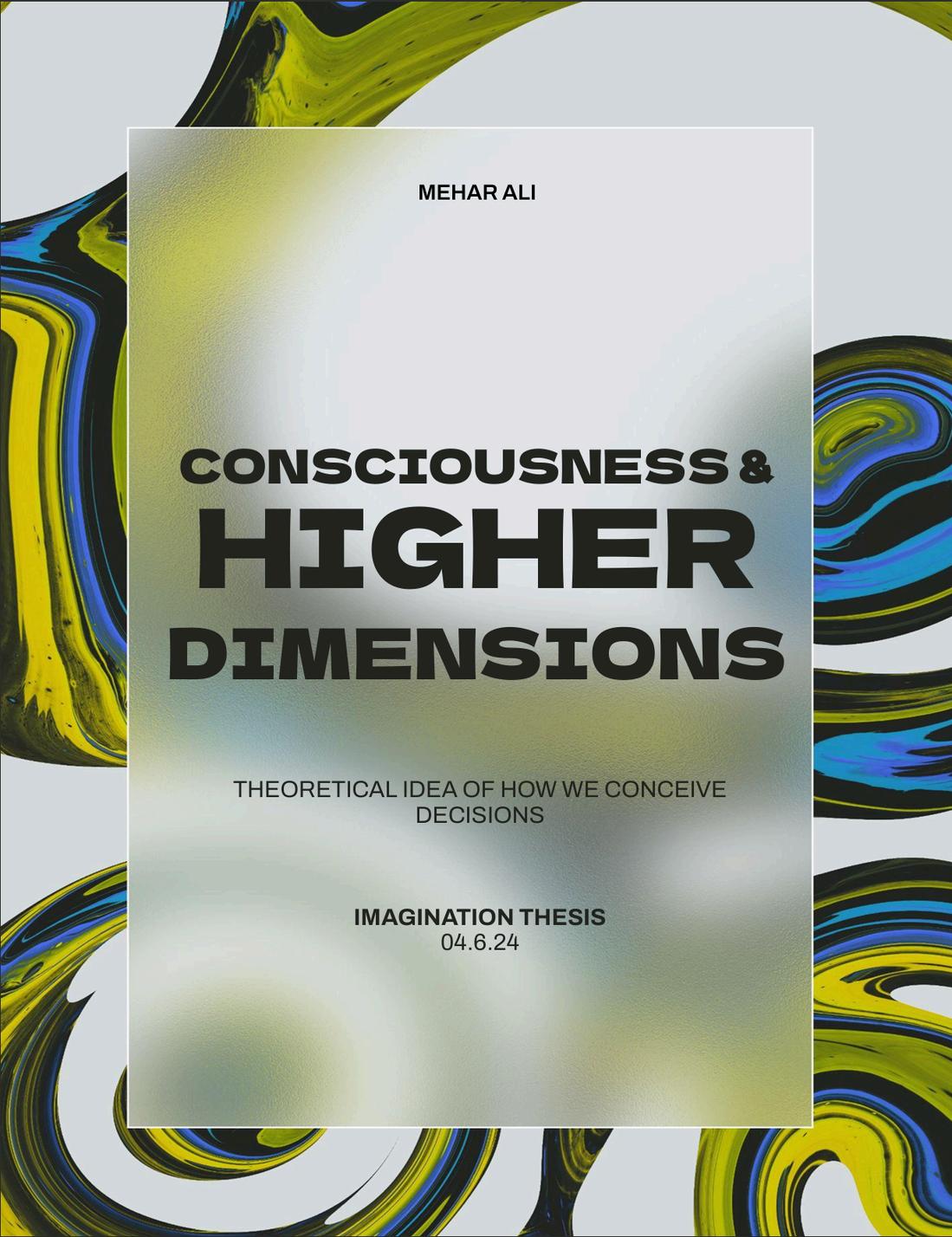
Exploring Memory, Consciousness, and Higher Dimensions
The intersection of neuroscience and theoretical physics offers a fascinating lens to rethink human memory and consciousness Traditionally, memory is viewed as a neural phenomenon, where experiences are encoded, stored, and retrieved through intricate brain processes Key regions like the hippocampus and prefrontal cortex play significant roles in this journey Yet, the mystery of where and how memories are fundamentally stored remains unsolved This article presents a bold hypothesis: memories might reside within the fourth dimension time and are accessed by the brain via higher-dimensional processes. Instead of static neural storage, memories could exist as dynamic coordinates in the spacetime continuum. This perspective challenges conventional neuroscience, proposing that human consciousness may operate within a higher-dimensional framework. Physics provides the backdrop for this exploration Einstein’s relativity defines time as a crucial component of spacetime, while theories like string theory and quantum mechanics open the possibility of higher dimensions beyond human perception Concepts such as quantum entanglement and superposition offer intriguing parallels to memory recall, where neural processes might "entangle" with temporal states to retrieve past experiences
Empirical neuroscience supports aspects of this view Memory recall often involves reactivating neural circuits associated with the original event, hinting at connections beyond simple synaptic plasticity Could these activations be guided by interactions with higher dimensions? Emerging interdisciplinary theories, like the quantum brain hypothesis and orchestrated objective reduction, suggest quantum phenomena might influence cognitive processes, reinforcing the potential link between brain function and spacetime. To test this hypothesis, researchers propose advanced experiments combining neuroscience and physics. Brain imaging techniques, like fMRI, could analyze memory retrieval patterns to identify signs of higher-dimensional interactions. Similarly, exploring quantum-like properties in neural processes may offer groundbreaking insights. If validated, this hypothesis could revolutionize fields ranging from cognitive science to artificial intelligence Practical applications might include enhancing memory recall, developing treatments for memory disorders, or even rethinking how artificial systems emulate human cognition
The implications stretch beyond science, urging us to reconsider fundamental questions about reality, consciousness, and our connection to the universe
NEBULA
By Mehar Ali
THE UNIVERSE REWARDS
THOSE WHO ARE DARED TO BE CURIOUS
Welcome to this issue of NEBULA Archives. Here, we bring you a blend of science, creativity, and discovery reflecting our passion for the cosmos and the questions that drive us. From updates on our Farnsworth Fusor reactor to glimpses of our creative projects, this edition highlights how Nebula continues to push boundaries, connecting science with imagination.
We hope these pages inspire you to explore, dream, and ask questions of your own After all, curiosity is where every great journey begins
- Mehar Ali
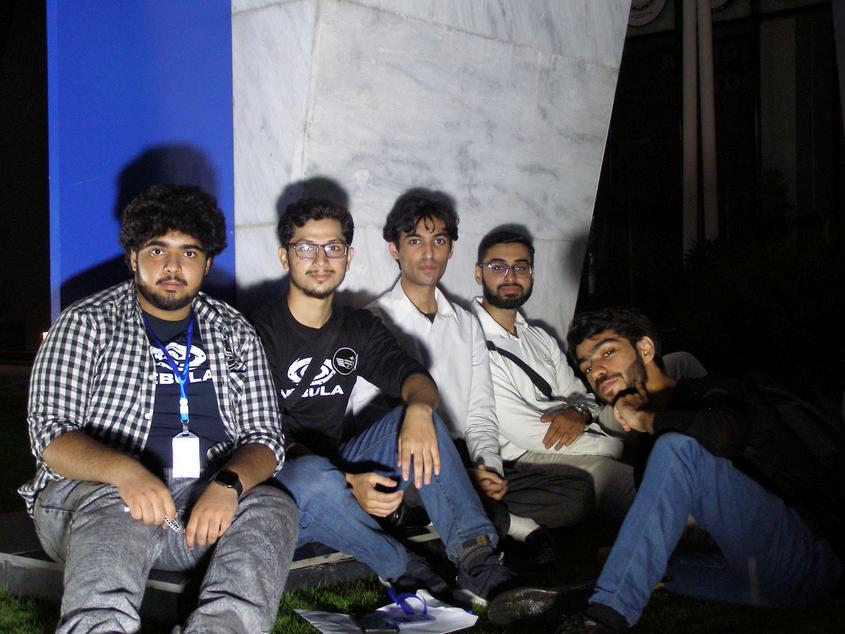
In the heart of Lahore, where the urban sprawl drowns the night sky in an endless glow of artificial light, the stars seem like distant memories Yet, it is here, amidst a city that seldom sleeps, that I found my purpose to bring the mysteries of the universe closer to those who dared to dream Nebula, the society I founded with a few close friends, was born not just out of curiosity, but out of a deep longing to reconnect people with the cosmos and the unanswered questions that surround it
The journey began with a simple yet profound dream: to inspire awe in those who had forgotten to look up It wasn’t easy Like most ideas, Nebula started small just a handful of friends, a shared interest in astronomy, and a burning desire to build something meaningful Together with Aflak and Shahzaib, we gathered individuals to buy our first telescope I remember feeling a mix of excitement and nervousness when the telescope finally arrived
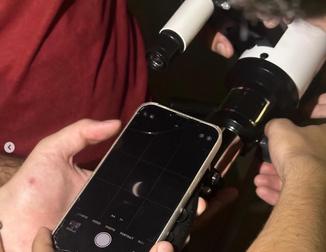
That telescope became the cornerstone of Nebula’s earliest activities. It was the instrument through which we invited people to witness the moon’s craters and the faint shimmer of distant stars. Our public moon-sighting nights became a celebration of wonder
But Nebula was never just about astronomy From the very beginning, I envisioned it as something much bigger an interdisciplinary platform where science, creativity, and collaboration could intersect. We expanded our horizons, hosting monthly astronomy discussions where ideas flowed freely, from debates about black holes to musings on quantum physics and the mysteries of consciousness These sessions became gatherings of minds
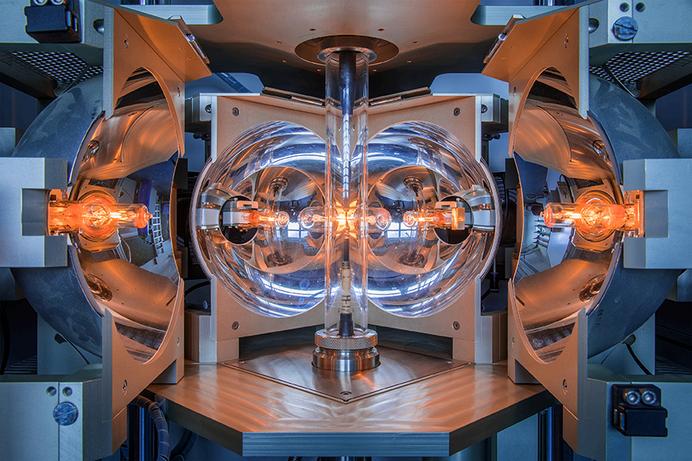
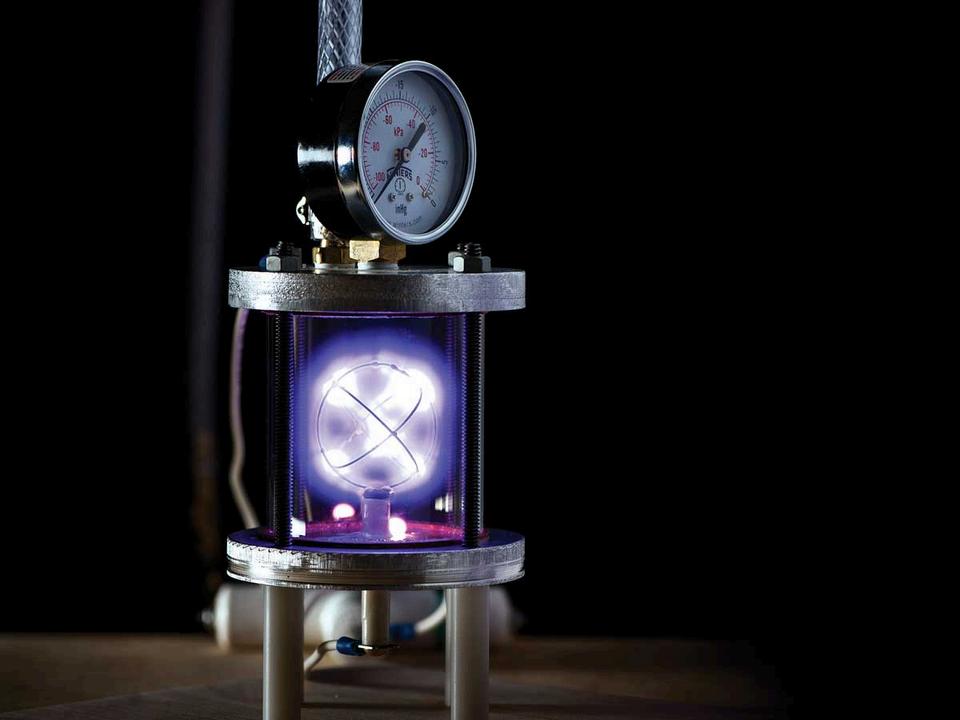
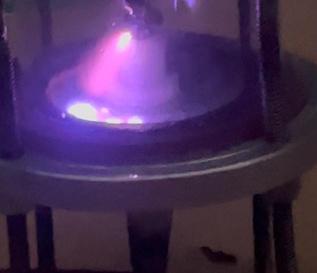
Our growth has been organic but steady Today, Nebula has evolved into something far greater than I initially imagined We’ve branched out into ambitious scientific projects, creative writing, and even artificial intelligence research One of our most challenging yet rewarding endeavors has been building a Farnsworth Fusor reactor It’s a project that speaks to Nebula’s spirit of innovation While traditional fusors use deuterium for fusion experiments, we’ve been experimenting with atmospheric gases to generate plasma an unconventional but promising approach It’s a work in progress, but every small success reminds us that great discoveries begin with bold ideas
Parallel to our scientific pursuits, we are also fostering creativity through Nebula’s writing initiative. The universe, after all, is not just numbers and equations it’s a story waiting to be told. Our team has begun crafting a novel that weaves together themes of astrophysics, quantum mechanics, and nuclear physics, blending science with imagination. Through this initiative, we aim to inspire not just scientists but storytellers, bridging the gap between art and science.
We’ve also laid the groundwork for initiatives in artificial intelligence and charity work, expanding Nebula’s reach to address the challenges of the future. The AI branch focuses on leveraging machine learning and data science to solve scientific problems, while the charity wing envisions outreach programs that use science and education to empower underprivileged communities I believe that science is for everyone, and Nebula is committed to making that belief a reality
Of course, none of this has been easy
As the founder, I’ve faced my fair share of challenges Balancing my academic responsibilities, managing projects, and ensuring Nebula’s growth has often felt overwhelming There have been moments of doubt and failure, but I’ve come to realize that these struggles are a necessary part of the journey. After all, the most brilliant stars are born under immense pressure.
Nebula has taught me the value of community, collaboration, and perseverance From the days of hosting small moon-sighting events to launching scientific and creative projects, this society has grown into a collective force for exploration and discovery It’s no longer just my dream it belongs to every member who has contributed their time, energy, and ideas
Looking back, I feel immense pride in what Nebula has become It started as a spark an idea born out of curiosity and a desire to connect people with the universe. Today, it stands as a testament to what can achieved with passionate.
As I write this, I can’t help but think about the future. Where will Nebula be in a decade? I don’t have a clear answer, but I know this: as long as we continue to ask questions, push boundaries, and look up at the sky in wonder, Nebula will endure Because the universe rewards those who dare to be curious
And curiosity, as I’ve learned, is the most powerful force of all
Dear NEBULA Enthusiasts,
As the founder of NEBULA, first of all I am humbled and thank full to God who made this all possible for us and inspired by the incredible journey we’ve undertaken together. What began as a vision to explore the mysteries of the cosmos and the wonders of quantum level of thoughts has blossomed into a thriving community changemakers.
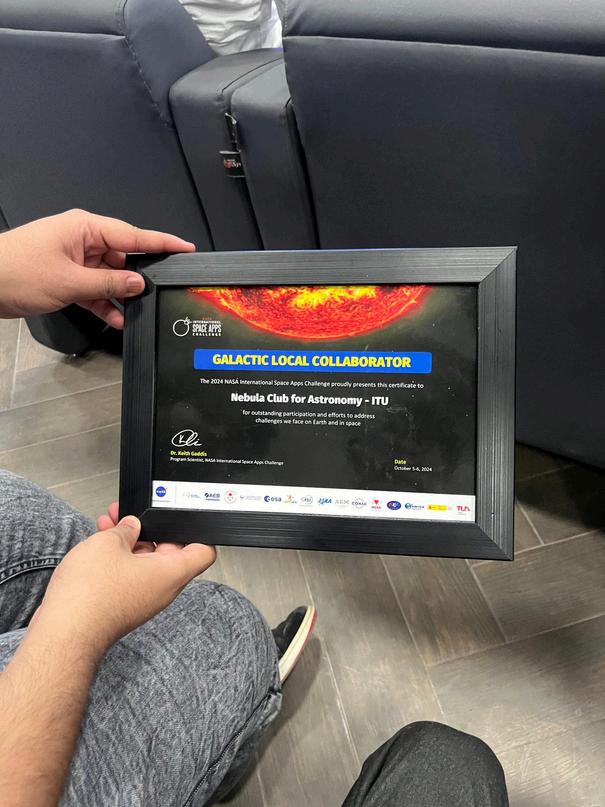
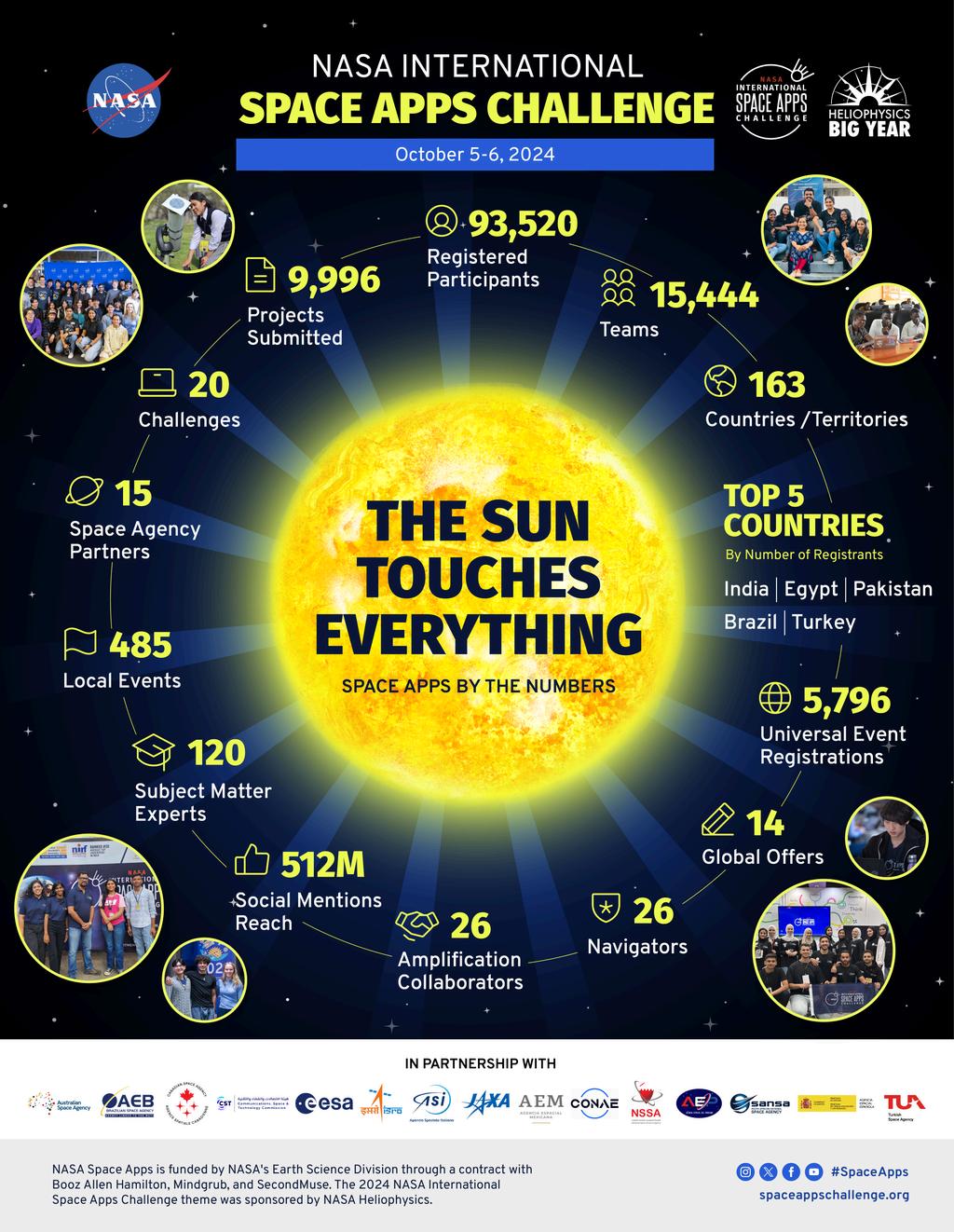
NEBULA is more than just an organization; it’s a platform for bold ideas and ambitious projects. From conducting hands-on experiments like our simplified Farnsworth Fusor to crafting compelling narratives such as Echoes of the Fading Sun and Cloud Chamber, we’ve consistently pushed the boundaries of what’s possible. Managing the NASA Space Apps Challenge in Lahore and also getting selected as global nominies was another testament to the extraordinary potential of our team
But what truly sets NEBULA apart is our commitment to growth not just for the orgaanization, but for each individual within it Our initiatives, whether it’s building a plasma reactor, designing educational games, or advocating for sustainability, are all driven by a shared belief: that curiosity and collaboration can change the world
To our team leads Shahzaib, Shes, Umer, Aflak, Hashir, Emad Bilal, Abdullah, Wahaj and Affan you embody the spirit Each of you brings unique strengths that fuel our collective progress, and I trust that with focus and accountability, we can achieve even greater heights
Looking ahead, I am excited about our upcoming ventures From groundbreaking science experiments to sustainable innovations, we are poised to make a lasting impact Remember, NEBULA’s strength lies in its unity, resilience, and unrelenting passion for discovery
Thank you for being part of this incredible journey Together, let’s continue to reach for the stars and beyond
For All Time, NETWORK OF ENTHUSIASTS FOR BOUNDLESS UNIVERSE LEARNING AND ANALYSIS
Clear Skies!
Mehar Ali Founder, NEBULA
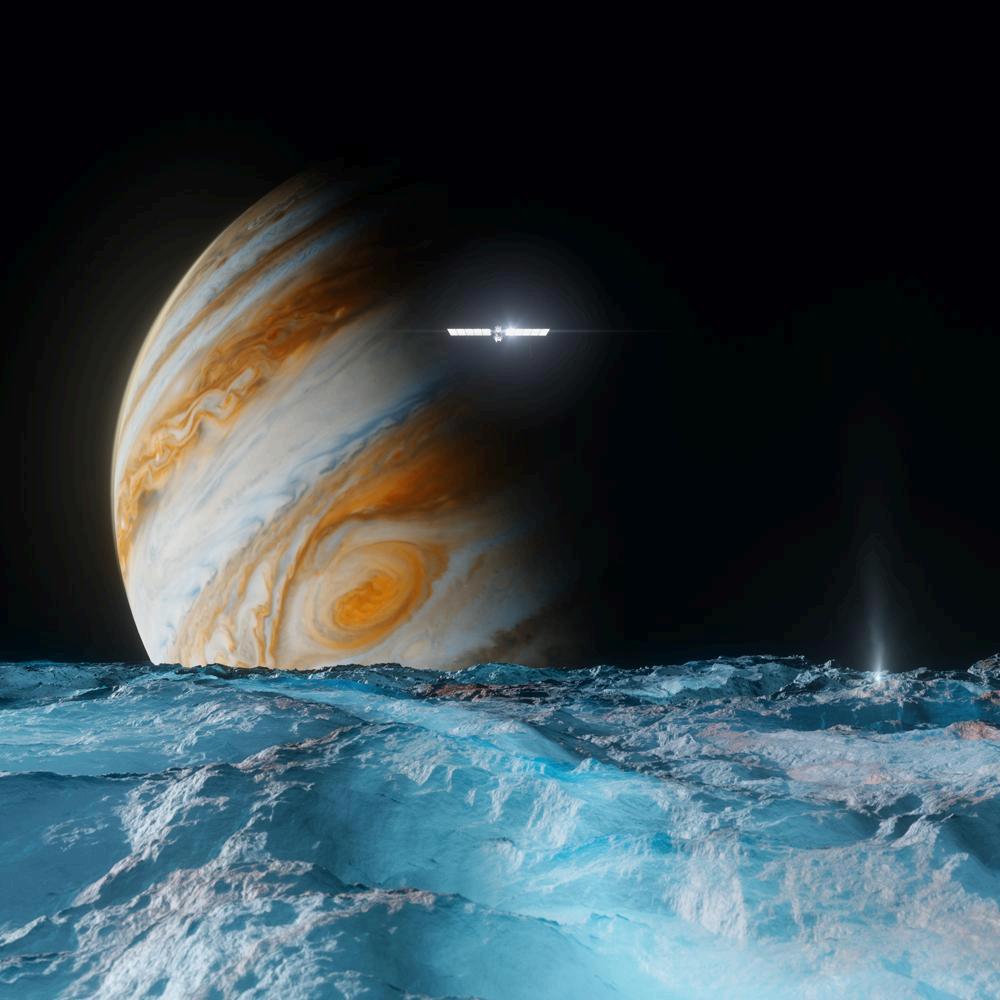
EUROPA CLIPPER
By Mehar Ali
NASA’S EUROPA CLIPPER MISSION AIMS TO UNCOVER THE SECRETS OF AN OCEAN HIDDEN BENEATH EUROPA'S ICY CRUST, WHILE CARRYING A SYMBOLIC GOLDEN CHIP ETCHED WITH HUMANITY'S LEGACY A REMINDER OF OUR CURIOSITY AND HOPE TO CONNECT WITH THE COSMOS
Among the celestial bodies in our solar system, Jupiter’s moon Europa has long captivated scientists with its potential to harbor life Beneath its icy crust lies a vast ocean of liquid water, making it one of the most promising places to search for extraterrestrial life Enter NASA’s **Europa Clipper Mission**, a groundbreaking expedition set to unravel the mysteries of this enigmatic moon.
Why Europa?
Europa’s allure stems from its unique features:
Subsurface Ocean: Scientists estimate that Europa’s ocean contains twice as much water as all of Earth’s oceans combined.
Geothermal Energy: Heat generated by tidal forces from Jupiter’s gravitational pull could drive hydrothermal activity on the ocean floor, potentially creating conditions similar to those that support life on Earth
Mission Objectives
The Europa Clipper mission, scheduled for launch in October 2024, aims to investigate Europa’s habitability through detailed reconnaissance Its primary objectives include:
Analyzing Surface Composition: Identifying the chemical compounds present, particularly those that could indicate biological activity.
Studying the Ice Shell and Ocean: Measuring the thickness of the ice crust and exploring the characteristics of the subsurface ocean.
Understanding Geological Activity: Mapping surface features and assessing their relationship with internal processes
Searching for Plumes: Investigating potential water vapor plumes erupting from the surface, which could provide direct samples of the subsurface ocean
Icy Surface Features: The moon’s cracked and chaotic ice shell suggests dynamic geological activity, possibly facilitating the exchange of materials between the surface and the ocean below
goldenchipetchedwithmessages
A Message from Earth
In a nod to humanity’s enduring curiosity and collective spirit, the Europa Clipper will carry a symbolic golden chip etched with messages from people around the world. This chip contains details about Earth, including cultural symbols, human achievements, and a reminder of our place in the cosmos. Much like the Voyager Golden Records, this gesture reflects humanity’s hope to connect with the universe and leave a legacy of our existence
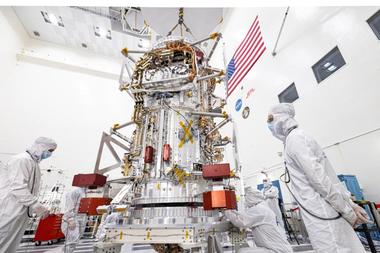
The Spacecraft and Its Instruments
Europa Clipper is equipped with a suite of advanced scientific instruments designed to collect highresolution data:
MASS SPECTROMETERS: Detect and analyze molecules in Europa’s thin atmosphere and potential plumes
RADAR: Penetrates the ice shell to reveal the structure of the subsurface
CAMERAS: Capture detailed images of the surface to map its terrain and geological features.
MAGNETOMETERS: Measure Europa’s magnetic field to infer the depth and salinity of its ocean.
THERMAL IMAGERS: Identify regions of heat flux, which may indicate geological activity.
The Journey to Jupiter
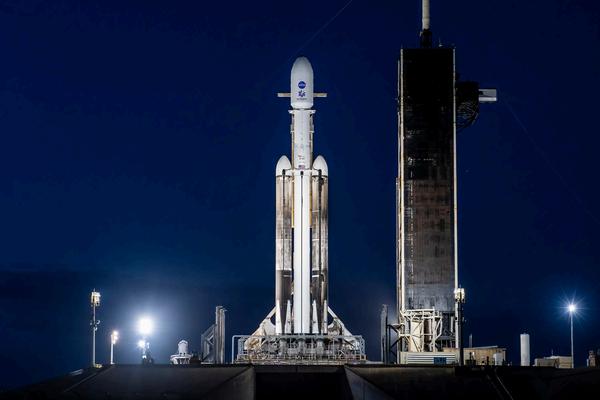
Launching aboard a SpaceX Falcon Heavy rocket, the Europa Clipper will embark on a multi-year journey to Jupiter, leveraging gravity assists from Mars and Earth to reach its target. Once in Jupiter’s orbit, the spacecraft will conduct over 50 flybys of Europa, each pass providing crucial data about the moon’s surface, atmosphere, and subsurface.
rLaunchpadofEuropaClipper
ADVANCE QUANTUM & ENERGY MATERIALS
By Mehar Ali
QUANTUM MATERIALS EXHIBIT UNIQUE BEHAVIORS FROM QUANTUM MECHANICAL EFFECTS
The 21st century has witnessed a scientific revolution in materials science, driven by the need for cleaner energy and efficient technologies At the forefront are quantum and energy materials, which promise to redefine physics and transform energy use
Quantum materials exhibit unique behaviors from quantum mechanical effects Topological insulators, for instance, conduct electricity on their surfaces while remaining insulating internally, making them ideal for quantum computing and spintronics Hightemperature superconductors allow resistance-free electricity conduction, revolutionizing energy systems with applications in power grids and ultra-fast computers Quantum dots, nanoscale semiconductors, are enabling breakthroughs in photovoltaics, imaging, and quantum computing
Energy materials are crucial for advancing renewable technologies Perovskite solar cells, with high efficiency and low cost, are reshaping photovoltaics for versatile applications Solid-state batteries promise safer, higher-capacity energy storage, accelerating electric vehicle adoption Thermoelectric materials, which convert waste heat into electricity, improve energy efficiency in industries and devices.
The convergence of these materials offers innovations like quantumenhanced energy systems, leveraging quantum properties for unmatched efficiency. However, challenges in scalability and stability remain. Researchers are exploring novel synthesis methods and interdisciplinary collaborations to bring laboratory breakthroughs to real-world applications.
mark a paradigm shift in science and stainable solutions and powering nextresearch progresses, the future looks brighter
MENTS MARK A PARADIGM SHIFT TECHNOLOGY, OFFERING OLUTIONS AND POWERING NEXTVICES.
ASTRO CALANDER25
January
January
February
March
April
April
May
June
July
August
August
November
November
December
CAPE
NASA PICTURE OF THE DAY
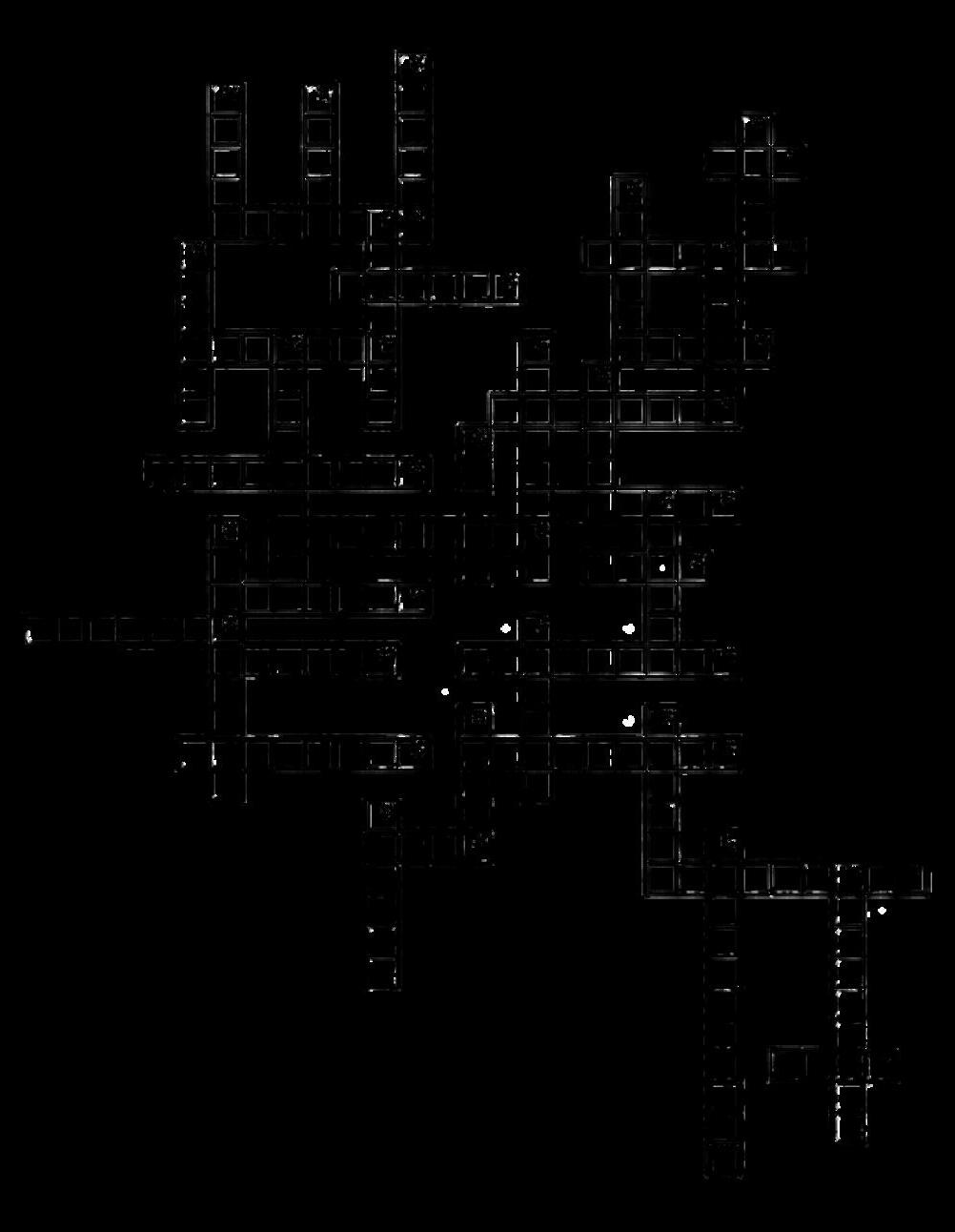
YOU ARE AN INTERSTELLAR TRAVELER WHOSE SPACESHIP HAS BEEN PULLED INTO THE GRAVITATIONAL GRIP OF AN ANCIENT, MYSTERIOUS STRUCTURE FLOATING IN THE VOID—A GLOWING SPACE MAZE KNOWN AS THE LABYRINTH NEXUS.
THE MAZE WAS BUILT EONS AGO BY AN EXTINCT ALIEN RACE AS A TEST OF INTELLIGENCE, ENDURANCE, AND COURAGE. YOUR ONLY WAY OUT IS TO NAVIGATE THE WINDING PATHWAYS, SOLVING PUZZLES AND AVOIDING ENERGY TRAPS. ALONG THE WAY, YOU'LL COLLECT FRAGMENTS OF ALIEN TECHNOLOGY THAT HOLD THE KEY TO RESTARTING YOUR SHIP'S WARP DRIVE.
BUT BEWARE—THE MAZE SHIFTS AND CHANGES WITH EACH WRONG TURN, AND A STRANGE, SENTIENT ENERGY CALLED "THE VOIDKEEPER" LURKS IN ITS DEPTHS, DETERMINED TO KEEP YOU FROM ESCAPING. CAN YOU REACH THE HEART OF THE LABYRINTH AND FIND THE POWER SOURCE TO ESCAPE, OR WILL YOU BECOME ANOTHER LOST SOUL IN THE VOID?
LIGHT UNVEILED
By Mehar Ali
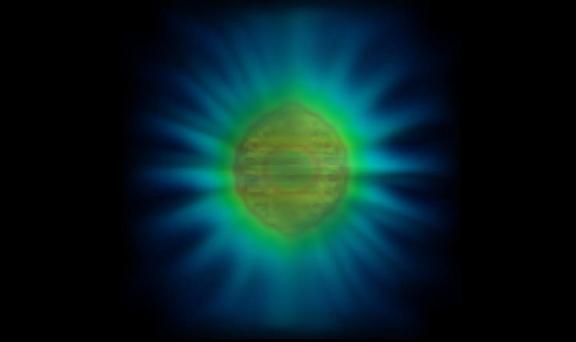
First time image of a Photon
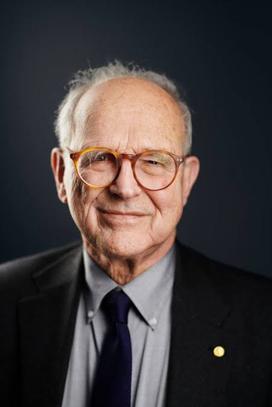
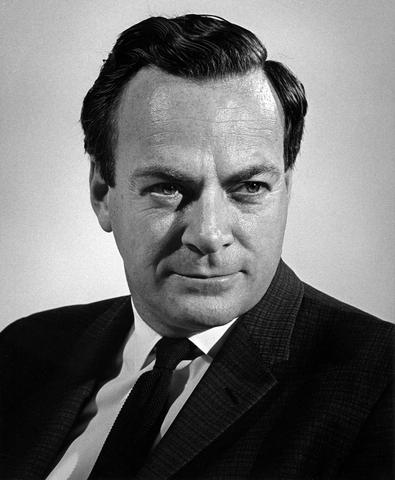
American theoretical physicist : Richard Phillips Feynmanknown for his work in Quantum physics
FUSORREACTOR
LABS which has always been about bold ideas and groundbreaking discoveries Our journey started with a vision: to create something that inspires curiosity and pushes the limits of what’s possible The Farnsworth Fusor was the first official project that brought this dream to life. This remarkable device was our stepping stone into the world of advanced physics. It not only deepened our understanding of nuclear fusion but also set the stage for all our future ventures. From the Fusor, we progressed to crafting the cloud chamber, an extraordinary project that visualizes the unseen world of particle physics As we explore these incredible technologies, we invite you to join us in celebrating the spirit of innovation that fuels Nebula Labs
Unlike massive reactors, the Fusor is simple yet powerful, capable of producing neutrons and demonstrating fusion reactions right in a lab It’s the perfect blend of complexity and accessibility, inspiring physicists and students alike
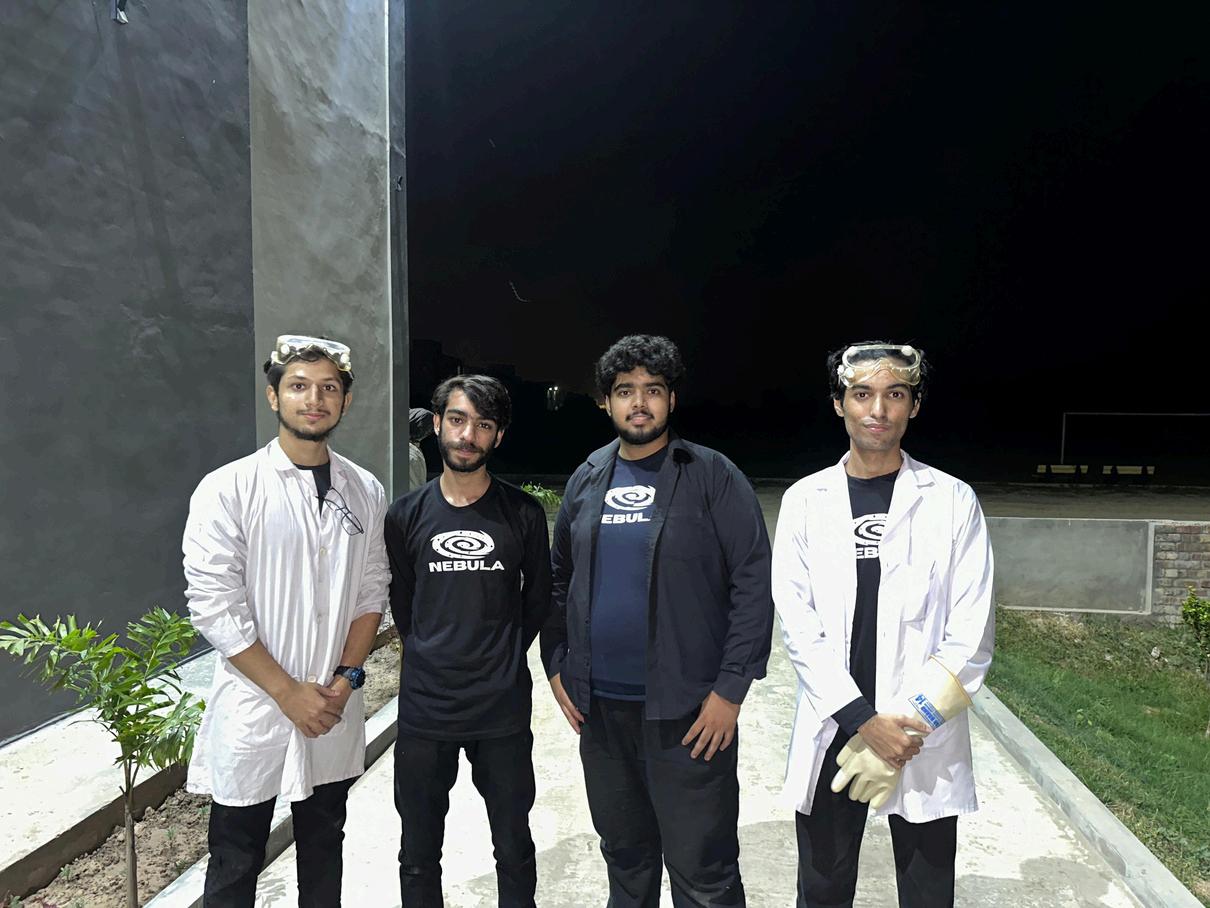
Nebula Labs had always been a hub of curiosity and ambition, and our latest endeavor a Farnsworth Fusor was no exception. It all began on an ordinary day when Mehar stumbled upon the idea on Twitter. A kid somewhere had managed to create a fusor, sparking a thought in our minds: If they could do it, why couldn’t we? That single moment set the stage for an extraordinary journey driven by nothing but passion, a dash of naivety, and an unshakable belief in our ability to turn nothing into something remarkable. Wewere a team of four Mehar Ali, Aflak Ali, Haashir, and myself united by our shared vision. Determined to not just build a fusor but set a world record for creating the cheapest Farnsworth fusor reactor, we plunged headfirst into the challenge. From sourcing materials to testing components, every step of the way was a rollercoaster filled with unexpected twists and turns.
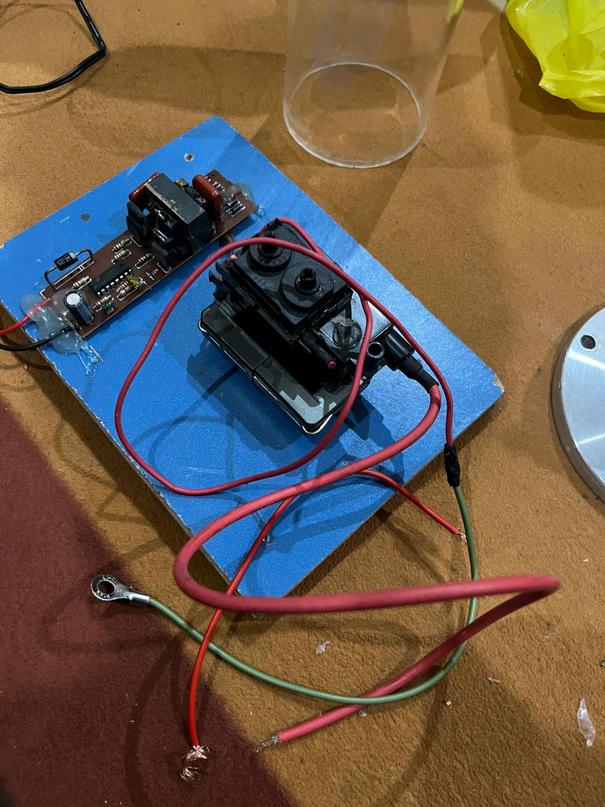
Our first task was to gather the necessary apparatus Optimistic as ever, we assumed it would be a straightforward process. How wrong we were. The glass chamber? Found at a tiny shop near the famous Waris Nihari in Anarkali, Lahore, after much scouring. The voltage supply? That was a saga in itself. Directed to a place called Electronic 2000 on Hall Road, we were quoted a price that was more electrifying than the voltage itself. Through relentless bargaining Mehar’s persistence, Haashir’s strategy, and my sheer determination(aka our bargaining skills) we finally secured a deal and placed the order on October 31st, hoping it would be ready in a week. Spoiler alert: it wasn’t.(We in Pakistan) While waiting for the circuit, we set out to find aluminum grids, an adventure that took us across Lahore. Market after market yielded no results until, miraculously, Mehar’s grandfather discovered them practically in our neighborhood. Meanwhile, repeated trips to Hall Road for the still-incomplete voltage supply drained our patience and our energy
As if the material hunt wasn’t challenging enough, we each fell sick one by one, turning our little operation into a battlefield of resilience. From Brandreth Road for vacuum gauges and gloves to neighborhood shops for odds and ends, we covered every corner of Lahore. Yet the critical components “vacuum motor and voltage circuit” remained elusive, heightening our anxiety as the testing date loomed. One Friday, with Aflak and Mehar occupied with university, Haashir and I decided to tackle the remaining items. But just as we were about to buy the vacuum motor, urgent matters pulled us away. By the time we returned, the shops had closed. Panic set in we were due at ITU’s Barki Campus the next day for testing, and two key pieces were still missing.
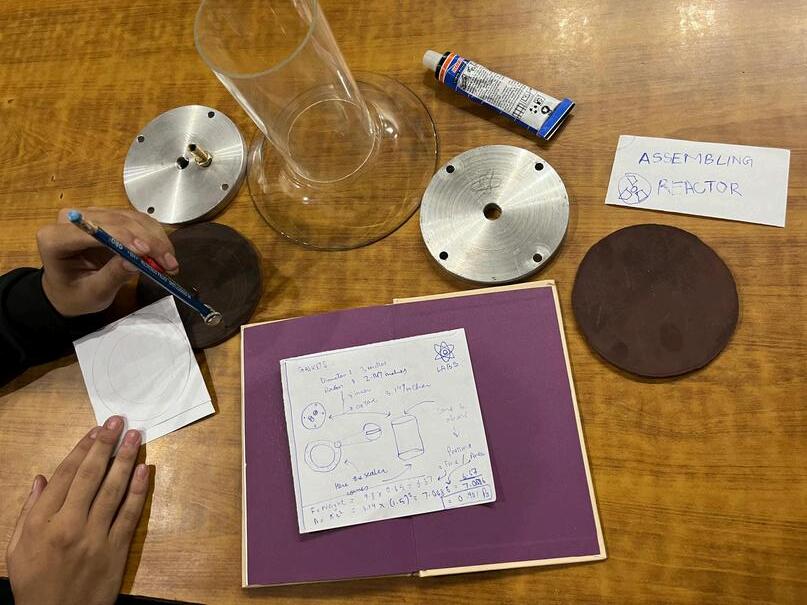
Aluminum Plates formation
Chamber Initilization
team from NEBULA LABS
Saturday arrived with a mix of anticipation and dread While Aflak and Mehar headed to Barki to assemble the chamber, Haashir and I vowed to secure the remaining apparatus. The vacuum motor was finally procured after much hassle, but the voltage circuit was still unfinished.
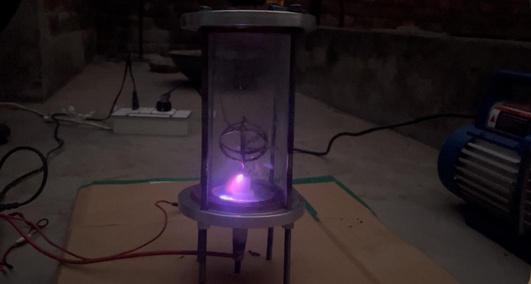
Determined not to leave without it, we camped at the shop until late afternoon, watching every minute tick by. Finally, as the sun dipped toward the horizon, the circuit was ready. Triumph, however, was short-lived. On our way to Barki, a series of mishaps ensued a malfunctioning bike headlight, a flat tire, and a long walk to find a repair shop. By the time we arrived, exhaustion had taken hold, but the excitement of testing kept us going. The initial experiment was a mixed bag. Connections seemed fine, but the vacuum wasn’t creating the necessary pressure. Back at our homes-turned-workshops, we tested and retested, learning from every failure. Along the way, we met a professional electrical engineer who guided us to refine our inner grid. A breakthrough came when we finally created plasma an awe-inspiring sight but the flow remained inconsistent
Realizing we needed a better vacuum motor, we were introduced to a businessman who lent us one for testing. With renewed hope, we forged ahead, inching closer to success. Then came an unexpected blessing: a meeting with Dr. Shahid, Dean of Sciences at UET. His guidance and encouragement opened new doors, including access to advanced plasma generators for further observations.
At Nebula Labs, the Farnsworth Fusor wasn’t just a project; it was a foundation It gave us the skills, inspiration, and drive to explore further. Through countless hours of trial and discovery, we:
1. Built an operational Fusor to demonstrate reactions
2. Laidthe groundwork for advanced projects like the cloud chamber, bringing particle physics to life.
3. AtNebula Labs, we foster passionate team of curious minds, united by the goal of advancing scientific knowledge. Every project is fueled by creativity, where fresh ideas are always welcomed, and each individual’s passion drives us forward. It’s a space where inspiration thrives, and a warm, heartening welcome awaits anyone eager to join our journey!
While the fusor isn’t complete yet, 90% of the work is done, and our determination is stronger than ever. Through every setback, we’ve grown not just as a team but as individuals learning the value of perseverance, creativity, and teamwork. This journey has been nothing short of transformative, and as Nebula Labs, we’re more committed than ever to seeing this project through to completion, In Sha Allah.
Allah (SWT) says in the Qur’an, “Indeed, in the creation of the heavens and the earth, and the alternation of the night and the day, are signs for those of understanding. Who remember Allah while standing or sitting or [lying] on their sides and give thought to the creation of the heavens and the earth saying… (Surah Aal-E-Imran, 3:190-191).
This verse reminds us that true understanding comes from reflecting on the wonders of the universe and seeking knowledge in everything around us. Here’s to a future powered by science, imagination, and the relentless pursuit of knowledge
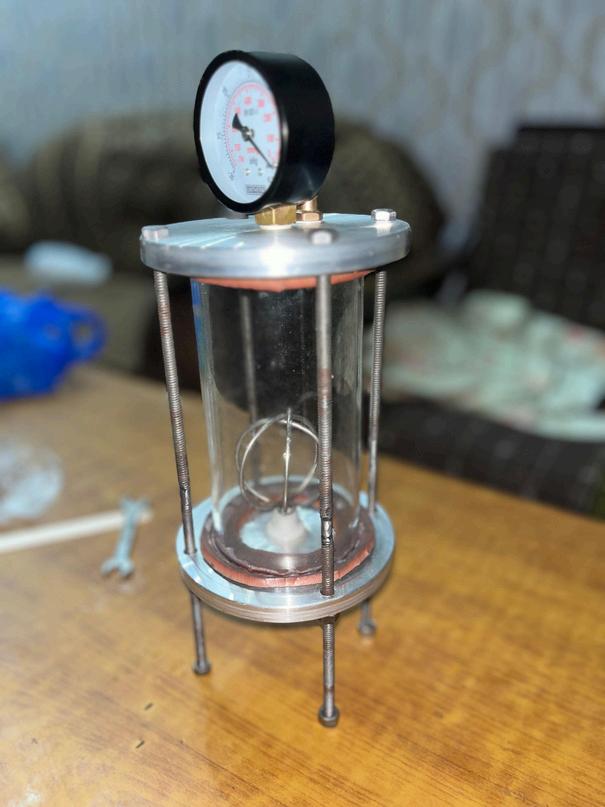
Formation of inner grid
Complete Nuclear Chamber
Plasma Generation and Ionization
18Kv voltage supply
How does the solar system hold up its pants? With an asteroid belt!
Why do astronauts always stay calm? Because there’s no pressure in space
Why did the star break up with the galaxy? It felt like it was being used for its gravitational pull
brainrot
Why did the sun go to school? To get a little brighter!
Why don’t aliens visit Earth? They’ve seen our reviews only one star!
Why don’t astronauts eat at fancy restaurants? Because the atmosphere isn’t right
Why did the astronaut break up with his girlfriend? He needed space!
Why did the sun go to school? To get a little brighter!
What did Mars say to Saturn? Give me a ring sometime!
EXOPLANETS DISCOVERIES OF
By Nayab Zahra Planets, beyond the solar system
Exploring the Wonders of Exoplanets: Unlocking the Secrets of Distant Worlds
For centuries, humanity has looked to the stars, wondering if there are other worlds like ours among the vast cosmic expanse With the discovery of exoplanets planets orbiting stars beyond our solar system this age-old question has taken a step closer to being answered. Since the first confirmed detection in 1992, thousands of exoplanets have been discovered, revolutionizing our understanding of the universe and our place within it.
What Are Exoplanets?
Exoplanets are planets that orbit stars other than the Sun. Unlike the planets in our solar system, which are bound to the Sun’s gravity, exoplanets belong to distant star systems. These fascinating celestial bodies come in a wide variety of sizes, compositions, and orbits. Some are massive gas giants similar to Jupiter, while others are rocky and Earth-sized, raising the tantalizing possibility that they might harbor conditions suitable for life.
How Are Exoplanets Discovered?
Discovering exoplanets is no easy task. They are often dwarfed by the brightness of their host stars, making them difficult to observe directly. However, scientists use ingenious methods to detect these hidden worlds:
2.
1. Radial Velocity: By measuring the subtle "wobble" in a star's motion caused by the gravitational pull of an orbiting planet, astronomers can infer the planet's presence.
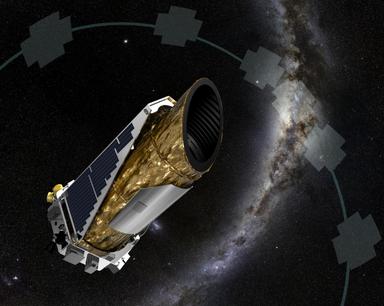
Transit Method: This involves observing the tiny dip in a star's brightness when a planet passes or transits in front of it. NASA's Kepler and TESS missions have used this technique to identify thousands of exoplanets.
3. Gravitational Microlensing: When a massive object passes between a distant star and Earth, it can bend and magnify the star's light, revealing the presence of an exoplanet.
Direct Imaging: Advances in telescopes and imaging technology have made it possible to capture faint light from some exoplanets directly, though this remains a rare feat.
Types of Exoplanets
Exoplanets exhibit a breathtaking diversity, with many defying the categories used in our solar system:
Hot Jupiters: These are gas giants that orbit extremely close to their stars, experiencing scorching temperatures Super-Earths: Larger than Earth but smaller than Neptune, these rocky planets are among the most intriguing for their potential to support life.
Ocean Worlds: These planets are believed to be covered entirely by deep oceans, raising fascinating questions about alien marine ecosystems.
Rogue Planets: Some planets drift through space without orbiting any star, untethered and mysterious. Are We Alone?
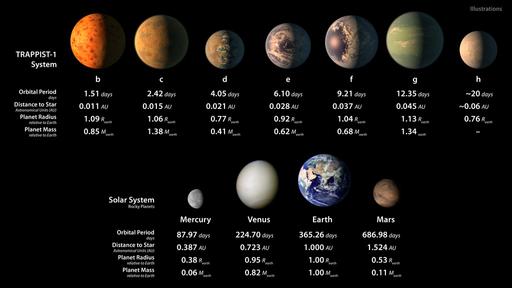
One of the most compelling aspects of exoplanet research is the quest to find signs of life. Astronomers are particularly interested in the habitable zone, the region around a star where conditions might allow liquid water to exist. Recent discoveries, such as the TRAPPIST-1 system with seven Earth-sized planets, have ignited hope for finding habitable environments.
The Future of Exoplanet Exploration
The study of exoplanets is just beginning. Future missions like the European Space Agency’s ARIEL (Atmospheric Remote-Sensing Infrared Exoplanet Large-survey) and NASA's planned Habitable Worlds Observatory aim to deepen our understanding of these alien worlds. By studying exoplanets, we not only learn about the diversity of planetary systems but also reflect on what makes Earth unique. Could there be a twin Earth waiting to be discovered, teeming with life? The answer lies among the stars.
In the words of Carl Sagan: “Somewhere, something incredible is waiting to be known.”
4.
Comparison between Trappist-1 System and Solar System
PLATO (PLAnetary Transits and Oscillations of stars)
Kepler Mission: Launched to focus on Earthsized exoplanets